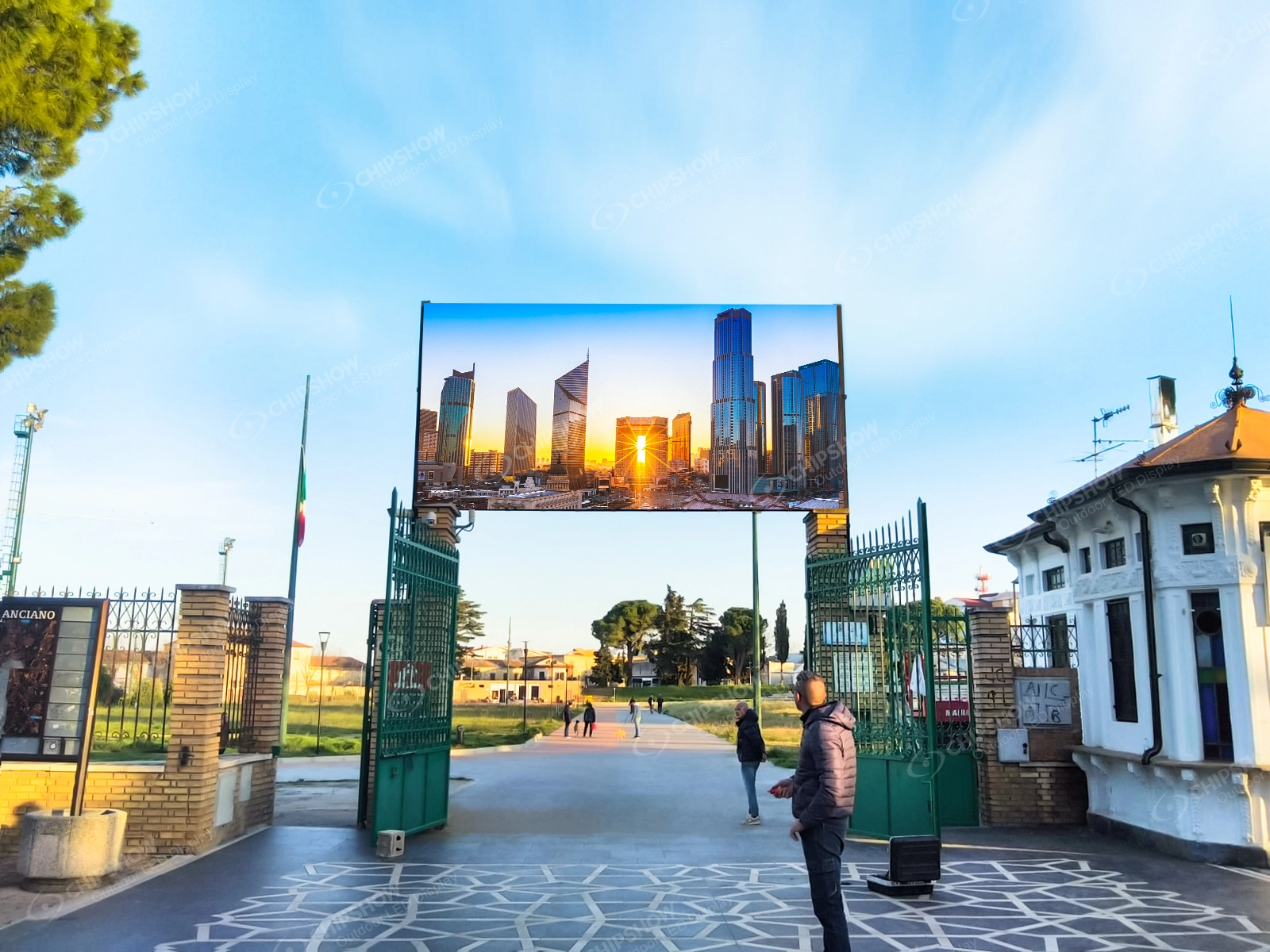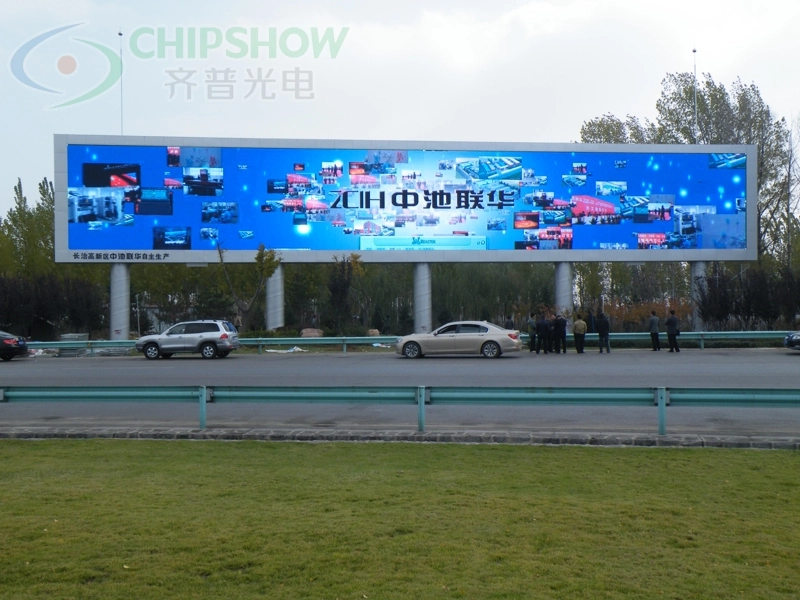
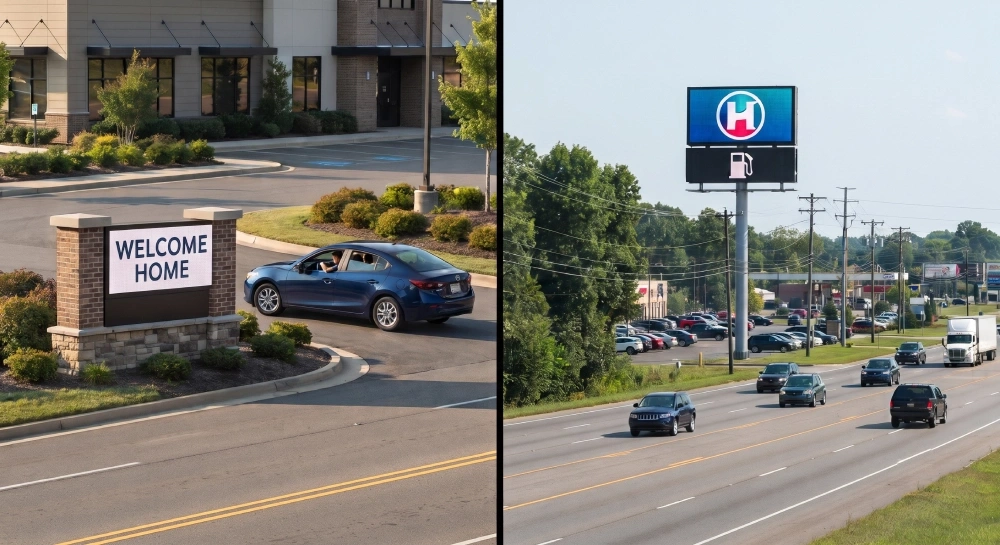
A monument sign often suits properties whose drivers read the message close to the property entrance, especially while slowing or turning. A pylon sign can fit properties that need to be identified earlier from the road, or where parked vehicles, landscaping, buildings or other signs block the view of a low sign. Check the sign type, height, area and setback rules for the address before comparing the two.
Elige un cartel de monumento cuando los conductores lean el mensaje cerca de la entrada de la propiedad, especialmente al reducir la velocidad o girar. Elige un cartel de pilar cuando la propiedad deba identificarse antes desde la carretera o cuando los vehículos, jardinería, edificios u otros indicios aparcados bloqueen la vista de un cartel bajo.
Utiliza el Selector de señales LED para comparar la disposición de las pantallas LED del sitio: seleccionar la distancia de visualización más cercana, elegir un módulo inteligente o un armario fijo, y guardar la disposición propuesta.
Tras seleccionar la estructura, divide la cara del signo entre identificación permanente y un centro de mensajes electrónicos (EMC). Mantén el nombre de la propiedad, el logotipo y la identidad del inquilino permanente en la zona fija. Utiliza el EMC para información que cambie, como horarios de eventos, promociones y avisos operativos. Prueba los mensajes normales del cliente para determinar cuánta área de pantalla activa necesita.
Cartel de monumento vs cartel de pilón: La decisión en un vistazo
| Estado del proyecto | Cartel monumental | Cartel de pilones |
| Punto principal de observación | Cerca de la entrada de la propiedad | Más adelante en la carretera |
| Comportamiento típico del conductor | Reducir la velocidad, girar o entrar | Tráfico en movimiento que necesita una identificación temprana |
| Huella disponible | Necesita suficiente ancho en la carretera para una estructura baja y ancha | Eleva la cara del cartel por encima de los obstáculos al borde de la carretera, pero aún necesita espacio para su soporte y cimientos |
| Función principal en la comunicación | Identidad de propiedad más mensajes cambiantes seleccionados | Identificación a largo plazo, visibilidad del inquilino y cambios de mensajes |
| Prioridad de diseño EMC | Encaja en mensajes cortos sin saturar el nombre o el logo permanente | Separa el nombre de la propiedad, los paneles de inquilinos y el mensaje EMC para que cada uno siga siendo legible desde la carretera |
| Planificación del servicio | Mantén el revestimiento y el paisajismo libres de la ruta de servicio a nivel del suelo | Define cómo los técnicos alcanzarán y abrirán el recinto elevado |
Esto no es simplemente una elección entre un signo pequeño y uno grande. Un gran cartel de monumento puede seguir siendo la solución equivocada si el paisajismo bloquea el acceso al tráfico. Un pilar alto puede ser innecesario si los conductores solo necesitan leer el cartel al entrar en la propiedad.
Antes de diseñar cualquiera de las dos estructuras, comprueba qué permite la dirección del proyecto: Tipo de señal, altura, área de señalización, retranqueo y normas de mensaje electrónico. Si no se permite un formato, elimínalo de la consideración. Luego compara las opciones restantes según cómo los conductores abordan el sitio, no en una imagen de catálogo.
Carteles de carcasa y señales de tráfico
Dos términos necesitan aclaración antes de aplicar la comparación monumento versus pilar: si un cartel de carpintera es otro nombre para un cartel de monumento, y si un pilar al borde de la carretera es un cartel de tráfico. Tratar estos nombres como intercambiables podría llevar a usar la comparación para una disposición de montaje diferente o para un propósito de identificación.
En el uso arquitectónico, un cartel de carpa se coloca en un toldo que sobresale de un edificio, por ejemplo, sobre una entrada. Un cartel monumental se encuentra de forma independiente sobre una base a nivel del suelo. Elegir un cartel montado en dosel implica su conexión con el edificio; Elegir entre carteles de monumentos y de torres implica soportes independientes. La comparación anterior aborda las opciones independientes.
"Señal de calle" aquí significa una señal con nombre de calle, que identifica una carretera. Los carteles de poste que se mencionan en esta guía identifican negocios o propiedades. Aunque ambos pueden situarse junto a una carretera, identificar una calle y ayudar a los conductores a localizar un negocio son tareas diferentes. La siguiente guía se refiere a la identificación empresarial.
Por tanto, los carteles montados en marquesinas y los carteles con nombres de calles quedan fuera del alcance de esta guía. Las siguientes secciones se centran en los monumentos y pilones independientes para negocios y propiedades, examinando cómo la ubicación de la entrada, el tráfico en aproximación y los obstáculos afectan a la elección.
El tipo de propiedad por sí solo no determina la estructura. Un hotel, centro comercial, iglesia o escuela puede utilizar cualquiera de los dos formatos dependiendo del acceso a la carretera, la distancia de visión, los obstáculos y la altura del cartel, el área y el retraso permitidos en esa dirección. Los ejemplos siguientes muestran condiciones comunes de proyecto, no asignaciones fijas en la industria.
Elige un cartel de monumento para los mensajes leídos cerca de la entrada
Utiliza un cartel de monumento cuando los conductores solo tengan que leer y confirmar la propiedad al acercarse a la entrada.
Considera una iglesia, escuela o centro comunitario en una carretera comercial local. Los conductores ya están reduciendo la velocidad, preparándose para girar o comprobando que han llegado a la entrada correcta. La sección permanente identifica la organización. El EMC debería mostrarse Un breve anuncio en un momento como "Sunday Service 9:00 y 11:00." Varias fechas, instrucciones y anuncios darían a los conductores que se acercan más información de la que tienen tiempo de leer.
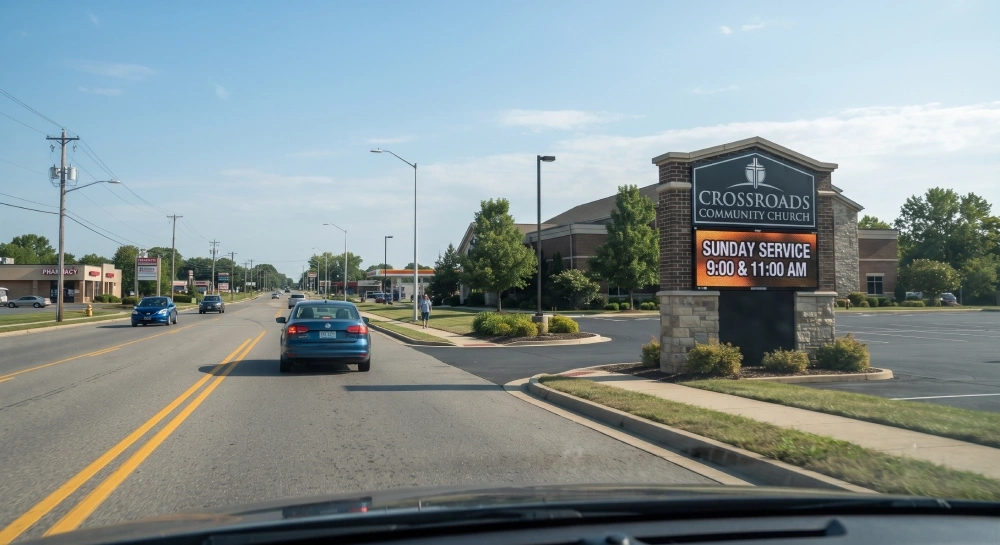
No decidas la posición del cartel del monumento solo con un dibujo frontal. Comprueba desde la dirección en la que realmente se acercan los conductores. Si el cartel está justo al lado de la entrada, los conductores pueden llegar a la curva antes de terminar el mensaje. Colocar el cartel antes en su acercamiento les da más tiempo para leer, pero solo si los árboles, vehículos aparcados y jardinería no lo bloquean.
La estructura también necesita suficiente ancho útil a nivel del suelo. La base del cartel debe encajar dentro de la fachada disponible sin estrechar la entrada.
Tras confirmar la posición y la huella, divide la cara del cartel entre el nombre o logotipo permanente y la EMC. Coloca la abertura LED antes de finalizar la mampostería o el revestimiento circundante. Deja suficiente profundidad y espacio para el recinto para el método de servicio seleccionado.
Elige un cartel de poste para una identificación previa en carretera
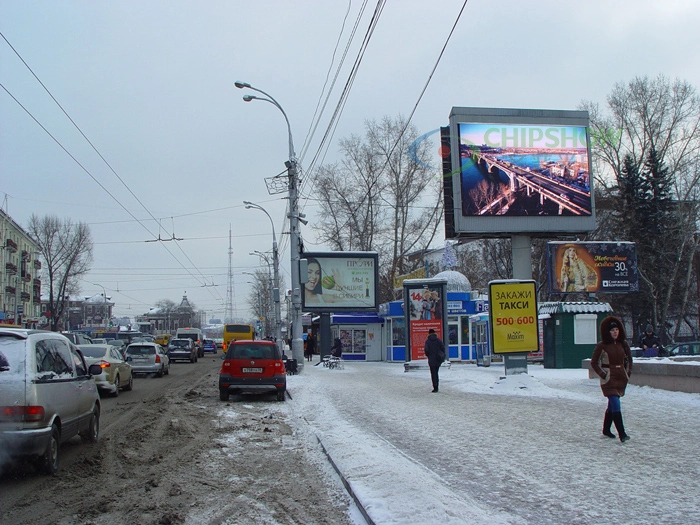
En un centro comercial situado detrás de un aparcamiento, los conductores pueden necesitar reconocer la propiedad mientras aún eligen un carril y se preparan para el giro. Un cartel a nivel del suelo oculto detrás de vehículos aparcados no puede realizar esa función. Elevar el cartel por encima de esos obstáculos permite a los conductores identificar la propiedad antes y les da más tiempo para elegir un carril o prepararse para girar.
Considera una altura adicional donde mejoraría la visibilidad frente al tráfico que se acerca o ayudaría a los conductores a identificar la propiedad antes. Revisa la altura permitida de los carteles en el lugar antes de desarrollar el trazado más alto. Mantén el mensaje lo suficientemente conciso como para leerlo durante el tiempo de visualización disponible.
Un pilón multi-inquilino necesita un orden claro de comunicación:
- El nombre de la propiedad o del centro establece el destino.
- Los paneles permanentes de inquilinos identifican a los ocupantes que deben permanecer visibles.
- El EMC lleva un mensaje actual de promoción, evento u operativo.
Desde más lejos, el nombre de la propiedad, los paneles de inquilino y el mensaje de EMC deben permanecer visualmente separados. Un mensaje como "Venta de fin de semana — Hasta un 30% de descuento" ofrece a los conductores en movimiento un mensaje claro para leer antes de llegar a la curva. Varias ofertas de inquilinos, fechas y logotipos tardarían más en leerse. Usa letras más altas para mayor distancia de observación. Usa menos líneas que en una pantalla de entrada de corta distancia.
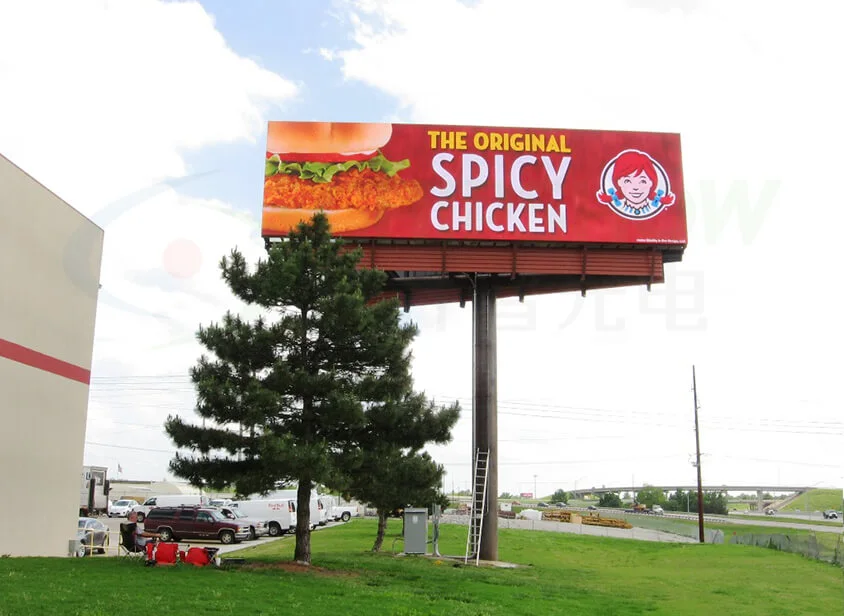
Una estructura más alta modifica los requisitos de cimentación, instalación y mantenimiento. El terreno necesita suficiente espacio para el soporte y los cimientos. El equipo de instalación y mantenimiento también debe poder alcanzar el cartel. Antes de la fabricación, el equipo del proyecto debe especificar la ruta que los técnicos usarán para llegar y abrir la pantalla. La distribución de los armarios y la estructura de soporte deben mantener esa vía de acceso abierta.
Algunas propiedades necesitan ambas estructuras: un pilón para la identificación temprana en la carretera y un cartel de monumento para confirmar la entrada. En ese arreglo, coloca el EMC en el cartel que dé tiempo suficiente a los conductores para leer el mensaje cambiante. No dupliques el mismo contenido EMC en ambas estructuras a menos que los dos enfoques de visualización lo requieran.
Decide qué debe permanecer permanente y qué debe cambiar
Una EMC es la Área dinámica de mensajes integrada tanto en la estructura del monumento como en el pilar. La estructura de señalización que lo rodea lleva la identidad permanente y sostiene el recinto de exposición.
Utiliza el área de señalización permanente para obtener información que debe permanecer visible en todo momento:
- Nombre de la propiedad u organización
- Logotipo principal
- Número de dirección cuando sea necesario
- Identificación de inquilinos permanentes
- Colores de la marca y acabados arquitectónicos
Utiliza el EMC para obtener información que cambie:
- Fechas y horarios de los eventos
- Anuncios escolares o de iglesias
- Ascensos actuales
- Campañas de arrendatarios
- Horario temporal, fechas de inauguración o avisos de cierre
- Avisos direccionales u operativos cortos
Esta división mantiene visible la identidad de la propiedad incluso cuando el EMC está apagado y reserva el área digital para la información que realmente cambia.
Prueba mensajes reales antes de dimensionar el EMC
No apruebes el área digital usando solo un rectángulo de color en un renderizado de cartel.
Prepara varios mensajes que el cliente realmente espere publicar. Por ejemplo:
- "Matrícula abierta hasta agosto"
- "Ahora en alquiler — dos suites disponibles"
- "Sábado comunitario de recogida de alimentos"
- "Rebajas de verano hasta el 20 de julio"
Empieza con una altura de letra acorde a la distancia prevista para ver y al tiempo disponible de lectura, y luego expone los mensajes reales del cliente. Si un mensaje supera el área de visualización propuesta en esa altura de letra, acorta primero la redacción. Si el contenido esencial sigue superando el área disponible, revisa si un área de exhibición activa más grande puede caber dentro del diseño del cartel y los límites del sitio antes de aprobar las dimensiones.
Esta prueba debe realizarse antes de fabricar el recinto del cartel. Ampliar la abertura de la EMC posteriormente puede afectar las proporciones del signo, el marco, la disposición eléctrica y la disposición de los módulos.
Dimensiona el EMC para el tráfico y las condiciones de visualización
Antes de comparar el tono de píxeles, define el mensaje y las condiciones bajo las cuales los controladores lo leerán:
- ¿Cuántas líneas deben leer los conductores?
- ¿Qué tamaño aparecerán las letras?
- ¿Cuántos segundos tendrán los conductores para ver y leer el mensaje?
- ¿Es necesario entender el mensaje desde una dirección o desde ambas?
- ¿Los vehículos se moverán, ralentizarán o pararán?
Un mensaje en la carretera visto por el tráfico en movimiento debería usar menos palabras y letras más altas en la cara real del cartel que un mensaje de entrada leído desde un carril de giro. Un tono de píxel más fino no puede compensar una frase demasiado larga para leer durante el tiempo de visualización disponible.
Por ejemplo, una descripción de evento de cuatro líneas puede parecer completa en una vista previa de escritorio, pero el conductor puede tener tiempo solo de identificar la organización y leer un breve anuncio. Reducir el mensaje a dos líneas puede permitir que los pilotos terminen de leer antes de llegar a la curva.
Revisa ambas caras de un cartel de doble cara
Ambas caras de señales pueden tener las mismas dimensiones, pero el acceso por carretera puede dar a los conductores más tiempo de lectura en un lado que en el otro.
Revisa cada dirección de tráfico por separado. Una cara puede permanecer visible a lo largo de una carretera recta. El otro puede no aparecer hasta que los conductores pasan una curva, árboles o vehículos aparcados. No des por hecho que un solo diseño de contenido funcionará igual de bien en ambas caras.
Si ambos lados muestran el mismo mensaje, pruébalo desde la dirección con la vista más corta o más obstruida. Si las dos caras necesitan contenido diferente, especifica que el sistema de control debe soportar reproducción y programación independiente para cada cara.
Ajusta la disposición del LED a la estructura del cartel
Una vez definida la anchura y altura activa de la EMC, convierta esas dimensiones en un módulo LED o una rejilla de armario.
No permitas que el fabricante de la señal finalice una apertura mientras el proveedor de LED asume de forma independiente un tamaño de pantalla diferente. Incluso una pequeña desadaptación puede crear tiras de relleno, bordes desiguales o cambios en la resolución prevista.
Compara la disposición del módulo con la apertura
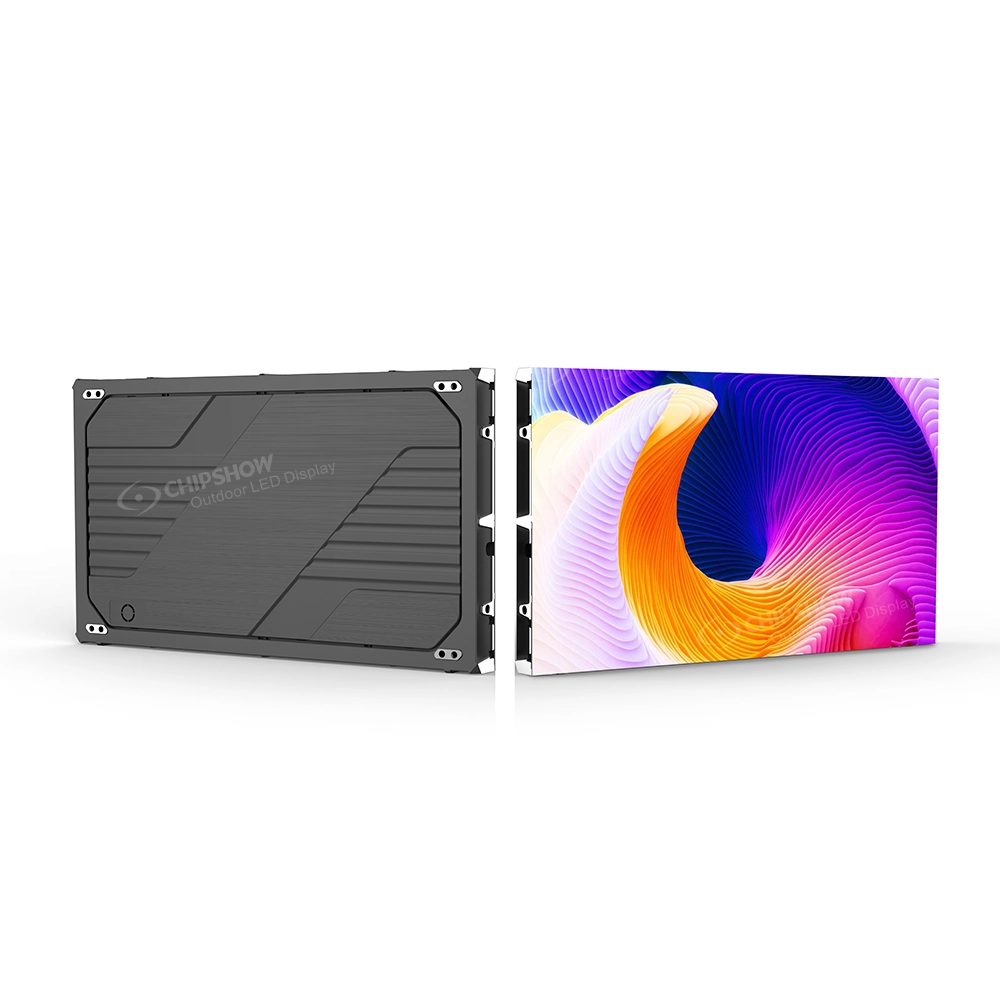
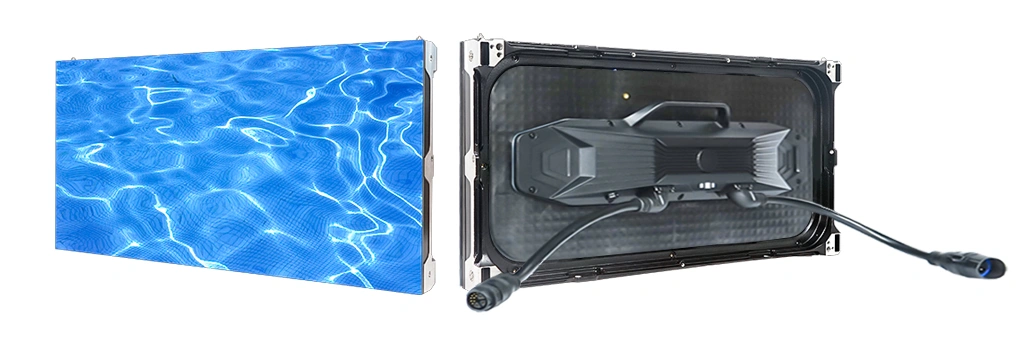
Consideremos una disposición basada en módulos en la que se puedan organizar módulos individuales para ajustarse al área de visualización requerida. Utiliza las dimensiones fijas del módulo seleccionado para comprobar el número de filas y columnas y el ancho y altura de la pantalla resultantes. Para una abertura poco profunda, también comprueba el espacio necesario para fuentes de alimentación, componentes de control, cableado y retirada de componentes.
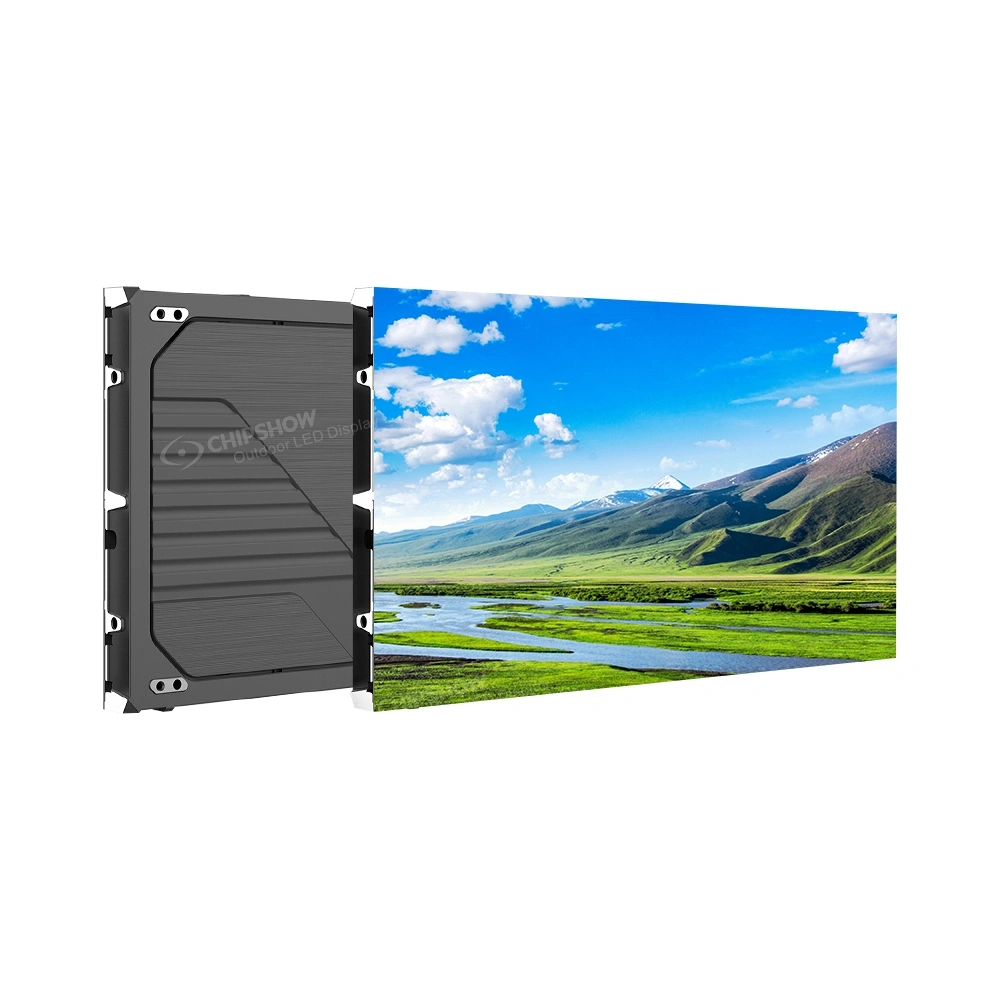
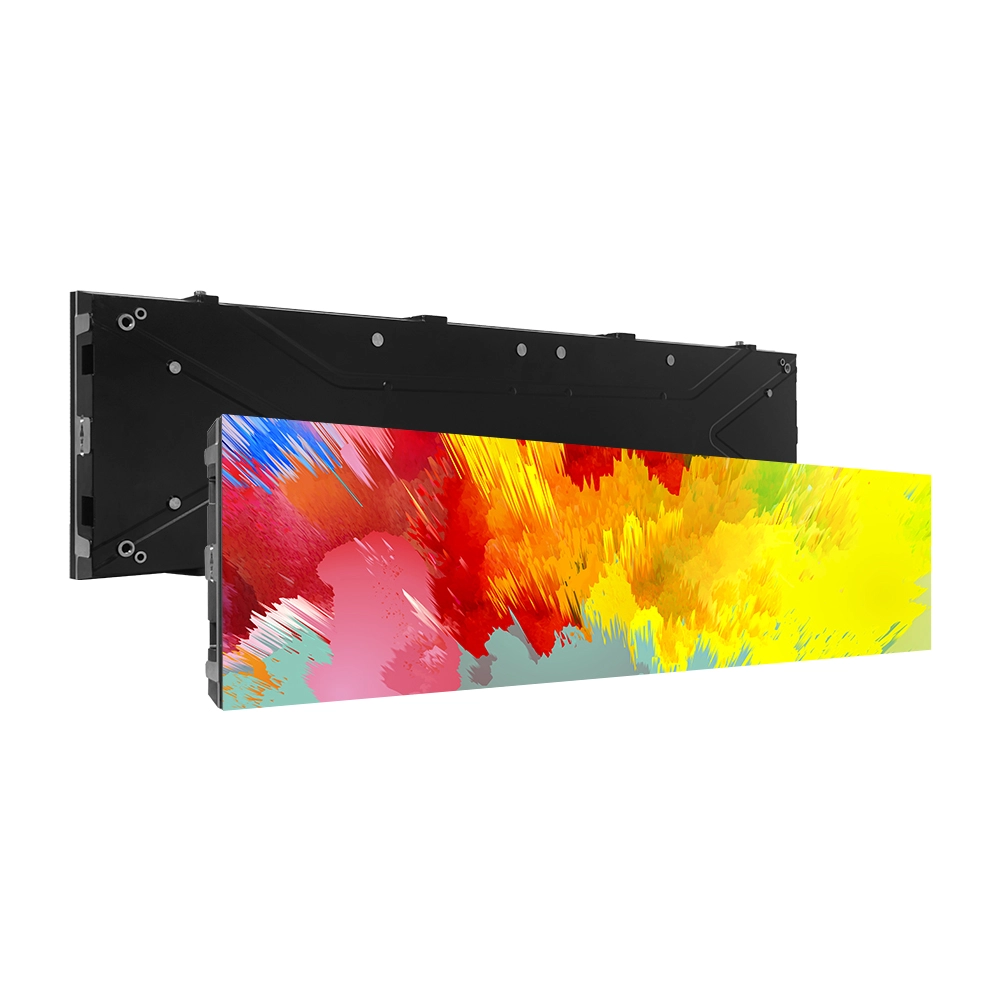
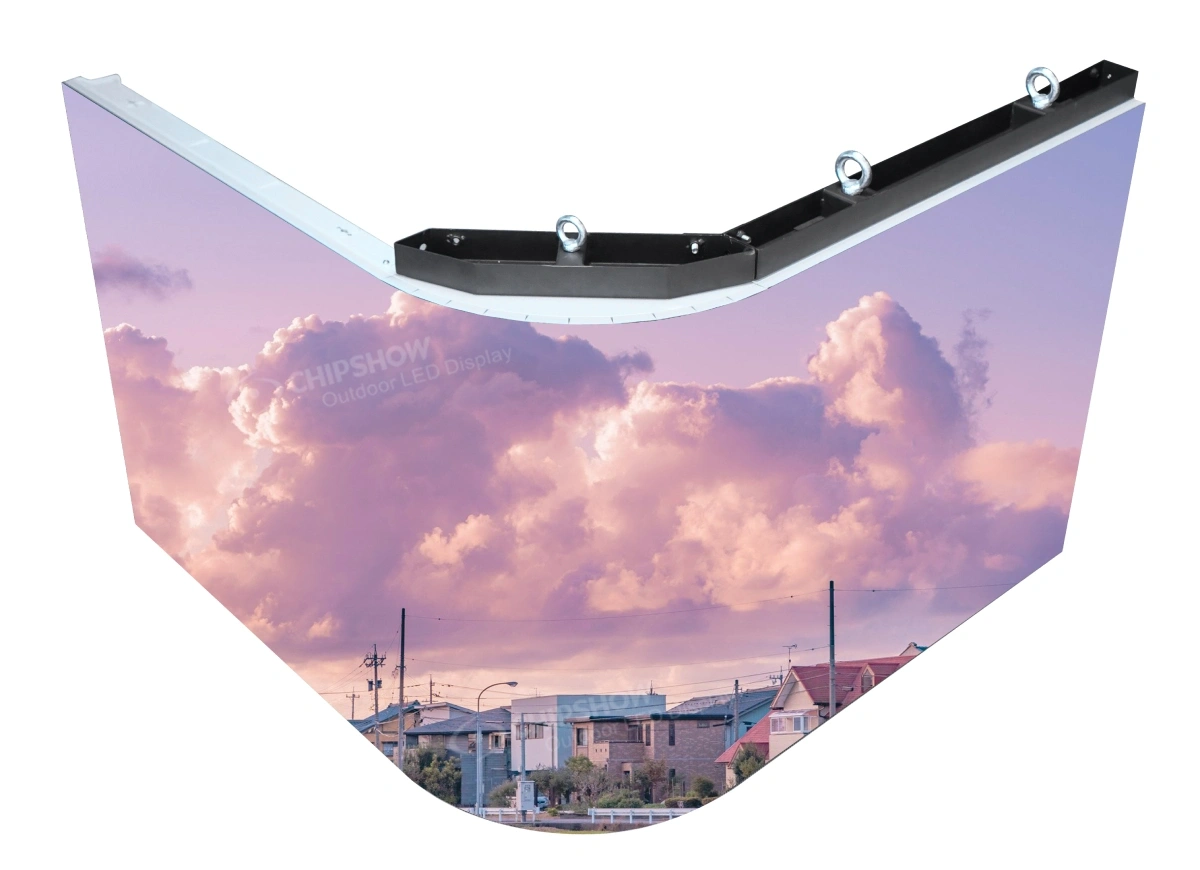
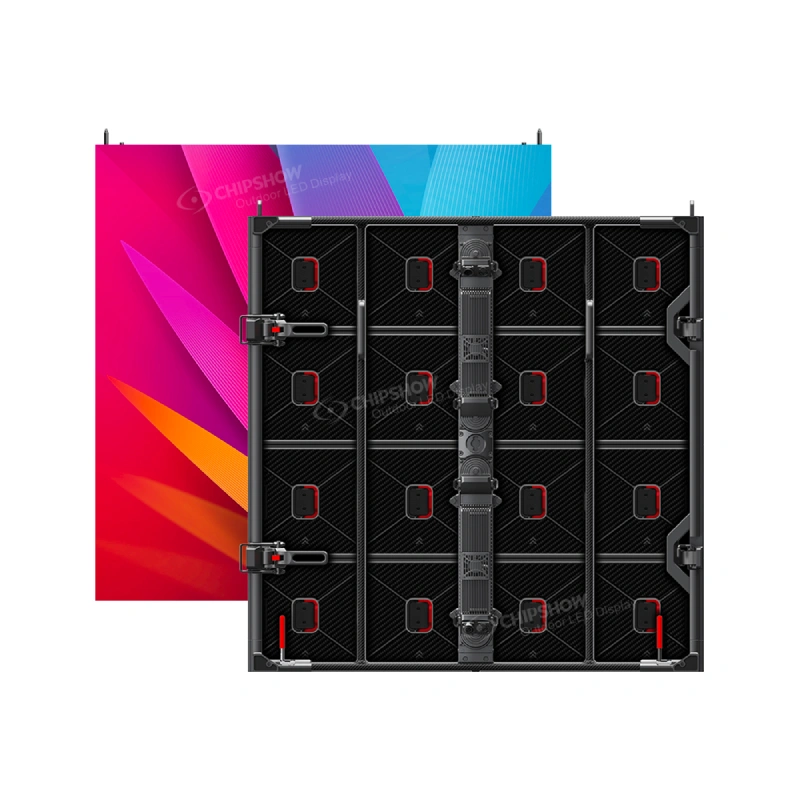
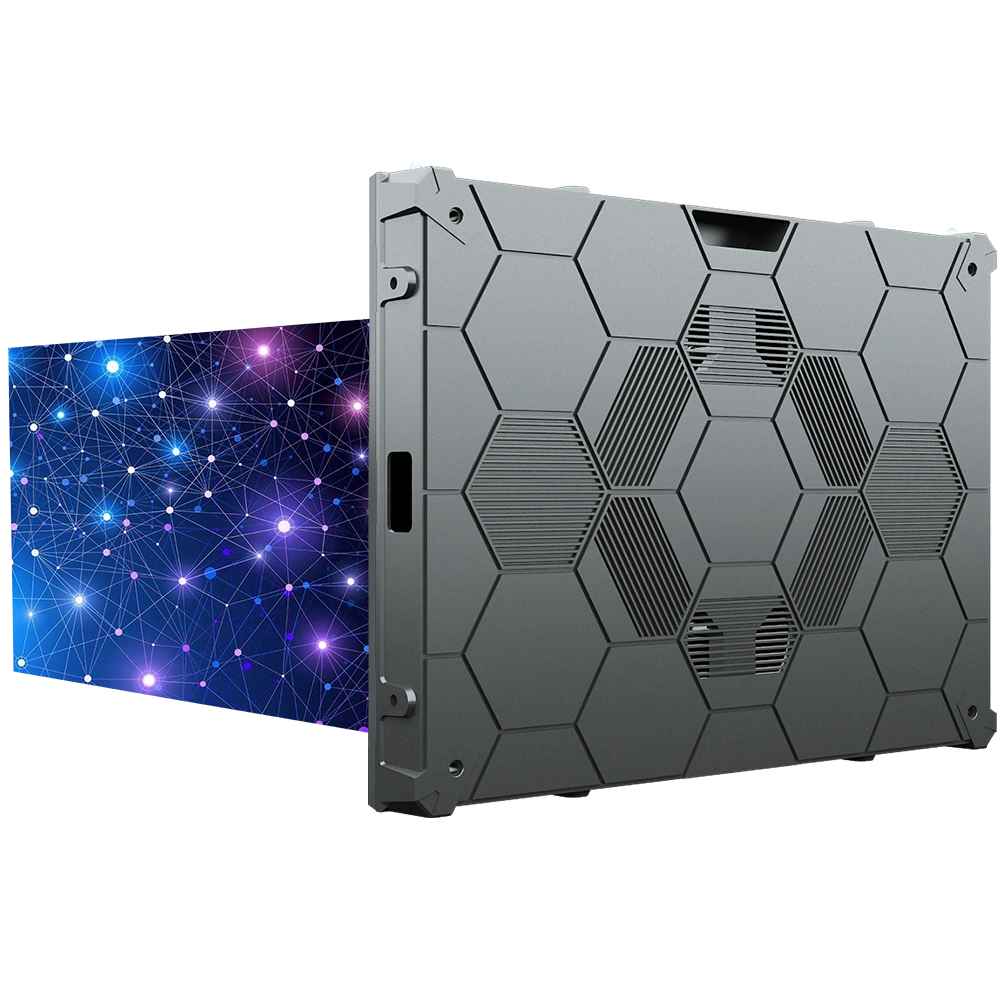
Por ejemplo, Chipshow C-Smart utiliza módulos LED de 25,2 × 12,6 pulgadas (640 × 320 mm) y tiene una profundidad de sistema publicada de aproximadamente 3 pulgadas (75 mm), incluyendo la caja de alimentación. Cada módulo añade una cantidad conocida de ancho y altura. Esto permite al fabricante ajustar la cuadrícula en pasos más pequeños cuando la mampostería, el revestimiento decorativo o un panel con logotipo permanente limita la abertura disponible.
Antes de la fabricación, el equipo del proyecto debe aprobar:
- Ancho y altura exactos de la pantalla activa
- Cantidad y orientación de módulos
- Resolución final de píxeles
- Borde y dimensiones de acabado
- Ubicaciones de componentes de alimentación y datos
- Espacio libre necesario para retirar módulos y piezas de servicio de la parte delantera
Comprobar el ajuste de los armarios y el acceso al servicio
Considera armarios LED completos cuando las filas y columnas completas del armario seleccionado puedan acomodar la abertura disponible. Comprobar las dimensiones de la pantalla resultantes, la profundidad del armario y el espacio libre necesario para retirar componentes utilizando el método de mantenimiento previsto.
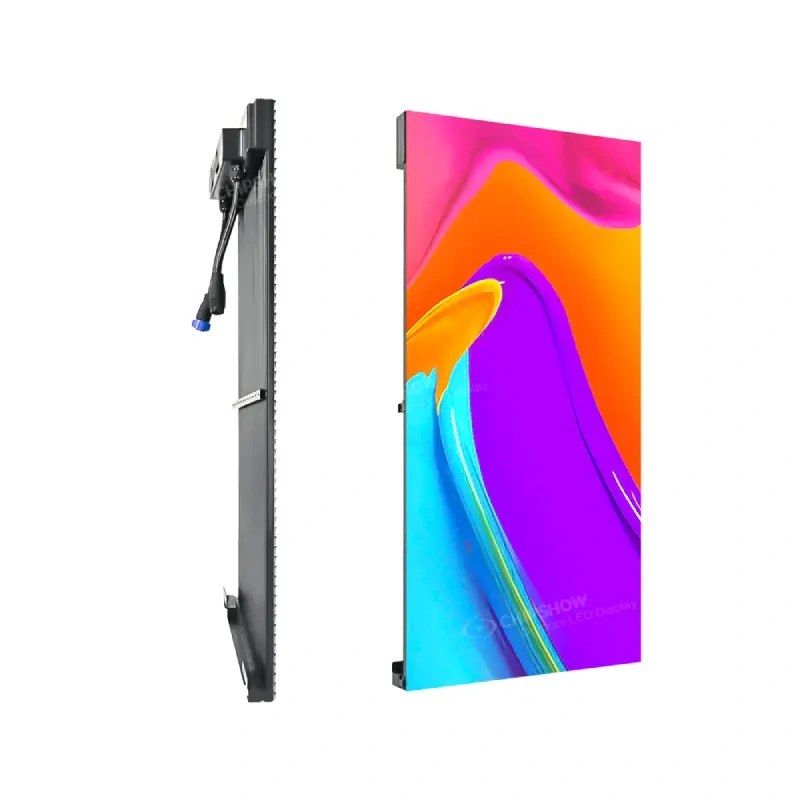
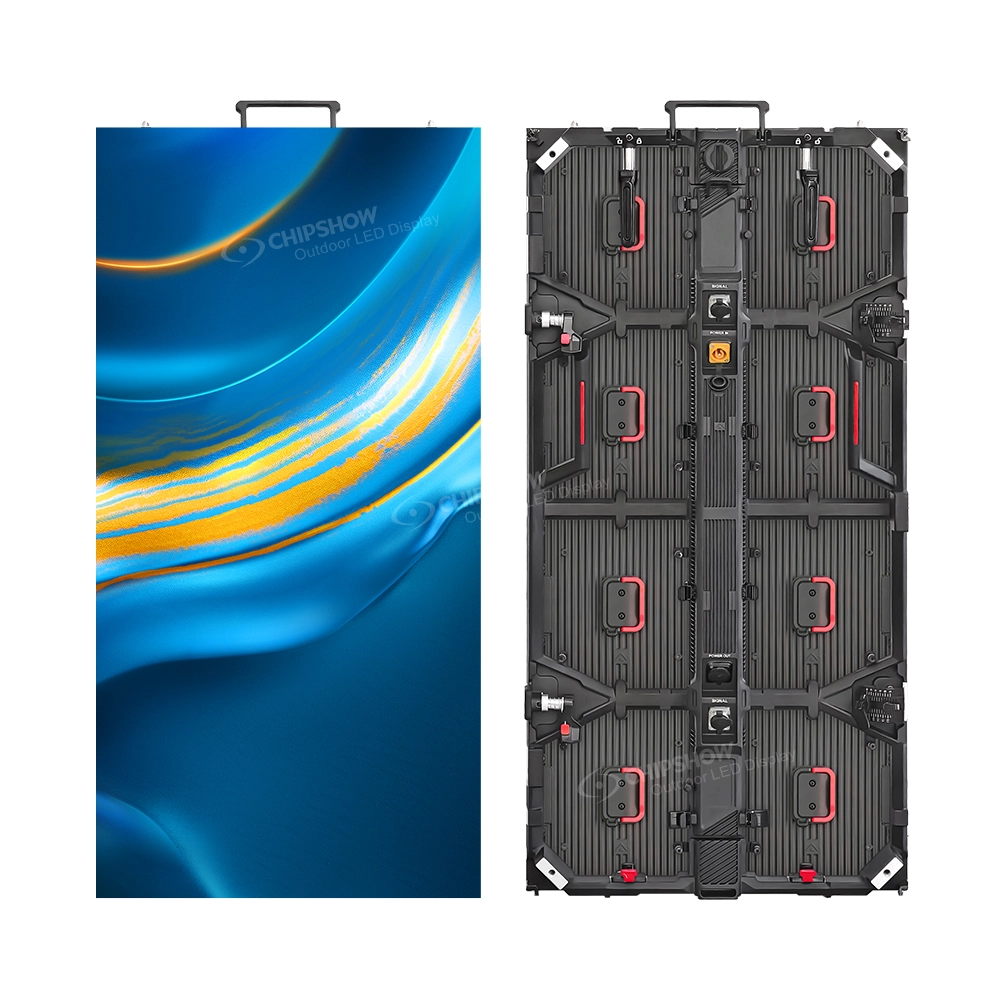
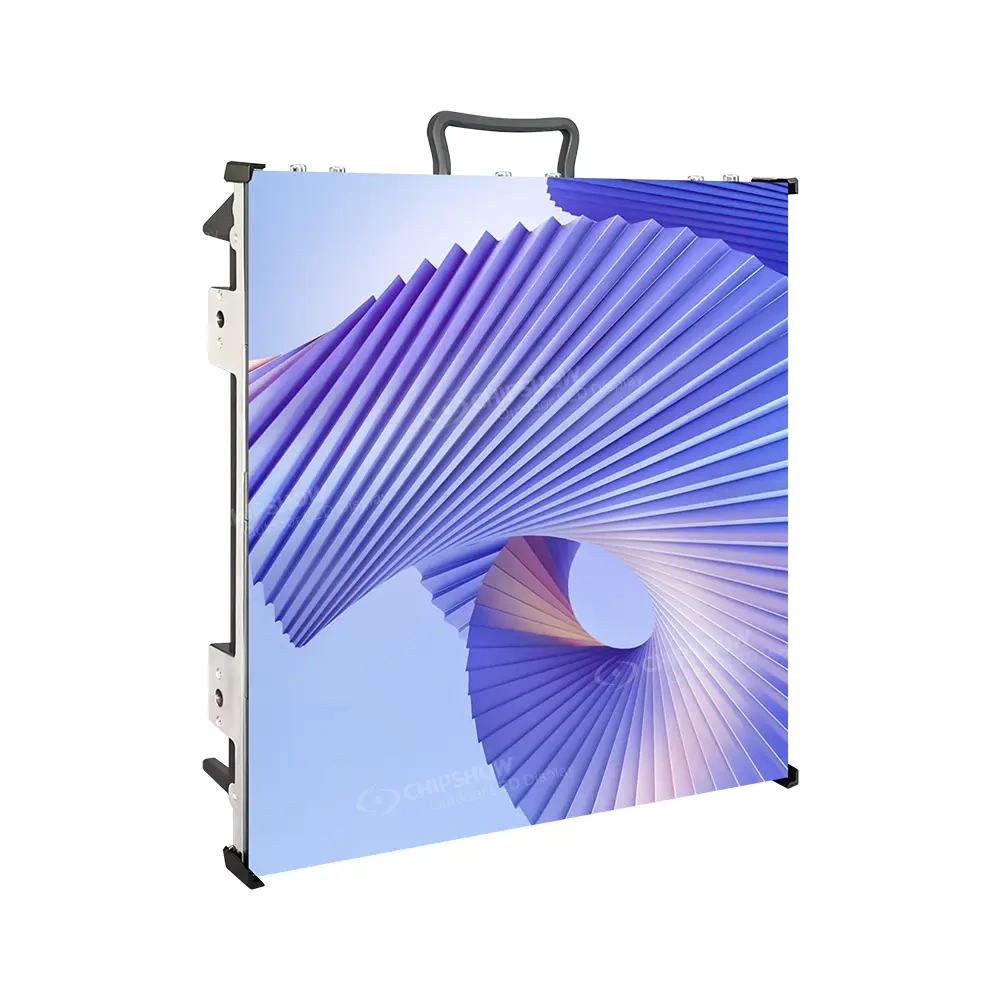
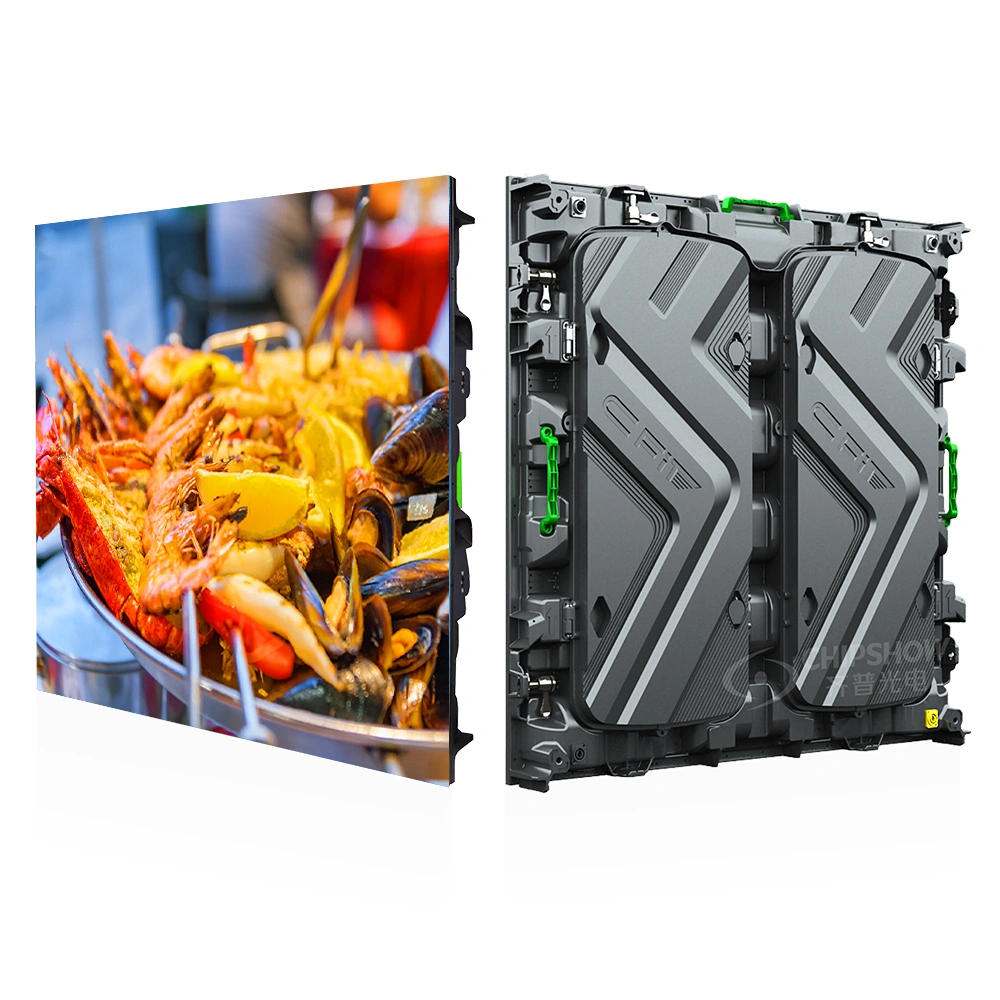
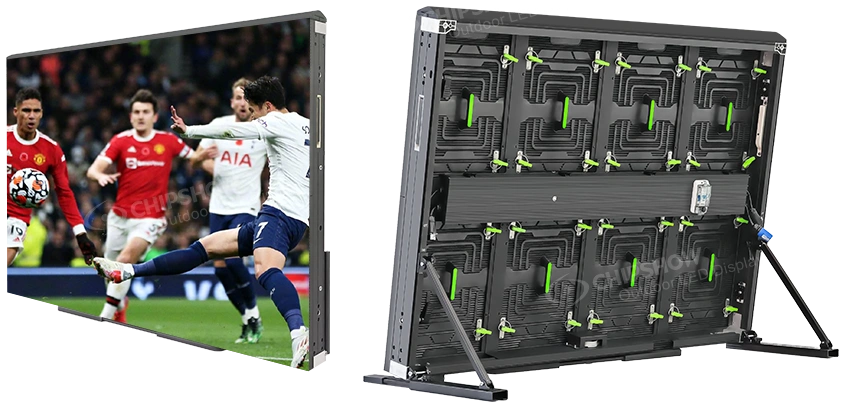
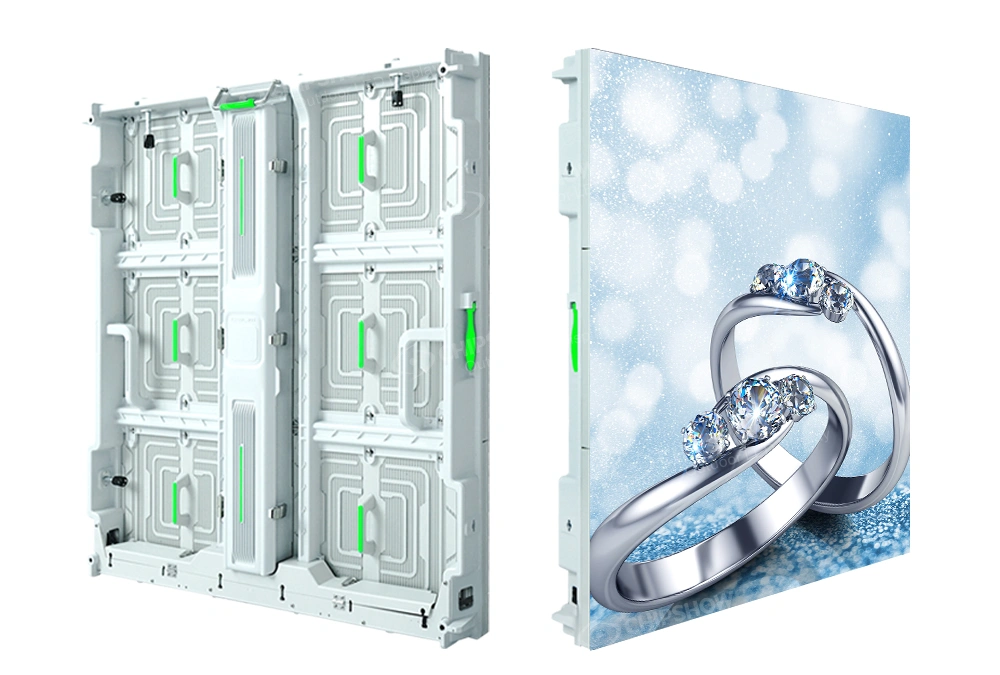
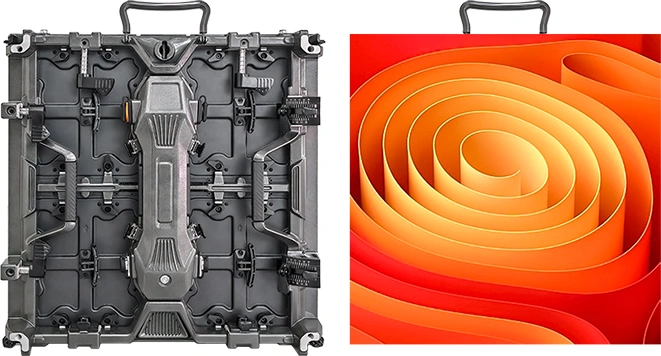
Chipshow C-Fit Easy Utiliza armarios de 37,8 × 37,8 pulgadas (960 × 960 mm). El formato de armario cuadrado permite al equipo de proyecto calcular la apertura como filas y columnas completas de armarios.
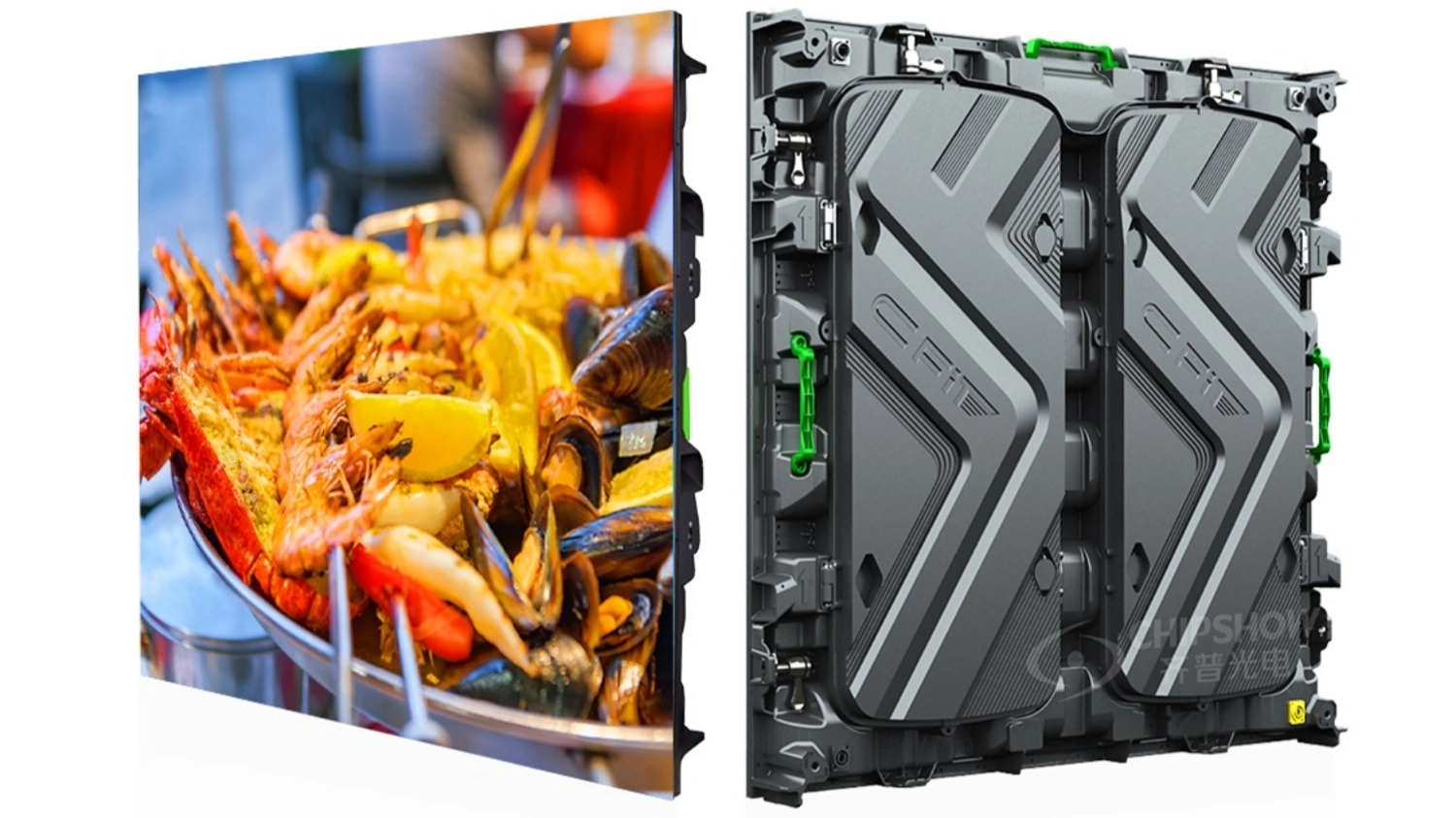
C-Fit Easy soporta servicio delantero o trasero. Selecciona el método de servicio según el acceso disponible en la caja terminada.
Por ejemplo, una distribución de cuatro armarios de ancho no debería describirse solo como "aproximadamente 12,6 pies de ancho". El plano debe mostrar la cuadrícula real del armario, las dimensiones activas de la pantalla, la estructura circundante y las distancias de servicio.
Mostrar la cuadrícula del armario en el dibujo impide que el fabricante construya primero una abertura y luego intente encajar la pantalla en ella.
Diseña el recinto en torno al servicio, el calor y el agua
La pantalla LED es solo una parte del cartel terminado. Su recinto debe preservar el acceso a los componentes de servicio. También debe liberar calor de funcionamiento y mantener el agua alejada de la electrónica.
Elige el servicio delantero o trasero desde la ruta de acceso real
El servicio frontal es útil cuando la parte trasera de la pantalla está encerrada por la carrocería del cartel o no se puede alcanzar de forma segura durante el mantenimiento normal. El técnico debe ser capaz de retirar los módulos y componentes internos relevantes de la cara de la pantalla sin que los adornos decorativos ni los elementos estructurales bloqueen el camino.
Utiliza el servicio trasero solo cuando los técnicos puedan acceder con seguridad a la parte trasera de la pantalla y retirar sus componentes. Para un pilón alto, la propuesta debe identificar la ruta de acceso y cualquier plataforma o equipo de elevación necesario para ese trabajo.
Sigue haciendo la estructura fuera del camino de eliminación de componentes
No coloque elementos de acero, revestimientos decorativos ni puertas de acceso donde bloqueen la retirada de los componentes de la exposición.
El dibujo coordinado debería mostrar:
- Elementos estructurales alrededor de la exposición
- Dirección de retirada de módulos o armarios
- Acceso por fuente de alimentación y tarjeta receptora
- Apertura de puerta y espacio libre interno cuando corresponda
- Enrutamiento de cables que no obstruya las piezas extraíbles
El diseñador de cartel, el proveedor de LED y el fabricante deben aprobar estos detalles de acceso antes de la fabricación.
Planifica la ventilación y el drenaje por separado
La carcasa debe liberar el calor producido durante la operación. También debe evitar que el agua se acumule alrededor de los componentes eléctricos y de la pantalla.
No asumas que hacer el recinto "sellado" resuelve ambos problemas. El diseño final debe mostrar cómo el calor sale del recinto. También debe mostrar cómo el recinto mantiene el agua de lluvia alejada de las aberturas y drena la humedad incidental.
Las aberturas de ventilación y los equipos de refrigeración no deben permitir que el agua de lluvia se despliegue hacia la electrónica de la pantalla. El drenaje debe transportar la humedad incidental lejos de los componentes eléctricos y mantenerse funcional una vez terminados los cimientos del cartel, el revestimiento y el paisajismo.
Después de definir ventilación y drenaje, utiliza Chipshow's Guía de instalación de LEDs exteriores para coordinar la estructura, la potencia, el acceso y el alcance de puesta en marcha.
Tres decisiones comunes sobre proyectos
Entrada a la escuela, iglesia o comunidad
Cuando los conductores lean anuncios cortos mientras reducen la velocidad cerca de la entrada, utiliza una estructura monumental con un nombre o logotipo permanente y un área EMC definida.
Considera un diseño basado en módulos si las dimensiones seleccionadas del módulo encajan con la abertura y el gabinete proporciona suficiente profundidad para los componentes de pantalla y el acceso al servicio.
Antes de solicitar un presupuesto, registra las dimensiones activas de la pantalla y los mensajes típicos. Describe cómo los técnicos llegarán a los componentes de la pantalla. Asigna la responsabilidad de la conexión eléctrica y las actualizaciones de contenido.
Propiedad comercial multiinquilina
Cuando vehículos aparcados o señales vecinas bloqueen una señal a nivel del suelo, utiliza una estructura de pilón para identificar la propiedad antes. Mantén permanentes el nombre del centro y las identidades de los principales inquilinos. Usa el EMC para una campaña o aviso cambiante a la vez.
Considera armarios LED completos si las filas y columnas de armarios completos encajan en la abertura y el recinto acabado proporciona la profundidad y el acceso de servicio necesarios.
Antes de solicitar un presupuesto, asigna la responsabilidad de la exposición, la estructura de la señalización, el revestimiento, la conexión eléctrica, el equipo de control y la puesta en marcha. También explica cómo llegará el equipo de instalación al lugar del cartel.
Modernización de señales de monumentos existentes
Comienza una reforma inspeccionando la abertura y la estructura existentes. No selecciones la pantalla solo por el ancho y altura visibles de la abertura.
La encuesta debe determinar:
- Abertura interna clara, no solo las dimensiones visibles de la cara
- Profundidad disponible en el recinto
- Elementos estructurales existentes
- Acceso frontal y trasero
- Capacidad eléctrica y estado del circuito
- Ruta de cable
- Suministros de drenaje y ventilación
- Estado de la estructura de signos existente
Comprueba si las dimensiones seleccionadas del módulo pueden formar una pantalla que se ajuste a la abertura levantada. Confirma la profundidad y acceso suficiente en el gabinete para la eliminación de componentes. Si los elementos estructurales bloquean ese acceso o el sistema eléctrico no puede soportar la nueva carga, incluye las modificaciones estructurales o eléctricas necesarias en el plan de reforma.
Conclusión
Elige la estructura de señales según la forma en que los conductores se encuentren con la propiedad. Utiliza un cartel de monumento cuando los conductores lean el mensaje cerca de la entrada mientras reducen la velocidad o giran. Consideremos un poste donde una cara elevada mejoraría la visibilidad frente al tráfico que se acerca o ayudaría a los conductores a identificar la propiedad antes. Después de elegir la estructura, separa la identidad permanente del contenido cambiante. Prueba los mensajes reales antes de establecer las dimensiones EMC. Luego coordina la cuadrícula LED, la carcasa, la ruta de servicio y la estructura de soporte antes de la fabricación. Para revisar un diseño EMC de monumento o pilar para tu próximo proyecto, contacta con Chipshow.
Preguntas frecuentes
P1: ¿Se puede añadir una EMC después de que se haya fabricado un monumento o estructura de pilón?
Un EMC solo puede añadirse tras la fabricación si la estructura existente puede acomodar la pantalla y sus necesidades de servicio. Revisa la abertura despejada, la profundidad del recinto, los elementos estructurales, la capacidad eléctrica, la ventilación, el drenaje y el camino de retirada de componentes antes de seleccionar la pantalla. Modificar el recinto o la estructura de soporte si el módulo o la cuadrícula del armario seleccionados no cumple esas condiciones.
P2: ¿Necesita una EMC una conexión continua a internet?
No siempre se requiere una conexión continua para la reproducción local. Las actualizaciones remotas y la monitorización necesitan una conexión mientras esas funciones están en uso. Antes de seleccionar el sistema de control, decide si el EMC debe seguir reproduciendo contenido almacenado durante una caída de internet.
P3: ¿Se puede reutilizar el circuito eléctrico de un cartel de monumento existente?
No lo asumas. Un electricista cualificado debe inspeccionar el circuito existente y confirmar que su capacidad, voltaje, conexión a tierra y dispositivos de protección coinciden con la pantalla y el sistema de control seleccionados.
P4: ¿Quién es responsable de la documentación del cartel completado?
La propuesta debe asignar la responsabilidad entre el proveedor de LEDs, el fabricante de señales, el ingeniero estructural, el contratista eléctrico y el instalador. La documentación del producto para la pantalla no sustituye a los documentos estructurales, eléctricos ni locales de aprobación para el cartel completado.
P5: ¿Qué debe recibir el propietario tras la puesta en servicio?
Acuerda el paquete de entrega antes de poner en marcha. Debe incluir la disposición aprobada de la pantalla, información sobre el cableado y una copia de seguridad de configuración del sistema de control. También debe incluir las dimensiones de píxeles para archivos de contenido, instrucciones de operación, credenciales de administrador del sistema de control, instrucciones de servicio y un registro de repuestos instalados.
Compara los diseños de módulos y armarios para tu propio sitio con el Selector de señales LED Antes de solicitar un presupuesto.