Indoor DOOH for Your Scenario
See the exact visual outcome and get a solution you can sign off on
Build indoor DOOH networks with advertising LED wall systems for malls, retail, airports, corporate lobbies, and transit spaces. Compare indoor LED walls with outdoor LED display needs.

See the exact visual outcome and get a solution you can sign off on
Indoor commercial spaces now compete for attention before a visitor reaches the checkout counter, the gate, the lobby desk, or the event entrance. A static poster can still fill a wall, but an advertising led wall can turn that wall into a dynamic revenue surface that changes by time, audience, tenant, campaign, and location.
Chipshow builds indoor DOOH hardware for retail owners, mall operators, transit media teams, AV integrators, sign companies, and commercial property groups that need a stronger display platform than LCD walls or printed signage. An advertising led wall gives these spaces a bezel-free canvas, stronger visual continuity, and more flexibility for premium brand campaigns, wayfinding, retail promotions, and programmatic media.
Indoor DOOH also needs a different engineering mindset from a led video display outdoor. A led video display outdoor must fight rain, sunlight, wind, dust, and long viewing distances. An indoor DOOH screen must solve closer viewing, finer image quality, silent operation, ADA-friendly depth, front service, high contrast, architectural fit, and inspection-ready commercial safety. Chipshow helps buyers move from outdoor display thinking to indoor advertising performance without forcing the wrong hardware into the wrong environment.
An advertising led wall turns interior architecture into a media channel. Shopping malls can sell tenant promotions and national brand campaigns. Airports and rail stations can display premium transit ads and live information. Retail stores can use window-facing screens to pull traffic from the street. Corporate lobbies can replace static brand walls with motion content. Entertainment venues can use interior LED walls to guide visitors and promote upcoming shows.
The value of an advertising led wall comes from flexibility. A printed sign shows one message until someone replaces it. A digital wall can rotate campaigns, update by schedule, support multiple brands, and adjust creative for seasons or events. For property owners, this creates new media inventory. For advertisers, it gives access to audiences at moments of intent. For integrators, it creates repeatable commercial projects with clear upgrade value.
Indoor DOOH works best when the screen feels like part of the space. A display that looks too bulky, noisy, reflective, or pixelated can weaken the experience. A well-planned advertising led wall should look intentional, clean, bright enough for the environment, and serviceable without interrupting daily operations.
Standard digital signage often uses LCD screens, small monitors, or basic poster displays. Those tools can work for simple messaging, but they struggle when a commercial property wants scale, seamless visuals, premium content, and higher media value. An advertising led wall solves the bezel problem and gives designers more freedom to create large, continuous surfaces.
Indoor DOOH also has a more demanding business role. The screen may support paid advertising, tenant promotion, retail conversion, event messaging, wayfinding, public information, and brand storytelling. That means the hardware must stay stable, easy to manage, and visually consistent. If one section fails, the display does not only look broken; it reduces the value of the media space.
This is where Chipshow’s manufacturer background matters. A professional advertising led wall should come from a supplier that understands pixel pitch, cabinet structure, front maintenance, calibration, control compatibility, and long-term replacement planning. Low price alone does not protect a commercial media network.
An advertising led wall can support many indoor DOOH scenarios. In a mall atrium, it can become a high-impact media centerpiece. In a retail store, it can highlight products, promotions, and brand campaigns. In a transit concourse, it can combine schedule information with advertising. In a corporate lobby, it can communicate brand identity, visitor guidance, and event messaging. In a food hall, it can rotate vendor offers and daily specials.
Each space has a different audience rhythm. A shopper may pause and compare offers. A commuter may glance quickly while moving. A hotel guest may wait in a lobby. A trade show attendee may follow directional cues. The advertising led wall should match that behavior. Pixel pitch, brightness, size, mounting depth, and content style all depend on how people move through the space.
Chipshow helps buyers choose indoor LED platforms based on these practical conditions. The goal is not only to install a large screen. The goal is to build a display surface that earns attention without creating service problems or architectural friction.
The strongest indoor DOOH projects connect audience movement with commercial value. A mall corridor has tenant traffic. A train concourse has commuter traffic. A retail window has street-facing traffic. A lobby has visitor traffic. An advertising led wall gives each of these spaces a way to communicate with people already inside or near the buying environment.
This is different from a led video display outdoor, where the audience may pass at higher speed and view from farther away. Indoor DOOH audiences are often closer, slower, and more likely to act immediately. They may enter a store, scan a QR code, attend an event, follow a direction, or notice a tenant promotion. This makes image quality and placement especially important.
A led video display outdoor can depend on large-scale impact. An indoor advertising led wall depends on clarity, comfort, and integration. The screen should feel bright but not harsh, vivid but not distracting, and large enough to matter without overwhelming the space.
LCD video walls can create visible seams between screens. For premium advertising and branded interiors, those seams can weaken the visual effect. An advertising led wall creates a continuous canvas without thick bezels, allowing content to flow across the full surface.
This matters for fashion, automotive, luxury retail, technology brands, food imagery, and high-end property marketing. A product image split by LCD bezels may look less polished. A full LED canvas gives creative teams more space for motion, color, and storytelling.
For DOOH operators, the continuous surface also improves sales potential. A cleaner advertising led wall can support higher-value campaigns because it looks more premium to both advertisers and property owners.
Many buyers first learn LED through outdoor signage. They understand brightness, weatherproofing, and large viewing distances. But moving from a led video display outdoor to an indoor DOOH wall requires a different checklist. Indoor viewers stand closer. They notice pixel structure, fan noise, reflection, color comfort, cabinet depth, and wall fit.
A led video display outdoor may need very high brightness to survive direct sun. Indoors, excessive brightness can become uncomfortable. A led video display outdoor may prioritize weather sealing and heavy structure. Indoors, the project may prioritize slim depth, front service, silent operation, and ADA-friendly installation. A led video display outdoor may sit on a large steel frame. Indoors, the screen may mount to finished architecture where every inch of depth matters.
Chipshow helps customers make this transition correctly. Indoor DOOH should not be treated as a smaller outdoor billboard. It should be designed for human-scale viewing, commercial interiors, building review, and long-term service access.
A led video display outdoor often works from long distances. Pixel pitch can be larger because the viewer is far away. Indoor DOOH audiences may stand only a few feet from the screen. That means an advertising led wall needs finer pixel pitch, better uniformity, and smoother image quality.
Retail stores, airports, hotels, malls, museums, and corporate lobbies all use close-viewing environments. If the pixel pitch is too coarse, the screen can look rough. If brightness is poorly managed, the screen can feel uncomfortable. If color calibration is weak, brand content can look inconsistent.
Chipshow’s indoor products such as C-Max Business, C-Max COB, and related fine-pitch platforms support commercial spaces that need sharper, cleaner visuals. An advertising led wall in these environments should support premium content without visible distraction.
A led video display outdoor can operate in a noisy environment where fan sound may not matter. Indoors, noise becomes part of the user experience. A lobby, retail boutique, museum, control room, or airport lounge cannot feel like a machine room. Indoor DOOH hardware must support quiet operation and clean thermal design.
An advertising led wall should improve the atmosphere, not disturb it. Silent or low-noise design helps protect premium commercial environments. This is especially important for luxury retail, corporate lobbies, hospitality spaces, and indoor public areas where visitors spend time near the display.
A supplier that understands only outdoor LED may overlook this detail. Chipshow’s indoor DOOH approach focuses on the conditions that actually shape indoor user comfort: sound, viewing distance, heat, wall depth, service access, and image consistency.
Indoor commercial projects often face strict architectural expectations. A display that protrudes too far from a wall can create circulation and compliance issues. This is where the difference between a led video display outdoor and an indoor advertising led wall becomes clear.
Outdoor structures may have more space for cabinet depth. Indoor corridors, lobbies, and retail walls may not. A slim LED platform can help protect walkways, reduce the need for destructive wall reconstruction, and support cleaner integration into existing architecture.
Chipshow’s indoor display direction includes ADA-aware profiles and front-service designs that help integrators plan more practical installations. The goal is to support the local professional team with hardware that fits commercial interiors more naturally.
An advertising led wall installed in a mall, airport, store, or lobby cannot be serviced like a remote billboard. The technician may work near customers, tenants, travelers, or office visitors. Long service interruptions can affect the property experience. Front-service design helps reduce that disruption.
A led video display outdoor may sometimes have rear access from a maintenance walkway or billboard structure. Indoor spaces often do not. A front-service advertising led wall allows technicians to reach modules or components from the display face, reducing the need for rear clearance and helping avoid disruptive construction.
For DOOH operators, faster service protects media inventory. For property owners, cleaner service protects the guest experience. For integrators, front-service hardware reduces field complexity.
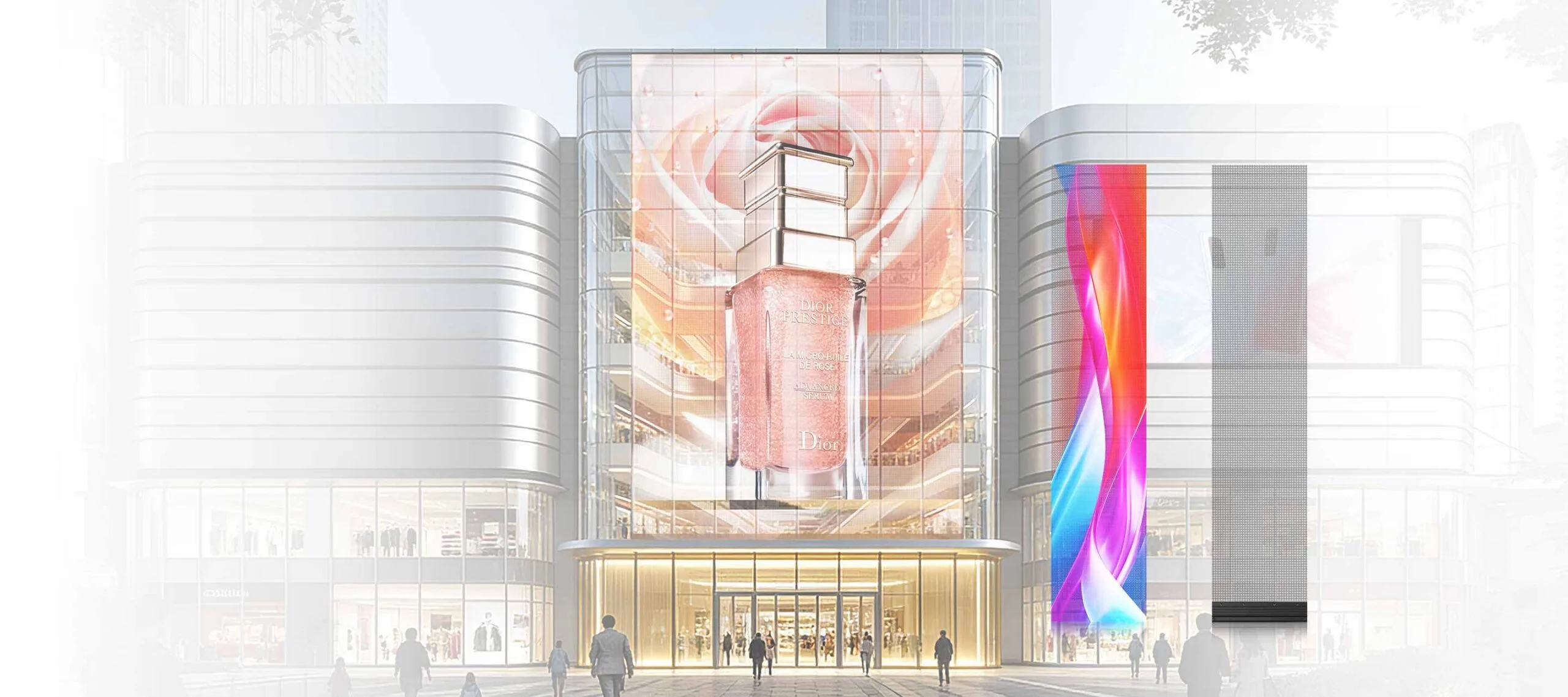
Retail environments need displays that help convert attention into store visits and purchases. An advertising led wall inside a store can show product stories, seasonal campaigns, fashion visuals, limited-time offers, and brand films. Near a storefront, high-bright LED signage can pull attention from the street and guide shoppers inside.
This is where high brightness window display signage becomes useful. A retail window may face daylight and reflections, even though the display is installed indoors. The screen must overcome ambient brightness while still looking polished from inside the store. For that use case, Chipshow’s indoor and window-facing LED solutions give retailers a stronger alternative to LCD monitors that wash out in bright storefront conditions.
A led video display outdoor may solve a different problem outside the building, but indoor retail display needs a more refined balance. It must look bright to the street, comfortable to nearby shoppers, and clean within the brand environment.
A shopping mall can use an advertising led wall to turn common areas into media inventory. Atriums, escalator zones, corridors, food courts, and event areas can all support tenant messages, national brand campaigns, property announcements, and seasonal promotions.
For mall operators, the business case is stronger when the display supports premium advertising without disrupting foot traffic. The screen should fit the architecture, offer front service, support strong color, and avoid excessive depth. A mall advertising led wall should feel like part of the property experience, not an afterthought.
If the project involves semi-open mall entrances or high-traffic transitional spaces, a buyer may also compare ready to ship outdoor LED signs for specific entrance or high-bright scenarios. The key is to match the display type to the actual environment.
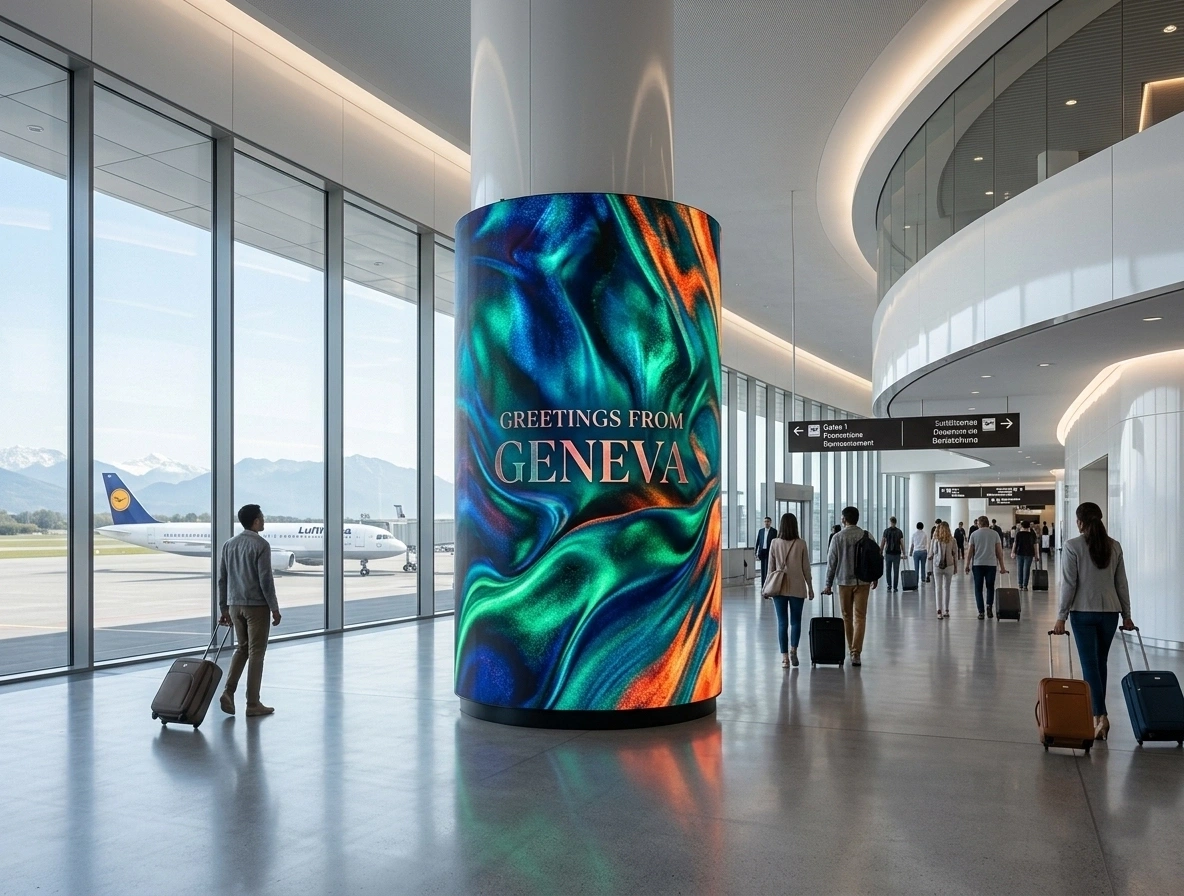
Transit interiors need displays that combine advertising quality with mission-critical communication. An advertising led wall in an airport or rail concourse may show premium brand campaigns, wayfinding, gate information, security reminders, or destination content. These spaces often have high ceilings, glass walls, bright ambient light, and heavy passenger flow.
A led video display outdoor may be designed for exposed exterior conditions, but airport interiors can still demand high brightness and high stability. Glass atriums and sunlit terminals challenge ordinary indoor screens. The difference is that the display must still remain quiet, refined, and close-viewing friendly.
Chipshow’s indoor DOOH platforms support these transportation environments with commercial LED hardware that can fit concourses, lounges, baggage areas, and corridor media zones. A well-planned advertising led wall can protect both passenger communication and premium advertising value.
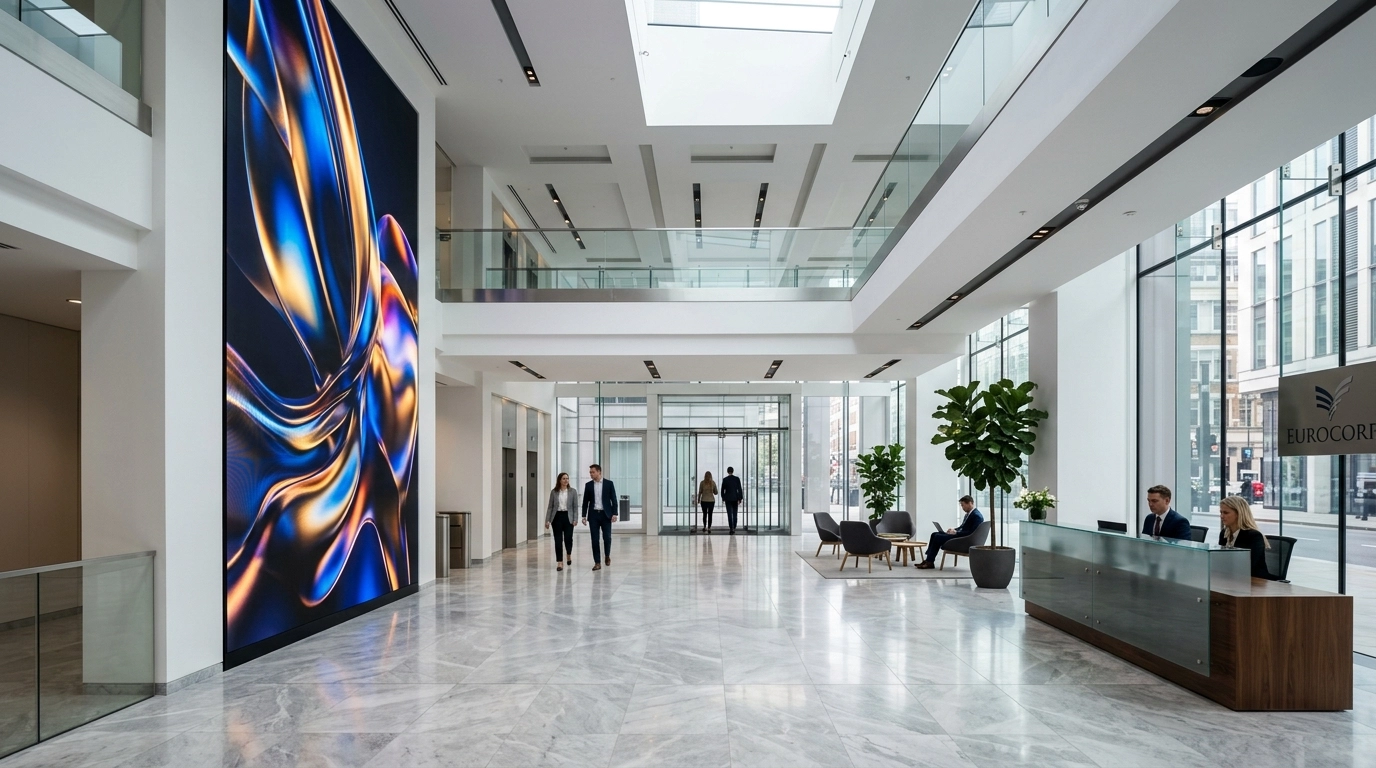
Corporate lobbies use LED differently from transit or retail. An advertising led wall in a lobby may not always sell third-party media. It may present brand films, visitor information, company milestones, live dashboards, event messages, or executive presentations. The display becomes part of the company’s identity.
In these spaces, image quality and silence matter. A visitor may stand close to the screen. A meeting may happen nearby. The display must look polished without adding distraction. The hardware should support clean installation, front maintenance, and consistent color.
A led video display outdoor would be the wrong reference point for this environment. The lobby needs indoor excellence: fine pitch, high contrast, controlled brightness, low noise, and architectural fit.
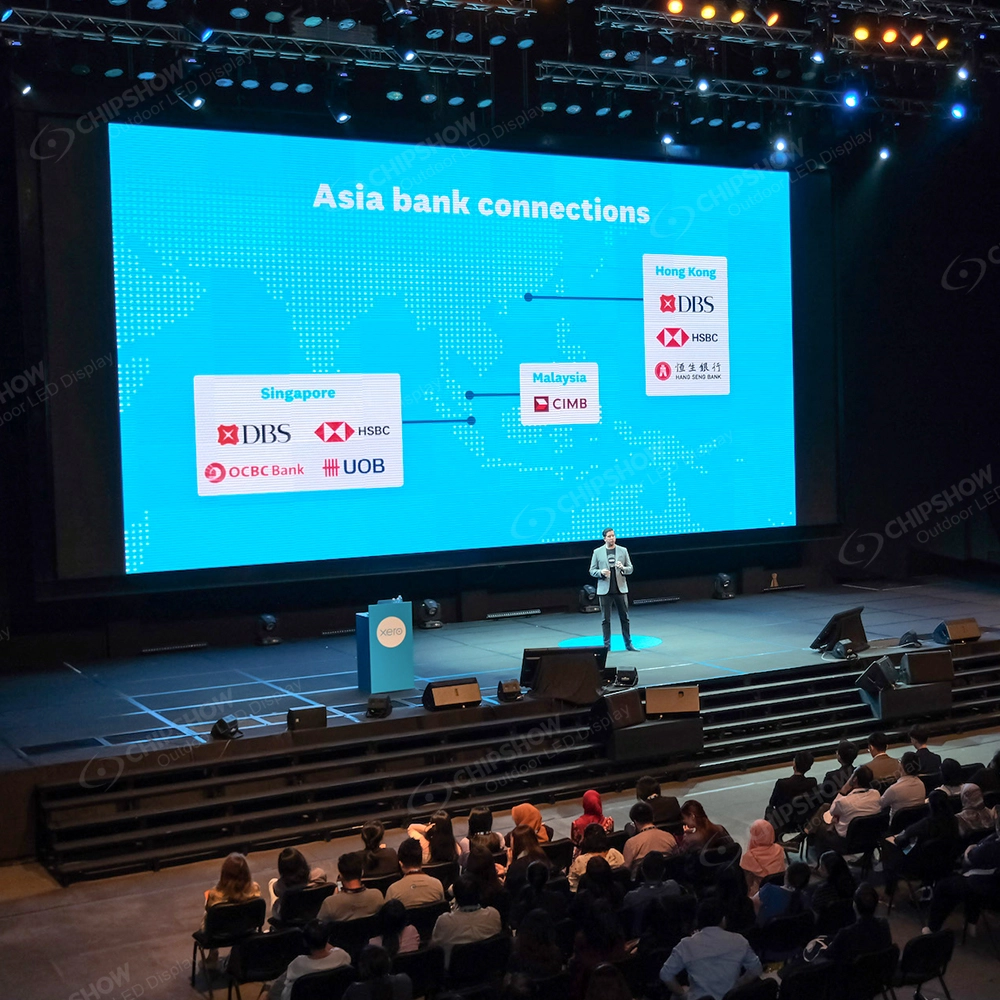
Indoor DOOH also overlaps with entertainment interiors. Esports arenas, event halls, theaters, and venue corridors can use an advertising led wall for sponsor content, audience engagement, event schedules, and immersive branding. These spaces may need high refresh rates, camera-friendly visuals, and flexible content control.
The difference from a led video display outdoor is again clear. Outdoor event displays fight weather and distance. Indoor entertainment displays must work with cameras, lighting design, seating angles, audience proximity, and sound-sensitive environments.
Chipshow’s broader product ecosystem allows buyers to match the screen to the scenario, whether the project is a permanent advertising led wall, a rental event LED screen, or a hybrid commercial display.
The first decision for an advertising led wall should be viewing distance. A screen in a storefront window may be viewed from both the sidewalk and inside the store. A mall atrium wall may be viewed from multiple levels. A lobby screen may be viewed from a few feet away. Each condition changes the best pixel pitch, brightness, and content approach.
Content type also matters. Product photography, fashion campaigns, food visuals, transit information, wayfinding text, and brand films each place different demands on the screen. A supplier should not recommend the same display for every indoor DOOH application.
Chipshow helps buyers define the display around the audience path. The goal is to deliver enough resolution, enough brightness, and enough visual comfort without overspending on unnecessary specifications.
Indoor commercial LED projects may face electrical, fire, building, and accessibility review. A professional advertising led wall should support the documentation and hardware quality expected in commercial spaces. Buyers should consider ETL or UL-related safety expectations, FCC requirements, ADA-friendly depth, and local inspection needs early in the process.
This is another area where indoor DOOH differs from a led video display outdoor. Outdoor signs may focus heavily on weatherproofing and zoning. Indoor projects often involve public corridors, tenant spaces, fire marshals, building inspectors, and architectural fit. A display that ignores these realities can slow the project.
Chipshow supports integrators with hardware information, product documentation, and channel-friendly technical guidance. Local professionals still confirm final code and site requirements.
When buyers search for an advertising led wall for sale, they may compare a Supplier, manufacturer, manufacturers, Factory source, and reseller price. The lowest price is not always the safest choice. Indoor DOOH installations require long-term support, matching modules, clean documentation, and predictable service.
A Factory-backed manufacturer can usually provide clearer product knowledge and more consistent hardware than a random reseller. For indoor media networks, this matters because screens may expand across multiple stores, malls, airports, or corporate locations.
Chipshow combines LED manufacturing experience with North American market support and selected California stock planning. This gives integrators and property owners a more reliable path from product selection to long-term operation.
An advertising led wall must be serviced after it is installed. If the design blocks access, every future repair becomes harder. If the project requires rear service but the screen is mounted tight to a finished wall, the owner may face unnecessary cost. Front-service planning helps prevent this.
A led video display outdoor may have different access conditions, but indoor spaces often need cleaner, faster service. A technician may have to work during limited hours, around tenants, or near public traffic. Front-maintenance LED hardware helps reduce disruption.
Chipshow’s indoor platforms emphasize practical service access because long-term uptime matters. A screen that is easy to service is more valuable to media operators, property managers, and integrators.
Indoor DOOH should connect with the broader display ecosystem without stealing the role of outdoor pages. A led video display outdoor belongs in exterior environments where weather, sunlight, and viewing distance dominate. An advertising led wall belongs in interiors where audience proximity, visual comfort, and architectural integration dominate.
This separation helps buyers choose correctly and helps the website cluster stay clear. Outdoor pages can focus on billboards, street-pole media, and weatherproof displays. Indoor pages can focus on commercial interiors, retail windows, malls, airports, and premium advertising walls.
A property owner may begin with one advertising led wall in a lobby, corridor, or atrium. That first screen proves whether the audience responds, whether tenants value the media space, and whether the property team can manage content effectively. If the screen performs well, the owner can expand to additional locations.
This is how indoor DOOH networks grow. A mall may add screens to multiple entrances. A transit operator may expand from one concourse to several stations. A retailer may standardize displays across flagship stores. A corporate campus may use LED walls across multiple lobbies.
The hardware chosen for the first screen should support future expansion. If the first advertising led wall uses hard-to-match components or unclear control architecture, scaling becomes harder.
Indoor DOOH networks can support higher media value when advertisers trust the screen quality. Consistent brightness, color, uptime, and content scheduling matter. A network with mismatched screens becomes harder to sell because campaigns may look different from one location to another.
A led video display outdoor network faces similar consistency challenges, but indoor viewers stand closer and notice more detail. That makes calibration and hardware consistency especially important. An advertising led wall must show brand colors accurately and maintain visual quality over time.
Chipshow’s manufacturer background supports this need through product consistency, technical support, and display platforms designed for commercial deployment.
Indoor DOOH projects often follow tenant openings, mall renovation schedules, airport upgrades, event calendars, or retail campaign timelines. Delayed hardware can disrupt the whole plan. Selected Chipshow indoor platforms dispatched through California stock can help North American partners reduce lead-time uncertainty when the right configuration is available.
This local buffer does not replace site planning. The installer still handles structure, wiring, code review, and installation. Chipshow supplies the LED display hardware package and product support so local partners can execute with more confidence.
For buyers comparing a led video display outdoor project with an indoor DOOH rollout, this timing advantage matters in both environments. But indoor projects often have tighter public-space schedules and less tolerance for construction disruption.
Chipshow works best as the hardware ally behind the integrator, sign company, AV team, or local project partner. We do not need to take over the installation relationship to add value. We support the project with factory-built LED hardware, ready-to-install packages, product documentation, and technical guidance.
This is especially important for an advertising led wall in a commercial interior. The local integrator understands the property, wall conditions, building schedule, client expectations, and inspection process. Chipshow strengthens that partner’s offering without competing for the field scope.
An advertising led wall should not be selected only because it looks impressive in a rendering. It should support a business goal: increasing retail traffic, selling media inventory, improving wayfinding, strengthening a brand environment, or upgrading visitor experience.
A led video display outdoor may measure success by roadside visibility and weather survival. Indoor DOOH measures success by attention quality, content flexibility, architectural fit, audience comfort, and service efficiency. When these factors align, the screen becomes a long-term commercial asset.
Send Chipshow your indoor location type, wall size, viewing distance, ambient brightness, content plan, mounting method, and target installation schedule. Our team can help you compare the right advertising led wall, decide whether your project belongs indoors or should be treated as a led video display outdoor application, and choose a ready-to-install indoor DOOH hardware package that supports long-term media value.