Outdoor LED Display Panels for City-Wide DOOH Networks
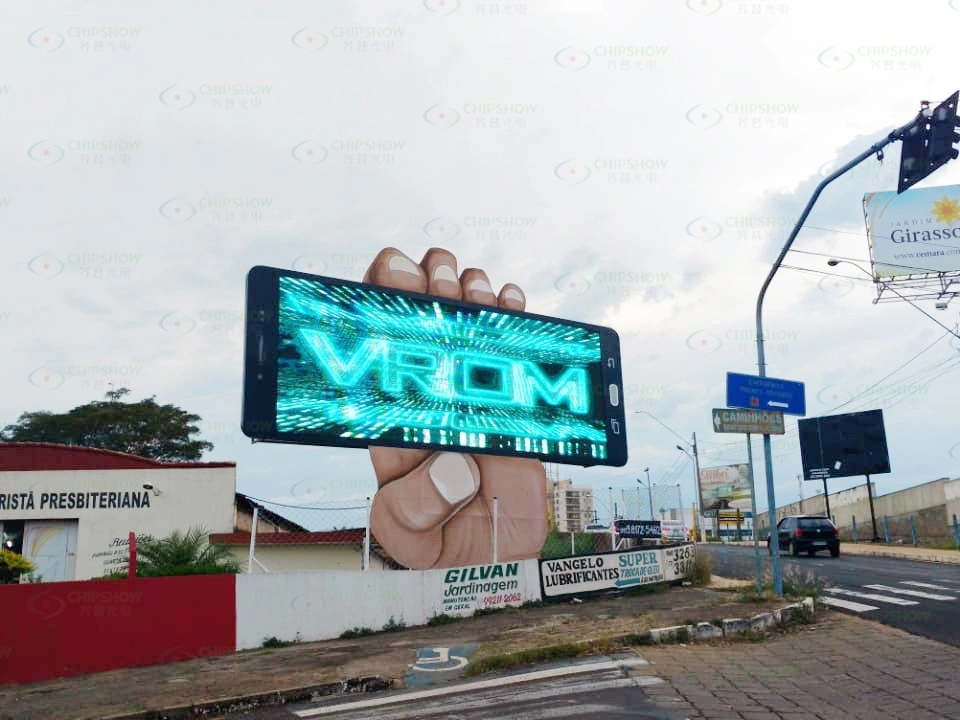
City streets do not give advertisers much time to win attention. A driver slows at a red light, a commuter walks past a transit shelter, a shopper crosses a plaza, and a restaurant customer checks the corner before choosing where to go. In these moments, the right outdoor led display panel can turn everyday street furniture into a high-value DOOH media point.
For city-wide networks, the challenge is different from highway billboards. A led screen outdoor must fit tighter urban spaces, respect pedestrian flow, support clear viewing at closer distances, and remain easy to service without disrupting the street. Chipshow builds street-level DOOH hardware for integrators, sign companies, media operators, and commercial property teams that need compact, bright, weather-ready display systems with a practical supply path.
When buyers compare led screen panels outdoor, they are not only choosing display modules. They are choosing how fast a city network can scale, how easily local crews can install each unit, how quickly technicians can replace parts, and how reliably the screens can keep earning. For operators that need outdoor digital signage solutions US stock, Chipshow’s California Warehouse Hub gives selected projects a stronger buffer against long supply-chain delays.
Transforming Streets with an Outdoor LED Display Panel
Street-Level DOOH Reaches the Audience Billboards Miss
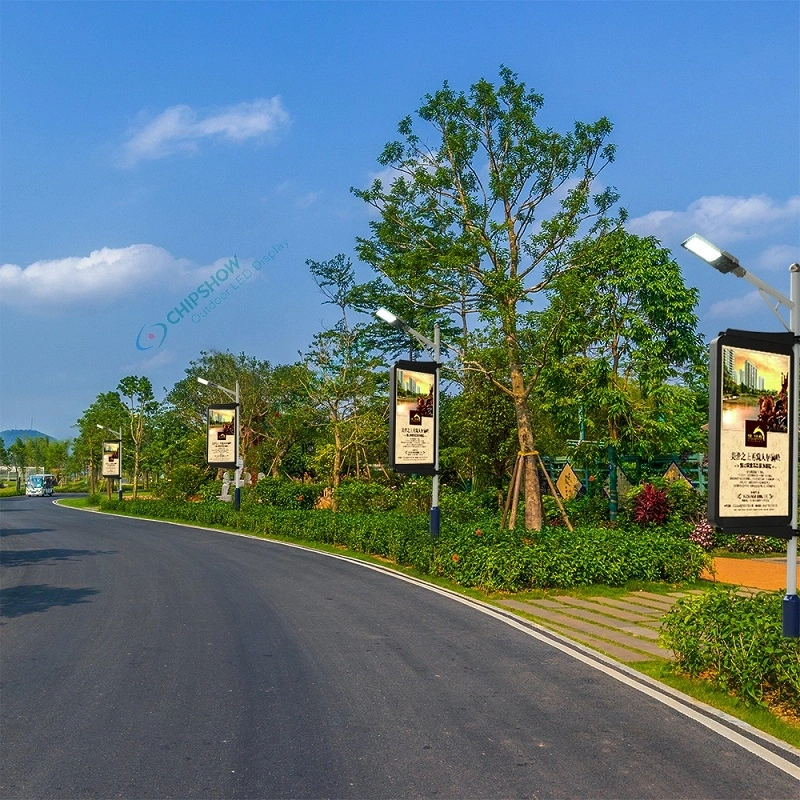
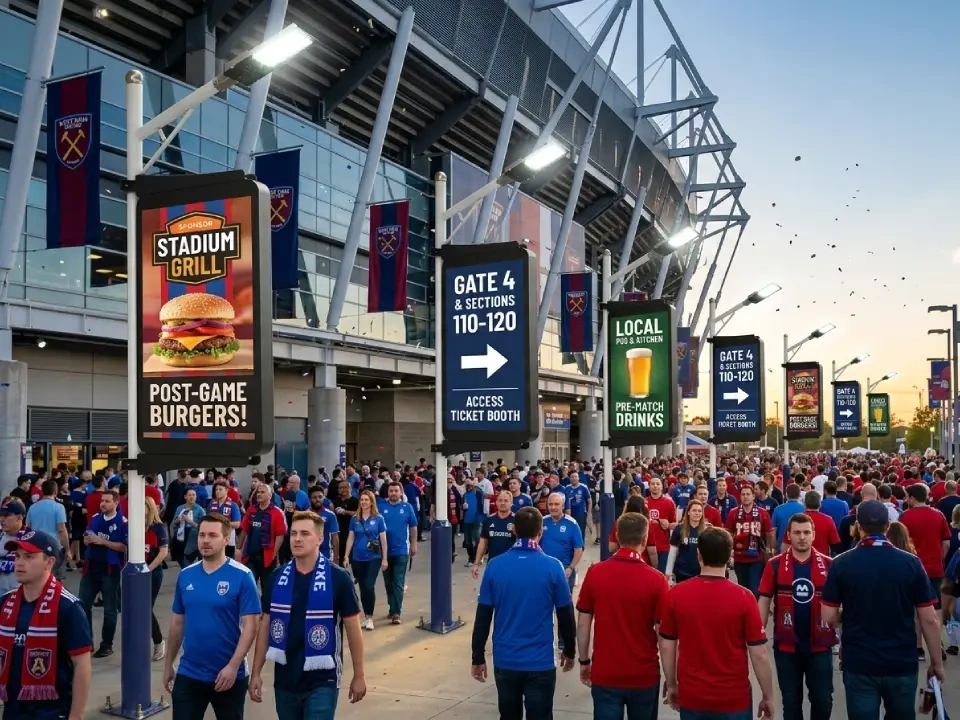
A highway billboard speaks to distance. A street-level outdoor led display panel speaks to daily movement. It reaches people at bus stops, sidewalks, campus entrances, retail plazas, parking areas, mixed-use developments, and neighborhood intersections. These are the places where audiences slow down, make decisions, compare offers, and interact with local businesses.
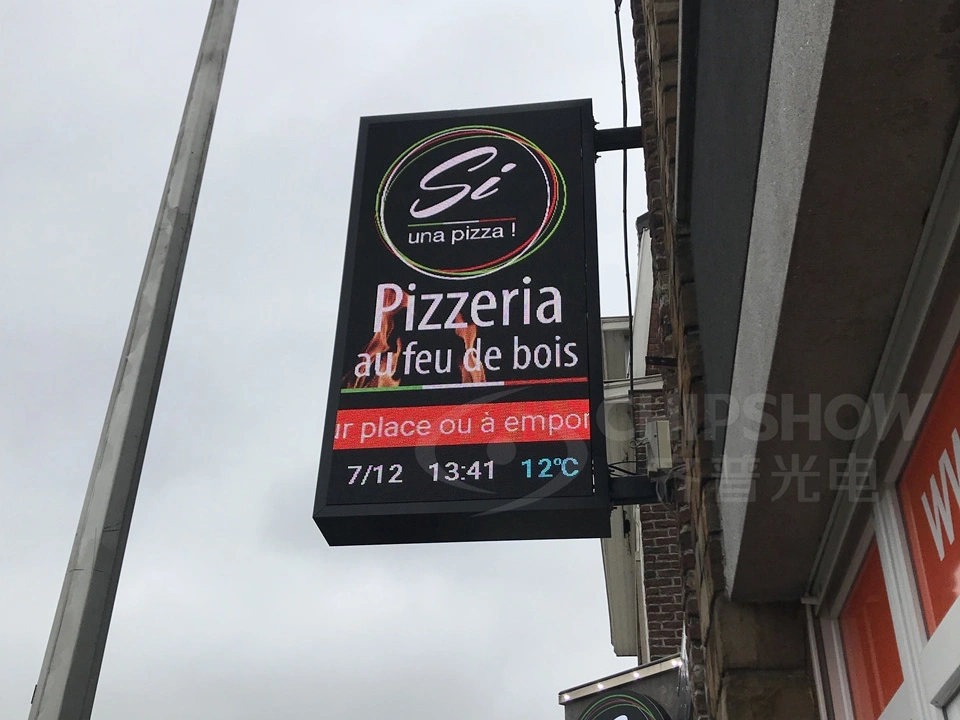
A led screen outdoor in this environment does not need to dominate the skyline. It needs to deliver clear, timely, location-based messages where people can actually act on them. A coffee shop can promote morning offers. A shopping center can rotate tenant campaigns. A transit-area network can show public updates and local ads. A commercial district can build a repeatable media channel across multiple touchpoints.
This content model makes reliability important. If one display fails, it weakens the network. If colors shift across locations, advertisers notice. If modules are difficult to replace, downtime grows. Led screen panels outdoor should therefore support both content impact and operational consistency.
Why Compact Design Matters in Urban Environments
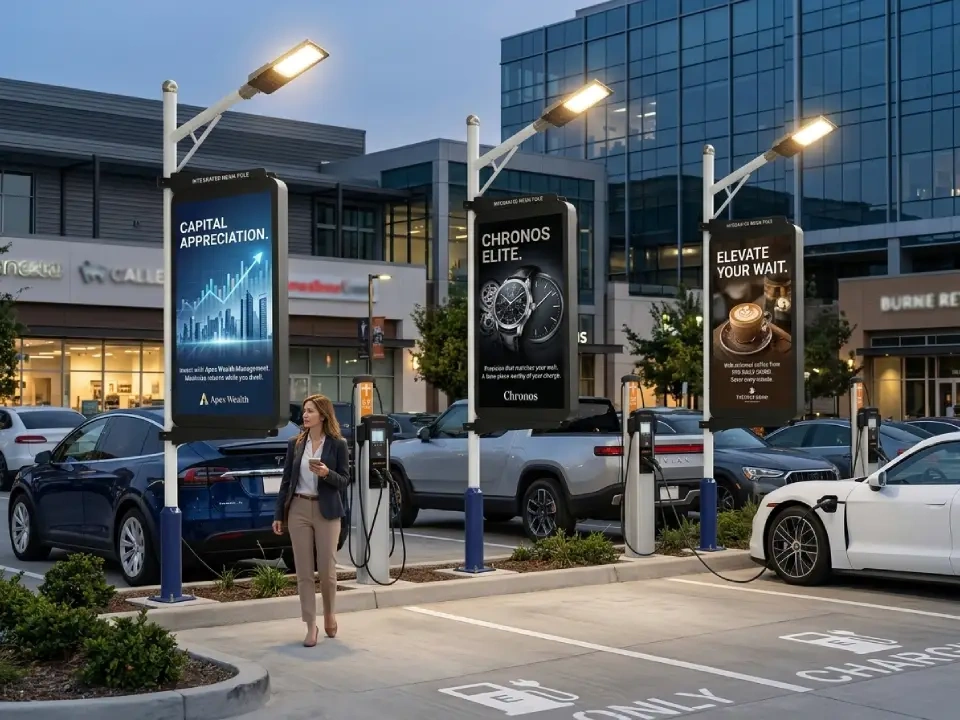
City streets are crowded with signs, poles, storefronts, lighting, traffic hardware, pedestrians, bicycles, delivery vehicles, and accessibility requirements. A led screen outdoor has to fit into this environment without becoming a bulky obstruction. If the screen is too deep, too heavy, or too hard to maintain, the project can face more resistance from property managers, municipal reviewers, or installation teams.
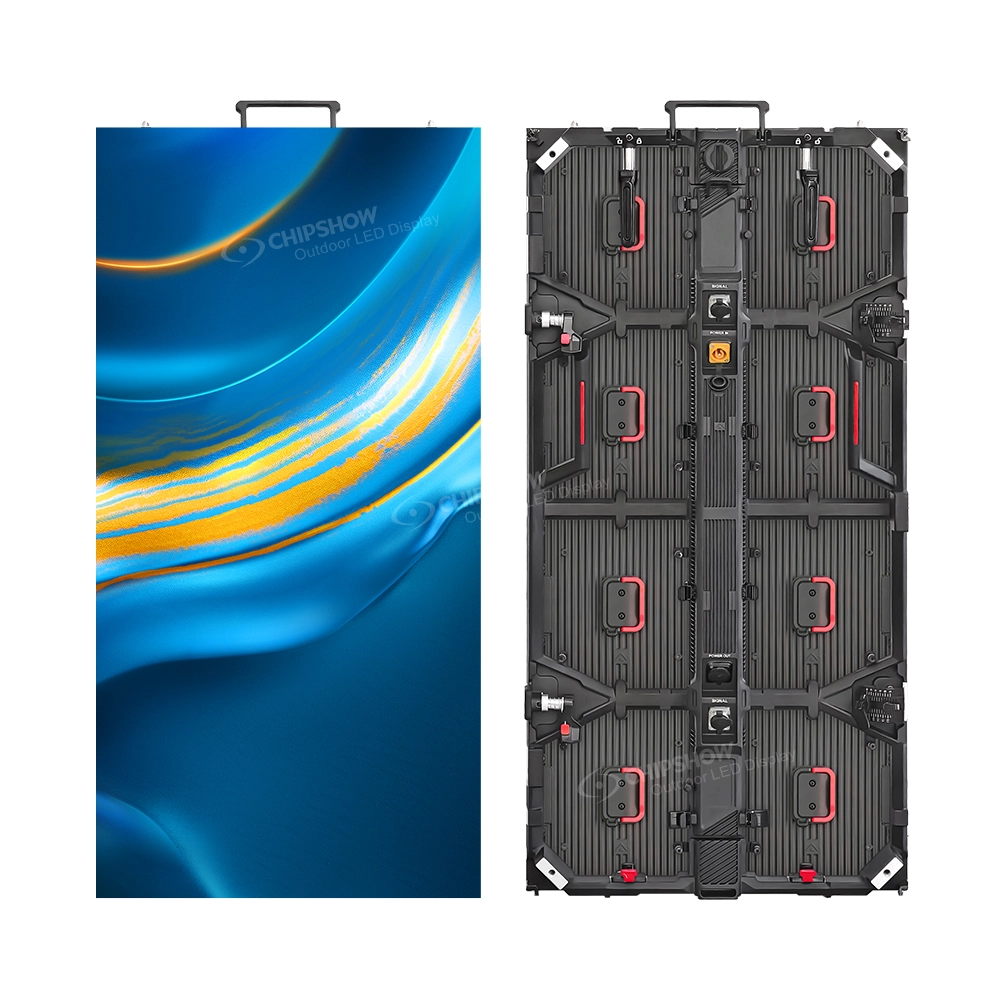
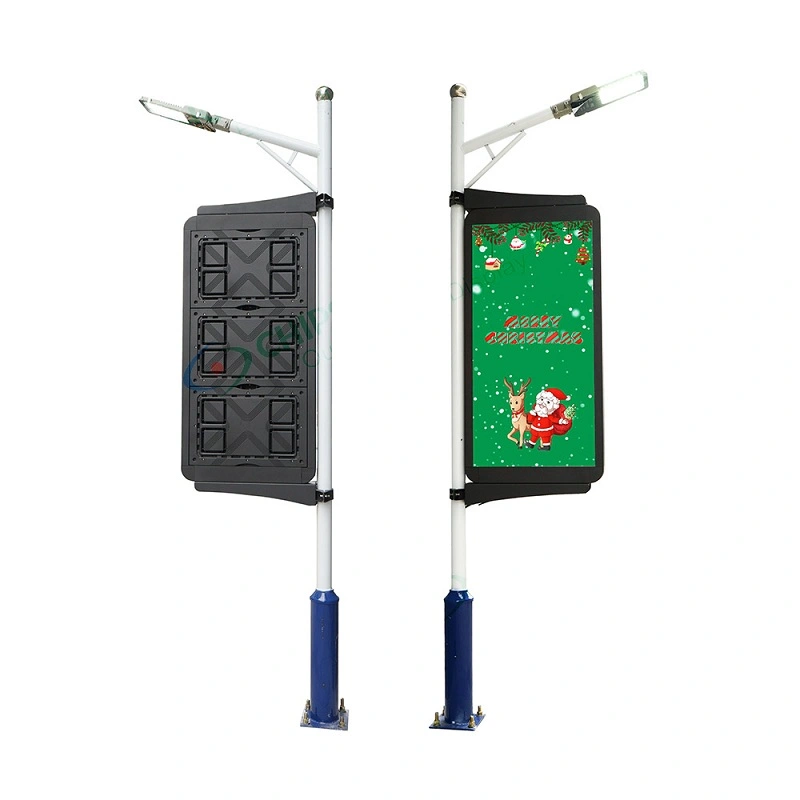
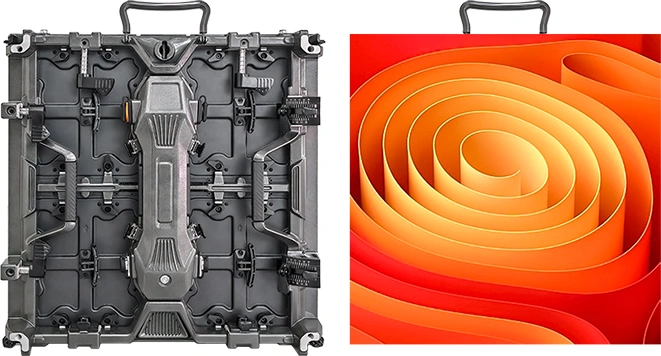
Chipshow’s street-level approach focuses on compact outdoor LED hardware that supports pedestrian-scale visibility. The outdoor led display panel should be slim enough for practical placement, strong enough for public environments, and bright enough to compete with daylight. It should also leave room for the local team to consider access, mounting, electrical routing, and future service.
For integrators, led screen panels outdoor must be predictable. Each panel should follow a clear structure, repeatable assembly logic, and documented connection plan. When a city network expands from one pilot location to dozens of sites, small installation problems multiply. A cleaner hardware system helps the installer keep deployment controlled.
Content That Works at Street Speed
A led screen outdoor must match the pace of the audience. Street-level viewers may walk, wait, ride, park, or pass in slow traffic. They do not read long paragraphs. They respond to clear visuals, short offers, strong color, simple motion, and location-relevant content. The hardware must support this type of content with stable brightness, smooth playback, and consistent image quality.
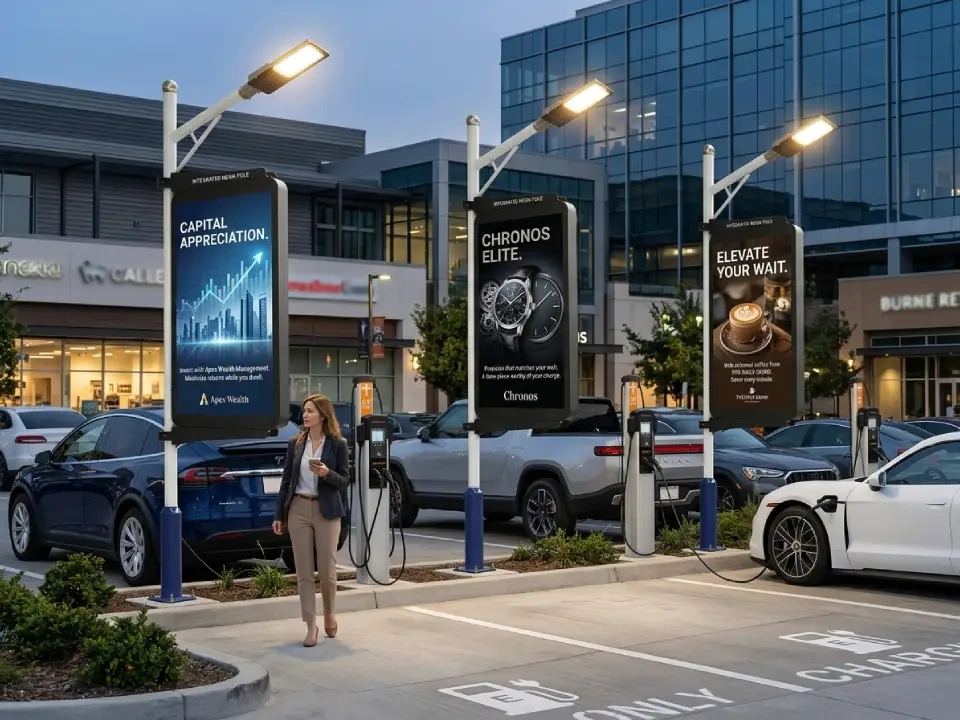
An outdoor led display panel used for local DOOH can show restaurant specials, retail sales, event reminders, public messages, directional cues, property branding, and sponsored campaigns. When a network includes multiple units, operators can sell location-based packages. A brand may buy screens near shopping areas during weekends, transit points during commute hours, or restaurant districts during evening traffic.
This content model makes reliability important. If one display fails, it weakens the network. If colors shift across locations, advertisers notice. If modules are difficult to replace, downtime grows. Led screen panels outdoor should therefore support both content impact and operational consistency.
From Single Screen to Repeatable City Network
Many DOOH projects begin with one site, but the real value appears when the model repeats. A property group may start with one outdoor led display panel at a main entrance, then add units at parking lots, walkways, or tenant corridors. A media company may begin with one neighborhood and then expand to multiple districts. A transit operator may test one shelter and then standardize a screen format across many stops.
This is where outdoor digital signage solutions US stock become important. Scaling a city network requires timing control. If every expansion depends on long manufacturing windows and unpredictable freight, the rollout becomes harder to manage. When selected display configurations are available through a local stock buffer, the project team can plan pilot sites, replacements, and phased growth with less supply uncertainty.
Chipshow supports this growth with factory-built LED hardware and a channel-friendly model. We supply the display system, documentation, and hardware package. Local installers, sign companies, electricians, and project partners keep the field scope, client relationship, and installation value.
Design Requirements for LED Screen Panels Outdoor
Urban Displays Need More Than Brightness
Brightness matters, but it is not the only requirement for led screen panels outdoor. A city-facing display must handle sunlight, rain, dust, vibration, temperature changes, public exposure, and close viewing. It must also fit local placement rules and avoid creating unnecessary obstruction.
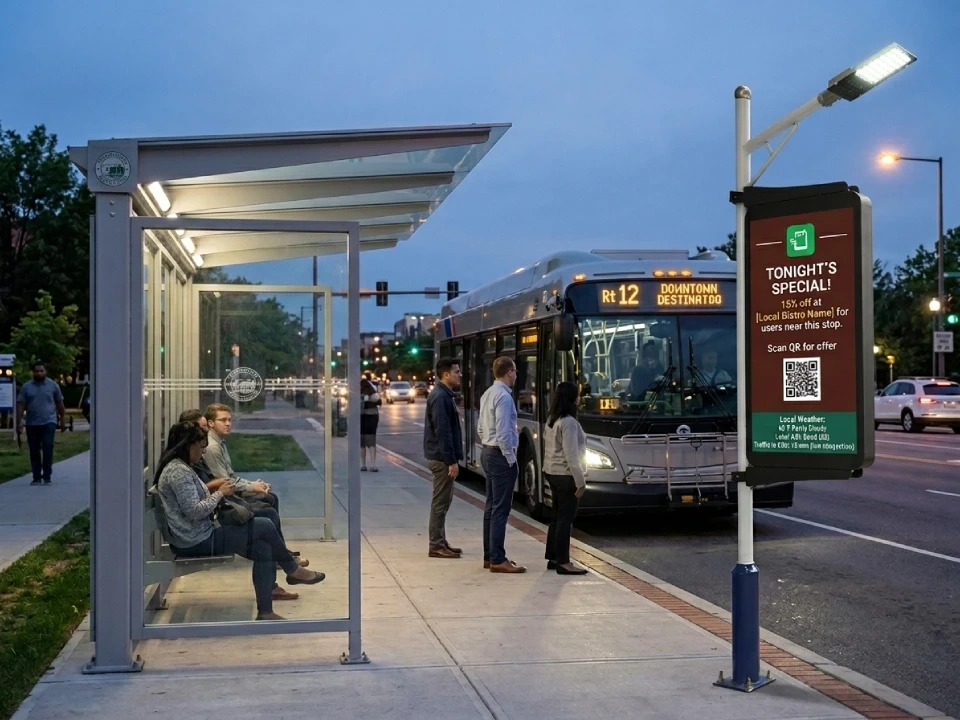
A led screen outdoor may sit near sidewalks, storefronts, parking entrances, transit shelters, or road medians. Each location changes the design priority. A sidewalk screen may need slimmer depth. A transit screen may need durable construction. A retail plaza screen may need strong front service. A parking entrance display may need clear visibility for drivers approaching at low speed.
The right outdoor led display panel should balance brightness, resolution, structure, safety, and service. A display that is bright but bulky may create placement issues. A slim display that is difficult to repair may raise lifetime cost. A low-price product may become expensive if the installer has to solve missing hardware details in the field.
Pixel Pitch and Viewing Distance for Pedestrian DOOH
Street-level DOOH audiences usually view screens closer than highway audiences. That means led screen panels outdoor need a practical pixel pitch for pedestrian and slow-traffic viewing. A screen that looks acceptable from far away may appear coarse up close. A screen that uses too fine a pitch may raise cost without improving real campaign performance.
The correct led screen outdoor configuration depends on distance, content type, size, and expected audience speed. A storefront-facing display may need sharper detail for product images and short text. A pole-mounted street display may prioritize quick readability and bold graphics. A transit-area screen may need balanced clarity for both public information and advertising.
Chipshow helps customers choose an outdoor led display panel based on the site, not a generic spec. The goal is to avoid both overbuying and underbuying. A smart configuration protects visual quality while keeping the project practical for rollout.
Weather Protection for Public-Space Reliability
Led screen panels outdoor must survive real public conditions. Rain, dust, heat, humidity, sun exposure, and daily temperature swings can all affect performance. In city settings, displays may also face vibration from traffic, accidental contact, and continuous operation schedules.
A led screen outdoor should use outdoor-rated design, sealed modules or cabinets where required, stable power components, and a structure that supports long-term use. Weather protection is not only a technical feature. It protects media contracts, brand reputation, and maintenance budgets.
An outdoor led display panel that fails after storms or heat waves can disrupt the whole network. For operators selling local advertising, every dark screen reduces available inventory. For property owners, a failed display weakens the guest experience. For integrators, unreliable hardware creates service pressure. This is why Chipshow positions street-level DOOH hardware as a commercial asset, not a disposable sign.
Front Service Reduces Street Disruption
Maintenance is one of the most important design requirements for led screen panels outdoor. In a city environment, service access can be complicated. Crews may need to work near pedestrians, parking lanes, storefronts, or traffic paths. If the screen requires difficult rear access, the maintenance visit may become slow, expensive, or disruptive.
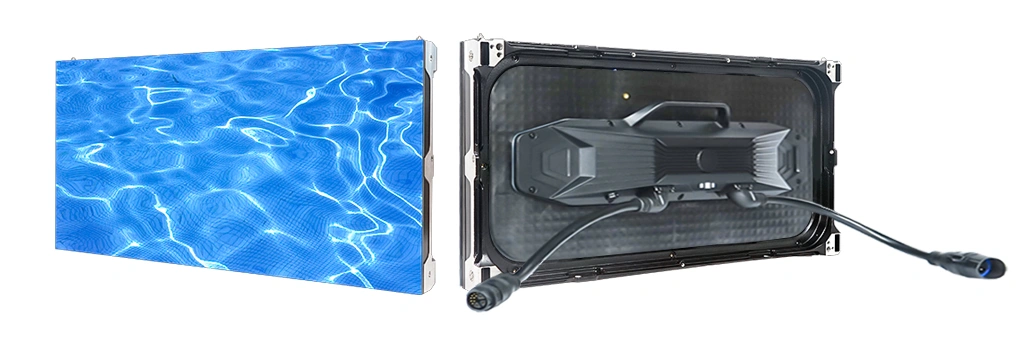
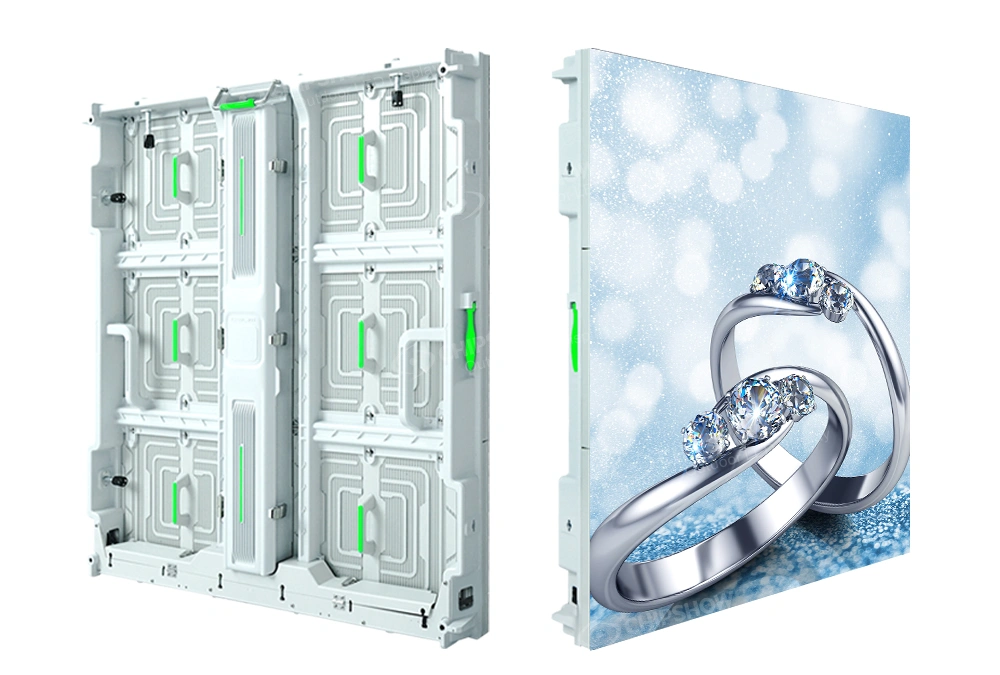
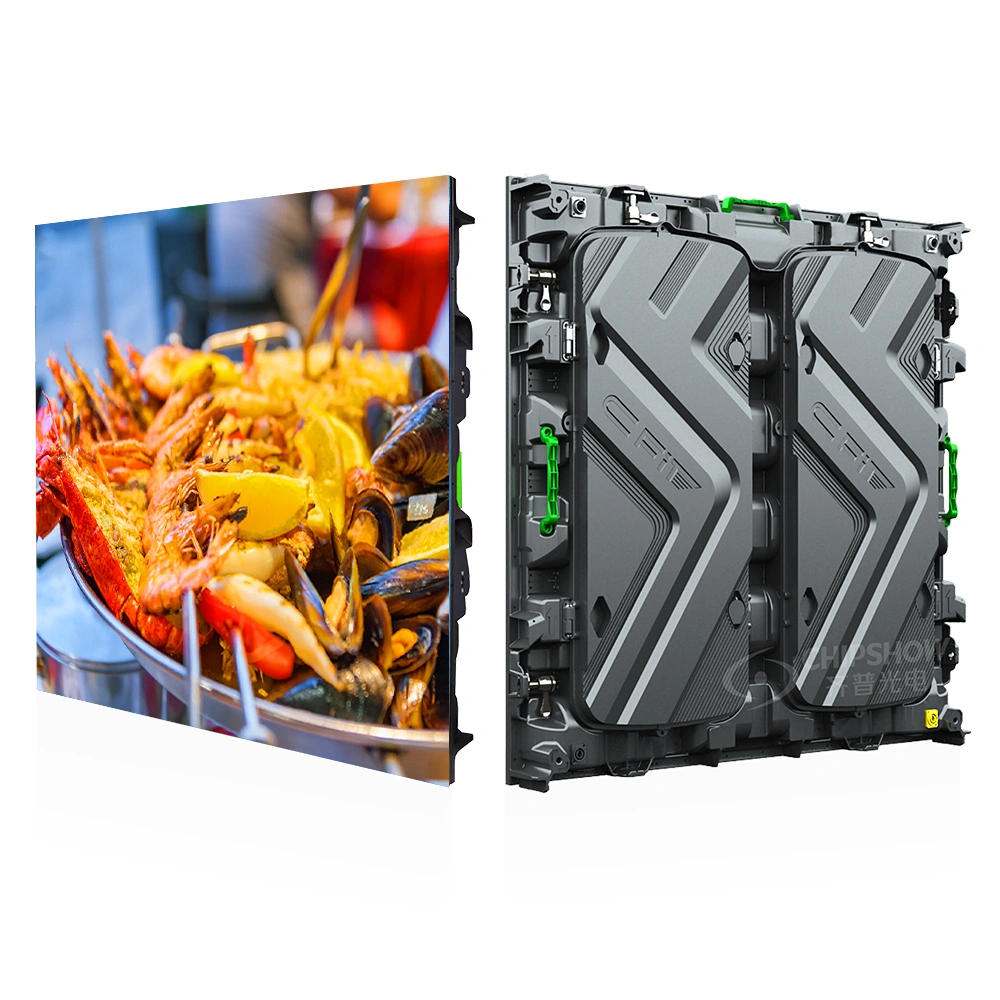
Front-service design helps reduce that friction. A technician can access modules or components from the display face when the product and installation design support it. This can reduce the need for large rear clearance and make the display more practical for compact urban locations.
A led screen outdoor designed for front service can support lower lifetime labor cost. It can also help the operator bring the screen back online faster. For media networks, speed matters. A dark unit does not only create a technical issue; it removes a paid impression point from the network.
ADA-Aware and Pedestrian-Friendly Placement
Street-level displays must respect public movement. While every project should be checked by local professionals, the hardware strategy should consider pedestrian flow, protrusion, mounting height, sidewalk clearance, and safe service access. A bulky outdoor led display panel can create placement problems before the content ever runs.
Chipshow’s street-network approach favors slim, compact display structures that help integrators plan cleaner placements. The goal is not to make code promises from a factory desk. The goal is to give local professionals hardware that supports their review process and reduces unnecessary conflicts with pedestrian environments.
When evaluating led screen panels outdoor, buyers should ask how the display will sit in the real space. Where will people walk? Where will technicians stand? Where will power run? How will the screen be serviced? Will the display create visual impact without creating a physical burden? These questions matter as much as price.
The Advantage of Outdoor Digital Signage Solutions US Stock
Local Stock Helps City Networks Move Faster
Outdoor digital signage solutions US stock can change the rollout pace for city-wide DOOH networks. A project may have the property approval, local installer, electrical plan, and advertiser demand ready, but still wait for hardware. That delay can postpone revenue and complicate crew scheduling.
For street-level media, speed matters because many projects expand in phases. A pilot program may need a small number of units first. A successful pilot may lead to a broader rollout. Replacement units may be needed quickly to keep the network consistent. Outdoor digital signage solutions US stock help reduce the uncertainty between approval and installation.
Chipshow’s California Warehouse Hub supports selected outdoor display configurations, giving North American buyers a practical local buffer. This is especially useful for integrators that need to coordinate multiple sites, installers, and schedules without waiting through long freight cycles.
Why Stock Must Still Match the Project
Not every stocked screen is the right screen. Outdoor digital signage solutions US stock should still match viewing distance, brightness needs, physical footprint, service method, and mounting environment. Speed does not help if the hardware does not fit the site.
A led screen outdoor for a pedestrian corridor may need a different configuration from a highway-facing billboard. Led screen panels outdoor for street furniture may need slimmer design and closer-viewing clarity. An outdoor led display panel for a transit stop may need a stronger enclosure and service plan. The correct stocked product should support the use case, not just ship quickly.
Chipshow helps buyers review available hardware against real site requirements. This protects both the installer and the owner. A fast shipment should reduce risk, not create a new technical compromise.
Factory Support Matters More Than Random Inventory
Buyers can find many displays for sale from different manufacturers, resellers, and Supplier channels. The challenge is knowing whether the product is complete, suitable, documented, and serviceable. A low price may look attractive until the project discovers missing accessories, unclear wiring, poor module matching, or no reliable spare path.
Outdoor digital signage solutions US stock should come with product knowledge. A Factory-backed manufacturer can explain the display platform, control system, module structure, service method, and replacement plan. That support matters more when a buyer plans a network, because one mistake can repeat across every site.
Chipshow combines Factory manufacturing experience with North American stock planning for selected configurations. This gives partners a more dependable path than buying unknown inventory without clear product support.
How US Stock Supports Integrator-Friendly Delivery
Outdoor digital signage solutions US stock also support integrator-friendly delivery. Local professionals need hardware that arrives complete, documented, and ready for their field workflow. They do not want a manufacturer competing for installation revenue. They want a hardware partner that helps them execute more efficiently.
Chipshow’s model is clear: we supply the LED display hardware package, and your local team handles installation, electrical work, site-specific structure, and client delivery. This keeps the installer in control while giving them access to factory-built LED systems.
For led screen panels outdoor, package completeness matters. A missing cable, accessory, or receiving component can delay a small city installation just as easily as a large billboard project. Outdoor digital signage solutions US stock should reduce those problems by combining speed with organized packing and technical documentation.
Network Consistency Across Multiple Locations
When a city network grows, consistency becomes a business advantage. Operators want similar brightness, color behavior, service parts, and control logic across locations. If every outdoor led display panel uses different components, the maintenance team must manage more training, more spare parts, and more troubleshooting paths.
Outdoor digital signage solutions US stock can support consistency when the buyer chooses a repeatable platform. A led screen outdoor network built around standardized hardware is easier to maintain and easier to sell. Advertisers can trust that campaigns will look consistent across units. Technicians can work faster because the system logic repeats. Operators can plan expansion without redesigning every site from scratch.
For buyers evaluating the C-Pole ecosystem, the product-level path connects directly to P3.91 outdoor LED screen US stock. This anchor supports the product page while keeping this Cluster page focused on city-wide street network strategy.
Building a City-Wide DOOH Network Without Overcomplicating the Hardware
Start with the Audience Path
A successful street network begins with audience movement. Before selecting an outdoor led display panel, define where people slow down, where they wait, where they make purchase decisions, and where a screen can deliver value without interrupting the street. The best led screen outdoor locations are not always the largest. They are the locations where content meets intent.
Transit shelters, parking entrances, retail walkways, campus paths, hotel districts, convention-area sidewalks, and mixed-use plazas can all become strong DOOH points. Led screen panels outdoor work best when the hardware fits the route naturally. A screen should feel integrated into the environment, not forced into it.
Match the Business Model to the Screen Network
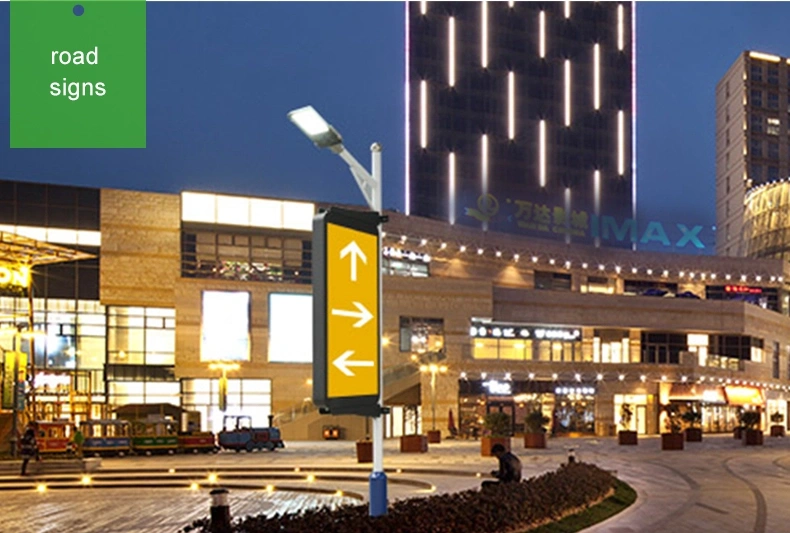
Different owners use street-level DOOH in different ways. A property owner may use an outdoor led display panel for tenant promotion and wayfinding. A media operator may sell local ad packages. A city-facing retail group may use screens to push time-sensitive offers. A transit-area project may combine public information with sponsored messaging.
The business model affects the hardware requirement. A network selling premium ads needs consistent visuals. A property communication network needs simple content scheduling. A transit-area network needs durable public-space design. A led screen outdoor should be chosen to support the operating model from day one.
For buyers who want to compare broader revenue models, the phrase digital billboards for business connects naturally to billboard investment planning. This page, however, keeps the focus on compact street-level DOOH and urban screen networks.
Prepare for Maintenance Before the First Installation
Maintenance planning should happen before installation, not after the first module fails. Ask where the technician will stand, how the screen will open, how modules will be replaced, where spare parts will be stored, and how the network will report faults. These questions affect the true value of led screen panels outdoor.
An outdoor led display panel with a front-service approach can make city service more practical. A repeatable product format can reduce training time. Outdoor digital signage solutions US stock can support replacement availability. Together, these details help protect uptime across the network.
Choose a Manufacturer That Understands Channel Boundaries
City-wide DOOH projects often involve media owners, property owners, sign companies, integrators, electricians, and local reviewers. A manufacturer should support the hardware conversation without disrupting local relationships. Chipshow stays focused on LED display hardware, technical documentation, and product support.
This matters for integrators and sign companies. They need a Supplier that respects their scope. Chipshow’s channel-friendly approach lets local partners keep the installation, service, and customer relationship while using Factory-built display systems that help them deliver a stronger project.
Think Beyond the First Unit
The first led screen outdoor unit proves the site concept. The second, third, and tenth units prove the network. If the hardware is difficult to repeat, the rollout becomes harder. If the parts differ too much, service becomes messy. If stock availability is unpredictable, expansion slows.
Outdoor digital signage solutions US stock give network owners a practical path to scale. Led screen panels outdoor become more valuable when they are easy to repeat, easy to service, and easy to support through a real supply plan. Chipshow helps buyers align the pilot screen with the future network.
Next Step
Send Chipshow your target street locations, expected viewing distance, mounting method, display size, content plan, and rollout timeline. Our team can help you compare the right outdoor led display panel, choose practical led screen panels outdoor, match the correct led screen outdoor configuration, and check outdoor digital signage solutions US stock for your city-wide DOOH network.
Chipshow DOOH Cluster & Product Network