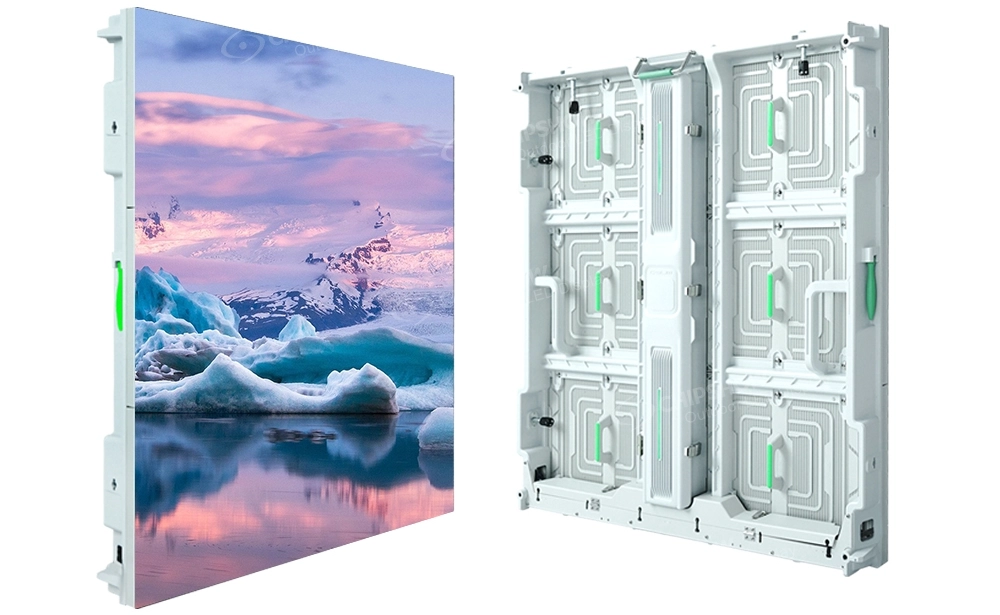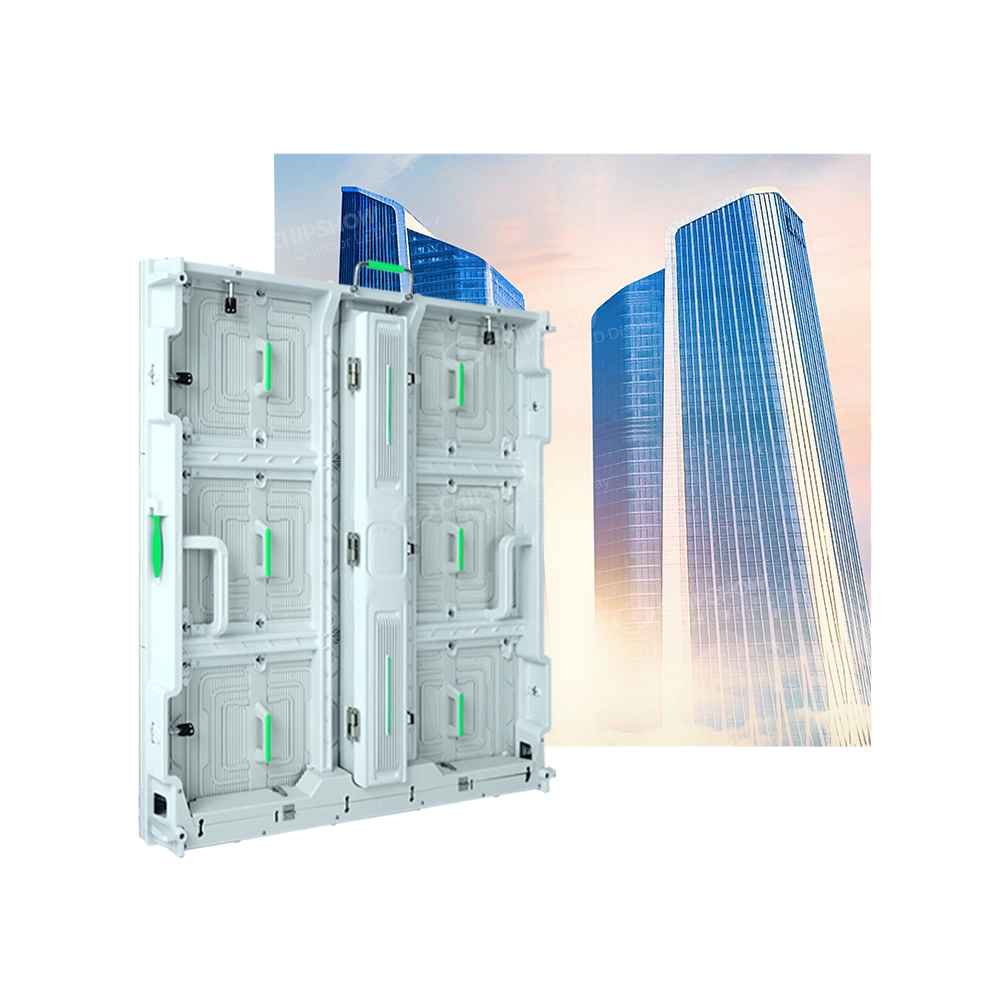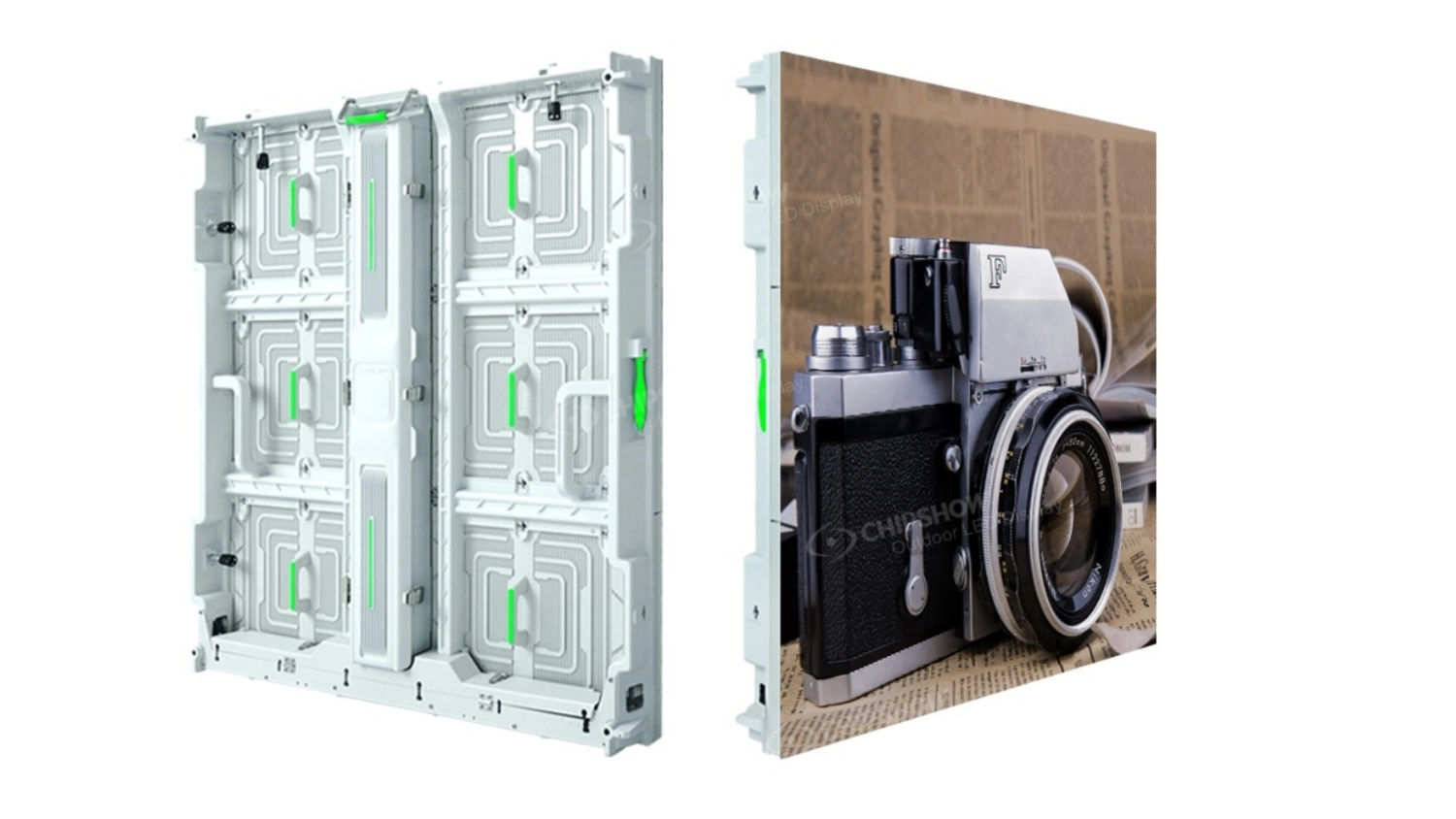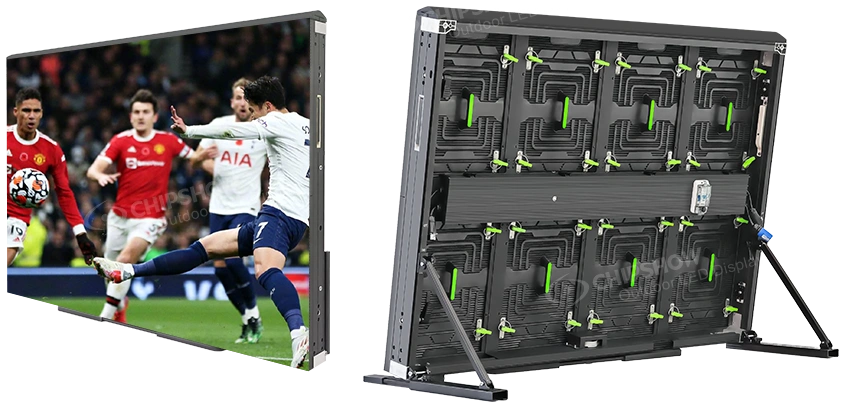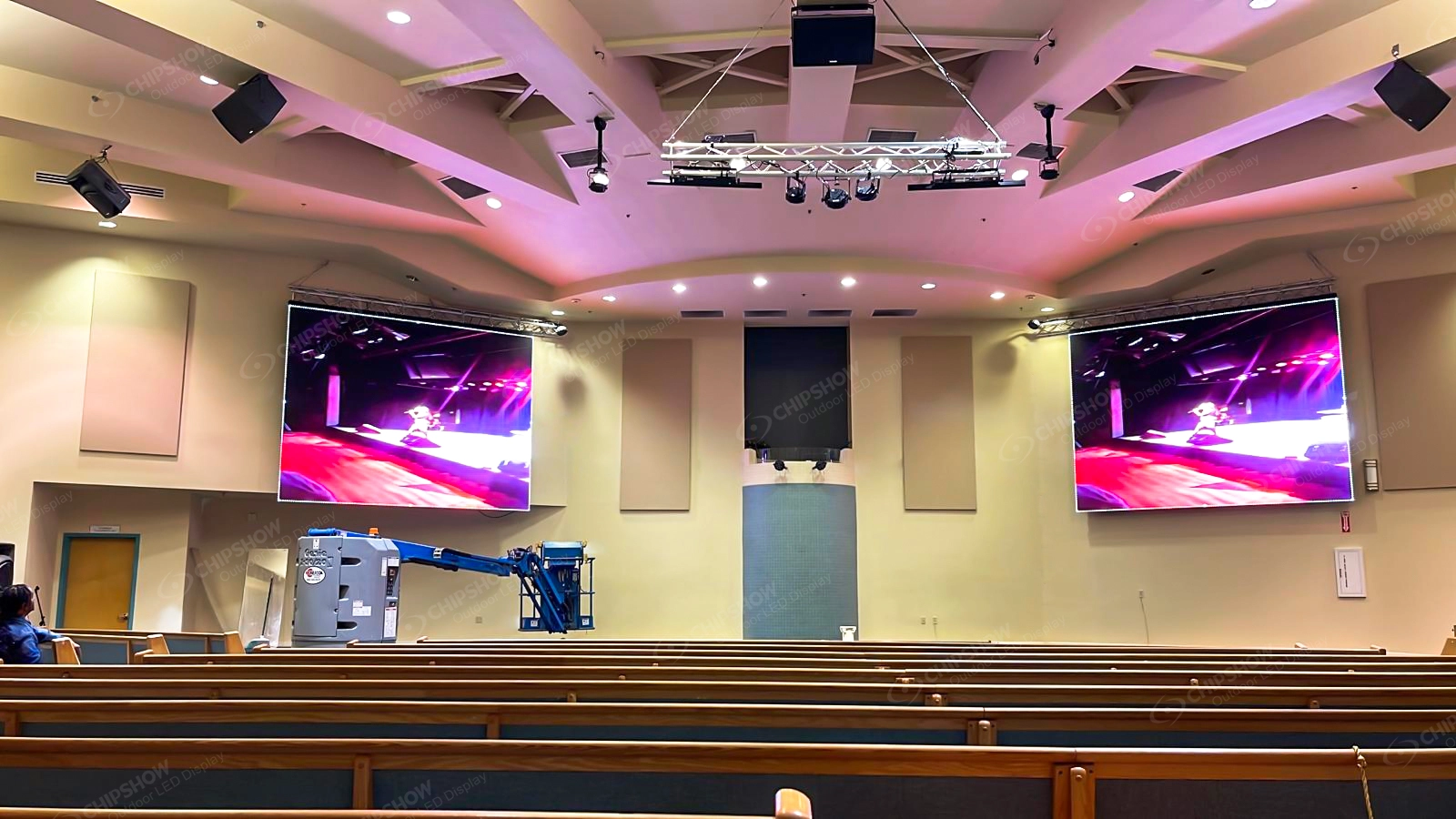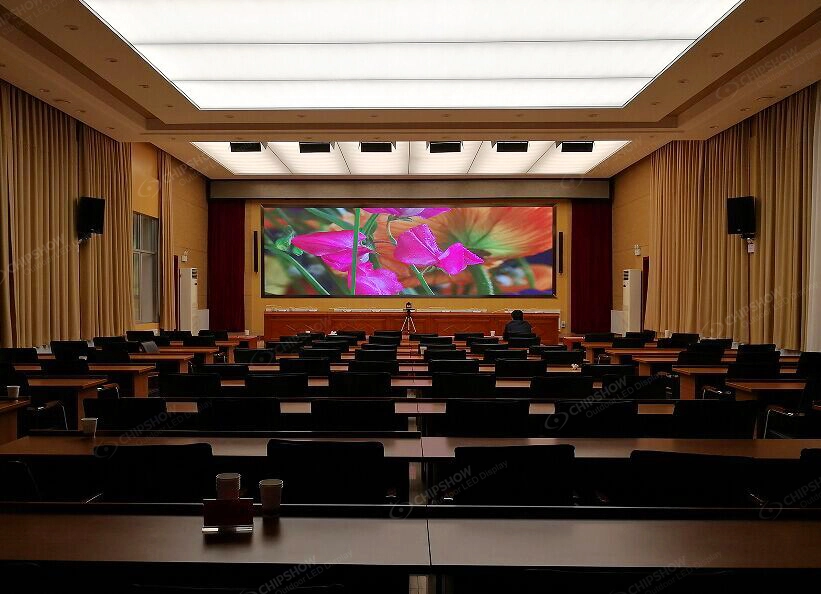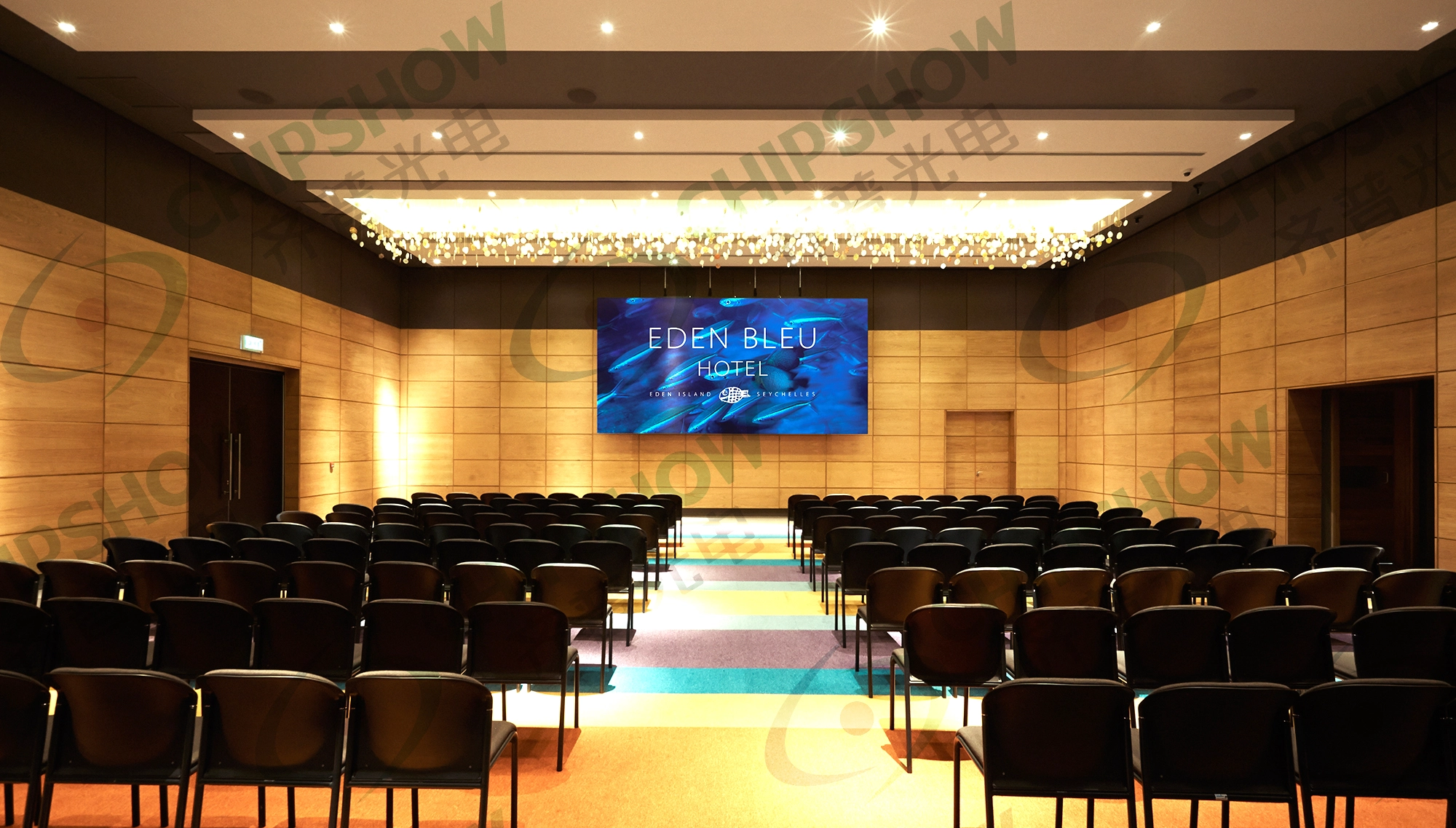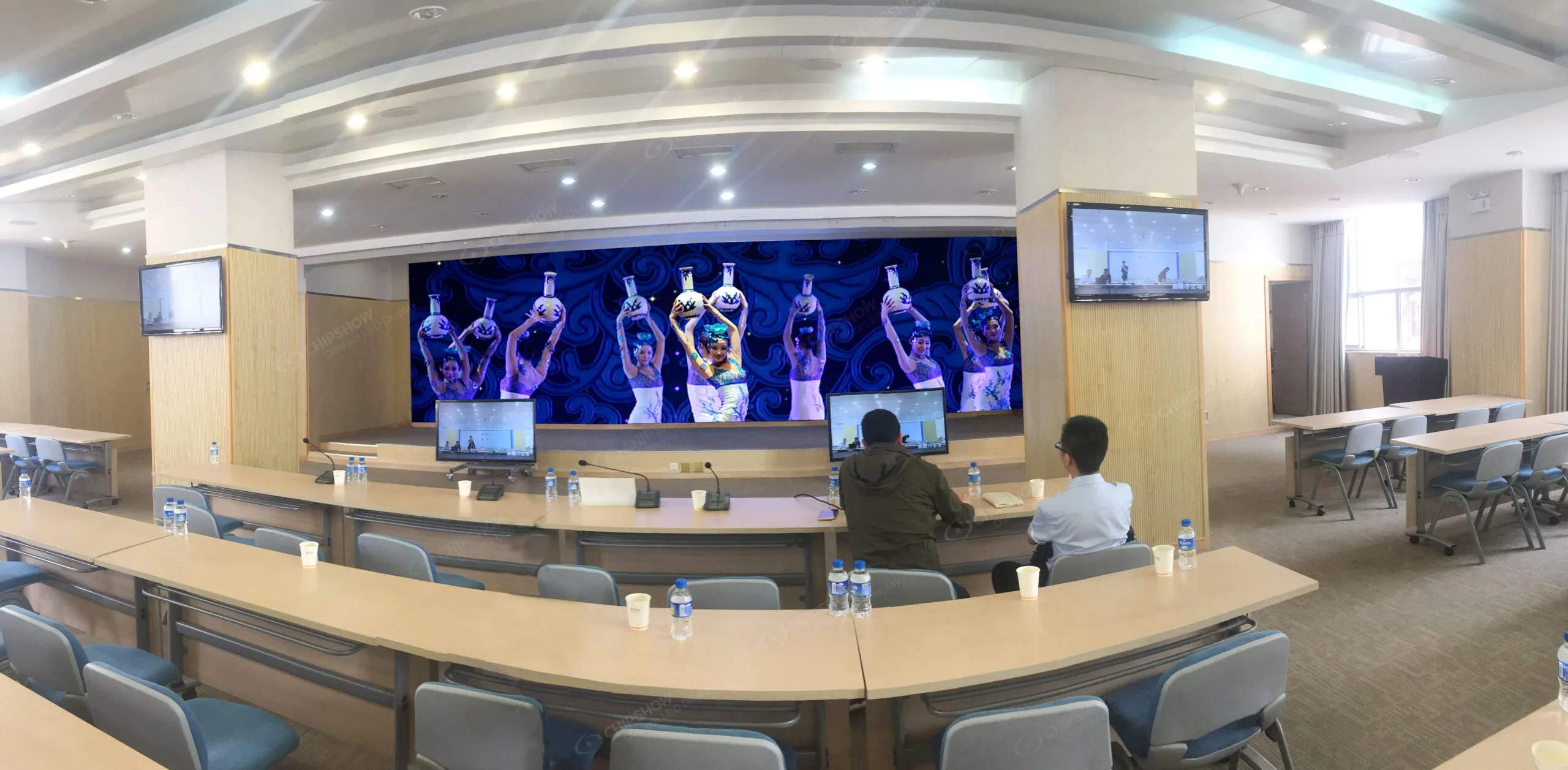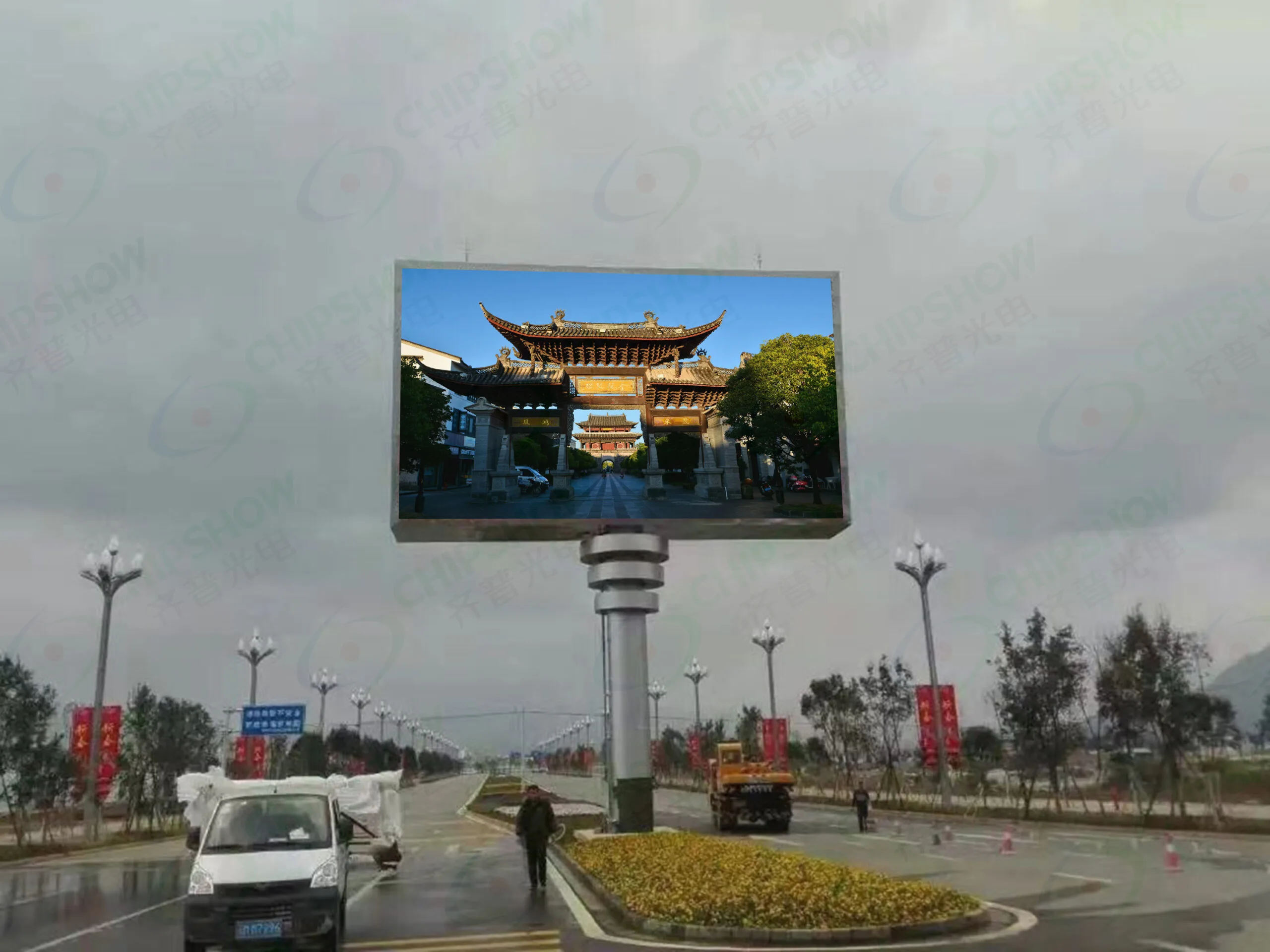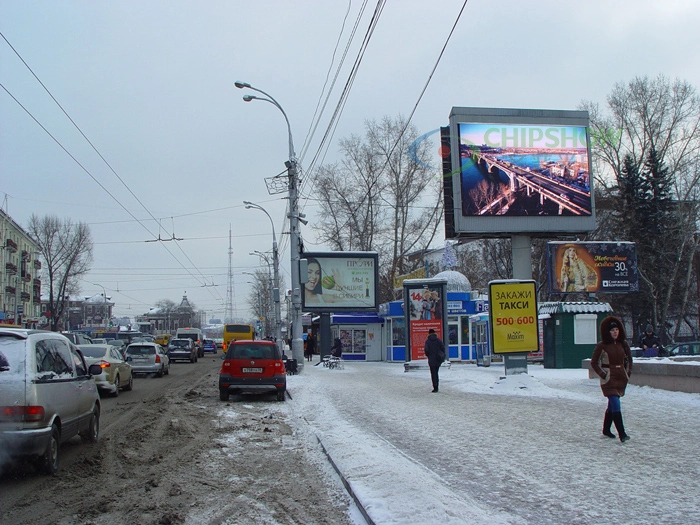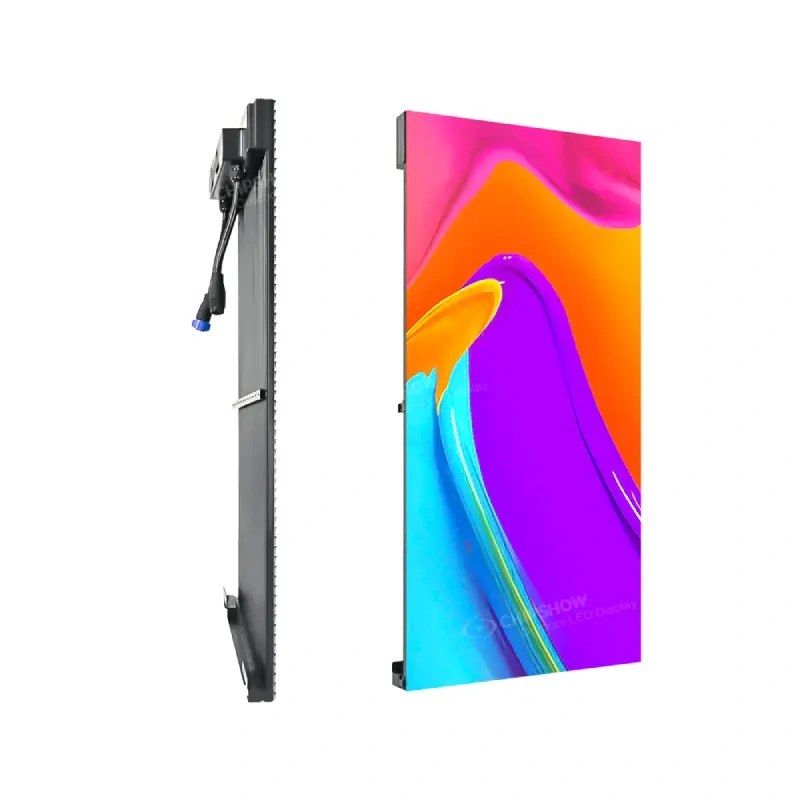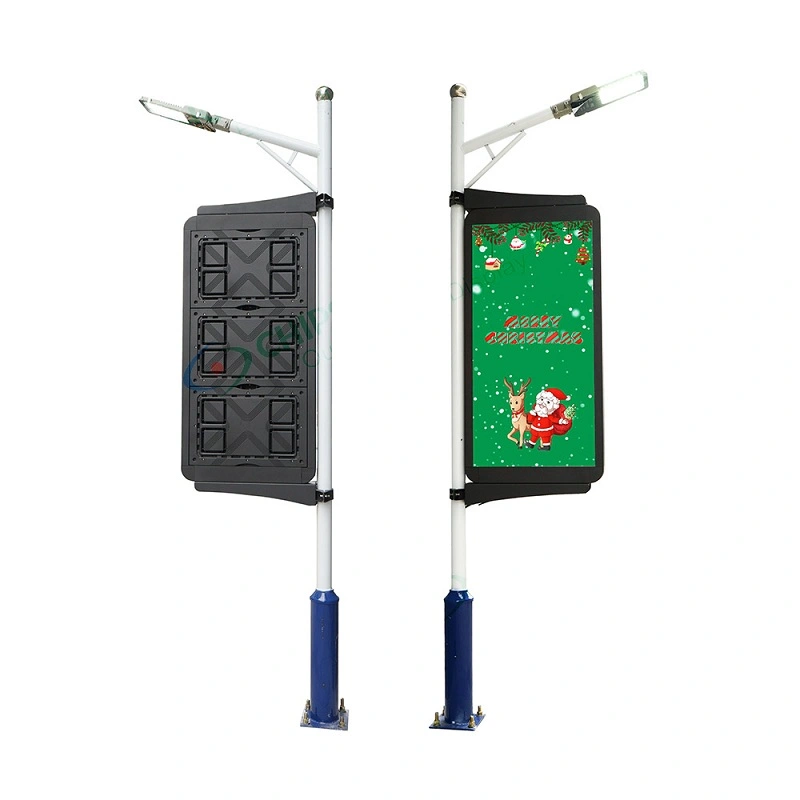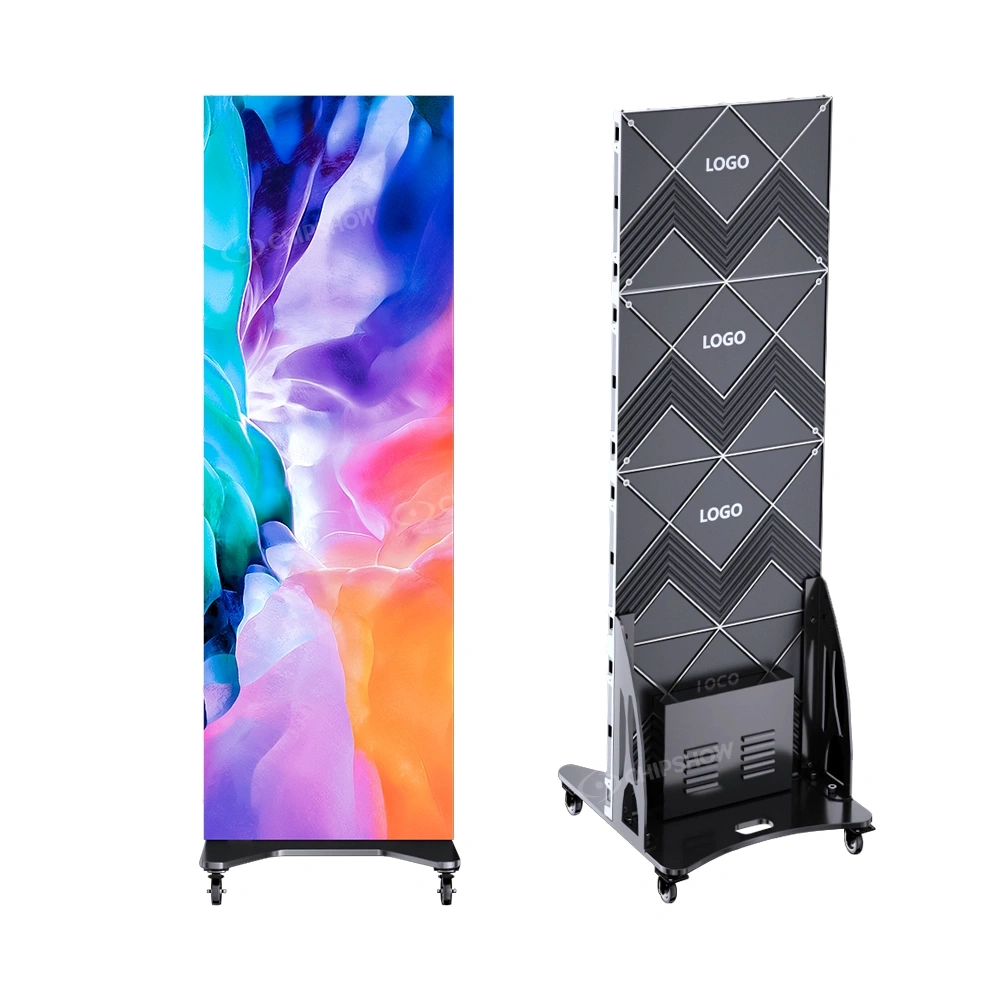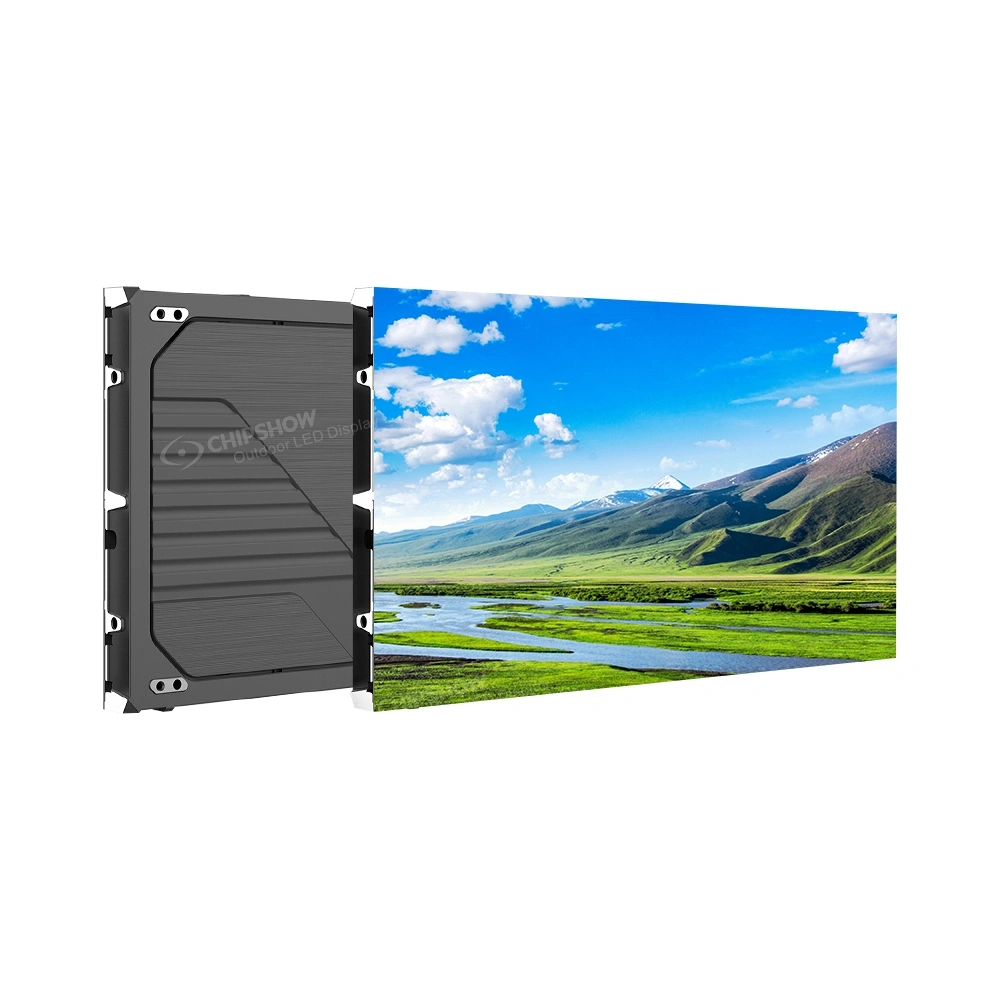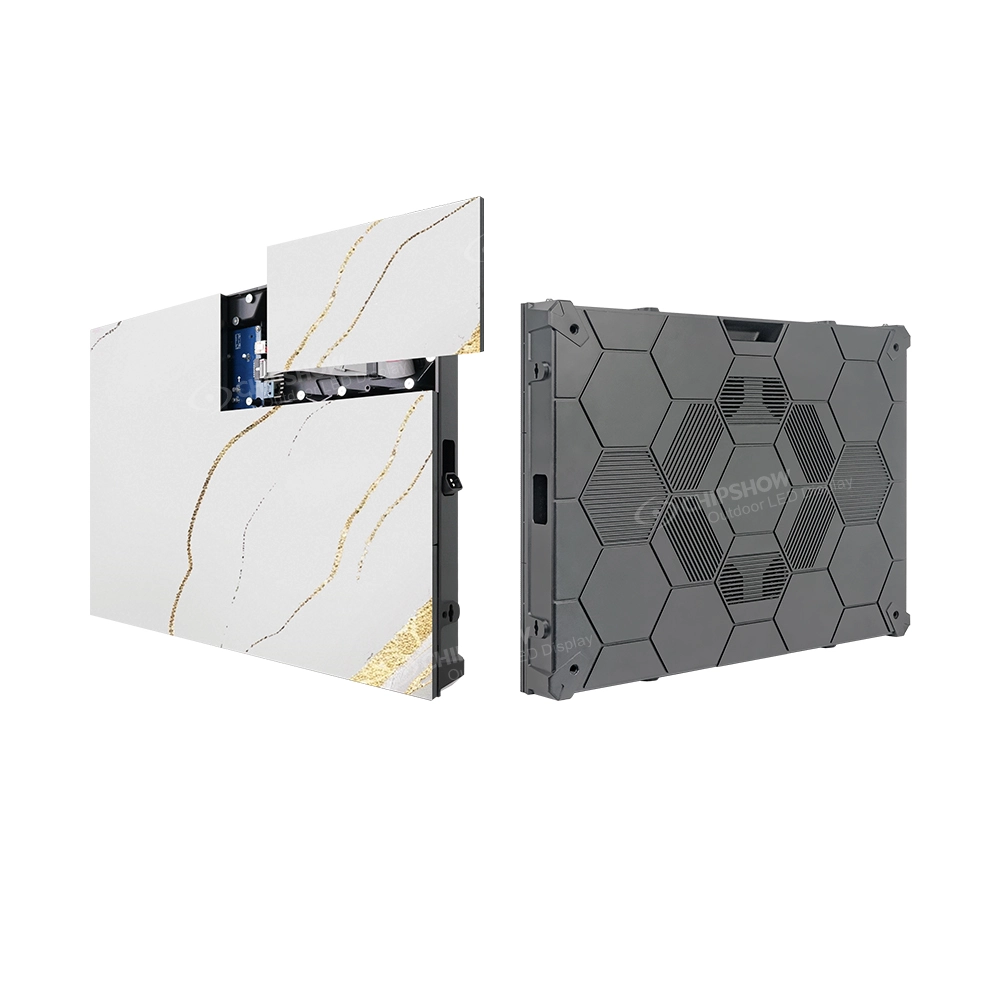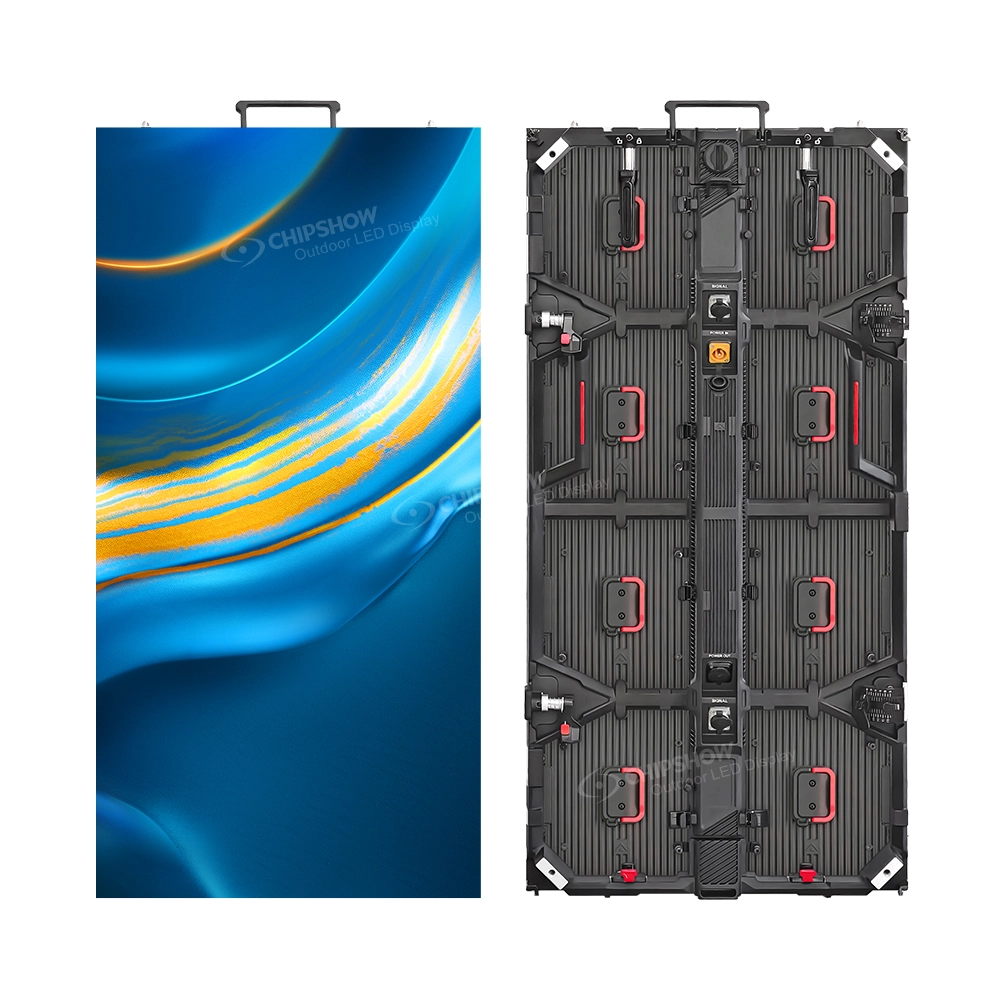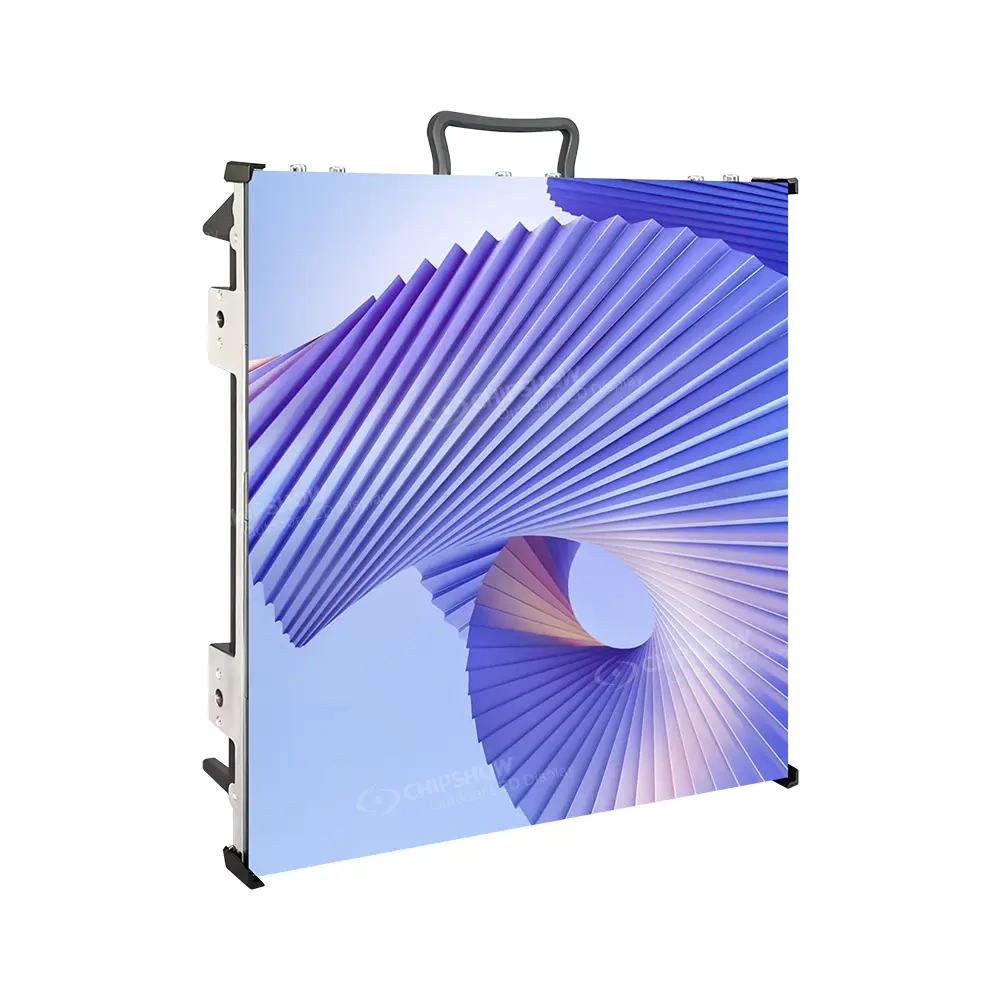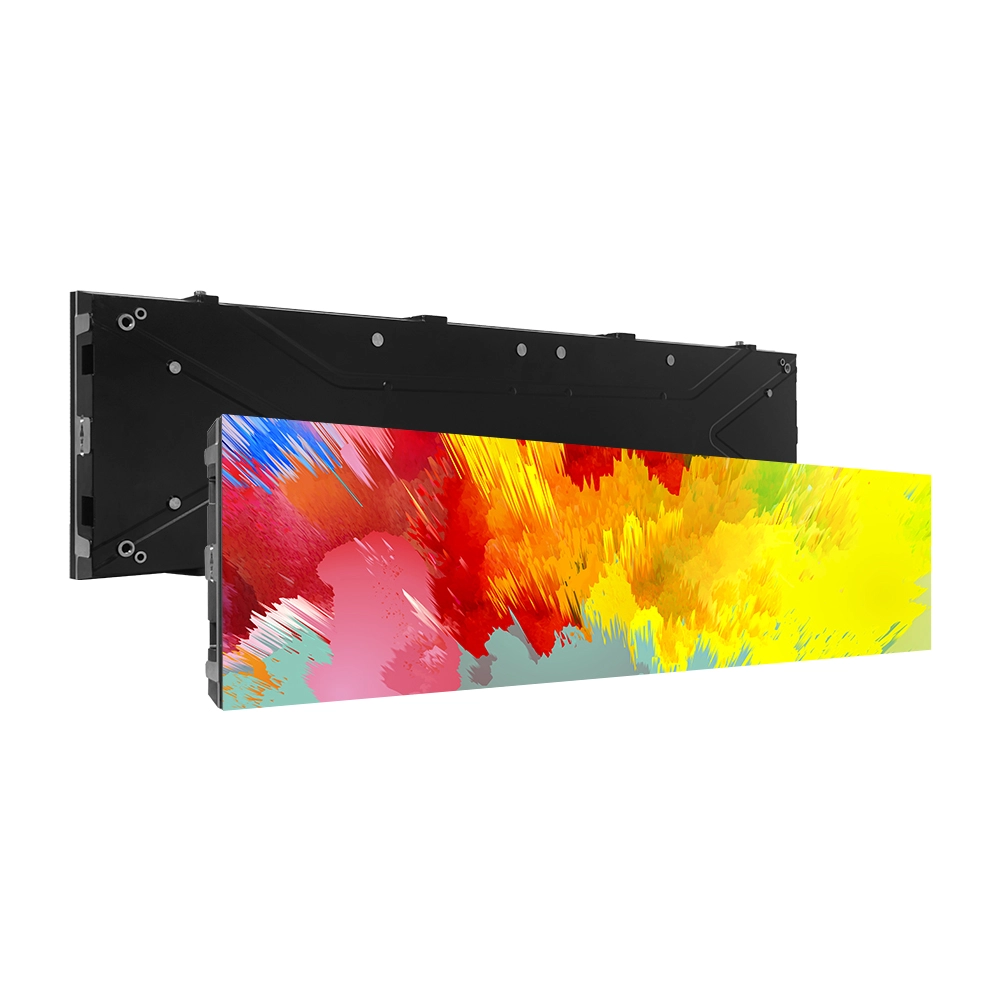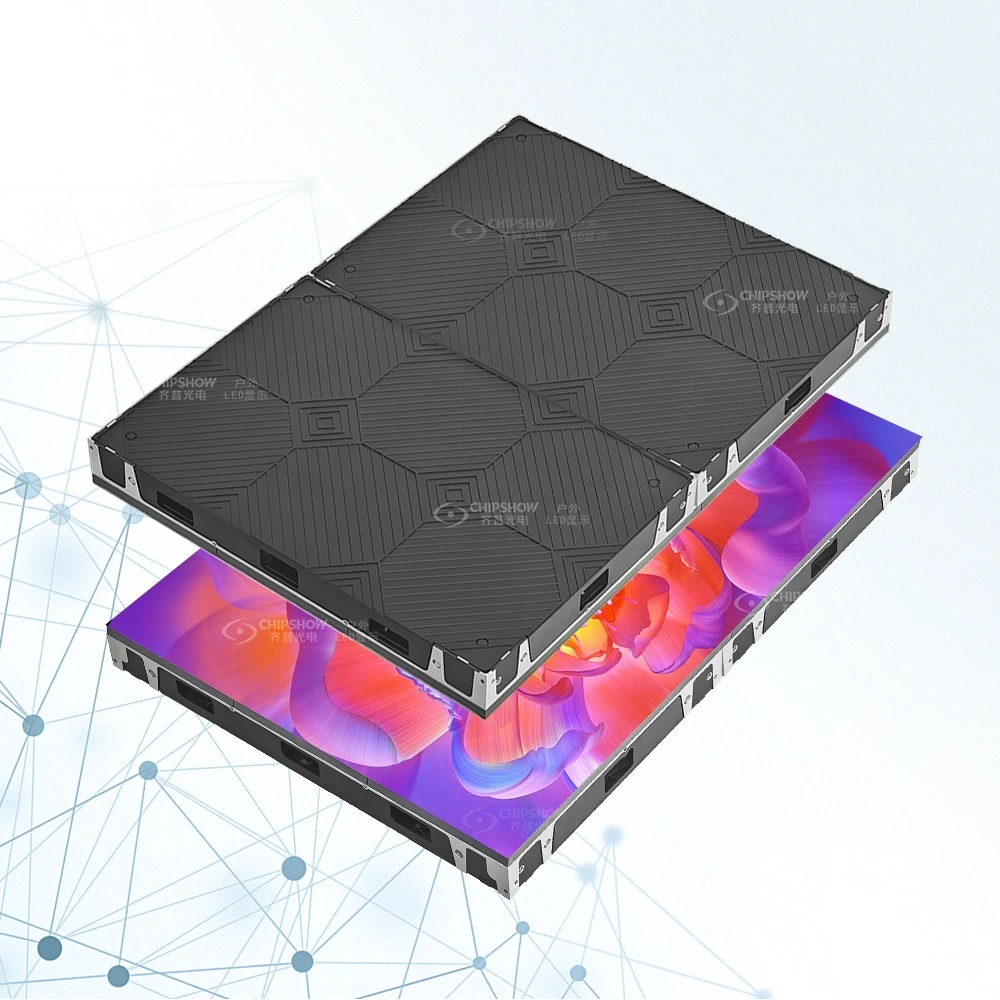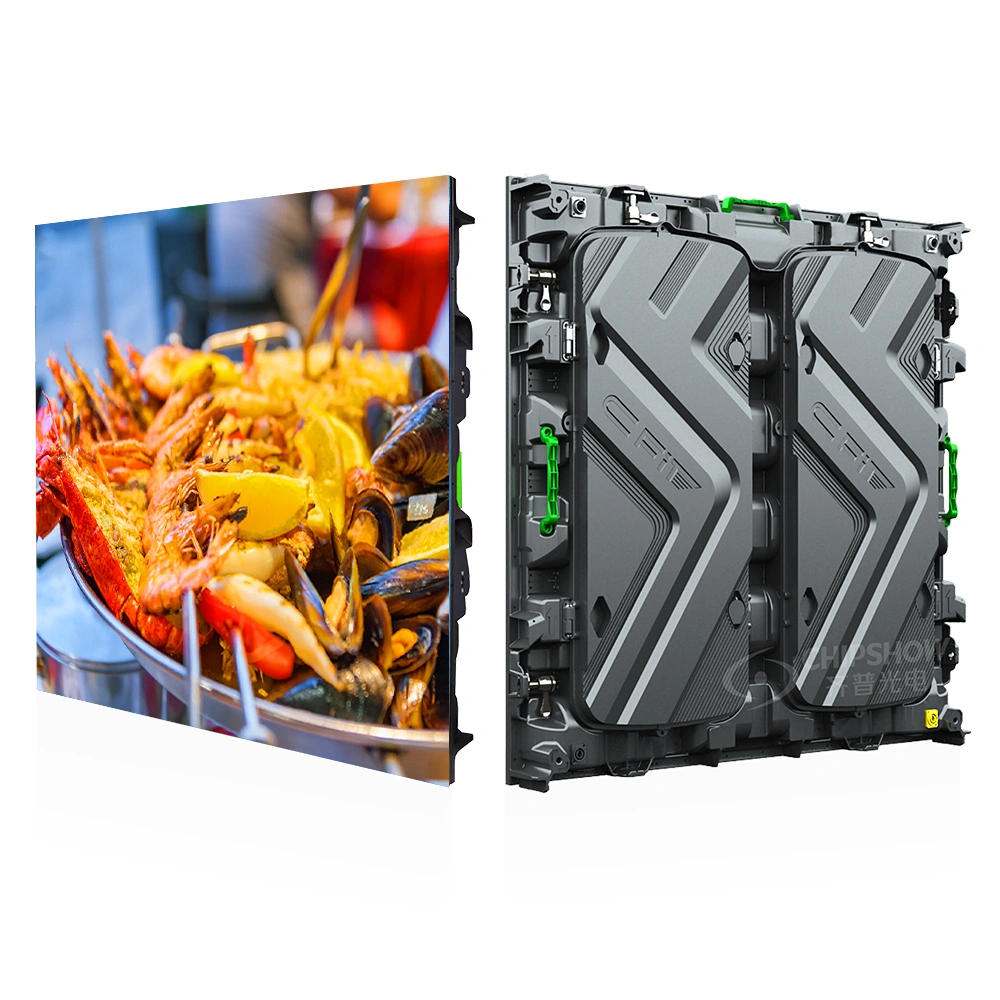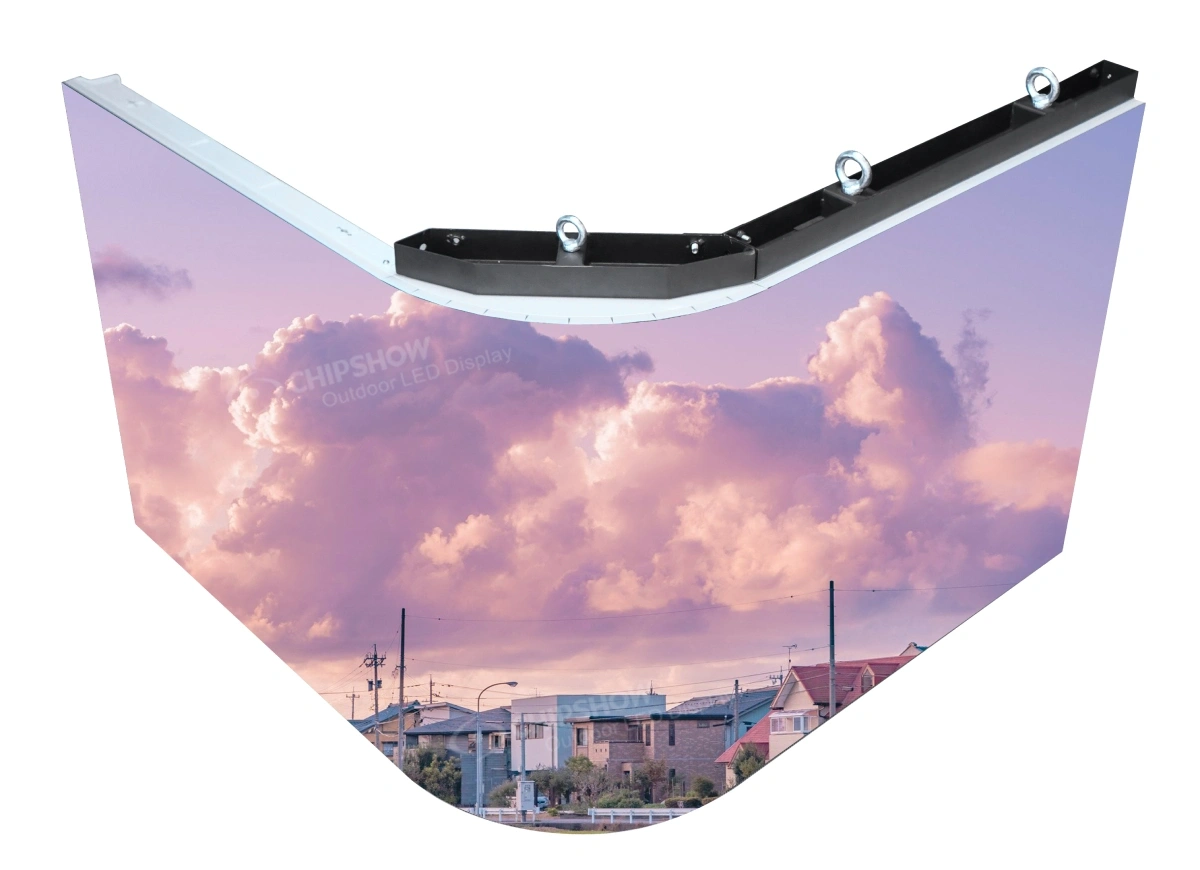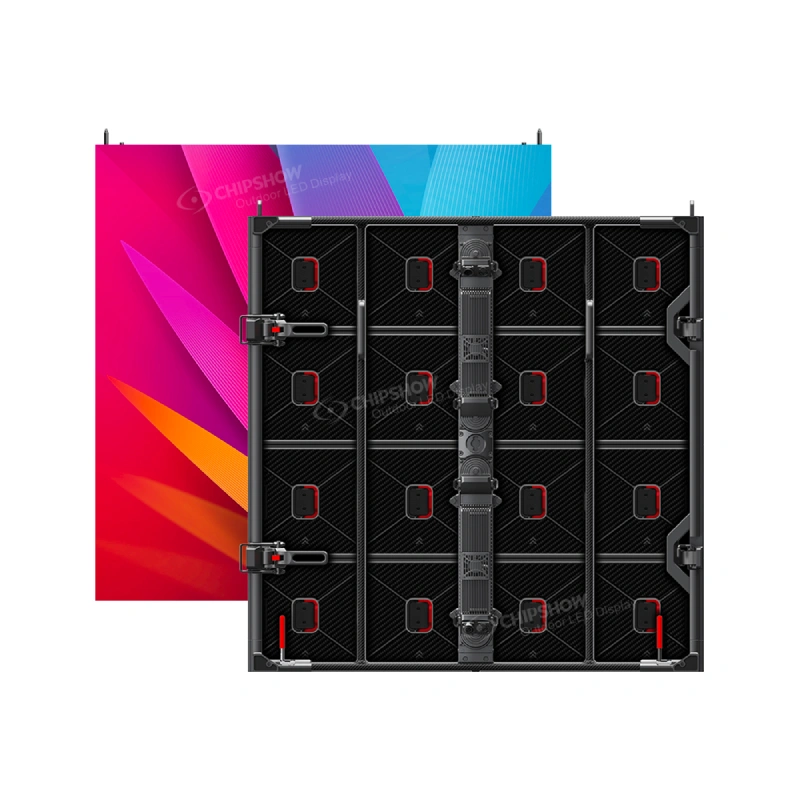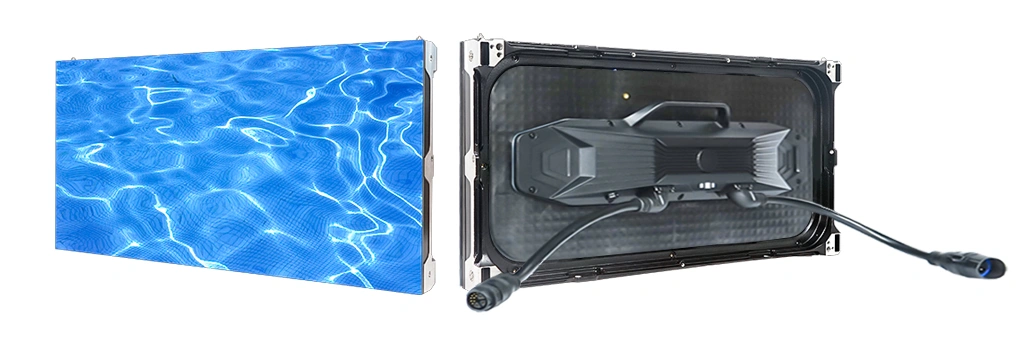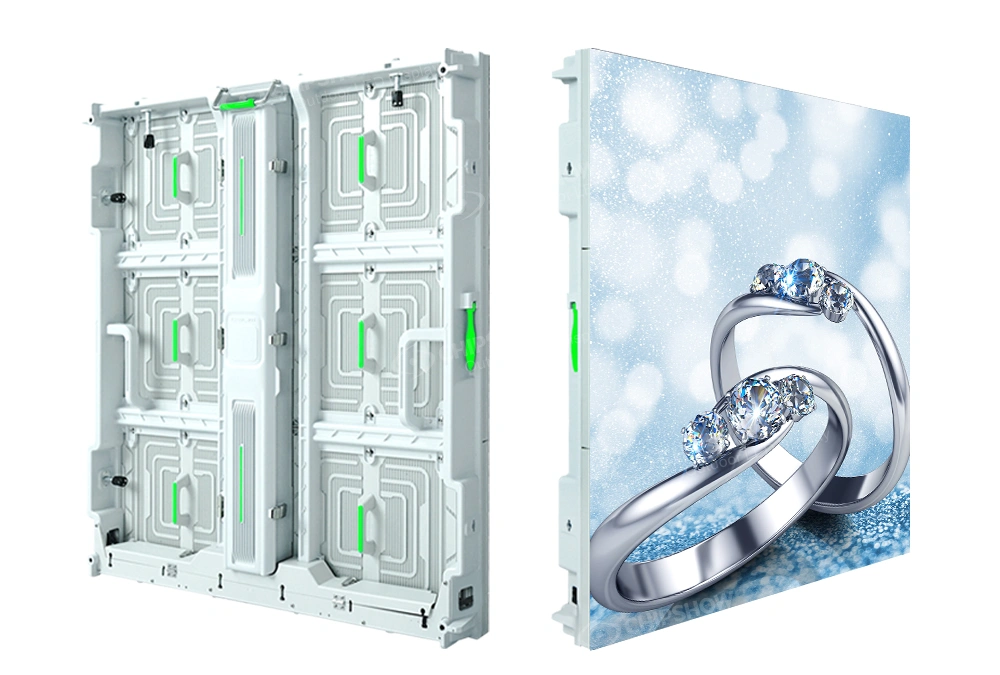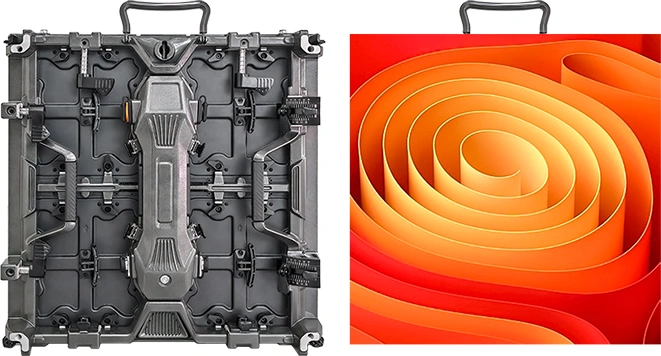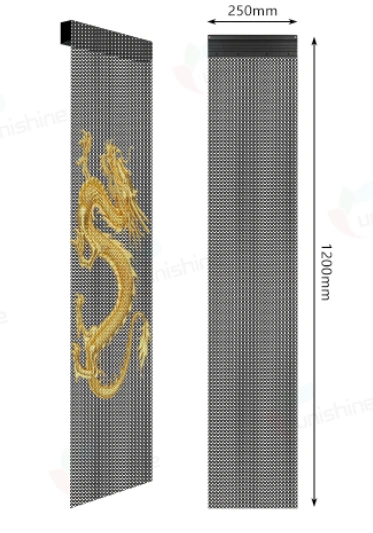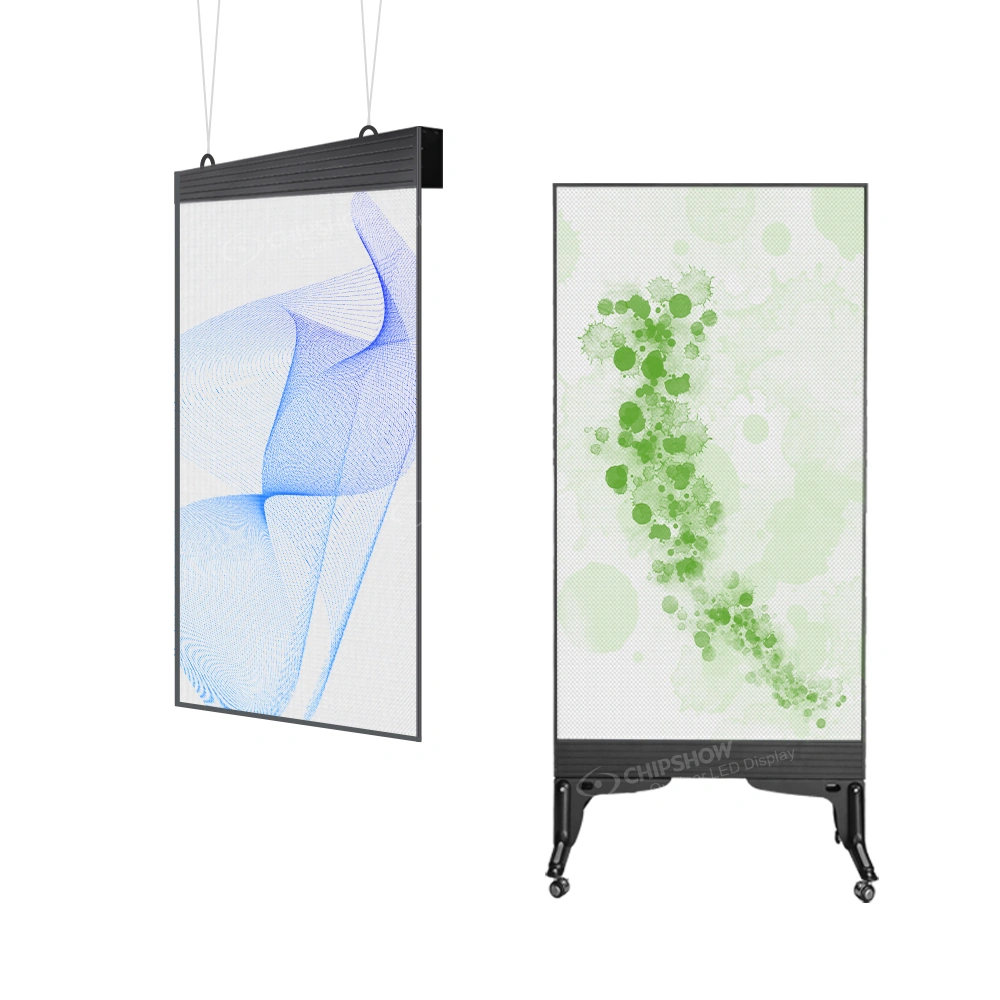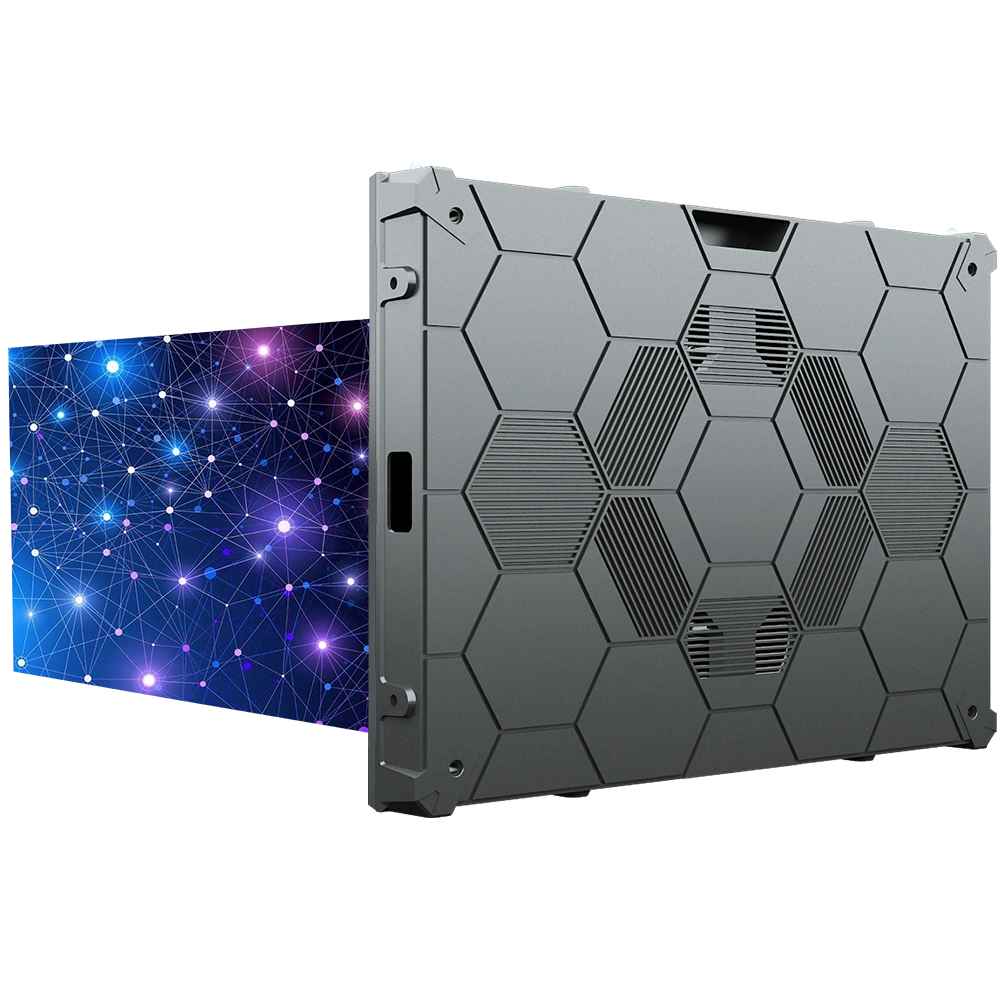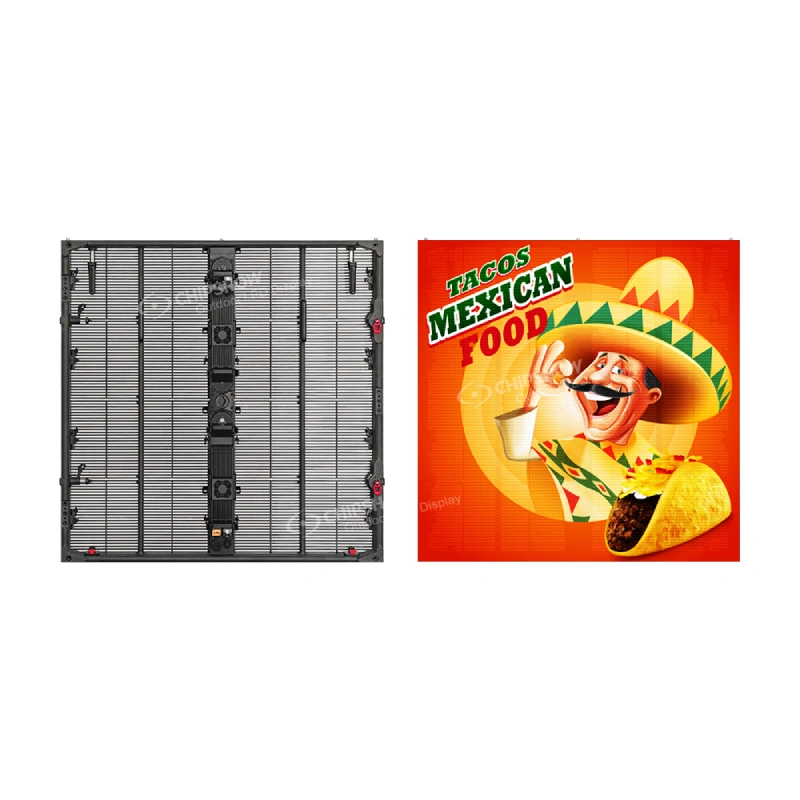
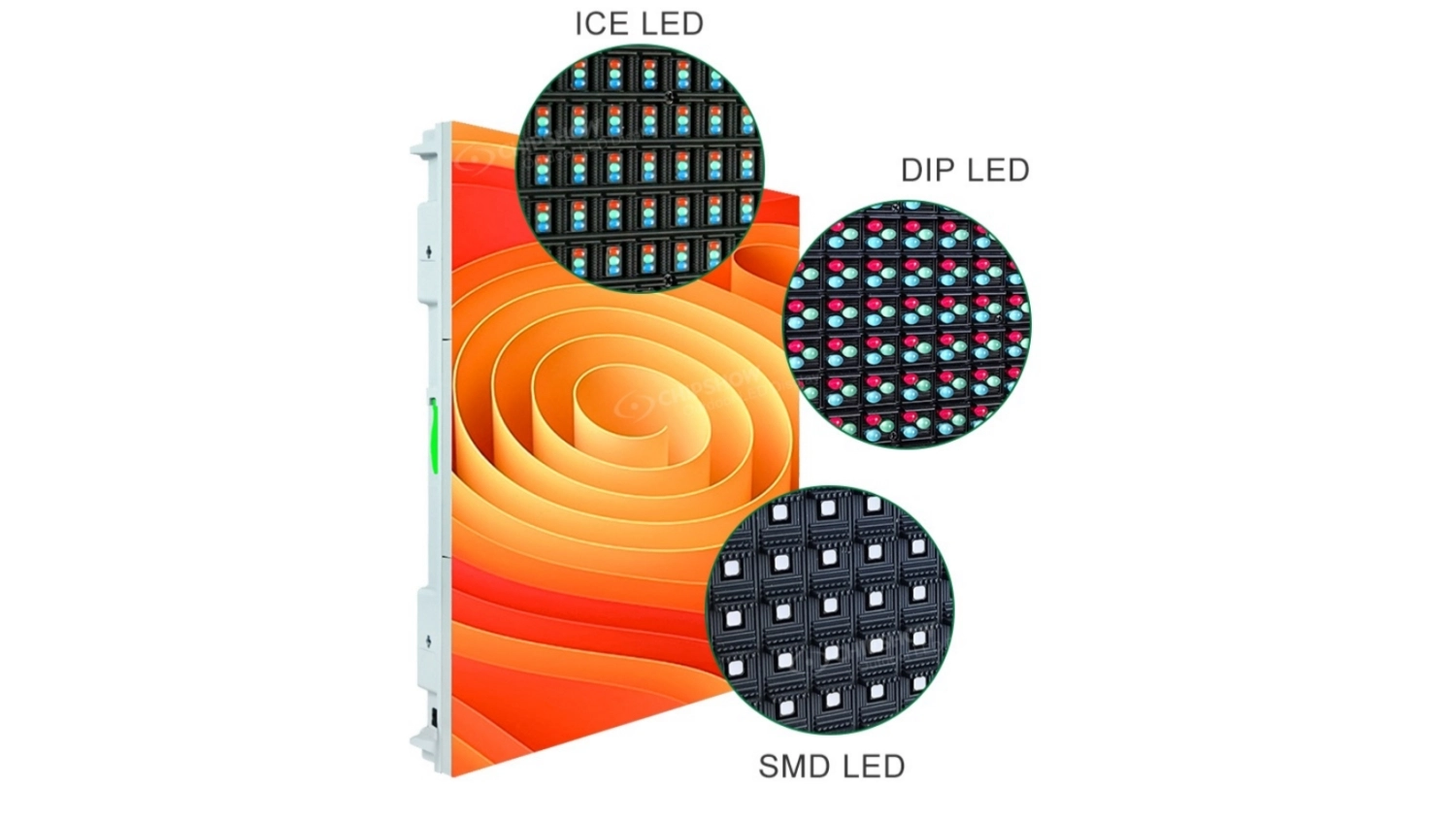
In the professional LED display industry, the gap between a standard screen and a mission-critical visual system is defined by engineering precision. For B2B decision-makers, understanding that a Digital Out-of-Home (DOOH) network and a Sports Arena installation are governed by fundamentally different technical priorities is the first step toward a successful investment. While both sectors demand 4K clarity, the operational “pain points” differ significantly. Whether evaluating the led wall cost for a cross-country advertising network or selecting an Arena LED Display for a premier stadium, buyers must look beyond the surface-level led video wall price to the core engineering that ensures long-term reliability and operational safety.
Not sure which pitch or cabinet format fits your build? Run the requirements through the Chipshow USA LED sign selector to shortlist signs by nearest viewer and sign opening before requesting a quote.
The DOOH Engineering Logic: Maximizing ROI and Environmental Resilience
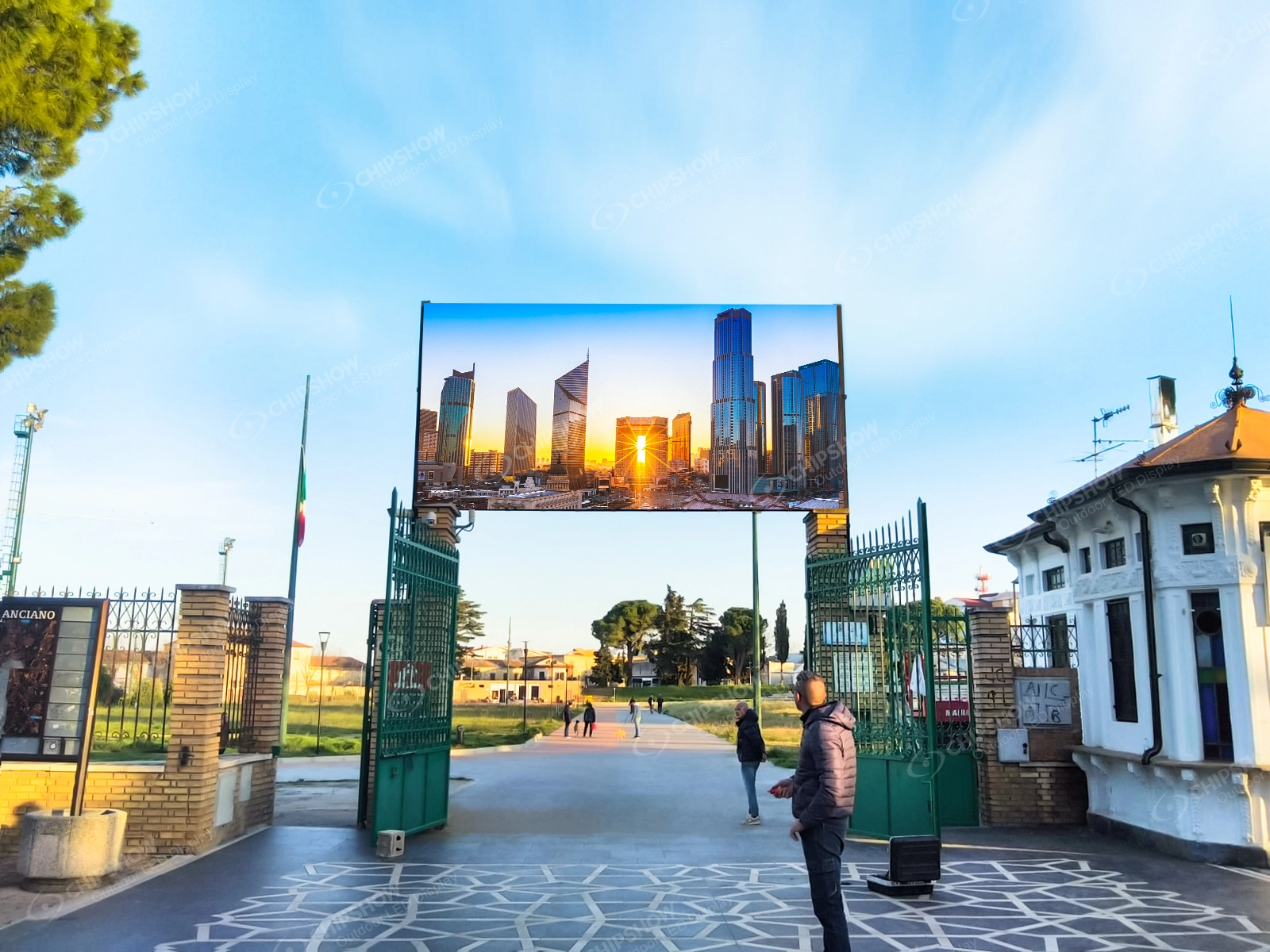
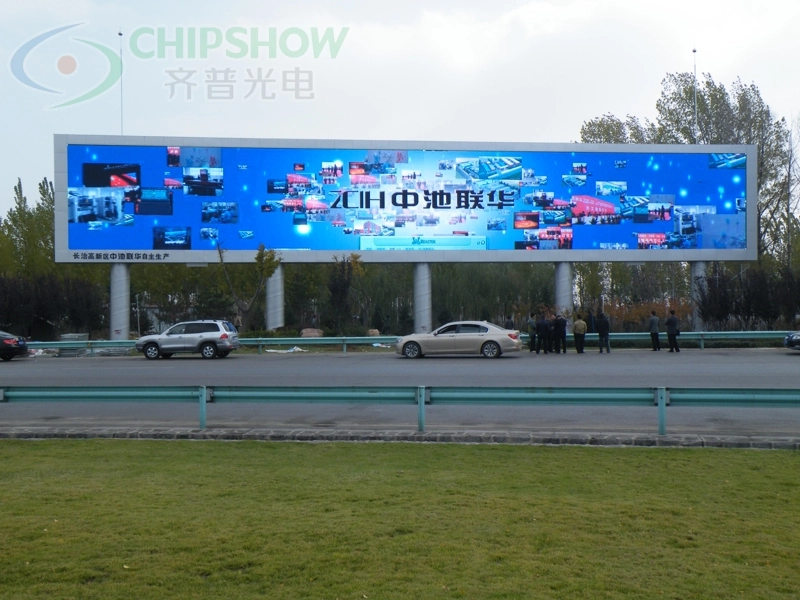
For the Digital Out-of-Home (DOOH) sector, an LED screen is a financial instrument. The primary objective for an led advertising screen manufacturer is to deliver a product that minimizes Total Cost of Ownership (TCO) while maintaining high visibility in the most punishing outdoor environments. In this market, “durability” is not just a feature—it is the foundation of the business model.
Thermal Management and the Science of Common Cathode
One of the most significant hidden factors in the led wall cost is electricity consumption and heat-induced degradation. Traditional LED designs utilize a “Common Anode” architecture, which wastes energy by pushing a uniform voltage to all color chips. Chipshow’s implementation of Common Cathode technology revolutionizes this by supplying independent, optimized voltages to Red, Green, and Blue diodes.
This engineering choice reduces heat generation and power consumption by up to 30%. In a 24/7 DOOH application, this 30% reduction in electricity bills can lead to the system paying for itself within the first few years. More importantly, by running at cooler temperatures, the LEDs experience significantly slower “lumen depreciation,” ensuring the screen remains vibrant for over 100,000 hours of operation.
Combatting the North American Sun: The 10,000-Nit Standard
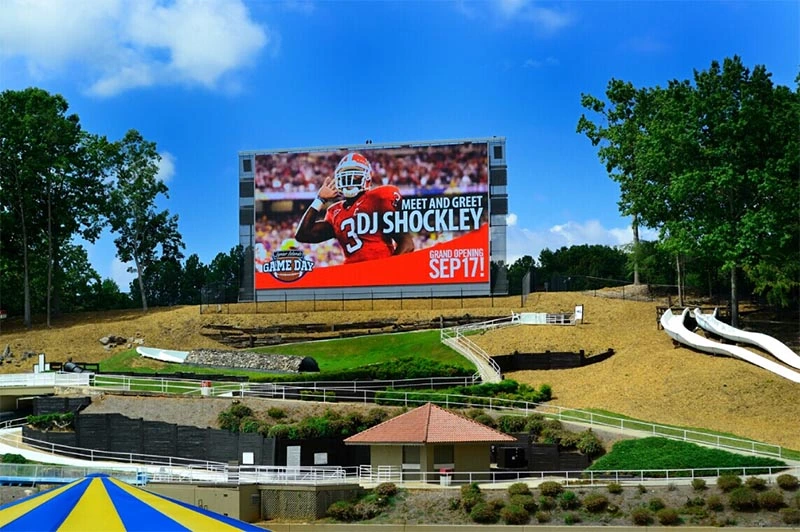
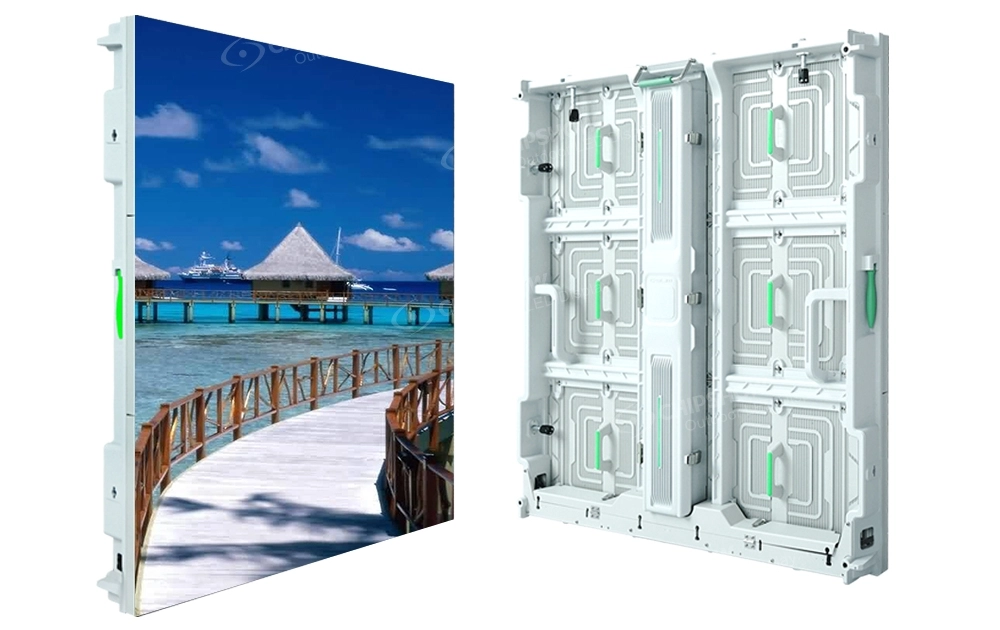
Visibility is the currency of advertising. In high-ambient-light environments like Los Angeles or Miami, standard 5,000-nit displays often appear washed out. To ensure a high-impact led screen for sale, Chipshow engineers its outdoor series (such as U-Fit and U-Slim) to achieve up to 10,000 nits. This is achieved through high-efficiency gold-wire LED lamps and advanced optical masks that absorb ambient reflection. High contrast and peak luminance ensure that brands get the “eyeballs” they pay for, regardless of the time of day.
Regulatory Compliance and Insurance Integrity
In the North American market, technical specifications are secondary to regulatory compliance. Any led advertising screen manufacturer worth their salt must provide UL (Underwriters Laboratories), ETL, and FCC Part 15 certifications. For a DOOH operator, these certifications are the only way to secure municipal permits and, more critically, to ensure that the multi-million dollar asset is covered by commercial insurance policies. Non-compliant hardware is a liability that no professional firm can afford to carry.
Sports Arena Engineering: Zero-Tolerance Stability and Broadcast Precision
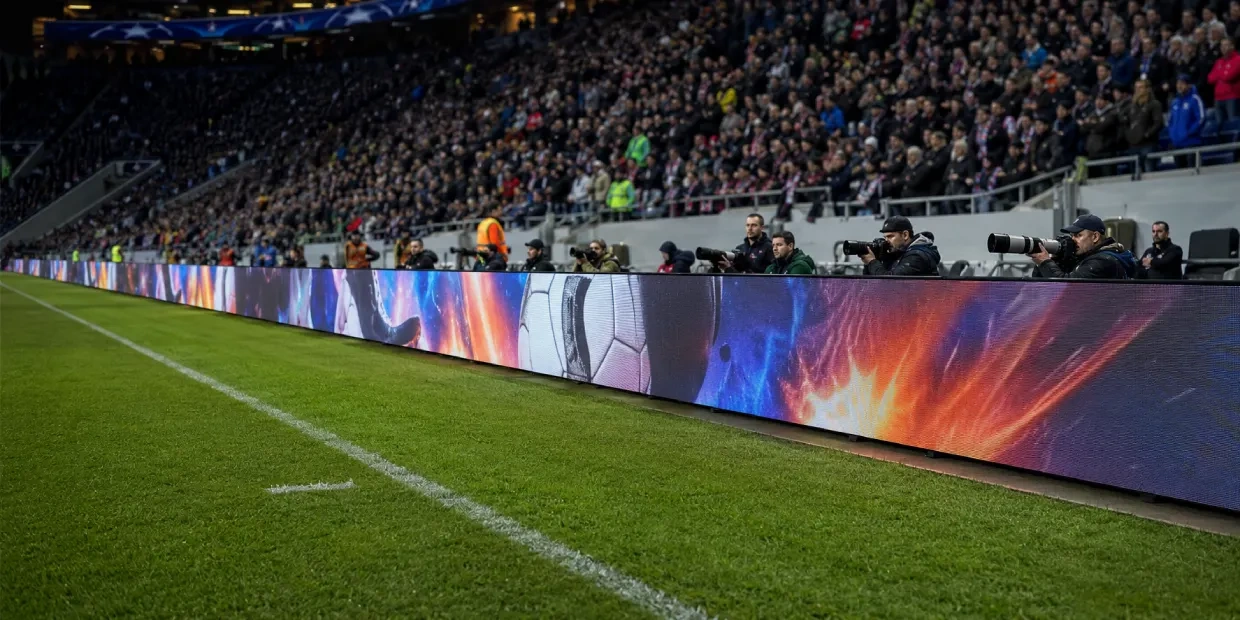
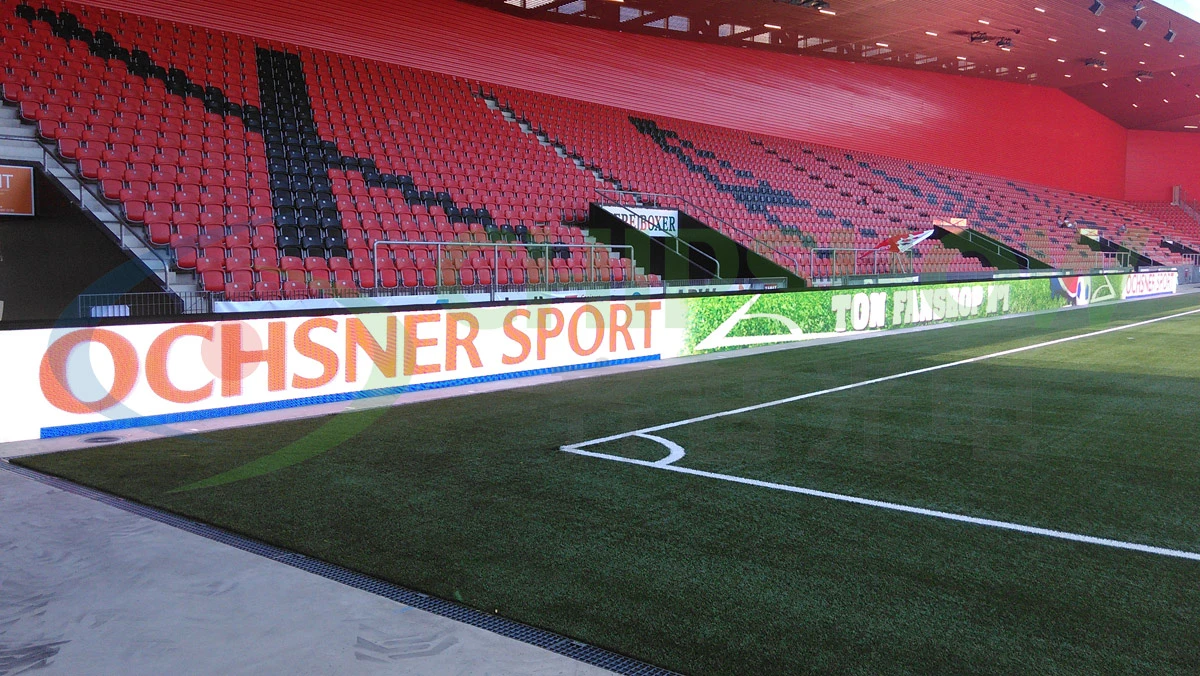
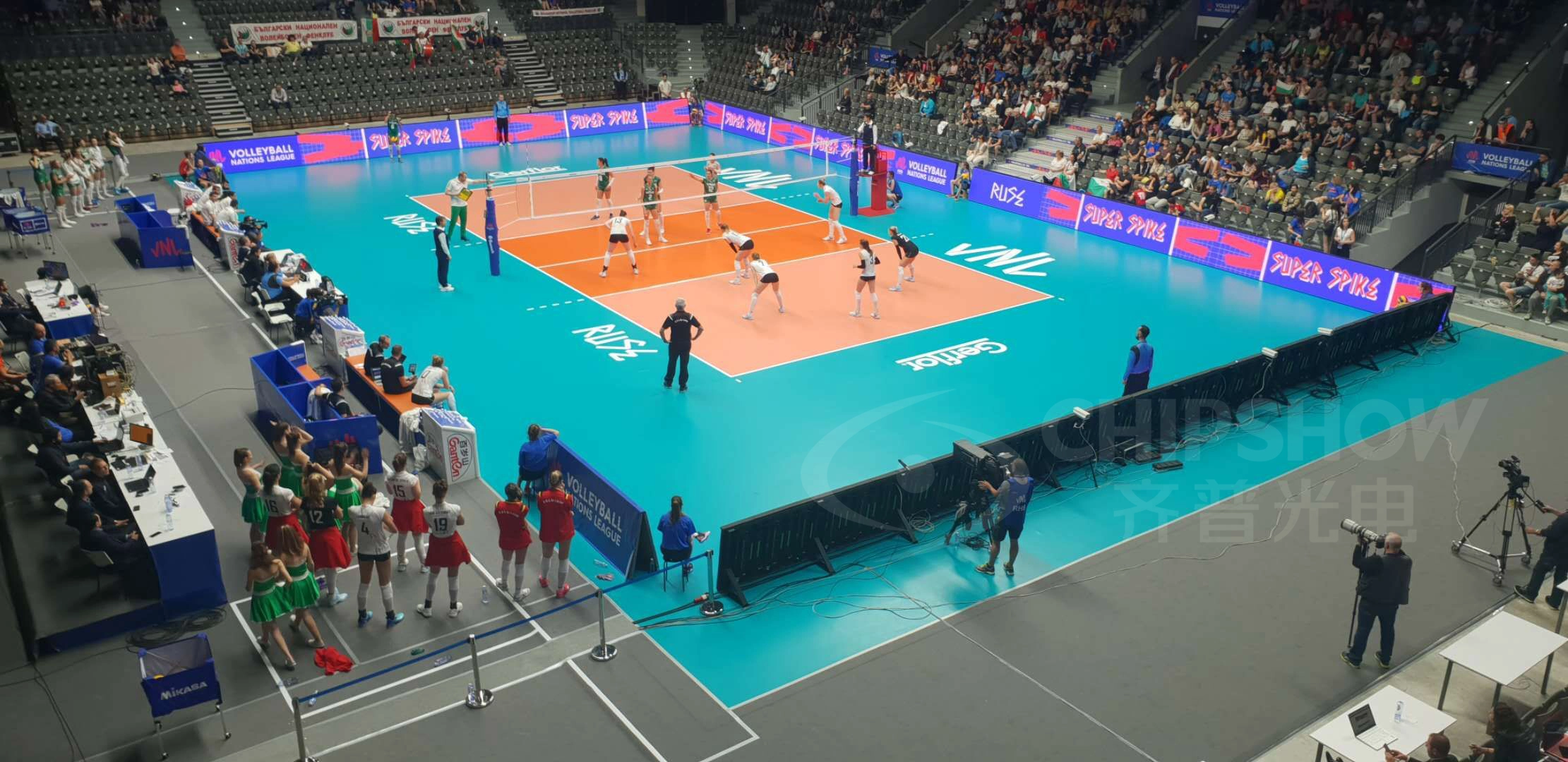
The engineering logic for a Sports Arena LED Display is entirely different. While DOOH focuses on financial efficiency, the Sports sector focuses on “Mission-Critical Stability.” In a live-broadcast championship game, a “black screen” is not an inconvenience—it is a catastrophic failure that can lead to massive revenue loss and reputational damage.
Redundancy: The Zero-Tolerance Framework
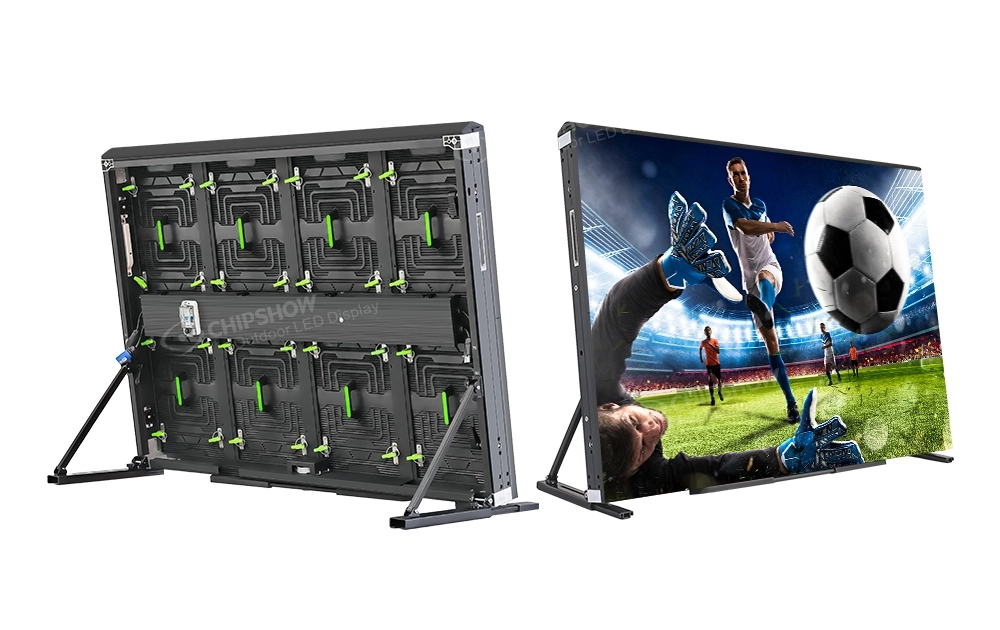
In a stadium environment, Chipshow utilizes a Dual-Power and Dual-Data Backup system. Each cabinet is connected to two independent power supplies and two separate signal paths. If a primary cable is severed or a power unit fails, the secondary system engages instantly with zero latency. This redundancy is what separates a professional supplier from a budget manufacturer. For the arena operator, this ensures that the game-day experience is never interrupted.
The Broadcast Standard: 7,680Hz and Genlock Synchronization
A stadium screen is rarely viewed only by the naked eye; it is constantly being captured by professional broadcast cameras and thousands of fan smartphones. While a 3,840Hz refresh rate is acceptable for advertising, premium Arena LED Displays require a 7,680Hz refresh rate. This ensures a “flicker-free” image even during high-speed slow-motion replays on TV.
Furthermore, professional stadium systems must support Genlock (Generator Locking). This technology synchronizes the LED screen’s refresh cycle with the broadcast camera’s shutter. Without Genlock, the screen may appear to have “rolling scan lines” on live TV, a failure that devalues the media rights of the sporting event.
Safety and Rapid Maintenance
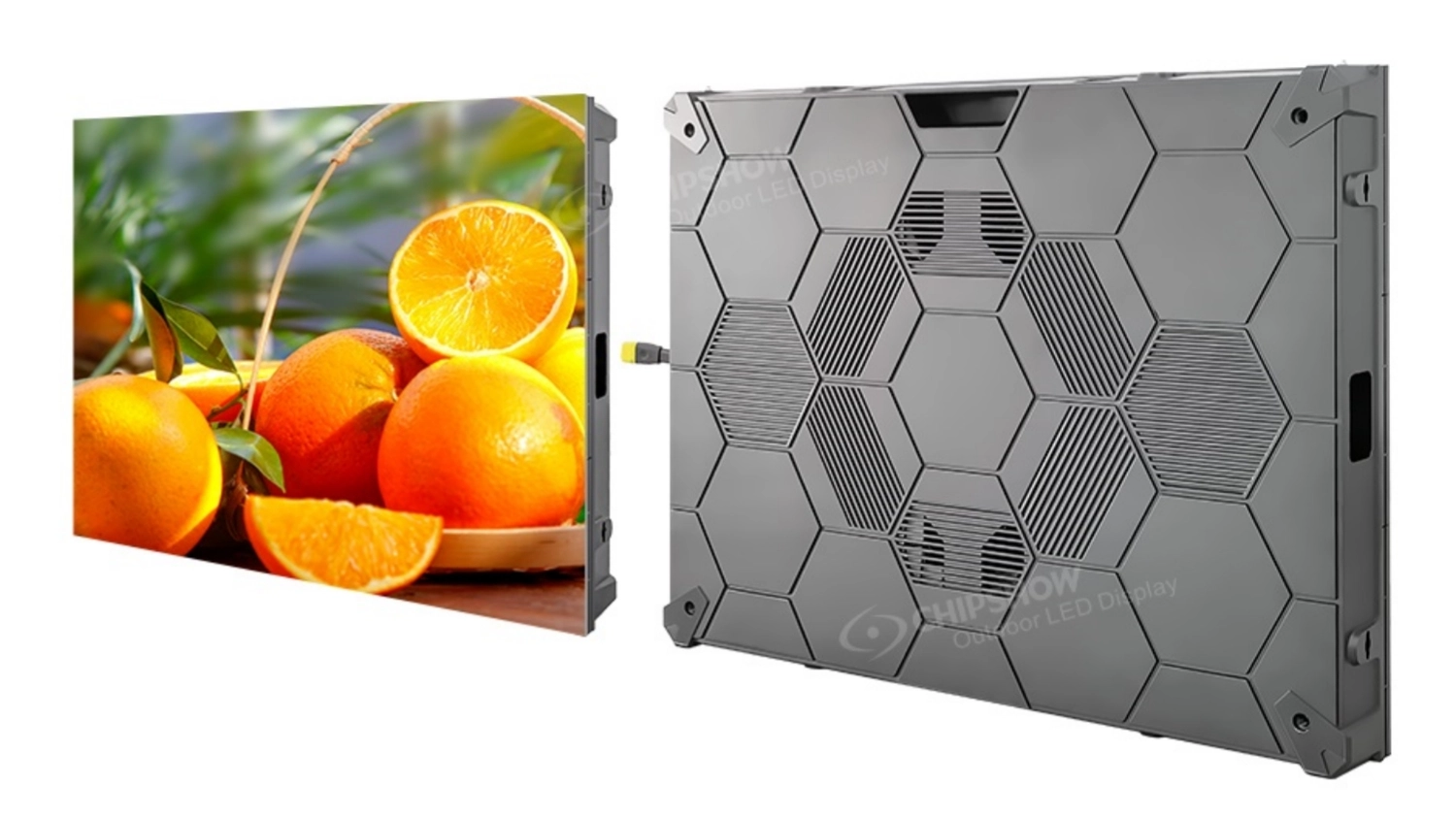
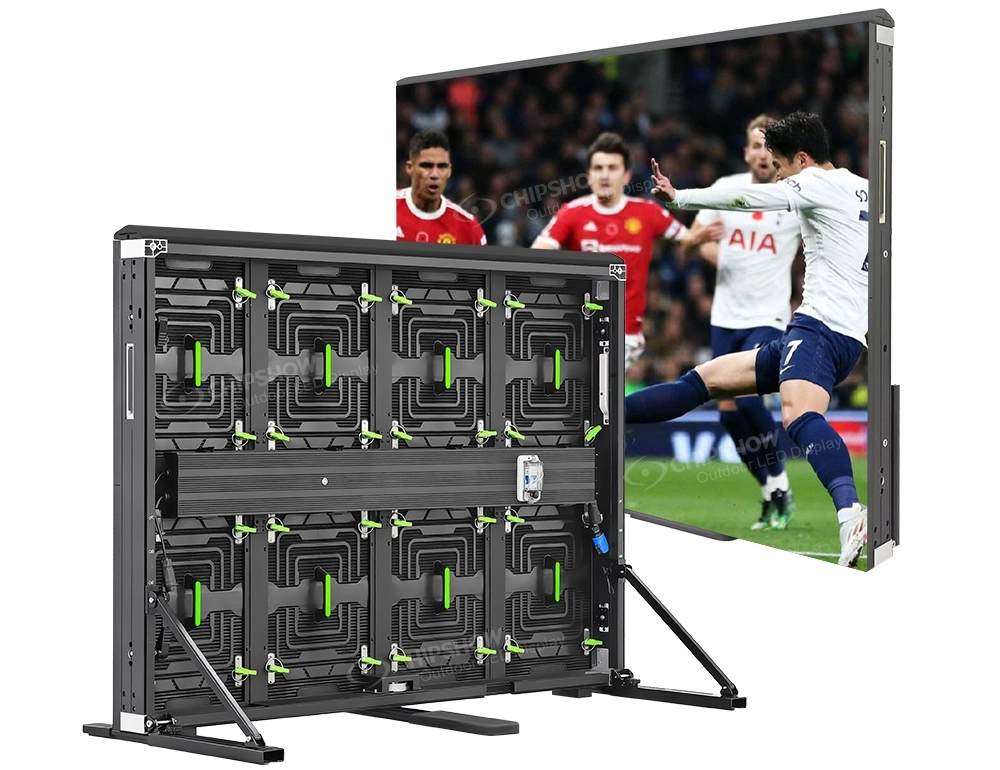
Arena screens, especially center-hung displays, are suspended over thousands of fans. Engineering for safety—using lightweight magnesium-alloy frames and secondary safety tethers—is paramount. Additionally, stadium schedules are tight. Chipshow’s modular designs allow for 60-second “Front-Service” module swaps. A single technician can replace a faulty pixel card from the front of the screen in under a minute without needing a rear-access corridor, ensuring the screen is “Game-Ready” before the next whistle blows.
Technical Specification Comparison: DOOH vs. Sports Arena
| Engineering Priority | DOOH (Advertising) | Sports & Arena |
|---|---|---|
| Primary Goal | TCO & Long-term ROI | Zero-Downtime & Broadcast Quality |
| Critical Technology | Common Cathode (30% Energy Saving) | Dual-Backup (Power & Signal Redundancy) |
| Luminance Requirement | 8,000 — 10,000+ Nits (Outdoor) | 1,500 (Indoor) / 6,000 (Outdoor) |
| Refresh Rate | 3,840Hz (Standard) | 7,680Hz (Ultra-High / Broadcast-Safe) |
| Synchronization | Standard Internal Clock | Genlock (Camera-Sync Mandatory) |
| Compliance Focus | UL/FCC (Insurance & Permitting) | UL/ETL (Structural Safety & Liability) |
Navigating the Market: Understanding LED Wall Cost and Quality
When B2B buyers search for the best led video wall price, they must evaluate the quality of the internal components. High-end proveedores de pantallas led (LED screen providers) like Chipshow utilize Gold-Wire LED lamps rather than cheaper copper-wire alternatives. Gold wire is resistant to oxidation and provides superior conductivity, which is essential for the high-humidity or coastal environments common in the United States.
While gold-wire LEDs increase the initial led wall cost, they prevent the “dead pixel” cascades that plague cheaper screens after 24 months. For a DOOH network, this means fewer maintenance trips; for a Sports Arena, it means a pristine image for every home game of the decade.
Got Questions? We’ve Got Answers
How does Common Cathode technology impact the long-term ROI of a DOOH network?
By independently powering Red, Green, and Blue chips, Common Cathode technology reduces heat by 30%. This significantly slows down the “color shift” and brightness decay of the LEDs. Over a 10-year lifespan, this equates to lower electricity bills and a much higher resale or residual value of the asset compared to traditional Common Anode screens.
Why is a dual-backup system considered “mandatory” for Arena LED Displays?
In a live stadium environment, the cost of a black-out during a televised event can result in penalties from broadcasters and sponsors. A dual-data and dual-power system ensures that the display remains operational even if a component fails, providing the “Zero-Tolerance” reliability that professional sports leagues demand.
What are the specific legal risks of installing non-UL certified screens in the US?
Non-UL certified screens often fail local fire marshal inspections, which can lead to a forced shutdown of the facility. More importantly, if an electrical event occurs, commercial insurance providers will likely deny claims if the hardware was not certified by a Nationally Recognized Testing Laboratory (NRTL) like UL or ETL.
How does a 7,680Hz refresh rate affect social media engagement for sports venues?
Fans are your primary secondary-marketing force. If your screen has a low refresh rate, their smartphone photos and videos will show flickering black lines. A 7,680Hz refresh rate ensures that every fan-generated Instagram or TikTok post features a crisp, professional-looking image of the screen, effectively turning your audience into a global marketing team.
Is the “Front-Maintenance” vacuum tool system really faster than rear access?
Yes. Traditional rear-access cabinets require a technician to crawl through a 3-foot space behind the screen. Chipshow’s vacuum-actuated front-maintenance allows a technician to pop out a module in seconds from the viewing side. This reduces technical labor hours by over 70% and is essential for flush-mounted arena screens where rear access is impossible.
Why is Genlock synchronization non-negotiable for stadium broadcasters?
Without Genlock, the LED screen and the broadcast camera are “out of sync.” This results in a visible flicker or a “shutter lag” effect on the TV broadcast. For any venue hosting televised games, Genlock is the only way to ensure the visual output meets professional broadcast standards and avoids viewer complaints.
Investing in Engineering, Not Just Hardware
The journey toward a high-performance LED installation requires a deep alignment between the technical hardware and the operational reality of the site. Whether you are building a resilient DOOH network that prioritizes TCO and environmental survival, or a world-class Sports Arena that demands zero-tolerance stability and broadcast perfection, the difference lies in the engineering. By looking past the initial led video wall price and focusing on the underlying science of power, light, and redundancy, B2B buyers can ensure their visual assets remain a source of pride and profit for years to come.
Not sure which format or pixel pitch fits your project? Try the Chipshow USA LED sign selector to shortlist options.