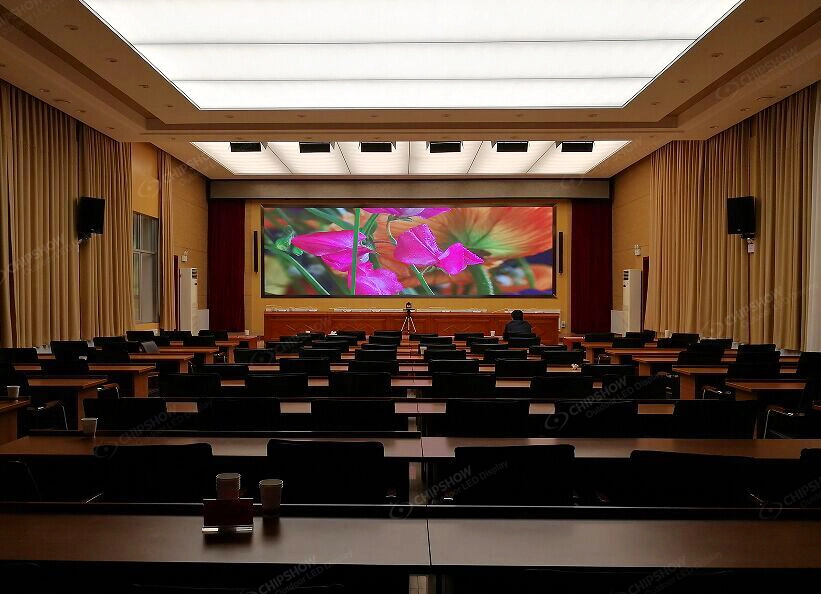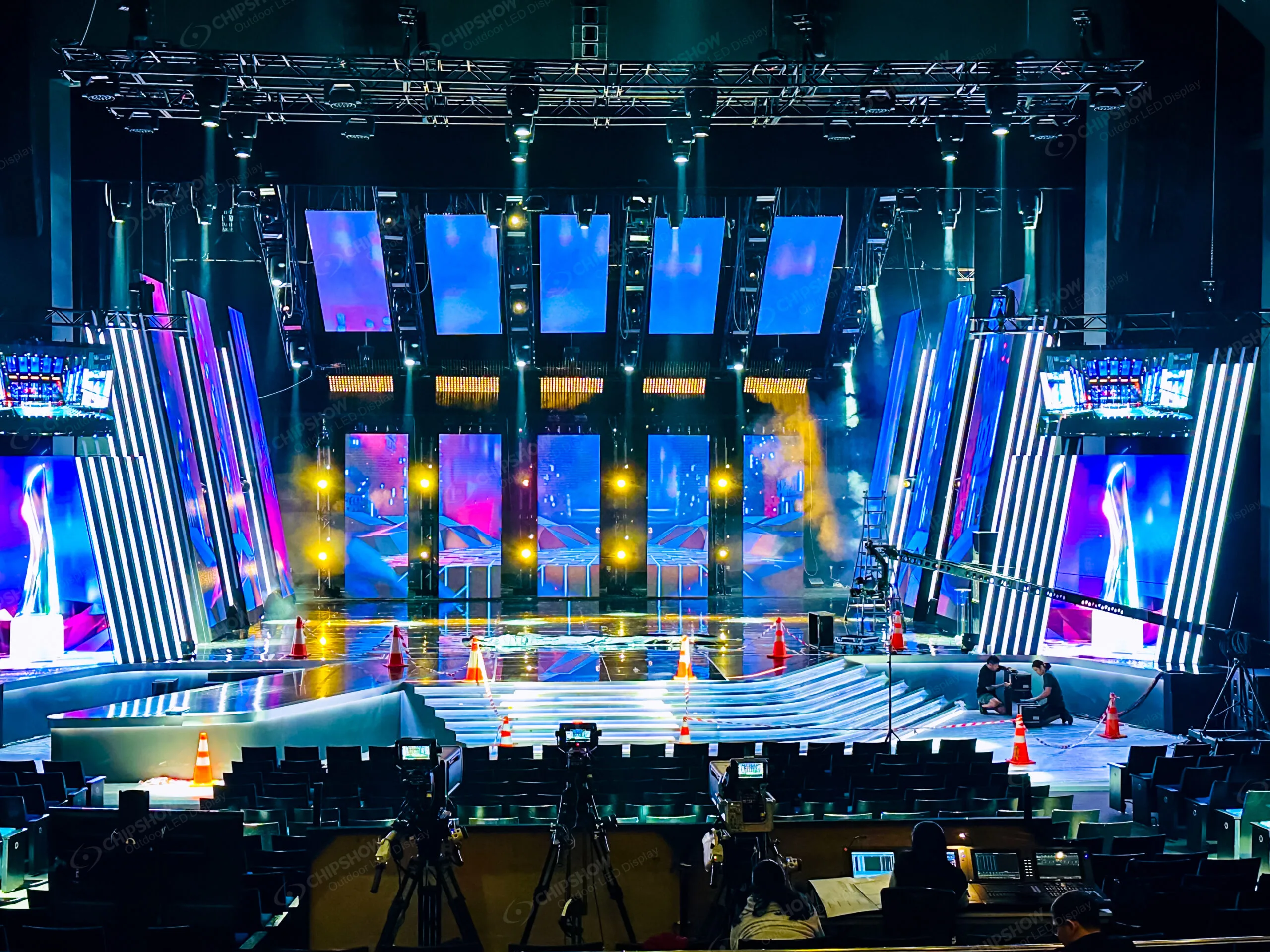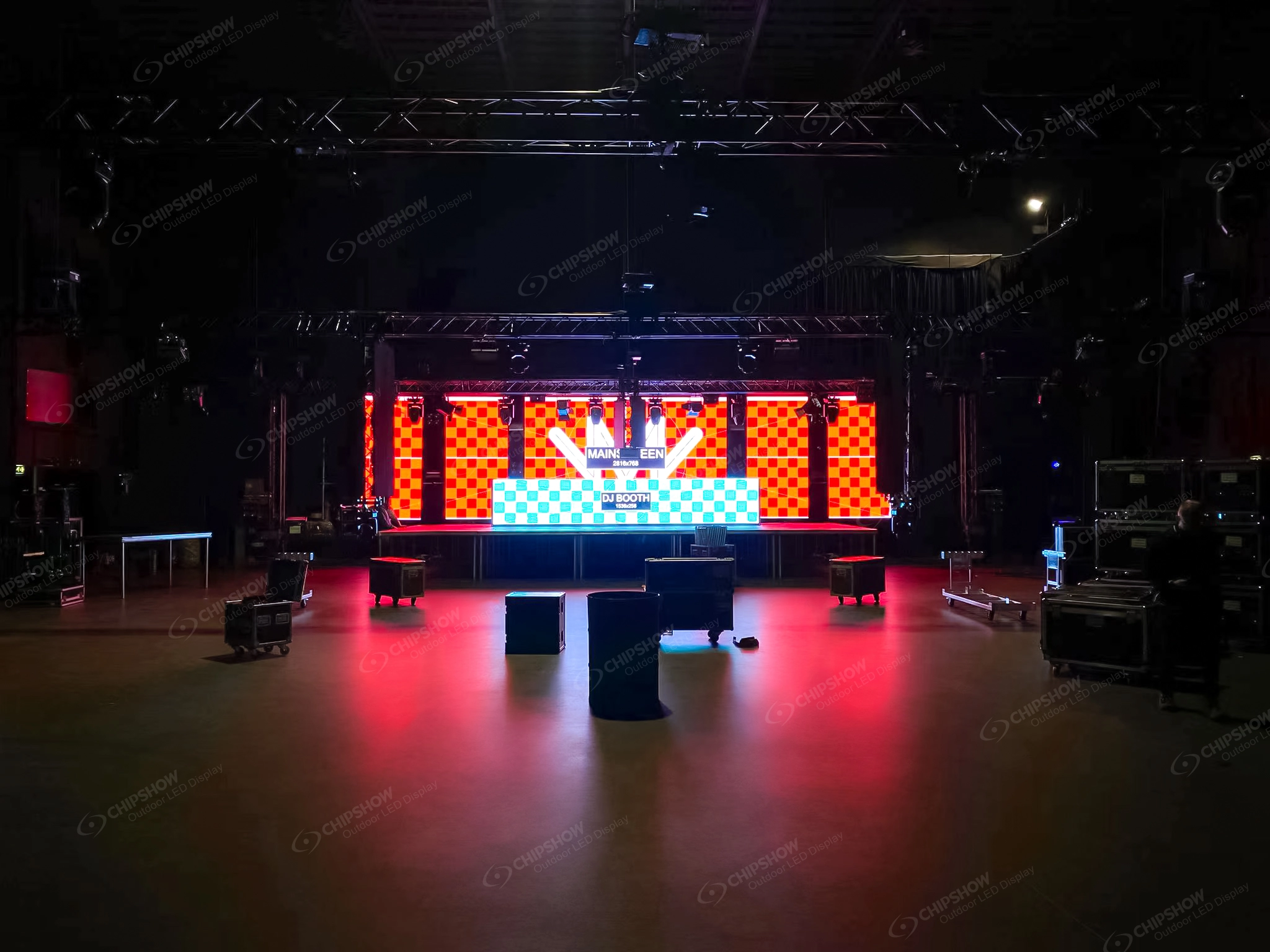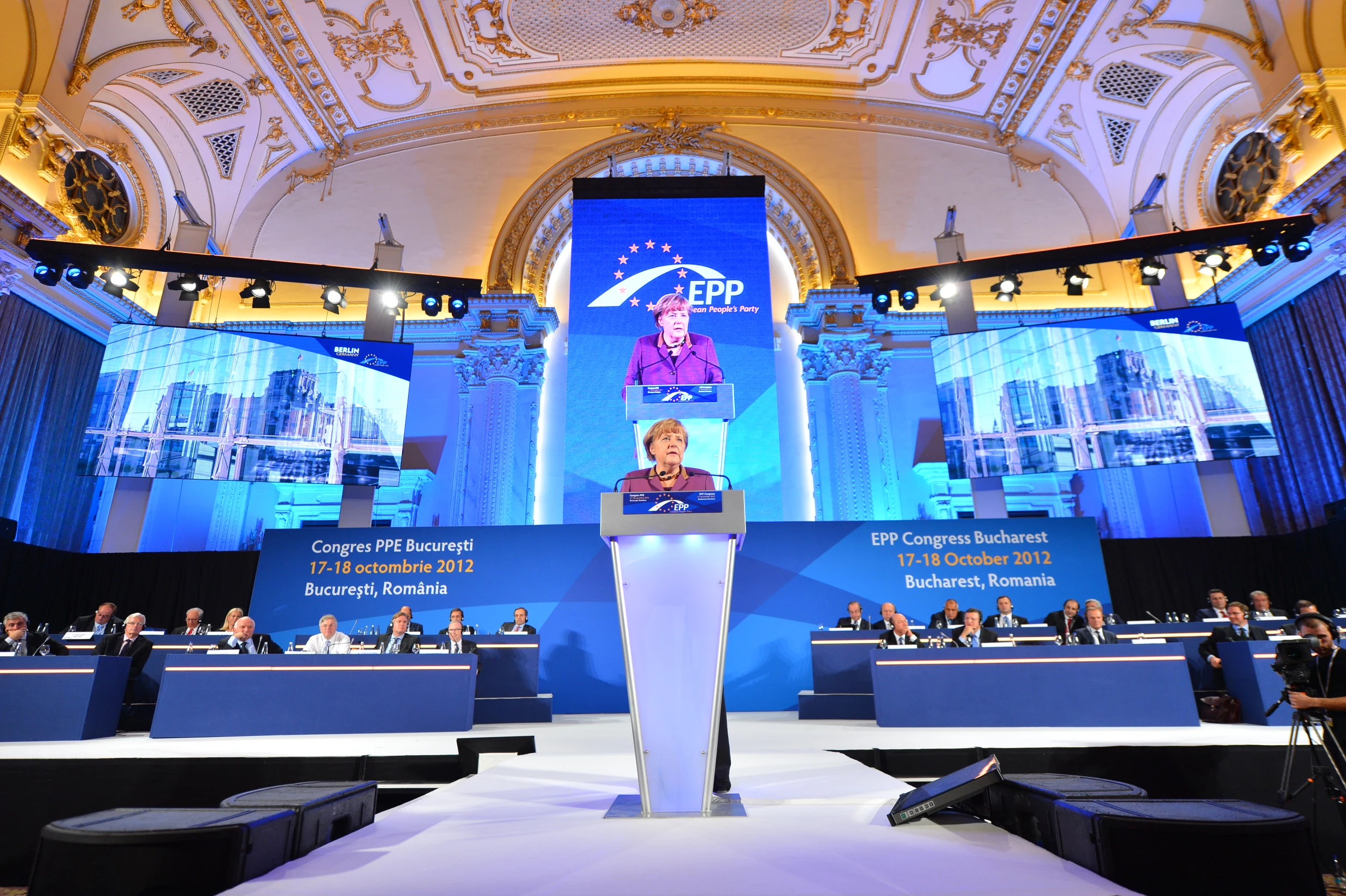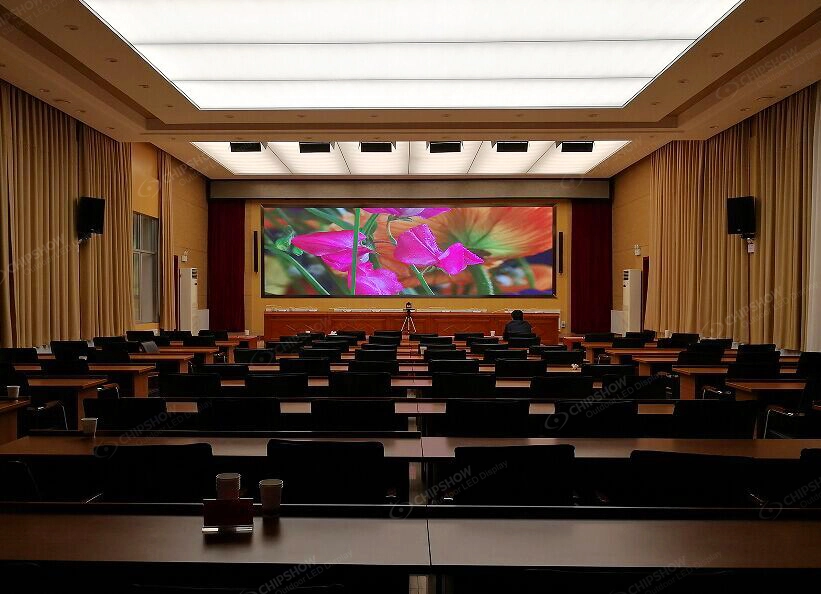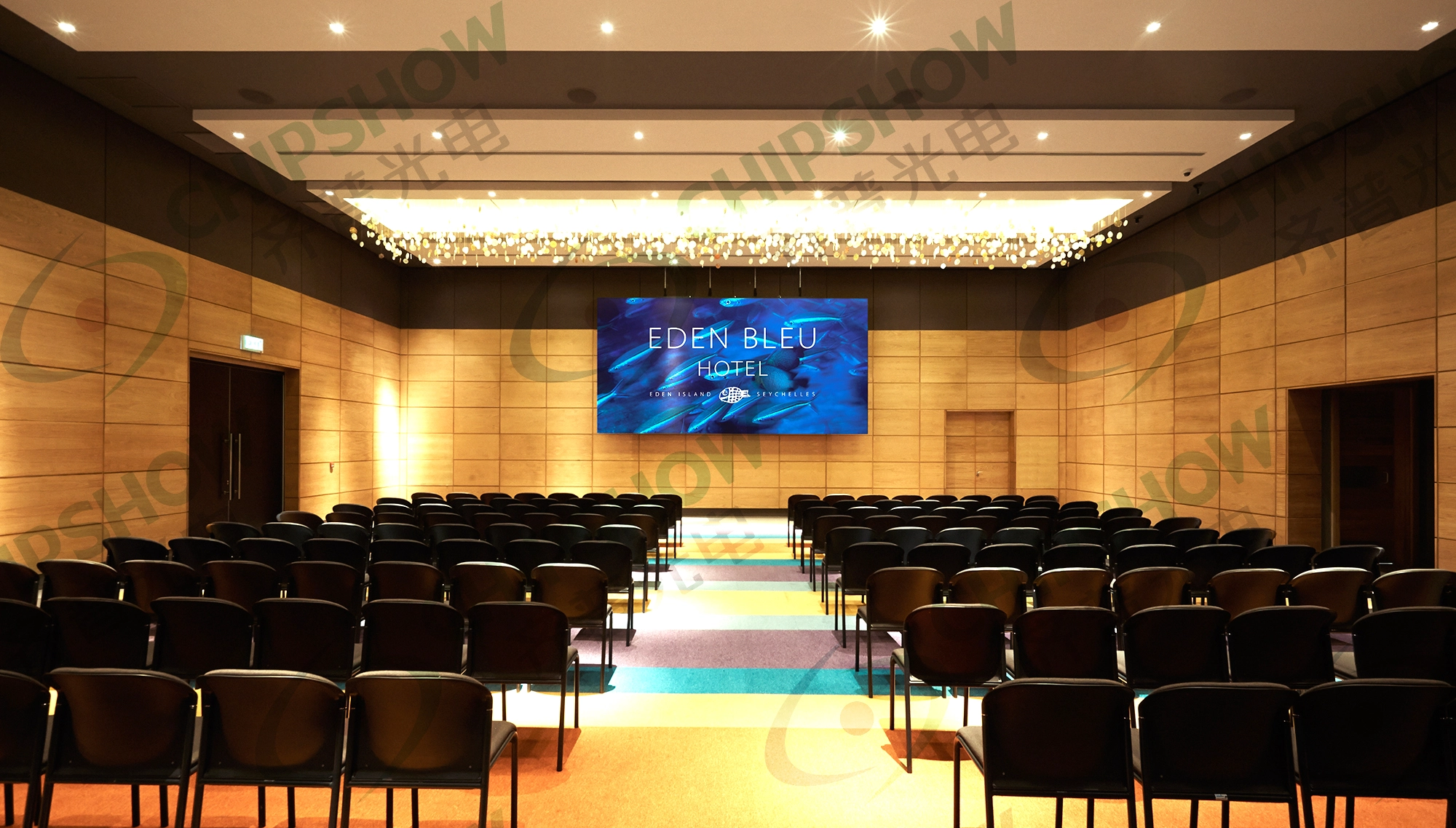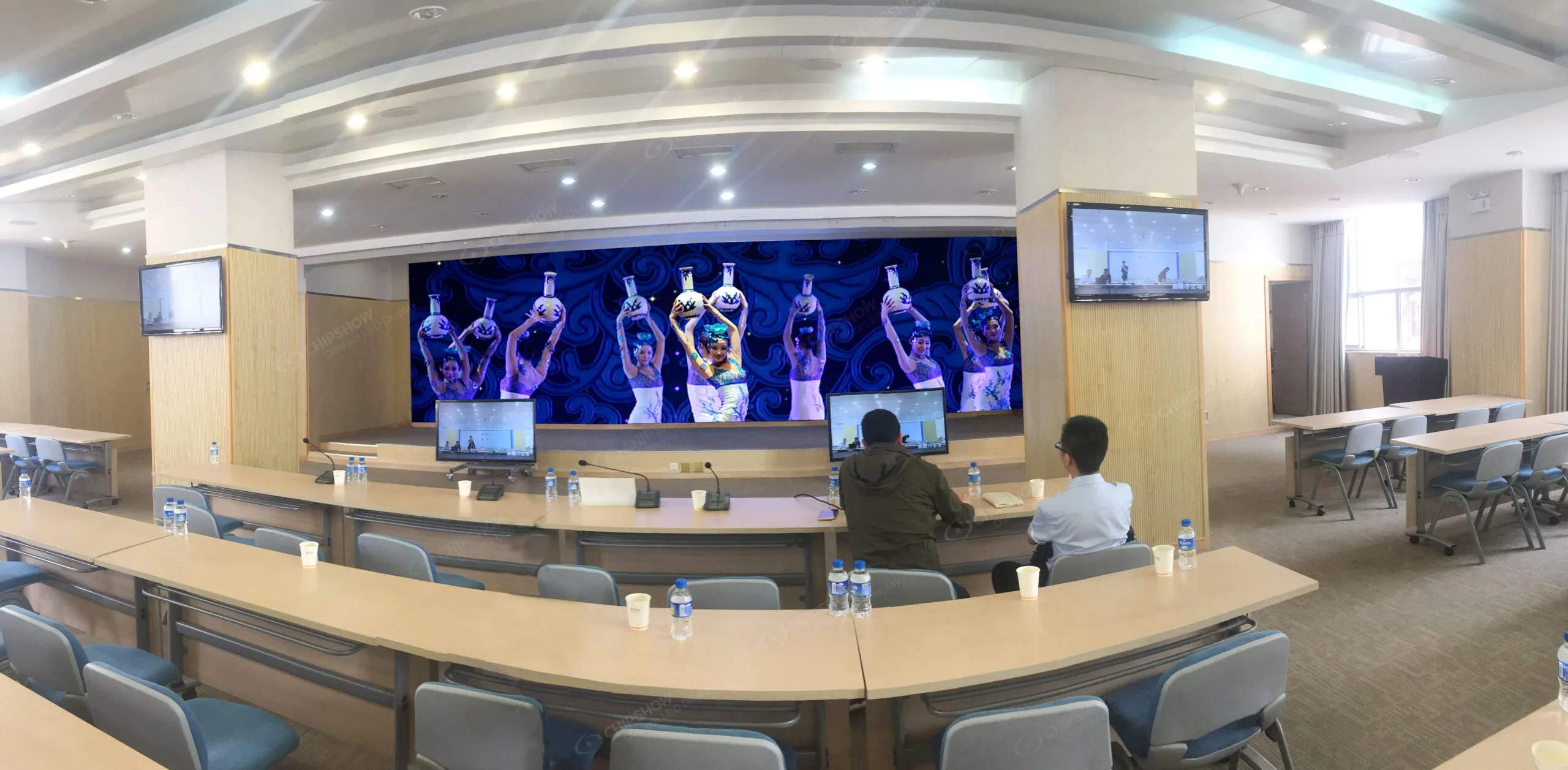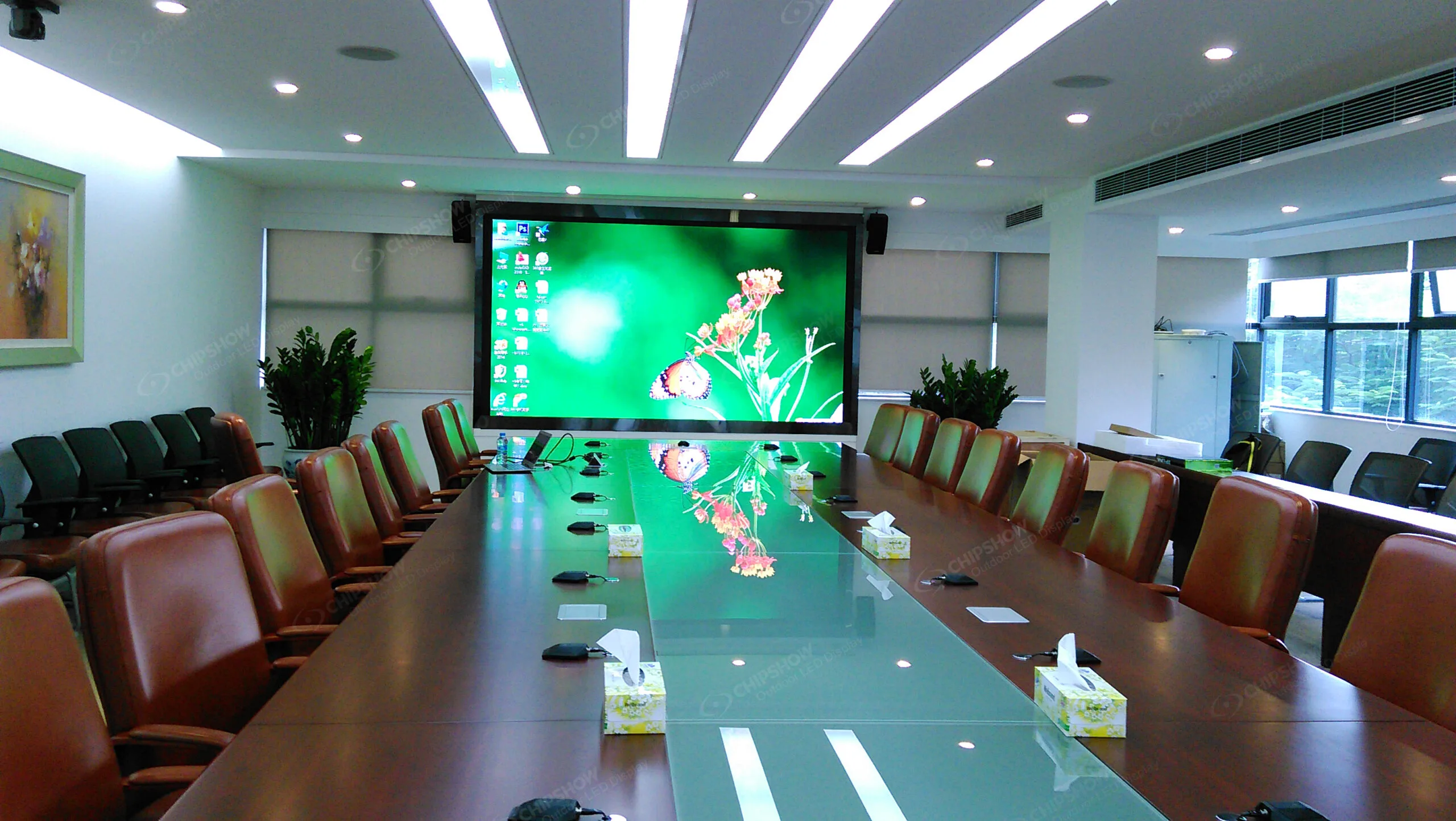
When a US commercial facility evaluates display technology, the first constraint is usually the room itself: a street-level retail window catching direct afternoon sunlight, a corporate lobby with floor-to-ceiling glass, an emergency operations centre that cannot go dark for a single shift. The projector that performs adequately in a windowless conference room will be invisible in the retail storefront next door. The decision between an LED video wall and a projector turns on three variables—ambient light, daily operating hours, and the maintenance and compliance costs that accumulate over the deployment period—not on a simple preference for one technology. This comparison examines how each technology performs across the commercial environments where US buyers make the procurement decision.
You can size this to your site in minutes with the LED sign selector: pick your nearest viewer, choose smart module or fixed cabinet, and save the layout.
How the Two Technologies Differ
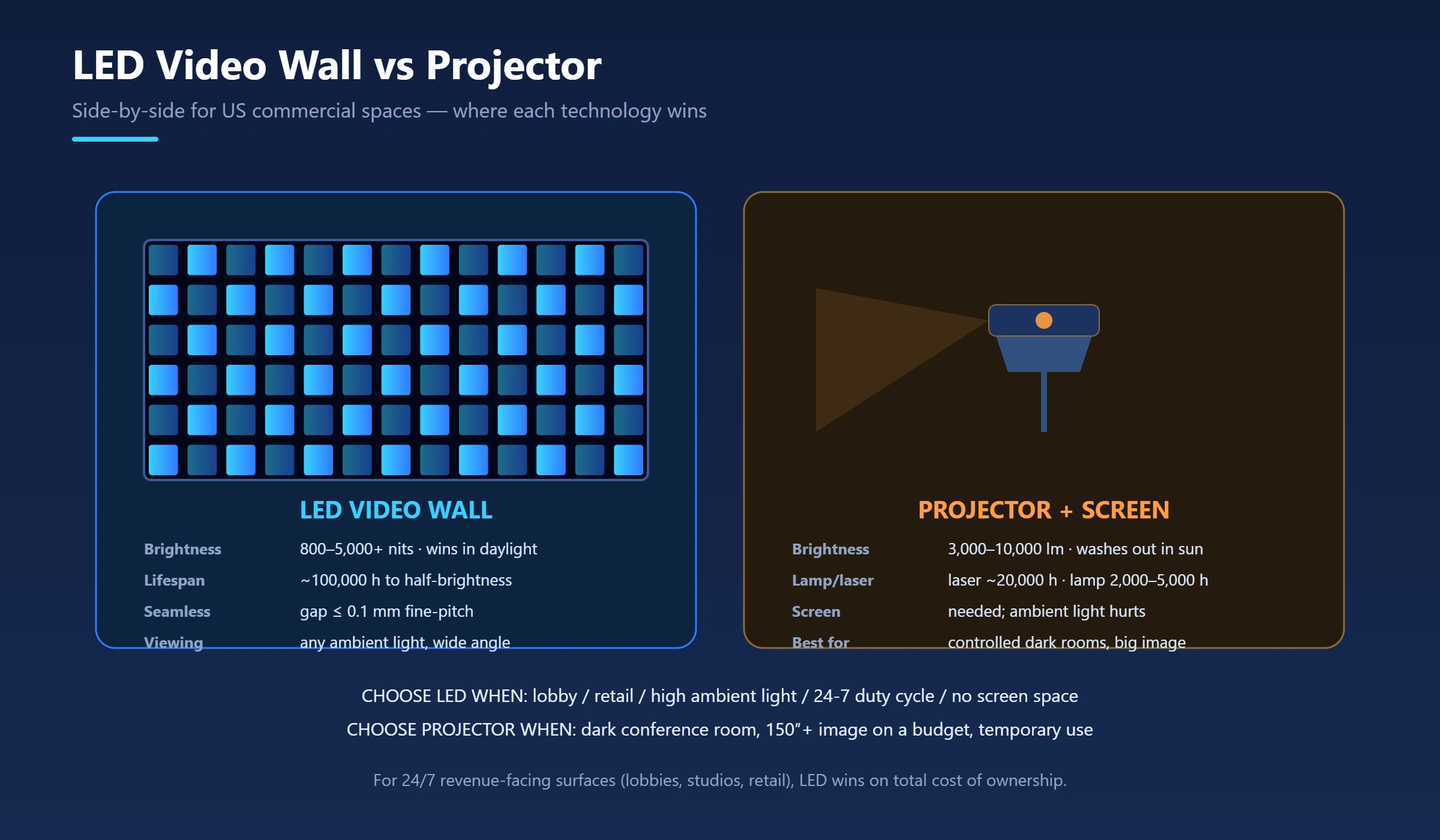
A projector emits light through a lens onto a reflective surface. The viewer sees reflected light. An LED video wall emits light directly from each pixel; every diode on the panel surface is an independent light source. This single difference determines almost everything else about how each technology performs in US commercial environments.
Brightness is the most visible consequence. A projector rated at 10,000 ANSI lumens distributing light across a 10-metre-wide screen produces approximately 100 lux at the surface—adequate in a darkened room, but visibly washed out under the ambient light of a retail store or a sunlit corporate lobby. An LED video wall operating at 1,000 nits remains clear and legible under the same conditions. For outdoor or semi-outdoor commercial environments, LED panels rated at 5,000 nits or higher are readable in direct sunlight.
Image formation also differs. A projector produces a single continuous image whose sharpness degrades as the projection distance increases. An LED wall consists of individual modules assembled into a continuous surface; the image quality is consistent edge to edge, and the resolution is determined by pixel pitch rather than projection optics. A P2.5 panel resolves clearly at 2.5 metres. A P1.5 panel resolves at 1.5 metres. The relationship between pitch and viewing distance is linear and predictable.
Lifespan is the third differentiator. A standard projector lamp lasts 2,000 to 5,000 hours before replacement. Laser-phosphor projectors extend this to 10,000 to 30,000 hours. An LED panel is rated for 50,000 to 100,000 hours—over a decade of daily commercial use before brightness degrades to half the original output. For installations in environments where maintenance access requires scheduled disruption to business operations, the absence of lamp replacements over the deployment period carries operational value beyond the direct cost of replacement parts.
Comparing Cost Over Time
An LED wall vs projection cost comparison cannot stop at the purchase invoice. The total cost over the deployment period tells a different story for each technology.
A mid-range laser projector driving a 5-metre-wide image in a controlled indoor environment costs less to acquire than an LED video wall of equivalent surface area at P2.5 pitch. The projector requires a projection surface and mounting hardware, but the total initial outlay is typically lower. Its ongoing cost includes lamp or laser module replacement at scheduled intervals, filter cleaning, and ambient light control measures such as blackout blinds or dimmable lighting. These costs accumulate over the operating life.
An LED video wall carries a higher initial cost—panels, mounting frame, video processor, and installation labour—but ongoing cost is limited to electricity and occasional module replacement. There are no lamps, no filters, and no light-control infrastructure to maintain. Standard SMD panels draw approximately 250 to 300 W/m² at operational brightness; common-cathode COB panels draw 180 to 220 W/m².
The break-even point depends on daily operating hours, ambient light control costs, and local electricity rates. In a conference room operating four hours a day, the projector’s five-year cost is typically lower. In a retail storefront, a transport hub information display, or an outdoor DOOH billboard with extended operating hours and uncontrolled ambient light, the LED wall’s lower ongoing cost and higher brightness produce a lower total cost of ownership over the deployment period. In US markets where union labour rates for ceiling-mounted maintenance tasks are high, the LED wall’s absence of scheduled lamp and filter service carries a material operating-expense advantage.
Matching Technology to Environment
The physical environment often settles the decision before any cost comparison is made. An LED display vs projector evaluation begins with the room, not the spec sheet.
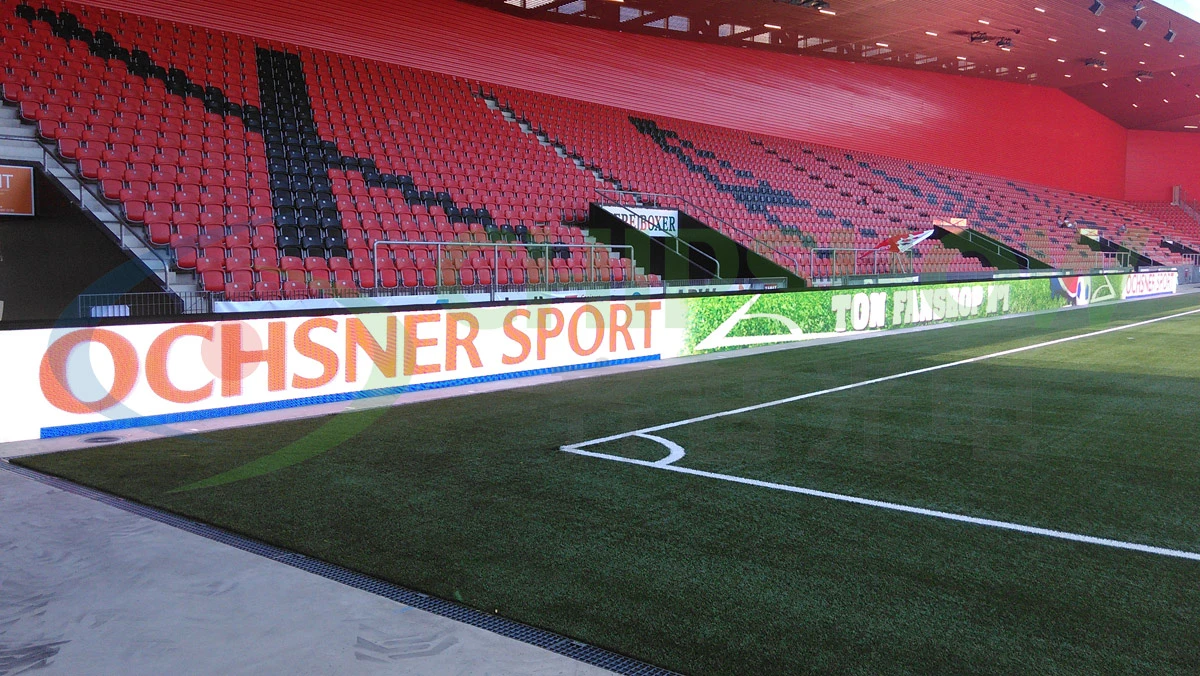
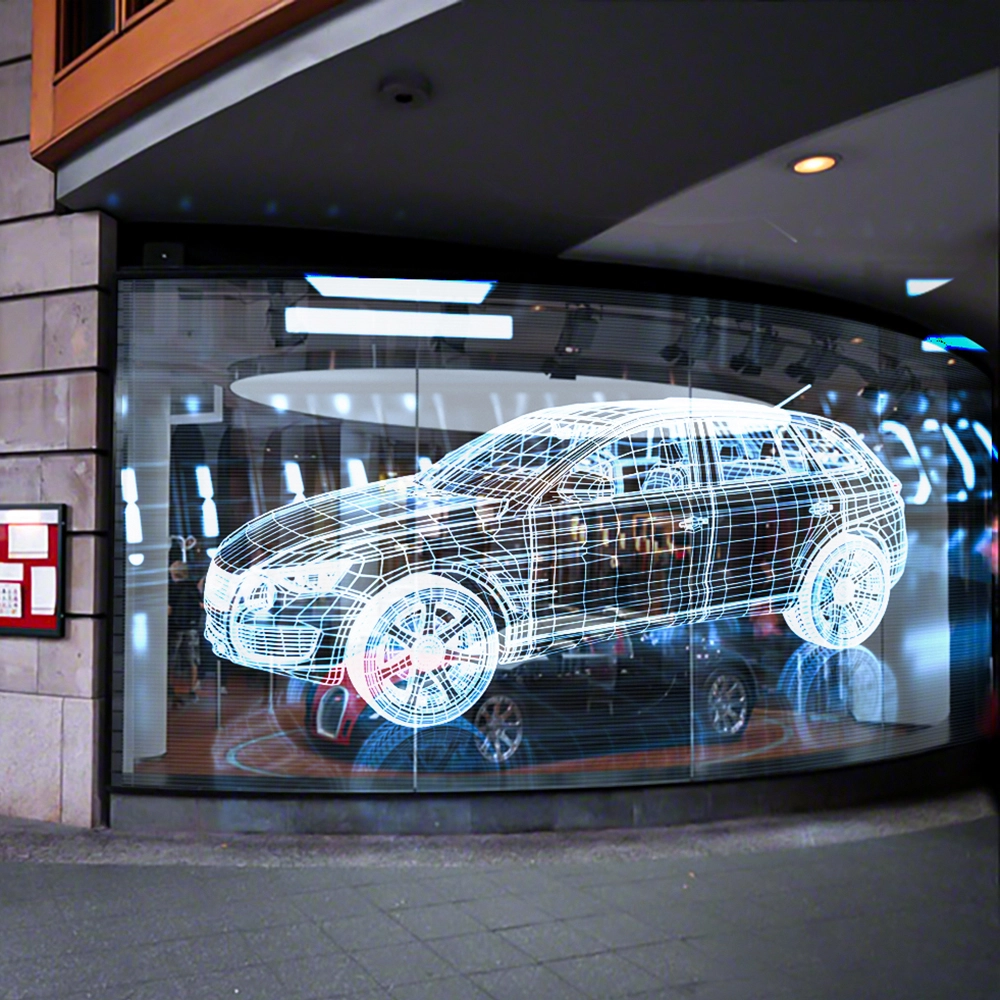
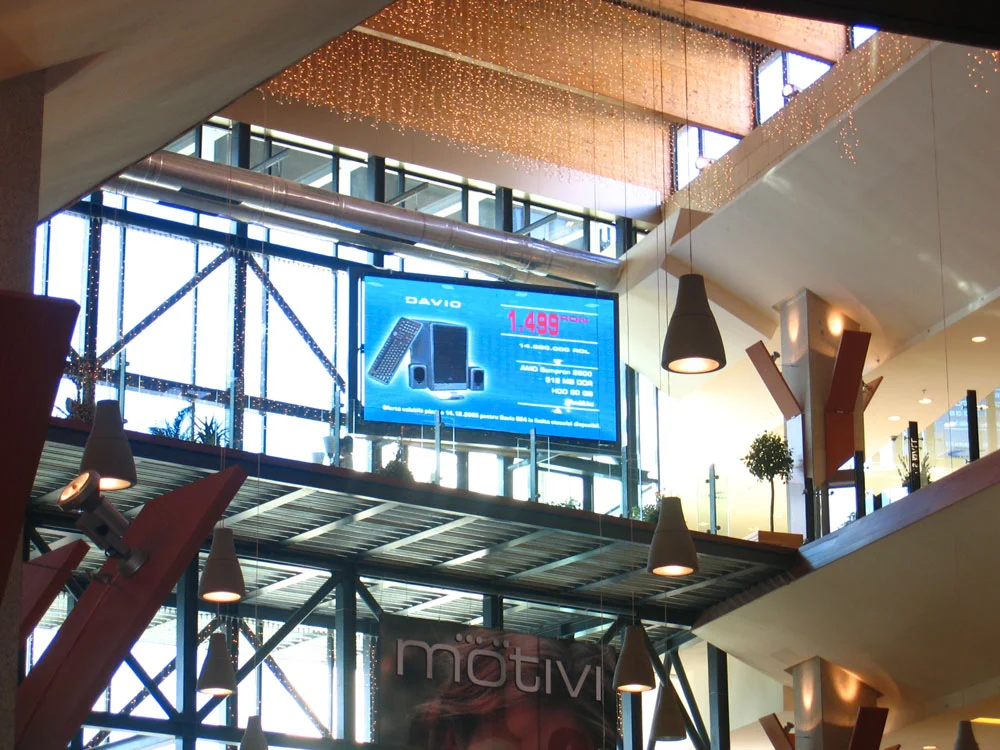
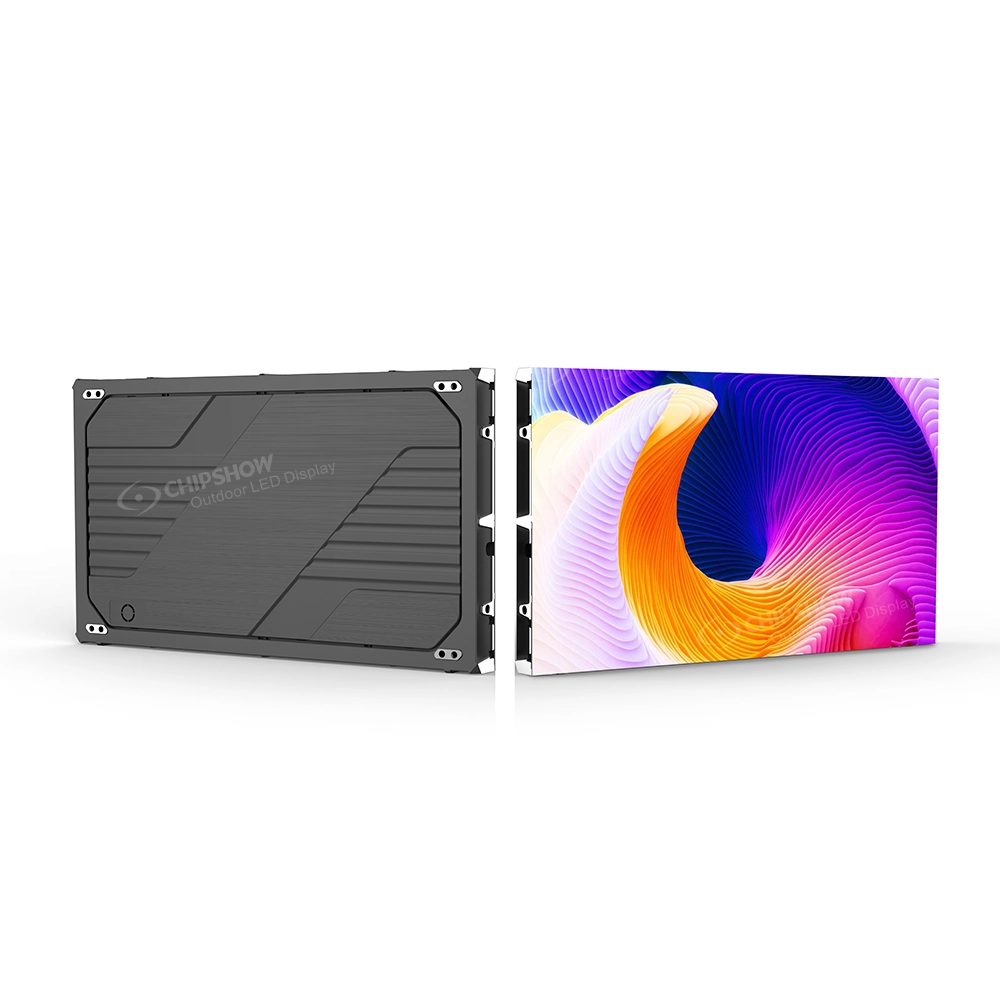
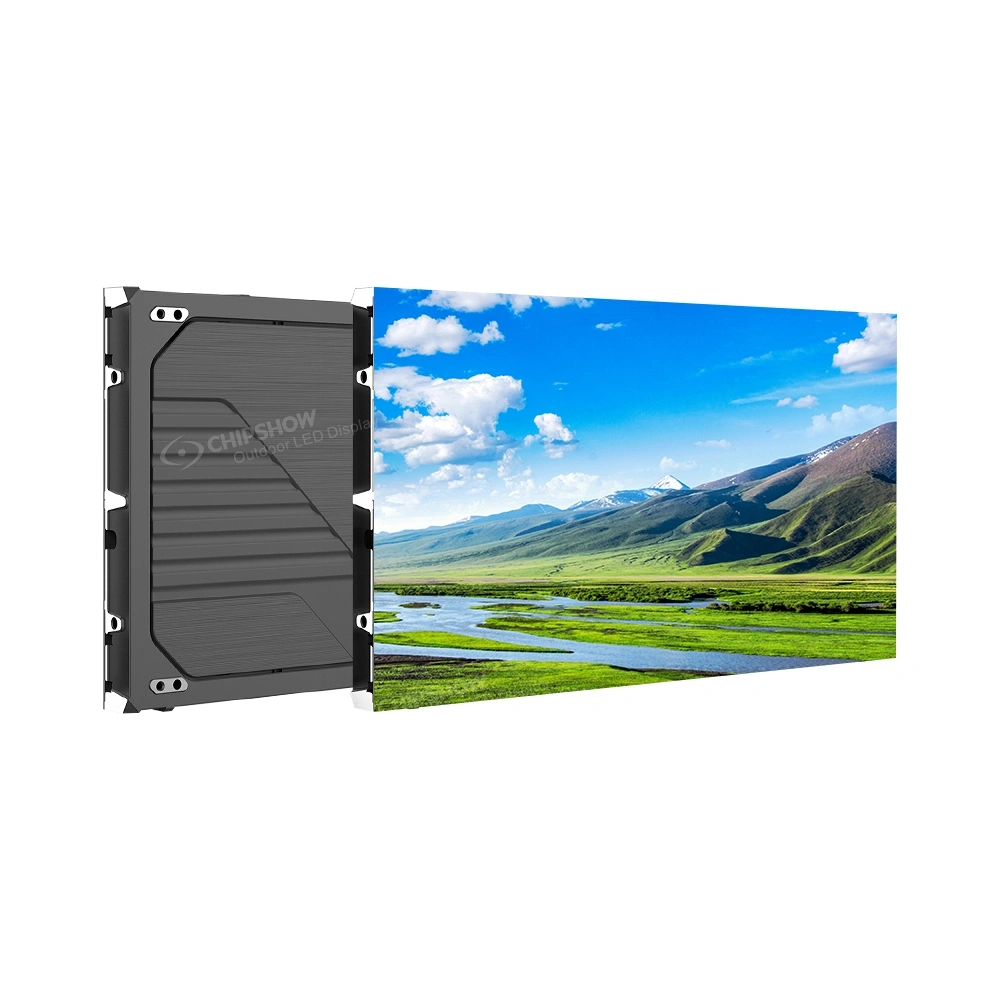
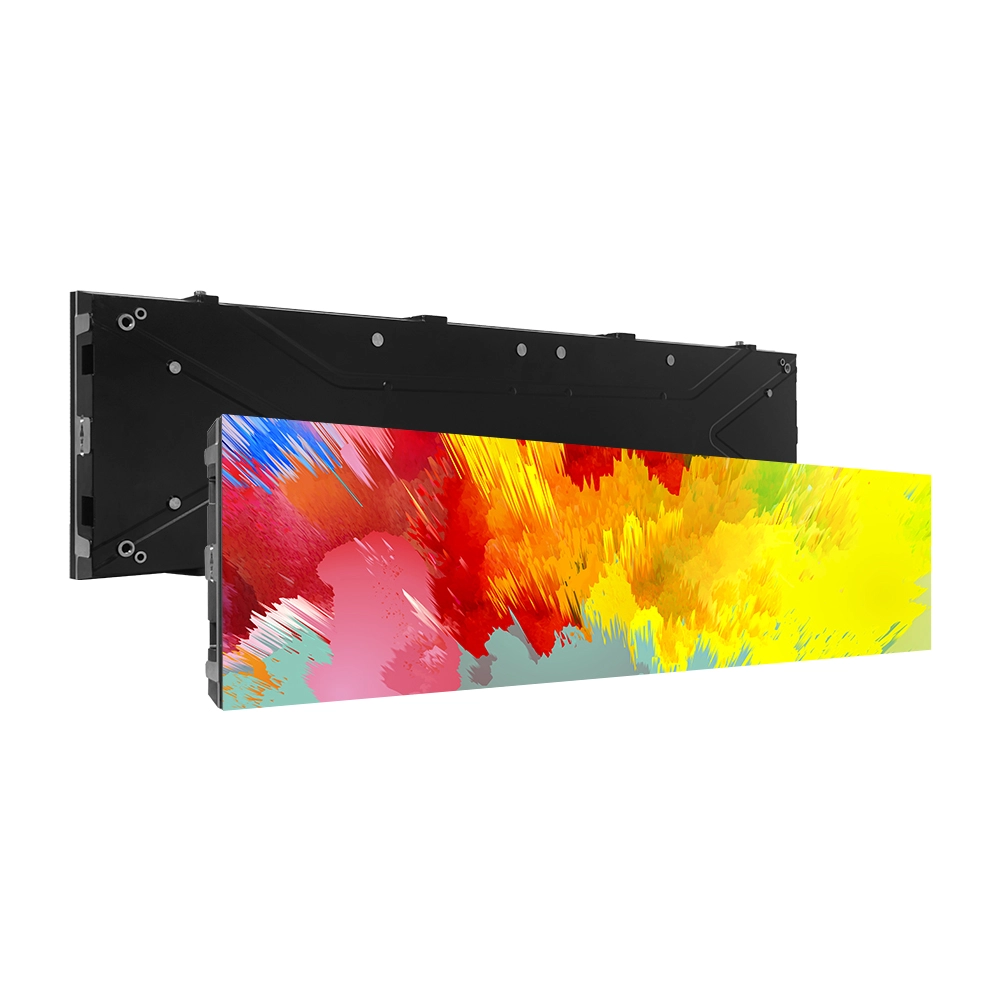
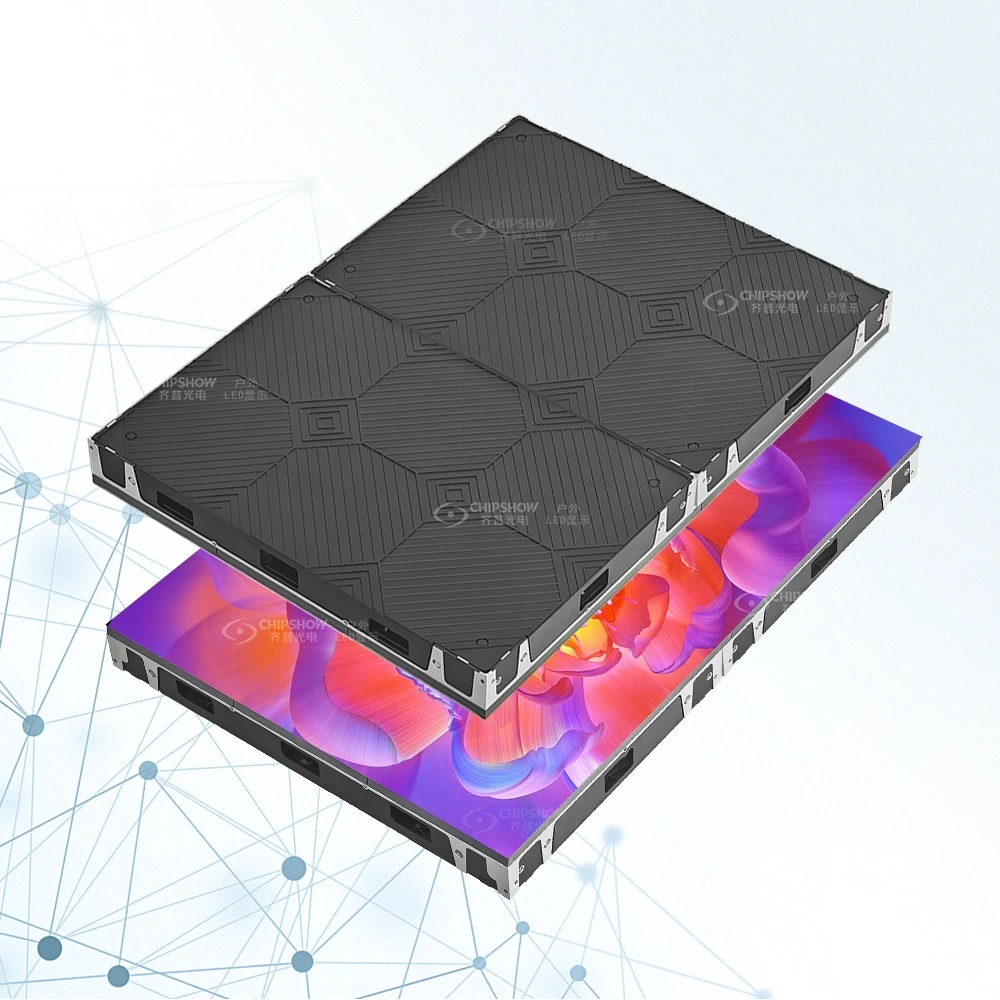
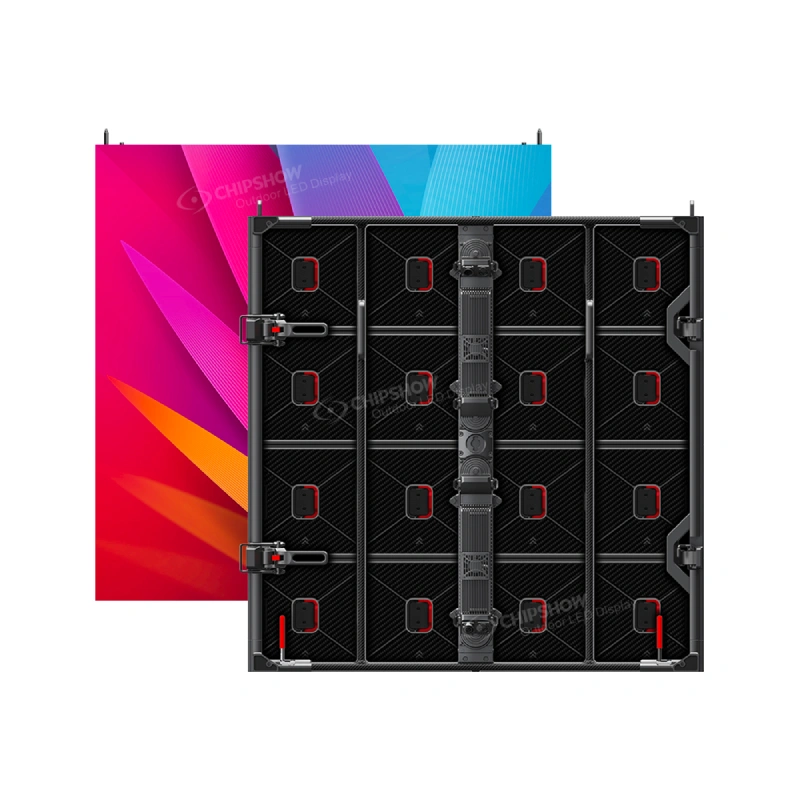
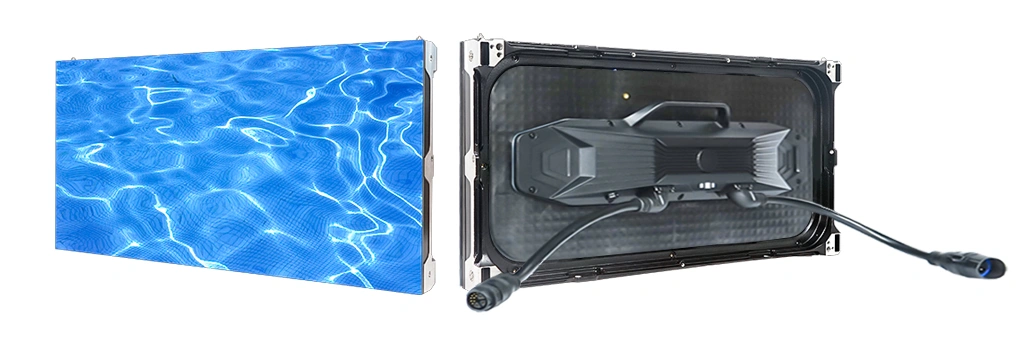
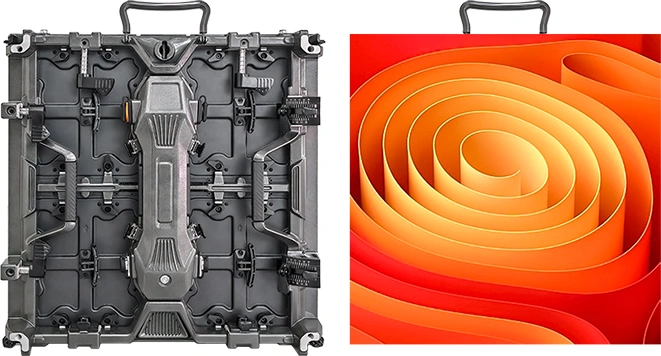
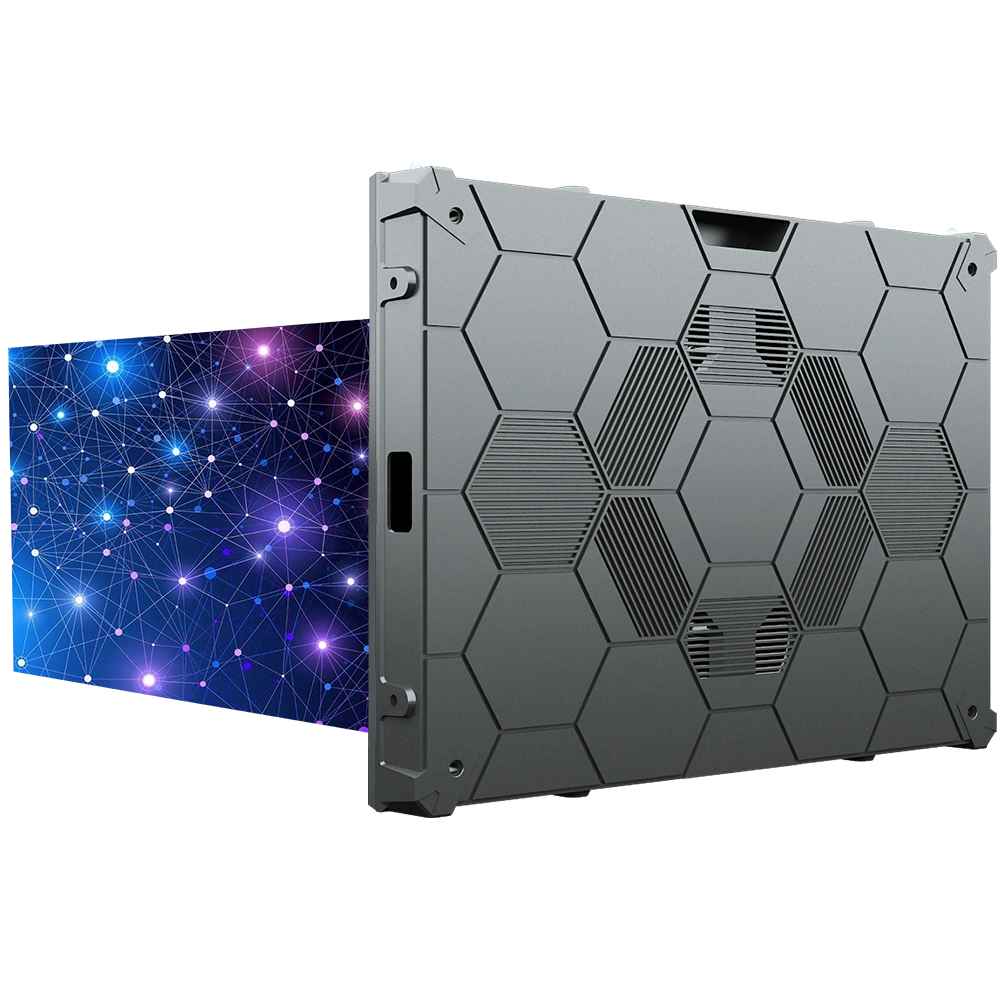
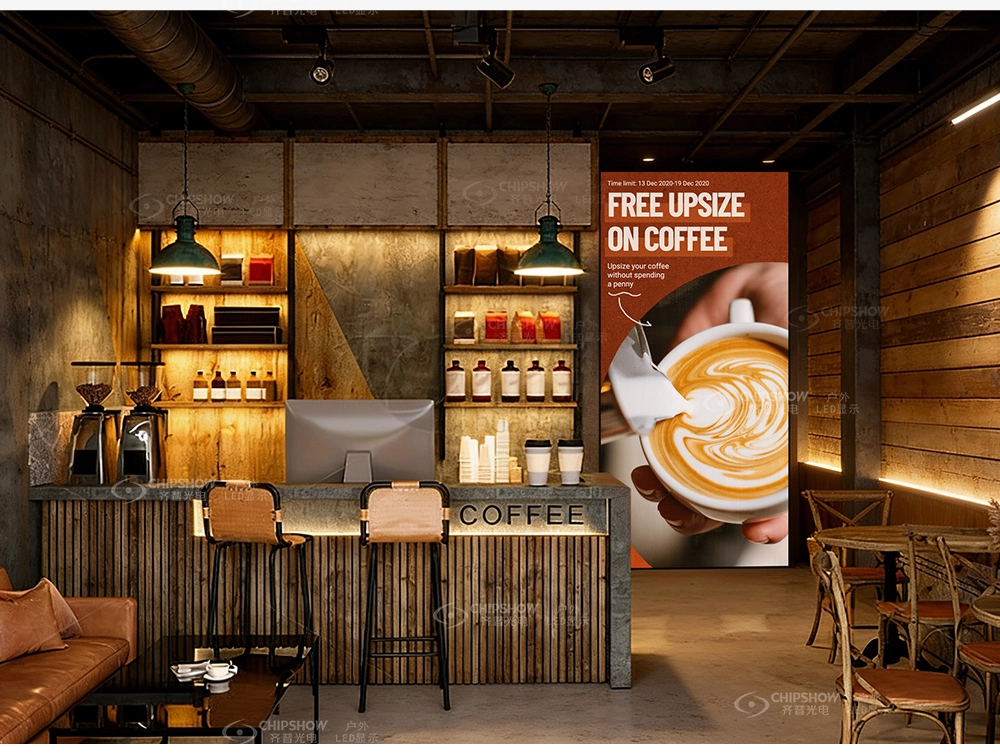
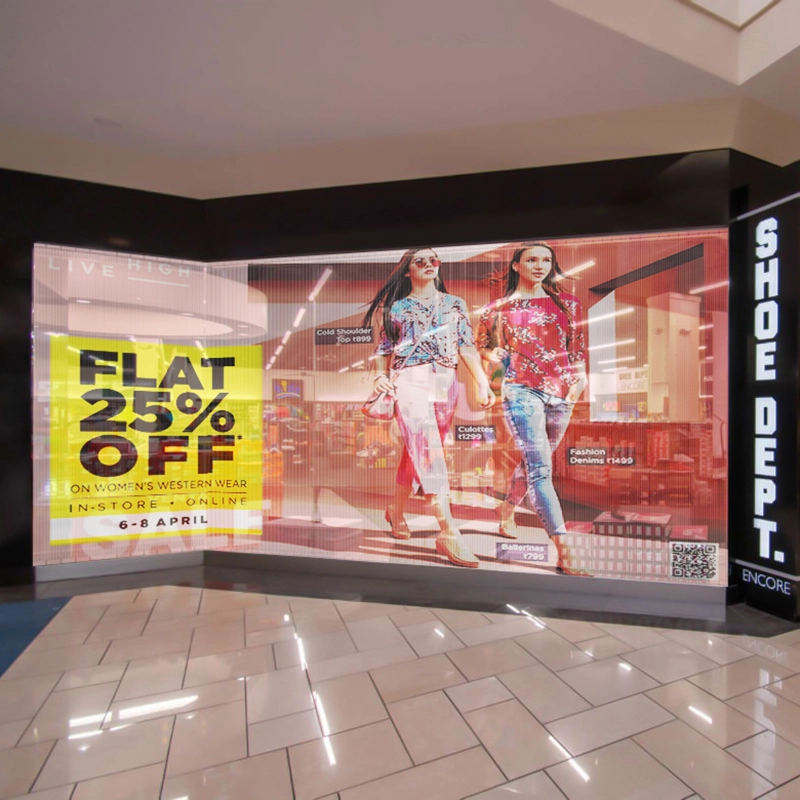
Retail chain storefronts expose the display to direct sunlight at different angles throughout the day. A projector that produces a visible image in a shaded corner of the same store will wash out to near-invisibility on the sunlit wall near the entrance—one room, two completely different results. LED at 1,000 nits or higher holds legibility regardless of where the display is positioned relative to the windows. Indoor commercial LED series such as Chipshow’s C-Max provide the brightness and front-service architecture suited to these permanent installations. Where the display mounts in a public circulation path, total depth including the frame must not exceed 4 inches to comply with ADA Standards.
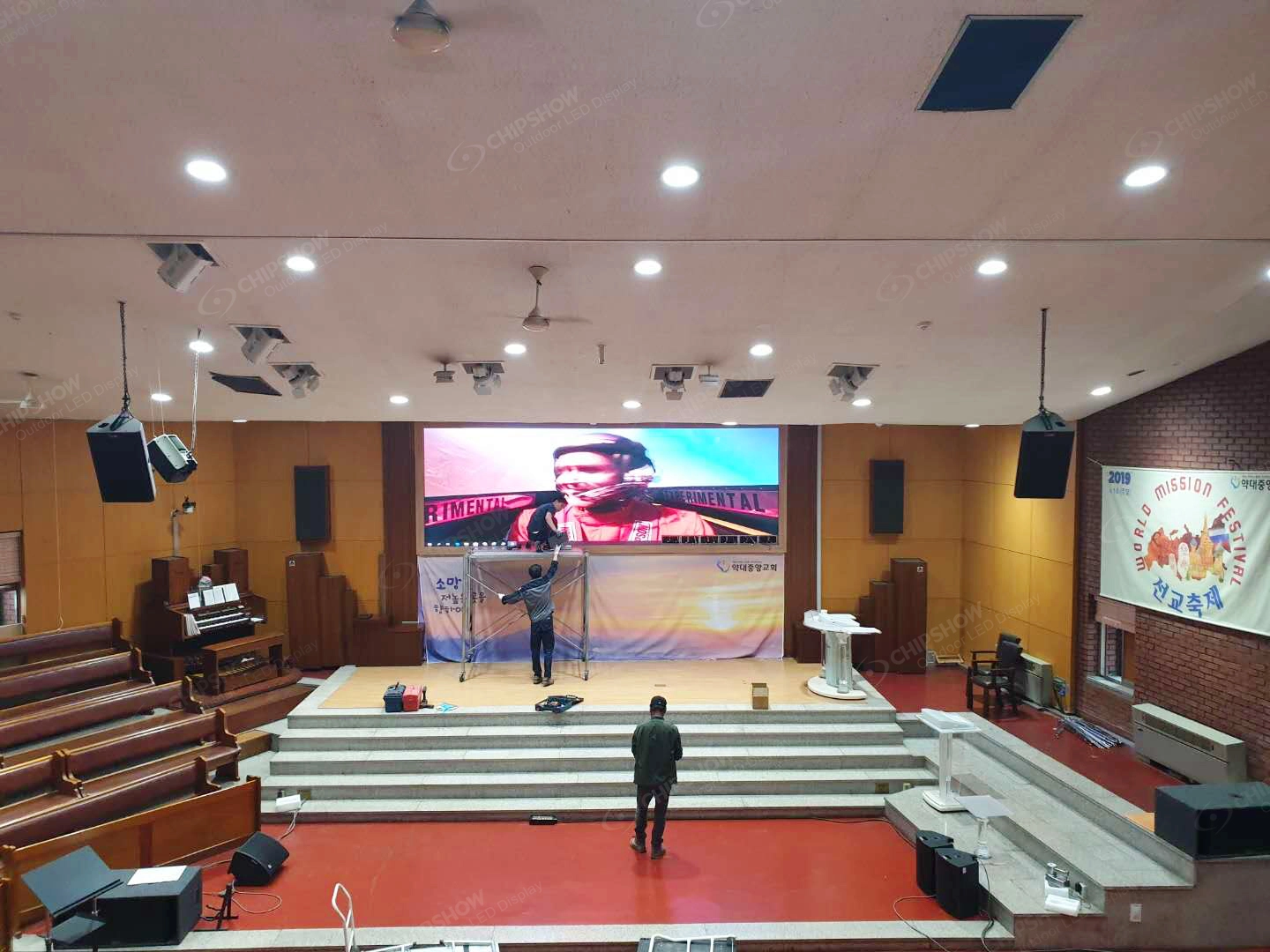
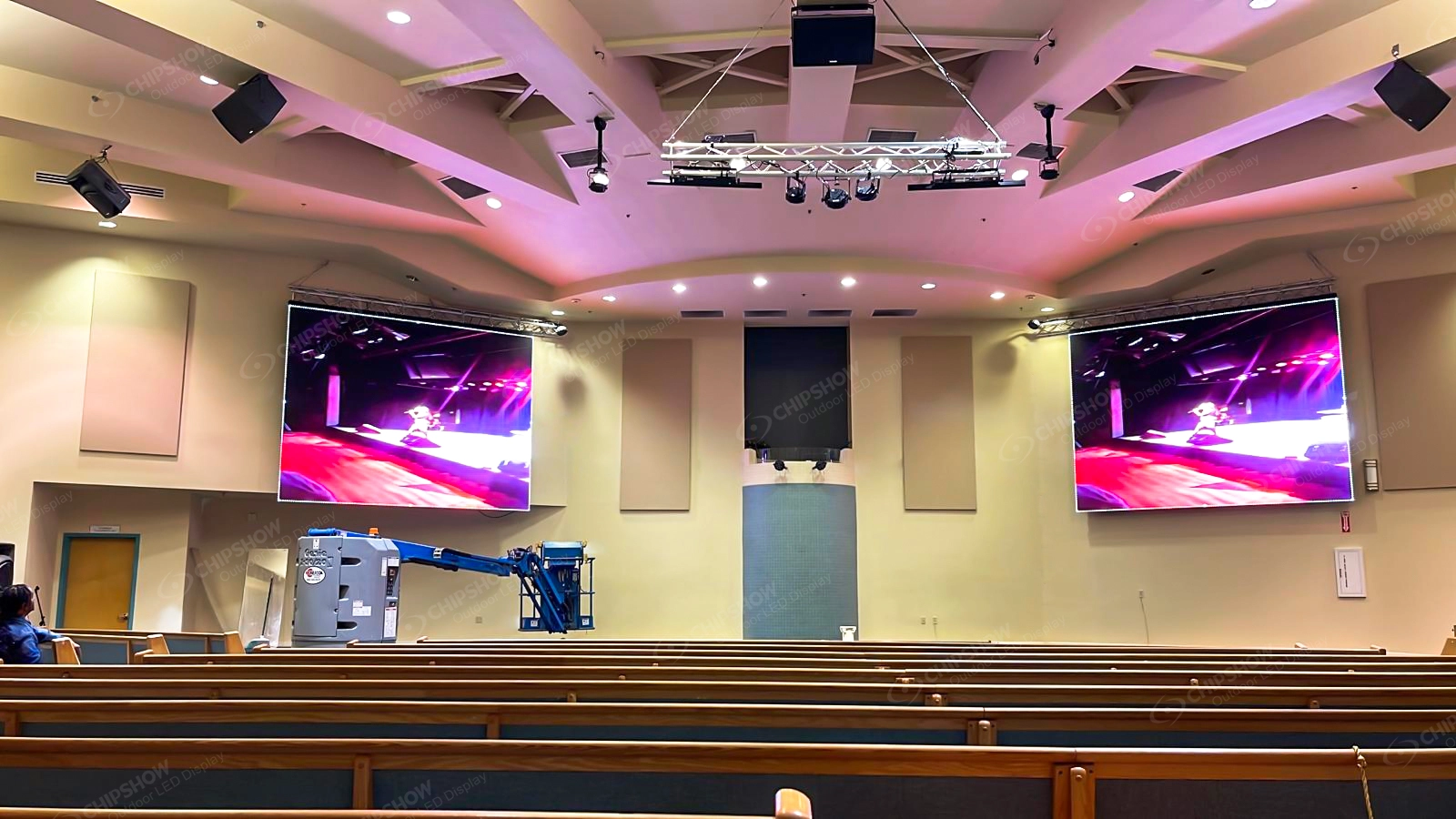
Conference rooms and training facilities with controlled lighting—dimmable fixtures, blinds on windows—are where projection makes the strongest case. A laser projector at a fraction of the hardware cost delivers image quality suitable for presentations, video conferencing, and training sessions, provided the room can be darkened when the display is in use. If the room has floor-to-ceiling glass facing an atrium or exterior window wall that cannot be blacked out, LED becomes the appropriate choice.
University campus environments illustrate the split-decision nature of this comparison. Lecture halls with dimmable lighting and tiered seating suit projection at a budget point that academic departments can justify. Sunlit campus atria, building entrances, and outdoor-facing digital signage boards favour LED for daylight visibility without requiring facility staff to retrofit lighting infrastructure across multiple buildings.
Emergency operations centres run 24 hours and require absolute image stability. LED is the standard technology here—100,000-hour rated lifespan with no consumable components eliminates the operational risk of a lamp failure during a shift.
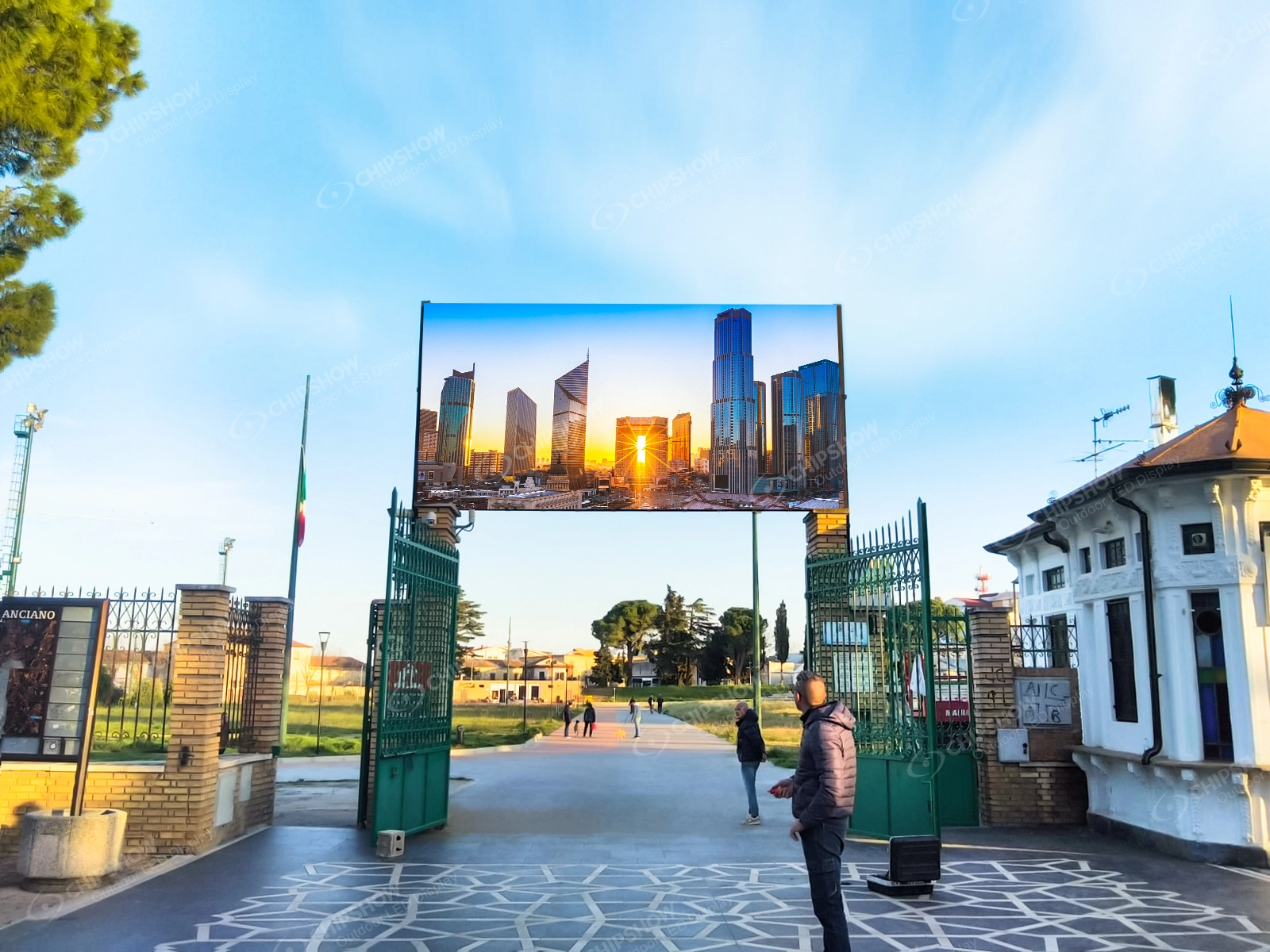
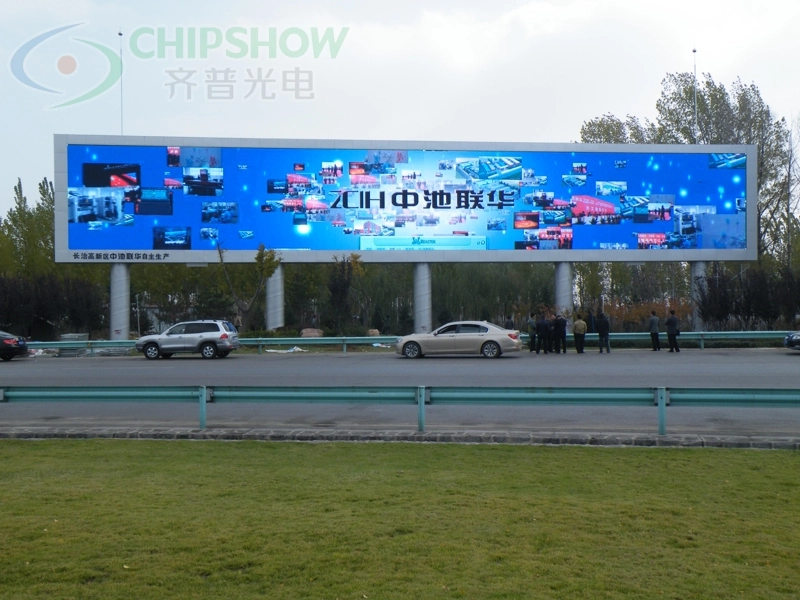
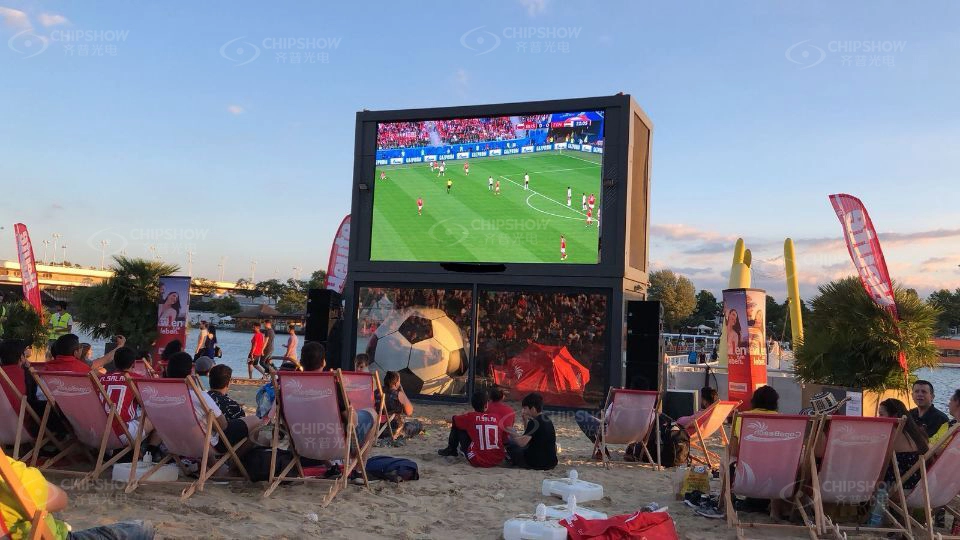
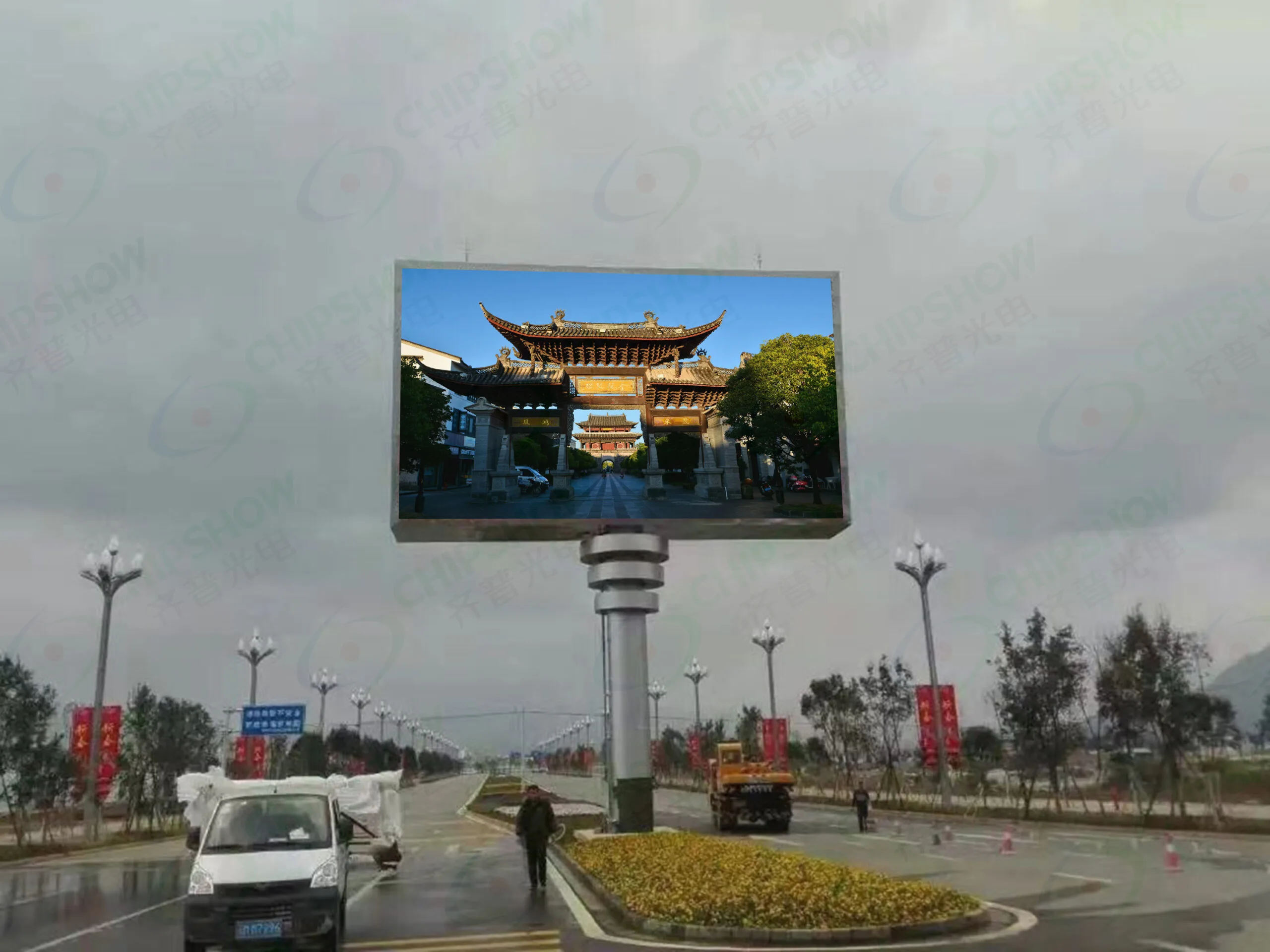
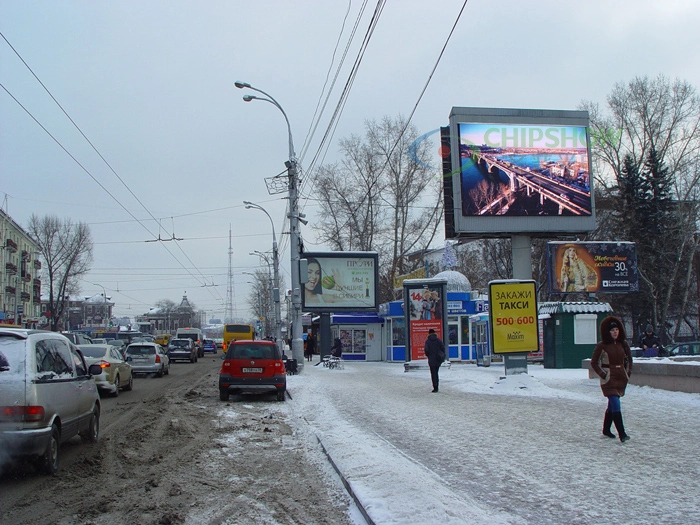
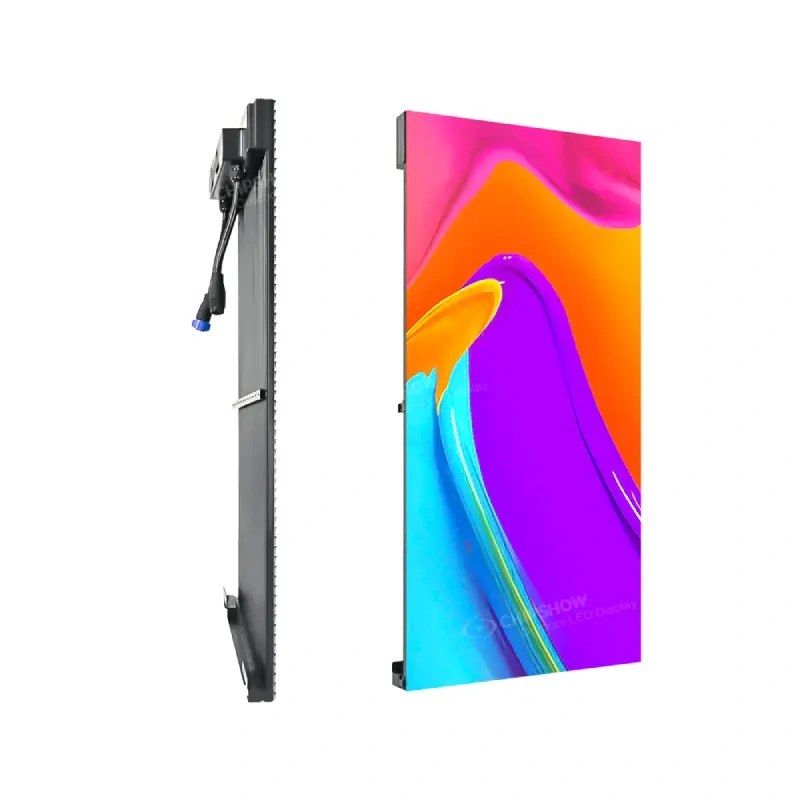
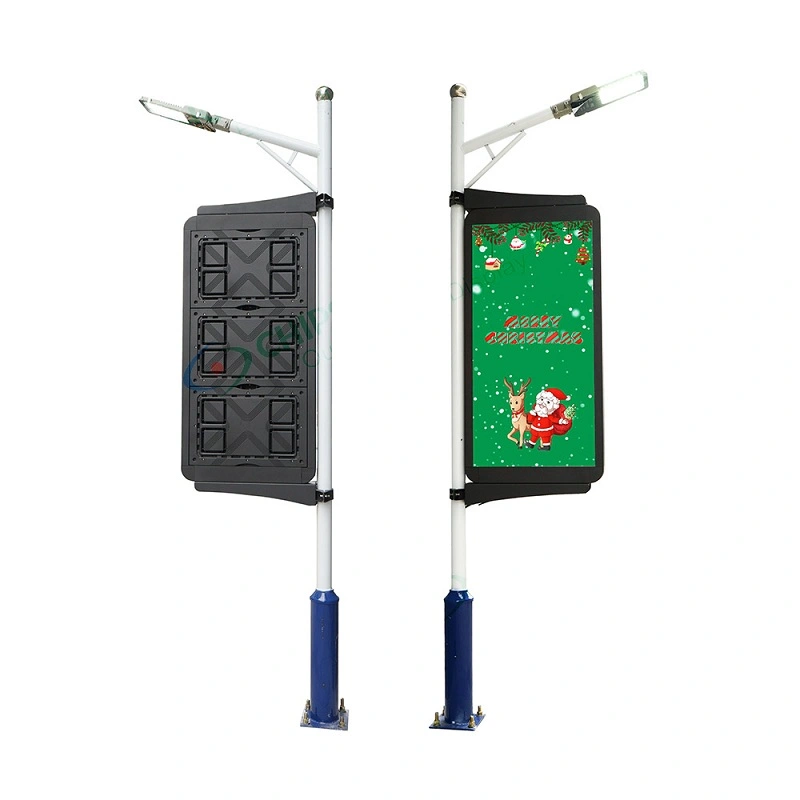
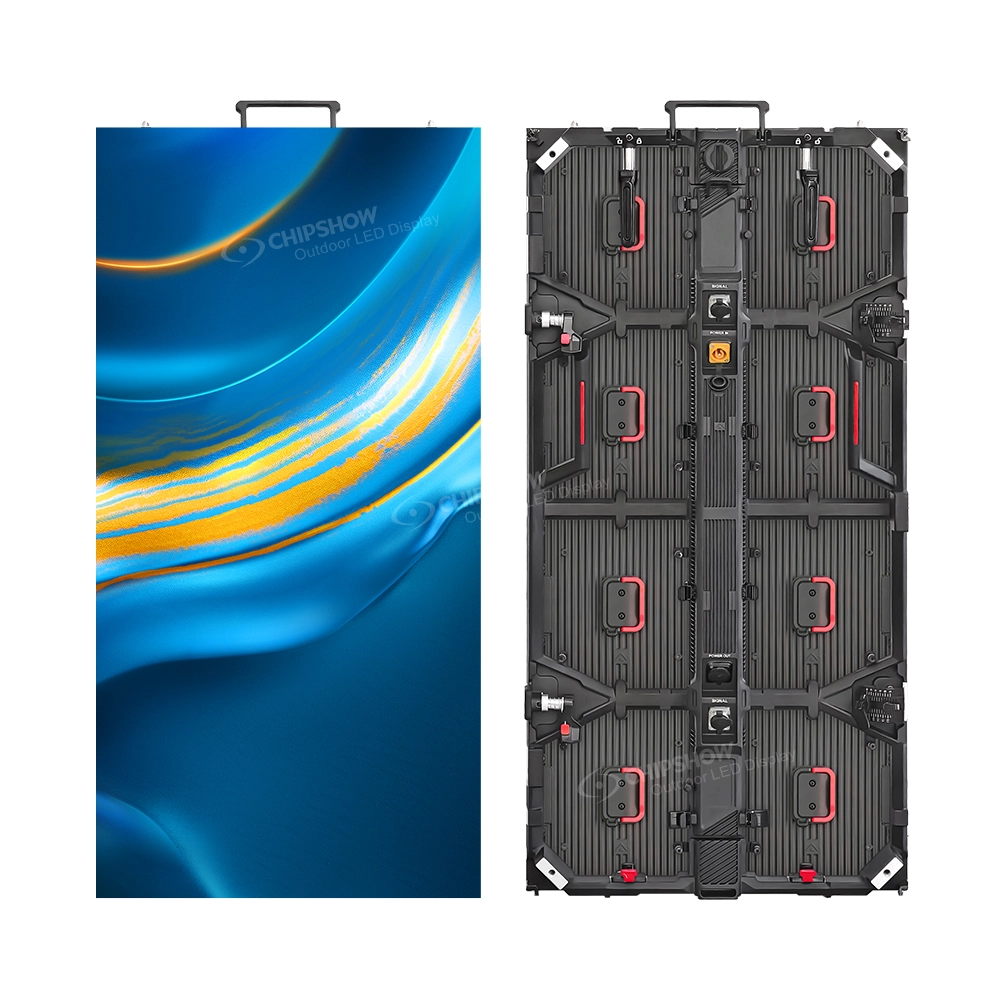
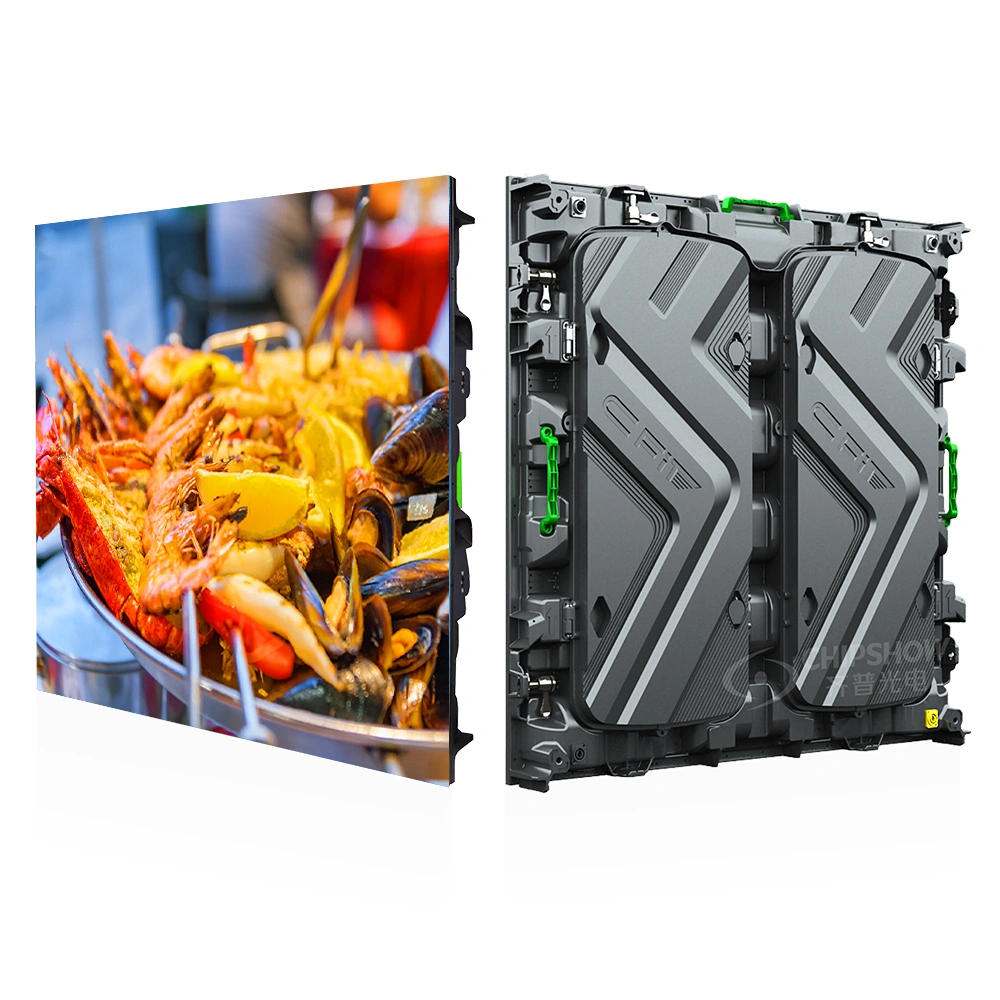
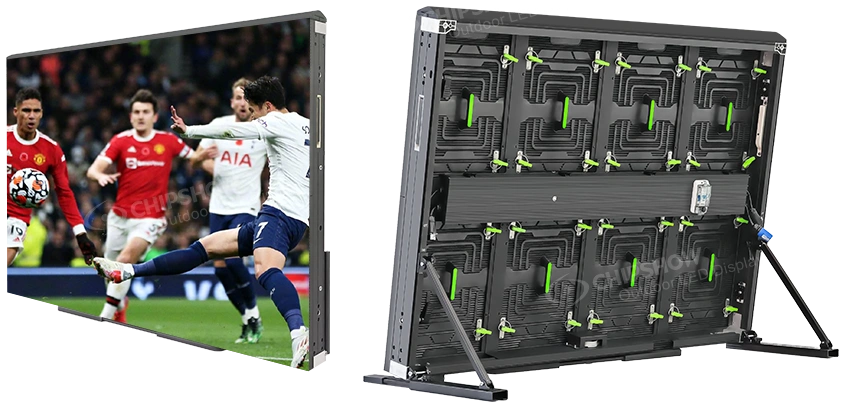
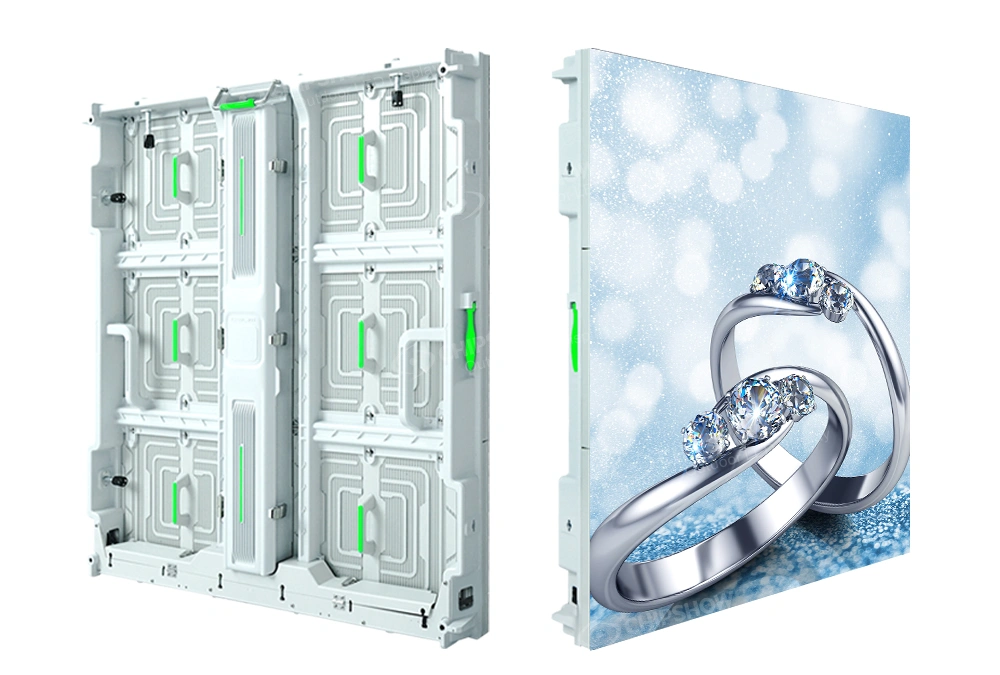
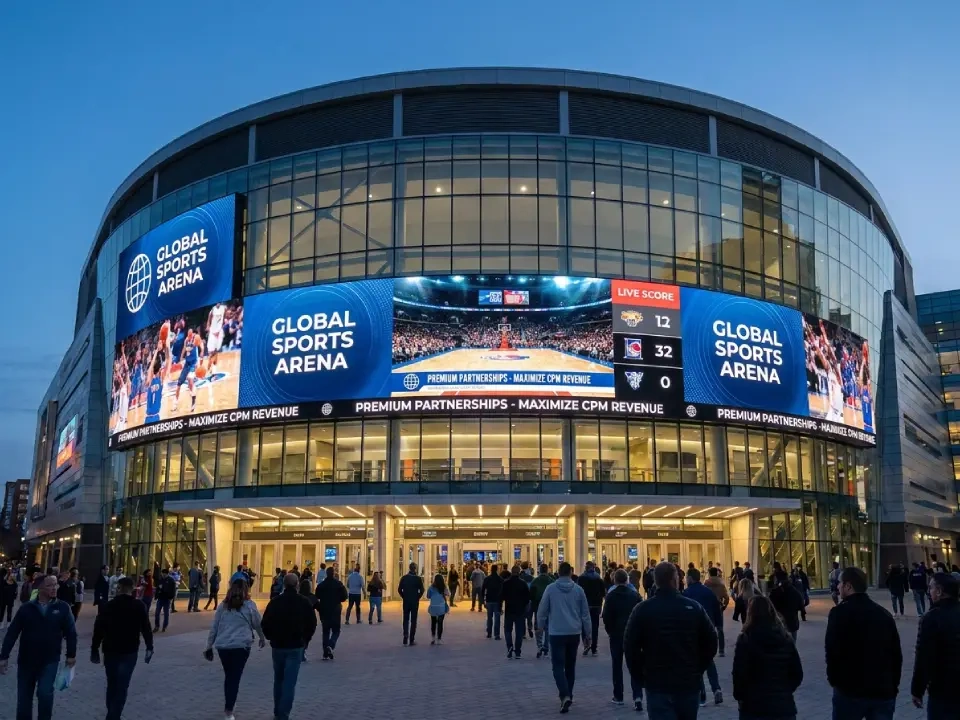
Outdoor DOOH and billboard applications are the clearest case in the comparison. A projector cannot compete with direct sunlight; the 5,000-nit minimum brightness for outdoor digital signage disqualifies projection entirely. Outdoor installations also face continuous exposure to rain, dust, and temperature extremes. For roadside installations classified as electric signs, ETL or UL listing is typically required by local inspectors. C-Slim outdoor LED series rated for 5,500 nits and above with ETL listing and FCC Part 15 compliance are engineered for these conditions.
What Specification Sheets Leave Out
Three operational factors influence the long-term ownership experience in a US commercial environment.
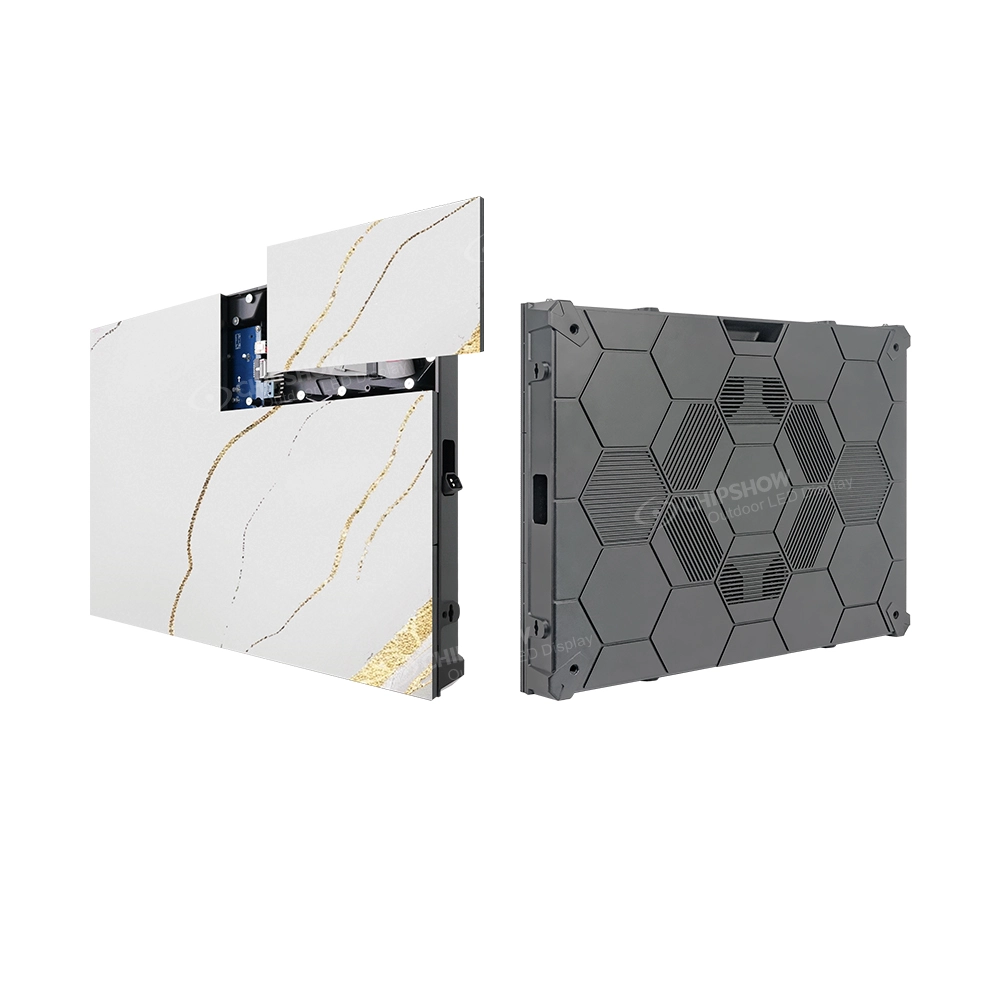
Maintenance access. A ceiling-mounted projector requires a ladder or lift for lamp replacement and filter cleaning—routine tasks occurring several times annually. An LED wall with front-service modules allows a technician to replace a failed panel without accessing the rear. In retail environments where the display backs against a wall and rear access is unavailable, front-serviceability is a requirement that eliminates certain designs before other comparison criteria apply.
Noise and heat. Projectors generate audible fan noise and radiate heat into the room. In a quiet boardroom, the cooling fan is a distraction. LED walls with fanless or passive cooling operate silently, suitable for environments where ambient noise is a concern. The heat generated by either technology affects HVAC load.
Compliance and insurance. For US commercial installations, permanently wired electrical equipment must carry ETL or UL listing. Most commercial landlords require this in lease agreements, and insurers may deny claims involving non-listed equipment. An LED display without an NRTL mark may not pass local electrical inspection regardless of its technical specifications.
Conclusion
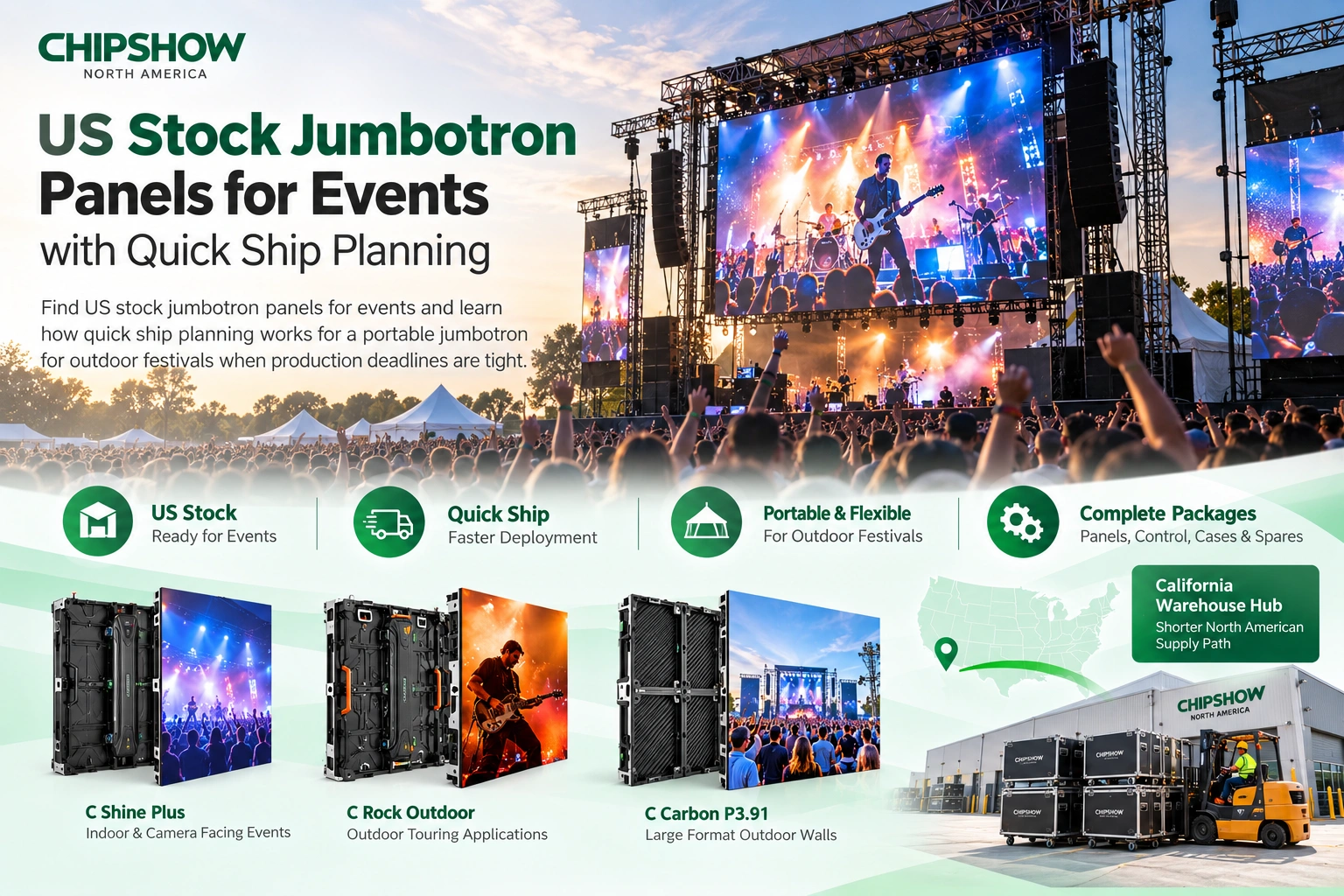
The choice between an LED video wall and a projector for a US commercial environment is determined by ambient light, operating hours, and total cost of ownership—not the purchase price alone. LED walls provide the brightness, lifespan, compliance profile, and maintenance efficiency required for retail, lobby, control-room, and outdoor applications. Projectors remain cost-effective for dimmable indoor environments with moderate daily use. Chipshow’s US-stocked indoor and outdoor LED display systems—C-Max, C-Slim—carry ETL listing and FCC Part 15 compliance. Contact Chipshow’s US team for specification assistance and California-stocked delivery timelines.
Frequently Asked Questions
Q1: Does an LED video wall always outperform a projector?
No. The correct technology depends on the environment. In a bright retail storefront, an outdoor DOOH location, or a 24/7 control room, LED is the appropriate choice. In a dimmable conference room with moderate daily use, a laser projector delivers comparable image quality at a lower initial cost.
Q2: Do LED video walls need ETL or UL listing in the US?
Yes, for permanently installed commercial equipment. Most landlords require an NRTL mark in lease agreements, and local electrical inspectors will not sign off on non-listed equipment. Chipshow’s C-Max, C-Slim series carry ETL listing.
Q3: How does an LED video wall’s lifespan compare to a projector?
LED panels are rated for 50,000 to 100,000 hours. A standard projector lamp lasts 2,000 to 5,000 hours; laser-phosphor projectors extend to 10,000 to 30,000 hours. In a commercial environment running 12 hours daily, an LED installation can operate for over a decade.
Q4: What lighting conditions make a projector impractical?
Any environment with uncontrolled ambient light—retail stores with street-facing windows, corporate lobbies with skylights, outdoor installations—renders a projector impractical. Projectors require controlled, dimmable lighting to produce commercially acceptable image quality.
Q5: What pixel pitch is appropriate for close viewing in commercial spaces?
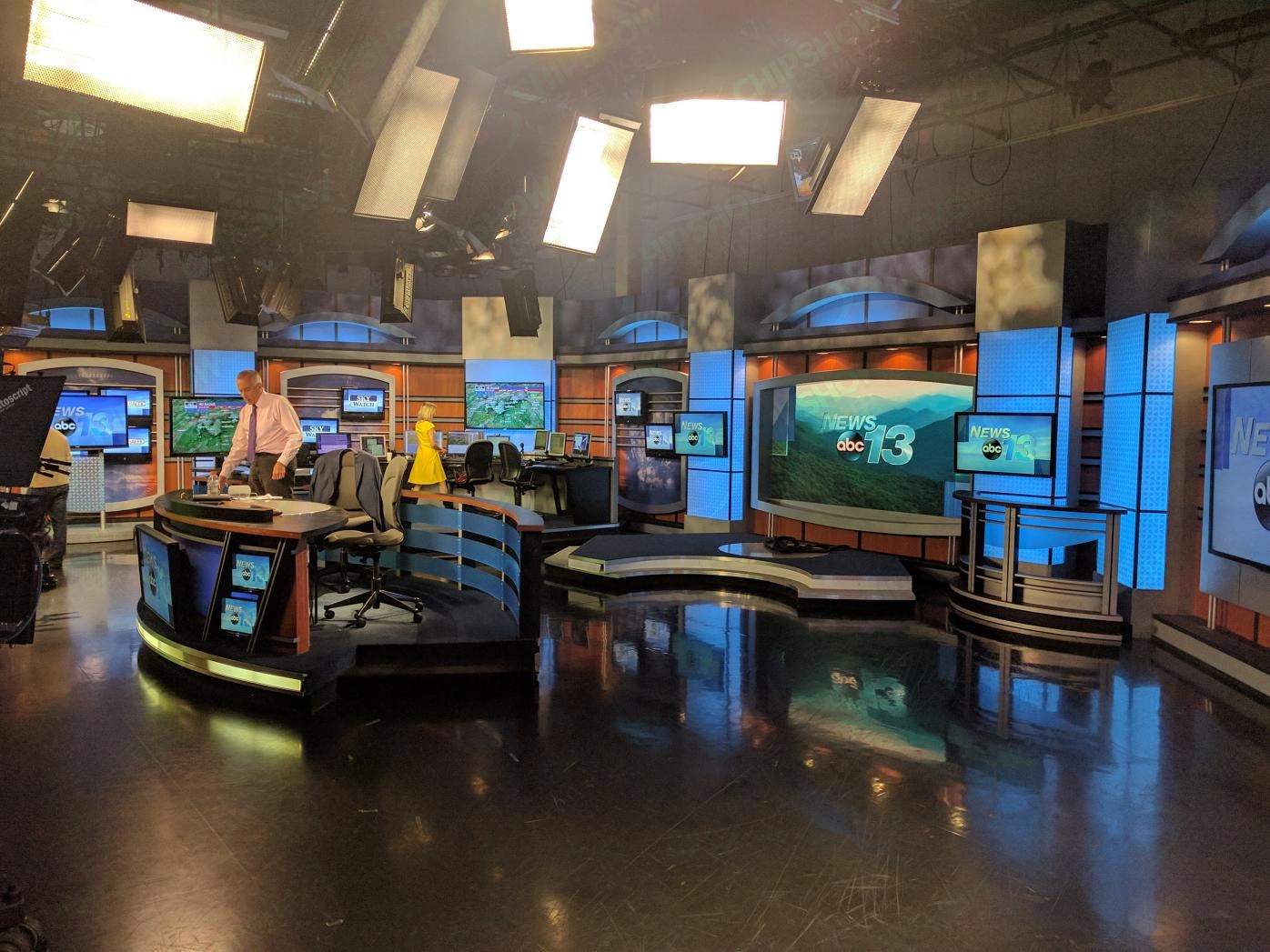
P1.5 to P2.5 is appropriate for viewing distances of 1.5 to 2.5 metres, typical of conference rooms, retail displays, and corporate lobbies. P1.2 and below is used for broadcast studios and control rooms where operators sit within 1 to 1.5 metres of the display.
Compare module and cabinet layouts for your own site with the LED sign selector before requesting a quote.