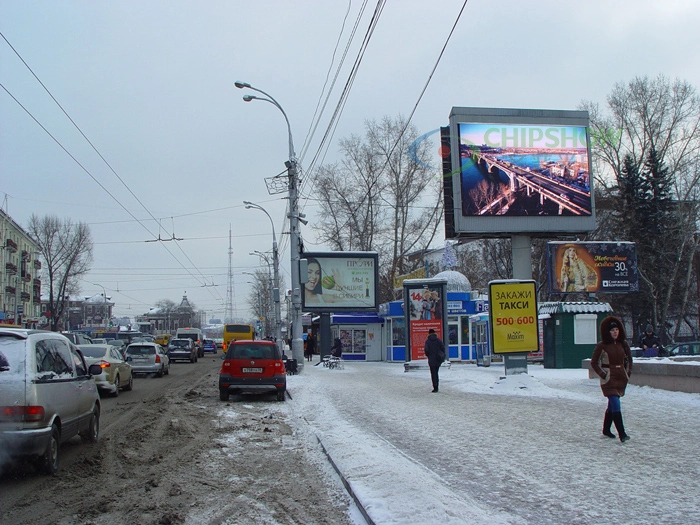
Outdoor advertising in the United States is not shrinking—it hit a record $9 billion in 2024, and the digital segment is projected to reach 45.2% of total OOH spend by 2028, up from 22% in 2016, according to EMARKETER. But that growth is concentrated in roadside, transit, and retail formats that every operator already competes for. One large, under-monetised category sits adjacent to all of them: stadium perimeter LED displays—from NCAA college football venues and minor league baseball parks to municipal multi-use sports complexes. The venues want the screens but lack the capital. The operators who move first build sponsor relationships their competitors cannot replicate. This guide explains how the model works, what the revenue looks like, and what hardware makes it commercially viable in the US market.
Want a second look at the format options? The USA LED sign selector narrows signs by viewing distance, pixel pitch and cabinet style in one pass.
An Inventory Category US Operators Have Not Yet Claimed
The outdoor advertising industry in the United States hit a record $9 billion in revenue in 2024, and the digital segment continues to expand. That growth, however, flows almost entirely into roadside, transit, and retail formats—inventory categories where competition for prime sites is mature and acquisition costs are known.
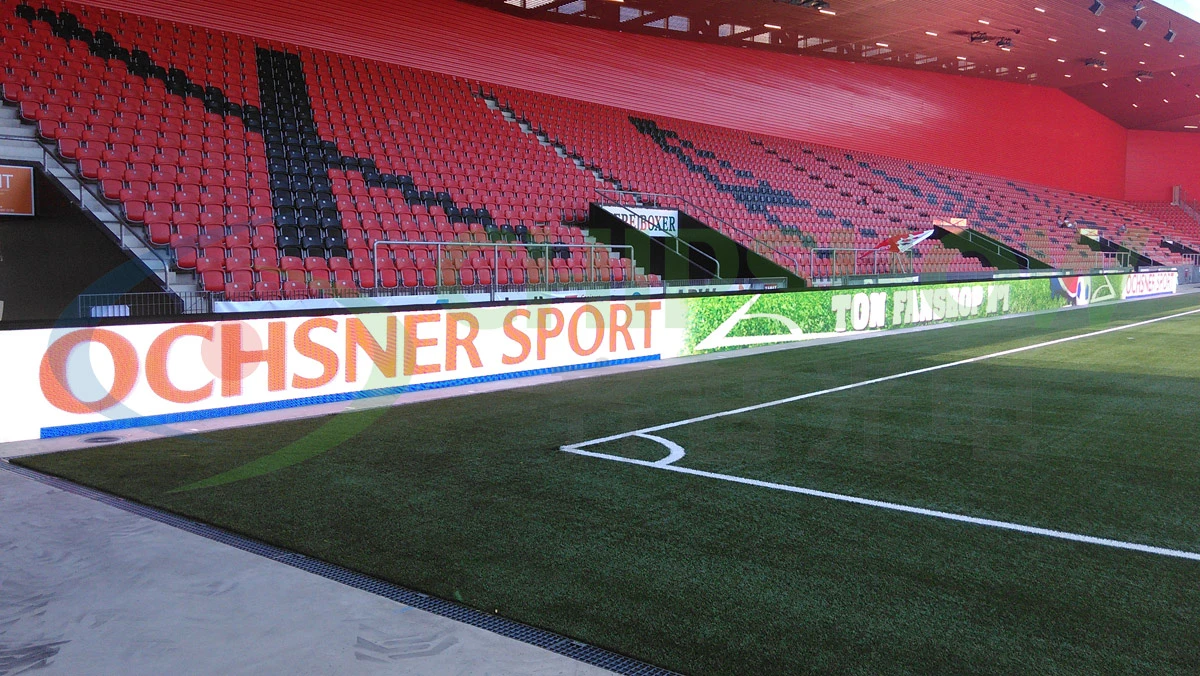
Stadium perimeter LED displays sit outside this competitive funnel. Walk into any Division I college football stadium, minor league baseball park, or municipally owned multi-use sports complex on game day, and the perimeter boards are running sponsor logos. But in most cases, the advertising operator does not control that inventory. Either the venue purchased the hardware directly and handles sponsor sales through its own commercial department—a function that sits outside the core expertise of most venue operations teams—or a multi-venue media rights holder holds an exclusive agreement that covers perimeter advertising alongside broadcast and naming rights.
The opportunity is not to displace those existing arrangements. It is to enter the venues that have not yet digitised their perimeter advertising. These venues want digital boards—they raise sponsor revenue and make the facility look current—but cannot fund them from their own equipment budgets. The operator who brings the hardware and the sales capability to those venues locks a multi-year exclusive before a competitor does.
This model works because three incentives align. The venue gets a modern perimeter system without capital expenditure. The operator acquires new, uncontested ad inventory and monetises it through the same local-to-regional sponsor relationships already active on roadside and transit placements. The sponsor gets brand exposure in front of a captive audience that roadside billboards cannot replicate—fans watching live sport, often with regional television coverage that extends the impression count far beyond the in-stadium gate.
How the Economics Work
The operator finances the perimeter LED system—hardware, installation, control infrastructure—and recovers the investment through sponsor fees over a multi-year venue contract. After the hardware is paid off, the ongoing margin is the difference between annual sponsorship revenue and annual maintenance cost plus the venue’s negotiated revenue share.
At the college and municipal level—the entry point for most regional operators—the sponsorship model in practice involves multiple local and regional brands rotating across each perimeter section under seasonal or per-game contracts. The per-sponsor seasonal fee at this level varies by market, but the cumulative revenue across multiple sections and sponsors provides steady cash flow that services the hardware investment over a contract term of five years or longer.
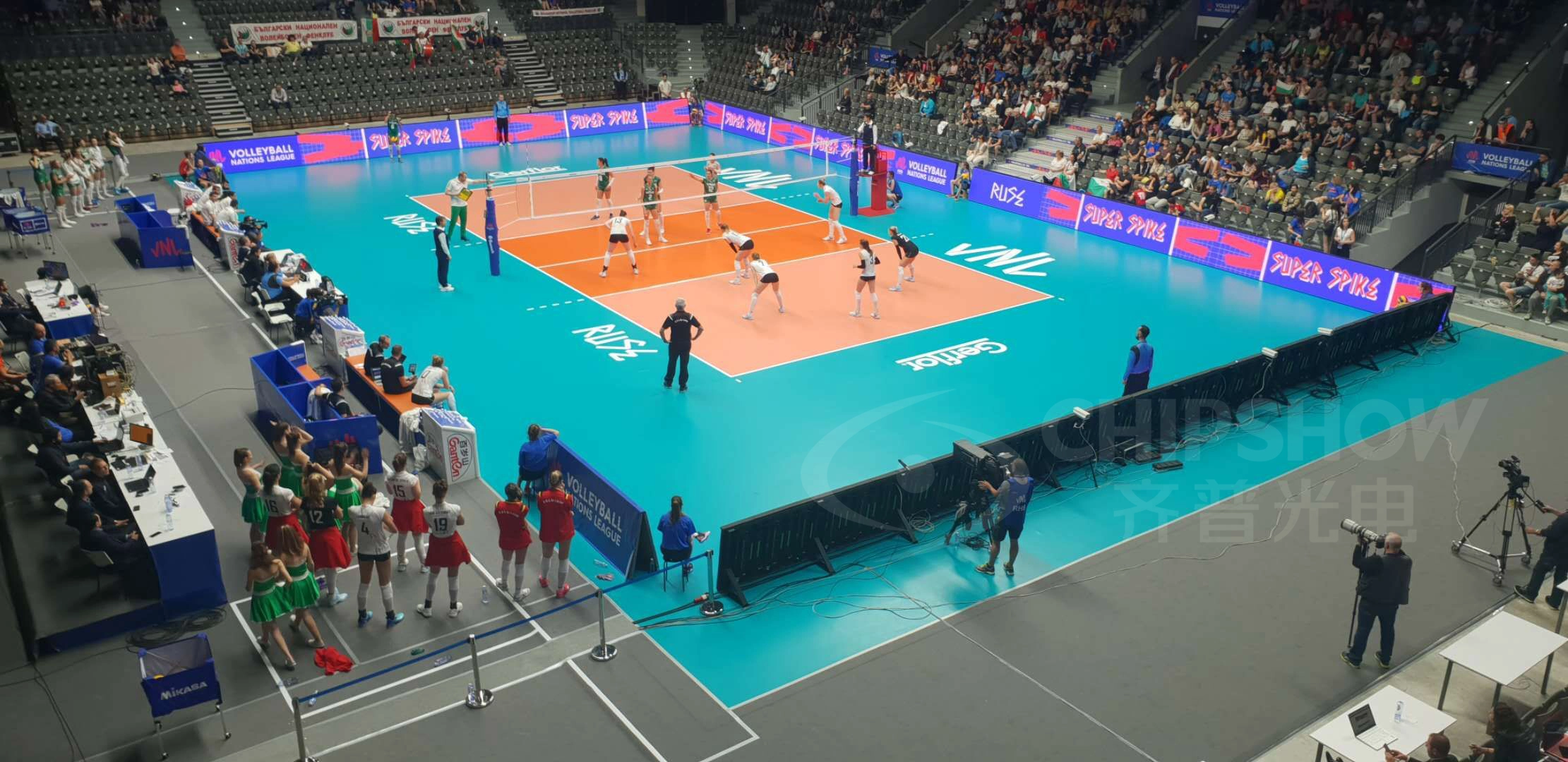
Multi-use venues that host multiple sports and event types across a single year—football, soccer, lacrosse, concerts, community events—offer more saleable inventory than single-sport facilities. A municipal complex with a full calendar of events across several programme categories represents a fundamentally different commercial proposition from a football-only facility with a limited home schedule.
At the professional and top-tier Division I level, the revenue potential per sponsor slot is materially higher, but so is the competitive intensity for winning the venue contract. These venues typically operate through formal RFP processes and demand longer contract commitments, higher revenue-share percentages, and documented vendor compliance with venue insurance and safety requirements.
What Makes the Hardware Commercially Viable
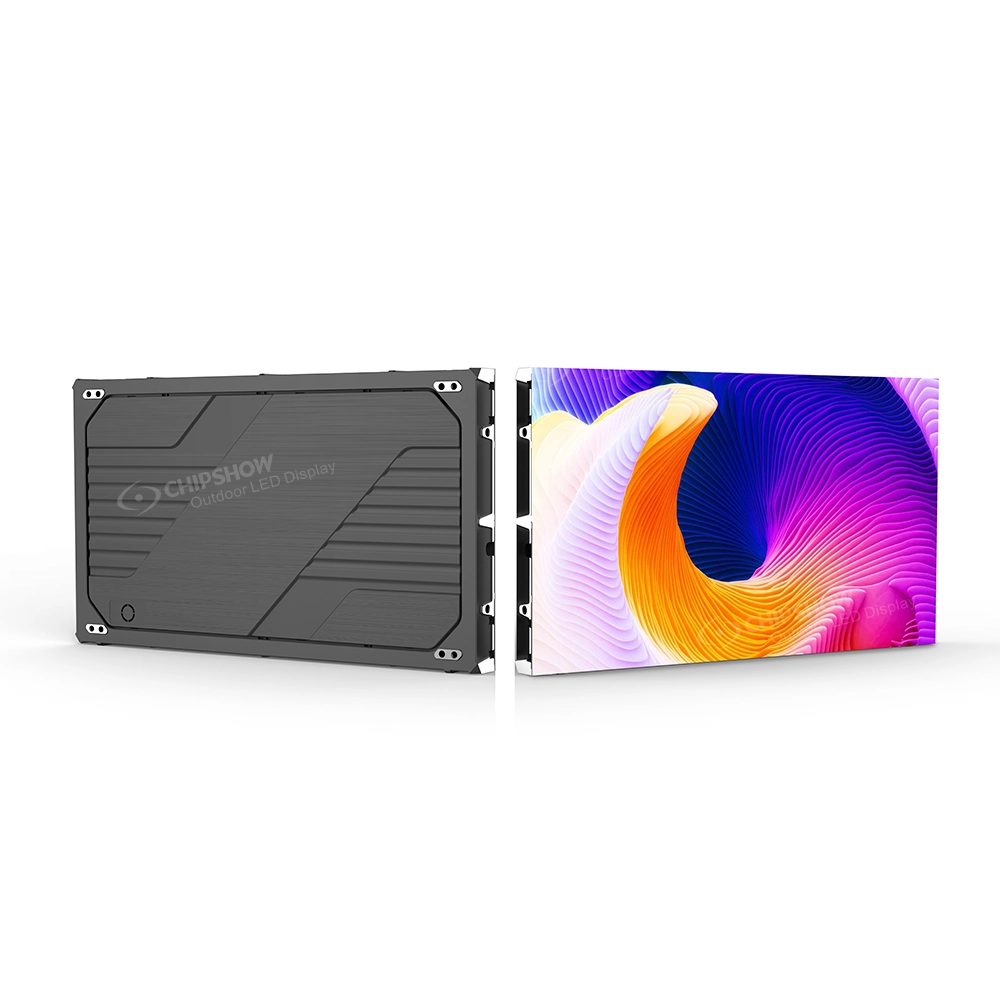
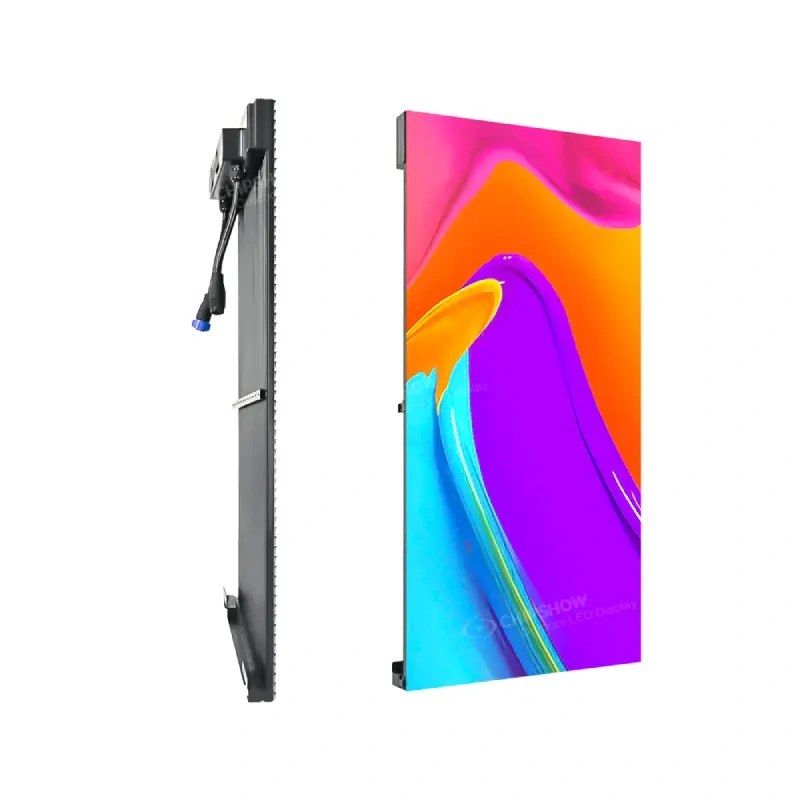
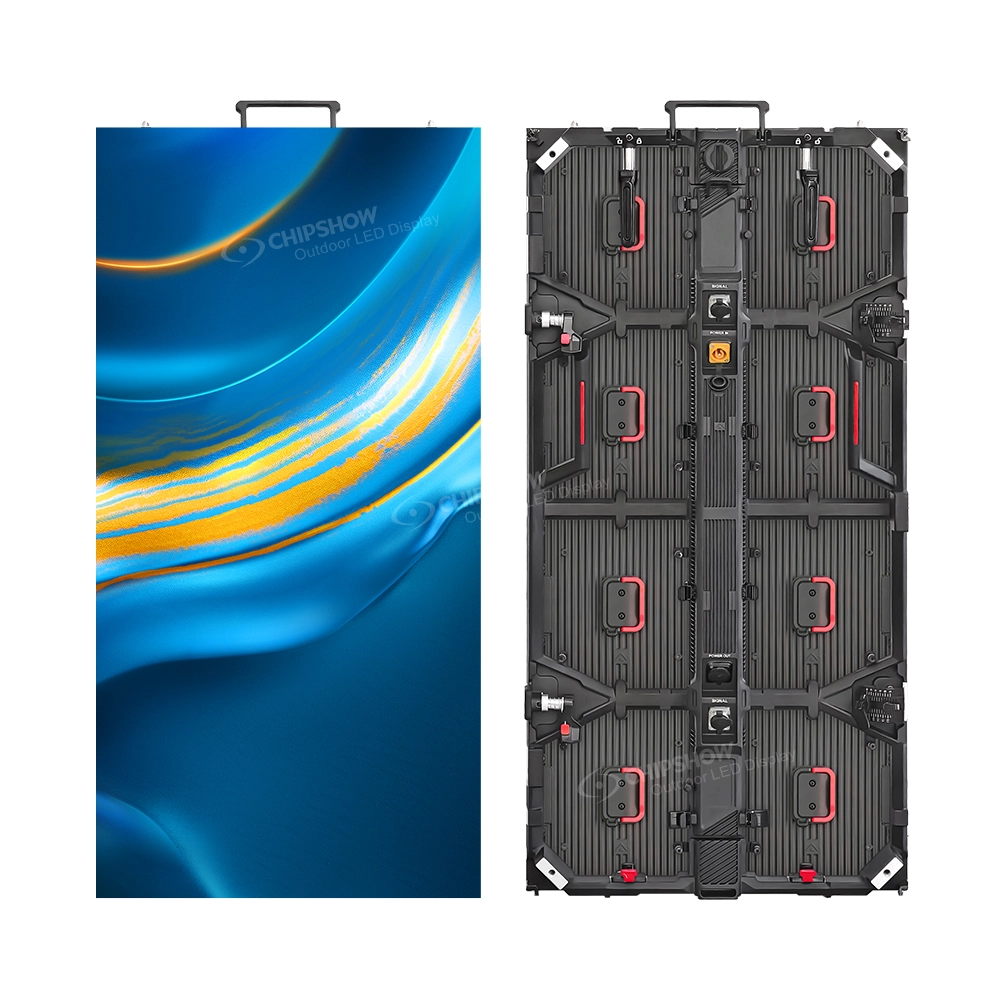
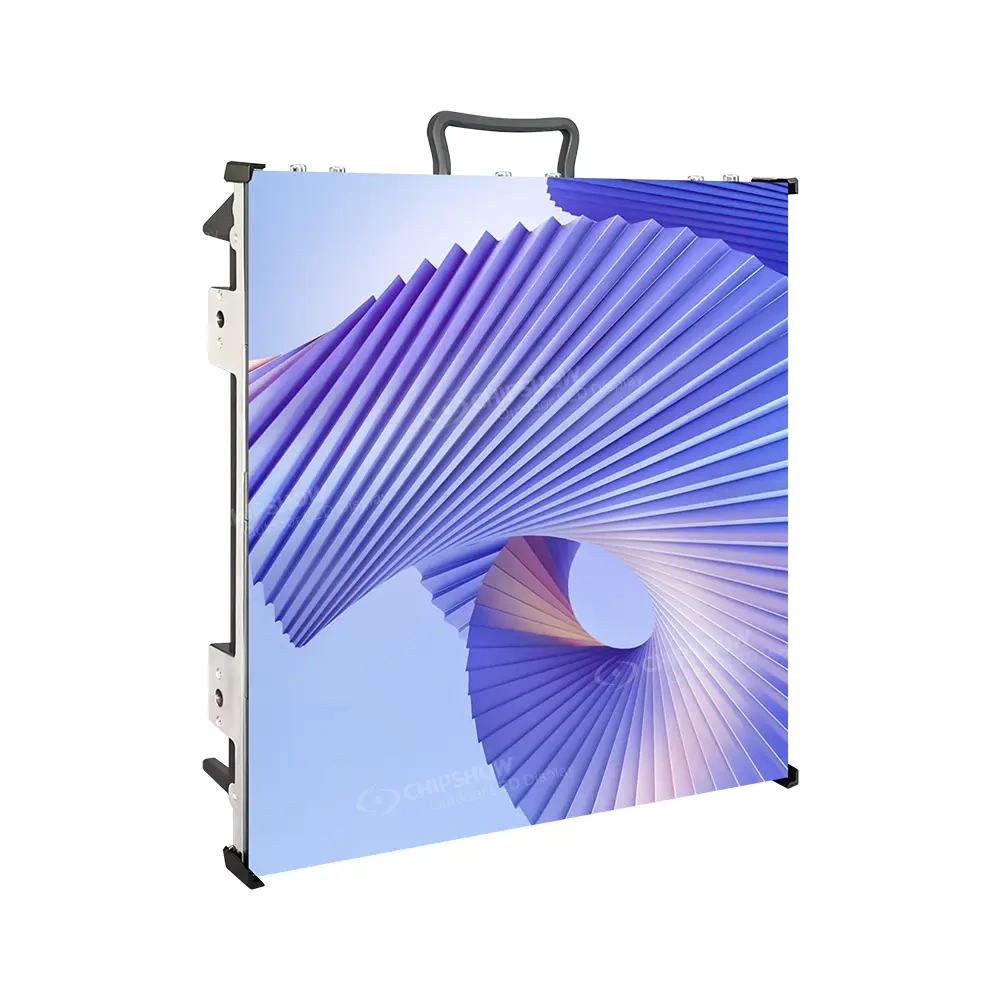
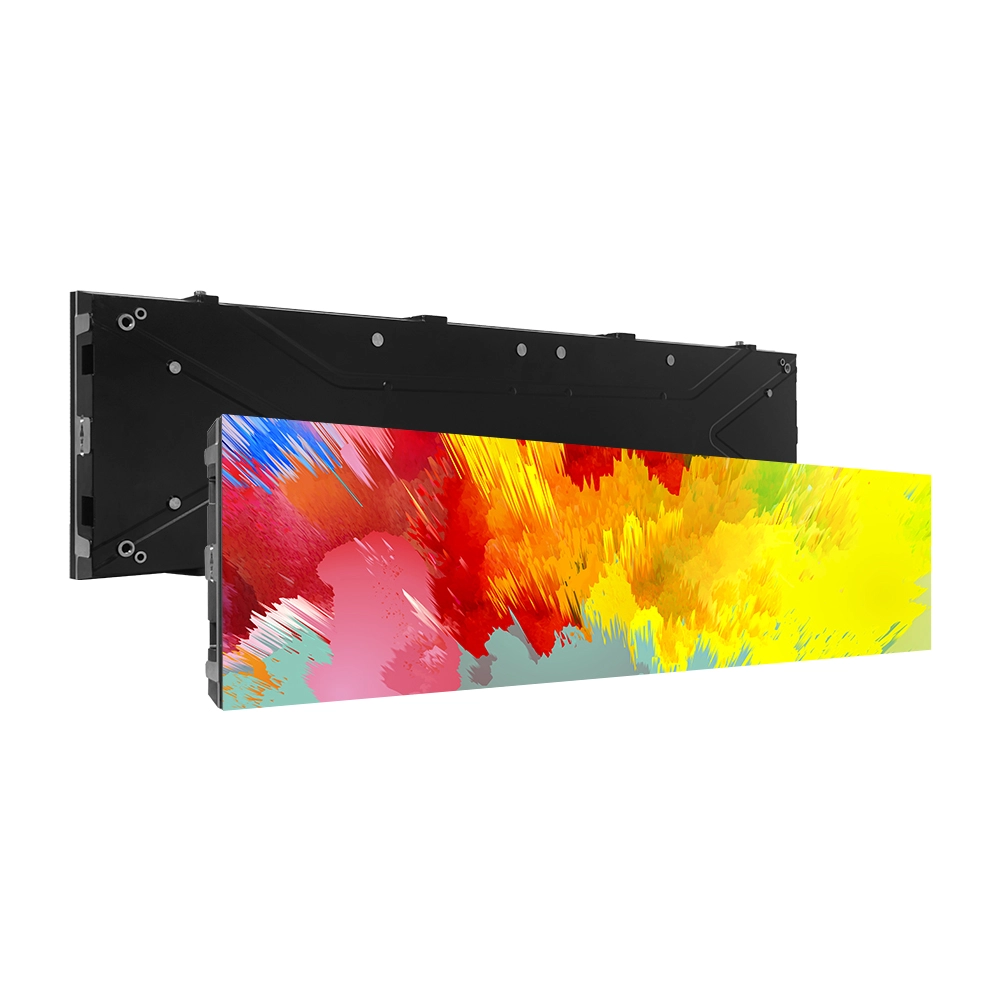
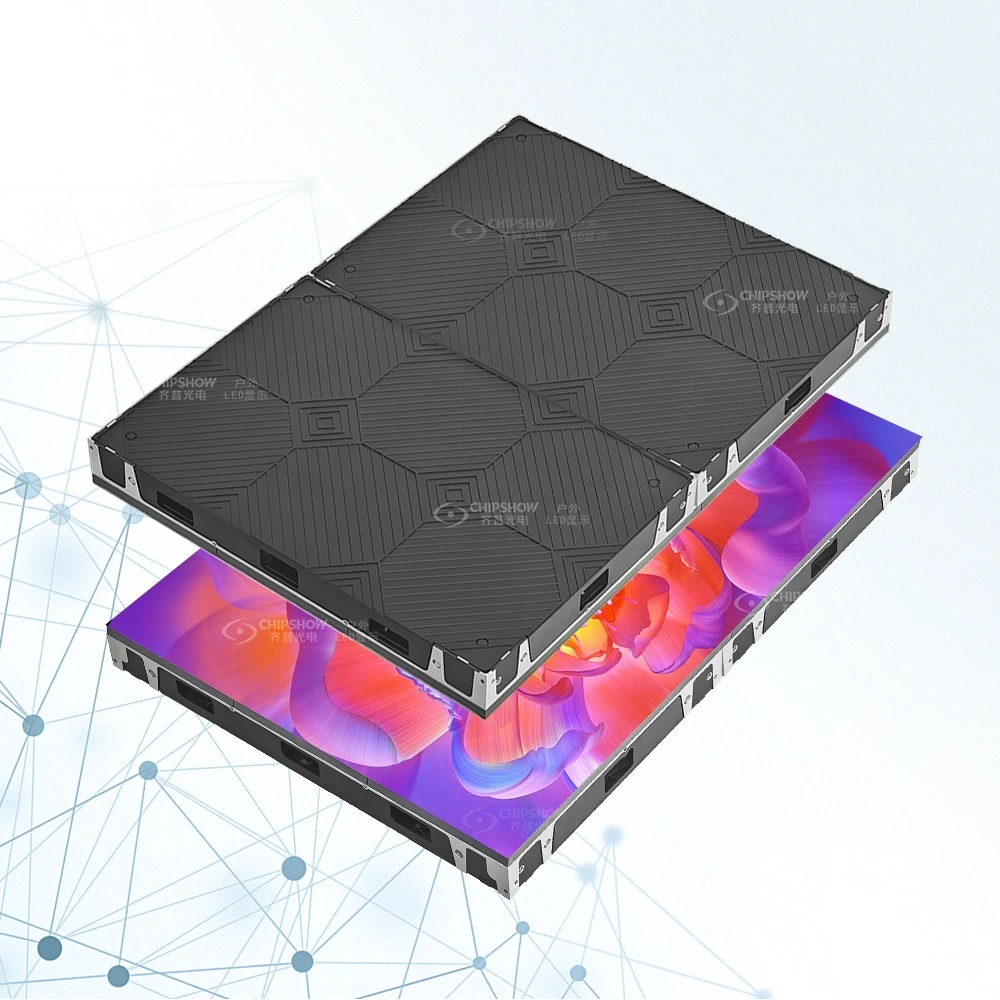
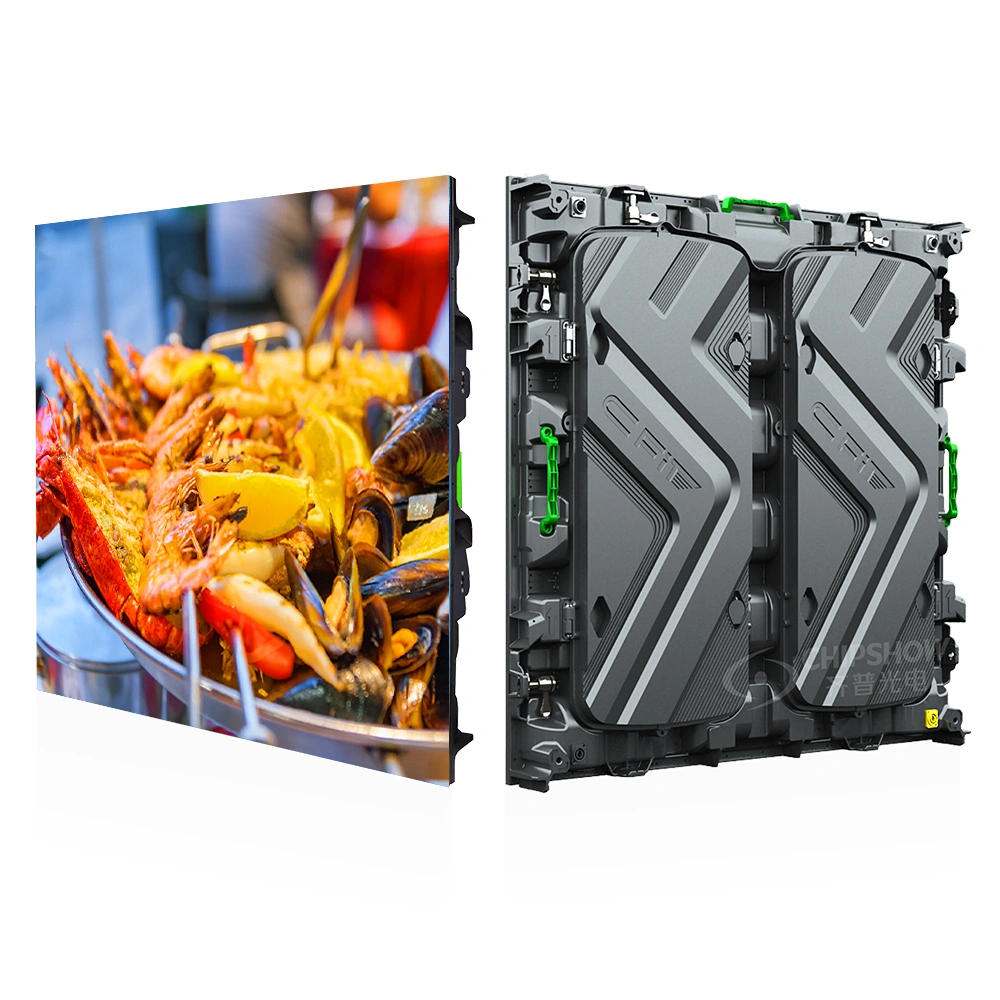
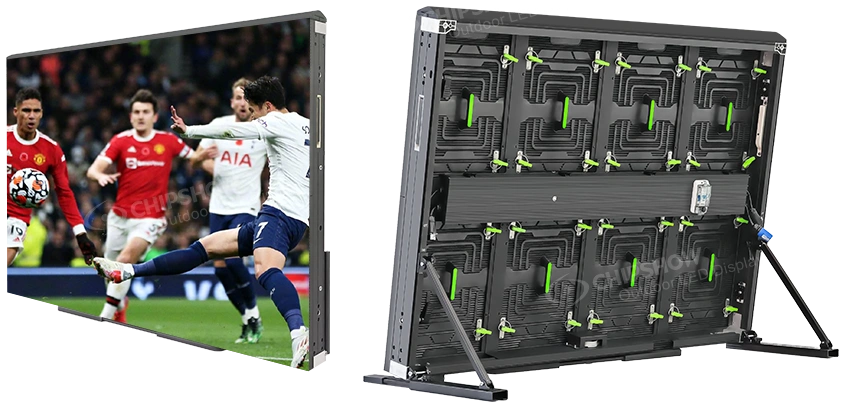
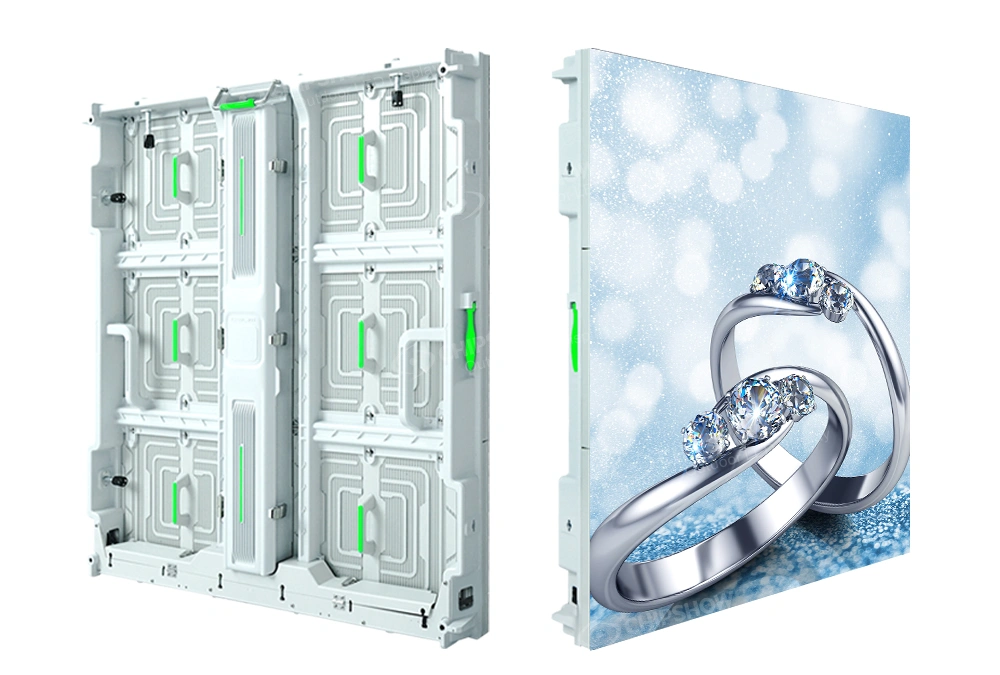
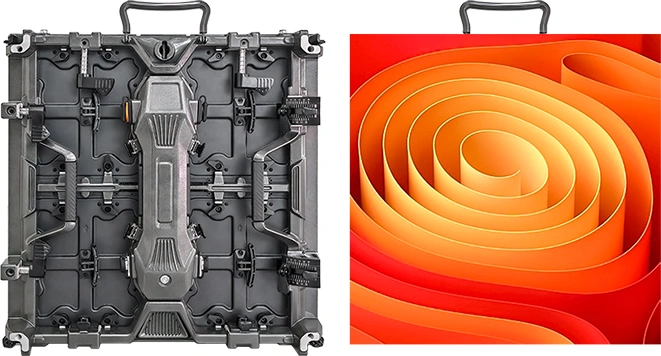
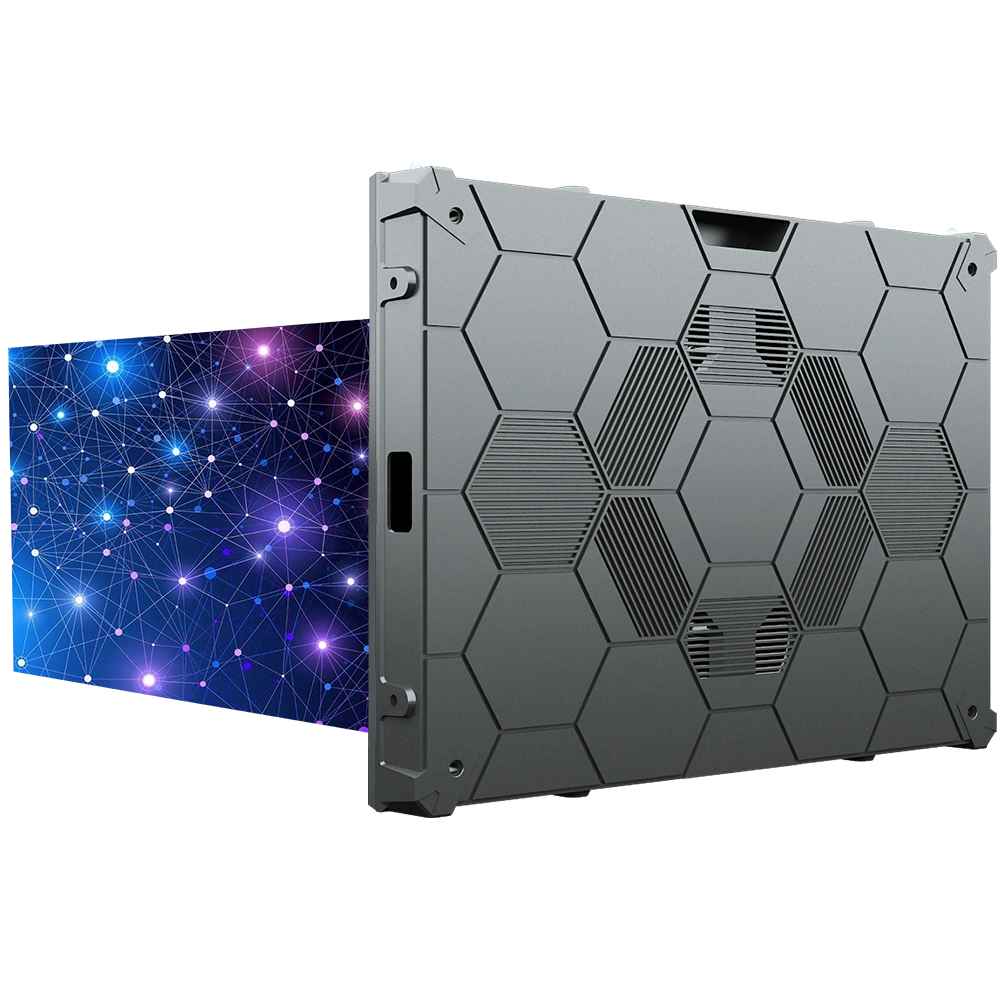
The hardware that an operator selects determines whether the sponsorship inventory is saleable—and whether the venue will approve installation. Not every outdoor LED display is designed for the specific conditions of a sports perimeter. A purpose-built system such as Chipshow’s C-Sport addresses the following requirements directly.
Broadcast-grade refresh rate is the first gate. A perimeter display that looks fine in the stadium can produce visible scan lines and rolling bars on television at refresh rates below 3,840 Hz. Slow-motion replays—the exact moments sponsors pay to occupy—are where sub-standard refresh rates become visible to the advertiser. A system that cannot deliver clean output at 3,840 Hz across every module under broadcast lighting is not commercially viable for any venue with television or streaming coverage.
Modular front-service design determines the operator’s maintenance cost structure. If a module fails during a game, the repair window is halftime. Front-access magnetic modules that allow a technician to swap a panel in under a minute without accessing the rear of the display translate directly to fewer sponsor complaints and lower per-event maintenance labour cost. In US markets where union labour rates for event-day technical staff are high, this is a material operating-expense consideration.
ETL or UL listing is the regulatory gate that determines whether the hardware can be installed at all. Most US stadium operators, college athletic departments, and municipal facility managers require permanently installed electrical equipment at field level to carry an NRTL mark. Without it, the venue’s insurance carrier may deny coverage and the local electrical inspector will not sign off. C-Sport modules carry ETL listing and FCC Part 15 compliance documentation as standard.
Athlete collision protection is the venue safety gate. Perimeter cabinets at field level must carry soft EVA foam face masks that absorb impact when a player collides with the boards. The NCAA, major professional leagues, and most state athletic associations require this as a condition of venue certification. If the hardware lacks this protection, the venue safety officer will refuse installation regardless of the commercial terms. C-Sport cabinets include integrated soft-mask protection as standard.
Domestic inventory determines deployment speed. A stadium perimeter project tied to a season-opening date cannot wait 12 weeks for international manufacturing and freight. California-stocked C-Sport inventory ships to most US destinations in under a week, eliminating the lead-time risk that derails pre-season installation schedules.
Conclusion
Stadium perimeter LED advertising is a local media sales operation that uses LED hardware as the delivery mechanism. The operator who already sells roadside billboard inventory to regional sponsors is selling to the same sponsor base; the venue changes, but the sales motion does not. The venues that represent the strongest entry points are not the largest stadiums in the country—those are already serviced by national media groups—but the college, municipal, and community facilities where a multi-year exclusive, ETL-listed hardware, and a full event calendar combine to make the investment commercially viable. Contact Chipshow’s US team for a C-Sport stadium perimeter project evaluation, including hardware specifications, compliance documentation, and California-stocked delivery timelines.
Frequently Asked Questions
Q1: Do stadium LED displays need ETL or UL listing in the US?
Yes. Most commercial stadium operators, college athletic departments, and municipal facility managers require permanently installed electrical equipment to carry an NRTL mark such as ETL or UL. The venue’s insurance carrier may deny claims involving non-listed equipment, and local electrical inspectors will not sign off without it. C-Sport carries ETL listing.
Q2: What pixel pitch works for US stadium perimeter displays?
P6–P10 for outdoor stadiums; P3–P5 for indoor arenas with closer seating. Avoid over-specifying—finer pitch than the viewing distance supports adds hardware cost without visible benefit to sponsors or spectators.
Q3: Do US venues require athlete collision protection on perimeter displays?
Yes. The NCAA and most state athletic associations require soft EVA foam face masks on field-level perimeter cabinets as a condition of venue safety certification. C-Sport includes this as standard.
Ready to scope your sign? The USA LED sign selector walks through viewing distance, format and layout in one pass.