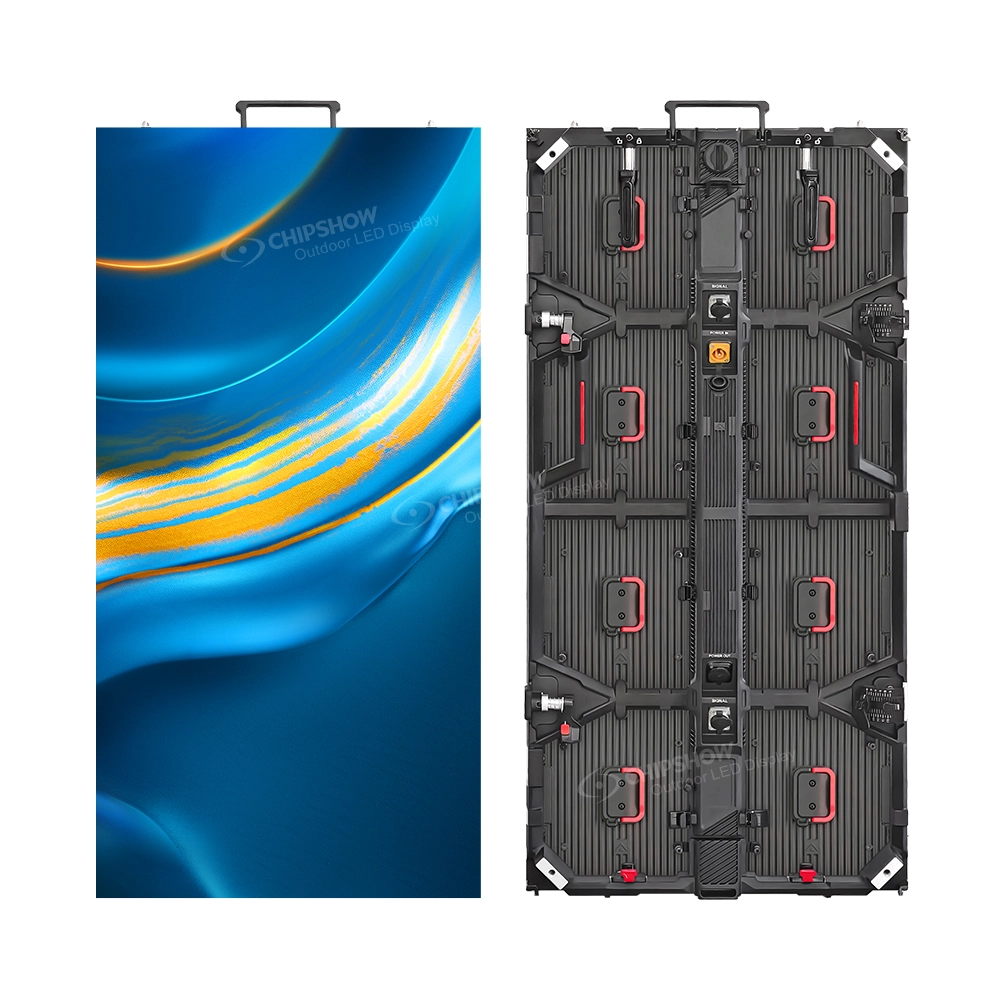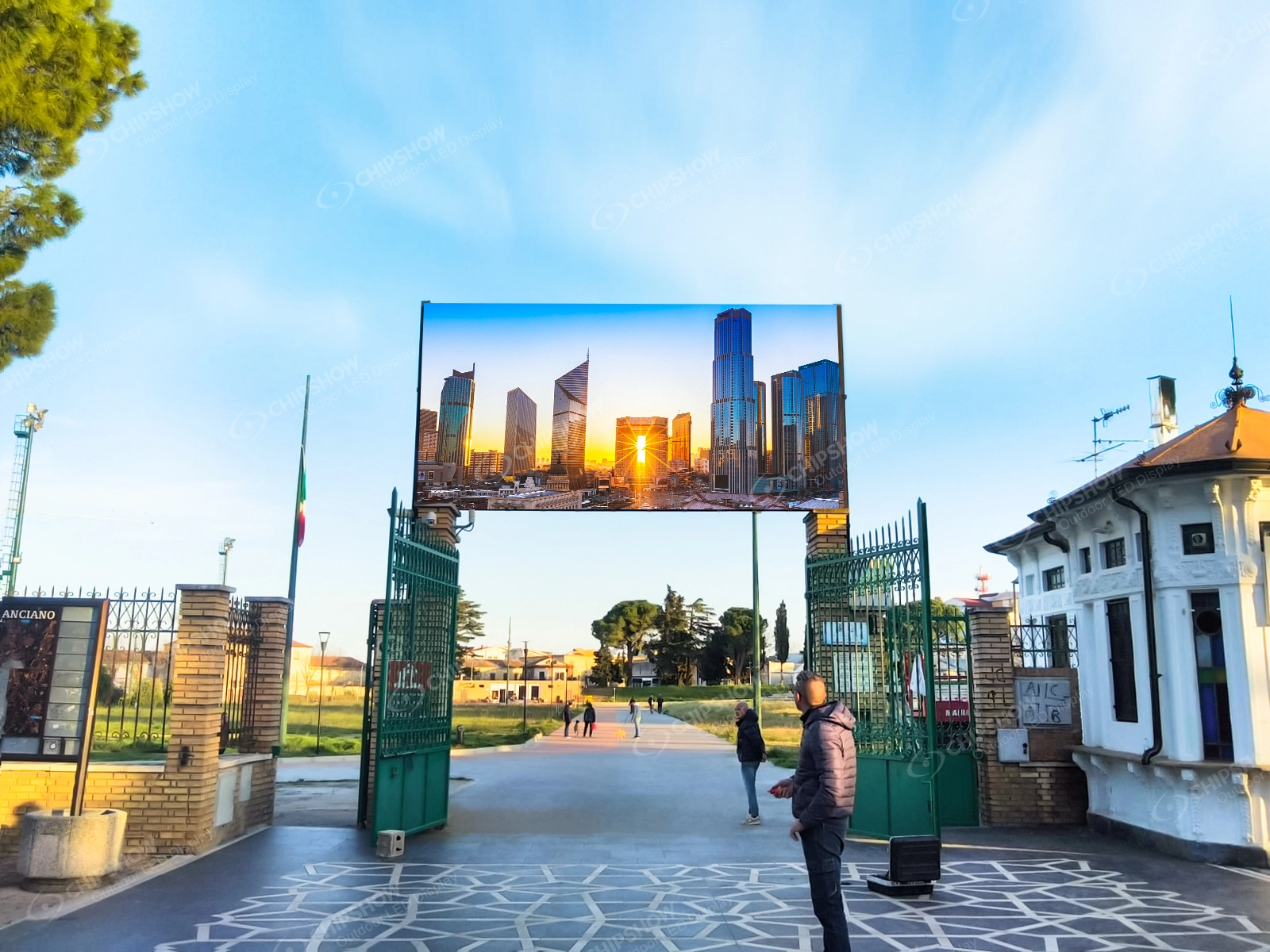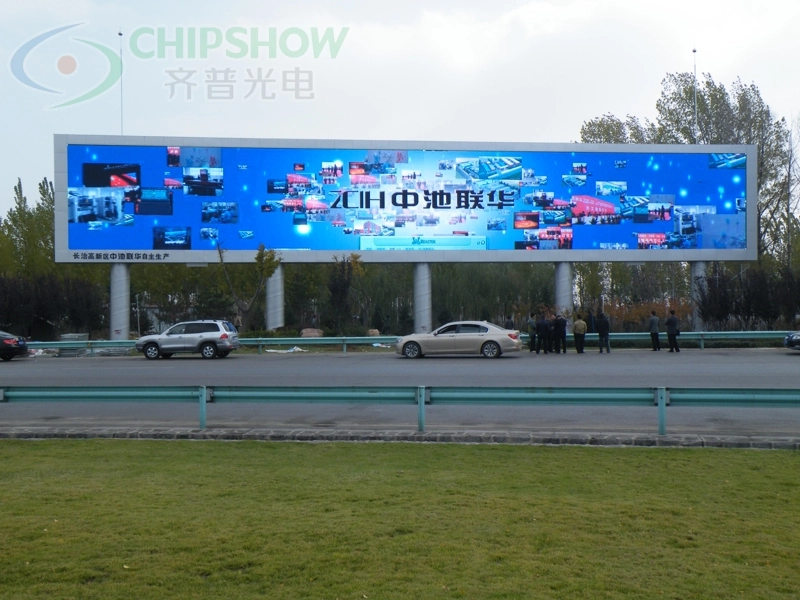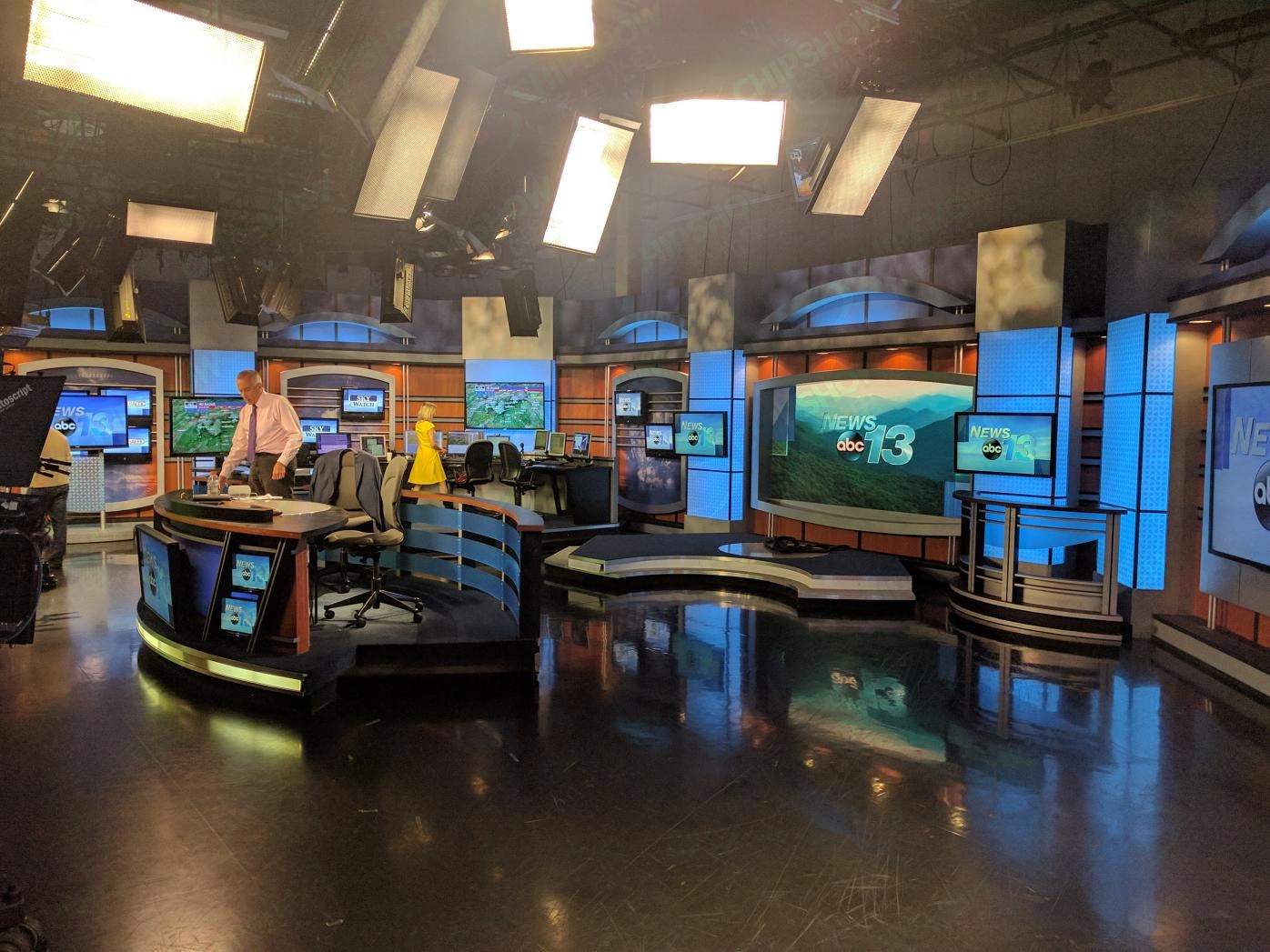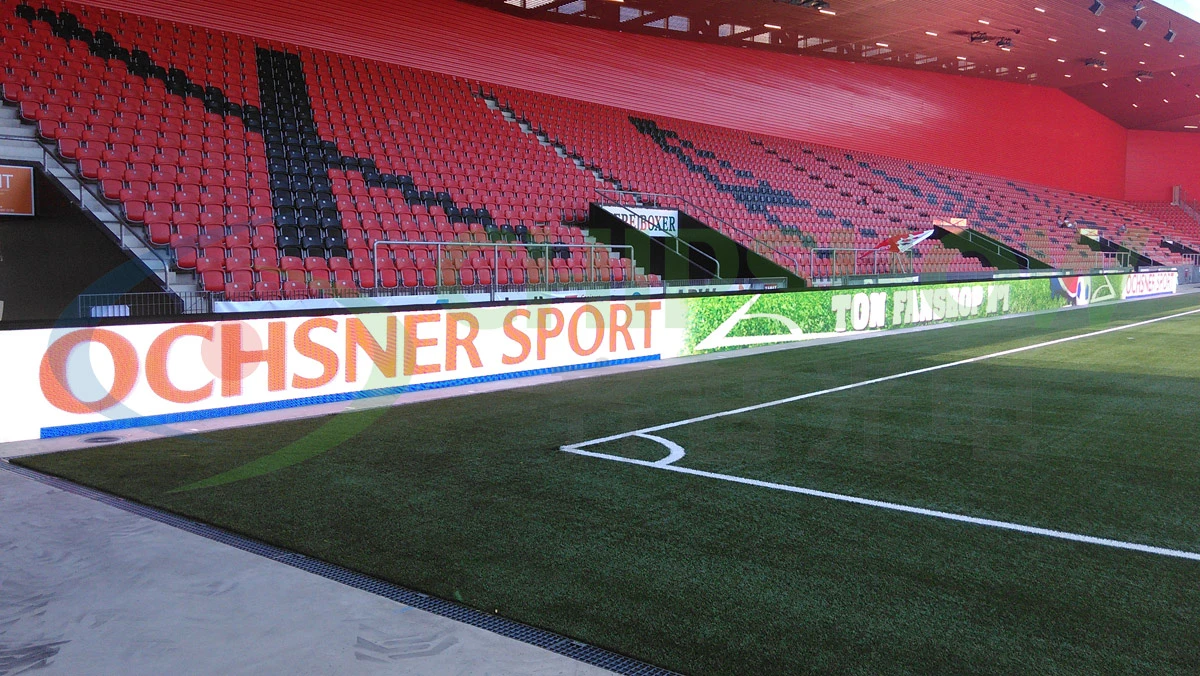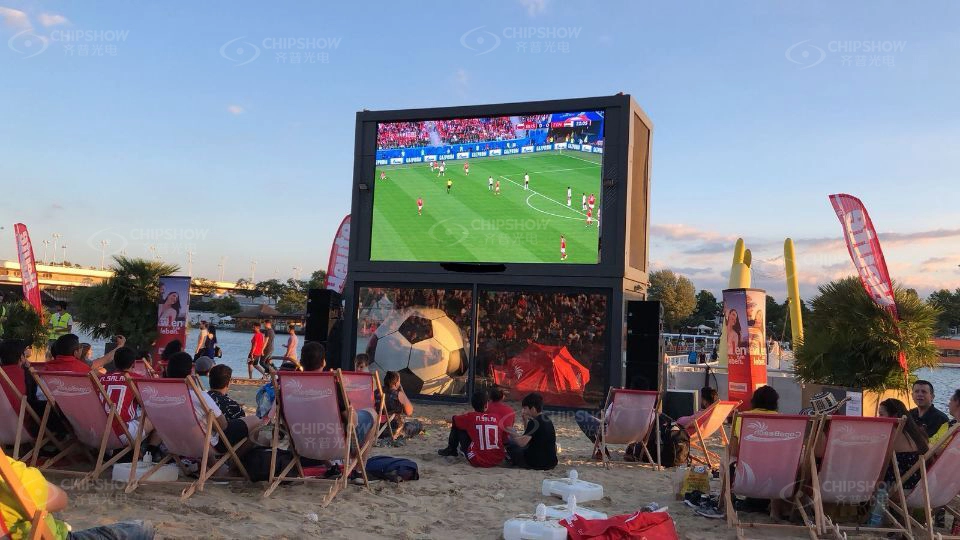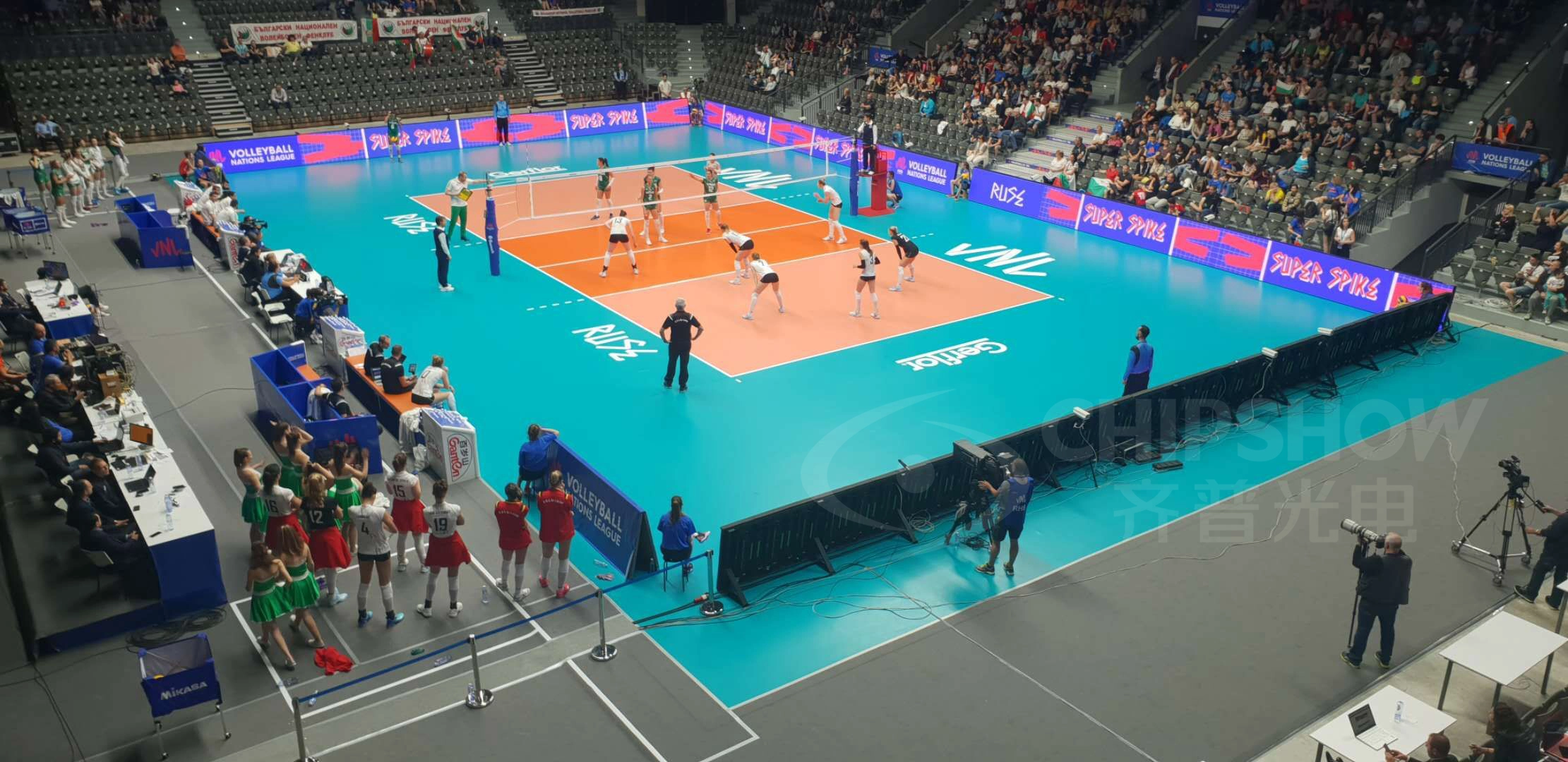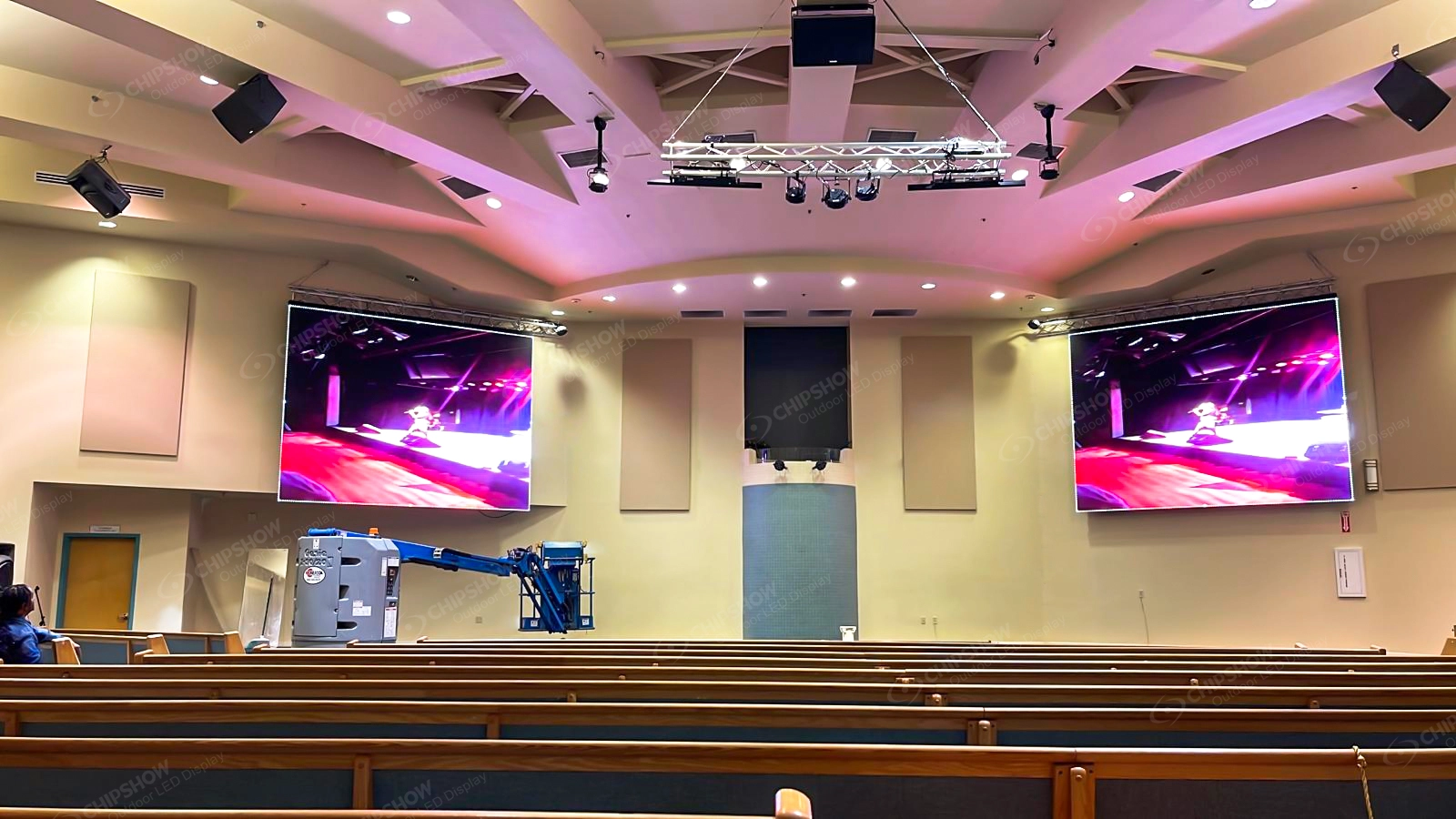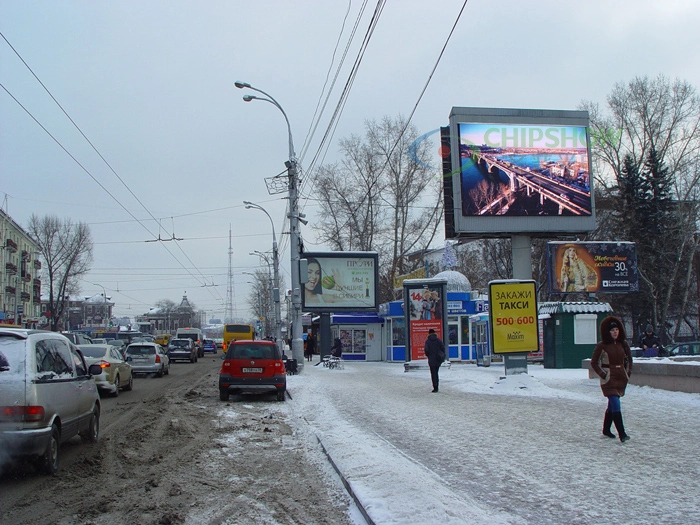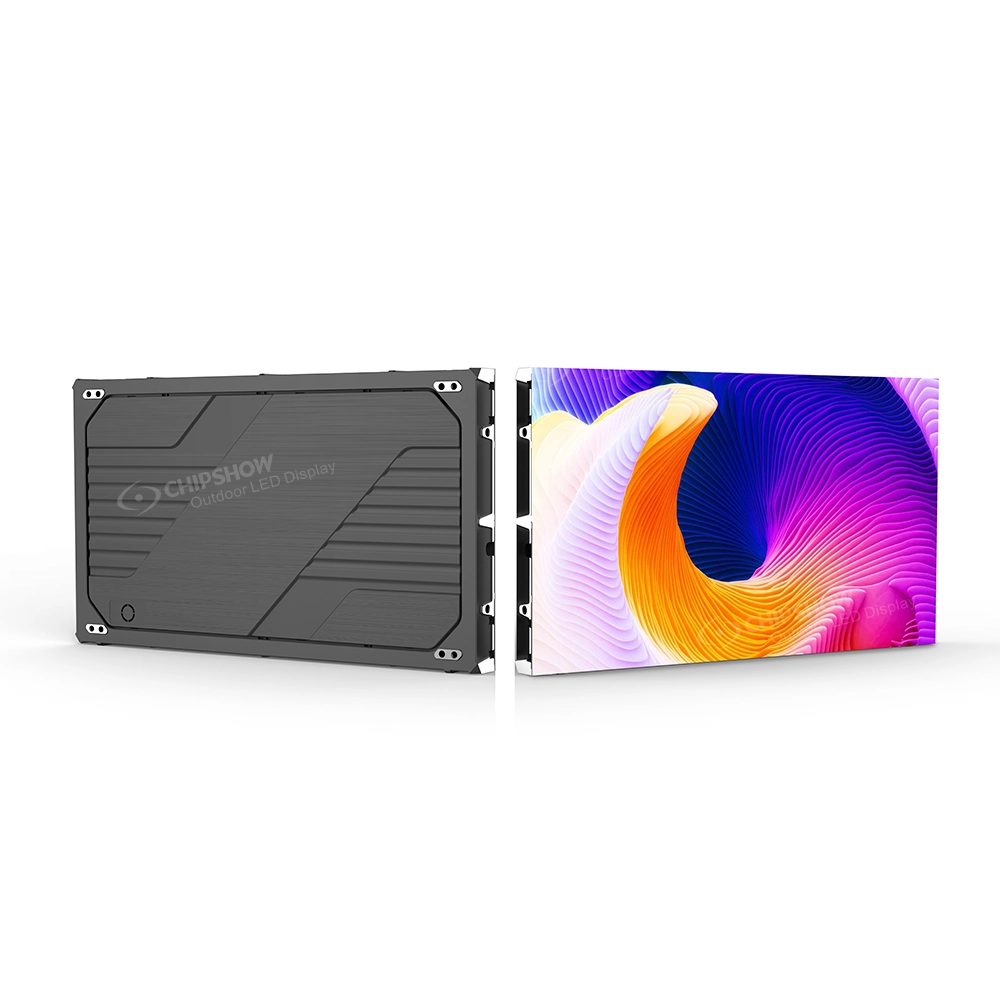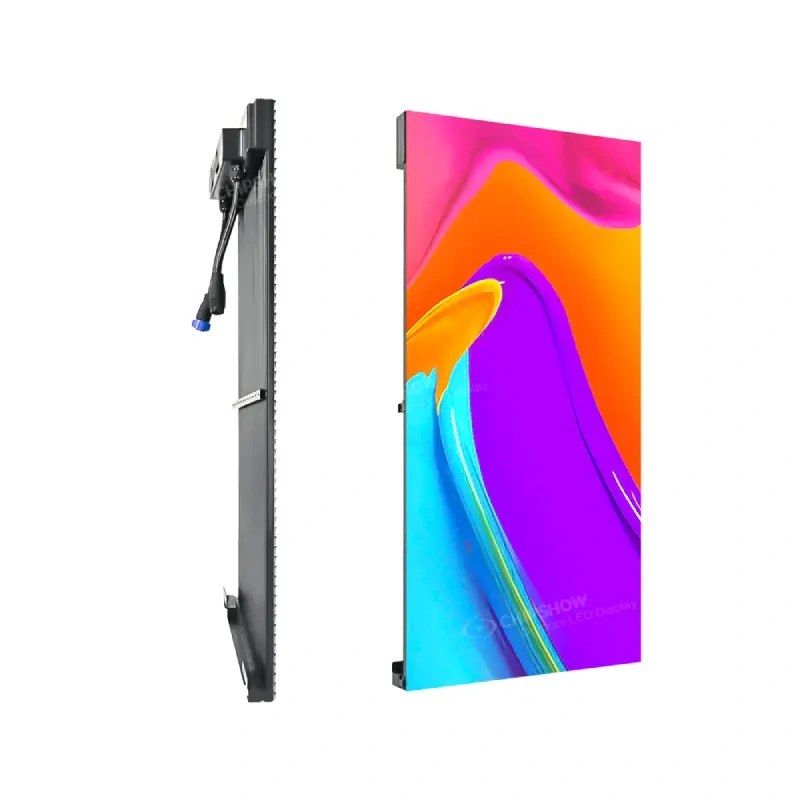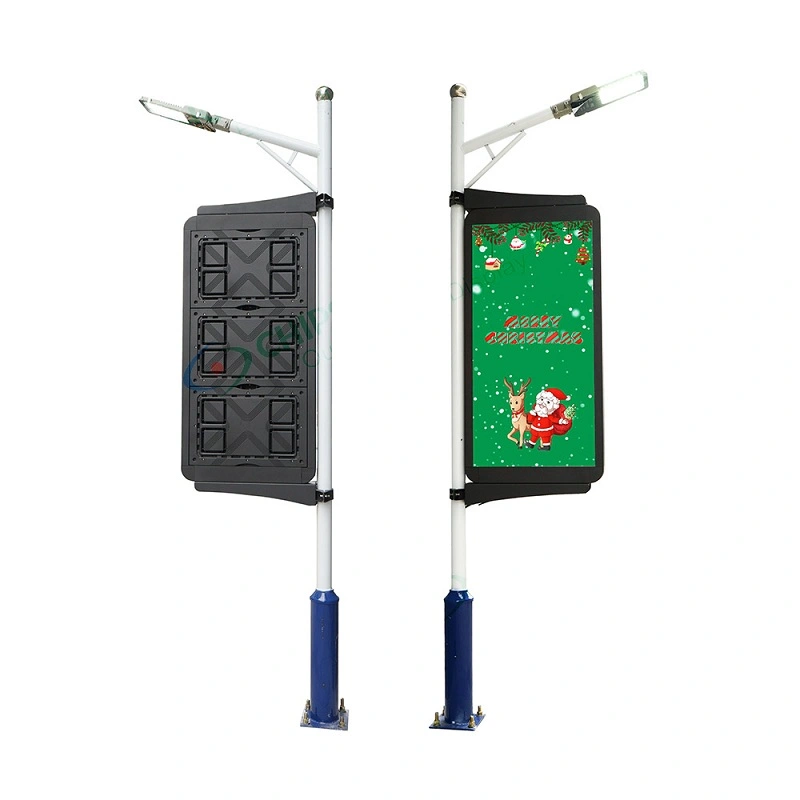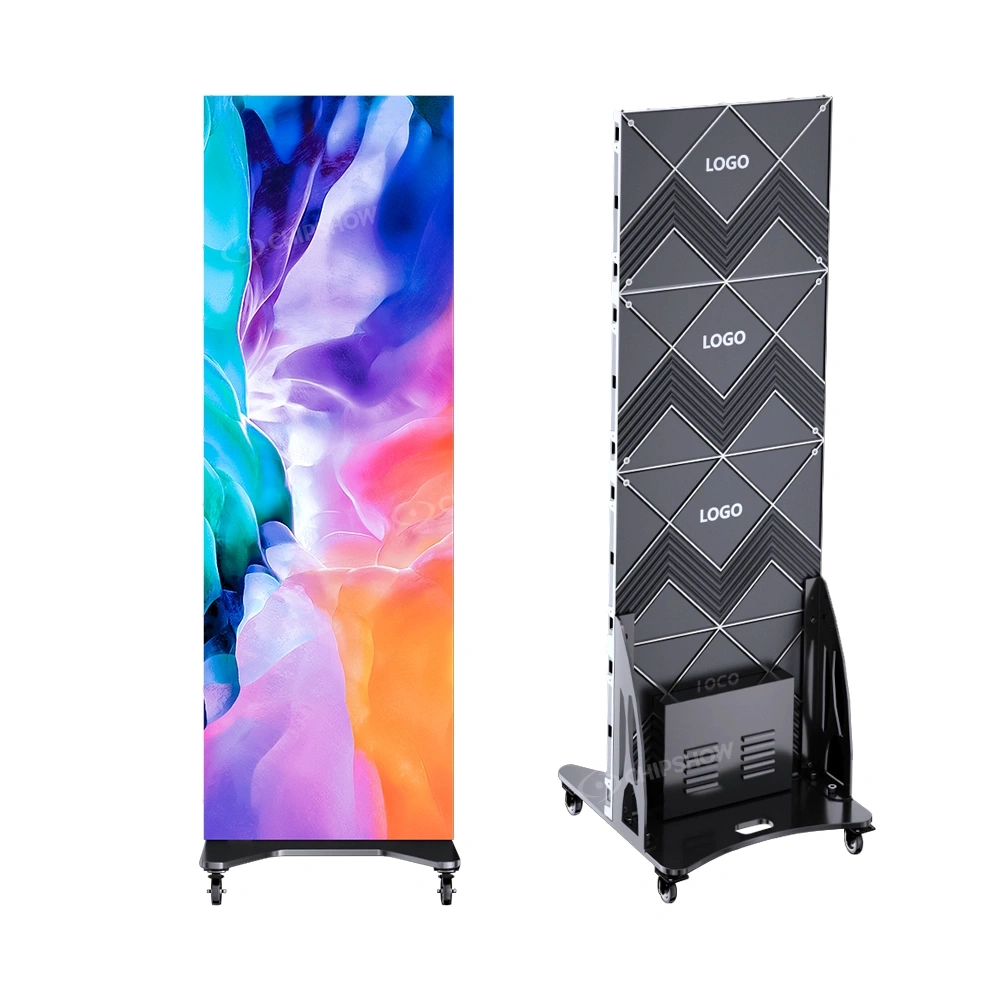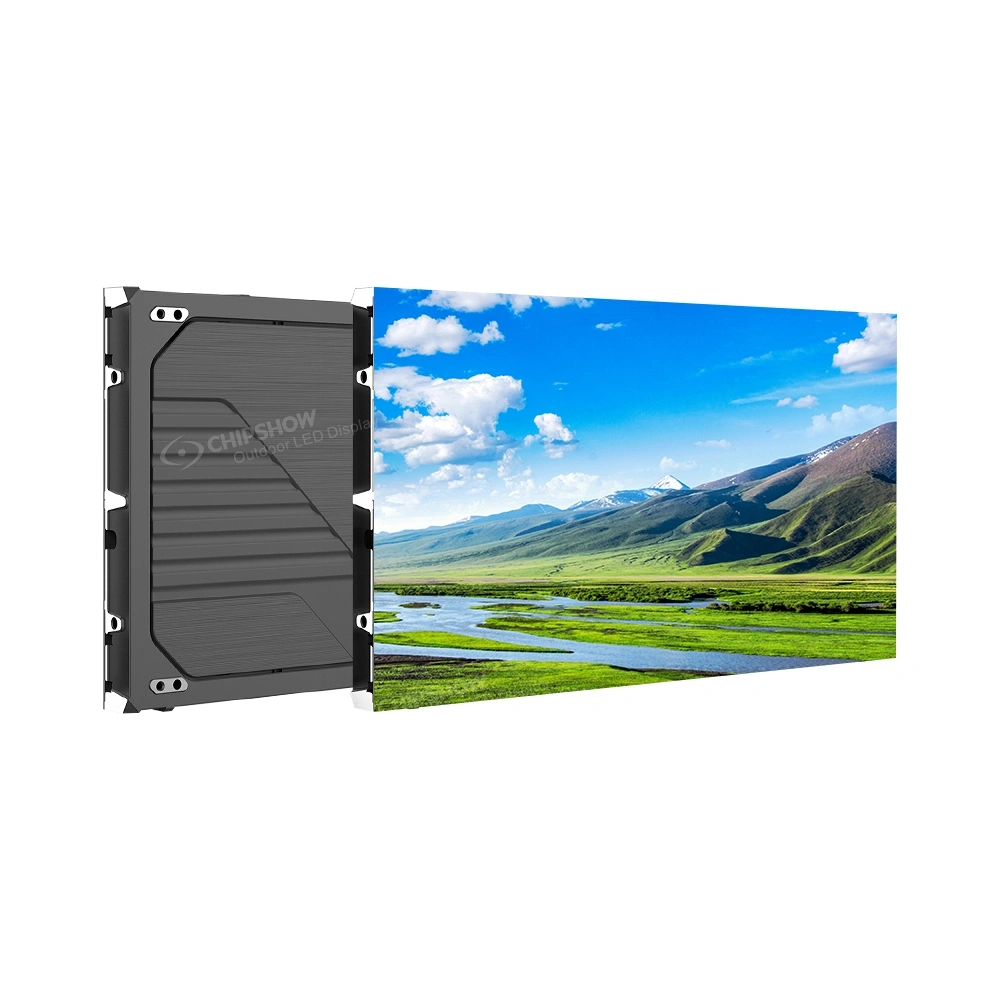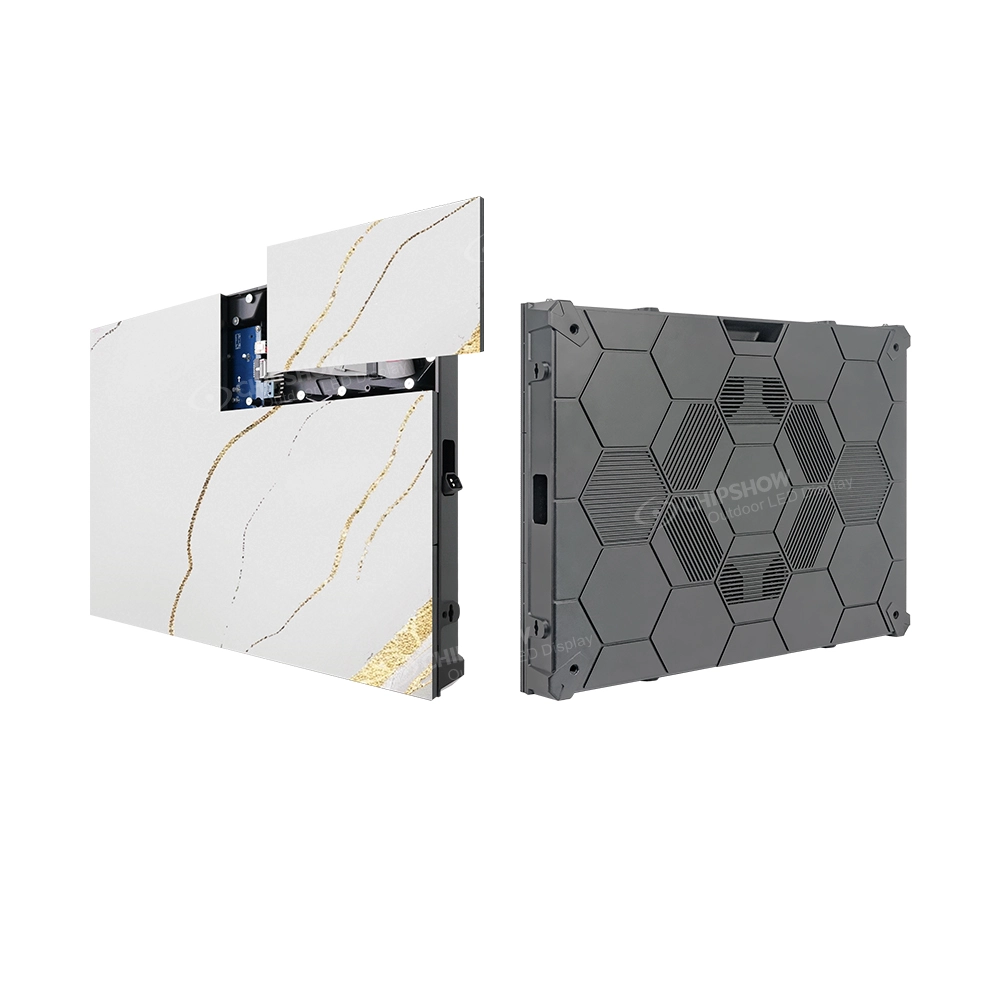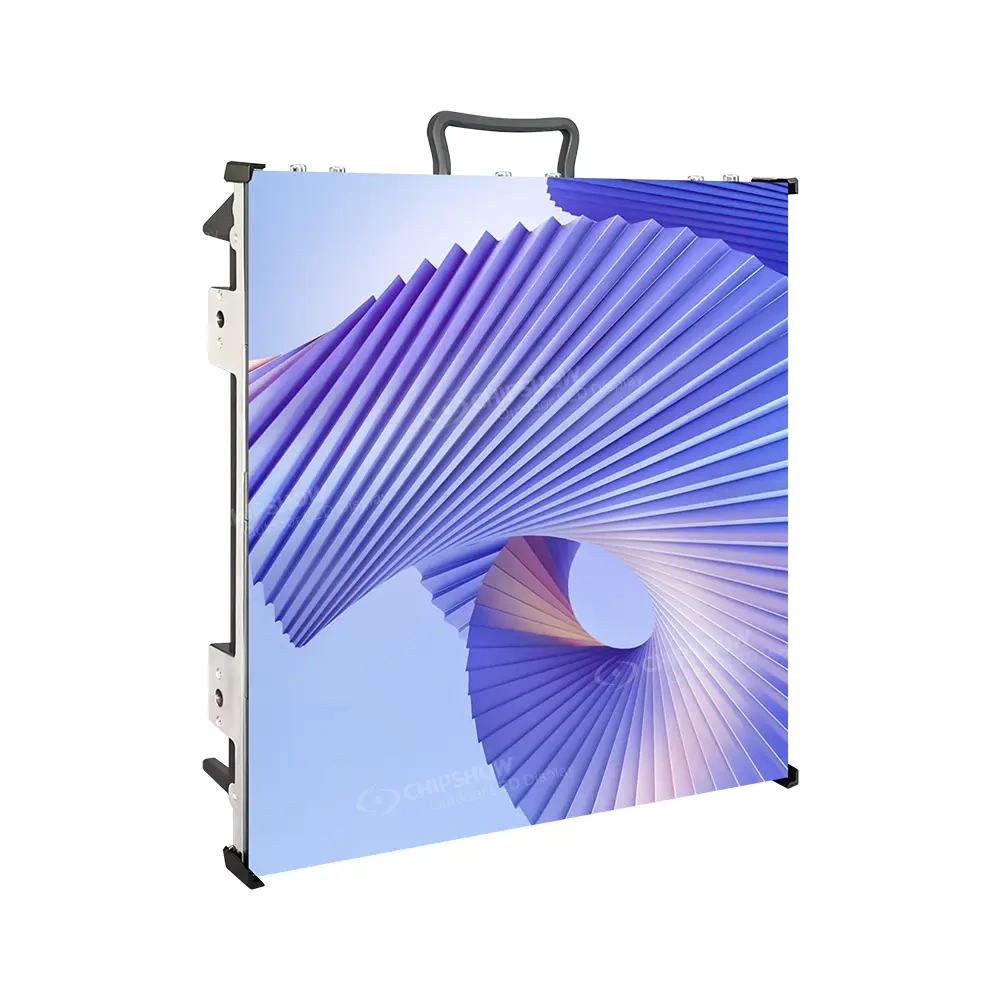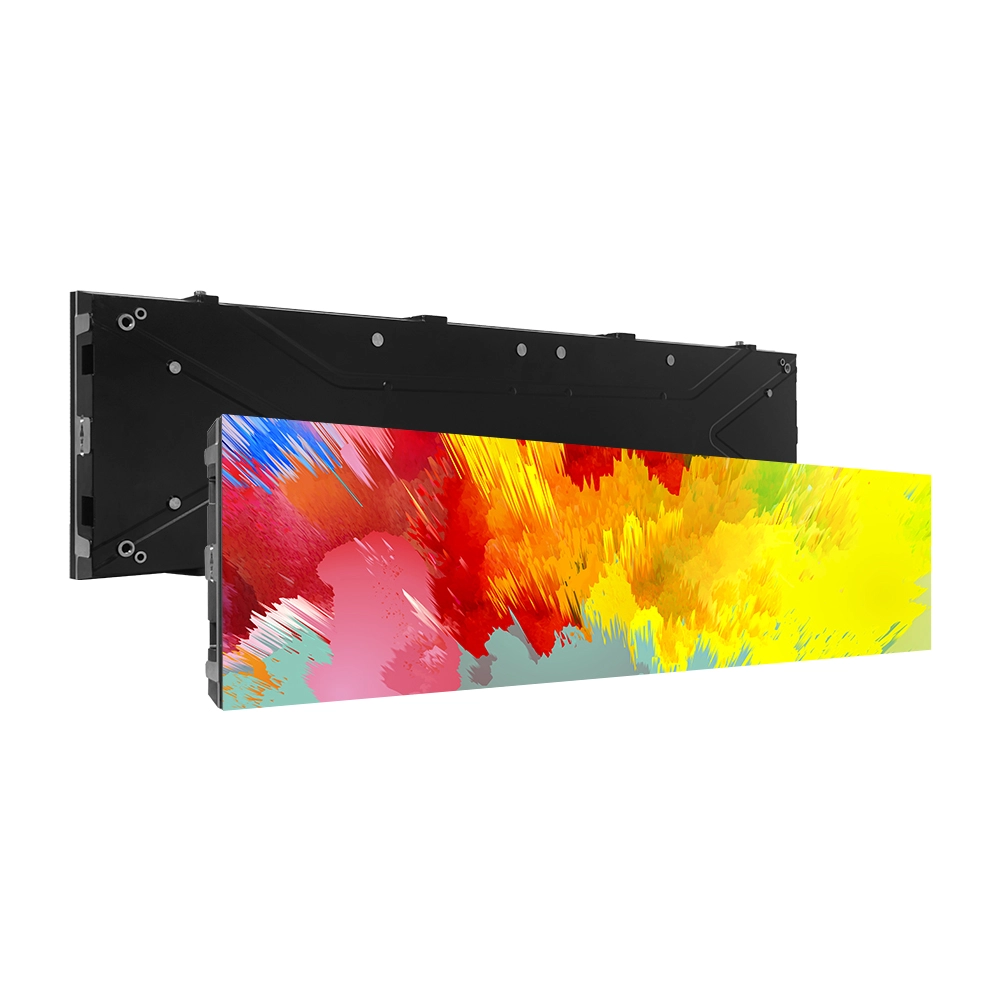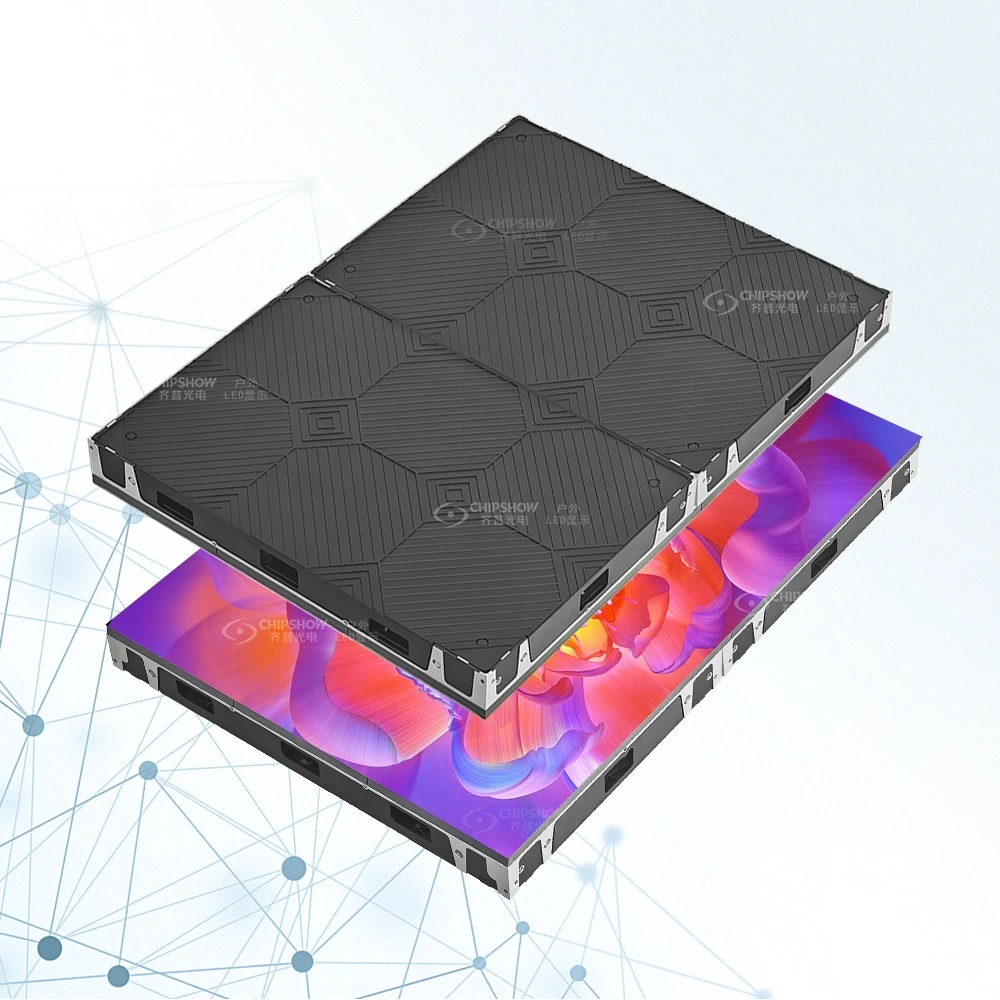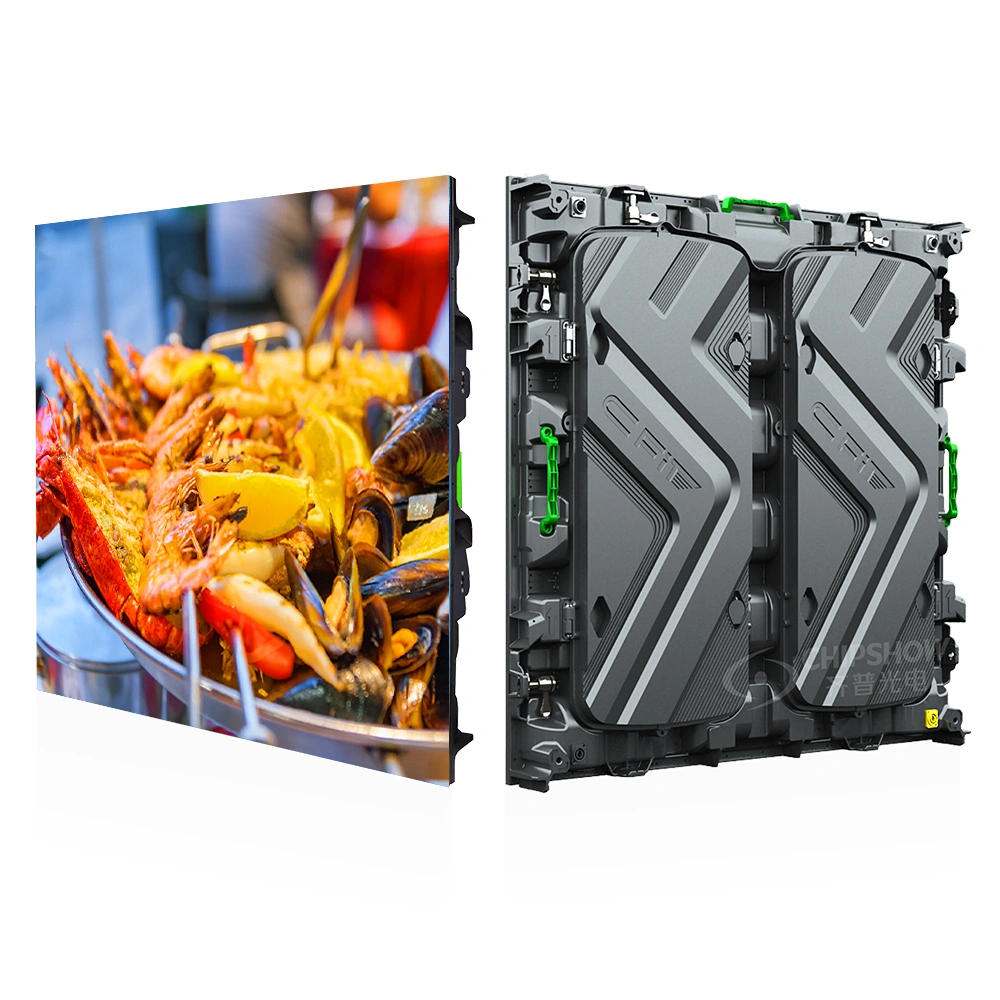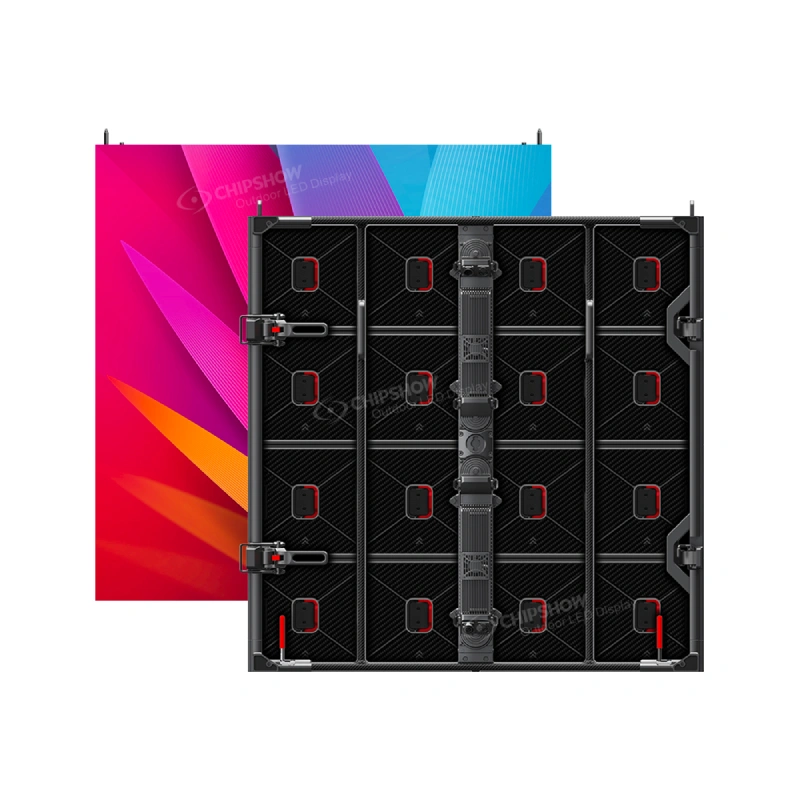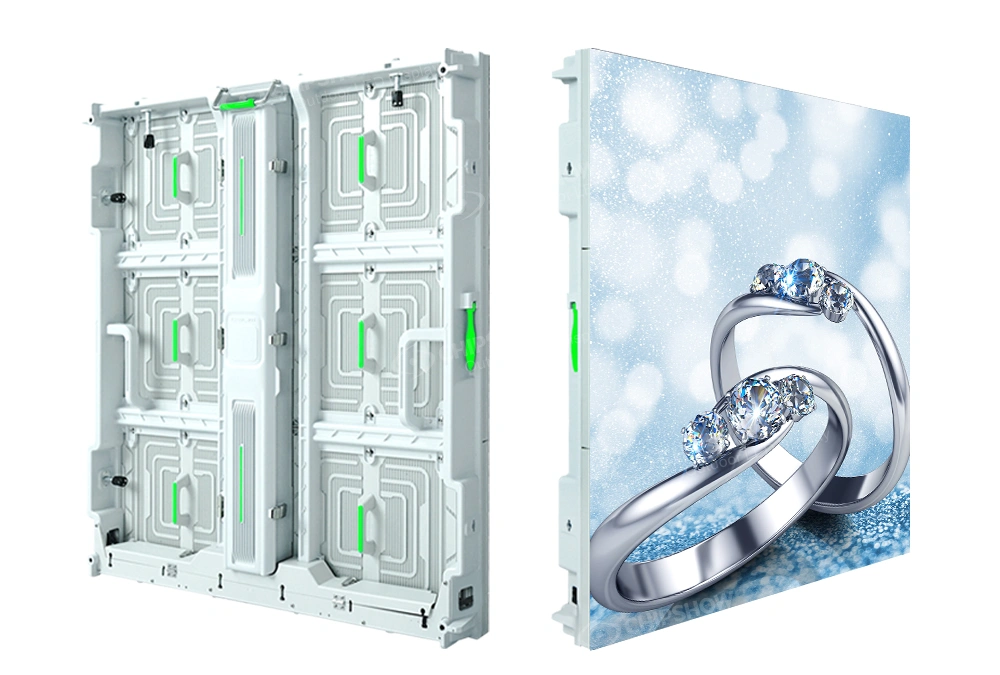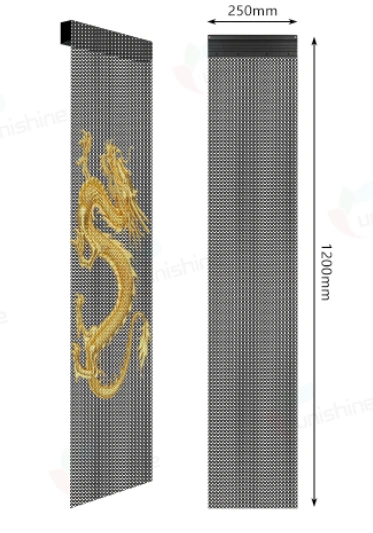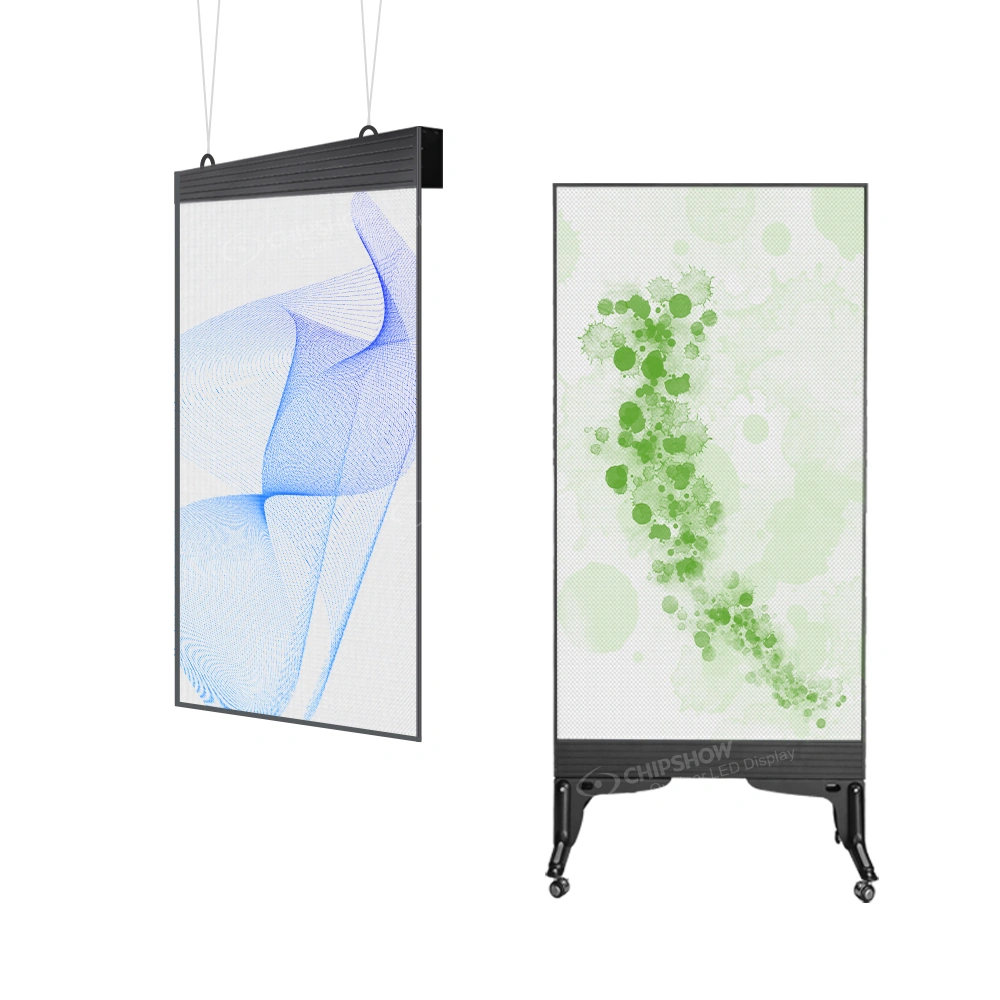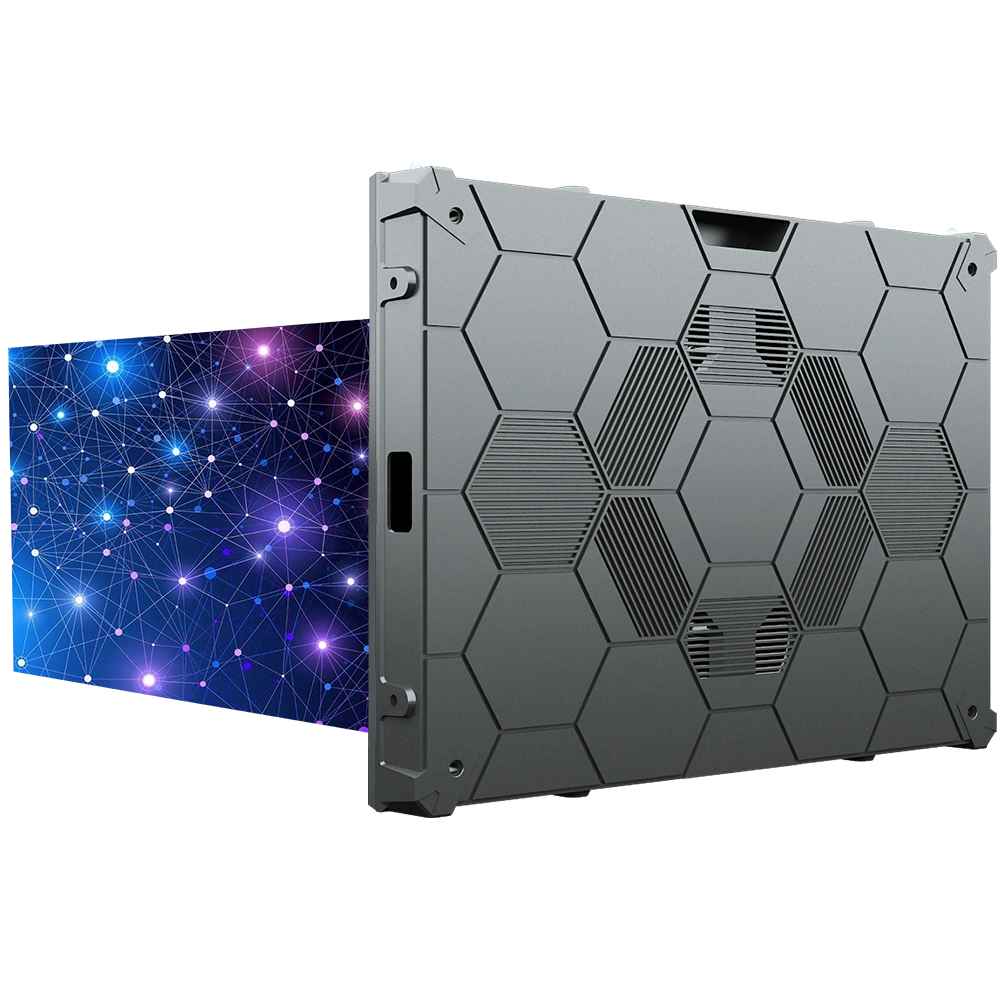
Installing an outdoor LED video screen represents a major investment for businesses across the United States and Canada. Whether you’re planning a highway digital billboard, a stadium jumbotron, a retail monument sign, or a commercial facade, the right engineering and installation approach can determine whether the screen becomes a reliable revenue generator or an ongoing maintenance challenge. North American climates — from Florida humidity and Gulf Coast storms to Canadian winters and Arizona heat — demand solutions built for real-world conditions rather than a one-size-fits-all approach.
This guide outlines the key engineering considerations, compliance requirements, and proven installation workflows that help integrators, contractors, and operators achieve long-term durability while protecting total cost of ownership (TCO) and return on investment (ROI).
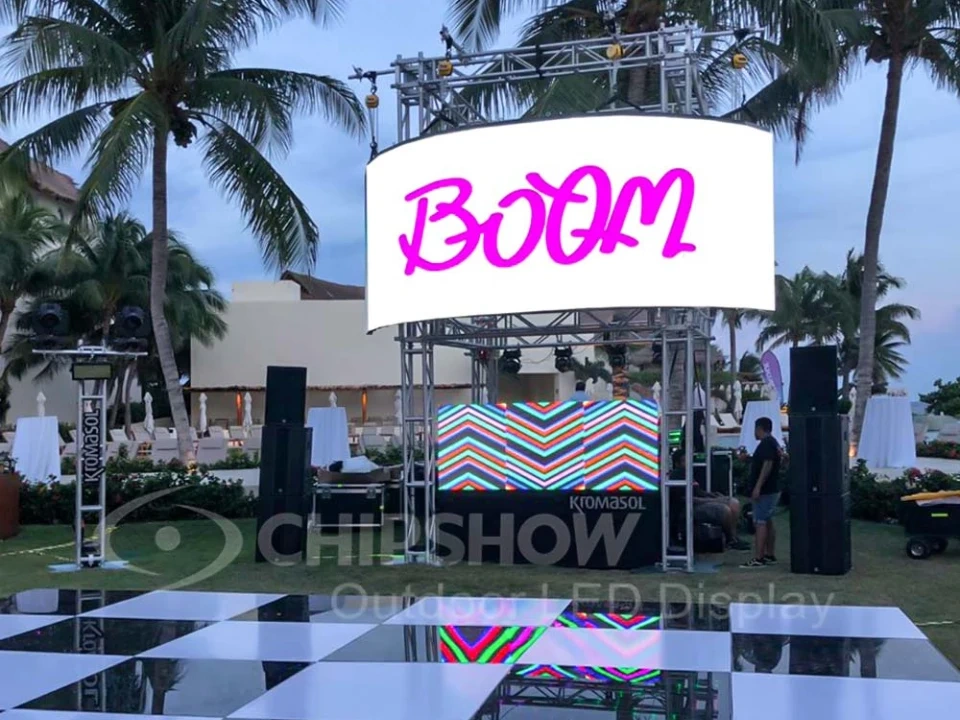
Understanding Outdoor LED Displays Panel in the North American Market
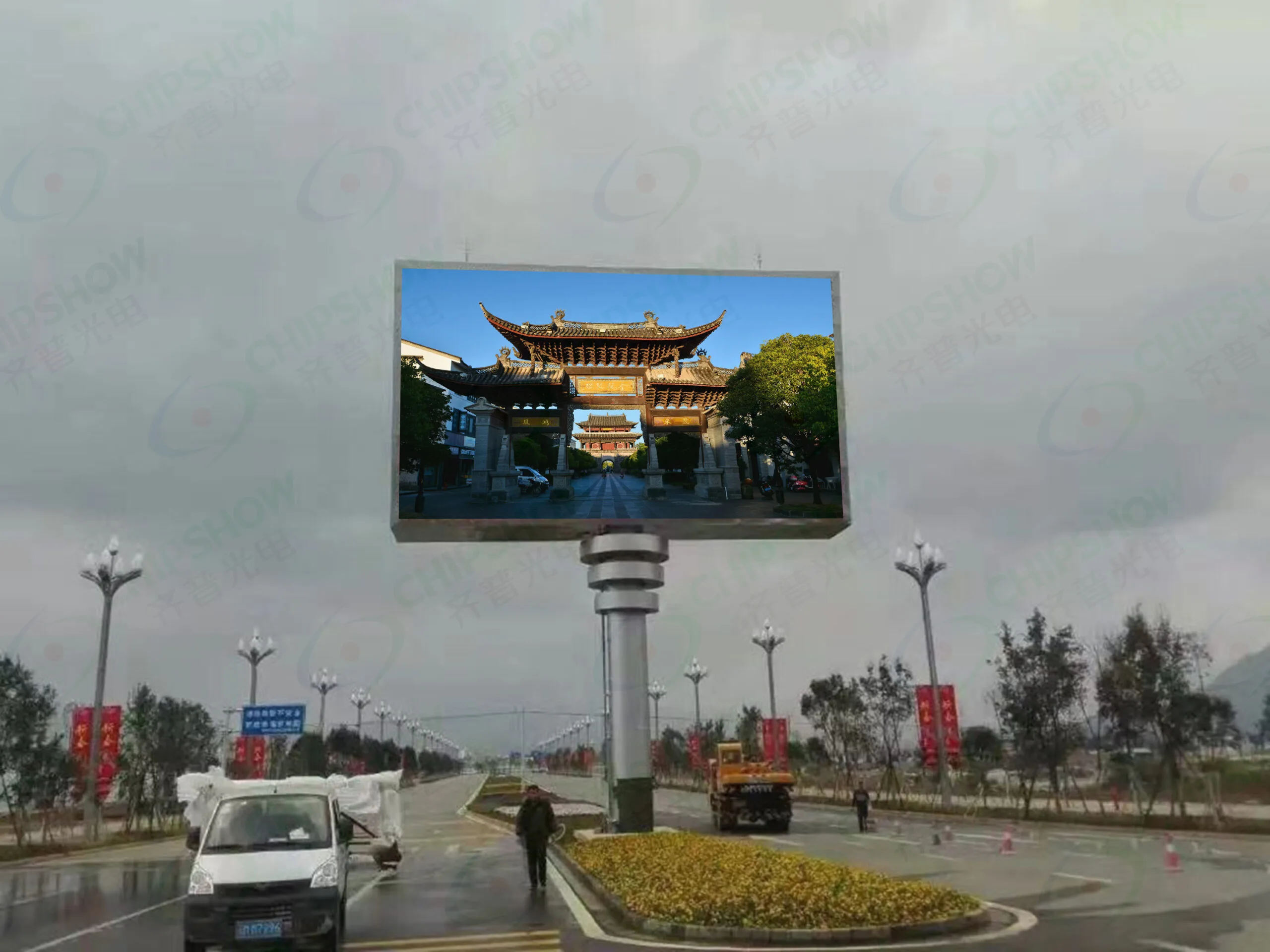
An outdoor advertising screens is a purpose-built, weather-resistant visual system designed to deliver clear, high-impact content in uncontrolled environments. Unlike indoor video walls, these screens must maintain visibility in direct sunlight (often exceeding 10,000 foot-candles), resist rain, snow, wind, and temperature swings, and comply with local electrical and structural codes.
Common applications in North America include:
- DOOH advertising — highway billboards and urban digital signage
- Sports & entertainment — stadium jumbotrons and arena screens
- Commercial real estate — mall facades and corporate plazas
- Public information — traffic variable message signs (VMS) and transit hubs
Selecting the right system starts with matching the display’s capabilities to your site-specific challenges and business goals.
Key Technical Considerations for North American Conditions
Successful outdoor jumbotron screen installation begins long before the first cabinet is lifted. The following factors address the most common pain points for North American projects.
Thermal Management
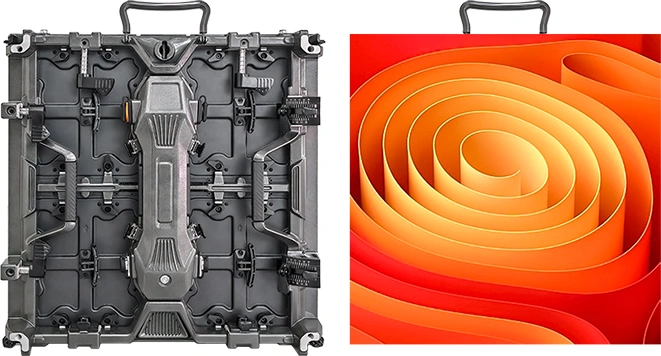
LED electronics are sensitive to heat. In desert or high-heat regions, internal cabinet temperatures can rise quickly. Look for designs that combine efficient heat sinks, magnesium alloy construction, and smart sensors that automatically adjust brightness or activate cooling when needed. Passive or controlled airflow systems help maintain performance without excessive energy use.
Environmental Protection & IP Ratings
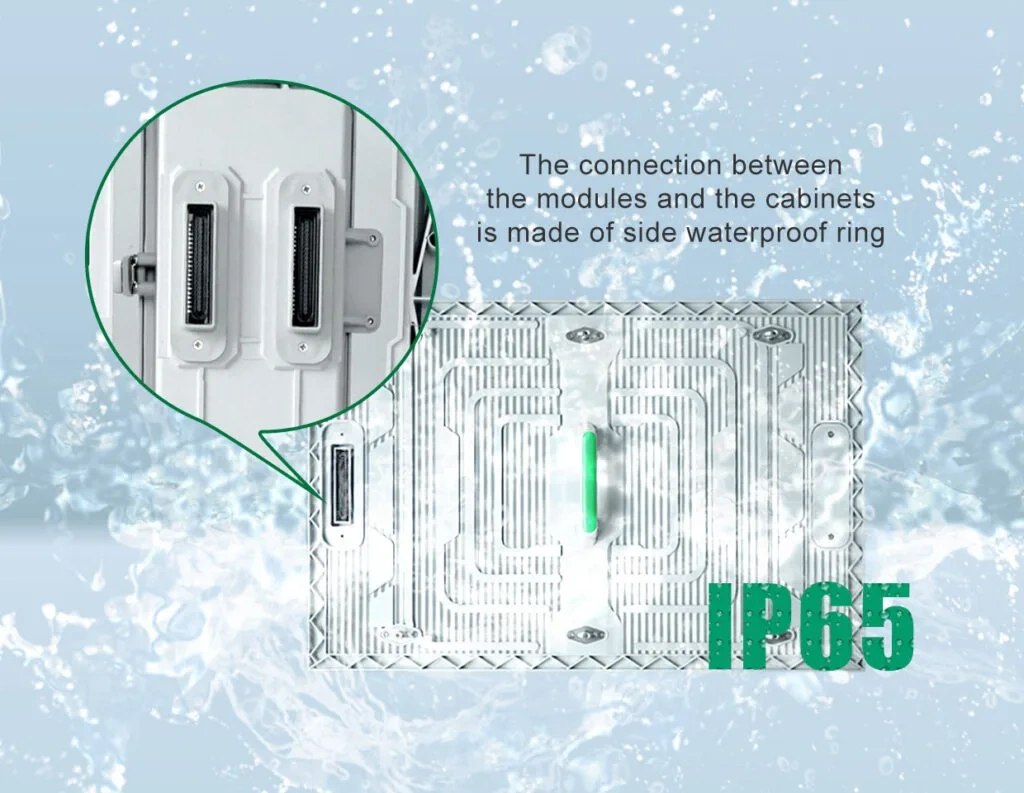
IP65 remains the baseline for most outdoor installations, providing protection against dust and low-pressure water jets. In coastal or flood-prone areas (such as the Gulf Coast or Pacific Northwest), IP66 or IP67 ratings offer added peace of mind. Many quality systems also reference NEMA standards for additional enclosure integrity.
Marine-grade aluminum or magnesium alloy cabinets can further resist salt-air corrosion — a frequent issue in Florida, California, and along the Atlantic seaboard.
Brightness & Sunlight Readability
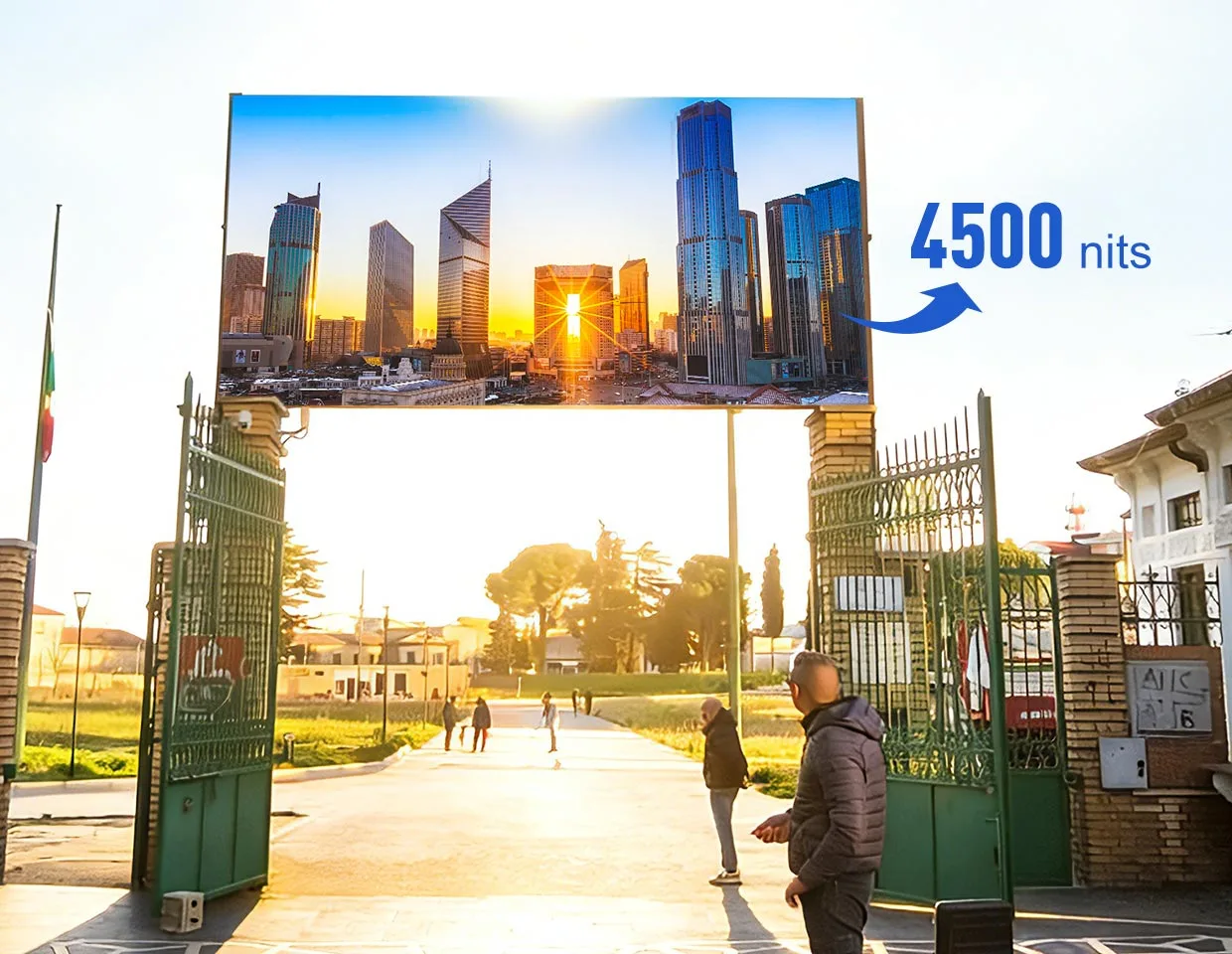
A minimum of 5,500 nits is generally recommended for reliable daytime visibility. Premium systems offering up to 14,000 nits (with selectable modes) provide greater headroom against light degradation over time. Automatic brightness control is essential — it not only improves energy efficiency but also helps meet local light-pollution ordinances and reduces glare complaints from nearby residents.
Structural Engineering & Wind Load
A large billboard can experience significant wind forces. Most jurisdictions require a structural engineer’s stamp confirming the mounting design can handle 90–120 mph gusts (or higher in hurricane zones). Hot-dipped galvanized or stainless-steel hardware helps prevent rust and long-term facade damage.
Electrical Safety & Compliance
North American installations must follow the National Electrical Code (NEC). UL or ETL certification is typically required for commercial projects and helps protect your insurance coverage. Surge protection (Type 2 SPDs) and proper grounding are strongly advised, especially since elevated screens can act as lightning attractors.
Choosing the Right Pixel Pitch for Viewing Distance
Pixel pitch directly affects clarity and cost. A practical “Rule of 10” guideline (viewing distance in feet ≈ 10 × pixel pitch in mm) is widely used in the U.S. market:
| Pixel Pitch | Minimum Viewing Distance | Typical Applications |
| P3.9 | ~13 ft | Street-level retail, close-up signage |
| P6.6 | ~22 ft | Mall facades, parking structures |
| P10 | ~33 ft | Standard billboards, church signs |
| P16 | ~52 ft | Highway displays, high-rise facades |
Larger pitches are often more budget-friendly for long-distance viewing, while finer pitches deliver sharper images at closer range.
Step-by-Step led outdoor video display Installation Workflow
A disciplined process helps avoid costly delays and rework.
Step 1: Permitting & Zoning
Review local signage ordinances early. Many municipalities regulate message duration, luminance levels, and overall size. The permitting phase can take 4–12 weeks.
Step 2: Foundation & Structural Work
For monument signs or pole-mounted billboards, footings must extend below the local frost line (critical in northern states and Canada). Reinforced concrete and properly torqued anchor bolts provide the necessary stability.
Step 3: Electrical & Data Infrastructure
Run 240V/208V power and fiber/CAT6 data lines in weather-tight conduits. Shielded cabling helps protect against electromagnetic interference.
Step 4: Cabinet Rigging & Alignment
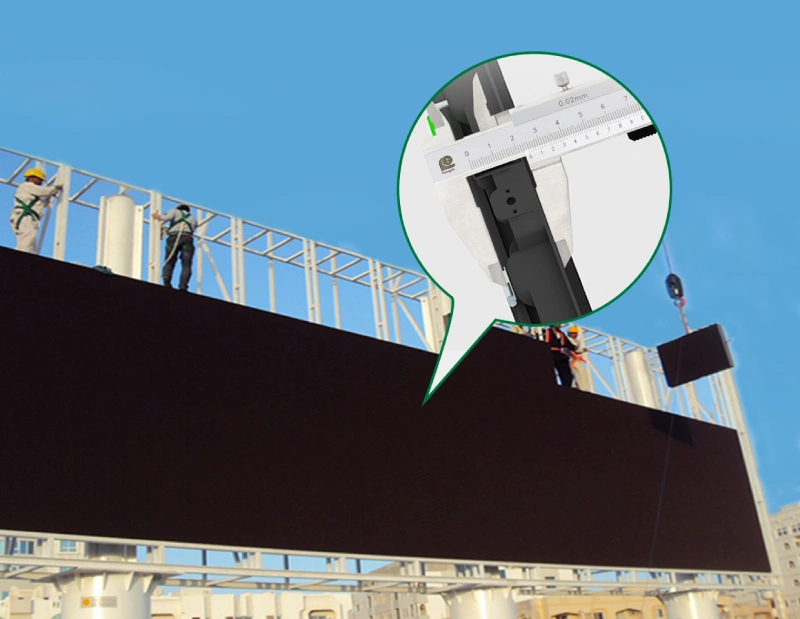
Use a crane or hoist to position cabinets. Lightweight designs (such as magnesium-alloy or carbon-fiber cabinets) can reduce crane rental time and labor costs by up to 30 %. Laser leveling ensures the first row is perfectly plumb — even small errors compound over height.
Step 5: System Integration & Commissioning
Connect the controller (NovaStar or Colorlight-compatible systems are popular for serviceability). Map the screen layout and verify signal integrity.
Step 6: Calibration & Burn-In
Run a 24–48 hour full-white burn-in to identify any early failures before handover.
Maintenance Strategies That Protect Your Investment
High North American labor rates make serviceability one of the most important factors in TCO.
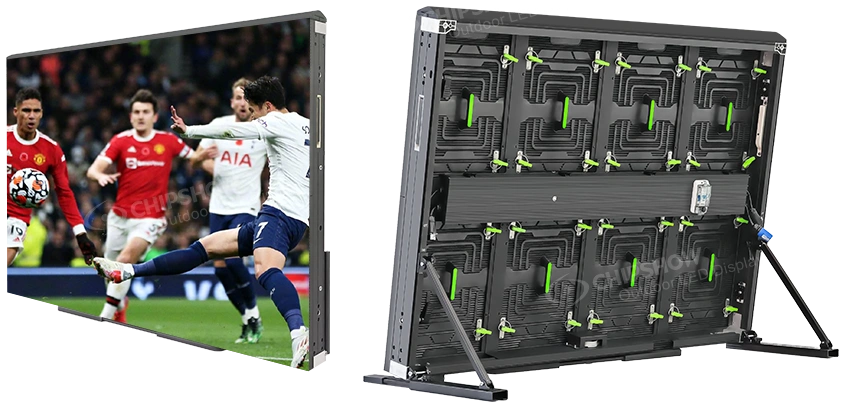
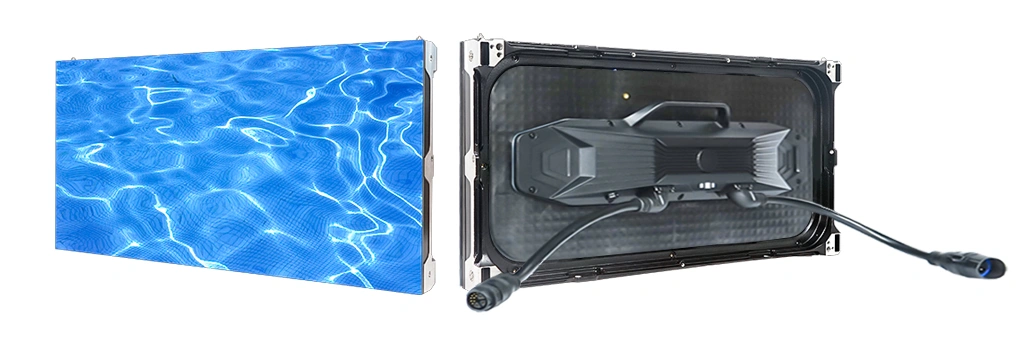
Front-service designs allow technicians to replace modules, power supplies, or receiving cards from the front face — eliminating the need for scaffolding or rear-access corridors in tight urban or high-rise locations. Remote monitoring platforms can send alerts for power-supply issues or overheating, enabling proactive maintenance instead of emergency repairs.
Regular cleaning and firmware updates further extend lifespan and maintain brightness consistency.
Conclusion: Building for the Long Term
A well-engineered outdoor LED digital billboard installation is both a technical and financial decision. By prioritizing NEC compliance, proper wind-load engineering, front-service accessibility, and high-nit longevity, you create an asset that performs reliably for years while supporting strong ROI.Chipshow specializes in North America-ready solutions engineered for lighter weight, easier maintenance, and weather resistance — with local warehousing that helps keep project timelines on track. Working with an experienced manufacturer and certified installer remains one of the best ways to ensure your installation meets today’s codes and tomorrow’s performance expectations.
Ready to scope your sign? The USA LED sign selector walks through viewing distance, format and layout in one pass.