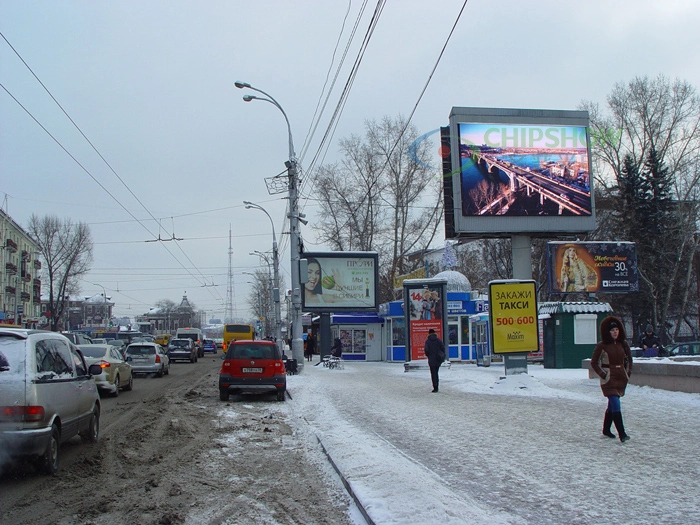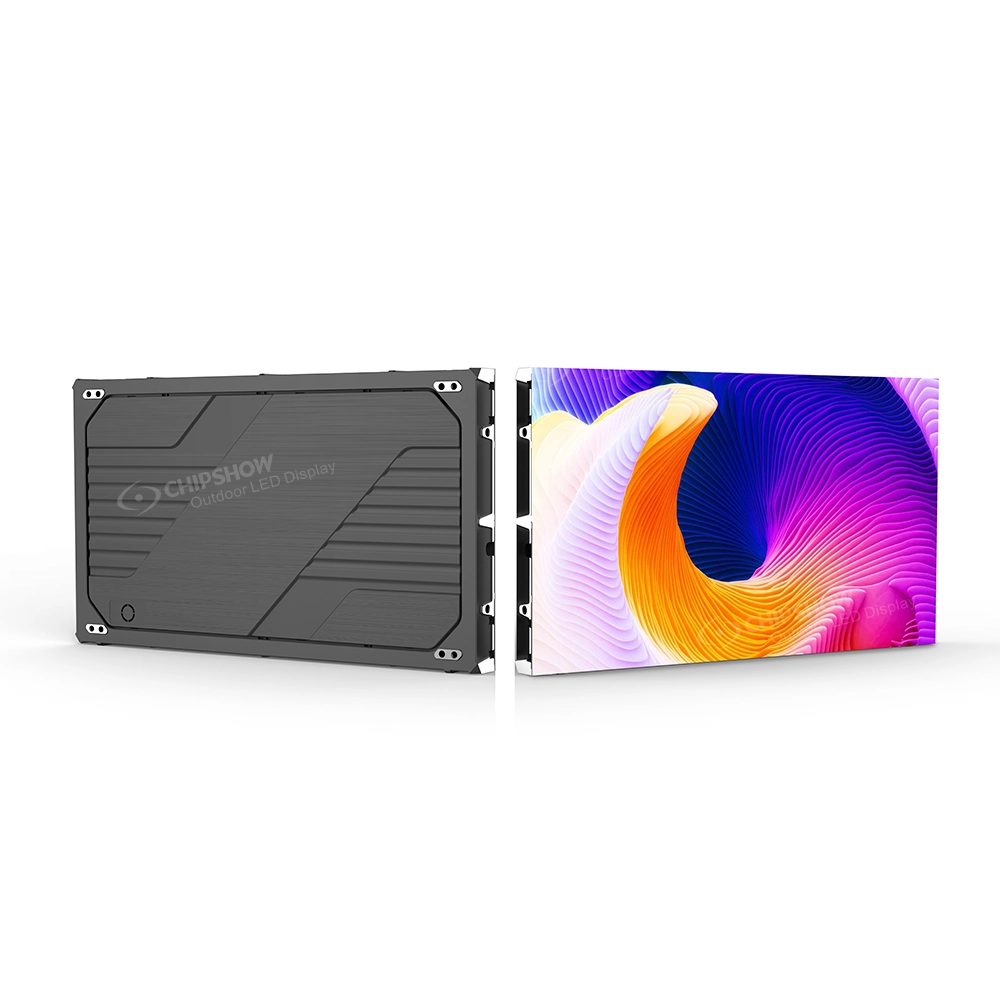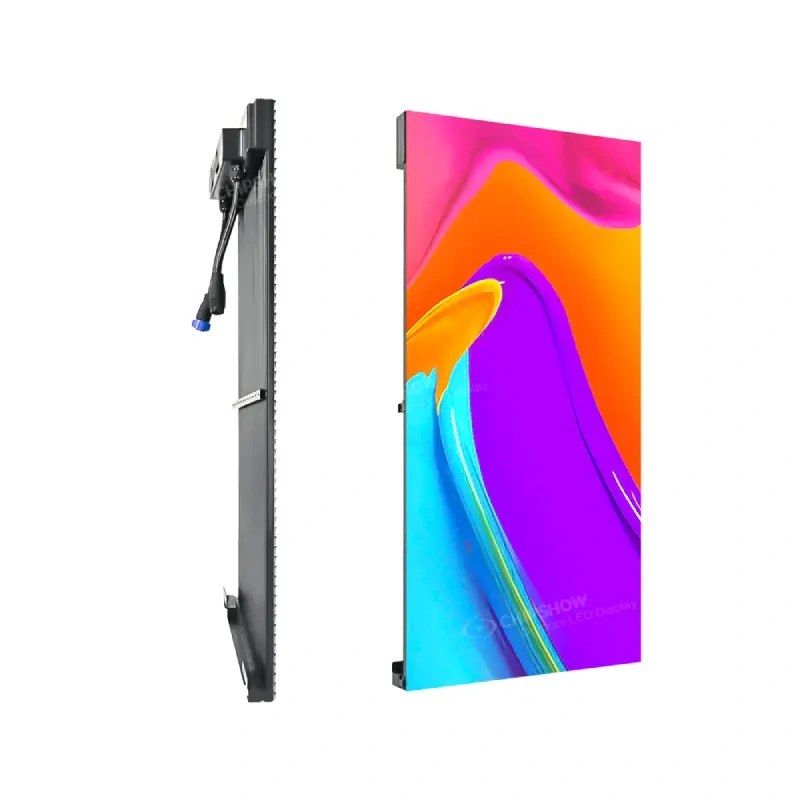
US Stock Jumbotron Panels for Events and Festivals
Quick Ship Portable LED Hardware Guide
A US stock LED quote only helps an event when the exact panel type, pixel pitch, cabinet quantity, control package, transport cases and planned spares can be allocated before the production deadline.
For festival producers, touring crews, rental companies and AV integrators, that distinction matters more than a general statement that panels are available in the United States.
The event date does not move because one accessory arrives late.
A screen may require dozens or hundreds of LED cabinets, but those cabinets still need the correct display control hardware, compatible accessories, transport protection and an approved deployment plan before they become useful event equipment.
Chipshow builds quick ship event orders around that complete hardware requirement.
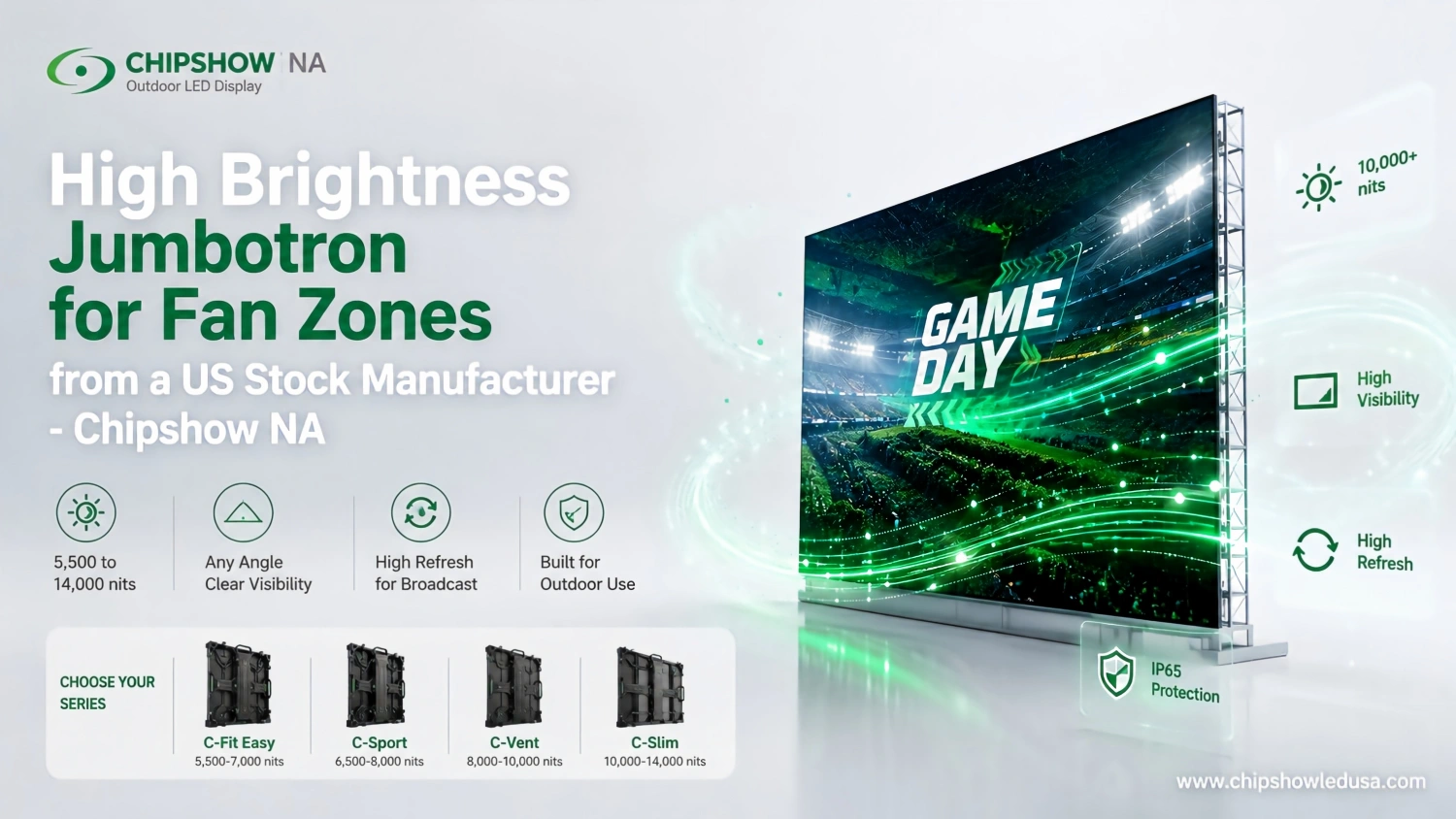
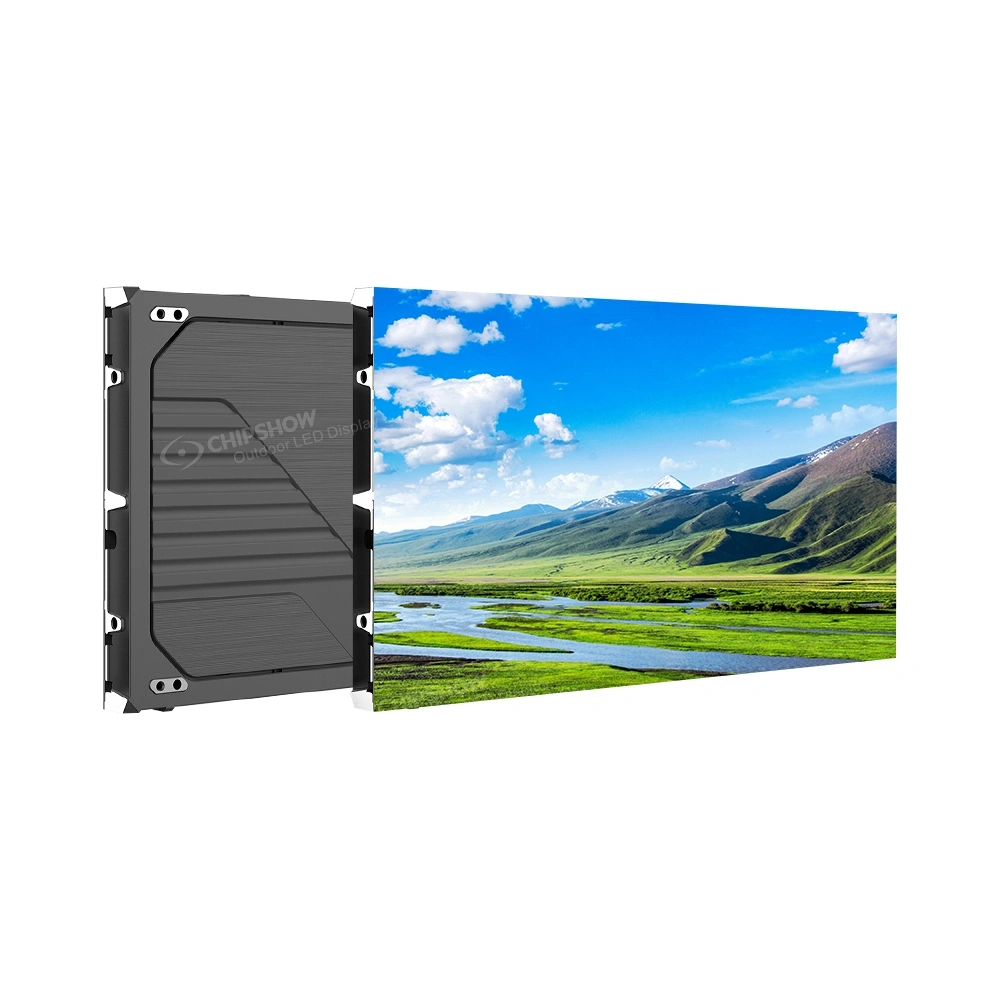
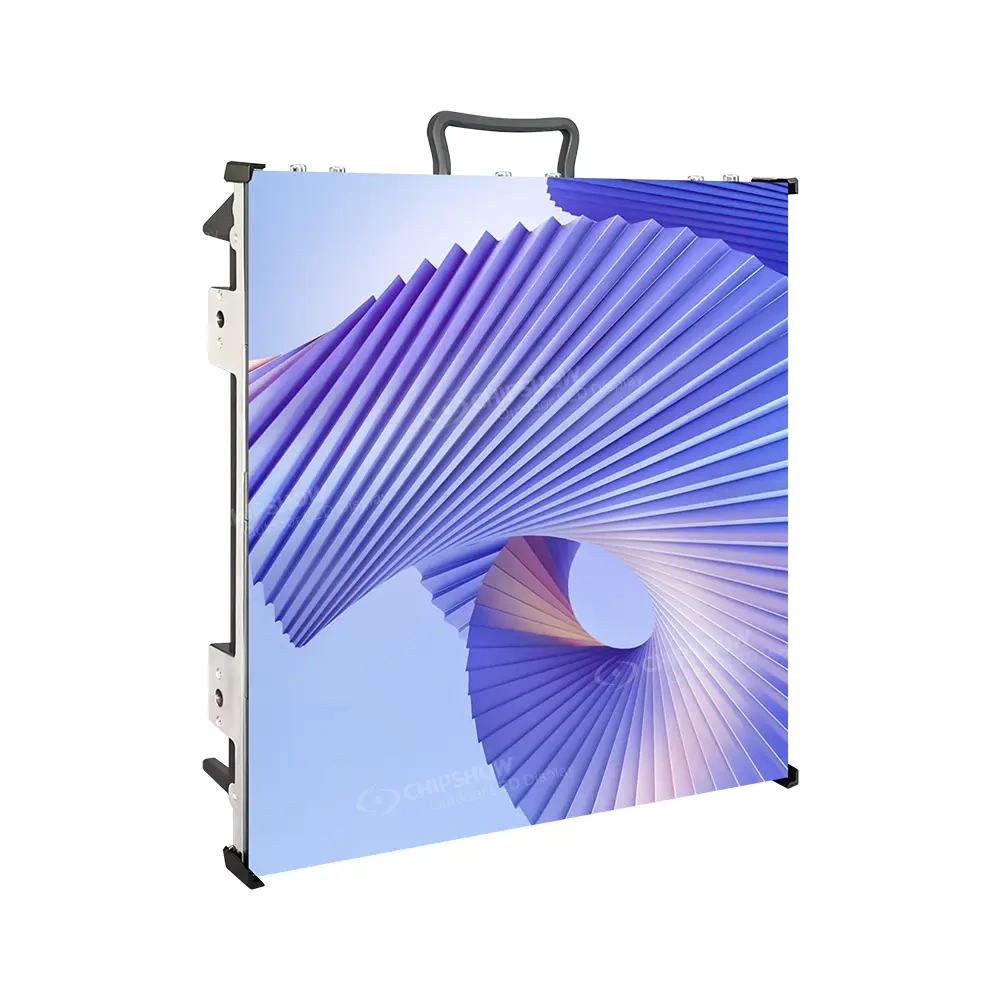
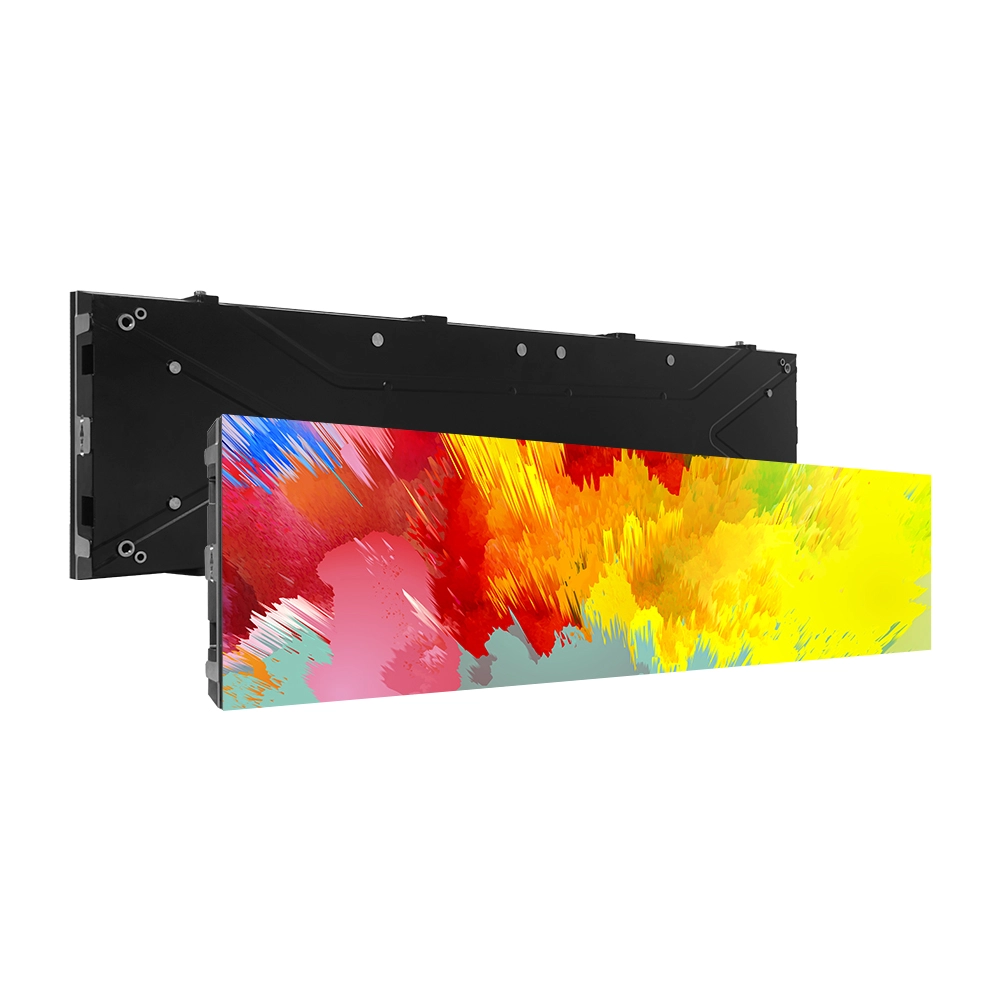
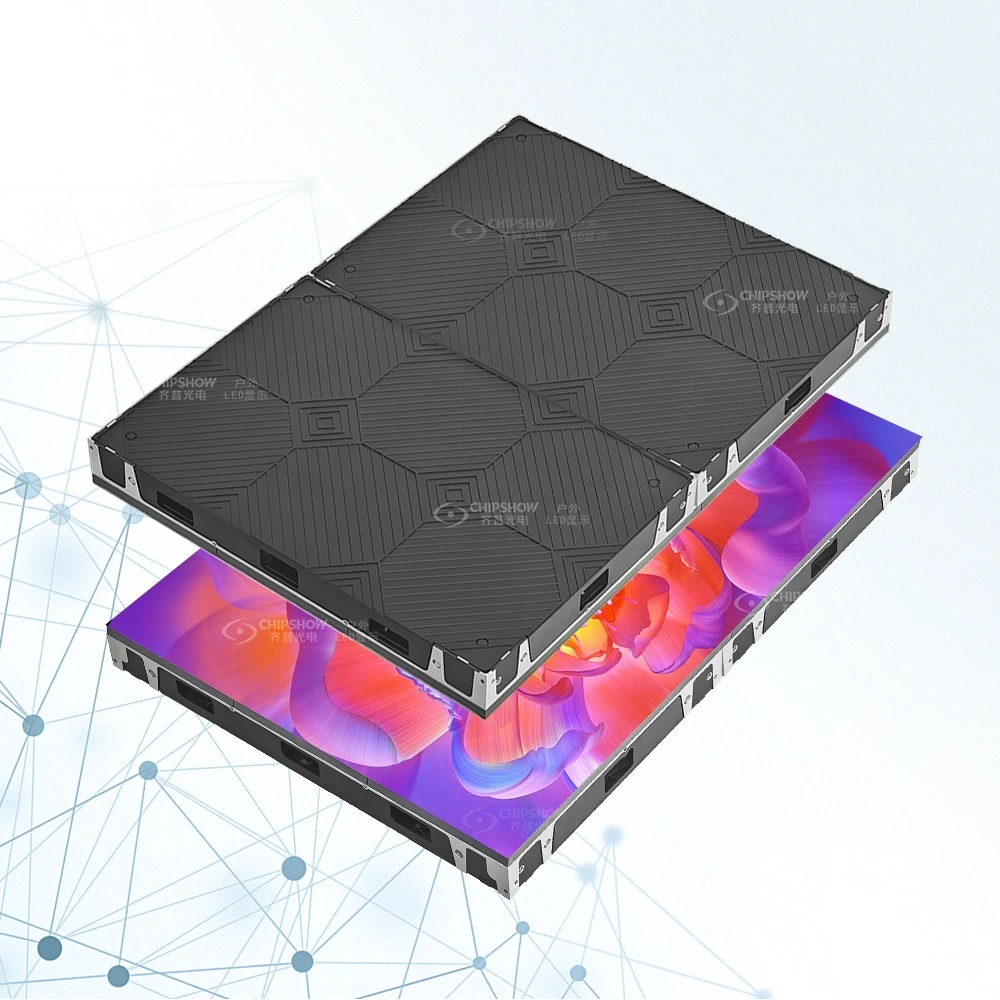
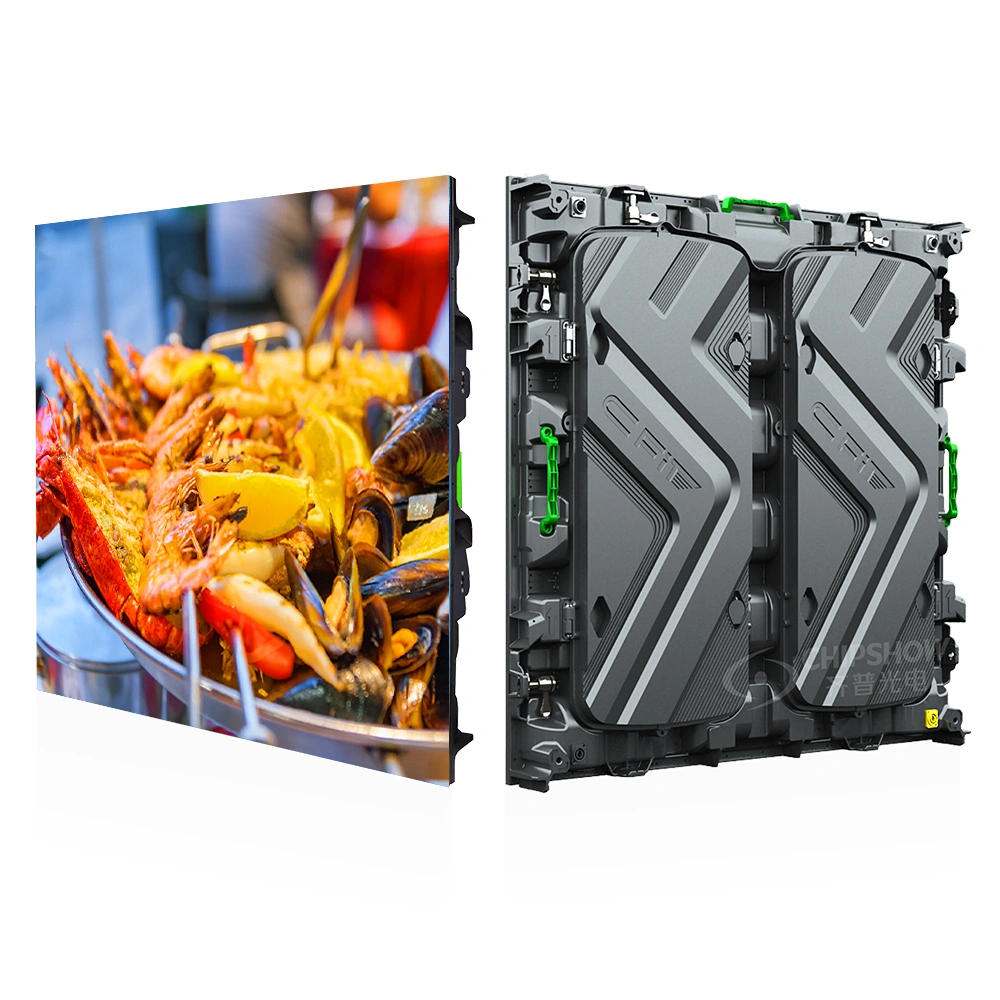
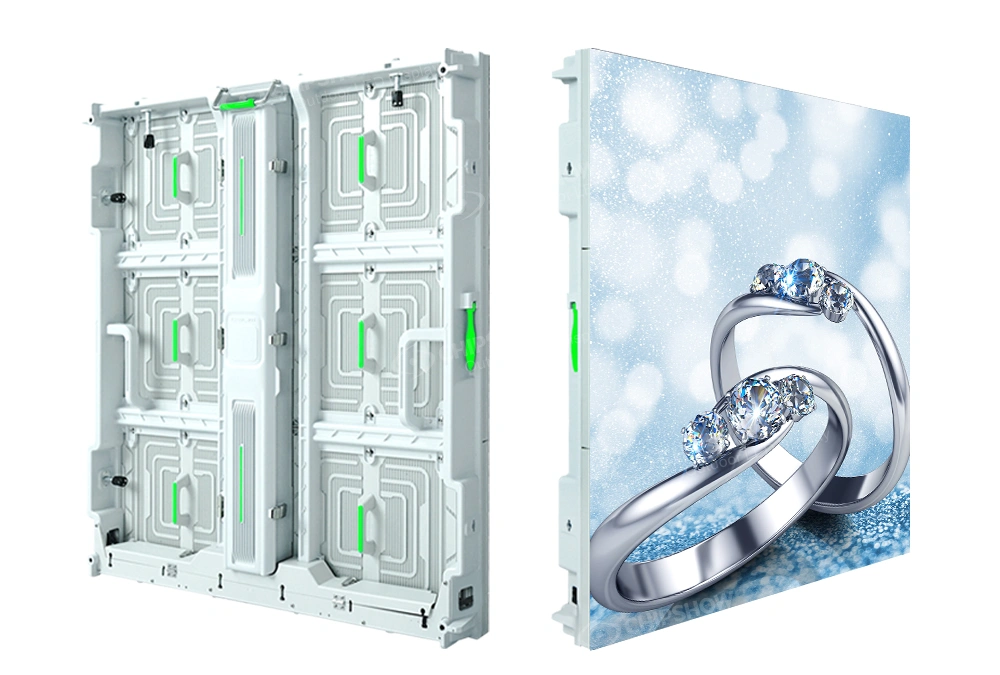
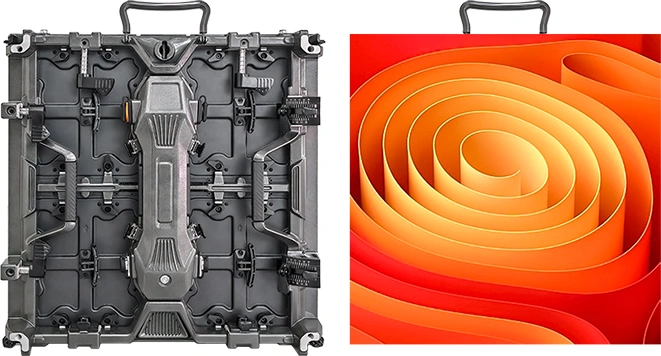
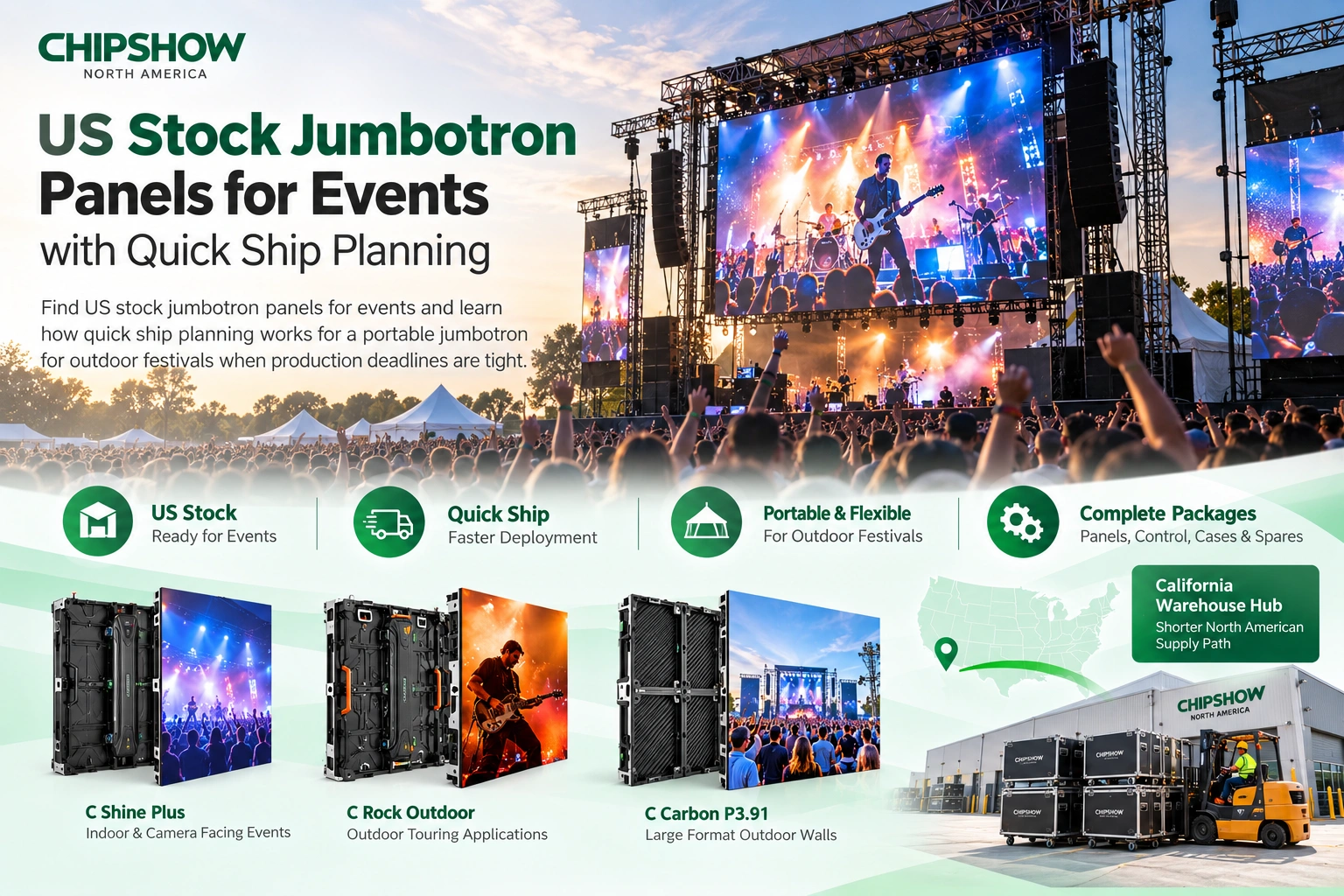
Its Rental and Stage range includes C Shine Plus for flexible indoor and camera facing event production, C Rock Outdoor for outdoor touring applications and C Carbon P3.91 for large format outdoor walls.
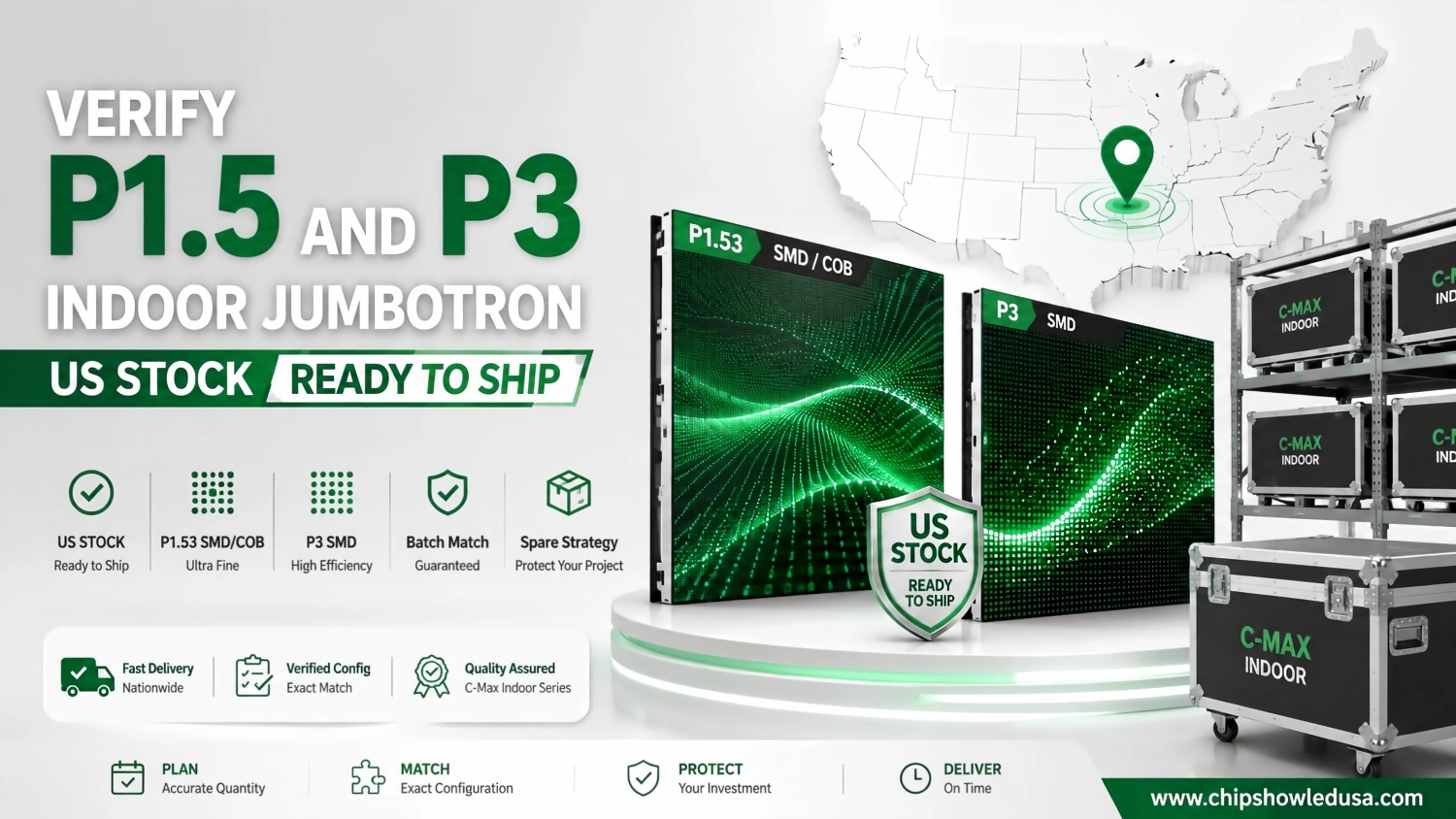
The California Warehouse Hub can provide a shorter North American supply path when the required configuration is available. Availability remains specific to the model, pixel pitch, quantity and complete project package.
For urgent event work availability needs to be confirmed at the complete package level rather than the product family level.
That is where a quick ship inquiry should begin.
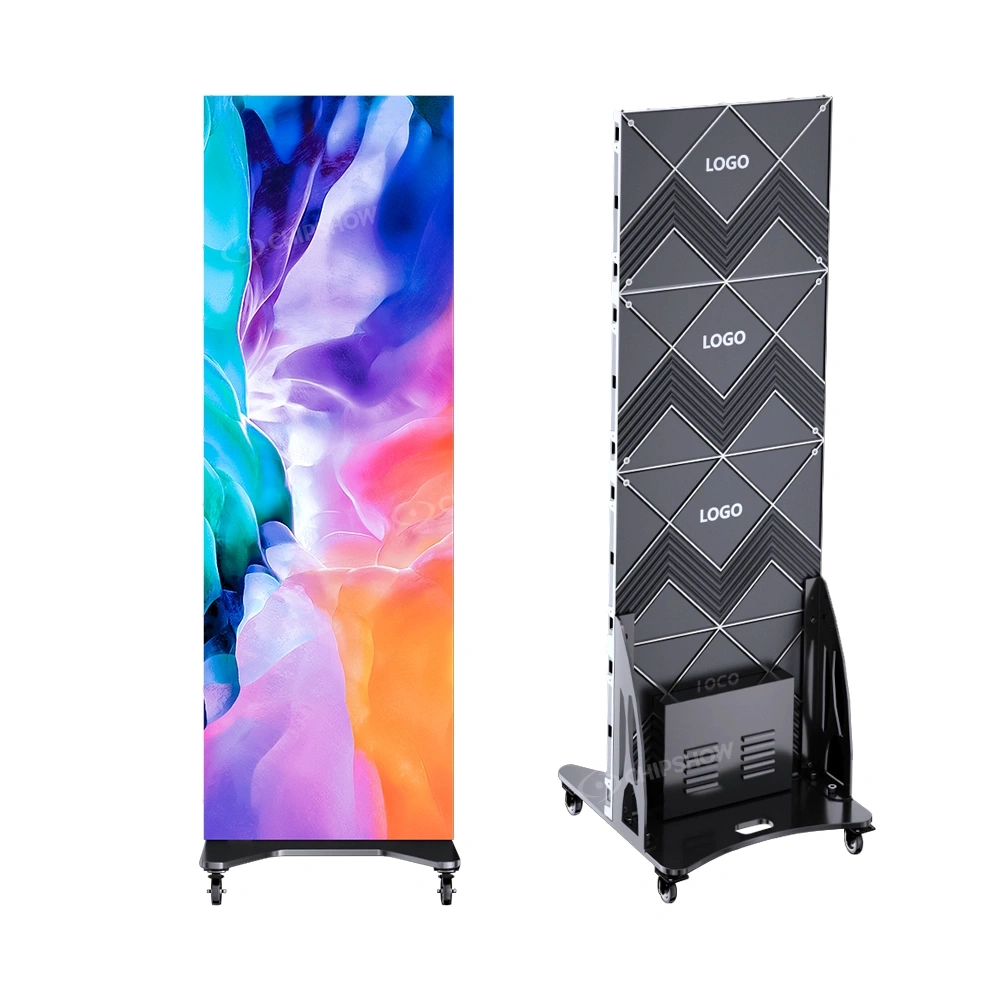
Portable Jumbotron and Mobile Trailer Systems
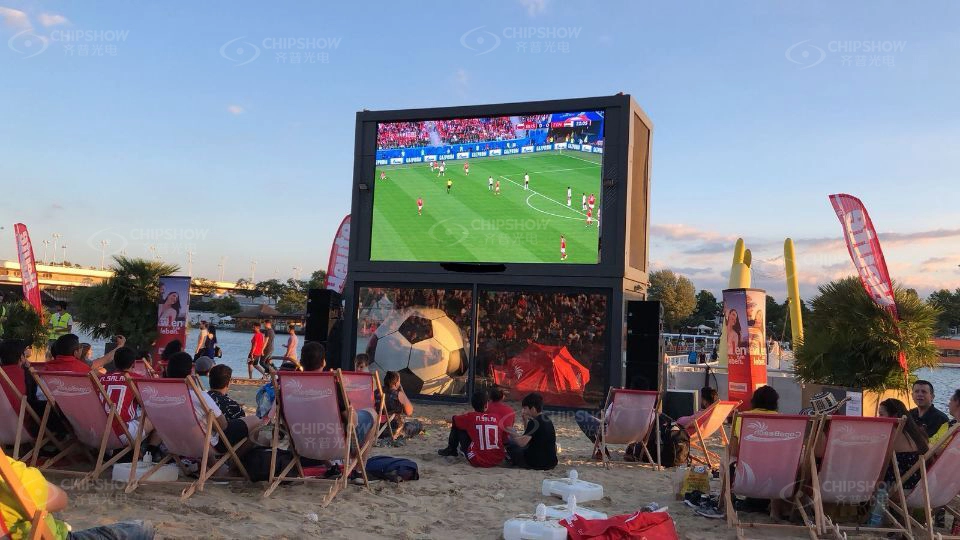
Portable jumbotron and mobile jumbotron often appear in the same search.
For an event buyer, they can describe two different systems.
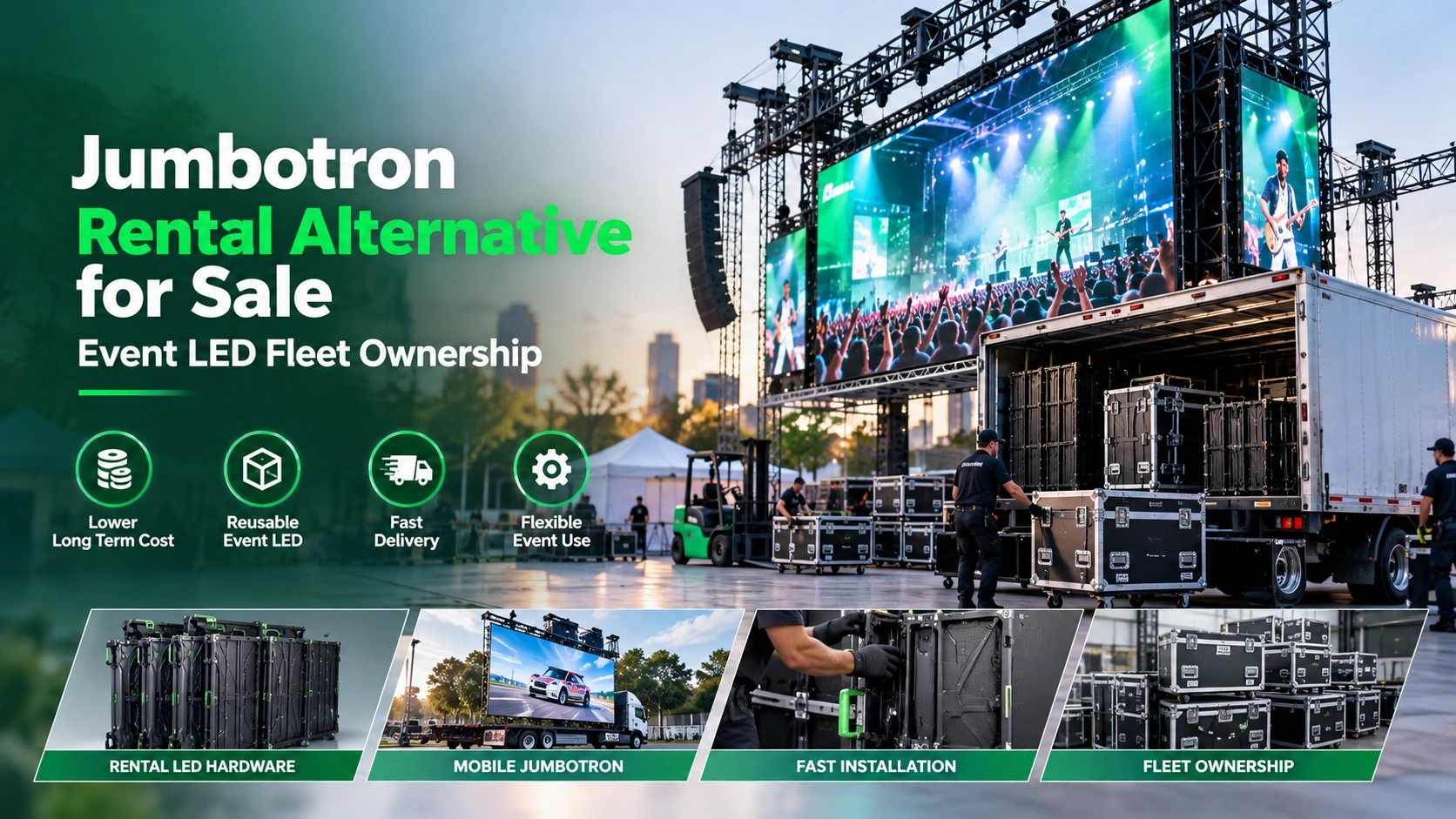
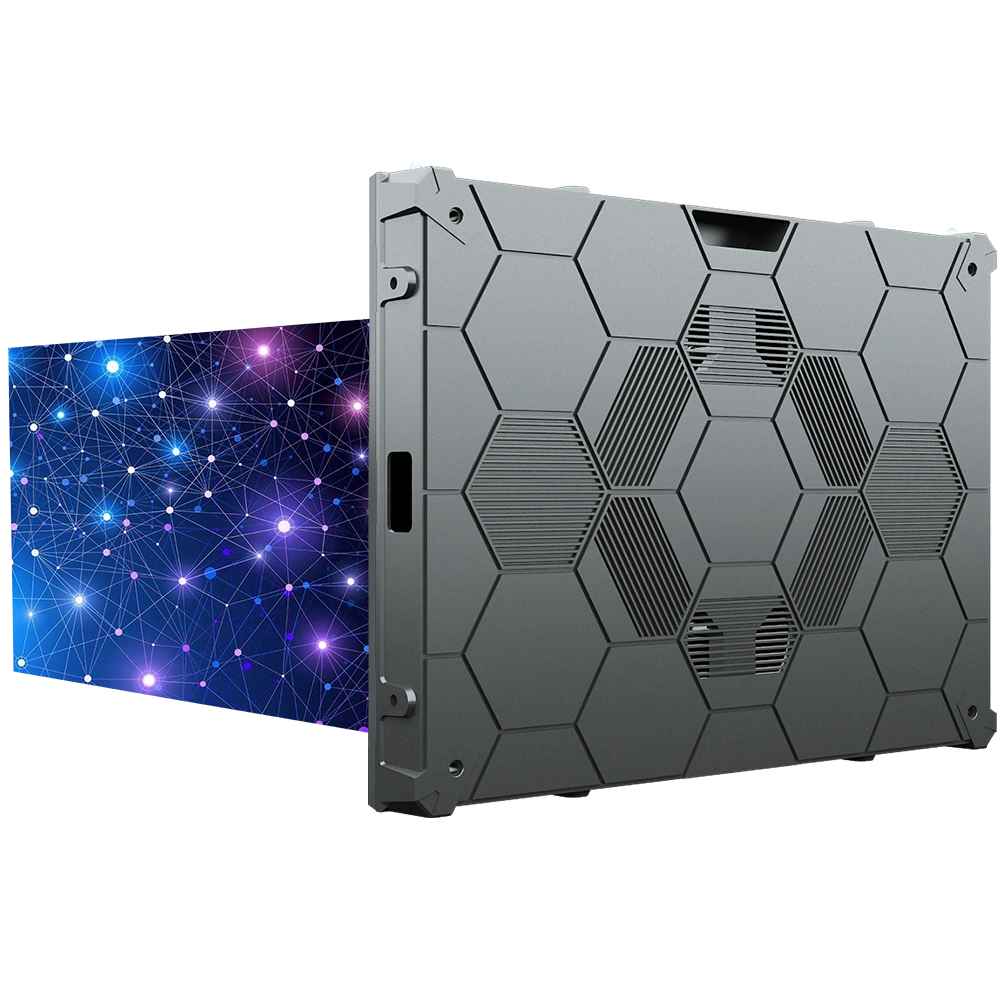
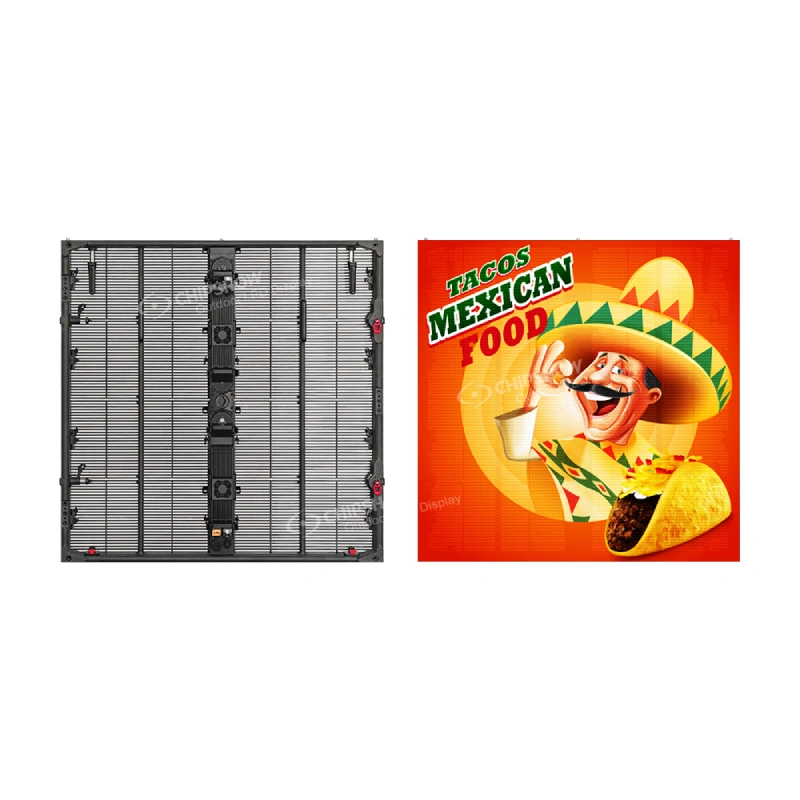
Chipshow’s event products are modular LED cabinets designed to travel between productions and build temporary screens at the venue.
A trailer mounted screen adds another layer of equipment around that display.
Modular Panels Build the Screen at the Event
A modular portable jumbotron travels as individual LED cabinets.
The production crew unloads the cases and builds the required screen using the approved hanging, stacking or temporary support method.
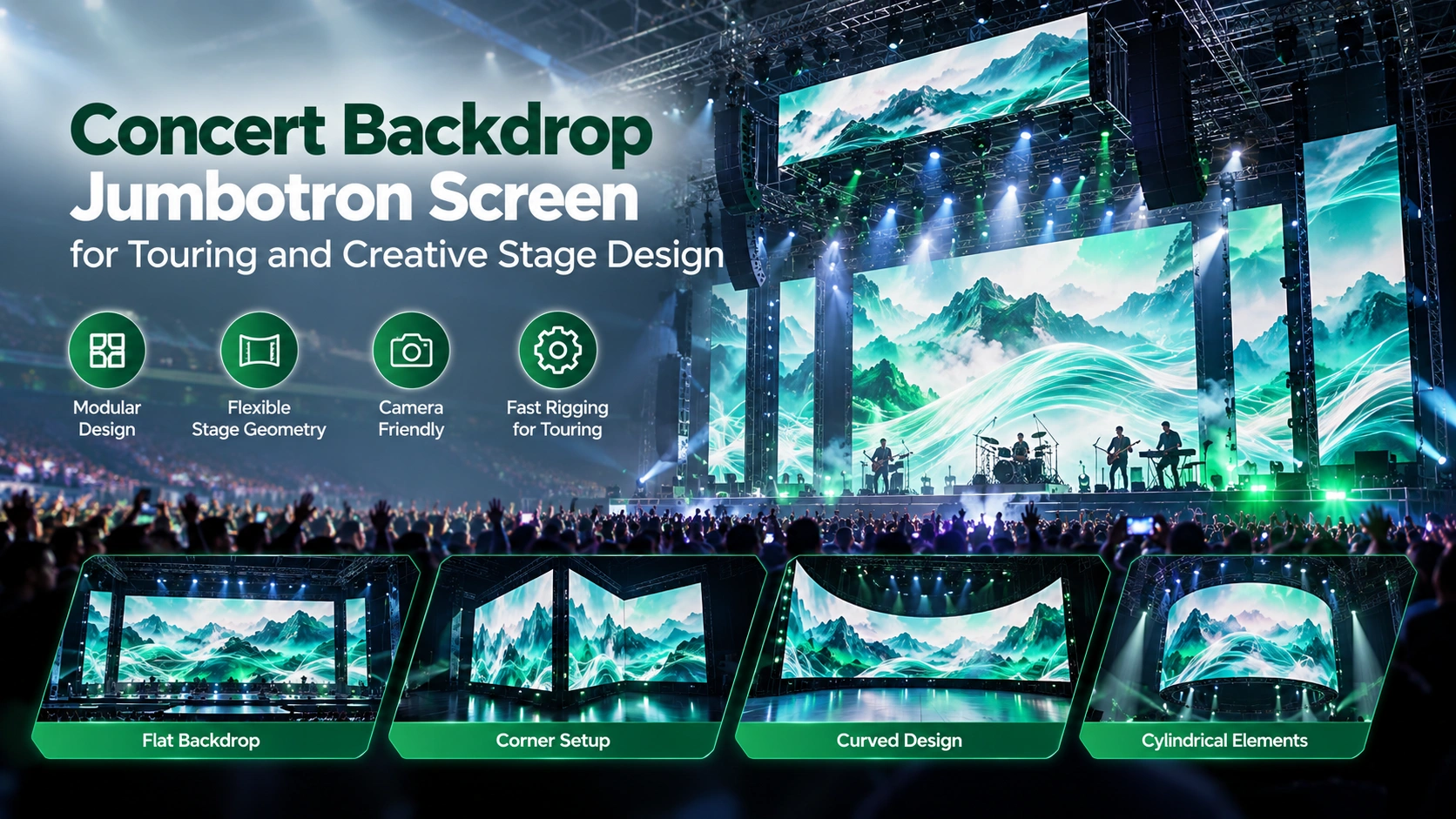
This gives event producers more control over screen geometry.
The same cabinet platform can create one large main stage wall for one production and a different layout for another.
That flexibility makes modular LED particularly useful for concerts, festivals, corporate events, touring productions and rental inventories where the physical screen changes from job to job.
Chipshow C Shine Plus, C Rock Outdoor and C Carbon are designed for this reusable event hardware model.
Mobile Trailer Screens Add a Vehicle Platform
A trailer mounted jumbotron combines an LED display with a mobile chassis and deployment structure.
The trailer defines how the complete system travels, lifts and operates.
That makes trailer design a separate engineering layer from the LED cabinet itself.
For buyers comparing the two approaches, the distinction is straightforward.
A trailer system prioritizes vehicle based deployment.
Modular event panels prioritize reconfigurable screen dimensions and repeatable stage use.
Chipshow supplies modular LED hardware packages for event production and rental operations that need reconfigurable screen dimensions and repeatable stage use.
Deployment Method Should Be Known Before the Order Is Released
A portable LED screen still needs a defined support method.
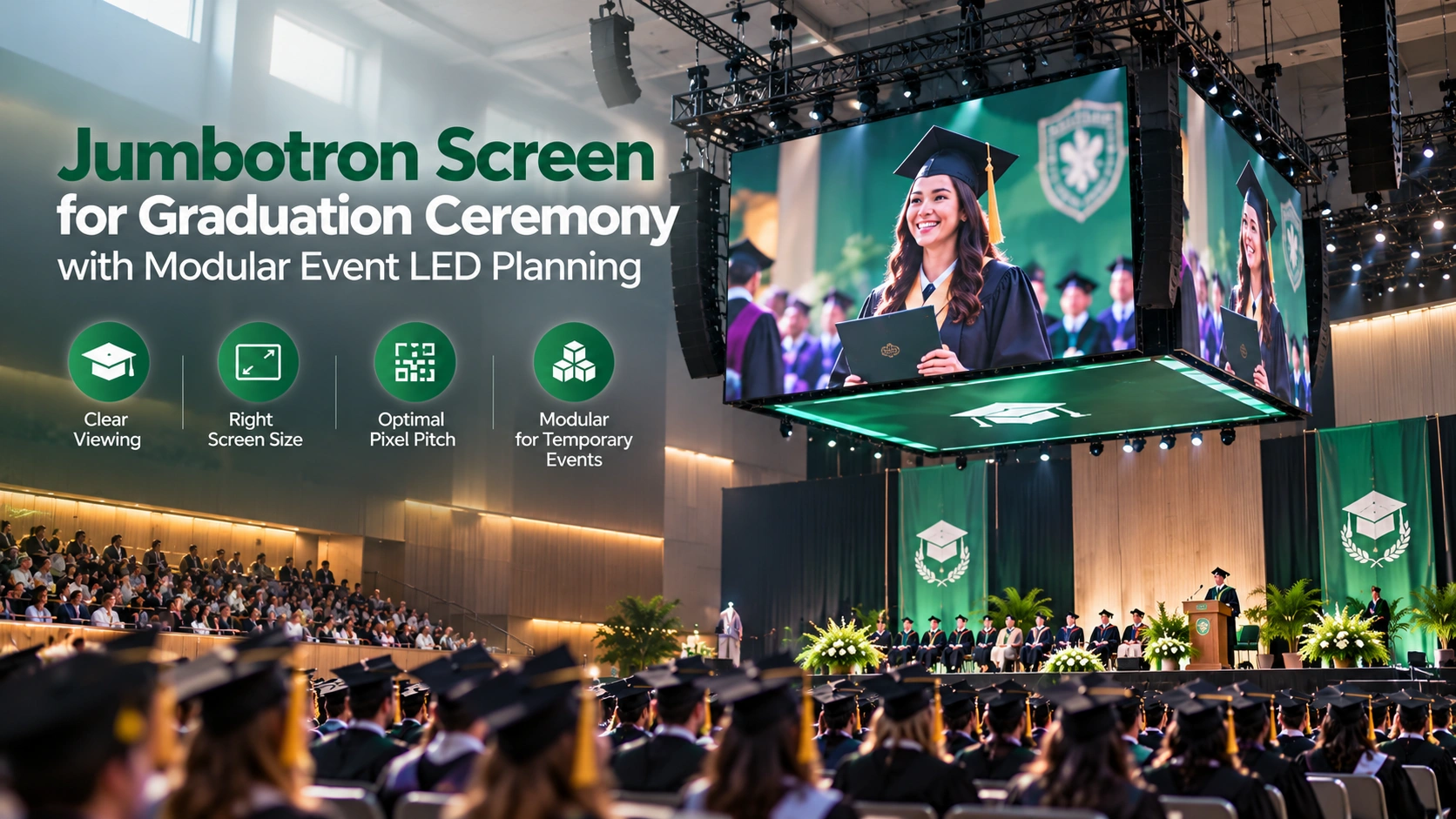
A ground supported wall, a stage backdrop suspended from truss and a large festival side screen do not create identical hardware interfaces.
Chipshow uses the active screen dimensions and intended deployment method to define the LED cabinet package and applicable manufacturer side hardware.
The event’s qualified local rigging and engineering team uses the cabinet dimensions, weights and project documentation when coordinating the temporary support system for the actual venue.
This allows the LED package to arrive aligned with the production plan rather than forcing the crew to solve basic hardware interfaces during load in.
Event Product Matrix
Quick ship should not force a production into the wrong panel architecture.
The product still needs to match the audience distance, screen dimensions, indoor or outdoor environment and handling model.
| Chipshow Platform | Current Hardware Format | Main Event Role | Selection Priority |
|---|---|---|---|
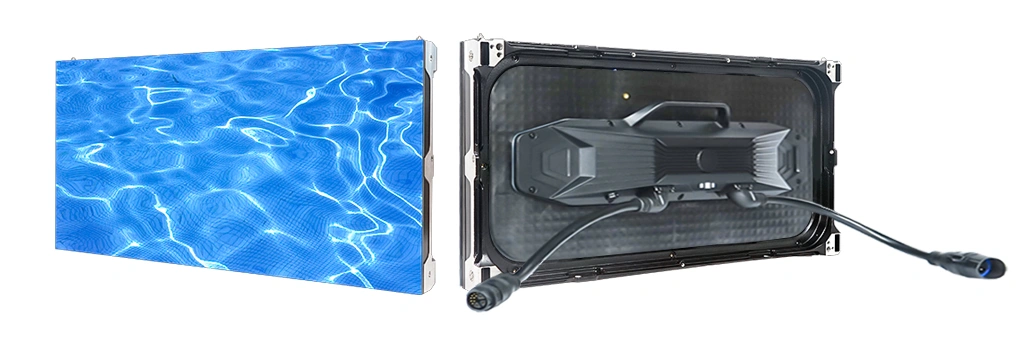
| C Shine Plus | Indoor P1.9 to P3.9 and outdoor configurations from P2.9 to P3.9 with 500 × 500 mm and 500 × 1000 mm cabinets | Indoor stages live production corporate events and flexible temporary builds | Lightweight handling fast locks service access and camera facing performance |
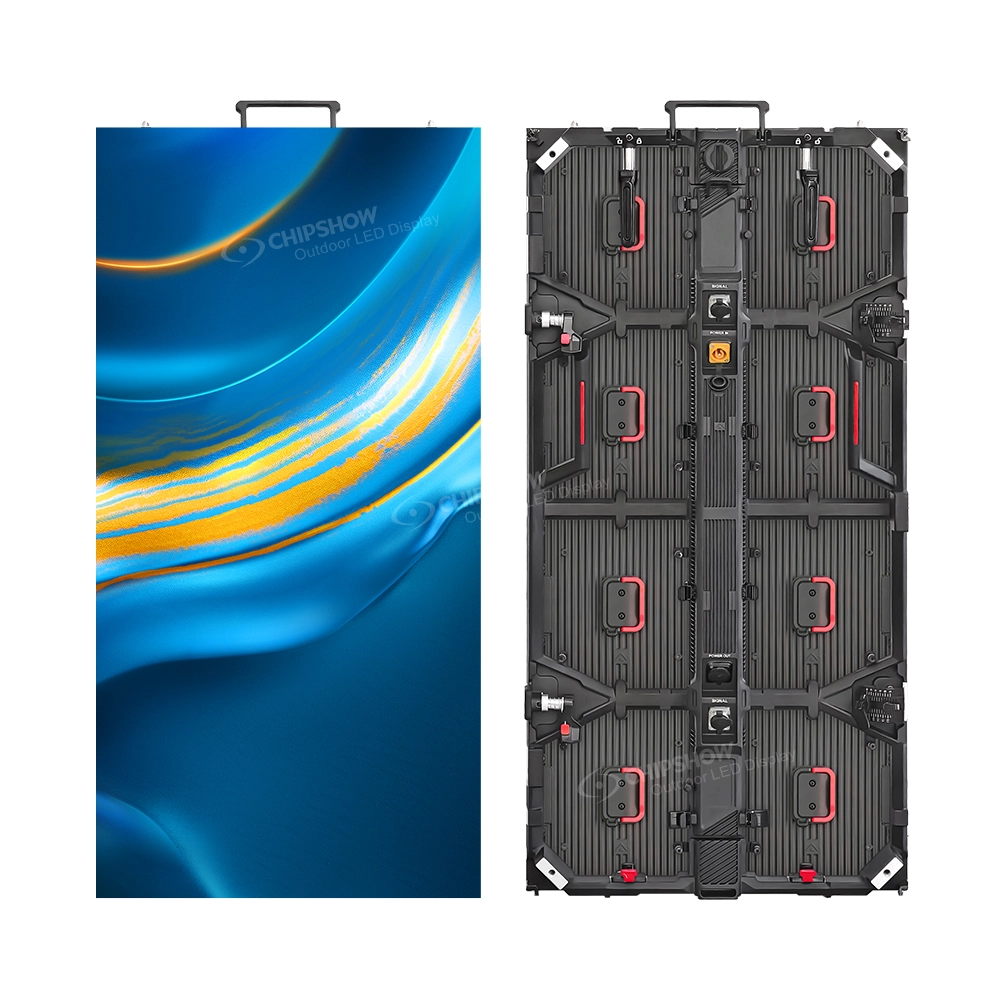
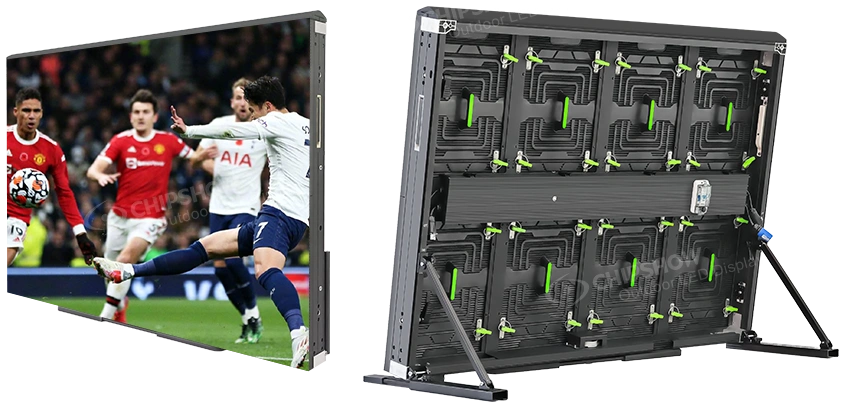
| C Rock Outdoor | P2.6 P2.9 P3.9 and P4.8 with 500 × 500 mm and 500 × 1000 mm cabinets | Outdoor touring festivals and temporary stage displays | Outdoor event architecture cabinet flexibility and repeated rigging |
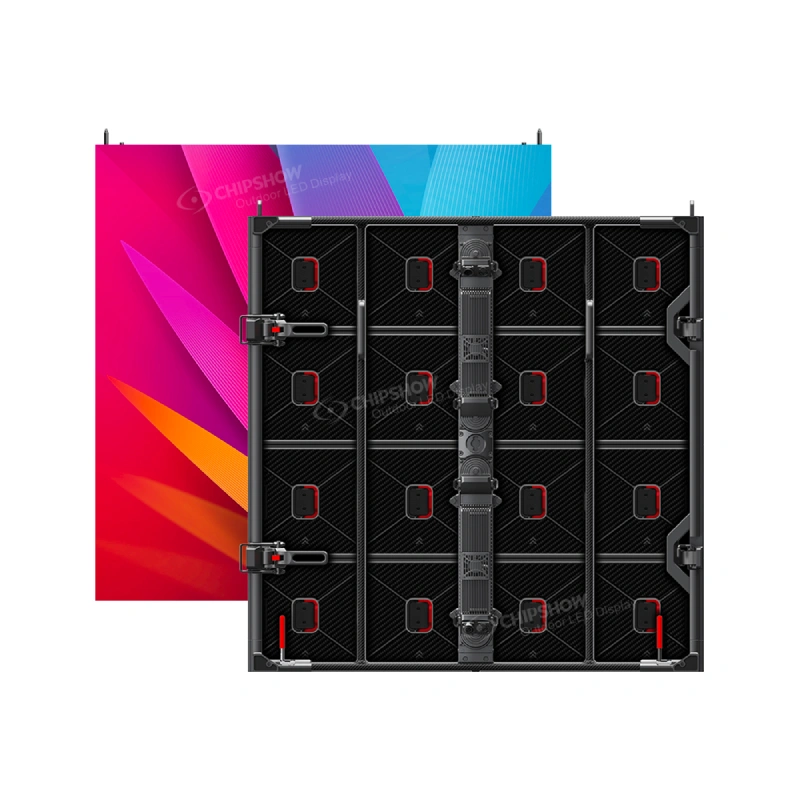
| C Carbon P3.91 | P3.91 with a 1000 × 1000 mm cabinet weighing 20 kg | Large outdoor event walls and festival stages | Large cabinet format daylight performance outdoor protection and lower cabinet count |
Chipshow C Shine Plus for Flexible Event Production
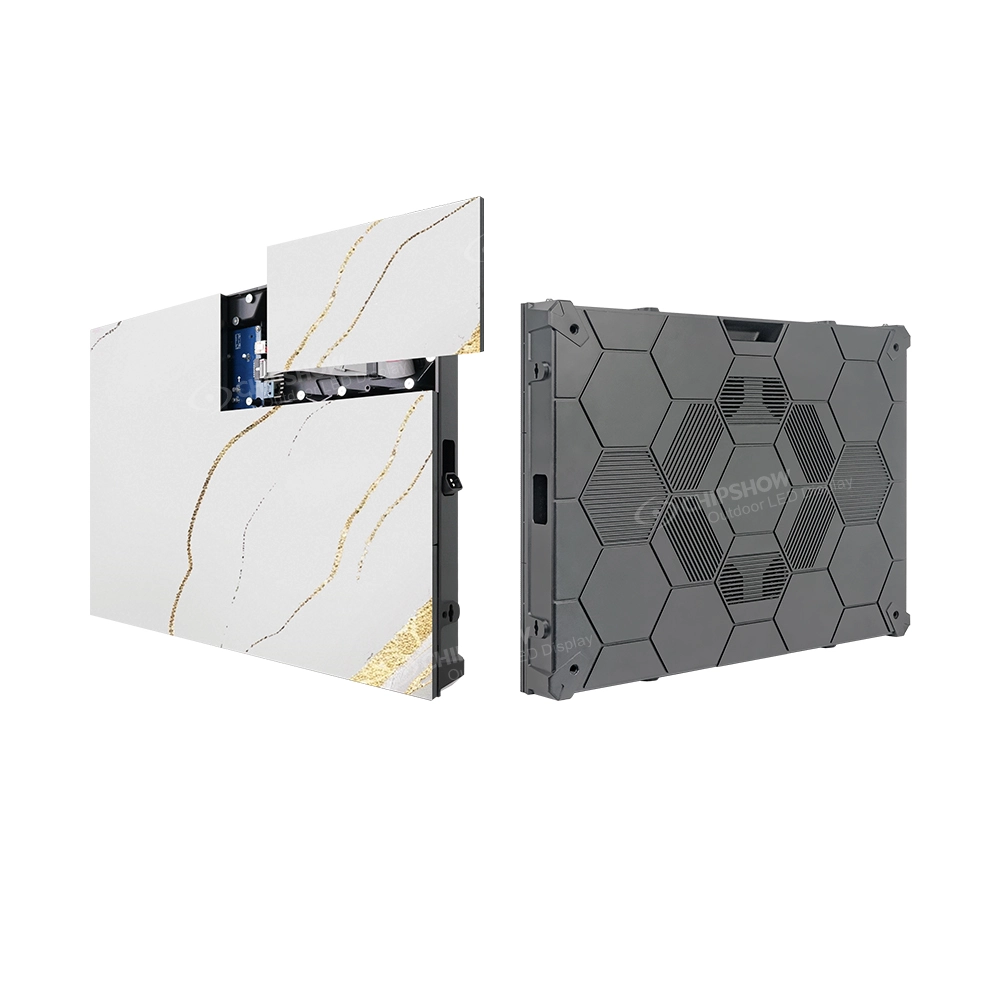
C Shine Plus is Chipshow’s flexible Rental and Stage platform for productions that value lighter handling, fast cabinet connections and service access.
The current North American range covers indoor P1.9 through P3.9 and outdoor configurations from P2.9 through P3.9.
Chipshow offers 500 × 500 mm and 500 × 1000 mm cabinet formats within the platform.
The published 500 × 500 mm cabinet weighs no more than 15.4 pounds or 7 kg.
Fast locks support repeated assembly, while the tool free power box and front and rear service architecture give technicians direct access to major service components during an event workflow.
C Shine Plus also provides at least 3840 Hz refresh performance, making it a strong Chipshow option when the LED wall will appear regularly in IMAG, livestream or recorded production.
The product should still be configured around the actual screen dimensions and audience distance.
Chipshow C Rock Outdoor for Touring Applications
C Rock Outdoor moves the hardware decision toward temporary outdoor production.
Chipshow currently offers the platform in P2.6, P2.9, P3.9 and P4.8 with 500 × 500 mm and 500 × 1000 mm cabinet formats.
That range gives touring and festival projects more room to match pixel pitch to screen scale and audience distance.
Its hardware role is also different from permanent outdoor signage.
C Rock is built around a repeated event cycle.
The cabinets travel, enter temporary stage structures, operate for the production and return to the event equipment workflow after strike.
That makes it relevant to rental houses and production companies that need an outdoor platform designed around repeated deployment rather than permanent DOOH operation.
Chipshow C Carbon P3.91 for Large Outdoor Walls
C Carbon P3.91 changes the event workflow through a larger cabinet format.
Each cabinet measures 1000 × 1000 mm and weighs 20 kg in the current published configuration.
The product provides brightness up to 6000 nits and uses an IP65 build for outdoor event applications.
For a large rectangular stage screen, the one meter format can reduce the number of individual cabinets needed to cover the same active area compared with a wall built entirely from smaller panels.
That can simplify cabinet counting, screen mapping and repeated large wall assembly.
The format does not replace smaller rental cabinets.
Productions that use irregular dimensions or more creative screen geometry may prefer the flexibility of a 500 mm cabinet system.
C Carbon becomes most relevant when the event repeatedly requires substantial outdoor screen area and its one meter format fits the production workflow.
Fast Rigging and Event Labor
Event hardware earns its value during load in and strike.
A fast lock alone does not determine setup time.
Cabinet weight, cabinet dimensions, case organization, service method and the number of individual units all shape the crew workflow.
Lower Cabinet Weight Reduces Repeated Handling
Rental panels move far more often than fixed installation cabinets.
They leave cases, enter the screen, return to cases and repeat that process across the event calendar.
That is why the 7 kg published weight of the 500 × 500 mm C Shine Plus cabinet matters to event crews.
Its value accumulates across repeated cabinet handling.
The hardware does not remove the need for a qualified crew or safe rigging practice.
It reduces one physical variable that crews encounter every time the panels move.
Cabinet Format Changes Assembly Volume
Cabinet size influences how many individual pieces the crew handles.
C Shine Plus and C Rock provide 500 mm based formats that give the production more dimensional flexibility.
C Carbon uses a 1000 × 1000 mm format that covers a larger portion of the finished screen with each cabinet.
Neither approach is universally faster.
The useful format depends on whether the production values finer dimensional flexibility or repeatedly builds large rectangular walls.
Chipshow matches the cabinet platform to the screen geometry instead of treating cabinet size as a standalone performance ranking.
Fast Locks Matter Across Repetitive Connections
Rental walls can contain many cabinet connections.
Fast lock systems reduce repetitive mechanical work at those interfaces.
For productions working under fixed venue access periods or higher labor costs, improving repeated hardware operations can help the crew use the available load in window more efficiently.
The actual labor requirement still follows the total screen size, rigging method, venue access and crew structure.
Chipshow therefore treats fast rigging as part of the cabinet architecture rather than promising a universal installation time.
Service Access Protects the Production Window
A serviceable component should not require the crew to dismantle an entire event wall.
C Shine Plus provides front and rear access along with a tool free power box architecture.
That becomes particularly useful after the main screen has already been assembled and the production is moving toward rehearsal or doors open.
Event serviceability is therefore not simply a maintenance feature.
It protects the production schedule by giving technicians a more direct route to replace accessible hardware within the completed display.
Outdoor Festival Requirements
Outdoor event panels need more than portability.
The hardware package must also match daylight, weather exposure and the temporary support conditions of the site.
For quick ship procurement, the priority is identifying the outdoor requirements before inventory is allocated.
Those requirements should be defined early enough to guide product selection and inventory allocation.
Daylight Needs to Be Defined Before Product Selection
A festival main screen operating through the afternoon faces different ambient conditions from an evening concert wall.
Screen orientation also matters.
Direct afternoon sun can create a stronger brightness requirement than a shaded stage position.
Chipshow uses the event schedule, screen location and audience distance when matching the outdoor display platform to the show.
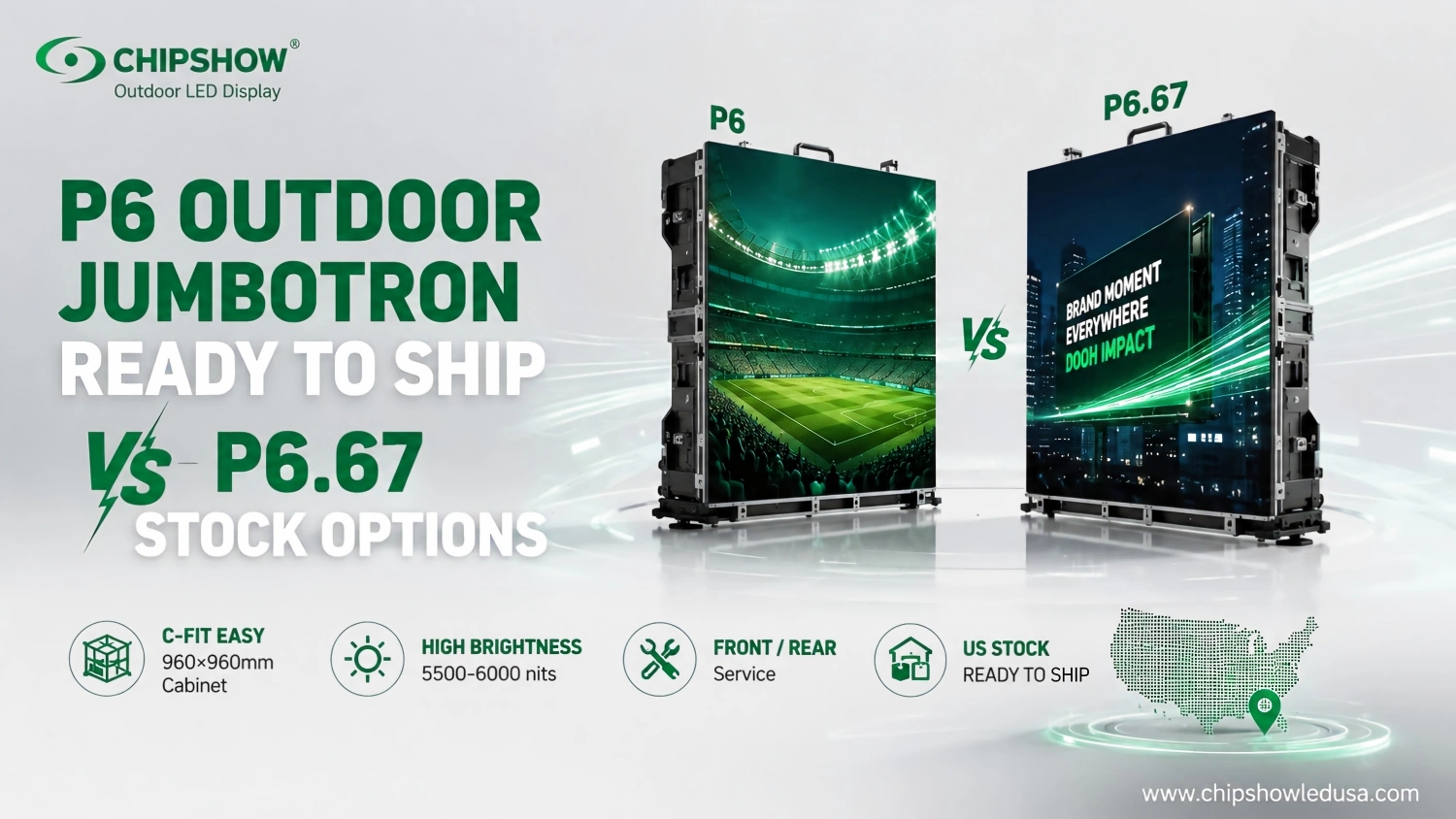
C Carbon P3.91 provides brightness up to 6000 nits in its current published configuration.
C Rock Outdoor offers another touring platform across several pixel pitches.
The hardware choice should follow the actual production rather than a rule that the highest brightness specification is always better.
Environmental Protection Belongs to the Exact Configuration
Outdoor products need published environmental protection appropriate to their operating role.
Those ratings belong to the selected model and configuration.
Chipshow C Carbon P3.91 carries an IP65 build in the current North American product specification.
Other event platforms should be quoted according to their own applicable documentation.
This keeps the project package tied to the hardware that will actually ship.
It also prevents one product’s environmental specification from being transferred to another product simply because both can appear at outdoor events.
Temporary Structure Remains a Site Specific Requirement
A large outdoor LED wall creates substantial surface area.
Its temporary support system therefore needs to match the actual site, screen dimensions and event conditions.
Chipshow provides the LED cabinet dimensions, weights and applicable manufacturer documentation for the selected hardware.
The qualified local event team uses that product information when designing and approving the temporary truss, ground support, ballast and site procedures required for the venue.
This preserves a clear project boundary while still giving the rigging team the manufacturer information needed to integrate the LED wall.
US Stock and Fast Delivery Workflow
This is where an urgent event purchase differs from a normal product inquiry.
The buyer does not only need a recommended LED platform.
The buyer needs a defined package that can reach the production before the deadline.
Start With the Show Date
The first useful input is the event date.
Chipshow can then work backward from the required delivery window.
The city and state establish the domestic freight route.
The active screen dimensions establish the approximate cabinet quantity.
Audience distance and content requirements help determine pixel pitch.
Indoor or outdoor use narrows the product platform.
The rigging method, camera use and event workflow complete the basic hardware picture.
Once those inputs are connected, Chipshow can check the actual requirement against the current North American inventory position.
Stock Should Be Checked by Exact Configuration
A product family can exist in North American inventory while the required pitch or quantity is unavailable.
For an event producer, that distinction is critical.
Chipshow confirms availability against the actual model, pixel pitch and cabinet quantity required by the show.
That avoids turning a general warehouse statement into an assumed delivery commitment.
The California Warehouse Hub works as a local inventory buffer for selected configurations.
Its value comes from reducing the distance between matching hardware and North American projects when that inventory is available.
Matching Panels Matter Across One Screen
An urgent purchase should not solve cabinet quantity by casually combining unrelated batches.
Large LED walls need visual consistency across the complete active area.
Batch information and calibration therefore belong in the hardware allocation process when applicable to the selected product and project.
A quick ship package should protect the finished screen quality as well as the schedule.
This becomes more important when the event expects wide camera shots or large areas of uniform color.
The BOM Needs More Than Panels
Cabinet quantity is only the largest line item.
The agreed manufacturer side package may also include applicable display control hardware, project spares, transport cases and the accessories defined for the selected configuration.
These elements should be confirmed before warehouse release.
A production team gains little from receiving the panels early if an essential part of the display package is still travelling from another location.
Chipshow prepares the event hardware BOM around the approved screen rather than treating the cabinets as an isolated shipment.
Freight Time Is Part of the Event Schedule
Domestic inventory can shorten the hardware supply path.
It does not remove freight time.
Shipment size, destination, carrier schedule and receiving conditions still influence arrival.
The stronger event plan leaves time between delivery and load in whenever the production schedule allows it.
That buffer gives the receiving team a chance to count cases, inspect the hardware and complete a preflight before the equipment moves to the stage.
For an urgent event, one preparation day can be more valuable than a shipment that arrives directly at the loading dock minutes before the crew needs it.
Inventory Allocation Creates a Real Procurement Milestone
General availability is useful during research.
Allocation is more meaningful during procurement.
Once Chipshow has confirmed the model, pitch, quantity and agreed supporting package for the project, the buyer has a defined hardware requirement that can enter order and logistics planning.
That is the point where quick ship becomes operational rather than promotional language.
The event team can then align receiving, preflight and load in around a specific Chipshow hardware package.
Camera and Broadcast Performance
Many event LED walls eventually appear on camera.
IMAG screens, livestreams, recorded concerts, corporate productions and social content all create camera facing requirements.
For an urgent purchase, the hardware checks that affect product allocation come first.
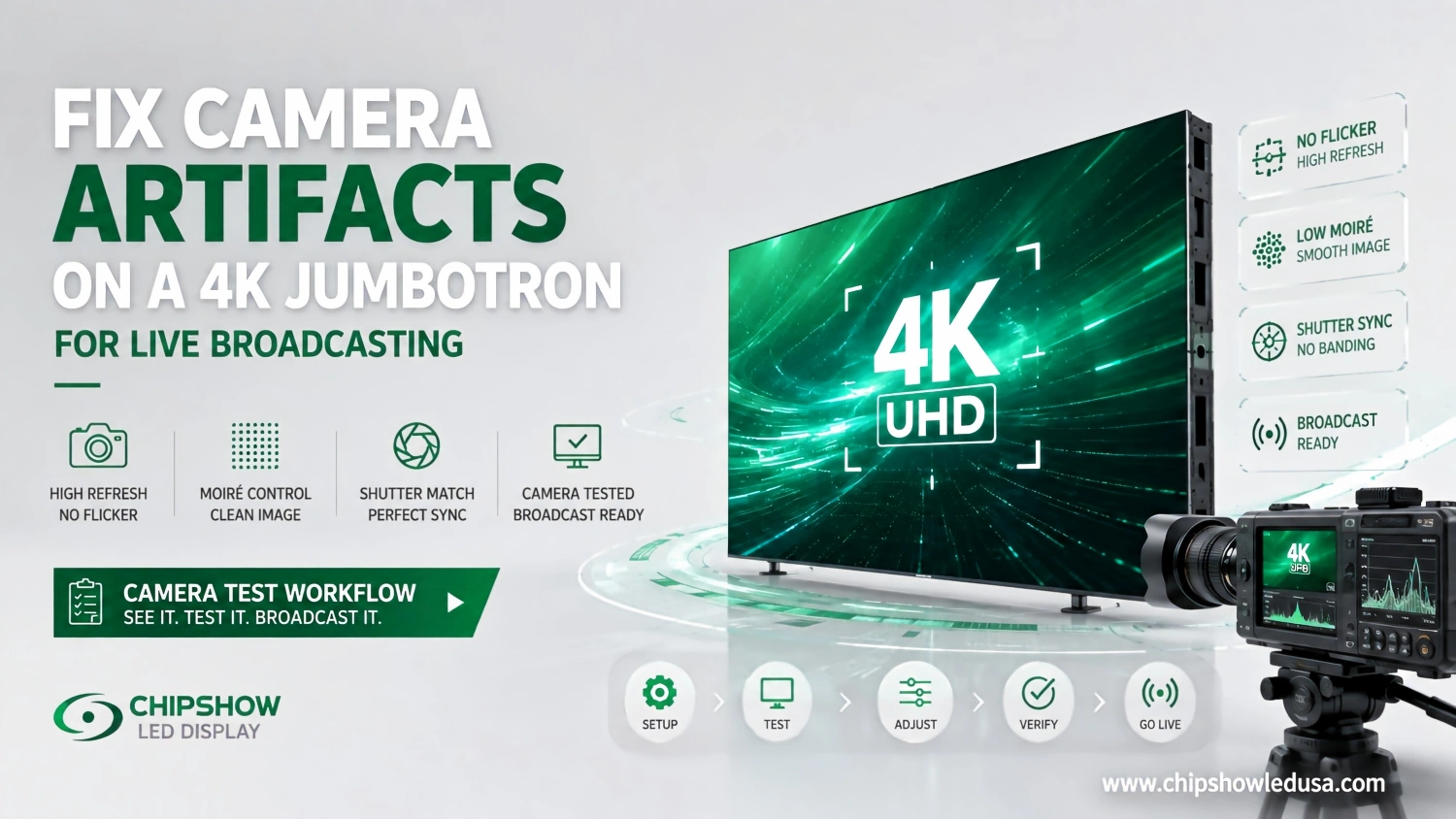
Detailed camera engineering belongs in the dedicated Chipshow broadcast guide.
Refresh Rate Should Be Confirmed Before Allocation
Chipshow C Shine Plus provides at least 3840 Hz refresh performance in its current North American specification.
C Carbon P3.91 also publishes 3840 Hz performance.
That gives event buyers suitable Chipshow hardware options when the screen is expected to appear on camera.
Refresh rate remains only one part of the final result.
Camera settings, signal architecture, content and shooting geometry still affect on camera performance.
Identifying camera use in the original inventory inquiry allows Chipshow to keep that requirement inside the product configuration rather than discovering it after the hardware has been allocated.
Preflight Should Use Real Show Content
Urgent delivery increases the value of preparation.
The production team should test representative event content before load in when the schedule allows it.
That could include live camera feeds, sponsor graphics, dark concert content or bright presentation material depending on the show.
The objective is to verify the actual production workflow rather than relying only on a factory demo image.
Critical Events Need a Defined Signal Strategy
A professional LED wall still depends on the rest of the signal chain.
For events where screen continuity is critical, the production architecture should define the appropriate source, processing and signal backup strategy.
Chipshow supplies the applicable LED display and manufacturer side control hardware within the approved package.
The local production team connects that hardware to the complete show signal environment.
The important point for an urgent procurement is to establish redundancy requirements before the final BOM is released.
C Shine Plus Has a Documented Live Event Application
Chipshow’s documented Concert and Touring work includes an EU indoor arena concert using C Shine Plus P2.6 for IMAG screens during a live DVD recording.
That application demonstrates the platform operating in a real camera facing concert environment.
It does not turn P2.6 into a universal event recommendation or a current US stock promise.
A new event still requires its own screen dimensions, viewing distance, camera requirements and inventory confirmation.
Frequently Asked Questions About Portable Event Jumbotrons
What Is the Difference Between a Portable Jumbotron and a Mobile LED Trailer
A portable modular jumbotron uses individual LED cabinets transported in cases and assembled into the required screen at the venue. A mobile LED trailer combines the display with a trailer or vehicle based deployment structure. Chipshow C Shine Plus, C Rock Outdoor and C Carbon are modular Rental and Stage hardware platforms.
Which LED Panels Are Best for Outdoor Festivals
The appropriate platform depends on audience distance, screen dimensions, daylight conditions and the temporary deployment method. Chipshow C Rock Outdoor provides multiple pixel pitches and 500 mm based rental cabinet formats for touring production. C Carbon P3.91 uses a larger 1000 × 1000 mm cabinet with a published 20 kg weight, brightness up to 6000 nits and IP65 build for large outdoor event walls.
How Fast Can Event Panels Ship From US Stock
Delivery depends on the exact product, pixel pitch, cabinet quantity, supporting hardware, destination and current inventory. Chipshow checks the complete event requirement against the current North American inventory position before committing the hardware supply schedule. Matching US inventory can shorten the supply path, while freight and receiving time still need to be included before load in.
What Should Be Included Besides the LED Panels
The manufacturer side event package can include the LED cabinets, applicable display control hardware, planned spares, transport cases and agreed accessories according to the approved BOM. The complete event system also connects to the temporary structure, local power distribution and production infrastructure provided for the show.
How Do Fast Lock Panels Help Event Crews
Fast locks reduce repetitive cabinet connection steps across a temporary wall. Their practical value increases as the screen uses more cabinets and moves through repeated load in and strike cycles. Total labor still depends on screen dimensions, cabinet format, rigging method, venue access and crew structure.
Next Step
Send Chipshow the event date and location, active screen size, closest audience distance, indoor or outdoor environment, deployment method and camera requirements.
Chipshow will turn those project inputs into a defined event LED package with the recommended product and pitch, cabinet quantity, applicable display control hardware, planned spares and transport requirements. The California Warehouse Hub can then check the exact configuration and quantity against the current North American inventory position.
When matching hardware is available, Chipshow can align the approved package with the required shipment window and provide the event team with a clear manufacturer side BOM for procurement and preflight.
Check Event Panel Inventory with Chipshow using your event date and screen size.