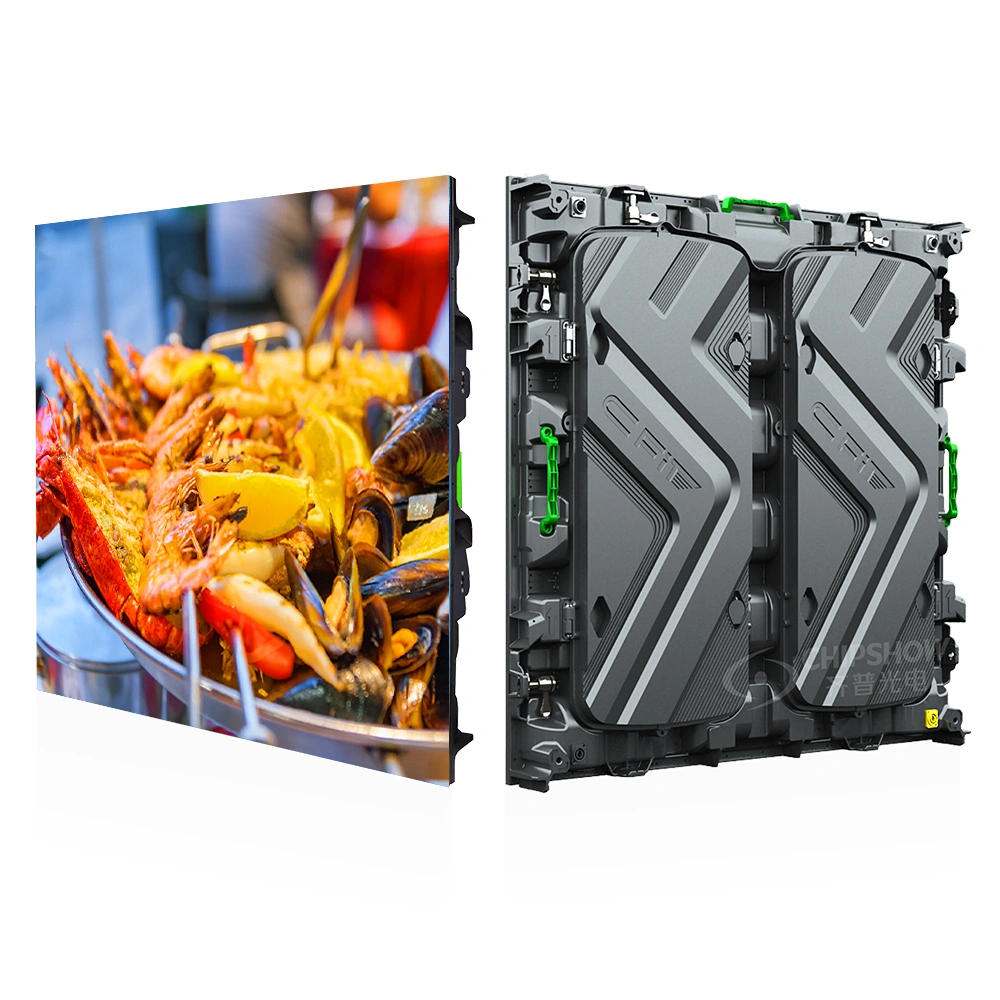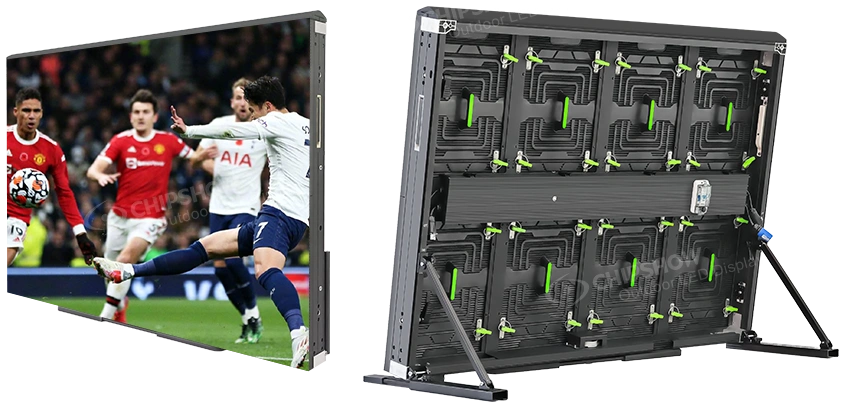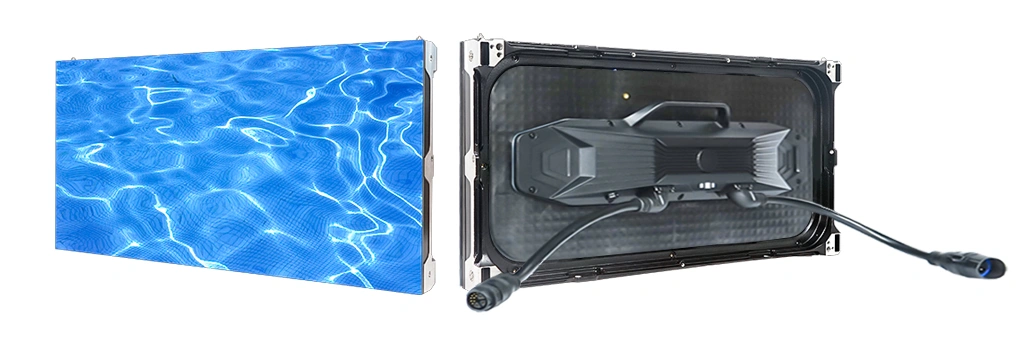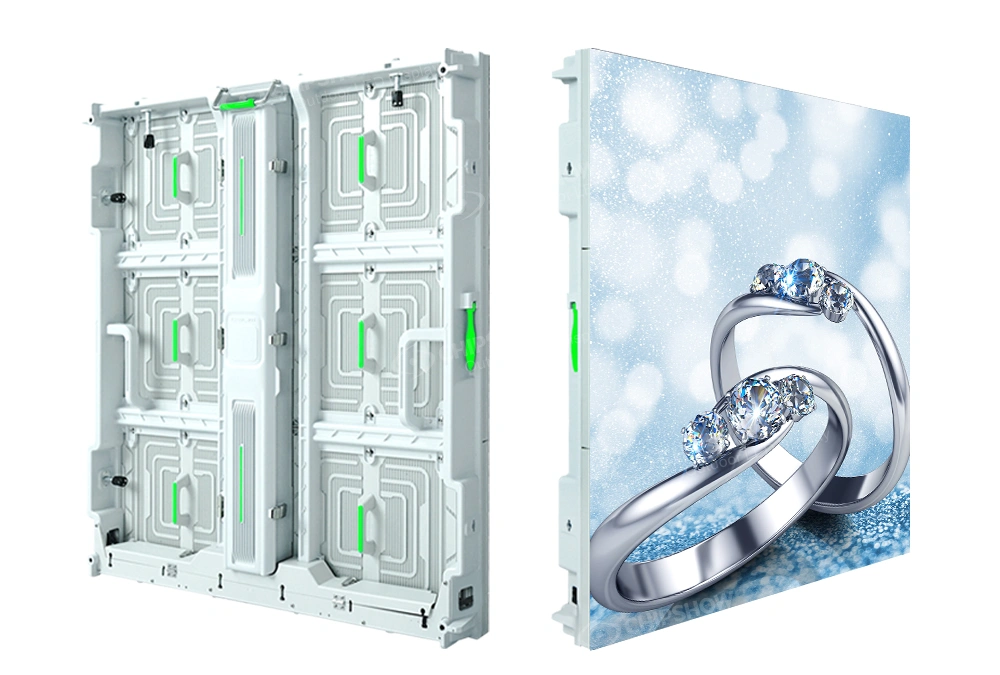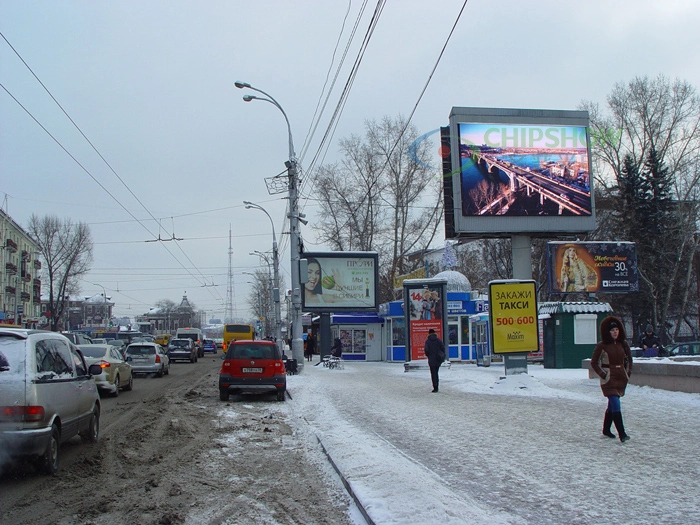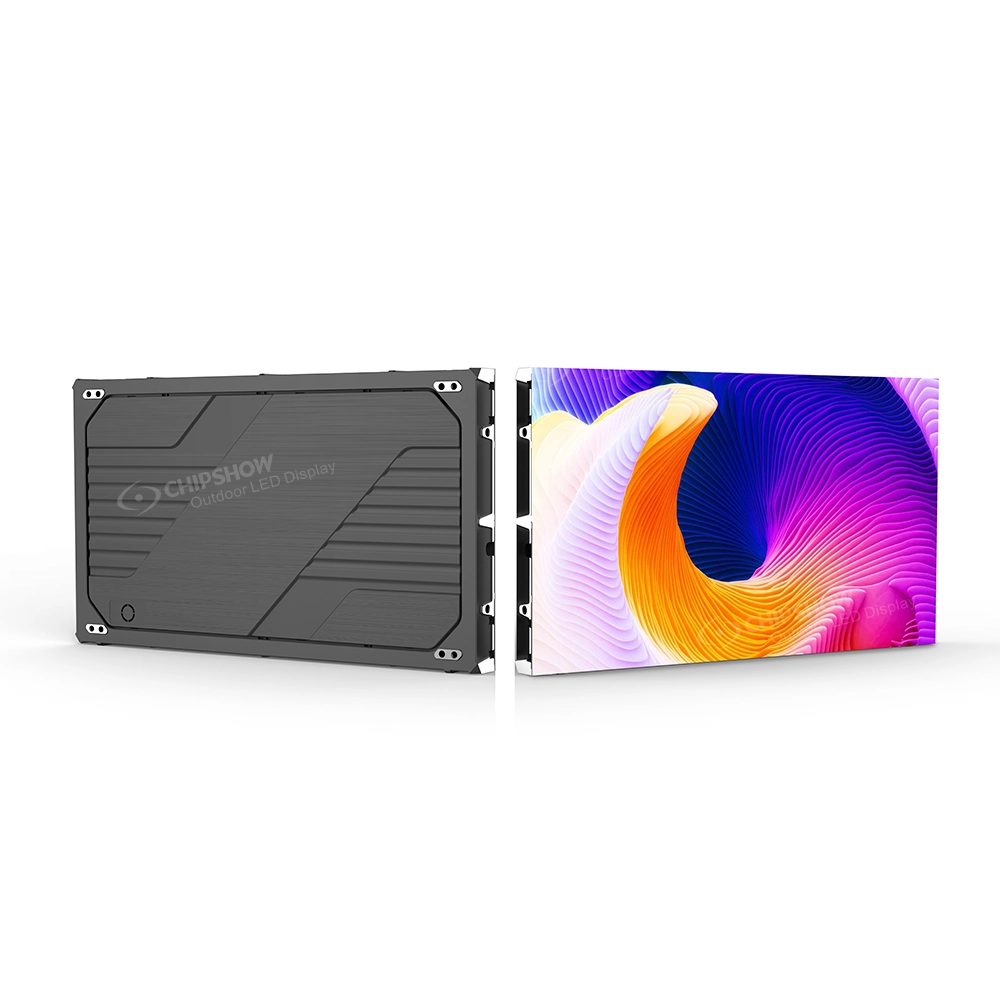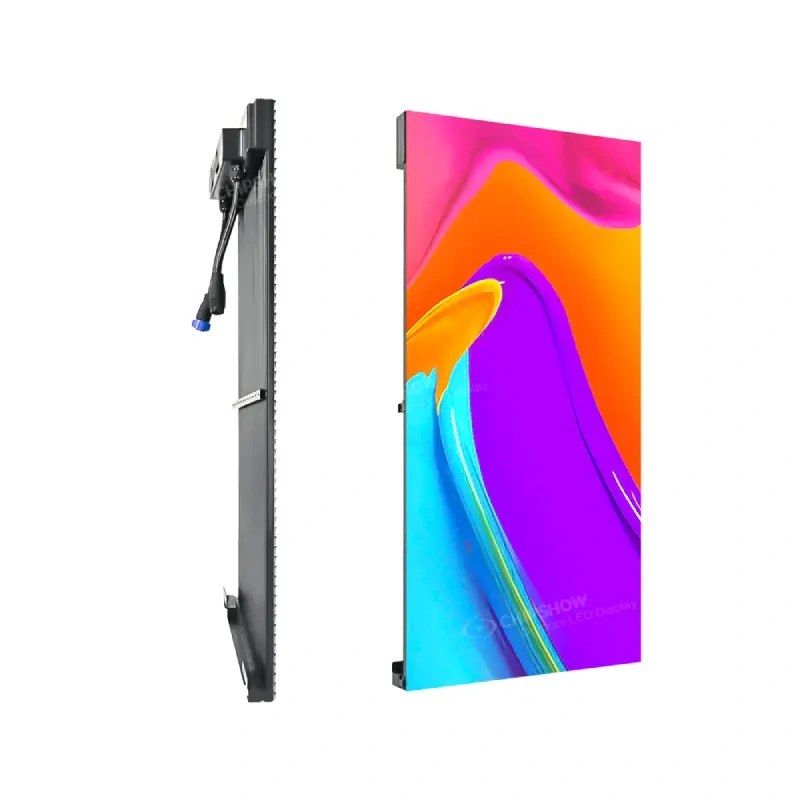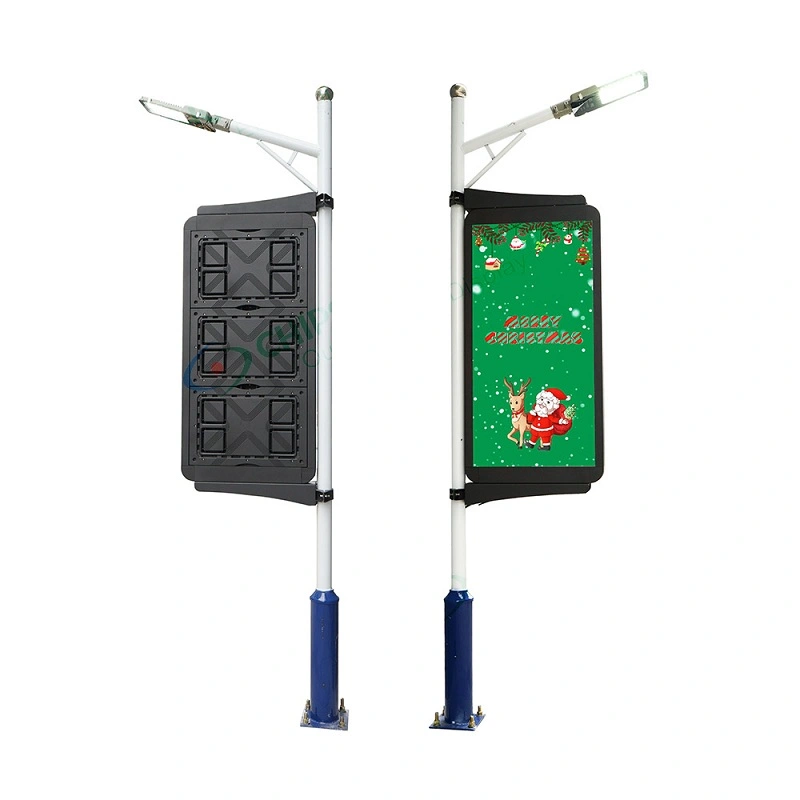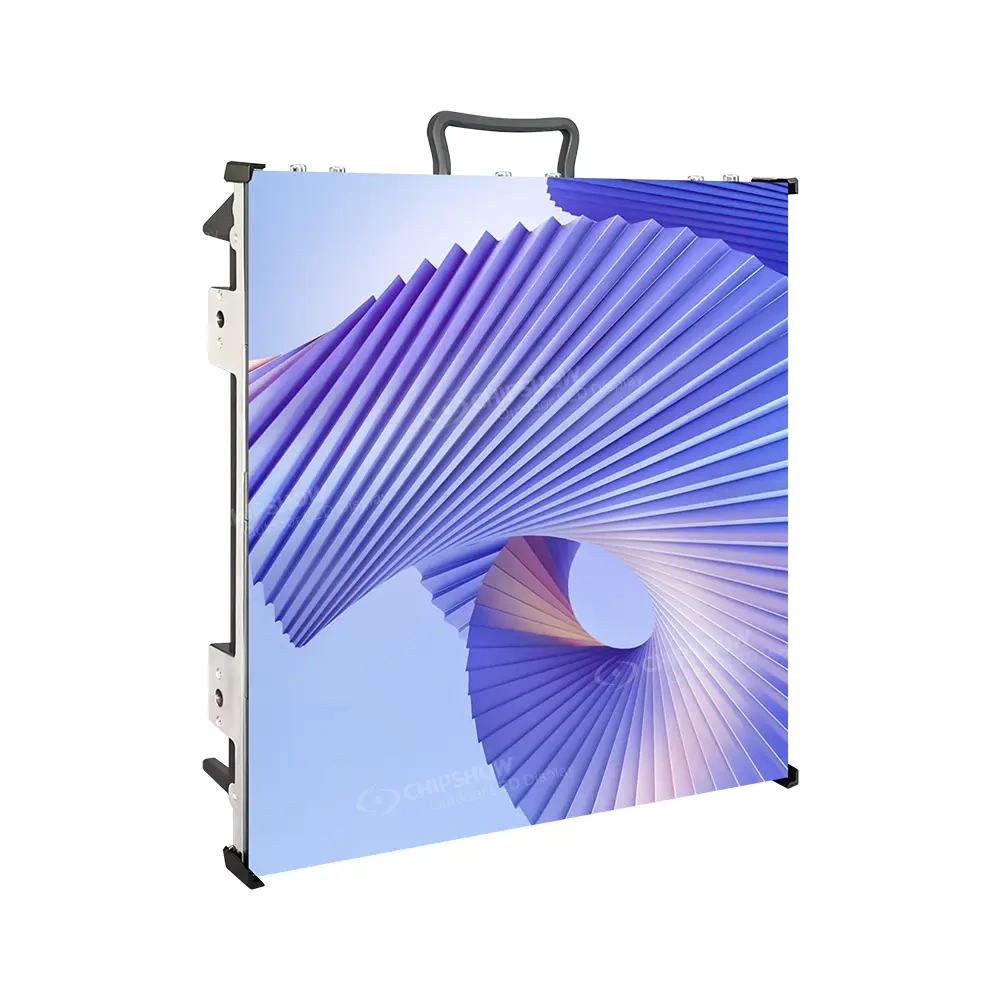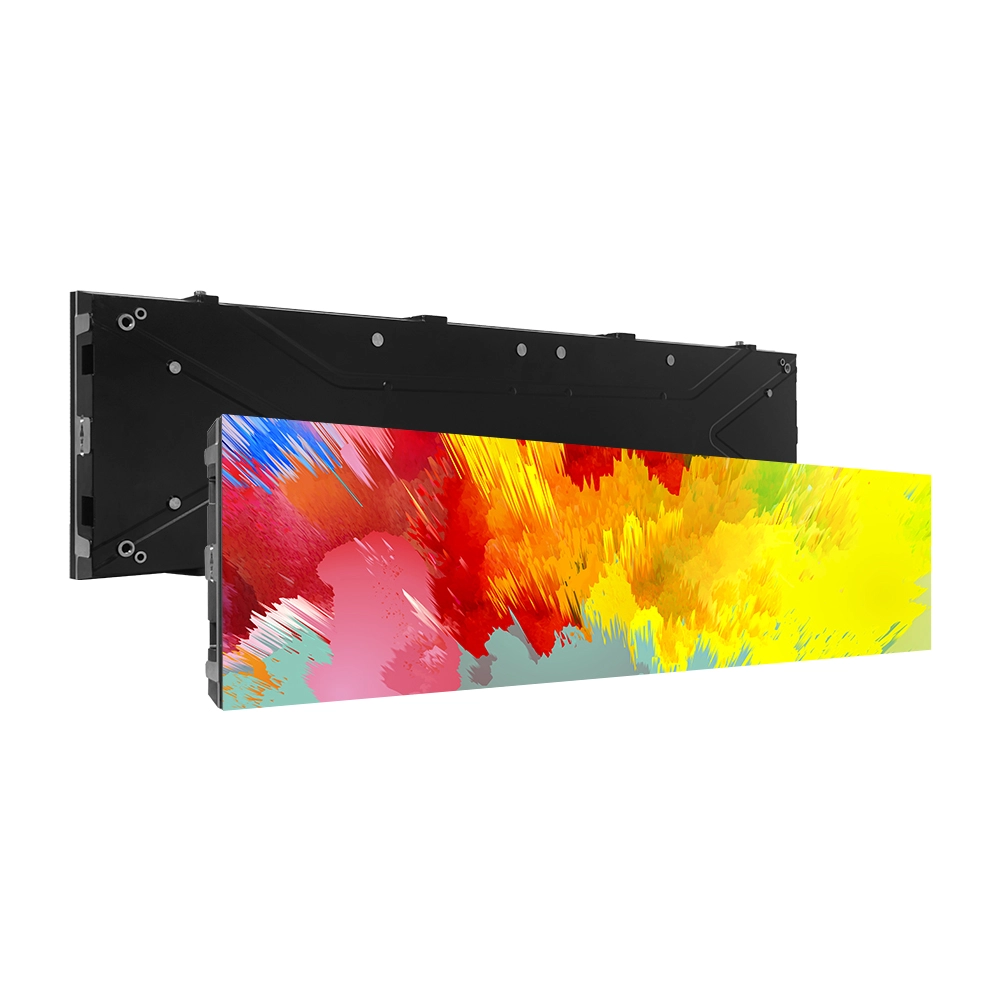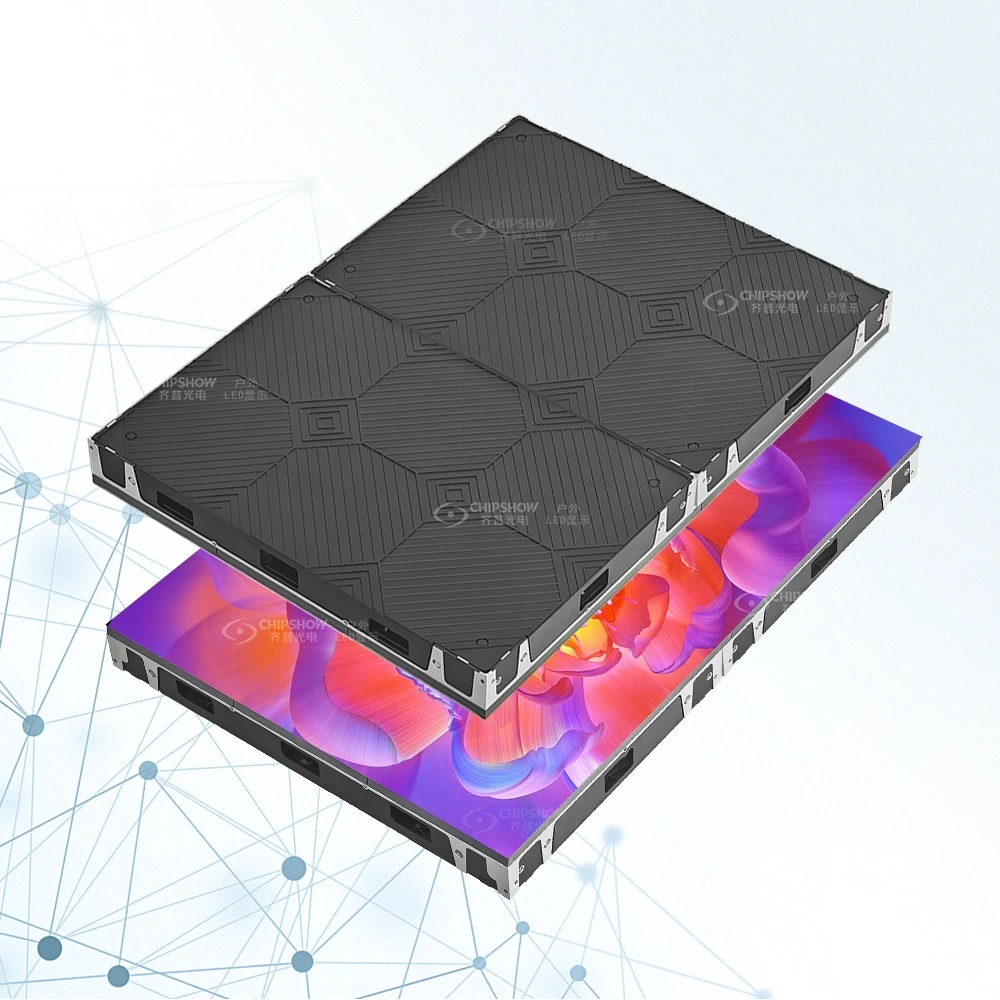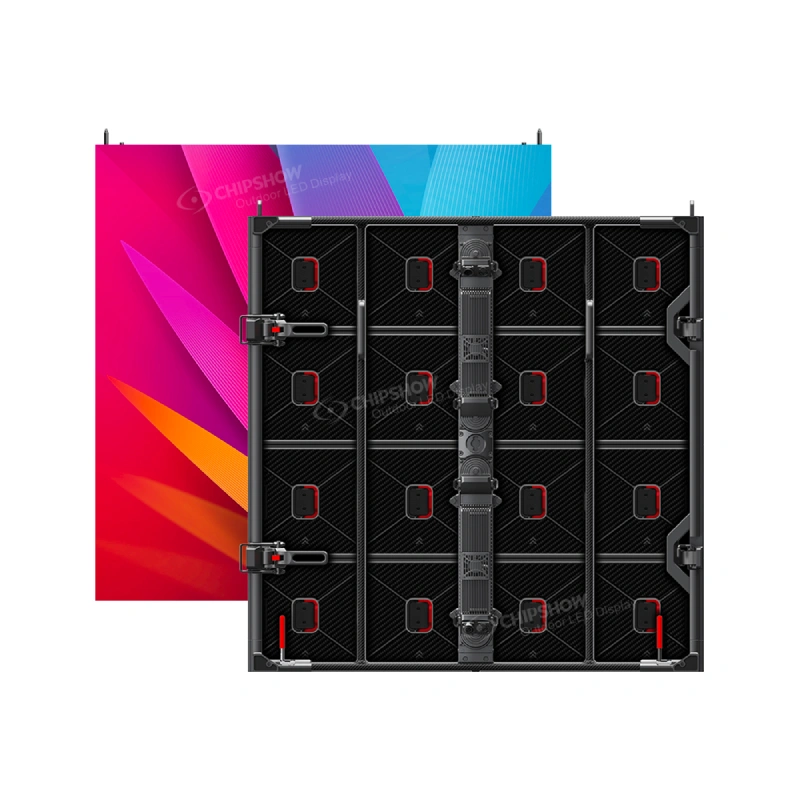
For a North American outdoor LED screen project, compare five design priorities: 3D content and viewing geometry, component service access, installed weight, environmental exposure, and operating power. Each affects what to request in a supplier proposal.
Use the table below to turn these priorities into questions for an integrator or supplier, then check the design considerations in each section.
The same checklist can support billboard, storefront and other permanent outdoor signage projects; the specification must fit the actual site.
| Design priority | Buyer decision | Evidence to request |
|---|---|---|
| 3D content and geometry | Does the effect work from the planned audience viewpoints? | Screen geometry drawing and content preview from those viewpoints |
| Service access | Which components can be serviced in the available space? | Access procedure for modules, power supplies, cards and cables; clearance drawing |
| Installed weight | What load and handling plan does the complete display create? | Cabinet weight plus mounting hardware and accessories; site structural design |
| Environmental fit | Does the specified system suit the site’s exposure? | Ingress rating scope, corrosion treatment and operating temperature range |
| Operating power | Can energy estimates be compared on the same basis? | Typical power at stated brightness and content; daily operating schedule |
1. 3D Outdoor LED Screens: Geometry and Content
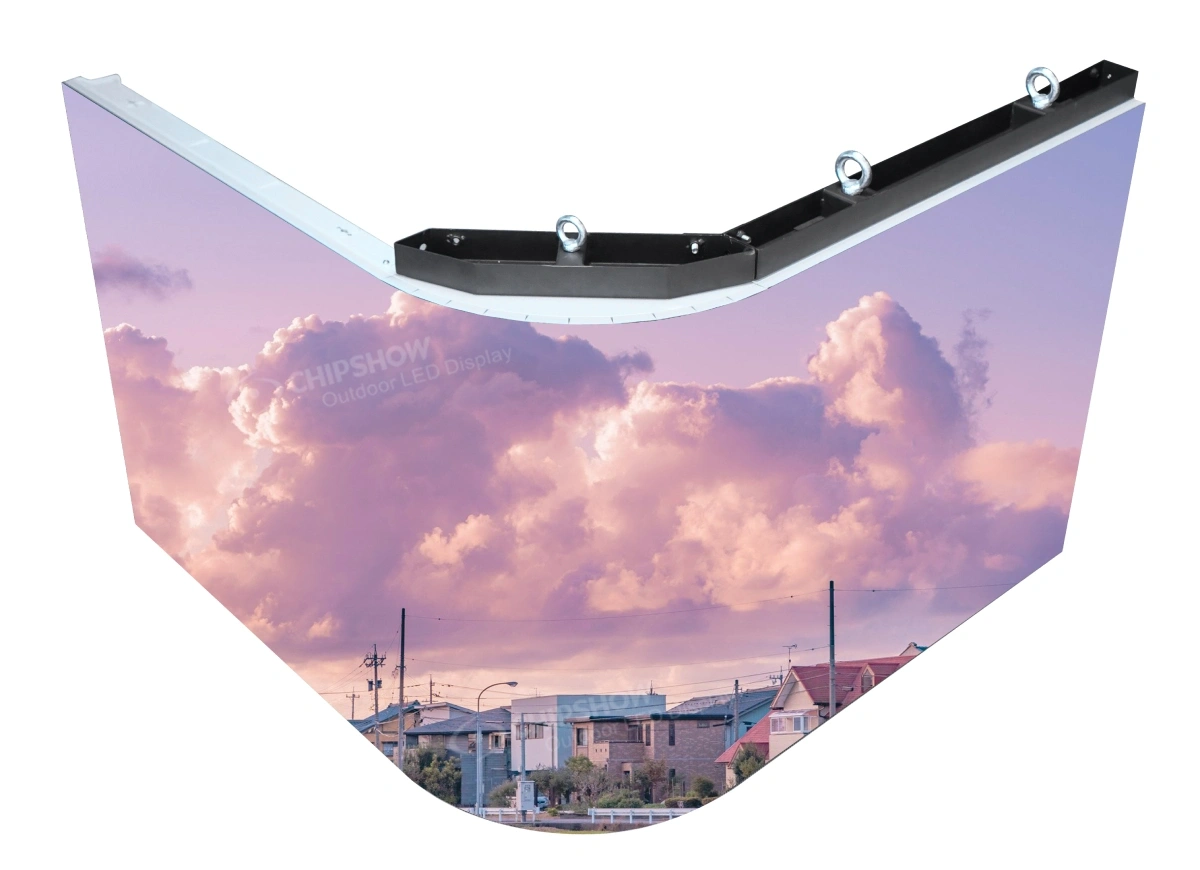
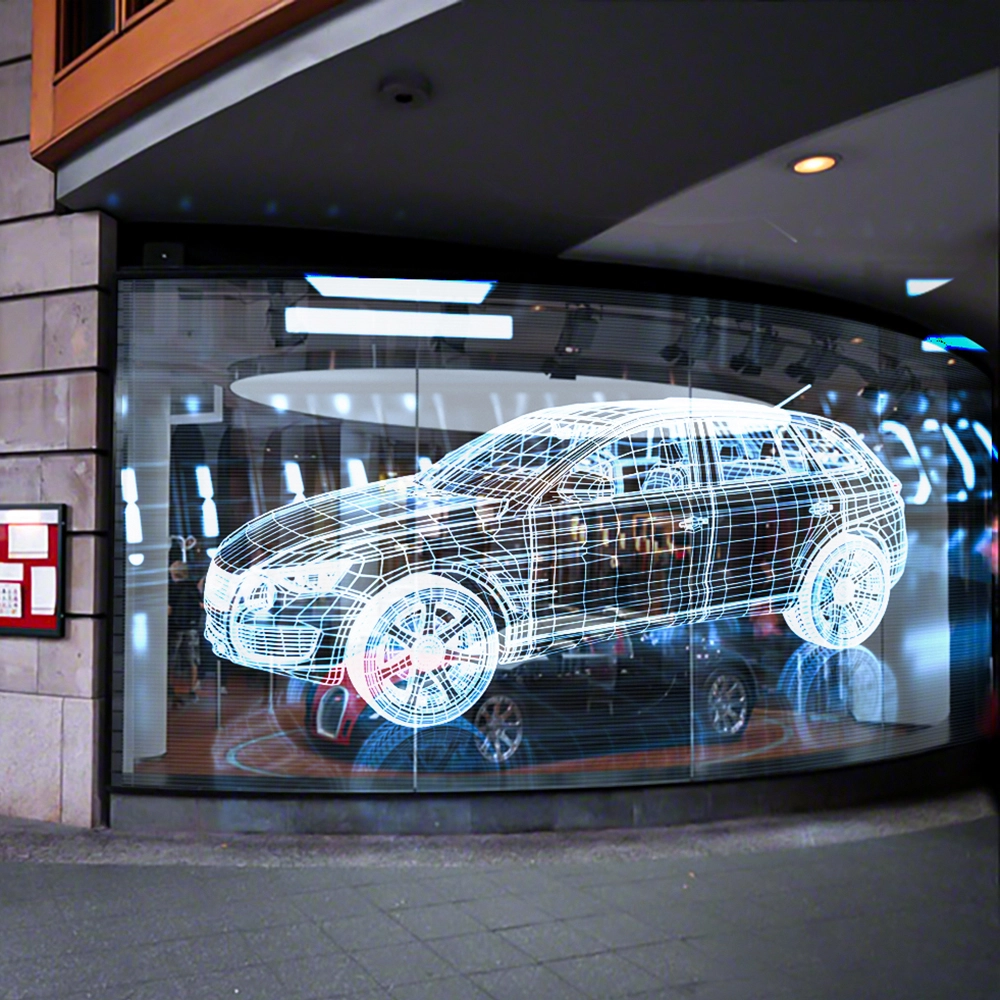
Corner or curved outdoor LED screens can be used for anamorphic 3D content designed for particular audience viewpoints.
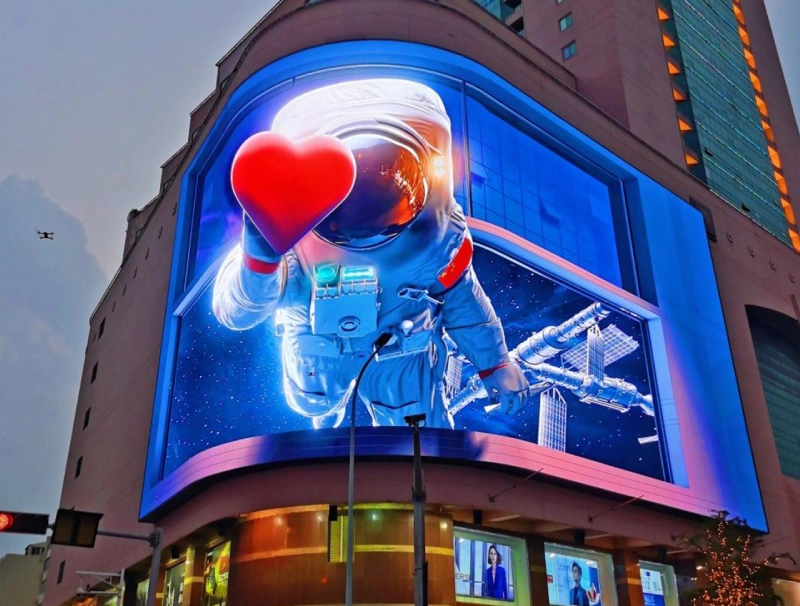
These installations are commonly seen in:
- urban retail districts
- entertainment venues
- major intersections
For a 3D billboard, preview the content from the intended audience positions. A convincing effect depends on the screen geometry, the content perspective and the viewing angle.
Planning Considerations
- Viewing angles should be predictable for optimal effect
- Higher pixel density may be required
- Content must be specifically produced for 3D formats
2. Front Service: Check Every Component
Maintenance access matters on installations such as:
- storefront installations
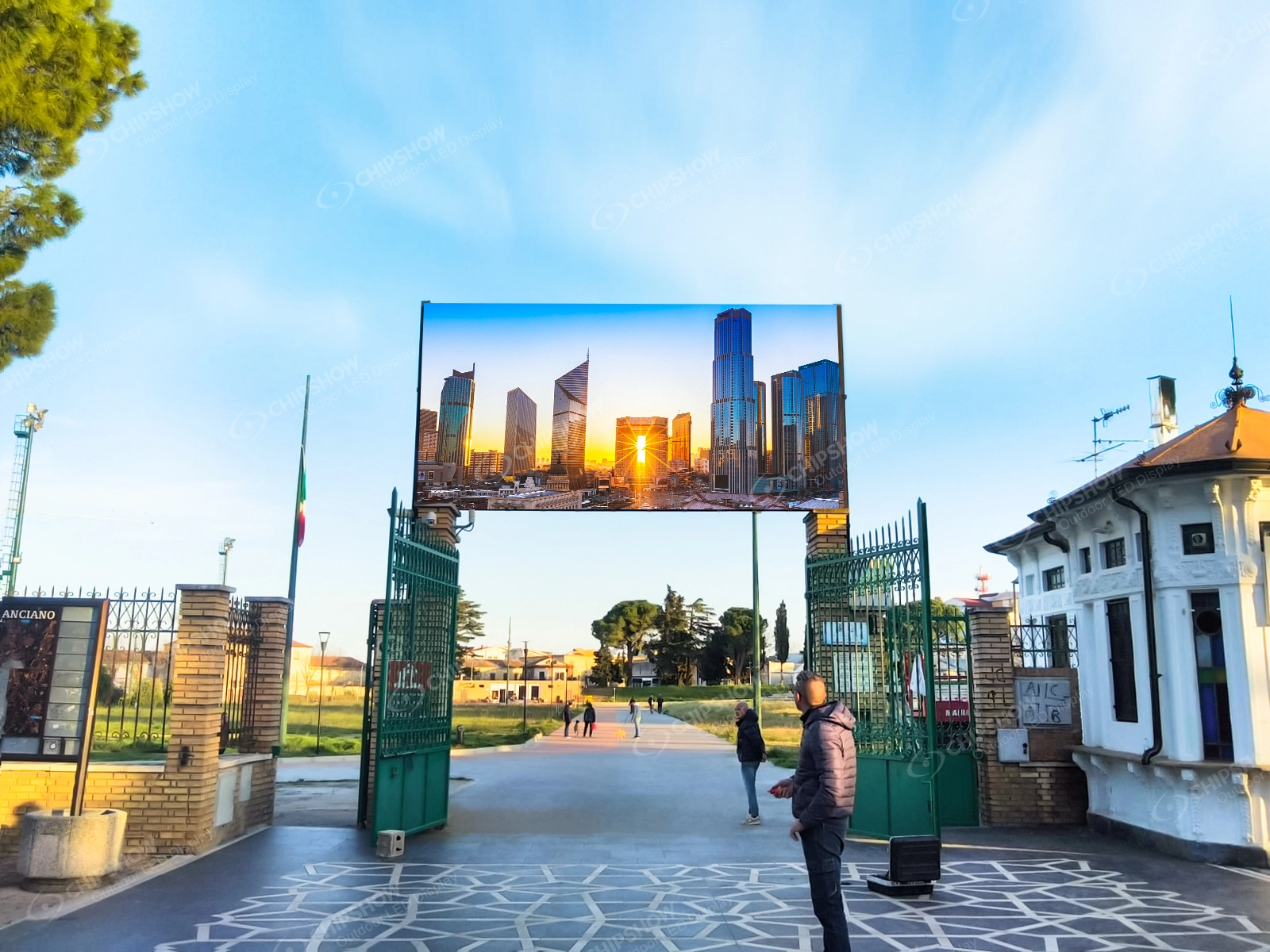
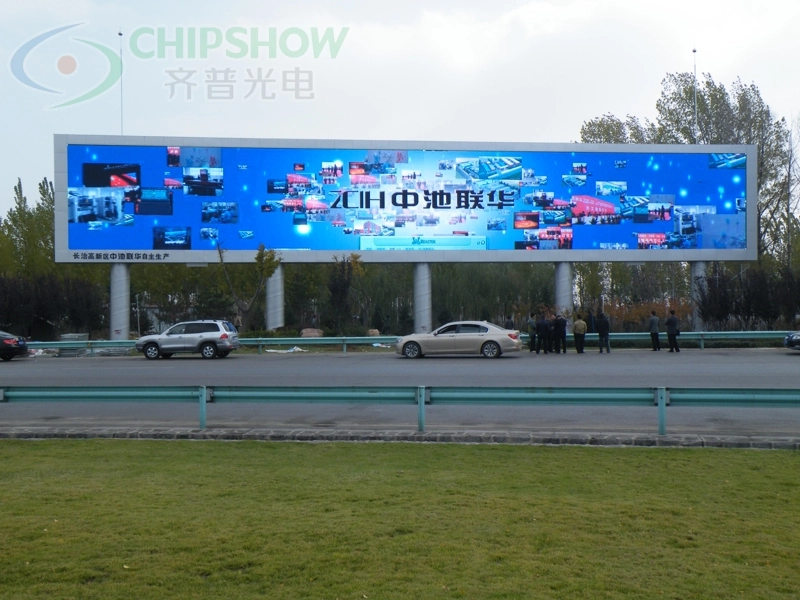
- outdoor digital billboard structures
- wall-mounted signage
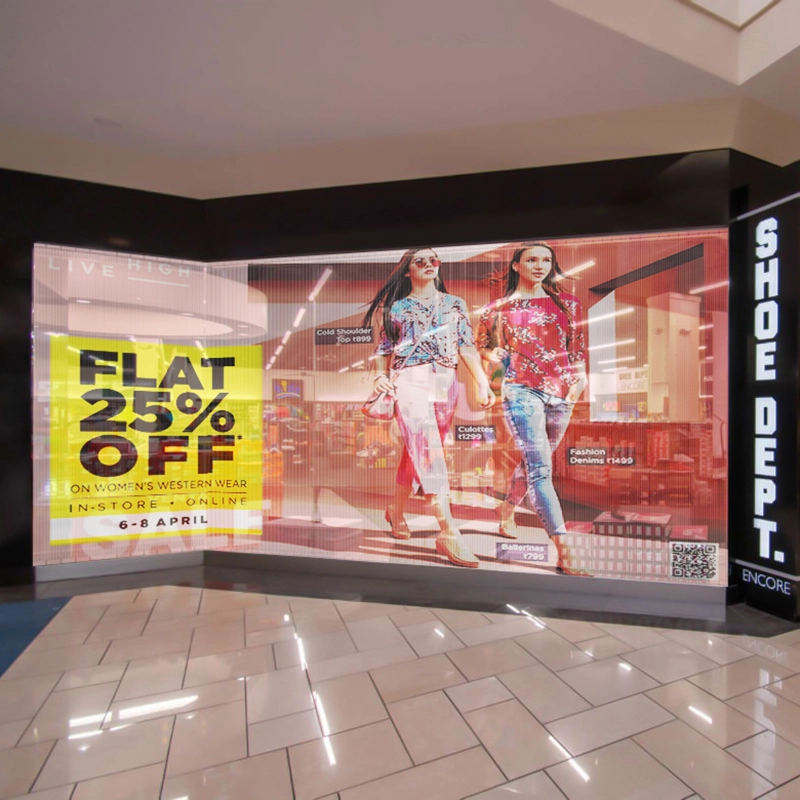
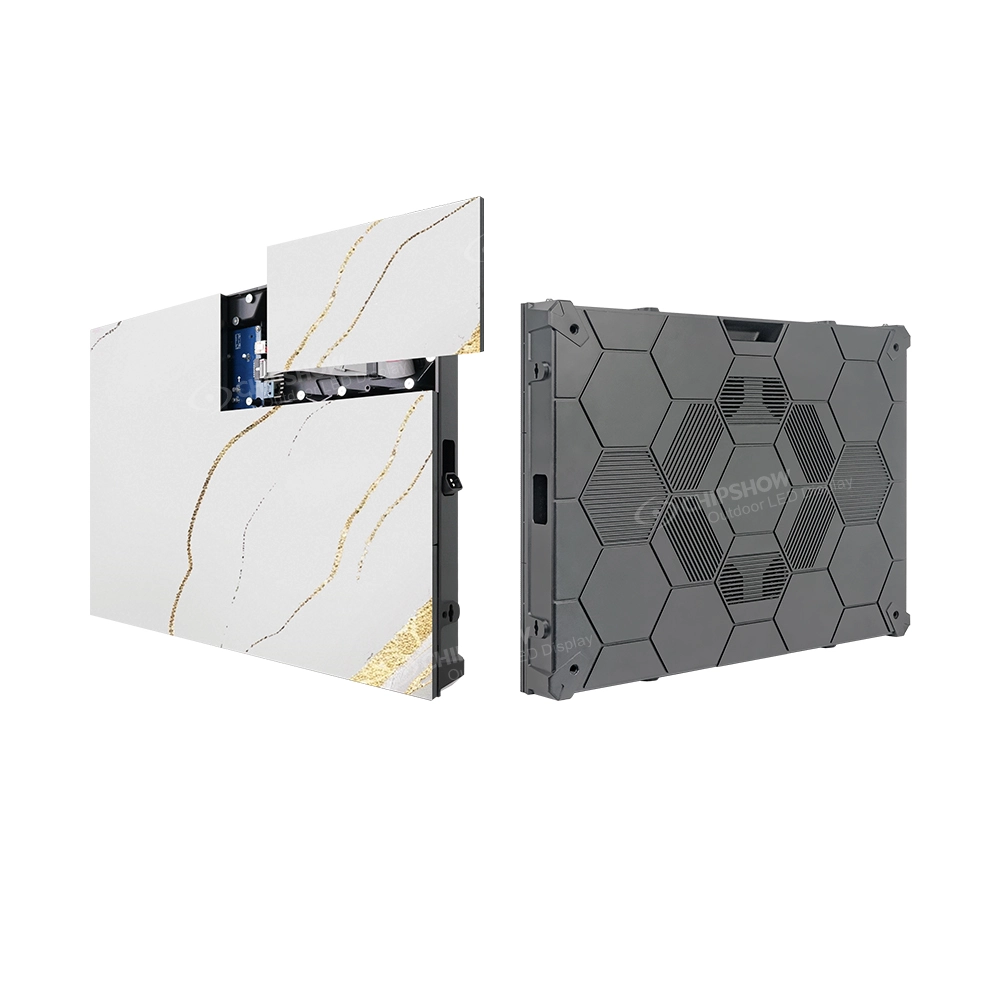
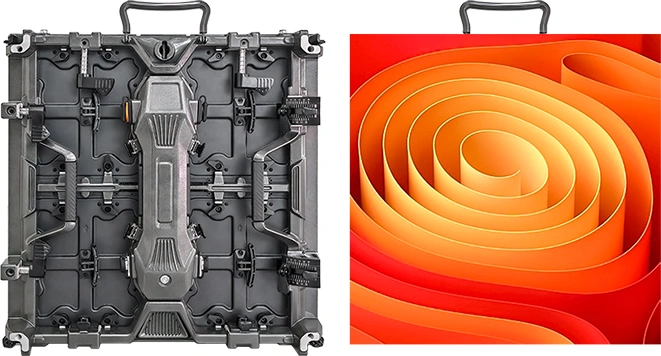
Front module access can simplify maintenance where rear access is restricted. Ask which parts can actually be reached from the front: LED modules, power supplies, receiving cards and cabling. Confirm service clearances on the installation drawing; front module removal alone does not establish that the complete system needs no rear access.
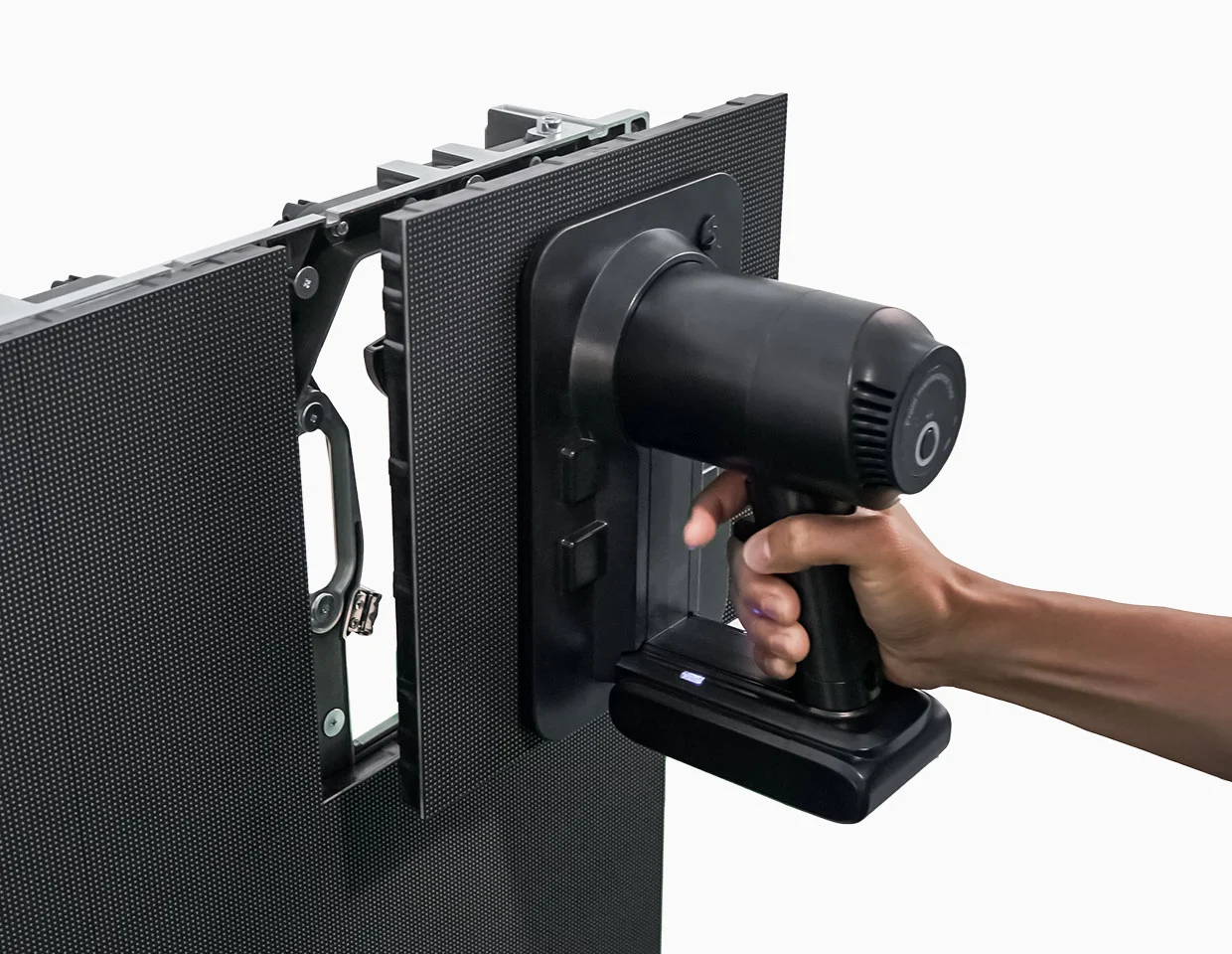
3. Cabinet Weight: Compare the Complete Installation
Cabinet weight is one part of the structural design. Outdoor LED cabinets may use aluminum or magnesium alloy, but compare the quoted weight of the complete assembly, including mounting hardware and accessories.
For integrators working with:
- large outdoor LED screens
- monument signs with a defined installation scope
lighter cabinets may help:
- reduce the display assembly’s dead weight
- simplify transportation
- shorten installation timelines
Actual benefits depend on project scale, lifting arrangements and the installation method. The supporting structure still needs to be designed for the site.
4. Environmental Fit: Look Beyond the IP Rating
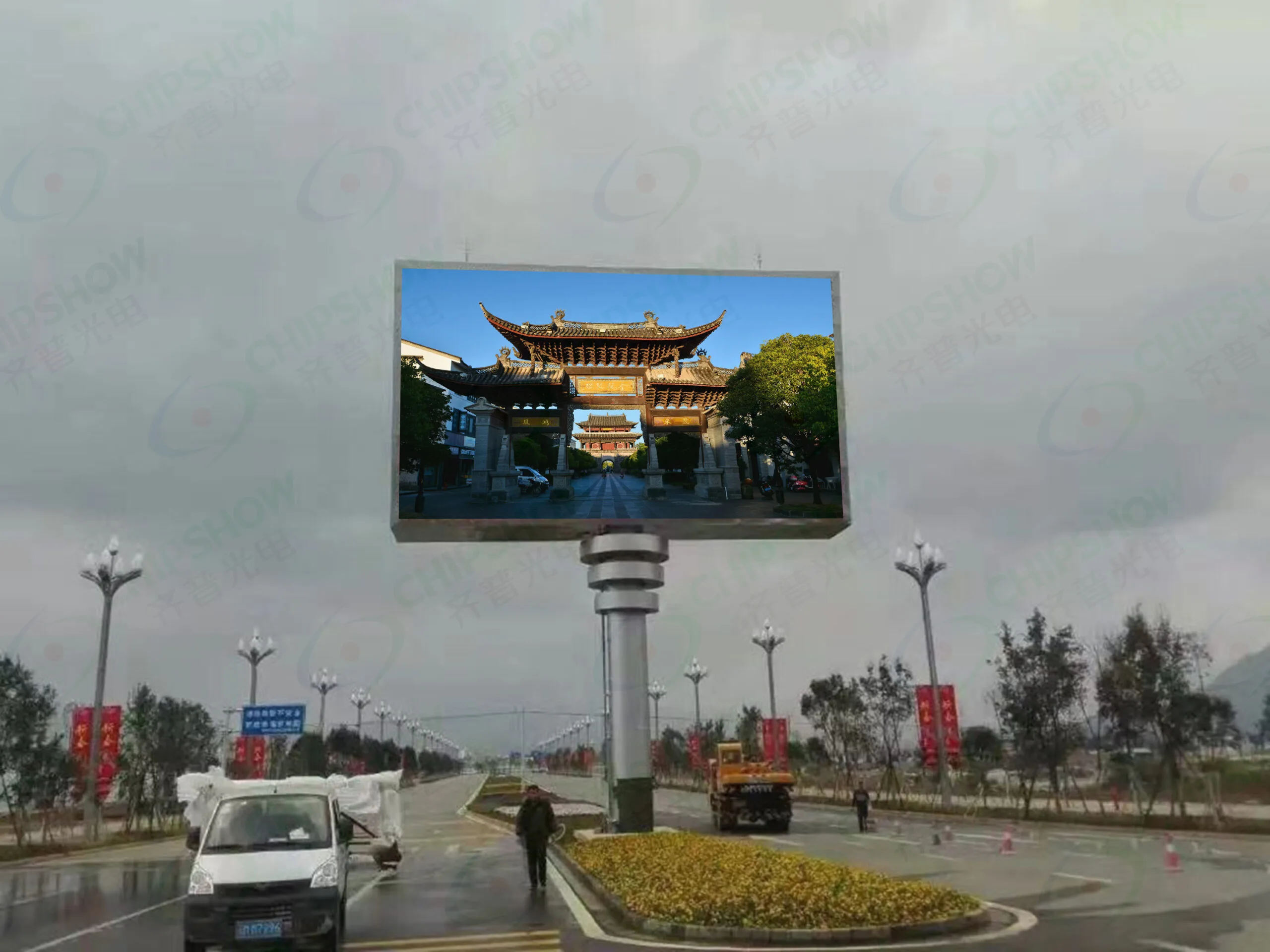
North American environments vary widely, from coastal humidity to snow and high winds.
Compare outdoor display proposals across three separate areas:
- water and dust ingress protection, with the rating scope stated for the proposed enclosure
- corrosion-resistant materials
- thermal management systems
An IP rating addresses ingress protection; it does not by itself establish corrosion resistance or the operating temperature range. Request the proposed model’s environmental specifications and the safety and electromagnetic-compatibility documentation needed for the installation jurisdiction.
5. Operating Power: Compare Like-for-Like Conditions
Energy consumption is becoming a more visible consideration in project planning.
Outdoor LED systems may offer features such as:
- automatic brightness adjustment
- power management systems
- optimized circuit design
Compare typical operating power at the same brightness setting, content and operating schedule. Maximum input power is useful for electrical planning, but it should not be treated as a forecast of everyday energy use.
Delivery Planning: Verify Model, Quantity and Dispatch Date
For a time-sensitive project, align procurement with the installation schedule.
Ask the supplier to confirm:
- the exact model, pixel pitch and available quantity
- stock location and what is included in the shipment
- dispatch date, transport allowance and installation responsibilities
Confirm these details in the quotation before booking installation. A general statement about local inventory does not establish availability for your required configuration or dispatch date.
Turn the Checklist into a Comparable Quote
Ask each supplier to price the same screen area, pixel pitch, brightness target, service arrangement and installation scope. Compare:
- display hardware and control equipment
- structure, electrical work, labor and access equipment
- spares, commissioning, support and delivery terms
Selection depends on application type, viewing distance, and budget.
Request an outdoor LED screen proposal with the screen dimensions, site location, audience viewing distance, access constraints and target installation date.