TL;DR: A storefront can carry one of four display types: a commercial LCD panel behind the glass, an LED poster screen at the window line, a transparent LED display mounted on the glass, or an LED wall above the window line. Three inputs decide the type: the mounting surface, the distance to the nearest viewer, and the content. Glass-mounted LED covers video at close range while keeping the window visible, and daylight sets the brightness class. A small window with mostly still content can stop at an LCD. This guide matches the type first; installation planning follows in a companion guide.
A storefront digital signage project starts with a type decision, and the four types are not interchangeable. A display built for a wall above the entrance can fail inside a window three feet from the sidewalk, where shoppers stand close and the screen competes with daylight through the glass. The four types are a commercial LCD panel behind the glass, an LED poster screen at the window line, a transparent LED display mounted on the glass, and an LED wall above the window line.
This guide separates them with three inputs that a store team can check without vendor help: the mounting surface, the distance to the nearest viewer, and the content. Prices are covered in a separate guide on quote factors. The measurements, brightness matching, and power and service planning that follow a type decision belong to the companion planning guide for transparent LED window displays.
The Four Display Types That Work on a Storefront
The four types differ in where they mount, how a viewer reads them, and what they ask of the building.
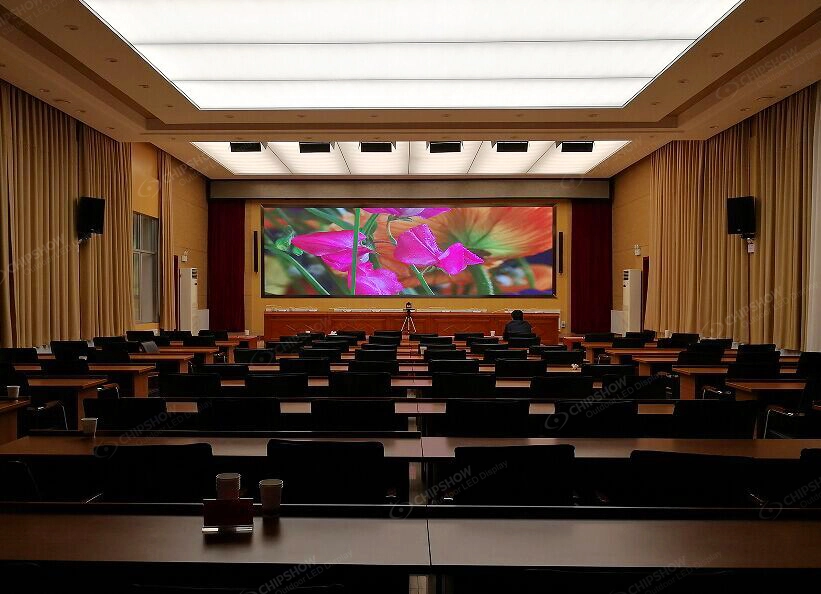
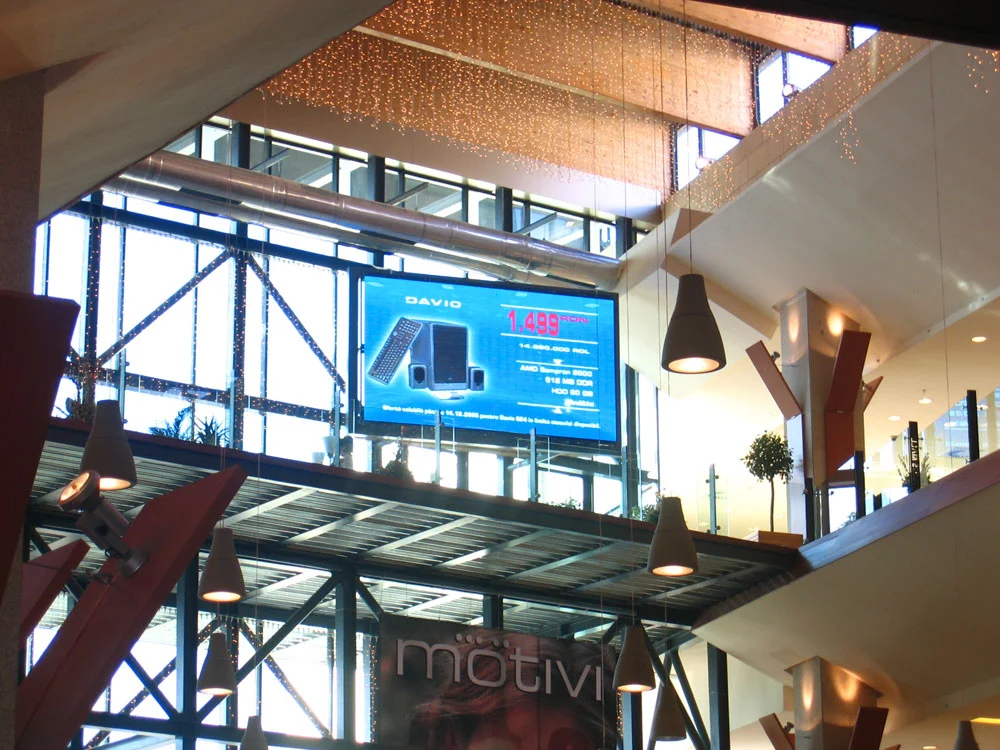
A commercial LCD panel mounts flat against or just behind the glass and reads like a bright television built for shopfront duty. The panel hangs on the window frame or on standoffs just inside the glass, and the picture reaches the street through the window itself. Panels come in fixed sizes; a larger window needs several panels joined, and the seams stay visible. LCD suits windows where the image area stays modest and the content is mostly still.
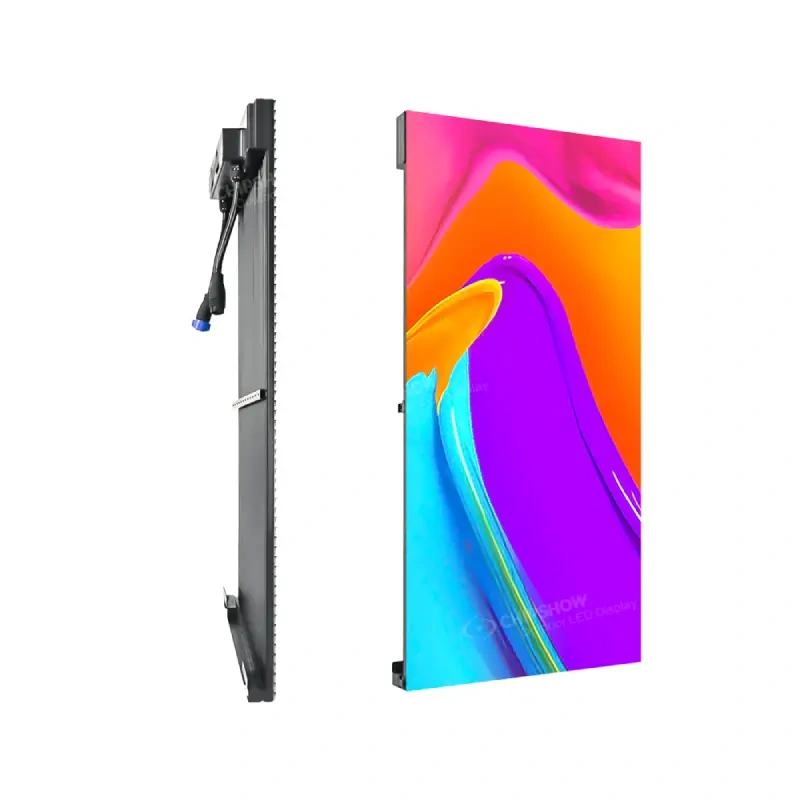
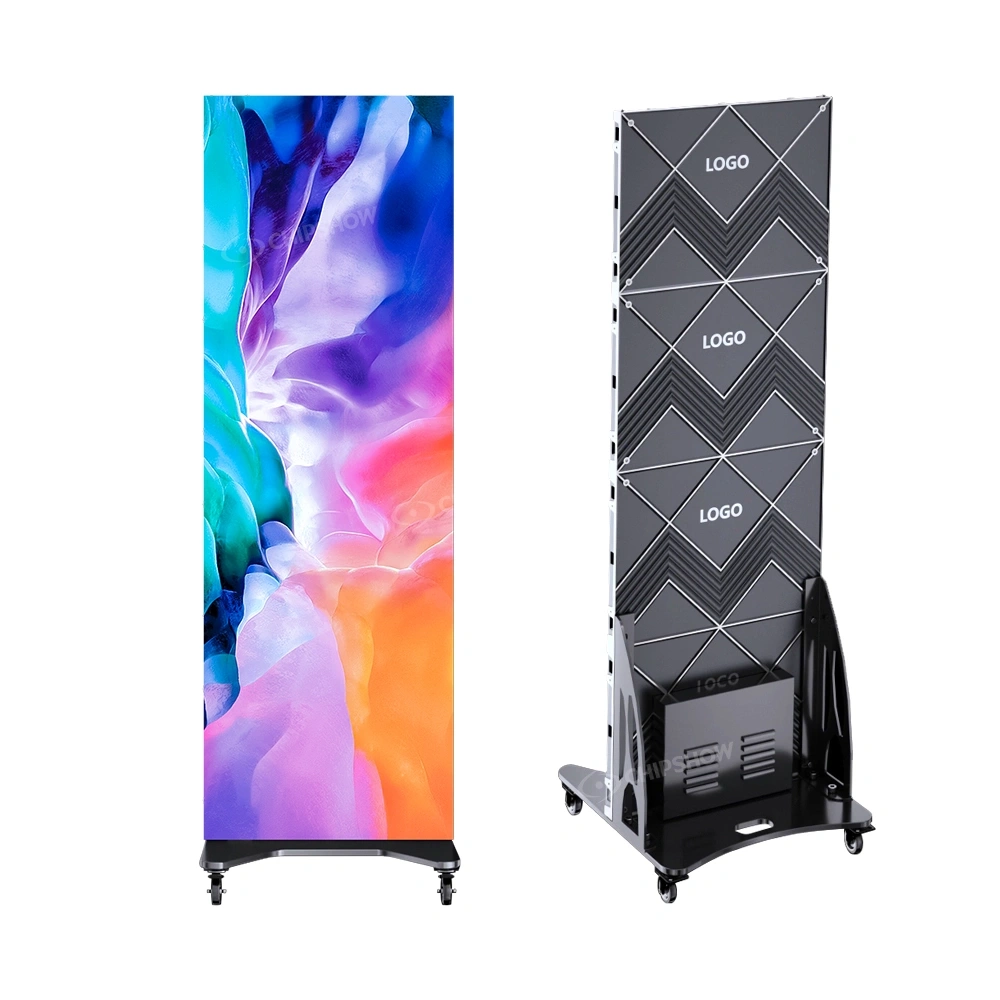
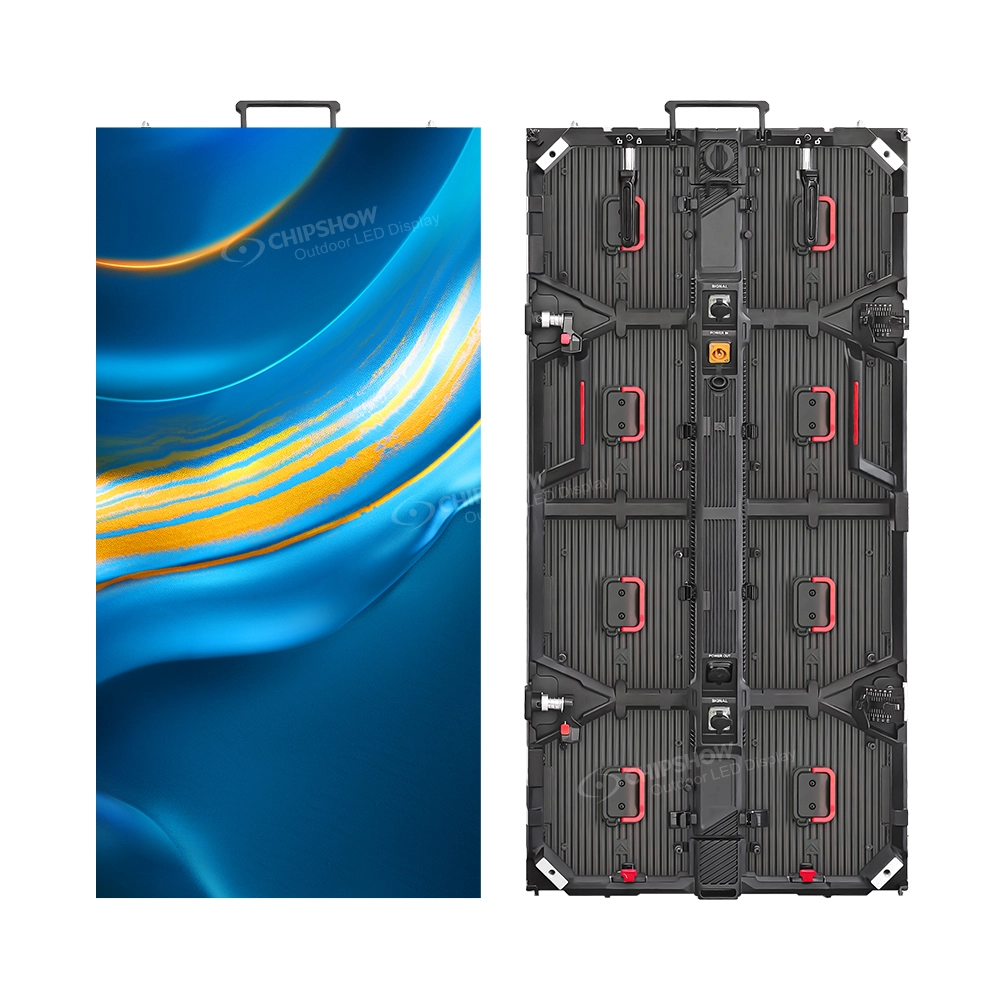
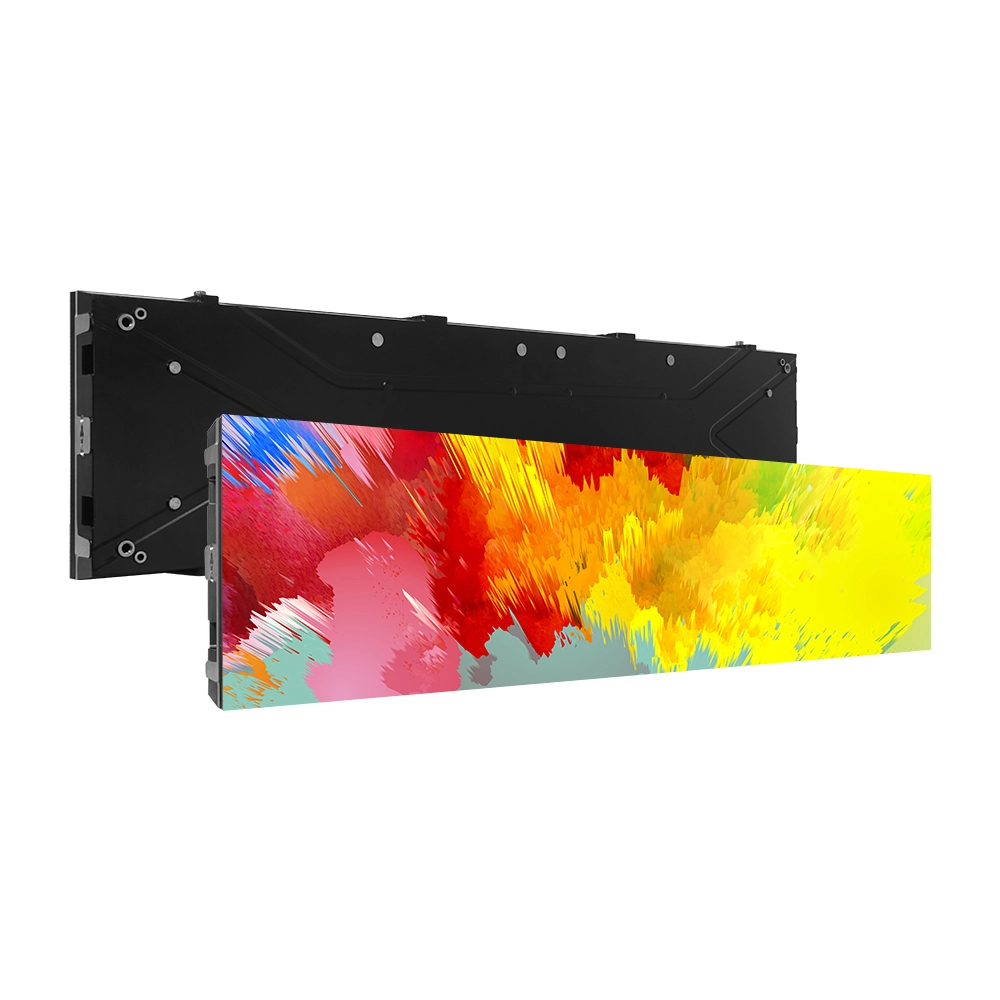
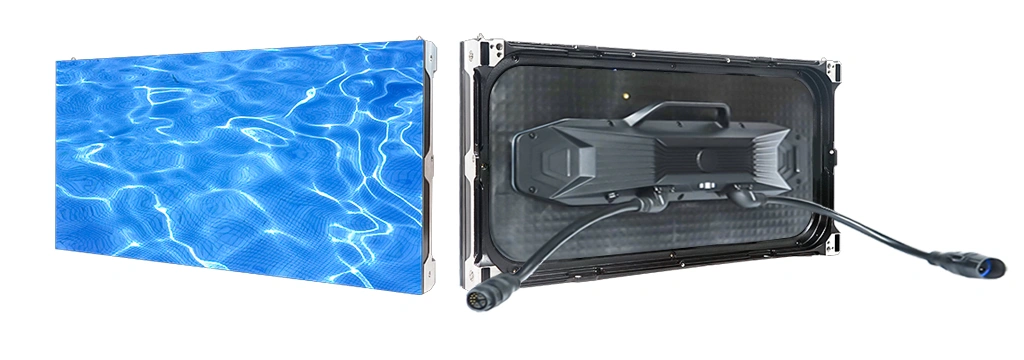
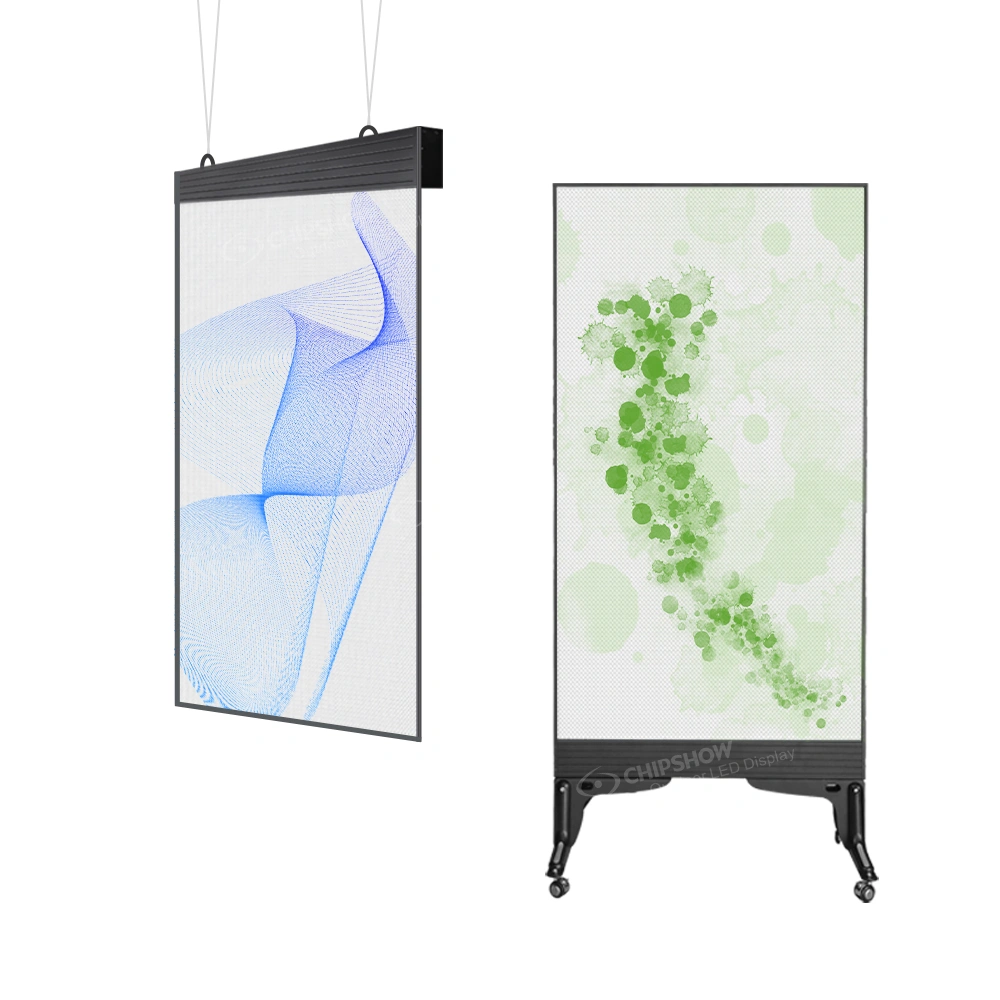
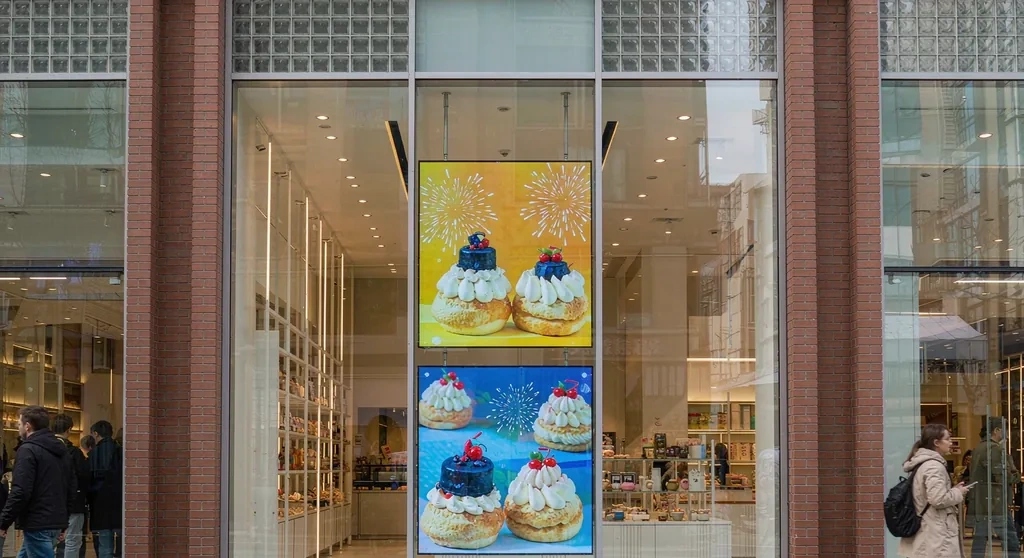
An LED poster screen is an upright LED panel in portrait orientation, placed at the window line. The panel forms its picture from light-emitting pixels rather than a liquid-crystal layer, so it reads brighter than an indoor screen. Because the panel carries its own stand or base, a store can move it to another window when the campaign changes.
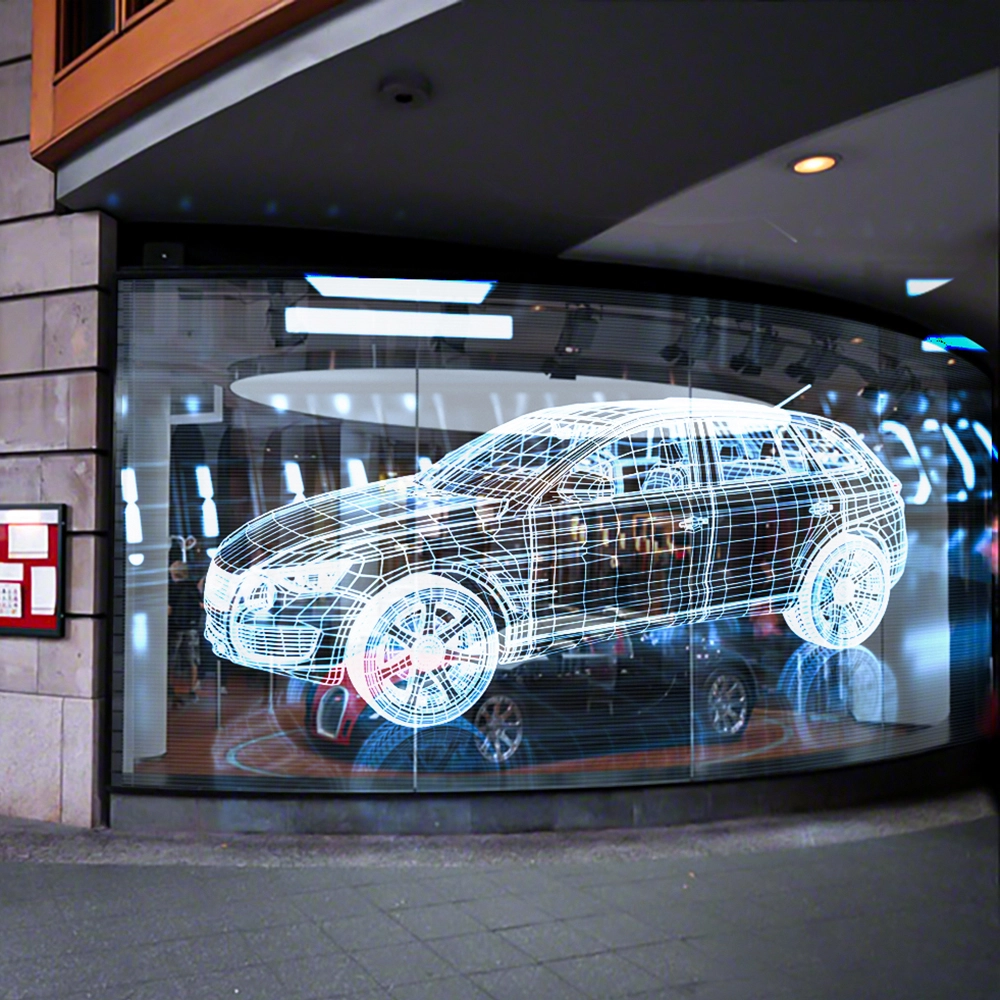
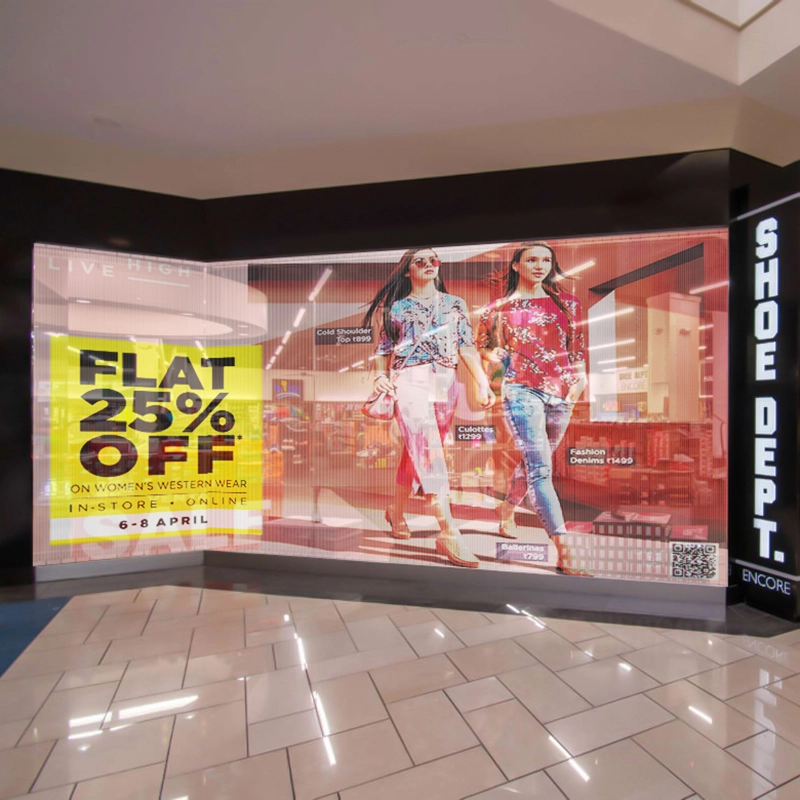
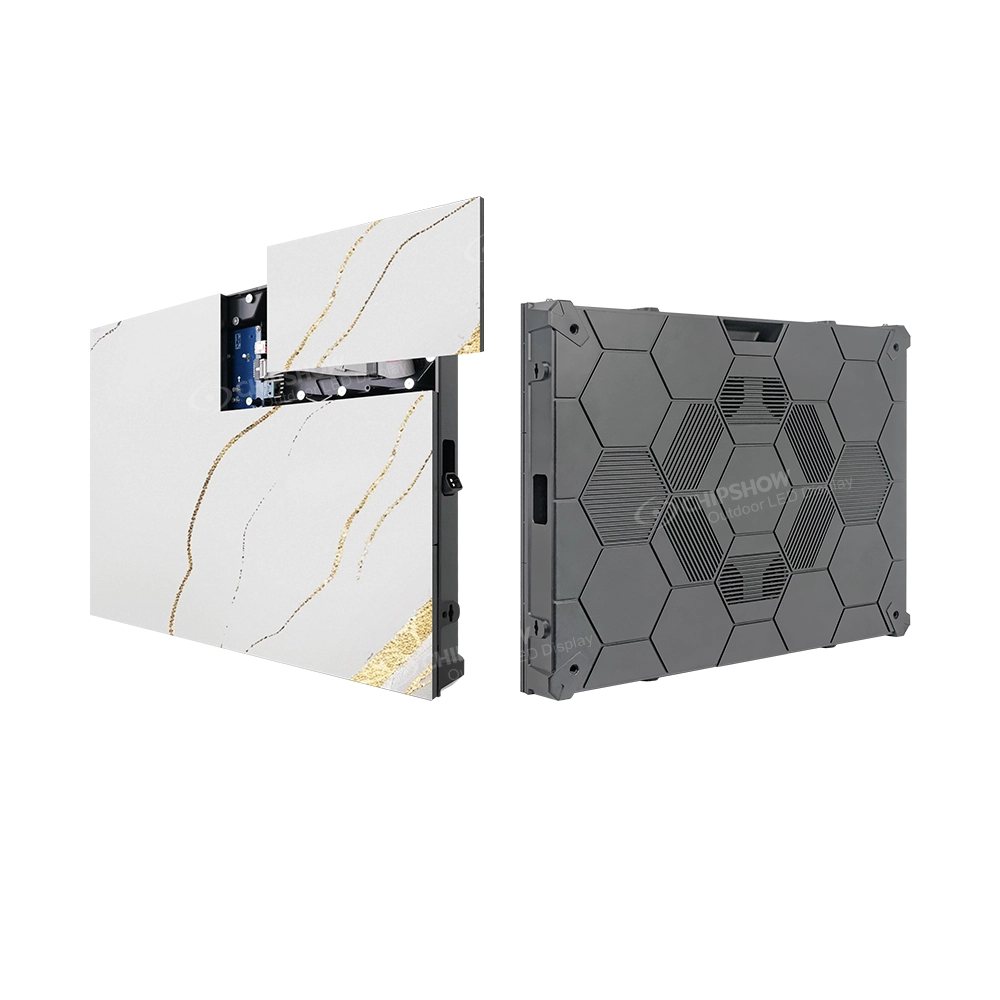
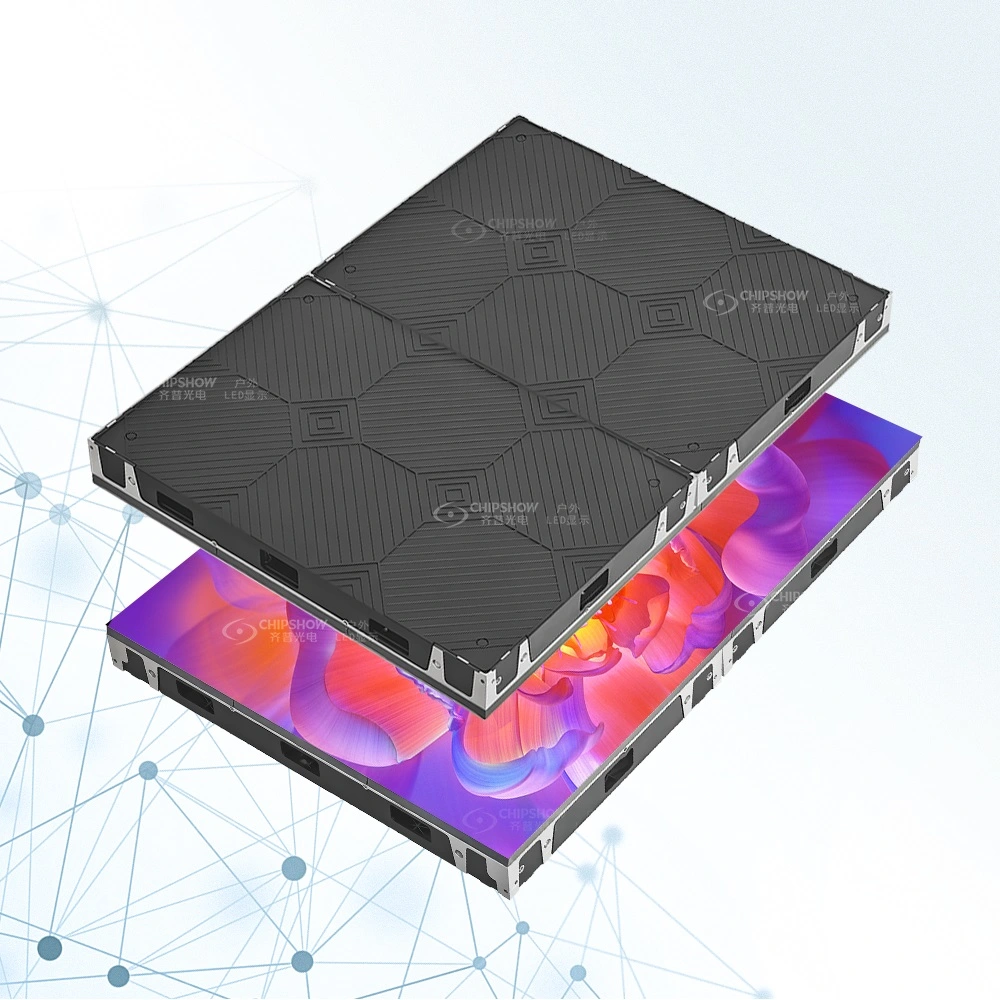
A transparent LED display mounts directly onto the glass itself. Strip and mesh modules carry the image while leaving most of the surface open, so shoppers still see the merchandise and the store interior behind the screen. The modules attach along the existing mullions and frame edges, so the glass structure carries the weight rather than a new steel frame. A separate guide compares this approach with adhesive LED film on the same glass.
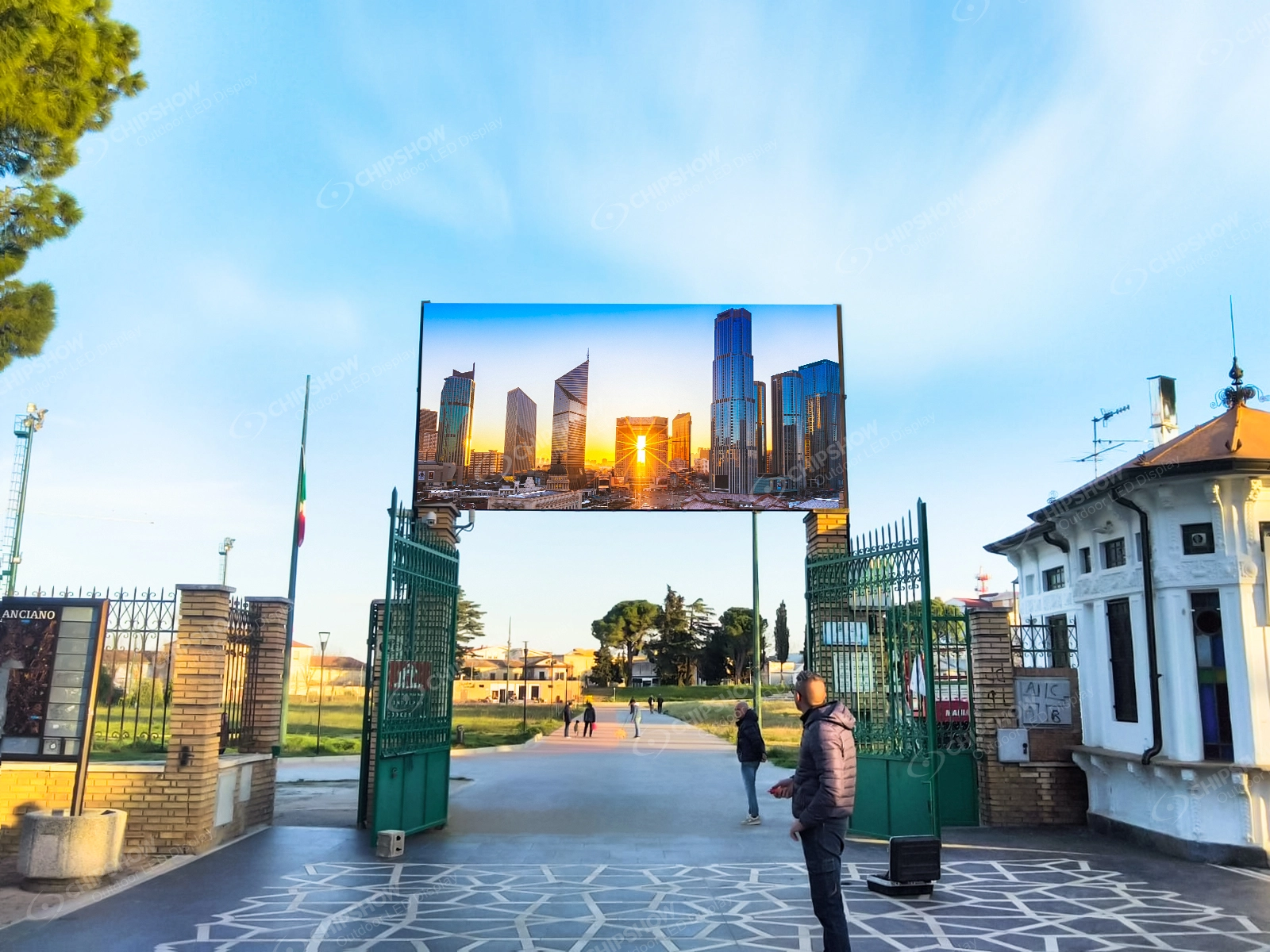
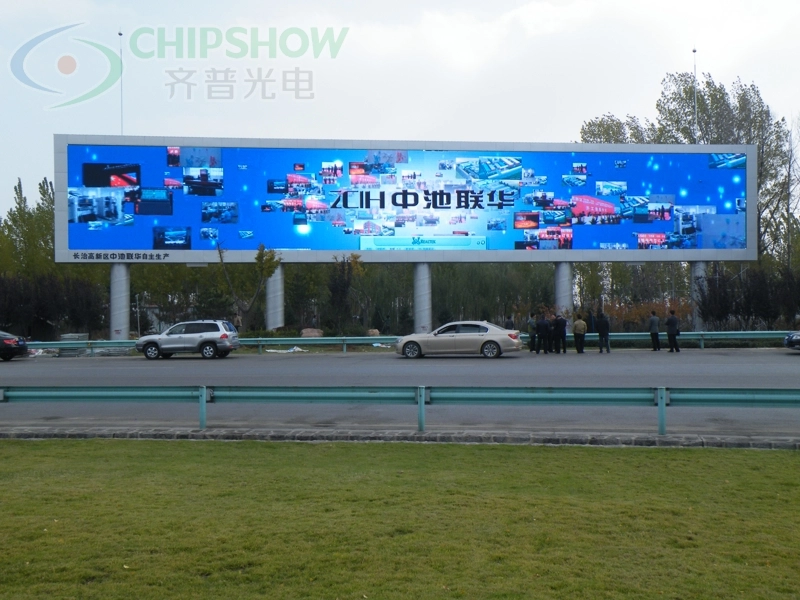
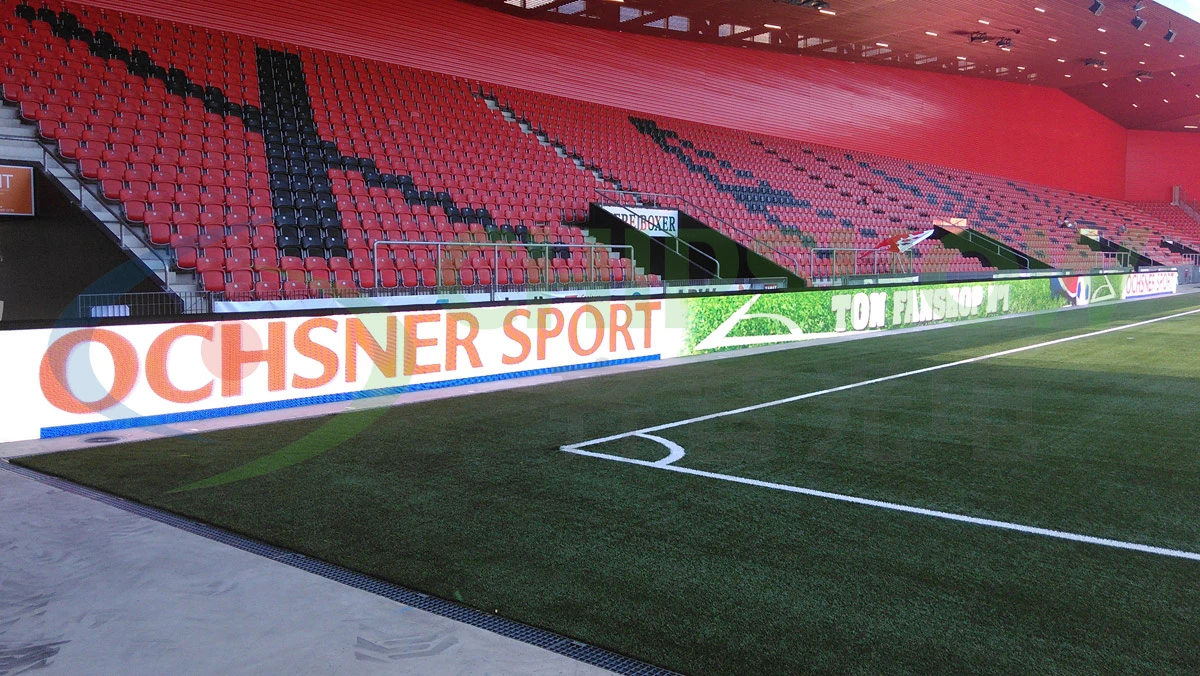
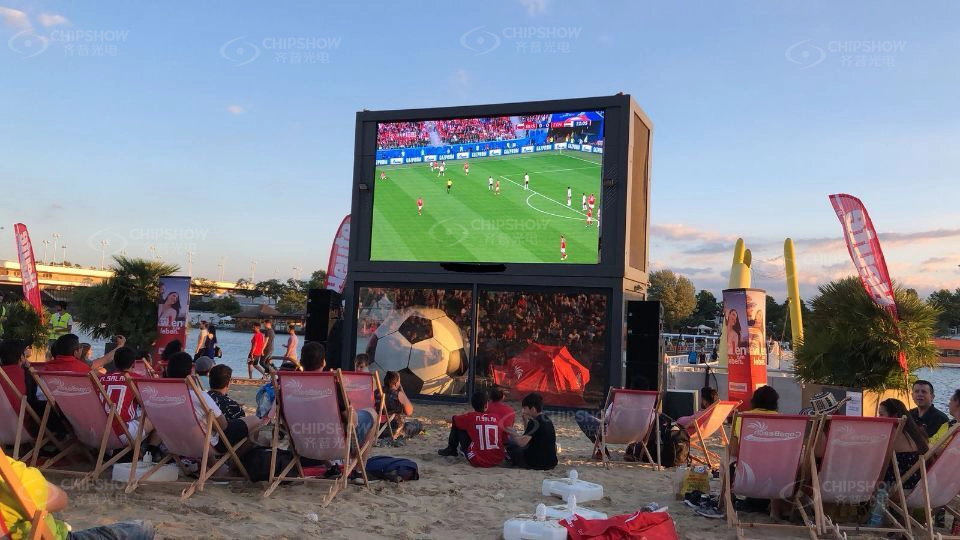
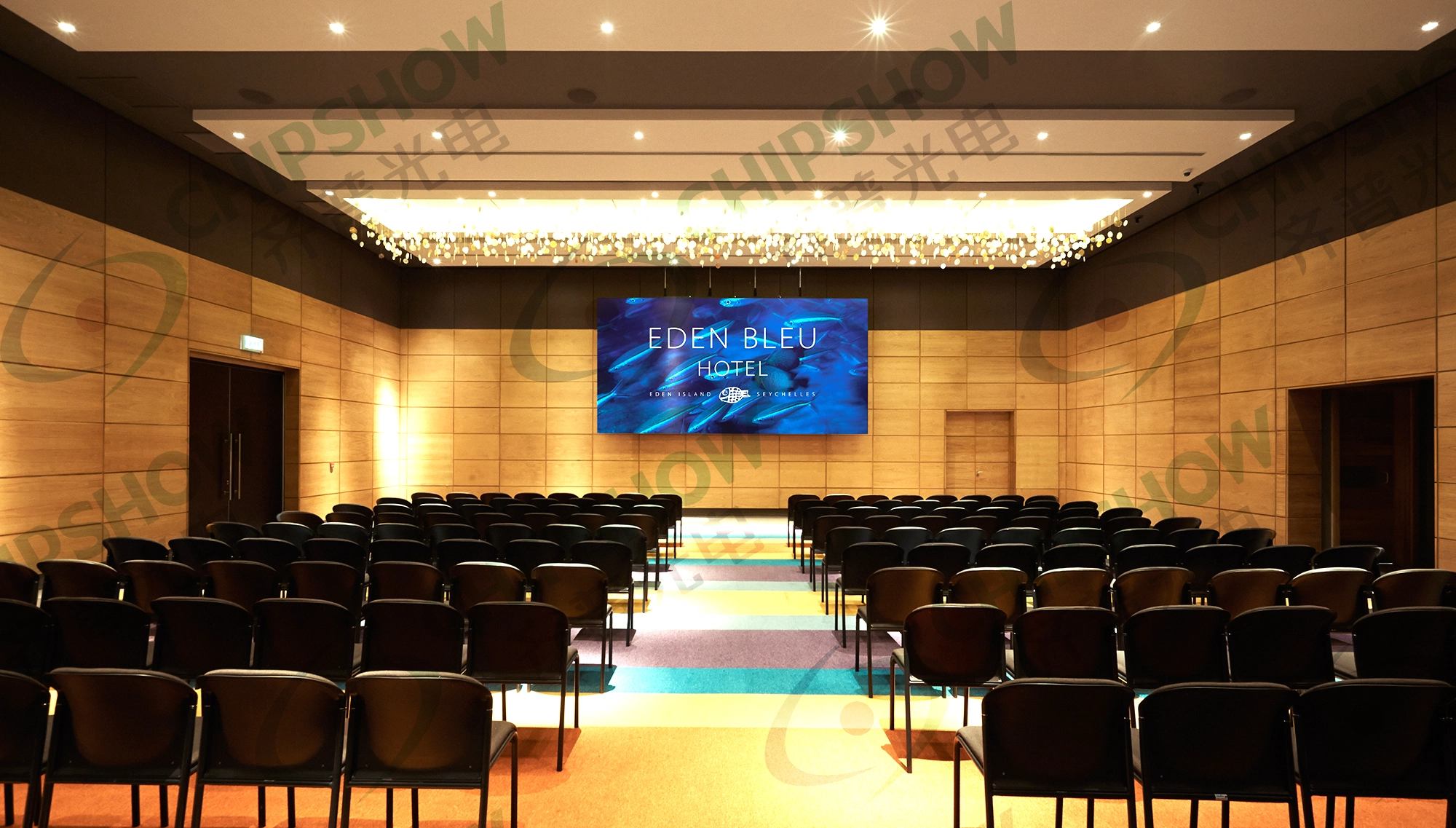
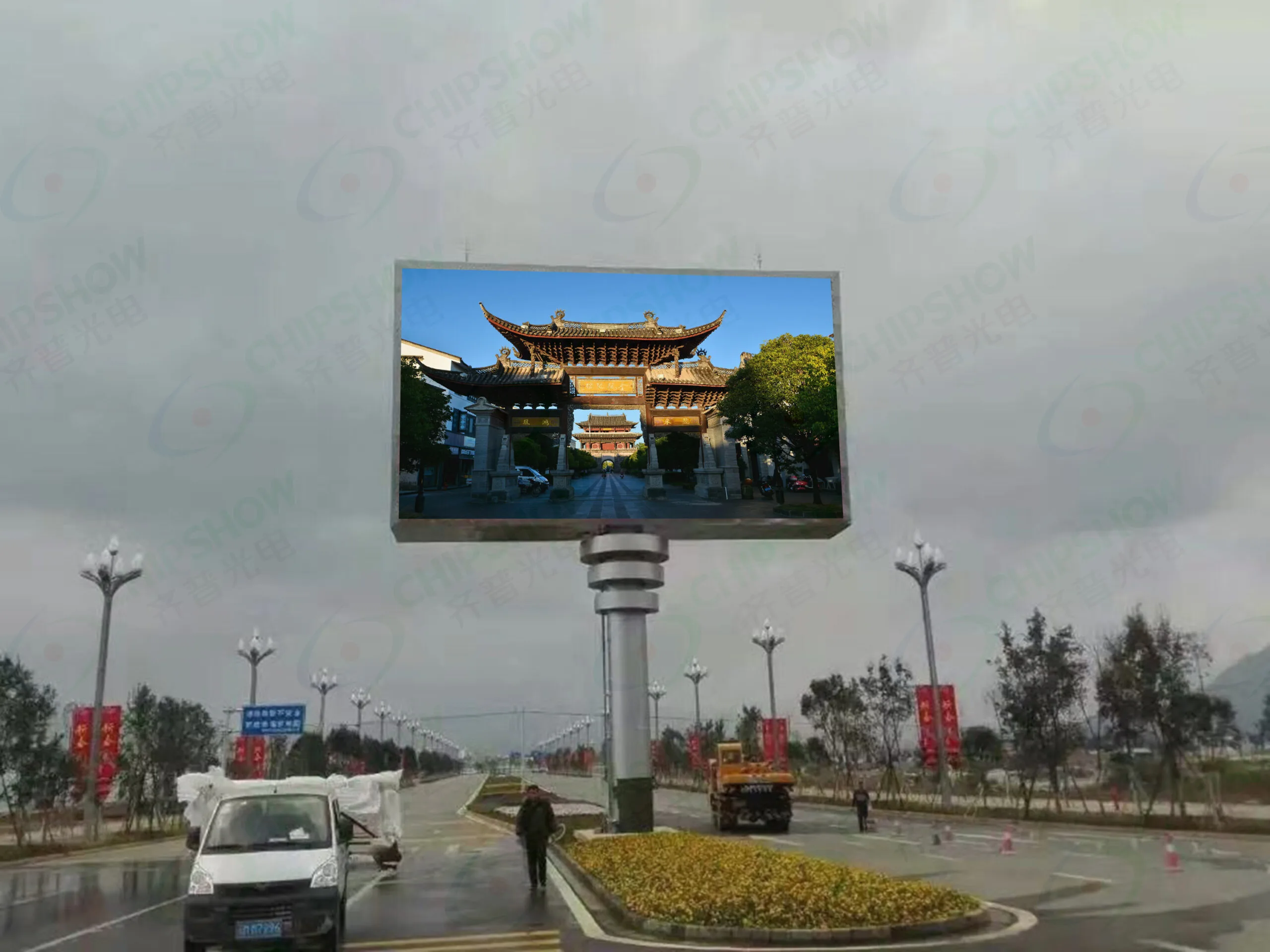
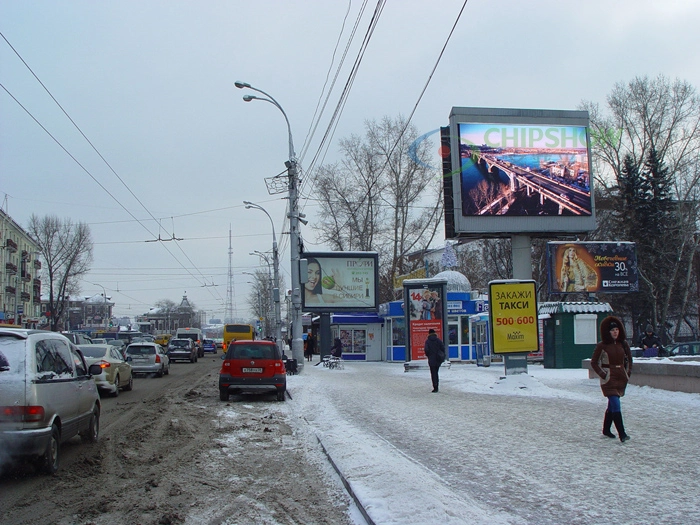
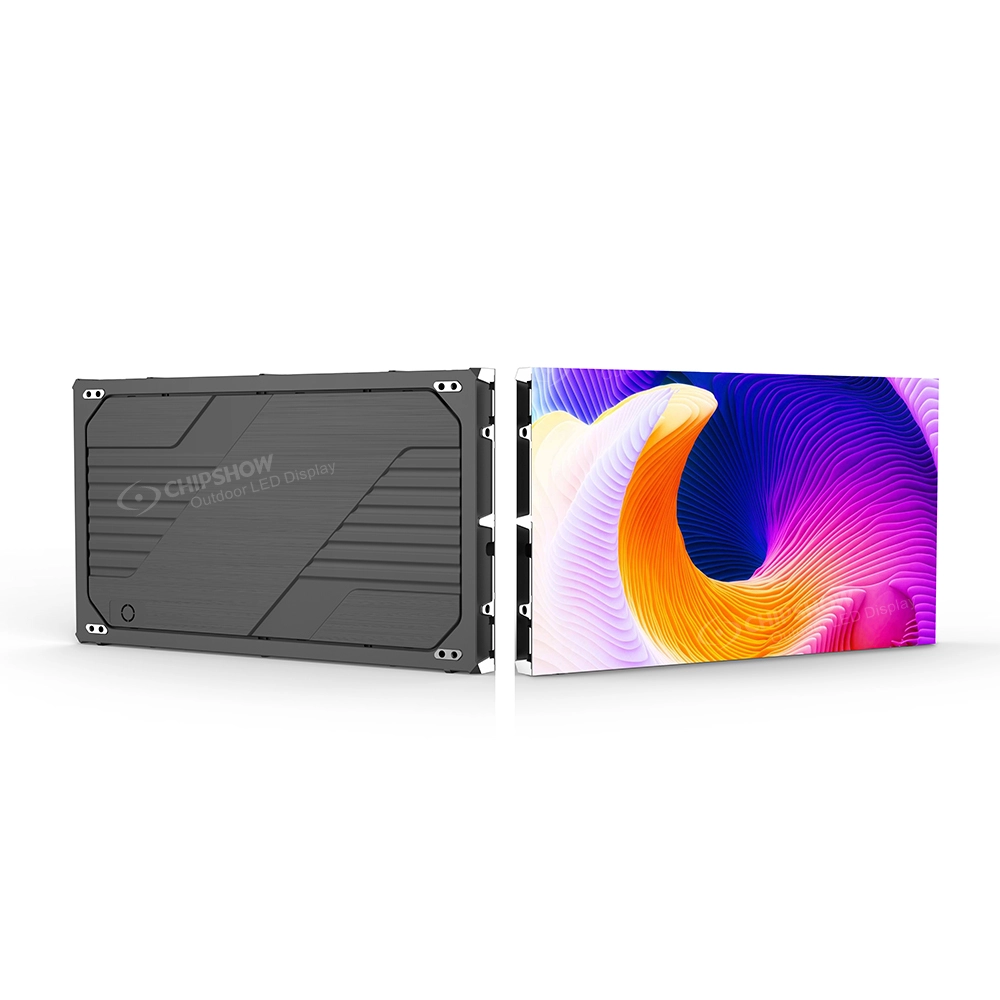
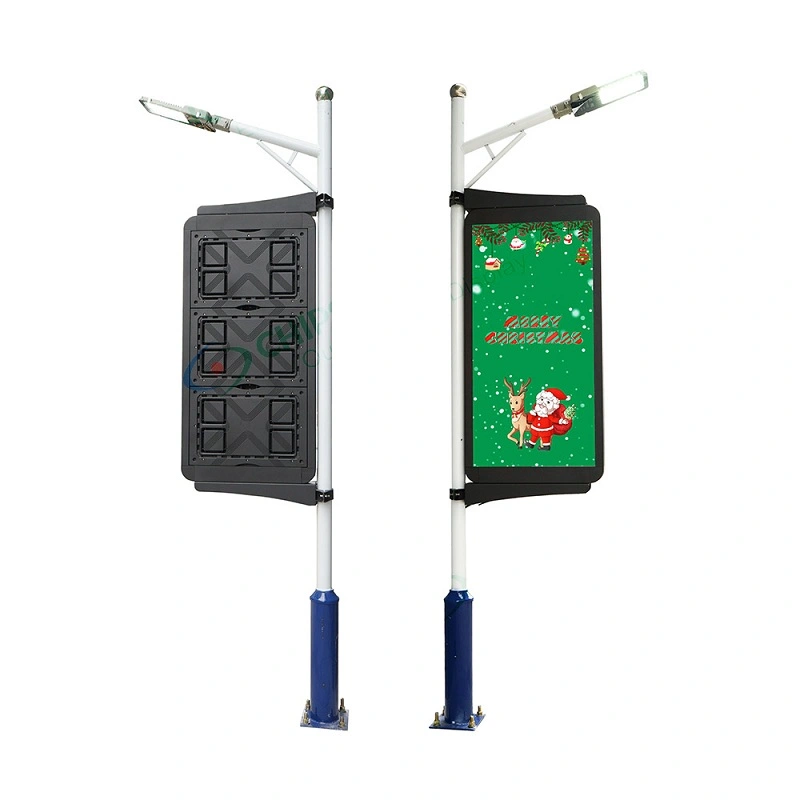
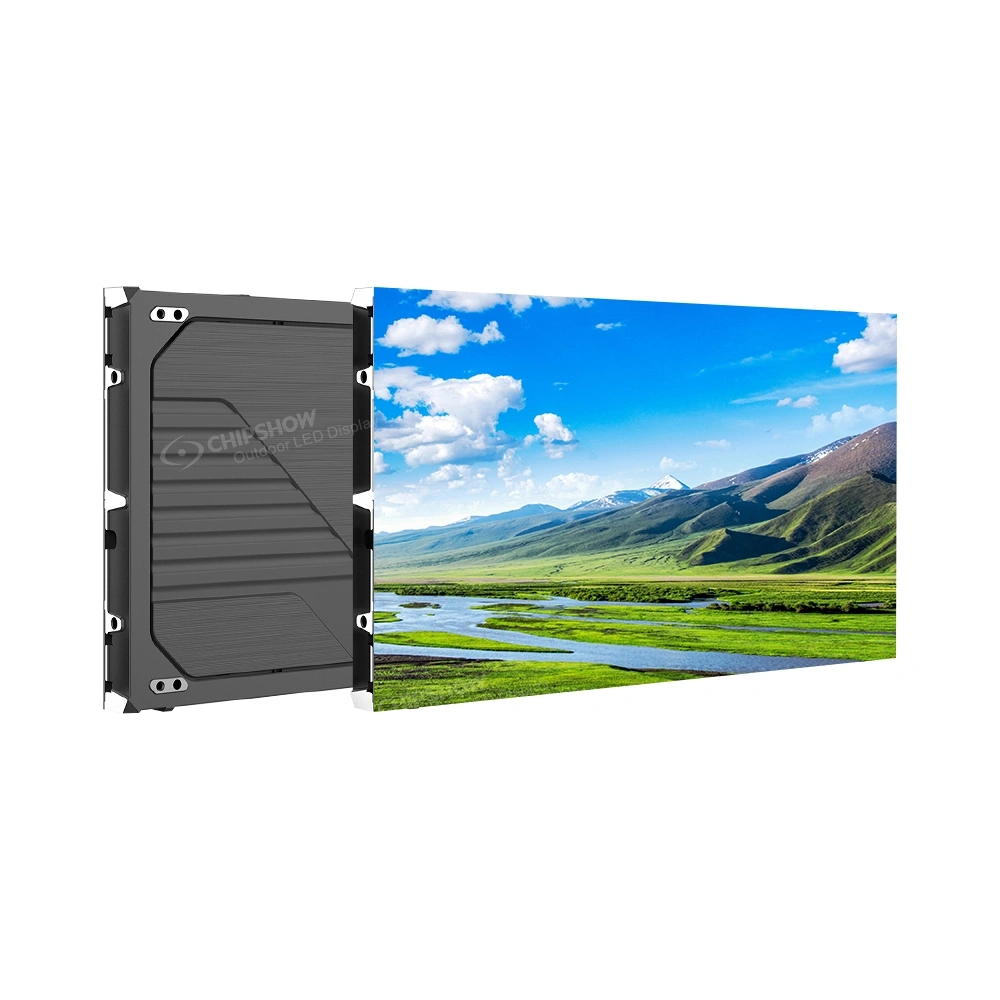
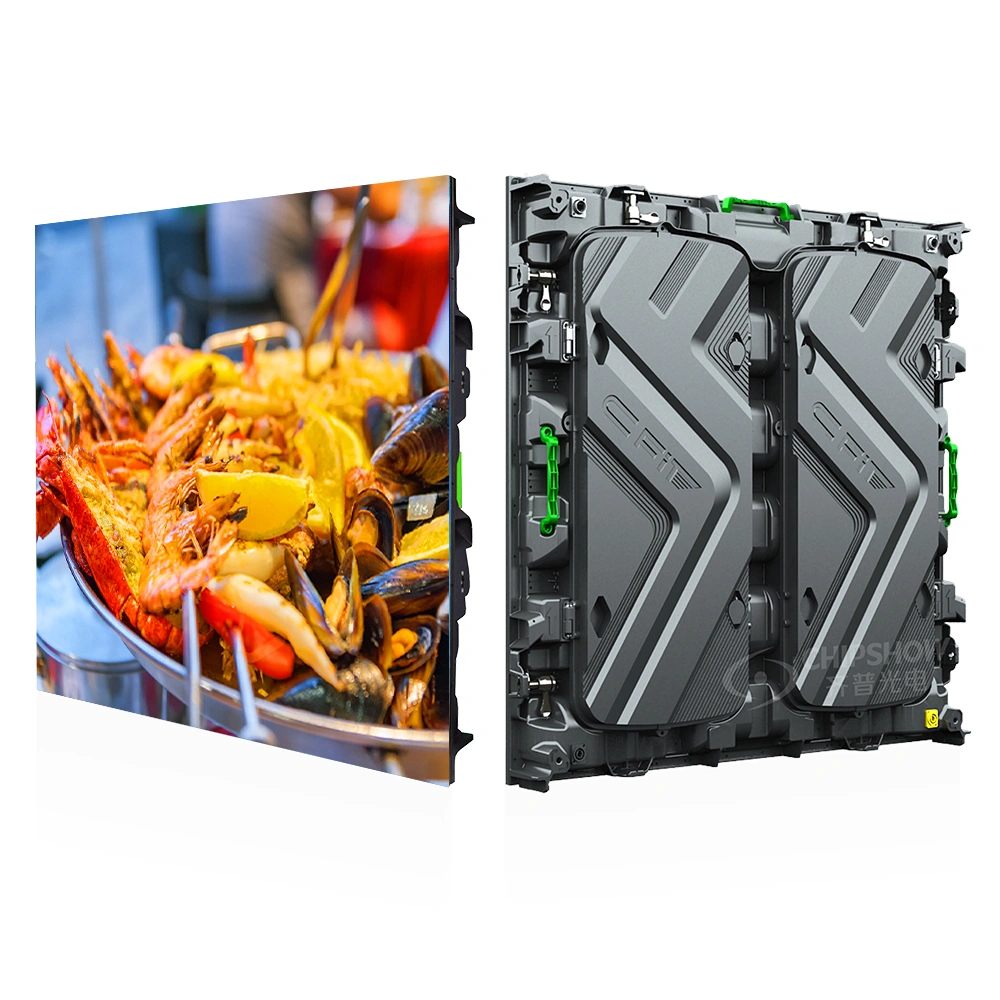
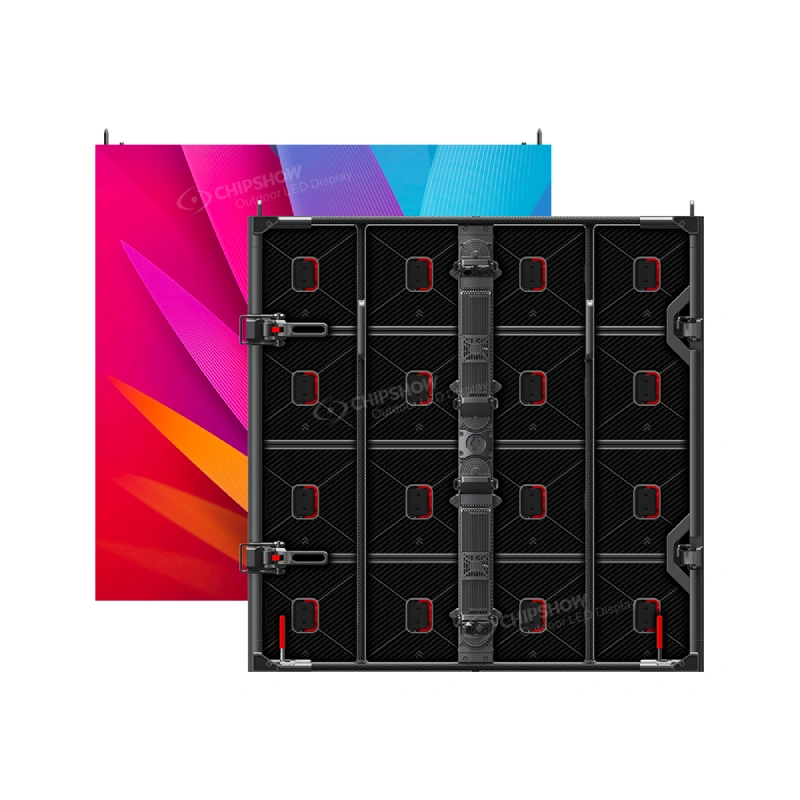
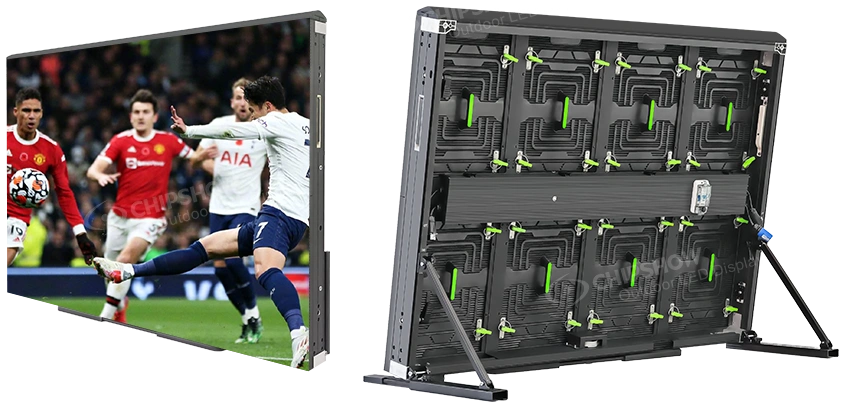
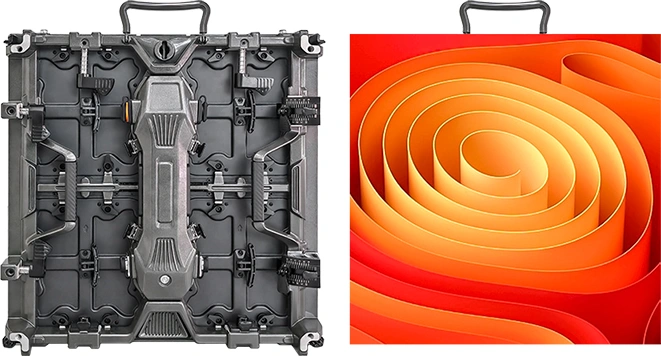
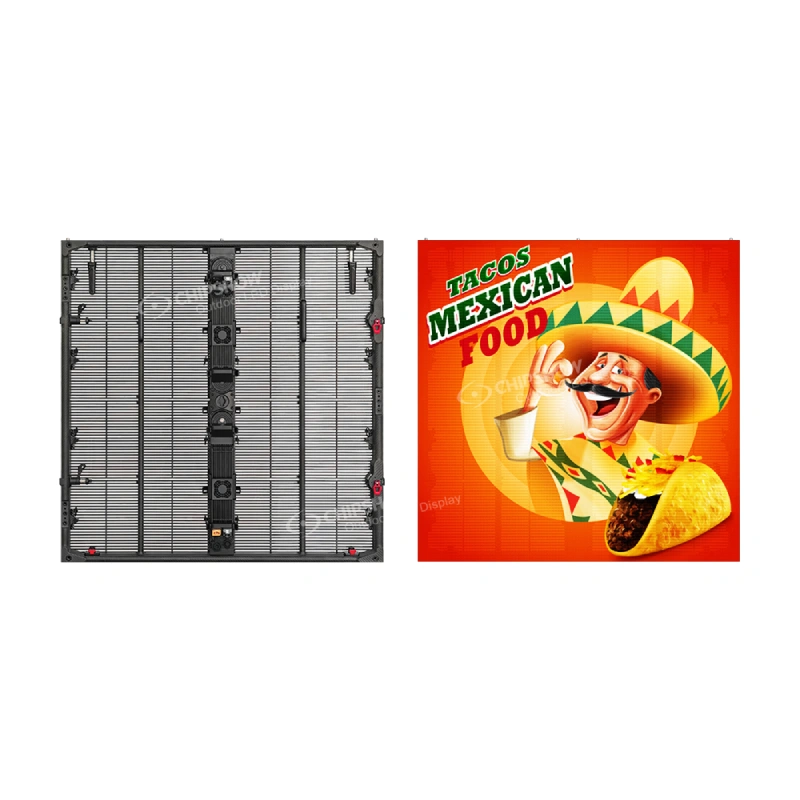
An exterior LED wall mounts above the window line, on the fascia or the facade. Cabinet panels bolt into a support frame on the wall, and the assembly is rated for rain, dust, and temperature swings. The screen faces the street or the parking area instead of the close-range sidewalk, and the pixel pitch can be coarser because viewers stand farther away.
Three Inputs Decide the Type
The four types serve the same goal, a screen on a storefront, which makes them easy to confuse. Three inputs, all checkable before any quote, separate them.
The first input is the mounting surface. Glass is the most common surface at a storefront and also the most restrictive: anything attached to it must stay light, must not block the view for long, and must come off without damaging the leaseholder’s glass. On a glass frontage, the vertical mullions also set where a screen can attach and how wide a single panel can run. LED poster screens and transparent LED modules are engineered for exactly this surface. A wall or fascia carries more weight but exposes the screen to weather, which moves the choice toward enclosed outdoor cabinets.
The second input is the distance to the nearest viewer. A pedestrian reading a window from three to ten feet needs a fine pixel pitch, because coarse LED pixels turn into visible dots at that range. A viewer across a parking lot reads from thirty feet or more, where a coarser pitch is invisible and costs less per square meter.
The third input is the content. Still promotions and price lists work on almost any type. Video, animation, and full-window visuals need the brightness and refresh behavior of LED, and they use area that LED covers more economically at larger sizes.
One boundary case deserves a plain statement. When the window is small, the audience stands within a few feet, and the content is mostly still, a commercial high-brightness LCD is a valid choice and often the lowest-cost one. The same window running video all day, or a large glass frontage that must stay transparent, moves the decision to LED. Neither type wins everywhere; the three inputs above decide.
The LCD branch ends at the boundary case above: a commercial panel is bought as a finished unit, so once the inputs point to it, the decision is made. The LED types are different — each splits into product shapes whose mounting and content conditions differ, and choosing among those shapes is the rest of the decision. The next two sections cover them: first the two types that mount at the glass line, then the type that mounts above the window line.
LED Screens for the Glass Line
Two of the four types mount at the glass line: the LED poster screen and the transparent LED display. This section sorts both into four product shapes, using two conditions a store team can check on sight: how much floor space the window leaves inside, and how much of the glass must stay open. A window with floor room can take a panel that stands on its own base; a window with no floor room needs a screen carried by the glass structure. A window that fronts a showroom needs maximum see-through; a shelf line or a corridor band can cover more surface.
The poster shape fits a single window bay that needs moving promotional content. It reads as one upright image, runs from a standard outlet, and suits a shaded window where indoor brightness is enough. The C-Poster is the current example: P2.5 at 800 nits, adjustable across indoor lighting conditions.
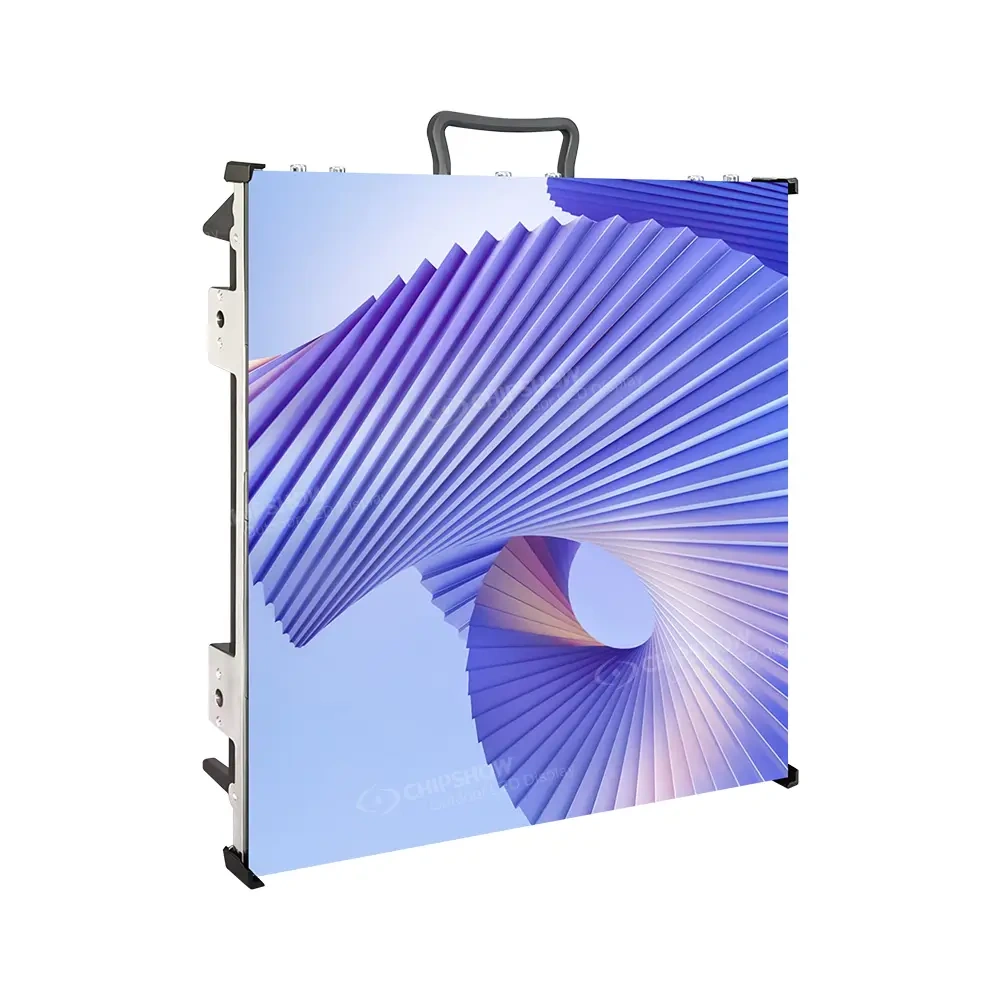
The rolling poster shape extends the same idea to open floor plans, where a store rearranges its displays through the season. The panels come in 750 by 1200 and 1000 by 1500 millimeter sizes, and the screen leaves at least 80% of the surface transparent, so the merchandise behind it keeps working. The C-Mesh F is the current example: at least 3,500 nits to hold readability through afternoon glare, on a hidden-caster base that needs no fixing point.
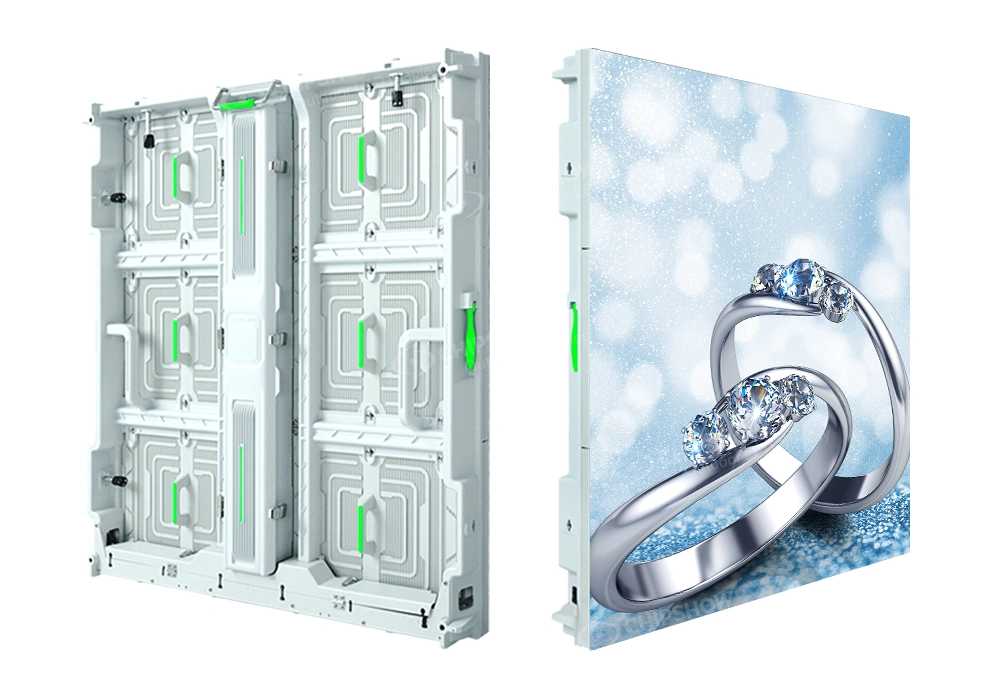
Large continuous glass frontages take the mesh-wall shape: narrow strips that follow the glass structure instead of covering it. The mounting lands on the mullions and frames the building already has, and cabinet lengths are cut to the mullion spacing, so the glass carries the weight without new steel. The C-Mesh G is the current example, weighing 11 pounds per square meter.
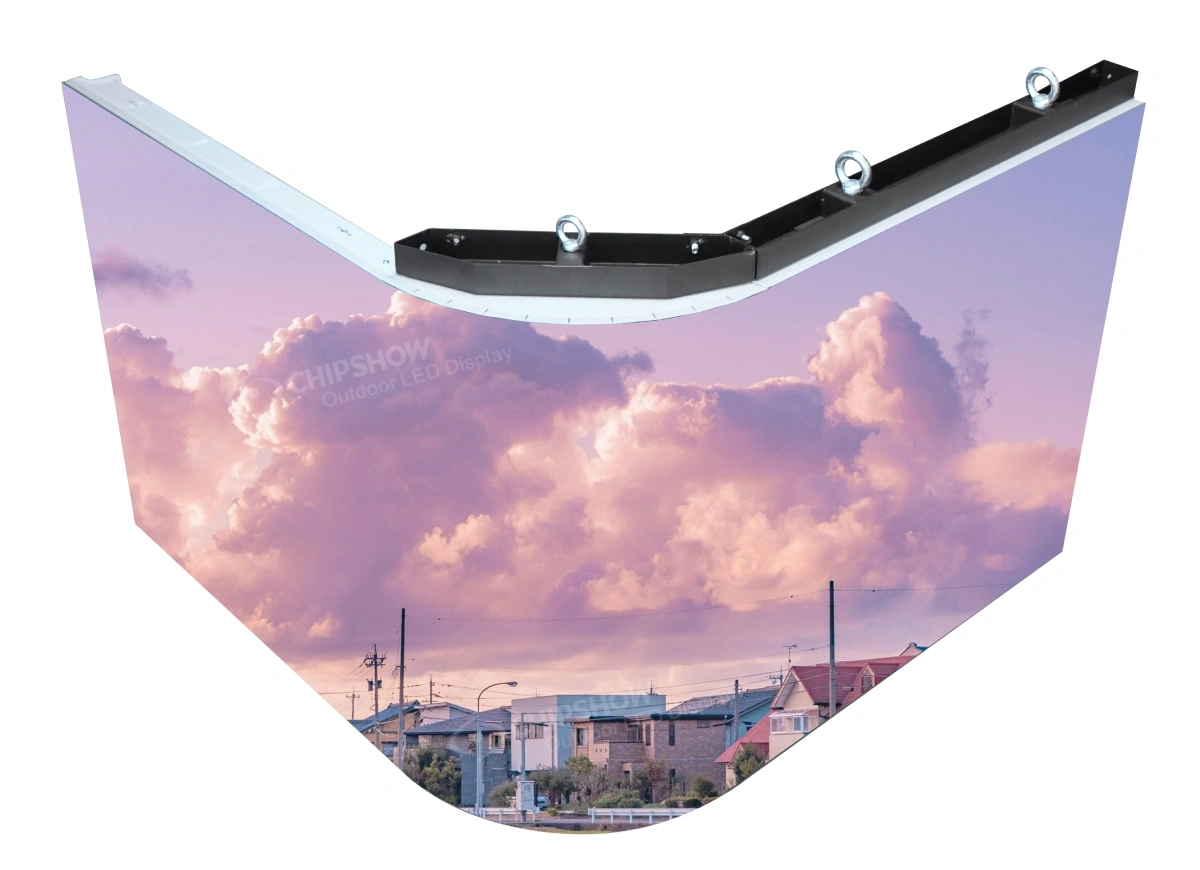
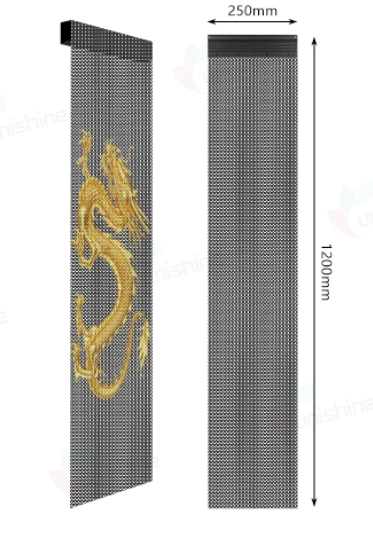
Interior sightlines that run wide and low, such as shelf headers, ceiling valances, and column wraps, take the ribbon shape. A ribbon covers a band of glass without blocking the merchandise above or below it, which suits a sightline that needs content but not a full screen. The C-Max-C is the current example: 1000, 750, and 500 millimeter widths at 250 millimeters high, with a 45-degree bevel joining two cabinets into a clean 90-degree corner. Where ribbon displays pay off across different retail positions, the LED ribbon placement guide covers the reasoning.
One requirement runs across all of them: service happens from the front, because the space behind storefront glass is rarely reachable. Once a glass-line type is chosen, the job turns into engineering: measuring the glass opening, matching brightness to the daylight the window actually receives, and planning power and service access at the glass line. The planning guide for transparent LED window displays covers that part input by input.
Exterior LED Above the Storefront
When the mounting surface moves from glass to the fascia above the entrance, the constraints change on every axis. The audience moves to fifteen feet and beyond, so the pixel pitch can coarsen and the cost per square meter drops with it. Brightness must clear direct daylight instead of shaded glass, and then drop after dark, which is why auto-dimming appears as a listed feature on outdoor product pages. Weather protection becomes part of the specification, because rain, dust, and wide temperature swings fall outside what an indoor product is built to handle. Local sign codes may also apply to exterior changes, and they vary by city.
Distance is the input that changes most at this position, and it changes the whole specification. Pitch scales with viewing distance: the farther the nearest reader stands, the coarser the pitch that still reads clean, and coarser pitch means fewer light sources per square meter to buy, power, and service. Service access also opens up: a window screen can be reached only from the front, because the space behind the glass is not the installer’s, while a fascia screen can be built with rear access as well.
The same brightness that clears midday sun becomes a nuisance across the street after dark, so the fascia position needs a second brightness check for nighttime. Outdoor product pages list auto-dimming for this reason.
A fascia installation adds structural work that a window installation does not carry: a support frame, a power run to the mounting height, and whatever approval the building’s lease requires. The three inputs still apply at this position, with distance carrying the most weight: at parking-lot range, a coarse-pitch exterior cabinet often costs less per square meter than a fine-pitch glass screen, and it survives the weather. Current exterior cabinet options are listed on the outdoor LED display page. What the exterior position cannot do is serve the close-range pedestrian. A fascia screen mounted well above head height reads poorly from three feet beneath it, which is why the two positions work together rather than compete: glass for the sidewalk, fascia for the street.
Daylight Decides the Brightness Class
The type decision says what mounts where; daylight says how bright that screen must run, at the glass line and above it. Storefront glass divides into two conditions, and a store team can tell them apart without instruments: glass that stays shaded for most of the day, and glass that takes direct sun for part of it.
Shaded glass — a north-facing window, a recessed entrance, or a frontage covered by an awning or the building next door — works with the indoor-brightness class. On current US product pages, the indoor class is rated at 800 nits with adjustability across indoor lighting conditions, which covers a window the sun never reaches.
Direct sun — a west or south exposure with no cover — needs the daylight-readable class. On current US product pages, the daylight class is rated from 3,500 nits, because afternoon sun through glass washes out anything dimmer. The higher class is not a better screen, only one built for a harsher window. At an exterior position the same logic runs a class higher, with auto-dimming handling the hours after dark.
How much sun a specific window takes, hour by hour, is a measurement, and the planning guide for transparent LED window displays covers it with the other engineering inputs. At the selection stage, the orientation check above is enough to choose between the two classes.
Three Example Storefronts
The three examples below apply the inputs from the previous sections to three kinds of storefront: a shaded boutique window, a full-glass showroom frontage, and a strip-mall fascia above the entrance.
A boutique window faces north and stays shaded all day. The promotions change weekly, the content is mostly still, and there is floor space along the glass. Shade plus floor room plus close-range still content points to the poster shape at the window line, in the indoor-brightness class, running from a standard outlet.
A showroom frontage runs the full width of the block, and the merchandise behind the glass is the display. The content plan is video, and the west exposure takes afternoon sun. Full-width glass with no floor room points to the mesh-wall shape mounted on the existing mullions, and the sun exposure moves the brightness to the daylight-readable class.
A strip-mall fascia runs above the entrance, and the nearest customers park across the lot. Video content and a thirty-foot reading distance point to an exterior LED wall with a coarser pitch, built as an enclosed outdoor cabinet, with auto-dimming for the hours after dark.
None of these situations needed a vendor visit to reach a type. The sequence below turns the same reasoning into steps a store team can write down.
A Decision Sequence Before Requesting a Quote
The three inputs turn into five steps that a store team can complete without vendor involvement.
- Measure the mounting surface. Record the glass dimensions and the mullion spacing for window installations, or the clear fascia area and its mounting height for exterior installations.
- Fix the content plan. Decide what the screen shows in a normal week: still promotions, frequent price changes, or video.
- Find the nearest reading position. Stand where a customer would stand and note the distance in feet.
- Match the type. Glass plus video plus close range points to a transparent or poster LED product. A small window with still content can stop at an LCD. Fascia plus distance points to an exterior cabinet.
- Take the measurements to the next stage. Glass-line projects continue in the transparent LED planning guide with daylight, power, and service access. Cost questions start at the quote-factor guide before any number gets quoted.
Each step feeds the next, which is why the order matters: measurements without a content plan cannot pick a type, and a type chosen before the distance is measured may have to be chosen again. A store that completes all five holds a written record — surface dimensions, content plan, reading distance, chosen type — which is exactly what the next stage consumes, whether that stage is the engineering planning guide or a quote request.
Conclusion
Three inputs decide the type, and a store team can check all three before a vendor enters the project. Measure the surface, fix the content plan, and find the nearest reading position; the four types separate cleanly along those answers, and the window’s sun exposure sets the brightness class. Glass-line LED projects then continue in the transparent LED planning guide, exterior projects continue with an exterior cabinet specification, and cost questions belong to the quote-factor guide. When the type is set and the measurements are collected, the Chipshow team reviews storefront projects directly through the contact page.
Frequently Asked Questions
Q1:Can a regular television work as storefront signage?
A consumer television is built for a living room: moderate ambient light, limited daily hours, and no direct sun. Behind storefront glass it faces daylight levels that consumer panels are not rated for, and it runs on a schedule that assumes a few evening hours rather than full daylight hours. A consumer panel run all day in that position can lose brightness and retain images. Commercial display products are built for continuous duty and publish brightness ratings for lit environments, and LED products publish them as well. The brightness rating on a product page states the condition the model covers, which is the number to compare rather than the panel size.
Q2:How much does storefront digital signage cost?
Cost splits across the display, the mounting work, and the content system, and the split differs by type. A poster screen at the glass line carries no construction cost, while an exterior wall adds structure and weatherproofing. The separate price guide lists what goes into a storefront LED quote and how to read each line.
Q3:Does a screen above the storefront need weather protection?
Yes. Exterior screens face rain, dust, and wide temperature swings, and the protection level is rated with the IP code printed on each outdoor product page.