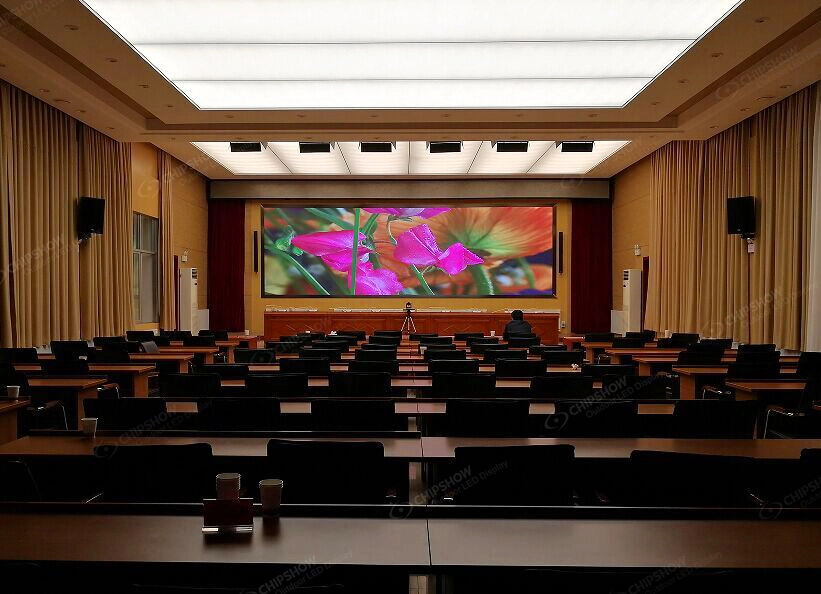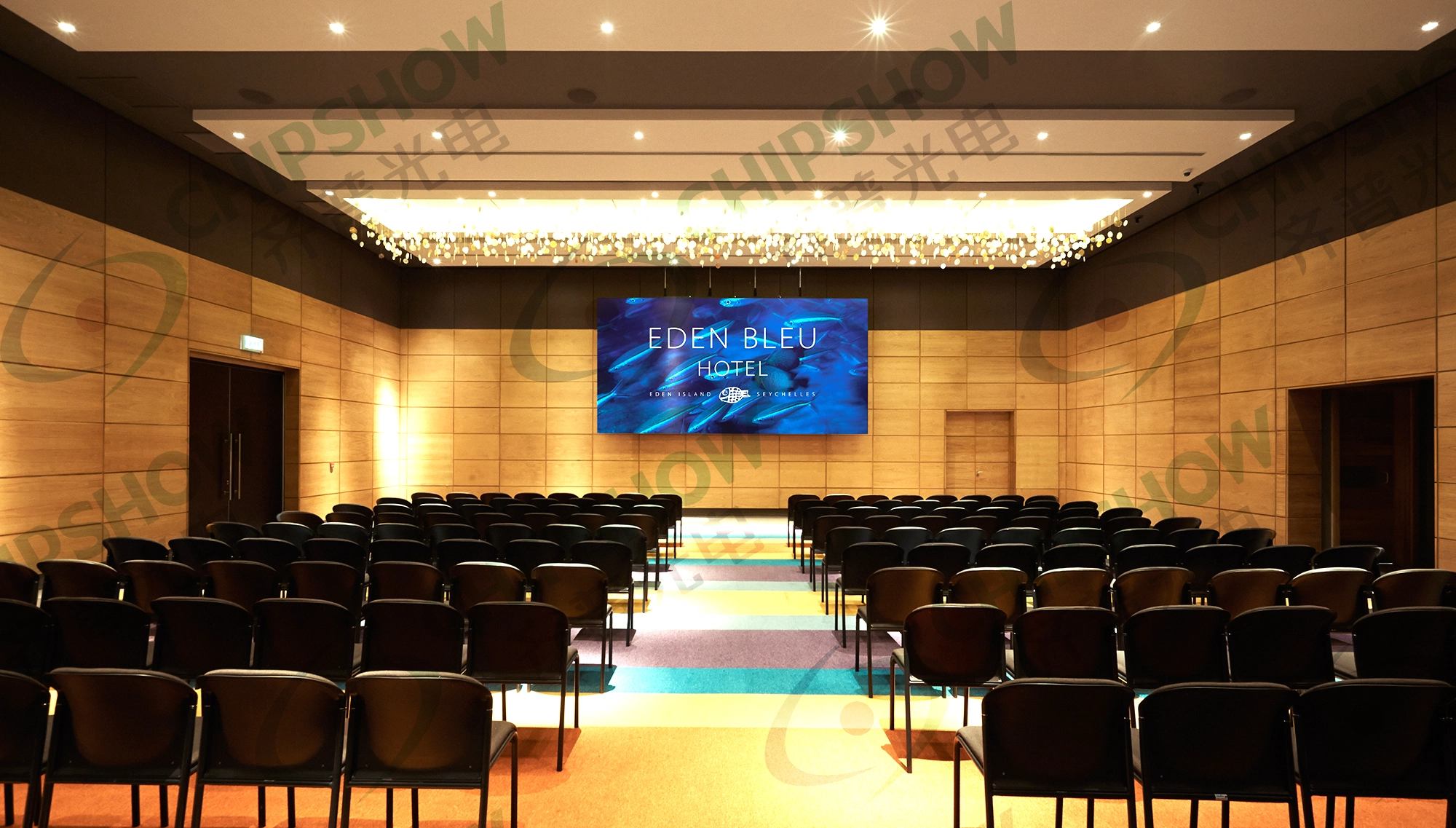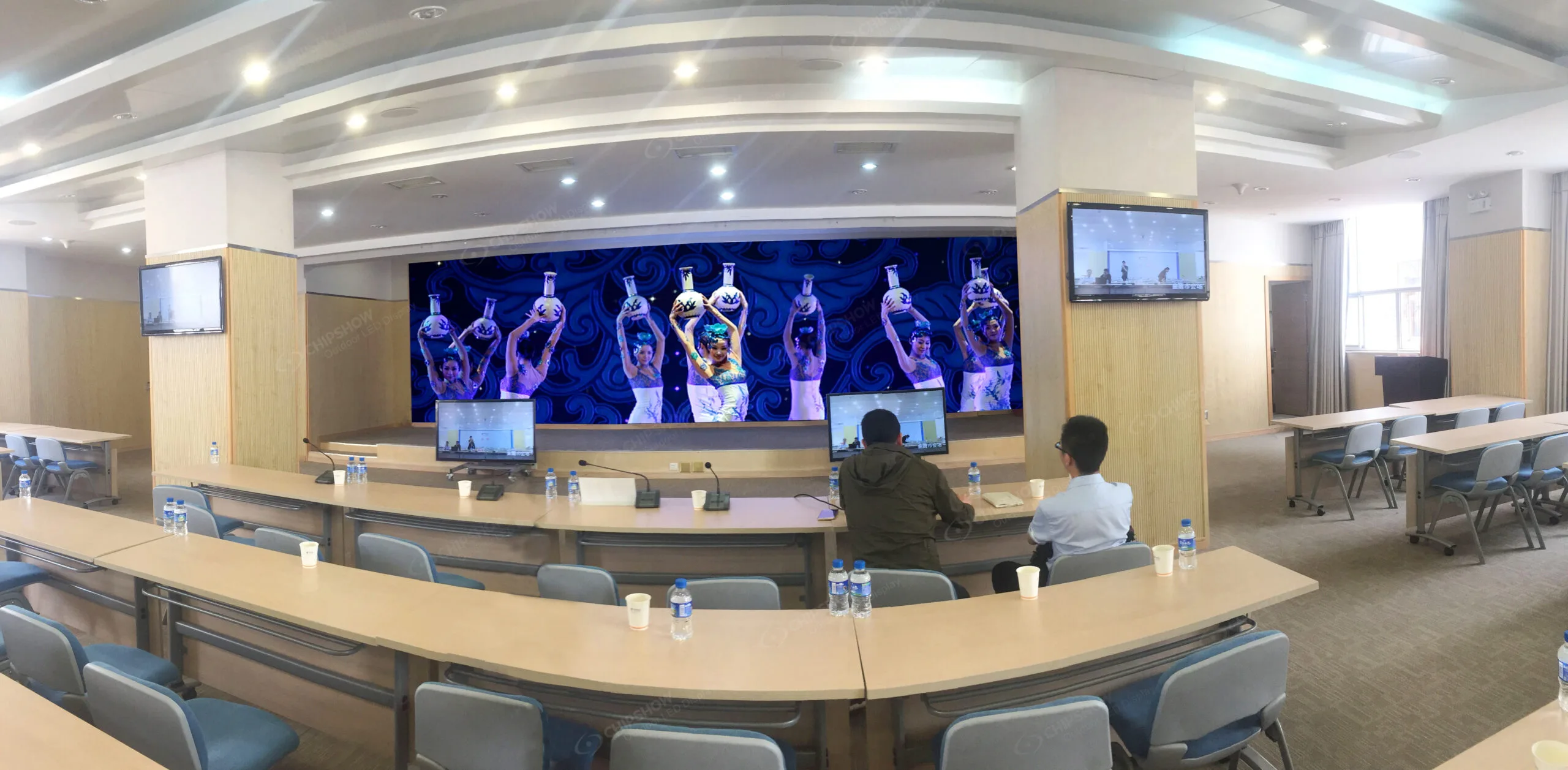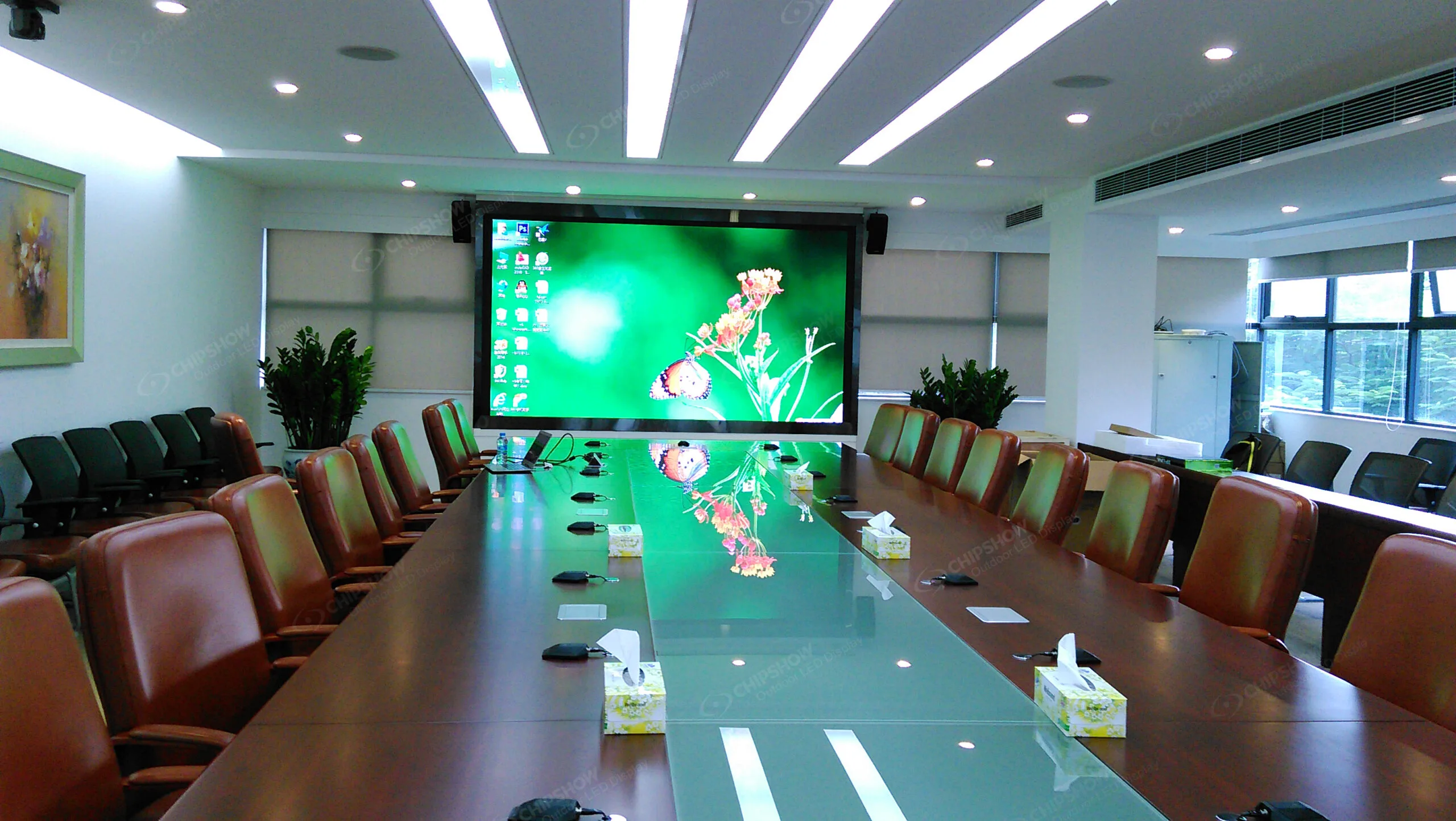
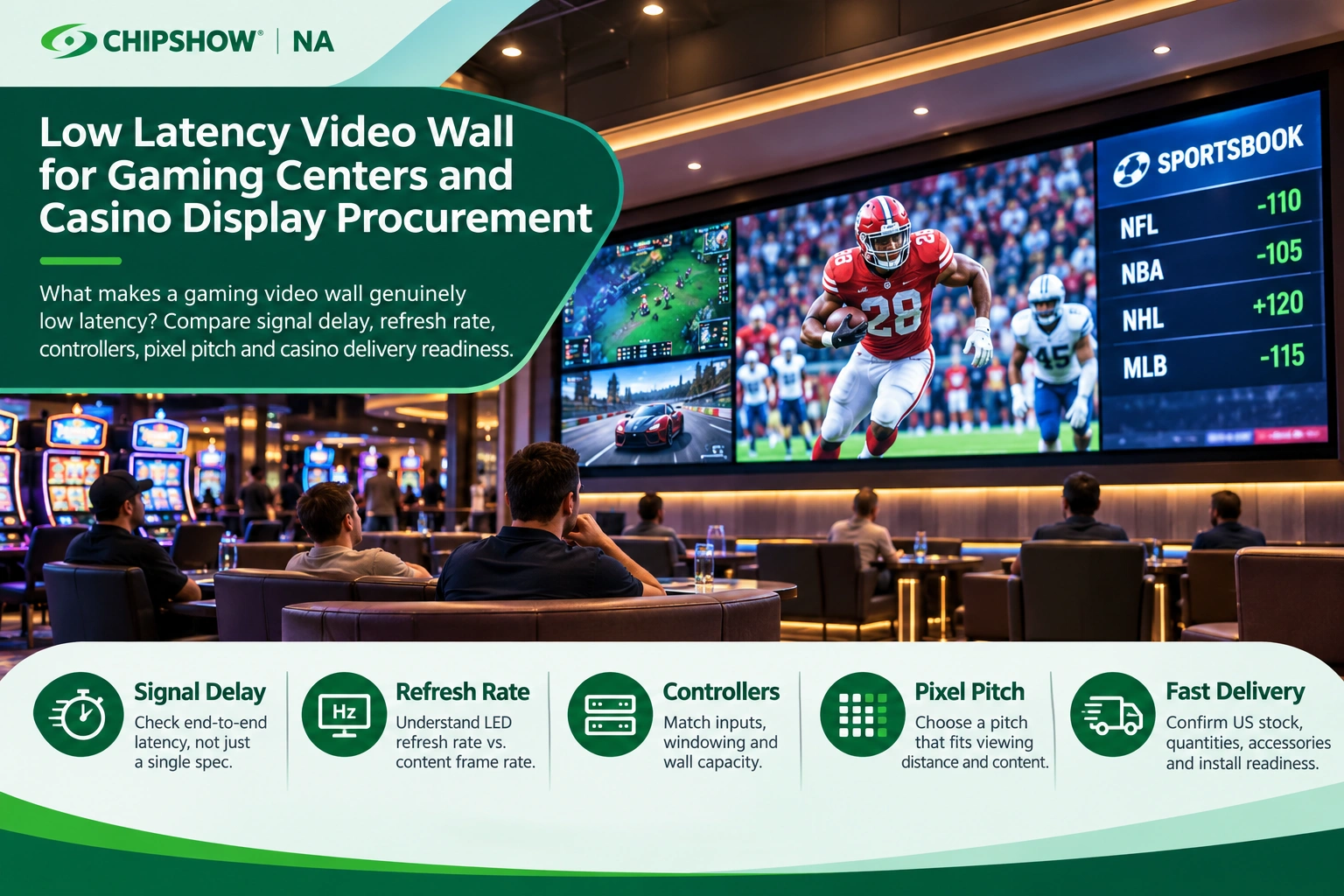
A video wall can carry an impressive LED refresh-rate specification and still show a game later than the operator expects. For casino sportsbooks, gaming centers, and esports venues, display procurement therefore begins with a practical question: what travels between the original picture and the final visible image? At Chipshow, we approach that question from the LED hardware side. We help buyers examine the physical display, relevant model specifications, and the hardware configuration to be quoted, while recognizing that outside processors, signal transport, and local integration determine much of the complete experience.
The right solution depends on the wall’s job. A sportsbook presents several live broadcasts at once; a gaming lounge shows streams and promotional programming; a player-facing interactive installation may demand tightly controlled response. These are different technical briefs. The same distinction matters when requesting Casino Video Wall Fast Delivery. A cabinet located in a US warehouse is useful only when its pixel pitch, quantity, controllers, accessories, and planned installation fit the project. This article provides a way to make those decisions before purchase rather than after a venue has committed to an opening date.
Understand the Full Signal Chain Behind Gaming Video Wall Latency
Start With the Game or Video Source
A gaming PC, console, broadcast receiver, esports production desk, and promotional player generate different output signals. Source frame rate and output resolution define what subsequent equipment receives. A game rendered at one frame rate does not become more responsive simply because its final LED wall scans at a much higher internal refresh frequency. Likewise, a delayed sports broadcast cannot become live again through display hardware. Before specifying the screen, identify the actual source devices, output formats, expected changes between them, and whether any content is interactive.
Consider Signal Switching and Video Processing
Video switchers, scalers, windowing processors, streaming encoders, decoders, and network links may sit between the source and the display controller. Each can introduce buffering or processing depending on its operating mode. A casino sportsbook that arranges many feeds in differently sized windows will likely rely on a dedicated processing layer. It should not presume that an LED controller alone provides an unlimited number of programmable windows. Integrators should identify the actual devices and the processing features required by the intended picture layout.
Understand the Role of LED Controllers
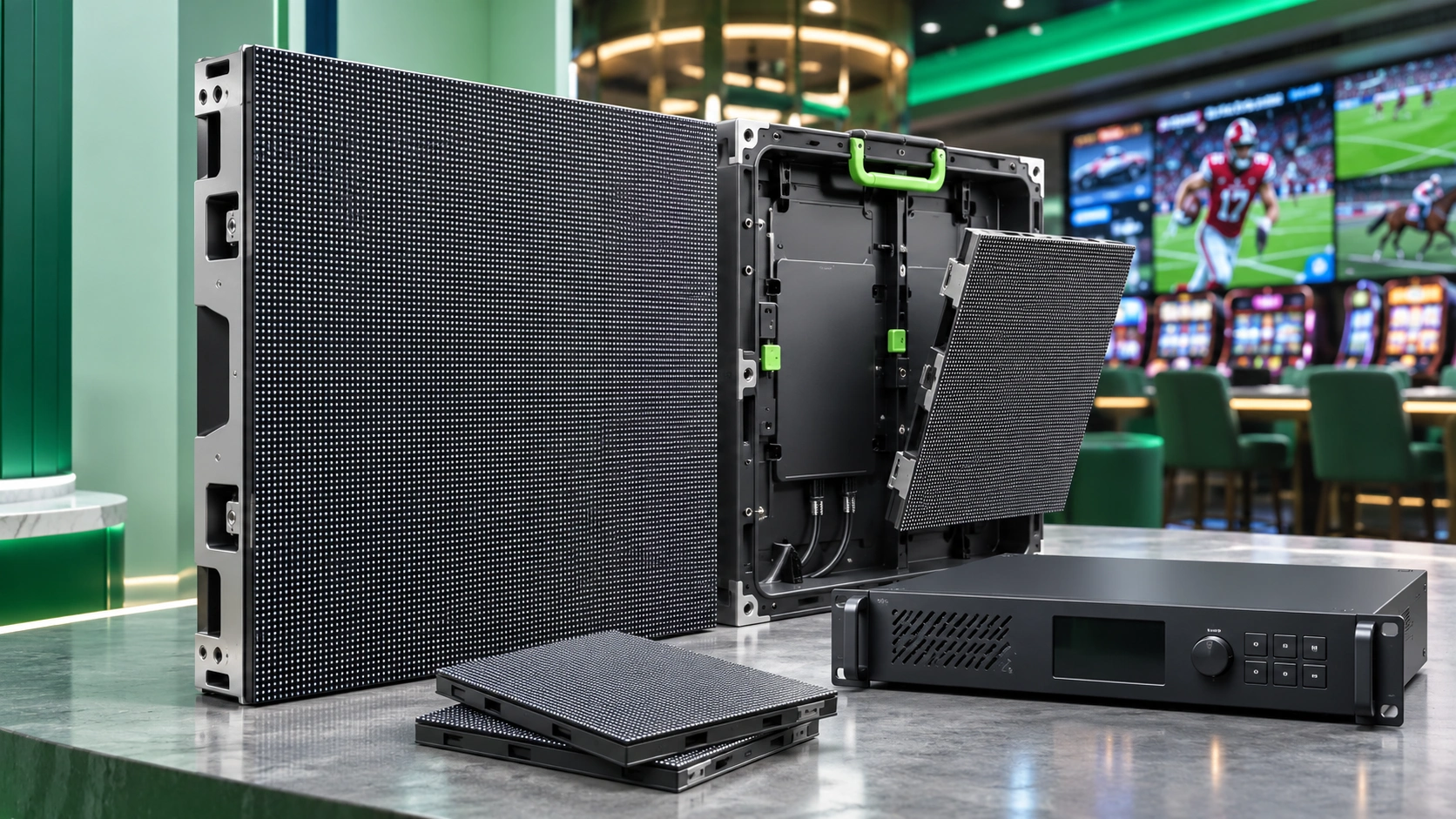
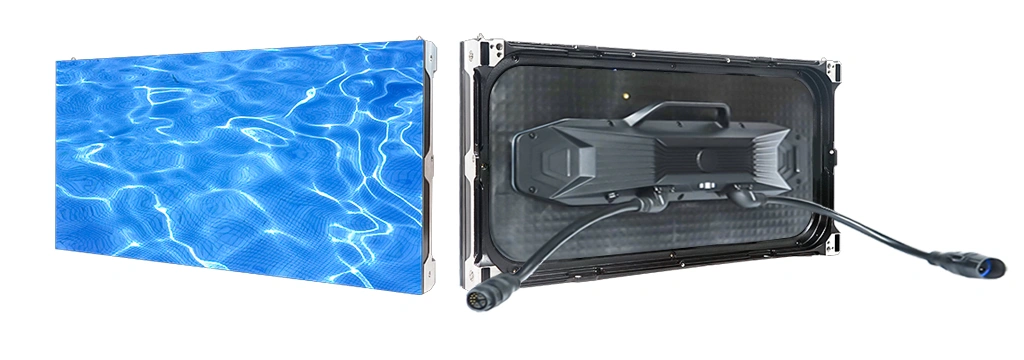
An LED controller receives the relevant video signal and maps content to the installed pixel array through receiving hardware. Its supported input formats, output capacity, frame rates, and any scaling functions must be appropriate to the exact wall. Changes in processor configuration may affect the signal supplied to that controller. Procurement teams should check the controller model and configuration listed in a quotation, not assume that any controller works with any number of cabinets or all source resolutions.
Measure Latency at the Actual Display Output
A defensible end-to-end claim needs a defined start, finish, and test configuration. Depending on the project, a test might begin with a known source change and end when the corresponding change is visible on the LED wall. It must record source format, refresh settings, all intermediary equipment, processing mode, and measurement method. Changing any of those variables can change the result. A controller data-sheet figure alone is not proof of installed input-to-photon performance.
A practical acceptance record can distinguish latency measurements from visual inspection. The first identifies the delay along a defined source path; the second documents whether motion, text, and window transitions look acceptable to the people using the venue. Neither test substitutes for the other. The gaming operator should approve the representative material, the integrator should record the signal equipment and operating settings, and the display supplier should provide the relevant model specifications. This makes disagreements about a vaguely promised low latency system less likely at handover.
Why Refresh Rate Does Not Guarantee Low Latency
Distinguish LED Refresh Rate From Content Frame Rate
LED refresh rate describes an aspect of how the LEDs are driven. Content frame rate describes how frequently a source generates or sends new complete images. Overall latency describes how long information takes to appear at the destination. These are related to visible performance but they are not interchangeable measurements. A manufacturer might list 3840Hz LED refresh, while the incoming program is delivered at a much lower frame rate. Dividing one by the other does not yield an end-to-end latency value.
Evaluate Motion Performance for Gaming Content
Fast camera pans, sudden scene cuts, player movements, and rapidly updated overlays expose problems that a still image conceals. Evaluate motion with representative footage at the planned source resolution and frame rate. Look for visible artifacts, unexpected judder, inconsistent movement between areas, and processing behavior when sources change. A promotional video loop, an IPTV feed, and a competitive game should not be treated as equivalent test material.
Consider Camera Capture and Esports Broadcasting
A venue filming its LED wall faces another set of variables: camera frame rate, shutter configuration, LED scanning characteristics, and the relationship between content and camera timing. A wall that looks consistent to the audience can exhibit bands or artifacts through a particular camera setup. The practical method is to test it with the production cameras, planned exposure settings, and representative content before the event.
Do not interpret a high refresh-rate number as a blanket flicker-free guarantee under every filming condition. Where live production is central to the event, schedule a camera review separately from any gameplay-latency assessment. The broadcast production team should confirm its own equipment chain, while the LED hardware supplier provides verified display parameters.
Test latency under matching conditions. Comparisons only matter when the source resolution, frame rate, processor path, controller setup, and measurement endpoints are stated. A number without these details is not a dependable basis for buying a player-facing display.
Match Gaming Video Walls to Different Venue Requirements
Casino Sportsbooks and Multi Source Video Walls
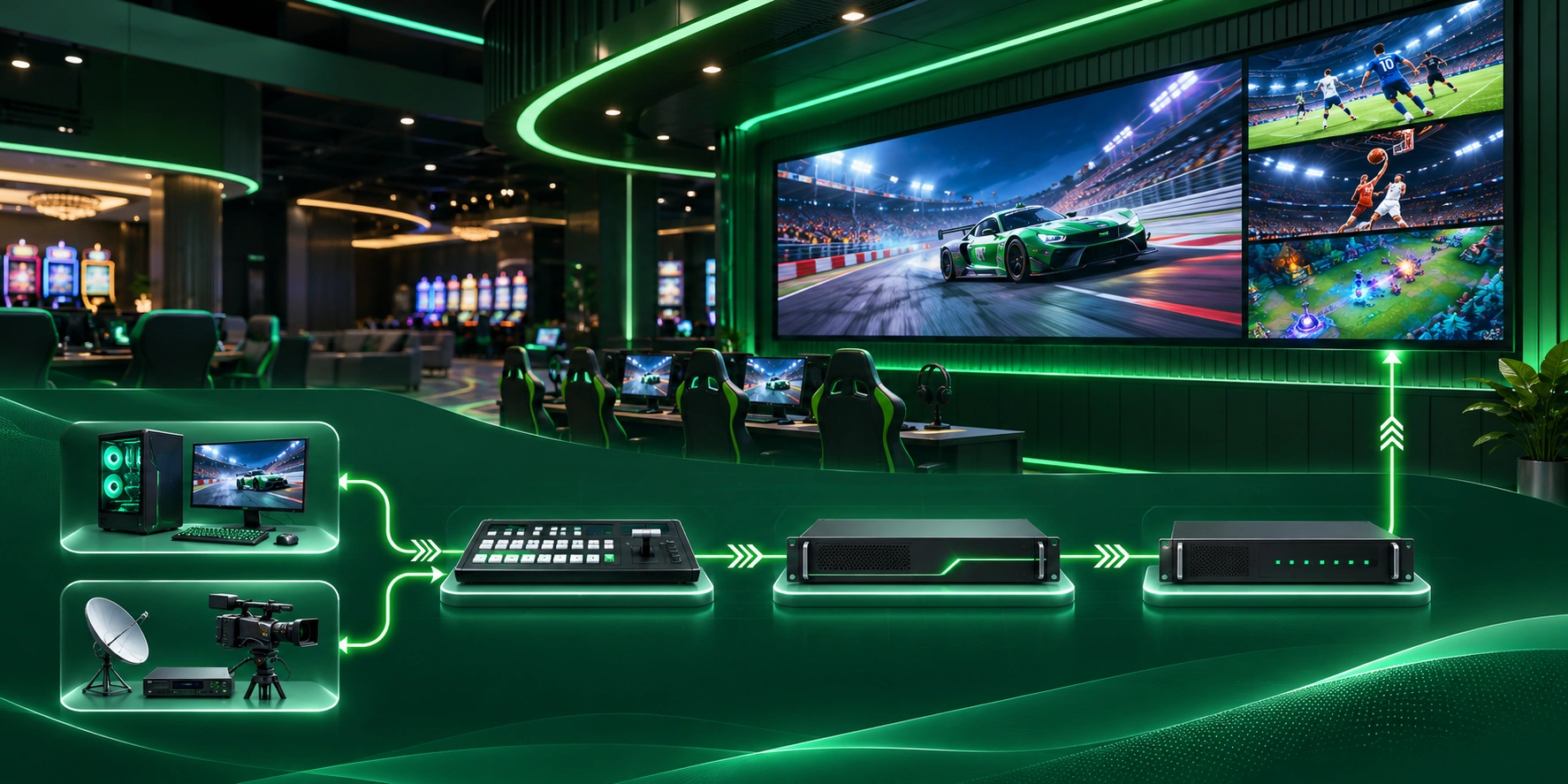
A sportsbook wall often behaves like a shared viewing destination for many simultaneous broadcasts. The technical emphasis falls on the number of sources, window layout, scaling, and the readability of scoreboards from different seating zones. The display hardware must provide an appropriate physical canvas; the processor and upstream distribution systems make the individual feeds available and place them. That distinction should be visible in the equipment schedule.
For example, if one sportsbook wall alternates between a large featured match and several small live feeds, the source processor must accommodate both layouts within the actual LED canvas. An impressive cabinet specification does not explain how small score text will be scaled or how different streams will be synchronized. Layout review should happen with the intended viewing seats and source content, not merely in a product showroom. That is the most direct way to find a mismatch before cabinets are allocated.
Gaming centers with player facing displays. An interactive installation puts latency into the operating experience rather than treating it as a minor broadcast detail. If players respond to images on the wall, ask the AV team to measure the full route from the gaming source through every processor and controller to the visible picture. The test should use the actual gameplay resolution and output settings. Where players use separate monitors and the LED wall is only a shared spectator screen, a different response requirement may be appropriate. This distinction should be documented before a display is selected.
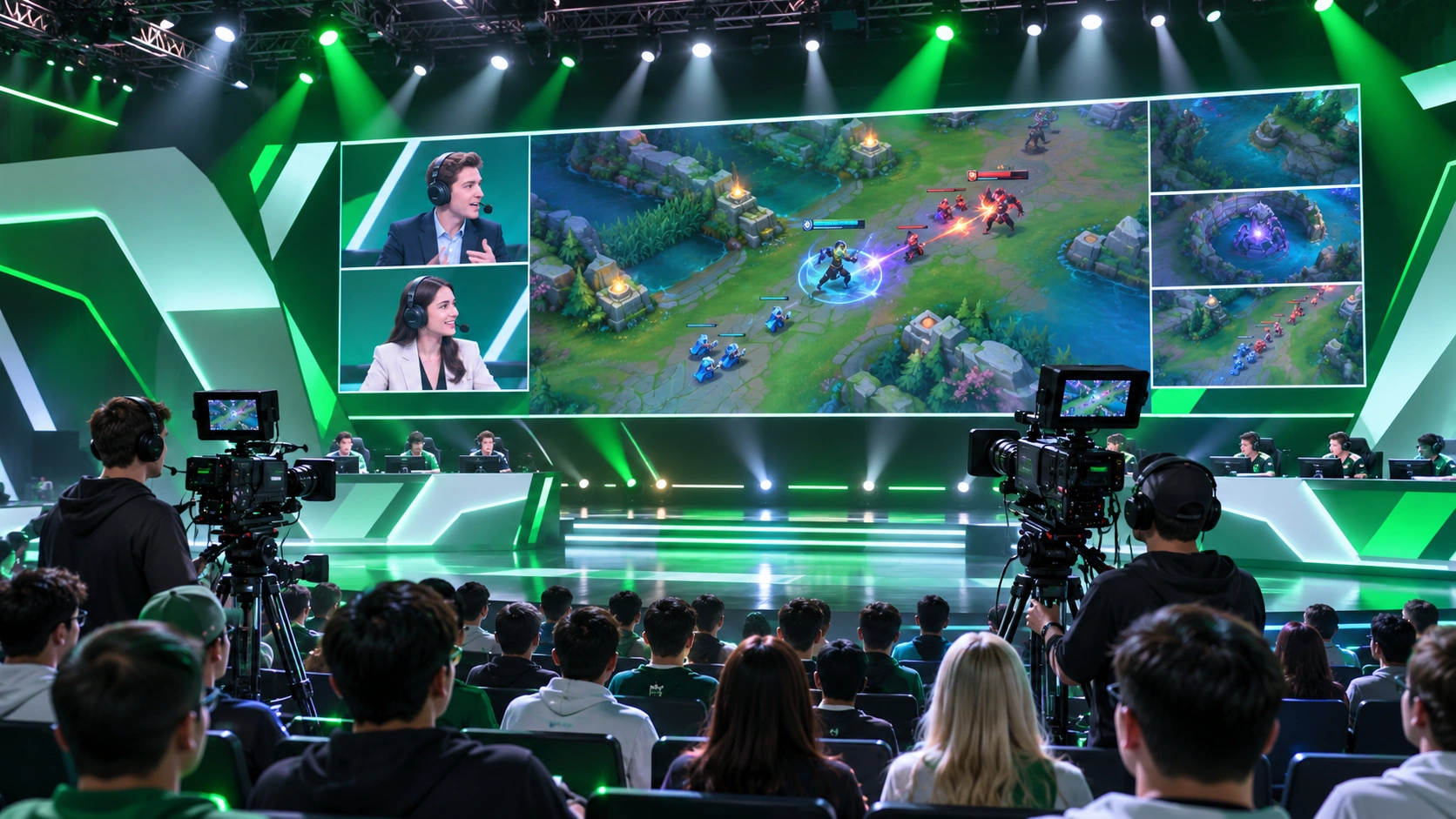
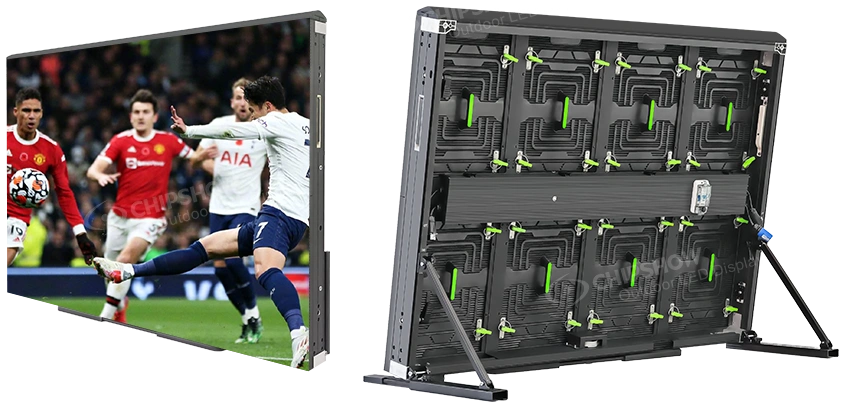
Esports audience walls and live event displays. An audience wall normally carries the tournament program feed, commentators, replays, or an observer view rather than serving as the primary player monitor. Its performance review should therefore address sightlines, source synchronization, camera behavior, and display resolution. A production switcher or broadcast processor may introduce its own delay, so the event team must decide what timing relationship is acceptable among stage screens, cameras, and streamed outputs. Confirm the LED model using the production cameras where filming conditions matter.
Casino promotional walls and gaming lounges. Promotional installations often prioritize visual scale, ambient-light performance, content readability, and a consistent look across day-to-day programming. A wide lobby wall that runs venue promotions or sports highlights may not need the same latency acceptance criteria as an interactive game display. Pixel pitch still matters for nearby viewers, while source scaling and aspect ratio affect how branded artwork fits the wall. Match the spending and equipment specification to this content rather than purchasing on an unverified low-latency label.
Promotional walls emphasize visual scale, placement, ambient lighting, and consistency across a venue’s daily content. They may show branded motion graphics, event schedules, or streamed entertainment rather than player inputs. Pixel pitch remains relevant to nearby viewers and detailed text; latency may carry less weight than the readability and viewing comfort of the content. Avoid buying an expensive response specification for a location that has no interactive use case.
Gaming Venue Display Requirements Matrix
| Venue zone | Main content | Primary priority | Hardware direction |
|---|---|---|---|
| Casino sportsbook | Multiple live feeds | Source layout and processor compatibility | Fixed indoor LED wall |
| Player facing gaming area | Direct interactive gameplay | End to end latency test | Display validated with complete signal chain |
| Esports audience zone | Match footage and camera feeds | Camera behavior and sightlines | Large indoor LED wall |
| Gaming lounge | Streams and promotional content | Content clarity and brightness | Commercial indoor LED display |
| Casino entertainment area | Branded dynamic video | Screen scale and room lighting | Fixed commercial LED wall |
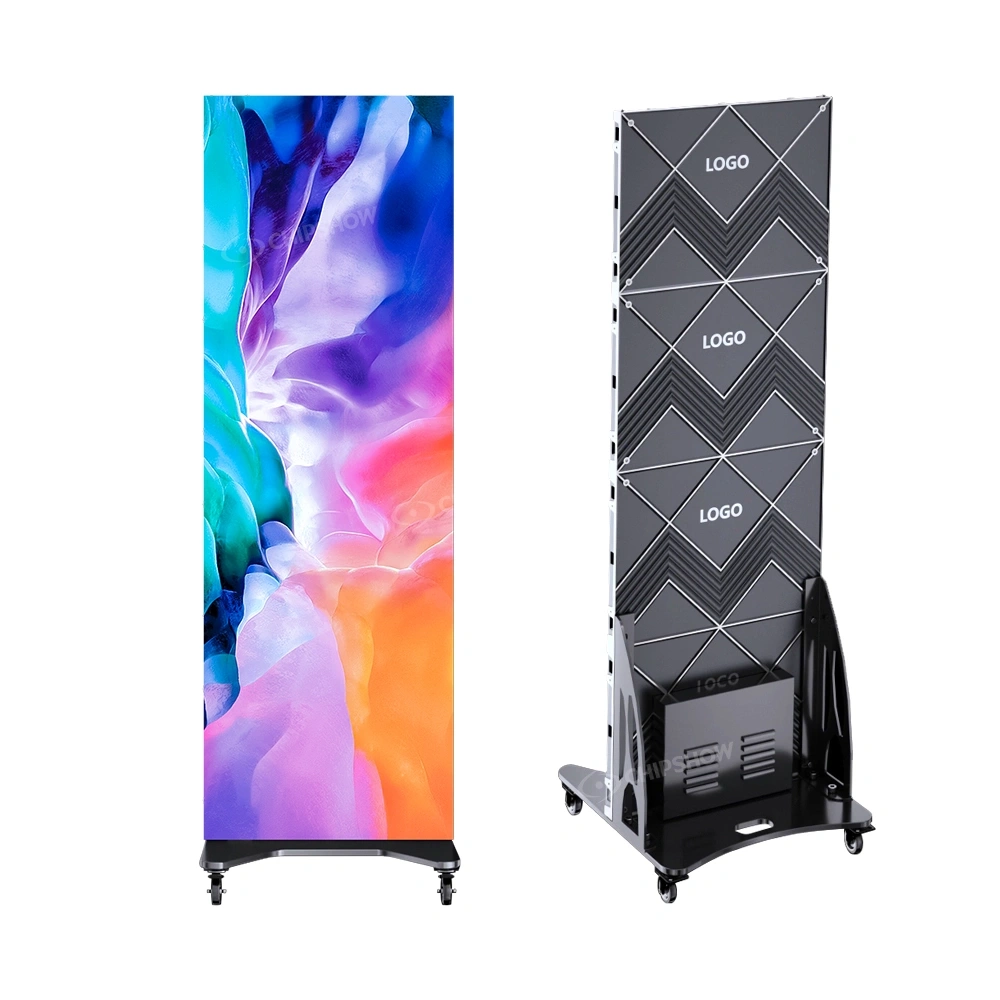
| Temporary esports stage | Live event production | Rigging and production integration | Rental LED configuration where appropriate |
The matrix identifies practical selection directions, not a certification that every Chipshow model has been tested for each use. A temporary event configuration and a permanent wall can serve the same venue at different times while demanding different cabinets, rigging arrangements, and support responsibilities.
Select Pixel Pitch and Display Specifications for Indoor Gaming Venues
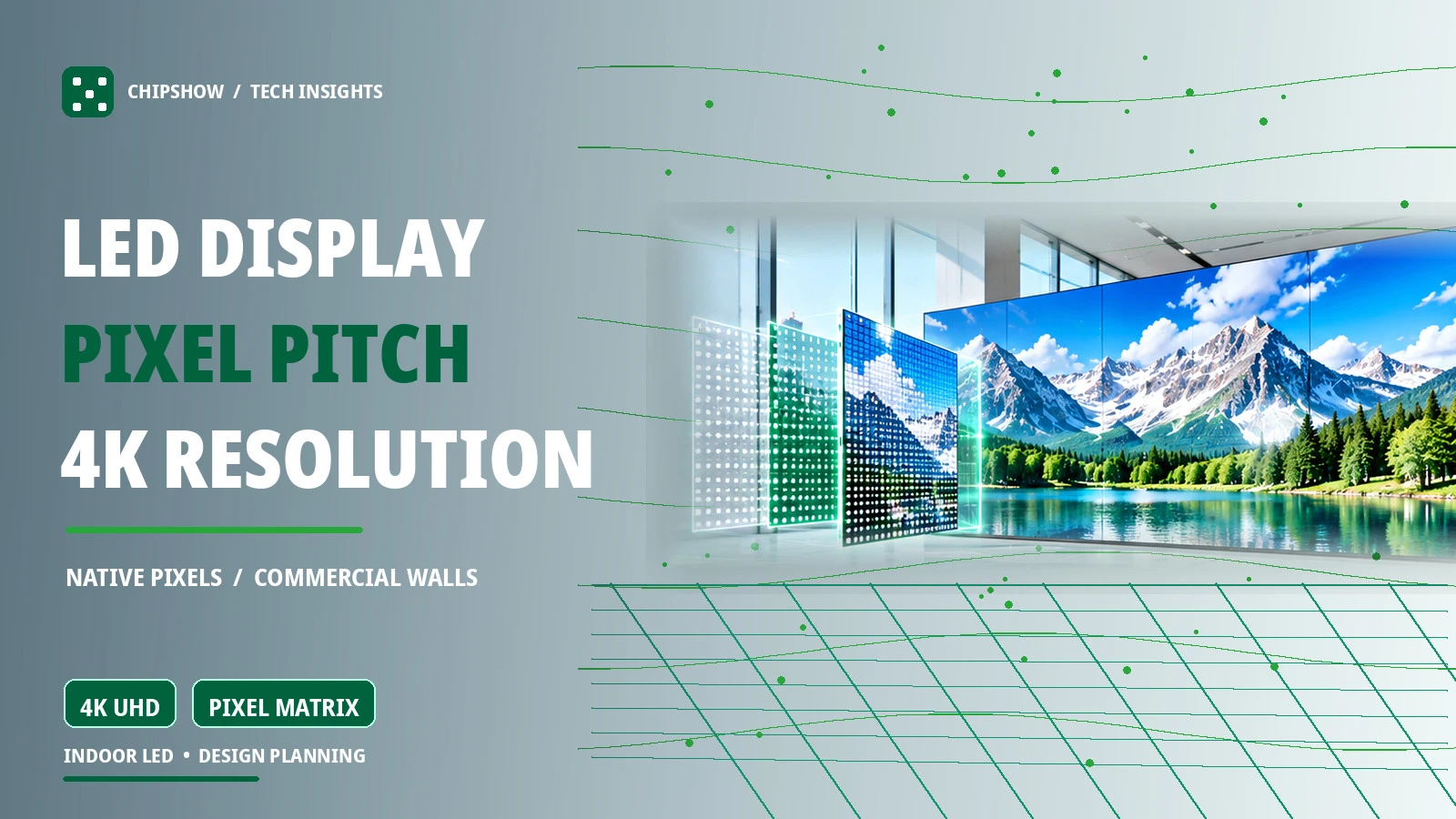
Match Pixel Pitch to Viewing Distance
Ask the design team for actual screen dimensions and likely minimum viewing distance. Check whether the total pixel canvas corresponds sensibly to the processor output and the content grid. Overspecifying pixel density can increase acquisition cost without solving a source-quality problem; underspecifying can make small game information difficult to read. Demonstration content viewed at the intended distance is more convincing than a slogan.
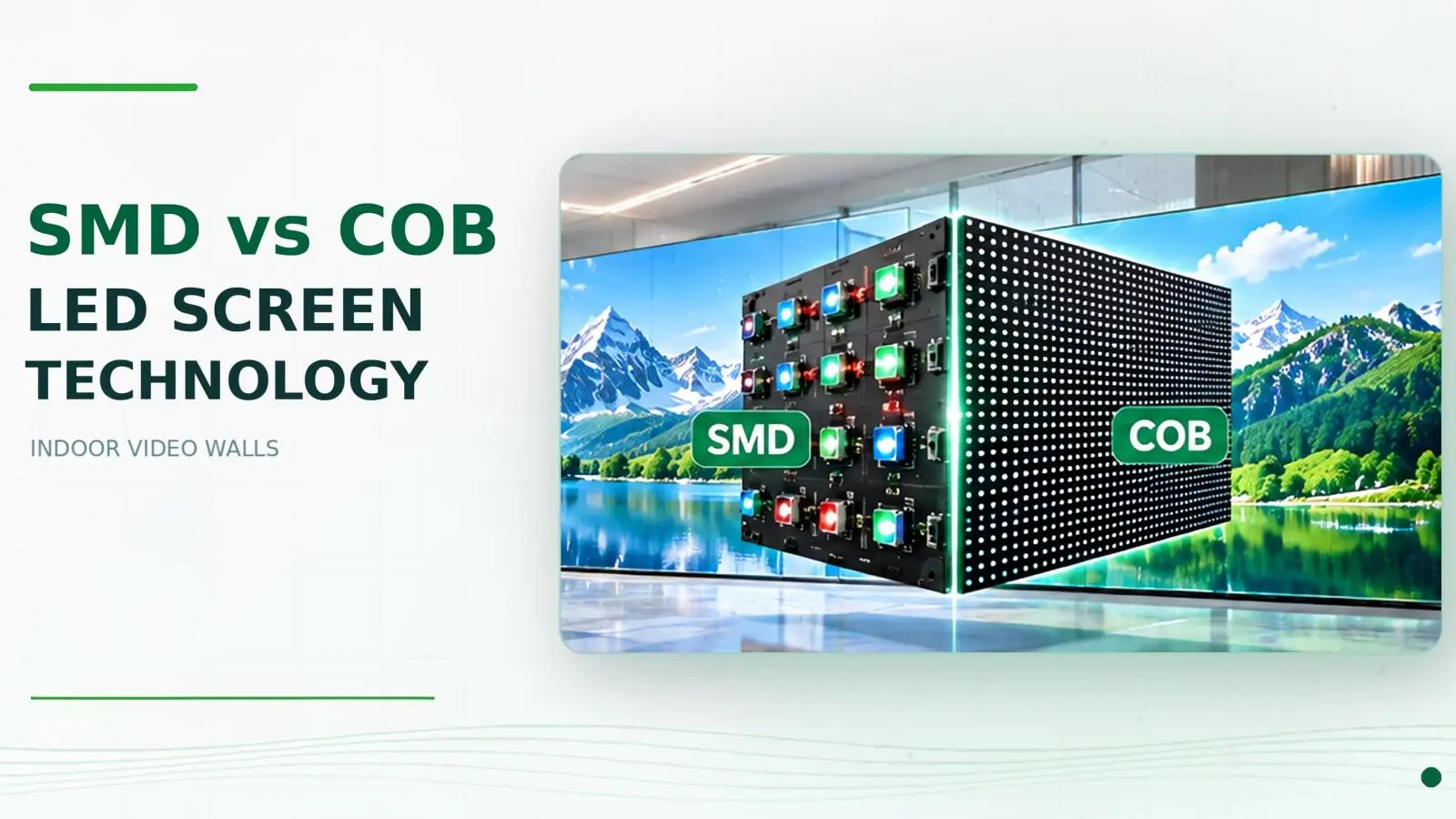
Evaluate Fine Pitch COB and SMD Options
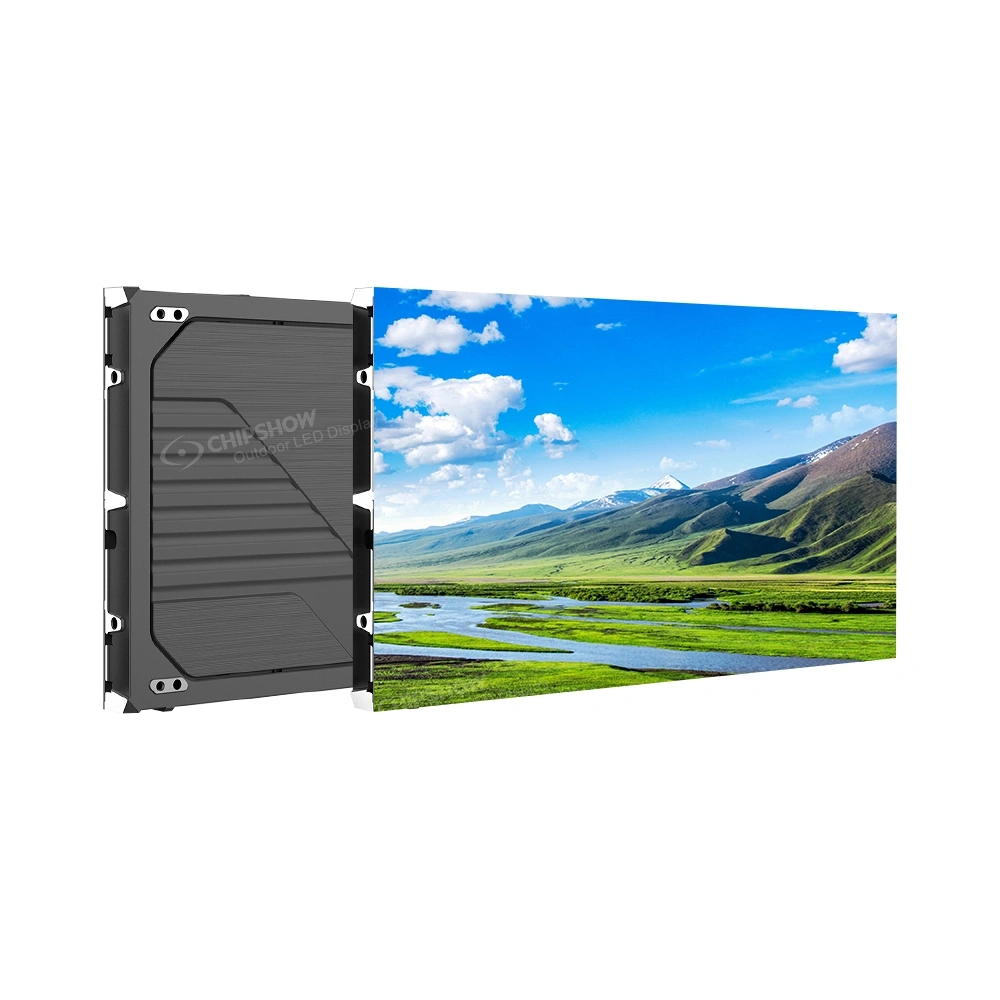
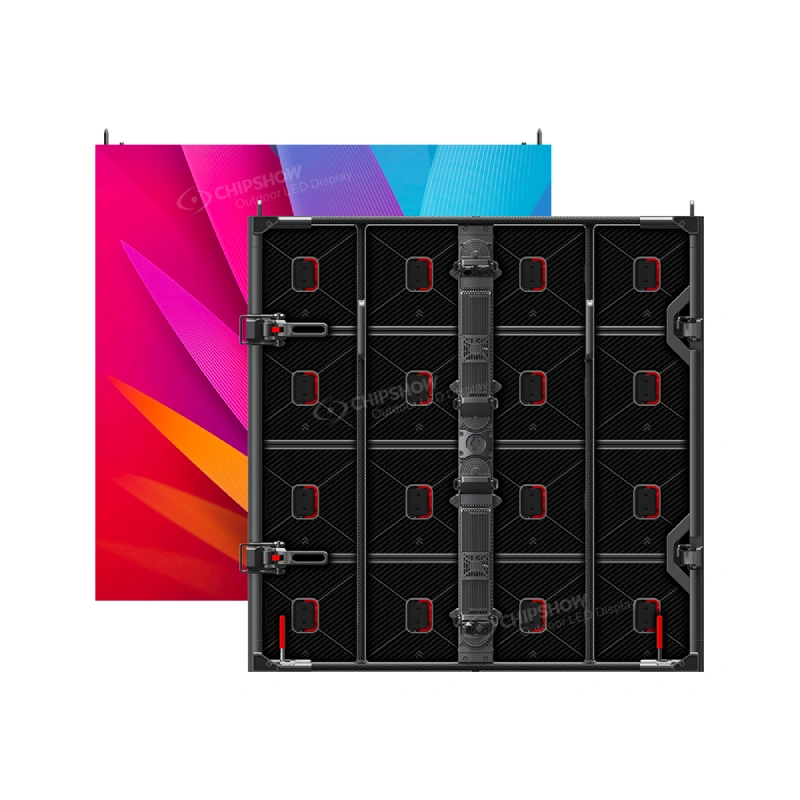
Both COB and SMD are possibilities for indoor commercial displays, subject to the selected model and requirements. Our C-Max Commercial SMD page lists P1.25, P1.53, P1.86, P2.0, P2.5, P3.0, and P4.0 options within a 640 by 480 mm cabinet platform. Our C-Max Fine-Pitch COB product information lists P1.53 and P1.86 options and front-service hardware. These are product-family specifications to be confirmed against the particular configuration quoted, not statements about measured gaming latency.
COB surface construction, black presentation, and service details may matter where viewers stand close to the screen or where incidental contact is possible. SMD may offer a different set of available pitches and procurement choices. Neither technology should be presented as intrinsically delivering lower end-to-end delay. Confirm the final processor and LED controller chain instead of using package chemistry as a proxy for signal performance.
Consider Ultra Wide and Curved Display Layouts
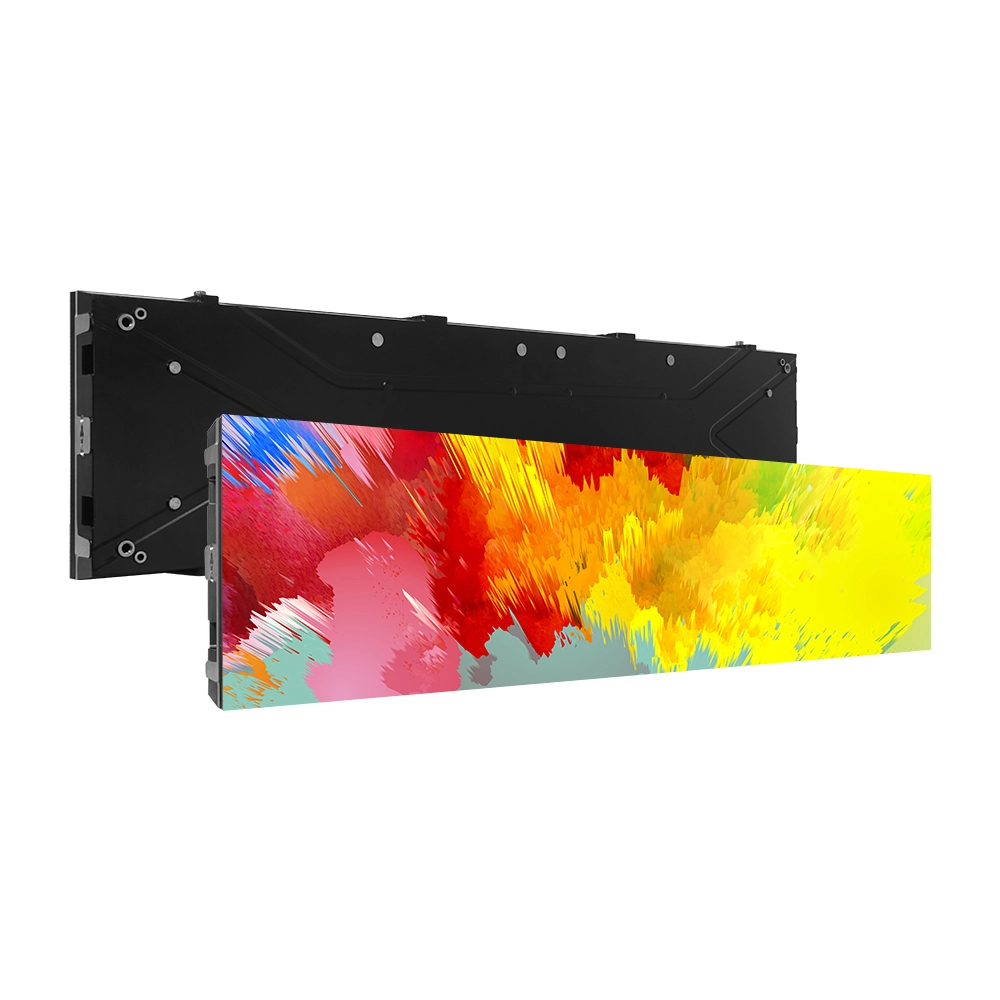
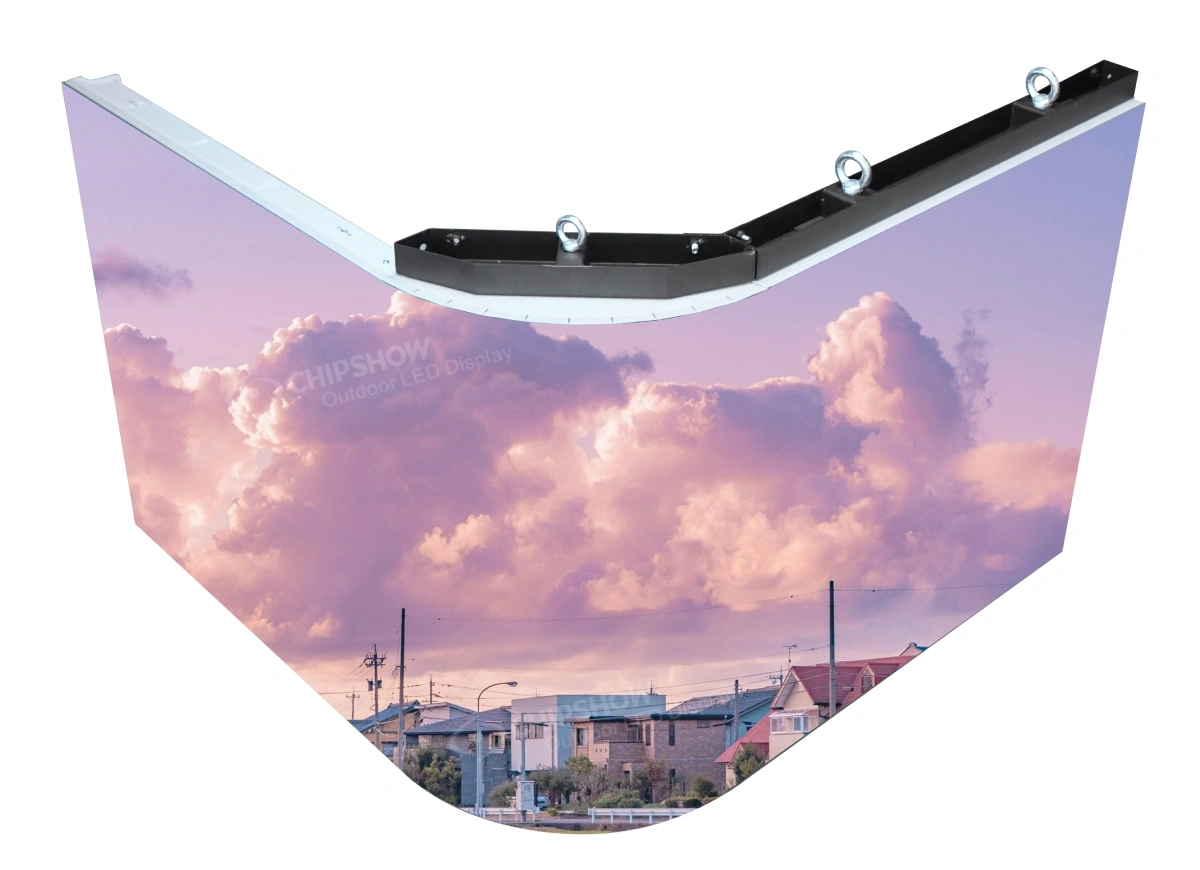
Where a curved installation is requested, check whether the chosen product has documented geometry options and an appropriate mounting design. The video processor must also handle the intended pixel canvas and content zones. Obtain both the structural and signal requirements before treating a concept rendering as an approved build.
Verify the signal path before choosing cabinets. Confirm source formats, processor outputs, the specified LED controller, and final wall resolution together. A display with suitable pixel pitch can still require additional integration work if the existing signal equipment cannot support the proposed configuration.
Plan Reliable Operation and Maintenance in Gaming Venues
Review Operating Schedules and Environmental Conditions
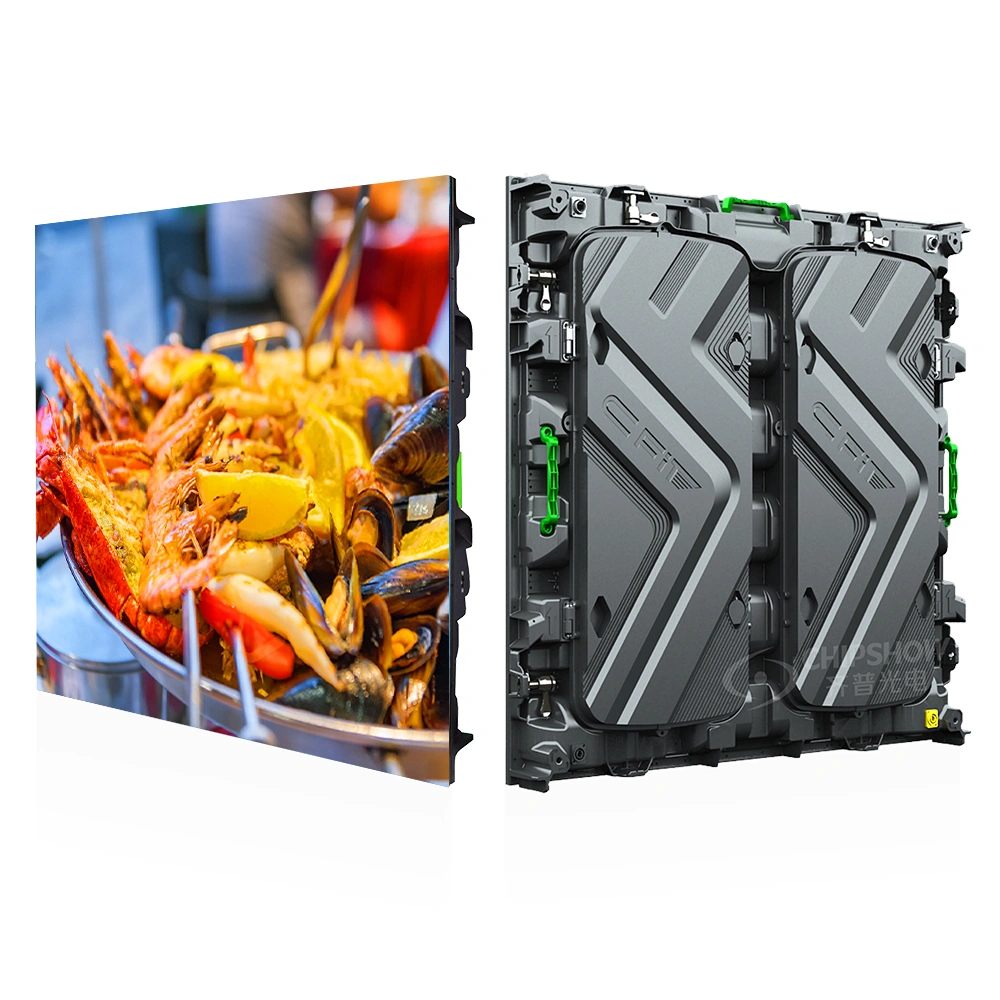
Casino and gaming venue hours can be demanding. Hardware assessment should reflect real operating schedules, ambient temperature, ventilation, installation depth, and room lighting. Published model details may explain cooling design, but they are not a universal promise of uninterrupted operation. If noise matters in a quiet lounge or broadcast position, verify the specific model’s design and site conditions rather than assuming every commercial LED wall is fanless.
Consider Front Service for Fixed Indoor Walls
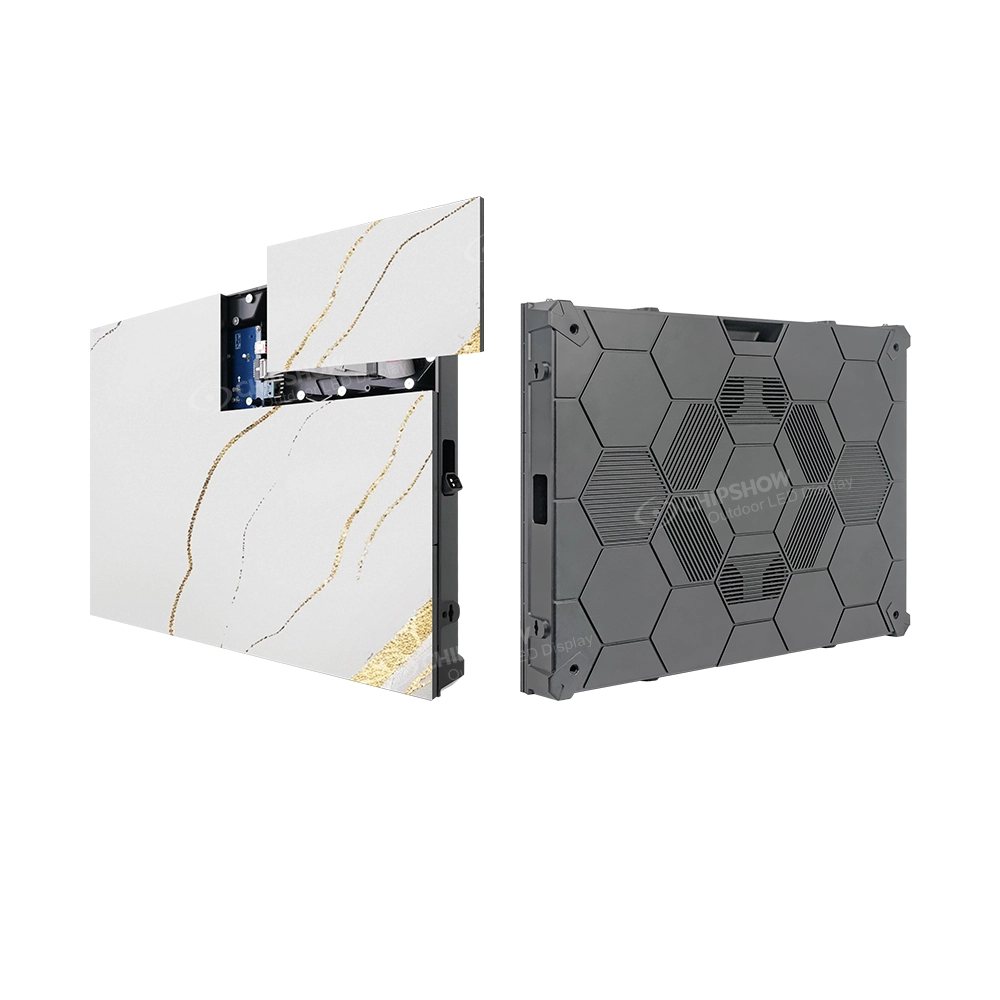
Our C-Max Commercial SMD listing describes access to modules, power supplies, and internal cards from the front. For wall-mounted installations, this is useful to discuss with the design and maintenance teams. It does not mean any failed component can be replaced while all content remains visible or that untrained personnel should perform electrical work. Site clearances, qualified access, and the exact product manual still govern the work.
Plan compatible replacement parts. For long-running installations, identify the modules, receiving components, power parts, and controllers needed for the selected model. The actual spare quantities and compatibility must follow the project configuration rather than a universal percentage.
Assign recovery responsibilities. The venue and its integrator should define who diagnoses a source problem, replaces a component, and restores content. Spare parts do not create automatic failover or guarantee uninterrupted operation.
Plan Casino Video Wall Fast Delivery Around Venue Schedules
Work Backward From Renovation and Opening Dates
A casino refresh is frequently tied to a reopening, marquee sports event, or construction window. The sensible sequence begins with the venue deadline, then separates the dates for hardware selection, quotation approval, stock verification, transport, site work, commissioning, and testing. KniTec’s documented Peppermill sportsbook project illustrates that casino display upgrades can be planned around business disruption, but it is a third-party project and provides no Chipshow delivery guarantee.
Avoid compressing the full process into a promise that a screen is ready as soon as it leaves a warehouse. The installation contractor may still need an approved support structure, power arrangements, source routing, permits where applicable, and access to restricted spaces. Gaming performance acceptance may require a further test window after physical installation.
Verify Exact USA Warehouse Inventory
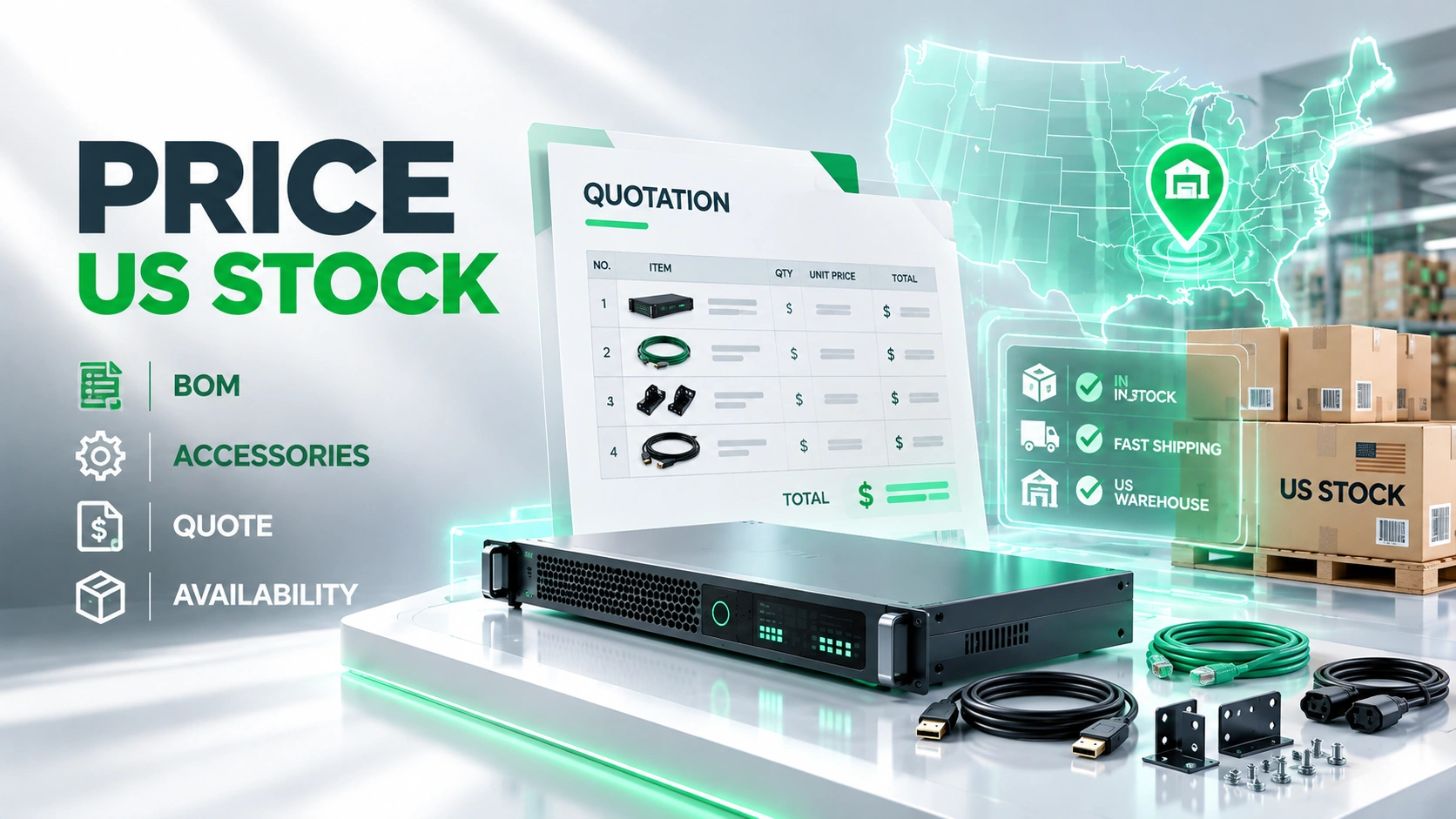
For a Casino Video Wall Fast Delivery enquiry, request the exact cabinet model, pixel pitch, panel dimensions, desired count, controller configuration, accessories, and compatible spares. Ask the supplier to confirm the current inventory relevant to that list and the applicable shipping conditions. A statement that a manufacturer has a US warehouse is not an item-level stock confirmation. Availability can change by product revision, quantity, and configuration.
For a deadline-driven project, ask the purchasing team to distinguish a tentative quotation from a confirmed equipment allocation. Identify any substitutions that would require renewed review of the pitch, cabinet geometry, controller mapping, or maintenance plan. Freight arrival should be coordinated with the venue’s receiving restrictions and the installer’s site-access window. This gives buyers a more realistic view of fast delivery than a generic warehouse statement, without implying a guaranteed dispatch date or an automatic approval of all equipment for a particular casino.
As a hardware Supplier, we can discuss product options and check applicable availability through the appropriate sales process. We should not treat every item advertised for sale as immediately allocated to a project. Where a date matters, the quotation and fulfillment details should specify what has actually been confirmed.
Check Panel Batches and Controller Compatibility
A large fixed wall or phased renovation may require repeated hardware configurations. Keep records of cabinet type, module pitch, receiving components, and relevant version information. A later replacement should be checked for compatibility with the installed system rather than ordered only by a broad family name. Ask whether the needed controller and spare modules are available alongside the cabinets; a partial shipment can leave a technically incomplete installation.
Project teams should also distinguish confirmed stock from an estimated replenishment date. Request written identification of what is included in the allocated hardware quantity and what remains to be supplied. If a renovation has separate installation phases, reserve enough compatible components for the planned second phase where commercially agreed. A phased project does not necessarily need every cabinet delivered at once, but it does need a documented configuration that can be matched later.
Coordinate delivery with local installation. A shipped LED cabinet is not an installed venue display. Site access, structure, electrical work, signal integration, and commissioning must be scheduled with the parties responsible for those tasks.
Compare Gaming Video Wall Price and Hardware Suppliers
Understand What Affects Casino LED Video Wall Price
Casino video wall price depends on pitch, size, cabinet count, controllers, accessories, and supply terms. Complete installed cost may also include processors, structures, electrical work, and integration. Ask for model-specific quotations rather than using unrelated online price examples.
Compare LED Display Manufacturers and Factory Supply
Manufacturers build display hardware, while Factory supply, distribution, system integration, and local installation are different commercial responsibilities. Some projects involve separate processor manufacturers, cabling vendors, and service contractors. Factory-direct language does not establish the lowest delivered cost, the fastest installation, or a particular compatibility result. The best comparison is a clearly defined product scope with identified interfaces and written terms.
Verify What Gaming LED Video Walls for Sale Include
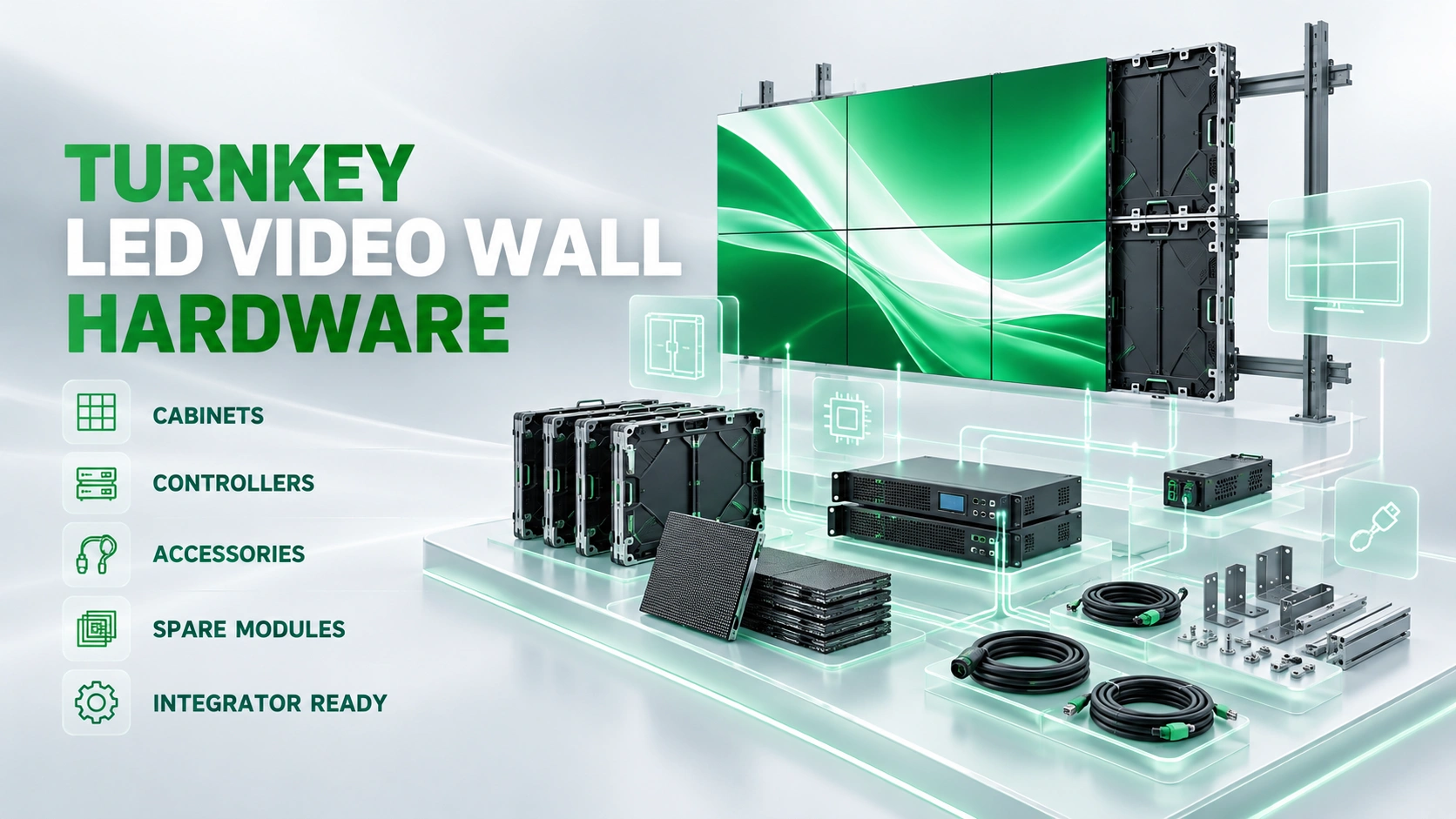
When buyers compare gaming LED video walls for sale, confirm whether the offer includes LED cabinets, modules, specified controller equipment, mounting accessories, spares, technical documents, packing, and transport. Check whether processor functionality, software, electrical work, and commissioning are excluded or supplied by another party. A Supplier quotation can be useful for comparing hardware choices only after those boundaries are explicit. Confirm model documentation and applicable warranty terms separately rather than assuming identical inclusions across quotes.
Chipshow LED Display Hardware for Casinos and Gaming Centers
Our C Max SMD Displays for Fixed Indoor Walls
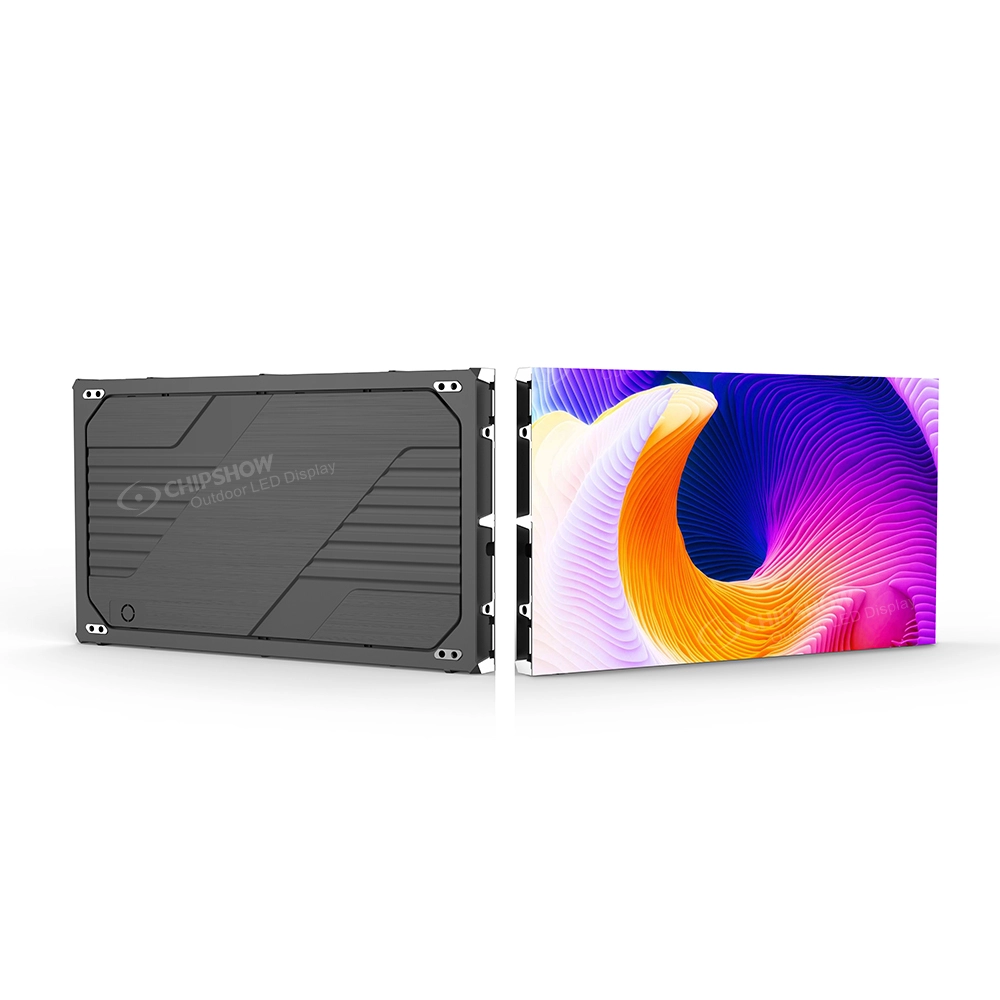
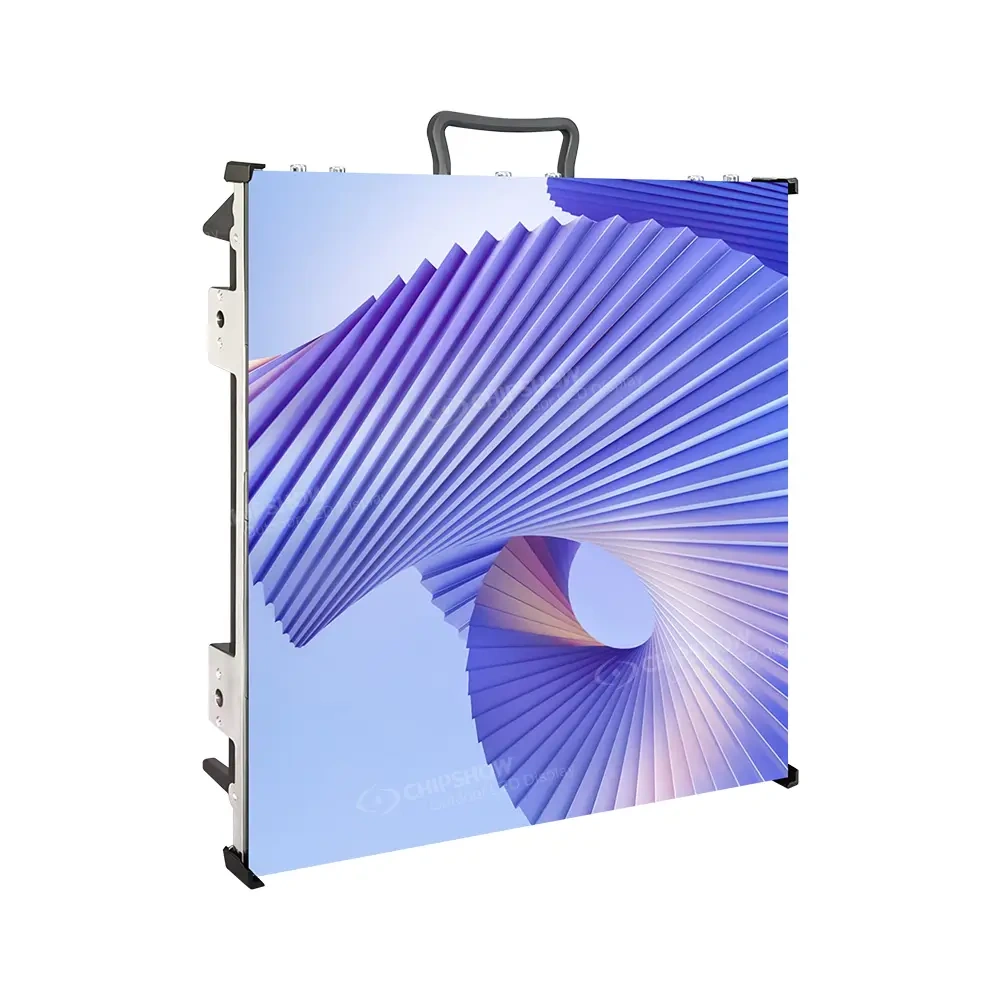
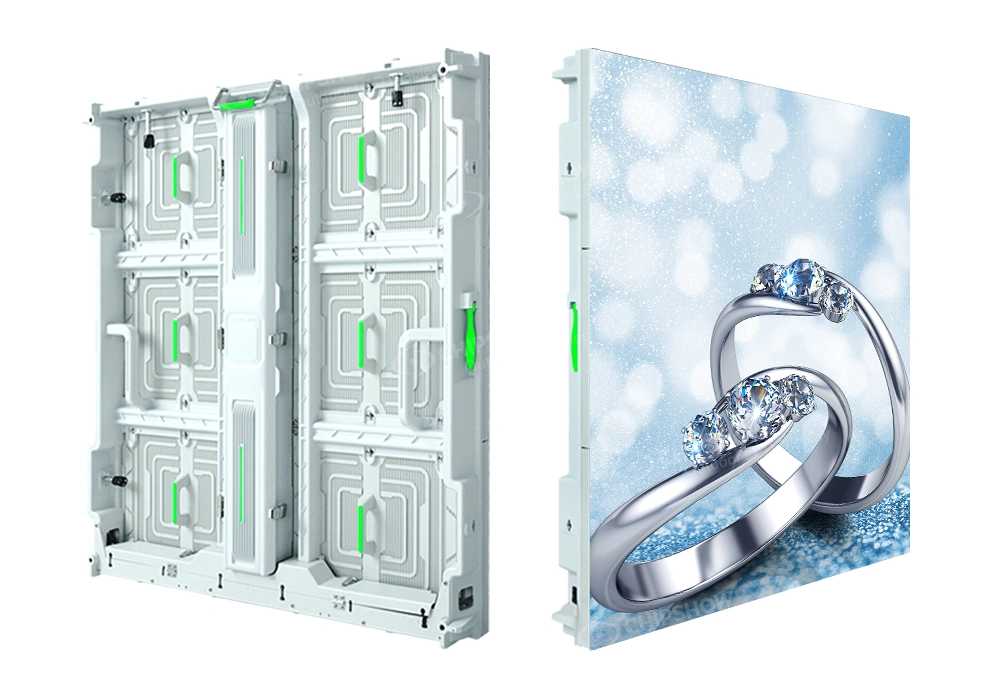
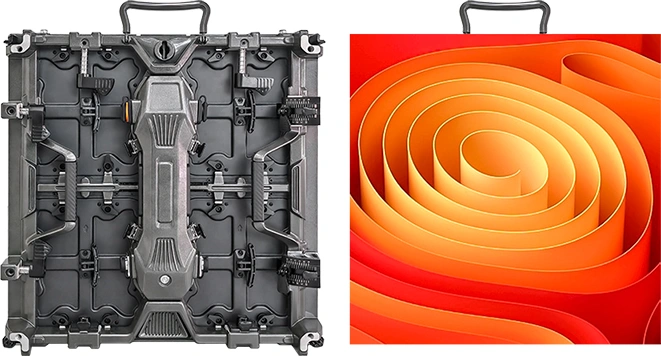
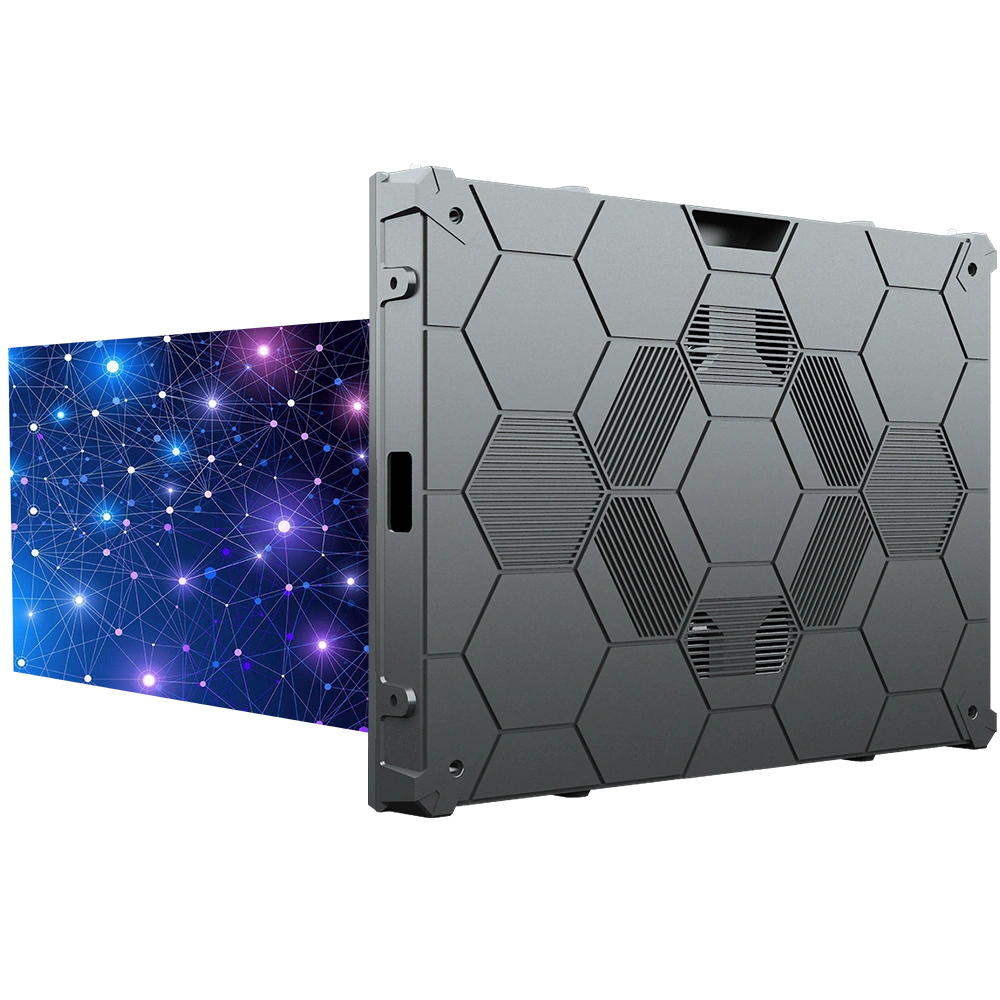
At Chipshow, our C-Max Commercial SMD line offers an indoor LED platform for projects requiring a permanent display. The official product page lists a 640 by 480 mm cabinet, multiple pixel pitches from P1.25 to P4.0, 3840Hz refresh, and front access to modules and related components. These documented characteristics help venue teams evaluate cabinet counts, expected viewing distance, and maintenance access. They do not establish a fixed overall latency result for an external processor chain.
An accurate request to our team includes the expected wall width and height, the nearest typical viewer, any unusually small scoreboards or text, and the planned video source formats. That information helps us evaluate whether a listed pitch and cabinet arrangement merits a closer technical review. We do not assume that the most expensive pitch is automatically the most useful. The technical evaluation should connect the native pixel canvas, source resolution, access arrangements, and actual commercial quote.
For a sportsbook, we would want the proposed canvas dimensions and source-routing plan before a configuration is finalized. The project integrator should confirm the required video processor, controller interfaces, and acceptance testing. Our role is to discuss suitable hardware configurations and provide available model-specific information rather than imply that one LED cabinet contains the whole sportsbook media system.
Our C Max COB Displays for Close Viewing Spaces
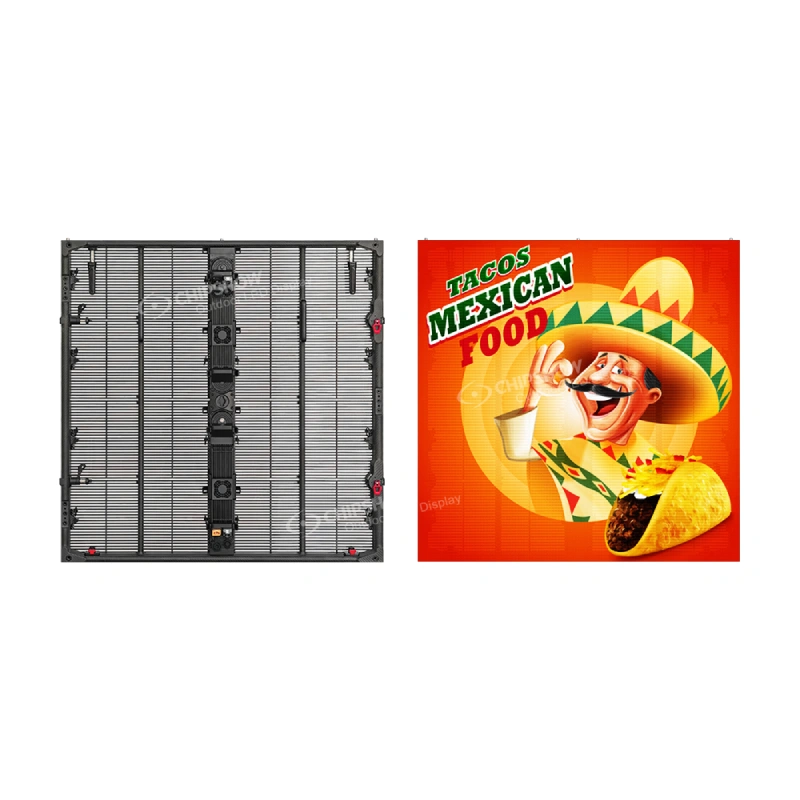
Our C-Max Fine-Pitch COB line provides another indoor display direction where close viewing, surface design, and picture characteristics justify investigation. The North American product information lists P1.53 and P1.86 COB options on the 640 by 480 mm cabinet format, with magnetic front service described for the listed platform. The appropriate choice depends on the viewing layout and exact selected model. COB construction is not a shortcut to an unverified gaming latency claim.
Our C Rock Indoor Options for Temporary Esports Events
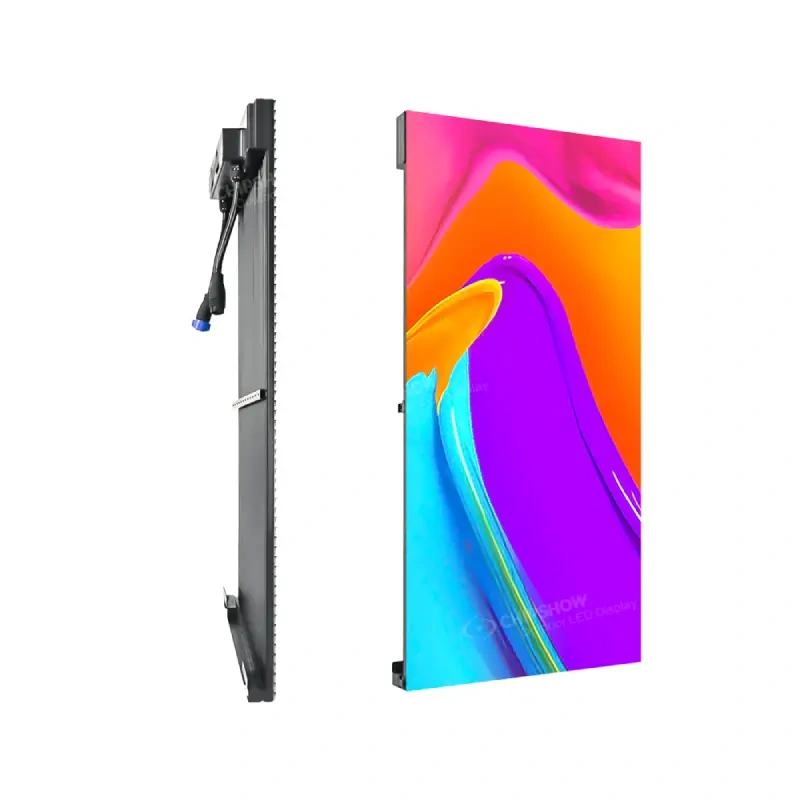
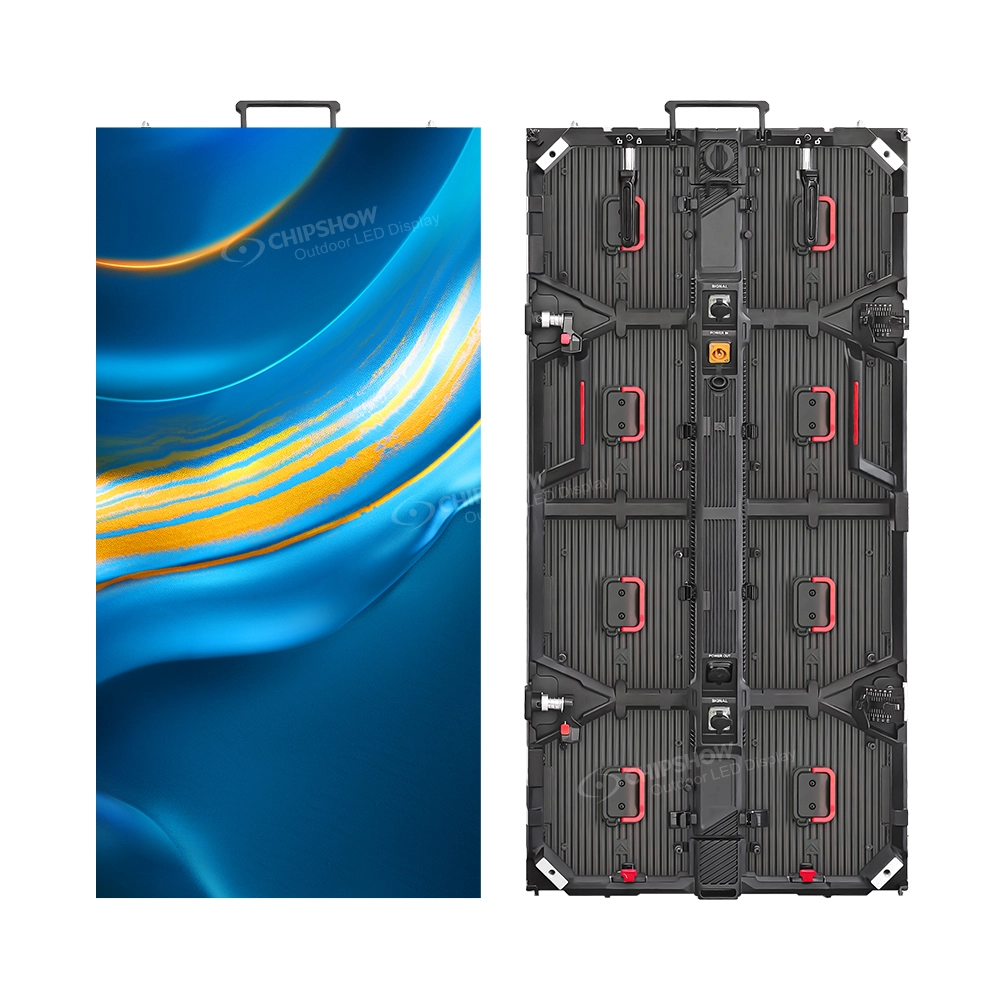
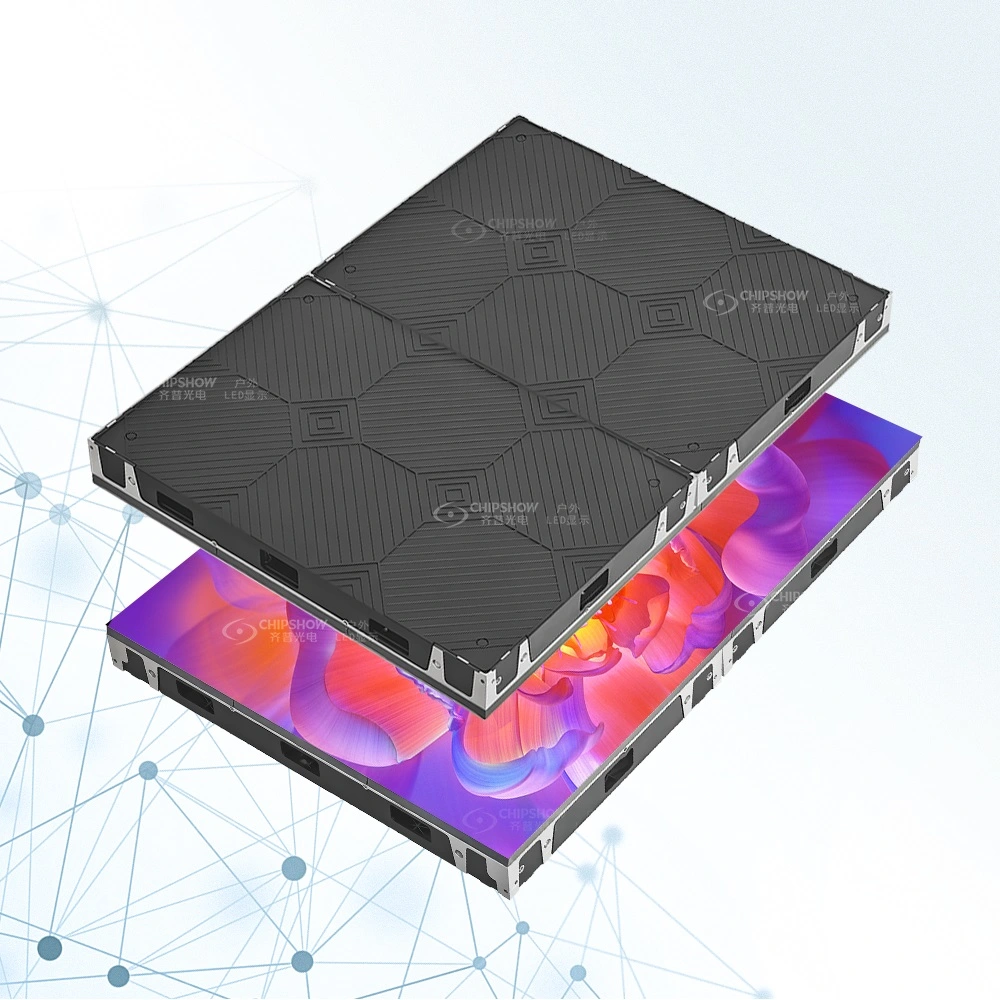
Temporary esports stages have different logistical demands from permanently mounted casino walls. Our North American catalog lists C-Rock Indoor rental-oriented cabinets in 500 by 500 mm and 500 by 1000 mm formats, with P1.9, P2.6, P2.9, and P3.9 options. Such a product direction deserves consideration where the project genuinely needs an event configuration, but rigging, production compatibility, and availability still require project-specific confirmation. It should not be swapped into a fixed commercial design solely because both products use LEDs.
Discuss Signal Requirements and Hardware Availability With Our Team
Share the type of gaming venue, the job of the wall, planned dimensions, audience distance, source equipment, desired canvas resolution, and project date. If low latency is critical, provide the intended signal chain and the test conditions selected by your AV specialist. We can then discuss relevant display hardware information and verify what can be quoted or confirmed for the requested configuration. Our assistance with LED hardware selection does not itself include a third-party gaming engine, broadcast system, AV over IP design, or local electrical installation.
Frequently Asked Questions
Is LED Refresh Rate the Same as Video Frame Rate
No. Refresh rate and source frame rate describe different parts of image reproduction. Neither alone establishes the time between a player action and the completed visible image. Ask for a measurement of the intended complete system if response time is material to the project.
Can a Casino Reuse an Existing Video Wall Processor
Possibly. Confirm its output formats, maximum pixel canvas, scaling behavior, signal timing, and compatibility with the proposed LED controller. Reuse should be reviewed by the responsible integrator before equipment is ordered, particularly for an ultra-wide sportsbook layout.
When Should a Gaming Venue Test End to End Latency
Testing is especially relevant when players interact with the displayed picture or the project contract states a response requirement. Use representative content and the final source-to-display path, not a shortened demonstration path. Record the procedure with the parties responsible for acceptance.
Can a Fixed Gaming LED Wall Be Used for Temporary Esports Events
A fixed wall might display an event feed, but that does not make its cabinets appropriate for frequent assembly, rental rigging, or touring. Review the structural arrangement, safe access, and production requirements before reusing permanent hardware in a temporary context.
Does USA Warehouse Stock Include Controllers and Spare Modules
Not necessarily. Inventory needs to be checked by the exact controller model, cabinet configuration, quantity, compatible spare component, and current allocation. A warehouse location alone is not evidence that an entire gaming wall package is ready to dispatch.
Does Fast Delivery Mean a Casino Video Wall Is Ready to Operate
No. Hardware dispatch and venue operation depend on different milestones. The local installation, structural and electrical work, signal integration, content setup, and commissioning must be arranged by the parties responsible for those services before the venue can accept the system.
Review Your Gaming Video Wall Requirements With Chipshow
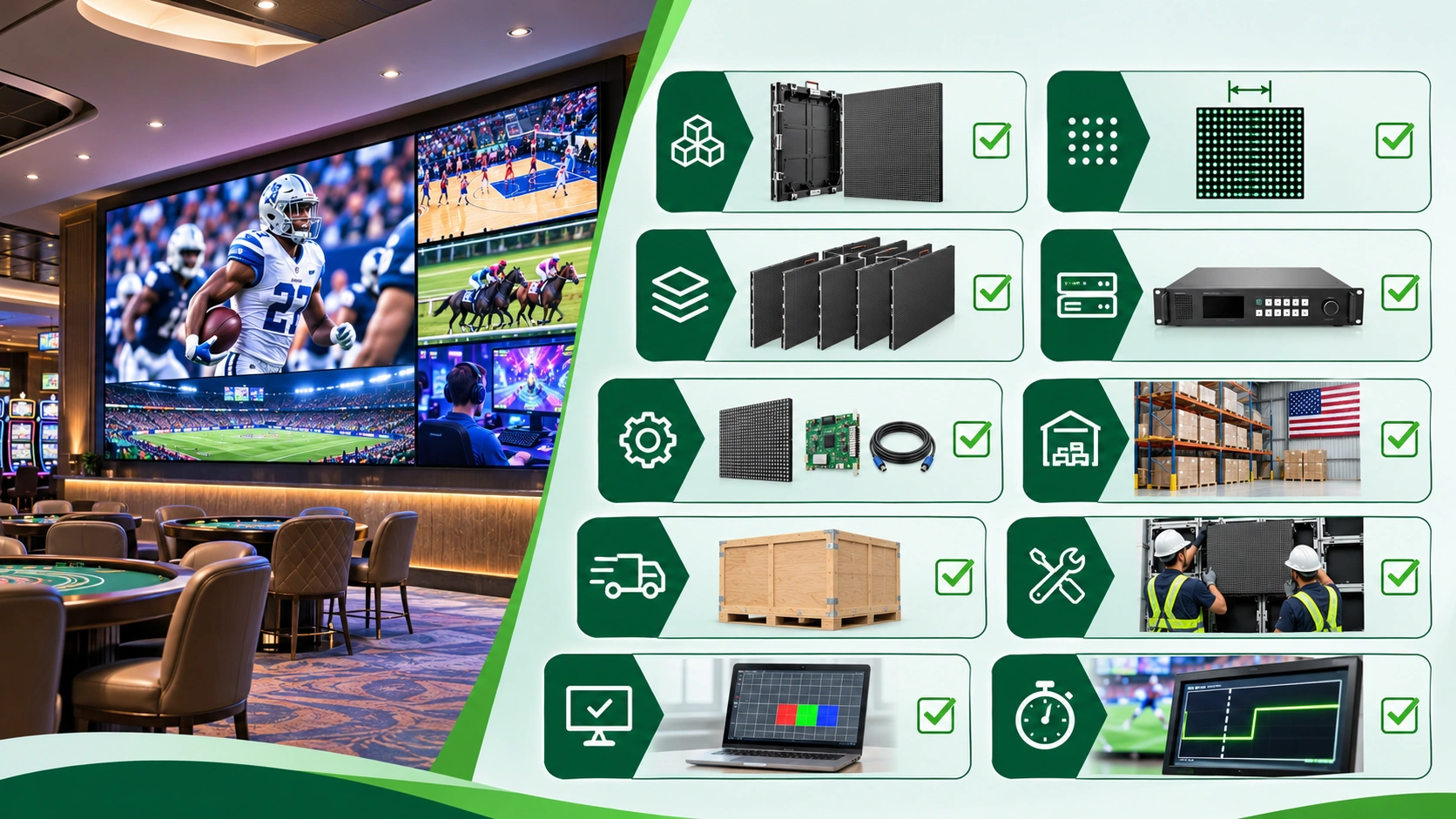
The right gaming video wall begins with the actual content and its signal route, not with a refresh-rate badge. For a casino sportsbook, define the source count and display layout. For interactive gaming, require a meaningful end-to-end response test. For an esports audience wall, examine camera capture, sightlines, and production integration. Then compare the model-specific LED hardware, maintenance needs, and verified supply scope against the venue schedule.
Tell our team what you plan to display, who will watch it, the room dimensions, the proposed equipment chain, and when your project needs the hardware. We can discuss applicable Chipshow indoor display options and check current product information and availability. Request a Gaming Display and Signal Review, or contact us to check hardware availability for the precise configuration.