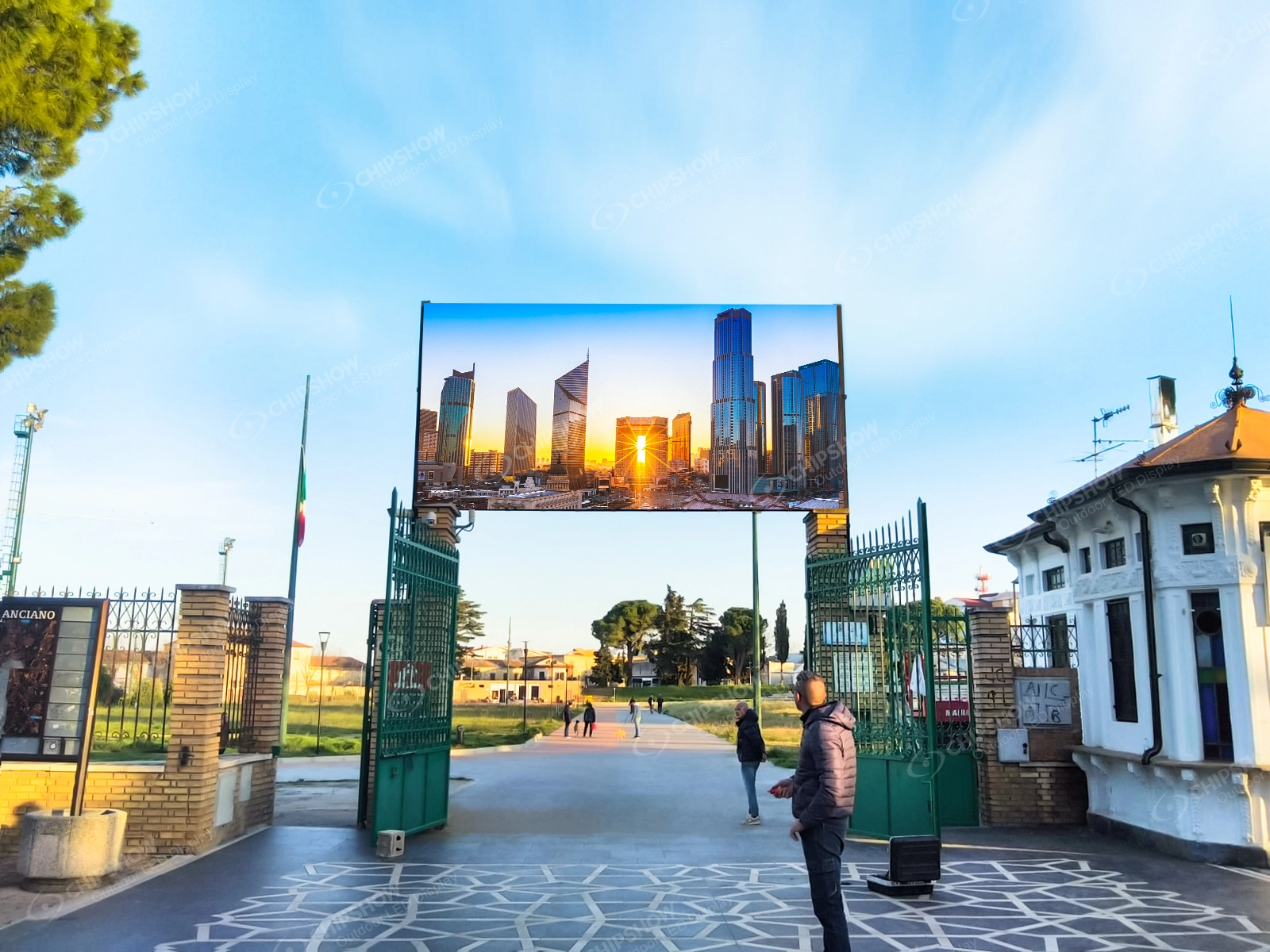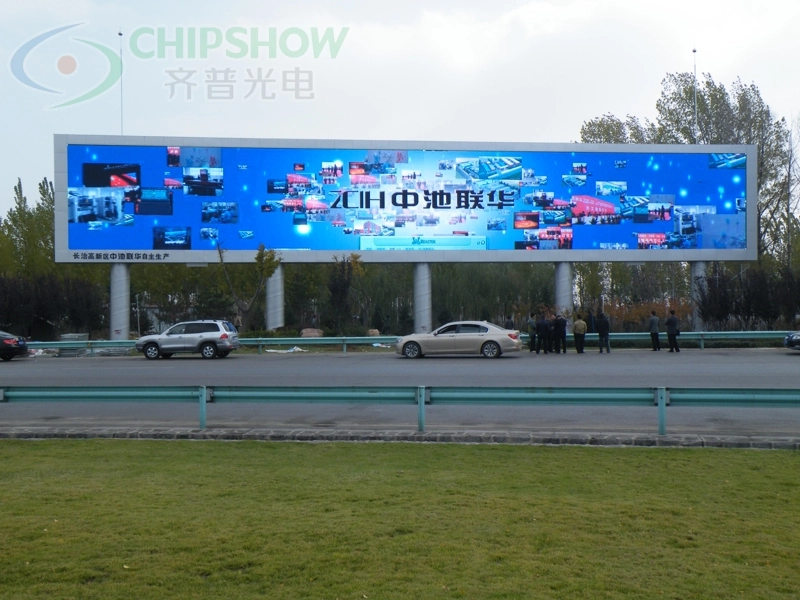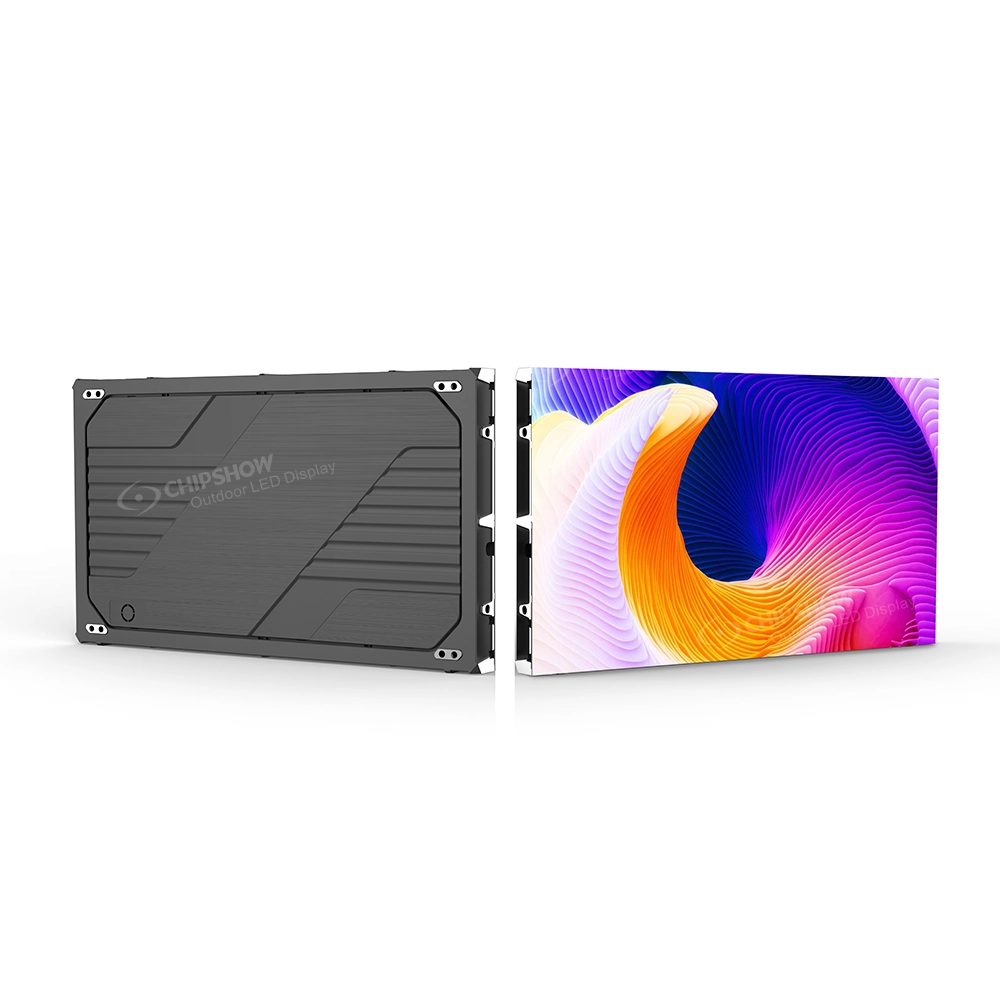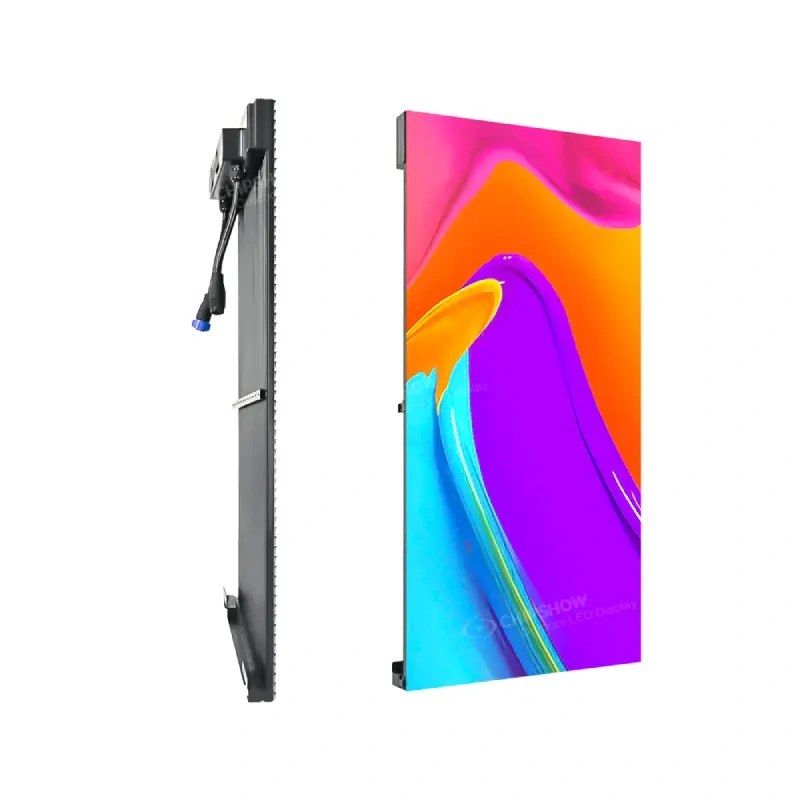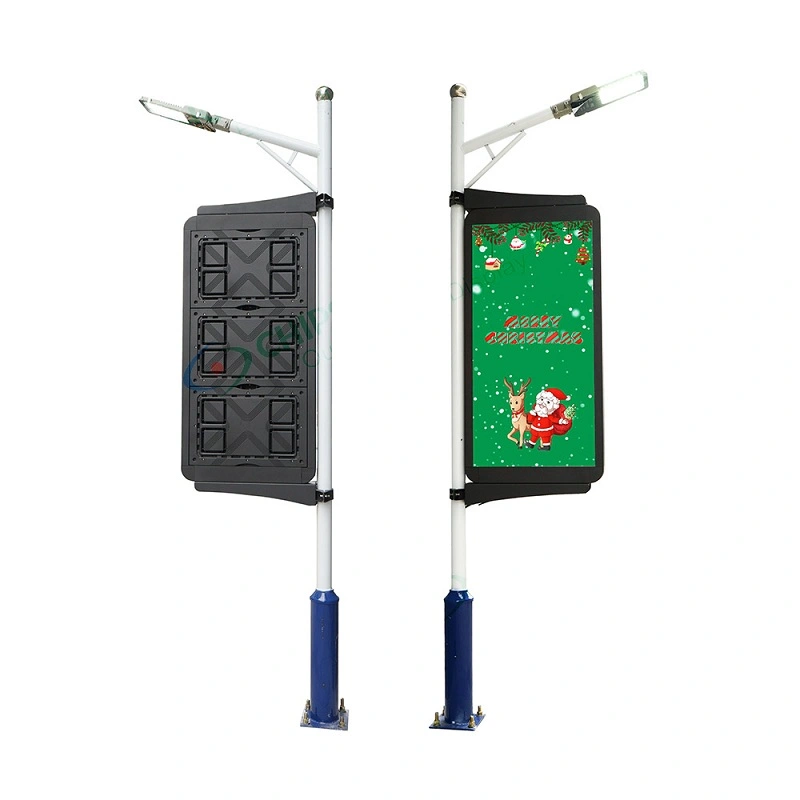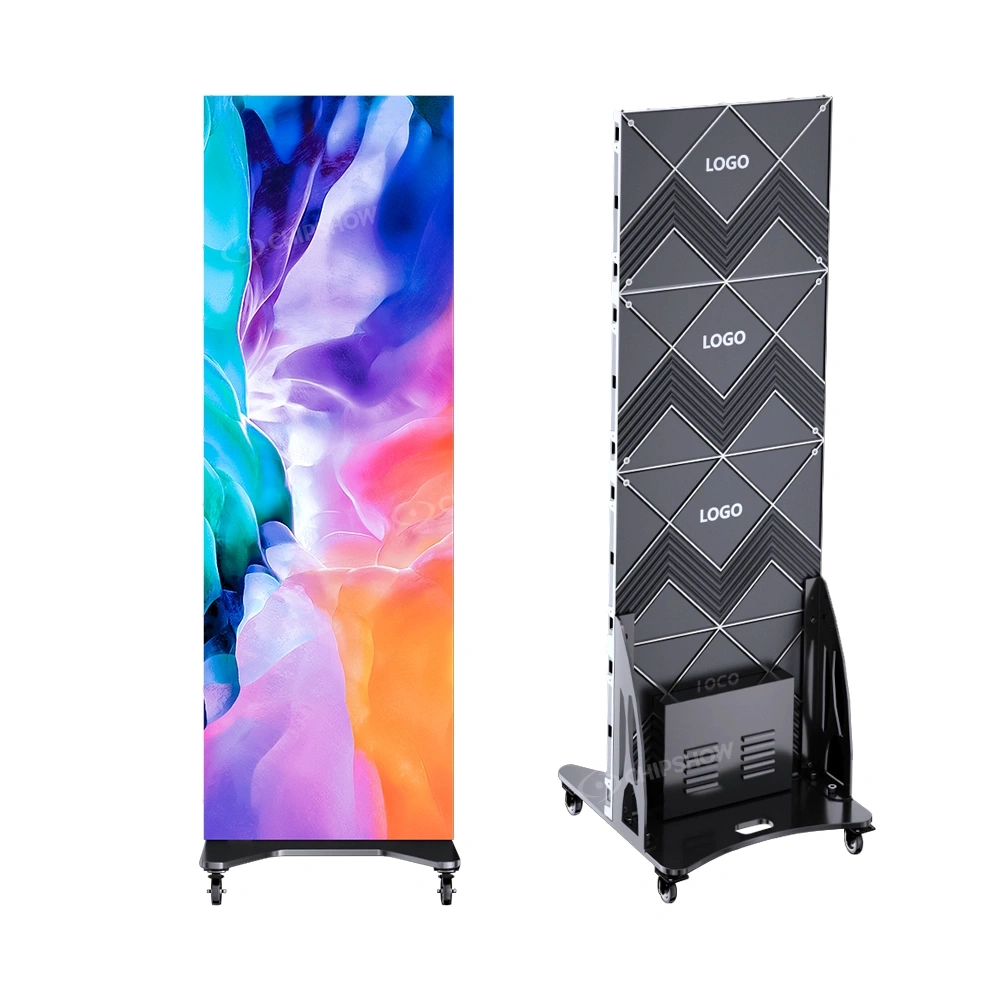
Skip the operational bottlenecks and avoid catastrophic weather-related downtime in your next billboard deployment. Fulfill strict municipal code checklists and verify hardware enclosure shielding parameters directly from our local US engineering archives:
Not sure which pitch or cabinet format fits your build? Run the requirements through the Chipshow USA LED sign selector to shortlist signs by nearest viewer and sign opening before requesting a quote.
[Download: Chipshow P10 LED Screen Outdoor IP65 Test Report]
[Download: P8 Outdoor LED Display Panel Accelerated UV Weathering & Material Resistance Report]
When specifying critical digital infrastructure across North America’s diverse microclimates, evaluating the ingress protection (IP) rating is a vital financial check. Under-specifying hardware to shave upfront panel costs frequently results in moisture tracking, component shorts, and expensive emergency field dispatches.
While a full-assembly IP65 rating serves as a reliable engineering standard for standard billboard placements in temperate regions, upgrading to an IP66 rating becomes a mandatory operational requirement when screens face coastal hurricane corridors, intense regional dust storms, or high-pressure structural maintenance washdowns.
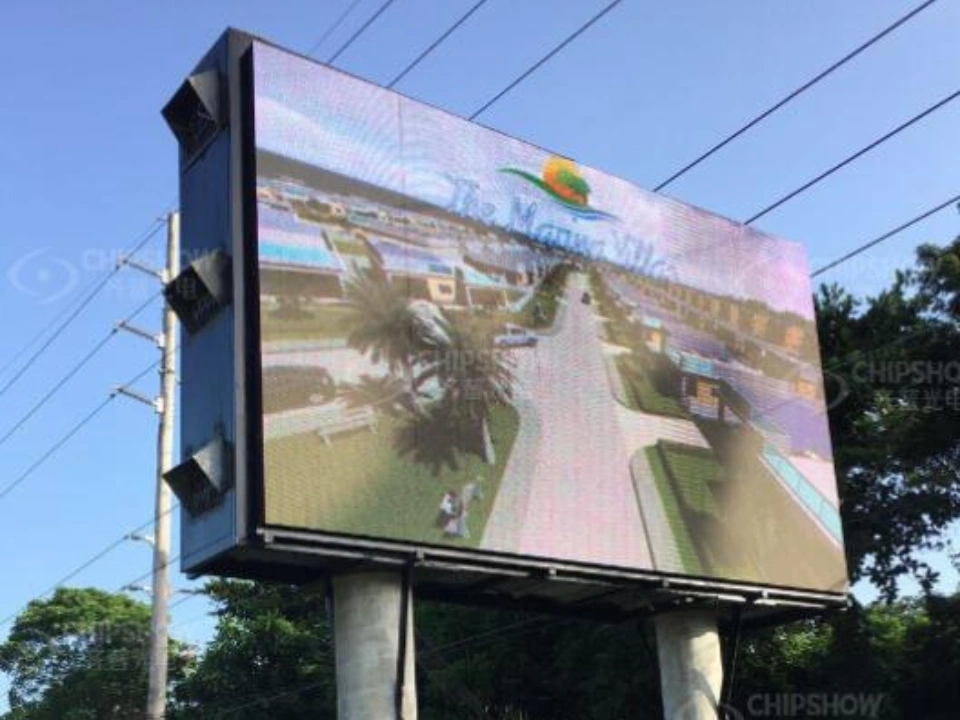
IP65 vs. IP66 Weatherproofing: The North American Selection Matrix
The tactical choice between enclosure sealing standards is dictated entirely by your local installation environment and maintenance standard operating procedures (SOPs).
| Deployed Environment & Conditions | IP65 Enclosure Sealing | IP66 Enclosure Sealing | Core Engineering Procurement Logic |
| Temperate Inland Sectors (e.g., Midwest, Central US regions) | Adequet | Not required | Standard rain cycles and seasonal humidity are completely managed by basic IP65 layers. |
| Recessed Facades & Overhangs (Sheltered building entryways) | Adequet | Not required | Reduced physical wind-driven rain exposure eliminates the need for premium sealing upgrades. |
| High-Rainfall / Subtropical Segments (e.g., Pacific Northwest, Gulf Coast) | Marginal | Recommended | Adds a conservative engineering safety margin against prolonged moisture accumulation. |
| Coastal High-Saline Zones (Within 5 miles of Atlantic/Pacific beaches) | Insufficient Alone | Required + Cert | Must be paired with standalone IEC 60068-2-52 salt spray data and specialized anti-corrosive fasteners. |
| Commercial Pressure Washing Specified in Facility Contracts | Not suitable | Required | Mandatory if maintenance crews utilize high-pressure commercial water jets for cleaning. |
| DOT Traffic Infrastructure (Highway Gantry & VMS signs) | Check Tender | Required by Spec | Local Department of Transportation specs take precedence over general weather logic. |
Technical Parameters: Defining Laboratory Verification Against Field Hazards
An IP rating on a manufacturer specification sheet defines enclosure performance under strict, controlled lab conditions governed by the IEC 60529 standard. It measures the physical entry barrier of an assembled electronic cabinet against two distinct stress profiles: solids and liquids.
For any heavy-duty outdoor led display panel, the first digit must be 6, verifying that the system is fully dust-tight. The entire selection framework rests on the second digit, which measures liquid ingress parameters:
The Liquid Velocity Discrepancy
IP65 Testing Metric: Uses a 6.3 mm nozzle projecting water at a flow rate of 12.5 Liters per minute (~3.3 Gallons per minute) at a core stream pressure of 30 kPa (~4.4 PSI) for at least 3 minutes. This replicates a sustained, heavy thunderstorm downpour.
IP66 Testing Metric: Scales up to a heavy-duty 12.5 mm nozzle launching water at an intensive flow rate of 100 Liters per minute (~26.4 Gallons per minute) at a pressurized stream threshold of 100 kPa (~14.5 PSI) for a minimum of 3 minutes. This replicates severe, breaking water waves or localized high-pressure washdowns.
An IP66 chassis is tested to withstand a pressurized water volume that is eight times greater than an IP65 test protocol. While IP65 manages standard atmospheric rainfall flawlessly, IP66 is built for extreme conditions that go far beyond standard weather patterns.
Critical Protection Gaps Not Covered by Standard IP Ratings
B2B procurement managers must understand that an IP rating is a snapshot of factory-gate performance. It does not validate real-world resistance across three compounding outdoor degradation factors:
1. Solar UV Degradation of Gaskets and Masks
Standard water-jet testing completely ignores long-term solar UV exposure. In high-irradiance regions like the Southwest (Texas, Arizona, Nevada, California), solar radiation can degrade lower-grade silicone seals, causing them to dry out and lose compression over time.
To prevent early weathering failure, look for materials that have passed accelerated weathering checks. For example, our P8 enclosed module structure has undergone specialized Type IA UVA-340 accelerated aging tests for 240 hours at a black panel temperature of 158°F (70°C), verifying zero material yellowing or resin cracking under intense solar exposure.
> **Material Quality Note:** Utilizing UV-stabilized silicone or EPDM (ethylene propylene diene monomer) seals preserves your display’s internal environment far better than simply upgrading an IP code on paper.
2. Salt Spray and Chloride-Driven Oxidation
The fresh water utilized in laboratory IP sweeps cannot duplicate the corrosive nature of marine salt air. For installations along Florida or California shorelines, airborne chlorides cause rapid corrosion on raw aluminum frames and copper traces. Protecting these assets requires separate IEC 60068-2-52 salt spray testing, 316-grade stainless steel fasteners, and premium hydrophobic PCB conformal coatings.
3. Thermal Cycling and Internal Condensation
When intense daytime solar heat drops rapidly into freezing night temperatures, moisture forms natively inside fully sealed enclosures through dew-point condensation. This is a thermal management issue, not a waterproofing failure, and standard IP tests do not address it. Managing internal humidity requires integrated pressure-balancing breathing valves or advanced passive airflow layouts rather than just a tighter physical seal.
Establishing the Real-World Sufficiency of IP65 for North American DOOH
An IP65 rating serves as the established global benchmark for thousands of high-earning digital billboards across North America.
When to Standardize on Full-Cabinet IP65
An IP65 display configuration delivers stable long-term performance under proper operational parameters:
Facade and Flush Wall Mounts: The display is integrated closely against a building cladding or sheltered under deep canopy overhangs, shielding the rear cabinet doors from direct wind-driven rain loops.
Controlled Maintenance SOPs: Property management contracts and cleaning crews strictly use low-pressure hoses or manual soft-cloth wipes, keeping spray forces safely within the 4.4 PSI threshold.
Full-Assembly Certification: The procurement team verifies third-party laboratory credentials for the complete assembled cabinet unit (including connectors, power doors, and cable entries) rather than assuming a module-level certificate protects the whole system.
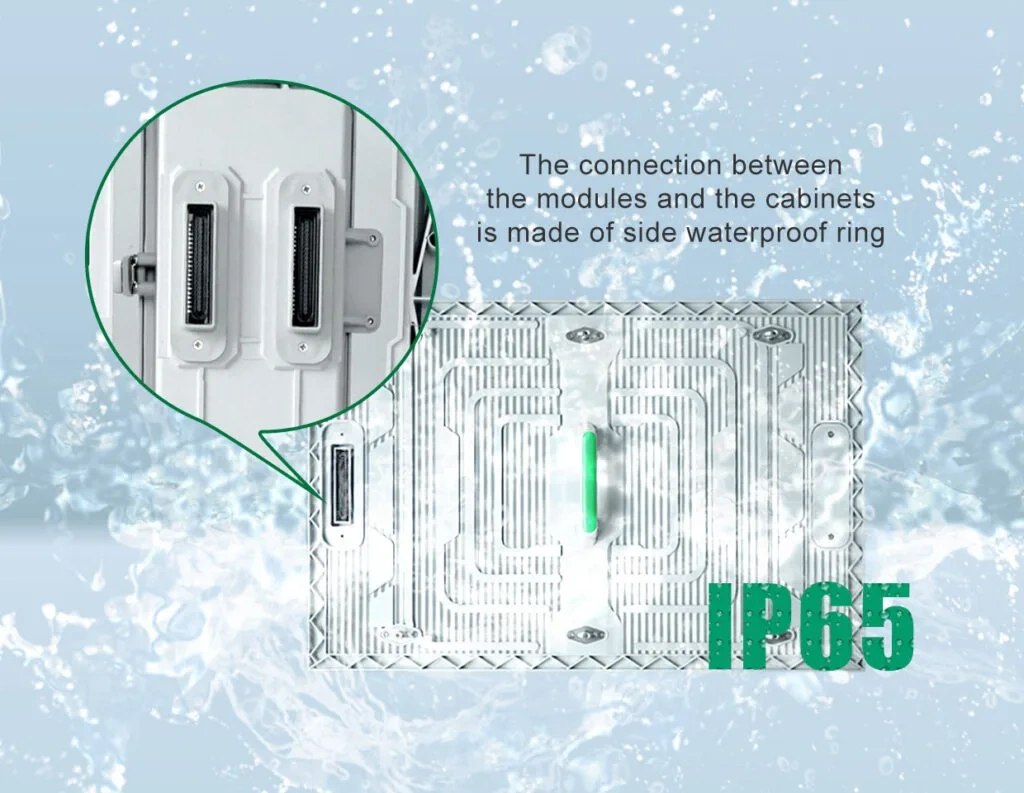
When is an Upgrade to a Certified IP66 Configuration Mandatory?
Upgrading your hardware line to an IP66 standard is a necessary operational step for three specific project profiles:
1. High-Pressure Fleet Maintenance Routines
If your digital displays are integrated onto municipal service truck tailgates, roadside arrow boards, or temporary solar warning trailers, they face continuous high-pressure spray washes during fleet cleaning cycles. Standard IP65 enclosures will quickly develop seal failures if hit directly by commercial pressure washers operating far past their 30 kPa limit.
2. High-Altitude, Unsheltered Monopoles
Massive, unshielded 14×48 ft. highway bulletins expose all six cabinet faces to direct, high-velocity wind pressures during intense storms. Over years of deployment, these high-pressure wind loops can force moisture through micro-gaps if the structural tolerances deviate, making an IP66 rating a preferred safety factor for open-field structures.
3. Strict DOT and Public Transit Tenders
Variable Message Signs (VMS) on highway gantries face extreme soot and pressure differentials from heavy commercial freight traffic. While the general traffic framework regulates optical clarity, state Departments of Transportation (DOT) frequently write explicit IP66 compliance rules into public project bids to secure a reliable 10-year asset lifespan.
Optimize Project Timelines via Local California Warehouse Stock
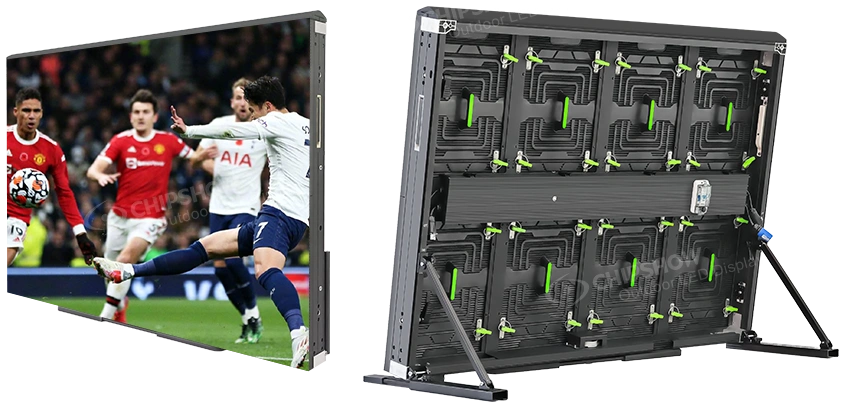
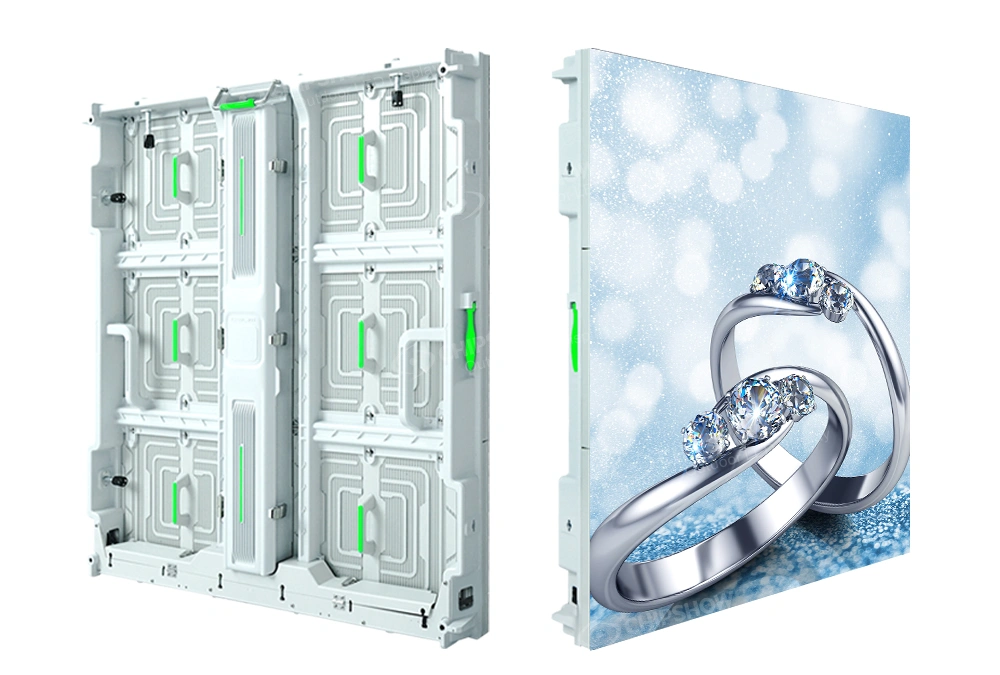
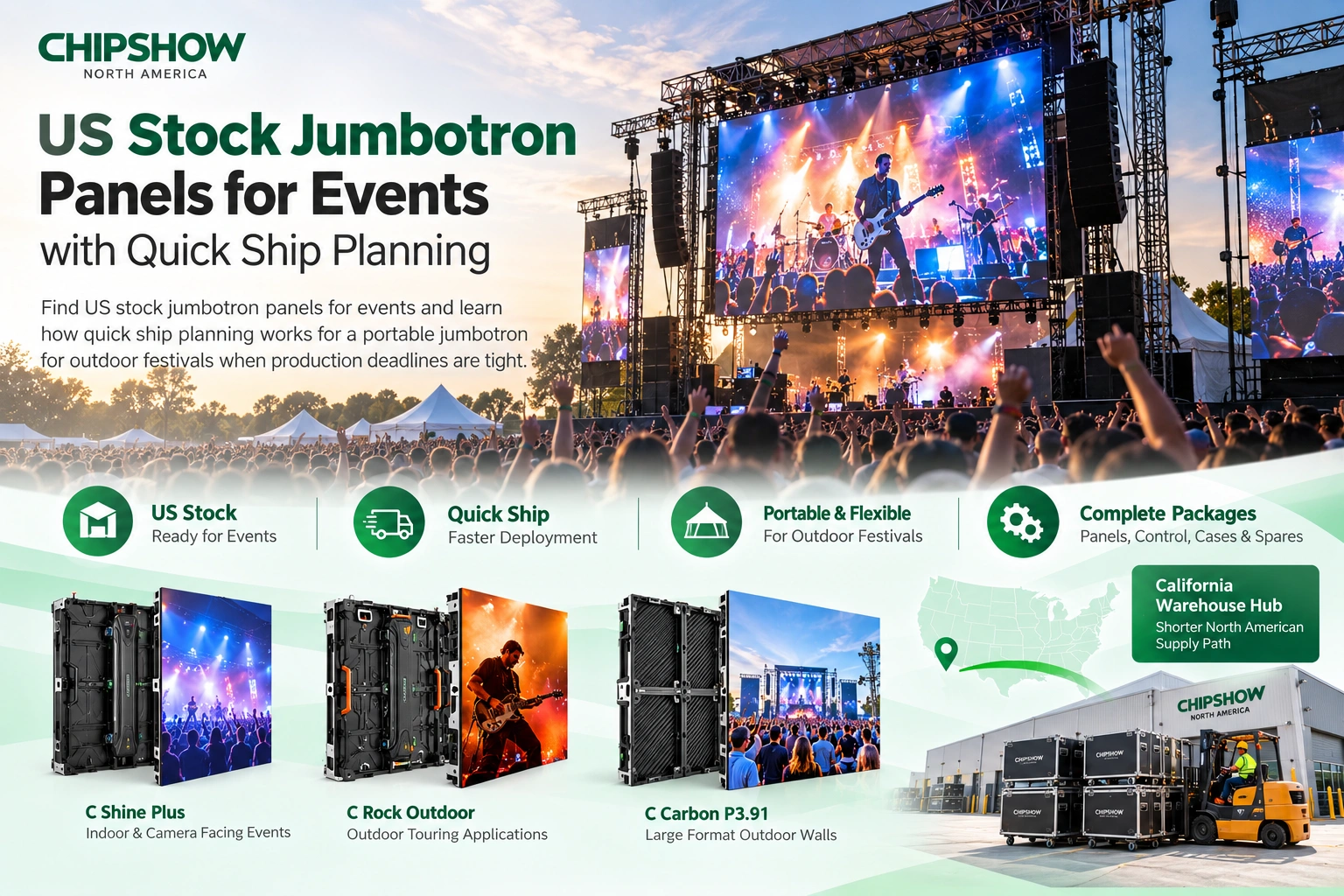
To bypass international shipping bottlenecks, eliminate long customs clearance delays, and control ongoing maintenance costs, select from Chipshow’s lightweight, certified systems, shipping quickly from our domestic logistics facility in California:
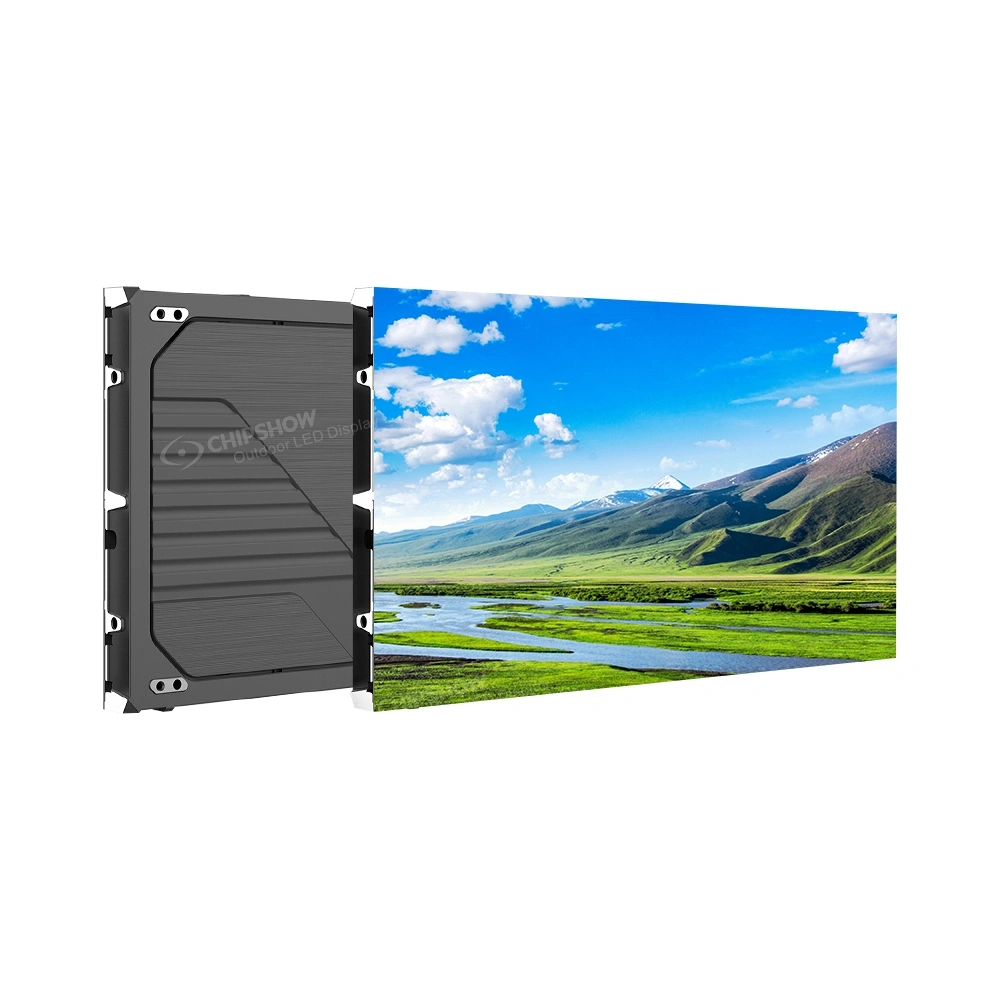
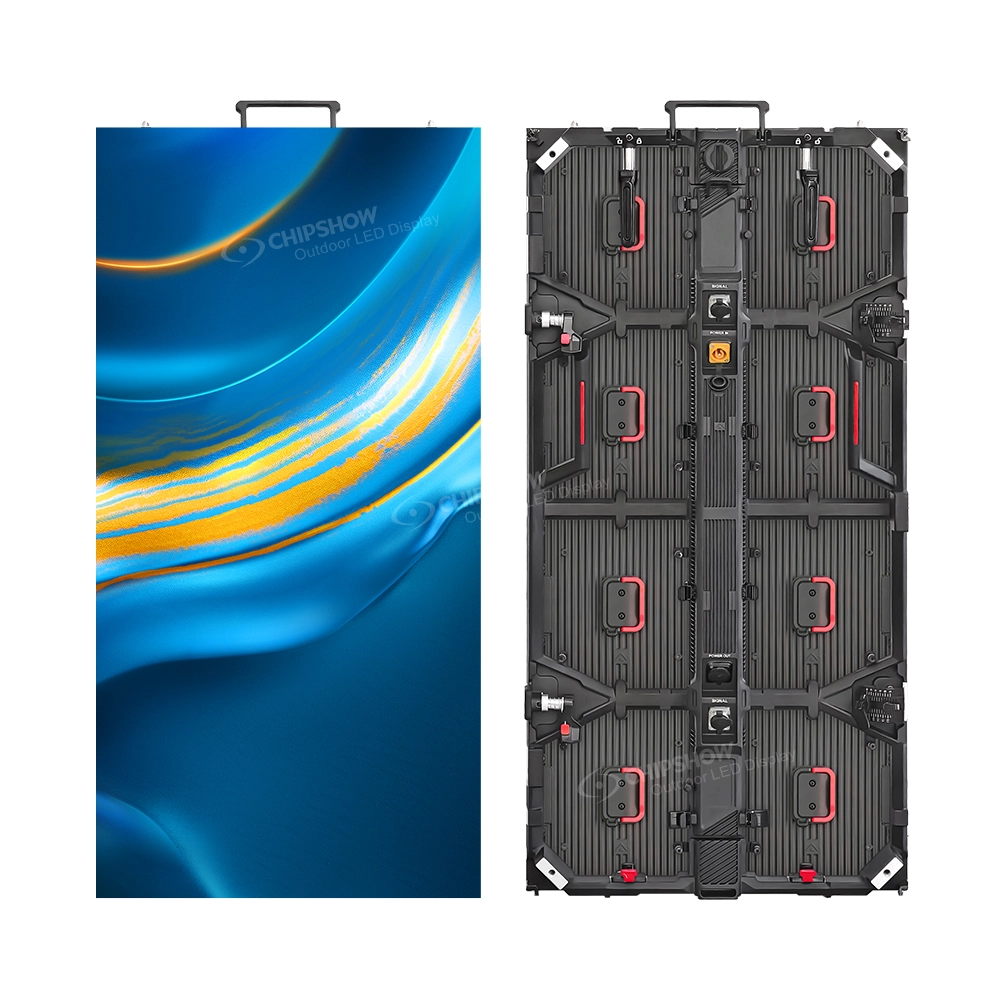
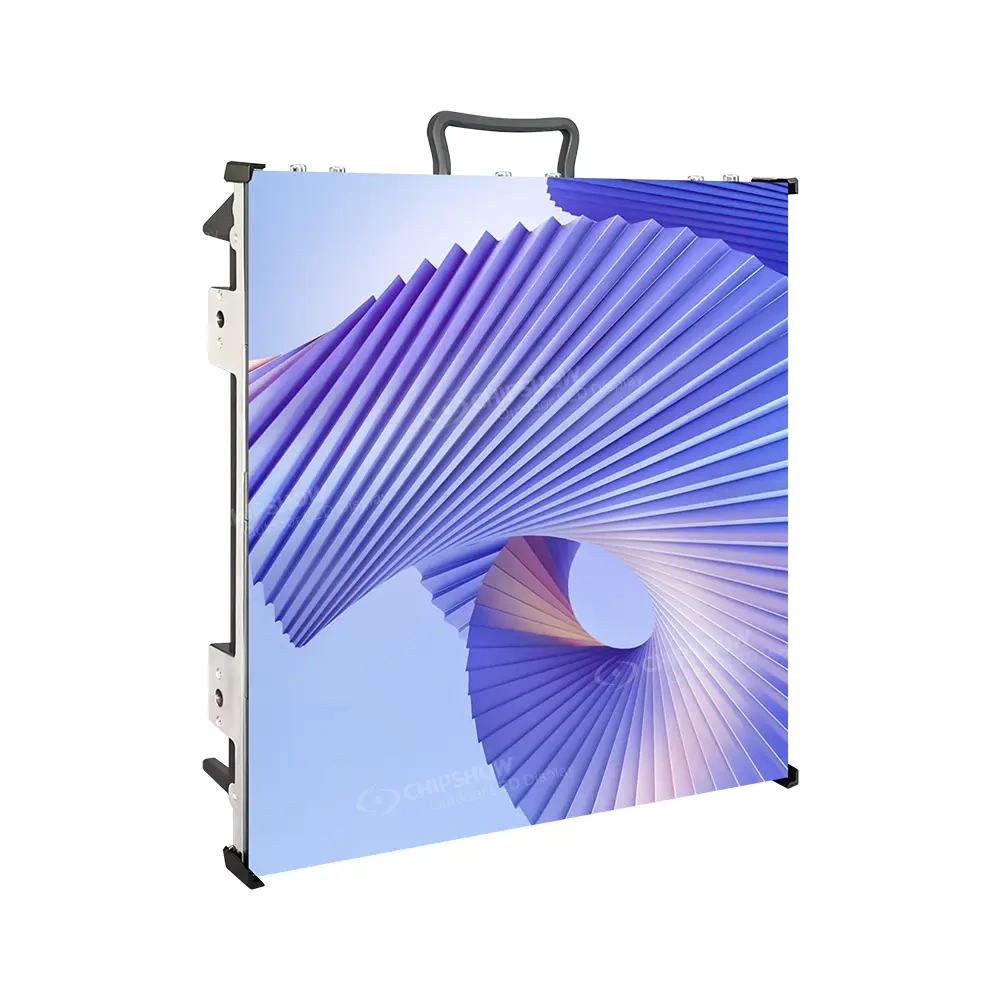
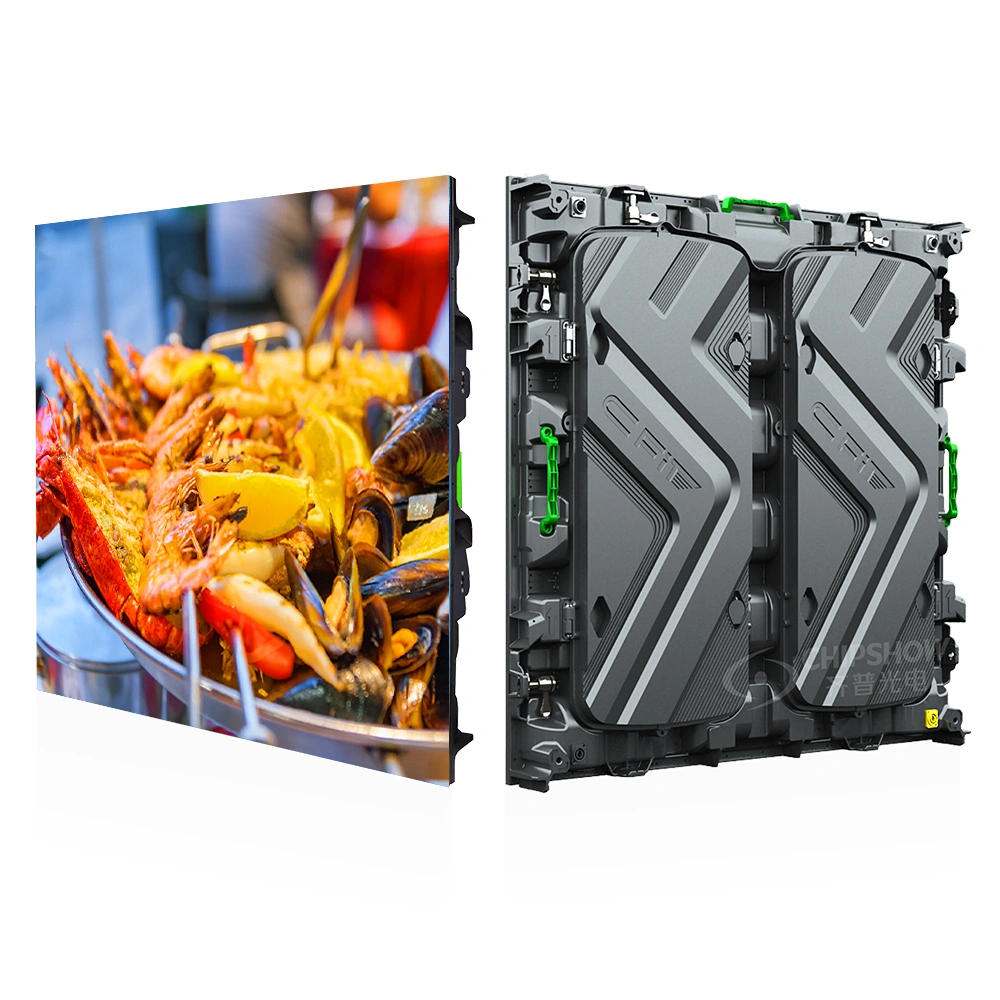
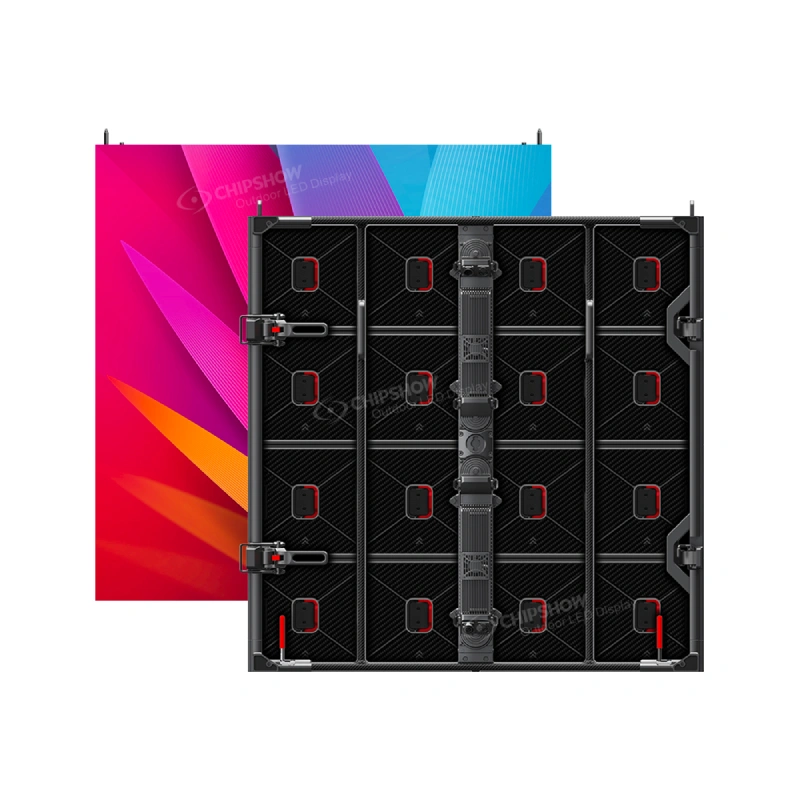
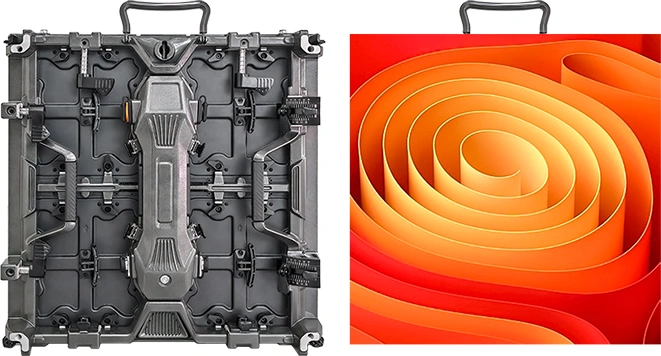
C-Fit-Easy Series led screen outdoor(P6.67 960×960 mm): Our high-performance premium fixed outdoor platform. Built on an ultra-thin die-cast framework, it combines full front and rear service access with complete IP65 protection, providing consistent daylight legibility while lowering dead load on monopoles.
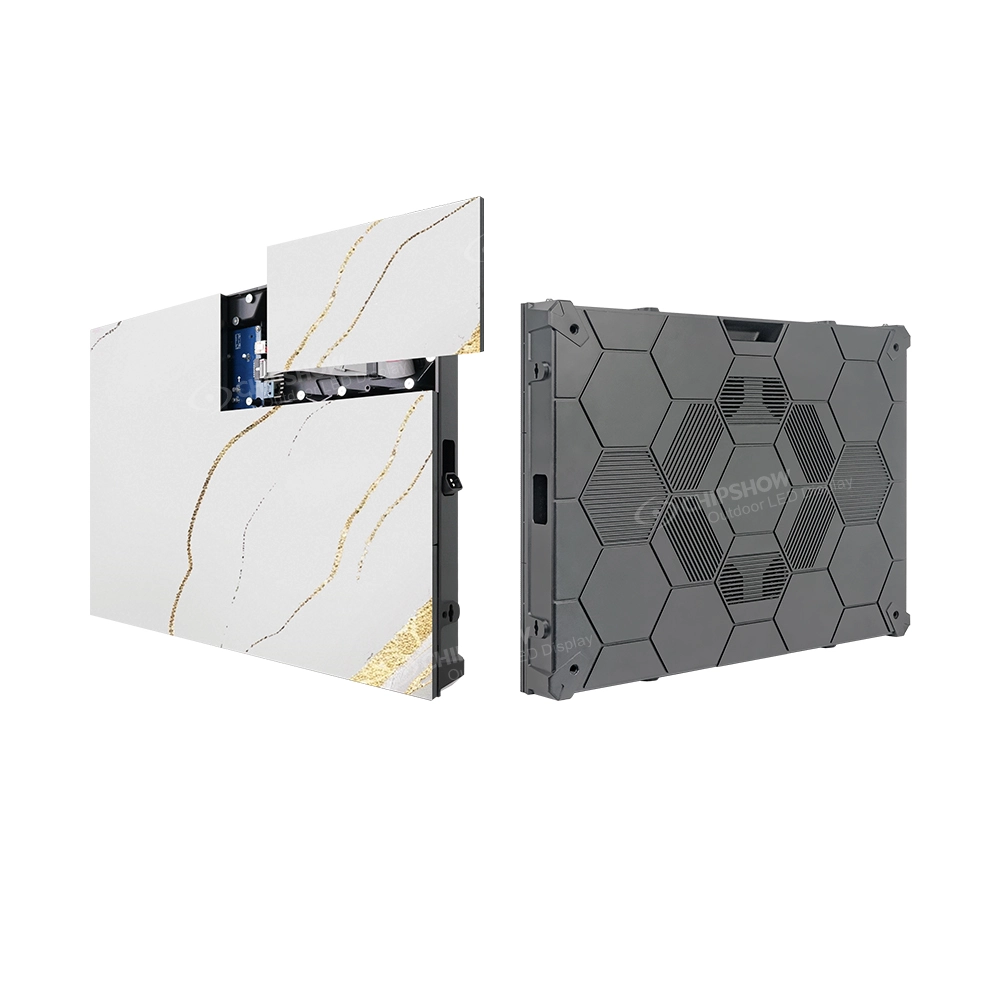
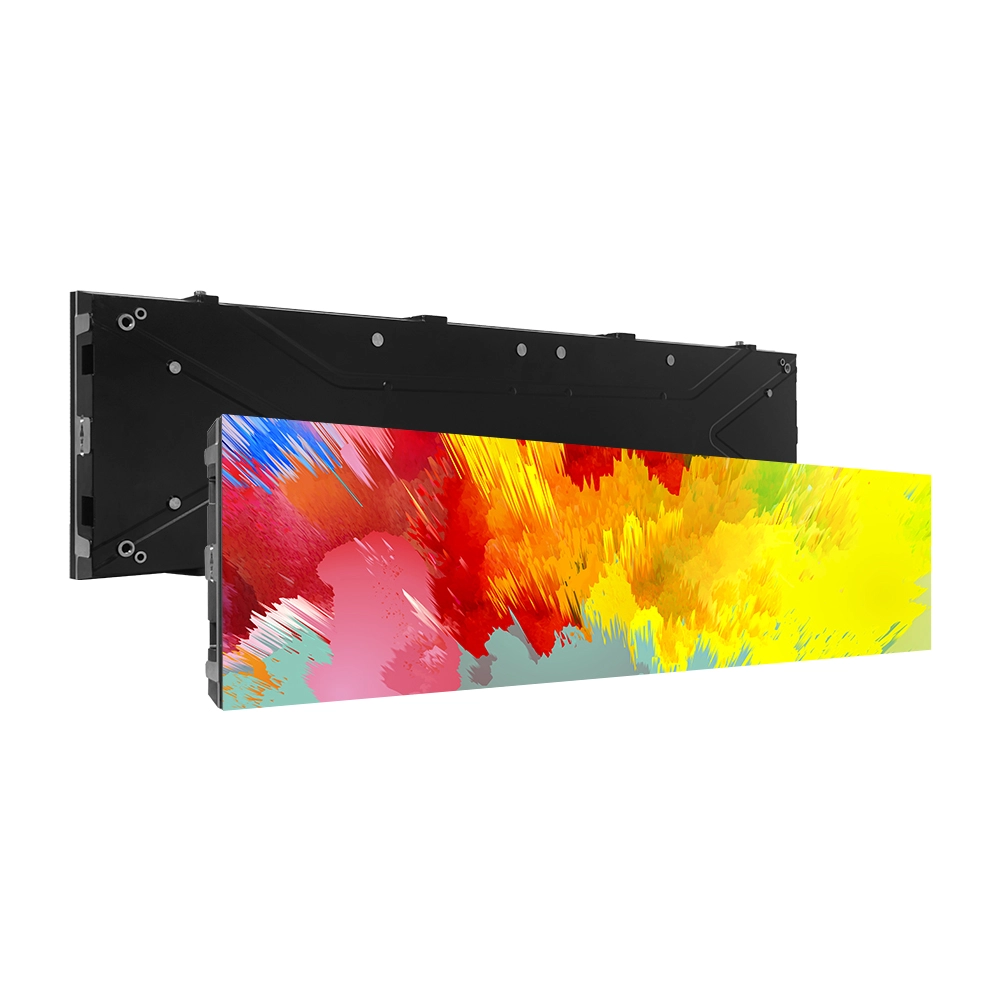
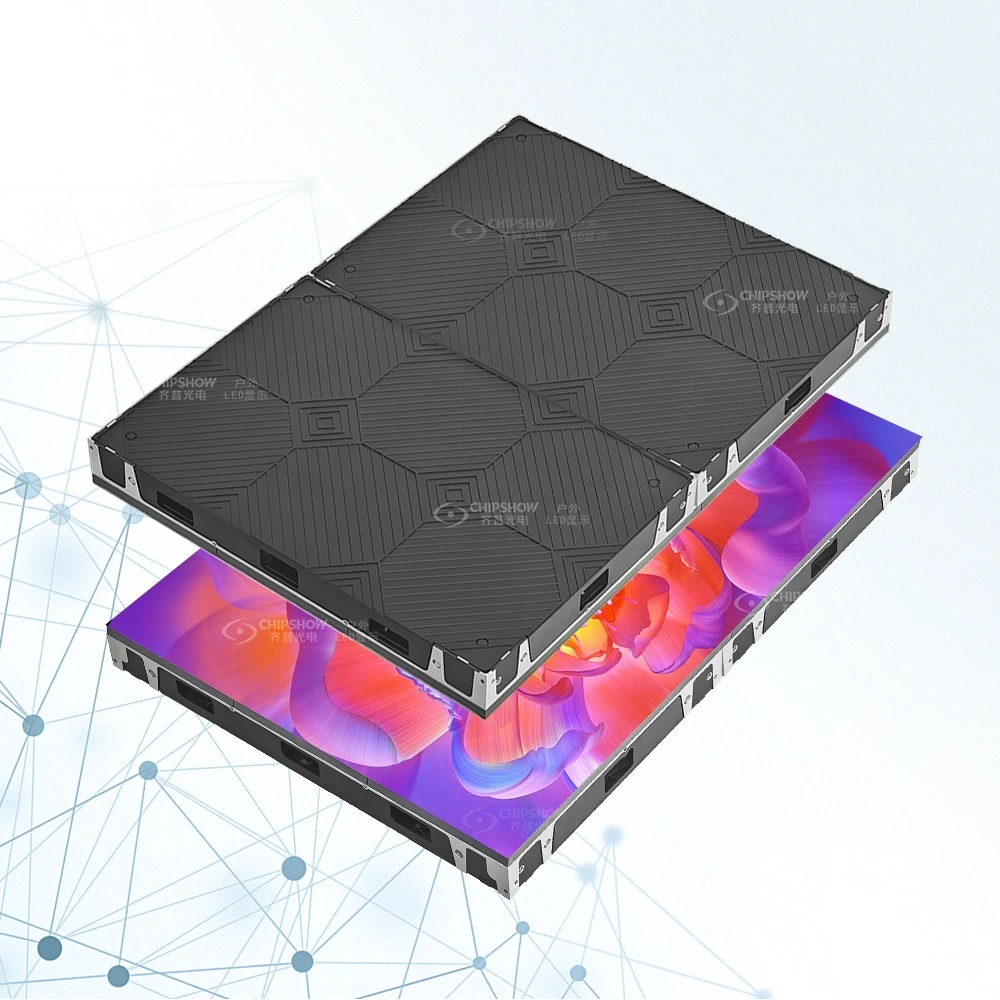
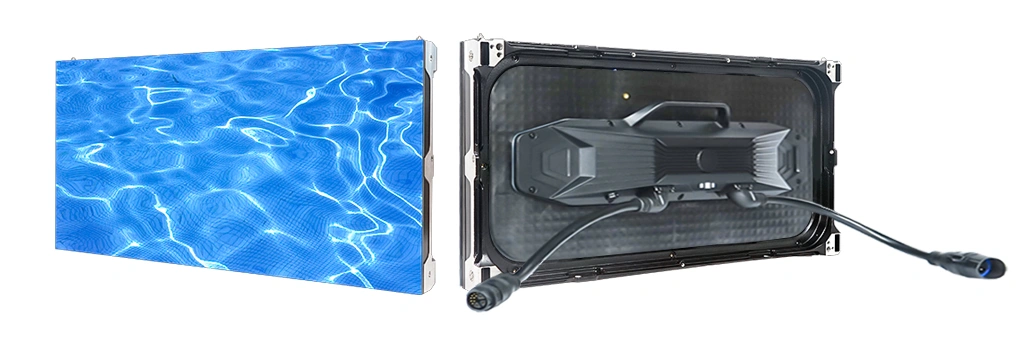
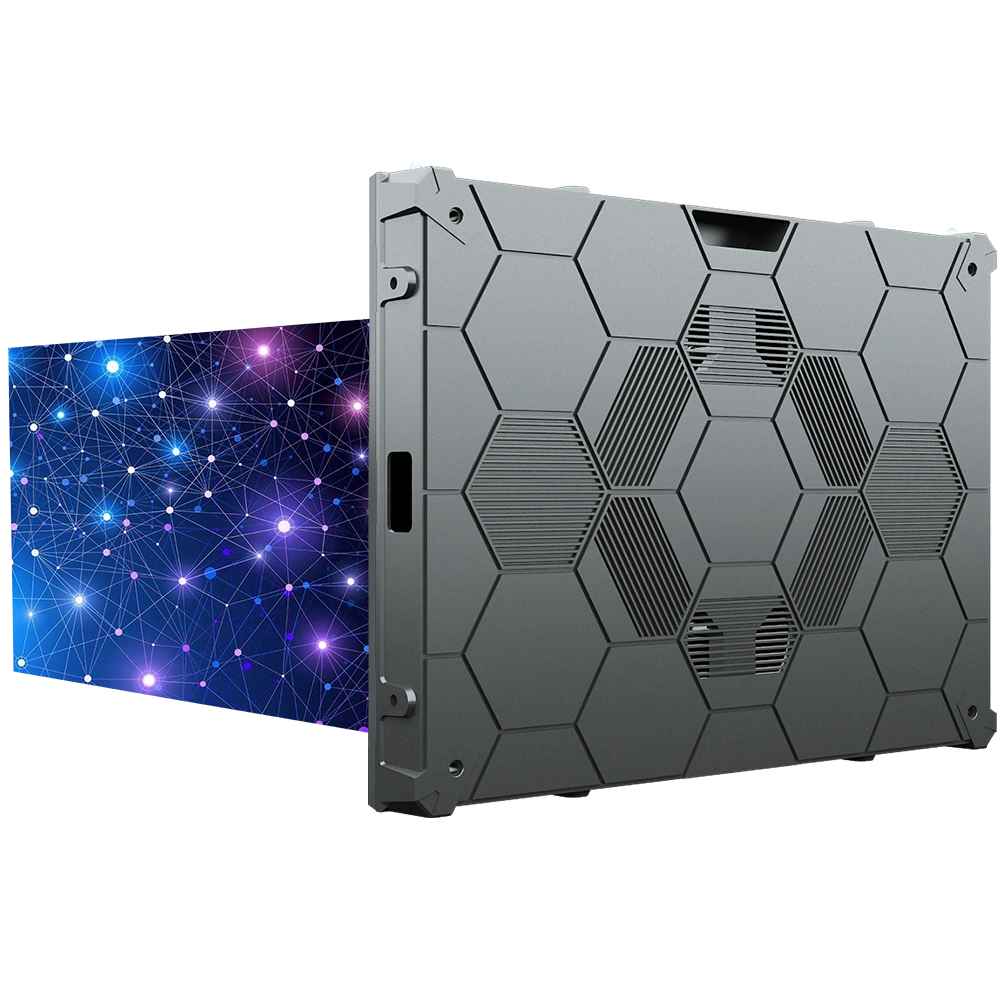
C-Smart outdoor led display panel (P6.67 640×320 mm): A cabinet-free solution designed to mount directly to slim brackets. Operating at ≤5.9 lbs/sq ft (≤29 kg/m²), it satisfies strict ADA pedestrian protrusion limits, simplifies engineering calculations, and is ETL Safety Listed for immediate permit clearance.
Not sure which format or pixel pitch fits your project? Try the Chipshow USA LED sign selector to shortlist options.