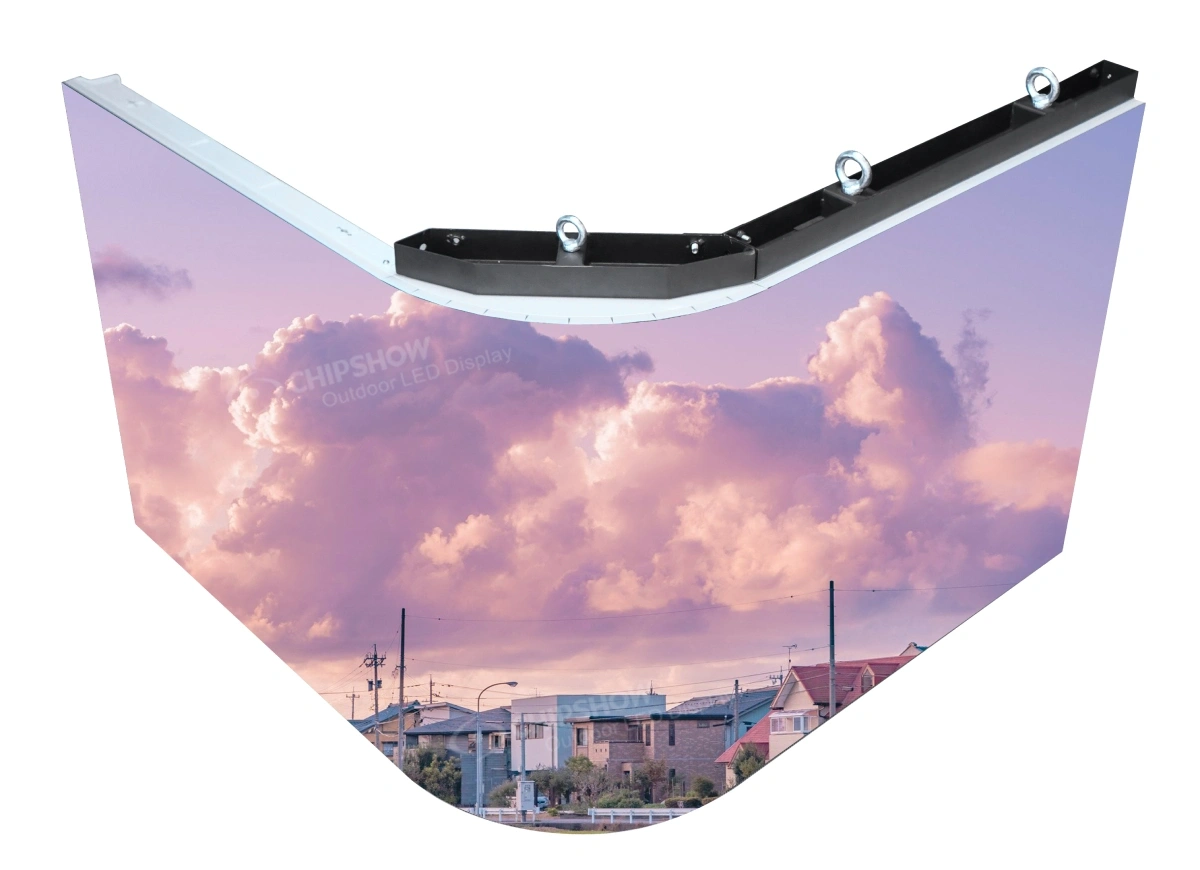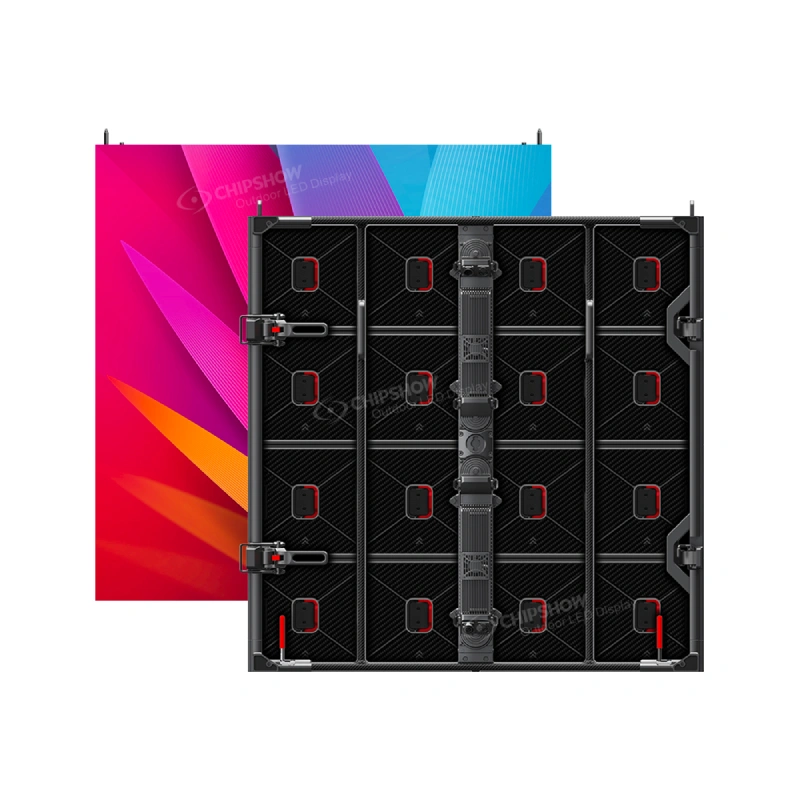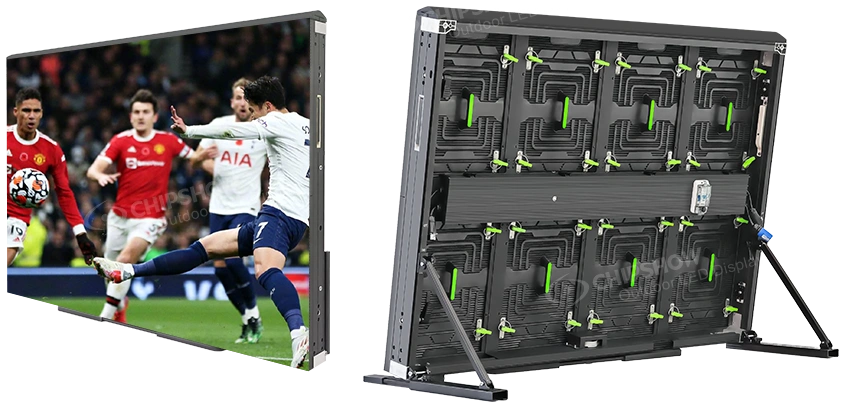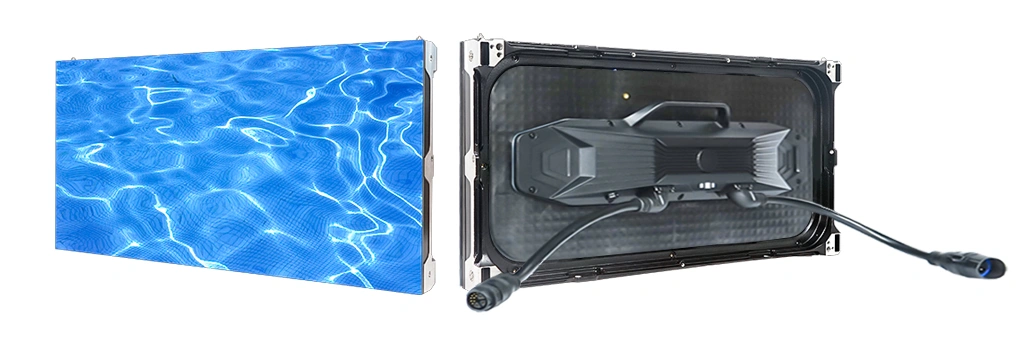
Operational Realities: Asset Mobility vs. Long-Term Infrastructure
On an engineering spec sheet, a touring rental panel and a permanent commercial display can appear almost identical. However, their underlying financial structures and deployment logic are completely opposite. Misallocating these technologies leads to rapid asset depreciation, structural deployment failures, and unbudgeted field labor overhead.
You can size this to your site in minutes with the LED sign selector: pick your nearest viewer, choose smart module or fixed cabinet, and save the layout.
Staging Assets (OPEX Focus) vs. Permanent Displays (CAPEX Focus)
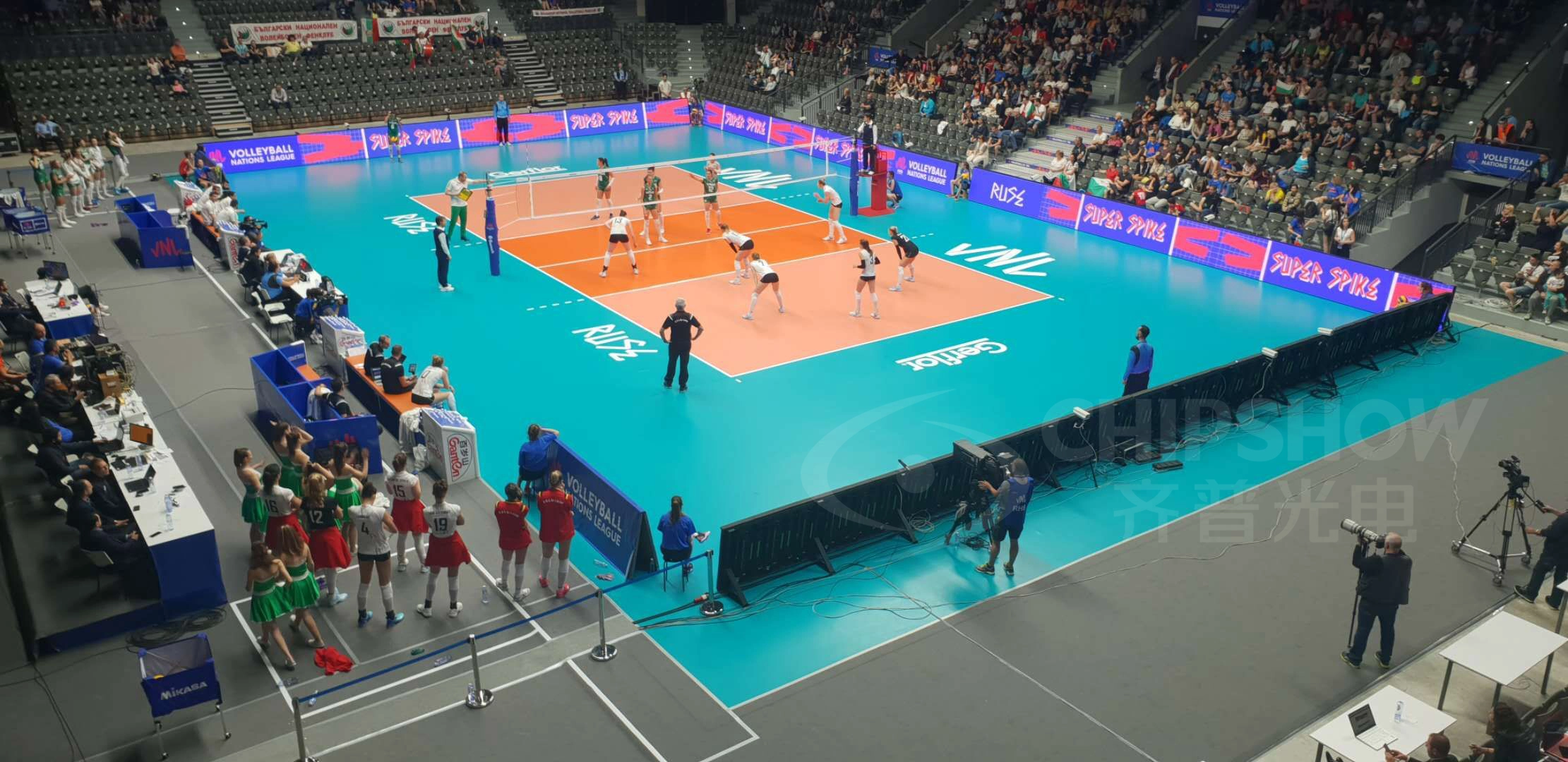
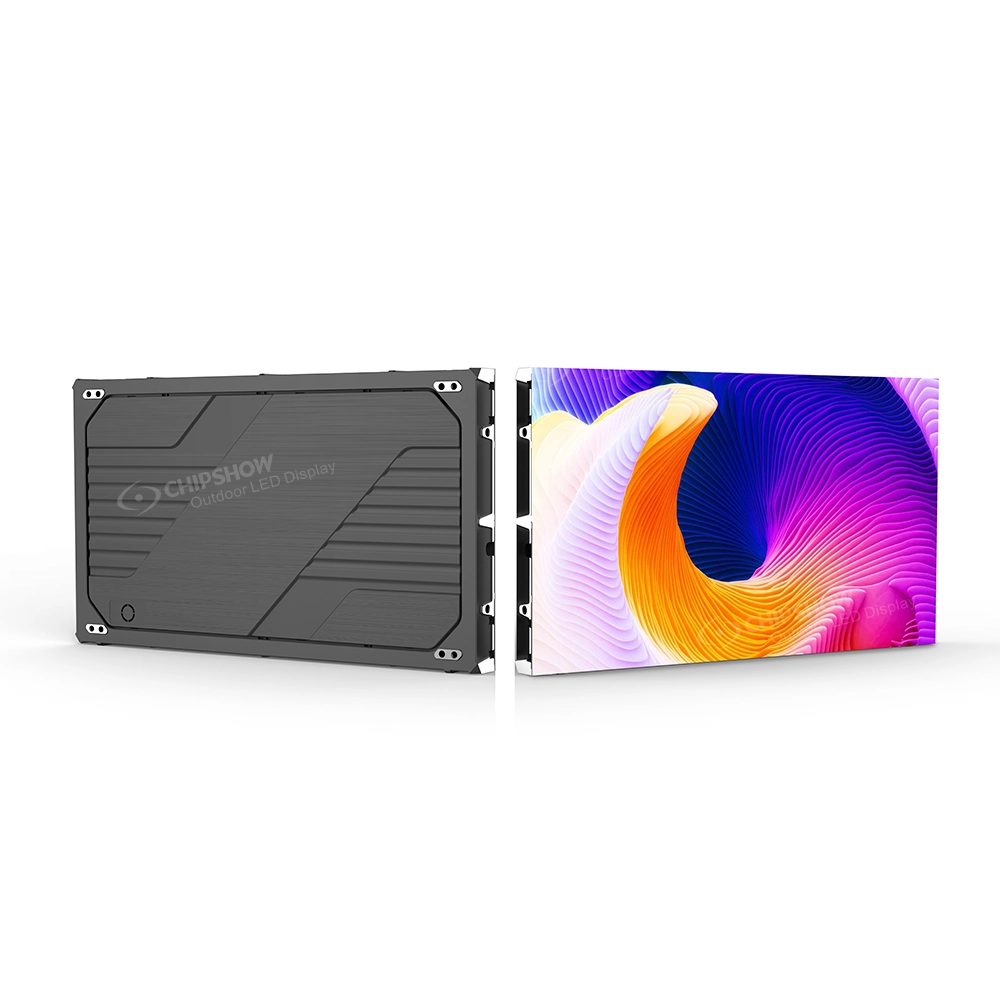
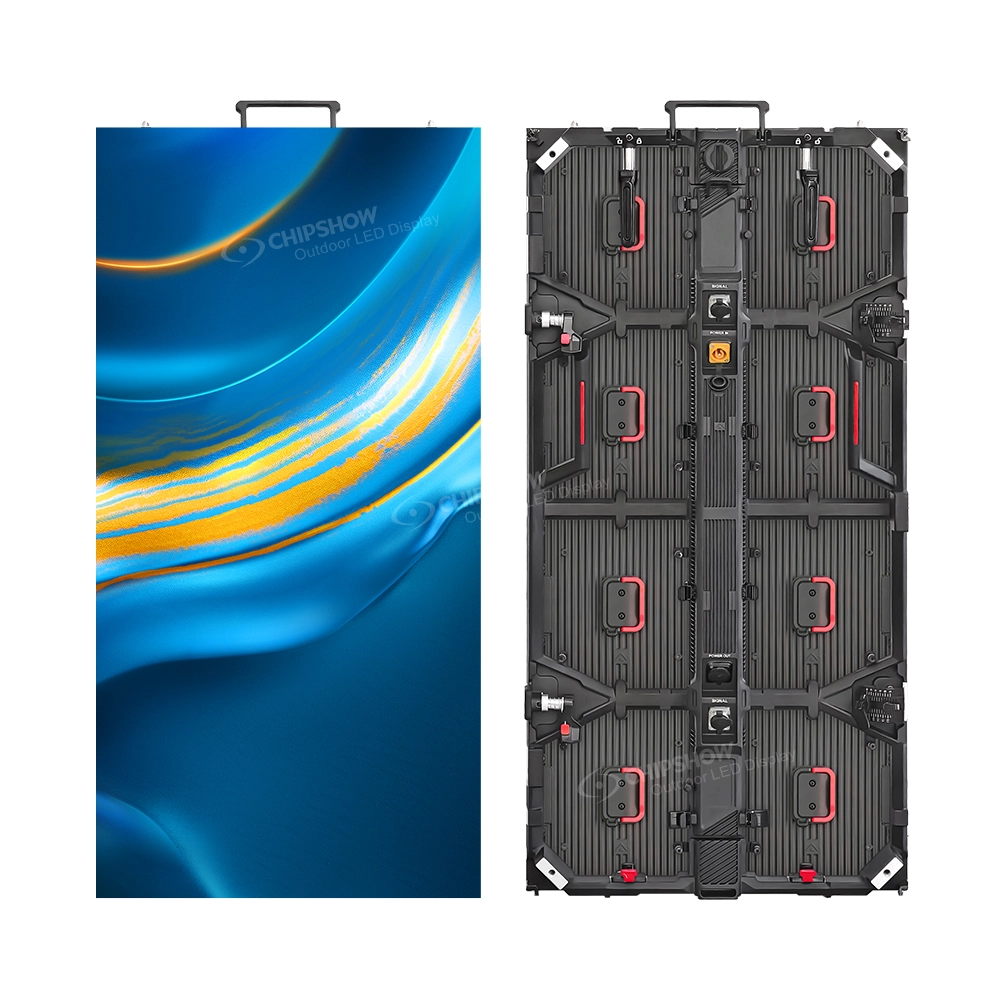
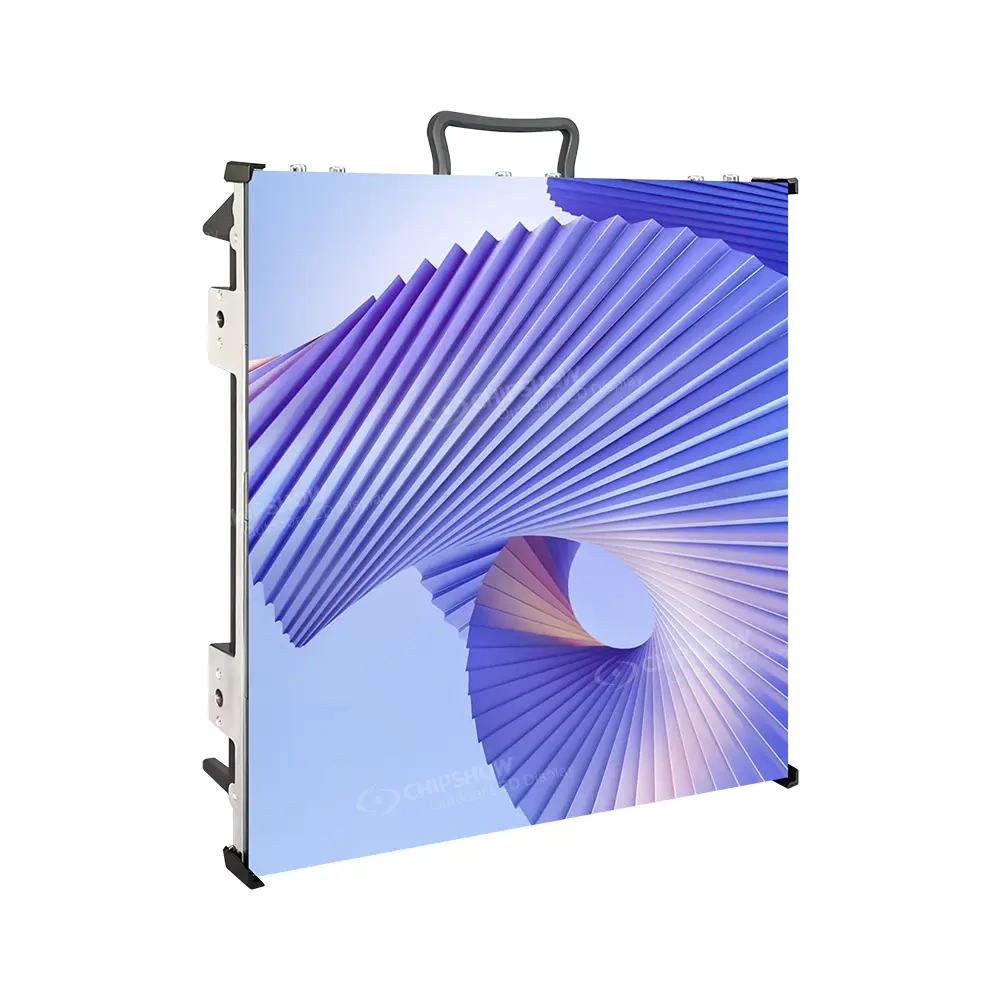
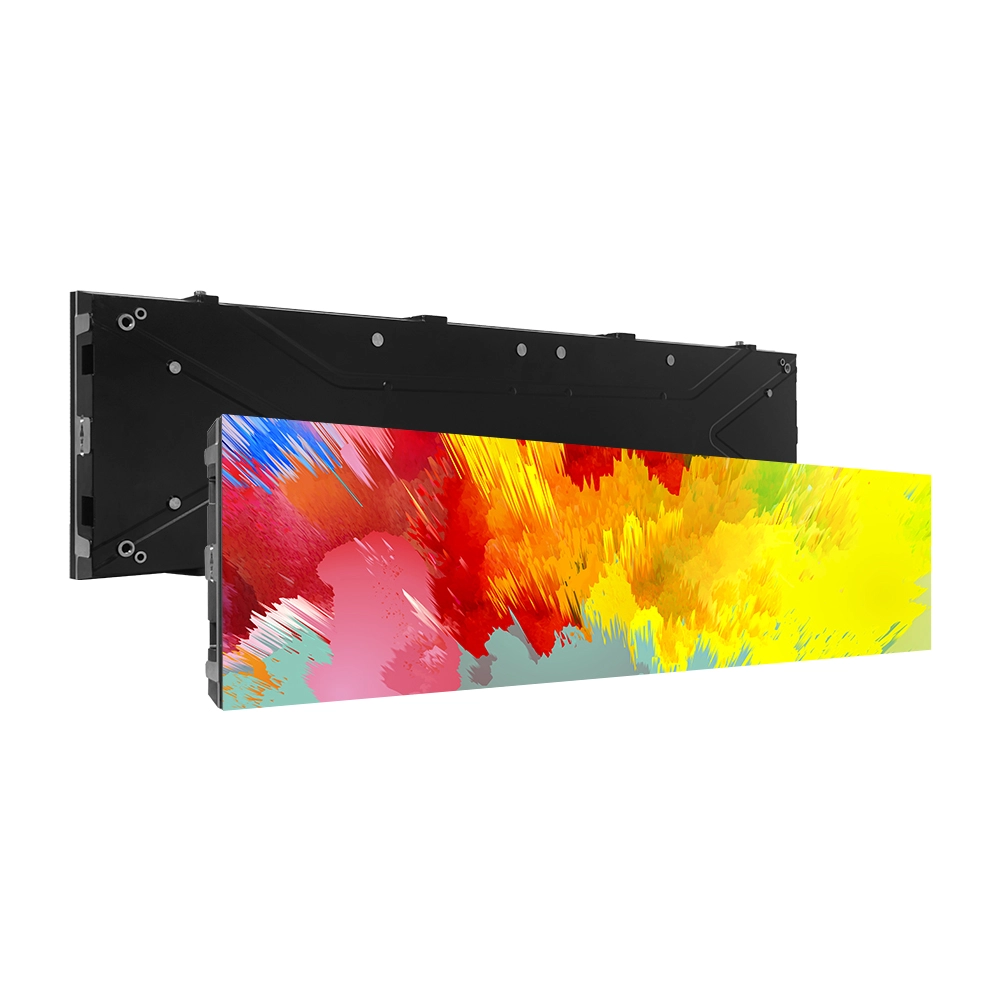
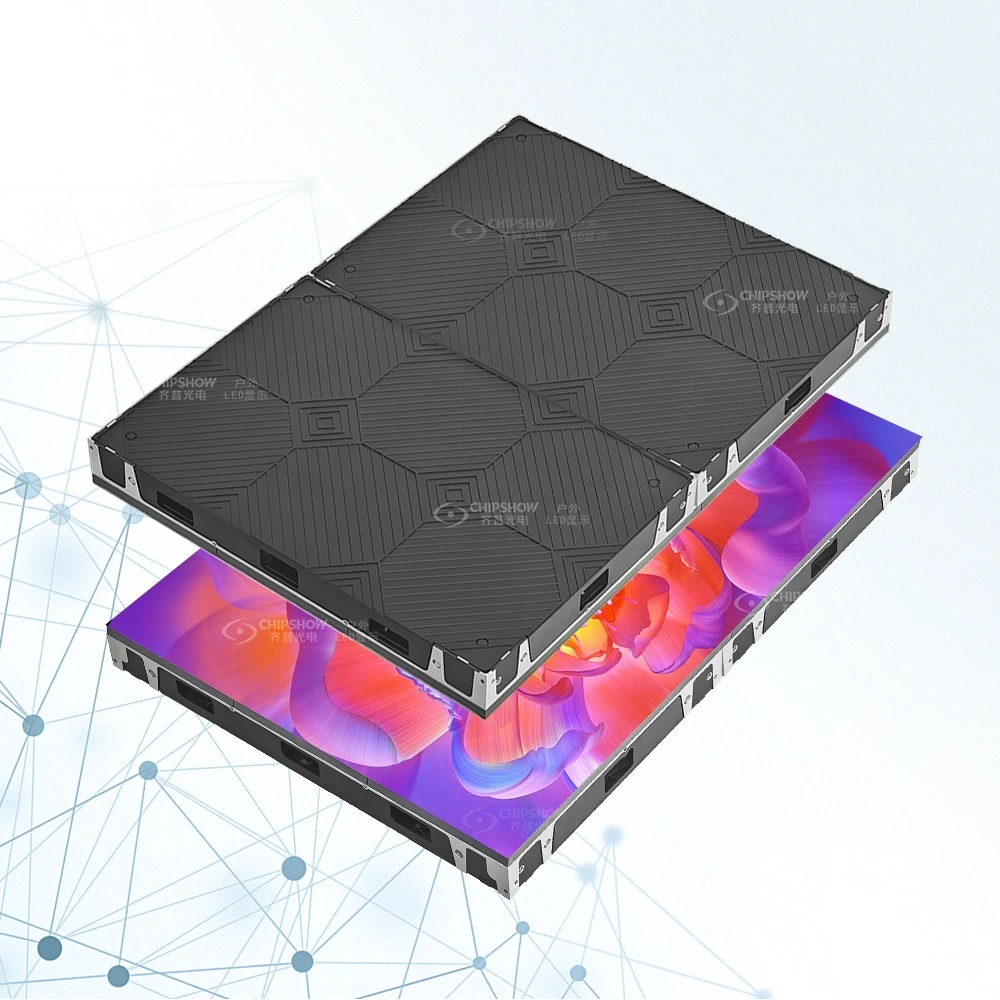
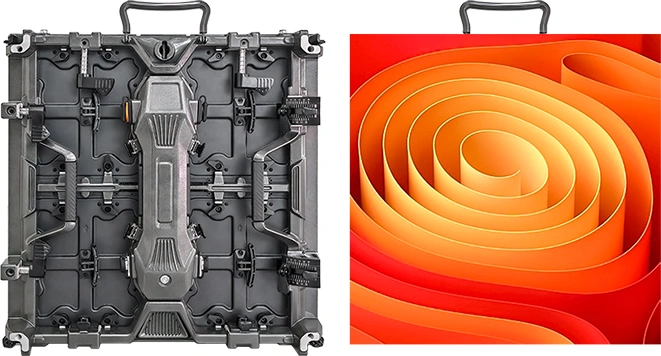
Rental LED Panels: Engineered for constant interstate transport, rapid loading dock turnarounds, and repetitive physical assembly. These systems utilize precision die-cast aluminum or carbon-fiber enclosures equipped with tool-free structural latches. They ship in standard truck-pack flight cases built to safeguard corners and internal components through rigorous multi-city event schedules.
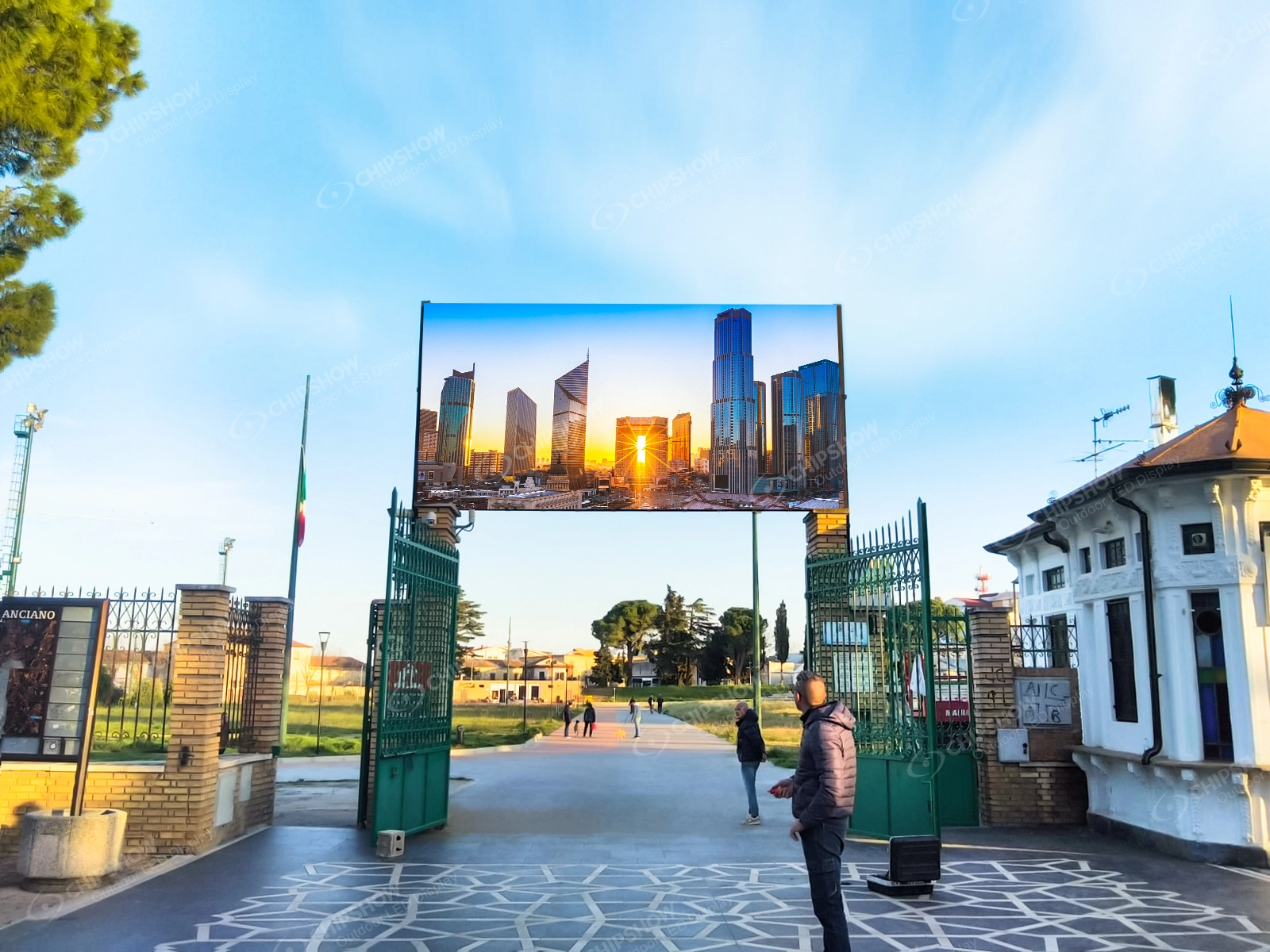
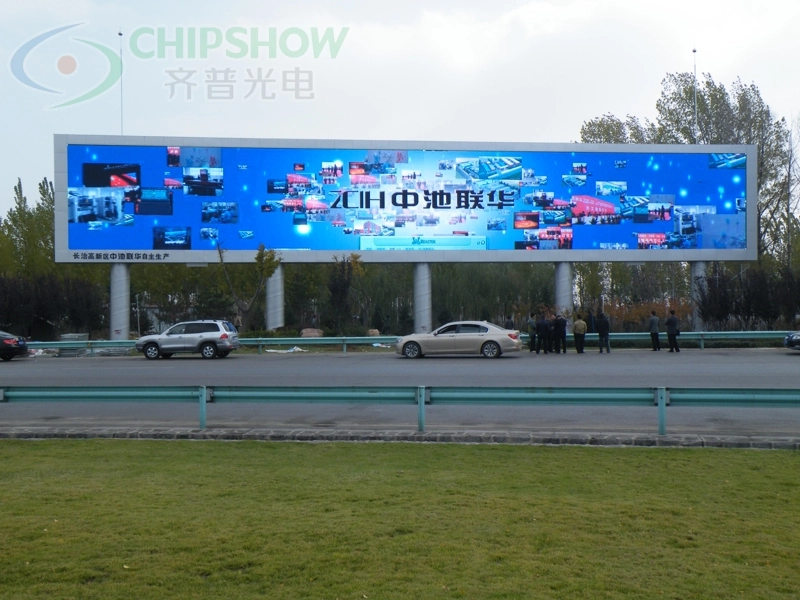
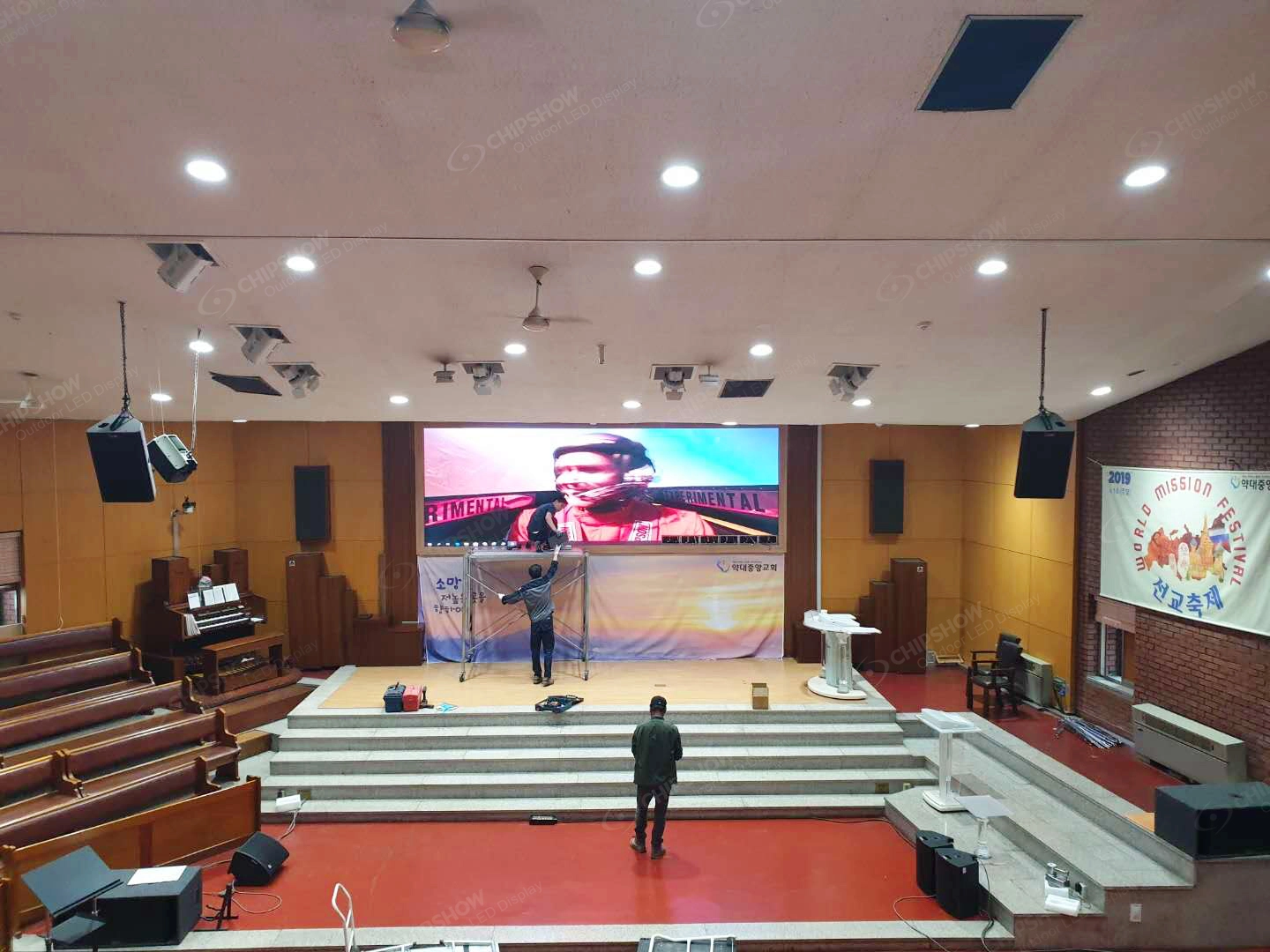
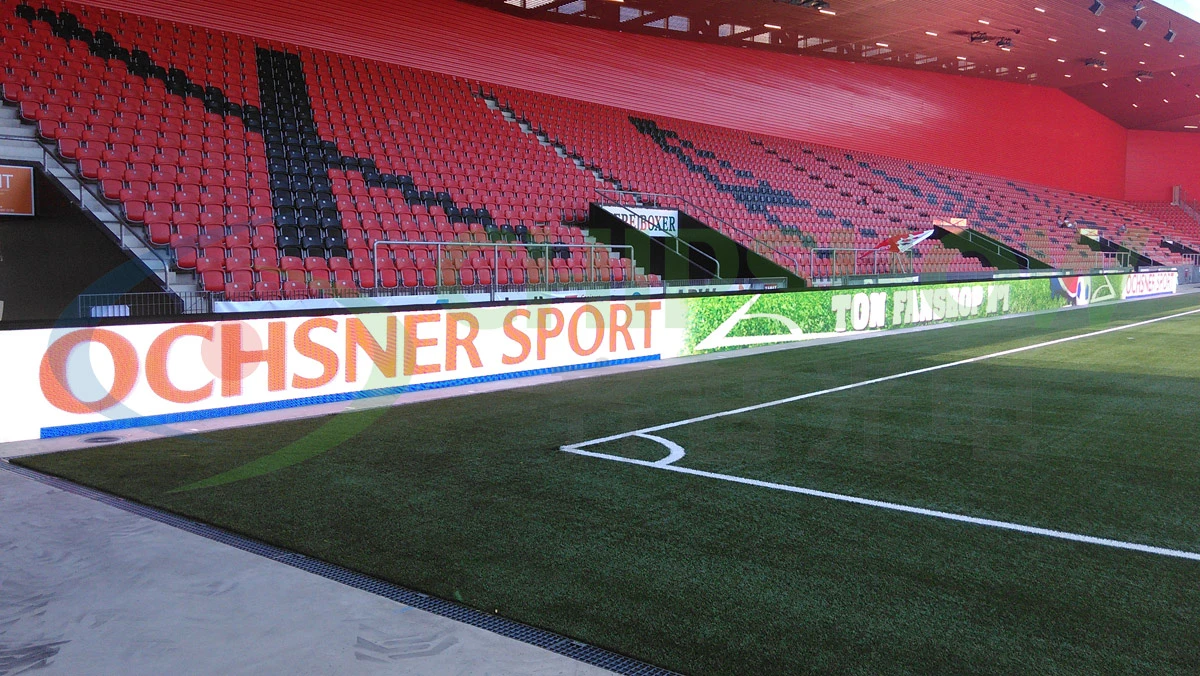
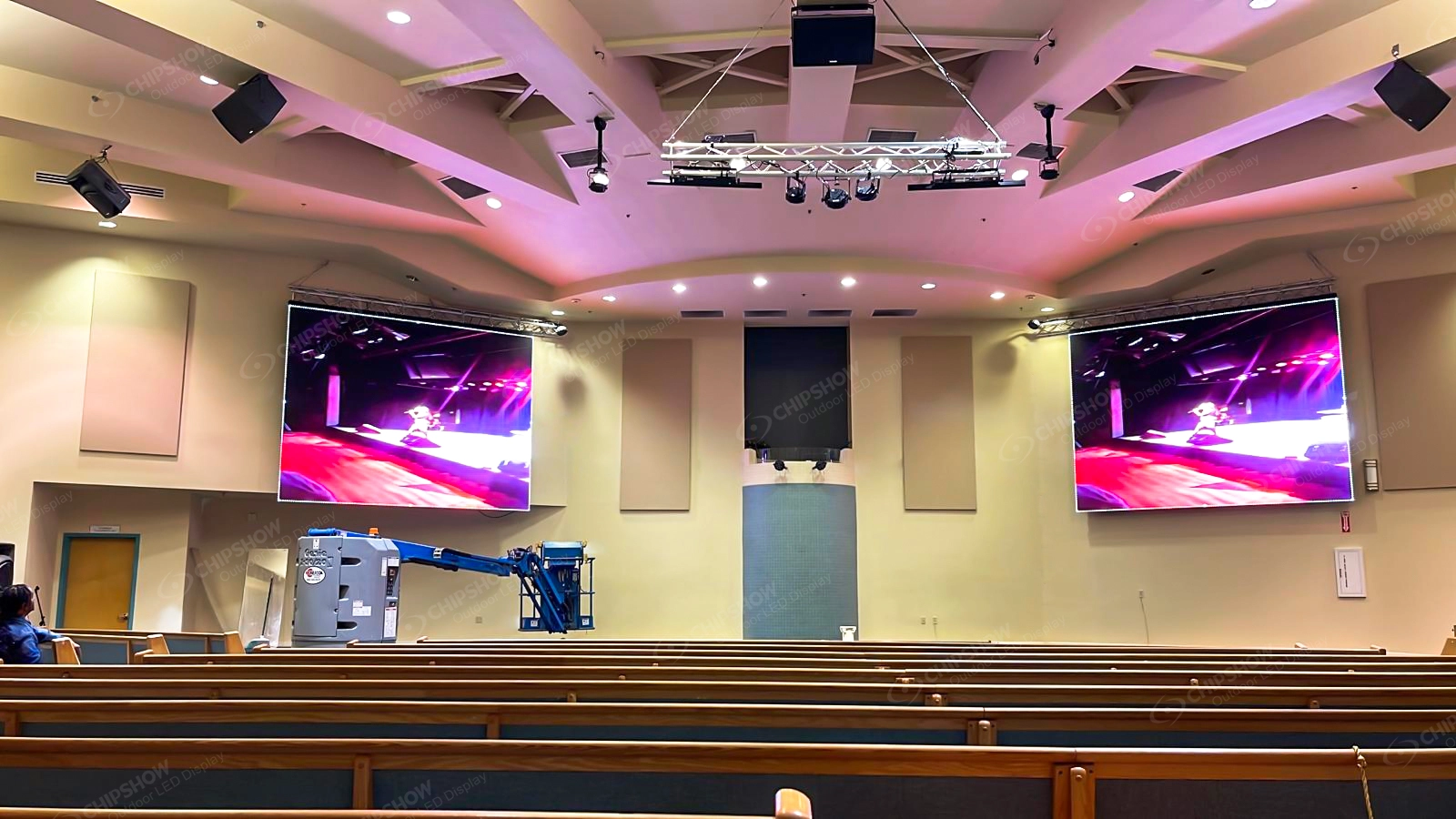
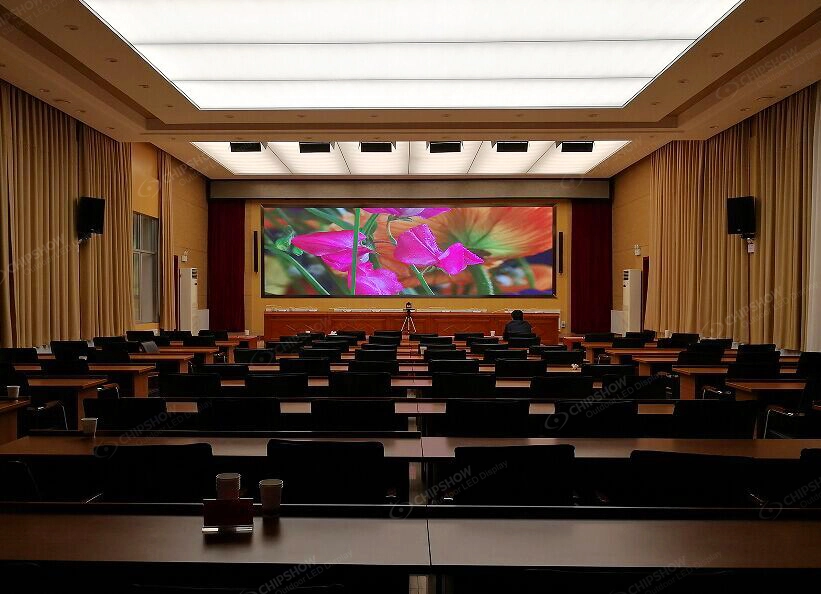
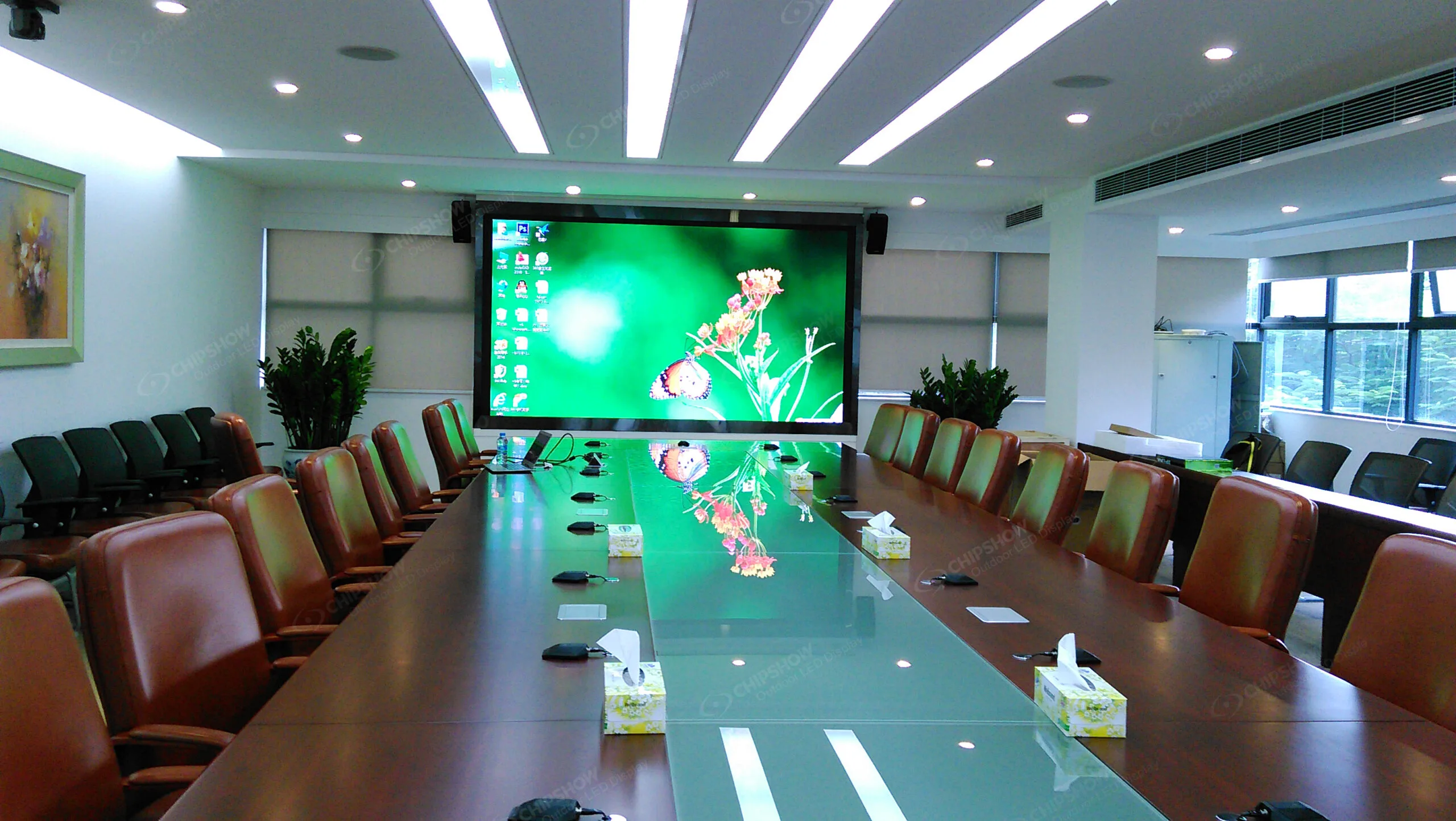
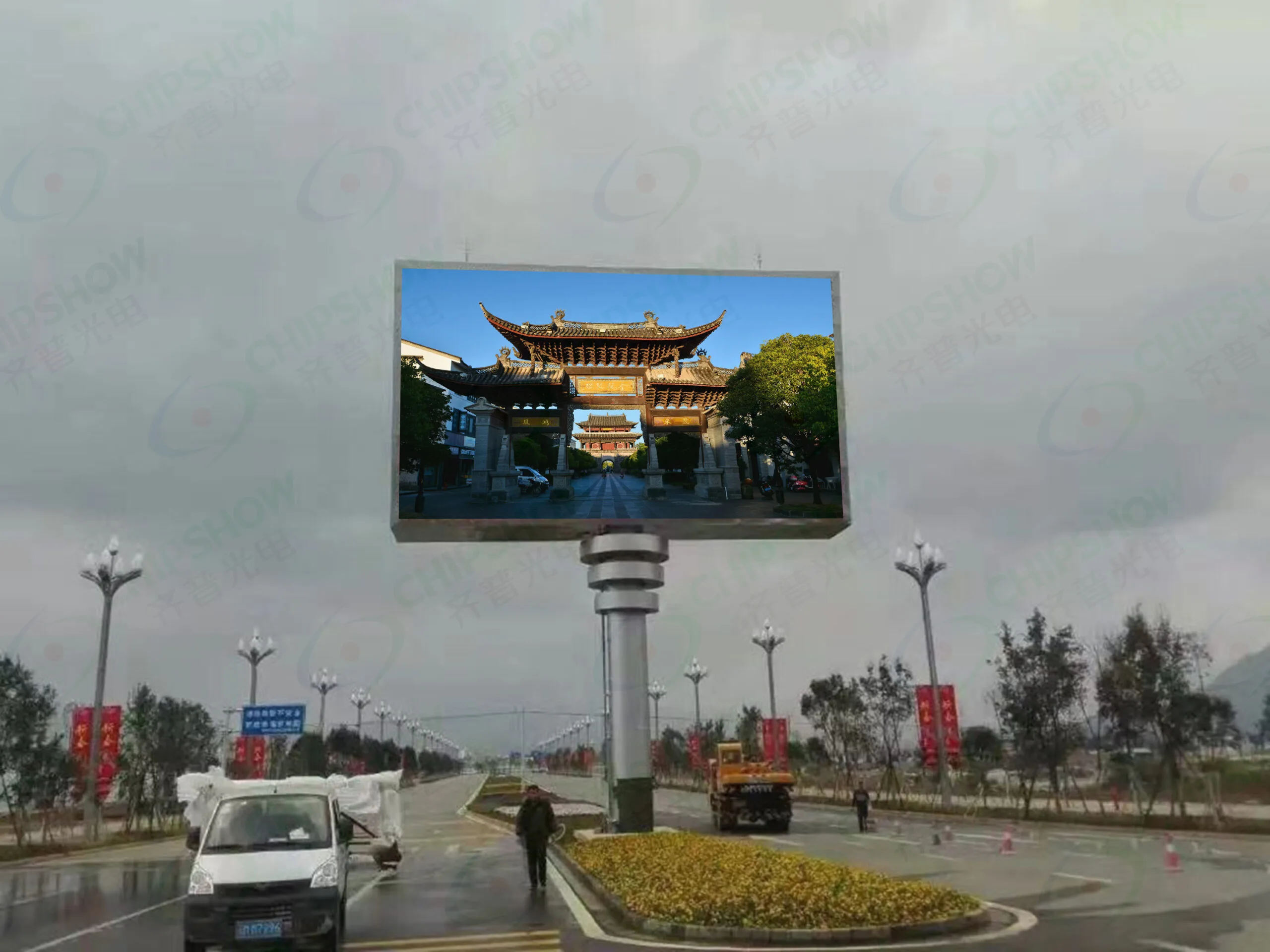
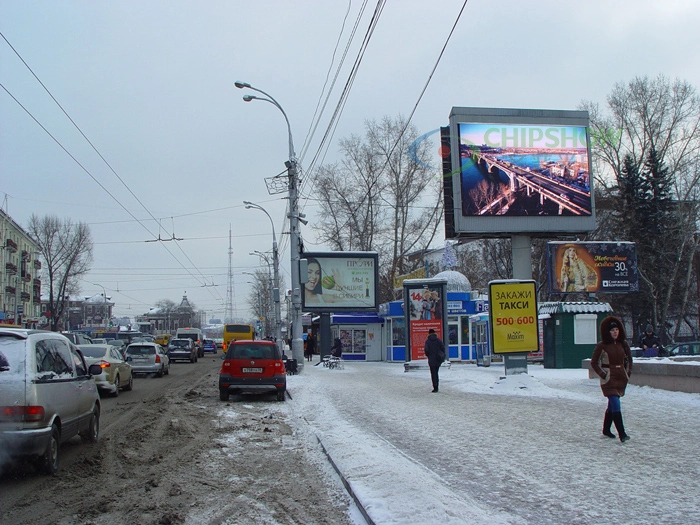
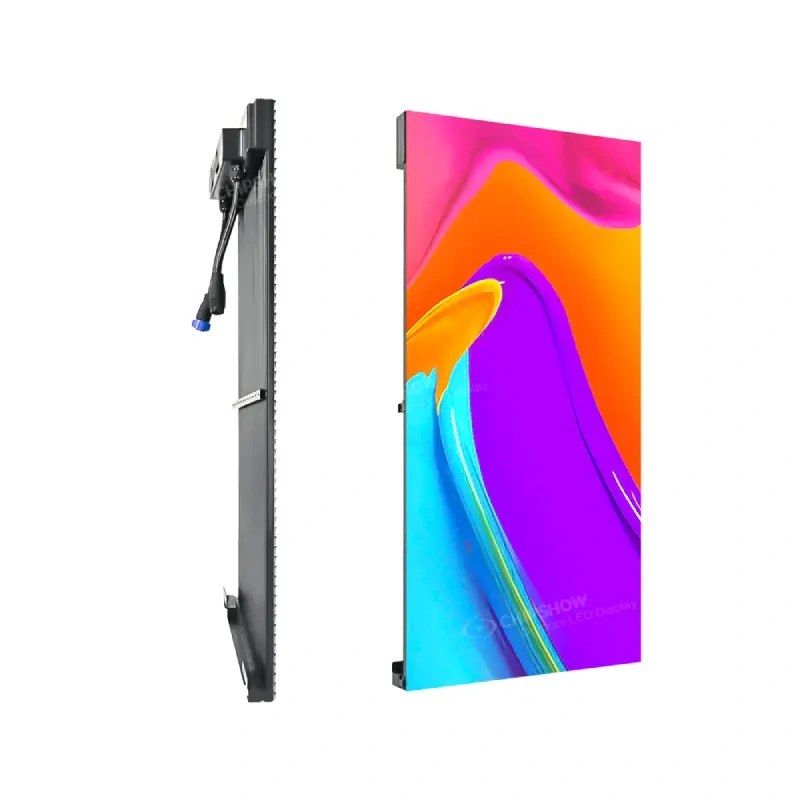
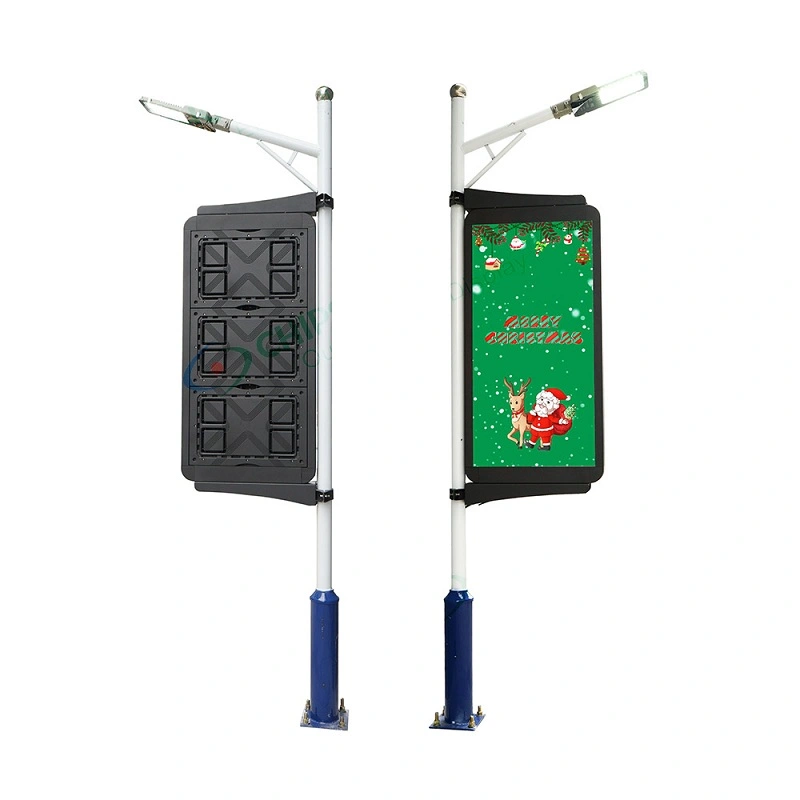
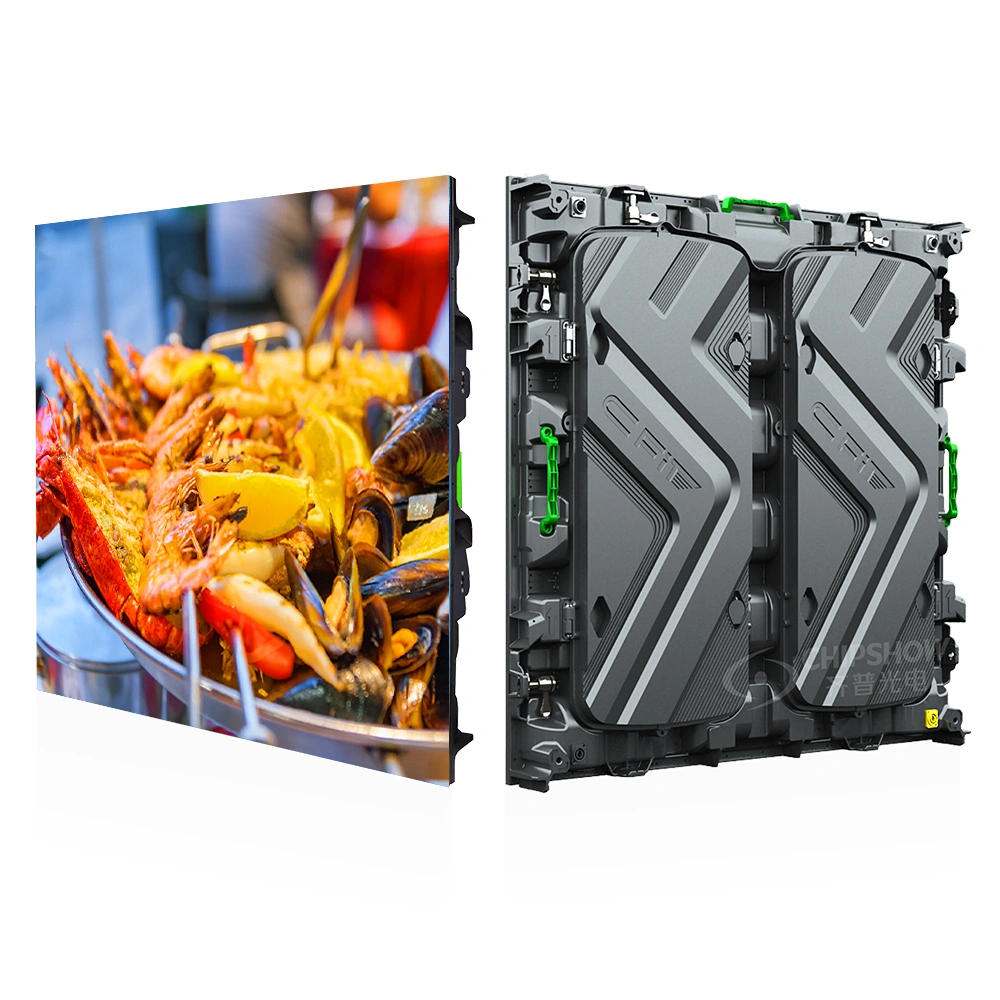
Permanent Fixed Signage: Designed for continuous, uninterrupted 24/7 operation over a multi-year lifecycle. These units are built into dedicated structural steel or aluminum matrix framing. Primary deployments concentrate on roadside DOOH digital billboards, Class A commercial lobbies, corporate boardrooms, sports arenas, and houses of worship.
Architectural Blueprint: Staging Tool-Free Quick-Locks vs. Permanent Structural Bolting
Physical cabinet construction determines your field labor rates, shipping weight brackets, and mechanical downtime during operations.
Structural Weight & Mechanical Configurations by Fleet Profile
| Enclosure Core Material | Cabinet Weight (lbs / sq ft) | Structural Connection Setup | Standard North American Use Case |
| Heavy-Gauge Iron/Steel | 7.2 – 9.0 lbs/sq ft | Heavy Bolted Mounting Plates | Roadside Bulletins & Traditional Billboards |
| Structural Magnesium Alloy | 4.5 – 5.7 lbs/sq ft | Permanent Framing Interlocks | Architectural Façades & Corporate Lobbies |
| Specialized Carbon-Fiber Matrix | 2.8 – 3.8 lbs/sq ft | Integrated Lever Quick-Locks | High-Frequency Touring & Multi-City Staging |
Note: While legacy fixed screens were historically heavy, modern magnesium alloy engineering allows permanent structural cabinets to compete directly with the low mass of rental LED panels, reducing structural load demands on building walls.
Weather Sealing and Ingress Protection Requirements
Indoor Controlled Facilities: IP30 to IP43 enclosures minimize chassis weight and heat trapping where climate control is guaranteed.
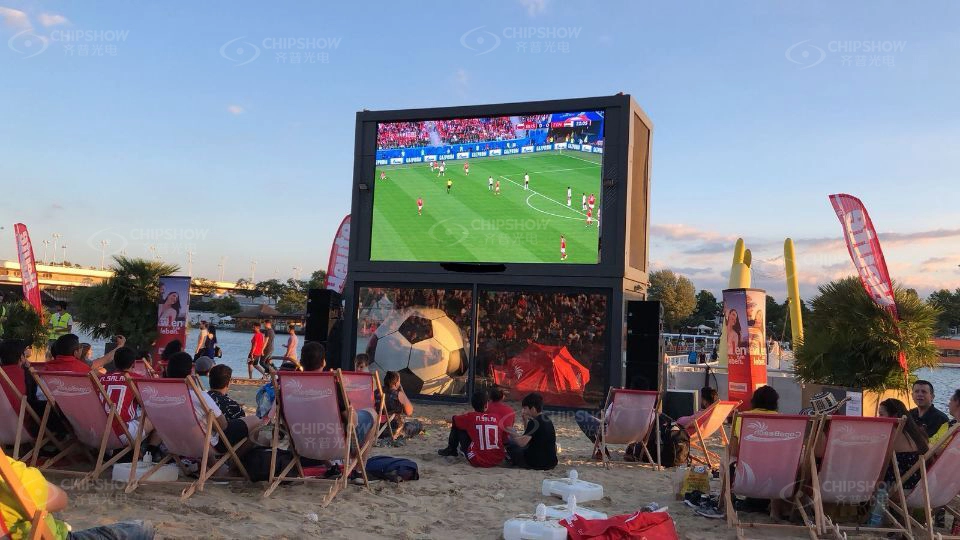
Temporary Outdoor Events: IP54 minimum chassis rating provides reliable protection against sudden weather shifts and airborne dust during festivals.
Permanent Outdoor Infrastructures: IP65 to IP67 sealed enclosures are mandatory to withstand heavy weather exposure, high-pressure cleaning, and continuous seasonal thermal expansion.
North American Performance Benchmarks: Broadcast Cleanliness & Grayscale Accuracy
Every technical parameter must align with how the end-user or audience experiences the final visual layout.
Viewing Distance vs. Pixel Pitch Correlation
| Video Wall Format | Pixel Pitch Options | Practical Minimum Viewing Distance (Feet) | Primary Venue Applications |
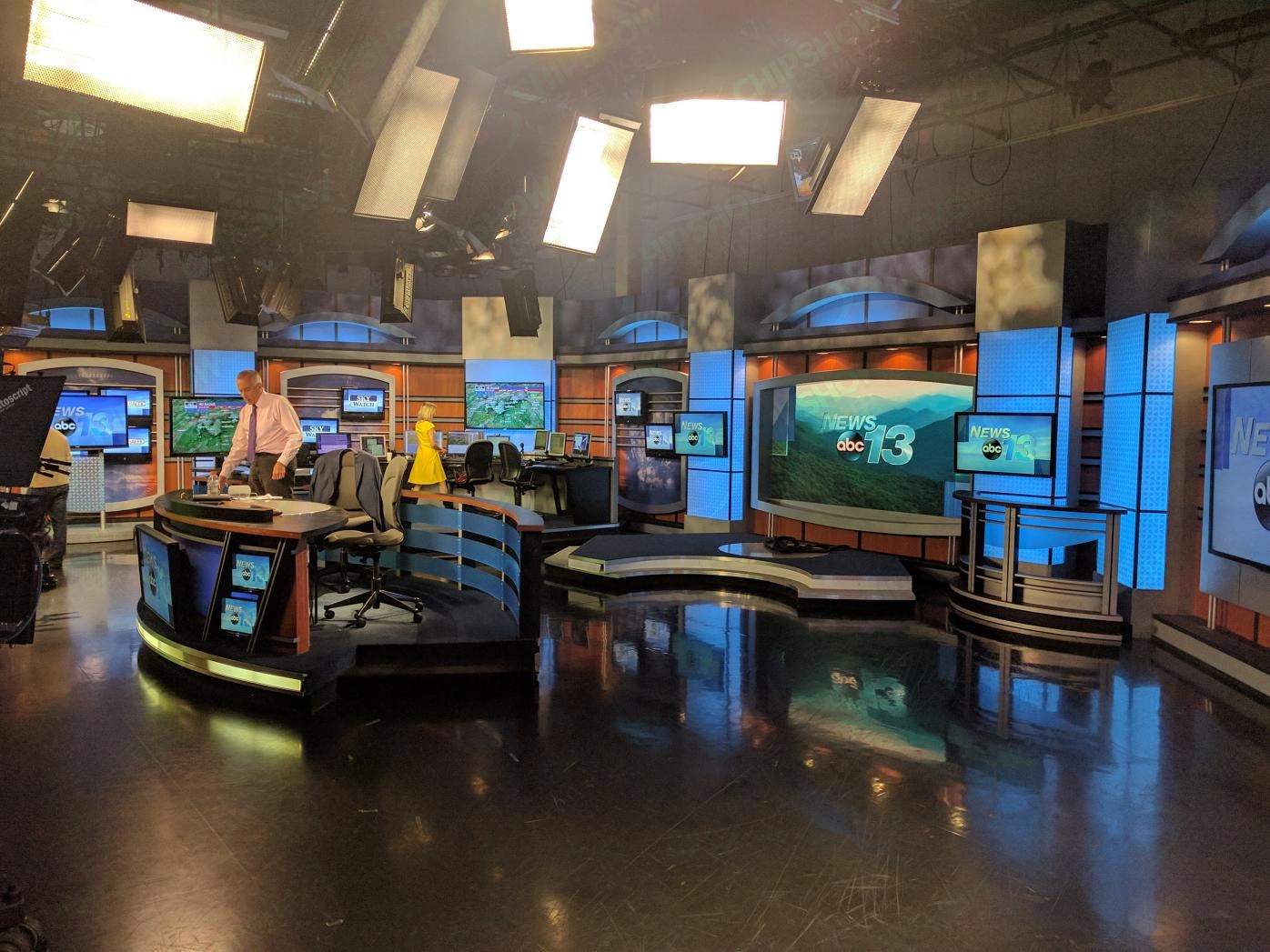
| Extreme Fine-Pitch COB | P0.78 – P1.2 | Within 3.5 to 5 Feet | Mission-Critical Control Rooms, Broadcast Studios |
| Corporate Fixed SMD | P1.2 – P1.8 | 5 to 10 Feet | Executive Boardrooms, Presentation Suites |
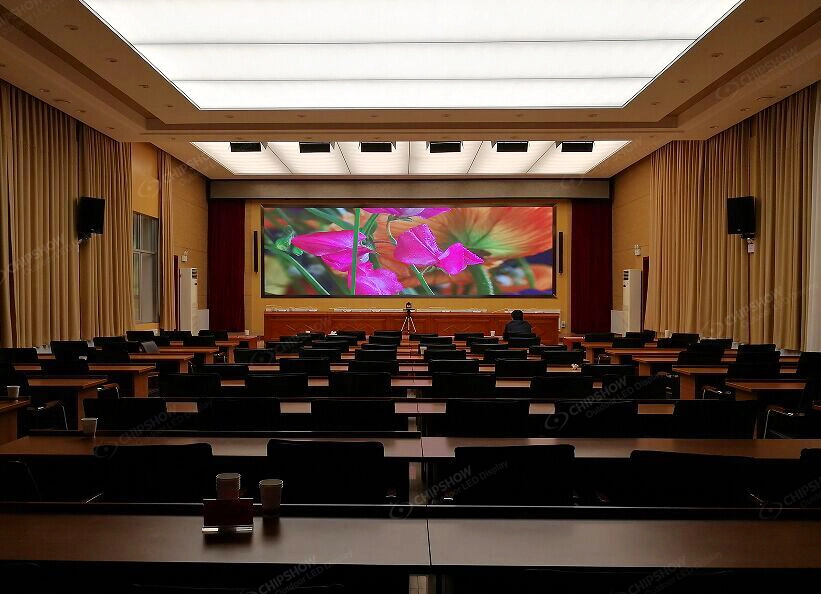
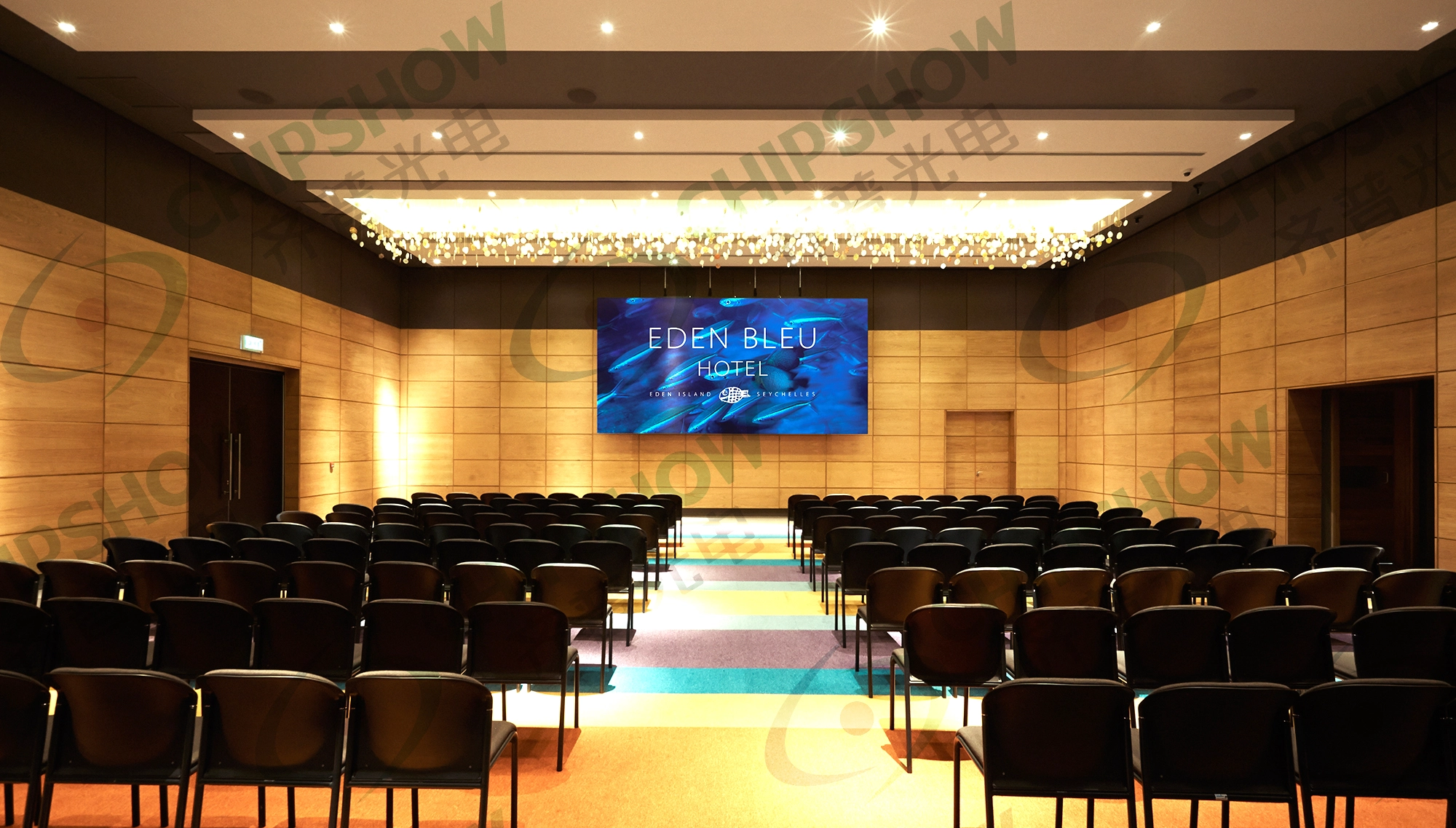
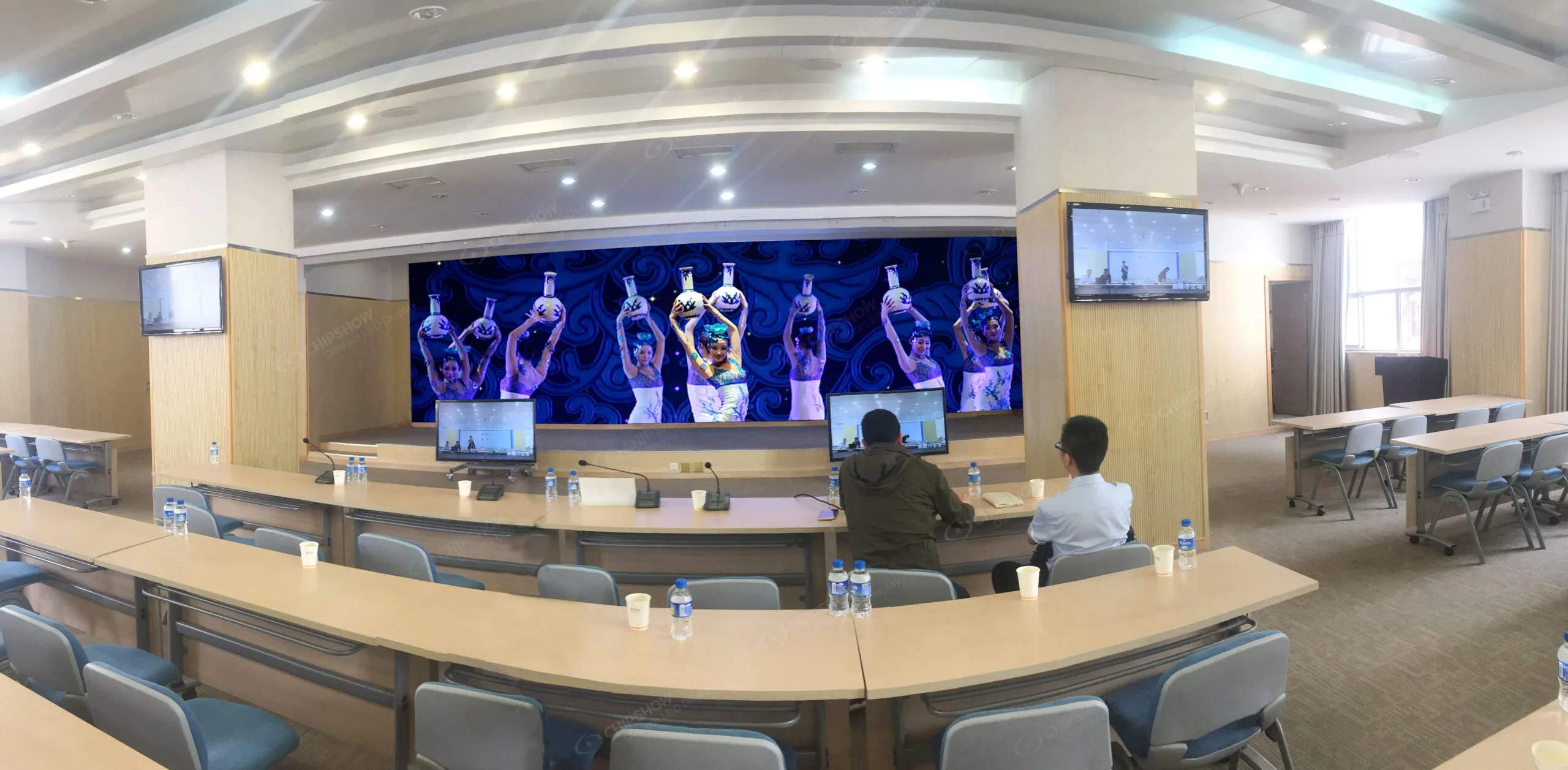
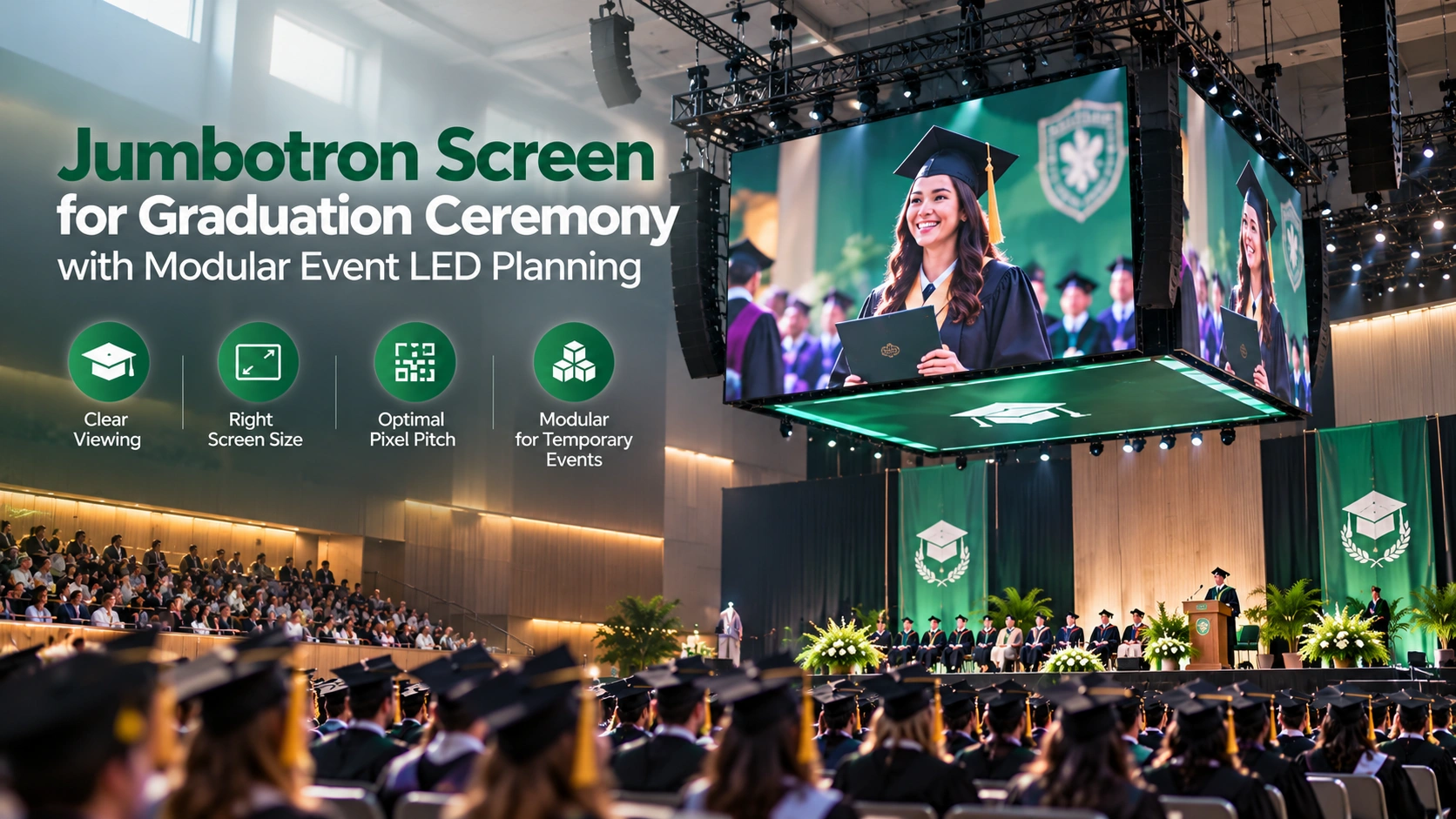
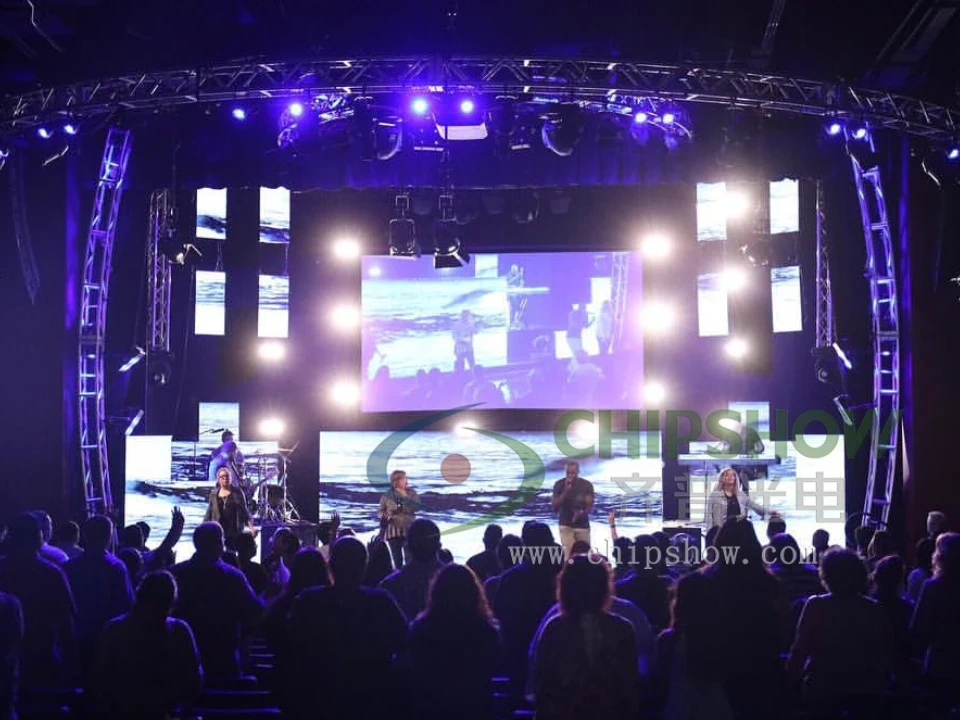
| Commercial Lobby / Large Venue | P2.0 – P4.0 | 12 Feet and Above | Auditoriums, House of Worship Altars, Retail Arenas |
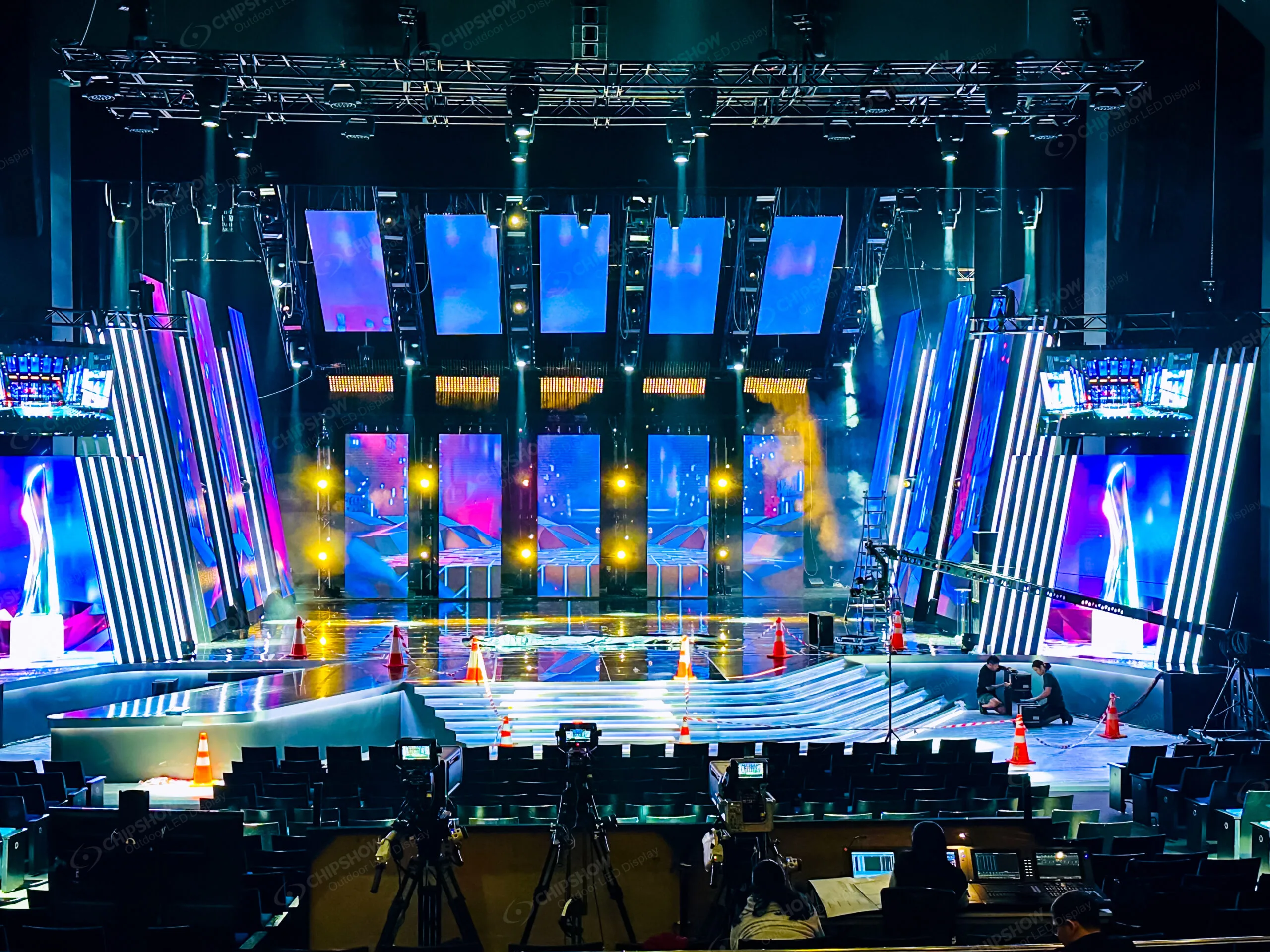
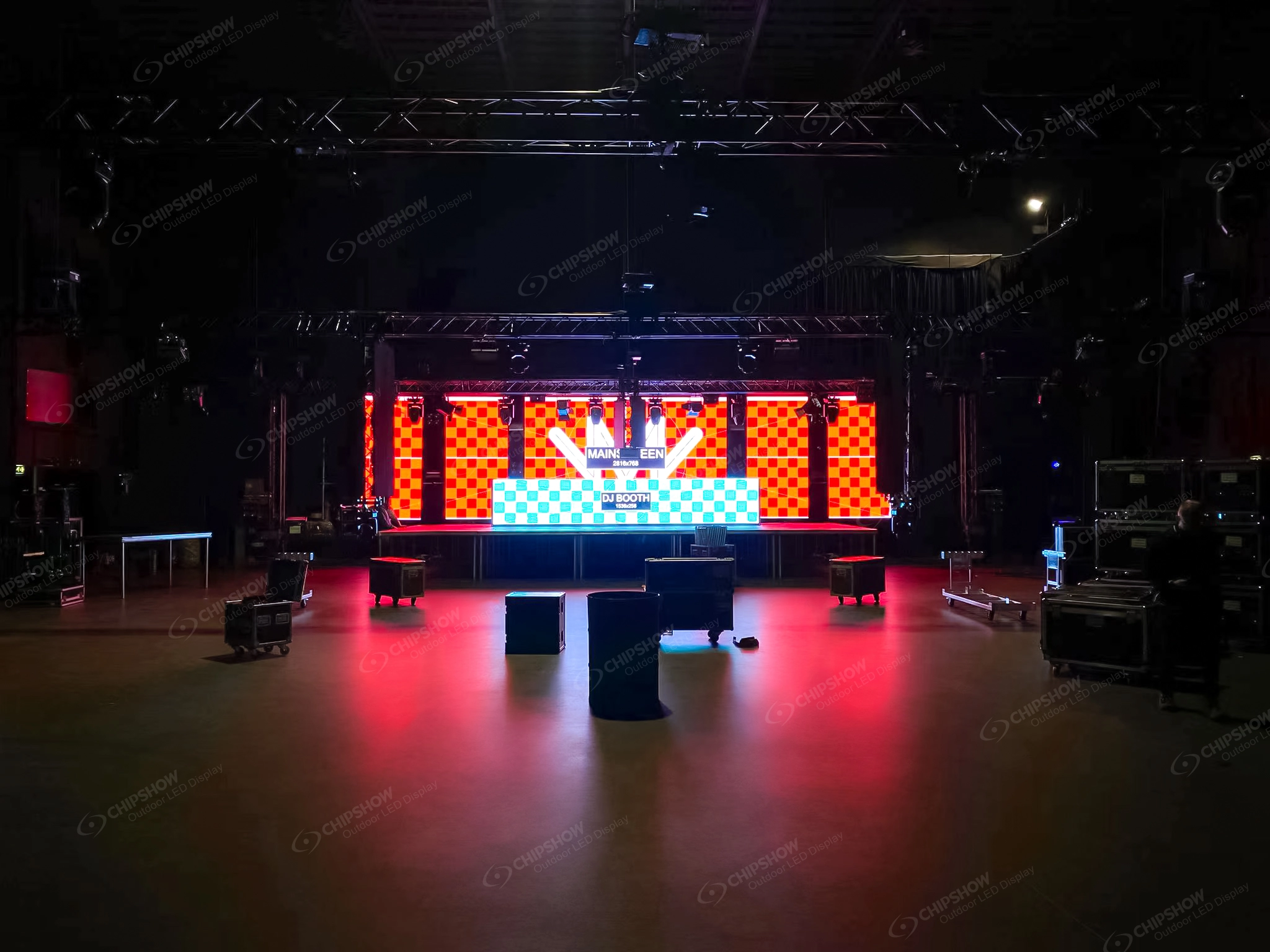
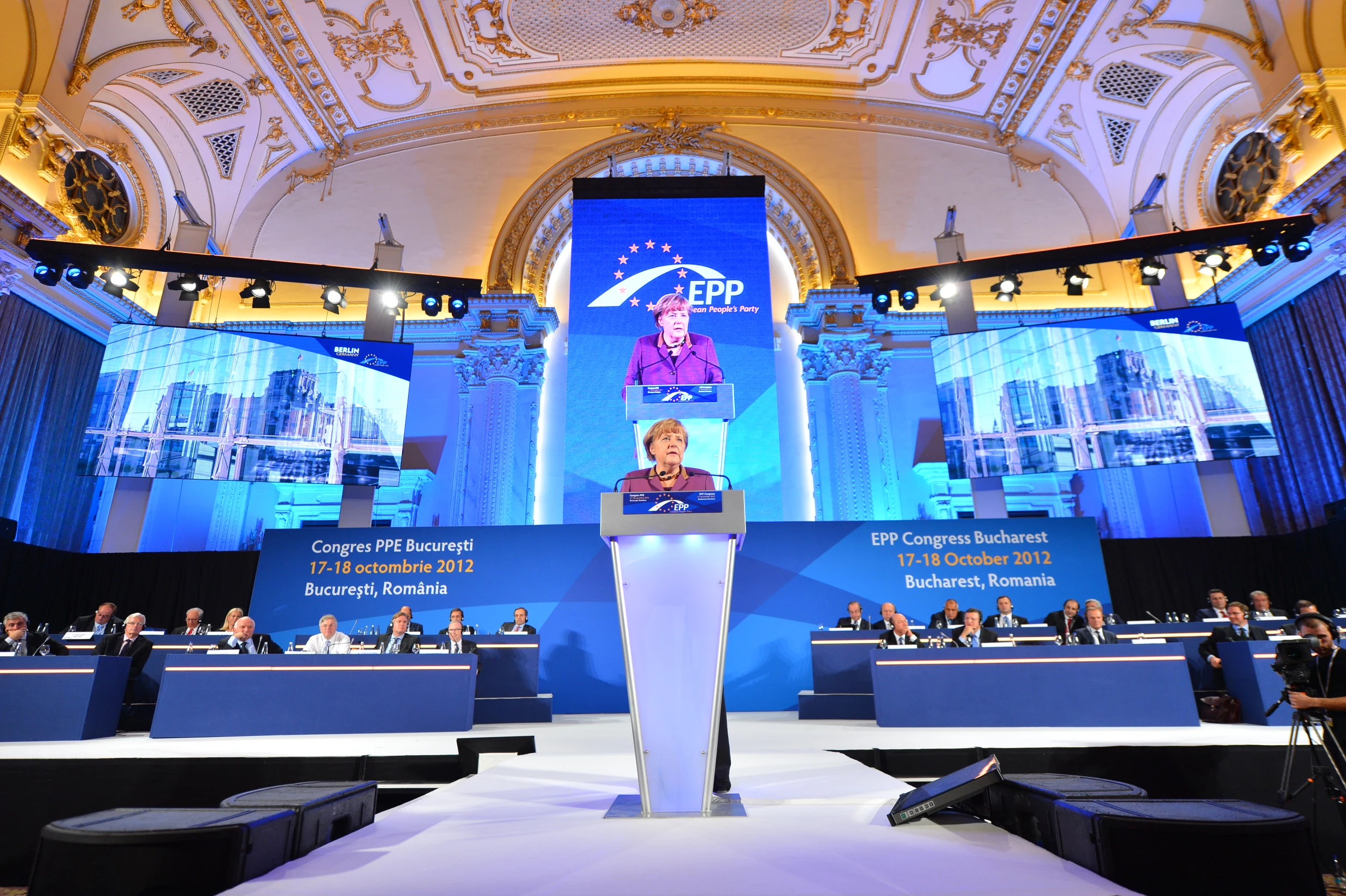
| High-Impact Staging | P2.6 – P4.8 | 15 Feet and Above | Corporate Keynotes, Concert Touring Stages |
| High-Mass Outdoor DOOH | P4.0 – P10.0+ | 30 Feet and Above | Interstate Digital Billboards, Exterior Pylons |
Camera Capture and Refresh Dynamics
3,840 Hz Refresh Baseline: The standard benchmark for modern live events and corporate presentations. This rate helps prevent flickering and visible scan lines on smartphones and venue recording gear.
7,680 Hz Advanced Engine: Recommended for virtual production volumes, high-frame-rate broadcast spaces, and native XR environments.
DOOH Media Performance: Outdoor billboards displaying static or pre-scheduled promotional spots can operate efficiently on lower refresh profiles, prioritizing sustained brightness over camera-sync capabilities.
Managing Lower Ambient Light in Executive Boardrooms
For premium indoor spaces, peak brightness is rarely the core metric. Standard corporate facilities operate at comfortable ranges of 600 to 800 nits. Pushing displays past this threshold creates immediate eye fatigue rather than clarity.
The true differentiator is high grayscale retention at lower operating currents. Chipshow’s advanced panel engineering ensures that when screens are dimmed for dim ambient rooms, they maintain deep contrast ratios and exact shadow detailing without color distortion.
Financial TCO: Factoring in American Labor Shifts and Structural Approvals
Purchasing display hardware is simply the first line item in a long-term total cost of ownership (TCO) model.
Financial Profiles: Hardware Capital vs. Operational Labor Overhead
Permanent Digital Signage: Involves substantial upfront CAPEX, including specialized structural engineering sign-offs, electrical permits, union installation crews, and final system integration. Once certified, ongoing expenses drop to routine preventative inspections and fixed utility draw.
Staging Inventory Assets: Carries ongoing operational expenses. Repetitive handling, load-in shifts, and freight transport generate mechanical wear that demands an annual maintenance budget of 15% to 20% of initial equipment capital for rigging latches, spare module stock, and road case maintenance.
Evaluating the Equipment Break-Even Point
To determine whether to acquire a permanent fleet or utilize third-party rentals, apply this standard operational framework: Deduct your freight, specialized labor overhead, and climate-controlled storage costs from the regional market day rate ($500 to $5,000+ per event shift, depending on wall scale).
If your schedule tracks fewer than 40 event dates annually, utilizing clean, third-party staging rentals avoids steep hardware depreciation and engineering obsolescence cycles.
Code Compliance and Local Inspections
For fixed commercial installations across the US and Canada, compliance with local building codes is critical. Fire marshals and local code inspectors look for recognized compliance markings before signing off on occupancy permits.
Chipshow products are engineered to meet strict international standards, ensuring smooth site inspections without unbudgeted field modifications or structural rejection risks.
Choosing the Correct Tool for the Application
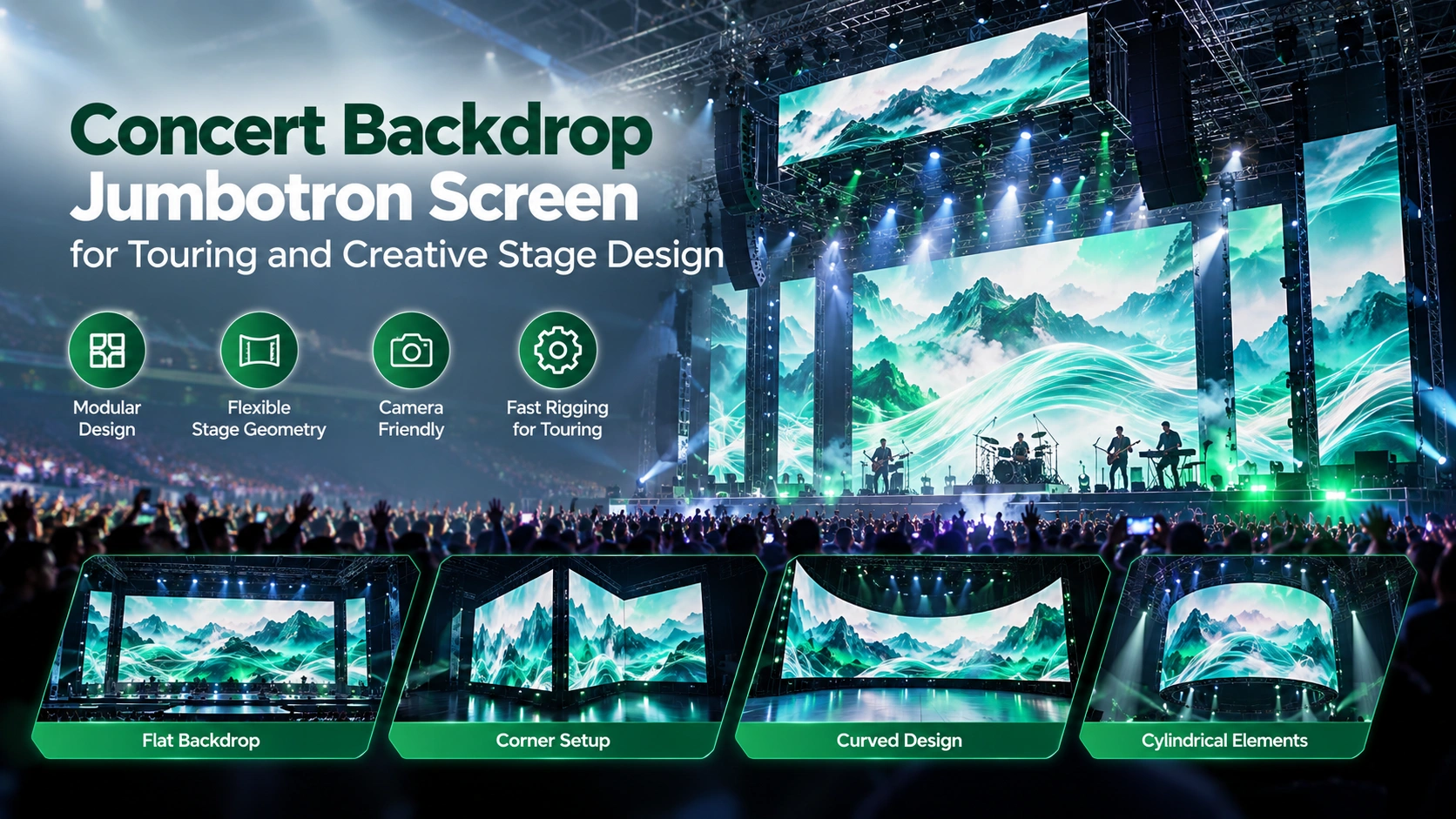
Deploy a Rugged Rental Configuration If: Your event layouts vary across project dates, live broadcast camera capture is expected, or you require quick assembly within tight IATSE union labor shifts.
Deploy a Permanent Fixed Configuration If: The asset runs continuously, the architecture demands structural integration, or the deployment requires long-term capital monetization under Section 179 tax frameworks.
Engineering Integration: The Chipshow Fleet Matrix
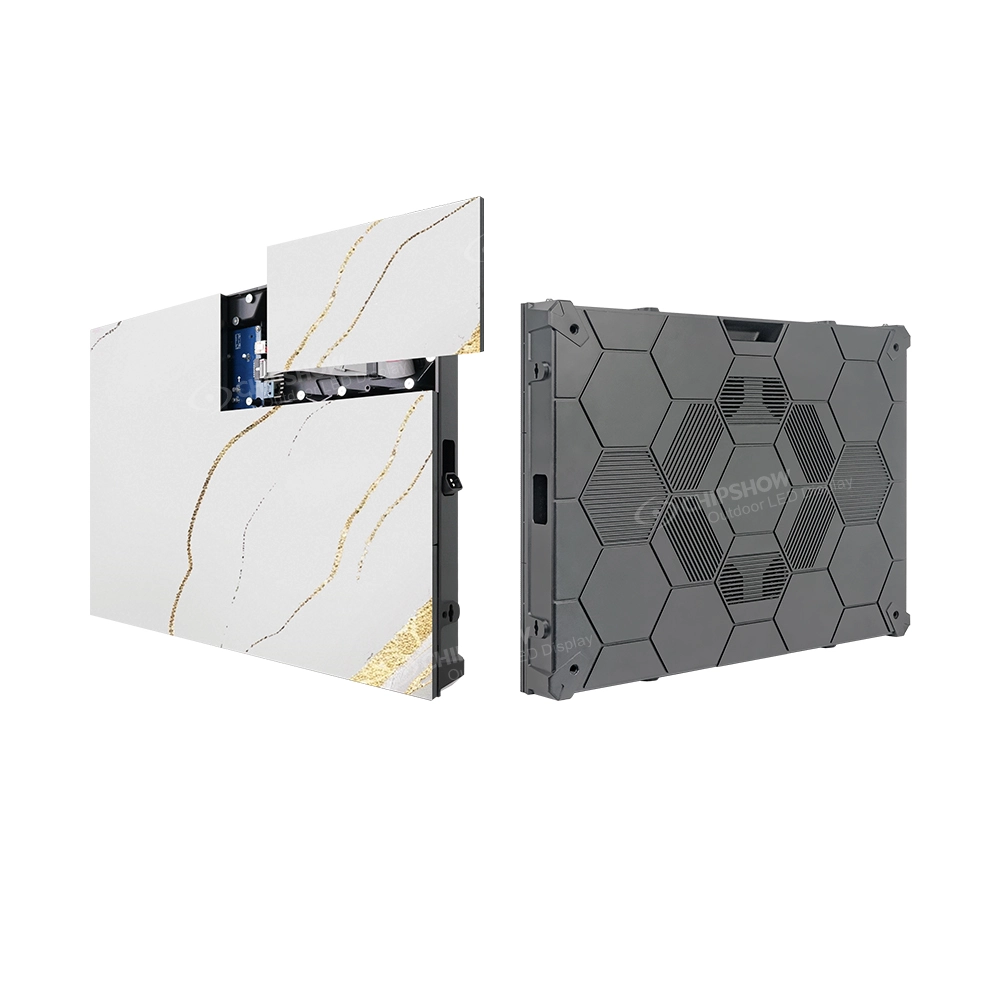
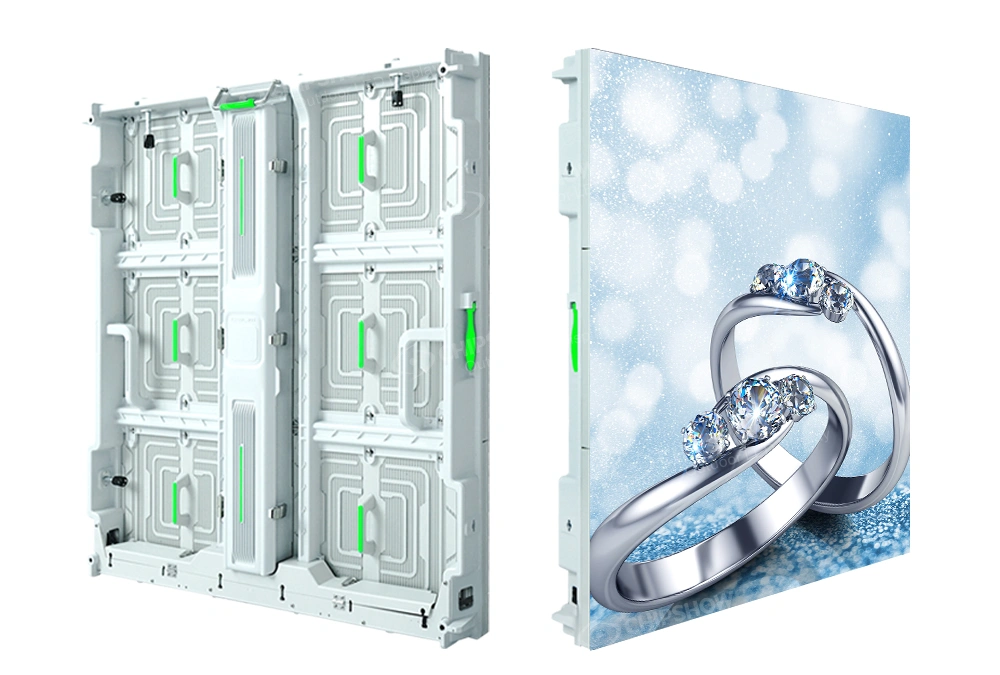
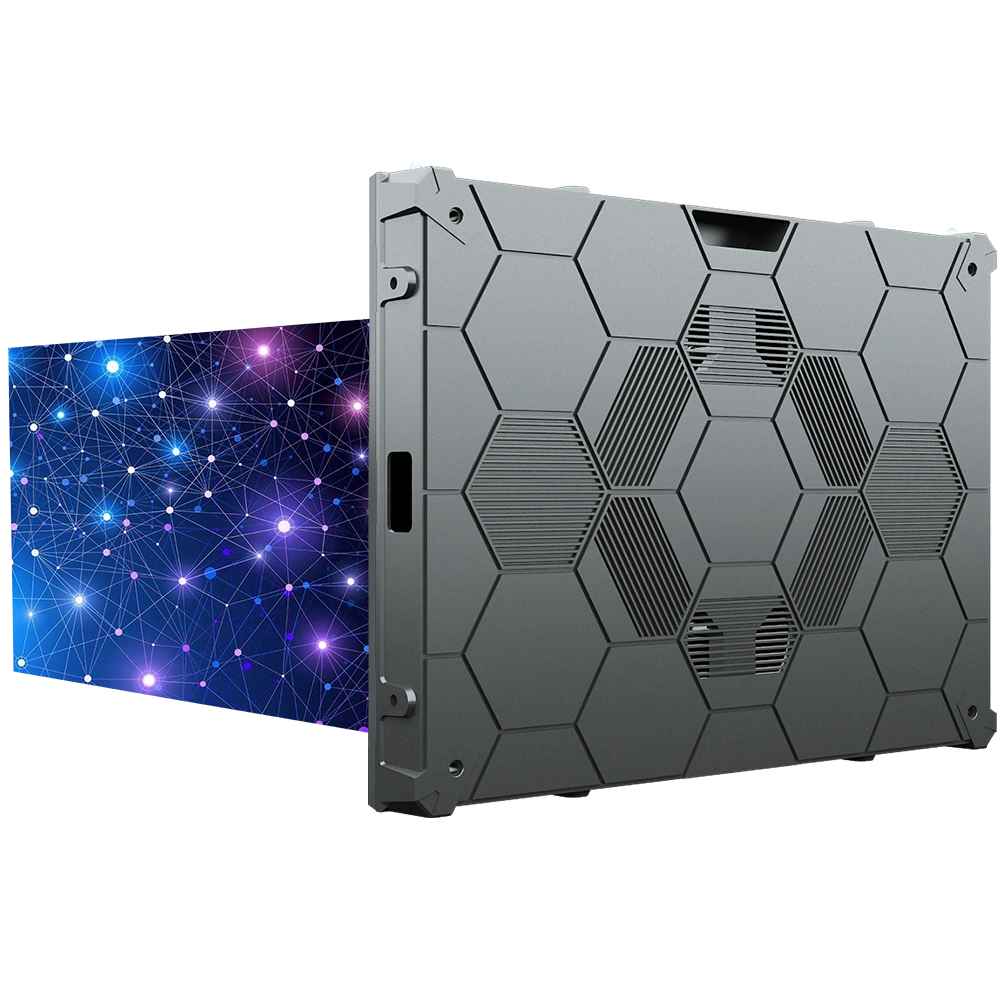
For close-proximity viewing environments under 5 feet, Chipshow’s C-Pad indoor led video wall delivers fine-pitch COB technology down to P0.93, featuring front-service access and dual-side IP54 protection for corporate spaces.
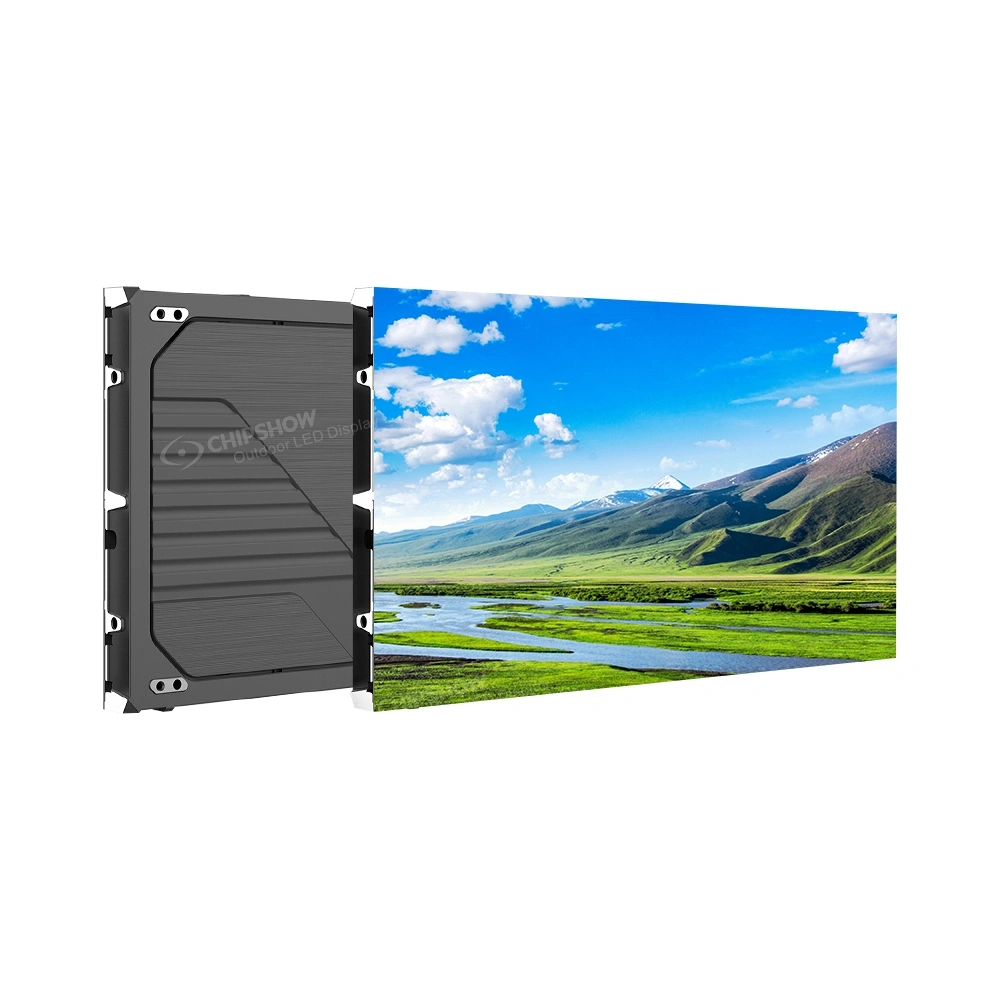
For commercial lobbies and large corporate spaces, the C-Max indoor led video wall provides a native 4:3 aspect ratio magnesium alloy cabinet. Weighing just 16.5 lbs (7.5 kg) per cabinet, it reduces wall structural reinforcement costs while offering full front-service access for simple long-term maintenance.
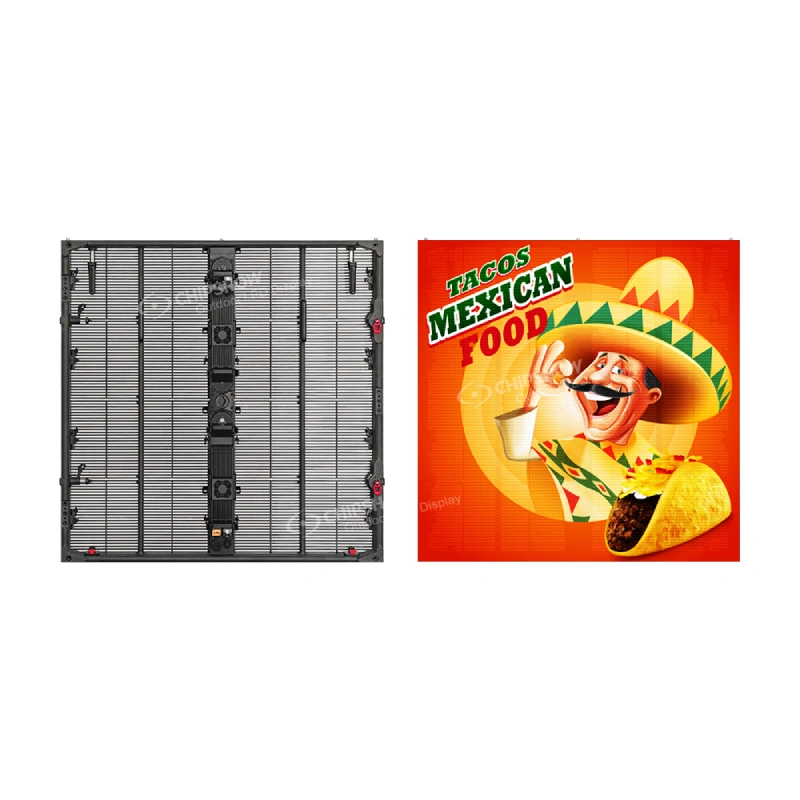
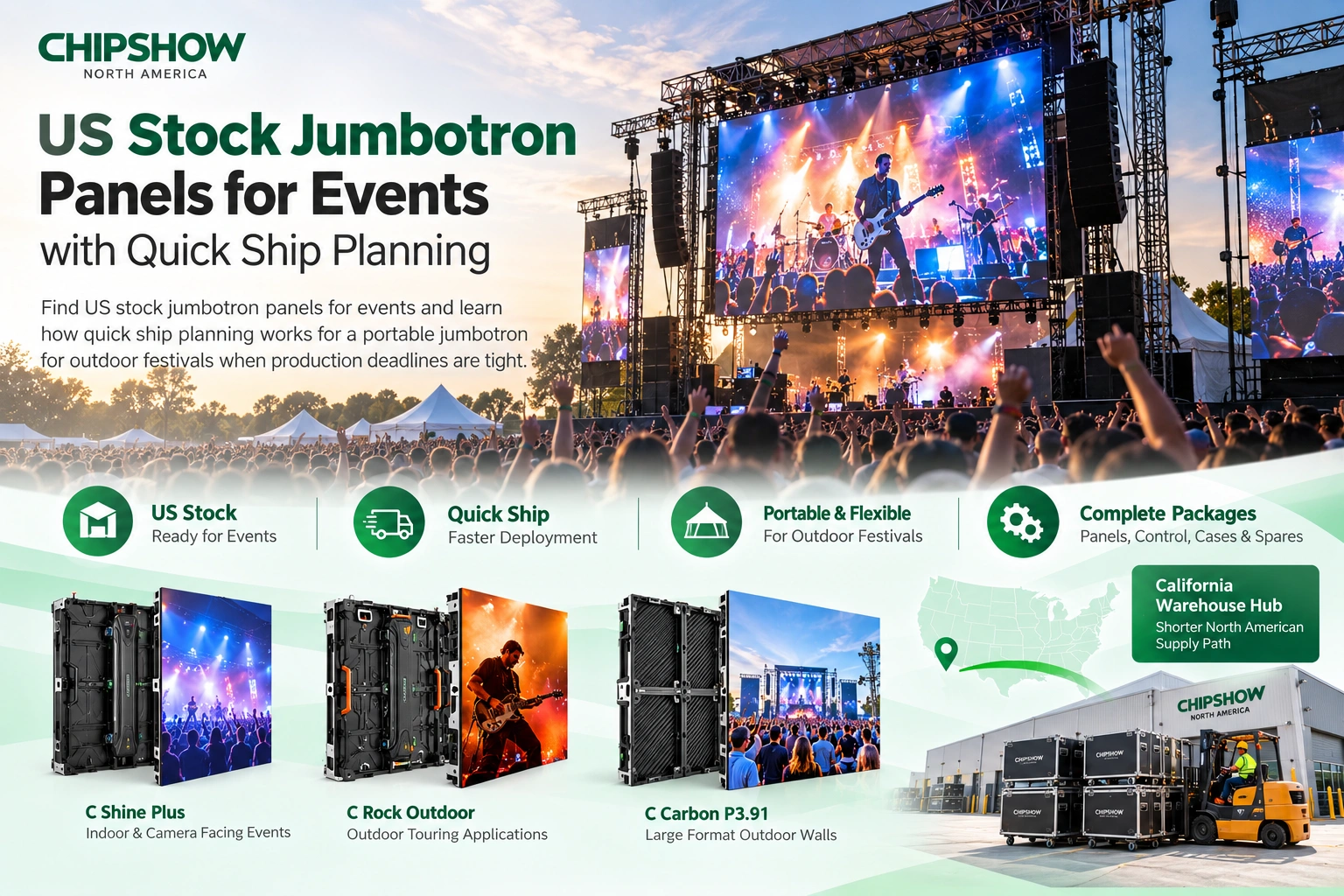
Staging specialists and touring companies can utilize our heavy-duty C-Carbon and C-Rock led screen stage, built on impact-resistant quick-lock chassis designed to maximize setup efficiency and reduce field crew hours.
Configure your upcoming digital asset layout with our US engineering support team at [Chipshow Rental and Stage LED Panels] hub.
Compare module and cabinet layouts for your own site with the LED sign selector before requesting a quote.