Skip the municipal inspection headaches and ensure your hardware fully satisfies local code enforcement before budgeting your site rollout. Secure your certified compliance assets directly from our California engineering center:
You can size this to your site in minutes with the LED sign selector: pick your nearest viewer, choose smart module or fixed cabinet, and save the layout.
[Download: C-Smart Series Intertek ETL Authorization Certificate]
[Download: P4-P16 Flagship Double-Maintenance Series UL94 V-0 Fire Safety Test Report]
Most digital out-of-home (DOOH) operators and billboard contractors in the United States and Canada evaluate outdoor LED quotes on screen price alone. However, empirical market data confirms that the initial hardware invoice accounts for only 35% to 50% of the actual 10-year asset spend. Compounding grid utilities, specialized field labor, boom lift logistics, and municipal liability insurance make up the remaining 50% to 65% of your true operational sheet.
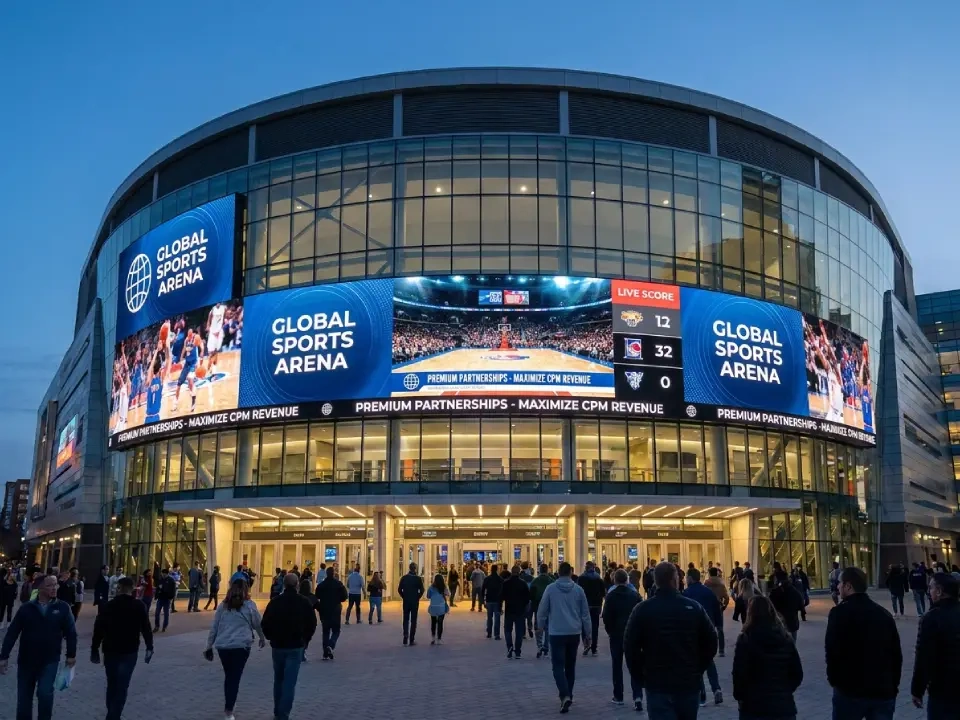
What Does North American Outdoor Advertising Screens TCO Include?
Total Cost of Ownership (TCO) encapsulates every dollar allocated from initial zoning applications through the screen’s operational half-life.
CapEx (Capital Expenditure): One-time, upfront structural cash outlays. This includes the screen panels, heavy steel structure fabrication (monopoles or I-beams), concrete foundation pouring, union installation labor, licensed electrical hookups, FCC/ETL compliance sign-offs, and local municipal zoning permits.
OpEx (Operational Expenditure): Recurring, compounding overheads. This involves localized utility bills, routine field maintenance, CMS software licensing, 4G/5G cellular connectivity, commercial property liability insurance, and a physical spare parts reserve on-site.
Why a 14×48 ft. Standard Bulletin Requires a 10-Year Model
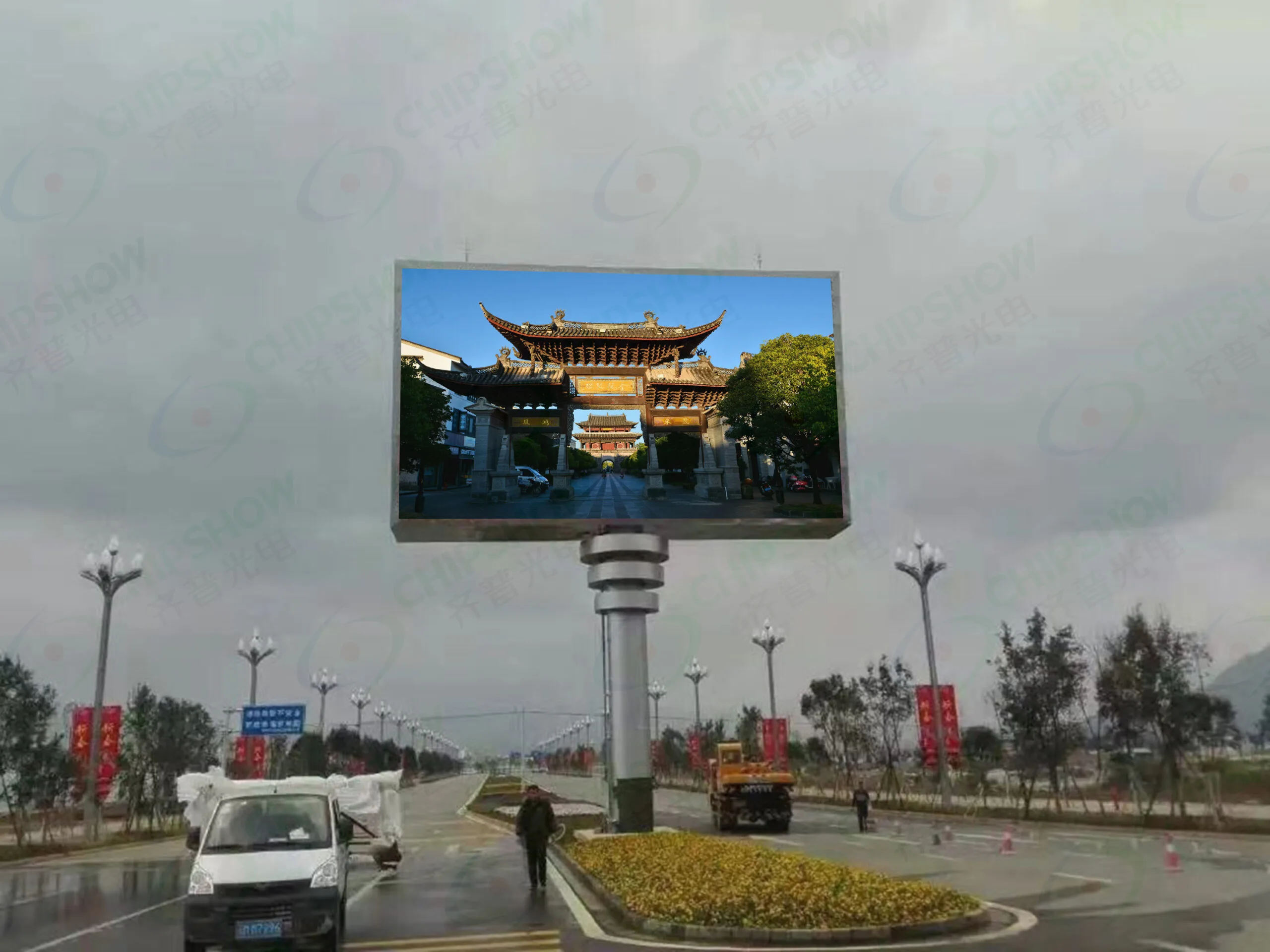
Evaluating software and hardware on a short-sighted 3-year horizon is an expensive budgeting error for DOOH. Standard field data shows that lower-tier power supply units (PSUs) face thermal stress and degradation between years 4 and 6. For a permanent 14×48 ft. standard bulletin billboard (672 sq ft) or a 12×24 ft. poster display (288 sq ft), a comprehensive 10-year TCO calculation is mandatory to accurately model return on investment (ROI) against high localized labor inflation.
Navigating State-by-State Commercial Grid Tariffs
Electricity represents the single largest recurring OpEx variable for North American outdoor DOOH networks. Fortunately, it is also the most controllable parameter through smart hardware engineering.
The Local Utility Cost Spectrum
According to updated EIA utility data, commercial electricity rates in North America are heavily divided by geography. While low-cost states offer grid rates around $0.09/kWh, high-cost advertising corridors across California and the Northeast experience commercial tariffs scaling to $0.27/kWh or more.
Operating a standard high-power billboard in Los Angeles or New York can cost over double annually compared to running the same screen footprint in Houston, making energy efficiency a critical procurement baseline rather than an optional upgrade.
Common Cathode Architecture: Cutting Watts and Heat
Traditional led screen outdoor utilize a common anode circuit design where the red, green, and blue diodes share a unified input voltage line, converting excess voltage directly into system heat.
Chipshow’s advanced Common Cathode Architecture routes dedicated, optimal voltages directly to each color channel (approx. 2.8V for red, 3.8V for green/blue). Under typical advertising loops, this limits average power consumption to a disciplined 180W/sq m (approx. 16.7W/sq ft).
This drop in power consumption also reduces internal operating temperatures by 18°F to 27°F (10°C to 15°C), extending driver IC longevity and delaying component replacement cycles significantly.
Automated Brightness Control and Local Dimming Mandates
An increasing number of North American municipalities enforce strict nighttime dimming laws to combat urban light pollution. Operating an outdoor advertising screens at 100% full white brightness during evening hours creates driver glare liability and violates local codes.
Integrating Automatic Brightness Control (ABC) light sensors allows screens to dim fluidly to 60% luminance or lower during overcast conditions or after sunset, capturing 20% to 30% in annual energy savings while maintaining excellent image legibility.
High Union Labor Overhead and Serviceability Realities
In North American metropolitan markets where union technician labor ranges from $75 to $150+ per hour—and West Coast or Northeast urban regions bill 20% to 30% above that baseline—serviceability design directly dictates your long-term profit sheet.
The True Cost of an Emergency Field Event
When an unlisted or legacy screen drops a panel or suffers a power block, it triggers immediate advertiser Service Level Agreement (SLA) penalties and lost impression metrics. A standard emergency field dispatch in the US typically includes:
- Technician Dispatch Fees: $150 to $300 base travel and diagnostics cost.
- Boom Lift / Bucket Truck Hire: $200 to $600 per day, with scheduling lead times frequently taking 1 to 3 weeks in tight construction markets.
- OSHA High-Altitude Compliance Constraints: Legacy heavy cabinets require a mandatory two-person handler crew to service, doubling your hourly labor burn on the lift.
Front-Access vs. Rear-Access Serviceability Architecture
Rear-Service Cabinets: Require permanent catwalk installations or extensive open space behind the structure frame. For building-integrated facades or compact roadside designs, rear access increases maintenance time per visit by 40% to 60%.
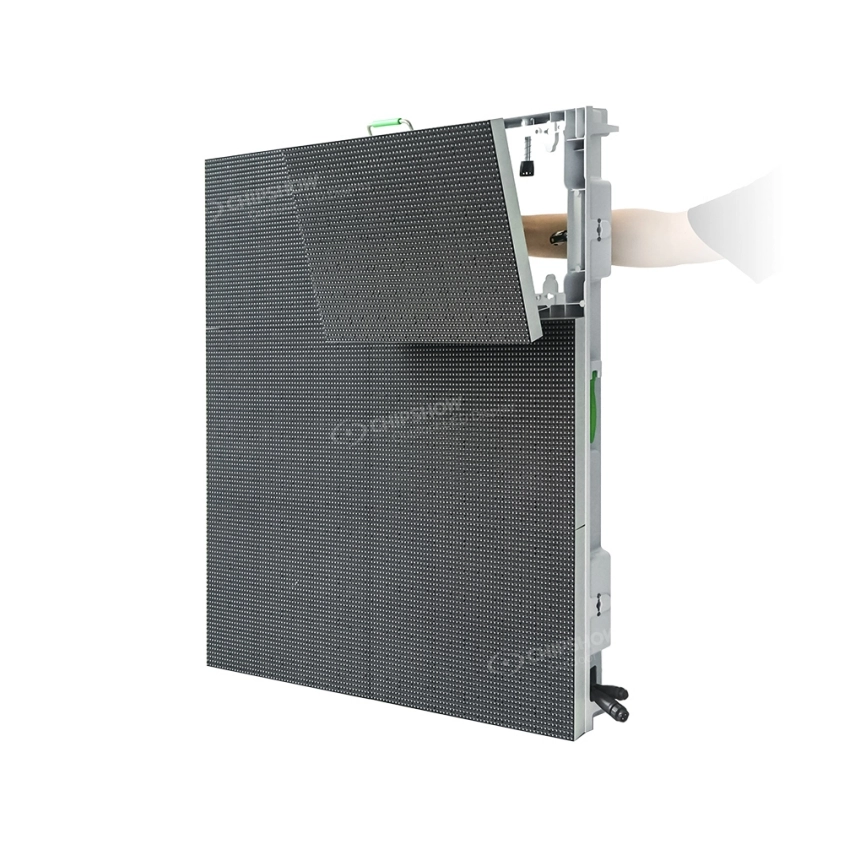
Front-Access Modular Designs: Feature magnetic or quick-release configurations that allow a single technician to perform module or electro-box swaps from the display face in under 30 minutes per section. For a network operator maintaining 10 billboard assets over a 5-year cycle, prioritizing front-serviceability saves over $20,000 per screen in cumulative field labor fees.
Weight-Induced Installation Expenses and ADA Compliance
Cabinet weight is a critical project parameter that directly dictates crane hire duration, support pole steel specifications, and urban safety certifications.
Wind Load Math and Structural Steel Tonnage
Traditional galvanized iron cabinet displays impose massive static loads, weighing anywhere from 8.2 to 12.3 lbs/sq ft (40 to 60 kg/m²). When mounting a massive 14×48 ft. bulletin billboard on a single monopole, every extra pound scales up the required steel thickness and foundation concrete depth to survive local wind load ratings.
Upgrading to lightweight magnesium alloy or high-precision aluminum profile construction drops enclosure weight to 5.1 to 6.1 lbs/sq ft (25 to 30 kg/m²), shaving thousands of pounds of structural dead load from the support pole. On a standard 600 sq ft billboard build, this light-weight profile cuts initial structural steel fabrication and crane deployment costs by $8,000 to $15,000.
Street-Level Protrusion and ADA Mandates
For urban building-mounted advertisements or transit shelter media walls, installations must adhere strictly to ADA (American Disabilities Act) compliance guidelines. ADA rules mandate that any display mounted below 80 inches (6.6 feet) from the ground must not protrude more than 4 inches from the wall into pedestrian corridors.
Legacy rear-service displays with bulky steel structures easily violate this rule, risking municipal fines and legal liability. Utilizing a slim-profile, front-service cabinet platform allows the screen to mount flush against the wall structure, satisfying ADA metrics natively without complex recessed construction.
Ingress Sealing and Localized Weathering Insurance
Weather-related component breakdowns represent the primary cause of unplanned downtime in North American led screen outdoor, carrying major financial consequences for repair frequency and commercial insurance underwriting premiums.
IP65 vs. IP66: Matching Sealing to Your Climate Profile
IP65 Enclosure Rating: Provides total dust-tight defense and resistance to standard directional rain loops. This is fully sufficient for temperate inland metropolitan regions (e.g., Dallas, Chicago, Denver).
IP66 Enclosure Rating: Incorporates heavy defense against high-pressure water waves. This is the mandatory baseline specification for high-humidity coastal zones (e.g., Florida coastlines, Gulf of Mexico, maritime provinces) where salt-air moisture can breach standard seals and corrode circuit boards within 18 to 36 months, costing up to $30,000 in early module replacements.
Passive Thermal Management vs. Internal Cooling Fans
Fan-cooled cabinets integrate moving mechanical parts that require manual filter cleanings twice per year to prevent dust clogging. In arid or sand-heavy regions, fan motors routinely fail within 3 to 5 years, while adding up to 20% to the display’s overall electricity consumption.
Chipshow’s Fanless Passive Cooling designs eliminate mechanical fan components entirely, utilizing integrated aluminum heat sinks and natural convection. This fanless architecture lowers electricity consumption, maintains silent operations for premium urban retail environments, and dramatically reduces internal component service intervals.
The 10-Year North American TCO Procurement Matrix
To eliminate international shipping delays, bypass long customs clearance windows, and control long-term operating costs, your system parameters should leverage Chipshow’s database of specialized, ETL-certified hardware solutions. These configurations are fully stocked and dispatched directly from our domestic US logistics hub in California:
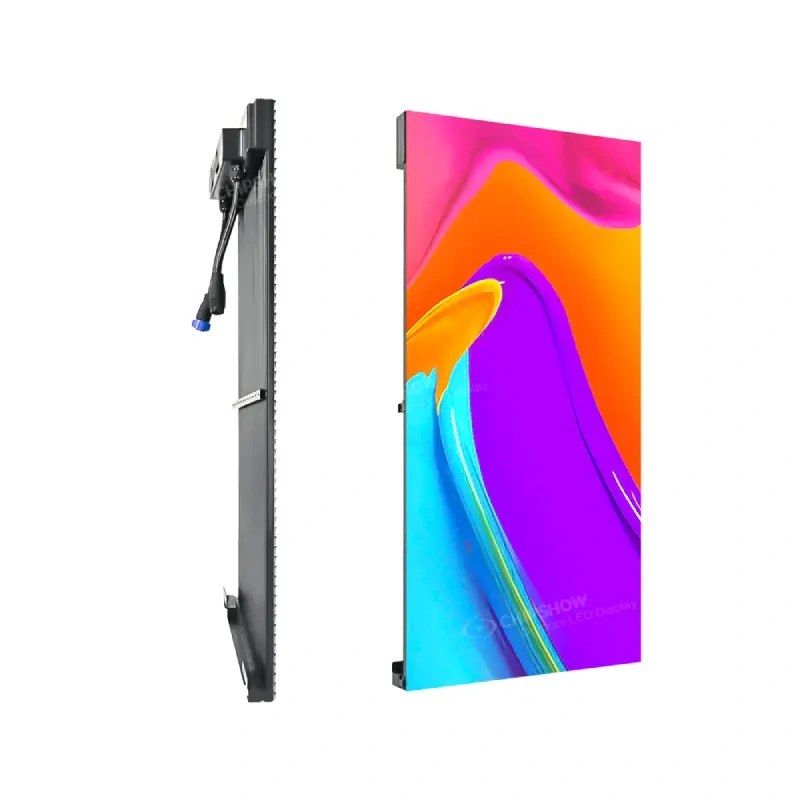
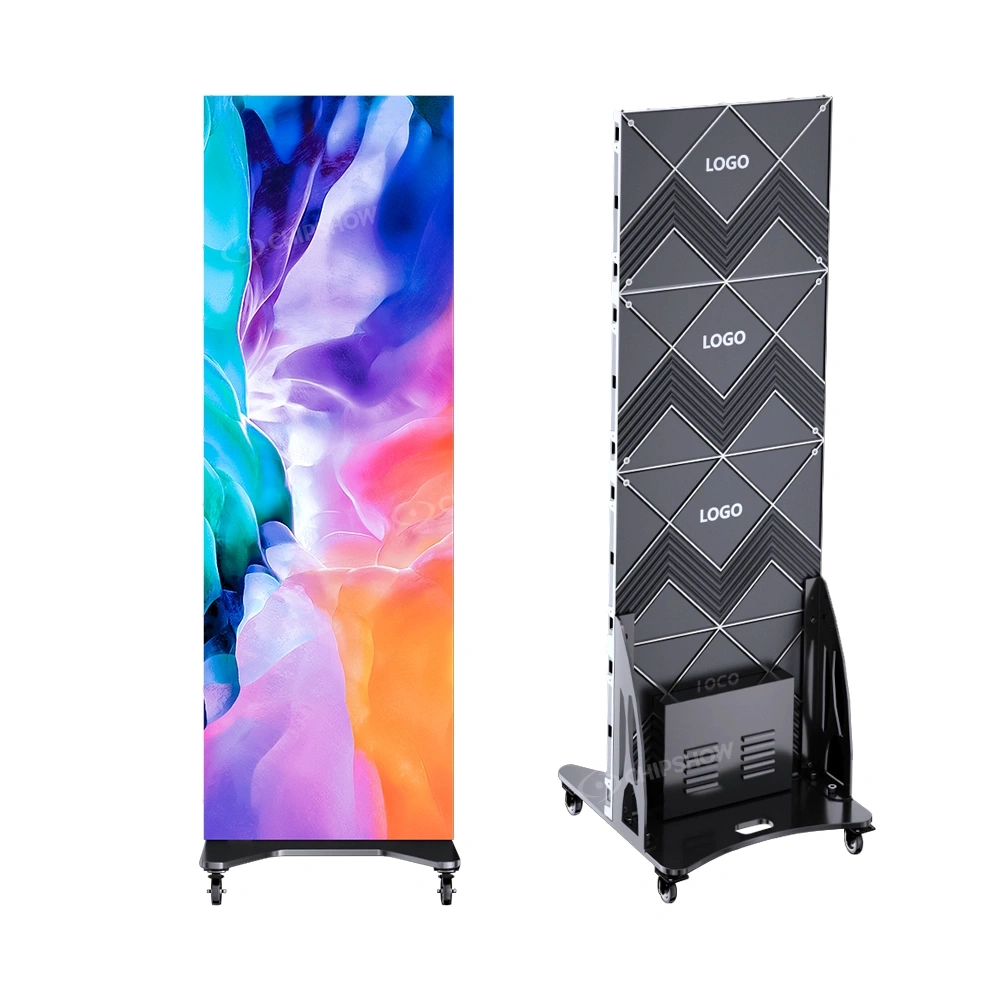
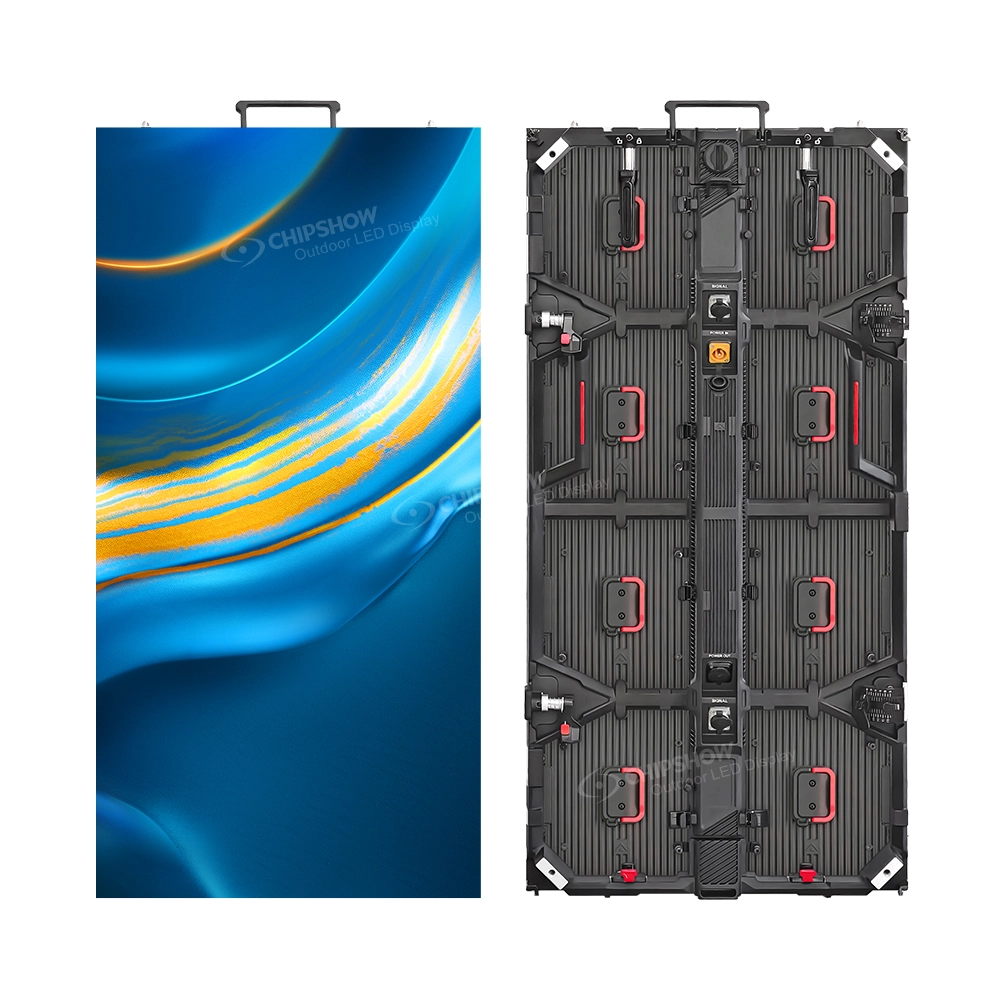
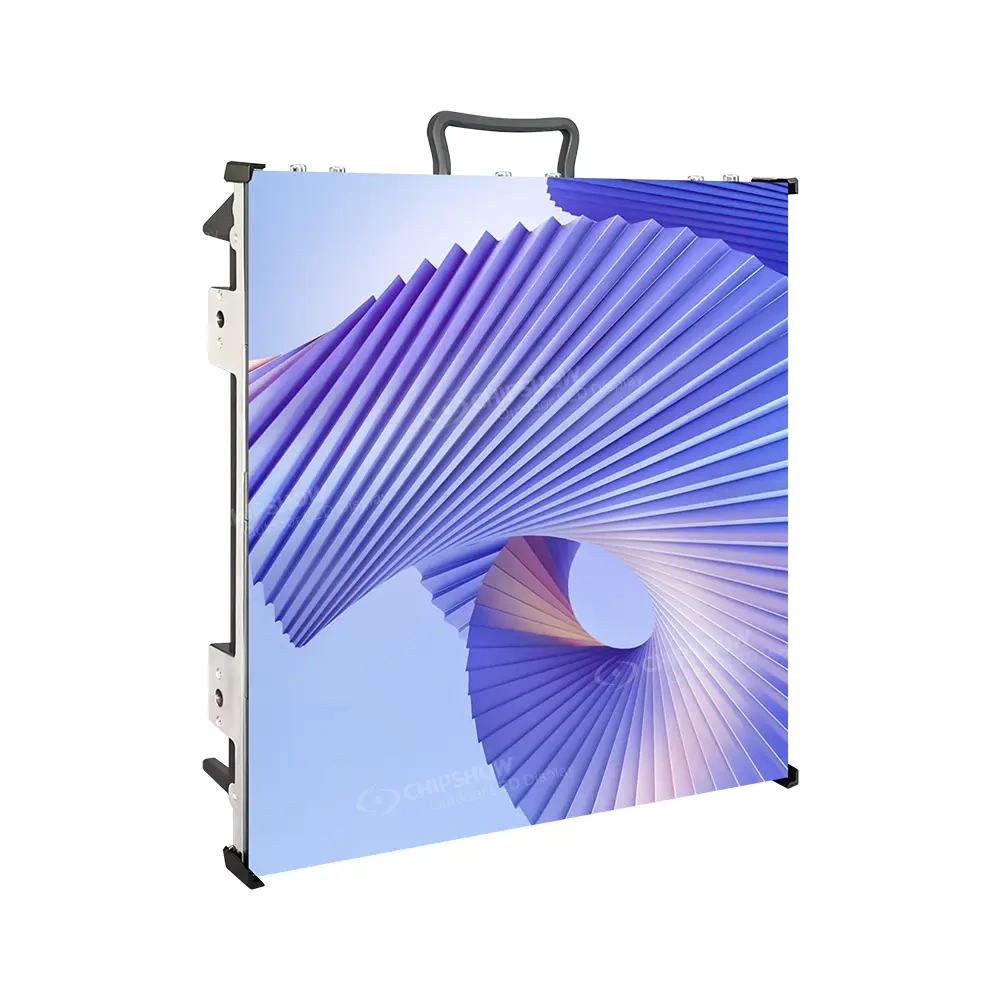
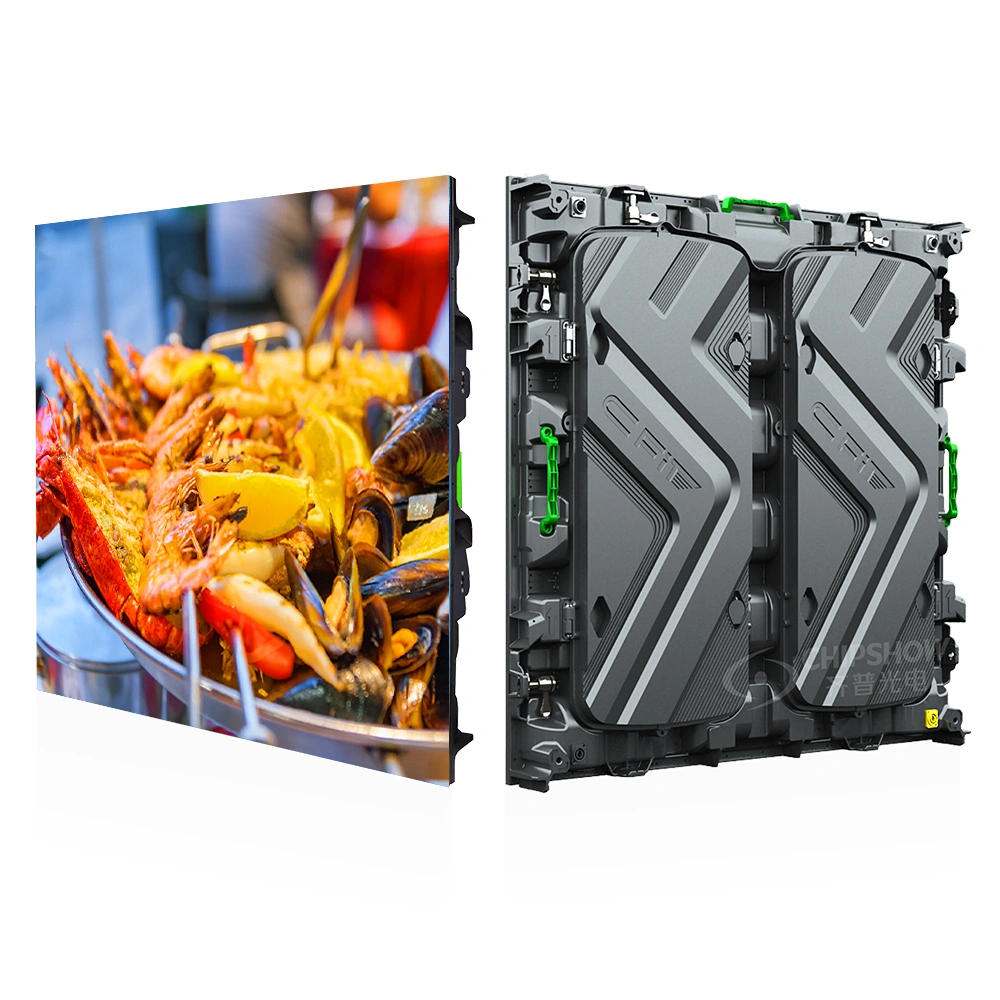
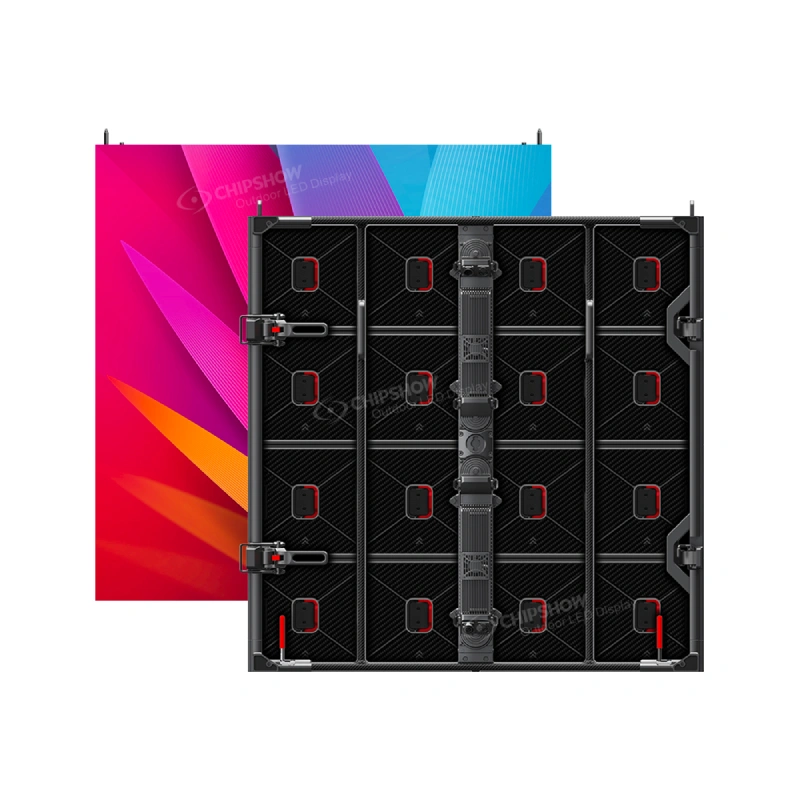
C-Fit-Easy LED Screen Outdoor (P6.67 960×960 mm Outdoor — Q1 Top-Seller)
- TCO Optimization Focus: Flagship permanent DOOH and digital billboard deployment.
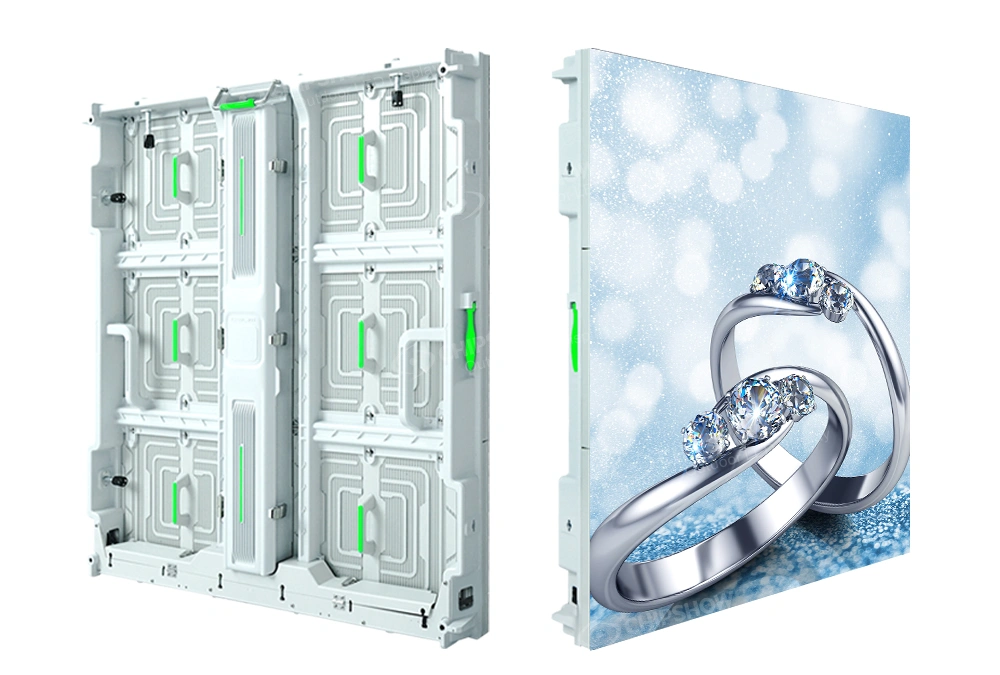
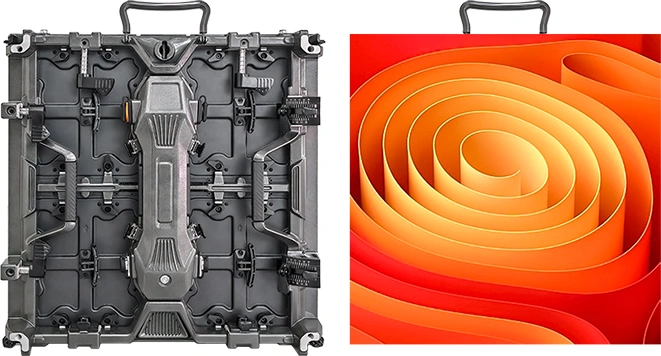
- Core Technical Benefit: Heavy-duty outdoor platform engineered into a rigid, ultra-thin die-cast framework. It handles direct sunlight baking smoothly while allowing seamless front and rear technician entry to cut maintenance closure windows.
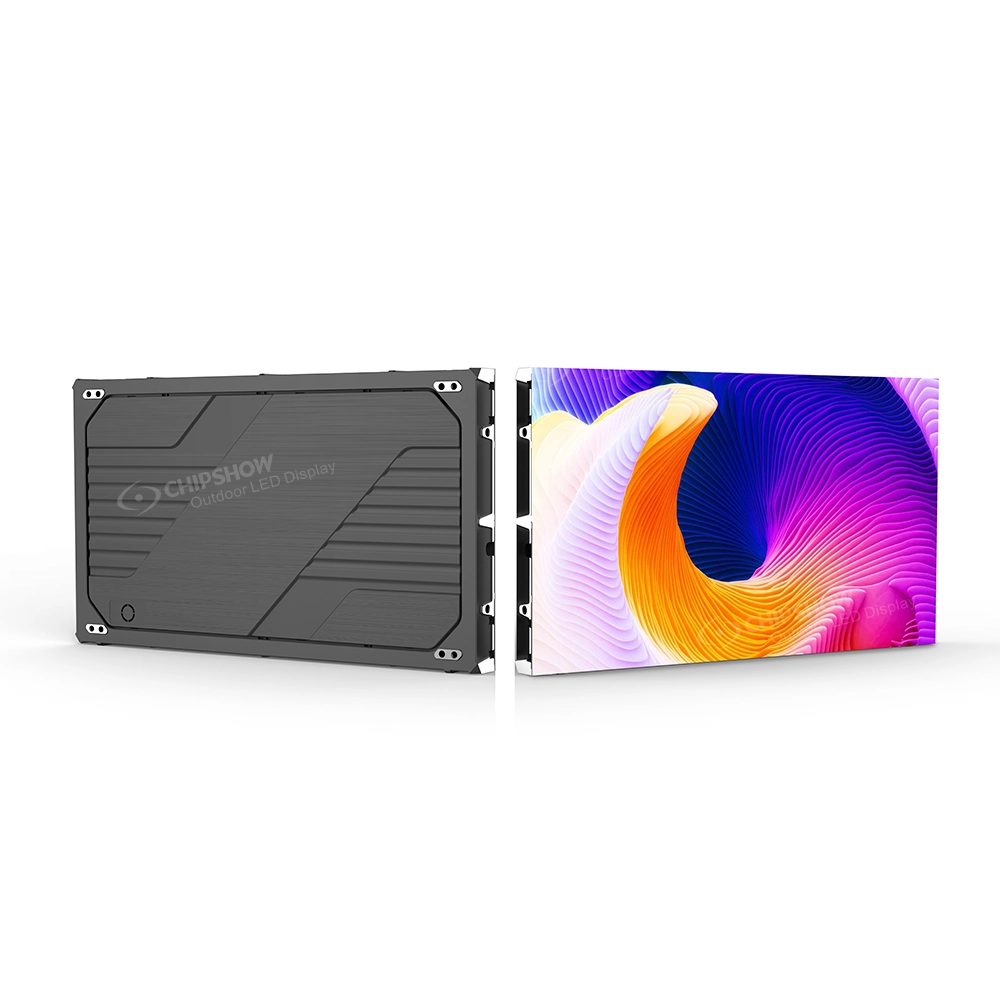
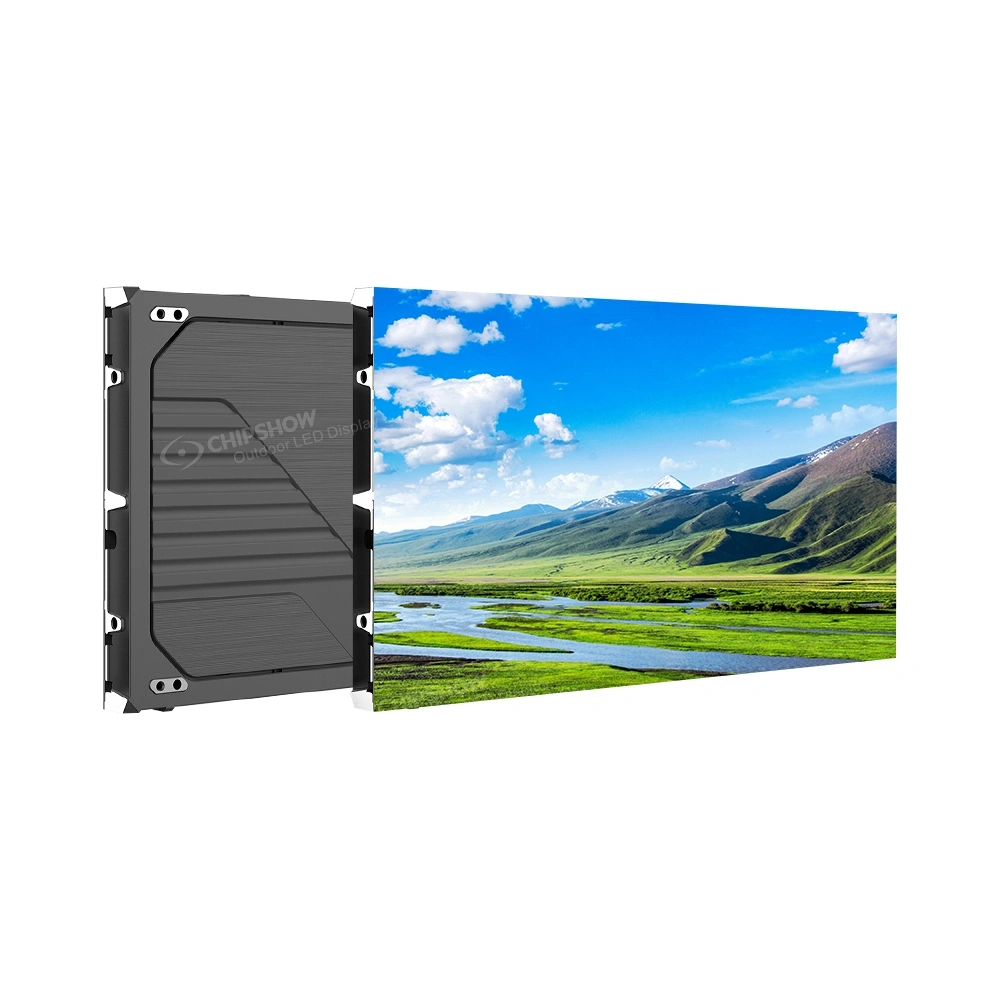
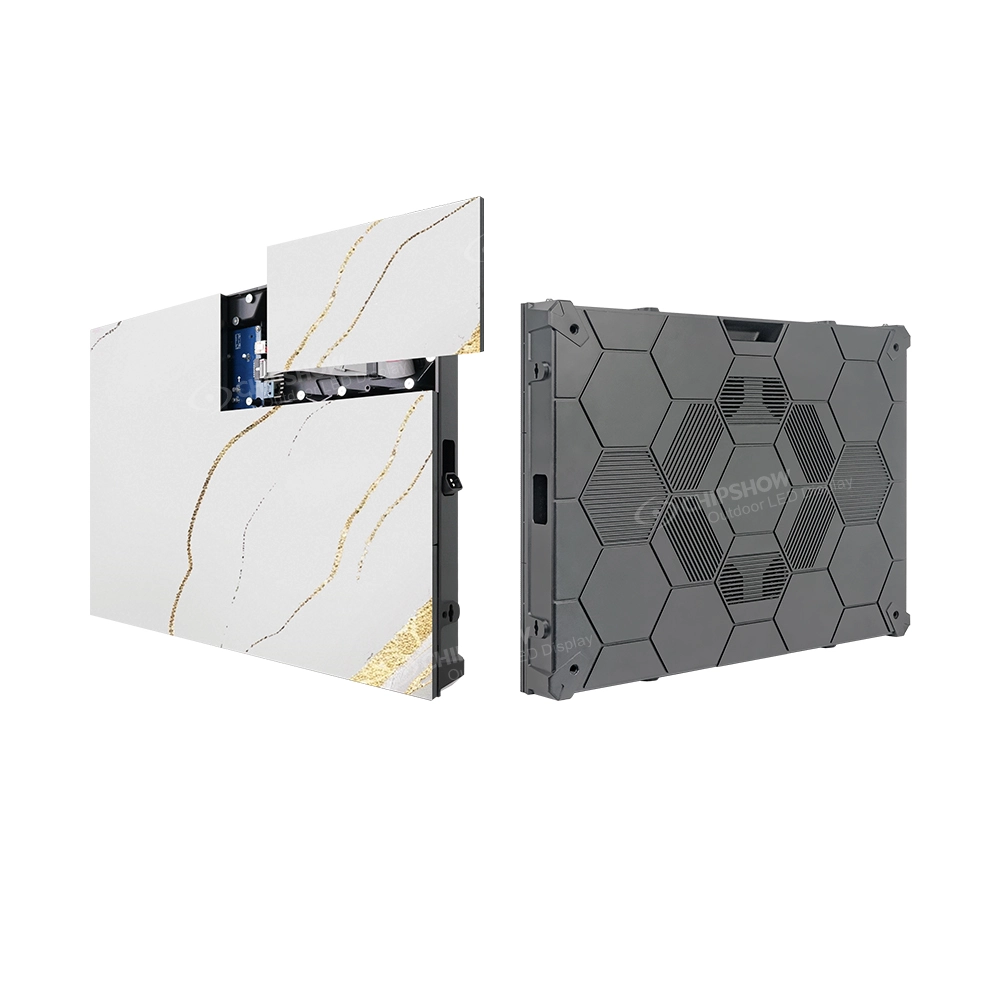
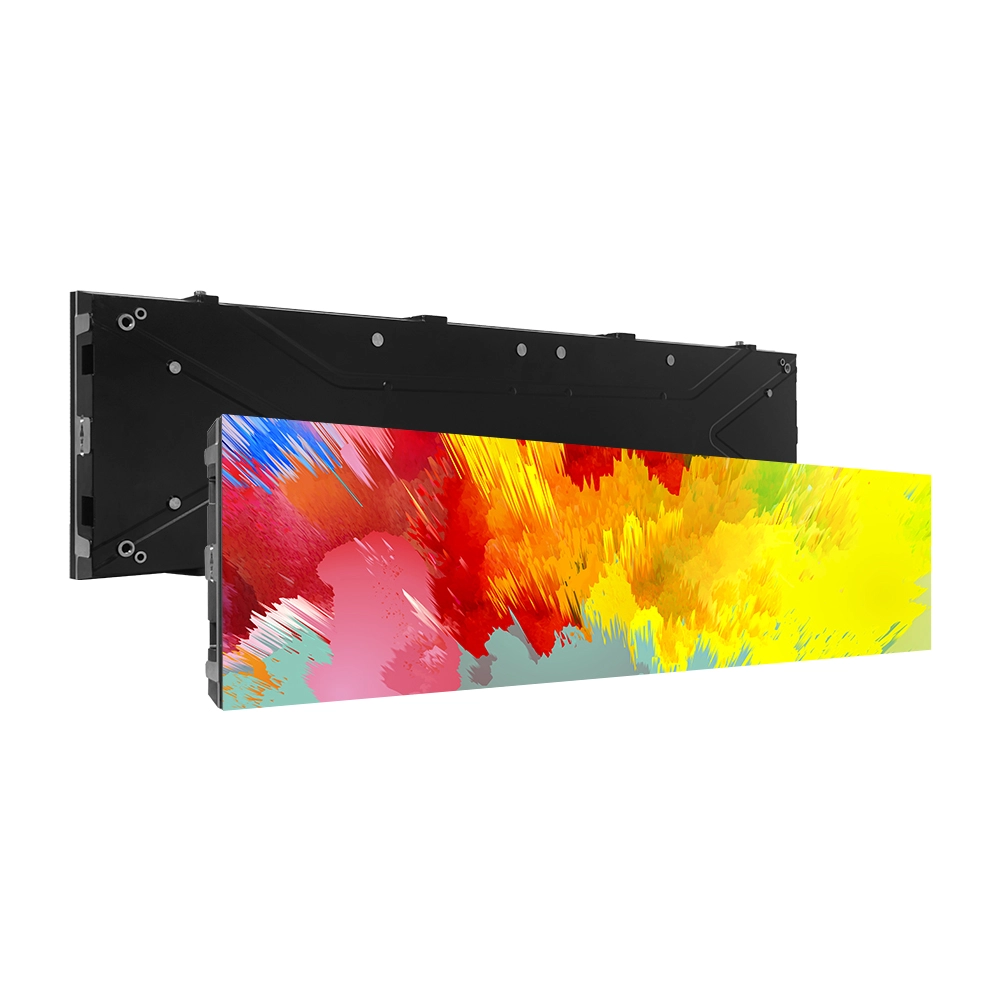
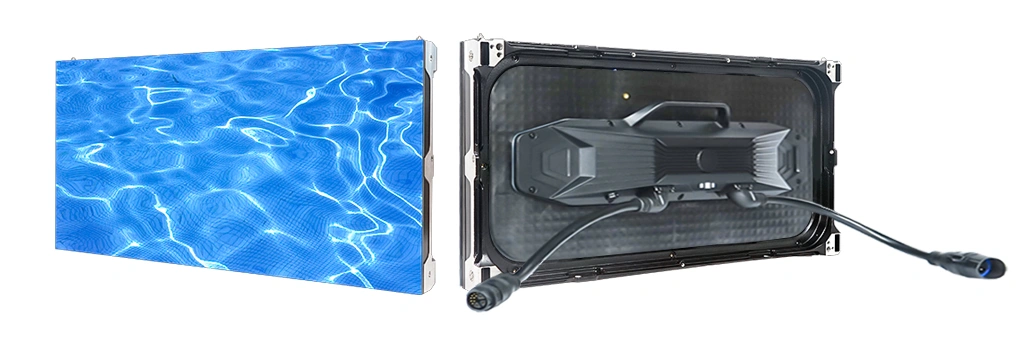
C-Smart Outdoor LED Display Panel (P6.67 640×320 mm Outdoor)
- TCO Optimization Focus: Shallow wall-mount facades, architectural bands, canopies, and storefront signs.
- Core Technical Benefit: Fully enclosed ETL Listed smart modules that mount directly to brackets without heavy metal enclosures. Keeps complete screen weight below 5.9 lbs/sq ft ($\le$29 kg/m²), satisfying strict ADA protrusion limits and shortening DOT permitting processes.
Compare module and cabinet layouts for your own site with the LED sign selector before requesting a quote.