Minimizing Support Structure Tonnage, Slashing Union Labor Hours, and Fast-Tracking AHJ Permits
When planning an led screen outdoor or building-integrated display, pixel pitch, nit ratings, and baseline panel prices usually dominate the procurement conversation. However, once the purchase order is signed, an unmonitored variable routinely pushes project budgets off track: dead weight.
Want a second look at the format options? The USA LED sign selector narrows signs by viewing distance, pixel pitch and cabinet style in one pass.
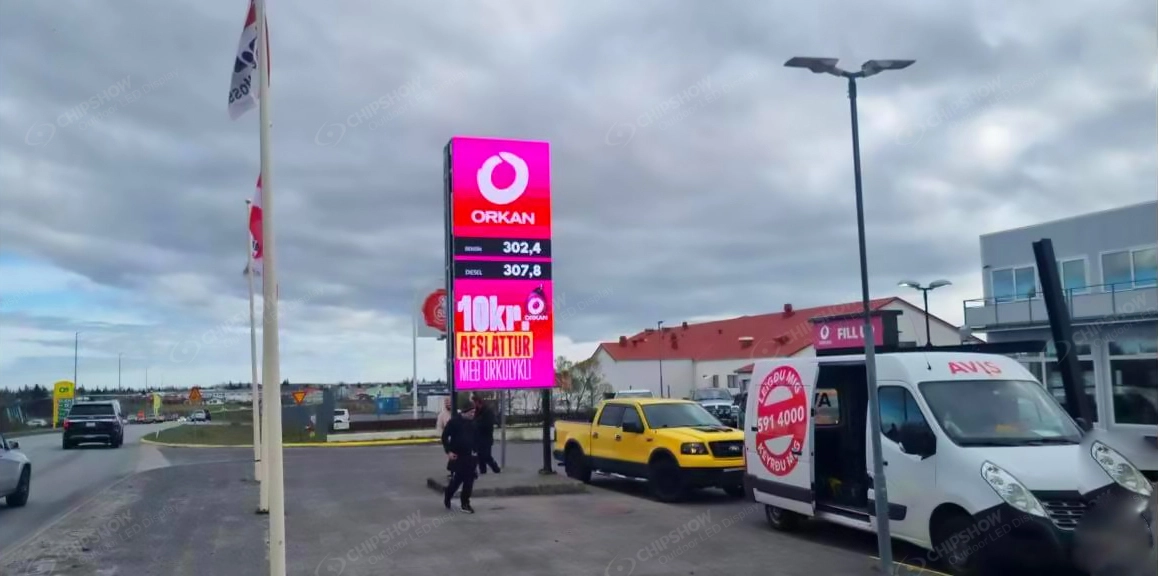
In the North American market, structural engineering budgets do not scale linearly with screen size. Instead, every additional pound per square foot triggers a costly chain reaction across your entire deployment workflow. Heavier display cabinets force upgrades to thicker structural steel, expand concrete foundation depth, require larger crane classes, increase hourly Union labor costs, and extend municipal engineering review windows.
To maximize asset utilization and avoid structural budget overruns, out-of-home (OOH) operators and general contractors must treat cabinet weight as a primary, high-priority technical specification.
Fulfill Your Local Structural Codes & Pass Code Enforcement Seamlessly
Bypass administrative bottlenecks and ensure your display modules satisfy local code criteria. Download our certified safety documentation directly from our US engineering headquarters before finalizing your structural plans:
[Download: C-Smart Outdoor LED Display panel Official Intertek ETL Safety Certificate ]
[Download: P4-P16 High-Performance Series Official UL94 V-0 Fire Safety Test Report ]
The Structural Chain Reaction: How Mass Inflates CapEx
Cabinet dead load impacts every single phase of an installation, altering structural math from the initial foundation excavation to the final crane lift.
Monopoles, I-Beams, and Foundation Tonnage
The steel support structure represents one of the largest single capital expenditures in a permanentled led screen outdoor deployment. Depending on the size of the array and the local wind-load requirements (such as ASCE 7 hazard standards), engineering steel fabrication and foundations can cost anywhere from $25,000 to over $100,000.
The structural requirements for a standard 14×48 ft. standard bulletin billboard (672 sq ft) change drastically based on the weight class of the cabinet:
Legacy Steel Cabinet Infrastructure (8.2 to 12.3 lbs/sq ft): Demands heavy-gauge structural steel support columns, extensive cross-bracing channels, deeper concrete foundations with expanded rebar reinforcement, and extra anchor bolts to resist physical dead-weight stress during high-wind events.
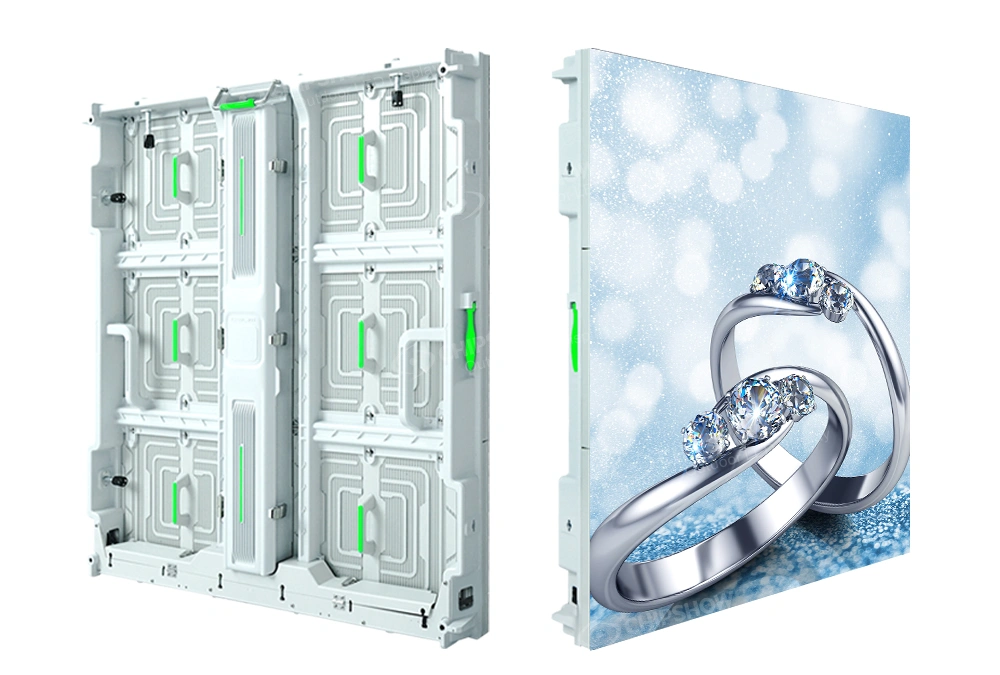
Lightweight Magnesium or Aluminum Frame Engineering (5.1 to 7.2 lbs/sq ft): Reduces total static load by up to 3,000 lbs across a standard 672 sq ft bulletin display. Lowering structural mass allows engineers to down-spec the required steel thickness and concrete footprint cleanly, saving substantial structural fabrication and material costs.
| 14×48 FT. BULLETIN (672 SQ FT) STATIC DEAD LOAD | |
| Legacy Steel Configurations(8.2 – 12.3 lbs/sq ft) Total Weight: ~7,200 lbs | Magnesium Alloy Platforms(5.1 – 7.2 lbs/sq ft)Total Weight: ~4,200 lbs |
| Requires: Heavy steel columns, deeper concrete foundations | Saves: ~3,000 lbs of dead mass, lighter framework, lower CapEx |
Furthermore, projects involving exterior building walls face tight load-bearing constraints. Lightweight drywall, aging concrete envelopes, or metal-stud storefront facades cannot support traditional heavy box cabinets. If the chosen display structure exceeds the wall’s pre-rated capacity, the scope expands to include intrusive structural reinforcement, adding weeks of labor delays and unexpected engineering fees before the first screen is mounted.
Logistics Overheads: Crane Rentals and Crew Optimization
In North American metropolitan areas, field logistics are heavily governed by equipment weight thresholds and structured labor regulations.
Navigating Crane Class Capacity Thresholds
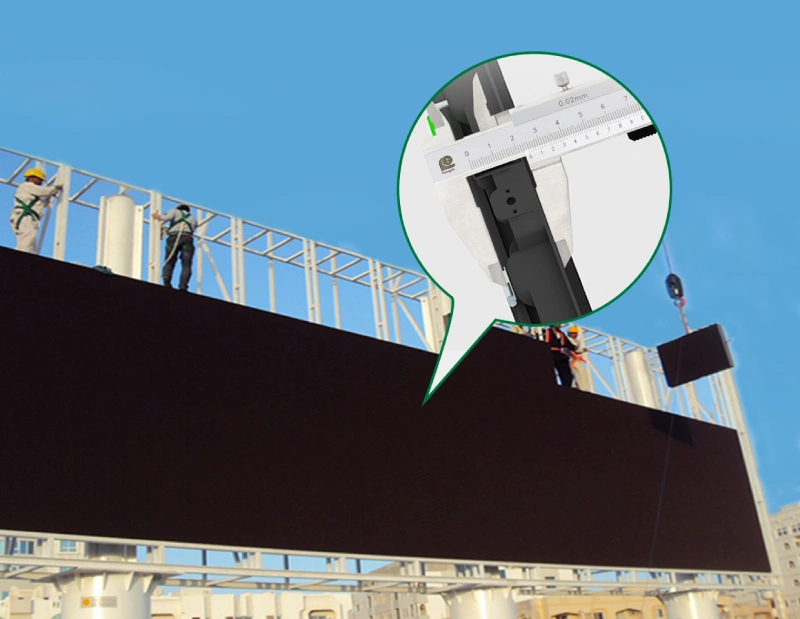
Mobile crane rental rates follow non-linear weight-and-reach capacity thresholds. Crossing an engineering weight limit doesn’t increase your equipment bill by a small margin; it can double or triple it by forcing a transition into a completely different equipment class:
Total Array Mass under 1,760 lbs (~800 kg): Can be safely hoisted using standard, widely available mobile boom trucks or compact hydraulic cranes, averaging $1,500 to $2,500 per day.
Total Array Mass exceeding 5,500 lbs (~2,500 kg): Demands high-capacity all-terrain telescopic cranes, scaling day rates to $4,000 to $8,000+ due to specialized setup, counterweight transport, and city street-blocking permit demands.
Heavier panels also slow down the hoisting rhythm, requiring slower, high-precision maneuvers to prevent structural damage, which drives up equipment standby fees and rigger hours.
Union Labor Billing and Crew Scaling Workflows
Licensed commercial installers and high-altitude riggers in major US tech and media corridors typically command $75 to $150 per hour, with Union Labor premiums in West Coast and Northeast markets running significantly above that baseline. Cabinet weight directly influences the manual crew footprint required on the scaffolding:
Under 22 lbs (~10 kg) per Cabinet: A standard, streamlined two-person crew can safely align, mount, and connect modules without fatigue.
Above 55 lbs (~25 kg) per Cabinet: Standard handling practices require additional manual handlers or dedicated mechanical lift assistance to mitigate physical workplace liability and lifting injuries. In practice, site supervisors scale up to a minimum four-person crew to handle heavy boxes safely at height.
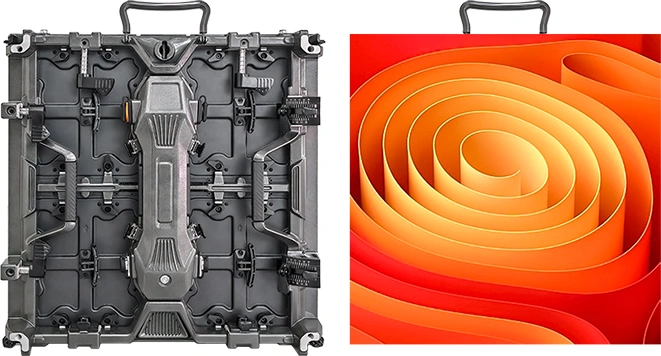
Advanced magnesium alloy metallurgy has reduced compact-format cabinets to approximately 15.8 to 16.5 lbs (7.2 to 7.5 kg) per unit. At this lightweight tier, single-technician handling becomes highly practical for lower-height storefront signboards, storefront canopies, or public information pylons, cutting on-site installation labor costs significantly.
Permitting Barriers, PE Stamped Drawings, and ADA Mandates
Navigating municipal building departments and securing local zoning approvals represents a significant bottleneck for any permanent outdoor DOOH deployment.
The Cost of PE Stamped Structural Reviews
In most North American jurisdictions, any digital display installation exceeding defined weight and wind boundaries requires PE (Professional Engineer) stamped structural drawings before a local building permit is issued. Typical administrative variables include:
PE Engineering Reviews: $2,000 to $5,000 per project location.
Municipal Permit & Inspection Fees: $400 to $2,500.
Heavy Installation Friction: Design review board hearings, mandatory public comment windows, and structural safety inspections.
Lighter signs that stay comfortably within a building facade’s pre-approved structural dead-load envelope frequently qualify for simplified, fast-track permitting pathways, saving thousands in administrative costs and bypassing weeks of localized regulatory delays.
Pedestrian Protrusion Limits and the ADA Mandate
For street-level advertising walls, shopping center paths, or urban transit corridor screens, installations must comply strictly with ADA (Americans with Disabilities Act) guidelines. ADA section 4.4.1 mandates that any public display mounted between 27 inches and 80 inches from the floor must not protrude more than 4 inches into pedestrian pathways.
| ADA SECTION 4.4.1 COMPLIANCE | |
| Max Permissible Wall Protrusion: 4 Inches (for low-height signs) | |
| Legacy Rear-Service Boxes:Requires 24-36 inch backspace,easily violates ADA mandate. | Slim Front-Service Modules: Mounts flat on slim frame, satisfies 4-inch ADA rule. |
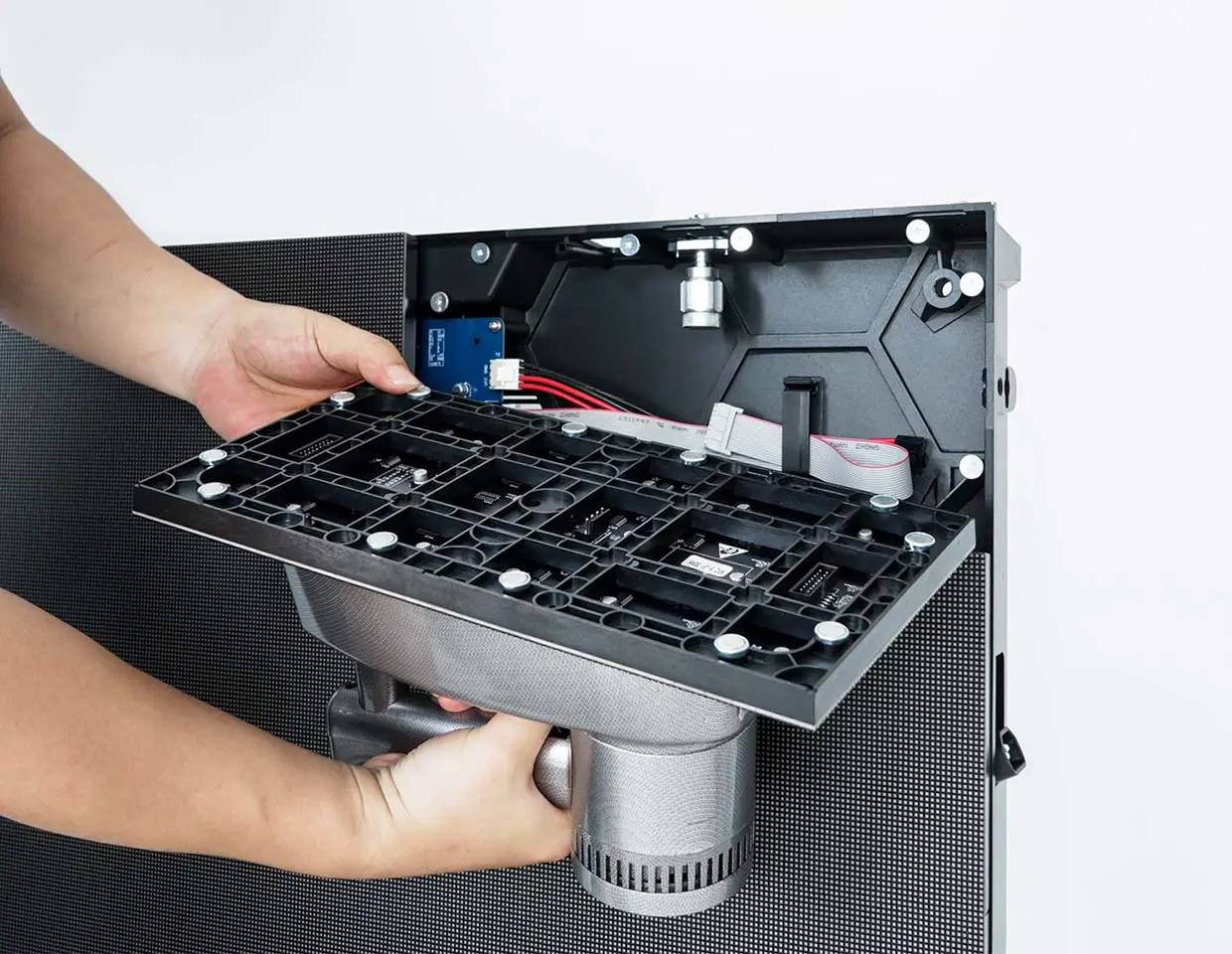
Legacy rear-service cabinets require deep, heavy steel frames to allow 24 to 36 inches of permanent rear technician clearance, easily violating the 4-inch restriction unless expensive structural wall recessing is constructed. Front-service, architectural platforms with quick-release or magnetic modules mount directly flush against wall structures, satisfying strict ADA metrics natively with minimal framework mass.
Core Materials Engineering: Steel vs. Aluminum vs. Magnesium Alloy
A truly optimized lightweight cabinet must provide structural mass reduction without sacrificing structural rigidity, passive thermal cooling, or robust environmental protection.
| Enclosure Core Material | Typical Mass per Square Foot | Corrosion Resistance Profile | Structural Impact & TCO |
| Galvanized Steel | 8.2 to 12.3 lbs/sq ft | Moderate (Prone to rust if external zinc layer scratches) | High static dead load; requires heavy support frameworks; lowest initial panel CapEx. |
| Die-Cast Aluminum | 5.5 to 7.8 lbs/sq ft | High (Resists environmental road moisture) | Medium weight class; stable component thermal dissipation; balanced installation profile. |
| Magnesium Alloy | 4.7 to 6.1 lbs/sq ft | High (Excellent resistance to marine salt air) | Premium weight reduction; exceptional strength-to-weight ratio; minimizes installation labor. |
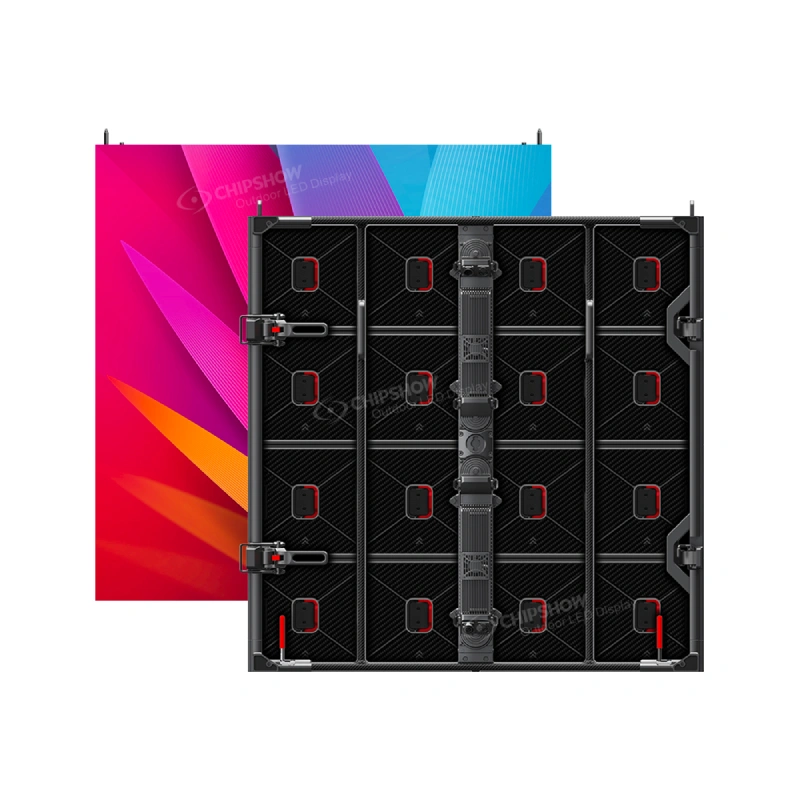
Traditional steel remains common for ultra-large billboards where raw hardware panel pricing is prioritized. However, the comprehensive mass reduction achieved through die-cast aluminum or magnesium alloy structural frames delivers cumulative financial roll-down savings across your entire deployment chain. A standard 960×960 mm magnesium alloy cabinet saves up to 33 lbs (15 kg) of mass per unit compared to a legacy steel box, changing how integrators structure installation logistics.
Financial Comparison: Heavy Steel vs. Lightweight Magnesium
The financial cost breakdown below demonstrates how cabinet mass shifts your real-world installation expenditures for a standard 540 sq ft (50 m²) urban facade or rooftop display under typical North American commercial cost structures:
| Project Cost Variable | Legacy Steel Cabinet (~10.2 lbs/sq ft) | Magnesium Alloy / Slim Aluminum (~5.5 lbs/sq ft) |
| Structural Steel Support Column & Framing | $45,000 to $65,000 | $28,000 to $40,000 |
| Mobile Crane Rental & Street-Blocking Permits | $8,000 to $12,000 | $3,000 to $5,000 |
| Union Installation Crew Labor (3-Day Cycle) | $8,600 to $11,500 | $3,400 to $5,800 |
| PE Stamped Structural Review & Permits | $3,500 to $5,000 | $1,500 to $2,500 |
| Domestic US Shipping (LTL / Flatbed) | $4,200 to $5,500 | $3,000 to $4,000 |
| Estimated Installation Total (CapEx) | $69,300 to $99,000 | $38,900 to $57,300 |
The initial upfront panel cost gap between entry-level steel and premium magnesium alloy is routinely offset by the immediate savings achieved in structural steel tonnage, installation crew sizing, and crane classes before the display delivers its first commercial ad loop.
Operational Velocity and Long-Term Maintenance Savings
For DOOH network operators, every day spent navigating on-site civil engineering delays is a day of lost advertising revenue. Standardizing your network on lightweight 960×960 mm platforms accelerates your deployment timeline, allowing workflows to shift from structure assembly to active testing smoothly.
| TASK-LEVEL MAINTENANCE WORKFLOW | |
| Standard Heavy Cabinet | Lightweight Modular System |
| Task: Remove full panelMass: 88 lbs+ per unit Requires: Crane or boom liftCrew: 2+ Certified Technicians | Task: Swap independent moduleMass: 6 to 17 lbs per sectionRequires: Standard hand toolsCrew: 1 On-Site Technician |
Furthermore, over a 5 to 10-year asset lifespan, weight dictates your recurring maintenance expenses. Heavy legacy panels require a two-person crew for any intervention to adhere safely to high-altitude handling guidelines.
Conversely, lightweight, modular systems enable single-technician servicing from the front face, completely eliminating the need for a rear catwalk or heavy bucket truck rentals during routine diagnostic checks.
Leverage Domestic US Stock from Our California Warehouse
To bypass international shipping delays, eliminate long customs clearance windows, and optimize your overall structural expenditures, select from Chipshow’s lightweight, certified systems, available for rapid dispatch directly from our local North American logistics hub in California:
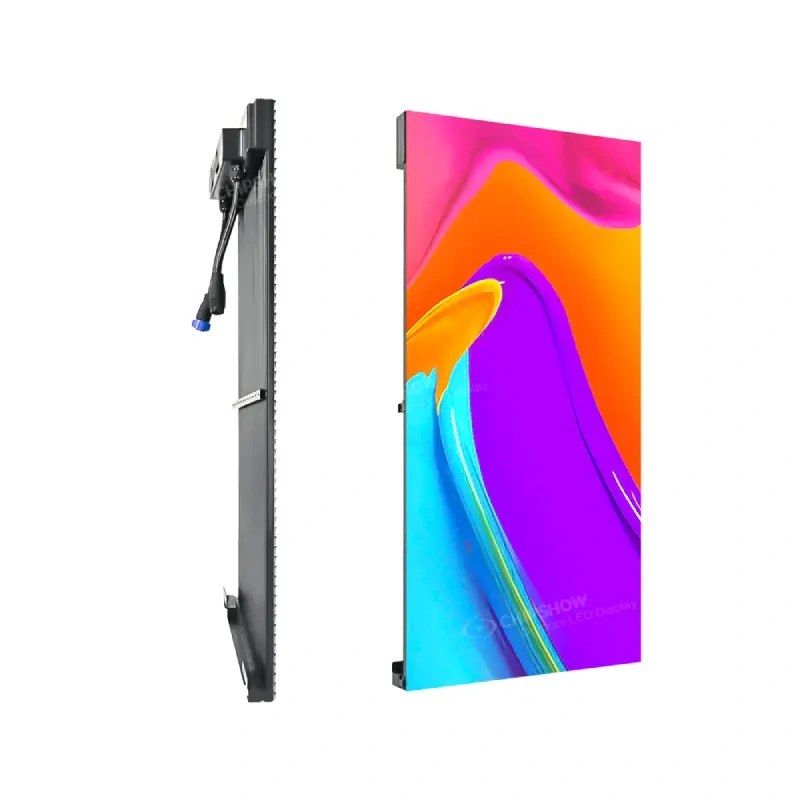
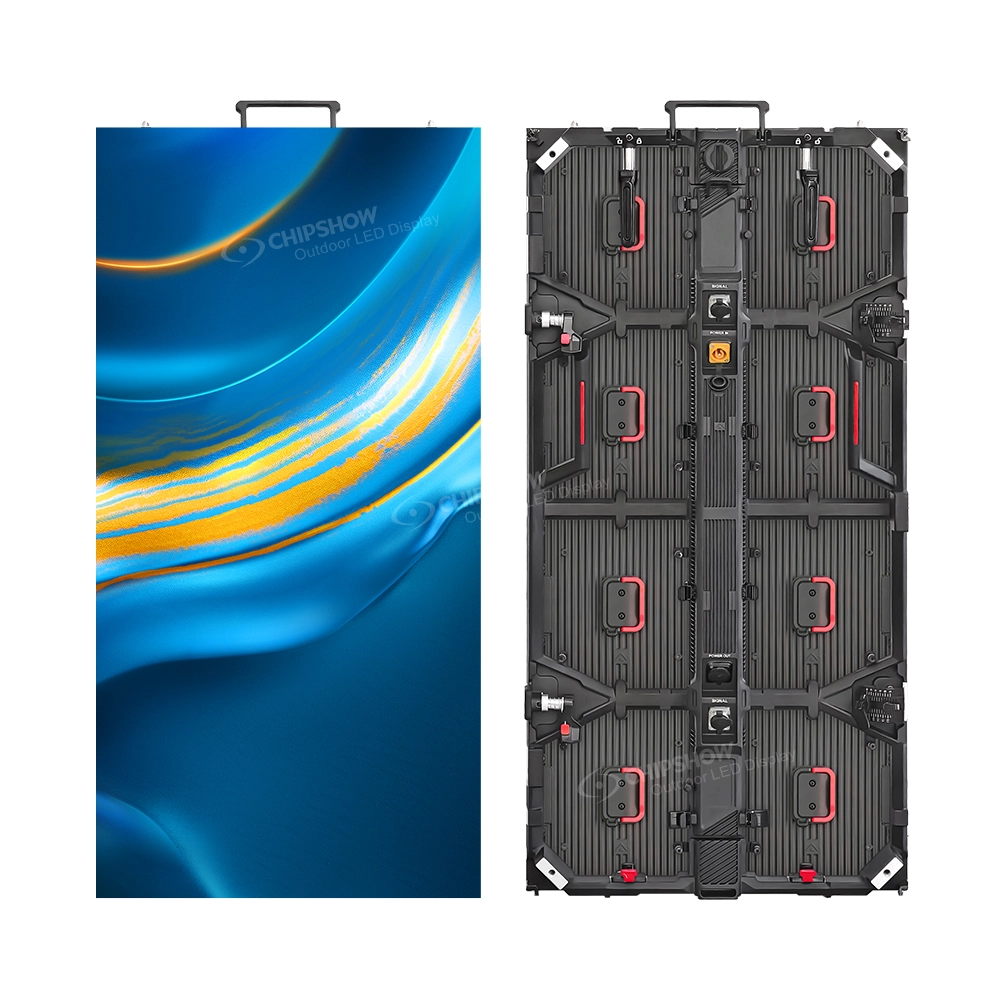
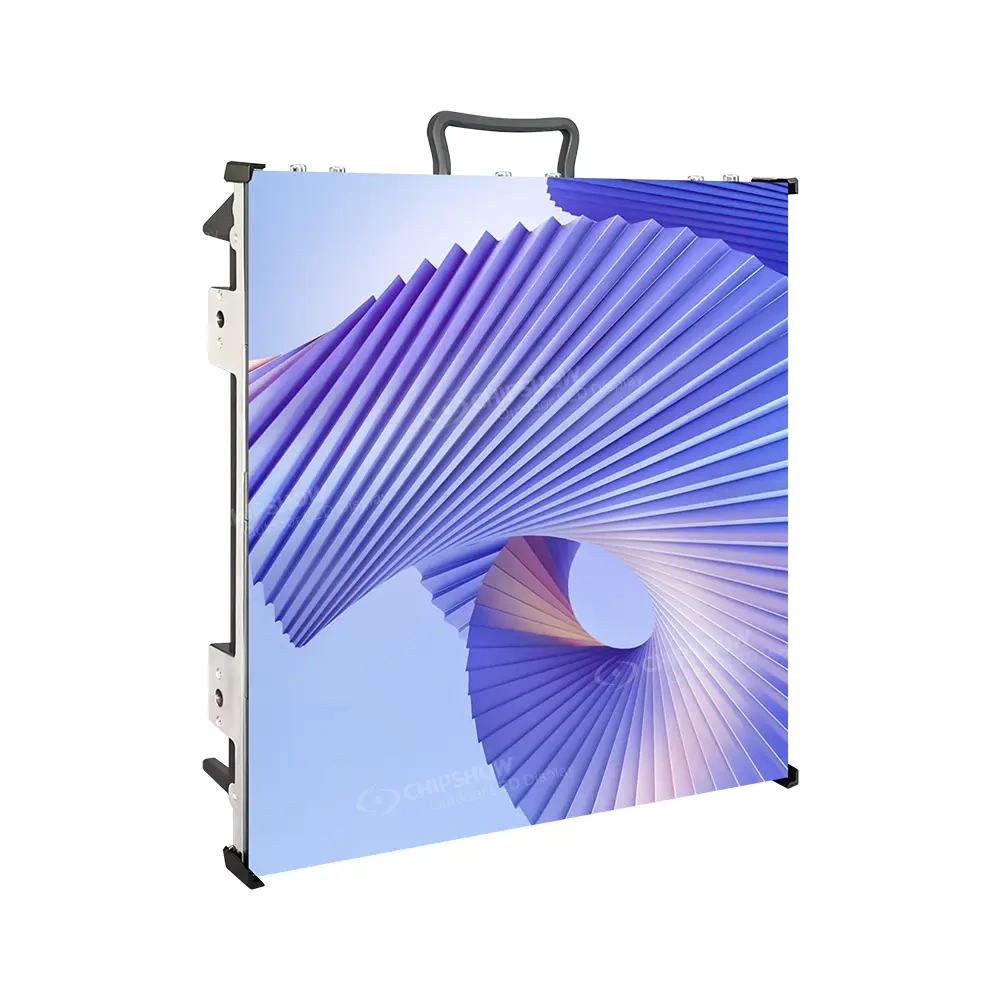
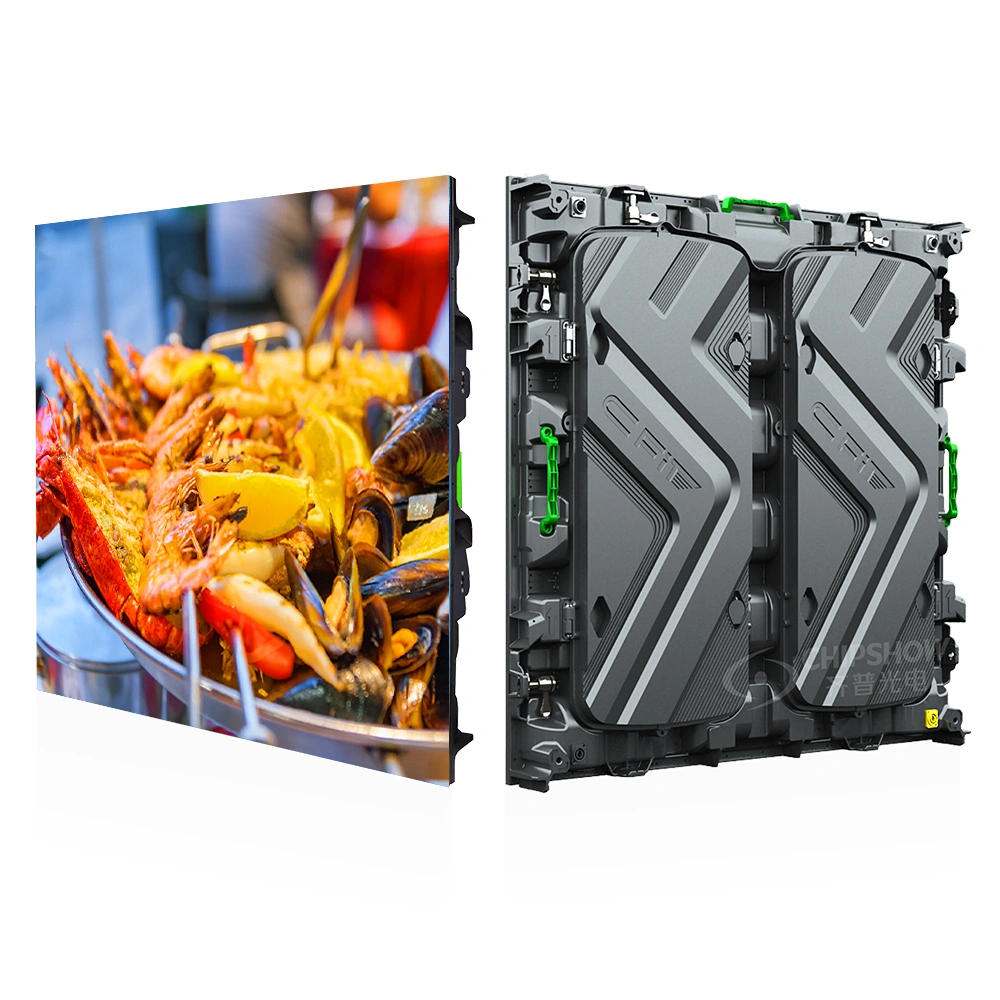
C-Fit-Easy led screen outdoor (P6.67 960×960 mm ): Our high-performance premium fixed outdoor platform. Engineered into an ultra-thin die-cast framework, it combines full front and rear service access with complete IP65 protection, providing consistent daylight legibility while lowering dead load on monopoles.
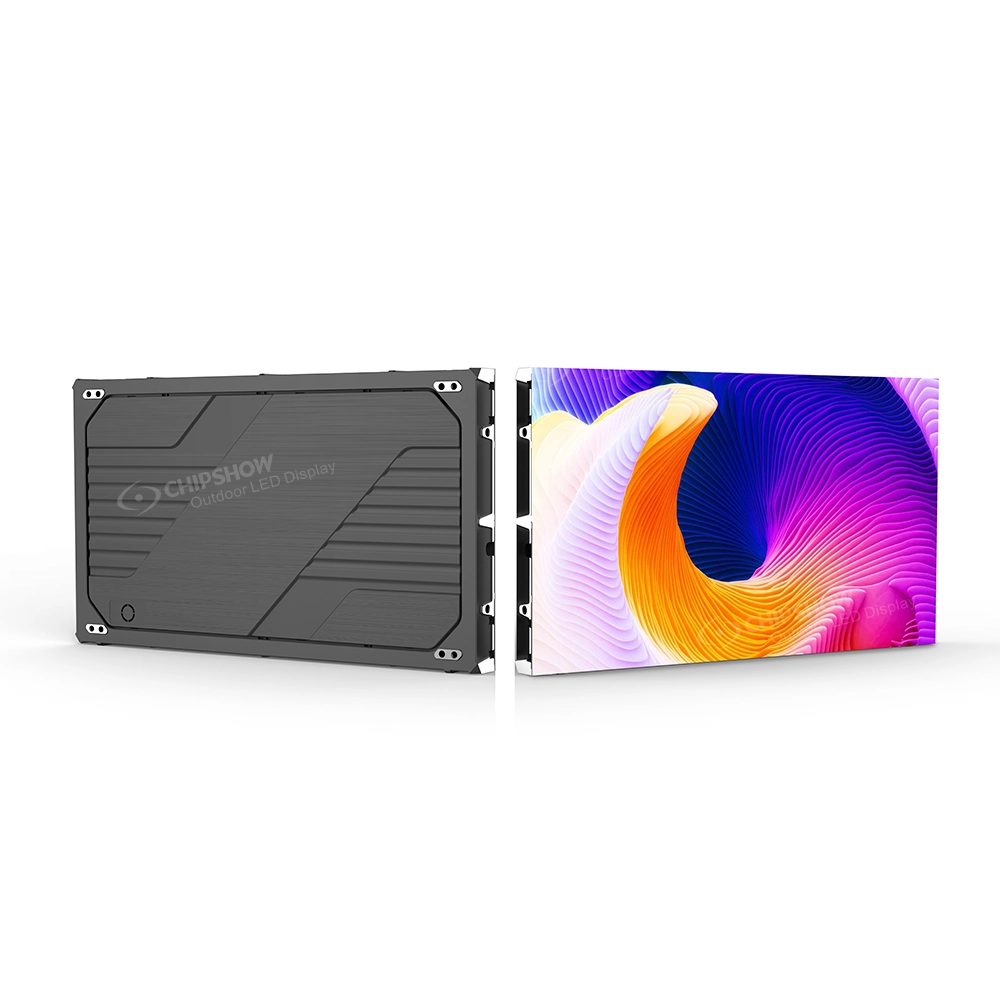
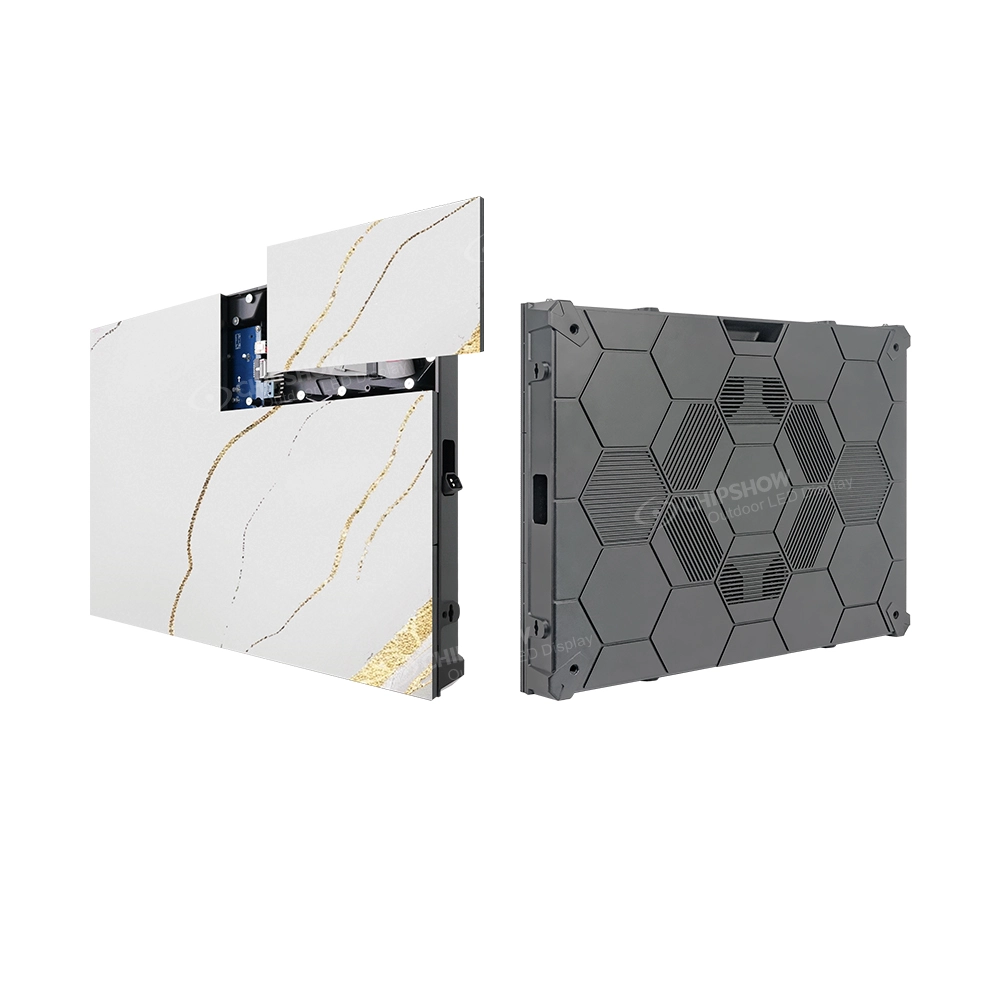
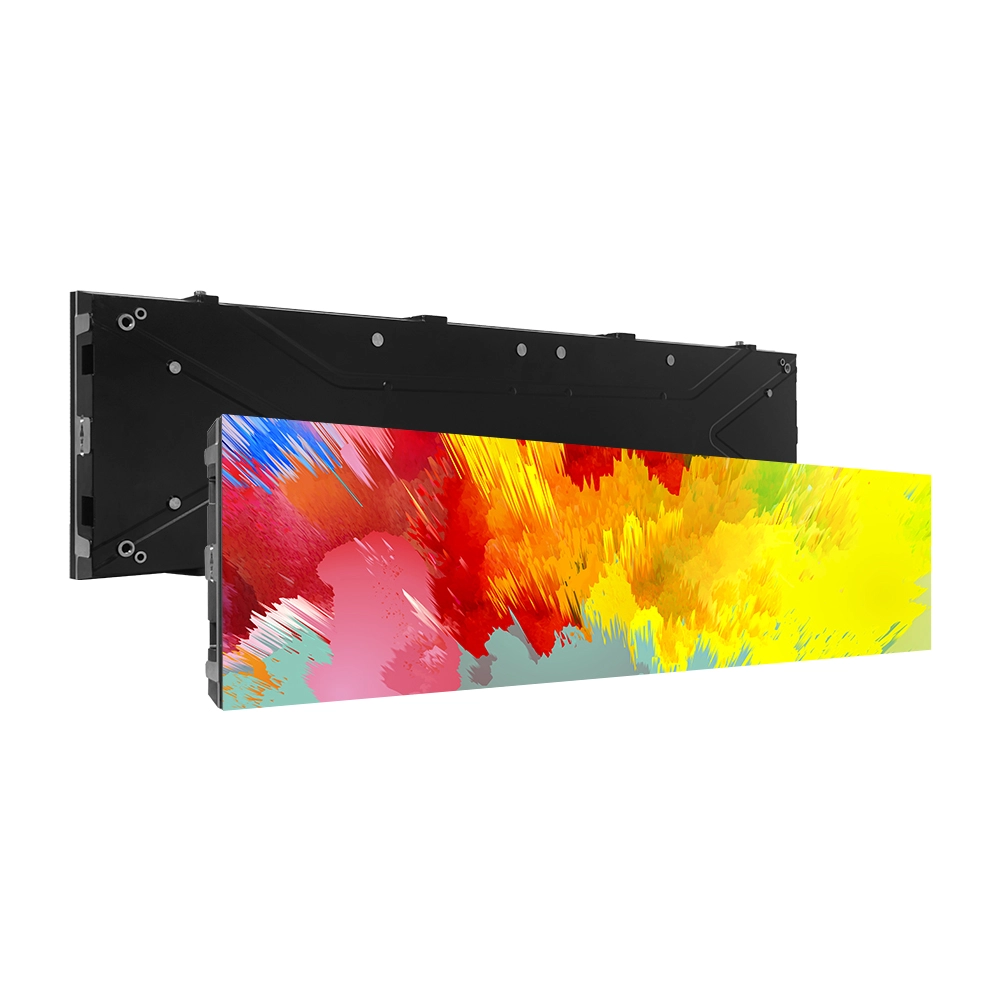
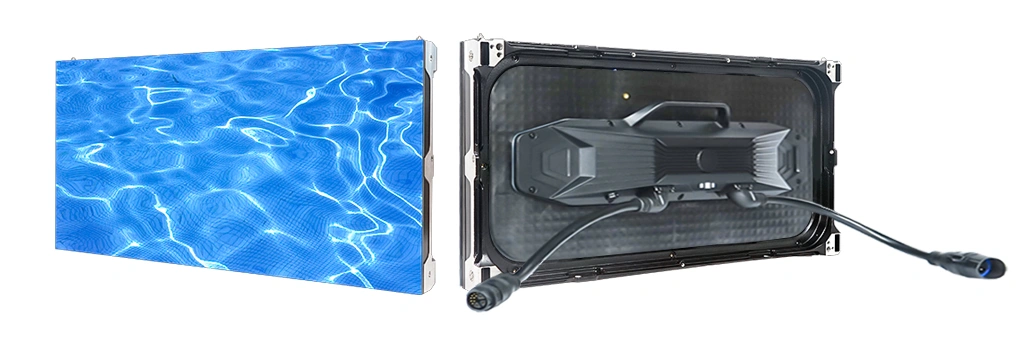
C-Smart led screen panels outdoor (P6.67 640×320 mm ): A cabinet-free solution designed to mount directly to slim brackets. Operating at ≤5.9 lbs/sq ft (≤29 kg/m²), it satisfies strict ADA pedestrian protrusion limits, simplifies PE engineering calculations, and is ETL Safety Listed for immediate permit clearance.
Ready to scope your sign? The USA LED sign selector walks through viewing distance, format and layout in one pass.