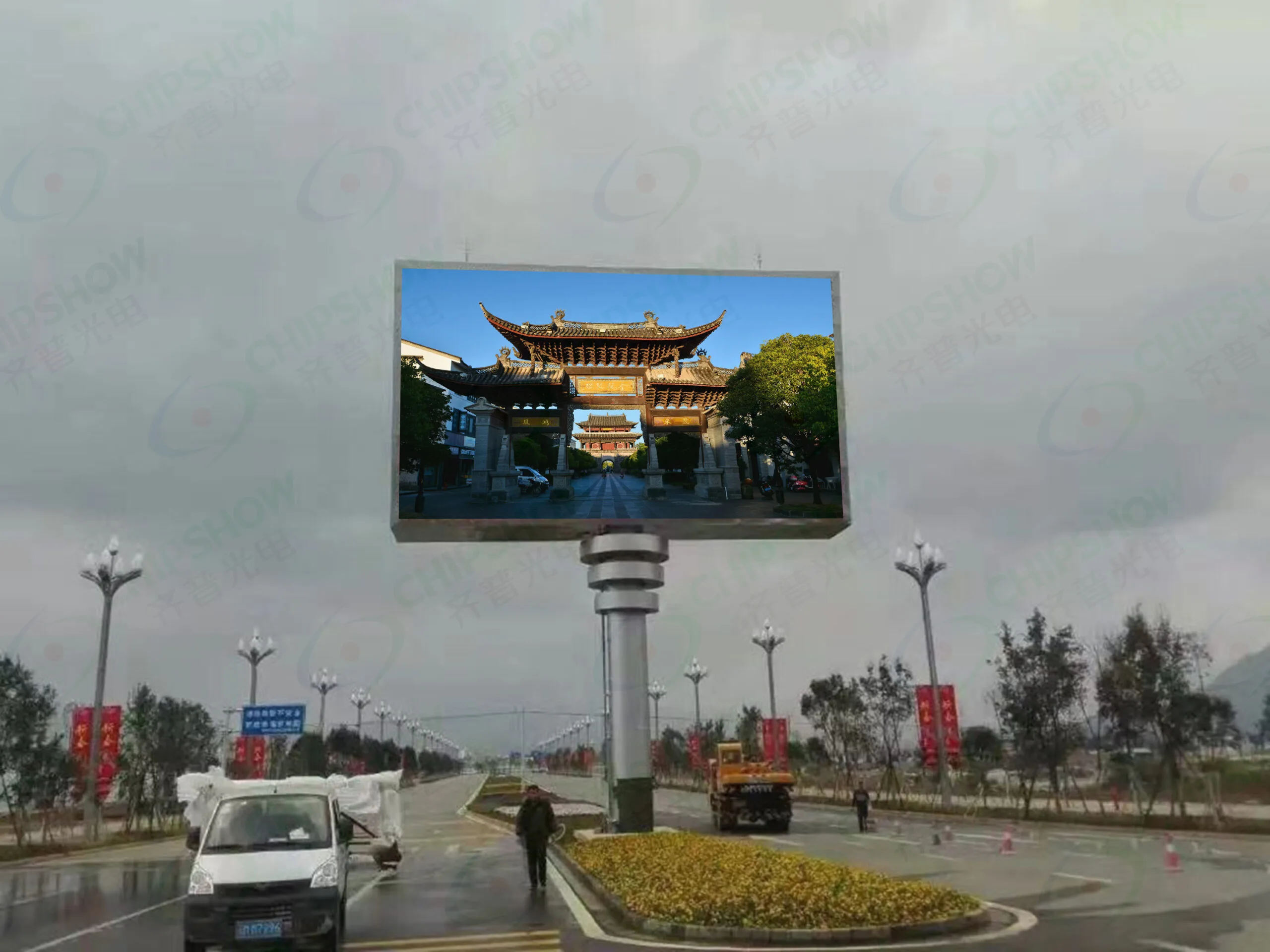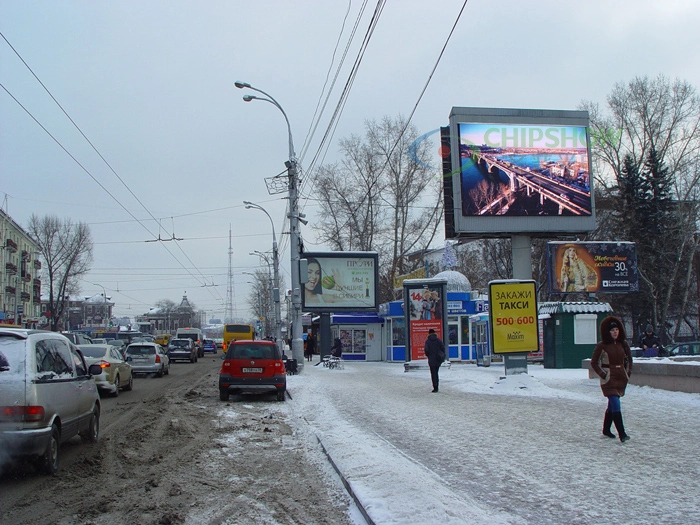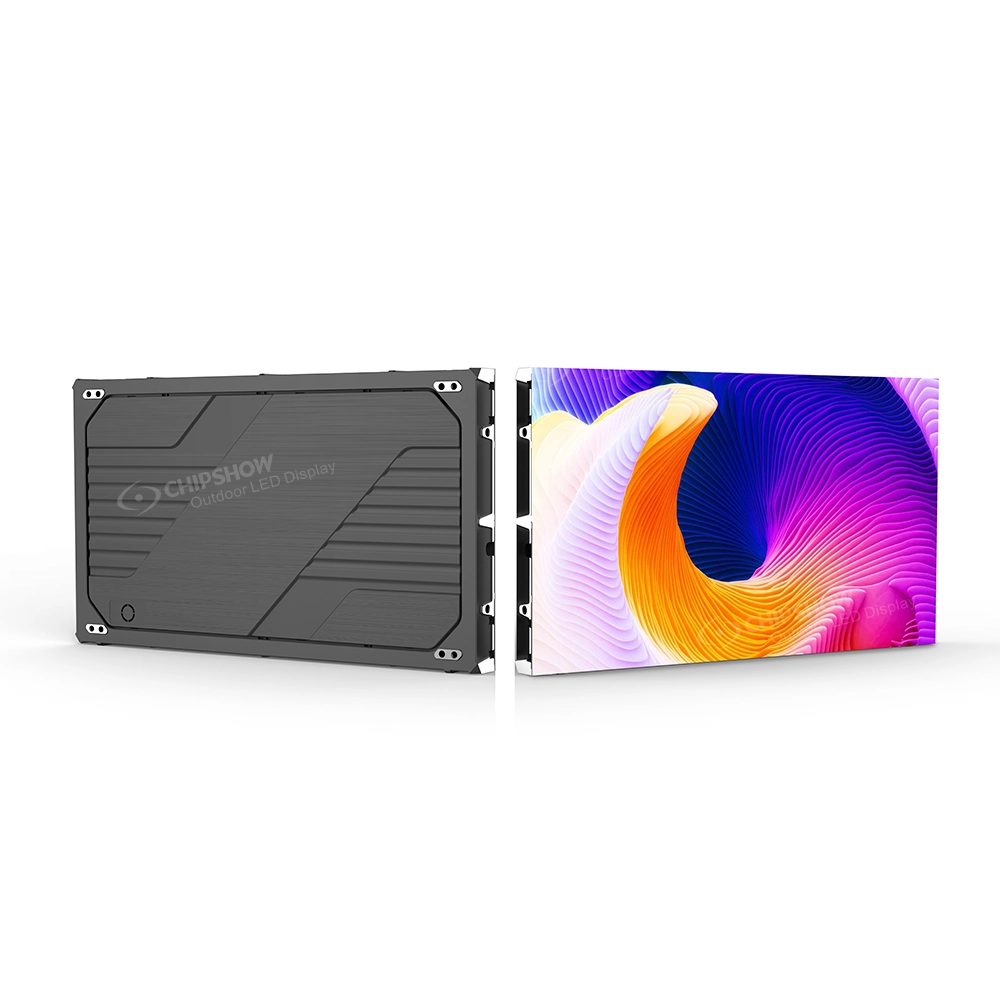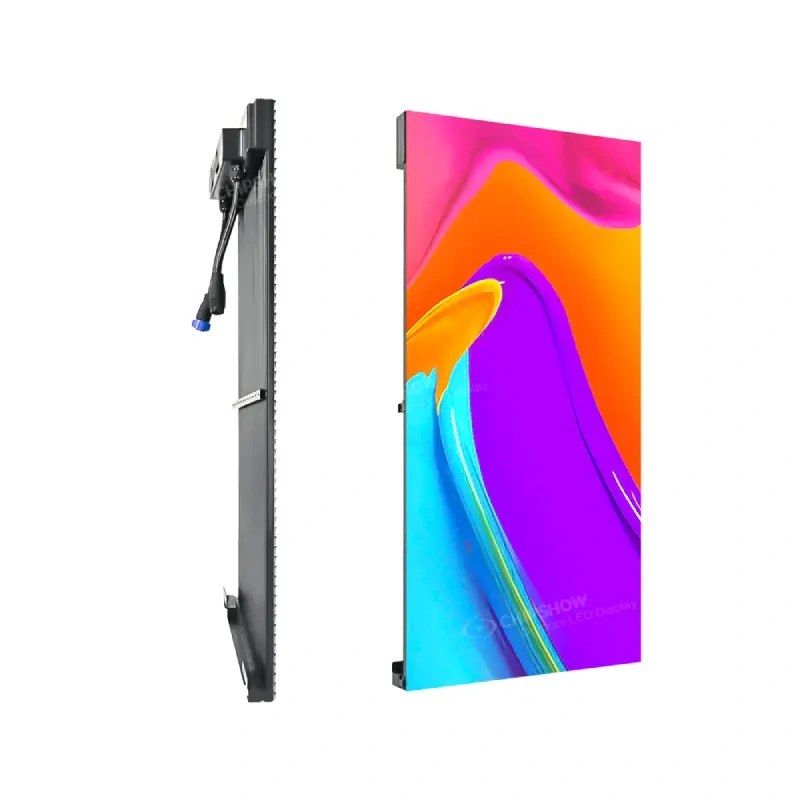
Pantallas gigantes exteriores a la venta en EE. UU.: Brillo, Resolución, Precio y Selección de Productos
Una pantalla LED exterior puede cumplir con su especificación de brillo, sobrevivir a la lluvia y aun así ser el hardware equivocado para el lugar.
Puedes adaptarlo a tu sitio en minutos con el Selector de señales LED: elige el visor más cercano, elige módulo inteligente o armario fijo, y guarda el diseño.
Eso suele ocurrir cuando el proyecto comienza con una especificación de producto en lugar del entorno de instalación. El comprador elige primero el ángulo de píxel más pequeño, el brillo más alto o el armario más barato, y luego intenta adaptar la estructura, el plan de mantenimiento y el presupuesto a su alrededor.
Para los compradores que buscan una pantalla gigante exterior para la venta en EE. UU., el pedido debería invertirse.
La distancia de visualización determina cuánta resolución puede usar realmente la audiencia. La orientación de la pantalla y el sol directo afectan al requisito de brillo. La exposición al viento y el acero existente influyen en la arquitectura mecánica. La altura de instalación y el acceso al servicio determinan si el mantenimiento rutinario sigue siendo manejable años después de que la pantalla esté en funcionamiento.
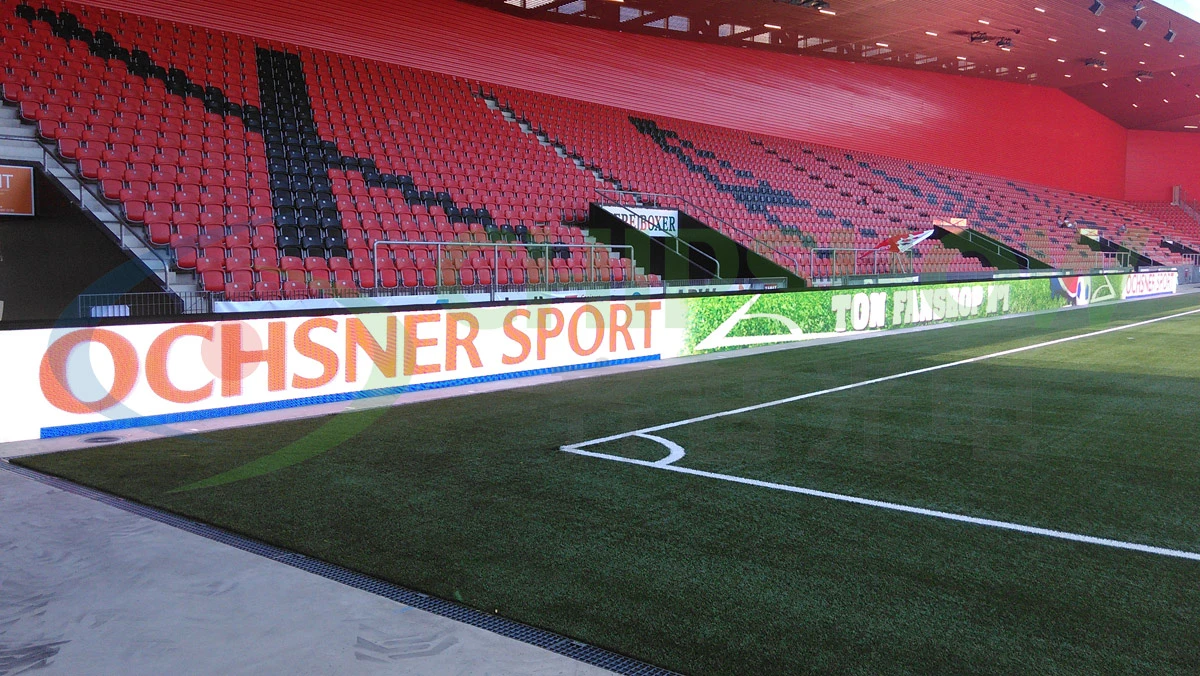
En esta guía, "jumbotron exterior" se refiere a LED fijo de gran formato para exteriores usados para DOOH, exteriores de edificios comerciales, publicidad en carretera y otras grandes pantallas públicas similares. El LED perimetral del estadio pertenece a una categoría separada de exhibición deportiva porque la continuidad de la retransmisión, la seguridad de los jugadores y las operaciones del recinto crean un requisito de ingeniería diferente.
Elige la arquitectura de hardware exterior alrededor del lugar antes de pagar por especificaciones que el lugar no necesita.
Chipshow apoya ese proceso de selección como fabricante en lugar de como contratista local de instalación. Nuestro portafolio de exteriores incluye arquitecturas modulares estandarizadas de armarios sólidos, ligeras y de alta luminosidad, ventiladas y sin armarios. Para proyectos norteamericanos, el hardware seleccionado también puede ser soportado a través del California Warehouse Hub cuando se dispone de la configuración y cantidad requeridas.
El objetivo no es encontrar un producto exterior que se adapte a cada proyecto. Consiste en seleccionar la plataforma Chipshow cuyo diseño mecánico y óptico se adapte a las condiciones que realmente enfrentará la pantalla.
Cinco riesgos que deberían impulsar una especificación de jumbotron exterior
El LED exterior es un activo industrial expuesto a condiciones que no existen dentro de una sala de conferencias o auditorio. Antes de comparar los precios de los armarios, evalúa cinco riesgos en el sitio que pueden cambiar de forma significativa la decisión del hardware.
Exposición directa al sol
El brillo comienza con la dirección.
Un muro comercial orientado al norte con sombra parcial no experimenta las mismas condiciones que una valla publicitaria al borde de la carretera orientada al oeste que recibe un fuerte sol por la tarde. Los reflejos de los edificios, el cielo abierto, las estructuras circundantes y las horas en que la pantalla tiene su mayor valor publicitario también afectan a la visibilidad.
Documenta la orientación de la pantalla y los periodos en que la luz solar directa llega a la cara de la pantalla antes de establecer el objetivo de brillo.
Para un operador de DOOH, la pregunta comercial es sencilla: ¿pueden los conductores, compradores o peatones leer el mensaje durante las horas que importan?
Más brillo no es automáticamente mejor. El exceso de salida puede aumentar la demanda de energía y puede causar problemas después del atardecer si el sistema no gestiona adecuadamente la luminancia. Las ordenanzas de señalización local también pueden restringir el brillo nocturno.
Por tanto, una especificación útil para exteriores considera la visibilidad diurna y el control del brillo juntos.
Lluvia, polvo y exposición estacional
"Calificado para exteriores" no es lo suficientemente preciso para una presentación de proyecto.
El integrador debe verificar la protección ambiental de la configuración exacta del hardware y entender si la protección delantera y trasera difiere.
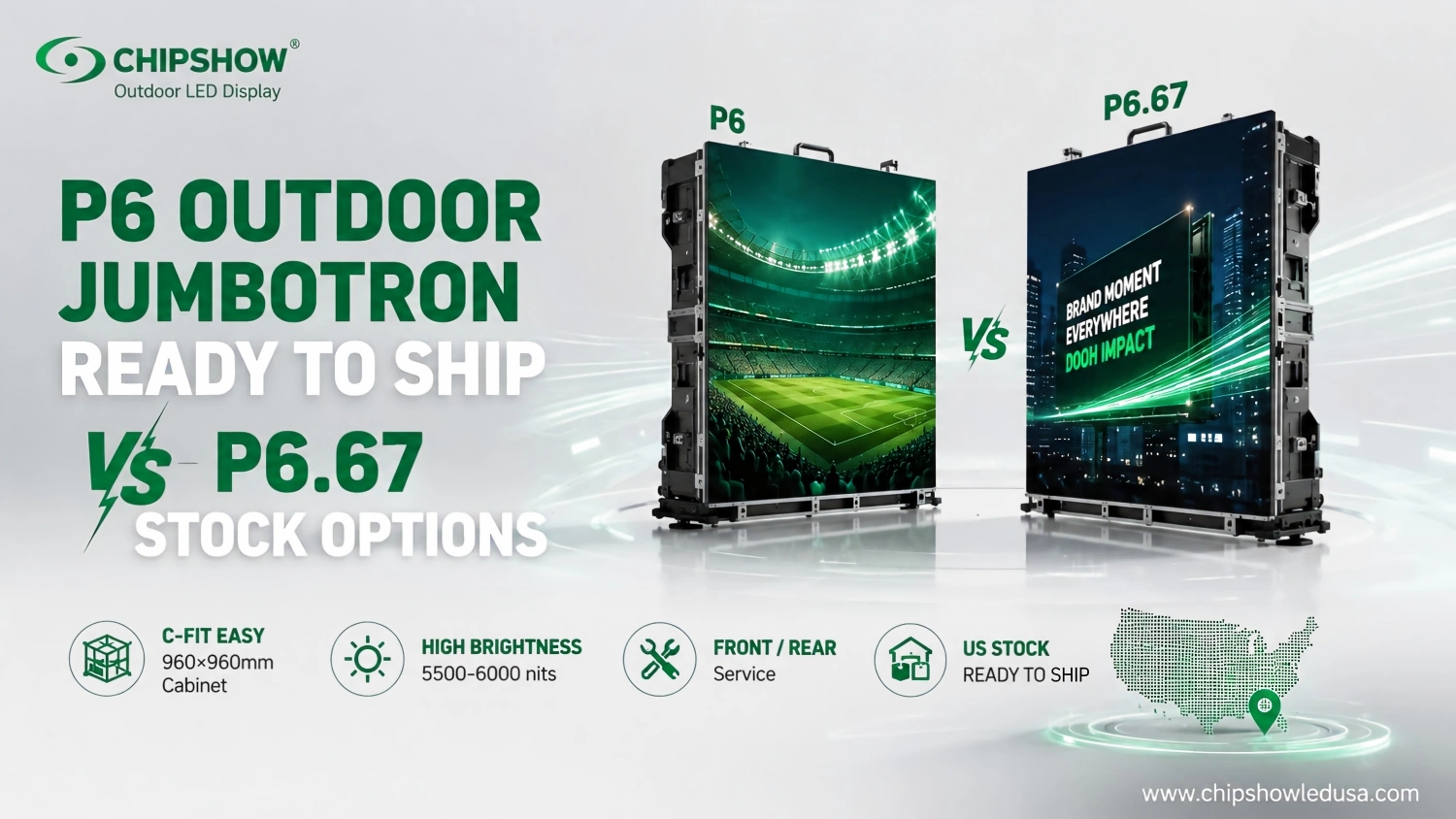
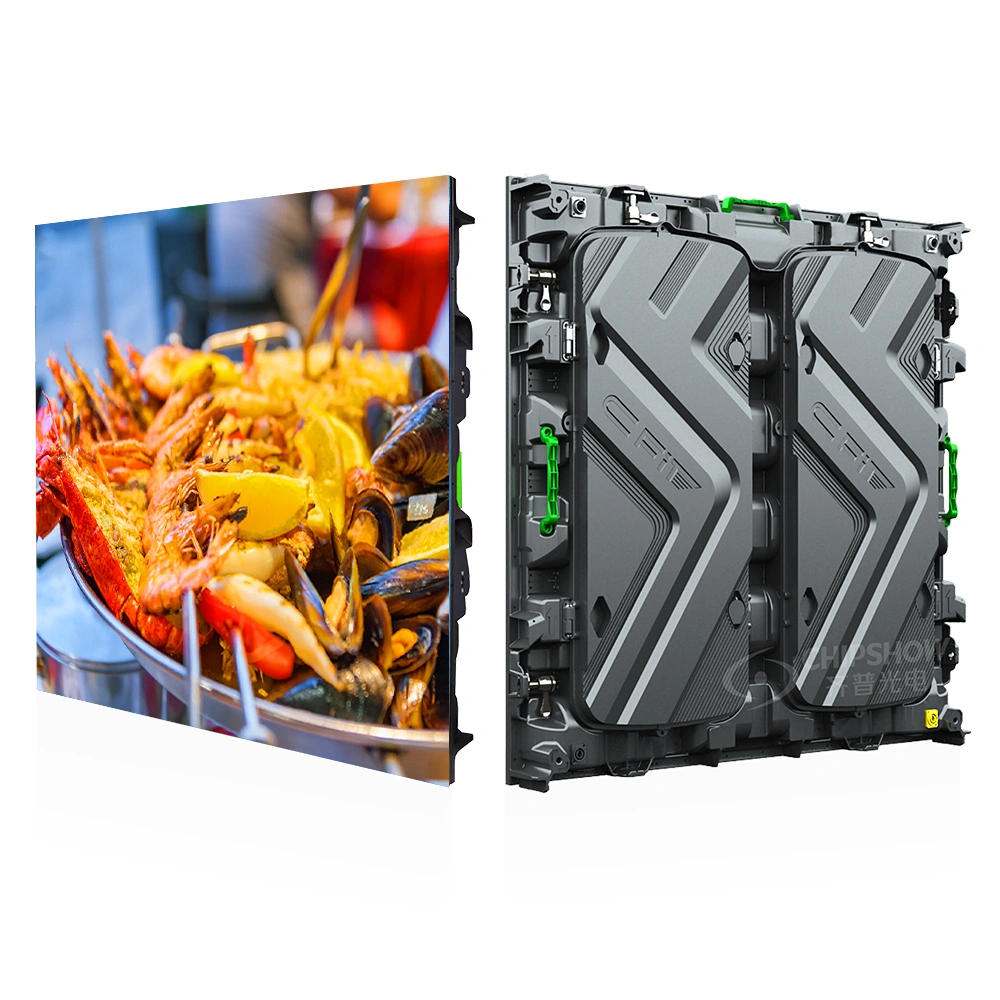
Por ejemplo, el C-Fit Easy P6.67 está actualmente especificado con protección IP65 en la parte delantera e iPhone 54 en la trasera. Esa distinción importa si la parte trasera de la pantalla permanece completamente expuesta en lugar de protegida por una pared o un recinto.
El clima también va más allá de la lluvia. Las instalaciones costeras pueden soportar sal y humedad. Los proyectos en el desierto combinan polvo con calor extremo. Los sitios del norte experimentan ciclos de helada y deshielo y precipitaciones invernales.
La especificación seleccionada del producto debería reflejar el entorno real en lugar de una suposición genérica de que cada familia de LEDs exteriores ofrece una protección idéntica.
Exposición al viento
Las grandes exposiciones exteriores pueden generar cargas estructurales considerables.
La altura de montaje, las dimensiones de la pantalla, la ubicación geográfica y el porcentaje de superficie sólida expuesta al viento afectan al diseño estructural.
Para algunos sitios, un armario sólido convencional sigue siendo la opción más práctica. En otros proyectos, una arquitectura abierta o ventilada puede ofrecer al ingeniero estructural otra forma de gestionar la superficie de visualización.
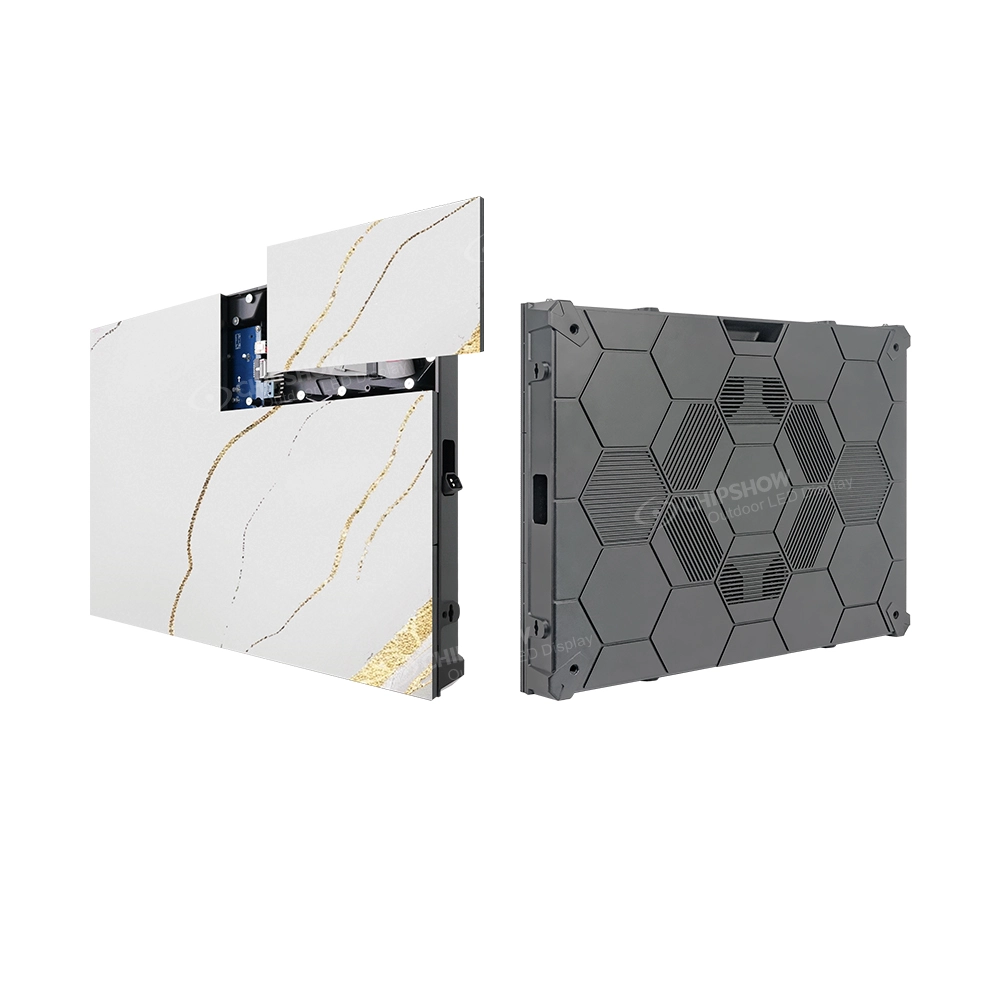
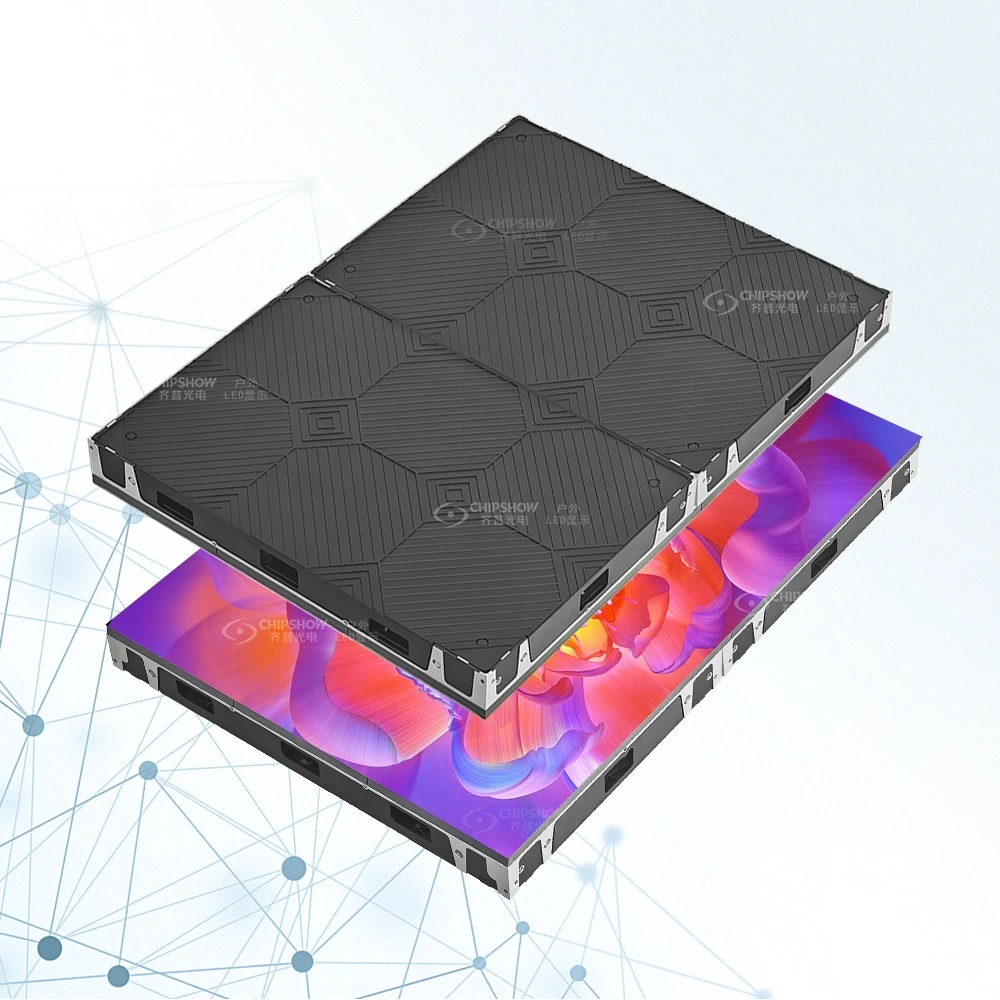
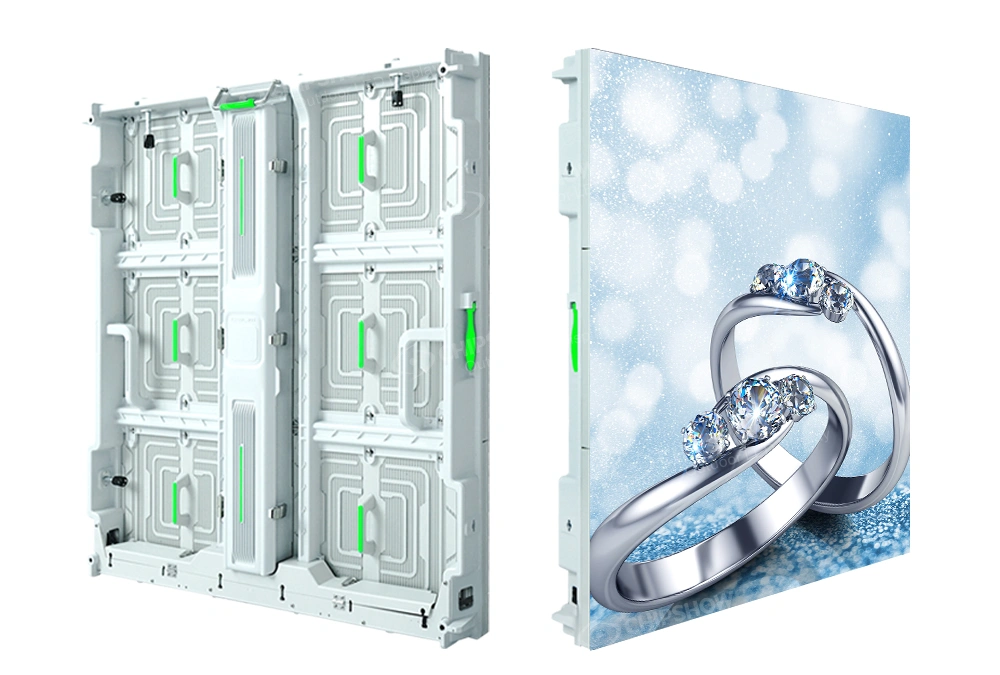
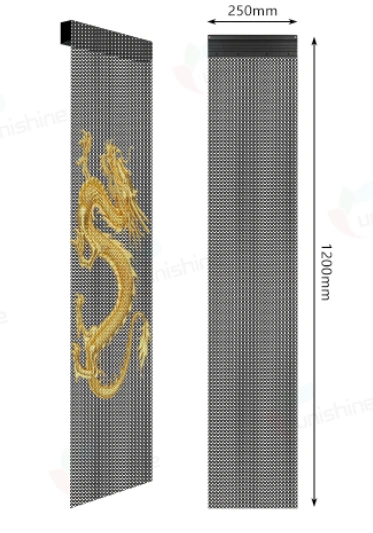
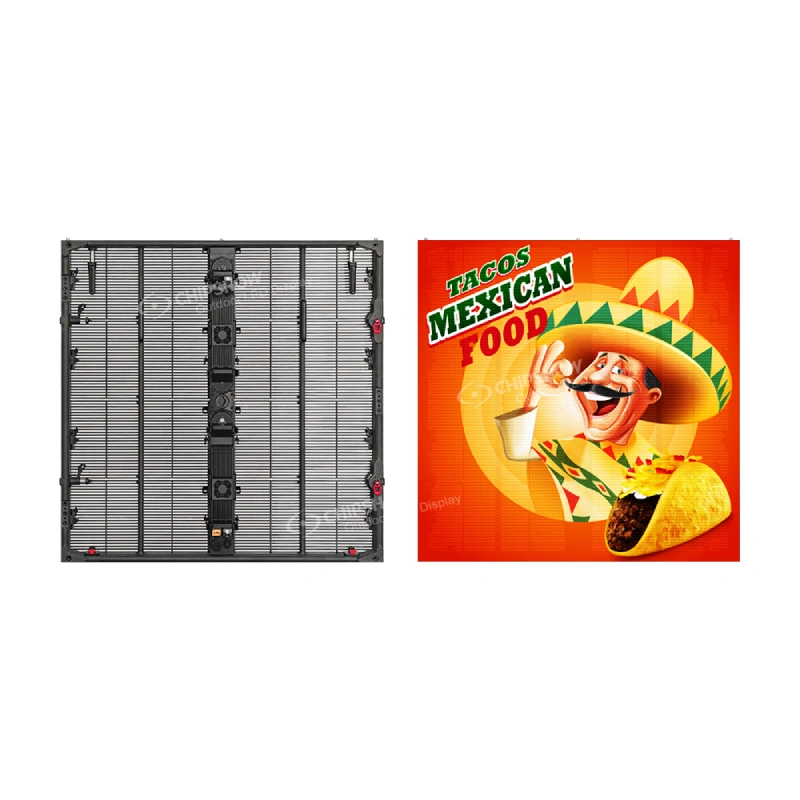
C-Vent está diseñado en torno a este segundo enfoque. La información actual de productos en Norteamérica indica una apertura ventilada del 25%–63% según la configuración, con un peso que comienza en torno a 10,7 kg/m².
Esas cifras no sustituyen los cálculos de ingeniería específicos de cada proyecto. Explican por qué una plataforma ventilada puede merecer consideración cuando una fachada o valla publicitaria muy grande genera importantes preocupaciones por viento y carga muerta.
El ingeniero estructural sigue determinando las cargas permitidas, los accesorios y el acero de soporte para el lugar real.
Acero y peso de herrajes
El peso de la malla y el acero deben evaluarse juntos.
Desde el principio se puede diseñar una nueva valla publicitaria apoyada en tierra alrededor de la pantalla seleccionada. Un proyecto de reforma puede tener una restricción muy diferente: el propietario puede querer conservar un poste existente, un recinto o un anexo de edificio.
En ese caso, una masa adicional en la pantalla puede llevar a un refuerzo o rediseño.
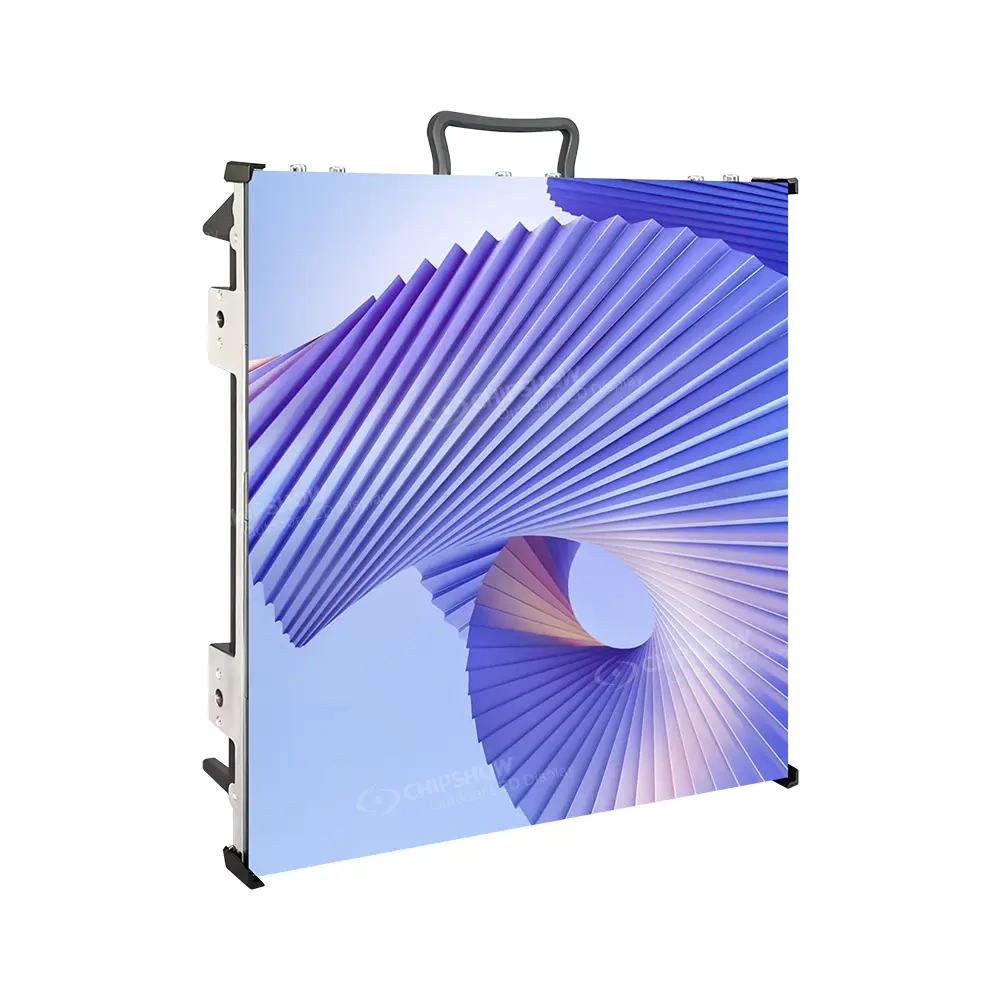
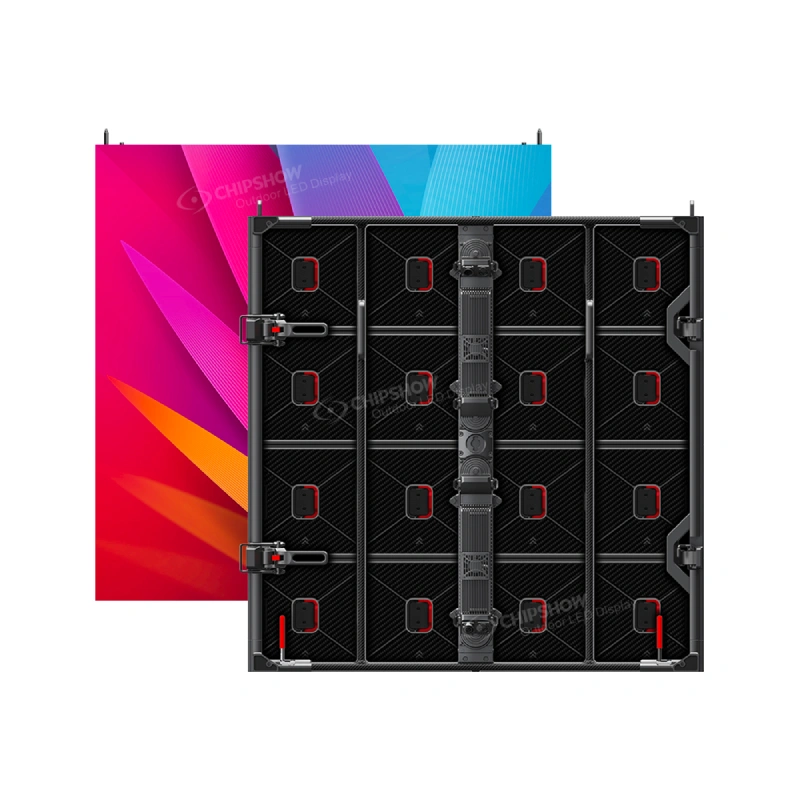
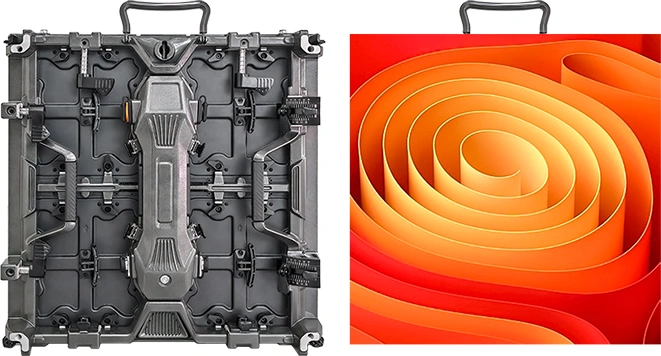
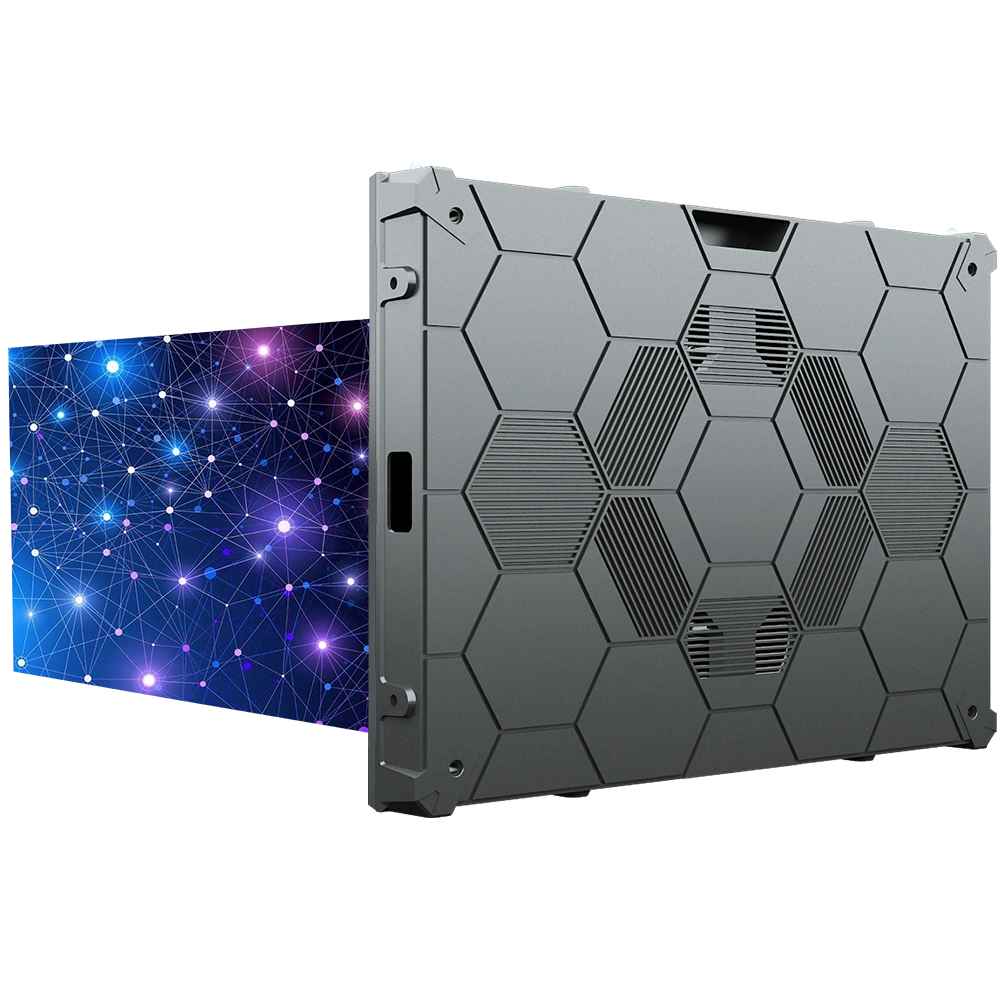
C-Slim utiliza una arquitectura ligera de magnesio, con la actual plataforma de 960 × 960 mm listada en aproximadamente 55 lb (25 kg). Para pantallas grandes, reducir la masa de los armarios puede facilitar el manejo y dar a los ingenieros estructurales mayor flexibilidad a la hora de evaluar el sistema de soporte.
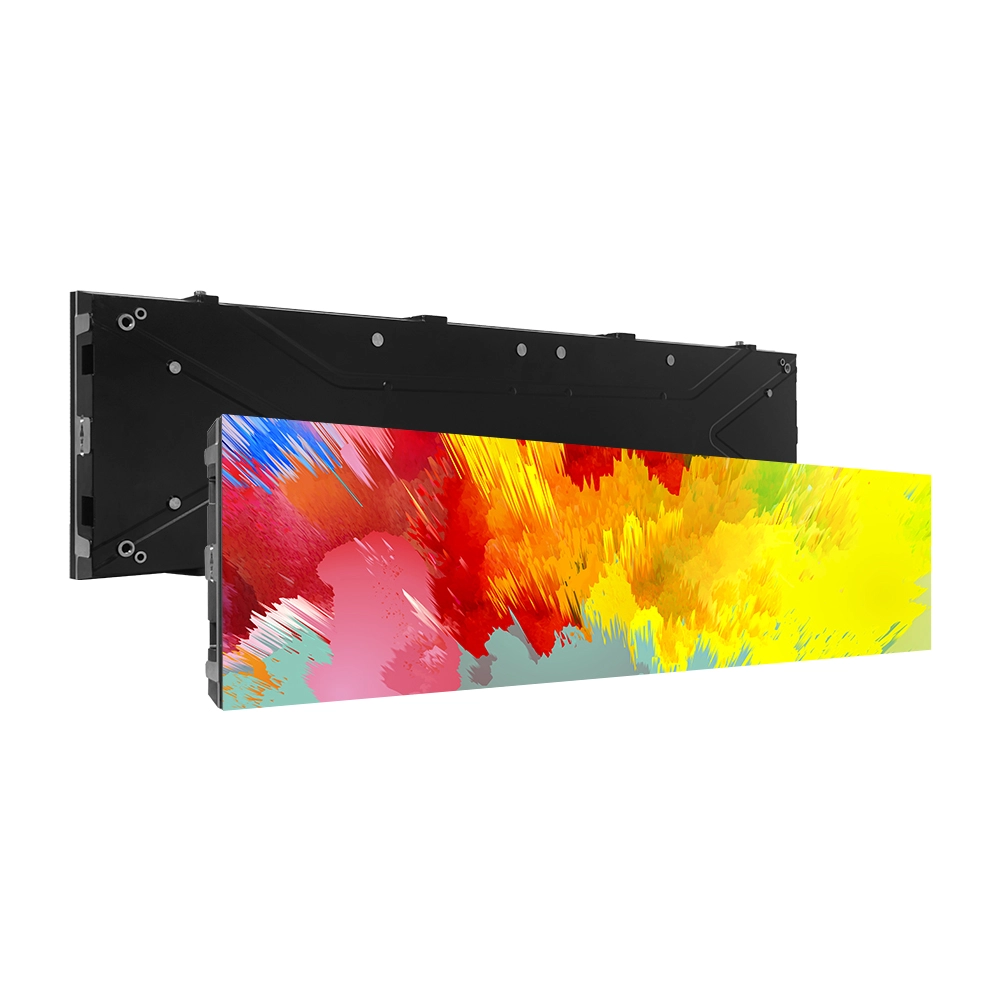
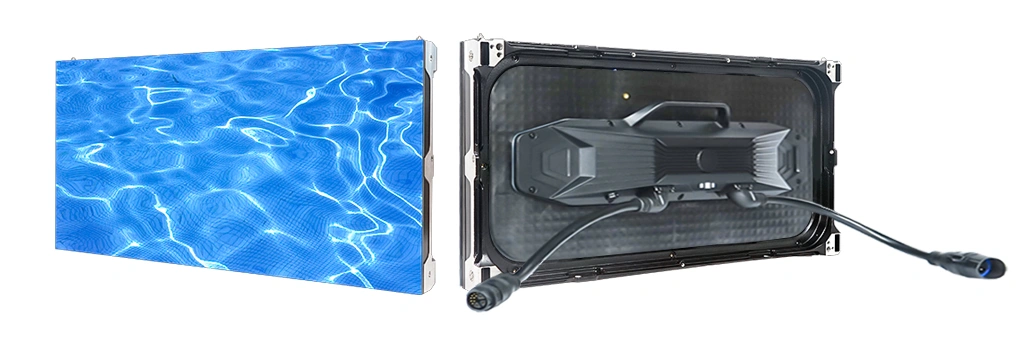
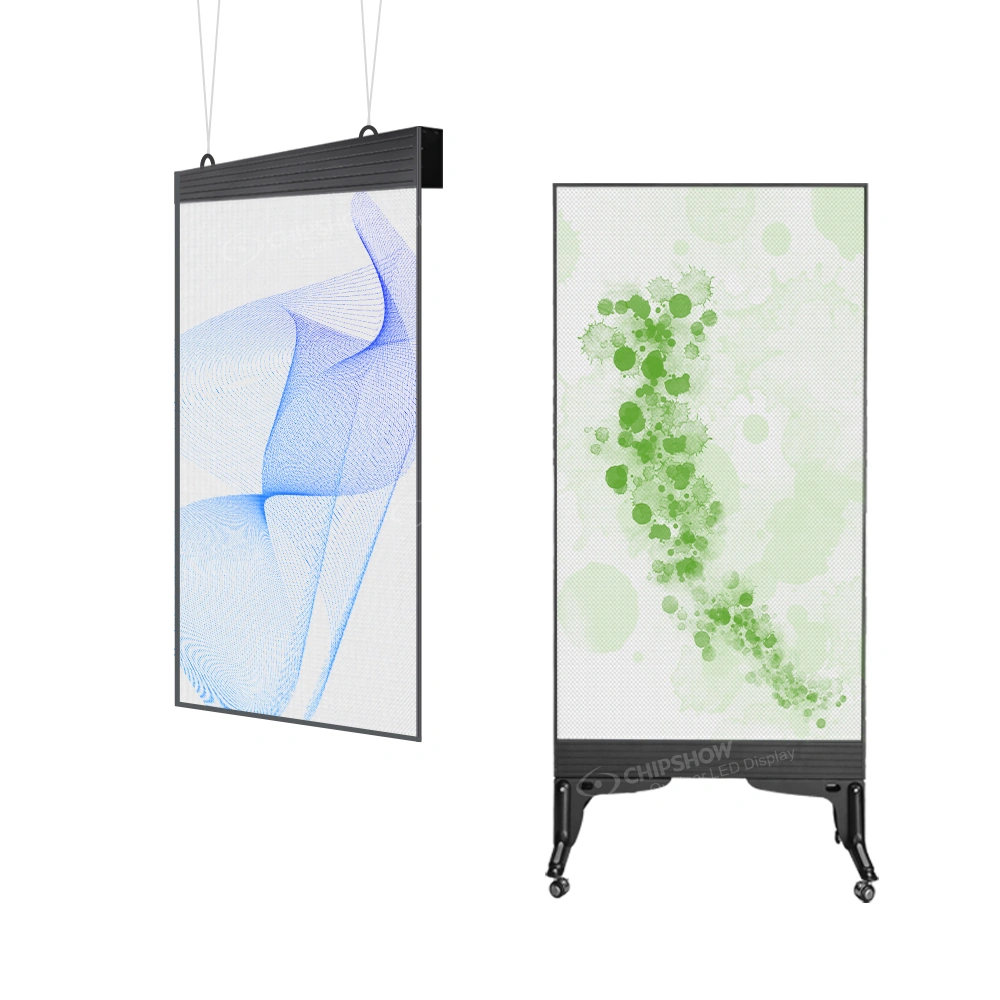
C-Smart resuelve otro problema de adaptación. En lugar de usar un armario completo convencional, utiliza un formato modular de 640 × 320 mm. Esto puede ser relevante cuando una empresa de señalización ya tiene un recinto o estructura personalizada que no encaja en una cuadrícula estándar de armarios.
Ninguno de los dos diseños garantiza automáticamente que el acero viejo pueda ser reutilizado. Las estructuras existentes aún requieren una revisión de ingeniería adecuada.
Acceso de mantenimiento
El momento más económico para resolver el acceso de mantenimiento es antes de montar la pantalla.
Una pantalla instalada directamente contra una fachada comercial puede tener poco o ningún espacio de servicio trasero. Una valla publicitaria convencional puede ya incluir una plataforma de mantenimiento trasera. Una pantalla montada en altura puede hacer que cualquier operación futura de elevación o acceso sea más costosa.
Por tanto, el método de servicio adecuado depende del lugar físico.
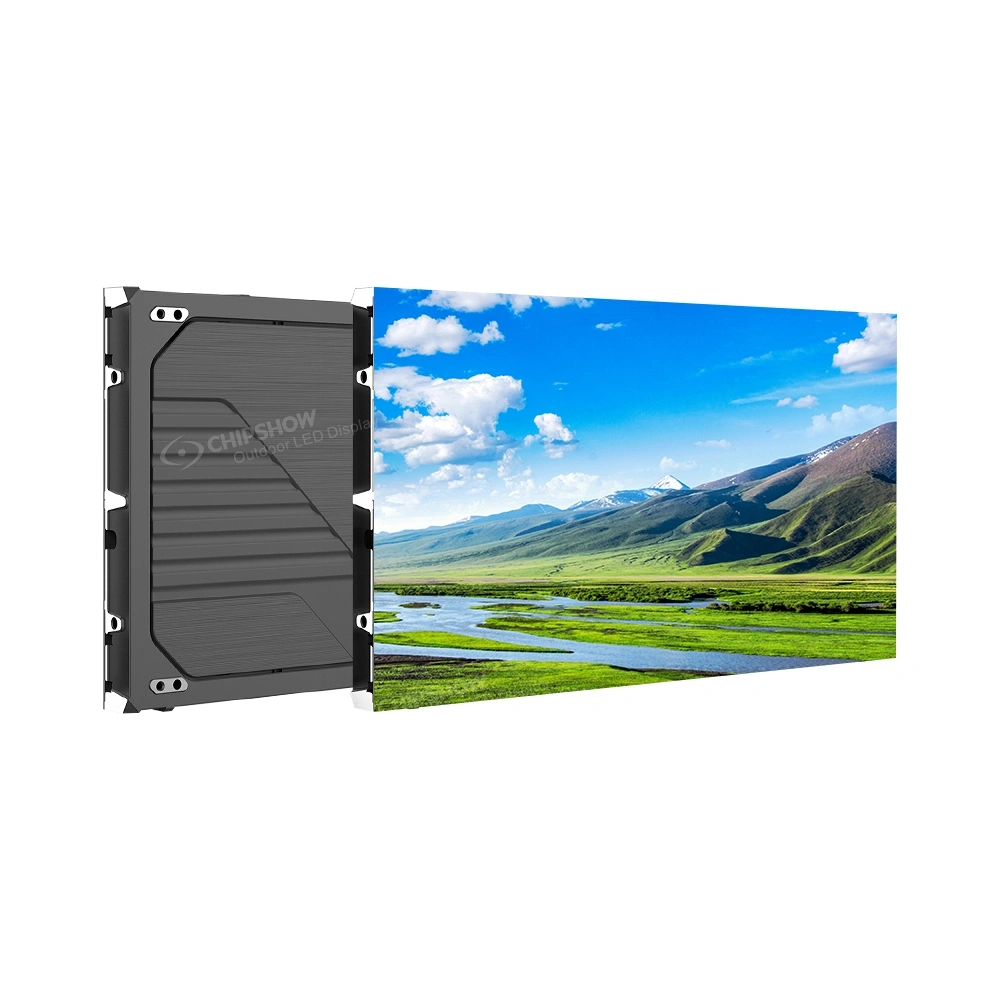
C-Fit Easy P6.67 soporta servicio tanto delantero como trasero, lo que da flexibilidad a los integradores a la hora de coordinar instalaciones fijas exteriores.
El valor no es simplemente que el servicio de entrada suene cómodo.
El valor es que el proyecto puede elegir una ruta de servicio que no requiera profundidad estructural innecesaria, acceso difícil ni maquinaria pesada repetida cuando un componente necesita atención.
Pixel pitch y distancia de visualización: Compra la resolución que la audiencia puede usar
Un jumbotron de publicidad exterior de alta resolución no necesita el menor tono de píxel disponible. Necesita suficiente resolución para que el contenido se mantenga claro desde las distancias a las que la gente realmente lo ve.
El paso de píxel describe la distancia entre píxeles LED vecinos. Reducir esa distancia aumenta la densidad de píxeles en la misma área física.
Eso puede mejorar el detalle.
También aumenta el número de píxeles que el proyecto compra y procesa.
Empieza por la distancia de visión significativa más cercana
La publicidad en carreteras y los medios comerciales orientados a peatones generan requisitos de imagen muy diferentes.
Una gran valla publicitaria al borde de la carretera puede verse desde cientos de metros de distancia, a menudo por personas que se mueven a gran velocidad. Una tipografía extremadamente fina y un detalle visual sutil aportan poco valor si el público no puede resolverlos.
Una fachada comercial o un desarrollo de uso mixto puede acercar mucho más a los espectadores. Imágenes detalladas de la marca, información de inquilinos y texto más pequeño pueden justificar una mayor densidad de píxeles.
Por tanto, el tono correcto sigue la distancia de visualización más cercana a la que el detalle de la imagen importa materialmente para el proyecto.
Resolución de coincidencia con contenido
El contenido debe influir en la elección tanto como la distancia.
Una campaña DOOH convencional basada en fotografía de gran tamaño, titulares cortos y colores de marca intensos no requiere la misma densidad de píxeles que una pantalla comercial de visualización cercana que presenta información detallada del producto.
Esto es especialmente importante cuando los compradores utilizan la expresión "alta resolución" como requisito de compra.
La alta resolución debe describir detalles útiles de la imagen a la distancia de visualización prevista, no simplemente el menor paso mostrado en una hoja de especificaciones.
Calcular el tamaño físico y el tono del píxel juntos
Las dimensiones de la pantalla determinan cuánto lienzo total de imagen crea un pitch dado.
El mismo tono de P6.67 produce más píxeles totales a medida que la pantalla física crece. Un tono más fino produce más píxeles dentro del mismo ancho y altura.
Esa relación también cambia los requisitos de procesamiento y el coste del hardware.
Antes de que Chipshow recomiende una plataforma exterior, las entradas útiles para el proyecto son las dimensiones activas de la pantalla, la distancia de visualización significativa más cercana y el contenido típico.
Esos tres valores generan una decisión de resolución más fuerte que el tono del píxel por sí solo.
Brillo y orientación de la pantalla: Ajustar la salida al sitio
El brillo es esencial en exteriores, pero no es un ranking de productos.
Diferentes arquitecturas exteriores de Chipshow están diseñadas para distintas condiciones de luz.
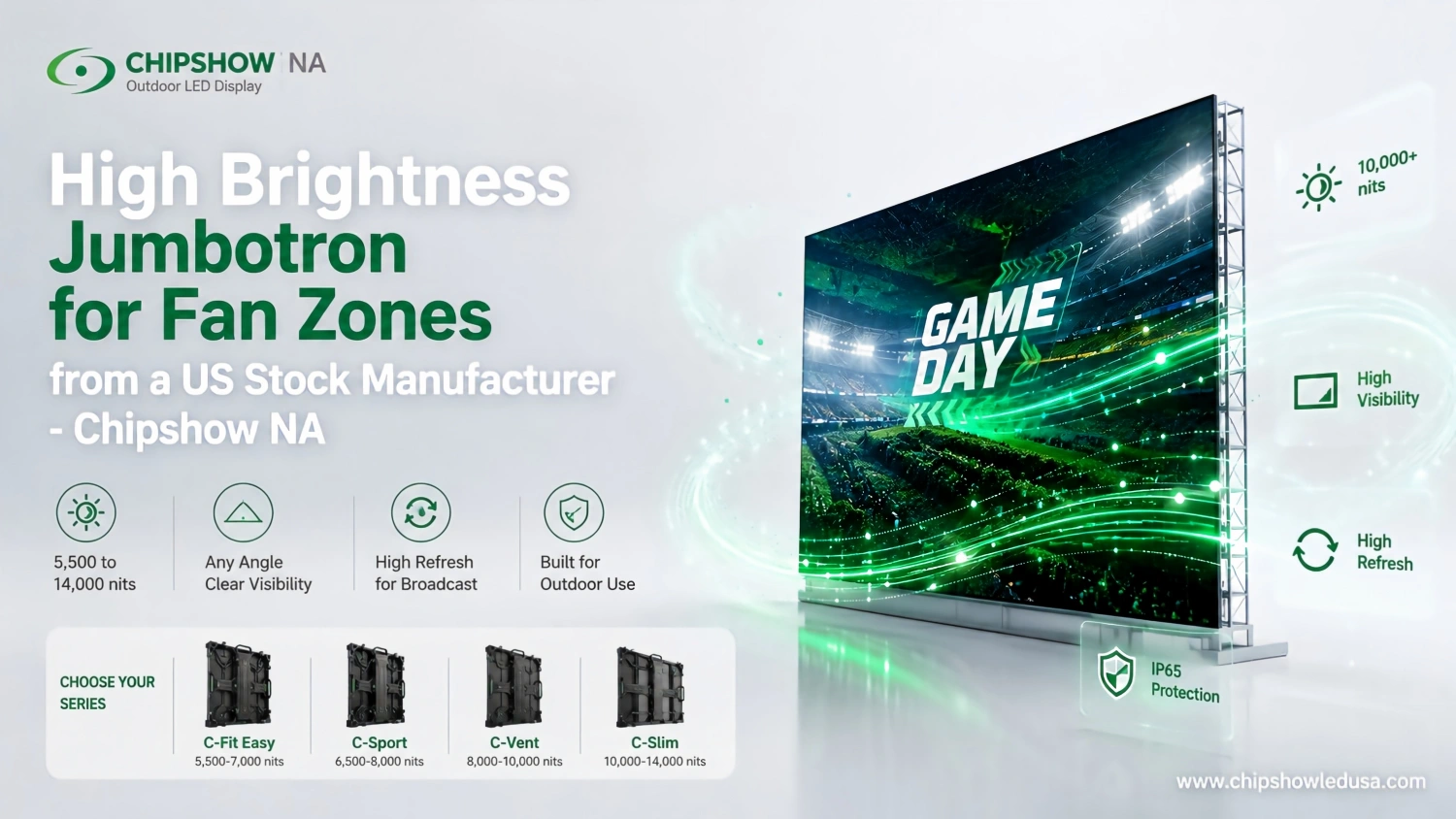
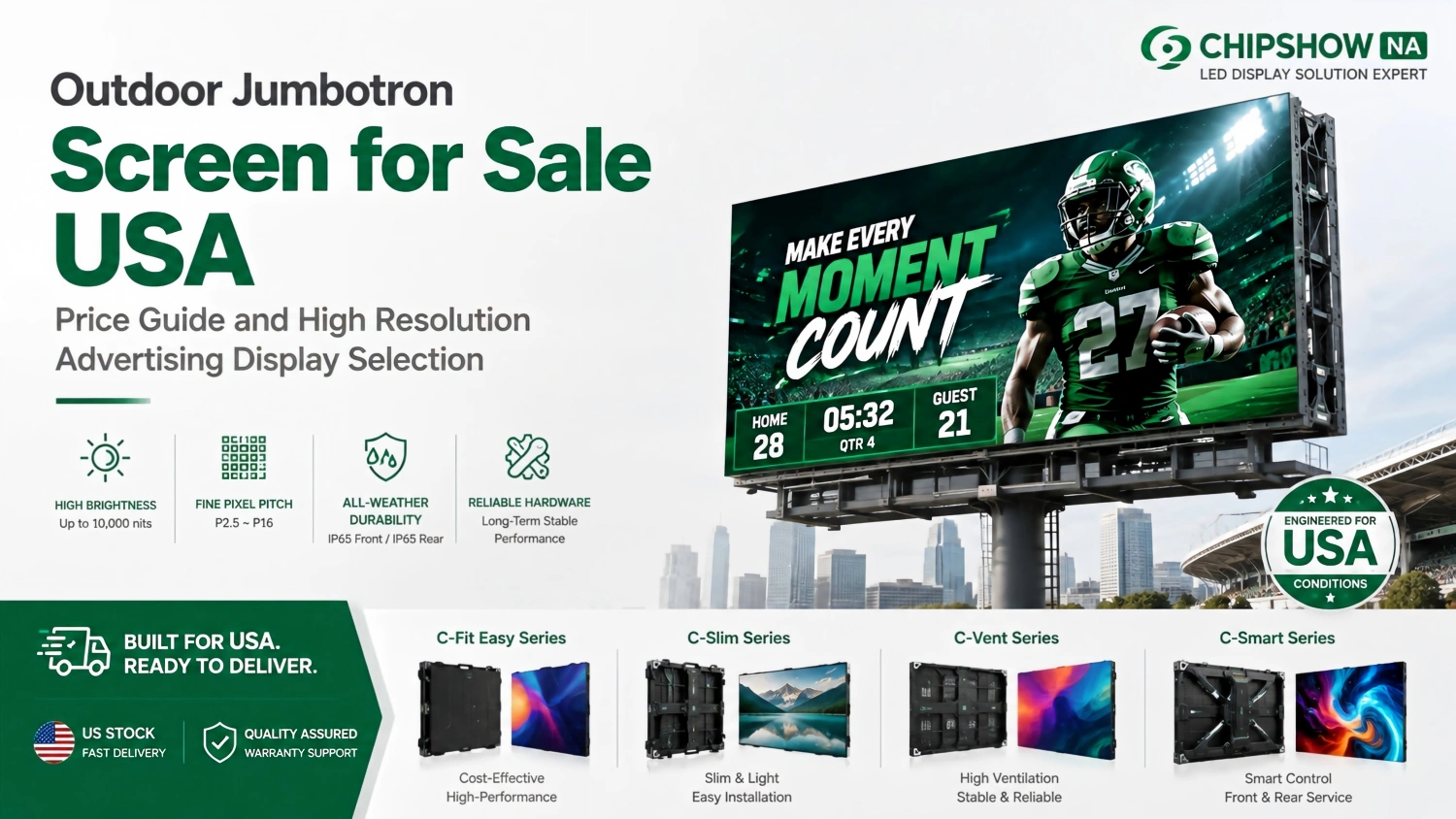
C-Fit Easy P6.67 actualmente indica entre 5.500 y 6.000 nits con soporte de oscurecimiento automático. Las configuraciones C-Vent están actualmente listadas entre 7.000 y 7.500 nits. El C-Slim puede alcanzar hasta 14.000 nits en su configuración de alta luminosidad para motores de combustión interna.
El número correcto depende de la instalación.
C-Fit Easy para un FUM Exterior Fijo Convencional
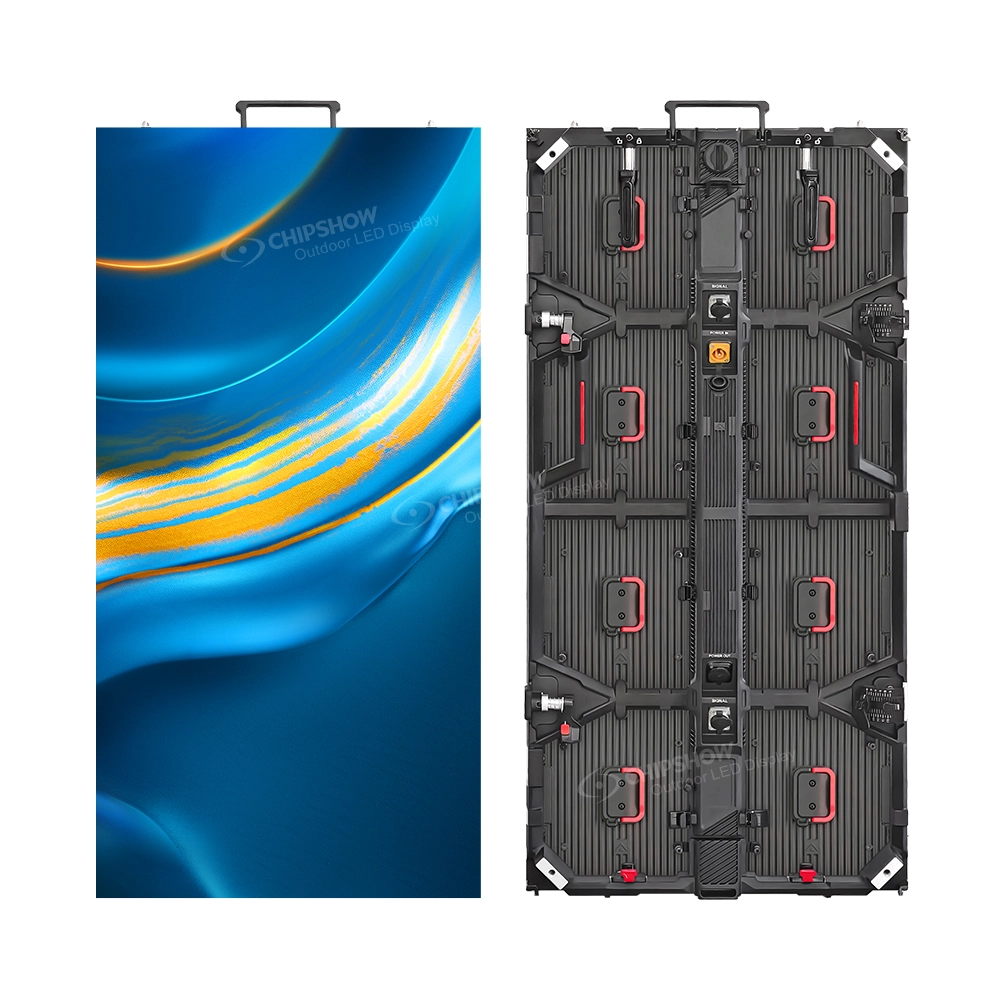
C-Fit Easy P6.67 ofrece una ruta de instalación fija equilibrada para sitios de publicidad exterior donde la salida de 5.500–6.000 nit coincide con las condiciones reales de luz diurna.
Su armario estandarizado de 960 × 960 mm también proporciona a los integradores una unidad hardware predecible para la distribución, montaje y planificación del servicio.
El soporte para el atenuado automático es importante porque el requisito operativo cambia después del atardecer. La estrategia de control debe reducir el brillo adecuadamente según las condiciones ambientales y los requisitos locales aplicables.
C-Fit Easy no debe elegirse simplemente porque tenga una ruta de stock estadounidense. El P6.67 aún debe adaptarse a la distancia de visualización y el rango de brillo debe ajustarse al sitio.
C-Vent para sitios de alta exposición y estructuralmente sensibles
C-Vent combina un alto brillo exterior con una arquitectura ventilada.
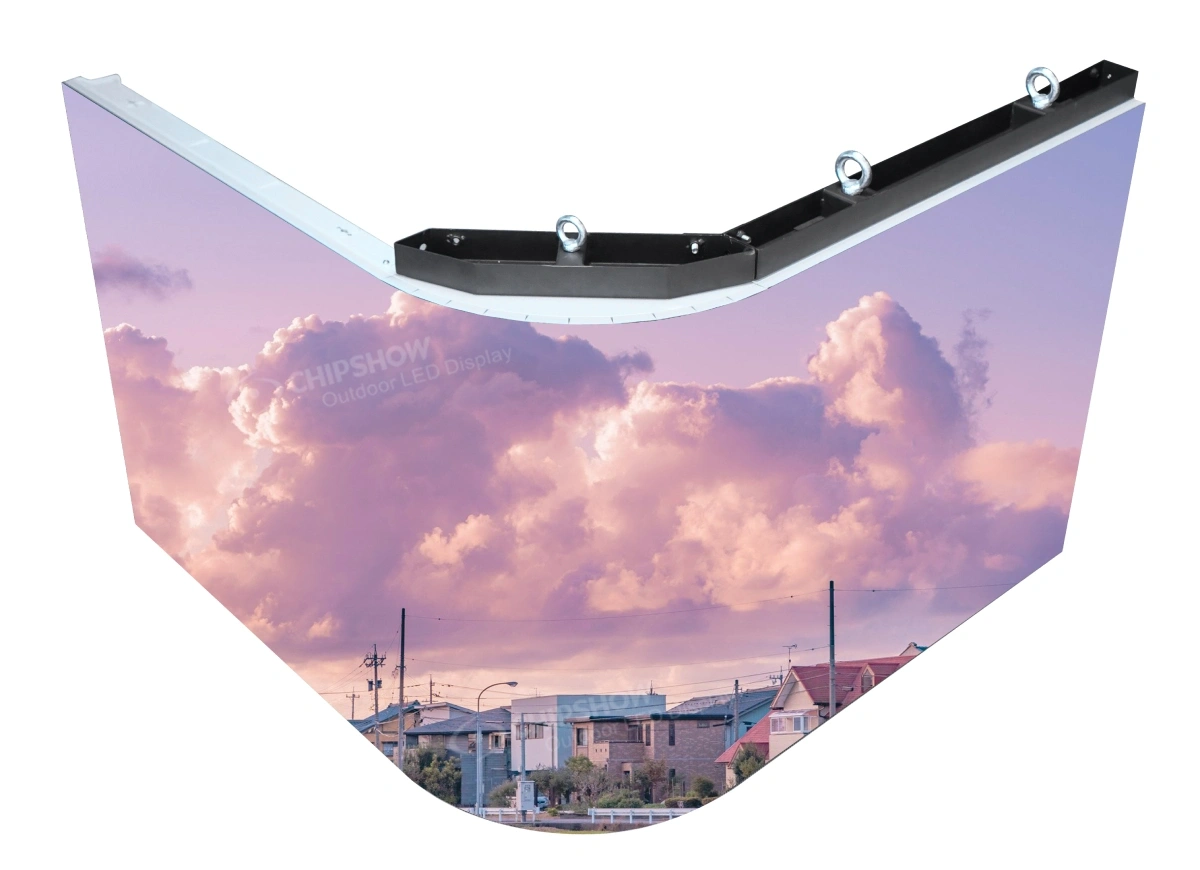
Su rango actual de 7.000–7.500 nit la hace relevante para aplicaciones en carteles y fachadas expuestas, mientras que la estructura abierta aborda una parte diferente del problema: cuánta herraje y superficie sólida debe soportar la estructura de soporte.
Por tanto, un comprador que compare C-Vent con un producto de armario sólido debería evaluar el brillo, la exposición al viento y el peso juntos, en lugar de comparar solo las lendeduras.
C-Slim ICE para exposición severa al sol
Algunos solares de alta calidad enfrentan condiciones solares mucho más exigentes.
La configuración de combustión interna de C-Slim puede alcanzar hasta 14.000 nits. Esa capacidad ofrece a los proyectos otra opción cuando el sol directo crea un requisito exigente de visibilidad.
Sigue siendo una capacidad específica de cada aplicación.
Una configuración de 14.000 nit no debería convertirse en la predeterminada simplemente porque esté disponible. Si el sitio no necesita ese resultado, comprarlo añade especificación sin añadir un rendimiento publicitario útil.
Diseño para el día y la noche
DOOH no funciona bajo una condición de luz ambiental.
La misma pantalla que compite con el sol directo de la tarde puede quedarse contra un horizonte oscuro varias horas después.
Por tanto, el control de brillo debería entrar en la especificación junto con el brillo máximo. Los equipos de proyecto también deben identificar ordenanzas locales de señalización o requisitos de propiedad antes de finalizar la estrategia operativa.
Esto permite diseñar la legibilidad diurna y la operación responsable durante la noche.
Cuatro arquitecturas de hardware exterior
El portafolio de exteriores de Chipshow es más fácil de comparar cuando cada producto se trata como una solución mecánica diferente en lugar de una lista de especificaciones competidoras.
| Arquitectura al aire libre | Plataforma Chipshow | Proyecto Mejor Ajuste | Ventaja de selección | Confirma antes de pedir |
|---|---|---|---|---|
| Gabinete macizo estandarizado | C-Fit Easy P6.67 | Valla fija, pared comercial y DOOH estandarizado | 960 × plataforma de 960 mm, 5.500–6.000 nits, servicio delantero/trasero y ruta definida para material estadounidense | Distancia de visualización, idoneidad P6,67, cantidad de proyecto y exposición trasera |
| Armario ligero de alta luminosidad | C-Slim | Vallas publicitarias premium y exposición severa al sol | Construcción en magnesio, gama P4–P16 y configuración de combustión interna hasta 14.000 nits | Altura exacta, configuración de brillo, clasificación ambiental y requisitos del emplazamiento |
| Arquitectura exterior ventilada | C-Vent | Gran fachada y valla publicitaria sensible al viento | 25%–63% apertura ventilada, 7.000–7.500 nits y bajo peso estructural | Configuración exacta, cálculos de viento y fijación del edificio |
| Sistema modular sin gabinete | C-Smart | Recinto de señalización existente y adaptación personalizada | Módulos de 640 × 320 mm, opciones P4/P5/P6.67/P10 y enfoque de instalación modular | Estructura existente, dimensiones, ruta de servicio y arquitectura de energía |
Usa la matriz para reducir la arquitectura. La especificación final del proyecto siempre debe provenir del modelo y configuración exactos incluidos en la lista de materiales de hardware.
Cuando C-Fit Fácil Tiene Sentido
Elige C-Fit Easy cuando el proyecto encaja en P6.67 y se beneficia de una plataforma estandarizada de armarios de 960 × 960 mm.
La geometría repetible puede simplificar la disposición de la pantalla, la coordinación de montaje, la planificación del servicio y la estrategia de piezas de repuesto. Una ruta definida con stock estadounidense también ofrece a los proyectos sensibles al calendario otra opción cuando la cantidad requerida está disponible actualmente.
No fuerces C-Fit Easy en un proyecto que necesita un tono mucho más fino, un brillo más extremo u otra arquitectura mecánica simplemente porque existe inventario local.
Cuando C-Slim tiene sentido
C-Slim cobra importancia cuando el entorno exterior ejerce más presión sobre el brillo y el peso del armario.
Su arquitectura de magnesio y su amplio rango P4–P16 ofrecen al proyecto mayor flexibilidad para adaptar la distancia de visión y la exposición solar.
Para sitios publicitarios comerciales o de alto perfil en carretera, la opción de alta luminosidad de combustión interna también puede proporcionar salida adicional cuando la ubicación lo justifice.
El valor viene de usar esas capacidades para resolver un problema en el sitio, no de especificar la versión máxima para cada proyecto exterior.
Cuando C-Vent tiene sentido
El C-Vent merece consideración cuando el área de la pantalla, la exposición al viento y la estructura del edificio se convierten en limitaciones importantes.
Permitir que el aire pase por parte de la pantalla cambia la relación mecánica entre la pantalla LED y su estructura de soporte.
Un proyecto documentado de Chipshow al aire libre en Jamaica utilizó C-Vent P10 en una instalación de valla publicitaria de doble cara con 27 m² de área de exposición, demostrando la aplicación de la plataforma en publicidad exterior. Los proyectos actuales deberían seguir utilizando la hoja de especificaciones para la configuración exacta de C-Vent que se está cotizando.
Cuando C-Smart tiene sentido
C-Smart es especialmente útil cuando el proyecto comienza con una estructura existente en lugar de una nueva rejilla de armarios LED.
Su formato de módulo sin armario de 640 × 320 mm ofrece a las empresas de señalización mayor flexibilidad al trabajar con aberturas personalizadas, carcasas existentes o dimensiones de adaptación.
La posición actual en Norteamérica incluye opciones P4, P5, P6,67 y P10 junto con el apoyo de acciones y concesionarios de California.
La estructura de señalización existente aún necesita ser revisada para el drenaje, ventilación, montaje, distribución eléctrica y acceso al servicio antes de finalizar la modernización.
Precio de Jumbotron para exteriores, CapEx y TCO
El precio de un videowall gigante exterior no debe compararse solo con el área LED.
Dos pantallas con las mismas dimensiones pueden requerir presupuestos de proyecto muy diferentes porque la arquitectura del hardware cambia los requisitos estructurales, de transporte, de acceso al servicio y operativos.
Hardware CapEx
El pitch de píxeles cambia la densidad del LED.
El brillo cambia los requisitos ópticos y eléctricos.
El material del armario cambia el diseño mecánico.
Los sistemas ventilados y de armarios sólidos resuelven diferentes condiciones estructurales.
Por eso, el precio de hardware más bajo no identifica automáticamente la arquitectura más económica.
Primero elimina los productos que no encajan con el sitio. Luego compara precios dentro de las opciones técnicamente adecuadas que quedan.
Trabajo en acero y estructuras
La diferencia entre los precios de dos armarios LED puede ser menor que la diferencia entre dos soluciones estructurales.
Una pantalla sólida más pesada puede encajar perfectamente en una estructura nueva diseñada para ello. Una arquitectura ligera o ventilada puede tener más valor en una reforma, donde reforzar acero viejo sería caro de otro modo.
Chipshow no sustituye al ingeniero estructural en esa decisión.
Nuestro papel es proporcionar las dimensiones de hardware relevantes, pesos e información de configuración para que el ingeniero e integrador puedan evaluar el lugar.
Carga y manipulación
Las grandes exposiciones exteriores requieren hardware físico considerable.
El peso del armario, el volumen del embalaje, la ubicación del proyecto y el acceso influyen en la logística.
Cuando la cantidad requerida de C-Fit Easy P6,67 está disponible a través del California Warehouse Hub, el proyecto puede reducir su dependencia de un nuevo envío internacional. El inventario actual aún debe confirmarse antes de que se haga un compromiso de entrega.
El almacén actúa como un colchón local de ferretería, no como un contratista de instalación.
Acceso al servicio y costes operativos
Un módulo de reemplazo puede costar menos que el equipo necesario para alcanzarlo.
La gran altitud, las restricciones de tráfico y las rutas de mantenimiento difíciles pueden convertir un simple cambio de componente en un costoso evento de servicio.
Por eso el acceso al servicio debe estar en la decisión de compra y no en la conversación sobre el mantenimiento tras la instalación.
Poder y propiedad a largo plazo
Una pantalla de DOOH puede funcionar durante muchas horas cada día.
La configuración del brillo, el contenido, la estrategia de atenuación y las tarifas eléctricas locales influyen tanto en el resultado financiero a largo plazo.
Para compradores que ya comparan la propiedad completa de cinco años en lugar de la arquitectura de hardware, la Jumbotron Cost & 5-Year TCO Guide de Chipshow puede ofrecer un marco presupuestario más profundo. La decisión de selección aquí viene primero: la modelización financiera a largo plazo solo se vuelve útil después de que se haya identificado la arquitectura exterior adecuada.
Verifica las especificaciones, el cumplimiento y la adaptación a la aplicación antes de hacer el pedido
Una vez seleccionada la arquitectura del producto, el proyecto pasa de la comparación a la verificación.
Aquí es donde el modelo exacto importa más que el nombre de la familia de productos.
Verificar especificaciones específicas de configuración
El brillo, la protección IP, el peso del armario y el paso deben provenir de la hoja de especificaciones asociada a la configuración citada.
No combines el mayor brillo de una configuración C-Slim con el peso, la clasificación IP o los datos eléctricos de otra configuración y los trates como un solo producto.
La misma regla se aplica a C-Fit Easy, C-Vent y C-Smart.
La lista de materiales de hardware y la presentación técnica deben describir el mismo producto que el cliente está comprando realmente.
Solicitar documentación aplicable del producto
Los proyectos comerciales norteamericanos pueden requerir documentación de seguridad eléctrica, cumplimiento electromagnético y otra documentación técnica, dependiendo del producto, la ubicación y la Autoridad Competente.
Solicita los documentos correspondientes para el modelo exacto presupuestado.
No utilice un certificado, informe de prueba o logotipo asociado a un producto Chipshow para implicar que todas las exhibiciones exteriores de Chipshow tienen el mismo estatus de certificación.
La documentación del producto soporta el proceso de envío por parte del integrador. La ingeniería estructural, el diseño eléctrico, las solicitudes de permisos y la aprobación local siguen siendo responsabilidades específicas del lugar gestionadas por las partes del proyecto cualificadas correspondientes.
CACA EN LA CARRETERA
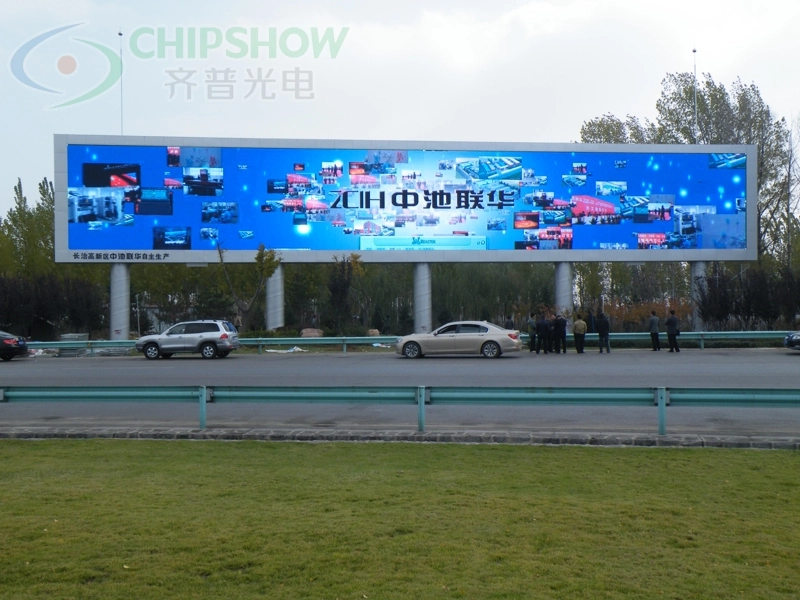
Las pantallas de larga distancia al borde de la carretera deberían priorizar la visibilidad útil sobre una densidad de píxeles innecesariamente fina.
C-Fit Easy puede instalar instalaciones P6.67 estandarizadas donde su rango de brillo y formato de gabinete coinciden con el sitio. Una exposición solar más severa podría empujar el proyecto hacia una configuración C-Slim.
El contenido también debe adaptarse al comportamiento de visualización: los visuales audaces y la comprensión rápida suelen importar más que los detalles que un conductor que adelanta no puede resolver.
Fachadas comerciales
Las fachadas de los edificios añaden peso, exposición al viento y condiciones de fijación al proceso de selección.
El C-Vent puede ser relevante cuando la arquitectura ventilada ofrece al ingeniero estructural más flexibilidad. C-Slim puede tener más sentido donde el proyecto necesita una pared sólida de alta luminosidad con menor masa de armarios.
El edificio—no un folleto de producto—debería determinar qué enfoque es el adecuado.
Adaptaciones de señales existentes
Los proyectos de remodelación empiezan con lo que ya existe.
Documenta las dimensiones del recinto, la estructura existente, la ruta de mantenimiento y las condiciones eléctricas antes de seleccionar el nuevo hardware LED.
El formato basado en módulos de C-Smart puede adaptarse a proyectos donde conservar el cuerpo de los signos existentes tiene sentido comercial. Un armario estandarizado como C-Fit Easy puede tener más sentido cuando la cara de la pantalla y el sistema de soporte se están reconstruyendo sustancialmente.
Exteriores de propiedades comerciales
Los centros comerciales, los desarrollos de uso mixto y las exteriores de los recintos pueden servir tanto a peatones como a vehículos al mismo tiempo.
Estos proyectos requieren una decisión equilibrada entre distancia de visualización, detalle de la imagen, exposición solar, integración arquitectónica y acceso al servicio.
Siguen siendo solicitudes de DOOH al aire libre.
Si el hardware está situado a nivel de campo alrededor de los atletas o necesita funcionalidad específica para la retransmisión deportiva, traslada el proyecto a la ruta de productos Sports & Stadium de Chipshow en lugar de aplicar una especificación de publicidad exterior.
Preguntas frecuentes sobre la selección de jumbotrons al aire libre
¿Qué pixel pitch es mejor para un jumbotron exterior?
No existe un mejor pitch universal. Empieza por la distancia de visualización significativa más cercana, dimensiones de pantalla y contenido. Una valla publicitaria lejina junto a la carretera puede usar un tono más grueso sin sacrificar calidad de imagen útil, mientras que una fachada comercial orientada a peatones puede justificar una mayor densidad de píxeles. La presentación más económica es la que proporciona el detalle que el público realmente puede ver.
¿Qué tan brillante debe ser un jumbotron exterior a la luz directa del sol?
La orientación y la exposición directa al sol determinan el requisito. C-Fit Easy P6.67 actualmente lista configuraciones de 5.500–6.000 nits, C-Vent 7.000–7.500 nits, y configuraciones C-Slim ICE de hasta 14.000 nits. Son diferentes configuraciones de hardware para distintas condiciones exteriores. Especifica un brillo mayor cuando el sitio lo requiera, no simplemente porque haya un número mayor disponible.
¿Cuál es la diferencia entre un armario sólido y un LED ventilado exterior?
Los muebles sólidos crean una superficie de visualización en gran medida continua y se adaptan a muchas vallas publicitarias convencionales e instalaciones montadas en la pared. La arquitectura ventilada deja un espacio abierto a través de la pantalla, permitiendo el flujo de aire a través de parte de la pantalla. C-Vent utiliza este enfoque en proyectos donde la exposición al viento, el peso de la malla y la gran superficie de la fachada afectan materialmente a la planificación estructural.
¿Cómo afecta el acceso al servicio al coste estructural?
Una pantalla de servicio trasero puede requerir espacio físico, una pasarela u otro acceso detrás de la pantalla. El hardware de servicio frontal puede permitir que una pantalla se coloque más cerca de la superficie del edificio cuando la instalación lo permita. En estructuras elevadas, el método de servicio también puede influir en los futuros requerimientos de elevación y mano de obra. Elige la arquitectura de acceso alrededor del entorno real de montaje.
¿Cómo comparo los precios de videowall gigantes exteriores?
Primero, asegúrate de que las propuestas describan pantallas técnicamente comparables. Alinea las dimensiones de la pantalla, el pitch, los requisitos de brillo y la arquitectura del hardware antes de comparar los totales. Luego separa el hardware LED de acero, carga, trabajo eléctrico, mano de obra local, ingeniería y futuros requerimientos de servicio. Un precio más bajo de los armarios puede suponer un coste de proyecto más alto si el terreno requiere estructura adicional o un mantenimiento difícil.
Siguiente paso
Antes de solicitar un presupuesto de jumbotron exterior, documenta las condiciones del lugar que determinarán realmente el hardware: ancho y altura de la pantalla activa, distancia de visualización más cercana y típica, orientación de la pantalla, exposición directa al sol, altura de montaje, condiciones existentes de acero o fachada, requisitos locales de diseño del viento, acceso de servicio disponible delantero o trasero, horario de funcionamiento diario previsto, ciudad y estado del proyecto, fecha de finalización prevista, y cualquier documentación ya solicitada por el ingeniero del proyecto o la Autoridad Competente.
Chipshow puede usar esas entradas para restringir el proyecto a la arquitectura exterior adecuada antes de que se finalice la lista de materiales de hardware.
Un proyecto fijo estandarizado P6.67 puede adaptarse C-Fit Easy. Una valla publicitaria premium que exponga a una luz solar intensa puede requerir C-Slim. Una gran fachada o una estructura sensible al viento puede beneficiarse de C-Vent. Una adaptación no estándar puede apuntar a C-Smart.
Una vez definida la arquitectura, Chipshow puede confirmar la configuración adecuada, la documentación del producto, el paquete de hardware y el estado actual del inventario sin presionar el proyecto hacia especificaciones que el sitio no necesita.
Solicita un Plan de Selección de Jumbotron Exterior cuando se conozcan las condiciones del sitio pero la arquitectura del producto siga abierta. Si la especificación y la fecha límite ya están fijas, comprueba el inventario exterior actual con el modelo y la cantidad requeridas.
Compara los diseños de módulos y armarios para tu propio sitio con el Selector de señales LED Antes de solicitar un presupuesto.