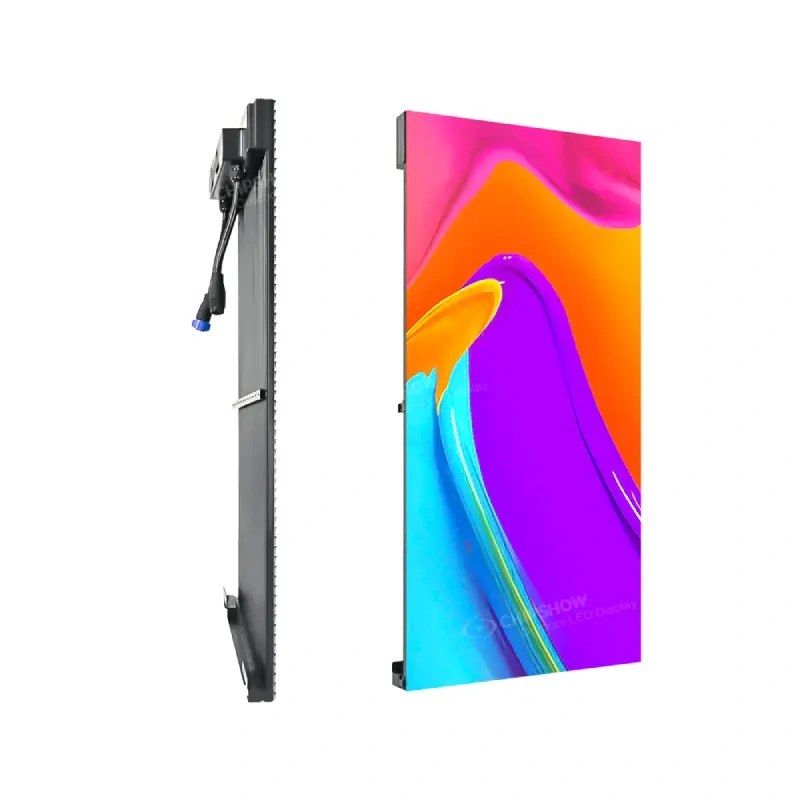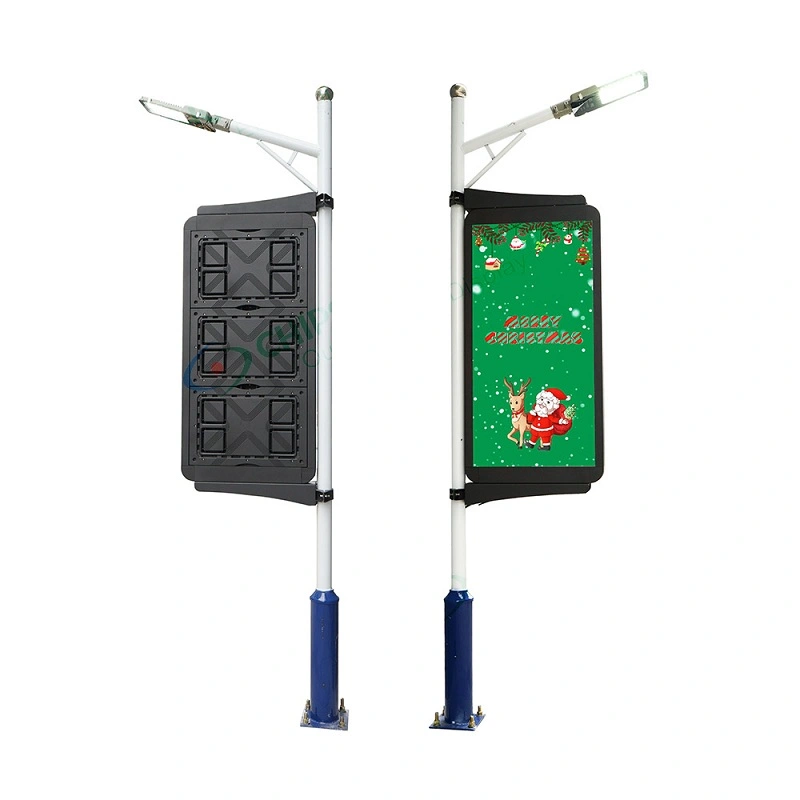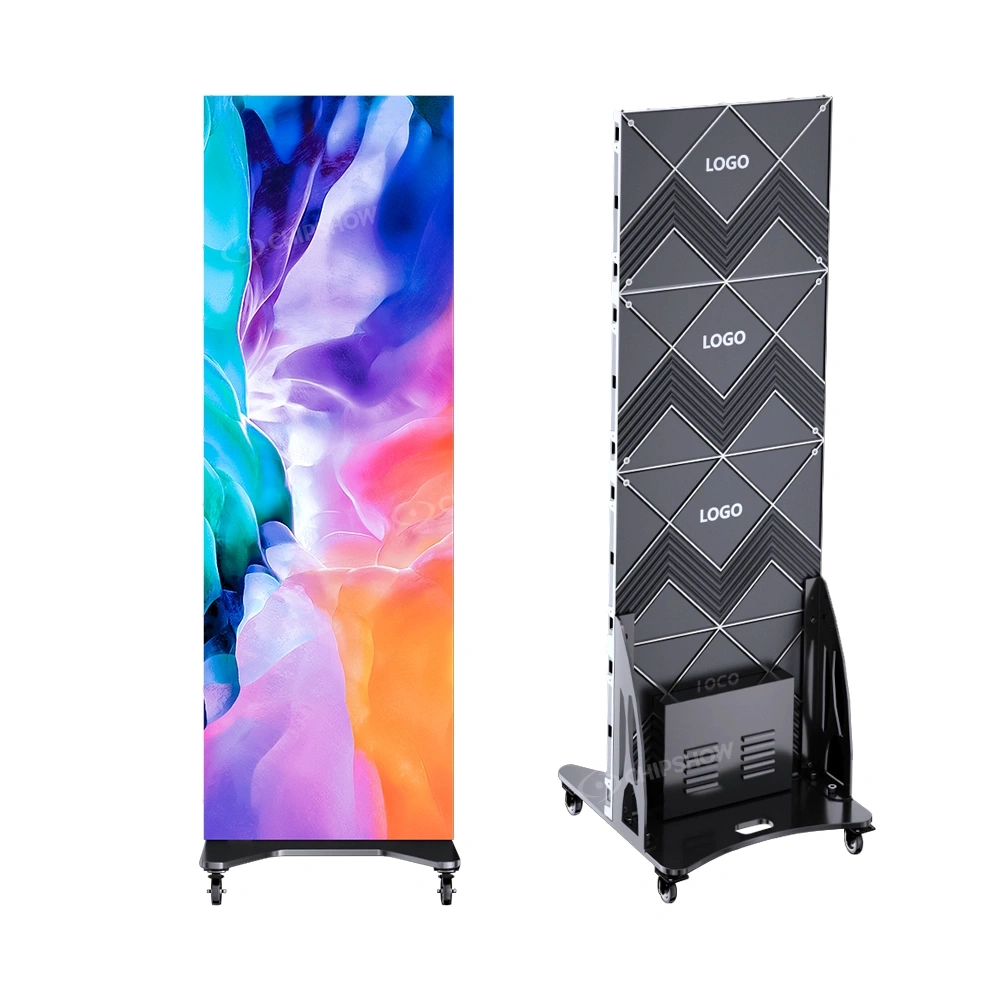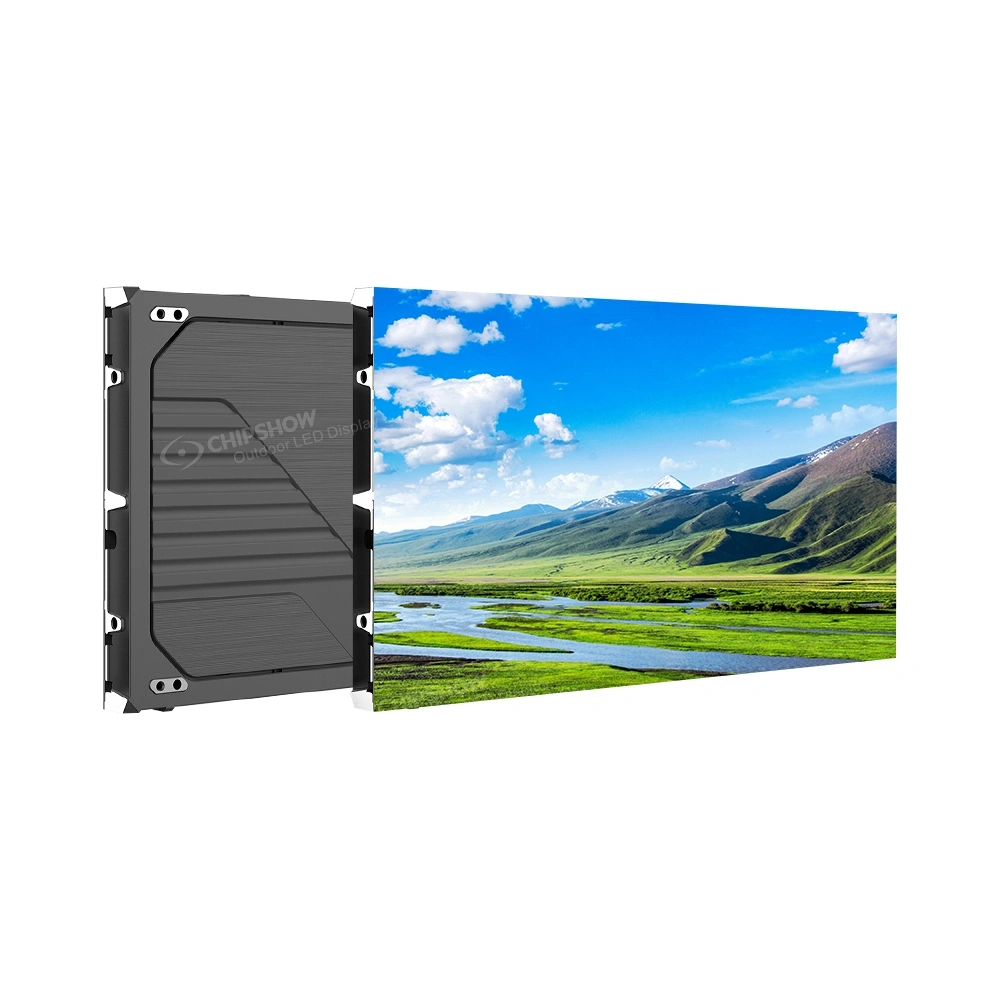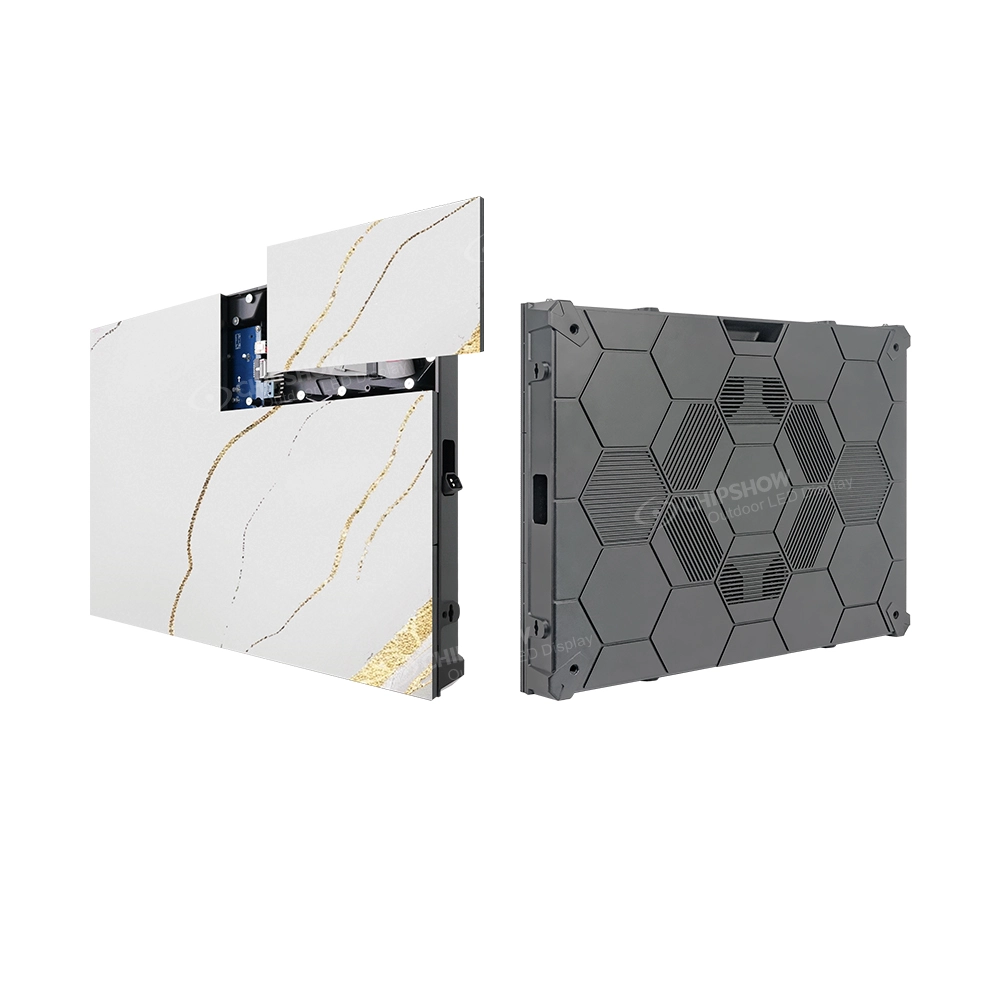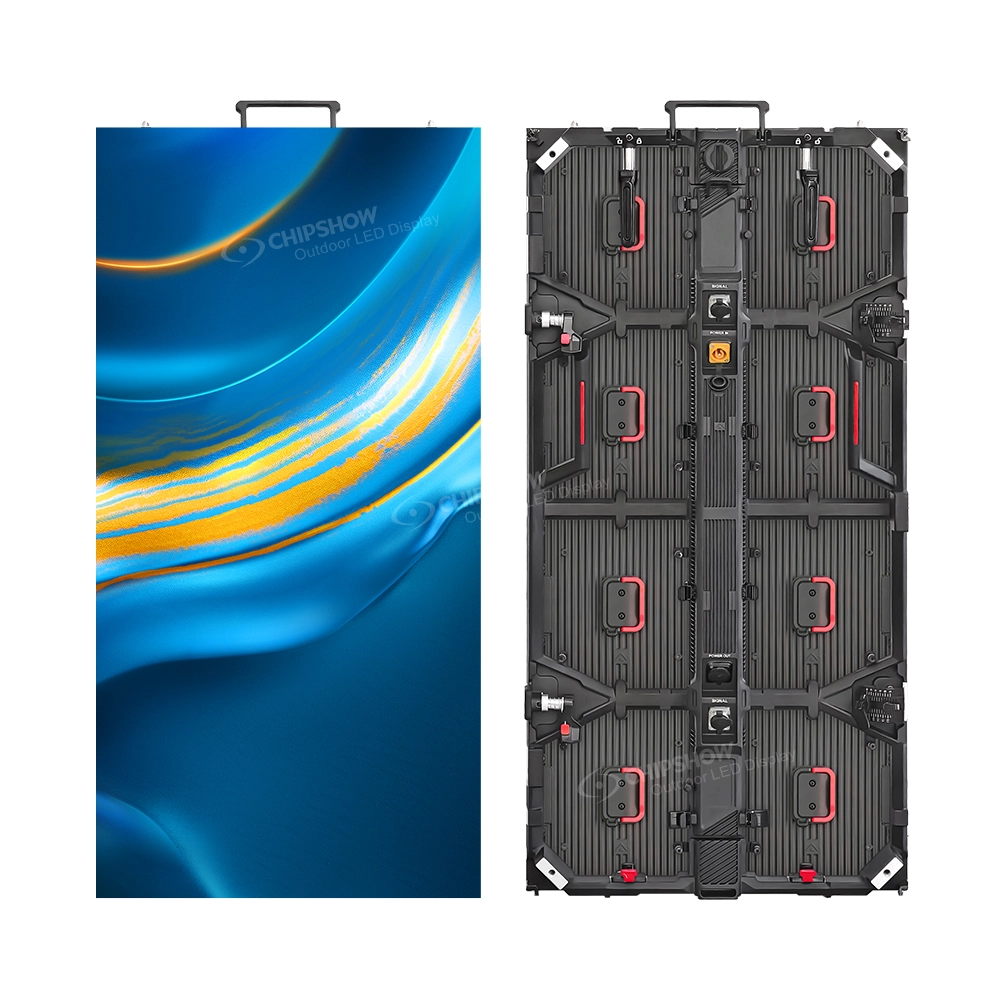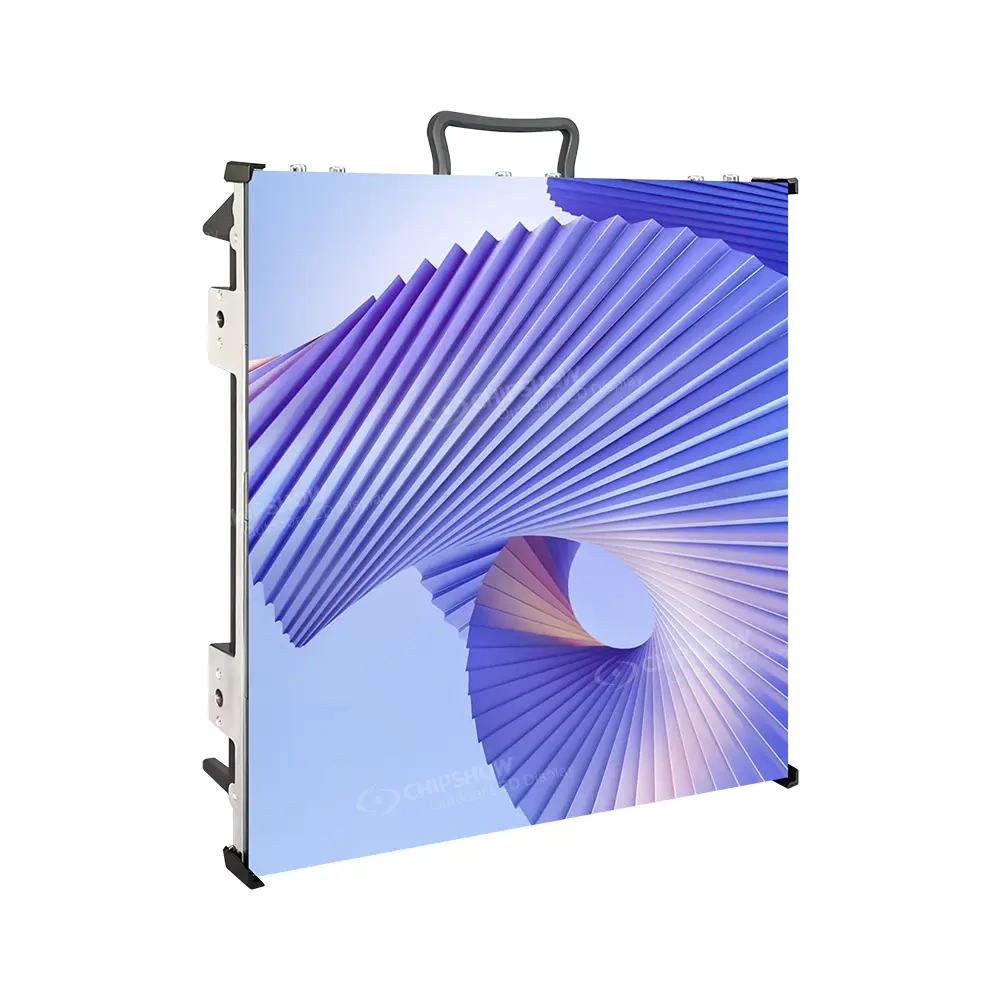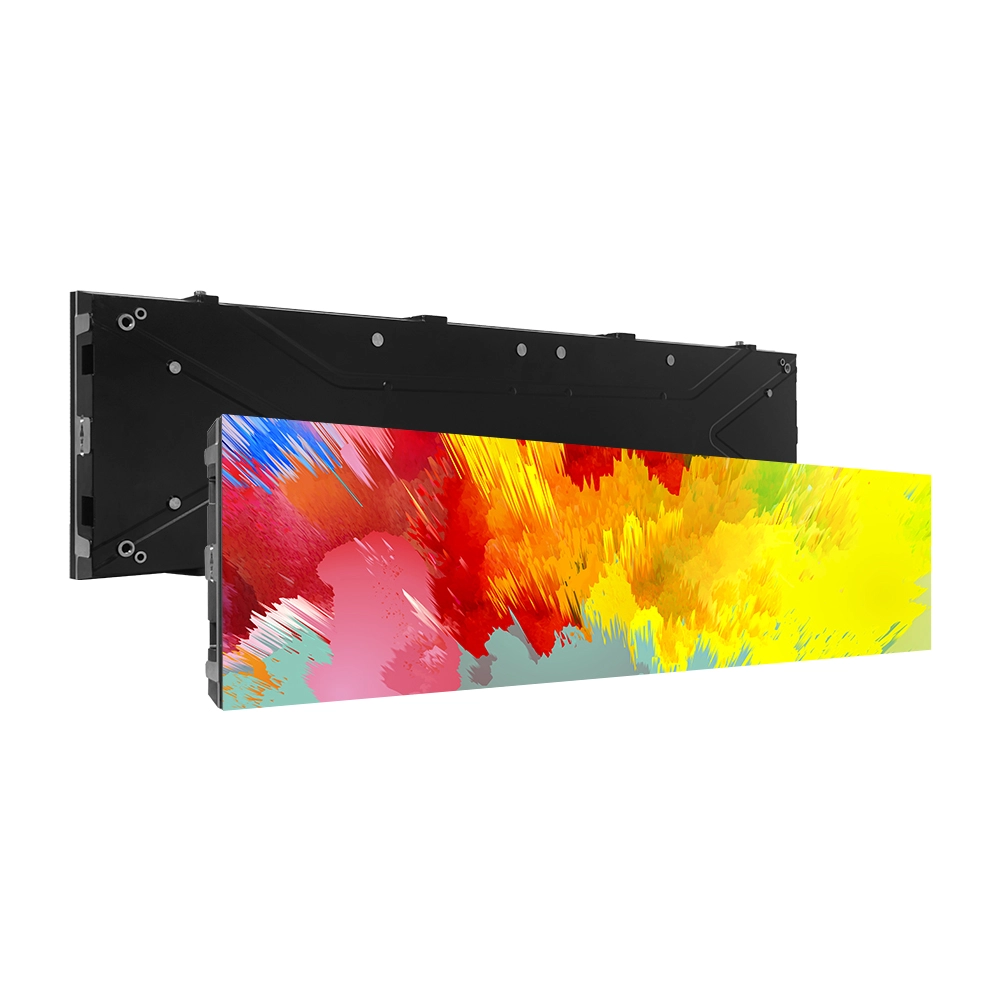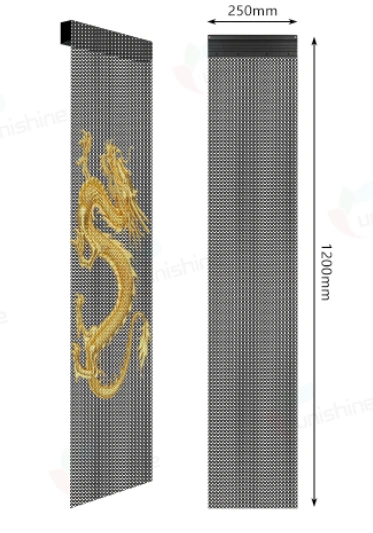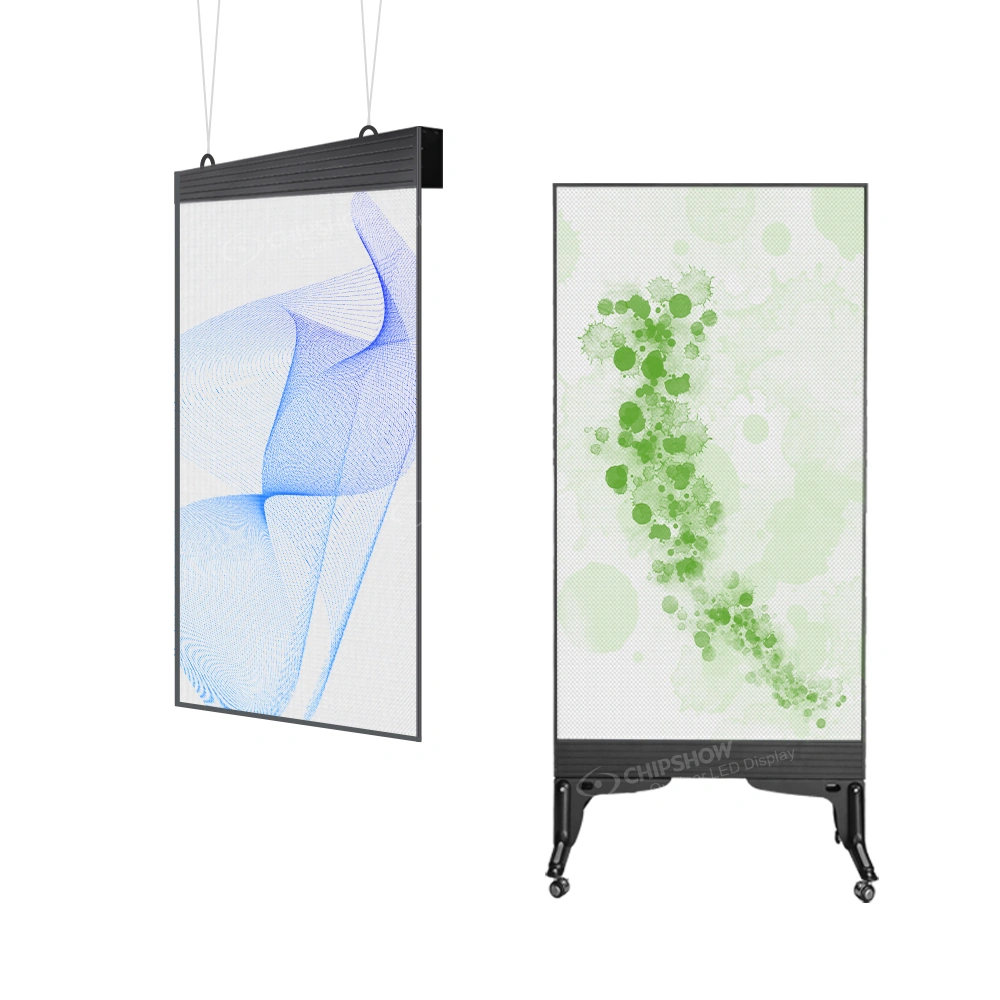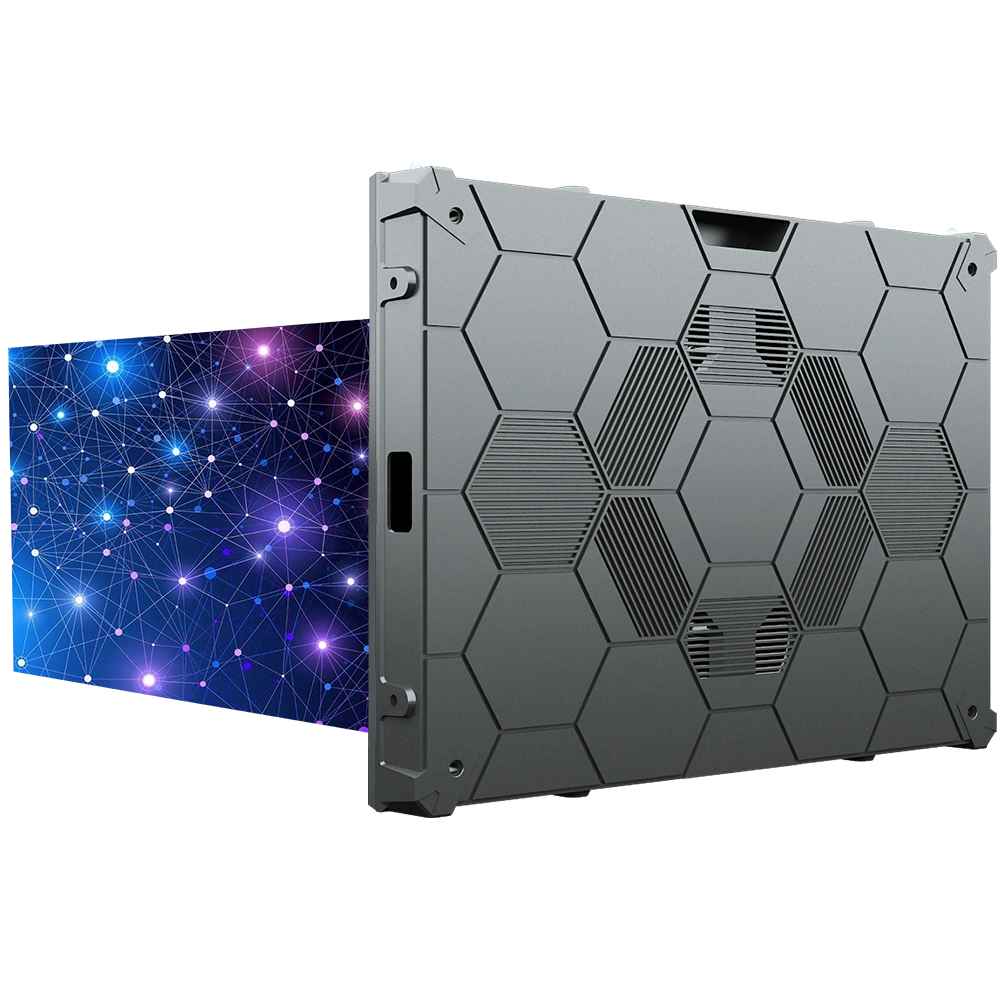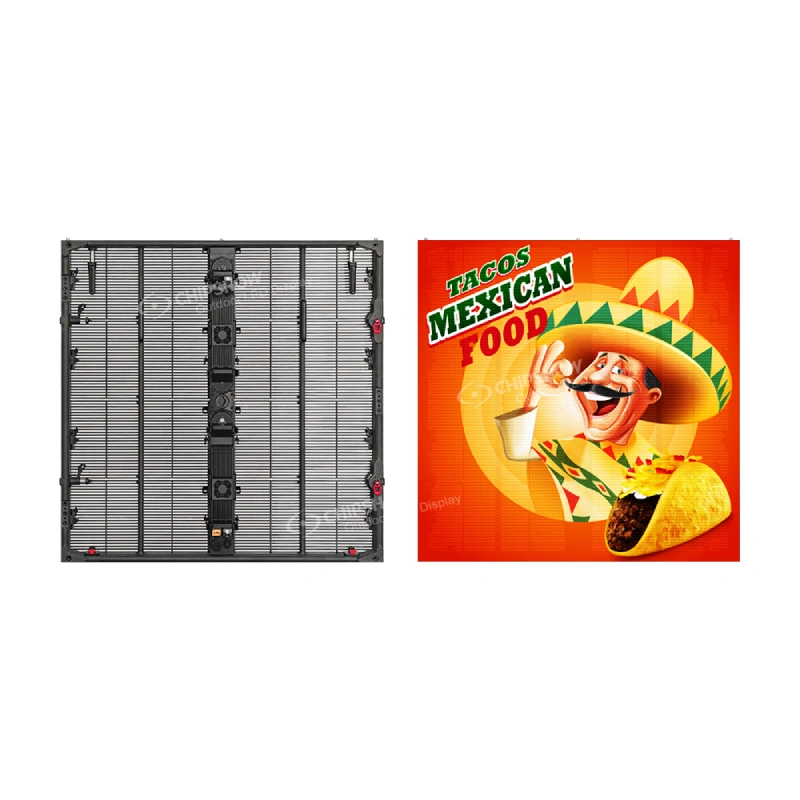
Una dirección de almacén no te dice si tu pantalla LED está realmente lista para enviar.
¿Quieres echar un segundo vistazo a las opciones de formato? El Selector de señales LED de EE. UU. Reduce los carteles por distancia de visualización, inclinación de píxeles y estilo de armario en una sola pasada.
Para un integrador AV, distribuidor de LEDs, empresa de eventos, comprador de local o gestor de proyectos que trabaja contra un plazo fijo, la verdadera pregunta es más específica: ¿tiene el proveedor el modelo exacto, el pitch de píxeles, la cantidad y el hardware de soporte necesarios para tu proyecto, y se puede asignar ese inventario antes de que se bloquee tu calendario?
Esa distinción es importante a la hora de decidir dónde comprar un jumbotron en Estados Unidos.
Un proveedor puede tener armarios de muestra en un almacén de EE. UU., pero no suficientes unidades para un cribado completo. Otro puede tener los muebles LED pero carecer de módulos de repuesto a juego, tarjetas receptoras o componentes de alimentación. El inventario también puede existir físicamente mientras otro proyecto ya lo ha reservado.
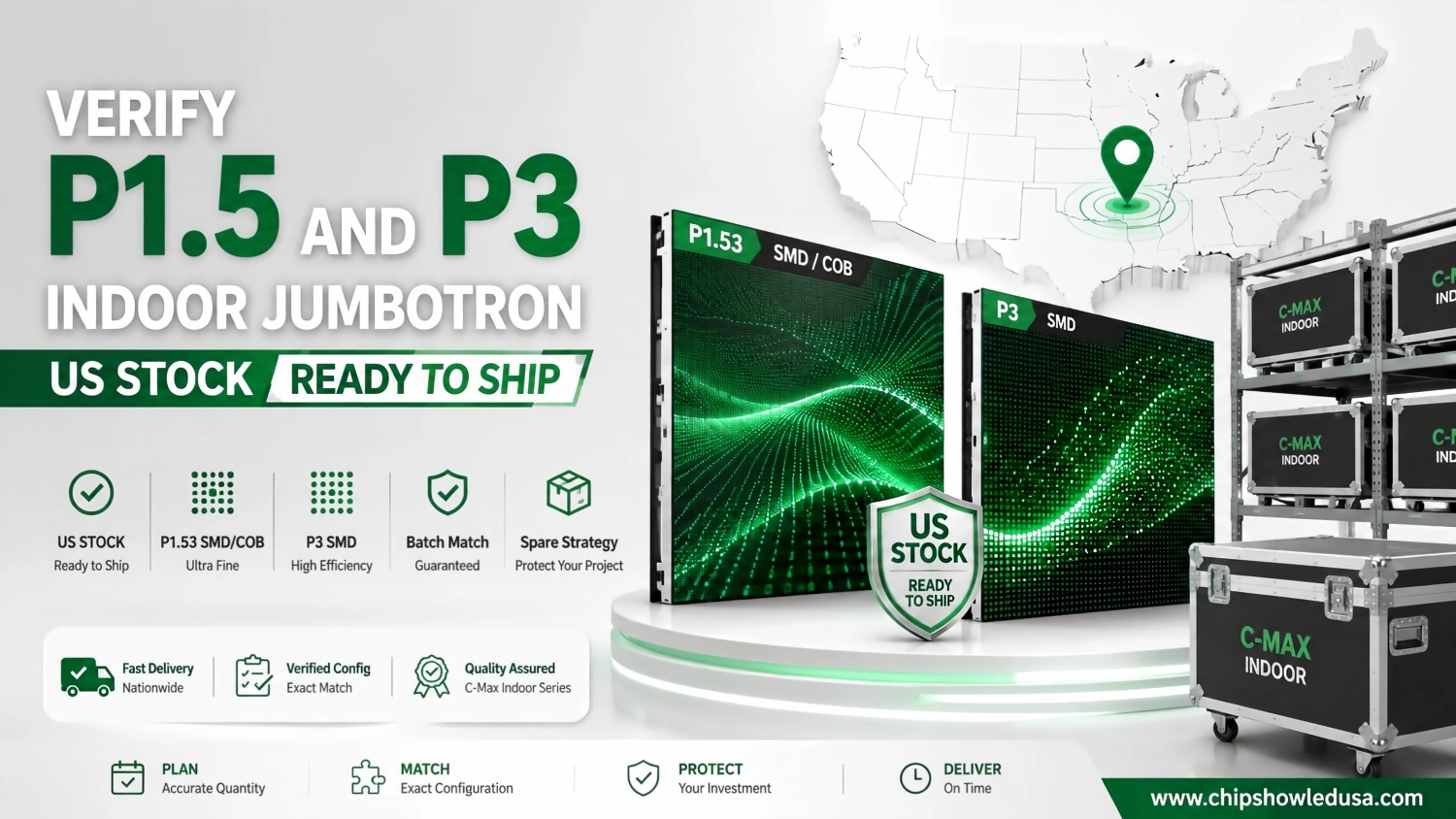
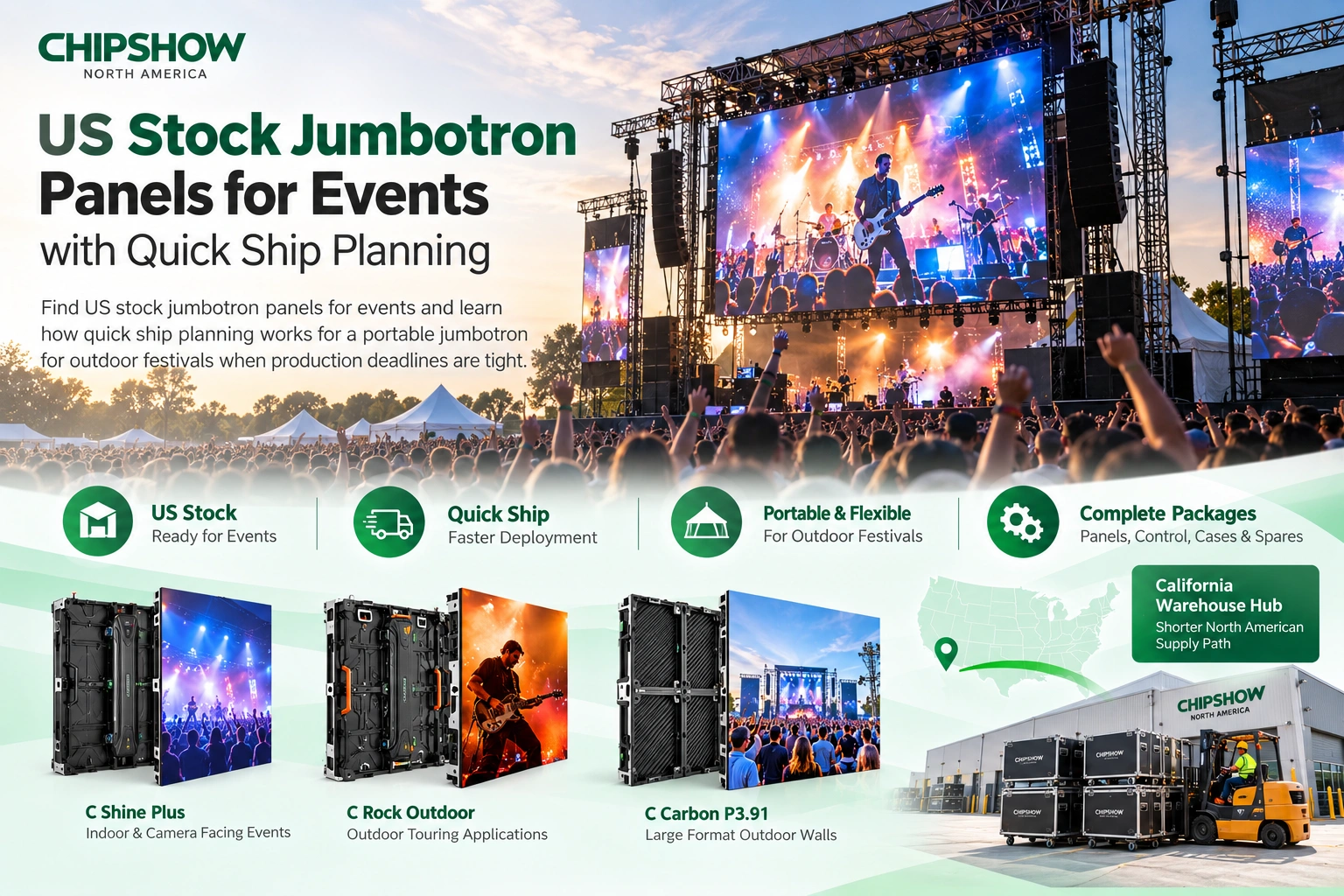
Chipshow aborda este problema desde el lado del fabricante. Nuestro California Warehouse Hub ofrece a integradores, distribuidores y equipos de proyecto norteamericanos un buffer local de inventario para hardware seleccionado, mientras que la fabricación en fábrica proporciona acceso a registros de productos, planificación de lotes, repuestos compatibles y documentación técnica.
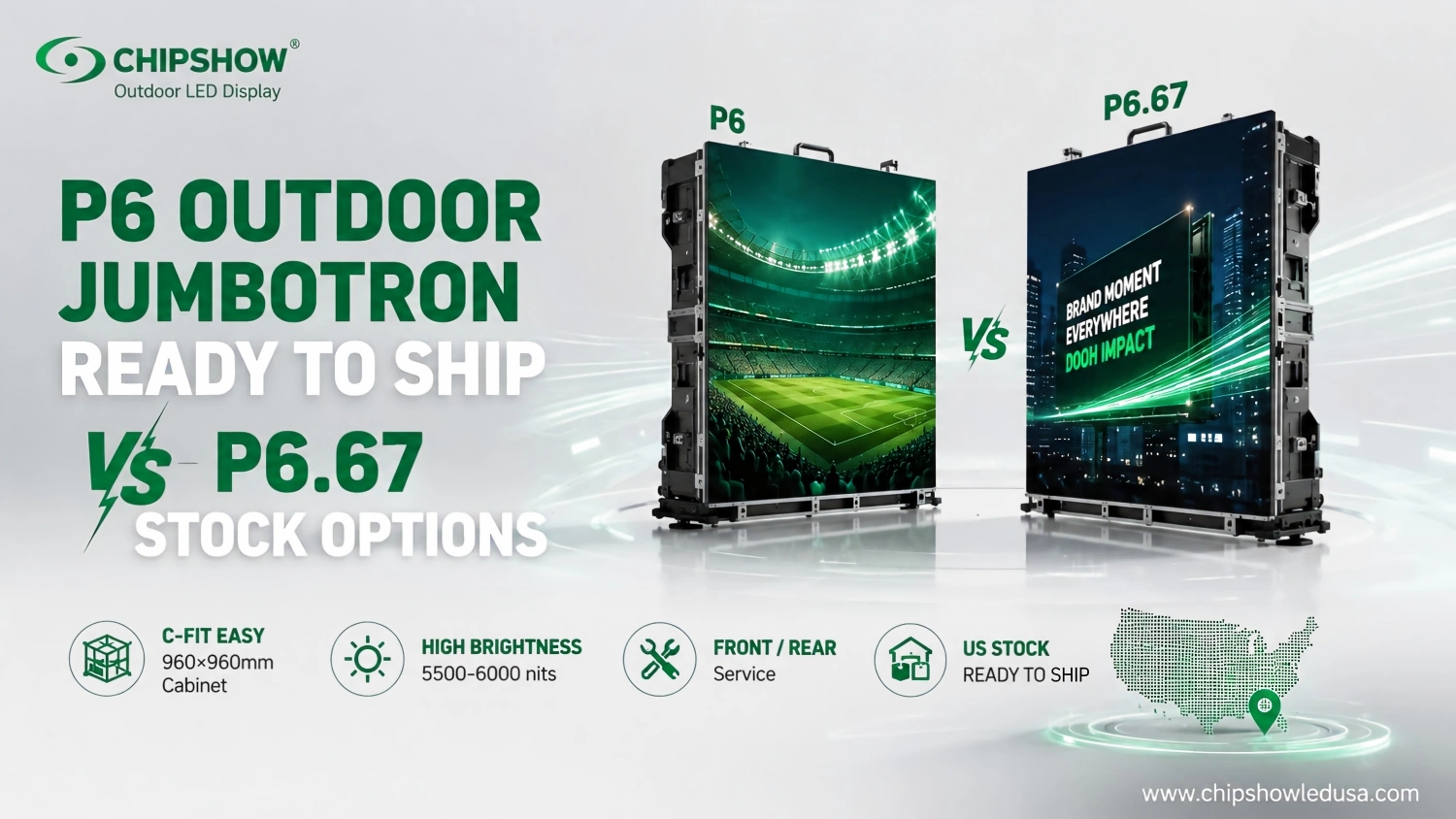
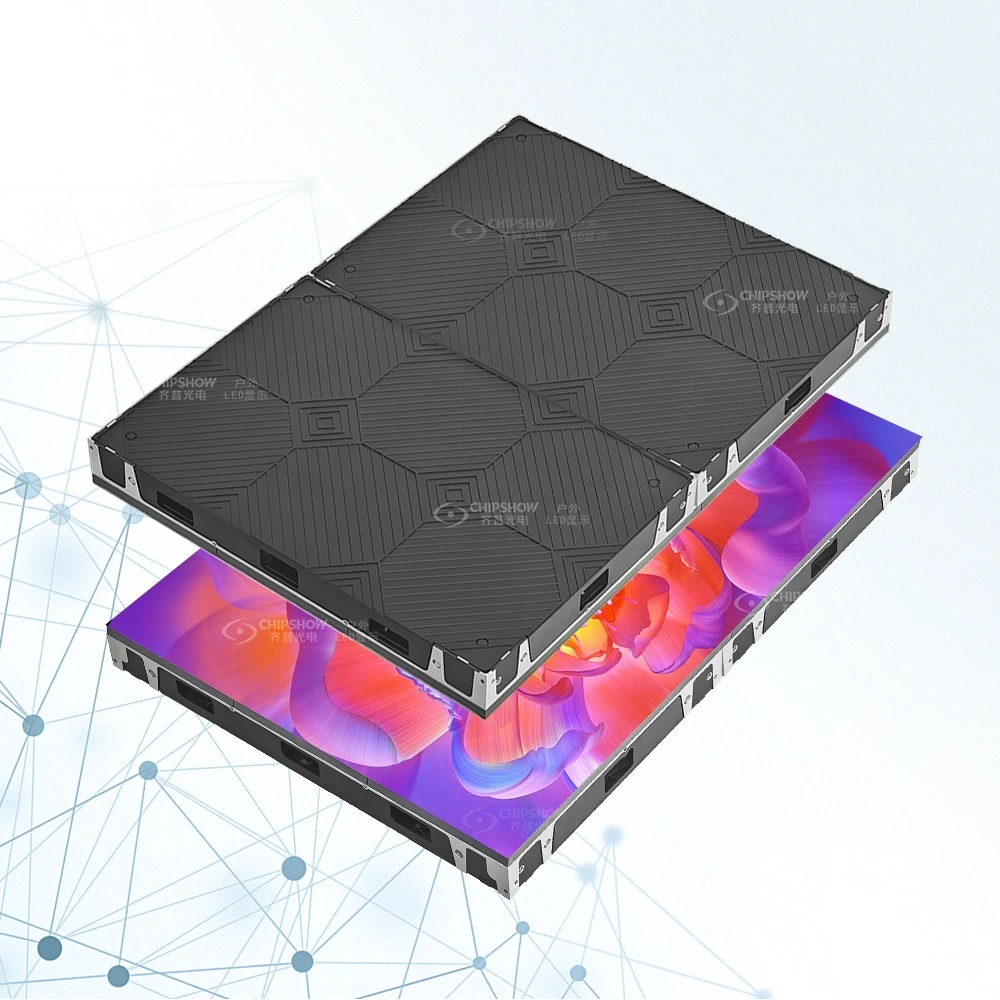
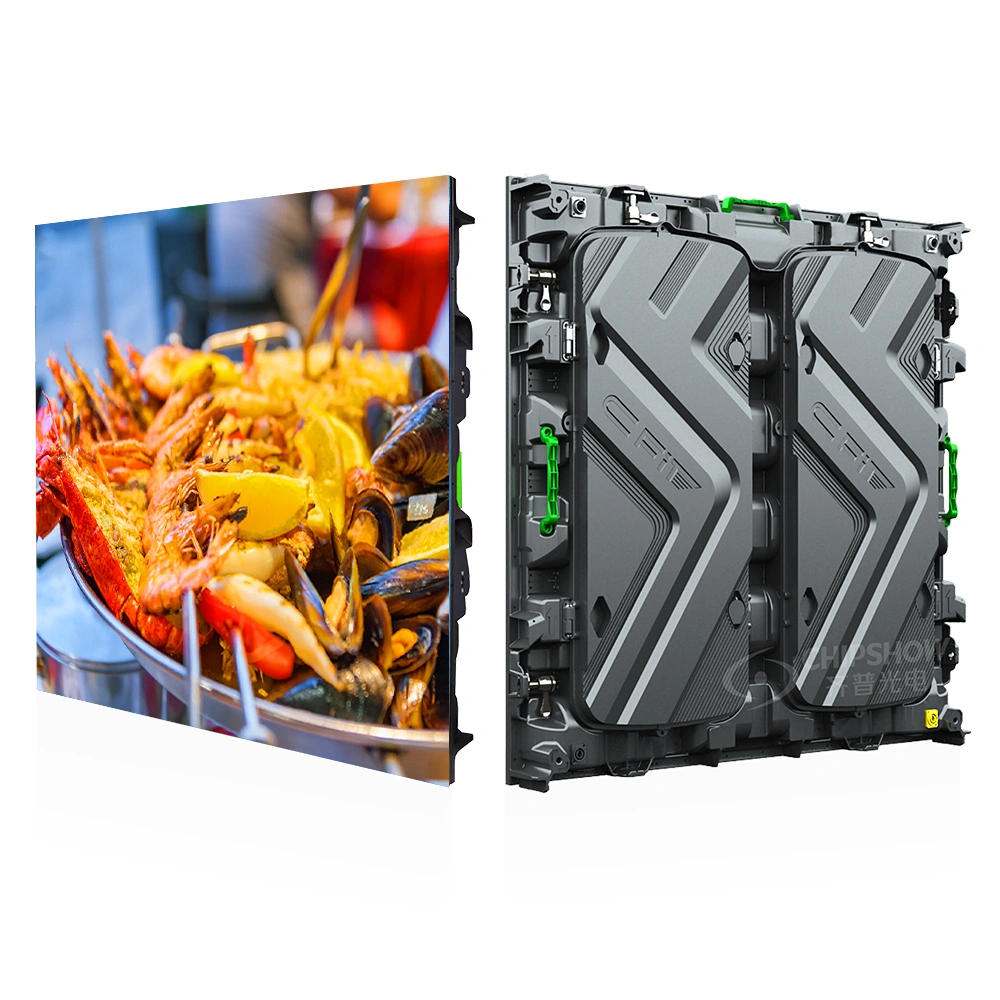
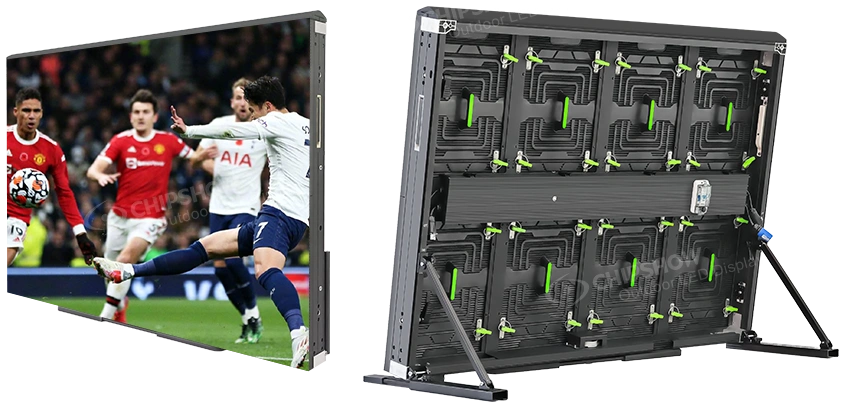
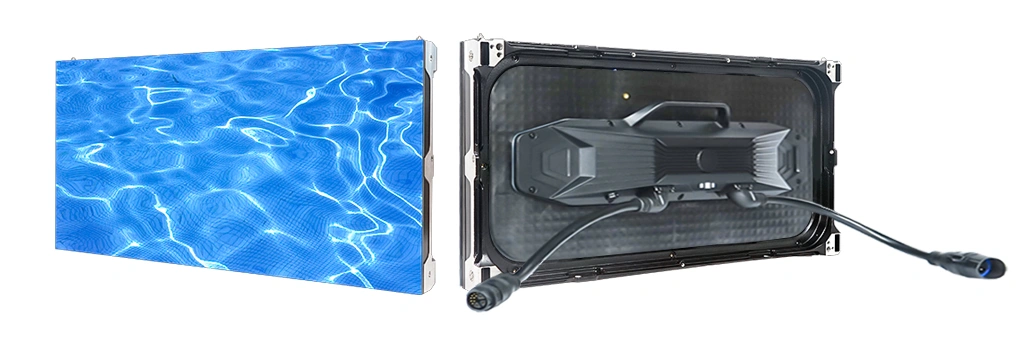
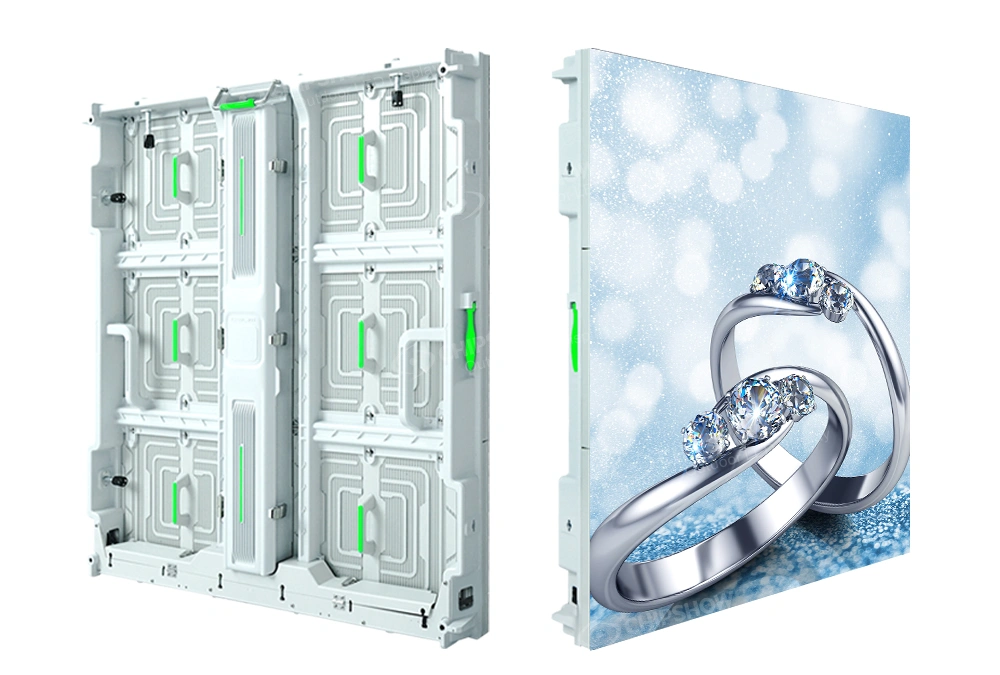
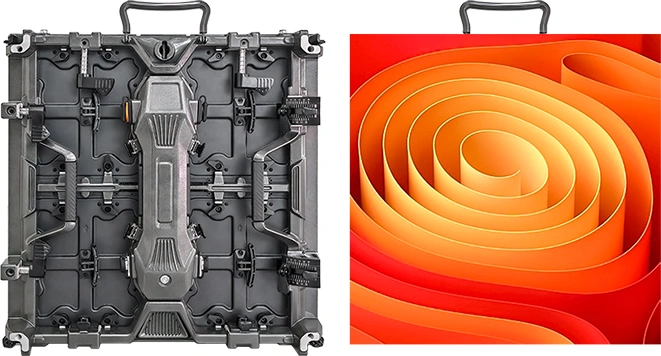
C-Fit Easy P6.67 actualmente tiene una posición definida en acciones estadounidenses, mientras que C-Smart mantiene acciones de California y posicionamiento de apoyo a concesionarios. Los compradores deben confirmar la cantidad y configuración exactas antes de usar cualquiera de los dos productos como inventario comprometido para el proyecto.
Otros productos Chipshow solo deben llevar una reclamación lista para enviar después de que se haya comprobado el modelo y la cantidad requeridos para el proyecto actual.
Las acciones estadounidenses son un hecho a nivel de proyecto, no una etiqueta a nivel de marca.
Ese principio crea un flujo de trabajo de compra mucho más seguro: identificar lo que necesita el proyecto, verificar qué puede asignar Chipshow y luego preparar la lista de materiales de hardware alrededor del equipo confirmado.
Fabricante vs. Distribuidor vs. Revendedor
Comprar directamente a un fabricante, a través de un distribuidor o de un distribuidor puede tener sentido en las circunstancias adecuadas.
La diferencia radica en la cantidad de visibilidad que cada ruta ofrece al comprador sobre el hardware detrás del presupuesto.
| Ruta de suministro | Principal ventaja | Lo que el comprador necesita verificar | Riesgo principal para el control |
|---|---|---|---|
| Fabricante | Acceso directo a la ingeniería de producto, historial de producción, planificación por lotes y documentación técnica | Inventario exacto en EE. UU., cantidad del proyecto, lote, repuestos y documentos de producto aplicables | El suministro de fábrica no significa automáticamente que todas las configuraciones estén almacenadas en Estados Unidos |
| Distribuidor | Estableció una relación regional de compra y la comodidad del canal | Autorización, proceso de garantía, propiedad del inventario y acceso a los documentos del fabricante | Las decisiones técnicas y las piezas de repuesto pueden depender aún de la fábrica original |
| Revendedor | Puede tener un producto o componente concreto disponible de inmediato | Fabricante original, generación del producto, antigüedad del stock, información de calibración y responsabilidad de la garantía | La trazabilidad limitada por lotes o la compatibilidad futura pueden dificultar la expansión y reemplazo |
El objetivo no es declarar que cada proyecto deba seguir una única vía de compra.
El objetivo es saber quién está detrás del hardware LED.
Por qué importa la identidad del fabricante
Una pantalla LED contiene más que una matriz visible de píxeles.
El sistema terminado combina módulos LED, electrónica de controladores, hardware receptor, componentes de energía, estructuras mecánicas y datos de calibración. Estos elementos cobran especial importancia cuando un proyecto necesita repuestos futuros, armarios adicionales o módulos de reemplazo.
Cuando los compradores conocen al fabricante original, tienen un camino más claro de regreso a la generación del producto, las especificaciones y los registros de producción.
Chipshow fabrica su hardware LED en lugar de operar solo como distribuidor de inventario. Para los integradores, eso significa que las preguntas de hardware pueden volver a la fuente del producto en lugar de pasar por varias capas de ventas no relacionadas.
Para un nuevo proyecto, confirma la serie de productos Chipshow, el tono exacto del píxel y el formato de gabinete o módulo.
Para un proyecto de ampliación o reemplazo, identifica primero el hardware existente. Un tono coincidente como P6.67 no significa automáticamente que dos módulos pertenezcan a la misma generación de diseño.
La documentación debe introducirse en el proyecto antes del envío
Un integrador cualificado necesita información técnica mientras prepara el proyecto, no después de que lleguen los palés.
Dependiendo del sistema, el equipo de proyecto puede necesitar las dimensiones del armario, especificaciones del módulo, información de alimentación, detalles de acceso al servicio, requisitos de control y planos relacionados con la instalación.
La misma regla se aplica a la documentación de cumplimiento.
Cuando un proyecto requiere documentación UL-, ETL-, FCC u otra documentación aplicable, Chipshow debe coincidir la documentación disponible con el modelo y la configuración reales en la cotización. Un documento asociado a un producto no debería convertirse en una reclamación general para todas las series de Chipshow.
La aprobación de permisos locales sigue sujeta a las condiciones del proyecto y a la Autoridad Competente.
Para los compradores que revisan a un proveedor, esto crea una prueba sencilla: pedir la información técnica de envío antes de que el pedido llegue a la fase de envío.
Las páginas de producto y el Centro de Descargas de Chipshow pueden soportar esa revisión documental una vez identificada la configuración de hardware.
La estructura del canal importa para los integradores antivirus
Un integrador antivirus evalúa más que el producto.
También debe saber si el fabricante respetará el papel del integrador en el proyecto.
Chipshow posiciona su negocio en Norteamérica en torno a hardware respaldado por fabricantes y cooperación amigable con el canal. Suministramos hardware LED, documentación de productos y coordinación técnica del hardware sin tratar el almacén de California como una empresa local de instalación.
El integrador mantiene la relación con el cliente, el alcance de la mano de obra local y el margen del proyecto. Equipos locales cualificados continúan gestionando la ingeniería estructural, el trabajo eléctrico, la instalación y otras responsabilidades específicas del lugar bajo sus propios contratos.
Esta distinción permite que el fabricante del hardware y el integrador resuelvan diferentes partes del proyecto en lugar de competir por el mismo alcance.
¿Qué cuenta realmente como acciones estadounidenses?
Cuando un comprador pregunta por un proveedor estadounidense de pantallas gigantes, la pregunta útil no es si la empresa tiene productos en algún lugar de Estados Unidos.
La cuestión útil es si la cantidad requerida de proyecto puede asignarse desde hardware compatible ya ubicado en Estados Unidos.
Cinco cheques importan.
Confirma el modelo exacto y el tono del píxel
No aceptes "stock LED exterior" ni "stock jumbotron" como descripción completa del inventario.
Confirma la serie de productos y el pitch del píxel.
Diferentes alturas dentro de una misma familia pueden usar diferentes configuraciones de módulos, conteos de píxeles y componentes de soporte. Un almacén puede tener un inventario sustancial de una configuración mientras que otra configuración requiere producción en fábrica.
C-Fit Easy ilustra claramente la diferencia.
Actualmente, Chipshow identifica la C-Fit Easy P6.67 como una configuración con stock estadounidense. Eso da a los compradores un producto y una presentación específicos que revisar, en lugar de una afirmación vaga de que toda la familia de productos siempre está disponible.
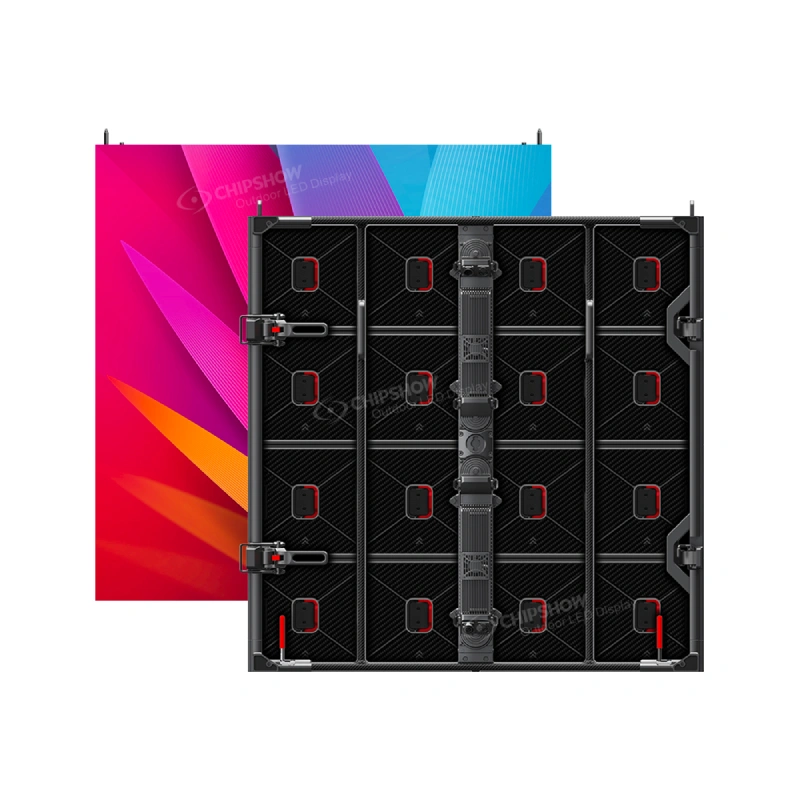
C-Smart ofrece otra ruta similar a la de California, especialmente para la señalización modular exterior, Cartel del monumento, Cartel de Pylon, Centro de Mensajes al Aire Libre y aplicaciones de adaptación. Su propuesta disponible y la cantidad requerida aún necesitan confirmación a nivel de proyecto.
Confirmar la cantidad disponible para la asignación
Un producto puede estar en el almacén y aun así ser insuficiente para tu proyecto.
Si el proyecto requiere 70 armarios y solo quedan 20 armarios no asignados, el proyecto no tiene una solución completa de stock estadounidense.
Pregunta cuántas unidades se pueden asignar al pedido.
Esto se vuelve especialmente importante entre la presupuestación inicial y la compra final. El inventario puede cambiar a medida que avanzan los dibujos, permisos o aprobaciones de los clientes.
Para un proyecto con plazos de entrega, reconfirma el inventario cuando la decisión de compra esté lista.
Confirma el lote del proyecto y los repuestos previstos
Las pantallas LED grandes dependen de la uniformidad visual.
La fabricación y calibración de LEDs ayudan a controlar el brillo y la consistencia del color, pero mezclar lotes no relacionados sin comprobar la compatibilidad puede dificultar futuras ampliaciones o reparaciones.
Cuando una cantidad de proyecto lo permite, Chipshow puede coordinar la pantalla principal y los repuestos planificados como parte de la misma estrategia de producción y calibración.
Eso importa porque la política de repuesto debería empezar antes del envío.
Esperar varios años antes de buscar el primer módulo de repuesto puede introducir incertidumbre innecesaria sobre la generación de componentes, la coincidencia visual y la disponibilidad.
Para un proyecto nuevo, dile a Chipshow cuántos repuestos quieres cuando se esté planificando el lote.
Confirma la lista de materiales completa de hardware
Los muebles LED por sí solos no crean una pantalla de funcionamiento.
El sistema también necesita la arquitectura receptora adecuada, hardware de control o procesamiento, componentes de señal, hardware relacionado con la energía, cables y repuestos de servicio acordados.
Por tanto, un proyecto puede tener suficientes armarios LED en California mientras que un componente de apoyo sigue afectando el calendario final de entrega.
Por eso una revisión de inventario debería acabar convirtiéndose en una chequeo de listas de materiales de hardware.
En lugar de preguntar solo "¿Tenéis esta pantalla en stock?", dad al equipo de hardware las dimensiones de la pantalla, el pitch, los requisitos del controlador y la política de repuesto para que puedan verificar el requerimiento completo del proyecto.
Distinguir el material físico del hardware entrante
El inventario físico estadounidense y el inventario entrante no deberían compartir la misma descripción.
Si el producto ya está en California y sigue disponible para su asignación, el proyecto puede pasar a un transporte nacional tras confirmar el pedido comercial.
El hardware entrante sigue implicando pasos adicionales de producción o logística internacional.
Ambas vías de suministro pueden apoyar un proyecto.
Simplemente tienen riesgos de horario diferentes.
Para un gestor de proyecto con fecha de apertura o evento inmueble, saber esa diferencia con antelación es más valioso que descubrirla después de que ya se haya reservado la mano de obra de instalación.
Módulos Jumbotron listos para enviar: Verifica la compatibilidad antes de hacer el pedido
Los módulos jumbotrón listos para enviar pueden ser valiosos para trabajos de reemplazo y ampliación porque pueden reducir el tiempo de espera para un nuevo ciclo de producción.
No deben tratarse como piezas de repuesto universales.
El pixel pitch es solo la primera comprobación de compatibilidad.
Coincidencia por lotes y visual
Un módulo de reemplazo puede funcionar correctamente y seguir teniendo un aspecto visiblemente diferente de los módulos vecinos.
Las características de los lotes LED, la antigüedad de la pantalla y el historial de calibración pueden influir en cómo aparece un reemplazo dentro de una pantalla existente.
Para un nuevo proyecto Chipshow, reservar módulos de repuesto adecuados con la pantalla original proporciona al propietario un punto de partida más sólido para futuros servicios.
Para una instalación existente, proporciona la información original del producto y los registros de calibración disponibles antes de comprar módulos de reemplazo.
Compatibilidad mecánica y electrónica
El módulo debe coincidir con más que la anchura y la altura.
Los puntos de montaje, conectores, arquitectura del controlador, configuración receptora e interfaces de alimentación pueden variar entre generaciones.
Antes de que Chipshow confirme un módulo listo para enviar en un sistema existente, el equipo de hardware puede necesitar etiquetas de producto, fotos, dimensiones del módulo e información de componentes de la pantalla instalada.
Esta comprobación de compatibilidad reduce la posibilidad de que un envío rápido se convierta en el envío equivocado.
Tarjetas receptoras y componentes de alimentación
Los proyectos de expansión merecen especial atención.
Un nuevo armario o módulo debe operar dentro de la arquitectura existente de tarjetas receptoras y alimentación. Por tanto, el comprador debe identificar la plataforma del controlador, el modelo de la tarjeta receptora y los componentes de potencia relevantes en lugar de asumir que el paso del LED coincide garantiza la compatibilidad del sistema.
Para un integrador, recopilar estos datos antes de hacer el pedido cuesta mucho menos que solucionar problemas de hardware incompatible in situ.
Mantén la información de calibración con el proyecto
Los datos de calibración pertenecen al registro técnico de la pantalla.
Los integradores y propietarios de locales deben saber dónde se almacenan los archivos de configuración y calibración relevantes.
Cuando los módulos futuros necesiten ser reemplazados, esos registros ayudan a Chipshow y al equipo del proyecto a entender el sistema instalado más rápidamente.
Para consultas de reemplazo, envía la serie de productos, las etiquetas del módulo o del armario, la información de la tarjeta de recepción y los archivos de calibración disponibles en lugar de abrir la discusión solo con el pitch del píxel.
Cómo el almacén de California reduce el riesgo del proyecto
El Centro de Almacenes de California de Chipshow tiene una función principal: acortar la distancia entre hardware LED seleccionado y proyectos norteamericanos.
Eso aporta valor en tres áreas prácticas.
El inventario nacional reduce los pasos en la cadena de suministro
Cuando Chipshow confirme que el equipo requerido ya existe en California, el proyecto podrá evitar esperar un nuevo envío internacional para esa parte del pedido.
Esto puede ayudar a integradores de AV, distribuidores y gestores de proyectos a trabajar con ventanas fijas de instalación.
El inventario nacional no elimina la planificación del transporte y no establece por sí mismo una fecha de entrega garantizada.
El pedido aún necesita confirmar la cantidad, la asignación y la logística de destino.
Lo que elimina es parte de la vía de suministro internacional cuando el hardware compatible ya está disponible.
El stock local crea un búfer de hardware útil
El almacén de California también ofrece a Chipshow otra forma de apoyar los proyectos actuales y las necesidades de reemplazo compatibles.
Los propietarios del proyecto deberían seguir adquiriendo un paquete de repuesto adecuado con el sistema original. Ningún proveedor responsable debería prometer que cada componente de cada generación anterior permanecerá almacenado de forma permanente.
El almacén actúa en cambio como un búfer para hardware actual seleccionado.
Para distribuidores e integradores que estandarizan múltiples proyectos alrededor de la misma plataforma de producto, ese colchón puede simplificar la planificación futura.
El inventario puede influir en la planificación del calendario antes de que la lista de materiales sea definitiva
El mejor momento para comprobar el stock no siempre es después de que el cliente haya aprobado la configuración final.
Un proyecto sensible al calendario puede tener un tamaño de pantalla y fecha de finalización fijos, pero cierta flexibilidad en el formato de pitch o hardware.
Comprobar el inventario actual durante la planificación puede demostrar si merece la pena considerar una configuración adecuada de repositorios.
La idoneidad técnica debe seguir siendo lo primero.
El inventario debe apoyar la decisión de diseño, no anular la distancia de visión, los requisitos ambientales o las necesidades de aplicación.
Qué representan C-Fit Easy y C-Smart
C-Fit Easy y C-Smart ilustran dos razones diferentes por las que un comprador norteamericano podría revisar el inventario de California.
El C-Fit Easy P6.67 ofrece una ruta definida para el stock estadounidense alrededor de un formato estandarizado de armarios exteriores.
C-Smart utiliza un enfoque modular y ofrece stock de CA y posicionamiento de soporte para concesionarios, lo que puede ser relevante cuando un concesionario o integrador de señales necesita una solución exterior basada en módulos.
Estos ejemplos estándar no significan que todas las grandes pantallas de Chipshow deban usar C-Fit Easy o C-Smart.
Si el proyecto requiere una categoría de producto diferente, Chipshow debería primero confirmar el hardware correcto y luego comprobar la disponibilidad actual de ese producto específico.
Esta distinción impide que un artículo de inventario se convierta en un artículo de selección de producto.
10 cheques antes de realizar la orden de compra
La debida diligencia del proveedor no tiene por qué convertirse en un ejercicio de certificación largo. Debe eliminar las incógnitas que puedan detener el proyecto más adelante.
- Confirma el fabricante. Registra la marca real, la serie de productos y el pixel pitch en lugar de solo el nombre de la empresa del vendedor.
- Confirma el estado del almacén. Identificar si la cantidad requerida está físicamente en California, asignada a otro pedido, entrante o dependiente de nueva producción.
- Confirma la cantidad de hardware. Asegúrate de que el stock disponible cubra el proyecto, no solo una muestra o una pantalla parcial.
- Revisa las presentaciones técnicas. Revisa las dimensiones, datos eléctricos, requisitos de servicio e información de control que necesita el integrador.
- Confirma el plan de lotes. Entiende cómo Chipshow gestionará la pantalla principal y los repuestos planificados cuando la consistencia en lotes sea importante.
- Define el paquete de repuesto. Decide qué módulos y otros componentes acordados deben venir con el hardware principal.
- Revisa la lista de materiales del hardware. Confirma que los requisitos de procesamiento, recepción, energía, señal y cable no han desaparecido detrás de la frase "paquete de pantalla".
- Revisa los términos de la garantía y del RMA. Conoce qué información necesita Chipshow si un componente requiere evaluación y cómo funciona la garantía aplicable del producto.
- Compara la documentación con el modelo citado. Utiliza documentos específicos de producto aplicables en lugar de información de certificación o prueba tomada de otra serie.
- Confirma responsabilidades. Chipshow suministra hardware respaldado por el fabricante y coordinación de productos relacionados; El integrador y los contratistas locales cualificados mantienen sus ámbitos específicos para cada lugar.
El historial del proyecto y el estado de la reserva también deberían seguir siendo formas separadas de evidencia.
La biblioteca de proyectos publicada por Chipshow incluye una valla publicitaria C-Fit Outdoor P20 LED en One Raffles Place en Singapur, fechada el 4 de diciembre de 2019. Ese material demuestra una historia documentada del proyecto C-Fit. No demuestra que una configuración C-Fit concreta esté disponible en California hoy en día. El inventario actual sigue requiriendo una confirmación de stock separada.
Esta es una distinción importante para cualquier equipo de adquisiciones: un estudio de caso verifica la experiencia; Un registro de inventario verifica la disponibilidad.
Preguntas frecuentes sobre la compra de un jumbotron en Estados Unidos
¿Cómo puedo verificar que un jumbotron está realmente en stock de EE. UU.?
Verifica el modelo exacto, el paso de píxeles y la cantidad requerida, y luego confirma que el hardware está físicamente disponible para la asignación en lugar de estar en contacto o comprometido con otro proyecto. Para un sistema completo, también comprueba los componentes de procesamiento, recepción, alimentación y repuestos que requiere la Hardware BOM. Reconfirma la disponibilidad antes de la compra porque las cantidades del almacén cambian conforme se envían los proyectos.
¿Debería comprar un jumbotron a un fabricante o a un distribuidor?
La respuesta depende del proyecto, pero los compradores deben entender quién fabricó el hardware y quién controla la documentación del producto, la información de lotes, la garantía y la compatibilidad de reemplazos. Comprar a Chipshow conecta la compra del hardware directamente con el fabricante, mientras que el California Warehouse Hub ofrece una opción de inventario nacional para productos seleccionados. Los integradores mantienen sus ámbitos locales de instalación y proyecto.
¿Son importantes los módulos de repuesto del mismo lote de LEDs?
Pueden facilitar la búsqueda visual futura y la planificación del servicio. Para un nuevo proyecto, incluye la cantidad de repuesto prevista cuando se encargue la pantalla principal para que Chipshow pueda considerar tanto la pantalla operativa como su estrategia de reemplazo conjuntamente. Si estás haciendo mantenimiento en una pantalla antigua, proporciona la información instalada del producto y los registros de calibración antes de asumir que un módulo actual coincide.
¿Se pueden mezclar módulos listos para enviar con una pantalla existente?
No solo por el tono de los píxeles. Chipshow necesita comprobar las dimensiones mecánicas, la generación de módulos, los conectores, la configuración de la tarjeta receptora, la arquitectura de alimentación y la información disponible de calibración. Envía fotos de las etiquetas y los detalles de los componentes antes de pedir una gran cantidad de reemplazo.
¿Qué información necesita Chipshow para reservar un lote?
Comienza con la serie de productos o aplicación, el pitch de los píxeles, las dimensiones de la pantalla, la cantidad del proyecto, la cantidad sobrante y la fecha objetivo de entrega. Los requisitos del controlador y el destino de envío también pueden afectar a la lista de materiales hardware final. Chipshow puede confirmar la posición del lote y del inventario una vez definida la configuración real y la cantidad del pedido.
Siguiente paso
Si el tiempo de entrega ya impulsa el proyecto, envía a Chipshow las dimensiones de pantalla, la distancia de visualización o el pitch de píxeles requerido, la preferencia de producto si se conoce, la ubicación del proyecto, la fecha requerida, los requisitos del controlador y la cantidad de sobra planificada.
Chipshow puede usar esos datos para comprobar el Almacén de California frente al requisito real del proyecto.
Si hay hardware compatible disponible, el siguiente paso es confirmar la cantidad asignada y preparar la Hardware BOM.
Si el proyecto requiere un lote controlado más grande, Chipshow puede coordinar el hardware requerido a través de la producción en fábrica en lugar de forzar la especificación alrededor del stock parcial del almacén.
Para proyectos de expansión o reemplazo, incluye las etiquetas de los módulos instalados, los detalles de la tarjeta receptora y los archivos de calibración disponibles para que se pueda comprobar la compatibilidad antes de enviar el hardware de reemplazo.
C-Fit Easy P6.67 proporciona una ruta definida para proyectos exteriores adecuados en el stock estadounidense, mientras que C-Smart ofrece una opción de California stock para aplicaciones compatibles de señalización modular. La disponibilidad exacta está sujeta al recinto actual, cantidad y pedido.
El California Warehouse Hub ofrece a los socios norteamericanos de Chipshow un colchón local práctico. La fabricación en fábrica de Chipshow proporciona el control de producción detrás de ella.
En conjunto, estas dos capacidades permiten a integradores, distribuidores y equipos de proyecto pasar de una pregunta de inventario a un lote confirmado, hardware BOM y paquete de equipos documentados sin convertir a Chipshow en el contratista para el alcance local de instalación.
¿Listo para mirar tu cartel? El Selector de señales LED de EE. UU. Camina a través de la distancia de visualización, formato y distribución en un solo paso.