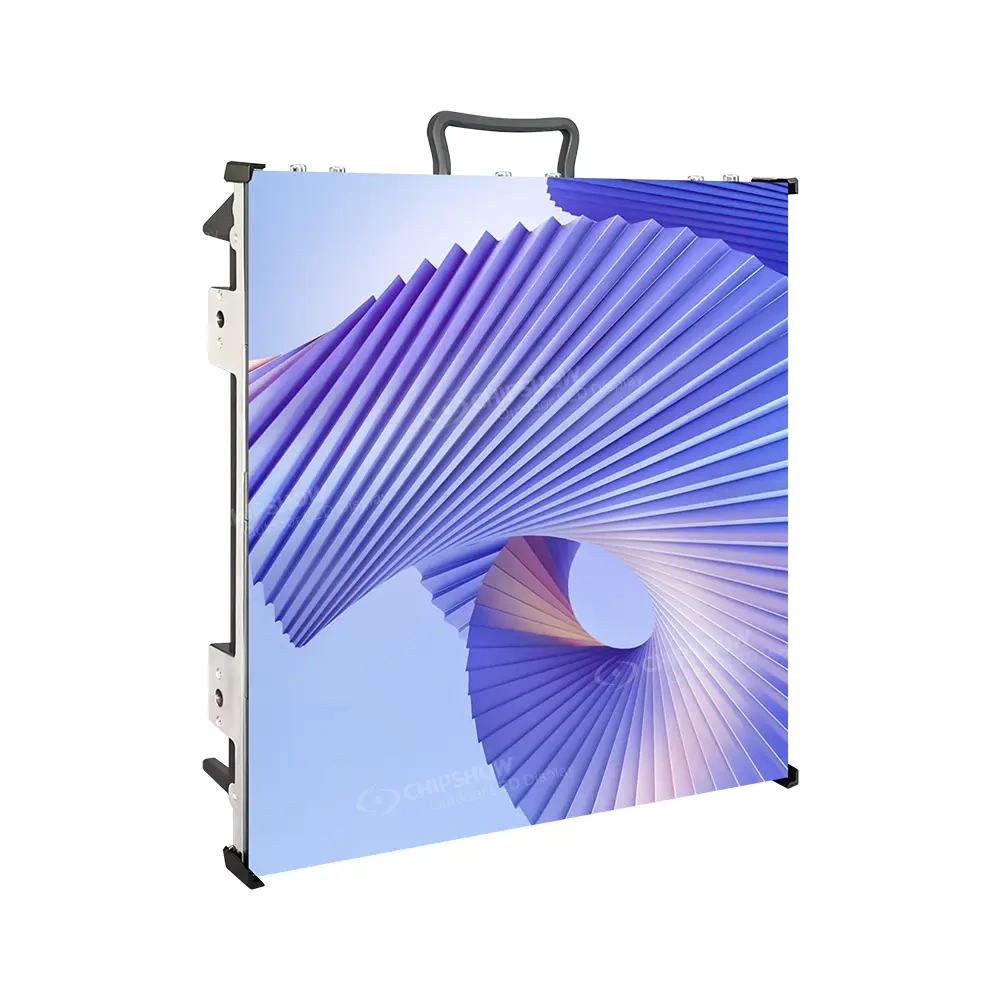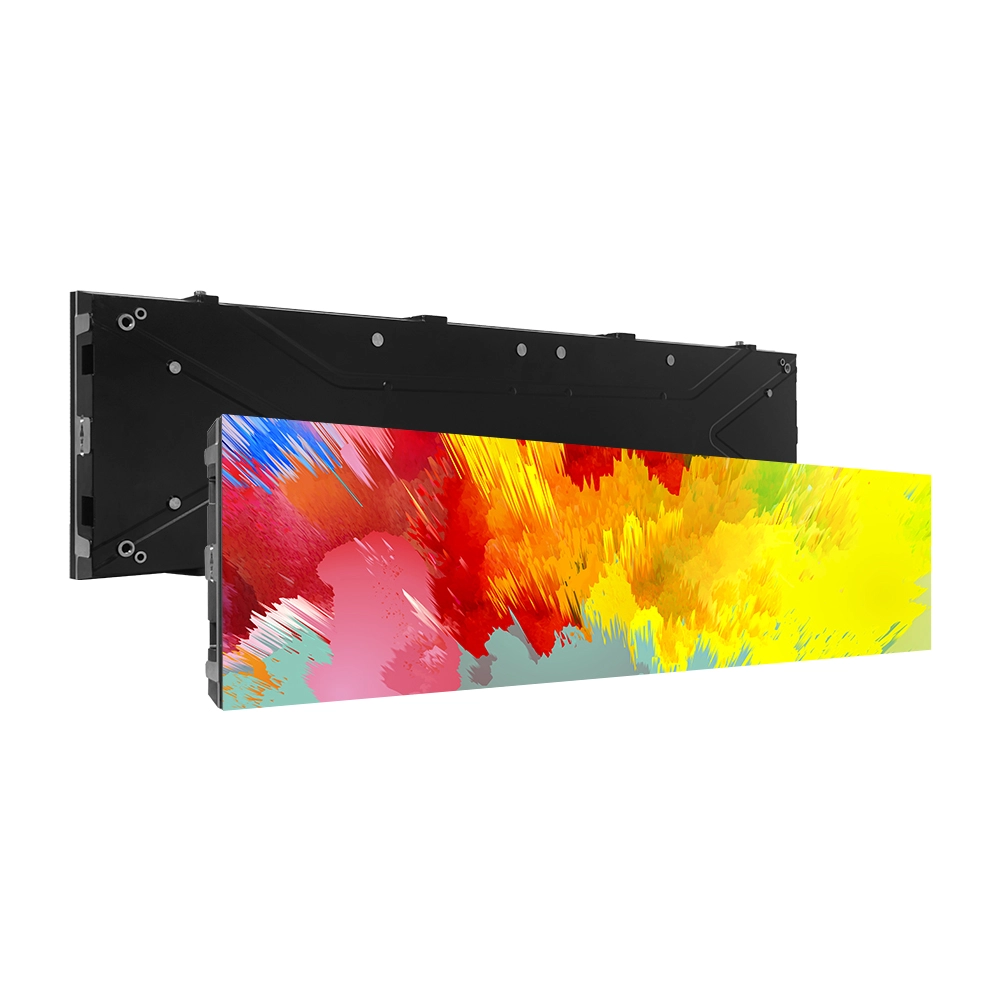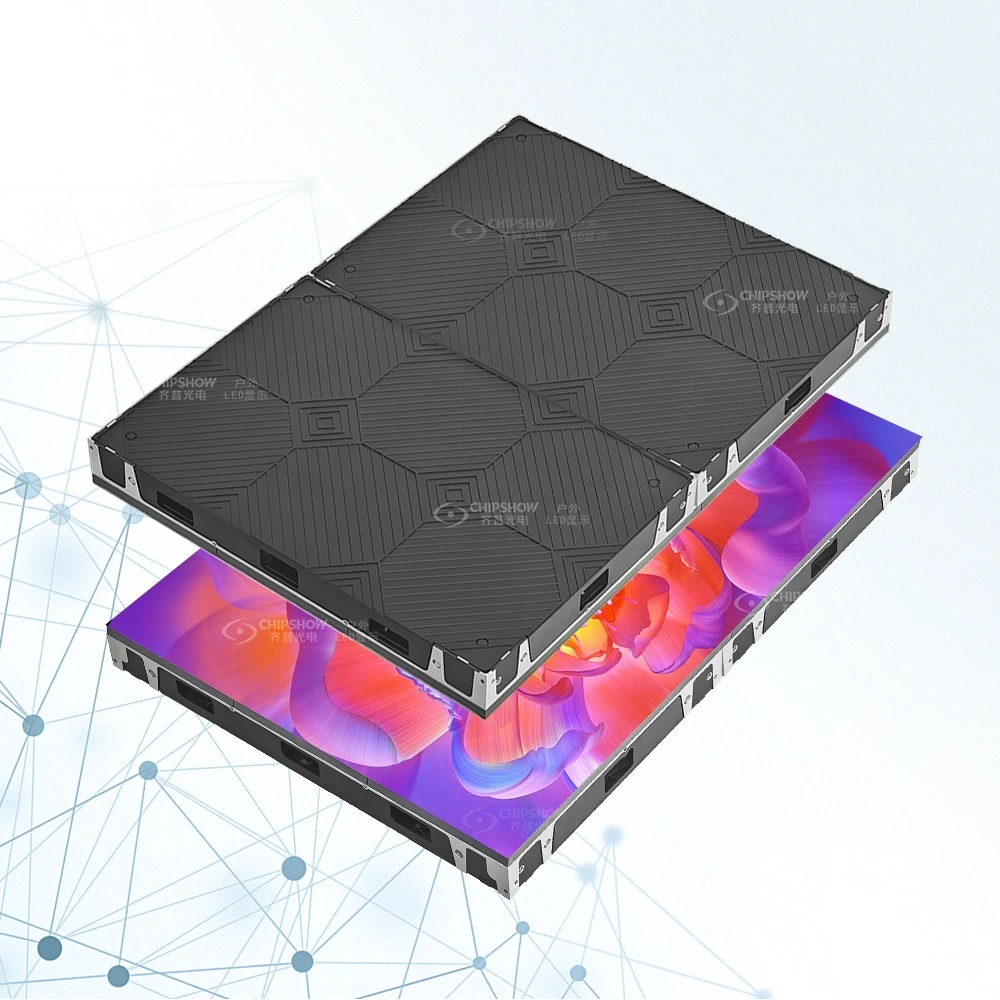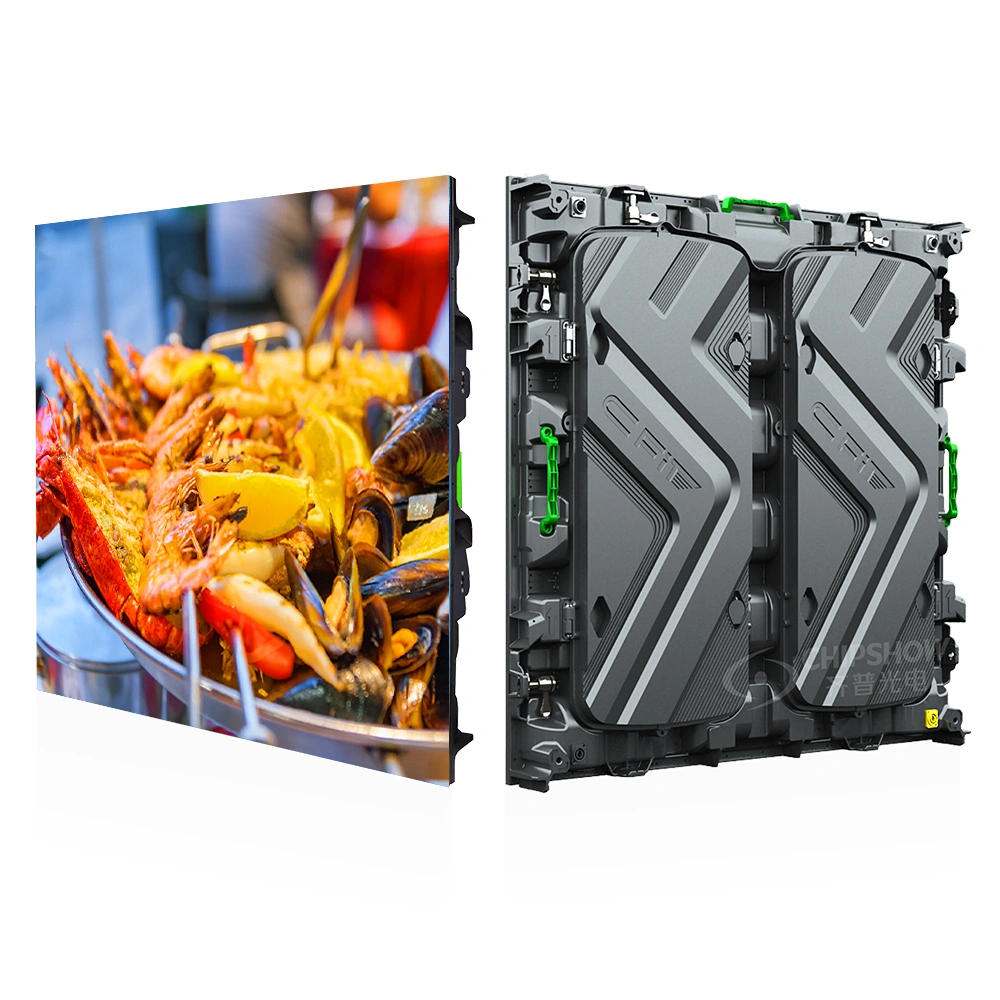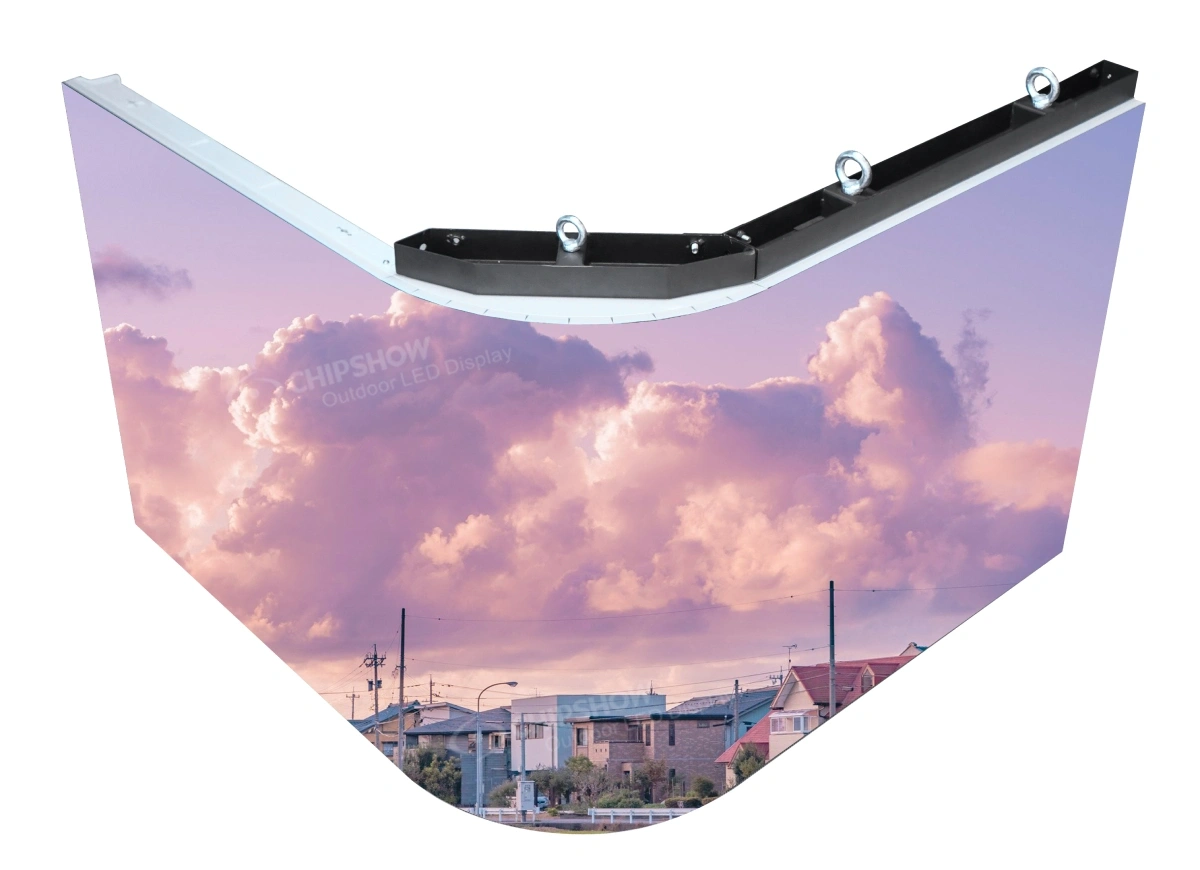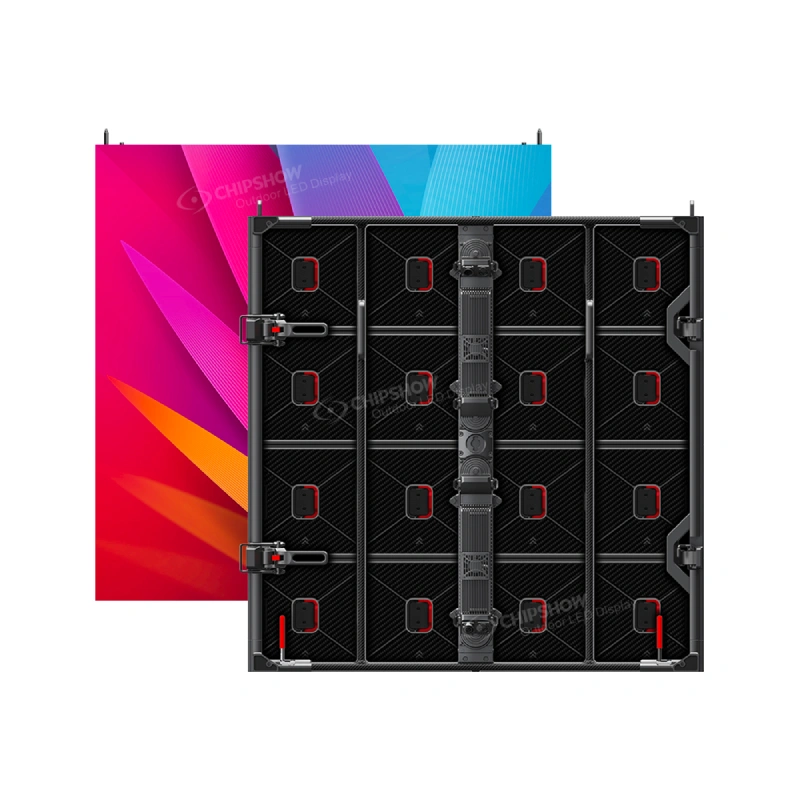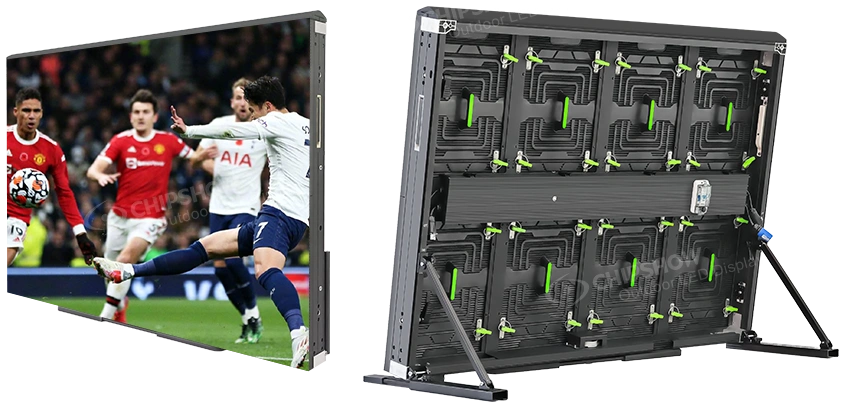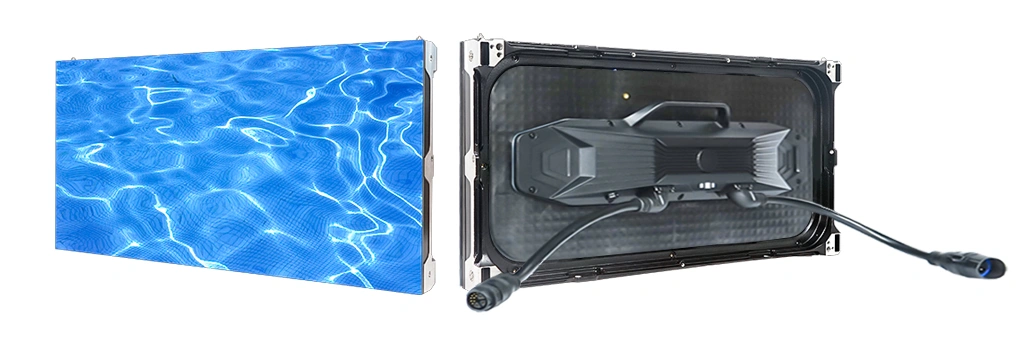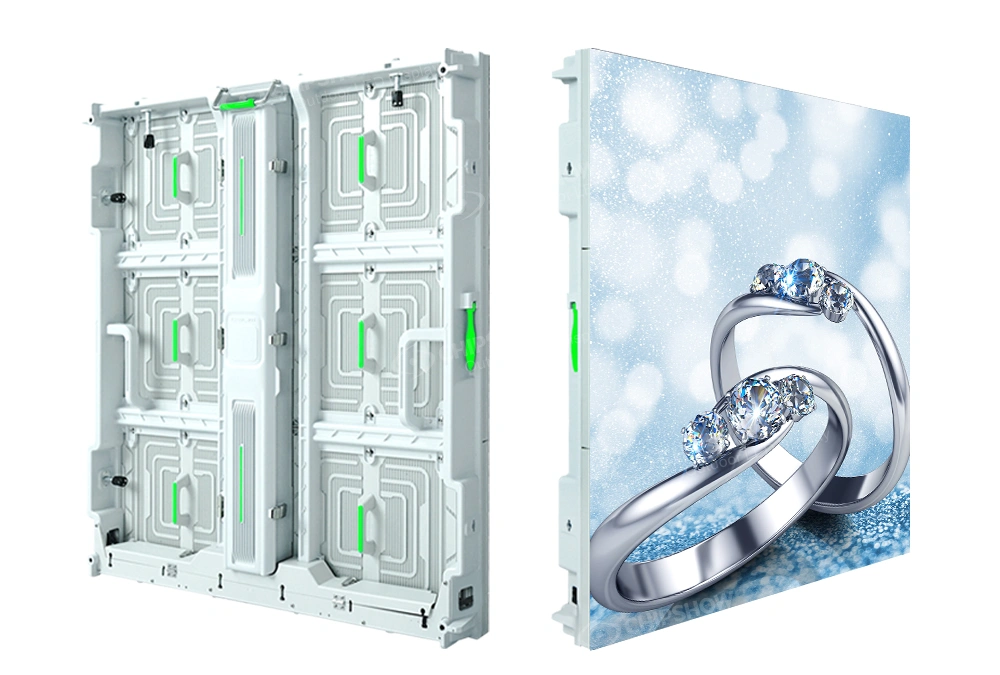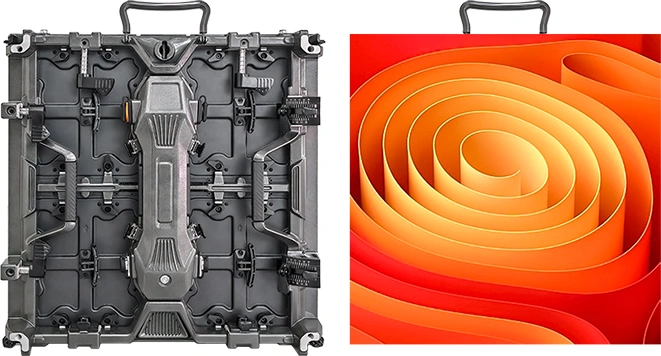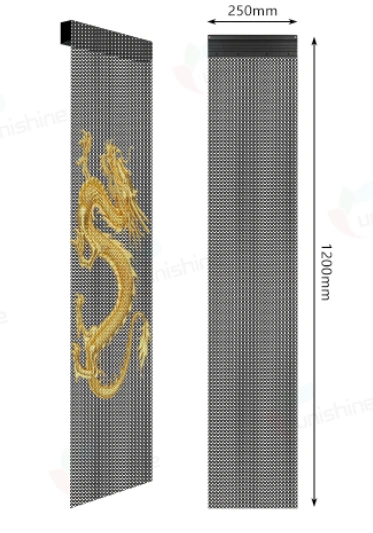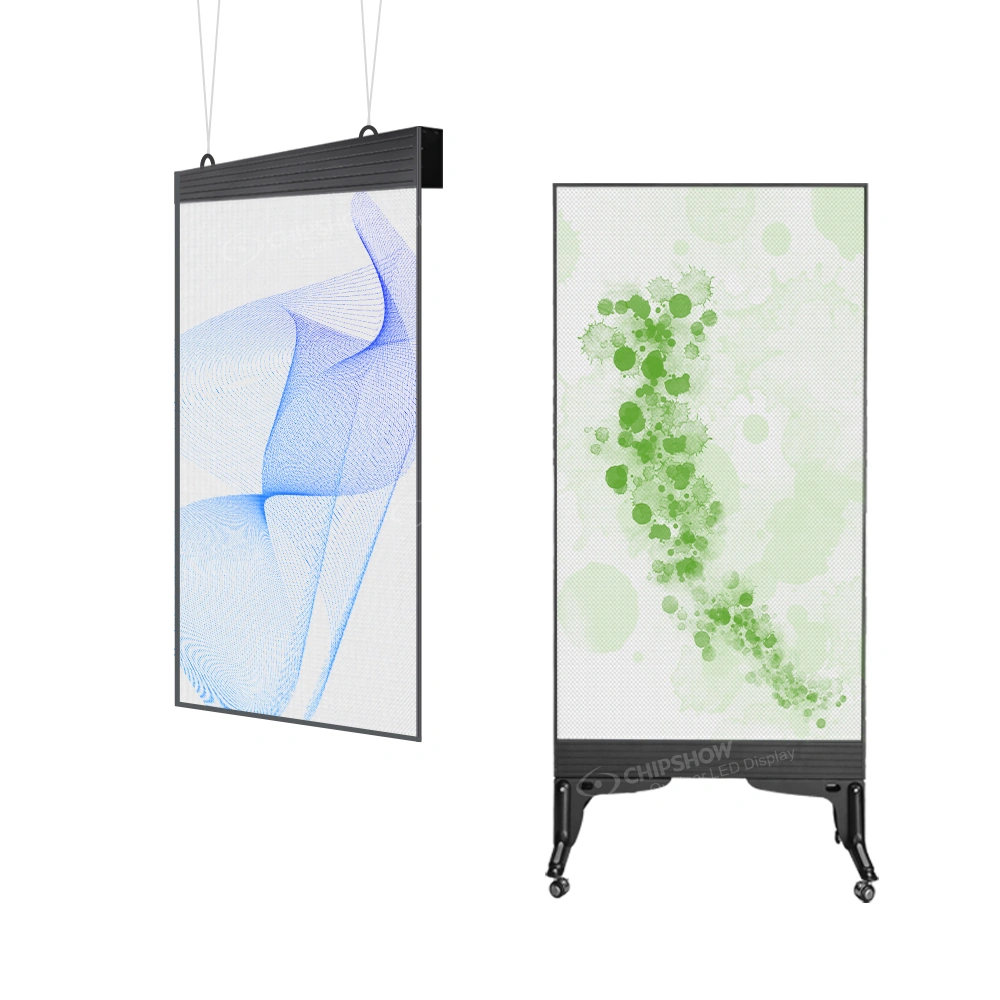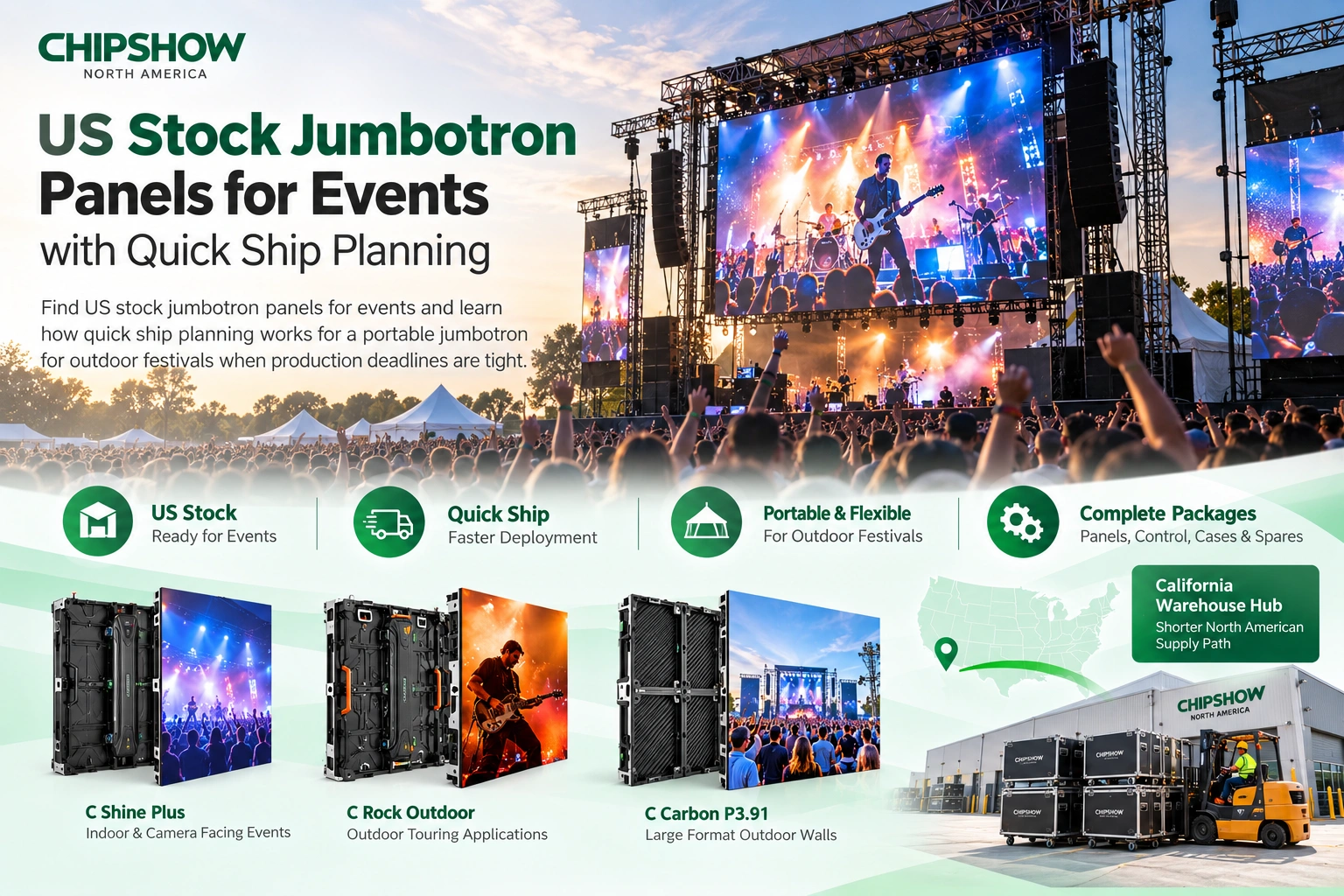
No existe una respuesta fija creíble a "¿cuánto cuesta un jumbotron?" hasta que se sepan cuatro cosas: tamaño de pantalla, pitch de píxeles, condiciones de aplicación e instalación.
Puedes adaptarlo a tu sitio en minutos con el Selector de señales LED: elige el visor más cercano, elige módulo inteligente o armario fijo, y guarda el diseño.
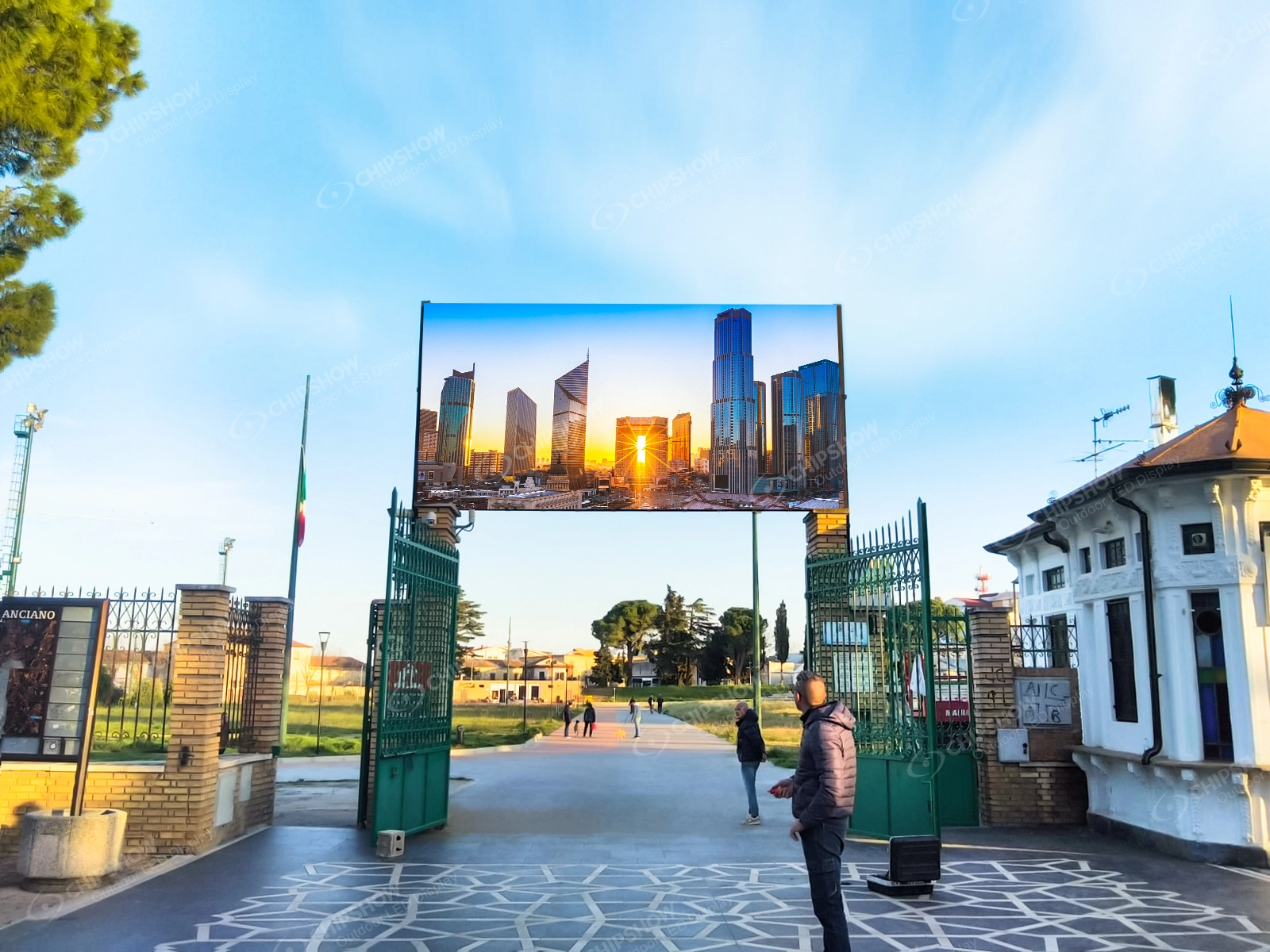
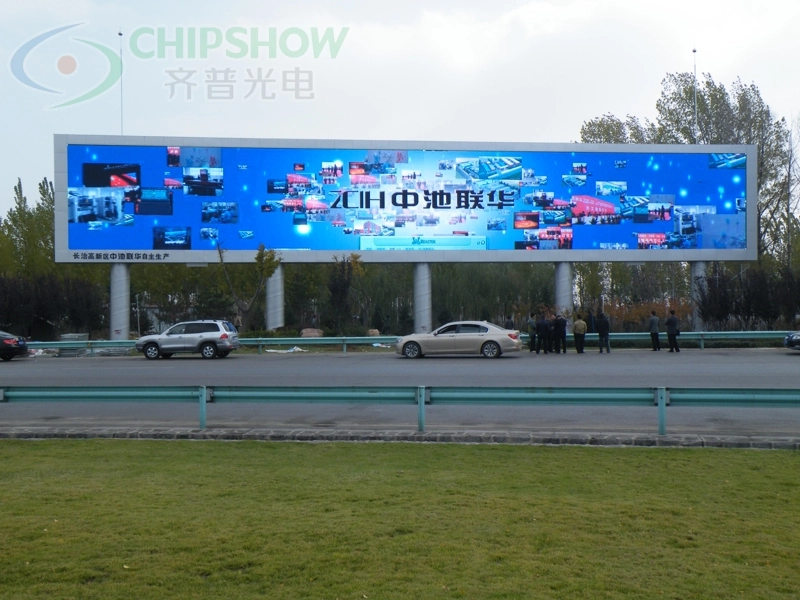
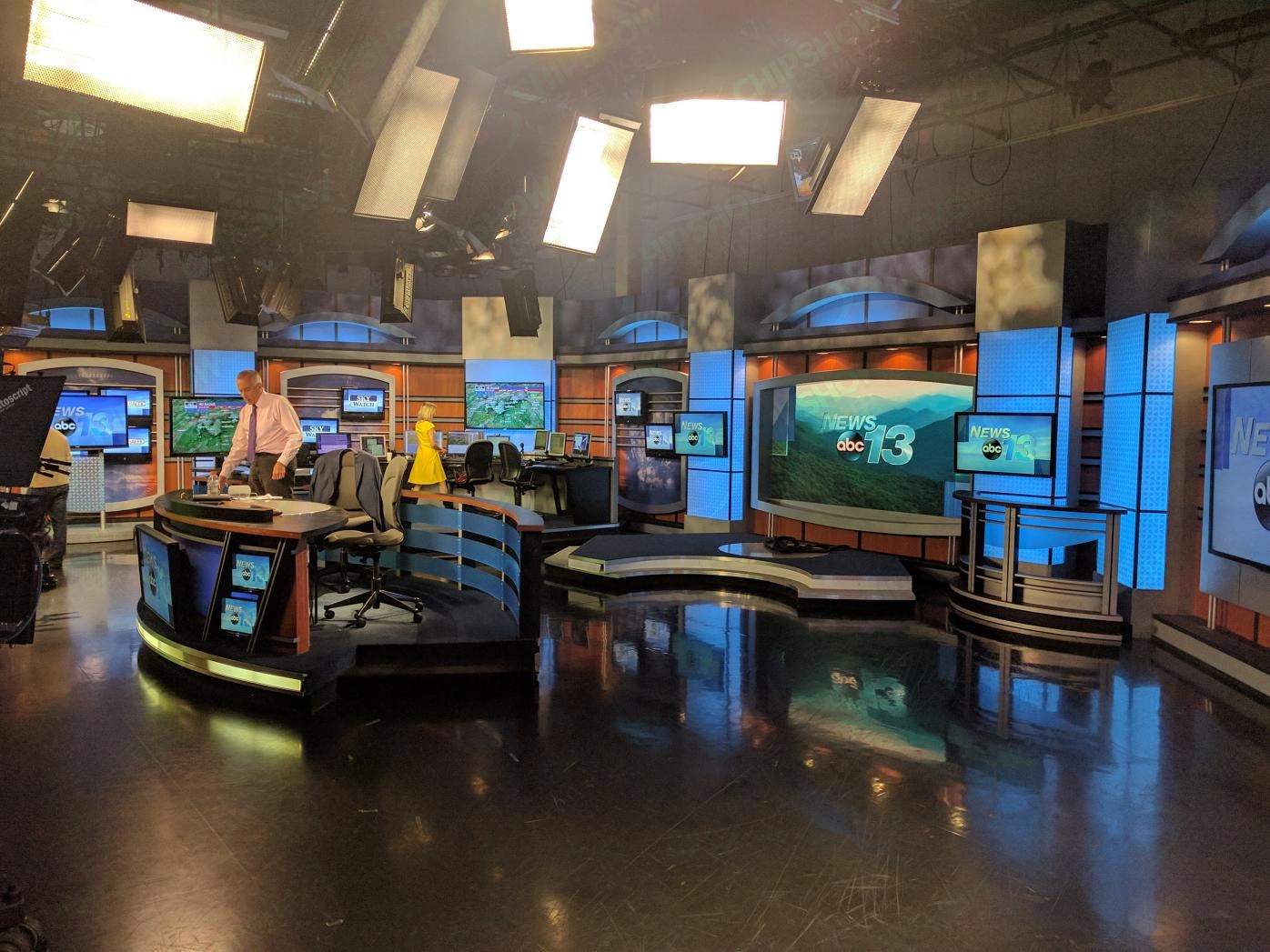
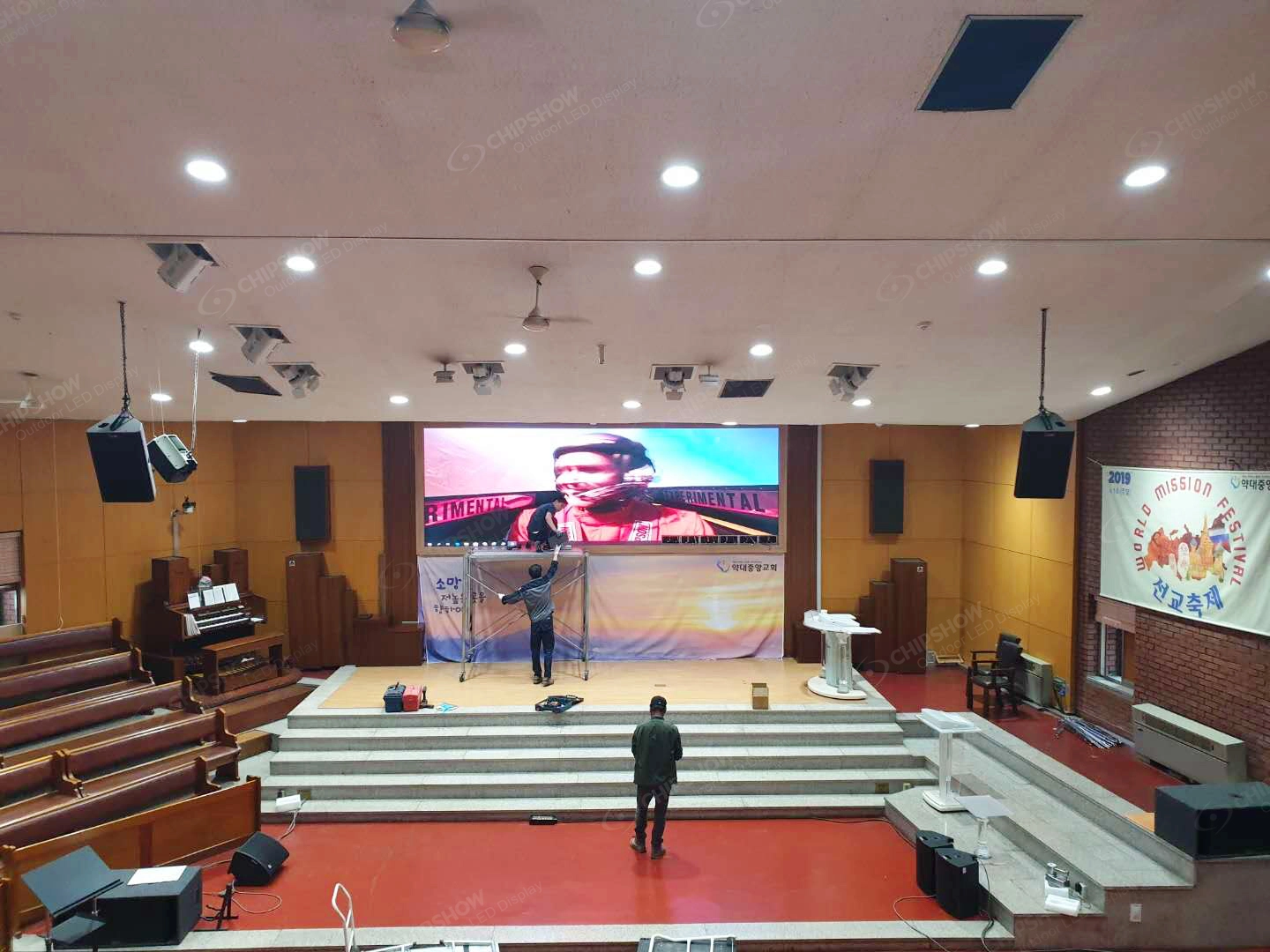
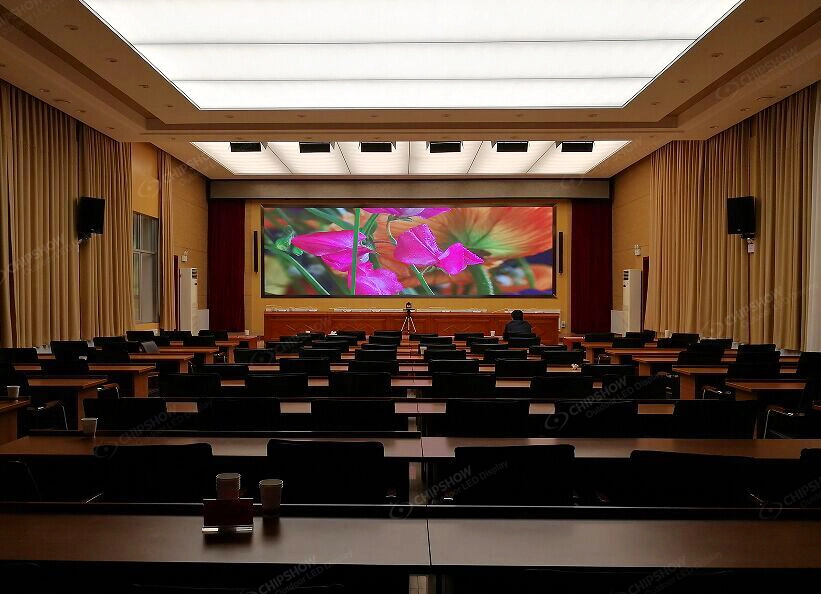
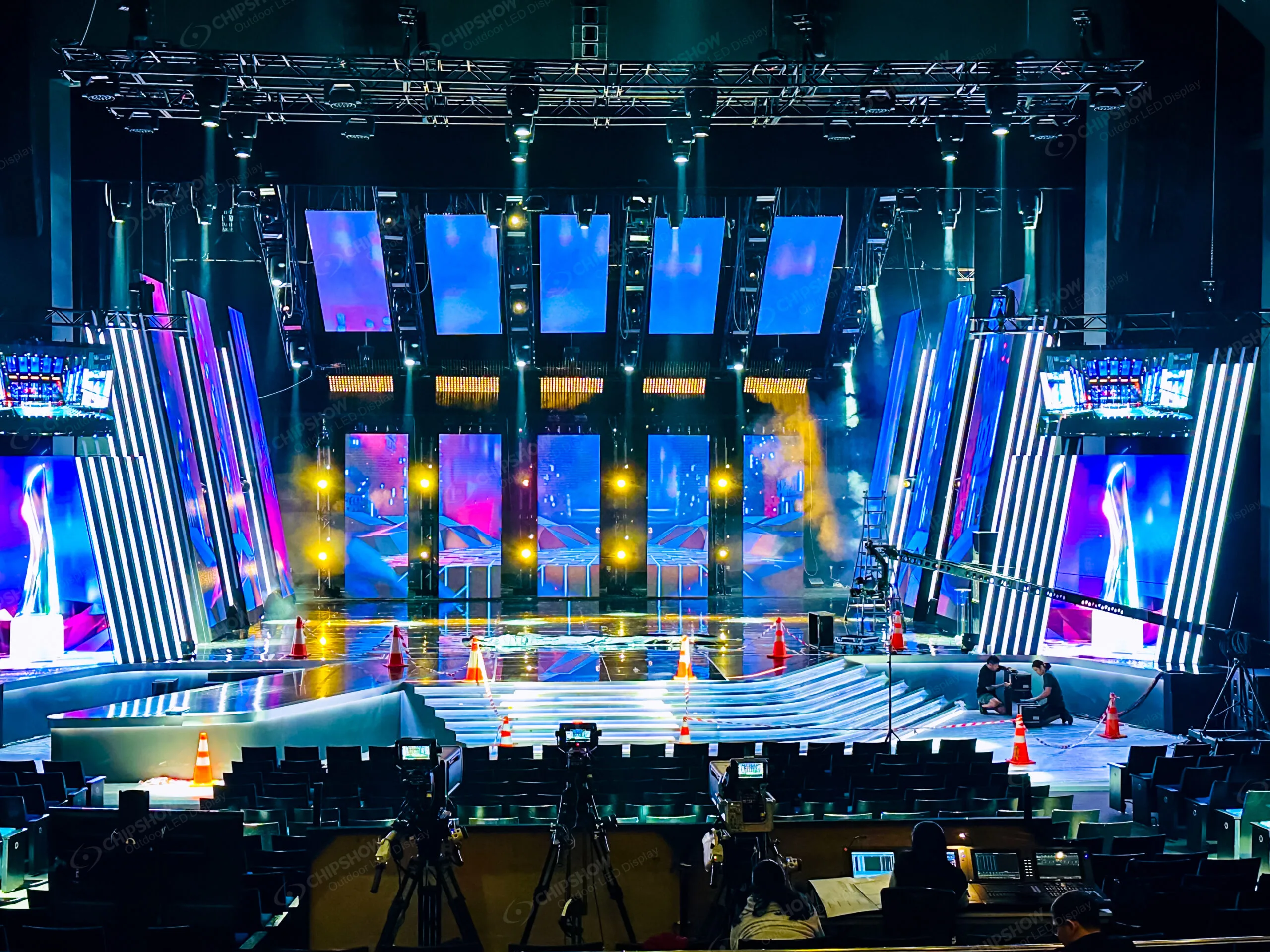
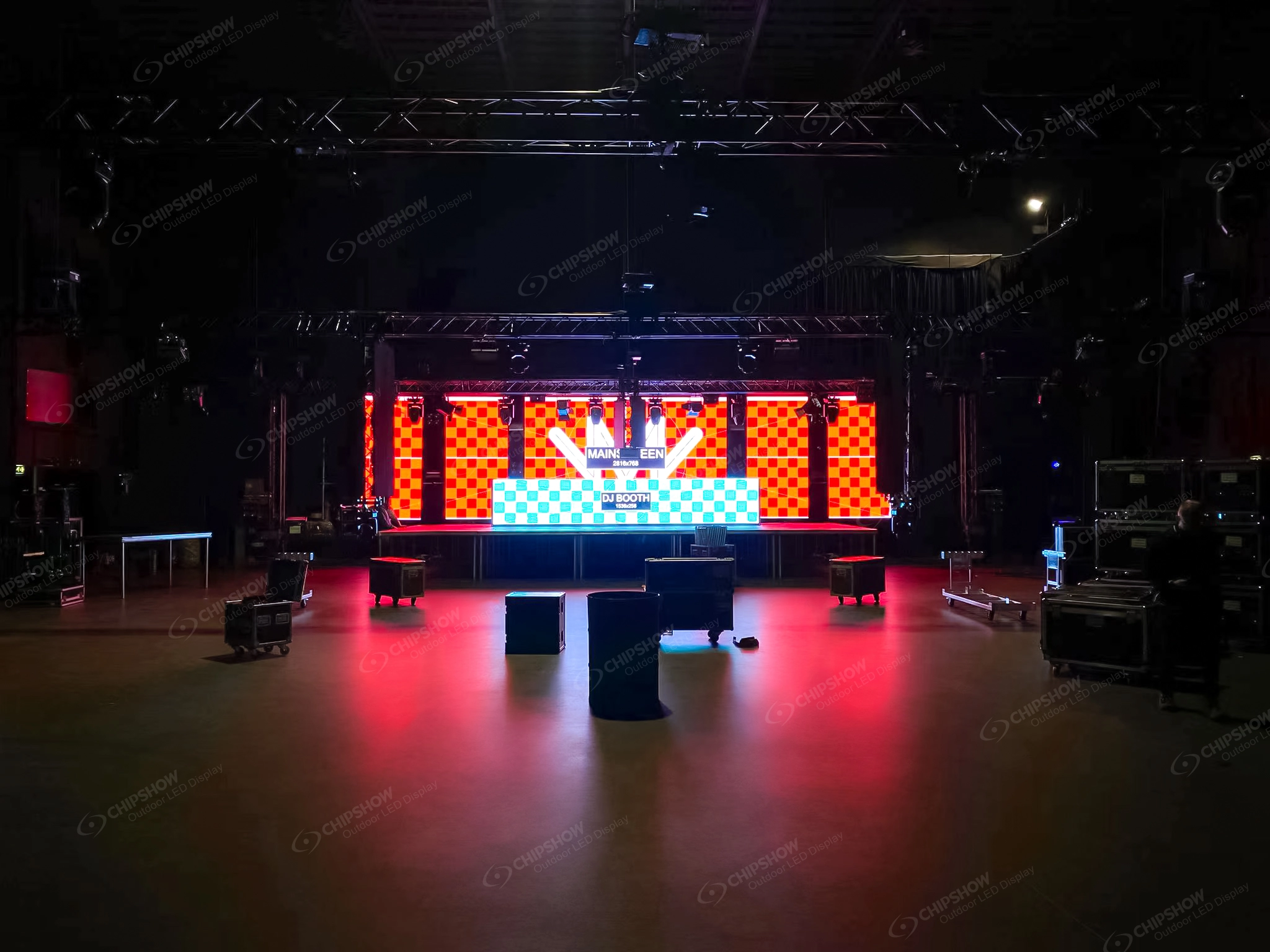
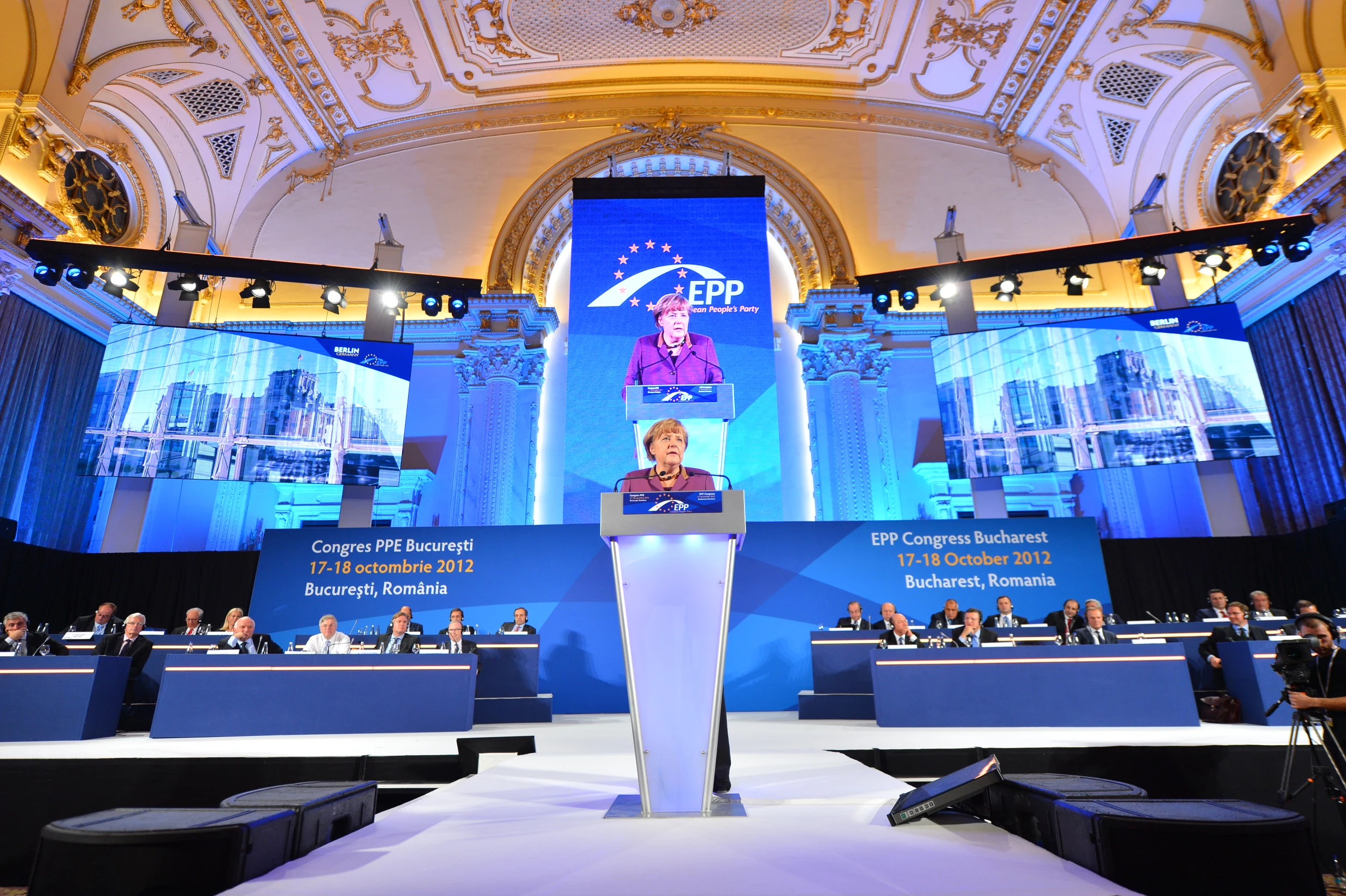
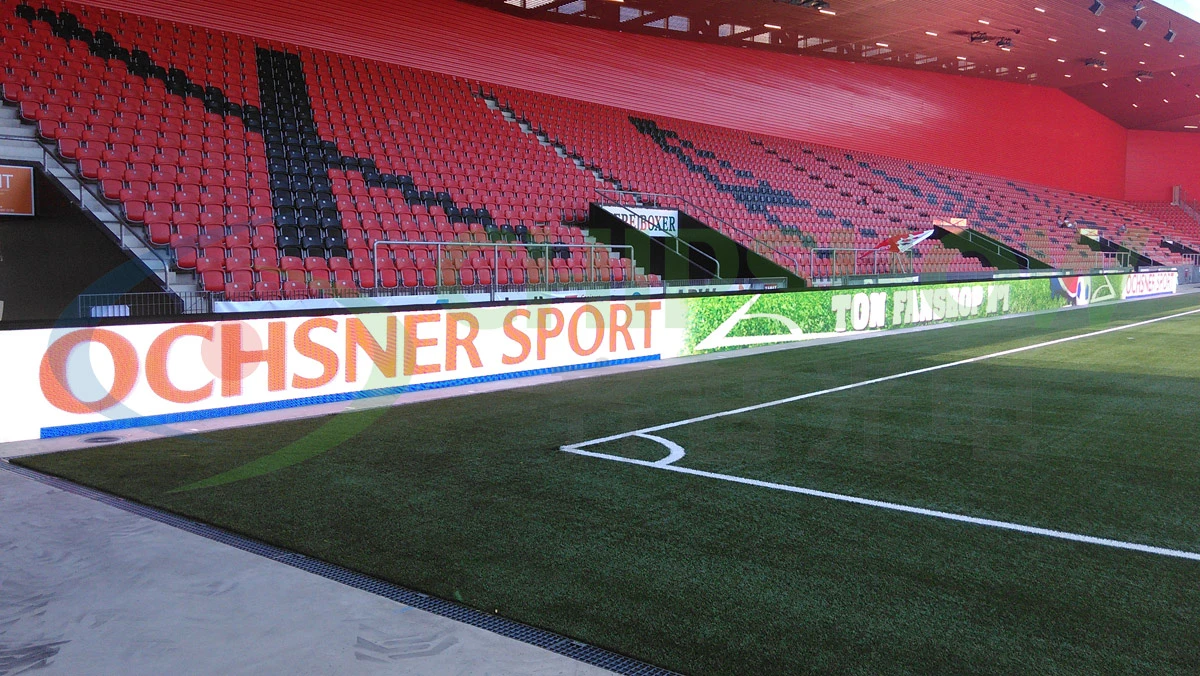
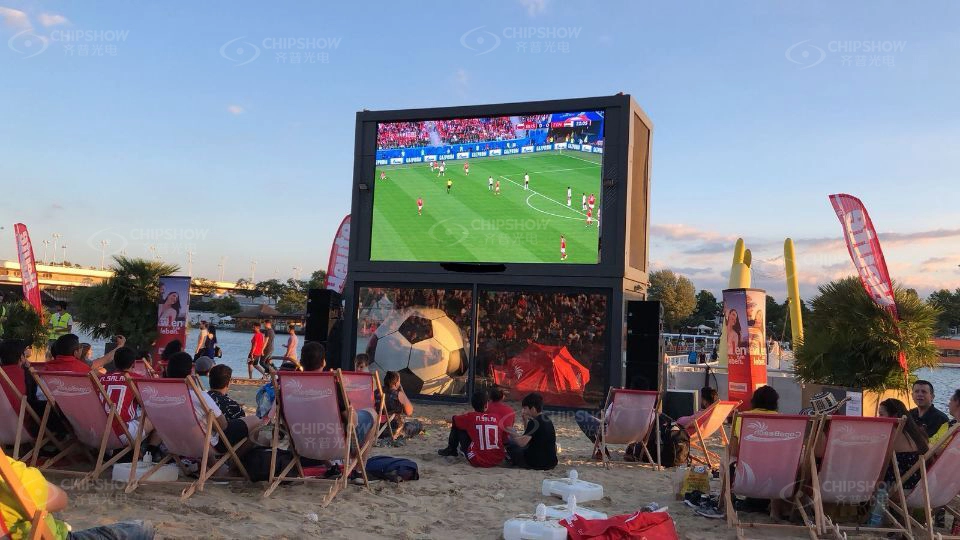
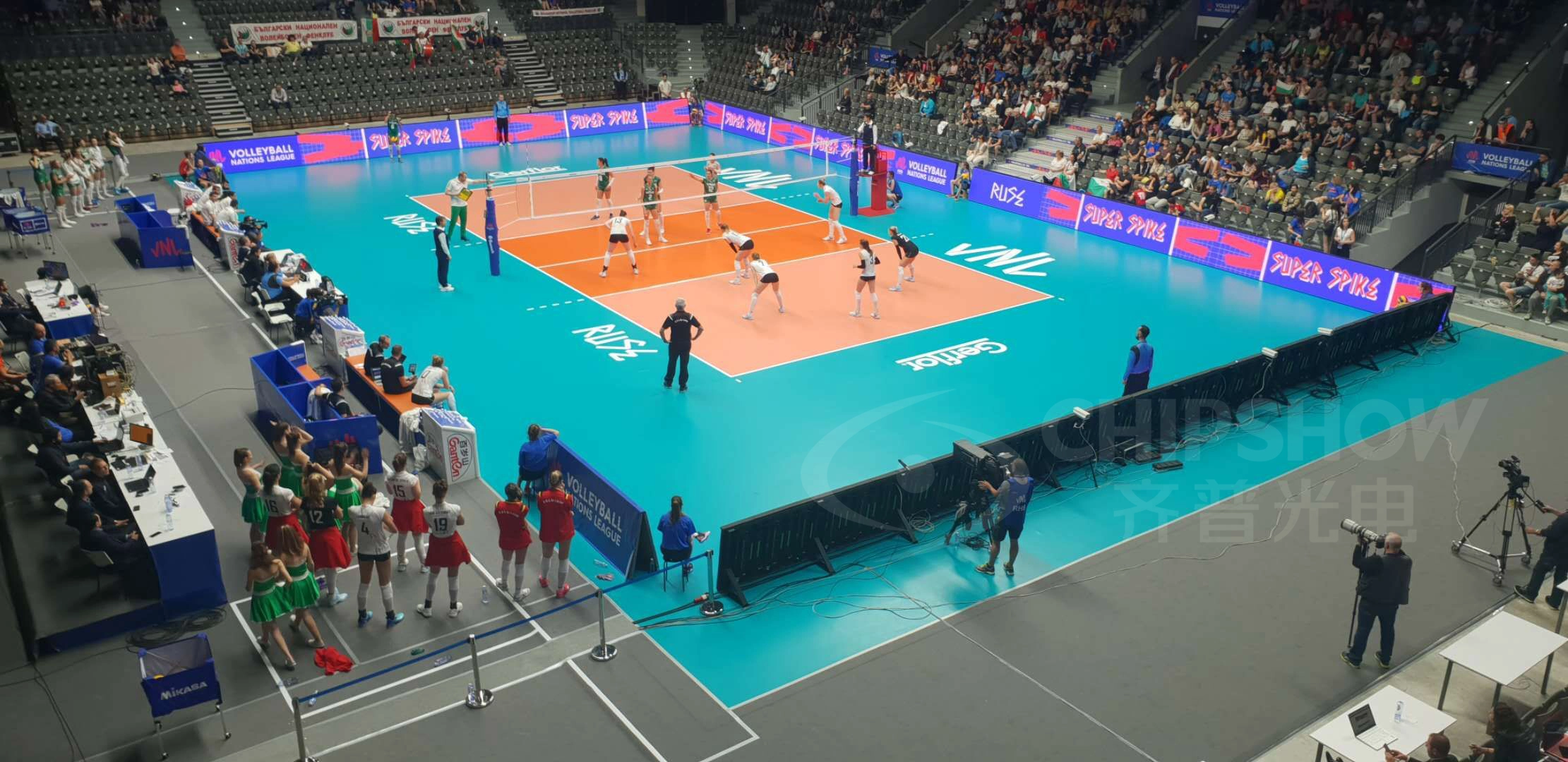
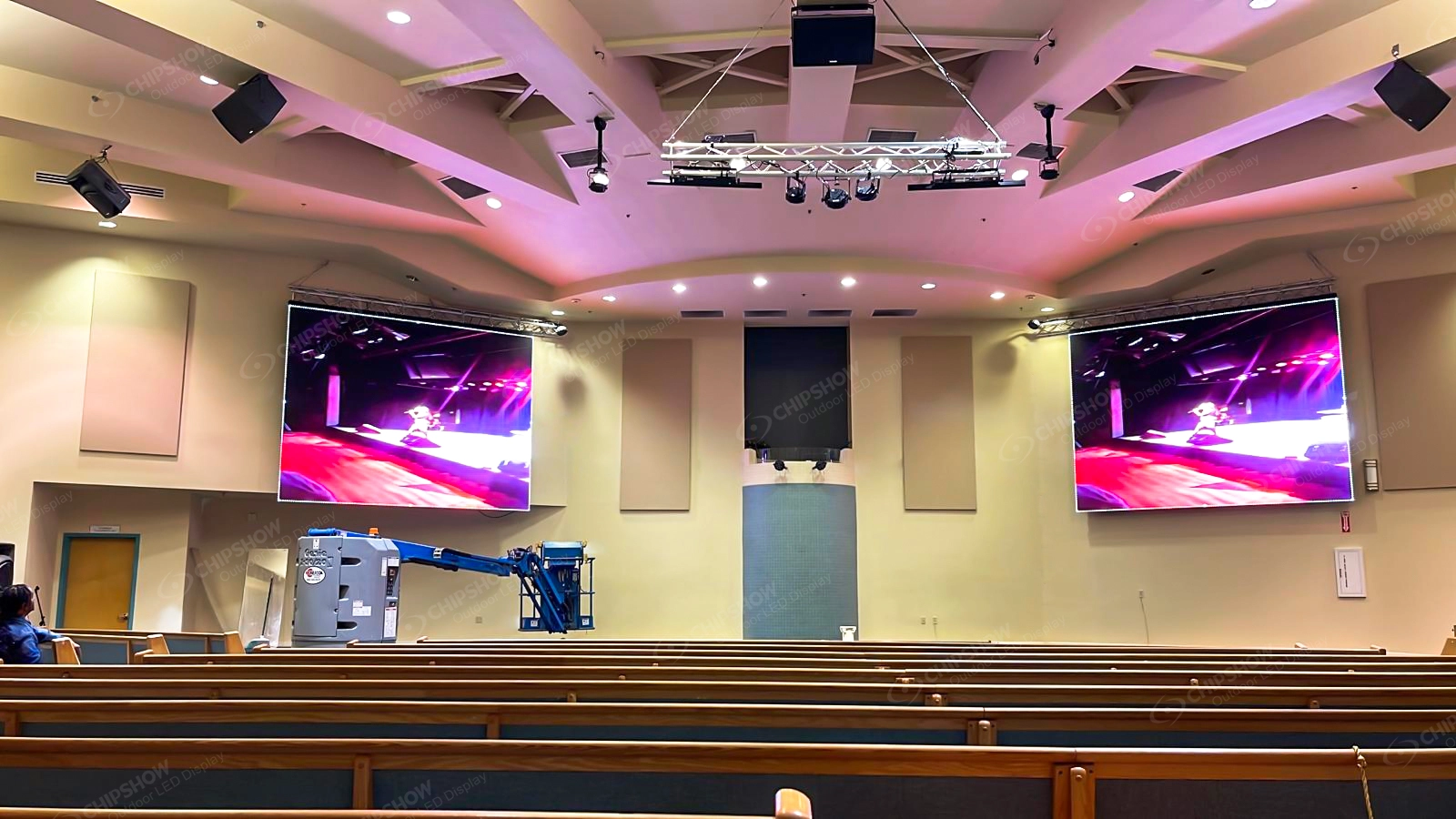
Un muro de la arena universitaria, una valla publicitaria exterior al aire libre, un sistema perimetral de estadio y una pantalla para eventos itinerantes aportaron dinero a diferentes partes del proyecto. Incluso pantallas con dimensiones idénticas pueden generar diferentes presupuestos cuando cambian el tono de altura, el brillo, la redundancia o el acceso al servicio.
Por eso Chipshow separa el presupuesto de hardware LED del presupuesto completo del proyecto. El paquete de hardware puede incluir armarios o módulos, componentes de procesamiento, alimentación y señales, cables y piezas de repuesto acordadas. La ingeniería estructural, el trabajo eléctrico, los permisos, el equipo de elevación y la mano de obra local de instalación pertenecen a ámbitos de proyecto separados gestionados por el integrador, contratista o equipo de ingeniería correspondiente.
Un presupuesto para hardware jumbotron no es lo mismo que un presupuesto completo del proyecto.
Para los compradores que comparan el coste de una pantalla gigante a gran escala, la cifra útil es el coste de instalar, operar y mantener el sistema durante su vida útil, no un precio aislado de un armario. Con las dimensiones del proyecto, la distancia de visualización, las condiciones de la aplicación y del lugar, Chipshow puede construir una lista de materiales de hardware y ayudar a identificar las variables de coste que merecen atención antes de que el proyecto llegue al lugar de trabajo.
Los 8 cubos de coste en un presupuesto gigante
Cuando los equipos de compras preguntan cuánto cuesta un jumbotron, a menudo reciben primero un número para los paneles LED. Esa cifra importa, pero representa solo una capa de la inversión. Un presupuesto más fiable separa el proyecto en ocho categorías de costes antes de comparar a los proveedores.
| Cubo de costes | Lo que cubre | Por qué puede cambiar el presupuesto |
|---|---|---|
| Paneles LED | Armarios o módulos que crean la superficie de visualización | El área de pantalla, el pitch de los píxeles, la construcción interior/exterior y la arquitectura del producto cambian los requisitos de hardware. |
| Controlador y procesamiento | Hardware de envío, arquitectura de recepción, procesadores y distribución de señales | La carga total de píxeles, entradas de fuente, redundancia y flujo de trabajo de producción afectan al diseño del sistema. |
| Repuestos del proyecto | Módulos LED de repuesto, componentes de alimentación, componentes receptores y piezas de repuesto seleccionadas | Los espacios críticos y las instalaciones remotas pueden necesitar una estrategia de reserva en el lugar más amplia. |
| Montaje / estructura | Marco de pared, acero de soporte, estructura de poste, estructura colgante o montaje específico del lugar | La estructura existente, la carga del viento, el peso de la malla y la geometría del emplazamiento pueden hacer que este coste sea menor o mayor. |
| Carga y logística | Embalaje, transporte, entrega y manipulación en obra | El peso del armario, el volumen de envíos, la ubicación de entrega y el calendario afectan a la logística. |
| Eléctrico | Distribución, circuitos derivados, desconectores, puesta a tierra y trabajos eléctricos en el sitio | Los requisitos de energía de la pantalla y la infraestructura eléctrica existente determinan el alcance local. |
| Mano de obra local | Trabajo de montaje, montaje, cableado, alineación y puesta en marcha | Los requisitos sindicales, el acceso, la altura, el método de servicio y la ventana de instalación influyen en los horarios. |
| Ingeniería y permisos | Cálculos estructurales, planos sellados, presentaciones de permisos y documentación requerida | La ciudad, el estado, las condiciones del edificio y la Autoridad Competente determinan los requisitos. |
Estos cubos explican por qué dos citas que parecen muy diferentes al principio pueden no incluir el mismo ámbito. Un proveedor puede presupuestar solo paneles y procesamiento. Otro puede incluir repuestos, cables y hardware relacionado con el montaje. Un integrador local puede combinar hardware con mano de obra, coordinación eléctrica y gestión de proyectos. Antes de comparar totales, normaliza lo que incluye cada cita.
Para los directores financieros y los equipos de compras, este paso importa más que perseguir el precio más bajo por pie cuadrado. Si un número de apertura inferior omite un coste que luego aparece como orden de cambio, nunca representó el coste menor del proyecto.
El precio del hardware es solo el punto de partida
El hardware LED es la parte visible del sistema, pero aún necesita arquitectura de procesamiento, energía y señales, además de una estrategia de reserva definida. Por ello, Chipshow construye listas de materiales de hardware específicas para proyectos en lugar de fijar precios solo por área de pantalla.
Para opciones de armarios y productos, empieza por la Gama de productos de pantallas LED y solicitar precios por el ángulo exacto, dimensiones, cantidad y configuración. Este presupuesto del proyecto va más allá del hardware, incluyendo los costes locales de instalación y la propiedad de cinco años.
¿Qué cambia el precio del hardware de las pantallas LED?
La pantalla LED tiene su propia estructura de costes antes de que el acero, la electricidad o la mano de obra local entren en el presupuesto. Comprender esas variables ayuda a los compradores a entender por qué una propuesta de hardware cuesta más que otra.
Pitch de píxeles
El tono de píxeles cambia cuántos píxeles ocupan un área física determinada. Pasar de un tono más grueso a uno más fino aumenta la densidad de píxeles, lo que generalmente significa más dispositivos LED, mayor carga de procesamiento y tolerancias de fabricación más estrictas.
Por eso una pared interior de pendiente fina puede tener un coste de hardware por pie cuadrado más alto que una pantalla exterior mucho más grande. La cuestión es si el público puede ver la resolución adicional. Comprar una resolución que los espectadores no pueden resolver añade coste sin mejorar la experiencia.
Área total y recuento total de píxeles
El área de pantalla y la resolución total funcionan juntos. Dos pantallas pueden tener dimensiones idénticas pero un número de píxeles muy diferente. Dos sistemas con resolución total similar también pueden requerir diferentes dimensiones físicas dependiendo del tono del píxel.
A medida que crece el tamaño de la pantalla, el número de armadores, las conexiones, el transporte y el alcance de la instalación aumentan con ellas. Por tanto, el coste de una pantalla gigante a gran escala necesita un modelo de sistema, no un cálculo solo de área.
Brillo
El brillo resuelve un problema ambiental. Una pantalla exterior expuesta al sol directo necesita un nivel de salida diferente al de una fachada sombreada o de un pabellón interior.
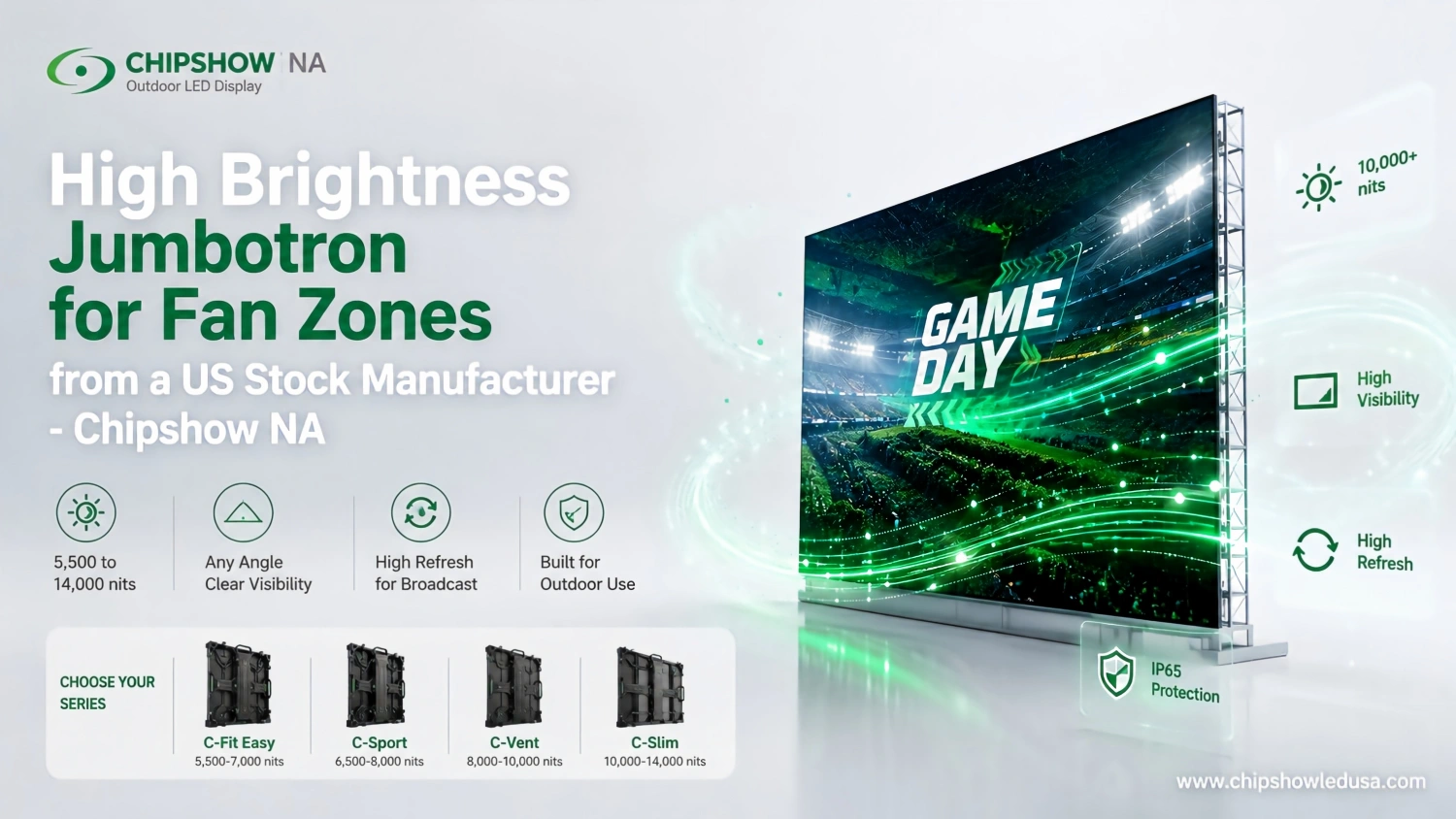
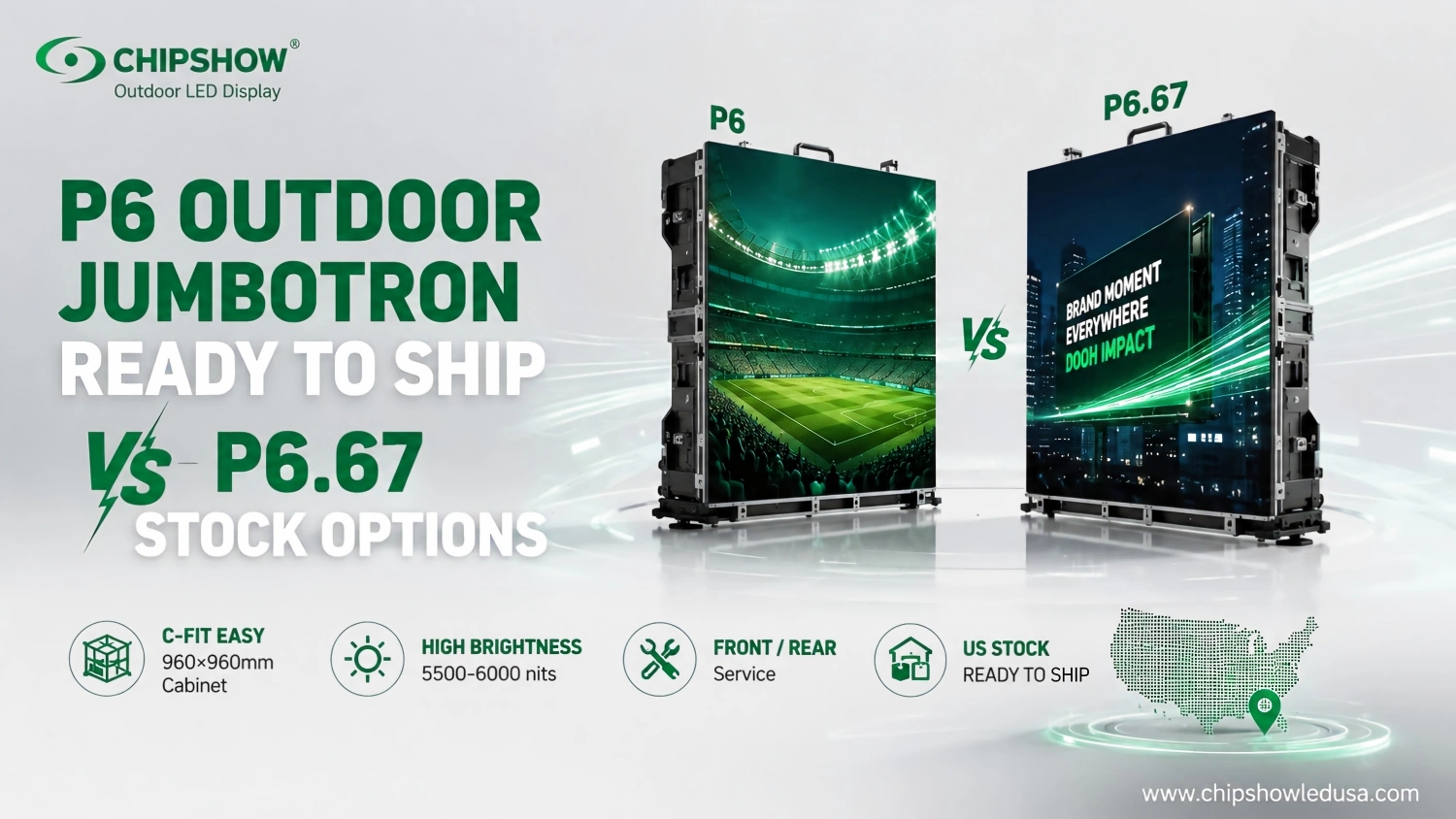
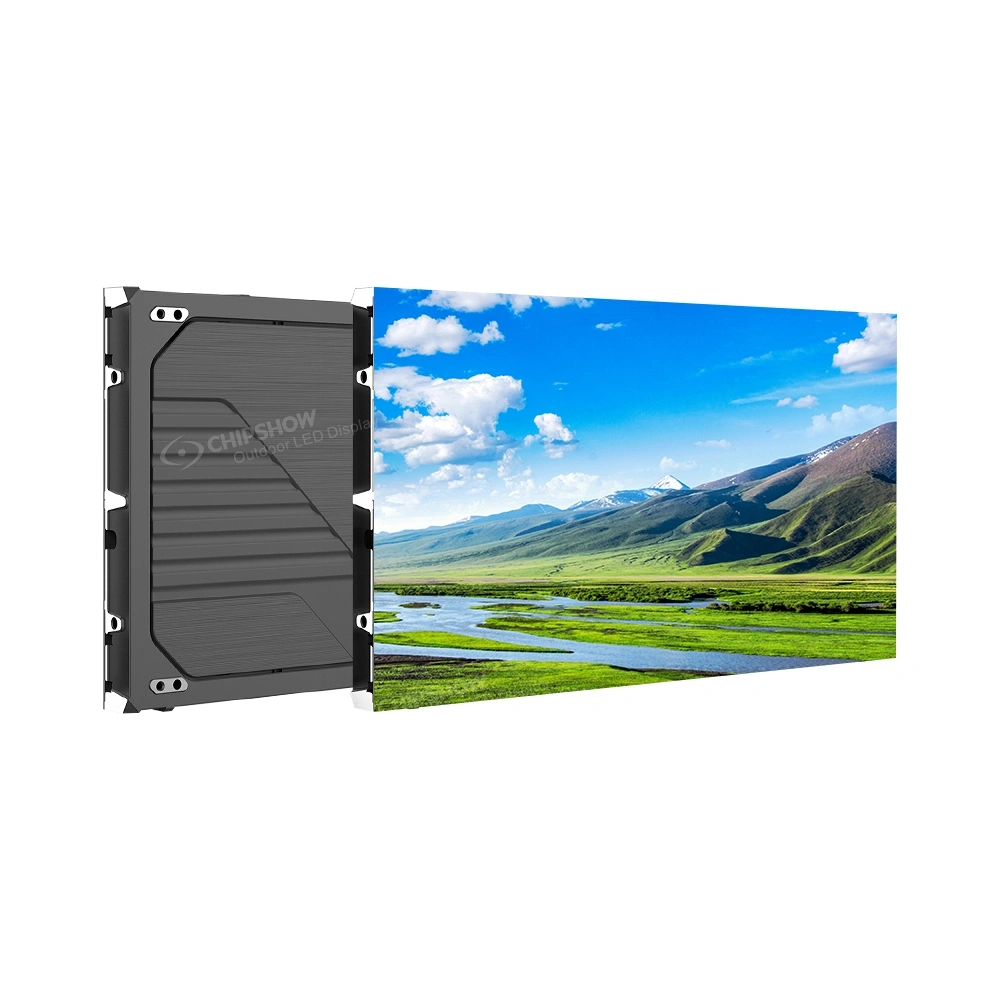
Como ejemplo concreto, la configuración actual C-Fit Easy P6.67 está listada entre 5.500 y 6.000 nits con soporte de atenuación automática. Ese número solo es útil para esa configuración; no debe tratarse como una especificación general para cada variante C-Fit Easy ni para todos los productos de exterior de Chipshow.
La implicación del TCO también importa. Un propietario de DOOH necesita suficiente luminancia para proteger la visibilidad diurna, pero especificar más brillo del que necesita el sitio puede aumentar la demanda de energía y térmica sin crear valor publicitario adicional.
Tasa de refresco
La tasa de refresco se convierte en una variable presupuestaria cuando las cámaras importan. Los deportes en directo, conciertos, retransmisiones de adoración y eventos corporativos pueden justificar hardware con mayor refresco porque la pared LED puede captarse continuamente en cámara.
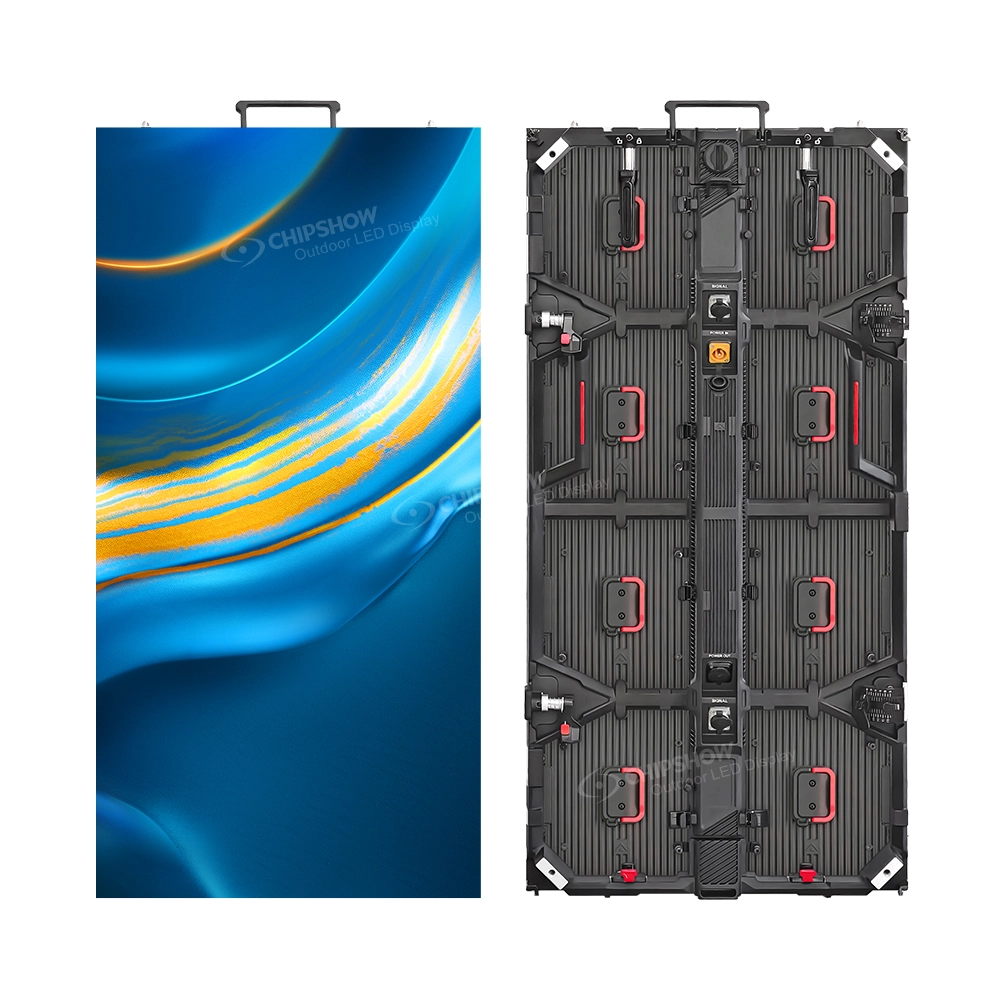
C-Shine Plus, por ejemplo, soporta configuraciones de alta actualización a 3840 Hz para entornos de emisión y transmisión en directo. Un comprador debería evaluar toda la cadena de cámara y procesamiento en lugar de tratar un solo número de tasa de refresco como garantía de rendimiento en cámara.
Protección contra el clima
El hardware exterior necesita protección ambiental que el hardware interior no necesita. Los módulos sellados, la construcción de los armarios, los conectores y la arquitectura resistente a la intemperie afectan al coste.
La actual especificación C-Fit Easy P6.67 incluye protección IP65 en la parte delantera e IP54 en la trasera. La clasificación correcta siempre debe confirmarse para el modelo y la configuración exactos que se están ordenando. Una sola página de producto no puede establecer la calificación de protección contra la entrada de toda una cartera.
Material del armario
Las estructuras de acero, aluminio, magnesio y fibra de carbono resuelven diferentes problemas de coste. Un recinto de menor coste puede reducir el precio de fábrica mientras incrementa el peso estructural, el transporte o los requisitos de aparejo. Un armario más ligero puede costar más de fabricar pero reducir las cargas en otras partes del proyecto.
Juzga el material de los gabinetes por su efecto en la carga, la estructura y la manipulación.
Acceso al servicio
La arquitectura de mantenimiento puede influir en CAPEX y OPEX al mismo tiempo. Una pantalla interior de servicio frontal puede reducir la necesidad de un pasillo de servicio trasero. En una estructura exterior fija, el acceso frontal y trasero puede ofrecer a los contratistas más flexibilidad cuando el terreno lo permite.
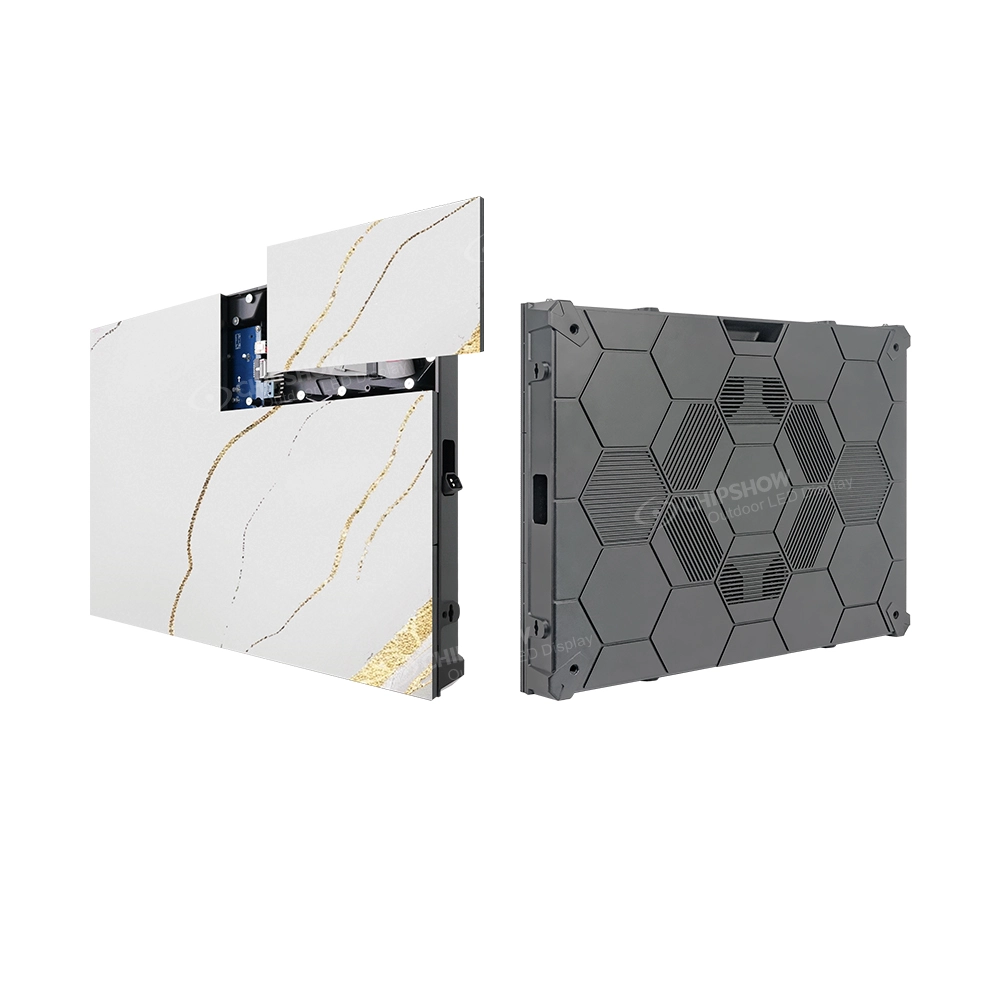
C-Max está diseñado para la instalación interior de servicio frontal, mientras que C-Fit Easy P6.67 soporta servicio delantero y trasero. La disponibilidad solo tiene valor financiero cuando encaja en el terreno.
Redundancia
La redundancia añade componentes porque el proyecto está comprando una vía de recuperación. Un recinto deportivo crítico puede valorar mucho más su funcionamiento ininterrumpido que una pantalla de información no crítica.
Dependiendo del diseño del sistema, una redundancia adicional de señal, energía o procesamiento puede aumentar el presupuesto inicial y reducir la exposición a un corte de suministro. Por tanto, debería aparecer como una partida deliberada en lugar de una característica asumida oculta dentro de la palabra "profesional".
Cómo difieren las estructuras de costes en interiores, exteriores, estadios y eventos
Una guía general de costes de jumbotron debe cubrir varias aplicaciones sin fingir que gastan dinero en los mismos lugares. La diferencia no es simplemente que el interior sea más barato o el exterior sea más caro. Cada entorno mueve una parte diferente del presupuesto hacia arriba.
Interior: Más presupuesto puede pasar a la densidad de píxeles
Las pantallas interiores evitan la lluvia, la nieve y la luz solar directa en exteriores, pero los espectadores suelen sentarse mucho más cerca. Eso puede trasladar una mayor parte del presupuesto de hardware a densidad de píxeles, rendimiento en escala de grises, integración con paredes y acceso a servicios.
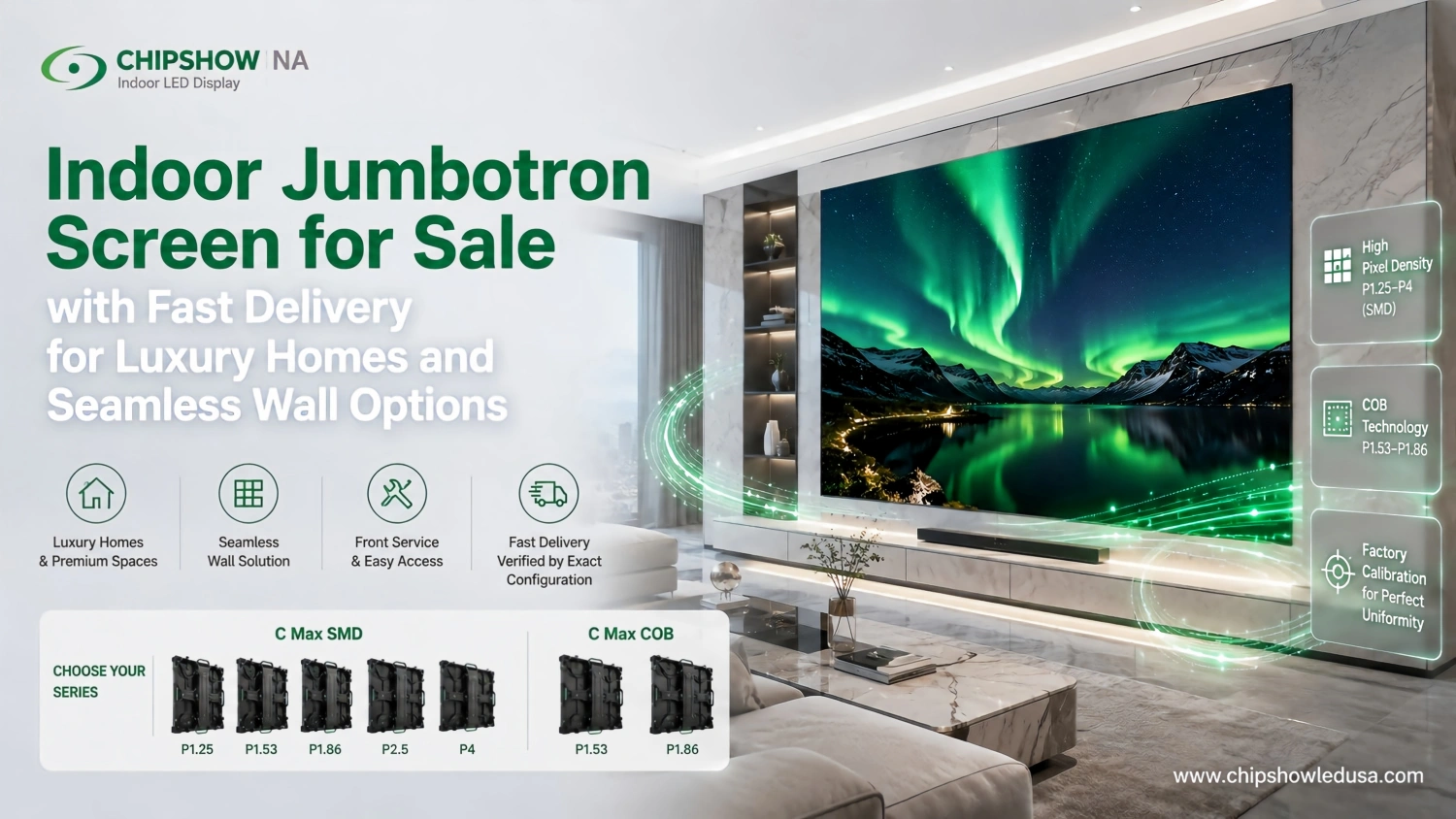
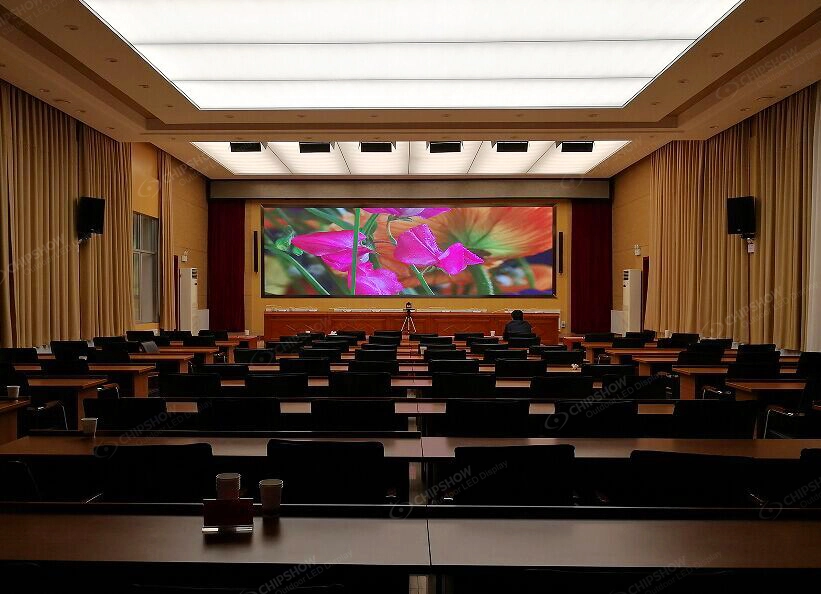
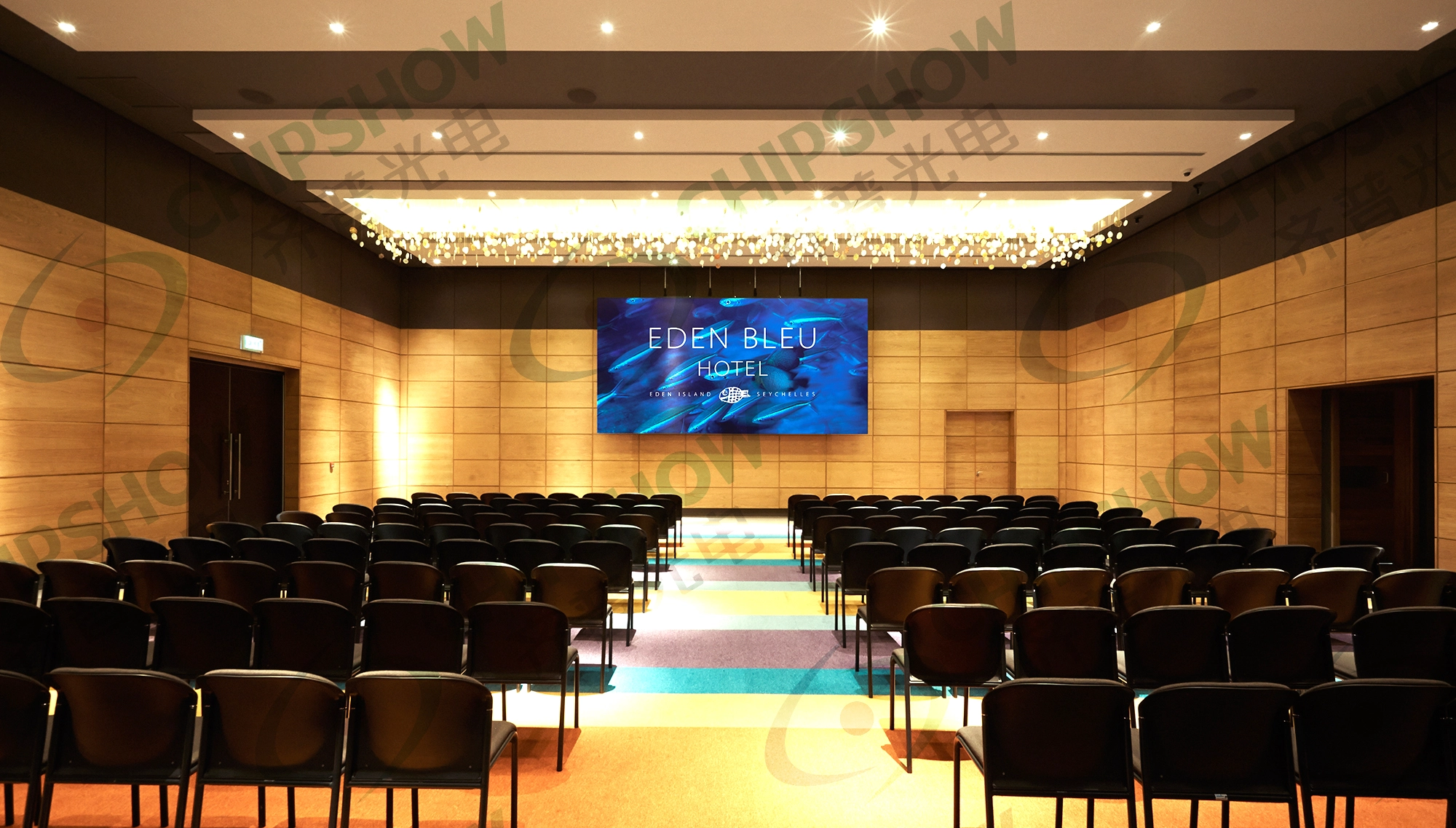
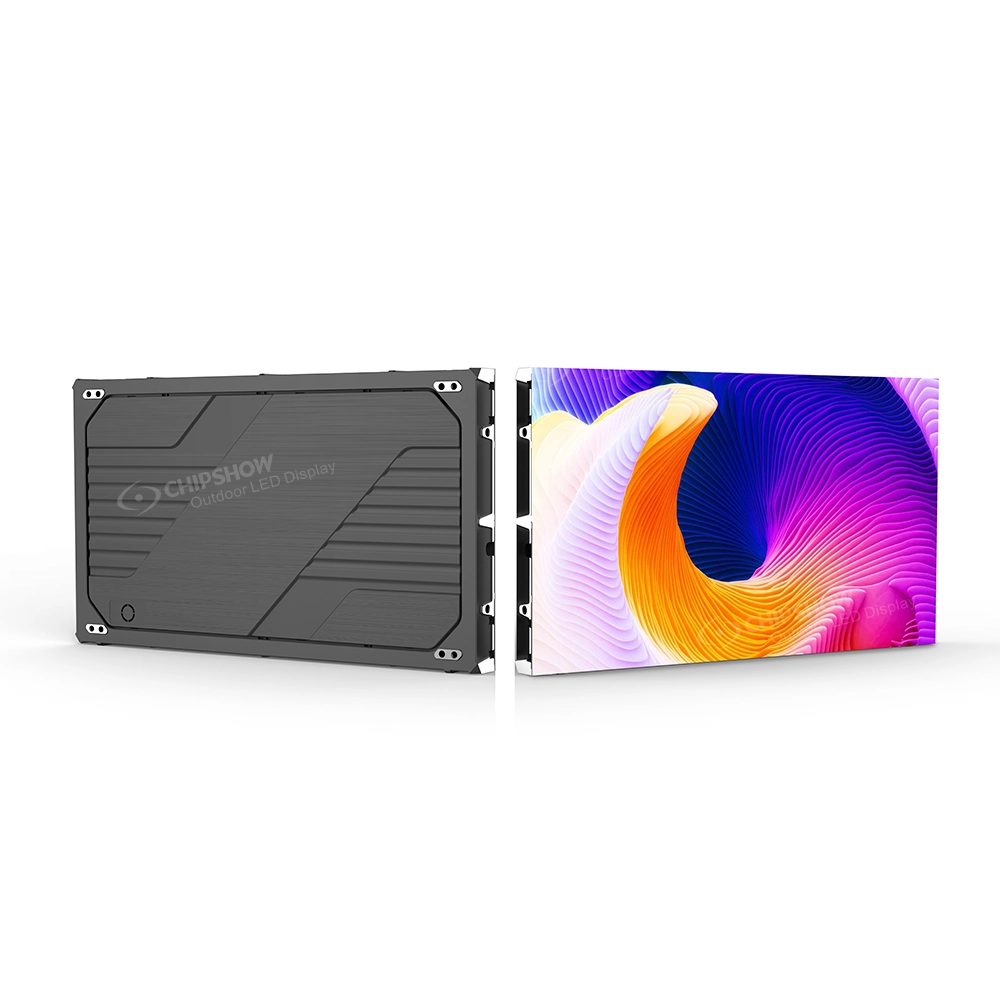
C-Max ilustra esta lógica. Las opciones SMD y COB de paso fino están diseñadas para uso permanente en interiores, y la plataforma utiliza arquitectura de servicio frontal para proyectos donde un corredor de mantenimiento profundo desperdiciaría espacio. En estas instalaciones, el valor económico puede provenir tanto de preservar el área útil de la habitación como del propio hardware LED.
Exterior: La visibilidad, el clima y la estructura se convierten en factores presupuestarios
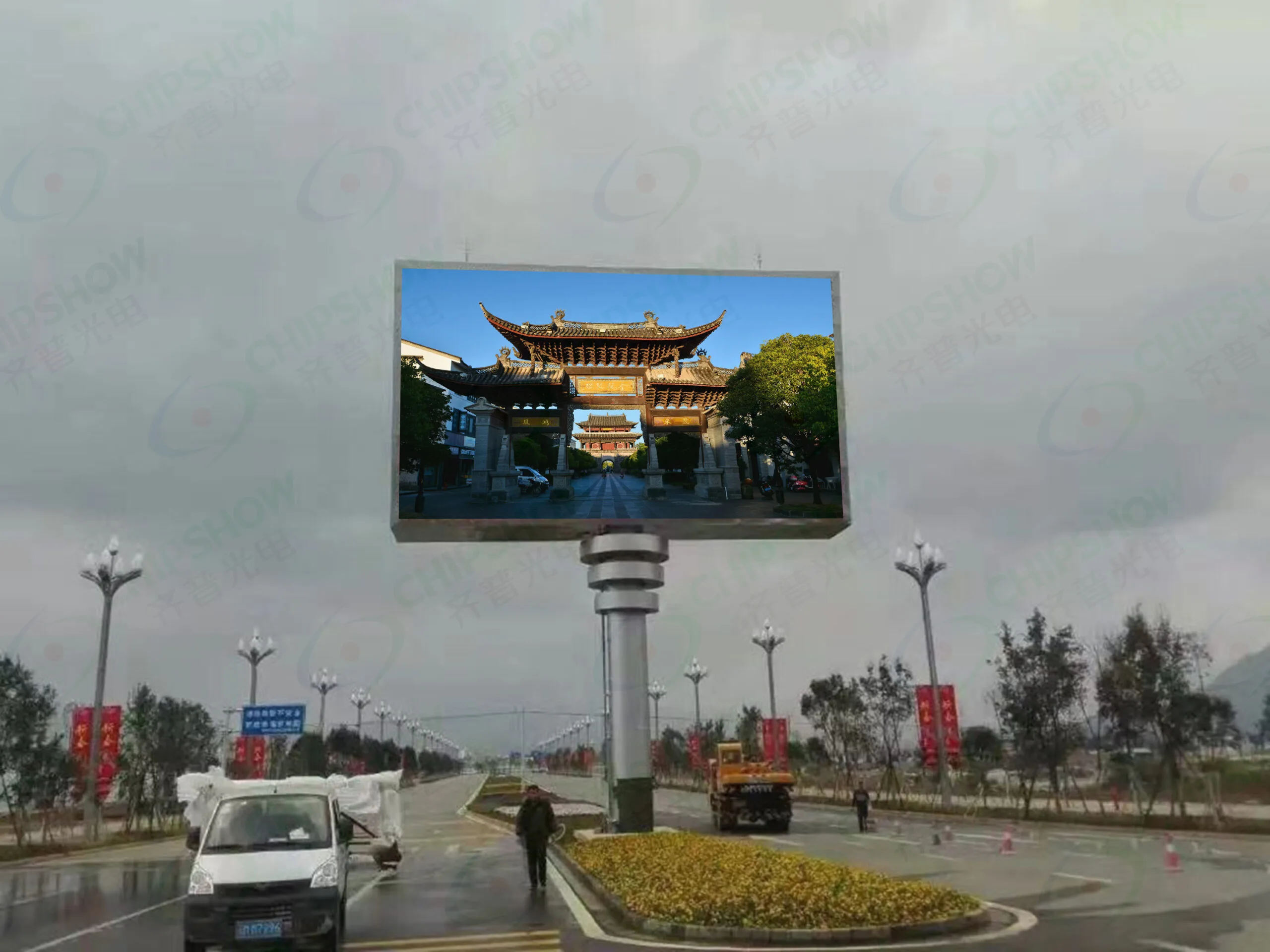
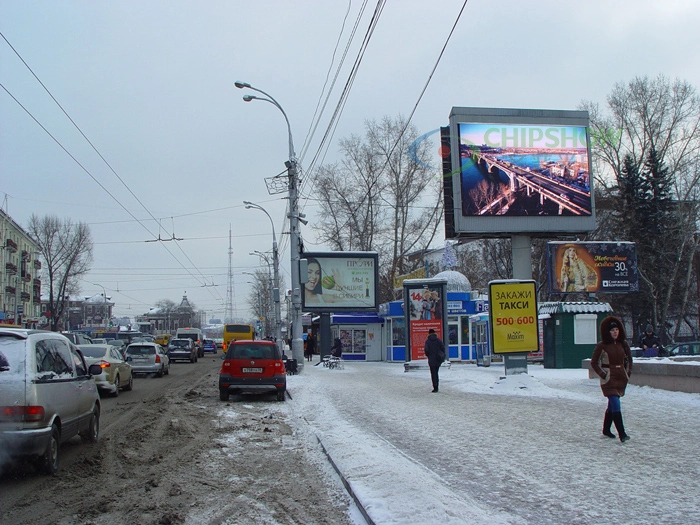
Los proyectos al aire libre destinan más presupuesto al rendimiento medioambiental. El brillo, la protección contra el clima, el comportamiento térmico, la carga de viento y la ingeniería estructural pueden importar tanto como la resolución de la imagen. Una valla publicitaria en carretera puede no necesitar la densidad fina de píxeles de una pared de sala de juntas, pero sí puede requerir acero sustancial, cimientos, equipamiento de elevación y acceso a mantenimiento a largo plazo.
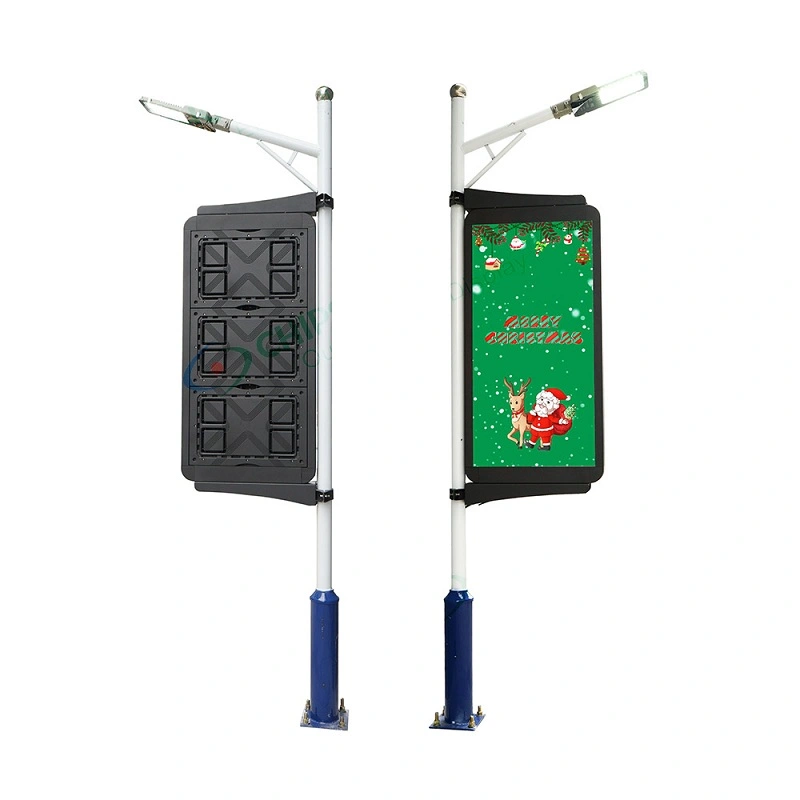
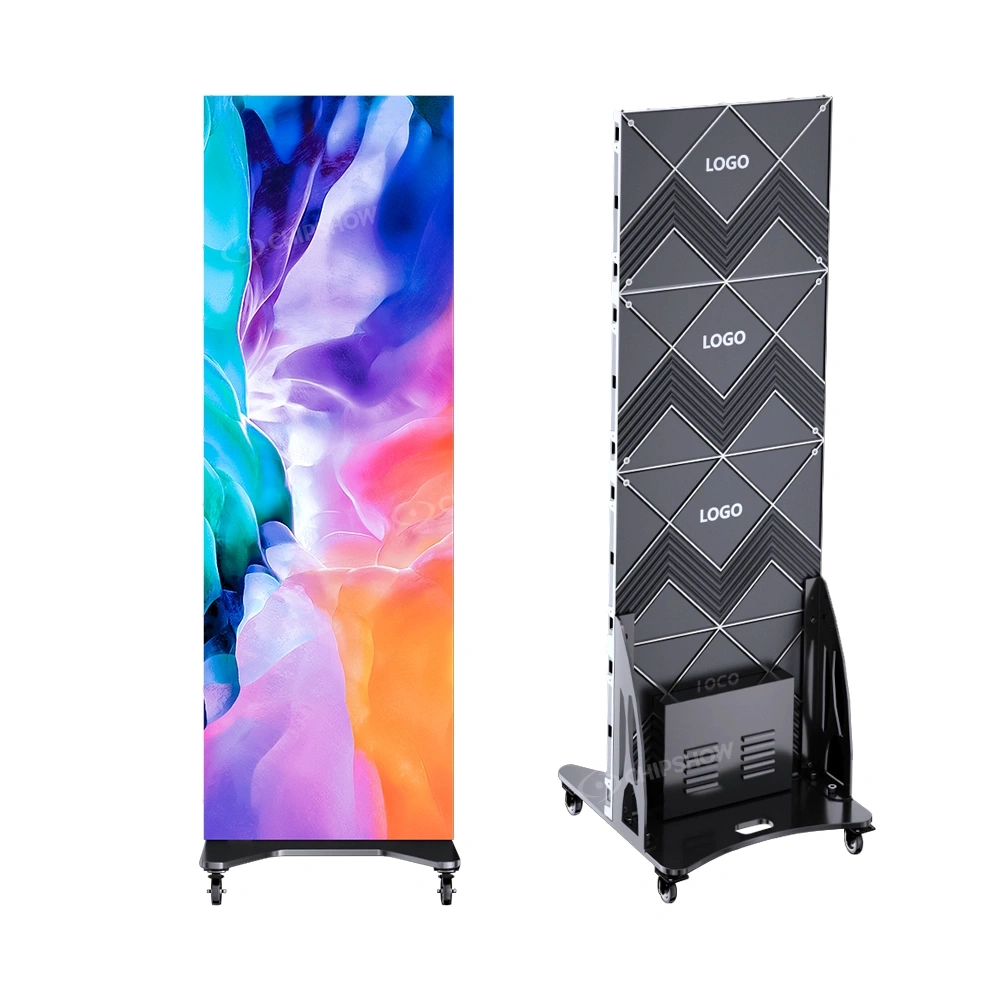
Para un proyecto al aire libre o en carretera, observa la pantalla, los soportes, la energía, el acceso al servicio y la exposición operativa juntos. Los formatos de producto necesitan comprobaciones ambientales y de montaje separadas; la Referencia de producto C-Poster y Página en formato C-Poster Aquí enlazados no debe considerarse prueba de una configuración aprobada de un poste exterior o de un centro de mensajes.
Para DOOH, la pantalla debería tratarse como un activo de ingresos industriales. El consumo de energía, la legibilidad a la luz solar, el acceso al servicio y los tiempos de inactividad tienen consecuencias directas para el negocio, por lo que el TCO suele importar más que un descuento aislado en un armario.
Estadio: La fiabilidad, la seguridad y la recuperación cambian la ecuación
El hardware deportivo no debería costearse como una valla publicitaria comercial. Las pantallas perimetrales están cerca de los atletas y las cámaras, mientras que las pantallas de los recintos más grandes funcionan en un entorno de evento en vivo donde las interrupciones son visibles de inmediato.
Esto desplaza la atención hacia el diseño mecánico seguro para los atletas cuando sea aplicable, el rendimiento de la retransmisión, la planificación austera, la recuperación rápida y la redundancia a nivel de sistema. Estos requisitos pueden añadir coste por una buena razón: el impacto financiero y reputacional de un fallo durante un evento en vivo puede superar el precio del componente de reemplazo.
Por tanto, un comprador de estadio debería comparar sistemas deportivos con otros sistemas deportivos, no con el armario exterior más barato que tenga un pitch de píxeles similar.
Evento: Repetición de Trabajo y Transporte
El hardware de alquiler crea un modelo financiero diferente porque la instalación no es un evento puntual. Los paneles viajan, descargan, montan, operan, desmontan y vuelven al almacenamiento—y luego repiten el ciclo en el siguiente lugar.
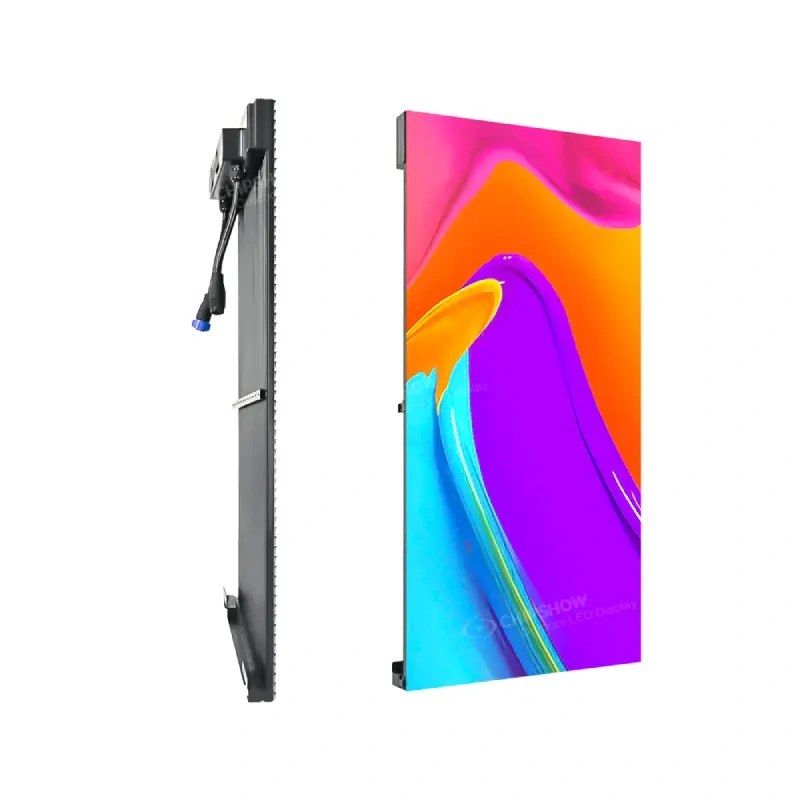
C-Shine Plus es un ejemplo útil de por qué esas mecánicas importan. La especificación actual lista los formatos 500 × 500 mm y 500 × 1000 mm, con el armario de 500 × 500 mm con un peso no superior a 15,4 lb (7 kg), junto con sistemas de bloqueo rápido y sin herramientas. Una casa de alquiler puede traducir esos atributos en tiempo de tripulación, carga de camiones y utilización de la flota, en lugar de tratarlos como comodidades de folleto.
Para una productora, un precio inicial más alto puede seguir generando un coste menor a cinco años si el hardware reduce la mano de obra repetida y la carga de transporte en suficientes exposiciones.
Cómo elaborar un presupuesto completo para instalación de jumbotron
Los compradores suelen querer un número que incluya hardware LED, estructuras, trabajos eléctricos, ingeniería, permisos e instalación. Tiene sentido desde el punto de vista del presupuesto. El error es asumir que un fabricante de hardware debería poseer todas las condiciones de campo y el alcance de construcción local.
Chipshow separa el paquete de hardware listo para instalar del trabajo local de proyectos. En el lado del hardware, la BOM puede definir armarios o módulos LED, componentes de procesamiento, alimentación y señal, cableado acordado, hardware relacionado con el montaje cuando corresponda y repuestos para proyectos. En el lado del terreno, la ingeniería estructural, cimientos o fijación de edificios, distribución eléctrica local, presentación de permisos, equipamiento de elevación y mano de obra de instalación dependen de la ciudad, las condiciones del edificio y del contratista.
Esta separación también es amigable con el canal. Chipshow soporta el paquete de hardware LED sin asumir el acuerdo de instalación del integrador AV, los ingresos laborales o la relación con el cliente. El integrador sigue siendo responsable del alcance local del proyecto que se le asigna el contrato.
Para el alcance de la instalación, responsabilidades de los contratistas locales y soporte de hardware enfocado en integradores, consulte Soporte para la instalación de pantallas LED USA.
Por qué la mano de obra local puede mover tanto
Cambios de mano de obra de instalación con el acceso. Una pared interior a nivel de suelo, una pantalla exterior en la azotea y una instalación de fascia en el estadio pueden usar tecnología LED, pero requieren métodos de trabajo diferentes. La altura puede requerir elevadores o grúas. Las horas restringidas en el sitio pueden comprimir el calendario. Los requisitos laborales sindicales pueden cambiar la planificación de las tripulaciones. El acceso trasero difícil puede aumentar tanto el tiempo de instalación como el mantenimiento futuro.
Una estimación útil de mano de obra comienza con la ciudad del proyecto, el método de montaje, la estructura, el acceso, las ventanas de trabajo y las condiciones eléctricas.
Por qué el hardware listo para instalar tiene valor financiero
Un paquete de hardware coordinado puede reducir la incertidumbre del campo sin reemplazar al instalador. Las cantidades confirmadas de los armarios, el procesamiento, los componentes de energía y señales, la planificación de cables, las piezas de repuesto y la documentación proporcionan a la tripulación local un alcance de hardware definido antes de que comience la mano de obra.
Para los integradores que trabajan dentro de ventanas de mano de obra costosas, evitar una visita de retorno o una instalación detenida puede importar más que ahorrar una pequeña cantidad en un solo componente. La preparación del hardware se convierte en control de costes del proyecto.
El TCO a 5 años: lo que el precio de compra no cumple
El CAPEX inicial responde a lo que cuesta adquirir el proyecto. El TCO a cinco años pregunta cuánto cuesta poseerlo. Esa distinción es importante porque las pantallas LED consumen energía, necesitan componentes de reemplazo, requieren acceso y pueden generar pérdidas económicas cuando no están disponibles.
Electricidad
El consumo de energía se acumula durante las horas de funcionamento. Una pantalla de evento solo puede emitirse durante los espectáculos. Un muro de iglesia puede funcionar con un horario semanal limitado. Una pantalla DOOH puede funcionar durante largos periodos cada día. La misma diferencia en eficiencia eléctrica tiene por tanto un valor muy distinto a cinco años entre estas aplicaciones.
Para el coste de la electricidad, solicita mediciones de potencia de operación para la configuración exacta según el contenido y el calendario de brillo previstos, y luego combínalas con el horario diario y la tarifa local. Mantén separados los datos de carga máxima para el diseño eléctrico de la estimación de energía operativa. No transfieras un porcentaje de eficiencia de una arquitectura a un modelo no relacionado.
Repuestos
Los repuestos no son inventario desperdiciado cuando se planifican correctamente; Son un seguro para inactividades. Una instalación interior fácilmente accesible puede funcionar con una estrategia de repuesto pobre. Una valla publicitaria remota o un local crítico puede preferir módulos adicionales, componentes de alimentación o hardware receptor en el lugar.
El presupuesto adecuado depende del coste de la espera. Define primero el tiempo de recuperación aceptable y luego dimensiona la política de sobra en torno a ese requisito.
Reemplazo de módulos y componentes
Las pantallas LED son modulares, lo que puede hacer que la sustitución a nivel de componentes sea mucho más económica que reemplazar una pantalla completa. La cuestión del coste es qué tan fácilmente pueden los técnicos acceder a esos componentes. El servicio frontal puede ser valioso en una pared interior sin pasillo trasero, mientras que el doble acceso puede ser valioso en una estructura exterior fija donde los técnicos pueden acercarse a la pantalla desde ambos lados.
Por tanto, la arquitectura de servicio debería evaluarse como una variable de mano de obra y acceso, no como una clasificación universal de servicio delantero sobre trasero o viceversa.
Equipamiento de acceso y elevación
Un módulo de reemplazo puede ser barato. Alcanzarla puede que no lo sea. Las pantallas exteriores montadas en altura pueden requerir elevadores, control de tráfico, disposiciones especiales de acceso o grúas. Esos gastos pueden repetirse cada vez que se necesite mantenimiento.
Un modelo de cinco años debería preguntar con qué frecuencia es probable que el sitio requiera acceso y cuánto cuesta cada evento de acceso. Para DOOH, un evento de acceso también puede coincidir con la pérdida de tiempo de actividad publicitaria, lo que aumenta el efecto económico.
Tiempo de inactividad
El tiempo muerto tiene diferentes significados según la aplicación. Para un propietario de medios, una pantalla no disponible puede interrumpir la publicidad programada. En un recinto deportivo, un fallo durante un evento afecta a la experiencia en directo. Para una empresa de eventos, un problema de equipamiento puede poner en riesgo la producción de un cliente. Para un espacio corporativo, el impacto financiero puede ser menor pero aun así interrumpir reuniones y presentaciones.
Una vez que el propietario define qué significa para la organización una hora o un evento de pérdida de operación, la redundancia y el inventario sobrante se vuelven más fáciles de evaluar financieramente.
Espacio de mantenimiento
El espacio de servicio puede tener un coste inmobiliario. Una pared interior de servicio trasero puede requerir una profundidad física que la habitación podría usar de otro modo. Un diseño de servicio frontal puede reducir ese requisito cuando la arquitectura lo permite. En exteriores, una pasarela trasera existente puede hacer que el servicio trasero sea práctico y económico.
TCO premia la calidad de servicio en el site-fit.
Un proyecto real demuestra por qué el área no es suficiente
La biblioteca de proyectos de Chipshow incluye una valla publicitaria exterior C-Vent P10 de doble cara en Jamaica con una superficie de exposición catalogada de 27 metros cuadrados. Eso es una referencia útil en el mundo real para la escala, pero el área y el tono de los píxeles aún no generan un presupuesto creíble por sí solos.
Una instalación exterior de doble cara puede incorporar acero de soporte, exposición al viento, distribución eléctrica, acceso al servicio, elevación y mano de obra local. Esos costes no pueden derivarse honestamente solo de "27 metros cuadrados". El proyecto ilustra la lección central de la planificación de TCO: el área de pantalla inicia el cálculo; no lo termina.
Cómo conseguir presupuestos que realmente puedas comparar
Una cita útil comienza con entradas consistentes del proyecto. Si tres proveedores reciben tres supuestos diferentes, sus totales no pueden compararse de forma justa. Antes de solicitar un presupuesto, prepara una hoja de entrada para el proyecto y envía la misma información a cada licitador.
- Ancho y altura de la pantalla: Proporciona las dimensiones de la pantalla activa objetivo en lugar de solo la abertura total de la pared.
- Distancia de visualización: Incluye el espectador esperado más cercano y la distancia típica de audiencia para que el tono del píxel pueda seleccionarse racionalmente.
- Ciudad y estado del proyecto: La ubicación afecta al transporte de mercancías, mano de obra local, permisos, suposiciones de ingeniería y planificación de la instalación.
- Método de montaje: Identifica la pared, el marco estructural, el poste, el soporte en tierra o el sistema colgante y su responsabilidad de diseño. Revisa el método de fijación aprobado para el producto exacto; la Referencia de producto C-Poster no es un dibujo de instalación de carteles monumentales.
- Horario de funcionamento: La duración diaria y anual influye en la modelización energética y el TCO a cinco años.
- Aplicación: Indique si el sistema ofrece AV comercial interior, DOOH al aire libre, deportes o eventos temporales.
- Contenido y uso de cámaras: El vídeo en directo, la publicidad, las presentaciones y las cámaras de emisión pueden cambiar los requisitos de procesamiento y actualización.
- Fecha requerida de finalización: El calendario determina si es necesario considerar el inventario actual, la producción en fábrica u otra configuración.
- Entradas de control: Lista las fuentes de vídeo y las plataformas de procesamiento o control necesarias para que la lista de materiales incluya la arquitectura del sistema correcta.
- Política de repuestos: Define si el propietario quiere poner en marcha solo repuestos o un inventario mayor de recuperación in situ.
Una vez fijadas estas entradas, compara las citas línea por línea. Comprueba si se incluyen hardware, procesamiento, repuestos, cables y componentes relacionados con el montaje LED. Confirma los términos de envío. Mantén claramente identificados los trabajos estructurales, eléctricos, permisos e instalación local, a menos que otra parte del proyecto ponga explícitamente un precio de esos ámbitos.
También verifica cada afirmación específica de configuración. Si un presupuesto indica protección IP, brillo, tasa de refresco, certificación o estado de inventario, confirma que la declaración se aplica exactamente al modelo y configuración que se está valorando. Una afirmación de un producto relacionado no sustituye la documentación vinculada al hardware pedido.
Pide a Chipshow que confirme stock y entrega con fecha el modelo exacto, la presentación, la cantidad, los accesorios y el destino. Un listado de productos en stock regional, incluyendo la referencia C-Fit Easy P6.67, no constituye una reserva de inventario ni un calendario de entrega confirmado del proyecto.
Las cotizaciones comparables tienen el mismo precio de las mismas suposiciones.
Preguntas frecuentes sobre los costes de los jumbotrons
¿Qué incluye el presupuesto de un hardware gigante?
Un presupuesto de hardware para Chipshow puede incluir armarios o módulos LED, hardware de procesamiento de vídeo, componentes de alimentación y señal, cables necesarios, hardware relacionado con el montaje seleccionado y un paquete de repuestos acordado. La lista de materiales exacta depende de las dimensiones de la pantalla, el tono de los píxeles, la aplicación y los requisitos de control. La ingeniería estructural, el trabajo eléctrico local, la presentación de permisos, el equipo de elevación y la mano de obra de instalación deben permanecer claramente identificados como costes locales separados del proyecto, a menos que otro contratista o integrador los incluya específicamente.
¿Cuánto aporta la instalación a un proyecto de jumbotron?
No existe un porcentaje nacional fiable porque las condiciones del lugar varían demasiado. Una pared LED interior a nivel del suelo y una pantalla exterior en gran altura pueden tener costes de hardware similares, pero requisitos estructurales, eléctricos, de acceso y mano de obra completamente diferentes. La ciudad de proyecto, la altura de montaje, la estructura de soporte, las condiciones de acceso, los requisitos laborales sindicalizados y la capacidad eléctrica existente pueden mover el presupuesto local de instalación. Finaliza primero los requisitos de hardware LED y luego deja que el integrador local, el ingeniero estructural y el contratista eléctrico fijen el precio de sus alcances a partir de la misma información del proyecto.
¿Por qué el tono de los píxeles y el brillo cambian el precio?
Un tono de píxel más fino coloca más píxeles dentro de la misma área de pantalla, aumentando la densidad de los LED y los requisitos de procesamiento. El brillo exterior puede requerir una configuración y arquitectura de alimentación LED diferentes. Ninguna de las especificaciones debería maximizarse automáticamente. La opción rentable es el tono que el público puede resolver y el brillo que realmente necesita el entorno operativo.
¿Cuánto debería presupuestar para módulos y mandos de repuesto?
El presupuesto de piezas de repuesto depende de cuánto tiempo de inactividad pueda soportar el propietario. Los activos multimedia remotos y los recintos deportivos pueden justificar más hardware de reemplazo en el lugar que una pared interior accesible. Define primero el tiempo de recuperación deseado y luego construye la lista de materiales sobrante alrededor de él.
¿Es más barato tener un jumbotron grande que alquilar repetidamente?
Puede ocurrir cuando el uso es lo suficientemente frecuente, pero la utilización determina la solución. La propiedad requiere la inversión inicial en hardware más almacenamiento, mantenimiento y eventual reemplazo. El alquiler evita la compra inicial, pero añade gastos recurrentes por equipo, entrega, montaje y desmontaje. Un local que utiliza una gran pantalla LED solo unas pocas veces al año puede seguir beneficiándose del alquiler, mientras que una productora o un local con uso frecuente debería comparar varios años de gasto de alquiler con el modelo de propiedad de cinco años.
Construir un presupuesto más fiable a cinco años
La respuesta más útil a "¿cuánto cuesta un jumbotron?" no es un precio universal por pie cuadrado. Es un presupuesto basado en cómo funcionará realmente la pantalla.
Un local cubierto puede gastar más de su presupuesto de hardware en un pixel pitch fino e integración arquitectónica. Un operador de DOOH exterior debe tener en cuenta el brillo, la exposición al clima, la electricidad y el acceso al mantenimiento futuro. Un estadio puede justificar una inversión adicional en fiabilidad, seguridad, redundancia y recuperación rápida. Una empresa de eventos debe considerar cómo el peso del armario, el tiempo de montaje y el transporte afectan los costes a través de despliegues repetidos.
Por tanto, dos sistemas con precios de compra similares pueden generar costes de propiedad muy diferentes a cinco años. Chipshow aborda el presupuesto tanto de CAPEX como de OPEX: definir primero el hardware y luego modelar la carga operativa durante cinco años.
Si aún estás estableciendo el presupuesto del proyecto, prepara el ancho y la altura de la pantalla, la aplicación, la distancia aproximada de visualización, la ciudad y estado del proyecto, el método de montaje, el horario de funcionamiento esperado y la fecha objetivo de finalización. Con esas entradas, Chipshow puede desarrollar una Estimación Presupuestaria del Proyecto e identificar las especificaciones que más probablemente cambien el coste del hardware.
Si el proyecto ya tiene planos y dimensiones confirmadas, solicita una lista de materiales de hardware en su lugar. Esto permite definir los armarios o módulos LED, los componentes de procesamiento, energía y señales, los cables y las piezas de repuesto acordadas antes de que se fijen el precio de los ámbitos locales de ingeniería e instalación.
Luego, haz que el integrador local, el contratista eléctrico y el equipo de ingeniería valoren su trabajo específico para el lugar con las mismas suposiciones del proyecto. Esto mantiene claras las responsabilidades de hardware, mano de obra e ingeniería, al tiempo que da a la adquisición un presupuesto que realmente puede compararse.
Un presupuesto creíble de cinco años para un jumbotron comienza separando lo que compras, lo que requiere tu obra y cuánto costará el sistema para funcionar tras la instalación.
Compara los diseños de módulos y armarios para tu propio sitio con el Selector de señales LED Antes de solicitar un presupuesto.