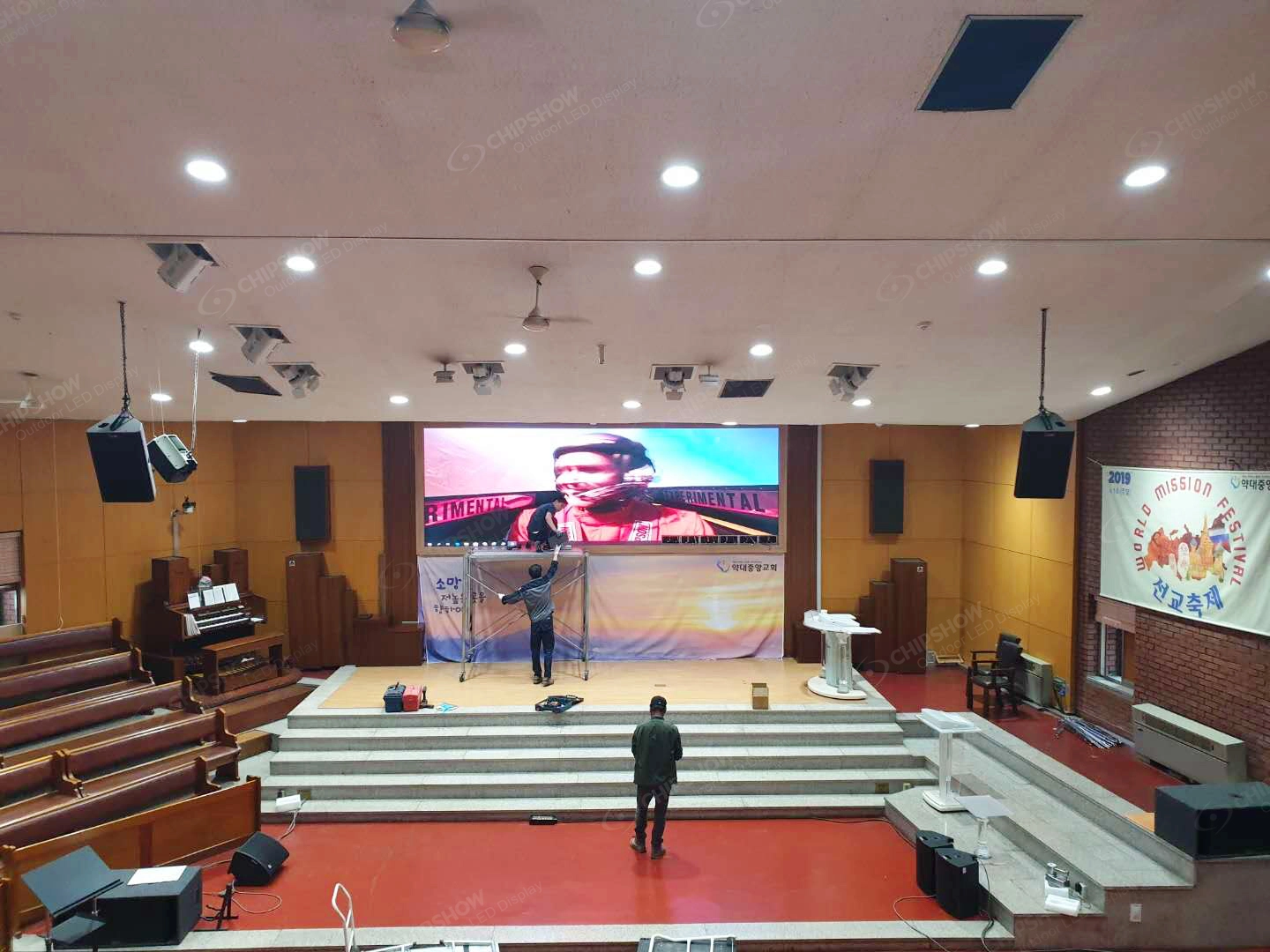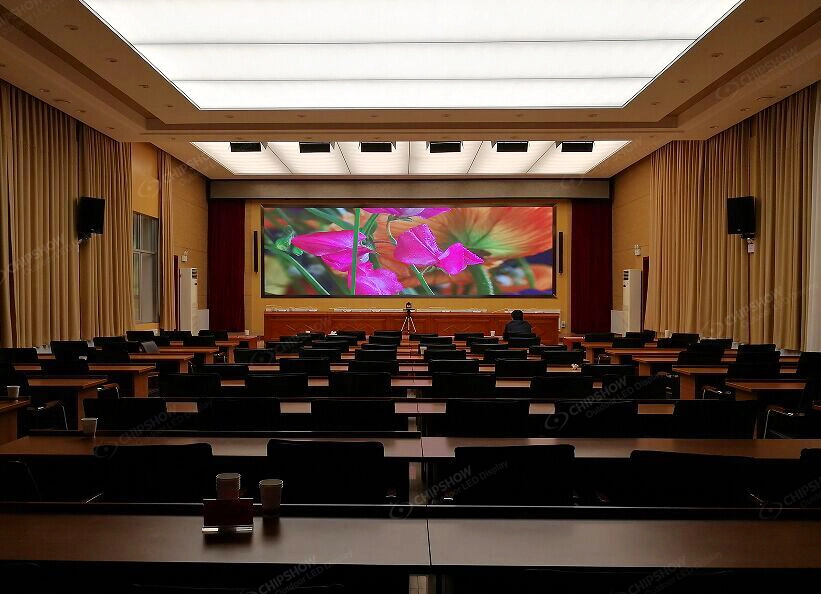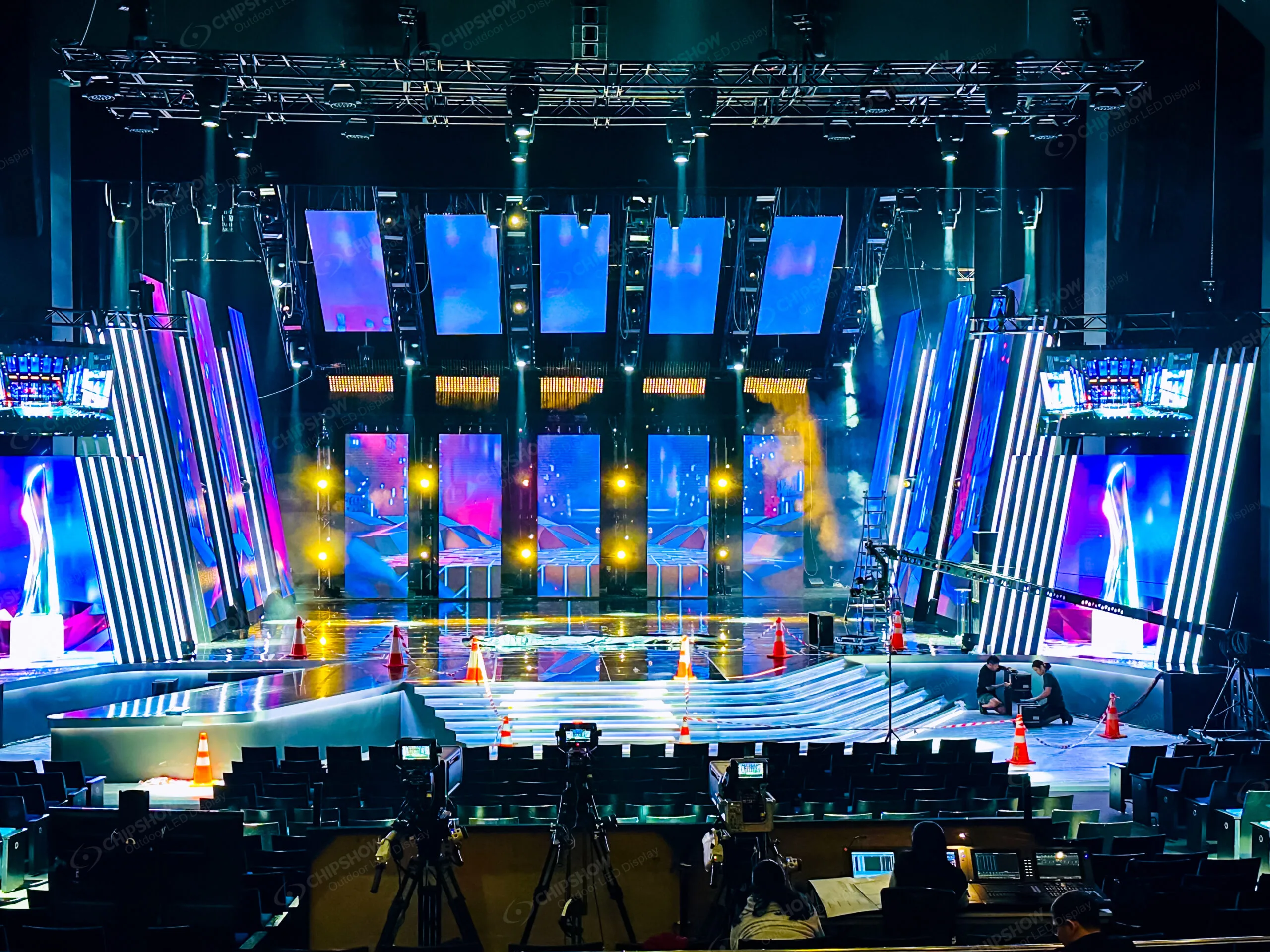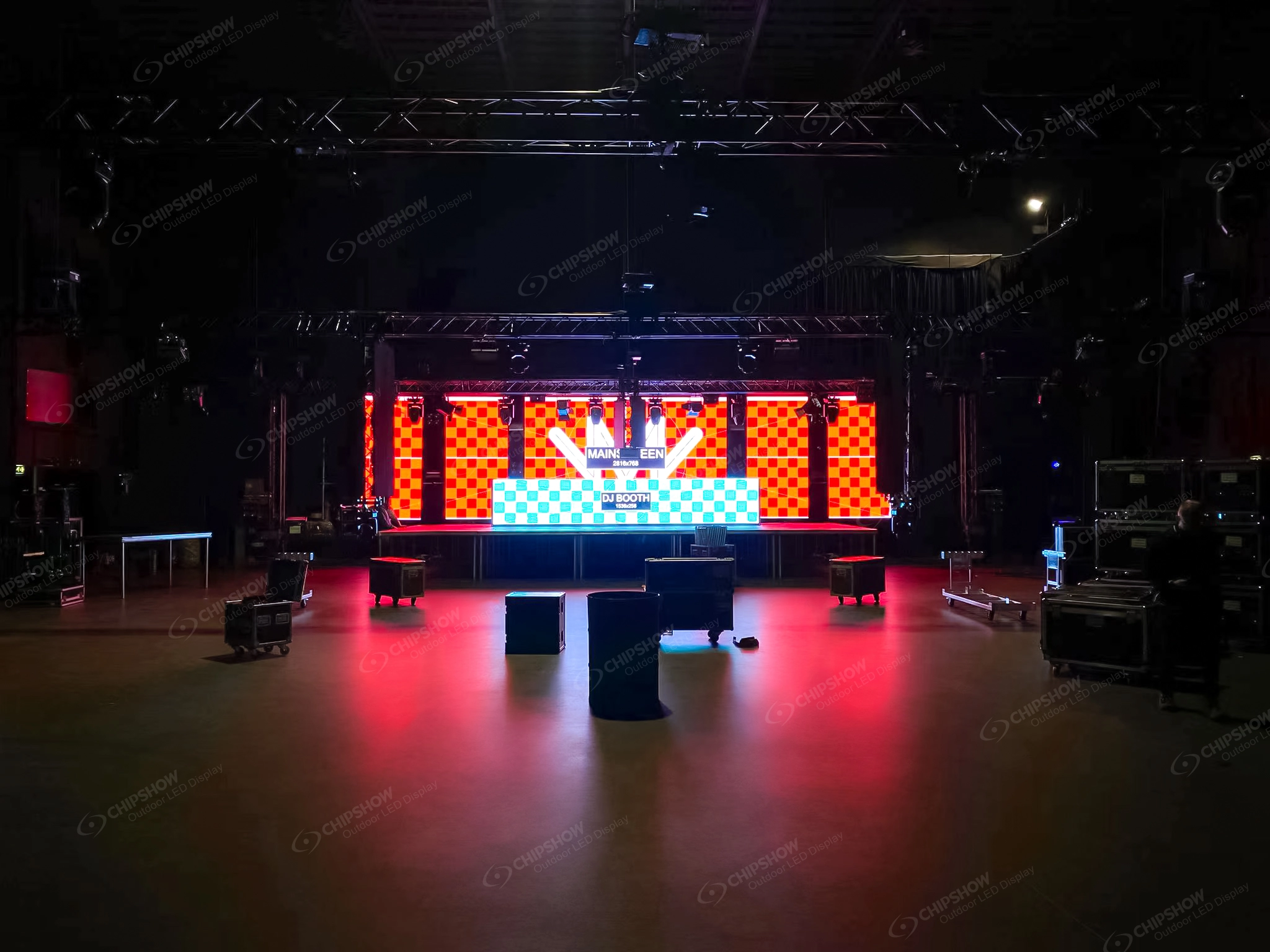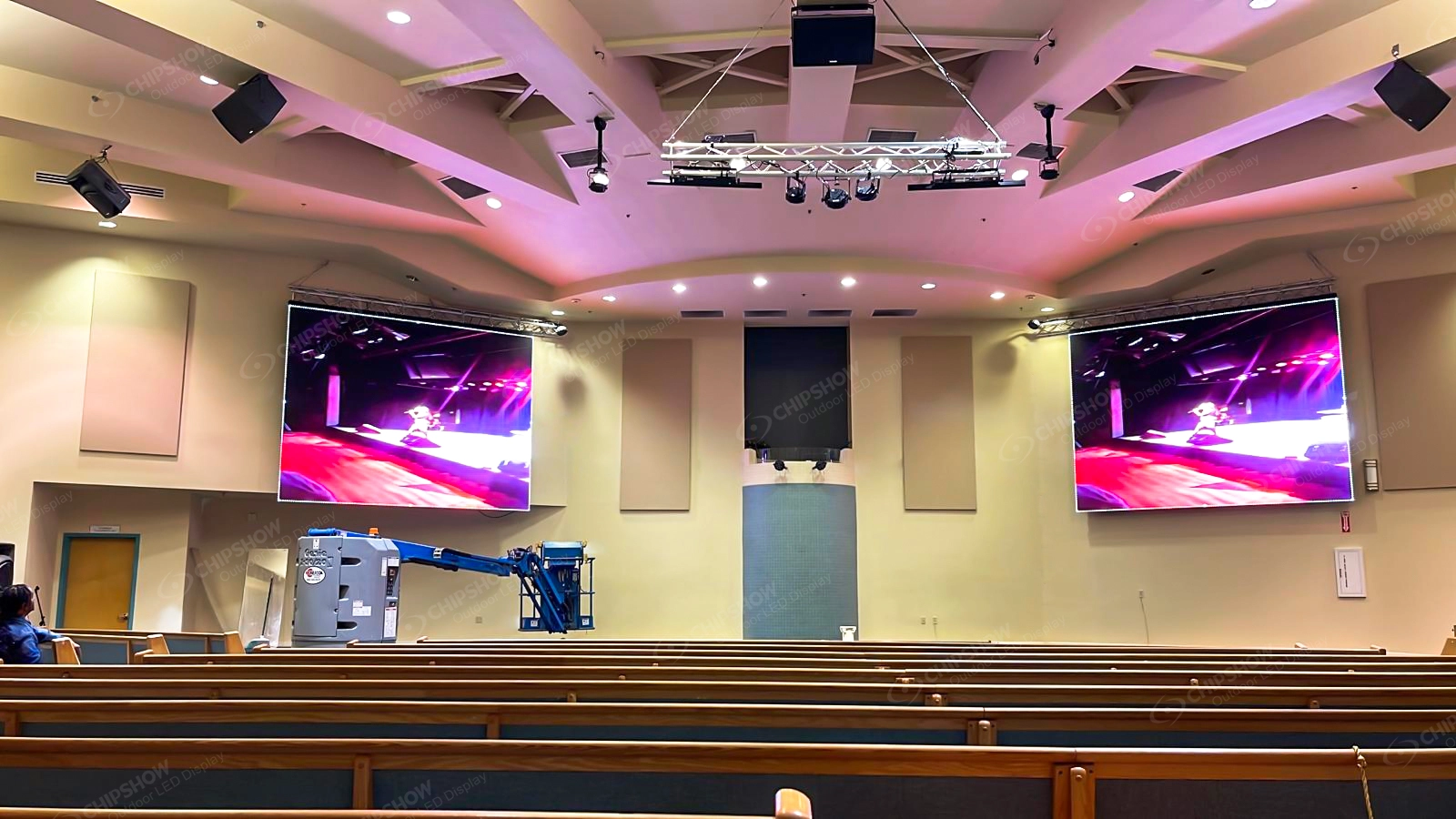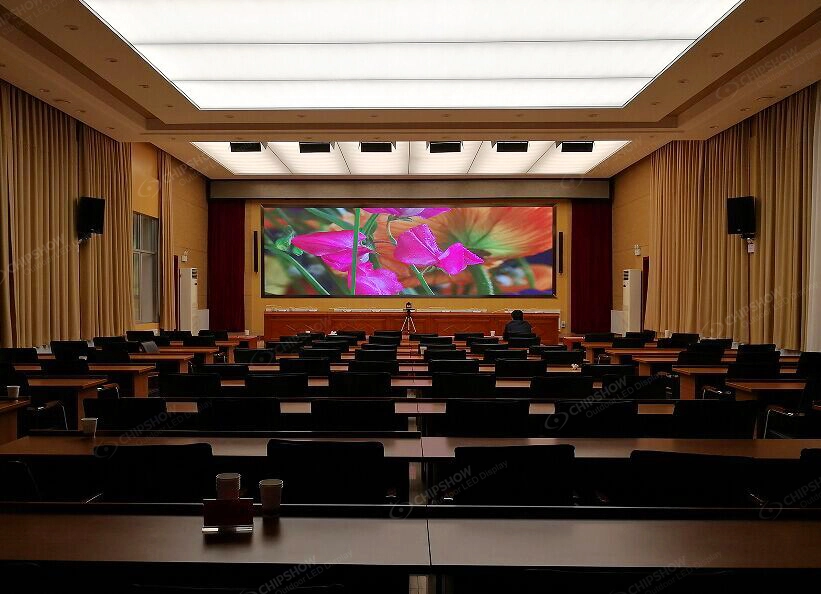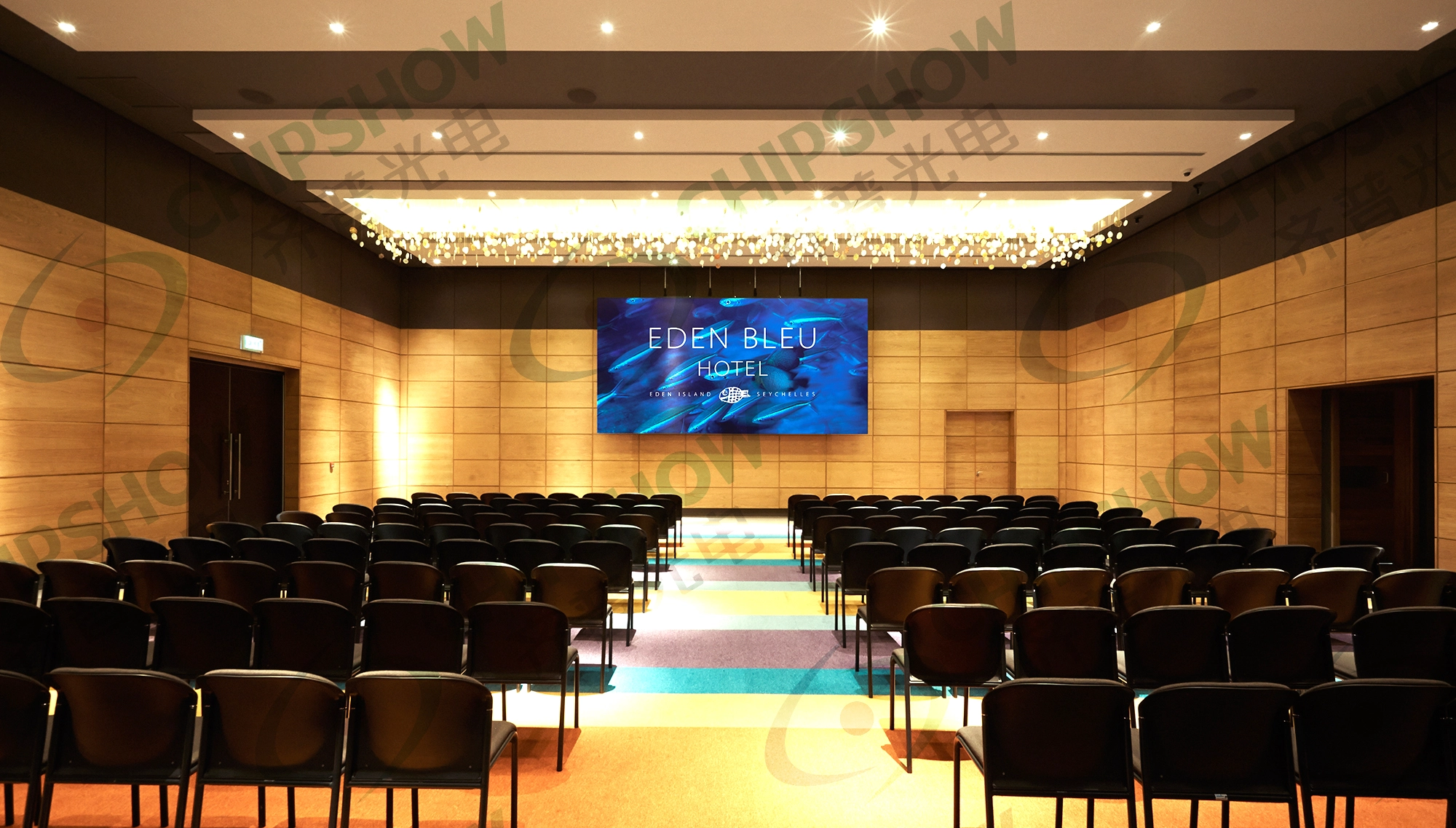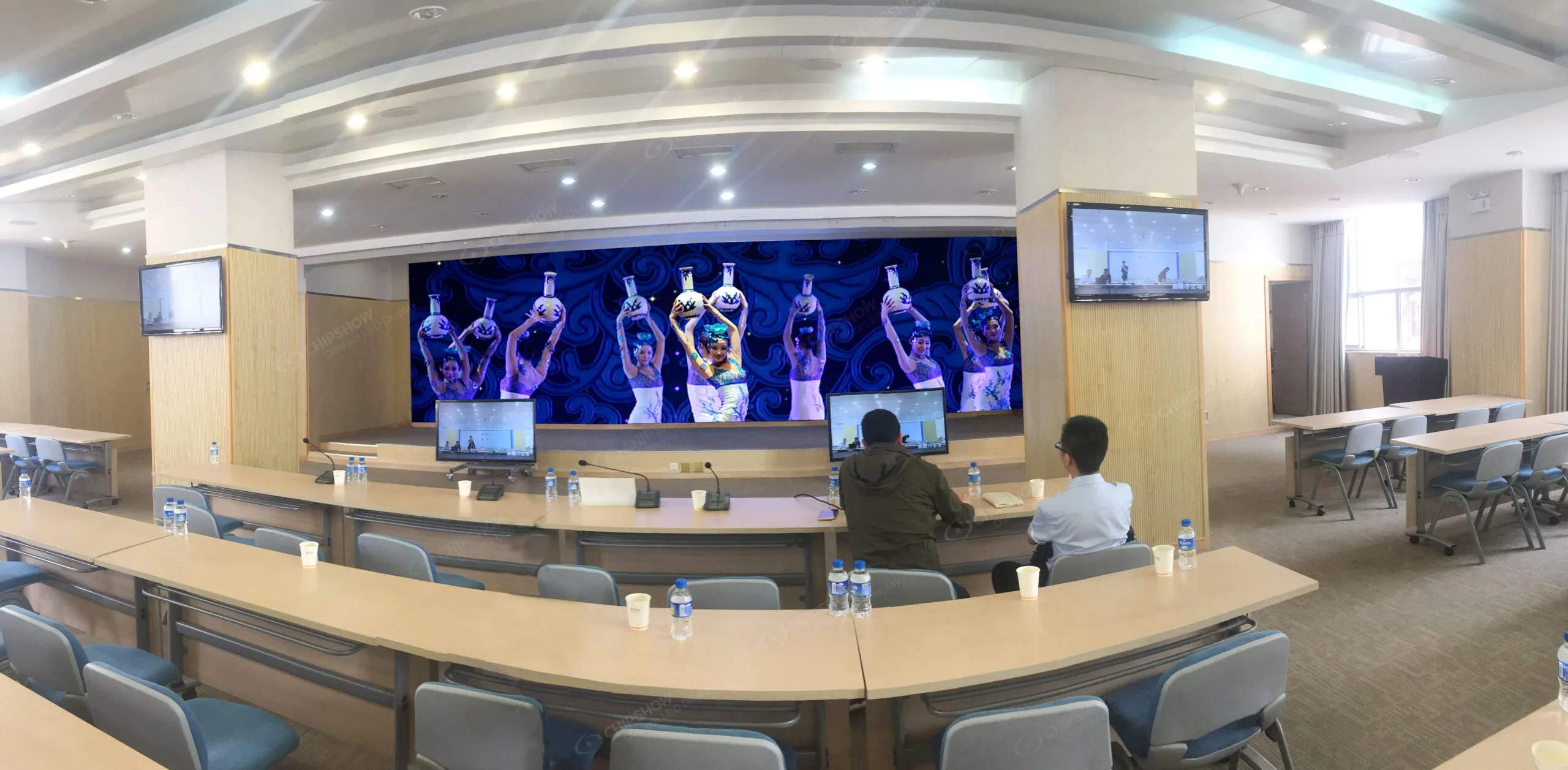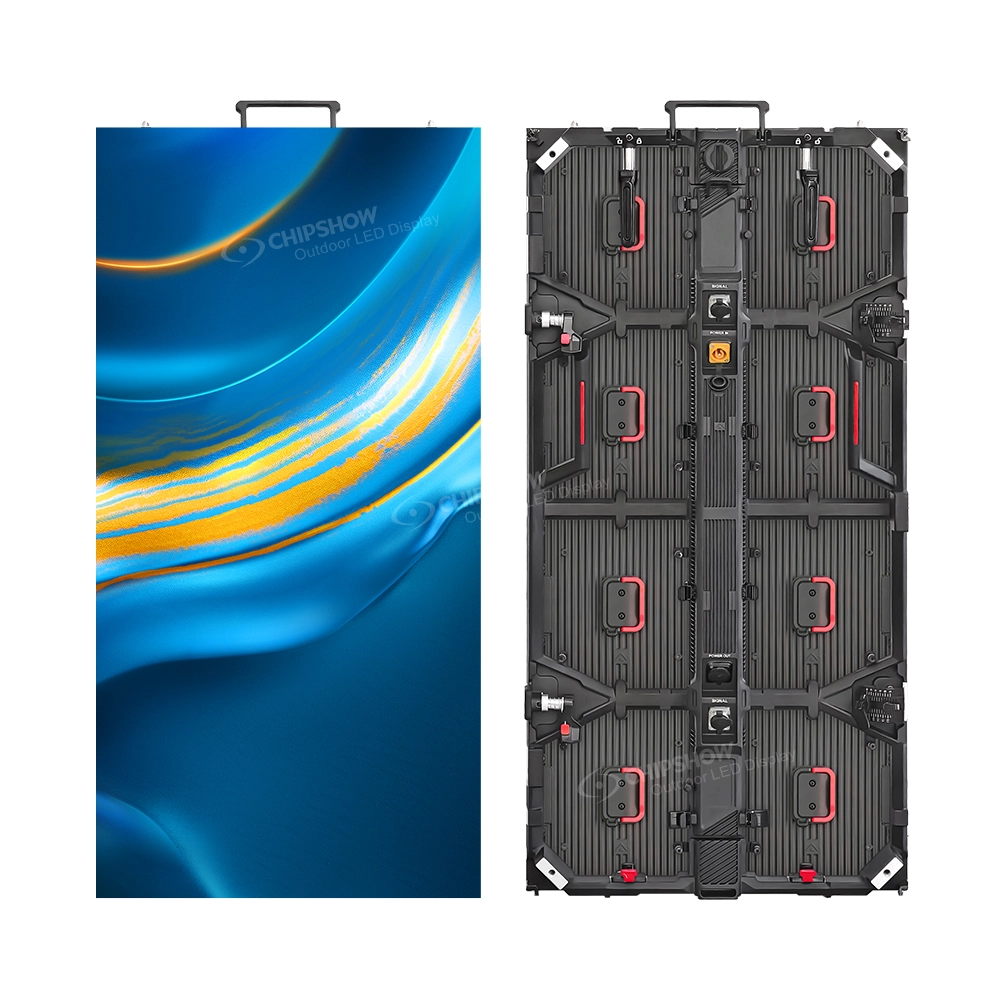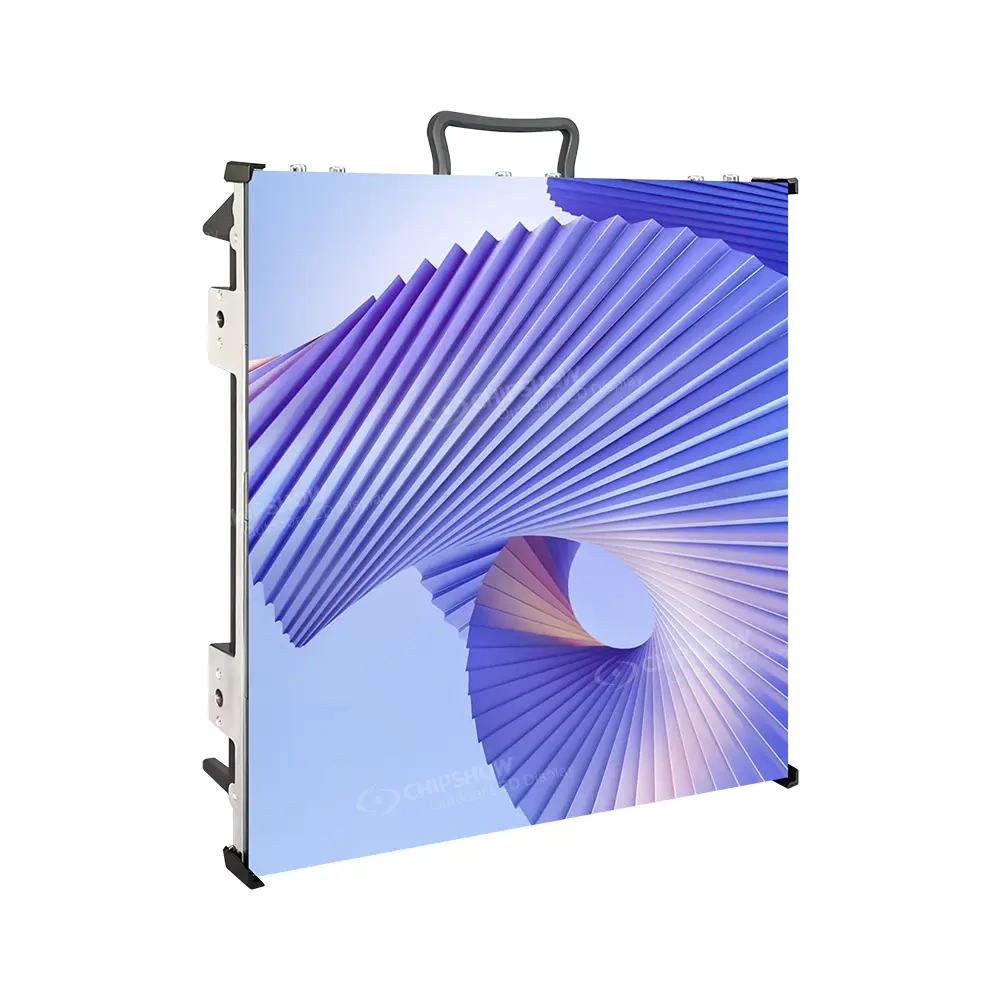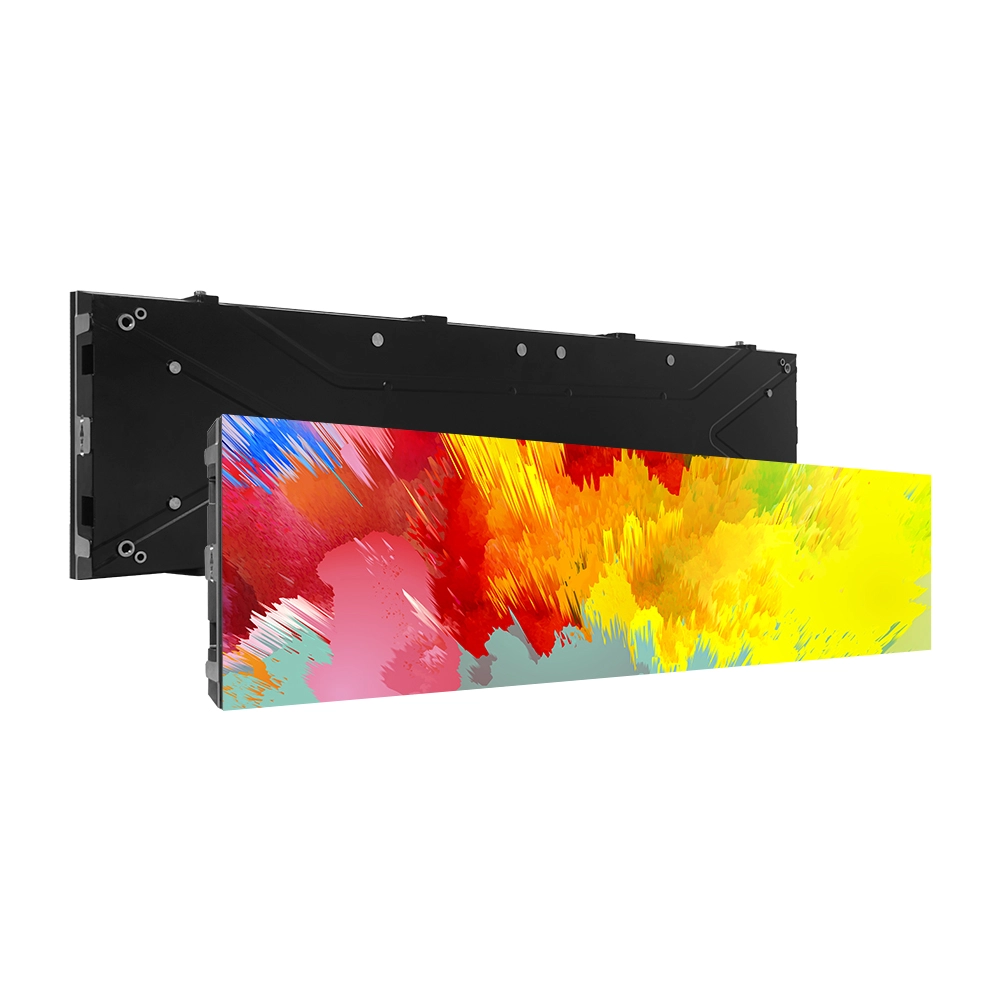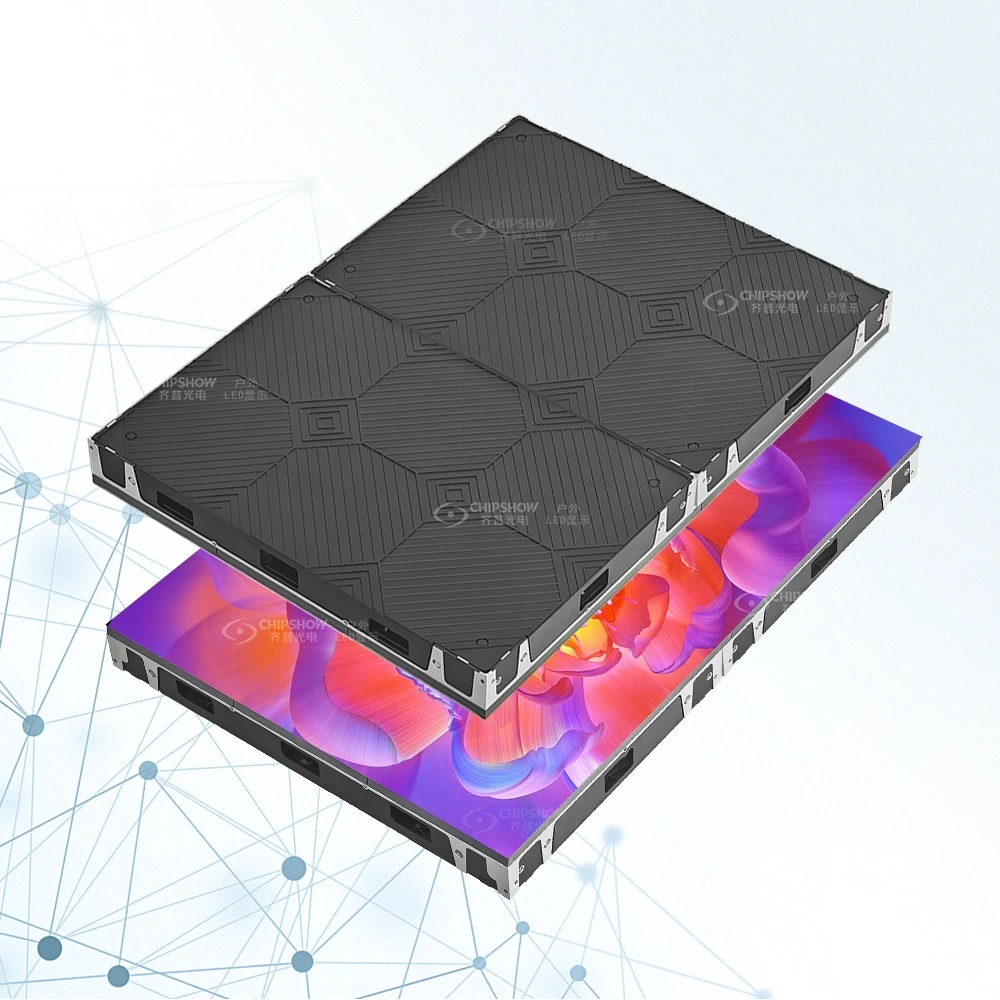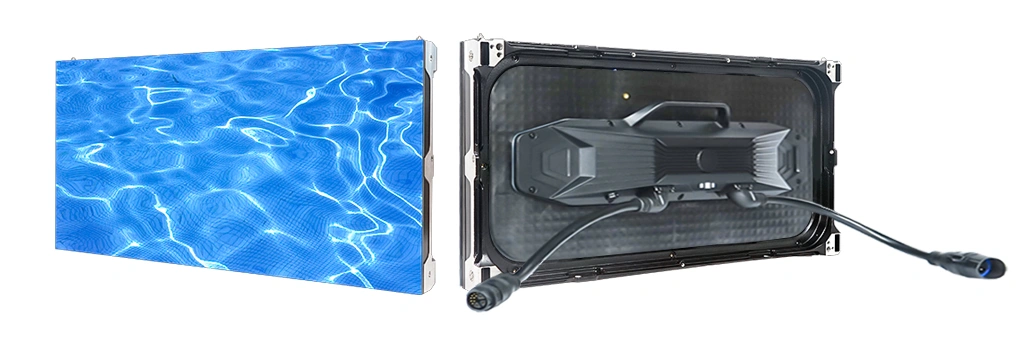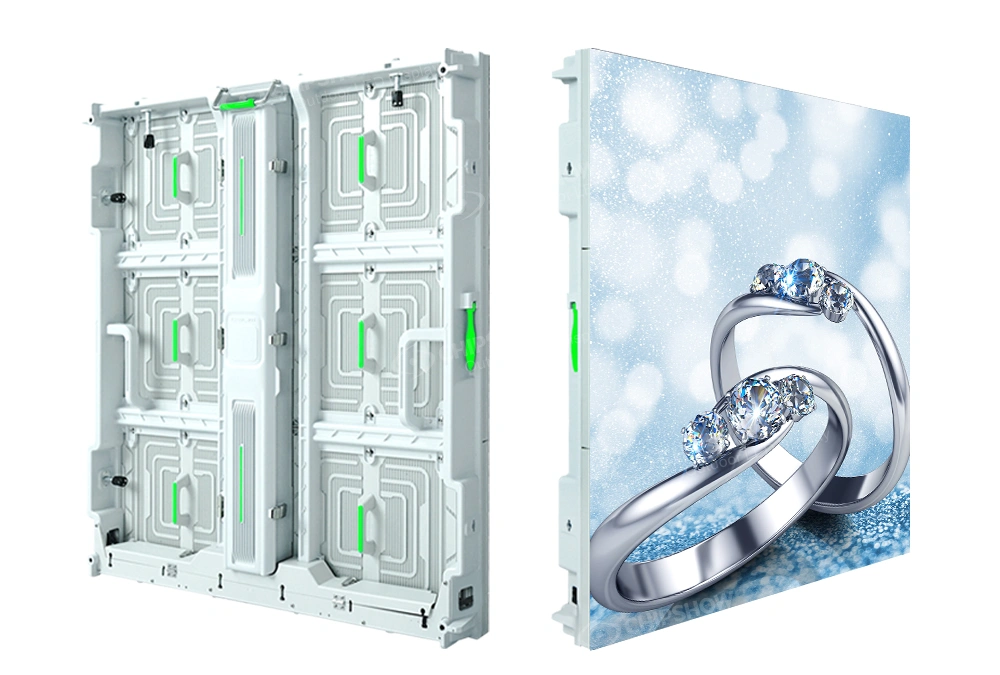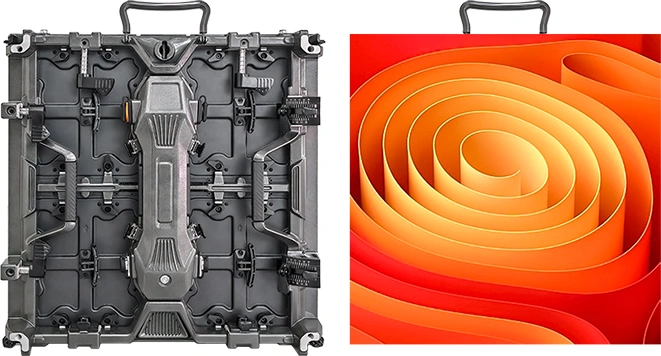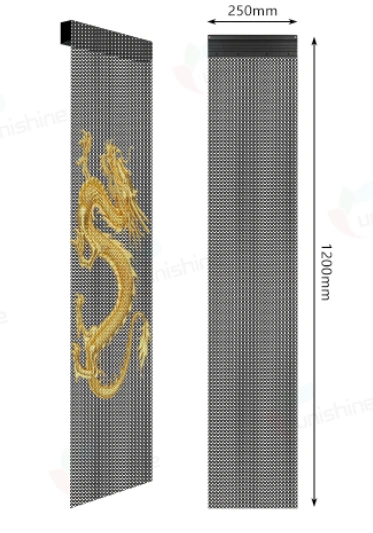
Pantallas gigantes interiores a la venta en Estados Unidos
Elegir el ángulo de píxel equivocado puede hacer que una pared LED interior sea innecesariamente cara antes de que alguien vea la primera imagen.
¿Quieres echar un segundo vistazo a las opciones de formato? El Selector de señales LED de EE. UU. Reduce los carteles por distancia de visualización, inclinación de píxeles y estilo de armario en una sola pasada.
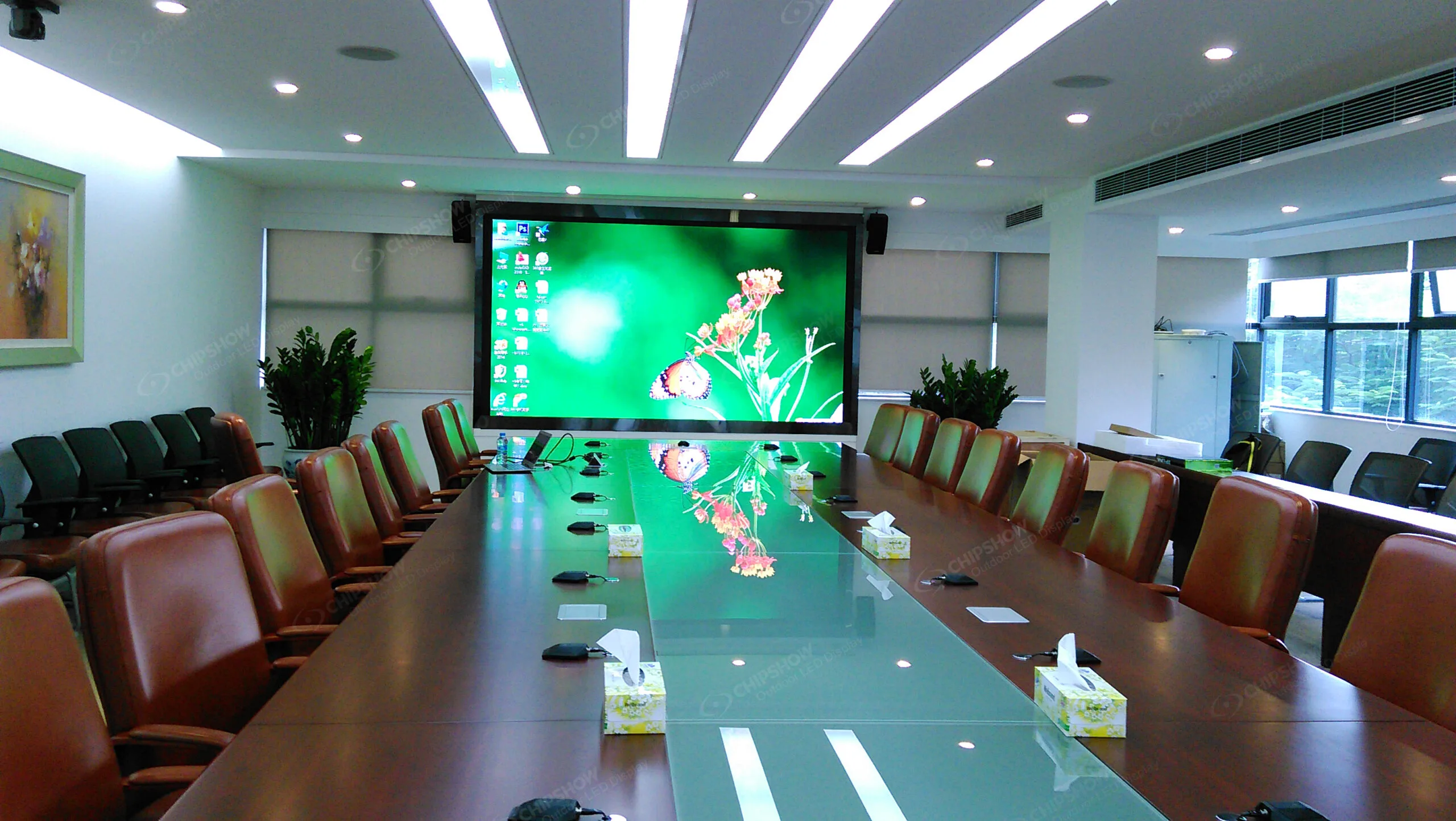
Para un vestíbulo de arena, bar deportivo, lugar de culto, sede ejecutiva o espacio de entretenimiento premium, la decisión de compra debe comenzar con tres aspectos: tamaño de la pared, distancia de visión más cercana y contenido.
Esas entradas determinan cuánta densidad de píxeles puede usar la habitación. También influyen en si el proyecto necesita un lienzo de clase 4K nativo, si SMD o COB tiene más sentido, cómo debe mantenerse la pantalla y cuánta profundidad de pared debe preservar el integrador.
Por eso los compradores comparan un Pantalla gigante interior a la venta No debería evaluar la pantalla como una valla publicitaria exterior.
Los espectadores en interiores se colocan más cerca. La alineación de los armarios se vuelve más fácil de notar. Un brillo excesivo aporta poco valor. Las habitaciones silenciosas hacen que el ruido sea más importante. Las cámaras pueden estar a solo unos pocos pies de la pantalla. Los arquitectos también pueden querer que la pared LED terminada se coloque cerca de la superficie del edificio sin sacrificar el acceso al servicio.
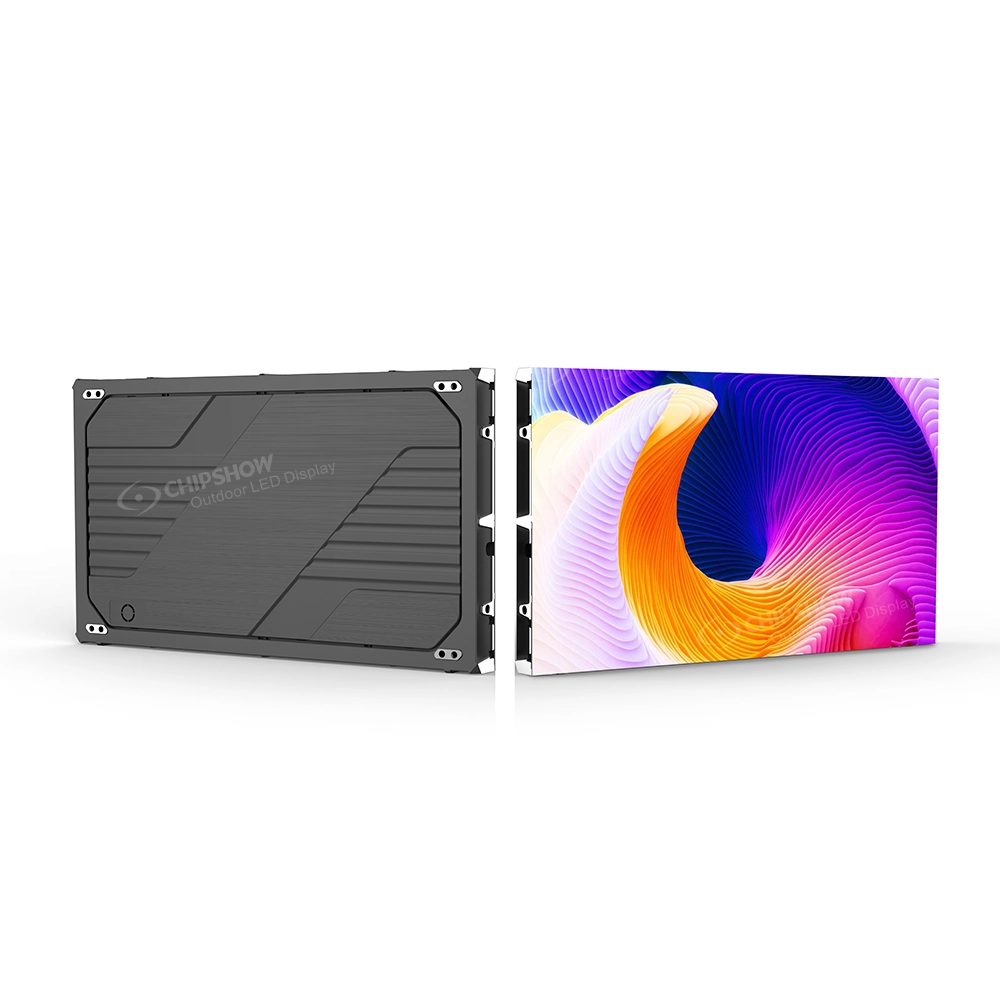
Chipshow responde principalmente a estos requisitos a través de la plataforma interior C Max.
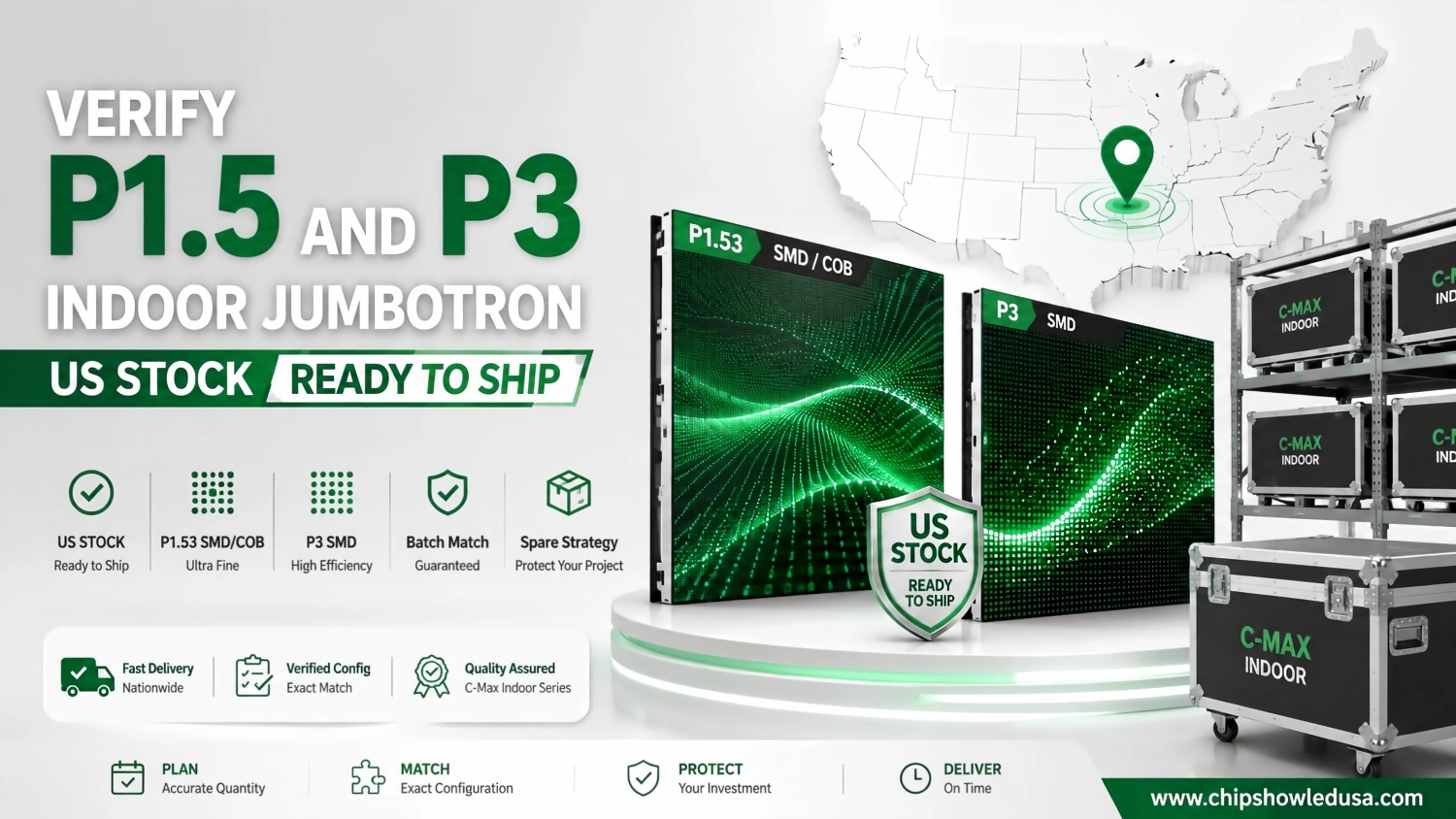
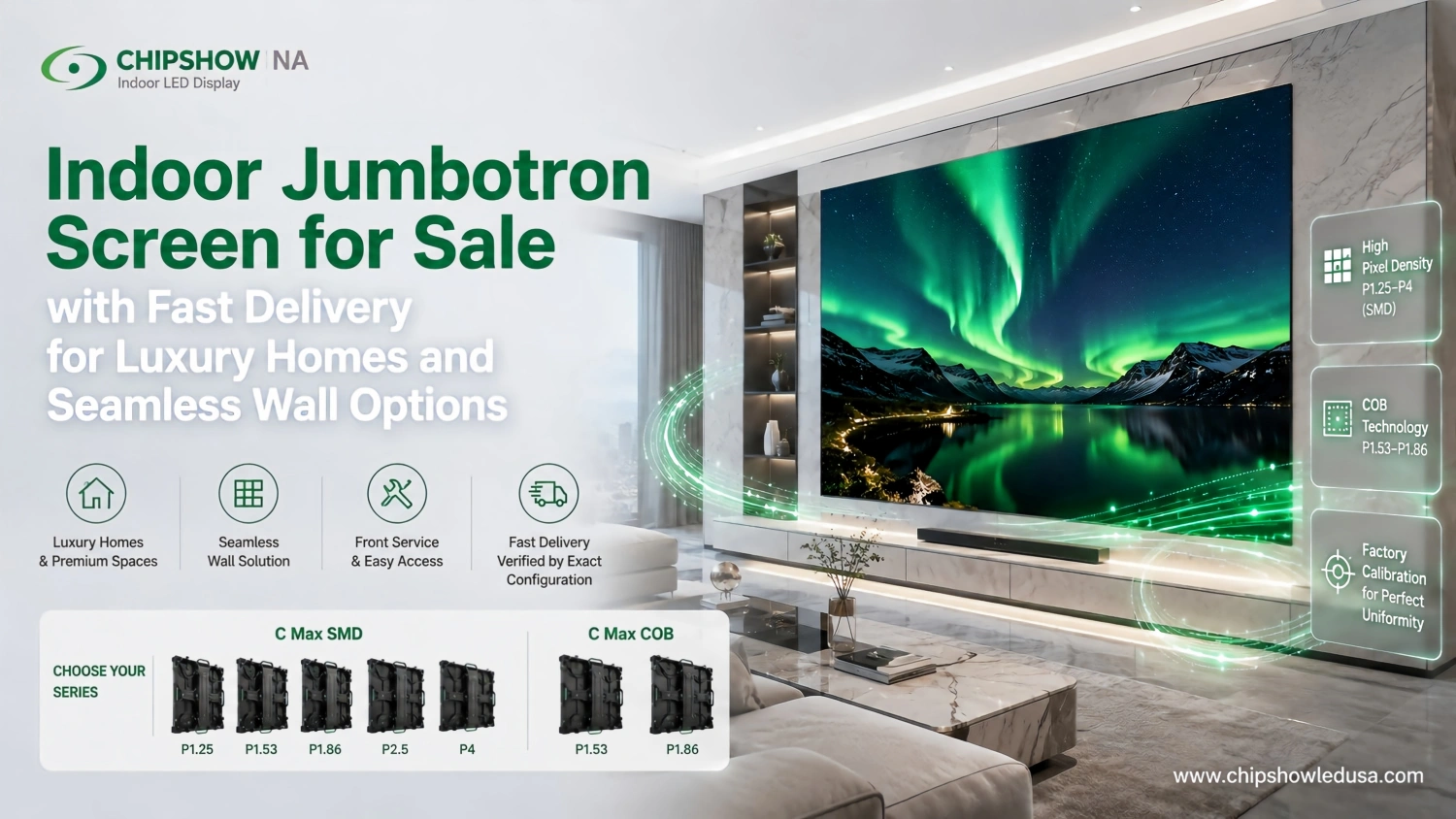
C Max SMD cubre los pitches de píxeles desde P1.25 hasta P4 y soporta aplicaciones comerciales permanentes en interiores, donde la distancia de visualización y el tamaño de la sala varían considerablemente. La plataforma actual también soporta el rendimiento de refresco a 3840 Hz y el servicio frontal.
C Max COB se centra en aplicaciones de P1,53 y P1,86, donde la visión cercana y la protección de la superficie tienen más peso en la decisión de compra. Mantiene el enfoque de acceso frontal mientras utiliza el embalaje COB para una superficie LED más protegida.
Estos productos no son simplemente dos niveles de la misma pantalla.
Responden a diferentes requisitos de habitación.
Para los integradores antivirus norteamericanos, Chipshow se mantiene centrado en hardware LED respaldado por fabricantes, documentación de productos, planificación de hardware y el inventario seleccionado de California cuando el modelo y la cantidad requeridos están disponibles. El integrador local mantiene la relación con el cliente y los ámbitos eléctricos, de montaje e instalación específicos del lugar definidos en el proyecto.
Empieza por la geometría de la habitación y luego elige los píxeles.
Los jumbotrones interiores y exteriores resuelven diferentes problemas
Mover una gran pantalla LED al interior cambia casi todas las prioridades principales de selección.
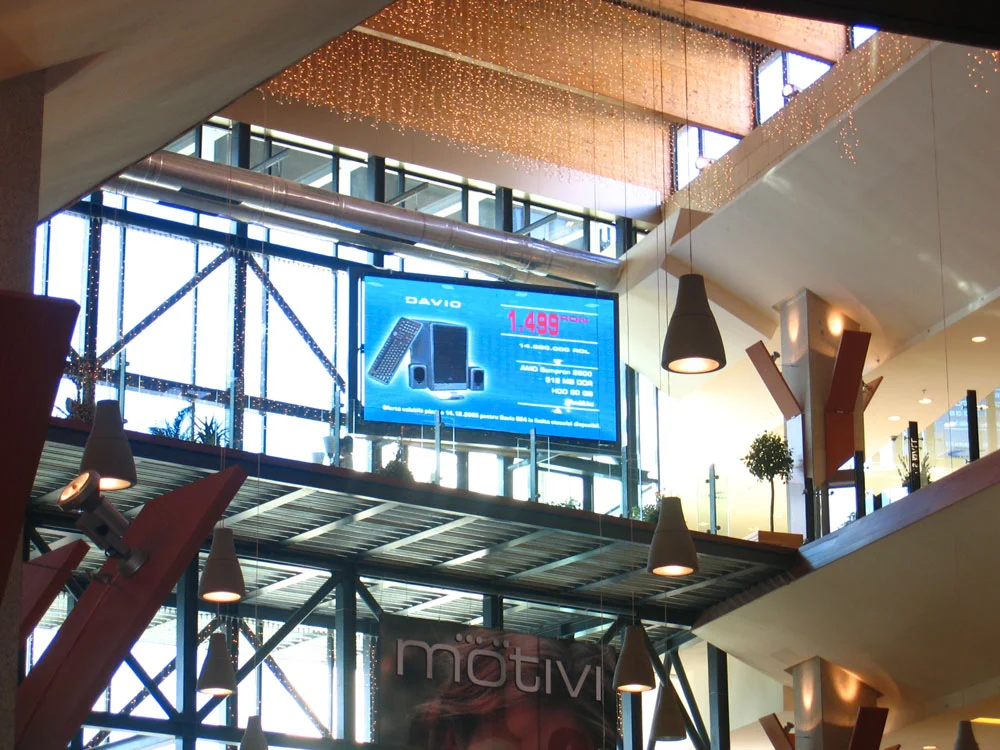
Las pantallas exteriores deben superar el sol directo, el clima y la exposición ambiental. El LED interior funciona en un entorno mucho más controlado, pero el público también se acerca más a la pantalla.
Esto desplaza el énfasis de la ingeniería hacia la densidad útil de píxeles, contraste, profundidad de pared, confort acústico, acceso al servicio y rendimiento de la cámara.
El brillo interior debería soportar la habitación
El LED interior no necesita luminancia a nivel exterior para crear una imagen fuerte.
En una sala controlada, el contraste útil y la visualización cómoda importan más que el brillo máximo. Una pantalla innecesariamente brillante puede resultar cansada cuando el público se sienta cerca de ella para una reunión, servicio religioso, evento deportivo o presentación prolongada.
Esto cobra especial importancia en salas de juntas, salones premium, iglesias y salas de entretenimiento residenciales.
Por tanto, el proyecto debería coordinar el brillo de la pantalla con la iluminación de la habitación en lugar de importar una especificación diseñada para competir con la luz solar directa.
La calidad de imagen en interiores depende tanto de cómo la pantalla maneja el contenido oscuro, las transiciones sutiles de color y los reflejos ambientales como de la salida máxima.
Esa es también una de las razones por las que ver con atención puede hacer atractivo a COB. Su superficie protegida puede soportar una apariencia más controlada en espacios interiores premium donde los espectadores se acercan lo suficiente para notar reflejos, niveles de negro y textura superficial.
El objetivo dentro de la sala no es vencer al sol.
Es crear una imagen que se mantenga cómoda y consistente en toda la zona de visualización.
La estructura del píxel se vuelve más fácil de ver
La distancia de visión cambia el aspecto de una pared LED.
Una pantalla exterior vista desde cientos de metros puede usar un pitch de píxel relativamente grueso manteniendo una imagen visualmente continua.
Dentro de un edificio, el espectador más cercano puede situarse a solo unos pocos pies de la superficie del LED.
Si el tono es demasiado grueso para esa distancia, los píxeles individuales pueden volverse más evidentes y detalles finos como texto, paneles, caras y gráficos pueden perder claridad.
El error contrario también cuesta dinero.
Elegir P1.25 simplemente porque es la opción de SMD C Max más pequeña disponible no mejora automáticamente el proyecto si la audiencia normalmente se sienta lo suficientemente lejos como para que una tonalidad más gruesa ya proporcione suficiente detalle de la imagen.
El espectador significativo más cercano debe definir el rango de primer tono.
La distancia de visualización y el contenido típicos pueden entonces reducir la decisión.
Las habitaciones silenciosas hacen que el ruido sea más importante
El ruido puede ser una preocupación menor en un vestíbulo concurrido, pero se hace mucho más evidente en ambientes interiores controlados.
Una sala de reuniones ejecutiva, un espacio de culto, un espacio de hospitalidad premium o un teatro residencial pueden exponer ruidos mecánicos que desaparecerían en la plaza de un estadio.
Por esta razón, el diseño térmico y las condiciones acústicas forman parte del proceso de selección interior.
El sistema LED debería funcionar con la habitación en lugar de crear otra fuente de sonido de fondo que el equipo de AV tenga que gestionar después.
Este problema cobra especial importancia cuando la pantalla ocupa un gran porcentaje de la pared o funciona durante largos periodos durante reuniones, presentaciones o servicios.
El servicio frontal protege el valioso espacio interior
El LED interior suele situarse directamente sobre la arquitectura terminada.
Un pasillo trasero tradicional de mantenimiento consume profundidad física que de otro modo podría pertenecer a la habitación. En un vestíbulo o sala de juntas, esa pérdida de profundidad puede afectar a la circulación o al área útil del suelo. En una vivienda premium, el diseñador puede no querer crear una cavidad profunda solo para acceder a componentes LED.
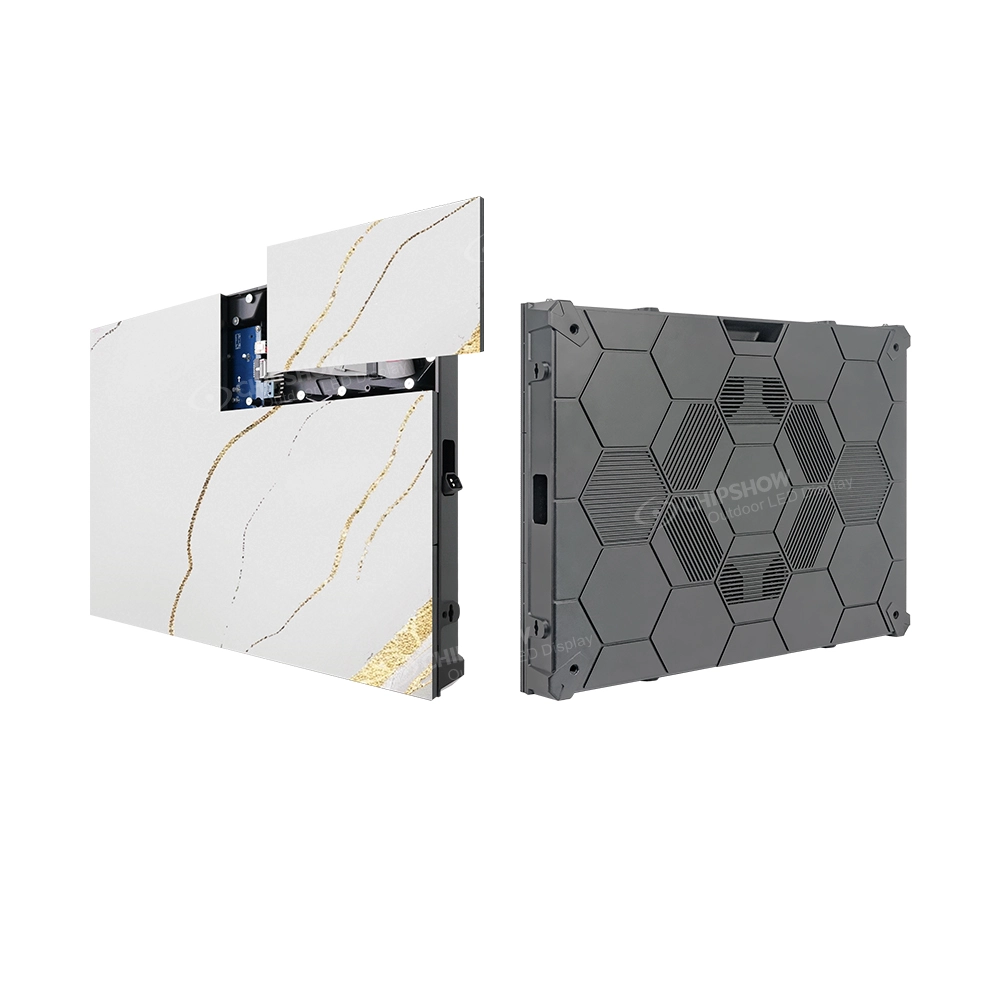
C Max SMD utiliza una arquitectura de servicio frontal. C Max COB también soporta acceso frontal.
Esto no elimina la necesidad de un sistema de soporte adecuadamente diseñado.
Esto da al integrador más libertad para planificar un muro permanente de perfil bajo sin reservar automáticamente un pasillo de mantenimiento convencional detrás de toda la pantalla.
Por tanto, el acceso de mantenimiento pasa a formar parte de la decisión arquitectónica.
Las cámaras necesitan su propia comprobación de rendimiento
Muchas paredes LED interiores acaban apareciendo en cámara.
Las retransmisiones en directo de iglesias, entrevistas en el pabellón, retransmisiones corporativas, contenido de eventos y promociones en bares deportivos pueden situar la pantalla dentro del marco de la cámara.
C Max SMD soporta rendimiento de refresco a 3840 Hz, lo que proporciona a los integradores un punto de partida relevante para aplicaciones de cámara orientada.
La tasa de refresco por sí sola no garantiza el resultado final de la cámara.
La velocidad de obturación de la cámara, la tasa de fotogramas, la arquitectura de escaneo LED, el procesamiento y el brillo de funcionamiento pueden influir en lo que aparece en la imagen grabada.
Cuando las cámaras formen parte de la sala, incluye ese requisito antes de que se apruebe la lista de materiales de hardware.
No asumas que otra configuración de C Max automáticamente ofrece un rendimiento idéntico de cámara sin consultar la documentación exacta del producto.
La profundidad de pared pertenece a la especificación
Los proyectos de interior suelen competir por pulgadas en lugar de pies.
El armario LED, la estructura de montaje, el enredado de cables y el acabado de las paredes contribuyen a la proyección final dentro de la habitación.
Una plataforma de hardware poco profunda puede soportar un diseño arquitectónico de perfil bajo, pero la pared instalada completa aún debe revisarse como un solo conjunto.
Esto se vuelve importante cuando la criba se sitúa cerca de las rutas de circulación.
Las dimensiones del producto pueden soportar una revisión ADA, pero no hacen automáticamente que la instalación completada sea conforme a la normativa. La proyección final, la ubicación del montaje y la arquitectura circundante determinan el resultado específico del sitio.
Por tanto, el integrador y el arquitecto deberían evaluar el estado de la pared terminada en lugar de fiarse únicamente de la dimensión del armario LED.
¿Qué hace que una pared LED interior sea realmente fluida?
A Pared gigante sin costuras en venta no se vuelve fluido simplemente porque el LED de visión directa no tiene bisel LCD.
Los espectadores aún pueden notar los límites de los armarios cuando la pared carece de suficiente precisión mecánica o cuando las partes adyacentes de la pantalla no coinciden visualmente.
Un resultado verdaderamente fluido depende de que varias capas trabajen juntas.
La planitud del gabinete es lo primero
Una pared LED interior grande puede usar decenas de armarios.
Si un armario se sitúa ligeramente hacia adelante, hacia atrás o fuera del plano respecto a sus vecinos, la superficie puede revelar una línea aunque no haya bisel físico.
El problema se vuelve más fácil de ver a medida que disminuye la distancia de visión.
En el vestíbulo de una arena, visto principalmente desde el otro lado de un gran espacio abierto, puede ser difícil notar una pequeña desviación mecánica. En una sala ejecutiva premium donde se puede caminar a pocos metros de la pantalla, la misma desviación puede hacerse mucho más evidente.
Por tanto, la construcción de armarios de precisión tiene un papel visual directo.
La carcasa no es simplemente algo que contiene los módulos LED.
Forma la base mecánica del lienzo terminado.
Los módulos necesitan formar una sola superficie
La alineación de los gabinetes es solo el primer nivel.
Los módulos LED individuales también deben situarse de forma consistente en cada mueble.
Si un módulo está un poco por encima o por debajo de la superficie circundante, la iluminación de la sala puede captar esa zona de forma diferente. El límite del módulo puede entonces volverse visible incluso cuando la pantalla muestra una imagen uniforme.
El paso fino hace que esta precisión mecánica sea más importante porque el espectador ya está lo suficientemente cerca para examinar la superficie.
Por tanto, los compradores deberían evaluar el LED sin costuras como una pared ensamblada en lugar de como un conjunto de cajas de productos idénticas.
La calibración completa la continuidad visual
Una pared puede ser mecánicamente plana y aún así revelar su cuadrícula de armario si el brillo o el color varían entre secciones.
La calibración de fábrica ayuda a gestionar la consistencia óptica en todo el lienzo LED terminado.
Para proyectos de mayor tamaño, planificar módulos de repuesto junto con el pedido principal de hardware también puede mejorar la estrategia de servicio futura.
Eso no significa que un módulo de reemplazo vaya a ser visualmente idéntico para siempre. La edad y las condiciones de funcionamiento de los LEDs afectan a la pantalla con el tiempo.
El objetivo útil es empezar con hardware controlado y calibración en lugar de tratar cada armario y repuesto como un elemento no relacionado.
La estructura de apoyo sigue siendo importante
Un armario de precisión no puede compensar una pared de soporte inexacta.
La estructura detrás del LED debe mantener la rejilla del armario dentro de las tolerancias requeridas para una superficie plana acabada.
Aquí es donde las responsabilidades de Chipshow y del integrador deben permanecer claras.
Chipshow suministra el hardware LED del lado del fabricante, información del armario y documentación técnica aplicable.
El equipo local cualificado coordina la pared terminada, la estructura de montaje, los trabajos eléctricos y la instalación en el campo.
Un resultado continuo depende tanto de que el hardware LED como el trabajo en obra cumplan con la precisión requerida.
El mantenimiento frontal ayuda a preservar el interior
Un muro interior premium debe mantenerse en condiciones una vez finalizados los acabados arquitectónicos circundantes.
Si reemplazar un módulo requiere eliminar acabados decorativos o abrir una cavidad inaccesible, la pared puede parecer limpia al lanzarse, pero resultar caro de mantener.
El servicio frontal permite al equipo del proyecto planificar el acceso futuro desde el lado de la pantalla.
Esto puede reducir la necesidad de una zona de mantenimiento profunda en la parte trasera y ayudar a preservar la habitación terminada.
Para un integrador AV que trabaja en un interior de alto valor, la arquitectura de servicio puede afectar tanto a la flexibilidad del diseño como a las necesidades laborales futuras.
Pixel pitch 4K y distancia de visión
Pixel pitch y 4K responden a diferentes preguntas.
El paso de píxeles describe el espaciado físico entre píxeles LED vecinos.
4K describe la resolución total de la imagen.
La distancia de visualización determina cuánto de esa resolución puede realmente apreciar el público.
Una especificación útil para interiores considera los tres conjuntos.
Empieza con el espectador significativo más cercano
La distancia de visión correcta no siempre es la fila trasera.
Un vestíbulo de arena puede hacer que los visitantes se acerquen directamente al muro.
Un bar deportivo puede tener asientos a varias distancias.
Una iglesia puede tener cámaras de producción situadas mucho más cerca de la superficie LED que la congregación.
Una instalación residencial premium puede crear una distancia de visión aún más corta.
Documenta al espectador más cercano para quien la calidad de imagen importa.
Esa distancia ayuda a eliminar notas que parecerían demasiado gruesas.
Luego compara la posición normal de visualización antes de pagar por la densidad de píxeles que la mayoría de la audiencia no puede resolver.
C Max SMD ofrece múltiples opciones desde P1.25 hasta P4, permitiendo que la misma familia de productos para interiores se adapte a diferentes tamaños de habitaciones.
4K es una resolución de pared
Un armario LED individual no es una pantalla 4K.
La pared completa alcanza un lienzo de píxeles de clase 4K solo cuando el conteo de píxeles horizontal y vertical ensamblado alcanza la resolución requerida.
Para contenido UHD, 3840 por 2160 píxeles es la referencia habitual.
El tamaño físico de la pared necesaria para alcanzar ese objetivo cambia con el tono del píxel.
Un pitch más fino coloca más píxeles en la misma zona física.
Un tono más grueso requiere una pared física mayor para alcanzar el mismo recuento total de píxeles.
Por eso, una solicitud de un jumbotron 4K siempre debe incluir las dimensiones disponibles de la pared.
Sin ambos valores, 4K sigue siendo solo una etiqueta de contenido.
Un armario de 4 por 3 puede construir una pared de 16 por 9
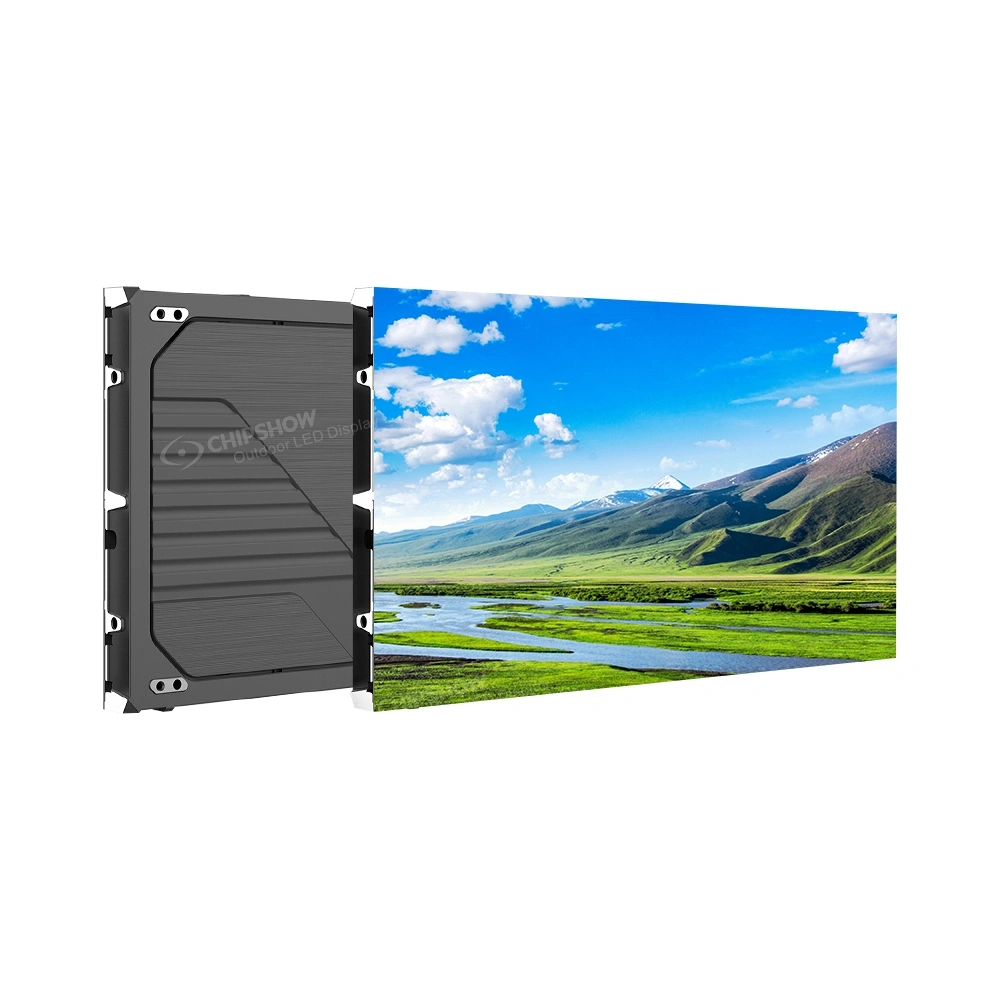
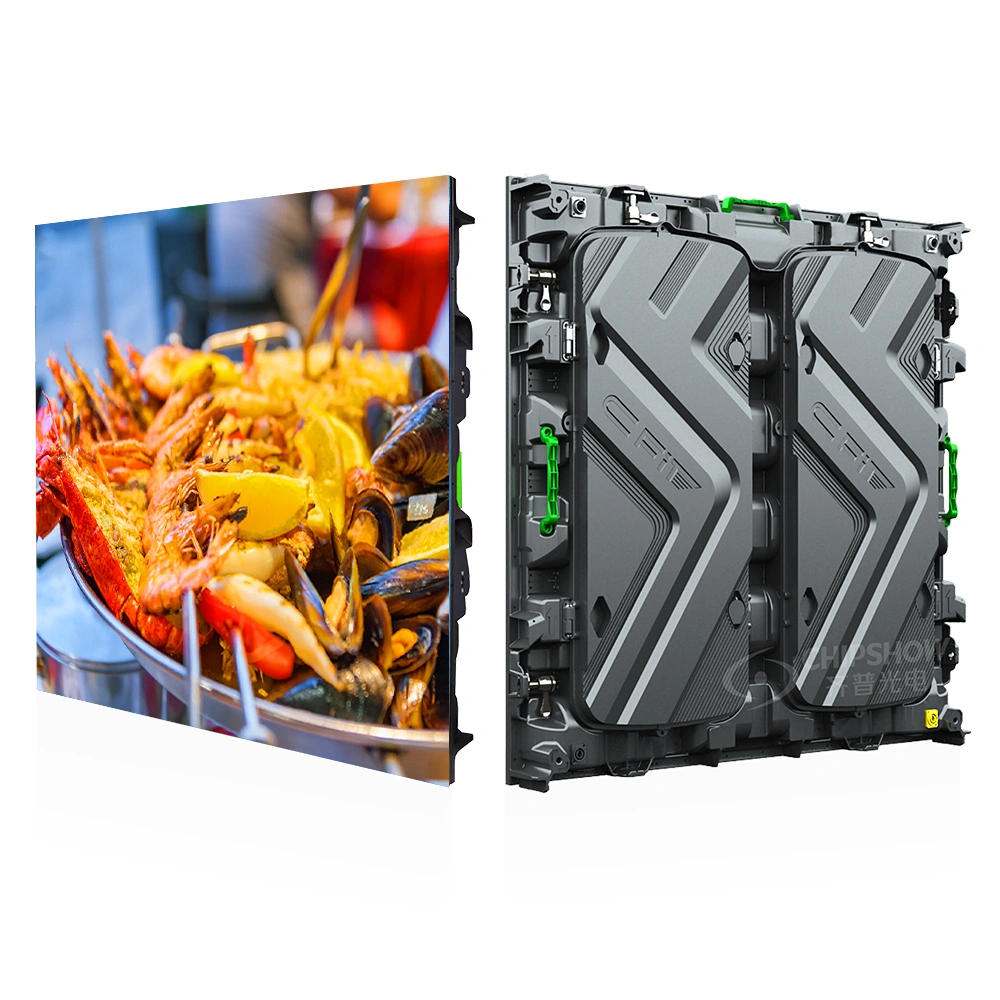
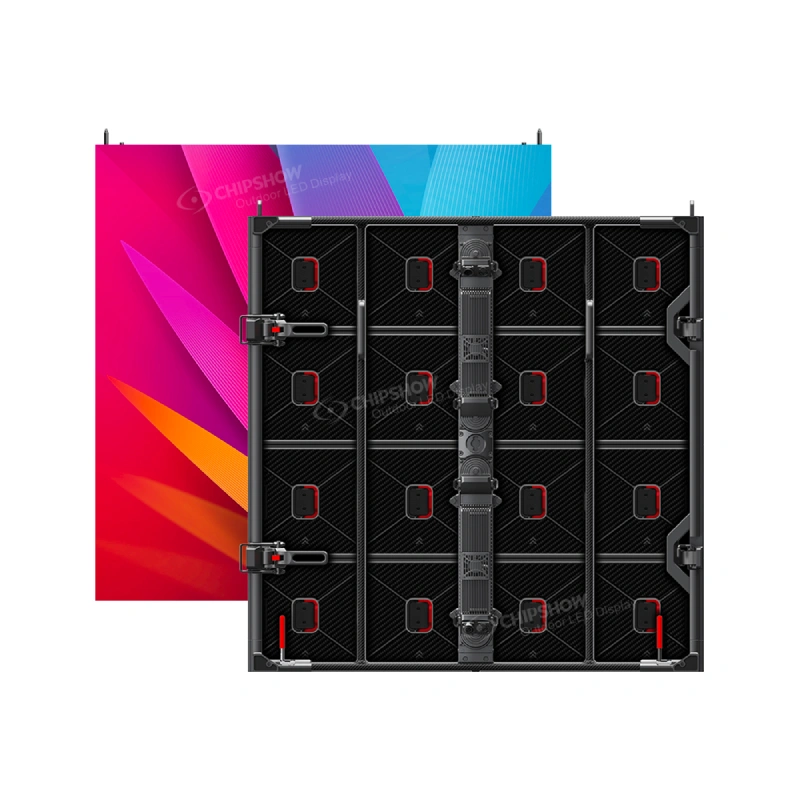
C Max utiliza un formato de gabinete de 640 por 480 mm.
El propio armario tiene una proporción física de 4 por 3.
Eso no limita la pared final del LED a 4 por 3.
Al disponer los armarios en la cuadrícula adecuada, un integrador puede construir un lienzo convencional de 16 por 9 para contenido de vídeo y presentaciones.
Por ejemplo, una disposición de cuatro armarios de ancho por tres de alto produce una pared física de 16 por 9.
Las cuadrículas más grandes pueden mantener la misma relación.
Esto es especialmente útil en proyectos que sustituyen videowalls LCD convencionales u otros sistemas de presentación de 16 por 9.
El armario actúa como un bloque de construcción.
La cuadrícula terminada define el lienzo de contenido.
El 4K nativo debería resolver una necesidad real
Un entorno de control que muestre datos detallados puede obtener un valor significativo de un lienzo de píxeles nativo denso.
Un bar deportivo que muestra las emisiones desde distancias de asientos más largas puede no necesitar la misma resolución nativa.
Una iglesia puede necesitar suficiente densidad de píxeles para vídeo IMAG, letras y contenido de presentaciones sin que cada instalación tenga que alcanzar 4K nativo.
El flujo de trabajo de contenido debería determinar si el 4K nativo es esencial, beneficioso o innecesario.
Eso mantiene el presupuesto conectado al rendimiento visible.
C Max SMD y COB
SMD y COB pueden crear paredes LED interiores de alta calidad.
La elección correcta depende de las condiciones de visualización y de cómo se utilice la superficie física del LED.
| Factor de decisión | C Max SMD | C Max COB |
|---|---|---|
| Rango de tono de píxeles | P1.25 a P4 | P1.53 y P1.86 |
| Rol principal | Amplia selección comercial cubierta | Observación cercana premium y superficie protegida |
| Enfoque de servicio | Servicio en el frente | Acceso frontal |
| Planificación de cámaras | 3840 Hz disponibles en C Max SMD | Confirmar la configuración exacta del COB |
| Ajuste fuerte | Vestíbulos de pabellón, bares deportivos, auditorios de adoración, AV comercial | Entornos ejecutivos cerrados, vistas de interiores premium, áreas de mayor contacto |
| Pregunta principal sobre la compra | ¿Qué campo coincide con la sala? | ¿Se beneficia el proyecto de la protección de la superficie COB y del rendimiento de visualización cercana? |
Dónde encaja mejor SMD
C Max SMD ofrece a los integradores AV mayor flexibilidad entre diferentes geometrías de salas.
Un gran vestíbulo de arena puede no necesitar la misma densidad de píxeles que una sala ejecutiva compacta.
Una iglesia puede necesitar equilibrar la visualización del público con los requisitos de la cámara.
Un bar deportivo puede necesitar varias zonas de asiento para ver claramente la pantalla sin comprar densidad de píxeles pensada para una distancia de visión mucho más corta.
El rango P1.25 a P4 permite al integrador seleccionar una altura según la sala en lugar de forzar todos los proyectos de interior a una sola clase de densidad.
C Max SMD también soporta mantenimiento frontal y rendimiento de refresco a 3840 Hz.
Para AV comercial permanente convencional, esas características cubren varios requisitos comunes de proyectos sin pasar automáticamente a COB.
Donde la COB aporta valor
COB cambia la superficie física del LED.
En lugar de dejar los LEDs individuales expuestos de la misma manera que una superficie SMD convencional, el COB encapsula los componentes emisores de luz bajo una capa protectora.
Esto puede ser relevante en entornos donde la gente se acerca regularmente a la pantalla o donde es más probable el contacto accidental.
También puede ser útil en interiores premium, donde la apariencia superficial y la vista a corta distancia reciben más atención.
C Max COB actualmente se centra en P1.53 y P1.86.
Ese rango más reducido refuerza su papel como opción de visualización cercana en lugar de un reemplazo universal para todos los proyectos de CM Max SMD.
El comprador debería elegir COB porque la sala se beneficia de la tecnología.
No debe tratarse como una actualización automática simplemente porque utilice un método de empaquetado diferente.
La durabilidad superficial puede cambiar la decisión de compra
Una pantalla montada de forma segura alejada del contacto público puede funcionar con éxito con SMD durante años.
Un vestíbulo público, un entorno comercial interactivo o un interior premium donde la gente se acerque regularmente a la pantalla supone un riesgo físico diferente.
La durabilidad superficial puede entonces formar parte de la decisión de propiedad.
Esto es especialmente relevante cuando los LEDs individuales dañados serían difíciles de ignorar a distancias de visión muy cercanas.
Por tanto, la elección tecnológica combina los requisitos visuales con el entorno físico.
C Max Wall es una opción arquitectónica especial
Algunos interiores introducen otro requisito.
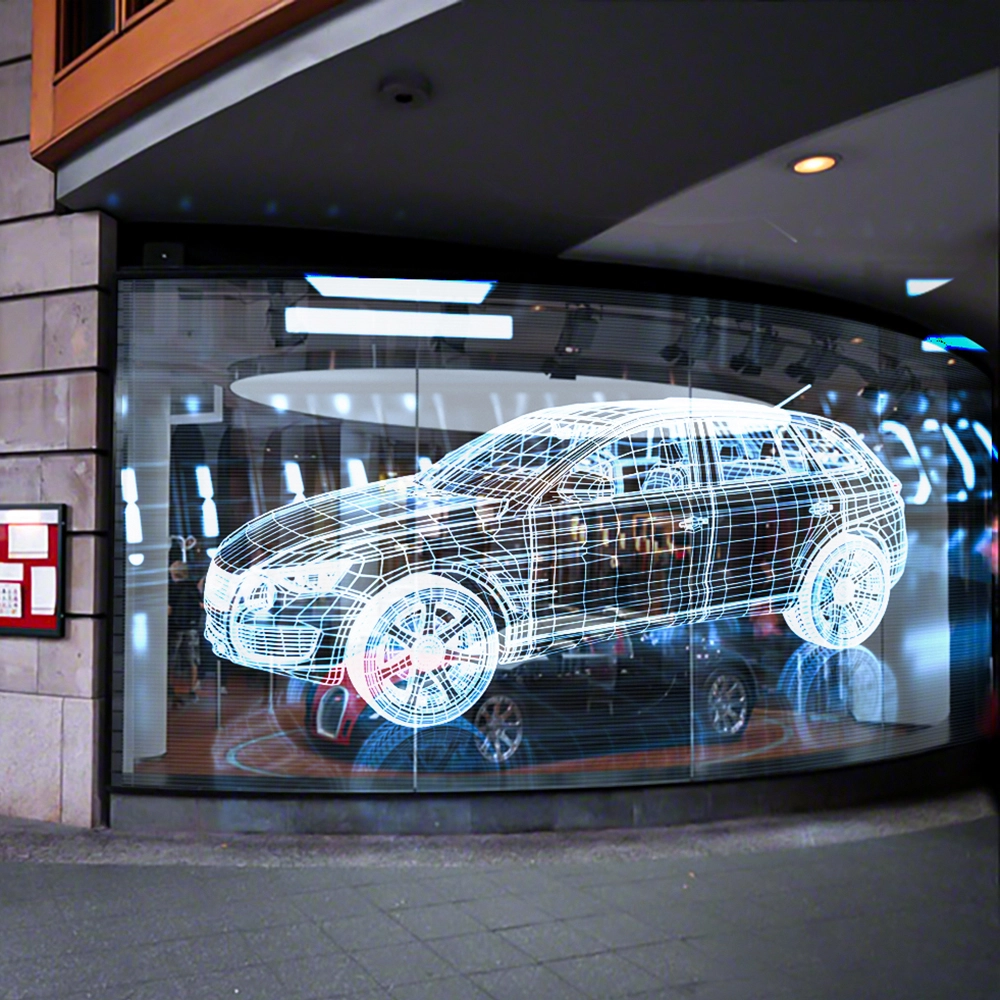
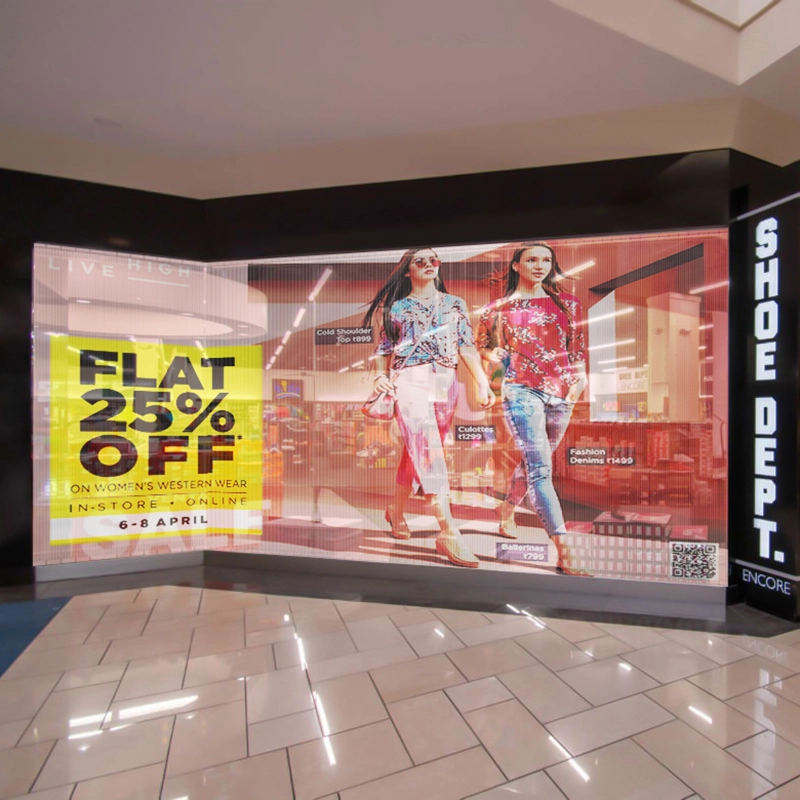
El diseñador puede no querer que un rectángulo LED negro convencional domine la sala cuando la pantalla no muestra contenido.
Para esos proyectos arquitectónicos especializados, C Max Wall puede evaluarse tras establecer los requisitos básicos de distancia de visualización, tamaño de pantalla y resolución.
Debería seguir siendo una vía arquitectónica especial en lugar de la recomendación por defecto para un jumbotron interior.
La decisión principal de compra sigue empezando por la sala.
Entrega rápida para proyectos residenciales premium y interiores con sensibilidad al tiempo
El LED residencial premium pertenece a esta guía de compra cuando el proyecto es gestionado por un integrador AV u otro socio profesional.
Chipshow no debería posicionarse como una empresa de instalación de hogares para consumidores.
El rol del fabricante es hardware LED, información de producto, planificación de hardware y coordinación de suministros.
El integrador local conserva la relación con el cliente y el trabajo de instalación específico del lugar incluido en su contrato.
Las viviendas premium siguen necesitando planificación AV comercial
Una vivienda de alta gama puede crear algunas de las condiciones de visualización interiores más exigentes.
Los espectadores pueden sentarse relativamente cerca de la pantalla.
La habitación puede requerir un bajo impacto acústico.
La arquitectura puede limitar la profundidad disponible en las paredes.
El propietario también puede esperar que la pantalla se integre limpiamente en un interior altamente acabado.
Estos son problemas profesionales de ingeniería audiovisual aunque la ubicación final sea residencial.
C Max SMD puede adaptarse a proyectos que se benefician de un amplio rango de tono de píxeles.
C Max COB cobra mayor relevancia cuando la observación cercana y la protección física de la superficie cobran mayor importancia.
La tecnología debería ser seleccionada por el integrador según la habitación, en lugar de tratar el LED residencial como un producto de consumo separado.
La entrega rápida debe comprobarse mediante la configuración
La expresión entrega rápida siempre debe referirse a la disponibilidad real del hardware.
Configuraciones seleccionadas de C Max para interiores pueden soportarse a través de la estrategia de inventario norteamericana de Chipshow, pero la disponibilidad depende del producto exacto, la presentación y la cantidad del proyecto.
Una pared SMD P1.25 y una pared COB P1.86 son requisitos de inventario diferentes.
Un muro pequeño y un gran proyecto de arena también pueden consumir cantidades muy diferentes.
Para un proyecto sensible al calendario, confirma el modelo exacto, el pitch, el número de armarios y el hardware de soporte antes de prometer al cliente una fecha de entrega.
El California Warehouse Hub funciona como un buffer de inventario de hardware.
No representa un equipo de instalación residencial ni una operación de servicio de campo a nivel nacional.
Listo para instalar significa un alcance de hardware definido
El transporte rápido no ayuda si falta hardware importante cuando el equipo de integración empieza a trabajar.
Por tanto, la lista de materiales hardware debería alinear el número de armarios con los componentes de procesamiento, recepción, señal y energía, cables relevantes y repuestos planificados antes del lanzamiento.
Un paquete de hardware listo para instalar reduce la incertidumbre en el lado del hardware.
El integrador sigue gestionando la preparación de las paredes, los trabajos eléctricos, el montaje y la instalación física según el alcance del proyecto.
Esta división de responsabilidades protege el papel del integrador y da al proyecto acceso directo al hardware LED respaldado por el fabricante.
Verificar la documentación de especificaciones y el ajuste al proyecto
Una vez que el proyecto haya reducido el tono de píxeles y la tecnología LED, el proceso de compra debería pasar de la comparación a la verificación.
La lista de materiales de hardware, la hoja de especificaciones y la propuesta de proyecto deben describir la misma configuración.
Mantén separadas las reclamaciones de C Max SMD y COB
C Max SMD actualmente ofrece el rango más amplio de tono de P1.25 a P4 y soporta rendimiento de refresco a 3840 Hz.
C Max COB actualmente se centra en P1.53 y P1.86 con su superficie protegida COB y acceso frontal.
No transfieras automáticamente el valor de actualización del SMD a una configuración COB a menos que la especificación correspondiente del COB lo confirme.
No apliques las afirmaciones de protección superficial COB a un muro SMD.
Compartir el nombre de C Max no hace que todas las configuraciones sean técnicamente idénticas.
La propuesta del cliente debe reflejar el modelo que realmente se está suministrando.
Confirma los requisitos de la cámara con la lista de materiales de hardware
Las instalaciones de cámara necesitan una evaluación explícita del rendimiento.
Si el vestíbulo de una arena acoge entrevistas regularmente, una iglesia emite servicios o aparece una pared ejecutiva detrás de los presentadores, incluye el entorno de producción durante la planificación del hardware.
La tasa de refresco proporciona una parte de la respuesta.
El procesador, el obturador de la cámara, la tasa de fotogramas y la configuración del LED aún necesitan funcionar juntos.
Si el proyecto utiliza COB y el rendimiento de la cámara es importante, solicita a la cámara la especificación relevante para la configuración propuesta exacta en lugar de asumir que se aplica el valor SMD.
Tratar el cumplimiento como evidencia específica del producto
Los proyectos comerciales de AV en Estados Unidos pueden requerir documentación de seguridad eléctrica y cumplimiento electromagnético, dependiendo del producto y del proyecto.
Si el integrador o consultor requiere documentación UL, ETL, FCC u otra documentación aplicable, solicite el material asociado al hardware exacto citado.
Un documento que se aplica a un producto Chipshow no debe usarse para representar un modelo o configuración no relacionada.
El mismo principio se aplica al cumplimiento arquitectónico.
Un armario poco profundo puede ayudar al proyecto a crear una pared de perfil bajo, pero el cumplimiento final de la ADA depende de la instalación completada, el estado de montaje y la zona de circulación.
Chipshow proporciona especificaciones del lado del producto y documentación aplicable.
El arquitecto, ingeniero, integrador y la Autoridad Competente determinan los requisitos finales del sitio.
Verifica el inventario por separado de la capacidad del producto
Una especificación le indica al comprador qué puede hacer el producto.
No demuestra cuántas unidades hay disponibles en California hoy en día.
Por tanto, el inventario debe revisarse después de que el proyecto haya seleccionado una configuración adecuada.
Esto evita que el material disponible empuje una habitación hacia un ángulo inadecuado simplemente porque esos armarios estén cerca.
Para un proyecto sensible al tiempo, confirma la serie exacta, el pitch, la cantidad de armario y el hardware de soporte antes de comprometerse el calendario final.
La idoneidad técnica debe determinar primero el hardware.
A continuación, planifica el inventario.
Preguntas frecuentes sobre pantallas gigantes interiores
¿Qué pixel pitch es el mejor para un jumbotron de interior
No existe un mejor pitch universal.
Empieza por la distancia de visualización significativa más cercana, dimensiones de pantalla y contenido. C Max SMD ofrece opciones desde P1.25 hasta P4, permitiendo a un integrador equilibrar el detalle de la imagen y el presupuesto del proyecto entre diferentes tamaños de sala.
Un visionado atento puede justificar P1,25, P1,53 o P1,86.
Los espacios más grandes a menudo pueden usar una afinación más gruesa sin perder detalles útiles.
La elección correcta es el pitch del que el público puede beneficiarse realmente, en lugar del menor número disponible.
¿Cómo construyo una pared LED de 16 por 9 o 4K sin costuras?
Trata la geometría física de la pared y la resolución de píxeles como dos cálculos conectados.
C Max utiliza un formato de gabinete de 640 por 480 mm.
Una cuadrícula adecuada puede crear un lienzo físico de 16 por 9.
La resolución nativa del LED depende entonces del paso del píxel y de la cantidad total de la cabina.
Una fuente de vídeo 4K no hace automáticamente que la pared LED sea nativa en 4K.
La matriz completa de píxeles debe alcanzar la resolución requerida.
¿Es mejor COB que SMD para una visualización cercana
La COB puede aportar un valor adicional cuando los espectadores están muy cerca de la pantalla, cuando las reflexiones superficiales importan o cuando la cara del LED tiene un mayor riesgo de contacto accidental.
La SMD sigue siendo una opción comercial práctica cuando la sala se beneficia más de un amplio rango de inclinaciones y no requiere la misma superficie protegida.
El entorno de visualización debe determinar la tecnología.
El COB no debe considerarse una mejora universal.
¿Se puede entregar rápidamente un jumbotron interior desde el stock estadounidense?
Configuraciones seleccionadas de C Max pueden ser soportadas a través de la estrategia de inventario norteamericano de Chipshow.
La disponibilidad depende del producto exacto, el pitch de píxeles, la cantidad del proyecto y el hardware de apoyo.
Un proyecto debe confirmar la lista de materiales exacta antes de añadir una fecha de entrega al calendario del cliente.
California Inventory proporciona un búfer hardware útil cuando la configuración seleccionada está disponible, pero nunca debe generalizarse a todos los modelos C Max.
¿Instala Chipshow paredes LED para hogares de lujo en el propio lugar?
Chipshow es un fabricante de hardware LED amigable para integradores, más que un contratista de instalación residencial para consumidores.
Chipshow suministra el hardware LED, la información aplicable del producto y la coordinación del hardware del lado del fabricante.
El integrador audiovisual y otros socios locales cualificados del proyecto conservan la preparación de paredes, trabajos eléctricos, montaje, instalación física y otros ámbitos específicos del lugar definidos por el proyecto.
Esto mantiene al integrador profesional en control de la relación con el cliente.
Una cita de jumbotrón interior se vuelve más útil cuando la información de la habitación se define antes de seleccionar el producto.
¿Listo para mirar tu cartel? El Selector de señales LED de EE. UU. Camina a través de la distancia de visualización, formato y distribución en un solo paso.