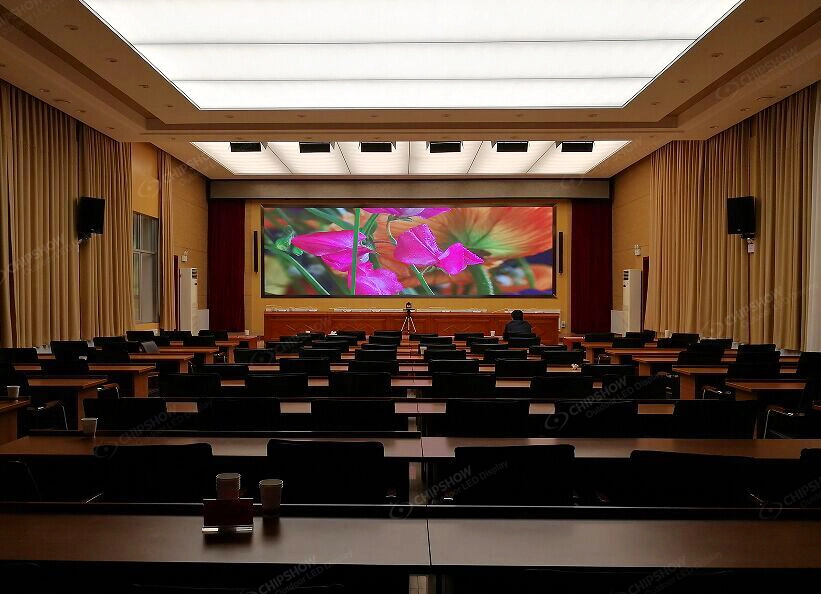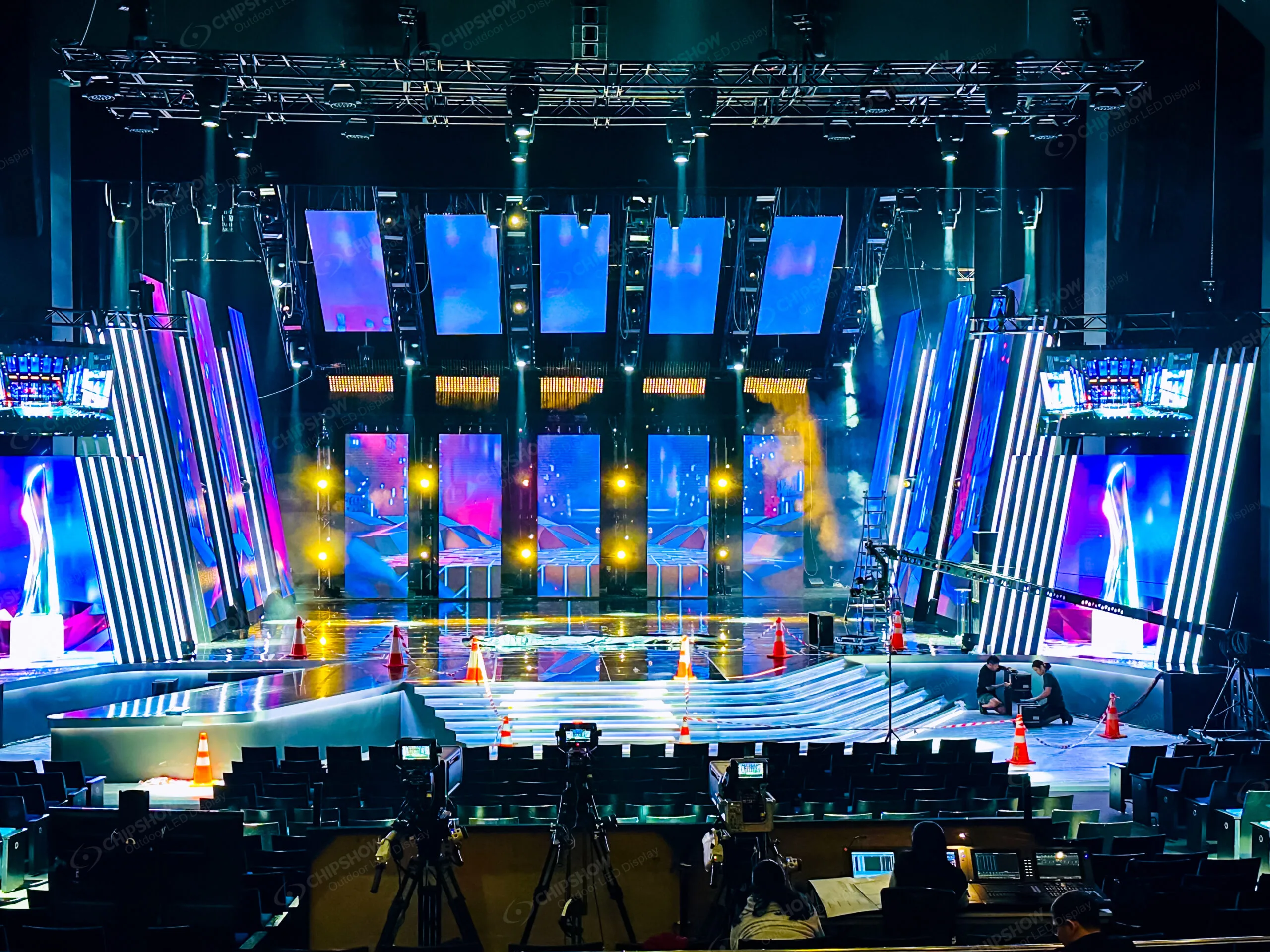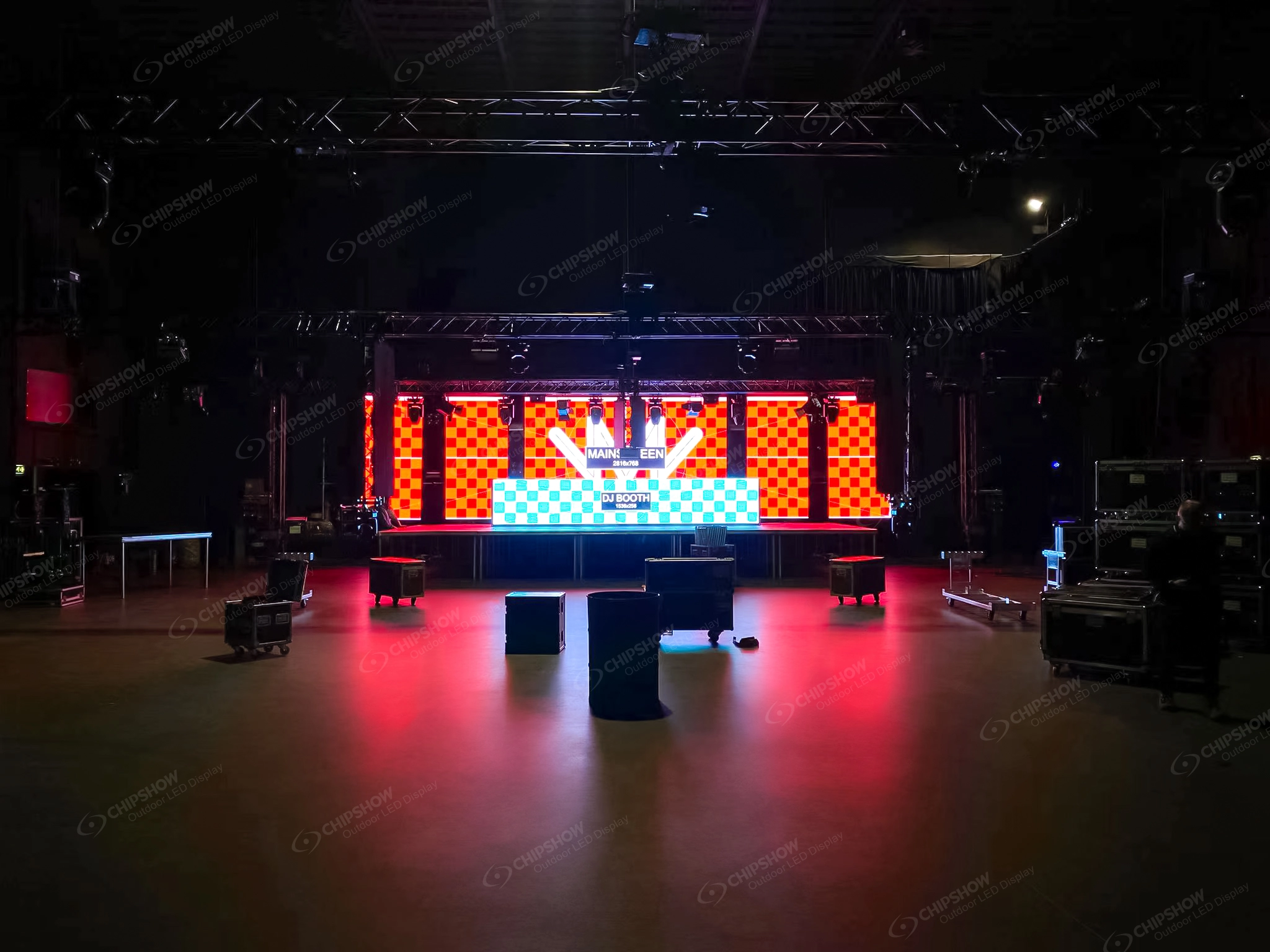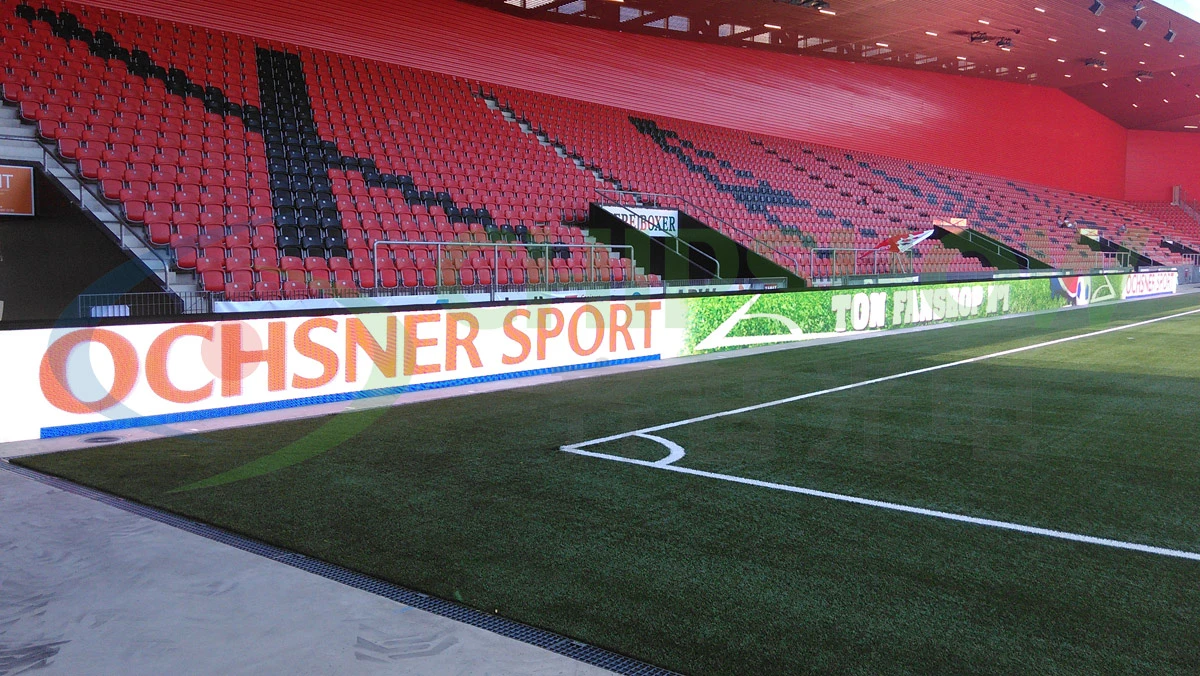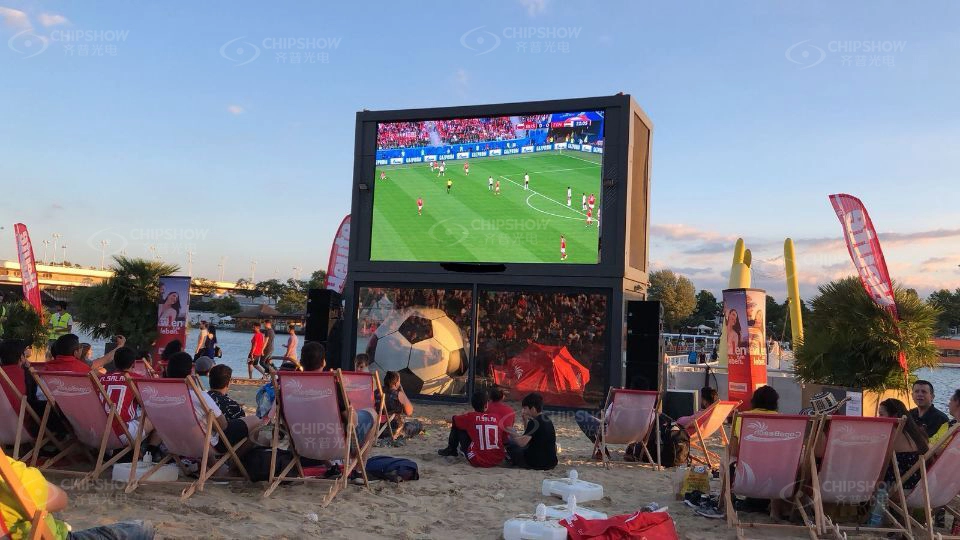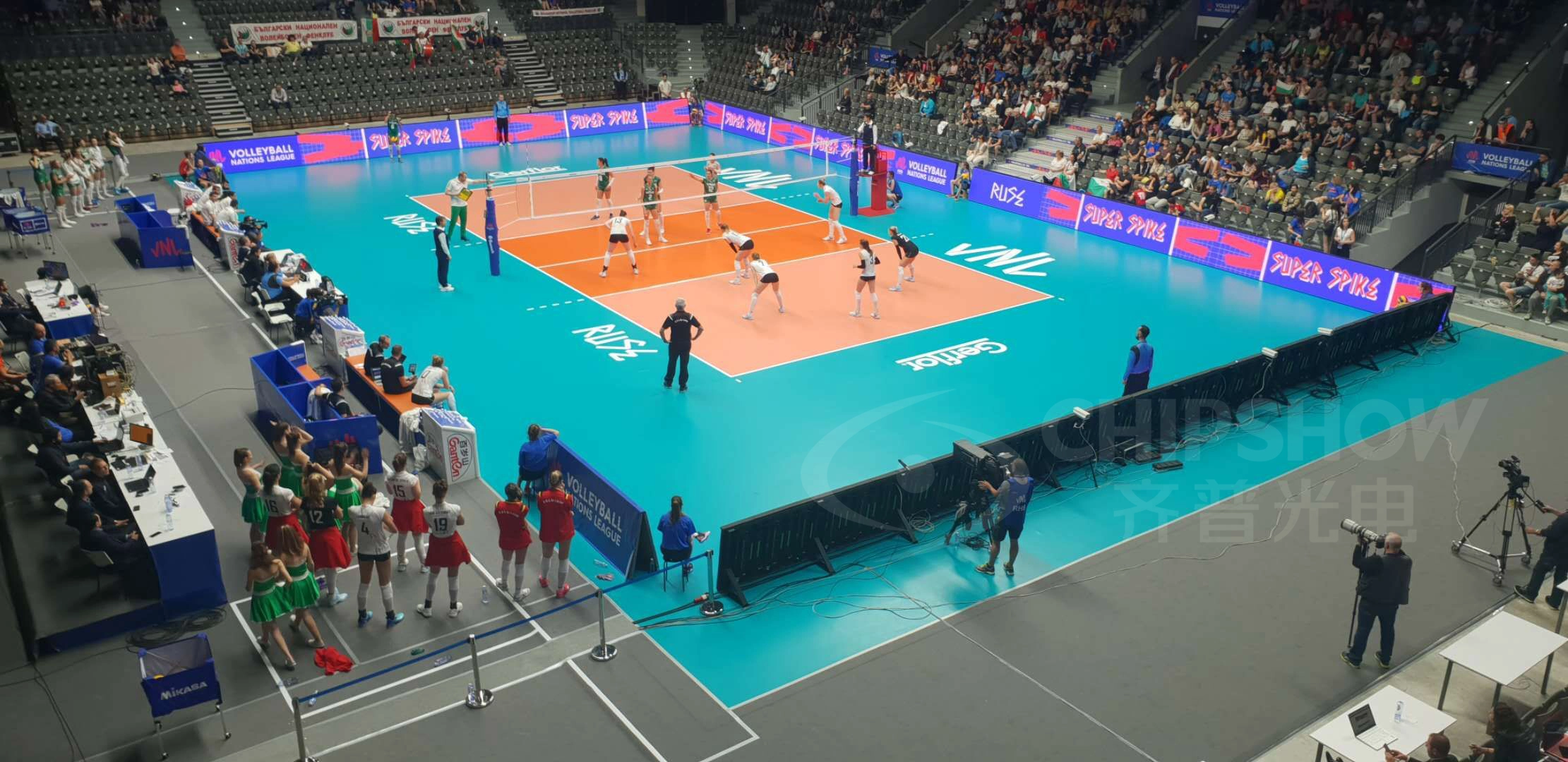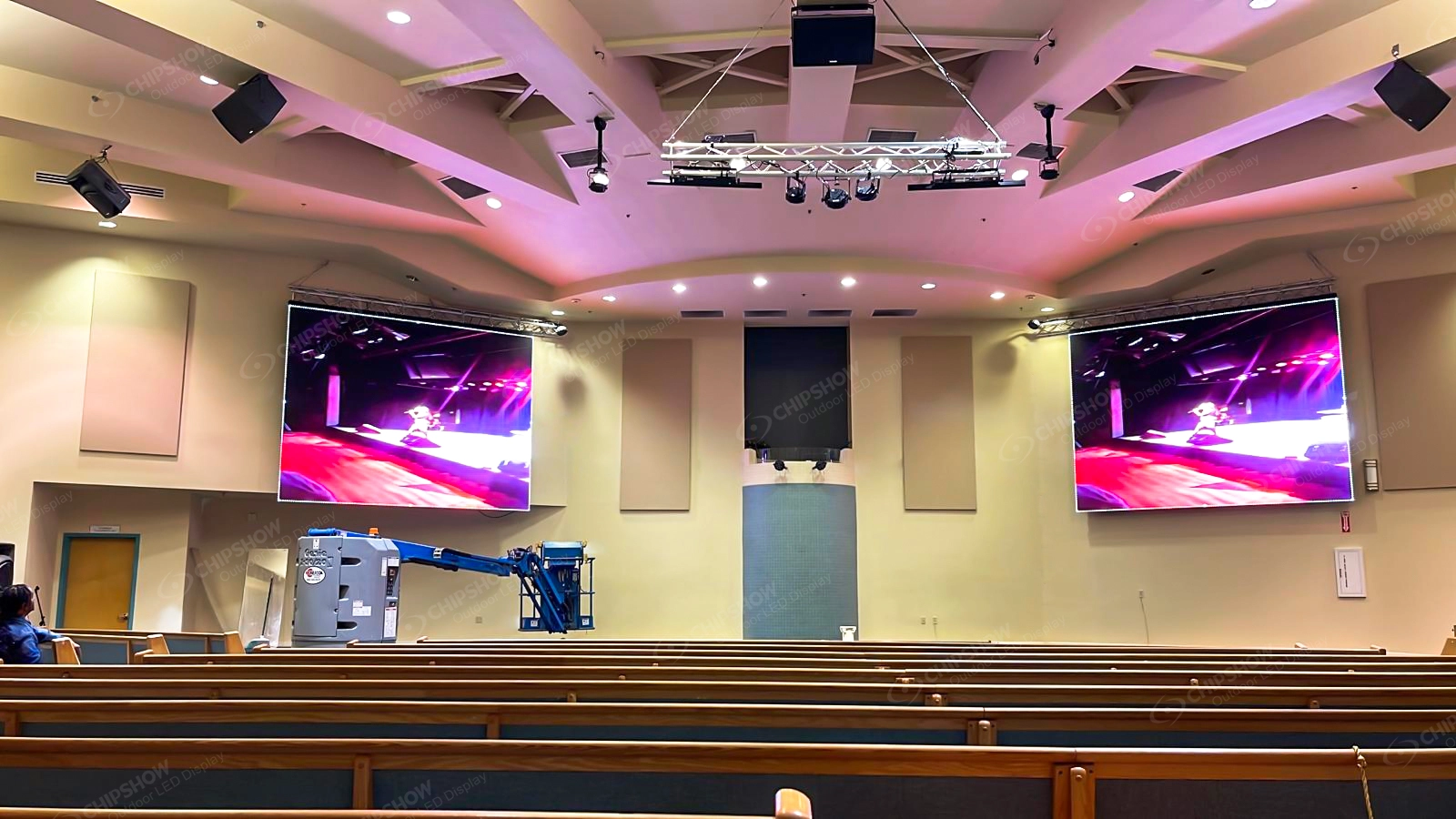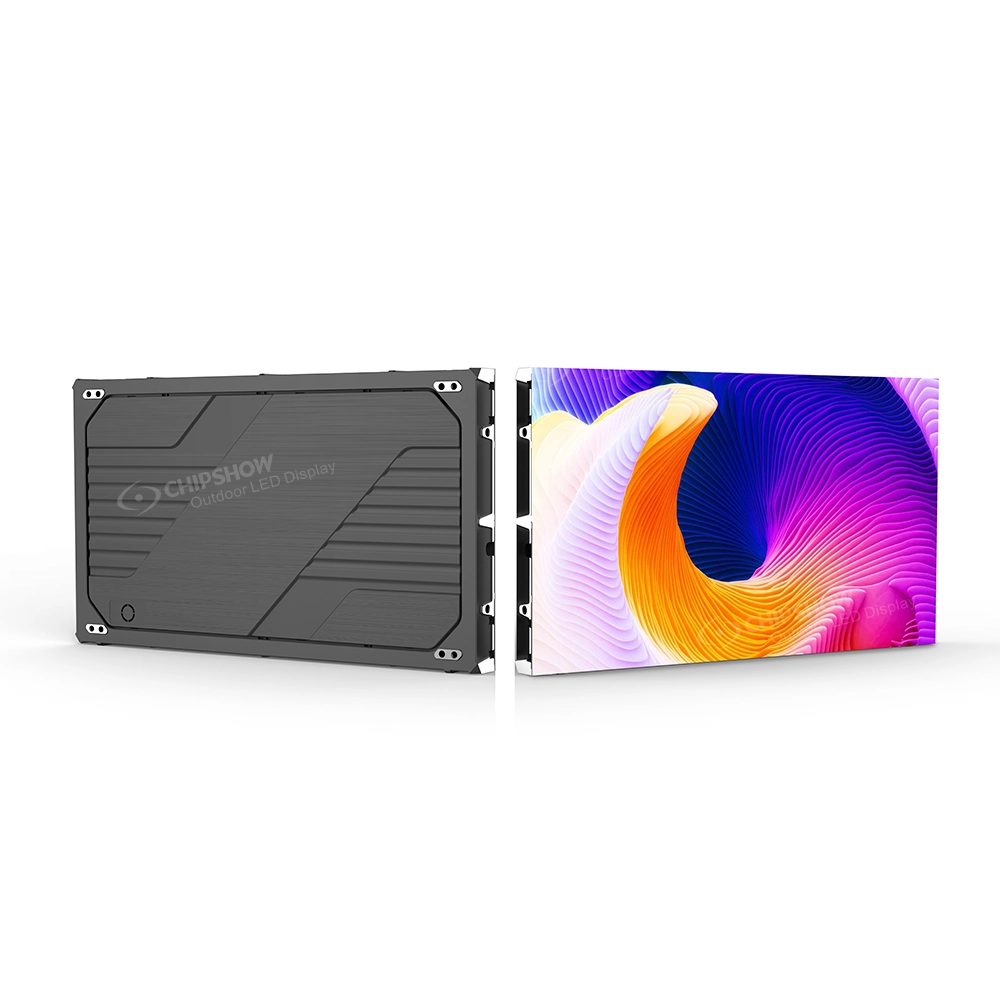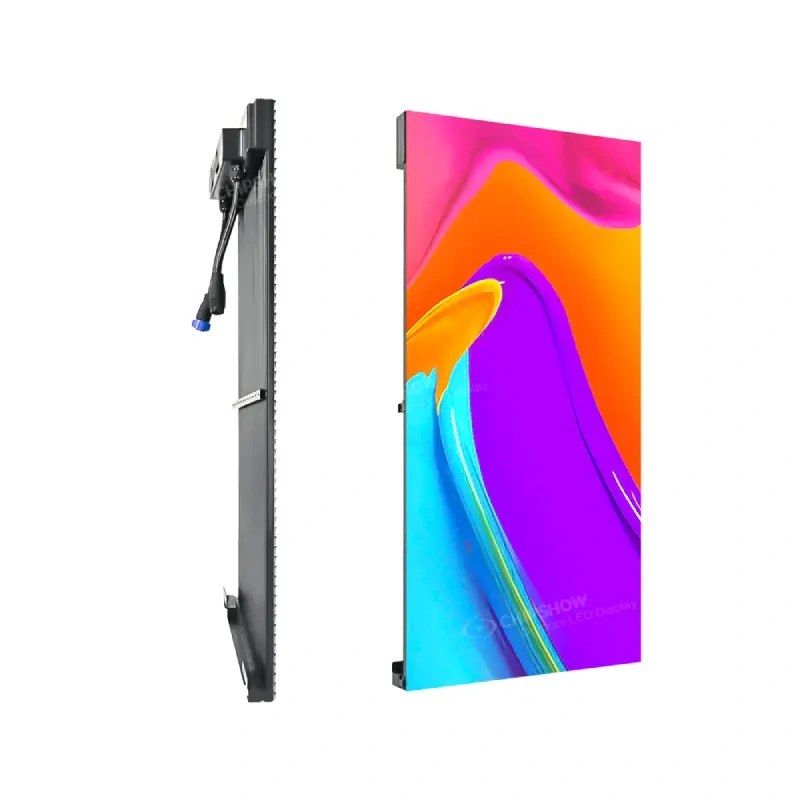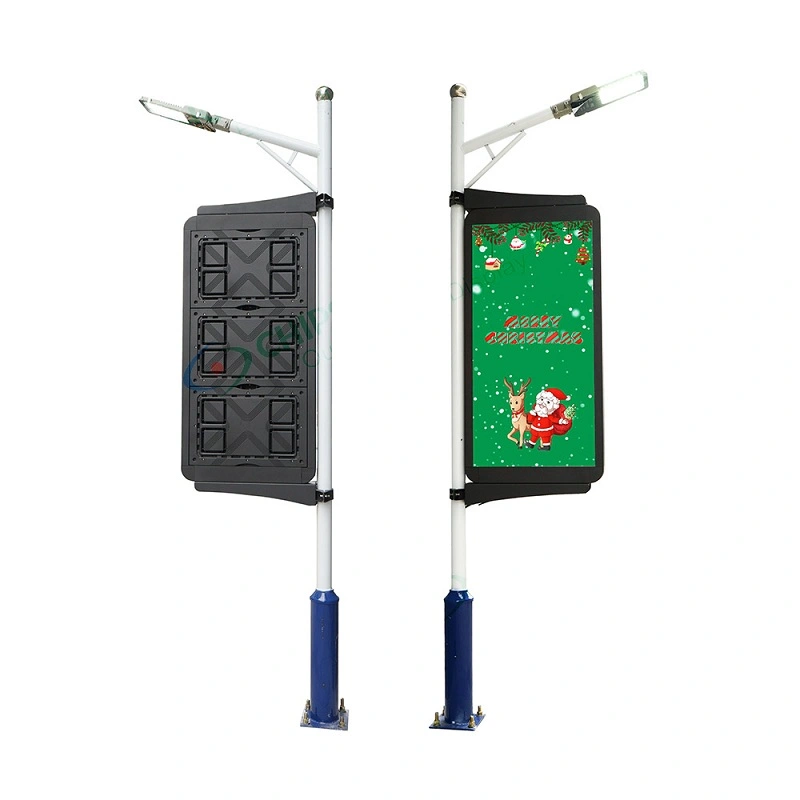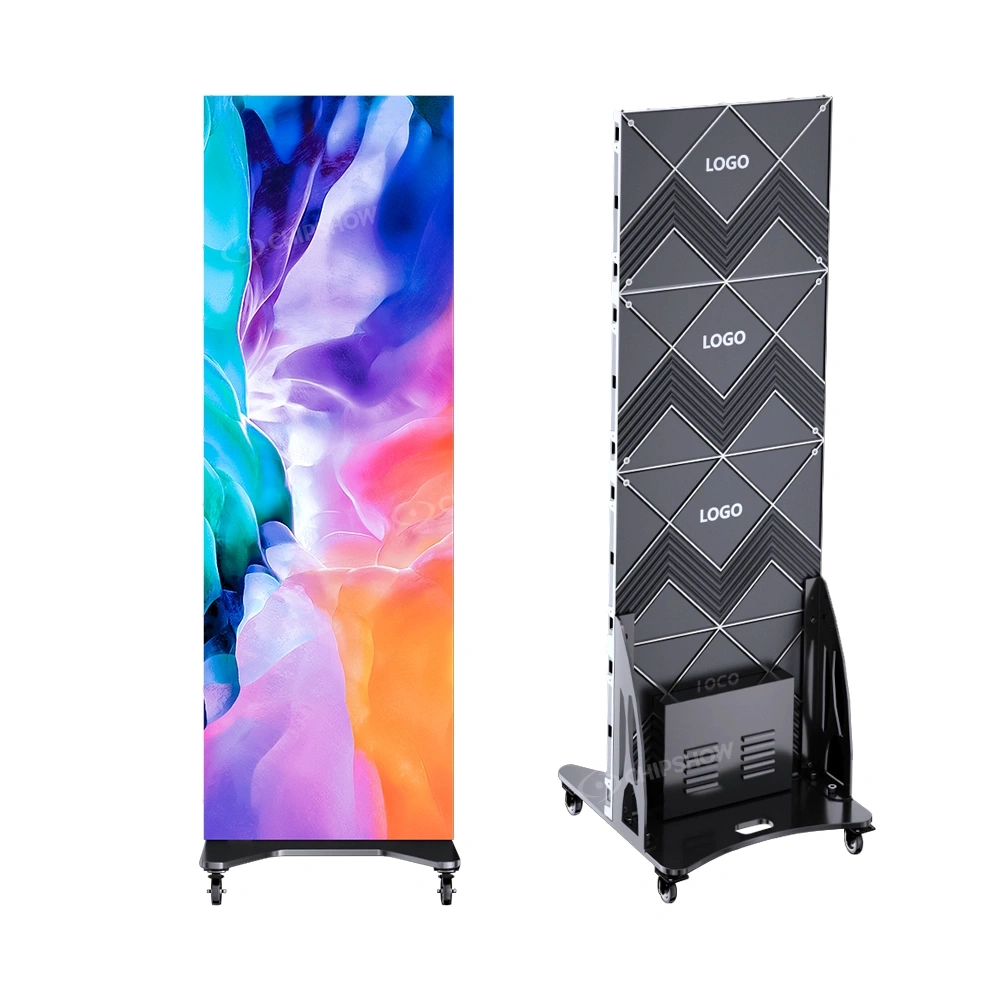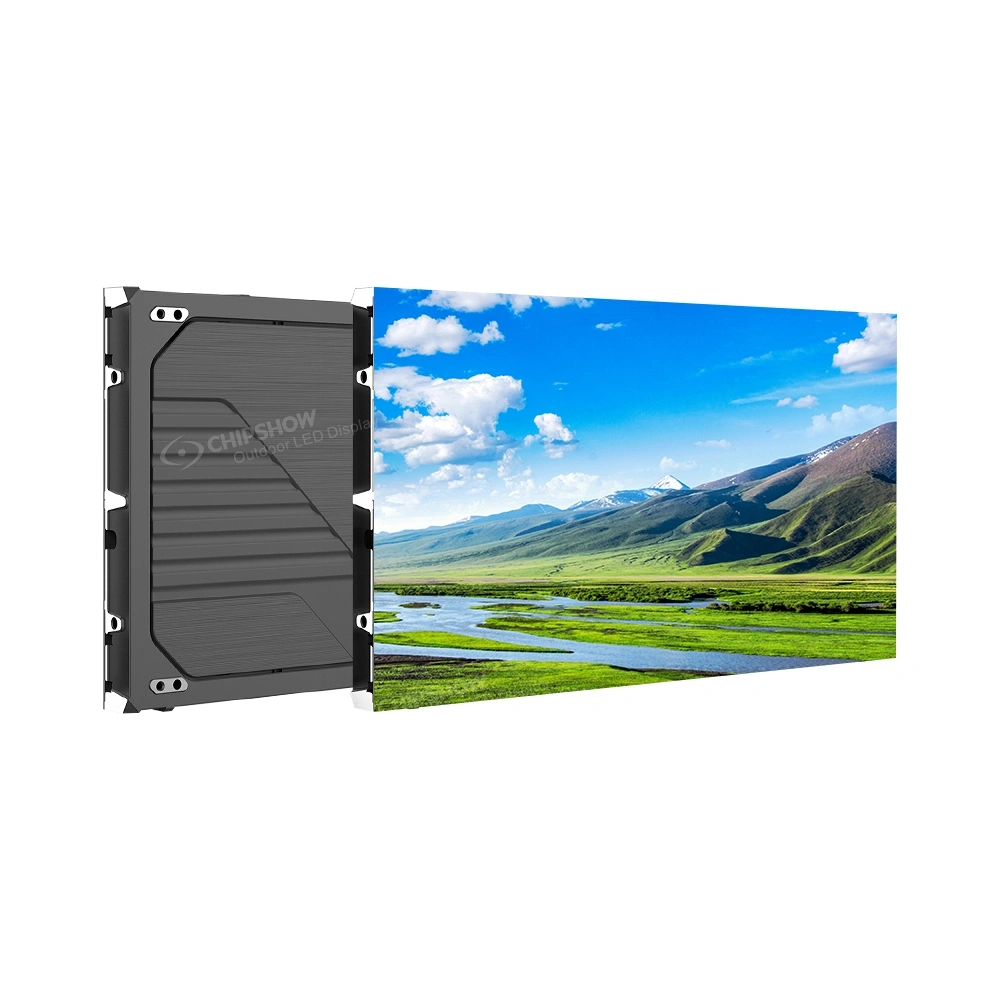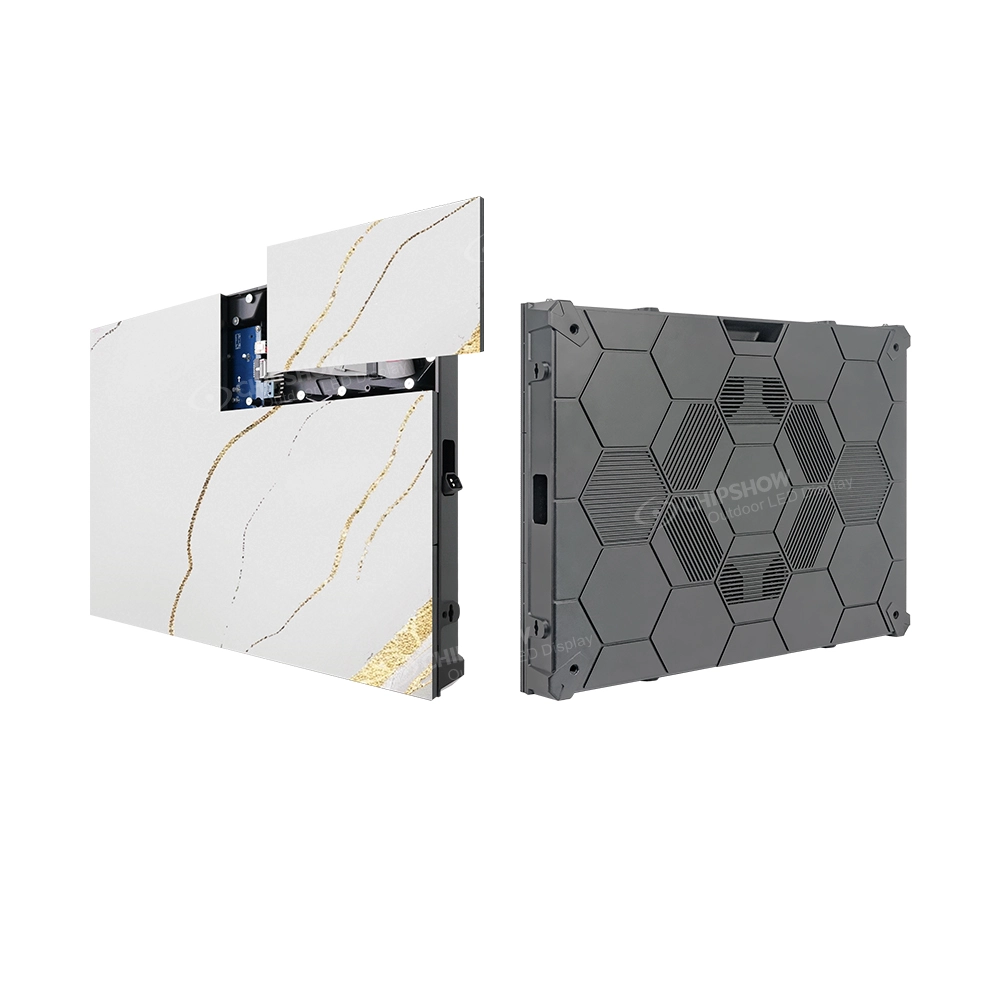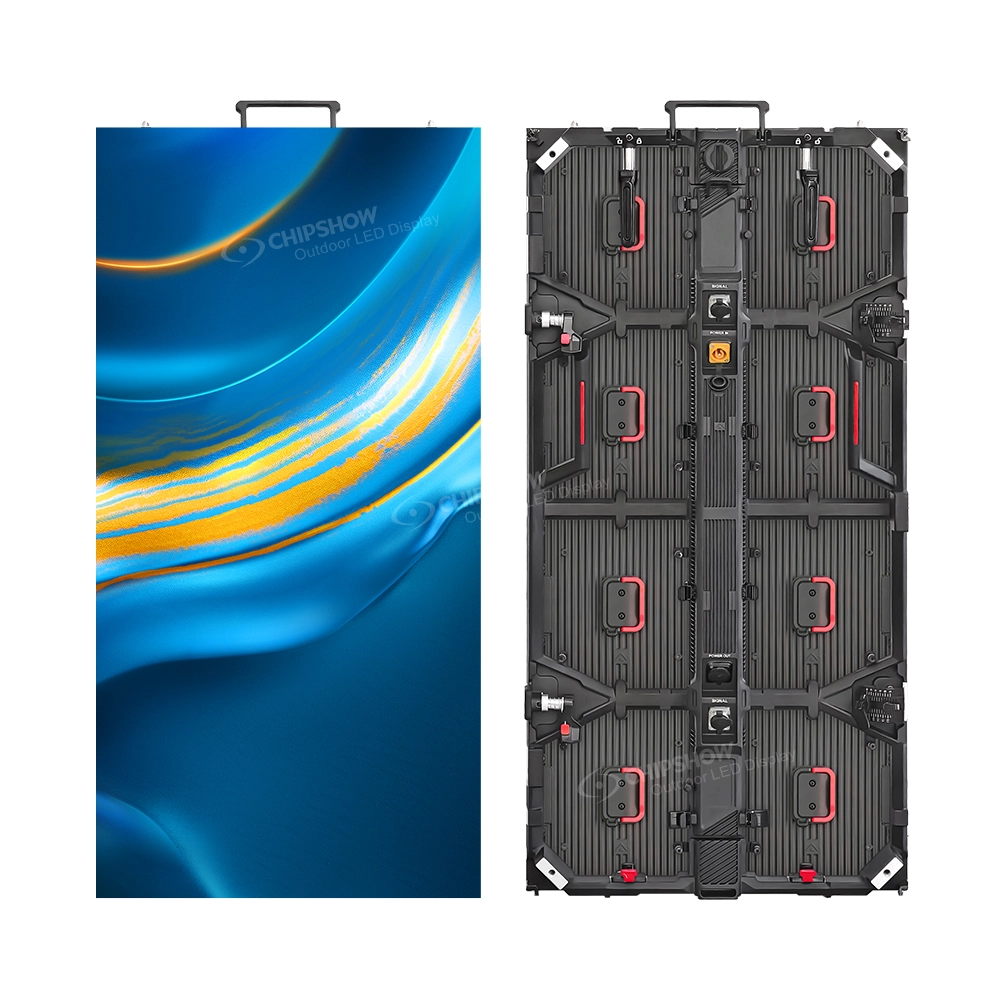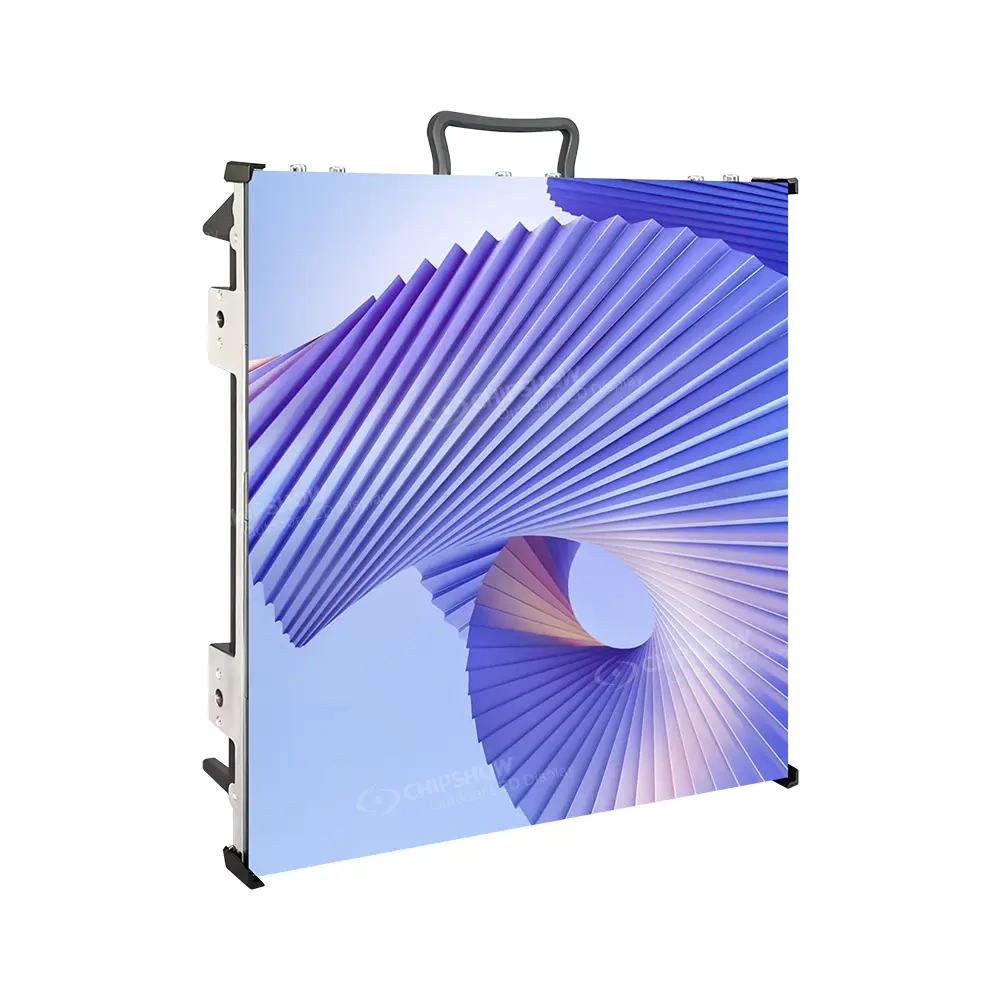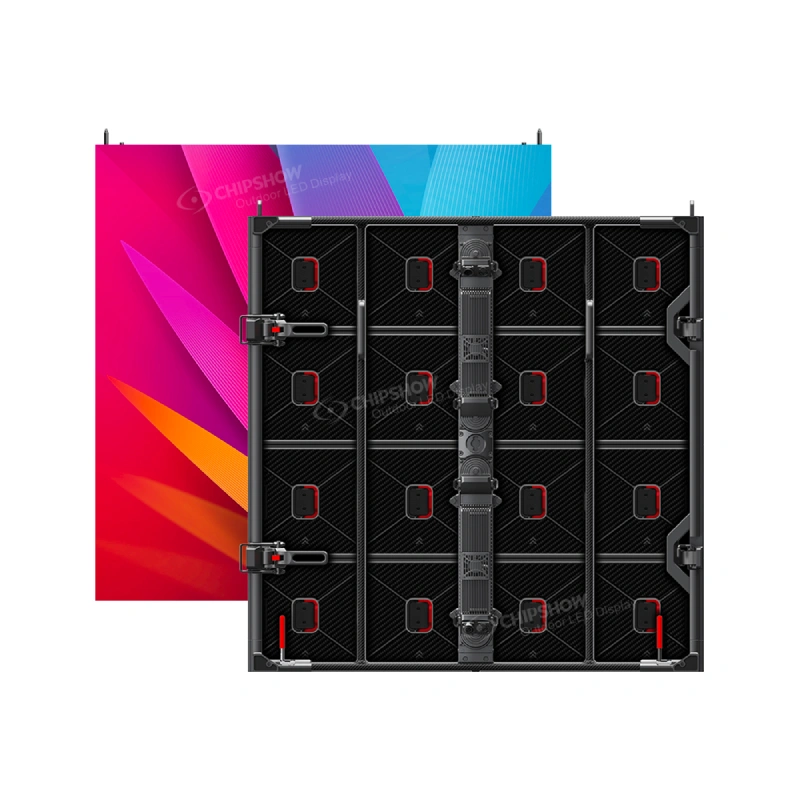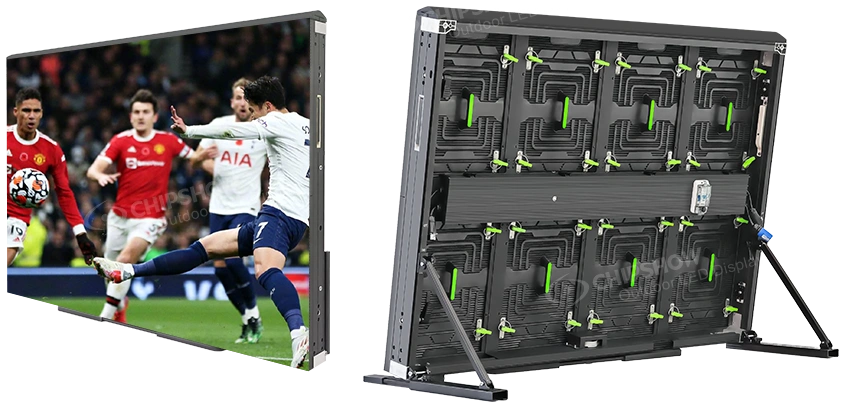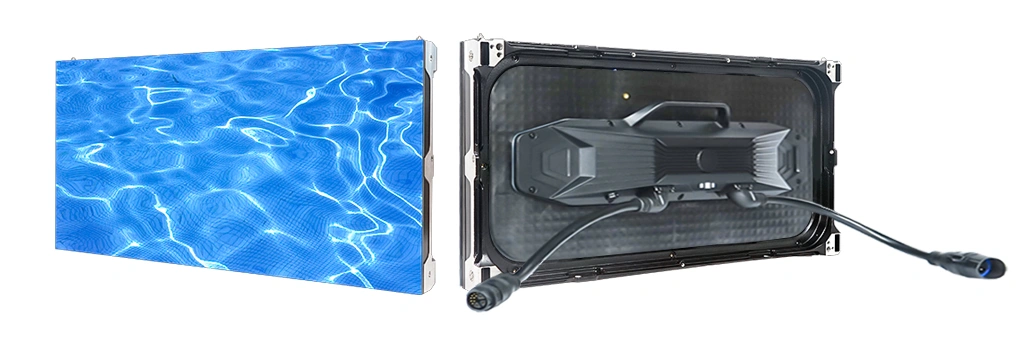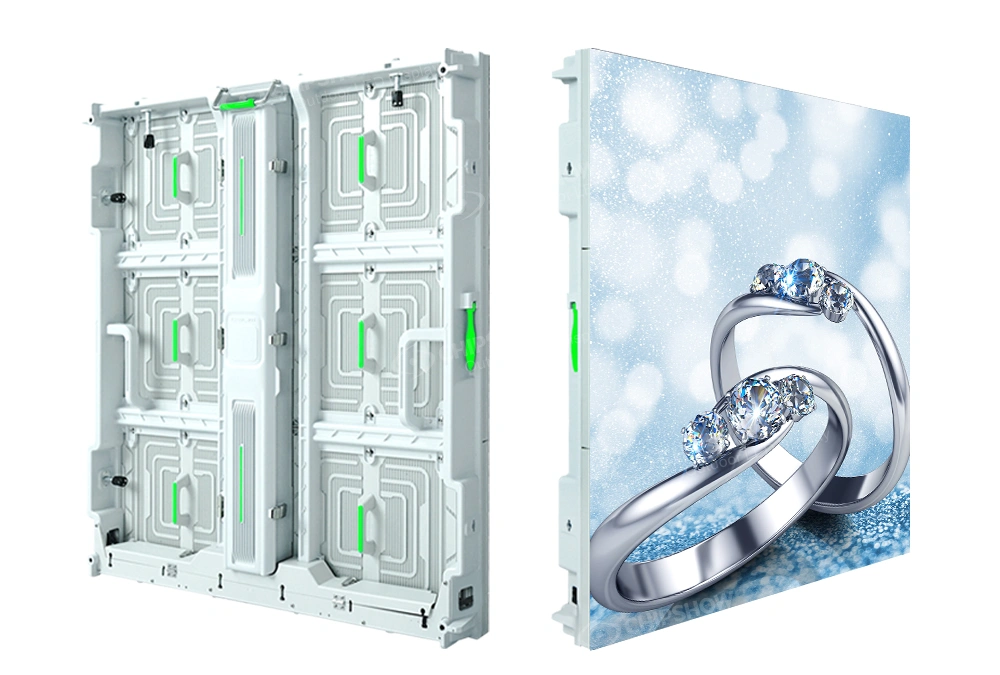
If you are sourcing LED displays from China for a US-based AV integration, event production, or house-of-worship installation project, the stakes are higher than they look. The spec sheet might match. The price might look compelling. But the gap between a quote and a working screen in your warehouse — after customs clearance, compliance verification, and US power compatibility — is where most first-time buyers lose time and money.
Want a second look at the format options? The USA LED sign selector narrows signs by viewing distance, pixel pitch and cabinet style in one pass.
This guide is written specifically for US buyers. It covers the same factory-vetting framework used by professional procurement teams, plus the North American specifics most generic sourcing guides skip: Section 301 tariffs, FCC and UL certification requirements, US-compatible voltage, and the warehouse alternative that bypasses international shipping entirely.
Every step below is designed to help you eliminate the wrong suppliers before you wire a deposit — not after the container reaches port.
Why Your Choice of Manufacturer Determines Everything
The LED display supply chain in China spans from factories running their own Yamaha and Panasonic SMT lines to trading companies that have never touched a production floor. For a US buyer, the wrong choice hurts more than the wrong choice for a domestic buyer.
Compliance risk. A panel that ships without FCC certification cannot legally be operated in the United States. If the supplier attaches an FCC logo to a non-compliant product — and this happens — you bear the regulatory exposure, not them.
Tariff exposure. The US Section 301 tariff on Chinese-manufactured LED displays is 25%. A manufacturer that classifies your shipment under an incorrect HS code to reduce the tariff bill is creating a customs liability that falls on the importer of record: you.
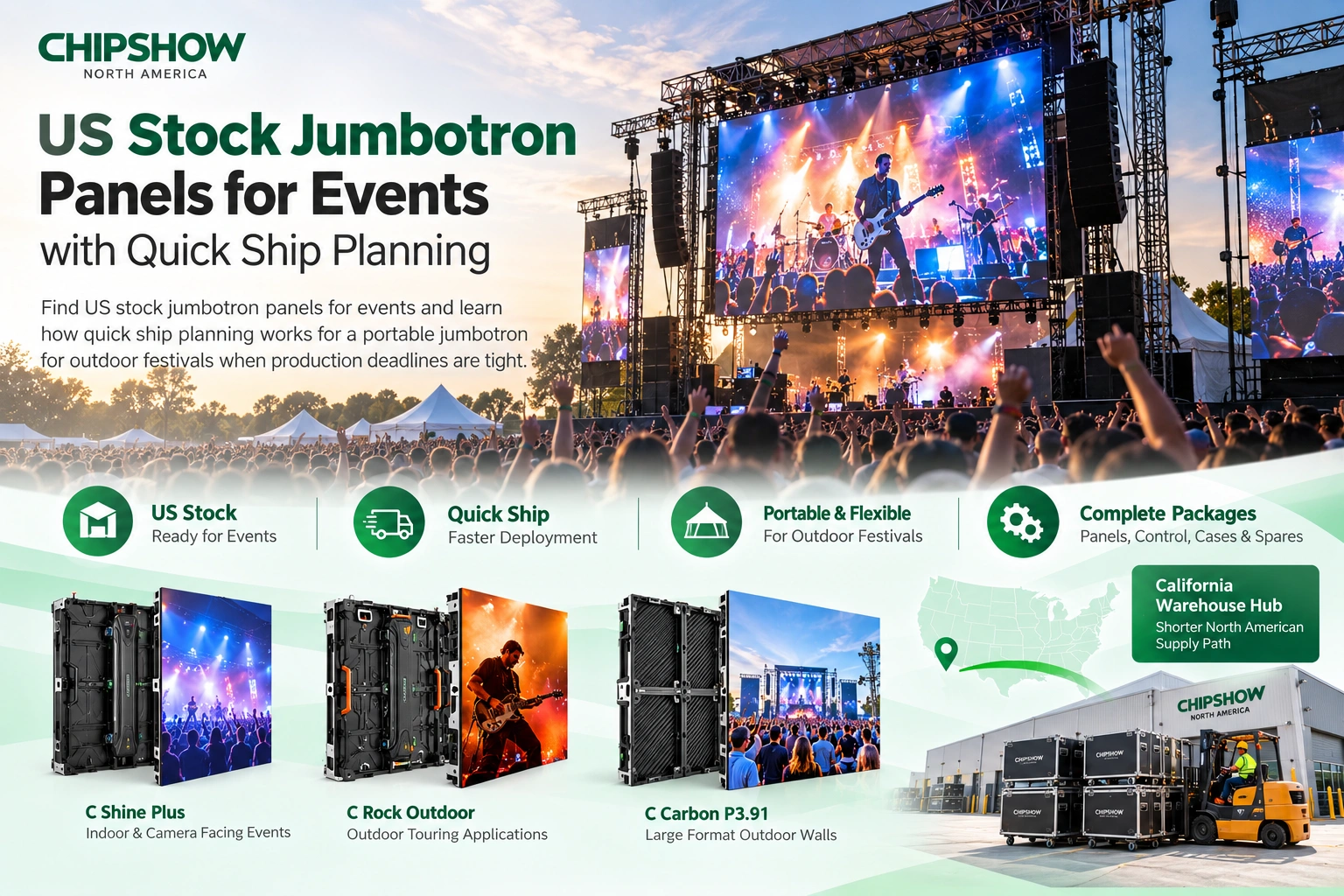
After-sales geography. A trading company with no US presence cannot honor a warranty claim faster than air-freighting a replacement module from Shenzhen — which costs more in freight than the module itself and takes 5–10 business days. A manufacturer with a US warehouse (Chipshow stocks at a California facility) can ship a replacement fast at domestic ground rates.
Power and voltage. US installations run on 110–120 V, 60 Hz. Most Chinese-manufactured LED panels ship with 110–240 V universal power supplies, but confirm this before you order — panels configured for 220 V only are useless in a US venue without step-up transformers.
This is why the vetting process matters more than the price comparison.
Where to Start Your Search — With a US Lens
1. Google search. Searching “LED display manufacturer China for US buyers” surfaces factories that specifically target the North American market. In addition to checking for a “Factory Tour” page, look for content written in natural American English and any mention of US-based support or warehousing.
2. B2B platforms. Alibaba, Made-in-China, and Global Sources carry “Verified Supplier” and “Assessed Supplier” badges. Filter for these, then check for a secondary signal: does the supplier list a US phone number or mention FCC/UL certification on its platform profile?
3. US industry exhibitions. InfoComm (held annually in the US) and NAB (Las Vegas) are the primary North American venues where Chinese LED manufacturers exhibit. If a supplier has exhibited at InfoComm for two or more consecutive years, it has US-market revenue and a US-facing sales operation. Walk the floor and compare build quality across brands in a single afternoon.
4. AV integrator and event production referrals. The US AV and live-event industry is highly networked. A referral from an integrator who has received and deployed a shipment from a specific factory carries more weight than any online review. Ask your network specifically about customs clearance experience, not just product quality.
5. LinkedIn and US trade media. Follow publications like Systems Contractor News, AV Technology, and Church Production for vendor profiles and buyer case studies. US trade media coverage is harder to fabricate than B2B platform reviews.
5 Credentials Every LED Manufacturer Must Have
Request these documents before scheduling a visit or placing a sample order.
1. Business license. Check the registration date and registered business scope. It should explicitly list LED display or optoelectronic product manufacturing — not “trading.” A company operating for 10+ years under the same name and scope is statistically a safer bet.
2. Export license. Without it, the factory cannot clear customs in its own name and uses an agent — adding a link to your supply chain that complicates returns, warranty claims, and tariff classification.
3. ISO 9001 quality management certification. The baseline. A factory without ISO 9001 has no documented QC process. That does not guarantee bad products, but it means quality depends on individual workers rather than a system — and for a US buyer 7,000 miles from the factory floor, that is an unacceptable variable.
4. FCC and UL certification — with original test reports. This is the non-negotiable for US buyers. FCC Part 15 compliance is legally required to operate LED display equipment in the United States. UL certification covers electrical safety. Ask to see the test report from a named laboratory (TÜV, SGS, Intertek, or UL itself) — not just a certificate PDF that could have been copied from another manufacturer’s website.
5. Patent or trademark documentation. A factory investing in R&D files patents. A factory assembling commodity designs from shared moulds does not. Patent filings for cabinet design, cooling systems, or control technology are the strongest signal of in-house engineering capability.
The Factory Visit: A Room-by-Room Checklist
If your order exceeds $30,000, fly to Shenzhen. Here is what to inspect.
Production floor (SMT line). Look for Yamaha, Panasonic, or Fuji SMT placement machines — these signal capital investment. Count the lines: one line serves small operations; three or more signals production scale sufficient for reliable US-volume orders.
Ageing room. Every panel should undergo 72 hours of continuous powered operation before shipping. If the factory claims to age its panels but cannot show you the room, the claim is unlikely to be true — and you will be the one discovering dead pixels after deployment at a US venue.
Warehouse and inventory. This is critical for US buyers. A manufacturer with US-based stock (Chipshow maintains a California warehouse) eliminates international freight, customs clearance, and Section 301 tariff exposure on reorders and warranty replacements. Ask directly: “What inventory do you hold in the United States right now?”
QC testing station. Look for brightness meters, color calibration cameras, waterproofing test chambers, and vibration test rigs. A factory without dedicated QC equipment is shipping panels that have not been measured — and you are paying US installation labor to discover what the factory should have caught.
R&D lab. Prototype PCBs, test fixtures, thermal cameras, and competitor benchmarking products on the bench distinguish a manufacturer from an assembler.
8 Technical Questions to Ask Before You Order
1. Which LED chip brand do you use, and can you provide traceability? Nationstar, Kinglight, Nichia, and Cree chips sit at different quality-to-price points. For US venues with demanding visual standards, ask specifically for Nichia-based options.
2. What is your dead-pixel policy for US-bound shipments? Industry standard is ≤0.01%. Ask what happens if the rate exceeds this on a shipment arriving at a US port — and who covers the cost of a replacement module shipped to your US address.
3. Can I mix panels from different production batches? The answer should be yes, with minor brightness calibration. An answer of “no” signals batch-to-batch inconsistency.
4. What is the cabinet weight per square metre? Standard aluminum cabinets: 15–18 kg/m². Carbon-fibre cabinets (Chipshow C-Carbon): 12.5 kg/m². Vague answers mean the factory does not build its own cabinets.
5. Does the panel ship with 110–120 V compatible power supplies? The answer must be yes, with universal 110–240 V input. Confirm this in writing.
6. Can you demonstrate FCC compliance with a test report from a US-recognized lab? Ask for the FCC ID or test report from Intertek, TÜV, SGS, or UL. Do not accept a certificate without a lab name.
7. What is your warranty term and how do you fulfill warranty claims for US customers? Standard warranty is 2–3 years. Ask whether warranty replacement units ship from US stock or from China — the cost and timeline difference is massive.
The Section 301 Tariff, and What It Means for Your Budget
Every US buyer sourcing LED displays from China must account for the Section 301 tariff: a 25% duty on the declared customs value of the goods.
What gets tariffed. The customs value typically reflects the FOB (Free on Board) price — the factory price plus domestic Chinese logistics to the port. You pay 25% on that amount at US Customs clearance, before the goods are released.
Who pays. The importer of record — usually you or your freight forwarder — pays the duty at the port of entry. If you are using the factory’s recommended forwarder, confirm who the importer of record is before the container ships.
The US warehouse alternative. A manufacturer that stocks panels in the United States (such as Chipshow’s California facility) has already cleared customs and paid the duty. You pay a domestic price with no tariff exposure, no ocean freight timeline. For US buyers placing their first order or adding to an existing fleet, domestic stock removes the three largest variables from the procurement equation.
OEM vs ODM: Which Partnership Model Fits You
| Factor | OEM | ODM |
| Customization | Full — your design, your spec | Limited — factory’s design, your brand |
| Lead time | Longer (tooling + production) | Shorter (existing moulds) |
| Minimum order quantity | Higher (custom production runs) | Moderate to low |
| Upfront cost | Higher (mould fees, engineering) | Lower |
| Best for | Established US brands, vertical specialists | New market entrants, standard applications |
Chipshow offers both from its Shenzhen factory and California warehouse. ODM buyers select from existing COB, outdoor, rental, transparent, and VMS lines. OEM buyers work with the engineering team on custom specifications — with the option of US-based after-sales support.
How to Verify Quality Before Your Order Ships
1. Third-party inspection. SGS, Bureau Veritas, and TÜV Rheinland offer pre-shipment inspections from Shenzhen for approximately 300–300–500 per day. An inspector verifies the batch against your specification and delivers a report with photographs. For a US buyer who cannot visit in person, this is the most cost-effective quality gate.
2. Video walkthrough. If the inspection budget is tight, request a live video call from the production floor. Walk to the ageing room, show panels powered on, pan across the surface slowly. Look for dead pixels and color banding.
3. Sample panel before full shipment. Air-freight one panel before the container sails. Test it on US power, connect it to your control system, measure brightness. One defective sample panel is a $200 lesson. A container of 200 defective panels is a five-figure disaster.
4. Milestone payments. Structure as 30% deposit, 30% after production completion (photo-verified), 40% before shipment. This keeps the manufacturer accountable.
5. Control the freight forwarder. Negotiate FOB Shenzhen terms and use your own forwarder. This gives you visibility into the shipping timeline, tariff classification, and customs clearance process.
Frequently Asked Questions
Q1: Can I trust LED display suppliers I find on Alibaba from the US?
Some are legitimate. Many list FCC and UL badges they do not actually hold. Filter for Verified Supplier and Assessed Supplier badges, check account age (5+ years minimum), then independently verify the factory address on Google Maps satellite view. Request the original FCC test report before placing any order.
Q2: Do Chinese LED display power supplies work on US voltage?
Most quality manufacturers ship panels with universal 110–240 V, 50/60 Hz power supplies. Confirm this in writing before ordering. Panels configured for 220 V only require step-up transformers at every US installation — an added cost and a failure point.
Q3: What is the difference between a trading company and a factory, and how do I tell them apart?
A factory owns its SMT production lines and QC process. A trading company buys panels from third-party factories and resells them. The test: request the factory address, verify it on Google Maps, and ask for a live video walkthrough from the production floor. A trading company cannot provide this.
Q4: How do I handle warranty claims from the US?
Confirm the warranty term (2–3 years standard), what it covers, and where replacement units ship from. A manufacturer with US warehouse stock can ship a warranty replacement via domestic ground in 48 hours. A manufacturer shipping from China will take 7–14 days by air freight — and you may be asked to cover the shipping cost. Test the after-sales response during the sample phase: send an email at 9 AM Eastern and see when you get a reply.
Ready to scope your sign? The USA LED sign selector walks through viewing distance, format and layout in one pass.