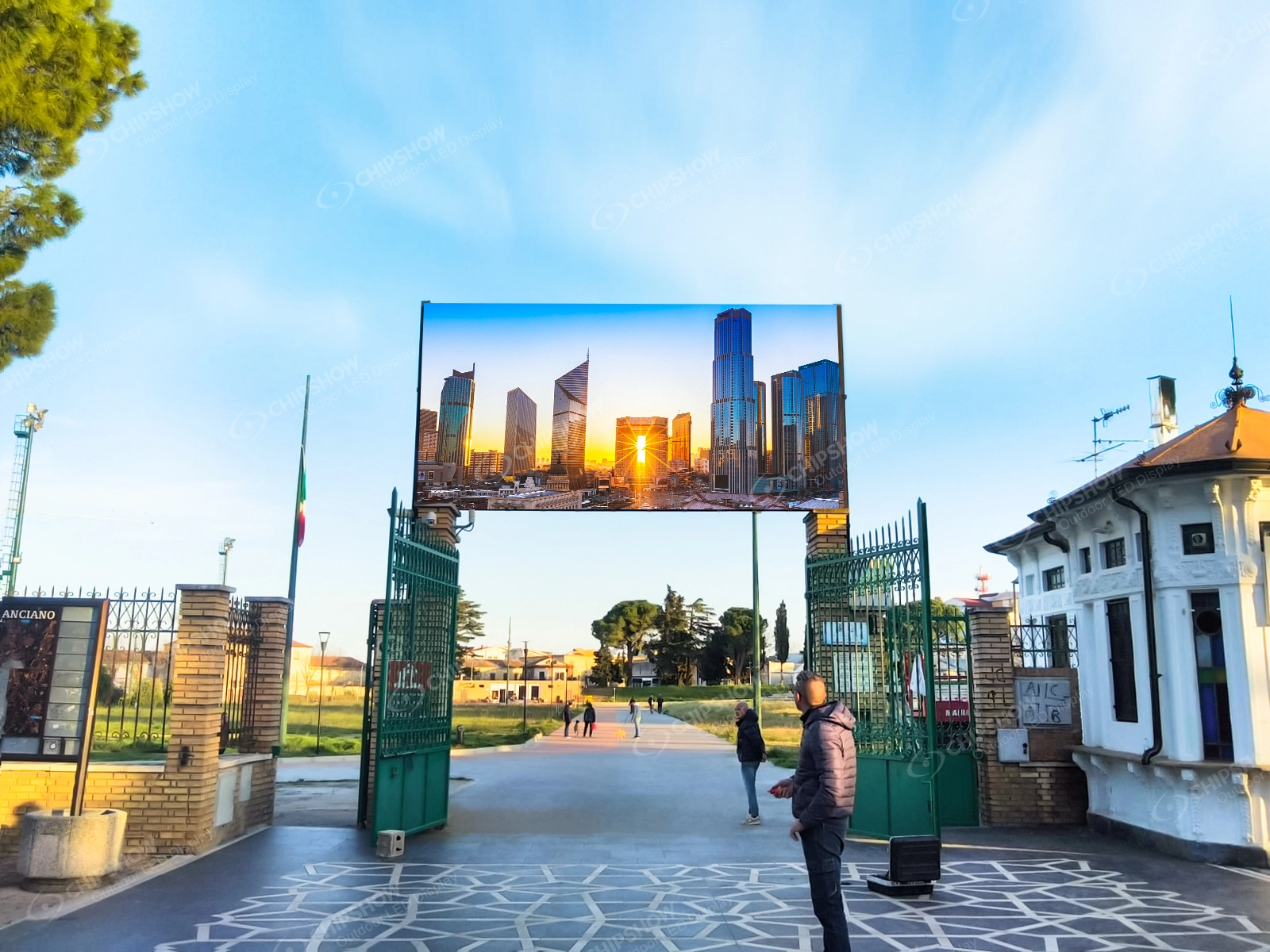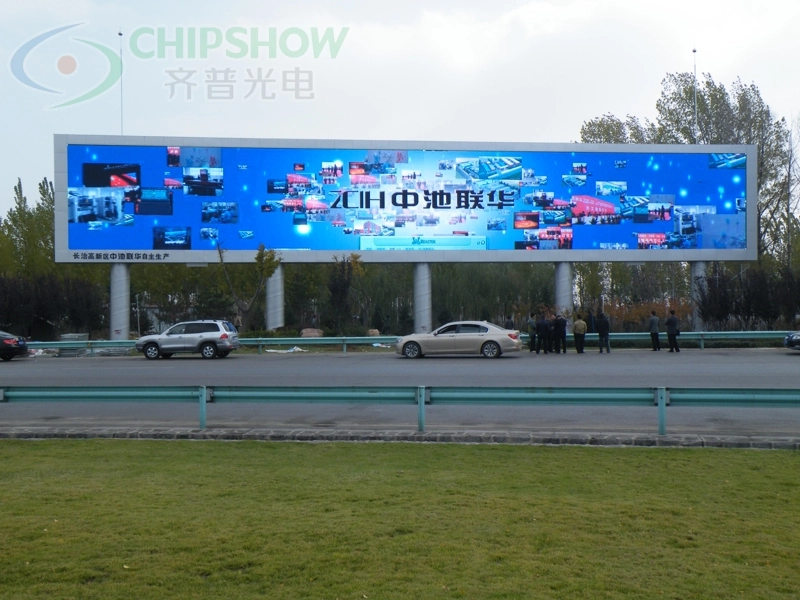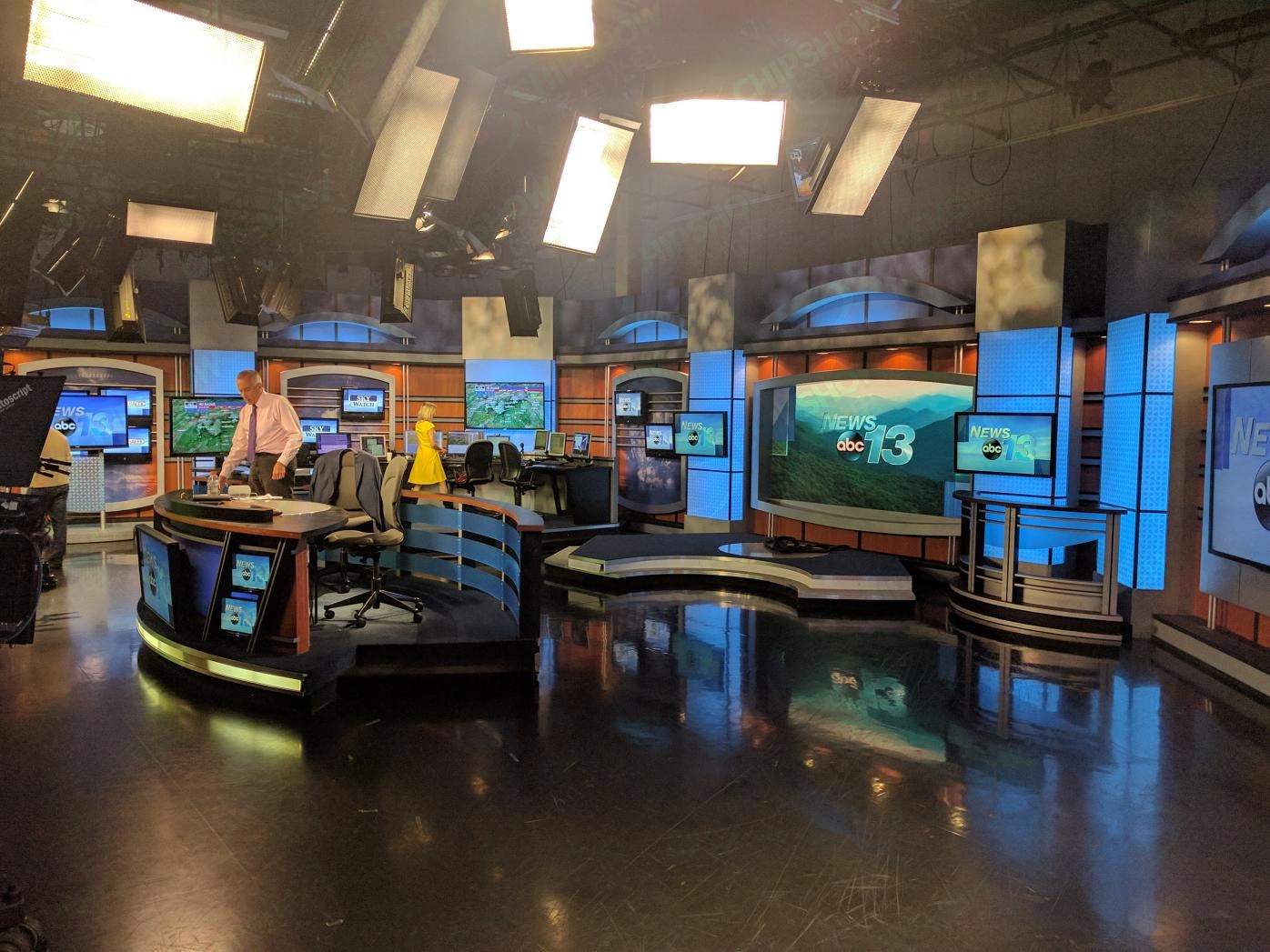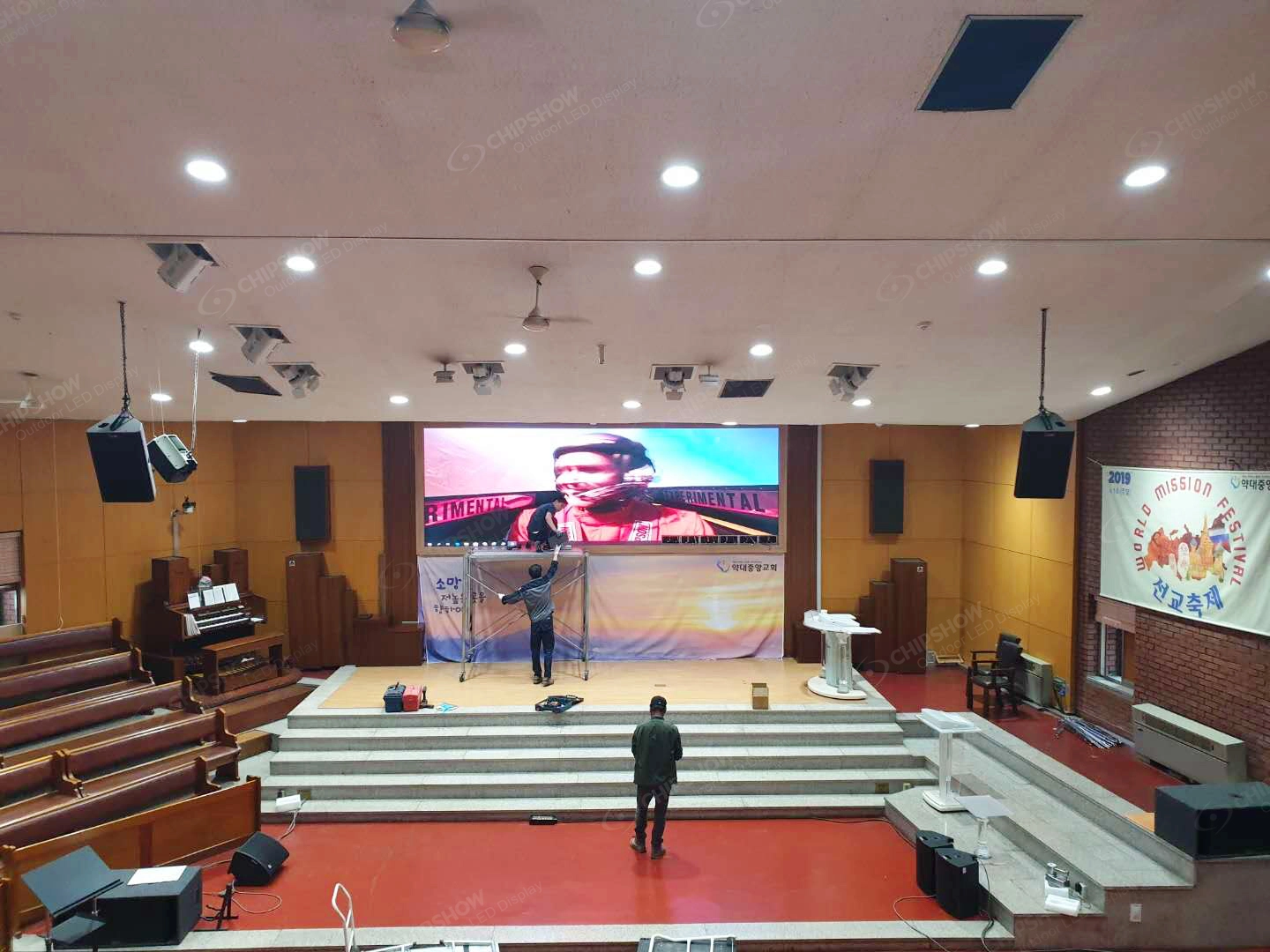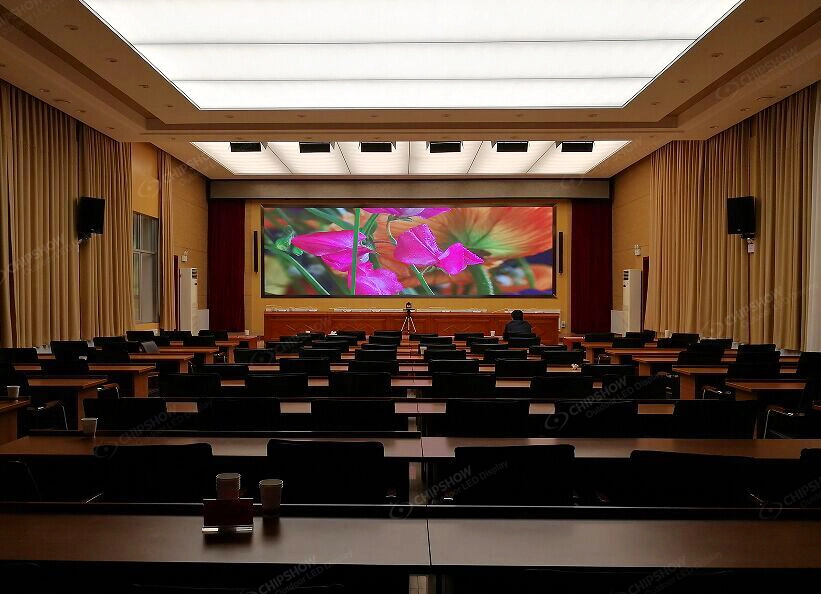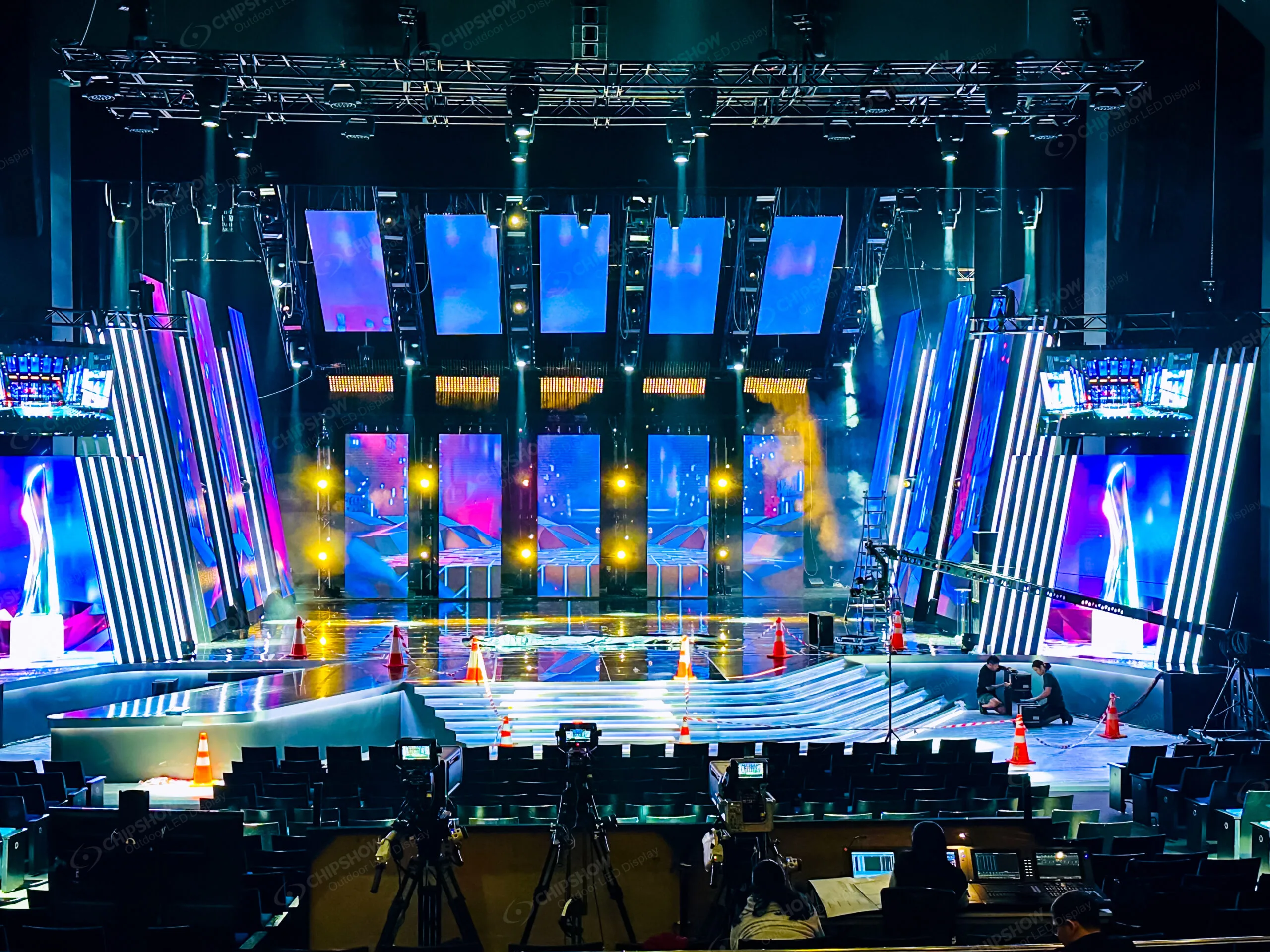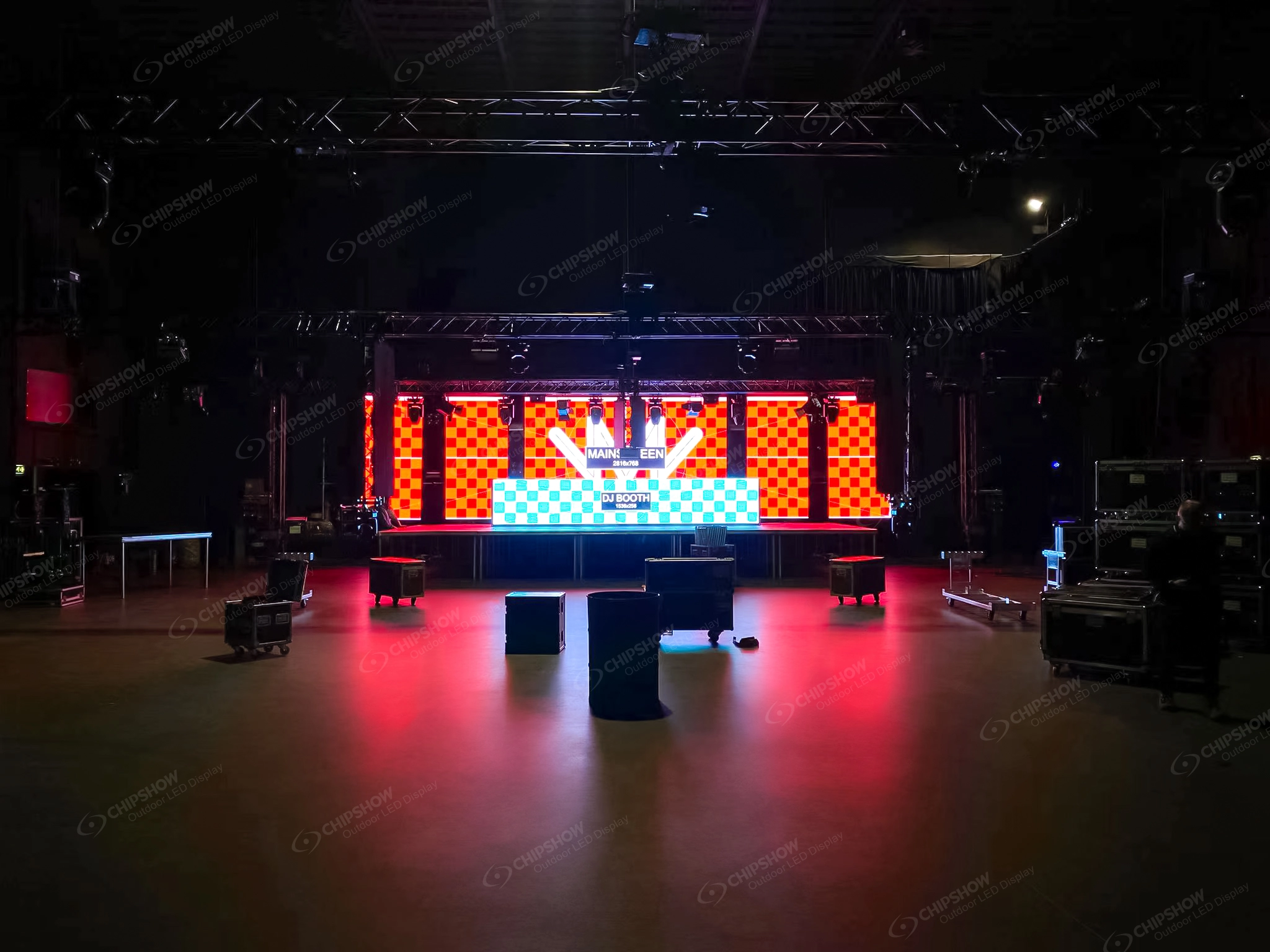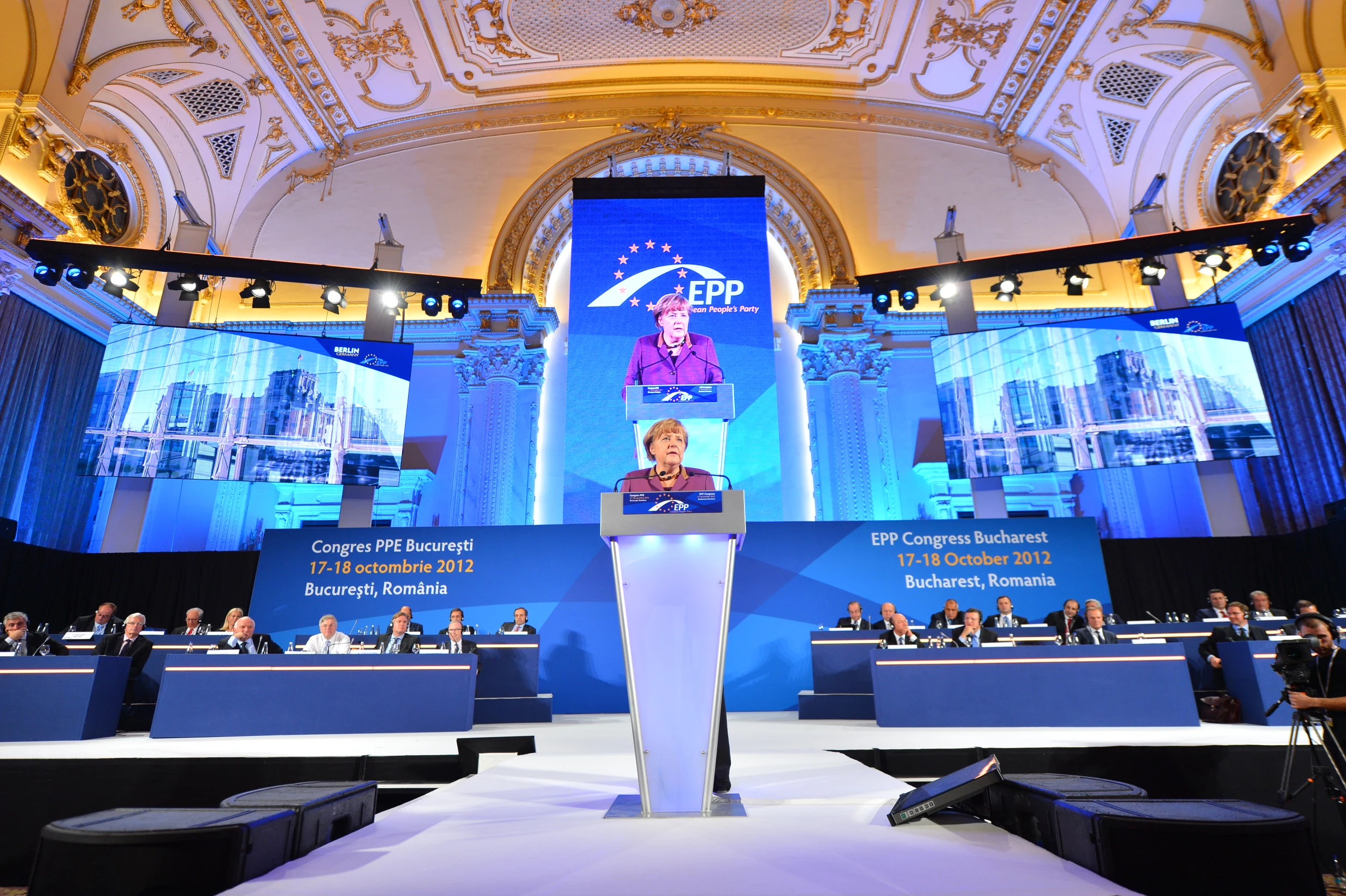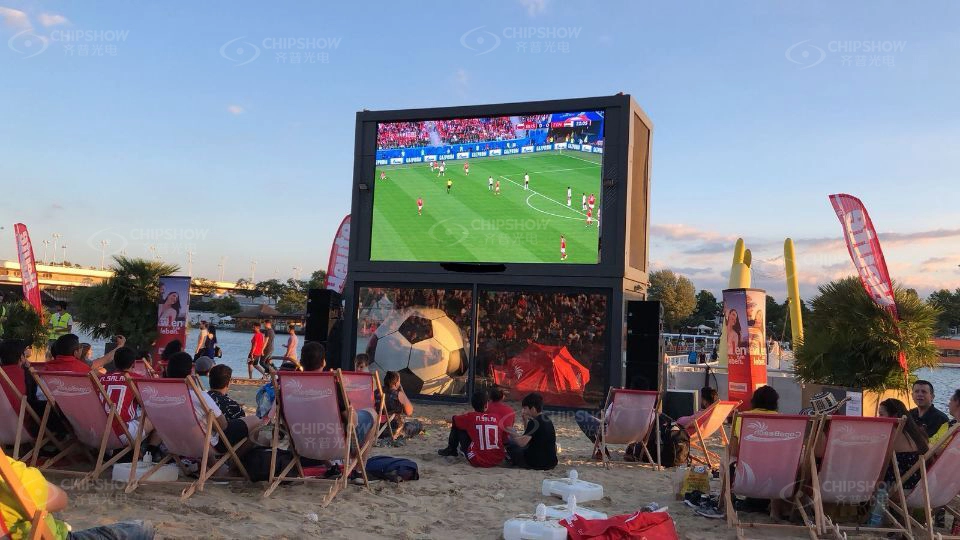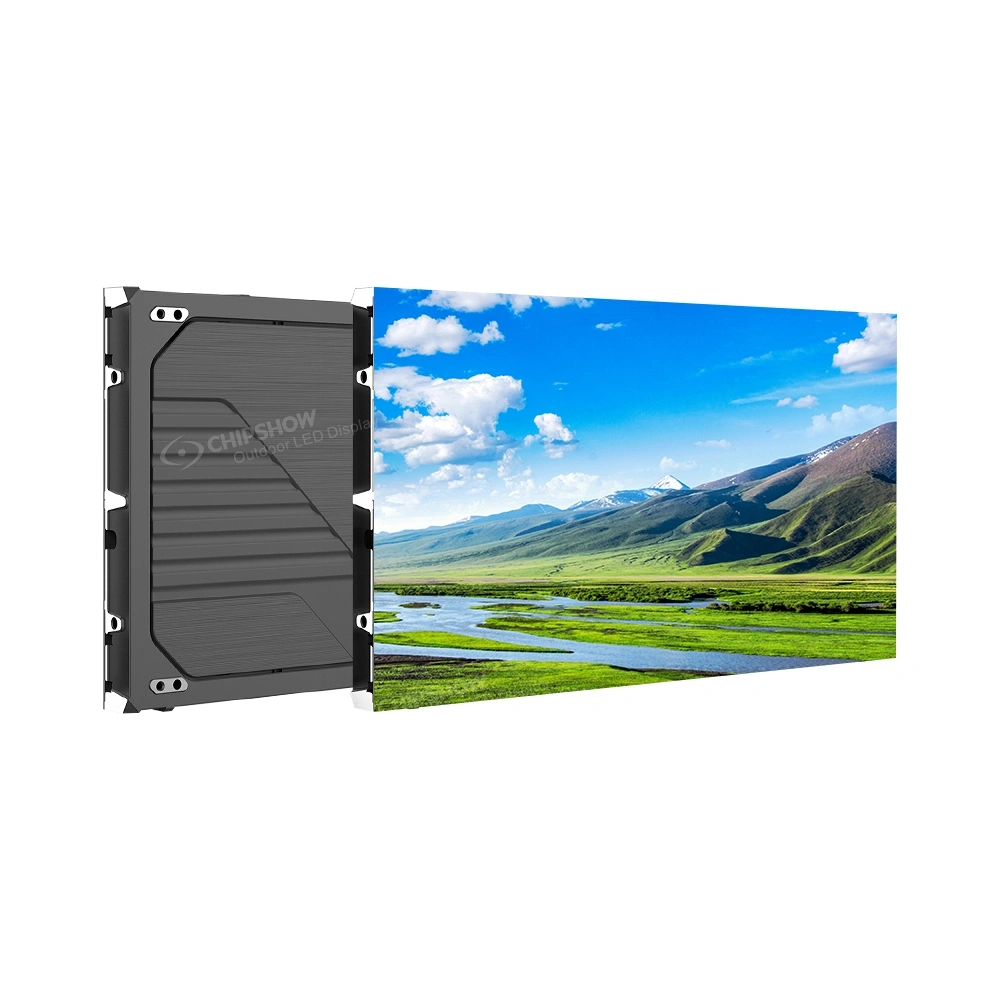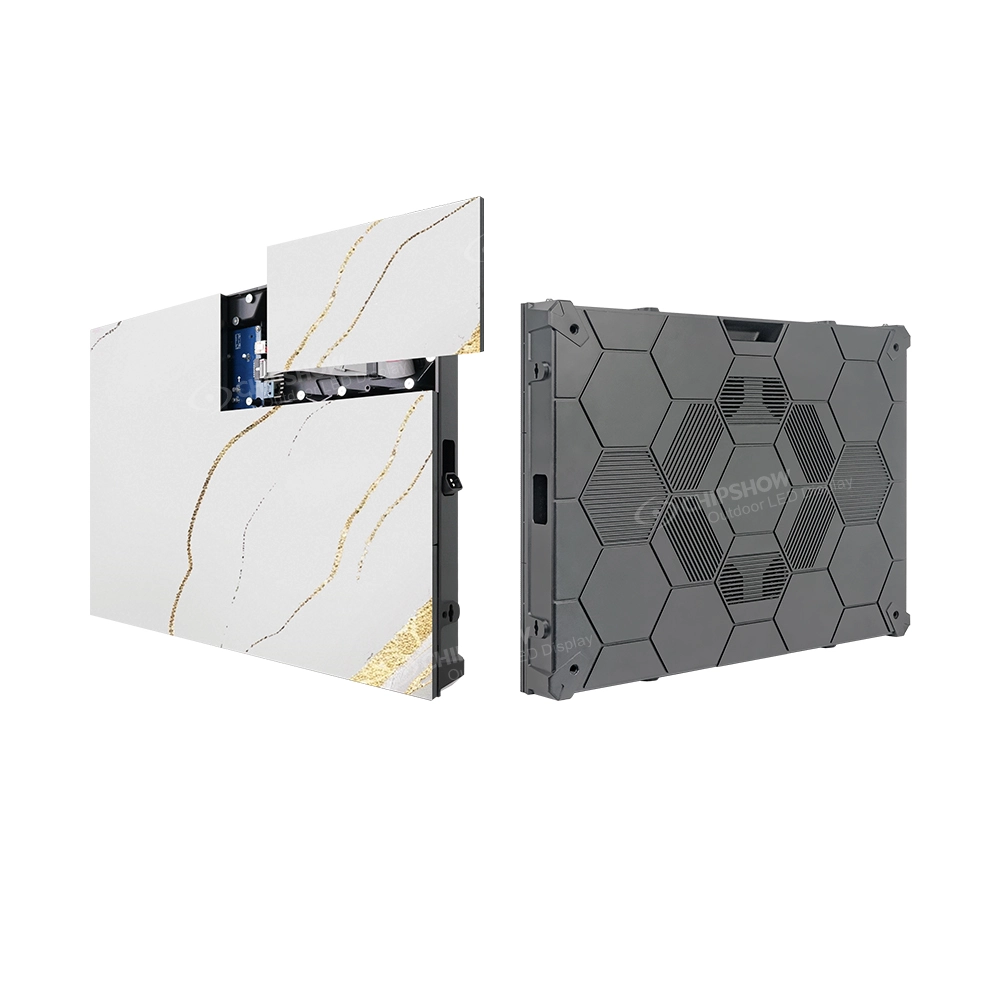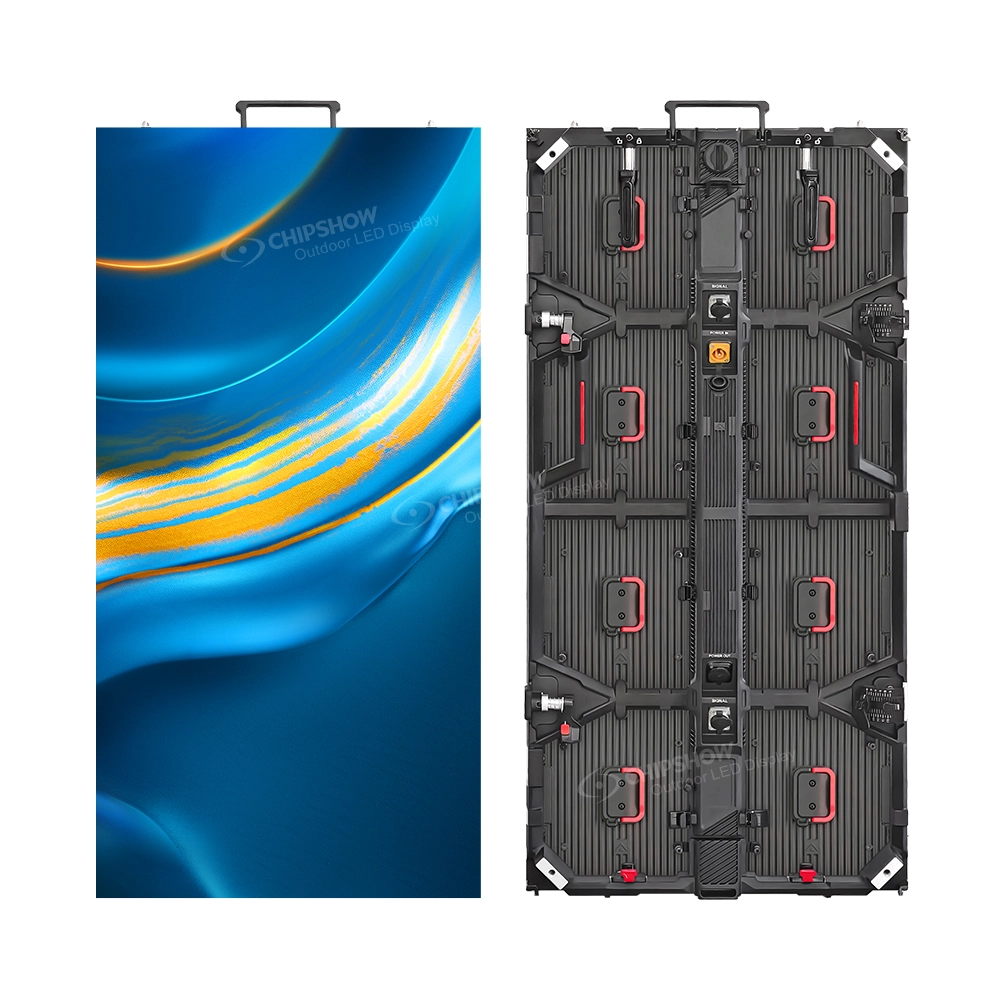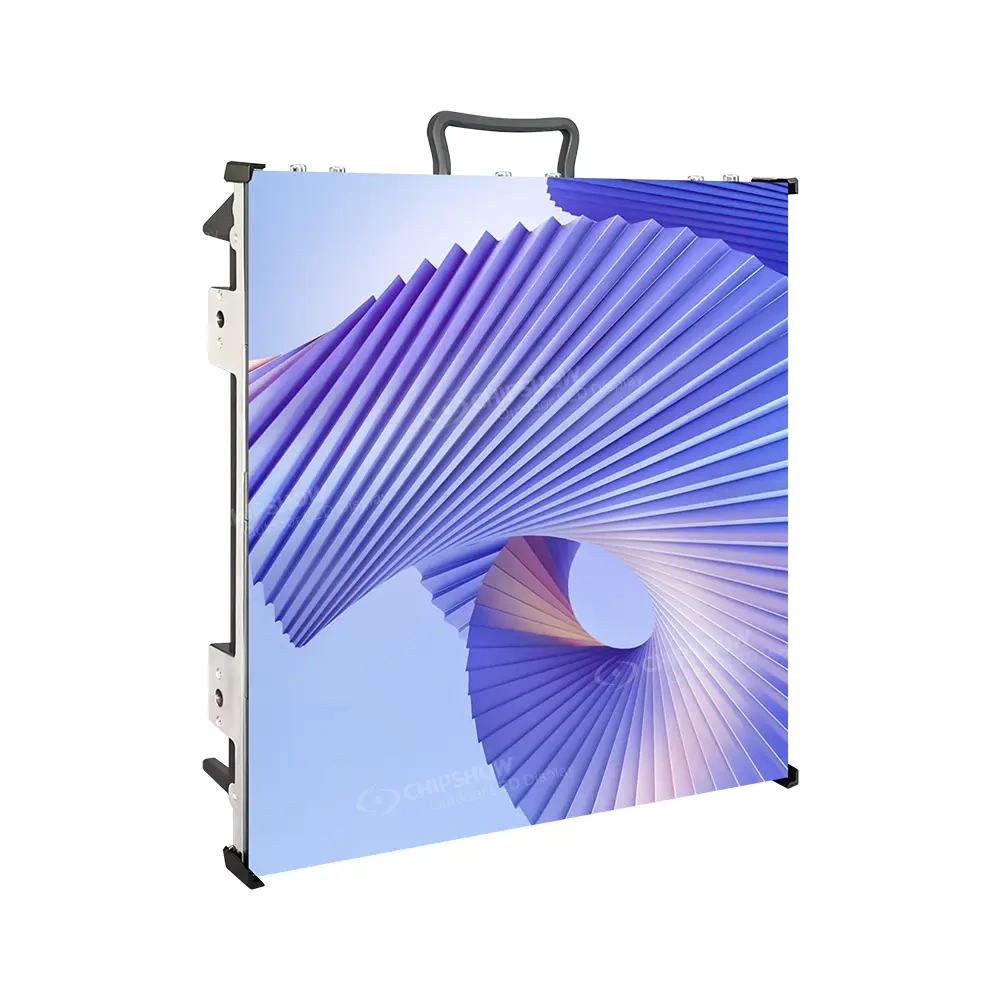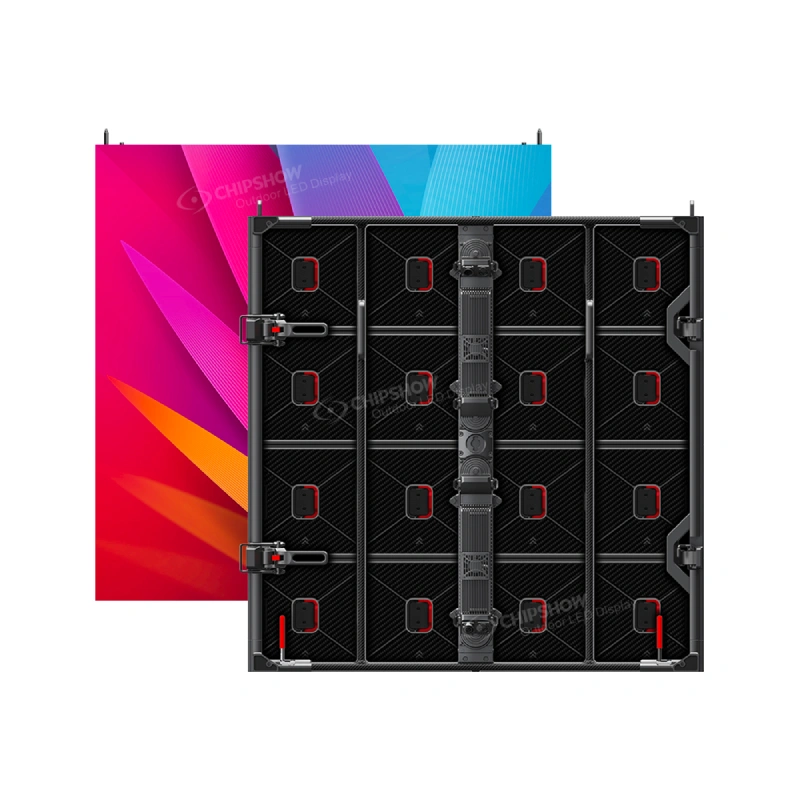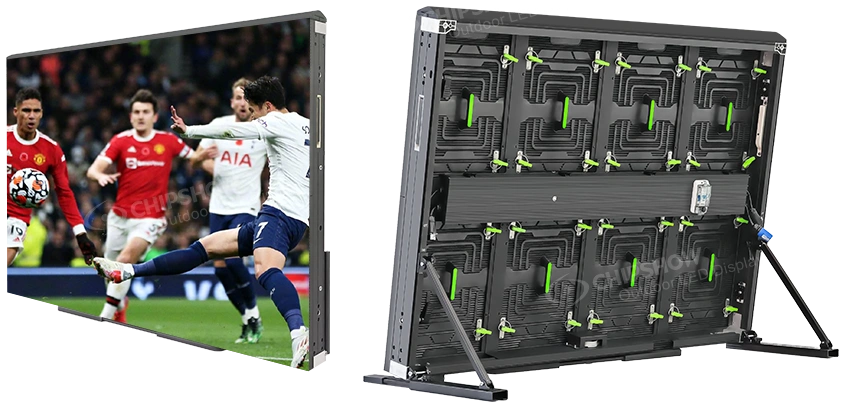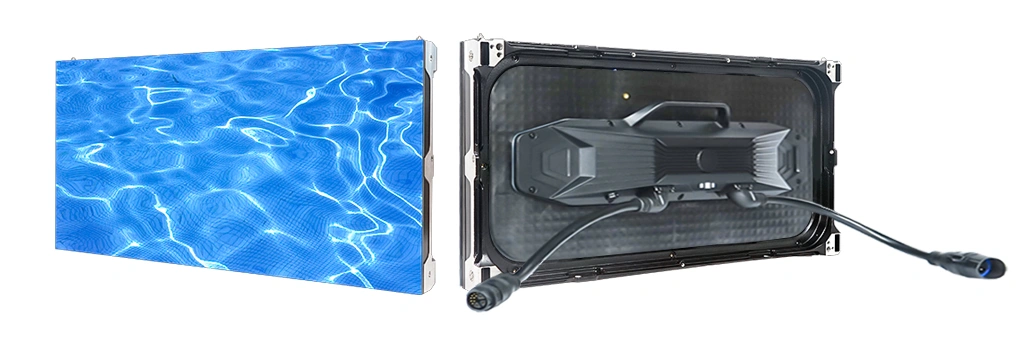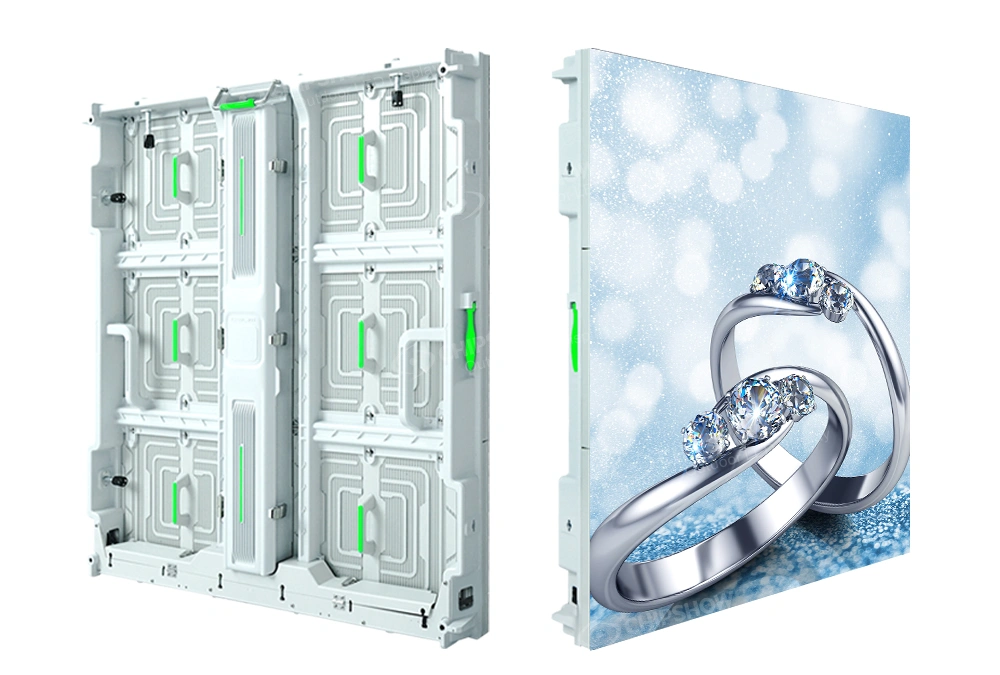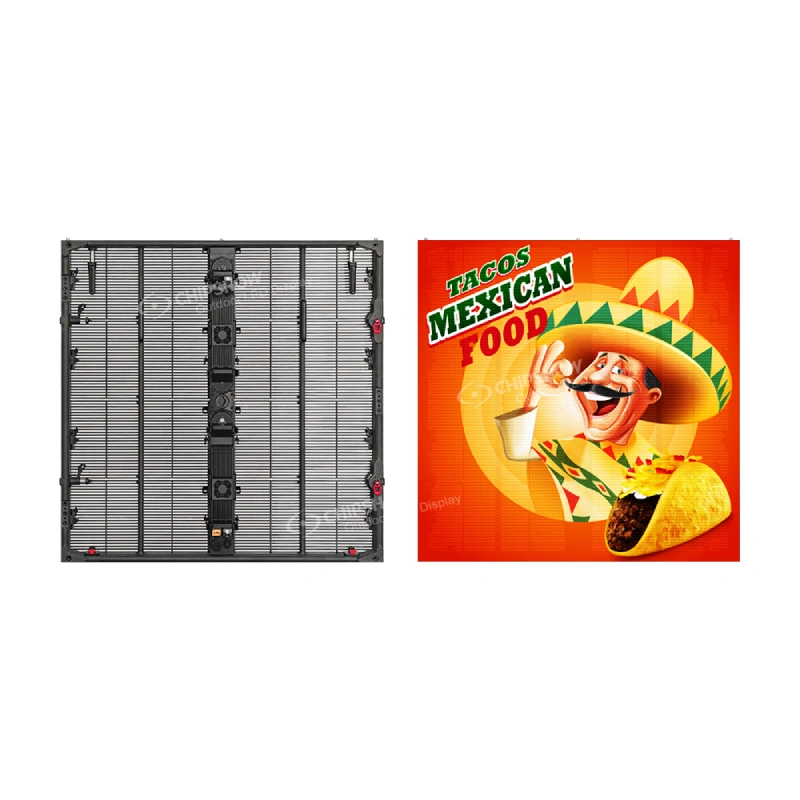
Investing in an outdoor LED display—whether for a DOOH billboard network, a house of worship, a sports stadium, or a commercial storefront—is a high-stakes capital decision. An outdoor screen lives in the elements: Texas heat, Northeast blizzards, Gulf Coast humidity, Arizona dust. It has to perform.
Not sure which pitch or cabinet format fits your build? Run the requirements through the Chipshow USA LED sign selector to shortlist signs by nearest viewer and sign opening before requesting a quote.
The procurement mistake too many operators make is shopping on upfront price per square foot while ignoring what actually eats your margin: monthly electricity bills, structural reinforcement costs, emergency service calls, and screens that can’t handle a Chicago winter.
This 2026 buying guide walks through every technical variable that matters for US outdoor installations—so your procurement team can evaluate hardware against what your specific site actually demands.
1. Quick Selection: What Type of Outdoor LED Display Fits Your Project?
| Project Type | Typical US Location | Recommended Pitch | Priority |
|---|---|---|---|
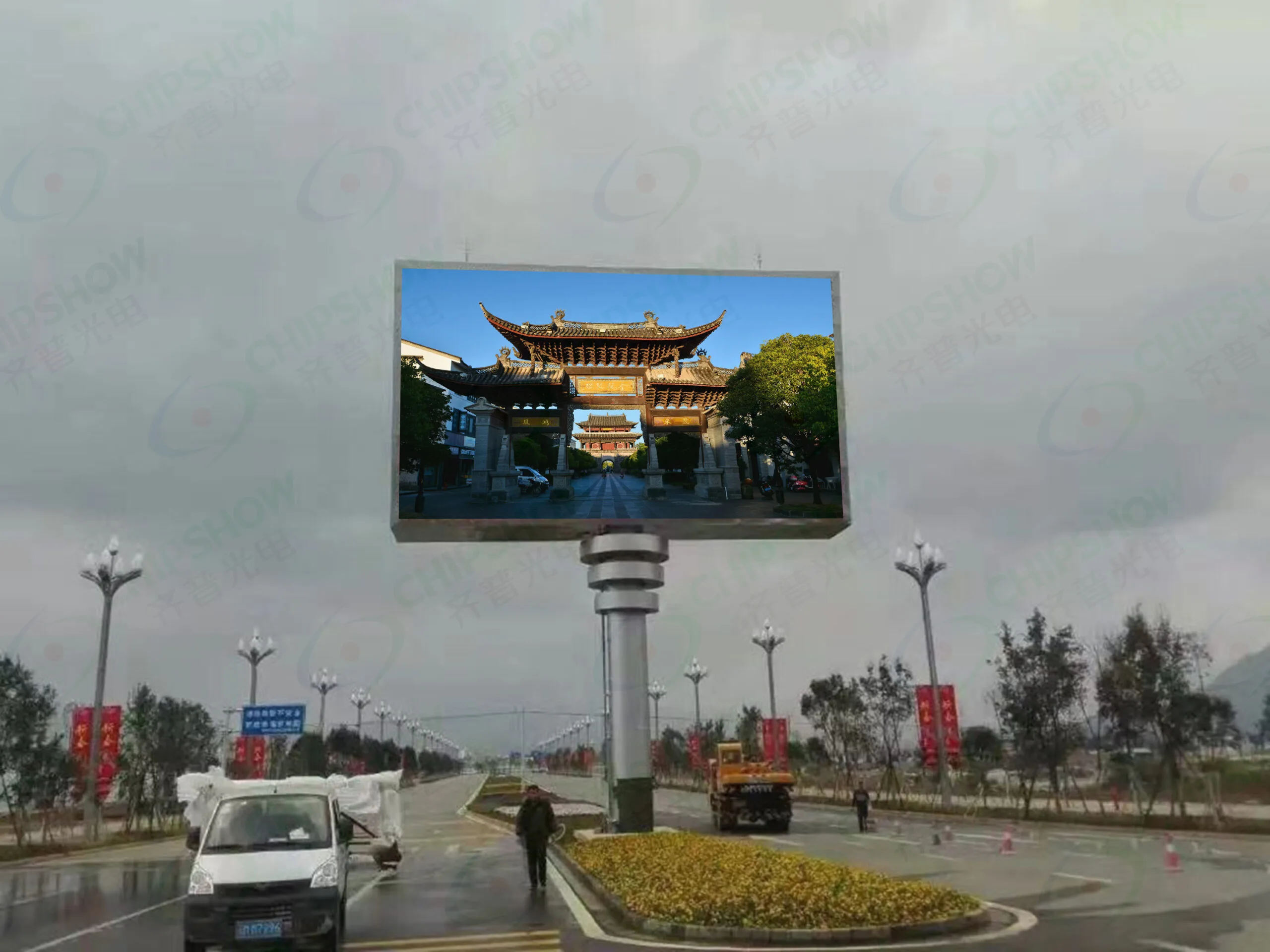
| Highway Billboard | I-95, I-10, I-45, State Routes | P8–P16 | Long-distance legibility, IP66, FCC certified |
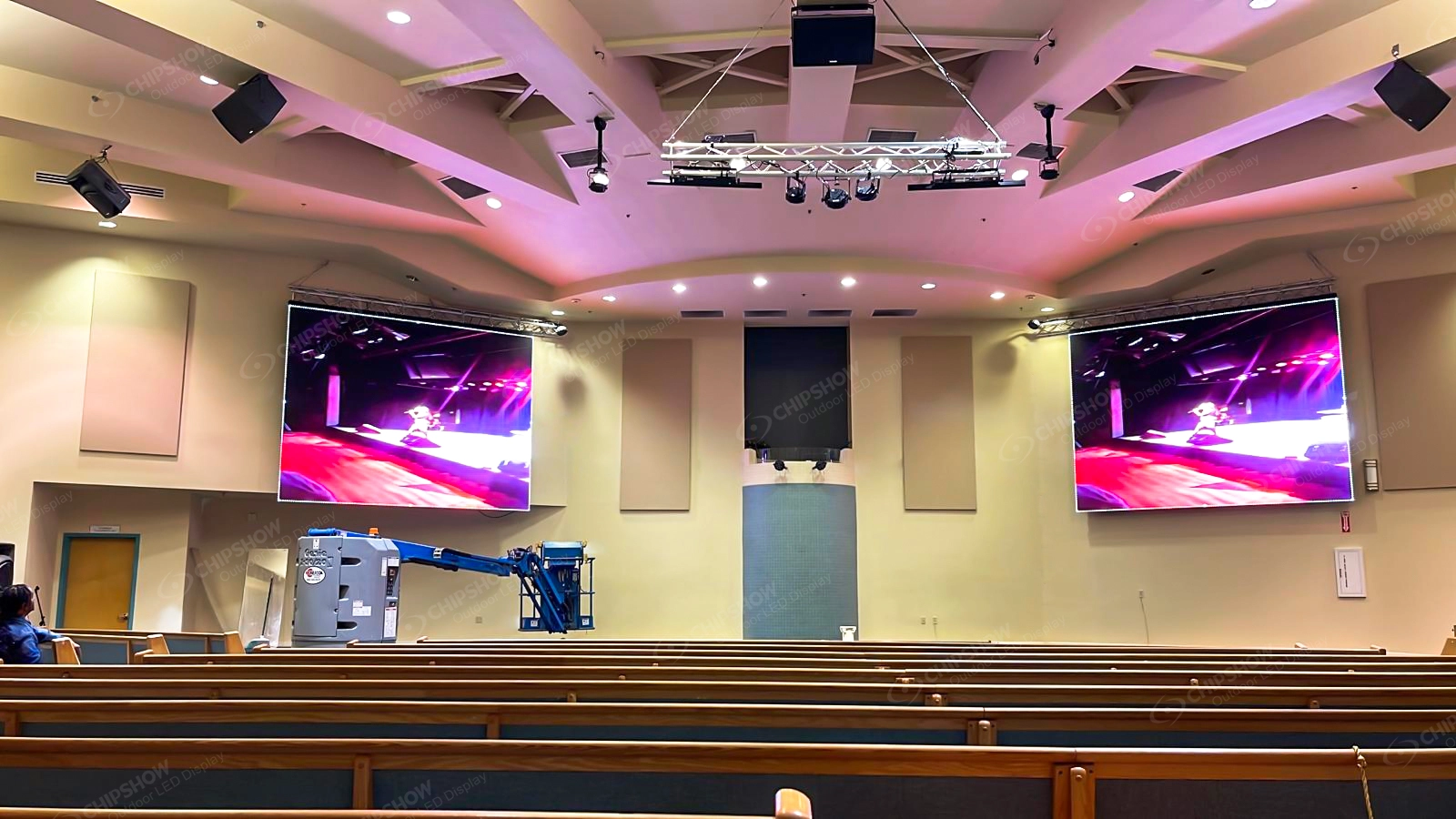
| Church LED Wall | House of Worship, Parking Lot | P4–P6.67 | Close-range clarity, outdoor-rated |
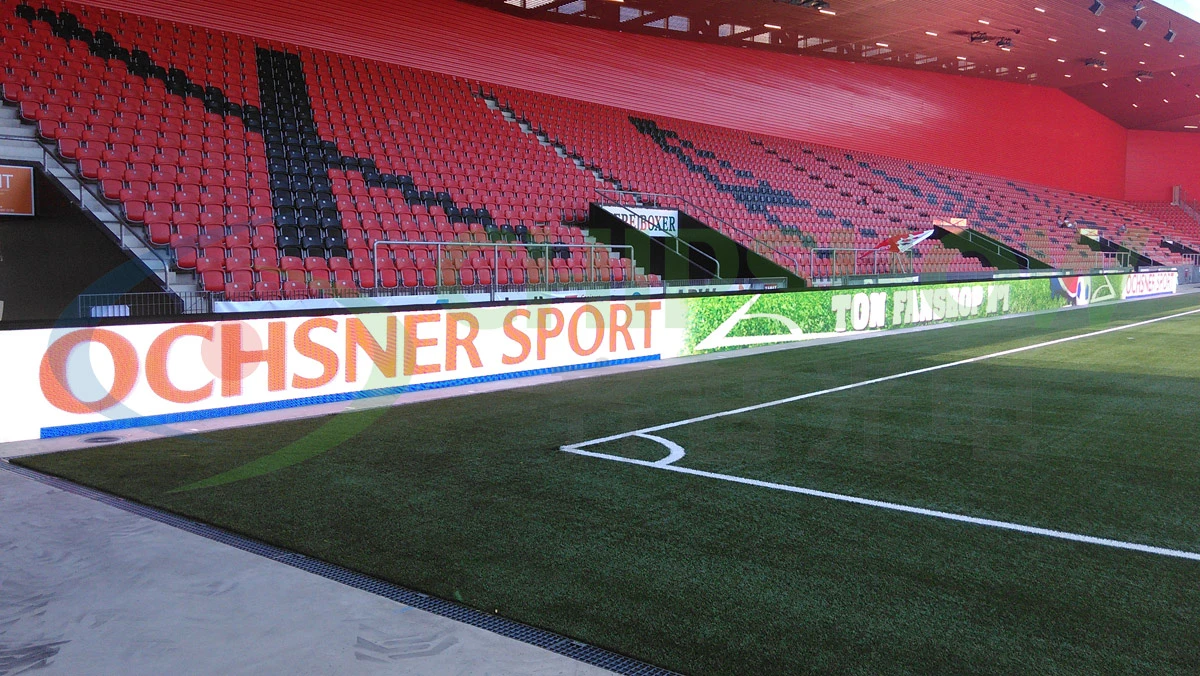
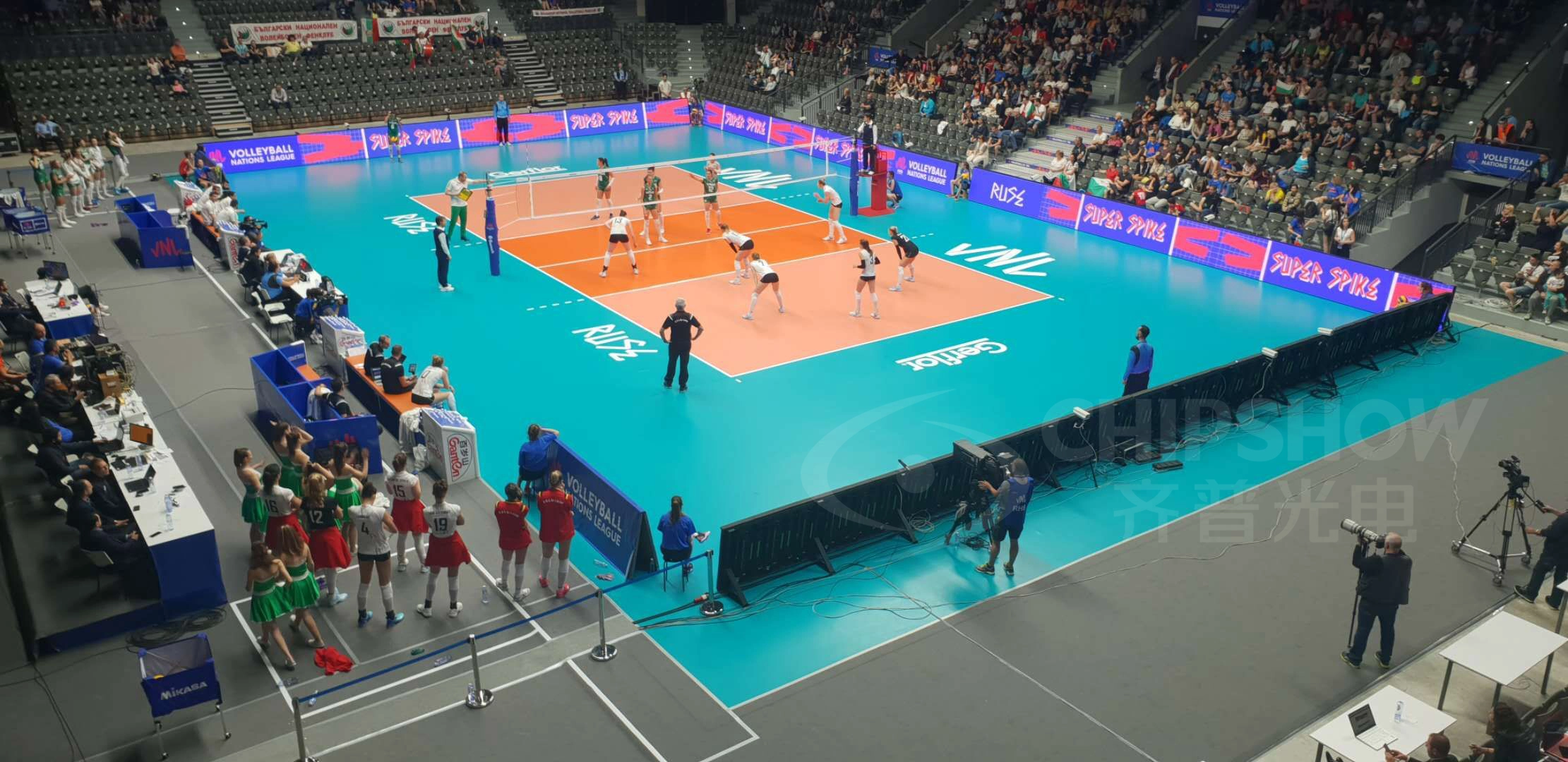
| Sports Stadium | High School, College, Pro Venue | P6.67–P10 | High brightness, fast refresh, wide viewing angle |
| Urban Digital Signage | Downtown, Shopping Plaza, Strip Mall | P4–P6.67 | FCC/UL, front service, clean architectural profile |
| Drive-Through / QSR | Fast Food, Bank, Pharmacy | P3–P6.67 | Sunlight-readable, IP65+ |
2. Technical Selection: The Four Variables That Control Performance and Cost
A. Common Cathode (CC) vs. Common Anode: Your Electricity Bill Depends on It
Traditional Common Anode circuits push the same maximum voltage to Red, Green, and Blue LED chips simultaneously. Since Red diodes need less voltage than Green and Blue, the excess burns off as heat across the circuit board. That heat accelerates pixel wear and adds to your electric bill.
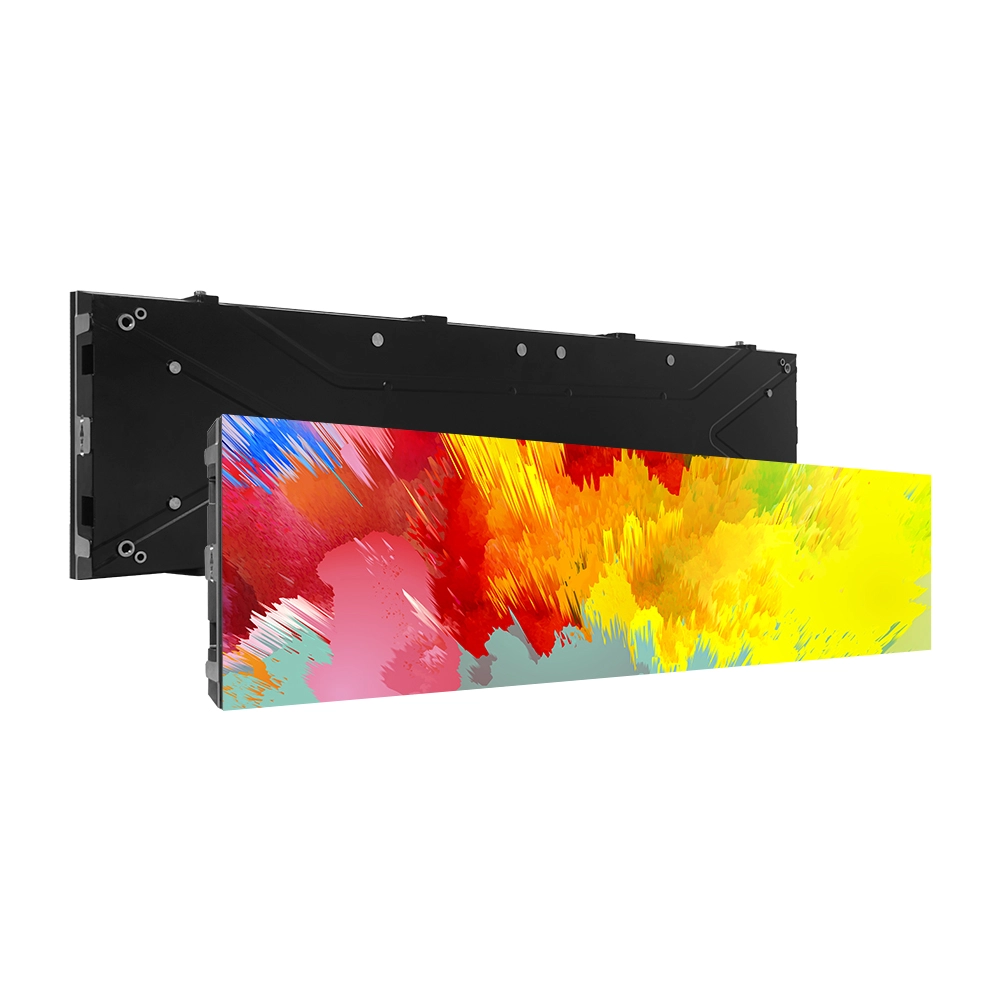
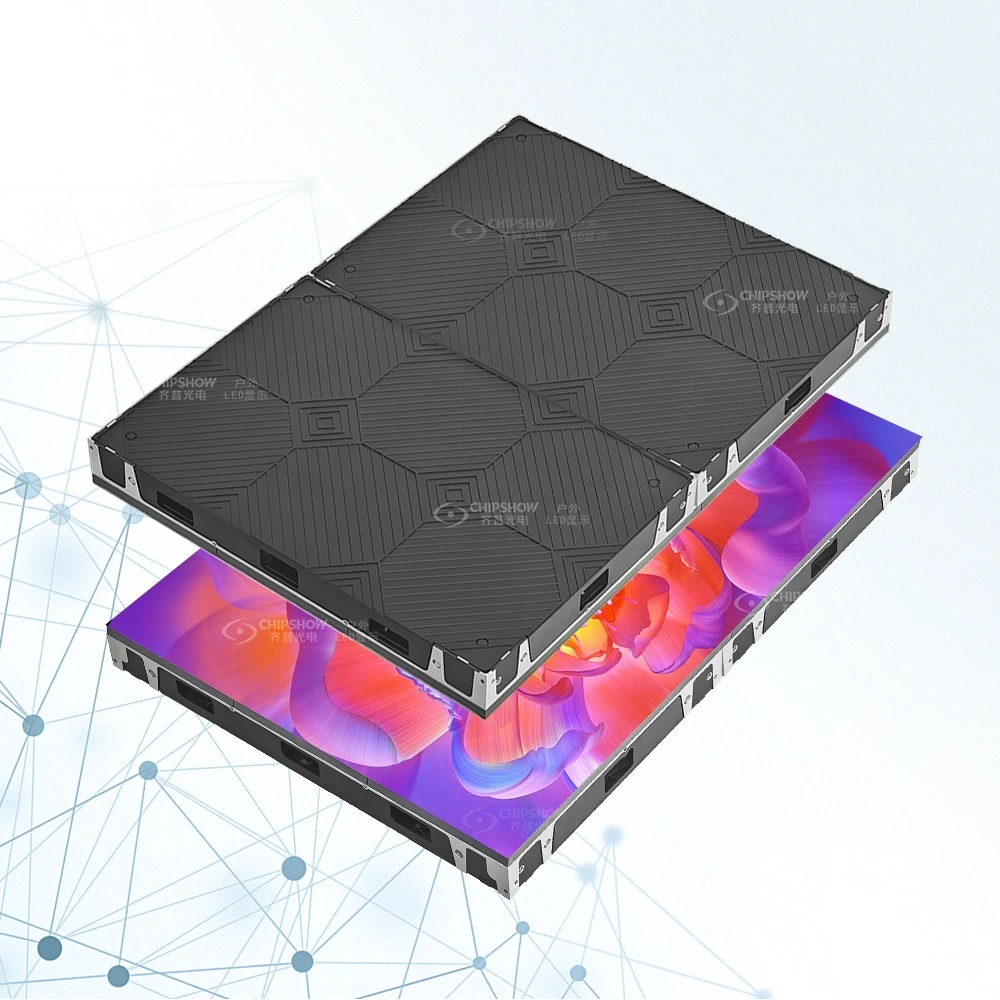
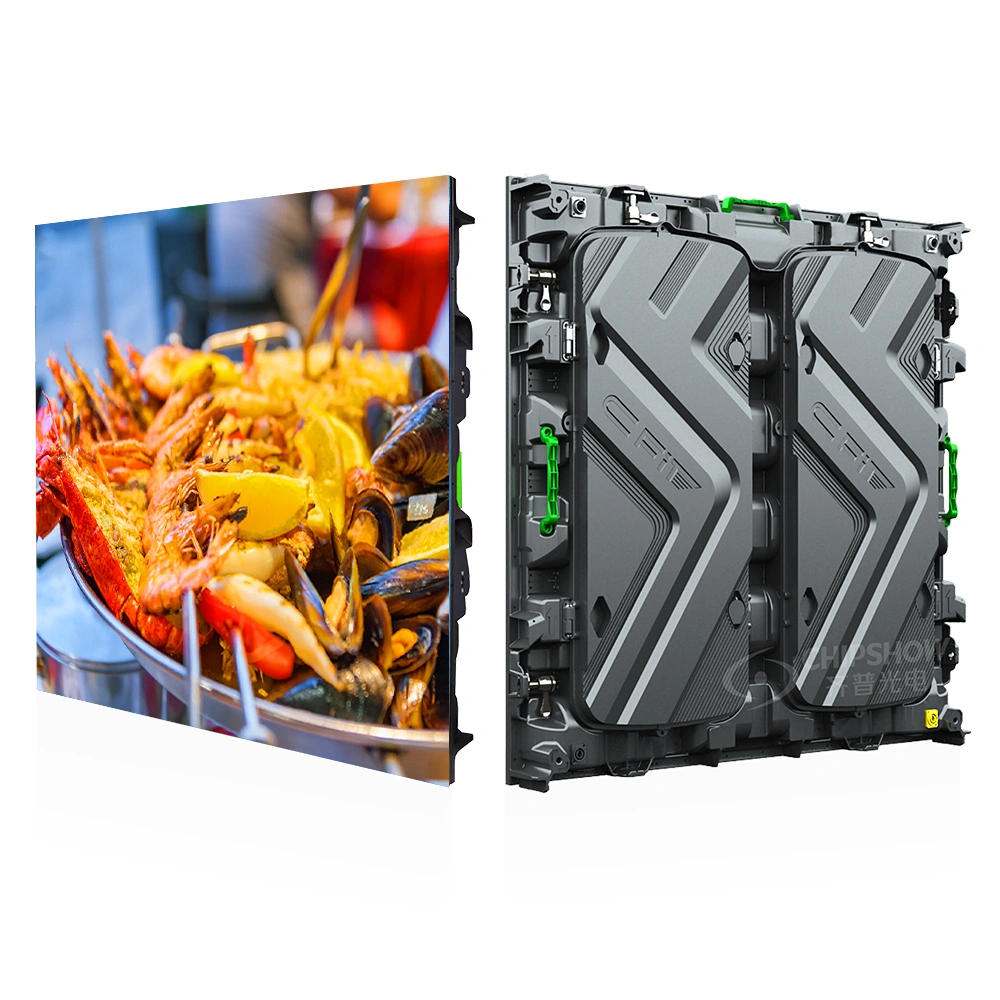
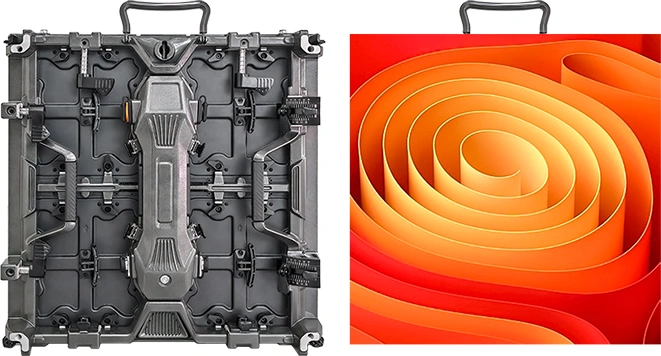
Chipshow’s C-Slim (MA) and C-Fit Series use Common Cathode architecture: dedicated voltage lines matched to each colour die’s actual requirement. The result is a 30% energy saving versus standard Common Anode panels, keeping average power draw at just 150–205 W/m². At US commercial rates of 0.10–0.18/kWh,thatsaves0.10–0.18/kWh,thatsaves2,000–4,500 per year on a standard billboard—and the lower thermal load extends diode lifespan.
B. SMD vs. DIP: Which Encapsulation for Which Distance?
SMD (Surface Mount Device) packs all three colour dies into one compact surface-mounted package, delivering excellent colour blending and wide viewing angles (up to 120° horizontal and vertical). SMD is the right choice for close-range viewing: church LED walls, storefronts, and stadium perimeter displays where pitches from P2.5 to P10 are needed.
DIP (Dual In-line Package) uses separate epoxy-moulded lamp bulbs for each pixel colour. DIP optics provide superior direct-sun contrast, better heat dissipation, and far better UV resistance over years of exposure. For long-range highway billboards and traffic displays, DIP is the workhorse choice.
C. Brightness: How Many Nits for US Sun Conditions?
For shaded or north-facing installations, 5,500 nits gets the job done. But if your screen faces south on an unshaded highway corridor—think I-10 across Arizona, I-45 through Texas, or I-95 in Florida—you need 8,000 nits minimum, with premium DOOH sites demanding 10,000–14,000 nits.
Chipshow’s ICE LED configurations hit up to 14,000 cd/m² white-balance calibrated—without overdriving the diodes into thermal degradation. Five programmable brightness modes synced to ambient light sensors let the screen auto-scale across the day: dimmer at dawn, full punch at noon, reduced output at night per local light-pollution ordinances.
D. Ingress Protection: IP65 Is the Floor, Not the Ceiling
The industry baseline for outdoor is IP65 on the front face. But standard cabinets leave rear surfaces at IP54, and that’s where condensation kills components—when a cold desert night flips to a humid Gulf Coast morning.
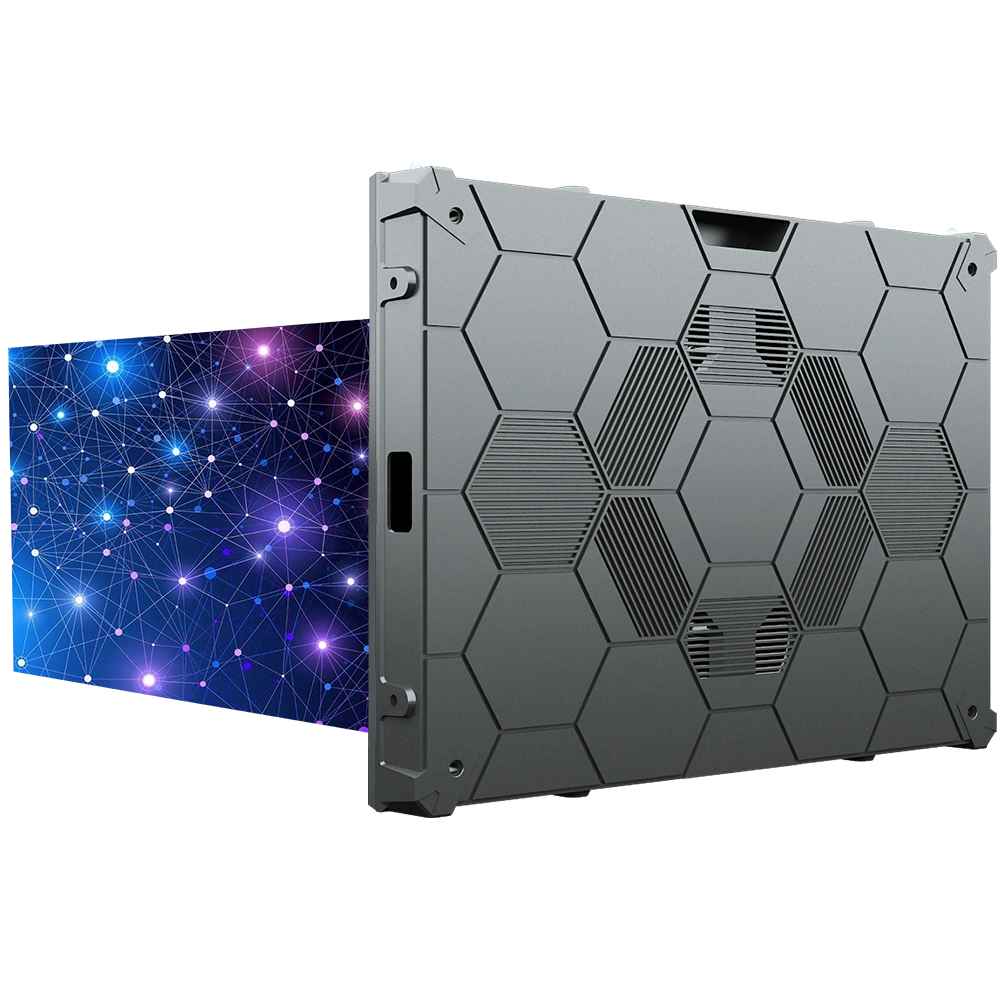
For US installations exposed to heavy rain (Southeast), coastal salt (both coasts), desert dust (Southwest), or freeze-thaw cycles (Midwest, Northeast), specify systems with IP66 on both front and rear. Chipshow’s fully enclosed module pod design seals driver electronics, receiving cards, and copper wiring inside isolated internal compartments—certified for operation from −4°F to +122°F.
E. US Certification: What Your Screen Needs to Be Legal
Any outdoor LED display deployed commercially in the United States must hold FCC certification (electromagnetic compatibility). UL or ETL listing is required by most commercial landlords and municipal permitting offices. Confirm that your supplier provides current test documentation for FCC, UL, and ETL before procurement.
3. Cost Factors: What Drives Outdoor LED Display Pricing in the US Market
| Cost Driver | Impact | US Context |
|---|---|---|
| Pixel Pitch | Tighter = more LEDs/m² = higher cost | P4 church wall costs more per square foot than P10 highway billboard |
| Cabinet Material | Steel < Aluminium < Magnesium Alloy | Magnesium alloy (63.9 lbs per frame) reduces structural steel and freight costs |
| Brightness Tier | Higher nits = higher cost | 10,000+ nits required for south-facing highways; 5,500 sufficient for northeast shaded sites |
| Energy Efficiency | Common Cathode adds upfront cost | Premium recovered in 18–36 months through power savings at $0.10–0.18/kWh |
| IP Rating | Higher IP = higher manufacturing cost | IP66 front+rear worth the premium for Gulf Coast, Southwest desert, and Northeast |
| Certification | FCC/UL/ETL built into base cost | Non-negotiable for US commercial deployment |
| Logistics | Houston warehouse eliminates ocean freight delays | 48-hour shipping to contiguous US |
4. US Outdoor LED Display Buyer Checklist
Before signing off on any specification sheet, verify every item:
- Pixel Pitch vs. Viewing Distance: Minimum viewing distance (in feet) matches pixel pitch rule: P6.67 screen → ~22 ft minimum viewing distance for optimal clarity
- Brightness: 5,500 nits minimum for shaded; 8,000+ nits for south-facing; 10,000–14,000 nits for premium DOOH
- Thermal Management: Confirm fanless sealed design—external air conditioning adds ongoing HVAC costs
- Cabinet Weight: Verify structural loading on existing gantry or building envelope; magnesium alloy at 63.9 lbs per frame significantly reduces steel requirements
- Maintenance Access: 100% front-service required for flush wall mounts, storefront canopies, or installations where rear access is blocked by city zoning
- US Certifications: FCC, UL, or ETL listing verified with current test documentation
- Environmental Rating: IP66 front+rear for coastal (Gulf, Atlantic, Pacific), desert (AZ, NM, NV), or extreme temperature zones
- Spare Parts: Minimum 2–5% matching batch modules, power supplies, and receiving cards allocated at purchase
- Logistics: Confirm Houston warehouse stock for fast domestic shipping; verify freight terms
5. US Application Matching Matrix
| Application | Where It Goes | Recommended Series | Key Advantage |
|---|---|---|---|
| Highway DOOH Billboard | I-95, I-10, I-45, State Highways | C-Slim (MA) | 14,000 nits, IP66, 30% energy saving |
| Church LED Wall | House of Worship, Outdoor Worship Space | C-Fit or C-Slim (MA) | Fine pitch P4–P6.67, front service |
| Sports Stadium | High School Field, College Arena, Pro Venue | C-Slim (MA) | 10,000+ nits, fast refresh, wide viewing |
| Urban Retail Signage | Times Square Type, Shopping Plaza, Strip Mall | C-Fit Series | P2.5–P6.67, slim profile, front access |
| Drive-Through Digital Menu | QSR, Pharmacy, Bank | C-Fit Series | Sunlight-readable, IP65+, small footprint |
6. Frequently Asked Questions
Q1: What pixel pitch do I need for an outdoor church LED wall?
For a church LED wall viewed from 15–50 feet, P4 to P6.67 is the sweet spot—delivering crisp hymn lyrics and video without paying for unnecessary pixel density. Chipshow’s US team can walk you through sizing based on your sanctuary or outdoor worship space dimensions.
Q2: How bright should a highway billboard be in the southern US?
For unshaded south-facing placements in Texas, Florida, Arizona, or the Southeast, minimum 8,000 nits—with 10,000–14,000 nits recommended for premium DOOH locations. The C-Slim (MA) Series delivers 14,000 nits white-balance calibrated.
Q3: What’s the difference between SMD and DIP for US outdoor installations?
SMD combines all three colour dies in one package—best for close-range viewing (churches, storefronts, stadiums). DIP uses separate epoxy-coated bulbs with superior UV resistance and contrast—better for long-range highway billboards that bake in direct sun for years.
Q4: Do I need FCC certification for an outdoor LED screen in the US?
Yes. FCC certification for electromagnetic compatibility is required for any commercial electronic display deployed in the United States. UL or ETL listing is typically required by building inspectors and commercial landlords.
Q5: How quickly can I get an outdoor LED display delivered in the US?
Chipshow stocks the C-Slim (MA) and C-Fit Series at our Houston, Texas warehouse. Standard configurations ship within 48 hours to the contiguous United States—no ocean freight delays.
Q6: Can the display survive a Chicago winter or Phoenix summer?
The C-Slim (MA) Series is certified for operation from −4°F to +122°F, with IP66 protection front and rear. The fully enclosed module pod design protects internal electronics from condensation, ice, dust, and salt—season after season.
Q7: How much can I save on electricity with Common Cathode technology?
Common Cathode circuitry delivers a 30% energy reduction versus traditional Common Anode. At US commercial rates averaging 0.12/kWh,astandardbillboardsaves0.12/kWh,astandardbillboardsaves2,000–4,500 annually. The upfront premium typically pays back within 18–36 months.
Get Your Project Quote from Our Houston Team
Don’t pick hardware off a spec sheet alone. Send us your screen size, operating hours, mounting environment, and local utility rate. Chipshow’s Houston-based engineering team will run a customized TCO and ROI analysis for your specific location—with hardware stocked in Texas and ready to go.
Not sure which format or pixel pitch fits your project? Try the Chipshow USA LED sign selector to shortlist options.