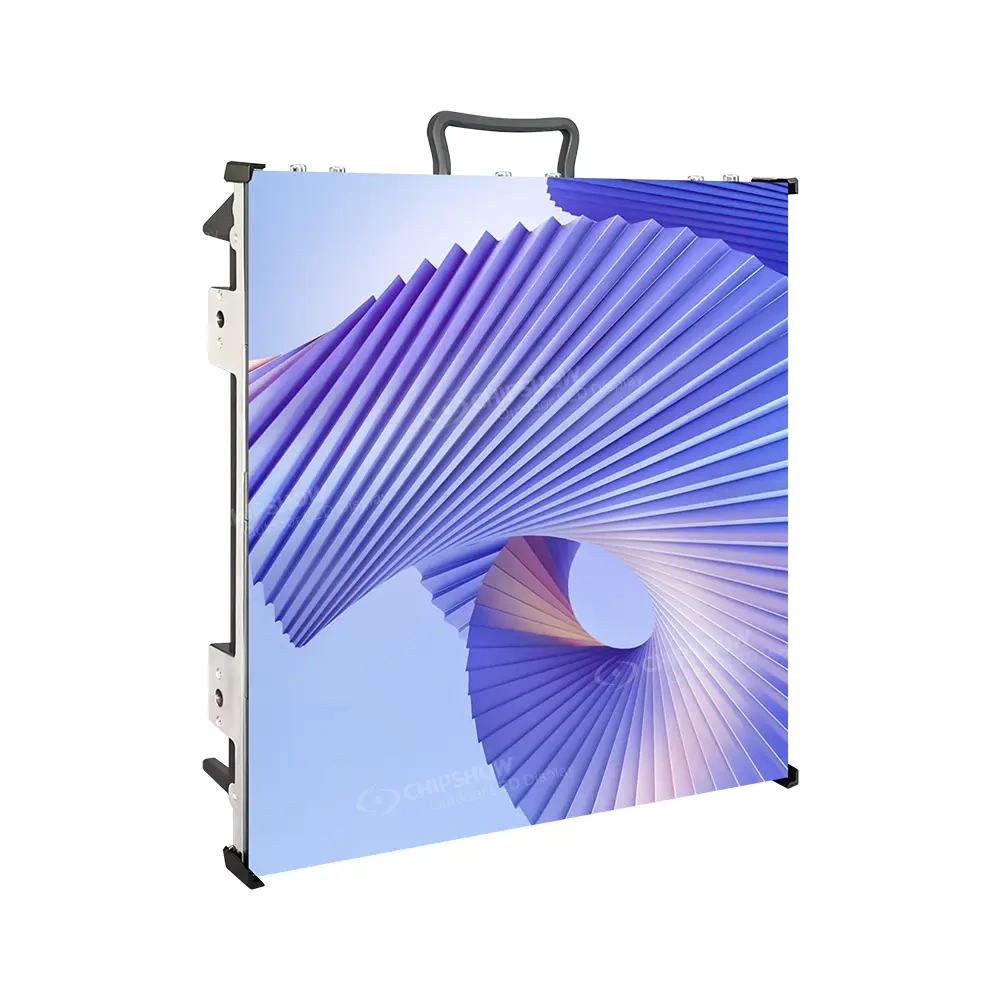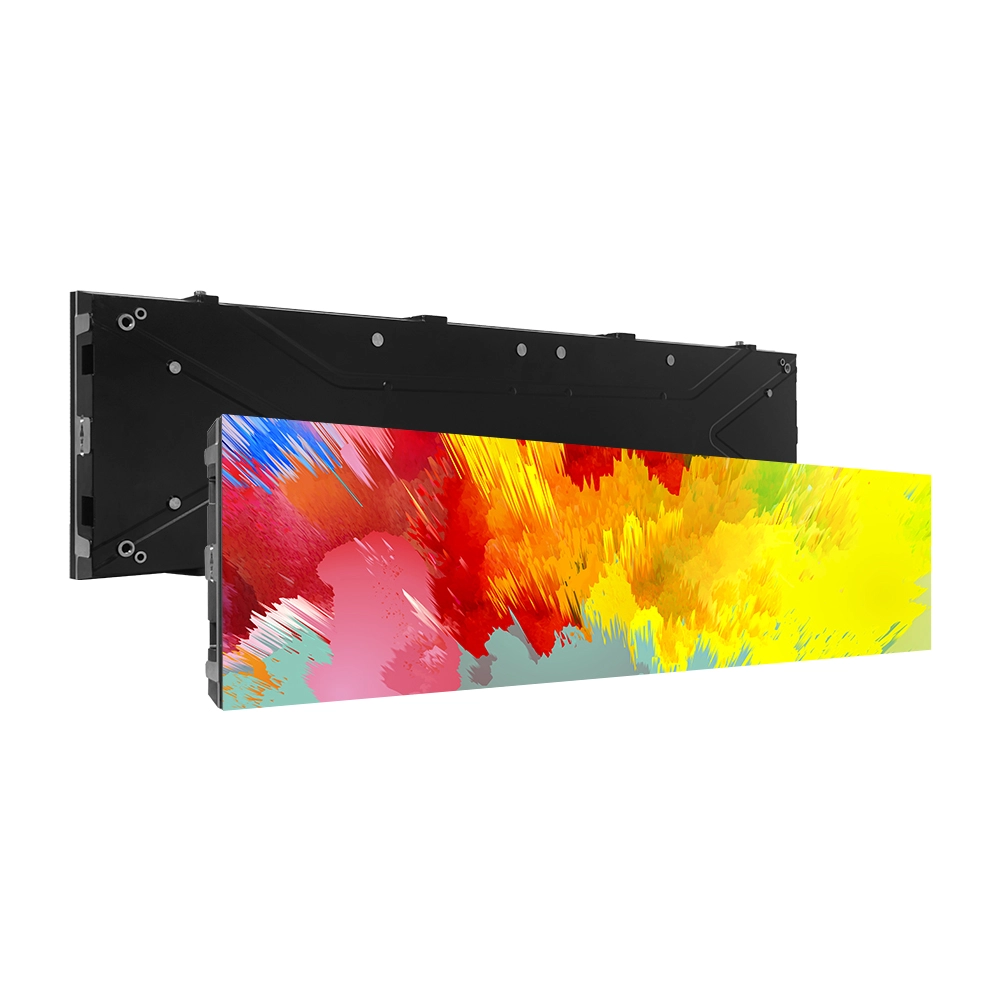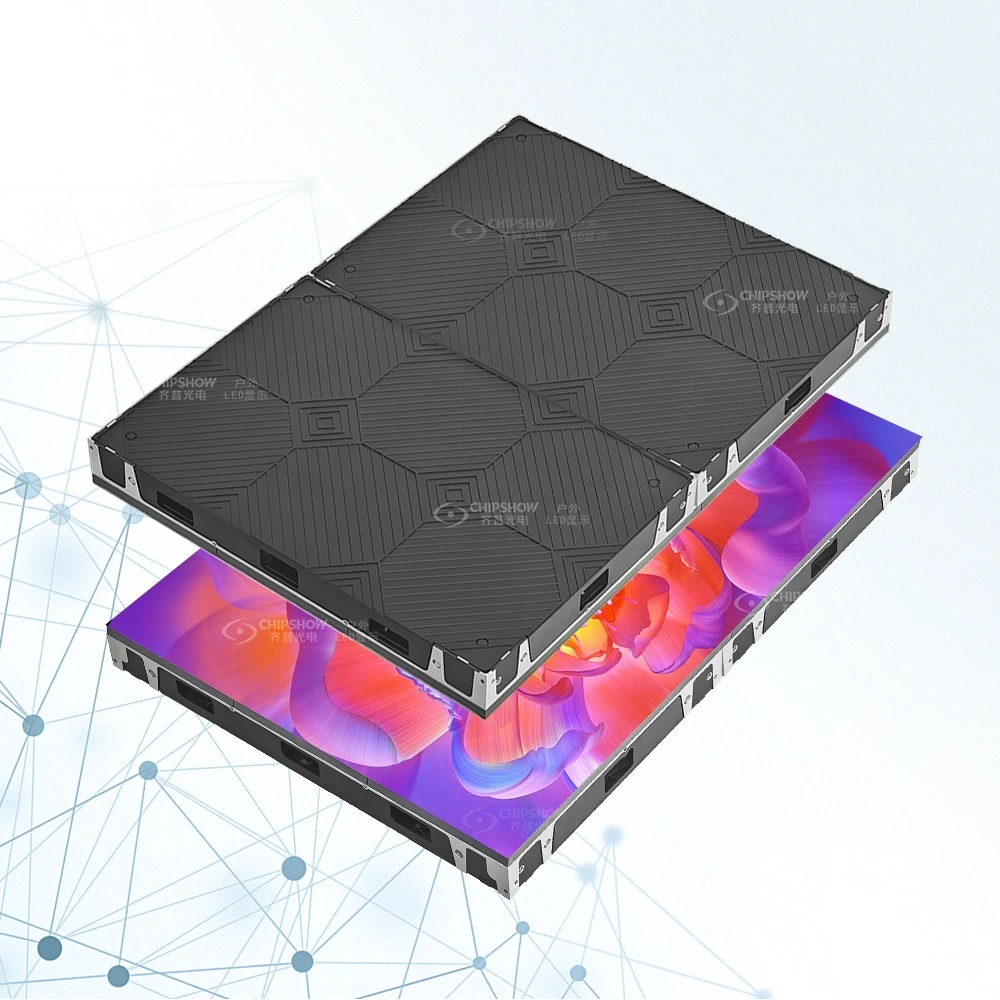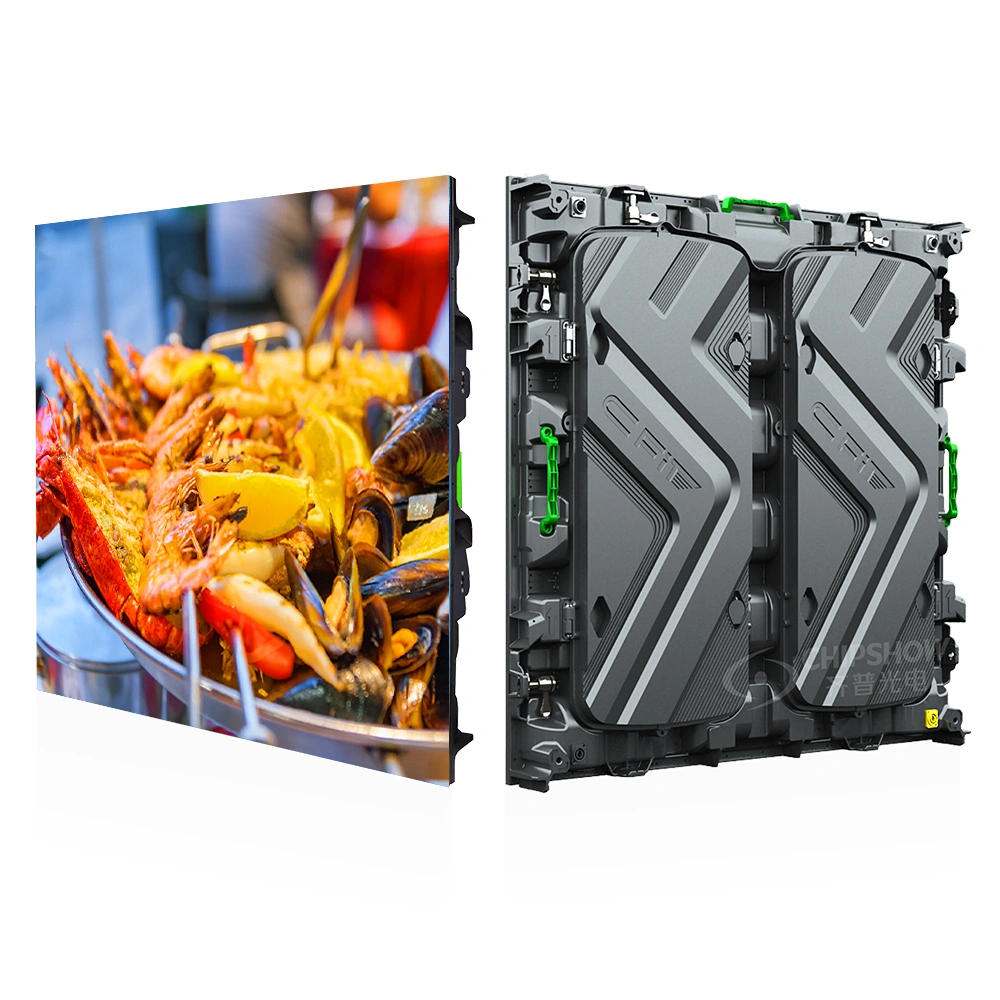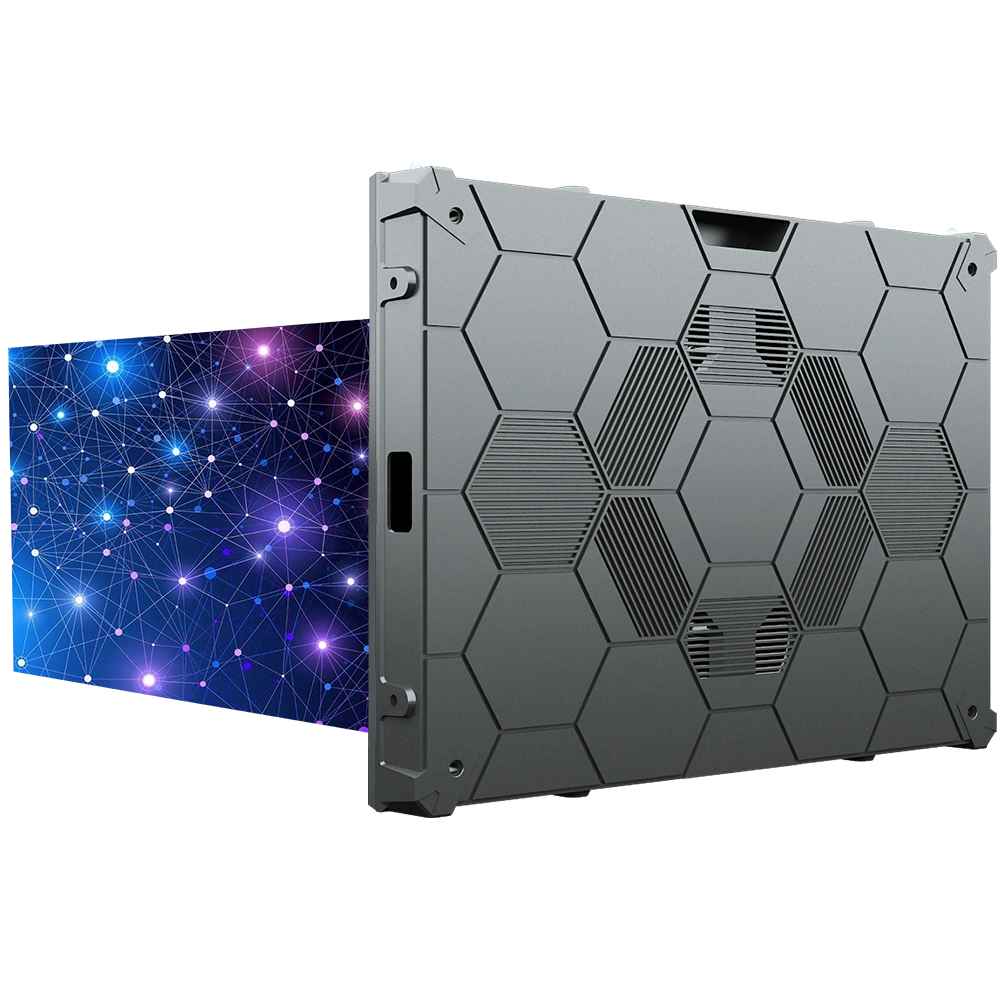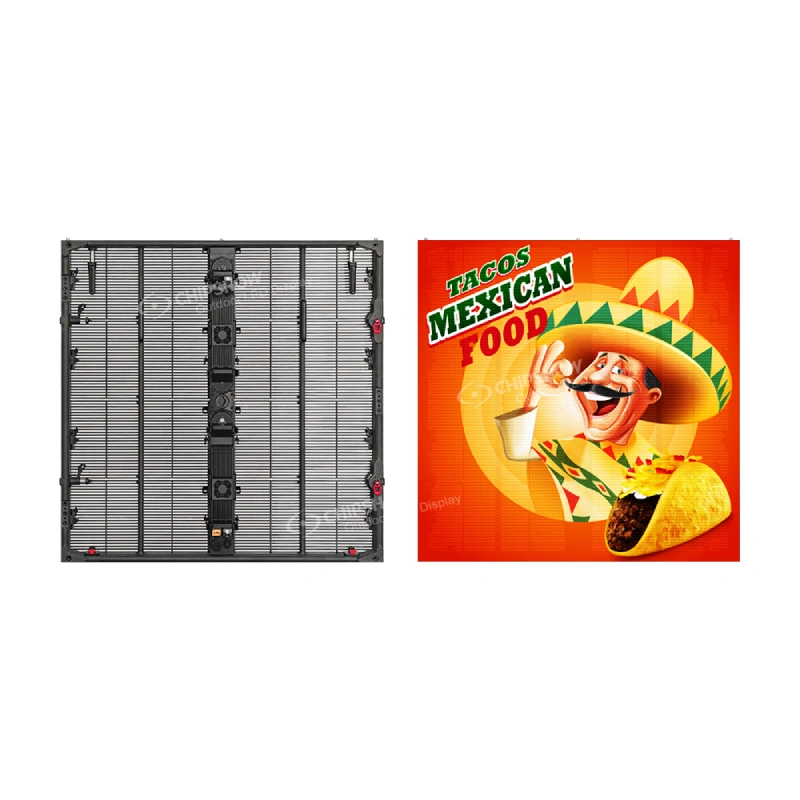
When you’re running an AV rental company or producing live events across North America, choosing the wrong LED screen can derail your entire show. The wrong pixel pitch turns a crystal-clear concert backdrop into a pixelated mess. A cabinet that weighs 18 kg/m² forces you to over-engineer the trussing, blowing the budget before a single LED lights up. A screen with 1,000 nits looks perfect in a dim conference room — and completely invisible under stage wash.
Want a second look at the format options? The USA LED sign selector narrows signs by viewing distance, pixel pitch and cabinet style in one pass.
This rental LED screen comparison guide cuts through the catalog noise. We’ve broken down the four most-used rental LED screen configurations by pixel pitch, weight, brightness, cabinet size, and best application fit — so you can match the spec to the gig, not the other way around.
What Specs Actually Matter When Comparing Rental LED Screens?
Not all specs are equally important for rental. Here’s what to prioritize:
Pixel Pitch (P-value) determines your minimum viewing distance. The formula most rental crews use:
Minimum viewing distance (meters) = pixel pitch (mm) × 1,000 / 1,000 = pixel pitch in meters
So a P3.91 screen should be viewed from at least 3.9 m away. Go closer and individual LEDs become visible.
Weight per m² is the make-or-break spec for rigging. Most standard trussing systems are rated for 30–35 kg/m². Add your cabinet weight plus controller hardware and cabling, and you’ll see how fast that budget tightens. Lighter cabinets also mean faster load-in and lower crew costs — a direct impact on your per-show margin.
Peak Brightness (nits) tells you how the screen performs under ambient light. A rough guide:
| Environment | Minimum Brightness |
| Dim conference room / indoor stage | 800–1,200 nits |
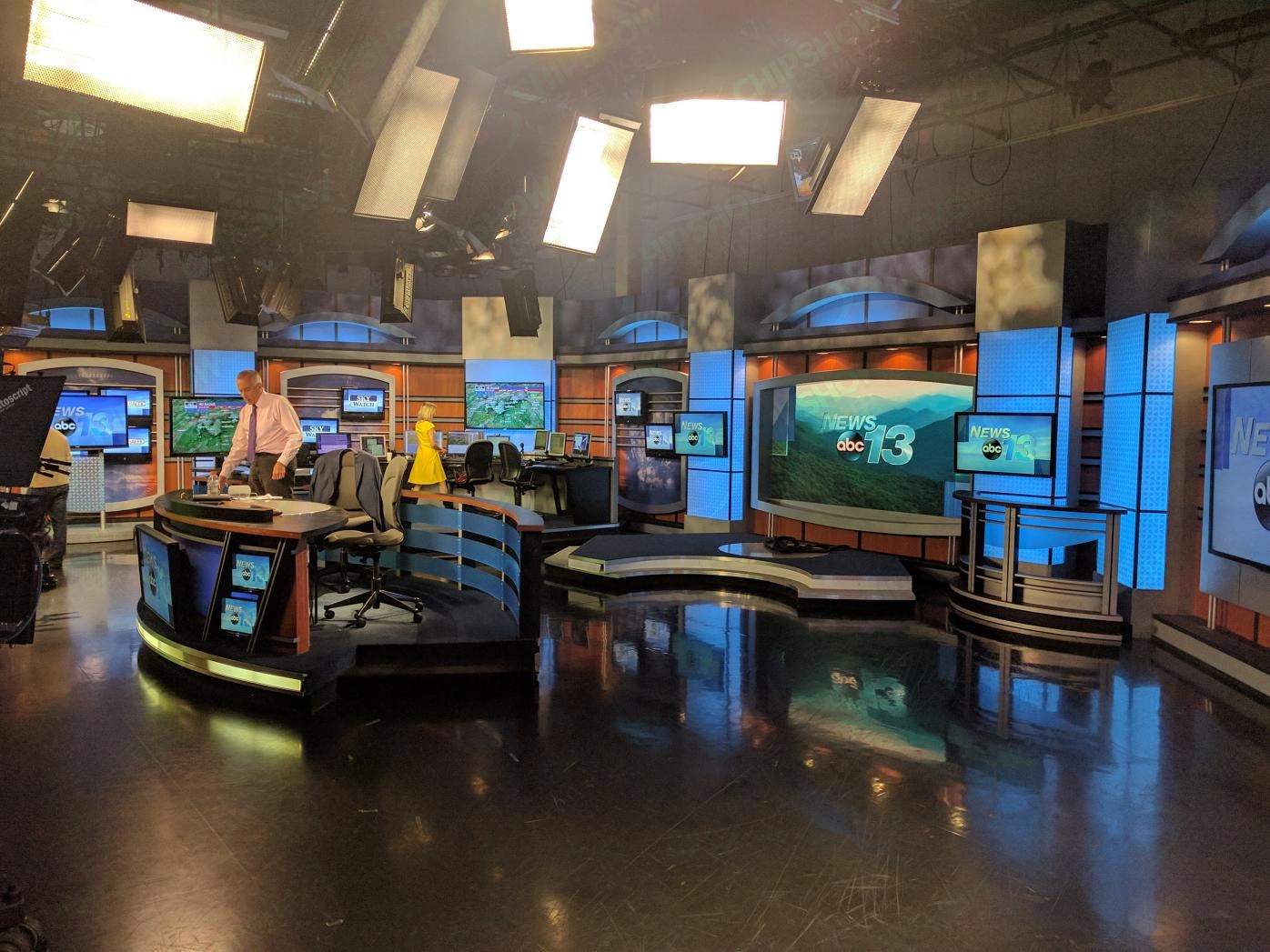
| Bright indoor venue / TV studio | 1,500–2,500 nits |
| Outdoor daytime / festival stage | 3,500–5,000 nits |
| Direct sunlight / outdoor billboard | 5,000+ nits |
Refresh Rate matters for broadcast and live-stream content. Cameras shutter at 1/50 or 1/100 sec; a screen with a refresh rate below 1,920 Hz can create banding in recorded footage. For broadcast and live event streaming, specify ≥3,840 Hz.
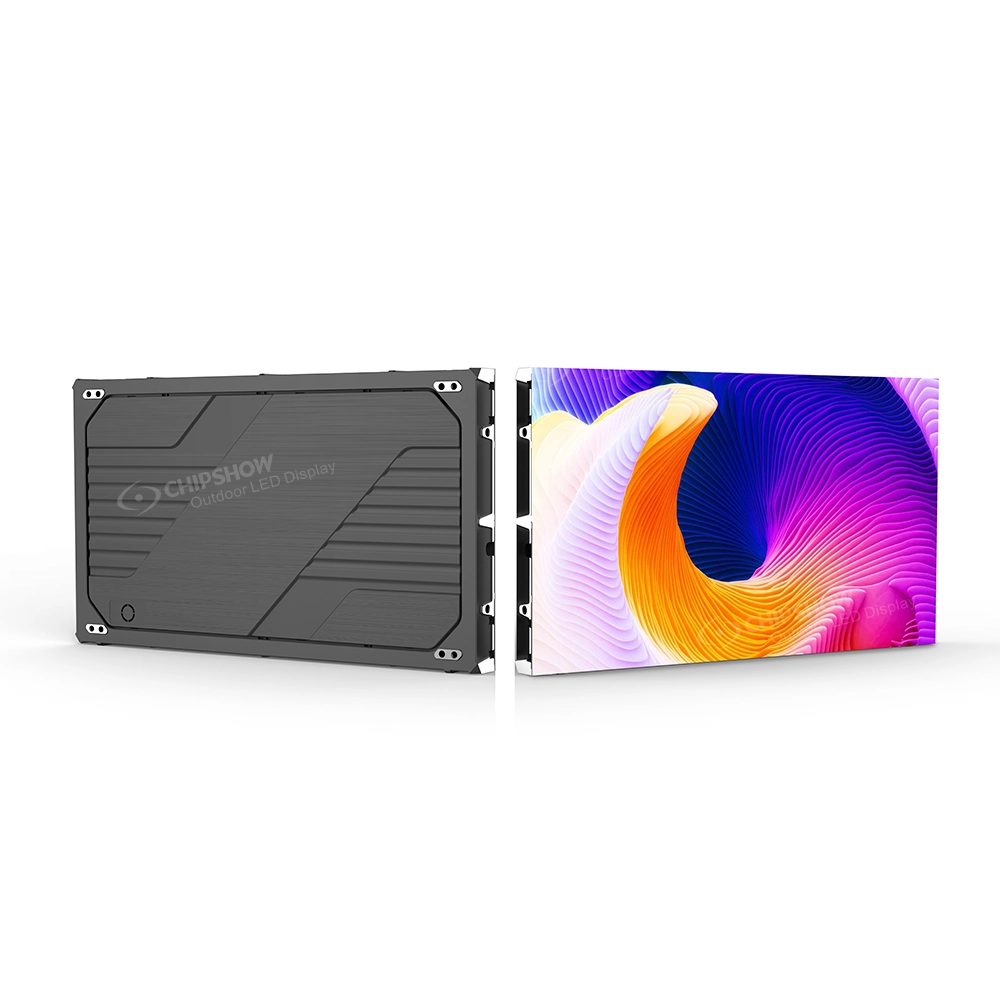
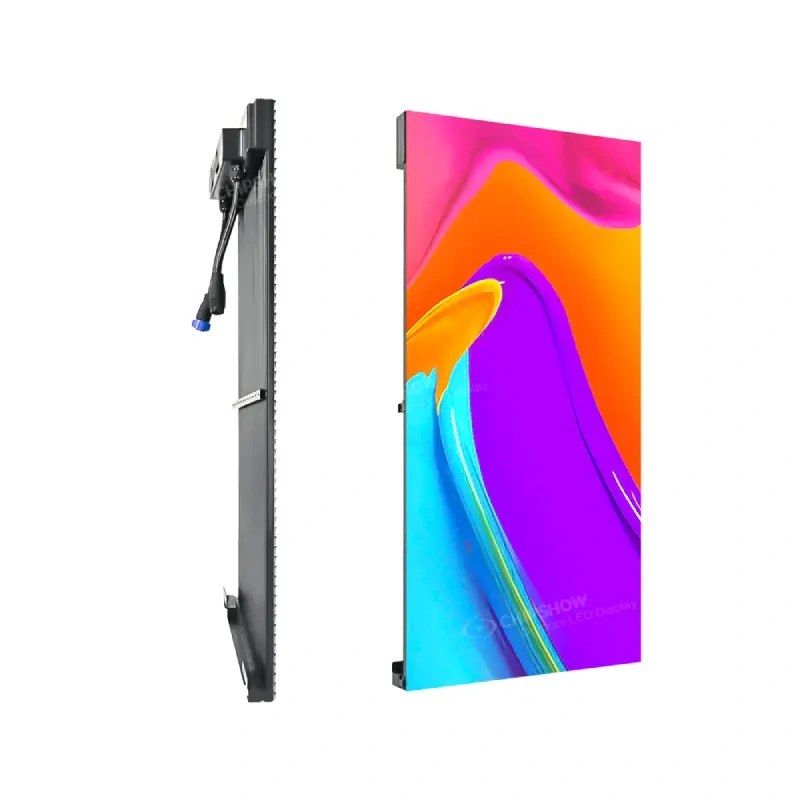
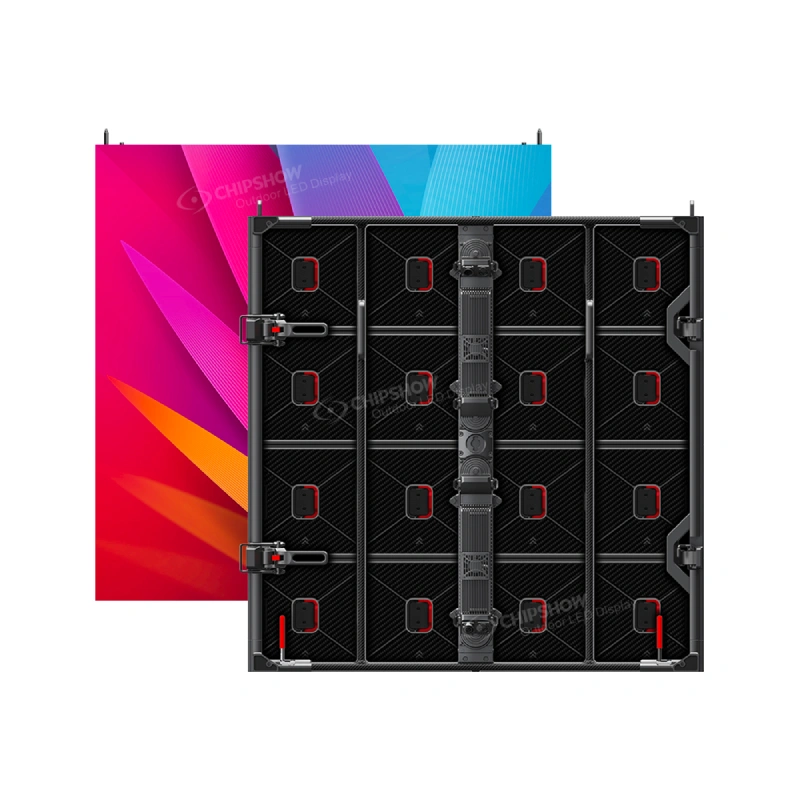
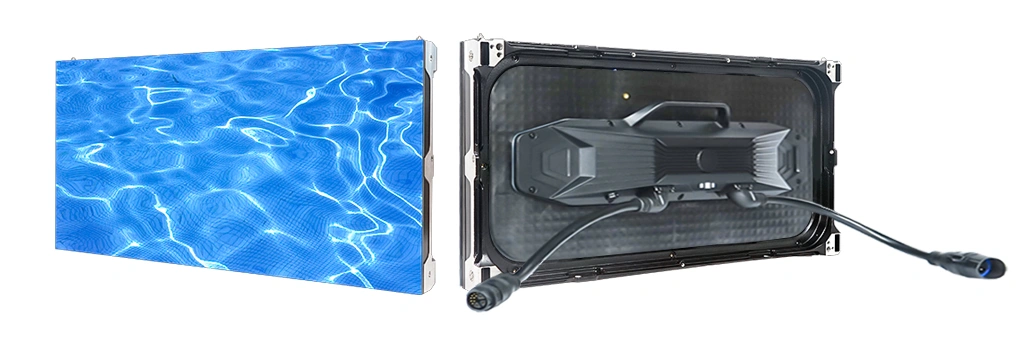
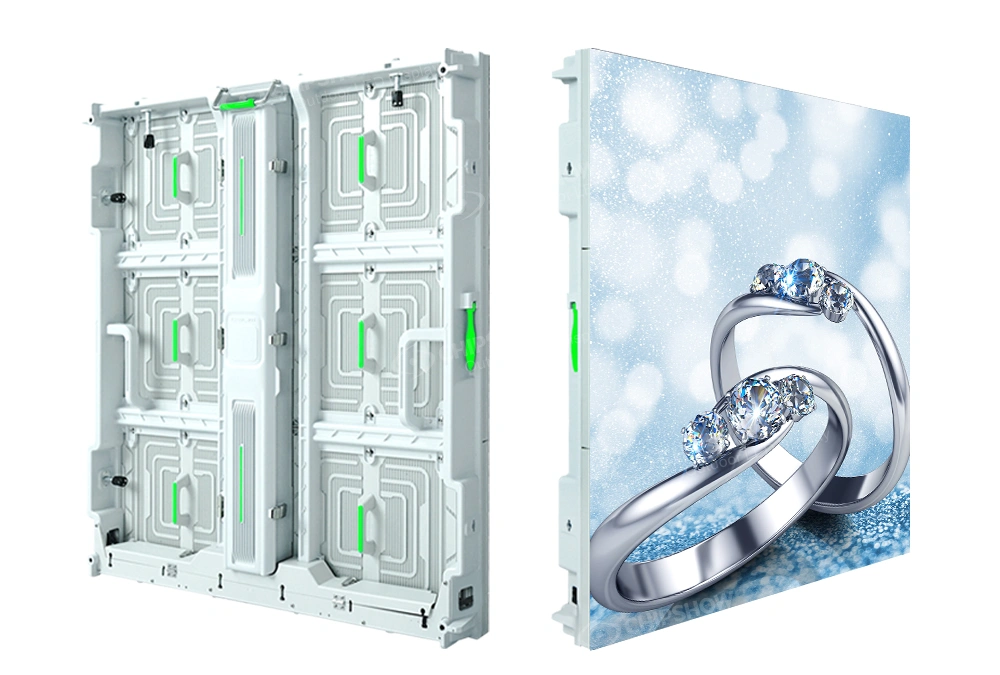
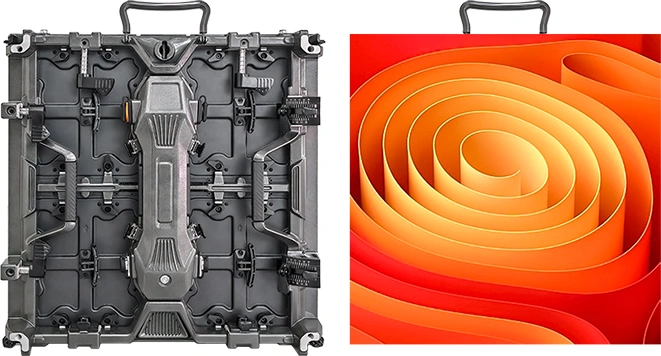
Cabinet Size & Lock System affects how fast your crew can build. The industry has largely standardized on 500×500 mm and 500×1,000 mm cabinets for indoor rental, because they pack into standard flight cases with minimal waste.
Where Are Rental LED Screens Used?
Before diving into specs, it helps to understand the full landscape. Rental LED screens serve a far wider range of applications than most people realize — and the demands differ dramatically from one to the next.
Worship & Church
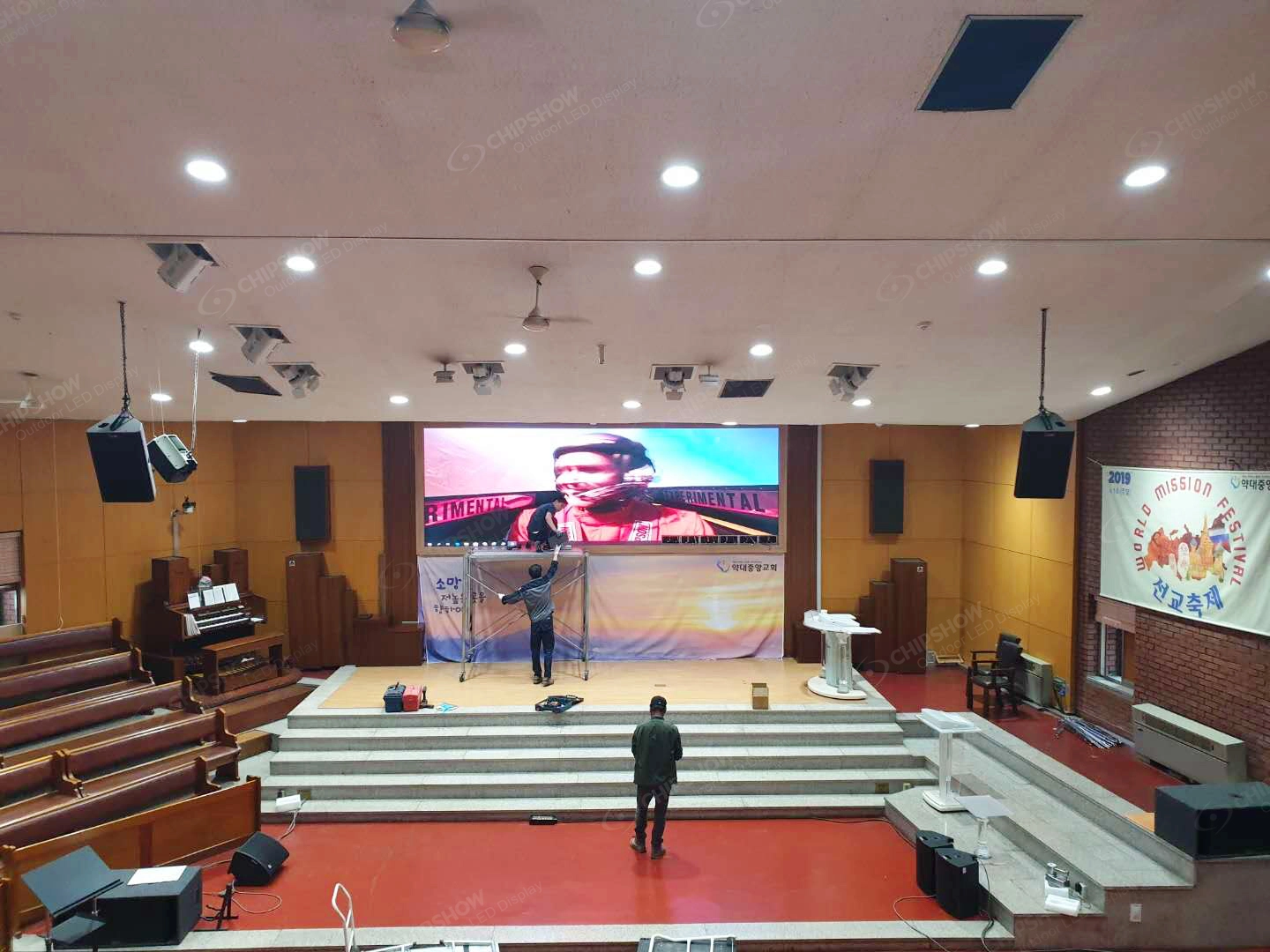
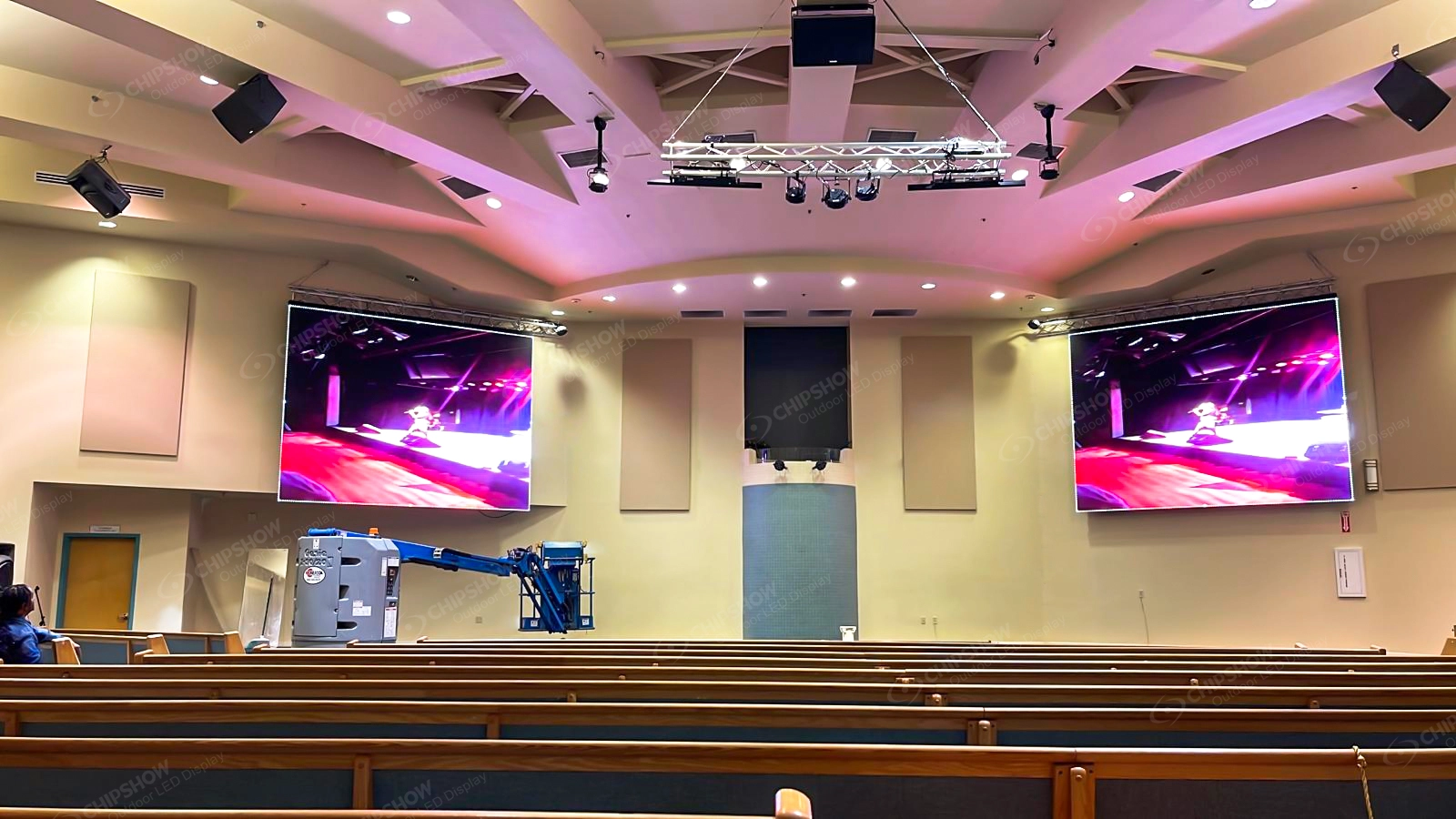
Houses of worship are one of the fastest-growing rental LED categories across North America. LED walls handle lyrics, sermon IMAG, and immersive stage design. Budget sensitivity and ease of operation are key — many churches are volunteer-run.
Corporate Event
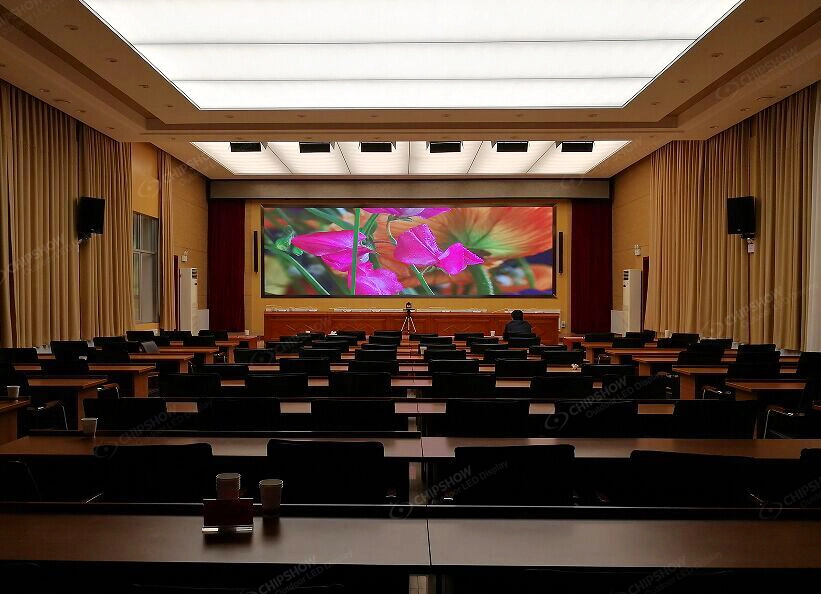
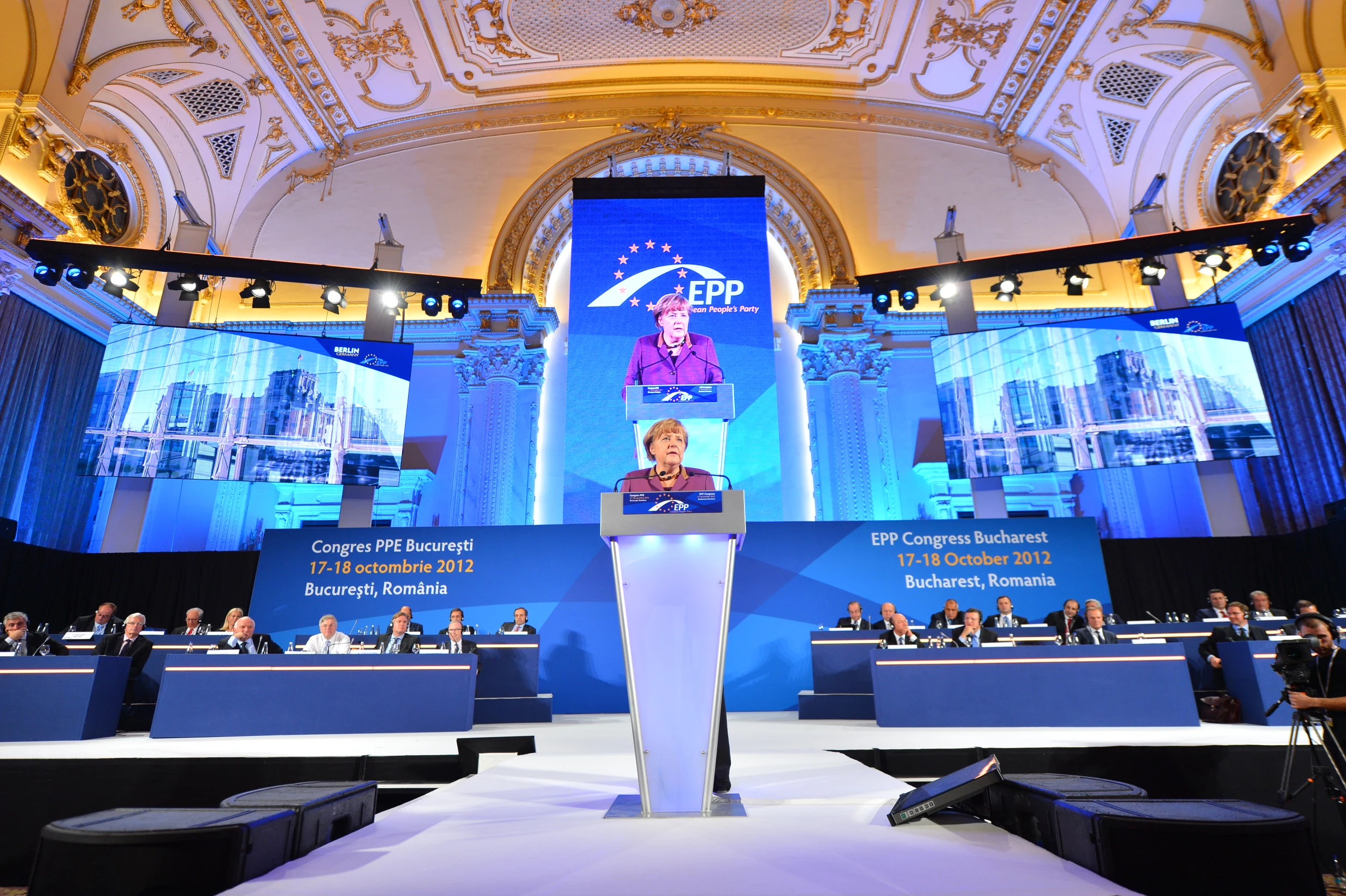
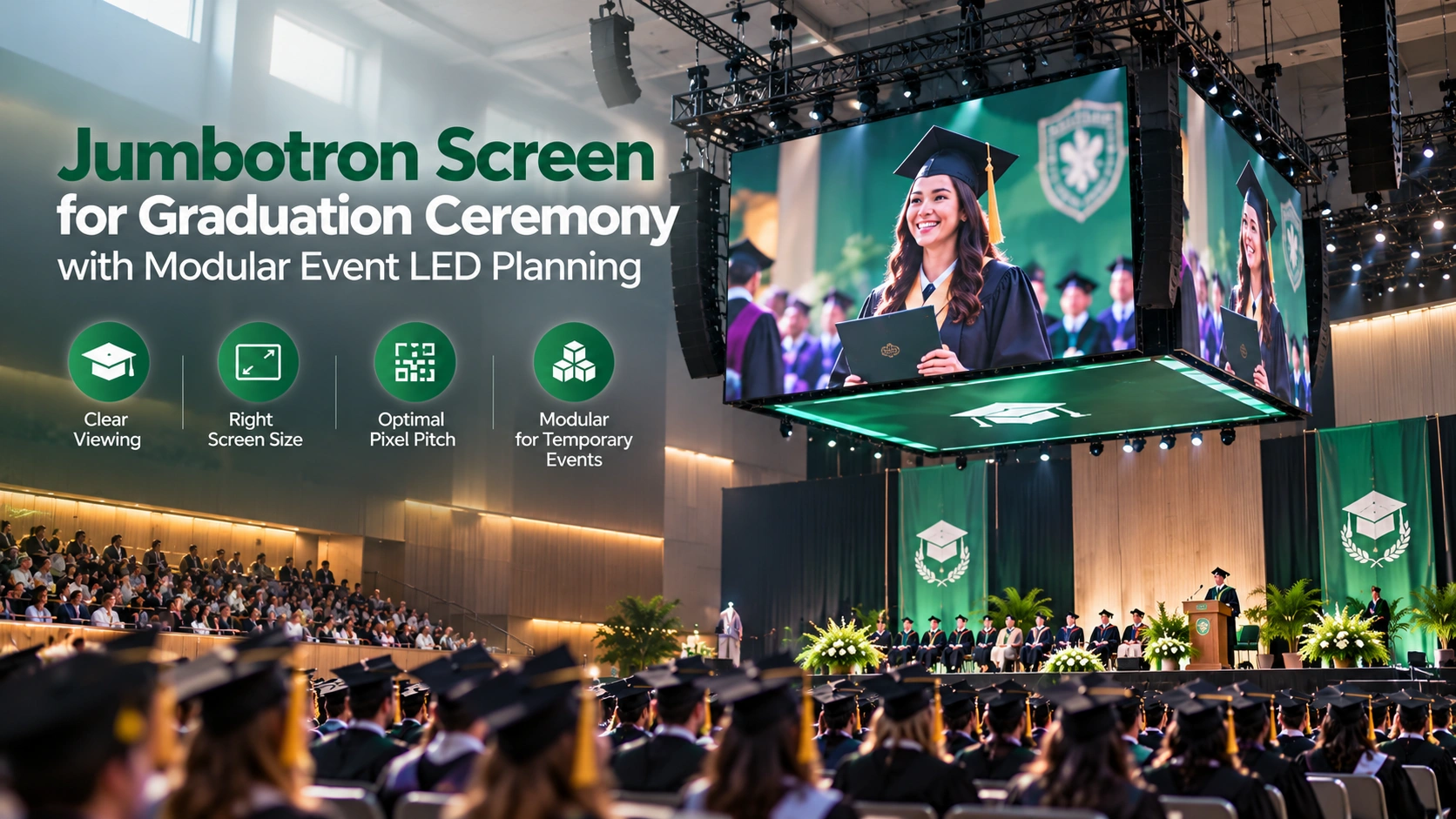
Product launches, annual general meetings, and awards galas demand fine pixel pitch and flawless on-camera reproduction. Screens are often close to the audience and covered by broadcast cameras. Refresh rate and pixel density take priority over raw brightness.
Concert & Music Festival
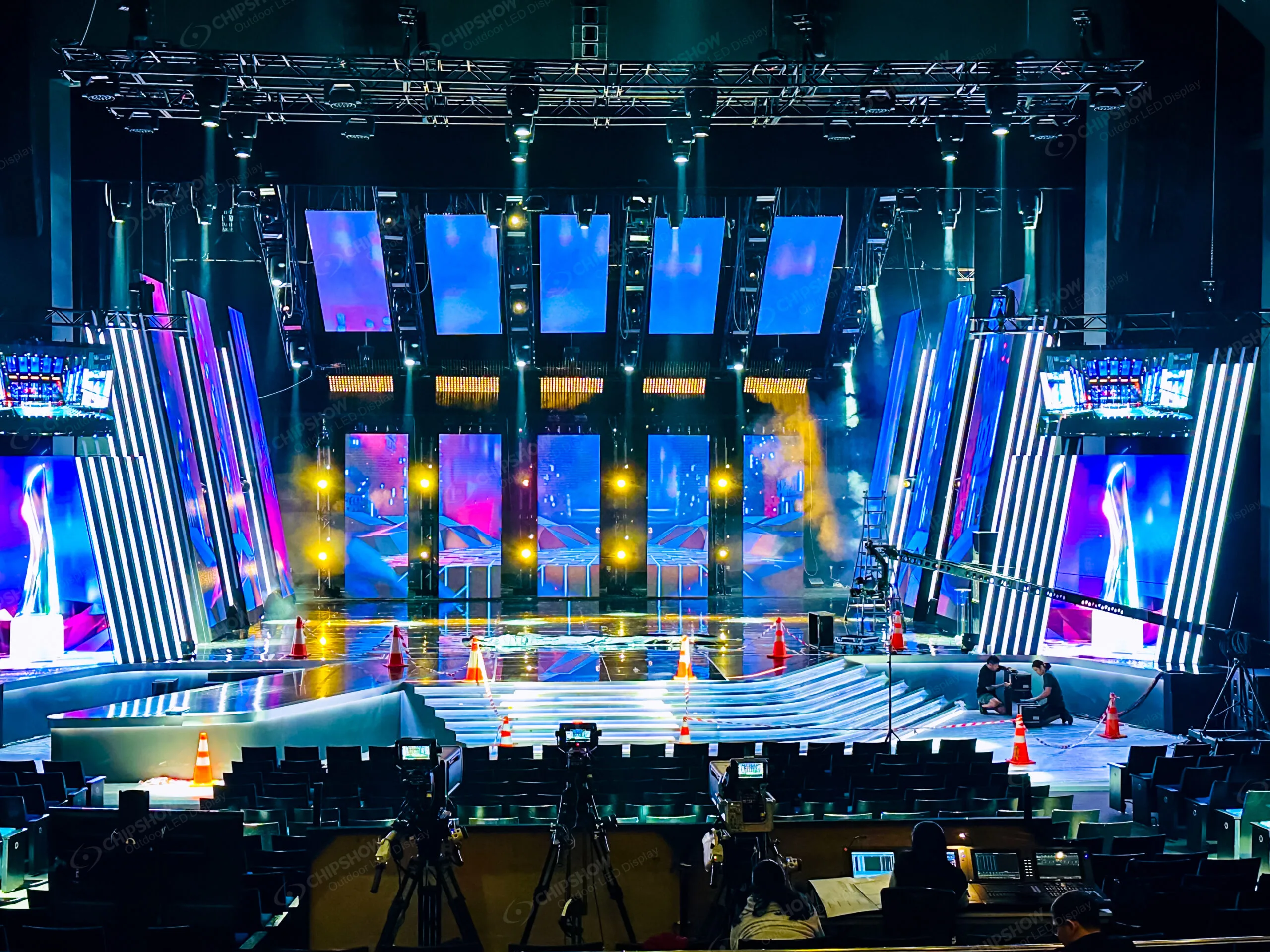
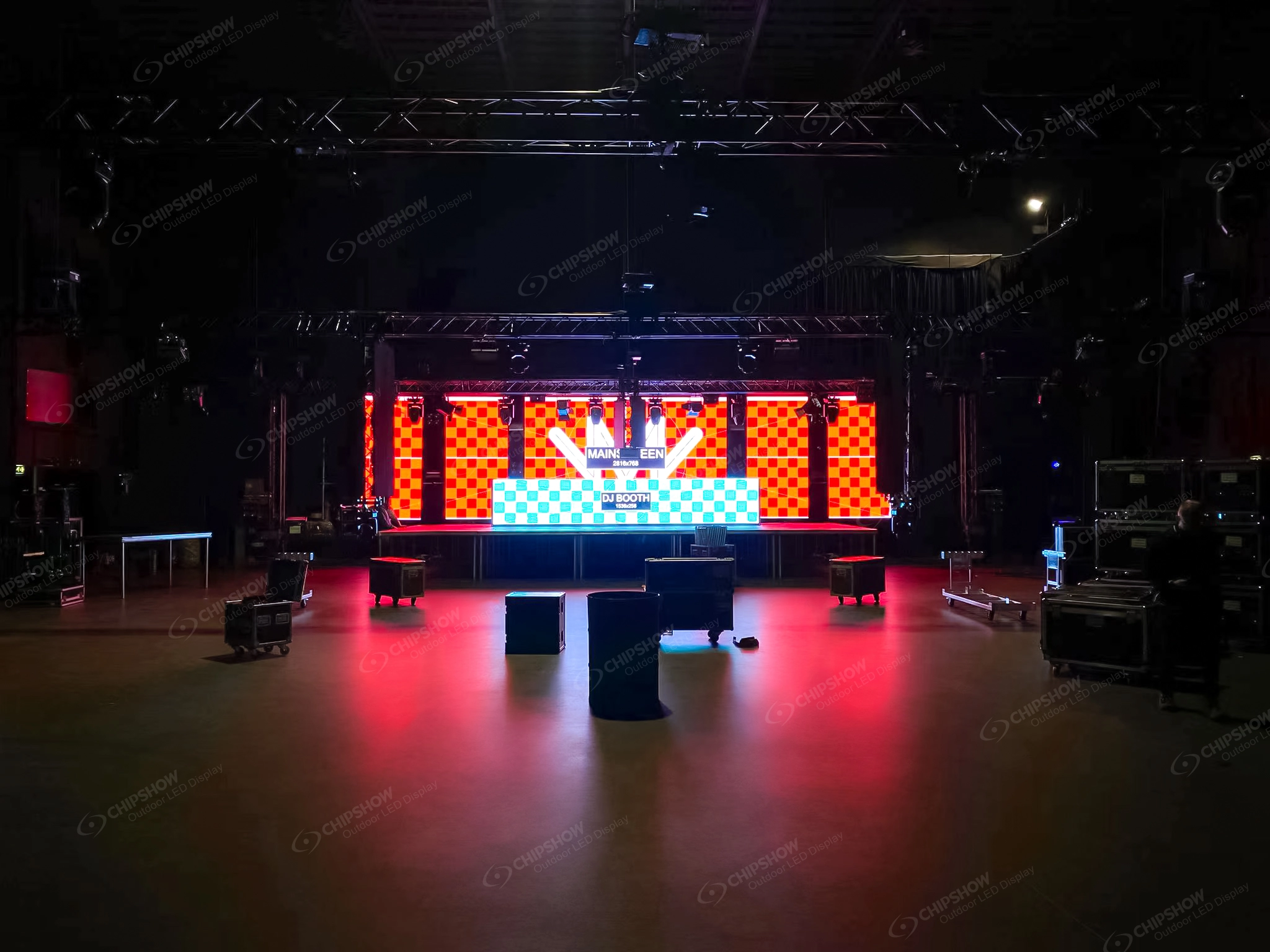
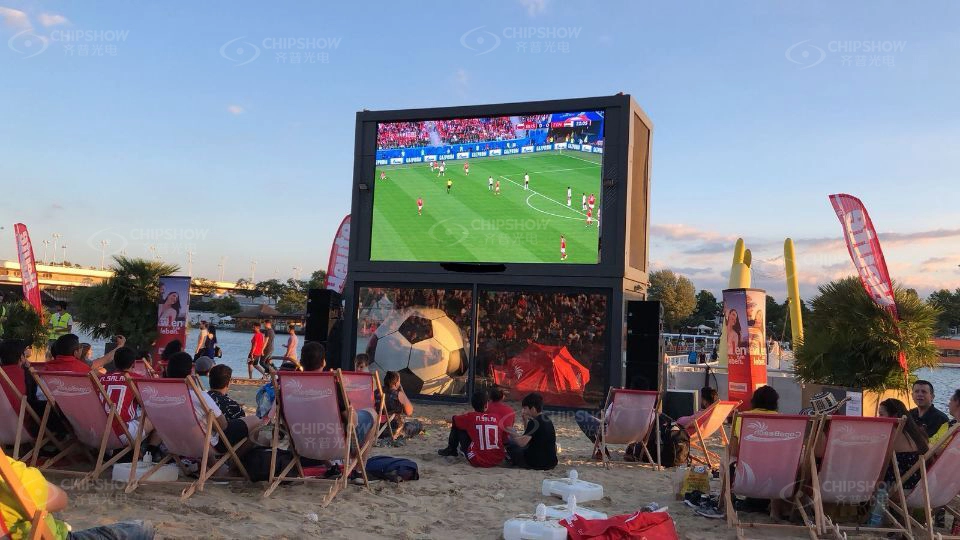
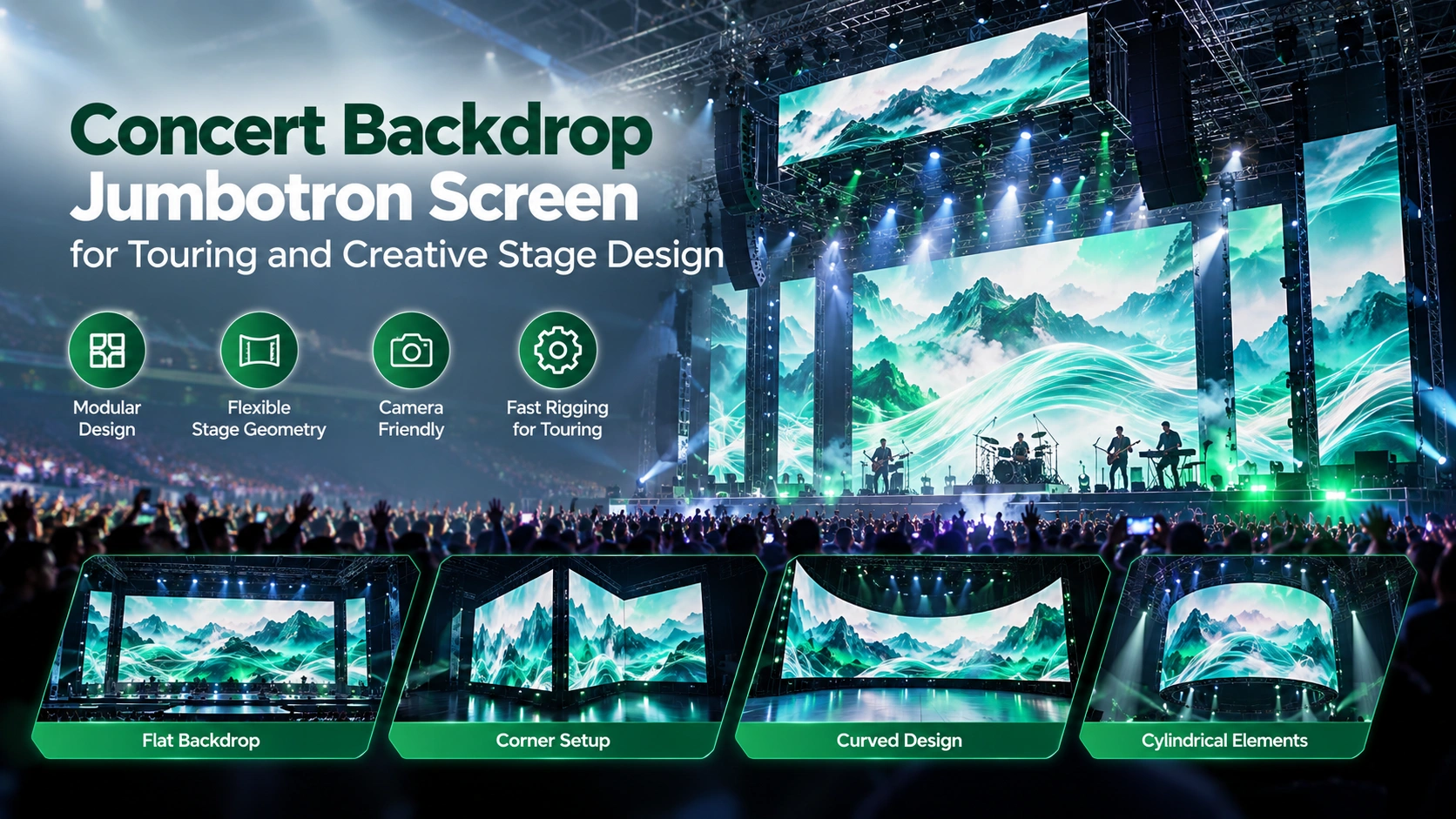
The classic large-format rental application. Large upstage video walls, side wing IMAG screens, and stage floor panels create the visual backbone of modern live music. Brightness and fast deployment are the top priorities — a US festival crew doesn’t have 12 hours to build.
Trade Show & Exhibition
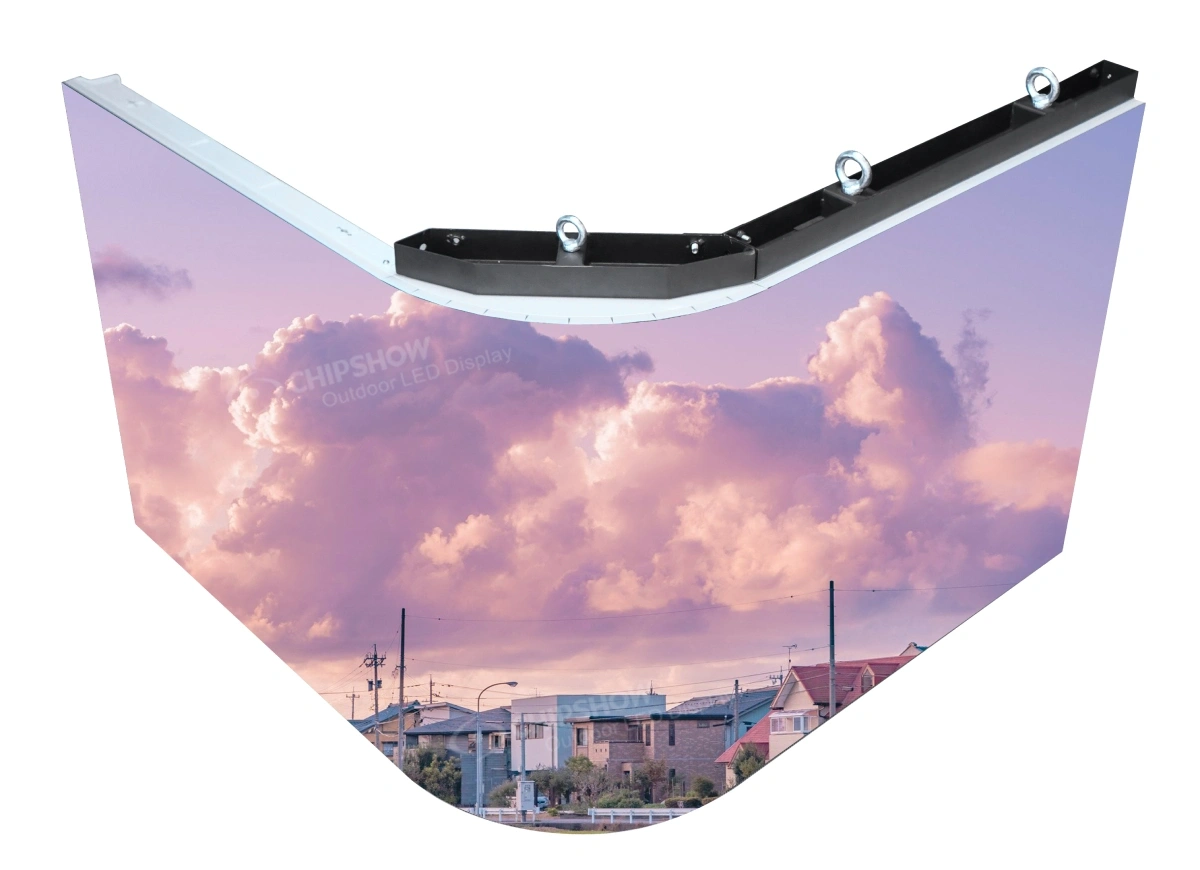
Exhibition booths use rental LED screens as attention magnets on crowded floors. Major North American shows like InfoComm (Las Vegas) and NAB drive purchasing decisions every year. Size, brightness, and curved configurations (±15° arc) matter more than ultra-fine pitch — visitors view from 5–15 m away across aisles.
Sports Event & Stadium
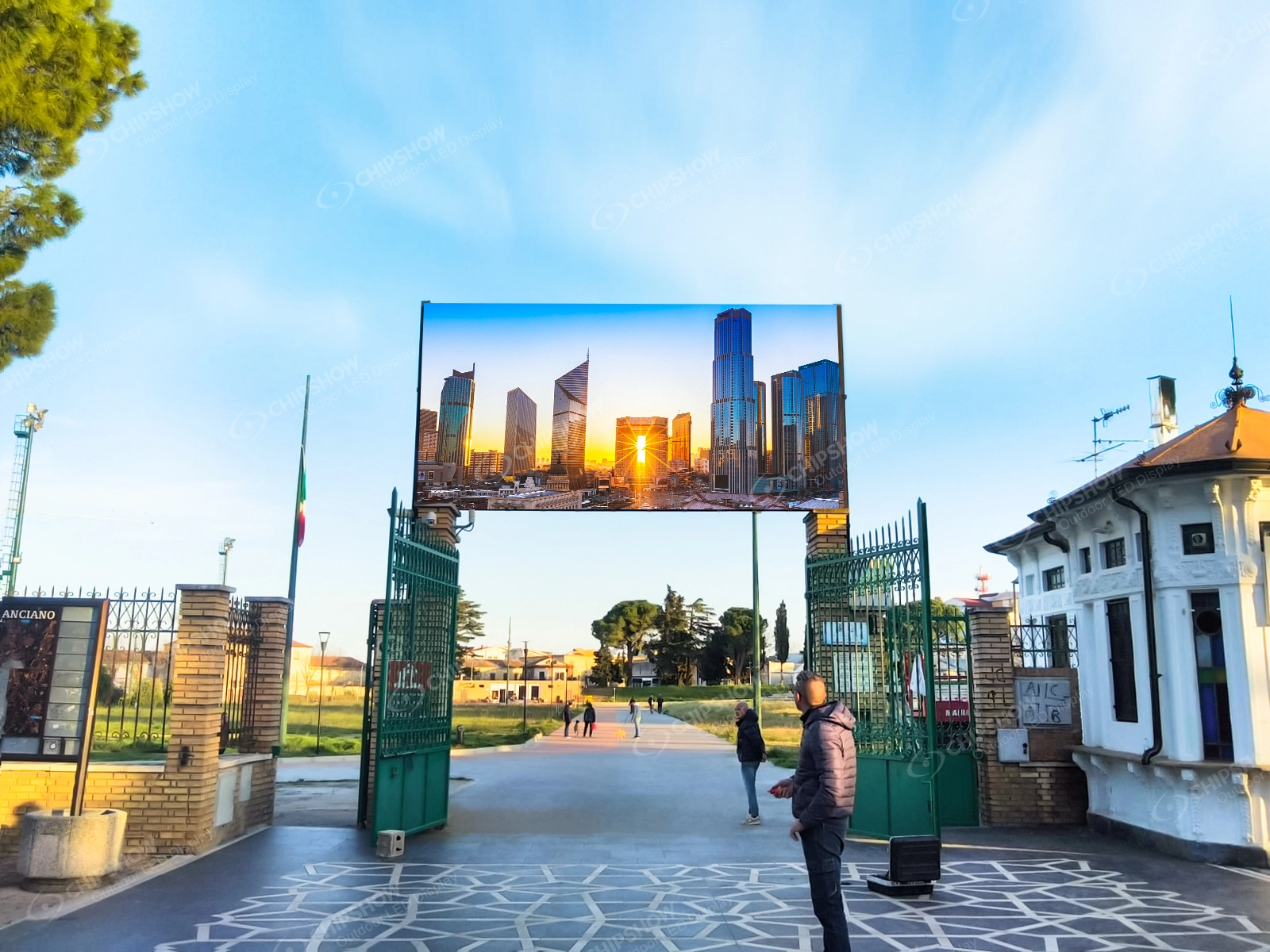
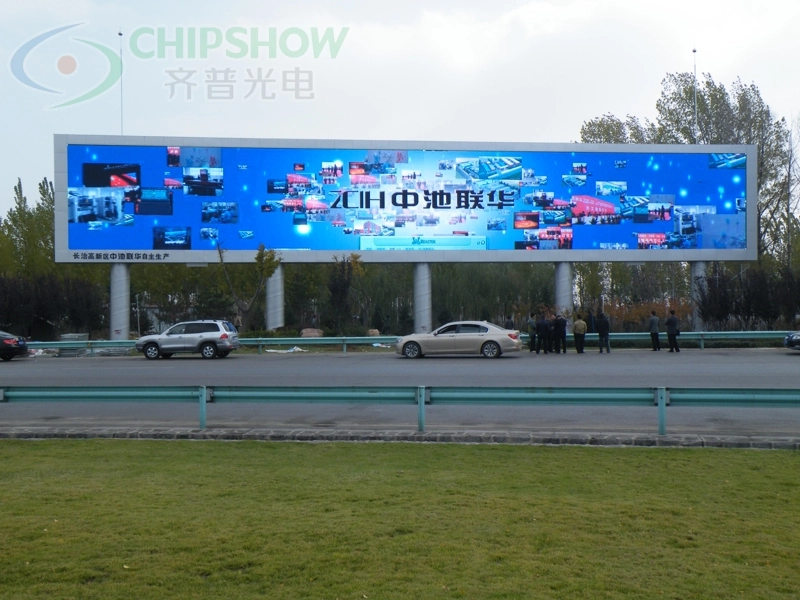
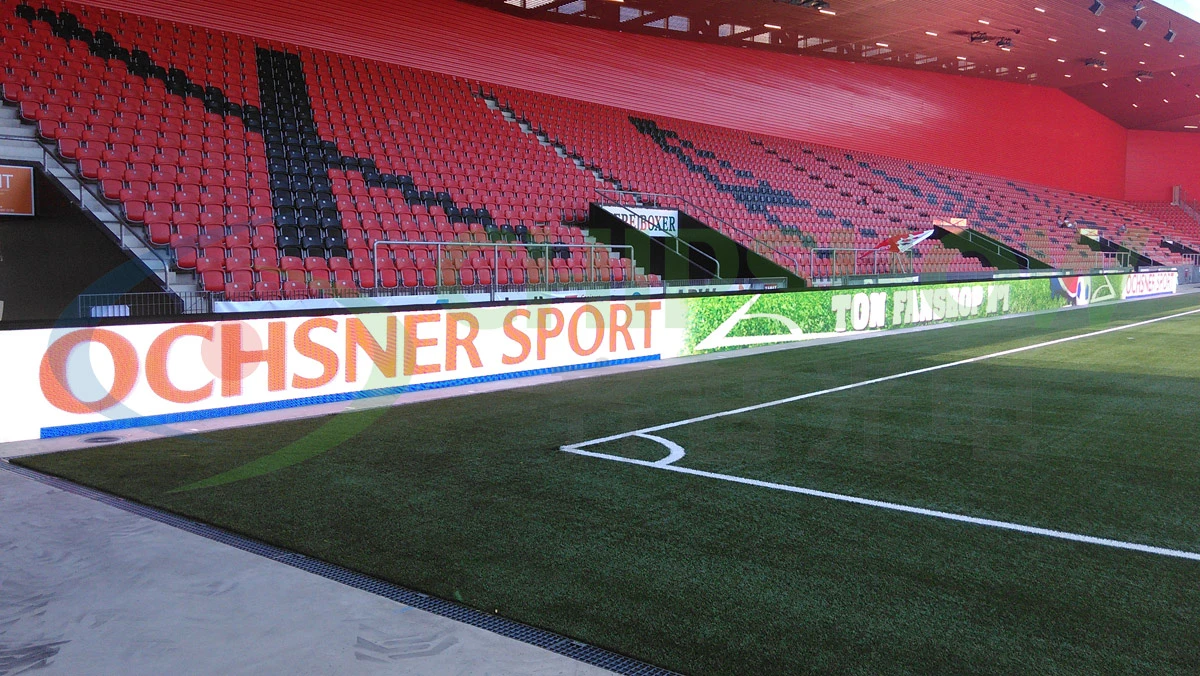
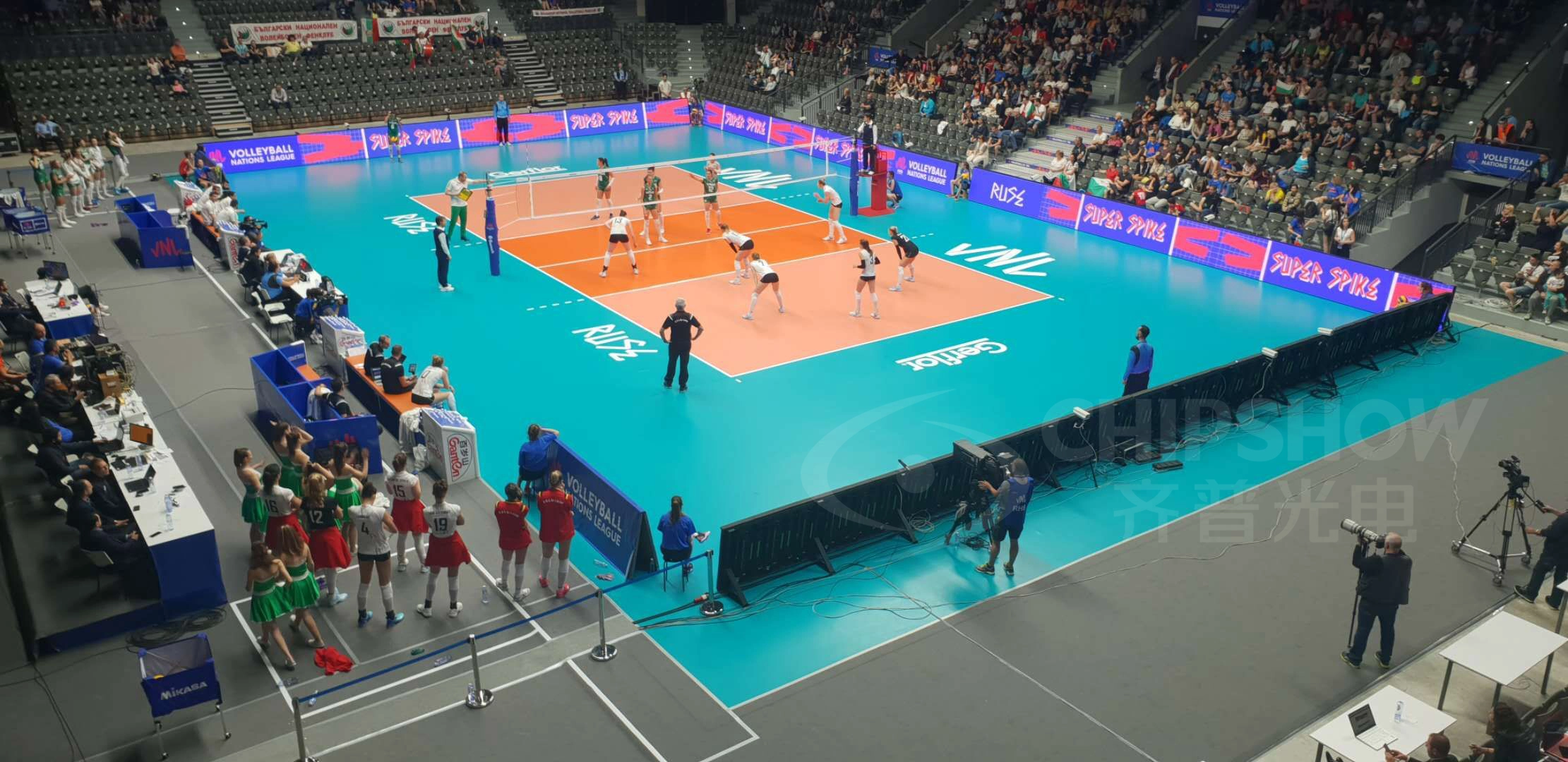
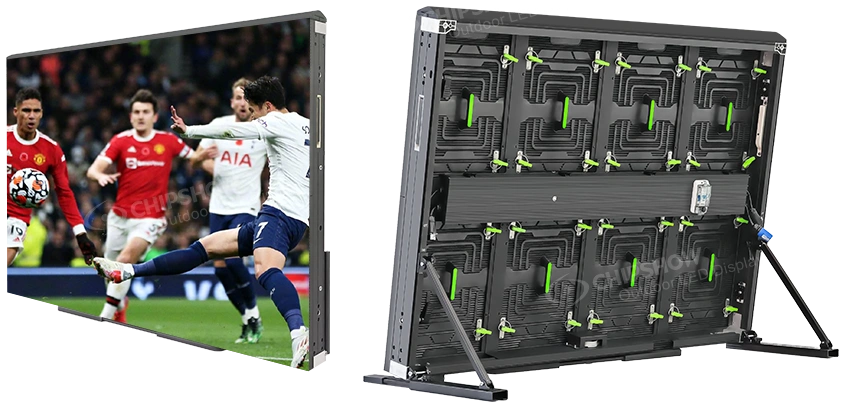
Scoreboard replacements, perimeter LED for field-side advertising, and stadium atmosphere screens. From NFL stadiums to college arenas, outdoor sports demand weatherproofing and brightness at 4,500+ nits to punch through direct sunlight.
Wedding & Private Event
Smaller-scale rental applications where lightweight cabinets and fast build/teardown make the difference between a profitable gig and a logistical headache. Moderate brightness is acceptable; portability is non-negotiable.
Each of these applications pulls the spec sheet in a different direction. Understanding where your screen will be used is the first step to narrowing down which numbers actually matter.
Rental LED Screen Specs Comparison Table
Below is a side-by-side comparison of the four primary rental LED configurations used by event producers and AV rental companies across North America.
| Spec | P2.6 | P2.97 | P3.91 | P4.81 |
| Pixel Pitch | 2.6 mm | 2.97 mm | 3.91 mm | 4.81 mm |
| Peak Brightness | 1,200–1,800 nits | 1,500–2,500 nits | 2,000–3,500 nits | 2,500–4,500 nits |
| Refresh Rate | ≥3,840 Hz | ≥3,840 Hz | ≥3,840 Hz | ≥3,840 Hz |
| Cabinet Size (standard) | 500×500 mm | 500×500 mm | 500×500 mm / 500×1,000 mm | 500×500 mm / 500×1,000 mm |
| Arc Adjustment | ±15° | ±15° | ±15° | ±15° |
| FCC / UL Certified | ✅ Yes | ✅ Yes | ✅ Yes | ✅ Yes |
| Best For | TV studio / close-up broadcast | Corporate event / conference | Concert stage / indoor festival | Large outdoor festival / sports stage |
P2.6 vs P2.97 — When Fine Pitch Makes Sense
The jump from P2.97 to P2.6 is smaller than many rental companies expect, but it carries a meaningful cost premium. When does it pay off?
Choose P2.6 when:
- You’re supplying a broadcast TV studio or a live streaming setup where cameras will be within 2–3 m of the screen
- The event brief specifies “broadcast-grade” quality or 4K content display
- The seating extends from 2 m to 6 m (P2.97 starts to struggle below 3 m)
- Moiré-free on-camera appearance is a hard requirement
Choose P2.97 when:
- Viewing distances are reliably 3 m and beyond
- The event is corporate: product launch, conference keynote, awards ceremony
- Budget pressure is real and the image quality difference won’t be visible to a live audience beyond 3 m
- You want a fine-pitch option that’s easier to stock and service
For most general rental inventory, P2.97 is the workhorse. P2.6 earns its place for high-value broadcast and studio clients.
P3.91 vs P4.81 — The Stage Rental Workhorses
P3.91 and P4.81 are the backbone of the North American stage rental market. They’re cost-effective, durable, and designed for fast deployment at scale.
P3.91 — the all-rounder: P3.91 hits the sweet spot for most indoor festivals, concert stages, and corporate gala events. At a minimum viewing distance of around 3.9 m, it covers the majority of live-event seating arrangements. It’s bright enough (up to 3,500 nits) to hold its own under moderate stage lighting and punchy enough for LED video walls that double as content displays.
Typical P3.91 deployment: a 12 m × 4 m upstage LED wall at a 1,500-capacity venue. Audience is seated from 5 m to 40 m — P3.91 delivers clean, sharp imagery across that entire range.
P4.81 — the outdoor and large-format choice: When you’re building an 80 m² LED wall for an outdoor festival stage with audiences from 8 m to 100+ m, P4.81 cuts costs without sacrificing visible quality. The 4,500-nit peak brightness handles daylight and stage wash without dimming. Fewer pixels per m² also means less heat load — relevant for all-day outdoor festival builds across the US summer festival circuit.
One caveat: if there’s any chance of the screen being used close-up (IMAG confidence monitors, backstage relays for artists), keep a few P2.97 or P3.91 panels in the inventory as supplements.
Weight Is the Hidden Cost — Why Carbon Fiber Changes the Math
A standard aluminum rental cabinet weighs 15–18 kg/m². That doesn’t sound dramatic until you’re rigging a 60 m² upstage LED wall:
| Cabinet Type | Weight/m² | Total (60 m²) | Rigging Crew Hours (est.) |
| Standard aluminum | 17 kg | 1,020 kg | 6–8 hours |
| Chipshow C-Carbon carbon fiber | 12.5 kg | 750 kg | 3–5 hours |
| Difference | –4.5 kg | –270 kg | –2–3 hours |
270 kg less payload means:
- Faster rig and de-rig
- Lower load per truss section, reducing structural engineering requirements for rigged venues
For US-based rental companies doing 80–120 shows per year, crew labor savings compound fast. The premium for carbon-fiber cabinets typically pays back within 12–18 months of active rental use.
Chipshow’s C-Carbon cabinets use aerospace-grade carbon-fiber composite construction to achieve 12.5 kg/m² across the P2.6, P2.97, P3.91, and P4.81 lineup — all at the same 500×500 mm standard cabinet size.
How to Choose the Right Rental LED Screen for Your Application
Use this decision tree before your next quote:
Step 1: Establish minimum viewing distance What’s the closest seat or camera position to the screen? That distance (in meters) divided by 1,000 gives your maximum acceptable pixel pitch (in mm). Round down to the next available spec.
Step 2: Check ambient light
- Controlled indoor (dim): P2.6 or P2.97 at 1,200–1,800 nits is sufficient
- Mixed indoor (stage wash): P3.91 at 2,000–3,500 nits
- Outdoor daytime / festival: P4.81 at 3,500–4,500 nits minimum
Step 3: Confirm refresh rate requirement Is this broadcast or live-streamed? If yes, specify ≥3,840 Hz across all panels. If it’s a live audience only (no cameras), 1,920 Hz is acceptable.
Step 4: Calculate weight allowance Total rigging capacity ÷ screen area = kg/m² budget. Verify against your cabinet spec before committing.
Step 5: Cabinet size and arc compatibility
- Standard venue with flat wall: 500×500 mm or 500×1,000 mm both work
- Curved stage design: confirm ±15° arc adjustment on the cabinet you’re quoting
Step 6: Get the technical data sheet before committing A spec sheet with verified brightness, refresh rate, weight, and cabinet dimensions should be a non-negotiable part of any rental LED screen quote. Ask for it. If a supplier hesitates, that’s a red flag.
Frequently Asked Questions
Q1: How does refresh rate affect camera recording?
Cameras operating at 1/50 or 1/100 sec shutter speed can create visible scan-line banding when recording a screen running at less than 1,920 Hz. At ≥3,840 Hz, banding disappears completely on both photo and video. Always specify high refresh rate for any broadcast or content-capture application.
Q2: Is a carbon-fiber cabinet worth the price premium for occasional-use rental inventory?
For inventory used fewer than 20 shows per year, the ROI timeline extends beyond 3 years — the premium may not justify itself. For active rental fleets doing 50+ shows annually, crew labor savings and reduced rigging hardware costs typically offset the premium within 12–18 months. US rental companies with high-volume summer festival schedules benefit the most.
Q3: Do Chipshow rental LED screens meet FCC requirements for use at US events?
Yes. All Chipshow rental products sold in the US market carry FCC and UL certification. Documentation is provided with every order for venue and event compliance requirements.
Q4: What pixel pitch should I specify for a church LED wall application?
For a typical worship space where the front row is 4–8 m from the screen, P2.97 or P3.91 is the right range. P2.97 is preferred for smaller sanctuaries (under 400 seats) with close-up viewing; P3.91 works well for larger auditoriums. Both run at ≥3,840 Hz for clean live-stream capture.
Conclusion
Rental LED screen comparison comes down to five numbers: pixel pitch, viewing distance, brightness, refresh rate, and weight. Get those five right and most of the other variables fall into place.
The P2.97 and P3.91 configurations handle the majority of North American event and rental use cases. P2.6 earns its place in broadcast and studio environments. P4.81 scales to large outdoor footprints without blowing the rigging budget.
If you’re building or expanding a rental inventory and want to compare exact configurations against your upcoming event brief, speak to a Chipshow US specialist for a side-by-side quote with verified specs, current lead times, and US local warehouse availability.
Ready to scope your sign? The USA LED sign selector walks through viewing distance, format and layout in one pass.