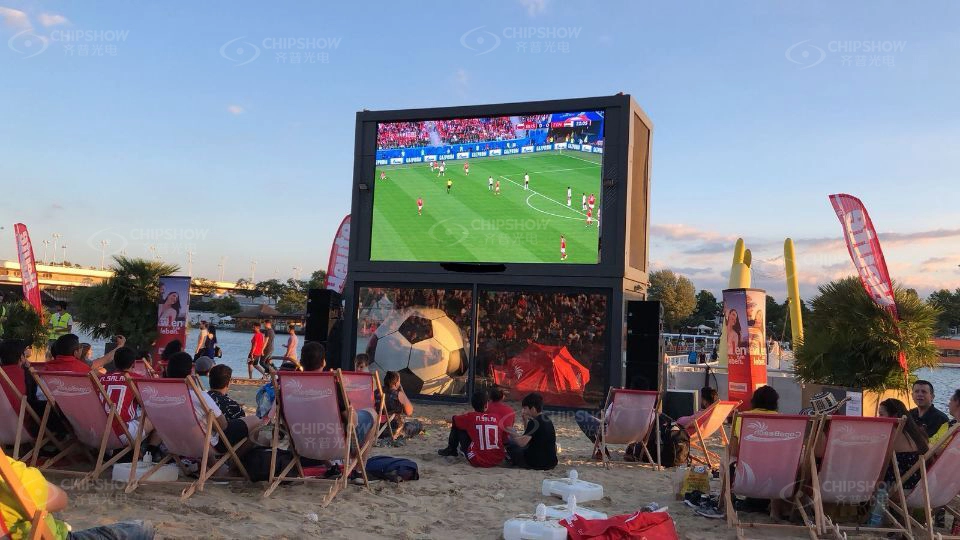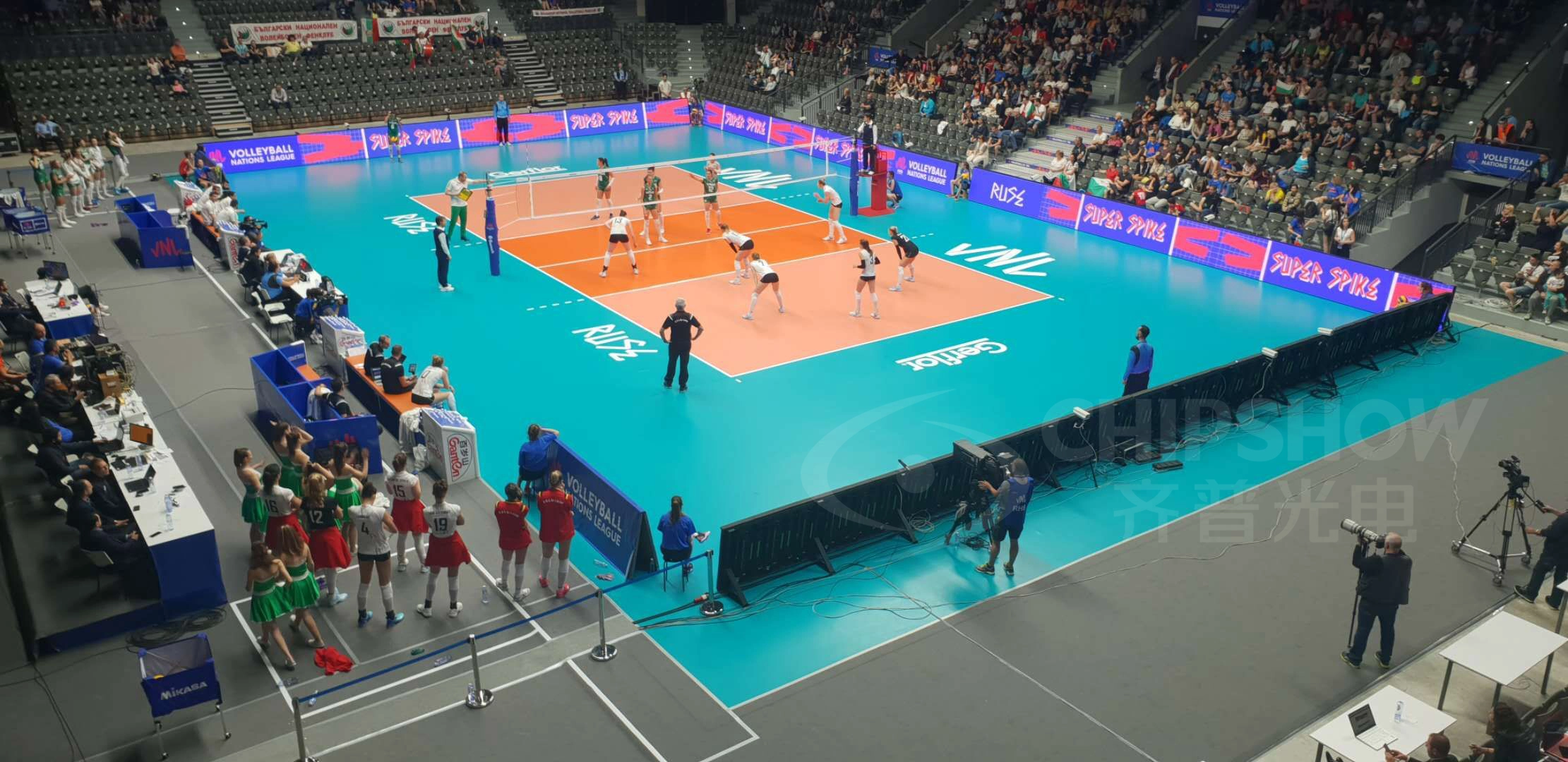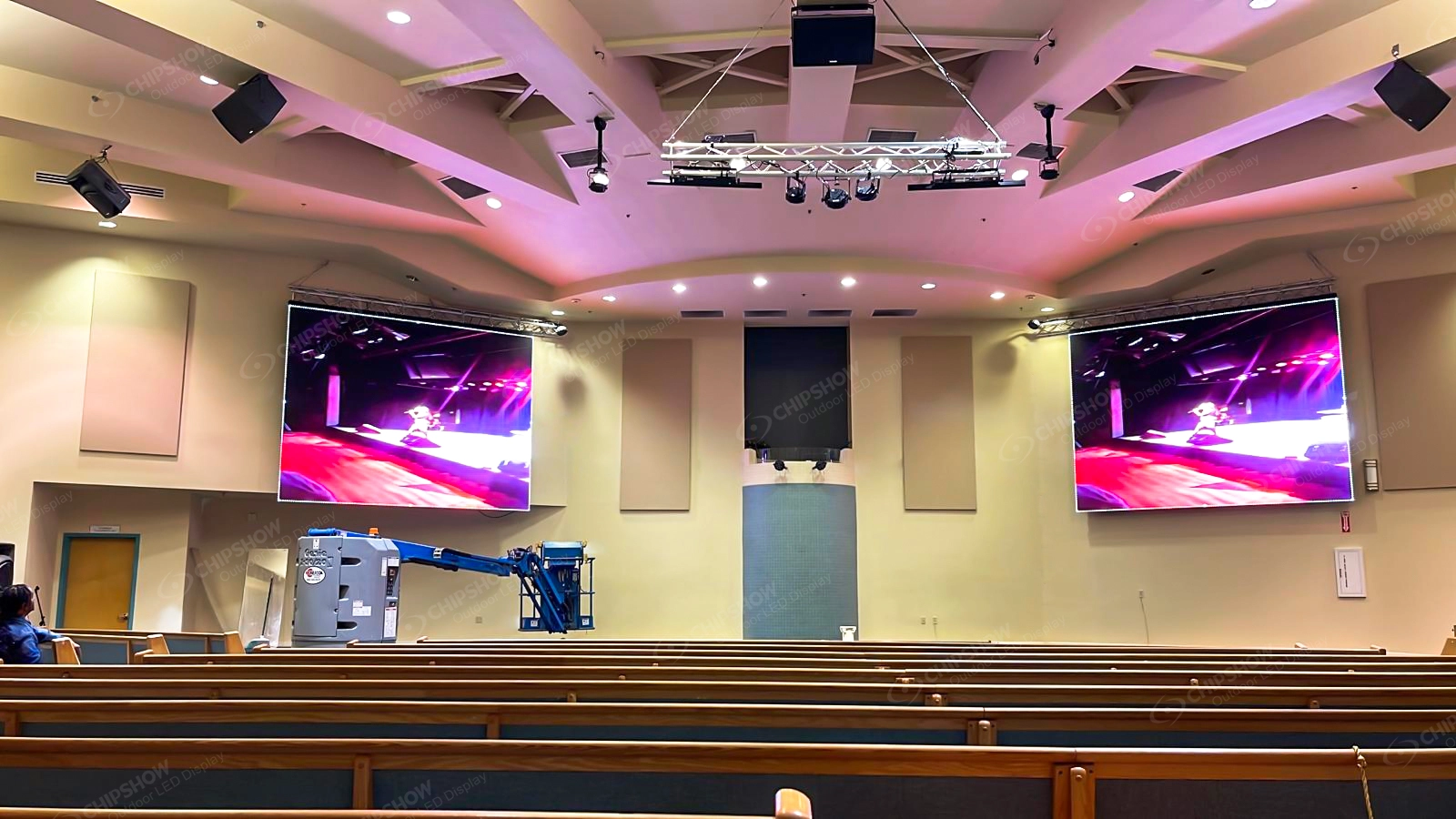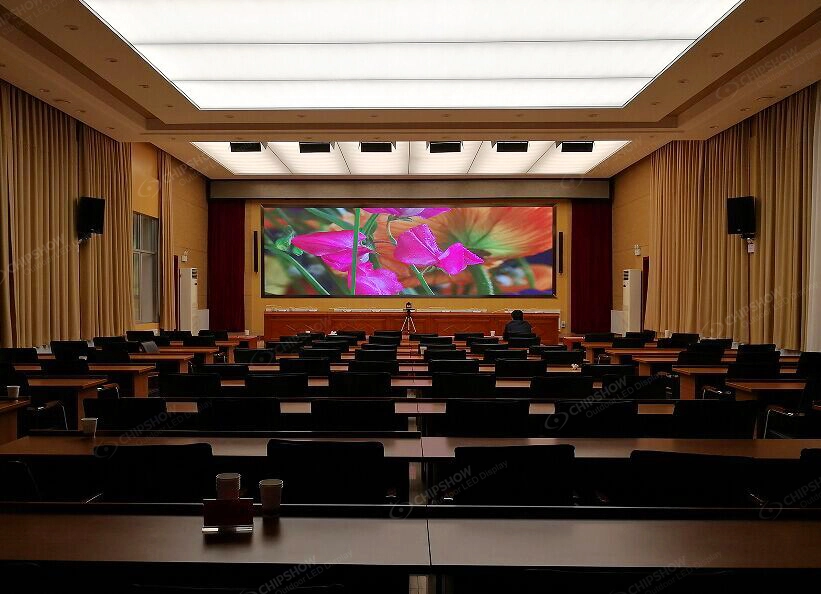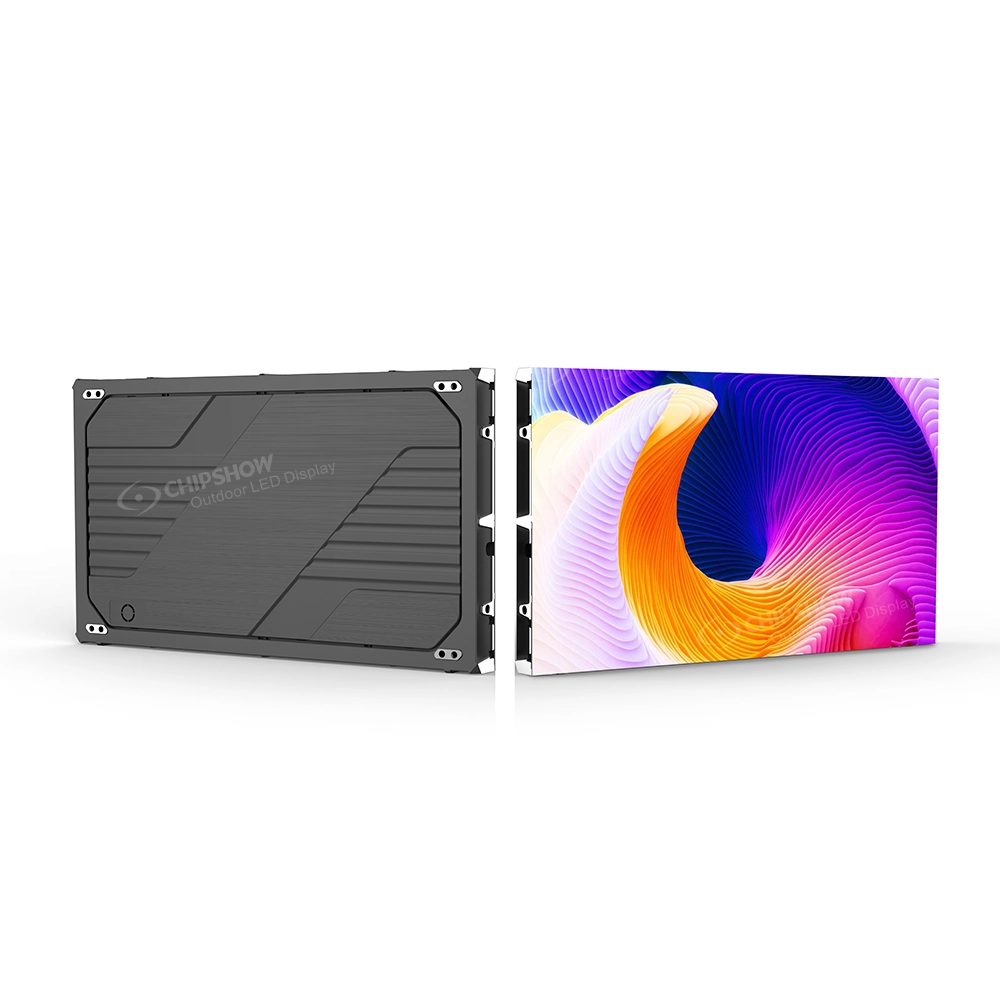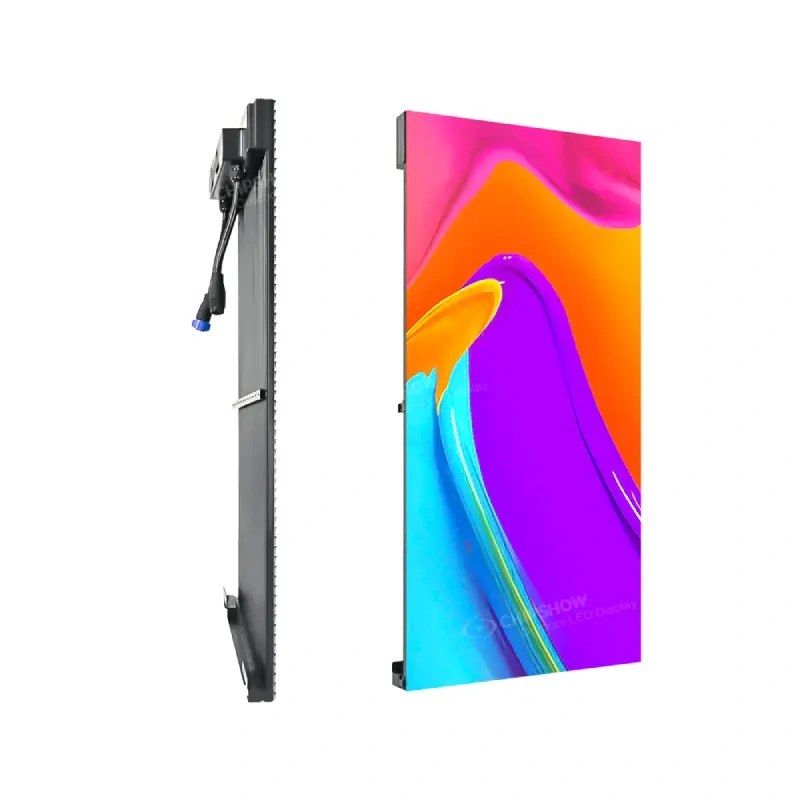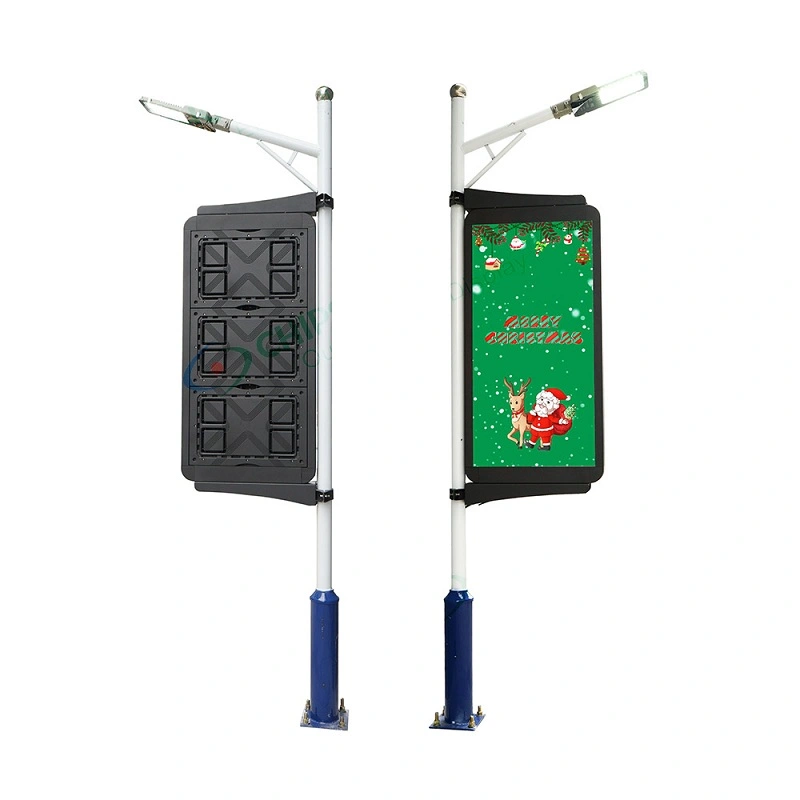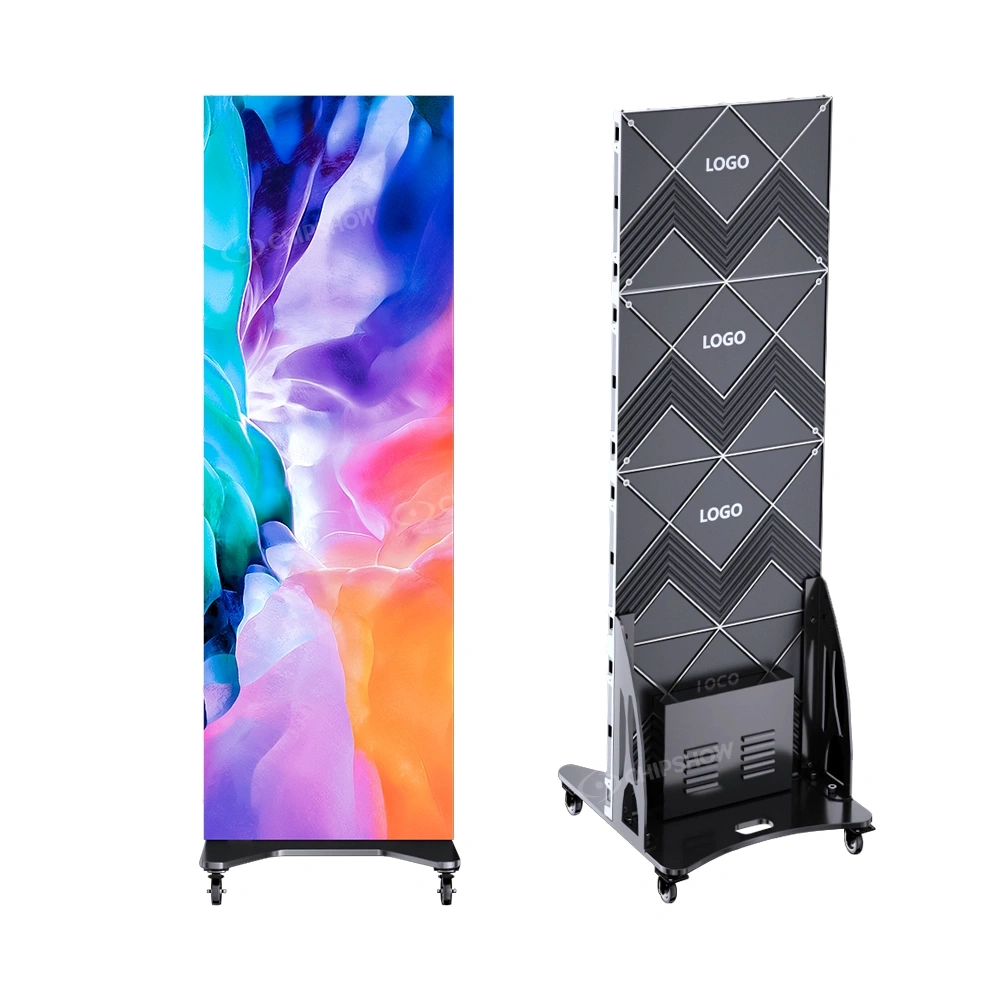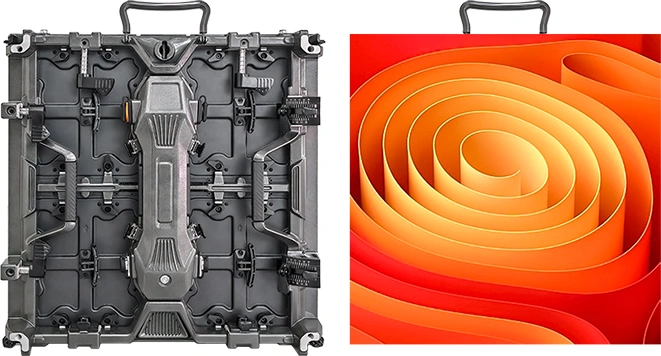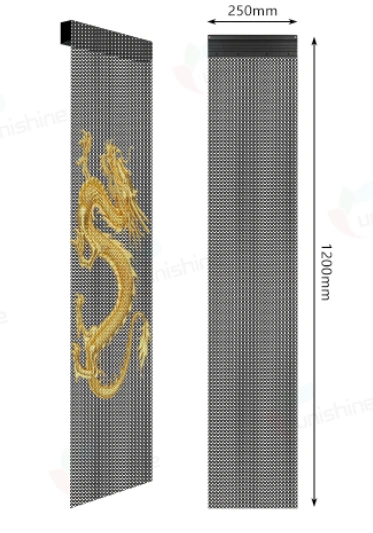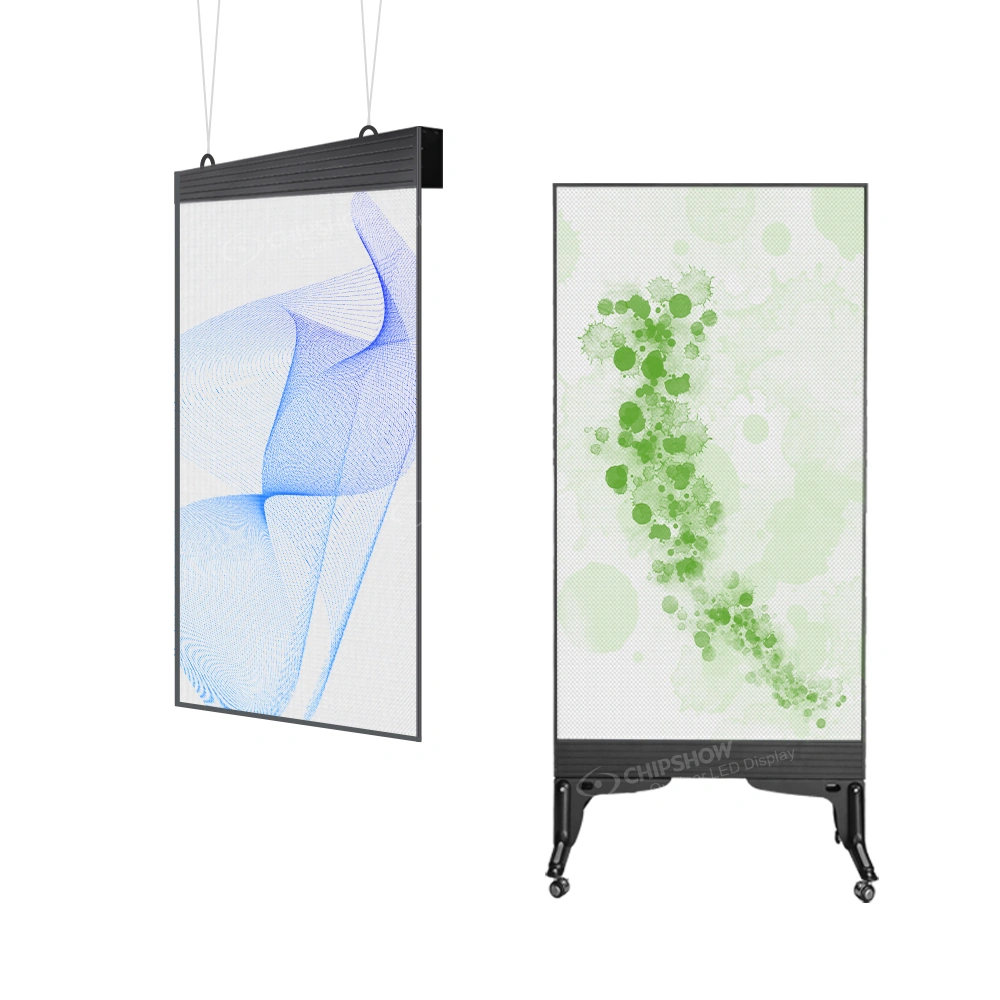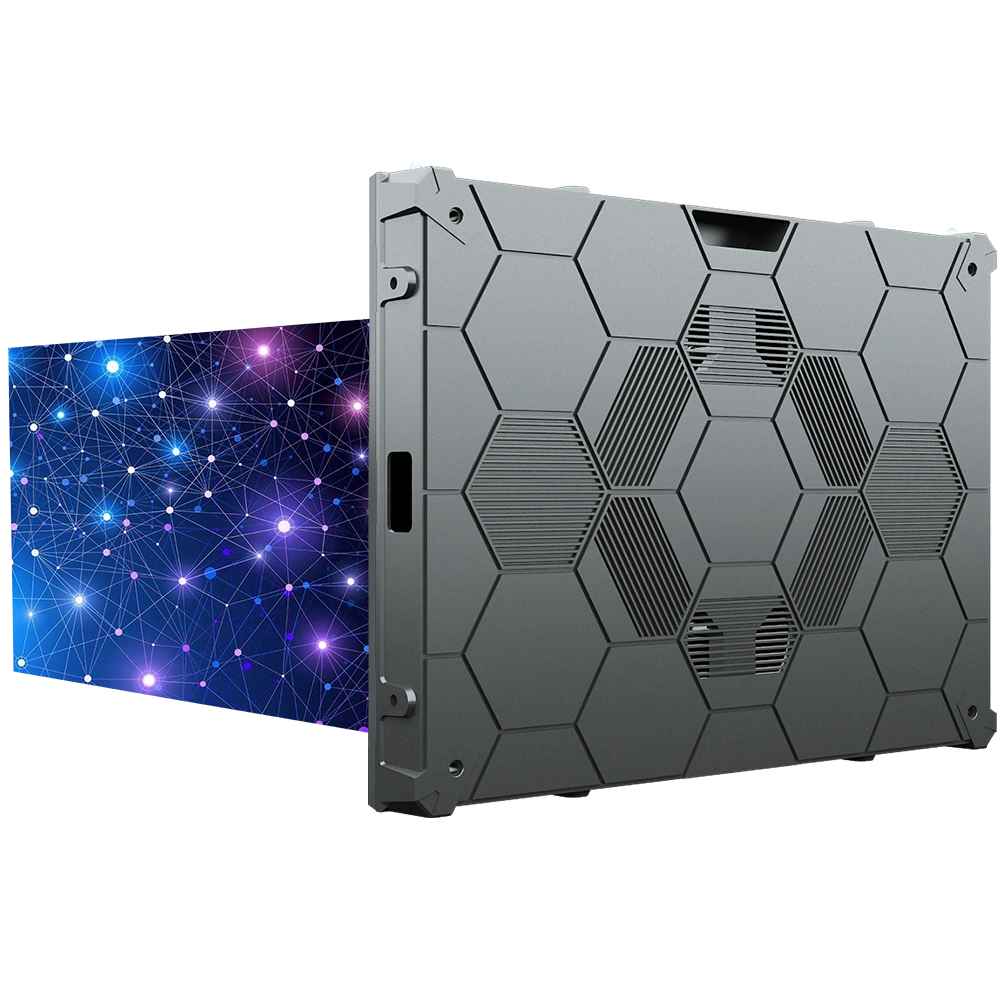
Selecting the perfect digital canvas is a high-stakes decision that defines the success of your visual communication strategy. For architects, retail magnates, and DOOH operators, the choice between an indoor or outdoor configuration involves far more than simply deciding where the screen will stand. Choosing the wrong hardware can lead to catastrophic results, ranging from invisible displays under direct sunlight to premature hardware failure due to environmental moisture.
Not sure which pitch or cabinet format fits your build? Run the requirements through the Chipshow USA LED sign selector to shortlist signs by nearest viewer and sign opening before requesting a quote.
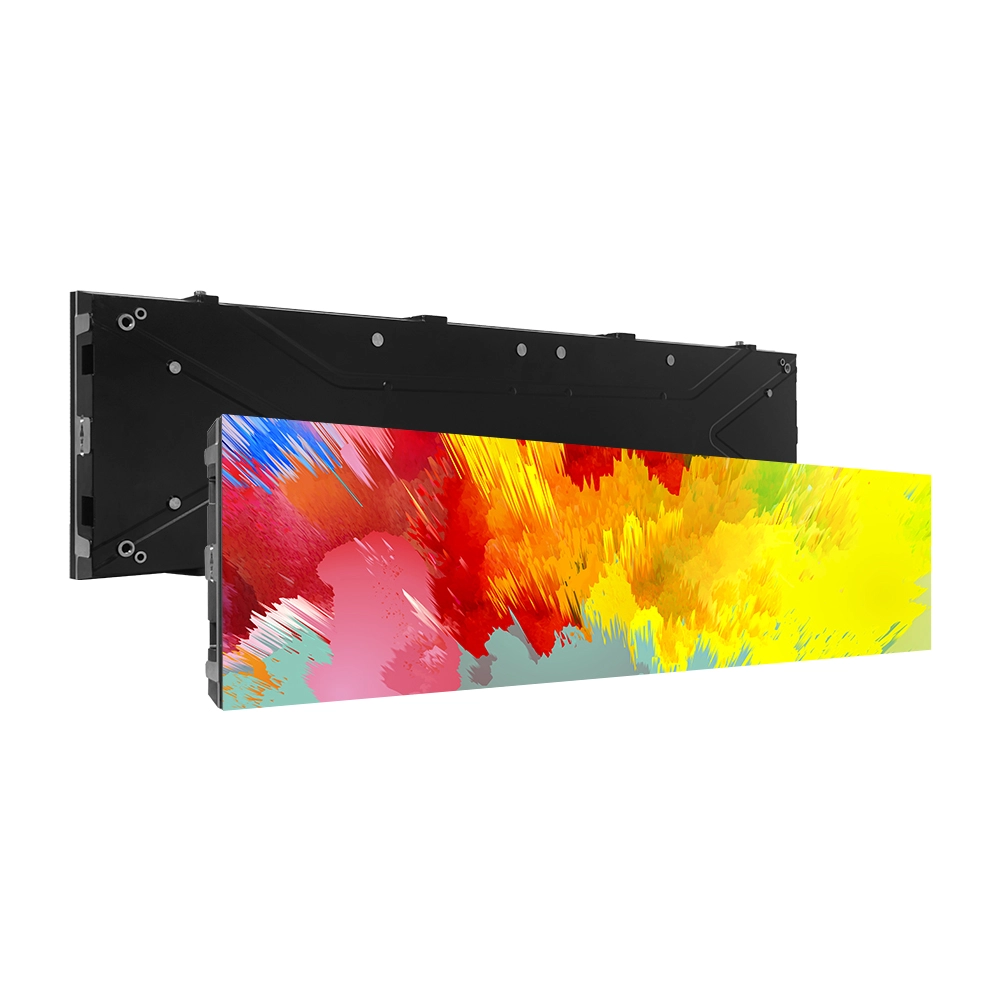
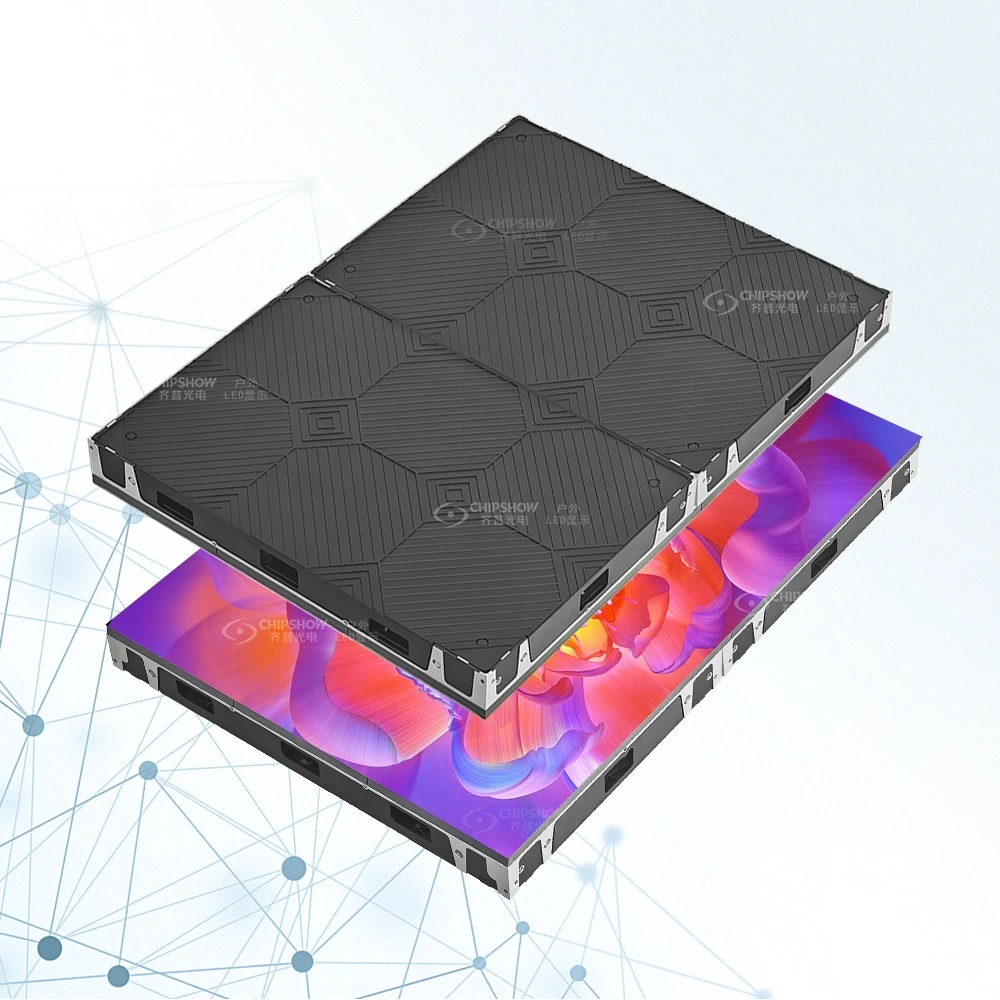
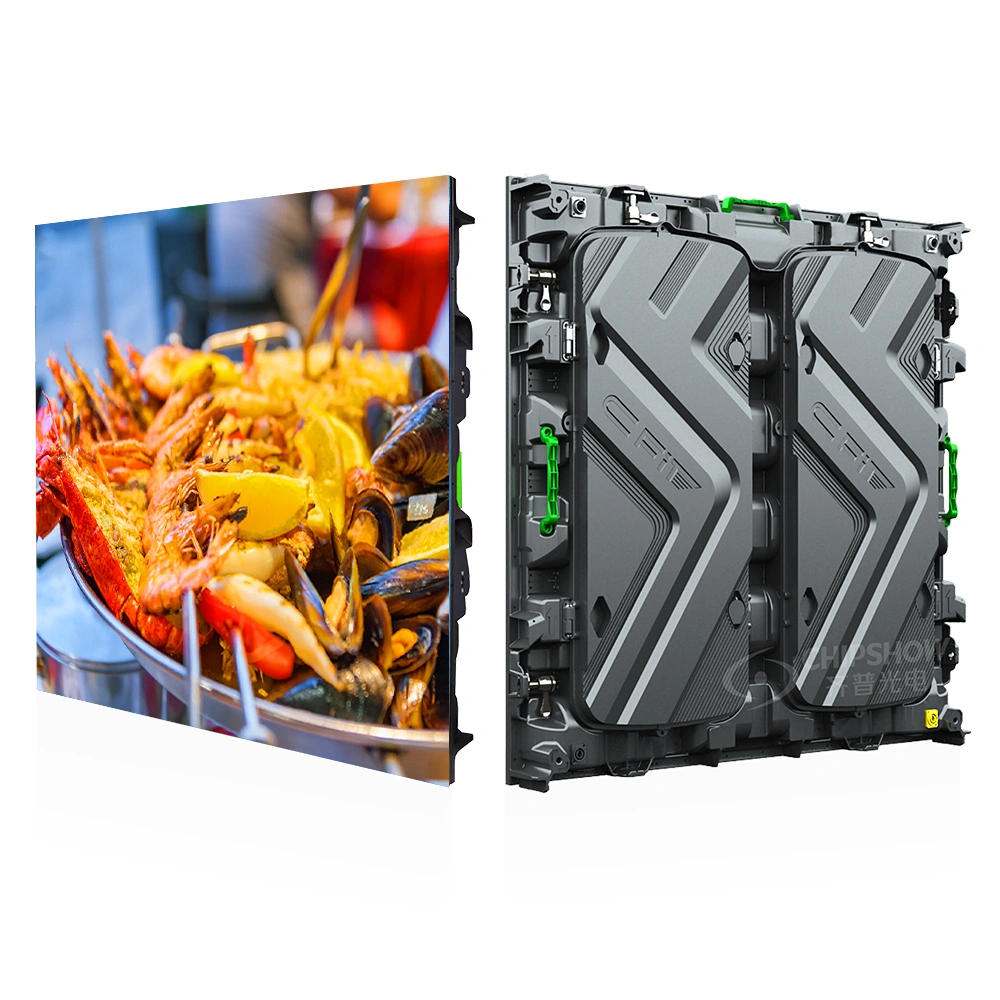
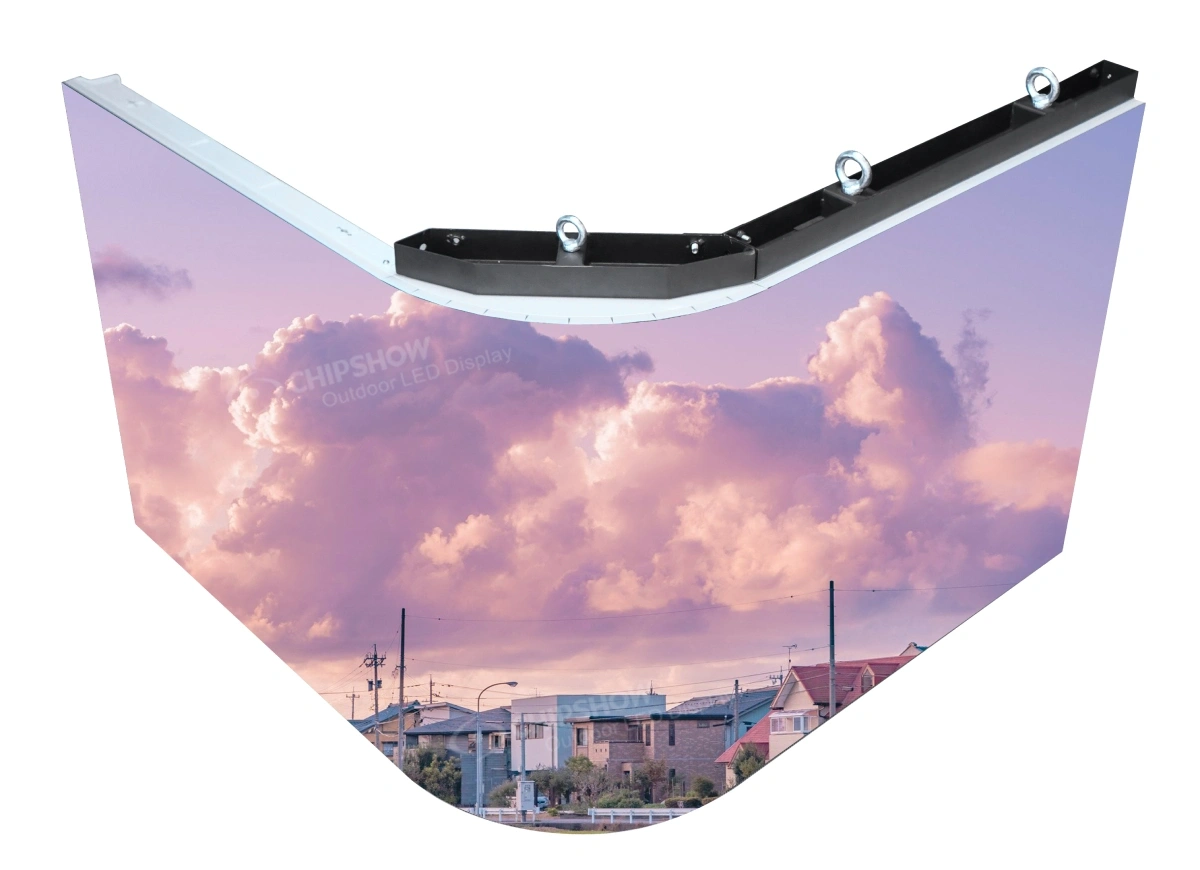
Understanding the fundamental indoor vs outdoor LED screen differences is the first step in protecting your investment and ensuring your message resonates with clarity. With over 25 years of manufacturing excellence, Chipshow has engineered specialized solutions like the C-Slim and C-Max series to address the unique physics of light and weather protection required for professional-grade installations.
The Science of Brightness Nits and Sunlight
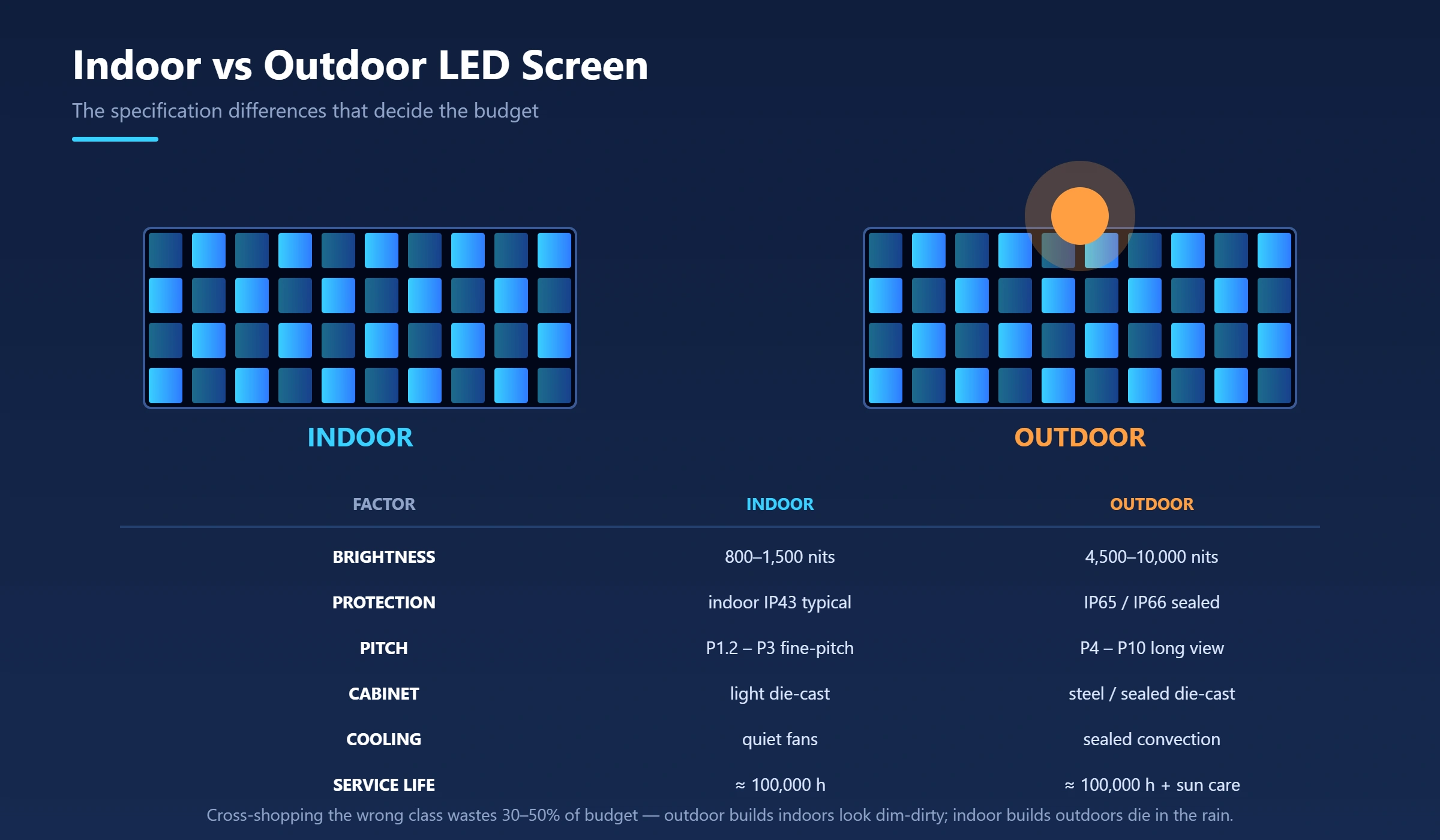
The most immediate and critical distinction between indoor and outdoor displays lies in their luminous intensity, measured in nits. This metric dictates whether your content remains vibrant or becomes a washed-out grey rectangle when the sun hits the surface.
Indoor Standards for Visual Comfort
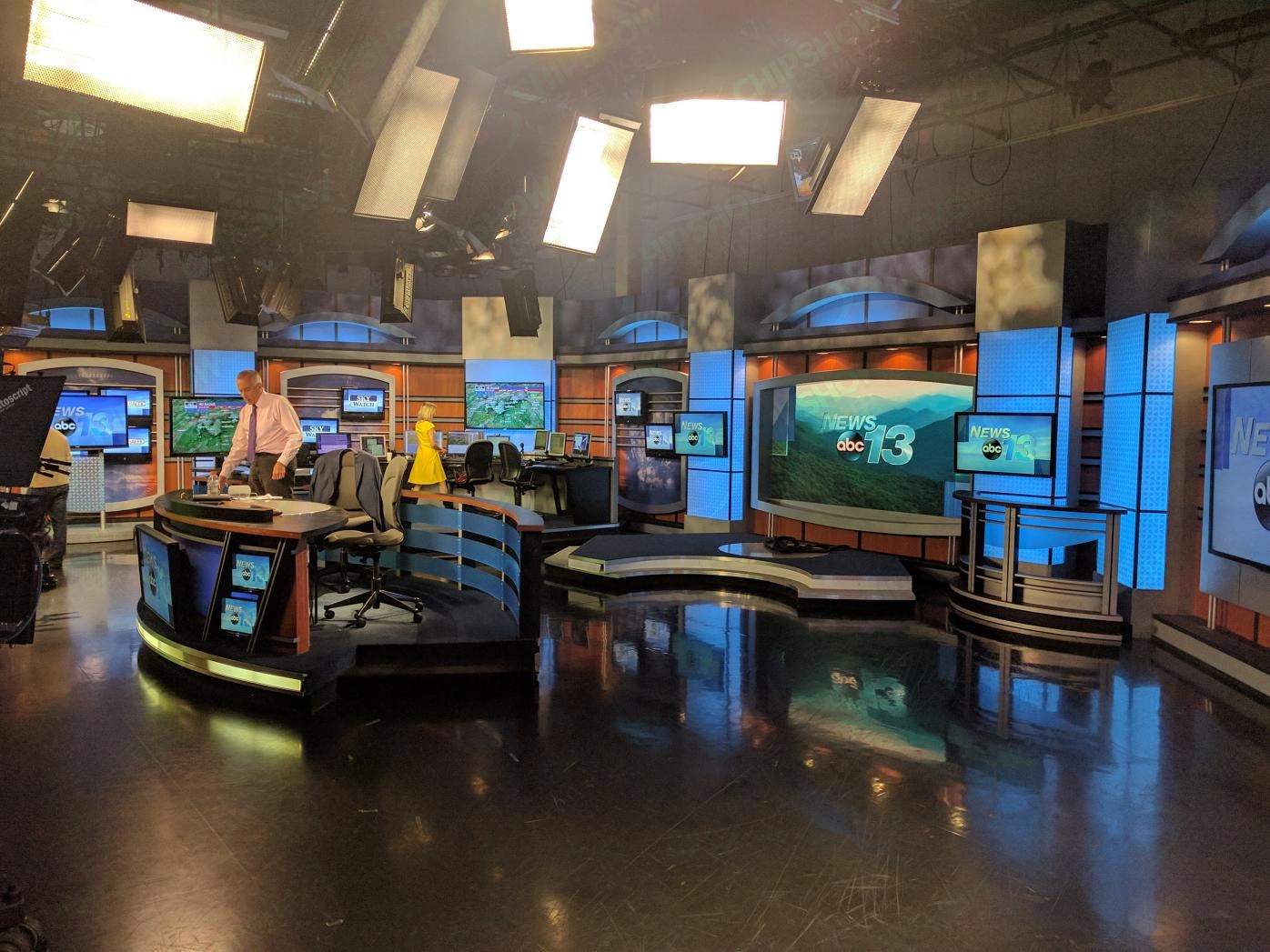
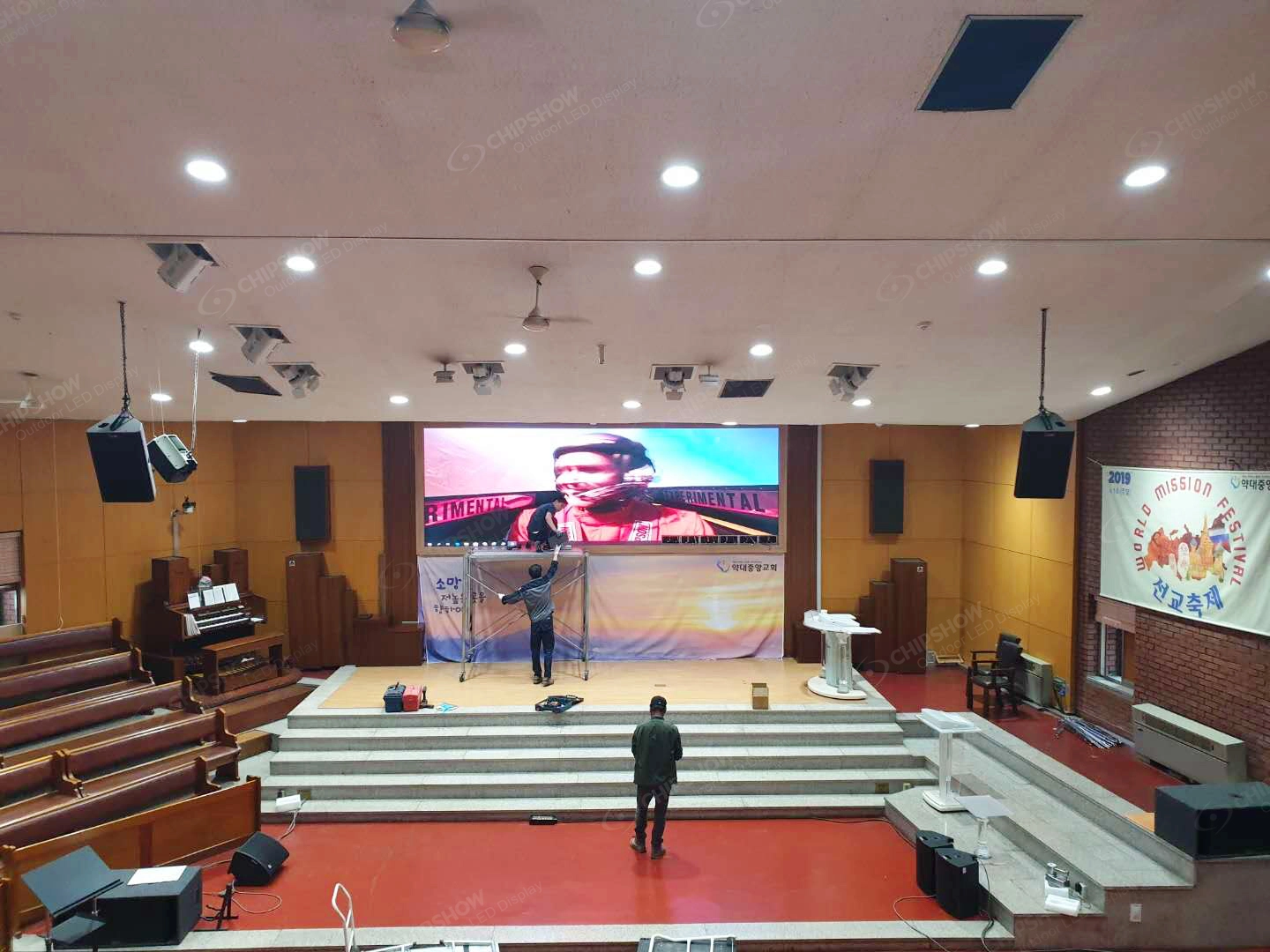
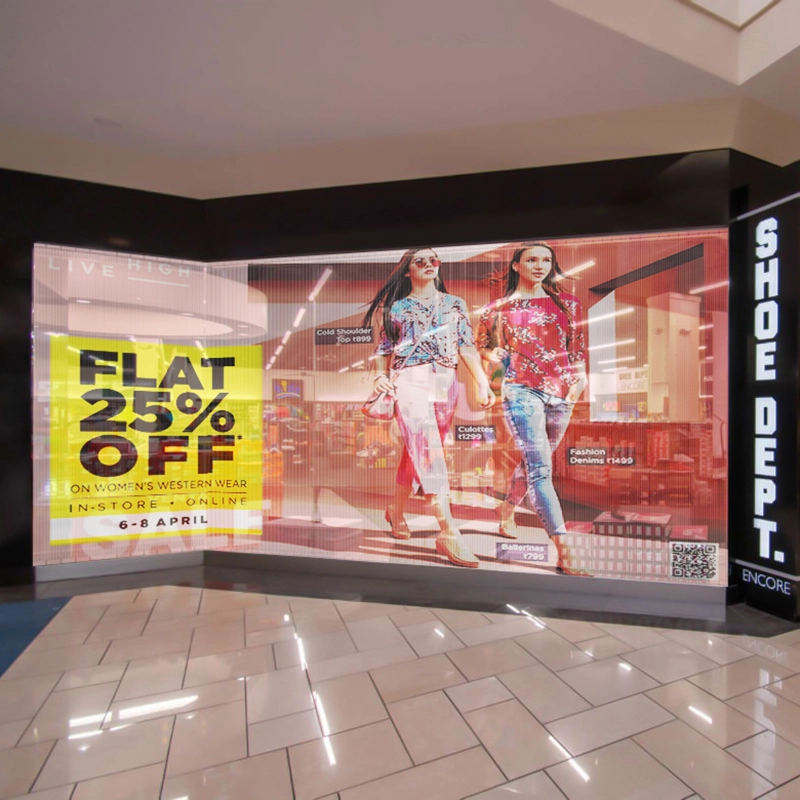
Indoor environments feature controlled lighting where the human eye is highly sensitive to glare. Standard indoor LED walls typically operate between 600 and 1,200 nits. At this level, the focus is on color depth, grayscale accuracy, and a comfortable viewing experience for long periods.
Outdoor Standards for Solar Competition
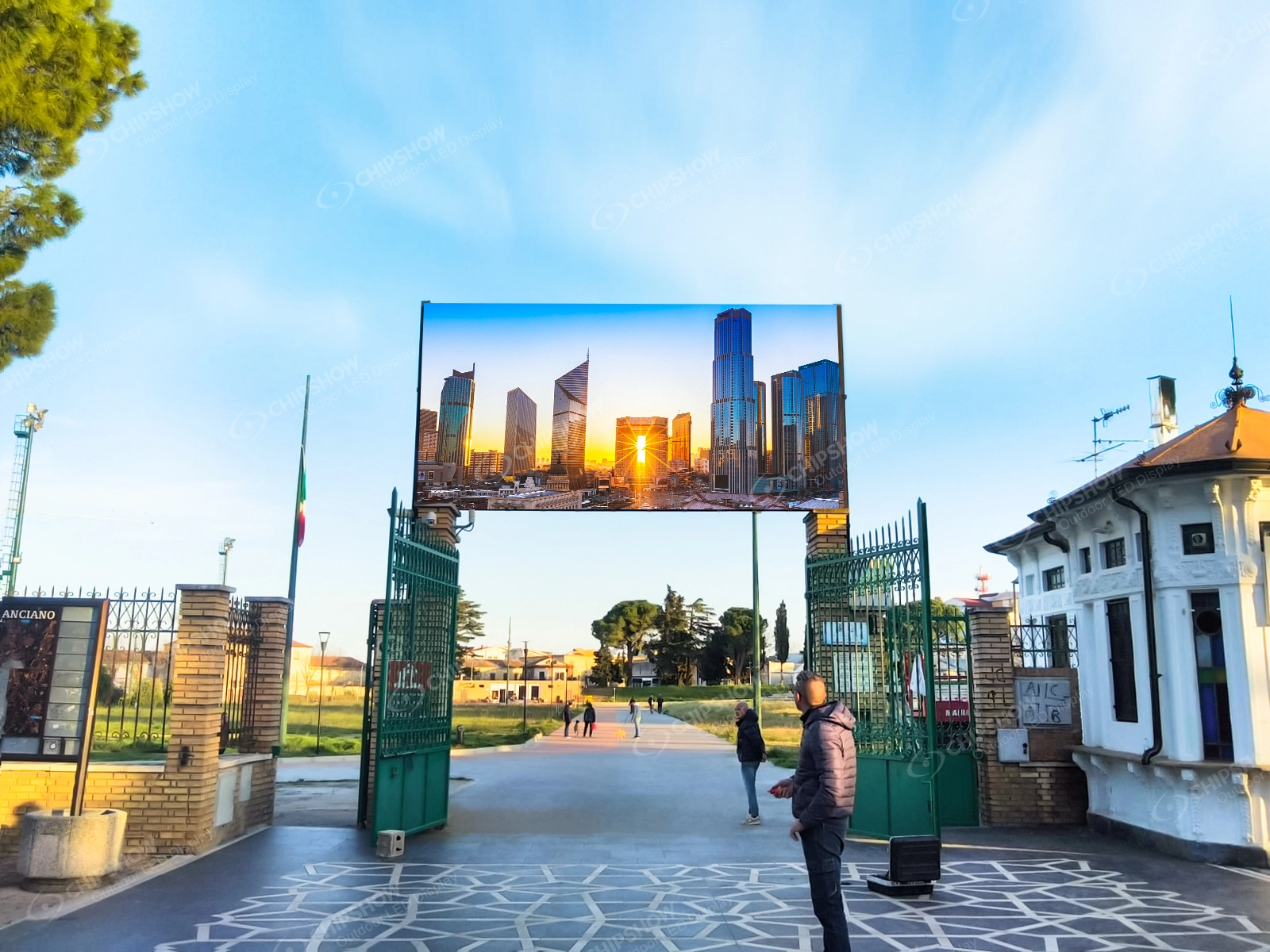
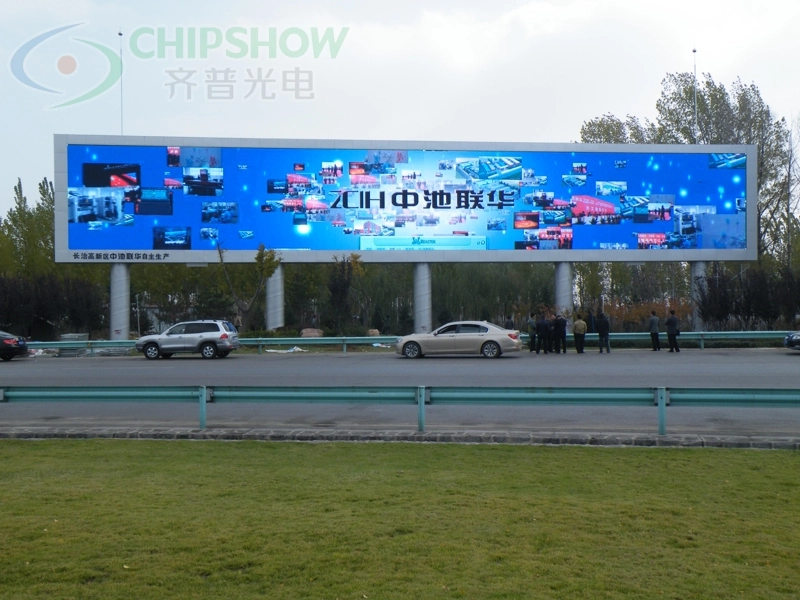
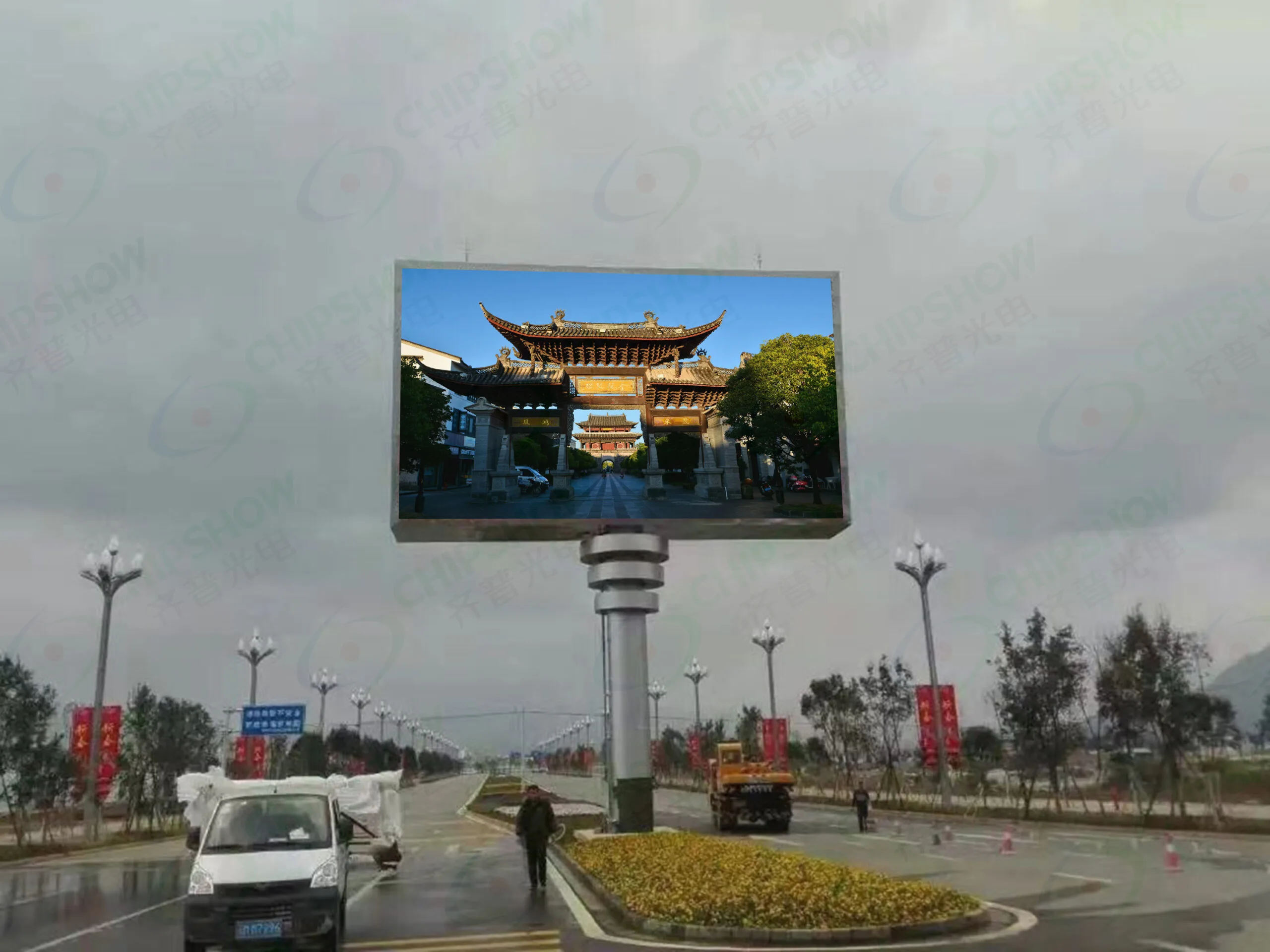
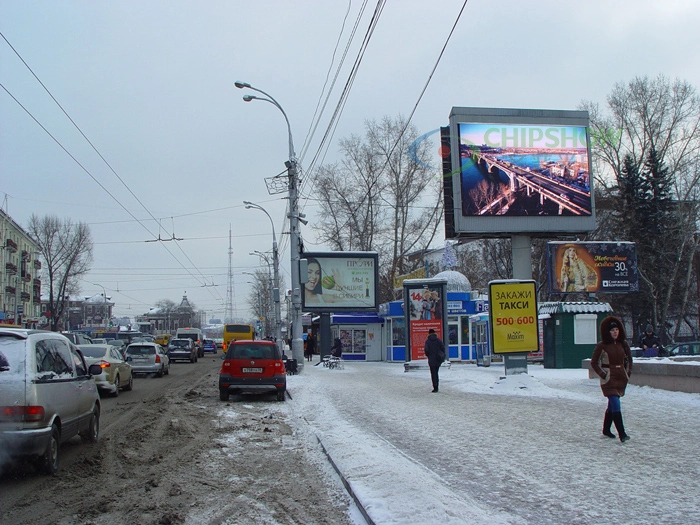
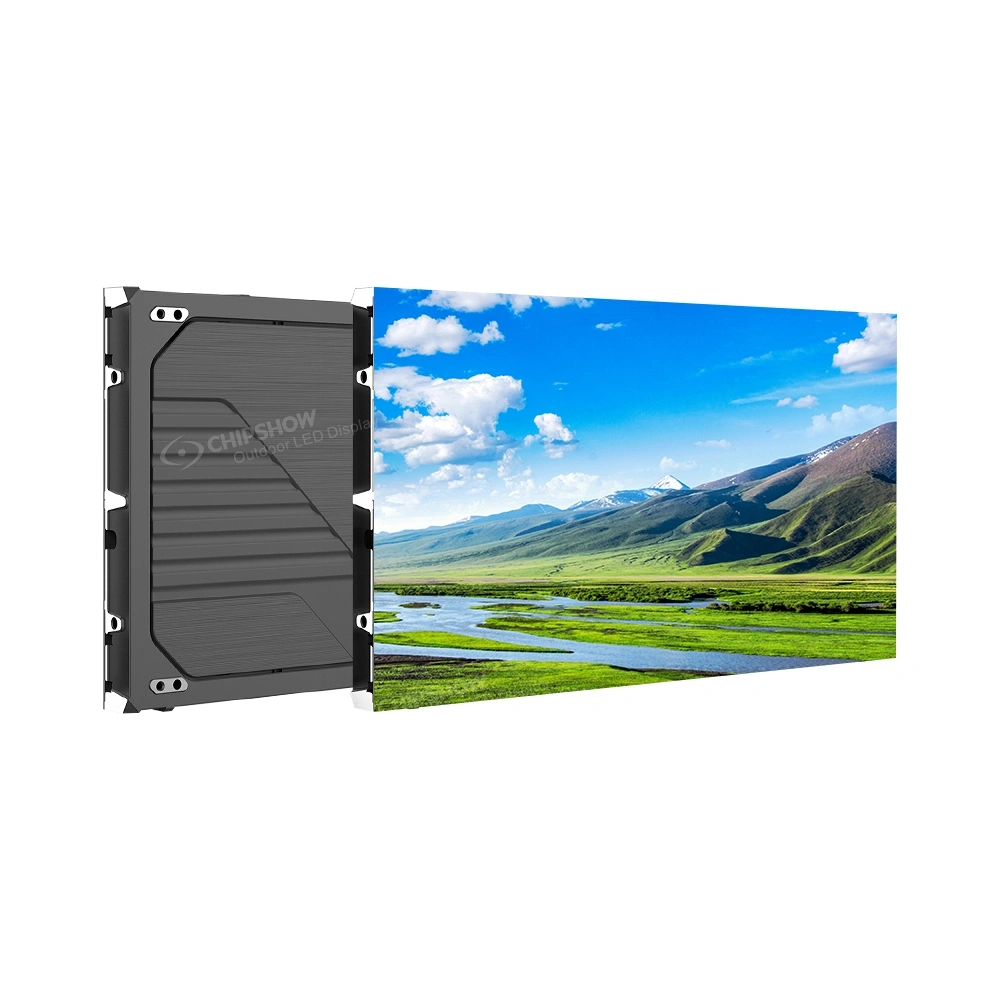
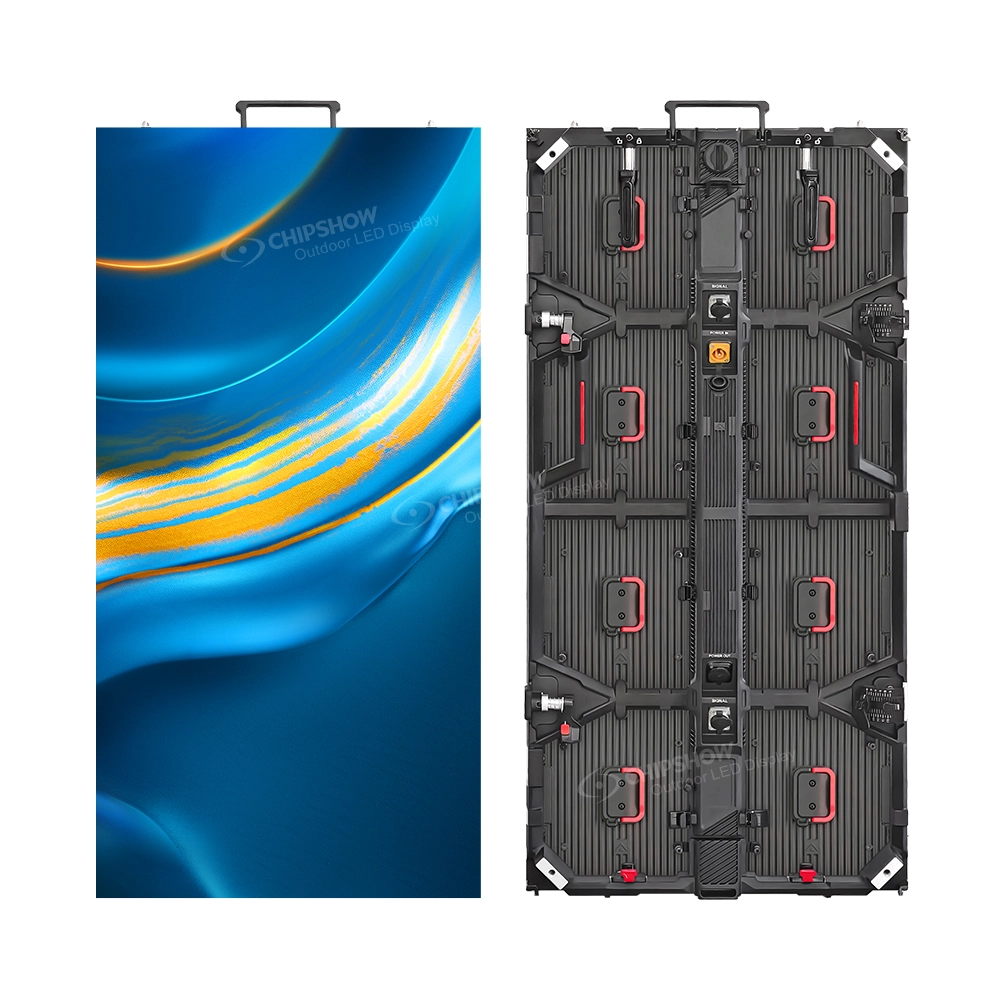
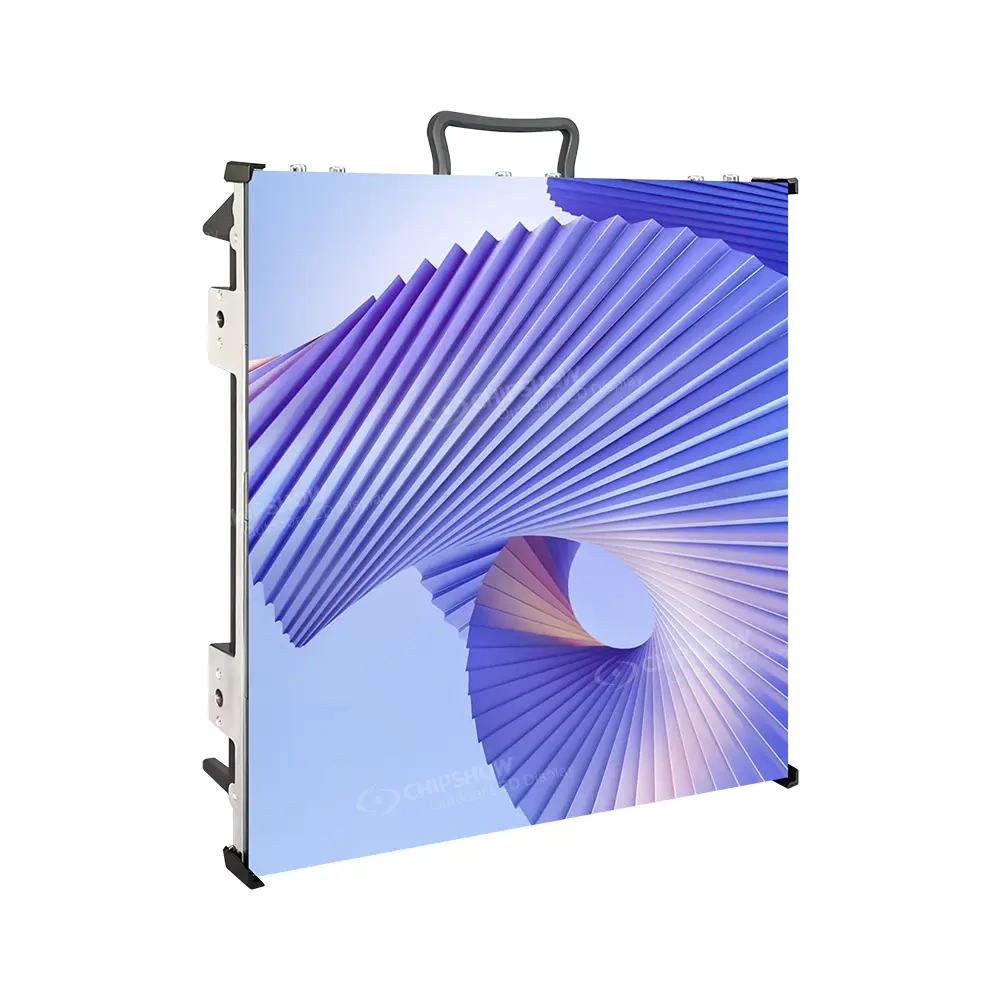
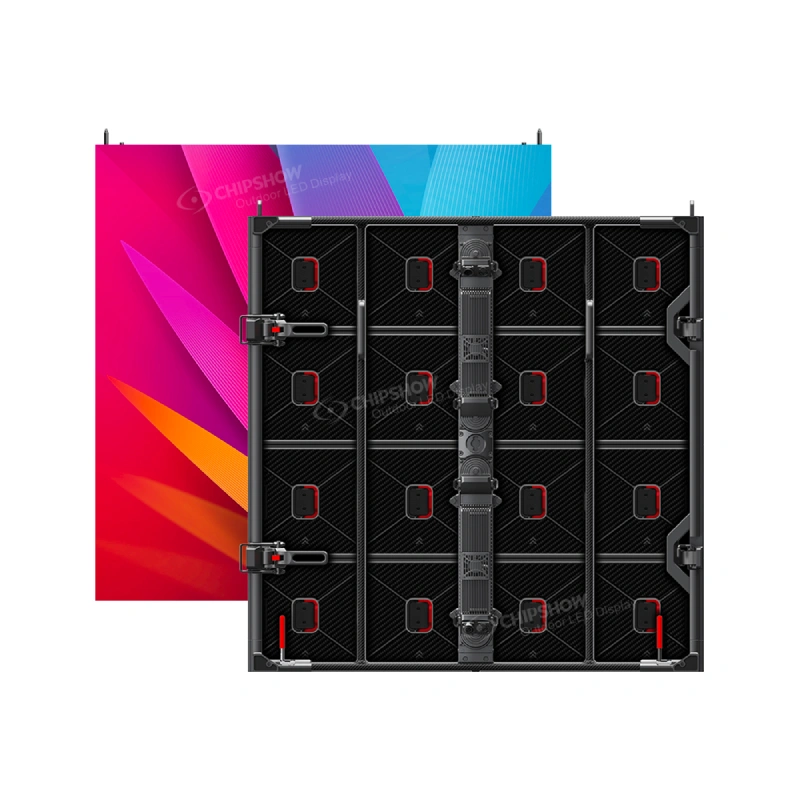
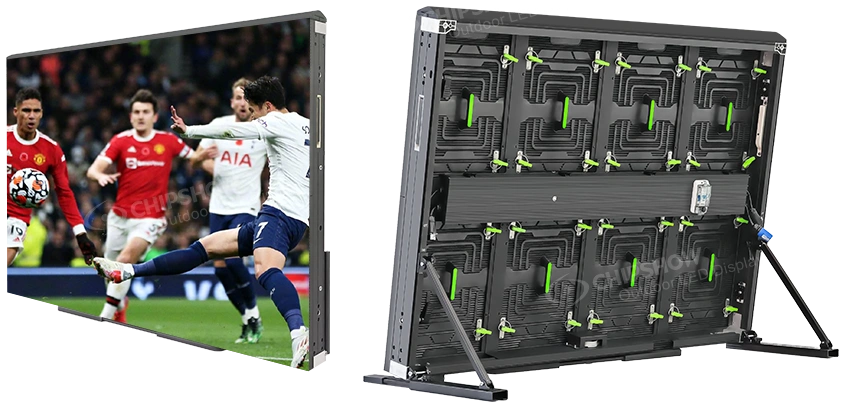
Outdoor screens must compete with the most powerful light source on earth: the sun. To maintain visibility, an outdoor display must reach a minimum of 5,000 nits. However, premium solutions like the Chipshow C-Slim P6.67 push these boundaries, reaching an industry-leading 14,000 nits. This extreme brightness ensures that even in the harsh mid-afternoon sun of the American Southwest, your content remains razor-sharp and fully saturated.
Pixel Pitch and Viewing Distance: Finding the Sweet Spot
The second pillar of the pixel pitch comparison involves the relationship between resolution and the observer. Pixel pitch, defined as the distance between the center of two adjacent pixels, determines the minimum viewing distance and overall image detail.
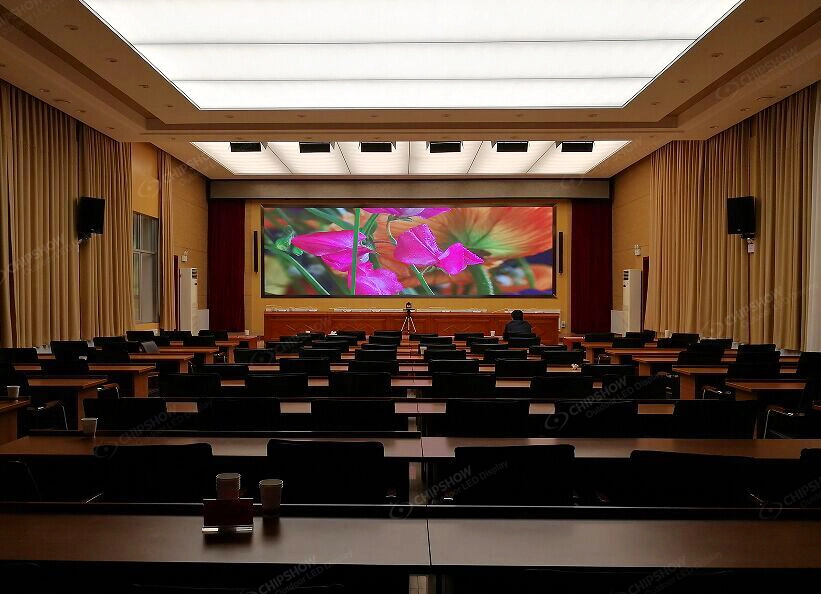
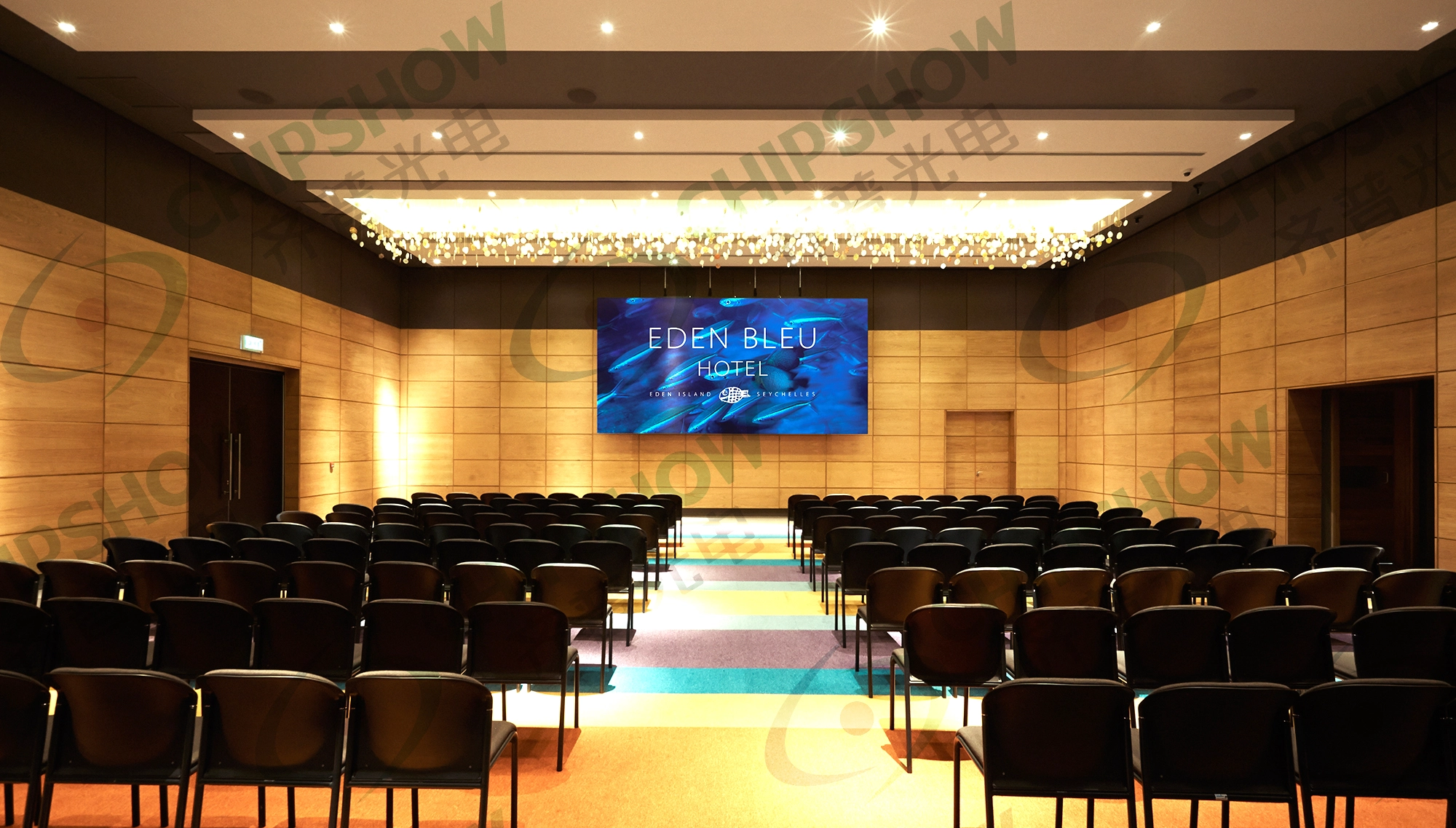
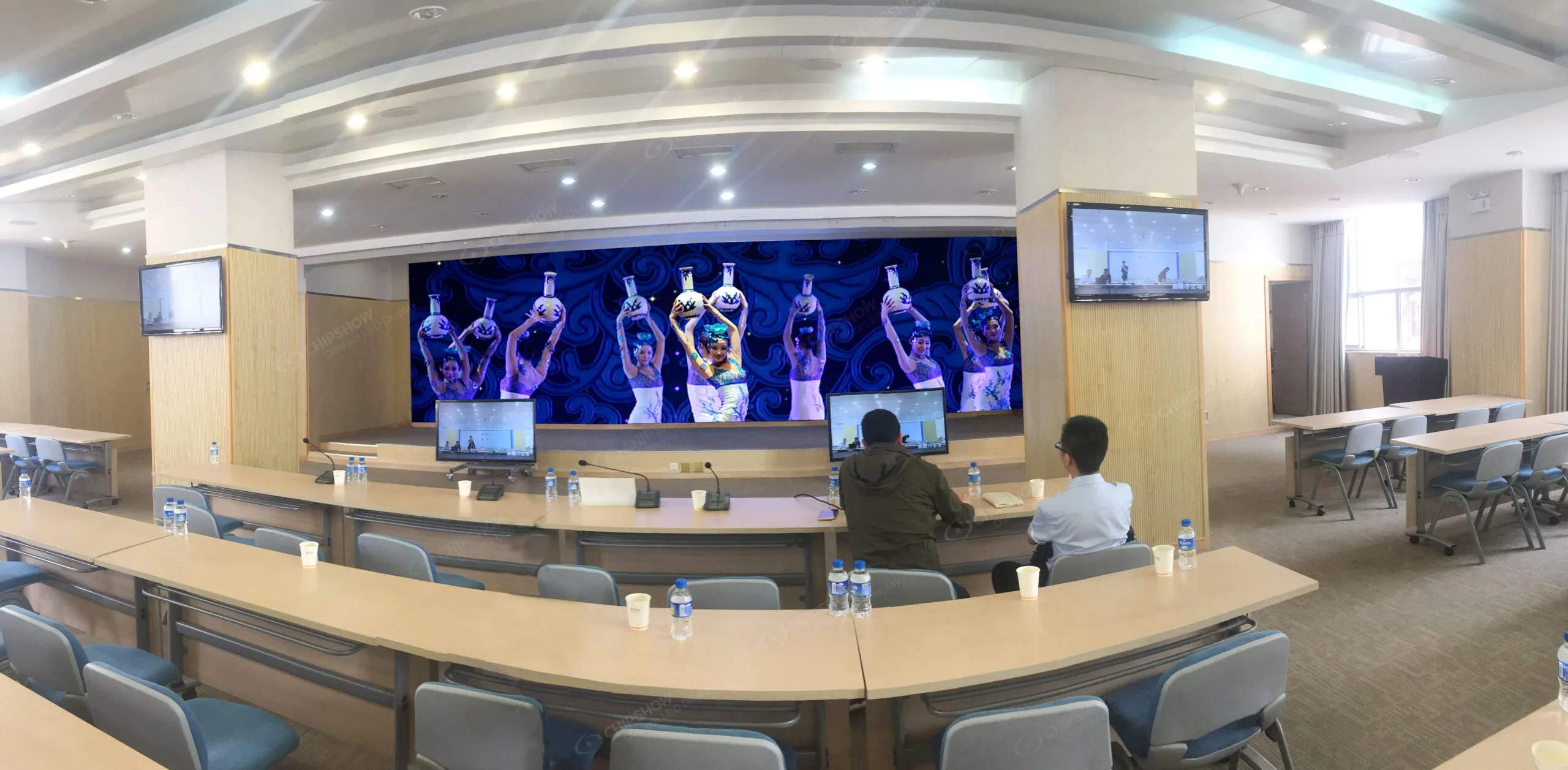
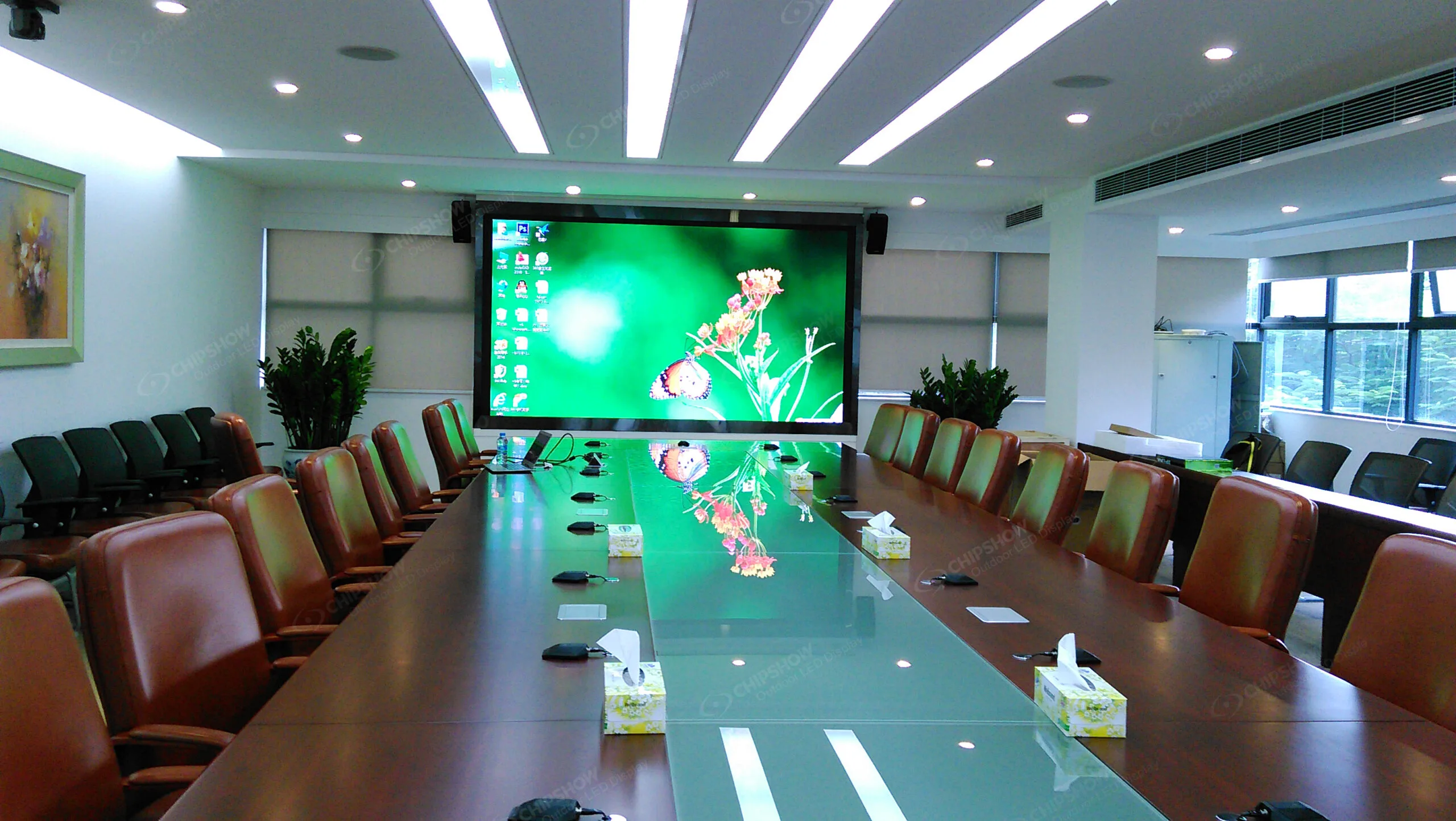
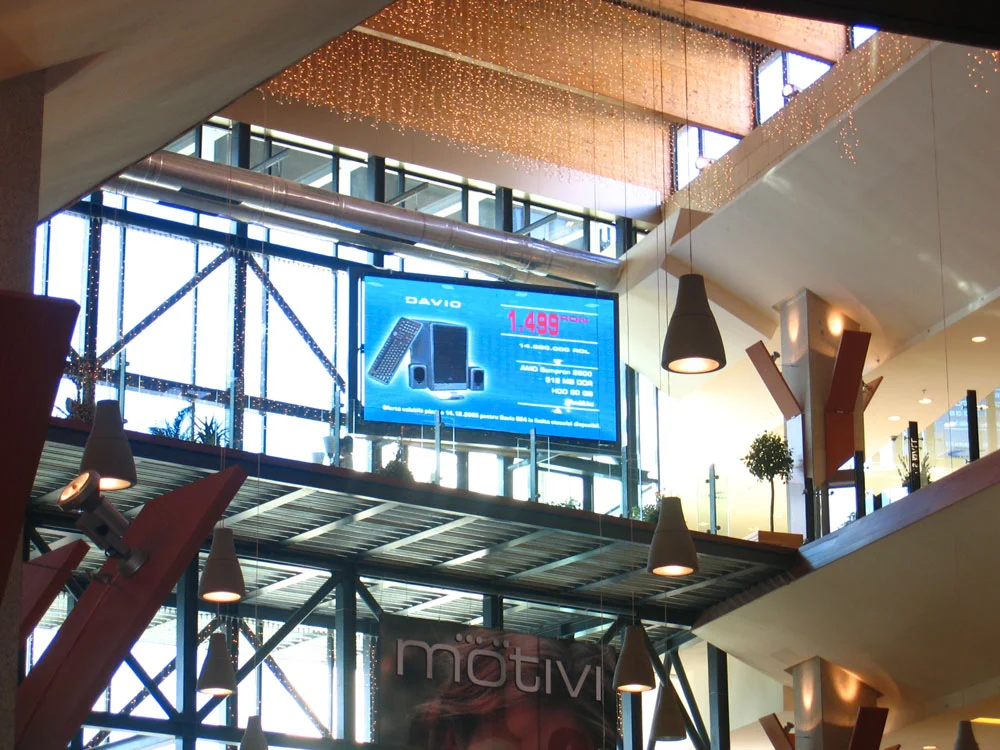
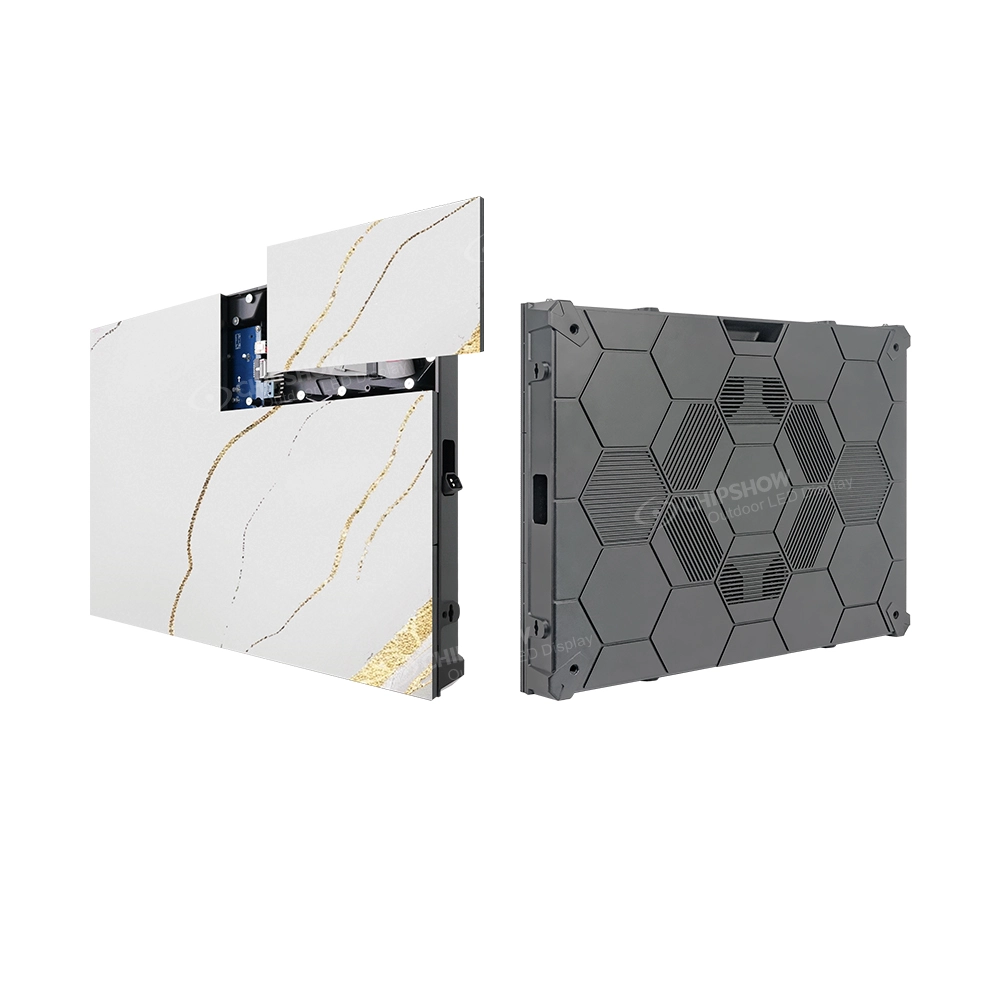
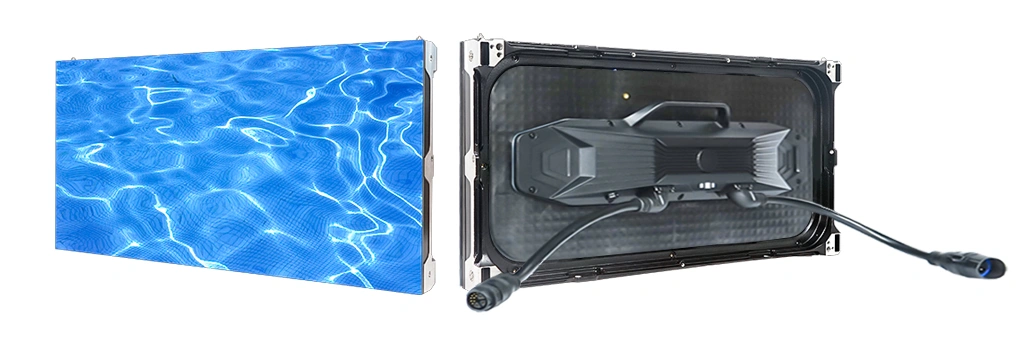
- Indoor Fine Pitch Performance: Indoor screens are often viewed from a distance of 5 to 15 feet. Consequently, they utilize fine pixel pitches ranging from P1.2 to P2.5. The Chipshow C-Max series excels in these environments, offering seamless 4K resolution that rivals high-end monitors.
- Outdoor Large Scale Efficiency: Outdoor screens are typically mounted on building facades or highway pylons where the audience is 50 to 100 feet away. In these scenarios, a larger pitch such as P4, P6.67, or P10 is utilized.
| Environment | Typical Pixel Pitch | Recommended Viewing Distance | Optimal Brightness |
|---|---|---|---|
| Indoor Office | P1.2 – P1.8 | 4 – 8 Feet | 600 – 800 Nits |
| Retail Mall | P2.0 – P3.0 | 10 – 20 Feet | 1000 – 1500 Nits |
| Outdoor DOOH | P4.0 – P6.67 | 40 – 80 Feet | 6000 – 10000 Nits |
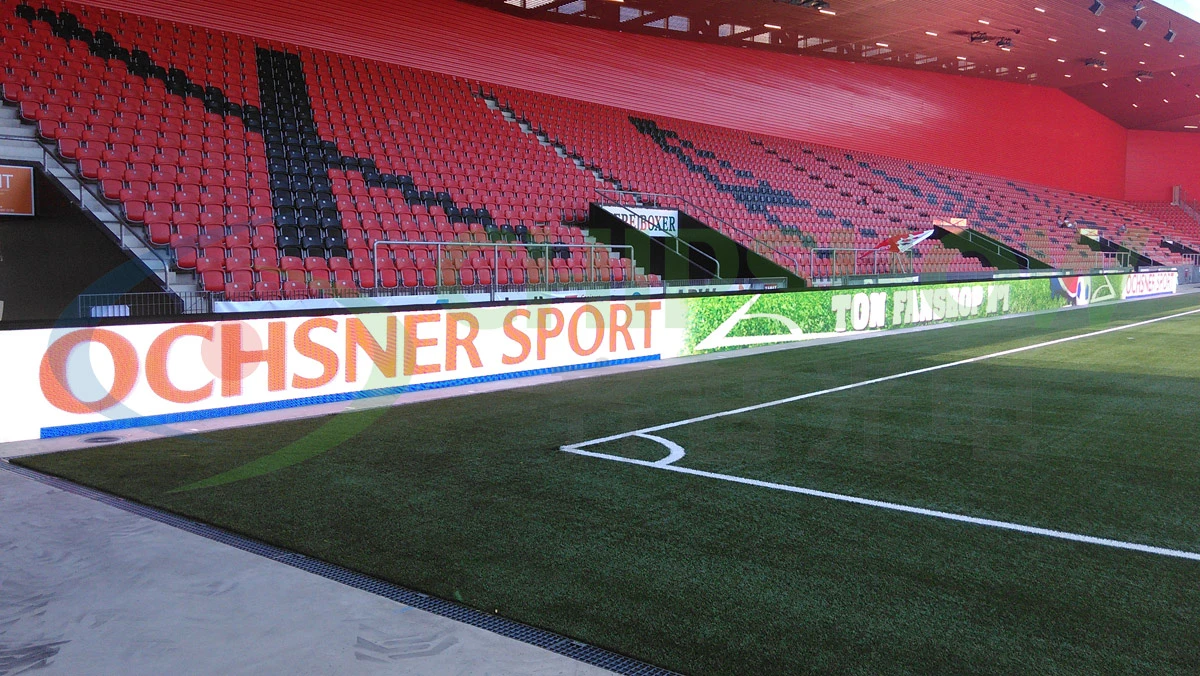
| Stadium Scoreboard | P8.0 – P10.0 | 100+ Feet | 8000 – 14000 Nits |
Weatherproofing and Thermal Management: IP Ratings
The survival engineering of a display determines its longevity. Indoor screens are designed for climate-controlled rooms with stable humidity, while outdoor screens are frontline warriors against extreme weather.
Ingress Protection and IP Ratings
The IP rating indicates the level of sealing against solids and liquids. An indoor screen typically carries an IP30 rating, sufficient for dust protection. In contrast, a true outdoor screen must be rated at IP65 or IP66.
Dissipation and Materials
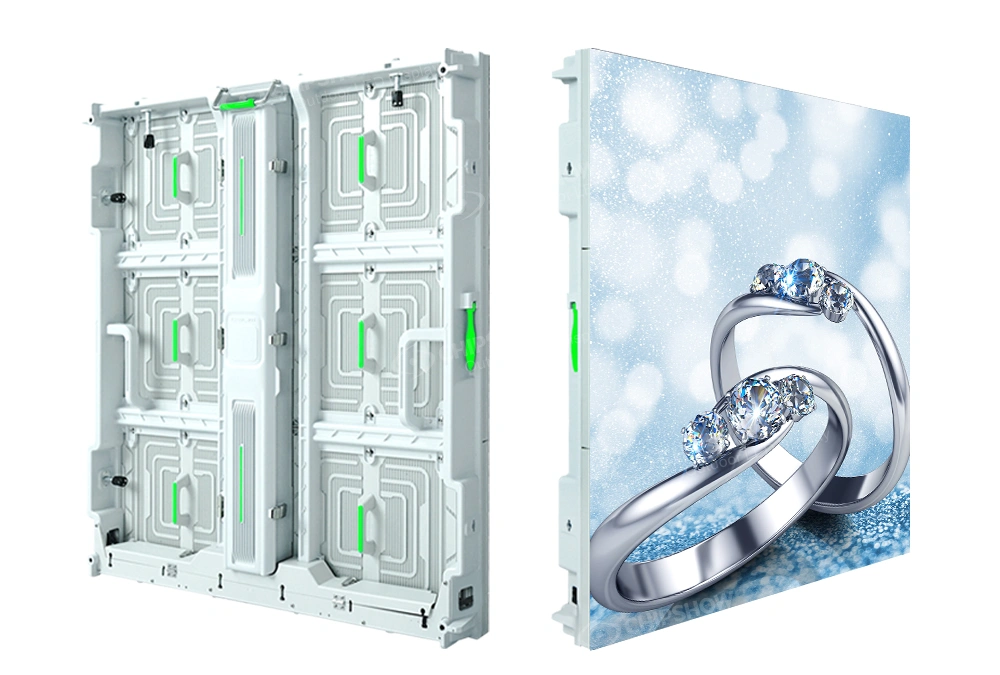
Thermal management is the silent killer of LED diodes. Outdoor screens face high ambient heat and solar radiation. While standard screens use plastic or heavy steel, Chipshow utilizes Magnesium Alloy for its C-Slim series. Magnesium alloy dissipates heat significantly faster than aluminum, preventing the heat soak that leads to color shifting and diode failure.
Financial Strategy: CAPEX vs OPEX Analysis
When evaluating the indoor vs outdoor LED screen differences for your budget, it is vital to distinguish between initial Capital Expenditure (CAPEX) and long-term Operational Expenditure (OPEX).
Outdoor screens generally require a higher initial investment due to the cost of weatherproofing, high-nit diodes, and reinforced structural mounting. However, the long-term value is found in operational efficiency. Chipshow incorporates ICE Energy Saving Technology, which reduces power consumption by up to 30 percent. On a massive outdoor billboard, this translates to thousands of dollars saved in annual electricity costs compared to standard high-brightness models.
Maintenance & Durability: Safeguarding Your Investment
Indoor screens like the C-Max almost exclusively use front maintenance where modules are removed via vacuum tool. Outdoor installations often require a choice between front and rear access. Chipshow provides dual maintenance designs for the C-Slim series, giving you the flexibility to service the screen from whichever side is most accessible in your specific structural environment. In coastal regions, our specialized anti-corrosion coatings protect the hardware from salt air and humidity.
The boundary between indoor and outdoor visual technology is defined by the physics of light and the demand for durability. Whether you are building a high-resolution indoor experience or a massive outdoor landmark, Chipshow provides the engineering expertise to ensure your vision becomes a reality.
FAQ Section
1. Can I use an indoor LED screen in a shaded outdoor area?
It is highly discouraged. Even in a shaded area, ambient humidity and moisture can cause short circuits in indoor panels, which typically have an IP30 rating. Furthermore, the reflected light in an outdoor setting will often exceed 2,000 nits, making a standard 800-nit indoor screen nearly impossible to see.
2. Does an outdoor LED screen consume significantly more power than an indoor one?
Generally, yes, because outdoor screens must produce 5 to 10 times more brightness. However, the difference is mitigated by Chipshow ICE technology. This system optimizes power distribution and cooling, allowing our 8,000-nit outdoor displays to operate with efficiency levels that rival much lower brightness competitors.
3. How does the maintenance process differ between indoor and outdoor installations?
Indoor screens almost exclusively use front maintenance via vacuum tool. Outdoor installations like the C-Slim series often feature dual maintenance designs, providing the flexibility to service the screen from either the front or the back depending on the structure.
4. What happens if I install an outdoor screen behind a glass window?
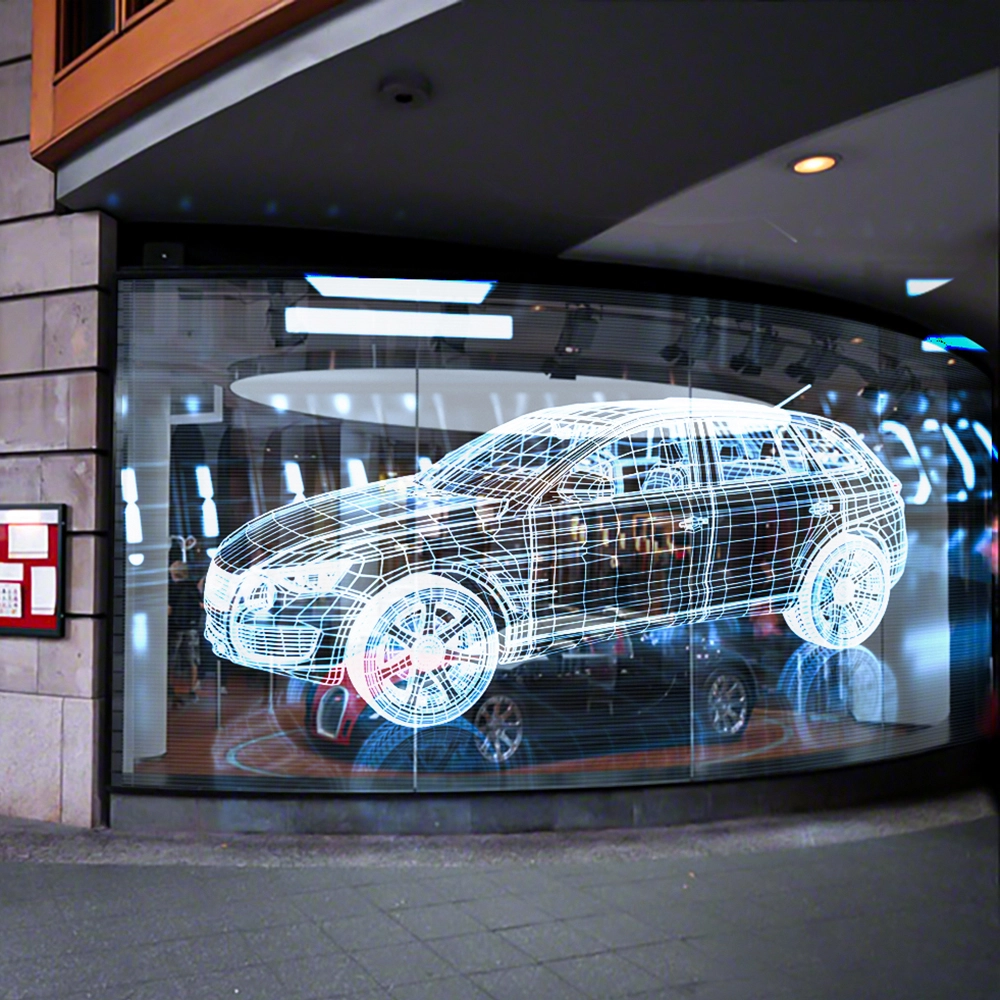
Installing a screen behind glass creates a “greenhouse effect” where heat is trapped. This requires a display with superior thermal management like our magnesium alloy cabinets. Additionally, you must use a high-nit display to overcome the light loss caused by glass reflections.
5. Which pixel pitch should I choose for a high-traffic retail environment?
For retail mall interiors where customers are walking within 10 feet, a P1.8 or P2.5 is the standard for a premium look. If the screen is part of a large atrium or hanging from a high ceiling, a P3 or P4 offers a better balance of visual impact and cost.
6. Are outdoor LED screens more durable against physical impact?
Outdoor screens are inherently more rugged. Many utilize specialized encapsulation or a glue-on-board (GOB) finish to protect the diodes from debris. For high-traffic public areas, we recommend adding a protective polycarbonate layer to ensure maximum longevity.
Not sure which format or pixel pitch fits your project? Try the Chipshow USA LED sign selector to shortlist options.