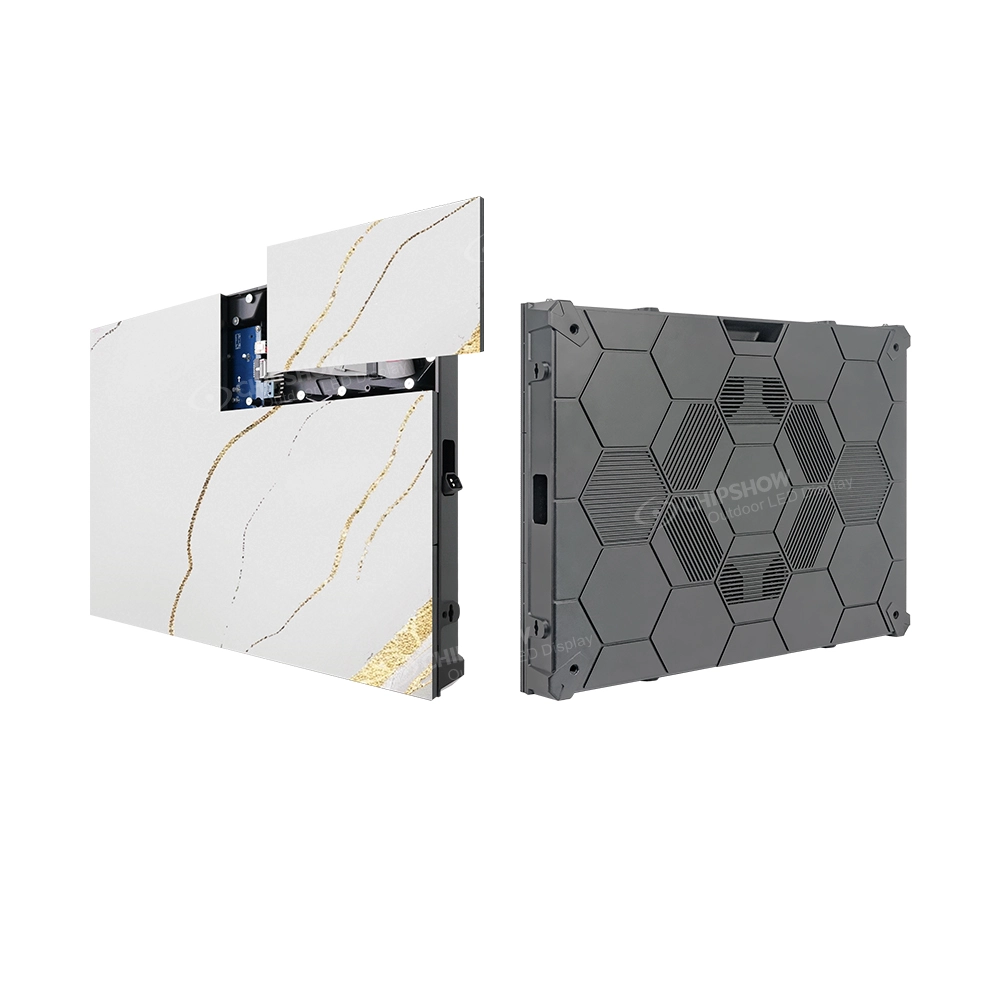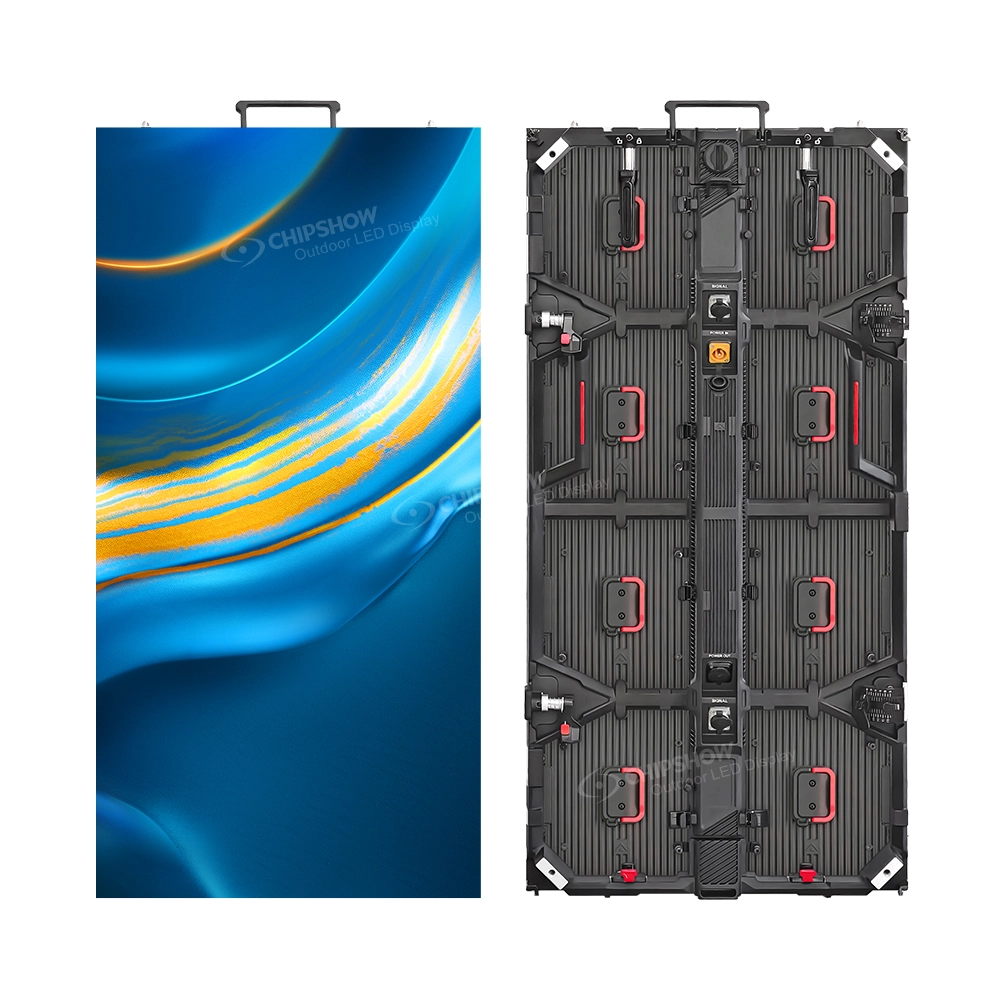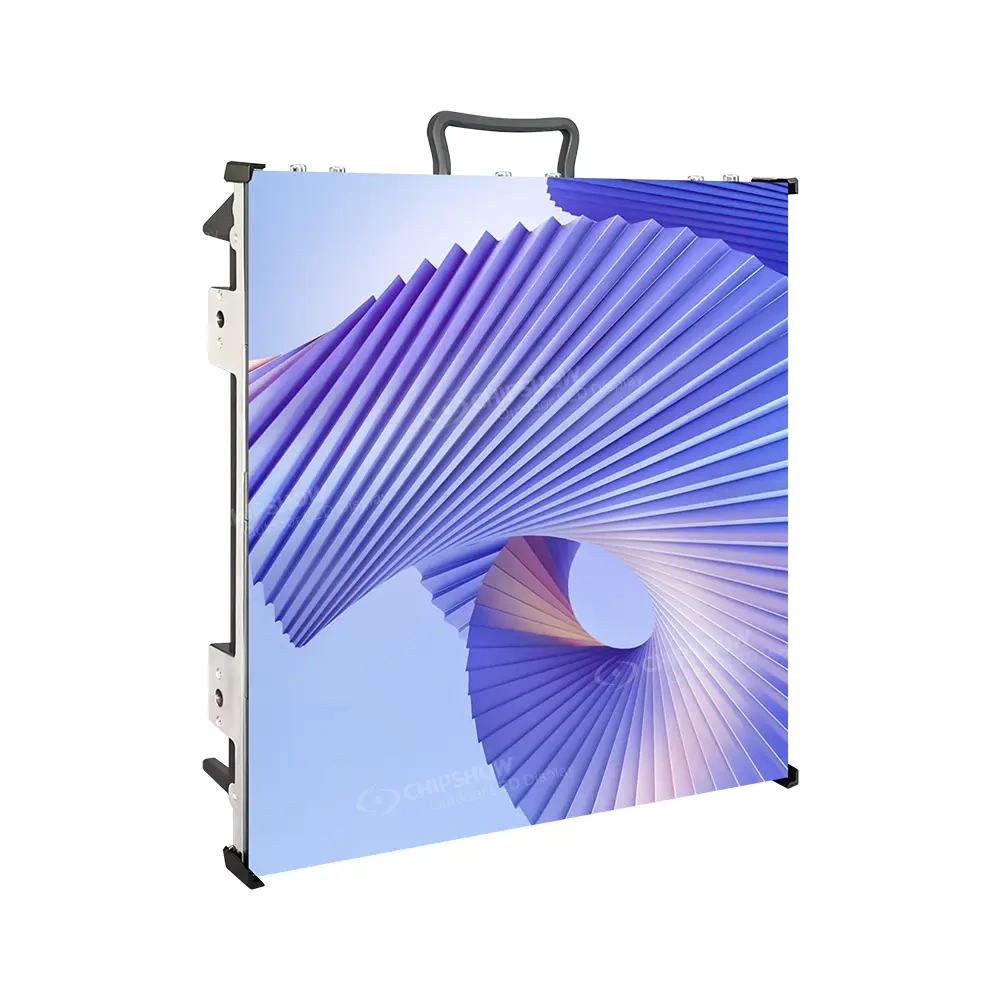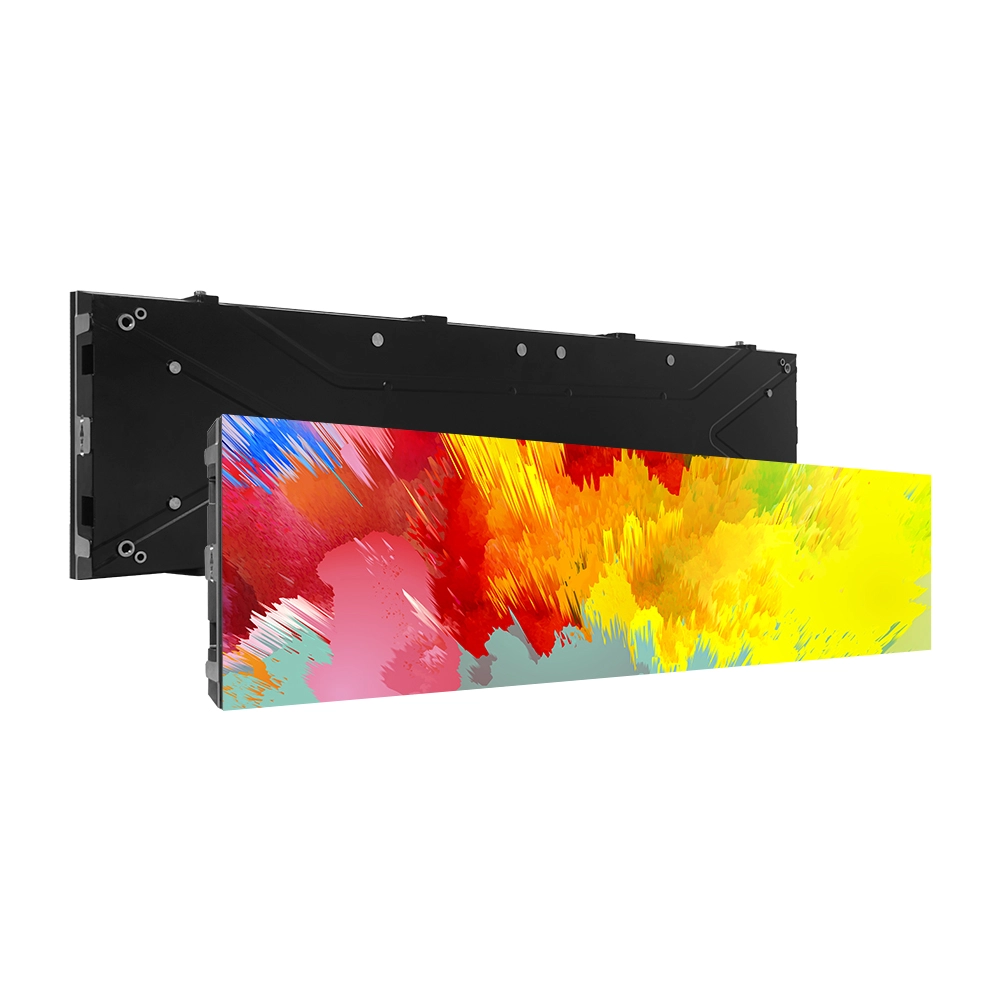
Get USA Stock LED Pricing in 24 Hours
Every LED screen price quote looks different once you factor in pixel pitch, installation method, and where the screen is actually shipping from. This guide walks through real 2026 led wall price ranges by application, so you can budget accurately before you request a number — and shows you why a USA stock quote almost always beats a lower-looking overseas figure once landed cost is factored in.
Not sure which pitch or cabinet format fits your build? Run the requirements through the Chipshow USA LED sign selector to shortlist signs by nearest viewer and sign opening before requesting a quote.
If you’ve spent any time researching led screen price online, you’ve probably noticed the numbers are all over the place. A “$300 LED wall” from one supplier and a “$1,200 LED wall” from another can be describing the exact same spec — the difference is usually what’s included, where it’s shipping from, and whether the quote reflects a real, deliverable product or a promotional teaser rate. This guide is built to cut through that noise. Below, we break down led display screen price by application category, walk through the five factors that actually move your number, and explain why sourcing from USA stock changes the total cost picture far more than most buyers expect going in.
Understanding LED Screen Pricing in 2026
Before comparing numbers, it helps to understand how led screen panel price is actually structured, because two suppliers quoting “the same” screen can arrive at very different totals depending on what’s baked into the number.
Per square meter vs. per piece.
Large-format installations — outdoor billboards, building facades, stadium boards — are almost always priced per square meter, since the screen is built and shipped as continuous modules that scale with area. Smaller, discrete installations — indoor video walls, rental panels, retail displays — are more often priced per piece or per cabinet, since buyers are usually purchasing a fixed configuration rather than a custom-sized area. When you see a led wall screen price quoted, always check which unit it’s based on; comparing a per-sqm quote to a per-piece quote without converting first is one of the most common budgeting mistakes we see.
FOB pricing vs. landed pricing.
Many of the led screens prices you’ll find floating around online — especially from overseas manufacturers — are FOB (Free on Board) figures. That number reflects the cost of the hardware at the factory dock, before freight, duty, customs brokerage, and inland delivery are added. It’s not dishonest, exactly, but it’s incomplete, and it’s the reason a quote that looks 20-30% cheaper on a spec sheet can end up costing the same or more once the product actually arrives at your site. A USA stock quote, by contrast, reflects landed cost — the number you see is close to the number you pay, because the tariffs and freight have already been absorbed into inventory that’s sitting in a domestic warehouse.
Standard configuration vs. custom configuration.
The price ranges in this guide reflect standard, catalog configurations — typical pixel pitch options, standard cabinet sizes, standard control systems. Custom curved installations, non-standard pixel pitches, specialized weatherproofing, or unusual aspect ratios will move the number outside these ranges in either direction. That’s normal, and it’s exactly why we recommend getting a specific quote once you know your rough application and size rather than budgeting purely off a published range.
With that framing in place, here’s what led display panel price actually looks like across the applications we quote most often.
LED Screen Price by Application (2026 Price Ranges)
| Application | Price Range (USD) | Unit |
|---|---|---|
| Outdoor Fixed Installations | $230 – $1,500 | per Sqm |
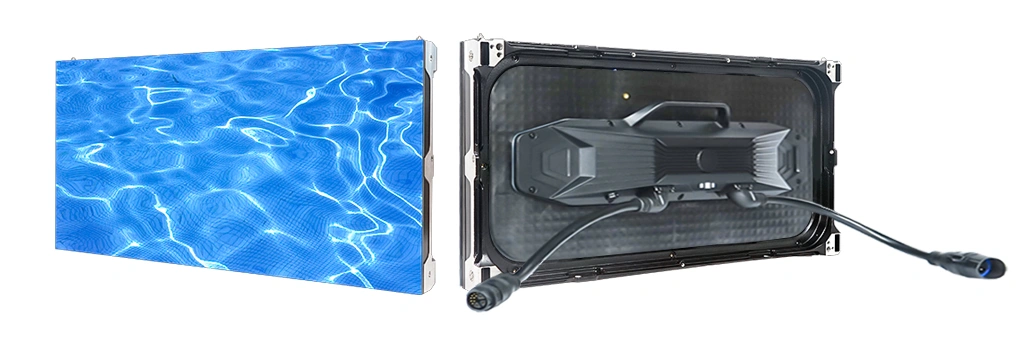
| Indoor Fixed Installations | $180 – $1,500 | per Piece |
| Transparent LED Screens | $450 – $1,300 | per Sqm |
| Rental LED Panels | $160 – $1,800 | per Piece |
| LED Mesh Screens | $300 – $900 | per Sqm |
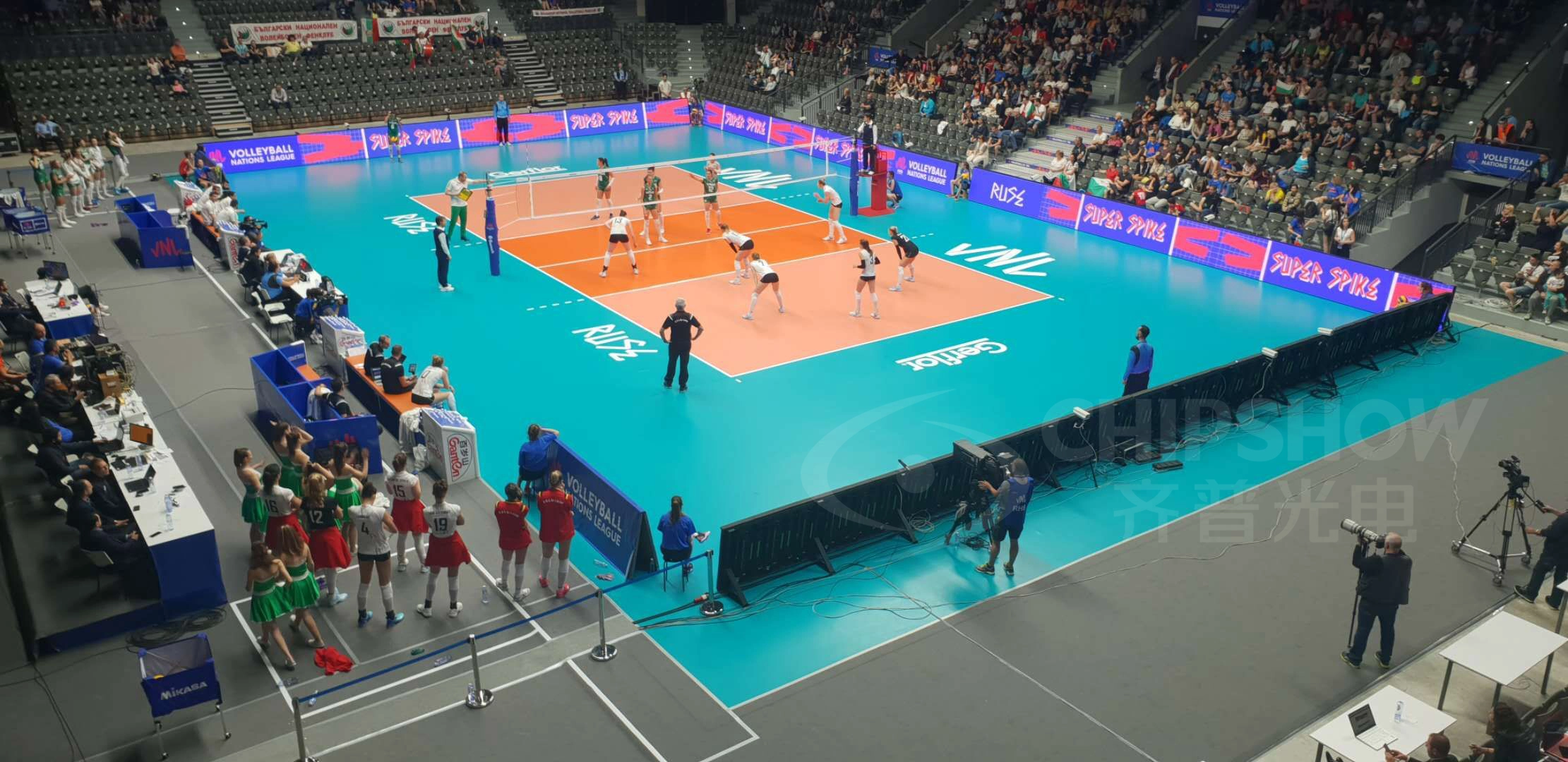
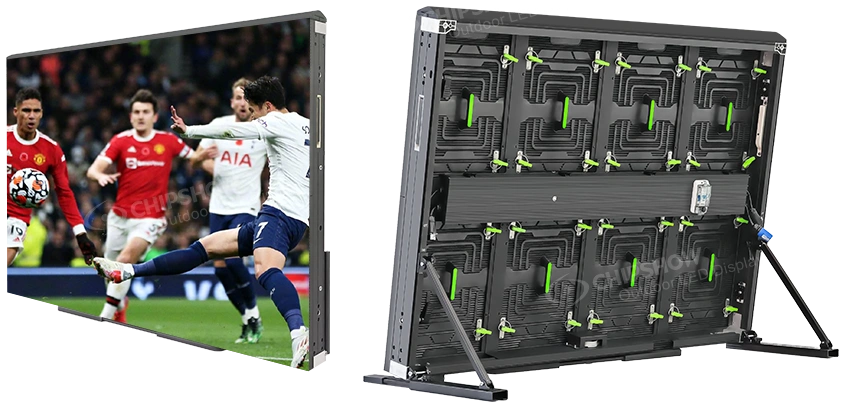
| Sports & Traffic Displays | $500 – $1,800 | per Sqm / Set |
These are guide ranges, not fixed prices — where your project lands within each range depends on pixel pitch, brightness rating, structural requirements, and control system. Below is a closer look at what drives the number in each category, and what kind of project each one is typically built for.
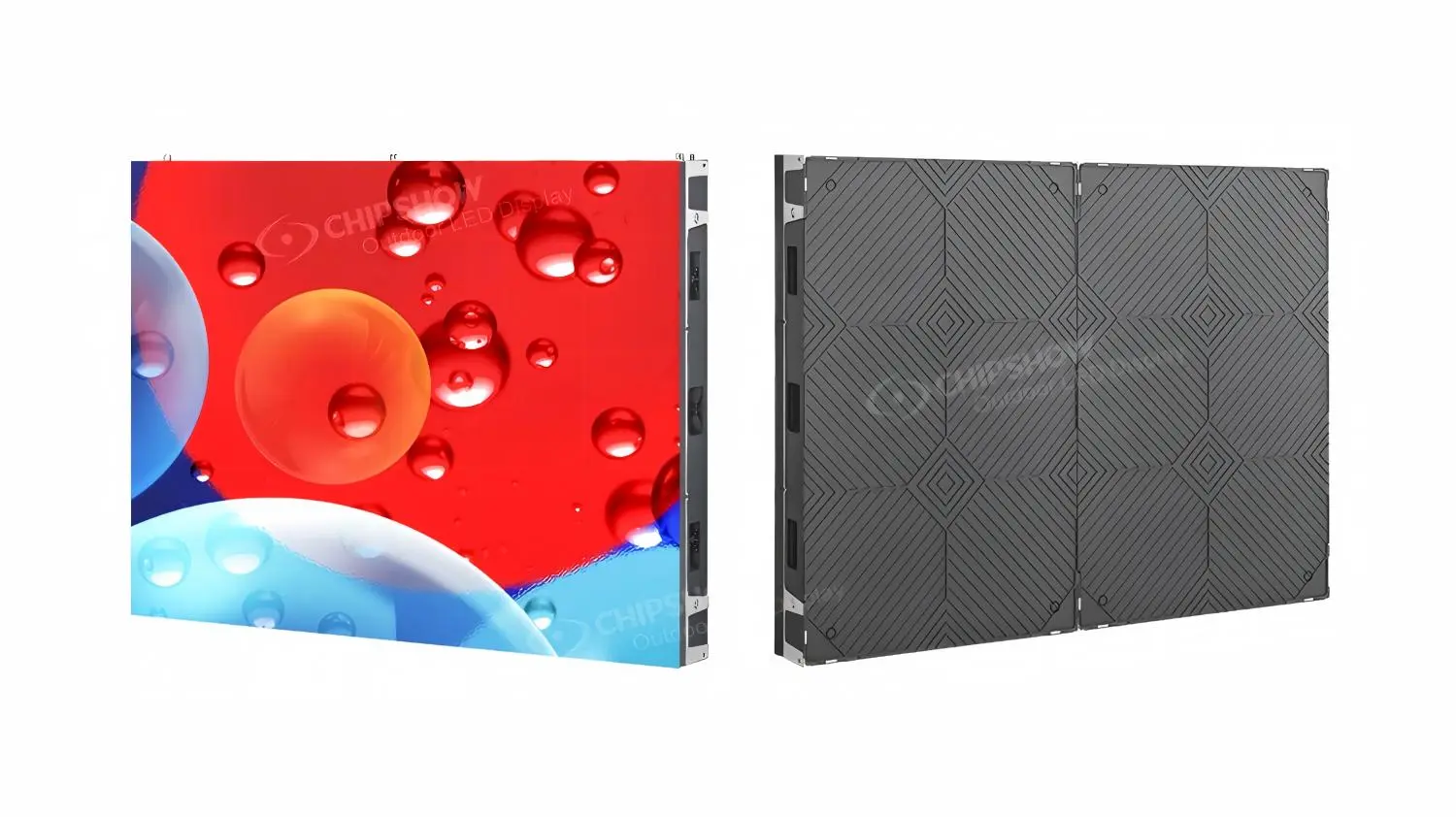
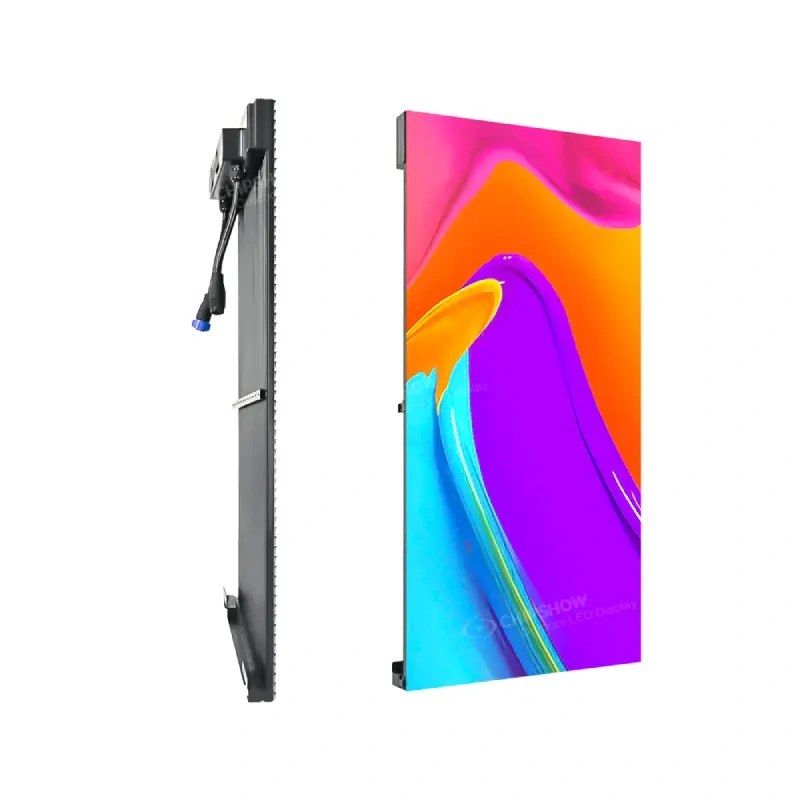
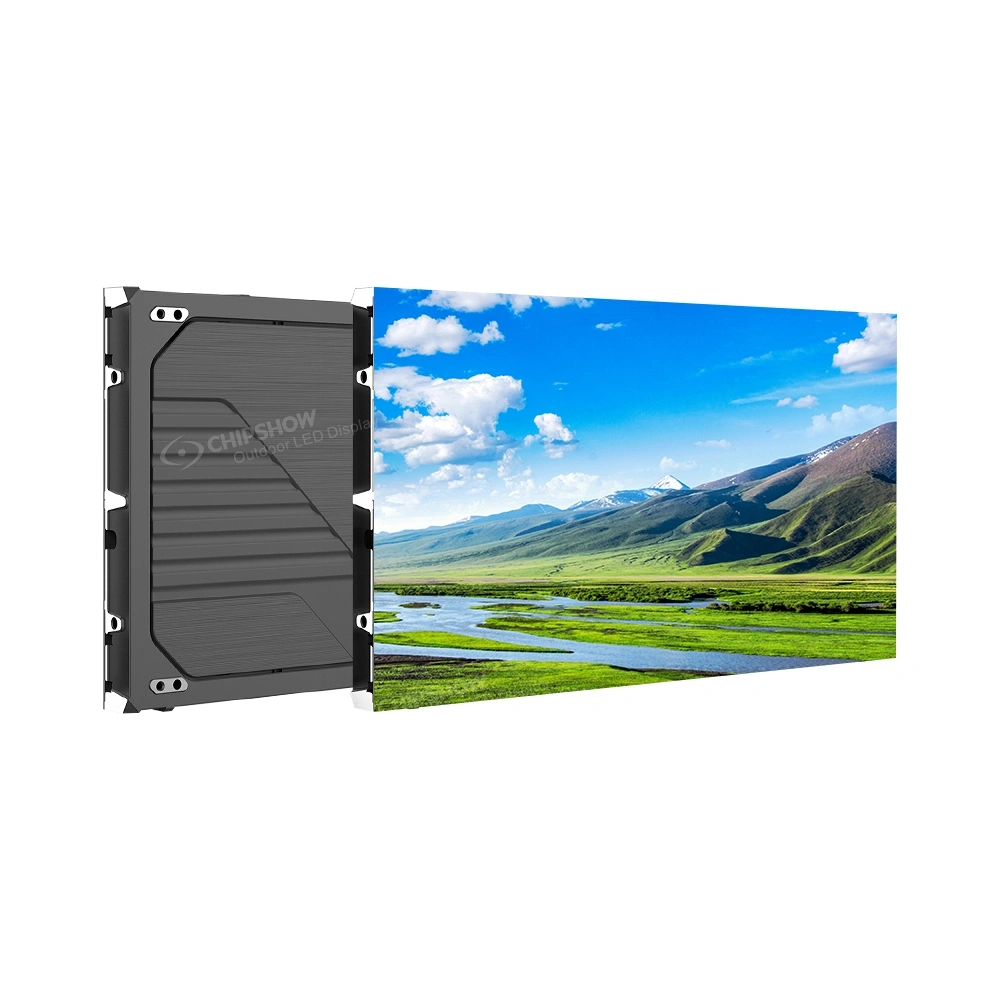
Outdoor Fixed LED Screens
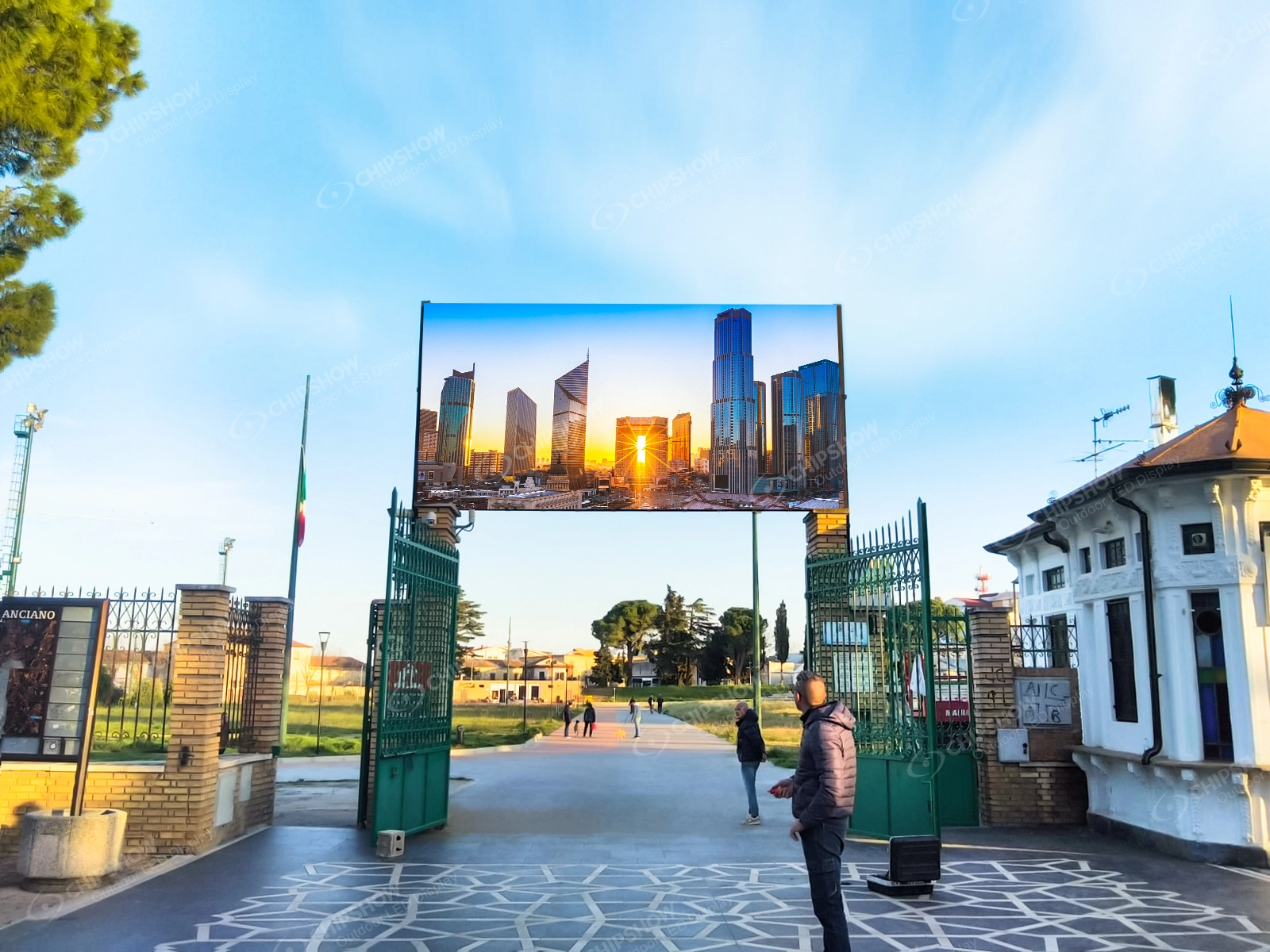
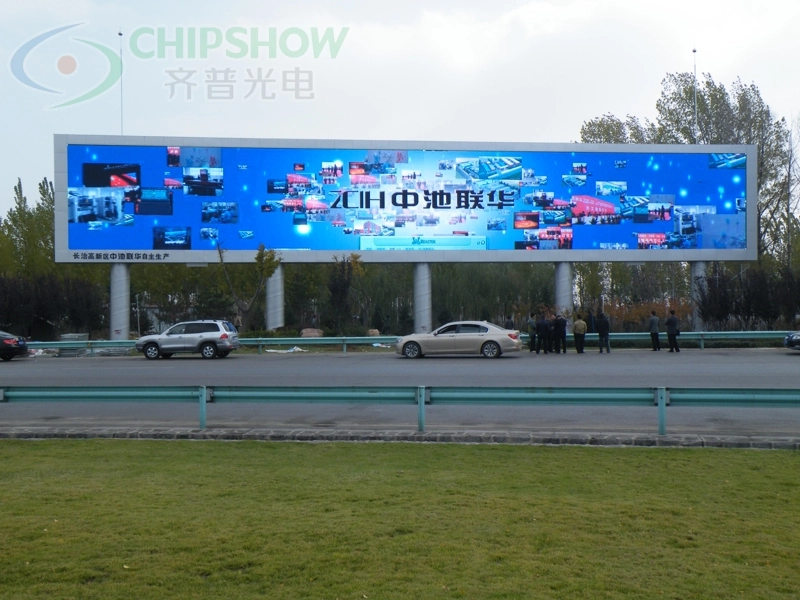
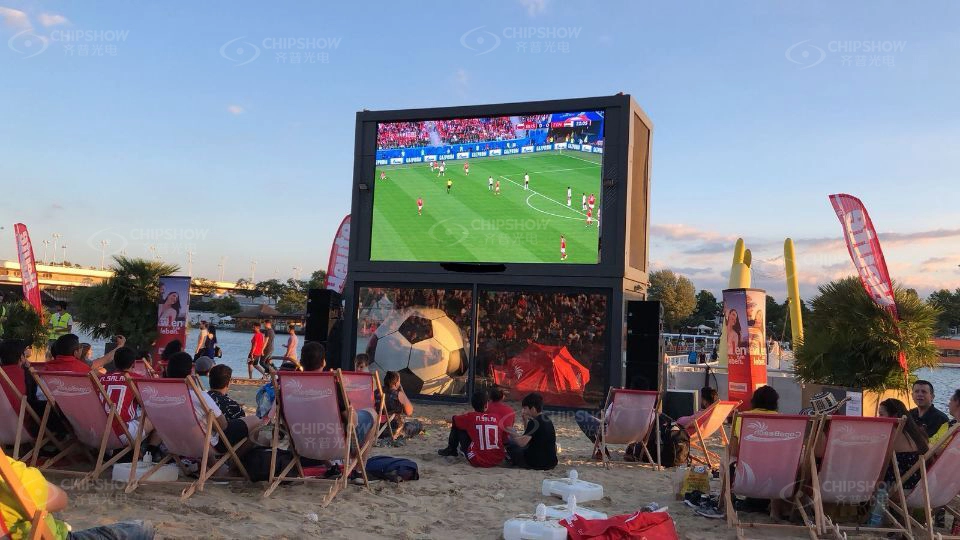
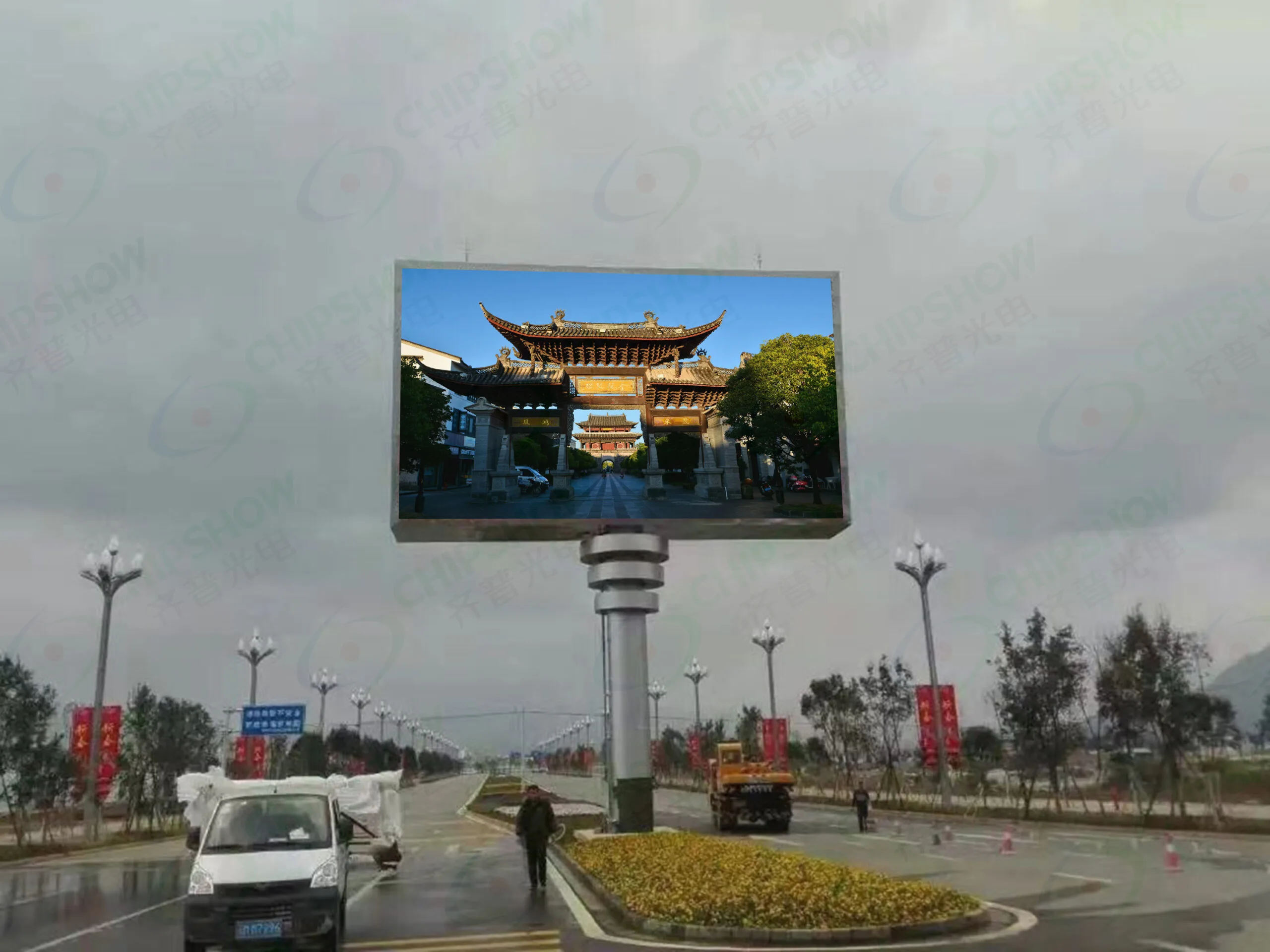
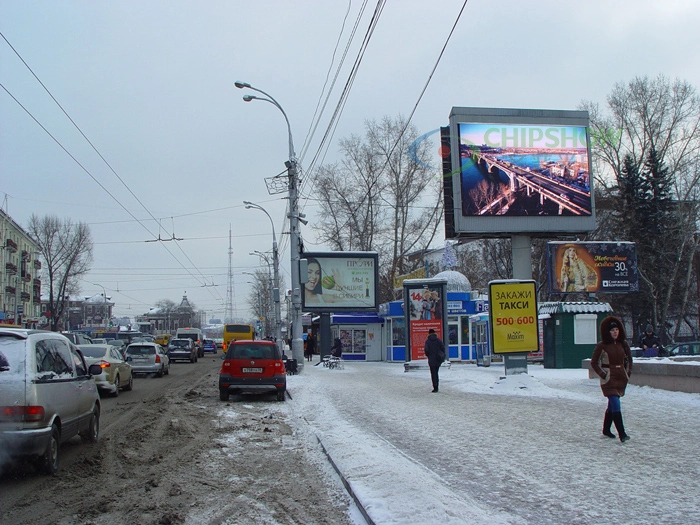
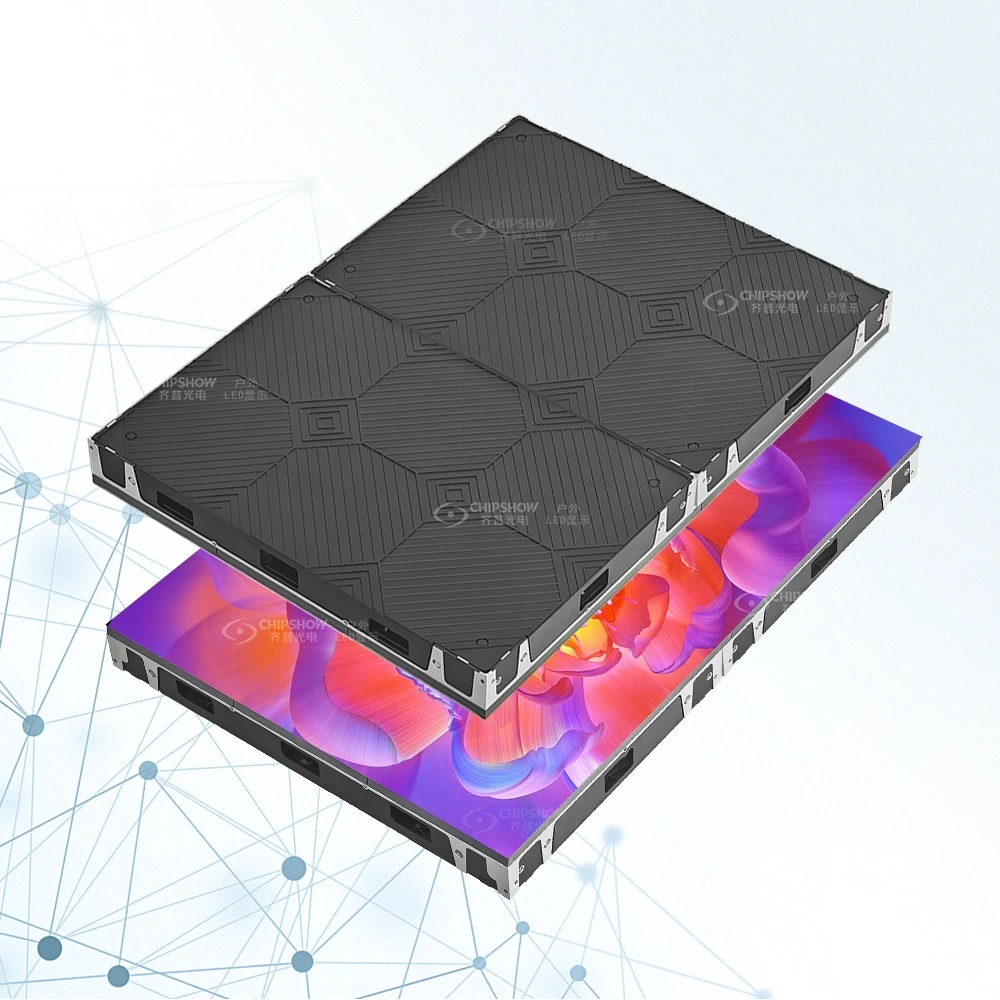
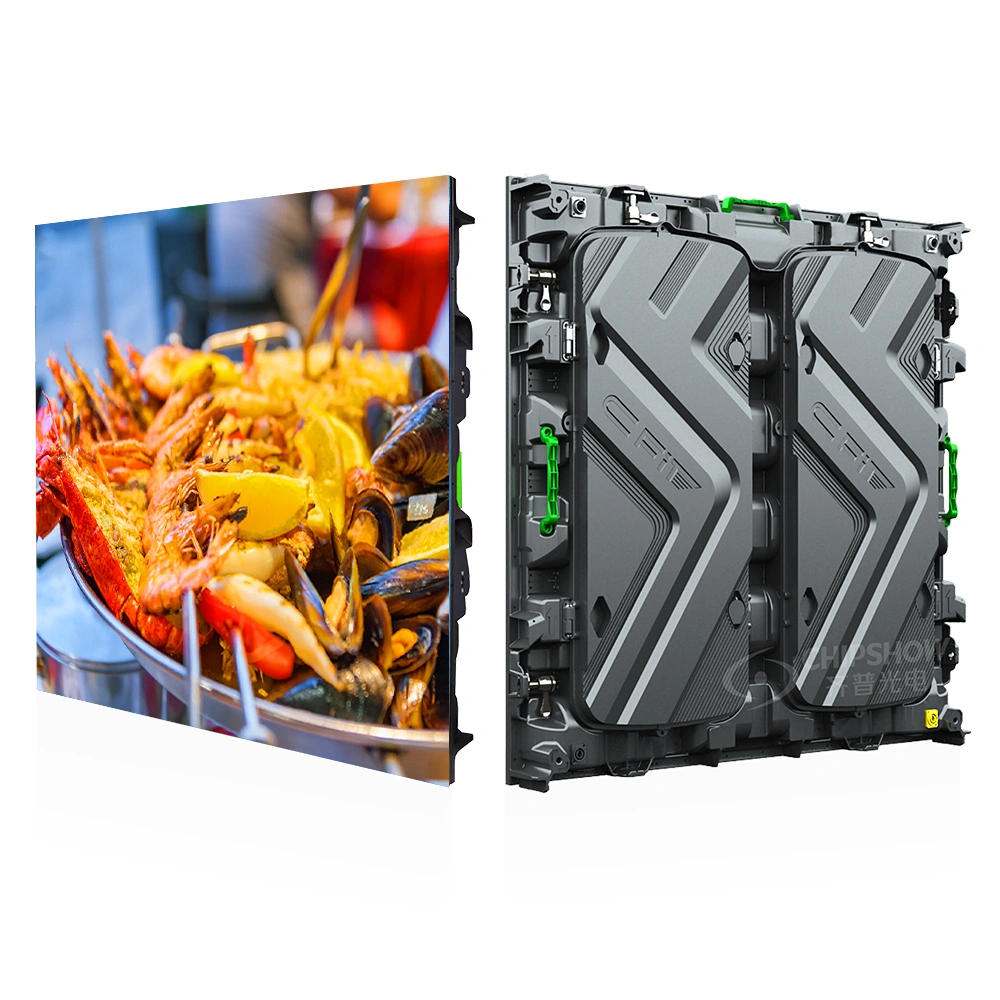
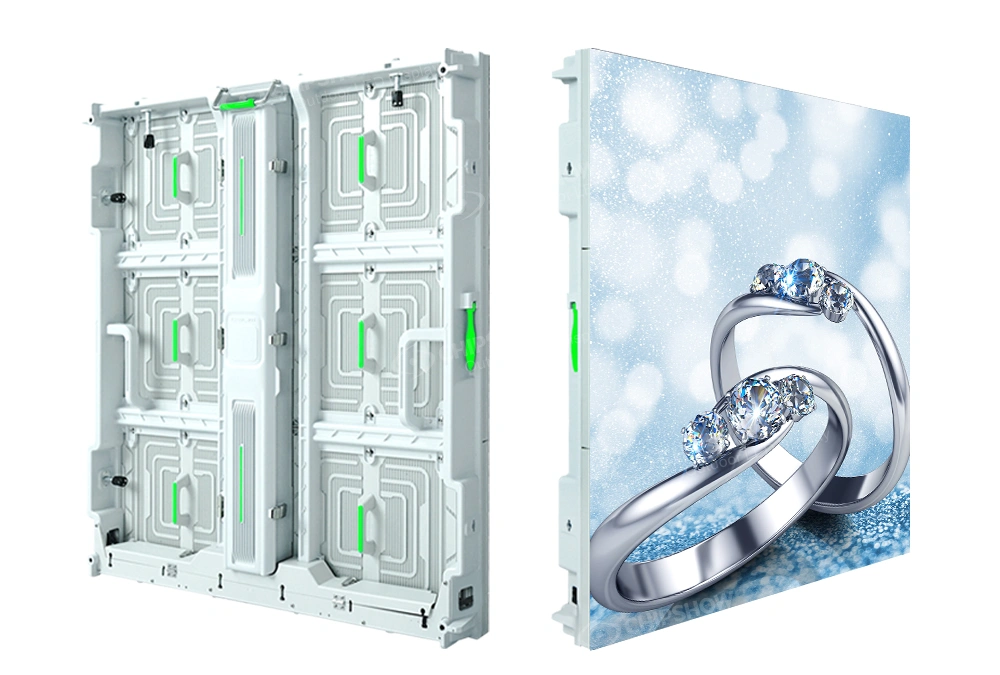
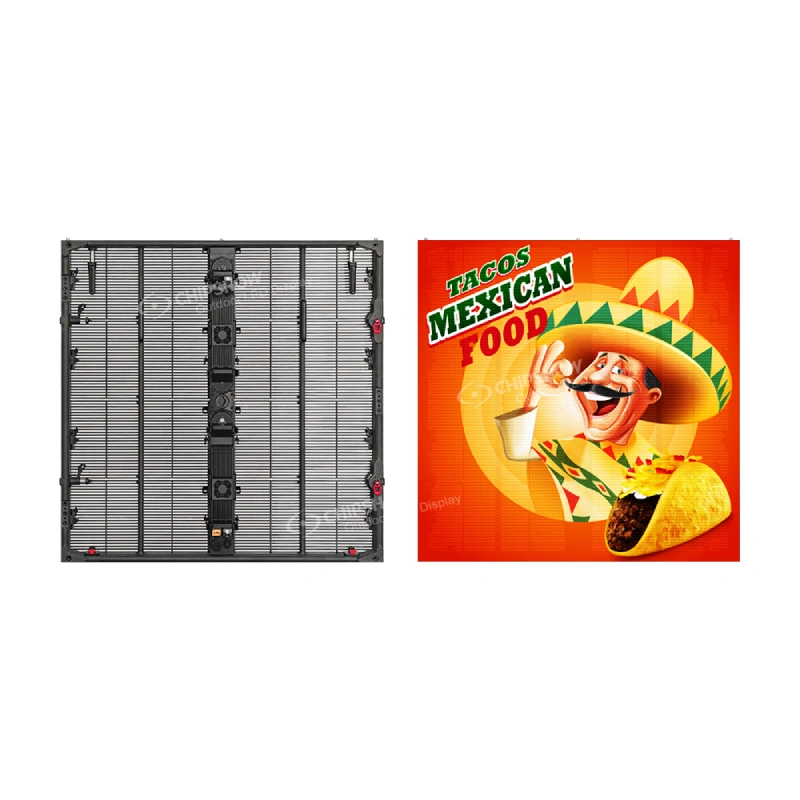
Outdoor fixed installations carry the widest price spread of any category, and for good reason — a modest storefront sign and a full-scale digital billboard both fall under “outdoor fixed,” but they have almost nothing in common structurally. At the lower end of the range, you’re typically looking at wider pixel pitch (P6 and up), standard IP65 weatherproofing, and simpler mounting. At the upper end, tighter pixel pitch for closer viewing distances, higher brightness ratings for full sunlight visibility, and more robust structural mounting (steel frame, wind-load engineering) push the outdoor led screen price up considerably. If you’re pricing a digital billboard, building sign, or drive-through display, viewing distance is the single most useful number to know before requesting a quote — it determines the pixel pitch you actually need, and pixel pitch is what moves this number the most.
Indoor Fixed LED Screens
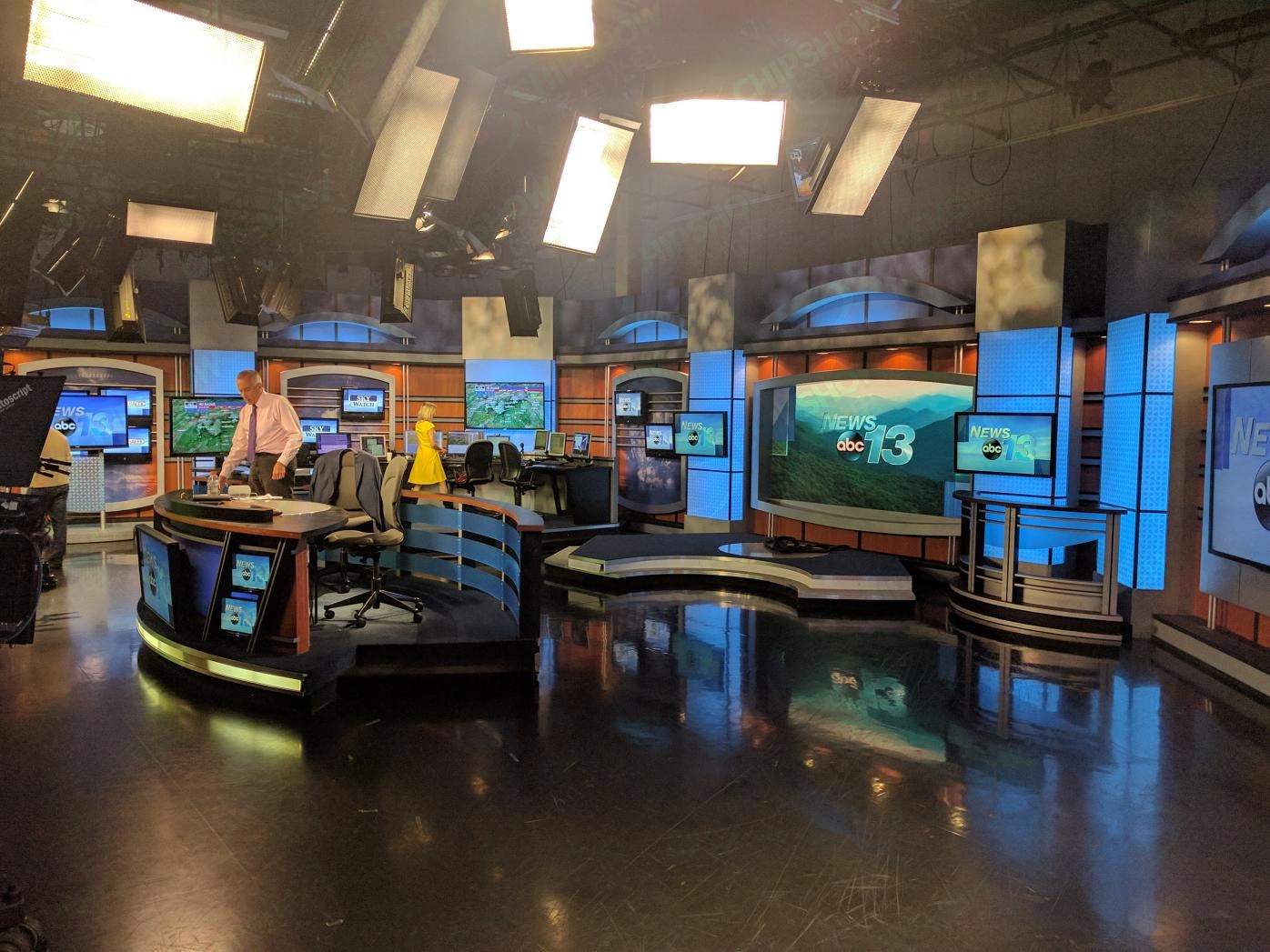
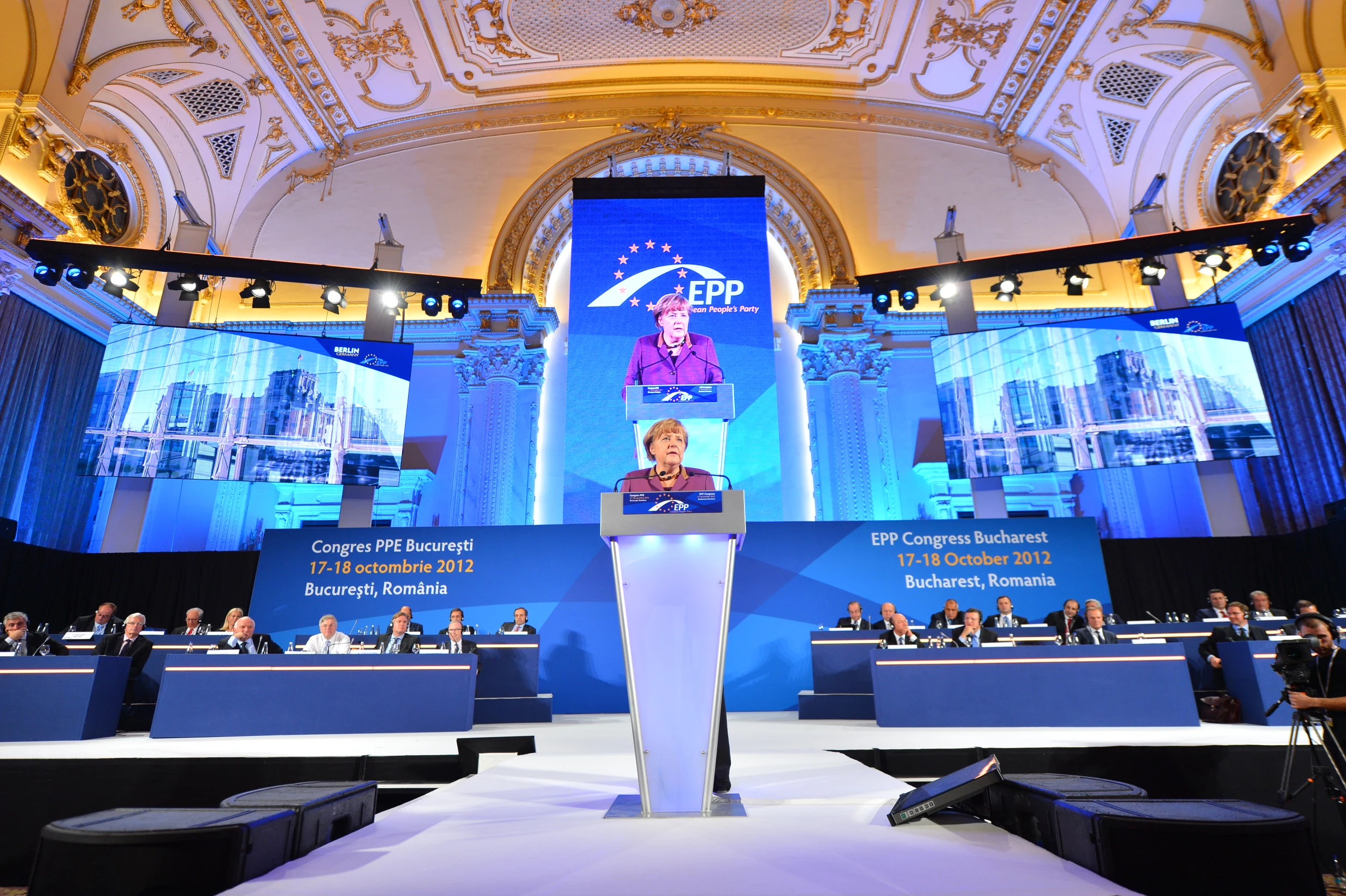
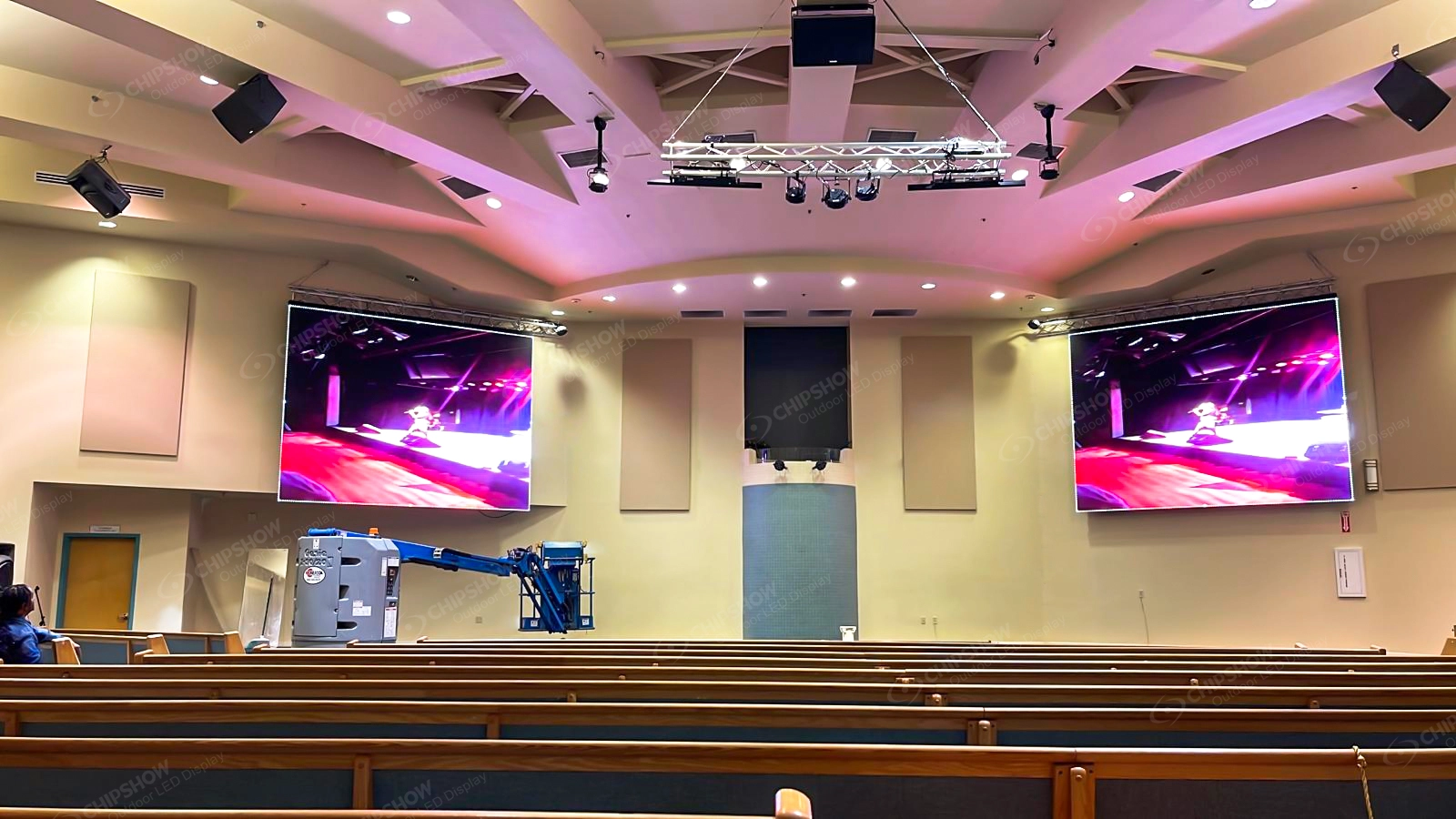
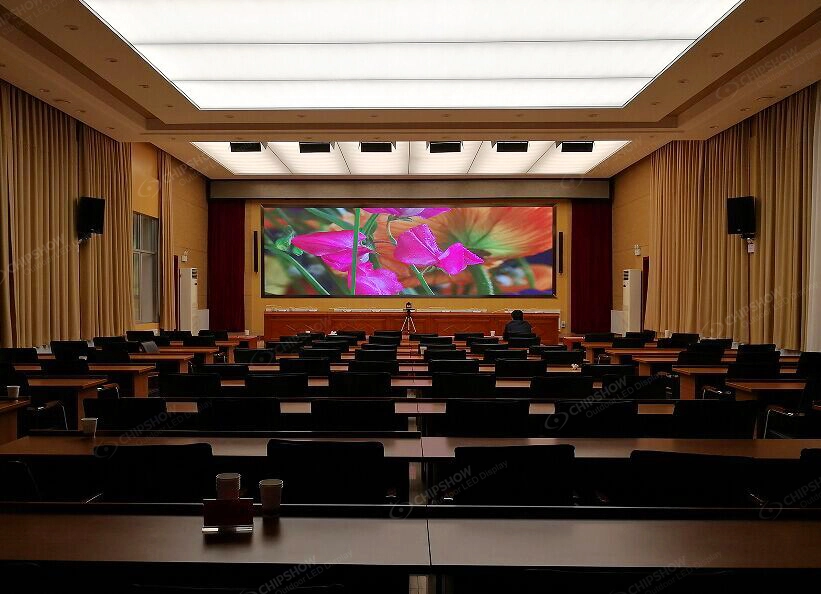
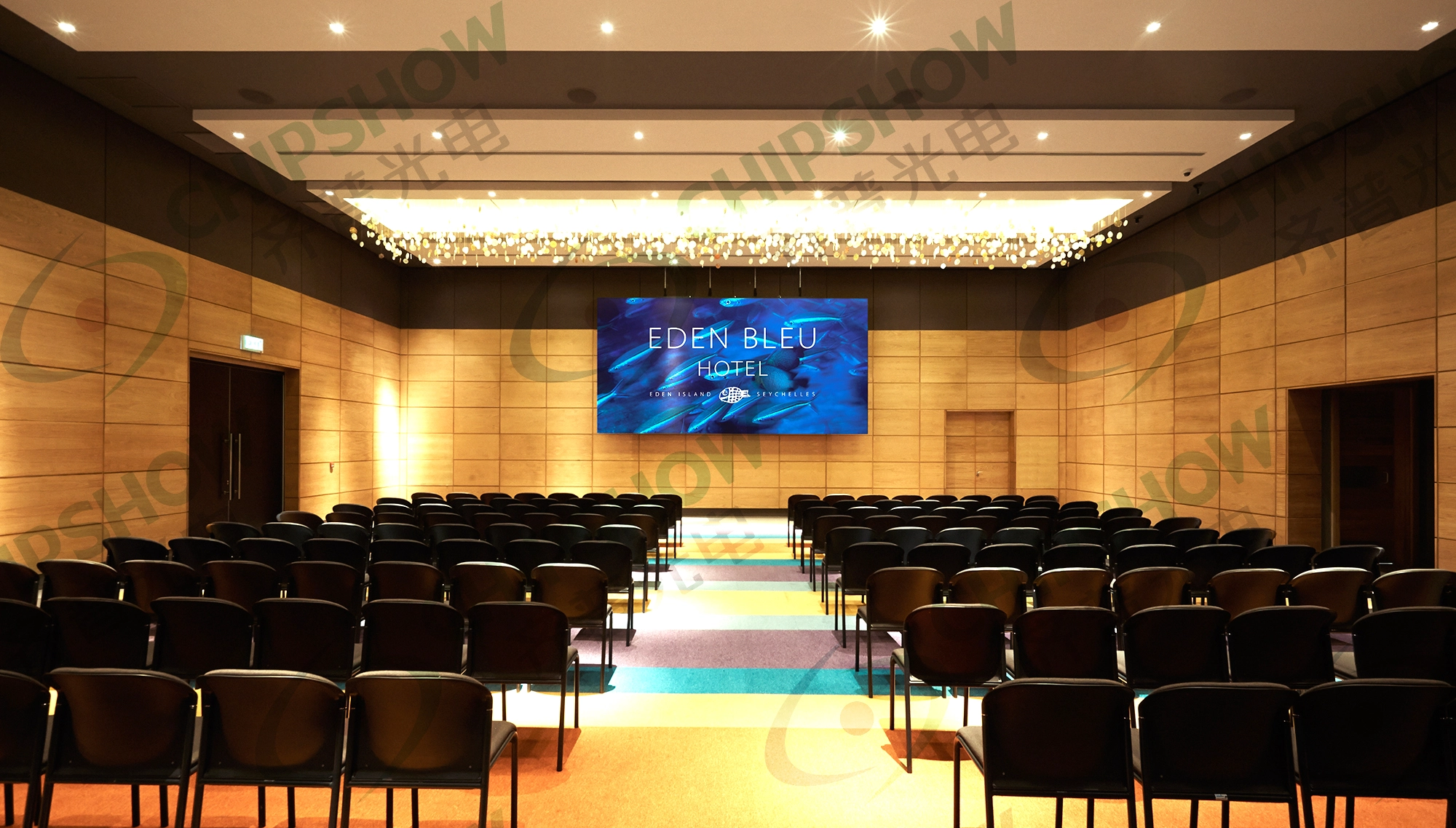
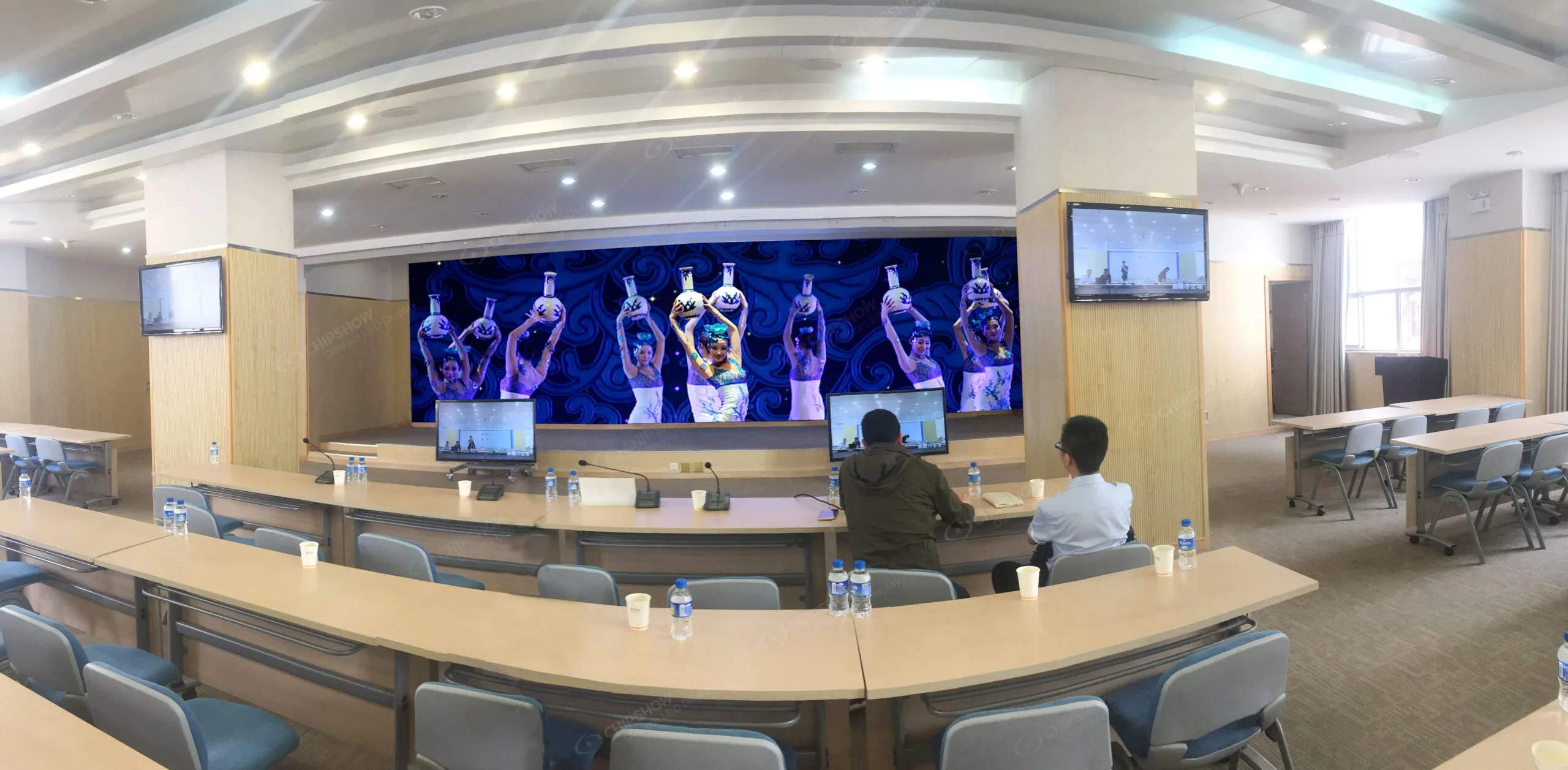
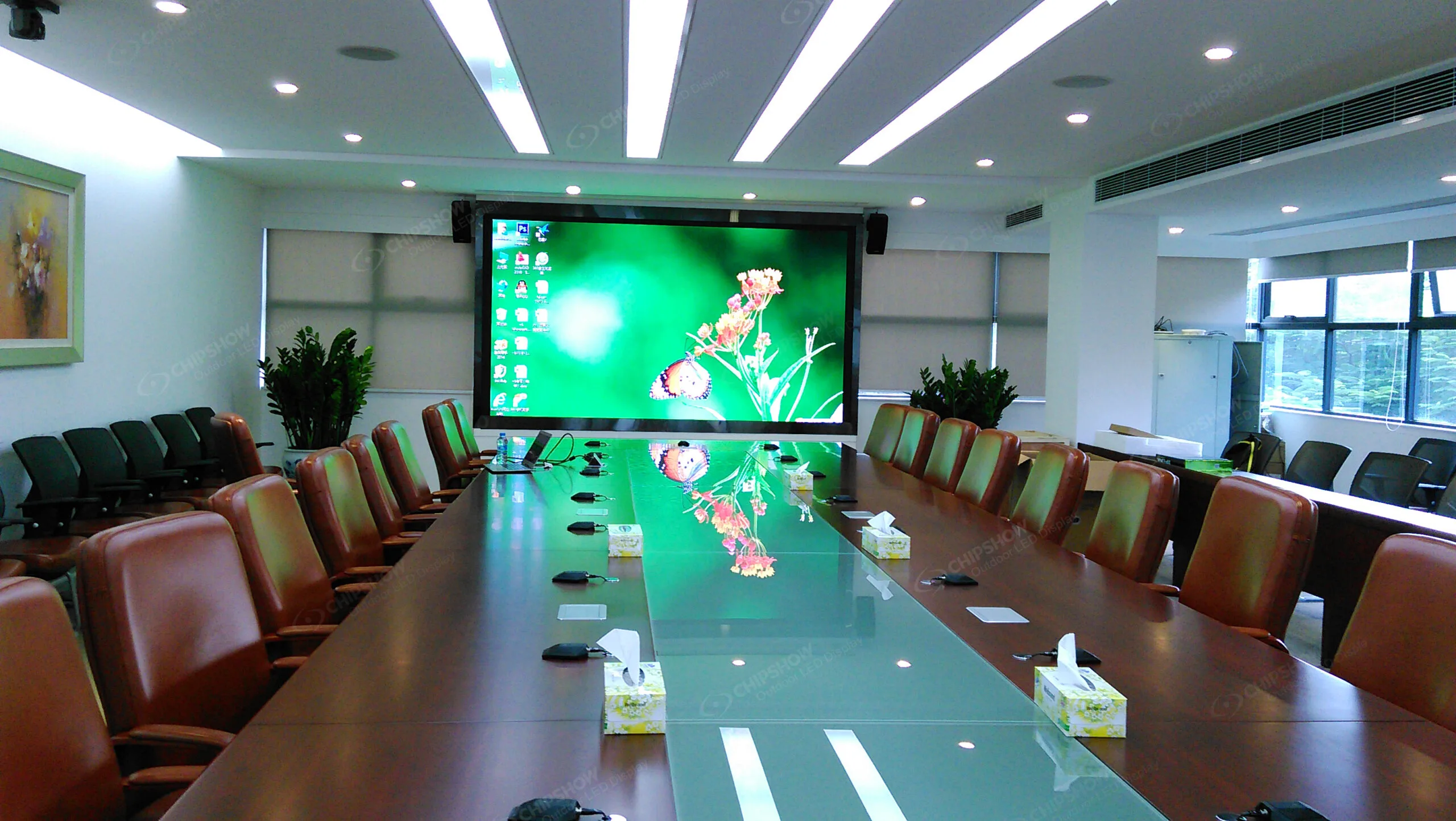
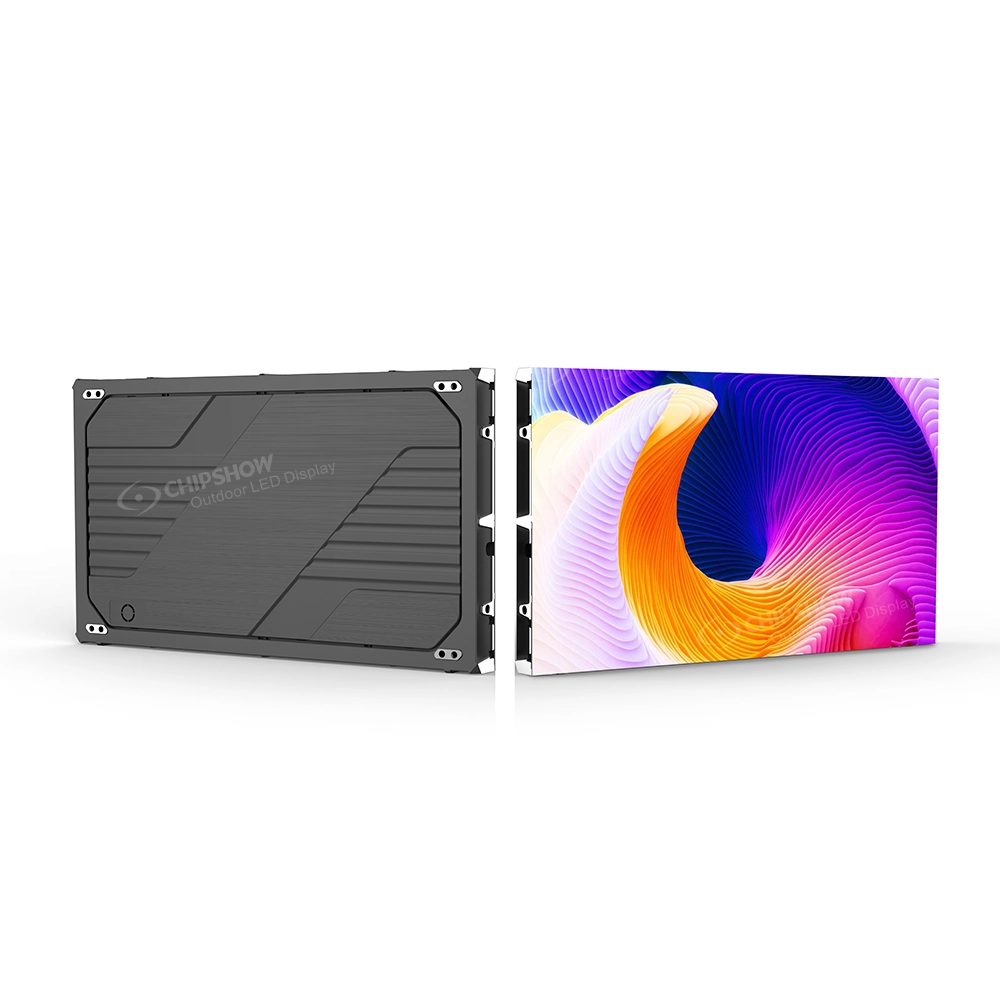
Indoor installations don’t need to fight sunlight or weather, so the price drivers shift. Here, the led display screen price is driven more by pixel pitch (since indoor viewing distances are typically much shorter, buyers often want tighter pitch for a sharper image), cabinet size and modularity, and the sophistication of the content management system. A lobby video wall or a retail display wall sits toward the lower-to-middle end of this range; a broadcast studio background or a high-density control-room video wall — where color accuracy, seamless bezels, and ultra-tight pixel pitch matter — sits toward the top. Because indoor units are priced per piece rather than per square meter, total project cost scales directly with how many cabinets your layout requires.
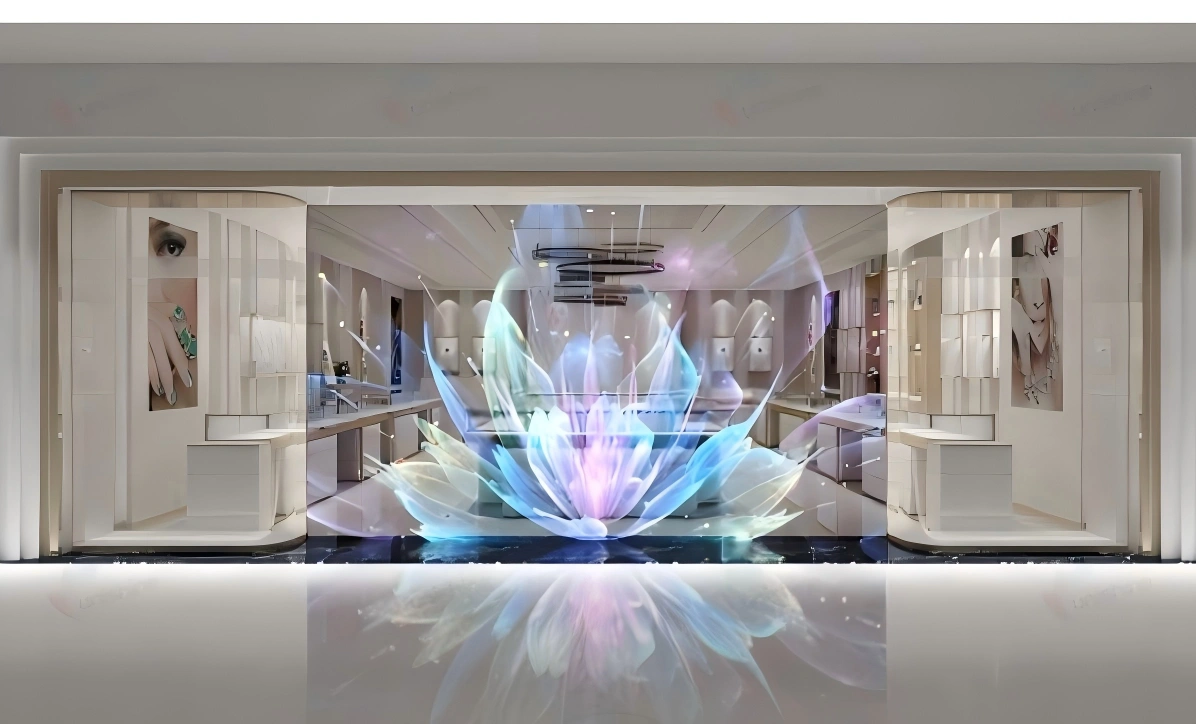
Transparent LED Screens
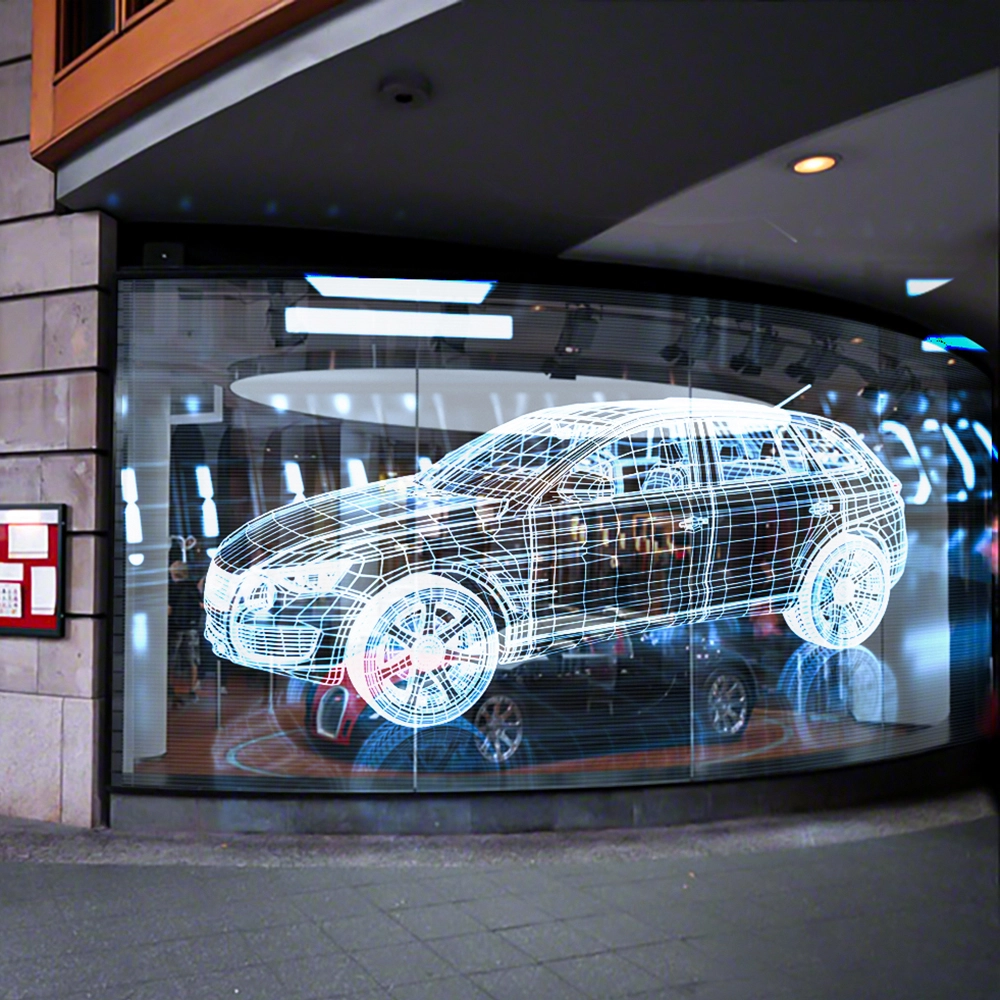
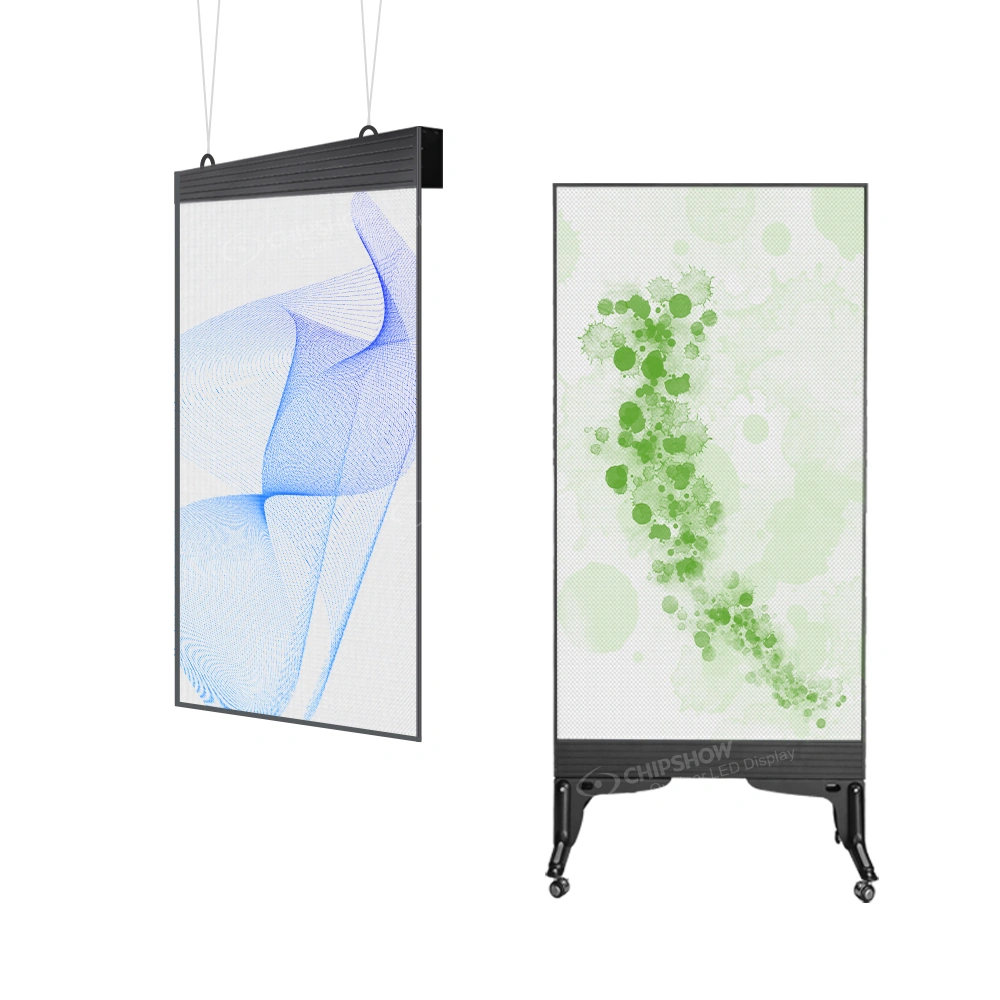
Transparent LED sits in a category of its own, since you’re paying for two things at once: the LED display function and the see-through structural design. Transparency percentage (how much visible light passes through the screen when it’s off) and brightness (measured in nits, since transparent screens generally need to output more light to remain visible against natural daylight) are the two numbers that matter most here. Indoor transparent applications — showroom windows, retail displays viewed at typical indoor light levels — sit at the lower end of the range. Outdoor-rated transparent screens, built for facades and window installations exposed to direct sunlight, sit higher, both because of the brightness requirement and the additional weatherproofing. For a full breakdown of transparent led screen price by installation type, see our dedicated transparent LED price quote guide linked below.
Rental LED Panels
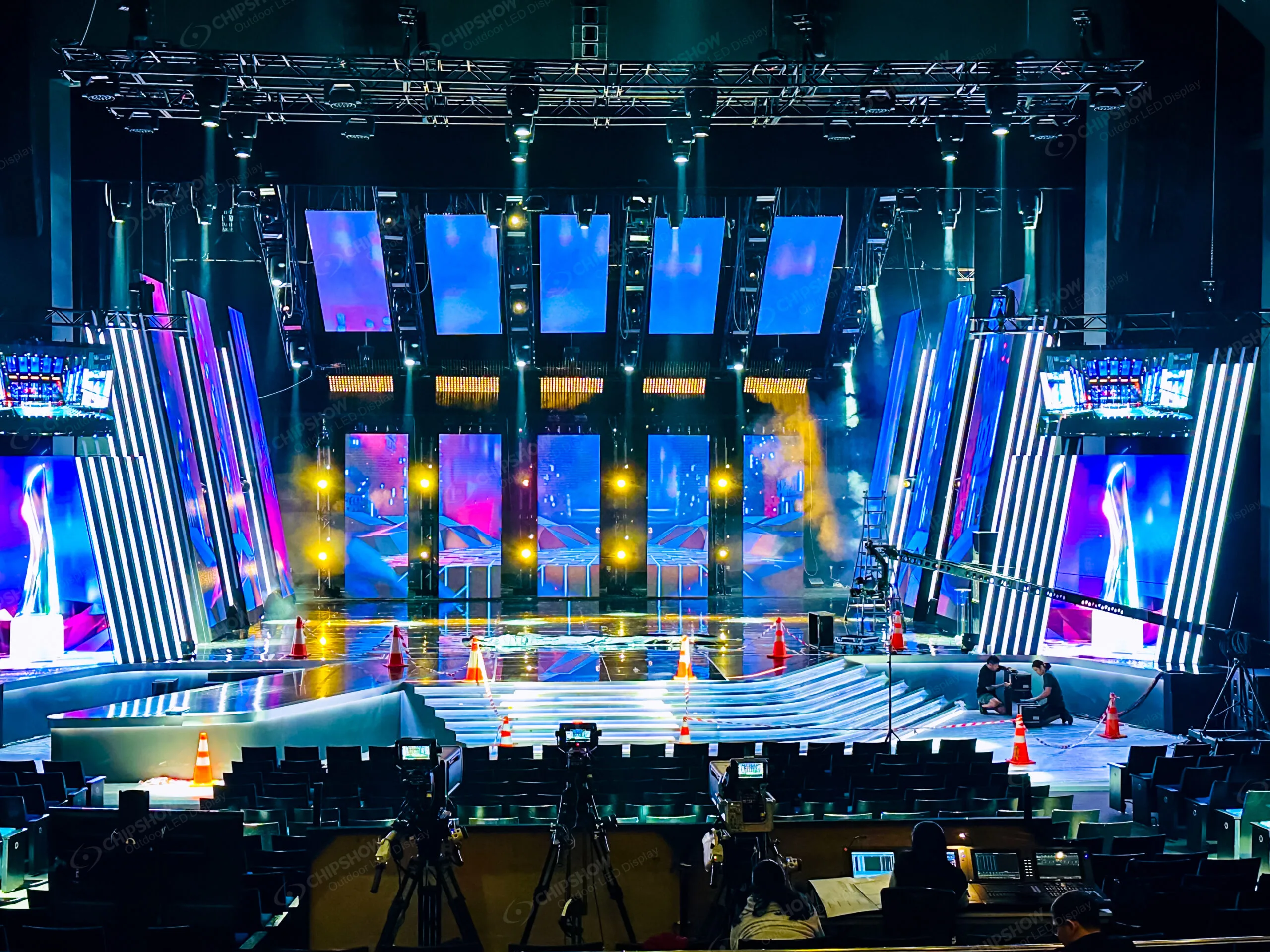
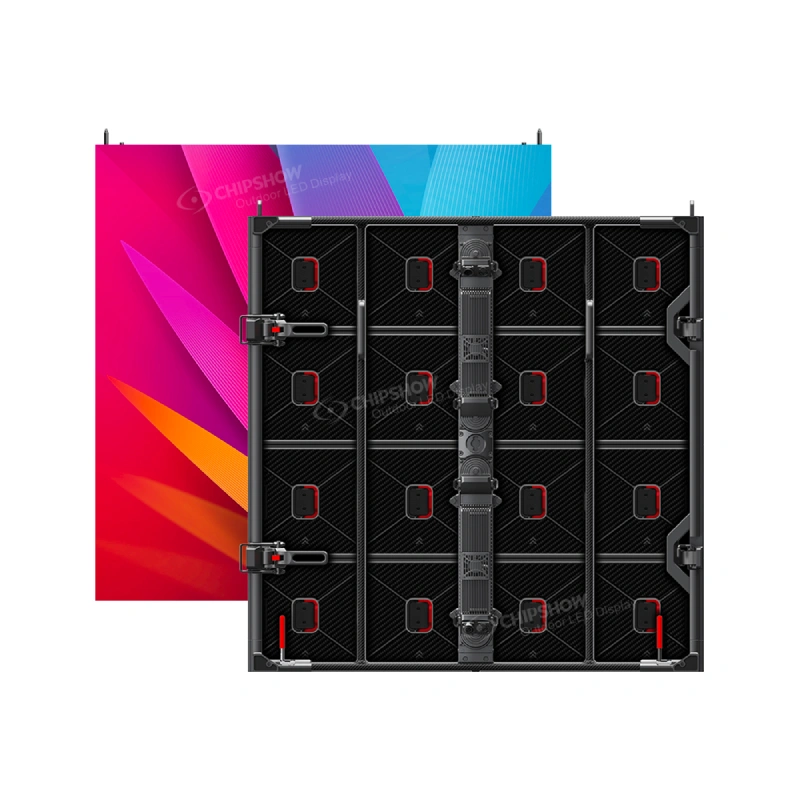
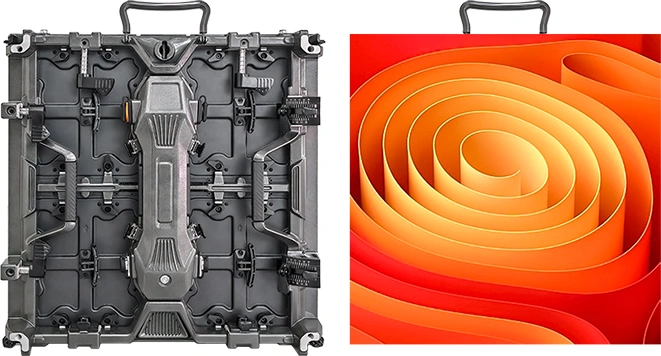
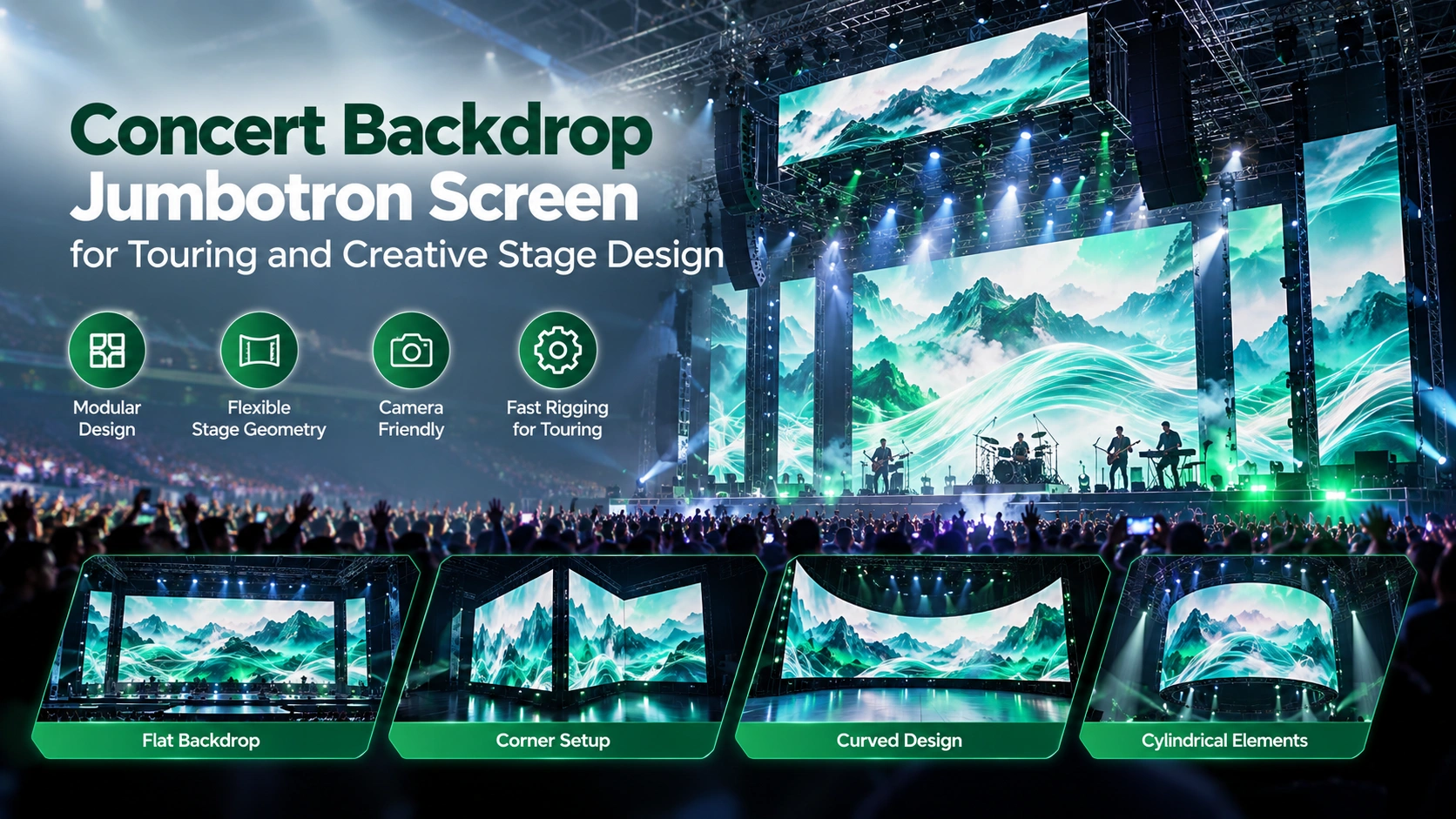
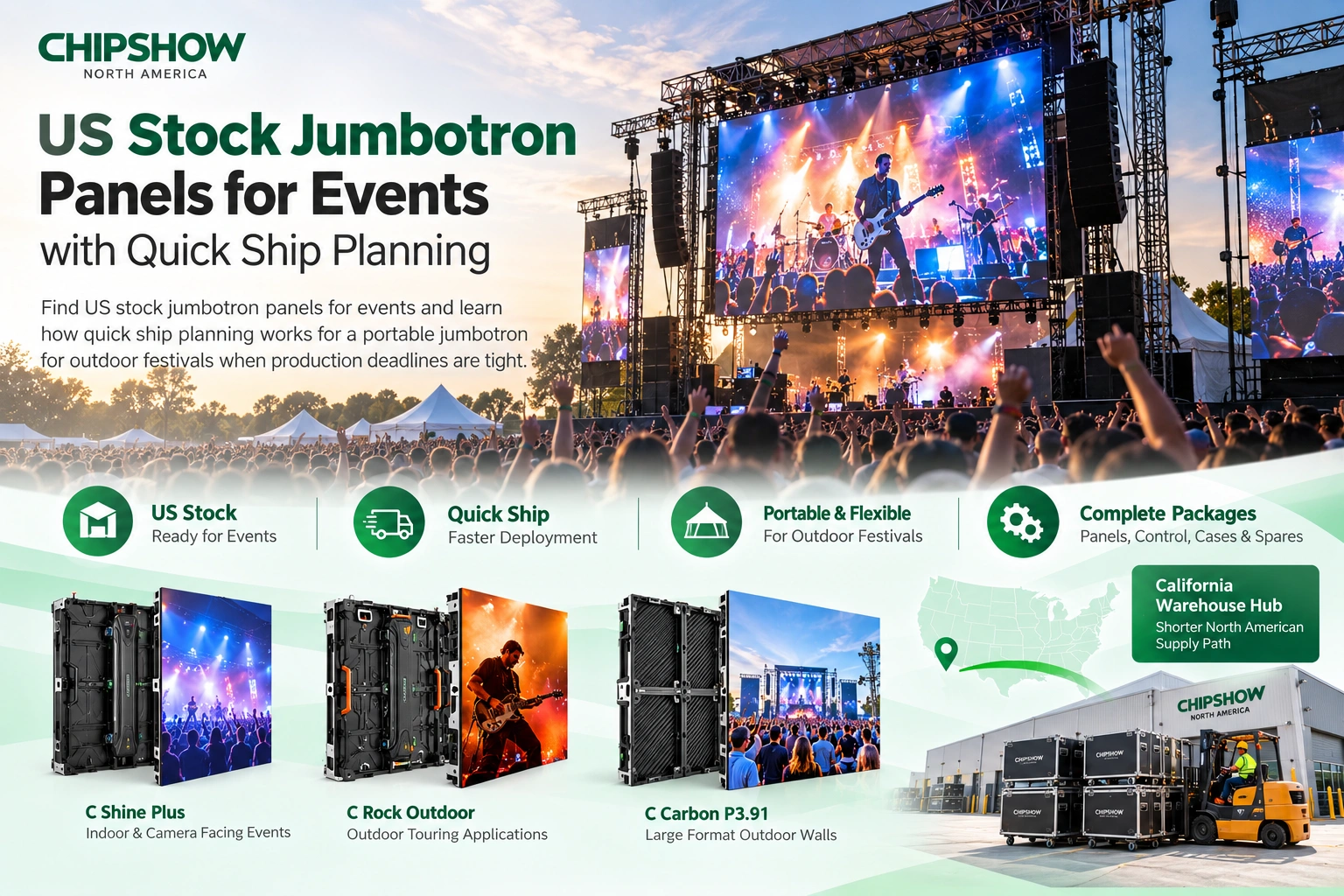
Rental pricing works differently from fixed installation pricing, because you’re not just paying for display performance — you’re paying for how fast the panel assembles, how much it weighs (which affects rigging cost), and how well it survives repeated setup and teardown cycles. Lightweight, quick-lock panels built for frequent touring sit at the lower end of the led video wall screen price range for rental; flagship rental panels with tighter pixel pitch, curved capability, or reinforced carbon-fiber frames for high-end concert and broadcast work sit at the top. If your primary use case is short-term (a single event, a touring show, a seasonal activation) rather than a permanent install, rental pricing is usually structured on a per-day or per-week basis rather than the flat per-piece purchase price shown here — our dedicated LED wall rental cost guide breaks that down separately.
LED Mesh Screens
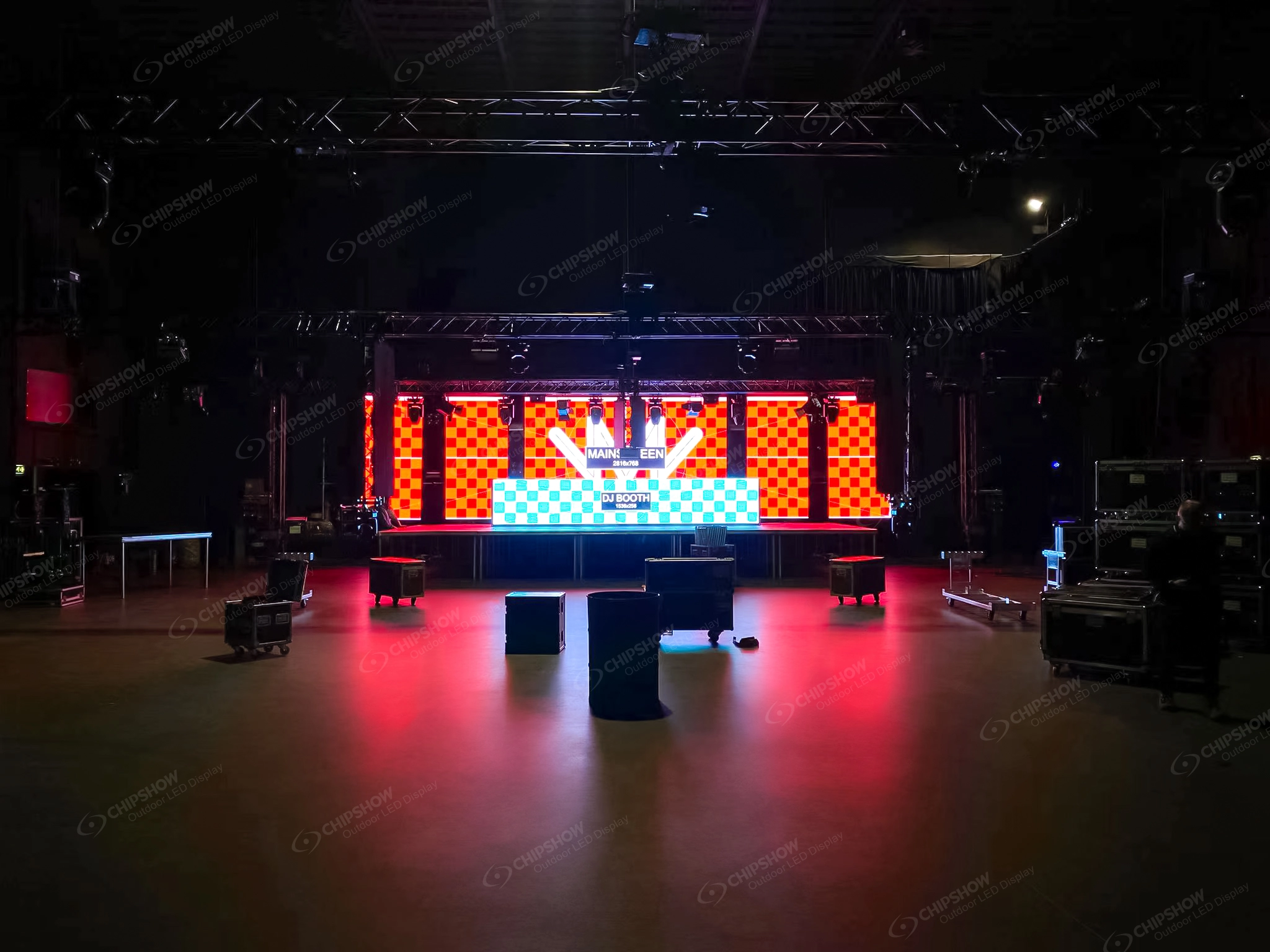
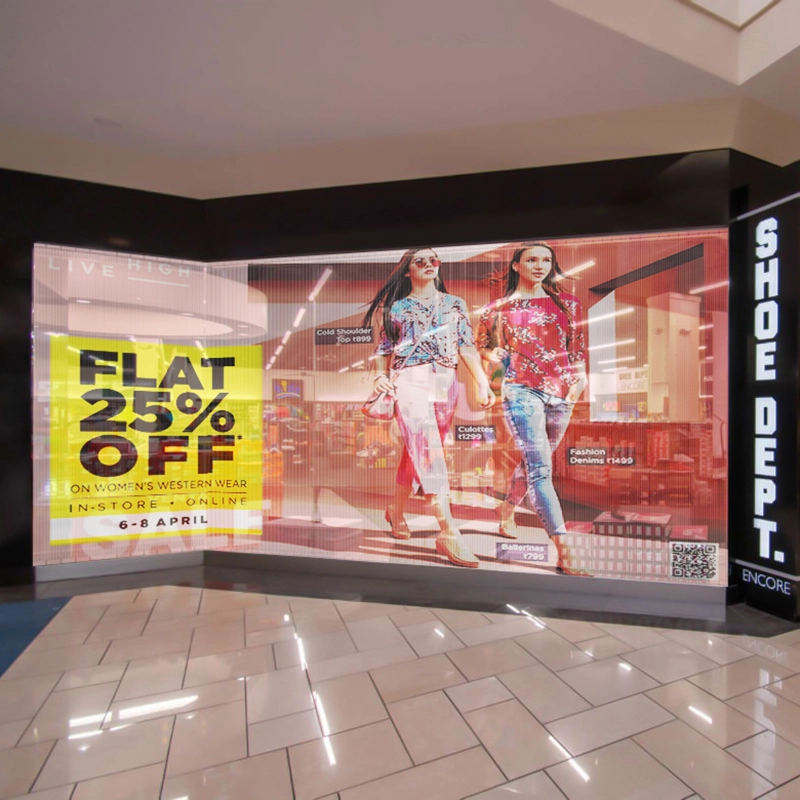
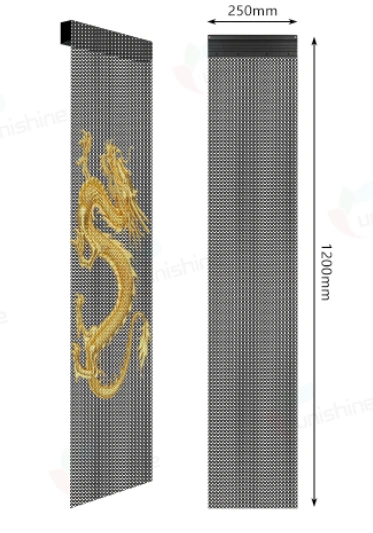
Mesh screens are a semi-transparent category most often used on building facades and glass curtain walls, where full opacity isn’t structurally or aesthetically appropriate. Because mesh screens trade some pixel density for airflow and light transmission, the led screen panel price here tends to sit in a narrower, more predictable band than fully opaque outdoor fixed screens. The main variables are mesh density (which affects both transparency and image resolution) and total facade area, since these are almost always priced and installed at building scale.
Sports & Traffic LED Displays
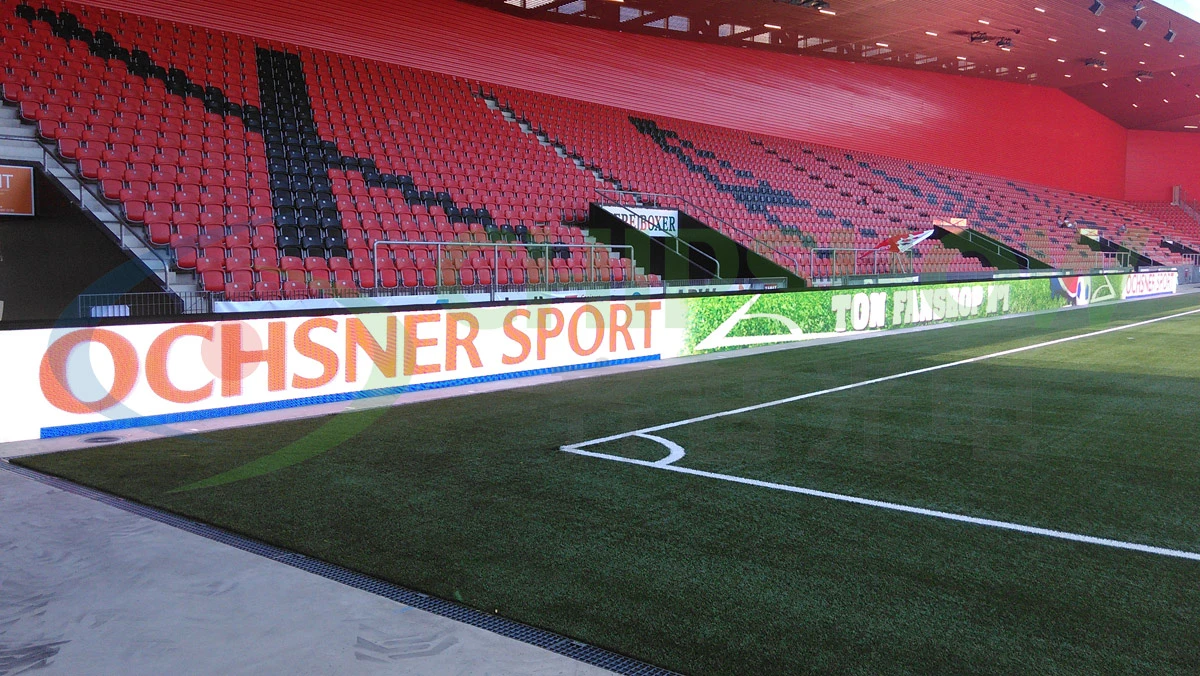
This category covers two distinct but similarly-priced use cases: stadium and arena displays (scoreboards, perimeter boards, video boards) and traffic or transportation signage (digital road signs, transit displays). Both share similar demands — extreme durability, high brightness for visibility at distance or in daylight, and long operational lifespans with minimal maintenance access. Traffic and transportation displays in particular often carry additional certification requirements, which factors into the higher end of this range. If you’re pricing a stadium installation, expect the quote to also depend heavily on total board size, since these are typically some of the largest single installations in any LED category.
5 Factors That Affect Your LED Screen Price
Two screens with an identical footprint can carry very different price tags. Beyond the application category itself, here’s what actually moves the number once we get into the details of your quote.
Pixel Pitch
Pixel pitch — the distance, in millimeters, between individual LED clusters — is the single biggest driver of led display panel price within any given category. A tighter pitch (P2.5, P3) packs significantly more LEDs into the same square meter, which raises component cost, raises manufacturing complexity, and raises the final price. A wider pitch (P6, P8, P10) uses fewer, larger LED clusters and costs less, but requires more viewing distance to look sharp — which is exactly why outdoor billboards and stadium boards, viewed from far away, can use a wider (and cheaper) pitch than an indoor video wall viewed from a few feet away. Getting your viewing distance right before choosing pixel pitch is the single best way to avoid overpaying for resolution you don’t actually need. For detailed comparisons by pixel pitch, check our P-Series LED Display Price breakdown.
Screen Size
Larger installations generally see better pricing on a per-square-meter or per-piece basis, since fixed costs (design, control system setup, project management) get spread across more hardware. That said, total project cost still scales with size, and it’s easy to let “bigger is better” push a budget past what the application actually requires. We typically recommend sizing to viewing distance and available space first, then treating cost efficiency at scale as a secondary consideration rather than a reason to go larger than needed.
Installation Method
How a screen gets mounted — wall-mounted, ground-supported on a structural frame, flown/rigged from an overhead truss, or embedded directly into architecture — changes both the hardware requirements and the labor cost behind your quote. A permanent, ground-supported outdoor billboard needs wind-load engineering and a poured foundation; a flown rental panel needs a lightweight frame and quick-rigging hardware; an architecturally embedded transparent screen needs custom mounting to integrate with the building’s glass system. None of these installation methods are inherently more expensive at the hardware level, but each pulls different line items into the total project cost, which is why installation method is worth specifying clearly when requesting a quote.
Content Management System
The controller and software driving your screen is a separate cost layer from the display hardware itself, and it’s one buyers frequently underestimate. A basic standalone controller running a simple looped playlist is inexpensive and appropriate for a single, static-content display. A cloud-based content management system — needed for multi-screen networks, remote scheduling, real-time content updates, or integration with a broader digital signage network — costs more but is often essential for commercial and advertising applications where content needs to change frequently or sync across multiple sites.
After-Sales Service
Warranty length, response time, and the availability of local spare parts don’t show up as a line item on most quotes, but they factor heavily into total cost of ownership. A screen with a shorter effective lifespan due to component failures, or one where a warranty claim means waiting weeks for parts to ship internationally, ends up costing more than the sticker price suggests. This is where sourcing decisions — not just hardware specs — start to matter as much as pixel pitch or screen size, which brings us to the next section.
Why USA Stock Pricing Beats Overseas Procurement
A lower factory-direct number from an overseas manufacturer is genuinely tempting to compare against, but it’s rarely an apples-to-apples comparison against a USA stock quote. Here’s how the two actually stack up once every cost is accounted for.
| Feature / Metric | USA Stock | Overseas Procurement |
|---|---|---|
| Lead Time | Ships within days from USA warehouse | 6–12 weeks ocean freight, plus customs clearance |
| Tariffs | Already landed and cleared — no surprise duty on delivery | Import tariffs and customs fees added after your quote |
| Warranty Response | Local support, replacement parts on hand | Parts and support routed through overseas manufacturer |
| MOQ | Available in smaller, project-sized quantities | Often requires container-level minimum order quantities |
The lead time gap is usually the first thing that changes a buyer’s calculation. A 6-12 week overseas shipping window sounds manageable on paper, until it collides with a fixed store opening date, an event date, or a construction schedule that doesn’t move. USA stock removes that risk entirely, since inventory is already domestic — what’s quoted is what’s available, not what’s promised for a future production run.
The tariff and customs gap is where the “lower” overseas number often stops looking lower. Import duty, customs brokerage fees, and inland freight from the port to your site are rarely included in an overseas factory quote, and they’re not small — depending on the product category and current trade policy, landed cost can run meaningfully above the original quoted figure. A USA stock price has already absorbed those costs into inventory, so the number you’re quoted is the number that shows up on your invoice.
Warranty response is the piece most buyers don’t think about until they need it. If a panel fails eighteen months into a five-year warranty and the manufacturer is overseas, resolving that claim means international shipping, customs paperwork, and — realistically — weeks of downtime on a display that’s supposed to be running. Local support with parts already on hand turns that same failure into a routine service call.
Finally, minimum order quantities matter more than buyers expect, particularly for mid-sized projects. Overseas manufacturers frequently structure pricing around container-level minimums, since that’s what makes ocean freight economical on their end — which can force a buyer into ordering more than the project actually needs just to hit a viable order size. USA stock is generally available in project-sized quantities, so you’re pricing and purchasing to your actual specification rather than a shipping minimum.
None of this means overseas procurement is never the right call — for very large, long-lead-time projects planned months in advance, factory-direct sourcing can make sense. But for most commercial LED projects with a real-world deadline, USA stock pricing reflects the actual cost of getting a working display installed on time, not just the lowest number on a spec sheet.
How to Get an Accurate Quote
The ranges in this guide are a starting point for budgeting, not a substitute for a real quote — and the fastest way to get from a range to a firm number is to come to us with a few specifics already worked out. At minimum, we’ll want to know your application (outdoor, indoor, transparent, rental, etc.), your approximate size or square footage, your typical viewing distance, and your target timeline. If you already know your ideal pixel pitch, that helps too, but it’s not required — for many buyers, working backward from viewing distance and budget to the right pixel pitch is part of what we help sort out during the quote process. The more of this you can share upfront, the closer your first quote will land to your final price, with fewer rounds of back-and-forth before you have a number you can actually plan around.
Common Budgeting Mistakes to Avoid
A few patterns show up often enough in early conversations that they’re worth flagging before you request your own quote.
Comparing per-sqm and per-piece numbers directly.
As covered above, outdoor and facade-scale installations are priced per square meter, while indoor and rental panels are priced per piece. A $400 per-piece rental quote and a $400 per-sqm outdoor quote are not comparable numbers, even though they look identical on the page. Always confirm the unit before putting two quotes side by side.
Budgeting off the lowest number in a range.
The bottom of each price band in this guide reflects the most basic configuration in that category — widest available pixel pitch, standard brightness, simplest mounting. If your project needs a tighter pitch for a shorter viewing distance, or outdoor-rated brightness, your real number will land closer to the middle or top of the range. Treat the low end as a floor, not an expectation.
Comparing an overseas FOB quote to a USA landed quote.
This is the single most common source of sticker shock we see. An overseas factory quote and a USA stock quote can look wildly different on paper while representing a very similar real-world cost once freight, duty, and customs brokerage are added to the overseas number. Ask any supplier quoting a low number whether it’s FOB or landed before assuming it’s genuinely cheaper.
Skipping installation and content management costs.
The price ranges in this guide, like most published led screen price guides, reflect hardware only. Installation labor, structural work, and the control system layer are real costs that belong in your total project budget from the start, not surprises that show up after the hardware is already ordered.
FAQ
How long does delivery take?
USA stock items typically ship within days of order confirmation, since inventory is already landed and cleared through customs. Delivery time to your site after that depends on your location and freight method, but you’re not waiting on overseas manufacturing or ocean freight the way you would with a factory-direct order.
What’s the warranty on Chipshow LED screens?
Warranty terms vary by product line and application, so we confirm exact coverage length and what’s included once we know your specific product. Because support is handled locally through USA stock, warranty claims and part replacements don’t require international shipping.
Is bulk discount available?
Yes. Pricing scales with order volume, and multi-screen or multi-site projects typically see better per-unit pricing than the standalone ranges shown in this guide. Share your project scope with us and we’ll price it accordingly rather than quoting off a single-unit rate.
How is LED screen price actually calculated — per square meter or per piece?
It depends on the application. Large-format, continuous installations like outdoor billboards and building facades are priced per square meter, since the screen scales with total area. Discrete, modular installations like indoor video walls and rental panels are typically priced per piece or per cabinet. When comparing quotes from different suppliers, always confirm which pricing basis they’re using before comparing numbers directly.
Do quoted prices include installation?
Not by default — the ranges in this guide reflect hardware pricing. Installation cost depends on mounting method, site conditions, and whether structural work (foundations, rigging points, electrical runs) is needed. We’ll scope installation separately once we understand your site, so your final quote reflects the full, real cost of a working installation rather than just the panels.
What’s the price difference between indoor and outdoor LED screens?
Outdoor screens generally cost more per square meter than comparable indoor screens at the same pixel pitch, mainly due to weatherproofing (IP65/IP68-rated enclosures), higher brightness output needed for daylight visibility, and more robust structural mounting requirements. Indoor screens skip most of those requirements, which is part of why indoor led wall screen price tends to run lower for a similar-spec panel.
Can I get financing or leasing options for a large installation?
For larger commercial projects, financing and leasing structures are sometimes available depending on project size and scope — reach out with your project details and we can talk through what’s realistic for your situation. This is handled on a project-by-project basis rather than a standard published rate.
What information do you need to give me an accurate quote?
The fastest path to an accurate number is your application type, approximate size, typical viewing distance, and rough timeline. From there, we can recommend an appropriate pixel pitch and configuration if you don’t already have one in mind, and turn around a firm quote — usually within 24 hours for standard configurations.
Get a Firm Quote
Ranges are useful for budgeting, but they’re not a substitute for a real number tied to your actual project. Send us your specs — application, size, pixel pitch (if you know it), and timeline — and we’ll get back to you with USA stock pricing within 24 hours.
Not sure which format or pixel pitch fits your project? Try the Chipshow USA LED sign selector to shortlist options.