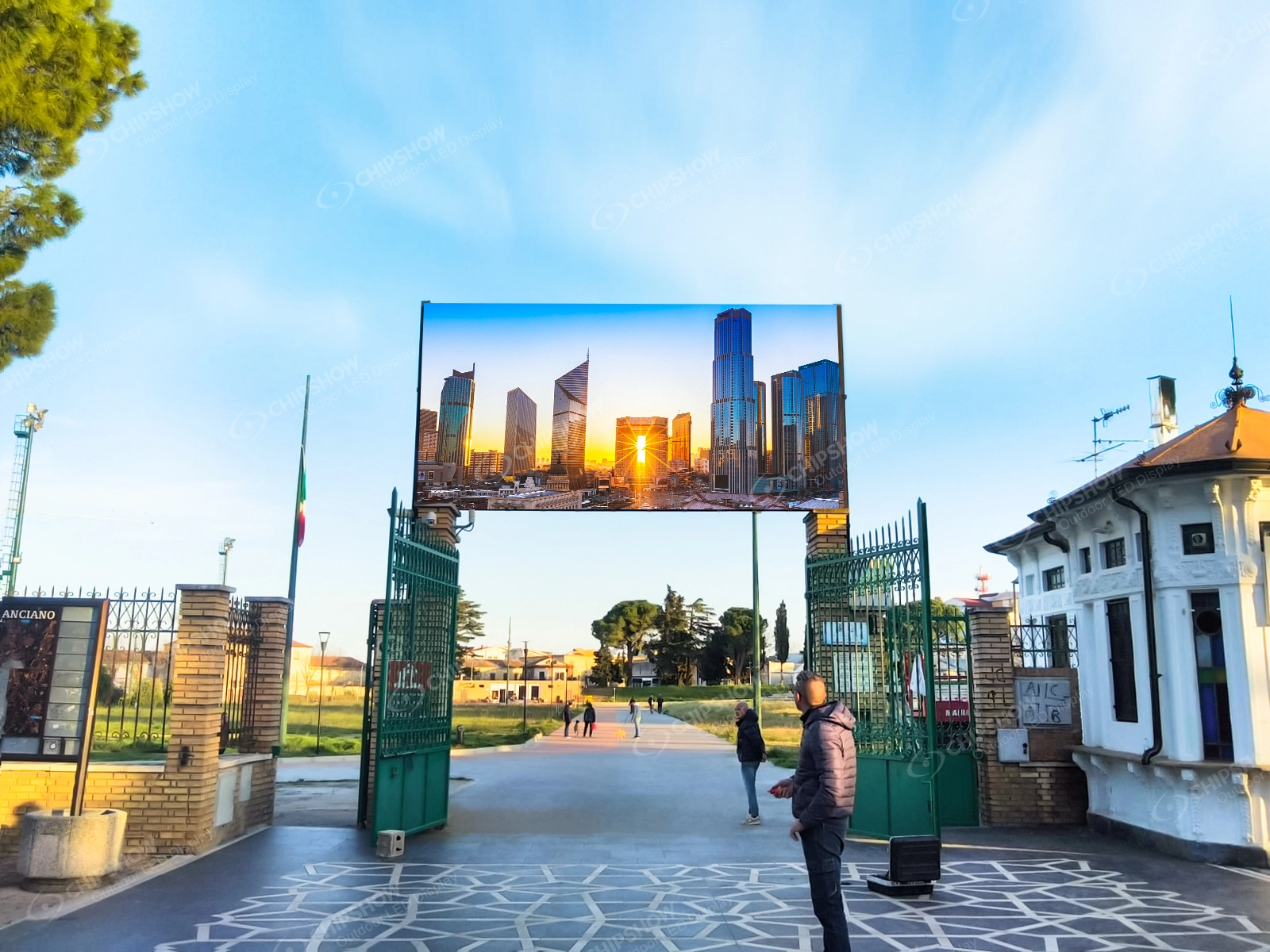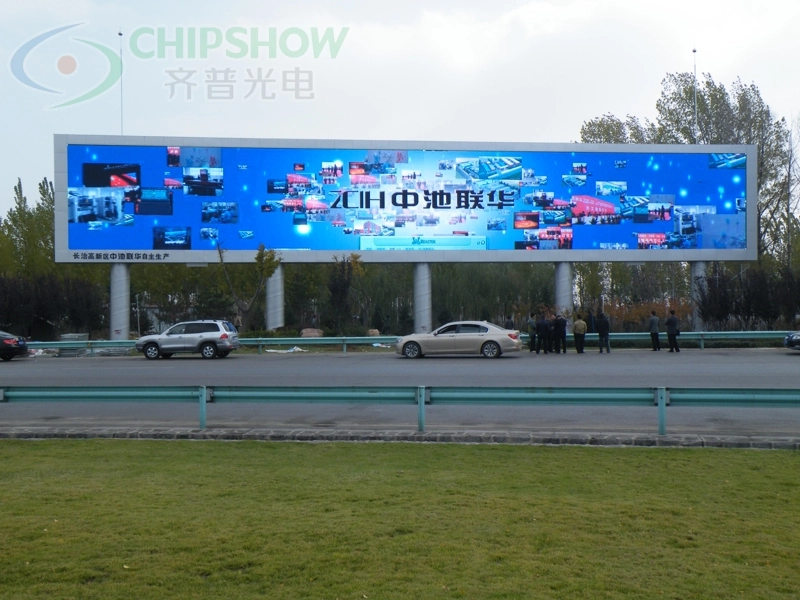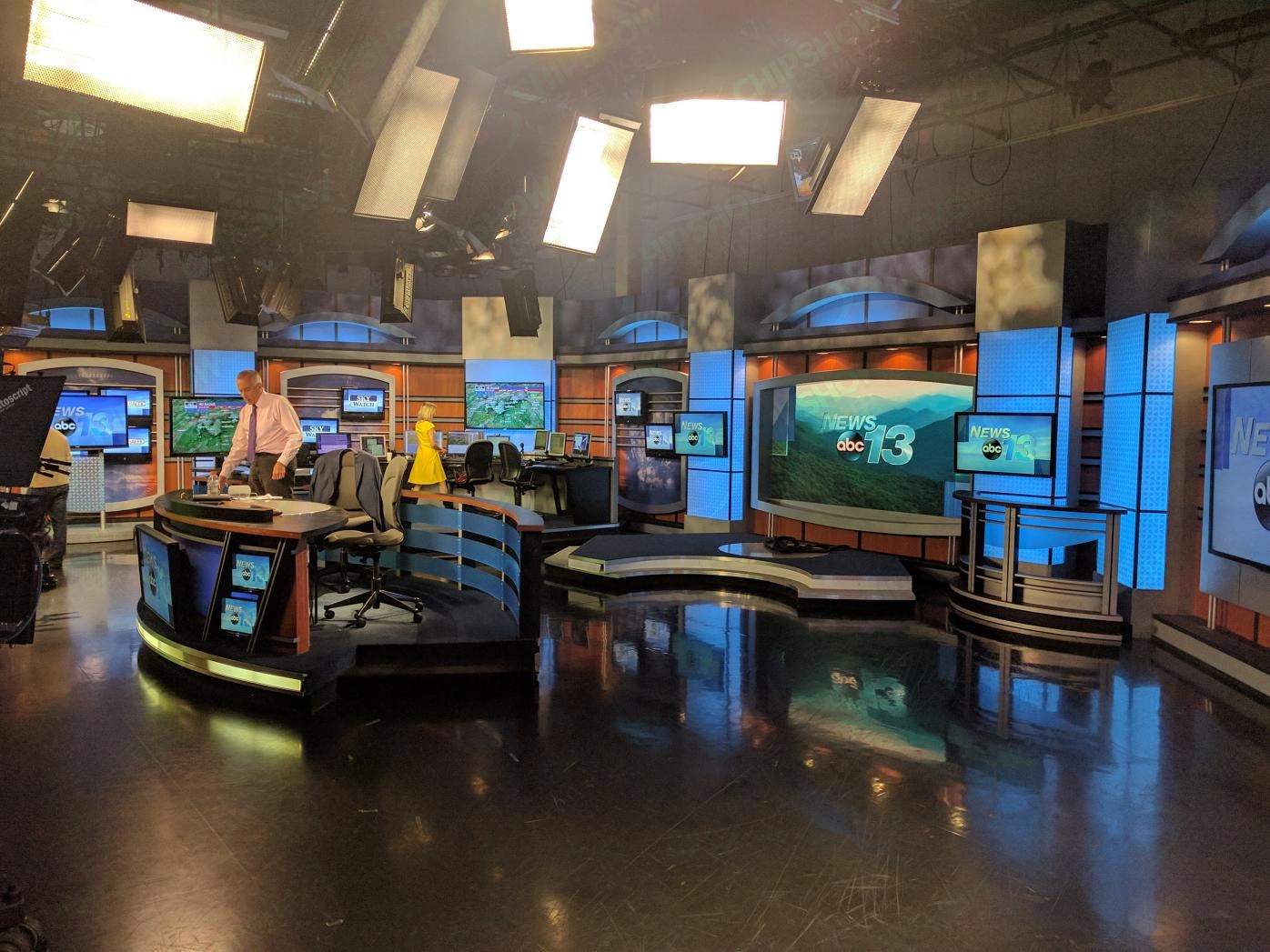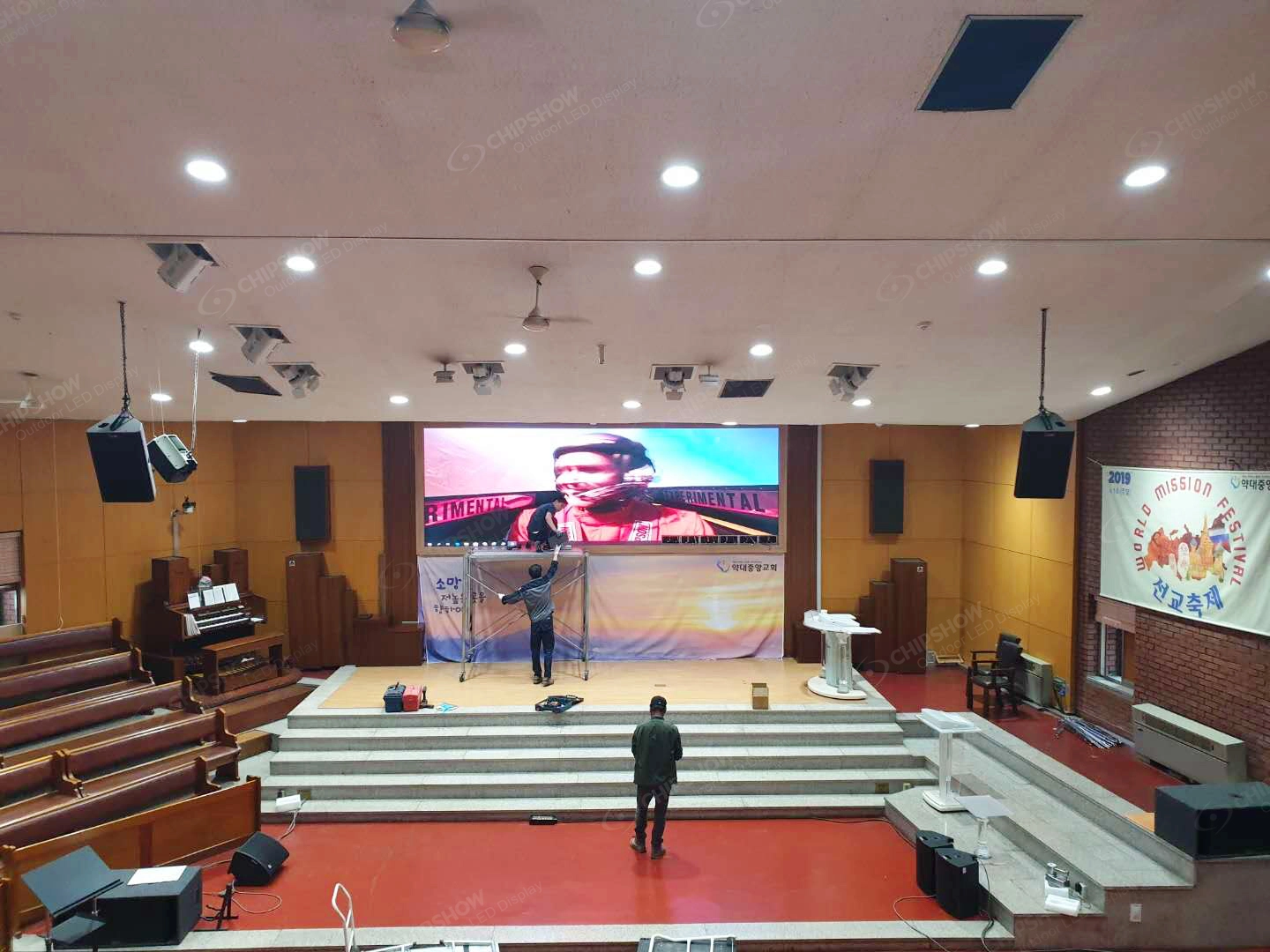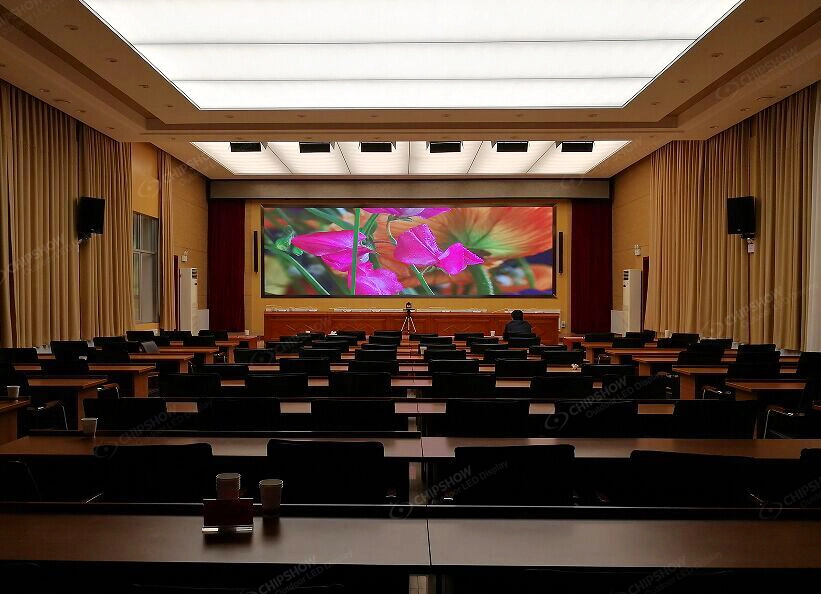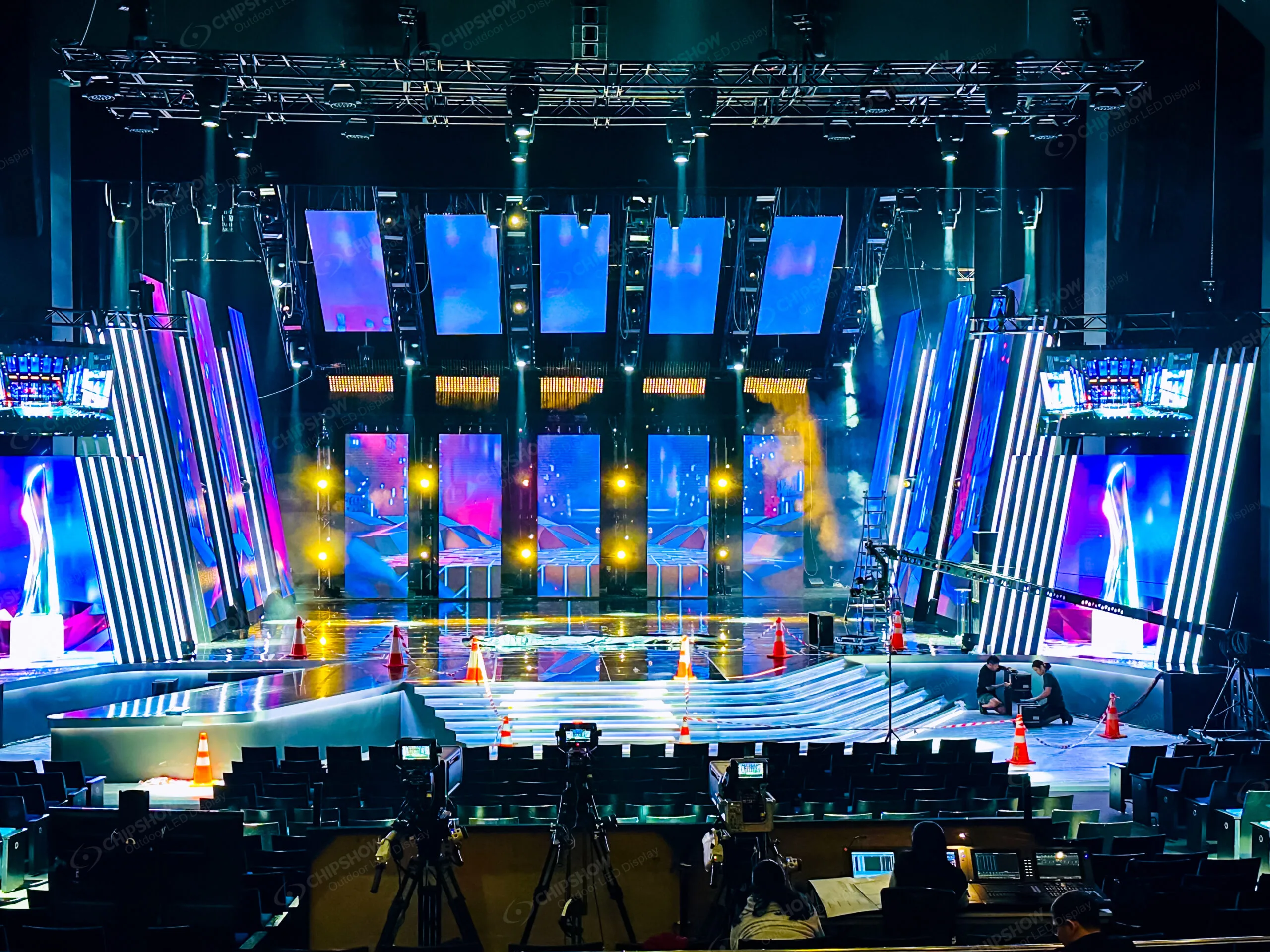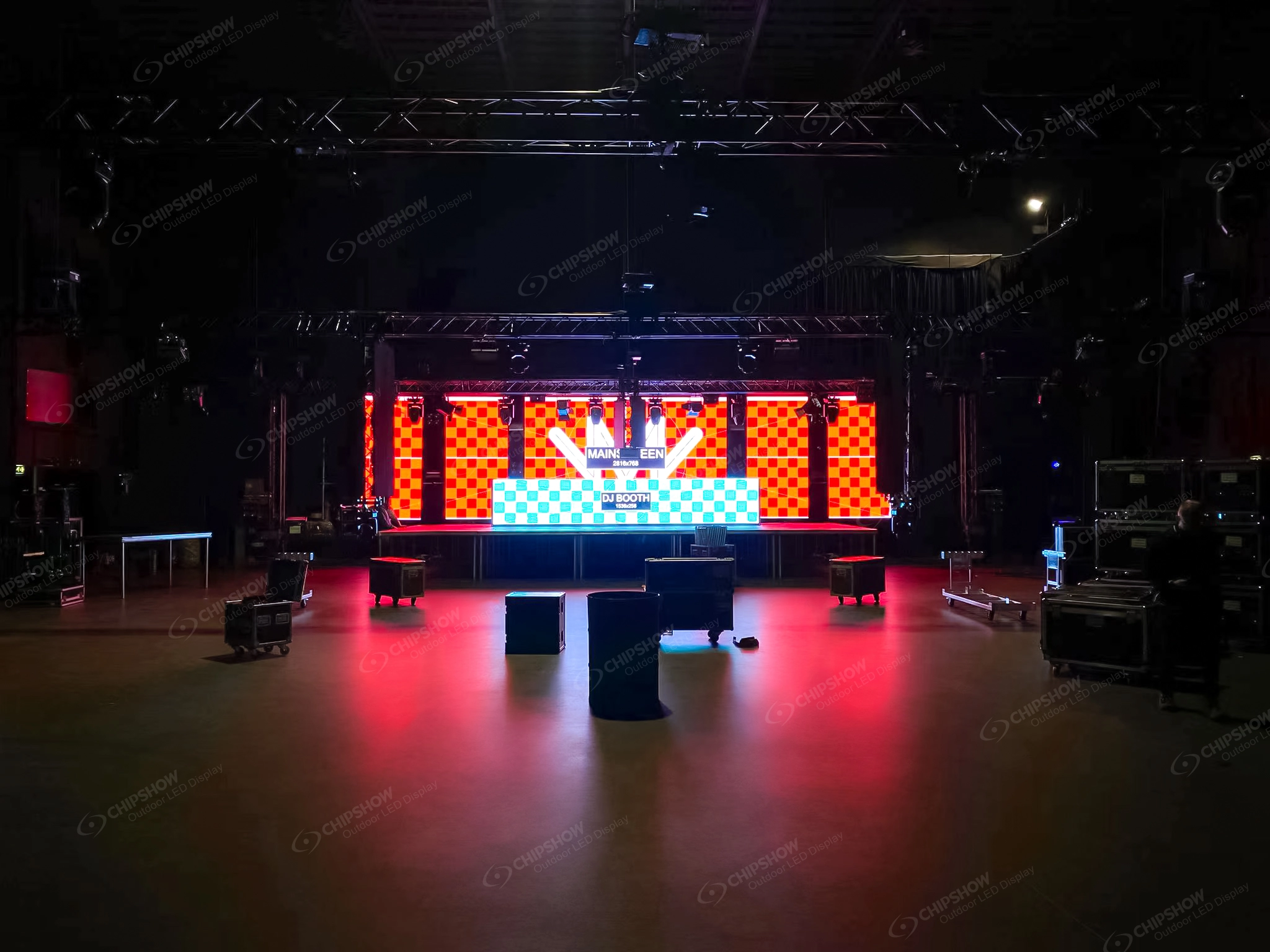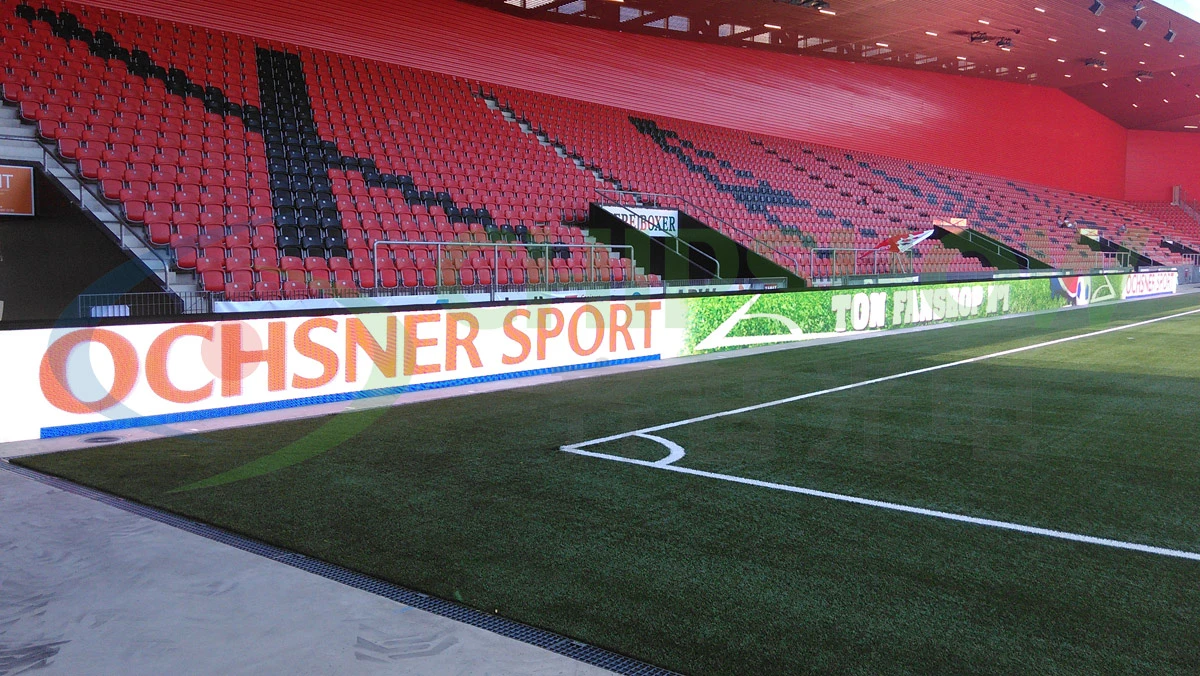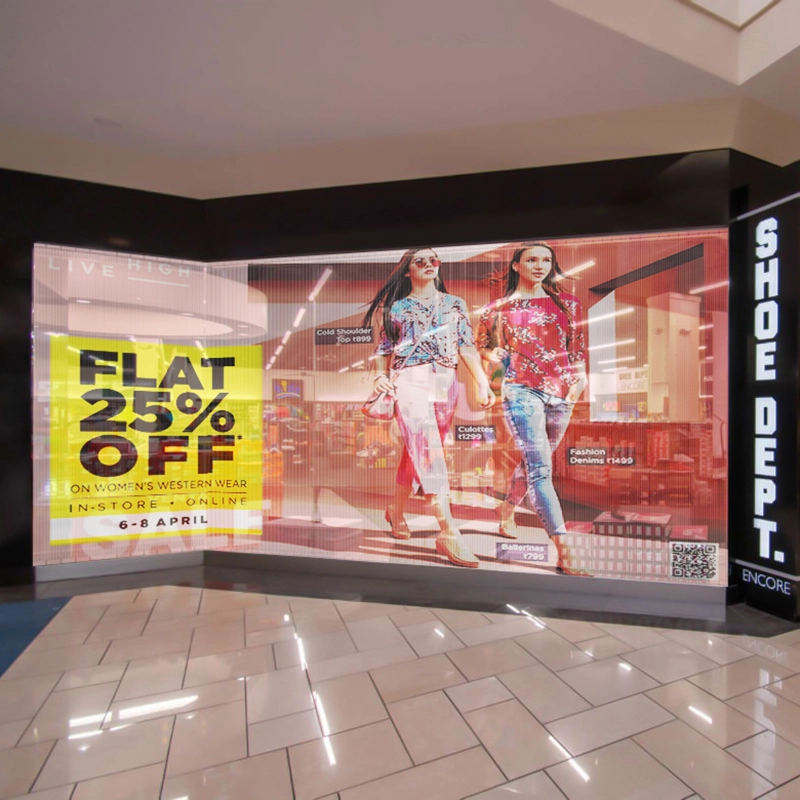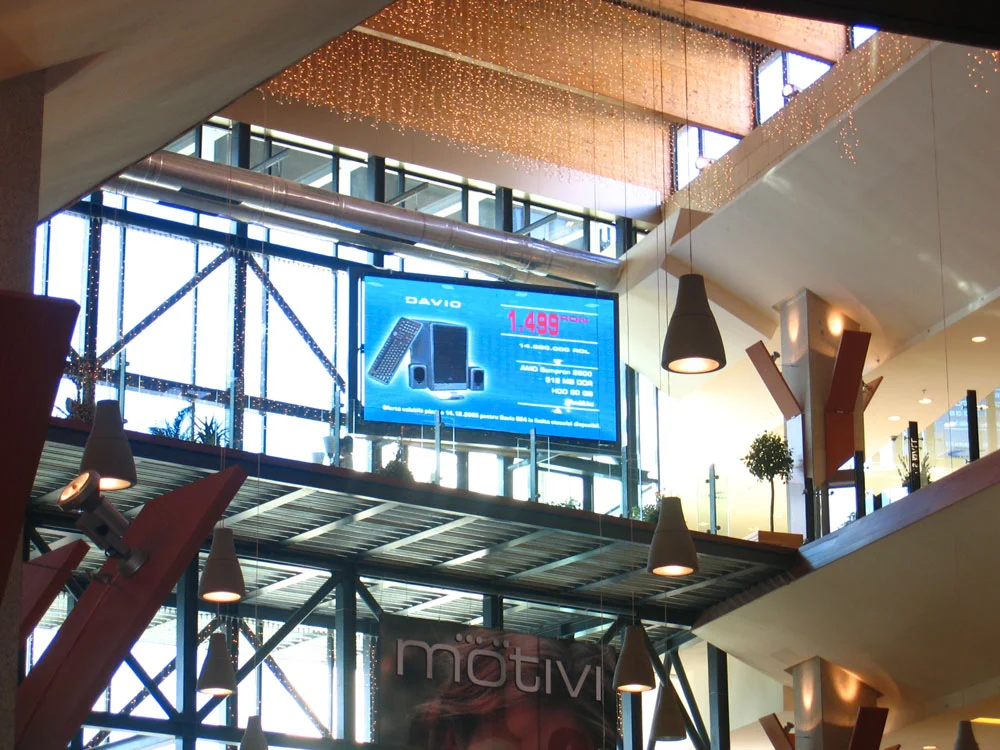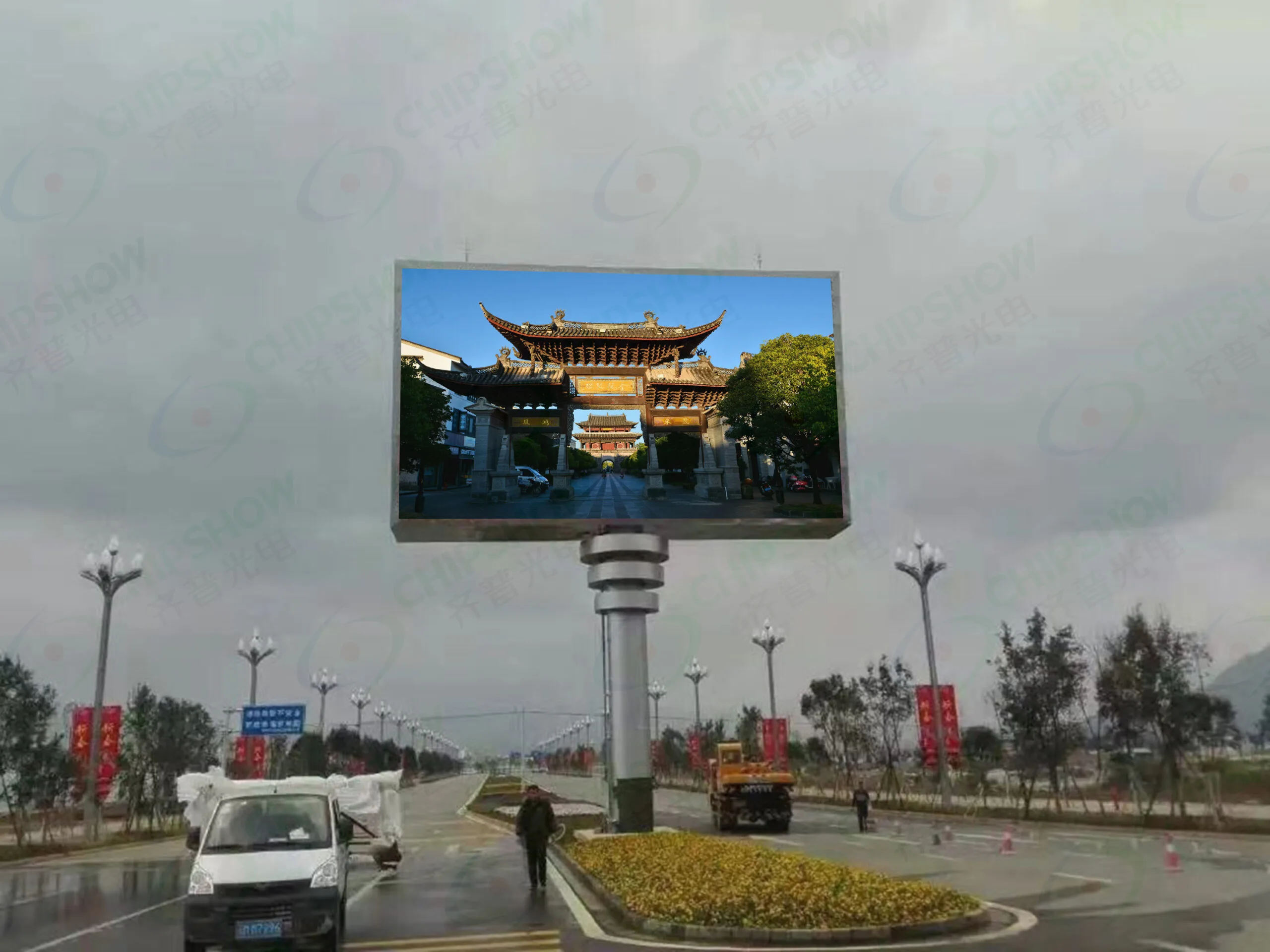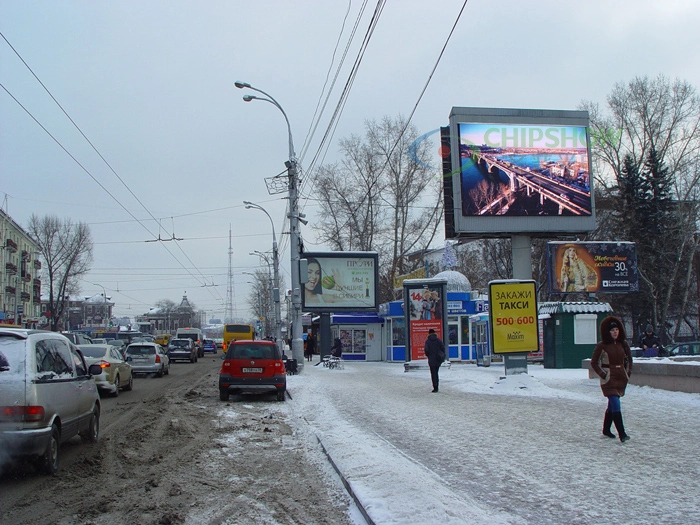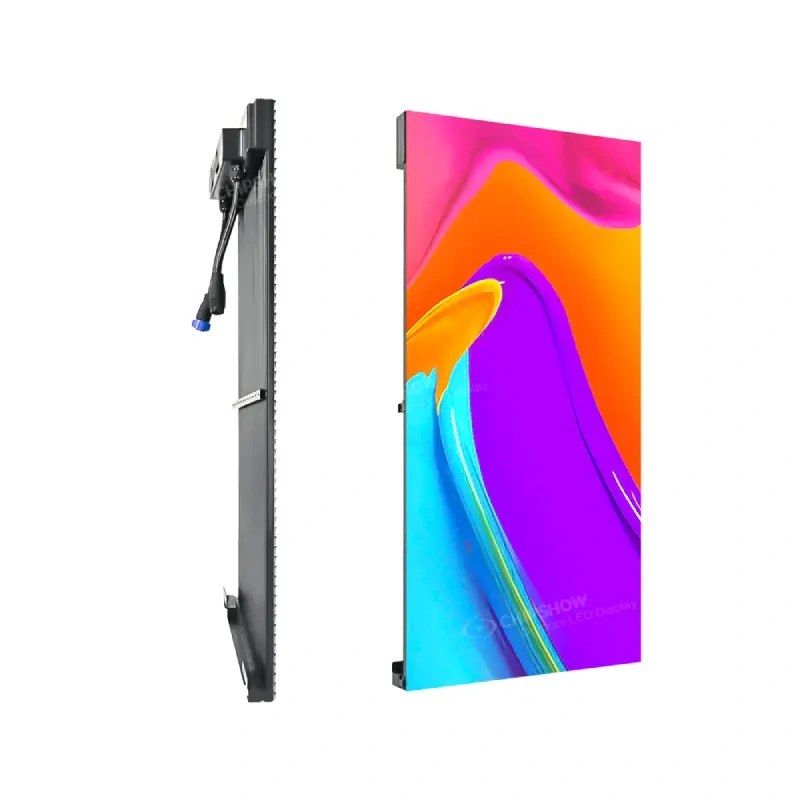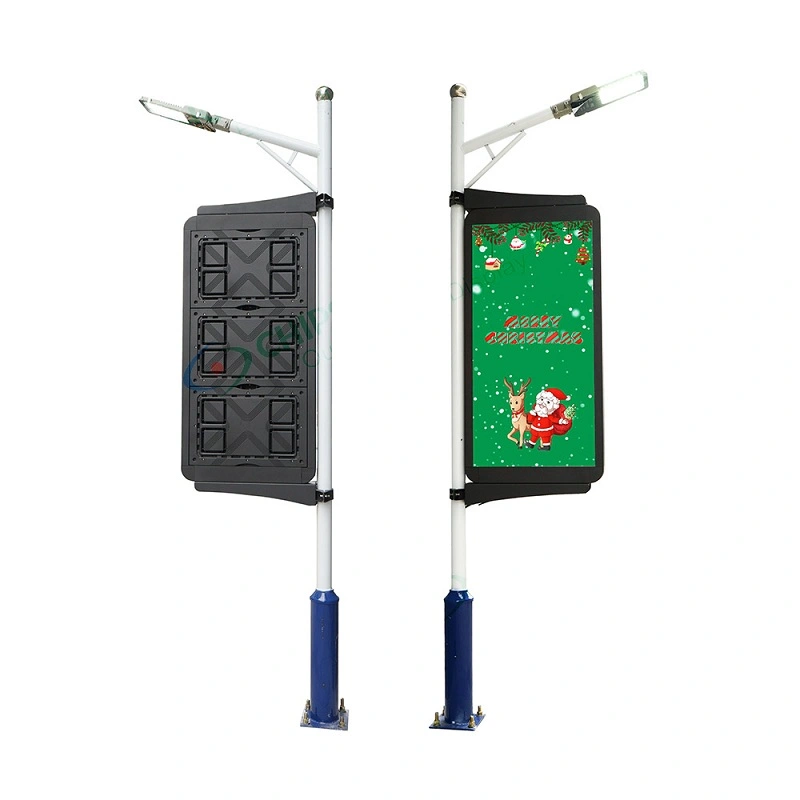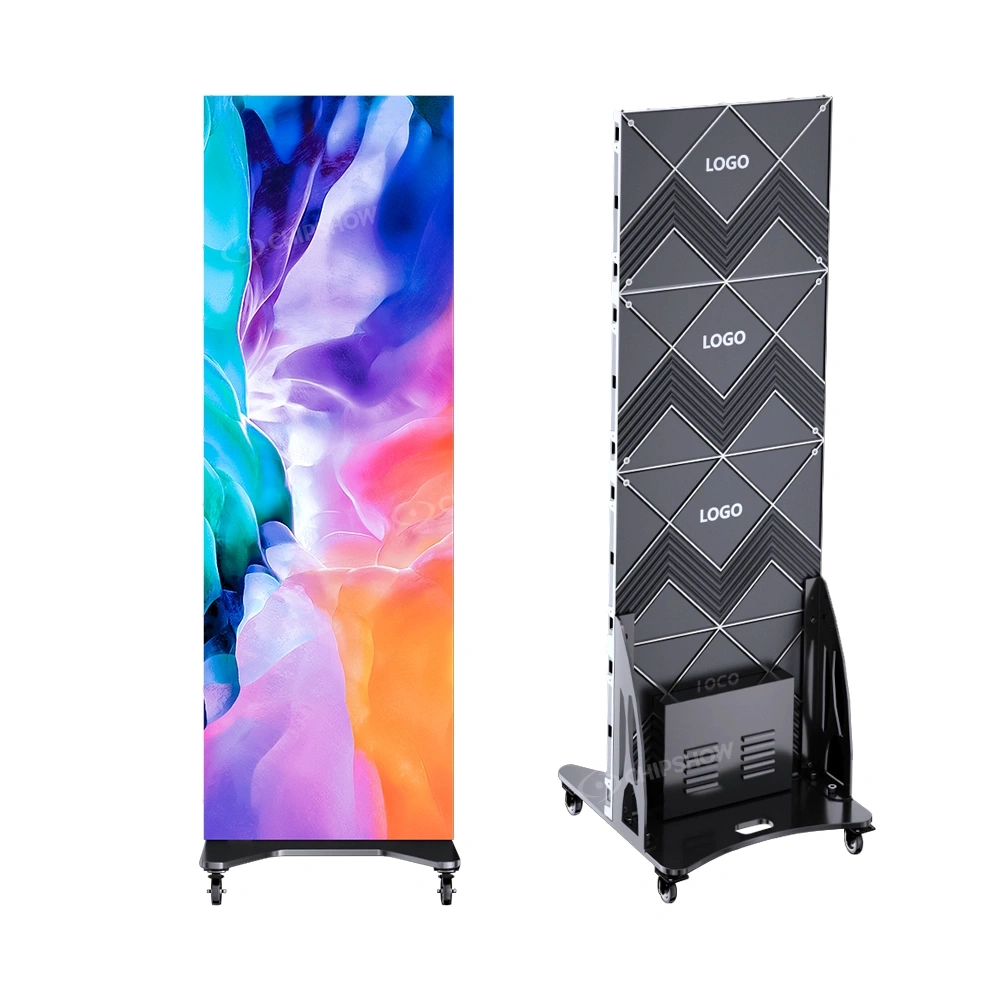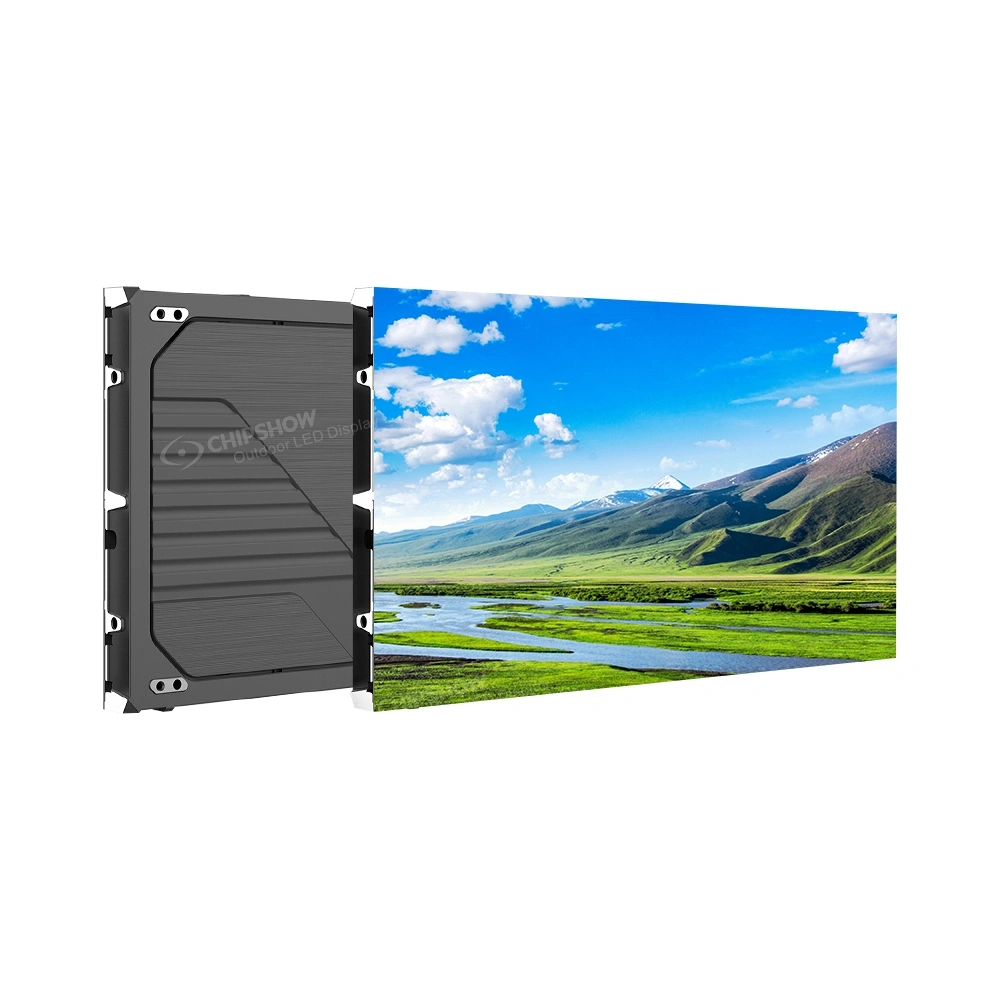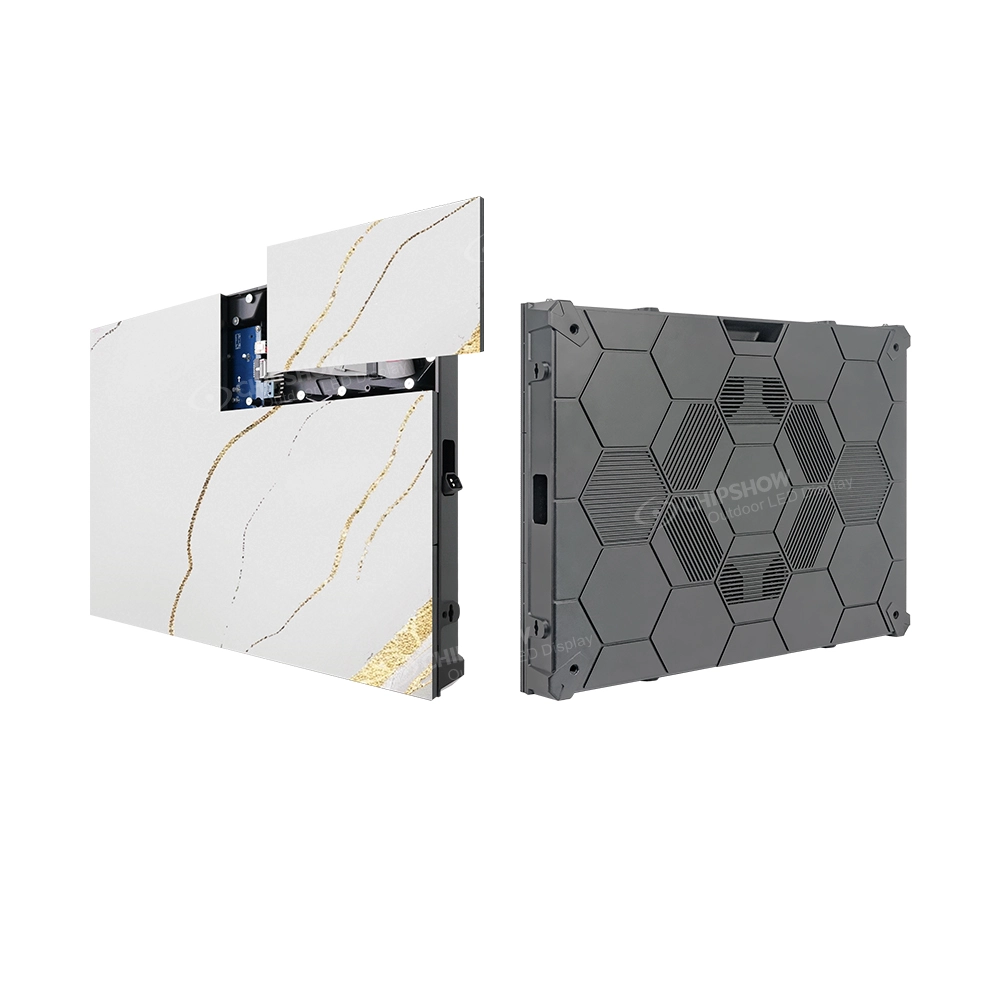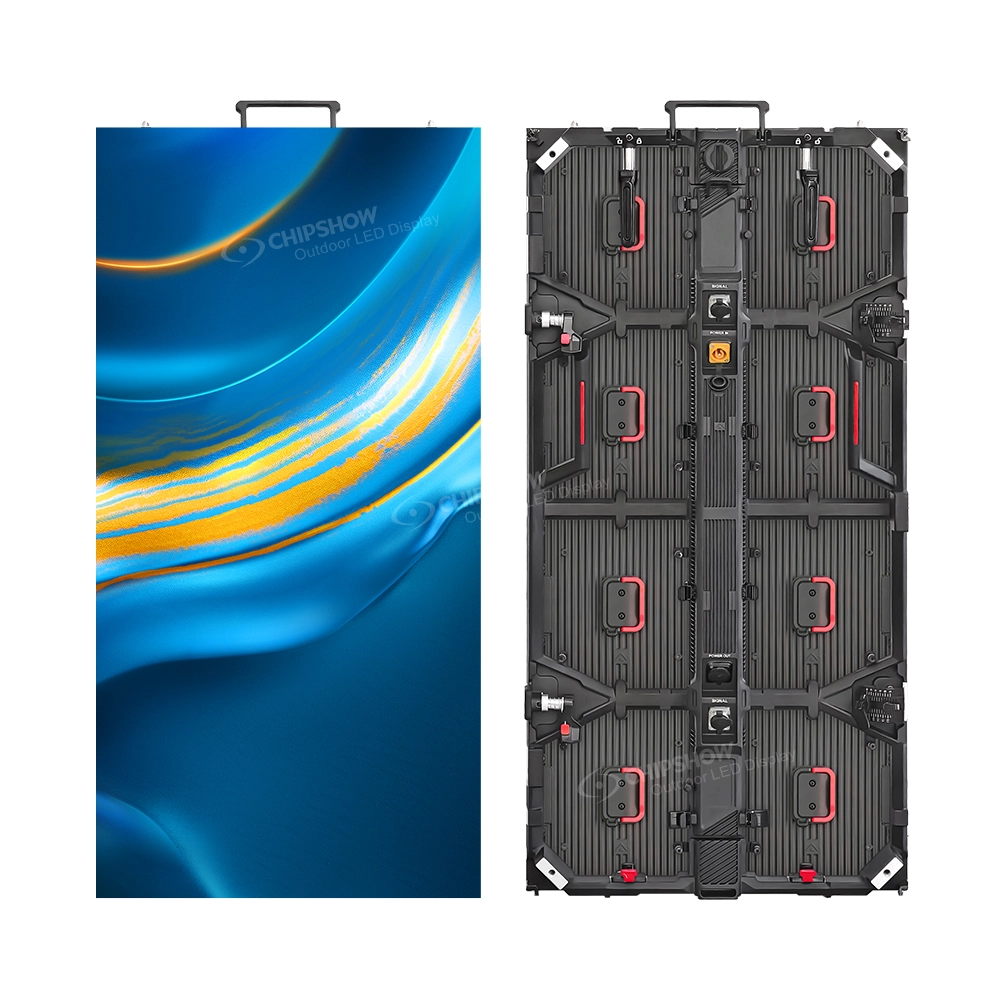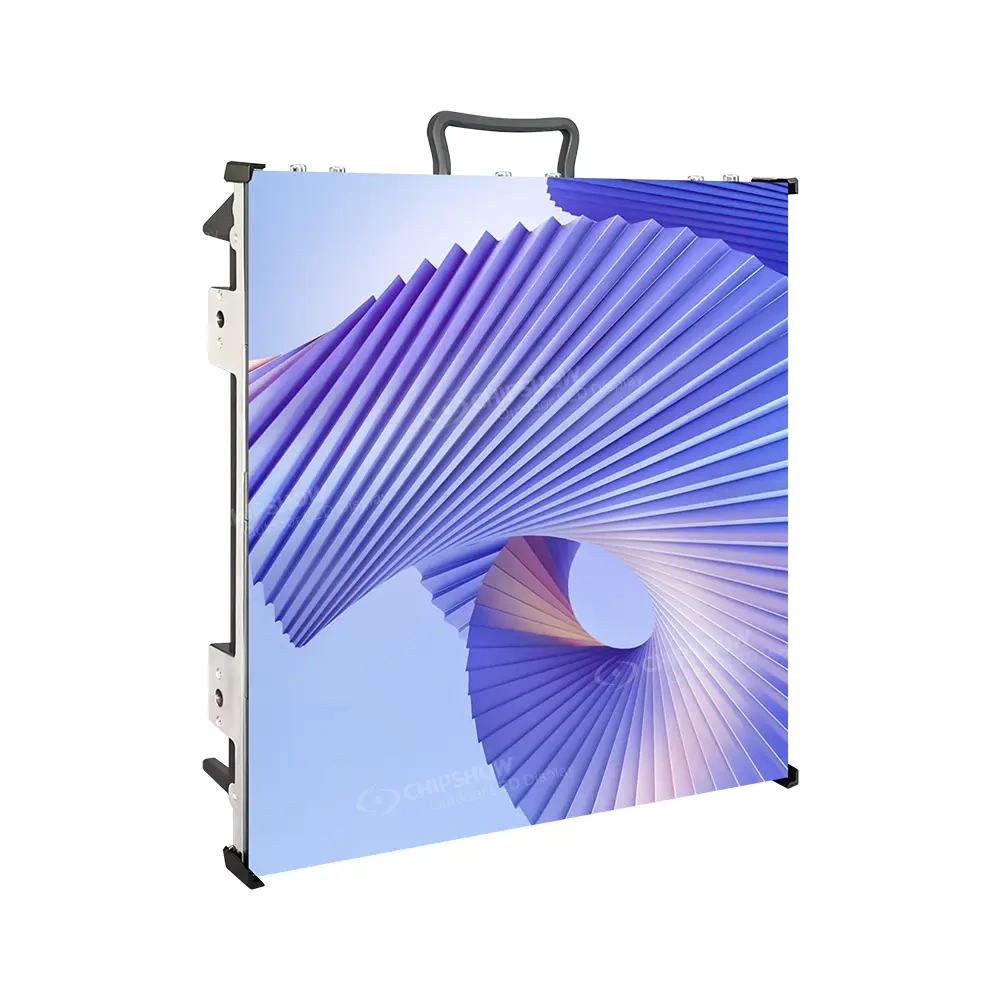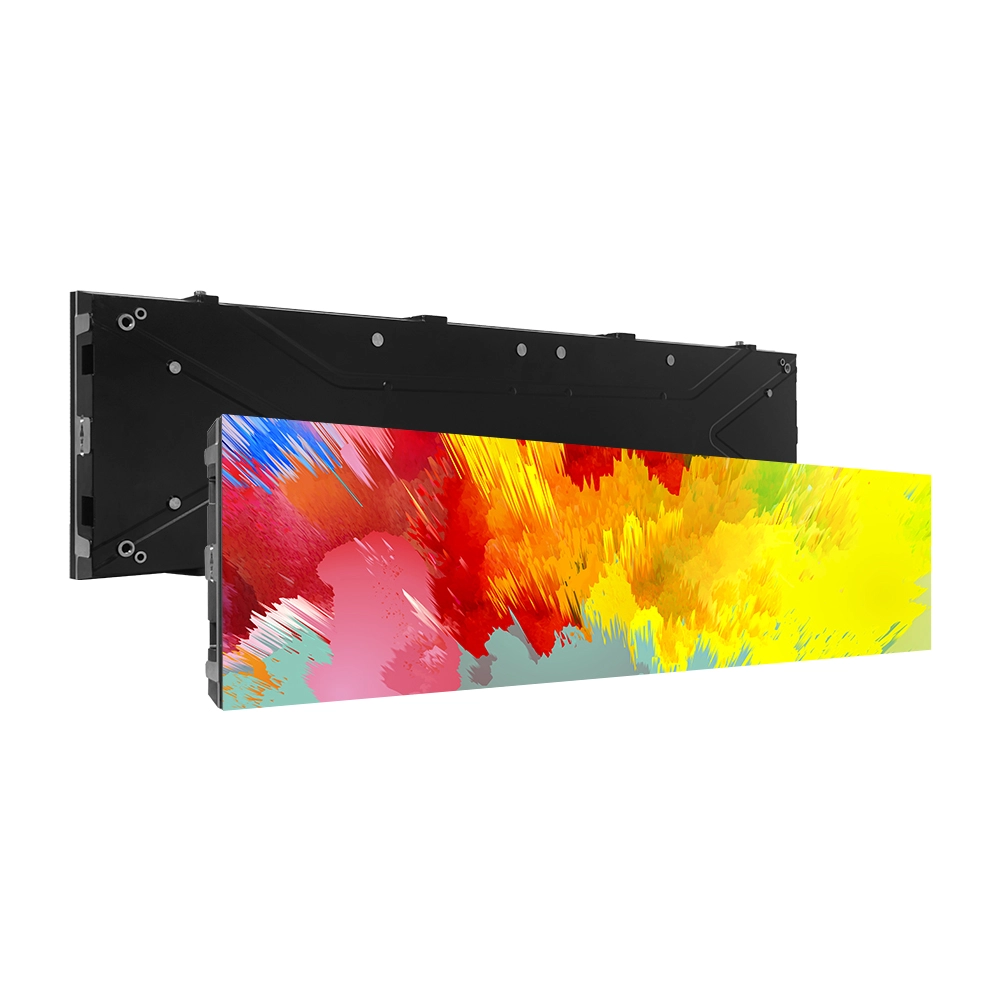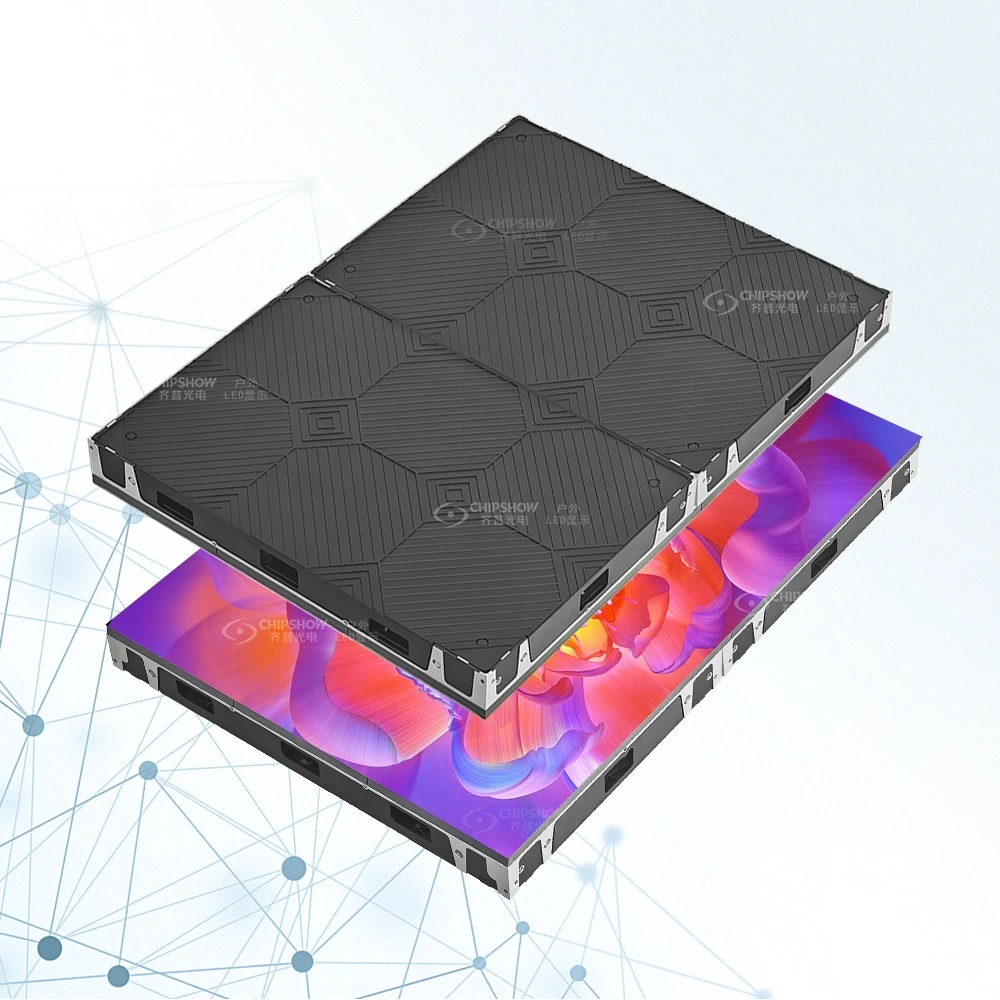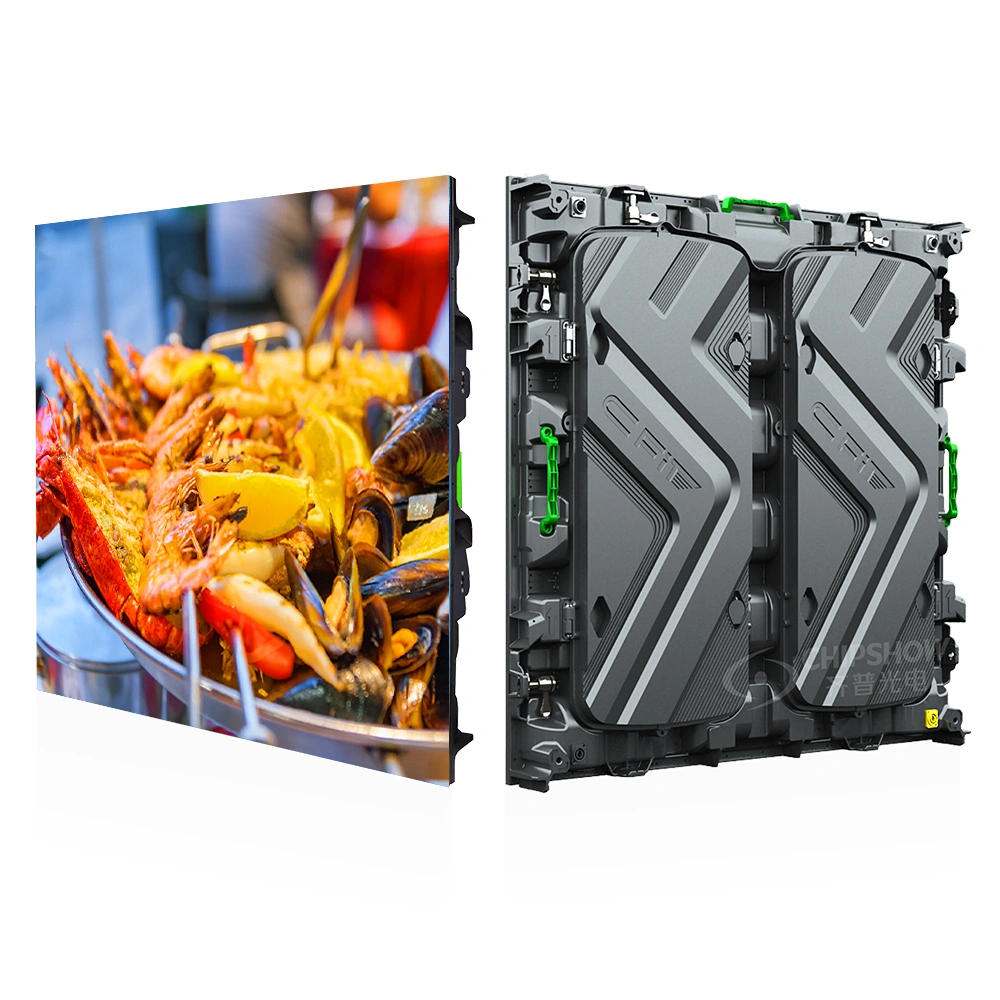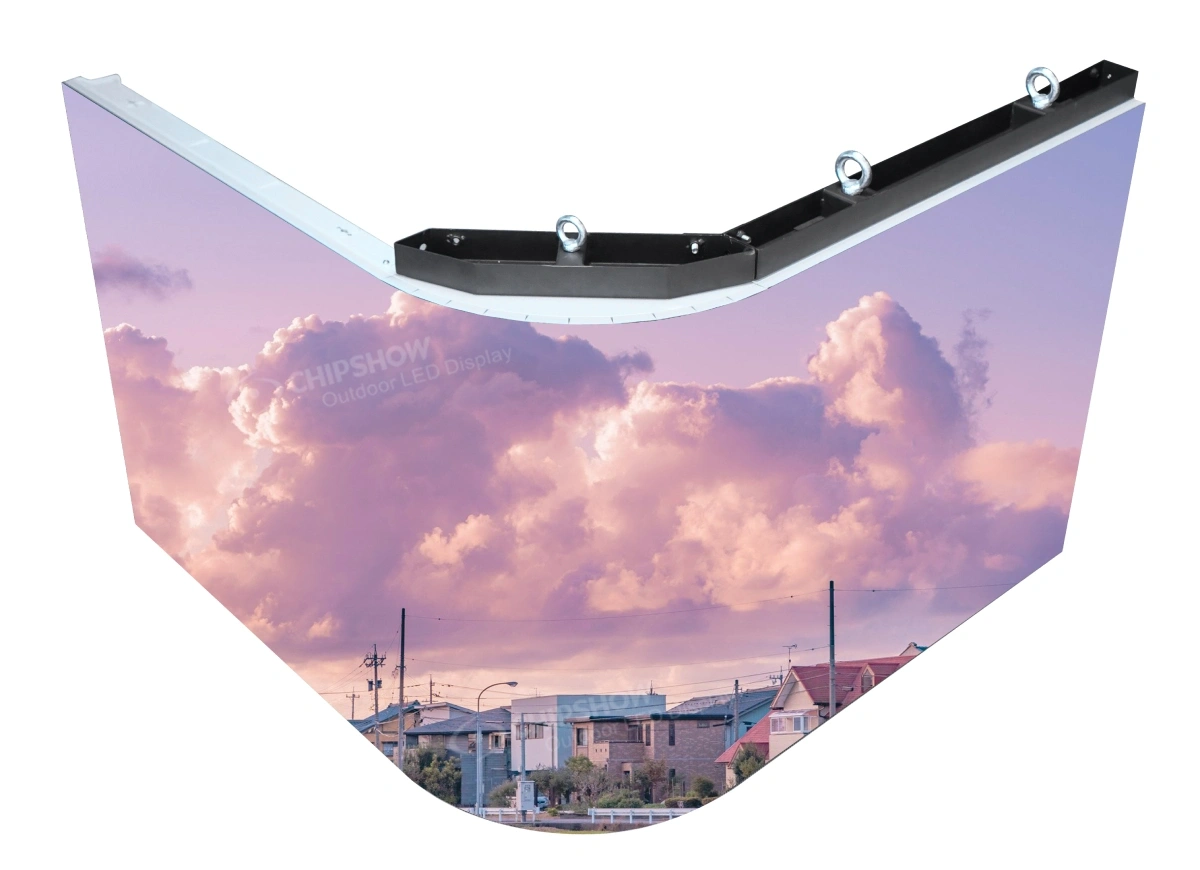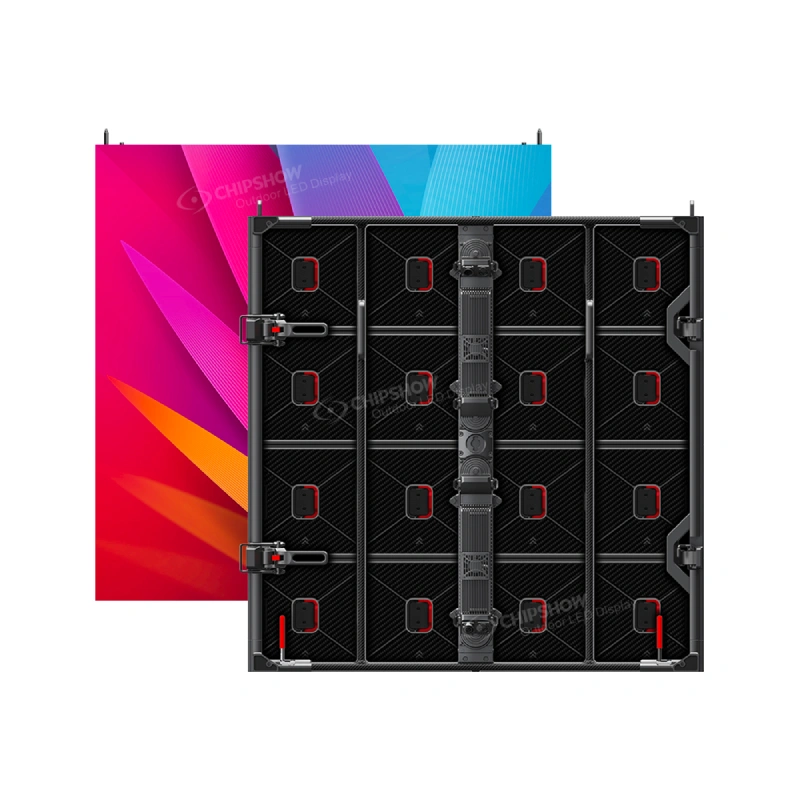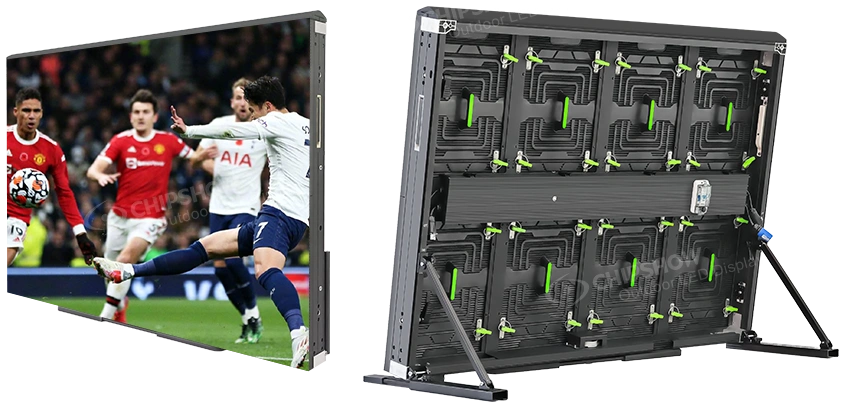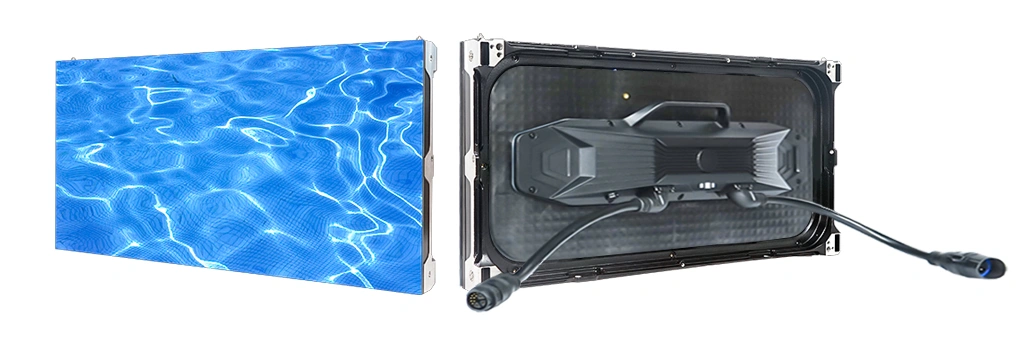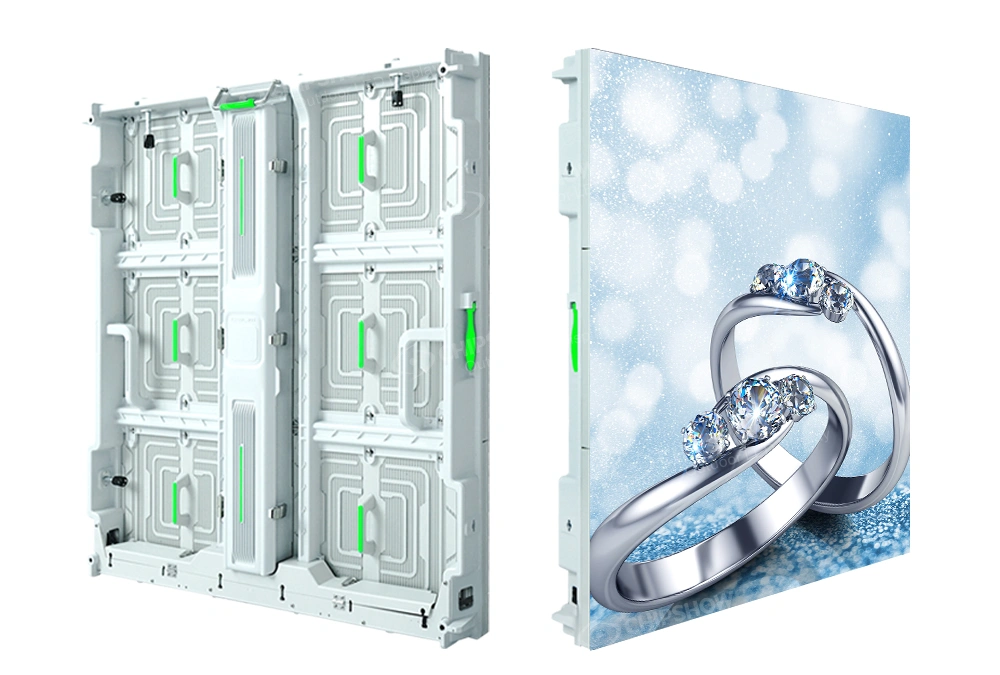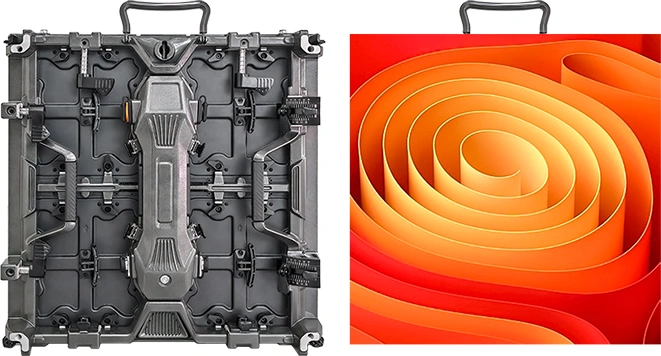
For DOOH media operators, outdoor advertising networks, and infrastructure contractors across the United States, an outdoor LED screen is a revenue engine that runs 24/7. With C-Slim (MA) deployments active across multiple US states—from Northeast corridors to Sun Belt highways—your display must deliver unwavering daylight brightness, seamless alignment, and near-zero downtime to hold premium ad contracts.
Want a second look at the format options? The USA LED sign selector narrows signs by viewing distance, pixel pitch and cabinet style in one pass.
The trap too many operators fall into is evaluating hardware purely on upfront price per square meter. The real margin battle is fought in monthly operating costs—electricity at $0.10–0.18/kWh, structural reinforcements for highway gantry frames, and emergency service calls that shut down billable screen hours.
Here’s the financial reality for any US outdoor network:
DOOH Screen ROI = Ad Revenue − Power Cost − Maintenance Cost − Downtime Loss − Structural Cost
Chipshow’s C-Slim (MA) Series, stocked at our Houston warehouse and shipped across the contiguous US, tackles every variable in that equation through disciplined engineering—not marketing claims.
1. Cut Your Electric Bill: Common Cathode Saves 30% on Power
The largest recurring cost for any US billboard operator is the utility bill. A standard outdoor screen running 18 hours daily draws continuous grid power. Dimming the display to save money undercuts your ad quality—and advertisers paying premium rates will leave.
The C-Slim (MA) Series uses Common Cathode architecture instead of the legacy Common Anode design. Common Anode circuits push the same maximum voltage to Red, Green, and Blue LEDs equally, burning the excess as PCB heat. Common Cathode separates the electrical grounds and delivers dedicated voltages matched to each color die’s actual requirements.
Result: 30% lower power consumption. The system draws an average of just 150–205 W/m², depending on configuration—running cooler and keeping more money in your pocket every billing cycle.
2. 14,000 Nits Without Burning Out Your Diodes
A billboard facing south on I-10 in Phoenix or I-45 in Houston gets hammered by direct solar glare. Standard outdoor panels pushed to maximum output overheat, degrading LED epoxy layers, shifting white balance, and creating dead pixels—flaws that trigger make-good clauses and lost renewals.
The C-Slim (MA) Series integrates high-efficiency ICE LED technology. Standard configurations start at 5,500 nits and scale up to a white-balance-calibrated 12,000–14,000 cd/m² to punch through direct sunlight. Five programmable brightness modes tied to ambient light sensors let the screen auto-scale between a cloudy morning, punishing midday, and evening dimming requirements—staying vivid when advertisers need it most while protecting diode lifespan.
3. Magnesium Cabinet: Lighter Than Steel, Easier to Permit
For rooftop mounts, highway gantry structures, pole-top installations, and building envelope cladding across US cities, structural weight equals engineering liability. Heavy steel cabinets force operators into costly secondary steel reinforcement, extended city permit timelines, and expensive foundation work.
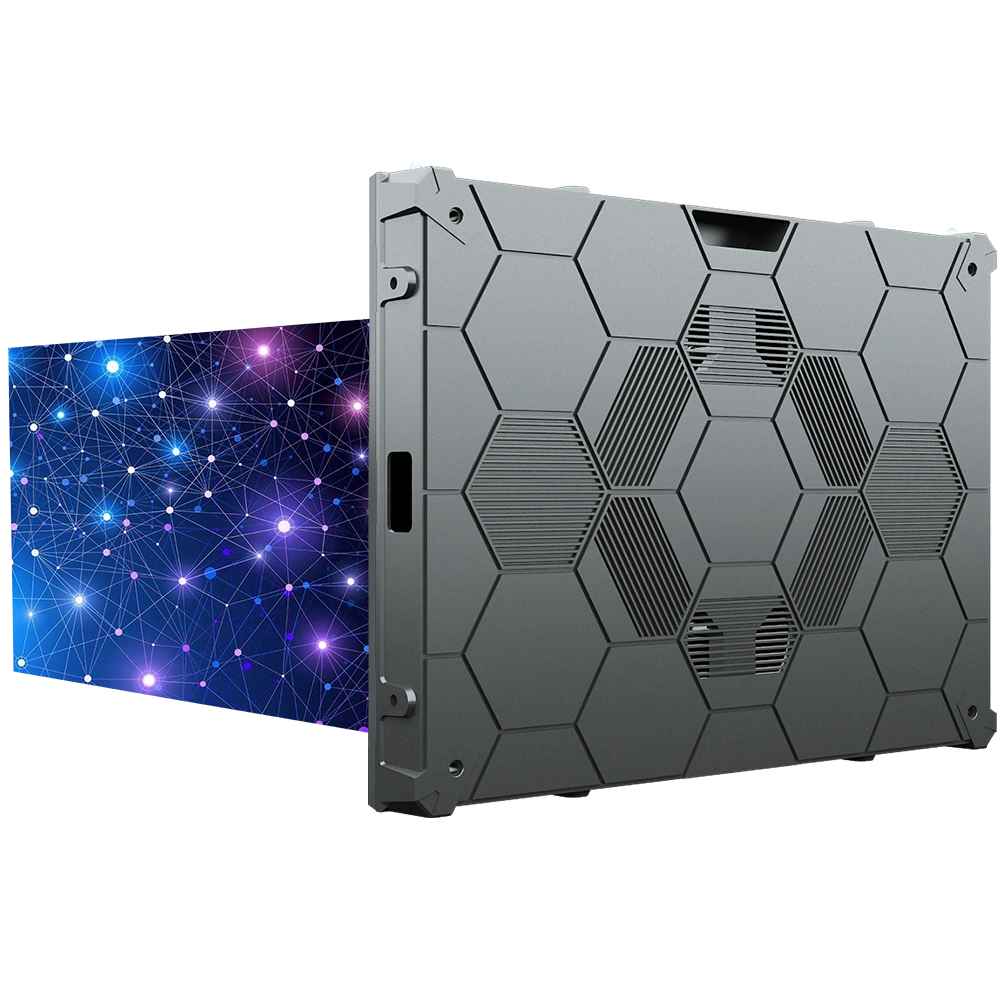
The C-Slim (MA) uses a die-cast magnesium alloy cabinet machined to CNC precision. The standard 960×960 mm frame weighs ≤63.9 lbs (≤29 kg) at just 3.7 inches (94 mm) thick. That mass reduction directly cuts your steel infrastructure investment, freight costs, and structural engineering fees—and opens up premium retrofit locations that were off-limits due to load restrictions.
4. Front and Rear Maintenance: Fix It Fast, Keep the Screen Selling
In dense urban corridors like Manhattan, Downtown Chicago, or San Francisco’s Financial District, space behind a display wall is non-existent. If your hardware forces tech crews to work exclusively from the rear, a single module fault means crane rentals, lane closures, and hours of dark screen time—every minute of which is lost revenue.
The C-Slim (MA) is built with full dual-access service. Modules, power supplies, receiving cards, and wiring harnesses come out from the front face in seconds using a magnetic removal tool. Internal power and data lines route through hidden interlocking hub channels, keeping the cabinet profile clean and preventing cable wear from wind friction. Front service eliminates rear access requirements entirely—critical for flush-mount city deployments.
5. IP65 Front and Rear: Built for US Climate Extremes
Outdoor DOOH screens across the US face everything from Gulf Coast humidity and salt spray, to Arizona dust storms, to Midwest freeze-thaw cycles, to Northeast blizzards. Standard cabinets that rely on external doors as the primary moisture barrier leave internal components vulnerable to condensation when cold nights flip to hot, humid days.
The C-Slim (MA) uses a fully enclosed module pod design: each module has its own rear-sealed protective casing, creating isolated compartments for driver electronics and connectors. Combined with waterproof sealing rings at every cabinet interlock, the system achieves IP65 protection on both front and rear surfaces, with a verified operating range of −4°F to +122°F (−20°C to +50°C). That means reliable operation through Minneapolis winters and Miami summers—year after year.
6. Value Engineering Matrix: What the C-Slim (MA) Means for Your US Operation
| Engineering Feature | US Operational Reality | Bottom-Line Impact |
|---|---|---|
| Common Cathode 30% energy saving | $0.10–0.18/kWh commercial rates | $2,000–4,500/year saved per standard billboard |
| Magnesium Alloy Cabinet (63.9 lbs) | Highway gantry weight limits, city zoning | Lower steel costs, faster permits |
| 5-Mode Brightness (5,500–14,000 nits) | South-facing I-10 vs shaded Seattle | Full-year ad quality, no seasonal washout |
| Full Front-Service Access | Zero rear clearance in metro downtowns | No crane rentals, no lane closures |
| IP65 Dual-Surface Sealing | Gulf humidity, Southwest dust, Northeast ice | Lower failure rates, fewer truck rolls |
| FCC / UL / ETL Compliant | US market certification | Legal to deploy, accepted by commercial landlords |
Calculate Your Project’s ROI—Direct with Our Houston Team
Don’t guess at lifetime costs. Send us your screen dimensions, operating hours, brightness requirements, and local utility rate. Our Houston-based technical team will run a customized TCO and ROI analysis for your specific US site conditions—with hardware stocked in Texas and ready to ship.
Get a Quote | Speak to a US Specialist | Visit Our Houston Warehouse
Frequently Asked Questions
Q1: How much does the C-Slim (MA) save on electricity compared to standard outdoor screens?
The Common Cathode architecture delivers a 30% reduction in power consumption versus traditional Common Anode designs. At typical US commercial electricity rates of 0.10–0.18/kWh,a100m2billboardsaves0.10–0.18/kWh,a100m2billboardsaves2,000–4,500 per year.
Q2: Is the C-Slim (MA) compliant with US certification requirements?
Yes. The C-Slim (MA) Series holds FCC, UL, and ETL certifications, making it compliant for commercial deployment and municipal permitting across all US states.
Q3: How fast can I get the C-Slim (MA) delivered in the US?
The C-Slim (MA) Series is stocked at Chipshow’s Houston, Texas warehouse. Standard configurations ship within 48 hours to the contiguous United States.
Q4: Can the C-Slim (MA) handle extreme US weather—like Minnesota winters or Texas summers?
Yes. The fully enclosed module pod design provides IP65 protection on both front and rear surfaces, with a verified operating range of −4°F to +122°F. The platform has been deployed in desert, coastal, and freeze-thaw environments.
Q5: Do I need rear access space for maintenance?
No. The C-Slim (MA) is designed for complete front-service access. Modules, power supplies, and receiving cards are removable from the front using a magnetic tool, making it ideal for flush-mount urban installations where rear access is not available.
Ready to scope your sign? The USA LED sign selector walks through viewing distance, format and layout in one pass.