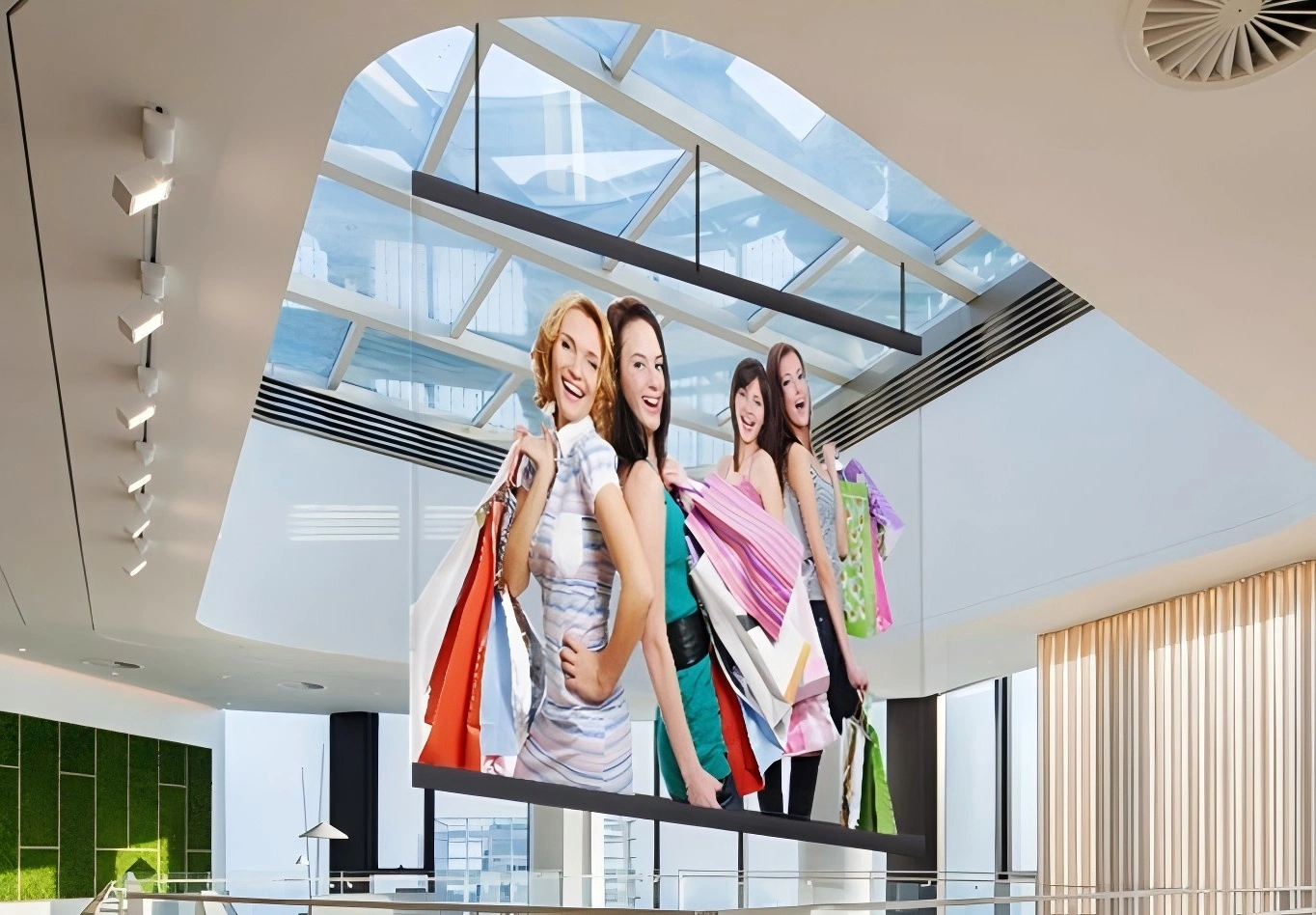
Turn Foot Traffic Into a Captive Audience
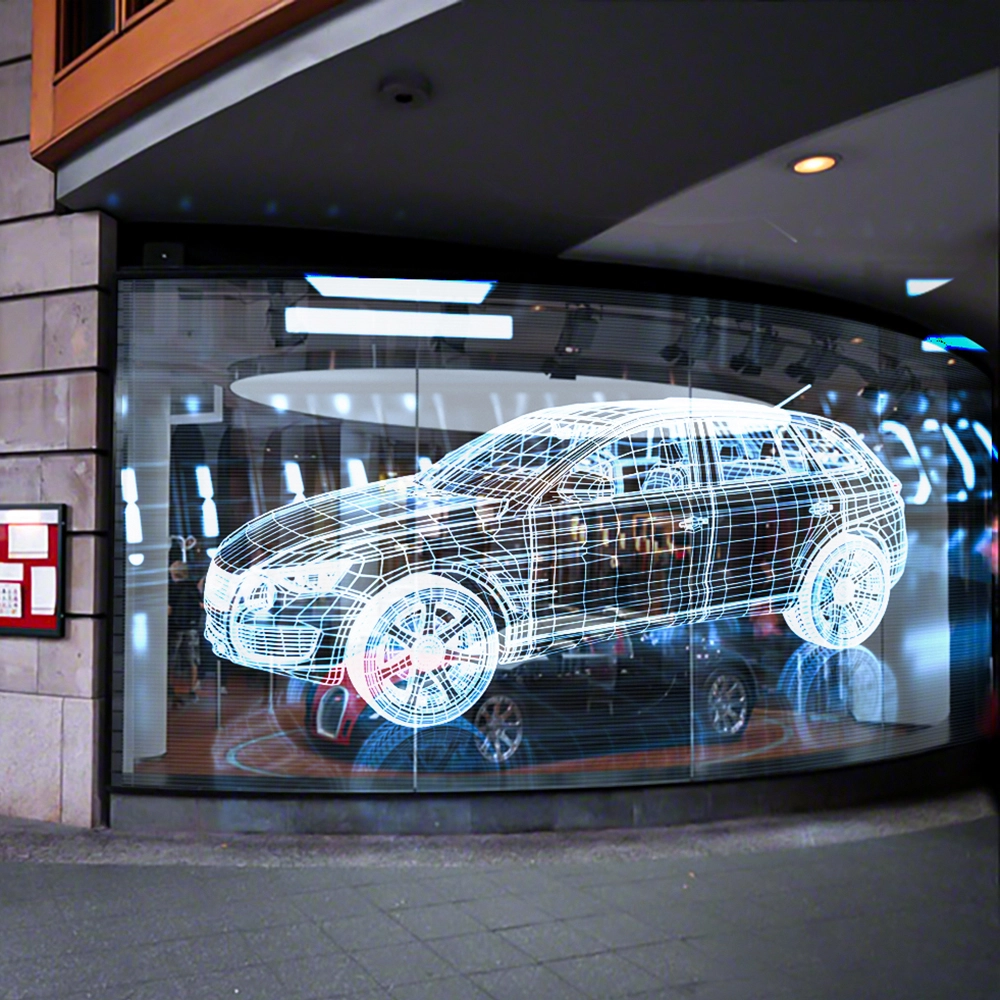
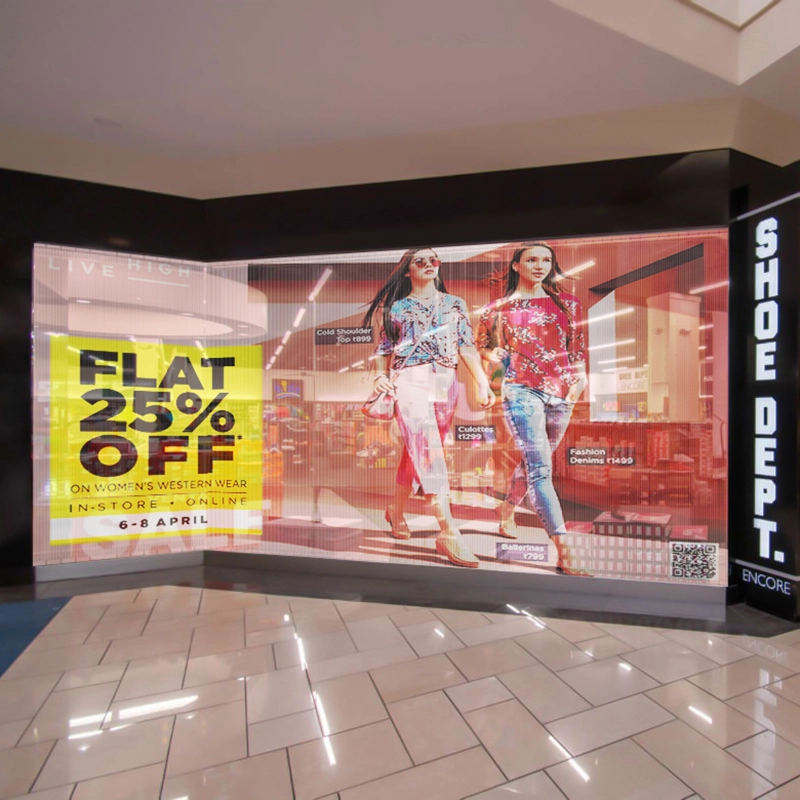
A storefront transparent led display lets your window sell to every person who walks past — day or night — without covering up the merchandise, the lighting, or the atmosphere that got them to look in the first place. This guide isn’t a spec sheet. It’s built for the decision in front of you right now: should your store actually install one, what should you budget for, and is a retail storefront led display worth it compared to what you’re running today.
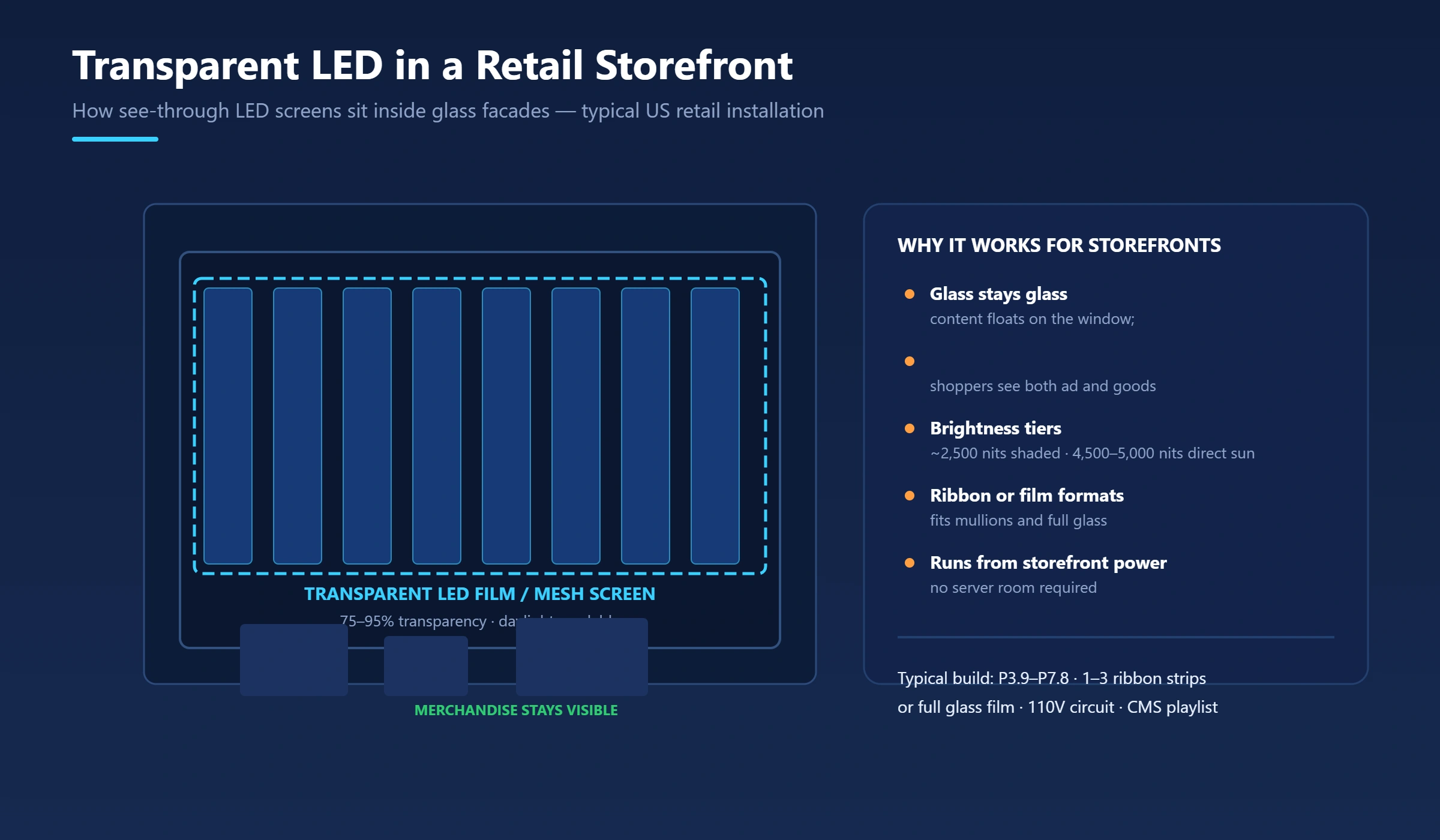
If you’re weighing a transparent led storefront screen against your current window setup — static posters, vinyl graphics, a printed backdrop — this page walks through the actual decision: why storefronts are moving toward transparent LED, what it costs to get in, and what to watch for before you commit. For the technical side — how the display physically works, installation types, and full spec breakdowns — see our dedicated transparent LED film and window display guide. This page is about whether it’s the right call for your store, not how the technology works under the hood.
Why Retail Storefronts Need a Transparent LED Window Display
The honest starting point is that most storefronts don’t need a transparent led shop front to survive — plenty of stores do fine with a well-designed static window. The question worth asking is whether your specific location and traffic pattern would actually benefit from the upgrade, and for most retailers, the answer comes down to three things: conversion, brand perception, and content flexibility.
Foot traffic conversion. A static poster gets seen once and then becomes part of the background — regular passersby stop registering it within days. A transparent led display, running rotating content, re-earns attention every time someone walks past, because the content itself keeps changing. For a high-traffic corridor or mall storefront, that difference in re-engagement is often the entire business case: the same foot traffic, converted at a meaningfully higher rate simply because the window keeps giving people a reason to look.
Brand perception. Right or wrong, a bright, modern digital display reads as a more current, well-capitalized brand than a printed poster — particularly next to competitors still running static signage. This matters most for retailers competing on brand image in high-visibility corridors: flagship locations, mall entrances, and shopping districts where every storefront is making the same first impression.
Content flexibility without reprint cost. A static window display means a reprint and reinstall labor cost every time a campaign changes — a new sale, a seasonal push, a product launch. A transparent led storefront screen changes content on a schedule you control, at no incremental material cost per swap. For any retailer running frequent promotions, this alone can offset a meaningful part of the upfront investment within a single year.
None of this means transparent LED is automatically the right call for every storefront — a low-traffic location, or a brand built around a minimalist, non-digital aesthetic, may be better served by a well-designed static window. But if your store depends on foot traffic conversion and frequent campaign changes, this is the comparison worth running the numbers on.
Where Storefront Transparent LED Gets Used
Not every retail storefront has the same priorities, and the right approach tends to differ by store type.
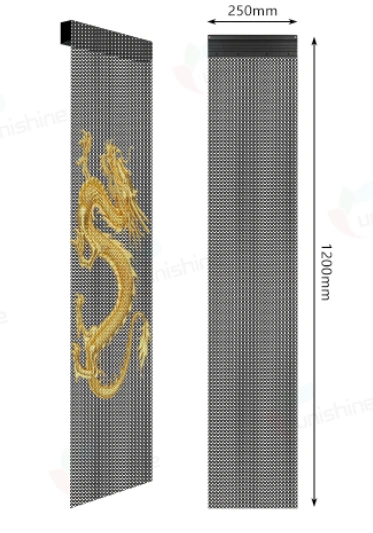
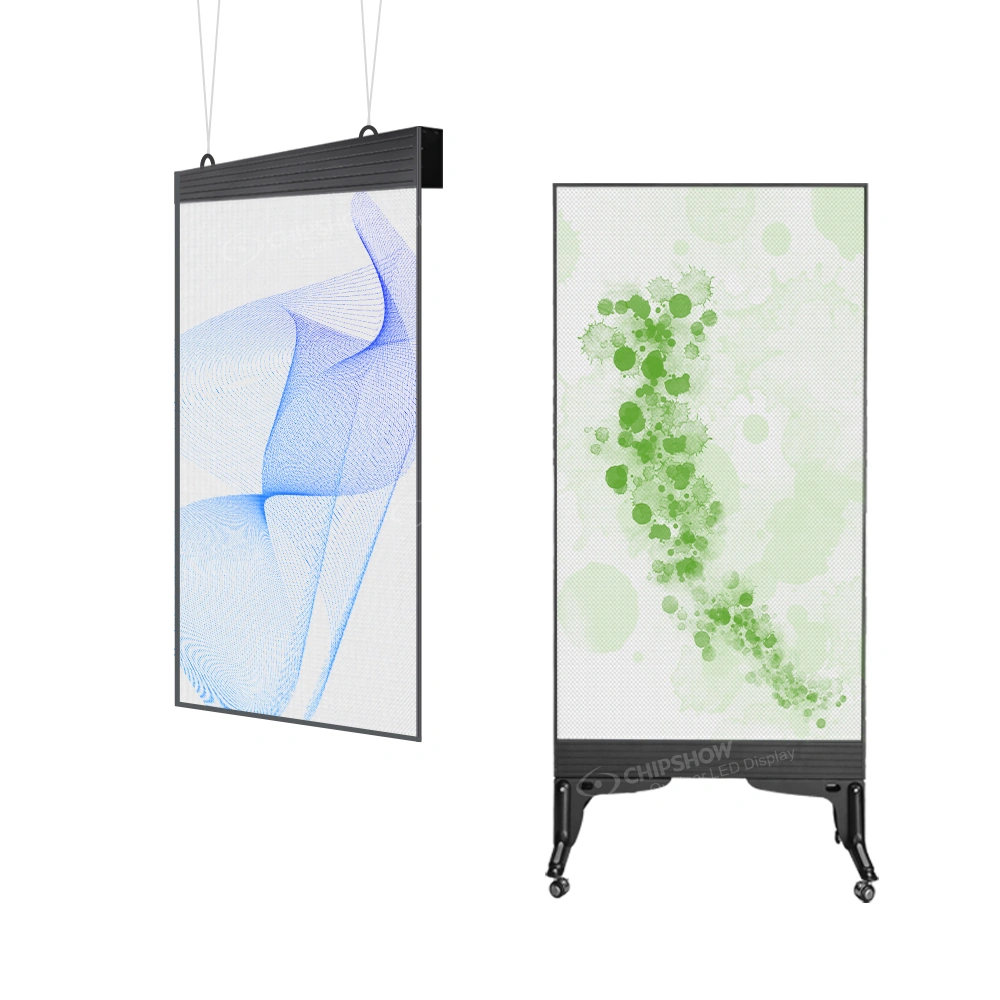
Boutique and Independent Retail. For a single-location boutique, the case for a storefront transparent led display usually comes down to standing out on a block where most neighboring storefronts are still running static signage. A single freestanding, plug-and-play unit — sized to the store’s own window — is typically enough to make a visible difference without disrupting the shop’s design or requiring any construction.
Chain and Flagship Pop-Up Stores. For a retail chain rolling out a flagship location or a pop-up campaign, the priority shifts toward consistency and speed of deployment — the same transparent led shop front experience needs to go up quickly across multiple locations, often on a lease that may not run more than a season or two. This is where a display’s portability and ease of relocation start to matter as much as the visual impact itself.
Shopping Mall Common-Area Ad Space. For mall operators and property developers, transparent LED in common areas or entrance atriums often serves double duty: enhancing the physical environment for shoppers, and creating a leasable advertising asset that can generate revenue from tenants or outside advertisers. This use case usually justifies a larger, more permanent installation than a single storefront window, and typically involves more structural and electrical coordination with the property’s engineering team.
Across all three categories, the sizing decision tends to follow the same logic: match the display to your actual traffic volume and window dimensions rather than defaulting to the largest configuration available. A boutique with a narrow storefront rarely benefits from a mall-scale installation, and a mall entrance rarely gets adequate impact from a single small unit sized for a boutique window. Getting this match right up front avoids both an underwhelming result and an unnecessarily large upfront cost.
A Buyer’s Decision Table: Matching Budget to Configuration
Rather than repeating a full technical spec matrix here — that level of detail lives on our dedicated transparent LED film and window page — this table is built for a non-technical buyer trying to match a rough budget to a realistic outcome.
| If your priority is Key Business Goals | Look for Specific Features | Typical fit |
|---|---|---|
| Lowest cost to test the concept | A smaller, freestanding unit with standard transparency and brightness | Single boutique window, short trial period |
| Maximum foot-traffic visibility on a budget | Mid-range transparency with brighter output for daylight readability | Busy retail corridor, daytime-heavy traffic |
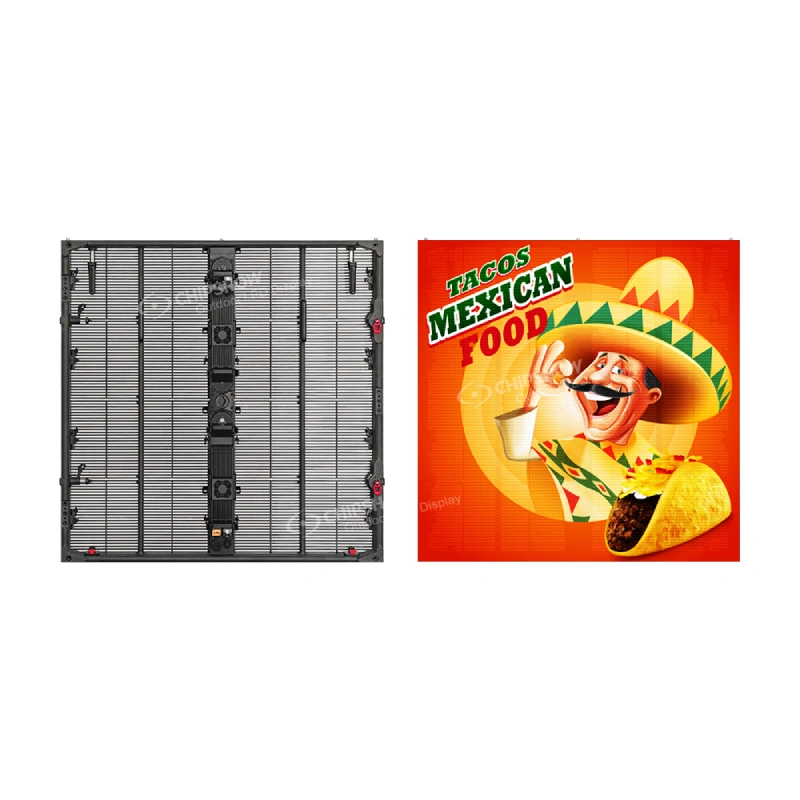
| Flagship-level brand impact | Larger-format or multiple units snapped into a bigger canvas | Flagship stores, mall entrances, grand openings |
| A leasable, revenue-generating asset | A facade or common-area installation with centralized content management | Mall operators, multi-tenant properties |
The pattern worth remembering: higher transparency and higher brightness both add cost, but they’re not always necessary. A storefront in a shaded, north-facing corridor doesn’t need the same brightness as a south-facing window fighting afternoon glare, and a small boutique window doesn’t need the same scale as a mall entrance display. Buying the configuration that matches your actual traffic and lighting conditions — rather than the highest-spec option available — is usually the better financial decision.
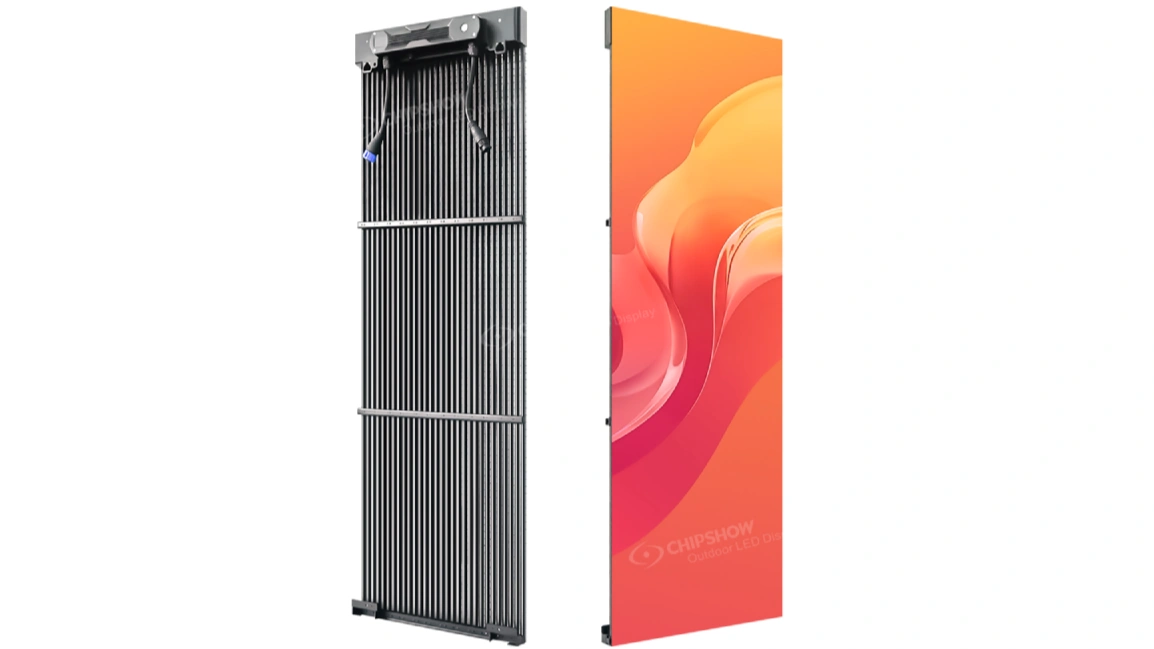
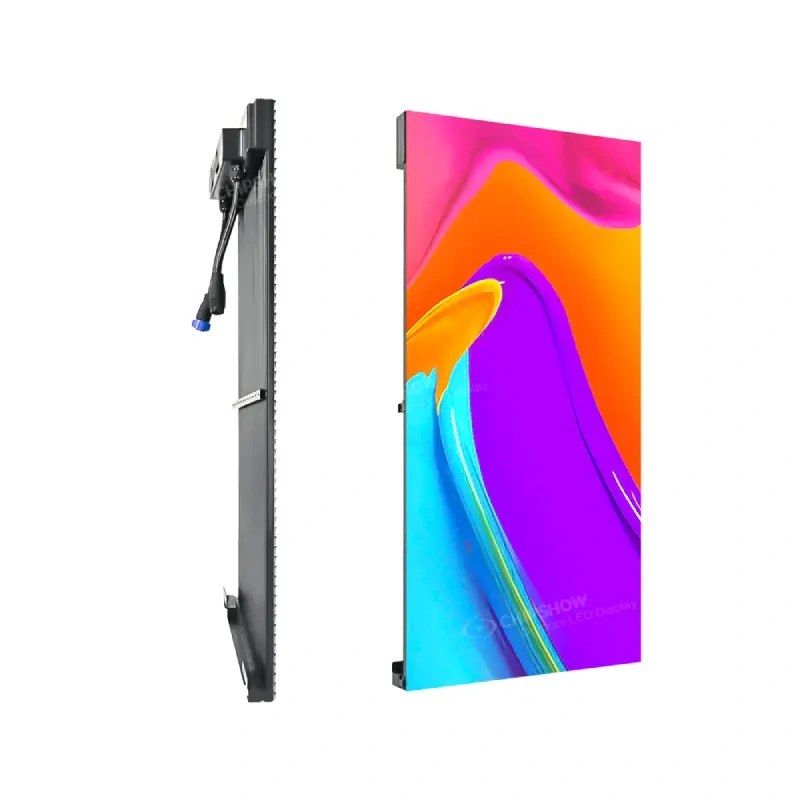
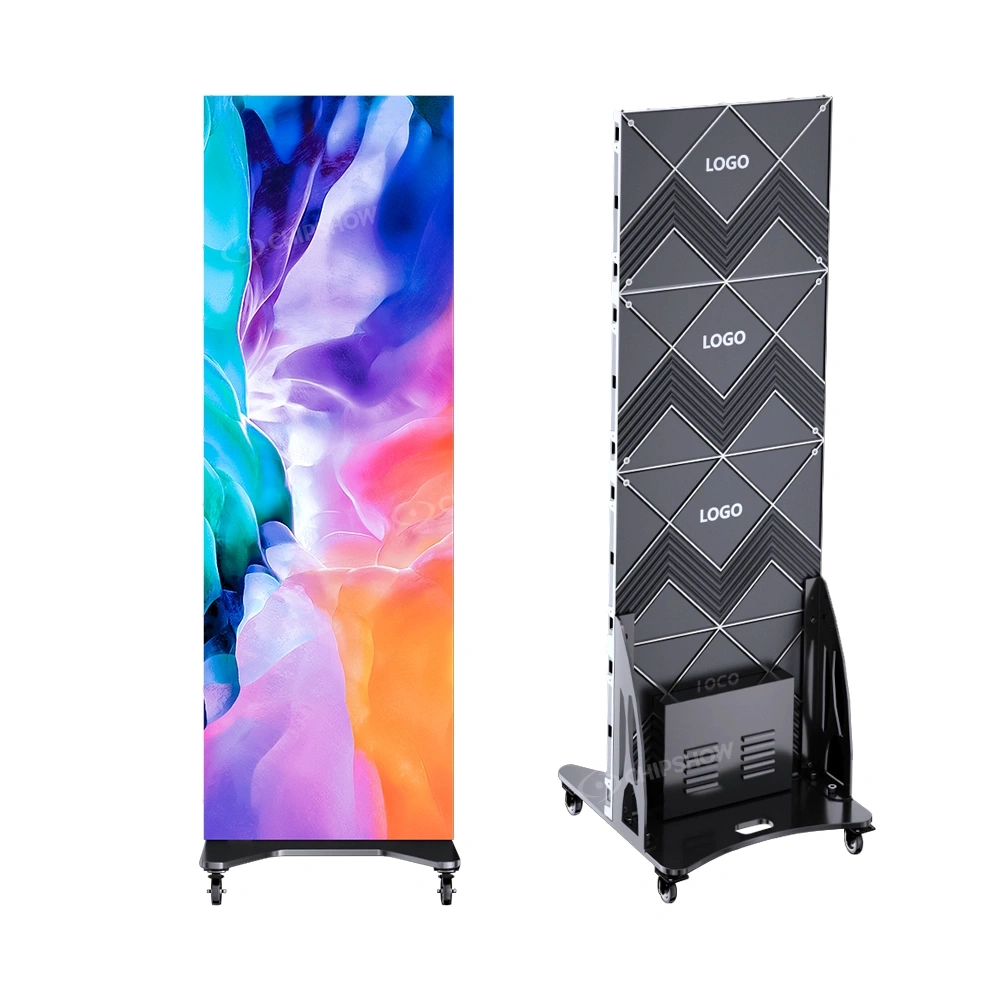
For reference, our own retail-oriented product lines span this range: a compact, freestanding retail poster format works well for the boutique and trial-budget end of this table, while a larger, facade-integrated configuration suits mall common areas and flagship-scale projects. Full specifications for both are covered on our transparent LED film and window page, and current pricing is broken down on our transparent LED price guide.
Buyer Considerations by Type
Retail Shop Owner
If you’re a retail shop owner deciding whether a transparent led display for sale is worth the investment, the calculation usually comes down to your foot traffic volume and how often you change window campaigns. If you’re running the same static display for months at a time with modest foot traffic, the payback period is longer. If you’re in a high-traffic corridor and updating campaigns monthly or more, the combination of better conversion and eliminated reprint costs tends to make the math work faster than owners initially expect.
Commercial Real Estate Developer
If you’re a property developer evaluating transparent LED as part of a retail or mixed-use development, the relevant question isn’t just whether an individual tenant wants one — it’s whether building the necessary electrical and structural capacity into common areas during initial construction makes the property more attractive to future retail tenants and, potentially, a monetizable advertising asset in its own right. This is worth raising with your architect and MEP engineer during design, since retrofitting that capacity after a building is finished is a substantially bigger and more expensive undertaking.
Shopping Mall Operator
If you’re operating a shopping mall, a storefront or common-area transparent led installation often needs to justify itself on two fronts at once: enhancing the physical shopping environment, and functioning as leasable ad inventory for tenants or outside advertisers. For this use case, prioritizing a system with centralized, cloud-based content management from the outset matters more than it does for a single storefront, since you’ll likely be managing content across multiple screens and possibly multiple properties over time.
US Localization Pain Points for Retail and Property Buyers
A few practical friction points come up consistently for US retail and property buyers specifically, and they’re worth planning around before you commit to a project.
Mall property electrical and structural approval. If you’re installing in a leased retail space inside a mall or shopping center, the property management company typically needs to approve any electrical load addition or structural modification — even a modest one — before installation. This approval process can take longer than sourcing the display itself, so it’s worth starting that conversation with property management as soon as you’re seriously considering a project, rather than after a supplier is selected.
Lease-end portability. Retail leases end, get renegotiated, or occasionally get terminated early, and a display that’s structurally built into your storefront can become a stranded asset if you relocate. This is one of the most underrated advantages of a freestanding, plug-and-play transparent LED unit over a built-in installation for a leased retail space — it moves with the business rather than staying behind with the property. If there’s any real chance you’ll relocate within the display’s useful life, this is worth weighing heavily in your decision.
Multi-location consistency for chains. For a retail chain evaluating a rollout, sourcing the same configuration and content management system across every location — from a single manufacturer rather than piecing together different suppliers per site — meaningfully simplifies both budgeting and long-term support.
Transparent LED vs. Traditional Static Window Displays
The real comparison for most retail buyers isn’t between different transparent LED products — it’s between installing one at all versus continuing with a traditional static window display. Here’s how that decision actually breaks down.
The case for staying static. A well-designed printed window display is inexpensive, requires no power, no maintenance, and no ongoing content management. For a low-traffic location, a brand built around a deliberately analog or minimalist aesthetic, or a very tight initial budget, a static display remains a completely reasonable choice — transparent LED isn’t a universal upgrade, it’s a tool suited to a specific set of conditions.
The case for switching. Once a storefront depends meaningfully on foot-traffic conversion, runs frequent campaign changes, or competes in a high-visibility corridor where a static display blends into the background, the ongoing costs of reprinting and reinstalling static graphics — plus the conversion lift from dynamic content — start to outweigh the upfront investment in a transparent led storefront screen, often within the first year of frequent use.
The middle ground. Some retailers run both — a static display for permanent branding elements and a smaller transparent LED unit for rotating promotional content — which can be a sensible way to test the concept on a limited budget before committing to a larger installation.
Note: For outdoor ground-mounted signage such as a Monument Sign, Pylon Sign, or Outdoor Message Center, you can explore our C-Poster line for standalone commercial placements.
Common Mistakes When Deciding on a Storefront Transparent LED Display
Buying the highest-spec configuration by default. As covered above, more transparency and more brightness both add cost, but a shaded corridor or a small boutique window rarely needs the top-tier configuration. Match the spec to your actual site conditions rather than assuming higher numbers are automatically better.
Skipping the landlord conversation until after ordering. In a leased retail space, especially inside a mall, property management approval for electrical or structural changes can take longer than sourcing the hardware. Start that conversation early to avoid a delayed installation.
Choosing a structurally built-in unit for a short-term lease. If there’s any real chance of relocating before the display reaches the end of its useful life, a freestanding, plug-and-play unit protects that investment in a way a structurally integrated installation cannot.
Underestimating the cost of staying static. It’s easy to compare the upfront cost of a transparent led display against “free” (an existing static display), without accounting for the ongoing reprint and reinstallation costs of frequently updated static graphics, which can add up to a meaningful sum over a year or two.
Estimating Whether the Investment Pays Back
Since this page is built around the buy-or-don’t-buy decision, it’s worth walking through the actual factors that determine whether a storefront transparent led display pays for itself, rather than treating it as a purely aesthetic decision.
Start with your reprint frequency. If you’re currently changing static window graphics more than four to six times a year, add up what a full year of design, printing, and installation labor actually costs. For many retailers running seasonal and promotional campaigns, this number is larger than expected once labor is included, and it’s the most direct, apples-to-apples comparison against the cost of a transparent LED unit that eliminates that recurring expense entirely.
Estimate the conversion lift conservatively. You don’t need a precise number here — even a modest, conservative estimate of additional foot traffic converting to store entries or purchases, applied against your average transaction value, is usually enough to see whether the investment clears a reasonable payback period. Retailers in high-traffic corridors tend to see this math work faster than retailers in lower-traffic locations, which is exactly why traffic volume is the first variable worth being honest with yourself about.
Factor in the full useful life, not just year one. A transparent LED display bought once continues generating conversion and eliminating reprint costs for years, not just for the campaign that justified the initial purchase. When the math looks marginal based on a single year’s activity, it’s worth re-running the estimate across a three-to-five-year window, since that’s a more realistic picture of the actual return.
Be honest about your traffic pattern. A storefront on a quiet side street with modest daily foot traffic is unlikely to see the same return as a location in a busy retail corridor or mall entrance, regardless of how good the display technology is. This is the single biggest variable in whether the investment makes sense, and it’s worth being realistic about before comparing quotes from a supplier.
None of this requires a formal financial model — a rough back-of-envelope version of this exercise is usually enough to tell you whether a transparent led storefront screen is a reasonable bet for your specific location, or whether your budget is better spent elsewhere for now.
FAQ
Is a transparent LED display worth it for a small retail store?
It depends primarily on foot traffic and how often you change your window content. High-traffic locations with frequent campaign changes tend to see faster payback than low-traffic stores running the same static content for months at a time. A freestanding, lower-cost unit is a reasonable way to test the concept before committing to a larger investment.
What’s the best transparent LED display for a storefront specifically?
The best transparent led display for storefront use depends on your traffic pattern, window orientation, and budget rather than a single universal answer — a smaller, freestanding unit suits most single-location boutiques, while flagship stores and mall common areas typically justify a larger, higher-brightness configuration. Our team can help match a configuration to your specific storefront rather than defaulting to the highest-spec option.
How much does a storefront transparent LED display cost?
Pricing varies by size, transparency, and brightness configuration. See our dedicated transparent LED price guide for a full breakdown, or request a quote with your storefront’s approximate dimensions for an exact number.
Can I take a transparent LED display with me if I relocate my store?
A freestanding, plug-and-play unit generally can be relocated along with your business, which is a meaningful advantage for retailers on a lease that may not renew. Facade-integrated or structurally mounted installations are typically built for a specific space and aren’t designed to be relocated.
Do I need mall or landlord approval to install one?
In most leased retail spaces, particularly within malls and shopping centers, property management needs to approve any electrical or structural change before installation. Starting that conversation early — before you’ve finalized a purchase — helps avoid a timeline delay later in the project.
Do you sell direct as a manufacturer, or through resellers?
We sell transparent LED displays for sale directly as the manufacturer, which generally means more transparent factory pricing and faster support than buying through a reseller marking up an already-imported product.
What information do you need to give me an accurate quote?
The fastest path to an accurate quote is your storefront type, approximate window or space size, typical foot traffic level, and whether you’re leasing or own the property. From there we can recommend a configuration that matches your actual traffic and budget rather than defaulting to a generic spec.
How is a storefront installation different from a full glass facade project?
A storefront transparent led display is typically a smaller, freestanding or window-mounted unit sized to a single retail space, while a full glass facade project is a structurally integrated, building-scale installation. If you’re evaluating a larger commercial building exterior rather than an individual storefront, our glass facade LED display guide covers that use case in more depth.
Get Started
Not sure whether a transparent LED window is the right call for your specific store? Start with a sample or a straightforward inquiry — no commitment required.