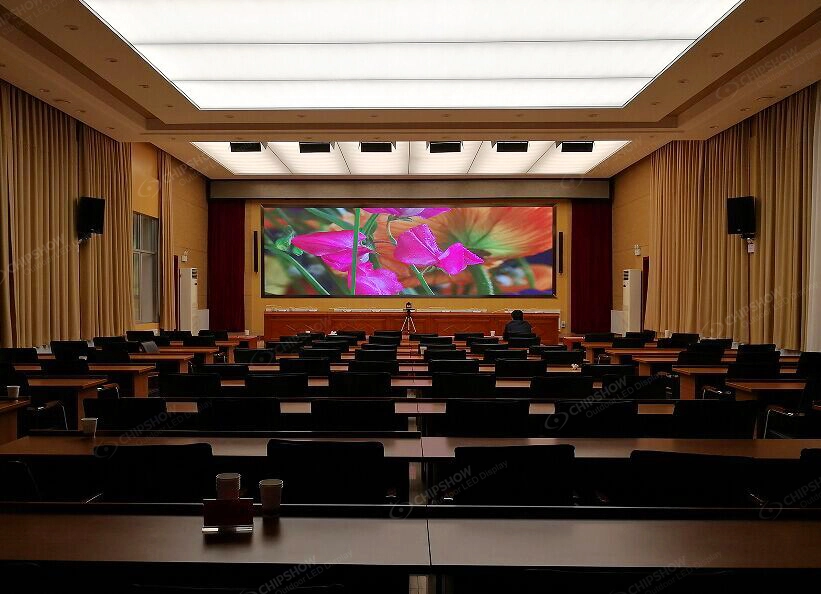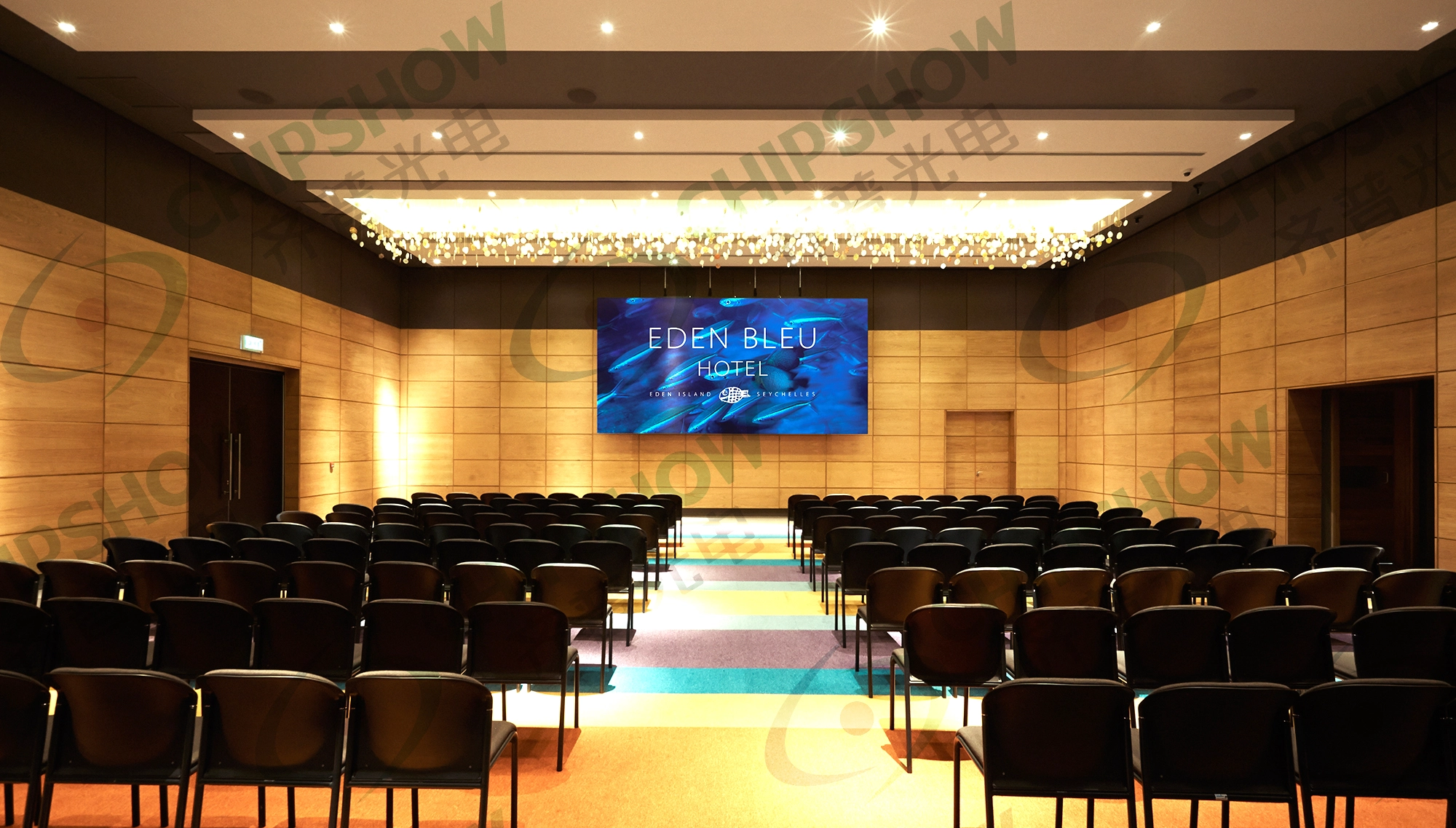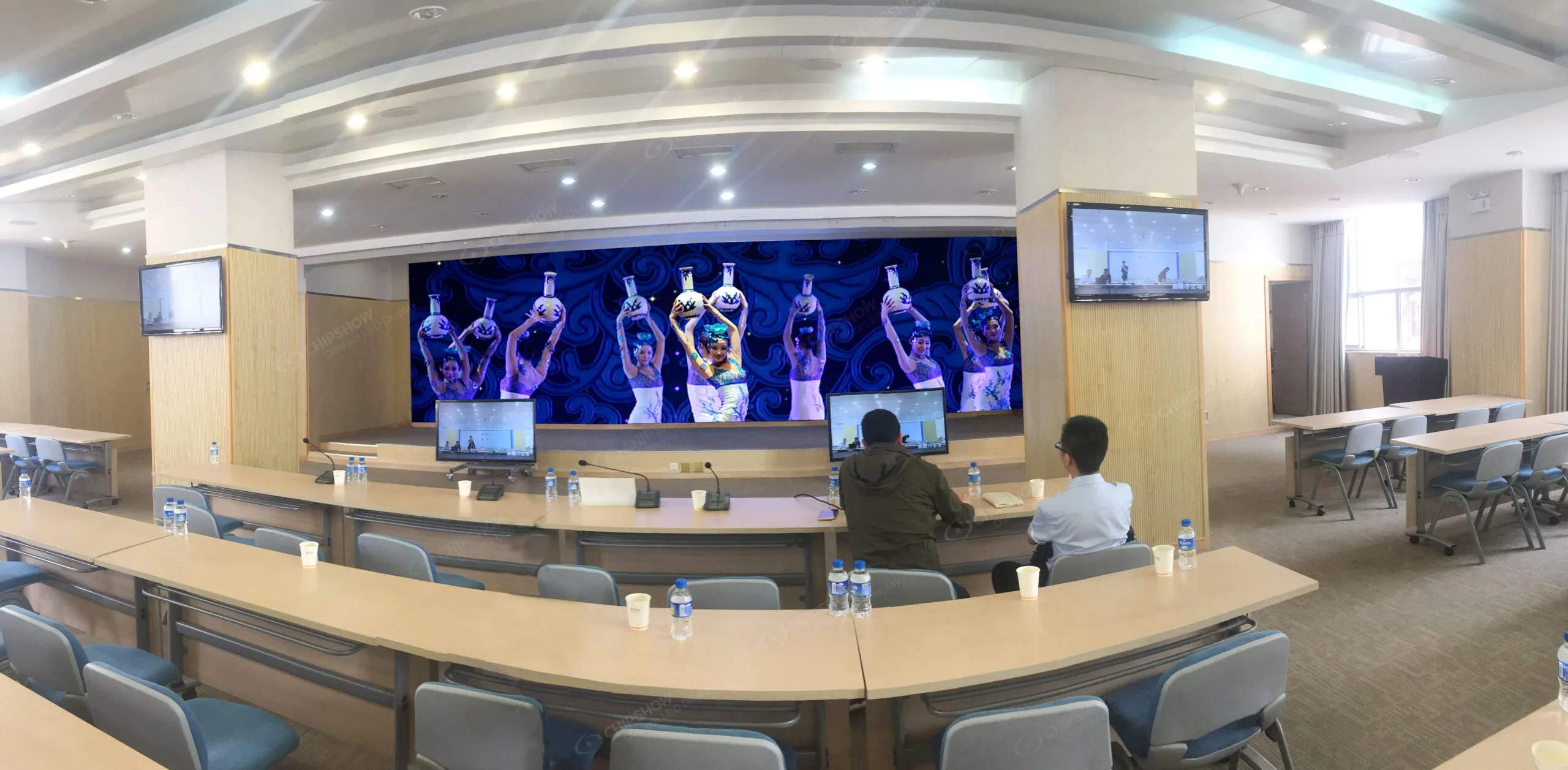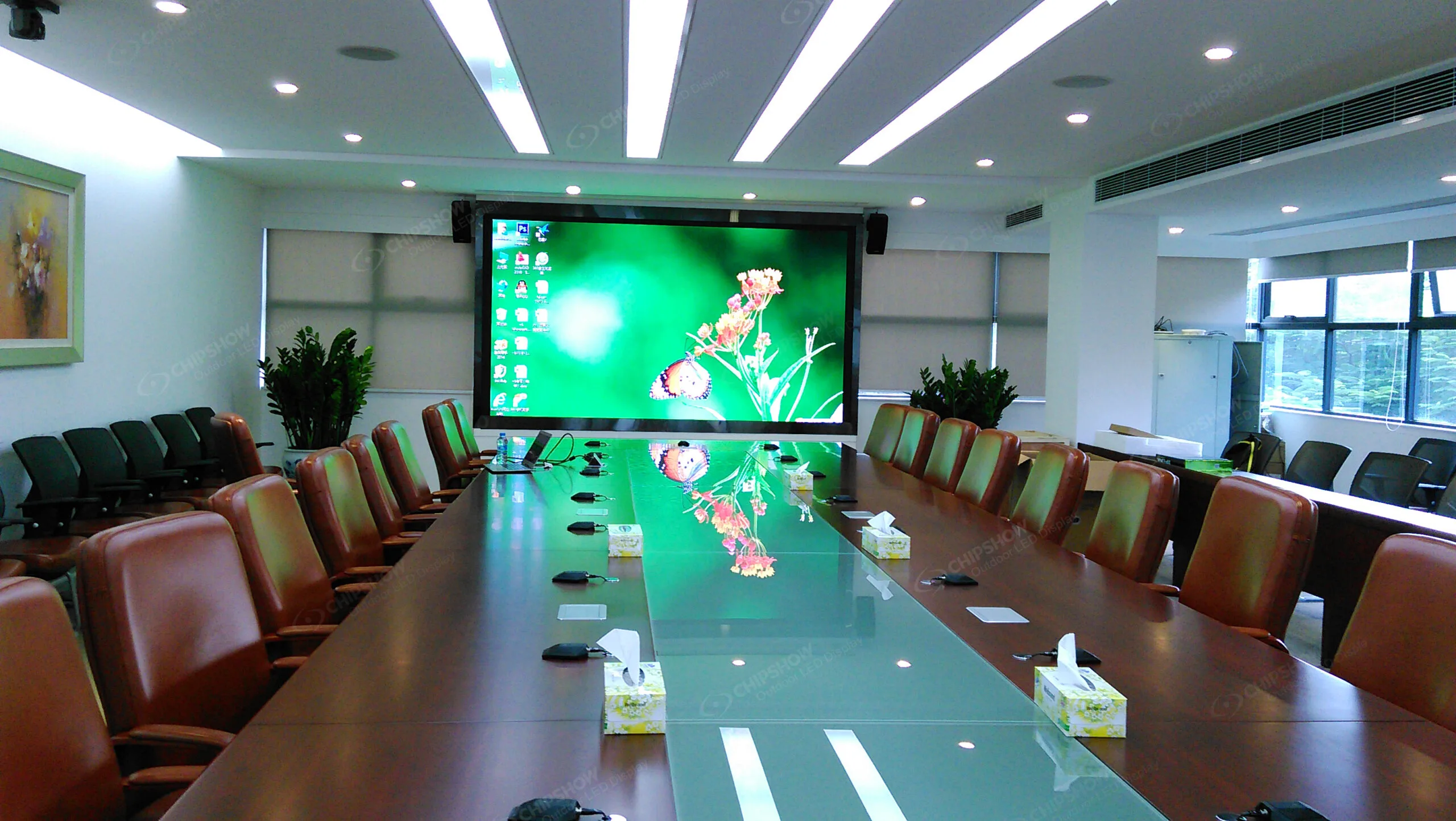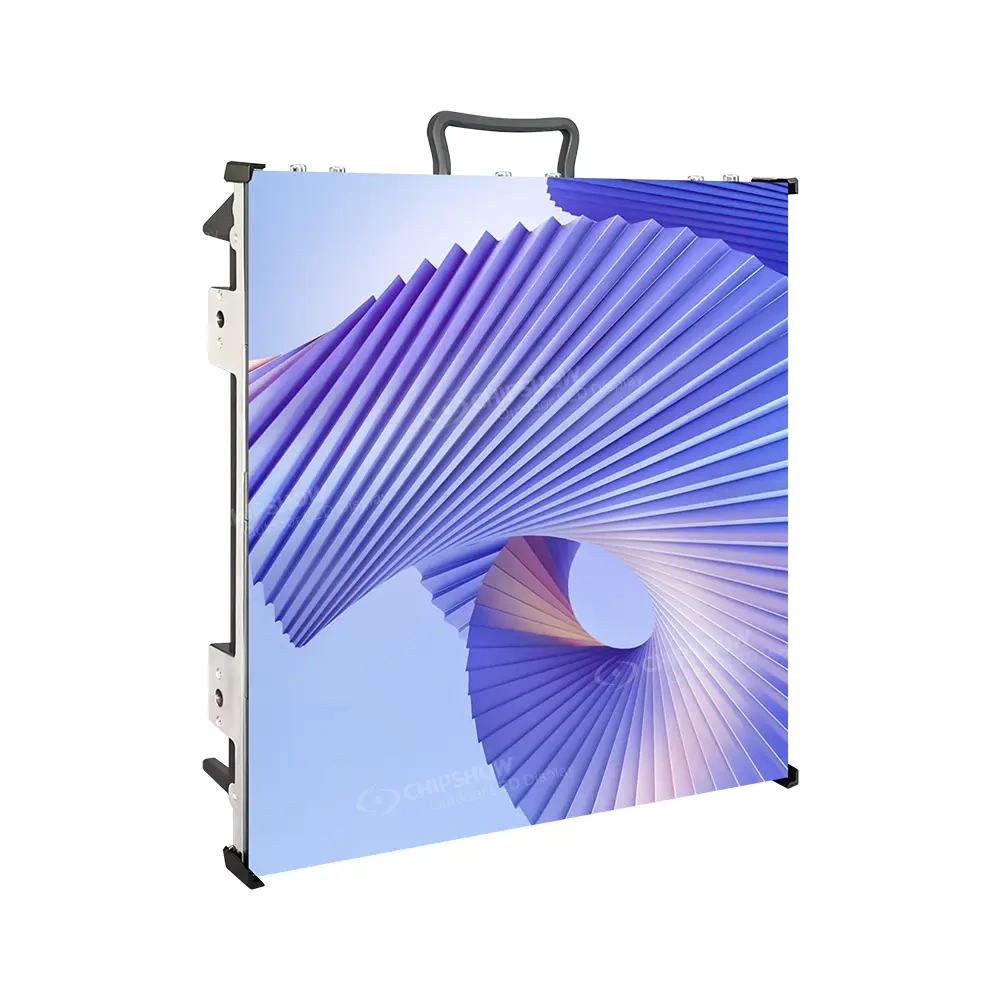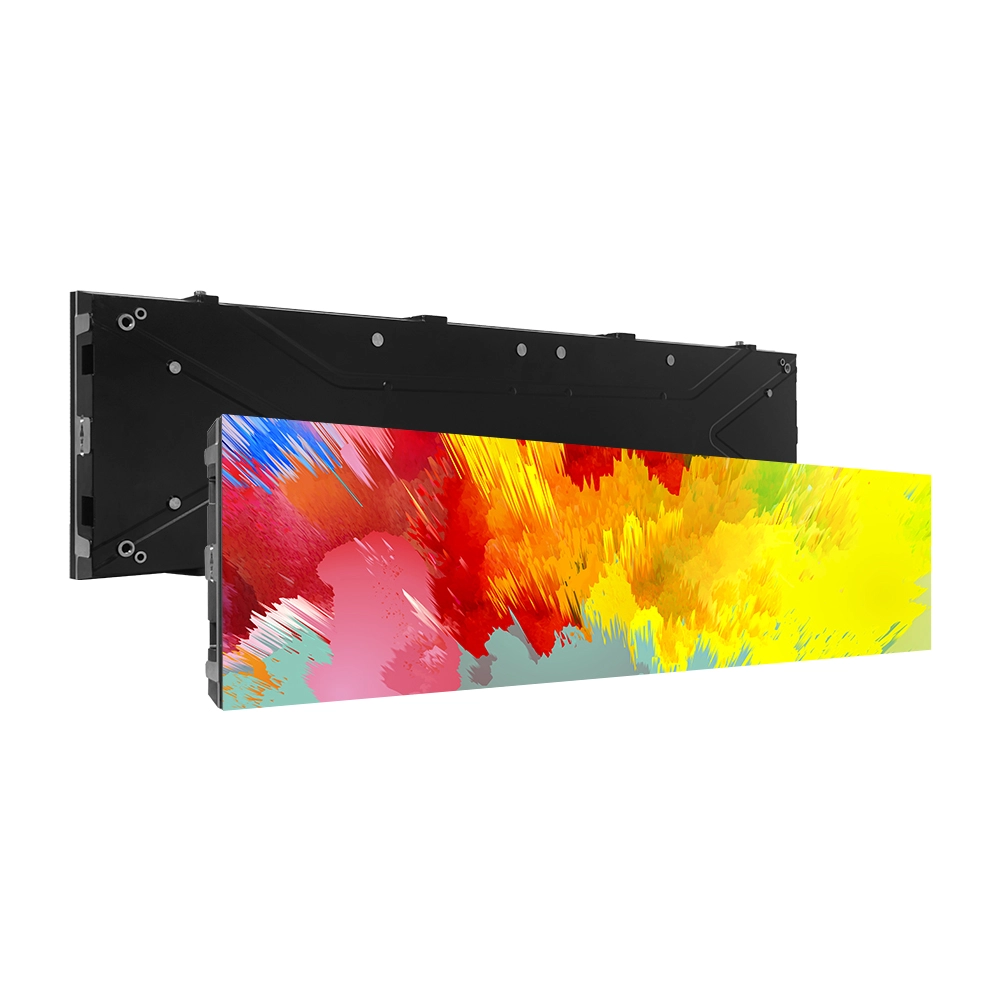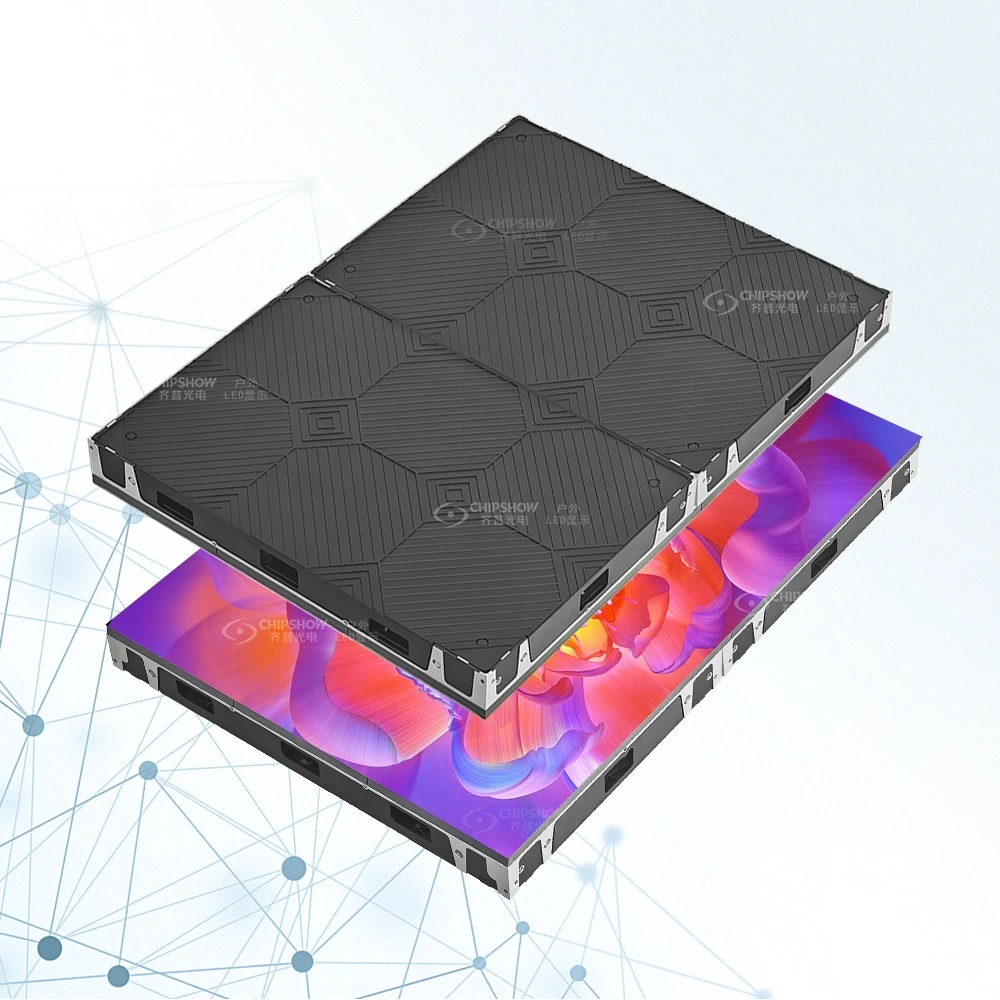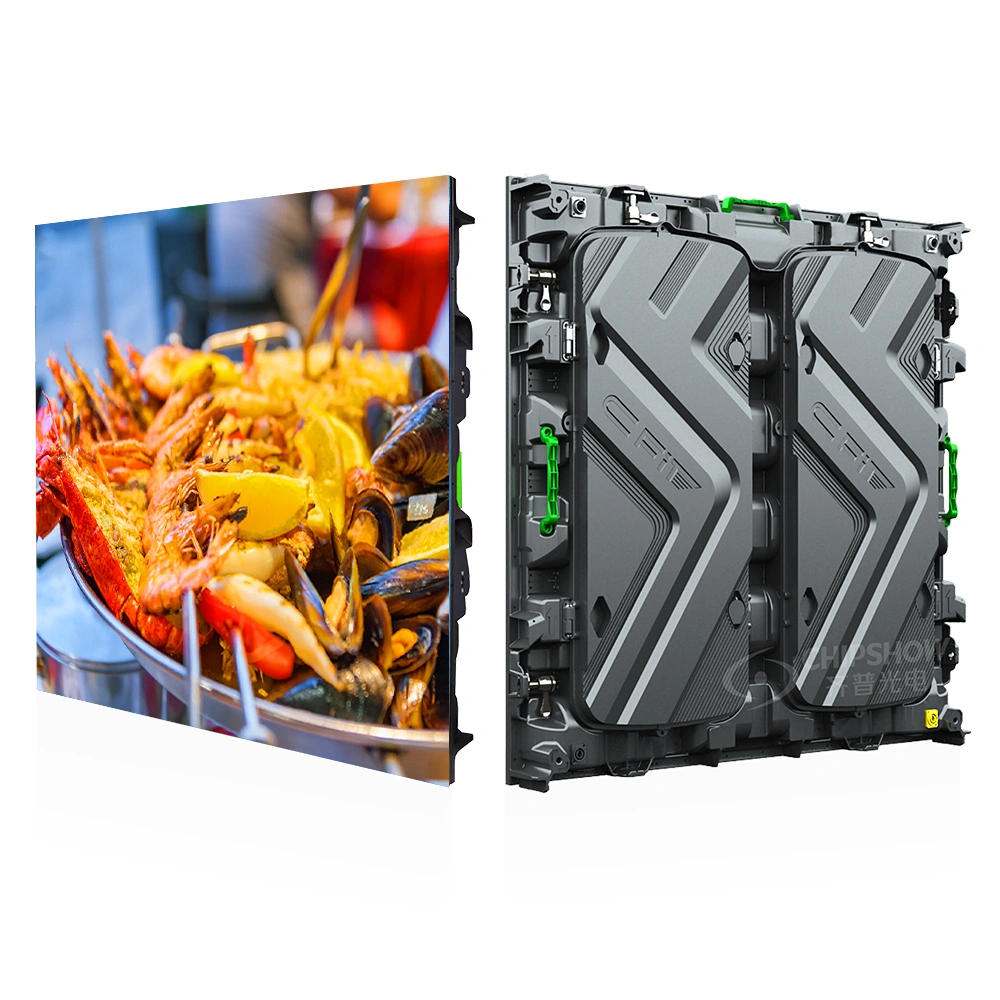
Indoor Jumbotron Screens for Sale in the USA
Choosing the wrong pixel pitch can make an indoor LED wall unnecessarily expensive before anyone sees the first image.
Want a second look at the format options? The USA LED sign selector narrows signs by viewing distance, pixel pitch and cabinet style in one pass.
For an arena lobby, sports bar, house of worship, executive venue or premium entertainment space, the buying decision should begin with three inputs: wall size, closest viewing distance and content.
Those inputs determine how much pixel density the room can use. They also influence whether the project needs a native 4K class canvas, whether SMD or COB makes more sense, how the display should be serviced and how much wall depth the integrator needs to preserve.
That is why buyers comparing an indoor jumbotron screen for sale should not evaluate the display like an outdoor billboard.
Indoor viewers stand closer. Cabinet alignment becomes easier to notice. Excessive brightness adds little value. Quiet rooms make noise more important. Cameras may sit only a few feet from the screen. Architects may also want the finished LED wall to sit close to the building surface without sacrificing service access.
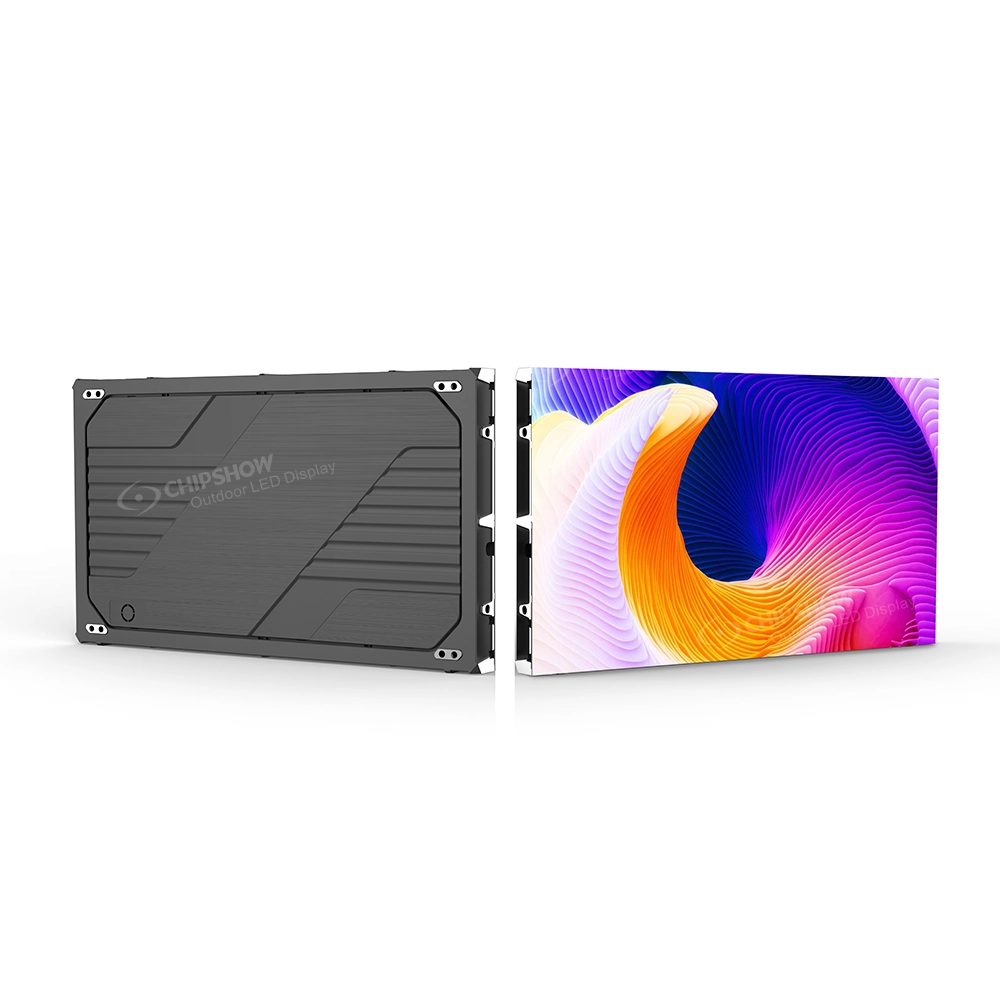
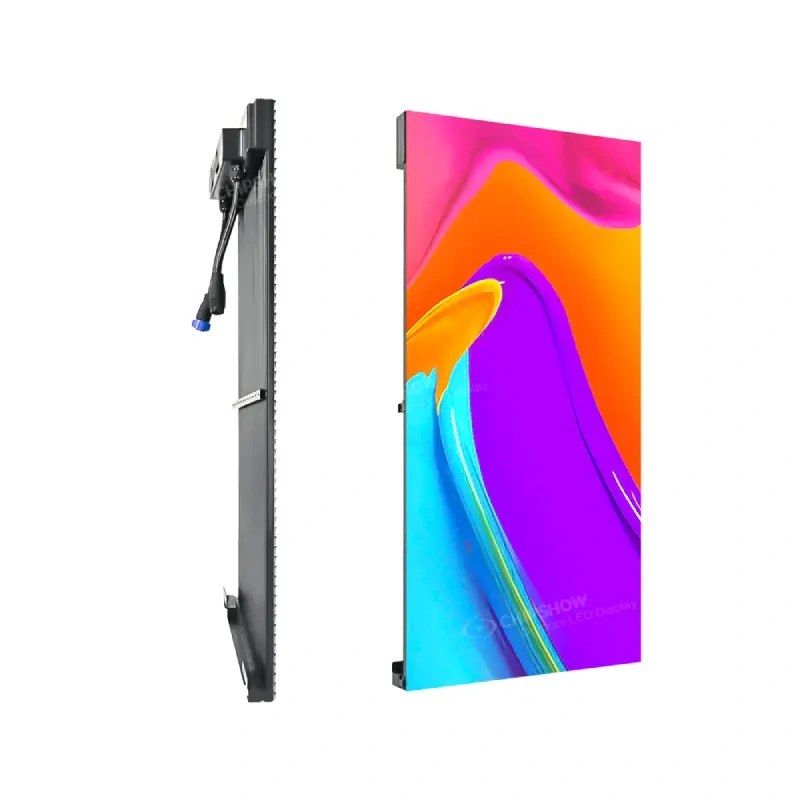
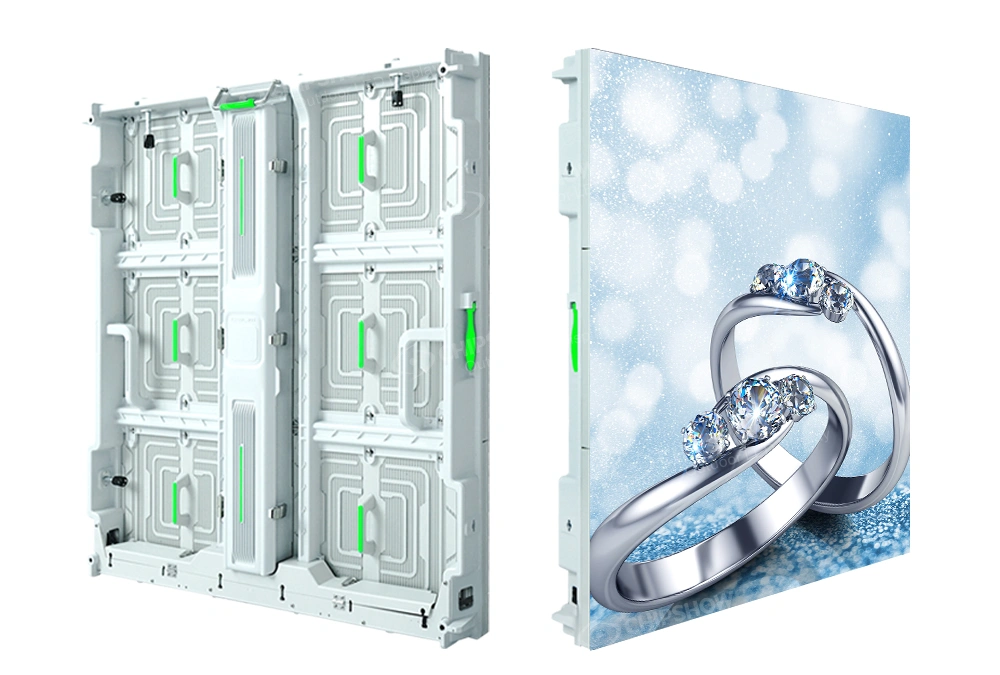
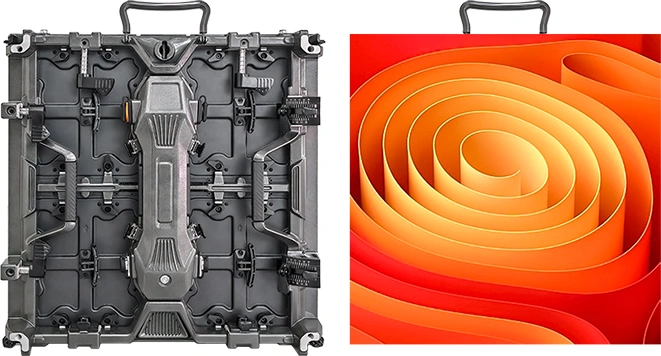
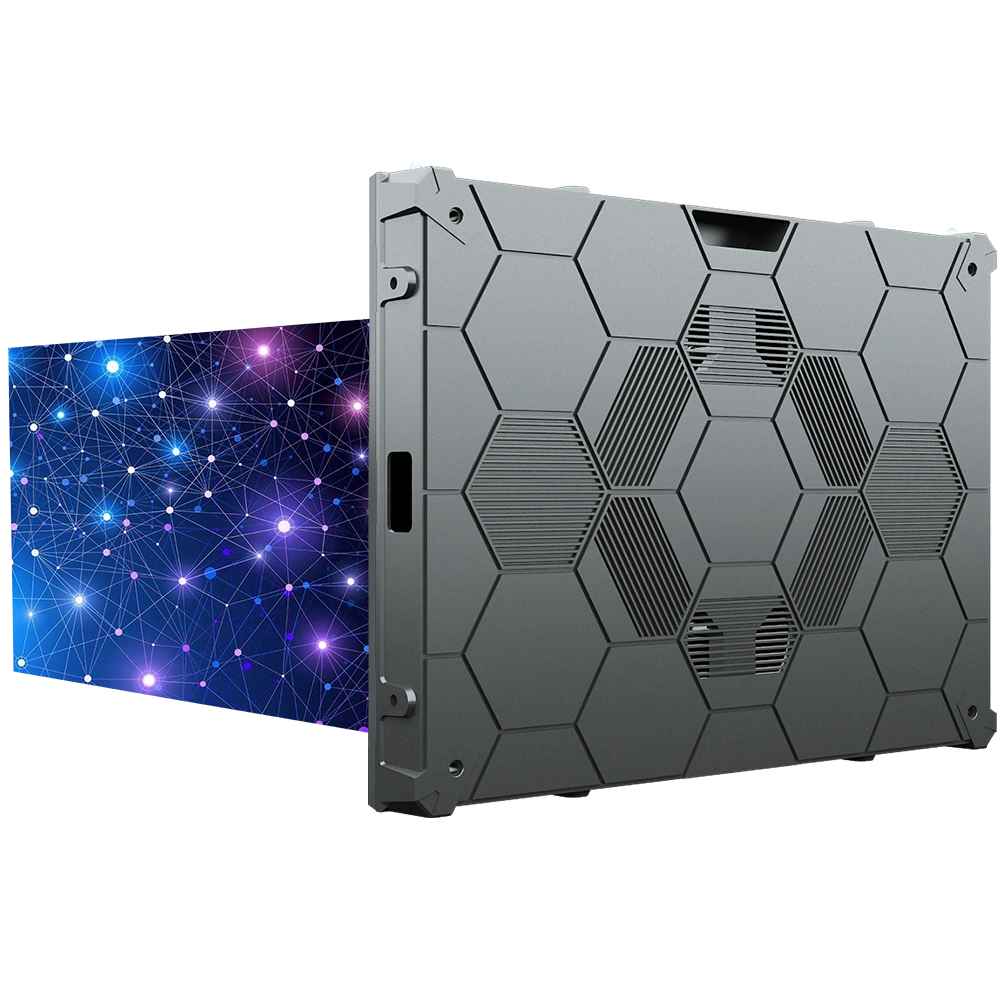
Chipshow addresses these requirements primarily through the C Max indoor platform.
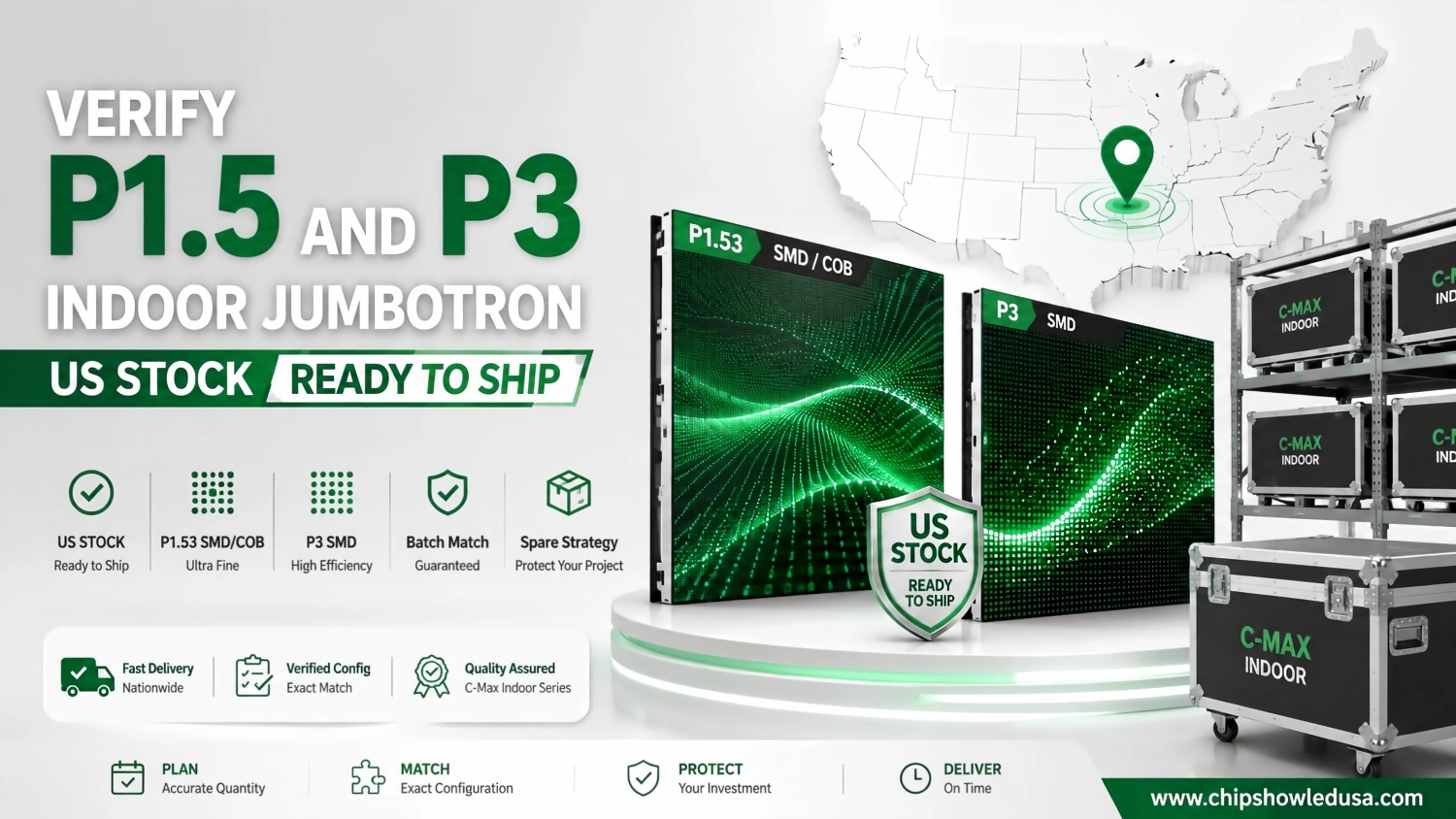
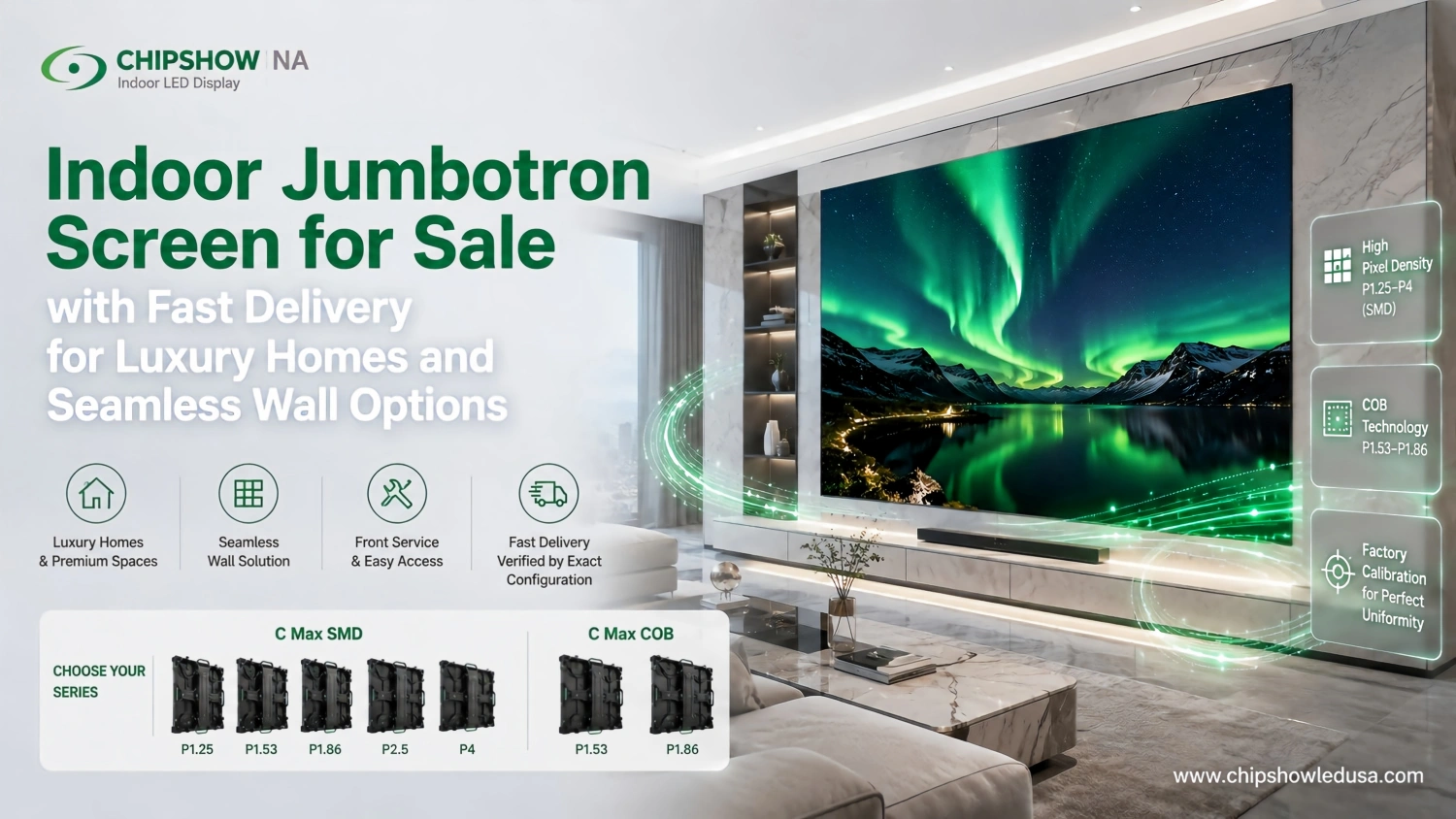
C Max SMD covers pixel pitches from P1.25 through P4 and supports permanent indoor commercial applications where viewing distance and room size vary widely. The current platform also supports 3840 Hz refresh performance and front service.
C Max COB focuses on P1.53 and P1.86 applications where close viewing and surface protection carry more weight in the buying decision. It retains the front access approach while using COB packaging for a more protected LED surface.
These products are not simply two levels of the same screen.
They answer different room requirements.
For North American AV integrators, Chipshow remains focused on manufacturer backed LED hardware, product documentation, hardware planning and selected California inventory when the required model and quantity are available. The local integrator retains the customer relationship and the site specific electrical, mounting and installation scopes defined in the project.
Start with the room geometry and then choose the pixels.
Indoor and Outdoor Jumbotrons Solve Different Problems
Moving a large LED display indoors changes almost every major selection priority.
Outdoor screens have to overcome direct sun, weather and environmental exposure. Indoor LED operates in a much more controlled environment, but audiences also move closer to the display.
That shifts the engineering emphasis toward useful pixel density, contrast, wall depth, acoustic comfort, service access and camera performance.
Indoor Brightness Should Support the Room
Indoor LED does not need outdoor level luminance to create a strong image.
In a controlled room, useful contrast and comfortable viewing matter more than maximum brightness. An unnecessarily bright screen can become tiring when an audience sits close to it for a meeting, worship service, sporting event or extended presentation.
This becomes particularly important in boardrooms, premium lounges, churches and residential entertainment rooms.
The project should therefore coordinate display brightness with the room lighting rather than importing a specification designed to compete with direct sunlight.
Indoor image quality depends on how the display handles dark content, subtle color transitions and ambient reflections as much as it depends on peak output.
That is also one reason close viewing can make COB attractive. Its protected surface can support a more controlled appearance in premium indoor spaces where viewers stand close enough to notice reflections, black levels and surface texture.
The goal inside the room is not to beat the sun.
It is to create an image that remains comfortable and consistent throughout the viewing area.
Pixel Structure Becomes Easier to See
Viewing distance changes how an LED wall looks.
An outdoor screen viewed from hundreds of feet away can use a comparatively coarse pixel pitch while maintaining a visually continuous image.
Inside a building, the closest viewer may stand only several feet from the LED surface.
If the pitch is too coarse for that distance, individual pixels can become more obvious and fine details such as text, dashboards, faces and graphics can lose clarity.
The opposite mistake also costs money.
Choosing P1.25 simply because it is the smallest available C Max SMD option does not automatically improve the project if the audience normally sits far enough away that a coarser pitch already provides sufficient image detail.
The closest meaningful viewer should define the first pitch range.
Typical viewing distance and content can then narrow the decision.
Quiet Rooms Make Noise More Important
Noise may be a minor concern in a busy concourse, but it becomes much more noticeable in controlled indoor environments.
An executive meeting room, worship space, premium hospitality venue or residential theater can expose mechanical noise that would disappear in a stadium plaza.
For this reason, thermal design and acoustic conditions belong in the indoor selection process.
The LED system should work with the room rather than create another background sound source that the AV team later has to manage.
This issue becomes especially important when the display occupies a large percentage of the wall or operates for long periods during meetings, presentations or services.
Front Service Protects Valuable Interior Space
Indoor LED frequently sits directly against finished architecture.
A traditional rear maintenance corridor consumes physical depth that could otherwise belong to the room. In a lobby or boardroom, that lost depth can affect circulation or usable floor area. In a premium residence, the designer may not want to create a deep wall cavity simply to reach LED components.
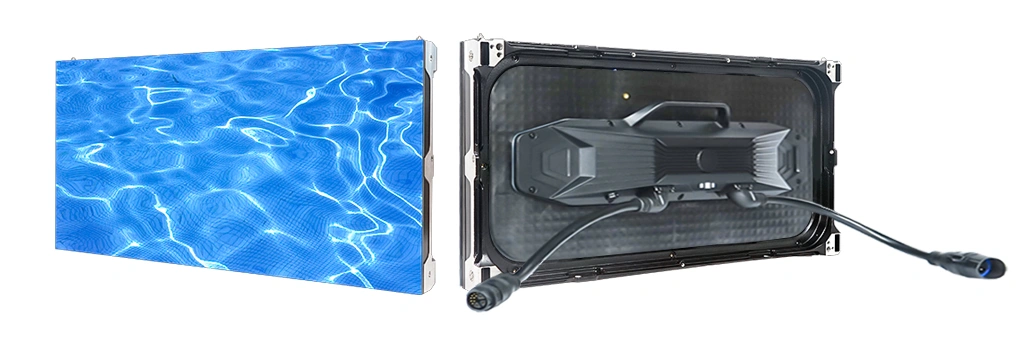
C Max SMD uses a front service architecture. C Max COB also supports front access.
This does not eliminate the need for a properly designed support system.
It gives the integrator more freedom to plan a low profile permanent wall without automatically reserving a conventional maintenance corridor behind the entire display.
Maintenance access therefore becomes part of the architectural decision.
Cameras Need Their Own Performance Check
Many indoor LED walls eventually appear on camera.
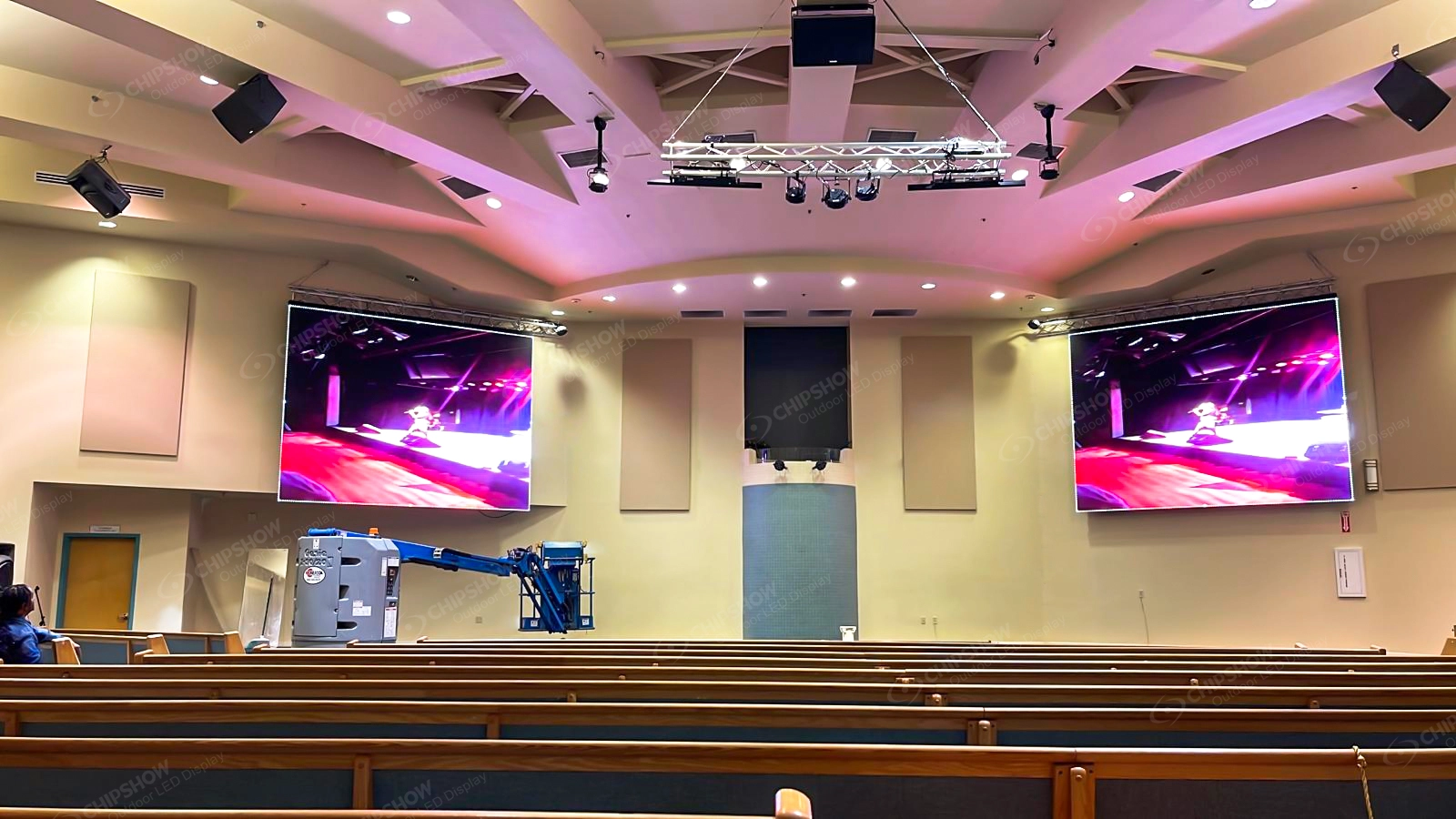
Church livestreams, arena interviews, corporate broadcasts, event content and sports bar promotions can all place the display inside the camera frame.
C Max SMD supports 3840 Hz refresh performance, which gives integrators a relevant starting point for camera facing applications.
Refresh rate alone does not guarantee the final camera result.
Camera shutter speed, frame rate, LED scan architecture, processing and operating brightness can all influence what appears in the recorded image.
When cameras are part of the room, include that requirement before the hardware BOM is approved.
Do not assume that another C Max configuration automatically carries identical camera performance without checking the exact product documentation.
Wall Depth Belongs in the Specification
Indoor projects often compete for inches rather than feet.
The LED cabinet, mounting structure, cable routing and wall finish all contribute to the final projection into the room.
A shallow hardware platform can support a low profile architectural design, but the complete installed wall still needs to be reviewed as one assembly.
This becomes important when the screen sits near circulation routes.
Product dimensions can support an ADA review, but they do not automatically make the completed installation compliant. Final projection, mounting location and surrounding architecture determine the site specific result.
The integrator and architect should therefore evaluate the completed wall condition rather than relying on the LED cabinet dimension alone.
What Makes an Indoor LED Wall Truly Seamless
A seamless jumbotron wall for sale does not become seamless simply because direct view LED has no LCD bezel.
Viewers can still notice cabinet boundaries when the wall lacks sufficient mechanical precision or when adjacent parts of the display do not match visually.
A truly seamless result depends on several layers working together.
Cabinet Flatness Comes First
A large indoor LED wall may use dozens of cabinets.
If one cabinet sits slightly forward, backward or out of plane relative to its neighbors, the surface can reveal a line even though there is no physical bezel.
The problem becomes easier to see as the viewing distance decreases.
In an arena lobby viewed mainly from across a large open space, a small mechanical deviation may be difficult to notice. In a premium executive room where someone can walk within a few feet of the display, the same deviation can become much more obvious.
Precision cabinet construction therefore has a direct visual role.
The enclosure is not simply something that holds the LED modules.
It forms the mechanical foundation of the finished canvas.
Modules Need to Form One Surface
Cabinet alignment is only the first level.
Individual LED modules also need to sit consistently across each cabinet.
If one module sits slightly above or below the surrounding surface, room lighting can catch that area differently. The module boundary may then become visible even when the display is showing a uniform image.
Fine pitch makes this mechanical precision more important because the viewer is already close enough to examine the surface.
Buyers should therefore evaluate seamless LED as an assembled wall rather than as a collection of identical product boxes.
Calibration Completes the Visual Continuity
A wall can be mechanically flat and still reveal its cabinet grid if brightness or color differs across sections.
Factory calibration helps manage optical consistency across the finished LED canvas.
For larger projects, planning spare modules together with the main hardware order can also improve the future service strategy.
That does not mean a replacement module will remain visually identical forever. LEDs age and operating conditions affect the screen over time.
The useful objective is to begin with controlled hardware and calibration rather than treating every cabinet and spare as an unrelated item.
The Support Structure Still Matters
A precision cabinet cannot compensate for an inaccurate supporting wall.
The structure behind the LED needs to hold the cabinet grid within the tolerances required for a flat finished surface.
This is where the responsibilities of Chipshow and the integrator need to remain clear.
Chipshow supplies the manufacturer side LED hardware, cabinet information and applicable technical documentation.
The qualified local project team coordinates the finished wall, mounting structure, electrical work and field installation.
A seamless result depends on both the LED hardware and the site work meeting the required precision.
Front Maintenance Helps Preserve the Interior
A premium indoor wall should remain serviceable after surrounding architectural finishes are complete.
If replacing one module requires removing decorative finishes or opening an inaccessible cavity, the wall may look clean when it launches but become expensive to maintain.
Front service allows the project team to plan future access from the display side.
This can reduce the need for a deep rear maintenance zone and help preserve the finished room.
For an AV integrator working in a high value interior, service architecture can therefore affect both design flexibility and future labor requirements.
Pixel Pitch 4K and Viewing Distance
Pixel pitch and 4K answer different questions.
Pixel pitch describes the physical spacing between neighboring LED pixels.
4K describes the total image resolution.
Viewing distance determines how much of that resolution the audience can actually appreciate.
A useful indoor specification considers all three together.
Start With the Closest Meaningful Viewer
The correct viewing distance is not always the back row.
An arena lobby may have visitors approach the wall directly.
A sports bar can have seating at several distances.
A church may have production cameras positioned much closer to the LED surface than the congregation.
A premium residential installation may create an even shorter viewing distance.
Document the nearest viewer for whom image quality matters.
That distance helps remove pitches that would appear too coarse.
Then compare the normal viewing position before paying for pixel density that most of the audience cannot resolve.
C Max SMD provides multiple options from P1.25 through P4, allowing the same indoor product family to address different room sizes.
4K Is a Wall Resolution
An individual LED cabinet is not a 4K screen.
The complete wall reaches a 4K class pixel canvas only when the assembled horizontal and vertical pixel count reaches the required resolution.
For UHD content, 3840 by 2160 pixels is the familiar reference.
The physical wall size required to reach that target changes with pixel pitch.
A finer pitch places more pixels into the same physical area.
A coarser pitch requires a larger physical wall to reach the same total pixel count.
That is why a request for a 4K jumbotron should always include the available wall dimensions.
Without both values, 4K remains only a content label.
A 4 by 3 Cabinet Can Build a 16 by 9 Wall
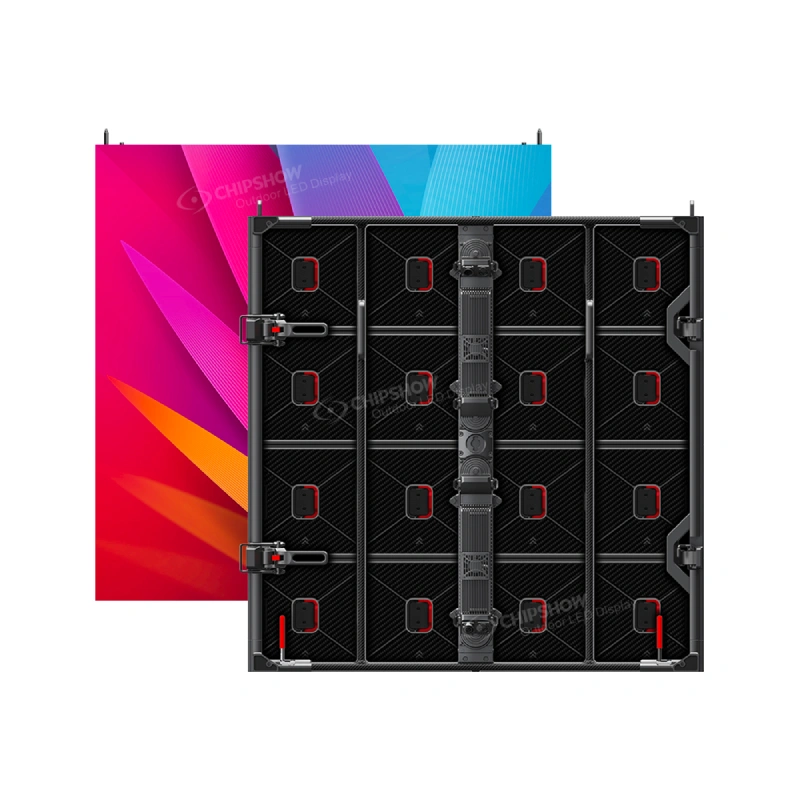
C Max uses a 640 by 480 mm cabinet format.
The cabinet itself has a 4 by 3 physical ratio.
That does not limit the final LED wall to 4 by 3.
By arranging cabinets in the appropriate grid, an integrator can build a conventional 16 by 9 canvas for video and presentation content.
For example, a four cabinet wide by three cabinet high arrangement produces a physical 16 by 9 wall.
Larger grids can maintain the same relationship.
This is particularly useful in projects replacing conventional LCD video walls or other 16 by 9 presentation systems.
The cabinet acts as a building block.
The finished grid defines the content canvas.
Native 4K Should Solve a Real Need
A control environment displaying detailed data may gain meaningful value from a dense native pixel canvas.
A sports bar showing broadcast feeds from longer seating distances may not need the same native resolution.
A church may need enough pixel density for IMAG video, lyrics and presentation content without requiring every installation to reach native 4K.
The content workflow should determine whether native 4K is essential, beneficial or unnecessary.
That keeps the budget connected to visible performance.
C Max SMD and COB
SMD and COB can both create high quality indoor LED walls.
The right choice depends on the viewing conditions and how the physical LED surface will be used.
| Decision Factor | C Max SMD | C Max COB |
|---|---|---|
| Pixel pitch range | P1.25 through P4 | P1.53 and P1.86 |
| Primary role | Broad commercial indoor selection | Premium close viewing and protected surface |
| Service approach | Front service | Front access |
| Camera planning | 3840 Hz available on C Max SMD | Confirm exact COB configuration |
| Strong fit | Arena lobbies sports bars worship auditoriums commercial AV | Executive environments close viewing premium interiors higher contact areas |
| Main buying question | Which pitch matches the room | Does the project benefit from COB surface protection and close viewing performance |
Where SMD Fits Better
C Max SMD gives AV integrators greater flexibility across different room geometries.
A large arena lobby may not need the same pixel density as a compact executive room.
A church may need to balance audience viewing with camera requirements.
A sports bar may need several seating zones to see the screen clearly without purchasing pixel density intended for a much shorter viewing distance.
The P1.25 through P4 range lets the integrator select a pitch according to the room rather than forcing every indoor project into one density class.
C Max SMD also supports front maintenance and 3840 Hz refresh performance.
For mainstream permanent commercial AV, those characteristics cover several common project requirements without automatically moving into COB.
Where COB Adds Value
COB changes the physical LED surface.
Instead of leaving individual LEDs exposed in the same way as a conventional SMD surface, COB encapsulates the light emitting components beneath a protective layer.
This can matter in environments where people regularly approach the screen or where accidental contact is more likely.
It can also be useful in premium interiors where surface appearance and close range viewing receive more attention.
C Max COB currently focuses on P1.53 and P1.86.
That narrower range reinforces its role as a close viewing option rather than a universal replacement for every C Max SMD project.
The buyer should choose COB because the room benefits from the technology.
It should not be treated as an automatic upgrade simply because it uses a different packaging method.
Surface Durability Can Change the Buying Decision
A display safely mounted away from public contact may operate successfully with SMD for years.
A public lobby, interactive commercial environment or premium interior where people regularly approach the screen creates a different physical risk.
Surface durability can then become part of the ownership decision.
This is particularly relevant when damaged individual LEDs would be difficult to ignore at very close viewing distances.
The technology choice therefore combines visual requirements with the physical environment.
C Max Wall Is a Special Architectural Option
Some interiors introduce another requirement.
The designer may not want a conventional black LED rectangle to dominate the room when the display is not showing content.
For those specialized architectural projects, C Max Wall can be evaluated after the basic viewing distance, screen size and resolution requirements are established.
It should remain a special architectural route rather than the default recommendation for an indoor jumbotron.
The core buying decision still begins with the room.
Fast Delivery for Premium Residential and Time Sensitive Indoor Projects
Premium residential LED belongs in this buying guide when the project is managed by an AV integrator or another professional project partner.
Chipshow should not be positioned as a consumer home installation company.
The manufacturer side role is LED hardware, product information, hardware planning and supply coordination.
The local integrator retains the customer relationship and the site specific installation work included in its contract.
Premium Homes Still Need Commercial AV Planning
A high end residence can create some of the most demanding indoor viewing conditions.
Viewers may sit relatively close to the screen.
The room may require low acoustic impact.
Architecture may limit available wall depth.
The owner may also expect the screen to integrate cleanly into a highly finished interior.
These are professional AV engineering issues even though the end location is residential.
C Max SMD can fit projects that benefit from a broad pixel pitch range.
C Max COB becomes more relevant when close viewing and physical surface protection carry greater importance.
The technology should be selected by the integrator according to the room rather than by treating residential LED as a separate consumer product.
Fast Delivery Must Be Checked by Configuration
The phrase fast delivery should always refer to actual hardware availability.
Selected C Max indoor configurations can be supported through Chipshow’s North American inventory strategy, but availability depends on the exact product, pitch and project quantity.
A P1.25 SMD wall and a P1.86 COB wall are different inventory requirements.
A small wall and a large arena project can also consume very different quantities.
For a schedule sensitive project, confirm the exact model, pitch, cabinet count and supporting hardware before promising the customer a delivery date.
The California Warehouse Hub functions as a hardware inventory buffer.
It does not represent a residential installation team or a nationwide field service operation.
Ready to Install Means a Defined Hardware Scope
Fast freight does not help if important hardware is missing when the integration team starts work.
The hardware BOM should therefore align the cabinet count with processing, receiving components, signal and power requirements, relevant cables and planned spares before release.
A ready to install hardware package reduces uncertainty on the hardware side.
The integrator still manages wall preparation, electrical work, mounting and the physical installation according to the project scope.
This division of responsibility protects the integrator’s role while giving the project direct access to manufacturer backed LED hardware.
Verify Specifications Documentation and Project Fit
Once the project has narrowed the pixel pitch and LED technology, the buying process should shift from comparison to verification.
The hardware BOM, specification sheet and project proposal should describe the same configuration.
Keep C Max SMD and COB Claims Separate
C Max SMD currently provides the broader P1.25 through P4 pitch range and supports 3840 Hz refresh performance.
C Max COB currently focuses on P1.53 and P1.86 with its protected COB surface and front access.
Do not transfer the SMD refresh value automatically to a COB configuration unless the corresponding COB specification confirms it.
Do not apply COB surface protection claims to an SMD wall.
Sharing the C Max name does not make every configuration technically identical.
The customer proposal should reflect the model actually being supplied.
Confirm Camera Requirements Against the Hardware BOM
Camera facing installations need an explicit performance review.
If an arena lobby regularly hosts interviews, a church broadcasts services or an executive wall appears behind presenters, include the production environment during hardware planning.
Refresh rate provides one part of the answer.
The processor, camera shutter, frame rate and LED configuration still need to work together.
If the project uses COB and camera performance is important, request the camera relevant specification for the exact proposed configuration rather than assuming the SMD value applies.
Treat Compliance as Product Specific Evidence
Commercial AV projects in the United States can require electrical safety and electromagnetic compliance documentation depending on the product and project.
If the integrator or consultant requires UL, ETL, FCC or other applicable documentation, request the material associated with the exact quoted hardware.
A document that applies to one Chipshow product should not be used to represent an unrelated model or configuration.
The same principle applies to architectural compliance.
A shallow cabinet can help the project create a low profile wall, but final ADA compliance depends on the completed installation, mounting condition and circulation area.
Chipshow provides product side specifications and applicable documentation.
The architect, engineer, integrator and Authority Having Jurisdiction determine the final site requirements.
Verify Inventory Separately From Product Capability
A specification tells the buyer what the product can do.
It does not prove how many units are available in California today.
Inventory should therefore be checked after the project has selected an appropriate configuration.
This prevents available stock from pushing a room toward an unsuitable pitch simply because those cabinets happen to be nearby.
For a time sensitive project, confirm the exact series, pitch, cabinet quantity and supporting hardware before the final schedule is committed.
Technical suitability should determine the hardware first.
Inventory planning follows.
Frequently Asked Questions About Indoor Jumbotron Screens
What Pixel Pitch Is Best for an Indoor Jumbotron
There is no universal best pitch.
Start with the closest meaningful viewing distance, screen dimensions and content. C Max SMD provides options from P1.25 through P4, allowing an integrator to balance image detail and project budget across different room sizes.
Close viewing may justify P1.25, P1.53 or P1.86.
Larger spaces can often use a coarser pitch without losing useful detail.
The correct choice is the pitch the audience can actually benefit from rather than the smallest number available.
How Do I Build a Seamless 16 by 9 or 4K LED Wall
Treat physical wall geometry and pixel resolution as two connected calculations.
C Max uses a 640 by 480 mm cabinet format.
An appropriate cabinet grid can create a 16 by 9 physical canvas.
The native LED resolution then depends on pixel pitch and total cabinet quantity.
A 4K video source does not automatically make the LED wall native 4K.
The complete pixel matrix must reach the required resolution.
Is COB Better Than SMD for Close Viewing
COB can provide additional value when viewers stand very close to the screen, when surface reflections matter or when the LED face has a higher risk of accidental contact.
SMD remains a practical commercial option when the room benefits more from a broad pitch range and does not require the same protected surface.
The viewing environment should determine the technology.
COB should not be treated as a universal upgrade.
Can an Indoor Jumbotron Be Delivered Quickly From US Stock
Selected C Max configurations can be supported through Chipshow’s North American inventory strategy.
Availability depends on the exact product, pixel pitch, project quantity and supporting hardware.
A project should confirm the exact BOM before adding a delivery date to the customer schedule.
California inventory provides a useful hardware buffer when the selected configuration is available, but it should never be generalized to every C Max model.
Does Chipshow Install Luxury Home LED Walls On Site
Chipshow is an integrator friendly LED hardware manufacturer rather than a consumer residential installation contractor.
Chipshow supplies the LED hardware, applicable product information and manufacturer side hardware coordination.
The AV integrator and other qualified local project partners retain wall preparation, electrical work, mounting, physical installation and other site specific scopes defined by the project.
This keeps the professional integrator in control of the customer relationship.
An indoor jumbotron quotation becomes more useful when the room information is defined before the product is selected.
Ready to scope your sign? The USA LED sign selector walks through viewing distance, format and layout in one pass.