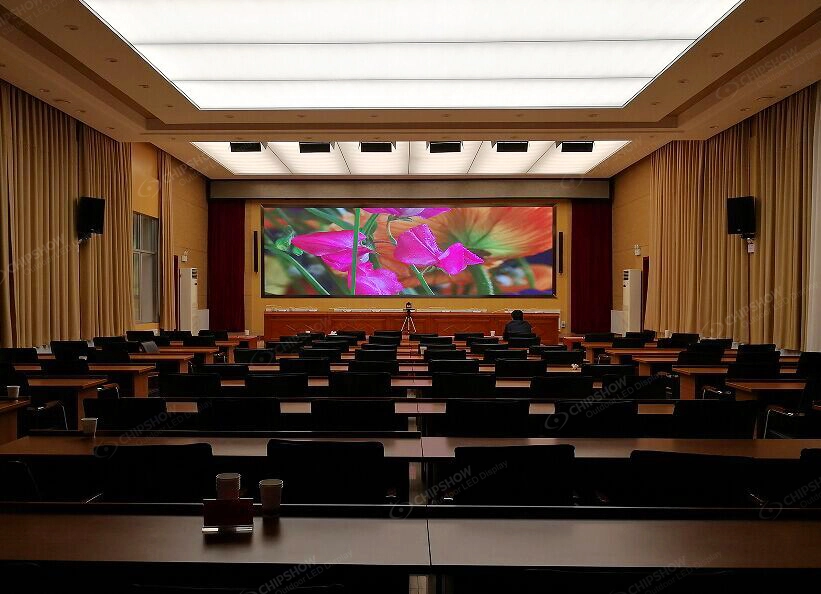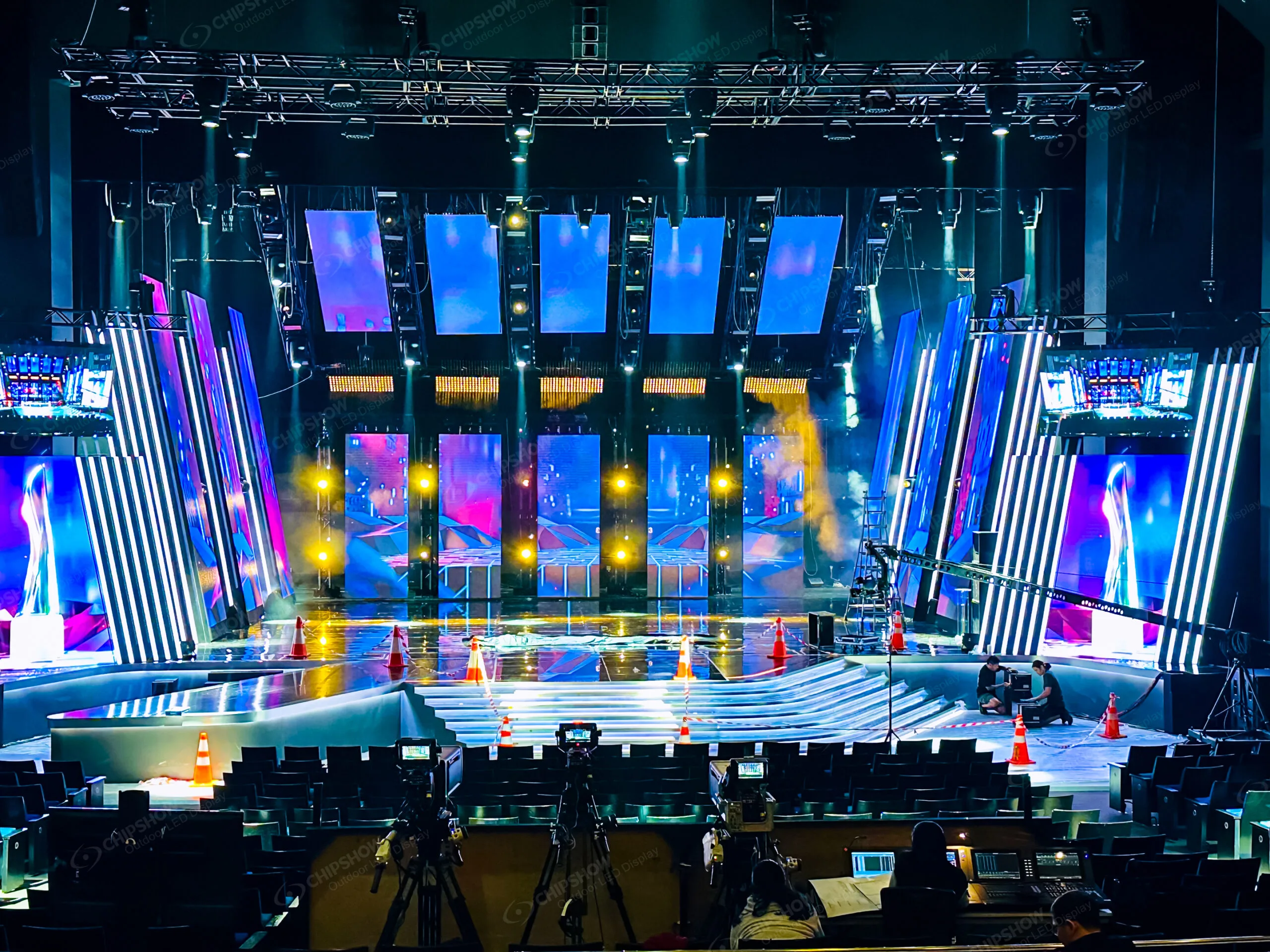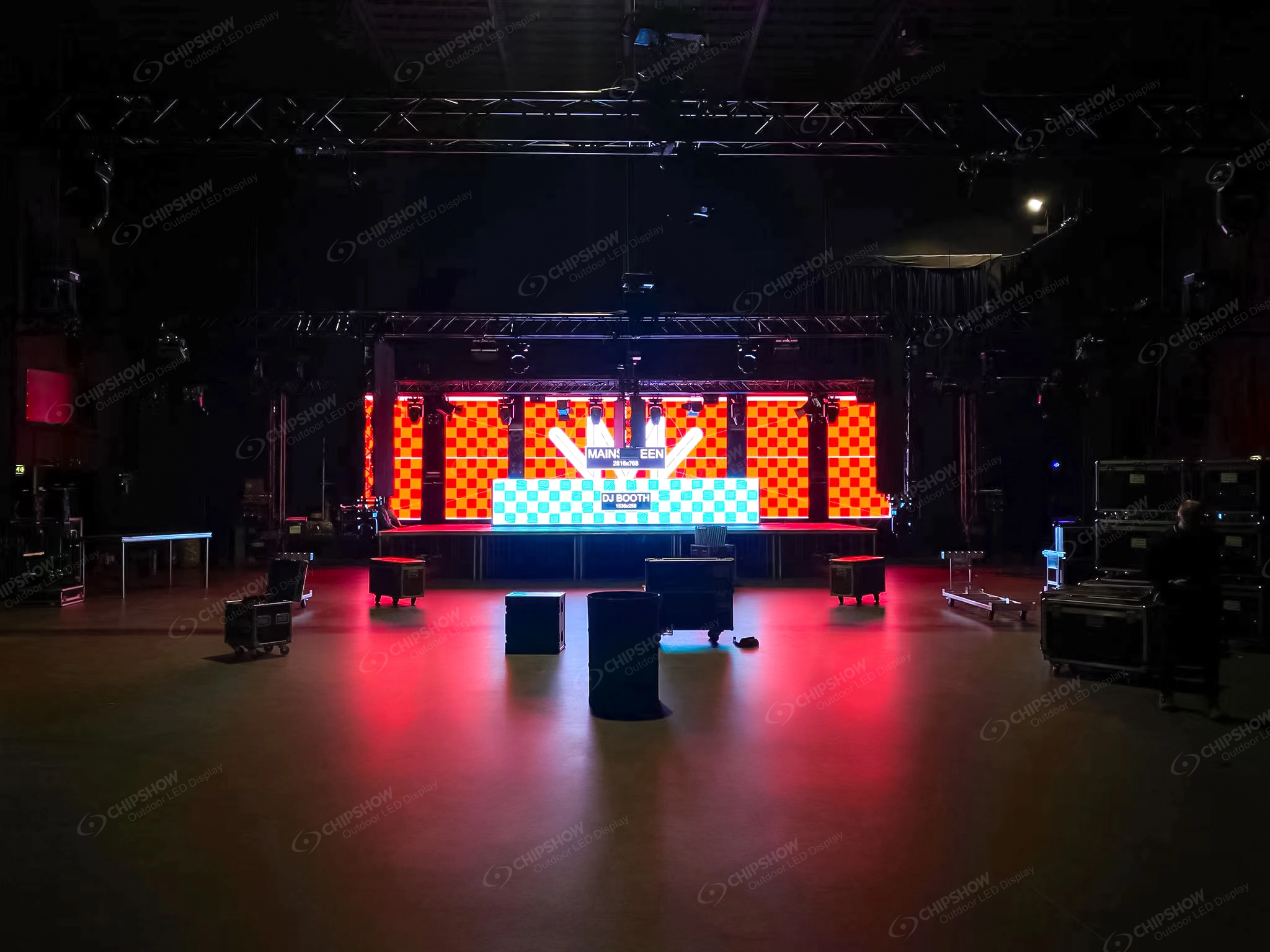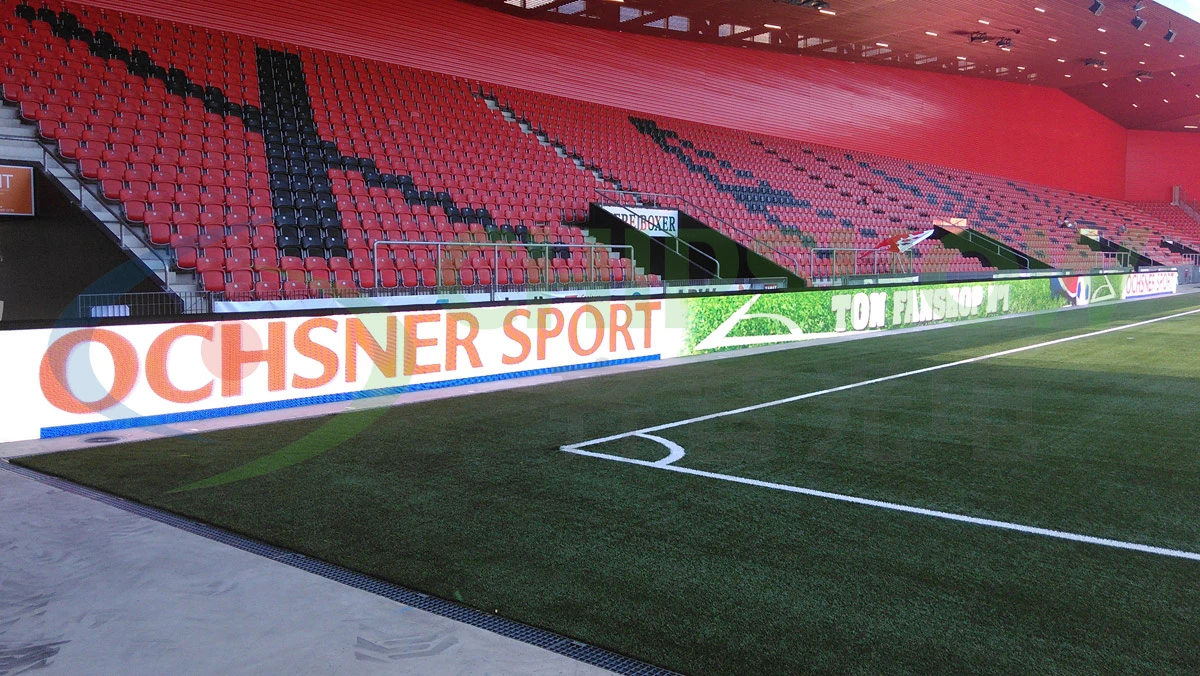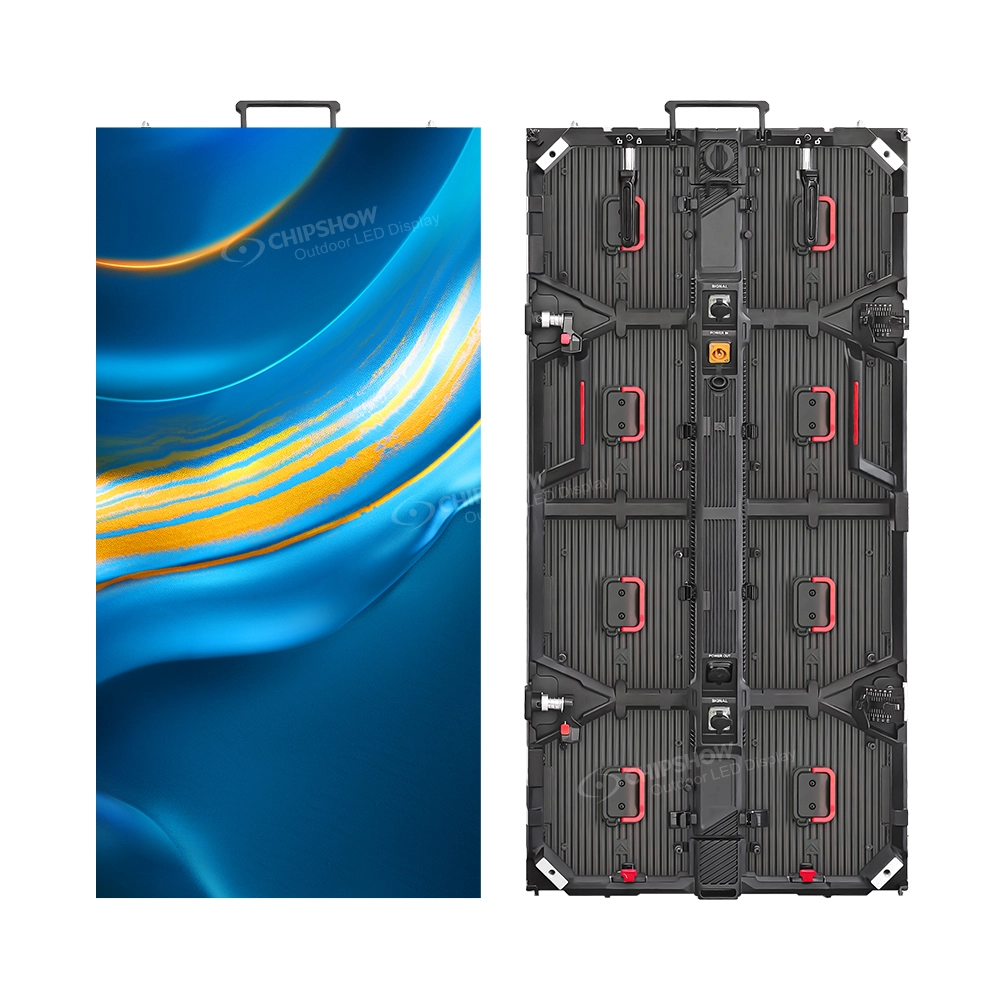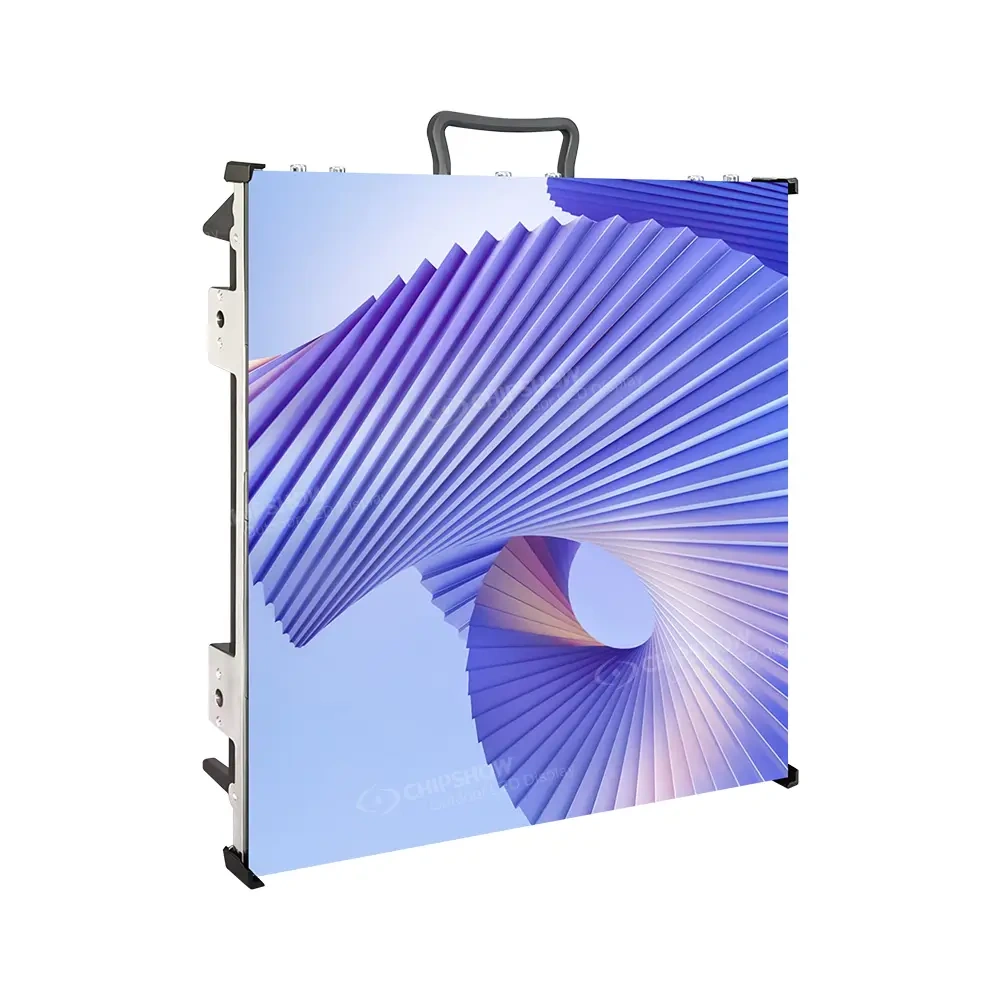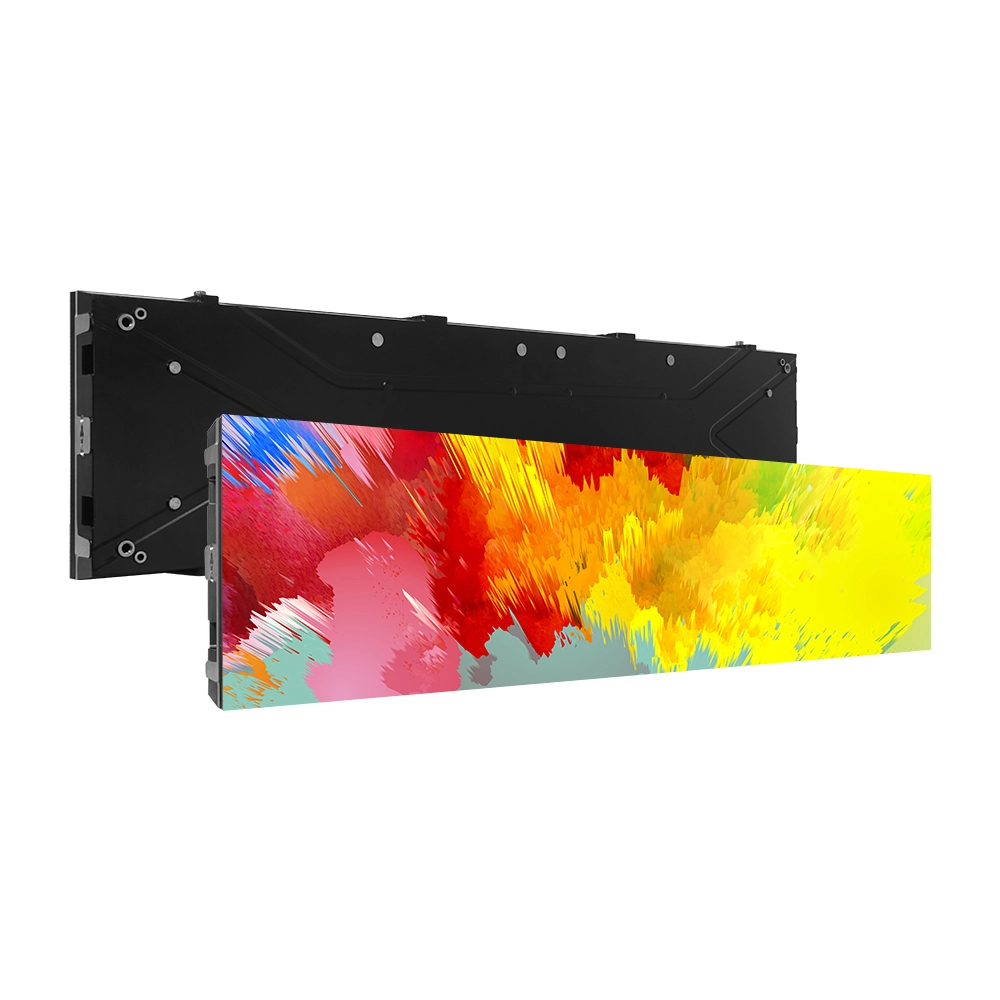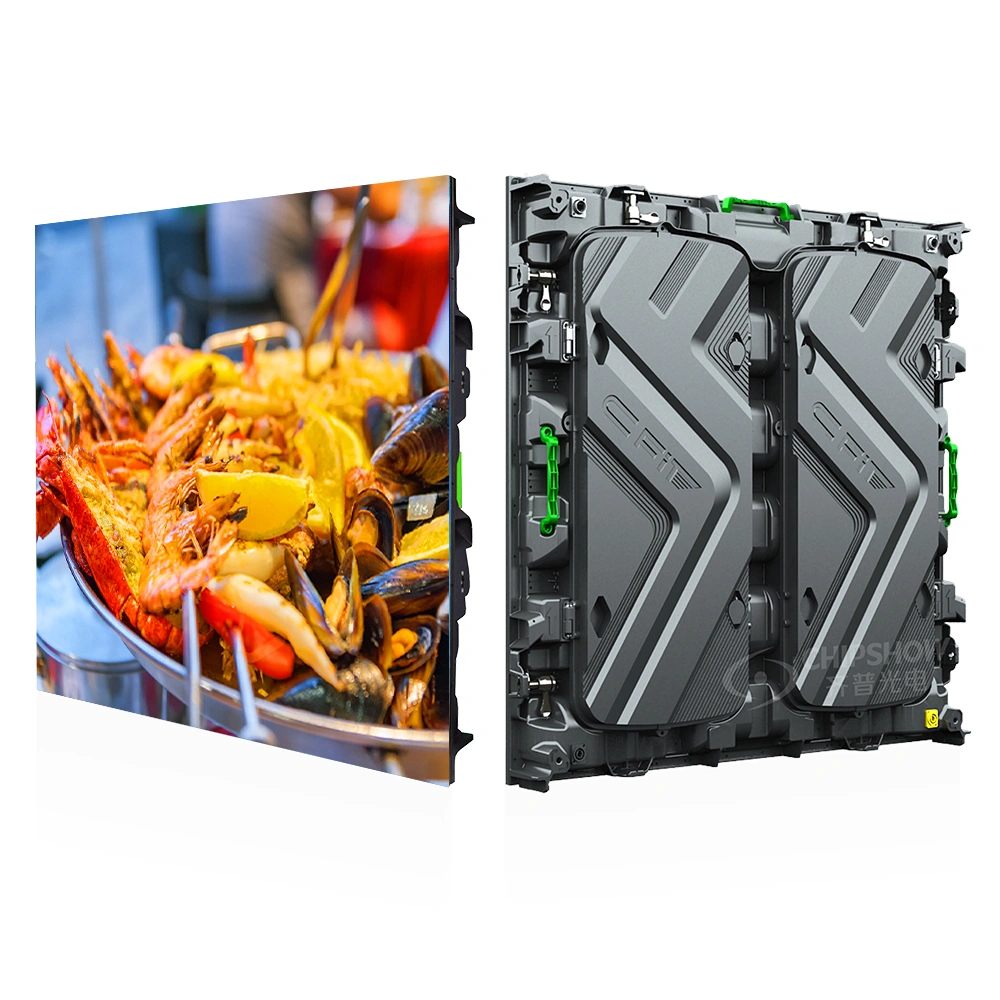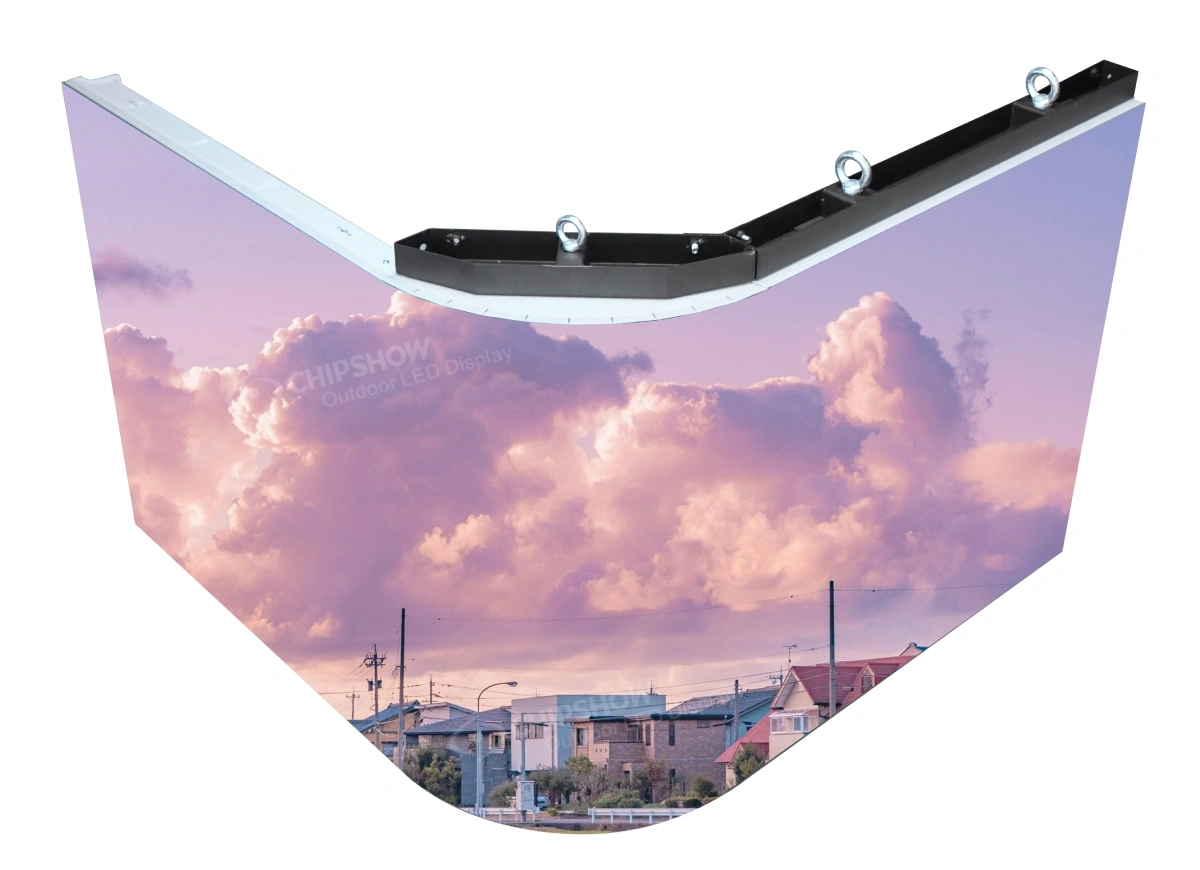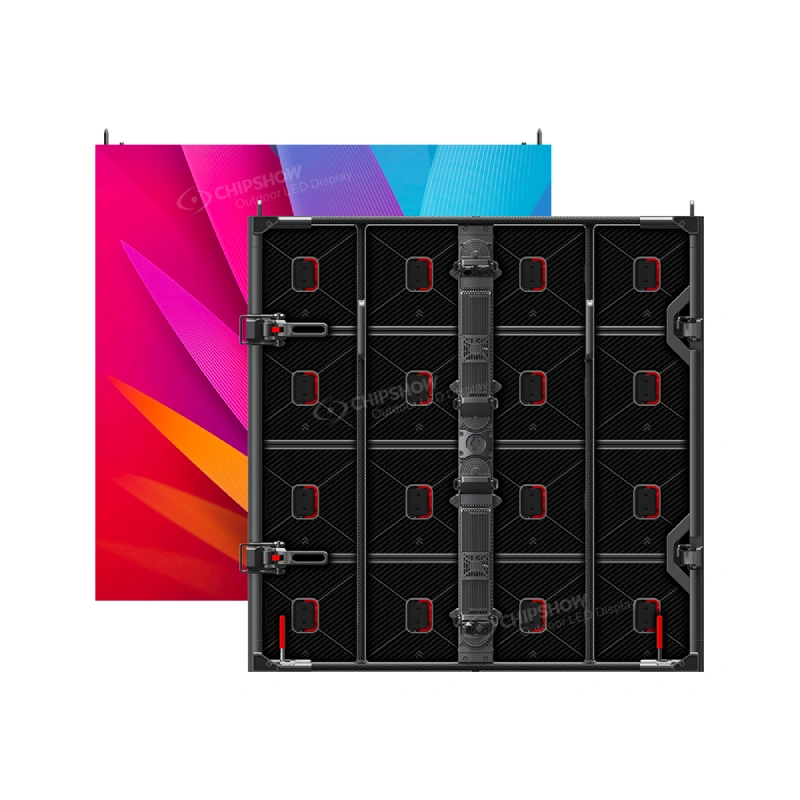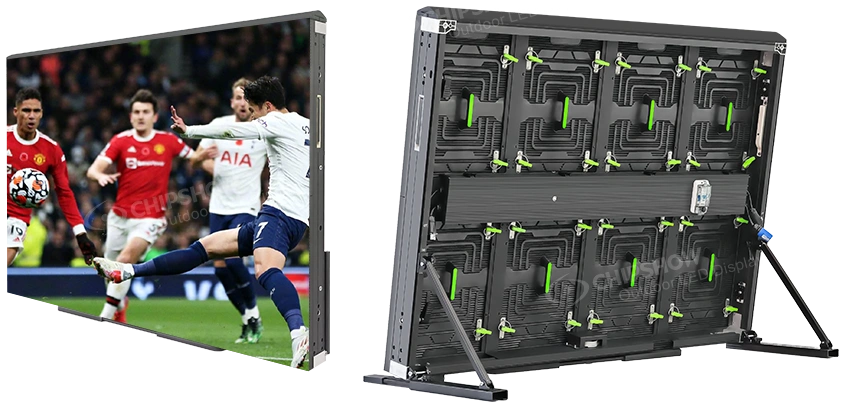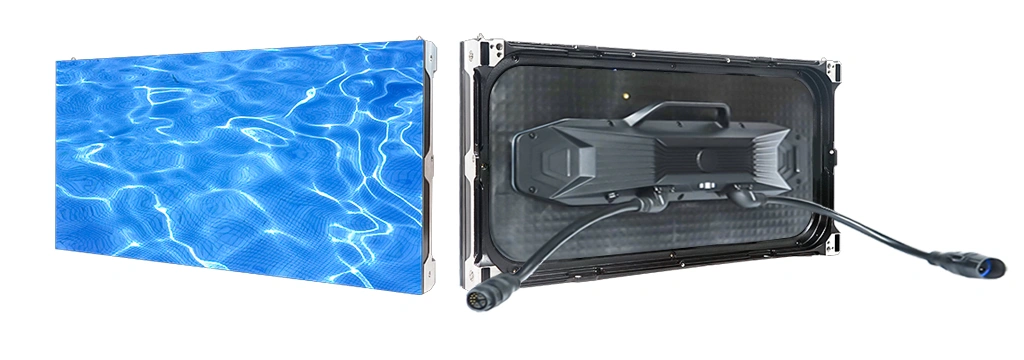

An indoor LED wall can miss its installation window even when a supplier advertises US stock. The problem is rarely solved by finding any LED panel in a warehouse. A purchasing team needs the right product family, pixel pitch, cabinet quantity, matching components, agreed accessories, and a shipment plan that fits the actual project. If one essential item remains uncertain, a promising quick-ship listing may not represent a shipment-ready order.
For AV integrators, dealers, and facility buyers working toward a fixed opening date, fast shipping LED displays should mean a verifiable supply process rather than a slogan. At Chipshow, we approach that process from the manufacturer’s side. Our California Warehouse Hub can support selected North American hardware requirements when matching inventory is available, while the appointed local integrator manages site-specific installation work.
This article explains how to move from an initial display request to an order whose hardware and shipment conditions have been confirmed. It also clarifies when standard indoor cabinets can support a custom layout, what commonly slows a purchase, and which details to check before making a project promise.

What Ready to Ship Really Means for an LED Video Wall
In Stock Does Not Always Mean Project Ready
An inventory label describes availability at a particular level of detail. It might refer to a product family, a sample unit, a quantity of one cabinet size, or a defined package. None of those descriptions automatically verifies the equipment needed for a complete wall. A buyer who needs a long reception display cannot substitute the same number of unrelated cabinets simply because the supplier has them nearby.
Consider a commercial renovation where the wall opening is already built. The owner expects one seamless-looking image surface, but the integrator must deliver a precise physical layout. Before identifying the order as ready to ship, the purchasing team needs to know whether available inventory matches that cabinet arrangement and the selected pitch. Any shortfall should be identified while alternatives are still being evaluated, not after the installation date is announced.
There is also a difference between items physically present in a warehouse and items allocated to a specific order. Equipment might be reserved for another customer, pending a configuration check, or awaiting complementary parts. A written order-specific confirmation is more useful than a general website badge because it connects stock information to the buyer’s actual requirement.
LED Cabinets and Display Modules Must Match
The terms LED panel, cabinet, tile, and module are sometimes used loosely in purchasing conversations. For delivery planning, the distinction is important. Cabinets form the physical wall units; modules are display components installed within the relevant cabinet system. Replacement modules must match the intended hardware rather than merely share a similar commercial description.
Two products may advertise the same nominal pixel pitch but use different physical interfaces, electronics, dimensions, or revisions. Ordering quick ship LED video wall panels without confirming those details can create an equipment mismatch that becomes visible only when the local team starts assembly. The safer approach is to identify the exact series and configuration for both the main cabinets and the requested spares.

Controllers and Accessories Affect Shipment Readiness
The cabinets are the most visible part of a display purchase, but they are not the only part of the agreed hardware scope. Depending on the project, the order may also include specified sending or receiving hardware, processing equipment, power and signal accessories, spare modules, and other agreed components.
A display can be physically complete while a critical accessory remains outside the quotation or unavailable for the planned shipment. An AV integrator may already own compatible processing equipment; another customer may need it included. Neither arrangement is automatically wrong, but the scope must be explicit. The purpose of the bill of materials is to identify which components the manufacturer is supplying and which the integrator or another vendor will provide.
For time-sensitive work, this avoids treating a cabinet-only stock confirmation as evidence that every component required by the project is ready.
Written Availability Confirmation Protects the Schedule
A useful confirmation identifies the exact model, pitch, available cabinet quantity, relevant accessories, and the status of order allocation. It should also state the proposed shipment arrangements and any conditions that still require resolution. If the buyer later changes the active display dimensions or adds controllers, the availability review must be updated.
From Hardware Inquiry to Shipment
Confirm the Display Requirements
A productive inquiry begins with application and geometry. Is the proposed screen a permanent boardroom video wall, a commercial lobby feature, or a retail installation with an unusual width? What are the finished wall dimensions, closest regular viewing positions, content formats, and preferred maintenance approach? These answers narrow the relevant product family before anyone checks inventory.
A buyer who asks only for a fast delivery custom LED video wall may receive several technically different offers. One supplier could assume a standard rectangular cabinet wall; another might propose a narrow format or specialty construction. The project team should first define the intended result, then confirm whether standard available cabinets can produce it. Detailed pixel-pitch calculations belong in a dedicated selection resource, but the requirement needs enough definition to identify the equipment.

Verify Warehouse Stock
Once a candidate configuration is established, verify it against current inventory. The check should reference the precise product model, pixel pitch, cabinet size, quantity, and order requirements. If several alternatives are acceptable, request separate availability for each rather than assuming that every option has the same supply status.
A California warehouse can provide a meaningful regional supply advantage when matching goods are available. It does not remove the need to verify the specific items. A complete inquiry helps the manufacturer distinguish immediately available configurations from items requiring replenishment, additional production, or a revised hardware proposal.
The project manager should also distinguish stock visibility from allocation. The latter connects actual equipment to an approved order and agreed commercial terms. Until that stage, a preliminary quantity can change.
Confirm the Hardware Bill of Materials
Before shipment planning moves forward, align the product proposal with the bill of materials or BOM. The document should identify the cabinets and quantities alongside agreed control components, necessary accessories, and any spares. Hardware needed for site installation should be assigned to the correct responsible party, especially when mounting and electrical work are handled locally.
A useful BOM avoids vague descriptions such as complete video wall system when the inclusion list is unclear. It also allows the integrator to compare the incoming hardware with existing infrastructure. If a third-party controller is being supplied separately, that fact should be recorded rather than silently assumed.
Prepare the Shipping Arrangement
After the equipment and commercial scope are settled, discuss shipment readiness and freight. The receiving location, destination contact, packaging expectations, and any delivery restrictions can affect how the order moves through the supply chain. A downtown office tower, active airport facility, and warehouse receiving dock may impose different unloading and access conditions.
A ready-to-ship package is not necessarily a delivered package. Carrier collection, transport, customs arrangements where applicable, receiving appointments, and site access can introduce separate dependencies. The proposed timeline should distinguish the date hardware may be released for shipment from its expected arrival, with both dependent on the actual written shipping arrangement.
Coordinate Delivery With the Local Integrator
The local installation team should know what is arriving, who will receive it, and what work must be finished beforehand. The manufacturer may supply product drawings and approved hardware information, but local professionals remain responsible for site surveys, structural conditions, electrical work, permits, and installation labor under their project contracts.
The same handoff should include the relevant product identification and documentation so that receiving and subsequent maintenance teams know what was supplied.
What Can Delay a Custom LED Video Wall Order
Custom Screen Dimensions and Cabinet Geometry
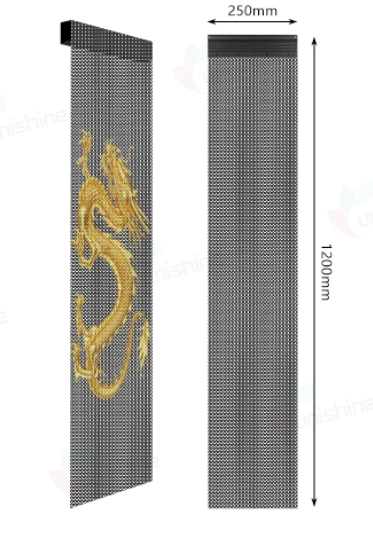
A custom visual result does not always require a custom-manufactured cabinet. Some screen proportions can be assembled from standard modular hardware. Others may need a different cabinet mix, altered physical design, or additional engineering review. The critical question is whether the proposed display can be built from a compatible configuration already available for allocation.
For example, a long wall above a retail entry may appear straightforward on an architectural rendering but differ substantially from a conventional rectangular video canvas. The buyer must confirm the cabinet geometry and content arrangement before assuming it can be supplied from normal stock. An unexpected mismatch in dimensions can trigger a revised layout, new quantities, and a new availability check.
Pixel Pitch Availability
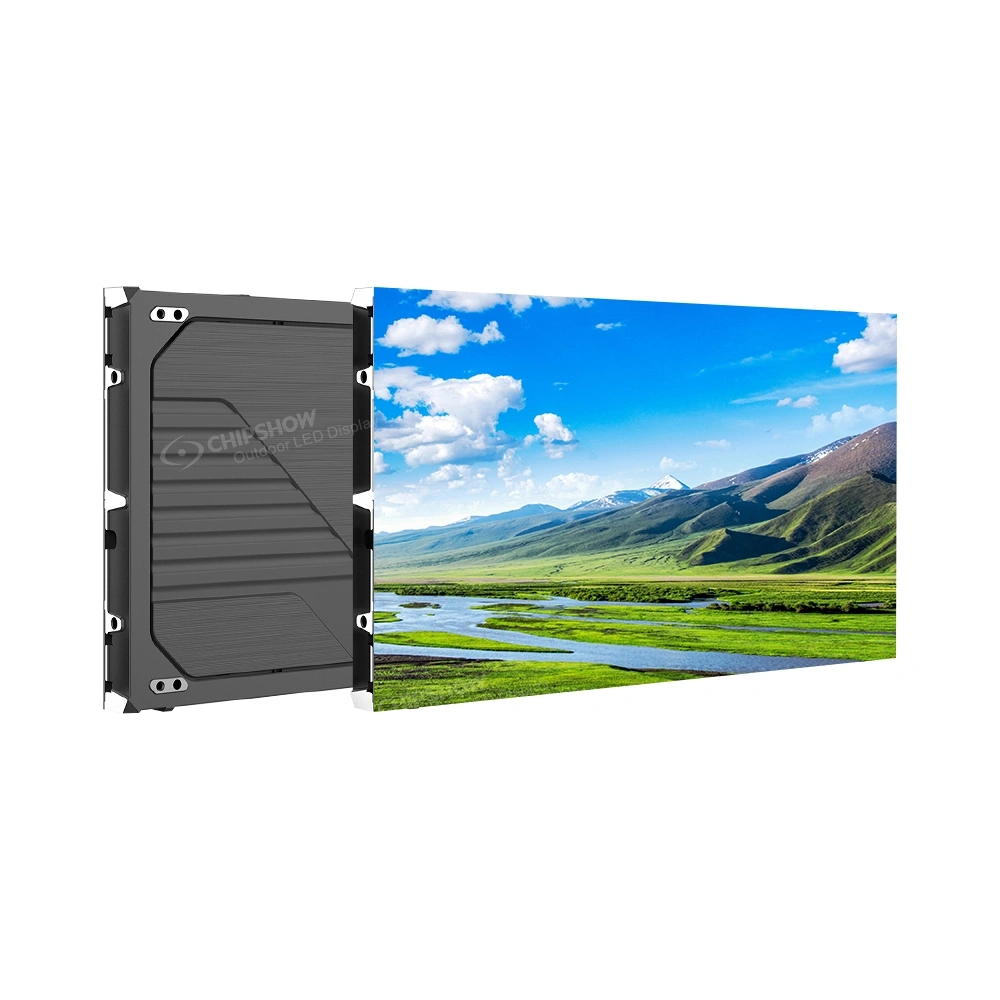
A product range often offers several pitch options, but each option is a separate procurement requirement. Chipshow C-Max Commercial SMD lists multiple indoor pitches and a 640 by 480 millimeter cabinet format. That published product range supports technical selection; it is not proof that every pitch and required cabinet count is in California on a given day.
Specialized Controllers and Accessories
Unusual display proportions, multi-source arrangements, and specific signal-processing needs can introduce components that are not part of a standard cabinet order. If a controller must be included, its model and compatibility should be identified while the BOM is being prepared. The fact that LED modules are ready does not establish that a separate processor is available under the same schedule.
Mounting and Project Documentation
Hardware may be ready for allocation while the building team still needs dimensions, weight information, electrical data, or product-specific installation instructions. Those documents can influence whether the site is prepared to accept the equipment. A late change to the proposed wall location can affect mounting interfaces and service clearances, even when the LED cabinets themselves have not changed.
Incomplete Project Information
A rushed request can sometimes create more work than it saves. If the buyer has not settled the wall size, shipping destination, installation environment, or accessory requirements, the supplier may be able to discuss potential options but cannot responsibly confirm an entire project shipment.
How to Check a Quick Ship Hardware Package
Verify the Required Equipment Against the Quotation
A short stock message can be useful, but the approved quotation is the document that defines what the purchasing team expects to receive. Review the equipment descriptions against the intended wall. Verify the cabinet series, pitch, individual dimensions, quantities, and any specifically included accessories. An optional component should not become an assumed inclusion merely because it appeared in a product brochure.
Comparing the quotation with the integrator’s own equipment plan helps reveal gaps. If the local team provides the structure and cabling, those responsibilities should be noted. If accessories are expected from the manufacturer, they need to appear in the supply scope. A ready-to-install hardware package is still distinct from a complete site installation service.
Confirm Compatible LED Modules and Spare Parts
A replacement module serves little purpose if its connectors, physical dimensions, electronic configuration, or supported hardware revision do not fit the installed display. Confirm the spare part against the exact cabinet system rather than ordering by pixel pitch alone.
Spare quantities should follow project needs, maintainability, operating expectations, and the approved purchasing scope. There is no universal percentage that makes every commercial wall adequately covered. If spares are being supplied with the main order, their availability and inclusion should be checked before shipment is finalized.
Check Control and Signal Requirements
An LED display needs compatible hardware to receive and present the intended image. The quotation should identify any controls being supplied as part of the manufacturer-side package, together with the associated assumptions. Where the integrator is supplying the processor or control platform, the division of responsibility should be clear.
Record What Is Ready for Allocation
Once the equipment list is clear, request a written confirmation that separates confirmed available items from those still requiring resolution. It should identify whether the specified goods are available for the proposed order and whether the planned shipping date is conditional on payment, approval, allocation, freight booking, or another step.
LED Hardware Shipment Readiness Table
| Hardware item | Confirmation needed | Project reason |
|---|---|---|
| LED cabinets | Exact model and pitch with allocatable quantity | Establishes whether the proposed physical wall can be supplied |
| Replacement modules | Compatible configuration and agreed spare quantity | Supports matching and future service planning |
| Control hardware | Included components and verified interface requirements | Prevents gaps in the agreed hardware scope |
| Power and signal accessories | Listed items and quantities | Avoids late discovery of missing hardware |
| Product documents | Applicable drawings and technical records | Helps the integrator prepare the site |
| Freight arrangements | Shipping location and written terms | Separates warehouse readiness from delivery |
The table is an order-review tool, not a guarantee that any listed product is currently available. It becomes useful only when populated with a project’s actual specifications and confirmed supply information.
Keeping LED Display Batches Consistent
Why Production Batches Matter
A large modular LED wall should present content as one coherent surface. That makes product compatibility and image consistency important when sourcing cabinets, modules, or spares. Manufacturing records and relevant batch information may help determine whether components belong to the intended configuration.
The point is not that every replacement must come from precisely one production run in every case. It is that compatibility and visual results should be evaluated deliberately. A panel with a similar commercial name may not automatically match the existing system, particularly when hardware revisions or calibration conditions differ.
Calibration and Visual Consistency
Calibration and configuration information can influence the appearance of a completed wall. If an order combines hardware from different sources or production periods, the manufacturer and integrator may need to confirm whether the proposed combination is technically suitable and how visual consistency will be evaluated.
No responsible procurement article should promise perfect uniformity from unrelated batches without testing or supporting manufacturer information. Instead, the practical requirement is to ask which compatibility and calibration records apply to the quoted equipment. That question belongs in the supply review before a replacement problem appears on site.
Planning Spare Modules Before Shipping
Spares are easiest to discuss while the original hardware configuration is still known and the order is being assembled. The buyer can identify the expected service strategy and ask which compatible modules or associated parts may be supplied alongside the wall.
This does not mean every future replacement is automatically available from current California inventory. The project team should retain exact part descriptions and relevant model information. A well-defined spare request supports procurement continuity without substituting for a detailed long-term maintenance program.
Receiving and Equipment Records
When equipment arrives, the receiving party should be able to compare the shipment with the approved supply list. Product identification, cabinet counts, specified accessories, and relevant documentation all help create a useful equipment record. Any discrepancy can then be raised against the agreed order instead of reconstructed from general marketing descriptions.
Records also help the facility team or later service contractor identify the installed hardware. This is particularly valuable when a project changes integrators or when a replacement is needed well after the initial installation.
How Chipshow Supports US Indoor LED Hardware Procurement
California Warehouse Hub
Chipshow combines manufacturer-side LED hardware supply with a California warehouse capability for selected North American requirements. When the chosen equipment is available in a compatible configuration and can be allocated to the order, domestic inventory may help buyers avoid waiting for that portion of the hardware to enter the country from a distant source.
The benefit is conditional, not universal. A warehouse location cannot establish availability for every pixel pitch, custom display layout, module revision, controller, or cabinet quantity. We recommend that buyers request current verification tied to their proposed hardware list before scheduling work around an assumed delivery window.
C-Max Commercial SMD for Indoor Projects
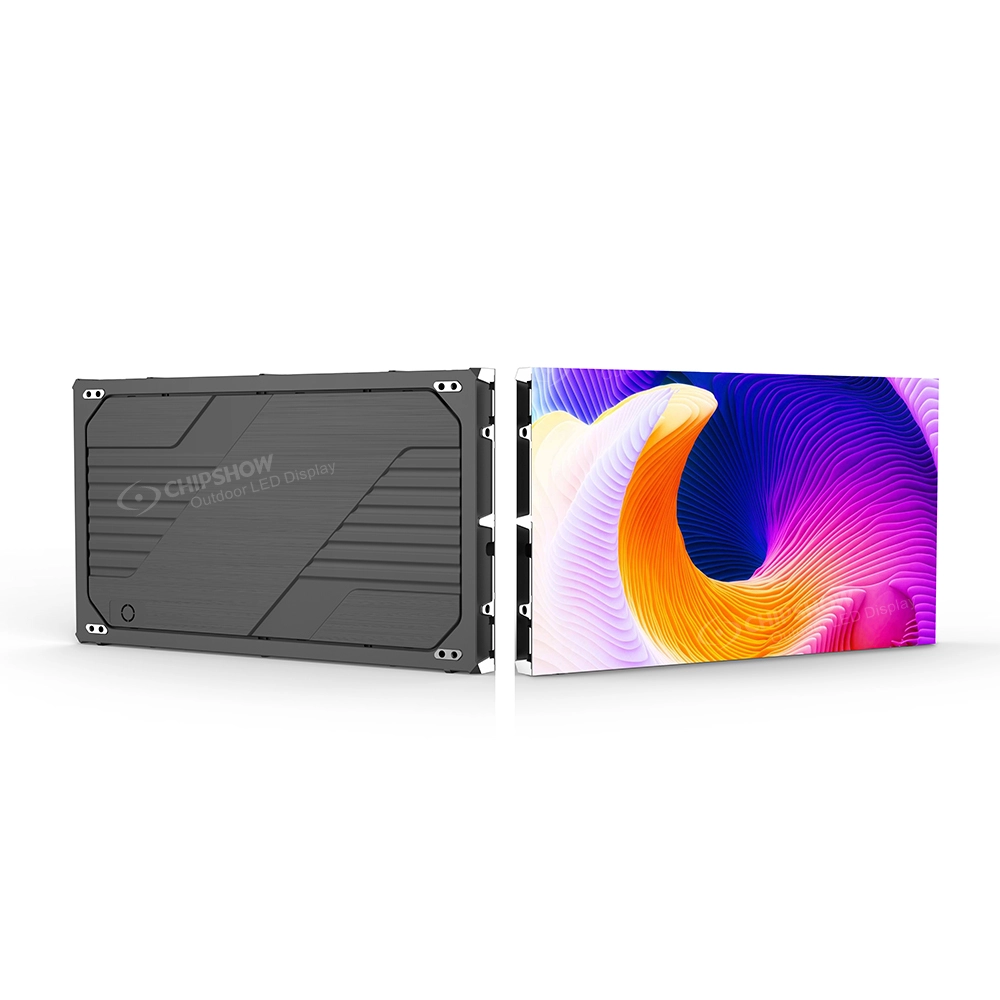
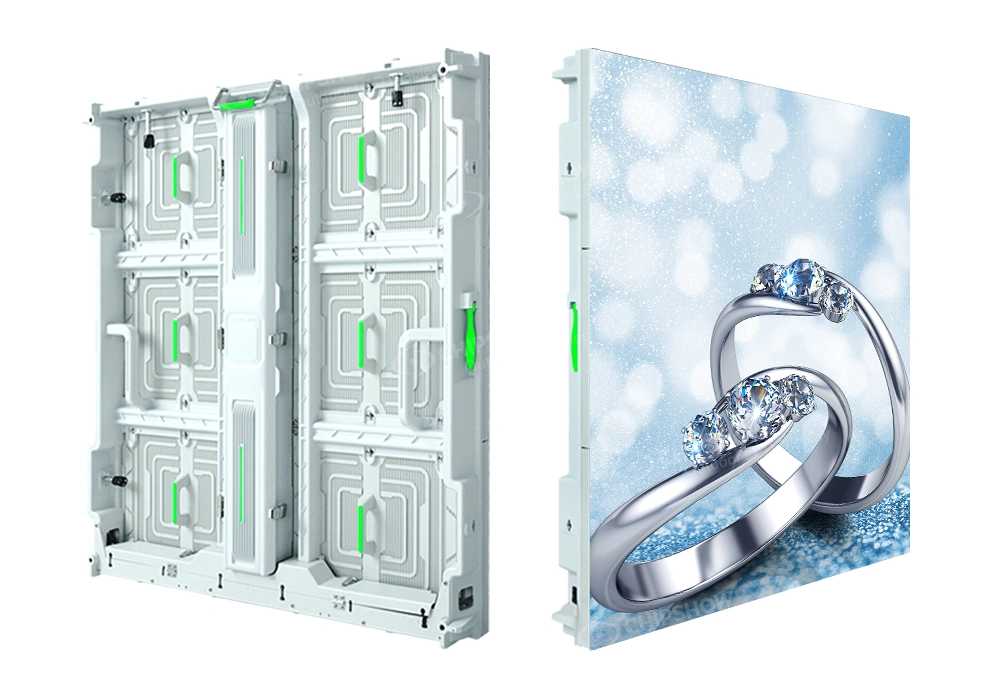
Our C-Max Commercial SMD family is a relevant starting point for many fixed indoor commercial display projects. Published product information includes P1.25, P1.53, P1.86, P2.0, P2.5, P3.0, and P4.0 options with a 640 by 480 millimeter cabinet footprint and front-service access. These specifications describe the product family, not today’s inventory position.
For a buyer with an approaching deadline, the useful next step is to identify the exact pitch and number of cabinets required. Only then can availability be checked against the project. A product page might discuss US supply for selected configurations, but the final allocation and shipping terms must still be confirmed for each order.
The C-Max Commercial SMD product page provides a starting point for equipment review. The chosen configuration should be checked against current documentation before a purchase commitment.
Other Indoor LED Configurations
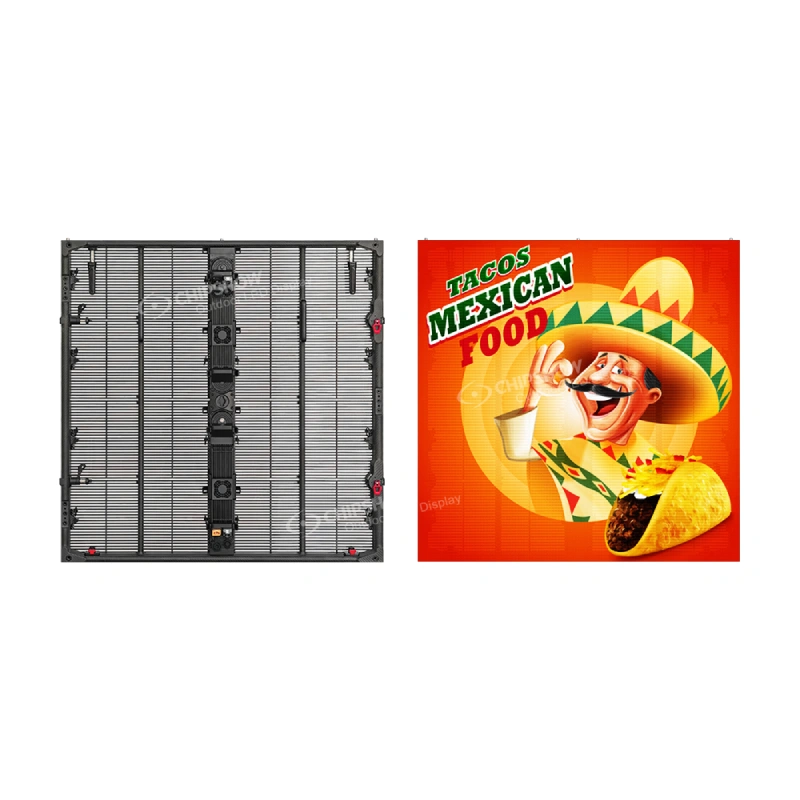
Another Chipshow indoor display format may be better suited to close viewing or a particular architectural arrangement. For example, our C-Max Fine-Pitch COB product information describes an indoor option with different display surface construction and magnetic front maintenance.
Technical suitability and shipment availability must be considered separately. The presence of a model in our catalog is not evidence that the required configuration is held in the California warehouse. Buyers should ask about the actual option being proposed, especially when a project requires specialized construction or nonstandard dimensions.
Manufacturer Hardware Supply and Integrator Coordination
Chipshow works as an LED display hardware manufacturer and an integrator-friendly supply partner. We can discuss relevant product configurations and the manufacturer-side equipment information needed to prepare a request. The approved quotation establishes the actual hardware scope and the related commercial terms.
Local site survey, structural engineering, electrical work, permits, and on-site installation labor remain with the project owner’s appointed integrator or qualified contractors unless separately agreed with those responsible parties. This separation allows integrators to manage their project delivery while working with a clearly defined manufacturer-side hardware supply.
What to Confirm Before Requesting Fast Delivery
The quickest useful inquiry is not necessarily the shortest email. A short but specific project brief allows the manufacturer to check equipment against an actual requirement, identify missing information, and explain where the shipment plan remains conditional. This is particularly important when several internal teams depend on the proposed delivery date.
Hardware Availability Inquiry Checklist
- ☐ Exact indoor LED product family and selected model
- ☐ Required pixel pitch and principal viewing conditions
- ☐ Finished wall dimensions and planned cabinet quantity
- ☐ Compatible display modules and requested spares
- ☐ Controller requirements and agreed signal accessories
- ☐ Mounting-related hardware requested from the manufacturer
- ☐ Delivery destination and receiving restrictions
- ☐ Target shipment window and fixed project milestones
- ☐ Product drawings and other relevant technical documents
- ☐ Written inventory allocation and proposed shipping terms
If the design is not yet final, identify which details remain open. The response can then distinguish a preliminary product option from a shipment-ready configuration. A change to wall dimensions or equipment scope should trigger a renewed check rather than reliance on an earlier stock statement.
Frequently Asked Questions About Fast Shipping LED Displays
Is a Same Day Stock Reply the Same as an Order Reservation
No. An inventory response may indicate that goods appear available at the time of inquiry. A reservation or allocation normally depends on the seller’s actual order process and agreed terms. Ask which step secures the identified equipment before treating it as committed to your project.
Can Standard Cabinets Meet a Custom Screen Size
Sometimes. The key is whether a compatible combination of available cabinet dimensions produces the required layout while meeting image and mounting needs. A nonstandard opening may also require changes to the design. Have the integrator confirm the proposed geometry before requesting an availability commitment.
What if Only Part of the Requested Quantity Is Available
Treat the offer as a partial supply proposal until the remainder has a verified plan. Ask whether the available quantity is sufficient for a revised approved layout, and whether any later equipment will be compatible. Do not assume that mixing different revisions or batches is acceptable without review.
Does Ready to Ship Include Freight Transit Time
Not necessarily. Warehouse readiness describes the status of equipment before or at dispatch; transit and arrival depend on the actual freight arrangement. Request separate information about proposed release, carrier collection, destination receiving, and any conditions that could change the anticipated arrival date.
Can Replacement Modules Be Included With the Main Order
They may be included when suitable parts are identified in the agreed BOM and their availability is confirmed. A spare module should match the selected hardware configuration. Ask for compatible part identification rather than relying on a similar pixel-pitch label or product-family name.
Who Is Responsible for US Site Installation
The appointed AV integrator and other qualified local project professionals handle the on-site work within their contracts. Chipshow supplies agreed LED display hardware and related manufacturer information. A hardware quotation does not automatically include building permits, electrical construction, structural approval, or local installation labor.
Discuss Hardware Availability for Your Project
A realistic shipping plan begins with one clear decision: can the correct equipment and agreed accessories be allocated for the required project window? When that question is answered with model-specific information, everyone involved can plan with fewer assumptions.
Share your indoor application, wall dimensions, intended viewing conditions, proposed pixel pitch, required equipment scope, delivery destination, and project dates with Chipshow. We can use those details to discuss a relevant LED hardware configuration and review the appropriate supply information. The project team can then align the confirmed shipment terms with its own site and installation schedule.
Explore our indoor LED display products or contact Chipshow to Request Hardware Availability and Discuss Your Project Timeline.indoor LED display products
US inventory and shipping lead times are subject to confirmation for the selected product configuration and order quantity.