A quote for LED cabinets is not the same as the total cost of a commercial video wall. A purchasing team may receive an attractive equipment price and still be missing the processor, electrical work, structural support, local installation labor, compatible spares, and operating expenses that determine what the project will actually cost. That gap makes two proposals difficult to compare and can leave a facility budgeting for the wrong scope.
For a permanent indoor installation, commercial video wall display cost needs to be evaluated at two levels: the amount required to commission the system and the total expense of owning it over a defined period. A five-year planning horizon is useful because it makes buyers consider electricity, maintenance, replacement components, and operational disruption alongside the purchase price. It is a budget model, not a guarantee about equipment life or financial return.
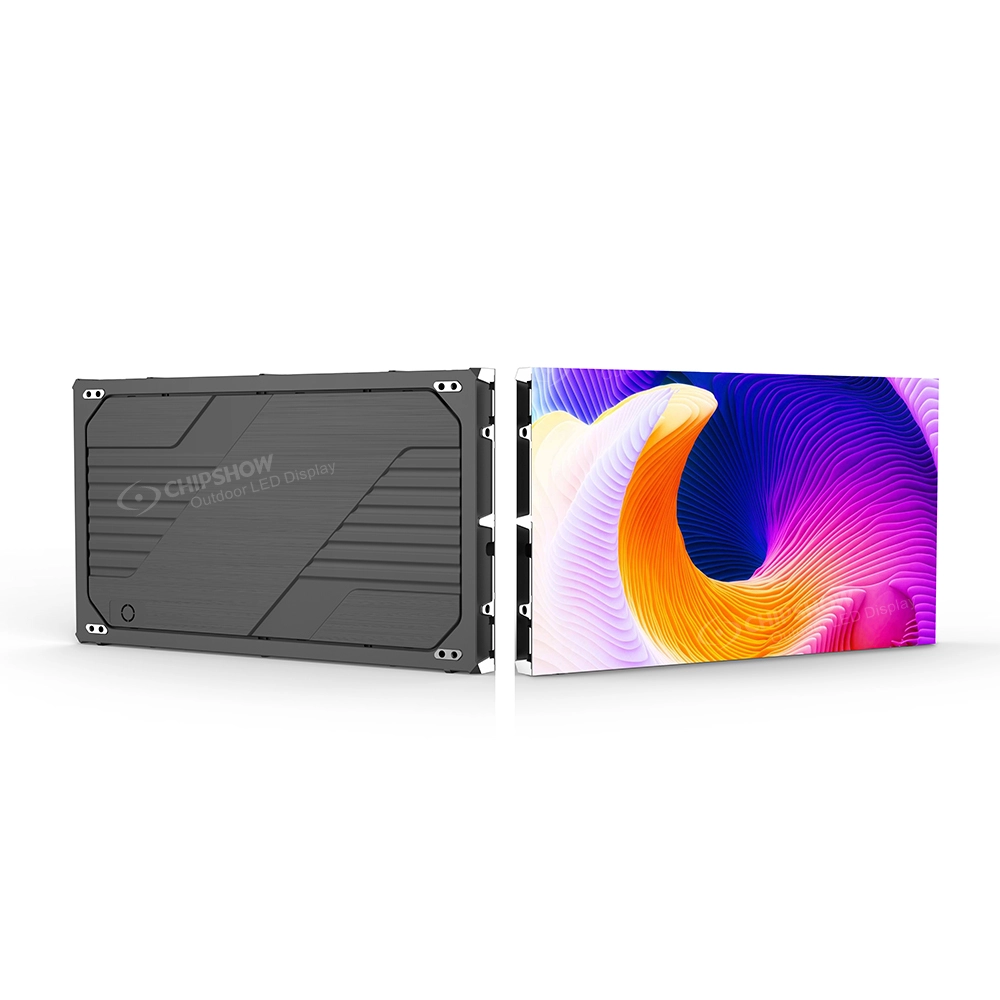
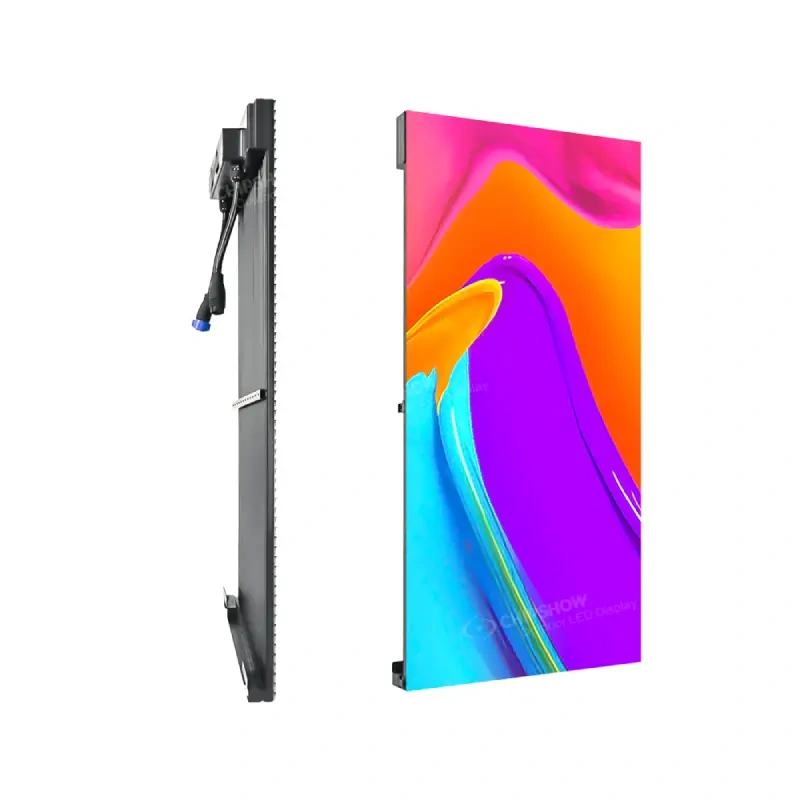
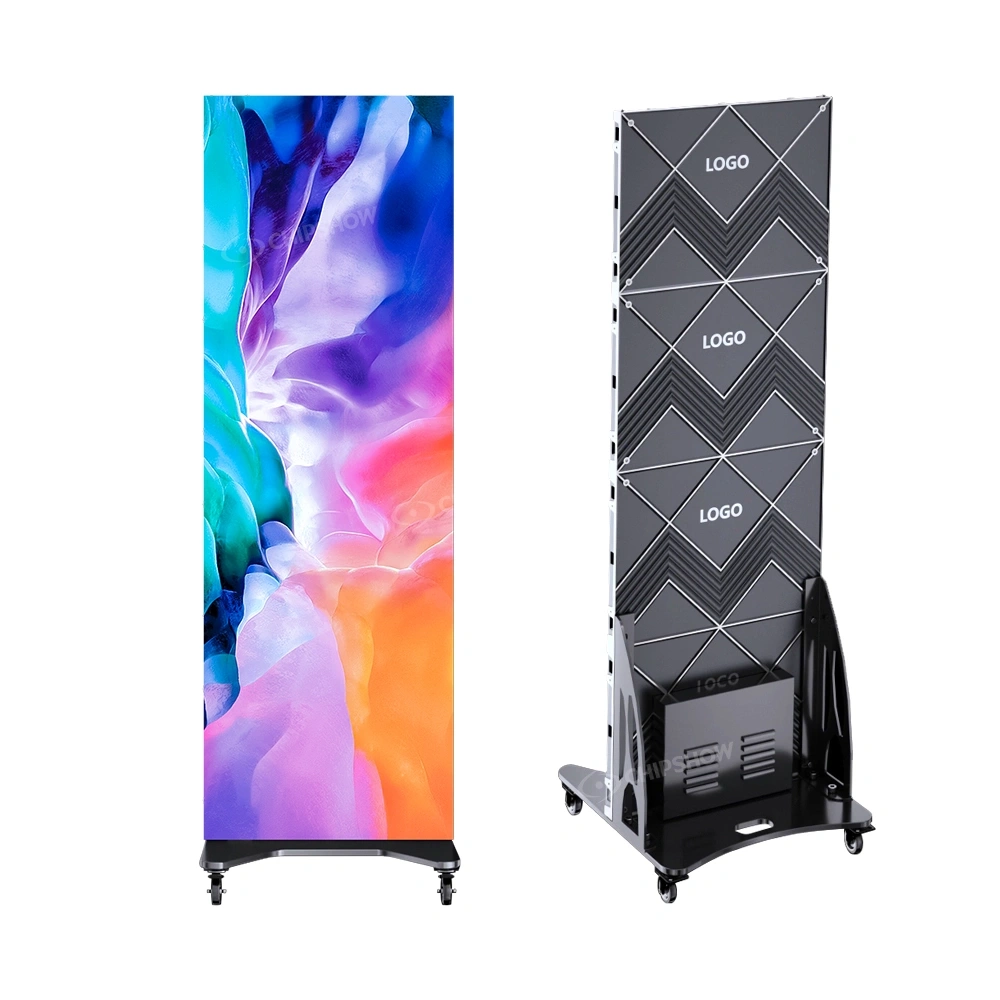
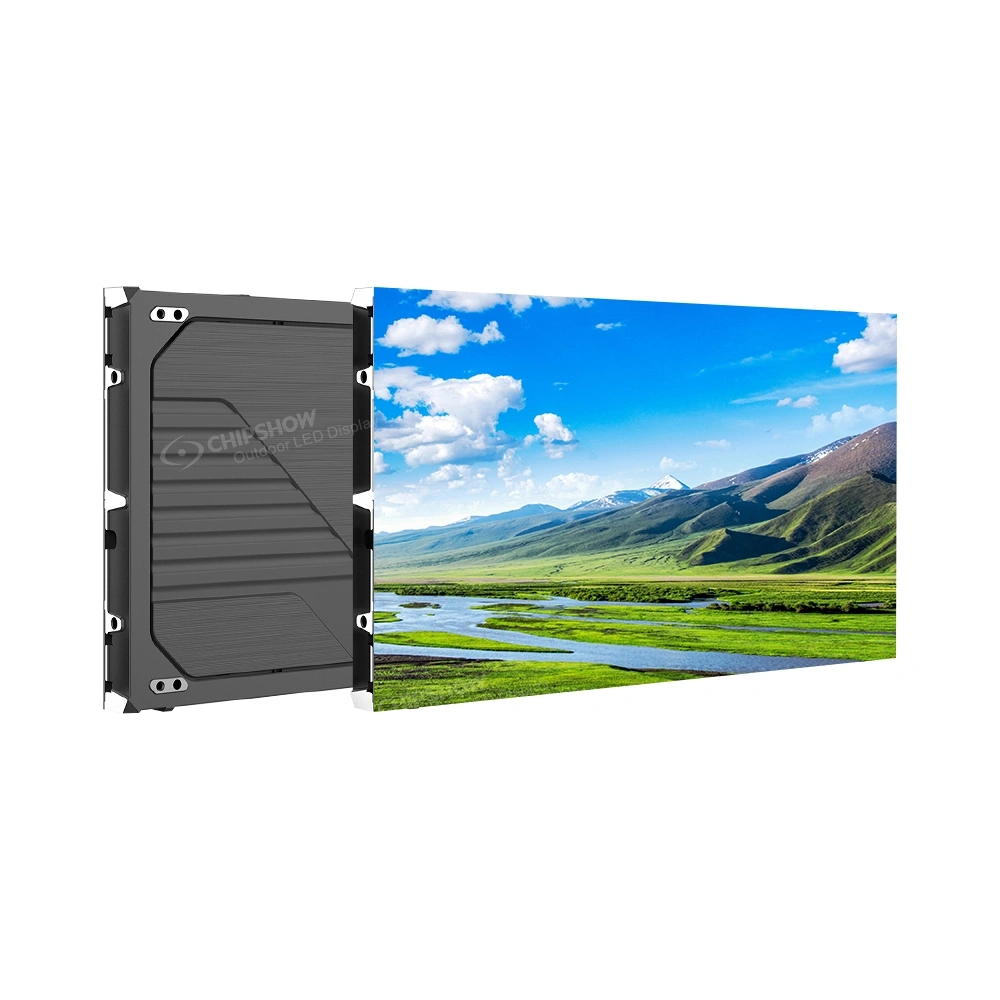
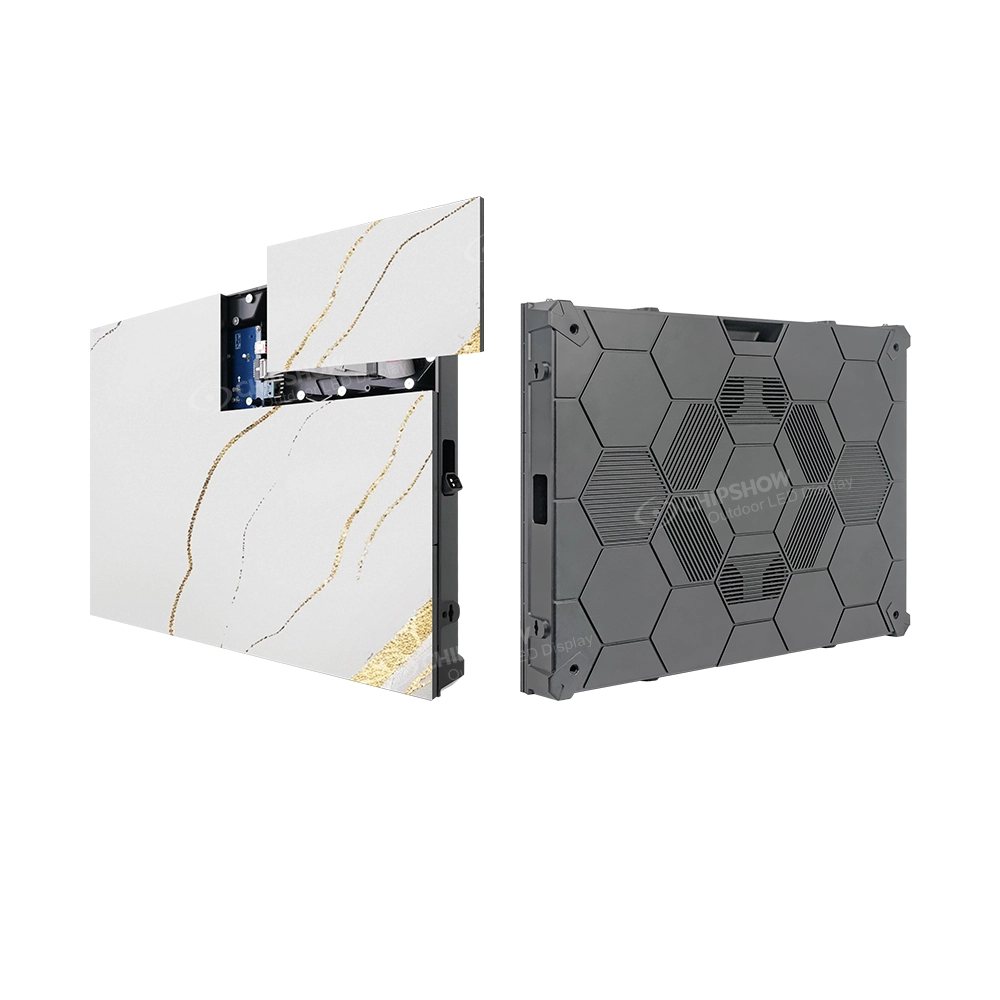
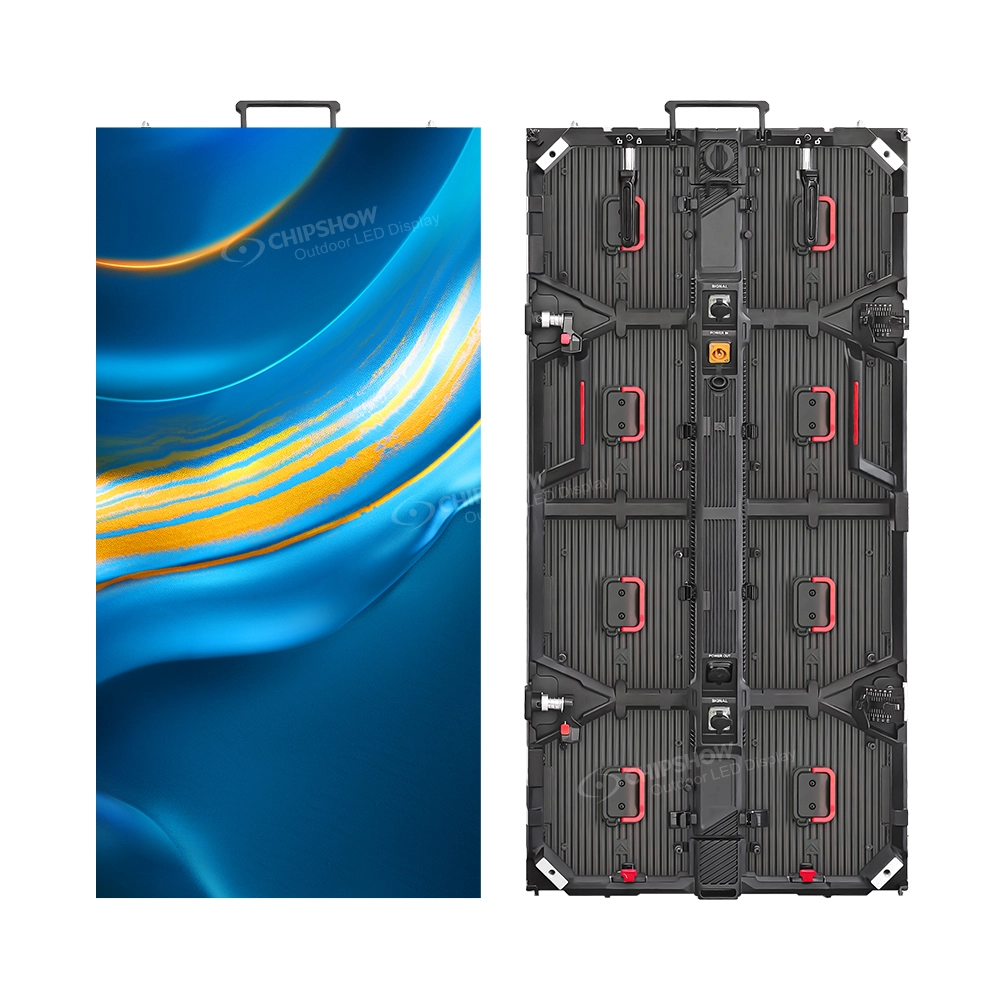
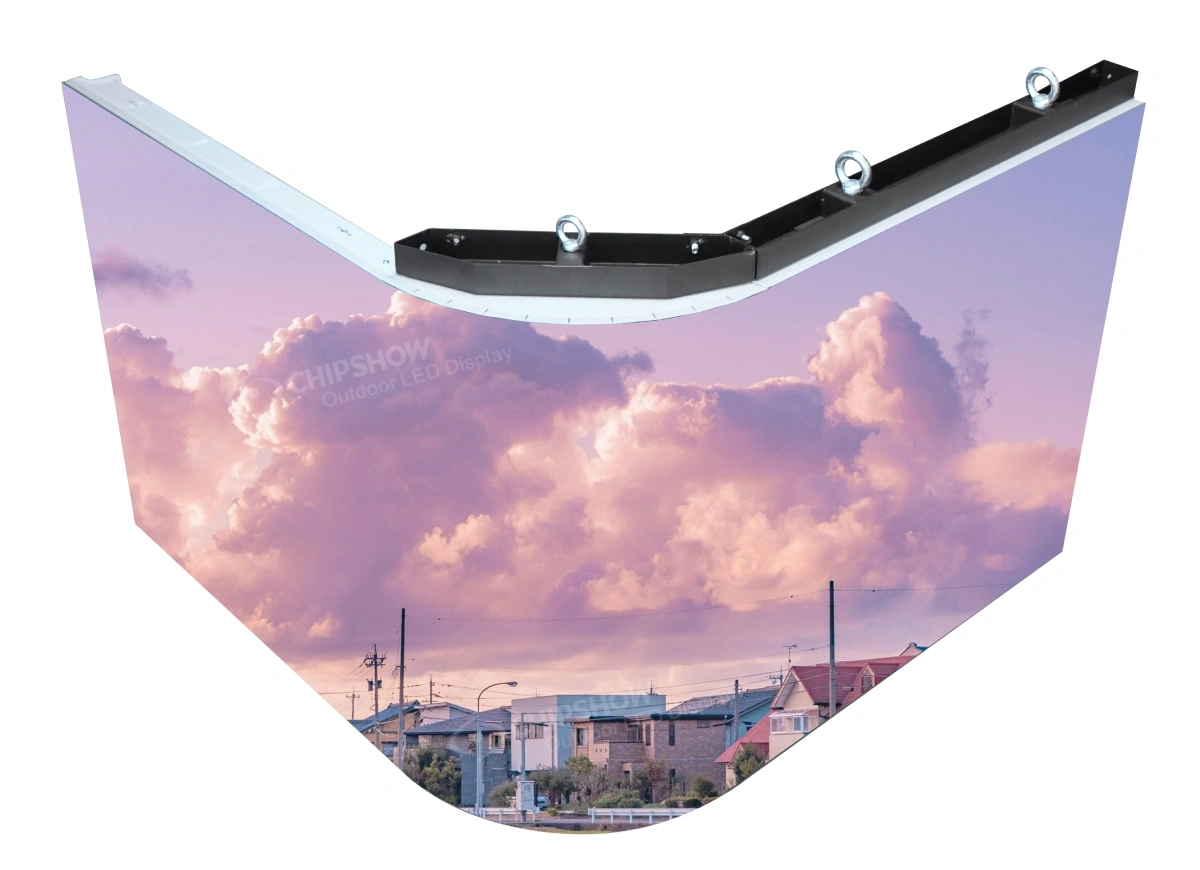
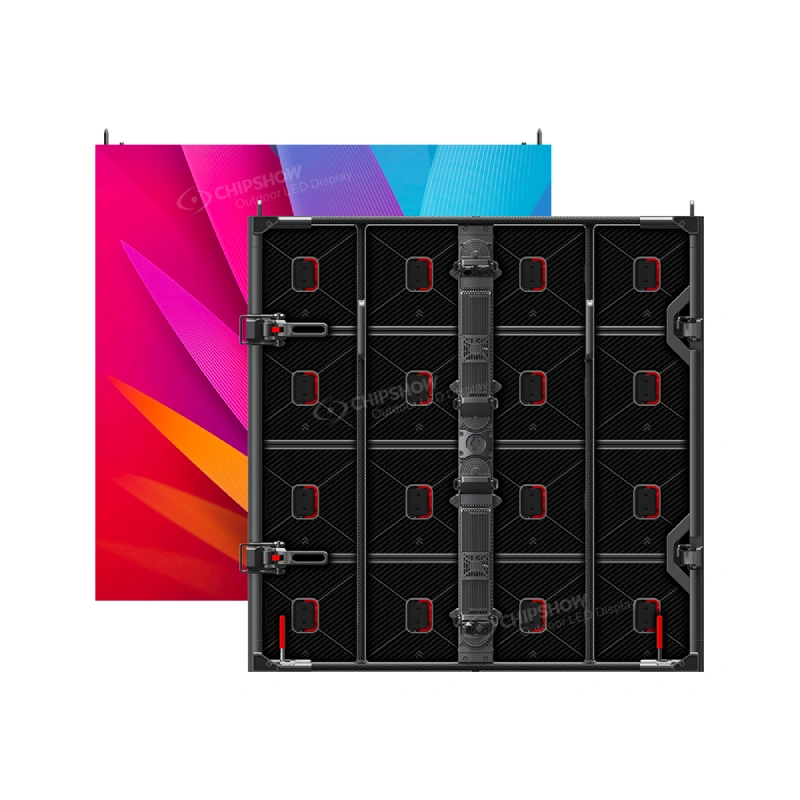
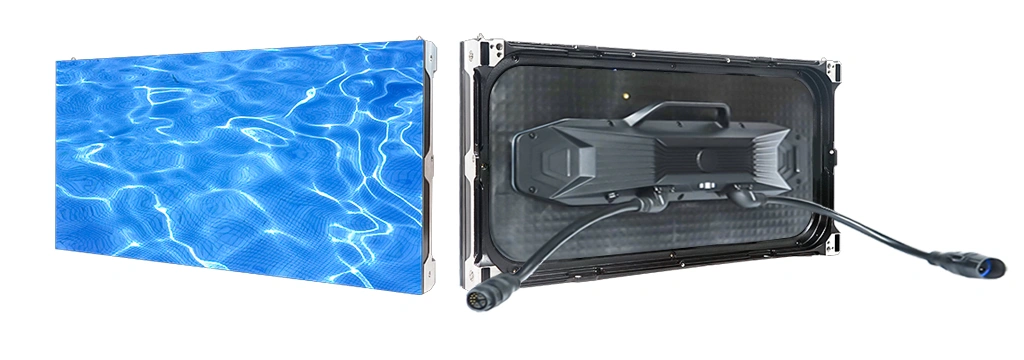
At Chipshow we manufacture LED display hardware for professional buyers and AV integrators. Our C-Max-Eco, C-Max Commercial SMD, and C-Max Fine-Pitch COB families offer different starting points for indoor projects. The right investment depends on the room and equipment configuration rather than a generic claim that one series is always the most affordable video wall.
What Makes Up the Total Cost of a Commercial LED Video Wall
A complete project budget starts by separating manufacturer-supplied equipment from the work required at the site. That prevents a quote for a collection of cabinets from being compared with another vendor’s proposal for a substantially broader equipment package. It also lets facility and finance teams see which costs are assigned to the AV integrator and which require other contractors.
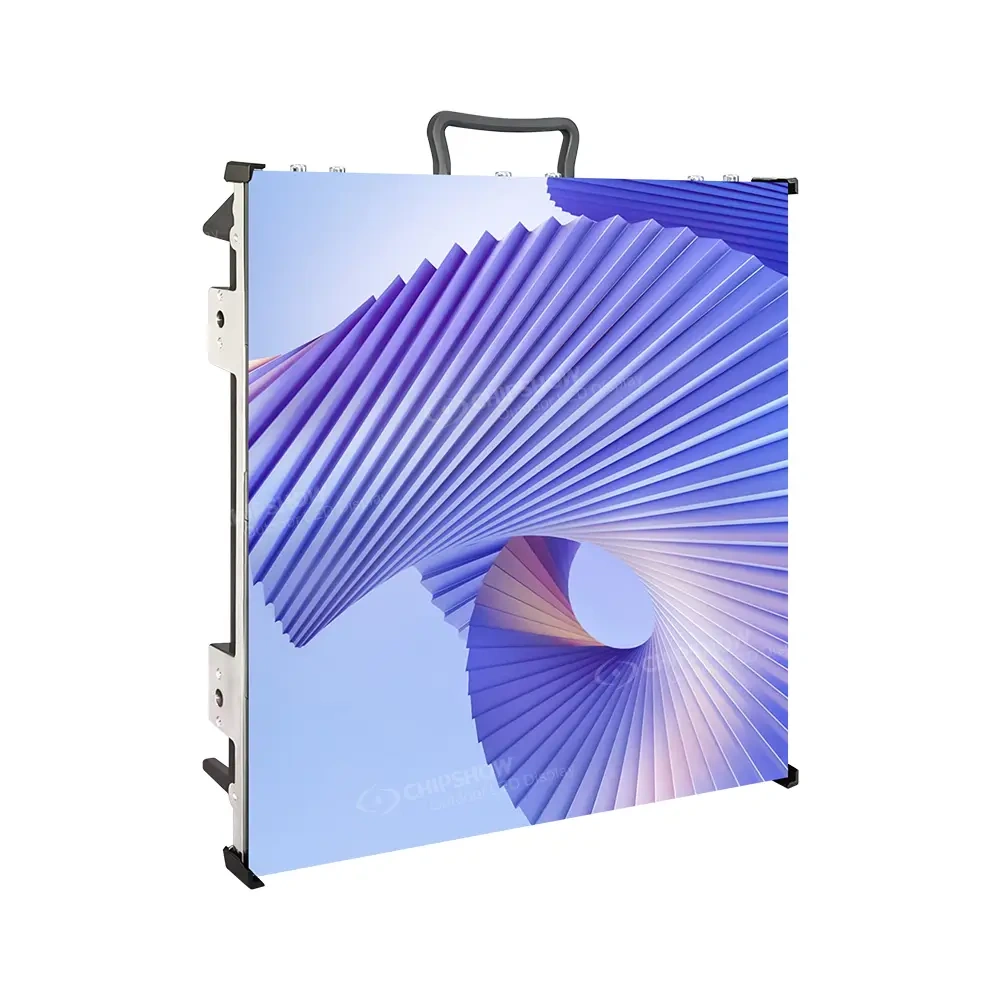
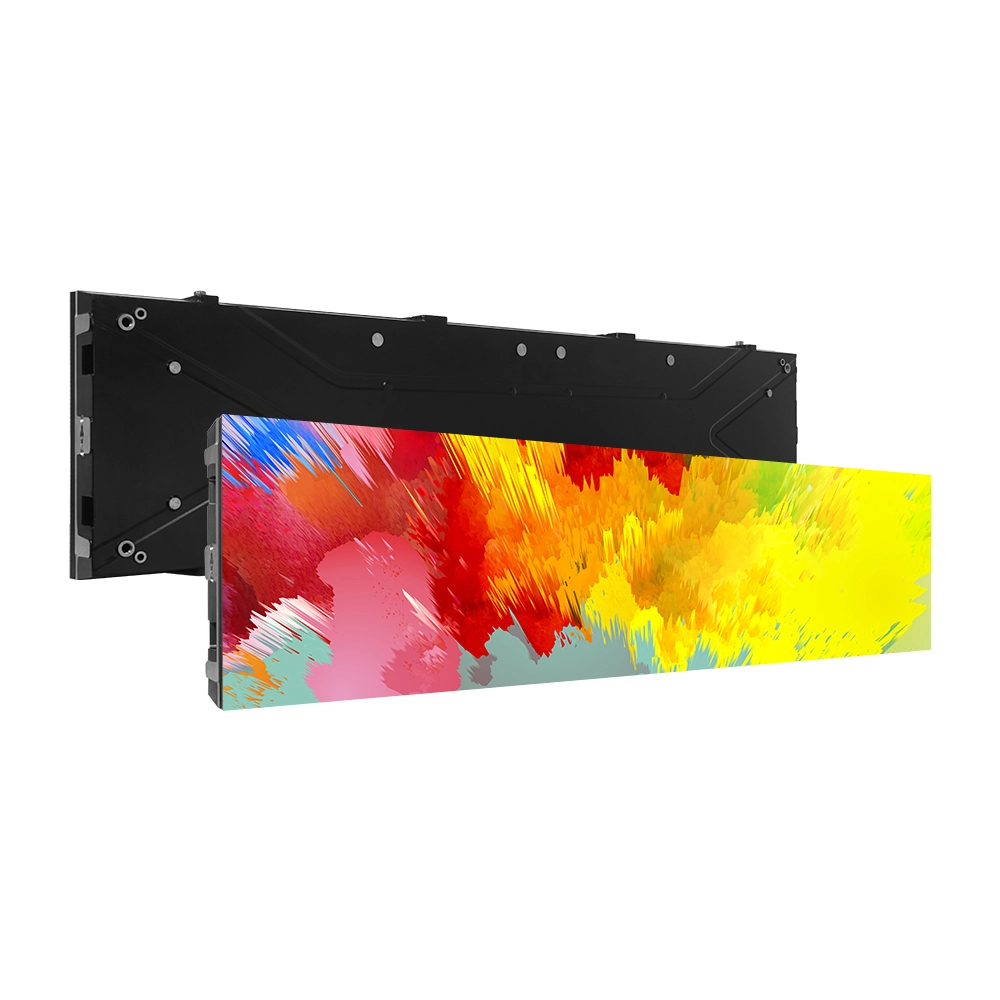
LED Panels and Display Cabinets
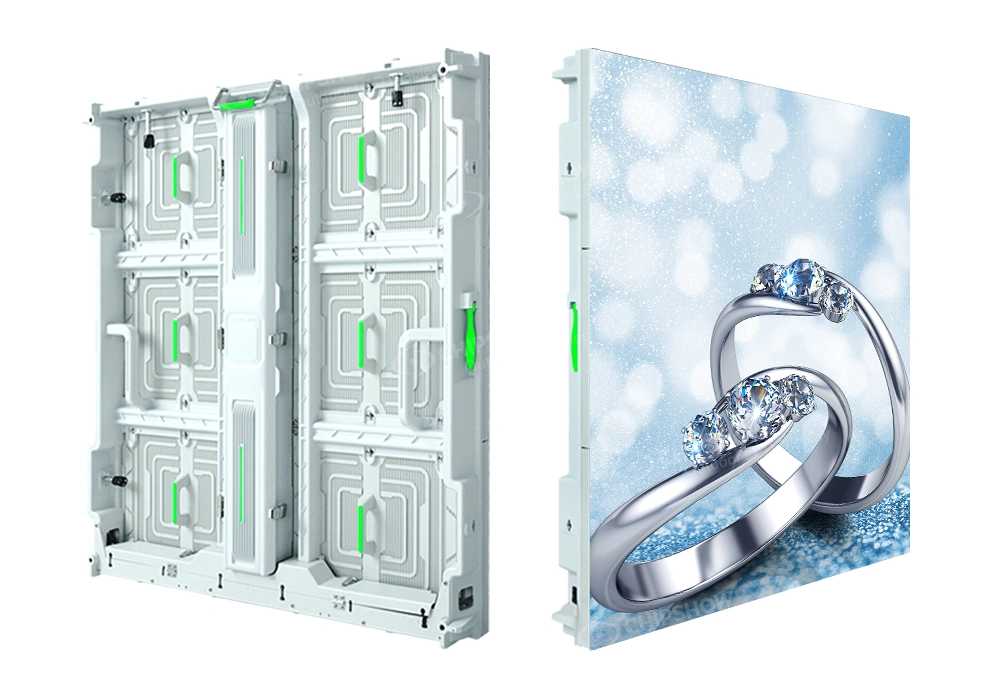
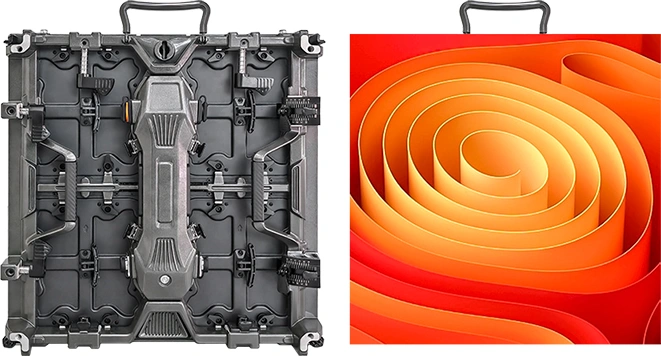
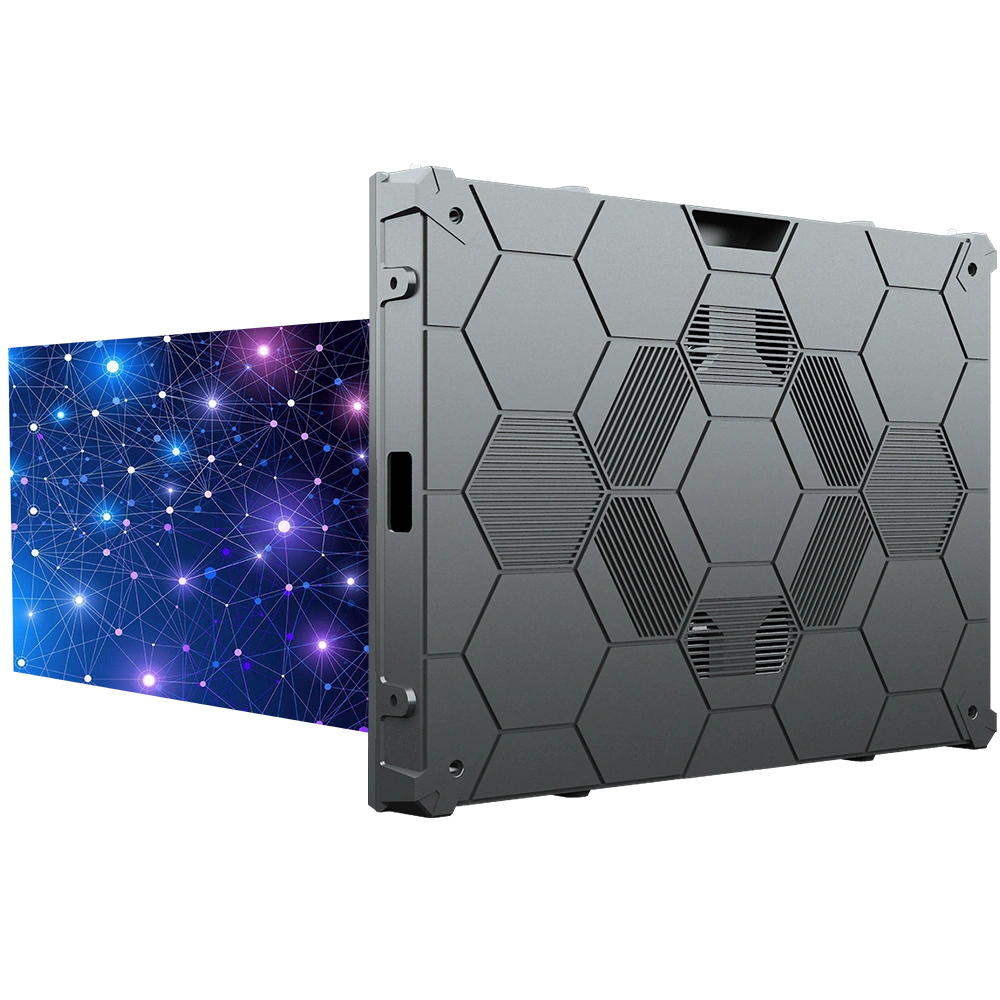
LED cabinets usually form a substantial part of the hardware purchase. Their price depends on the chosen product, display surface area, pitch configuration, physical construction, and quantity. The required cabinet count follows the proposed wall geometry rather than the dimensions of a standard television. An architectural opening may require changes to the intended display footprint before a cabinet layout can be finalized.
Video Processing and Control Hardware
A wall needs an appropriate path from its content sources to the LED panels. Depending on the installation this can involve sending equipment, receiving components, a video processor, source switching, or other integration hardware. Some components may be part of the display configuration while others are line items in the broader AV system.
Mounting and Structural Requirements
Wall construction affects both hardware requirements and project labor. A flat interior wall, an architectural recess, and a retrofit into an existing display structure can demand different mounting interfaces and clearances. Cabinet depth and weight belong in the drawings reviewed by the appointed design and installation professionals.
Electrical Work and Installation Labor
Power distribution, circuits, signal routing, site access, and qualified labor can all influence the installed budget. Labor conditions may differ by venue and location. A screen installed after ordinary business hours or above an occupied circulation area can create requirements that a straightforward meeting-room installation does not have.
Freight and Spare Components
Freight belongs in the project estimate, especially when the buyer needs staged deliveries or particular receiving arrangements. Equipment packaging and the number of shipments may influence handling requirements. It is also worth deciding whether compatible spare modules, relevant power components, and other specified accessories will be purchased with the initial order.
The Main Factors That Affect LED Video Wall Pricing
The main factors affecting LED screen price are not isolated specification labels. They are design decisions with consequences for cabinet quantity, processing needs, installation methods, and maintenance. Cost-conscious procurement starts by distinguishing requirements from optional enhancements.
Pixel Pitch and Total Pixel Count
A smaller pixel pitch places more pixels in a given display area. That can support detailed imagery viewed at close range, but it can also change the required hardware and overall proposal. For a presentation wall displaying spreadsheets a fine-pitch option may be worth evaluating. For large graphics viewed from farther away it may not deliver comparable practical value.
Display Dimensions and Cabinet Layout
Cabinet dimensions affect the number of units, finished width and height, display ratio, and supporting accessories. A seemingly minor change in requested wall size can move the project to a different cabinet arrangement. The equipment estimate should therefore be tied to a confirmed drawing rather than an approximate wall opening.
COB and SMD Hardware Selection
COB and SMD identify different LED packaging approaches, not automatic price categories with a universal winner. A buyer evaluating close viewing or a busy public interior may pay particular attention to the display surface. Another buyer may value a wider choice of pitches within an SMD platform. Actual costs depend on the quoted model and application.
Refresh Rate and Operational Requirements
Refresh rate can matter where cameras capture the display, but it is not a substitute for reviewing the signal path or camera settings. Similarly, a facility that expects long operating hours should establish the selected product’s documented operating conditions instead of assuming every commercial cabinet is rated identically.
Front Service and Installation Conditions
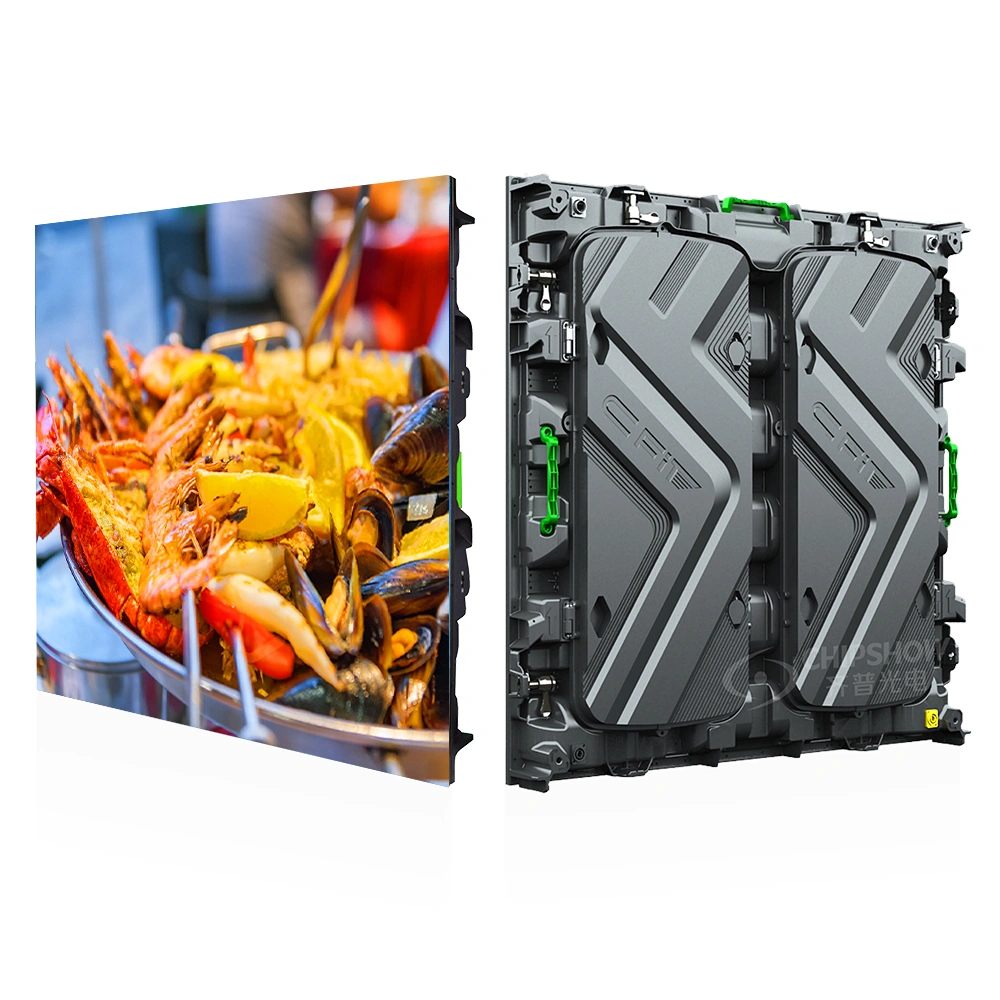
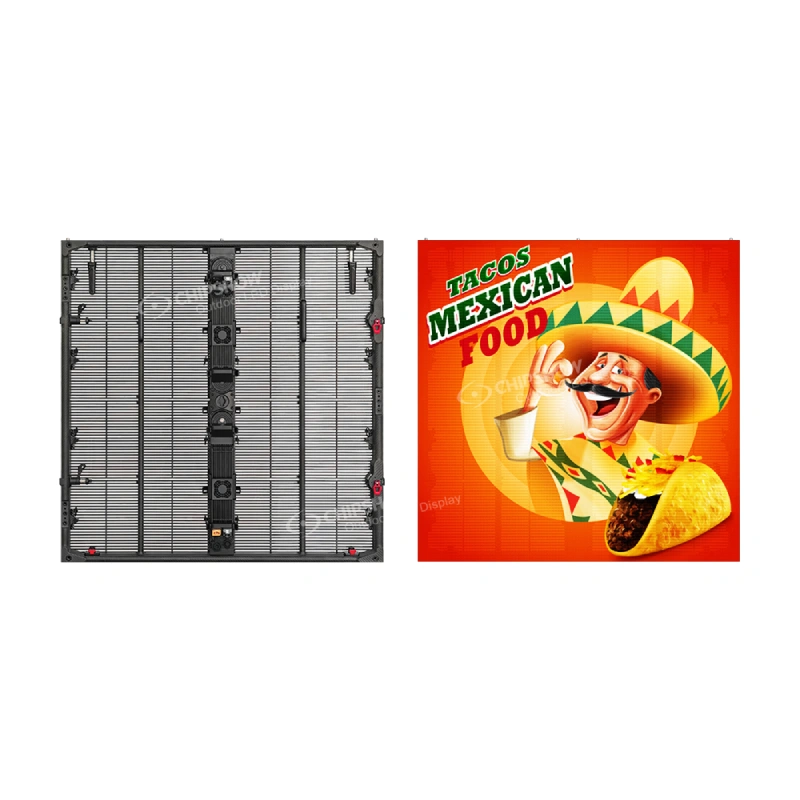
Service access is a procurement issue as well as a facilities issue. A wall that can be maintained from the front may suit an installation without a rear service corridor. However, the structural interface and safe maintenance procedures still need to be designed for the location.
Comparing Chipshow Indoor LED Hardware Investment Options
An affordable video wall is one whose configuration meets the project’s real requirements within a sustainable ownership budget. The least expensive cabinet is not necessarily the lowest-cost installed system, while the most technically advanced option may provide features an ordinary commercial room will never need.
C-Max-Eco for Defined Commercial Budgets
C-Max-Eco is intended as a commercial indoor option for clearly defined use cases. The current product lineup lists P1.86 and P2.5 configurations with a 640 by 480 millimeter cabinet format and front-service construction. It deserves consideration when its available pitch and cabinet geometry fit the actual room.
C-Max Commercial SMD for Versatile Indoor Installations
C-Max Commercial SMD has published pitch options from P1.25 through P4.0 and a 640 by 480 millimeter cabinet format. Its modular construction and front-service approach are relevant to permanent video walls in boardrooms, commercial interiors, and certain retrofit projects.
C-Max Fine-Pitch COB for Specialized Close Viewing
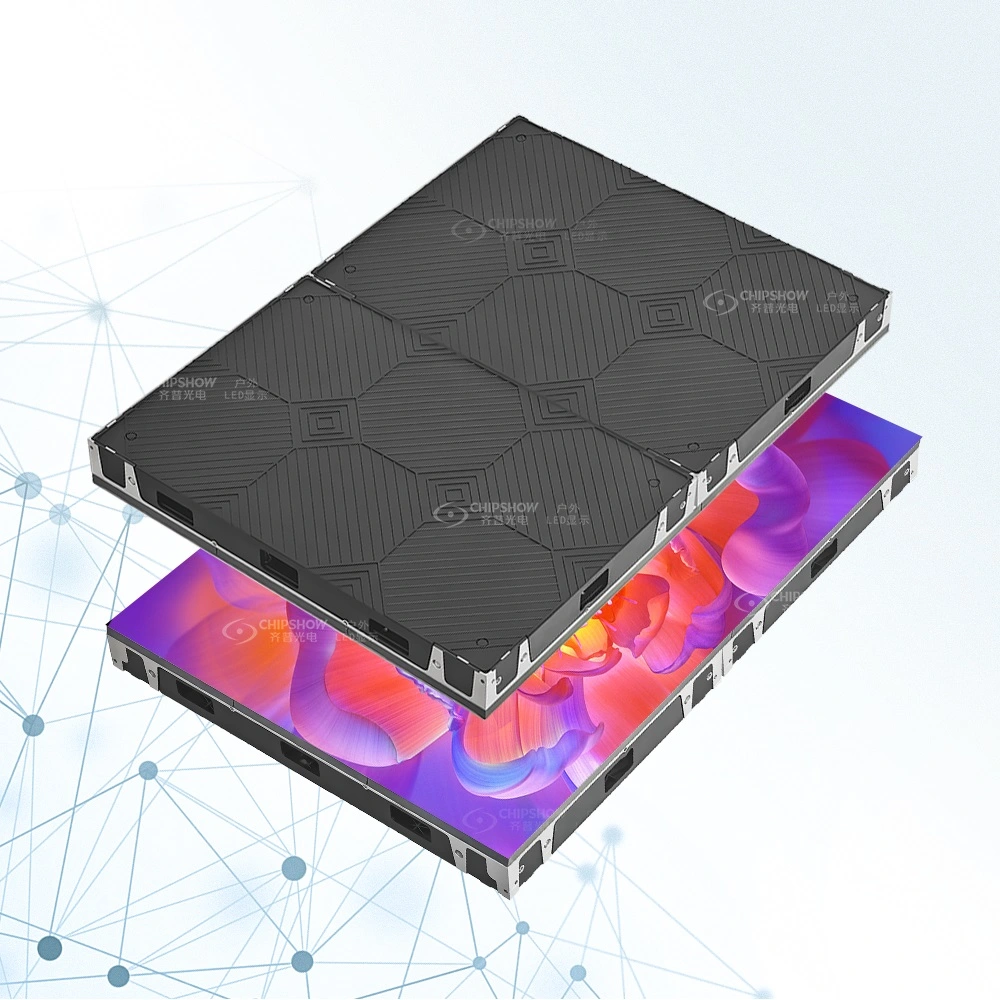
C-Max Fine-Pitch COB offers published P1.53 and P1.86 configurations in a 640 by 480 by 70 millimeter cabinet design with magnetic front access. The COB surface and its specific service arrangement may be relevant for professional close-viewing applications.
Chipshow Indoor Hardware Investment Comparison
| Product family | Potential project fit | Upfront budget focus | Ownership review |
|---|---|---|---|
| C-Max-Eco | Selected business and education interiors | Match pitch and cabinet format to requirements | Replacement compatibility and service access |
| C-Max Commercial SMD | Corporate video walls and flexible commercial installations | Compare selected pitch and complete hardware scope | Front maintenance and documented component plan |
| C-Max Fine-Pitch COB | Specialized close-viewing environments | Assess COB construction against actual use | Magnetic front service and model-specific spares |
The table is an orientation tool rather than a product ranking. Review current specifications for C-Max Commercial SMD (https://www.chipshowledusa.com/product/c-max-smd/) and C-Max Fine-Pitch COB (https://www.chipshowledusa.com/product/c-max-cob/) before requesting a configuration-specific quote. Product availability and pricing must be confirmed at the time of inquiry.
How to Evaluate the Five-Year Total Cost of Ownership
For an indoor commercial installation, led video wall cost is best understood as a series of financial obligations rather than one purchase transaction. The initial equipment decision determines some of those obligations, while usage patterns and local operations determine others. A five-year model gives finance and facilities teams a shared basis for discussion.
Initial Capital Expenditure
Capital expenditure begins with the approved equipment purchase and extends to the work required to commission the display. That can include the LED hardware, agreed controllers and accessories, freight, relevant construction, electrical preparation, and integrator labor. The exact accounting treatment depends on the organization’s practices, but the budget must still identify the actual costs.
Separate manufacturer hardware pricing from site-related allowances so that the proposal remains auditable. Where a contractor cannot price work until drawings are finalized, record that as an open estimate rather than silently assuming it costs nothing. The comparison should also state whether sales tax, contingency, and any project management costs are included.
Electricity Consumption and Operating Hours
Energy expense depends on actual power use, how many hours the display operates, and the electricity tariff applied to that location. A useful model starts with the equipment’s documented power characteristics, then tests realistic usage and brightness assumptions. The maximum published power figure is not necessarily the amount consumed during typical content playback.
Businesses researching a low energy consumption solution should be particularly careful with marketing claims. Two displays should be compared at suitable image output levels and similar operating schedules, using product-specific measurements where available. Display brightness, content type, processor consumption, and power-management settings may affect the result.
For the budget worksheet, annual energy cost can be expressed as average measured kilowatts multiplied by annual operating hours and the applicable price per kilowatt-hour. Repeat the calculation for the modeled years, allowing for any documented tariff changes. That is an accounting method, not evidence that a particular Chipshow product saves a set amount of energy.
Maintenance and Replacement Components
A credible ownership model includes a maintenance approach. Some facilities use their integrator for planned service; others rely on in-house technicians for defined tasks. The price and feasibility of each arrangement depend on access, service procedures, and the specific equipment installed.
Replacement components also deserve a budget line. Compatibility can depend on model, hardware version, and sometimes production-batch considerations. Keeping the installation’s configuration records and discussing appropriate spares at the start may simplify future procurement, but cannot guarantee every future module will match any earlier batch without adjustment.
Avoid assuming a fixed yearly replacement rate or applying another project company’s maintenance percentage. Use documented service plans, contract terms, and quotations for actual parts wherever possible.
Operational Disruption and Service Planning
Downtime can be important even when it is difficult to assign a dollar figure. A lobby display that is temporarily unavailable may be inconvenient. An operations display could have more serious workflow implications, depending on how critical it is and what alternate systems exist.
The budget should separate direct service payments from potential business disruption. If the organization has reliable internal data for interruption costs, it can include them as an explicit assumption. Otherwise, describe the risk qualitatively rather than inventing a daily loss figure.
Service access and appropriate spare planning may affect the duration and complexity of an intervention, but they do not establish zero downtime. The full effect depends on the system architecture, the failure involved, and the people available to perform the work.
Building a Comparable Five-Year Budget
Use the same boundaries for every option under review. Begin with capital expenditure, then add modeled electricity expense, maintenance contracts or labor, replacement components, and other agreed operating costs across five years. If the organization assigns a residual asset value, financing expense, or discount rate, show those assumptions consistently rather than applying them selectively.
A useful internal calculation is five-year ownership cost equals initial capital expenditure plus five years of modeled operating and maintenance costs plus relevant replacement and interruption expenses, adjusted for any explicitly chosen financial treatment. This framework is not a promise that the display will operate for exactly five years or that lower initial cost automatically means higher long-term cost.
For a defensible comparison, attach the product model, display size, operating schedule, assumed electricity tariff, maintenance contract scope, and treatment of contingencies to each scenario. The result is a decision model that can be updated when actual supplier quotations arrive. It is more useful than a generic industry-average savings claim.
LED Video Wall vs LCD Video Wall Cost Over Five Years
A tiled LCD wall and a direct-view LED wall can serve some of the same indoor applications, but they are not constructed the same way. Their differences may influence the equipment purchase, replacement strategy, and visual result. The financial comparison must use equivalent installation areas and clearly defined content requirements.
Comparing Initial Hardware and Installation Costs
An LCD video wall typically combines individual display panels with mounting and signal equipment. A direct-view LED wall combines compatible LED cabinets and modules into the required canvas, with its own receiving and processing arrangements. Because those components differ, comparing one LCD panel price with one LED cabinet price tells a buyer very little.
Display Seams and Image Presentation
LCD video walls have panel boundaries defined by their bezels. A modular LED wall creates a different continuous display surface, although its visual uniformity still relies on appropriate mechanical alignment and calibration. For some professional environments, the presentation difference can justify evaluating LED even when its initial hardware quotation is higher.
Maintenance and Replacement Planning
LCD systems generally involve servicing or replacing individual monitor units; direct-view LED systems may allow replacement of model-compatible modules or other serviceable components. Neither approach can be ranked universally without considering the specific products, warranty terms, access conditions, and local service arrangements.
Energy Costs and Long-Term Value
Claims that every LED wall is more energy efficient than every LCD wall are not sound procurement evidence. Power consumption changes with screen size, operating conditions, brightness, technology, and product implementation. Buyers should obtain comparable power data and apply identical operating hours and electricity rates.
LED Screen Rental vs Buying for Commercial Projects
A buyer looking at LED screen rental vs buying should begin with how often the display will be used and whether it is intended to remain in one location. Permanent commercial installations and traveling event systems have different physical requirements as well as different cost structures.
When Rental May Be More Practical
A short promotion, occasional conference, or one-time corporate event may favor rental if the organization has no ongoing use for the equipment. A rental arrangement can shift part of the equipment ownership burden to the provider, although staging crews, transport, venue rules, and event scheduling still influence the total expense.
When Ownership May Be More Appropriate
A fixed corporate lobby, training center, or operations space that uses a display routinely may justify ownership. Acquisition creates a capital commitment but removes the need to contract the same display rental for each period of use. The organization also takes responsibility for relevant operating and maintenance arrangements.
Comparing Rental and Purchase on Equal Terms
Compare the complete rental invoice over the relevant events or months with the expected ownership costs over the same time horizon. Include recurring transport, event setup, staffing, insurance where applicable, storage for owned mobile hardware, and maintenance. If the purchased system is fixed, make sure the rental alternative actually satisfies the same ongoing use.
How to Get a Comparable Commercial Video Wall Quote
The practical answer to how to get a quote for a video wall is to send a defined application and request a consistent bill of materials. A supplier can only compare options meaningfully when the required screen and boundaries of the purchase are clear.
Define the Required Display
Tell the manufacturer and integrator where the wall will operate, its intended dimensions, the closest normal viewing position, and what content must remain readable. Include the anticipated daily schedule and whether cameras will record the display. If the display must fit an existing recess or mounting structure, provide relevant drawings or measurements.
Specify the Hardware Package Scope
State whether the request should include controllers, specified signal accessories, spare modules, or other mounting-related equipment. If a product requires compatible receiving hardware, confirm how it appears in the proposal. Identify which equipment the project already owns and which interfaces need verification.
Request Transparent Inclusions and Exclusions
Ask each bidder to identify the model and pitch, cabinet count, included equipment, warranty terms, freight basis, and assumptions about the site. If two quotations use different screen dimensions or service methods, document those differences rather than treating the prices as directly comparable.
Confirm US Stock and Delivery Requirements
Chipshow’s California warehousing capability may be relevant for projects with defined schedules, but individual inventory must be verified. State the precise product, pixel pitch, quantity, desired delivery location, and required schedule when inquiring. Check availability of compatible components rather than assuming cabinets alone constitute a complete package.
Quote Preparation Checklist
- Identify the commercial space and intended audience
- Confirm screen width and height with any architectural constraints
- State viewing distance and the detail required in the content
- Record expected daily operating hours and camera requirements
- Define requested pixel pitch or performance requirements
- Specify controller and accessory needs with any existing equipment
- Identify access for maintenance and compatible spare requirements
- Provide destination and desired shipping milestone
Planning a Commercial LED Investment With Chipshow
Cost analysis is most useful when it leads to a configuration that can be quoted accurately and integrated responsibly. Our indoor portfolio offers several approaches, but the best fit must come from the project’s physical conditions, image requirements, and a clear hardware scope.
Manufacturer-Backed Hardware Options
Chipshow manufactures LED hardware for professional display projects. C-Max-Eco, C-Max Commercial SMD, and C-Max Fine-Pitch COB provide distinct options to review for suitable indoor applications. We recommend using the exact product documentation and equipment schedule rather than treating a general series description as a completed specification.
Hardware Supply and Local Integration Responsibilities
We support an integrator-friendly purchasing approach. Manufacturer-side equipment information and quoted hardware need to align with the AV integrator’s system design. The appointed project professionals handle the local installation, relevant site engineering, electrical work, and permits according to their contracted responsibilities.
Confirming Project Requirements Before Quotation
A productive first discussion includes display dimensions, viewing distance, expected content, operating schedule, and the desired hardware scope. Buyers with firm deadlines should request a separate check of current product availability, related accessories, and shipment arrangements. The project team can then update its five-year model with actual equipment figures rather than assumptions.
Frequently Asked Questions About LED Video Wall Costs
Why Do Similar Video Wall Quotes Have Different Totals
One offer may include processing hardware, specified spares, or freight that another omits. Ask for the equipment schedule and exclusions before treating either total as the lower price. The comparison should refer to the same finished wall requirements.
Should Spare Modules Be Bought With the Initial Order
For a permanent installation, discussing compatible spares at the original purchase stage is sensible. The appropriate quantity depends on the exact model and operating plan. Ask which versions are compatible and how replacements would be obtained rather than applying a generic percentage.
Can Electricity Savings Be Claimed Before Testing the Configuration
No reliable saving can be stated without comparable power data and usage assumptions. Request product-specific consumption information and evaluate similar brightness and operating hours. A maximum power rating should not be represented as typical everyday consumption.
How Should Finance Teams Handle Uncertain Installation Costs
Keep unconfirmed electrical, mounting, and local labor work as separately identified budget allowances. Obtain project-specific estimates from the responsible professionals when drawings are ready. Do not mark an excluded service as zero cost simply because it is absent from the hardware quote.
Does a Five-Year Model Establish the Expected LED Wall Lifespan
No. Five years is an accounting and planning horizon for comparing expenses. Actual service life depends on the product and operating conditions. The model should not imply a guaranteed lifetime, replacement date, or payback period.
Does Chipshow Include Local Installation Labor in Its Hardware Quote
Not by default. Chipshow’s role is LED hardware supply and relevant product information. Site-specific structural work, electrical installation, permitting, and local labor are determined by the appointed project team and its contractual scope.
Request a Commercial LED Video Wall Budget Review
A good purchase decision starts with a realistic system boundary. Identify the display application and proposed size, establish the image and operating requirements, compare complete equipment packages, and add site-specific installation and lifecycle costs. Then use the same assumptions across the options being considered.
If you are budgeting a permanent indoor video wall, we can discuss the relevant C-Max hardware configuration and prepare an equipment quotation based on your project requirements. Visit our indoor LED display products (https://www.chipshowledusa.com/products/indoor-led-display/) or contact Chipshow USA (https://www.chipshowledusa.com/) with your intended dimensions, viewing conditions, and schedule.
Request a hardware quote for the actual configuration. If delivery timing matters, ask us to check current California inventory separately. A clear bill of materials and a realistic five-year budget provide a stronger basis for your decision than an isolated LED panel price.