Turn Building Facades Into Revenue-Generating Media Walls
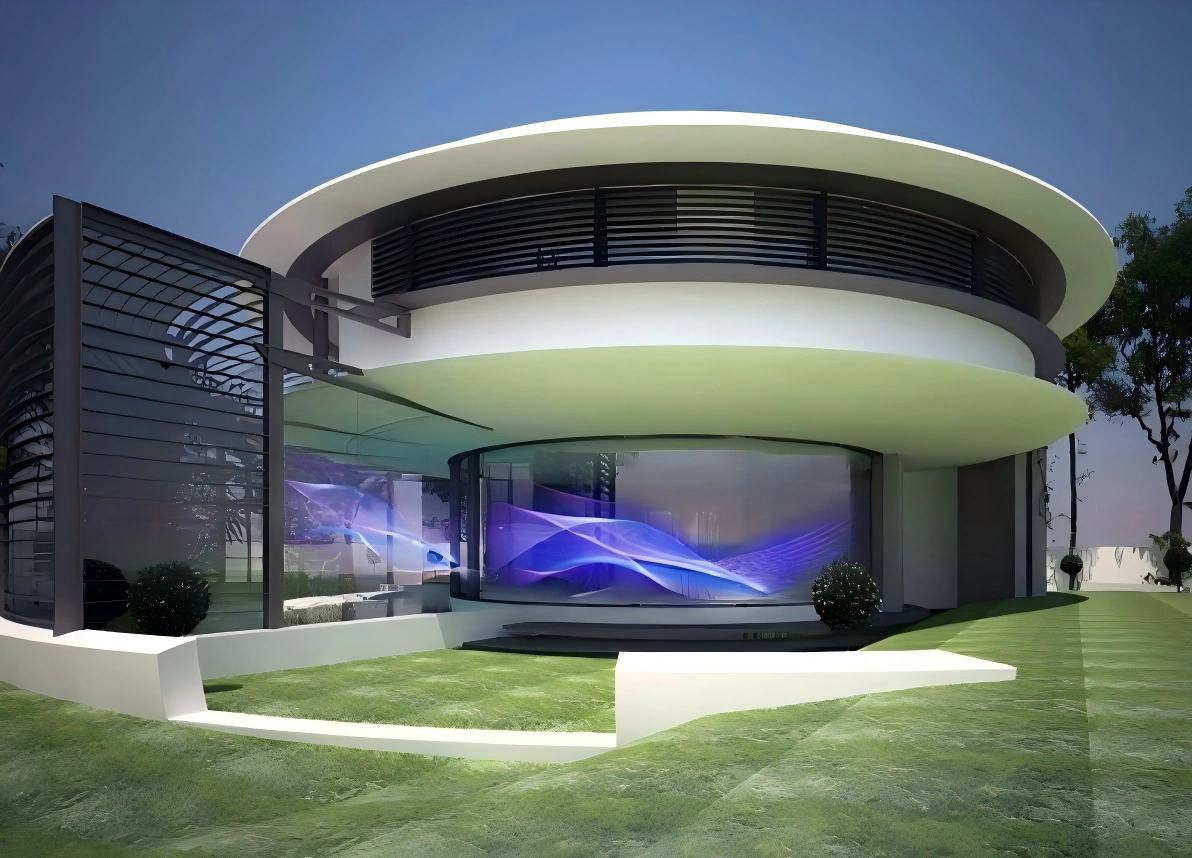
A glass facade transparent led video wall lets a commercial building, a highway-facing structure, or a downtown high-rise become a working advertising asset — without the wind load, weight, and heat problems that come with a solid outdoor screen. This page covers how led screen mesh technology handles large-scale facade installations, what separates it from window-film transparent products, and how to price and permit a building-scale glass wall led screen project.
If you’re evaluating a media wall for a building exterior, a highway billboard structure, or a DOOH advertising node, you’re working with a fundamentally different set of engineering constraints than a retail storefront window. Wind load, structural weight, heat buildup, and daylight brightness all become primary concerns at facade scale — and the right glass wall led screen technology needs to be engineered specifically for that environment, not adapted from a smaller-format retail product.
What Is a Glass Facade LED Mesh Screen?
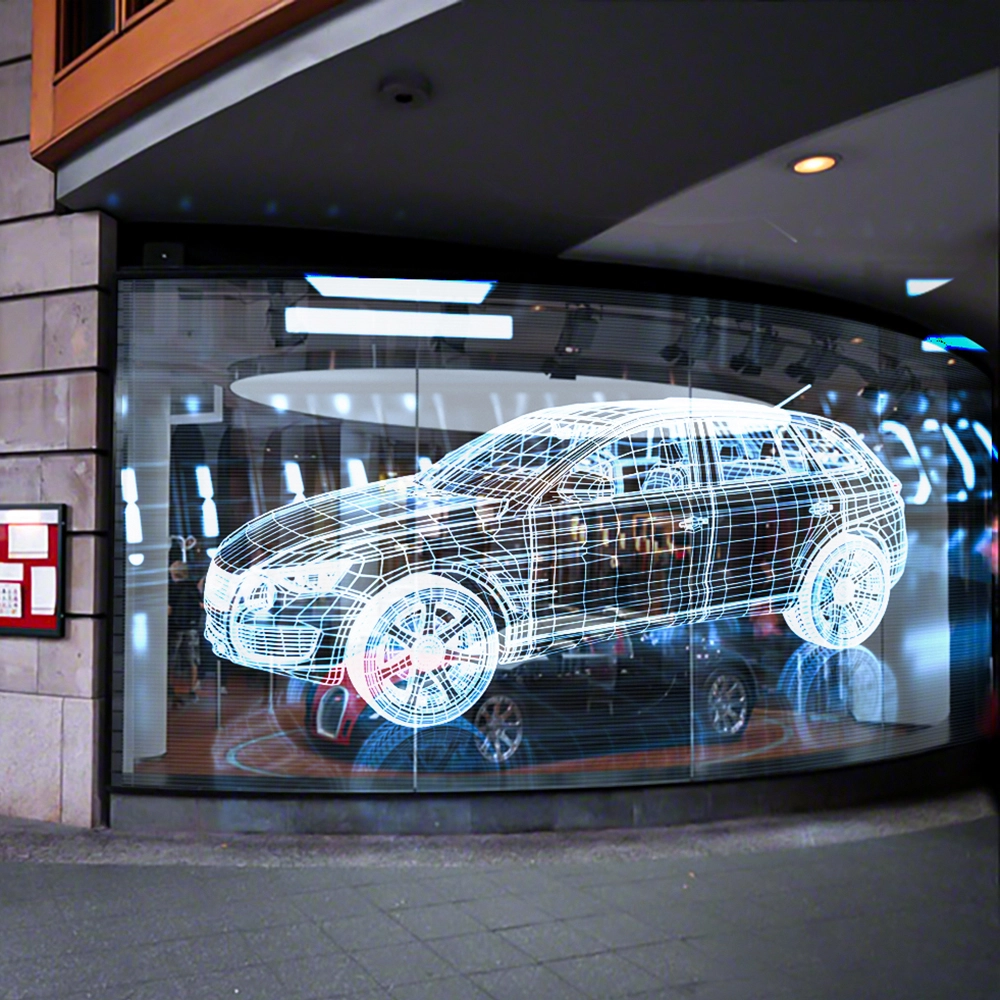
A glass facade led display is a structurally mounted, large-area transparent or semi-transparent LED system, engineered to be permanently installed on a building exterior, a highway monopole, or a commercial media structure — a fundamentally different product category from the freestanding window-film displays used in retail storefronts.
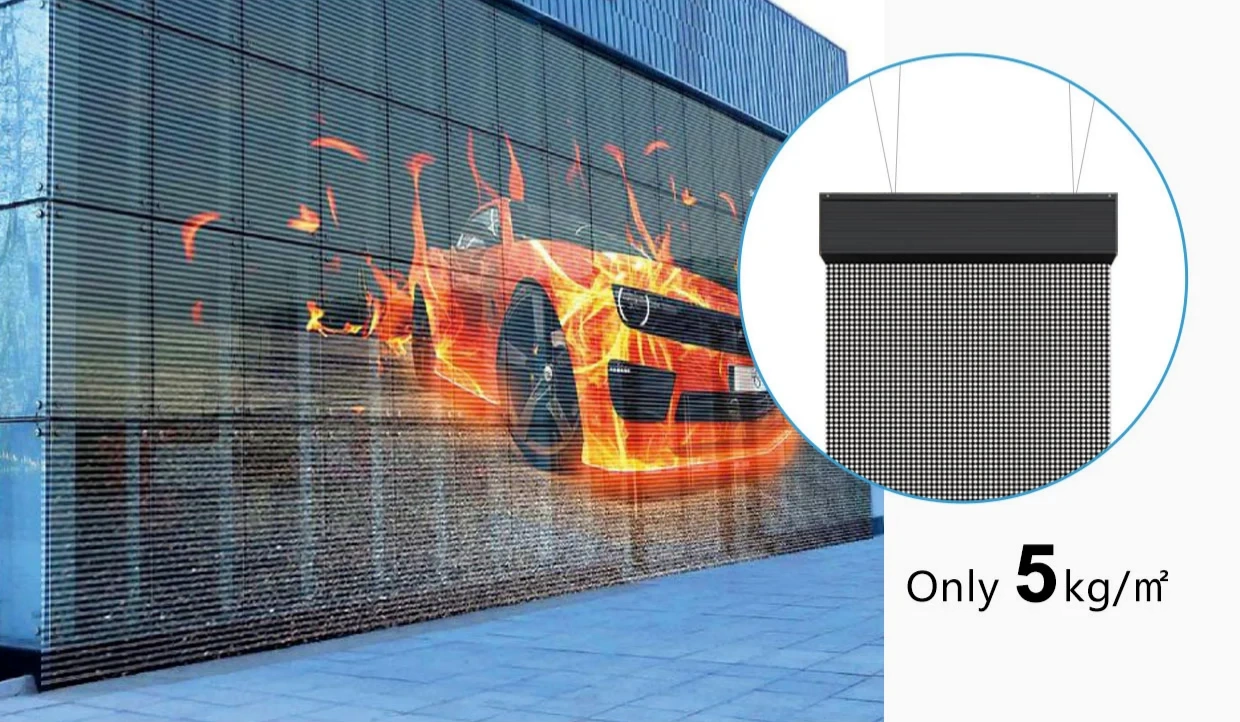
The core technology here is led screen mesh: rather than a solid LED cabinet, the display uses a ventilated, grille-style structure that allows both light and, critically, wind to pass directly through the screen body. This matters enormously at facade scale. A traditional solid outdoor LED cabinet mounted on a building exterior or an elevated billboard structure behaves like a sail in high wind — it catches load, stresses the structural frame, and drives up the cost of the steel and foundation work needed to keep it safe. A ventilated glass wall led screen, by contrast, lets wind pass through the display rather than against it, which meaningfully reduces the structural engineering burden on the building or pole it’s mounted to.
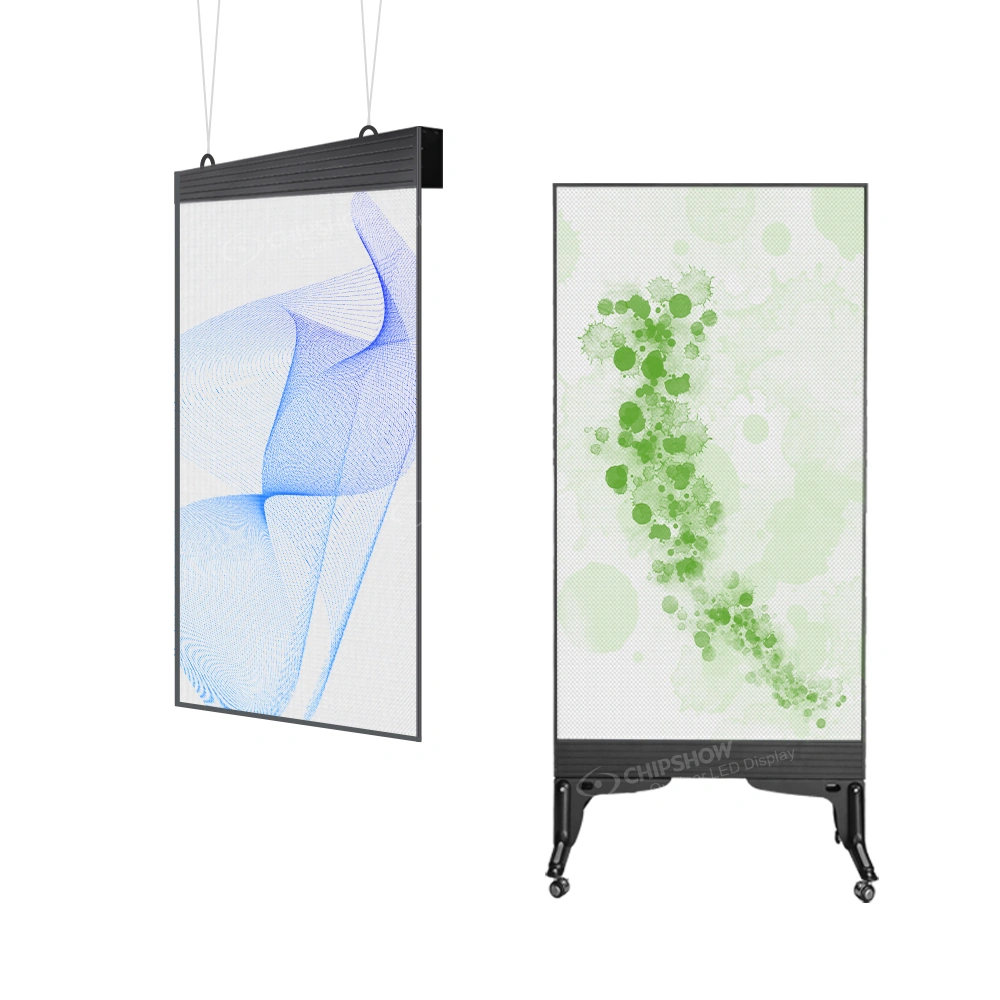
This is also where a facade-grade glass facade transparent led video wall differs most clearly from a window-film transparent product. A retail window display is freestanding, lightweight, and designed to be moved or repositioned. A facade-grade system is structurally integrated — mounted to monopoles, curtain walls, or building exteriors — built for outdoor exposure over years rather than a seasonal campaign, and engineered around a completely different set of priorities: wind resistance, weatherproofing, brightness sufficient to compete with direct sun, and structural weight that a building or pole can actually support long-term.
Where Glass Facade LED Screens Get Used
Facade-scale led screen mesh installations generally serve one of three closely related purposes.
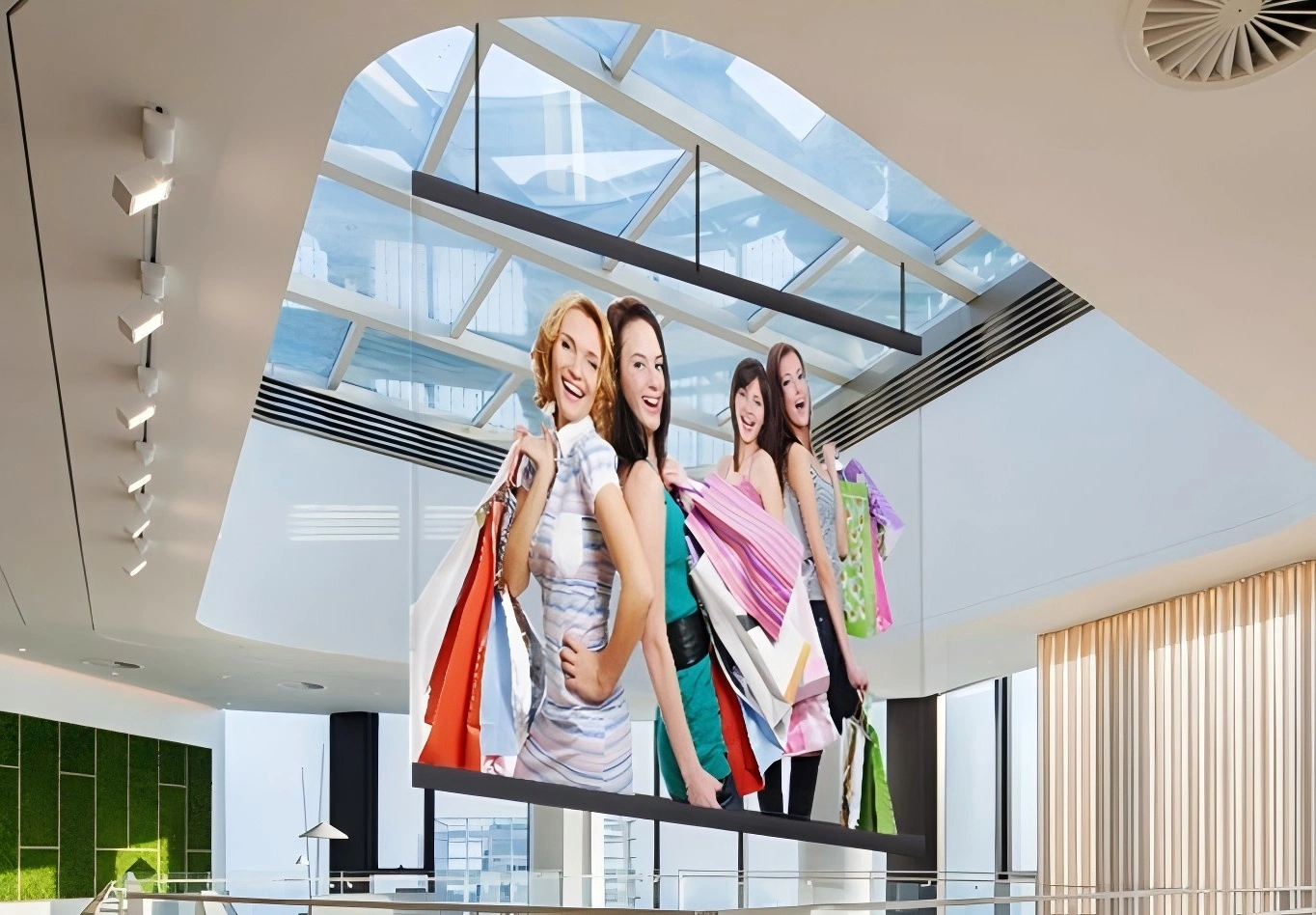
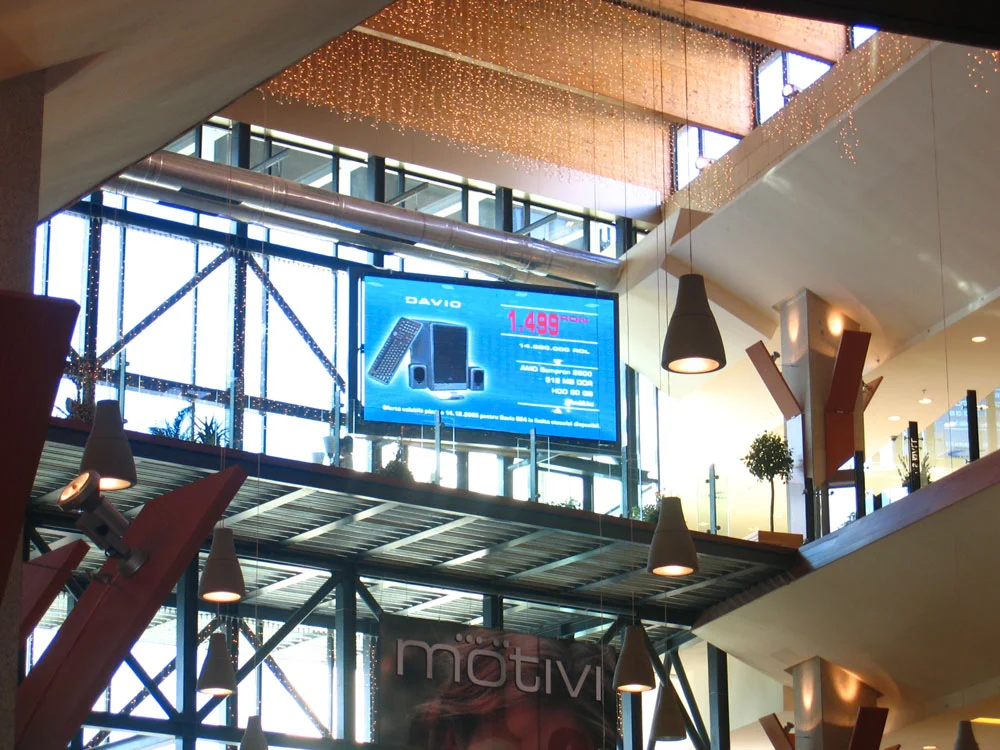
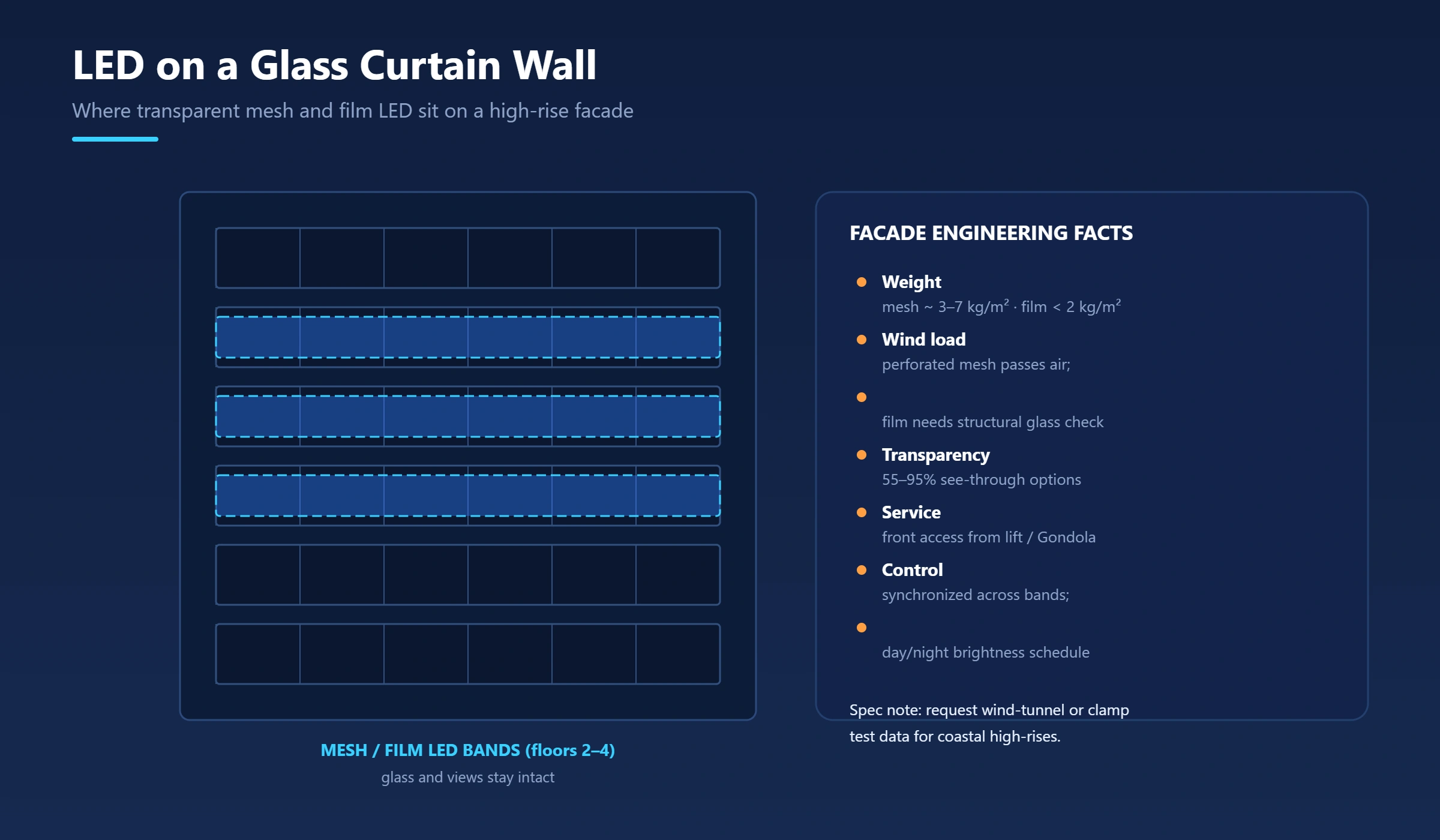
Commercial Building Facades. A glass wall led screen mounted to a curtain wall, atrium exterior, or building face turns an otherwise static architectural surface into a digital advertising or branding asset. Because these installations are often mounted to existing glazing or structural mullions, weight per square meter is one of the most consequential specs — a lighter system can mount without triggering a full secondary steel structure and the engineering review that comes with it.
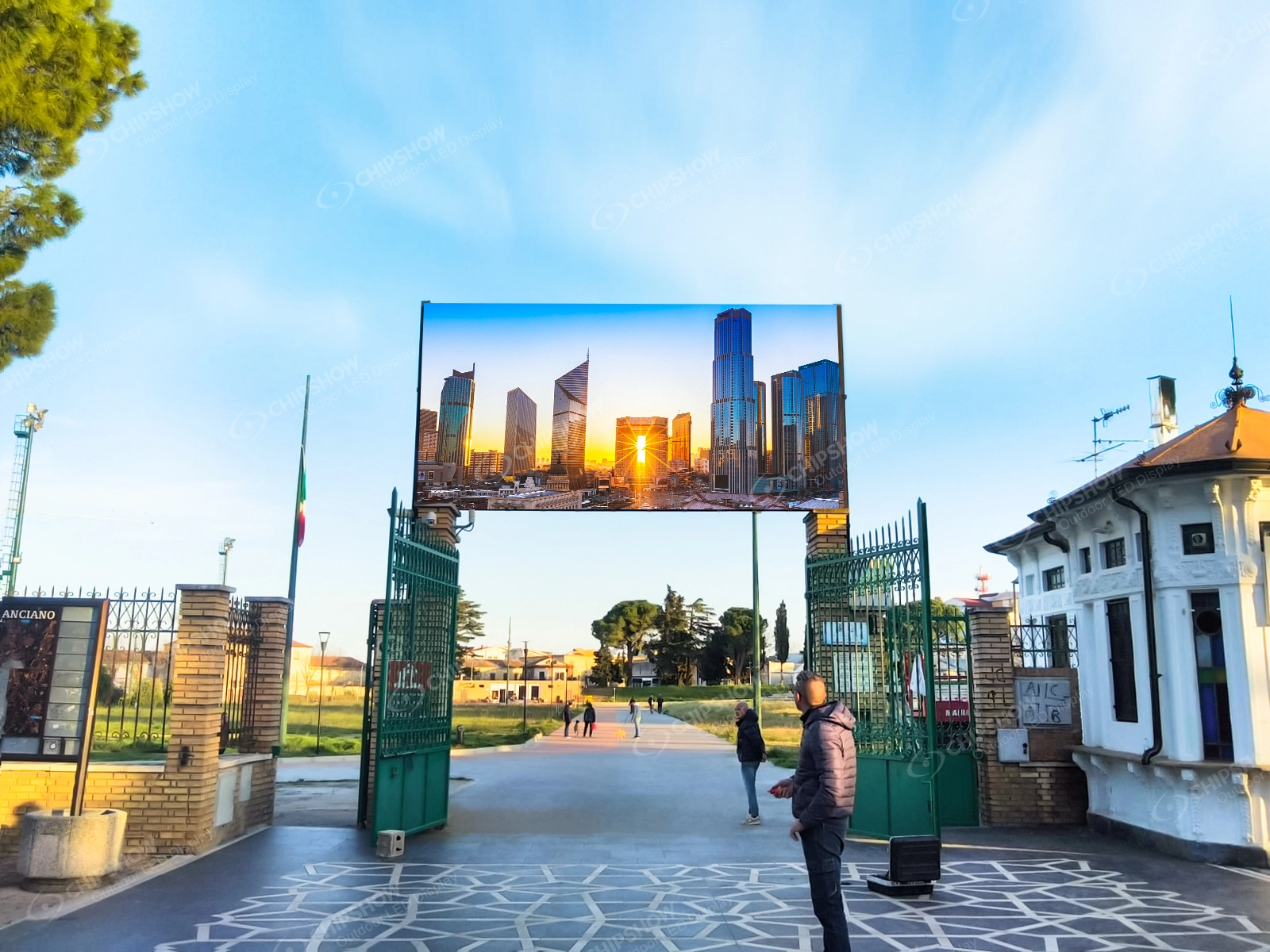
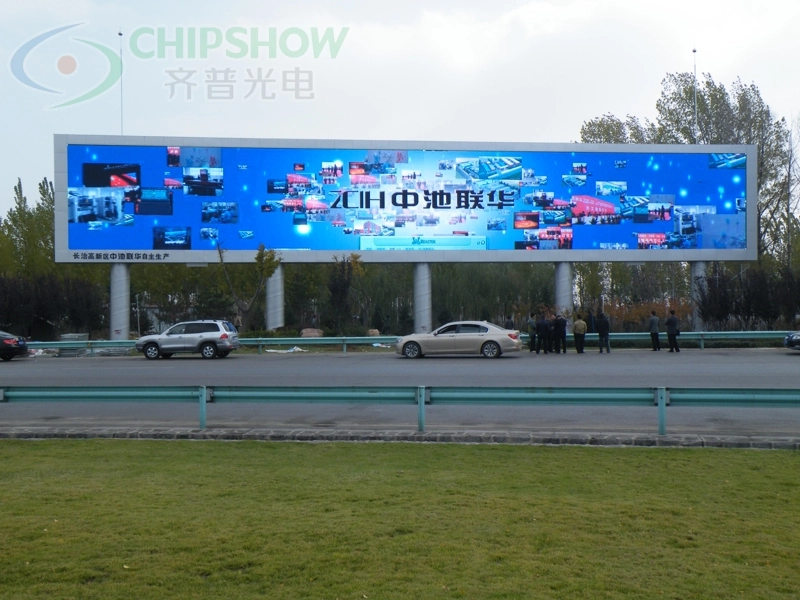
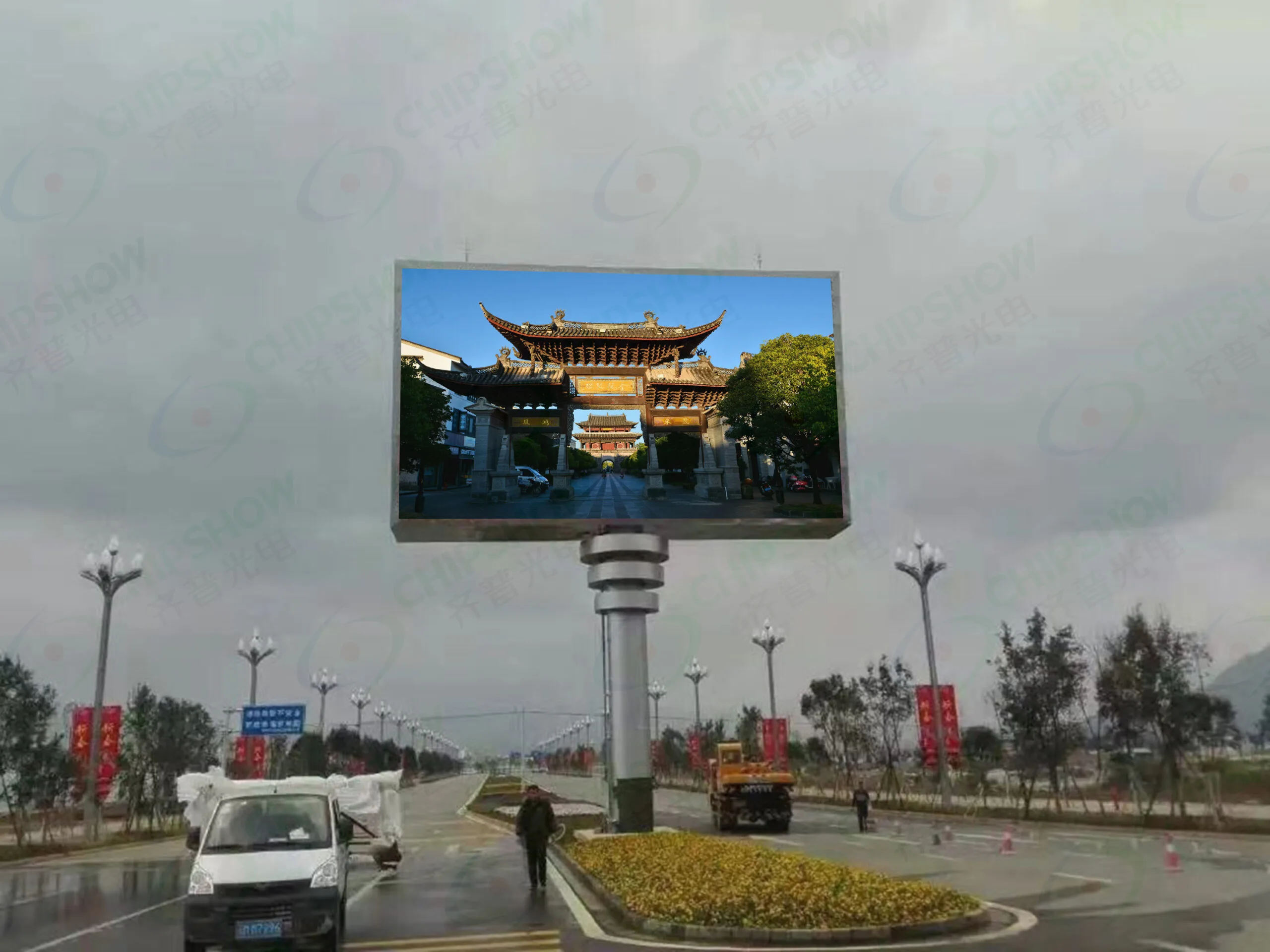
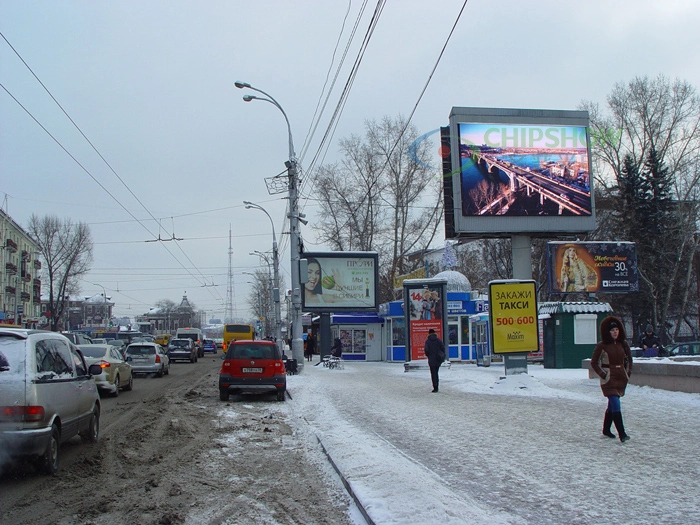
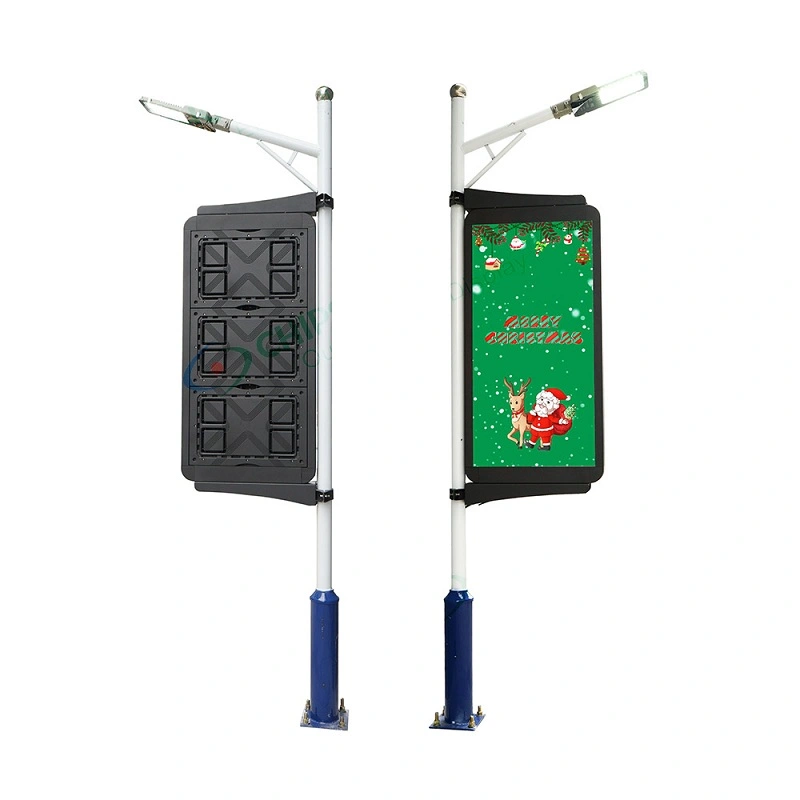
Outdoor Billboard Media Walls. At roadside and highway scale, a glass facade transparent led video wall functions as a large-format digital billboard, but with the added engineering advantage of a ventilated structure that reduces wind stress on the supporting monopole. This matters especially in coastal and high-wind regions, where a solid cabinet’s wind load can be the deciding factor in whether an existing pole or foundation can support the upgrade at all.
DOOH Advertising Network Nodes. For media owners and DOOH (digital-out-of-home) network operators, a facade or billboard-scale led screen mesh installation is a revenue-generating asset first and a display second — the hardware needs to run reliably, stay bright enough to hold advertiser interest, and keep maintenance costs low enough that the unit economics of the ad network actually work over a multi-year deployment.
Each of these applications shares the same underlying engineering priorities — wind resistance, weight, brightness, and serviceability — which is why a single, purpose-built product line tends to outperform a retail-oriented transparent display forced into a facade-scale role.
Product Spotlight: C-Vent Architectural & Billboard LED Series
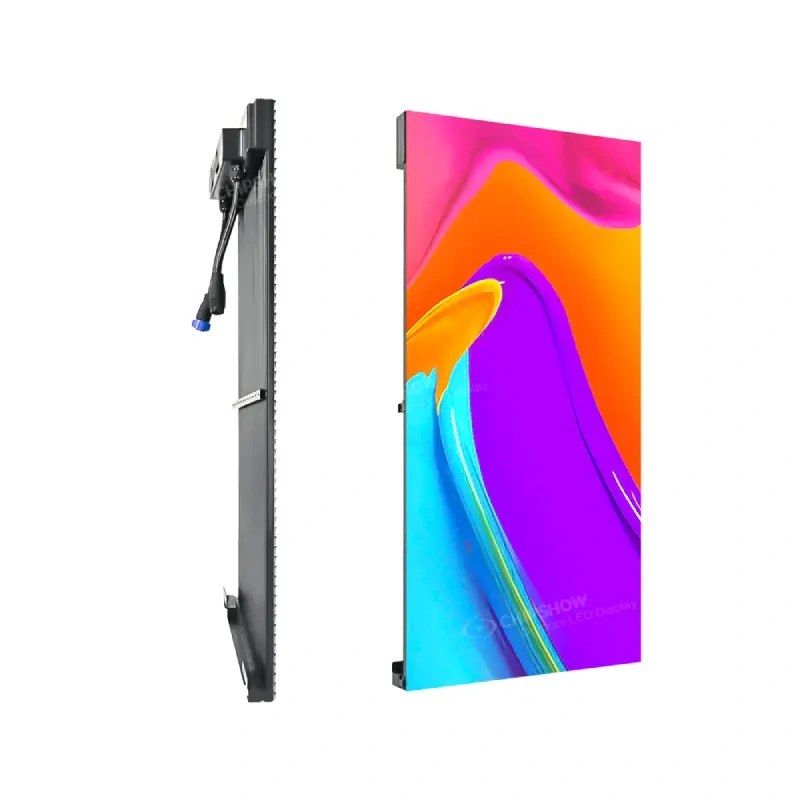
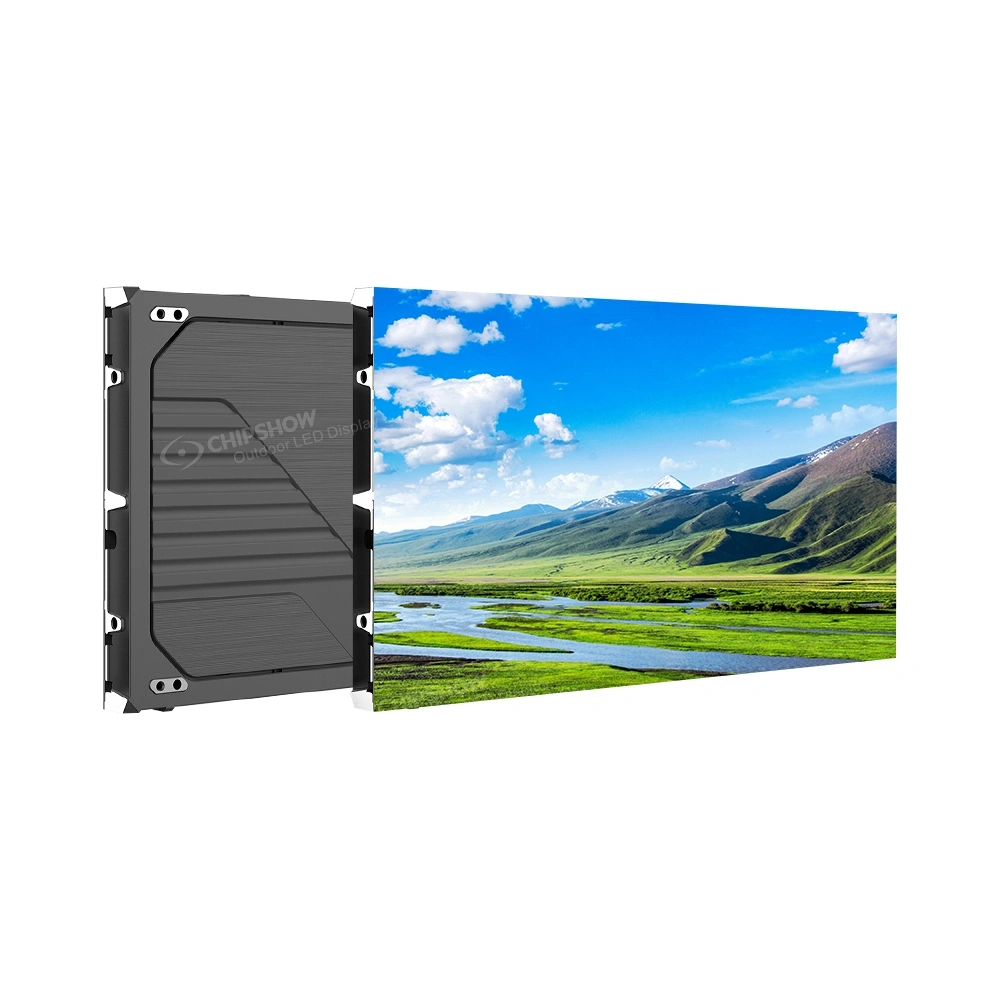
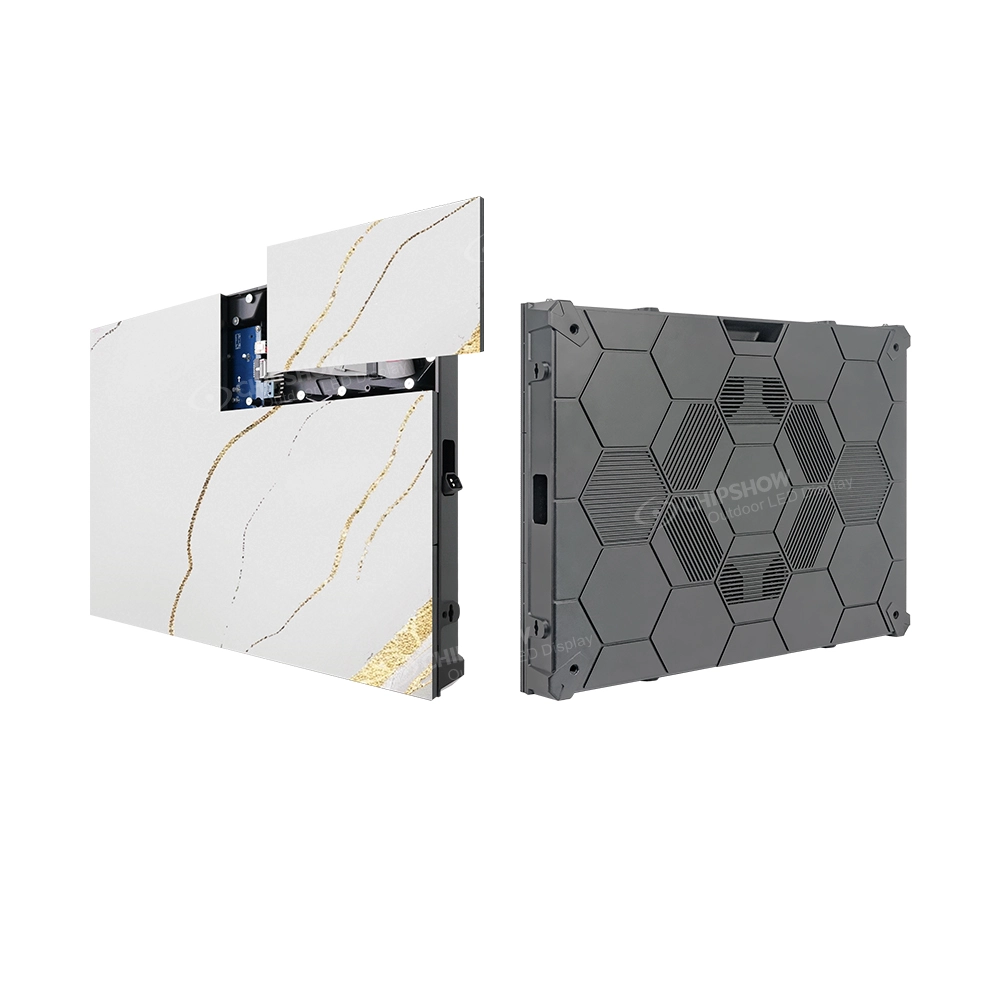
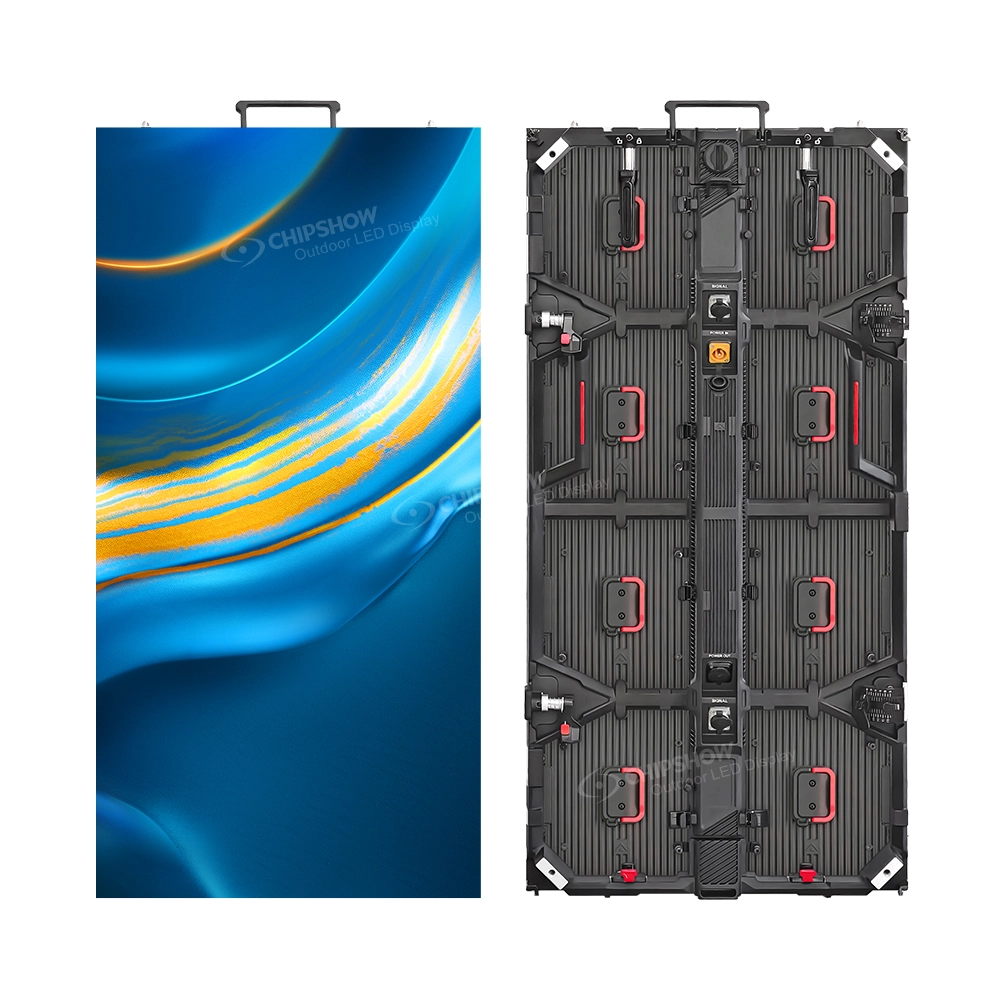
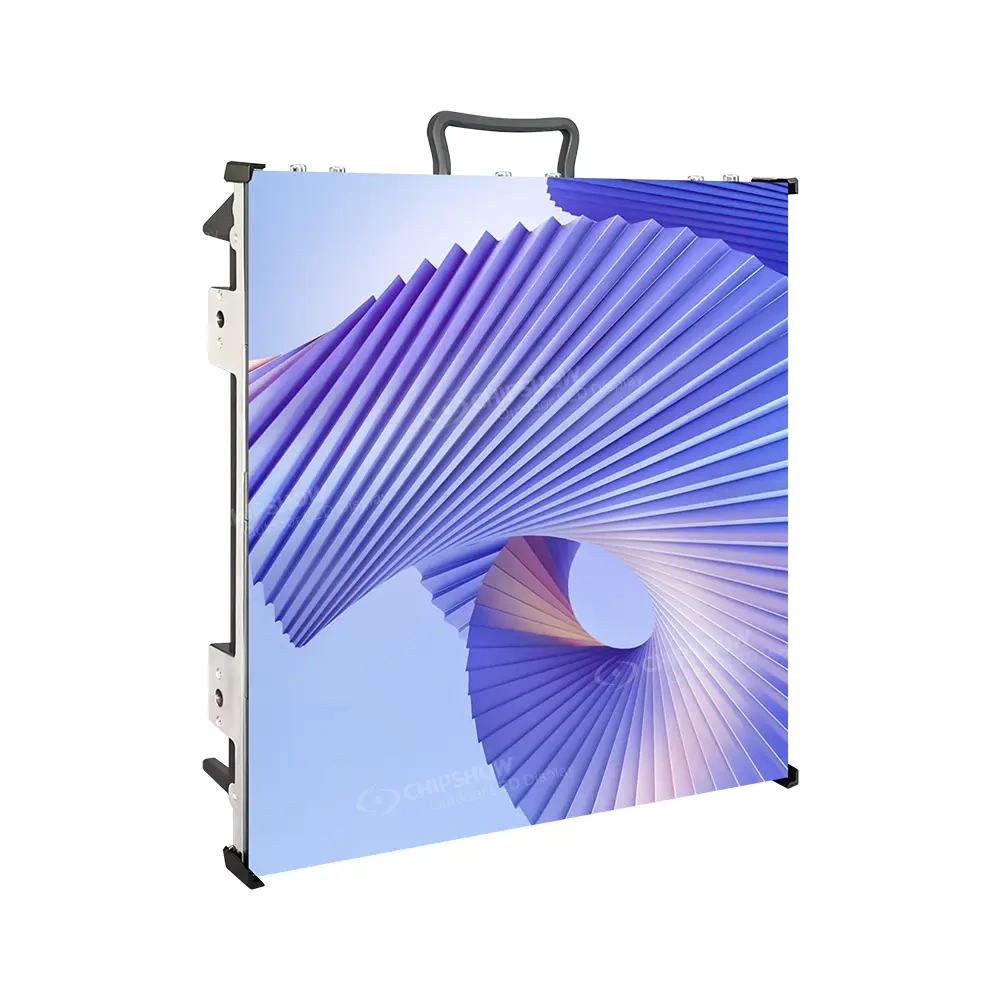
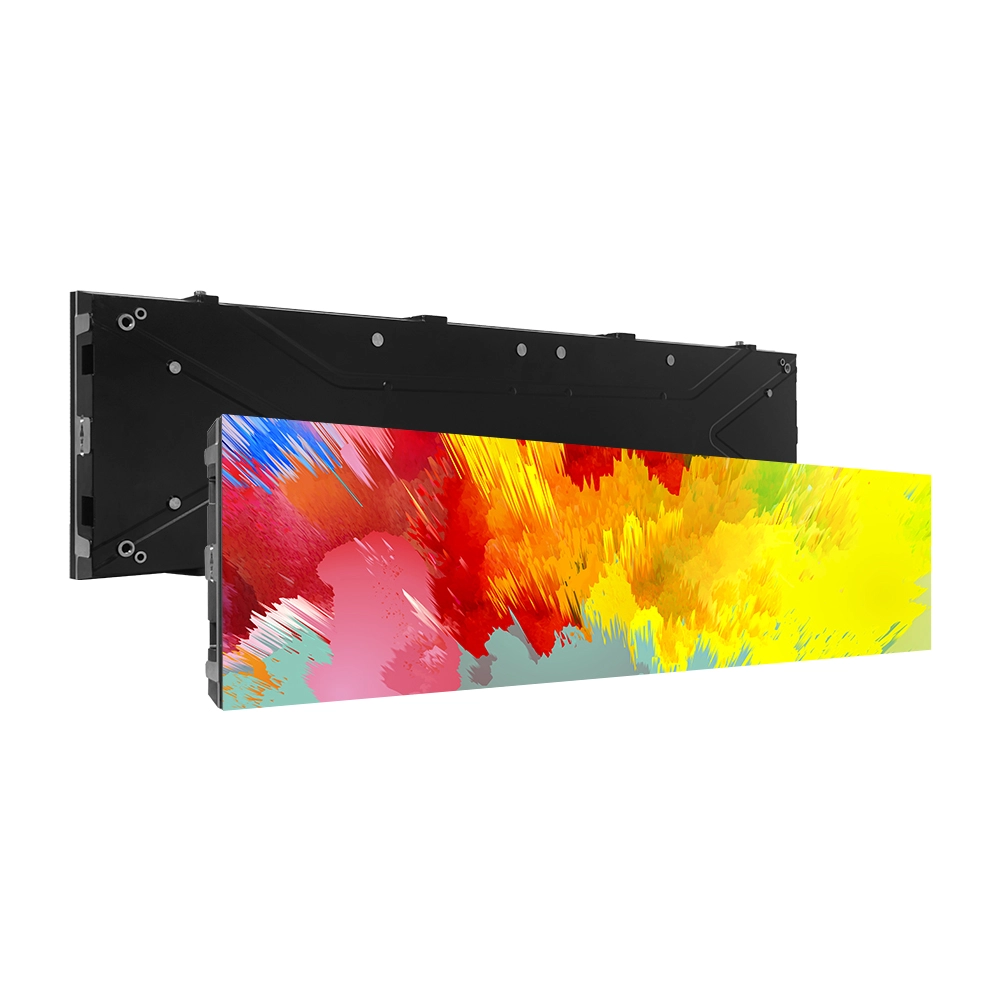
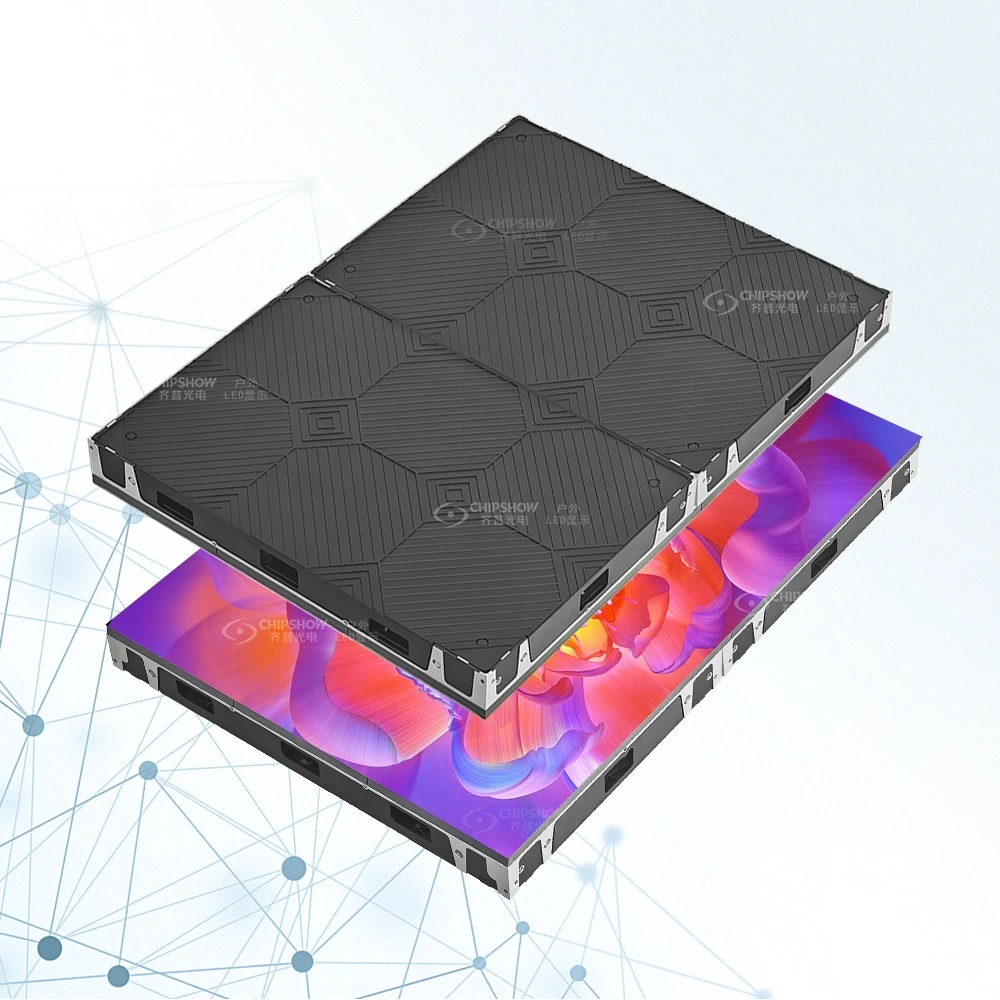
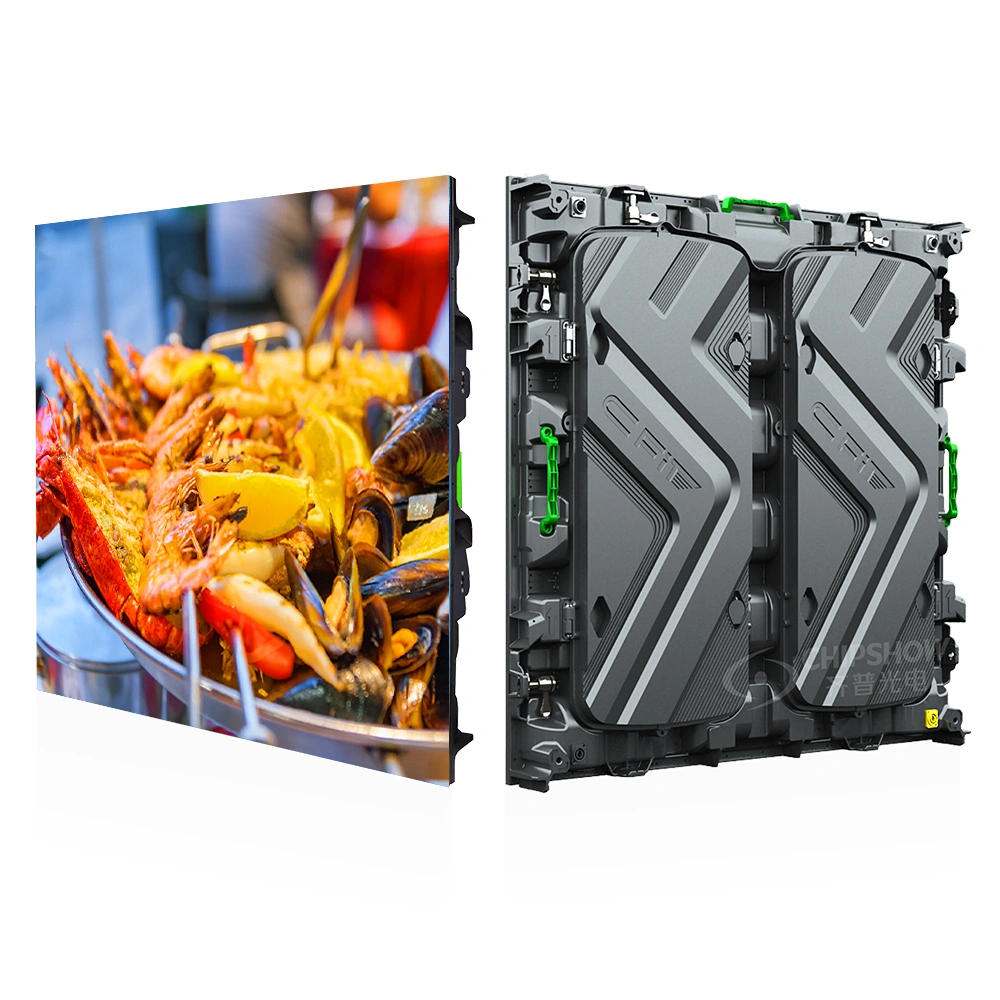
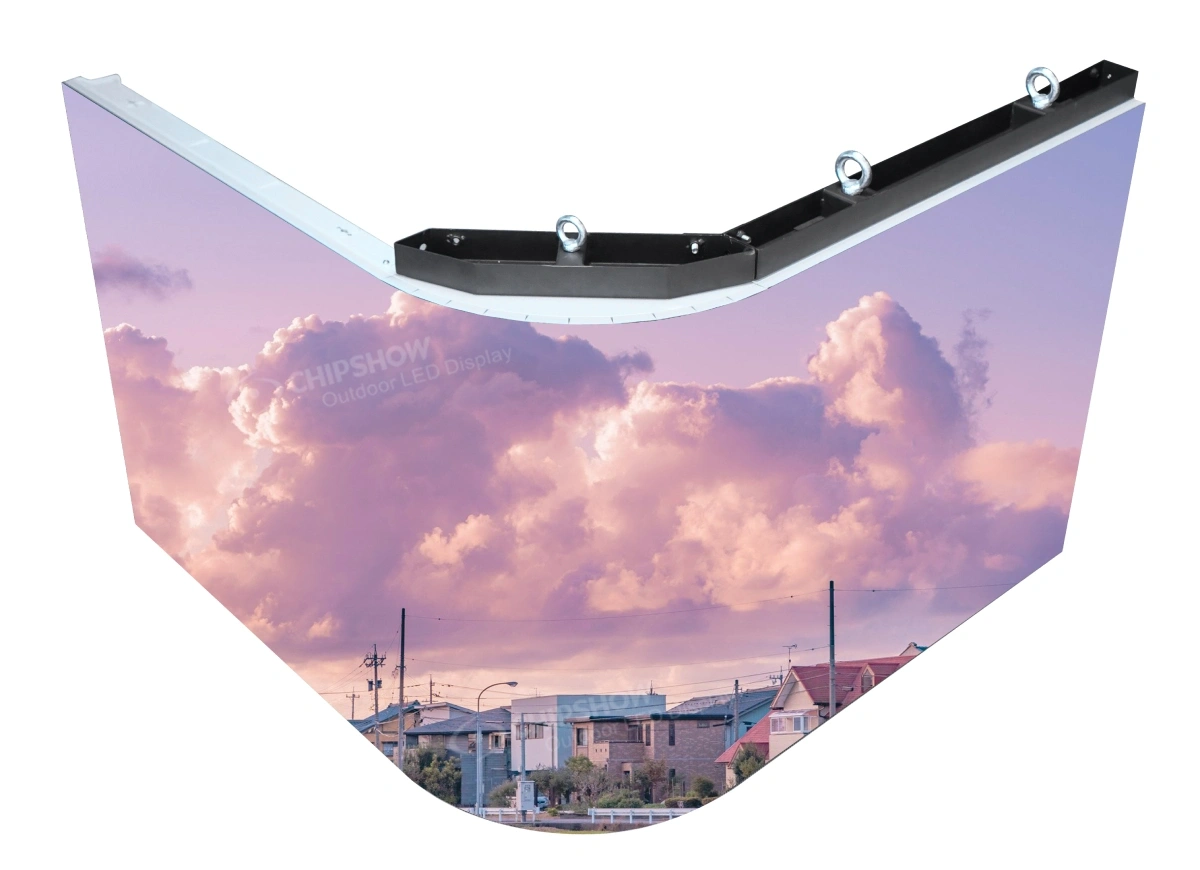
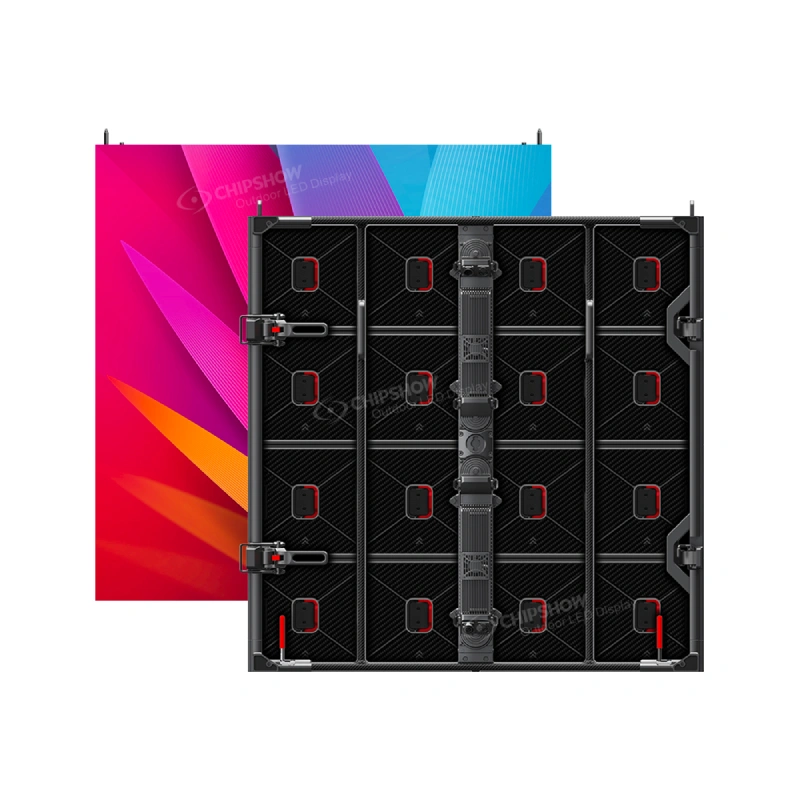
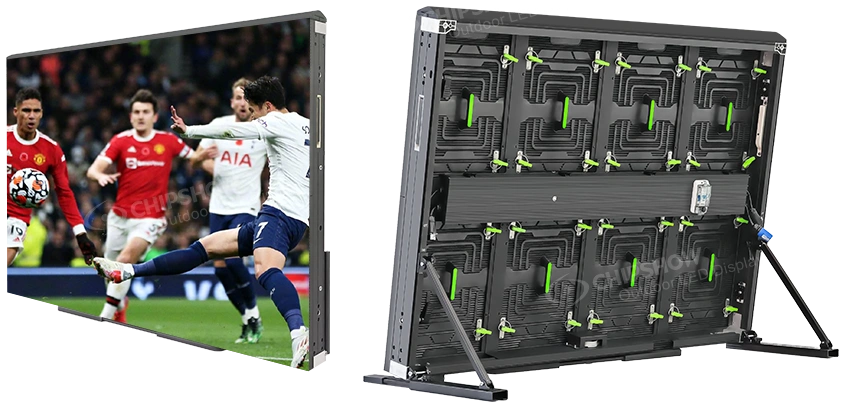
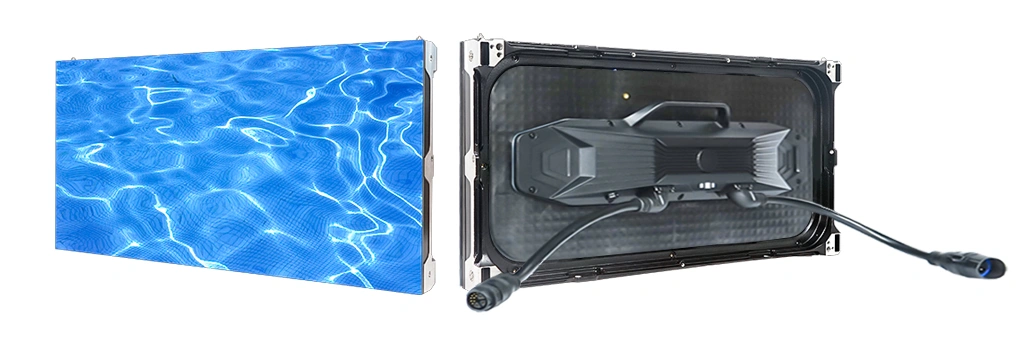
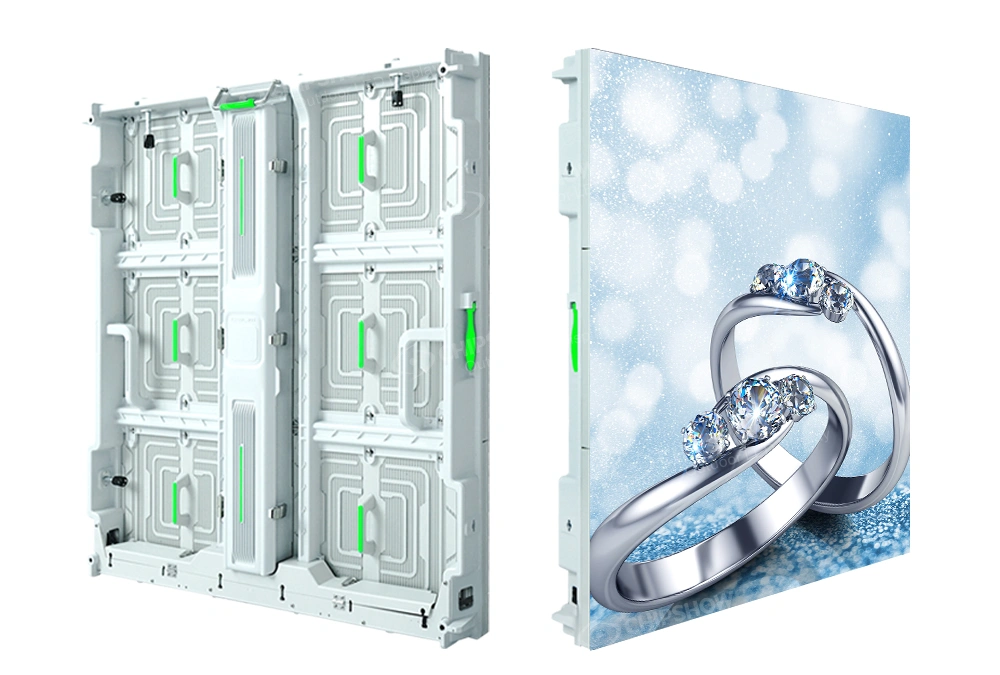
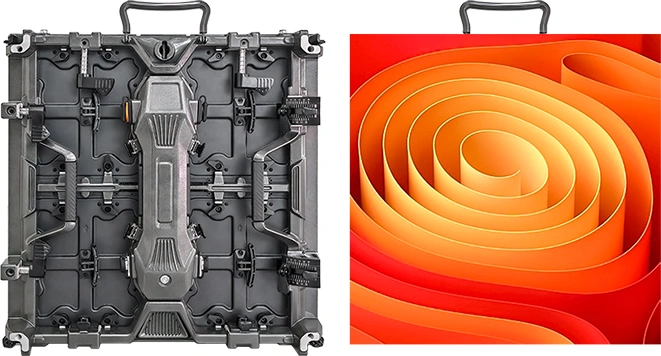
To make this concrete, our C-Vent series is purpose-built for exactly this application — large media facades, high-rise walls, open-air billboard signage, and wind-sensitive DOOH locations.
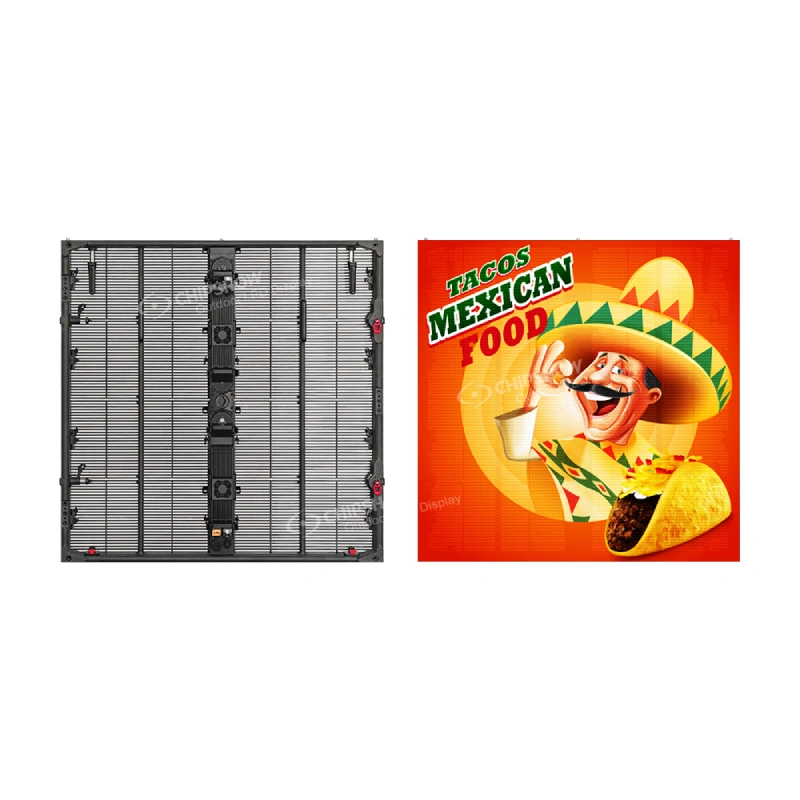
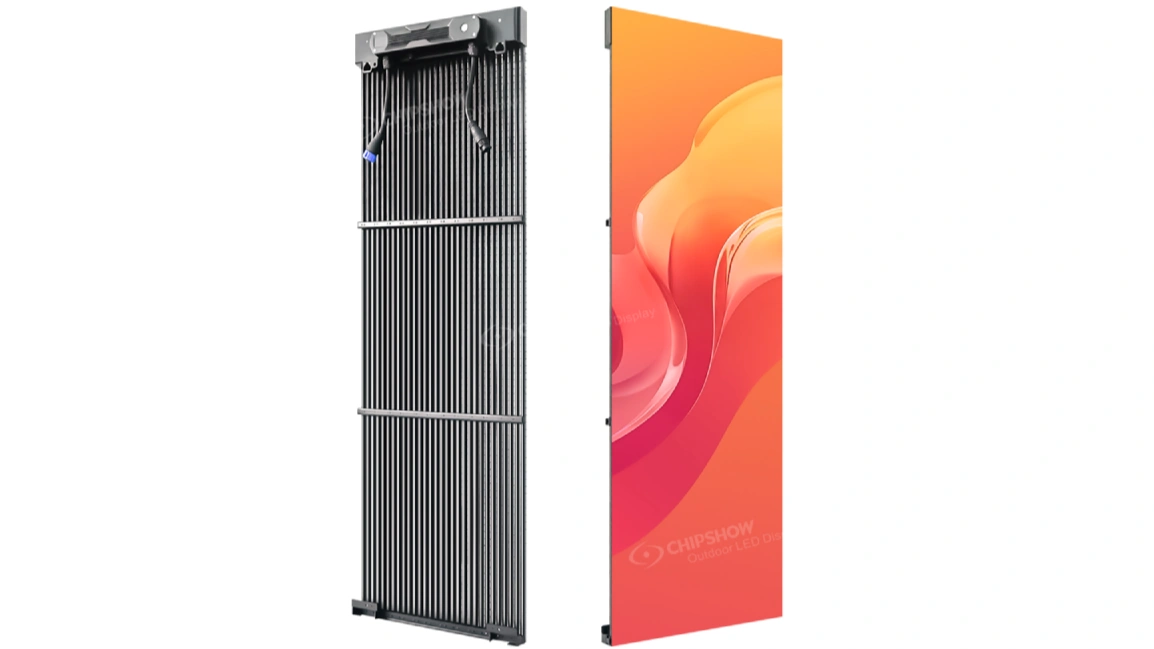
Ventilated structure for wind and weight. C-Vent uses a specialized aluminum profile that allows air to pass through the screen body, offering between 25% and 63% ventilated openness depending on the pixel pitch selected. Combined with an ultra-lightweight build starting from 10.7 kg per square meter, this significantly reduces the structural steel and foundation work a facade or billboard installation would otherwise require.
7,000–7,500 nit brightness for direct sun. Facade and billboard installations need to remain legible against unfiltered daylight, and C-Vent is built around a sustained 7,000 to 7,500 nit brightness range using DIP346 LED technology — bright enough to hold up against direct southern or western sun exposure without washing out.
True Outdoor IP65 protection. Despite the ventilated, air-permeable structure, C-Vent’s electronics, power supplies, and data connections are sealed in independent weatherproof compartments, protecting against rain, humidity, coastal salt air, and freezing winter temperatures.
Passive cooling, no external A/C required. The same ventilated design that reduces wind load also creates a natural convective cooling path, eliminating the need for mechanical air conditioning enclosures — which removes a common failure point and cuts ongoing electricity costs for the property or network operator.
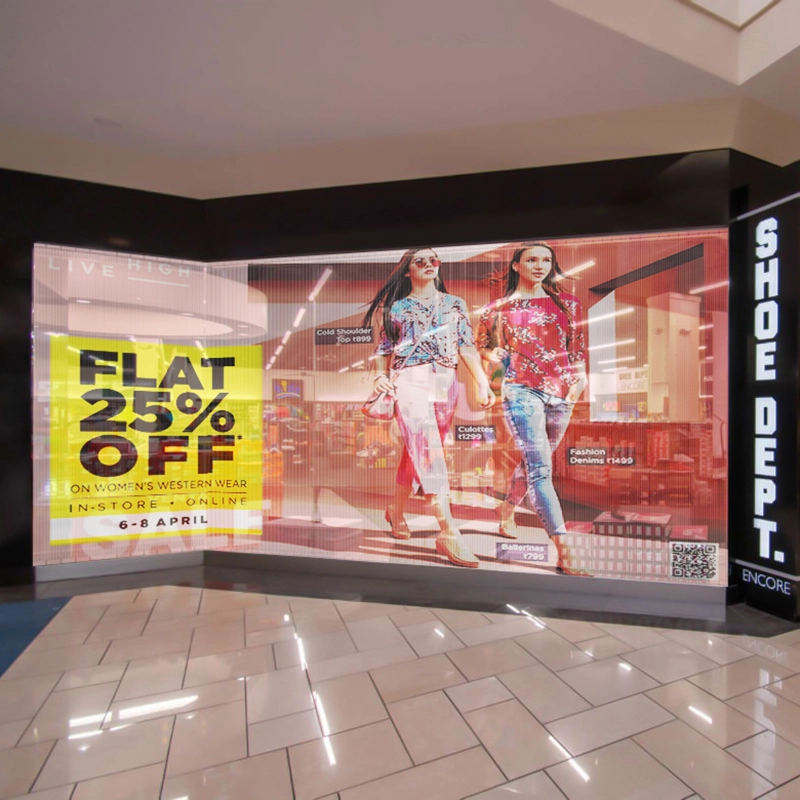
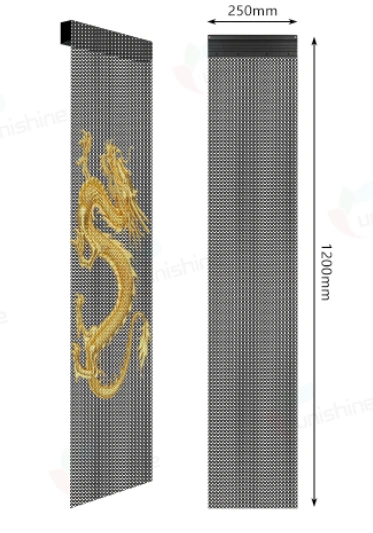
A transparent option for glass curtain walls. For projects specifically mounting to interior glass and curtain walls, the C-Vent Curtain configuration (P25) offers up to 63% physical transparency, so tenants and building occupants retain their view and natural daylight while the exterior-facing side carries bright commercial content.
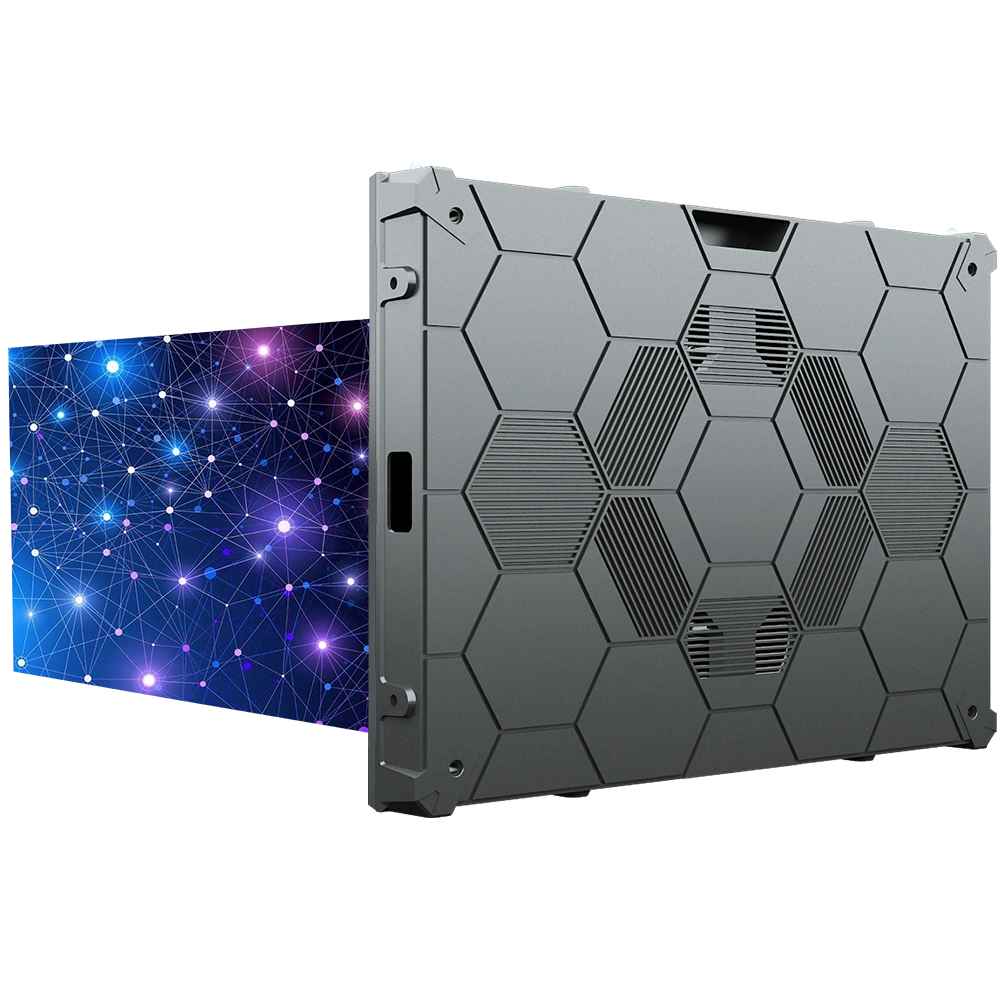
Front and rear service access. Every module, power supply, and receiving card can be serviced from the front using a boom lift or bucket truck, without needing to dismantle surrounding structure — which matters enormously for maintenance cost on hard-to-access highway and high-rise installations.
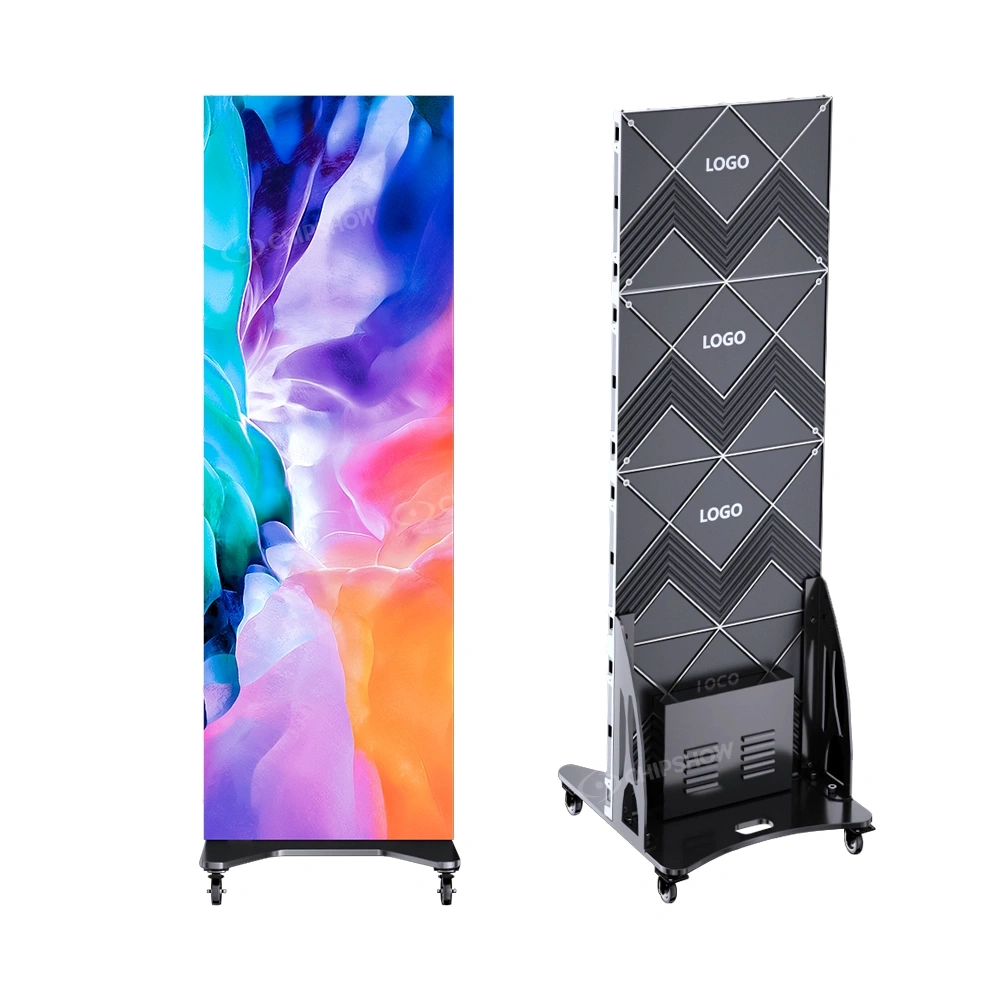
Note: For ground-mounted, double-sided, or roadside advertising applications such as a Monument Sign, Pylon Sign, or Outdoor Message Center, you can also explore our dedicated C-Poster display solutions.
View the C-Vent Architectural & Billboard LED Series →
Transparency, Ventilation & Brightness: What the Numbers Mean at Facade Scale
Facade and billboard-scale led screen mesh products get evaluated on a slightly different set of numbers than retail transparent displays, since wind and heat management matter as much as visual transparency.
| Spec | Typical Range | Why It Matters |
|---|---|---|
| Ventilated openness | 25% – 63% | Reduces wind load and heat buildup on large facade and billboard structures |
| Brightness | 7,000 – 7,500 nits | Stays legible against direct, unfiltered sunlight at facade and highway scale |
| Weight | From ~10.7 kg/m² | Determines whether a display can mount to existing structure without new steel |
| Protection rating | IP65 (all-weather) | Withstands rain, coastal salt air, and freezing temperatures despite ventilated design |
Ventilated openness functions differently than the transparency percentage used on retail window displays. Rather than optimizing purely for see-through visibility, it’s engineered to let wind and heat pass through the structure — which is why facade and billboard products in this range (25–63%) are evaluated primarily on structural and thermal performance, with a transparent curtain-wall variant available for projects that also need interior daylight and sightlines preserved.
Brightness sits meaningfully higher than most retail transparent displays, since facade and billboard installations need to compete with direct, unfiltered sunlight rather than typical indoor ambient light. A 7,000+ nit range is standard for this category, versus the 3,000–4,000 nit range common on smaller indoor or storefront transparent products.
Weight per square meter is arguably the most consequential number for facade buyers specifically, since it determines whether a display can be added to existing structure — a curtain wall, a monopole, an aging building facade — or whether it triggers a full structural engineering review and steel reinforcement project. A genuinely lightweight system, in the 10-25 kg/m² range, is what makes retrofit projects on older structures financially viable in the first place.
US Localization Pain Points: The Advertising Industry Perspective
For media owners, DOOH network developers, and facade ad operators specifically, glass facade LED adoption in the US market is shaped by a few recurring, industry-specific pressures.
DOOH network compliance requirements. Digital-out-of-home advertising in the US operates under a patchwork of local sign codes, brightness ordinances, and — in some jurisdictions — specific rules around motion, animation, and dwell time for roadside displays. Before finalizing hardware, it’s worth confirming your local jurisdiction’s requirements around brightness output and content change frequency, since these vary meaningfully by city and state and can affect which brightness and dimming configuration is actually permittable at your site.
Revenue-per-square-meter math. For a media owner or DOOH network operator, a facade or billboard installation is fundamentally a revenue-generating asset, and the unit economics need to work over a multi-year deployment. Total cost of ownership — not just hardware price — is what determines real profitability: structural savings from a lightweight system, reduced electricity costs from passive cooling instead of mechanical A/C, and lower maintenance labor from front-serviceable modules all directly improve the net return on a facade media asset, on top of whatever ad revenue the screen generates.
Facade installation permit approval. Building-mounted and highway-facing installations typically require structural and electrical permits, and in many municipalities, a separate sign or digital display permit specific to LED and DOOH installations. Permitting timelines can be a bigger scheduling risk than sourcing the hardware itself, particularly in cities with active review processes for large-format outdoor advertising. Starting the permitting conversation early — ideally in parallel with hardware sourcing rather than after a supplier is selected — protects your launch timeline.
Wind and structural review in coastal and high-wind regions. For facade projects in hurricane-prone coastal areas or high-wind corridors, structural wind-load review is often the single biggest factor determining project cost and feasibility on an existing building or pole. This is precisely where a ventilated, lightweight display architecture — rather than a solid retrofit cabinet — determines whether an upgrade is structurally and financially viable at all.
How Chipshow’s Glass Facade LED Compares
Not every led screen mesh product on the market is engineered specifically for facade and billboard-scale deployment, and the differences go well beyond the spec sheet.
Weight and ventilated openness are the two specs that separate genuinely facade-grade systems from solid outdoor cabinets marketed toward large-format use. A solid cabinet retrofit onto an existing structure often requires new steel reinforcement and a full engineering review — cost and timeline that a ventilated, lightweight system is specifically designed to avoid. Similarly, not every supplier offering a glass wall led screen product is set up to support the front-and-rear service access that facade and highway installations need to keep long-term maintenance cost manageable.
We won’t name or disparage specific competitors here, but if you’re comparing quotes for a glass facade transparent led video wall, it’s worth asking directly: what’s the actual weight per square meter and ventilated openness percentage, does the system require mechanical air conditioning or rely on passive cooling, and is the manufacturer offering factory-direct pricing and support or is your quote routed through a reseller marking up an already-imported product. Those questions tend to separate purpose-built facade hardware from generic outdoor panels being sold into a use case they weren’t specifically engineered for.
Working with a manufacturer directly on a facade-scale project also matters more than it might on a smaller retail installation, simply because the structural documentation, weight specifications, and certification paperwork (FCC, UL, ETL) that your engineer and local permitting office will need are far more extensive at this scale — and a direct factory relationship generally means faster access to that documentation than working through an intermediary.
Common Mistakes When Buying Glass Facade LED
A handful of patterns show up often enough in early facade and billboard conversations that they’re worth flagging before you request a quote.
Specifying a solid cabinet for a wind-exposed facade or billboard site. A traditional solid outdoor LED cabinet works fine on a low, sheltered ground-level installation, but at facade or highway-pole height in a wind-exposed location, it can turn a straightforward upgrade into a full structural reinforcement project. Confirm ventilated openness and weight per square meter early if your site has any meaningful wind exposure.
Underestimating permit and structural review timelines. As covered above, permitting and structural wind-load review can take longer than sourcing and shipping the hardware itself. Start these conversations in parallel with your supplier search, not after a product is already selected.
Comparing hardware price without total cost of ownership. A lower-cost solid cabinet can end up costing more once structural reinforcement, mechanical air conditioning, and higher maintenance labor (from limited service access) are factored in against a ventilated, passively-cooled, front-serviceable alternative.
Assuming all “transparent” facade products serve the same use case. A retail window-film display and a structurally mounted, ventilated facade system are built for entirely different installation contexts. Confirm you’re evaluating a genuinely facade-grade product rather than a retail-oriented display marketed for a use case it wasn’t engineered for.
Buyer Considerations by Type
The priorities behind a glass facade LED purchase tend to shift depending on who’s buying and what the asset needs to accomplish. Here’s how they typically break down for the buyers we hear from most often.
Outdoor Billboard Operator
If you’re operating outdoor billboards and evaluating a glass wall led screen upgrade for an existing structure, your primary constraints are usually the structural capacity of your current pole or foundation and how much wind load a solid retrofit would add. A ventilated, lightweight system is often the difference between a straightforward digital upgrade and a full foundation replacement, since it can frequently mount to existing structure without triggering new steel work. Brightness matters just as much here — a billboard that washes out at midday loses value to advertisers regardless of how sharp the image looks at night.
Media Owner
If you own or manage advertising media assets across multiple sites, total cost of ownership across the full network — not just the price per screen — is what determines whether the business model works. Passive cooling that eliminates mechanical A/C, front-serviceable modules that reduce truck-roll maintenance costs, and a manufacturer that can supply consistent, factory-direct hardware across every site in your portfolio all compound into meaningfully better unit economics over a multi-year deployment than optimizing purely for the lowest per-screen price.
DOOH Network Developer
If you’re building out a DOOH network from the ground up, standardization and reliable supply matter as much as any single spec. A manufacturer with organized regional stock — rather than a purely factory-to-order relationship — reduces the risk of a rollout stalling mid-deployment while you wait on a production queue, which is often the difference between hitting your launch and advertiser commitment dates and missing them. It’s also worth confirming early how content management and remote diagnostics work across a growing network, since retrofitting centralized monitoring onto dozens of already-deployed sites is a far bigger undertaking than planning for it from site one.
Building Facade Ad Developer
If you’re developing advertising rights on a building facade — whether you own the building or are structuring a lease arrangement with a media company — the weight and ventilated openness of your chosen display directly affects what you can propose to the building owner and their structural engineer. A system light enough to mount without new steel reinforcement is a meaningfully easier conversation to have with a property owner than one requiring a full engineering review and construction project before the first ad ever runs. This is also where a transparent curtain-wall configuration matters most, since it lets you make the case that the display adds revenue without compromising the building’s interior daylight or tenant experience.
FAQ
What’s the difference between a glass facade LED display and a retail window transparent display?
A glass facade led display is structurally mounted — to a curtain wall, monopole, or building exterior — and engineered for permanent outdoor exposure, wind resistance, and high brightness. A retail window display is typically freestanding, lightweight, and designed to be repositioned, built for indoor or short-term use rather than structural, long-term facade deployment.
How much does a glass facade LED video wall cost?
Pricing depends on ventilated openness, brightness, weight class, and installation type, and facade-scale projects typically involve a structural and electrical scope beyond the hardware itself. Request a quote with your building or site details for an accurate number, or see our full LED pricing guide for a broader breakdown by category.
Does a ventilated LED facade screen need less structural reinforcement than a solid screen?
Generally, yes. A ventilated, lightweight system reduces both wind load (since air passes through rather than pushing against the structure) and total weight per square meter, which often means an existing building facade, monopole, or foundation can support the upgrade without a full secondary steel structure — though this should always be confirmed with a structural engineer for your specific site.
Is bulk or multi-site pricing available for a DOOH network rollout?
Yes. Multi-site DOOH network deployments typically see better per-unit pricing than a single-installation quote. Share your rollout scope — number of sites, total area, and timeline — and we’ll price it accordingly.
Do you sell direct as a manufacturer, or through resellers?
We sell glass facade and billboard LED displays for sale directly as the manufacturer, with organized regional stock supporting faster deployment than a purely overseas factory order, and factory-direct technical documentation for your engineering and permitting process.
What information do you need to give me an accurate quote?
The fastest path to an accurate quote is your installation type (building facade, billboard, DOOH network node), approximate size, mounting surface and structure, wind exposure at your site, and target launch date. From there we can recommend the right ventilated openness, brightness, and weight configuration for your project.
Get Started
Product spotlight: C-Vent Architectural & Billboard LED Series — 7,000–7,500 nits, ultra-lightweight from 10.7 kg/m², True Outdoor IP65, up to 63% transparency in the Curtain configuration.