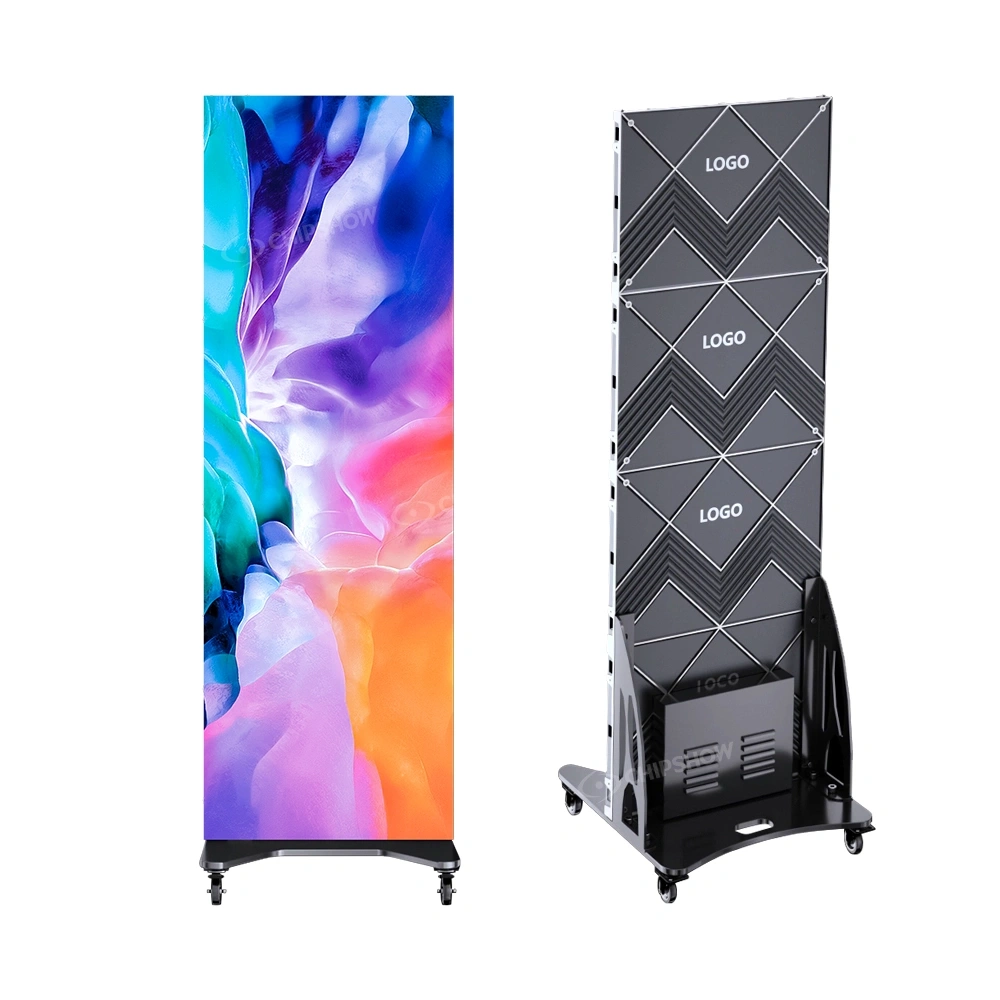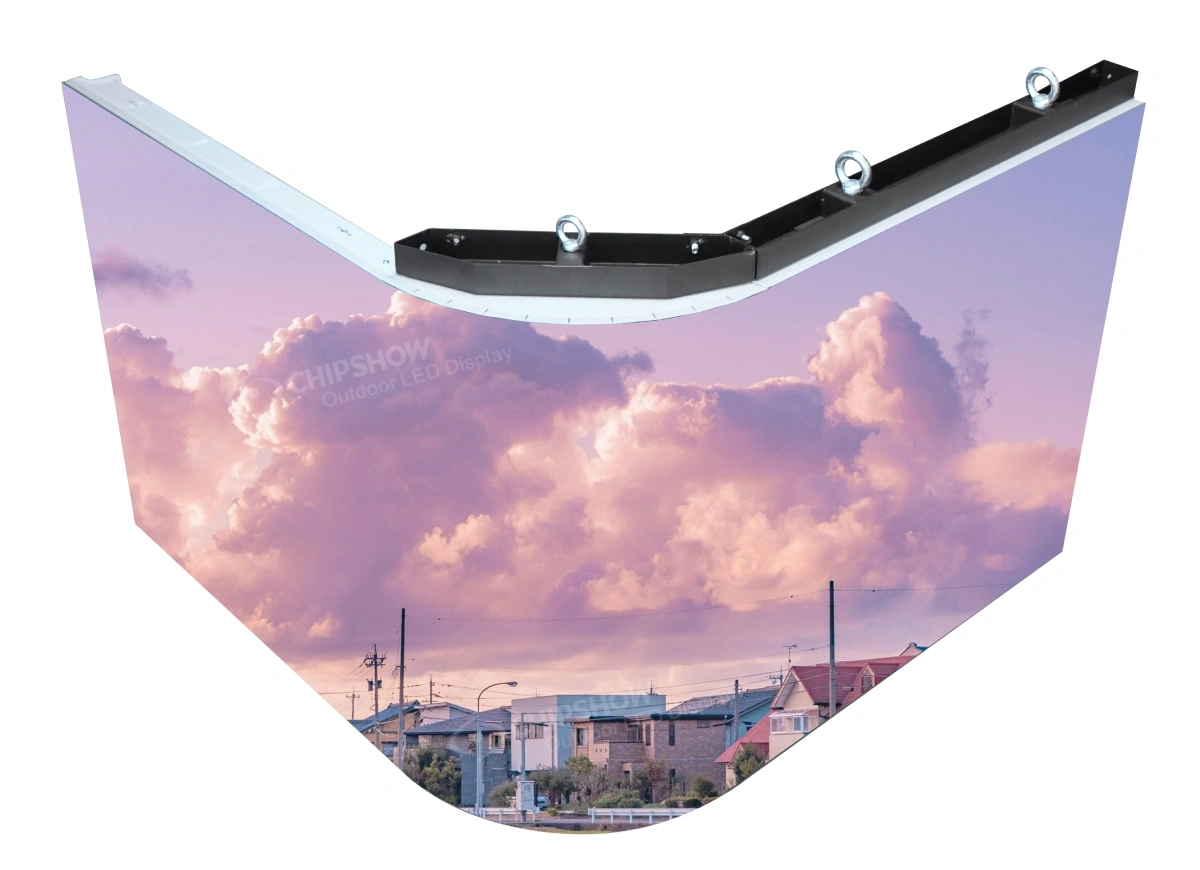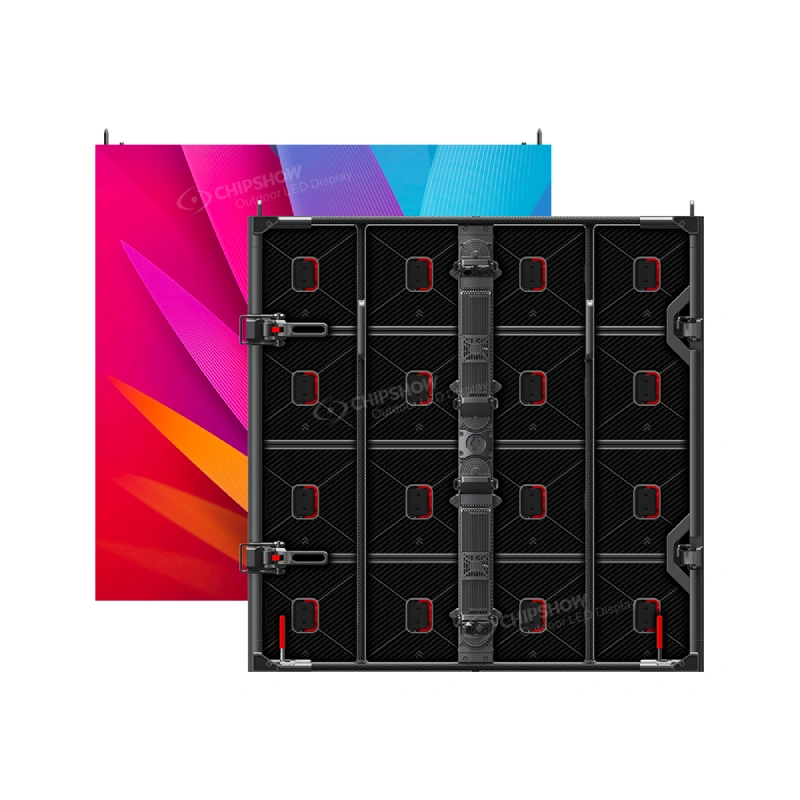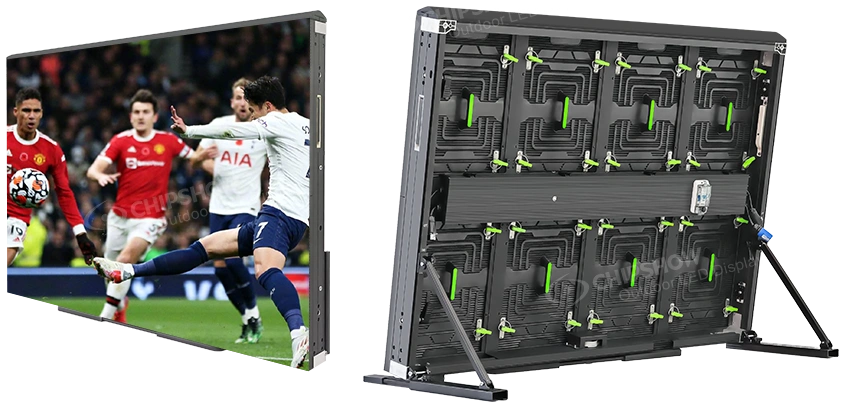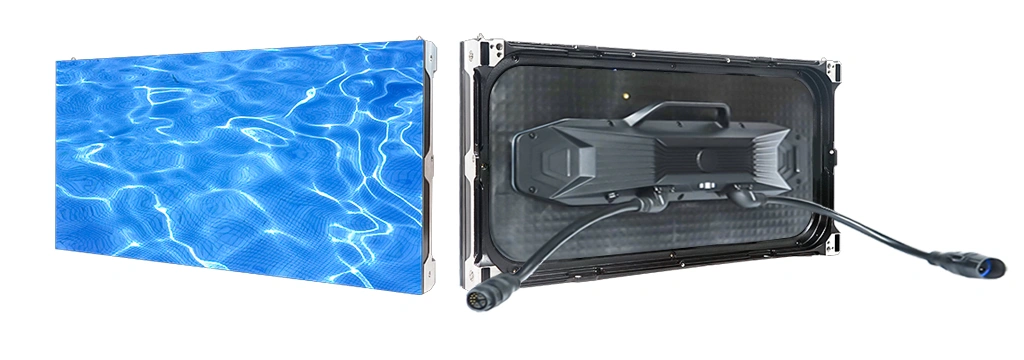
If you are planning a commercial LED wall under a tight schedule the difficult part is not choosing a screen that looks good in a product photo. The real challenge is making sure the display can be assembled accurately serviced efficiently and delivered as hardware that matches the site. Modular LED screen systems should therefore be treated as physical engineering systems rather than collections of panels.
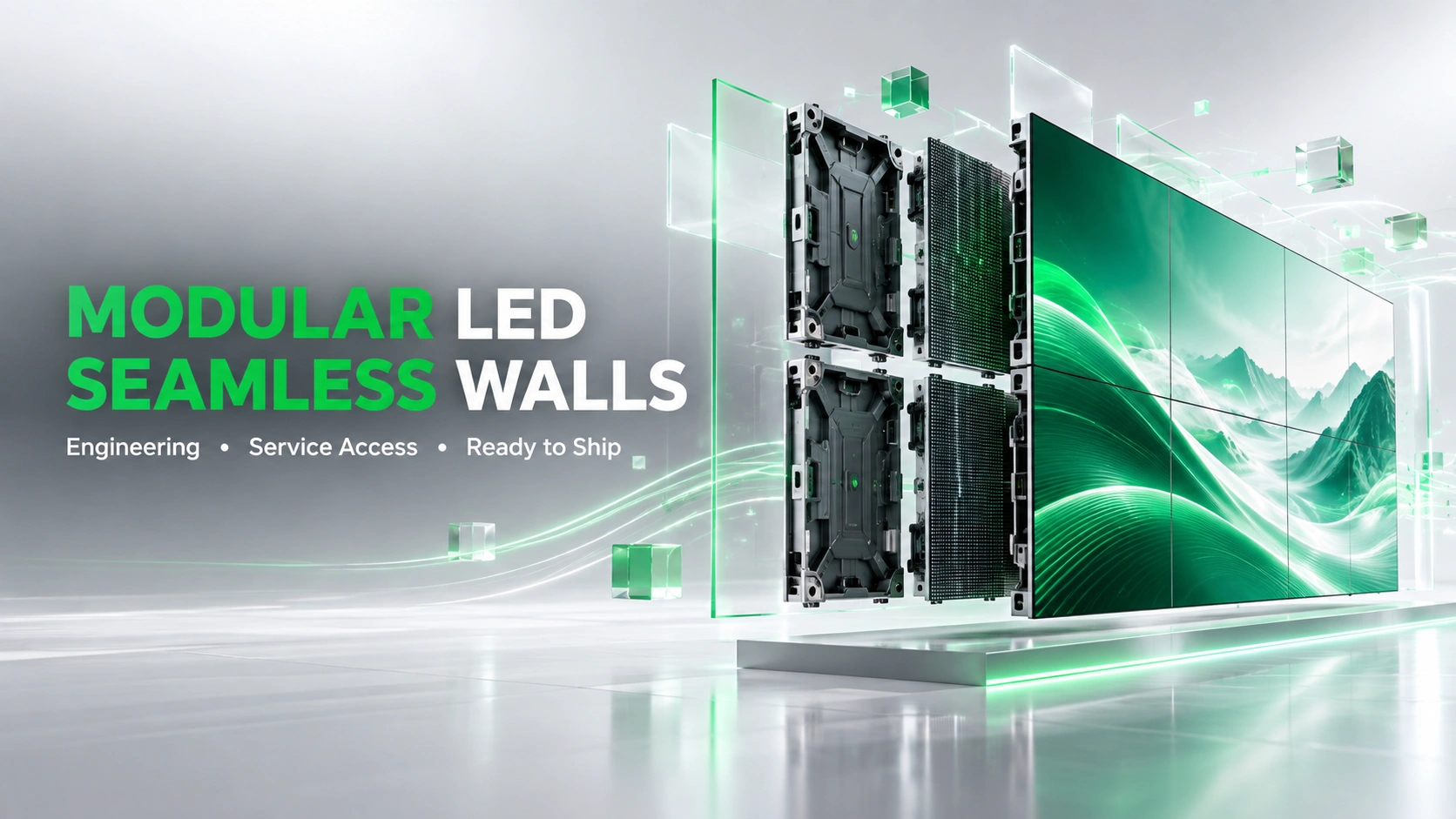
A modular wall is built in layers. LED modules or tiles form the visible surface. Cabinets hold those modules in precise geometry. A mounting structure keeps the cabinets aligned. Control hardware completes the system. Service access determines how components can be replaced after the wall is live.
This is the most useful way to understand what is seamless LED video wall engineering. Seamless means the physical joints are controlled accurately enough to create one coherent visual canvas. Cabinet precision mounting flatness module seating calibration and service architecture all contribute to that result.
For AV integrators architects facility teams and buyers comparing modular video wall systems the planning sequence matters. Start with wall geometry and service access. Then verify cabinet format mounting interface panel quantity controller spares and batch consistency. Only then does a ready to ship seamless LED wall become a project ready package.
What Is a Modular LED Screen System
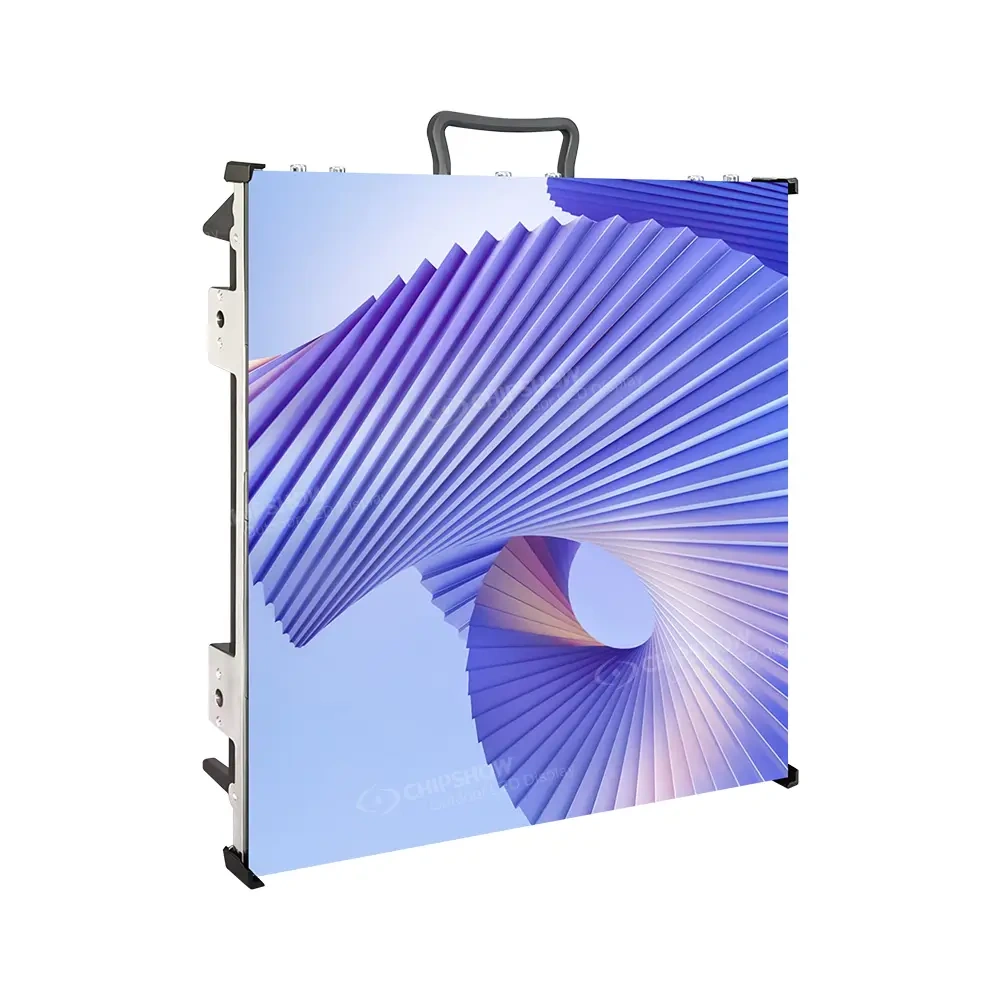
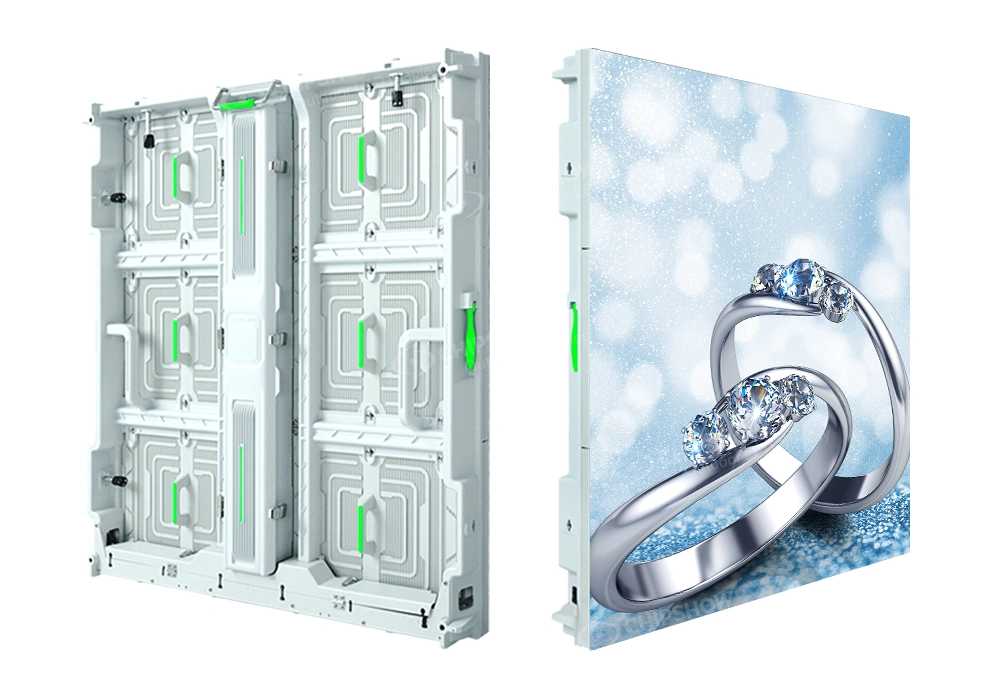
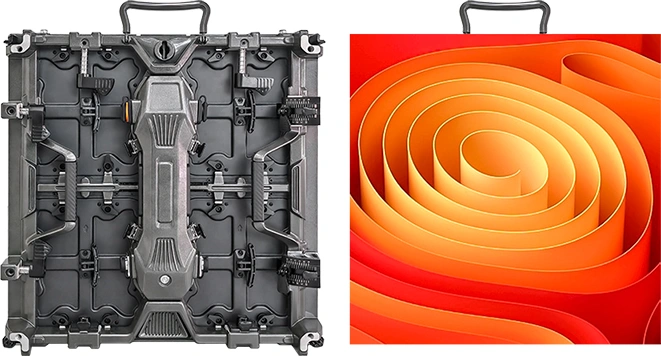
A modular LED screen system is a display built from repeatable physical units that combine into a larger wall. The smallest visible replaceable unit is often the LED module. Several modules fit into a cabinet. Multiple cabinets align to create the finished display. Mounting hardware supports the cabinets and provides the mechanical reference that keeps the wall straight and level.
This structure gives the integrator more control over final dimensions than a fixed size display. A wall can be scaled by adding or removing cabinets within the limits of the chosen product platform. It also makes long term service more practical because a failed component can often be replaced without removing the entire wall.
The word modular is therefore more than a marketing description. It changes how the project is designed. Cabinet dimensions influence the final wall size. Module dimensions affect service and spare planning. Mounting points determine how the wall interfaces with the building. Service direction determines whether the rear of the wall needs permanent working clearance.
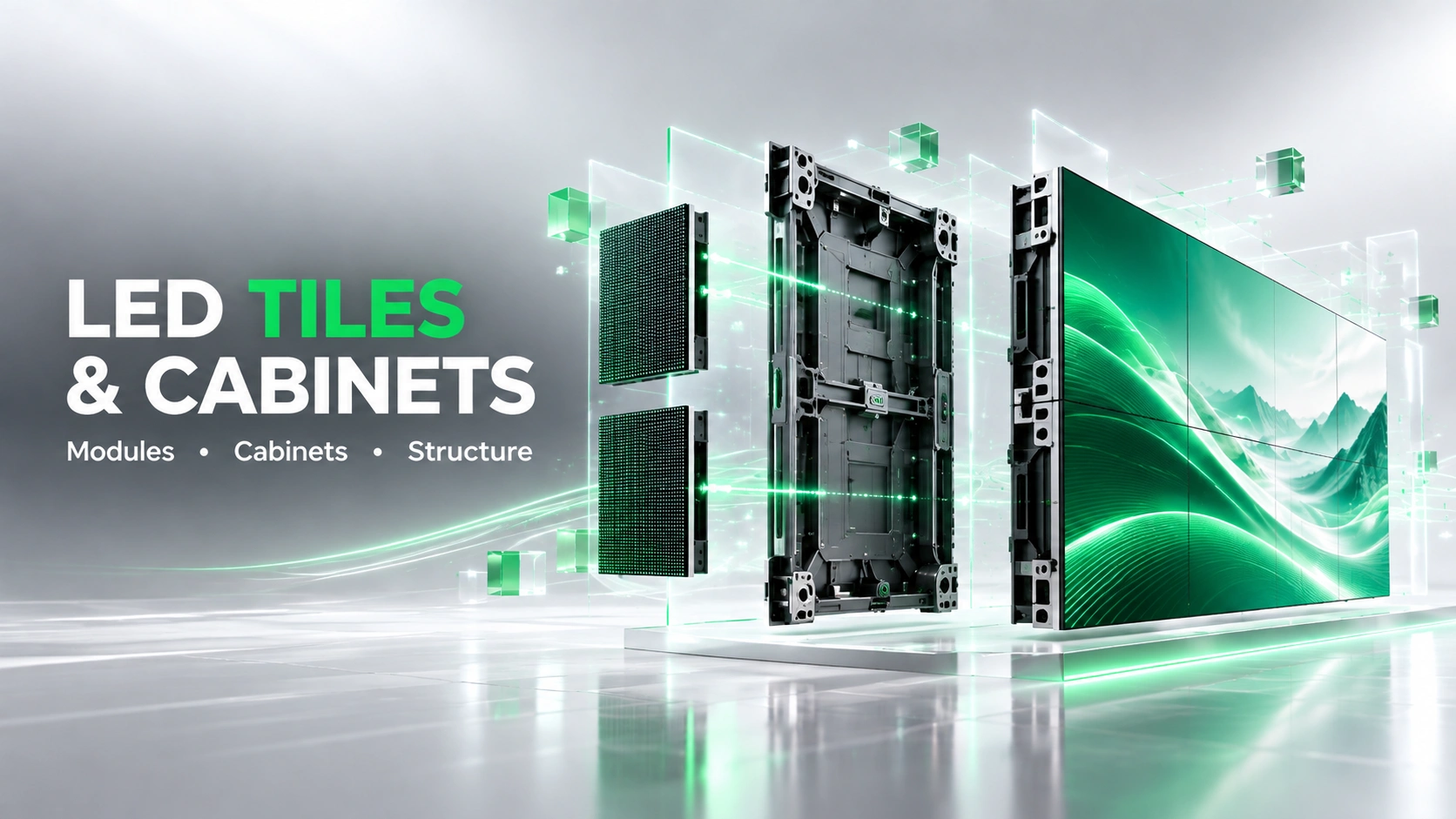
LED Module Tile Panel and Cabinet
The LED industry does not use every physical term in exactly the same way. LED tile may refer to a module in one context and a cabinet sized panel in another. LED panel can also describe either a complete cabinet or a larger assembled section. For procurement the label matters less than the actual construction.
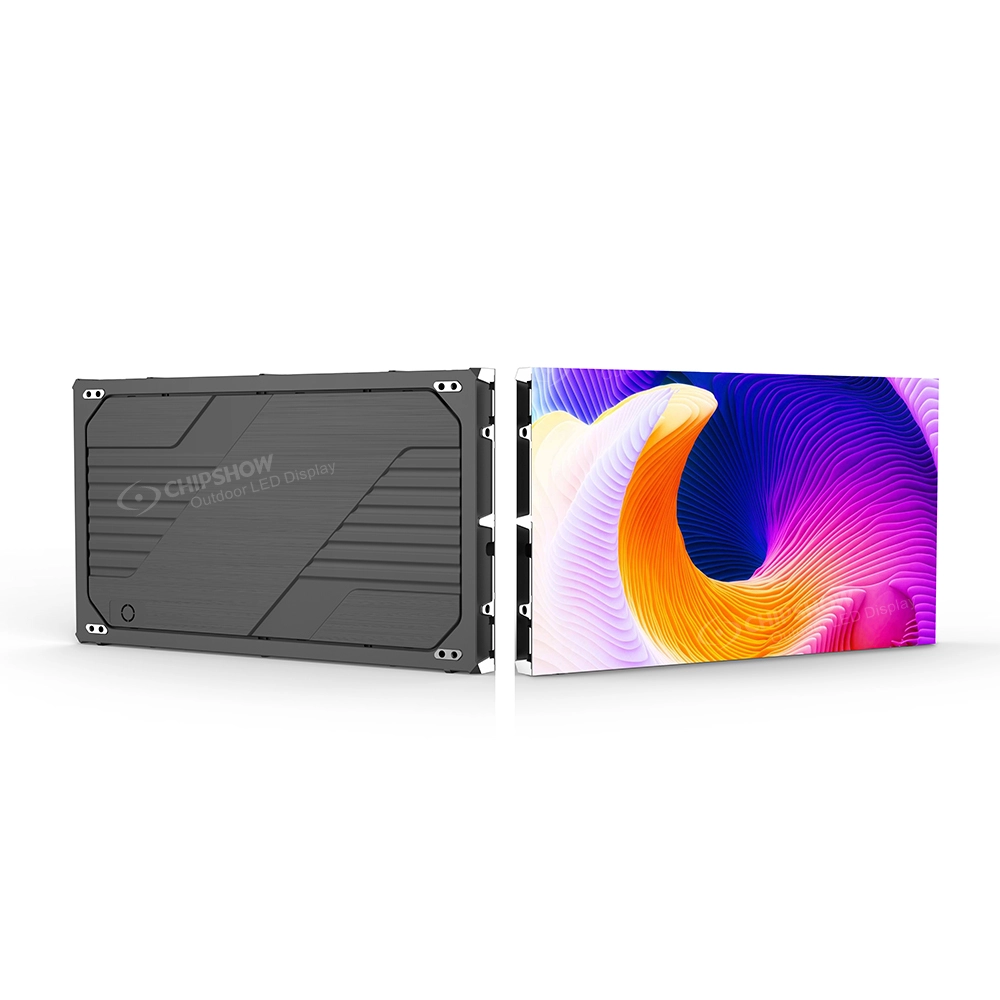
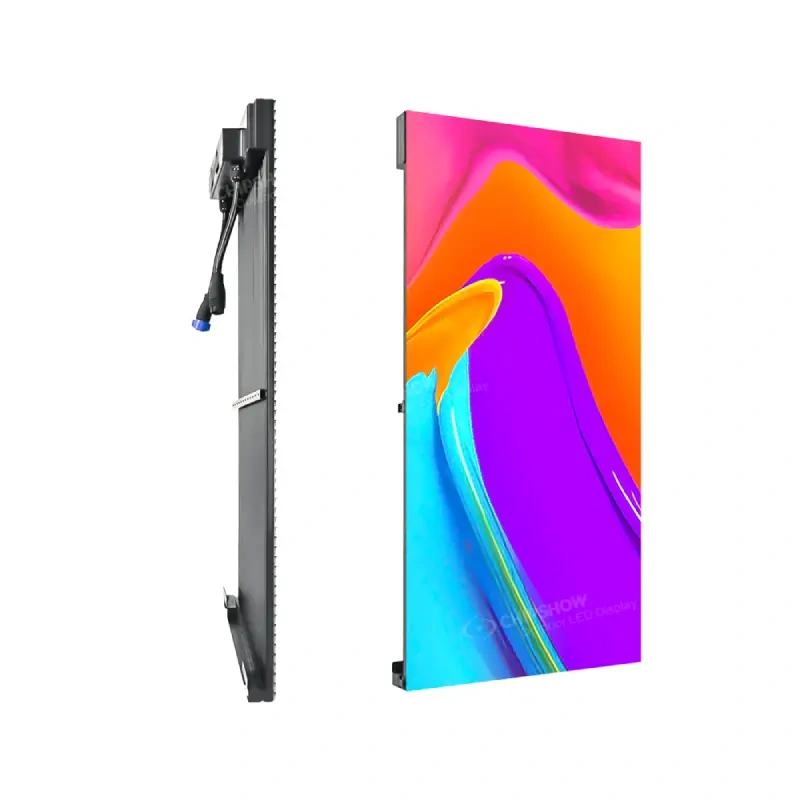
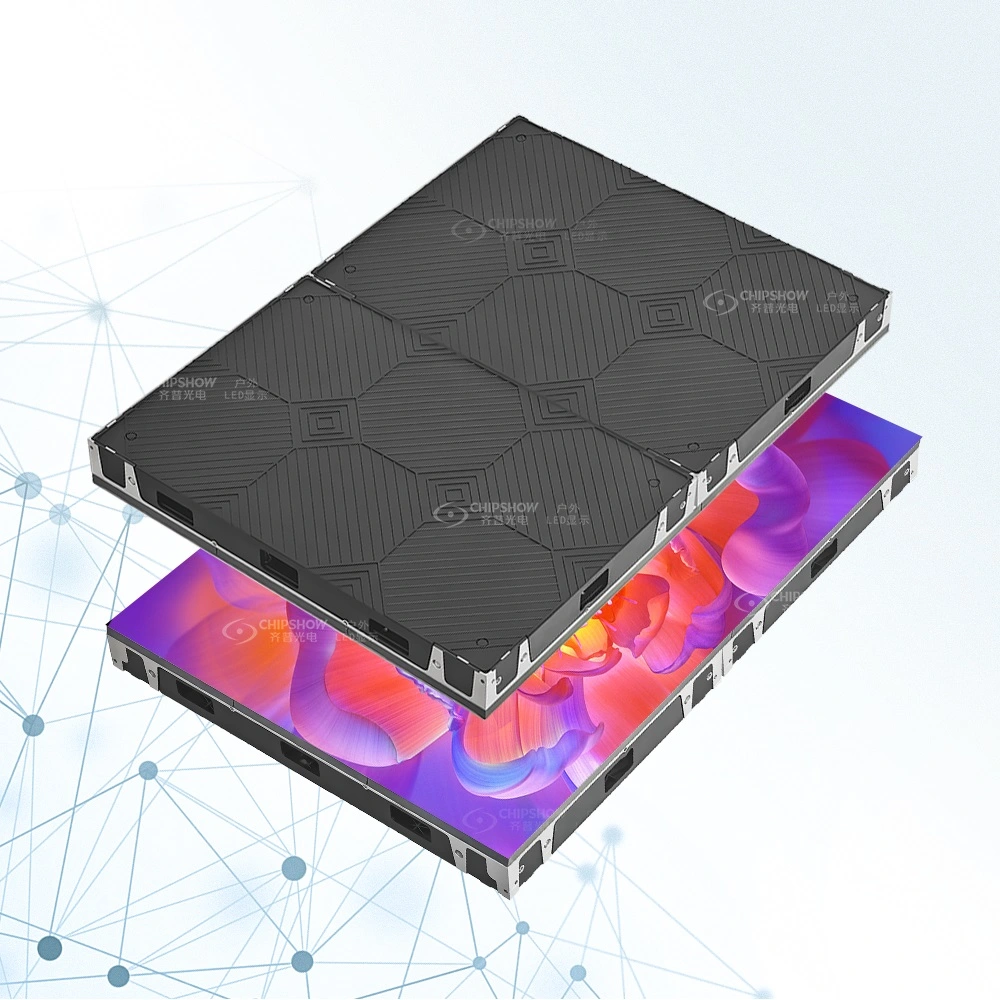
A useful hierarchy is simple. The LED module is the electronic display surface that contains the pixels. The cabinet is the structural enclosure or frame that carries one or more modules plus power and receiving hardware. The cabinet then connects to a wall mounting frame or another support system. A group of cabinets becomes the complete LED video wall.
When a buyer searches for led tile products or a led tiles video wall the first question should therefore be what physical unit is actually being quoted. Confirm the module size cabinet size service method and mounting interface. Two suppliers can use the same word tile while offering very different hardware architectures.
Why Modular Architecture Matters
Modularity helps the project team build around available wall dimensions and align repeatable mechanical units in a controlled sequence. It also makes maintenance more predictable because modules power supplies or receiving hardware can be replaced without treating the display as one monolithic asset.
The best modular architecture is not the one with the smallest component. It is the one that creates a predictable relationship between cabinet geometry mounting precision service access spare planning and replacement strategy.
What Makes an LED Video Wall Look Seamless
A direct view LED wall avoids the thick bezel grid associated with tiled LCD displays but visual continuity still depends on mechanical and optical discipline. A seamless appearance is produced by several tolerances working together rather than by one specification.
Cabinet manufacturing precision affects whether adjacent cabinets sit in the same plane. The mounting surface affects whether that precision can be preserved on site. Alignment hardware helps the installer correct small differences in position. Module seating affects the front surface. Calibration helps maintain consistent brightness and color across the assembled wall.
This is why a buyer should be cautious when seamless is treated as an absolute claim. A well engineered DVLED wall can create a highly continuous visual surface but the final result depends on both the display hardware and the installation conditions.
Seamless Is a Visual Outcome
The most useful engineering question is not whether a product is labeled seamless. It is whether the physical system can keep every cabinet aligned and every module seated consistently across the full wall.
Think of the display as one large plane. If one cabinet sits proud of the next or the mounting frame is uneven the edge can become visible. Modules also need consistent seating. Calibration then adds the optical layer by keeping brightness and color consistent across the wall. Physical alignment and calibration should therefore be planned as one finished outcome.
Mounting Accuracy Is Part of the Display
Fast delivery video wall mounting solutions are valuable only when they give the installer the adjustment range and interface needed for the actual wall. A mounting frame is not a generic accessory that can be selected after the LED cabinets arrive.
The integrator needs to know the cabinet dimensions mounting points allowable wall depth and service direction before the structure is finalized. The finished wall also needs to be checked for flatness. Where field conditions are imperfect the mounting system should provide a practical way to correct alignment rather than forcing the LED cabinet to compensate for a structural problem.
This is one of the main differences between buying individual LED panels and engineering a complete modular wall. The screen surface is only as accurate as the structure supporting it.
Front Access Versus Rear Access LED Panels
When buyers compare front access vs rear access LED panels the service direction should be chosen before construction begins. Front access and rear access can both work well when the site is designed around them. Problems occur when the service path is treated as an afterthought.
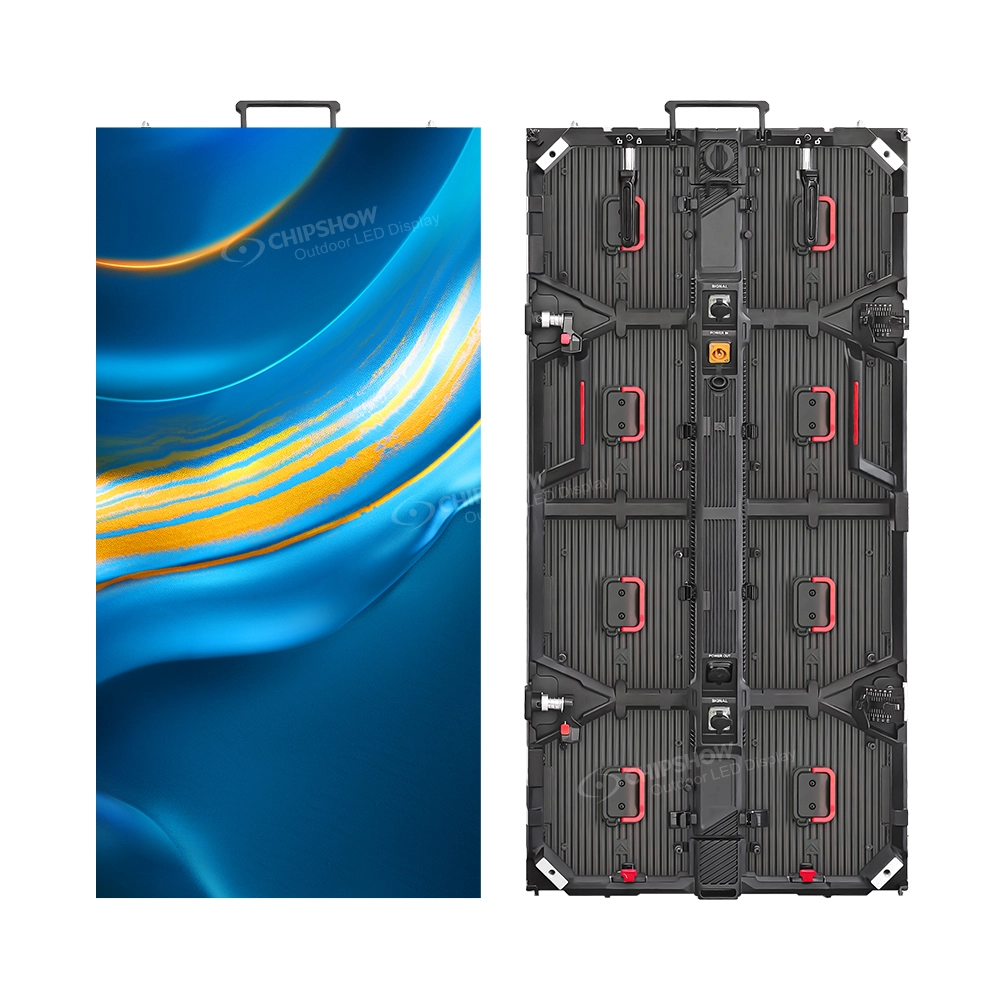
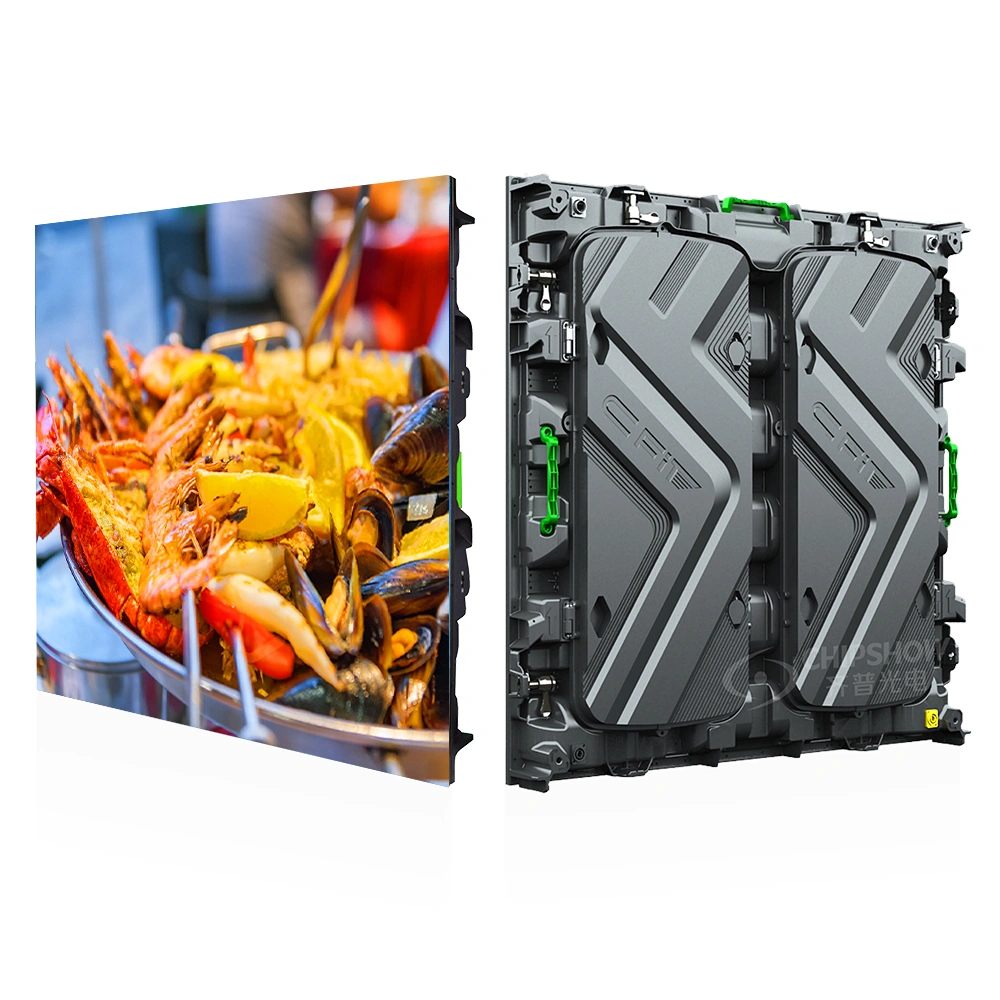
Front access allows technicians to remove modules or other serviceable components from the display side. Rear access requires the back of the cabinet to remain reachable. That difference can change wall depth structural design maintenance workflow and the amount of permanent space the project must reserve behind the screen.
| Engineering Factor | Front Access | Rear Access |
|---|---|---|
| Maintenance direction | From the display face | From behind the cabinet |
| Rear service corridor | Usually not required for routine front service | Usually required |
| Wall depth planning | Better suited to low profile wall layouts | Must include rear working clearance |
| Typical fixed wall fit | Boardrooms control rooms lobbies retail walls | Freestanding structures and walls with rear access |
| Main planning focus | Module removal path and front tool clearance | Rear walkway structure and technician access |
| Retrofit value | Useful when rear space is limited | Useful when an existing rear corridor is already available |
When Front Service Fits the Site
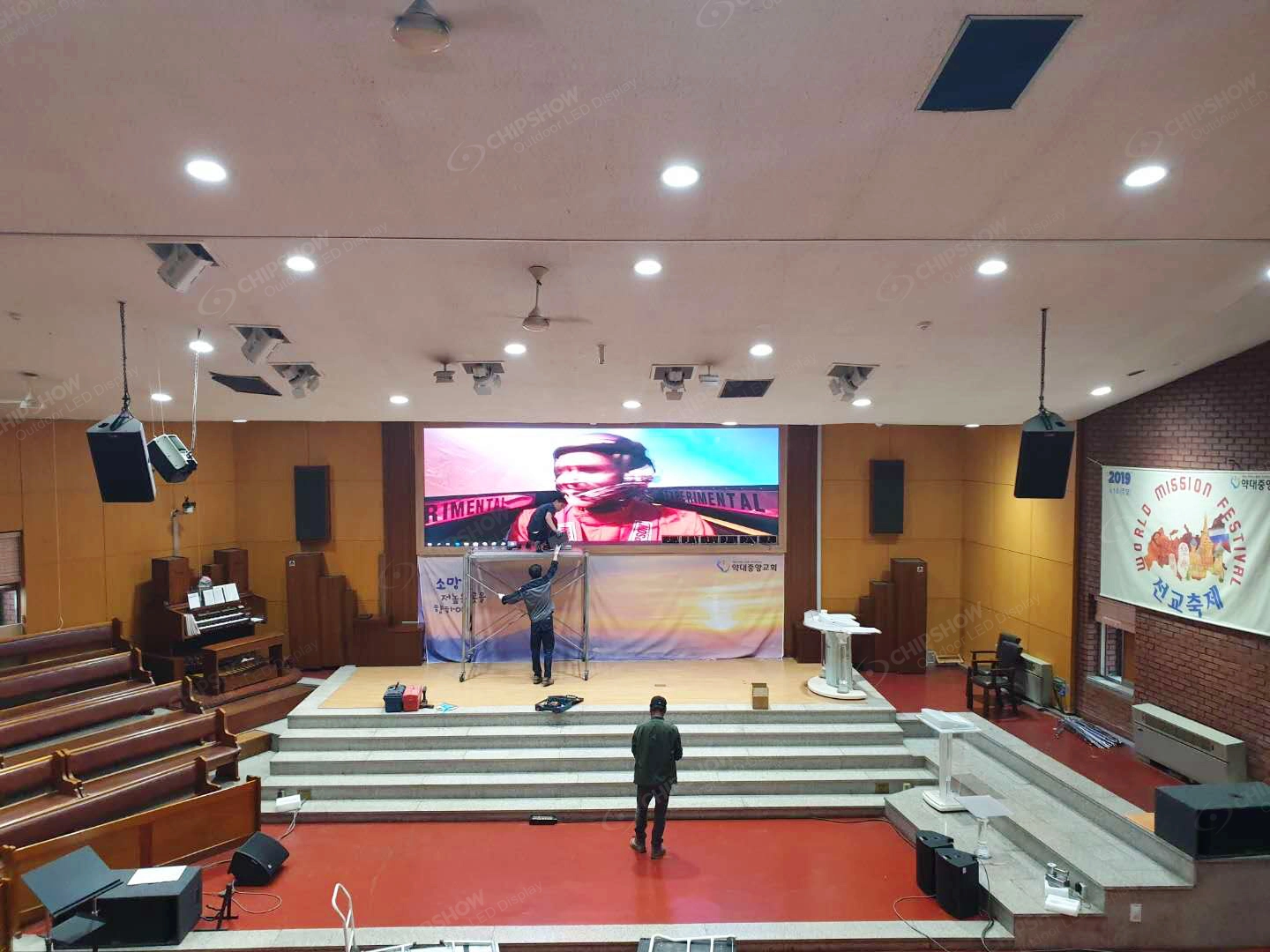
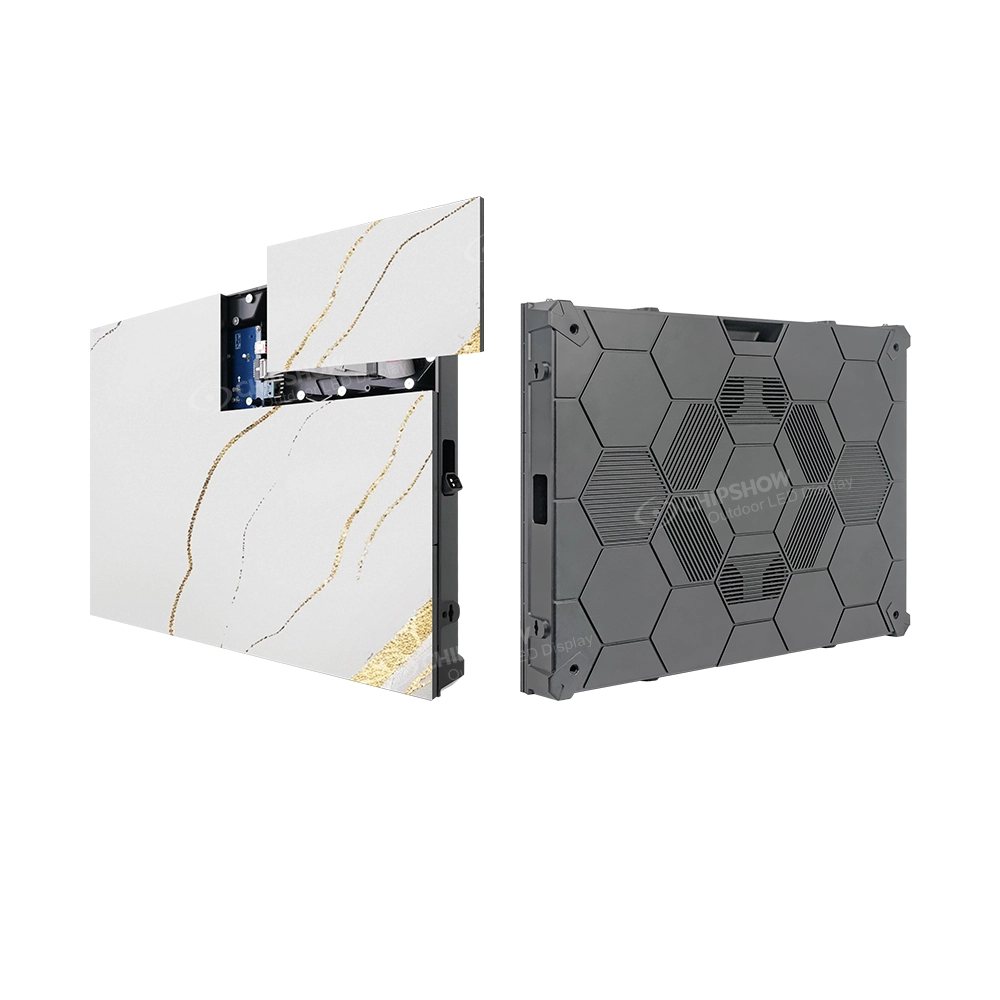
Front service is especially useful where the display must sit close to an architectural wall. Boardrooms control rooms lobbies retail feature walls and retrofit environments may not have space for a permanent rear corridor. A front service cabinet keeps routine component access on the display side although the integrator still needs a safe removal path and safe access to the screen height.
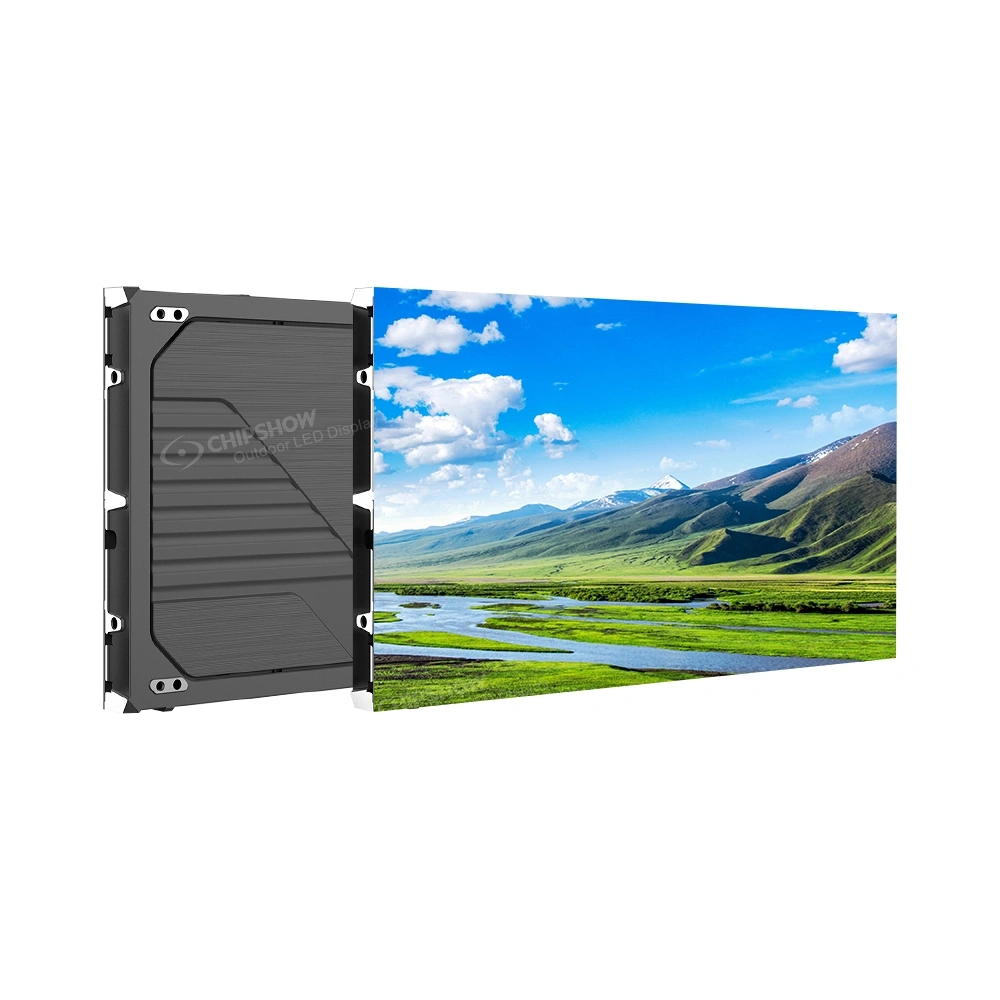
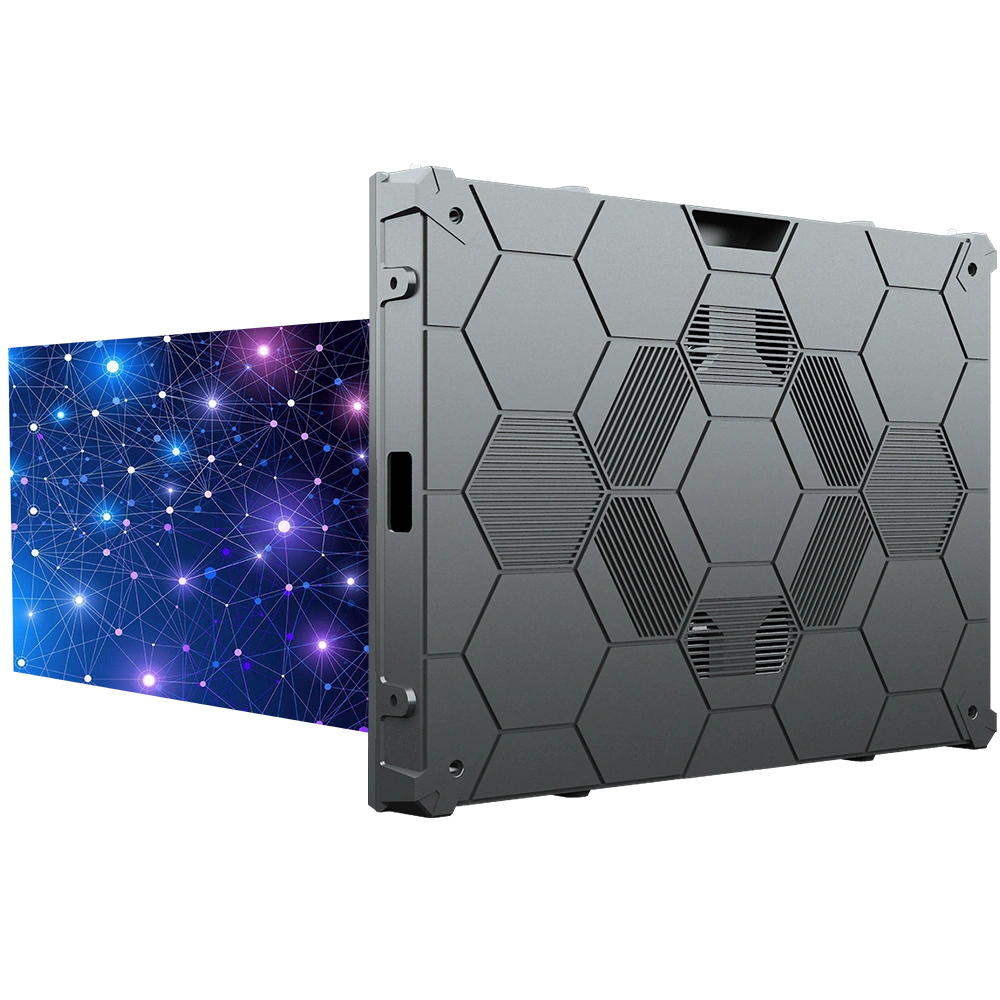
Our C-Max Commercial SMD platform uses a 640 by 480 millimeter native 4 by 3 cabinet with full front access to modules power supplies and receiving cards. Our C-Max Fine Pitch COB platform uses the same cabinet format with magnetic front service. These product formats show how front service can support low profile fixed indoor walls when the mounting and access requirements are properly planned.
When Rear Access Still Makes Sense
Rear service can be practical when the project already includes a dedicated maintenance corridor or when the LED wall is part of a freestanding structure. Some special structures also give technicians easier access from behind than from the audience side.
The correct choice therefore depends on the building and the operating plan rather than a universal rule. If rear space already exists it may be efficient to use it. If the wall must sit flush in a premium interior front service may simplify the architecture.
The important step is to define service direction before the structural package is finalized. Changing that decision after fabrication can affect mounting depth cable paths and local labor requirements.
Mounting Design for Modular Video Wall Systems
Mounting turns separate cabinets into one architectural object. The mounting system must establish a stable plane support the display load provide alignment control and preserve the chosen service path. For retrofit projects it also needs to work with existing wall conditions without creating unnecessary demolition.
Direct wall mounting can be effective when the wall is suitable. A secondary frame may be required when the building surface cannot provide the necessary flatness or the structural design needs another load path. Retrofit sites still require verification of cabinet geometry power distribution and mounting points.
What the Integrator Should Confirm
Before mounting hardware is released the project team should confirm the finished wall dimensions and the exact cabinet dimensions. It should also confirm mounting points wall flatness allowable total depth service direction cable routing power and data interfaces and the structural responsibility between the LED hardware supplier and the local project team.
Our role at Chipshow is to support the integrator with suitable LED hardware and project-relevant technical information rather than take over local installation. Cabinet geometry mounting interface information and available CAD drawings help the project team plan a predictable interface without relying on a generic promise of easy installation.
For fast delivery video wall mounting solutions the same principle applies. Speed comes from standardization and preparation. A mounting related package can only move quickly when the team already knows what it is mounting where it is mounting it and how the display will be serviced.
Ready to Ship Modular Video Wall Kits
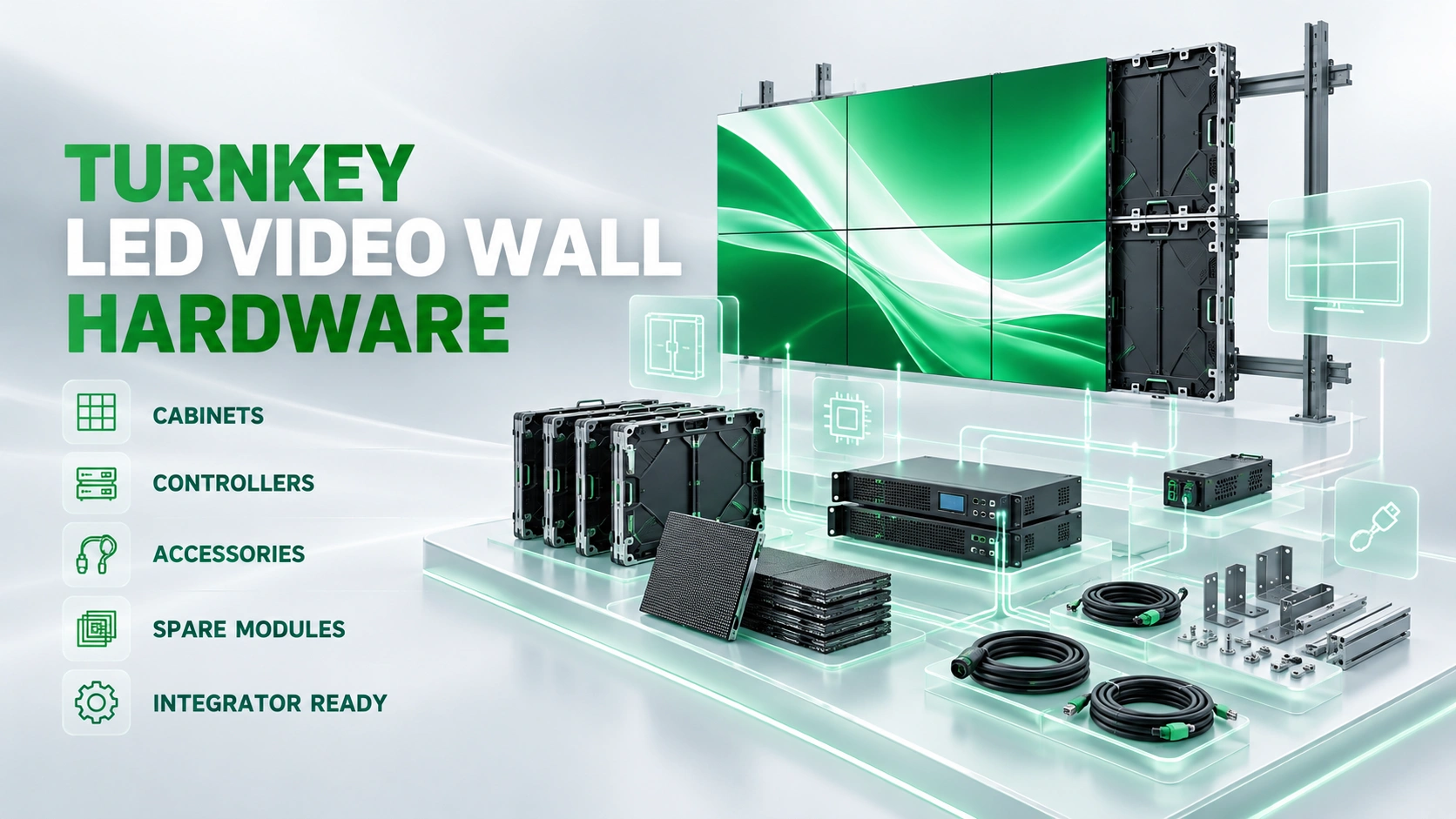
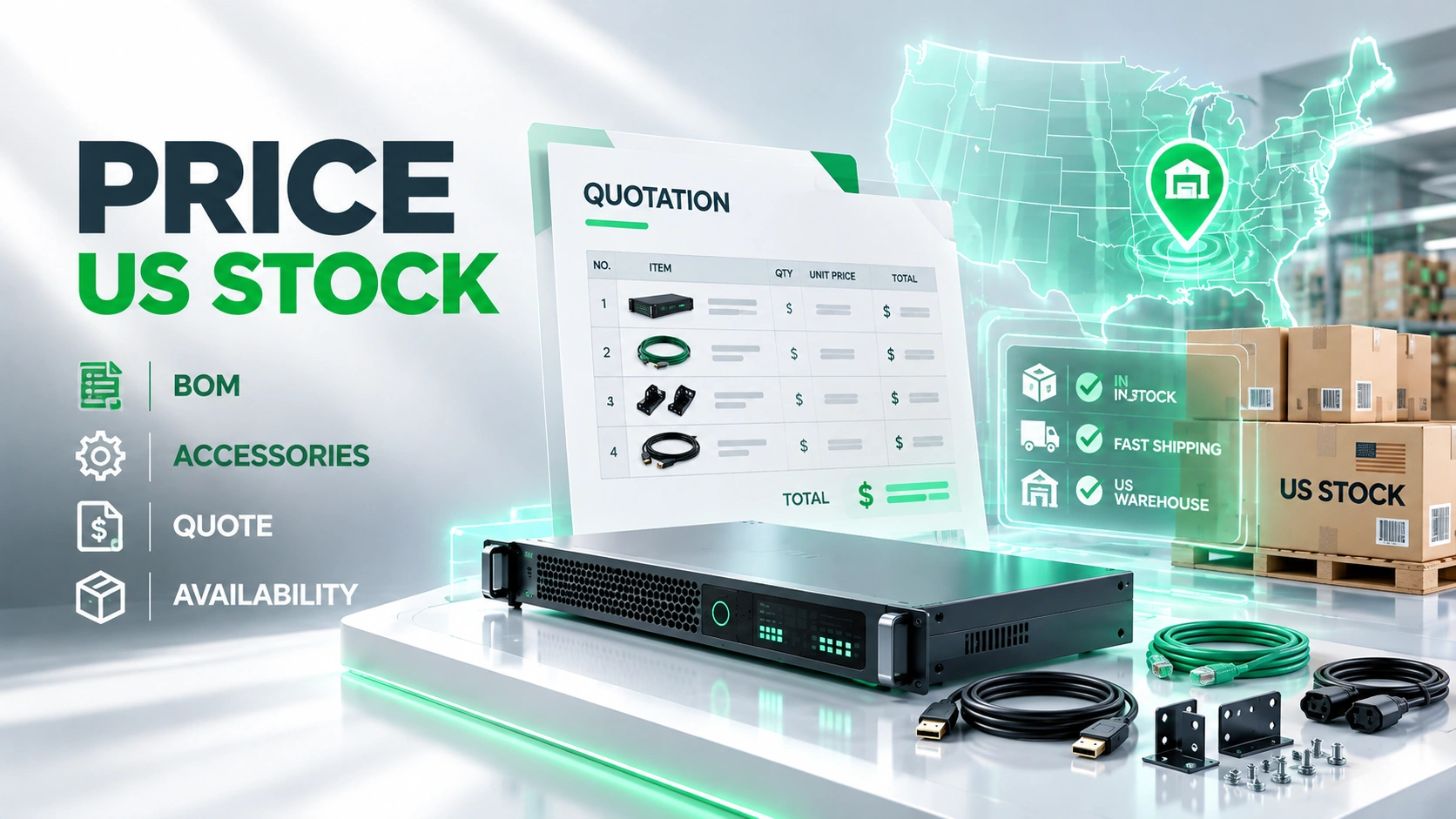
A ready to ship LED wall should be evaluated as a bill of materials rather than a warehouse badge. Panels are only one part of the system. A project ready package may also need receiving hardware a controller power and signal cables spare modules technical drawings and mounting related interface components.
The phrase fast delivery modular video wall kits can create the impression that every wall is a fixed SKU. In commercial AV the cabinet count still needs to match the site and the controller spares and documentation need to match the selected configuration.
What Ready to Ship Should Mean
The useful definition of ready to ship is that the required hardware has been verified for the selected project configuration. The model pixel pitch cabinet quantity and current batch should be confirmed. The controller and receiving hardware should be sized correctly. Spares should be identified. The package should include the technical information needed by the local integrator.
Our California warehouse hub provides a local inventory buffer for selected configurations. We confirm availability against the required model pixel pitch quantity and production batch before a specific ready-to-ship arrangement is agreed. Availability for one configuration does not imply stock for every modular wall design.
Fast Delivery Still Depends on Geometry
Standard cabinet platforms can help reduce procurement delays but custom dimensions special mounting conditions controller configuration documentation freight and spare planning can still affect release. We coordinate hardware information and available inventory against the verified wall layout while the local integrator retains responsibility for site preparation and installation.
How Price Changes in a Modular LED Wall Project
Price is influenced by more than the number of LED tiles. Wall size and pixel pitch matter but so do cabinet type service architecture mounting complexity controller requirements spare hardware documentation and freight.
This is why comparing only the unit price of an LED tile can be misleading. Two modular LED screen systems may look similar in size while requiring very different mounting structures or service clearances. A lower panel price can lose its advantage if the project needs additional steel a deeper wall or more complex maintenance access.
For a detailed breakdown of broader LED display pricing buyers can consult our separate price resources. Here the practical engineering comparison is the complete hardware configuration and service architecture rather than the unit price of a single LED tile.
When you request a hardware quotation from us share your wall dimensions typical viewing distance mounting conditions preferred service direction and target schedule. That information helps our team define a project-specific hardware scope for your integrator.
Comparing Manufacturers Suppliers and Factory Options
The modular wall market includes manufacturers distributors integrators and resellers. Those roles can overlap but they are not identical. A Supplier may be able to quote panels quickly while a Factory may have deeper control over cabinet production batch allocation and replacement parts. The right choice depends on what evidence and project support each company can provide.
For a modular wall the most useful supplier questions are physical. Ask for cabinet drawings and mounting interfaces. Ask what can be serviced from the front. Ask how replacement modules are matched. Ask whether spare components can be allocated with the main batch. Ask what technical documentation is available before the hardware reaches the site.
Manufacturers should also be able to explain how cabinet precision is controlled and how the selected product platform supports the intended installation method. Factory direct access can be valuable when a project needs a consistent batch or when the integrator wants clear engineering information from the source. It should not be treated as a reason to ignore local project responsibilities.
At Chipshow we combine our manufacturing background with a California warehouse hub for selected North American inventory. We focus on LED hardware product documentation and project-relevant interface information so integrators can plan their work. Local site surveys structural and electrical work permit applications and installation labor remain the responsibility of the local project team.
Modular LED Video Walls for Sale
A search for modular LED video wall for sale often begins with size price and pixel pitch. Those are useful starting points but they do not tell you whether the wall is ready for the building.
Before ordering confirm the cabinet format and the service method. Verify the mounting interface and the exact panel count. Ask whether the spare modules are from the same compatible batch. Confirm the controller and receiving hardware. Check which documents will be available to the integrator and whether current inventory has been verified for the quoted configuration.
This approach makes a for sale search more useful because it turns product browsing into project qualification. A screen is only a good purchase when the physical system fits the wall and the maintenance plan.
For buyers under schedule pressure the same logic helps prevent false speed. A package that ships quickly but arrives without the correct interface information can still delay the job site. A package that has been checked against the wall geometry gives both the warehouse and the integrator a cleaner path to installation.
Where Front Service Modular Walls Fit Best
Front service is valuable in fixed commercial environments where floor area and wall depth have real design value. The same service logic appears across several indoor applications.
Boardrooms and Conference Rooms
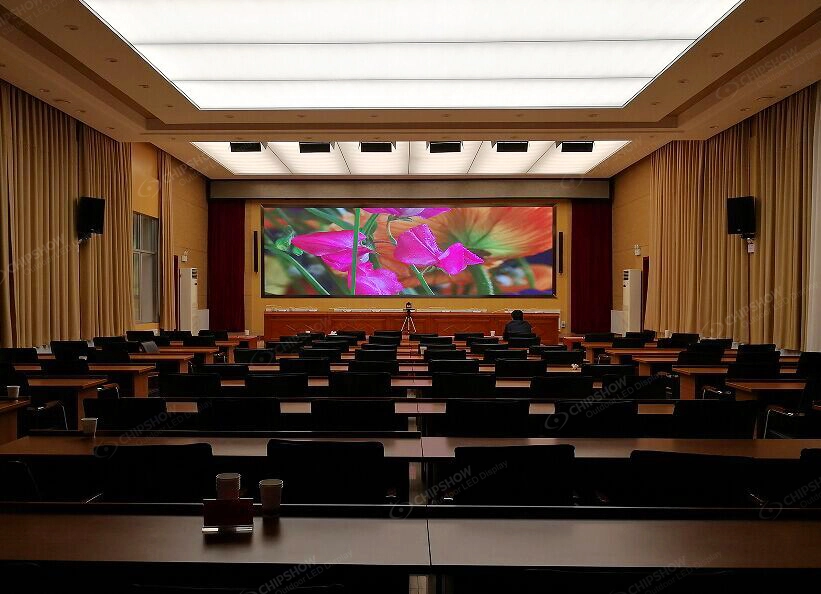
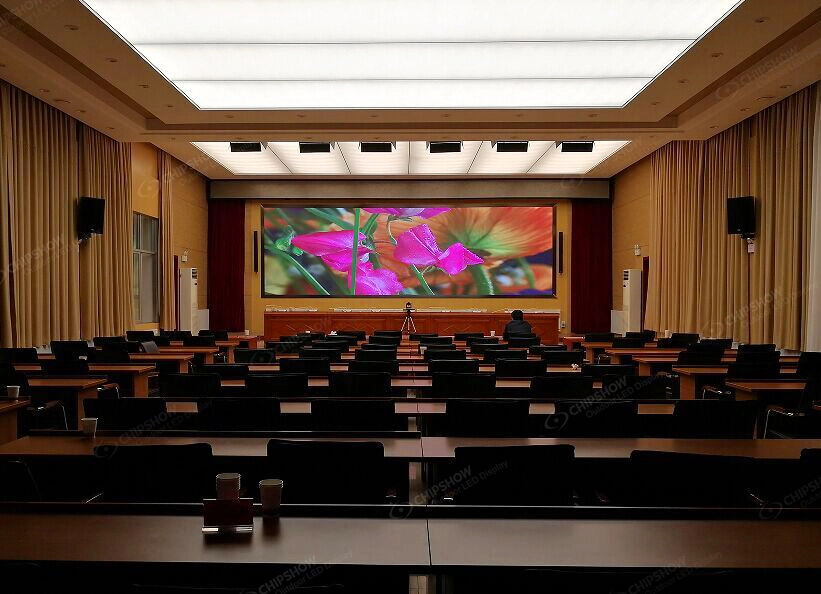
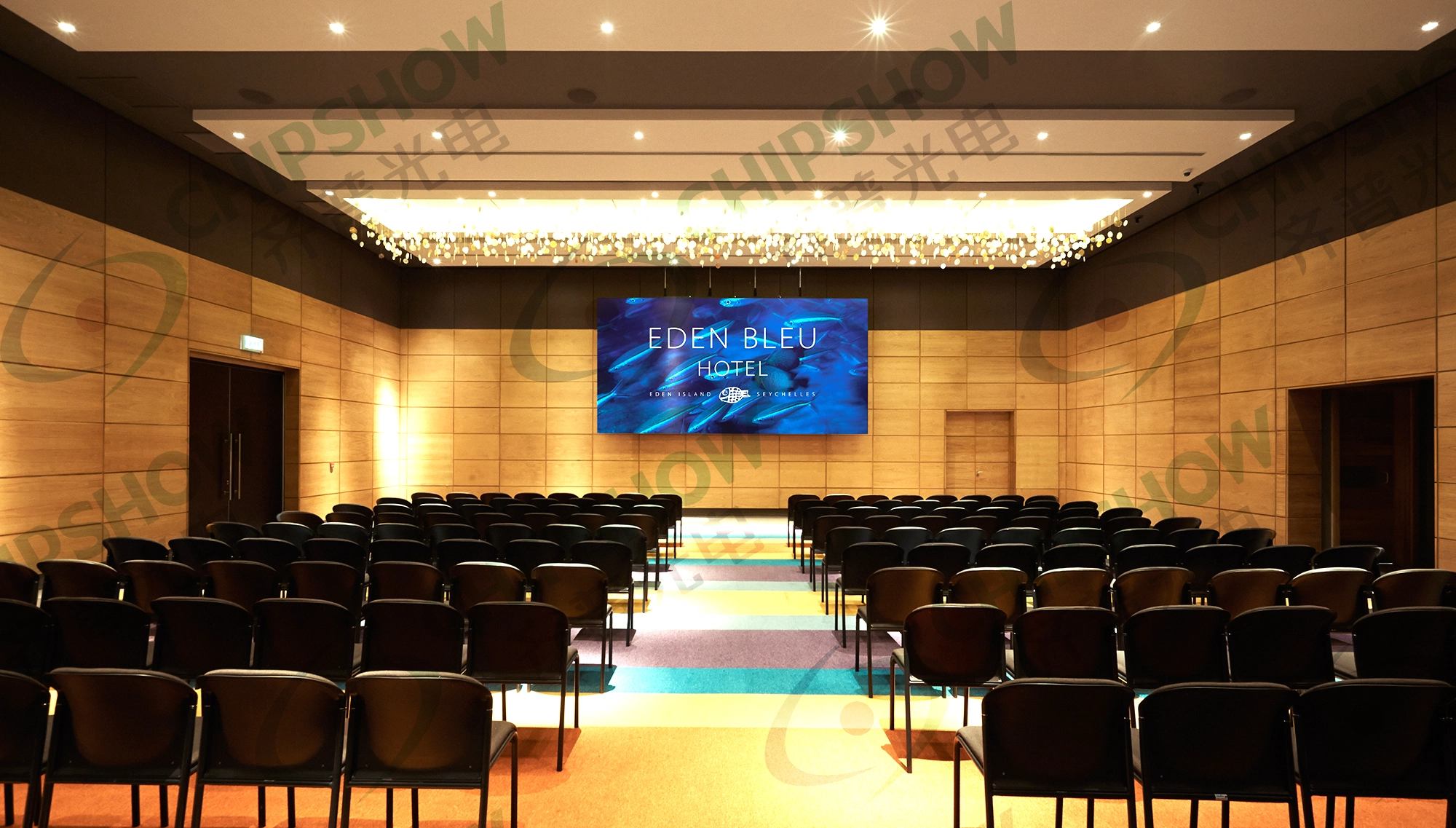
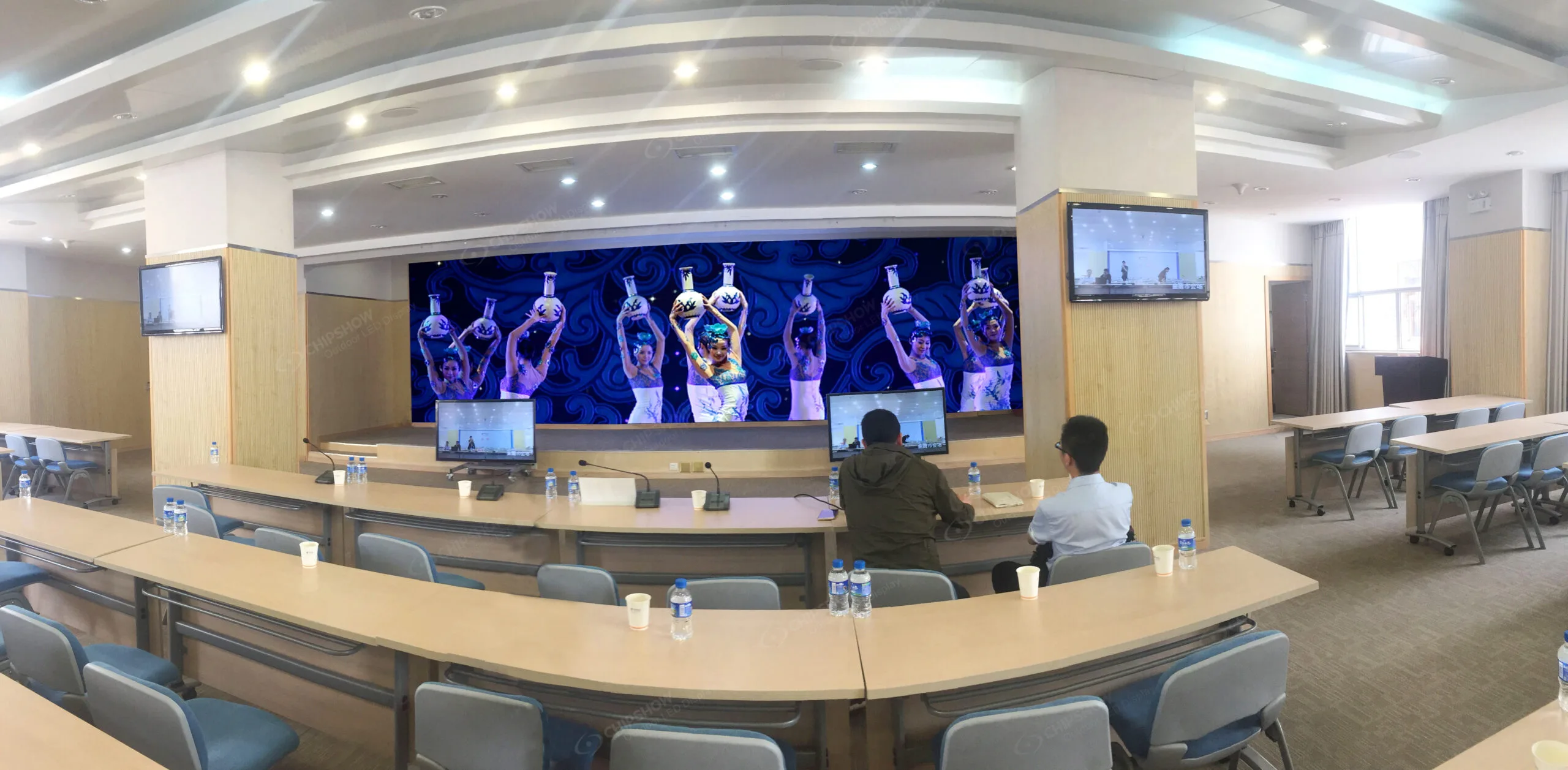
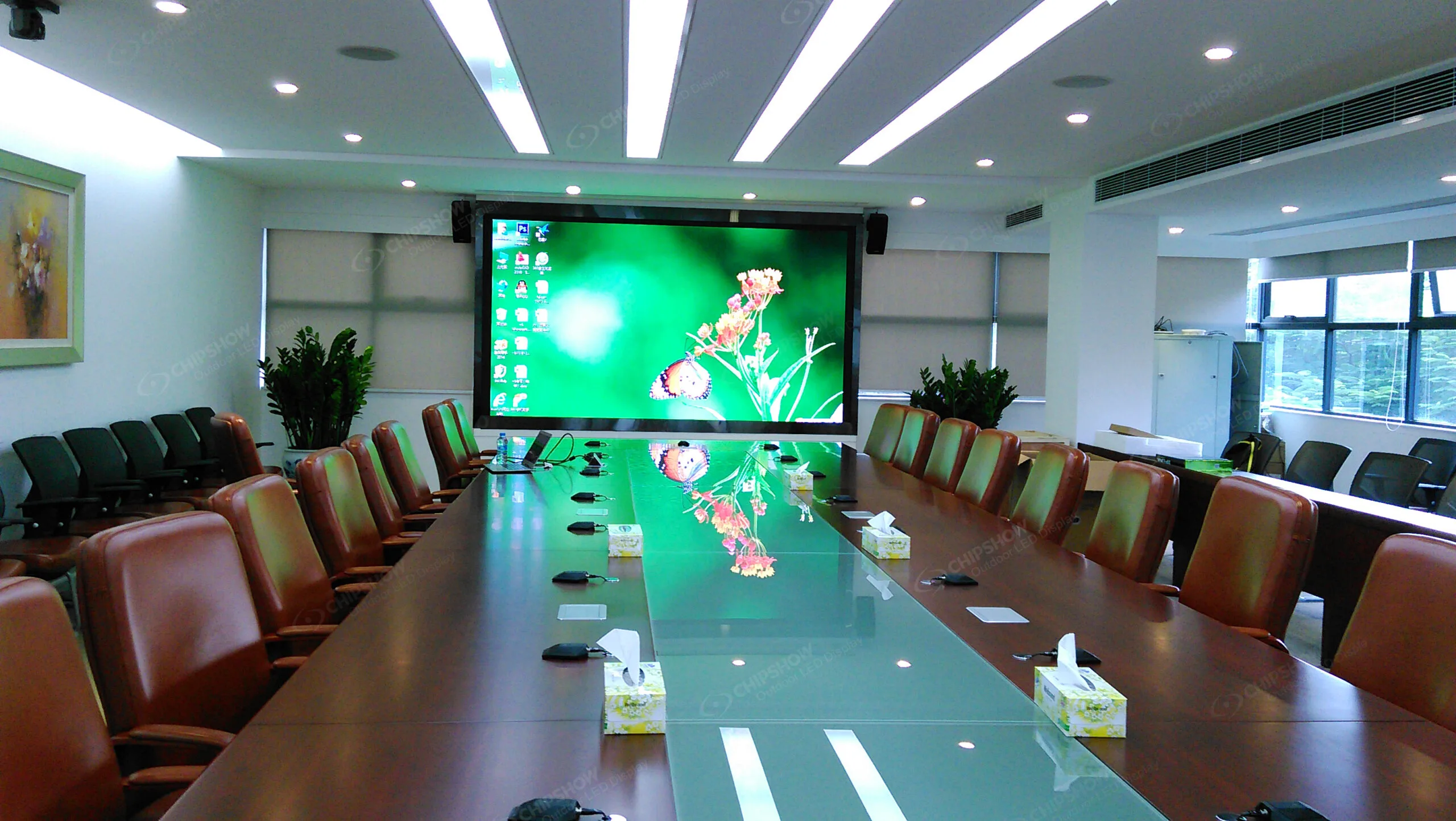
Boardrooms usually prioritize a clean architectural finish and predictable maintenance. A front service cabinet can sit close to the wall while keeping serviceable parts accessible from the room side. The key physical requirement is that the cabinet and mounting structure preserve flatness and front access across the complete wall.
Control Rooms and Operations Centers
Control rooms place more emphasis on service planning because the display may support continuous workflows. Front access can simplify module replacement when no rear corridor exists and spare planning helps the team keep known compatible components available. C Max COB and C Pad C use magnetic front service architectures for fine pitch indoor environments.
Lobbies Retail and Architectural Walls
Lobbies and retail feature walls often have finished surfaces directly behind the display. Front service can preserve the interior design while keeping routine component access on the display side. These projects also show why mounting accuracy matters because premium content cannot hide a cabinet line created by a poorly prepared mounting plane.
LCD Video Wall Retrofit Projects
A modular LED wall can replace a tiled LCD wall and remove the visible bezel grid but retrofit work should not be reduced to matching a screen size. The integrator still needs to confirm structure depth power data service direction and cabinet geometry. C Max uses a native 4 by 3 cabinet geometry that can support common 16 by 9 wall layouts.
Chipshow Modular LED Wall Engineering
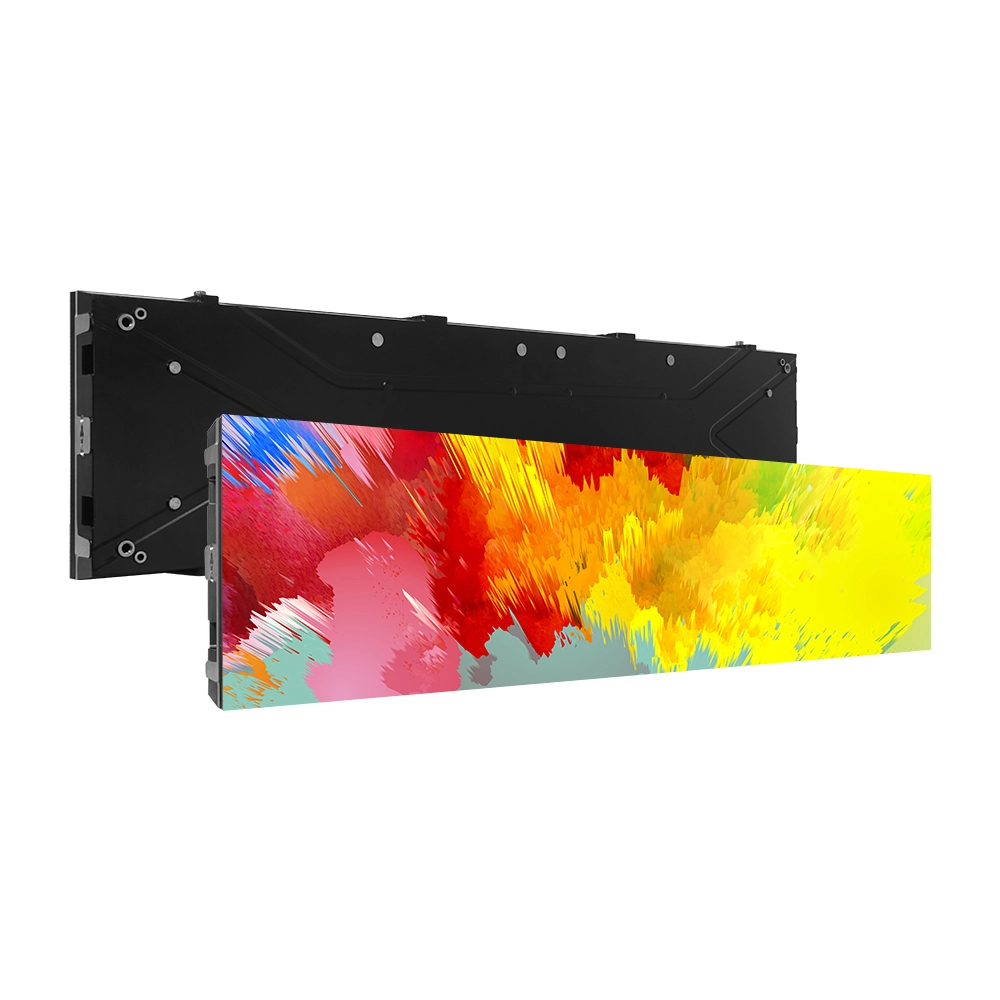
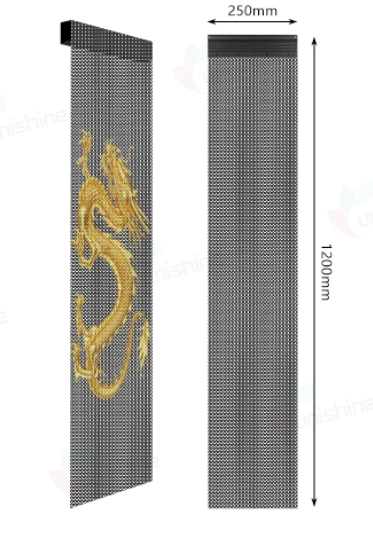
Our indoor LED platforms apply modular engineering principles to different physical formats. C-Max Commercial SMD uses a 640 by 480 millimeter cabinet with front access to modules power supplies and receiving cards. C-Max Fine Pitch COB uses the same cabinet format with magnetic front service. C-Max Wall supports architectural indoor applications while C-Max C introduces ribbon-style formats for retail and other specialized layouts. Across these options we encourage project teams to assess cabinet geometry service access and mounting conditions together.
Project Handoff Check
Before release confirm the project inputs that directly affect modular geometry service access and ready to ship allocation.
- Final wall dimensions
- Final cabinet quantity
- Front service or rear service direction
- Mounting interface
- Matching spare modules
- Current inventory and production batch confirmation
We supply ready-to-install LED hardware packages with scope confirmed for each project. Local structural work electrical work permits and installation labor remain with the integrator contractor or other responsible project parties.
Frequently Asked Questions
What Is the Difference Between an LED Tile and an LED Cabinet
An LED tile can refer to a module or a cabinet depending on the supplier. For procurement ask for the exact dimensions construction and service method. The cabinet is normally the structural unit that carries LED modules plus power and receiving hardware.
Can a Seamless LED Wall Still Have Physical Joints
Yes. Cabinets and modules are separate physical parts. Seamless describes the visual result when those parts are aligned and calibrated accurately enough to create one continuous image. Mounting flatness and cabinet precision are central to that result.
Does Front Service Always Reduce Installation Cost
Not automatically. Front service can reduce the need for permanent rear clearance but total project cost still depends on the wall structure mounting method labor conditions and site access. It should be evaluated as part of the complete architecture.
Can a Ready to Ship LED Wall Be Customized
Standard cabinet platforms can be combined into many wall sizes but the final configuration still needs a verified cabinet count controller plan spare strategy and mounting interface. More unusual dimensions or structural conditions can require additional project coordination.
What Should I Ask a Supplier Before Ordering
Ask for cabinet drawings service direction mounting information the proposed bill of materials spare part planning and current inventory confirmation. Also confirm who is responsible for local structure electrical work permits and installation labor.
How Do I Compare Manufacturers Without Comparing Only Price
Compare the evidence behind the hardware. Look at cabinet precision service architecture product documentation compatible spares batch planning and the ability to provide project specific interface information. Price matters but a complete and maintainable wall is the better comparison unit.
Plan the Wall Before You Reserve the Hardware
The most effective modular LED wall projects begin with clear physical requirements. Define the finished wall dimensions service path and mounting interface before finalizing the hardware configuration. Then confirm the cabinet quantity controller spare modules technical documentation and available inventory.
At Chipshow we use those project details to clarify what can be included in a ready-to-install hardware package. For anyone comparing Seamless Video Wall Ready to Ship packages the relevant question is not simply whether panels are in a warehouse. It is whether the specified hardware and supporting information match the proposed wall and its long-term service requirements.
Share your finished wall dimensions and preferred service access with our Chipshow team. We can review the proposed cabinet configuration and mounting interface then check the availability of the selected hardware through our California warehouse hub. We can also prepare a project-specific hardware bill of materials for your AV integrator. With the hardware scope established early your team can plan the local installation around clear dimensions service access and documentation.