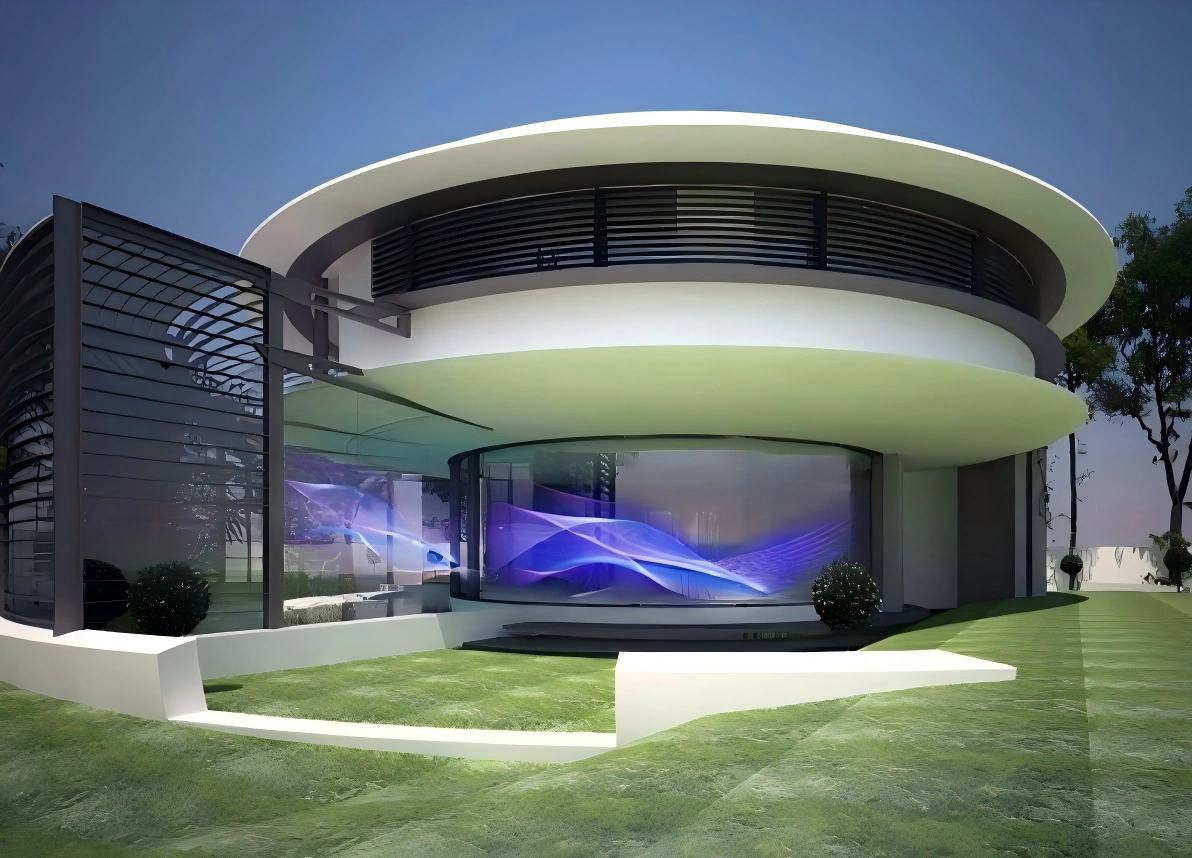
See Impact Without Blocking the View
A transparent led display lets you run bright, full-motion content on a storefront window or glass facade while shoppers, tenants, and passersby can still see straight through it. This guide covers how led transparent screen technology actually works, where it fits — storefronts, glass facades, shop windows, trade show booths — and what separates a genuinely transparent LED system from the LCD alternatives marketed under the same name.
If you’ve been comparing transparent led screen options for a retail window, a mall entrance, or a building facade, you’ve probably noticed the category is more crowded — and more confusing — than it looks at first glance. Some products marketed as “transparent LED” are really transparent LCD panels wearing the same label. Others are genuinely LED-based but built for a completely different use case than the one you have in mind. This guide walks through what led transparent display technology actually is, how to read the transparency and brightness numbers that matter, and how to match the right product type to your specific application.
What Is a Transparent LED Display
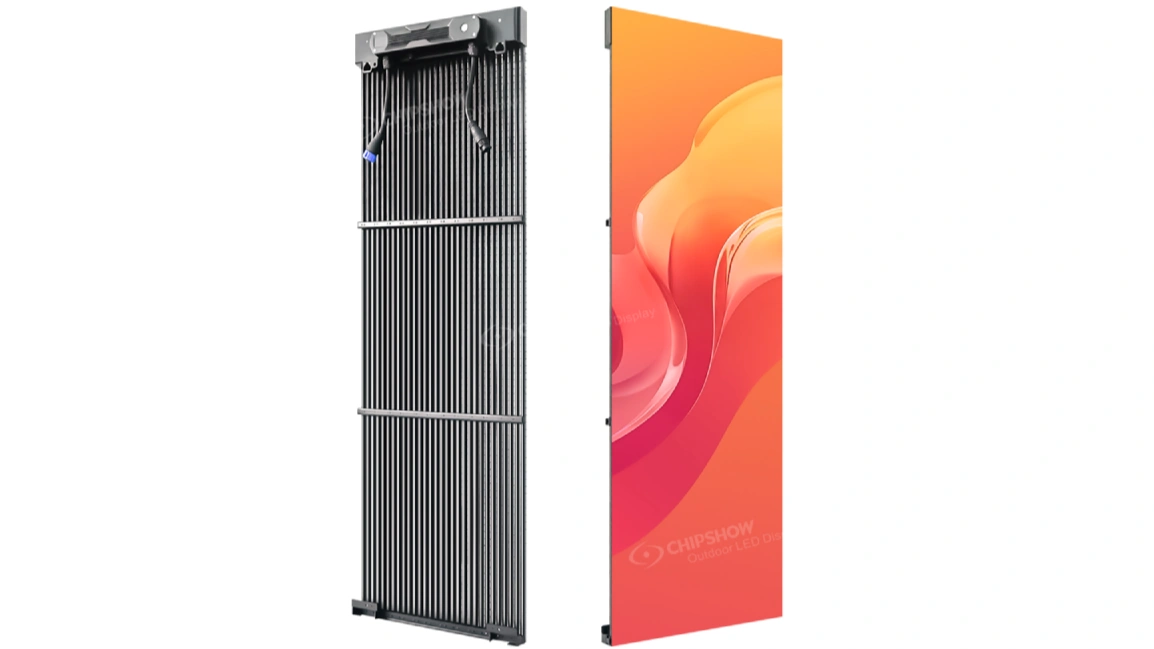
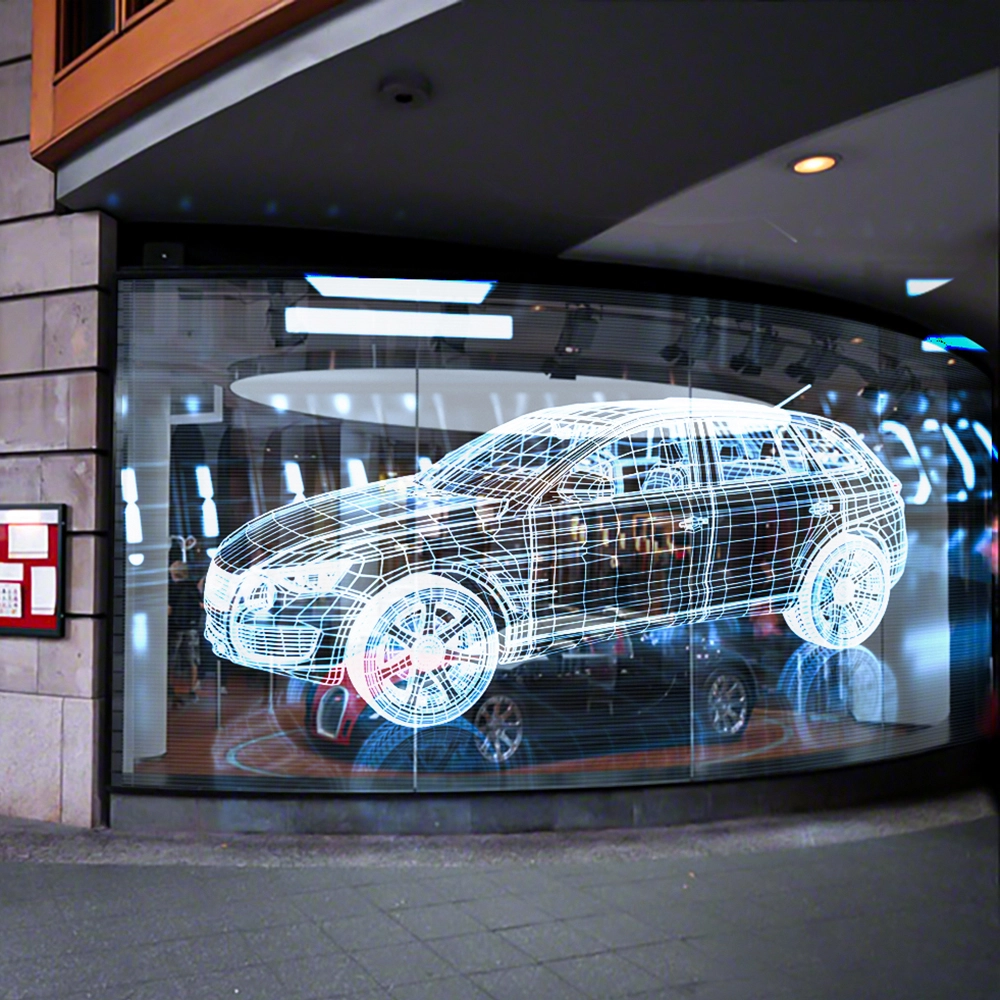
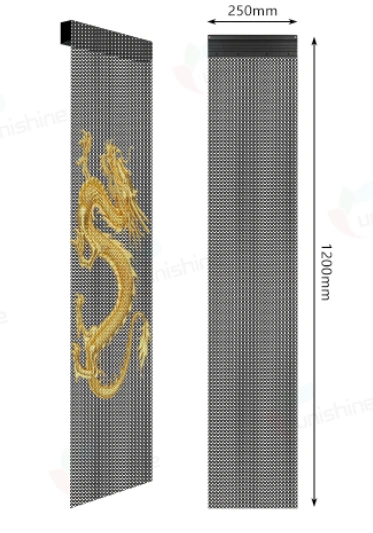
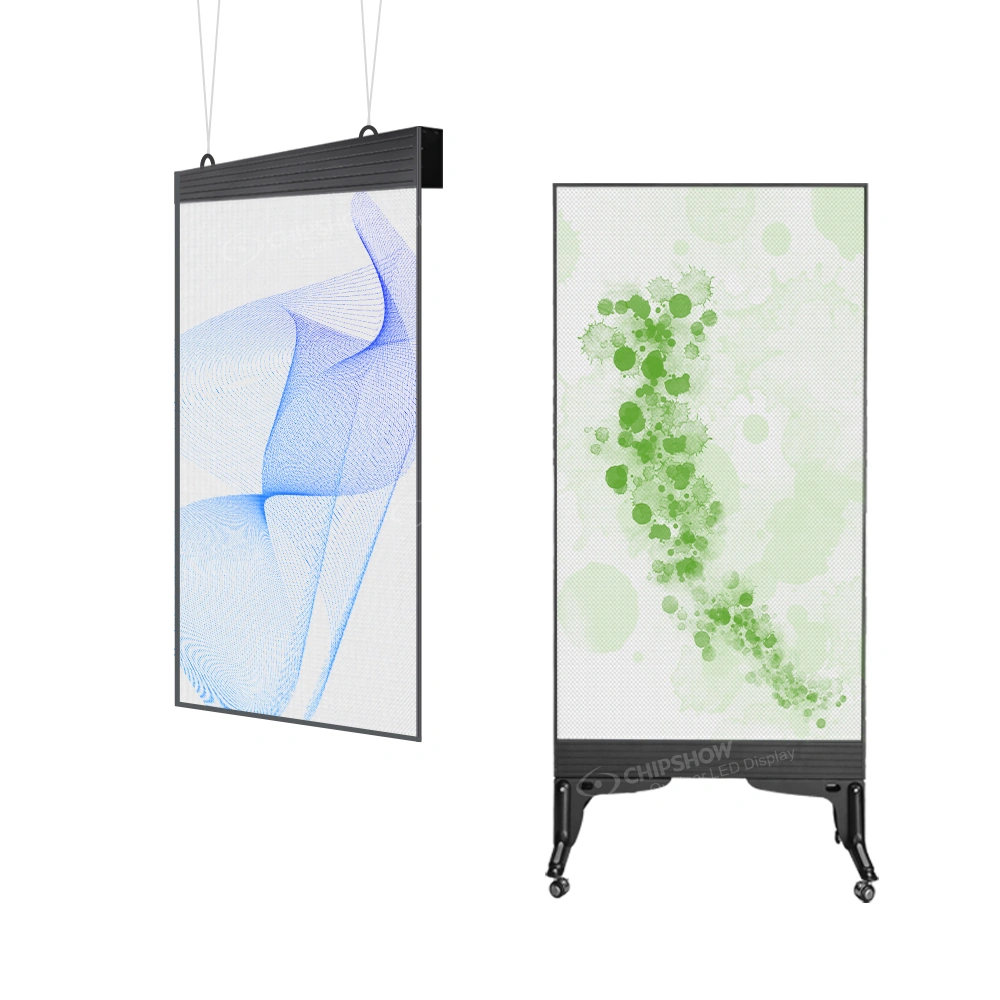
A transparent led display works by mounting individual LED light points onto a transparent substrate — a mesh grid, a strip pattern, or a thin conductive film — spaced widely enough that most of the surface behind them stays open to light and view. The image forms from the LED points themselves; everything between them stays genuinely see-through, which is why you can stand in front of one and still read a price tag or see a person on the other side of the glass.
This is a meaningfully different approach from transparent LCD, which is the other technology commonly marketed as a “see-through screen.” Transparent LCD is built from a modified liquid crystal panel — essentially a specialized flat-screen TV panel with the backlight and reflective layers altered to let some light pass through. It’s a mature, well-understood technology for small-format applications like retail display cases and vending machines, but it runs into real limits at larger sizes: transparent LCD panels are heavier, more expensive per square meter as size increases, harder to seam together into large continuous surfaces, and generally dimmer in direct sunlight since they depend on a backlight rather than emitting light directly like LED does.
Transparent led screen technology, by contrast, scales more naturally to large surfaces. Because the display is built from LED strips or mesh modules rather than a single rigid glass panel, it can be manufactured in custom cabinet lengths to match a building’s actual window or mullion spacing, mounted directly onto existing glass rather than requiring a full panel replacement, and pushed to significantly higher brightness for daylight and direct-sun readability — which matters enormously for any outward-facing storefront or facade application. This is also why led transparent display systems have become the default choice for larger-format applications: glass facades, building-scale media walls, and any installation where an LCD panel simply couldn’t be manufactured or mounted at the size required.
None of this means transparent LCD is a bad technology — it’s a good fit for its own use cases. But if you’re evaluating options for a storefront window, a glass facade, or any application where genuine scale and brightness matter, understanding this distinction is the first thing worth getting right before comparing quotes from a supplier.
Where Transparent LED Screens Get Used
Transparent led screen installations generally fall into a handful of recurring application types, each with a somewhat different set of priorities.
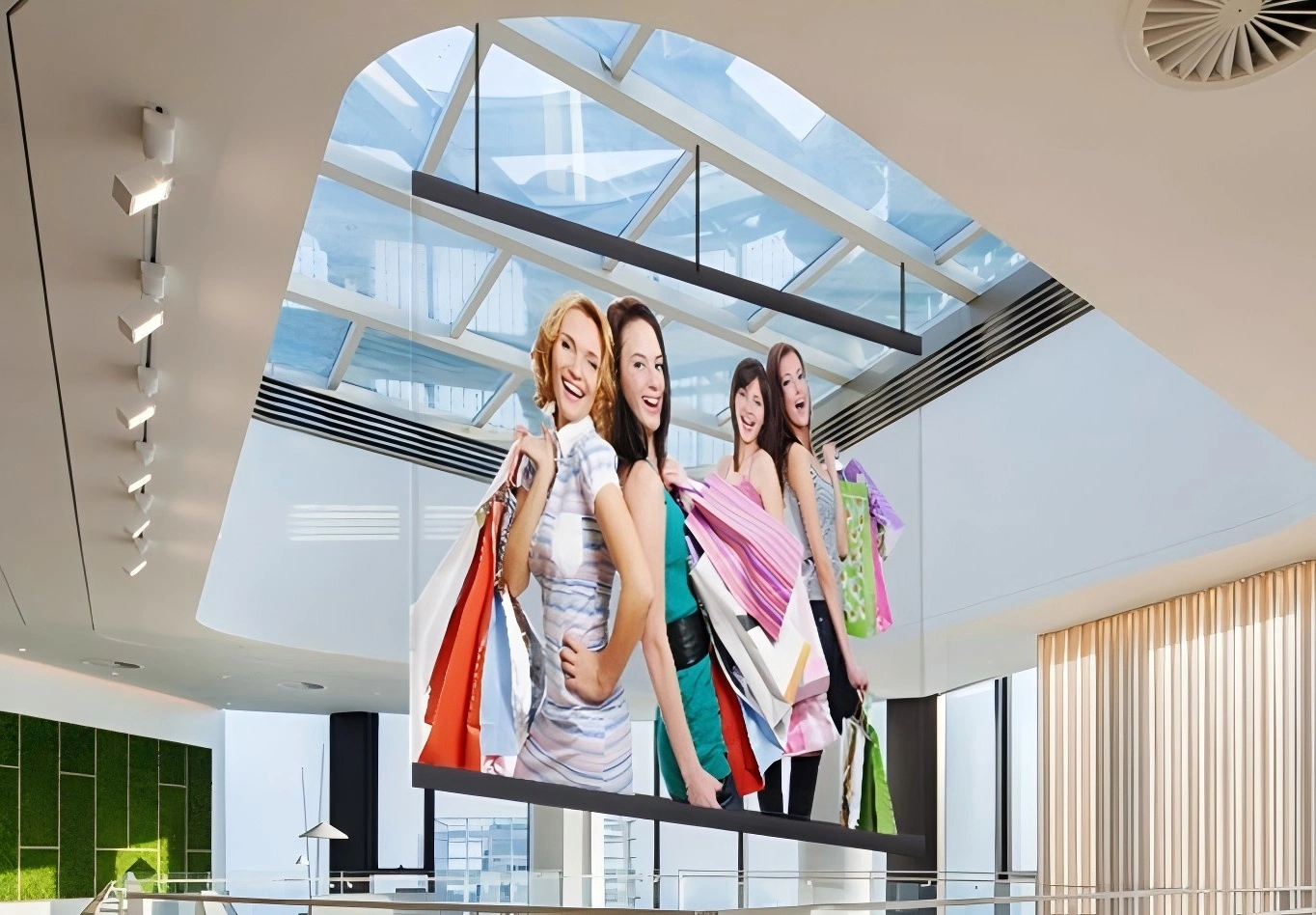
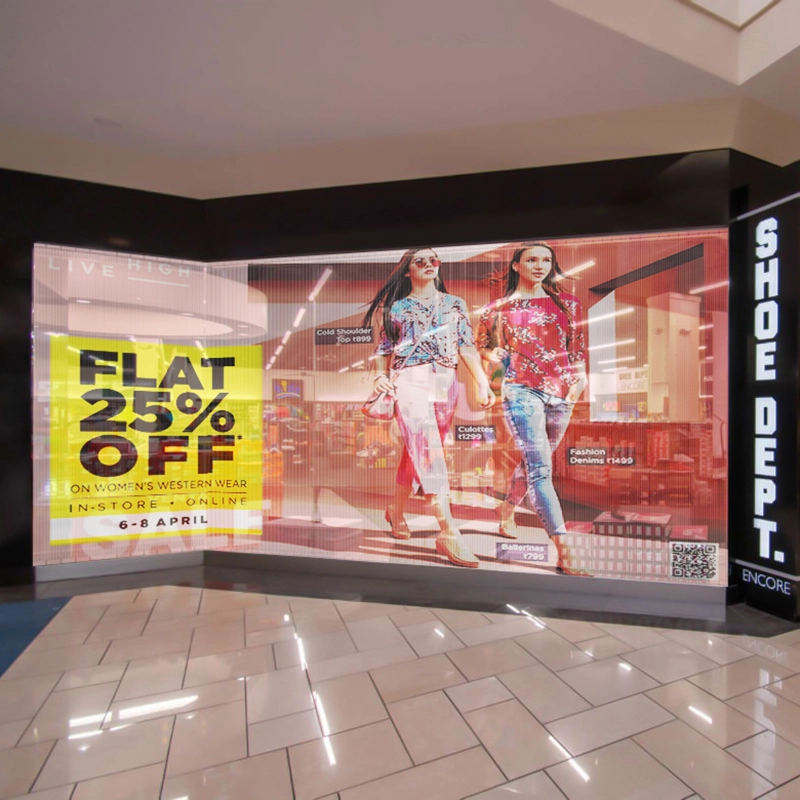
Storefront and Retail Windows. This is the most common entry point for small and mid-size retailers — a freestanding or window-mounted transparent display that runs promotional content, seasonal campaigns, or brand video while keeping merchandise inside fully visible. Because these installations often need to go up fast, without construction crews, plug-and-play transparent LED systems designed to roll into place and connect to a standard outlet are especially popular here.
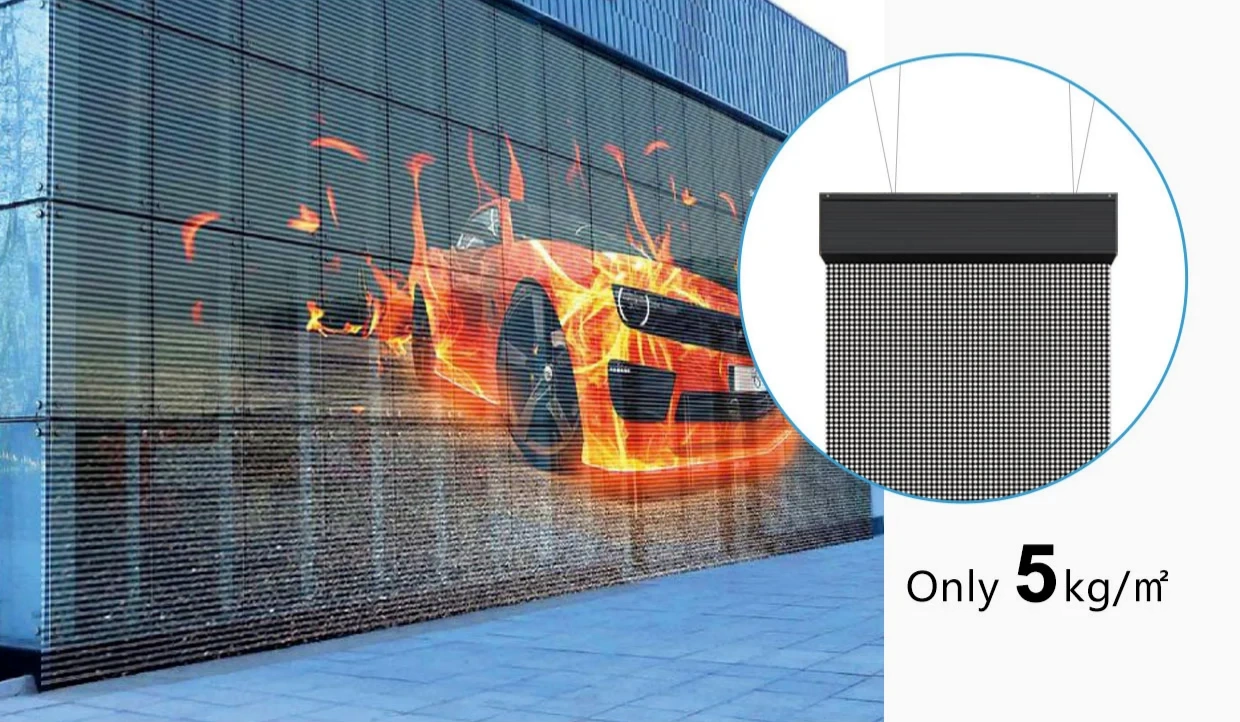
Glass Facades. At building scale, transparent LED gets mounted to existing glass curtain walls, atrium windows, or building exteriors to create large-format digital signage or advertising displays without replacing the glass itself or adding heavy secondary steel structure. This is where the weight of the system per square meter becomes a genuinely important spec, since a lighter system can mount to existing architectural glass rather than triggering a full structural engineering review.
Shop Windows and High-Traffic Retail Corridors. Similar to storefront applications but often at a larger scale — flagship stores, shopping mall entrances, and high-visibility retail corridors where multiple transparent displays are frequently snapped together into a single larger canvas for a flagship opening or seasonal campaign.
Trade Shows and Temporary Installations. Transparent LED’s mobility is a real advantage at trade shows and pop-up events, where a display needs to roll into a booth, connect, and run content without any construction or mounting work — then roll back out and redeploy at the next show.
Each of these applications tends to favor a slightly different product configuration, which is why we’ve built out dedicated guides for storefront and shop window installations, glass facade and media wall projects, and transparent LED pricing — this page is meant to help you identify which category fits your project before diving into the specifics.
Product Spotlight Two Approaches to Transparent LED
To make the technology concrete, here’s how two of our own transparent LED product lines apply the principles above to two different use cases.
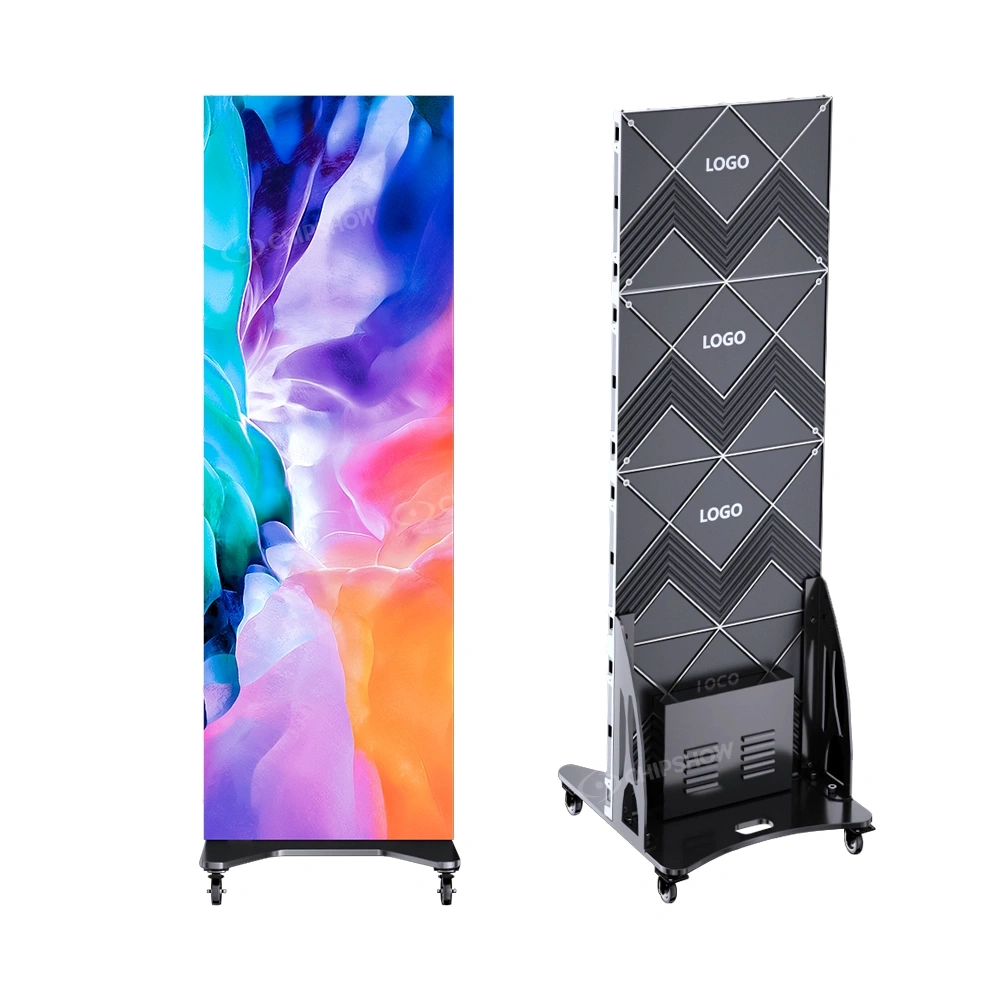
For storefronts and trade shows: a freestanding, wheeled transparent poster built for zero-installation deployment — roughly 80% transparent, rated around 3,500 nits for daylight visibility, and designed to snap together with additional units for a larger canvas. Content is managed through a cloud dashboard, so a multi-location retailer can update campaigns across every store from one place.
View the retail storefront transparent LED poster →
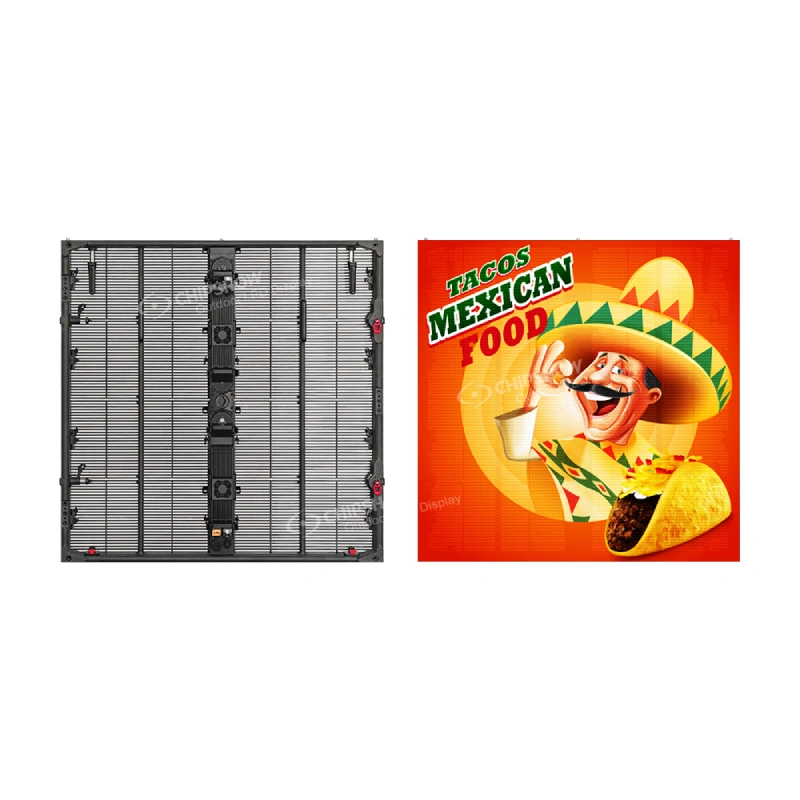
For glass facades and media walls: a custom-fit mesh system built to mount directly onto existing glass mullions and curtain walls, at roughly 11 lbs per square meter. Low panel weight does not by itself eliminate secondary supports; attachment loads and the existing facade need a project-specific structural check. Transparency runs up to 90%, cabinet lengths are custom-built to match a building’s actual window grid, and front-service access must be planned together with safe working-height access for the actual installation.
View the glass facade transparent media wall →
Note: For ground-mounted, double-sided, or roadside advertising applications such as a Monument Sign, Pylon Sign, or Outdoor Message Center, you can also explore our dedicated C-Poster display solutions.
Transparency vs Brightness What the Numbers Actually Mean
Every transparent led display spec sheet leads with two numbers — transparency percentage and brightness in nits — and understanding how they trade off against each other is the single most useful thing to know before comparing products.
| Transparency | Typical Brightness | Best Fit |
|---|---|---|
| 80% (window/poster-format) | ~3,500 nits | Retail windows, trade show booths, storefront posters |
| Up to 90% (facade/glass-mount) | ~3,500 nits | Interior glass facades, atrium walls, mall storefronts |
| Lower transparency, ventilated mesh | 7,000+ nits | Outdoor billboards, exterior media facades, DOOH advertising |
Transparency percentage describes how much visible light and sightline passes through the screen when it’s off (and largely still while it’s on, since the LED points themselves take up only a small fraction of the surface). Higher transparency keeps interiors brighter and merchandise more visible, but there’s a practical ceiling — pushing transparency higher generally means spacing the LED points further apart, which is a trade-off worth understanding rather than simply chasing the highest published number.
Brightness (nits) determines how legible your content stays against ambient light. Indoor installations — a mall storefront, an office atrium — generally perform well in the 3,000-4,000 nit range, since they’re not fighting direct sunlight. Exterior-facing or south-facing glass, and any installation that needs to compete with direct sun glare, needs meaningfully higher brightness — often well above 5,000 nits — to stay legible at midday.
The practical takeaway: don’t shop for the single highest transparency or brightness number in isolation. Match both specs to your actual installation — indoor vs. exterior-facing, ambient light conditions, and viewing distance — and the right transparent led screen configuration becomes a much easier decision.
Buyer Considerations by Type
The right transparent LED configuration often depends as much on who’s buying as on the raw specs. Here’s how the considerations above tend to play out for the buyers we hear from most often.
Retail Shop Owner
If you’re a retail shop owner evaluating transparent led display options for a storefront window, your priorities are usually speed of installation, cost, and not disrupting an active retail space with construction. A freestanding, plug-and-play transparent poster — the kind that rolls into place, connects to a standard outlet, and starts running content within minutes — is typically the right fit here, since it requires no contractor, no permit, and no downtime for your store. If you’re running seasonal campaigns or flash sales, look for a system that lets you physically reposition the display and snap multiple units together for a larger canvas during a flagship launch, without needing to replan your whole storefront layout each time.
Commercial Real Estate Developer
If you’re a property developer or facade owner evaluating transparent LED for a glass curtain wall or building exterior, the weight of the system per square meter is one of the most consequential specs on the sheet — a genuinely lightweight system can often mount directly to existing glass mullions and structural glazing without triggering a full secondary steel structure and the associated engineering and permitting timeline. This is worth raising with your structural engineer and architect early in the project, ideally during design rather than after the building envelope is finalized, since retrofitting a heavier system onto glass that wasn’t specified for it is a substantially more expensive problem to solve later.
Shopping Mall Operator
If you’re operating a shopping mall or multi-tenant retail property, transparent LED often serves two goals at once: enhancing the physical retail environment for shoppers, and — increasingly — turning underused glass surfaces (atrium walls, entrance facades, common-area windows) into a monetizable advertising asset that can be leased to tenants or outside advertisers. For this use case, a cloud-based content management system that lets you schedule and update content across multiple screens and locations from a single dashboard is worth prioritizing from the start, since retrofitting centralized management onto a property-wide network later is a much bigger undertaking than planning for it upfront.
Why US Businesses Choose Transparent LED Over Traditional Signage
Transparent LED adoption in the US retail and commercial real estate market has been driven by a few practical pain points that traditional static signage and even standard opaque LED displays don’t solve well.
Labor and installation cost. Traditional signage and structural LED installations typically require a dedicated install crew, and in many cases, permitting. A genuinely plug-and-play transparent LED system — one designed to be freestanding or to mount without structural modification — sidesteps both of those costs and timelines almost entirely, which matters enormously to a retailer who can’t afford extended downtime during a storefront refresh.
Structural and permitting friction on commercial real estate. For building owners and facade projects specifically, a heavy display system means engineering review, permitting delays, and often a dedicated steel substructure — all real costs before the display itself is even installed. A lightweight, mullion-mounted transparent LED system meaningfully reduces this friction, since it can often be treated as an addition to existing glazing rather than a structural modification requiring full review.
Keeping retail and lease space feeling open. Both small retailers and mall operators face the same underlying tension: they want digital signage impact, but not at the cost of making a storefront or common area feel closed off or dark. Transparent LED is, in a real sense, the only signage category built specifically to solve this — full digital content without sacrificing the open, bright feel that retail environments depend on.
How Transparent LED From a Direct Manufacturer Compares
Not all transparent led screen suppliers are equal, and the differences go well beyond the spec sheet. Working with a manufacturer directly — rather than a reseller marking up an imported product — generally means more transparent factory pricing, faster access to technical specifications and structural documentation for your engineer or architect, and support that isn’t routed through multiple intermediaries when something needs troubleshooting.
Weight per square meter is one of the more meaningful differentiators between transparent LED product lines on the market. Systems that require heavy secondary steel structure push installation cost and timeline up substantially compared to genuinely lightweight systems designed to mount on existing glass. Similarly, not every transparent led display on the market is designed for true plug-and-play deployment — some still require a structural install crew despite being marketed toward retail buyers who specifically need to avoid one.
We won’t name or disparage specific competitors here, but if you’re comparing quotes, it’s worth asking directly: is this system designed to mount on existing glass or does it need new structure, what’s the actual weight per square meter, and does pricing reflect factory-direct cost or a reseller markup on an already-imported product. Those three questions tend to separate genuinely fit-for-purpose transparent LED options from products that technically qualify as “transparent” but weren’t engineered for your specific use case.
Common Mistakes When Buying a Transparent LED Display
A handful of patterns come up often enough in early conversations with buyers that they’re worth flagging before you request your own quote.
Assuming every “transparent LED display” is the same underlying technology. As covered above, some products marketed as a led transparent display are genuinely LED-based, and others are transparent LCD panels using similar marketing language. Before comparing quotes, confirm which technology you’re actually looking at — the performance, weight, and scalability differences are substantial.
Chasing the highest transparency number without checking brightness. A led transparent screen advertised at 90% transparency isn’t automatically the better choice if your installation faces direct sunlight and needs brightness that configuration can’t deliver. Match both specs to your actual site conditions rather than optimizing for one number in isolation.
Not accounting for weight when facade-mounting a transparent led screen. For glass facade and building-scale projects specifically, the weight per square meter of your chosen system determines whether it can mount to existing glazing or requires a new structural frame — a difference that can move total project cost significantly. This is worth confirming with your supplier and structural engineer before finalizing a design.
Assuming a low quote is fully installed pricing. As with most LED display categories, a low transparent led display quote is sometimes hardware-only pricing that doesn’t include mounting hardware, structural work, or content management software. Ask directly what’s included before comparing two quotes that look different on the surface.
Underestimating content management needs at scale. A single storefront window can run on a basic standalone controller, but a multi-location retail rollout or a multi-tenant facade network needs centralized, cloud-based content management from day one. Retrofitting this after the fact is a much larger undertaking than planning for it during initial deployment.
Choosing the Right Transparent LED Display for Your Project
By this point, the shape of the decision should be reasonably clear. If you’re outfitting a single storefront window, a freestanding, plug-and-play led transparent display is almost certainly the right starting point — fast to deploy, no construction required, and easy to reposition as campaigns change. If you’re working on a glass facade or a building-scale installation, weight per square meter and mullion-matched custom sizing move to the top of the priority list, since those are what determine whether your led transparent screen can mount to existing glass or requires new structure. And if you’re managing a multi-location rollout — a retail chain, a mall property, or a multi-tenant facade network — centralized content management deserves as much attention as the hardware itself.
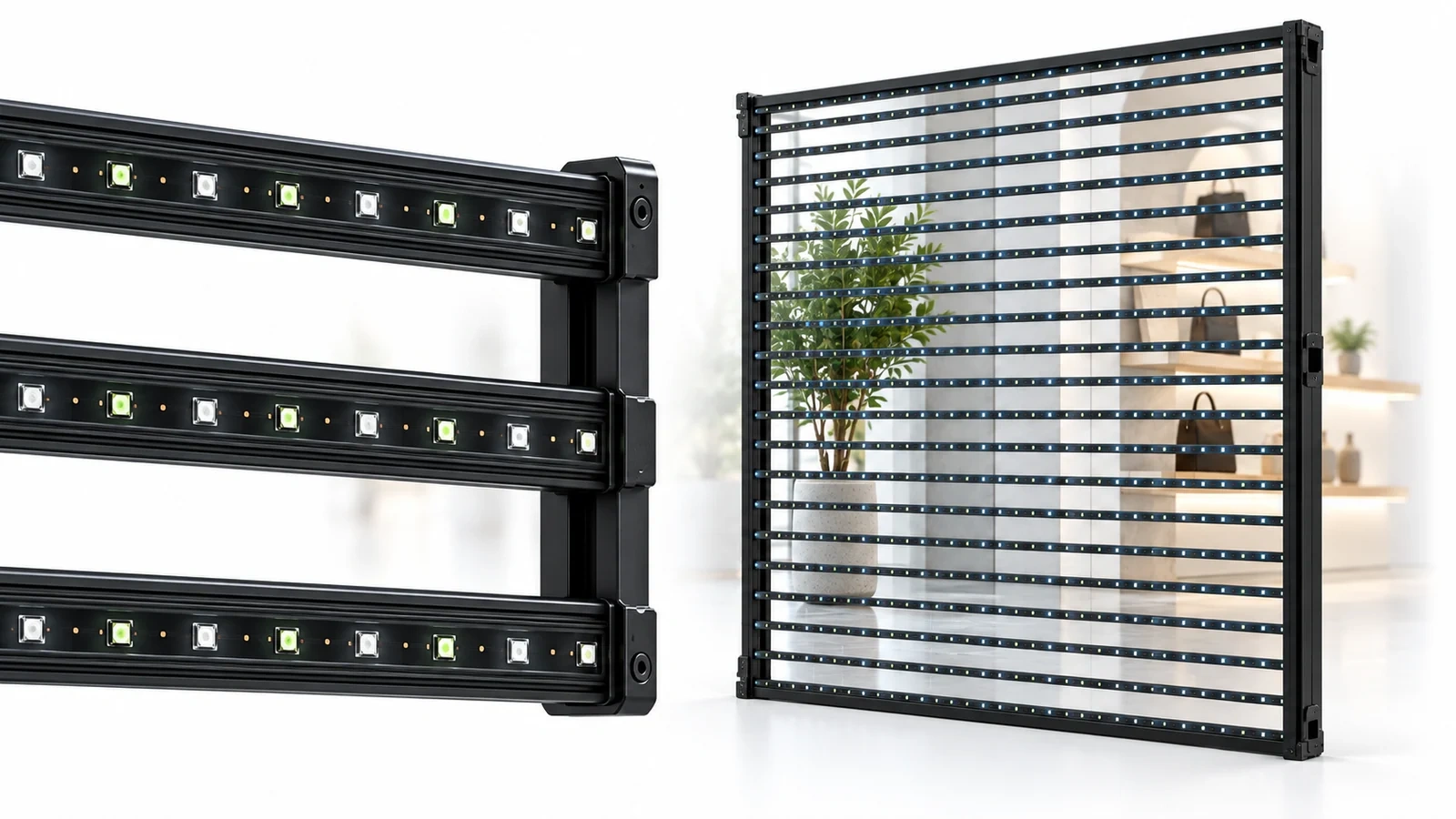
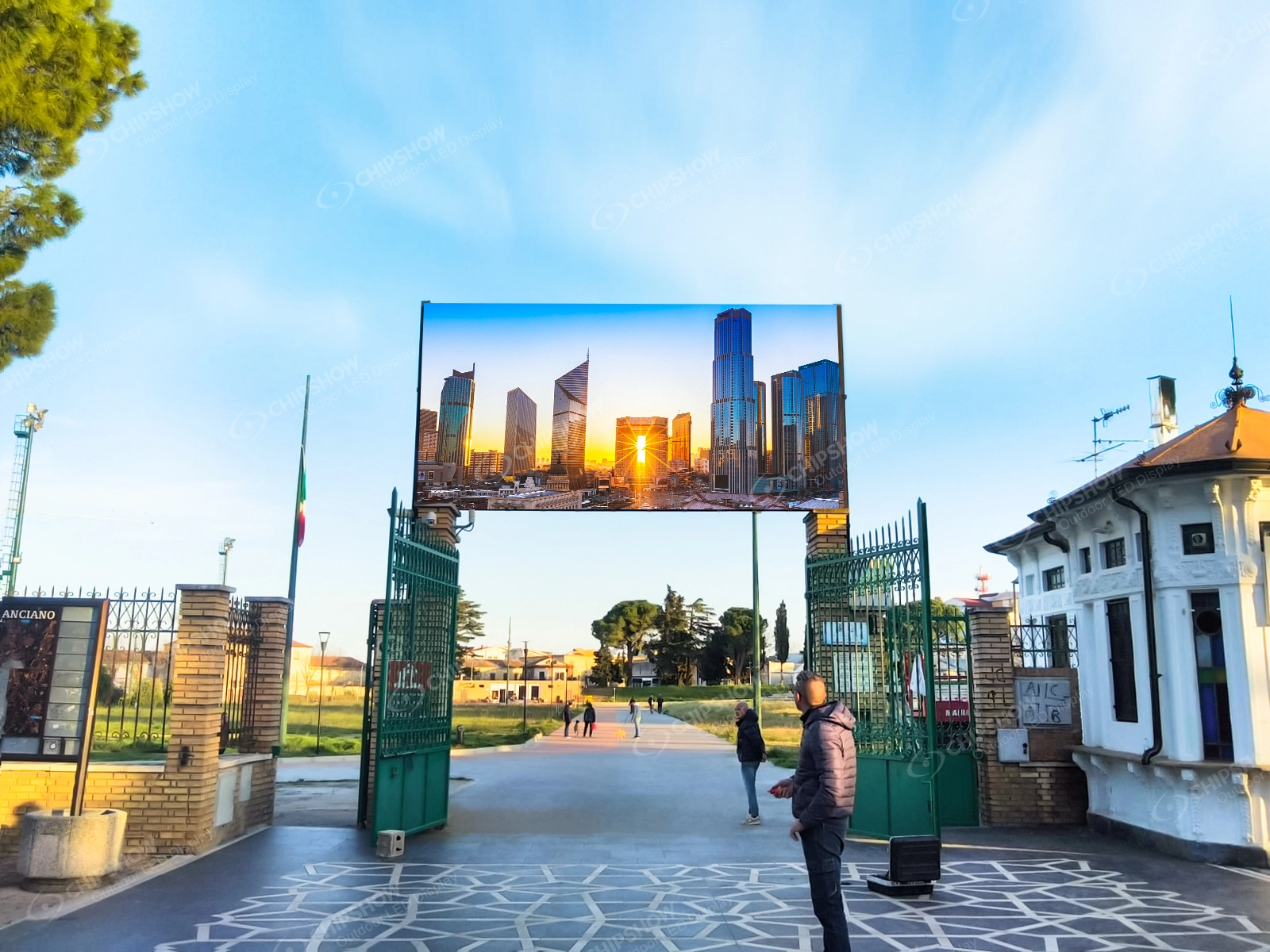
Concept illustration of a transparent LED display. Consider what needs to remain visible behind the screen and request a sample before committing to an installation.
None of these decisions require guesswork. A transparent led screen supplier who can walk you through transparency, brightness, and weight trade-offs for your specific site — rather than pointing you to a single generic spec sheet — is usually the more reliable choice regardless of which application category you fall into.
How to Get an Accurate Transparent LED Quote
The overview above is a solid starting point for understanding your options, but a firm number always requires a real conversation about your specific site. To move from general research to an accurate quote as quickly as possible, we typically ask for a few details upfront: your application type (storefront window, glass facade, trade show, or shopping mall installation), approximate size or square footage, whether the installation is indoor or exterior-facing, and your target timeline.
For facade and building-scale projects specifically, it’s also worth having a rough sense of your existing glass or mullion dimensions if you know them, since custom cabinet sizing is often built around matching a building’s existing architectural grid rather than forcing a standard size onto an irregular space. If you don’t have exact measurements yet, that’s fine too — we can work through general dimensions first and refine as your project moves from concept to a finalized order.
The more of this information you can share upfront, the closer your first quote lands to your final number, with fewer rounds of back-and-forth before you have a figure you can plan a project around.
FAQ
What’s the difference between transparent LED and transparent LCD?
Transparent LED uses individual LED points mounted on a see-through mesh or strip substrate, so the display itself emits light directly and scales to large custom sizes. Transparent LCD is a modified flat-panel display with backlighting, which works well at small scale (display cases, small signage) but becomes heavier, more expensive, and harder to manufacture at large sizes compared to LED-based systems.
How much does a transparent LED display cost?
Pricing depends heavily on transparency percentage, brightness, and installation type — a freestanding retail poster and a custom-fit glass facade installation carry very different price structures. See our dedicated transparent LED price guide for a full breakdown by application.
Can transparent LED be installed without construction or permits?
Freestanding, plug-and-play transparent displays designed for retail windows and trade shows typically require no construction or permitting, since they connect to a standard outlet and don’t modify the building structure. Facade-mounted systems vary more by project and local jurisdiction, though lightweight, glass-mounted systems generally face less permitting friction than heavier structural installations.
Is bulk or multi-location pricing available?
Yes. Multi-screen and multi-site projects — a retail chain rolling out storefront displays across multiple locations, or a property with several facade installations — typically see better per-unit pricing than a single-unit quote. Share your project scope and we’ll price it accordingly.
Do you sell direct as a manufacturer, or through resellers?
We sell transparent LED screens for sale directly as the manufacturer, which generally means more transparent factory pricing and faster access to technical documentation compared to buying through a reseller marking up an already-imported product.
What information do you need to give me an accurate quote?
The fastest path to an accurate quote is your application type (storefront, facade, trade show, etc.), approximate size, whether the installation is indoor or exterior-facing, and your timeline. From there we can recommend the right transparency and brightness configuration and turn around pricing quickly.
Can a transparent LED display be moved or repositioned after installation?
It depends on the product type. Freestanding, plug-and-play displays built for retail windows and trade shows are specifically designed to be repositioned — rolled to a new spot in the store, or redeployed at a different event — without any reinstallation work. Facade-mounted systems built into a building’s glass or mullion structure are generally intended as a permanent installation, since they’re custom-sized to match a specific architectural grid.
Get Started
Ready to see transparent LED in person before you commit to a project? We offer a few ways to get hands-on with the technology before requesting a full quote.