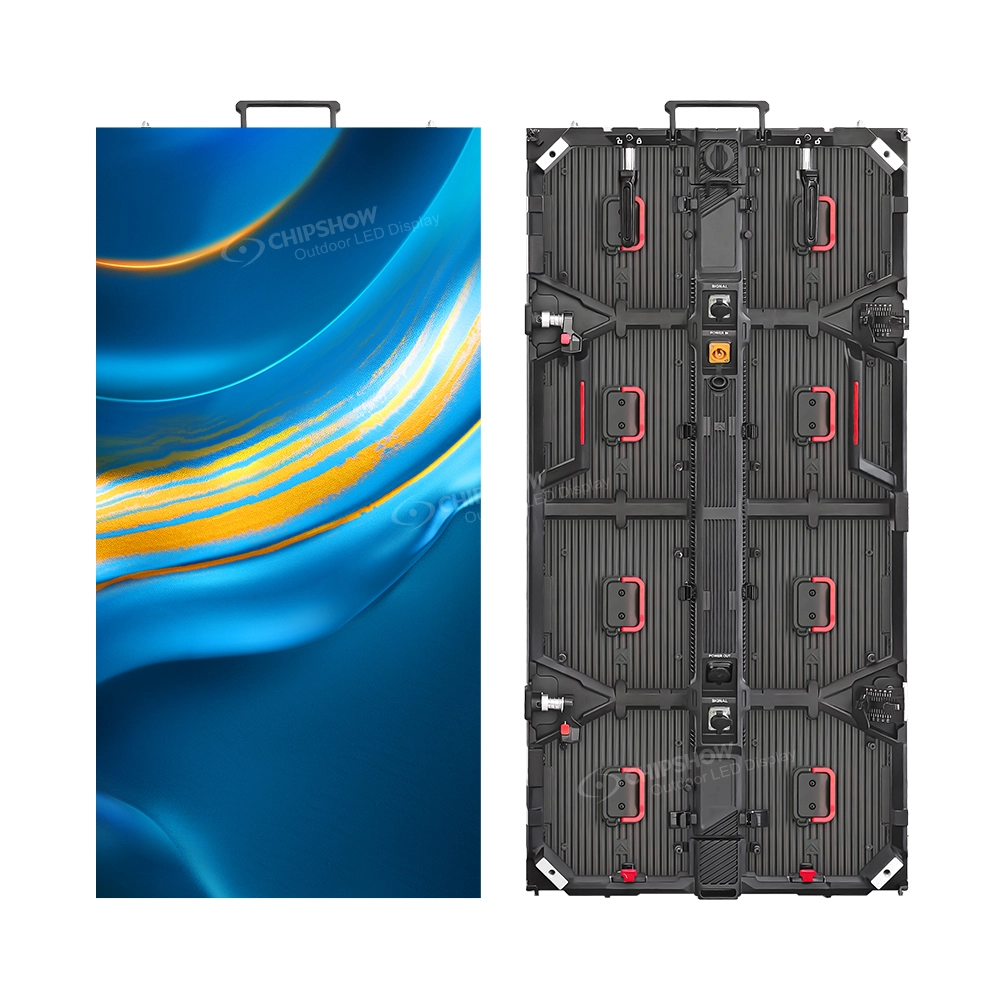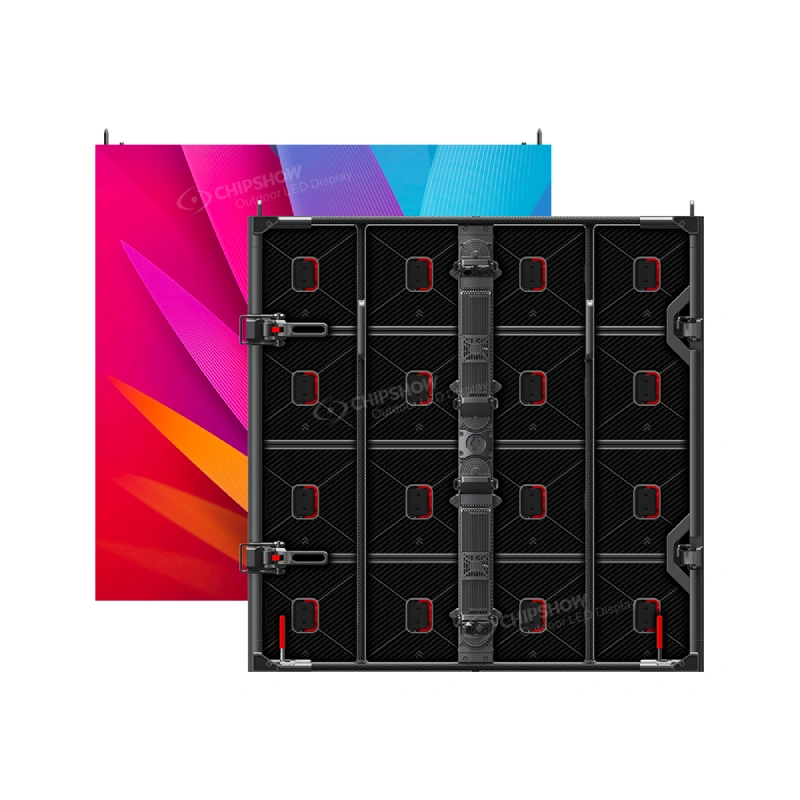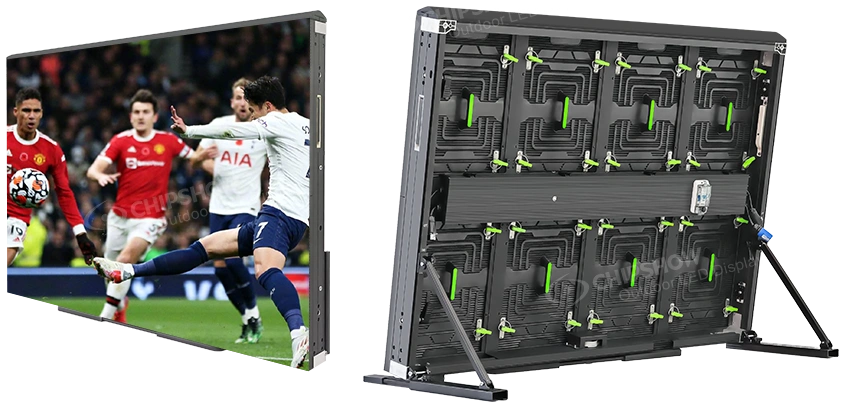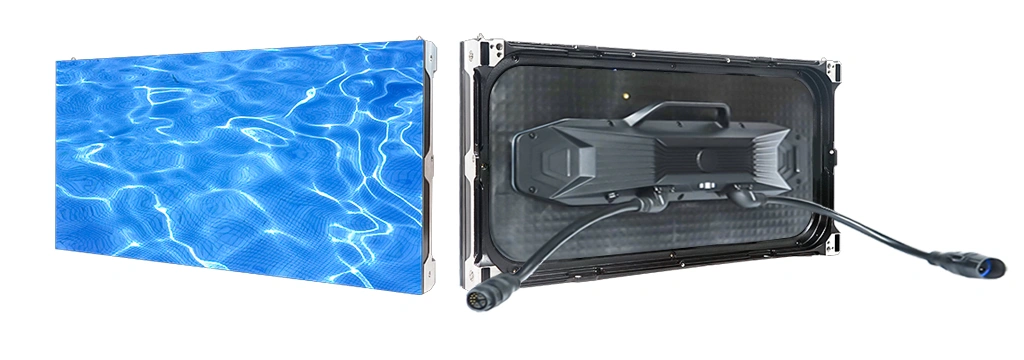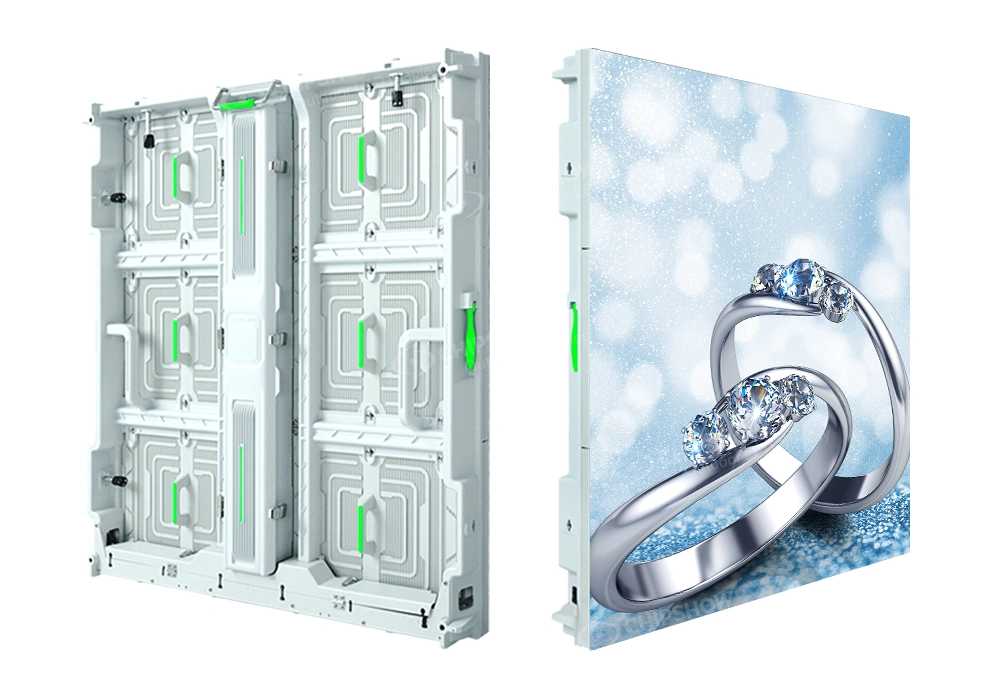
Choosing a commercial LED display supplier is easier when the evidence behind each proposal is comparable. A price, a photograph, a claimed warranty period, and an attractive product specification can all be useful starting points. None, however, establishes whether the offered hardware matches the intended application or whether replacement parts and responsibilities will be clear after delivery. When comparing LED display suppliers, the most reliable approach is to connect every commercial claim to an identifiable model, a written document, and a named responsibility.
At Chipshow, we believe a good hardware discussion begins with the project’s application and the exact configuration under consideration. The following framework explains how buyers can assess manufacturers, distributors, reviews, warranty language, and US delivery readiness without relying on rankings or promotional claims alone.
What to Verify When Comparing LED Display Suppliers
Compare Verified Capabilities Instead of Marketing Claims
Start by identifying what each supplier is actually proposing. An LED video wall is not a generic commodity simply because two quotations specify a similar size and pixel pitch. The cabinet format, service method, module design, control hardware, spare parts, mounting interface, and environmental suitability may differ. A strong comparison begins by asking each supplier to identify an exact model and configuration rather than a product family or an illustrative photograph.
For procurement teams, consistency is as important as detail. Send the same core project description to each candidate, including application, intended dimensions, expected operating environment, planned installation type, and service access constraints. Suppliers can then state exceptions or alternatives rather than quietly pricing different scopes. The result is a more useful commercial comparison and fewer surprises during submittal review.
Understand the Difference Between Manufacturers and Resellers
An American LED screen supplier may be a US-based distributor, a manufacturer’s regional sales operation, a reseller, a project integrator, or a company combining several roles. Those distinctions influence the contracting party, warranty provider, stock location, technical contact, and return process. They do not by themselves determine product quality. A distributor can offer excellent coordination; a factory can provide direct product knowledge. The question is which organization is contractually responsible for each part of the proposed transaction.
How to Evaluate Commercial LED Display Reviews

Separate Customer Feedback From Verified Product Performance
Commercial LED display reviews are useful only when readers understand what they actually prove. A customer testimonial can indicate satisfaction with communication, appearance, or project coordination. It usually does not establish measured brightness, cabinet tolerance, electrical characteristics, or long-term failure rates. A product datasheet can document a manufacturer’s specified characteristics, but it does not independently prove how every delivered unit will perform. An independent evaluation may provide stronger technical evidence when the method, equipment, sample, and conditions are disclosed.
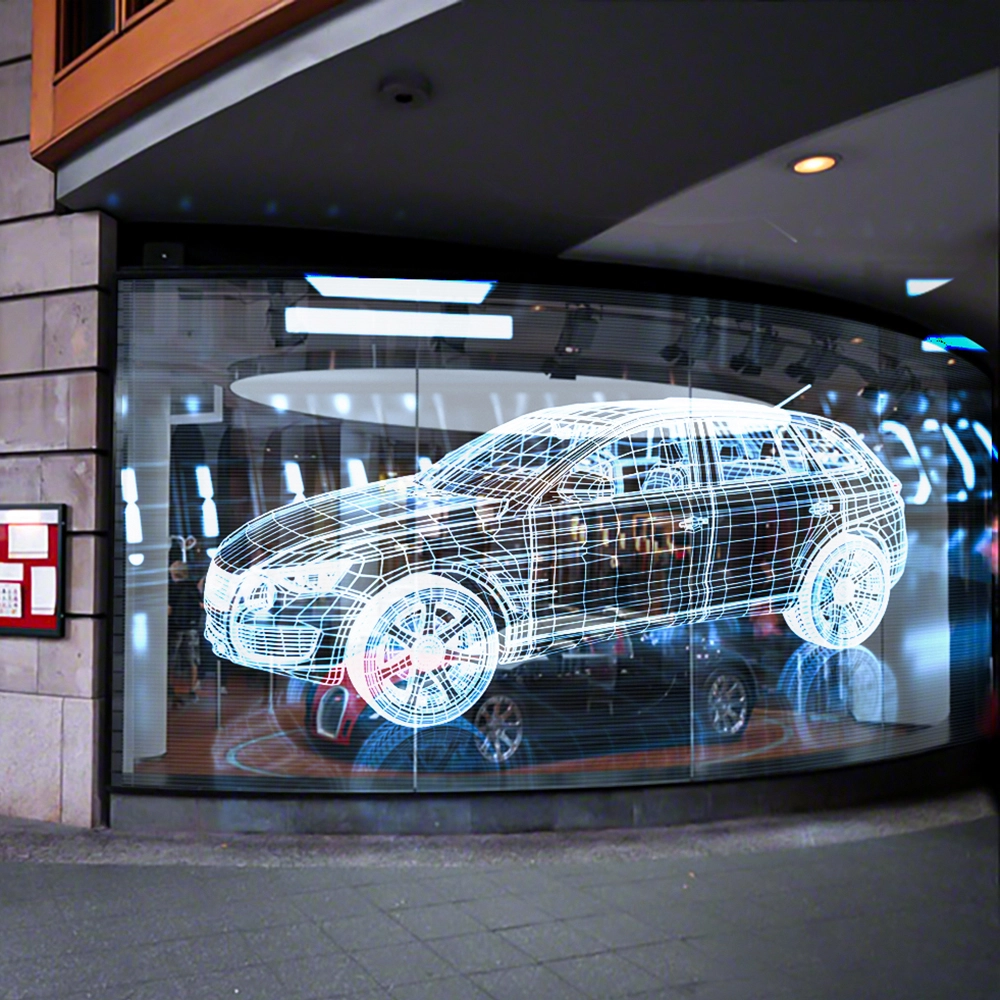
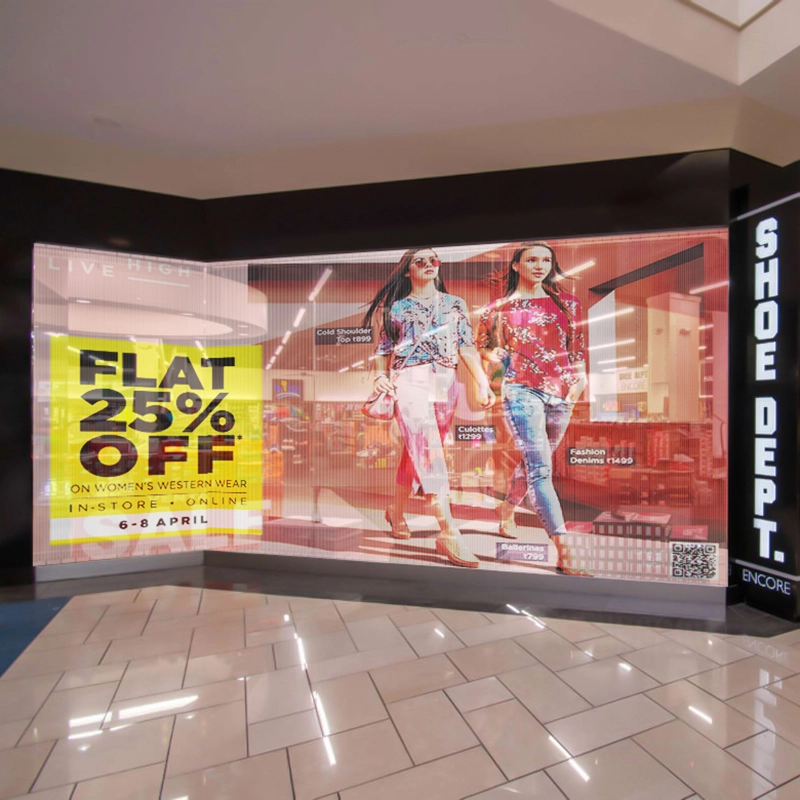
Photographs and video can reveal application and visual impression, but they have limits. Camera exposure, lens settings, content, ambient illumination, and post-processing affect how an LED wall appears on screen. A visually convincing image should motivate more detailed evaluation, not replace a technical submission. Conversely, a difficult camera shot does not necessarily prove the underlying display is defective. Context matters.
Look for Real Project Evidence
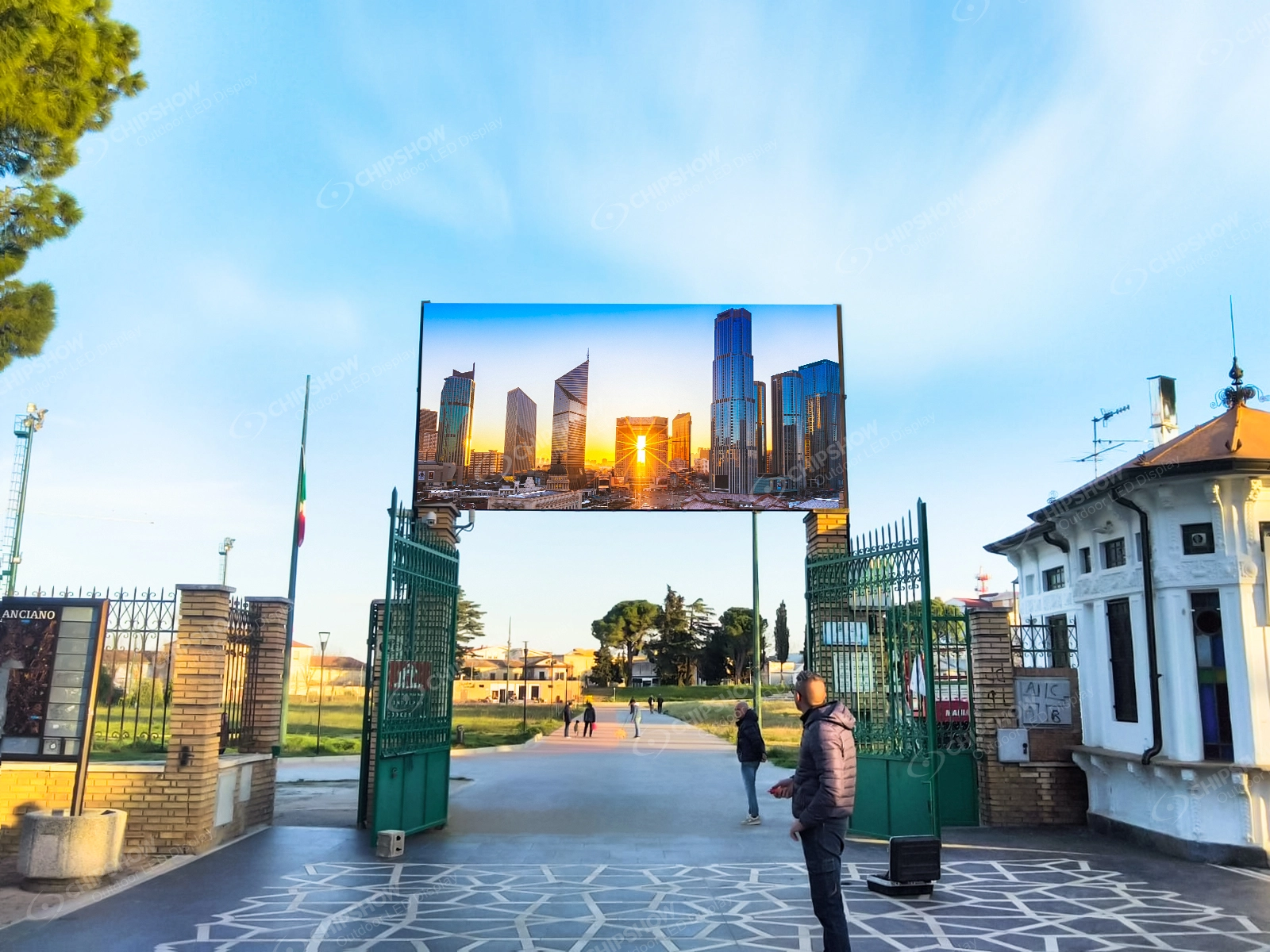
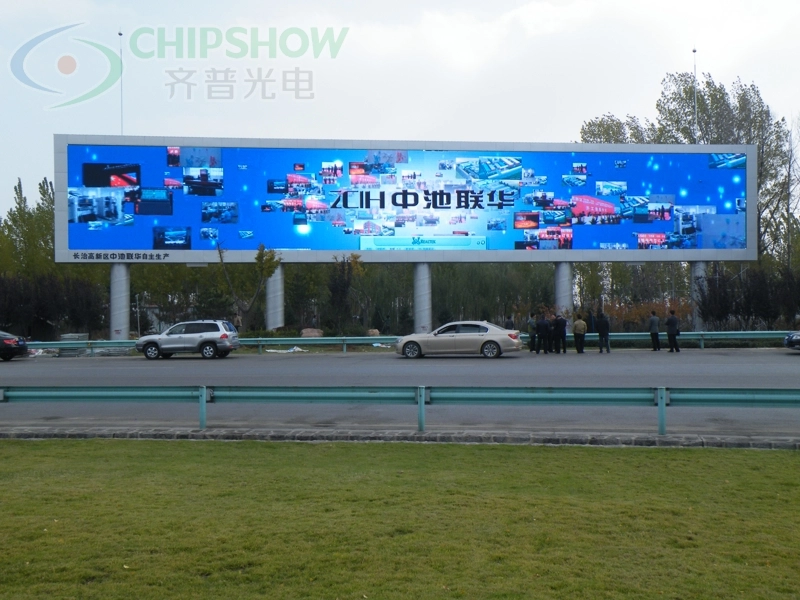
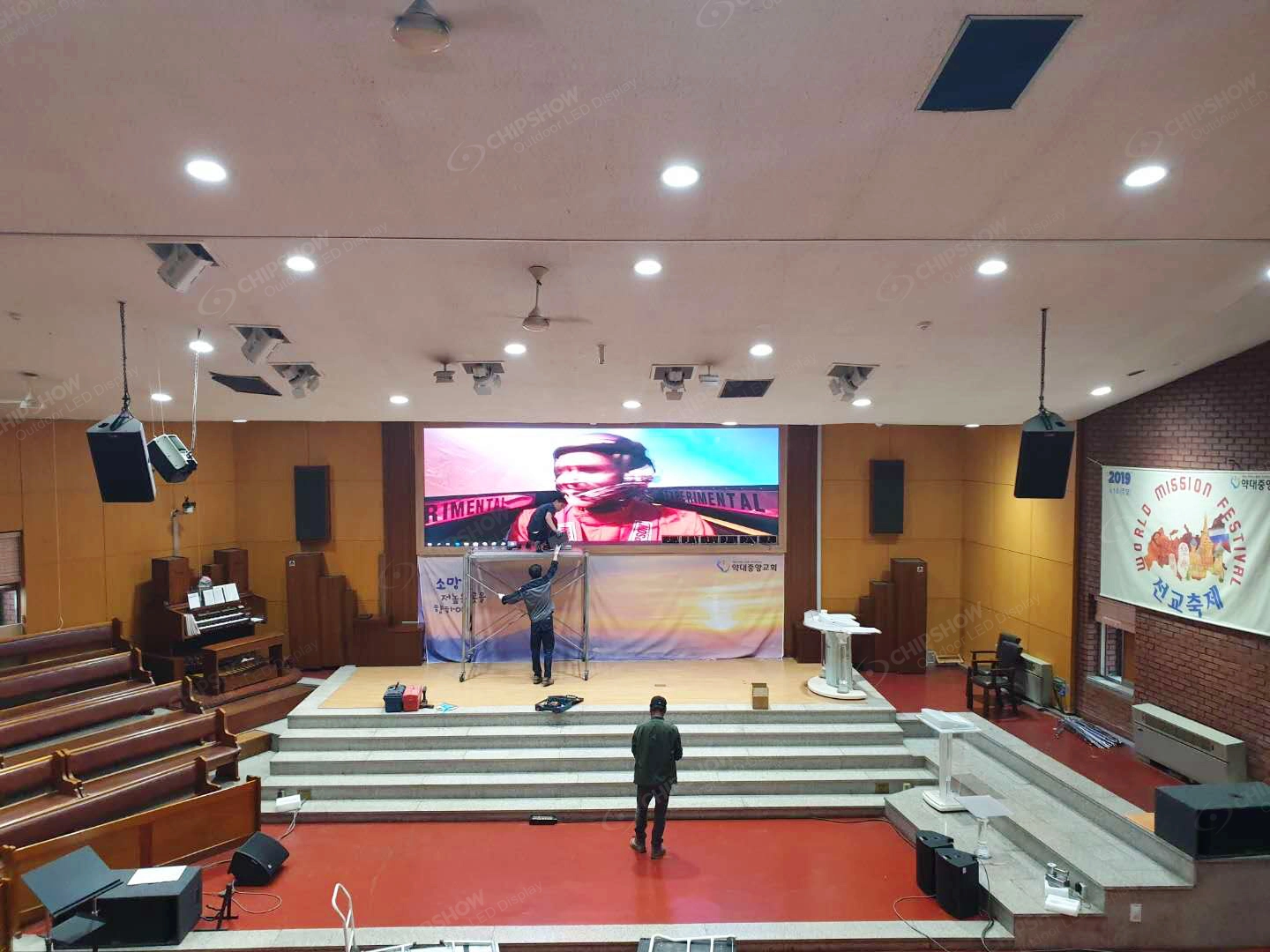
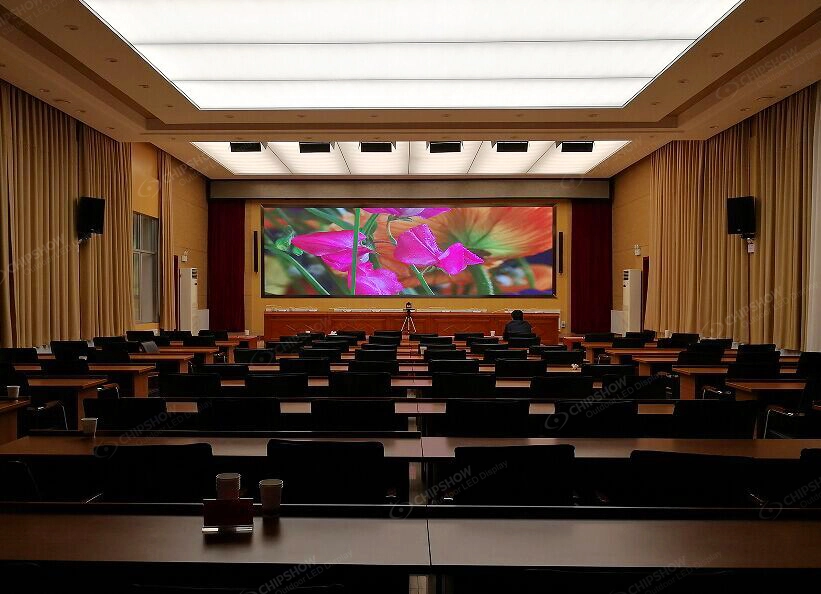
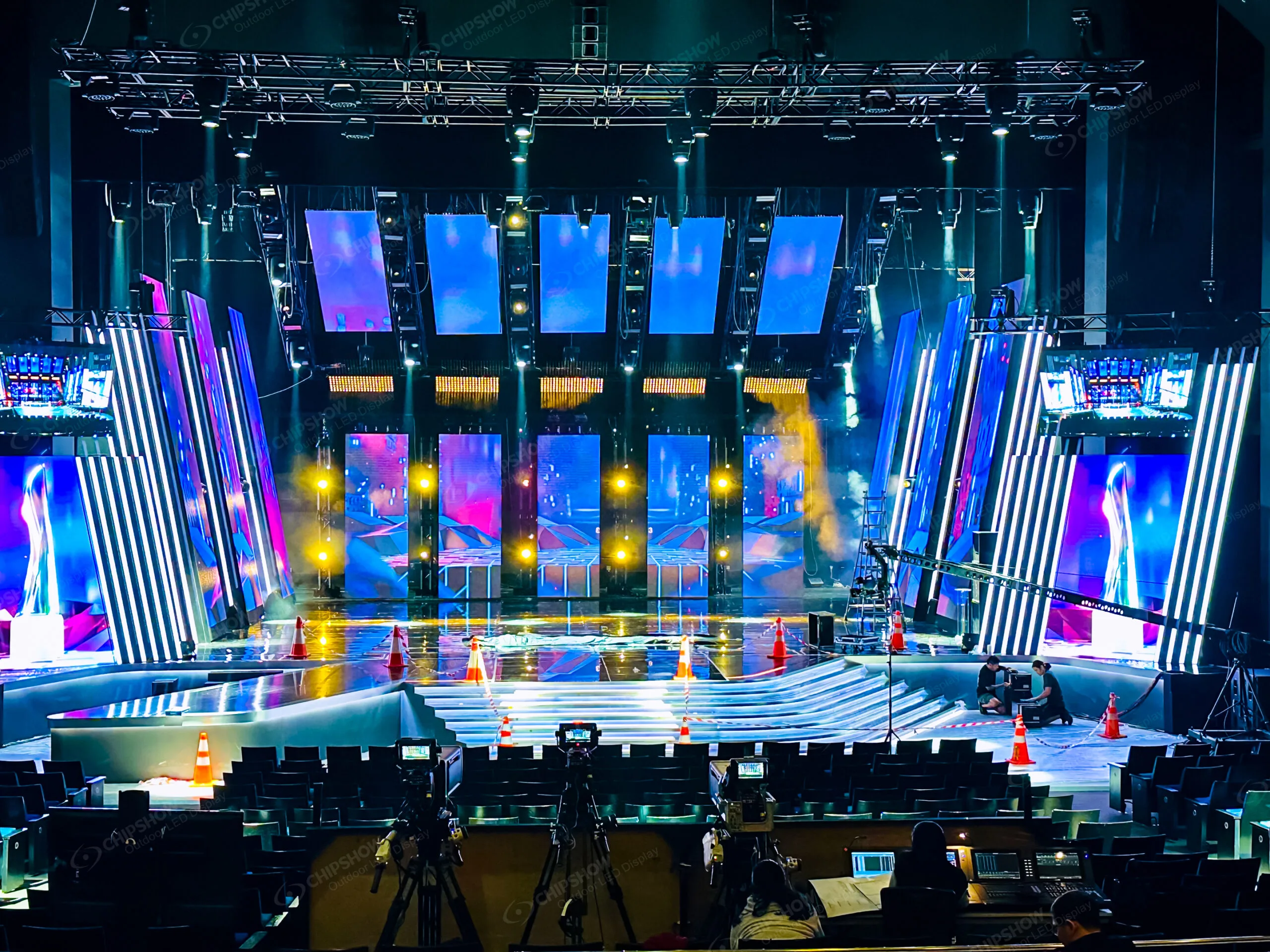
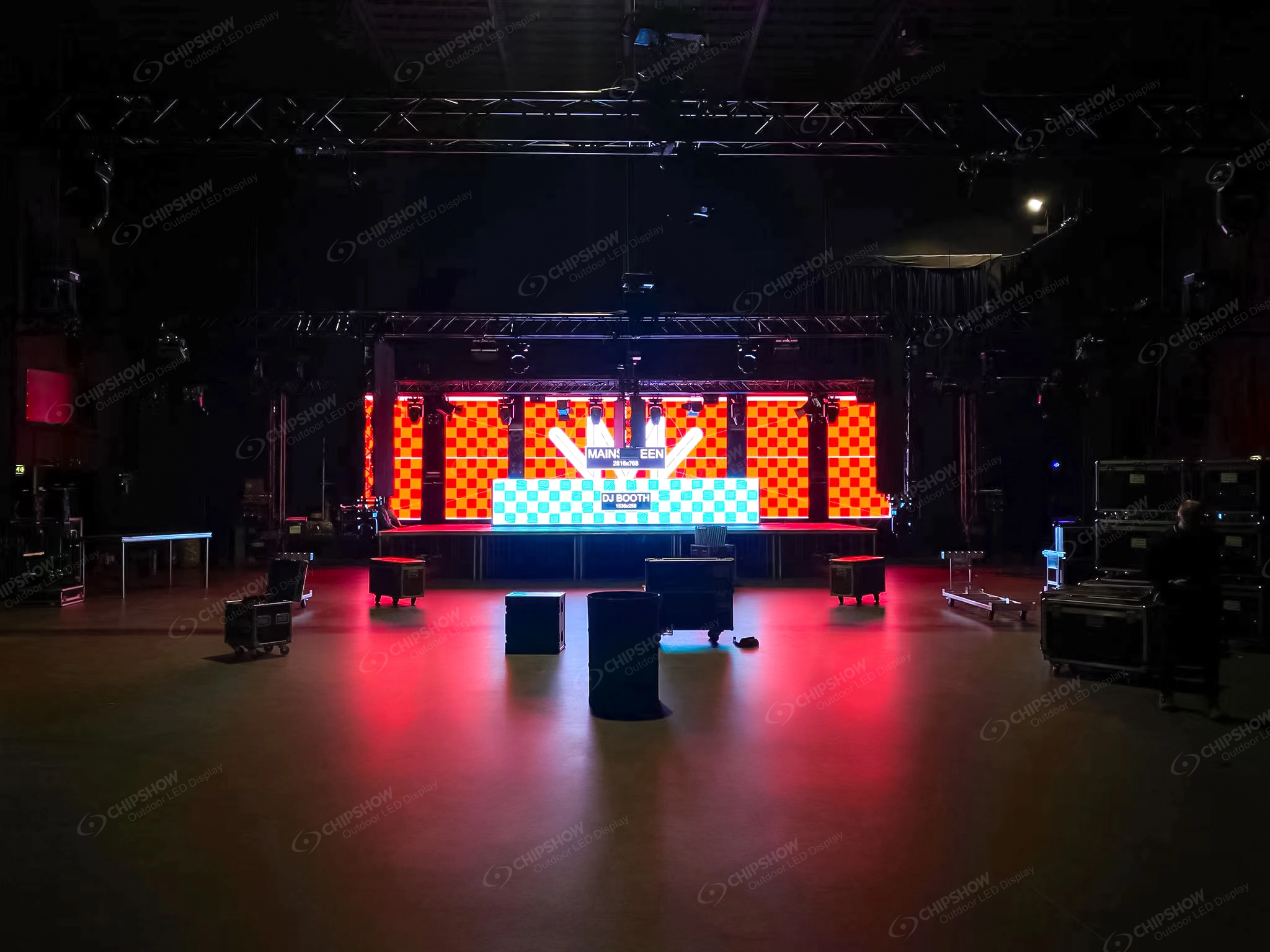
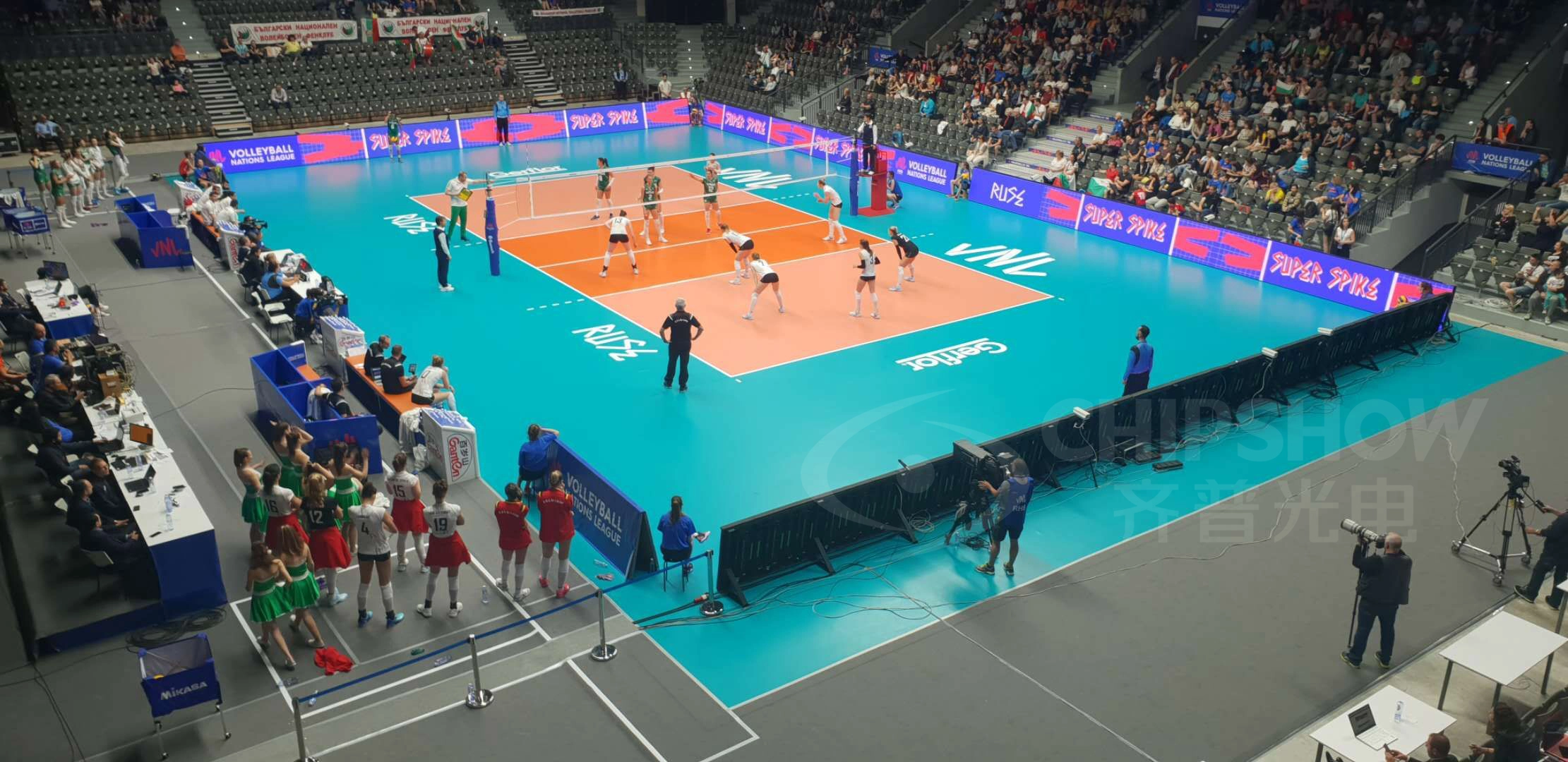
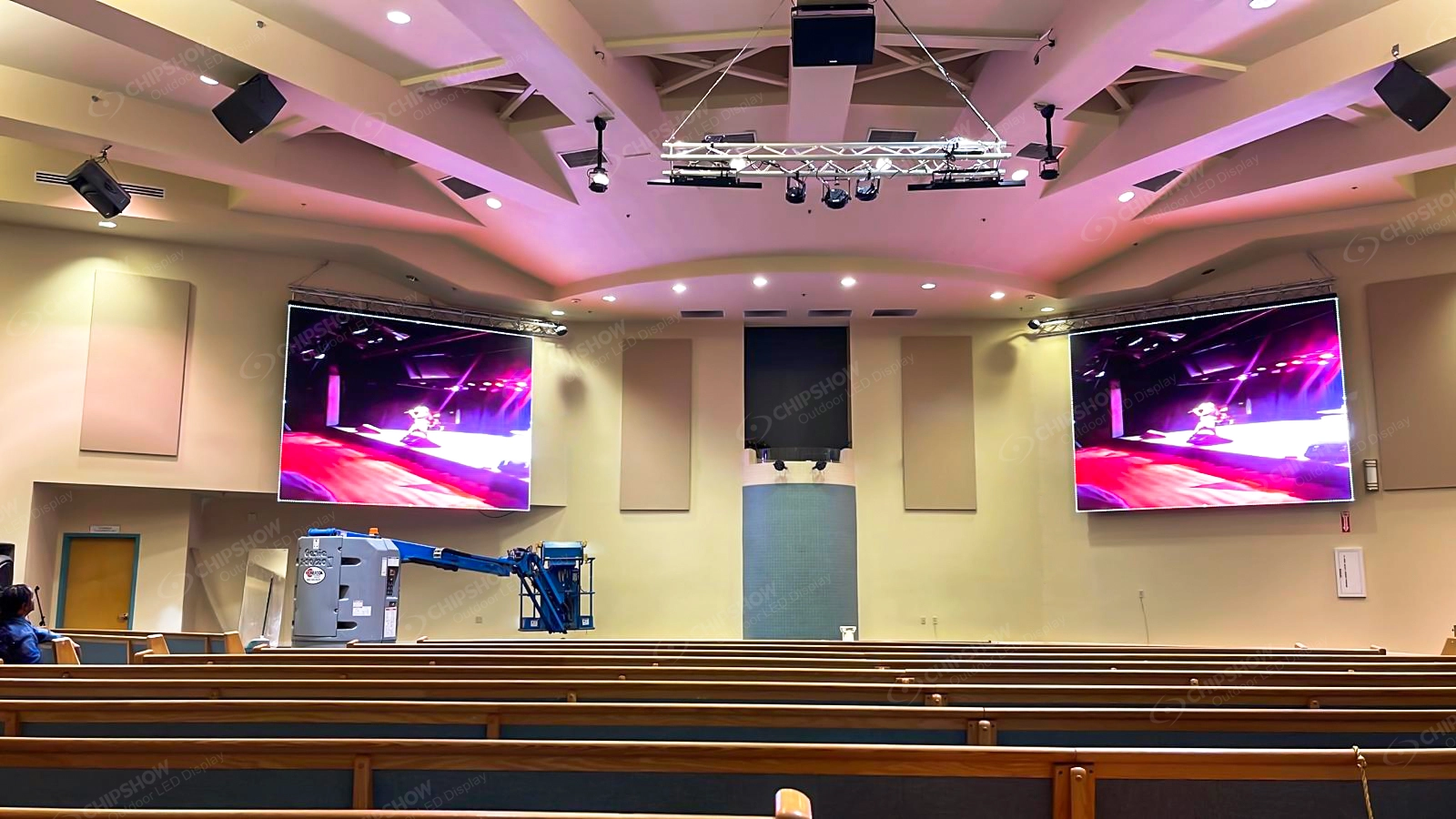
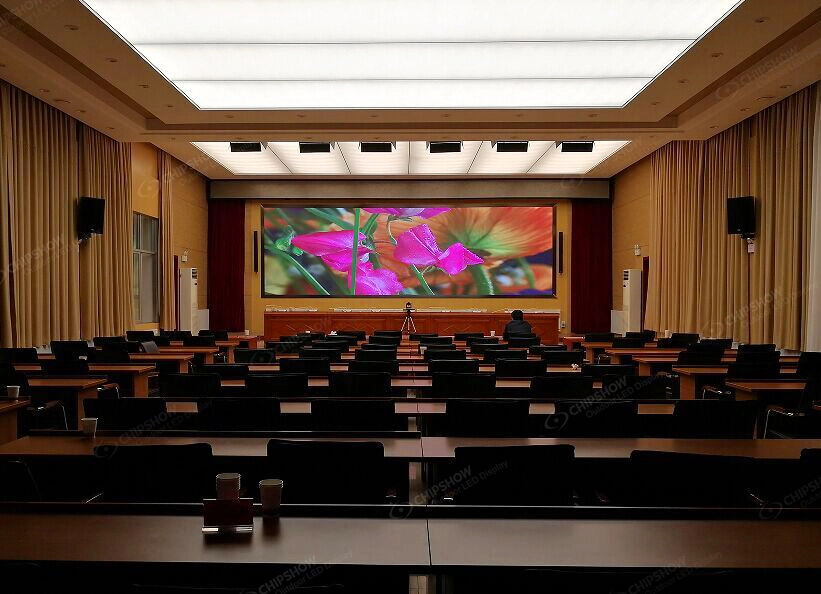
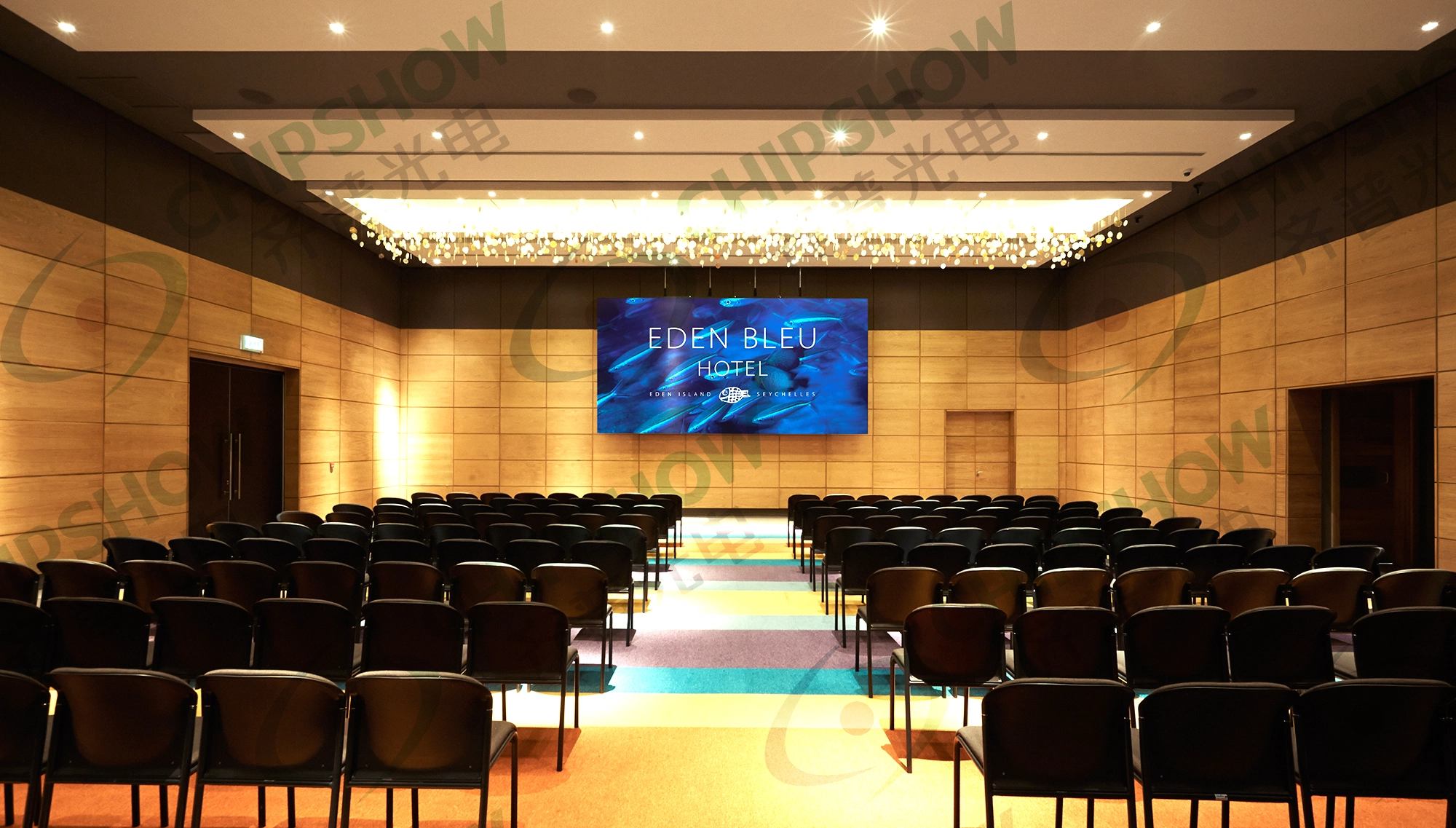
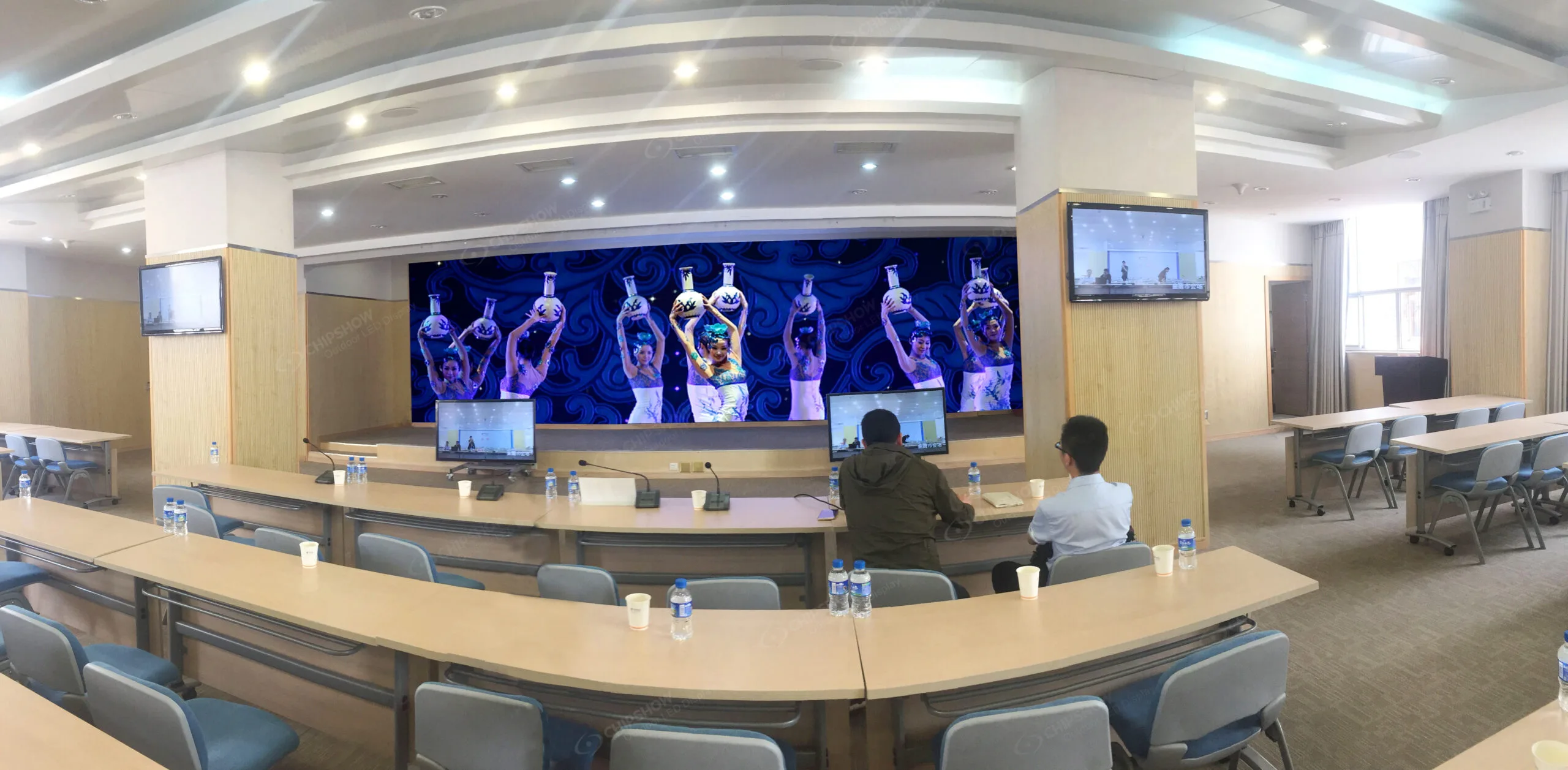
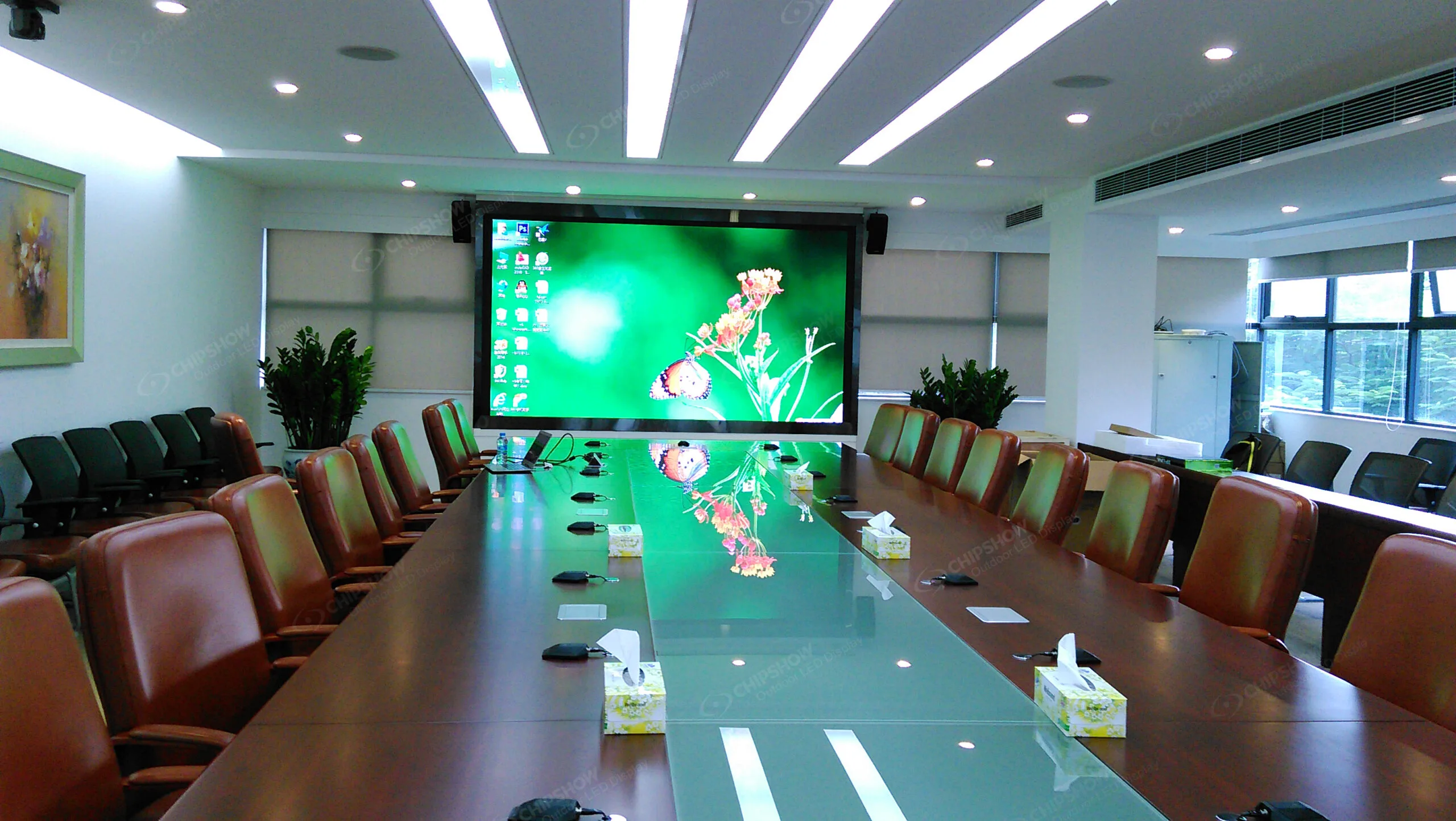
A useful reference identifies the installed environment and product configuration. A corporate lobby example has more value when it states the display model, cabinet layout, service access arrangement, and the type of content shown. A stage rental example should discuss handling and camera requirements rather than serve as automatic evidence of suitability for a permanently installed boardroom. Where possible, request project photographs, system descriptions, and references that the customer has approved for sharing.
Why Online Rankings Should Not Replace Technical Verification
Top supplier lists help buyers discover names, markets, and possible product sources. They are less useful as substitutes for a matched product comparison. Different lists may mix manufacturers, control-system vendors, dealers, and installation contractors. Some rank companies by market visibility, others emphasize product breadth, and many do not publish independent testing criteria. A rank cannot tell you whether a particular warranty covers your receiving cards or whether the quoted spares will fit the delivered cabinets.
What Best P2.6 Indoor LED Display Reviews Should Actually Show
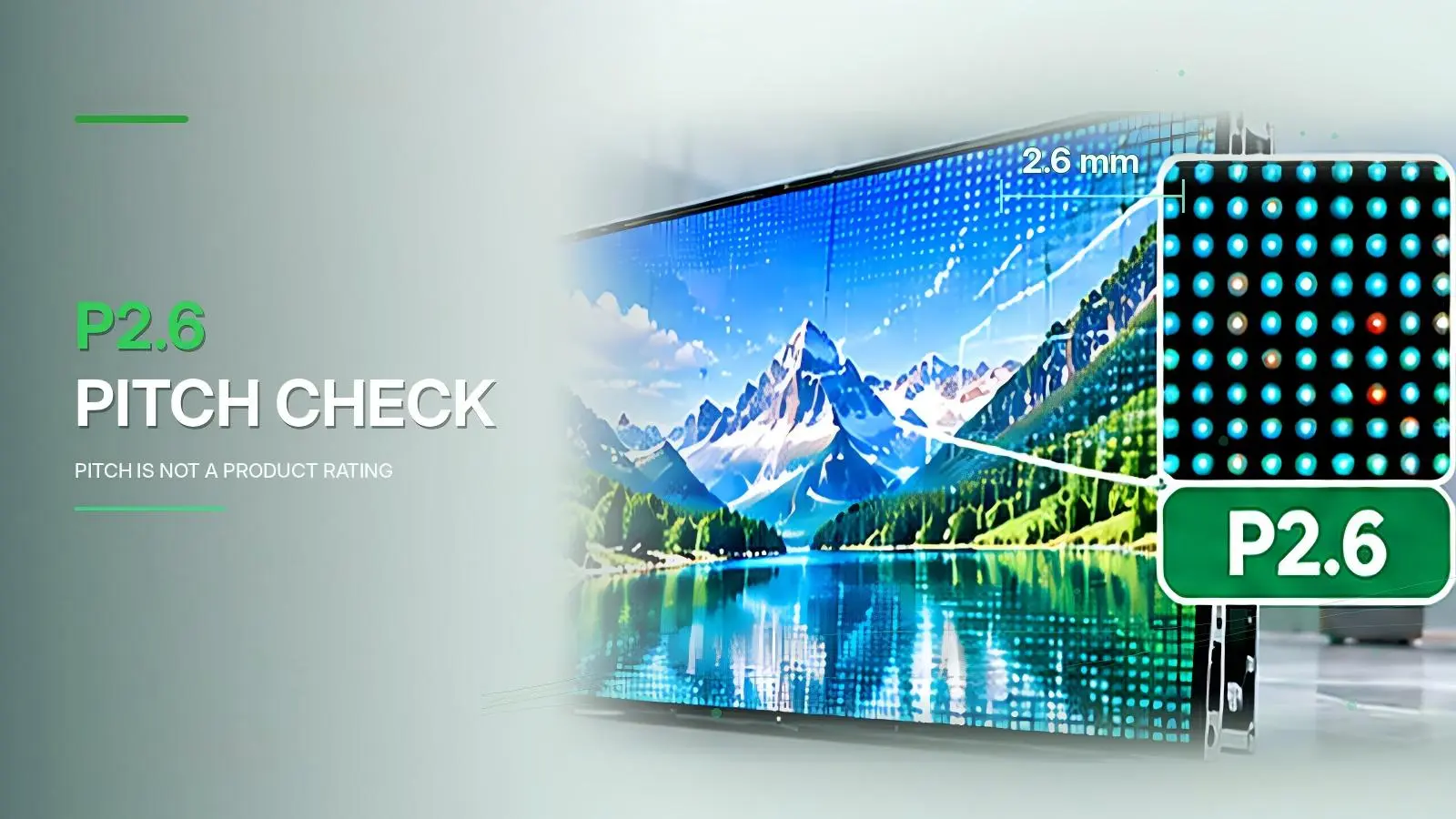
P2.6 Is a Pixel Pitch Category Rather Than a Product Rating
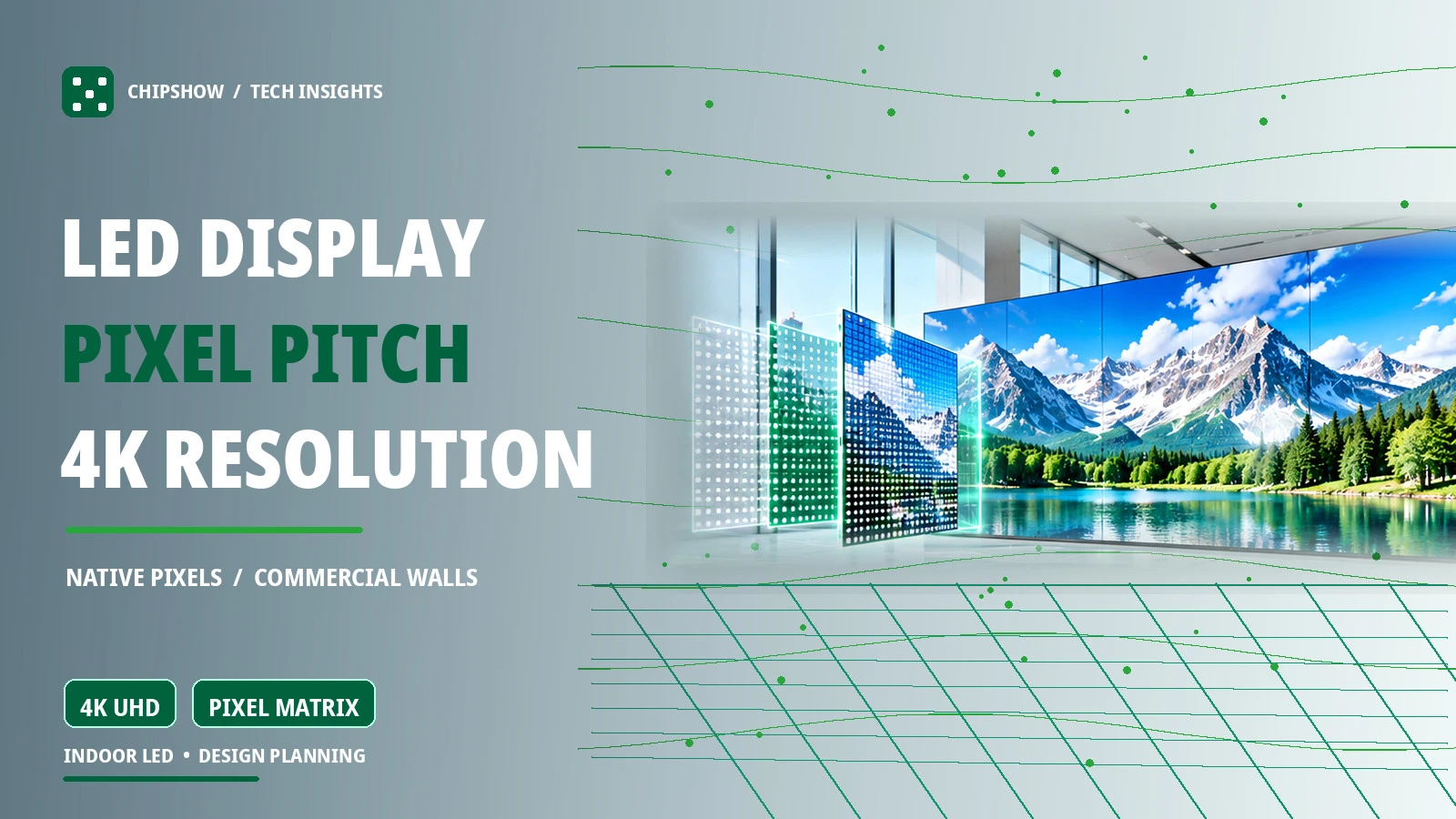
Buyers searching for Best P2.6 indoor LED display reviews are often comparing products that share an approximate pixel spacing but differ in nearly every other practical characteristic. The designation P2.6 indicates a nominal pitch of approximately 2.6 millimeters. It is not a performance grade, a cabinet standard, or proof that a screen is appropriate for every indoor application. The exact manufacturer model remains essential.
Refresh performance, grayscale behavior, scan architecture, and brightness settings also deserve attention where relevant. A camera-facing stage display may need evidence under actual production conditions. A permanently installed commercial sign may instead prioritize architectural integration, service access, and regular operating conditions. A datasheet with one impressive number cannot substitute for testing against the intended use.
Compare Test Conditions Before Comparing P2.6 Products
Look first for the model number and the conditions behind any advertised performance. A meaningful product evaluation should indicate the intended application, relevant brightness setting, control configuration, and measurement method where a measured result is claimed. If camera flicker is discussed, ask about capture conditions rather than treating one video demonstration as a universal guarantee. If seamless alignment is discussed, identify the cabinet and mounting system actually tested.
Examine the difference between a technical specification and an observed result. A specified refresh figure may be useful for screening options but does not alone establish performance with every camera configuration. An advertised cabinet weight should refer to the exact form factor being compared. A serviceability claim should state whether access includes modules, power units, and receiving electronics. It is reasonable for procurement to ask suppliers to identify exceptions rather than allow familiar category terms to conceal different hardware.
Match Reviews to the Intended Installation
The review most relevant to a project is not necessarily the review with the highest rating. A fixed indoor buyer should give more weight to evidence about sustained installation, mounting, maintenance, and integration. A rental buyer may prioritize cabinet handling, transport protection, and repeated assembly. Both can be legitimate uses of LED technology, but they require different evidence.
Our current C-Max Commercial SMD product information lists pitch options including P2.5 and P3.0 rather than an exact P2.6 option. We therefore do not present C-Max SMD as a tested P2.6 model. If your project calls for P2.6, please contact our team with the application and required configuration so we can discuss whether a suitable model is available and confirm its published specifications. Product-family listings alone should not be treated as proof of a particular model or availability.C-Max Commercial SMD product informationproduct catalog
What a Comprehensive LED Video Wall Warranty Should Cover
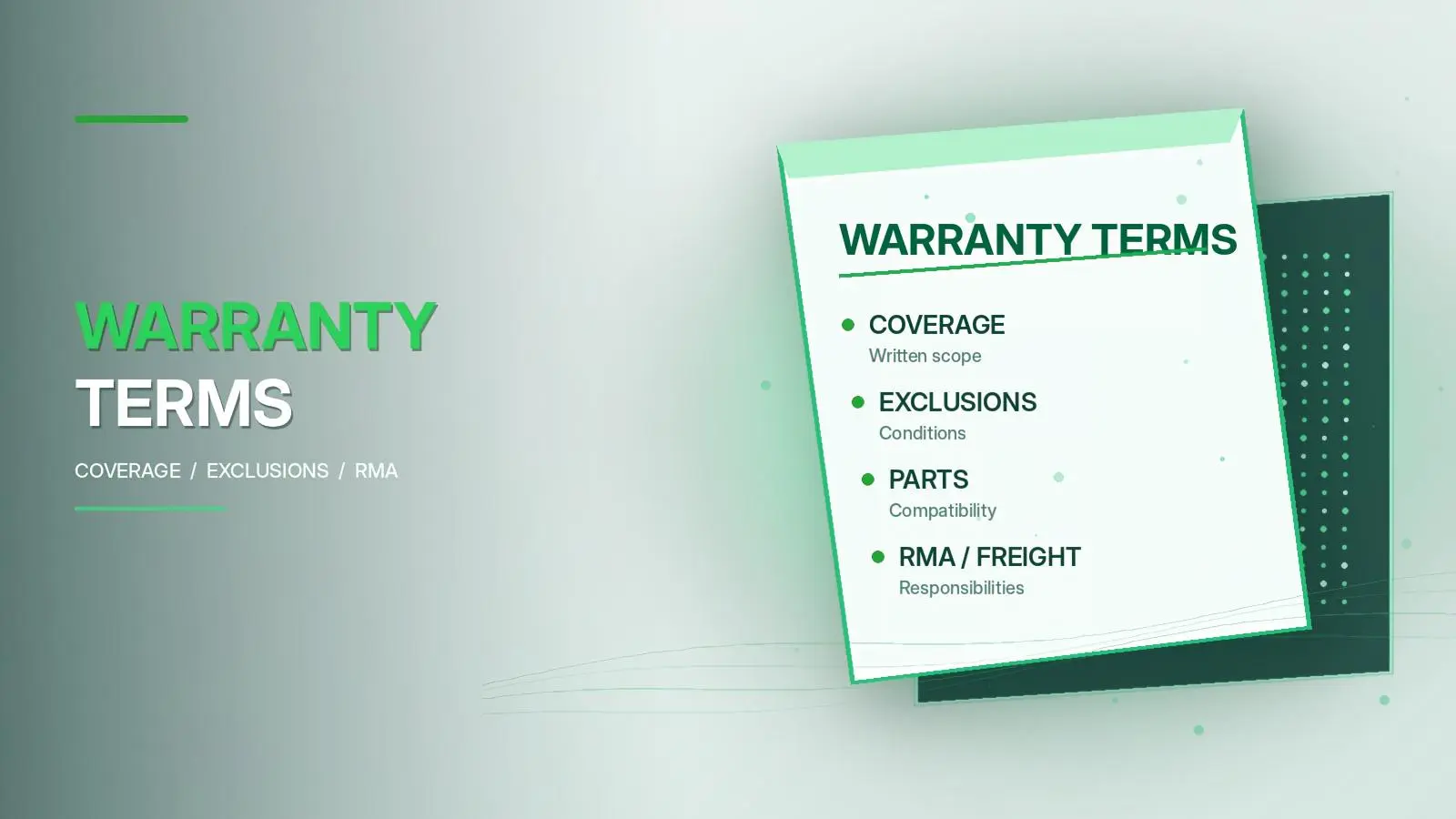
Understand the Written Warranty Scope
A warranty is useful because it defines obligations, not because the word comprehensive appears on a product page. Before accepting terms, identify the covered products, covered defects, warranty provider, start date, duration, exclusions, and available remedies. A manufacturer might describe coverage for defects in materials and workmanship while the purchaser assumes coverage for accidental impact, site electrical events, or labor. Those are not interchangeable promises.
Exclusions are not merely fine print. Environmental exposure outside the product’s rating, unauthorized modifications, unsuitable electrical input, mishandling, and physical damage may affect eligibility under a particular policy. Buyers should inspect actual terms rather than assume that any common exclusion applies identically across suppliers. The same care applies to extended warranty offers: request the precise incremental scope before treating an extension as broader protection.
Check Spare Parts and Replacement Compatibility
Warranty coverage and service continuity intersect at the spare-parts plan. An approved replacement is most useful when it can be installed in the existing cabinet and made visually consistent with adjacent modules. Ask about compatibility for LED modules, receiving cards, power assemblies, and other serviceable parts. The relevant question is not simply whether spare parts exist somewhere in the supplier’s catalog but whether the available parts correspond to the supplied product and revision.
Ask who identifies a failed component and what information helps establish the correct replacement. Serial numbers, photos, controller configuration, and the original project BOM can reduce ambiguity. Retaining these records is a practical step for the site owner or integrator. It also makes any later support discussion more precise and reduces the chance that a nominally similar part is selected without confirming compatibility.
Clarify Labor Costs and Freight Responsibilities
A replacement part may be covered while removal, installation, technician travel, equipment rental, and shipping remain outside the warranty. For a difficult-to-access commercial wall, these costs can be significant even when the hardware component itself is small. Buyers should ask which expenses belong to the supplier, the hardware warranty provider, the integrator, and the end customer.
For commercial projects, local labor responsibilities must also be explicit. A hardware manufacturer can support an integrator with specifications and product information without being the local electrical or installation contractor. Separating these scopes helps the owner understand what will happen after a failure and who will coordinate access to the site. Comprehensive warranty for LED video walls should therefore be evaluated through the written coverage and the practical route to resolution, not through a headline alone.
How RMA and Replacement Policies Affect Long Term Reliability
What Happens After an LED Display Component Fails
RMA refers to return merchandise authorization, the process used by many suppliers to review and manage a product return or service request. A typical sequence begins with fault identification, then moves through submission of the relevant product information, eligibility assessment, authorization, and an agreed repair or replacement arrangement. Actual steps vary among providers and should be confirmed in the governing policy.
Authorization is also a commercial checkpoint. Ask whether a return number is required, how warranty eligibility is determined, what happens when damage is outside coverage, and whether parts can be repaired rather than replaced. Keep copies of correspondence and the model identification submitted. A clearly documented process allows integrators to manage customer expectations without inventing a fixed turnaround time.
Why RMA Terms Matter Beyond the Warranty Period
Replacement policy affects the usable life of a wall even when a specific fault is not covered. A project may continue operating beyond its original warranty, so compatibility and procurement of service parts remain important. Ask whether the supplier anticipates future module availability, how substitutions would be evaluated, and what records the customer should retain. No manufacturer can responsibly promise indefinite availability of every component without specific contractual support.
A sensible service strategy distinguishes equipment that can be swapped at the module level from components that require more extensive access. It identifies who holds spare parts, where they are stored, and who is trained or authorized to perform work. It also accounts for visual consistency after replacement. These questions link the warranty document to practical maintenance without assuming a particular failure rate or downtime guarantee.
Supplier Evidence Comparison Matrix
A comparable evidence set makes supplier differences easier to evaluate. The purpose of this matrix is not to assign scores or create another top-ten list. Use it to identify missing documents and unresolved obligations before choosing between quotations.
| Evaluation area | Evidence to request | What to confirm |
|---|---|---|
| Product identity | Model-specific datasheet | Exact configuration and intended application |
| Manufacturing role | Factory or production information | Who makes and warrants the quoted hardware |
| Calibration | Batch or calibration records where available | Consistency and replacement compatibility |
| Performance | Technical documentation or applicable test results | Conditions relevant to the project |
| Warranty | Written warranty terms | Covered parts start date and exclusions |
| RMA | Return policy or written procedure | Authorization process and freight obligations |
| Spares | Itemized spare-parts proposal | Compatibility and supply responsibilities |
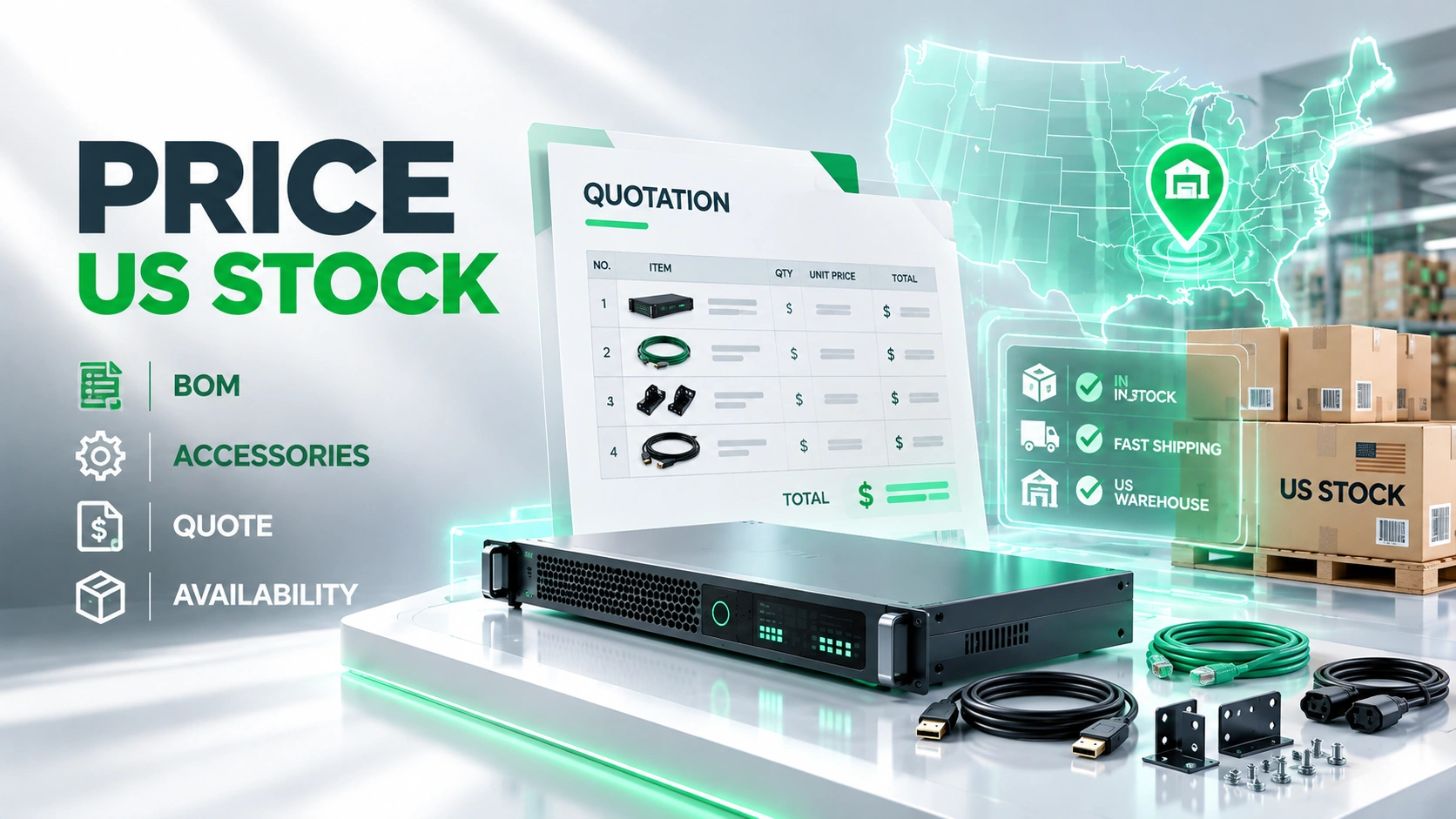
| US inventory | Current stock confirmation | Model pitch quantity batch and timing |
| Compliance | Model-specific evidence where applicable | Exact product and certificate scope |
| Commercial quote | Itemized BOM and quotation | Included hardware and excluded work |
A blank or incomplete entry is not necessarily a reason to reject a supplier. It is a reason to request clarification. The goal is to move from inconsistent promotional descriptions toward comparable technical and commercial commitments.
How to Verify US Stock and Delivery Readiness
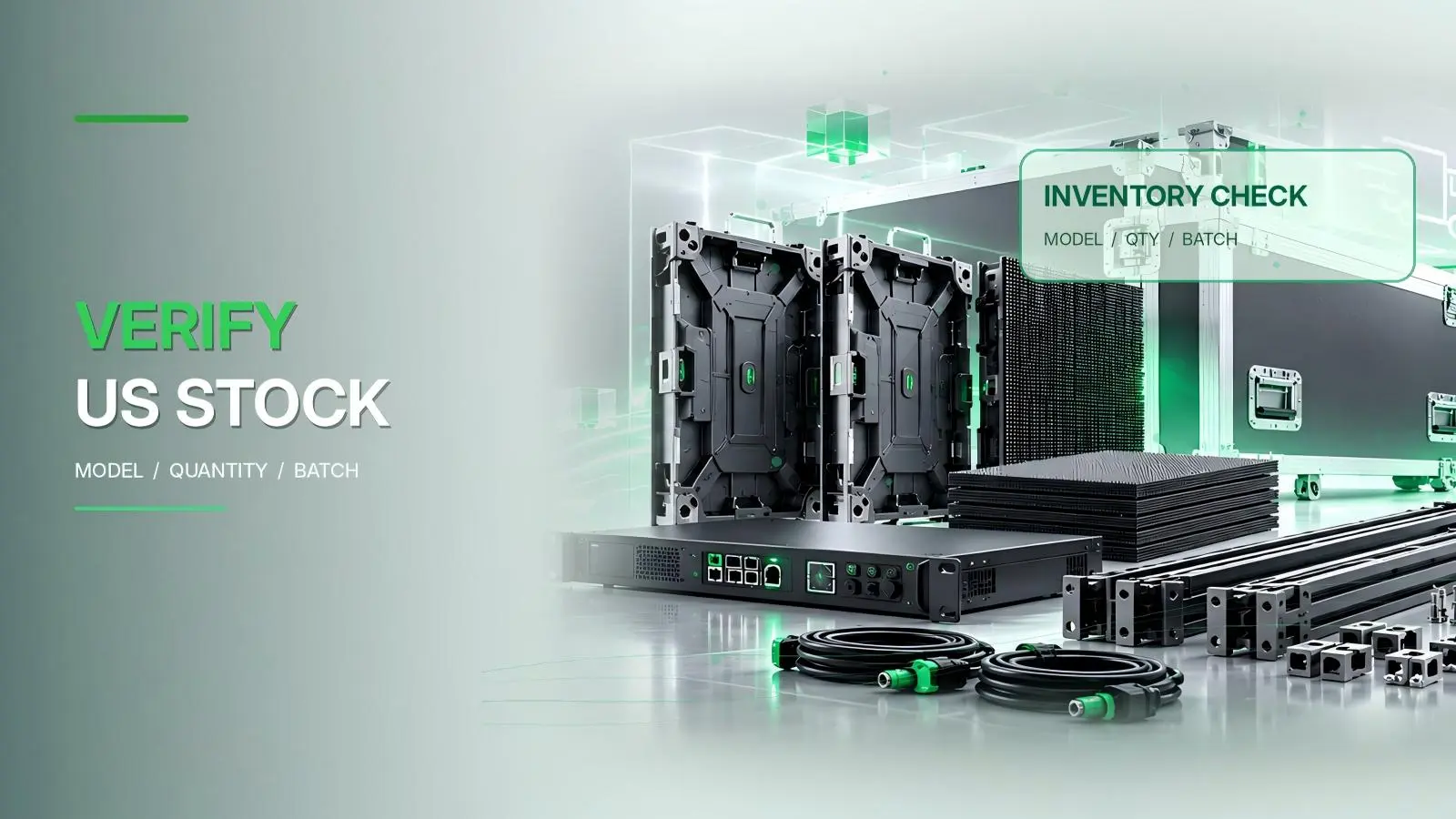
A US Supplier Does Not Always Mean US Stock
A supplier’s US address cannot establish where a particular product is manufactured or whether the quoted quantity is already available domestically. Distinguish a US business presence from a warehouse location and a warehouse location from verified inventory. Also separate product delivery from local installation; they are different contractual activities. These distinctions matter when a project has scheduling dependencies or when compatible spare parts need to be available after commissioning.
Verify the Exact Hardware Configuration
Inventory numbers are useful only when they match the proposed system. Cabinets alone do not establish that receiving components, processors, cables, or project spares are available on the same schedule. Nor does the presence of an alternate pitch prove that the original requirement can be met. Compare available equipment against the approved BOM and identify any substitutions before the purchase order is finalized.
Confirm Documentation Before Procurement
Commercial projects often require model datasheets, cabinet drawings, electrical information, mounting interfaces, and compliance evidence. The necessary package depends on the project and local requirements. Buyers should ask whether the documents correspond to the proposed equipment rather than accepting generic marketing materials as a technical submittal.
Model-specific certification claims deserve similar scrutiny. A certificate for one configuration is not automatic evidence for every related SKU, nor does the existence of a document guarantee approval by local authorities. Site-level requirements and permits are determined by the appropriate project professionals and authorities. A supplier’s role is to provide accurate product information and clearly identify any documentation that remains to be confirmed.
Comparing LED Display Price With Long Term Support Value
Why the Lowest Quote May Not Represent the Lowest Project Cost
A low initial price can be attractive, but comparisons are unreliable when one quotation includes controllers, recommended spares, and freight while another covers only display cabinets. Even the phrase complete LED wall package can describe different scopes. Request itemization and note which accessories, logistics, and services are included. Then compare the same technical requirement rather than different bundles marketed under similar names.
Compare the Same Product and Service Scope
Separate hardware cost from installation-related expense. Project-specific structural work, electrical construction, permits, and local labor may be managed by the customer’s integrator or contractor rather than the display supplier. The comparison should make these boundaries visible so that a low hardware price is not mistaken for a fully installed system price.
What to Check Before Buying Commercial LED Displays for Sale
Verify the Product Behind the Listing
A web listing for commercial LED displays for sale can be an initial discovery tool, but it rarely contains everything necessary for a specification decision. Product images may show a family rather than the exact SKU. A displayed price may reflect a cabinet, a module, a sample, or a configuration with exclusions. Even when the item is real, marketing shorthand can obscure the environmental rating, control requirements, or maintenance arrangement.
Confirm Who Is Responsible After the Sale
The legal seller, the Factory, the hardware brand, and the warranty administrator may be different entities. Before accepting a purchase agreement, confirm who receives defect claims, who authorizes returns, and who supplies replacement parts. Verify that any quoted technical assistance is within the provider’s agreed scope. These are transactional responsibilities, distinct from the detailed engineering and warranty considerations covered earlier.
How Chipshow Supports Evidence Based Supplier Evaluation
Product Specific Documentation
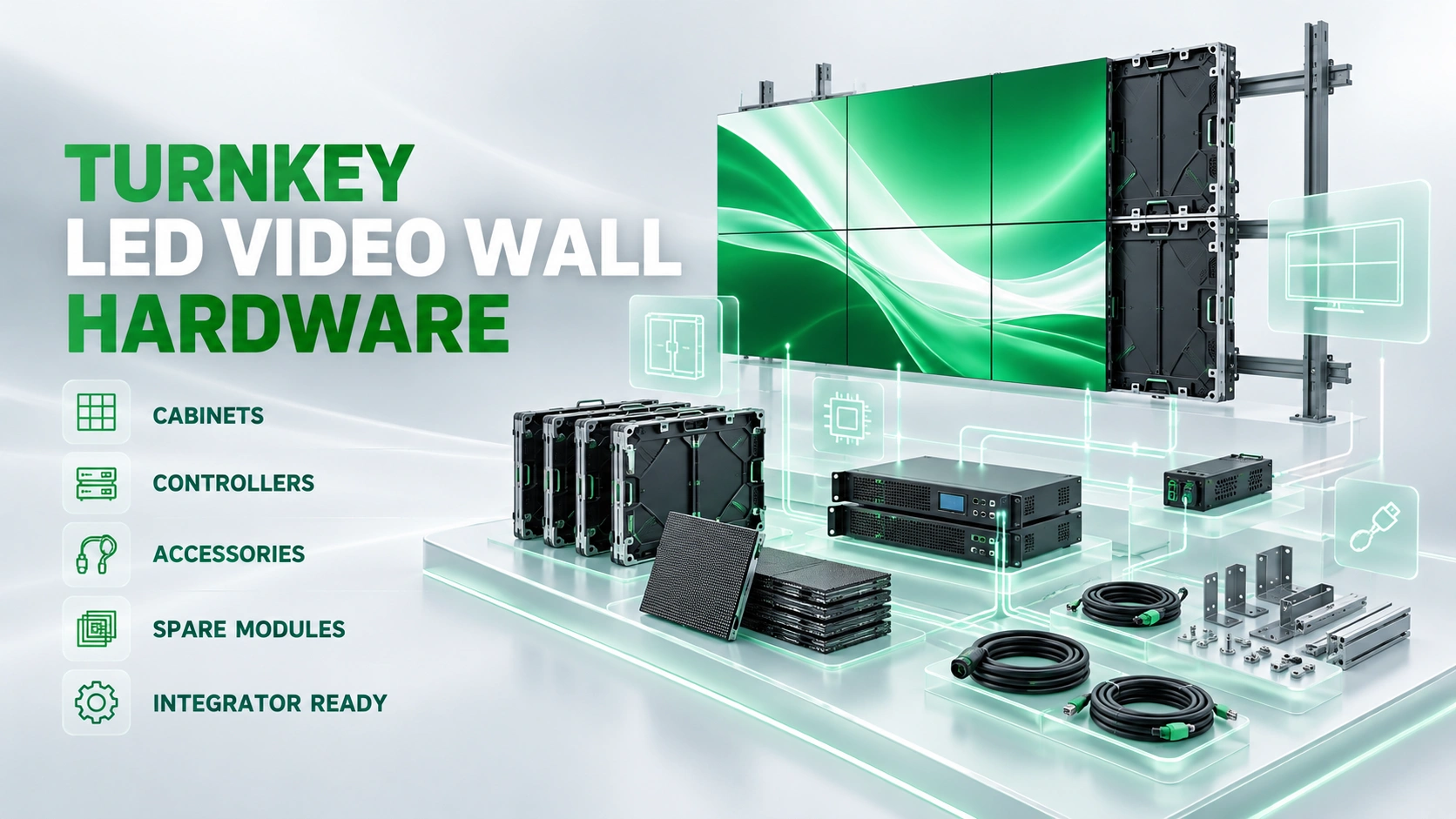
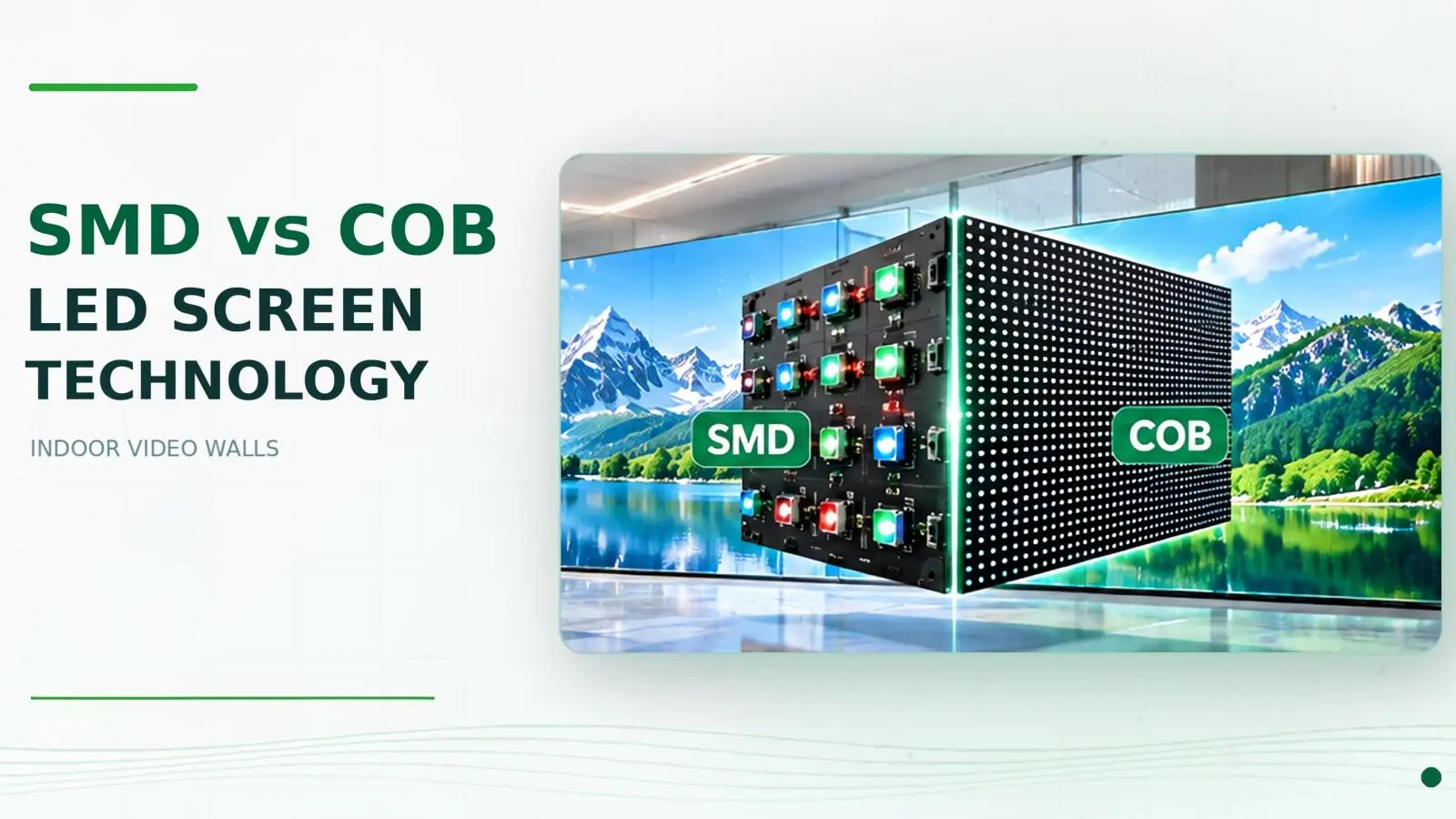
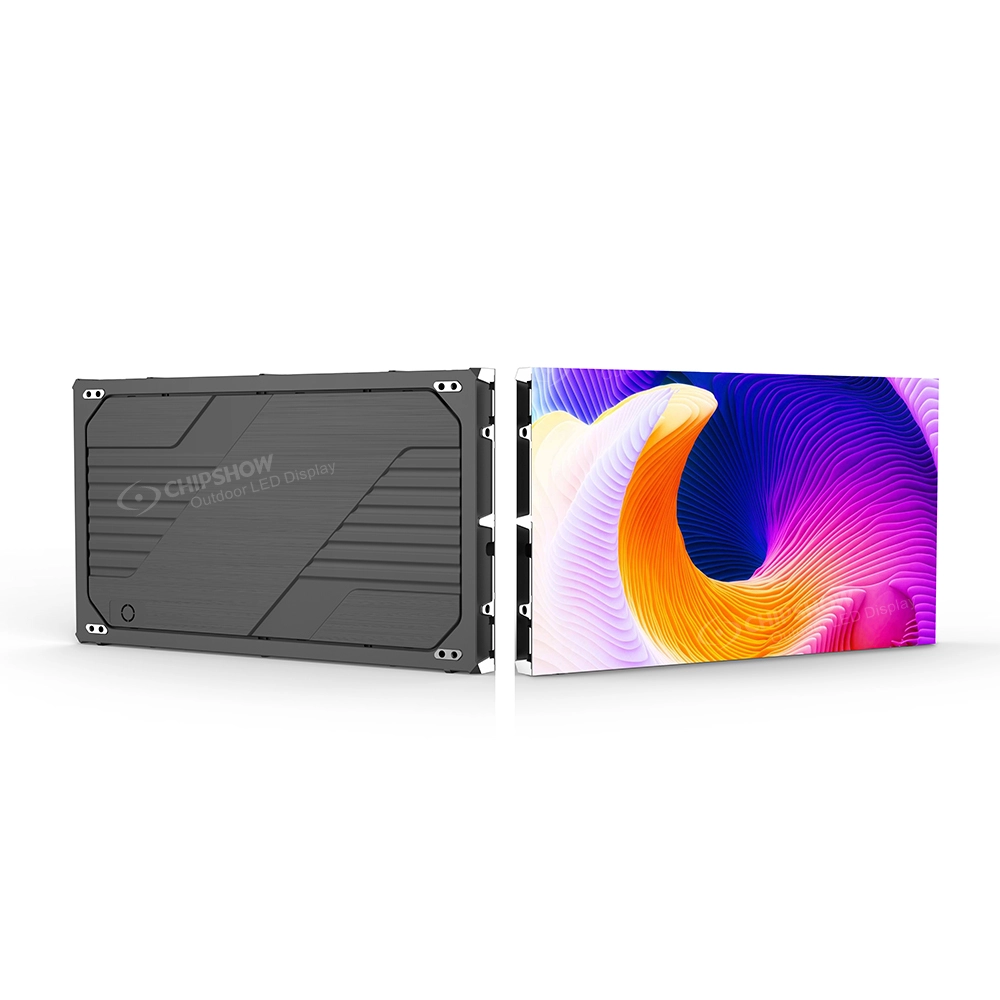
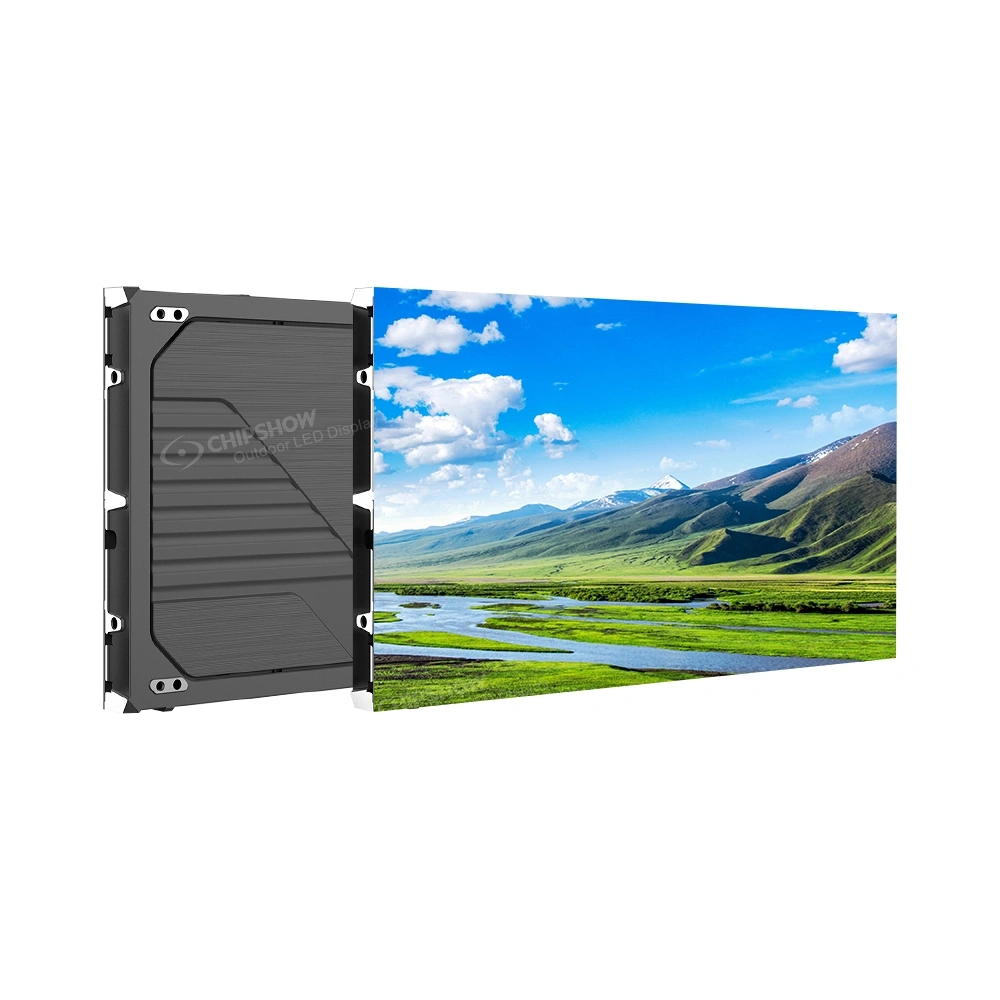
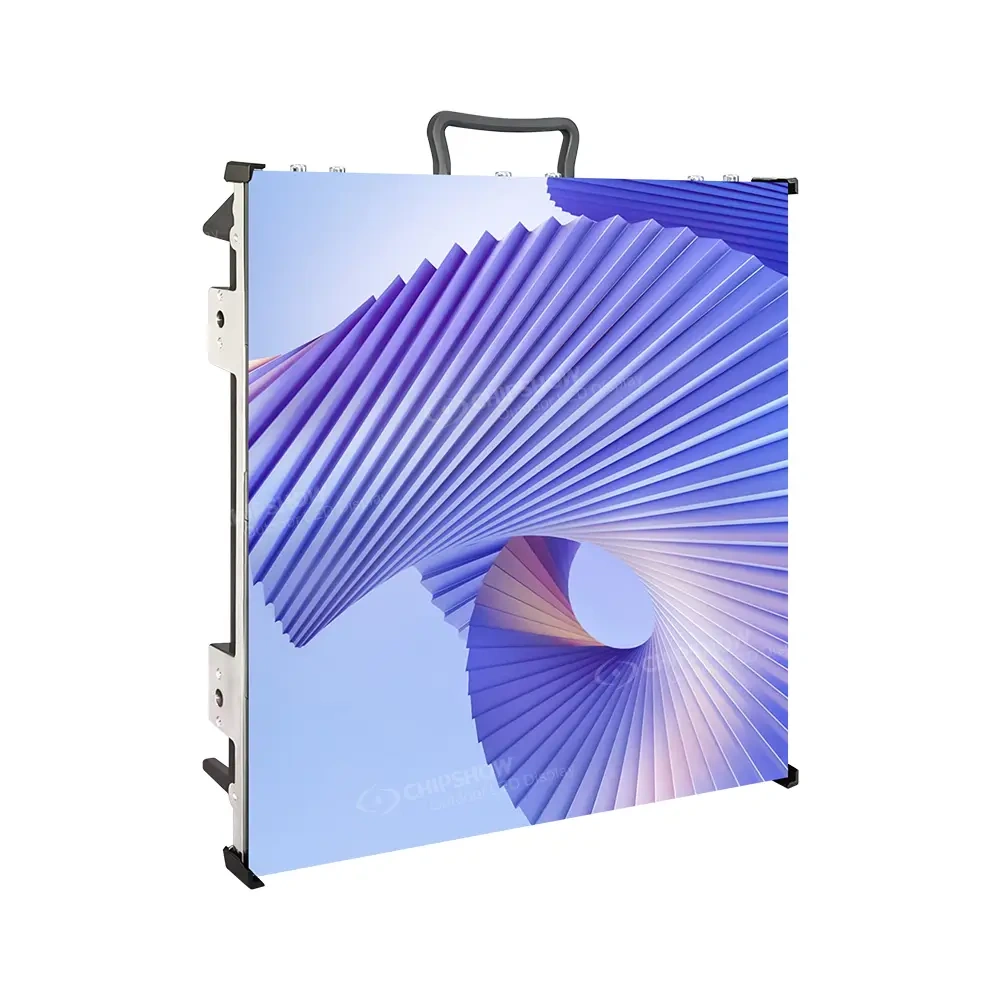
At Chipshow, we approach supplier conversations through the exact display hardware being considered. Our C-Max Commercial SMD series illustrates why model-level identification matters. The published configuration includes a 640 by 480 millimeter cabinet format, specified pitch choices, and front access to modules, power units, and receiving cards. Those details are useful to an integrator evaluating indoor fixed installation, but they must still be reviewed against the selected pitch and project requirements.
We do not treat a broad product family description as a substitute for the final model submission. Where the project involves other product formats, our commercial LED product catalog can help identify candidate families before the selected version is verified. The next step is matching the physical and electrical requirements to the hardware being quoted, not declaring every listed product interchangeable.
Manufacturing Background and Hardware Consistency
Our manufacturing background is relevant when buyers assess cabinet architecture and module configuration. Product documentation and spare-part compatibility must be checked for the exact model involved. Please contact our team to ask which model-specific drawings, specifications or spare-part information are available for your project rather than assuming a standard documentation or replacement package applies to every order.
Factory involvement should be evaluated through its practical output. A project team benefits from precise dimensions, service access information, specification documents, and transparent product identities. It does not benefit from broad assertions of unmatched quality or an unsupported claim that one manufacturer’s hardware is always superior. We encourage buyers to request appropriate evidence from every shortlisted supplier, including us.
California Warehouse and Project Verification
Our California Warehouse Hub is one possible source for North American hardware orders, but available inventory depends on the exact configuration and timing. Please contact us with the model, pixel pitch, quantity and required accessories to ask about current stock and estimated dispatch arrangements. Batch matching and lead times also require confirmation for the specific inquiry; a general warehouse reference is not a shipping guarantee.
Available cabinets do not automatically mean the complete project hardware package is ready. Mounting interfaces, controllers and accessories may have separate requirements or lead times. Contact our team with your selected configuration and project schedule to clarify which items are available and which arrangements would need further confirmation.
Support for AV Integrators and Channel Partners
We manufacture LED display hardware for projects involving integrators and channel partners. The scope of any product documents, configuration assistance or technical information should be confirmed with our team for the selected model and order. Local site assessment, structural and electrical works, permits and installation labor fall within the responsibilities established by the project parties and their contracts; do not assume these services are included with the hardware.
This division of responsibility helps both sides. Integrators can plan their field work with an identifiable hardware configuration, while buyers can distinguish manufacturer documentation from local professional services. For a broader discussion of those boundaries, our AV integrator hardware article addresses the delivery workflow without changing the scope of this supplier verification discussion.
Frequently Asked Questions
Is a US Based LED Supplier the Same as a US Manufacturer
No. A supplier may operate in the United States while manufacturing elsewhere or reselling equipment made by another company. Confirm the contracting seller, manufacturing origin when relevant, inventory location, and party responsible for warranty service separately.
Can a Replacement LED Module From Another Batch Match the Original Wall
It may be possible, but matching cannot be assumed. Verify physical and electrical compatibility and ask whether calibration or additional adjustment will be needed to maintain consistent brightness and color across the installed wall.
Does an LED Video Wall Warranty Include On Site Labor
Not necessarily. Hardware coverage does not automatically include technician travel, lift rental, removal, or installation labor. The applicable written warranty and project contract determine whether any of those costs are covered.
Are P2.6 Indoor LED Displays Suitable for Both Rental and Fixed Installation
Pixel pitch alone does not establish suitability. Review cabinet mechanics, service method, installation environment, controller compatibility, and handling requirements for the exact model before selecting it for a fixed or rental application.
Can a Manufacturer and Distributor Offer Different Warranty Terms
Yes. Different sellers or contracting entities may provide different commercial terms for the same underlying hardware. Obtain the written policy from the party that will actually honor the claim and reconcile it with the purchase agreement.
What Documents Should Be Confirmed Before Accepting a Supplier Quote
Confirm the exact product model, itemized BOM, current availability statement, and applicable written warranty. If the project requires particular certificates or installation drawings, ensure that these relate to the proposed hardware rather than a generic product family.
Make Your LED Supplier Decision With Verified Documentation
The strongest LED supplier comparison is one that leaves fewer unanswered questions after the purchase order. Before deciding, connect the selected hardware to its specification, the quote to its included components, the warranty to its actual remedies, and the delivery promise to a current inventory confirmation. The goal is not to reward the longest marketing claim. It is to establish a workable supply relationship for the project you need to deliver.
At Chipshow, we invite AV integrators and commercial buyers to contact us with their application, display dimensions, preferred service access and product requirements. Our team can discuss the specific models under consideration and clarify which product documents, hardware options and California inventory information are available at the time of inquiry. For warranty coverage, replacement parts, RMA procedures, shipping arrangements or any other after-sales terms, please contact us to request the applicable written conditions for your selected product and order before making a purchasing decision.