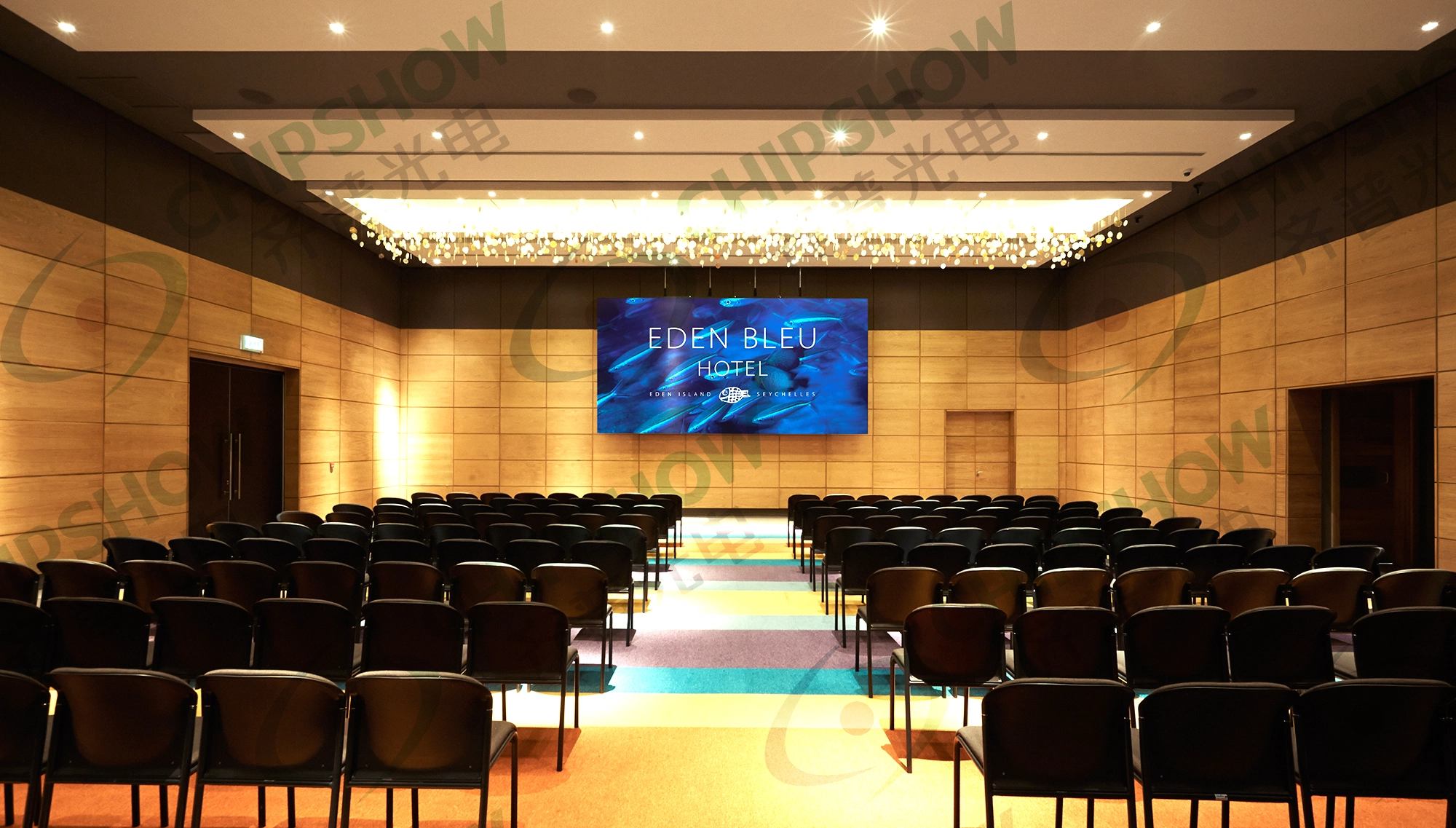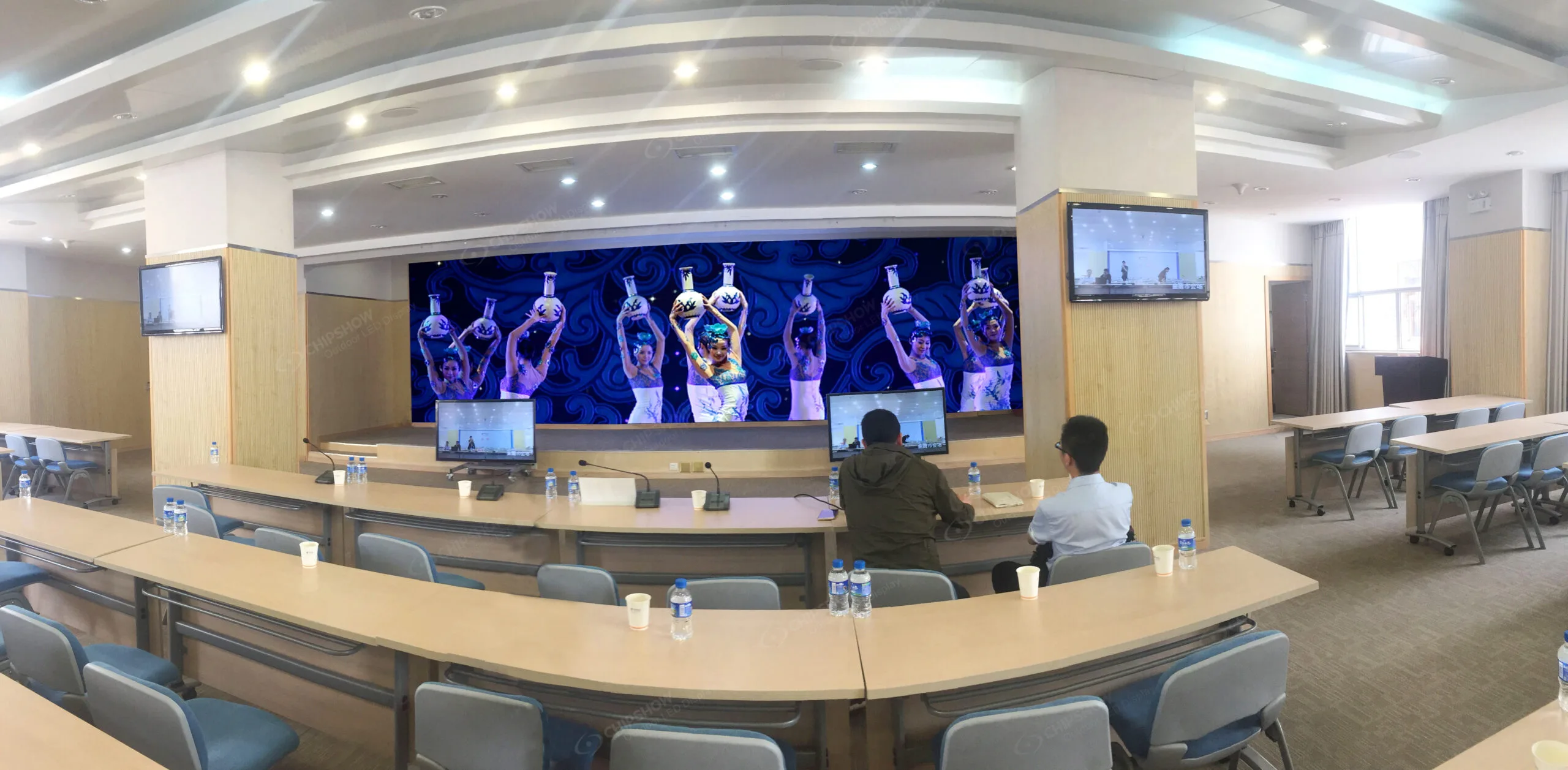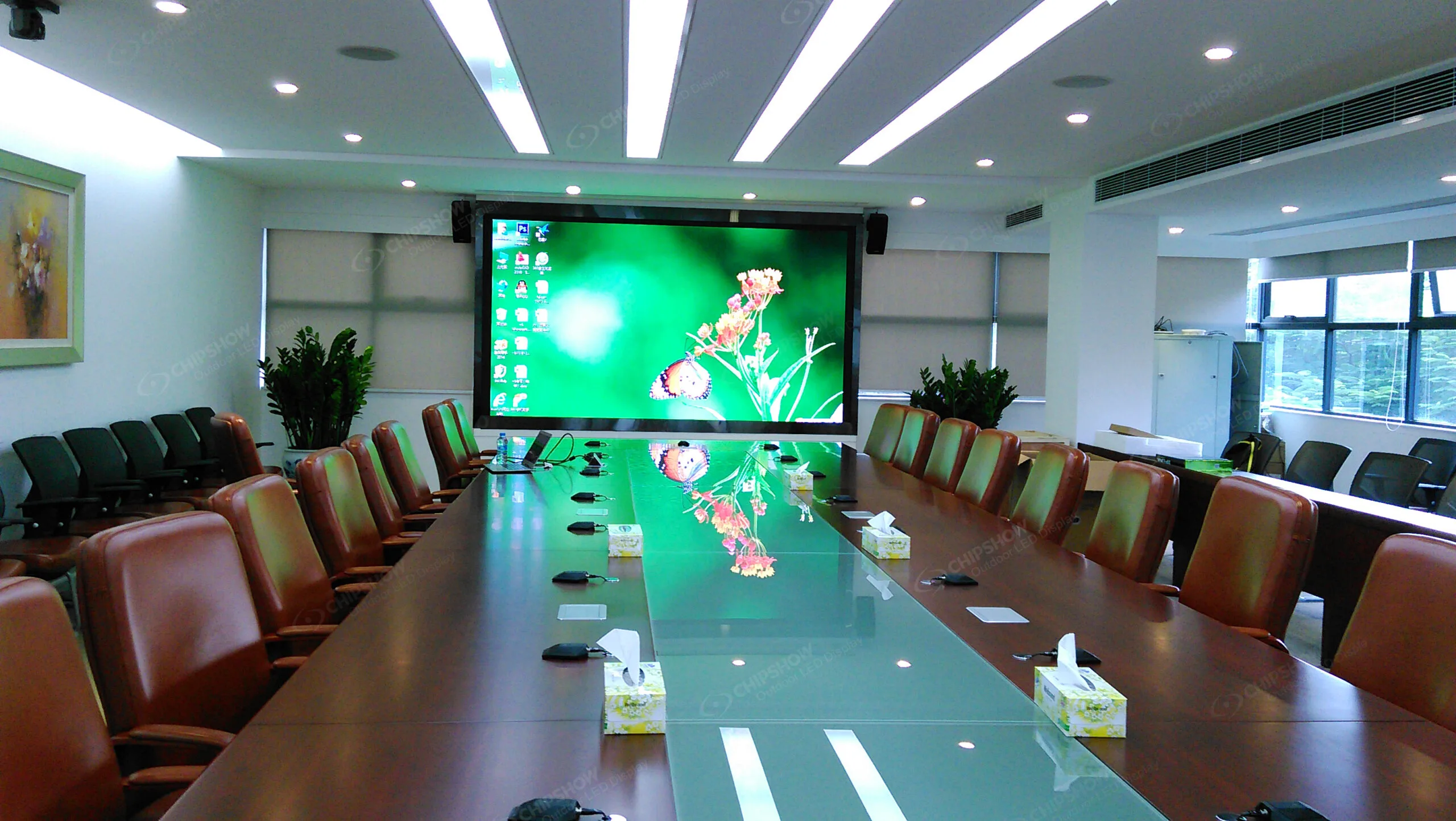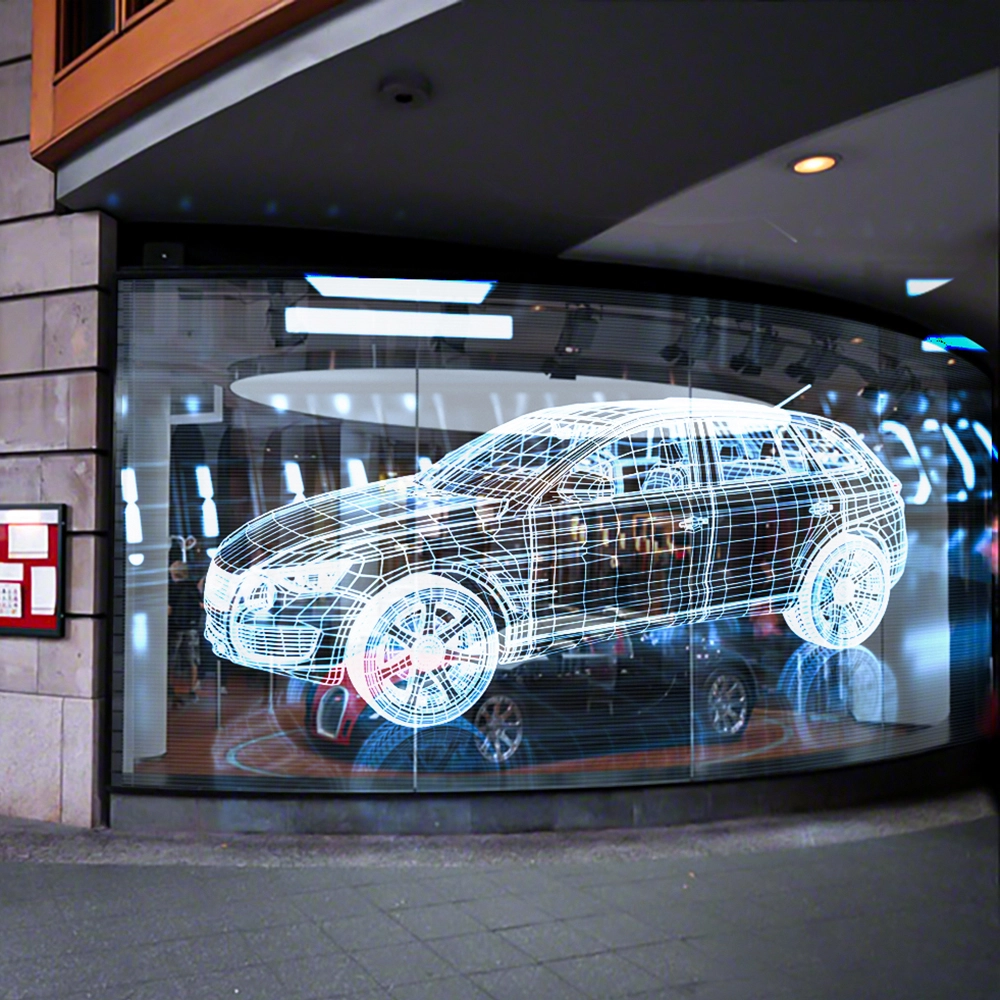
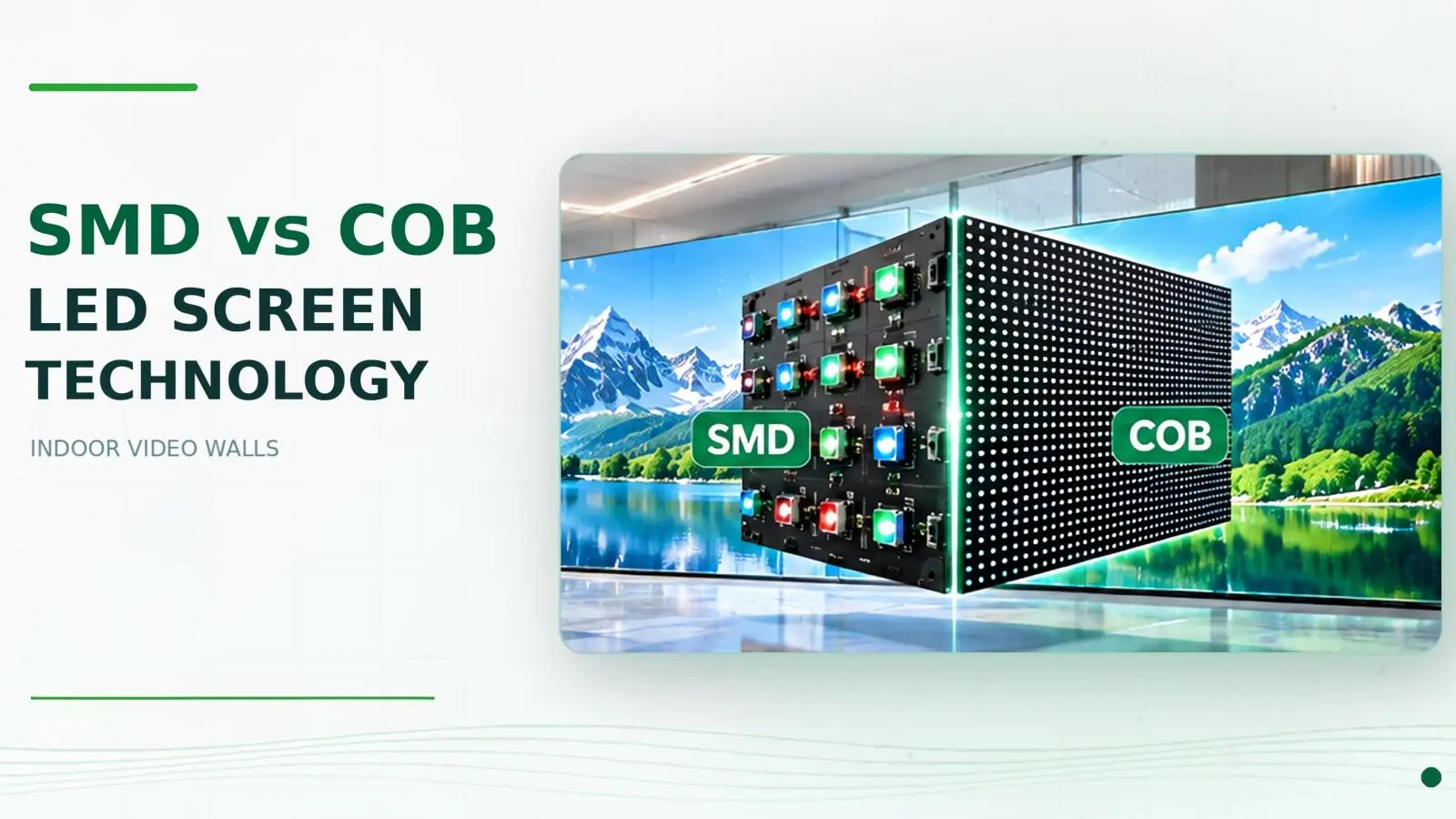
Choosing an indoor LED video wall starts with a surprisingly practical question. Will people see detailed content at arm’s length, or watch the screen from across a spacious lobby? The answer influences more than pixel pitch. It also changes how much attention a project should give to surface protection, glare, repair access, and the hardware budget. When buyers ask what is SMD vs COB LED display technology, they usually want to know which approach makes sense for a real commercial space rather than which acronym sounds newer.
SMD and COB are two ways to package the light-emitting components of a direct-view LED display. Both can support sophisticated indoor installations. Neither alone determines the finished screen’s resolution, image quality, or service life. This article connects led screen technology to the choices commercial buyers and AV integrators actually make, using Chipshow indoor hardware as practical reference points. The goal is to select a display based on operating conditions and verified product specifications rather than a broad claim that newer always means better.
What Is SMD vs COB LED Display Technology
The basic distinction is where the LED emitters are packaged and how the viewing surface is constructed. That difference can influence pixel exposure, surface handling, repair methods, and the manufacturing process. It does not eliminate the importance of electronics, calibration, installation design, and continued maintenance. Understanding those layers makes the rest of a specification sheet much easier to interpret.
How SMD LED Display Technology Works
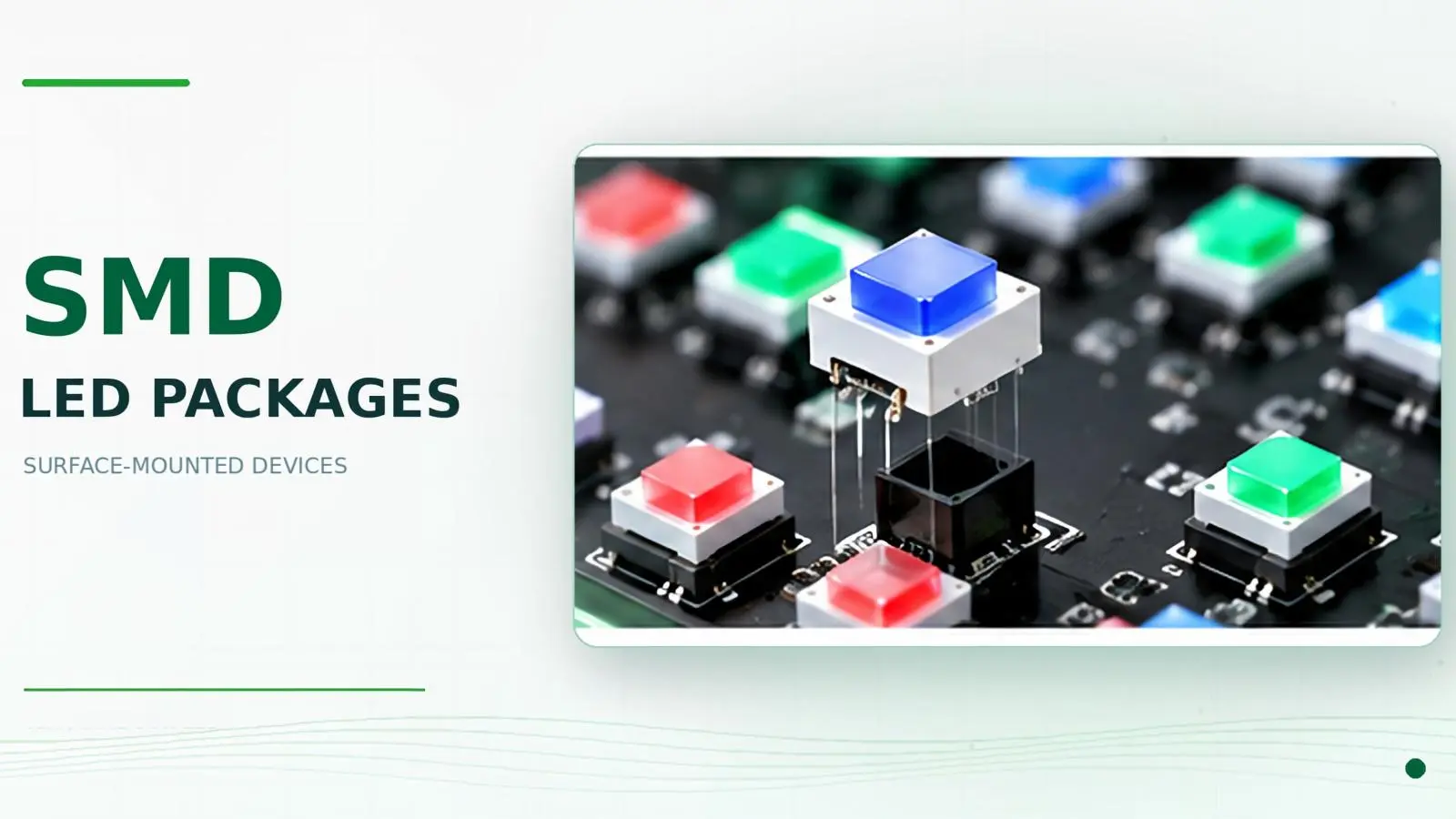
SMD stands for surface-mounted device. In an SMD LED module, packaged LEDs are mounted onto a printed circuit board as distinct components. Those packages form the visible pixel array. A receiving and driving system controls the light emitted by each pixel so that the cabinets display video, data, and graphics as one canvas. SMD is a widely used form of led screen technology because manufacturers can configure it across a broad range of commercial pixel pitches and cabinet formats.
How COB LED Display Technology Works
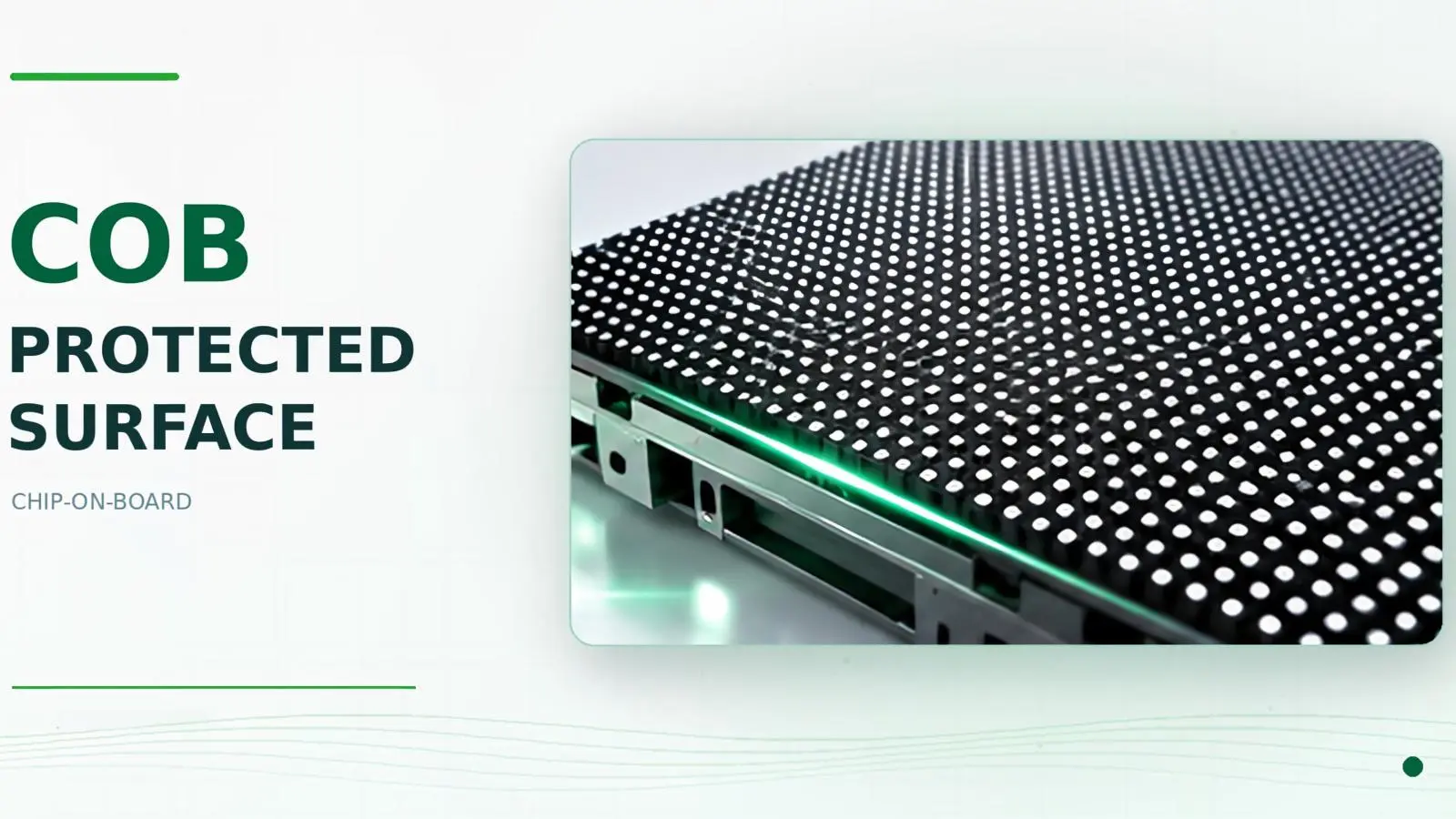
COB stands for chip on board. Rather than mounting conventional packaged RGB LEDs in the same way as SMD, COB construction integrates LED chips onto a substrate and uses an encapsulated surface over the emitting area. The result can be a more continuous front face and a different approach to protecting delicate pixels. Commercial COB products are commonly evaluated for fine-pitch indoor environments where viewers come close to the screen or the display faces routine incidental contact.
What Makes SMD and COB Different
A useful way to answer what is SMD vs COB LED display is to compare the front of the module, the service method, and the intended environment. An SMD module generally uses discrete mounted packages. A COB module integrates chips with surface encapsulation. Each architecture introduces different engineering decisions about access to individual emitters, protection from handling, and how damaged sections are serviced. These differences can influence a buyer’s workflow even when two displays look similar from the normal viewing position.
How Modern LED Screen Technology Is Evolving
Commercial buyers encounter new display technology announcements frequently. Some address semiconductor manufacturing; others improve how finished displays handle contact, integrate into architecture, or accommodate service access. The distinction matters because an experimental breakthrough does not automatically become a feature of an available commercial video wall. For a purchaser, meaningful innovation is technology that solves a specific installation constraint and can be documented in the product being quoted. A new technology display claim matters only when the offered hardware addresses a measurable project requirement.
Advances in Fine Pitch LED Display Packaging
Fine-pitch indoor displays place many emitting points into a relatively compact viewing area. As designs develop, manufacturers refine pixel assembly, cabinet precision, coatings, calibration, and modularity. Improvements can make higher-detail content practical in meeting rooms or operator environments without requiring buyers to learn every manufacturing term. Yet smaller pitch alone does not settle the choice. Content design, nearest viewing position, and the resulting hardware price all shape the decision.
Where Flip Chip COB Fits Into New Display Technology
Flip-chip describes a chip interconnection approach that can be used within particular COB architectures. It should not be treated as a synonym for all COB products. Details such as interconnect design, heat paths, encapsulation materials, and manufacturing controls are engineering variables that can differ from one factory platform to another. Buyers do not need a semiconductor lecture, but they should recognize that two products carrying a COB label can have quite different internal designs.
How Commercial LED Technology Differs from OLED and MicroLED
News about OLED, microLED, and emerging display materials belongs to a wider conversation about new display technology. Those terms do not sit at exactly the same level as SMD and COB. OLED describes a different emissive display technology, while microLED discussions may concern the emitting devices and their manufacturing processes. SMD and COB principally describe packaging and assembly choices relevant to many direct-view LED products.
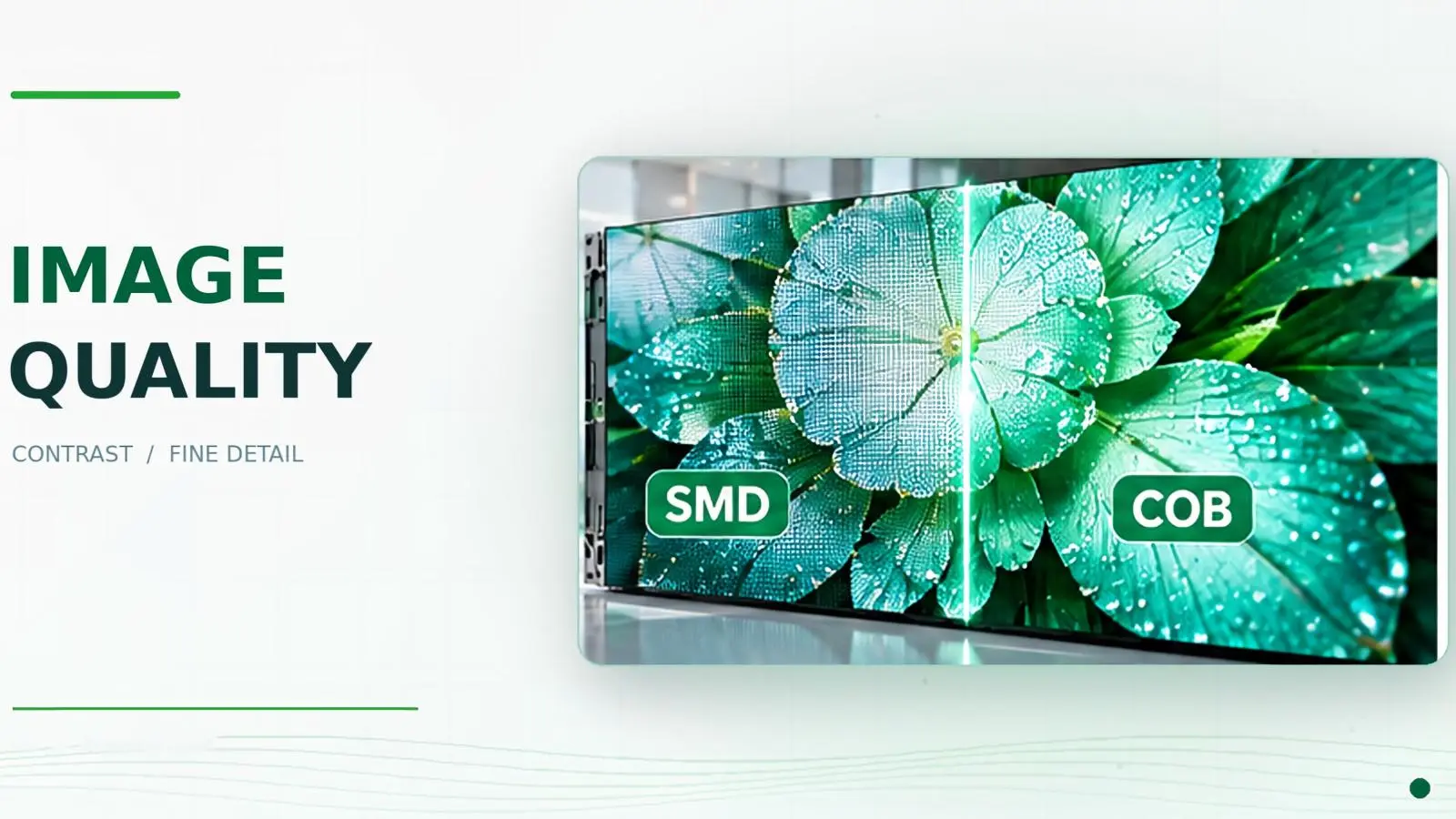
Comparing SMD and COB LED Image Quality
A showroom photograph cannot establish the full visual performance of a video wall. Camera exposure, source material, room lighting, calibration, and viewing angle can change what the photograph appears to show. The choice between SMD and COB should therefore be informed by comparable product specifications and, where possible, a demonstration using the actual type of content the facility plans to display.
Contrast and Black Level Performance
Dark content exposes differences that bright advertising loops sometimes conceal. In a control room, gray backgrounds and fine grid lines may remain on screen for long periods. In a boardroom, charts and branded presentations often mix pale text with deep black areas. Surface finish and optical design can affect perceived black level and contrast, but package type is only one contributor. The comparison also depends on ambient light and display calibration.
Close Viewing and Fine Detail Visibility
People viewing a dashboard from a short distance notice typography, icon edges, and fine lines more readily than visitors watching a promotional loop from the far end of a lobby. Close viewing is therefore part of the packaging discussion, although resolution planning remains a separate engineering task. The relevant pixel pitch, display size, and native pixel matrix should be checked for the particular installation. COB should not be used as shorthand for a guaranteed 4K screen.
Reflection and Viewing Angle Considerations
Lighting conditions vary across a building. A corner office may have daylight from windows, while a showroom depends on directional spotlights. Surface texture and optical design can affect how reflections appear, but buyers should not infer a universal anti-glare advantage without checking the actual finish. When possible, evaluate a sample from the side seats, nearest standing position, and worst anticipated lighting angle.
Camera Performance for Professional Environments
Hybrid meetings, training rooms, and video production introduce another test. A screen can look smooth to the eye yet interact poorly with a particular camera shutter or recording setup. Refresh behavior, scan design, brightness setting, and calibration all play a role. The packaging category alone does not confirm the final appearance on camera, so a COB or SMD choice should not substitute for a realistic recording trial.
SMD vs COB Durability and Maintenance
Commercial screens remain installed long after a launch event or sales presentation ends. Day-to-day exposure and the facility team’s response when a module needs attention can determine whether a design feels manageable. A protected surface may be attractive, but buyers still need a workable maintenance plan, replacement access, and product-specific instructions. Protection and serviceability are related questions, not interchangeable ones.
Pixel Protection in High Traffic Indoor Spaces
Consider a lobby with public seating close to the wall. Bags, cleaning tools, or accidental touches may approach the LED surface. An encapsulated COB face can provide a different level of surface shielding than exposed packages on an SMD board. However, whether that translates into meaningful protection depends on the particular materials and the product’s stated tests. Ask for the relevant documentation instead of treating the word COB as an impact certification.
Moisture and Dust Resistance
Indoor does not mean every site has identical environmental conditions. Retail entrances, food service areas, public corridors, and controlled meeting rooms can face different cleaning and dust exposure. Encapsulation may affect how a display surface tolerates some of those conditions, but it is not proof of a particular environmental protection rating. Buyers should confirm the quoted module’s declared protection, acceptable cleaning method, and limits before finalizing their installation plan.
Serviceability and Module Replacement
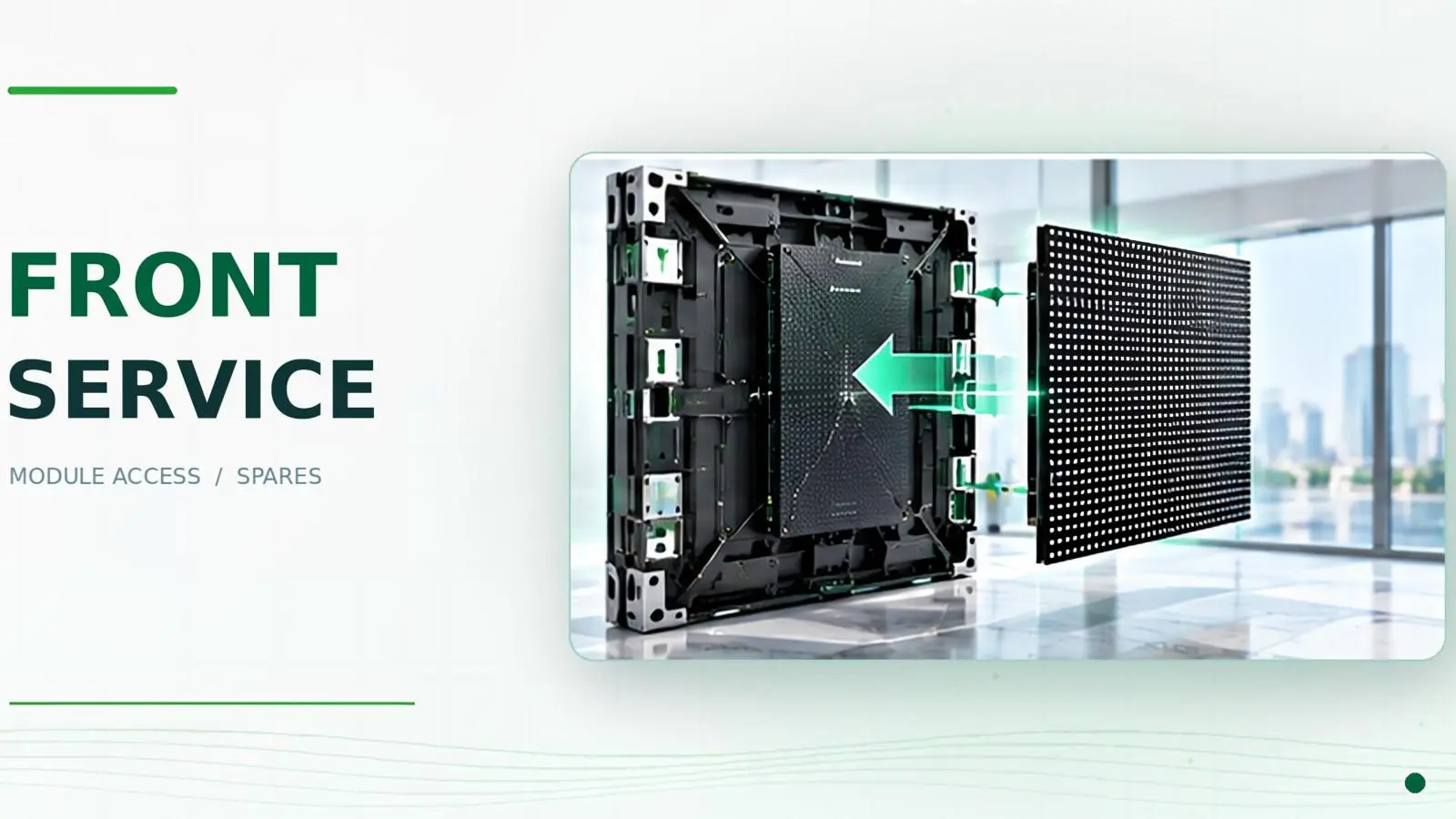
A technology decision should consider what happens after something fails. An SMD or COB module may be serviced by replacement rather than by attempting work on each emitting element onsite. Actual procedures depend on the design. Some products support full front access to modules and internal components; others require room behind the wall. Buyers should compare the finished installation, not just a bench-top demonstration of a loose panel.
Long Term Maintenance and Spare Parts Planning
For a facility manager, the important question is often not whether a display might require service but whether the organization can respond predictably when it does. Record the installed module model, cabinet configuration, calibration requirements, and contact path for replacement hardware. Confirm the supplier’s available documentation and replacement policy for the quoted system. Spare strategy becomes especially relevant when identical appearance across a multi-cabinet wall matters.
How SMD and COB Technology Affect LED Display Price
Price is a legitimate part of the decision, but a useful comparison needs a common specification. Comparing an SMD quote for a large-pitch lobby screen with a COB quote for a smaller-pitch boardroom wall does not isolate the effect of packaging. Scope, area, pixel pitch, cabinet configuration, electronics, and accessories should be aligned before a project team draws conclusions about the relative cost of SMD and COB. For broader pricing context see our LED display price article while keeping this comparison focused on SMD and COB packaging decisions.
Initial Hardware Price Differences
Packaging and production methods can influence an LED display price, but so can the number of cabinets, mechanical architecture, and the pitch required by the room. A buyer should ask for an itemized proposal rather than treating COB as automatically expensive or SMD as automatically budget-friendly. There may be practical differences in the price of two genuinely comparable configurations, yet the quote should make those differences visible.
Total Cost of Ownership for Indoor LED Displays
An indoor video wall may require cleaning, calibration, periodic service, and eventual component replacements. Long-term value therefore involves more than the initial invoice. A product with a protected face may suit a busy public area, while a different configuration may be efficient for a secure room where accidental contact is unlikely. The relevant question is whether the chosen features reduce the risks that are meaningful in that particular space.
Choosing Technology Based on Project Value
Project value is best measured against the outcome the space needs. A boardroom may justify a particular low-glare surface if viewers study fine details beside strong overhead lighting. A retail wall may prioritize available cabinet size and a maintainable installation over the highest possible pixel density. In both cases, a sample comparison and documented product configuration are more reliable than blanket claims that one new technology display is the premium choice for everyone.
Comparing Chipshow C Max SMD and C Max COB Displays
Chipshow’s indoor families provide two distinct starting points for a commercial specification review. The goal is not to declare a winner across every building type. It is to match each product’s documented configuration to a wall design, viewing environment, and maintenance plan. The manufacturer’s published details should always be checked against the exact model being quoted, especially when product pages or availability change over time.
C Max SMD for Indoor Commercial Displays
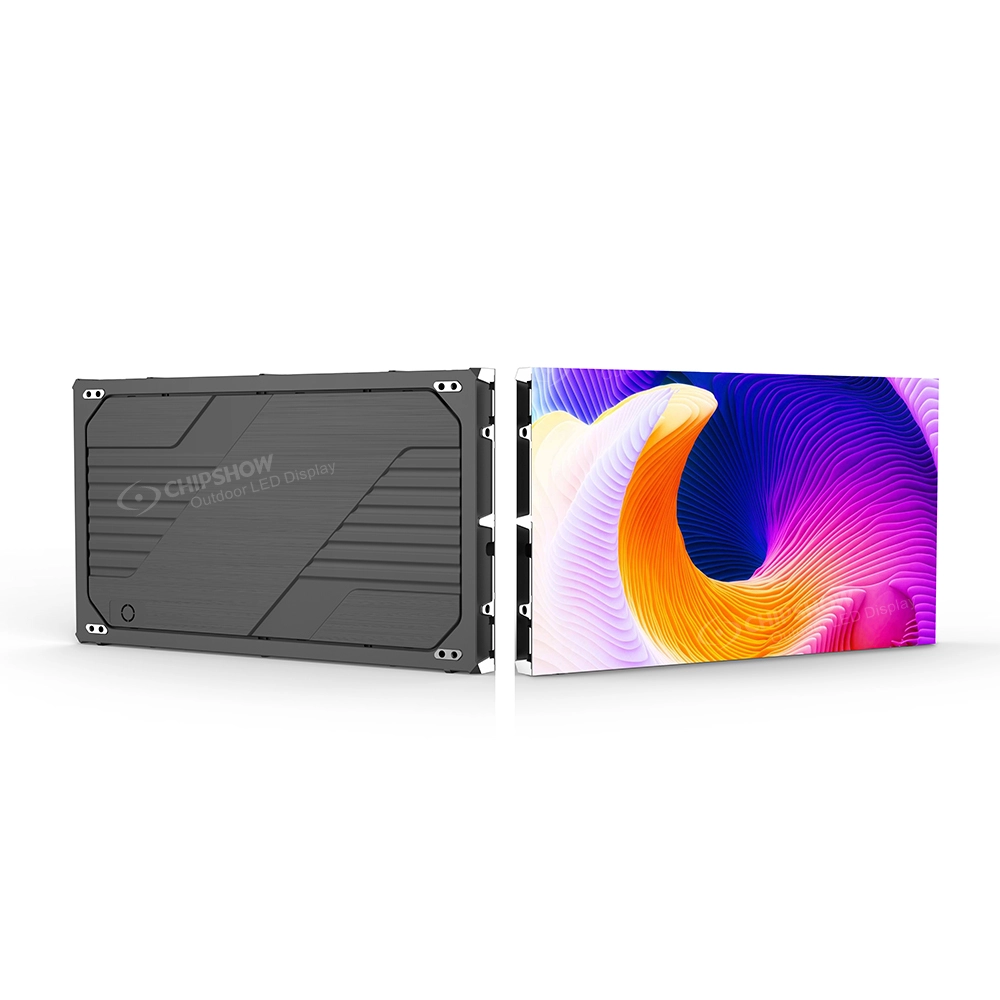
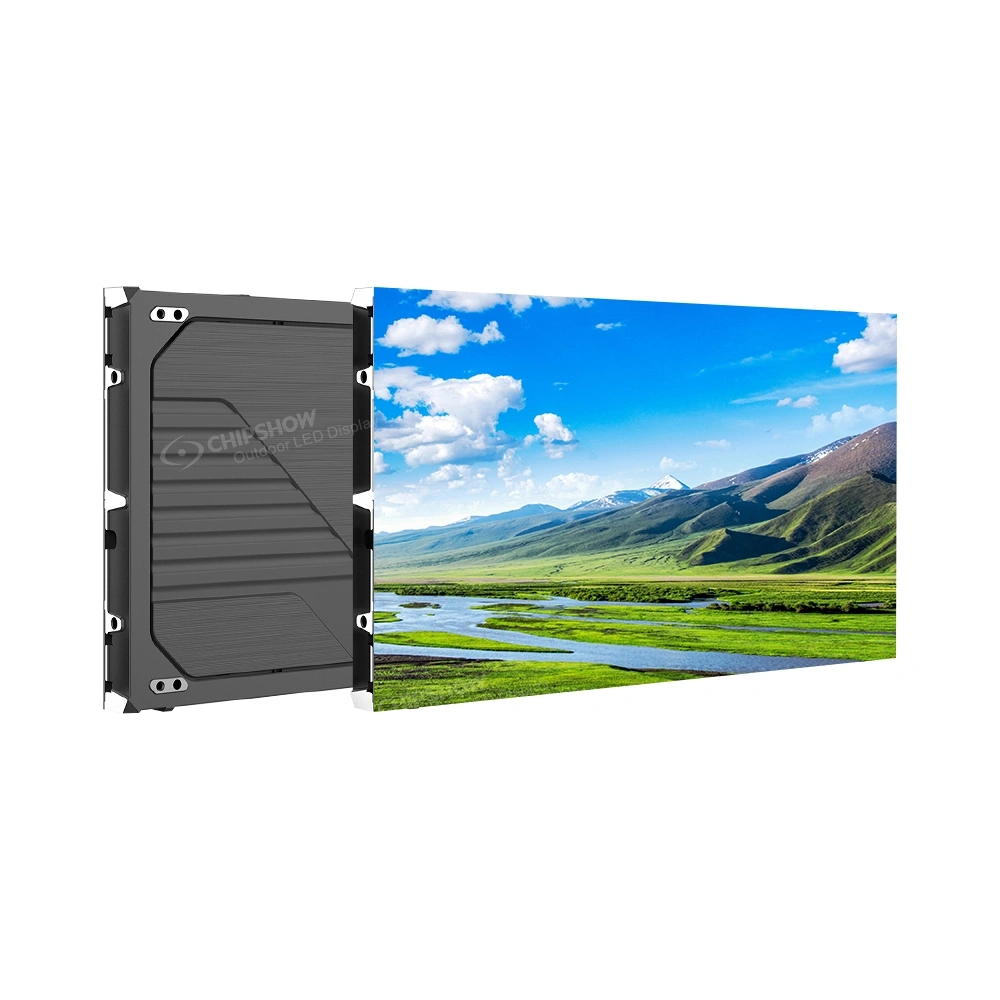
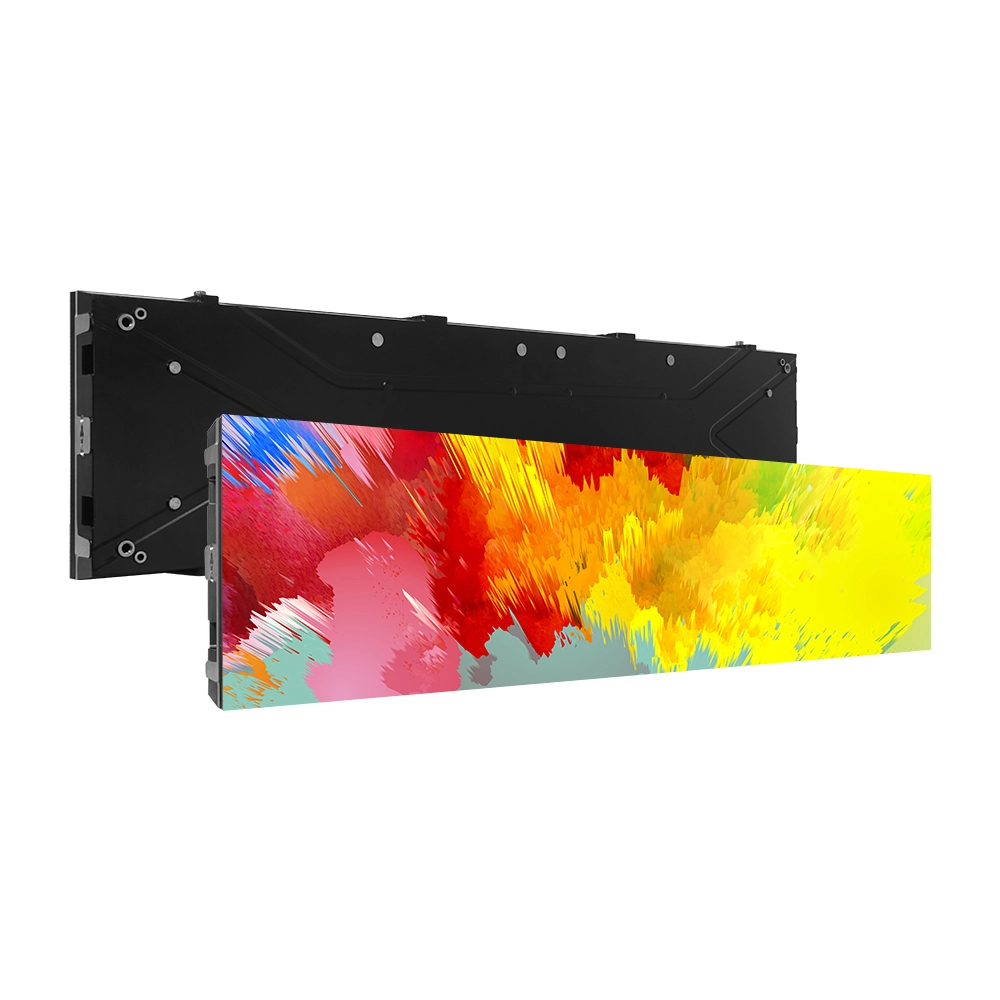
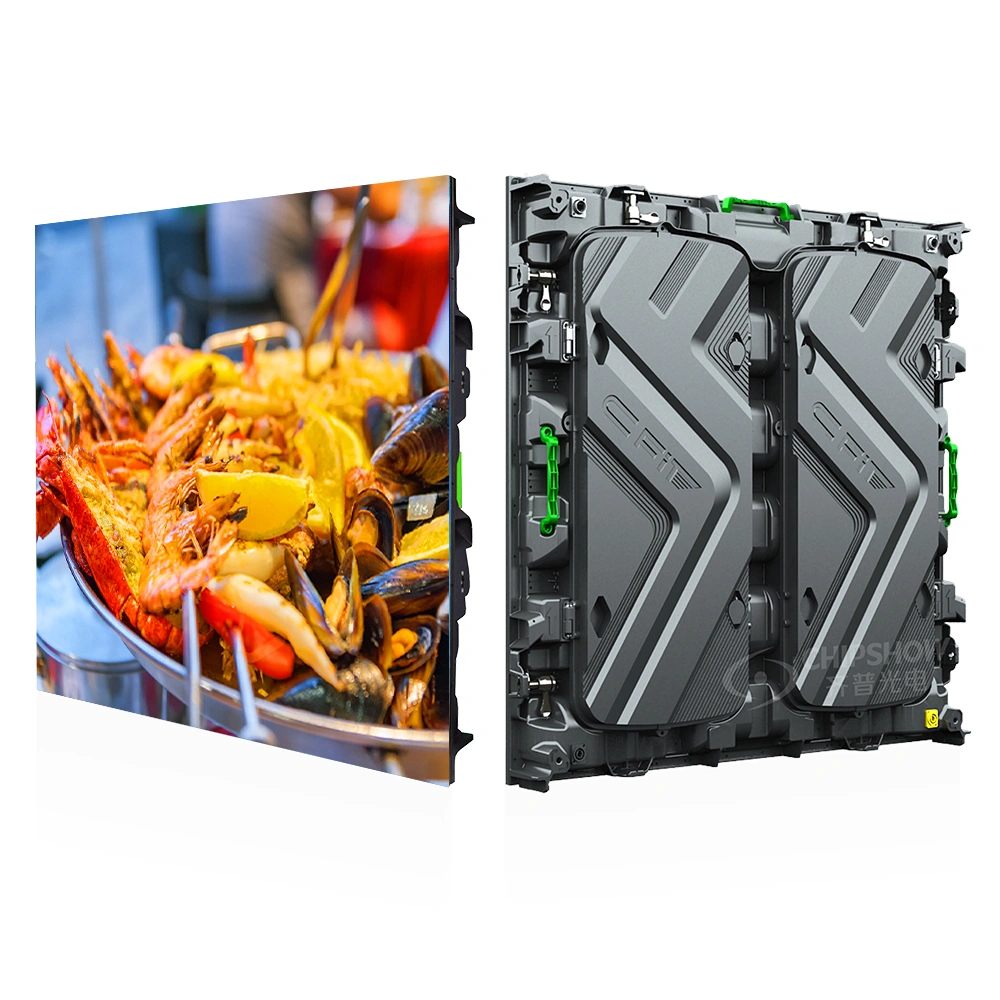
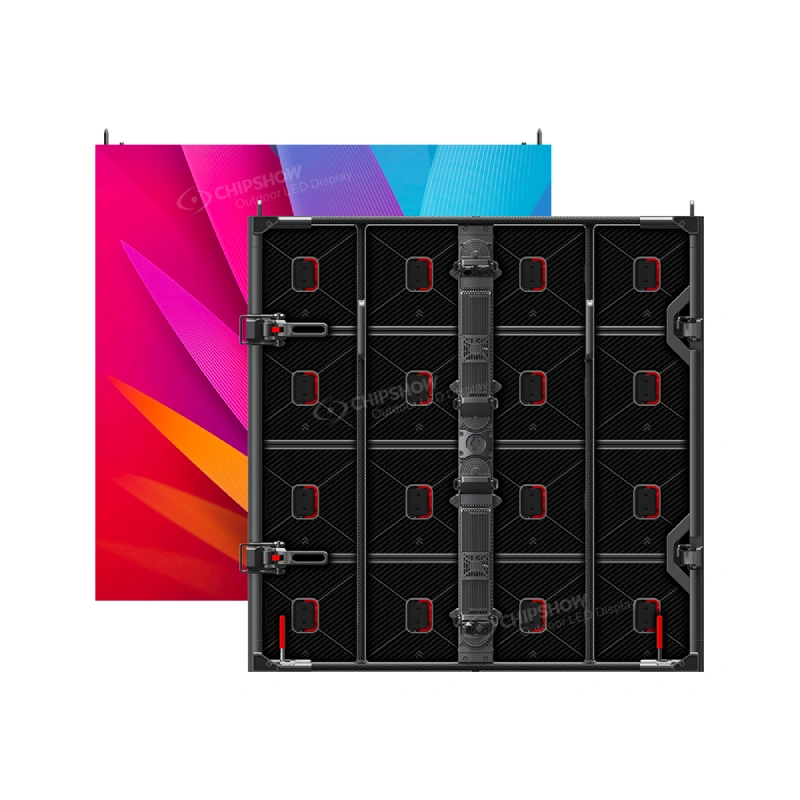
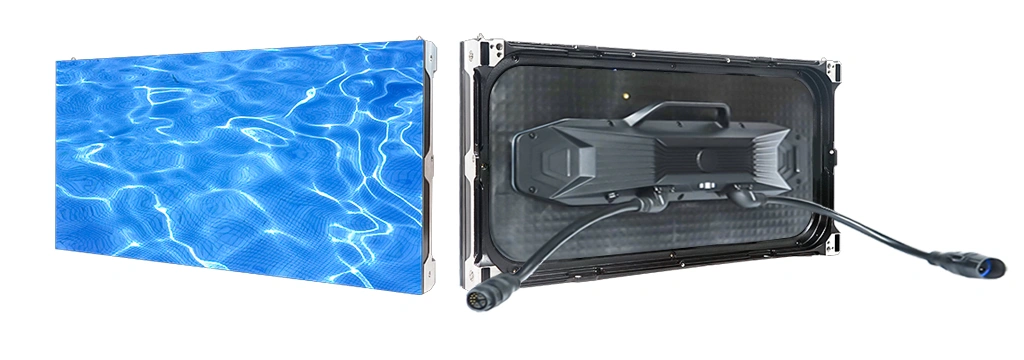
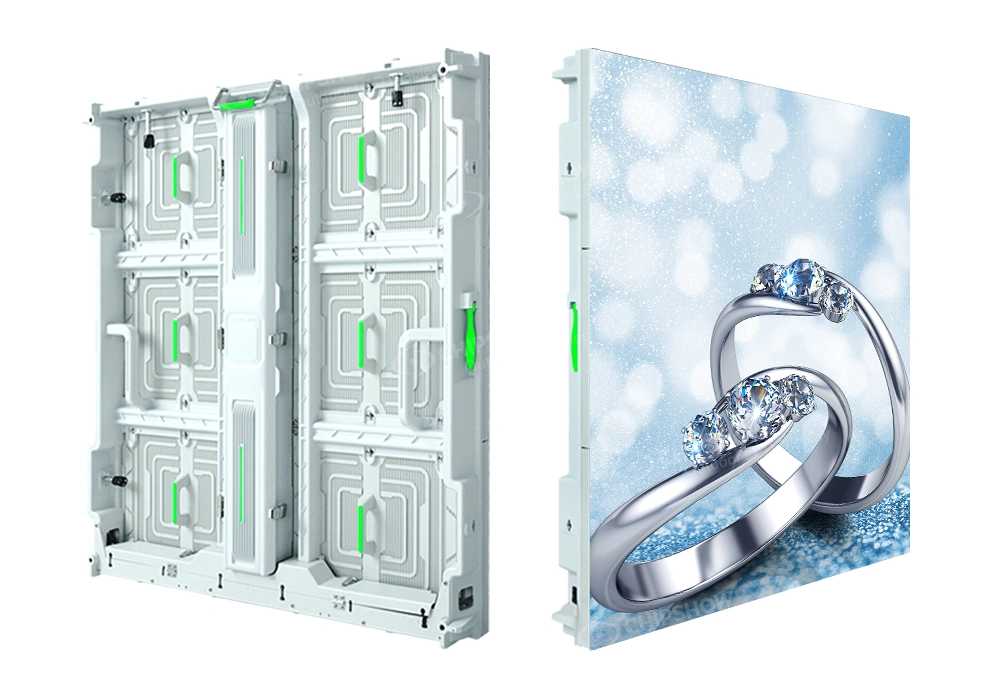
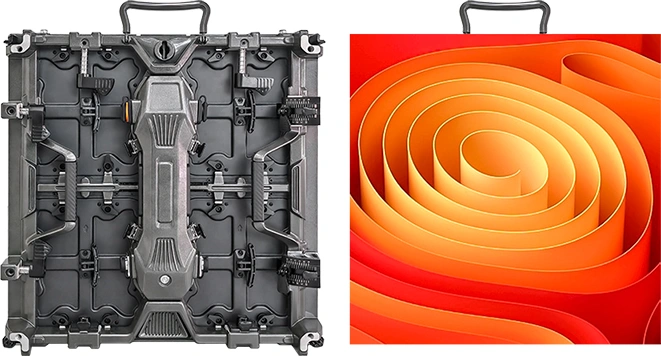
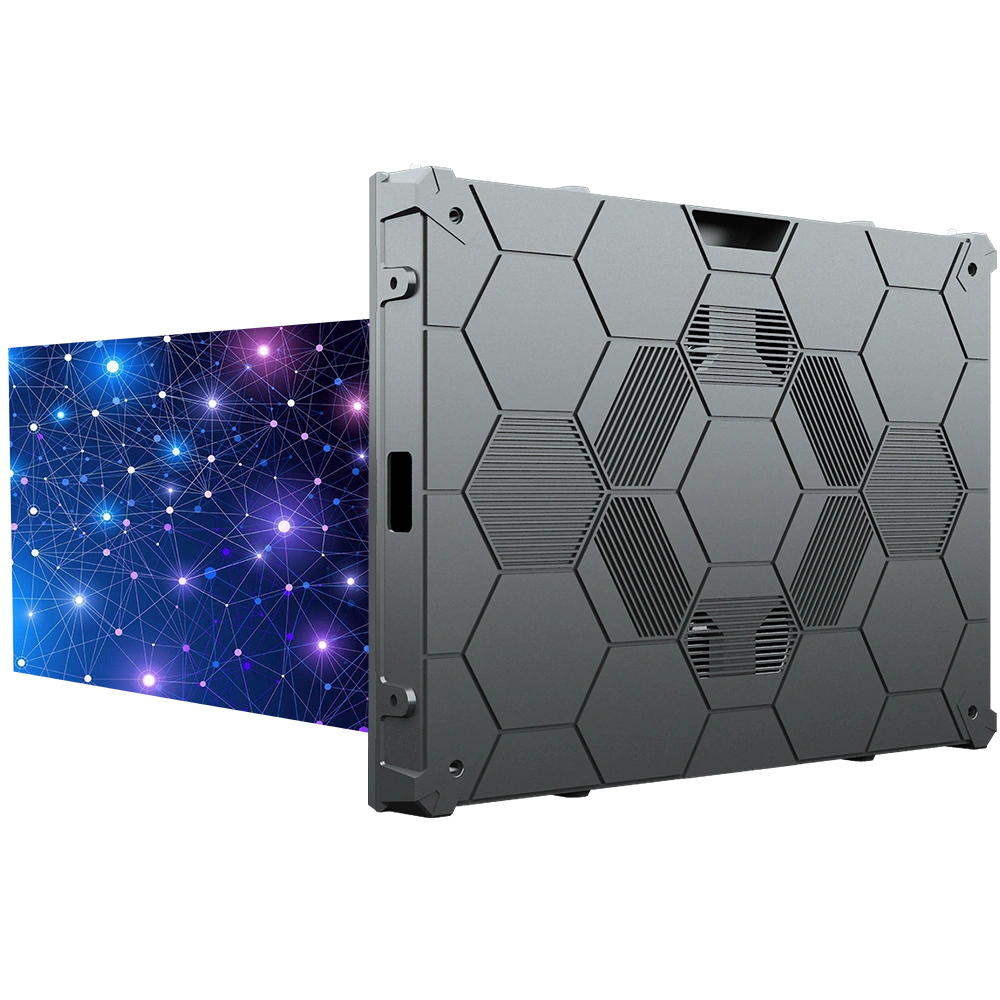
The C-Max Commercial Indoor SMD LED Display uses a modular commercial cabinet platform described for indoor installations and display retrofits. Chipshow lists multiple pitch options across the family, with a 640 by 480 mm cabinet format on the current product information. The platform’s front-service design is relevant to rooms where technicians cannot reach the rear of the finished wall. Specific options should be confirmed in the project quotation rather than inferred from the family name alone.
C Max COB for Fine Pitch Commercial Applications
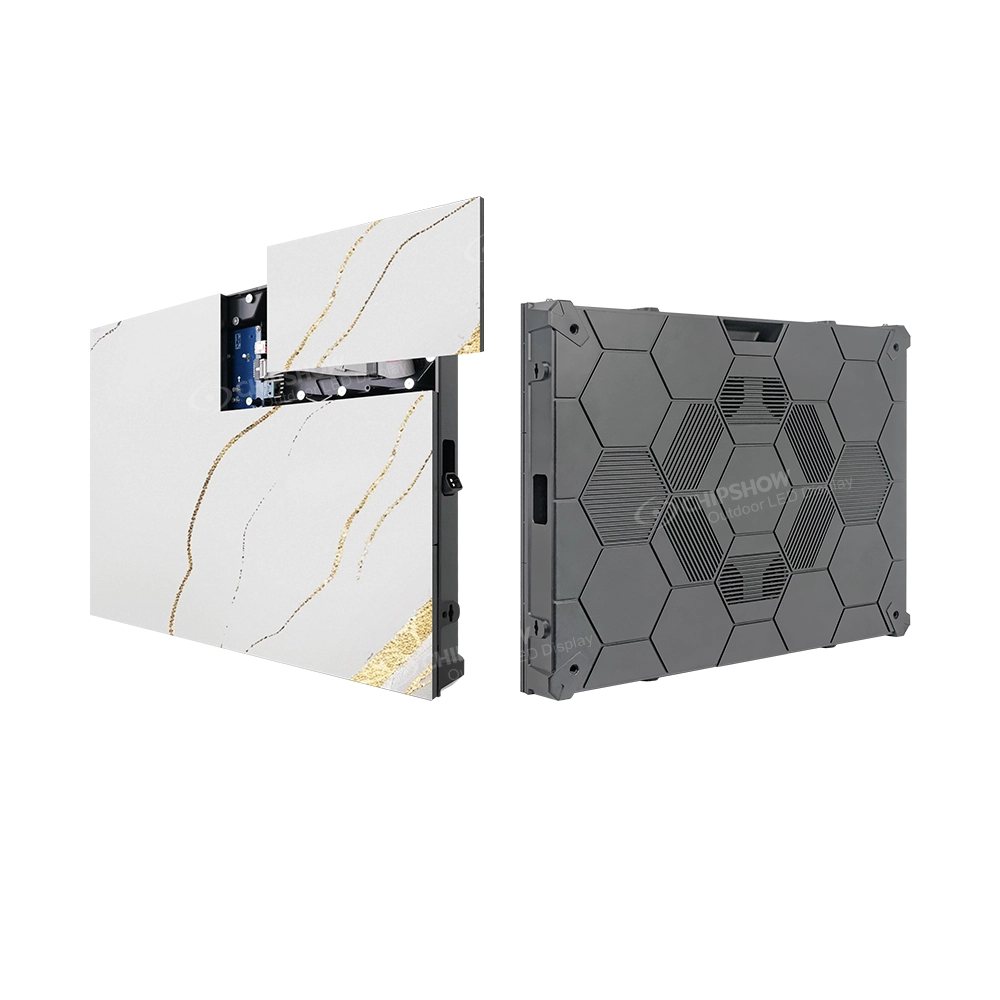
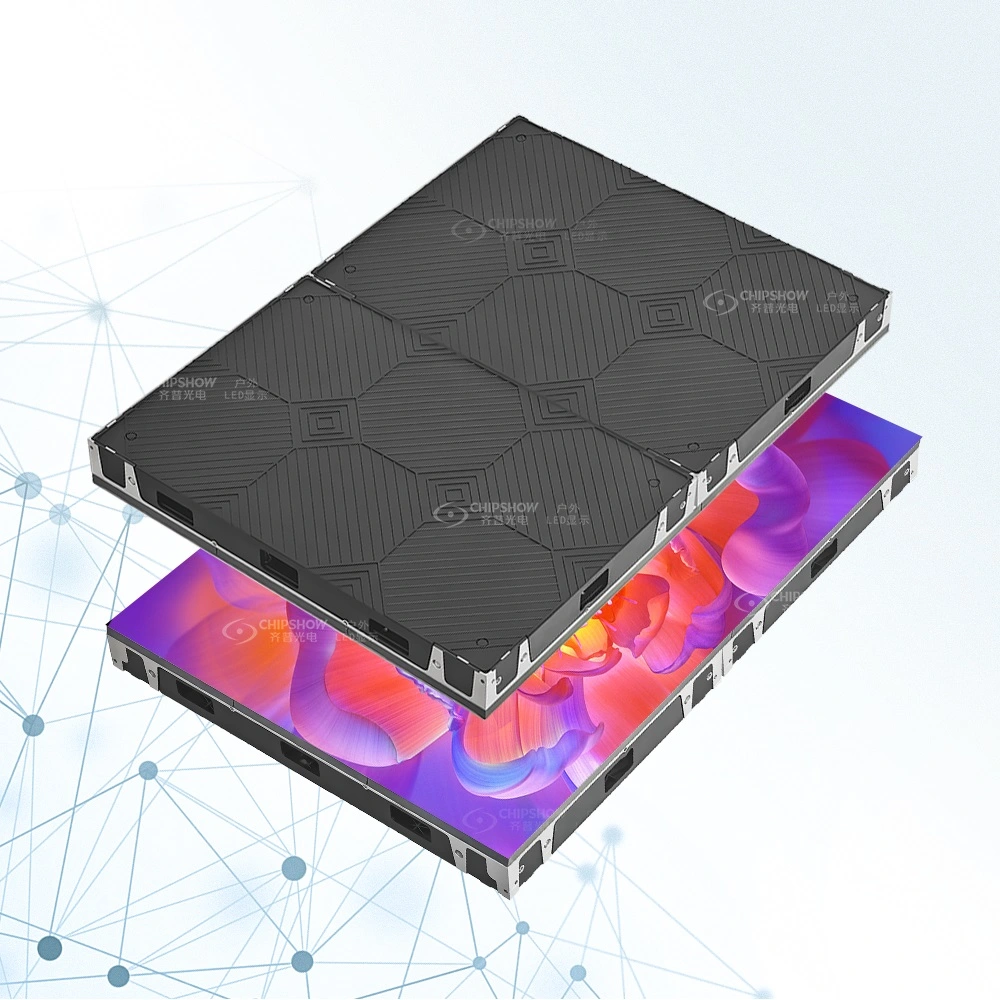
The C-Max Fine-Pitch COB LED Display is positioned for indoor installations that value an encapsulated viewing face and fine-pitch configurations. Chipshow’s current C-Max COB product listing identifies P1.53 and P1.86 options with a 640 by 480 mm cabinet format and a magnetic front-service approach. Those are product-level points that can be evaluated during specification review. Verify the exact variant and current documents before issuing a purchasing order.
When to Consider C Pad C for Specialized Applications
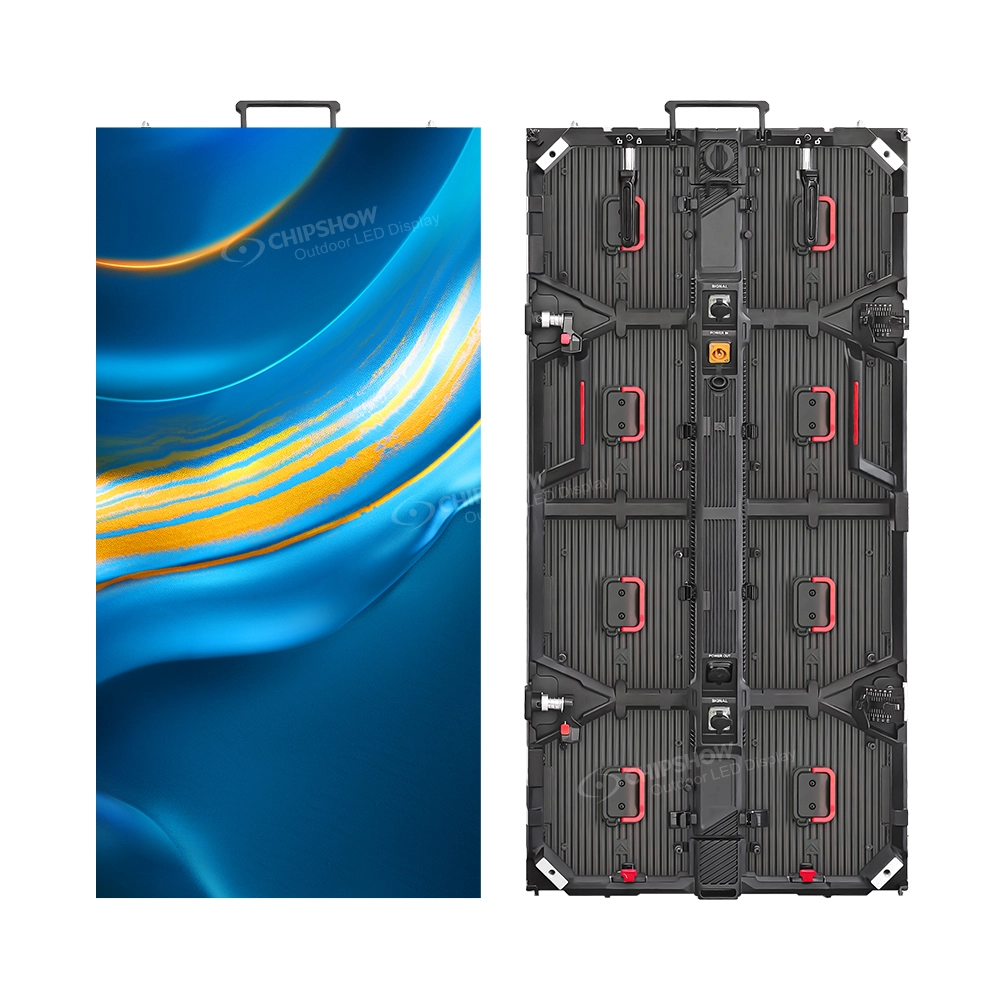
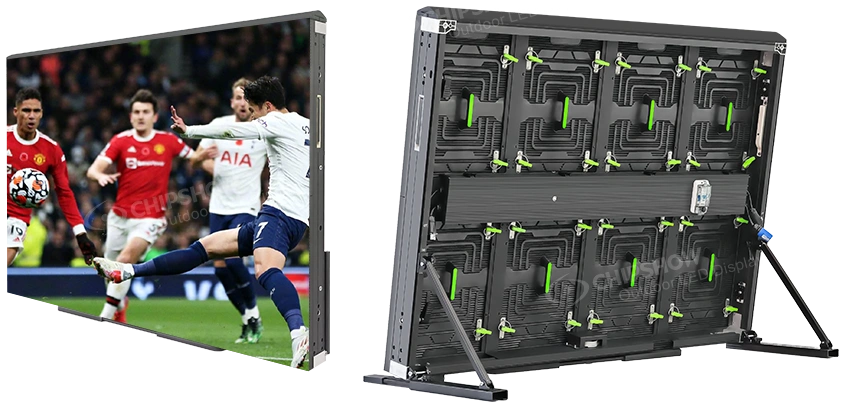
For certain monitoring and command environments, Chipshow’s indoor display product catalog also lists the C-Pad-C family among its specialized options. Buyers should treat it as an additional candidate only when the specific application calls for its documented features. A model designed for a specialized operating environment should not be assumed to outperform every general-purpose indoor display in unrelated conditions. A practical specification review checks format, service access, operating requirements, and compatible accessories.
| Comparison factor | SMD LED display | COB LED display |
|---|---|---|
| Packaging | Mounted LED packages | Chip integration with encapsulation |
| Surface exposure | Package dependent | Encapsulation dependent |
| Close viewing | Evaluate pitch and sample | Evaluate pitch and sample |
| Visual performance | Verify complete product | Verify complete product |
| Service access | Verify model procedure | Verify model procedure |
| Hardware price | Confirm quoted configuration | Confirm quoted configuration |
Compare the exact models and specifications rather than treating packaging as a complete performance rating.
Choosing the Right LED Technology for Commercial Spaces
Different facilities expose the weaknesses of a generic one-size-fits-all recommendation. Good selection begins with how people use the room, where they sit or stand, how much ambient light reaches the display, and which team maintains the wall. Only after these questions should the project compare packaging. SMD and COB are possible answers to specific problems rather than competing badges of technical sophistication.
Boardrooms and Corporate Meeting Spaces
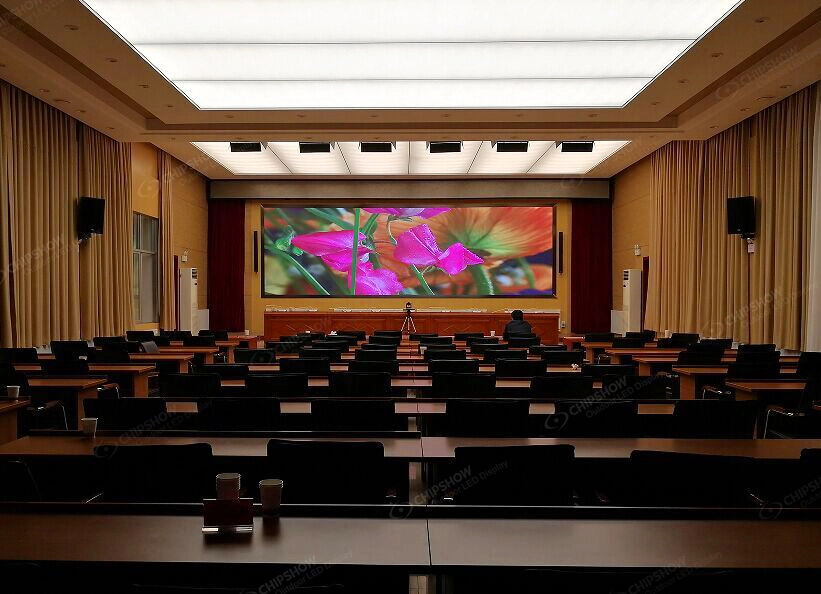
In a boardroom, nearby viewers may read spreadsheet rows, small labels, and detailed presentations while remote participants appear on camera. A commercial LED wall should perform well under the room’s actual lighting, including reflections from windows or ceiling fixtures. A matte or otherwise controlled viewing surface may be worth reviewing, but test it on the proposed product. Make sure the sample contains the fonts and backgrounds the organization uses rather than relying on cinematic demo content. Our conference room display planning article explores the meeting space itself in more detail.
Control Rooms and Monitoring Environments
Control rooms commonly prioritize persistent legibility, predictable servicing, and the ability to obtain compatible replacement hardware. Those priorities may prompt interest in a protected COB surface, but a suitable SMD configuration could also be considered. The specification should focus on the operators’ distance from the screen, content density, uninterrupted work patterns, and service arrangements. A video wall selected for continual use still needs a realistic maintenance plan.
Corporate Lobbies and Retail Displays
Lobbies and retail environments create a different balance. Some viewers only glance at large visuals from a distance; others stand near the wall or pass closely in front of it. Lighting can vary throughout the day, and facility staff may clean the surrounding area frequently. An encapsulated front surface could be relevant where incidental touch is a concern. In a higher-mounted or protected location, the right SMD product may satisfy the application without unnecessary specification escalation.
Education and Shared Commercial Spaces
Training centers, campus rooms, and multipurpose spaces can shift from presentations to group work within the same day. Viewers may sit close, stand near equipment, or interact with the wall area during a session. In such rooms, protection, serviceability, image legibility, and a sensible hardware budget must be weighed together. One location may justify a particular COB surface; another may be better matched to an available SMD option.
Choosing LED Display Manufacturers and Suppliers
When the technical shortlist is ready, procurement should establish whether the proposed hardware can be documented, ordered, and supported for the actual project. Comparing manufacturers involves more than product photography or a price line. The buyer needs confidence that the exact cabinet, pitch, and maintenance arrangements described during selection correspond to the hardware that will arrive. The same principle applies to a distributor, manufacturer, or other supplier involved in the purchase.
What to Verify with LED Display Manufacturers
Ask LED display manufacturers to identify the packaging architecture of the exact model, relevant cabinet dimensions, supported pitch variants, service method, and available technical documentation. For COB products, clarify which features relate to surface encapsulation and whether an advertised flip-chip characteristic is actually present. For SMD models, request information about protection options and handling requirements rather than relying on an assumption that all exposed packages behave the same way. Ask the factory to identify the exact package and protective finish used on the quoted model.
How to Evaluate an LED Display Supplier
An LED display supplier should be able to connect the proposed technology to specific stock-keeping units, spare modules, and service documentation. Ask which cabinet and receiving components are included, what warranty terms apply, and how compatible replacements will be identified later. Availability of a product family does not automatically confirm that the exact pitch and quantity required for a particular wall are in US stock.
Chipshow’s North American product pages provide a starting point for comparing hardware families. The California warehouse hub may be relevant to some procurement plans, but current inventory and timing need project-specific confirmation. A good supplier conversation includes wall dimensions, viewing distance, operating environment, and project schedule. It also makes clear that local site surveying, structural work, electrical work, permits, and installation labor should be coordinated with the appropriate integrator or contractor.
Comparing SMD and COB LED Displays for Sale
Listings for SMD and COB LED displays for sale can appear similar at first glance. That does not make the quoted configurations equivalent. Compare like-for-like wall area, pitch, cabinet counts, electronics, spare-part provisions, and maintenance approach. Check whether a quoted COB product actually includes the protected surface described in the marketing material, and whether an SMD option provides the same required installation access.
SMD vs COB LED Display Selection Checklist
Before approving a purchase, confirm the intended room conditions and identify the nearest viewing position. Ask for model-specific SMD or COB packaging details, actual surface protection documentation, and a sample viewed under realistic lighting. Verify cabinet format, front-service access, spare-parts compatibility, initial price, and the responsibilities of the installer. Request a complete hardware quotation that distinguishes available products from configuration-dependent lead times. These checks keep a comparison grounded in the finished installation rather than broad claims about new technology.
Frequently Asked Questions About SMD and COB LED Displays
Can SMD and COB LED Displays Be Used in the Same Project
Yes. Different spaces in one property can use different LED display technologies when their viewing and operational requirements differ. For example, a public-facing lobby might prioritize surface protection while a separate auditorium emphasizes cabinet dimensions and value. Each wall should be specified independently. Do not assume that modules from different packaging families can be combined into one cabinet or shared as direct replacement parts.
Does COB Technology Eliminate Dead Pixels
No. An encapsulated surface may protect the face of a display against certain forms of physical contact, but it does not prevent every possible component or electronic failure. Buyers should evaluate the actual product warranty, repair method, and spare-module plan. Avoid claims that a COB screen is incapable of developing pixel faults or that a protective coating guarantees uninterrupted operation.
What Should I Request Before Approving an LED Display Sample
Use your own content rather than only promotional footage. Ask to see detailed text, dark backgrounds, moving imagery, and the kind of camera view or ambient light the finished room will create. Confirm the sample is representative of the actual model being quoted. Also request handling guidance, product documentation, and a description of how a damaged module would be replaced.
Can SMD and COB LED Modules Be Replaced Interchangeably
Not simply because the pitch or outer dimensions appear similar. Mechanical interfaces, electronics, calibration, receiving hardware, and module construction may differ. Replacement compatibility must be checked at the actual part-number level. The safest spare-parts process records the installed configuration and obtains confirmed replacements for that specific system rather than treating SMD and COB modules as generic substitutes.
How Do I Compare Warranty Coverage Across Two Quotes
Ask each supplier for the warranty document tied to the offered models. Compare which components are covered, how claims are processed, what happens to replacement parts, and whether shipping or field labor is included. The lowest initial price does not tell you whether the service terms fit the facility’s operating needs. Read the actual exclusions instead of assuming all LED warranties follow one industry standard.
Compare Indoor LED Display Technology with Chipshow
Choosing between SMD and COB is not a contest to purchase the newest acronym. It is an opportunity to specify a commercial video wall around the content people need to see, the surface conditions it will face, and the way the facility will maintain it. The right decision emerges from the particular products on the table rather than from generalizations about package technology.
At Chipshow, we can help buyers and AV integrators compare indoor hardware options around those requirements. Share your proposed wall dimensions, closest viewing distance, installation environment, and preferred service approach. We can review the relevant C-Max SMD and C-Max COB configurations and discuss the documents and hardware details needed for a practical shortlist. Explore our indoor LED display models or contact our team to request a model-specific comparison and a sample or demo discussion.