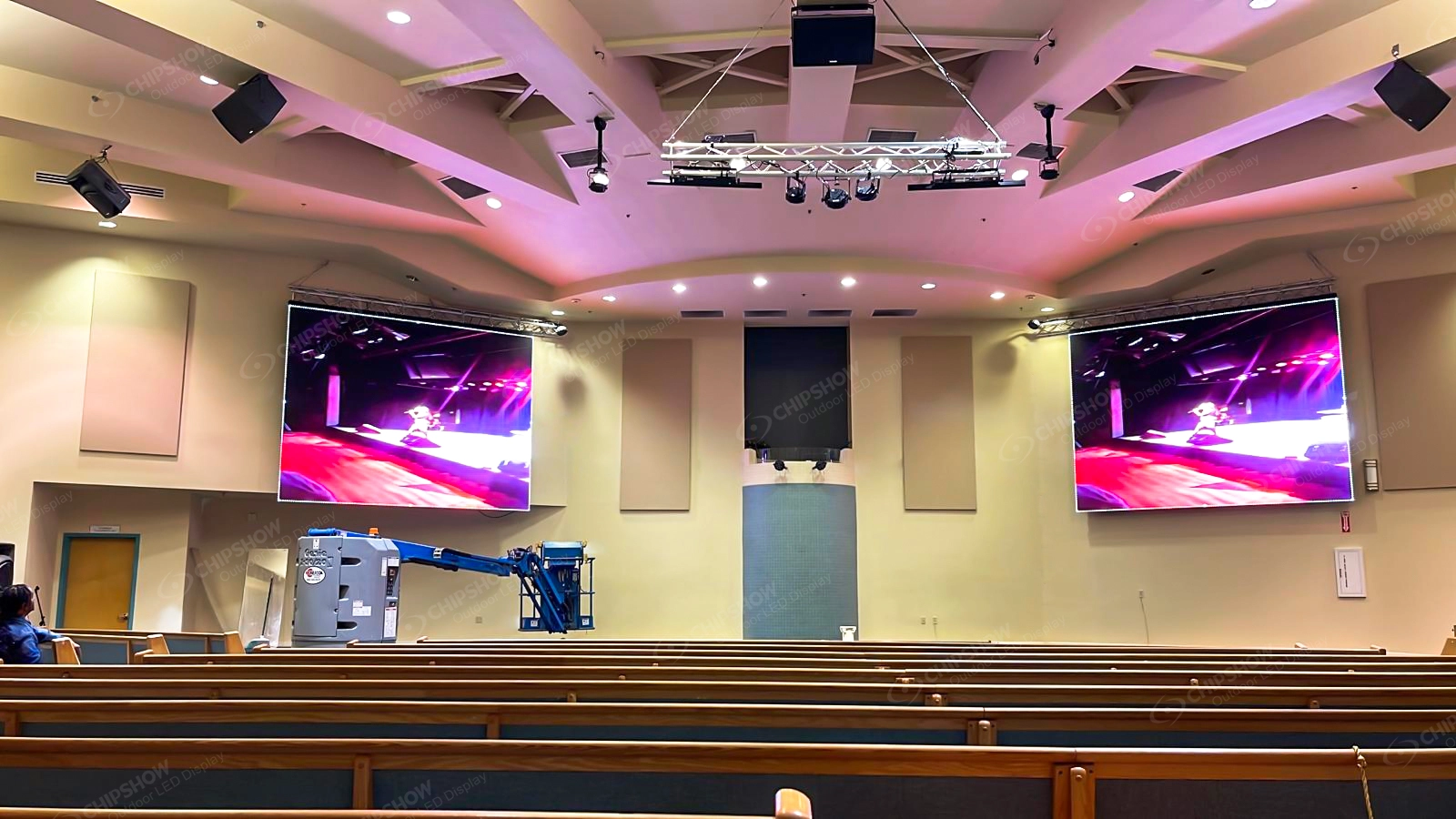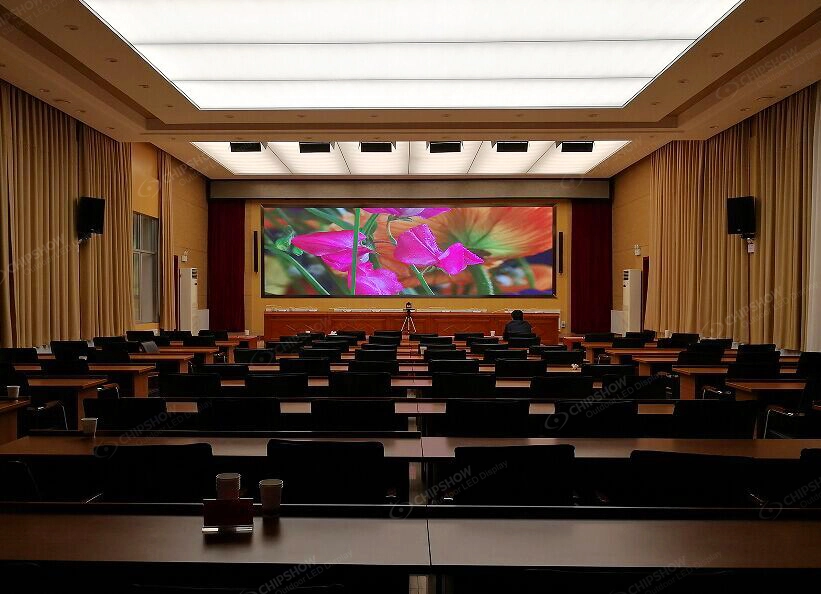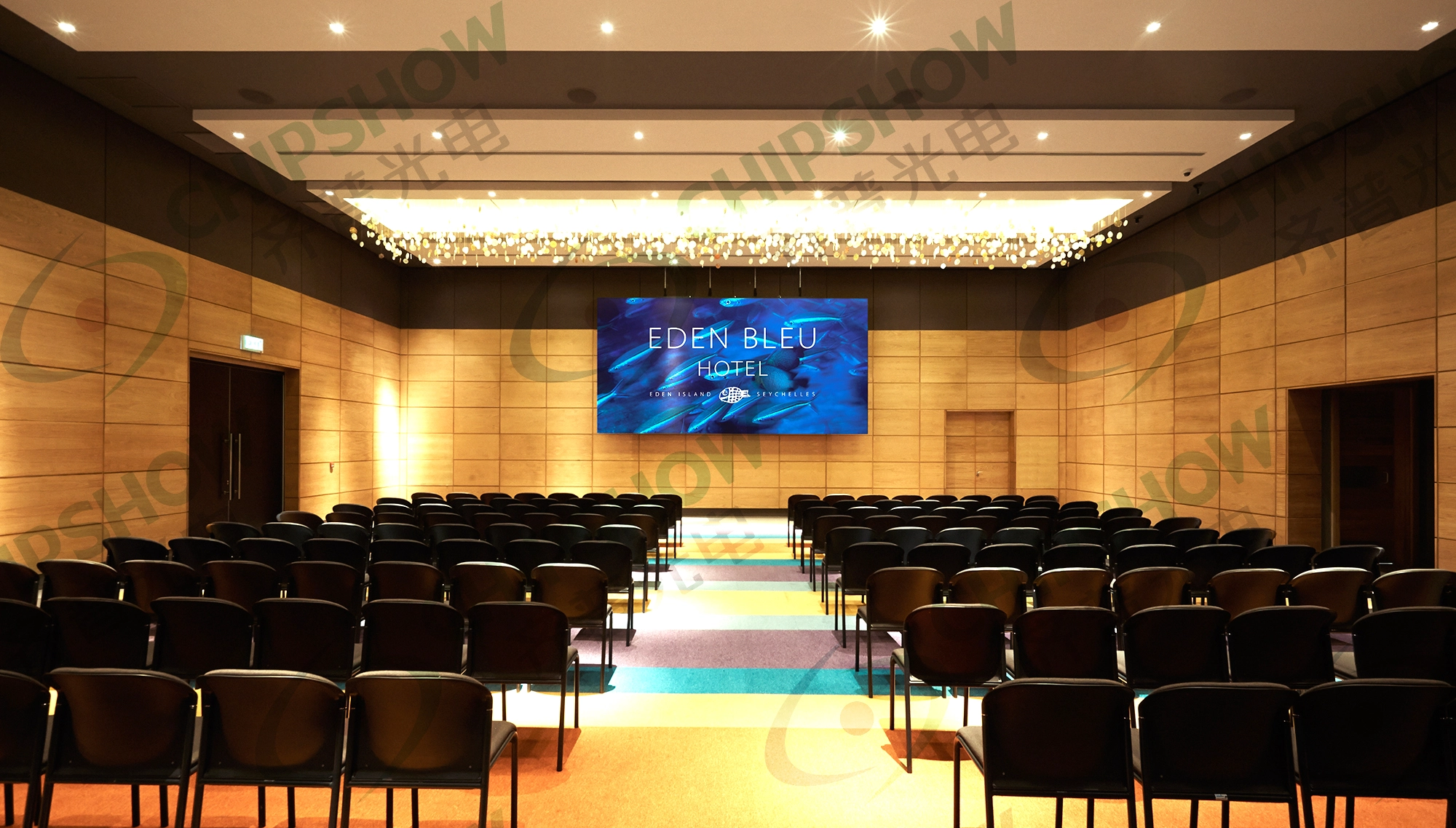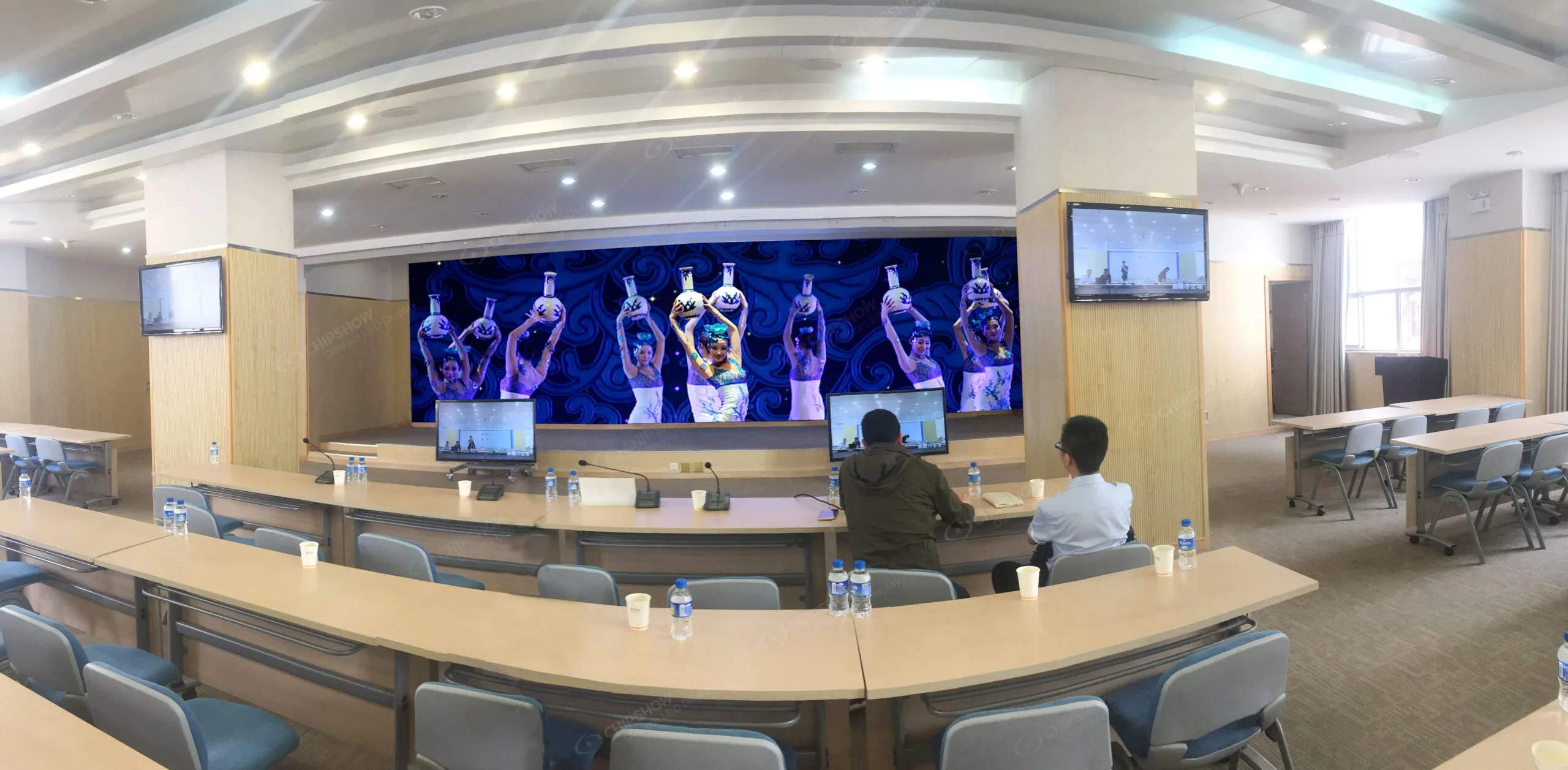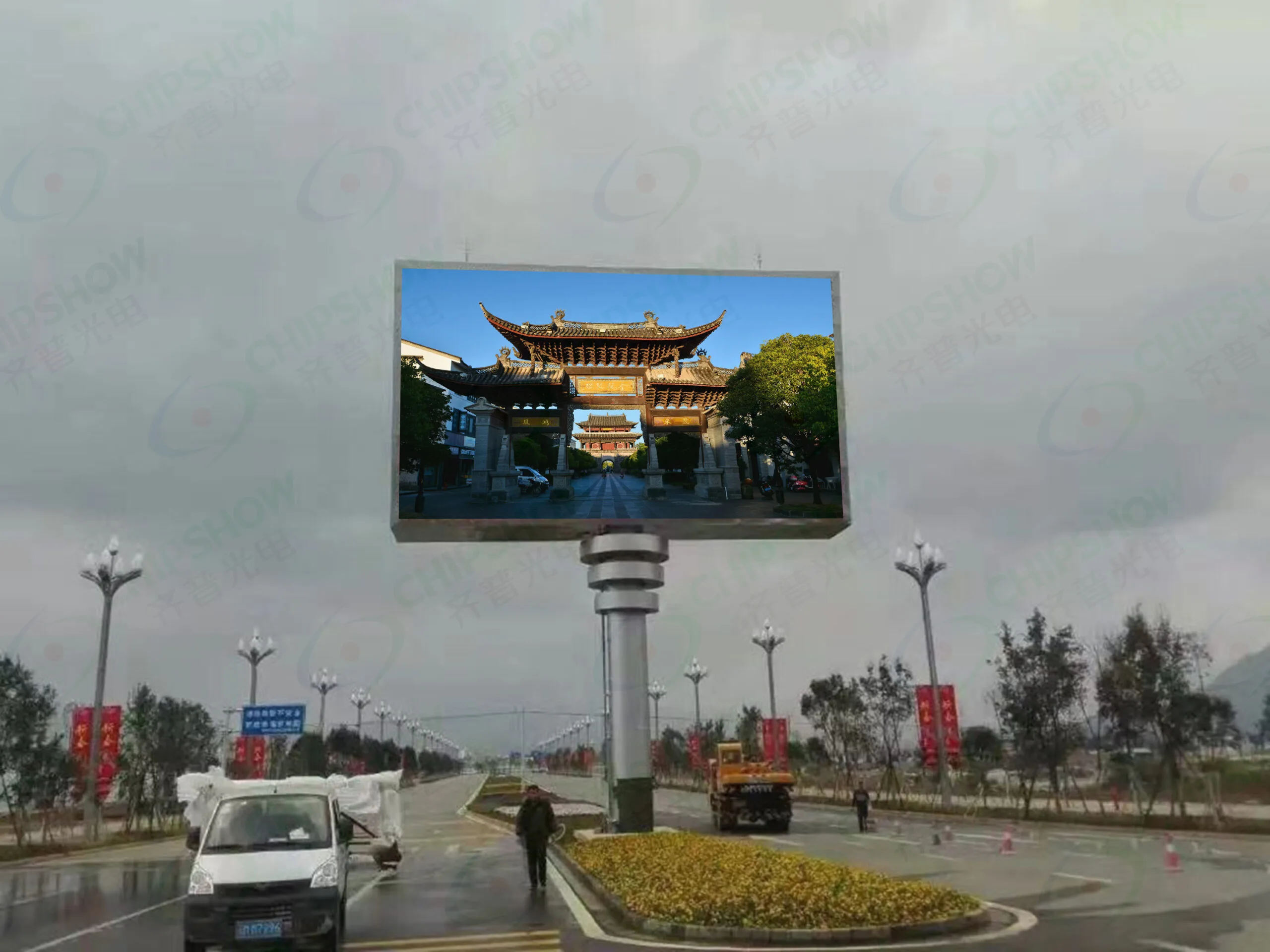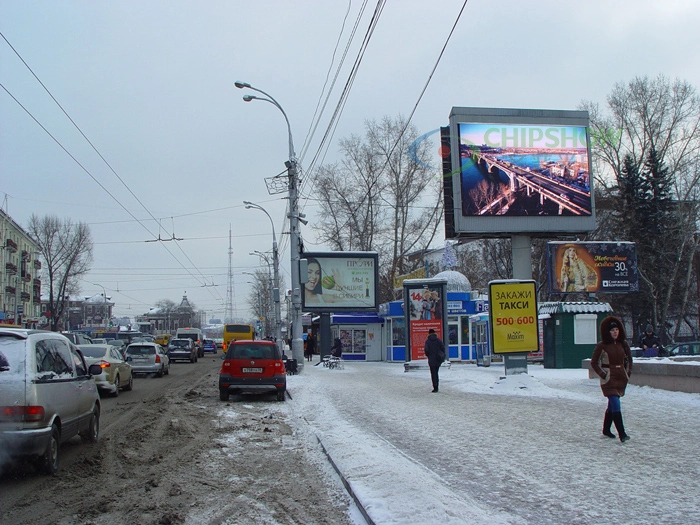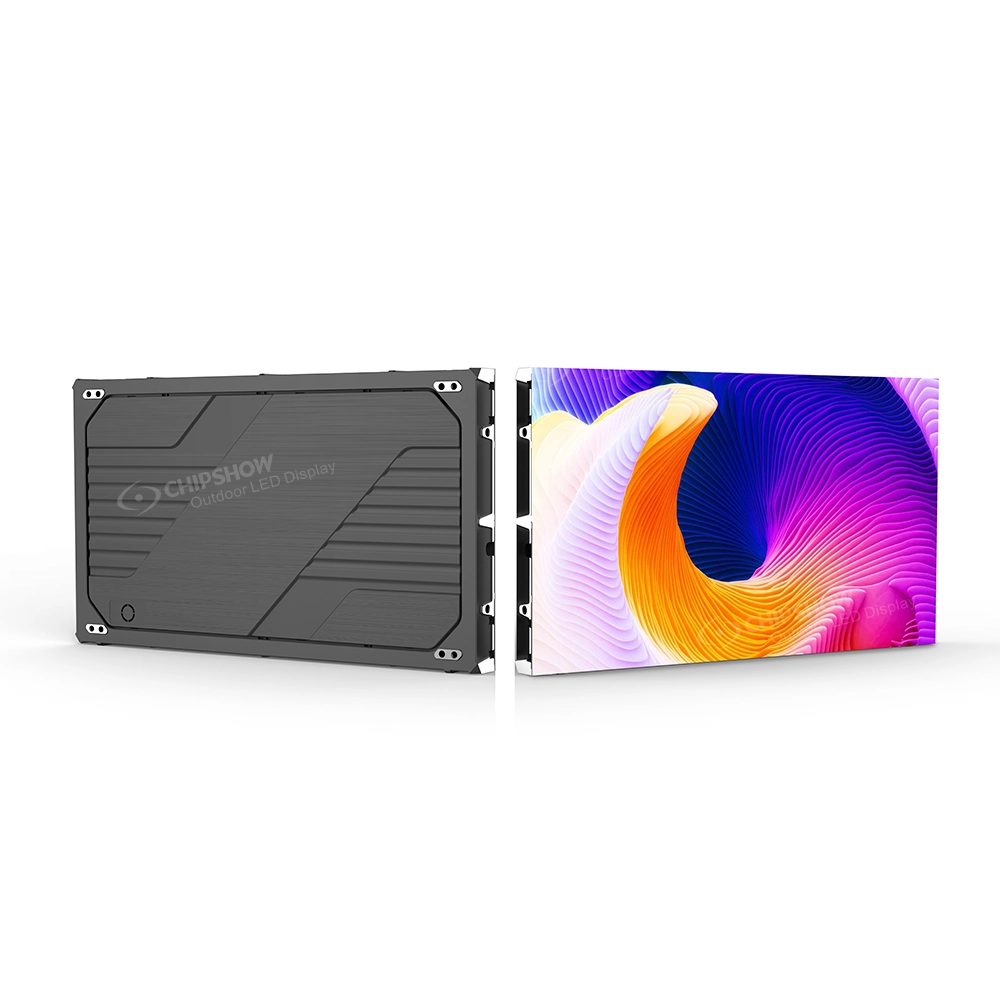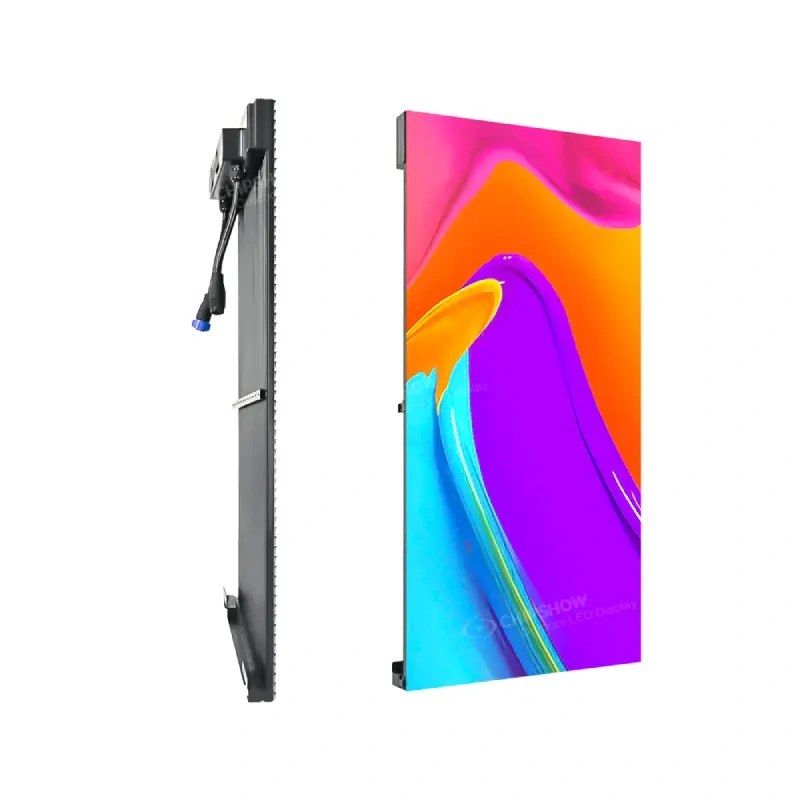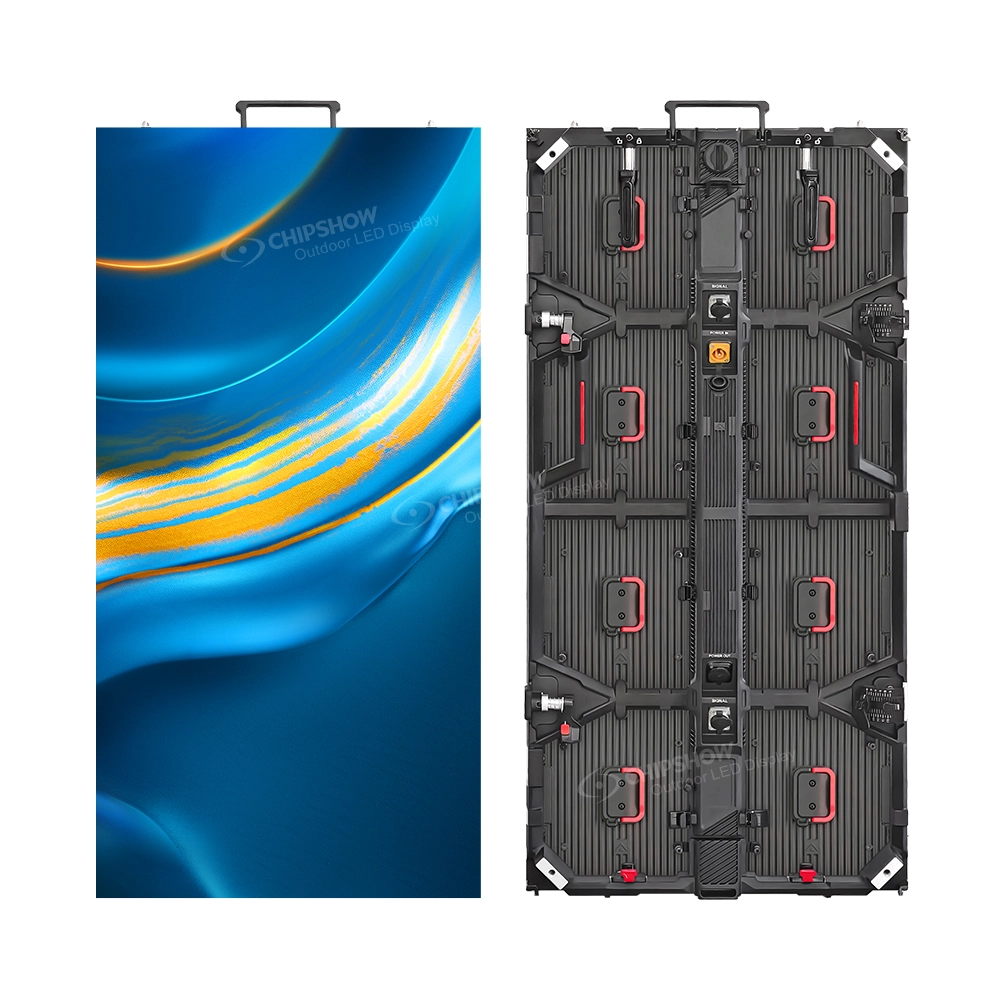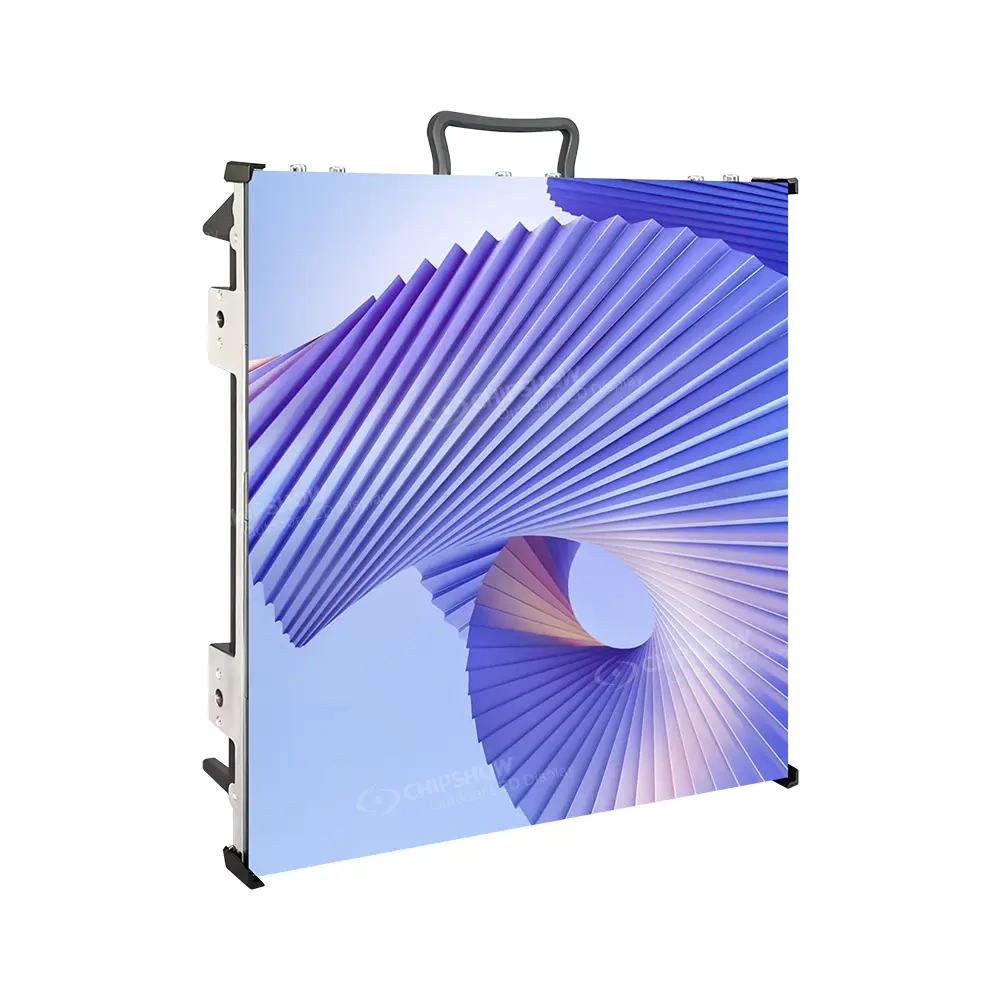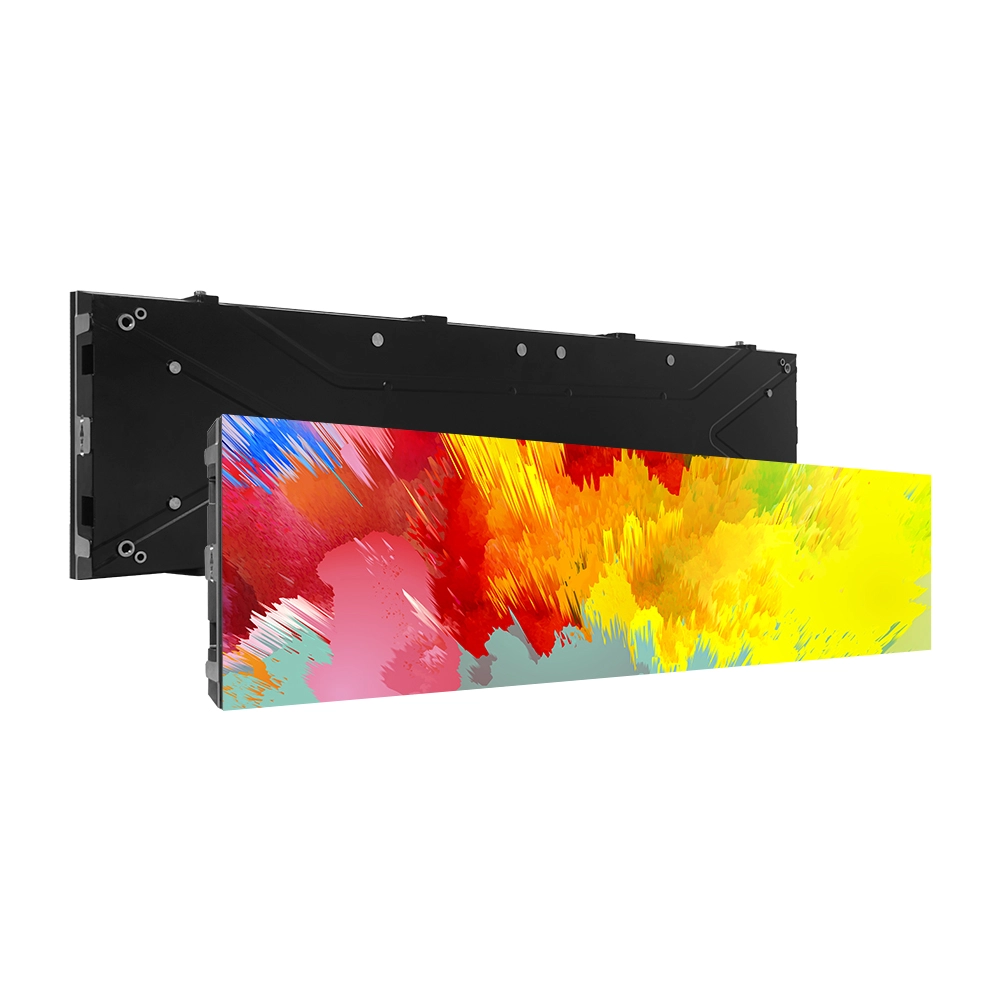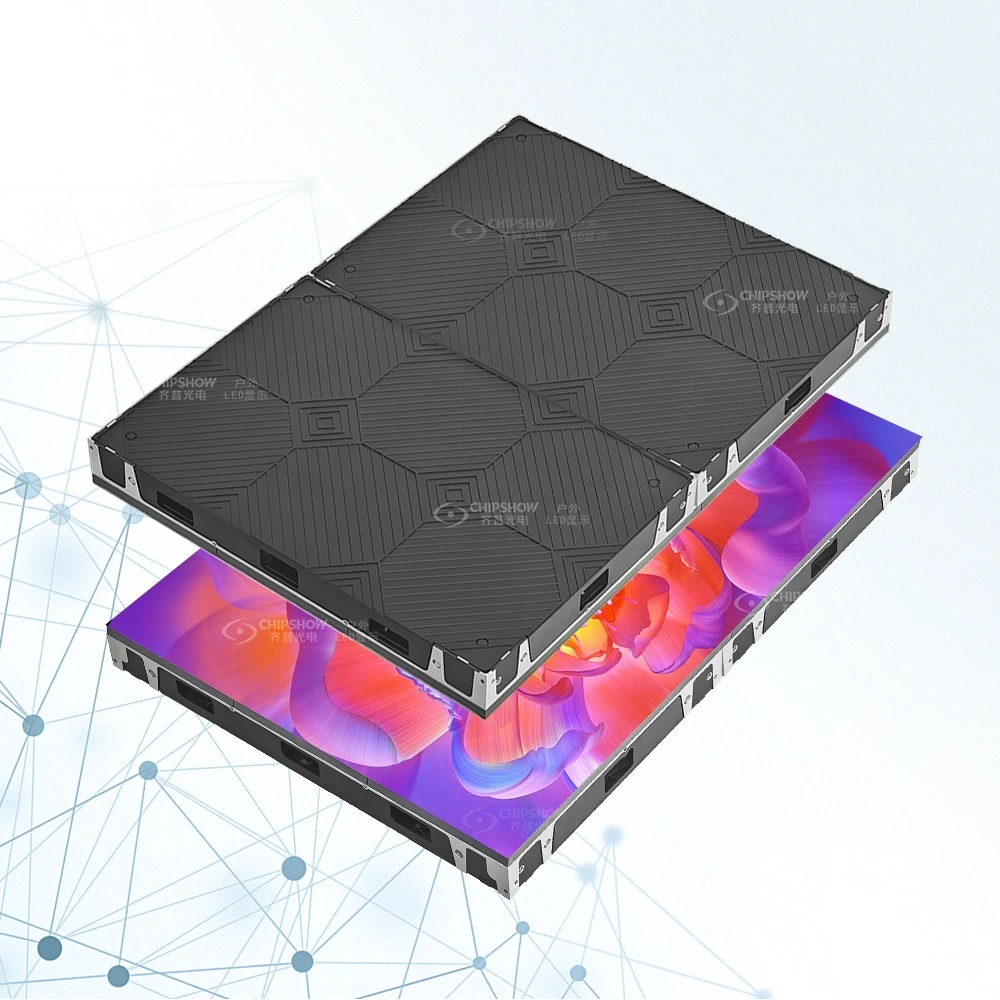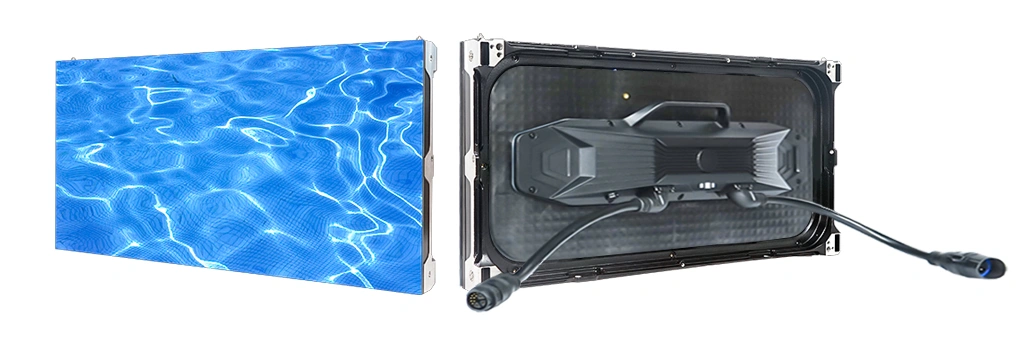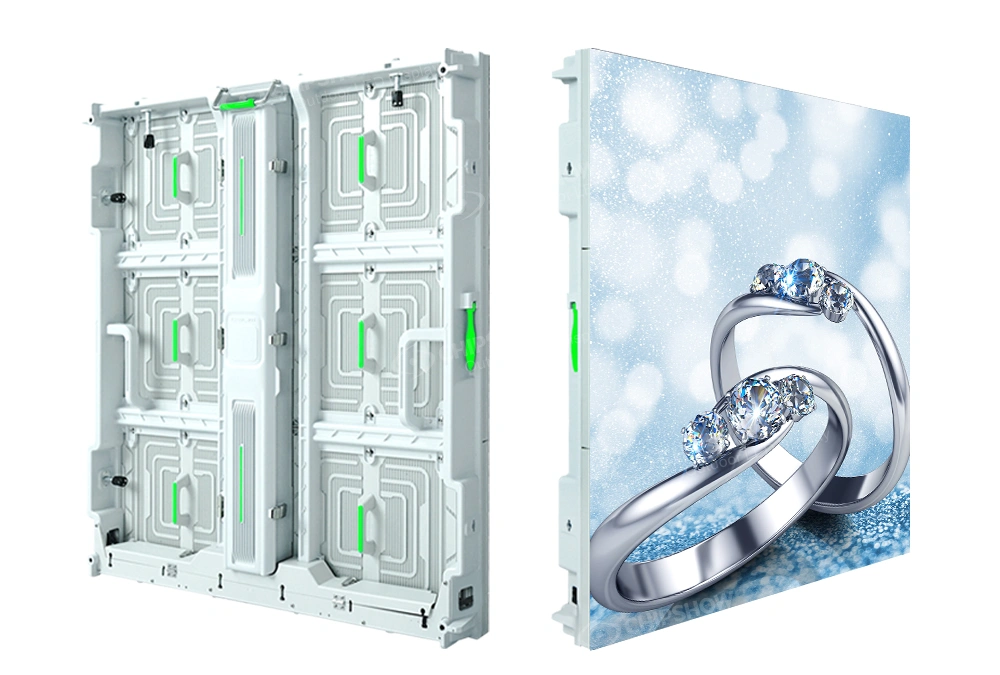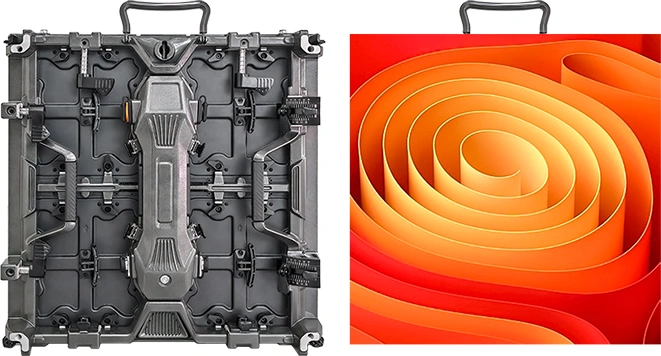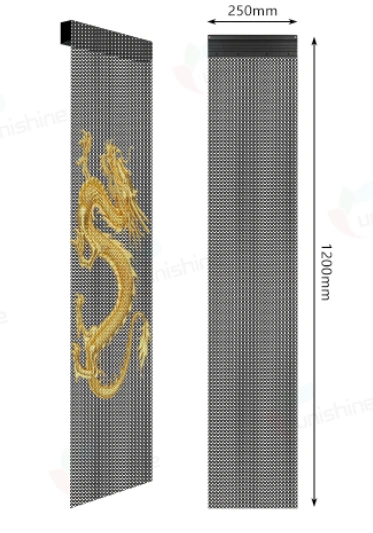
There is no credible fixed answer to “how much does a jumbotron cost?” until four things are known: screen size, pixel pitch, application and installation conditions.
You can size this to your site in minutes with the LED sign selector: pick your nearest viewer, choose smart module or fixed cabinet, and save the layout.
A university arena wall, a sun-facing outdoor billboard, a stadium perimeter system and a touring event screen all put money into different parts of the project. Even displays with identical dimensions can produce different budgets when pitch, brightness, redundancy or service access changes.
That is why Chipshow separates the LED hardware budget from the complete project budget. The hardware package can include cabinets or modules, processing, power and signal components, cables and agreed spare parts. Structural engineering, electrical work, permits, lifting equipment and local installation labor belong in separate project scopes handled by the appropriate integrator, contractor or engineering team.
A jumbotron hardware quote is not the same as a complete project budget.
For buyers comparing a large-scale jumbotron display cost, the useful number is the cost of getting the system installed, operating and maintainable over its working life—not an isolated cabinet price. With project dimensions, viewing distance, application and site conditions, Chipshow can build a hardware BOM and help identify the cost variables that deserve attention before the project reaches the jobsite.
The 8 Cost Buckets in a Jumbotron Budget
When procurement teams ask how much does a jumbotron cost, they often receive a number for LED panels first. That number matters, but it represents only one layer of the investment. A more reliable budget separates the project into eight cost buckets before suppliers are compared.
| Cost Bucket | What It Covers | Why It Can Change the Budget |
|---|---|---|
| LED panels | Cabinets or modules that create the display surface | Screen area, pixel pitch, indoor/outdoor construction and product architecture change hardware requirements. |
| Controller and processing | Sending hardware, receiving architecture, processors and signal distribution | Total pixel load, source inputs, redundancy and production workflow affect system design. |
| Project spares | Spare LED modules, power components, receiving components and selected replacement parts | Critical venues and remote installations may need a larger on-site spare strategy. |
| Mount / structure | Wall frame, support steel, pole structure, hanging frame or venue-specific mounting | Existing structure, wind load, screen weight and site geometry can make this a minor or major cost. |
| Freight and logistics | Packaging, transport, jobsite delivery and handling | Cabinet weight, shipment volume, delivery location and schedule affect logistics. |
| Electrical | Distribution, branch circuits, disconnects, grounding and site electrical work | Screen power requirements and existing electrical infrastructure determine local scope. |
| Local labor | Assembly, mounting, cabling, alignment and commissioning labor | Union requirements, access, height, service method and installation window influence hours. |
| Engineering and permits | Structural calculations, stamped drawings, permit submissions and required documentation | City, state, building conditions and the Authority Having Jurisdiction determine requirements. |
These buckets explain why two quotations that appear very different at first may not include the same scope. One supplier may quote panels and processing only. Another may include spares, cables and mounting-related hardware. A local integrator may combine hardware with labor, electrical coordination and project management. Before comparing totals, normalize what each quotation includes.
For CFOs and procurement teams, this step matters more than chasing the lowest price per square foot. If a lower opening number omits a cost that later appears as a change order, it never represented the lower project cost.
Hardware Price Is Only the Starting Point
LED hardware is the visible part of the system, but it still needs processing, power and signal architecture plus a defined spare strategy. Chipshow therefore builds project-specific hardware BOMs instead of pricing by screen area alone.
For cabinet and product options, start with the LED display product range and request pricing for the exact pitch, dimensions, quantity and configuration. This project budget continues beyond the hardware to local installation costs and five-year ownership.
What Changes the LED Screen Hardware Price?
The LED screen has its own cost structure before local steel, electrical work or labor enters the budget. Understanding those variables helps buyers see why one hardware proposal costs more than another.
Pixel Pitch
Pixel pitch changes how many pixels occupy a given physical area. Moving from a coarser pitch to a finer pitch increases pixel density, which generally means more LED devices, more processing load and tighter manufacturing tolerances.
That is why an indoor fine-pitch wall can carry a higher hardware cost per square foot than a much larger outdoor screen. The question is whether the audience can see the additional resolution. Buying resolution that viewers cannot resolve adds cost without improving the experience.
Total Area and Total Pixel Count
Screen area and total resolution work together. Two displays can have identical dimensions but very different pixel counts. Two systems with similar total resolution can also require different physical dimensions depending on pixel pitch.
As screen size grows, cabinet count, connections, freight and installation scope grow with it. Large-scale jumbotron display cost therefore needs a system model, not an area-only calculation.
Brightness
Brightness solves an environmental problem. An outdoor screen exposed to direct sun needs a different output level from a shaded facade or an indoor arena.
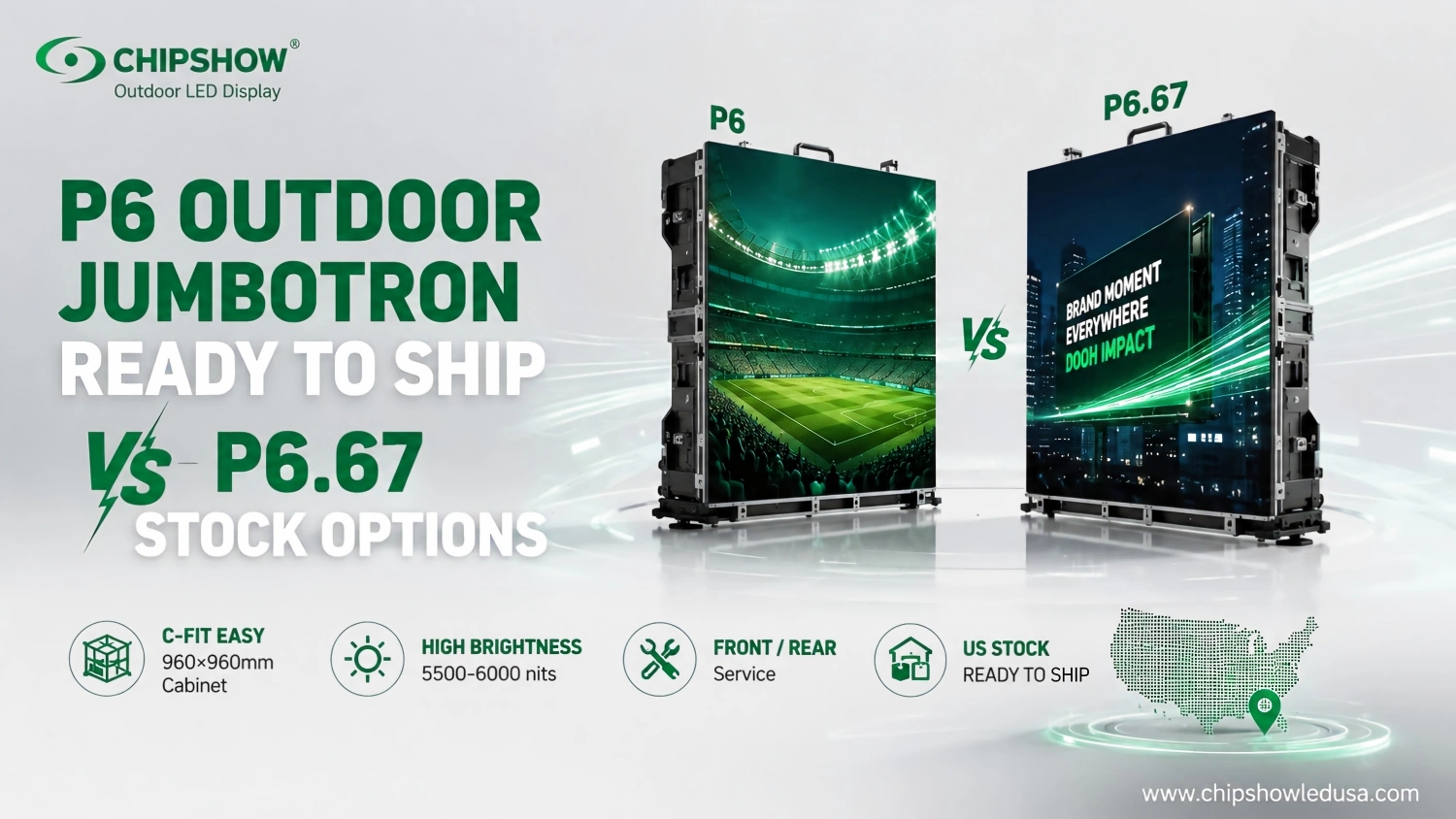
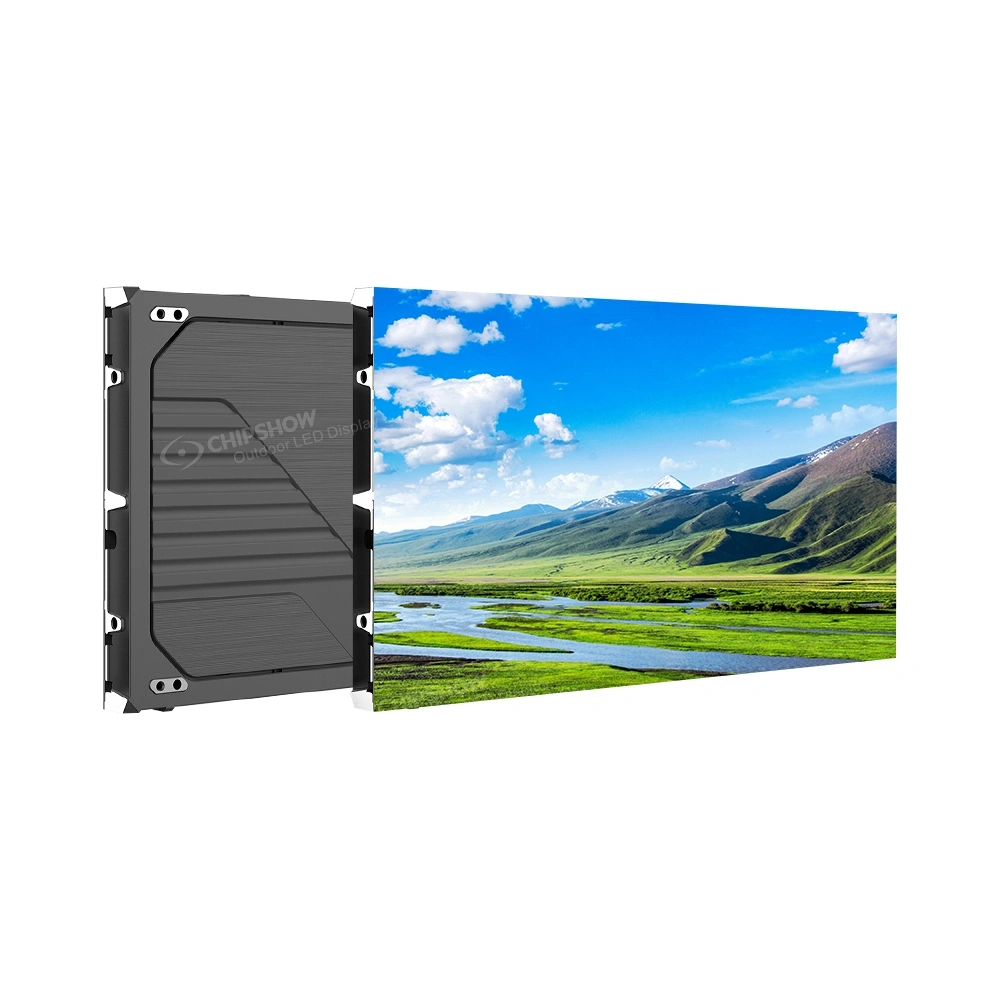
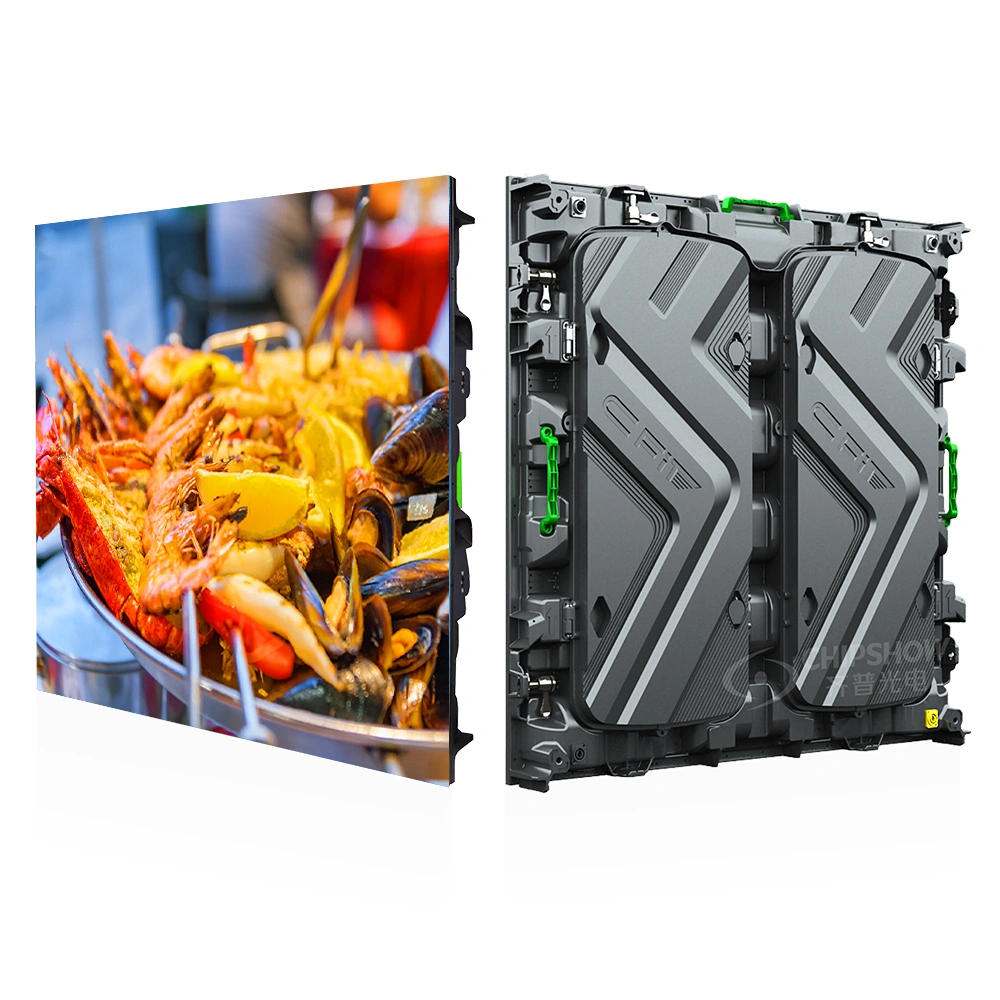
For a concrete example, the current C-Fit Easy P6.67 configuration is listed at 5,500–6,000 nits with auto-dimming support. That number is useful only for that configuration; it should not be treated as a blanket specification for every C-Fit Easy variant or every Chipshow outdoor product.
The TCO implication matters too. A DOOH owner needs enough luminance to protect daytime visibility, but specifying more brightness than the site needs can increase power and thermal demand without creating additional advertising value.
Refresh Rate
Refresh rate becomes a budget variable when cameras matter. Live sports, concerts, worship broadcasts and corporate events can justify higher-refresh hardware because the LED wall may be captured continuously on camera.
C-Shine Plus, for example, supports 3840 Hz high-refresh configurations for broadcast and live-streaming environments. A buyer should still evaluate the full camera and processing chain rather than treating one refresh-rate number as a guarantee of on-camera performance.
Weather Protection
Outdoor hardware needs environmental protection that indoor hardware does not. Sealed modules, cabinet construction, connectors and weather-resistant architecture affect cost.
The current C-Fit Easy P6.67 specification lists IP65 protection at the front and IP54 at the rear. The correct rating must always be confirmed for the exact model and configuration being ordered. One product page cannot establish the ingress-protection rating of an entire portfolio.
Cabinet Material
Steel, aluminum, magnesium and carbon-fiber structures solve different cost problems. A lower-cost enclosure can reduce factory price while increasing structural weight, freight or rigging requirements. A lighter cabinet may cost more to manufacture yet reduce burdens elsewhere in the project.
Judge cabinet material by its effect on freight, structure and handling.
Service Access
Maintenance architecture can influence CAPEX and OPEX at the same time. A front-service indoor display may reduce the need for a rear service corridor. On a fixed outdoor structure, front-and-rear access can give contractors more flexibility when the site allows it.
C-Max is designed around front-service indoor installation, while C-Fit Easy P6.67 supports front and rear service. Serviceability has financial value only when it fits the site.
Redundancy
Redundancy adds components because the project is buying a recovery path. A mission-critical sports venue may place far greater value on uninterrupted operation than a non-critical information display.
Depending on system design, additional signal, power or processing redundancy can increase the opening budget while reducing exposure to an outage. It should therefore appear as a deliberate line item rather than an assumed feature hidden inside the word “professional.”
How Indoor, Outdoor, Stadium and Event Cost Structures Differ
A general jumbotron cost guide needs to cover multiple applications without pretending they spend money in the same places. The difference is not simply that indoor is cheaper or outdoor is more expensive. Each environment moves a different part of the budget upward.
Indoor: More Budget Can Move Into Pixel Density
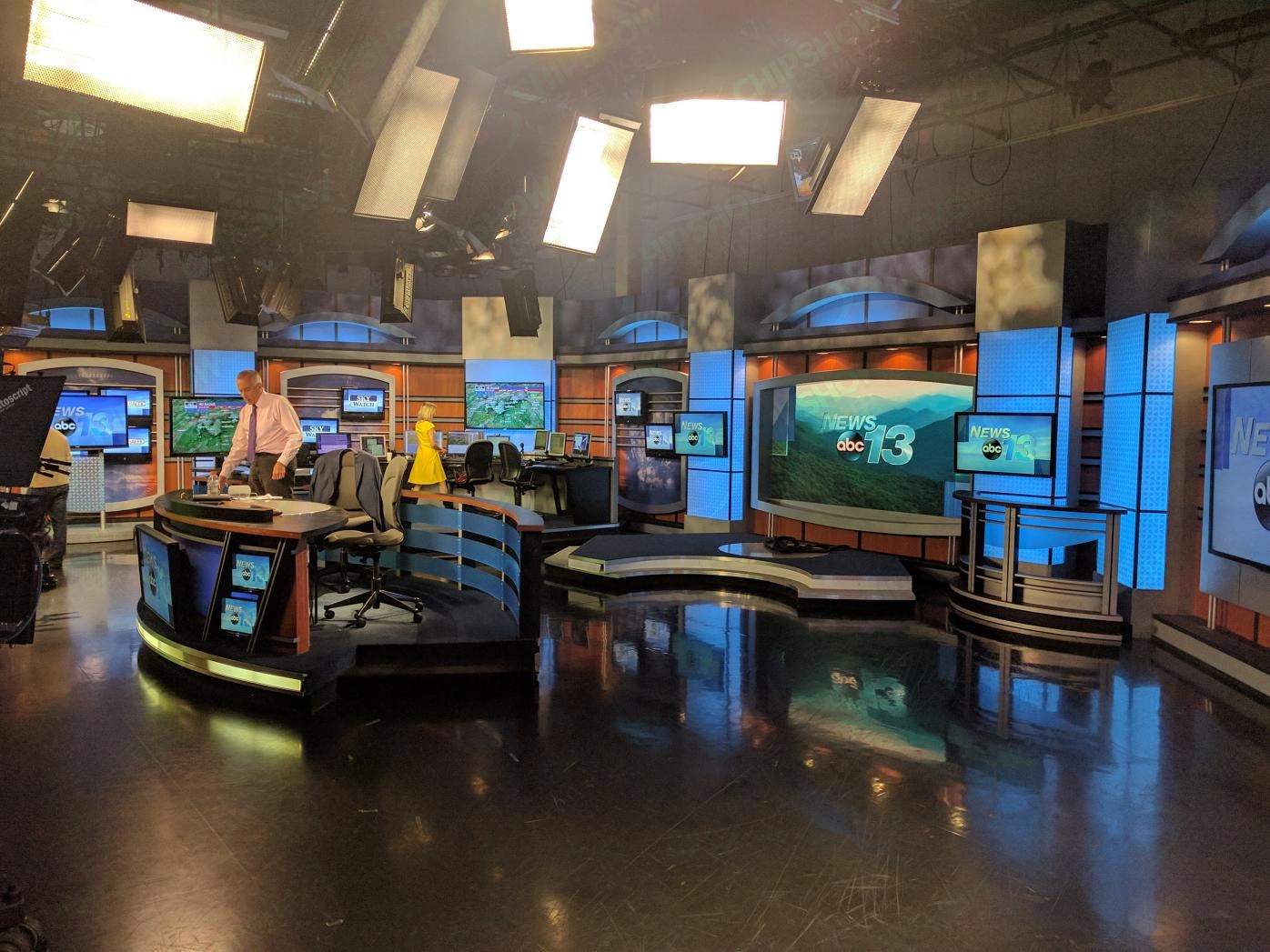
Indoor displays avoid rain, snow and direct outdoor sunlight, but viewers often sit much closer. That can move a larger share of the hardware budget into pixel density, grayscale performance, wall integration and service access.
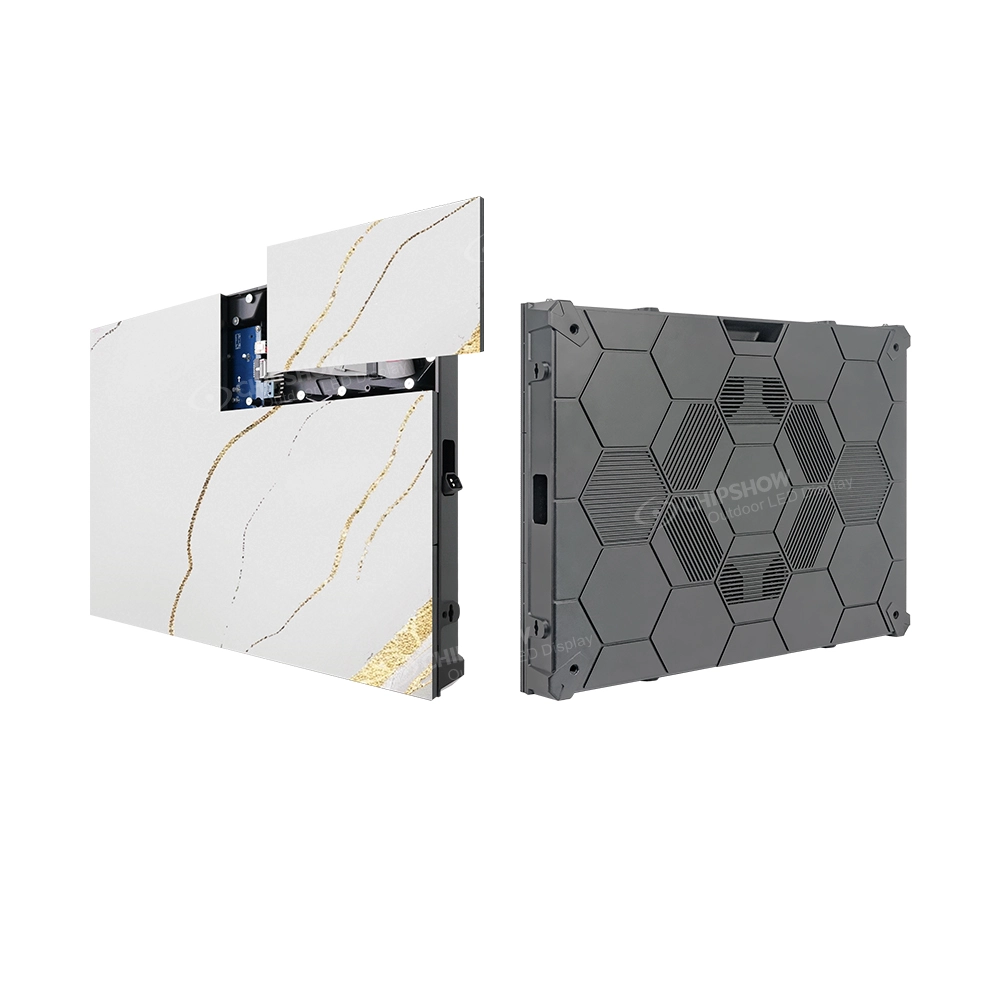
C-Max illustrates this logic. Fine-pitch SMD and COB options are built for permanent indoor use, and the platform uses front-service architecture for projects where a deep maintenance corridor would waste space. In these installations, the financial value may come from preserving usable room area as much as from the LED hardware itself.
Outdoor: Visibility, Weather and Structure Become Budget Drivers
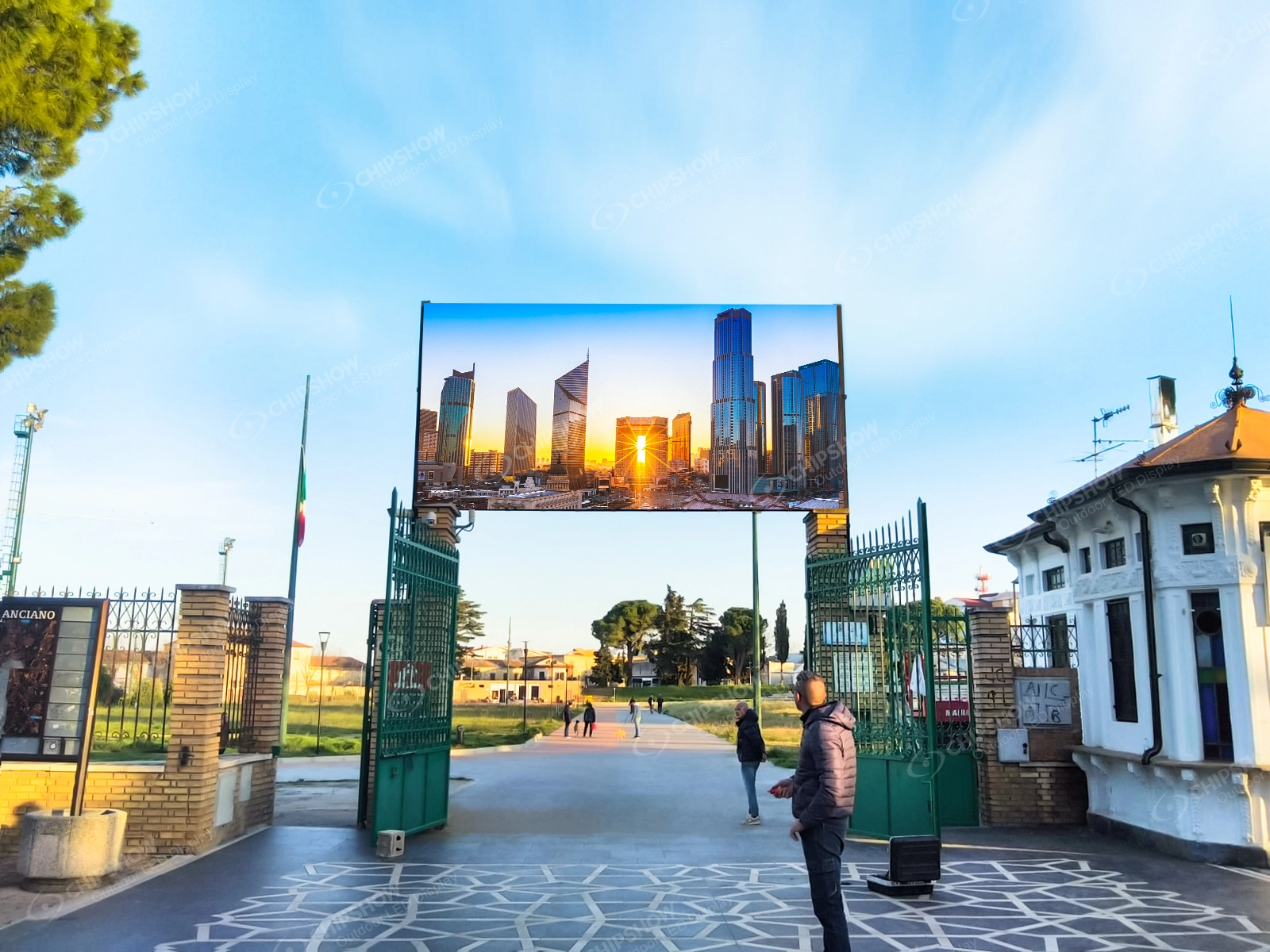
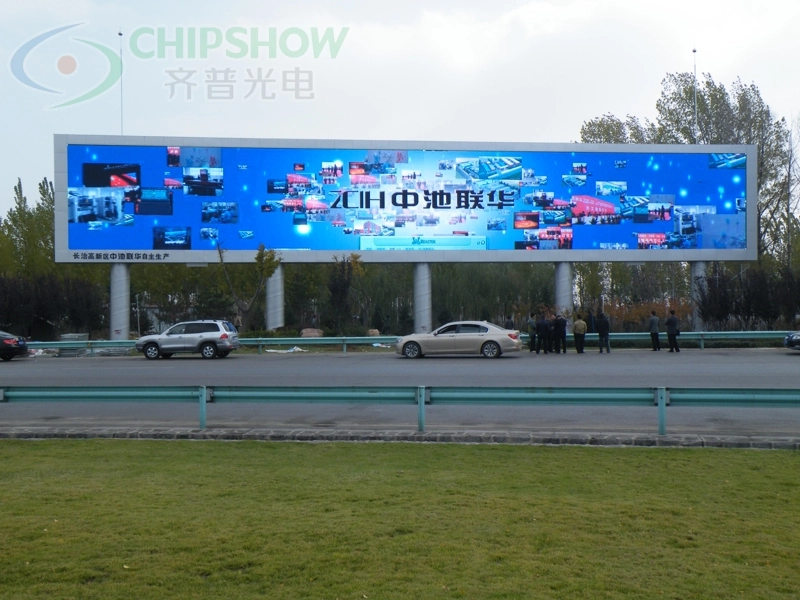
Outdoor projects move more budget toward environmental performance. Brightness, weather protection, thermal behavior, wind loading and structural engineering can matter as much as image resolution. A roadside billboard may not need the fine pixel density of a boardroom wall, yet it can require substantial steel, foundation work, elevation equipment and long-term maintenance access.
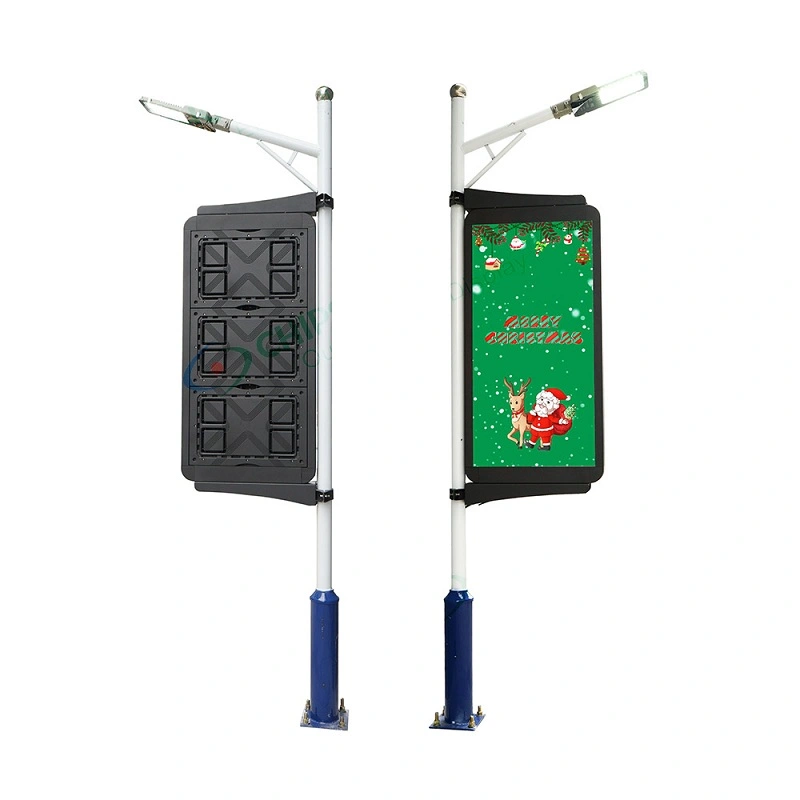
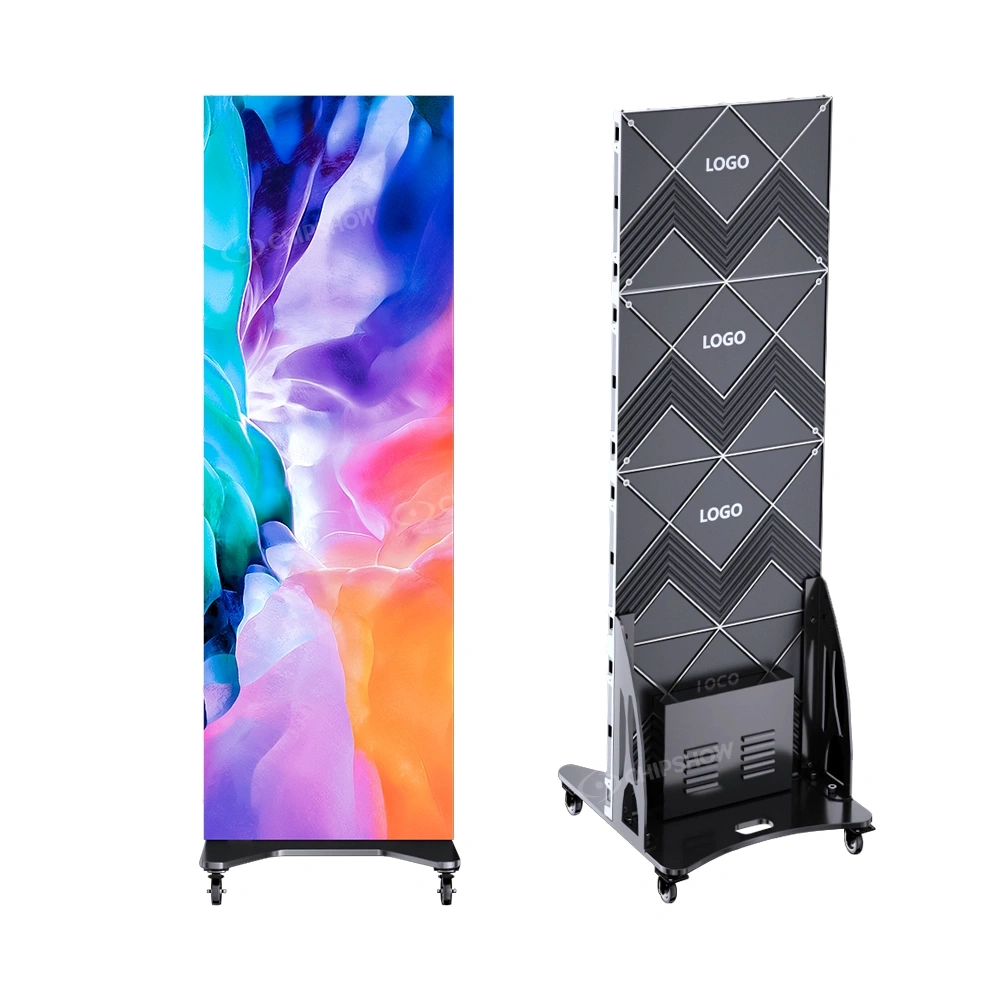
For an outdoor or roadside project, scope the display, supports, power, service access and operating exposure together. Product formats need separate environmental and mounting checks; the C-Poster product reference and C-Poster format page linked here should not be treated as proof of an approved outdoor pylon or message-center configuration.
For DOOH, the screen should be treated as an industrial revenue asset. Energy use, sunlight readability, service access and downtime have direct business consequences, so TCO often matters more than an isolated cabinet discount.
Stadium: Reliability, Safety and Recovery Change the Equation
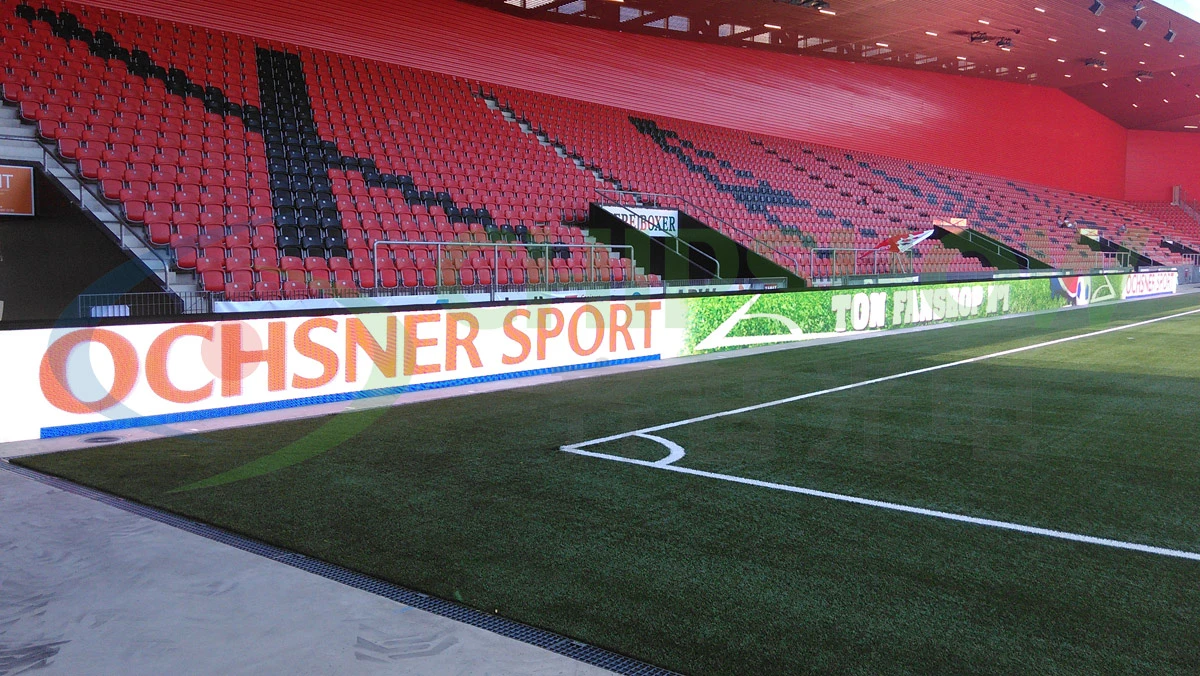
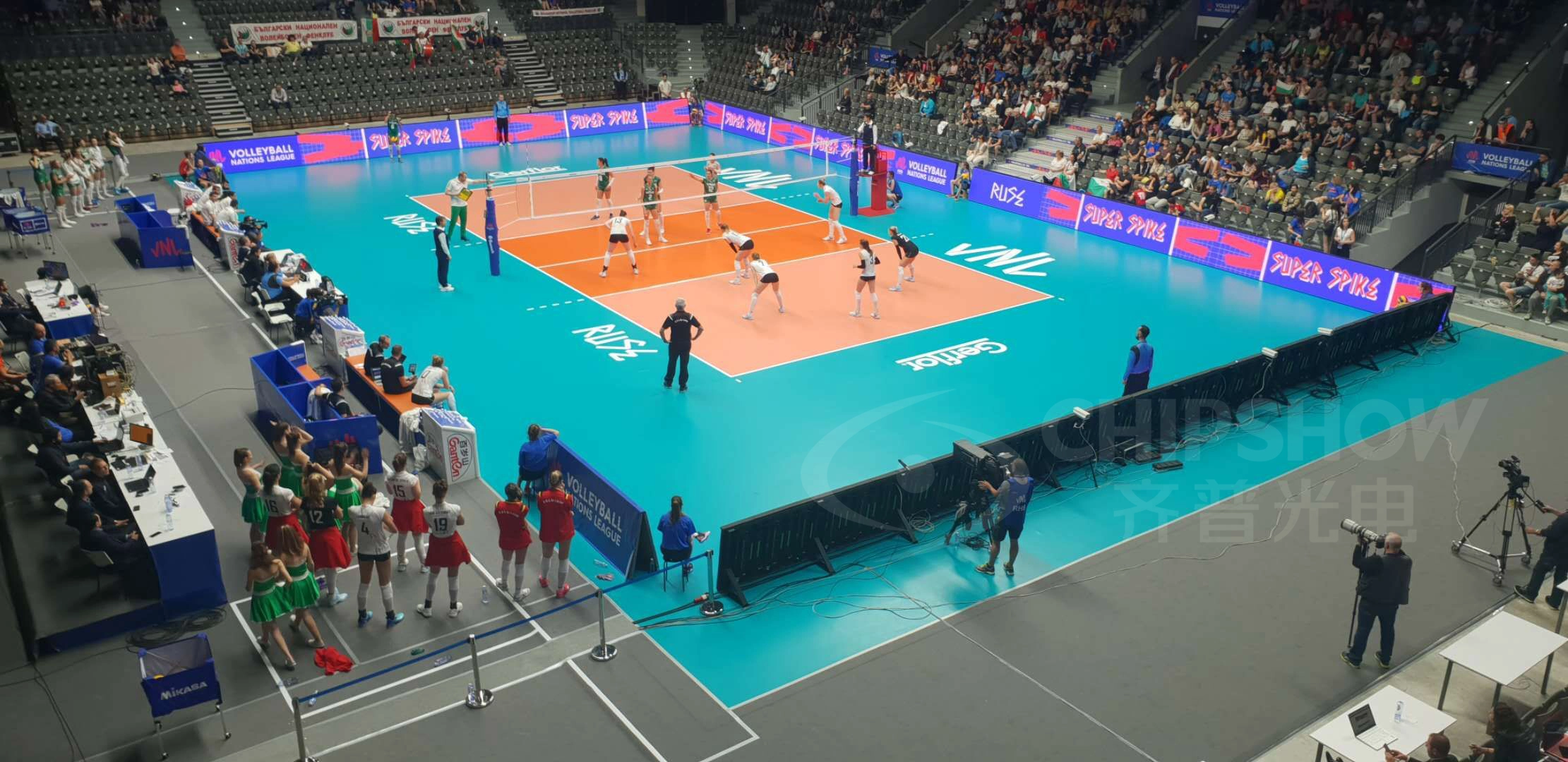
Sports hardware should not be costed like a commercial billboard. Perimeter displays sit close to athletes and cameras, while larger venue displays operate inside a live-event environment where interruptions are immediately visible.
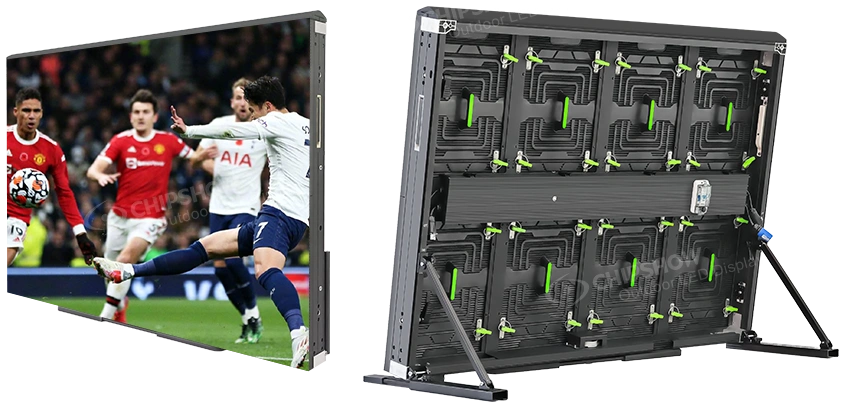
That shifts attention toward athlete-safe mechanical design where applicable, broadcast performance, spare planning, rapid recovery and system-level redundancy. These requirements can add cost for good reason: the financial and reputational impact of failure during a live event can exceed the price of the replacement component itself.
A stadium buyer should therefore compare sports systems with other sports systems, not with the cheapest outdoor cabinet that happens to have a similar pixel pitch.
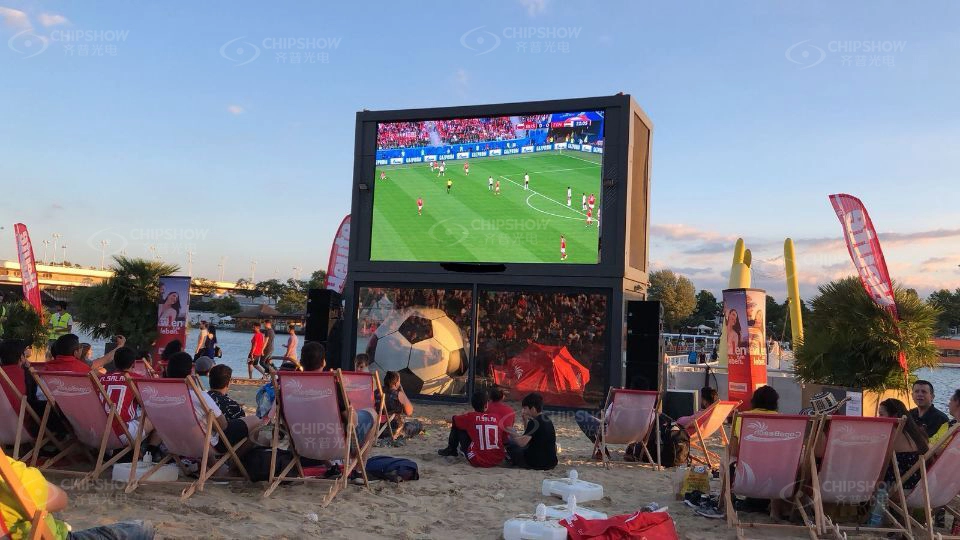
Event: Labor and Transportation Repeat
Rental hardware creates a different financial model because installation is not a one-time event. Panels travel, unload, assemble, operate, disassemble and return to storage—then repeat the cycle at the next venue.
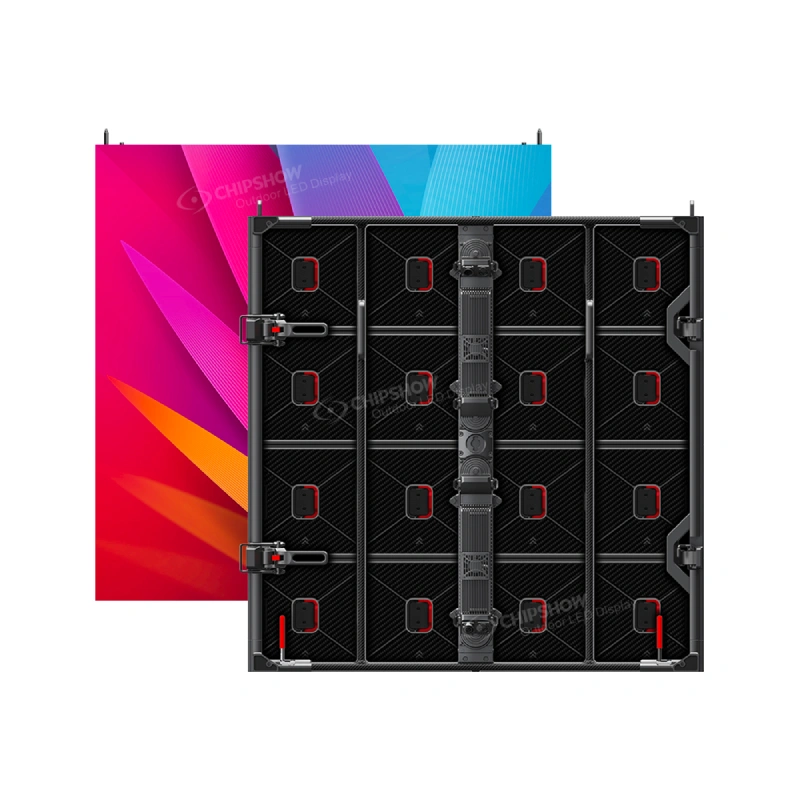
C-Shine Plus is a useful example of why those mechanics matter. The current specification lists 500 × 500 mm and 500 × 1000 mm formats, with the 500 × 500 mm cabinet at no more than 15.4 lb (7 kg), along with fast-lock and tool-free service features. A rental house can translate those attributes into crew time, truck loading and fleet utilization rather than treating them as brochure conveniences.
For a production company, a higher initial cabinet price can still produce the lower five-year cost if the hardware reduces repeated labor and transport burden across enough shows.
How to Build a Complete Jumbotron Installation Budget
Buyers often want one number that includes LED hardware, structure, electrical work, engineering, permits and installation. That makes sense from a budgeting perspective. The mistake is assuming that one hardware manufacturer should own every field condition and local construction scope.
Chipshow separates the ready-to-install hardware package from local project work. On the hardware side, the BOM can define LED cabinets or modules, processing, power and signal components, agreed cabling, mounting-related hardware where applicable and project spares. On the site side, structural engineering, foundations or building attachment, local electrical distribution, permit submission, lifting equipment and installation labor depend on the city, building and contractor conditions.
This separation is also channel-friendly. Chipshow supports the LED hardware package without taking over the AV integrator’s installation agreement, labor revenue or customer relationship. The integrator remains responsible for the local project scope it is contracted to deliver.
For installation scope, local contractor responsibilities and integrator-focused hardware support, see LED Display Installation Support USA.
Why Local Labor Can Move So Much
Installation labor changes with access. A ground-level indoor wall, a rooftop outdoor display and a stadium fascia installation may all use LED technology, but they require different work methods. Height may require lifts or cranes. Restricted site hours may compress the schedule. Union labor requirements can change crew planning. Difficult rear access can increase both installation and future maintenance time.
A useful labor estimate starts with the project city, mounting method, structure, access, work window and electrical conditions.
Why Ready-to-Install Hardware Has Financial Value
A coordinated hardware package can reduce field uncertainty without replacing the installer. Confirmed cabinet quantities, processing, power and signal components, cable planning, spare parts and documentation give the local crew a defined hardware scope before labor begins.
For integrators working inside expensive labor windows, avoiding a return visit or stopped installation can matter more than saving a small amount on one component. Hardware preparation becomes project-cost control.
The 5-Year TCO: What the Purchase Price Misses
Initial CAPEX answers what the project costs to acquire. Five-year TCO asks what it costs to own. That distinction matters because LED displays consume power, need replacement components, require access and can create financial loss when they are unavailable.
Electricity
Power consumption compounds over operating hours. An event screen may run only during shows. A church wall may operate on a limited weekly schedule. A DOOH display can operate for long periods every day. The same difference in electrical efficiency therefore has very different five-year value across these applications.
For electricity cost, request operating-power measurements for the exact configuration under the planned content and brightness schedule, then combine them with daily operating hours and the local tariff. Keep maximum-load data for the electrical design separate from the operating-energy estimate. Do not transfer an efficiency percentage from one architecture to an unrelated model.
Spare Parts
Spares are not wasted inventory when they are planned correctly; they are downtime insurance. A readily accessible indoor installation may operate with a lean spare strategy. A remote billboard or mission-critical venue may prefer additional modules, power components or receiving hardware on site.
The right spare budget depends on the cost of waiting. Define the acceptable recovery time first, then size the spare policy around that requirement.
Module and Component Replacement
LED displays are modular, which can make component-level replacement far more economical than replacing a complete screen. The cost question is how easily technicians can reach those components. Front service can be valuable in an indoor wall with no rear corridor, while dual access can be valuable on a fixed outdoor structure where technicians may approach the display from either side.
Service architecture should therefore be evaluated as a labor and access variable, not as a universal ranking of front service over rear service or vice versa.
Access Equipment and Lifting
A replacement module may be inexpensive. Reaching it may not be. High-mounted outdoor displays can require lifts, traffic control, special access arrangements or cranes. Those expenses may repeat every time maintenance is needed.
A five-year model should ask how often the site is likely to require access and what each access event costs. For DOOH, an access event can also coincide with lost advertising uptime, which increases the economic effect.
Downtime
Downtime has different meanings by application. For a media owner, an unavailable display can interrupt scheduled advertising. For a sports venue, a failure during an event affects the live experience. For an event company, an equipment issue can put a client production at risk. For a corporate space, the financial impact may be lower but still disrupt meetings and presentations.
Once the owner defines what an hour or an event of lost operation means to the organization, redundancy and spare inventory become easier to evaluate financially.
Maintenance Space
Service space can carry a real-estate cost. A rear-service indoor wall may require physical depth that the room could otherwise use. A front-service design can reduce that requirement when the architecture supports it. Outdoors, an existing rear catwalk may make rear service practical and inexpensive.
TCO rewards site-fit serviceability.
A Real Project Shows Why Area Is Not Enough
Chipshow’s project library includes a C-Vent P10 double-sided outdoor billboard in Jamaica with a listed display area of 27 square meters. That is a useful real-world reference for scale, but the area and pixel pitch still do not produce a credible project budget by themselves.
A double-sided outdoor installation can introduce support steel, wind exposure, electrical distribution, service access, lifting and local labor. Those costs cannot be derived honestly from “27 square meters” alone. The project illustrates the central lesson of TCO planning: screen area starts the calculation; it does not finish it.
How to Get Quotes You Can Actually Compare
A useful quotation starts with consistent project inputs. If three suppliers receive three different assumptions, their totals cannot be compared fairly. Before requesting a budget, prepare one project input sheet and send the same information to every bidder.
- Screen width and height: Provide the target active display dimensions rather than only the overall wall opening.
- Viewing distance: Include the closest expected viewer and the typical audience distance so pixel pitch can be selected rationally.
- Project city and state: Location affects freight, local labor, permitting, engineering assumptions and installation planning.
- Mounting method: Identify the wall, structural frame, pole, ground support or hanging system and its design responsibility. Check the approved fixing method for the exact product; the C-Poster product reference is not a monument-sign installation drawing.
- Operating hours: Daily and annual runtime influence energy modeling and five-year TCO.
- Application: State whether the system serves indoor commercial AV, outdoor DOOH, sports or temporary events.
- Content and camera use: Live video, advertising, presentations and broadcast cameras can change processing and refresh requirements.
- Required completion date: The schedule determines whether current inventory, factory production or another configuration needs to be considered.
- Control inputs: List video sources and required processing or control platforms so the BOM includes the correct system architecture.
- Spare policy: Define whether the owner wants commissioning spares only or a larger on-site recovery inventory.
Once these inputs are fixed, compare quotations line by line. Check whether LED hardware, processing, spares, cables and mounting-related components are included. Confirm freight terms. Keep structural work, electrical work, permitting and local installation clearly identified unless another project party explicitly prices those scopes.
Also verify every configuration-specific claim. If a quote lists IP protection, brightness, refresh rate, certification or inventory status, confirm that the statement applies to the exact model and configuration being priced. A claim from a related product is not a substitute for the documentation tied to the ordered hardware.
Ask Chipshow for dated stock and delivery confirmation for the exact model, pitch, quantity, accessories and destination. A regional-stock product listing, including the C-Fit Easy P6.67 reference, is not an inventory reservation or a confirmed project delivery schedule.
Comparable quotes price the same assumptions.
Frequently Asked Questions About Jumbotron Costs
What is included in a jumbotron hardware quote?
A Chipshow hardware quote can include LED cabinets or modules, video processing hardware, power and signal components, required cables, selected mounting-related hardware and an agreed spare-parts package. The exact BOM depends on screen dimensions, pixel pitch, application and control requirements. Structural engineering, local electrical work, permit submission, lifting equipment and installation labor should remain clearly identified as separate local project costs unless another contractor or integrator specifically includes them.
How much does installation add to a jumbotron project?
There is no reliable national percentage because site conditions vary too widely. A ground-level indoor LED wall and a high-elevation outdoor display can have similar hardware costs but completely different structural, electrical, access and labor requirements. Project city, mounting height, support structure, access conditions, union labor requirements and existing electrical capacity can all move the local installation budget. Finalize the LED hardware requirements first, then let the local integrator, structural engineer and electrical contractor price their scopes from the same project information.
Why do pixel pitch and brightness change the price?
A finer pixel pitch places more pixels within the same display area, increasing LED density and processing requirements. Outdoor brightness can require a different LED configuration and power architecture. Neither specification should be maximized automatically. The cost-efficient choice is the pitch the audience can actually resolve and the brightness the operating environment actually needs.
How much should I budget for spare modules and controllers?
The spare-parts budget depends on how much downtime the owner can tolerate. Remote media assets and sports venues may justify more on-site replacement hardware than an accessible indoor wall. Define the desired recovery time first, then build the spare BOM around it.
Is owning a large jumbotron cheaper than repeated rentals?
It can be when usage is frequent enough, but utilization determines the answer. Ownership requires the initial hardware investment plus storage, maintenance and eventual replacement. Rental avoids the initial purchase but adds recurring equipment charges, delivery, setup and teardown. A venue that uses a large LED display only a few times each year may still benefit from renting, while a production company or venue with frequent use should compare several years of rental expense with the five-year ownership model.
Building a More Reliable Five-Year Budget
The most useful answer to “how much does a jumbotron cost?” is not a universal price per square foot. It is a budget built around how the display will actually operate.
An indoor venue may spend more of its hardware budget on fine pixel pitch and architectural integration. An outdoor DOOH operator must account for brightness, weather exposure, electricity and future maintenance access. A stadium may justify additional investment in reliability, safety, redundancy and fast recovery. An event company needs to consider how cabinet weight, rigging time and transportation affect costs across repeated deployments.
Two systems with similar purchase prices can therefore produce very different five-year ownership costs. Chipshow approaches the budget from both CAPEX and OPEX: define the hardware first, then model the operating burden over five years.
If you are still establishing the project budget, prepare the screen width and height, application, approximate viewing distance, project city and state, mounting method, expected operating hours and target completion date. With those inputs, Chipshow can develop a Project Budget Estimate and identify the specifications most likely to move the hardware cost.
If the project already has drawings and confirmed dimensions, request a Hardware BOM instead. This allows the LED cabinets or modules, processing, power and signal components, cables and agreed spare parts to be defined before the local engineering and installation scopes are priced.
Then have the local integrator, electrical contractor and engineering team price their site-specific work from the same project assumptions. This keeps hardware, labor and engineering responsibilities clear while giving procurement a budget that can actually be compared.
A credible five-year jumbotron budget starts by separating what you are buying, what your site requires and what the system will cost to operate after installation.
Compare module and cabinet layouts for your own site with the LED sign selector before requesting a quote.