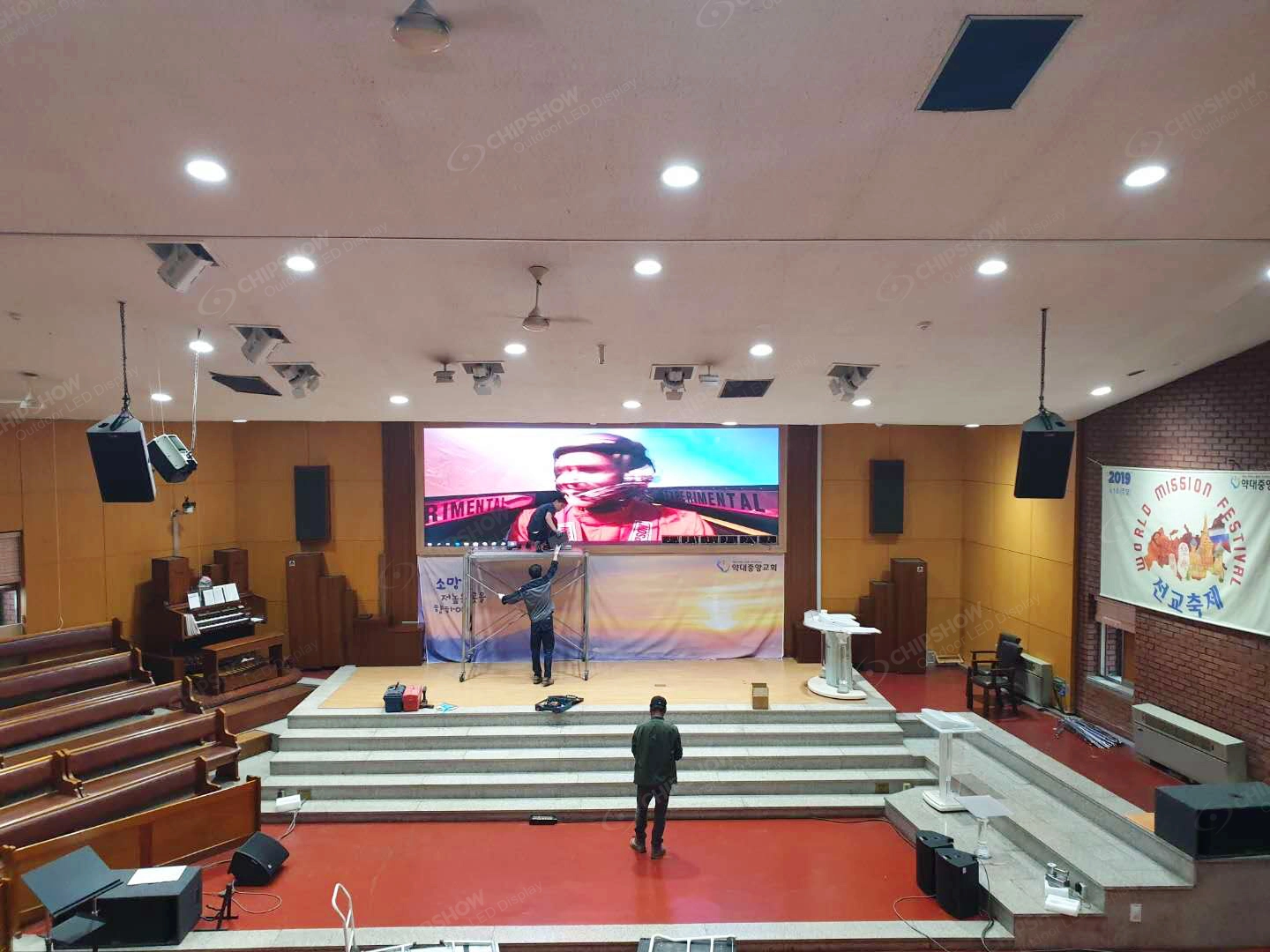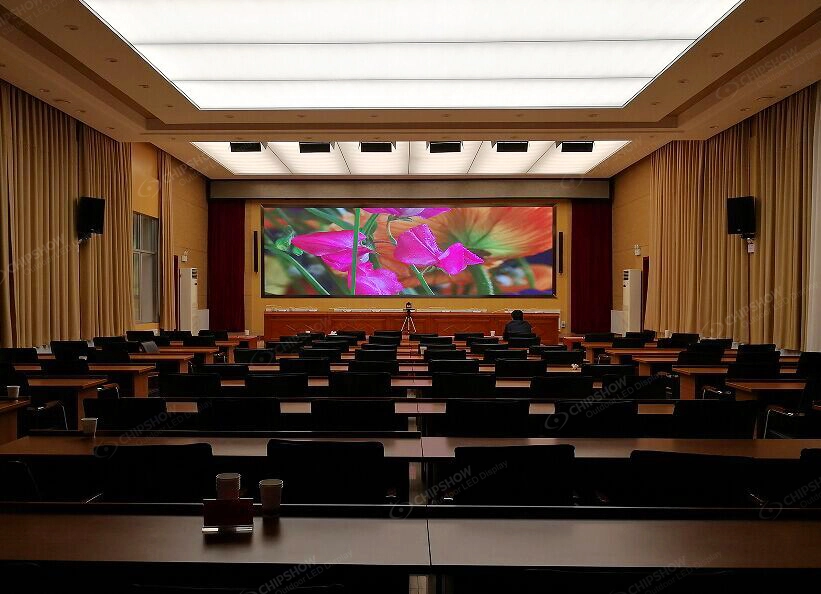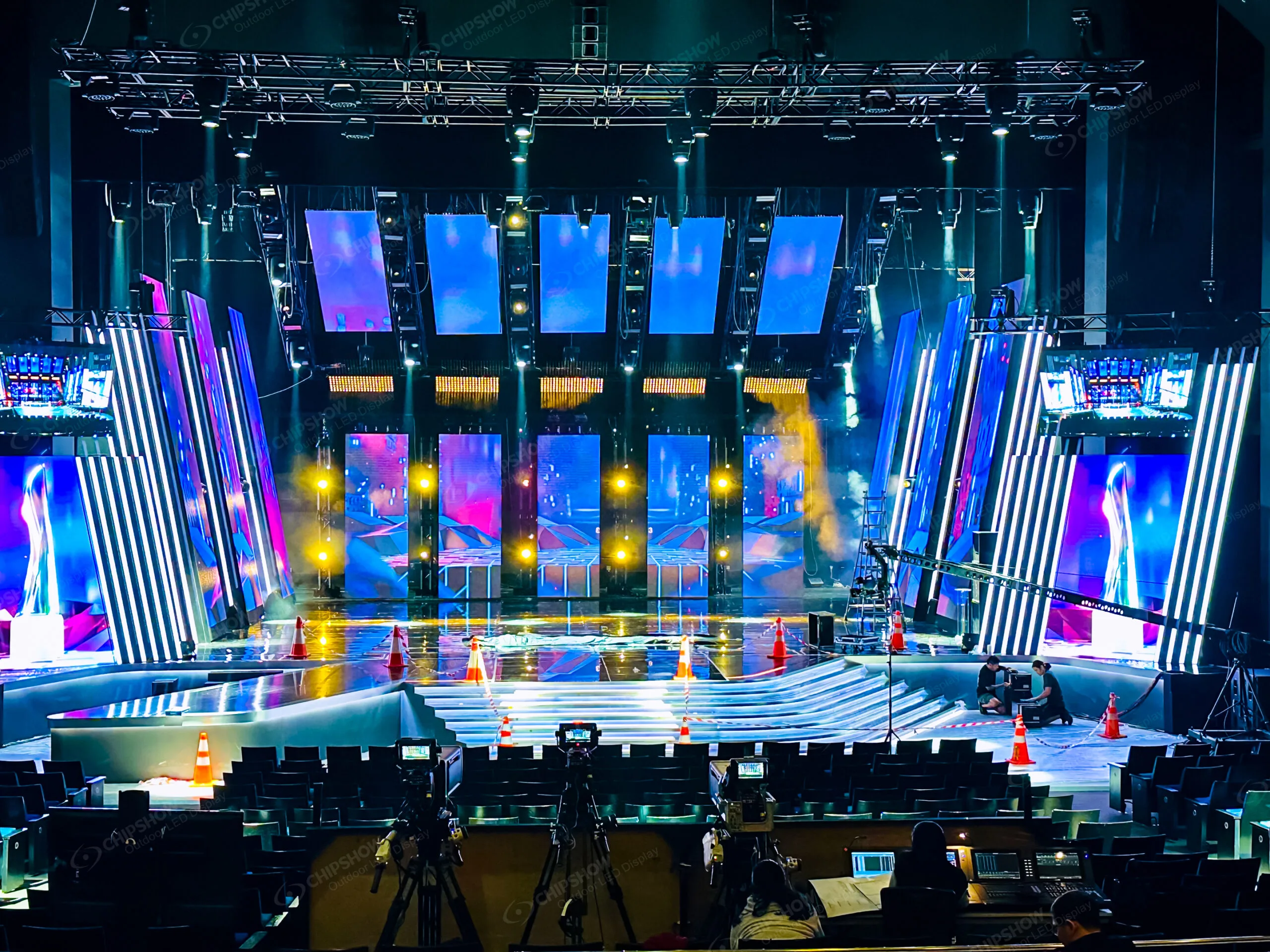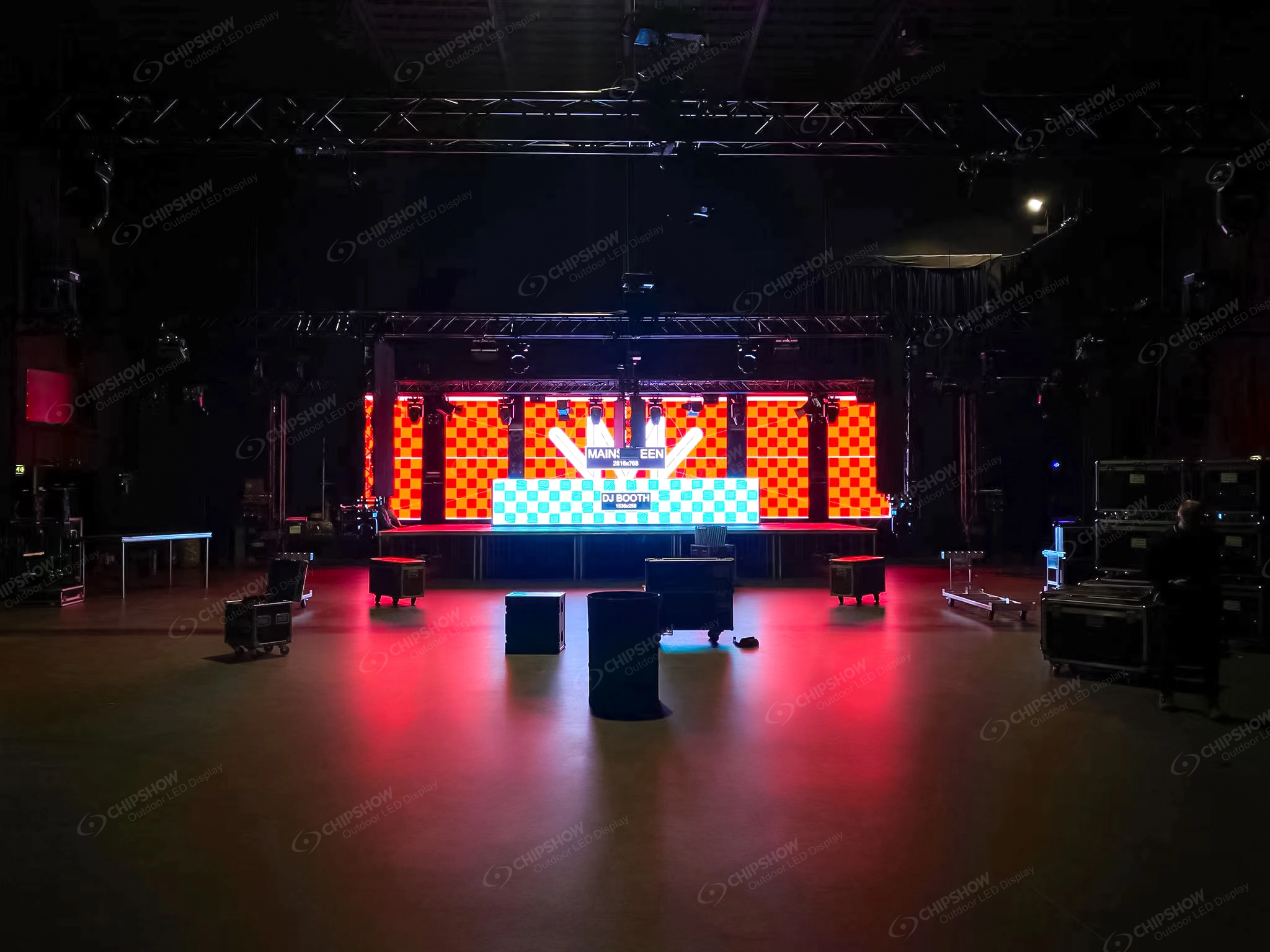
A video wall quote can look complete until someone asks who is supplying the controller, the spare modules, the signal cables, or the mounting interfaces. Those details matter to commercial buyers because a wall made from compatible parts is not the same thing as a construction project delivered by one contractor. When you search for what is a turnkey LED solution, start by asking what the word turnkey covers in the actual quotation.
At Chipshow, we focus on turn-key hardware solutions for the professional teams that design and install LED displays. The appointed AV integrator remains responsible for the local work specified in its contract. That distinction protects both the buyer’s expectations and the integrator’s role.
This article explains how to evaluate a commercial LED screen package with controller options, how to compare the package price, what to ask about energy use, and how to discuss delivery without assuming every component is already in stock. The objective is not to sell a generic box of parts. It is to help you request a hardware package your project team can understand, review, and prepare to install.
What a Turnkey LED Solution Means for Commercial Buyers
Turnkey Hardware Packages and Full Service Installation
In the wider commercial market, turnkey sometimes means one contractor manages design, construction, installation, and handover. These are not interchangeable offers. A manufacturer might supply the cabinets, electronics, and supporting accessories, while a regional AV contractor handles the venue and brings the display into operation.
Read the scope section before reading the price. The contractual equipment list and responsibilities determine what you receive. We describe Chipshow’s offering as turnkey LED hardware, not turn-key installation or a promise to manage every part of a building project.
That precision also benefits procurement teams comparing a factory quotation with a local integration proposal. A hardware supplier should define its equipment deliverables; a construction or integration agreement should identify the site work and acceptance criteria. It is reasonable for a project to have both agreements, but their boundaries should be visible before an order is placed.
Ready to Install Hardware for AV Integrators
Ready to install is a practical description of equipment preparation, not an assertion that the site is ready. For example, an integrator may request a selected cabinet configuration, compatible receiving hardware, a specified processing system, relevant cables, and a list of spare parts. Once that scope is agreed, the team can plan how to assemble and connect the system under the site-specific design.
The exact bundle changes from project to project. Neither application automatically receives every accessory sold by the manufacturer. A useful package is complete against the approved bill of materials rather than against an undefined idea of completeness.
Why Buyers Need a Clear Equipment Scope
One quote may be for LED cabinets alone. Another may include control equipment and spare modules. A third may combine hardware with third-party labor. All three can appear in search results for turnkey video wall packages with installation, yet the buyer is not comparing the same thing. Ask suppliers to identify included items, priced options, and exclusions in writing.
A clear scope gives the local team something concrete to approve. It also prevents a missing interface or unspecified connection accessory from becoming an unpleasant surprise during receiving. The point is not to make a hardware list as long as possible. It is to make every item traceable to a real display or integration requirement.
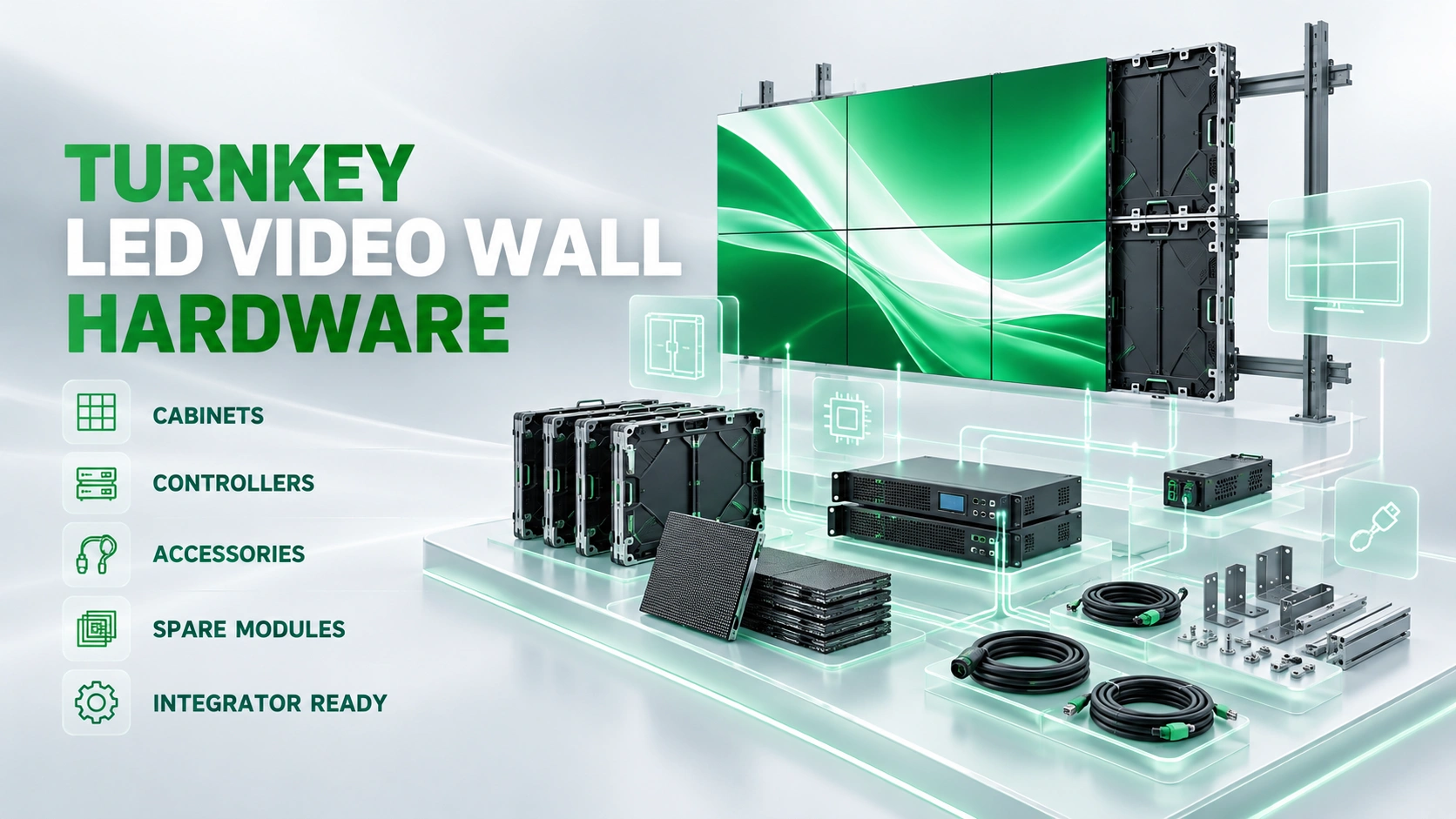
What Is Included in a Turnkey LED Video Wall Hardware Package
LED Cabinets and Display Modules
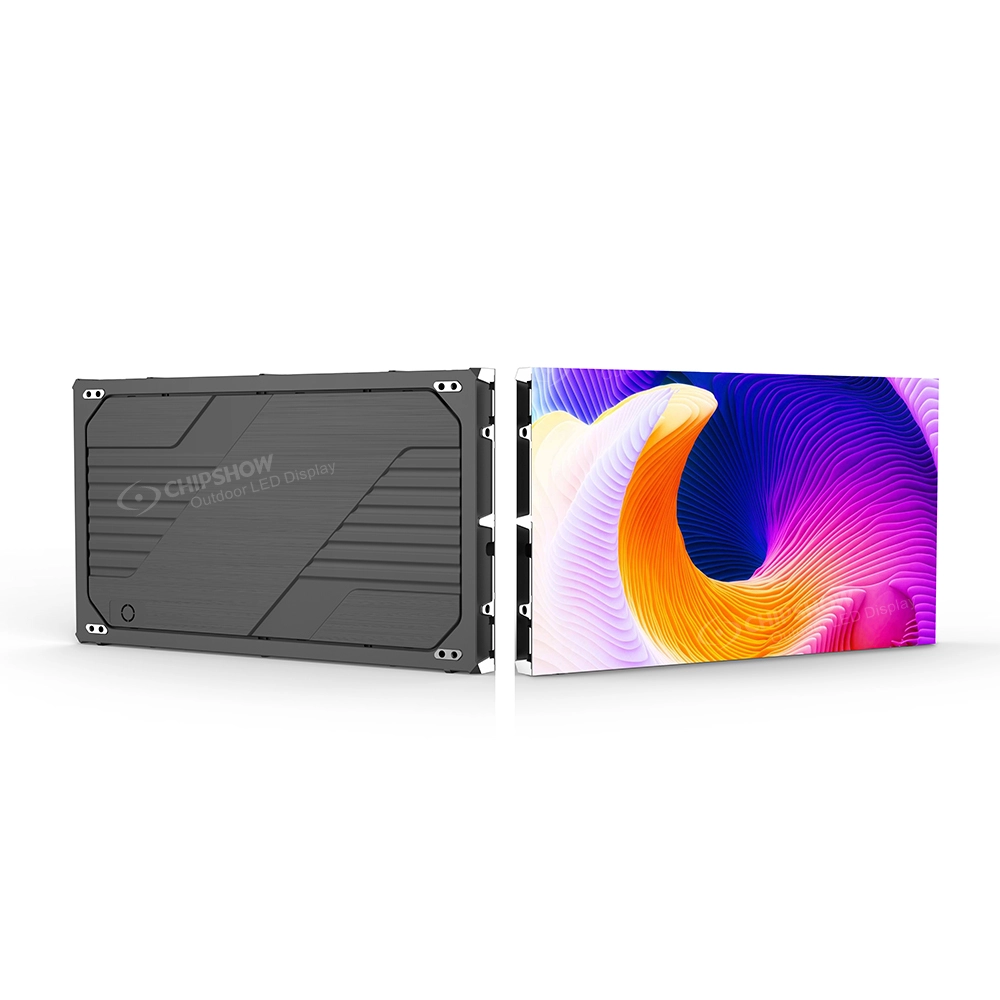
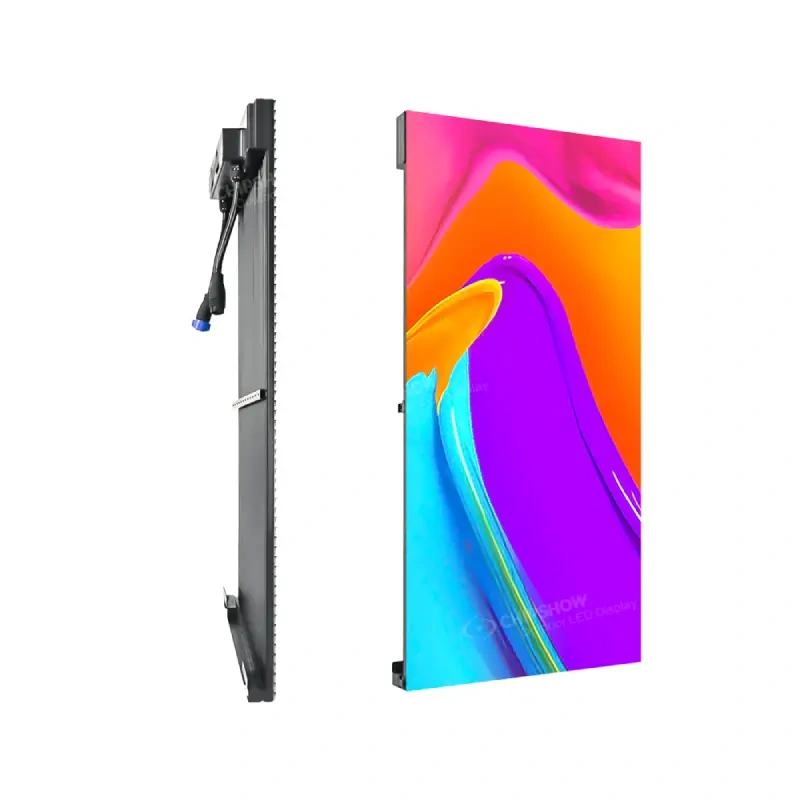
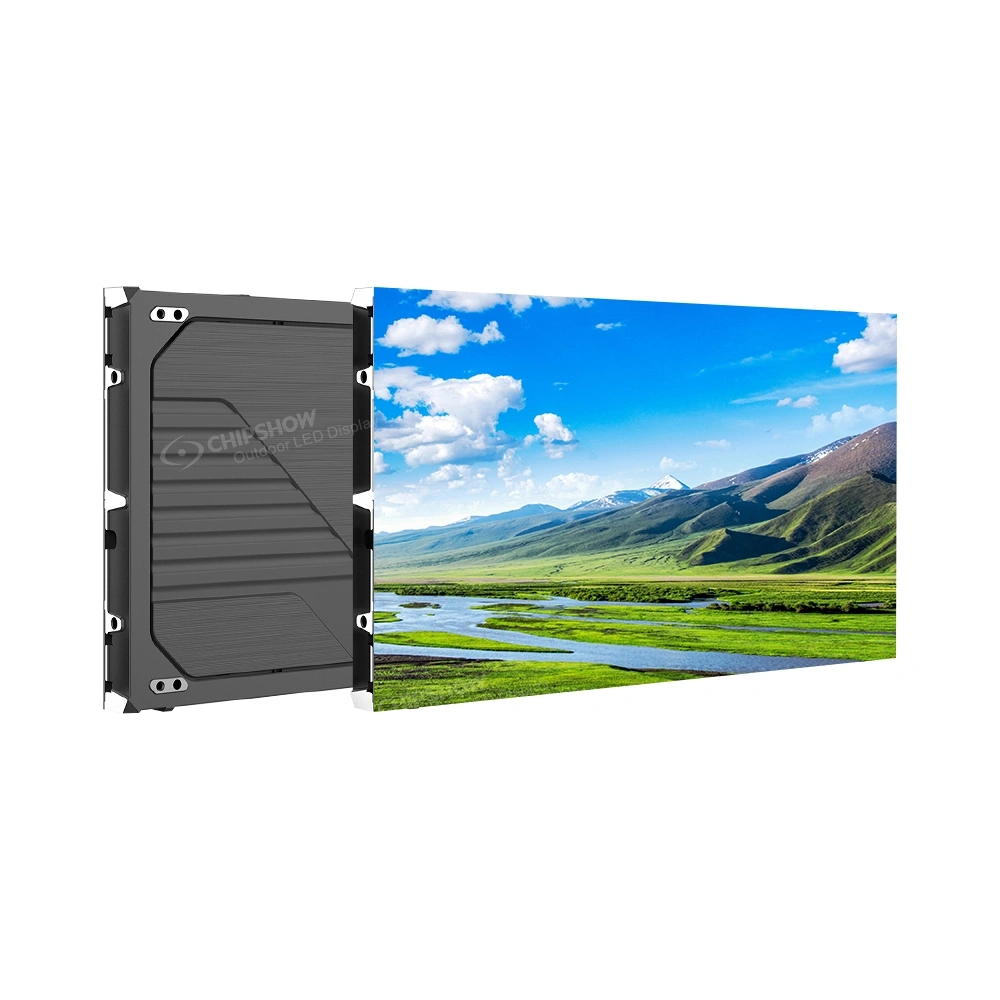
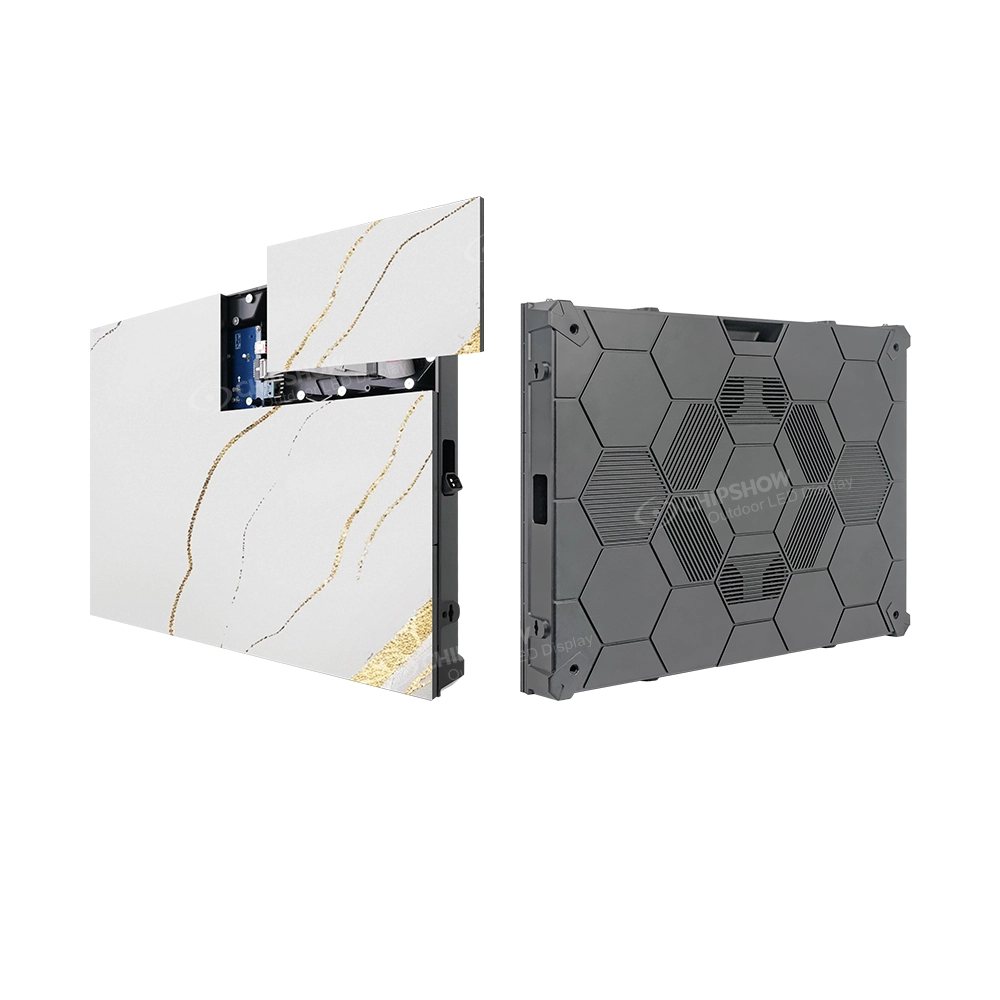
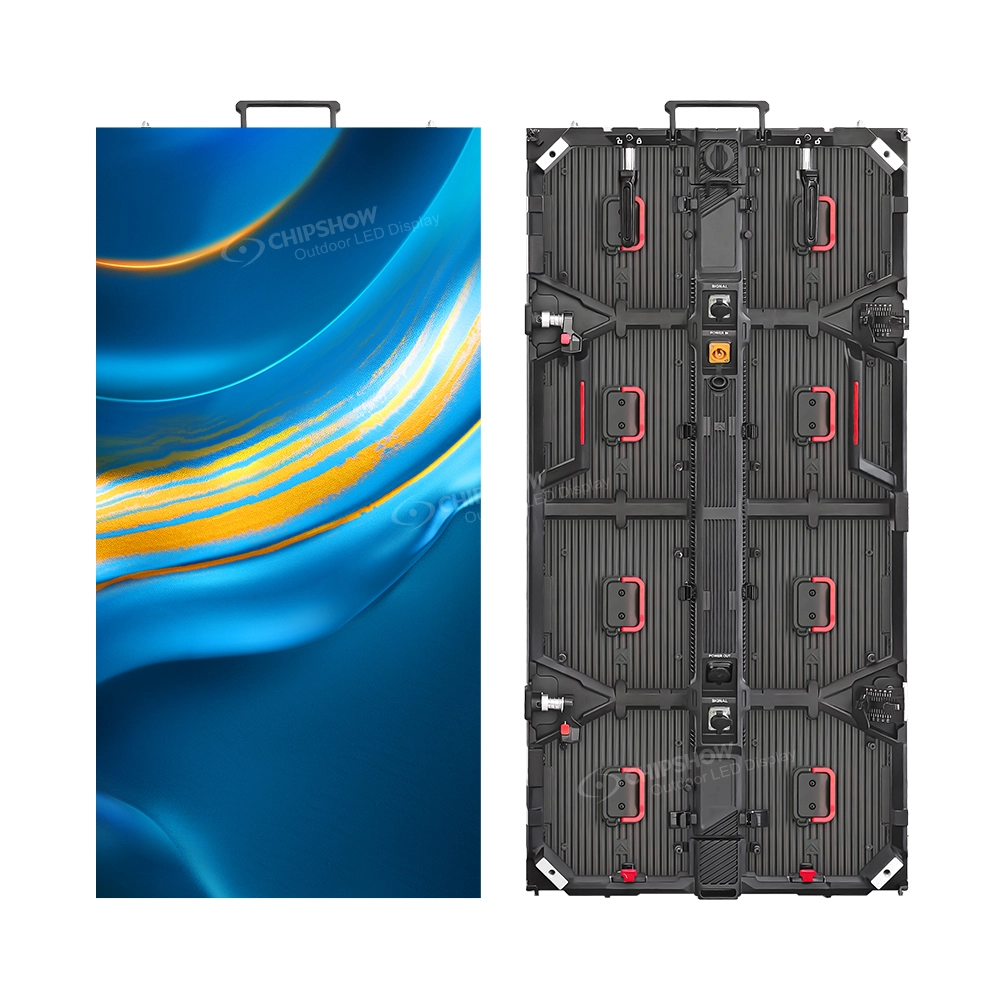
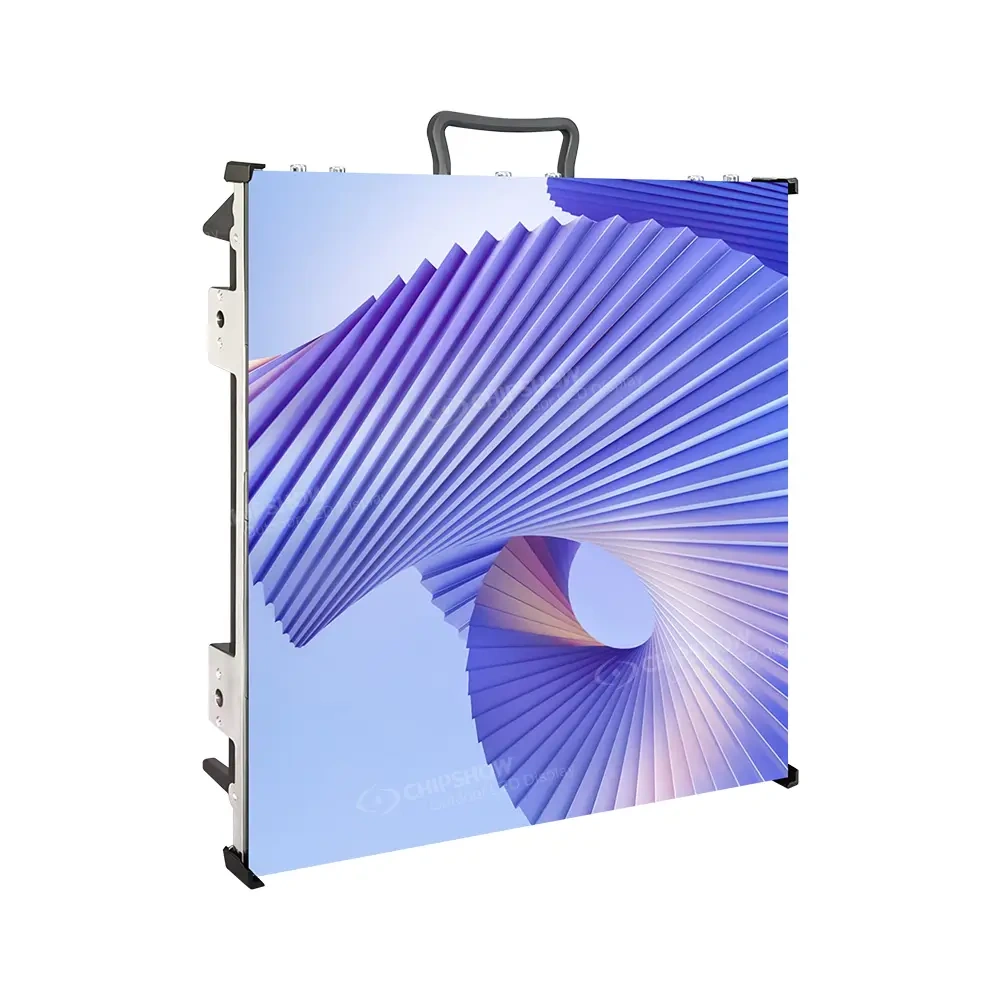
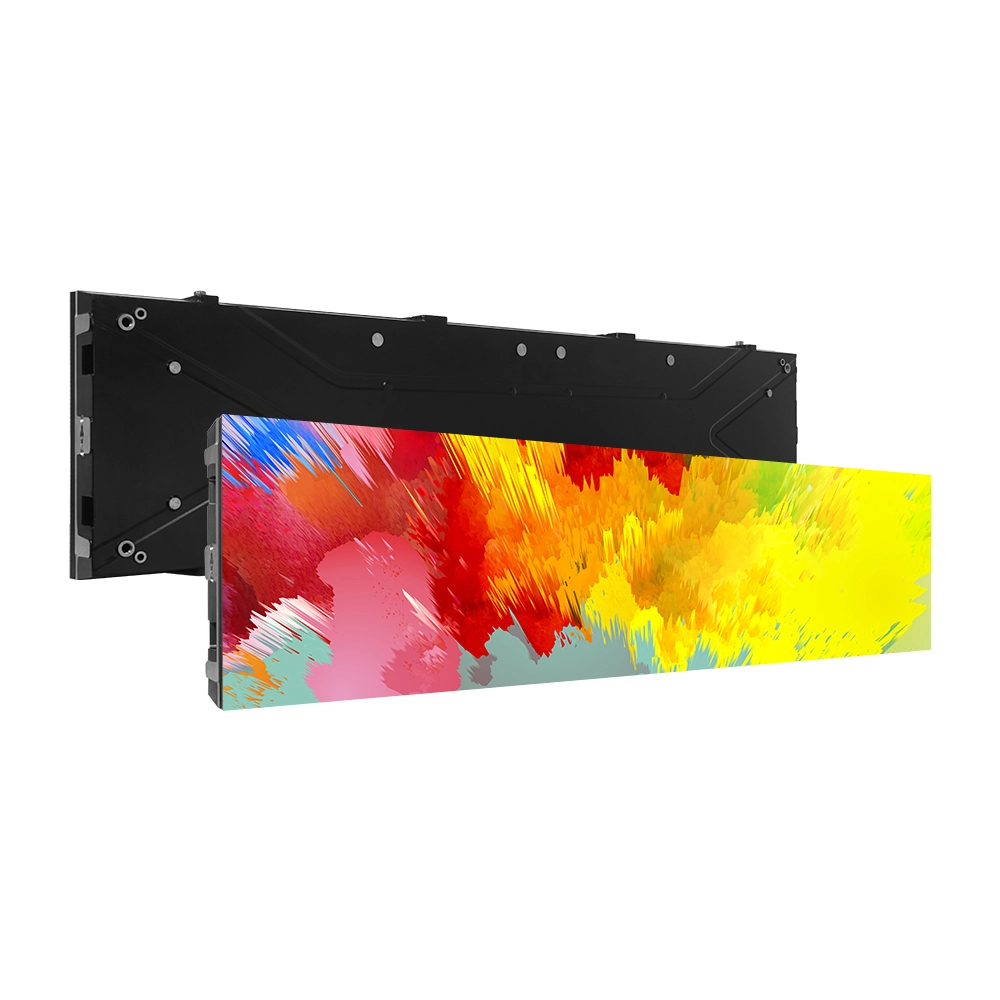
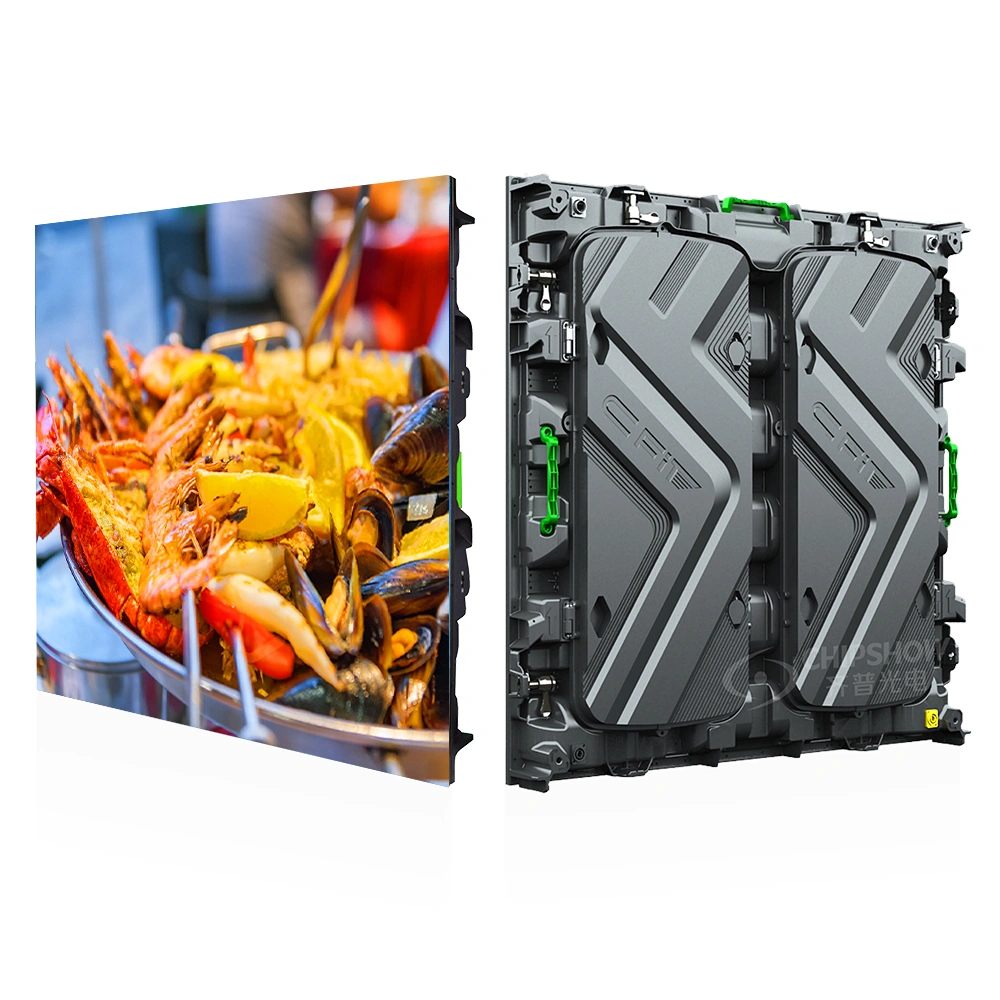
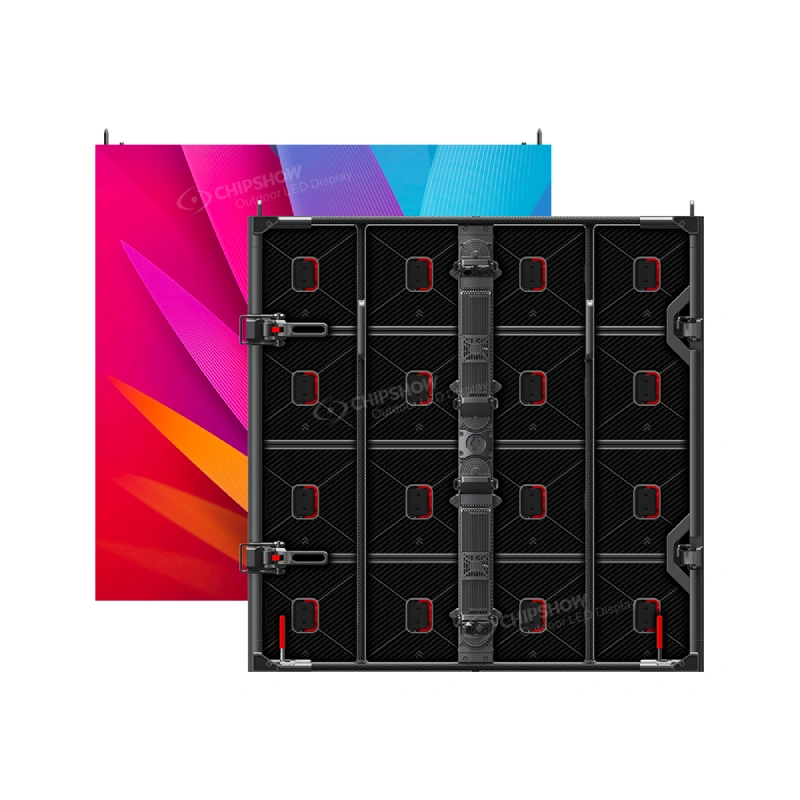
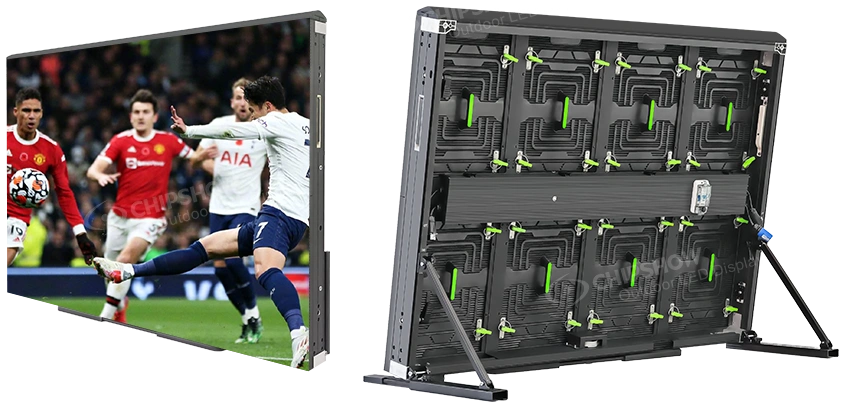
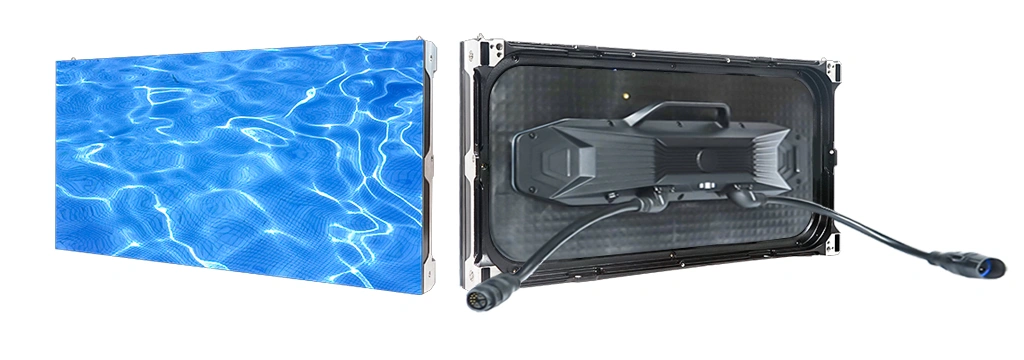
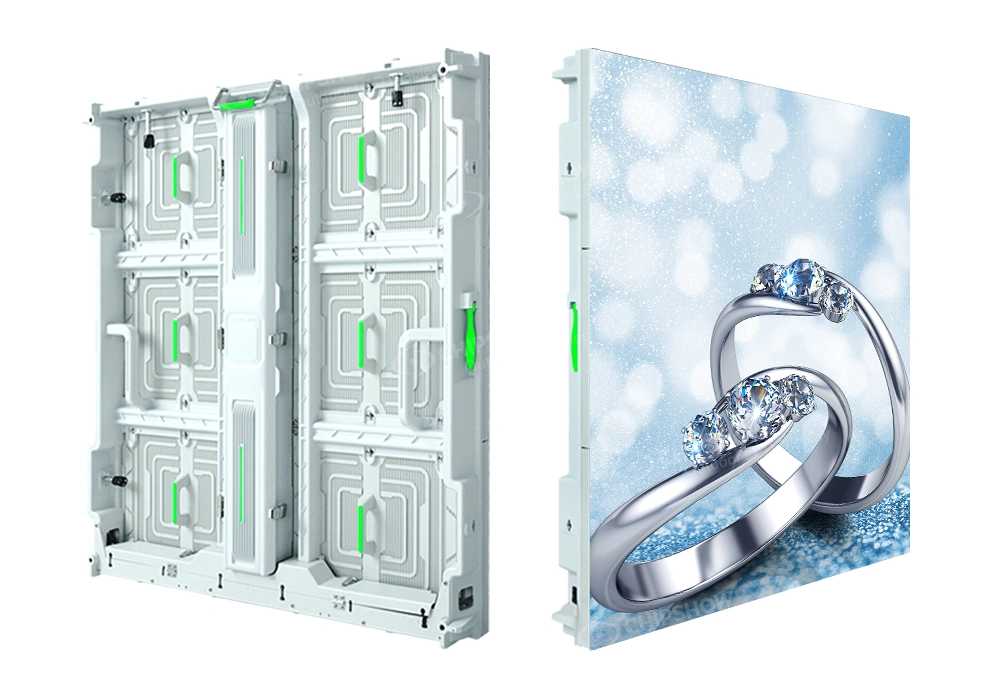
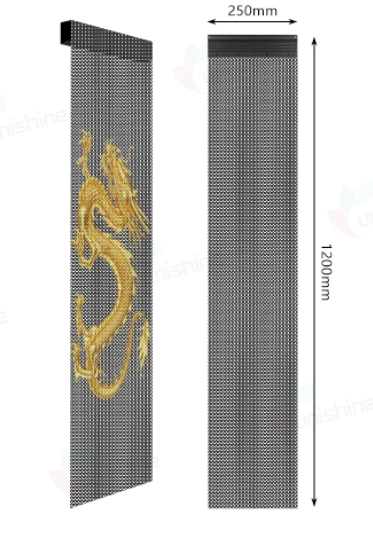
The LED cabinet is the physical building block of a modular wall. Display modules form the image-producing surface inside the cabinet assembly. A bill of materials should therefore identify a particular family, pitch, cabinet format, and quantity rather than simply state indoor LED panels.
For indoor projects, our C-Max Commercial SMD is one hardware platform to consider. The right choice depends on the application and approved engineering requirements. Published product options do not establish present-day warehouse availability.
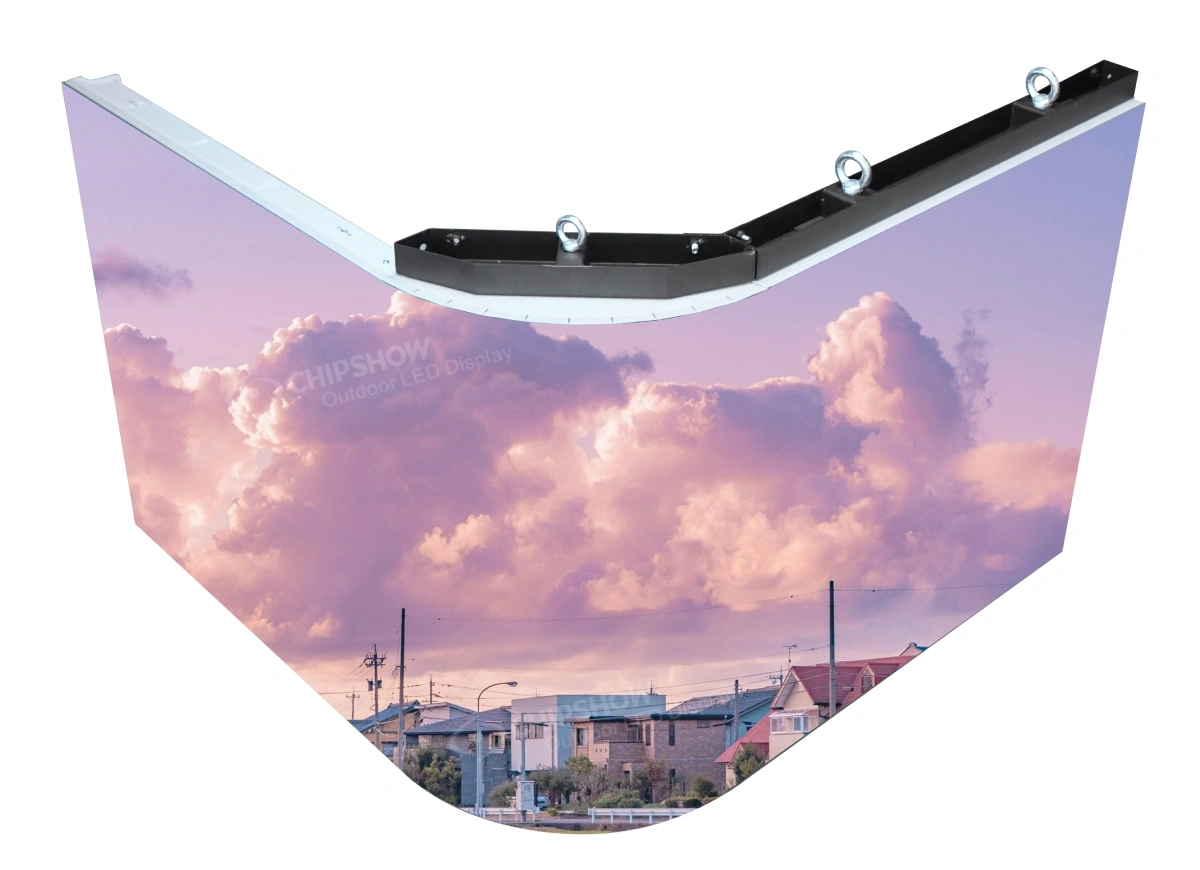
A cabinet count without a final wall layout is incomplete. Cabinet orientation, overall dimensions, access constraints, and desired image shape all affect the requested quantity. A curved or unusually proportioned structure may need additional review. Before putting any product for sale into the purchase order, confirm that the proposed physical configuration is the one your integrator expects to receive.
LED Video Wall Controllers and Receiving Hardware
A commercial LED screen package with controller equipment should identify what processing and sending components are included and how the receiving side interfaces with the selected display. A controller is not a universal accessory that can be chosen by brand name alone. Source formats, total pixel load, outputs, signal distribution, and the planned content system all influence compatibility.
Some all-in-one commercial displays incorporate control functions within the product. Modular systems may call for a separately specified processor or sending device. These arrangements should not be conflated. Buyers should ask for model names, quantities, included interfaces, and the responsibility for on-site setup. In a hardware quotation, included does not automatically mean programmed, connected, tested at the venue, or integrated with another vendor’s content platform.
For projects with unusual video routing or multiple independent sources, let the appointed AV engineer confirm the proposed processing architecture. Our team can discuss hardware information and the components offered with the selected system, while the local project team confirms the final operational arrangement. Detailed processing calculations belong in the separate controller selection discussion, not in a generic package promise.
Power and Signal Accessories
Displays rely on more than visible panels. The specifications of those items should correspond to the chosen cabinets and control equipment. A phrase such as cables included is less useful than a list that distinguishes connection types, lengths, and quantities when those details matter to the approved design.
There is also a critical difference between manufacturer-supplied accessories and the electrical infrastructure of a building. Site circuits, distribution design, protective equipment, and local wiring are project-specific tasks. Their scope belongs with the responsible electricians and integrator. Confirm what hardware the supplier offers while leaving local electrical engineering to the appointed professionals.
Mounting Related Hardware
An LED wall needs a suitable physical interface. Depending on the project, a package might include selected mounting-related components or information describing how the cabinet interfaces with a supporting structure. It does not follow that the manufacturer has surveyed the site, verified wall loads, selected structural fixings, or obtained building approvals.
Ask for the mounting hardware actually quoted, the relevant product drawings, and any limitations that the contractor needs to consider. If a wall must fit within a recess or permit front access only, the integrator should resolve that condition in the site design. A useful manufacturer equipment list makes the interface visible without substituting for a local engineer’s responsibility.
Spare Modules and Technical Documentation
Spares are worth discussing before the initial order because later replacements must fit the original system. There is no universal spare percentage that suits every wall size and duty cycle. A purchase decision should reflect the integrator’s maintenance plan and the actual replacement hardware offered.
Documentation is also part of an orderly handoff. Our [Download Center](https://www.chipshowledusa.com/download-center/) is a starting point for product information, while project-specific material should be confirmed with the team.
What Is Handled by the Local LED Wall Integrator
Site Survey and Structural Preparation
An on-site review answers questions no remote equipment catalog can settle. Manufacturer cabinet information can inform their work but cannot replace it.
Electrical Work and Building Requirements
The facility’s power supply and any required changes to circuits are similarly local issues. A product document should never be represented as a universal permit or code approval. The buyer should assign responsibility for electrical connections and compliance review before the hardware order is finalized.
Installation Labor and System Commissioning
Local installation includes physical assembly, access equipment, on-site connections, video configuration, and acceptance activities as allocated by contract. The work may involve several trades and the client’s IT or content team. Chipshow’s manufacturer-backed hardware role is complementary to those services, not a replacement for them. When someone asks for turnkey video wall packages with installation, the responsible answer is to separate the hardware package from the local installation proposal and confirm who is contracted to perform each task.
Hardware Supply and Local Responsibility Comparison
| Project component | Chipshow hardware supply scope | Local integrator or contractor scope |
|---|---|---|
| LED cabinets and modules | Products specified in the approved BOM | Physical assembly and placement |
| Controllers and receiving hardware | Equipment agreed in the quotation | On-site configuration and commissioning |
| Power and signal accessories | Quoted compatible accessories | Local cabling and electrical connections |
| Mounting interfaces | Quoted hardware and available product data | Site structure and physical installation |
| Product documentation | Available equipment specifications and records | Site-specific design and approvals |
| Permits and construction work | Outside standard equipment supply | As assigned in local project contracts |
Treat this table as a framework rather than a substitute for a signed contract. Optional services or project variations must be documented separately. The most reliable buyer outcome is not a vague all-inclusive claim but a clear interface between the people supplying equipment and those installing it.
How a Complete Hardware BOM Helps Reduce Project Risk
Matching LED Cabinets With the Required Configuration
The bill of materials is where design intent becomes a purchasable hardware package. It should identify the selected cabinet and module options, required quantities, and relevant configuration references. The procurement team should obtain an agreed physical layout before the supplier finalizes the hardware list.
Batch and compatibility records matter, especially where replacements may be needed later. A similar nominal pitch does not guarantee that two modules have matching mechanical, electronic, or optical characteristics. Specify the applicable product generation and replacement requirements rather than assuming any module carrying the same pitch label can be substituted.
Confirming Controller Compatibility
The selected processing arrangement must fit the video wall’s intended sources and geometry. For example, an office display showing a single video feed presents a different source-management question from a meeting space with multiple laptop inputs and independent windows. Even if both use similar LED cabinets, their processing needs may differ.
The BOM should name the proposed controller or processing devices and any relevant receiving equipment, then identify whether interface accessories have been included. The integrator should review that proposal against the desired signal path and control environment. A product can be available for sale without being the right match for the actual media architecture. Compatibility is an engineering question, not a label on a bundle.
Accounting for Spares and Accessories
A sensible hardware package considers not only the assembled wall but also the agreed contingency components. They should be line items when ordered, rather than being inferred from an advertising image. The buyer can then compare the cost of a package with spares against an otherwise equivalent package without them.
Cable needs likewise depend on equipment placement, route lengths, and the integrator’s design. A supplier may quote a predefined set of accessories, but it is still wise to have the receiving project team confirm that those items match its installation method. Clear inclusion notes are far more helpful than an unexplained statement that the package is complete.
Preparing Documentation for the Installation Team
The document handoff is easy to overlook. A receiving team may need the approved BOM, product identification, available dimensional drawings, relevant connection information, and shipment records. Having these items organized in advance helps the integrator compare the ordered components with what arrives and plan any questions before the installation window.
It also improves change control. Likewise, changing a controller can affect the accessory list. Managing these changes against one agreed scope makes responsibility easier to track and limits confusion between hardware procurement and site works.
How to Compare Turnkey LED Video Wall Package Prices
Why Hardware Package Prices Can Differ
The best price for turnkey LED video wall hardware cannot be determined from a panel-only price tag. A smaller quote may simply exclude equipment that another supplier includes. Lower initial cost is not automatically better value, particularly when missing parts must be sourced during a tightly scheduled project.
Pixel pitch, total display area, cabinet technology, and controller requirements influence hardware pricing, but this article is not a substitute for a detailed project budget. A buyer who needs to compare capital spending, installation allowances, and ongoing operating costs can read our related [commercial LED video wall cost article](https://www.chipshowledusa.com/blogs-news/commercial-video-wall-display-cost/) once its published URL is confirmed. For the package decision here, the first step is to normalize the proposed hardware lists.
Comparing Manufacturer and Supplier Quotations
Different LED display manufacturers and resellers may structure offers differently. A Factory relationship may help clarify product configuration and manufacturing-related documentation, while a regional Supplier may offer a distinct set of commercial services or accessories. Neither business model guarantees the lowest price, fastest delivery, or most complete support. The comparison must be based on documented product and service scope.
When discussing Chipshow as a manufacturer-backed Supplier, the useful distinction is that customers can ask about the actual LED hardware family and a project-specific package instead of relying on an undefined generic bundle. The procurement team should still request written inclusions, exclusions, warranty terms where applicable, and available technical data. Buying through a Factory-linked channel does not remove the need for due diligence.
Understanding What Is Offered for Sale
The words LED video wall for sale may refer to loose panels, a defined cabinet quantity, a ready-to-install hardware package, or an offer that also includes contracting services. Product photographs cannot tell you the difference. Make sure the supplier uses the same version of the BOM that the integrator reviewed.
A useful commercial comparison is based on deliverables rather than advertising language. If one bidder names controller hardware while another writes controller optional, note the difference explicitly. These questions can prevent seemingly competitive quotes from becoming incomparable later.
Looking Beyond the Initial Hardware Price
The hardware purchase has implications beyond the first invoice. Service access, future component compatibility, energy consumption, and the operating schedule may affect ownership decisions. Compare verified technical information under consistent assumptions and let the project team model future costs using its own circumstances.
Energy Efficient LED Hardware Package Considerations
Understanding Typical and Maximum Power Consumption
An energy efficient LED display turnkey package should be assessed using the power information for the actual quoted configuration. Maximum power describes a different operating condition from typical or average consumption. Request the applicable specification and its measurement basis where available.
Power planning and energy budgeting are also separate tasks. The electrician needs to review appropriate electrical requirements for the site. The business buyer wants to understand likely use over time. Both need accurate model information, but they should not substitute a marketing efficiency label for technical documentation.
Brightness Settings and Daily Operating Hours
A screen operating in a brightly lit public lobby may have a different brightness requirement from one in a controlled boardroom. Content, brightness settings, and operating hours can all influence actual consumption. An energy comparison should therefore reflect the intended operating schedule rather than assuming that all walls run at maximum settings continuously.
When practical, buyers can ask the integrator to document the proposed brightness operating policy and hours of use. This is especially relevant for displays that remain powered for long commercial periods. Lower consumption should be supported by compatible power figures and realistic settings, not a blanket claim that LED always uses less energy than another technology.
Choosing Hardware for Long Term Operation
Energy use is one part of a broader equipment decision. Service access, replacement planning, and the application itself also matter. For a front-service installation against a wall, cabinet accessibility could influence maintenance planning. In another venue, image requirements may justify a different configuration. An appropriate selection balances practical needs instead of simply choosing the lowest specified wattage.
Chipshow product specifications can inform these conversations, but any claims about energy savings, certification, or operating expense must apply to the quoted model and conditions. We do not state a universal savings percentage or a guaranteed payback period. The commercial case belongs in a project-specific cost model rather than in an unsupported package slogan.
How Turnkey LED Hardware Packages Are Prepared for Delivery
Reviewing the Confirmed Hardware Configuration
Before discussing turnkey video wall fast delivery, finalize what must actually ship. The agreed cabinet family, pitch, quantity, controller option, spare requirements, and accessory scope determine whether the package can be assembled from available supply. A statement about one panel model does not establish availability of the complete order.
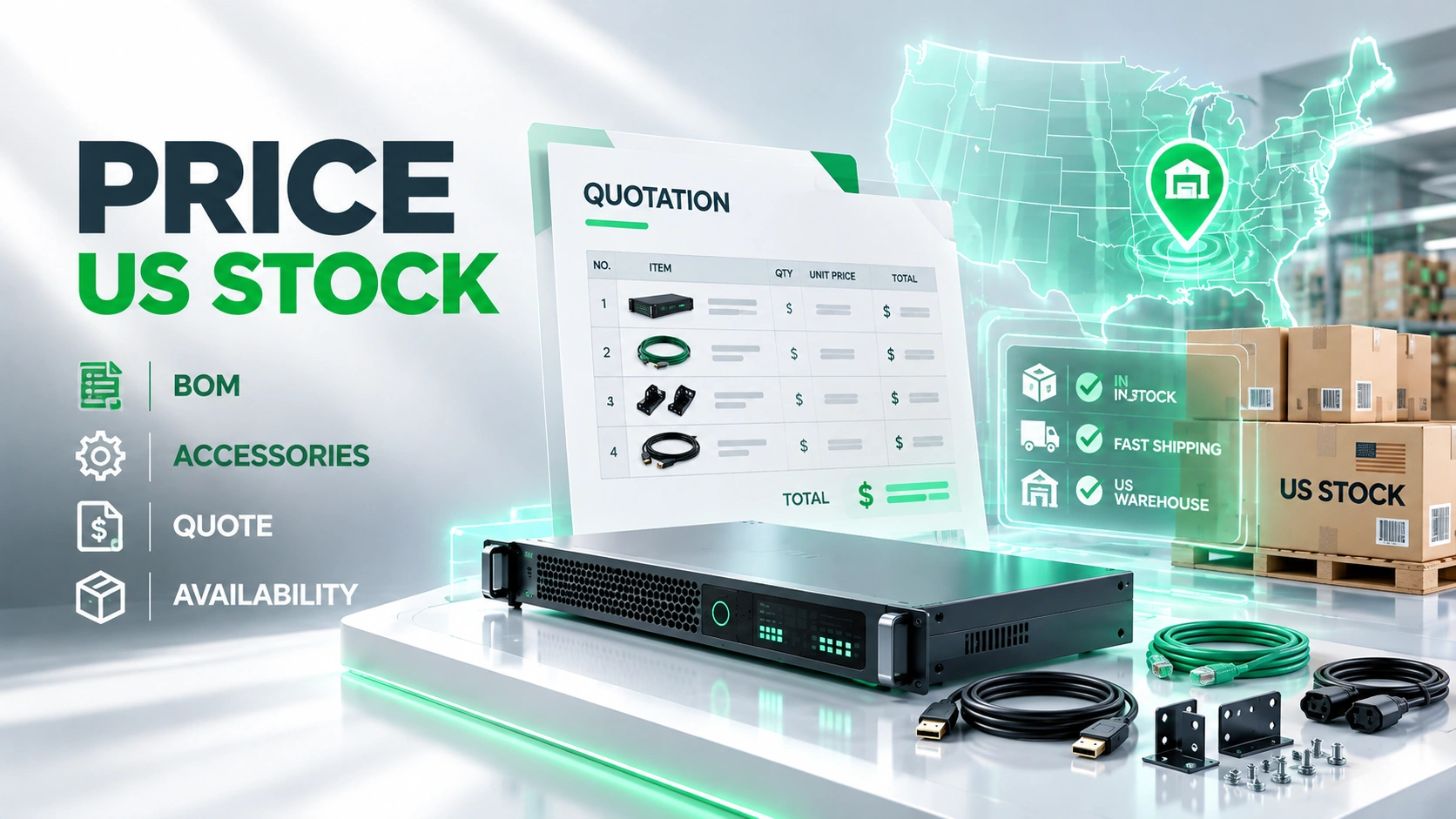
The customer should provide the destination and intended project schedule early, but neither item by itself is a shipment commitment. Stock and lead times are subject to confirmation for the specific product configuration and requested quantity. We do not display a public real-time inventory count for every configuration, so the practical next step is to discuss availability with our team.
Coordinating Equipment and Compatible Components
Hardware readiness means checking the relevant components together. The supplier and integrator should resolve any proposed substitutions before they affect the receiving plan.
Requests for specialized cabinets or nonstandard dimensions may also change the supply discussion. Describe the required outcome rather than assume that the phrase custom LED wall means an existing stock item can be delivered immediately. If an alternative configuration is proposed, ask the installation team to confirm that it still meets the design and service requirements.
Confirming Shipment Arrangements
Once the equipment scope and available supply are reviewed, packaging and freight can be discussed against the destination and project window. A warehouse location can be useful, but it does not guarantee a transit date or automatically include transportation in the hardware price. Carrier arrangements, shipment conditions, and order terms require confirmation.
The same applies to materials sometimes called technical submittals. Ask which product documents will accompany or support the order and who will prepare site-specific approvals. Keeping this distinction clear helps the receiving team plan without implying the manufacturer performs local permitting or construction management.
Communicating With the Receiving Integrator
A smooth handoff includes a clear equipment list, delivery details when confirmed, and an identified contact responsible for receiving hardware. The integrator should schedule labor and site access based on the actual shipment information rather than a speculative website claim. For a deeper discussion of supply timing, see our [fast shipping LED displays article](https://www.chipshowledusa.com/blogs-news/fast-shipping-led-displays/) where that final page is live.
Chipshow Turnkey LED Hardware Solutions for US Projects
Manufacturer Backed Indoor LED Hardware
Chipshow works with professional buyers seeking defined LED display hardware for indoor commercial projects. These are product platforms, not fixed universal bundles with identical controllers or accessories.
The manufacturer’s role is to help clarify the selected hardware and relevant product information. The approved package still depends on the proposed display layout, technical needs, and specific quotation. For broader product browsing, the [Chipshow indoor LED display range](https://www.chipshowledusa.com/products/indoor-led-display/) is a starting point; the final project configuration needs direct discussion.
Integrator Friendly Hardware Procurement
Our integrator-friendly approach respects the work performed by local AV contractors. We supply the agreed hardware package and associated product information rather than present ourselves as the installer of every project. Buyers should engage their appointed integrator early enough to review cabinet layout, processing compatibility, service access, and the site handoff.
That separation helps a corporate purchaser understand who is responsible for what. It also allows a channel partner to build its own professional installation and commissioning scope around manufacturer-supplied equipment. The aim is not a vague promise that one box solves every project problem, but a practical division of responsibilities supported by a clear BOM.
California Warehouse Supply Capability
Our California Warehouse Hub can support selected equipment supply requirements in the US market. Availability still varies with model, pixel pitch, quantity, and the rest of the requested package. Buyers should not assume the website shows live inventory quantities, that all configurations ship immediately, or that a fixed delivery window applies to every order.
Share the proposed wall dimensions and hardware needs with our team so the appropriate options and possible fulfillment arrangements can be reviewed. A regional warehouse is a supply resource, not a substitute for checking the actual order scope. We would rather clarify an uncertain component early than give the integrator an unusable assurance.
What to Include When Requesting a Complete Hardware BOM
An effective inquiry does not need to contain a finished engineering package. It does need enough information for a meaningful first hardware discussion. If the pixel pitch or controller is undecided, say so instead of guessing. The important thing is to separate known project requirements from options that still need the integrator’s review.
Complete Hardware BOM Request Checklist
- Commercial application and project location
- Proposed wall dimensions and intended layout
- Preferred LED family and pixel pitch if known
- Cabinet quantity or approved layout drawing if available
- Video sources and preferred controller requirements
- Power and signal accessories needed within the supply scope
- Mounting interfaces or accessories requested from the supplier
- Compatible spares and required product documentation
- Delivery destination and target project schedule
- Named local integrator and clearly assigned installation scope
Send any relevant architectural constraints along with the request. A front-service wall inside a shallow recess, for example, presents a different access question from a freely standing structure. Explaining such conditions helps the parties identify what information should be reviewed before the hardware scope is finalized.
Frequently Asked Questions About Turnkey LED Hardware Packages
Is Every Turnkey LED Package Ready for Immediate Installation
No. A ready-to-install hardware package describes an agreed equipment supply, not a certified ready jobsite. The local contractor still needs to verify its support structure, power arrangements, access, and installation plan. A completed equipment order cannot replace those checks.
Can I Request a Different Controller for the Same LED Wall
Potentially, but only after compatibility review. Provide the alternative model and intended source requirements to the project team. The revised quotation should identify any changes to control hardware and accessories rather than treat processors as interchangeable options.
Can Spare LED Modules Be Added After the Original Order
Additional spares may be requested later, although matching the original configuration can require a separate compatibility and batch review. Keep product identification records from the first shipment so the supplier can assess the appropriate replacement instead of selecting by pitch alone.
Is Buying Directly From an LED Display Factory Always Cheaper
Not necessarily. Factory sourcing and reseller sourcing can carry different equipment scopes, freight terms, and services. Compare the same models, included components, documentation, and obligations before deciding which offer delivers better value. An advertised panel price is not a complete project comparison.
Can a Turnkey Hardware Package Include Installation Services
The meaning of turnkey depends on the contract. Chipshow’s standard positioning is manufacturer hardware supply, while site surveys, structural or electrical work, permits, and local installation are handled under the appointed integrator or contractor’s scope. Ask each party for a written statement of responsibilities.
Can Energy Efficient LED Hardware Reduce Operating Costs
It may under suitable conditions, but the outcome depends on the quoted product’s verified power data, chosen brightness settings, electricity rates, and hours of use. Buyers should model those inputs for their own project instead of relying on an unsupported percentage saving.
Get a Complete Hardware BOM for Your LED Video Wall
The useful next step is not to ask for a generic turnkey price. We can discuss suitable Chipshow hardware options and the equipment that may be included in a project-specific quotation.
Request a Complete Hardware BOM — https://www.chipshowledusa.com/ or send your wall dimensions to start the conversation. Availability, freight, and lead times require confirmation for the selected configuration and order quantity. Local installation, structural and electrical work, and permitting remain within the responsibilities established by the appointed project professionals.