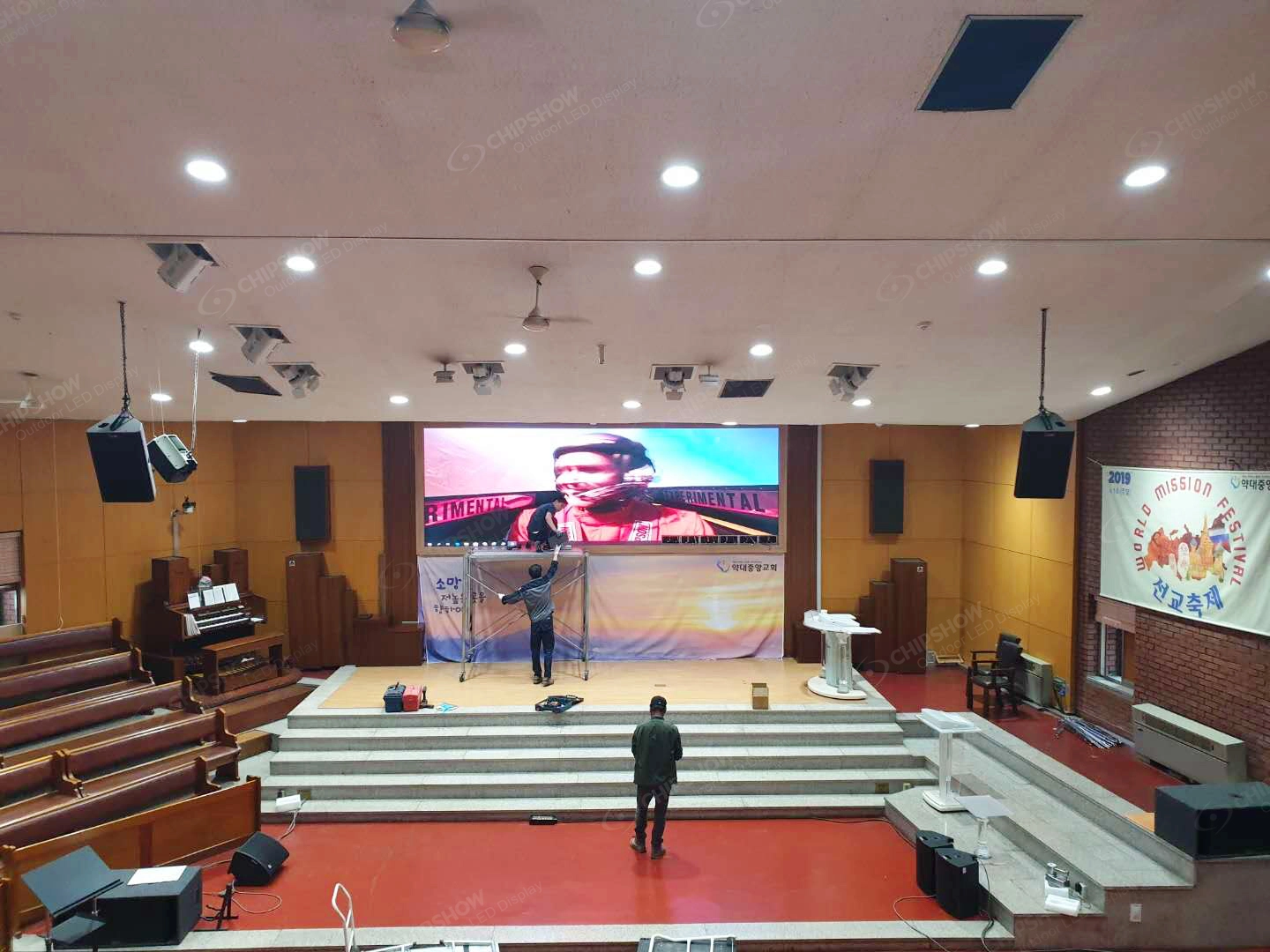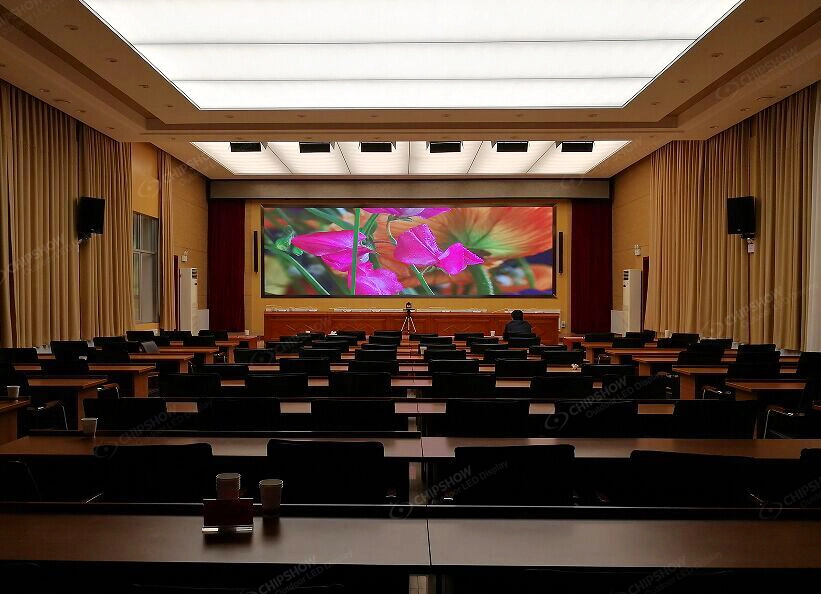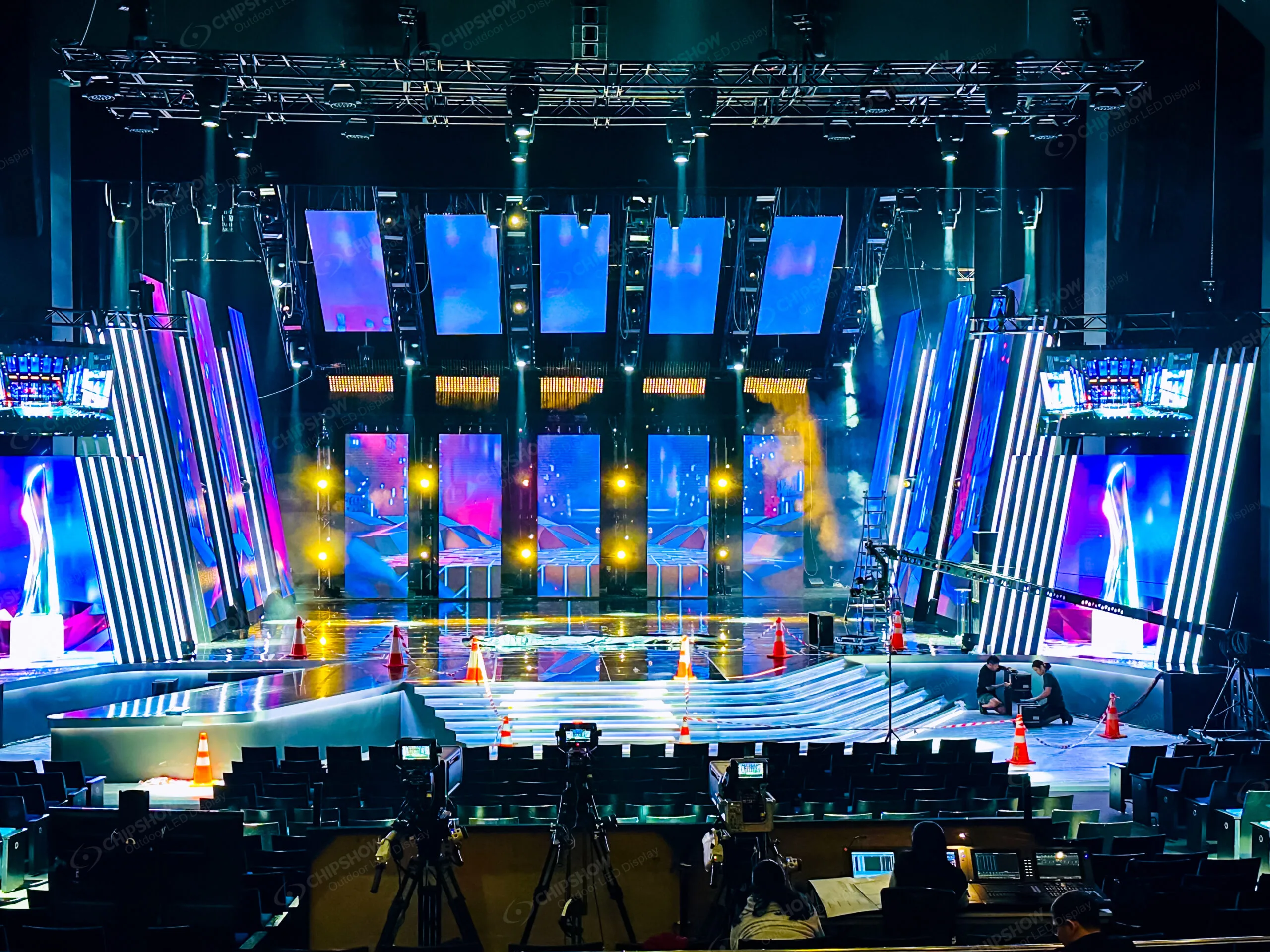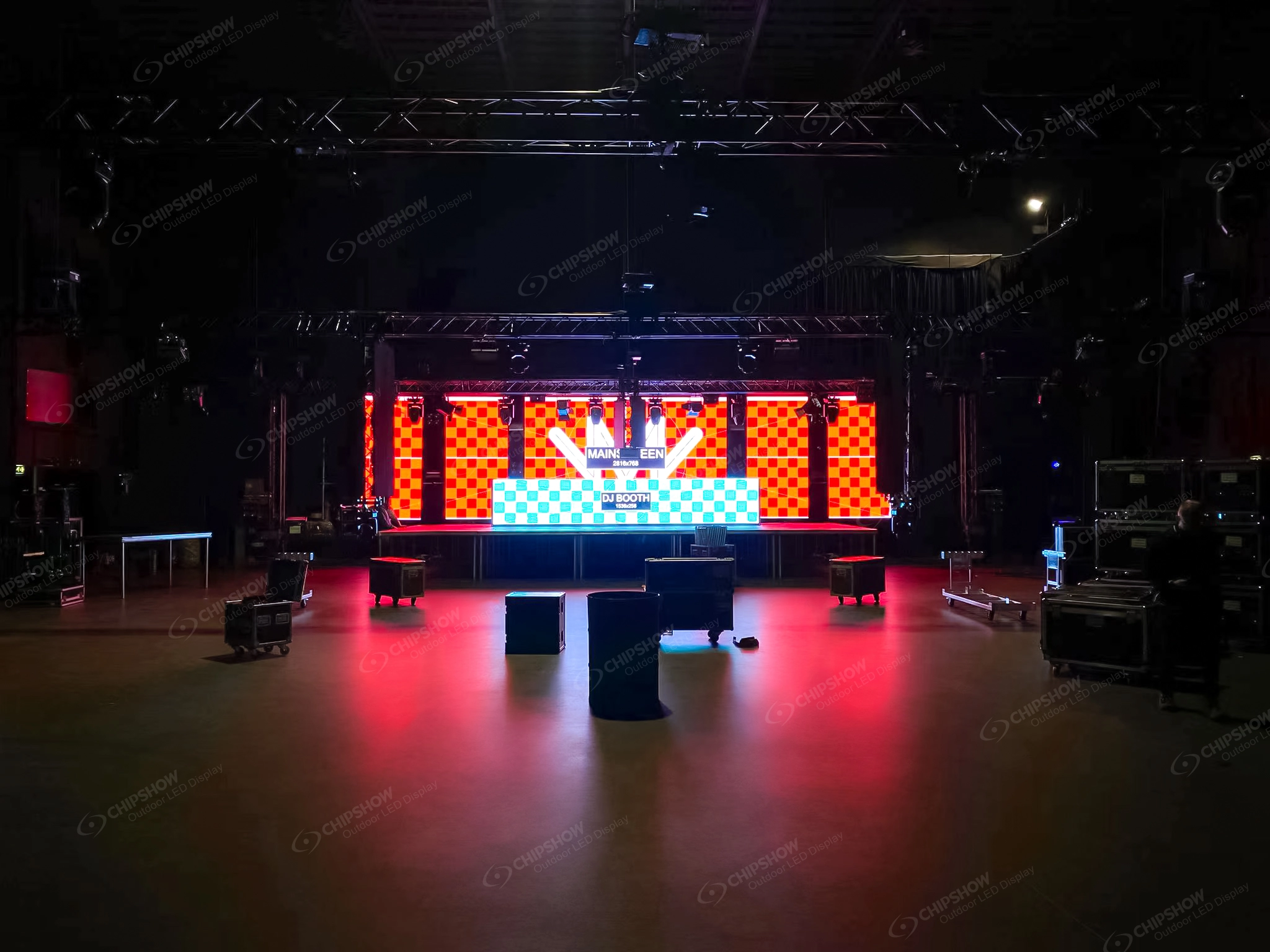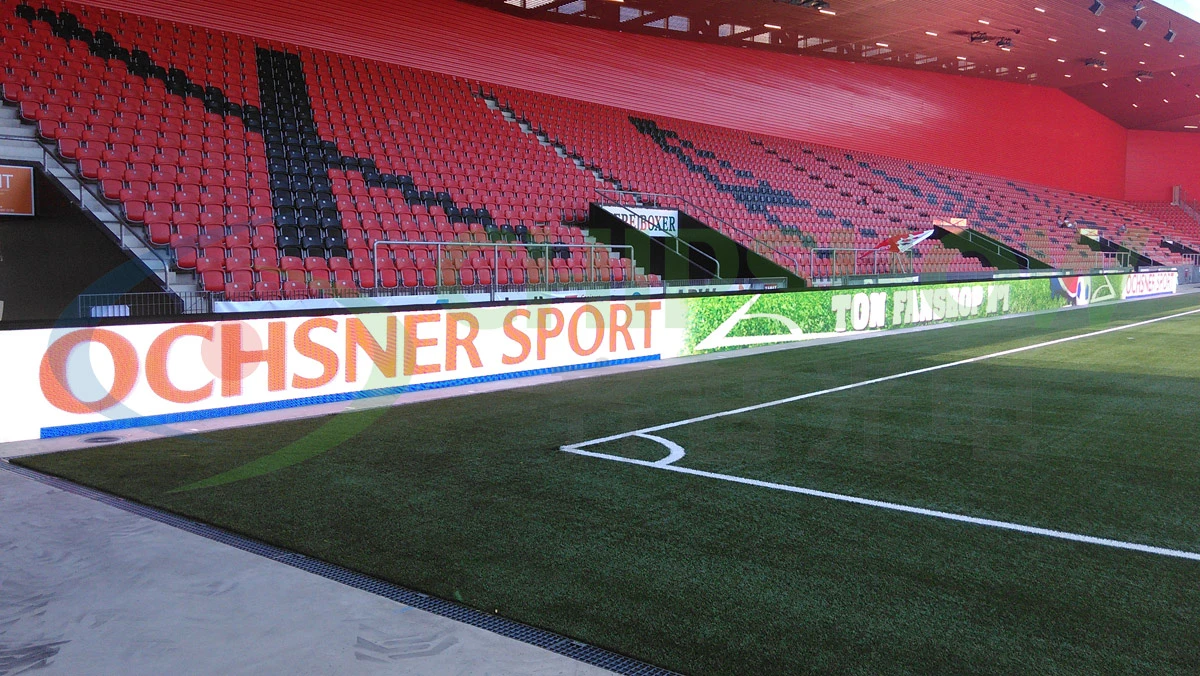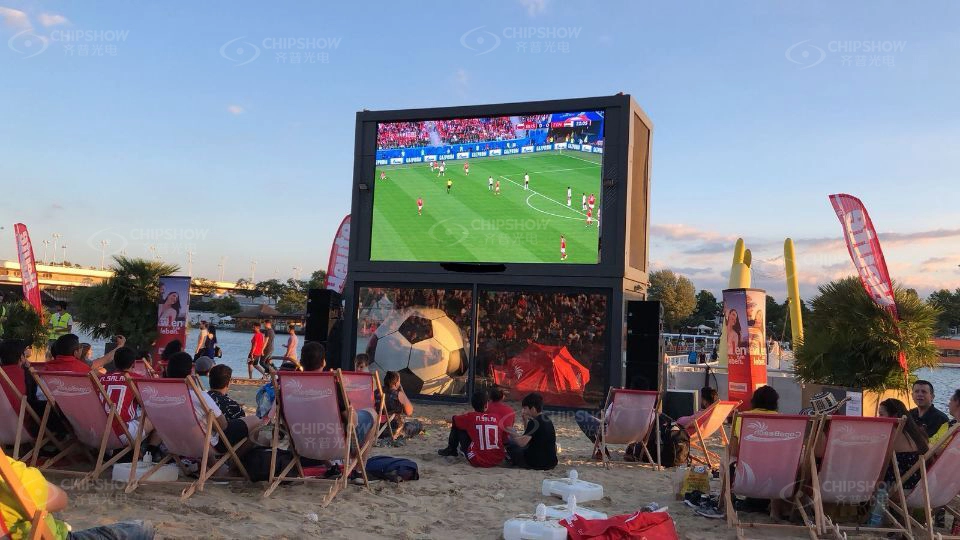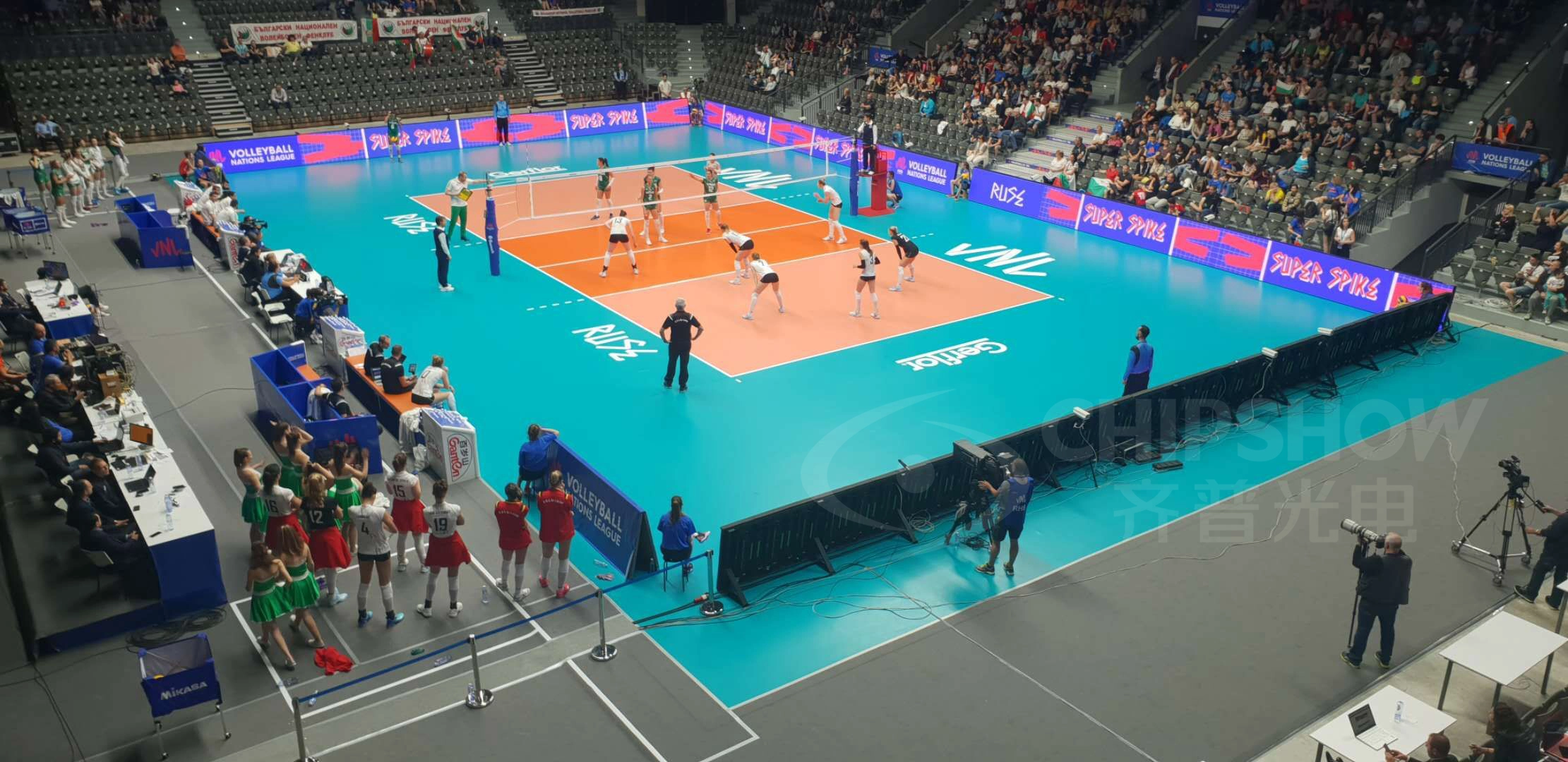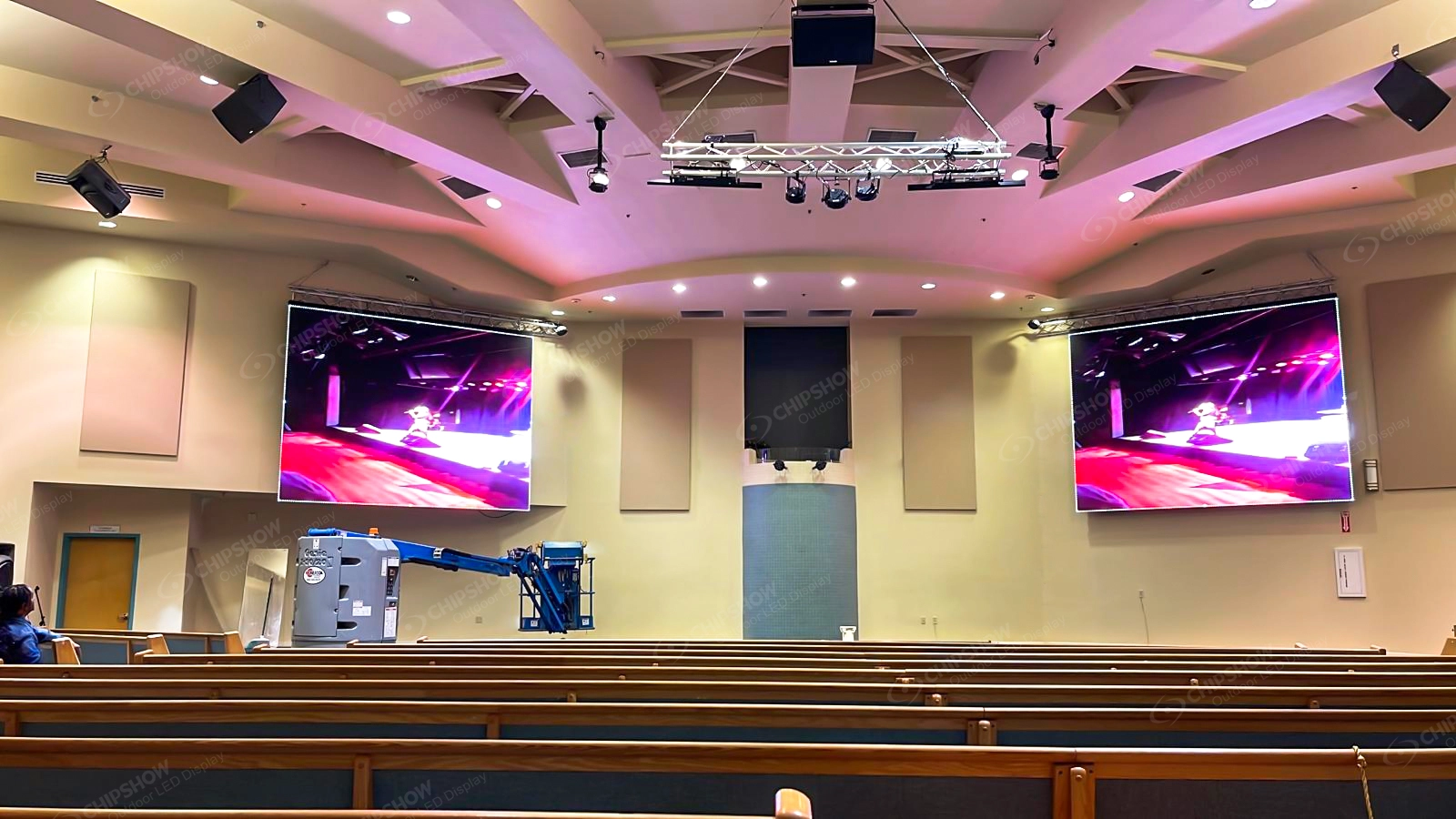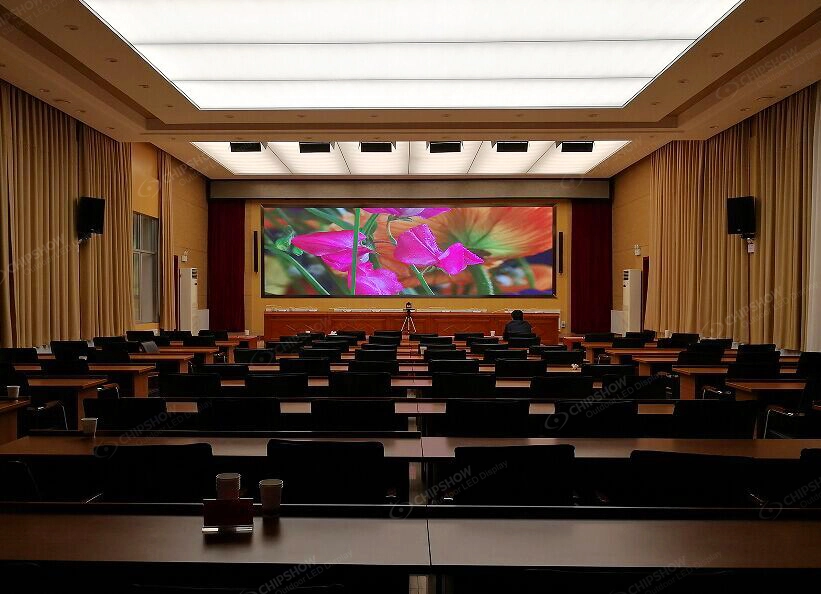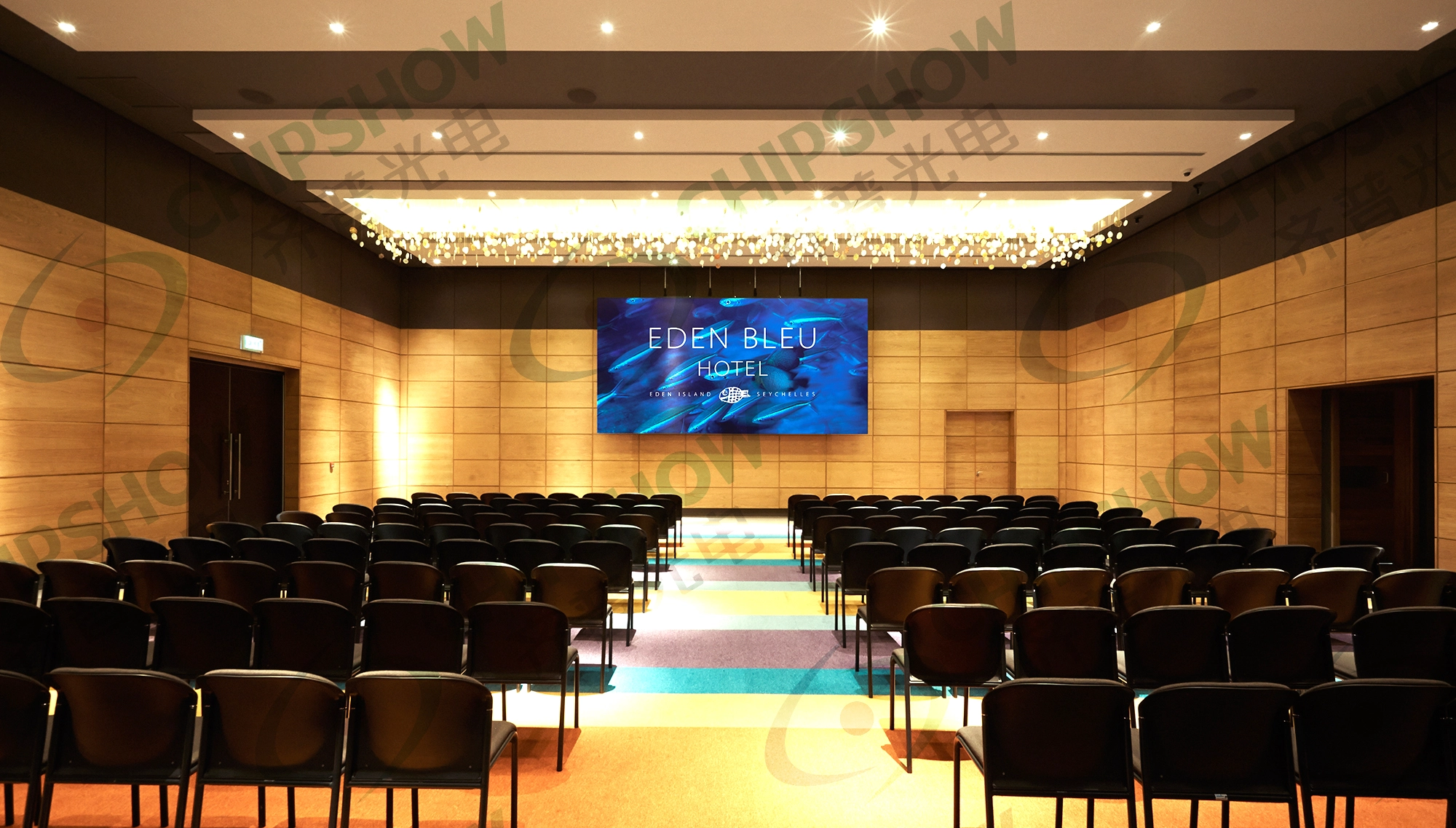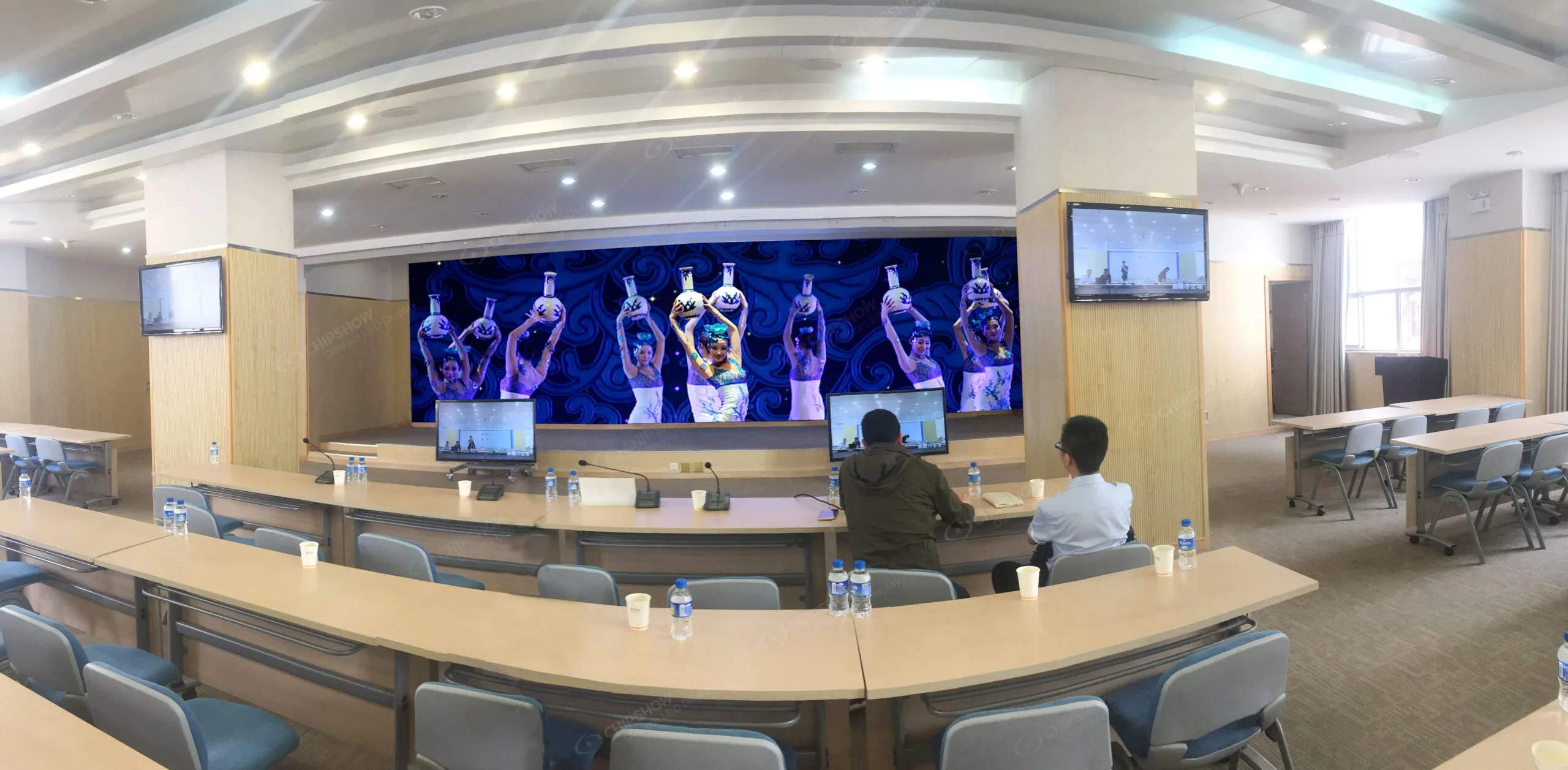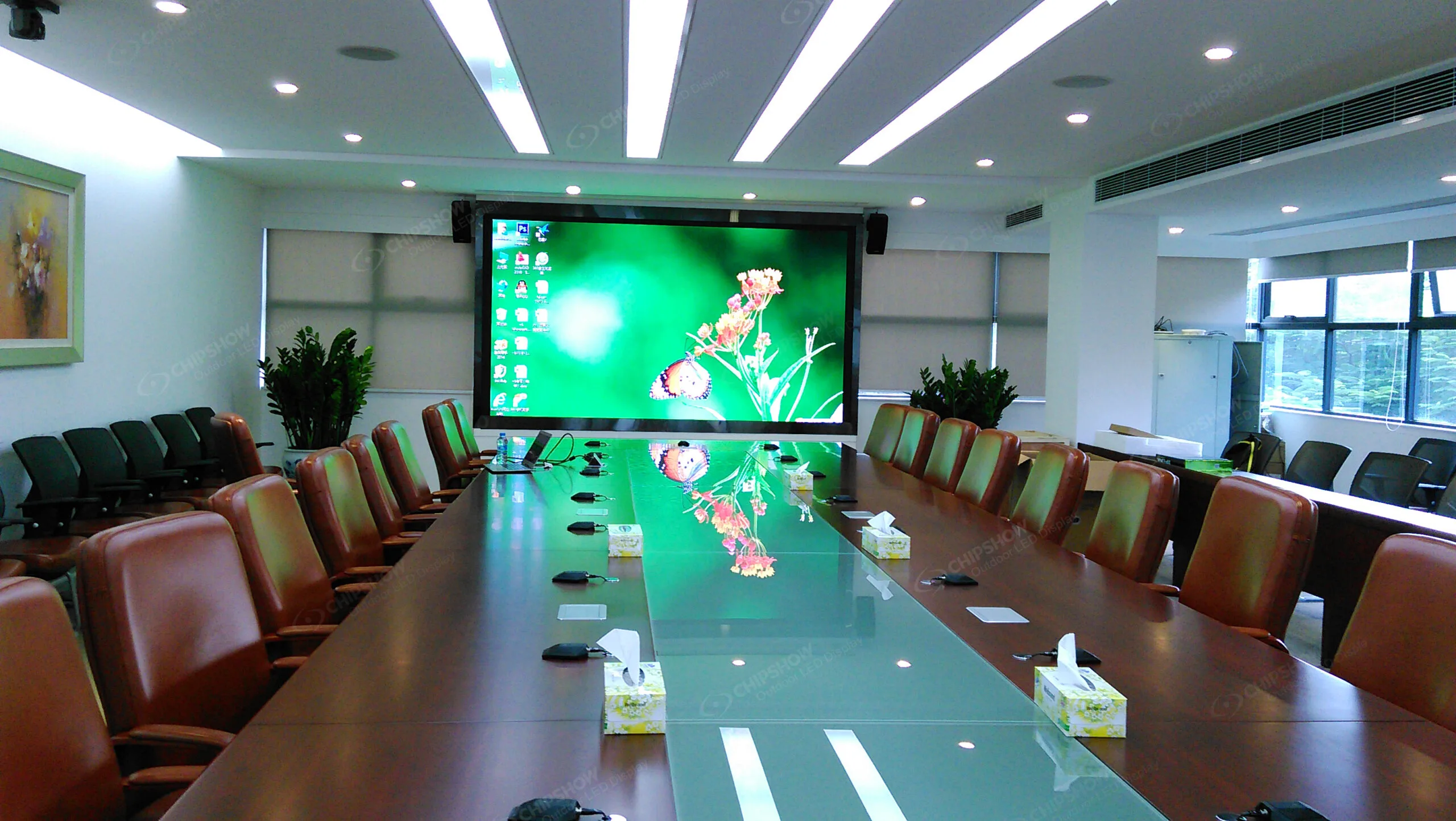
Choosing the wrong pixel pitch can add cost to an indoor LED wall long before the first image appears.
Want a second look at the format options? The USA LED sign selector narrows signs by viewing distance, pixel pitch and cabinet style in one pass.
For an arena lobby, sports bar, house of worship, executive venue or premium entertainment space, three inputs should come before the product model: wall size, closest viewing distance and content.
Those inputs determine how much pixel density the room can actually use. They also influence the total LED resolution, cabinet layout, service strategy, camera requirements and the amount of architectural depth the project needs.
That is why buyers comparing an indoor jumbotron screen for sale should not evaluate the display like an outdoor billboard.
Indoor viewers stand closer. Cabinet and module alignment become easier to notice. Excessive brightness provides little benefit. Noise matters more in controlled rooms. Cameras may work only a few feet from the LED surface. The finished wall may also need to sit close to the architecture without sacrificing maintenance access.
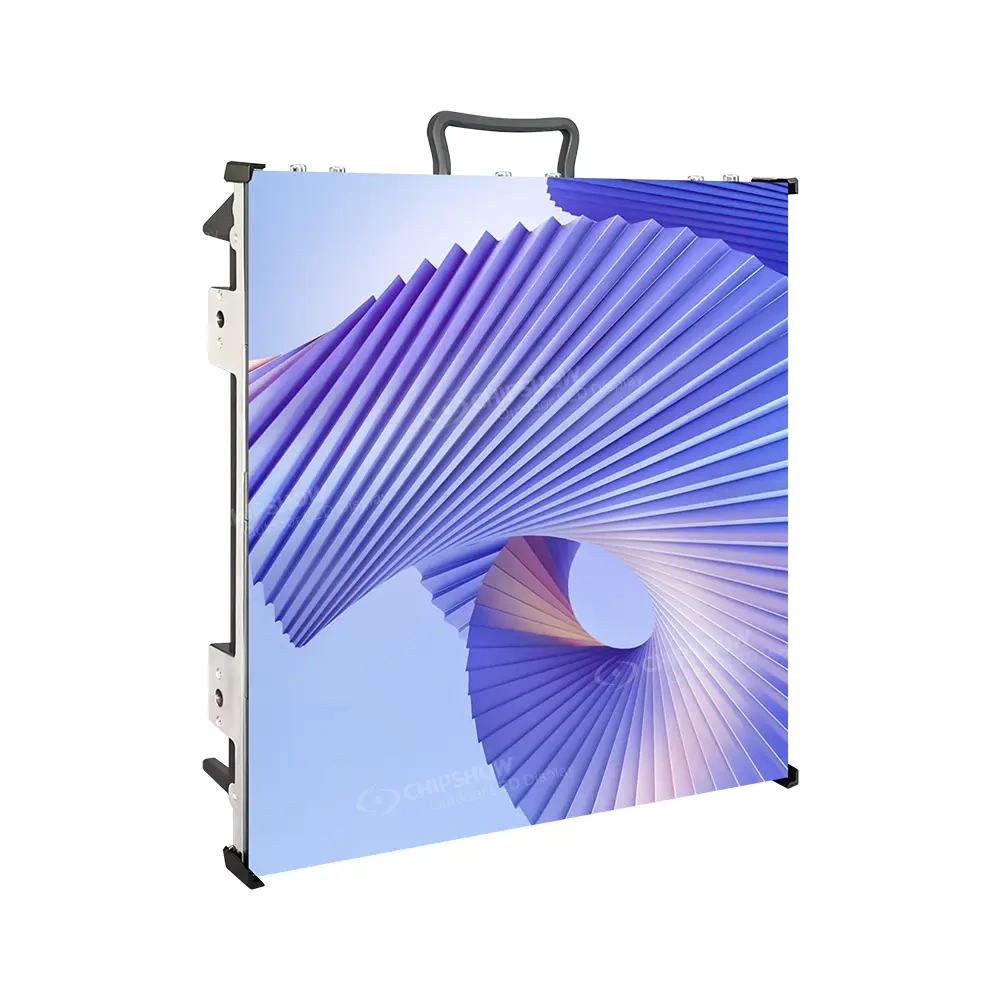
Chipshow addresses these requirements primarily through the C-Max indoor platform.
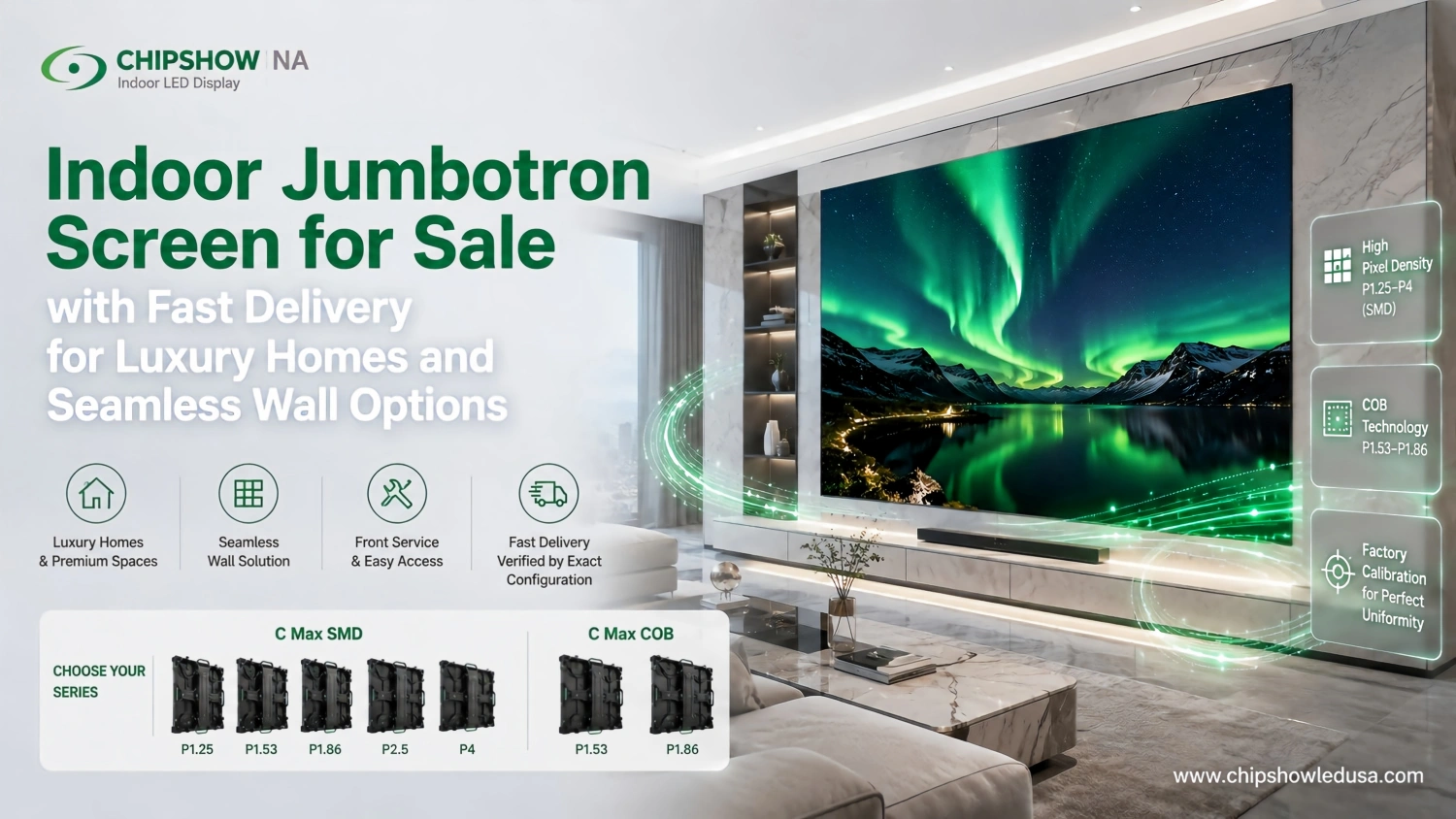
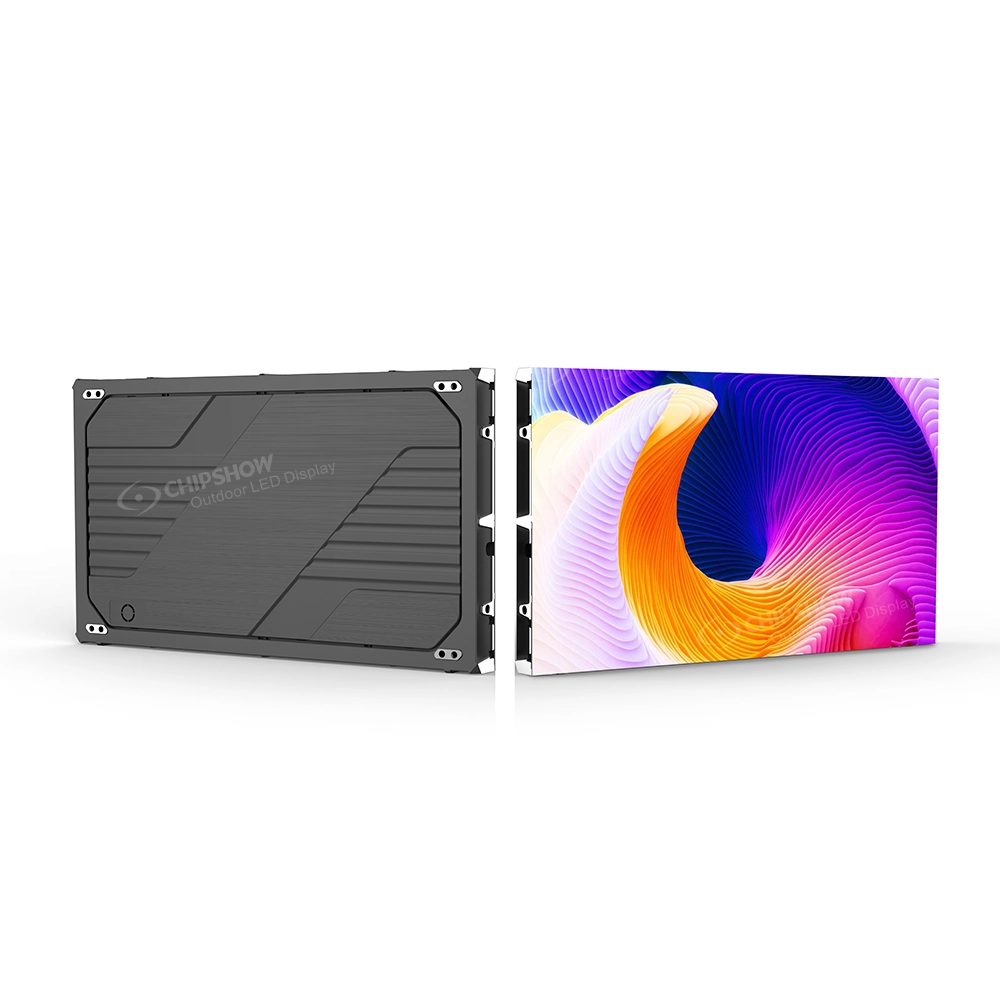
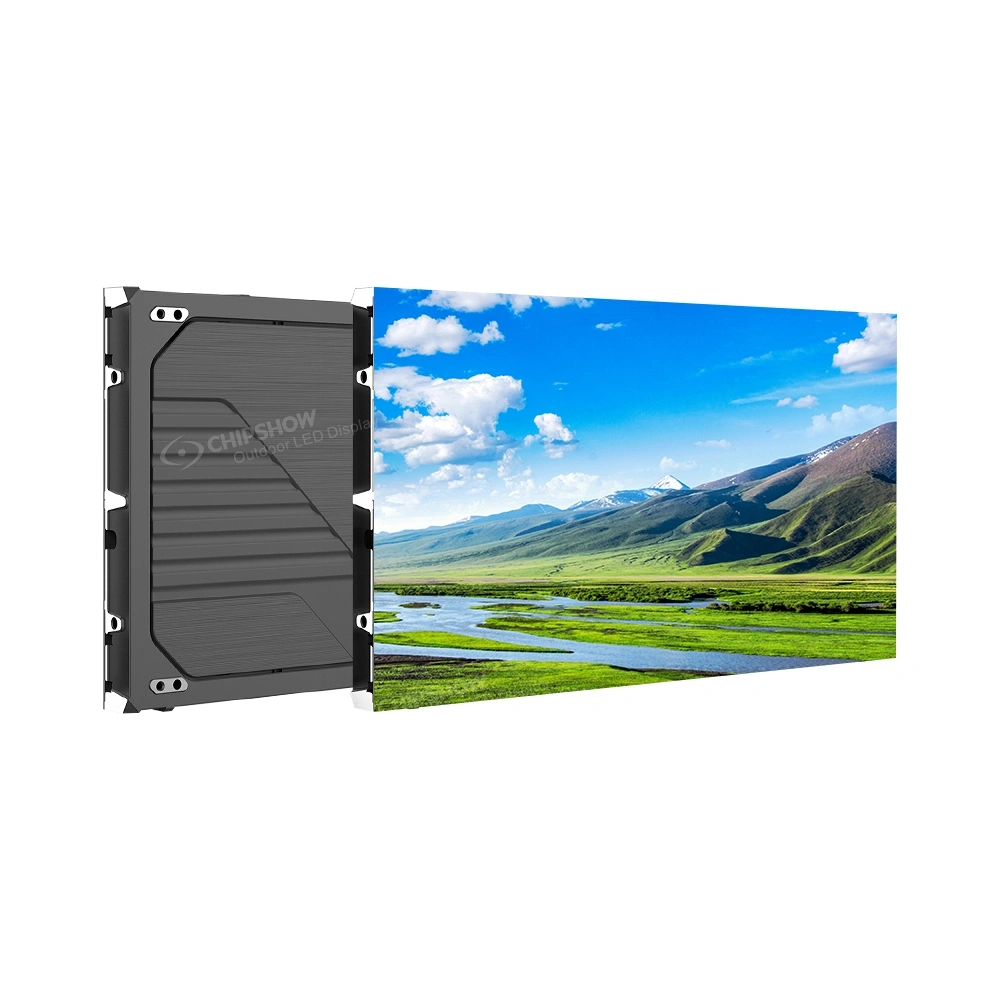
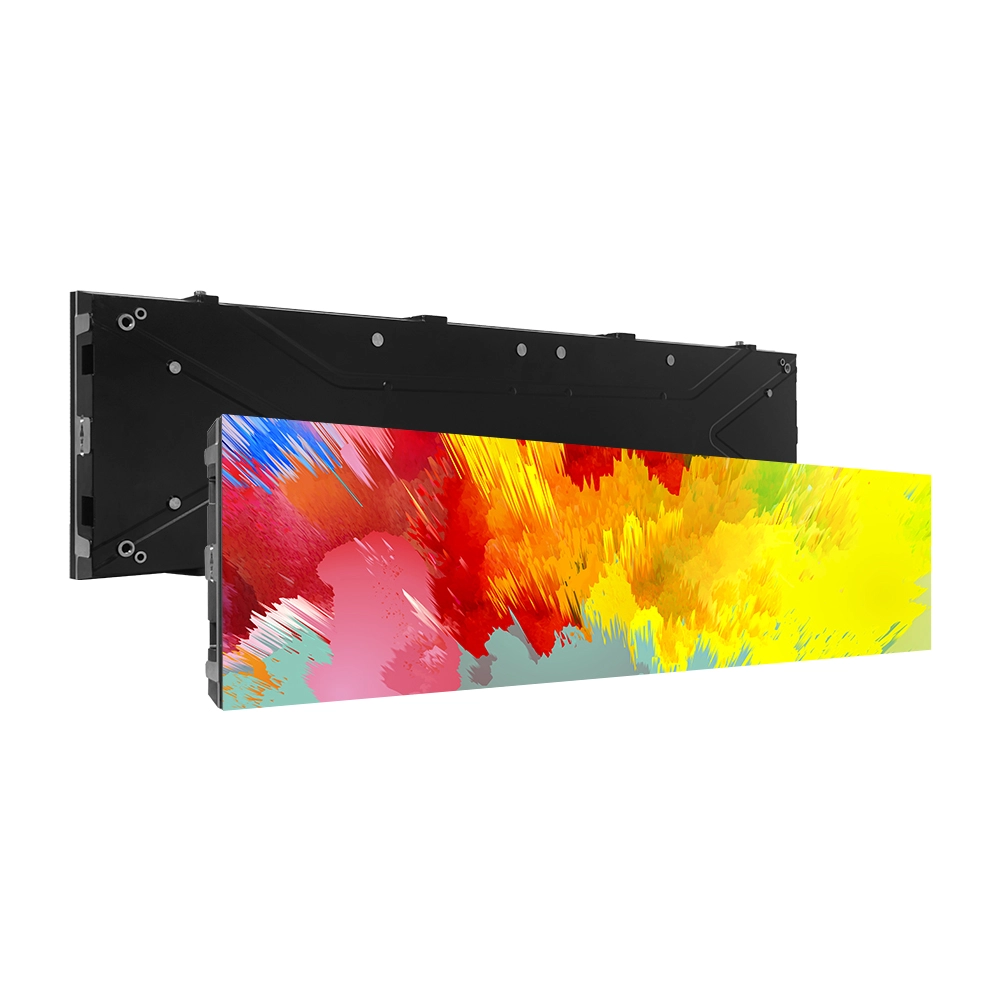
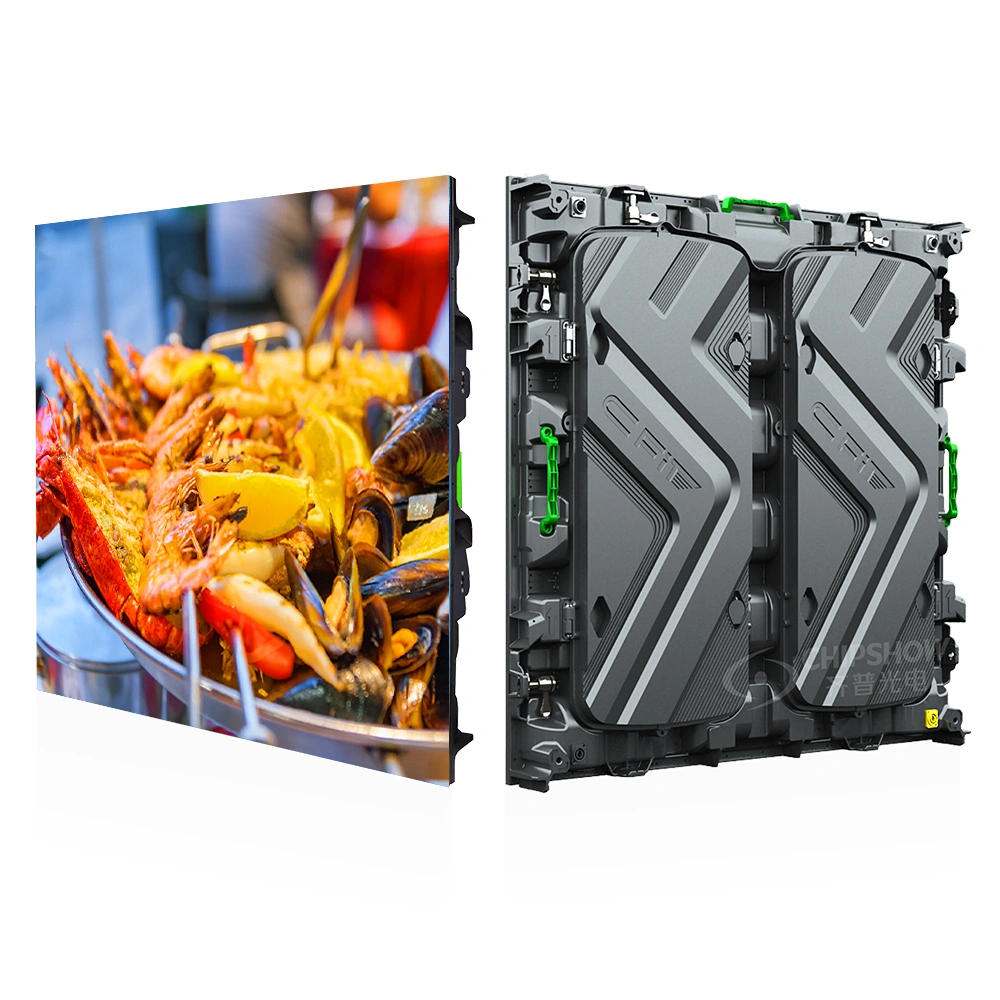
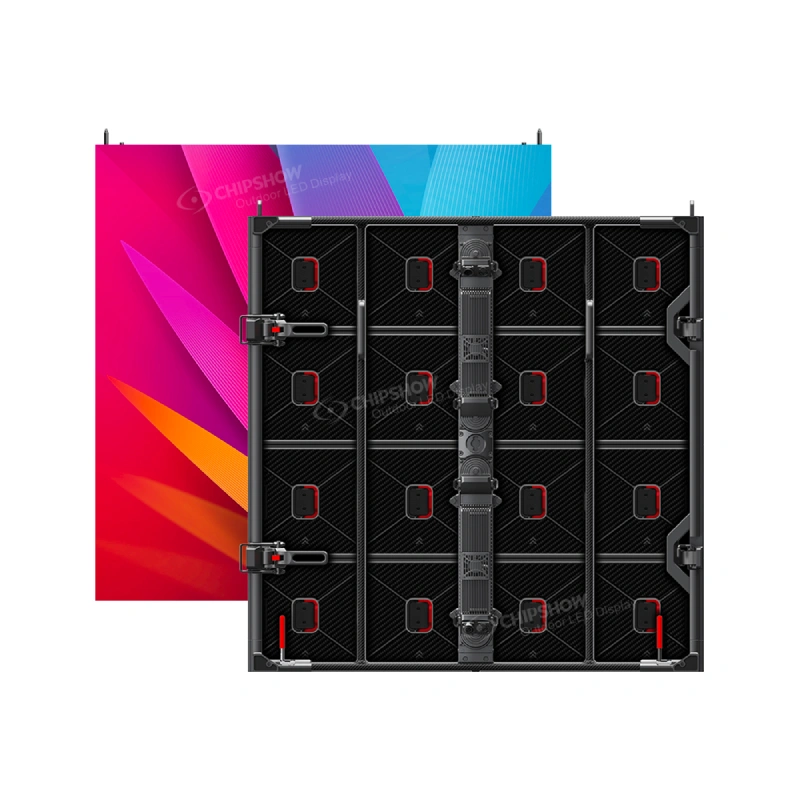
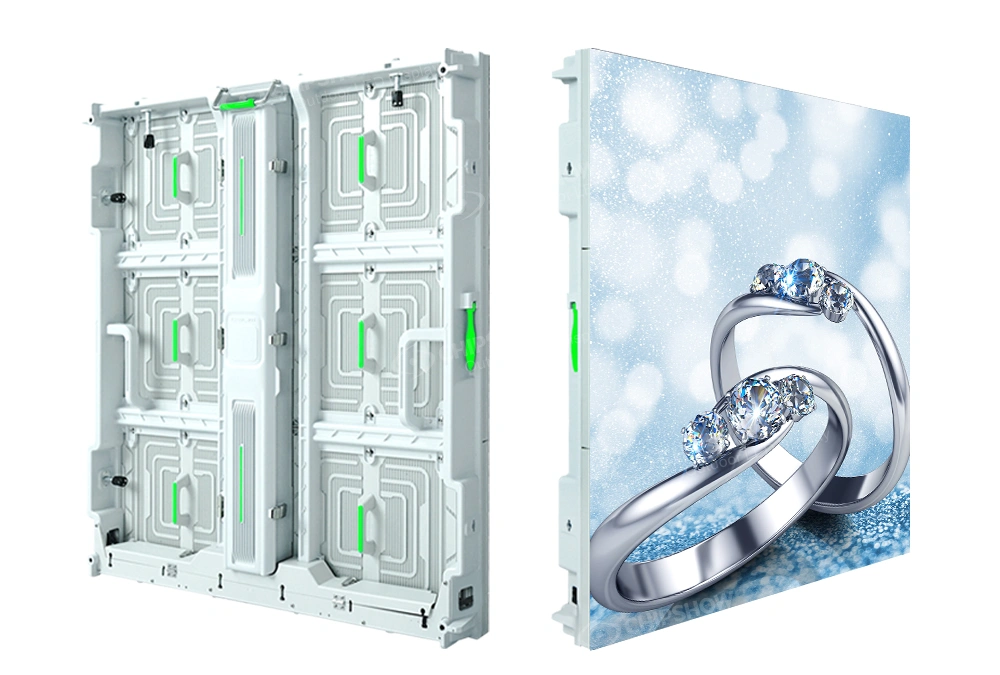
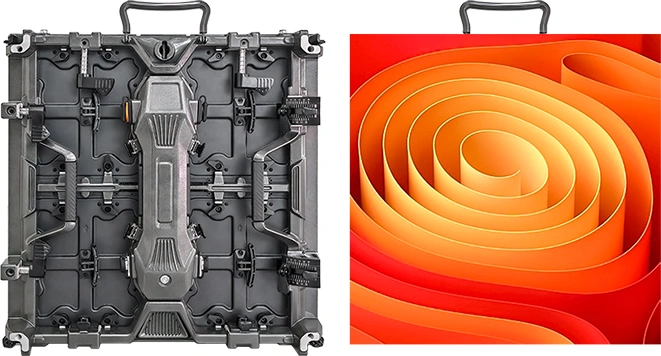
C-Max Commercial SMD provides P1.25, P1.53, P1.86, P2.0, P2.5, P3.0 and P4.0 options on a 640 × 480 mm cabinet. The current platform also provides 3840 Hz refresh performance and complete front service for modules, power supplies and receiving cards.
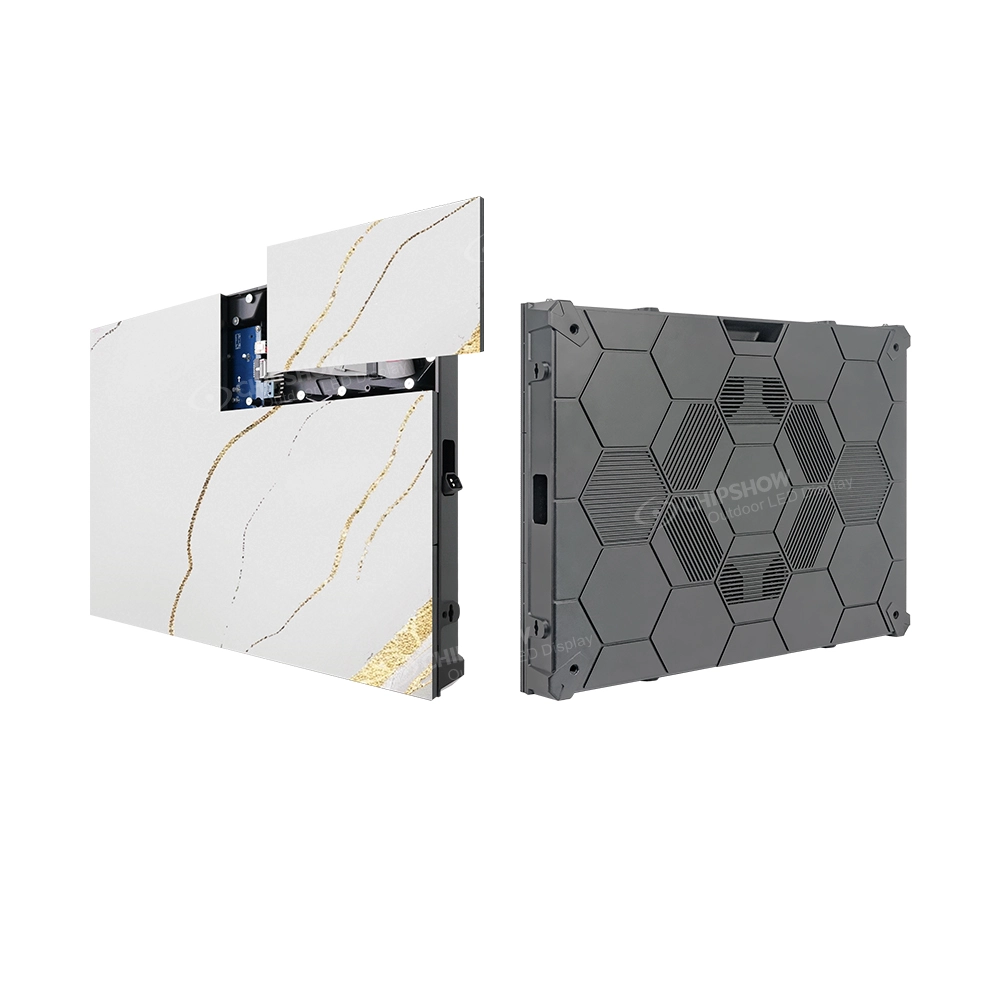
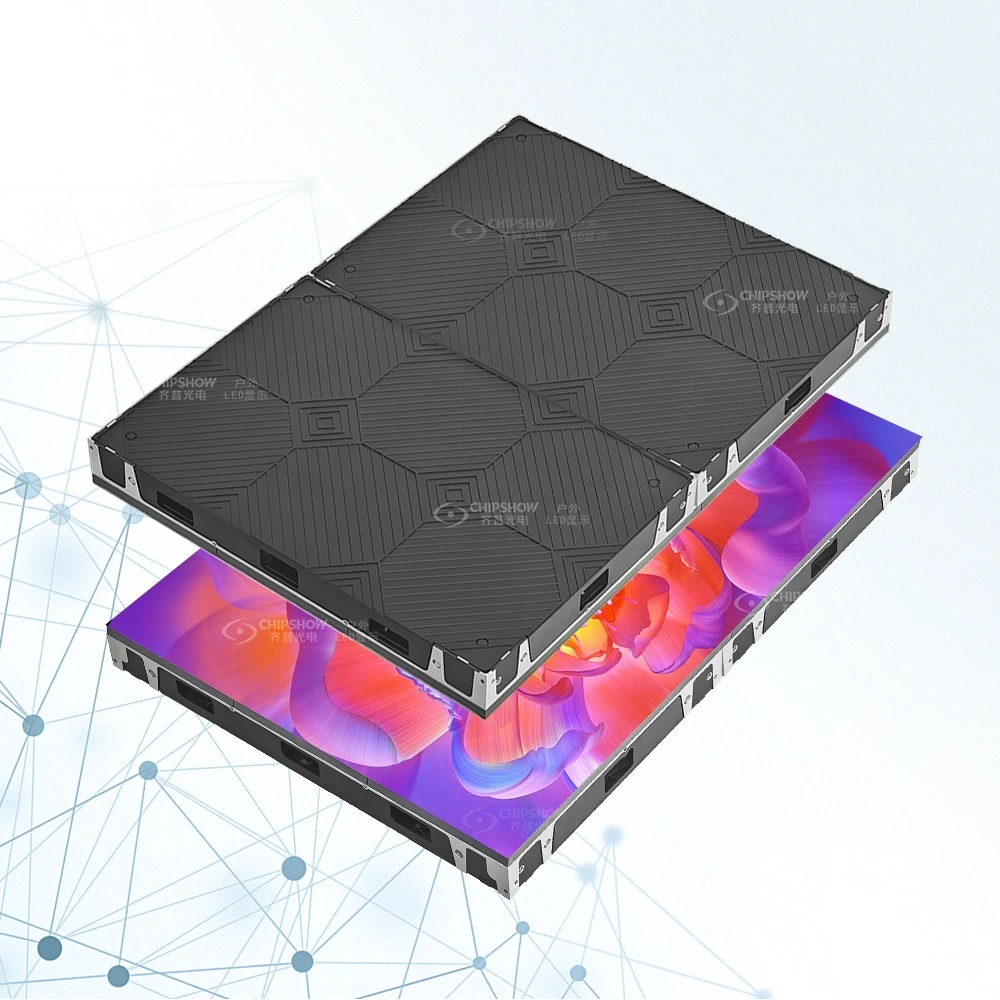
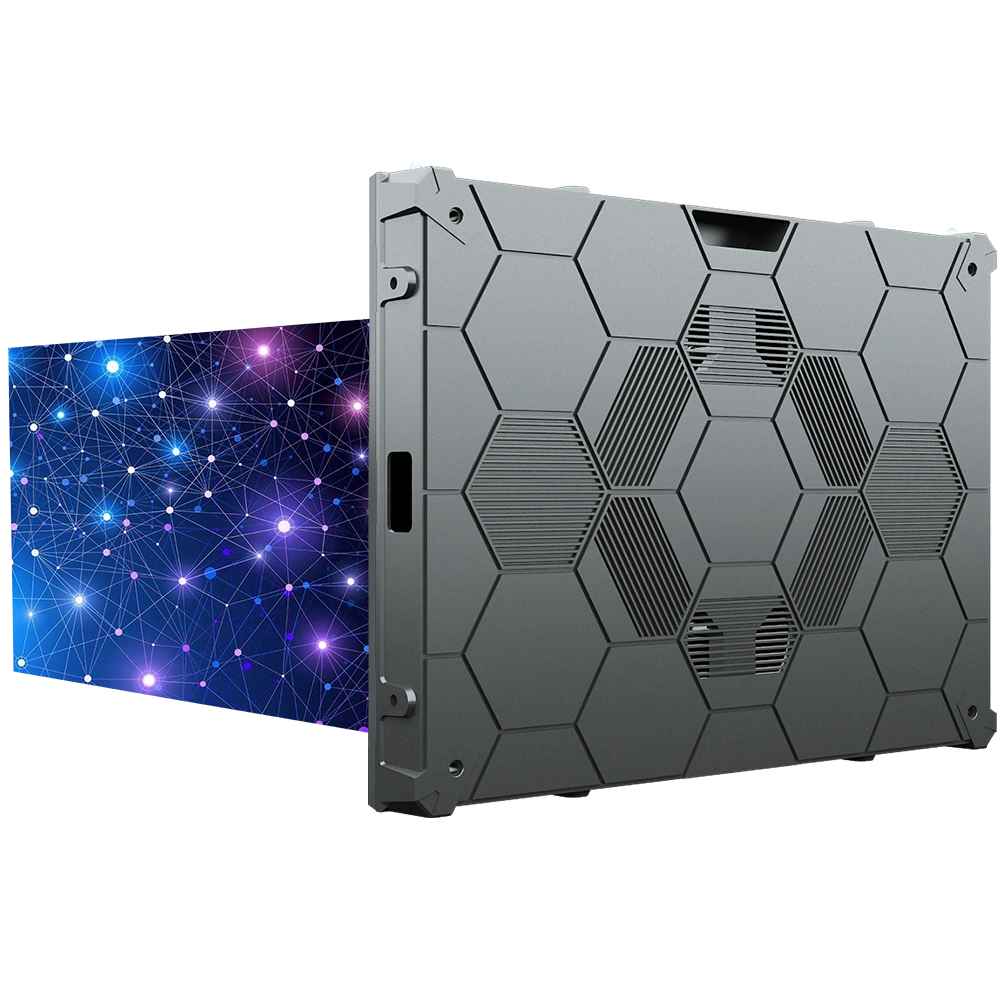
C-Max Fine-Pitch COB currently focuses on P1.53 and P1.86 on a 640 × 480 × 70 mm platform. Its COB surface adds impact protection, deep black presentation and magnetic front access for applications where close viewing and surface durability carry more weight.
These are different indoor engineering routes rather than simple good and better product tiers.
For North American AV integrators, Chipshow remains focused on manufacturer backed LED hardware, product documentation, hardware planning and selected inventory through the California Warehouse Hub when the required configuration is available. Qualified local project partners retain the customer relationship and their contracted structural, electrical and installation scopes.
Start with the room geometry and then choose the pixels.
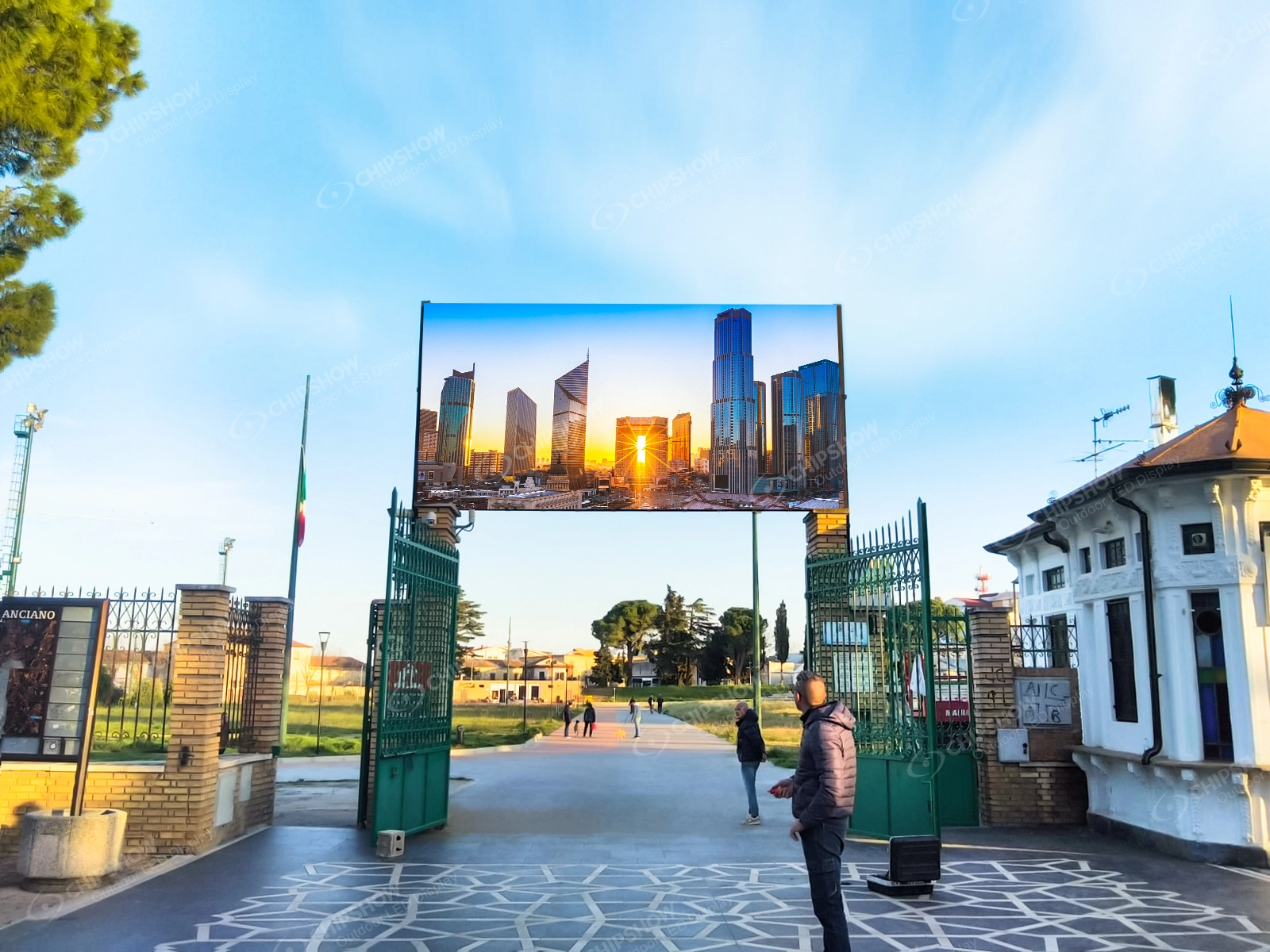
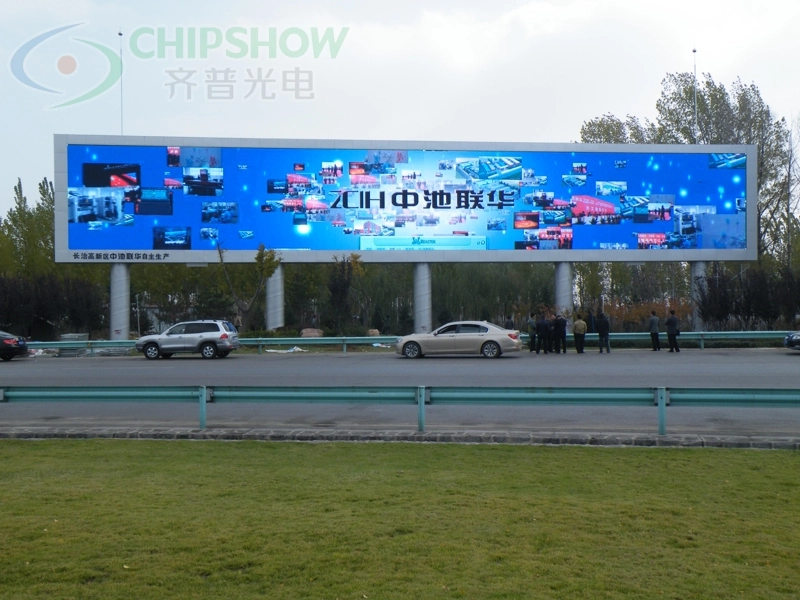
Indoor and Outdoor Jumbotrons Solve Different Problems
Moving a large LED display indoors changes the selection priorities.
Outdoor displays need to overcome sunlight, weather and environmental exposure. Indoor LED usually works under controlled lighting but serves viewers from much shorter distances.
The buying decision therefore shifts toward useful pixel density, contrast, acoustic comfort, wall depth, serviceability and camera performance.
Indoor Brightness Should Support the Room
An indoor LED wall does not need outdoor level luminance to create a strong image.
Inside a controlled room, contrast and comfortable long duration viewing usually matter more than maximum output. Excessive brightness can become uncomfortable when audiences sit close to a wall for meetings, presentations, services or entertainment.
This becomes particularly relevant in boardrooms, houses of worship, premium lounges and residential entertainment environments.
The display should work with the room lighting rather than overpower it.
Close viewing also makes reflections and dark image areas easier to notice. This is one reason COB can become useful in premium interiors. C-Max COB uses a nonreflective surface and emphasizes deep black presentation as part of its close viewing design.
The indoor goal is controlled image quality rather than maximum luminance.
Pixel Structure Becomes Easier to See
Viewing distance changes the value of pixel density.
An outdoor display can use a relatively coarse pitch and appear continuous when audiences view it from far away. An indoor audience may approach within several feet of the LED surface.
If the pitch is too coarse, individual pixels become easier to perceive and detailed text, faces and graphics can lose clarity.
The opposite mistake also wastes budget.
P1.25 is not automatically the correct choice simply because it is the finest published C-Max SMD option. If viewers normally sit far enough away for P1.86 or P2.5 to provide the required detail, additional density may create little visible improvement.
Start with the closest meaningful viewer and then account for the normal audience position.
Quiet Rooms Make Acoustic Design More Important
Display noise may disappear inside a crowded concourse but become obvious in an executive meeting room or worship space.
C-Max SMD uses a fanless thermal design that relies on structural heat dissipation rather than mechanical cooling fans.
For the integrator, this is not simply another product feature.
It protects the acoustic environment of rooms where speech, presentations or program audio matter.
Noise should therefore enter the selection process whenever the LED wall will operate close to occupants for extended periods.
Front Service Protects Interior Space
Permanent indoor LED often sits against finished architecture.
A large rear maintenance corridor consumes depth that could otherwise belong to the room. It can also force the architect to build a deeper wall cavity than the display would otherwise require.
C-Max SMD allows modules, power supplies and receiving cards to be serviced from the front. C-Max COB uses magnetic front access for serviceable components.
Front service does not remove the need for an accurately designed mounting system.
It gives the integrator more freedom to create a low profile wall without automatically reserving technician access behind the entire LED canvas.
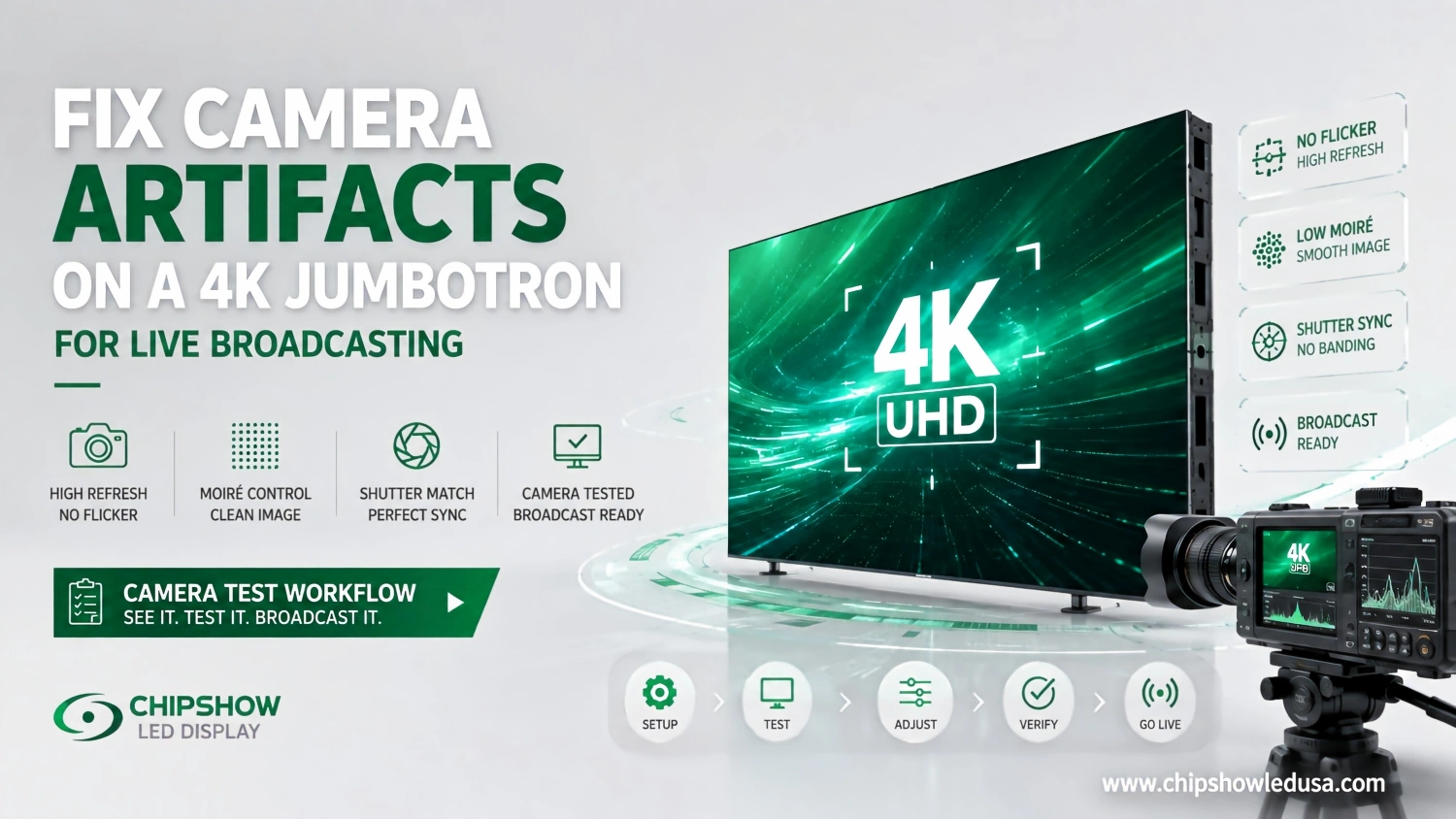
Cameras Need Their Own Performance Check
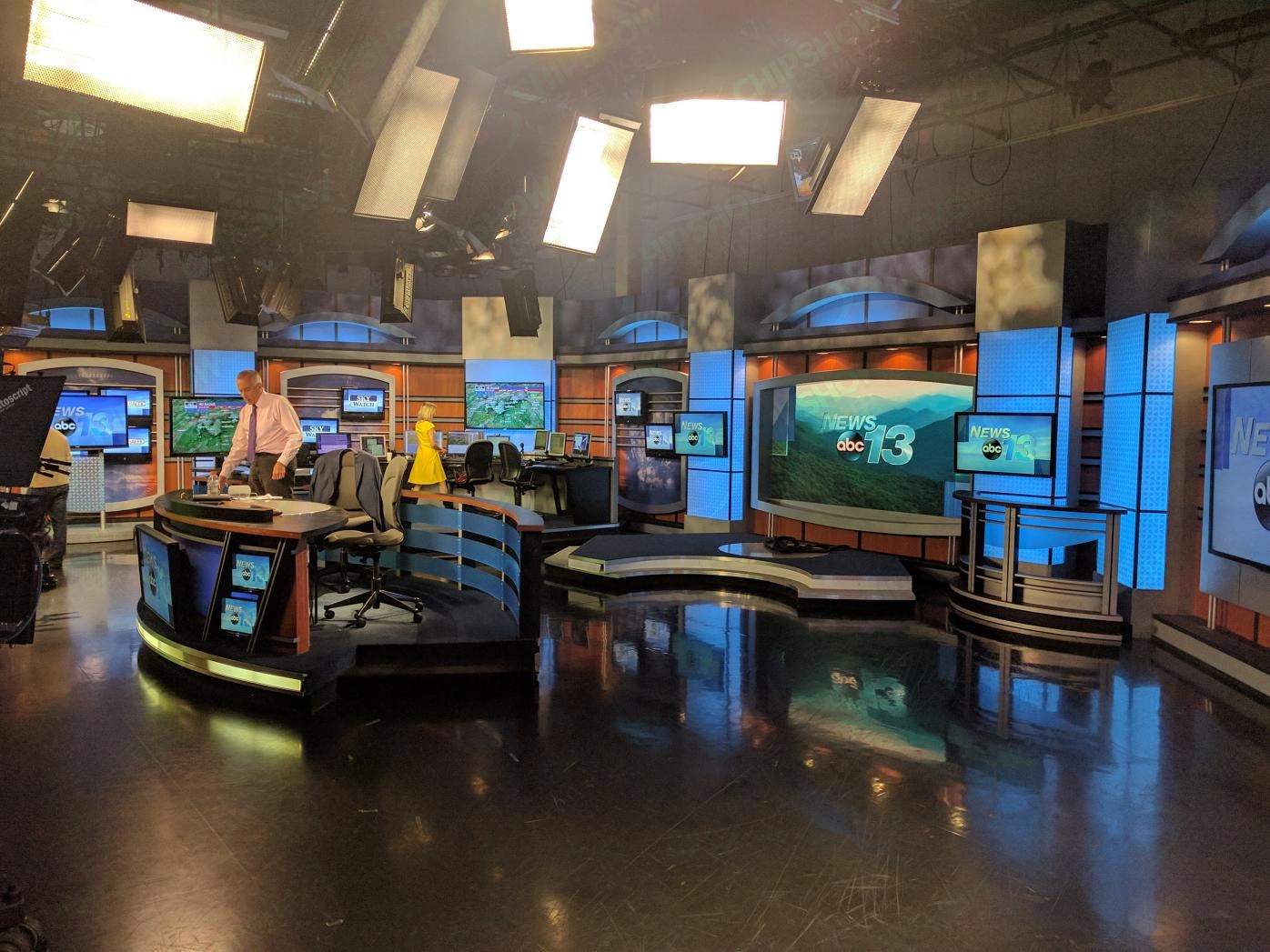
Many indoor LED walls eventually appear on camera.
Church livestreams, corporate presentations, arena interviews and venue media production can all place the display inside the frame.
C-Max SMD currently lists 3840 Hz refresh performance.
That is an important input for camera facing work but not a complete guarantee of camera performance.
Shutter speed, frame rate, LED scan architecture, processing and operating brightness can also influence the recorded image.
When cameras are part of the project, include that requirement in the hardware review before the BOM is finalized.
What Makes an Indoor LED Wall Truly Seamless
A seamless jumbotron wall is more than a display without LCD bezels.
Direct view LED removes the conventional bezel grid, but cabinet boundaries can still become visible when the mechanical surface is not sufficiently flat or when adjacent parts of the wall do not reproduce the image consistently.
A seamless result depends on cabinet precision, module alignment, calibration and the supporting structure working together.
Cabinet Flatness Creates the Foundation
A large indoor wall can contain dozens of cabinets.
If one cabinet sits slightly forward, backward or out of plane, the difference can appear as a line or surface change even though there is no physical bezel.
C-Max SMD uses a high precision die cast aluminum cabinet designed around flat multi cabinet assembly.
The closer the audience stands, the more important that precision becomes.
A slight deviation that disappears across an arena lobby can become much more noticeable in an executive space viewed from several feet away.
Module Alignment Completes the Physical Surface
Cabinet precision alone does not create a seamless wall.
The individual LED modules also need to sit consistently across the finished surface.
A module positioned slightly above or below neighboring modules can reflect room light differently and make its boundary visible.
This becomes increasingly important with fine pitch LED because the audience is already close enough to inspect the physical surface.
The project should therefore evaluate seamless performance at wall level rather than cabinet level.
Calibration Controls Optical Uniformity
A mechanically flat wall can still reveal its grid if brightness or color differs across sections.
Factory calibration helps control optical uniformity across the LED canvas.
For larger projects, planned spare modules should also be considered when the main hardware is ordered. A controlled spare strategy gives the integrator a stronger starting point if components later require replacement.
LEDs still age over time, so no responsible specification should promise permanent visual identity between every original and future replacement module.
The objective is to begin with controlled manufacturing and calibration rather than unrelated hardware.
The Support Structure Must Hold the Geometry
Precision LED cabinets cannot correct an inaccurate support structure.
The mounting surface needs to keep the cabinet grid within the tolerances required for a flat finished canvas.
This is where Chipshow and the AV integrator have different roles.
Chipshow provides the LED hardware, cabinet information and applicable manufacturer side technical documentation.
The qualified local project team coordinates the wall condition, mounting structure, electrical work and physical installation.
Both sides influence the final seamless result.
Front Maintenance Protects the Finished Interior
Serviceability continues to matter after the wall is commissioned.
If replacing one module requires removing decorative finishes or opening a difficult rear cavity, an attractive installation can become expensive to maintain.
Front access allows the integration team to preserve the finished room while still reaching serviceable components.
For high value North American interiors, that can affect long term labor requirements as much as the original cabinet depth.
Pixel Pitch 4K and Viewing Distance
Pixel pitch and 4K describe different parts of an indoor LED design.
Pixel pitch describes the physical spacing between LED pixels.
4K describes the total pixel canvas.
Viewing distance determines how much of that detail the audience can actually appreciate.
The correct specification connects all three.
Start With the Closest Meaningful Viewer
The back row is not always the critical viewing position.
Visitors may walk directly toward an arena lobby wall. A sports bar can have several seating distances. Production cameras in a church may work much closer to the screen than the congregation. Premium residential viewers may sit closer still.
Identify the nearest position where image quality matters.
That distance helps remove pitches that would appear too coarse.
Then consider the typical audience position before paying for density that most viewers cannot resolve.
C-Max SMD offers pitches from P1.25 through P4 on the same general 640 × 480 mm cabinet platform, giving integrators several ways to match density to the room.
4K Is a Wall Resolution
An individual LED cabinet is not a 4K screen.
The complete wall reaches a 4K class canvas only when the assembled horizontal and vertical pixel count reaches the required resolution.
For UHD content, 3840 × 2160 pixels is the common reference.
The physical screen dimensions required to reach that target change with pixel pitch.
A finer pitch places more pixels into the same physical area. A coarser pitch requires a larger physical canvas to reach the same total resolution.
This is why a 4K request should include the available wall dimensions and viewing distance.
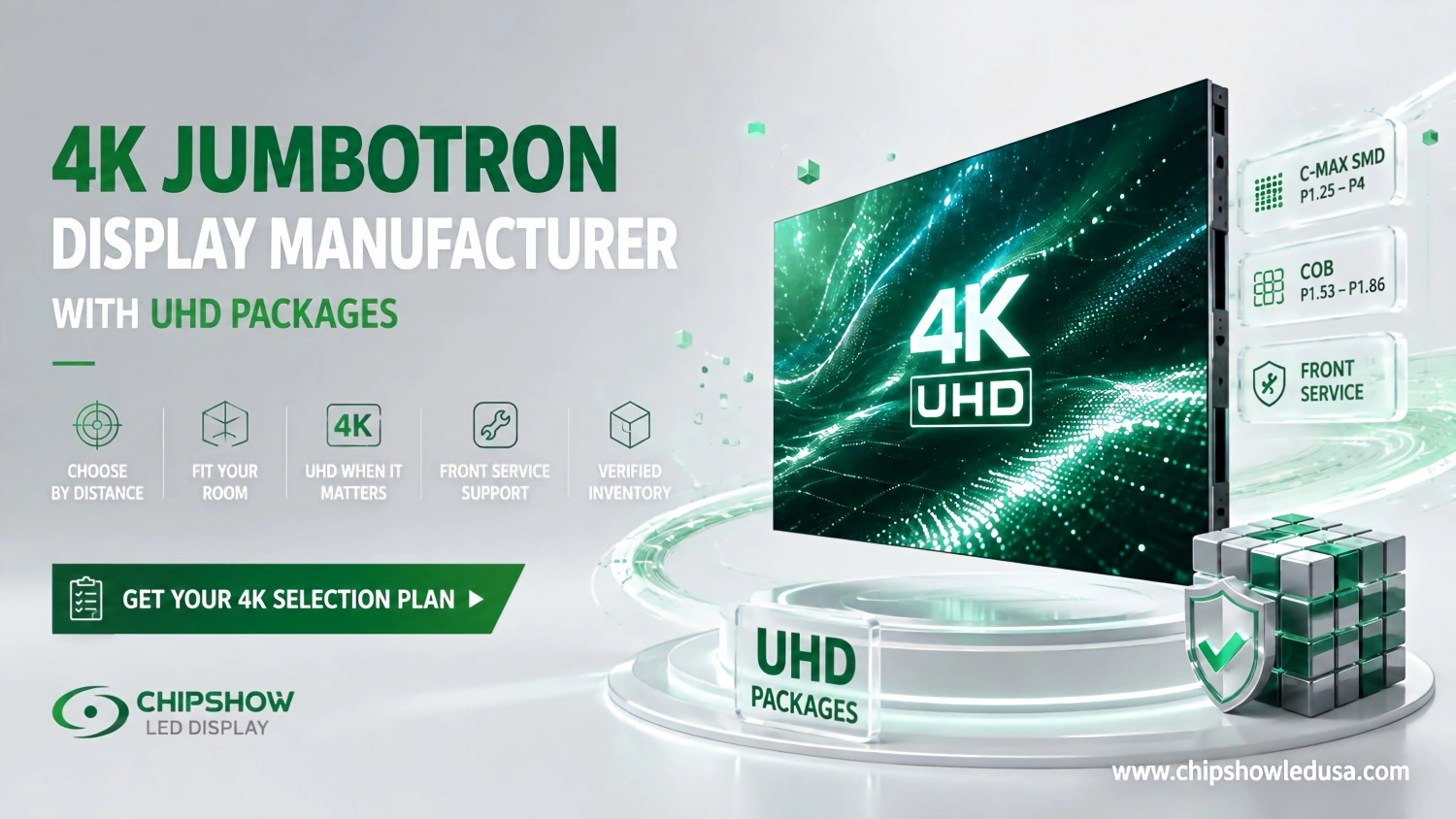
Chipshow already has a dedicated 4K Jumbotron Guide that explores UHD packages and manufacturer selection in greater depth. This buying guide should use 4K only as one part of the room selection process rather than duplicating that existing topic.
A 4 by 3 Cabinet Can Build a 16 by 9 Wall
C-Max SMD and COB use a native 640 × 480 mm cabinet geometry.
The cabinet itself is physically 4:3, but that does not force the finished LED wall into a 4:3 format.
An appropriate cabinet grid can build a 16:9 canvas for conventional video and presentation sources.
This is especially useful when an integrator is replacing an older LCD video wall or designing around standard video content.
The cabinet is the building block.
The complete grid defines the display format.
Native 4K Should Solve a Real Requirement
A control environment displaying fine maps, dashboards or dense data can gain real value from high native pixel density.
A sports bar showing broadcast content from longer seating distances may not.
A house of worship may need enough resolution for video and presentation content without requiring every LED wall to reach native UHD.
The purchasing team should decide whether native 4K is essential, useful or unnecessary before adding the associated pixel density to the hardware budget.
C Max SMD and COB
SMD and COB can both create high quality indoor LED walls.
The better choice depends on viewing distance, physical exposure and the type of room.
| Decision Factor | C-Max Commercial SMD | C-Max Fine-Pitch COB |
|---|---|---|
| Published pixel pitch | P1.25 P1.53 P1.86 P2.0 P2.5 P3.0 P4.0 | P1.53 P1.86 |
| Cabinet format | 640 × 480 mm | 640 × 480 × 70 mm |
| Main buying value | Broad pitch flexibility for commercial AV | Protected COB surface for premium close viewing |
| Service approach | 100 percent front service | Magnetic front service |
| Camera planning | Published 3840 Hz | Confirm the exact quoted configuration |
| Typical fit | Arena lobbies worship sports bars auditoriums commercial AV | Executive environments command spaces premium interiors high contact areas |
Where SMD Fits Better
C-Max SMD gives integrators the broader pitch range.
That flexibility matters because a large arena lobby does not need the same density as a compact executive room.
A sports bar can balance screen size against several seating distances. A house of worship can choose a pitch around congregation viewing and production requirements rather than defaulting to the finest available option.
C-Max SMD also combines full front service, 3840 Hz refresh and fanless thermal design on its current published platform.
For mainstream permanent commercial AV, those characteristics cover a broad range of projects.
Where COB Adds Value
COB changes the physical LED surface.
C-Max COB encapsulates the LED surface and currently highlights 4H impact protection, resistance to dust and moisture, deep black presentation and magnetic front access.
Those characteristics become more relevant when viewers stand very close or when people can physically approach the display.
An executive environment, public facing interior or command space can therefore justify COB for reasons beyond pixel pitch alone.
COB should not be treated as an automatic upgrade from SMD.
The room should give the technology a reason to be there.
Architectural Display Requirements
Some interiors place unusual emphasis on what the wall looks like when digital content is not the only architectural priority.
C-Max-Wall provides an additional option for projects that need custom physical texture integration while retaining the 640 × 480 mm C-Max geometry and front service approach.
This should remain a specialized architectural route.
The project should establish viewing distance, pixel density and screen dimensions first and evaluate C-Max-Wall only when the interior design creates a clear need for that surface treatment.
Fast Delivery for Integrator Led Premium Projects
Fast delivery is valuable only when the available hardware matches the room.
It should never become a reason to specify the wrong pixel pitch.
This is particularly important in premium residential projects, where the project may have a fixed construction schedule but the end user also expects close viewing, low noise and clean architectural integration.
Chipshow should not be positioned as a consumer home installation provider.
For premium residential LED, the project remains integrator led. Chipshow provides manufacturer backed LED hardware, product documentation and hardware side coordination. The AV integrator retains the client relationship and its contracted site work.
Premium Residential Still Requires Professional AV Planning
A high end residence can create demanding LED conditions.
Viewers may sit very close to the display. The room can have strict acoustic expectations. Architectural depth may be limited, and the LED wall may occupy a visually important part of the interior.
Those requirements are similar to other professional fine pitch AV projects.
C-Max SMD offers more pitch flexibility.
C-Max COB becomes more relevant when close viewing and surface protection deserve additional weight.
The technology should still be selected by the integrator around the room rather than around a residential marketing label.
Fast Delivery Must Match the Exact Configuration
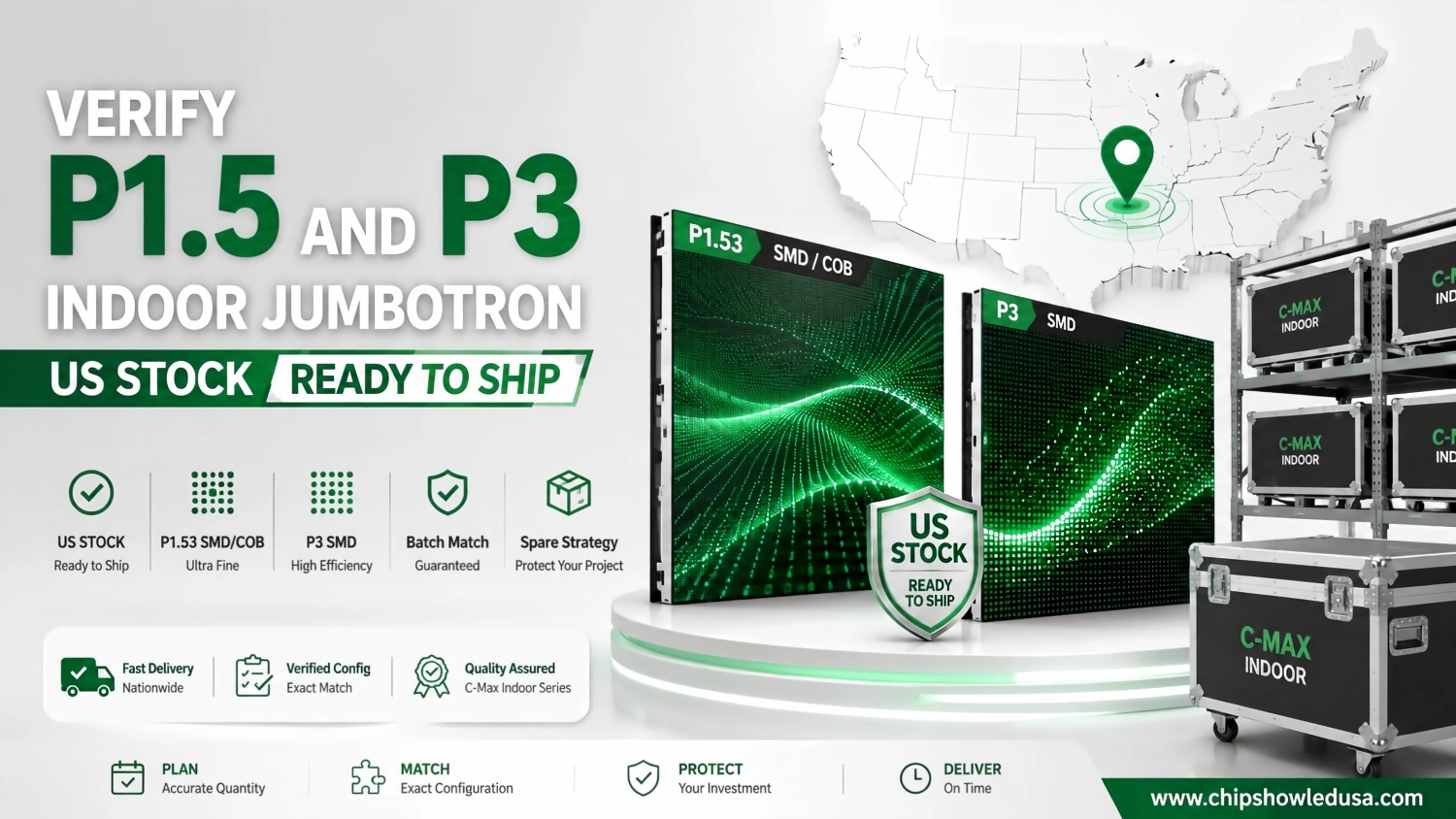
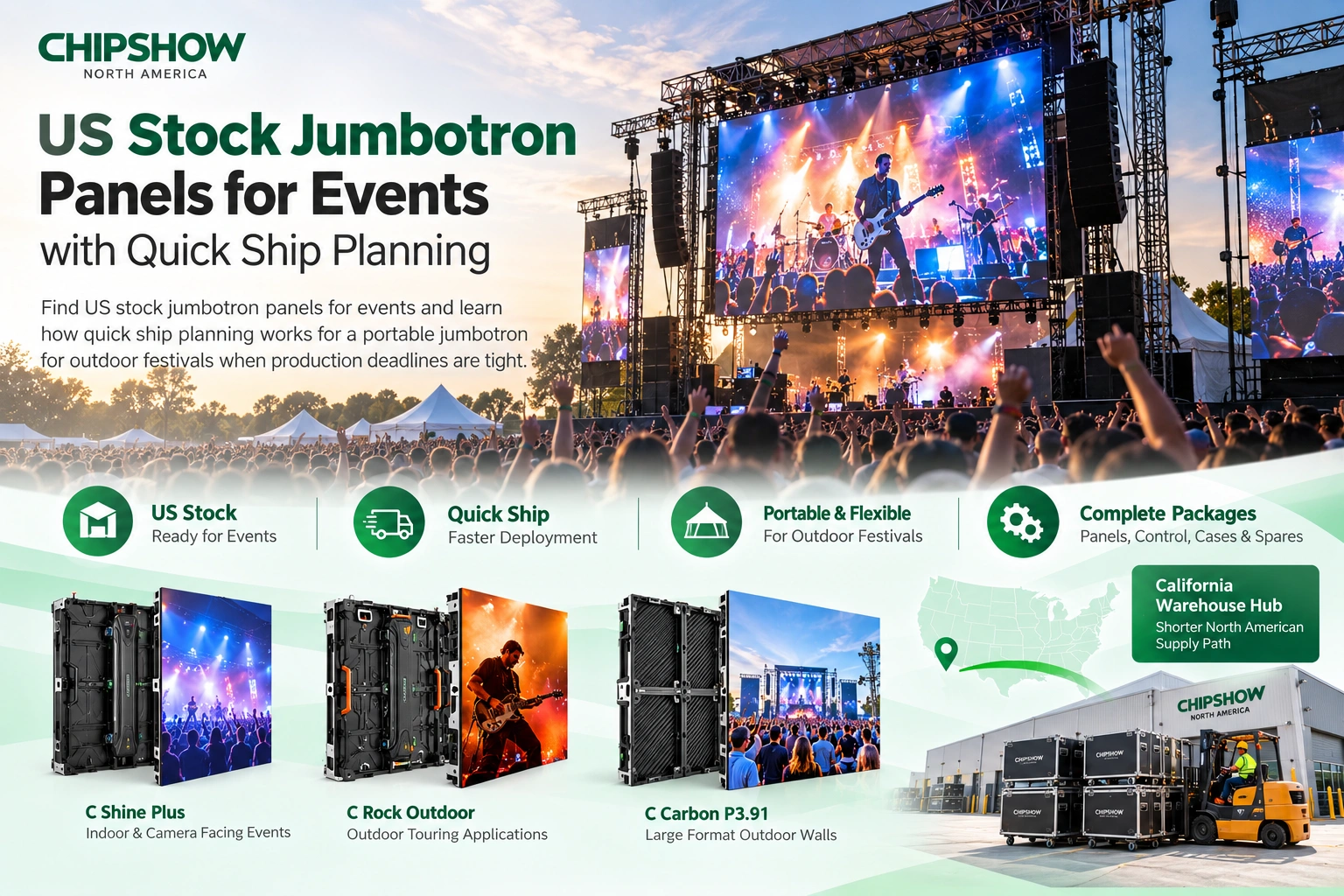
The current C-Max SMD page states that popular configurations are held through the USA warehouse and specifically identifies many P2.5 and P3 indoor jumbotron configurations as available for faster delivery.
That claim should remain configuration specific.
It does not establish inventory for every P1.25, P1.53, P1.86 or COB project.
The quantity matters as well.
Before putting a hardware date into the customer schedule, confirm the series, pixel pitch, cabinet quantity and supporting components against current inventory.
The California Warehouse Hub functions as a hardware buffer for selected configurations rather than a local installation operation.
A Defined Hardware Package Reduces Field Uncertainty
Fast freight alone does not make a project ready for installation.
The hardware BOM should coordinate cabinet quantity with the appropriate processing, receiving components, power and signal hardware, cabling assumptions and planned spares.
This gives the local integration team a defined manufacturer side hardware scope before site work begins.
It does not transfer installation responsibility away from the integrator.
Verify Specifications and Project Fit
Once the room has narrowed the pitch and display technology, procurement should move from comparison to verification.
The specification sheet, hardware BOM and project proposal should all describe the same configuration.
Keep SMD and COB Claims Separate
C-Max SMD currently carries the published P1.25 through P4 range and 3840 Hz refresh specification.
C-Max COB currently carries P1.53 and P1.86 positioning together with its protected COB surface and magnetic front access.
Do not transfer the SMD refresh figure to COB unless the exact COB configuration confirms it.
Do not transfer COB impact protection to SMD.
The C-Max family name does not make every version technically identical.
Confirm Camera Requirements Against the Exact BOM
If a wall appears regularly in livestreams, interviews or other production work, include camera requirements before purchase.
A published refresh rate provides one technical input.
The final result still depends on processing, frame rate, shutter settings and the exact LED configuration.
The hardware proposal should therefore identify the configuration that will actually appear on camera.
Verify Inventory Separately From Product Capability
A specification sheet describes what a product can do.
It does not prove what quantity sits in California at the moment the project is ordered.
Technical suitability should determine the hardware first.
Inventory planning follows.
This keeps a time sensitive project from accepting the wrong pitch simply because a nearby configuration happens to be available.
Compliance and Standards for Indoor Commercial AV
Commercial indoor LED projects in the United States can involve product safety, electromagnetic compatibility, accessibility and local building review.
These requirements should enter procurement before shipment rather than being treated as paperwork after the hardware reaches the site.
Electrical Safety Documentation
Commercial projects may require evidence associated with a Nationally Recognized Testing Laboratory such as UL or ETL depending on the product, contract documents and local Authority Having Jurisdiction.
The correct approach is to request applicable documentation for the exact C-Max configuration being quoted.
Do not use a certificate or listing associated with another Chipshow series as evidence for C-Max unless the documentation explicitly covers the supplied hardware.
FCC Documentation
Electronic equipment can also require applicable FCC Part 15 documentation.
The relevant equipment classification and supporting records should be checked against the actual configuration and intended environment.
A corporate AV project should therefore ask for model specific electromagnetic compliance information rather than assuming that every C-Max variant carries identical documentation.
Accessibility Depends on the Completed Wall
A shallow LED cabinet can help an integrator reduce wall projection.
It does not make the completed installation automatically ADA compliant.
The final assembly includes the LED cabinet, mounting system, wall finish and location within the circulation path.
The architect and project team should review the completed projection against the applicable accessibility requirements.
Local Approval Remains Site Specific
Product documentation supports a project submittal.
It does not guarantee approval by a Fire Marshal, Building Inspector or other Authority Having Jurisdiction.
Local requirements depend on the project location, building conditions and applicable electrical, structural and fire codes.
Chipshow’s role is to provide the applicable manufacturer side information for the quoted hardware. The qualified local design and integration team uses that information within the project approval process. This hardware focused and channel friendly boundary is consistent with Chipshow’s North American positioning.
Further Reading: 2026 Ultimate Guide to 4K UHD Jumbotron Displays – Choosing the Right Manufacturer and Packages
Frequently Asked Questions
What Pixel Pitch Works Best for an Indoor Jumbotron
There is no universal best pitch.
Start with the closest meaningful viewing distance, wall dimensions and content. C-Max SMD currently provides options from P1.25 through P4, allowing integrators to match density to different room sizes.
Close viewing can justify P1.25, P1.53 or P1.86.
Larger rooms can often use a coarser pitch without sacrificing useful detail.
The best value comes from buying the pixel density the audience can actually see.
How Do I Build a Seamless 16 by 9 or 4K LED Wall
Treat physical wall geometry and native pixel resolution as connected but different calculations.
C-Max uses a 640 × 480 mm 4:3 cabinet format.
An appropriate cabinet grid can create a 16:9 physical wall.
The native LED resolution then depends on the selected pixel pitch and total cabinet count.
A 4K source does not automatically make the LED canvas native 4K.
Is COB Better Than SMD for Close Viewing
COB can add value where close viewers notice surface reflections and black levels or where the LED face is more exposed to accidental contact.
C-Max COB adds a protected 4H surface and deep black presentation.
SMD remains a practical commercial choice when the room benefits more from a broader pitch range and does not require the same surface protection.
Choose the technology from the room requirements rather than treating COB as a universal upgrade.
Can an Indoor Jumbotron Be Delivered Quickly From US Stock
Selected configurations can be supplied through Chipshow’s US inventory strategy.
The current C-Max SMD page specifically identifies many P2.5 and P3 configurations for faster delivery.
Availability still depends on exact model, pitch, quantity and supporting hardware.
Confirm the final BOM before using a delivery date in the project schedule.
Does Chipshow Install Premium Residential LED Walls On Site
Chipshow is an integrator friendly LED hardware manufacturer rather than a consumer residential installation contractor.
Chipshow provides LED hardware, applicable product documentation and manufacturer side hardware coordination.
The AV integrator and qualified local project partners retain wall preparation, electrical work, mounting, installation and other site specific scopes defined by the project.
Before requesting an indoor jumbotron BOM, send Chipshow the information that determines the wall specification
Wall width and heightClosest and typical viewing distancePrimary room useTypical content and source resolutionCamera or broadcast requirementsTarget aspect ratioNative resolution target when requiredAvailable wall depthFront service requirementsProject city and stateTarget hardware delivery date
Chipshow can use those inputs to define an appropriate C-Max pixel pitch, cabinet layout and hardware BOM without adding pixel density the room cannot use.
For mainstream commercial environments that need broad pitch flexibility, C-Max SMD provides the wider selection range.
For close viewing environments where protected surface performance and premium presentation matter more, C-Max COB can be evaluated at P1.53 or P1.86.
Special architectural projects can evaluate C-Max-Wall after the primary viewing and resolution requirements are established.
Once the hardware configuration is defined, Chipshow can provide the corresponding product documentation and check current California inventory for the required model and quantity.
Send Wall Size and Viewing Distance when the room is defined but pixel pitch is still open.
Request an Indoor Jumbotron BOM when wall dimensions, application and project schedule are already confirmed.
Ready to scope your sign? The USA LED sign selector walks through viewing distance, format and layout in one pass.