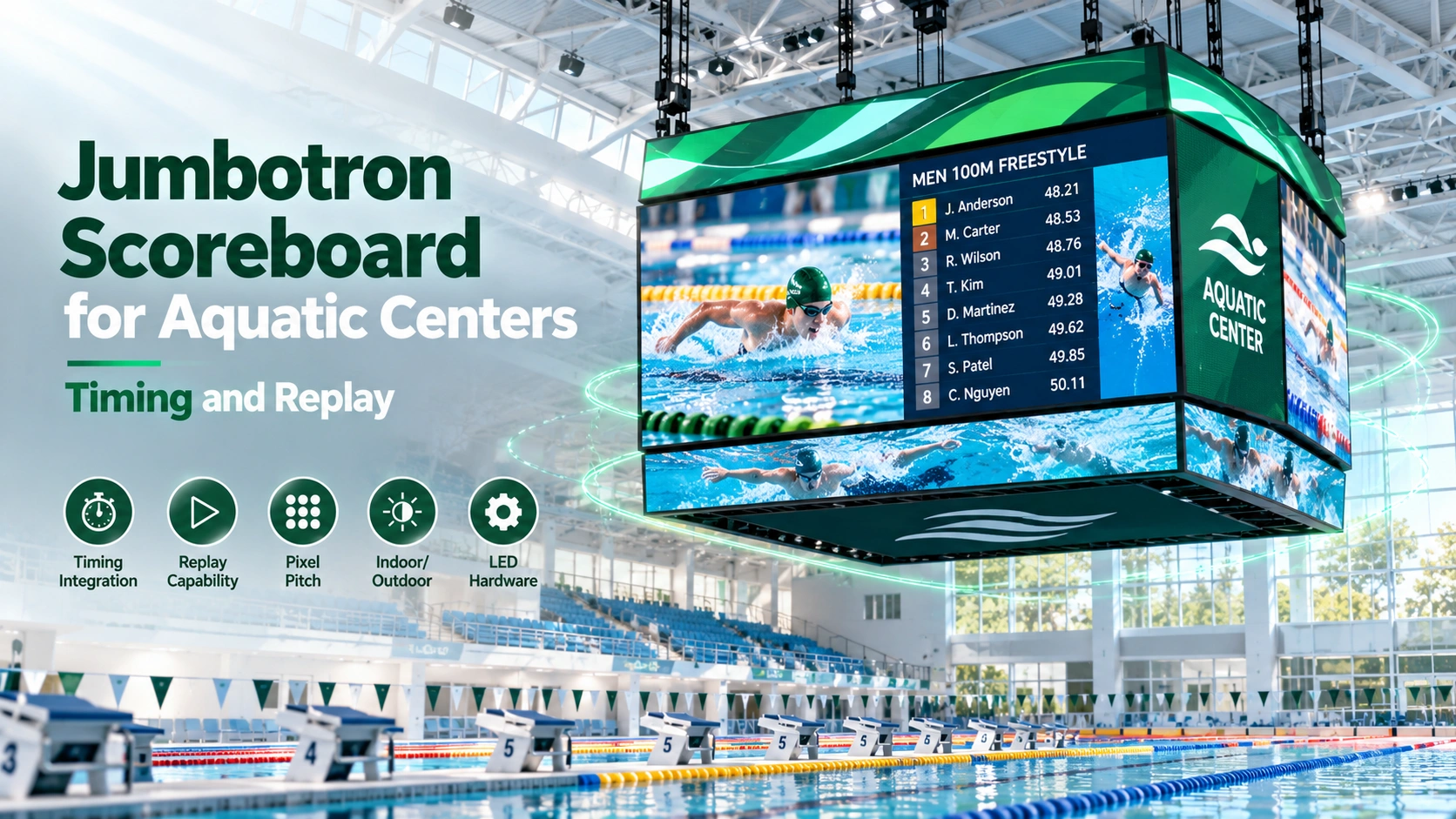
Aquatic centers place unusual demands on an LED scoreboard because humidity, competition timing, spectator sightlines and maintenance access all meet in the same venue.
A swimming facility is not simply another indoor sports hall.
Warm pool water, moist air, changing temperature conditions and pool treatment processes shape the environment around the display. At the same time, spectators expect race results, lane information, live video and replay to remain clear from the stands. Officials and athletes may view the same screen from much closer positions, while facility staff need a practical way to service the hardware around a busy pool schedule.
Chipshow approaches these projects by matching its LED hardware to the actual screen location, viewing geometry and competition display requirements.
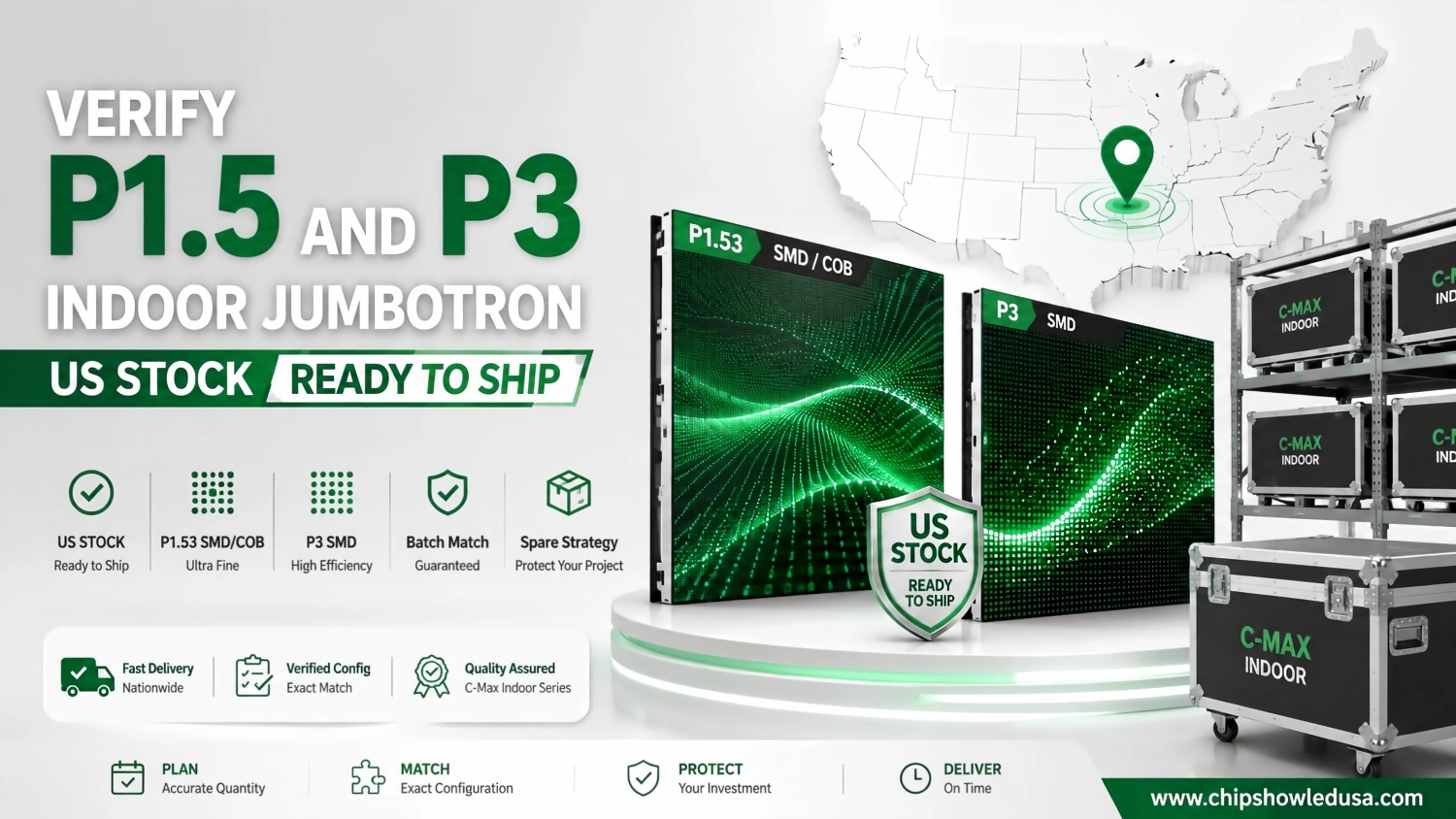
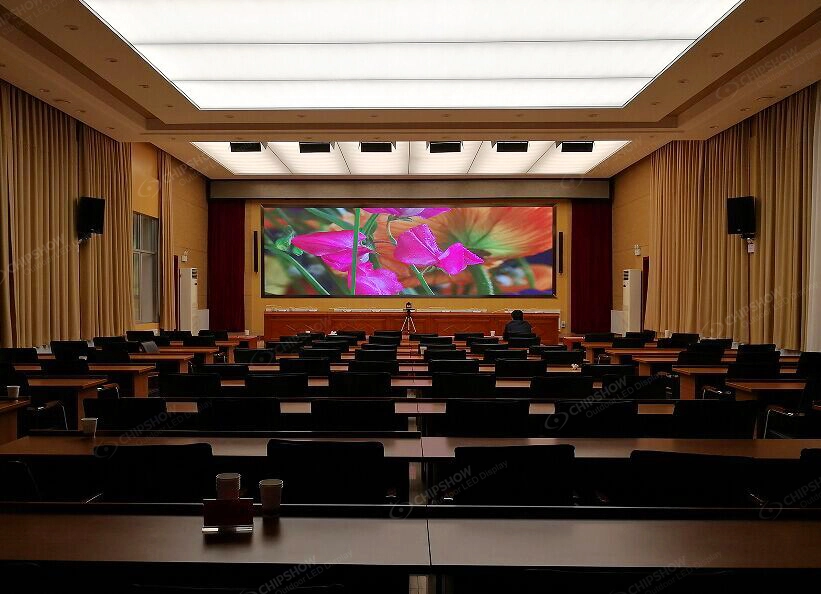
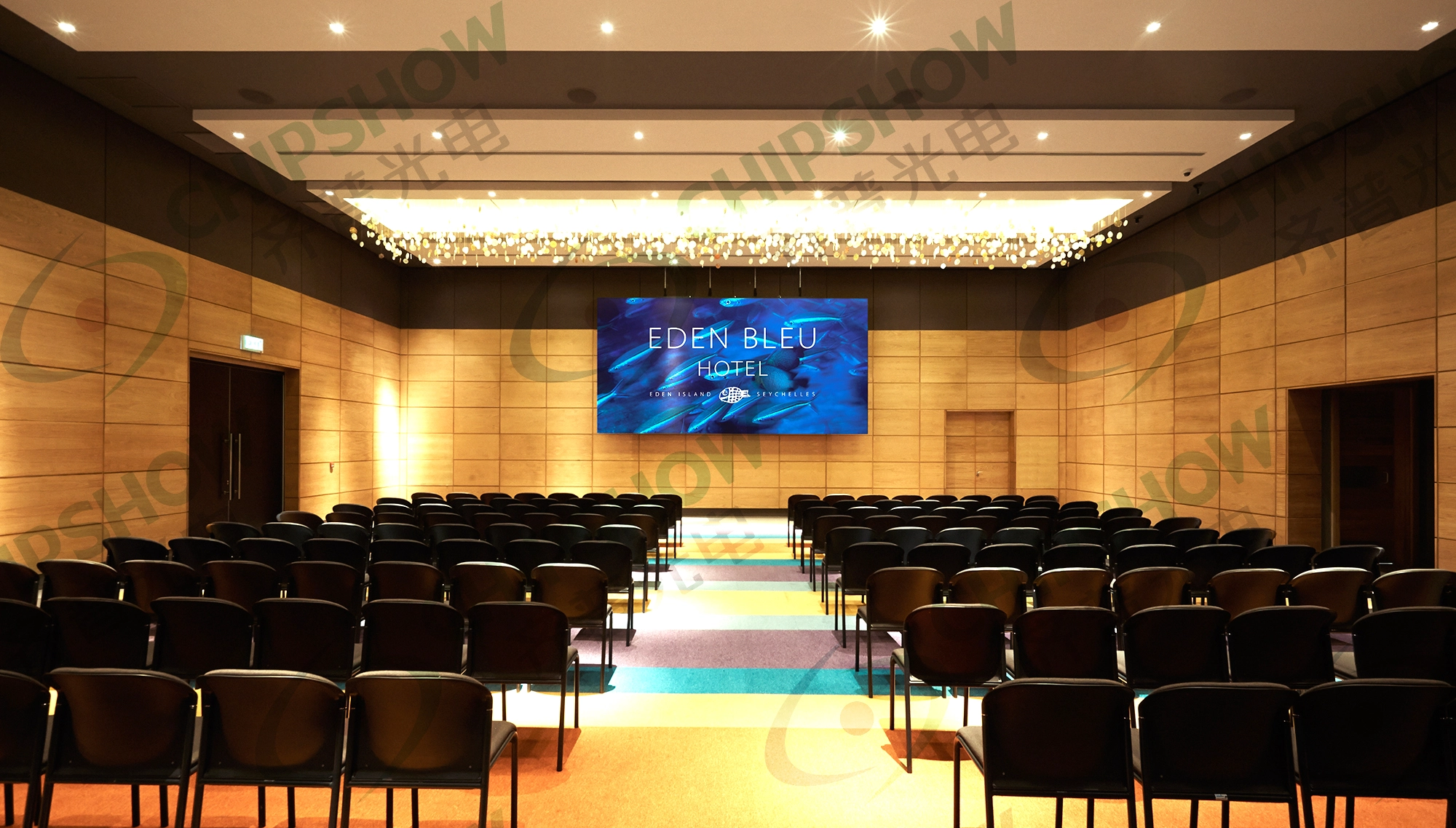
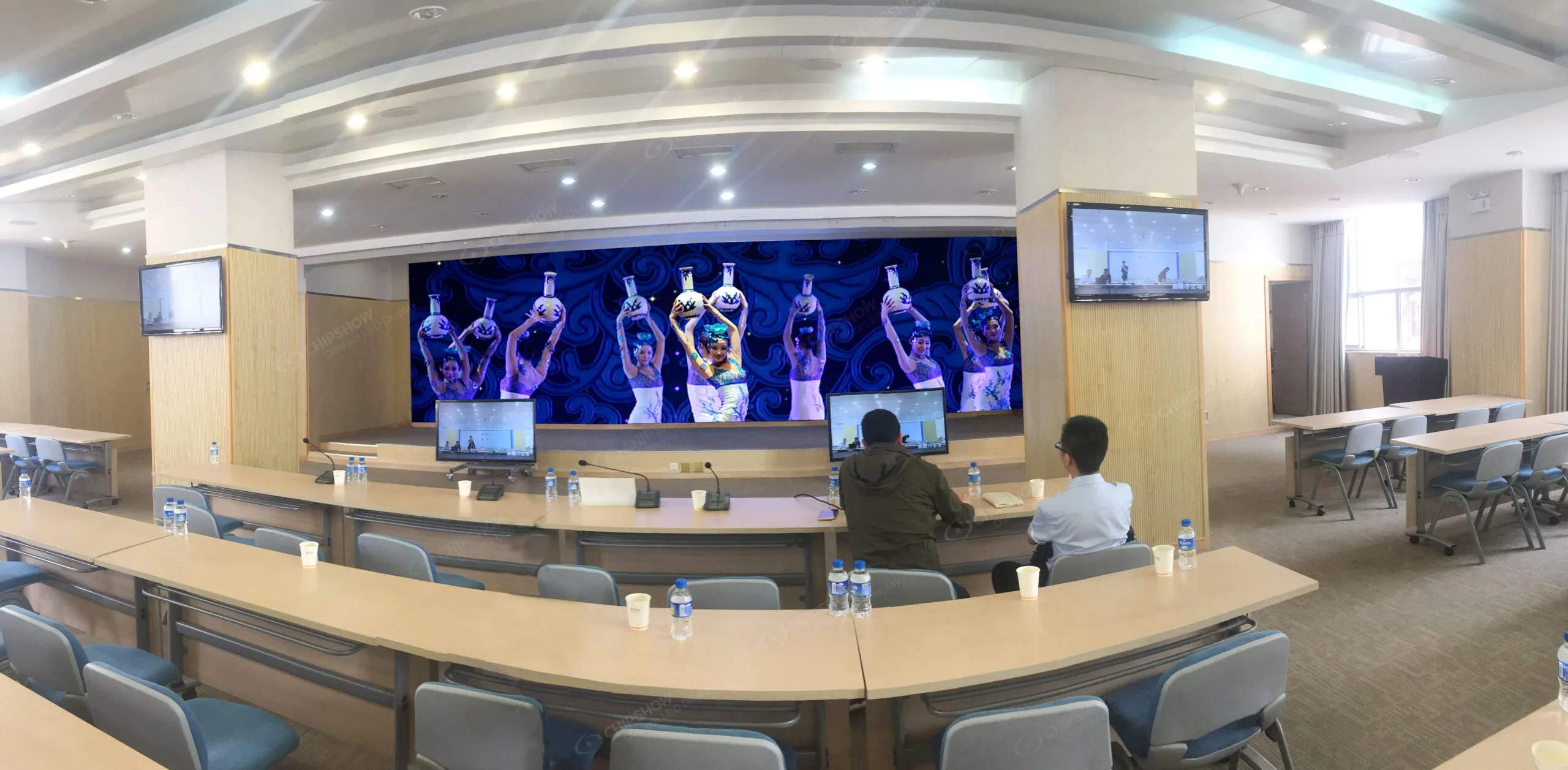
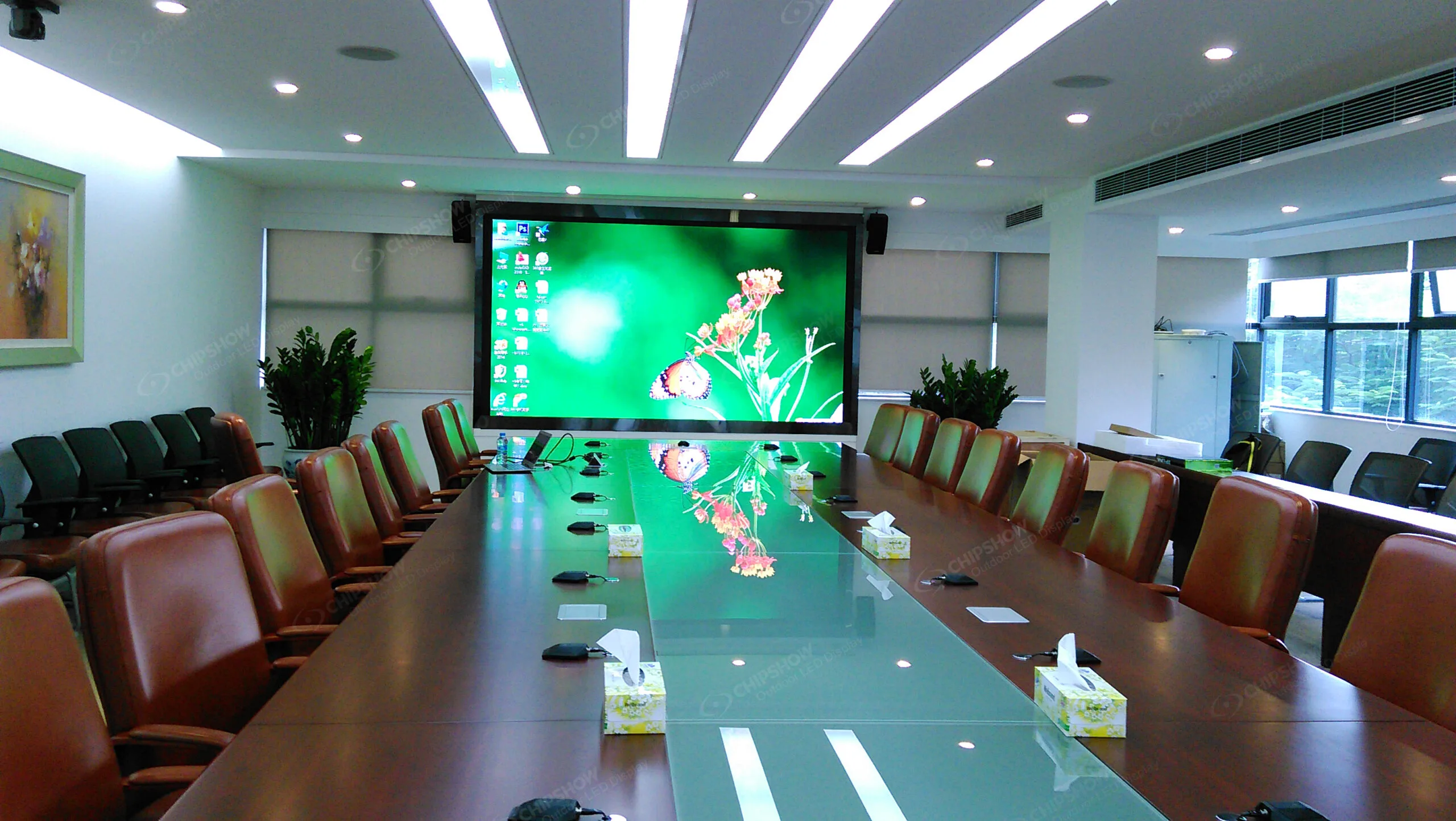
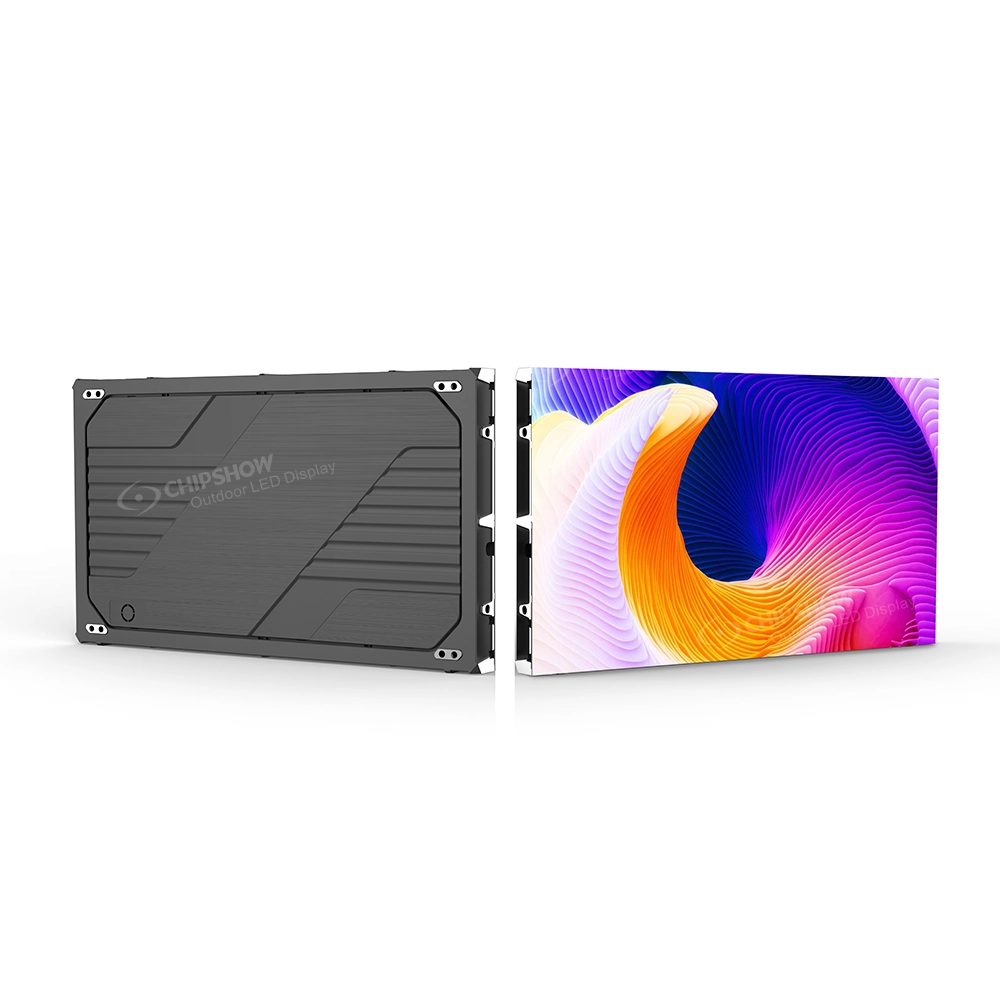
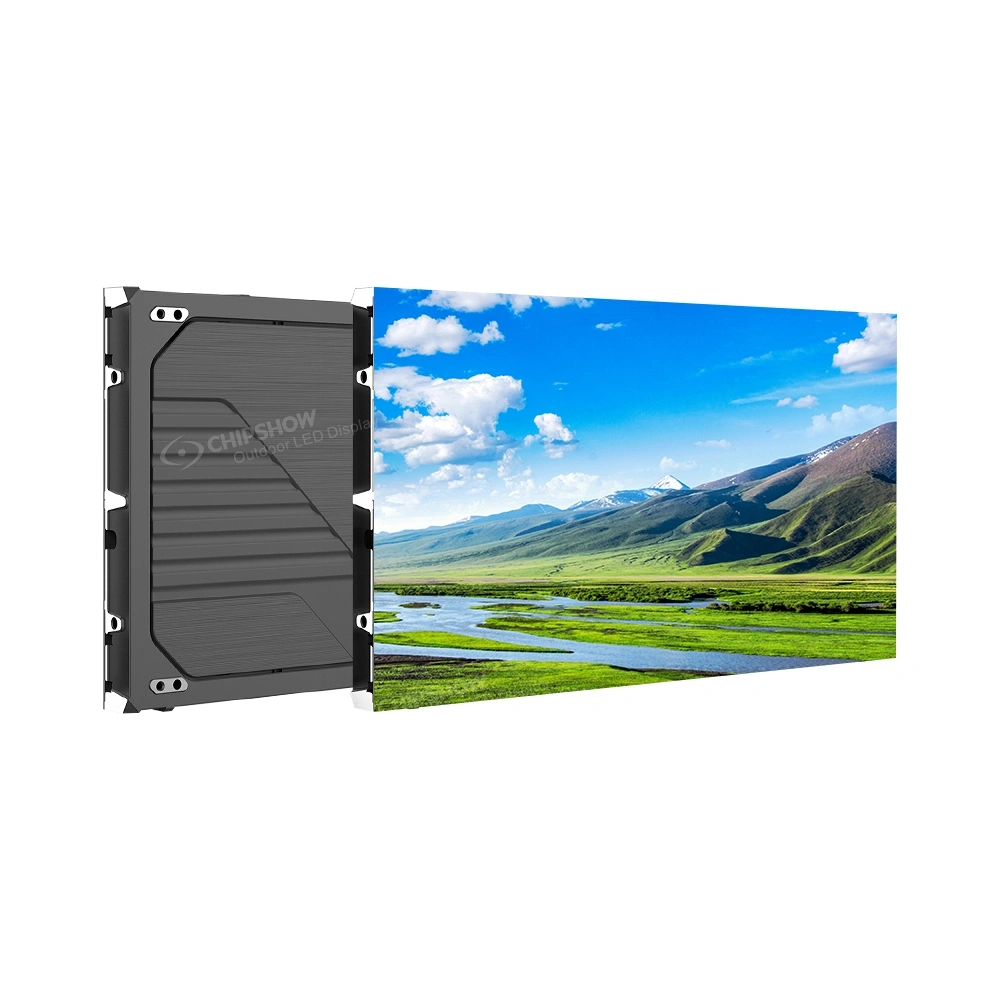
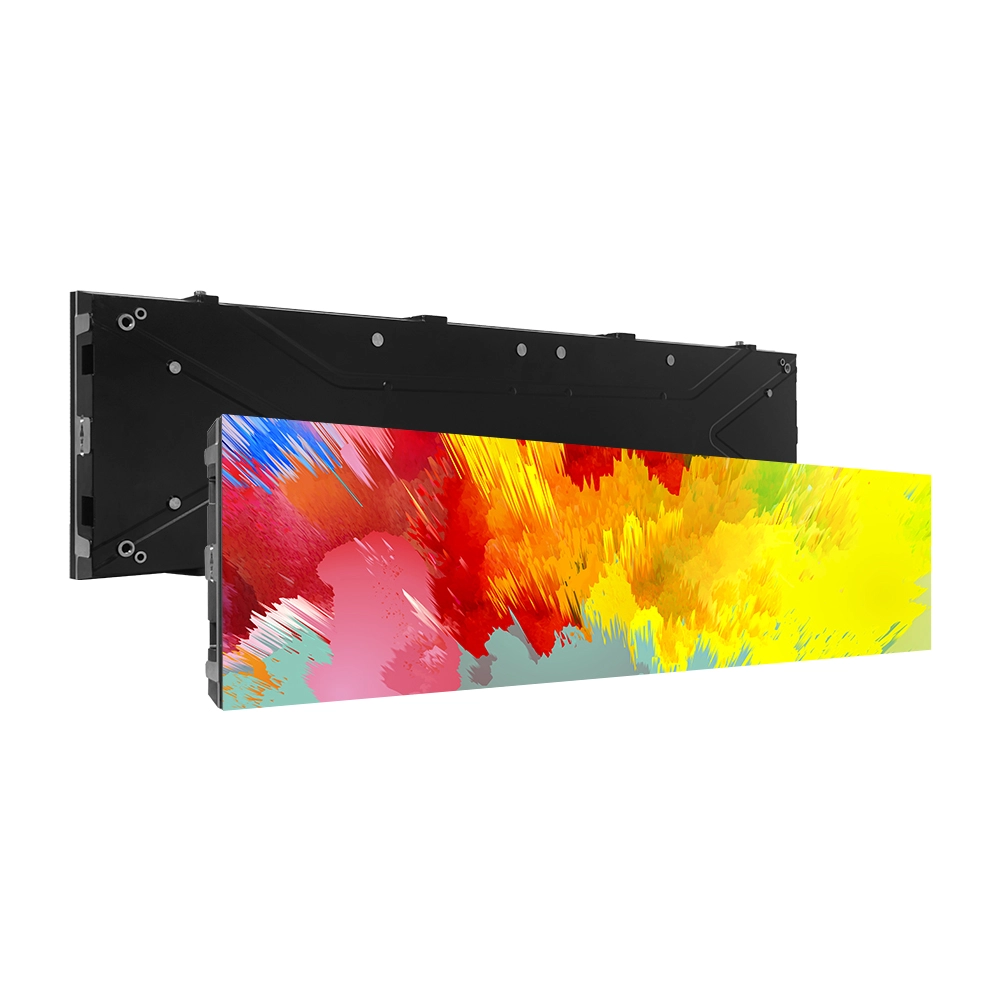
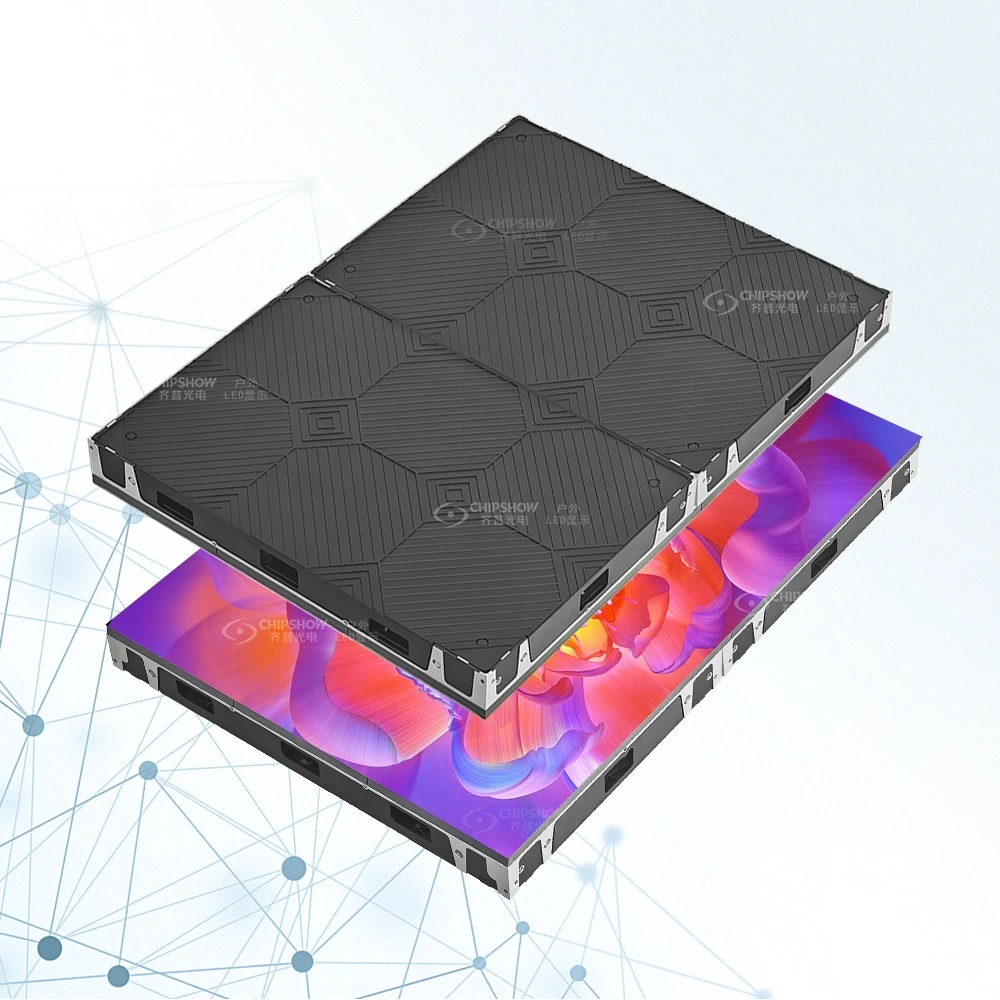
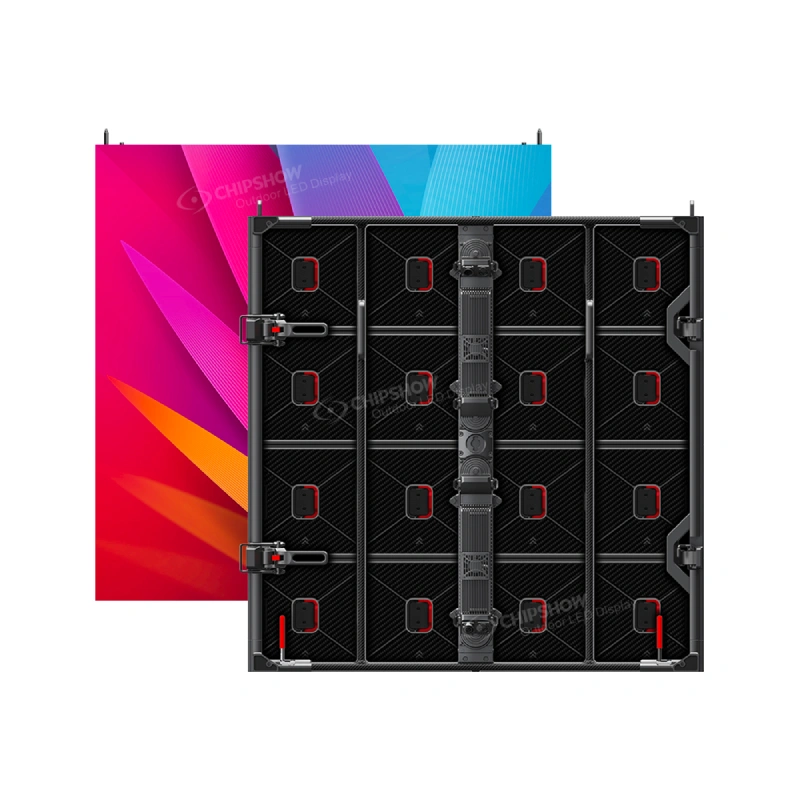
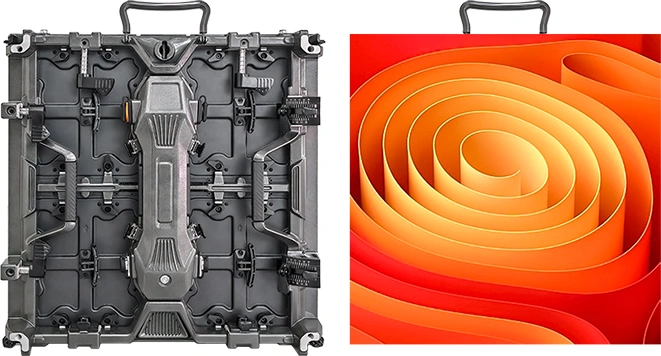
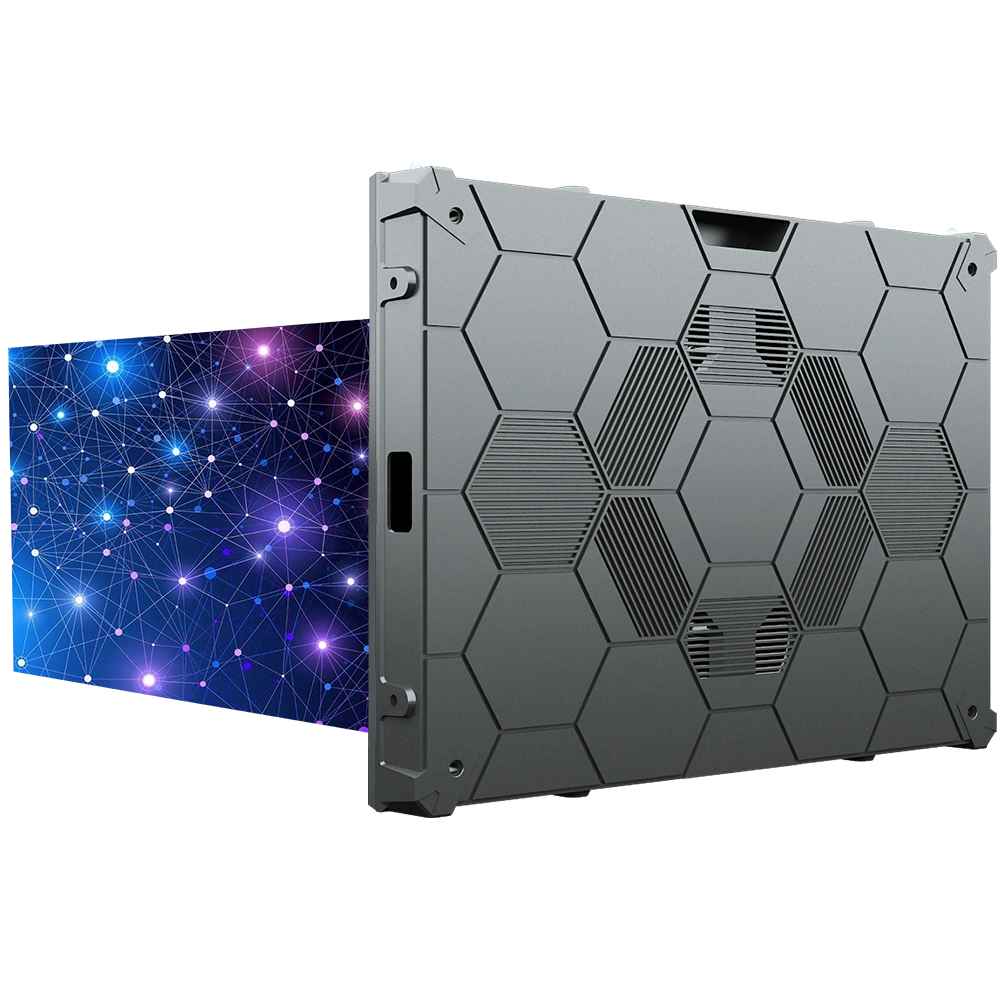
For controlled indoor spectator areas, Chipshow can configure its C Max SMD platform around the required viewing distance, screen dimensions and service access. The current C Max SMD range covers P1.25 through P4 on a 640 × 480 mm cabinet and provides 3840 Hz refresh performance with full front service.
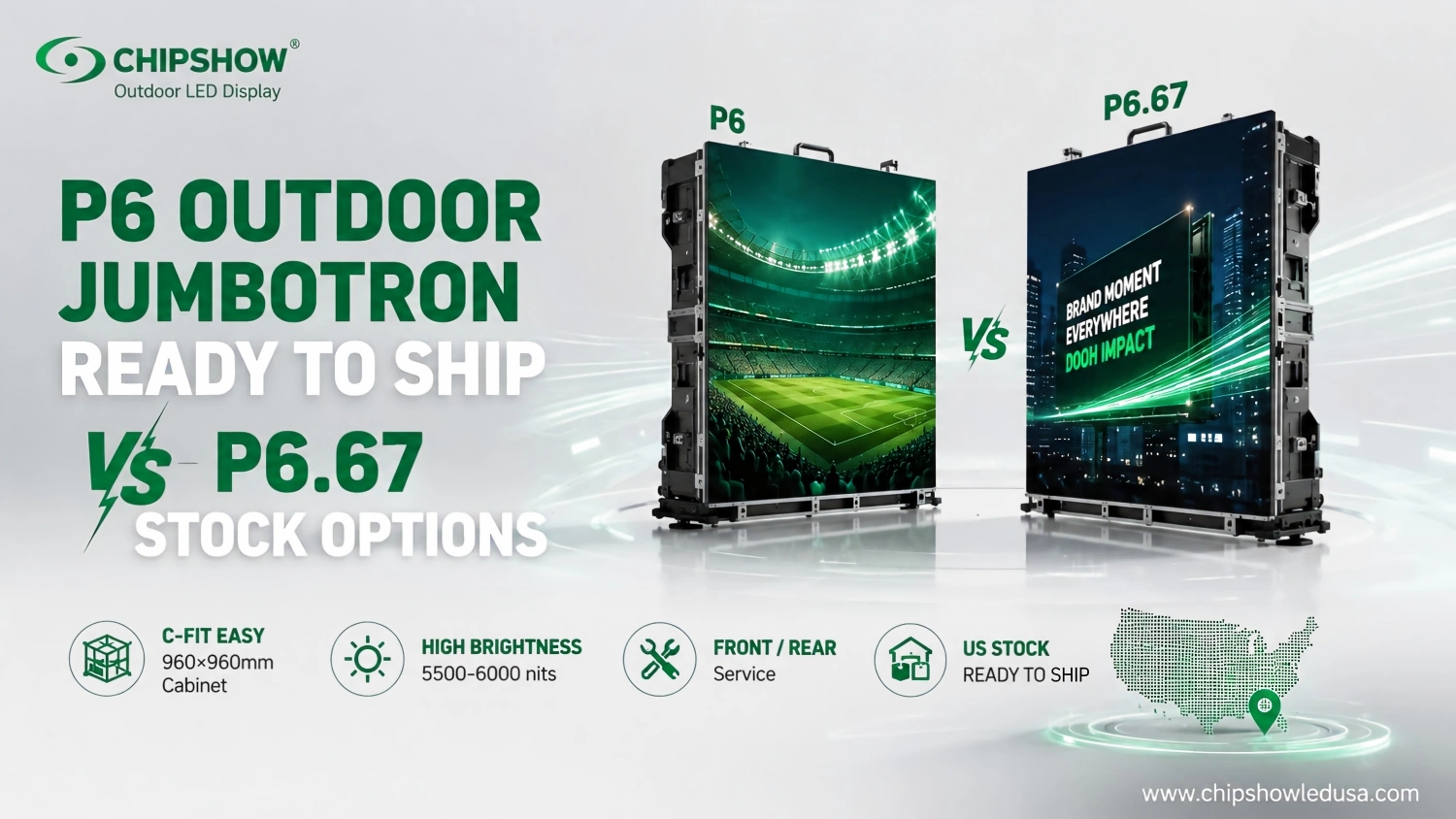
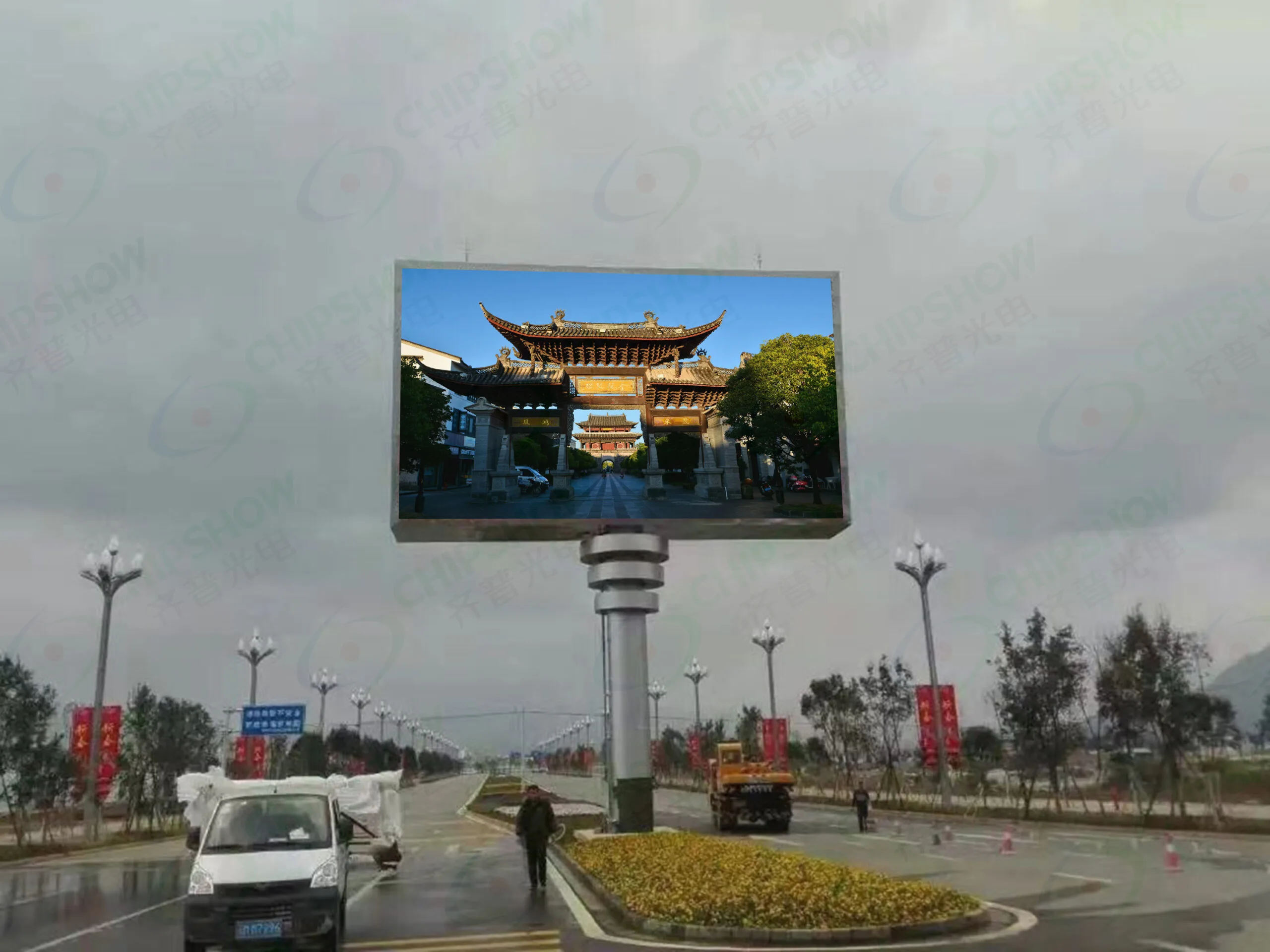
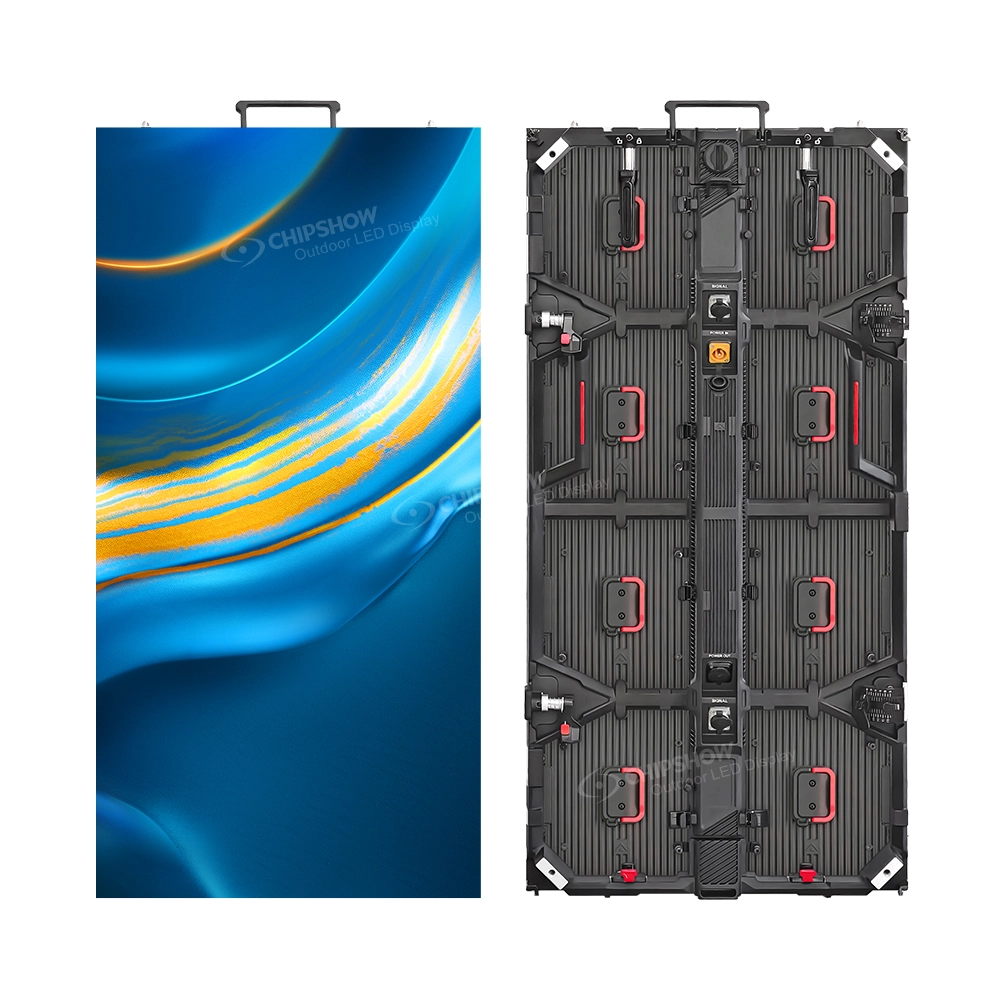
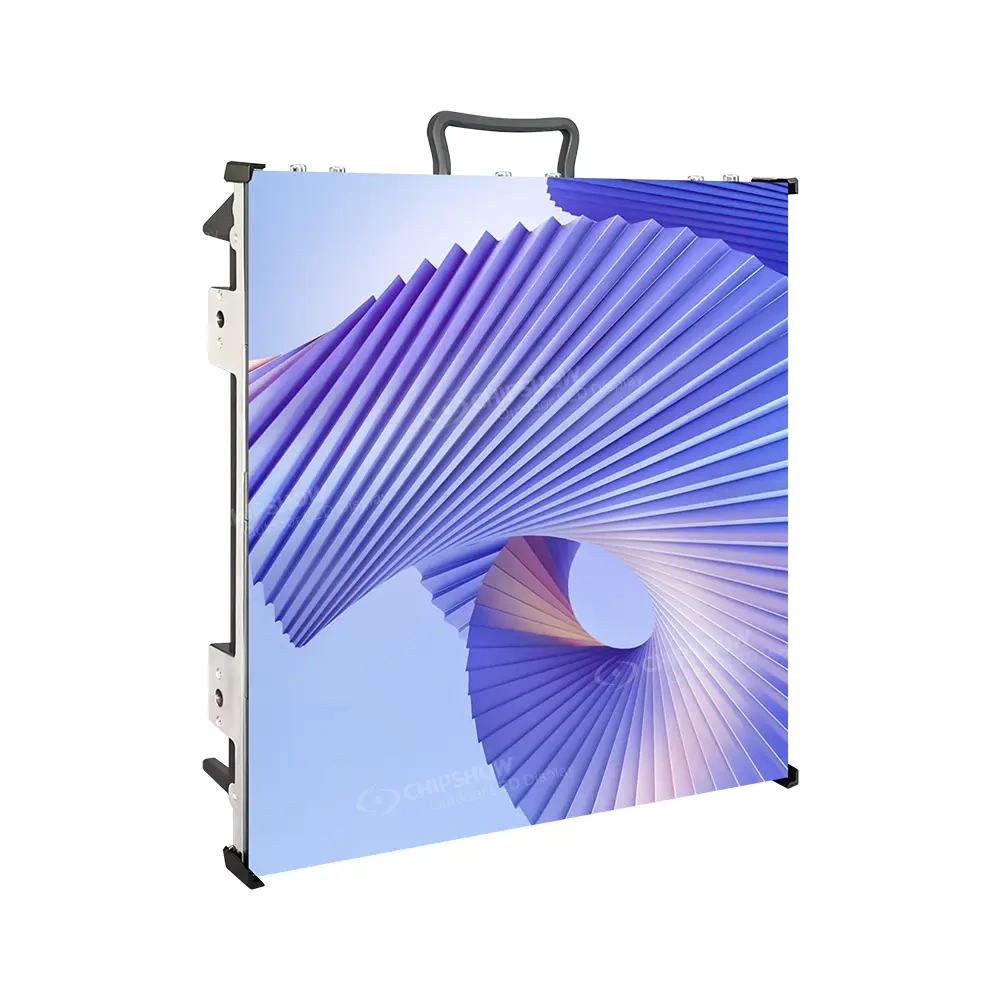
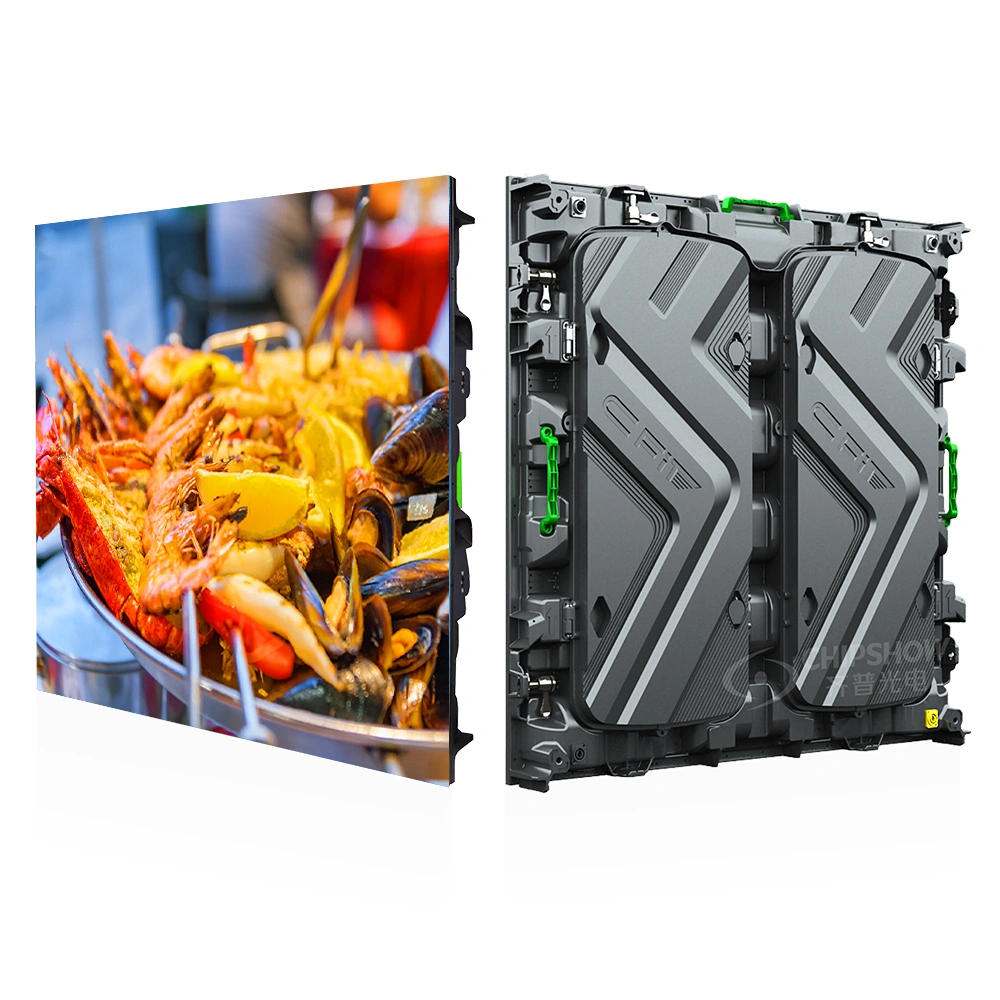
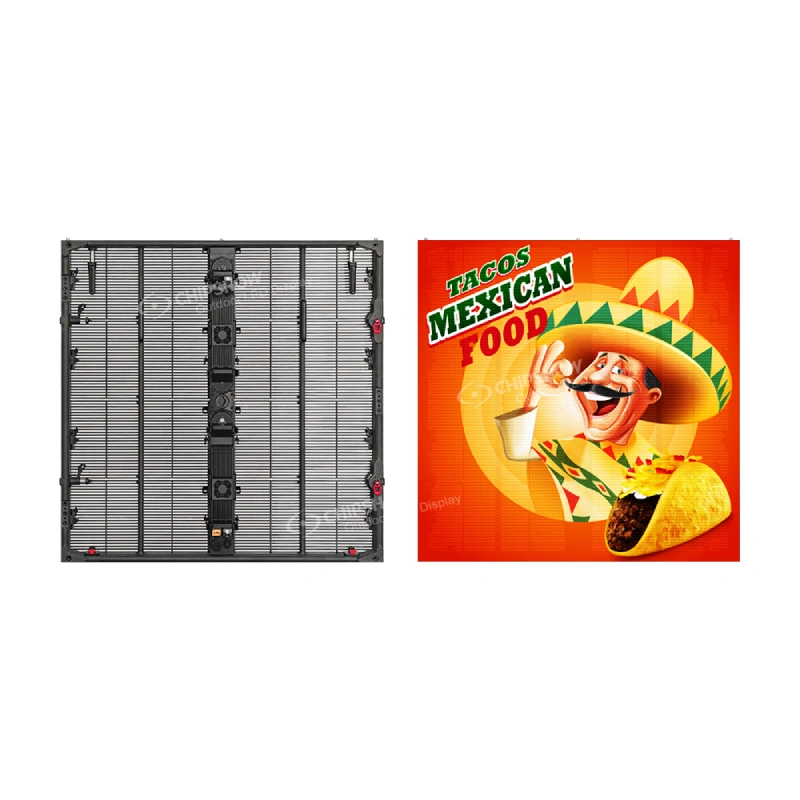
For partially open or outdoor aquatic venues, Chipshow can configure a protected fixed LED platform around the required brightness, pitch, exposure level and maintenance conditions. Chipshow C Fit Easy P6.67 provides one defined outdoor route where its viewing distance and performance range fit the venue.
The display also has to work with the competition information system.
Chipshow supplies the LED display hardware, applicable display control hardware, planned spares and product documentation defined in the project BOM. The scoreboard or AV integrator connects the Chipshow display package to the venue’s timing, graphics, replay and other operational systems.
A successful aquatic center jumbotron brings the pool environment, spectator sightlines and competition information together in one display architecture.
That relationship should guide the hardware selection from the beginning.
The Aquatic Venue Environment
The screen environment can change significantly within one aquatic center.
A display mounted above spectator seating may operate under different conditions from equipment placed near the pool deck. Exterior walls, large doors, ventilation patterns and seasonal temperature changes can also affect the conditions surrounding the LED system.
Chipshow uses those site conditions to match the cabinet architecture and service method to the proposed screen location.
Humidity Needs to Be Considered by Screen Location
Humidity is part of everyday aquatic center operation, but a single building-wide humidity number does not describe every display location.
The area directly above the pool can experience different conditions from an upper spectator wall. A screen positioned near an exterior surface may also encounter larger temperature differences than equipment installed deeper inside the conditioned building.
For an indoor position with controlled environmental conditions, Chipshow C Max SMD provides a fine pitch fixed display route.
Its P1.25 through P4 range gives Chipshow flexibility to match pixel density to the seating distance instead of forcing every indoor aquatic center into one pitch. Full front service also supports installations where the screen sits close to an architectural wall and rear maintenance space is limited.
The hardware configuration therefore follows the actual screen zone rather than the general label of indoor aquatic center.
Condensation Needs Separate Attention
Condensation can become important when warm moist air reaches a cooler surface.
That means average humidity alone does not describe the entire operating environment.
Exterior walls, glazing, air supply paths and seasonal temperature changes can all influence local conditions around the display.
Facility and building engineering information gives Chipshow a clearer environmental profile for the proposed screen location. Chipshow can then use that information when defining the LED cabinet architecture and installation configuration.
This is particularly useful in retrofit projects where an existing aquatic center already has established HVAC conditions and limited choices for screen placement.
Pool Treatment Exposure and IP Ratings Are Different Requirements
Aquatic centers also need precise language around environmental protection.
Pool treatment processes can create environmental conditions that deserve consideration when electronic equipment is selected and positioned.
An IP rating describes the ingress protection provided by the specified hardware configuration.
It should not be used as another name for chemical resistance.
Chipshow therefore treats ingress protection and pool environment exposure as separate project inputs.
For example, Chipshow C Fit Easy P6.67 carries IP65 protection on the front and IP54 on the rear in its published configuration. Those values provide clear information about the product’s ingress protection.
The venue team can combine that product data with the environmental requirements established for the actual installation area.
That produces a more useful specification than simply describing a screen as waterproof or outdoor rated.
Maintenance Access Should Be Designed With the Screen
Aquatic facilities often have limited circulation space around spectator seating and pool decks.
A large LED scoreboard should therefore have a defined maintenance path before the supporting structure is completed.
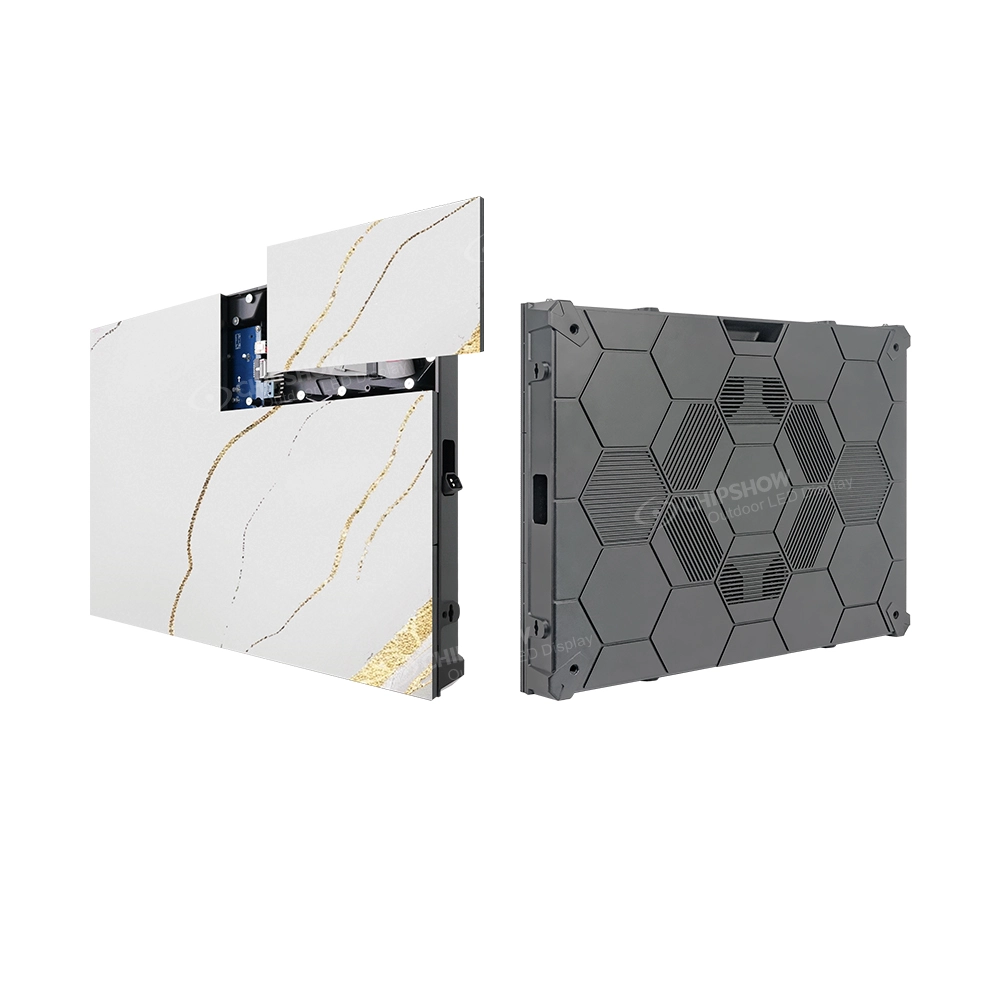
Chipshow C Max SMD provides full front access to the modules, power supplies and receiving cards. That architecture can reduce the need for a large rear service corridor in controlled indoor applications.
Chipshow C Fit Easy supports both front and rear service for fixed outdoor installations, giving the project more flexibility when the supporting structure allows different maintenance approaches.
Service access affects more than convenience.
A well planned maintenance path helps the facility avoid unnecessary disruption to spectator seating, training schedules or pool operations when routine service is required.
Score Timing Replay and Sponsor Content
An aquatic scoreboard has several jobs during one meet.
Race timing may dominate the screen during competition. Video and replay become more important immediately after a start, turn or finish. Sponsor graphics and venue announcements use the same display during breaks and other parts of the event schedule.
The screen needs enough physical area and native resolution to support those roles clearly.
Timing Information Needs Visual Priority
Spectators expect competition results quickly.
Depending on the meet format, the screen may present lane information, athlete names, times, placements and other event data.
Those elements need enough screen area to remain legible from the main seating zones.
This becomes especially important when the venue plans a multi-zone layout.
A large LED wall can still create small unreadable information if timing data occupies only a narrow portion of the active canvas.
Chipshow calculates the native LED resolution from the selected pitch and physical screen dimensions. That gives the graphics and timing teams a defined canvas for planning the information layout.
The result is a scoreboard designed around what spectators actually need to read.
Live Video Gives Spectators a Better View of the Race
Swimming venues can create difficult sightlines.
A spectator may have a clear view of one end of the pool but a limited view of another. Starts, turns and finishes can also happen quickly.
Live video allows the main LED screen to extend the spectator’s view beyond the physical seat location.
Replay adds another layer of value by bringing important race moments back to the audience after the action has happened.
The amount of video production should match the venue.
A municipal aquatic center may need a relatively simple camera workflow. A university or competition venue may use multiple cameras and regular replay.
Chipshow configures the LED display around the screen size, resolution and camera requirements defined for that level of production.
Sponsor Content Uses the Same Visual Platform
A large aquatic center display can also create flexible sponsor inventory.
Sponsor graphics can appear between races, during scheduled breaks, around event introductions or within other approved programming.
The timing system remains central during active competition.
Sponsor content uses the programmable LED canvas around that operational requirement instead of competing with essential race information.
This gives universities, municipalities and event operators more flexibility than permanently assigning every sponsor to a fixed printed sign.
The screen becomes a reusable media surface that can change with the event schedule.
The Screen Can Serve the Facility Beyond Competition
Aquatic centers operate throughout the year.
The LED display can support team introductions, event schedules, ceremonies, facility announcements, community programs and other approved content outside major competitions.
That broader operating role increases the usefulness of the hardware investment.
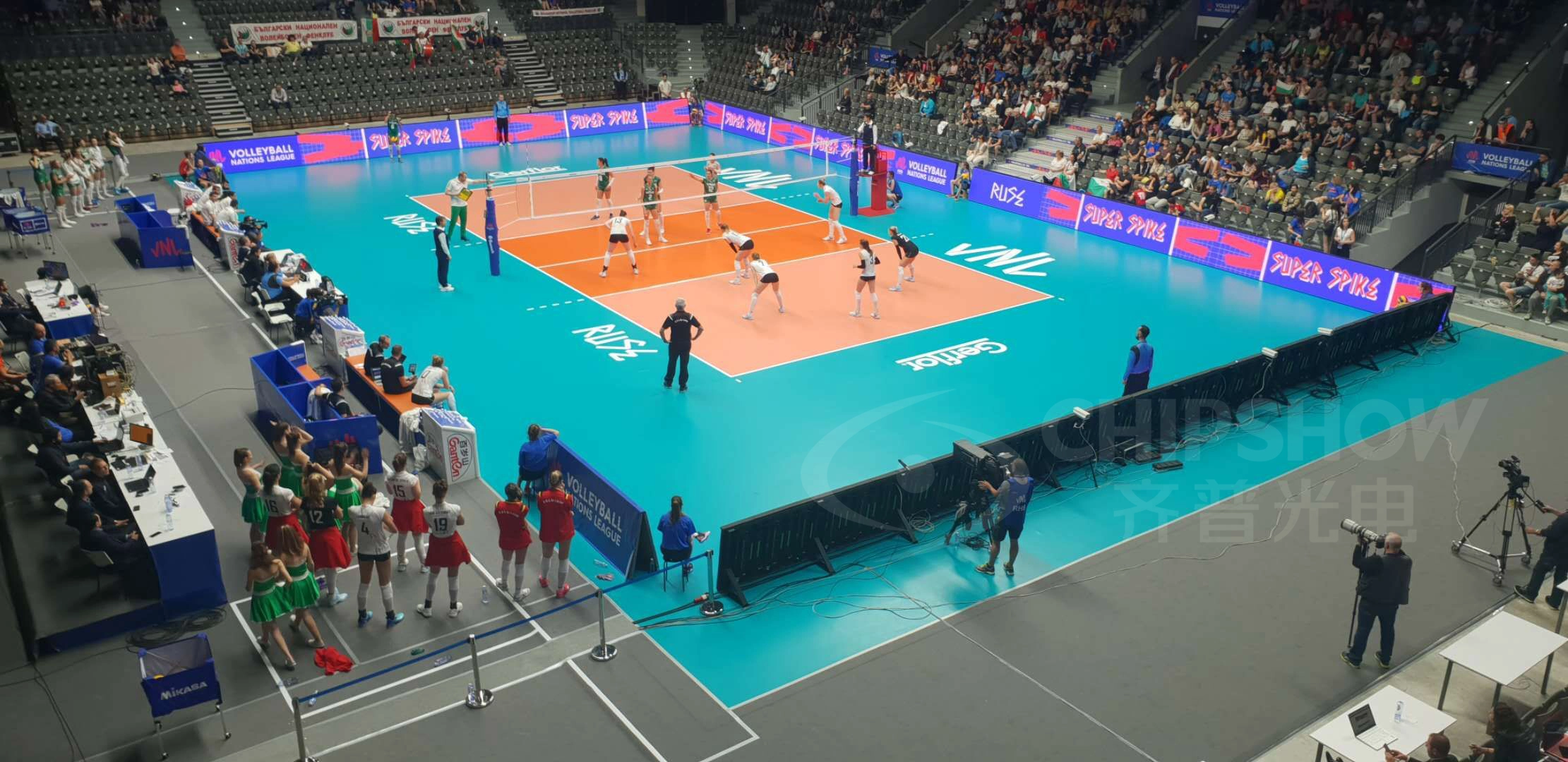
Chipshow’s indoor sports project experience includes a 70 square meter C Lite P4.81 display installed for a volleyball court in Bulgaria. The project demonstrates Chipshow’s experience supplying large indoor LED displays for spectator sports environments.
Aquatic centers add a distinct environmental and timing layer to that sports display requirement.
Viewing Distance and Pixel Pitch
Aquatic facilities can place several types of viewers around one display.
Spectators in the stands, athletes on the deck and officials near timing positions may all see the jumbotron from different distances.
The main scoreboard should be configured around its primary visual role rather than the shortest possible distance anywhere in the building.
Spectator Seating Defines the Primary Viewing Zone
The spectator stands provide the most useful starting point for a main aquatic jumbotron.
A compact natatorium may place the audience relatively close to the screen.
A larger competition center can create much longer viewing distances.
Fine pixel pitch becomes more valuable as the primary viewing distance decreases.
A wider pitch can provide strong visual performance on a larger screen when spectators sit farther away.
Chipshow’s C Max SMD range gives controlled indoor projects several pitch choices between P1.25 and P4, allowing the display to match the actual seating geometry.
The project does not need the finest available pitch simply because the venue is indoors.
It needs enough pixel density for spectators to resolve the intended content from their seats.
Pool Deck Viewing Has a Different Purpose
Athletes and officials may stand much closer to the main display.
Their information requirements can differ from those of the audience.
Dedicated timing equipment may already provide officials with the operational information they need at close range.
The main jumbotron can then concentrate on spectator presentation, results, replay and event communication.
This avoids increasing the entire screen specification around one short viewing position that does not represent its main job.
Screen Size and Pitch Work Together
Pixel pitch does not define the finished resolution by itself.
Physical screen dimensions matter just as much.
A large screen using a wider pitch can contain a substantial native pixel canvas. A smaller screen may benefit more from fine pitch when timing data, video and sponsor graphics need to share limited display area.
Chipshow calculates the cabinet layout and native resolution from the active width and height of the proposed screen.
That gives the venue a real display canvas before the final content templates and control architecture are completed.
Camera Requirements Belong in the Hardware Specification
Some aquatic centers regularly stream or broadcast competitions.
In those venues, the main scoreboard may appear frequently in camera shots.
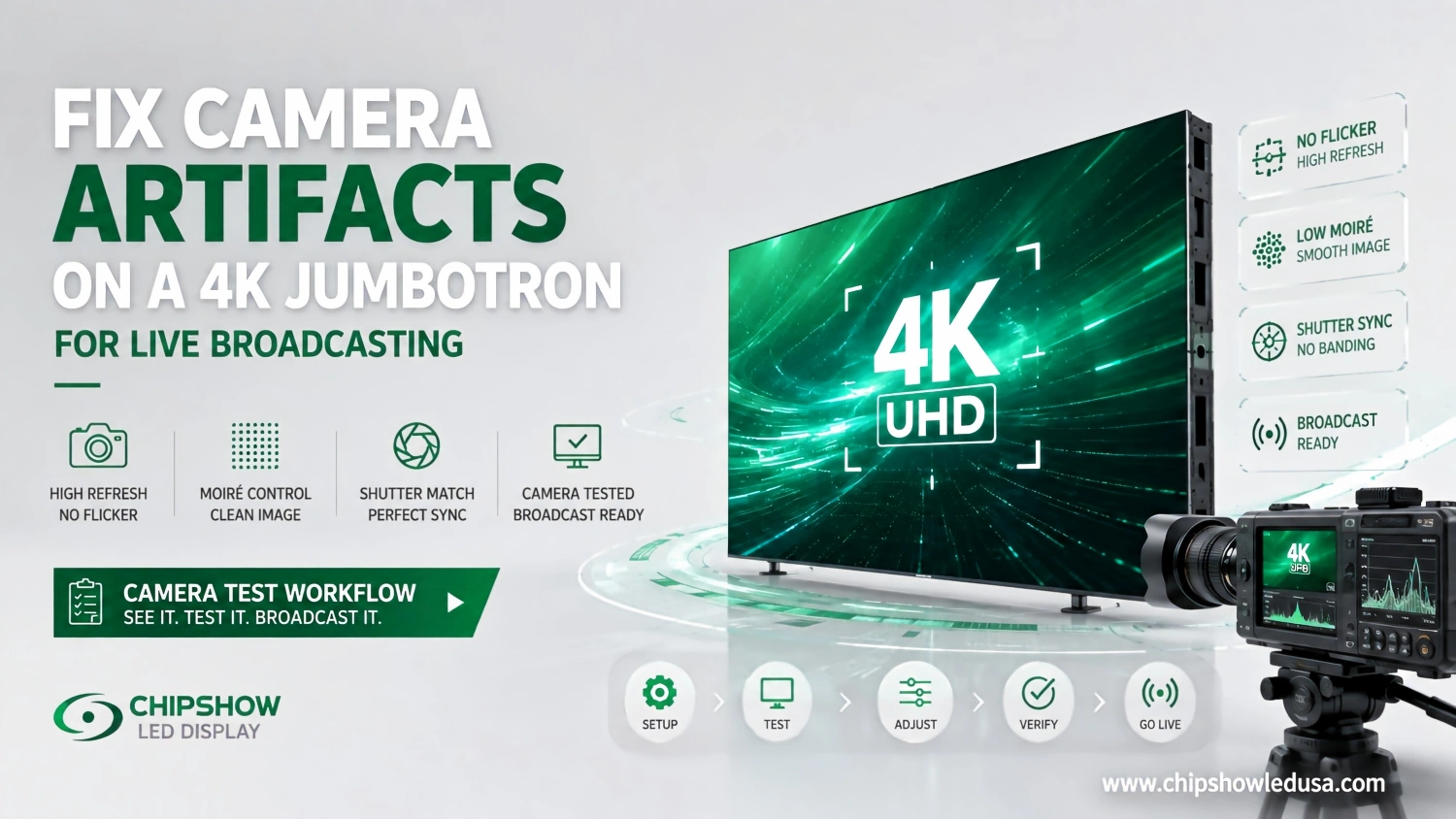
Chipshow C Max SMD provides 3840 Hz refresh performance for fixed indoor applications, giving camera-facing projects an appropriate professional display baseline.
Refresh rate remains only one part of camera performance.
The production team should also account for its camera settings and shooting geometry when commissioning the system.
For the aquatic center procurement decision, the important point is to identify camera use before the display hardware and control package are finalized.
Indoor and Protected Hardware Selection
Aquatic venues range from fully conditioned indoor natatoriums to open-air competition pools.
Chipshow uses the actual display environment to select the appropriate product architecture.
| Screen Environment | Chipshow Hardware Direction | Main Selection Priorities |
|---|---|---|
| Controlled indoor spectator area | Chipshow C Max SMD | Pixel pitch viewing distance front service screen depth and camera use |
| More exposed indoor or partially open location | Appropriate Chipshow protected fixed LED platform | Exposure ingress protection service access viewing distance and ventilation |
| Outdoor aquatic venue | Chipshow C Fit Easy or another suitable outdoor platform | Brightness weather exposure pitch structure and maintenance access |
Chipshow C Max SMD for Controlled Indoor Locations
Chipshow C Max SMD gives controlled indoor aquatic projects a flexible fine pitch route.
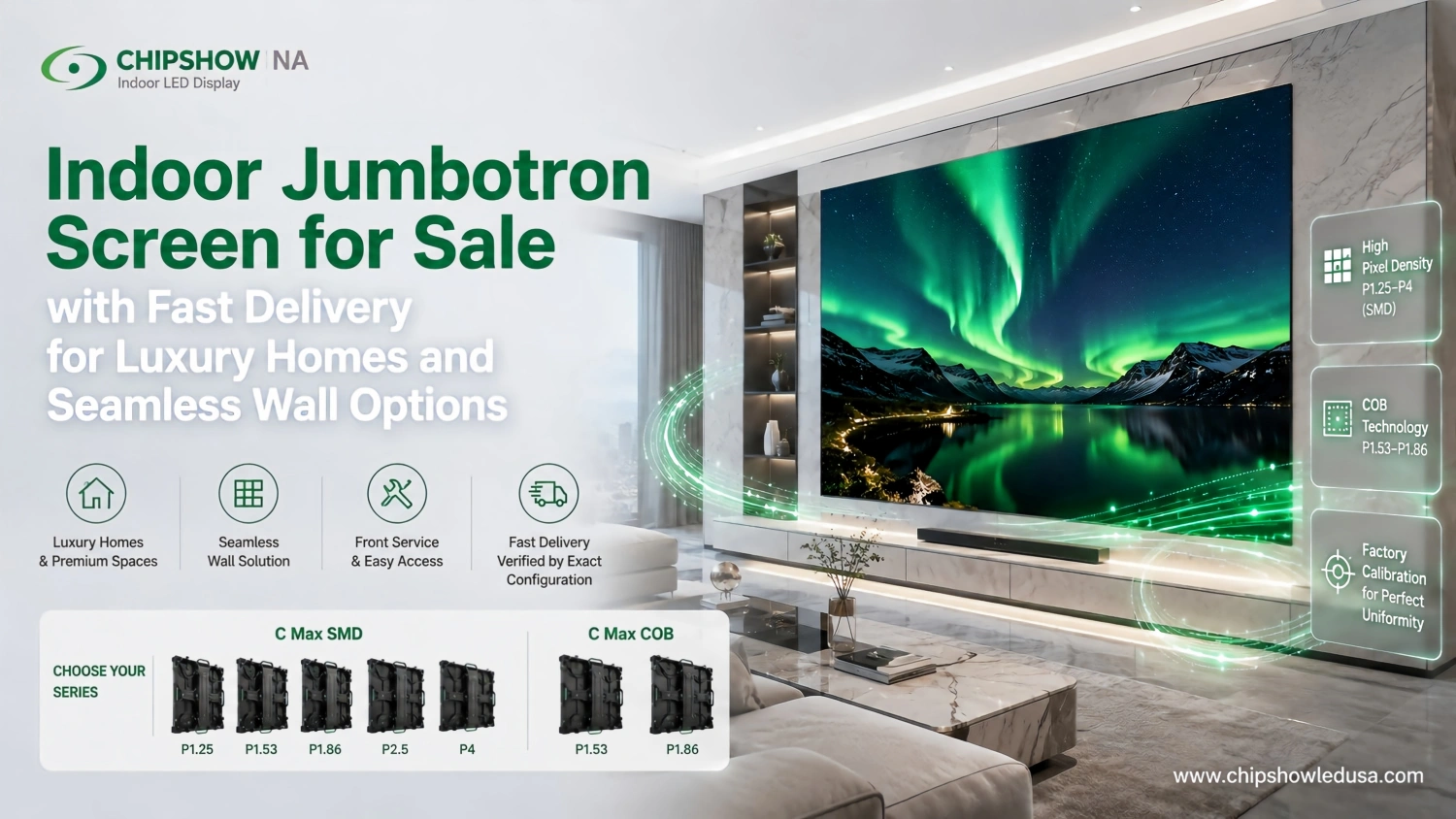
The current product family covers P1.25, P1.53, P1.86, P2.0, P2.5, P3.0 and P4.0 on a 640 × 480 mm cabinet.
Chipshow can select the appropriate pitch from that range according to the screen dimensions and spectator viewing distance.
The platform provides 3840 Hz refresh performance and full front service for modules, power supplies and receiving cards.
That front-service architecture is particularly useful when an aquatic center wants a clean wall installation without reserving substantial maintenance depth behind the screen.
Chipshow defines the C Max cabinet layout, native resolution and applicable control hardware as part of the manufacturer hardware package.
Chipshow Protected Fixed Hardware for Greater Exposure
Some aquatic center locations need more environmental protection or more brightness than a controlled indoor screen.
Chipshow can configure one of its protected fixed LED platforms around those requirements.
C Fit Easy P6.67 provides one practical option when the screen location, viewing distance and required brightness align with P6.67.
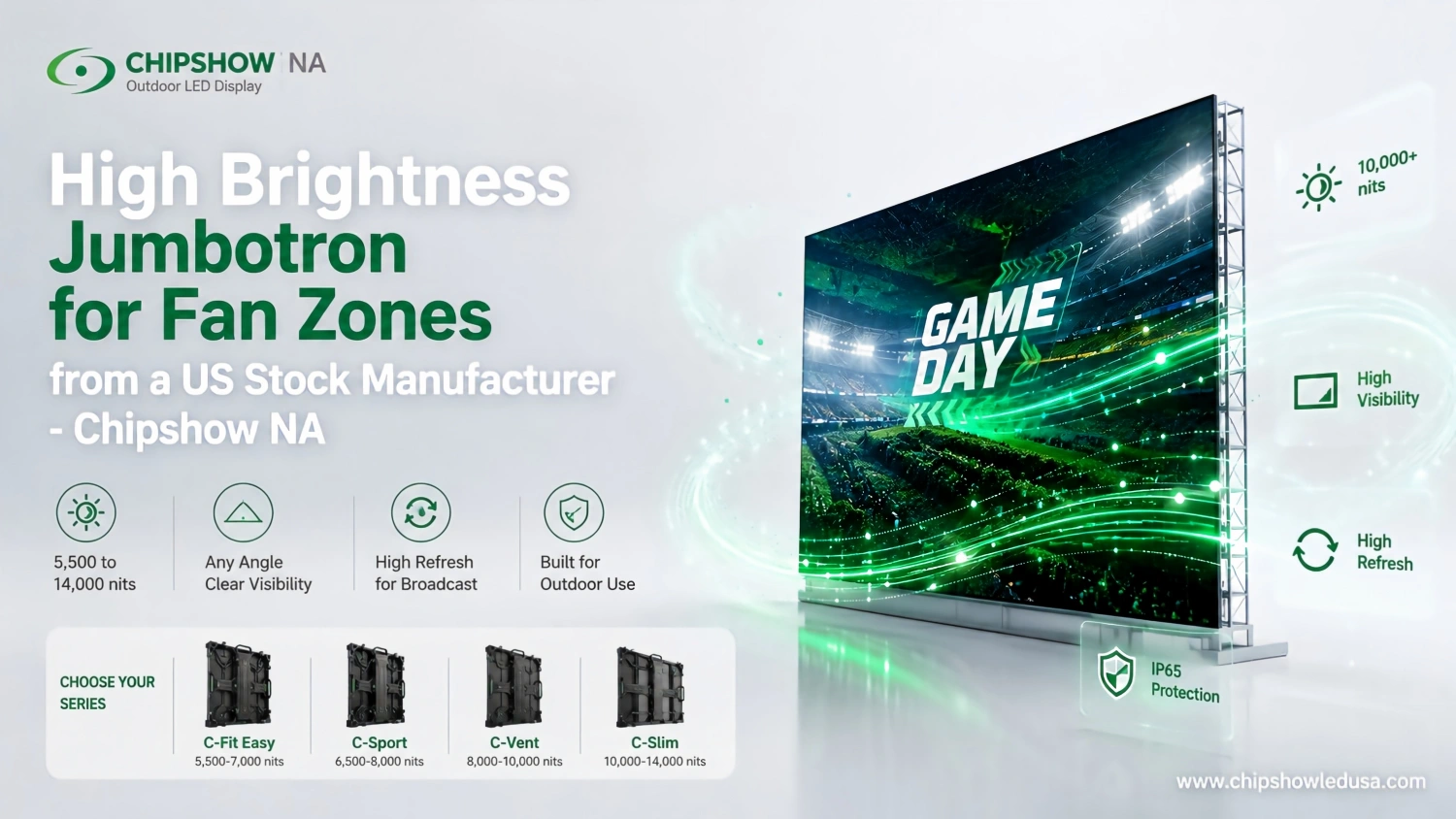
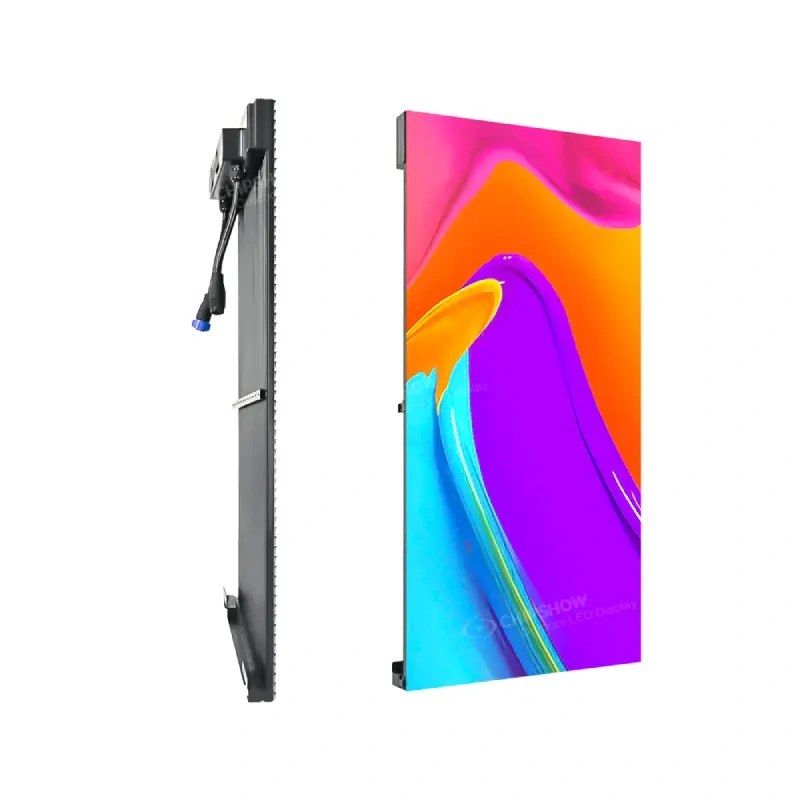
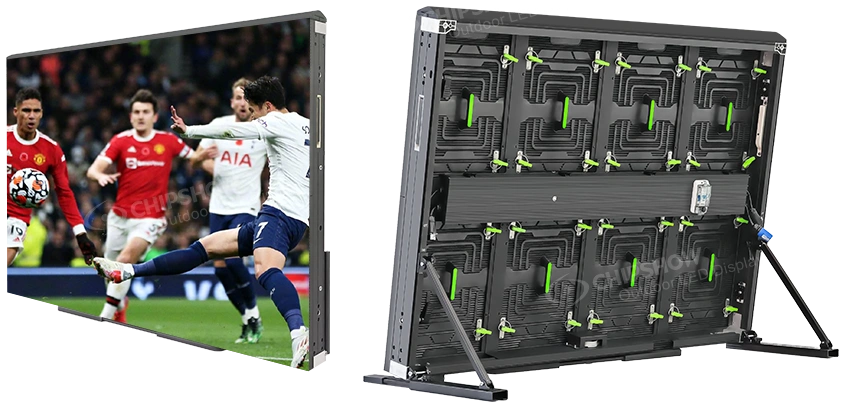
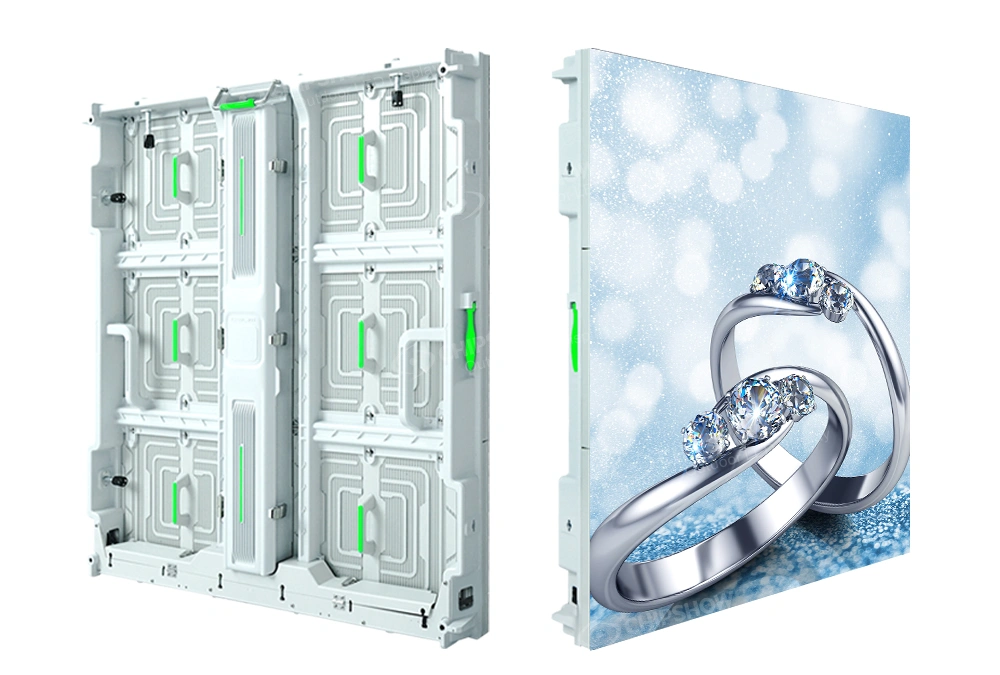
The Chipshow C Fit Easy P6.67 configuration uses a 960 × 960 mm cabinet, provides 5500 to 6000 nits and supports front and rear service. Its published ingress protection is IP65 on the front and IP54 on the rear.
Those specifications make it relevant to fixed installations that need a more protected outdoor hardware architecture.
Where the aquatic venue requires another pitch or performance level, Chipshow can select the appropriate product from its outdoor portfolio rather than treating one cabinet as the answer to every exposed location.
Outdoor Aquatic Venues Need Daylight Visibility
A fully outdoor competition pool places stronger emphasis on sun exposure.
The scoreboard needs enough brightness for its orientation, operating hours and surrounding ambient light.
Screen size and viewing distance remain important because spectators may sit farther from an outdoor display than they would in a compact indoor natatorium.
Chipshow configures the outdoor LED platform around those actual conditions.
The result keeps the aquatic timing and replay workflow connected to an outdoor display package designed for the site where it will operate.
Controller and Timing Data Integration
Race timing originates outside the LED screen.
The display receives the finished visual signal after the timing and graphics systems turn event data into content.
A clear system boundary keeps that workflow easier to integrate and maintain.
The Timing Platform Remains the Competition Data Source
Many aquatic facilities already use a dedicated race timing platform.
A new Chipshow LED scoreboard can become the visual endpoint for that existing data workflow when the integration architecture supports it.
The scoreboard integrator identifies how the timing data reaches the graphics system and how that final video or data-driven output reaches the LED control system.
Chipshow supplies the LED display and the applicable display control hardware defined in the project BOM.
This allows the venue to modernize the spectator display without treating the LED wall itself as the source of race timing information.
Native Resolution Gives Graphics a Defined Canvas
The graphics team needs to know the physical LED canvas it is designing for.
Chipshow calculates the native resolution from the selected screen dimensions and pixel pitch.
The timing and content team can then build its layouts around that actual canvas.
Lane information, athlete names, times, standings, replay windows and sponsor elements can be positioned according to the pixels available on the finished screen.
That approach produces a more predictable result than resizing generic graphics after the display has already been installed.
The Full Meet Workflow Should Be Tested
Aquatic event content changes constantly.
The screen may move from athlete introductions to active timing, race results, replay, sponsor content and the next event within minutes.
Commissioning should therefore test the full operating sequence rather than one static image.
The scoreboard and AV integrator verifies timing data, graphics and replay operation.
Chipshow provides the LED display configuration and manufacturer-side control information needed for the display portion of that workflow.
The venue then enters competition with a screen that has been tested around the way the facility actually operates.
Maintenance and Spares
Aquatic center maintenance has to fit around classes, training sessions, public programming and competition schedules.
The hardware package should support that operating reality.
Front Service Can Preserve Building Space
Chipshow C Max SMD provides full front service for fixed indoor applications.
Modules, power supplies and receiving cards can be accessed from the front of the LED display.
For an aquatic center with limited space behind the spectator wall, this can simplify the maintenance layout and preserve more of the building footprint for other uses.
The service strategy should still be coordinated with the screen height and the access equipment the local team expects to use.
Project Spares Support Faster Recovery
Chipshow can include planned spare modules and other agreed service parts with the original hardware package.
Keeping project-specific spares at the facility gives the local service team a direct path to replace common components without beginning every service event with a new parts order.
The spare package should match the screen size and operating importance of the venue.
Its purpose is to support continuity rather than create unnecessary inventory.
Environmental Observation Belongs in Routine Ownership
The conditions around an aquatic display can change over time.
Facility teams can include the screen area in their normal observation of condensation, airflow, moisture exposure and changes in the surrounding building environment.
That gives the venue an opportunity to identify environmental changes before they develop into larger equipment issues.
The approach is especially useful in facilities that operate through seasonal temperature changes or use partially open architectural areas.
Backup Planning Should Match the Event Level
Aquatic facilities have different uptime requirements.
A community recreation center and a university competition venue do not necessarily need the same backup architecture.
Chipshow can configure the applicable display control hardware and planned spares around the level of continuity required by the project.
The local integration team then connects that display package to the venue’s timing and production systems and establishes the operating recovery procedure for competition day.
Frequently Asked Questions About Aquatic Center Jumbotrons
What Type of LED Display Works in an Aquatic Center
The display should match the actual screen environment, viewing distance and content requirements. For controlled indoor spectator areas, Chipshow can configure its C Max SMD platform across several fine-pitch options. More exposed indoor, partially open and outdoor locations can use an appropriate Chipshow protected fixed LED platform selected around ingress protection, brightness, pitch and service access.
How Does Humidity Affect a Jumbotron Scoreboard
Humidity influences the operating environment around the display and can contribute to condensation when warm moist air reaches cooler surfaces. The project should therefore define the environmental conditions at the proposed screen location. Chipshow uses those conditions when selecting the cabinet architecture and service configuration for the LED hardware.
Can the Screen Show Timing Data and Live Video
Yes. The LED canvas can present race timing, athlete information, live video, replay, sponsor graphics and venue announcements. The timing and graphics systems create the content, while the Chipshow LED display presents the final visual output. Screen dimensions and native resolution should support the amount of information the venue wants to show at one time.
What Pixel Pitch Works for Pool Spectators
Pixel pitch depends on spectator distance, screen dimensions and content. Close spectator seating usually benefits more from finer pitch, while a large screen viewed from farther away can use a wider pitch efficiently. Chipshow matches pitch and cabinet layout to the seating geometry instead of using one standard pitch for every aquatic center.
Who Integrates the Timing System With the LED Display
The scoreboard or AV integrator connects the venue’s timing platform, graphics and replay workflow to the LED display input. Chipshow supplies its LED screen hardware, applicable control hardware, project spares and manufacturer documentation according to the approved BOM. This keeps the timing workflow with the integration team while the LED hardware comes directly from Chipshow.
Next Step
An aquatic center jumbotron should move from planning to procurement with a clearly defined LED configuration.
Send Chipshow the proposed screen dimensions, spectator viewing distances, screen location, indoor or outdoor conditions, available environmental information, existing timing platform, planned video and replay use, maintenance access and project schedule.
Chipshow will use those inputs to recommend the appropriate product platform and define the pixel pitch, cabinet layout, native resolution, service architecture, applicable display control hardware and manufacturer hardware BOM.
For controlled indoor spectator areas, Chipshow can configure its C Max SMD platform around the required screen size and viewing geometry.
For more exposed indoor, partially open and outdoor aquatic venues, Chipshow can configure the appropriate protected fixed LED platform around brightness, ingress protection, pitch and maintenance requirements.
The completed Chipshow hardware package gives the local scoreboard and AV integrator a defined LED system to connect with the venue’s timing, graphics and replay workflow.
Send your aquatic center project requirements to Chipshow to receive the recommended LED configuration and project hardware BOM.