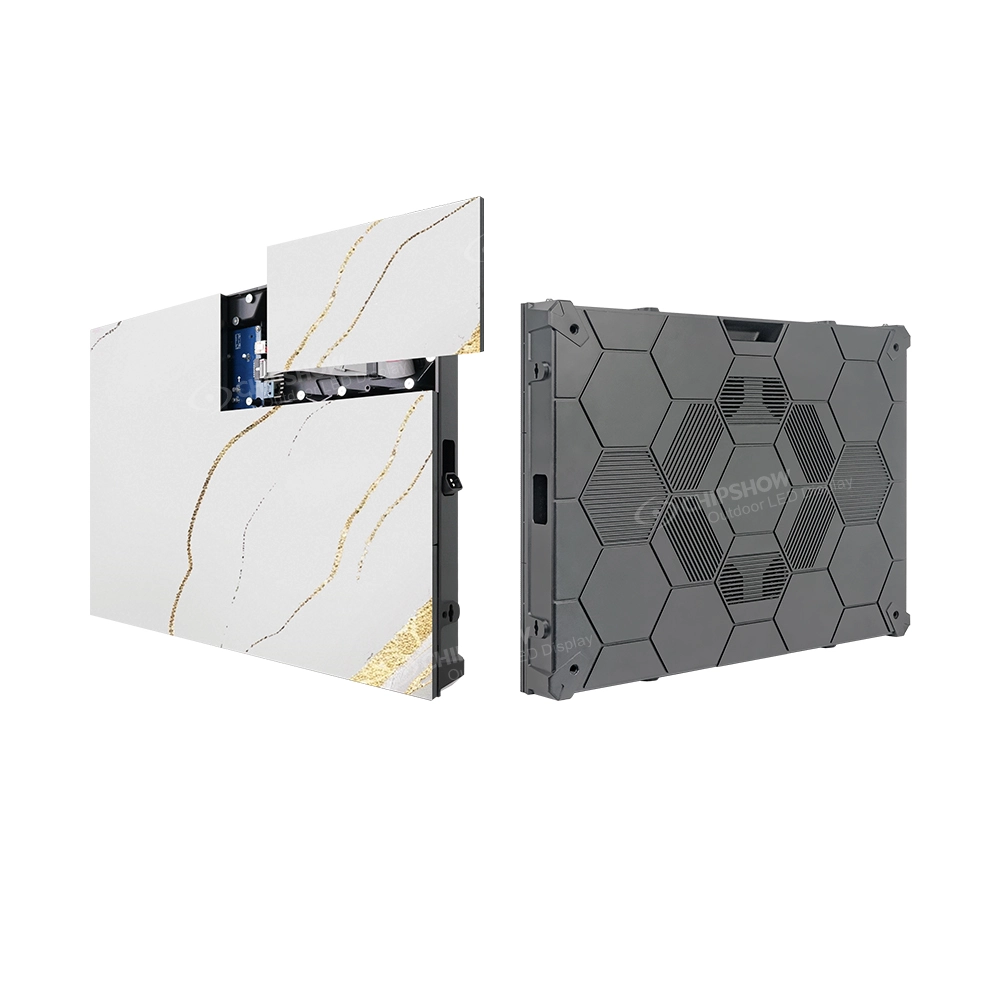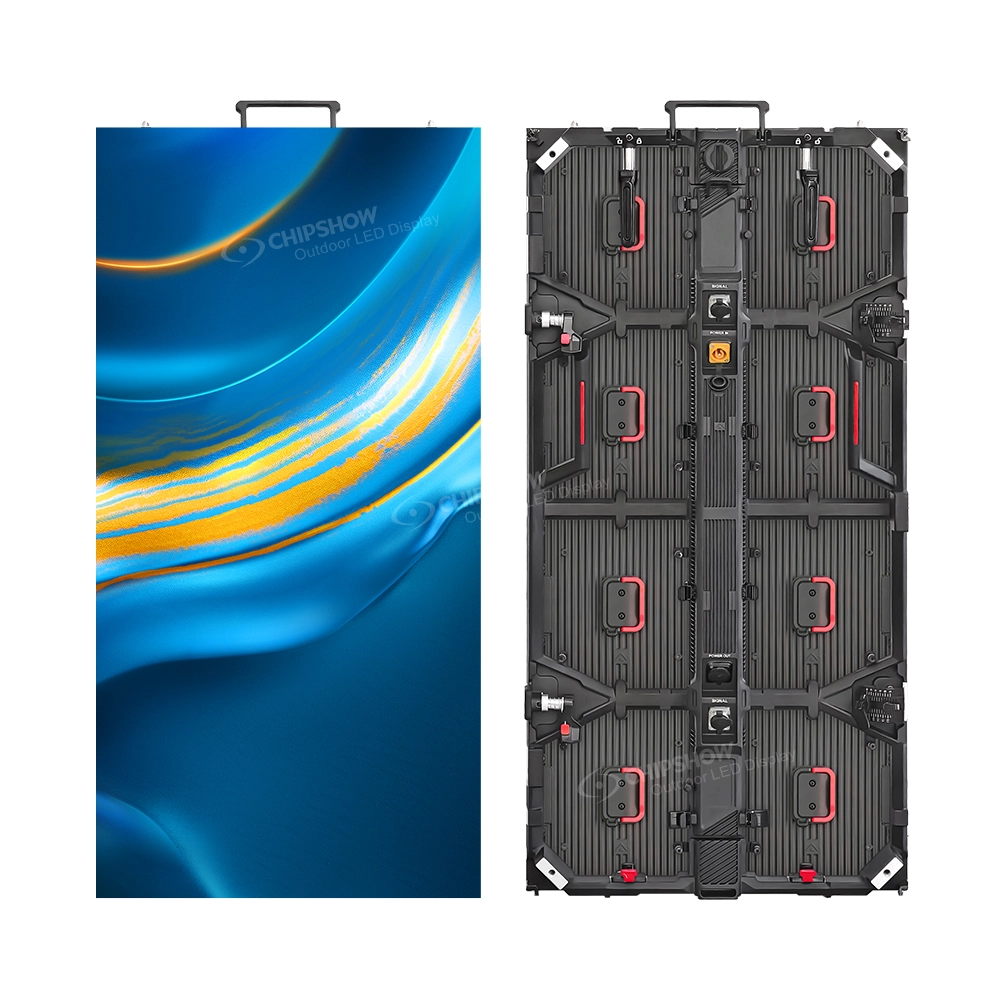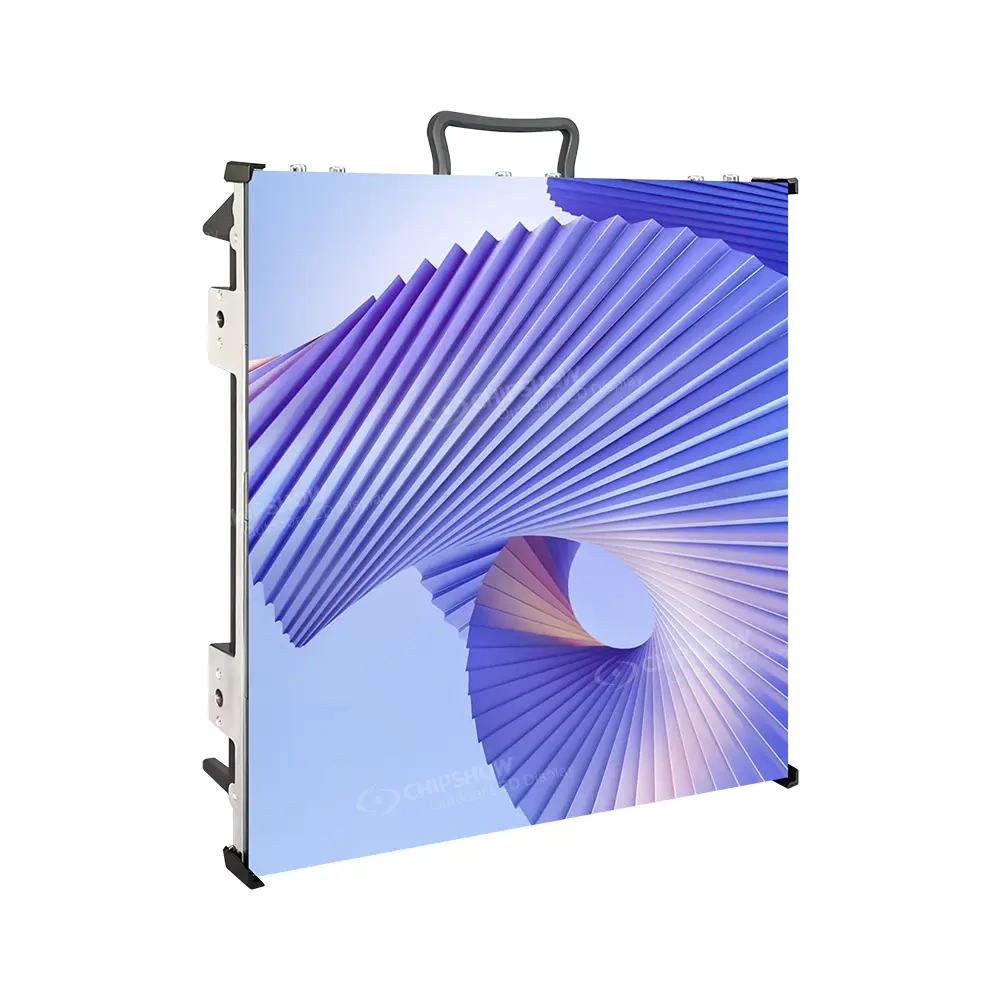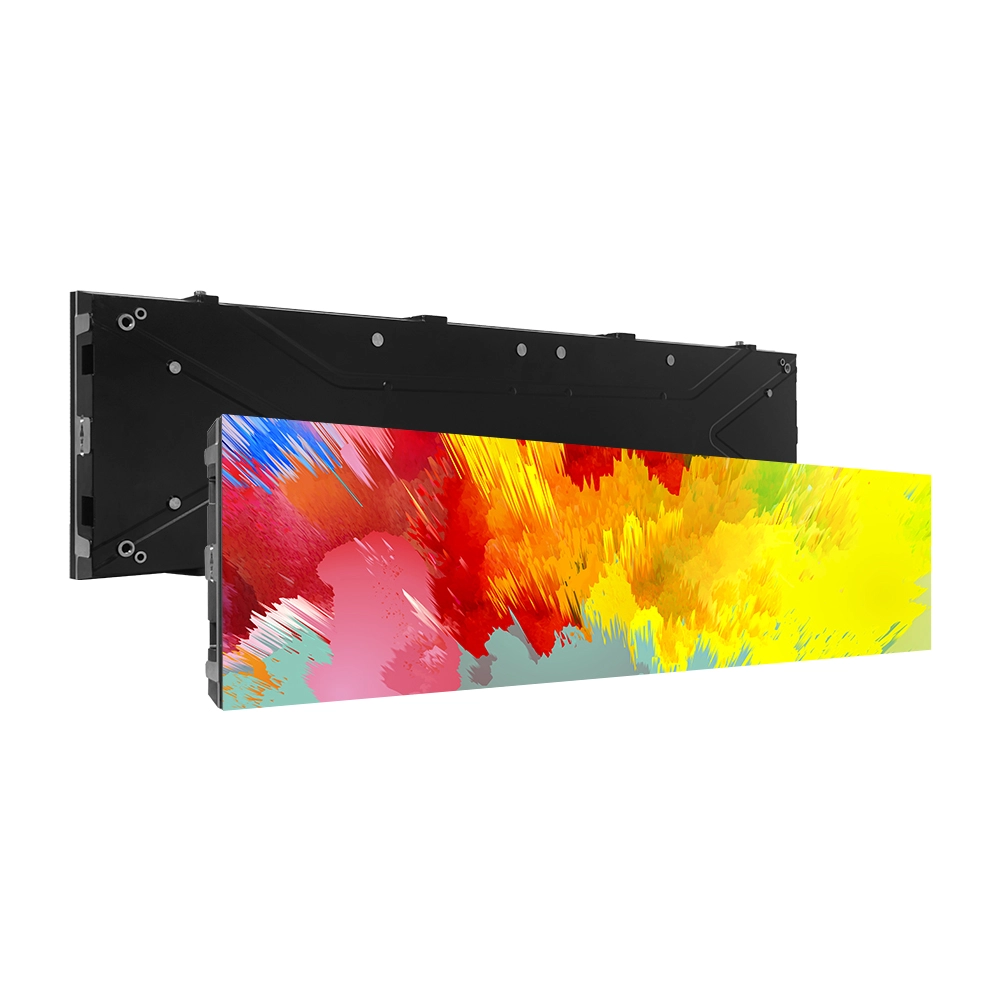
Center hung arena planning for owners operators consultants AV integrators and capital teams
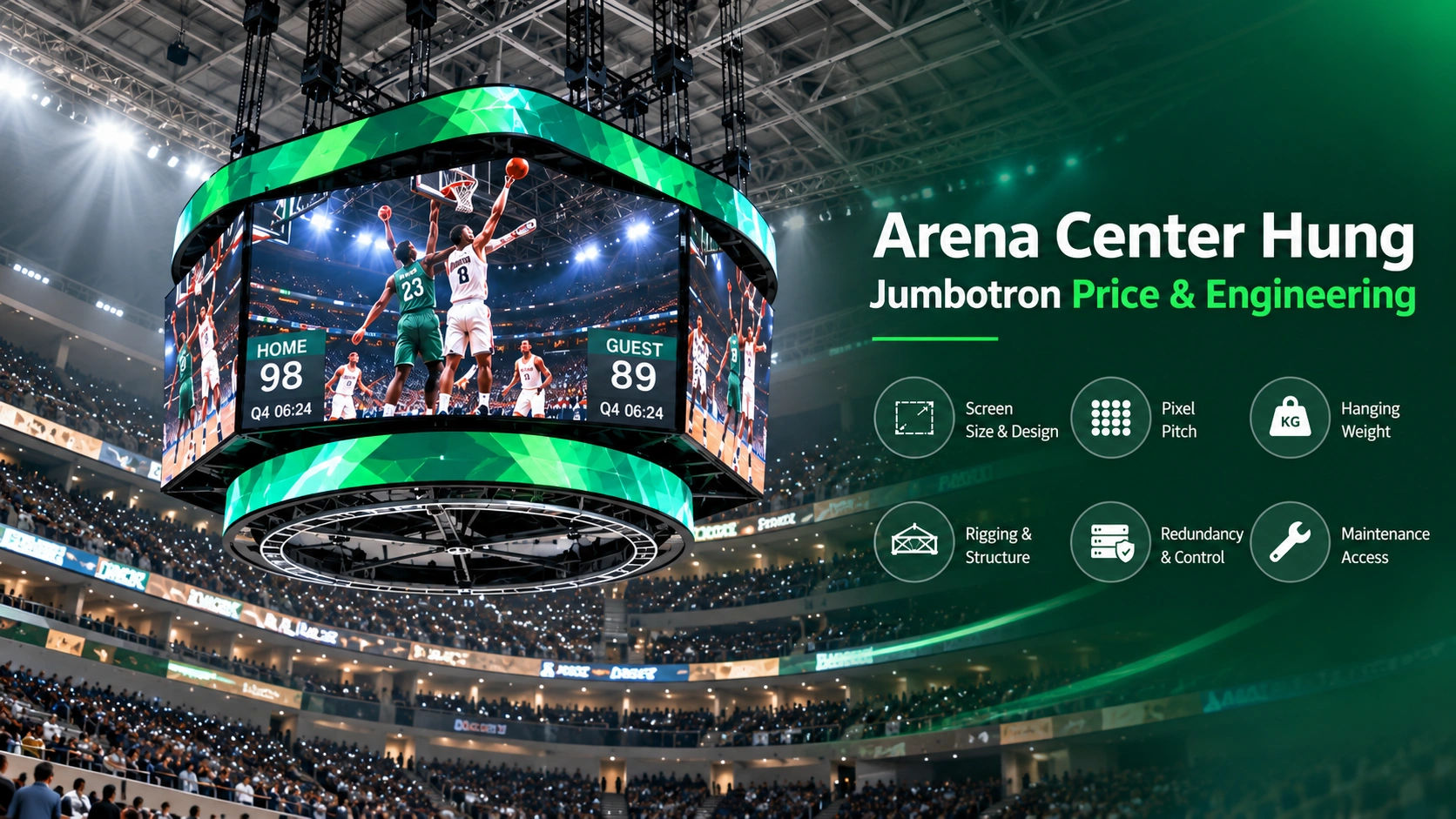
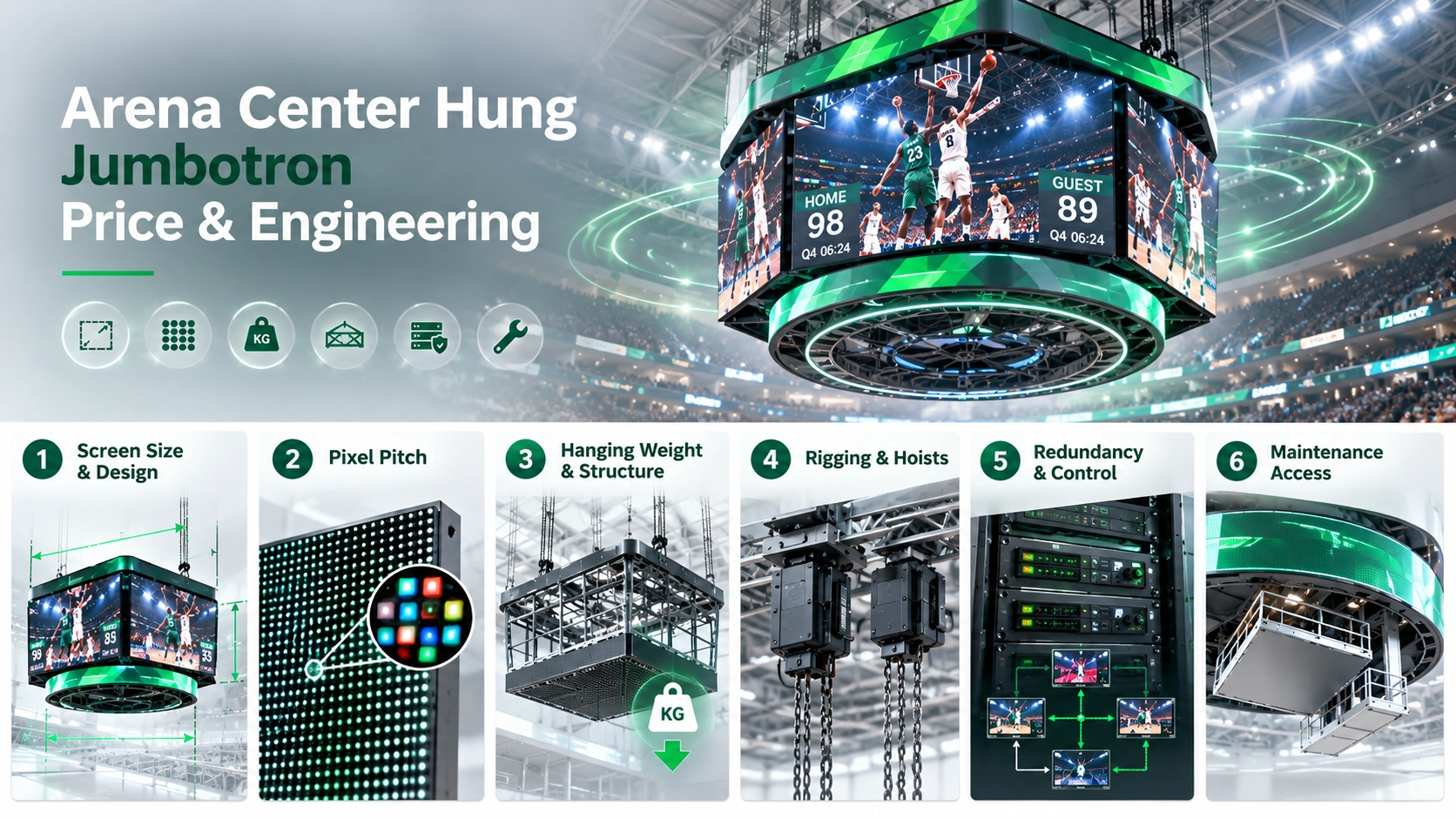
The LED display is only one line in an arena center hung jumbotron budget. The suspended system also has to account for rigging, supporting steel, hoists, controls, redundancy, maintenance access, local engineering and installation. Change the face dimensions or cabinet mass and several of those budget areas can change at the same time.
That is why a useful center hung price cannot begin with a generic cost per square foot. It begins with the arena geometry and the suspended system that the venue needs to operate safely through games, concerts and maintenance windows.
For Chipshow projects, the manufacturer side review focuses on display configuration, cabinet architecture, native pixel requirements, service access and the agreed LED hardware package. Those inputs give the arena consultant and local integrator accurate hardware data to coordinate with the venue structure, rigging, electrical design and field installation.
A center hung budget becomes reliable when LED performance and suspended system engineering are planned together.
For broader sports display planning across scoreboards perimeter boards fan zones and concourses see the Chipshow Sports and Stadium Solution. This guide stays focused on the center hung investment itself.
What Drives Center Hung System Cost
A center hung display sits above an occupied arena and must remain visible serviceable and dependable throughout the event calendar. That operating position changes the way the capital budget should be organized.
| Budget Area | What Changes the Cost | Chipshow Hardware Role | Arena and Local Project Scope |
|---|---|---|---|
| LED display faces | Face dimensions pixel pitch cabinet architecture and total pixel count | Display configuration cabinet data and manufacturer side hardware BOM | Final visual requirements and venue approval |
| Suspended structure | Display mass geometry framing and load distribution | Cabinet dimensions and published product weight data | Structural analysis steel design and stamped engineering |
| Rigging and hoists | Pick points suspended load operating height and movement requirements | Hardware interface information where applicable | Hoists motors rigging controls inspections and safety systems |
| Video control | Native pixel canvas number of faces and source workflow | Compatible display control hardware when included in the BOM | Venue switching scoring replay and data integration |
| Redundancy | Operational criticality and acceptable failure modes | Applicable power signal and spare hardware options | System level failover design and operating procedure |
| Maintenance access | Service direction working clearance and component replacement path | Product service architecture and component information | Catwalk lift access work procedures and local labor |
| Installation | Arena access schedule union requirements and commissioning window | Ready to install manufacturer side LED package | Rigging electrical installation testing and field coordination |
This framework explains why two center hung concepts with similar LED surface area can produce very different project budgets. One arena may already have usable roof steel and established rigging points. Another may require a new suspended frame and a different hoist strategy before the LED hardware is installed.
Screen Faces Change More Than LED Quantity
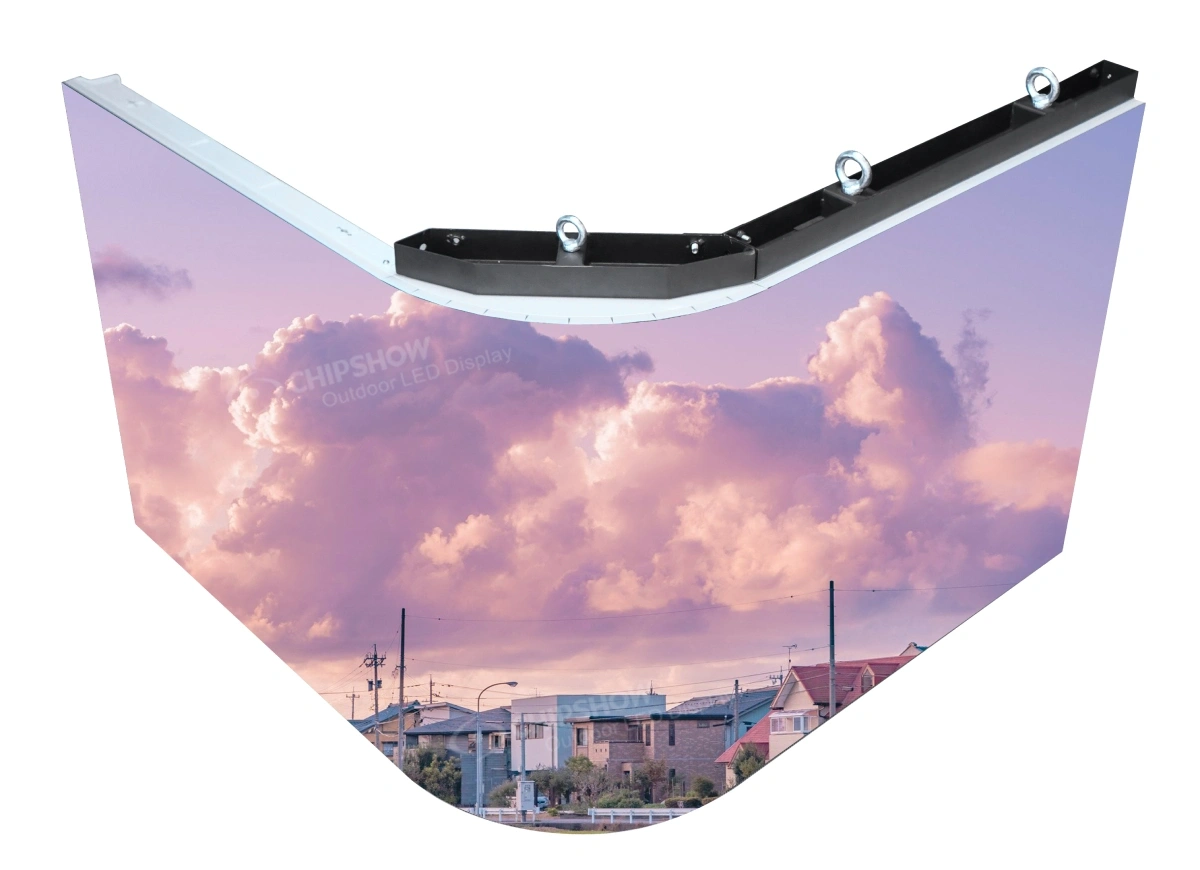
Four display faces are common because they address spectators around the bowl, but the geometry can expand beyond four rectangles. Upper sponsor bands lower rings corner transitions and additional fascia elements all add LED area while also changing framing power distribution processing and service access.
Capital planning therefore needs measurable face dimensions before a hardware budget becomes useful. A concept rendering can establish the visual intent. The budget begins to stabilize when each active face has a width height and planned relationship to the seating bowl.
Per Square Foot Pricing Has Limited Value
LED price per square foot can help compare technologies during an early study, but it does not describe installed center hung cost. Cabinet mass, service direction, structural framing and access can move the project budget far more than a small difference in LED unit price.
A lighter cabinet can reduce one part of the suspended dead load and give the engineering team more design flexibility. The final impact on steel pick points and hoists comes from the complete assembly, so those savings should be calculated inside the project rather than assumed from cabinet weight alone.
Screen Weight and Structure
Every component above the playing surface becomes part of the suspended load. The LED cabinet is important because it repeats across a large area, but the engineering calculation also includes framing trim power distribution cabling rigging hardware and any service structure carried by the assembly.
Start With the Complete Hanging Load
Chipshow provides the cabinet dimensions published weight data and hardware configuration needed by the project team. The venue engineer combines that manufacturer information with the supporting frame rigging components service platforms and other project elements to determine the total hanging load.
This division keeps the hardware data accurate while allowing the engineer responsible for the arena to evaluate roof capacity load paths seismic requirements and other local design conditions.
Lightweight Hardware Creates More Design Freedom
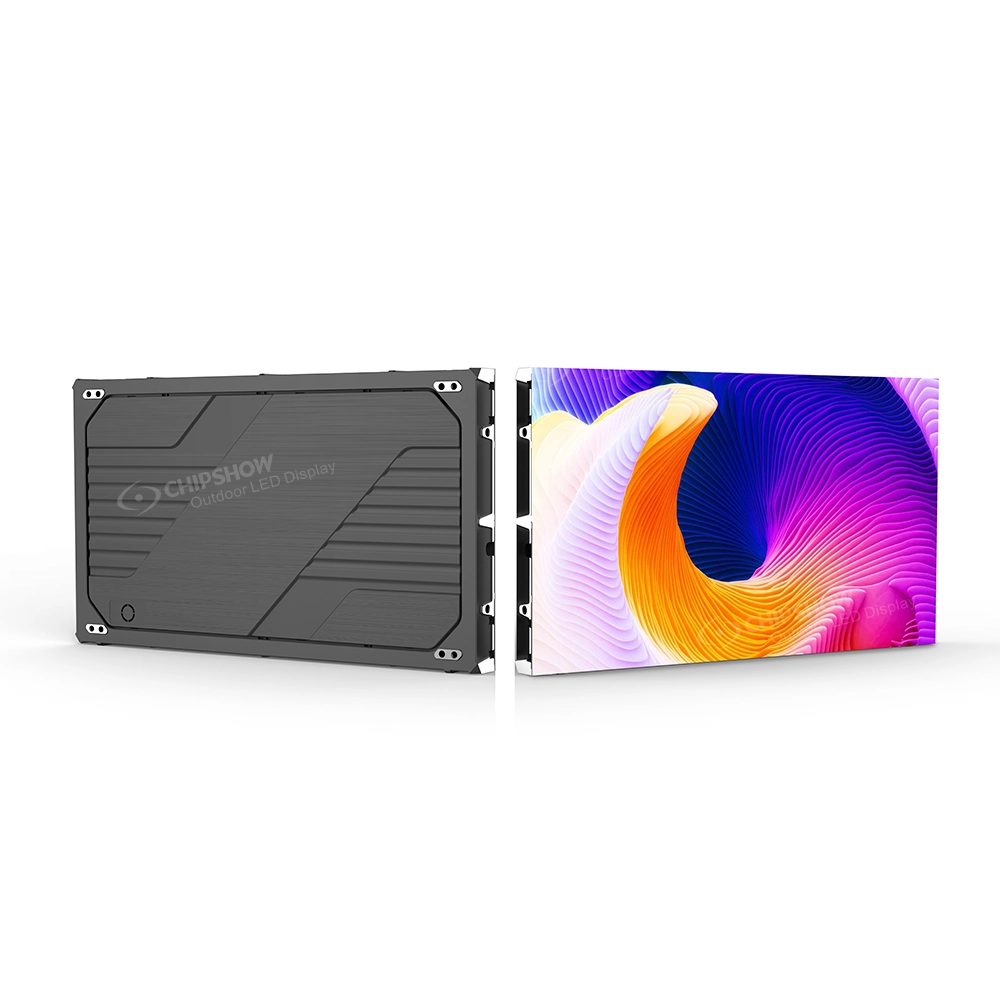
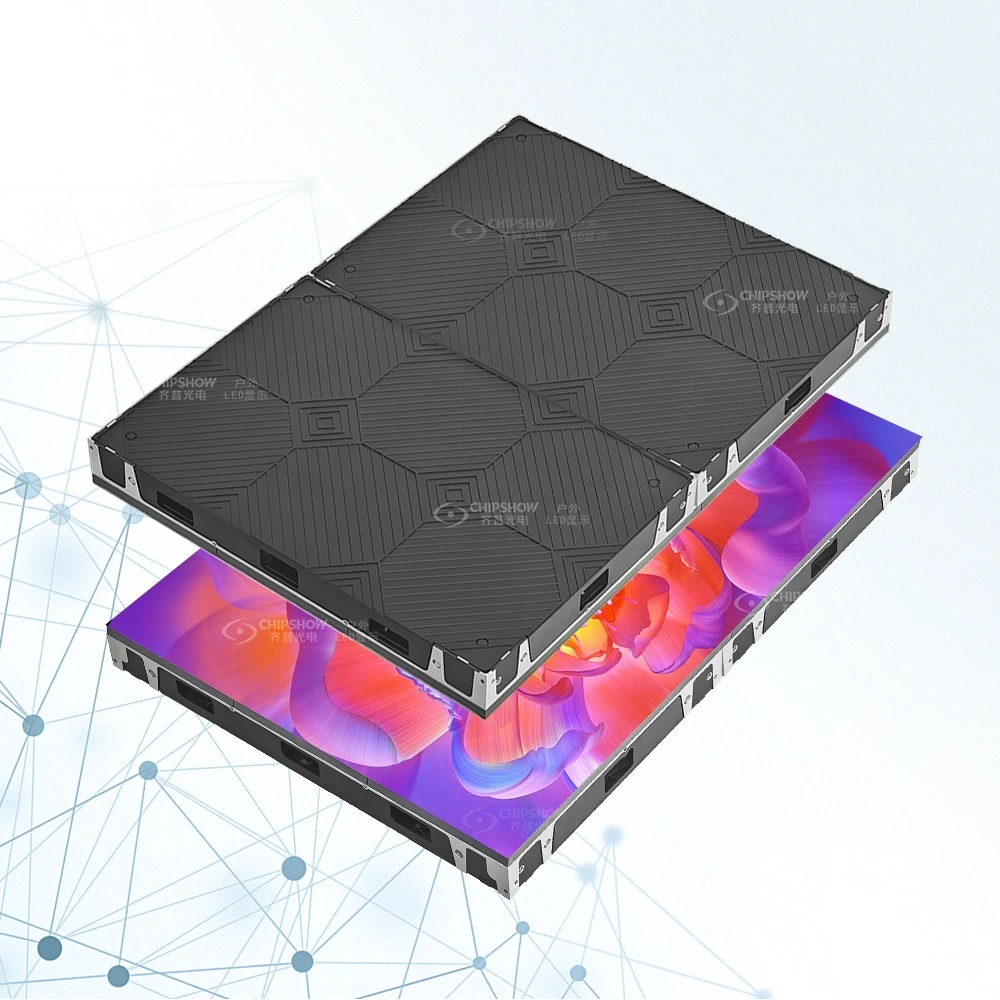
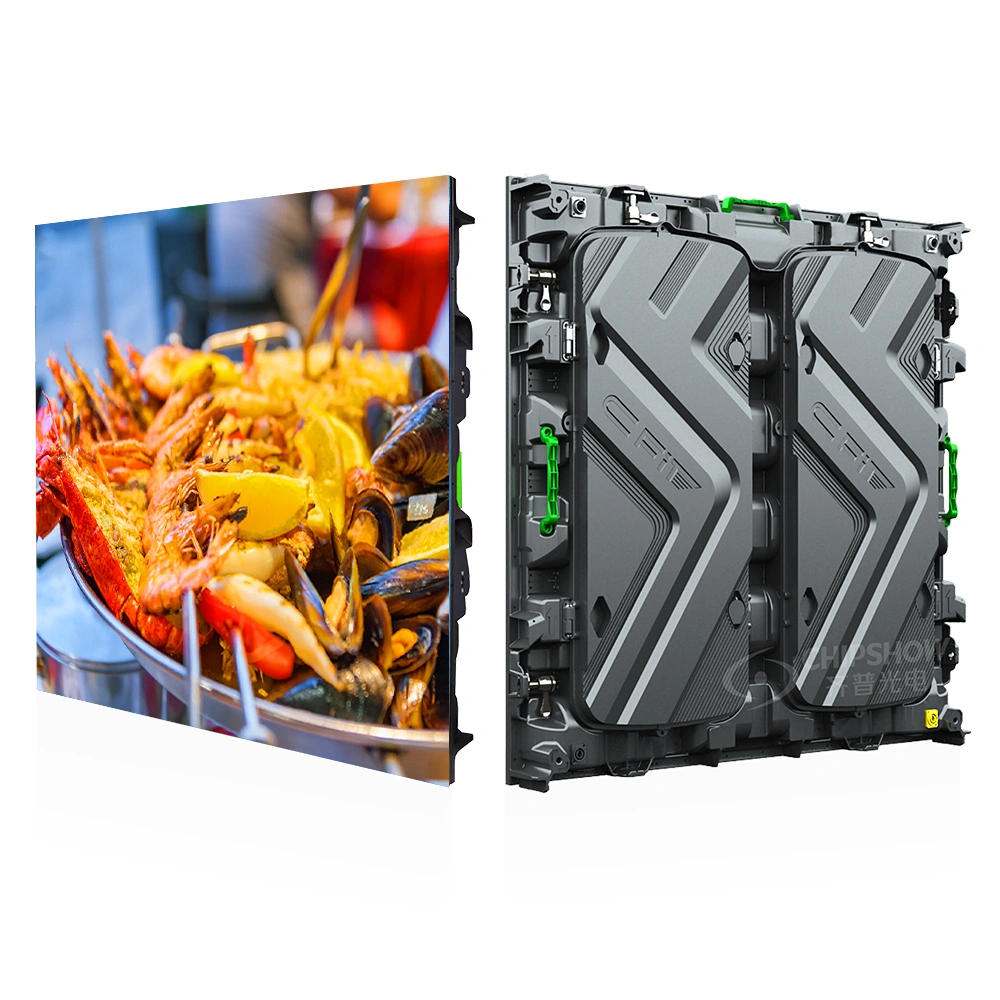
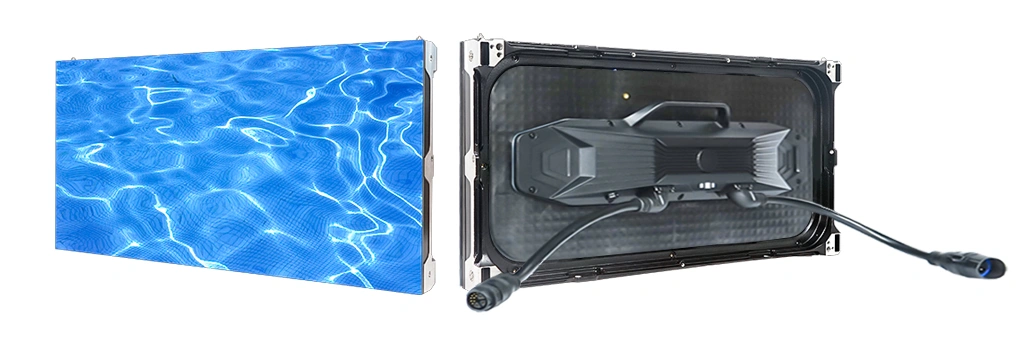
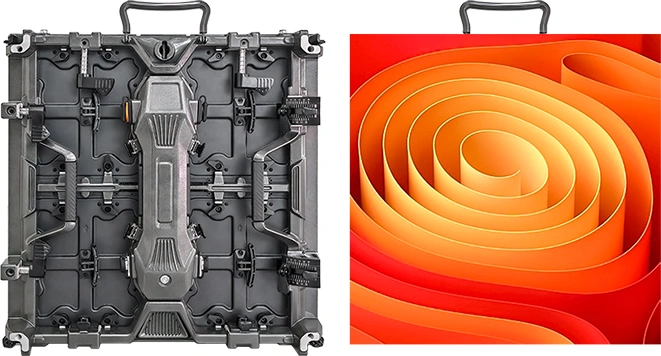
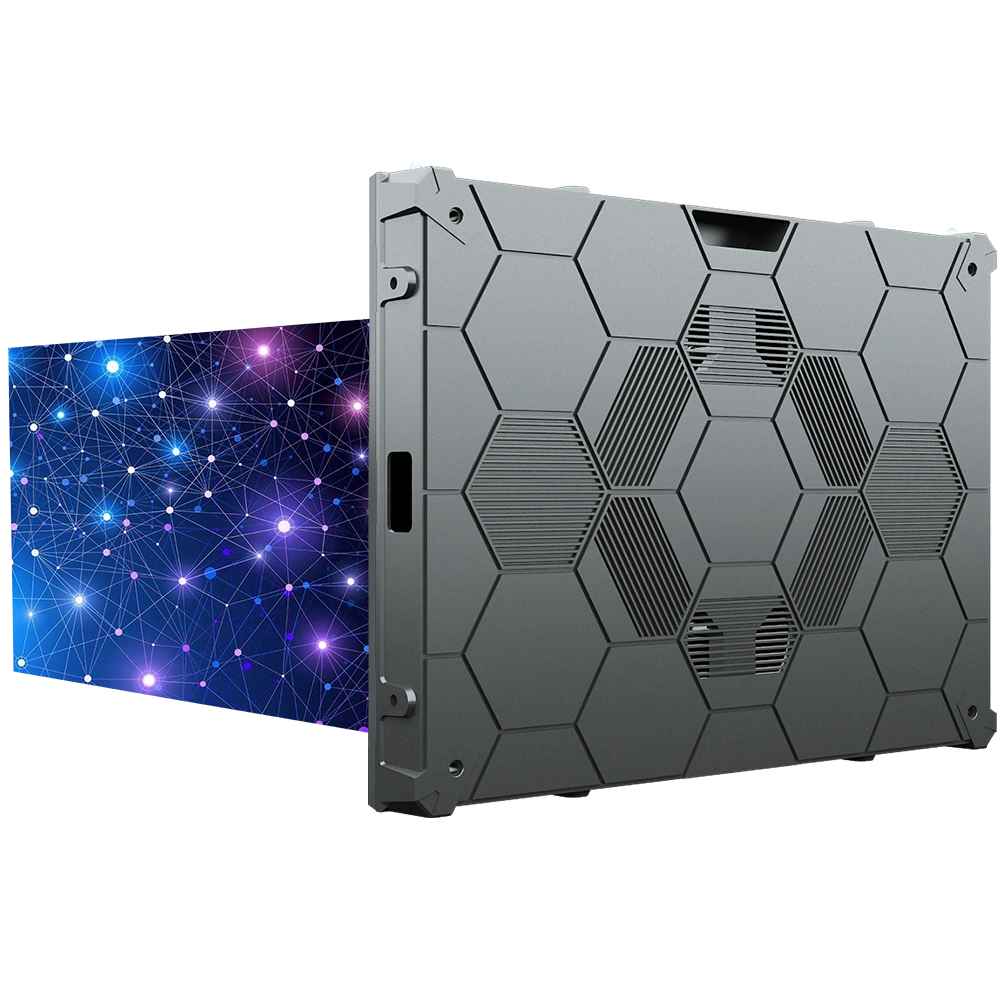
Lower cabinet mass can create valuable options when the arena is balancing screen size against a limited suspended load. The current C-Shine Plus indoor platform for example uses 500 by 500 mm and 500 by 1000 mm cabinet formats, and the 500 by 500 mm configuration is published at no more than 7 kg. It also supports front and rear service.
Those characteristics make the C-Shine Plus platform a useful reference when a project team is studying weight service access and modular cabinet geometry for an arena application. The center hung hardware package is then defined around the permanent duty requirements and suspended system developed for the venue.
Existing Arena Structure Can Shape the Display
A retrofit arena often starts with more constraints than a new building. Existing roof steel hanging points catwalks and scoreboard equipment can influence the maximum display size and the preferred service path before the LED pitch is finalized.
A new arena gives the design team more freedom to coordinate the display load during building design. In both cases, early exchange of cabinet data and proposed screen geometry helps the structure and LED package develop together instead of forcing late changes after the display has already been specified.
Safety Requirements Stay Project Specific
Center hung assemblies operate over spectators athletes and event staff, so suspended structure and rigging require qualified engineering and the applicable local review. Chipshow supports that process with manufacturer side drawings and product data for the quoted hardware. The project team applies the venue criteria safety factors inspection requirements and Authority Having Jurisdiction rules that govern the installation.
Pixel Pitch and Viewing Geometry
Center hung pixel pitch should be selected from the seating bowl inward. The screen may be physically large, yet some spectators in the lower bowl can sit close enough to see pixel structure that upper bowl viewers never notice.
Lower Bowl Seats Often Set the Detail Requirement
Using only the farthest seat can lead to a pitch that looks adequate from the upper deck but coarse to premium seats near the court or ice. Using only the closest seat can push the entire project toward pixel density that most of the arena cannot use.
A stronger design identifies the closest meaningful viewing zone, typical lower bowl distances and upper bowl sightlines. That geometry gives the LED team a more realistic basis for comparing pitch and face dimensions.
Screen Size and Pitch Work Together
A larger face makes replay and score content physically bigger for distant spectators. A finer pitch increases the pixel density inside that face. Those two variables should be evaluated together because either one can change the amount of readable information the display can carry.
In some arenas, increasing the face dimensions produces more value than moving to a finer pitch. In compact venues, the opposite can be true because close seating makes the pixel grid more visible. Calculating the native resolution of each proposed face makes the tradeoff visible to the capital team.
Content Determines Useful Resolution
Sports content combines replay video scores clocks sponsor graphics player information and statistics. Large replay imagery can remain effective at long distance while dense statistics and small text require more pixel detail. The content layout should therefore inform the screen geometry before the final pixel count is purchased.
The goal is not maximum resolution. It is enough resolution for the information spectators need from the seats they occupy.
Arena Camera Use Belongs in the Hardware Review
Center hung displays frequently appear in television streaming and in venue camera feeds. Refresh performance camera angle shutter behavior and moire should therefore be part of the technical review, especially when the display carries replay or sponsor content that will be seen on camera.
Chipshow global concert material documents an EU indoor arena project that used C-Shine Plus P2.6 for IMAG screens during a live DVD recording. That project demonstrates the platform in a camera facing arena environment. For a permanent center hung system, the camera requirement is combined with the venue suspended load service and uptime requirements before the final hardware package is approved.
For a deeper camera engineering discussion see the 4K Jumbotron for Live Broadcasting Guide.
Redundancy and Live Operation
A center hung screen becomes part of game day operations. Once spectators depend on it for scores replay sponsor content and venue messaging, the budget has to include the recovery paths that protect live operation.
Define the Failure the Venue Cannot Accept
Redundancy planning starts by identifying what must stay on screen if a component or signal path fails. A venue may require backup video processing alternate data paths redundant power for critical sections or a defined spare hardware strategy. The design should match the operational consequence of an outage rather than apply the same backup level to every component.
Chipshow can coordinate the applicable display side power signal and spare hardware inside the agreed BOM. The venue production team and local integrator then connect that display architecture to scoring replay switching and facility signal systems.
Controller Backup and Display Redundancy Are Different
A screen can have serviceable LED modules and still go dark if the only processor loses signal. It can also have a backup processor while an upstream source remains a single point of failure. Center hung reliability therefore needs an end to end view of the display path.
Sports perimeter systems may use different redundancy features because they solve a different field level problem. The C-Sport perimeter platform is one example of a sports product with application specific backup options. Center hung redundancy is planned around the arena system and documented in its own BOM.
Spares Protect Game Day Uptime
Not every hardware issue requires a fully redundant second system. Planned LED modules power components receiving hardware and other project specific service parts can reduce recovery time when stored with the venue.
The spare package is most useful when it is established with the original hardware order so the operations team knows what is available before the first season begins.
Failover Should Be Tested Before Opening
Commissioning should verify the recovery paths that matter to the arena. Local integration and venue production teams should know how to switch processors isolate a fault and restore a display section within the operating procedure designed for the facility. Chipshow supports that process with the applicable display side hardware information and configuration data.
Maintenance Access
A center hung display can turn a simple module replacement into a costly maintenance event when access is added after the structure has already been built. Service direction should therefore be treated as an engineering and budget decision from the beginning.
Front Service Can Reduce Rear Clearance
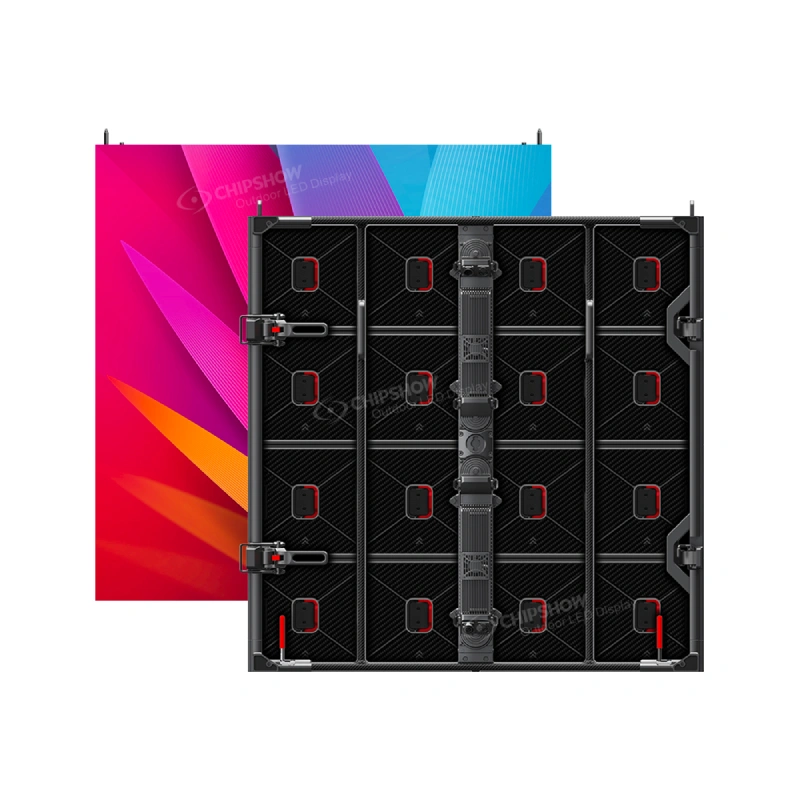
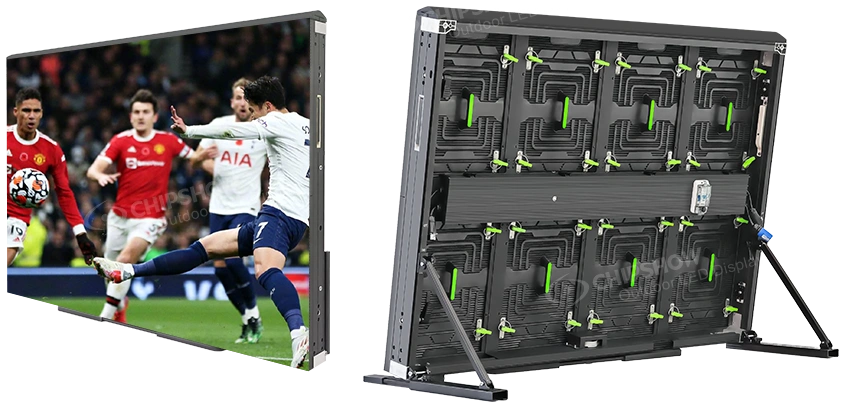
Front service architecture can be valuable when the suspended structure cannot provide generous working space behind every LED face. Chipshow C-Max SMD is built around 100 percent front access to modules power supplies and receiving cards, illustrating how a fixed indoor platform can reduce rear service depth.
The C-Max SMD platform provides a useful reference for front service planning. In a center hung system, the service method is coordinated with technician position module removal path secondary safety and the framing behind the LED face.
Rear Service Can Support Internal Access
Some center hung structures provide an internal maintenance area that allows technicians to work behind the display faces. In that architecture, rear access can provide a direct route to power and signal components without removing modules from the visible surface.
The preferred service direction depends on the internal geometry and how safely personnel can reach each component. A project that resolves this early can keep the frame more efficient and avoid expensive access changes after fabrication.
Catwalks and Lifts Change TCO
Access equipment can become a recurring operating expense. If every service event requires a specialized lift court closure or extensive rigging preparation, routine maintenance carries a much higher labor cost. An internal catwalk can improve access but also adds weight framing and capital expense.
The correct choice depends on the arena schedule and service philosophy. Center hung TCO should include the method the facility will actually use rather than evaluating hardware price in isolation.
Component Replacement Needs a Physical Path
Serviceability is proven by the replacement path. Technicians need enough clearance to remove modules power supplies and receiving hardware safely. Replacement parts need to reach the service position, and cabling should not block routine access. Solving those details during design protects both uptime and maintenance labor after opening.
For a broader explanation of Chipshow manufacturer side installation support and integrator responsibilities see the LED Display Installation Support Guide.
Budget Request Checklist
A useful center hung budget request gives the LED manufacturer enough venue information to configure the display without asking the hardware supplier to guess the arena structure. The following inputs allow the hardware plan to move quickly from concept to a project specific BOM.
- Arena drawings and available information for the proposed hanging points
- Number of LED faces and proposed active width and height for each face
- Lower bowl and upper bowl viewing distances
- Intended content including score data replay video sponsor graphics and statistics
- Existing scoreboard replay processor and venue video infrastructure where relevant
- Broadcast and camera requirements that affect the display
- Known suspended load or structural constraints supplied by the project engineer
- Planned service concept including internal access front service rear service catwalk or lift use
- Redundancy and game day uptime requirements
- Project city target installation period and required hardware schedule
These inputs do not need to represent a finished engineering package. They give Chipshow the context needed to calculate display geometry native pixel load cabinet count and the manufacturer side hardware package while the arena engineer continues developing the suspended structure and rigging design.
If the project is still in capital planning, approximate face dimensions and seating geometry can support an early budget comparison. As engineering progresses, the LED configuration can be refined against the actual hanging and service conditions.
For broader stadium and special application cost context see the Special Applications LED Screen Cost Guide. Center hung planning adds the suspended system cost layers covered here.
Frequently Asked Questions About Arena Center Hung Jumbotrons
What Makes a Center Hung Jumbotron Expensive
The LED display is one part of the system. Screen geometry suspended steel rigging hoists control hardware redundancy service access local engineering and field installation can all influence the final capital cost. These areas also interact. A change in cabinet mass or face dimensions can change the structural and rigging design, which is why LED price per square foot does not represent the complete center hung budget.
How Does Total Hanging Weight Affect Arena Cost
Total hanging weight influences the structural and rigging calculations used to support the display. The engineer evaluates the complete suspended assembly rather than the LED cabinets alone. Lower cabinet mass can create more design freedom, while the final steel hoist and pick point requirements come from the project specific structural calculation.
What Pixel Pitch Is Appropriate for a Center Hung Display
The appropriate pitch depends on face dimensions the closest meaningful lower bowl viewing distance upper bowl geometry and the content the display needs to show. A finer pitch can improve close range detail but also increases total pixel count and processing demand. The most useful specification matches pixel density to the seating bowl and content strategy.
What Redundancy Should a Live Arena Screen Have
The venue should identify which failures would materially disrupt game day operation and then design backup processing signal paths power architecture and spare hardware around that risk. Chipshow can coordinate the display side redundancy options included in the hardware package, while the venue production and integration teams define the complete end to end failover workflow.
How Does Chipshow Work With the Local Arena Team
Chipshow supplies the LED display hardware manufacturer side technical information display configuration and agreed hardware BOM. Qualified local engineers integrators and contractors coordinate the arena structure rigging electrical systems installation and other site specific scopes. This channel friendly model gives the project direct manufacturer support on the LED package while preserving the local team’s control of field delivery and customer responsibilities.
An arena center hung jumbotron project begins with display size seating geometry content maintenance redundancy and venue conditions. Share the proposed screen dimensions number of faces viewing distances available venue information broadcast needs maintenance concept and project schedule with Chipshow.
Chipshow can define the LED configuration cabinet architecture native pixel requirements and manufacturer side hardware package for review. Qualified venue engineers integrators and contractors continue to coordinate the suspended structure rigging electrical scope and local installation. Request a Center Hung Hardware Review when the display concept and project requirements are defined.