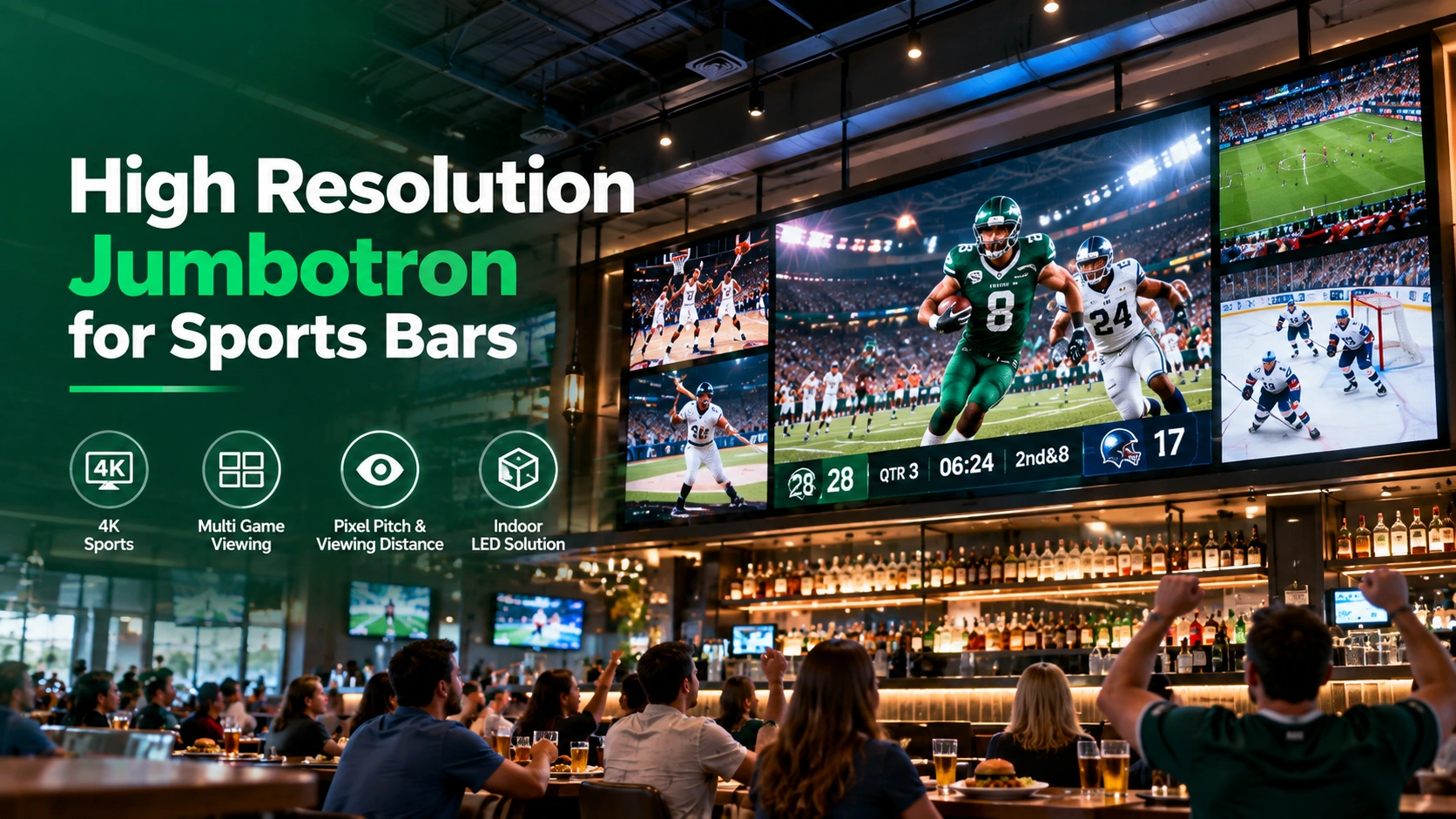
A sports bar can install a massive LED wall and still disappoint guests if the nearest tables see the pixel grid, secondary games are squeezed into unusable windows, or routine service blocks part of the dining room.
That is why screen size alone does not define a high resolution jumbotron for sports bars.
Hospitality venues create a viewing environment unlike a stadium or a conference room. Some guests may sit only a short distance from the screen, while others watch from the opposite side of the room. Columns, bar fixtures and seating orientation can interrupt sightlines. One major game may fill the entire wall on Saturday night, while the same screen may need to show several games at once on Sunday afternoon.
Chipshow configures its indoor LED platforms around that operating reality.
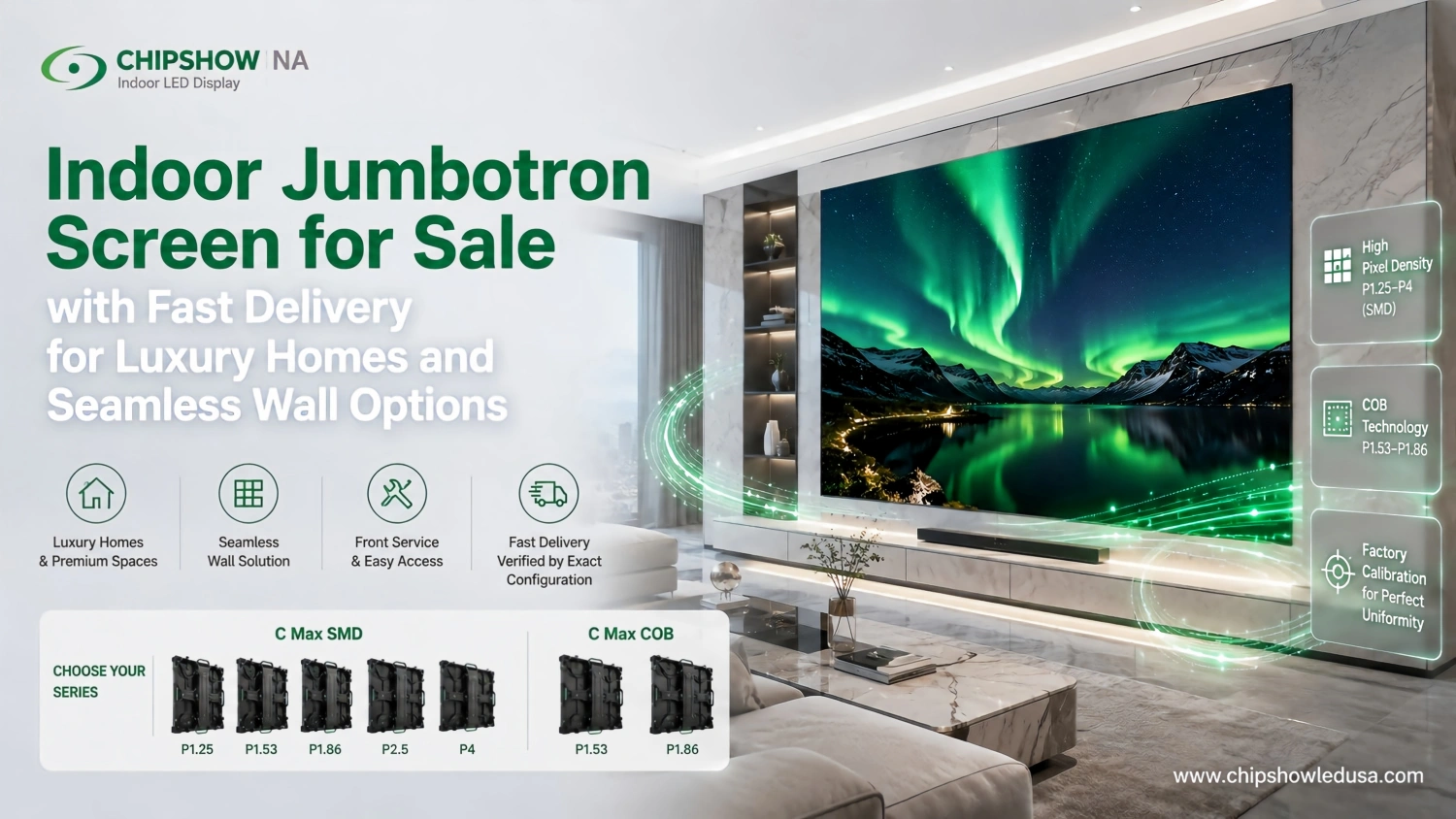
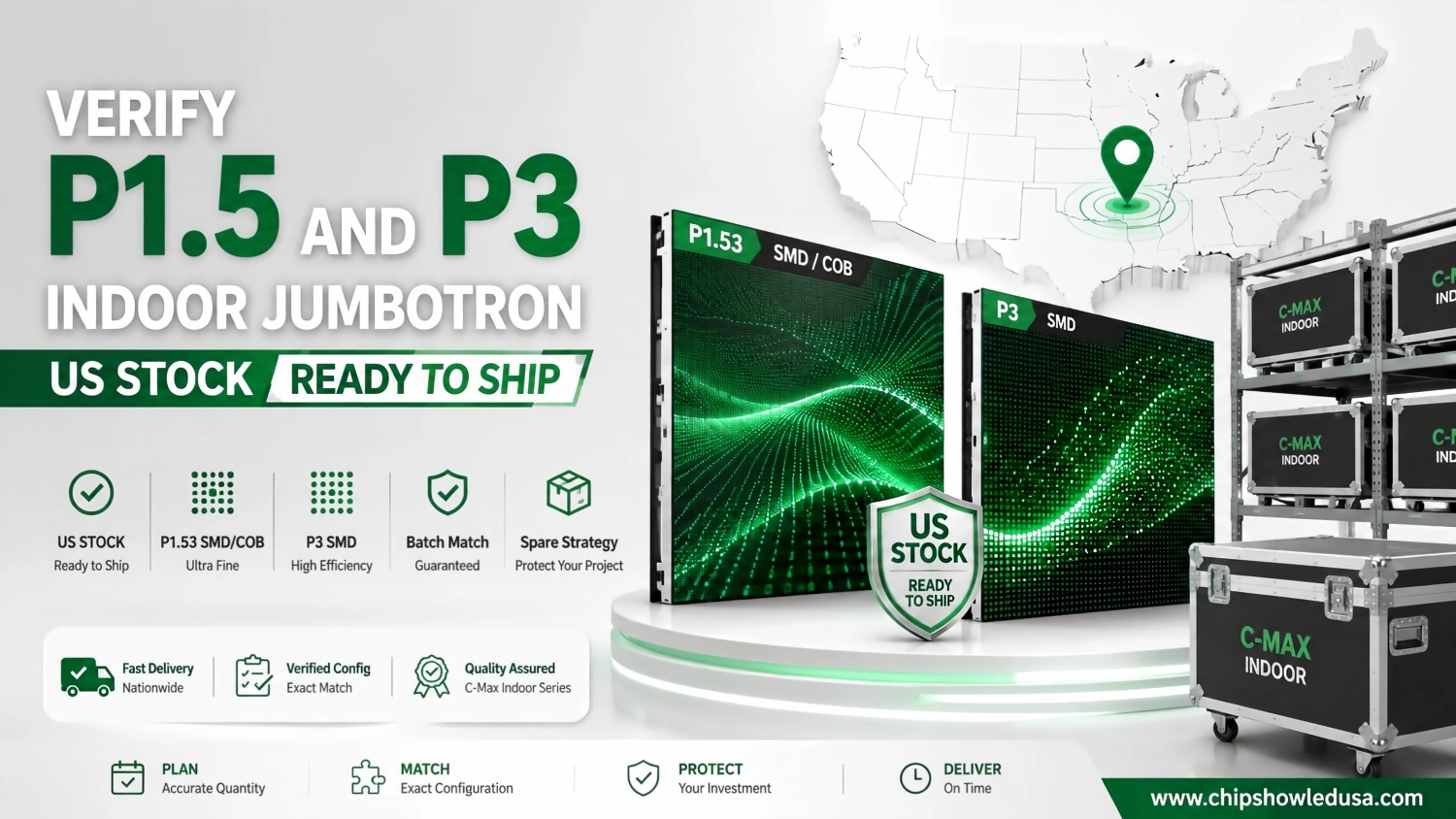
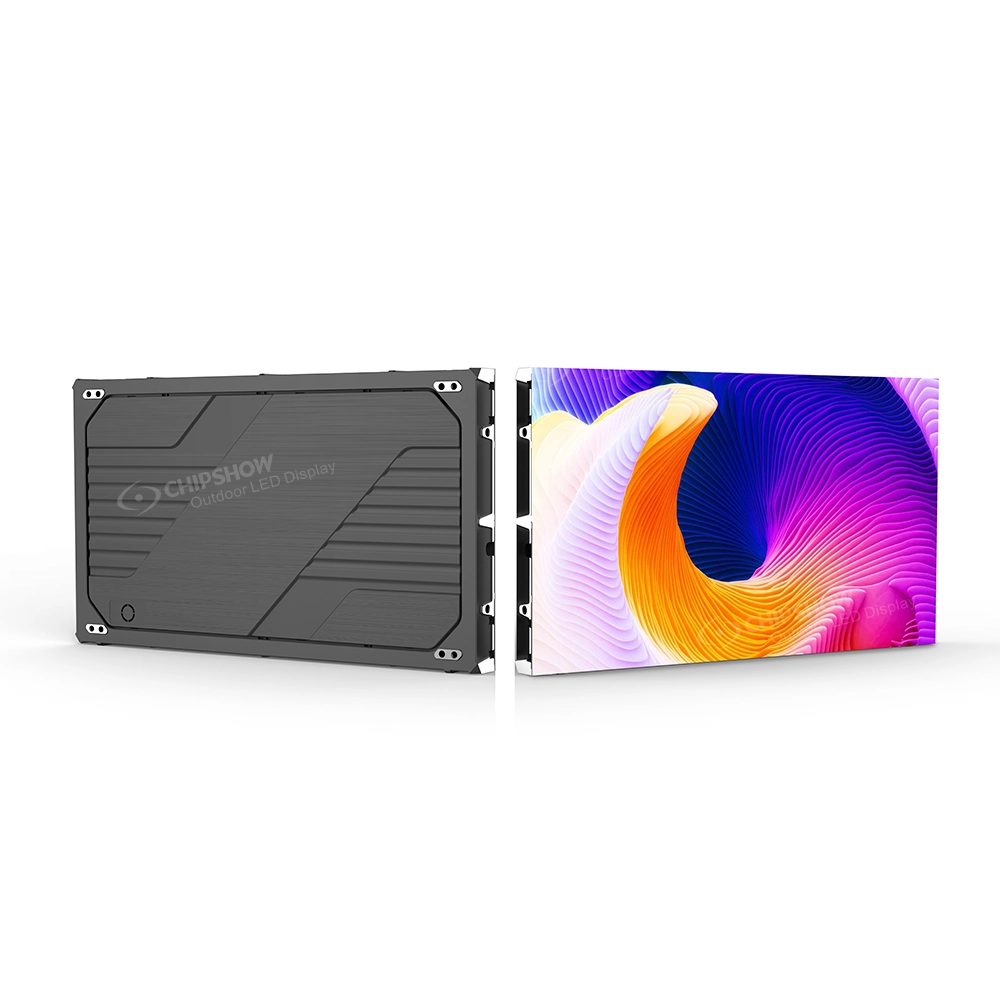
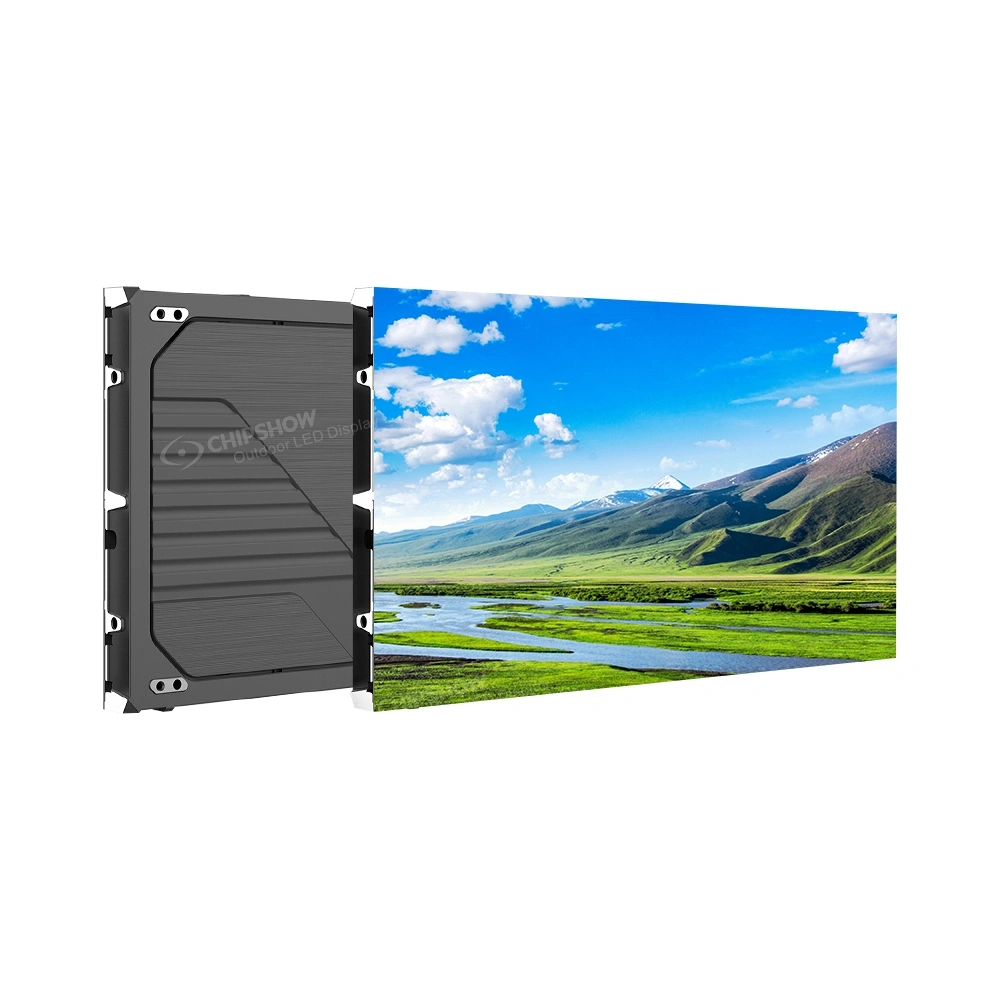
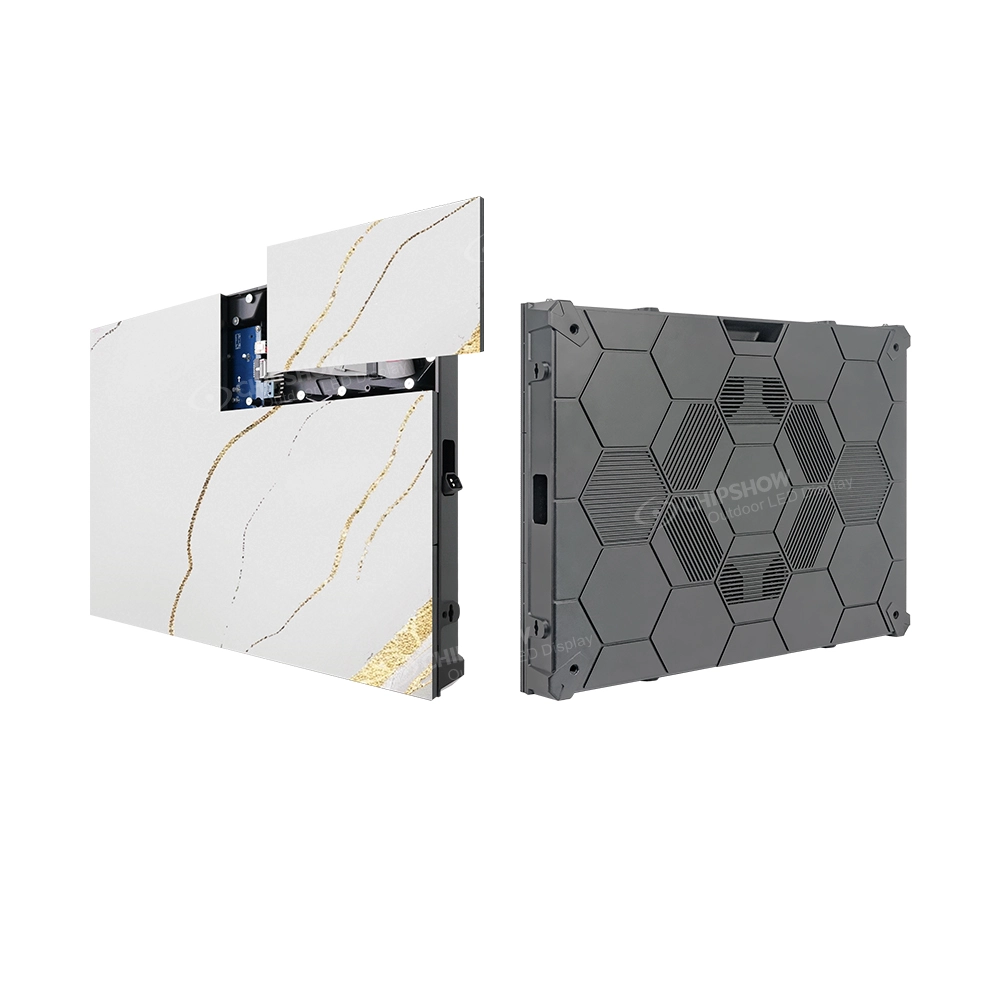
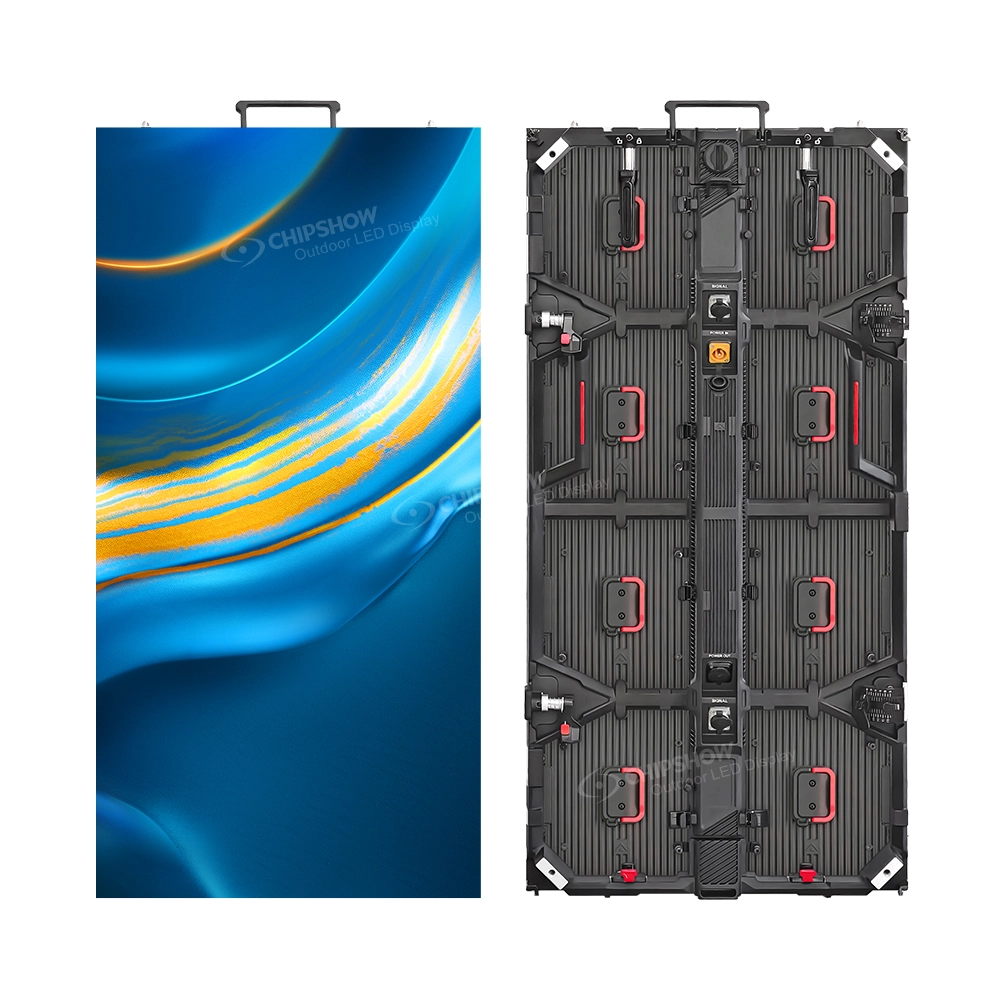
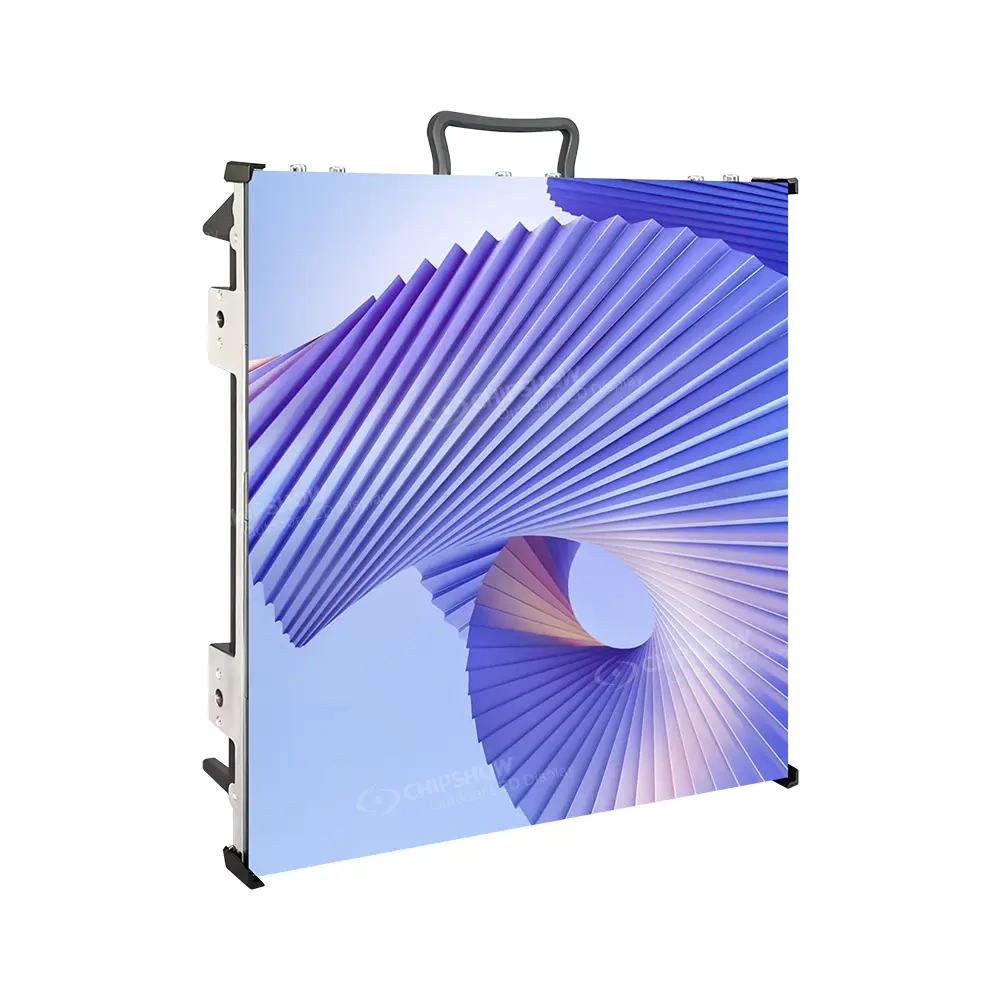
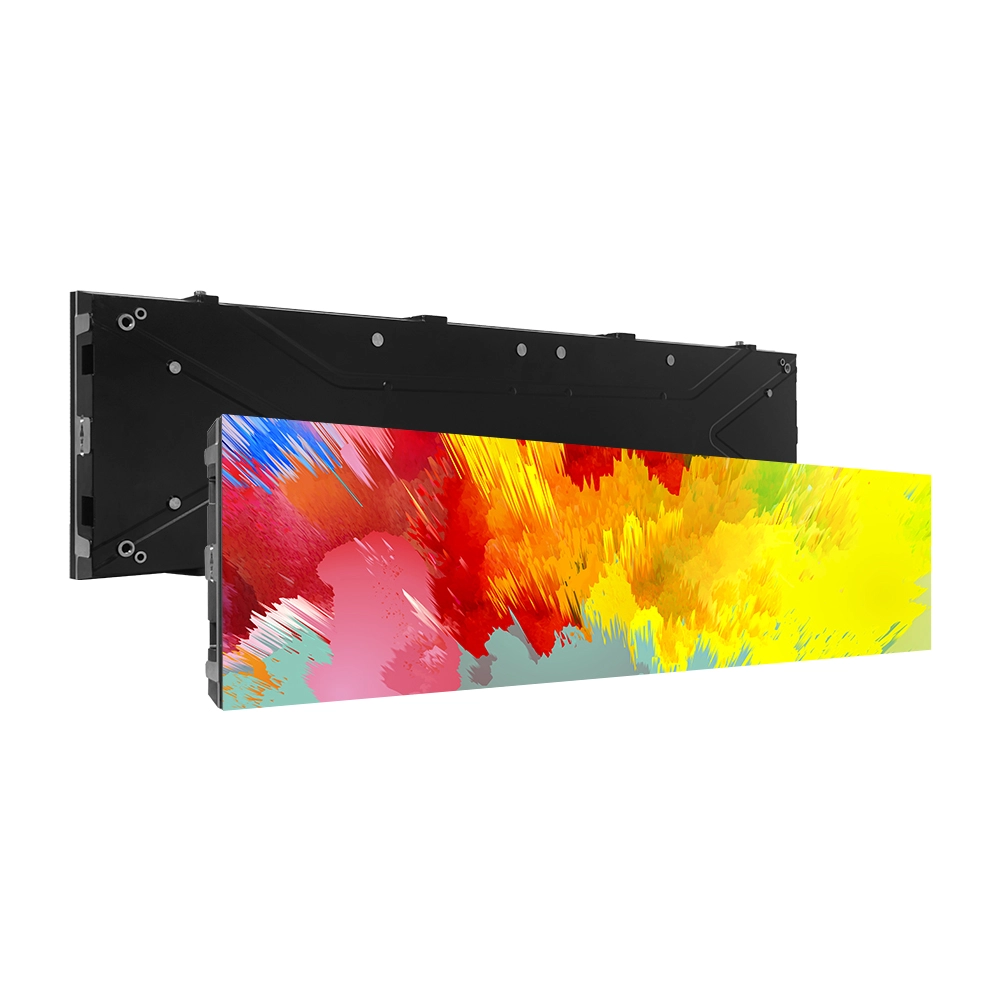
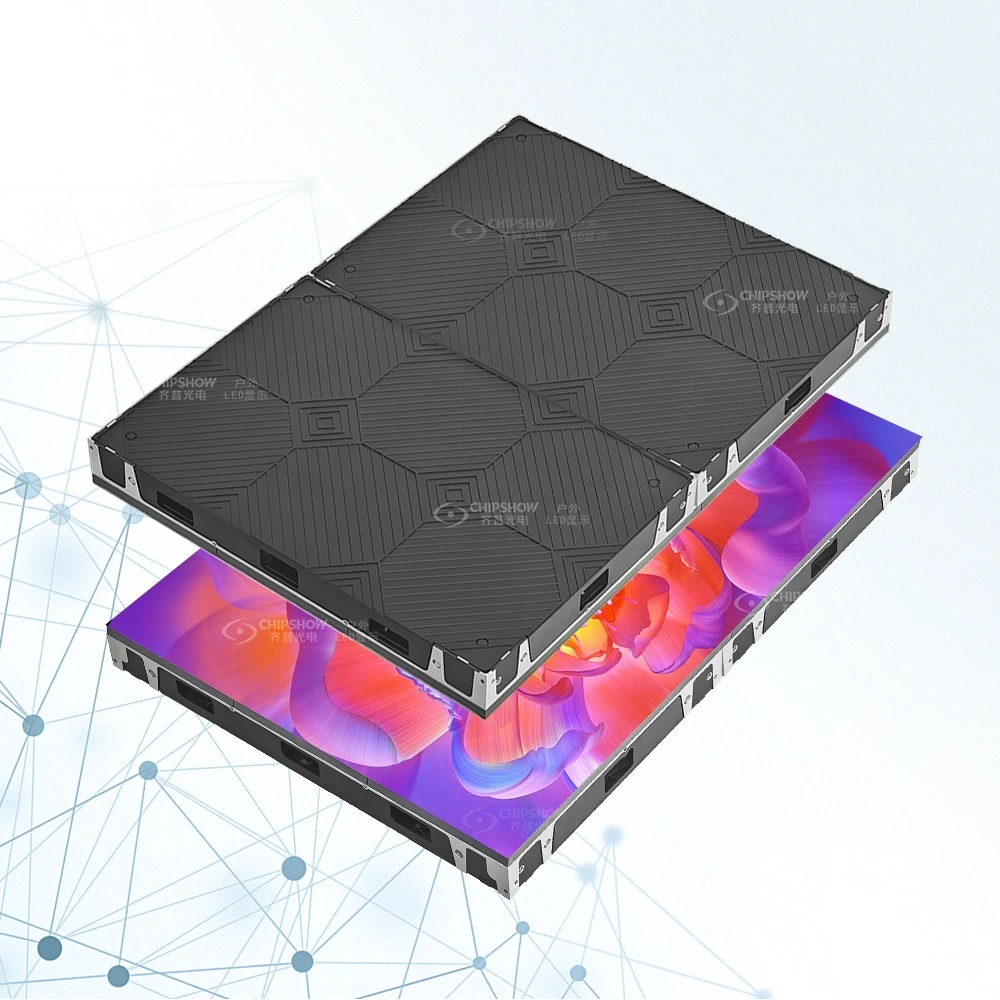
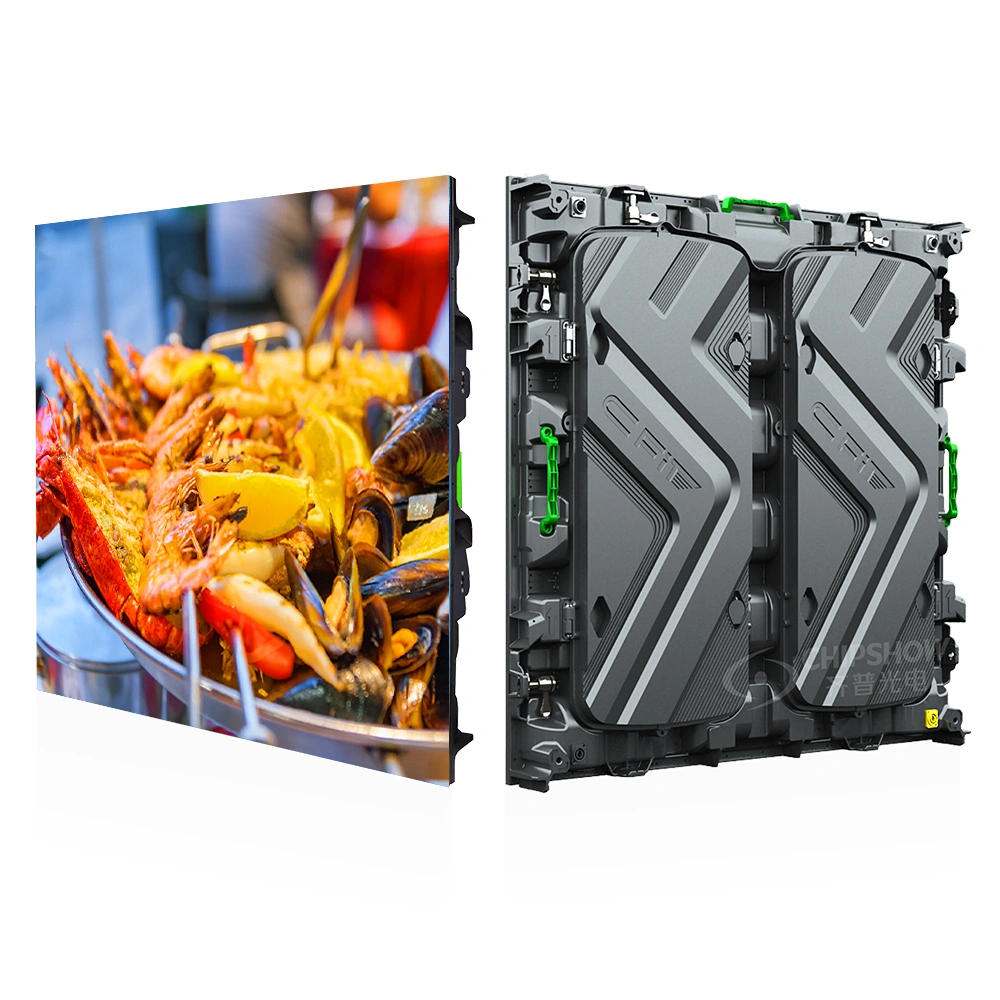
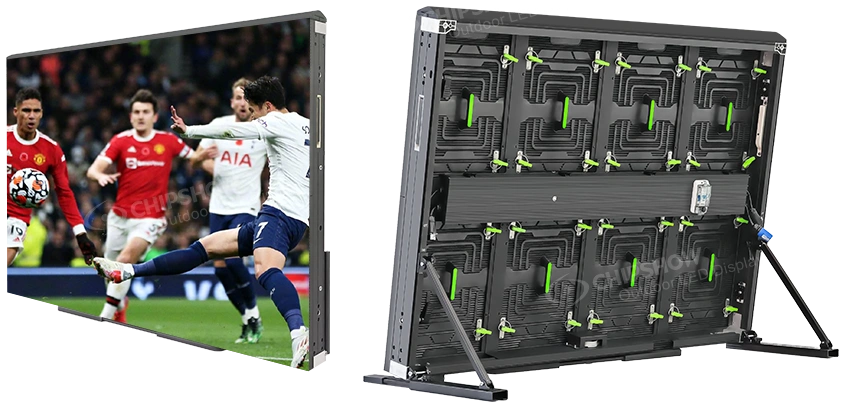
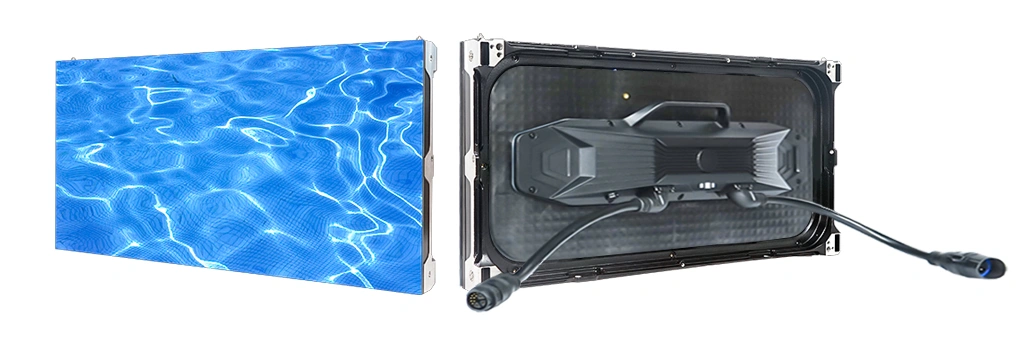
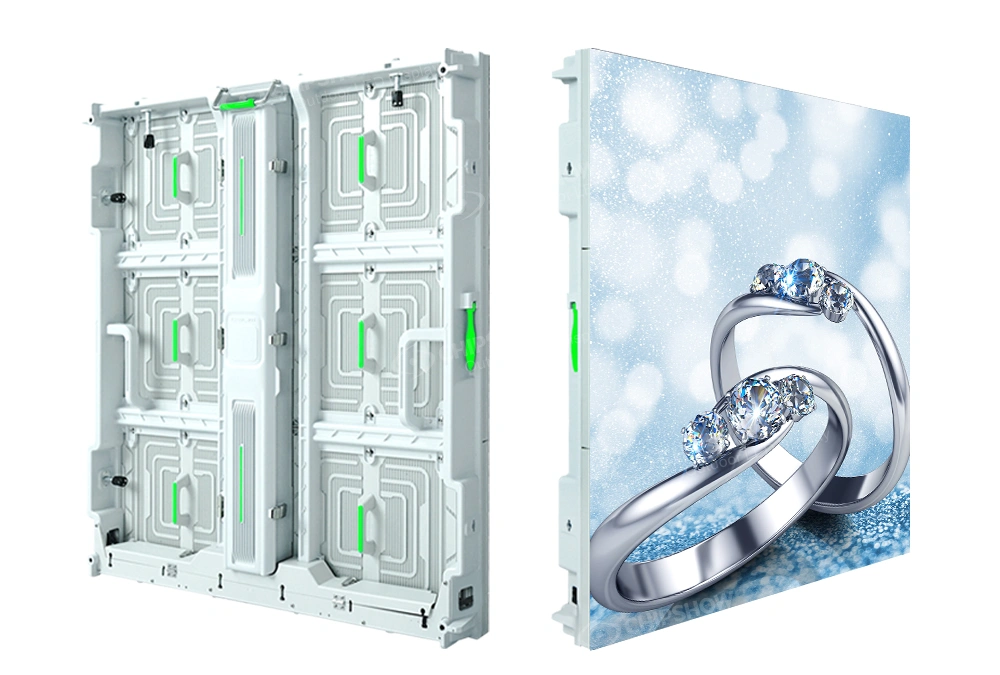
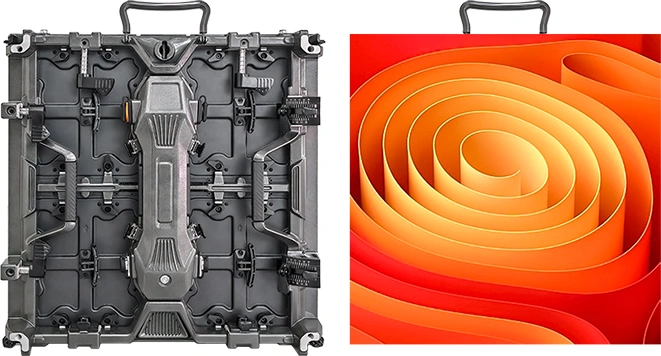
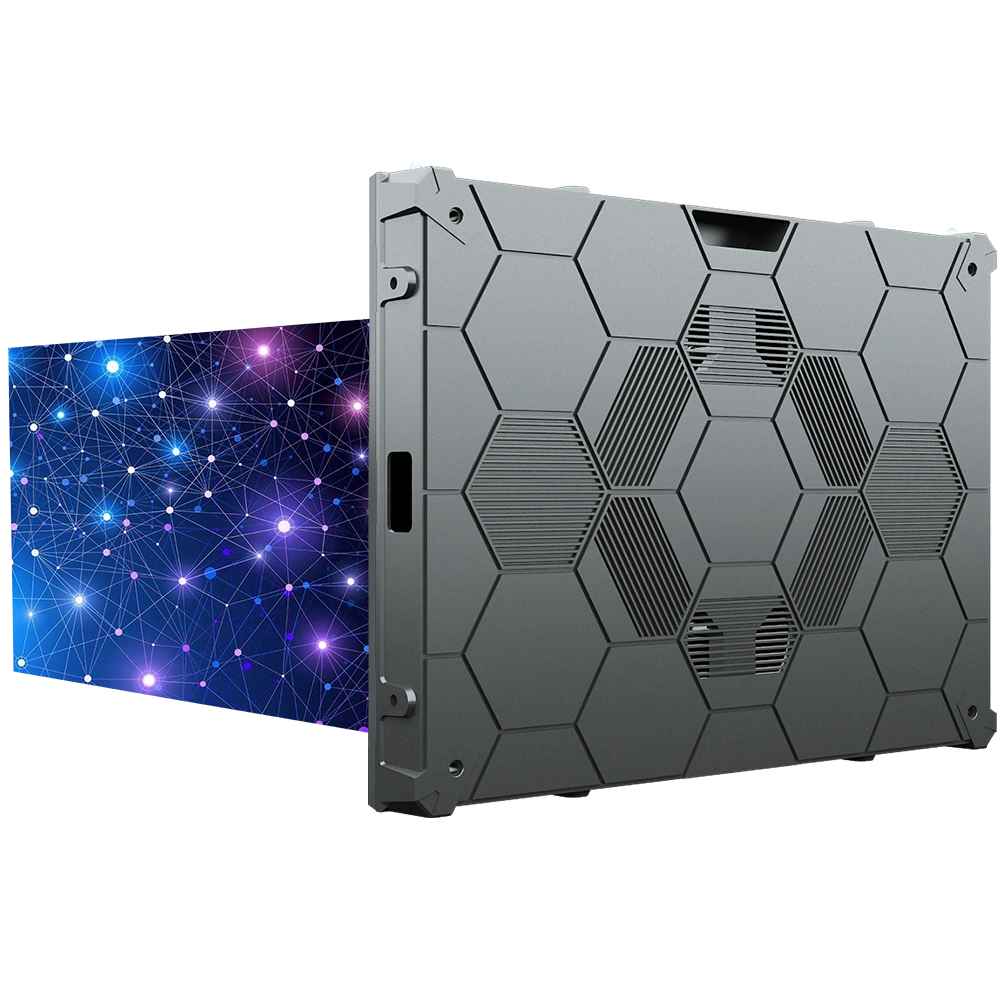
For fixed sports bar installations, Chipshow C-Max SMD offers a broad P1.25 through P4 pitch range on a 640 × 480 mm cabinet with 3840 Hz refresh performance, full front service and a fanless thermal design. Chipshow C-Max COB provides P1.53 and P1.86 options with a 4H hardened display surface, matte black presentation and full front access for hospitality environments that place greater value on close viewing, contrast and surface protection.
Both platforms create a seamless direct view LED canvas without the bezel grid of conventional LCD video walls.
The correct choice depends on the floor plan.
In a sports bar the LED wall should be designed from the nearest useful seat outward rather than from the empty wall inward.
That approach keeps pixel pitch, screen dimensions, multi game layouts and guest experience connected from the beginning.
Seating Geometry Comes First
Sports bar guests do not watch a screen from one controlled viewing position.
They move between the entrance, bar, booths, high top tables and dining areas. A screen that looks excellent from the back of the room may reveal excessive pixel structure from the closest row of tables.
The floor plan therefore needs to enter the LED design before the product pitch is finalized.
The Nearest Tables Set the Clarity Threshold
The closest meaningful seating position is one of the most important inputs for a sports bar LED wall.
That does not mean measuring from a point where a guest could theoretically stand directly in front of the display.
The useful distance is where customers are actually expected to sit and watch content for an extended period.
As those seats move closer, fine pixel pitch becomes more valuable.
Chipshow can configure C-Max SMD across P1.25, P1.53, P1.86, P2.0, P2.5, P3.0 and P4.0, giving the project room to balance image density against the actual seating layout.
A venue with tables close to the wall may justify P1.53 or another fine pitch configuration.
A larger room with the audience farther away may achieve the desired viewing experience with a wider pitch while preserving more budget for screen area or system integration.
The smallest pitch is not automatically the strongest investment.
The pitch has to create visible value from the seats that matter.
The Farthest Seats Influence Screen Size
Pixel pitch controls image density.
Physical screen size controls how large the content appears across the room.
That difference matters in hospitality.
A fine pitch display can still feel too small if a guest at the back of the bar cannot comfortably identify the score or follow the action.
The project should therefore consider both ends of the room.
The closest seats help determine useful pixel density.
The farthest seats help determine whether the screen itself is large enough.
A successful design balances the two instead of trying to solve every viewing problem by purchasing a finer pitch.
Columns and Bar Fixtures Change the Useful Canvas
Many hospitality spaces were not originally designed around one giant video wall.
Columns, shelving, pendant lighting, decorative structures and the bar itself can create partial sightline obstructions.
A wider wall may sometimes improve visibility across the room better than a taller wall.
In another venue, raising the screen can help guests see over seated customers while still keeping the viewing angle comfortable.
Chipshow can build the cabinet layout around the available wall geometry, while the AV integrator coordinates the final mounting position with the room and local installation conditions.
The objective is not simply to fill the largest wall.
It is to create the largest useful viewing surface.
Pixel Pitch 4K and Screen Size
Sports bars often ask for a 4K LED wall because 4K sports feeds are already familiar from commercial televisions.
The source format and the LED wall resolution need to be separated.
Pixel Pitch Determines Physical Density
Pixel pitch describes the spacing between LEDs.
A smaller pitch places more pixels into the same physical area.
That is particularly important in sports bars because customers can sit much closer to the screen than spectators in a stadium.
Chipshow offers its C-Max SMD platform across a broad pitch range for that reason.
A venue can match the wall to its actual seating geometry instead of buying one fixed indoor density for every project.
Chipshow C-Max COB focuses on P1.53 and P1.86, combining fine pitch close viewing with a hardened surface and deep black presentation.
A 4K Source Does Not Make Every Wall Native 4K
A processor can accept a 4K source and map it onto an LED wall with a different native pixel canvas.
That is normal.
The physical LED resolution depends on the selected pitch and the active screen dimensions.
A larger fine pitch wall contains more pixels than a smaller wall using the same product.
The processor then maps the source content to that native canvas.
For a sports bar, this means the design team should decide whether the project truly needs a native pixel canvas at or beyond UHD resolution or simply needs a high quality 4K source displayed cleanly on a well sized LED wall.
Those are related but different requirements.
Projects focused specifically on native UHD package planning can use Chipshow’s Indoor 4K Jumbotron Guide for the deeper resolution calculation.
The C Max Cabinet Supports Clean 16 by 9 Planning
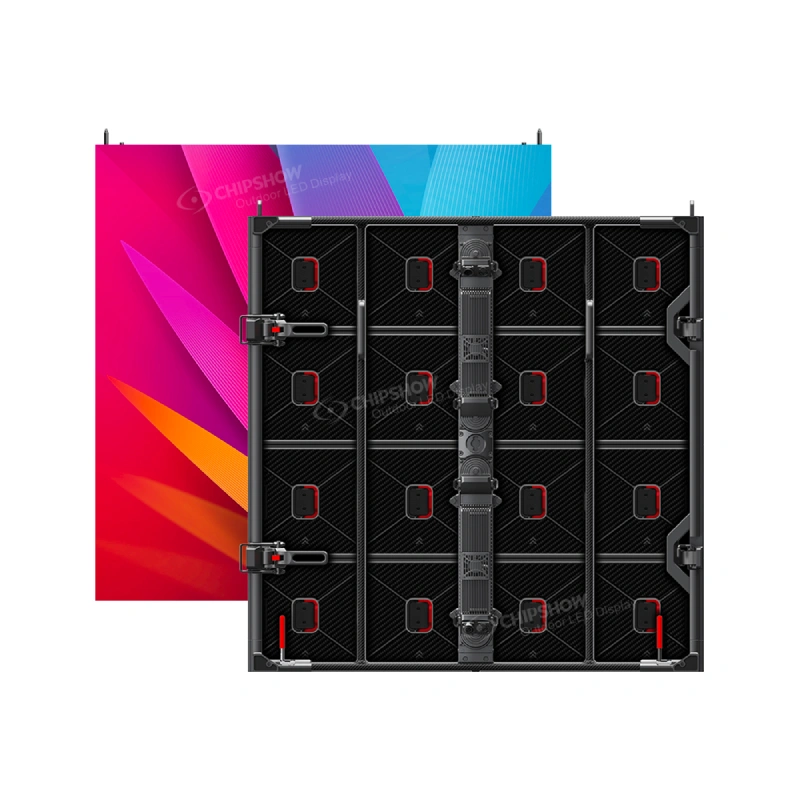
Chipshow C-Max SMD uses a native 4 by 3 cabinet format at 640 × 480 mm.
That cabinet geometry can be assembled into standard 16 by 9 display proportions, which is useful when the primary content already comes from conventional sports broadcast sources.
The benefit is not that every cabinet automatically creates a 4K wall.
The benefit is predictable wall geometry.
The integrator can build an LED canvas around familiar video proportions while the final pitch and cabinet count determine the native pixel resolution.
That becomes especially useful when the wall alternates between one featured game and several smaller game windows.
More Pixels Need More Processing Capacity
Fine pitch increases the native pixel load.
A large P1.53 screen can therefore place greater demands on the display control system than a same size P3 wall.
Controller capacity should follow the final cabinet layout rather than the source label alone.
Chipshow can define the LED wall resolution and applicable manufacturer side display control hardware in the project BOM.
The AV integrator can then coordinate that LED package with the sports bar’s source receivers, switching system and broader AV infrastructure.
Multi Game Layouts
A sports bar LED wall rarely has one permanent content layout.
Its value comes from being able to change with the schedule.
A championship game may deserve the complete canvas.
A busy regular season weekend may create more value when several games share the wall.
Design the Wall Around the Featured Game
The most important game still needs to feel important.
If every source receives the same amount of screen area, the venue can end up with a very large LED wall showing several images that each feel surprisingly small.
A stronger layout can give the featured game a dominant portion of the screen while secondary games occupy supporting windows.
That hierarchy can change throughout the day.
The processor and switching workflow should support the layouts the operator actually plans to use rather than a collection of demo effects that staff will never select during service.
Window Size Changes Readability
A multi game wall needs to be judged by the size of each individual window.
A score bug or player graphic that looks clear on a full screen feed can become difficult to read after the source is reduced to one quarter of the canvas.
This is another reason native LED resolution matters.
More physical pixels give the processor more information to work with when several sources share the wall.
Physical screen area still matters just as much.
The venue should test representative multi game layouts at the actual viewing distance instead of assuming a 4K input guarantees legibility in every window.
The Processor Defines Multi Source Capability
The Chipshow C-Max display creates the LED canvas.
The selected video processor and source workflow determine how many feeds can be placed on that canvas and how they can be switched or resized.
Picture in picture, multi window layouts, source transitions and input capacity therefore need to be specified at the processing level.
They should not be described as features of an LED cabinet.
Chipshow can include applicable display control hardware in the agreed hardware BOM.
The integrator remains responsible for connecting the venue’s source devices and building the switching workflow the staff will operate.
This distinction produces a cleaner system specification.
Latency Should Be Considered Across the Room
A sports bar may have the main LED wall plus conventional televisions in other parts of the venue.
If different signal paths introduce visibly different delays, customers can hear a reaction from one section of the room before the play appears on another screen.
The LED panel itself is only one component in that signal chain.
Receivers, decoding, switching, processing and distribution can all add latency.
When synchronization between the main wall, secondary displays and audio matters, the AV integrator should evaluate the complete path rather than selecting the LED screen from latency marketing alone.
C Max SMD and C Max COB
Chipshow offers two C Max routes that are particularly relevant to close viewing hospitality spaces.
The decision is not simply conventional LED against premium LED.
Each technology solves a different mix of image, durability and budget priorities.
| Selection Factor | Chipshow C-Max SMD | Chipshow C-Max COB |
|---|---|---|
| Current pitch range | P1.25 through P4 | P1.53 and P1.86 |
| Main hospitality advantage | Broad pitch flexibility and commercial value | Fine pitch viewing with hardened surface and stronger black presentation |
| Surface | Conventional SMD LED surface | 4H hardened COB surface |
| Service | Full front service | Full front magnetic service |
| Best fit | Fixed sports bar walls where pitch flexibility and budget balance matter | Close viewing or higher contact hospitality environments where surface protection and contrast add value |
| Buying logic | Select pitch from seating geometry | Select when COB characteristics solve a specific guest environment requirement |
C Max SMD Offers More Pitch Flexibility
Chipshow C-Max SMD covers the broader hospitality range.
That flexibility matters because sports bars vary dramatically in size.
A neighborhood venue may have customers sitting close to one feature wall.
A large entertainment restaurant can have a much deeper room with several seating zones.
Chipshow can select the C-Max SMD pitch according to those real distances instead of moving every project into the same fine pitch specification.
The platform also uses a high precision die cast cabinet designed to create a seamless display surface.
For sports content, removing LCD bezels can be particularly valuable because camera pans, fields, courts and score graphics can move across the entire wall without crossing visible panel borders.
C Max COB Adds Surface Protection and Contrast
Chipshow C-Max COB provides another route for P1.53 and P1.86 projects.
Its LED chips sit beneath a hardened surface, and the current product specification lists 4H surface hardness.
That can add value in public hospitality environments when the display sits within reach or where incidental contact is more likely.
The matte black COB surface also supports deeper black presentation and reduced surface glare.
That becomes useful in hospitality interiors that combine overhead lighting, windows and bright decorative finishes.
COB should still solve a project need.
A screen mounted high above the bar and well outside customer contact may not gain enough operational benefit from its protected surface to justify choosing COB solely because it is the more specialized technology.
Hospitality Experience Is a Real Chipshow Application
Chipshow’s project library documents a P1.5 fine pitch indoor LED installation in a Korean restaurant.
That project used a C Pad U platform rather than C Max, so it should not be presented as a C Max installation.
Its relevance is the application.
It demonstrates Chipshow experience supplying fine pitch LED into a real restaurant environment where customers view the display at indoor hospitality distances.
For a new sports bar project, Chipshow C-Max SMD and C-Max COB provide the current fixed indoor product routes that can be configured around the project’s floor plan and viewing requirements.
Brightness Noise and Service
A sports bar needs visual impact without turning the LED wall into a maintenance problem.
Indoor brightness, room lighting, thermal design and service access all affect that balance.
Indoor Brightness Should Work With the Room
The goal inside a sports bar is not maximum brightness.
The screen needs enough output to remain vivid against windows, overhead fixtures and decorative lighting without overpowering the room.
A display that runs unnecessarily bright can make nearby seating uncomfortable and reduce perceived detail in highlights.
The operating level should therefore be set in the completed hospitality environment.
Daytime operation near large windows may need more output.
Evening operation may need substantially less.
The screen should support the room rather than compete with it.
Black Level Matters in Sports Content
Sports broadcasts include bright field lighting, dark uniforms, shaded crowd areas, score graphics and studio segments.
Strong perceived contrast helps those elements remain distinct.
The matte black surface of Chipshow C-Max COB can be particularly useful in rooms where ambient reflections would otherwise wash across the display face.
SMD can still deliver strong commercial viewing performance.
The product choice should follow the lighting environment and budget rather than treating black level as an isolated specification.
Fanless Design Reduces One Source of Noise
Chipshow C-Max SMD uses a fanless thermal design.
A busy sports bar may already contain music, conversations and kitchen noise, so cooling fan sound is rarely the primary acoustic problem.
Fanless hardware still has practical value.
It removes one mechanical noise source from the display and can be particularly noticeable during daytime operation, presentations and private events when the room is quieter.
It also avoids building the wall around a bank of small cooling fans that would otherwise become additional mechanical components.
Front Service Protects Dining Space
Both C-Max SMD and C-Max COB support front access.
That matters in hospitality because floor area has commercial value.
A flush wall installation does not need a large permanent rear service corridor solely for routine access to display components.
Technicians can reach the relevant hardware from the display side when the mounting and access plan supports it.
The local integrator still needs a practical way to reach the screen height safely.
Front service does not eliminate access planning.
It gives the venue more freedom to use the space behind the wall for the building rather than for an LED maintenance passage.
Revenue and Guest Experience
The business case for a sports bar jumbotron is not created by the number of pixels alone.
The display has to be used.
Big Games Can Change How the Room Feels
A large seamless LED wall gives the venue a clear focal point during major sports events.
That can help a sports bar create an experience that customers cannot easily reproduce with a collection of ordinary televisions at home.
The commercial result still depends on location, programming, food and beverage operations, marketing and customer demand.
The display does not guarantee increased revenue.
It creates a larger visual platform around which the venue can build events.
Multi Game Days Increase Screen Utilization
The same wall can serve different audience patterns throughout the week.
One night may focus on a single playoff game.
Another may divide the canvas among football, basketball and other live feeds.
Outside sports hours, the wall can support restaurant branding, event schedules, menus, approved promotional content or private functions.
That flexibility increases the number of hours in which the screen can contribute to the space.
A useful ROI discussion therefore looks at annual utilization rather than one championship night.
Sponsor Media Can Add Another Use
A sports bar can also use the LED canvas for approved sponsor or promotional content.
That can include venue promotions, brand partnerships or event graphics around the live game schedule.
The opportunity should be treated as media inventory rather than guaranteed income.
Its financial value depends on the venue’s audience, relationships and content strategy.
The hardware role is to give operators enough resolution and layout flexibility to place that content without weakening the main viewing experience.
Private Events Extend the Investment Beyond Sports
Hospitality groups increasingly use large visual spaces for corporate gatherings, watch parties and private functions.
A seamless LED wall can switch from live sports to presentations, branded content or event video without changing the physical display.
That gives the room another use case without turning the sports bar into a generic conference venue.
The most valuable screen is one that remains visually central while adapting to different operating days.
Frequently Asked Questions About Sports Bar Jumbotrons
What Pixel Pitch Is Best for a Sports Bar LED Wall
The best pitch depends primarily on the closest meaningful customer seating distance, active screen dimensions and the detail in the content. Chipshow C-Max SMD offers P1.25 through P4, while C-Max COB currently offers P1.53 and P1.86. Closer seating generally creates more value from fine pitch, but the smallest available pitch is not automatically the best use of the project budget.
How Large Should a Sports Bar Jumbotron Be
Screen size should be planned from the floor plan and farthest important viewing positions. Scores, game action and graphics need enough physical size to remain useful from the back of the venue. Columns, bar fixtures and screen height also influence how much of the display guests can actually see. Chipshow can calculate the cabinet layout after the usable wall dimensions and seating geometry are defined.
Can One LED Wall Show Multiple Games at the Same Time
Yes, when the selected video processing and source system supports multi window layouts. The LED wall provides the visual canvas, while the processor determines source inputs, window placement, scaling and switching. The project should test the planned layouts at real seating distances because reducing several games into smaller windows changes text and score readability.
Is COB Worth It for a Public Hospitality Venue
COB can add value when fine pitch viewing, stronger black presentation or a hardened display surface matters to the venue. Chipshow C-Max COB currently provides P1.53 and P1.86 with a 4H hardened surface and full front service. C-Max SMD remains the broader and often more flexible commercial route. COB should be selected when its specific characteristics solve a hospitality requirement rather than simply because it is a newer technology.
How Do I Build a 4K Sports Bar LED Wall
Start with the physical screen dimensions and selected pixel pitch, then calculate the native LED canvas. A 4K source can be mapped onto an LED wall with a different native resolution, so source resolution and physical wall resolution should not be treated as identical. If native UHD performance is a project requirement, Chipshow can calculate the cabinet grid and pixel load before the processor and source workflow are finalized.
Next Step
A sports bar LED project becomes easier to specify once the floor plan and viewing behavior are clear.
Send Chipshow the usable wall width and height, nearest and farthest important seating distances, room layout, number of live sources, preferred full screen and multi game layouts, ambient light conditions and target project schedule.
Chipshow can use those inputs to recommend the appropriate C Max platform, select the pixel pitch, calculate the cabinet layout and native resolution, and prepare the manufacturer side LED hardware BOM with the applicable display control hardware.
For projects that prioritize broad pitch flexibility and commercial value, Chipshow can configure its C-Max SMD platform around the actual seating geometry.
For close viewing hospitality spaces where surface protection and deeper black presentation add value, Chipshow can configure its C-Max COB platform around the required screen size and guest environment.
The completed Chipshow hardware package gives the local AV integrator a defined LED system to connect with the venue’s sports sources, switching, audio and field installation plan.
Send Wall Size and Nearest Seat Distance to Chipshow to receive a sports bar LED configuration and project hardware BOM.