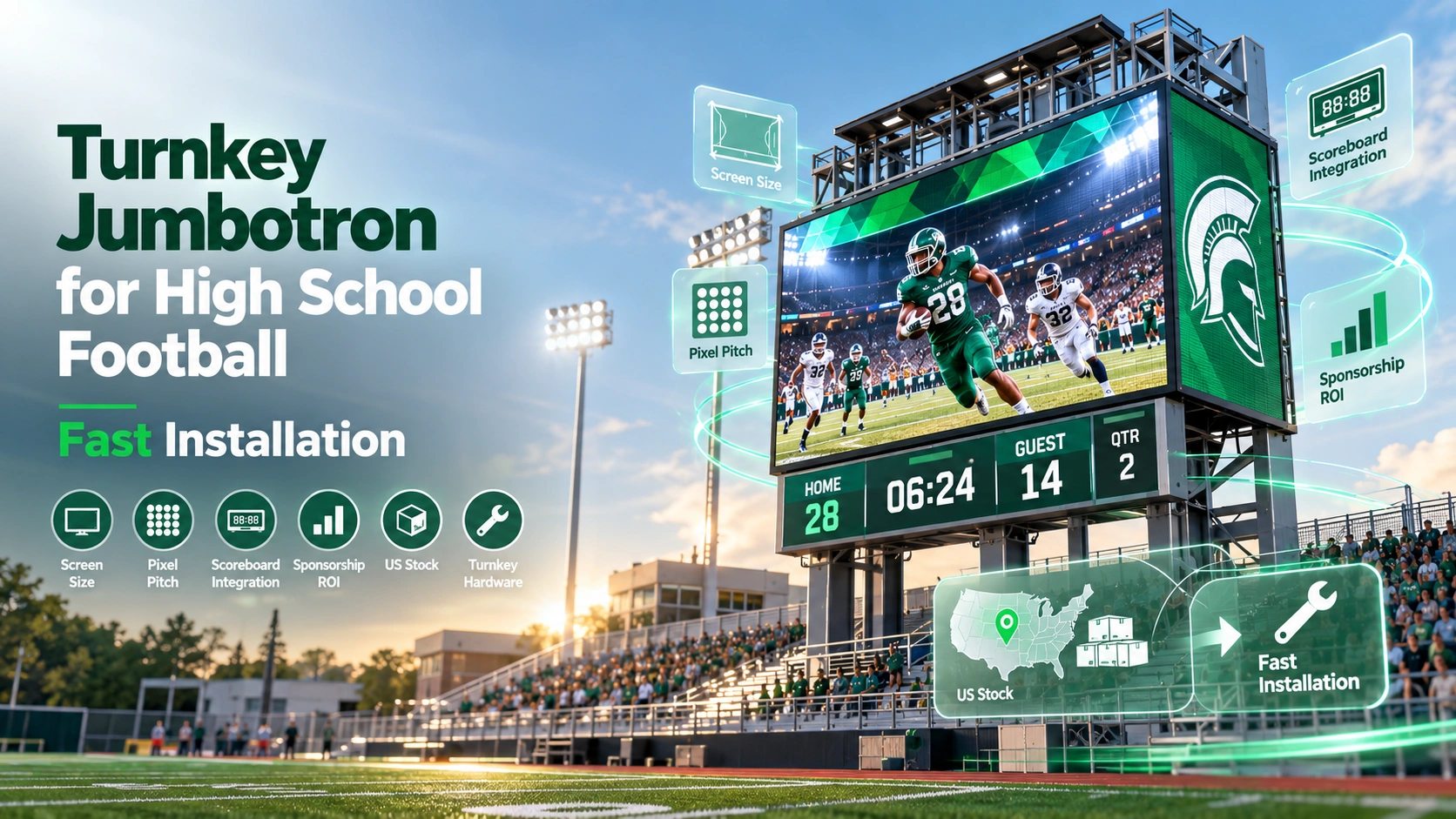
A high school football jumbotron has to do more than look impressive on Friday night.
For a school district, the screen has to fit a capital budget, remain readable from the bleachers, work with the existing scoring and game day workflow, create useful sponsor inventory, fit the local installation schedule and remain manageable after the installer leaves the site.
Those priorities make a school stadium project different from a professional sports venue.
A district rarely needs every display zone found in a major stadium. It needs the right main screen, the right hardware package and a clear division between what the LED manufacturer supplies and what the local contractor completes.
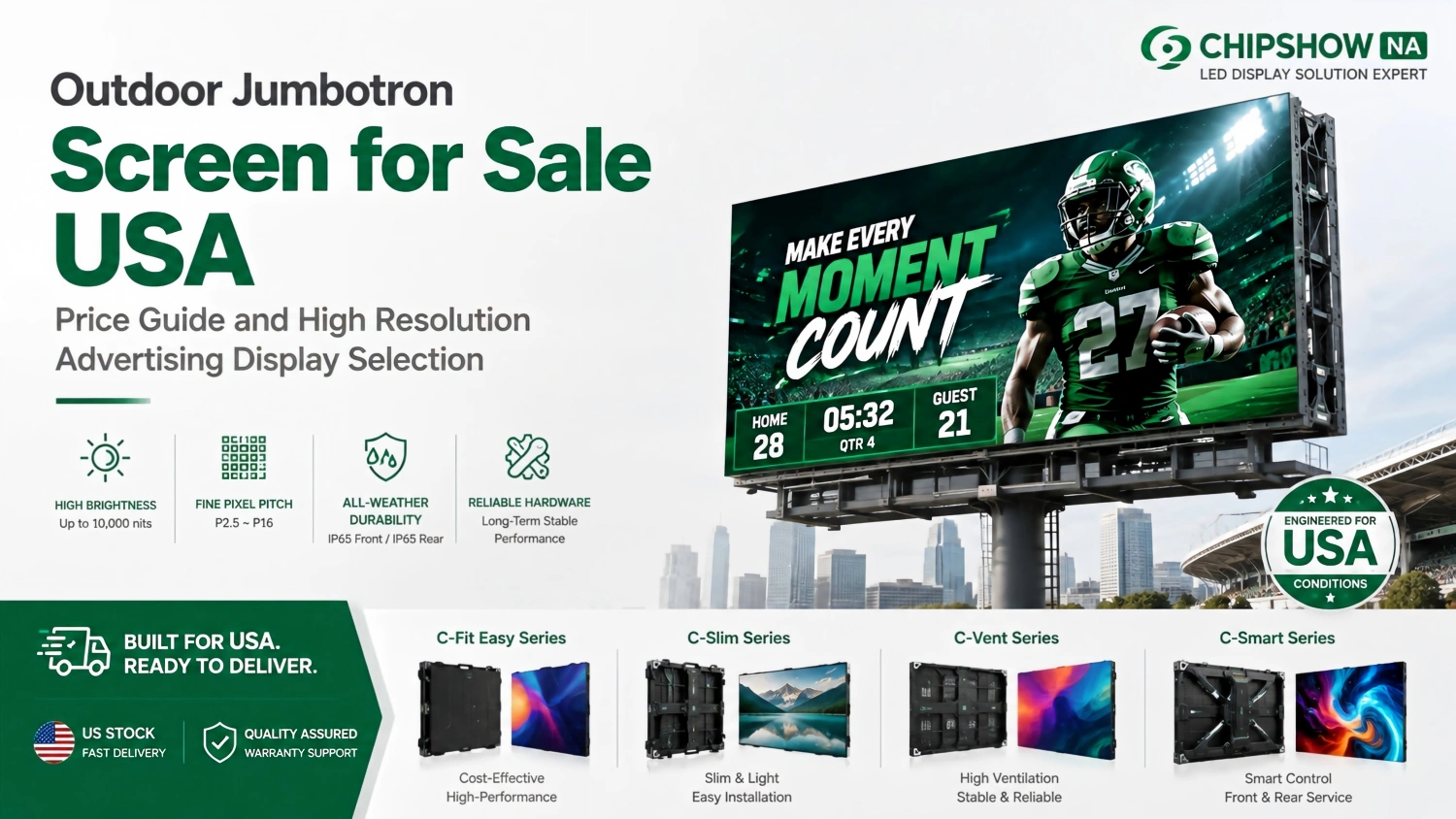
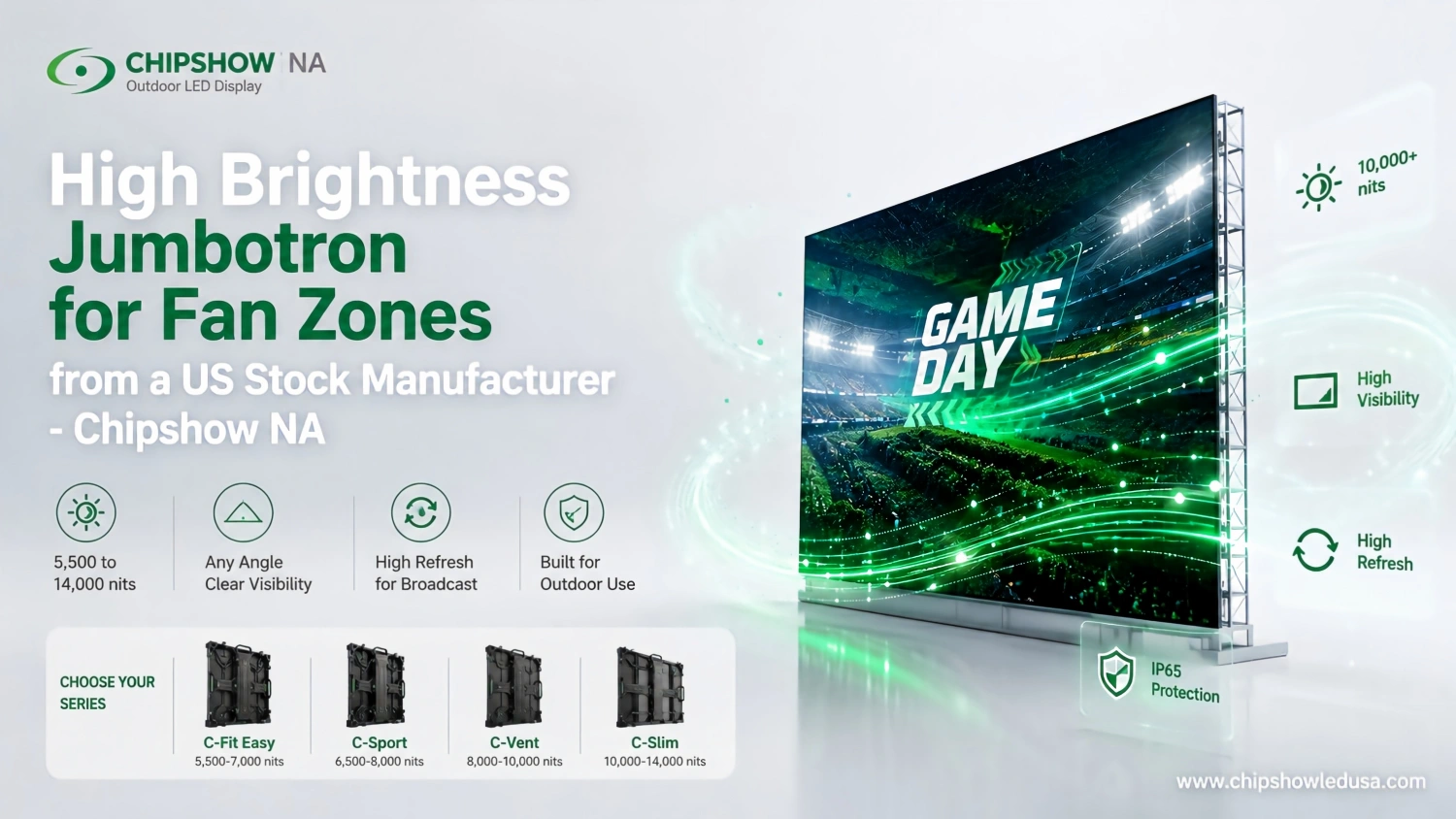
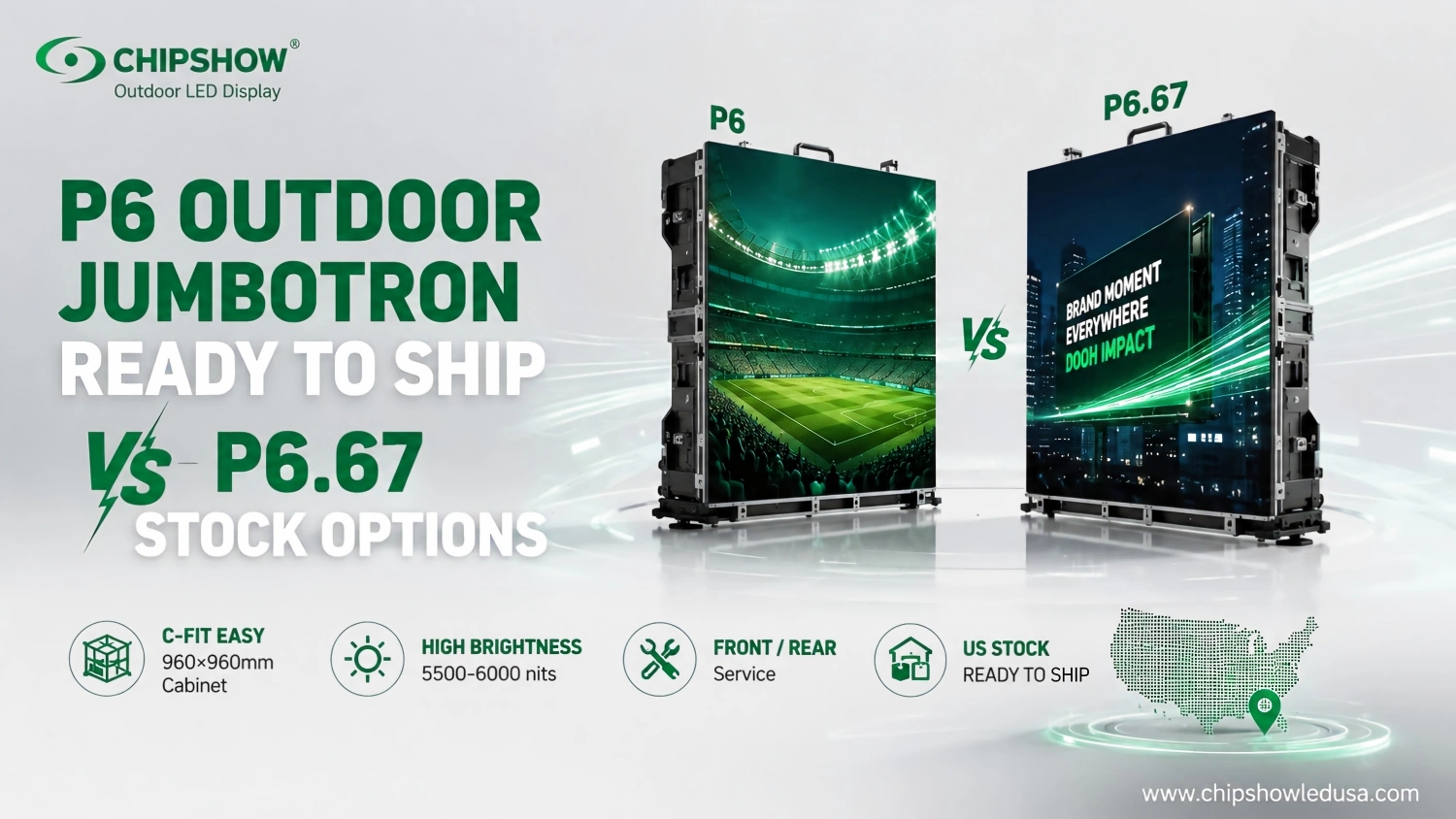
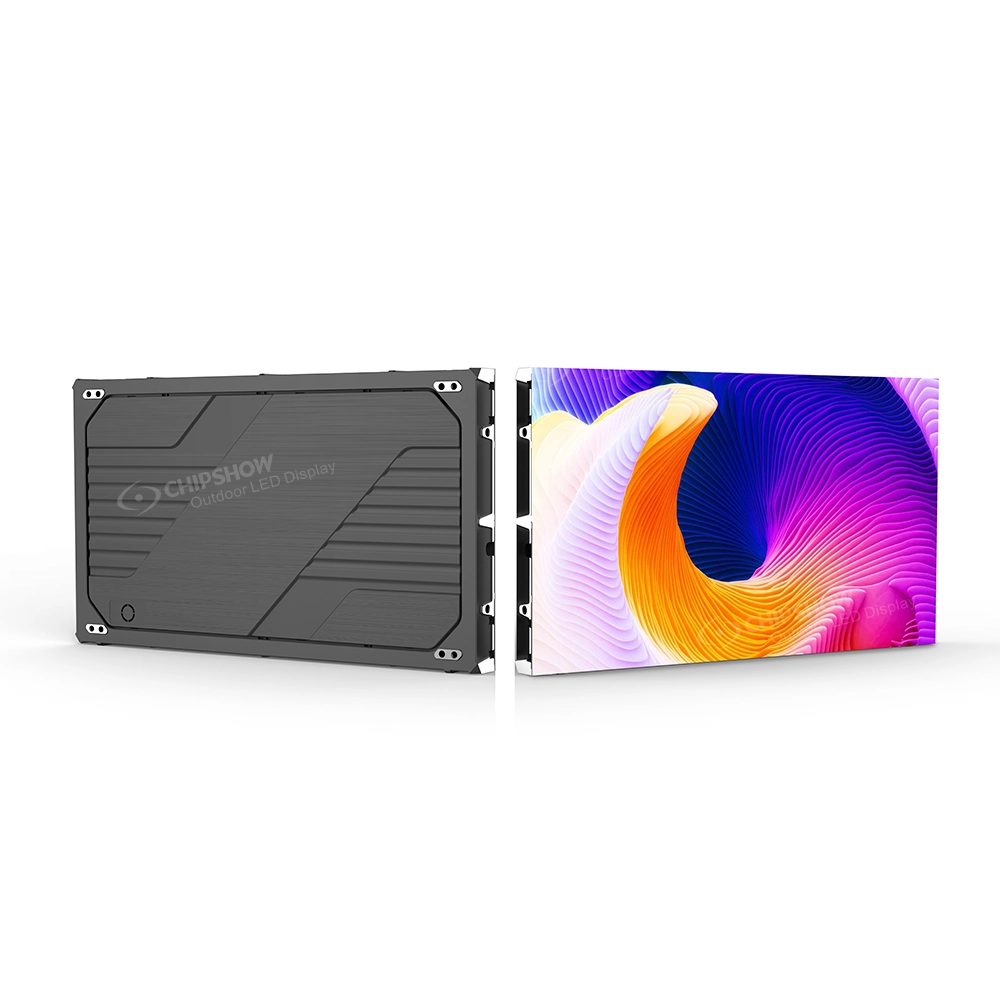
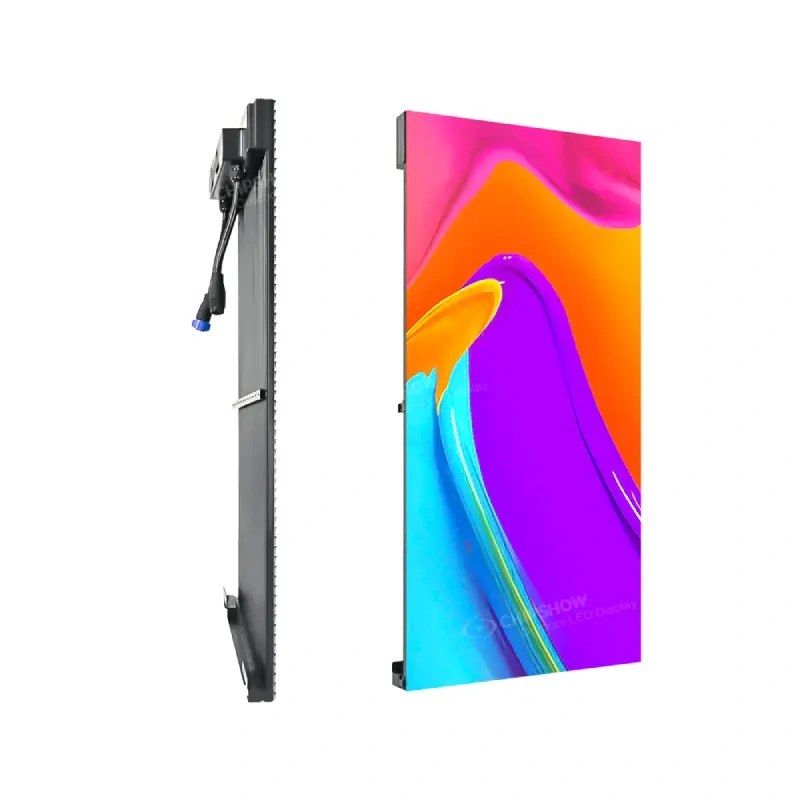
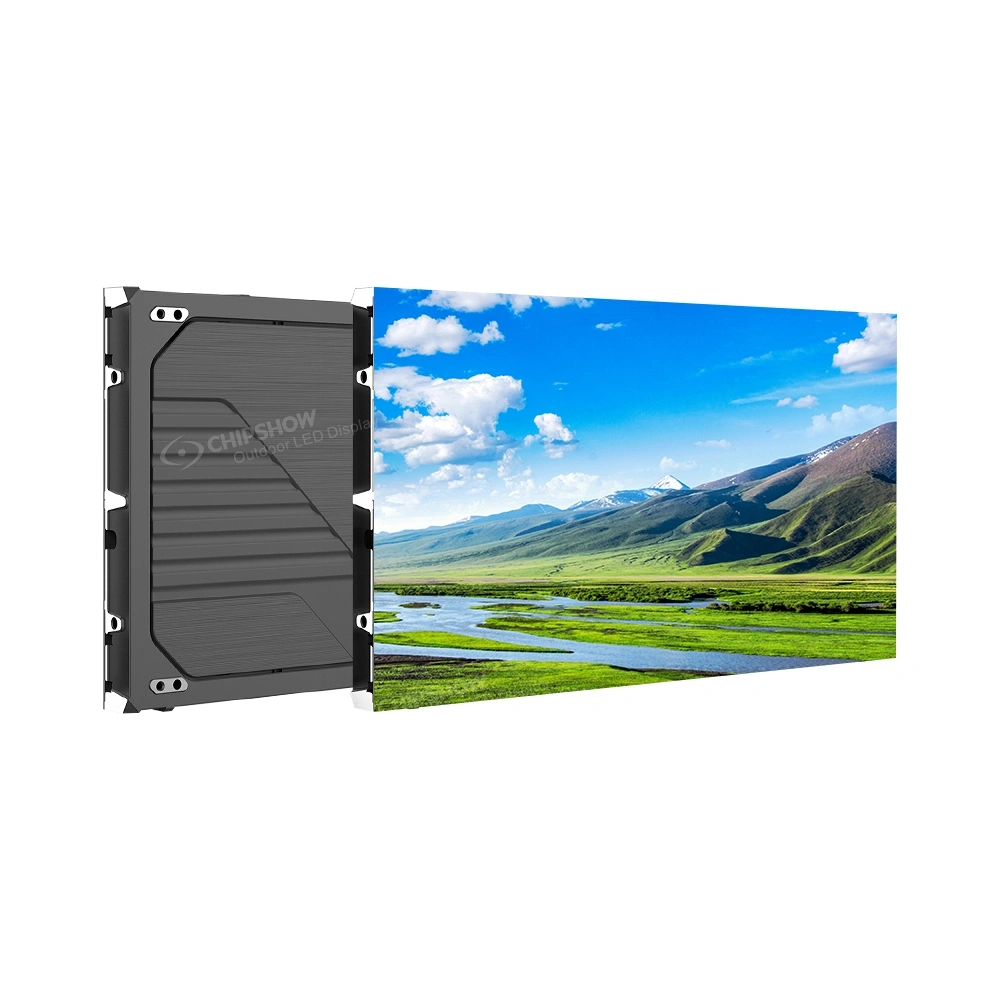
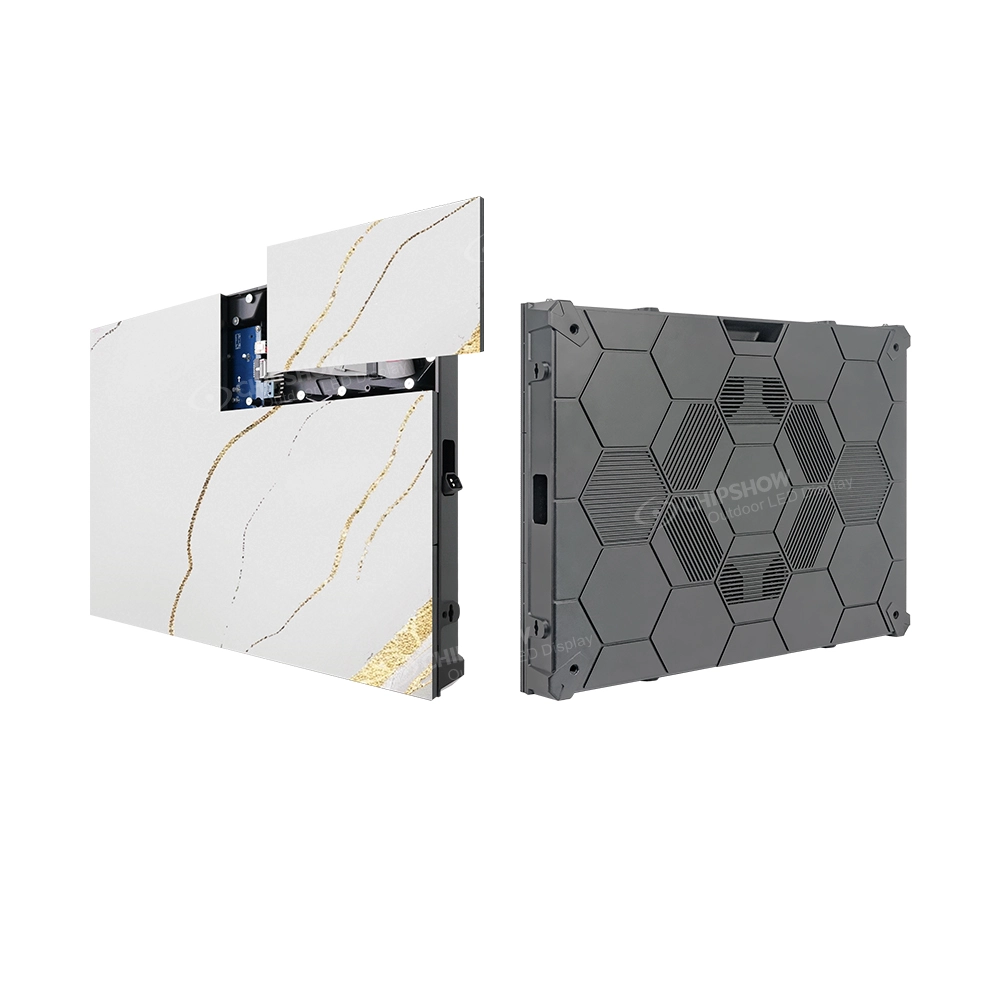
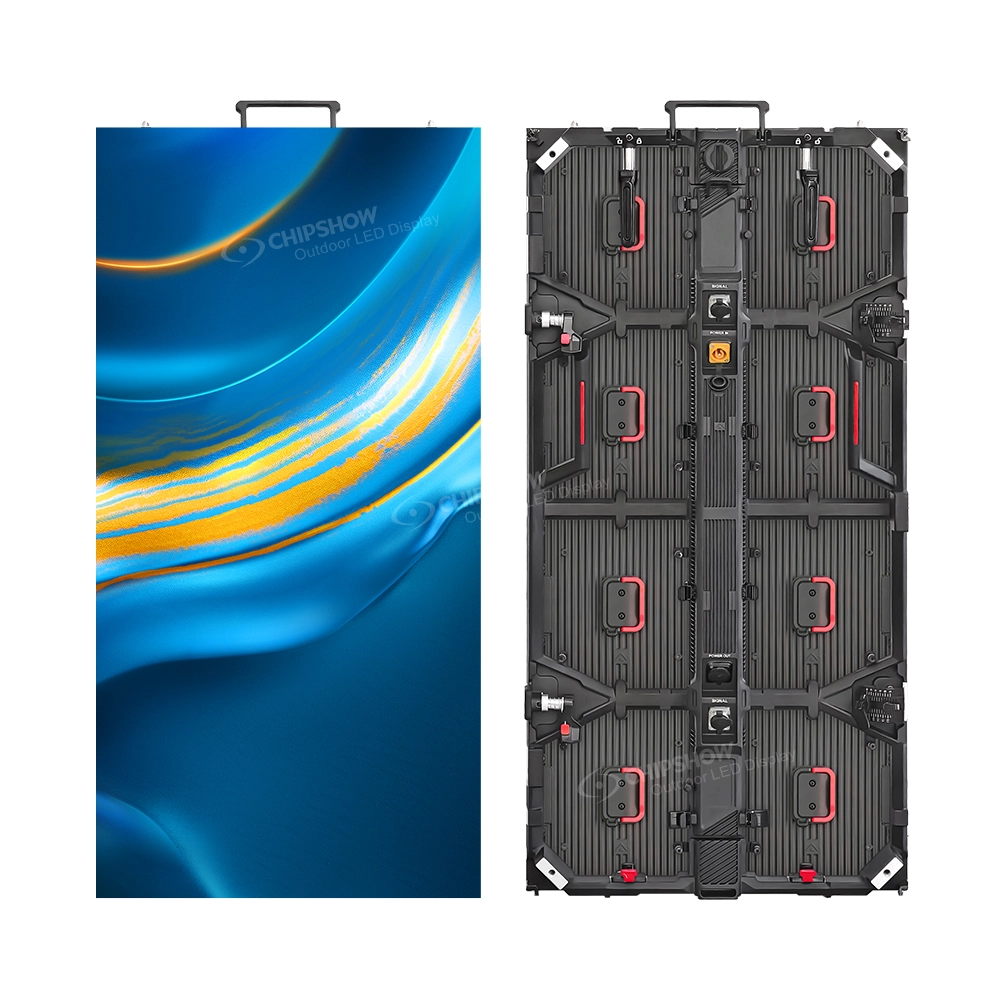
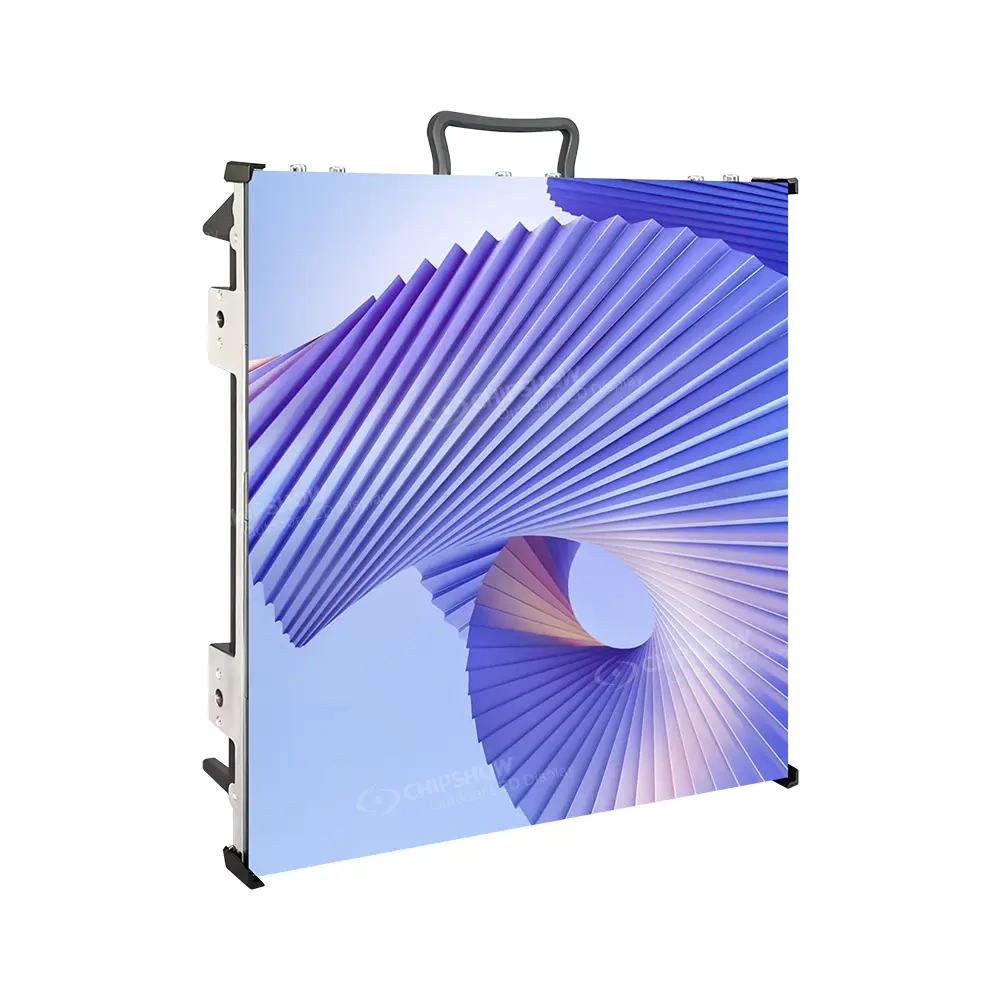
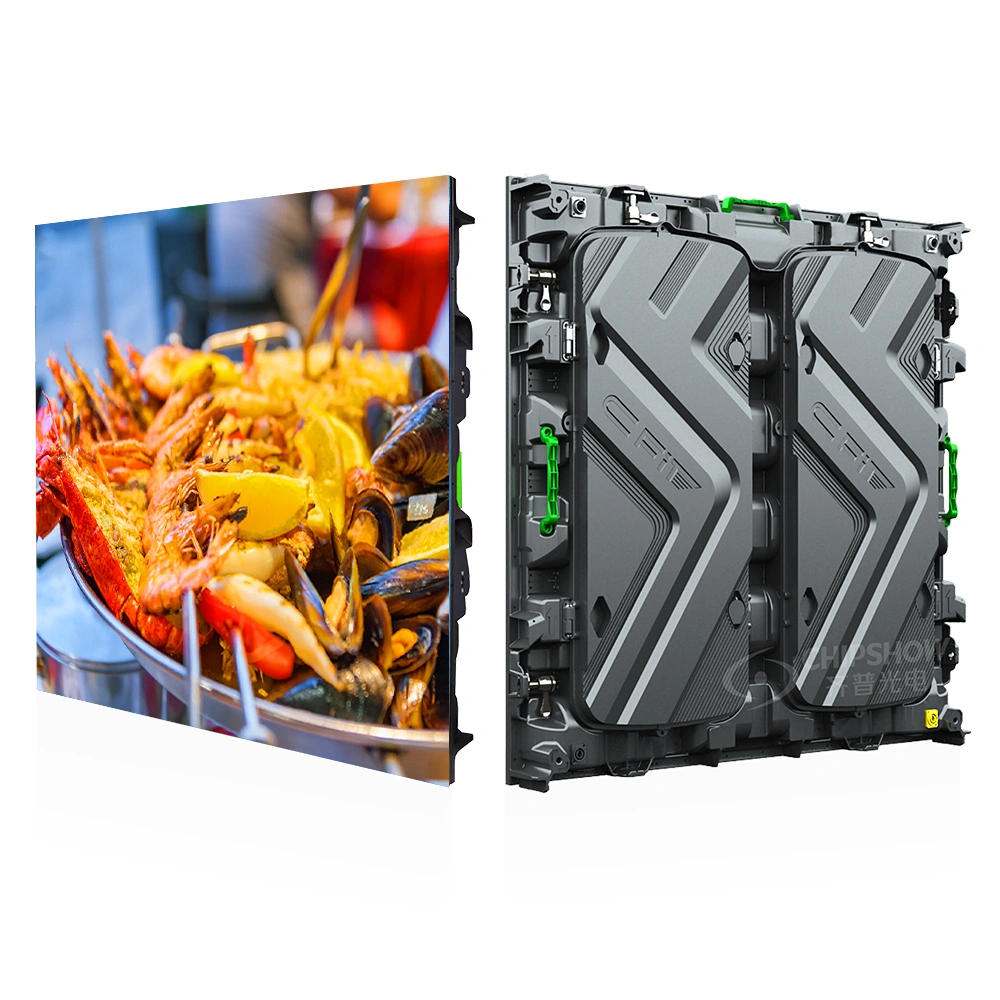
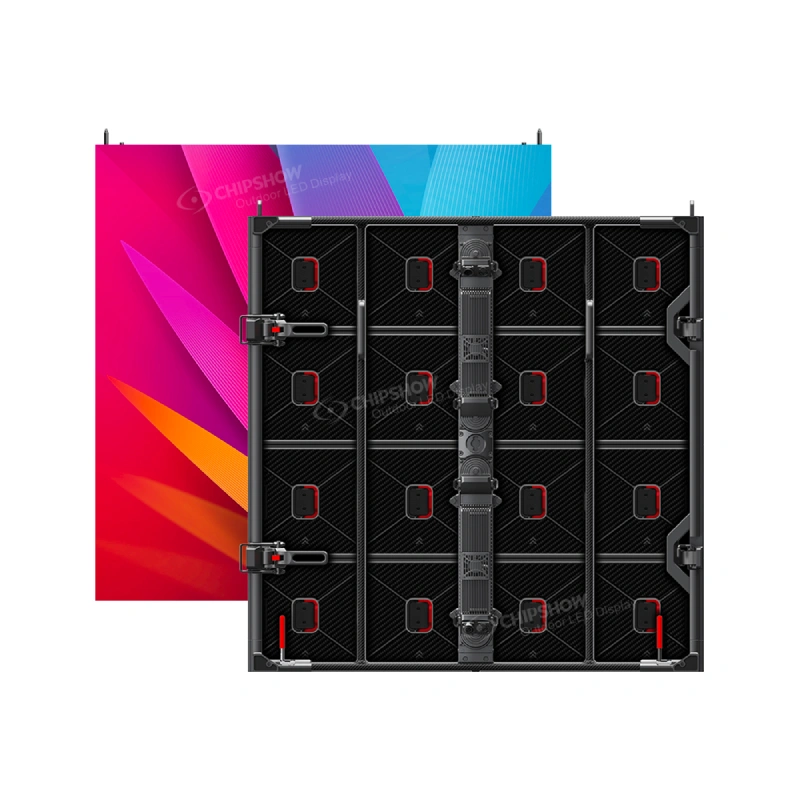
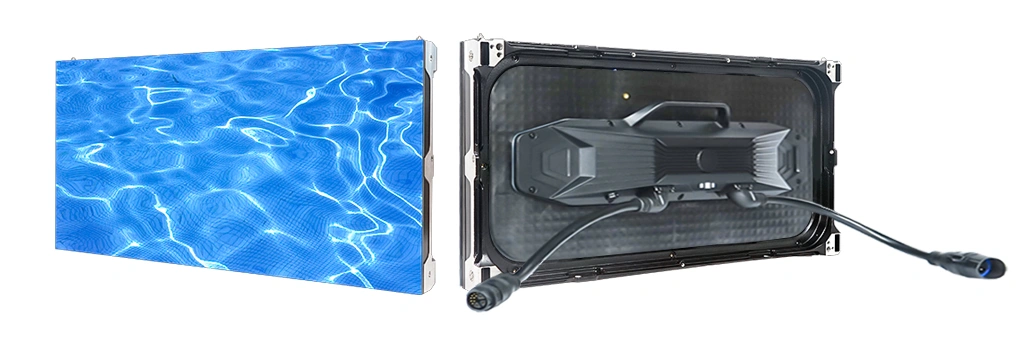
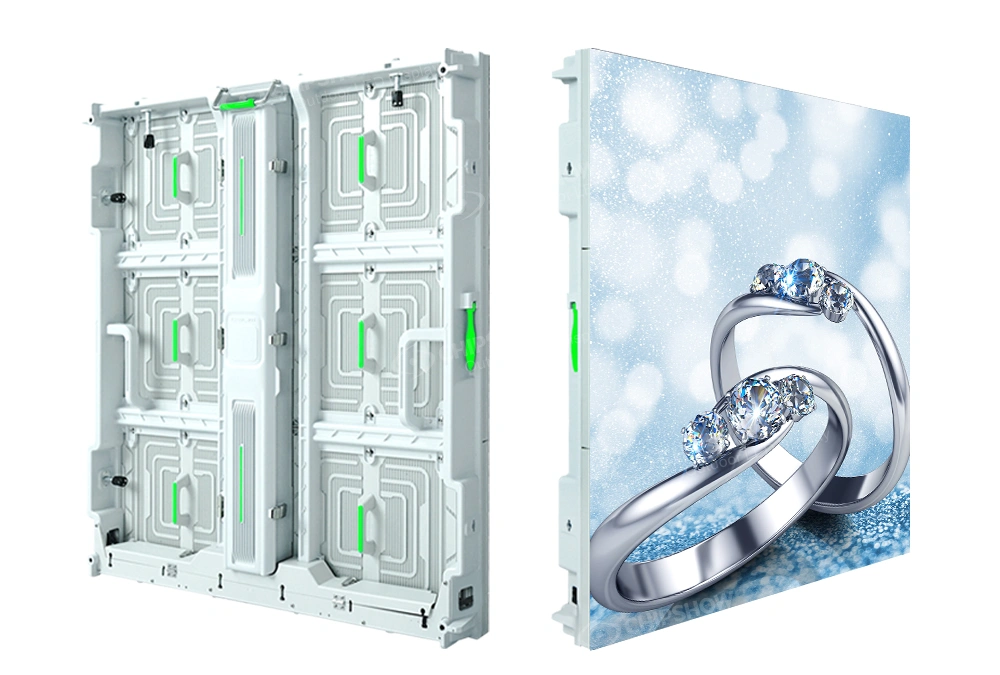
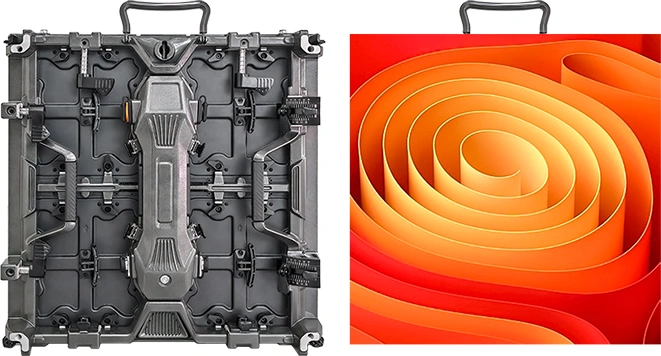
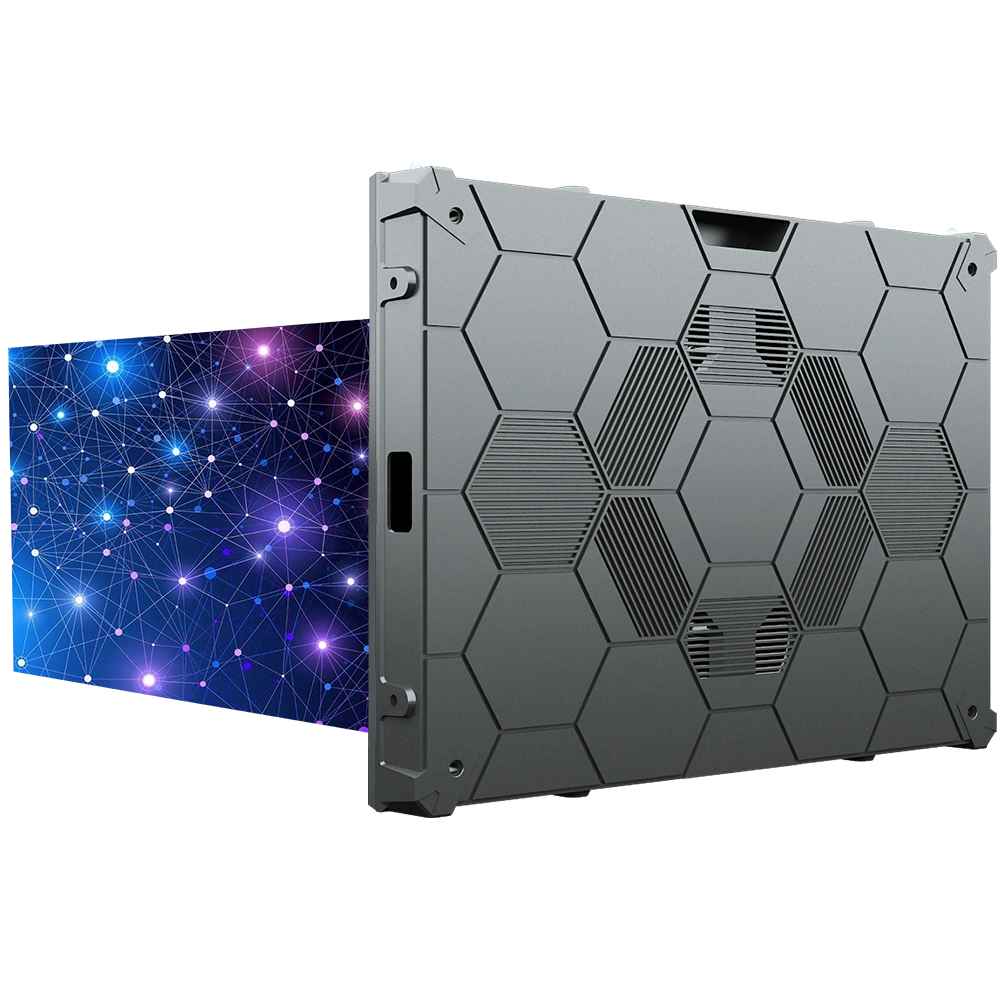
For a typical fixed outdoor scoreboard and replay application, Chipshow can evaluate platforms such as C-Fit Easy or C-Slim according to screen size, viewing distance, sunlight exposure and site requirements. C-Fit Easy P6.67 is particularly relevant to schedule driven North American projects because it combines a standardized 960 x 960 mm outdoor cabinet with a published US stock position, 5500 to 6000 nits, front and rear service and outdoor protection rated IP65 on the front and IP54 on the rear.
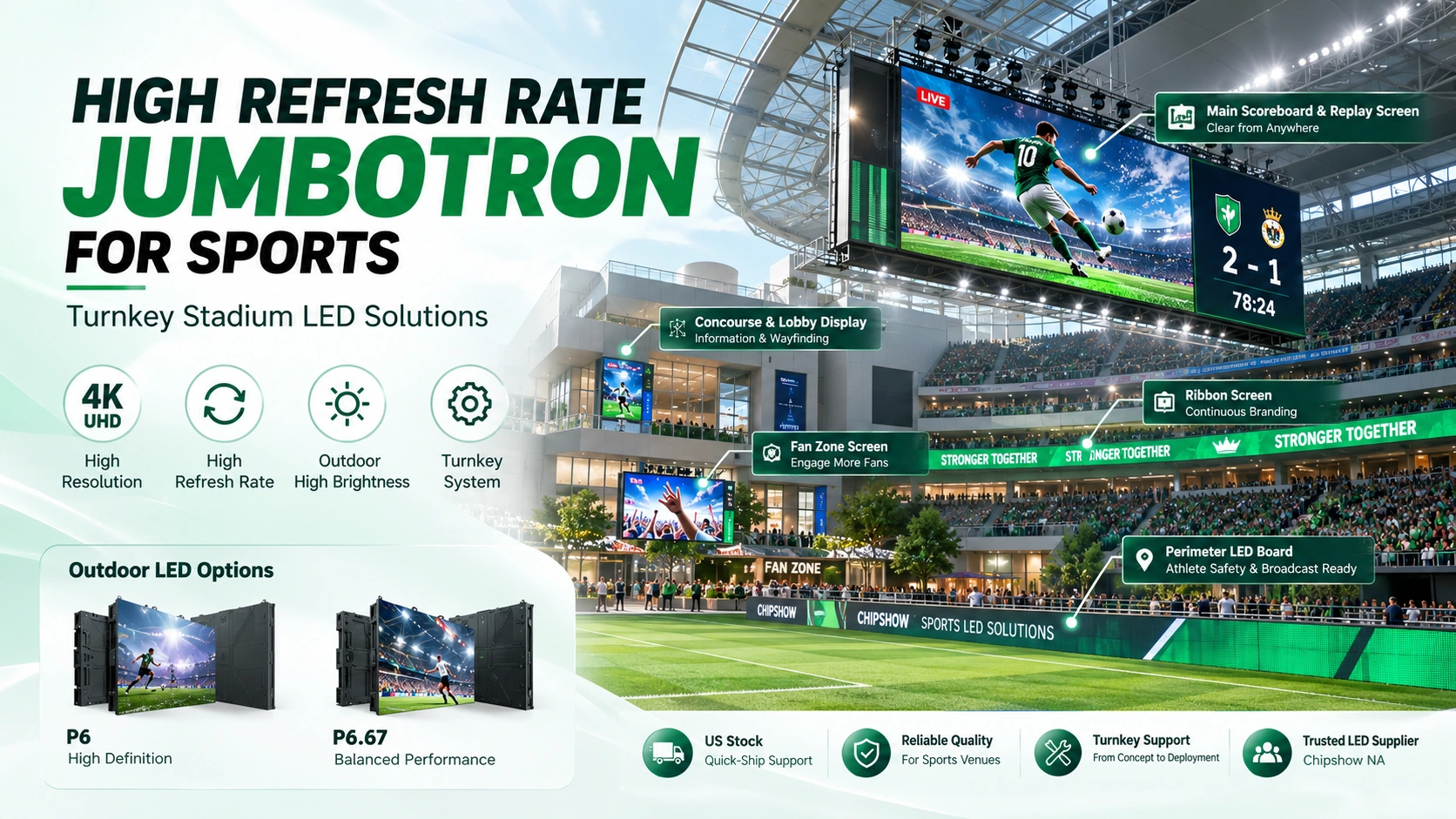
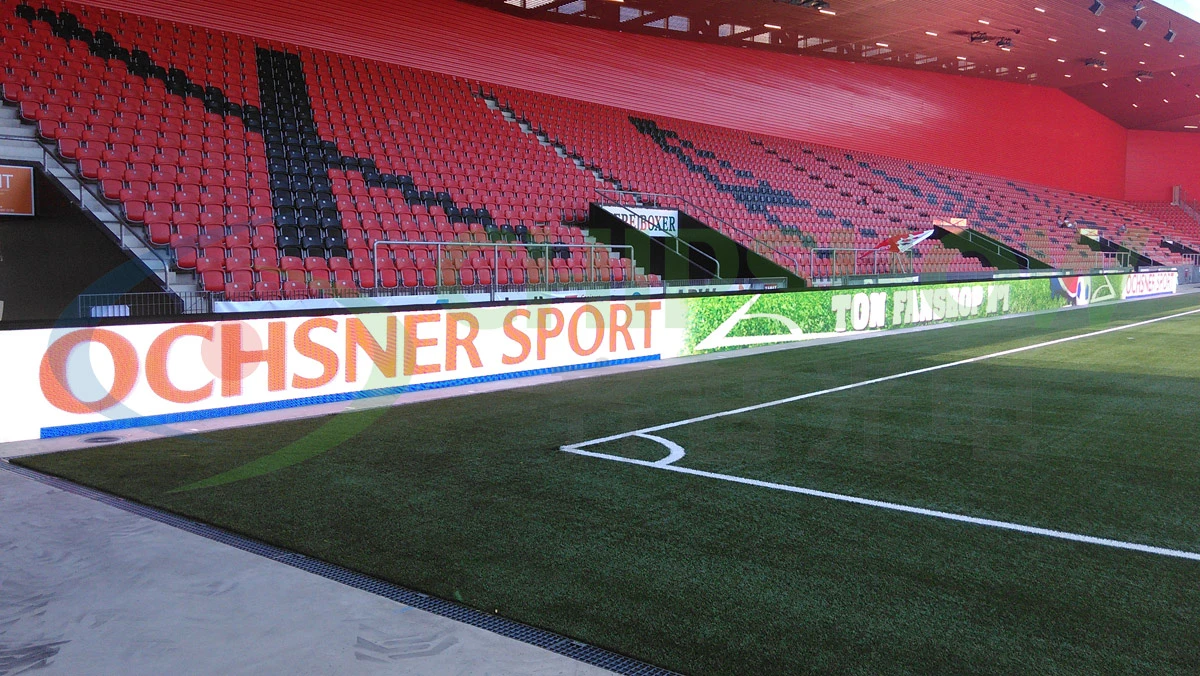
Schools that need a different pitch or more daylight headroom can evaluate C-Slim configurations across its broader outdoor range. If a stadium also plans field level sponsor boards, C-Sport P8 serves that separate perimeter role with athlete facing protection and broadcast oriented performance.
These products have different jobs.
For a school district the strongest hardware plan is the one that protects the budget while creating a screen the athletic department can actually use throughout the year.
Chipshow supports that plan as the LED manufacturer and hardware partner. The turn key scope centers on the LED display, control hardware, agreed spares, cabling and manufacturer documentation. The local AV or sign integrator keeps the customer relationship and coordinates the structure, electrical work, scoreboard data integration and field installation included in its project scope.
Five Decisions That Shape a School Stadium Project
The screen usually enters the conversation first.
The project becomes much easier to budget once the school defines what the screen needs to accomplish.
Build the Capital Budget Around the Complete Hardware Scope
A school board may approve a project because the district wants to replace an aging scoreboard, add replay capability or create a more visible platform for sponsors.
The LED panel cost is only part of that decision.
The hardware budget also needs to account for the display control system, planned spares and the components included in the manufacturer package. The local project budget then adds the supporting structure, electrical work, data integration, installation and other field requirements.
Keeping those scopes visible from the beginning prevents the school from approving an attractive screen price and discovering later that major project elements were never included.
This is also where Chipshow’s channel friendly model fits school projects well.
Chipshow can define the manufacturer side hardware package while the district’s preferred local integrator retains the installation and site contract.
The school gets manufacturer level LED information without replacing the local contractor relationship it already trusts.
Design From the Bleachers
School stadiums can have deceptively difficult sightlines.
The nearest home side seats may sit relatively close to the display while visiting stands, end zone seating or standing areas view it from much farther away.
Screen size therefore matters before pixel pitch.
A larger display gives distant spectators larger scores, player graphics and replay images. A finer pitch adds more pixels, but those additional pixels only create value if spectators sit close enough to resolve them.
For many outdoor school stadiums, a P6 class or P6.67 display can provide a practical balance between detail and screen area when the viewing geometry supports it.
That does not make P6.67 a universal school specification.
The active screen width and height, closest meaningful bleacher distance and typical viewing position should drive the decision.
When P6.67 fits those conditions, C-Fit Easy gives the school a standardized fixed outdoor route. When the stadium needs another pitch or more demanding brightness performance, C-Slim gives the project team a broader outdoor configuration range.
Keep Scoreboard Data in the Integration Plan
The LED jumbotron and the scoring system perform different functions.
The screen displays the visual output.
The school’s scoring platform produces game information such as clock, score, down, distance or other sport specific data.
Replacing the LED display does not automatically mean the district must replace every part of its existing scoring infrastructure.
A local sports AV integrator can review how the existing scoreboard data reaches the video and graphics workflow and determine what needs to remain, change or interface with the new display.
That separation can protect the budget.
A school that already has a functional scoring system may be able to build the new visual experience around it rather than treating the entire stadium technology stack as one replacement project.
Chipshow’s role is to supply the LED display hardware and the agreed display control package.
The integrator connects that hardware to the school’s actual scoring, replay and content workflow.
Create Sponsor Inventory Before Finalizing the Screen
For many high school projects, sponsorship is part of the funding conversation.
A digital screen gives the athletic department more flexibility than a fixed printed sign because the same display surface can carry different sponsor creative throughout the event.
That opportunity becomes more useful when sponsor inventory is planned before the screen layout and content workflow are finalized.
A booster club might build packages around pregame sponsor recognition, rotating graphics during breaks, halftime features, replay branding or full screen messages between game segments.
The same display can also support school announcements, graduation related events, community events and other approved uses outside the football schedule.
This does not create guaranteed revenue.
It creates additional sellable media inventory.
The school still determines package pricing, sponsor demand, sales responsibility and how much commercial content fits its policies.
A better ROI conversation therefore starts with usable inventory rather than an assumed dollar return.
Protect the Local Installation Window
School projects often work around the academic and athletic calendar.
Summer work, offseason construction or a period between sports seasons may create the best installation window.
Missing that window can affect more than the LED delivery date.
The structure, electrical work, data preparation, inspections and local crew availability all have to converge before the first game.
That is where standardized hardware and domestic inventory can help.
When C-Fit Easy P6.67 fits the project and the required quantity is available through Chipshow’s California Warehouse Hub, the hardware can move through a domestic supply path while the local contractor prepares the site.
The benefit is parallel progress.
It is not a promise of a fixed number of installation days.
For schools working with a hard season deadline, reducing hardware side uncertainty can be more useful than making an unrealistic installation speed claim.
Screen Size Pitch and Brightness
A school stadium screen succeeds when spectators can read it under the conditions in which games actually happen.
That means screen size, pitch and brightness have to work together.
Screen Size Starts With Readability
A video board should be large enough for the important content to remain useful from the primary seating areas.
The school should consider more than replay video.
Scores, clocks, sponsor names, player information and announcements all need sufficient visual scale.
This is why the content layout matters early.
If the school expects to divide the screen into several simultaneous zones, each zone becomes smaller than the full active display.
A sponsor logo sharing the screen with a scoreboard panel and replay window may occupy only part of the total width.
The design team should therefore evaluate the useful content area rather than judging the project from a full screen promotional image.
Pixel Pitch Should Match the Useful Viewing Zone
A finer pitch places more pixels into the same area.
It also increases the pixel load the project has to purchase and process.
For a school football field where spectators typically sit a significant distance from an end zone display, extremely fine outdoor pitch may deliver little practical improvement.
C-Fit Easy P6.67 can provide a rational fixed outdoor starting point when its viewing geometry fits the stadium.
Schools researching an exact P6 requirement can also compare the actual P6 and P6.67 project impact rather than treating the two terms as interchangeable.
The existing P6 Outdoor Jumbotron Quick Ship Guide can support that narrower pitch and inventory decision without turning this school ROI guide into another outdoor pitch article.
Day and Night Games Need Different Output
A football screen may operate during afternoon games, evening games and school events throughout the year.
Maximum brightness therefore should not be treated as the only brightness setting that matters.
C-Fit Easy P6.67 provides 5500 to 6000 nits with auto dimming support.
That gives many fixed outdoor school applications useful daylight output while allowing the display to operate at lower levels when ambient conditions change.
A stadium with unusually severe direct sun exposure may need another configuration.
C-Slim offers outdoor pitches from P4 through P16, with high brightness ICE configurations reaching up to 14000 nits where that level of output is justified by the site.
The 14000 nit figure belongs to the relevant C-Slim ICE configuration.
It should not be treated as the normal output of every C-Slim cabinet or as a target every school stadium needs to reach.
The useful brightness level is the one that keeps content visible without buying unnecessary output.
Sponsorship ROI for a School Stadium
The financial value of a jumbotron is easier to understand when the school separates revenue opportunity from revenue promise.
The LED display creates inventory.
The school or booster organization determines how successfully that inventory is sold.
Build Packages Around the School Calendar
Football may be the initial reason for the project, but the screen can have a broader operating calendar.
Depending on the stadium and district, the venue may also host soccer, track events, ceremonies, community programs and other school activities.
That gives the sponsor team more opportunities to create annual packages instead of selling exposure around one game.
A sponsor package could combine season long recognition with specific event placements.
Another could focus on a recurring replay or scoreboard graphic.
The exact format depends on school policy and the content system used at the venue.
The important financial point is that digital inventory can be reused.
The district does not need a new physical sign every time a sponsor creative changes.
Measure Inventory Before Forecasting Revenue
A practical sponsorship model starts by defining how many placements the school is comfortable selling.
That inventory can then be matched against the event calendar and the booster club’s realistic sales capacity.
Annual sponsorship potential can be modeled from the number of sellable packages, the planned package value and the expected sell through rate.
None of those inputs should be treated as guaranteed.
A school with strong community business participation may perform differently from another district with fewer local sponsors.
The LED manufacturer cannot responsibly promise the result.
Chipshow contributes by giving the school a display platform capable of carrying the sponsor content the project was designed to sell.
Preserve the Fan Experience
More sponsor inventory is not automatically better.
The main display still has to perform its sports function.
Scores should remain readable.
Replay should feel timely.
School identity should remain visible.
A screen overloaded with commercial content can weaken the very game day experience that gives sponsor inventory value.
The athletic department should therefore decide where sponsor content fits into the run of show before creating packages.
That turns sponsorship into a planned media product rather than a collection of last minute graphics.
Evaluate ROI Across Several Years
The capital project may be approved once while the display operates across many seasons.
That makes annual use more important than one event.
A stronger ROI framework can consider sponsor income, reduced dependence on printed stadium graphics where applicable, use during multiple sports or school events and the operational value of having one programmable visual platform.
Long term maintenance also belongs in the calculation.
A screen that creates sponsor opportunities but becomes difficult to service can consume part of the value it was intended to create.
ROI therefore connects directly to the hardware architecture.
Turn Key Hardware Package and Scoreboard Integration
For Chipshow, a turn key jumbotron for high school football means a coordinated manufacturer side hardware package that gives the local integrator a clear starting point for the project.
It does not blur the responsibilities between the factory, district and field contractor.
| Project Area | Chipshow Hardware Package | Local Integrator and School Project Team |
|---|---|---|
| LED display | Selected outdoor LED cabinets and associated manufacturer hardware | Final screen location and approved project application |
| Display control | Agreed LED control and receiving hardware | Scoring data replay switching graphics and existing system integration |
| Spares | Planned manufacturer side LED service parts | Local storage service procedure and replacement workflow |
| Cabling and accessories | Items defined in the approved hardware BOM | Site routing conduits electrical infrastructure and field connections |
| Structure | Cabinet dimensions weights and applicable interface information | Structural engineering foundations steel and local approvals |
| Installation | Ready to install hardware package and manufacturer documentation | Local labor lifting electrical work mounting and field commissioning |
This division is especially valuable for school districts that already have a local sign company, AV contractor or sports technology partner.
The local company keeps the installation relationship.
Chipshow gives that partner direct access to the LED manufacturer and a defined hardware package.
C-Fit Easy for the Main Fixed Outdoor Screen
C-Fit Easy P6.67 is the clearest Chipshow baseline for a school project when the viewing distance and brightness requirements fit the platform.
Its 960 x 960 mm cabinet provides a repeatable physical grid for the screen layout.
Front and rear service allow the installation team to coordinate maintenance access with the actual structure.
The published US stock position can also benefit schools working toward a fixed athletic calendar when the required quantity is available.
A school should still confirm cabinet quantity and planned spares against the current inventory before placing the project schedule around that stock position.
C-Slim for More Demanding Outdoor Conditions
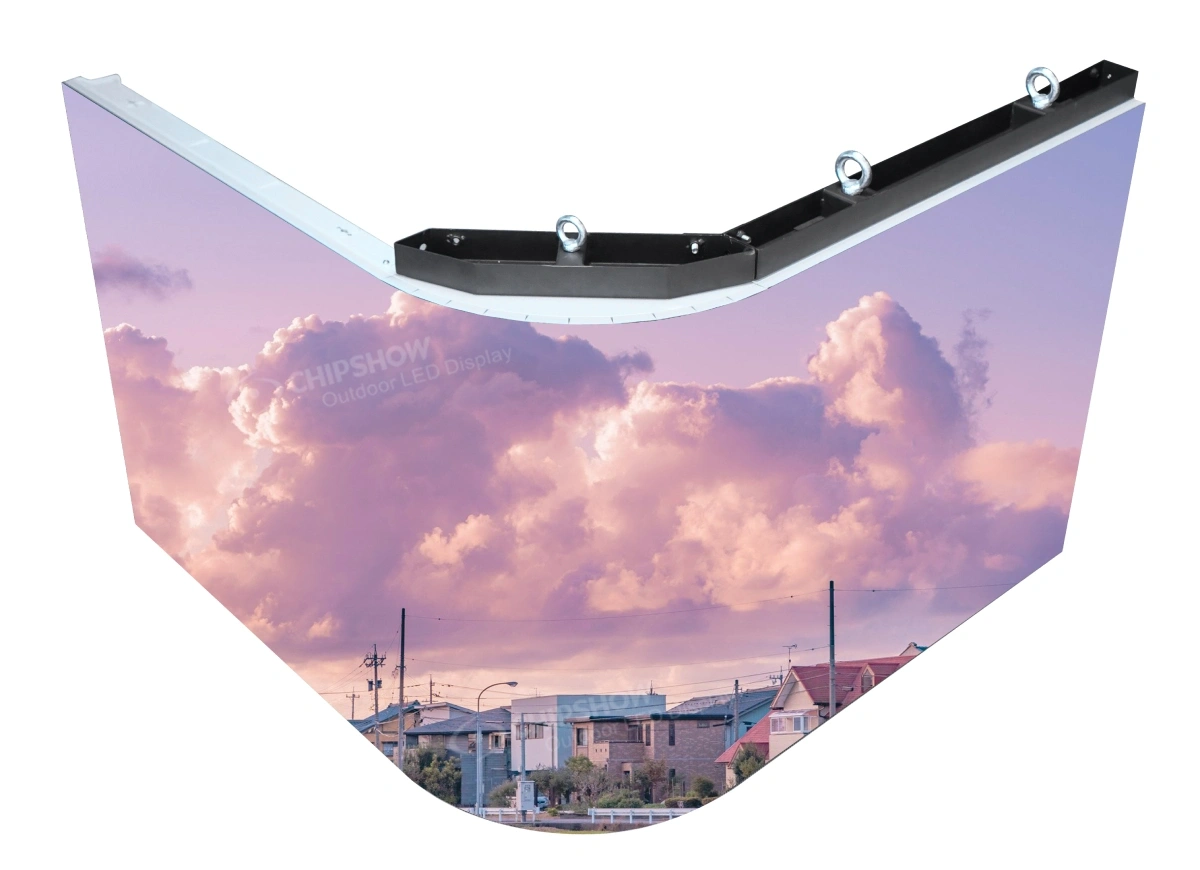
C-Slim becomes relevant when the main display needs another outdoor pitch or more demanding brightness capability.
Its P4 through P16 range gives the project more flexibility than one fixed pitch.
The magnesium cabinet architecture also provides front and rear service and a published weight of about 25 kg for the current 960 x 960 mm format.
Product selection should still follow the stadium.
A C-Slim high brightness configuration should be selected because the orientation and sun conditions justify it, not because the highest available number sounds more professional.
C-Sport for Field Level Sponsor Boards
Some school stadiums may eventually add perimeter or field level sponsor LED.
That is a separate hardware role.
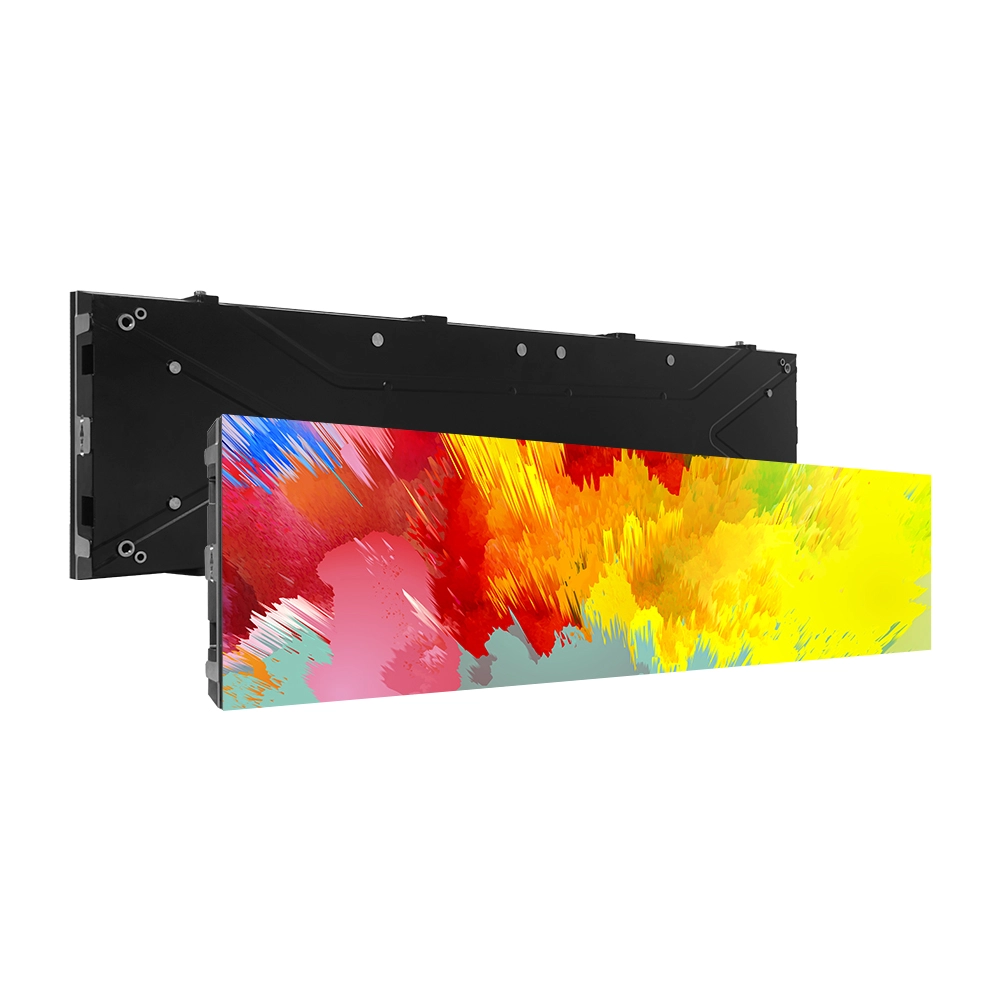
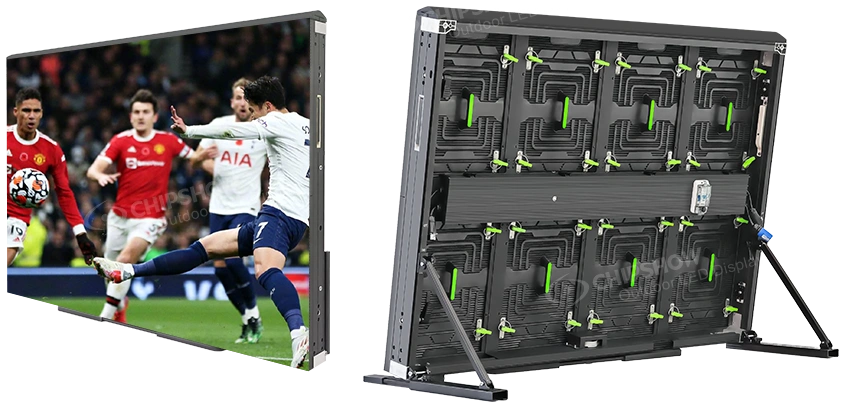
C-Sport P8 uses a 1280 x 900 x 100 mm cabinet with athlete facing soft mask and PU protection and a refresh rate of at least 3840 Hz.
Those characteristics make it relevant to sports perimeter applications.
They do not make C-Sport the main football scoreboard.
Keeping those roles separate lets the school expand the stadium later without turning one product into an all purpose sports screen.
Fast Installation Starts Before the Hardware Arrives
A turnkey jumbotron with fast installation is rarely created by one fast mounting feature.
The schedule improves when the manufacturer package and local site preparation are coordinated before delivery.
Standardized Cabinets Reduce Unknowns
A known cabinet size turns a conceptual screen into a physical grid.
With C-Fit Easy P6.67, the 960 x 960 mm format gives the project team fixed dimensions for screen planning.
The structural team can work around a stable cabinet layout.
The electrical contractor can plan around the approved screen configuration.
The integrator can prepare the signal path and control location.
By the time the hardware arrives, fewer basic decisions remain open.
That is the real schedule advantage of standardization.
The BOM Should Be Stable Before Shipment
A compressed schedule becomes harder when the project keeps changing after the hardware has been ordered.
The screen size, cabinet layout, processing requirement and planned spare package should be aligned before warehouse release.
That lets Chipshow prepare the manufacturer side hardware as one coordinated package rather than treating the project as a sequence of unrelated shipments.
For a school district, this also improves purchasing clarity.
The approved hardware scope matches the package moving toward the site.
Domestic Inventory Can Shorten the Supply Path
C-Fit Easy P6.67 has a published US stock position.
When matching project quantity is available, the California Warehouse Hub gives a North American school project a shorter hardware supply path than a new international production and ocean freight cycle.
That advantage matters most when the athletic calendar is already fixed.
It does not remove domestic freight, structural work or local installation time.
It gives the school and integrator a more predictable hardware starting point.
Local Crews Can Prepare in Parallel
While the LED hardware moves through the supply path, the local contractor can continue its assigned site work.
That may include structural preparation, electrical infrastructure, data pathways and other project activities already approved for the installation.
The two sides can progress at the same time.
Chipshow prepares and supplies the hardware package.
The local project team prepares the stadium.
This is a more dependable route to faster deployment than promising an arbitrary number of installation days before the site is understood.
Maintenance That School Staff Can Plan Around
A school jumbotron may remain in service through many seasons.
The maintenance strategy therefore needs to make sense for a district that does not operate like a professional stadium engineering department.
Plan Spares With the Original Screen
Planned spare modules and other agreed service components give the school a local first response when a replaceable part needs attention.
Those spares are easiest to coordinate while the original hardware package is being prepared.
Waiting several years before thinking about replacements can make matching and logistics more complicated.
The district does not need to turn the equipment room into a warehouse.
It needs a practical project specific spare package.
Service Direction Should Fit the Structure
C-Fit Easy supports both front and rear service.
That flexibility matters because school scoreboard structures vary widely.
An existing steel structure may already have rear access.
Another project may need to minimize working space behind the display.
The service direction should be selected around how the local contractor expects to reach the hardware over the life of the screen.
A small decision during design can avoid expensive access problems later.
Keep the Operating Documentation With the School
The people running the display may change.
Athletic staff, media students, coaches, administrators and outside production personnel can all become part of the game day workflow over time.
The district should therefore retain the relevant system documentation, hardware records and basic operating information instead of allowing project knowledge to live only with one employee.
Chipshow provides the applicable manufacturer documentation for the supplied hardware.
The local integrator can build the venue specific operating workflow around the school’s scoring, replay and control system.
Define the Recovery Path Before Game Day
Not every problem requires a service visit from the manufacturer.
A school can improve operational resilience by knowing which spare component is available, who the local service contact is and what the integrator expects staff to do when a display issue appears.
Critical control and backup requirements should also be discussed during design rather than after the first failure.
The appropriate level of redundancy depends on the school project.
A high school system does not have to copy the architecture of a professional stadium to achieve dependable operation.
It needs a recovery plan that matches its own schedule, budget and staffing.
Chipshow’s sports experience also extends beyond a single school application. Its documented Pan American Games project in Lima used 32 LED screens across 16 venues for live highlights, replay and information delivery. That project operates at a very different scale from a high school stadium, but it demonstrates the manufacturer experience behind Chipshow’s broader sports LED work.
The school project then applies that hardware experience at the scale its own program actually needs.
Frequently Asked Questions About High School Football Jumbotrons
How Large Should a High School Football Jumbotron Be
Screen size should follow the bleacher geometry and the information spectators need to read. Start with the typical viewing distance, then evaluate score information, replay, sponsor graphics and other content at that distance. A larger display can sometimes create more practical value than forcing a finer pixel pitch onto a smaller screen.
Can a Jumbotron Generate Sponsorship Revenue for a School
A digital screen can create additional sponsor inventory because the school can schedule different graphics and placements throughout games and other approved events. Actual revenue depends on local sponsor demand, package pricing, sell through and school policy. The display creates the media opportunity but should not be sold internally as a guaranteed revenue result.
What Is Included in a Turn Key Hardware Package
The Chipshow manufacturer side package can include the selected LED display hardware, agreed control hardware, planned spares, applicable cabling and product documentation according to the approved BOM. The local integrator coordinates the site specific structure, electrical work, scoreboard data integration, installation and other field scopes assigned to its contract.
Who Integrates the Scoreboard Data and Installs the Screen
The local AV or sports integrator connects the LED display to the school’s scoring, replay and content workflow and completes the field installation within its contracted scope. Chipshow supplies the LED hardware and relevant manufacturer side technical information so the integrator can build around a defined display platform.
How Can US Stock Reduce the School Project Schedule
When the required C-Fit Easy P6.67 quantity is available through Chipshow’s California Warehouse Hub, the hardware can move through a domestic supply path rather than beginning with a new international shipment. The local contractor can prepare the site during the same period. The actual project schedule still depends on freight, structure, electrical work, approvals and local installation readiness.
Next Step
A school stadium hardware plan becomes much more useful when it begins with the bleachers, existing scoreboard and athletic calendar.
Share the proposed screen dimensions, home and visitor seating distances, current scoreboard system, typical game times, project city, target season date, sponsor content goals and any existing structural information with Chipshow.
Chipshow can use those inputs to define the appropriate outdoor LED configuration, calculate the manufacturer side hardware package and align the display architecture with the school’s viewing and operating requirements.
Where C-Fit Easy P6.67 fits the stadium, the project can also check the current California inventory position and plan the hardware supply path around the required quantity.
Where the site calls for another pitch or greater brightness capability, C-Slim can be evaluated against those conditions.
If the district plans field level sponsor LED as a separate phase, C-Sport can be considered for that perimeter role without changing the architecture of the main scoreboard.
Request a School Stadium Hardware BOM when the screen location, seating geometry and project schedule are defined.
Check Outdoor Stock when the school is working toward a fixed installation window and the main display configuration is ready for quantity review.