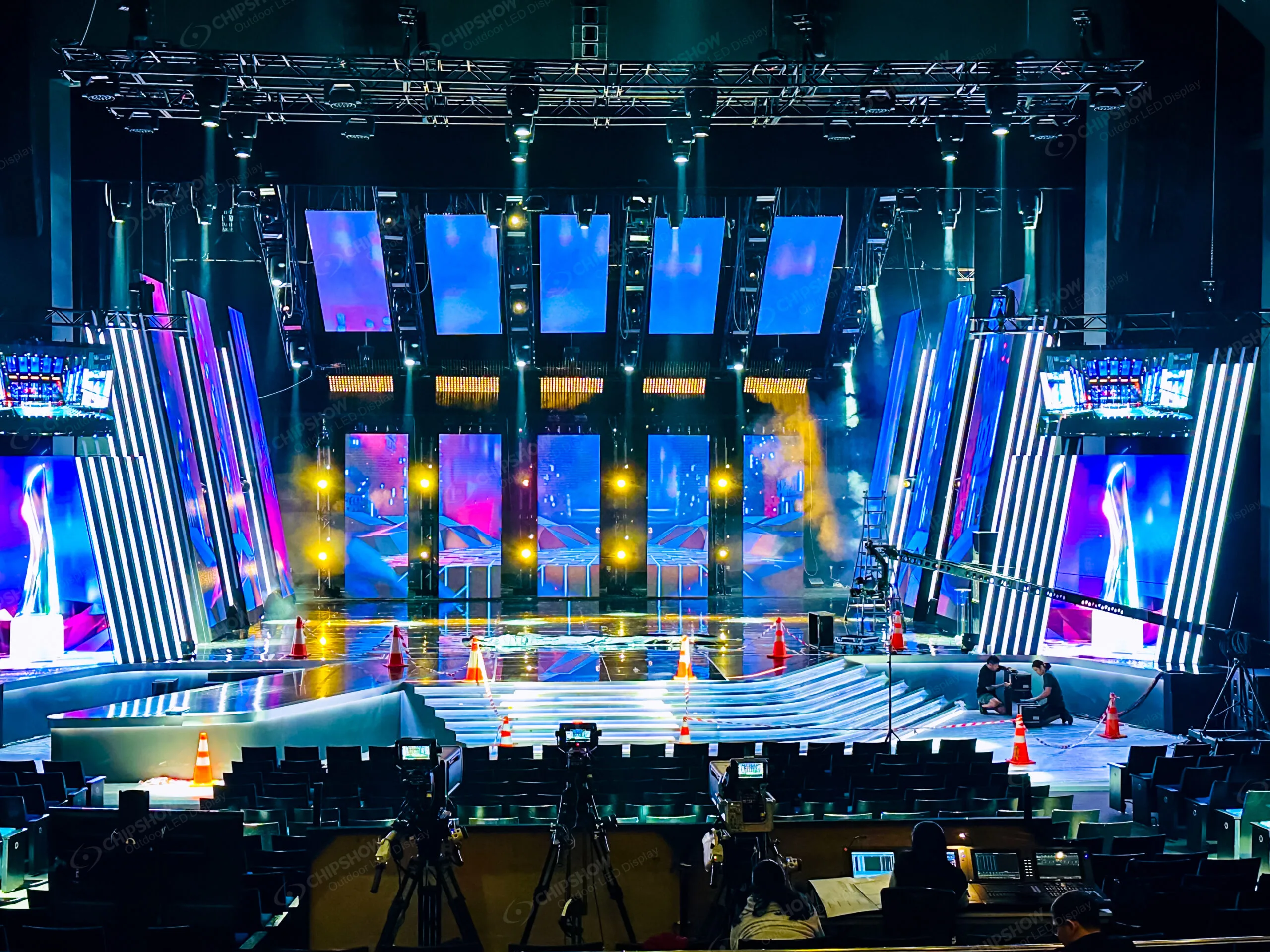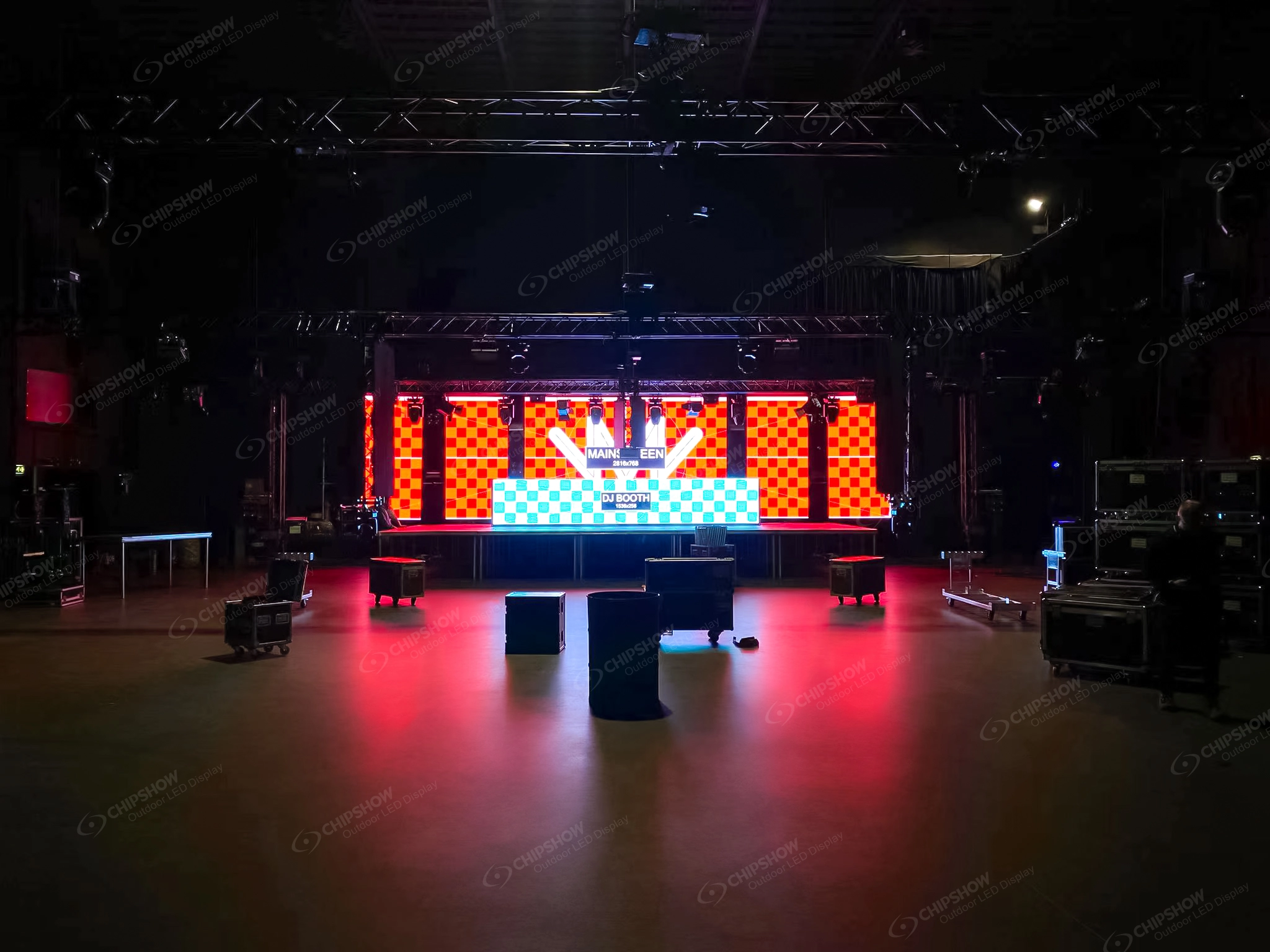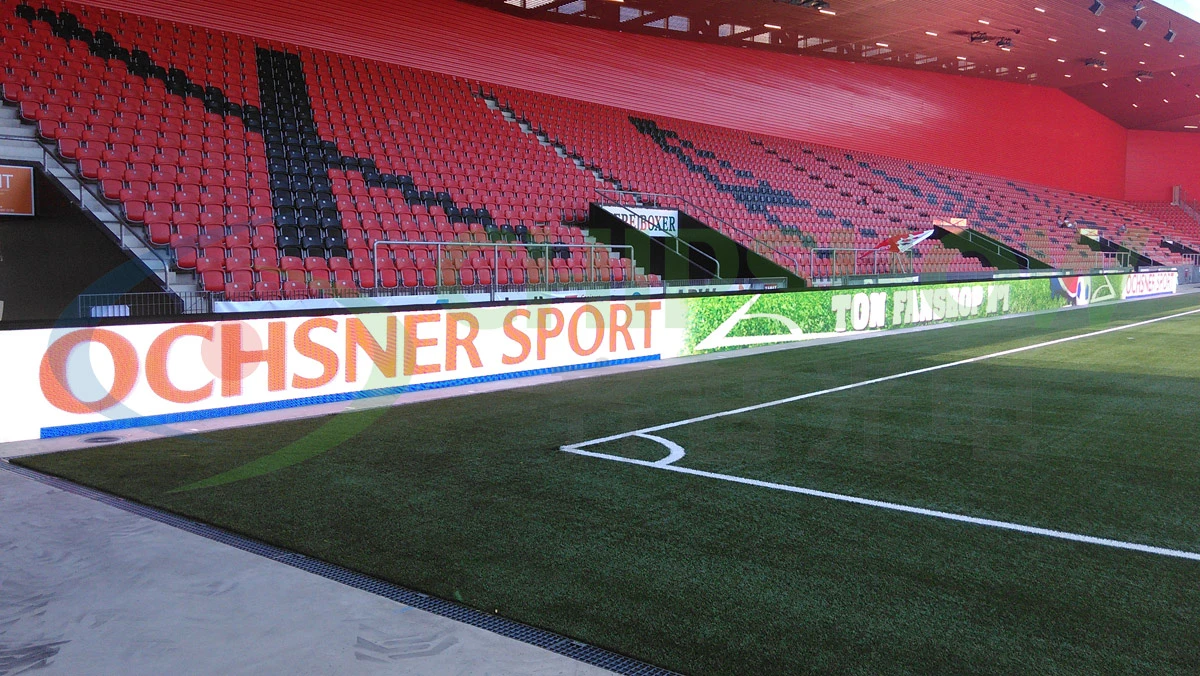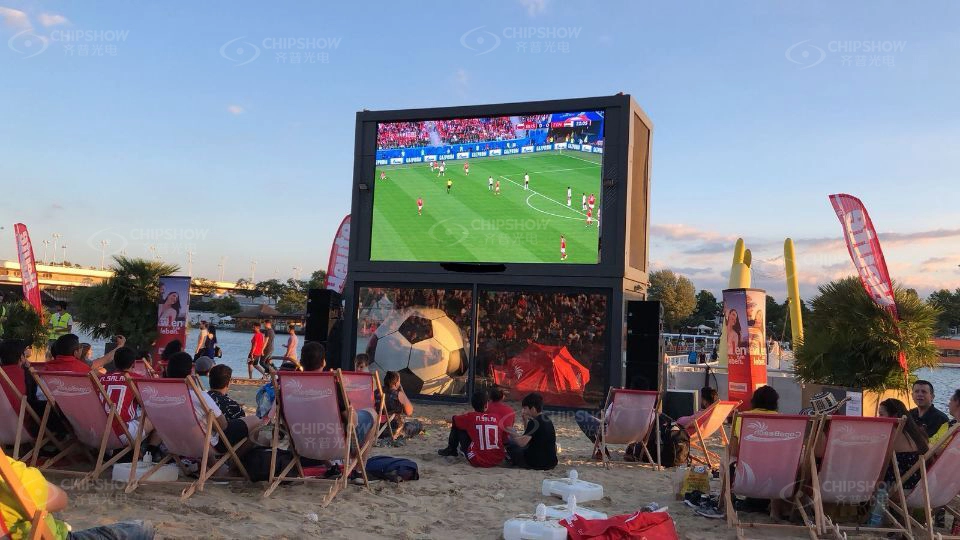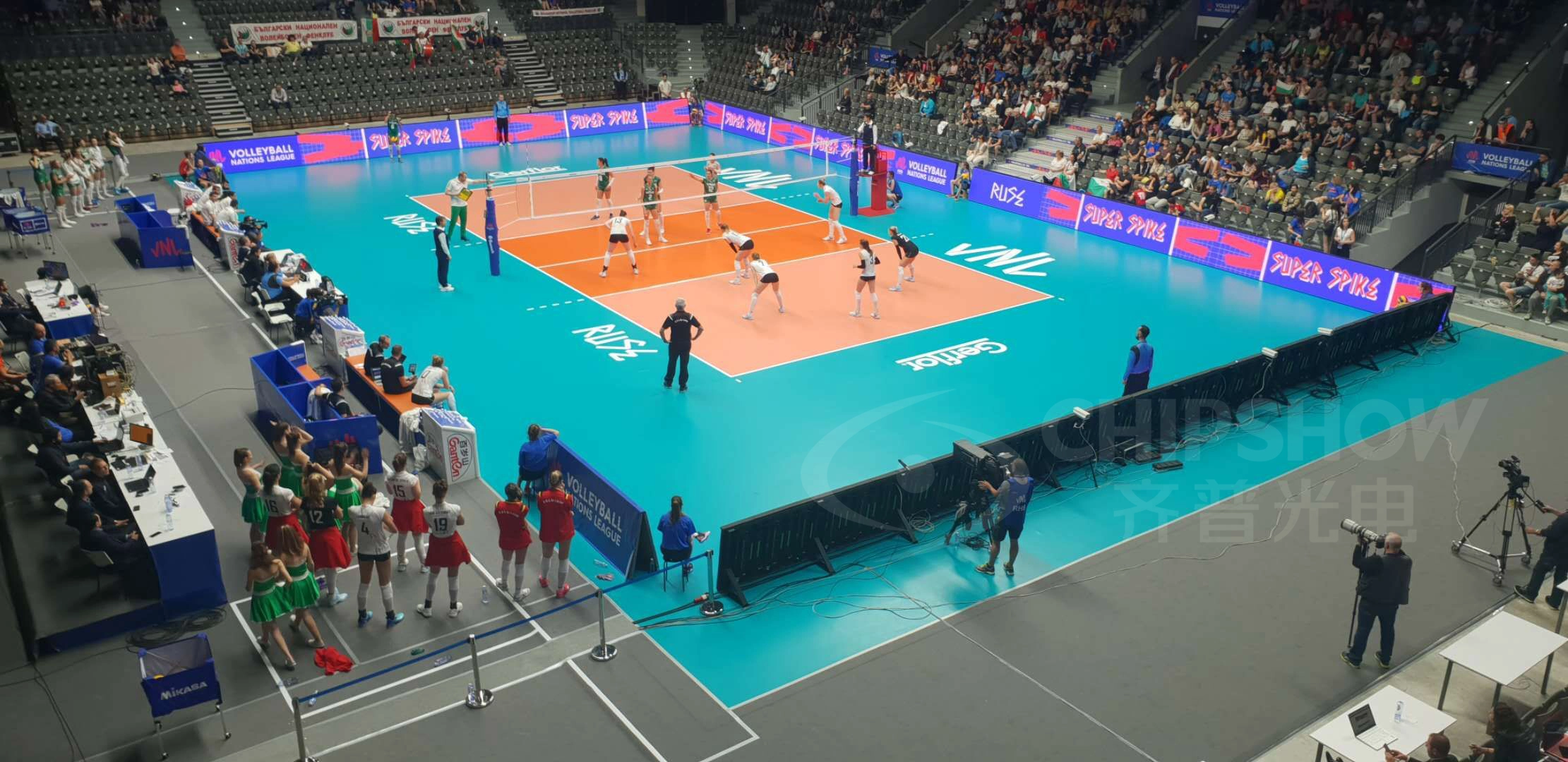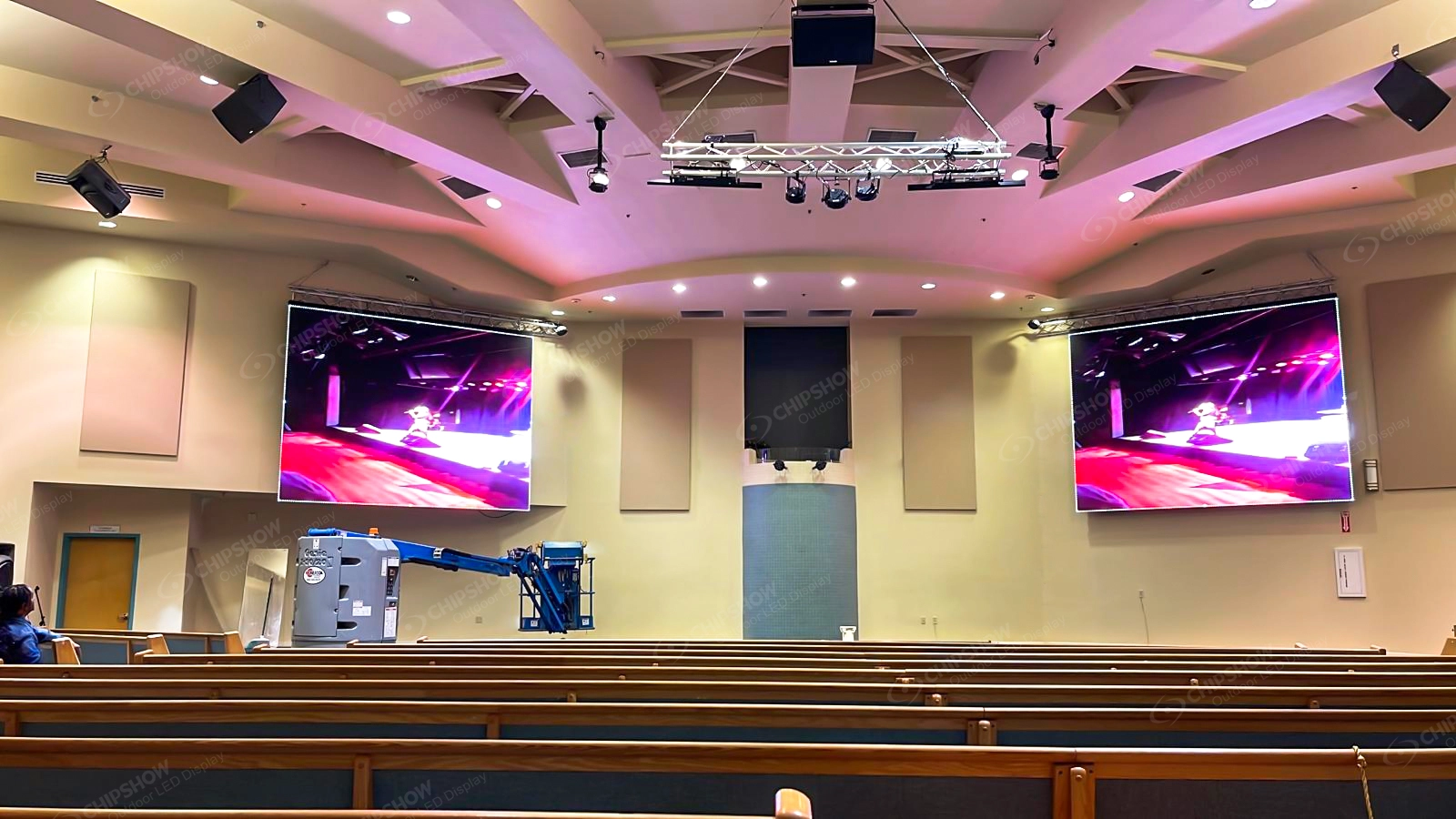
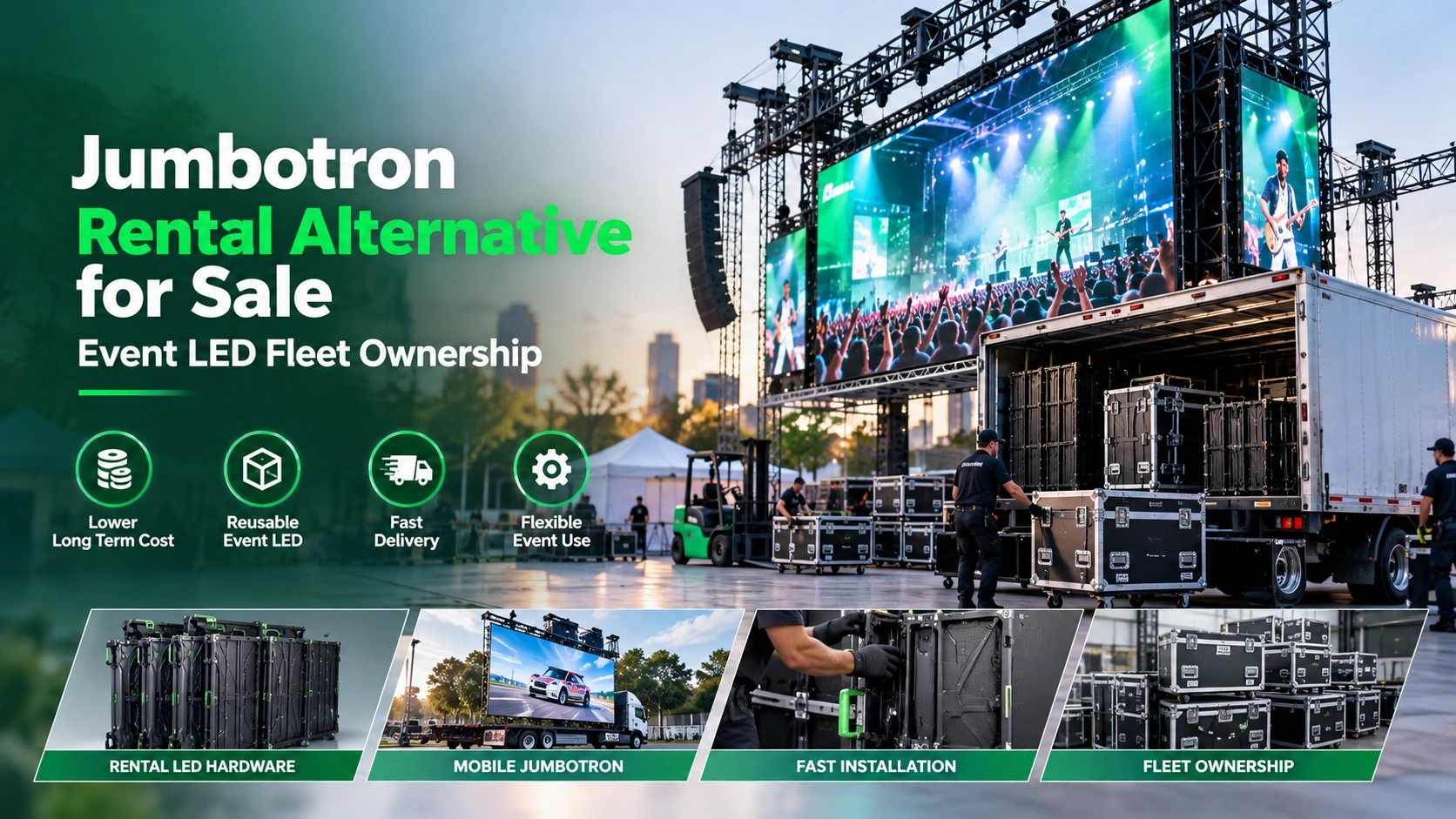
An LED wall used two weekends a year is usually an event expense. The same hardware used across dozens of productions can become a working fleet asset.
That difference is the real starting point for buyers looking for a jumbotron rental alternative for sale.
Event production companies, rental houses, venues, churches and brand activation teams often reach this decision after paying for similar LED configurations repeatedly. At first, renting keeps the operation simple. As annual use increases, however, the organization may begin paying again and again for screen sizes that have become predictable.
Ownership changes that equation, but only when the business is ready to operate the equipment.
A reusable LED fleet needs the right panels, display control hardware, transport protection, planned spares, storage, trained crews and a maintenance process. Those elements determine whether ownership creates long term operating value or simply moves rental expense into capital equipment and warehouse overhead.
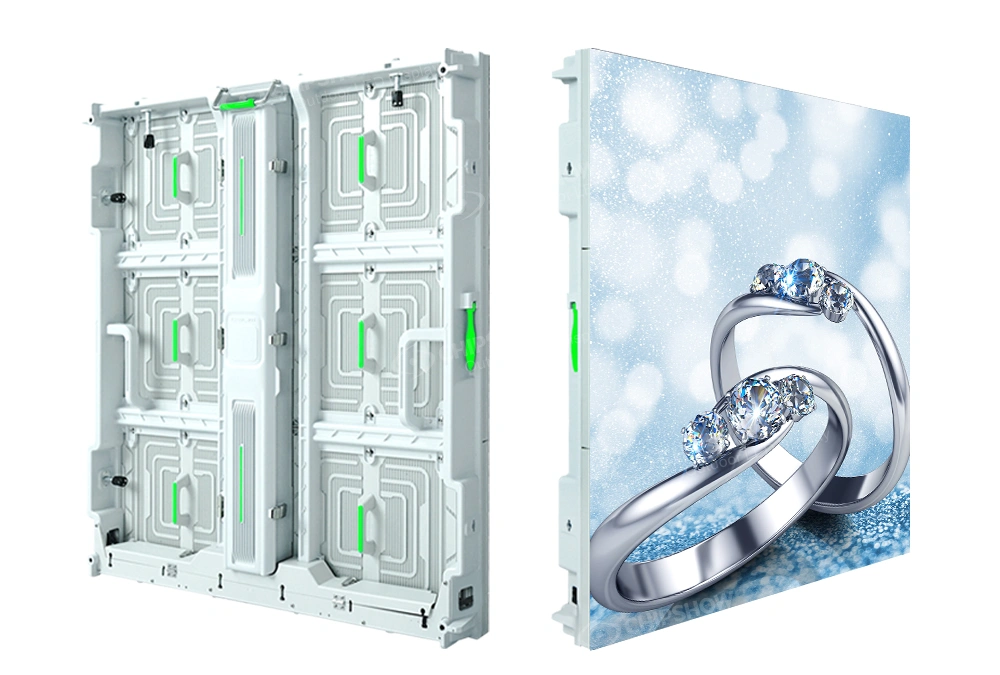
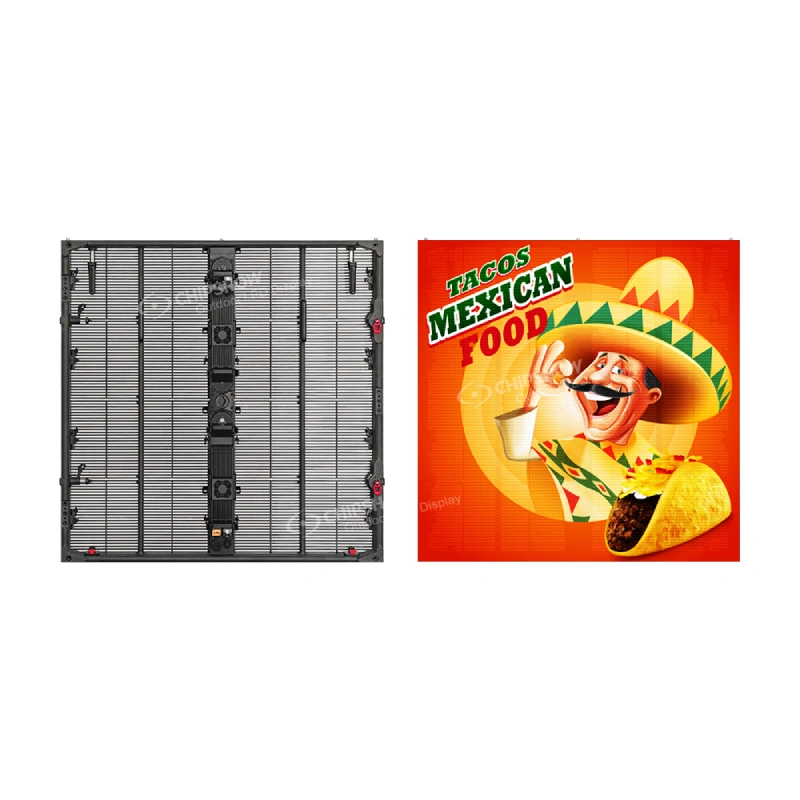
Chipshow manufactures Rental and Stage LED hardware for organizations building that reusable capability.
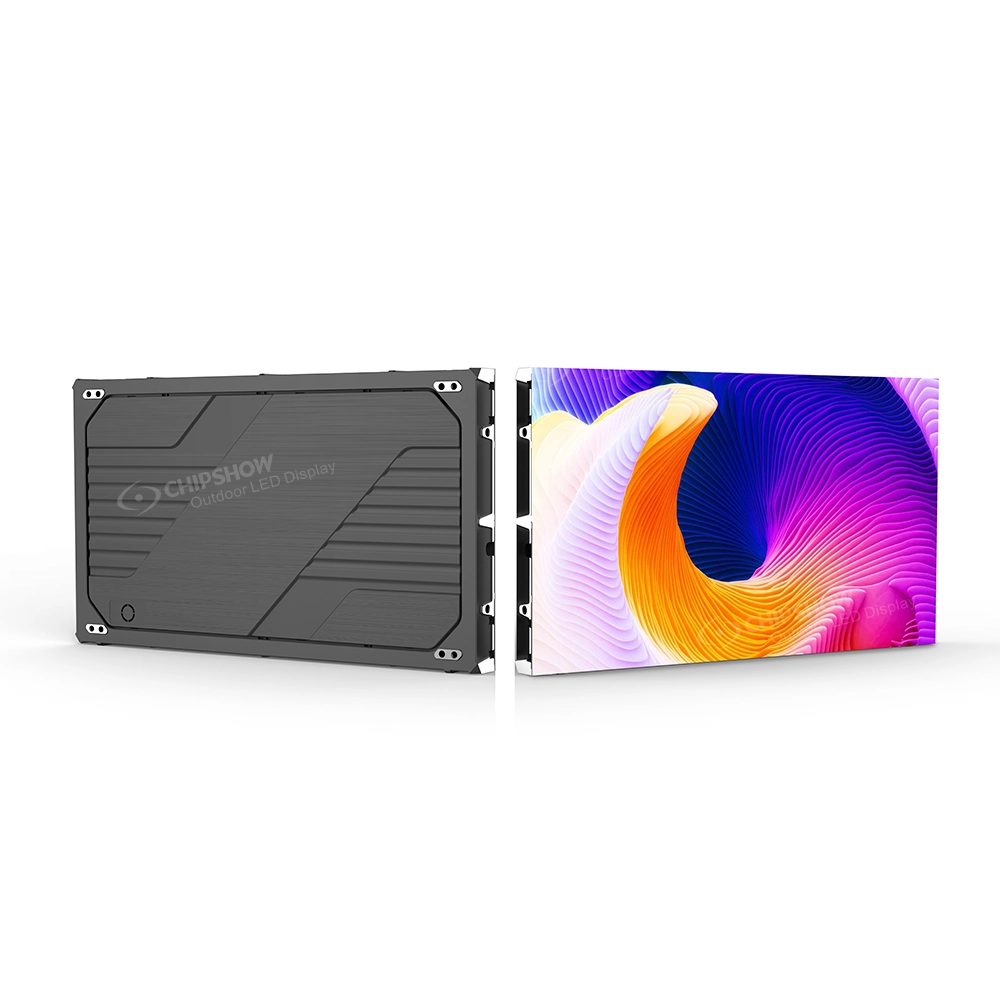
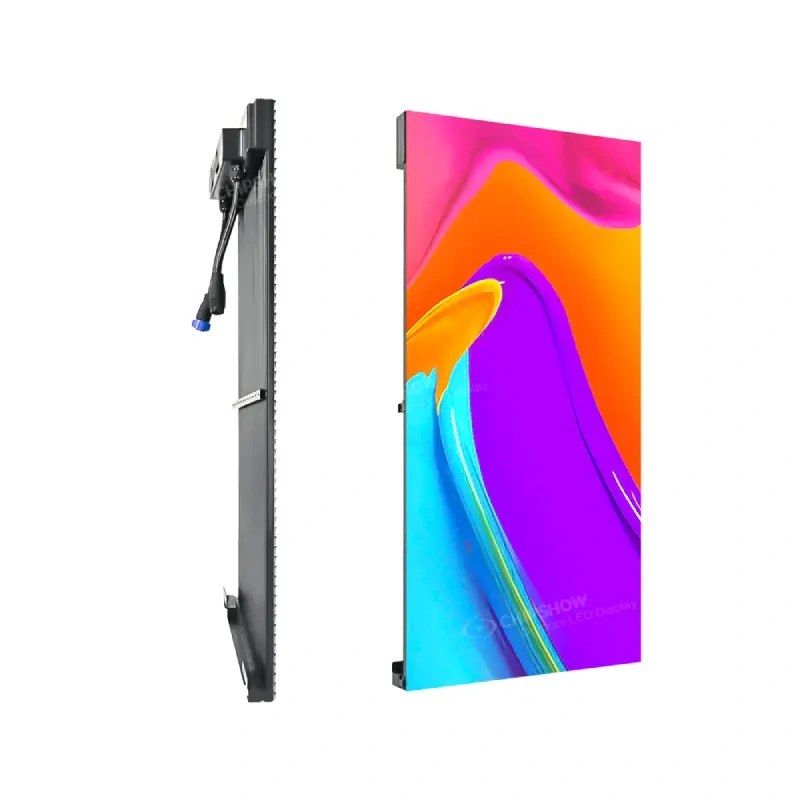
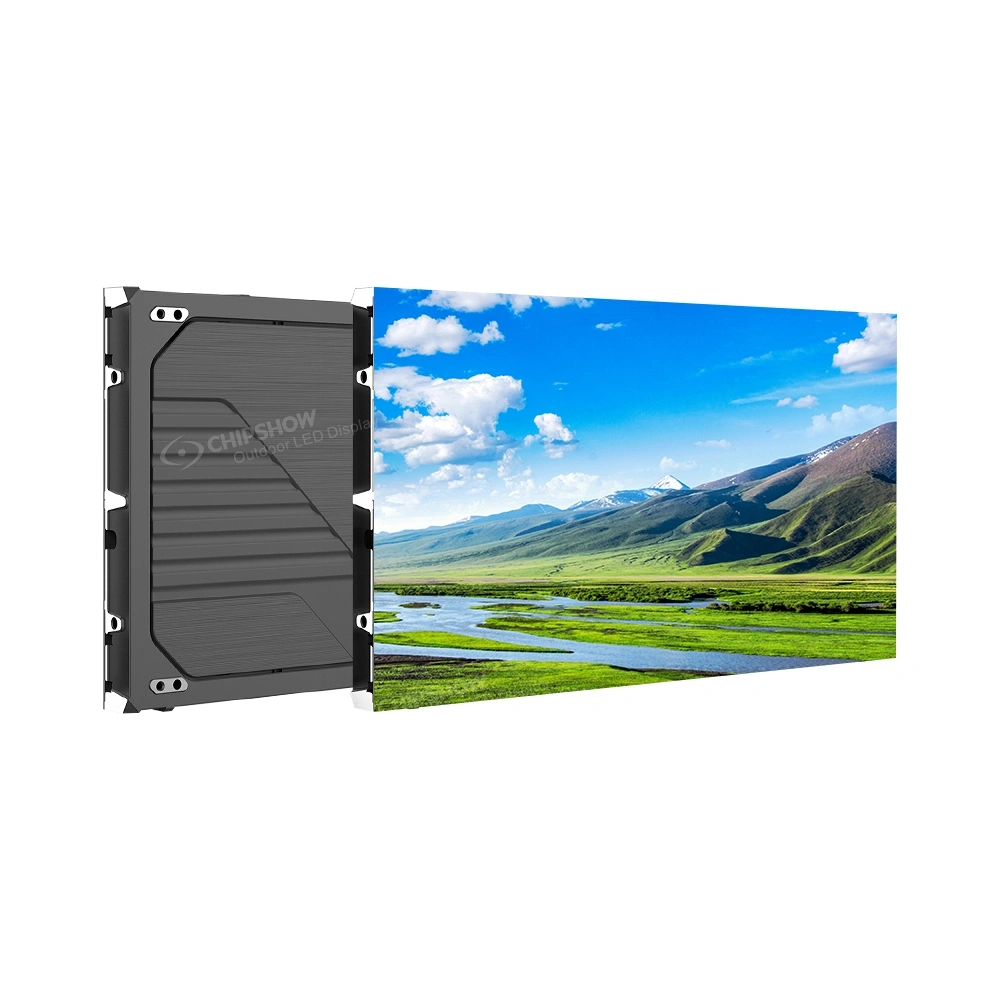
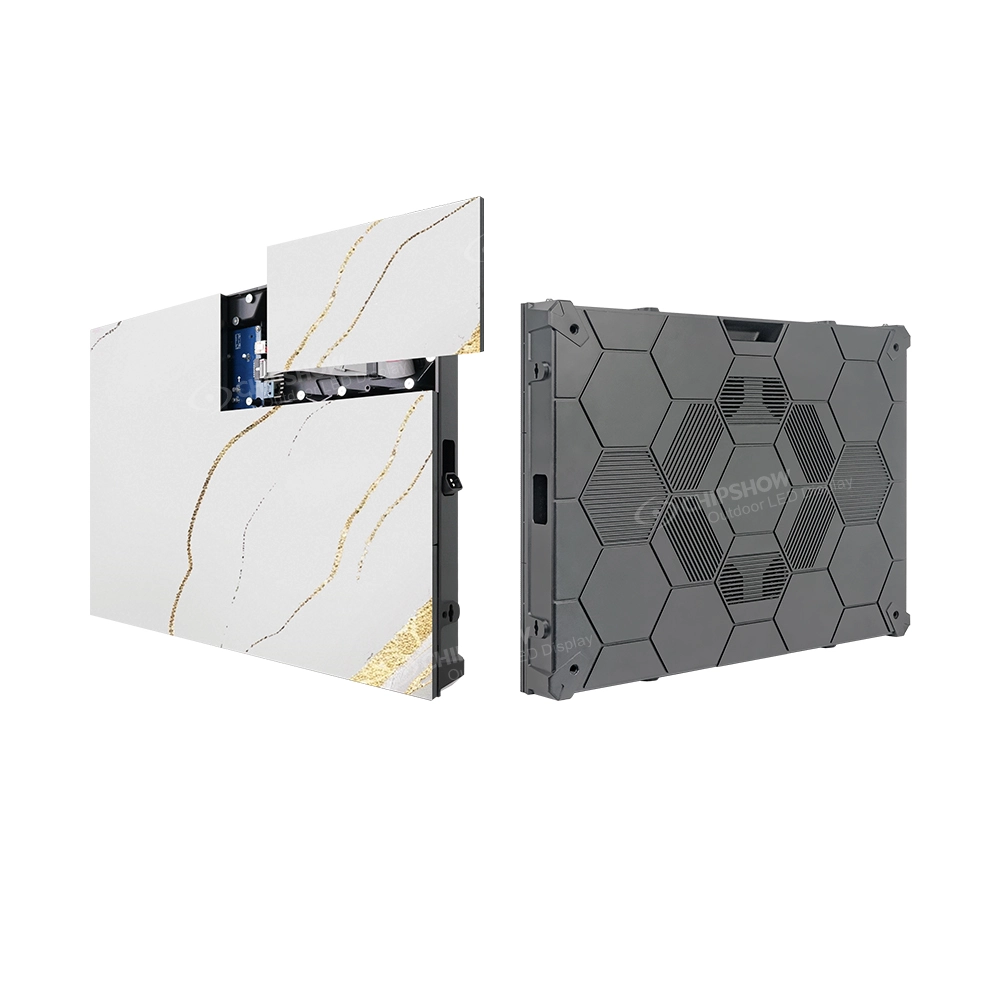
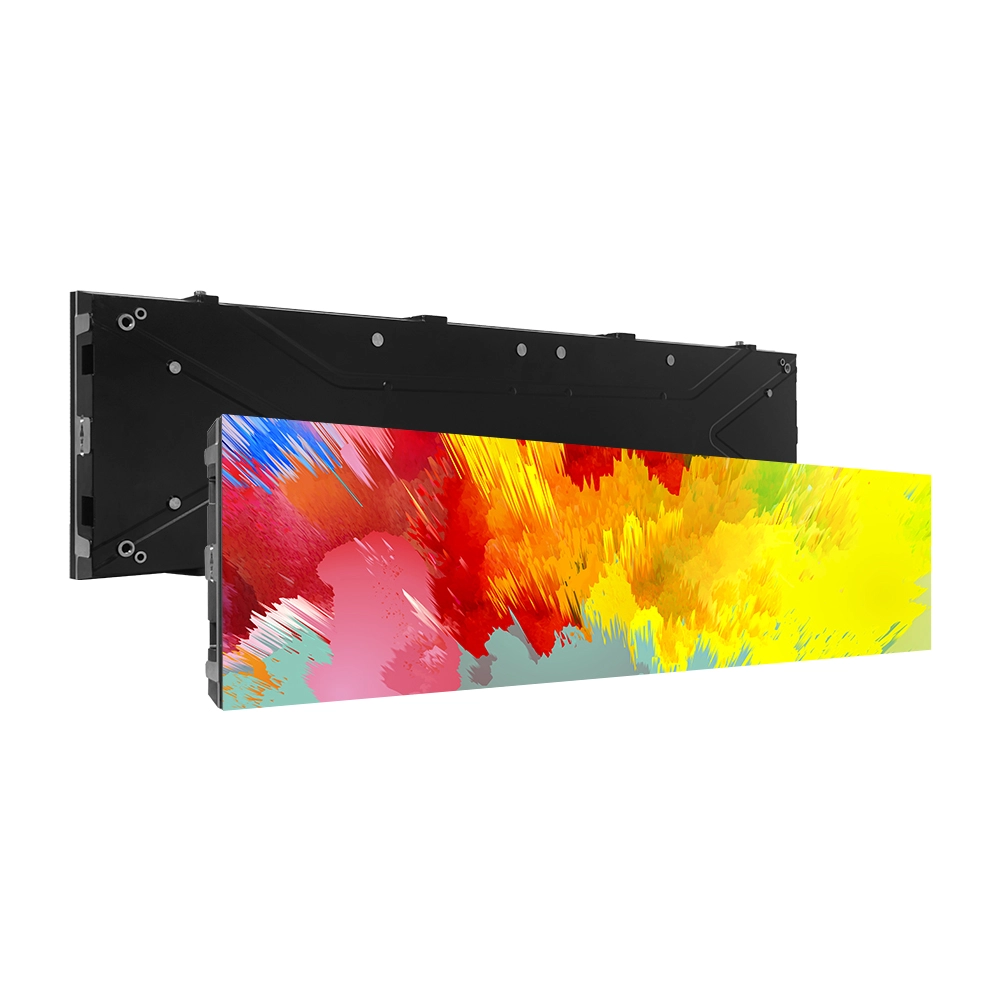
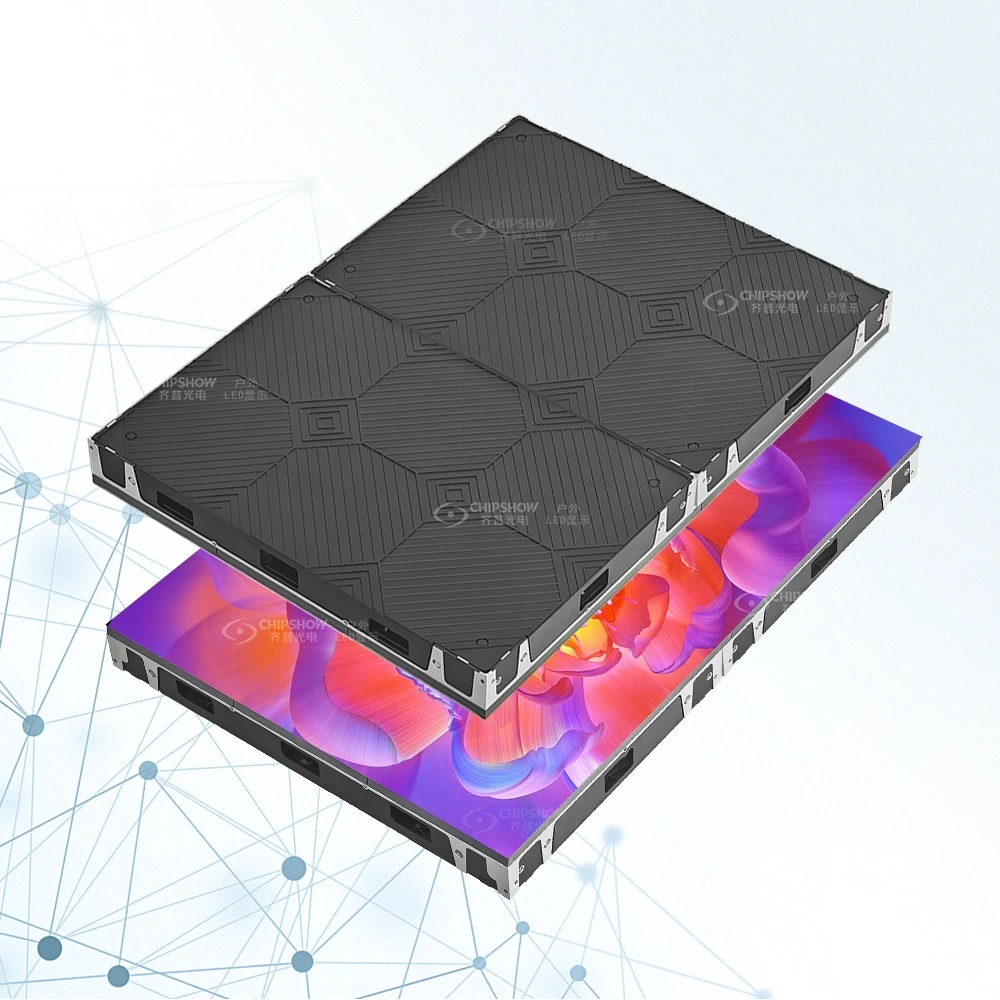
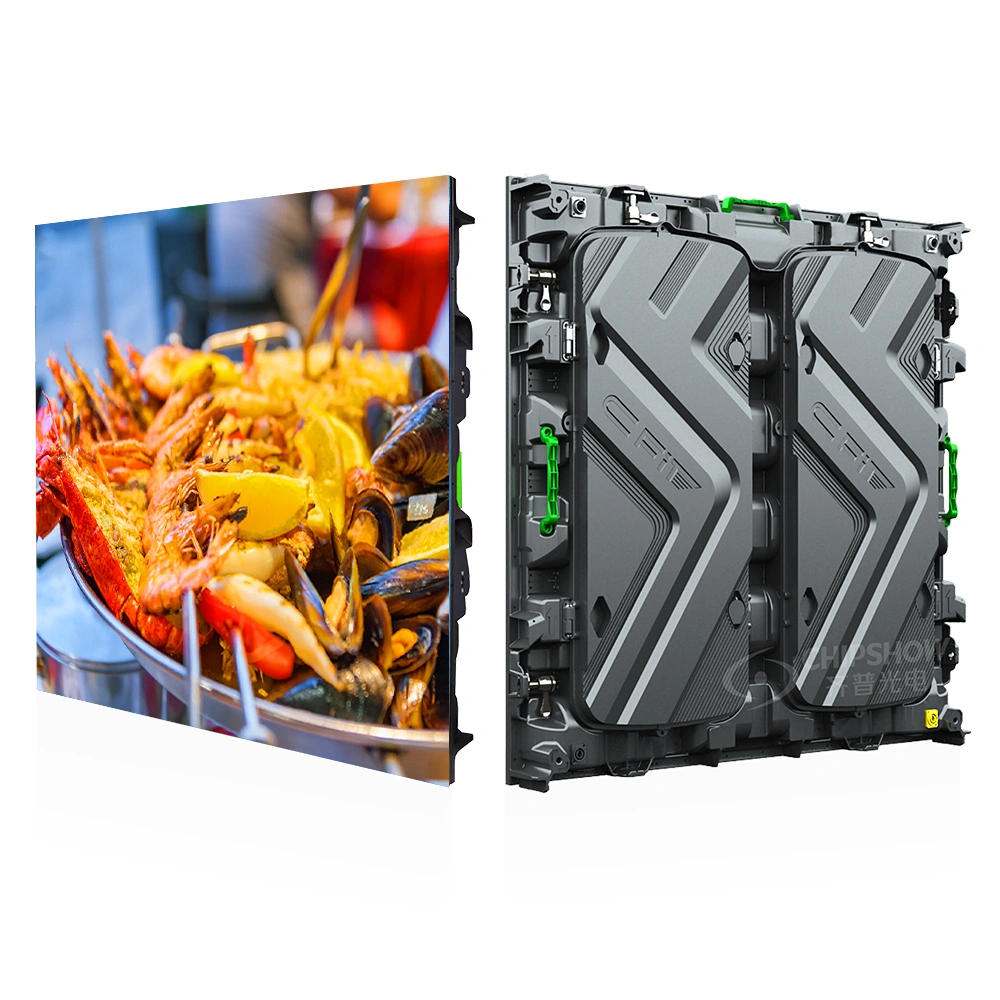
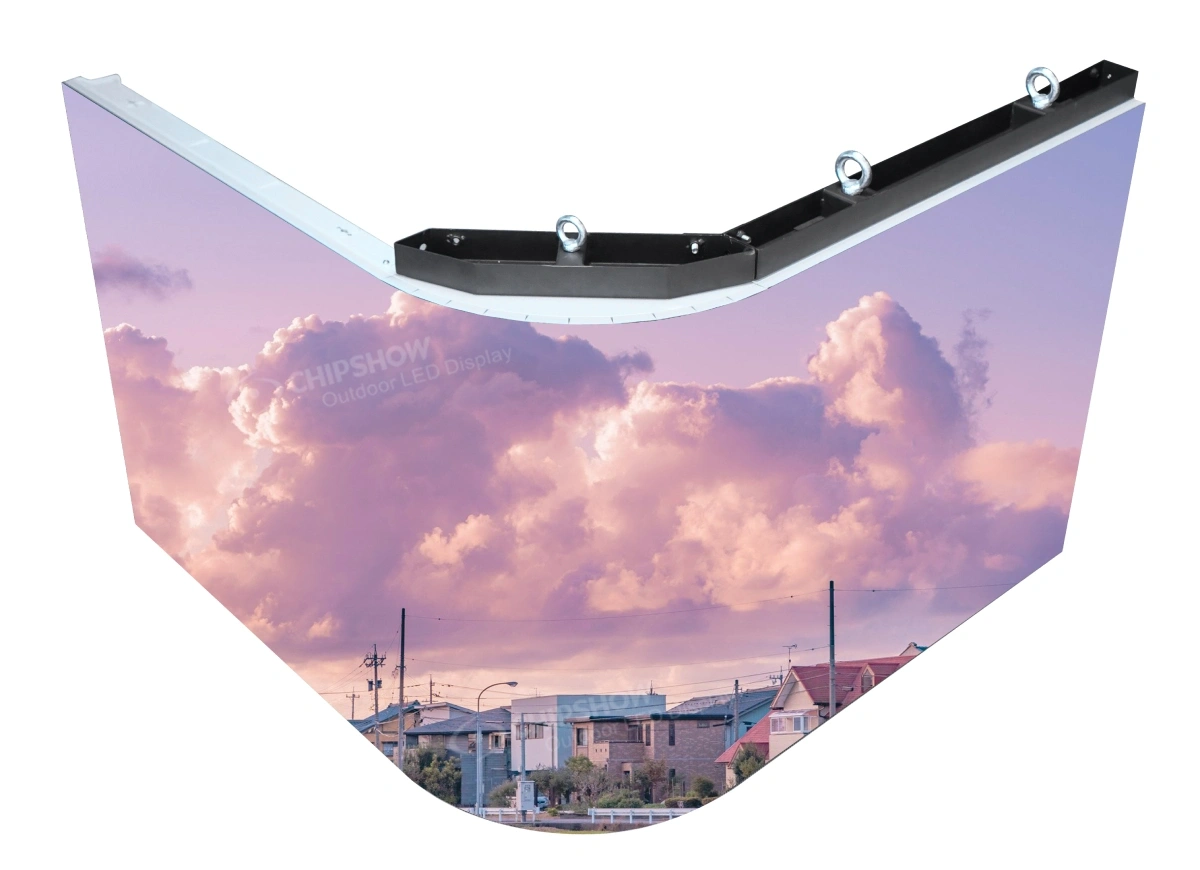
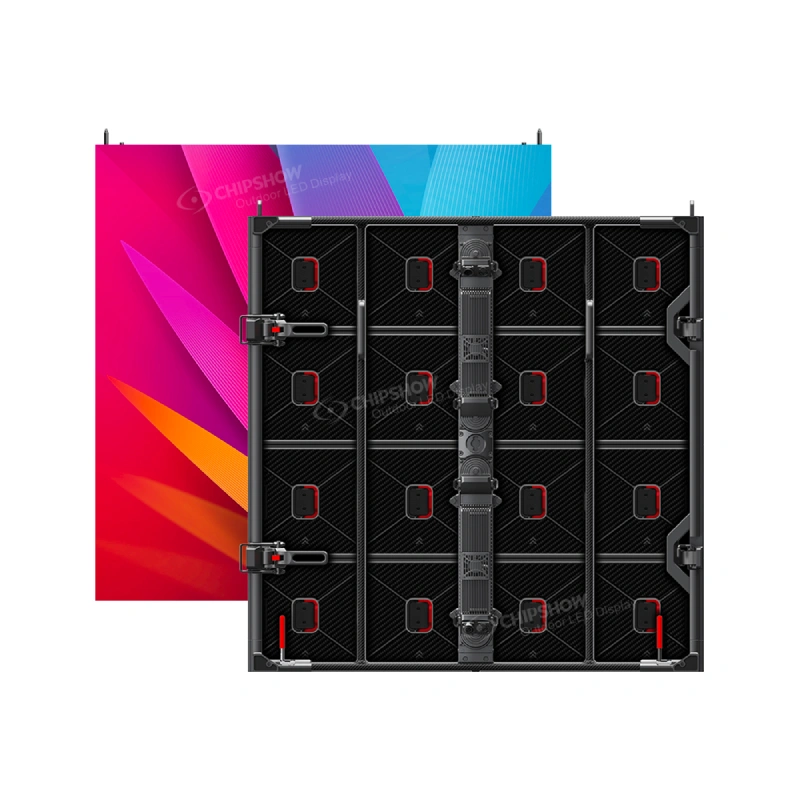
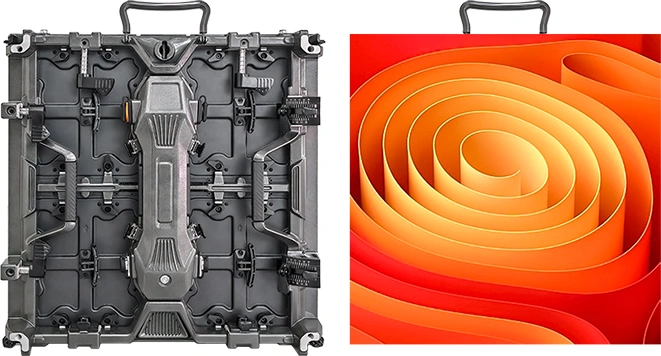
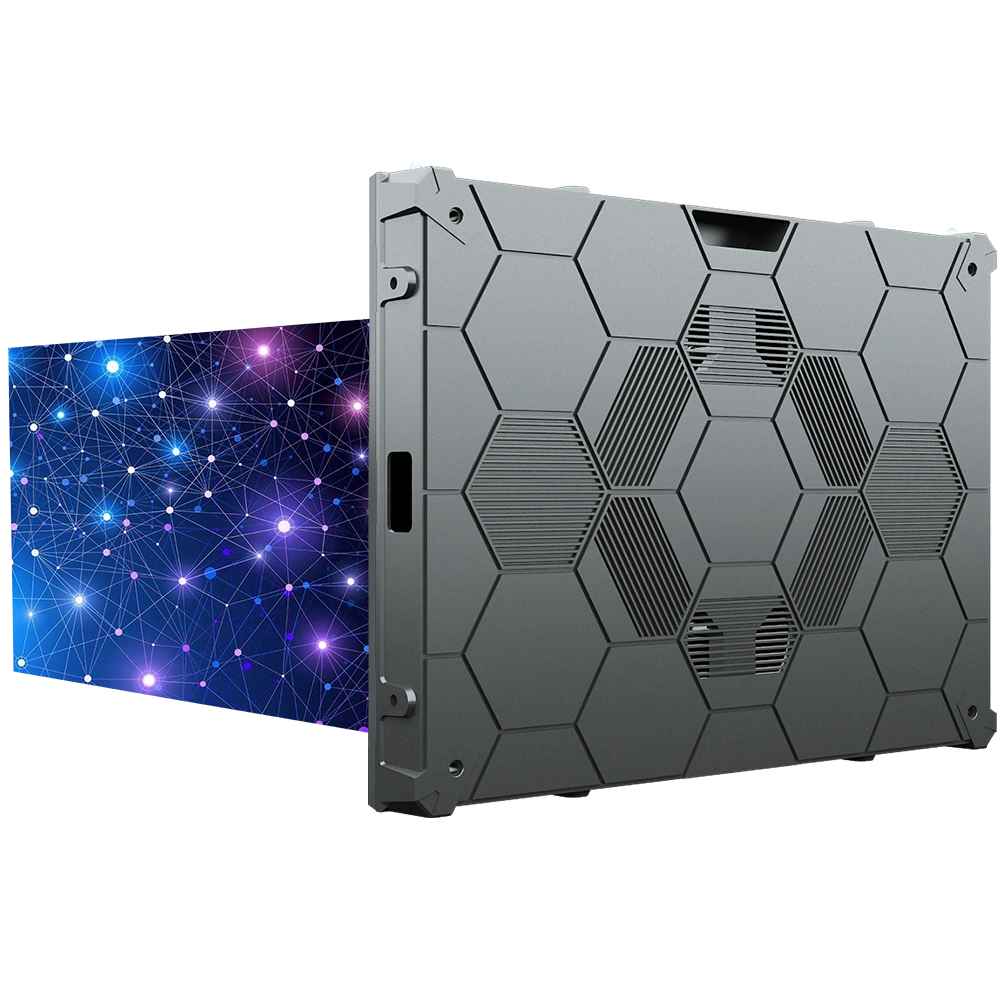
Chipshow C-Shine Plus supports flexible indoor and event production. Chipshow C-Rock Outdoor is designed for touring and outdoor stage applications. Chipshow C-Carbon P3.91 Solid provides a large format lightweight cabinet option for outdoor fleets where fewer individual cabinets and transport efficiency matter.
The objective is not to purchase the largest possible LED inventory.
The ownership decision is won or lost by annual utilization rather than panel purchase price alone.
A well planned fleet should match the screen sizes, environments and event formats the organization expects to deploy repeatedly.
When Renting Makes More Sense
Buying LED hardware is not automatically the stronger financial decision.
Rental remains practical when the display requirement is occasional, unusually large or highly variable.
Low Frequency Events Favor Rental
An organization that uses a large LED wall once or twice each year has limited opportunity to spread the purchase cost across multiple events.
The panels may spend most of the year in storage while still requiring secure space, periodic inspection and an operating plan for the next deployment.
For an annual fundraiser, seasonal festival or one major school event, renting allows the organization to use the equipment when needed without creating a permanent fleet operation.
Ownership becomes more relevant after the screen stops being an occasional requirement.
Organizations Without a Regular Crew Carry More Ownership Overhead
Rental LED panels are designed for repeated deployment, but that repeated deployment still requires people.
The cabinets have to move from storage to transport, arrive at the venue, be assembled, connected, tested, operated, dismantled and returned.
For an established event company or rental house, those activities are already part of normal operations.
For a venue or organization without a regular production crew, ownership creates a new responsibility.
The financial comparison should therefore reflect not only how frequently the screen is needed but also whether the organization already has the people and workflow required to manage it.
Peak Events Can Distort the Fleet Size
The largest event of the year is not always the right event around which to build an owned fleet.
A production company may normally use a moderate LED wall but occasionally need a much larger stage screen.
Purchasing enough cabinets for the annual maximum can leave a substantial portion of the fleet unused during ordinary jobs.
A more disciplined ownership strategy focuses on the configuration that repeats.
Larger exceptional productions can still use additional locally sourced equipment where appropriate without forcing the owned fleet to match every possible project.
Highly Variable Venues Reward Rental Flexibility
Some event businesses work in similar rooms every week.
Others move constantly between ballrooms, outdoor stages, convention halls, houses of worship and temporary activation spaces.
The more the rigging conditions, screen dimensions and environmental requirements change, the more difficult it becomes for one hardware platform to serve every project efficiently.
An owned fleet creates the most value when a consistent cabinet architecture can cover a meaningful portion of the annual event schedule.
When Buying Becomes a Fleet Decision
The ownership case becomes stronger when the organization can identify a repeatable operating pattern.
This is especially true for rental houses and production companies that already have storage, transportation and experienced crews.
Repeatable Screen Sizes Create Better Utilization
Start with the screens the organization builds repeatedly.
A production company may discover that several clients use similar stage widths. A church may rebuild the same LED package for services, conferences and holiday programs. A venue may use one standard wall size for most events but expand it for selected productions.
That pattern provides a much stronger ownership foundation than a forecast based only on future possibilities.
The same modular inventory can also be divided.
A fleet that normally creates one large wall may be able to create multiple smaller screens on another event when the cabinet and control architecture support it.
That flexibility increases potential utilization without requiring a different product family for every production.
Rental Houses Already Have the Operating Infrastructure
For an AV rental business, LED becomes another equipment category inside an existing fleet model.
The company already understands warehouse organization, flight cases, truck loading, crew scheduling, equipment inspection and client deployment.
Adding the right rental LED system therefore expands an operating structure that already exists.
The purchasing question becomes more specific.
Which cabinet architecture fits the company’s normal screen sizes, which pitch works across the most common viewing distances, how much outdoor work enters the annual booking mix and how many cabinets can the existing transport and crew model handle efficiently all become part of the decision.
Chipshow can use those recurring operating requirements to configure the LED hardware package around the fleet rather than around one event.
Production Companies Gain Hardware Consistency
Repeatedly sourcing different LED systems can create workflow variation.
Cabinet locks change. Module service changes. Processor configuration changes. Spare parts change. Crew familiarity changes.
Owning a defined platform gives the production team a stable hardware standard.
The crew can become familiar with cabinet handling, service access and system preparation. Content teams can work around known screen geometries. Spare inventory can be planned around the hardware the company actually owns.
That consistency can create operational value even before the financial break even point is reached.
Venues Can Rebuild One Asset for Different Programs
A venue does not have to operate an external rental business to benefit from modular LED ownership.
A church, university, performing arts facility or multipurpose event venue may need several temporary screen configurations during the year.
One event may use a wide stage wall. Another may use two smaller side screens. A third may move the equipment into another room or an outdoor event area when the selected hardware supports that environment.
The benefit comes from reuse.
Instead of installing one permanent screen for one room, the organization owns a modular visual asset that can be configured around recurring programs.
Touring Teams Gain a Known Production Standard
Touring creates another reason to own.
A known LED platform gives the production team a consistent cabinet size, pixel pitch, control architecture and spare strategy from location to location.
Content mapping can be prepared around the same canvas.
Crew training carries across the tour.
Service parts travel with the production.
For operations moving through many venues, that consistency can become part of the value of the fleet itself.
Ownership Cost Model
A fleet budget begins with the LED hardware but does not end there.
The useful ownership model separates the capital equipment from the operating costs required to keep that equipment deployable.
| Ownership Area | What the Budget Should Include | Why It Matters |
|---|---|---|
| LED fleet | Cabinets and applicable manufacturer side hardware | Defines the screen area and configurations the fleet can build |
| Display control | Processing sending and receiving architecture within the approved scope | Must support the actual pixel load and common screen layouts |
| Transport protection | Flight cases and appropriate handling equipment within the fleet plan | Protects hardware and shapes warehouse and truck workflow |
| Project spares | Planned LED and control service parts | Gives the owner a faster recovery path during repeated use |
| Storage | Secure organized space for panels cases cables and accessories | Becomes a continuing ownership expense |
| Crew | Build strike testing and operation | Repeats on every deployment |
| Transportation | Truck freight or other event movement | Changes with fleet size cabinet format and event geography |
| Maintenance | Inspection cleaning repair and component replacement | Protects equipment condition across repeated deployment |
| Business overhead | Applicable insurance administration and asset management | Varies by organization and operating model |
This is a different calculation from comparing one daily rental rate with one cabinet price.
Ownership creates an operating system around the hardware.
Start With the Fleet BOM
The manufacturer side hardware package should reflect the screens the owner expects to build repeatedly.
That includes the selected LED cabinet quantity and the applicable display control architecture defined for the project.
Planned spares should enter the same discussion.
Depending on the quoted scope and deployment method, additional manufacturer side accessories can also become part of the hardware package.
Chipshow builds the fleet BOM around the required screen configurations instead of treating the LED cabinets as isolated units.
That gives the buyer a real asset package to compare with annual rental spending.
Transport Protection Is Part of the Equipment
Rental hardware spends a significant portion of its life between venues.
Flight cases and warehouse handling therefore affect the operational quality of the fleet.
The case layout influences how many cabinets move together, how crews load trucks and how quickly equipment can be counted and prepared for the next project.
A lightweight cabinet can reduce handling burden.
The complete transport system still determines how effectively that weight advantage translates into actual event operations.
Crew Cost Repeats With Every Deployment
Rental ready hardware can make assembly more efficient through cabinet alignment, fast locks and service access.
It does not remove labor.
Every event still requires a safe build and strike process.
For North American production companies working in venues with higher labor rates or union crews, repetitive handling becomes a meaningful ownership variable.
The stronger hardware choice is therefore not simply the lightest panel.
It is the cabinet architecture that works efficiently with the screen sizes and crew model the company uses regularly.
Storage Needs an Operating Plan
A reusable LED fleet should return to an organized home.
Panels, cases, processors, cabling and spares need space where the company can inspect, count and prepare them for the next event.
Rental houses already build their operations around that process.
Organizations buying their first fleet should include it in the ownership decision before the hardware arrives.
Maintenance Protects Fleet Utilization
Rental and stage hardware experiences transportation and repeated assembly.
That makes maintenance part of normal fleet ownership.
Connectors need inspection. Modules may require replacement. Power and receiving components need a service path. Cabinet condition needs to remain suitable for the next production.
Chipshow can include planned project spares in the manufacturer side hardware package so routine component replacement does not begin with a new sourcing process every time.
The owner then builds its inspection and repair workflow around the actual event schedule.
Mobile Jumbotron and Modular Event LED
The phrase mobile jumbotron is often used for two different types of equipment.
For an ownership buyer, the distinction matters.
Trailer Mounted Screens Combine LED With a Mobile Structure
A trailer mounted jumbotron integrates the screen with a trailer or vehicle based deployment system.
The equipment travels as one mobile unit and opens or lifts into its operating position at the event.
That architecture can work well where rapid vehicle based deployment is more important than changing screen geometry.
The asset includes more than LED panels.
The trailer chassis, lifting system, structural design and associated mobile equipment become part of the complete system.
Modular LED Panels Create a Reconfigurable Fleet
Modular event LED follows another ownership model.
The cabinets travel in flight cases and are assembled into the screen required for each job.
The same inventory can create different dimensions across different productions.
That is the model supported by Chipshow’s Rental and Stage product family.
The customer owns a reusable cabinet fleet rather than one permanently defined trailer screen.
For rental houses, production companies and venues, this makes the hardware adaptable across a broader event schedule.
A Mobile Search Can Lead to a Modular Ownership Decision
Someone searching for mobile jumbotron rental with fast delivery may be solving an immediate event problem.
If the requirement happens once, a local rental solution may remain appropriate.
If the same organization is sourcing similar screens repeatedly, the question changes.
Instead of repeatedly acquiring access to someone else’s equipment, the company can compare that annual spend with the capital and operating cost of building its own modular LED inventory.
Chipshow provides the rental ready LED hardware for that ownership model.
Where a business wants to combine modular LED with a dedicated trailer or vehicle system, that mobile structure becomes a separate part of the complete project architecture.
Choosing Chipshow Rental Ready LED Hardware
Fleet selection should follow the work the equipment will perform most frequently.
Pixel pitch matters.
So do cabinet size, weight, service method, outdoor use and the way the crew repeatedly builds the screen.
Chipshow C Shine Plus for Flexible Event Production
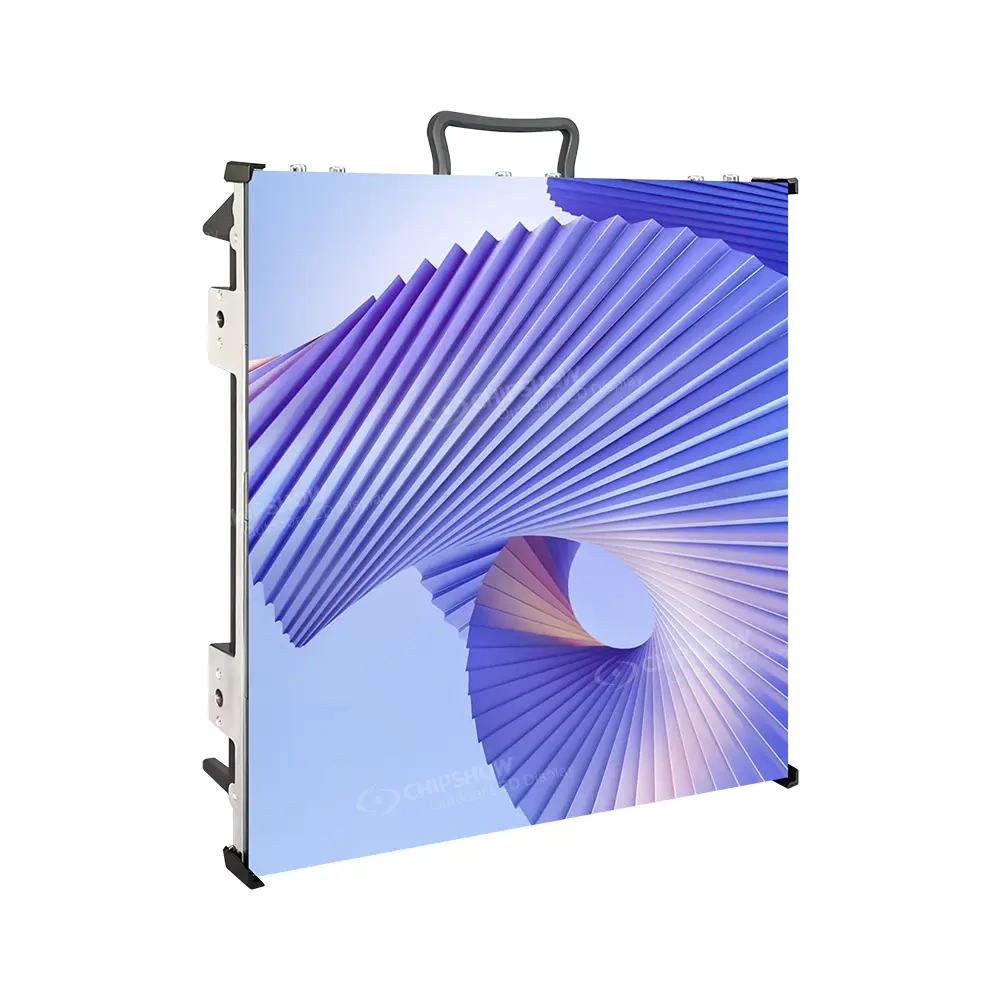
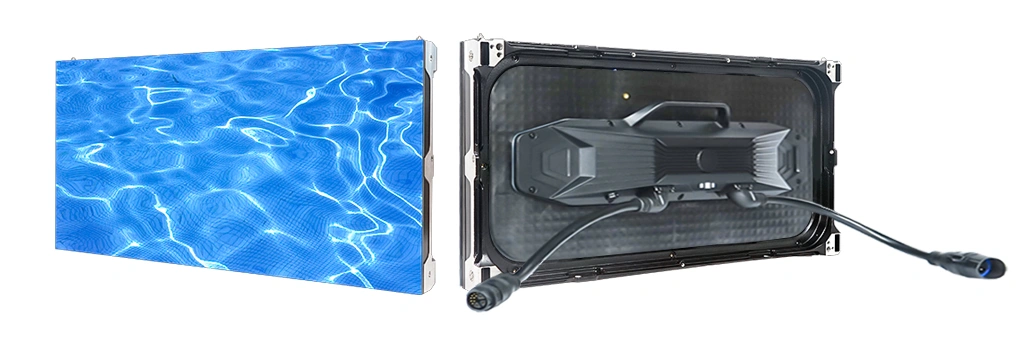
Chipshow C-Shine Plus is designed around repeated stage and rental workflows.
The current North American platform covers indoor P1.9 through P3.9 and outdoor P2.9 through P3.9, with 500 × 500 mm and 500 × 1000 mm cabinet formats.
The published 500 × 500 mm configuration weighs no more than 15.4 pounds or 7 kg.
Fast locks, tool free power box replacement and front and rear service support repeated event handling and component access.
C-Shine Plus also provides at least 3840 Hz refresh performance for camera facing and live production environments.
For production companies working across corporate events, worship, live entertainment and stage applications, the key value is versatility.
The platform can become the common hardware language across several recurring event formats.
Chipshow C Rock Outdoor for Touring Environments
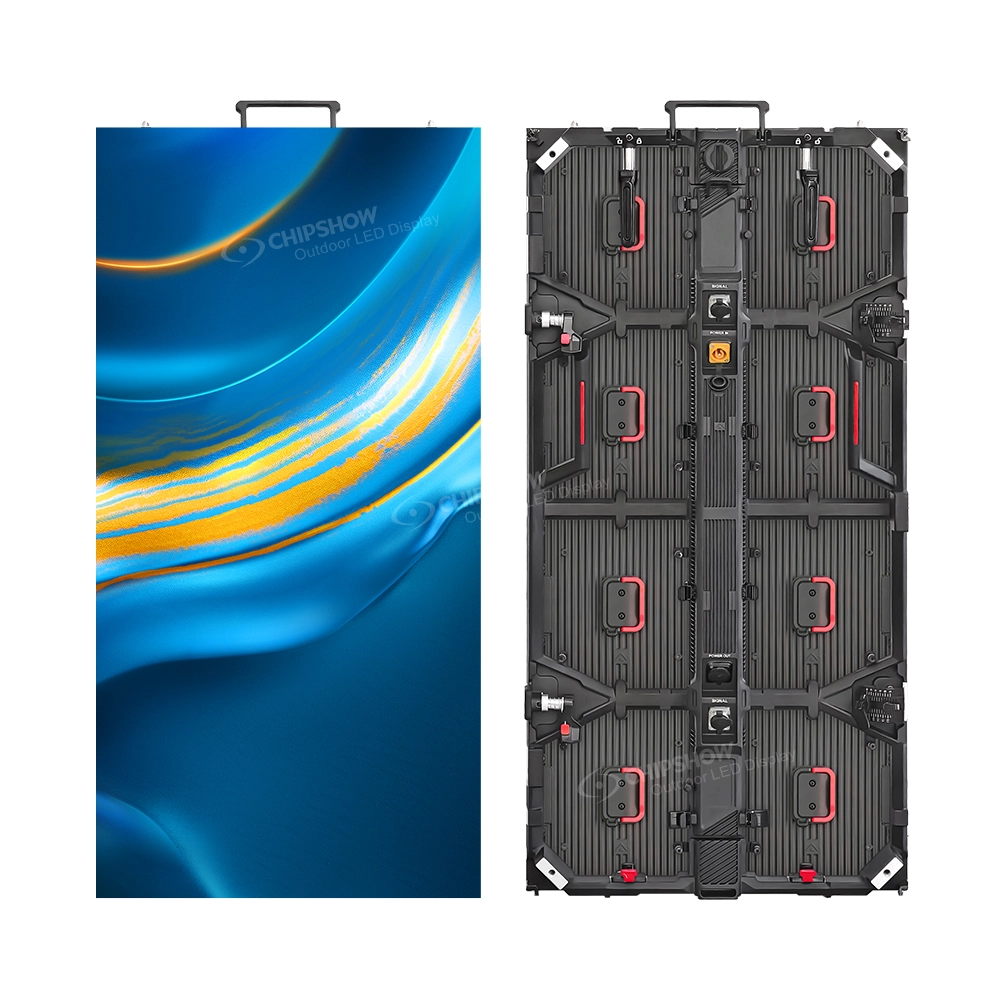
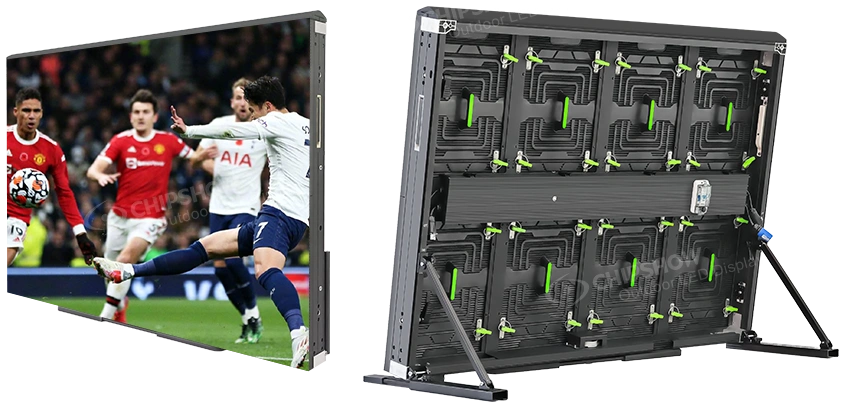
Chipshow C-Rock Outdoor addresses rental operations that regularly move into more demanding outdoor environments.
The current North American product family includes P2.6, P2.9, P3.9 and P4.8 options with 500 × 500 mm and 500 × 1000 mm cabinet formats.
Its product architecture is positioned around outdoor touring, rigging and high ambient light applications.
C-Rock becomes relevant when outdoor concerts, festivals and touring jobs represent a meaningful portion of the annual fleet utilization.
A company working almost entirely indoors does not need to choose outdoor hardware simply because it carries more environmental capability.
The fleet should follow the booking mix.
Chipshow C Carbon for Large Format Outdoor Fleets
Chipshow C-Carbon P3.91 Solid provides a different fleet architecture.
Its current cabinet uses a 1000 × 1000 mm format and weighs 20 kg.
The published platform provides brightness up to 6000 nits with an IP65 build.
The one meter cabinet changes handling at scale because a large screen can use fewer individual cabinets than an equivalent wall built entirely from 500 × 500 mm panels.
That can be valuable for outdoor rental companies repeatedly building large stage screens.
The larger format still needs to match the company’s normal wall dimensions, transport plan and crew workflow.
The right fleet is the one the company can deploy repeatedly.
Event History Shows Why Reusability Matters
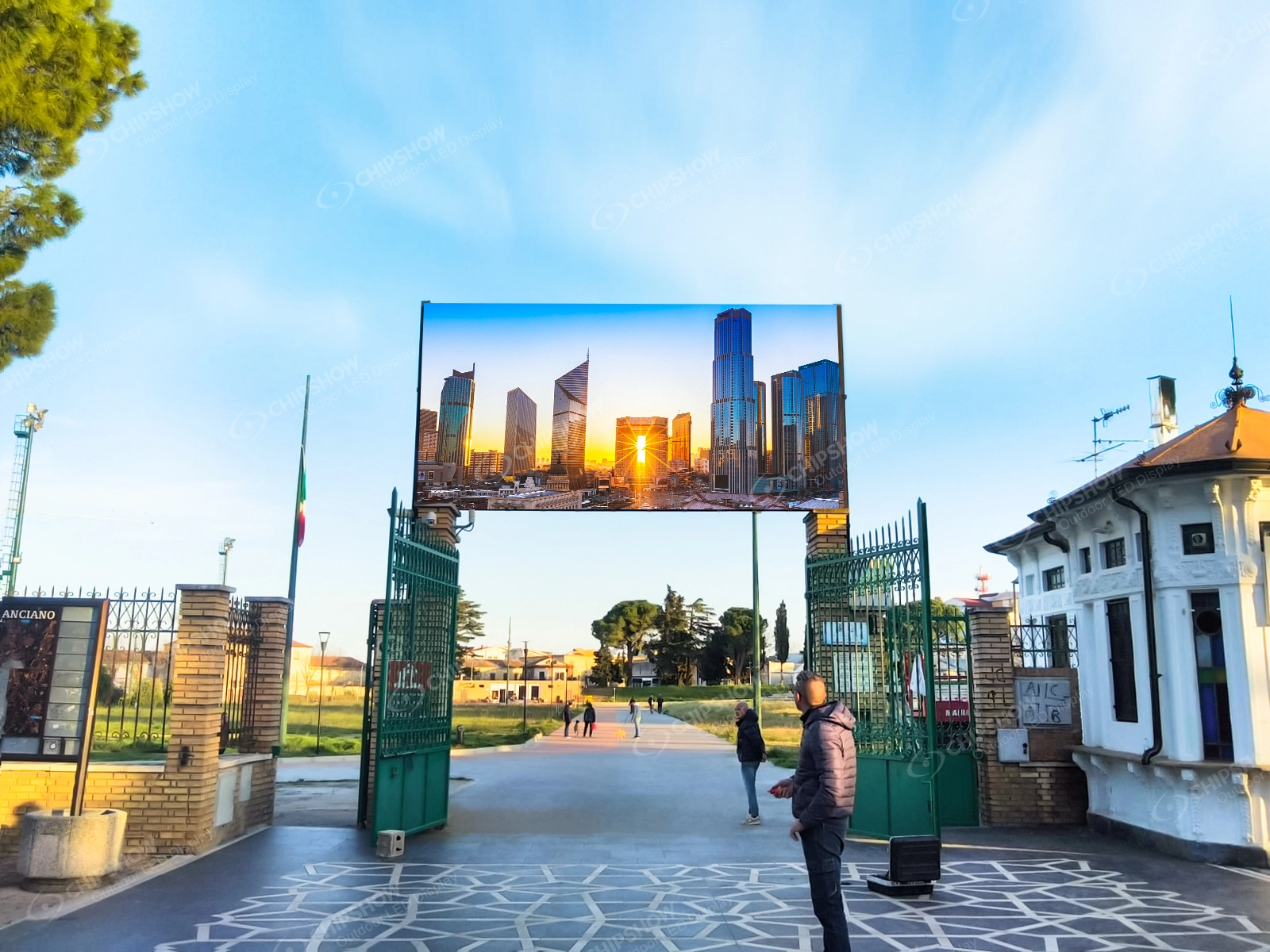
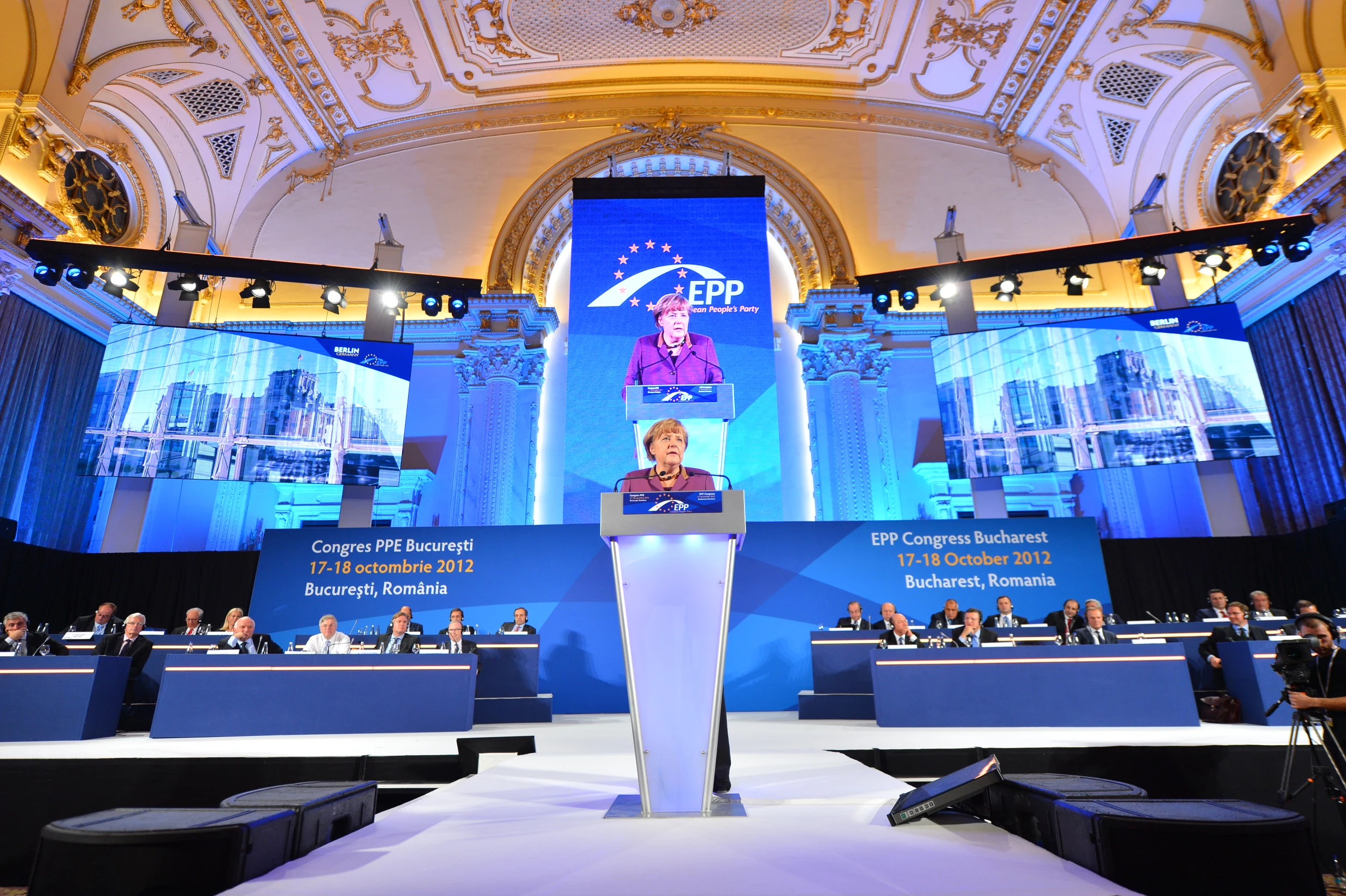
Chipshow project records include a P3.91 outdoor rental stage display supplied for a private event in Romania.
That type of temporary production illustrates the environment rental ready LED hardware is designed to serve.
The screen exists for the event, performs its visual role and then returns to an equipment workflow rather than becoming part of a permanent building installation.
For an ownership buyer, the important question is how frequently that workflow repeats across the annual calendar.
Building a Break Even Worksheet
There is no universal event day count at which buying becomes cheaper than renting.
A rental house with an existing warehouse, trucks and technicians has a very different ownership cost from an organization that has to create those capabilities from the beginning.
The break even calculation should use the buyer’s own operating data.
Start With Replaceable Rental Spend
Look at actual events from the previous operating period.
Identify which rentals could realistically have used the proposed owned fleet.
Do not include every LED event if the screen sizes, pitches or environmental requirements fall outside what the new hardware can serve.
That gives the organization a realistic annual rental spend that ownership could potentially replace.
Calculate the Annual Cost of the Fleet
The owned hardware represents a capital investment.
The financial model can spread that investment across the organization’s chosen planning period according to its own accounting approach.
Then add the annual fleet expenses.
Storage, planned maintenance, applicable insurance and other fixed operating costs continue whether the equipment works every weekend or stays in the warehouse.
Crew and transportation are deployment costs and therefore increase as the fleet works more often.
The useful model separates those fixed and variable expenses.
Compare Like With Like
Rental quotes may include services that a hardware purchase does not.
A fully delivered rental package can include transportation, technicians, build and strike services.
Comparing that complete price directly with LED panel cost will overstate the financial benefit of ownership.
The ownership side needs its equivalent crew and logistics costs included.
Only then is the comparison meaningful.
Test Several Utilization Levels
A company should know what happens if the fleet works less often than expected.
Calculate the ownership model around the existing event base first.
Then test higher utilization separately.
This shows whether the purchase depends on realistic current demand or on aggressive future bookings.
A resilient ownership decision should remain understandable even when the fleet does not reach its ideal utilization.
Treat Additional Rental Revenue as Upside
Some owners may use their equipment for external client work and increase fleet utilization beyond their internal needs.
That can improve the economics.
It also requires the company to operate the sales, contracts, logistics and service processes associated with those rentals.
For established AV rental businesses, that may already be normal.
For a first time fleet owner, external rental income should be treated as additional potential rather than the foundation of the investment decision.
Frequently Asked Questions About Jumbotron Rental Alternatives
When Is Buying a Jumbotron Cheaper Than Renting
Buying becomes more attractive when the same reusable LED configuration is deployed frequently enough to spread the capital investment across many events. The calculation should include the complete fleet cost including display hardware, control equipment, storage, transportation, crew, maintenance and planned spares. Annual rental spending should be compared against that complete ownership model rather than panel cost alone.
Does Chipshow Supply Mobile Jumbotron or LED Trailer Hardware
Chipshow manufactures modular Rental and Stage LED hardware for customers building reusable event fleets. A trailer mounted mobile jumbotron combines the LED display with a separate mobile chassis, lifting and structural system. For companies building modular portable systems, Chipshow can configure the LED panels, applicable display control hardware and planned manufacturer side spares around the recurring event requirements.
What Hardware Is Needed for a Portable Jumbotron Fleet
The core manufacturer side system begins with the LED cabinets and the display control architecture required by the planned screen sizes. The complete fleet also needs appropriate transport protection, cabling, deployment accessories and planned spares according to the operating model and quoted scope. Chipshow can build the LED hardware BOM around the indoor and outdoor applications the owner expects to deploy repeatedly.
How Many Event Days per Year Justify Ownership
There is no fixed threshold that applies to every organization. The result depends on current rental spend, hardware investment, storage, crew, transport, maintenance and the operating infrastructure the buyer already has. Use actual recurring events as the baseline and calculate where avoided rental spending consistently supports the full cost of owning the fleet.
Which Chipshow Panels Fit a Reusable Rental Fleet
Chipshow C-Shine Plus is a flexible choice for recurring indoor and stage production with lightweight cabinet formats, fast locks and front and rear service. Chipshow C-Rock Outdoor addresses fleets that regularly work in outdoor touring environments. Chipshow C-Carbon P3.91 Solid provides a large format outdoor option when one meter cabinets fit the company’s normal screen sizes and handling model.
Next Step
A useful ownership estimate starts with the events your organization already produces.
Send Chipshow the screen dimensions you use most often, annual event frequency, typical indoor and outdoor mix, viewing distances, camera requirements, common rigging approach and the way your crew transports and deploys LED.
Chipshow can use that operating profile to recommend the appropriate Rental and Stage platform, calculate the reusable cabinet quantity and prepare a manufacturer side fleet BOM with the applicable LED control hardware and planned spares.
For flexible indoor and stage production, Chipshow can configure its C-Shine Plus platform around the recurring screen sizes and viewing conditions.
For regular outdoor touring work, Chipshow can configure its C-Rock Outdoor platform around the fleet’s common pitch, cabinet and deployment requirements.
For larger outdoor screen formats, Chipshow C-Carbon P3.91 Solid provides another ownership route when its one meter cabinet architecture fits the company’s transport and handling model.
The completed Chipshow fleet BOM gives the buyer a defined hardware investment to compare against actual rental spending, storage, crew, transportation and maintenance costs.
Request a Buy and Rent Hardware Estimate when annual utilization is known.
Build a Rental Fleet BOM when the recurring screen sizes and event mix are ready for hardware planning.