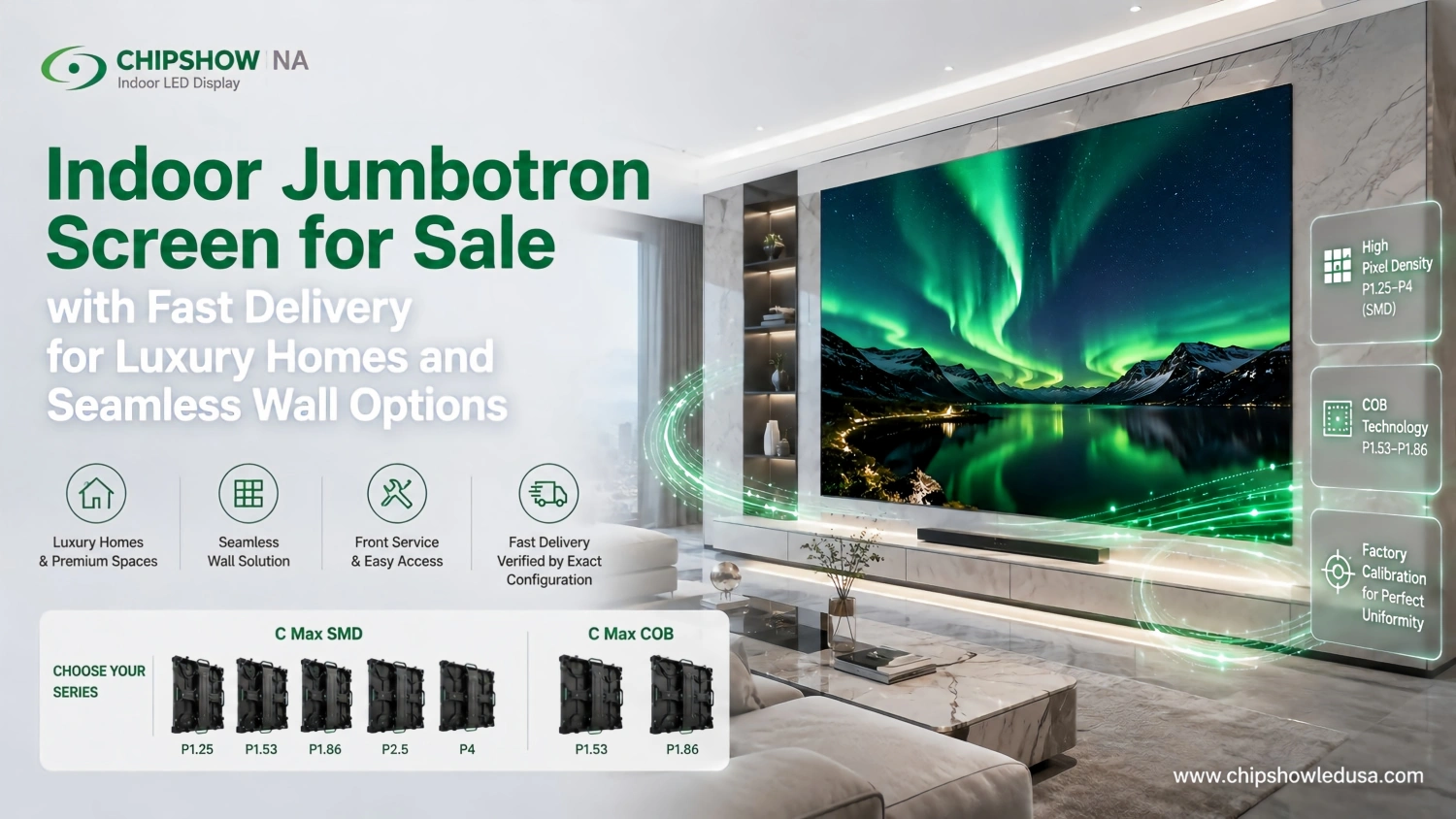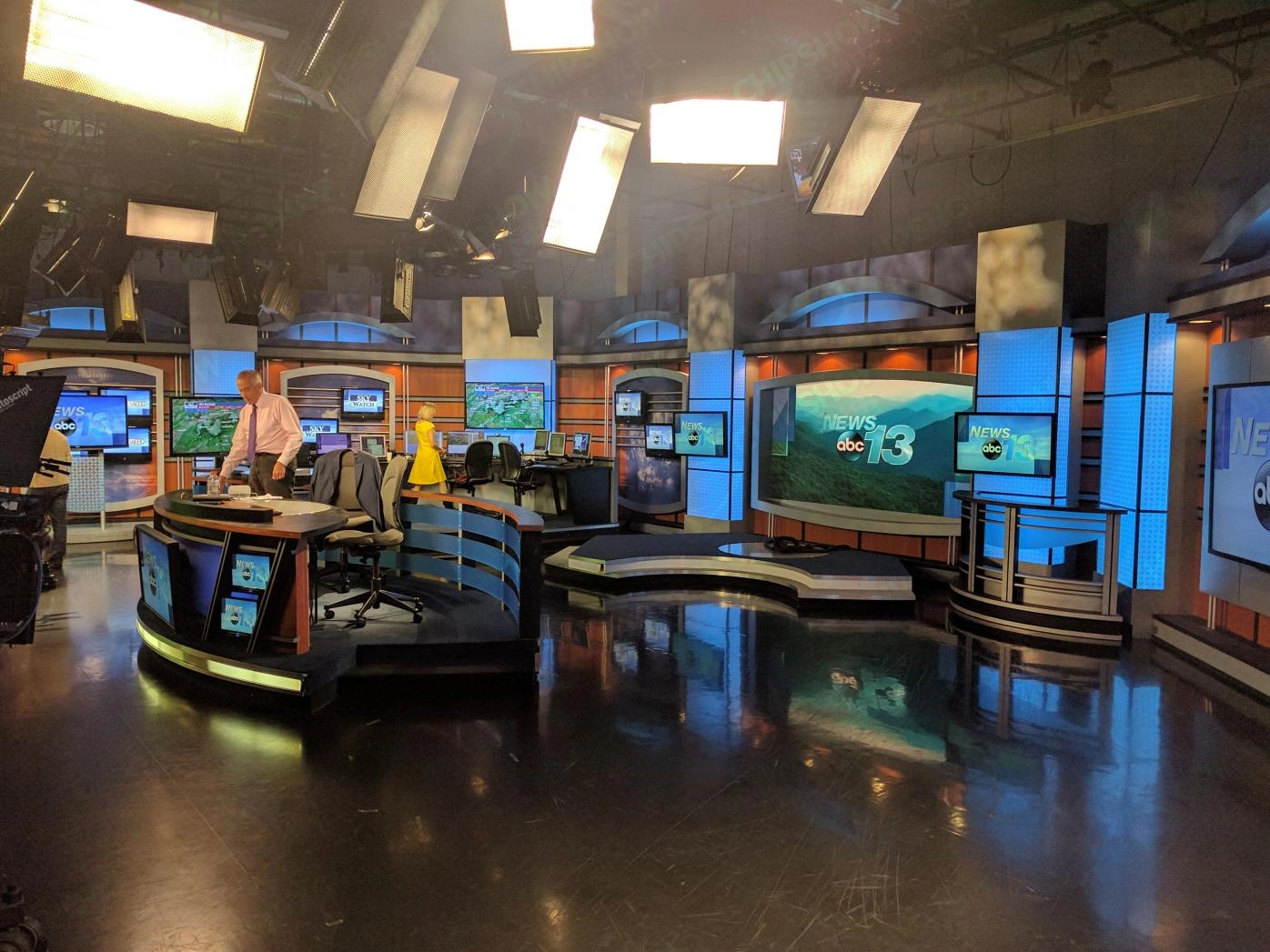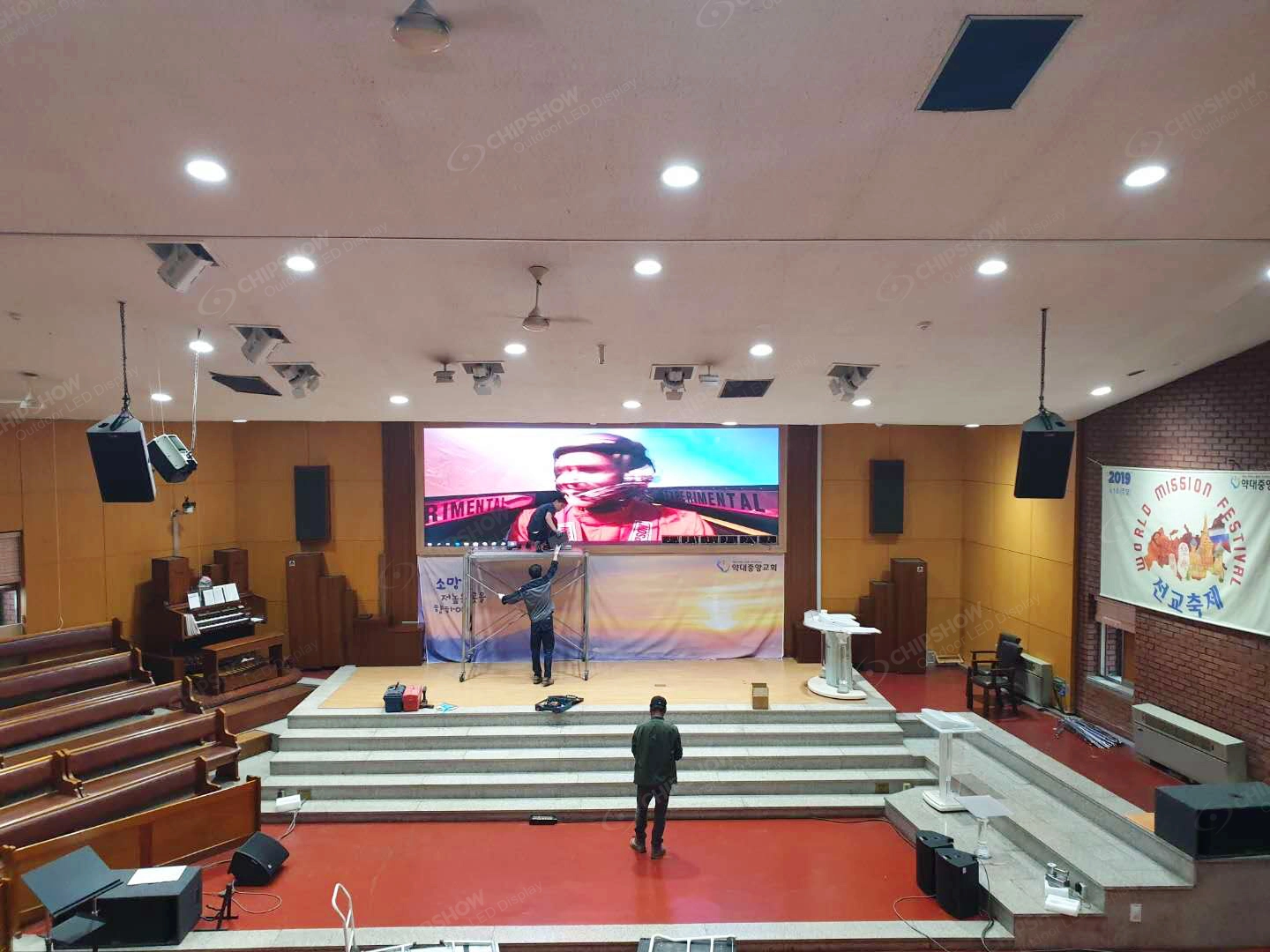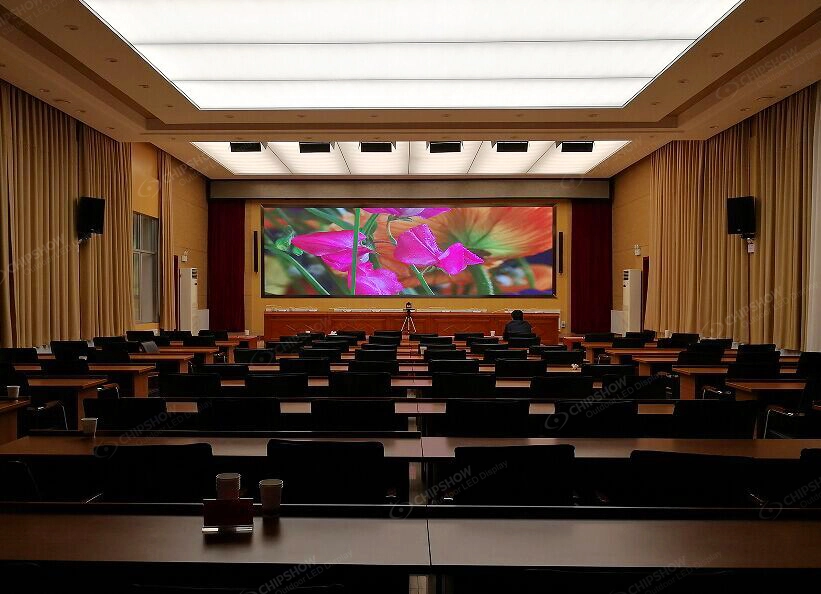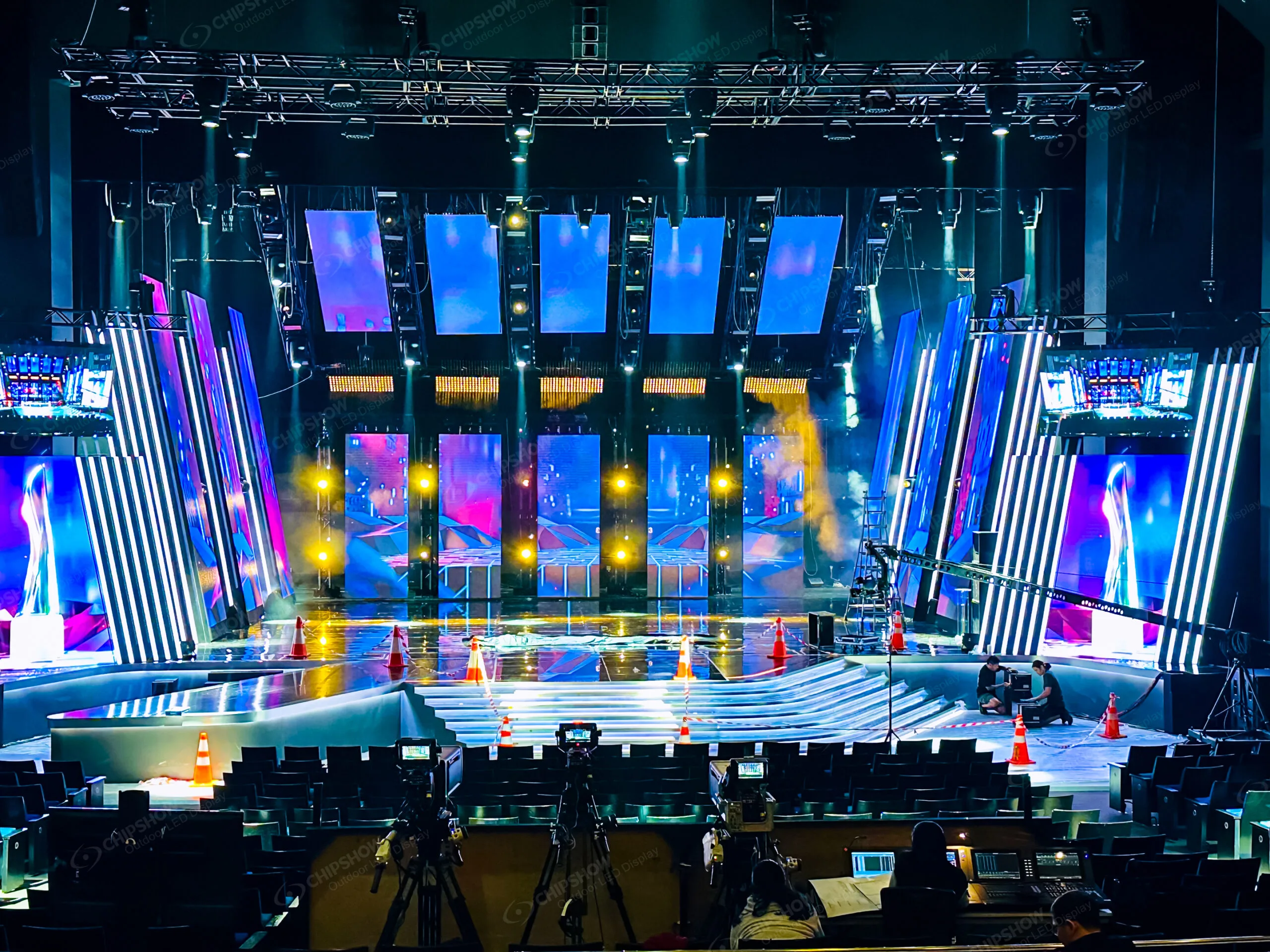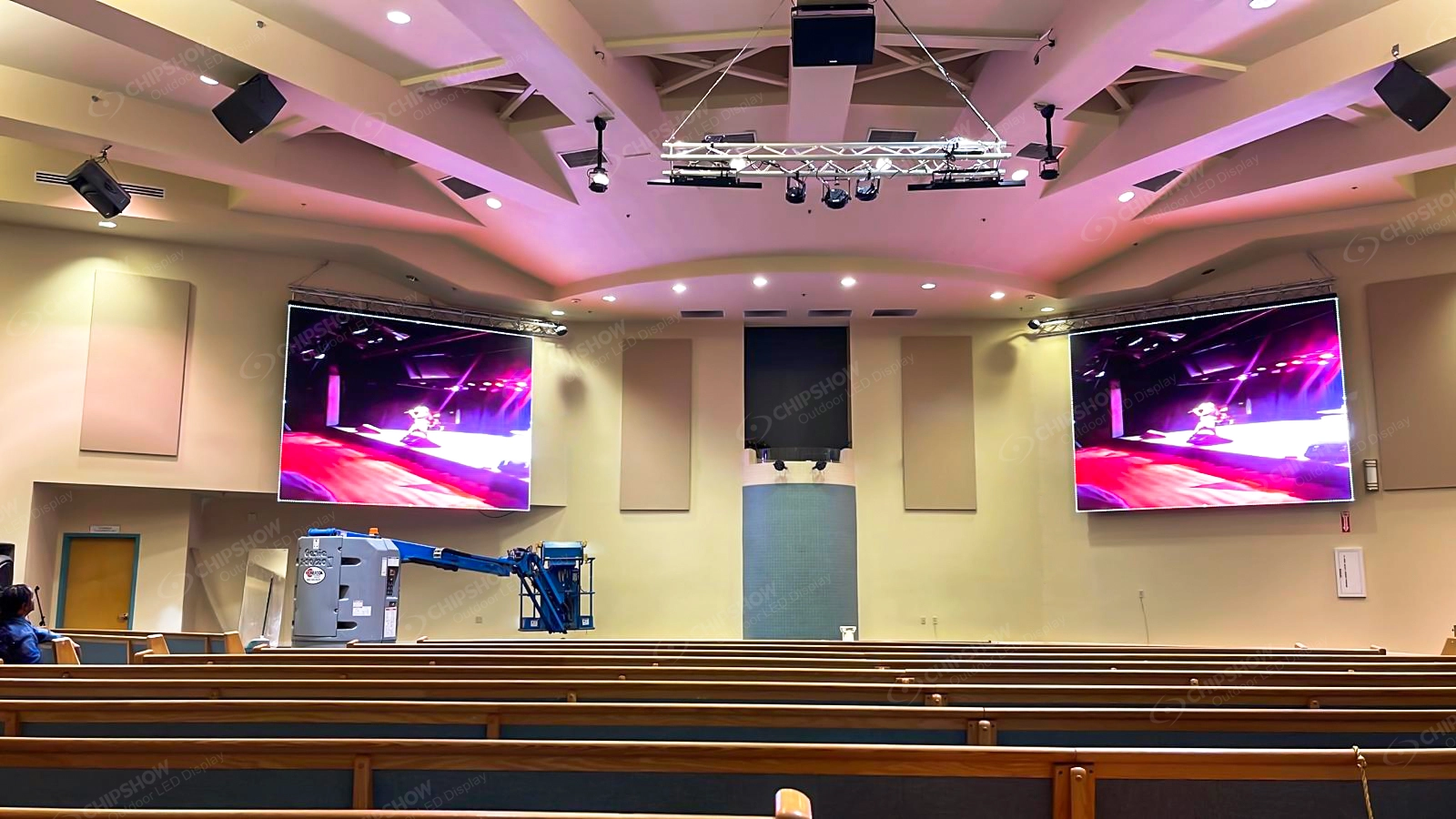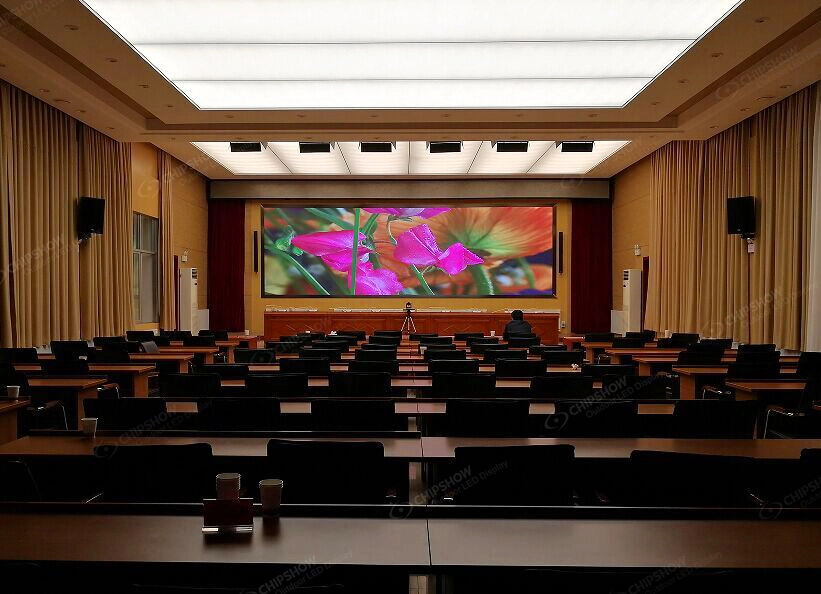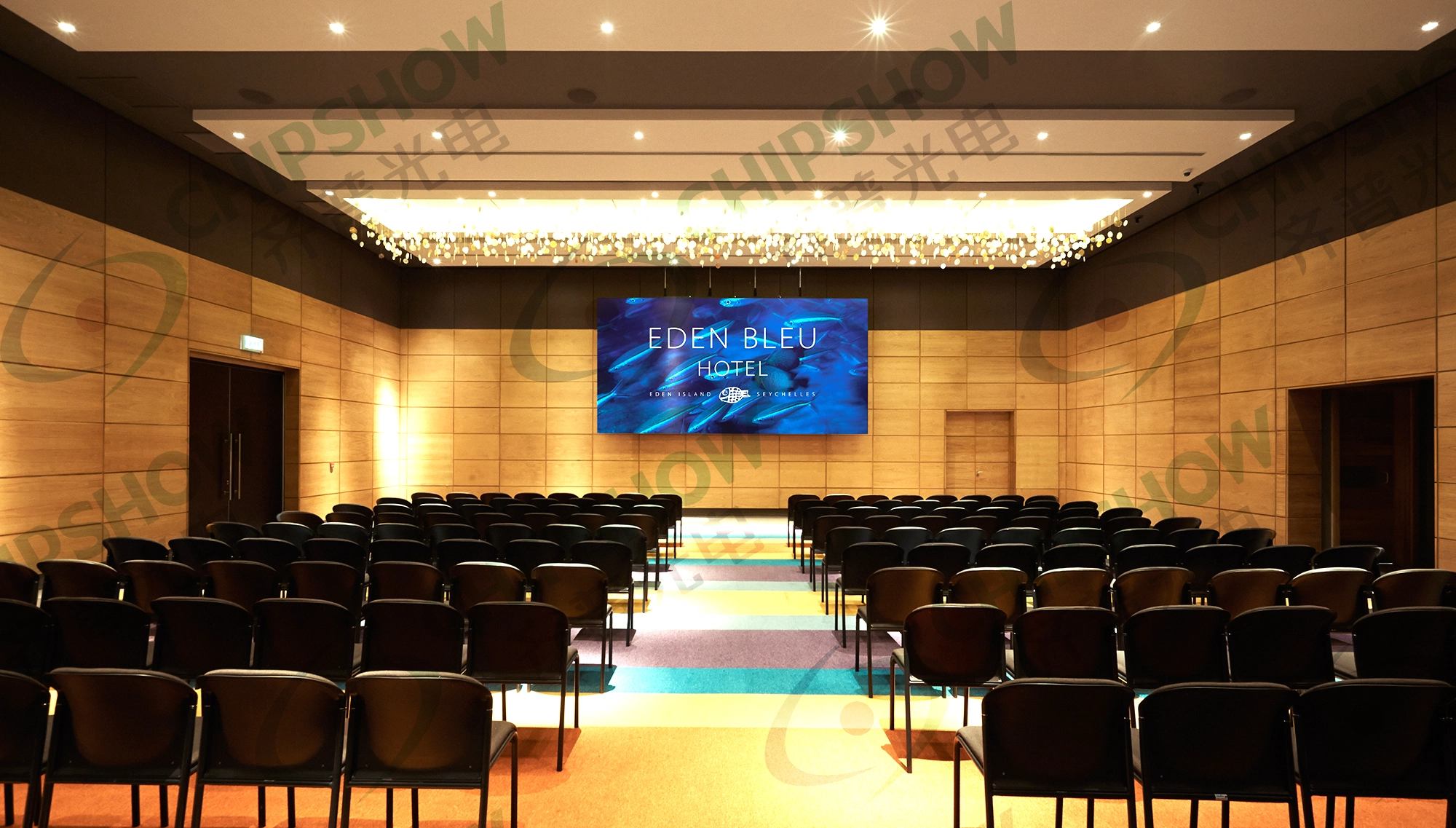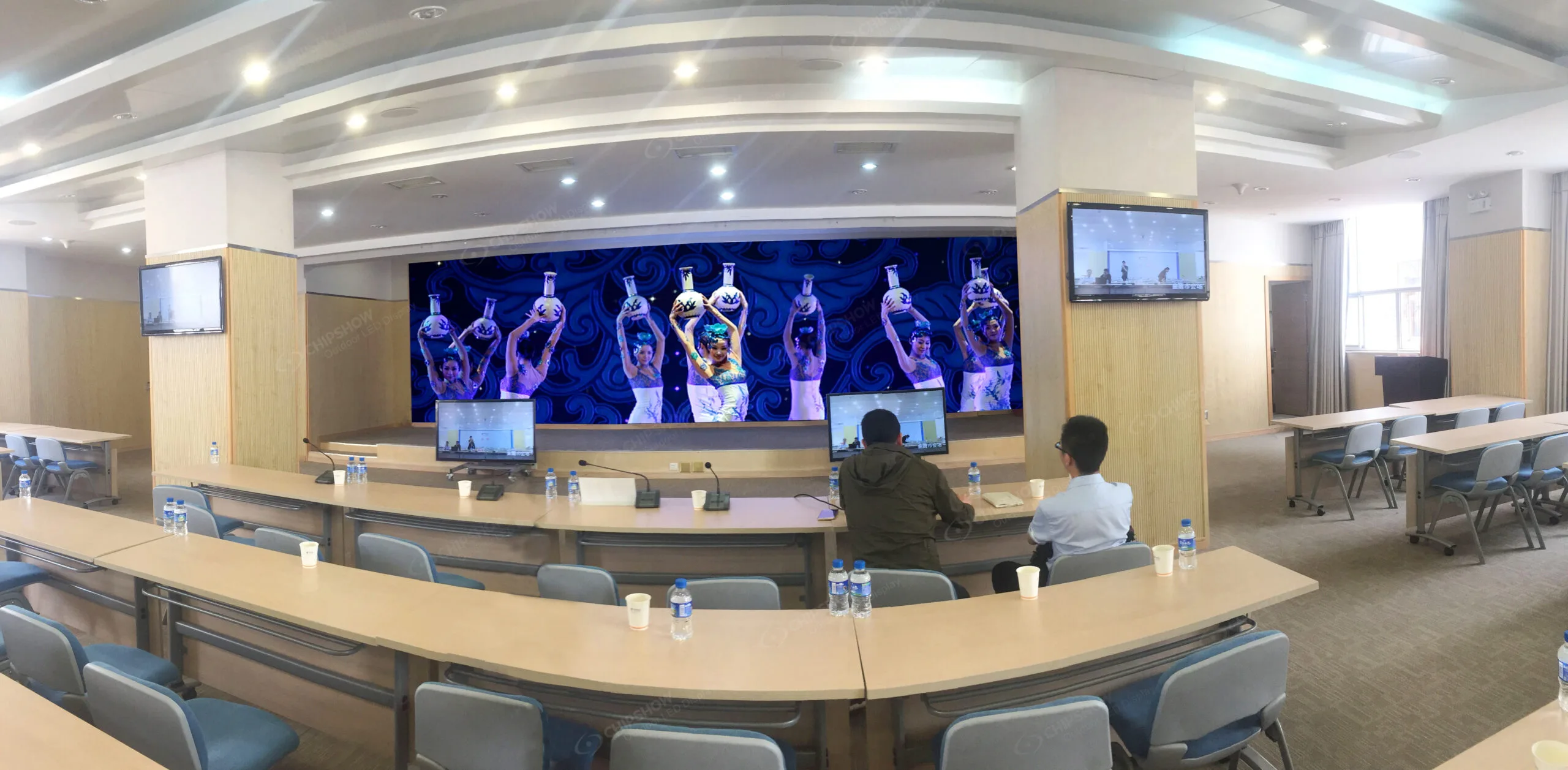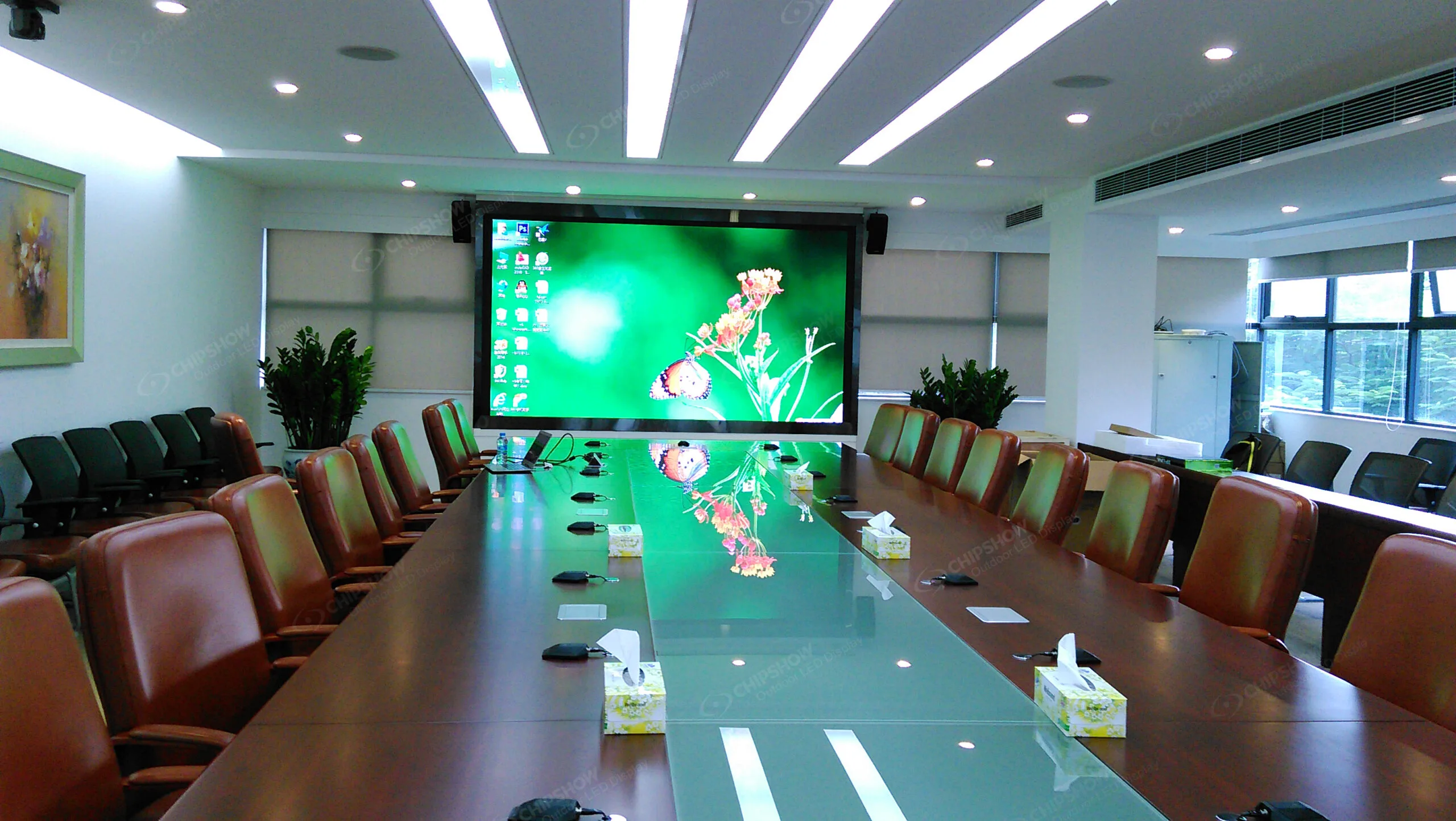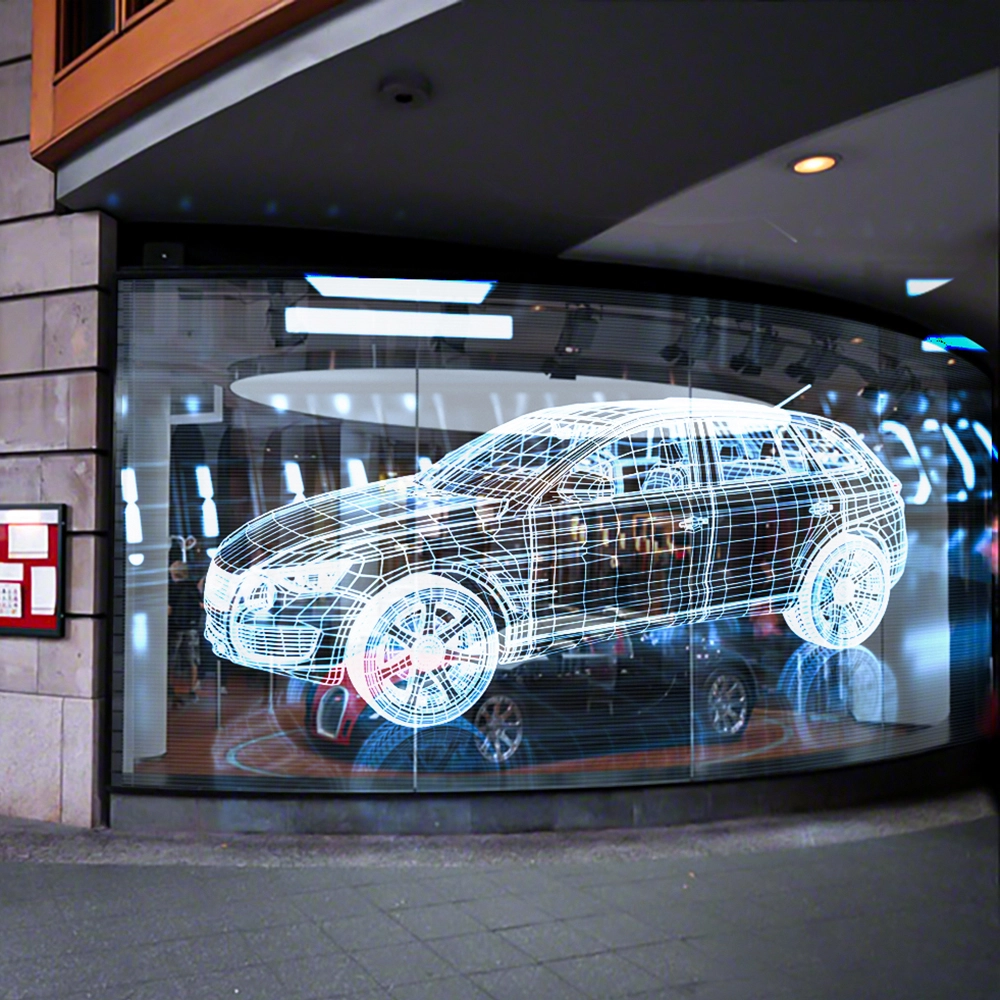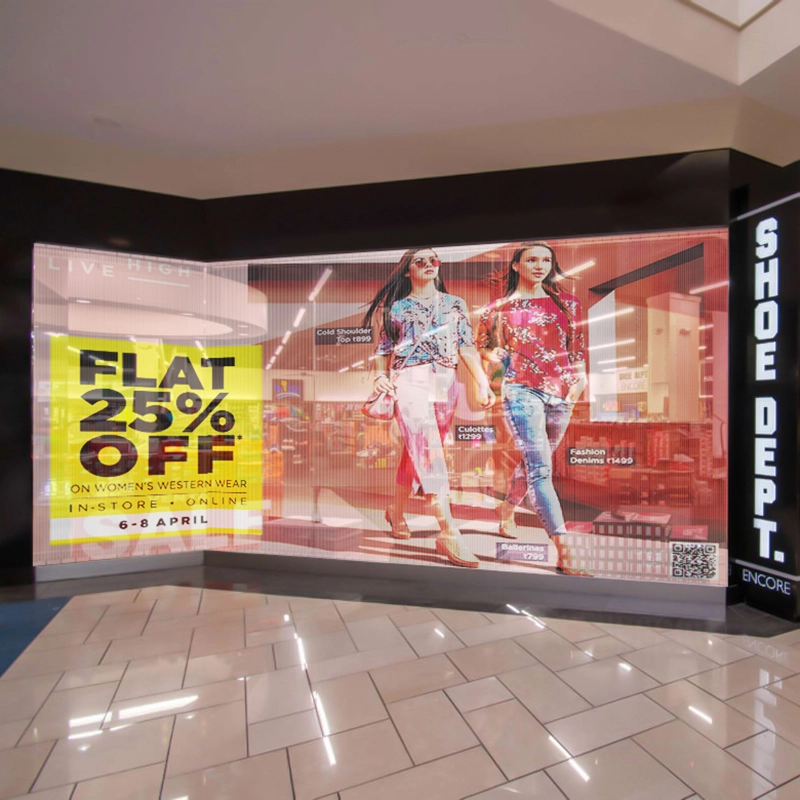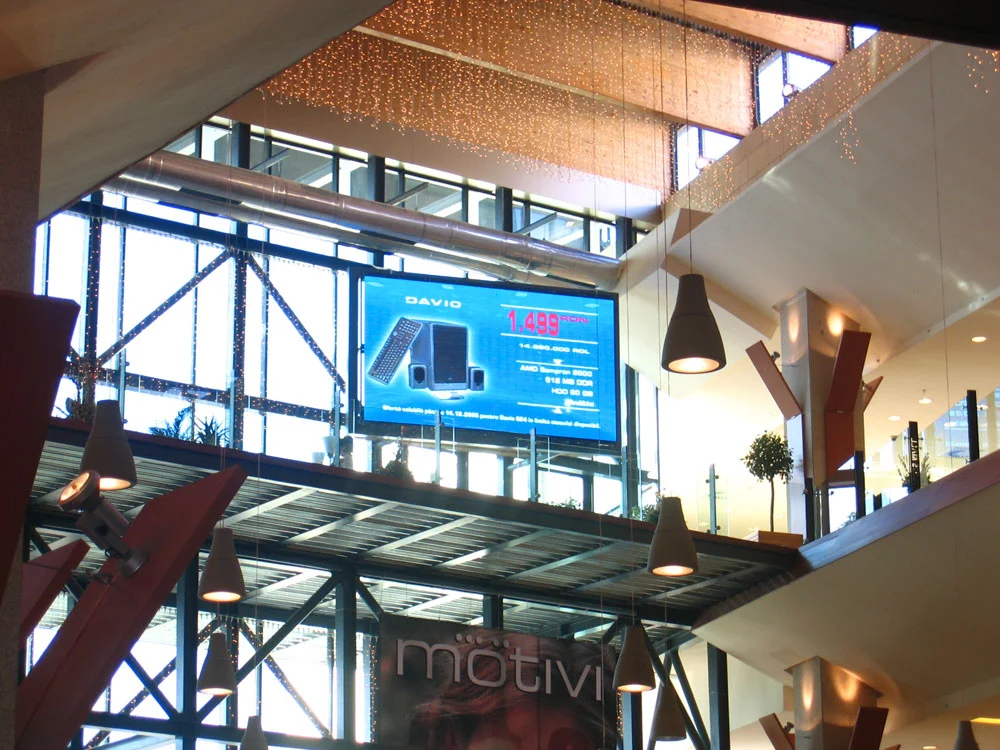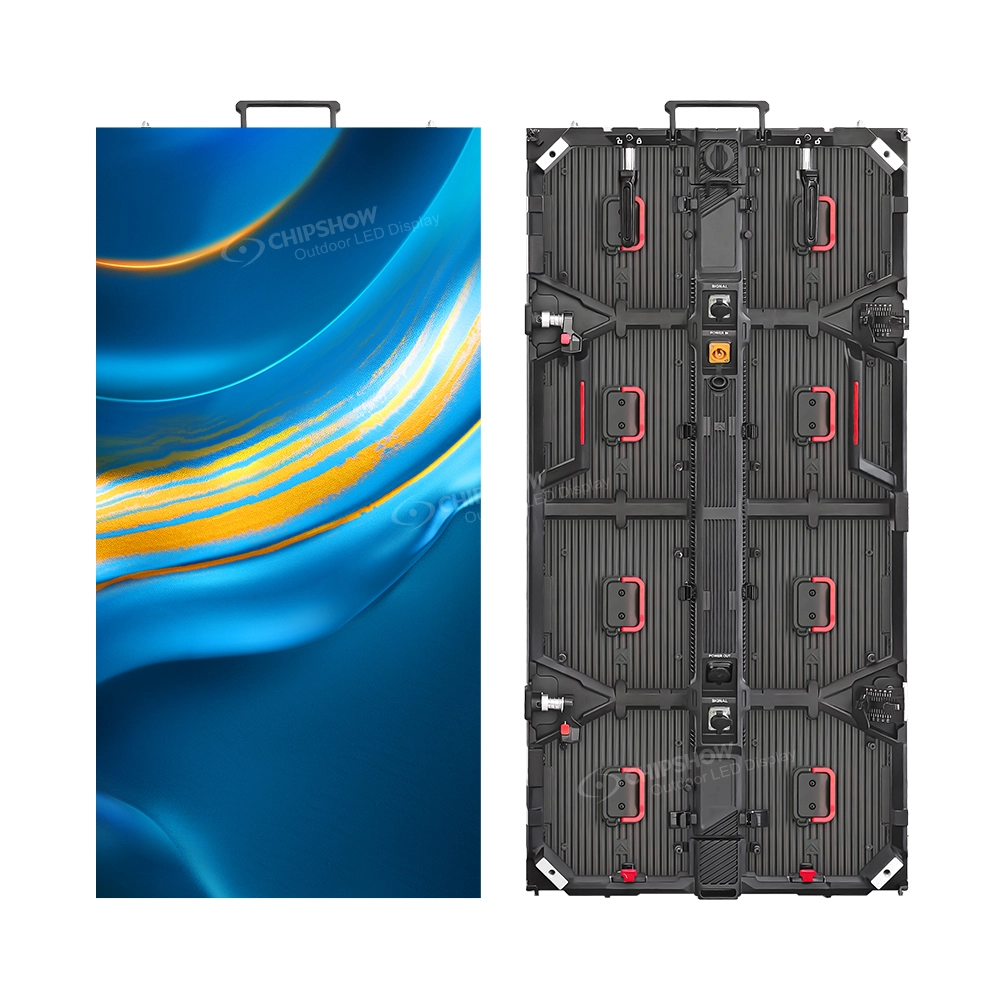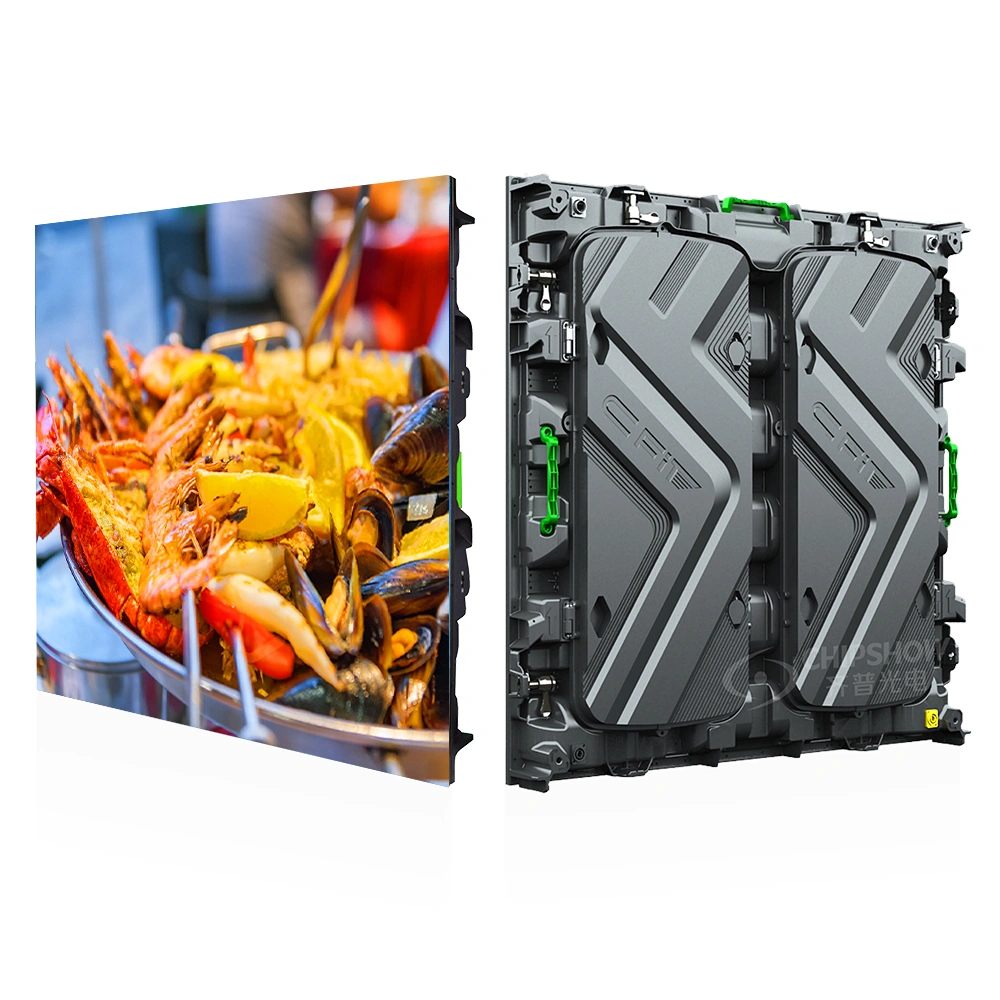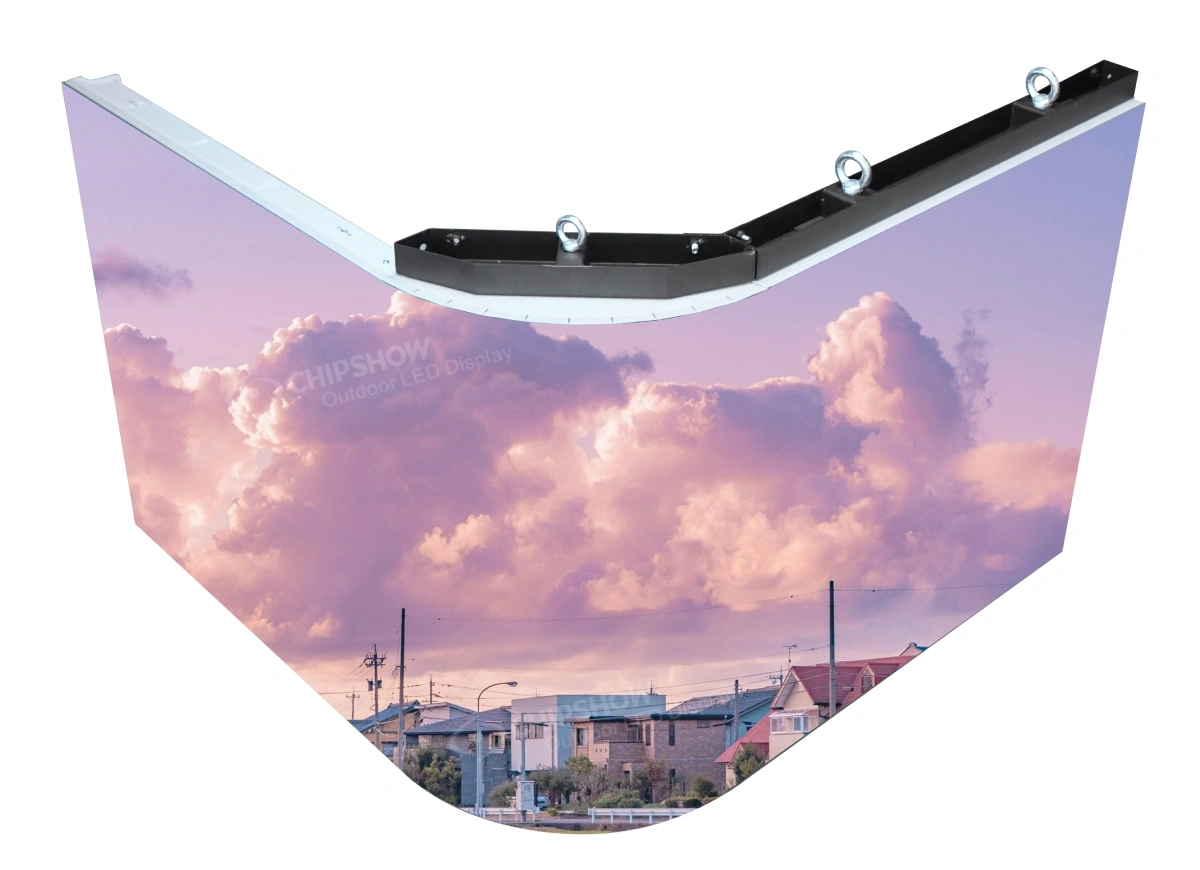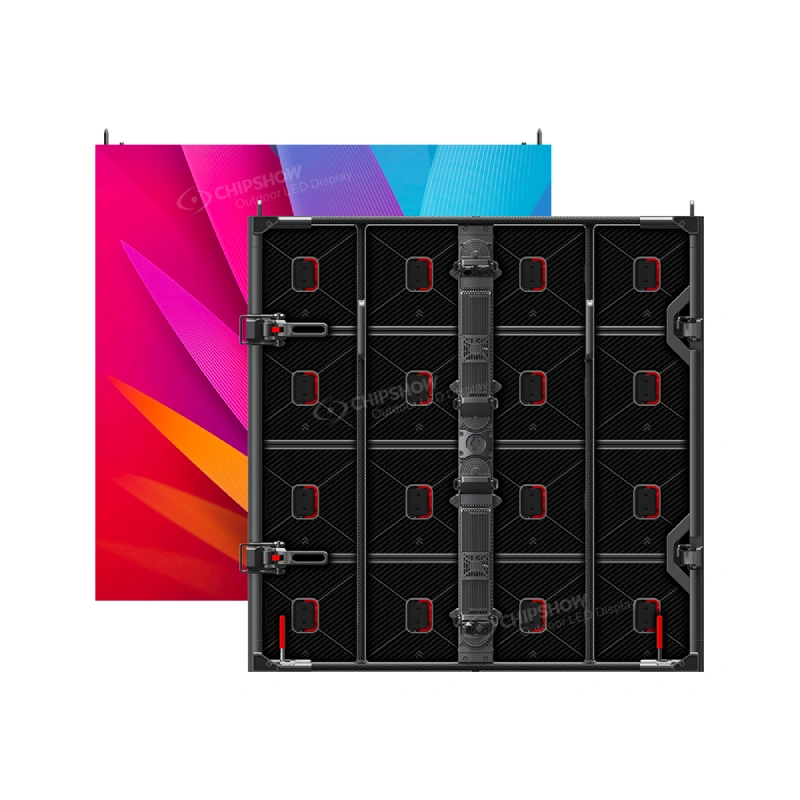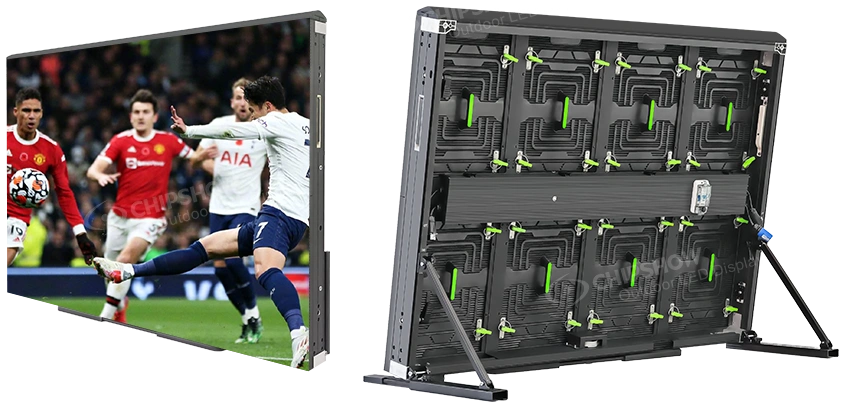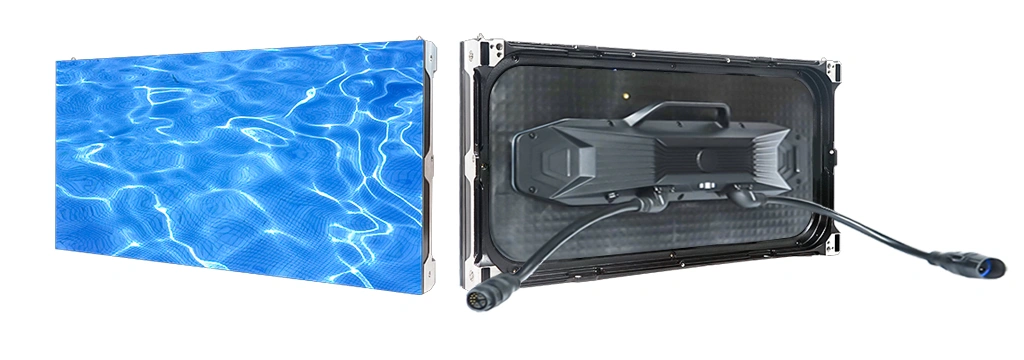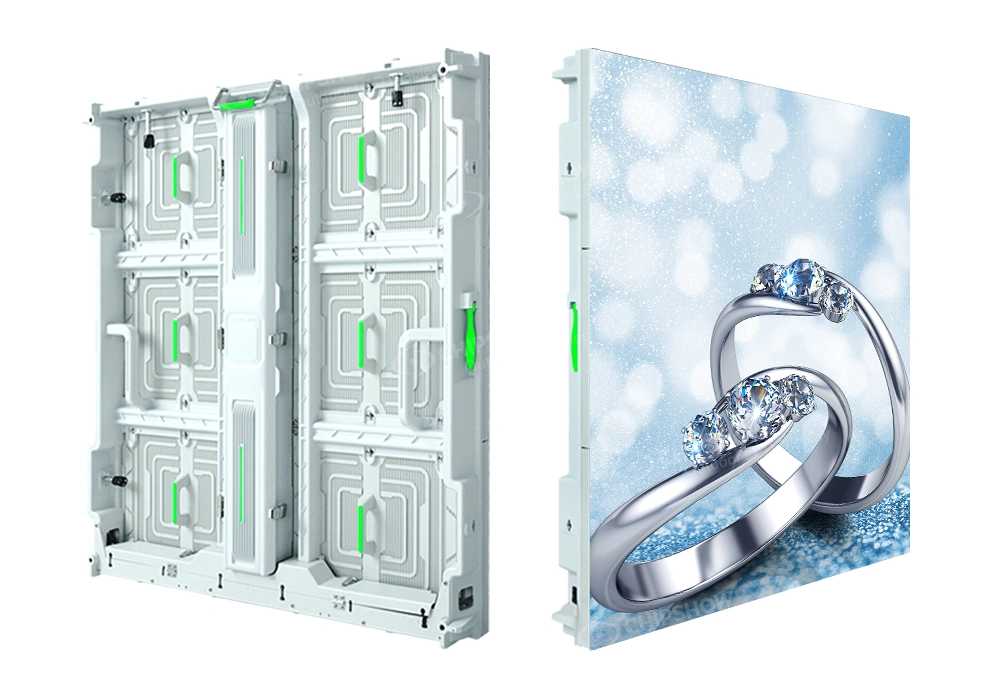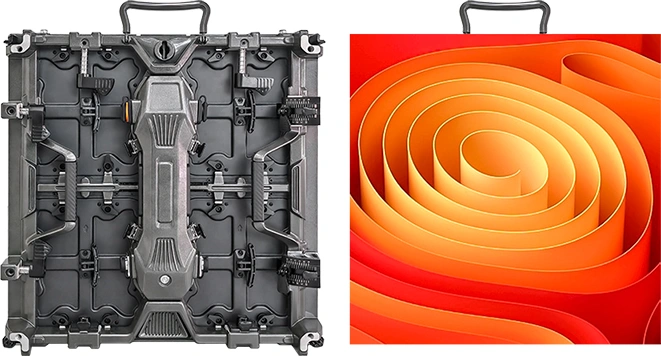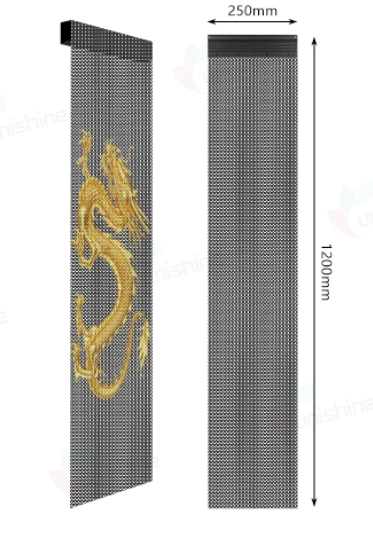
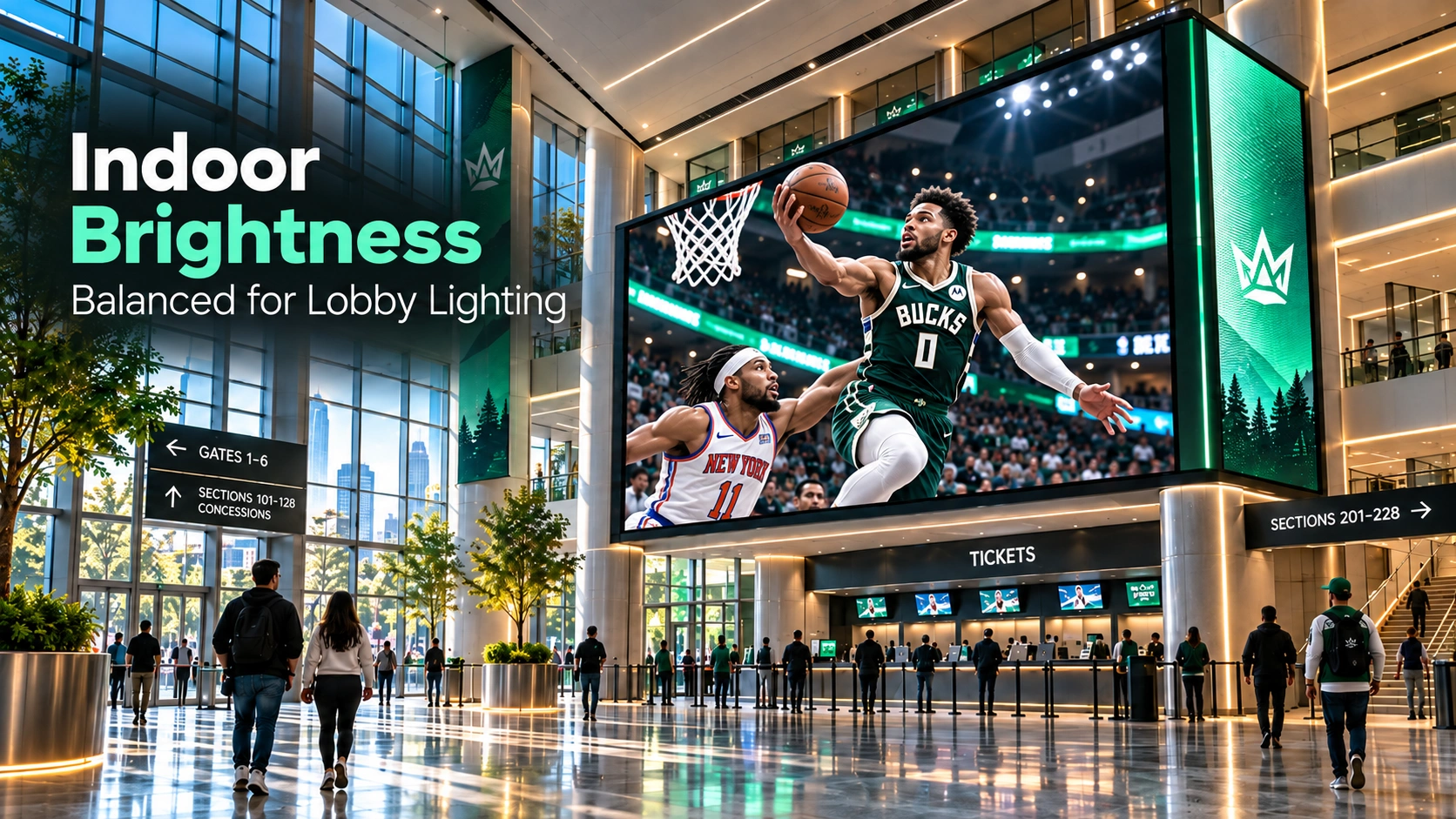
An indoor jumbotron for arena lobby use has to do more than fill a wall with moving images. It must remain legible at short viewing distances, fit a working public interior, and leave a practical path for maintenance after construction is complete. Those requirements often prove more important than the size of the screen alone.
An arena entrance is not a seating bowl. Visitors may approach a display from one side, stand nearby while waiting, then walk across its viewing area. Bright glazed doors, architectural columns, ticketing counters, and circulation routes influence where the screen can go. Behind the visible surface, the chosen LED cabinets still need support, power, signal connections, and access for service.
For venue owners, architects, and AV integrators, the useful starting point is therefore a physical and technical review of the proposed location. Chipshow offers indoor fixed LED hardware, including C-Max COB, C-Max Commercial SMD, and C-Max-Eco configurations that can be evaluated against those requirements. This article focuses on what to examine before selecting a platform or preparing a manufacturer inquiry, rather than repeating general advice about sponsorship revenue or the entertainment value of a lobby video wall.
What Makes an Indoor Jumbotron Suitable for an Arena Lobby
Different Viewing Conditions From a Stadium Scoreboard
A scoreboard at the far end of a sports venue serves people across a wide seating area. An entrance lobby creates a different pattern of use. Visitors may pass within a short distance of an LED wall, look up from different elevations, or stop in front of it while waiting for their party. Some will see the display from an oblique angle rather than from the center.
These changing positions affect how viewers perceive pixel structure, lettering, and motion. A display that looks uniform from the far side of a hall may reveal more visible pixel detail when someone moves closer. That does not automatically make the hardware unsuitable; it means that selection should reflect the real viewing positions and content, not an arbitrary screen-size target.
How Lobby Architecture Affects Display Requirements
A dimensioned wall elevation is more useful than a statement that a lobby has space for a giant screen. Columns, doors, wall reveals, fire-protection equipment, decorative cladding, and circulation routes can all affect the viable display envelope. The apparent empty area may not represent usable installation space.
The proposed wall assembly includes more than LED modules. Cabinet depth, structural support, electrical equipment, cable routes, and service clearances all occupy space. A screen may fit the visible opening yet conflict with the mounting system or prevent technicians from reaching a connection. Recessed walls require particular care because the finished architecture can hide access limitations until they become expensive to correct.
Why Permanent Indoor Hardware Matters
A permanent arena lobby display may remain in service through multiple event seasons and changes in branding or content. Its value depends partly on how consistently it can be operated and maintained once the original installation team has finished.
Straightforward module replacement, clear component identification, and dependable access to technical drawings all become important. Cabinet consistency matters too: the selected assembly should have a predictable physical format so it can be coordinated with the surrounding wall. None of these practical characteristics can be established by brightness or resolution figures alone.
The manufacturer should explain how the proposed cabinets are serviced. The integrator should then confirm that the intended mounting location permits that service method. An elegant finished wall is not a successful installation if replacing an ordinary component requires unnecessary demolition of adjacent finishes.
How to Evaluate Image Quality at Lobby Viewing Distances
Pixel Pitch and Practical Viewing Conditions
Pixel pitch describes the spacing between adjacent pixels. In general, a finer pitch makes more image detail possible within a given display area. Whether that difference benefits the viewer depends on how far people stand from the wall, how the content is composed, and the size of the finished image.
A display presenting fine artwork or relatively small information to waiting visitors may have different requirements from a wall showing large-format videos above a wide lobby. The visitor nearest the screen and the visitor approaching from across the room will not perceive detail in precisely the same way. Both perspectives deserve consideration during review.
Chipshow’s published C-Max product families provide different indoor pitch options, but the finest advertised pitch should not be adopted as a universal recommendation. The project team should examine examples of the actual intended content under representative viewing conditions. This is especially useful when logos, narrow lines, or small type make image quality more sensitive to the selected configuration.
Brightness and Contrast Under Indoor Lighting
An arena lobby may be indoors without being uniformly dim. Glass entrances can bring in daylight; decorative fixtures illuminate walls at varying angles; and polished floors or glass partitions may influence how visitors experience a bright display. The intended operating environment therefore matters as much as a product’s maximum brightness figure.
The aim is readable imagery that remains comfortable for nearby viewers. Excessive brightness can be distracting in an enclosed space. Conversely, a setting that works in a dark demonstration room may not be suitable near a sunlit entrance during daytime events.
Contrast and dark-image presentation also deserve attention, particularly when the wall will show video and brand graphics with substantial dark areas. Product comparisons should use the actual variant’s specifications and, where possible, representative visual testing. It is not appropriate to transfer outdoor billboard brightness recommendations to every indoor lobby.
Surface Construction in High Traffic Interiors
Public interiors present physical conditions that are easy to overlook in a showroom. Visitors may pass with equipment cases, bags, merchandise, or cleaning carts. An installation at normal pedestrian height faces a different exposure profile from a screen recessed above the main circulation area.
COB and SMD are distinct packaging approaches. Each offers different construction characteristics, and neither should be described as universally superior without reference to a particular product and application. Chipshow’s C-Max Fine-Pitch COB family provides a protected COB surface and front-service design that can be relevant where close viewing and surface construction are central considerations.
Choosing the Right Cabinet and Installation Configuration
Cabinet Dimensions and Screen Layout
LED walls are assembled from cabinets and modules with defined physical dimensions. Those dimensions affect the finished screen envelope, mounting points, possible aspect ratios, and the relationship between the display and surrounding architectural lines.
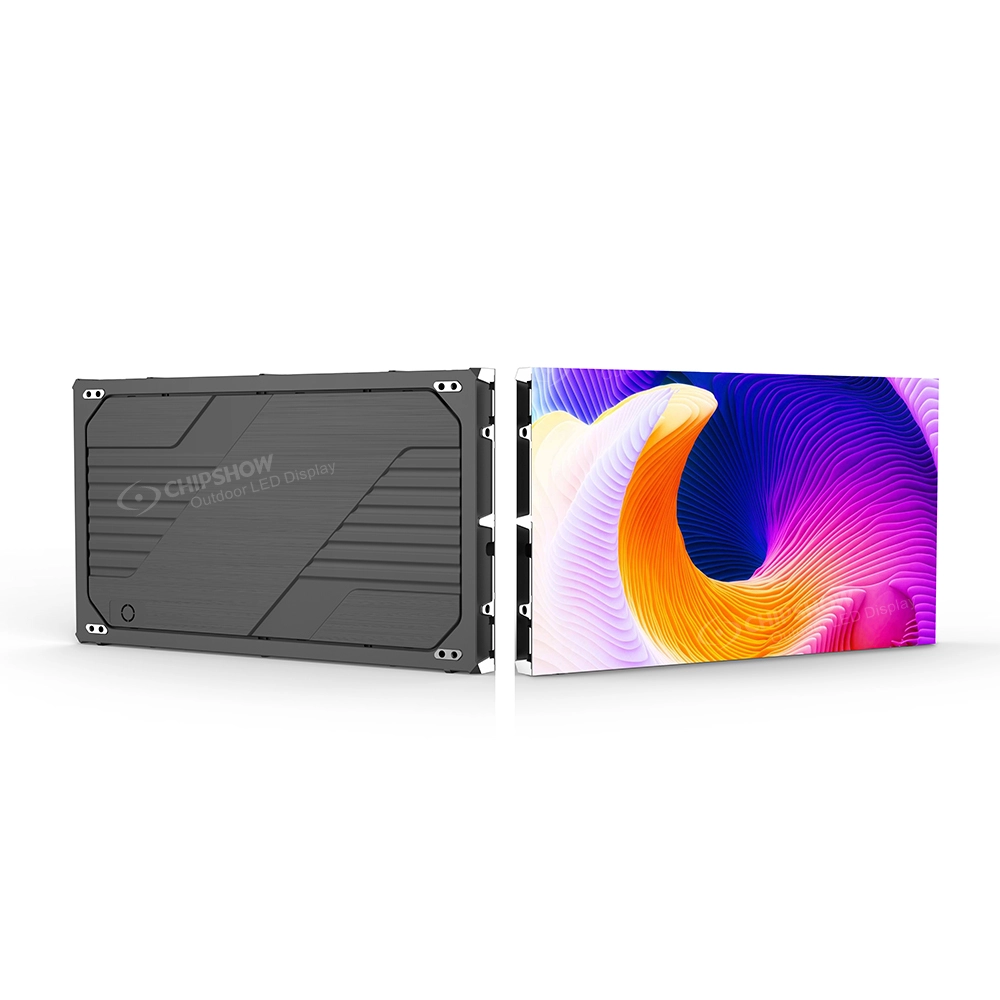
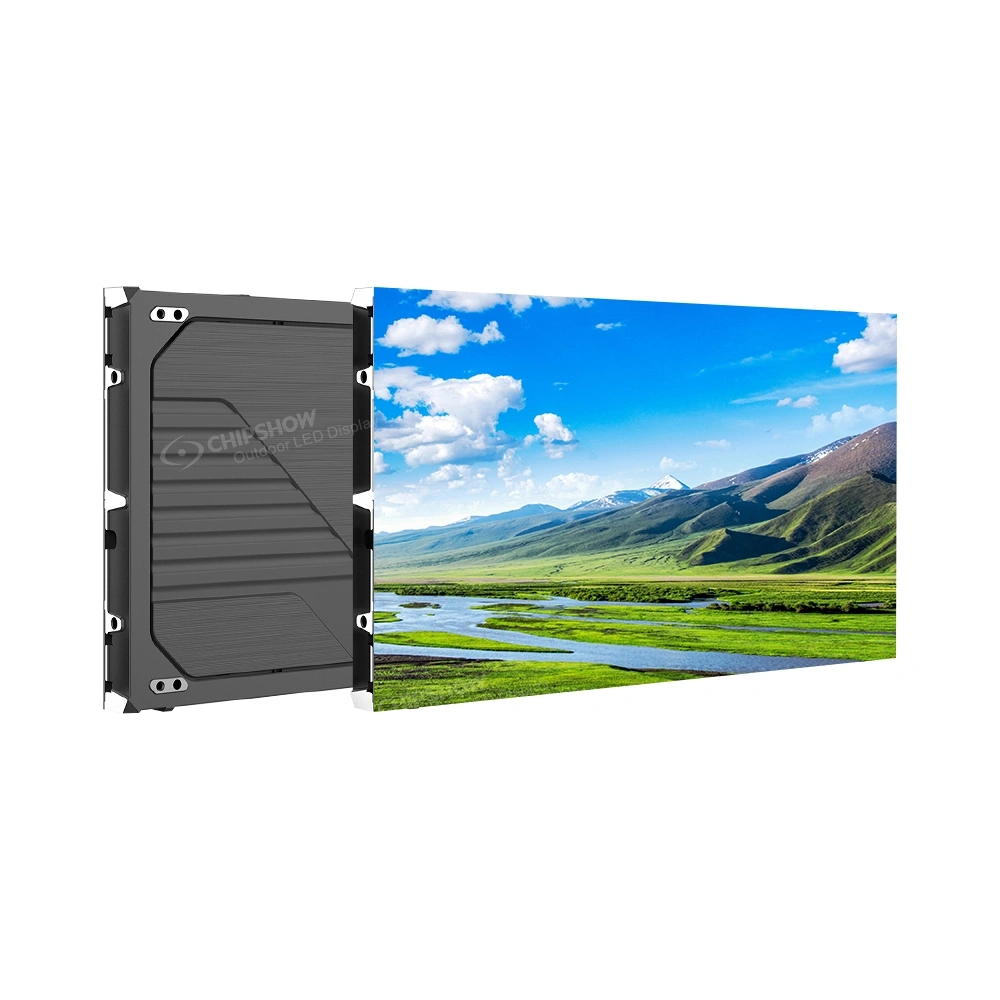
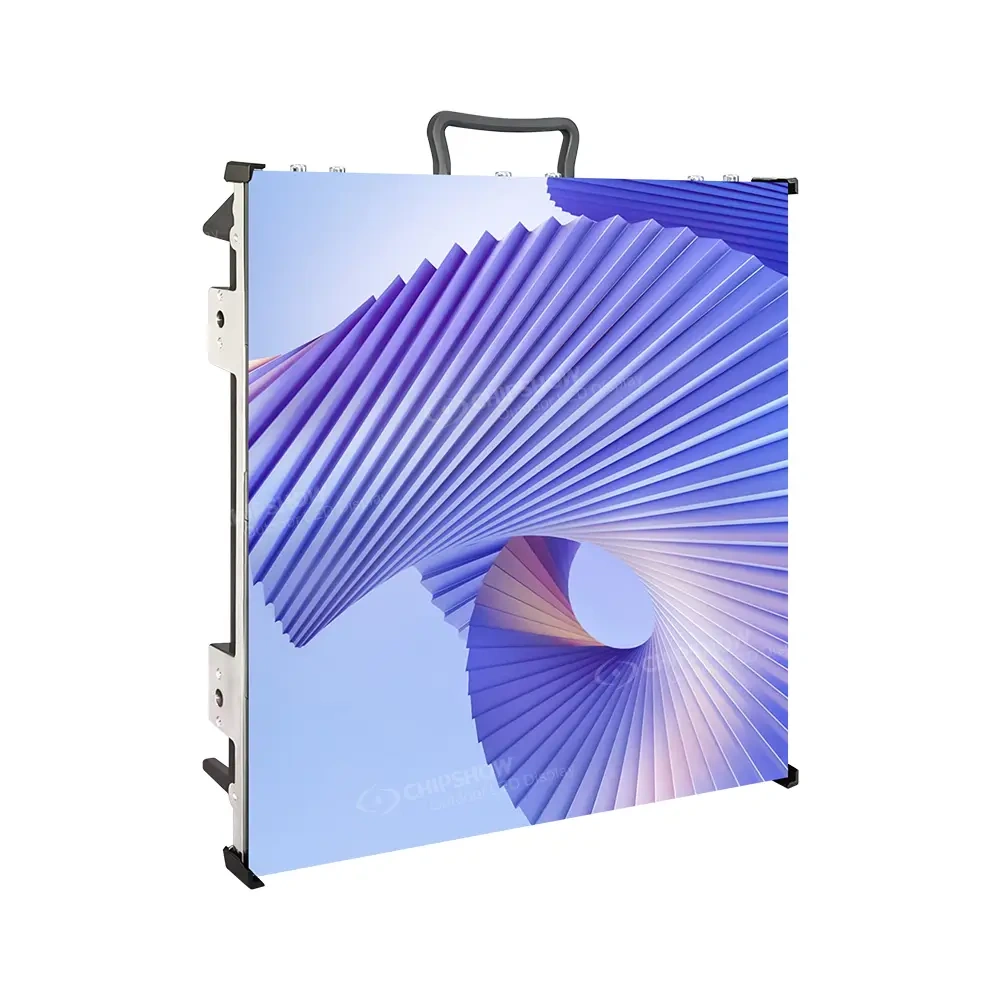
Chipshow’s C-Max Commercial SMD range includes a 640 by 480 millimeter cabinet platform with a native four-to-three proportion. Published C-Max Fine-Pitch COB and C-Max-Eco listings also identify 640 by 480 millimeter cabinet formats in their specified configurations. These details make the product families relevant to a discussion of modular indoor video walls and certain LCD replacement arrangements.
However, the existence of a familiar cabinet format does not establish that an old LCD wall can be replaced without changes. The support structure, enclosure, power distribution, and connection paths need their own review. A replacement LED assembly may differ from the original equipment in ways that matter behind the finished surface.
Front Maintenance in Restricted Lobby Spaces
Front service is particularly relevant where the LED wall sits against a structural wall or within a shallow recess. A venue may not have a separate corridor behind the screen, and there may be no practical way to add one after the lobby finishes are installed.
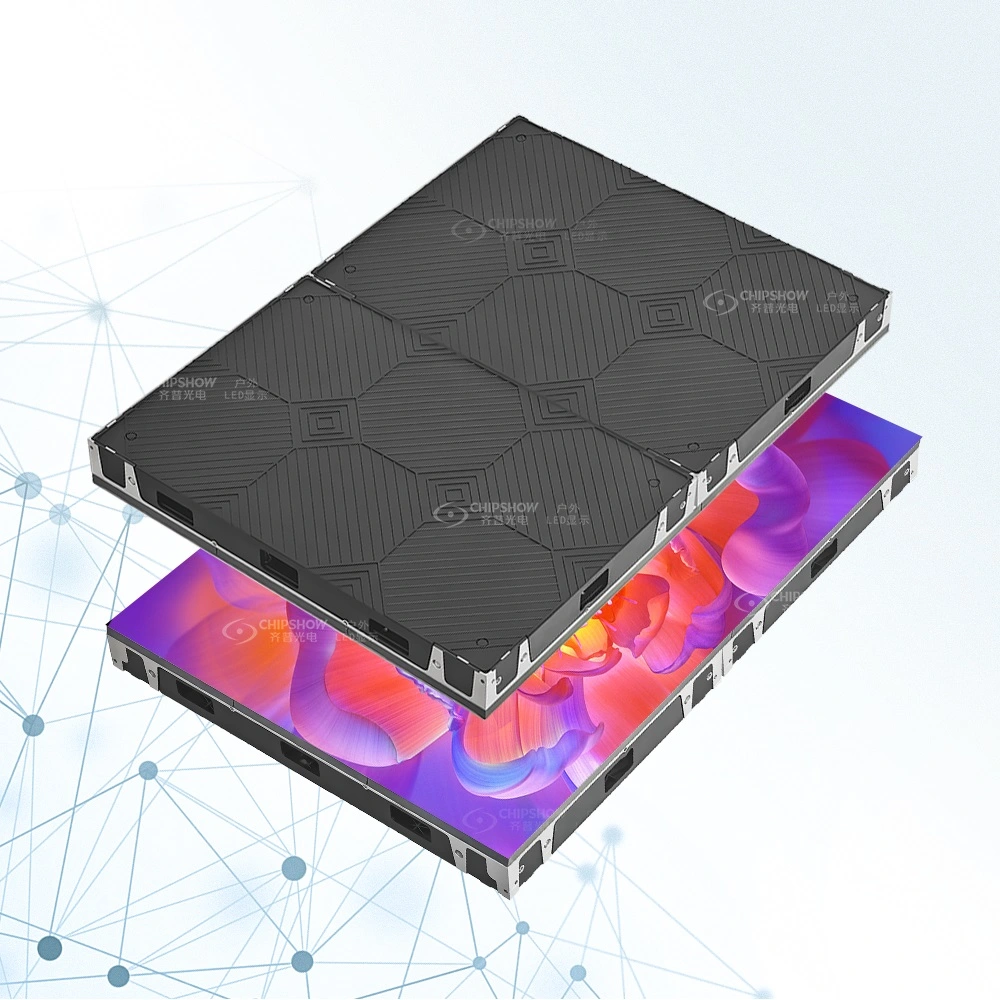
Chipshow’s C-Max Commercial SMD platform is described as front-serviceable, while its C-Max COB and C-Max-Eco families also list front-access maintenance arrangements. These published features offer useful starting points for a permanent display review. The exact components accessible from the front and the removal procedure should be checked for the selected model.
Front-serviceable hardware solves an access problem only when the completed installation preserves the space and procedures needed to service it.
A magnetic service method, for example, still requires technicians to approach the screen safely and handle the relevant components. The mounting frame must remain structurally appropriate. Processors, power distribution, and other auxiliary hardware may be installed elsewhere and have different maintenance requirements.
Before approving wall finishes, the facility team should understand what a typical module replacement involves. That discussion is more useful than relying solely on the words front service in a product brochure.
Mounting Conditions and Cable Access
The mounting system connects manufacturer hardware to the actual building. It must account for equipment loads and the available support conditions, with the necessary assessment performed by suitably qualified project professionals. Hardware documentation can describe cabinet requirements, but it cannot approve an unknown wall or building structure.
Power and signal routes need equally deliberate planning. Electrical contractors need the relevant supply characteristics and connection arrangements; AV integrators need information about processors, signal paths, and control equipment. The final enclosure needs to accommodate those services without obstructing components that require access.
Chipshow’s role is to provide appropriate LED hardware and available manufacturer information. The architectural, structural, electrical, installation, and integration responsibilities remain with the qualified parties appointed for those scopes.
Preparing the Display for Future Maintenance
A venue’s operating schedule can make small maintenance tasks surprisingly disruptive. Between public events, staff may have limited access to a busy entrance. If the wall requires a module replacement, the team should know which component is installed and how to reach it.
Configuration records, service instructions, and planned spare components reduce uncertainty. Replacement compatibility should be checked for the precise installed variant, particularly where maintaining a consistent image across cabinets is important. A spare module for a different pitch or revision should not be assumed interchangeable.
Comparing Chipshow Indoor LED Hardware for Arena Lobby Projects
C-Max Fine-Pitch COB
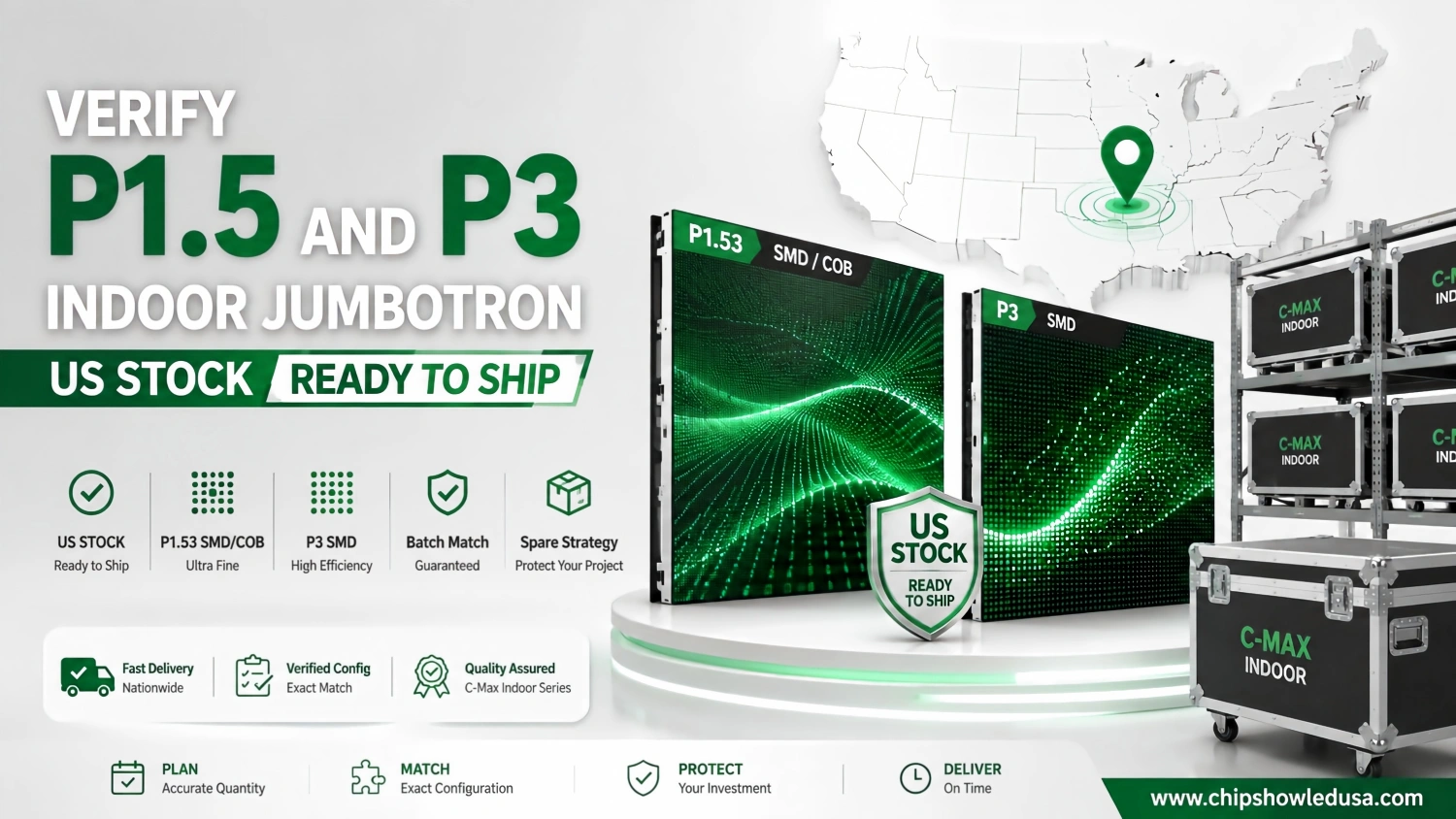
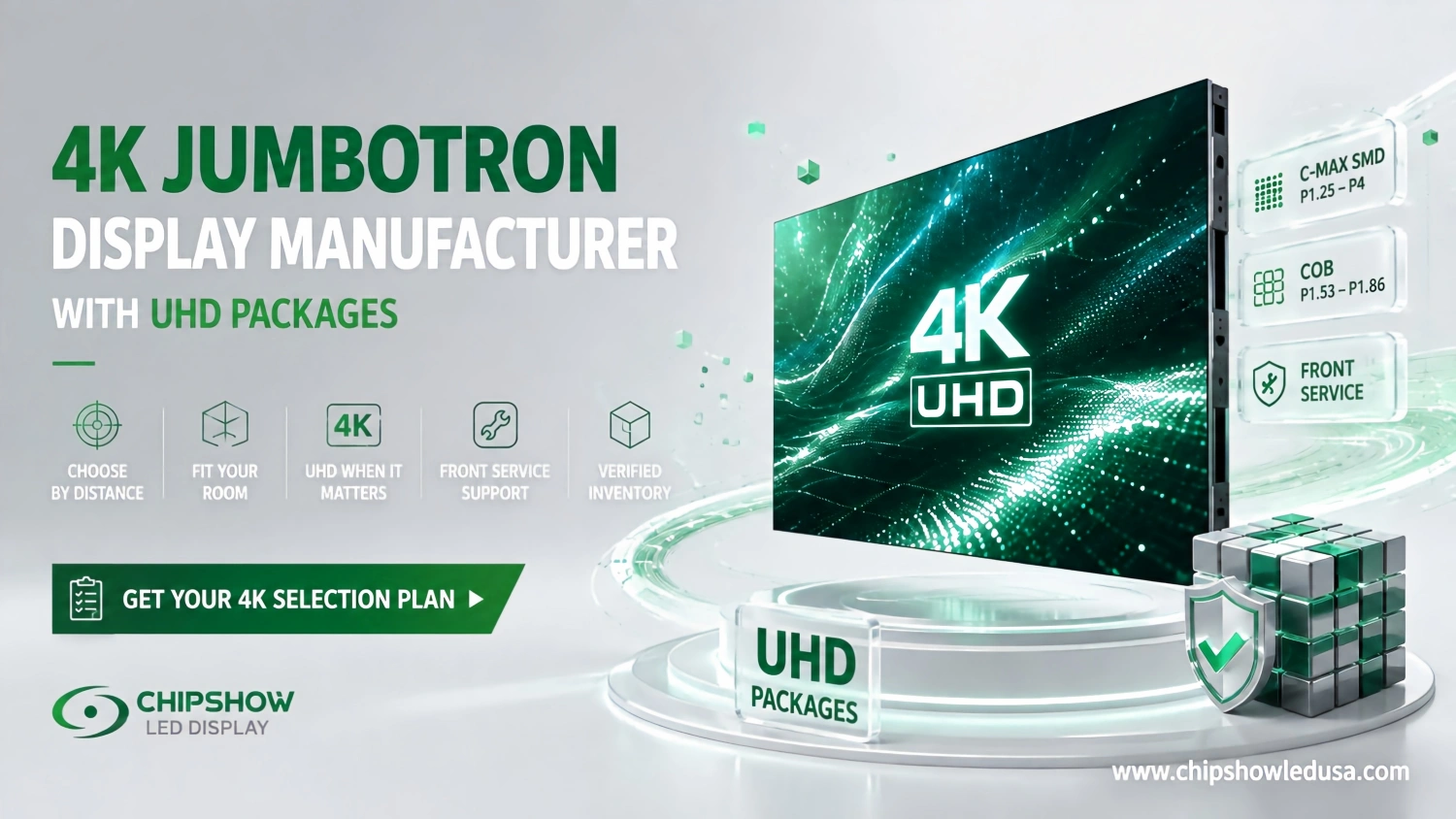
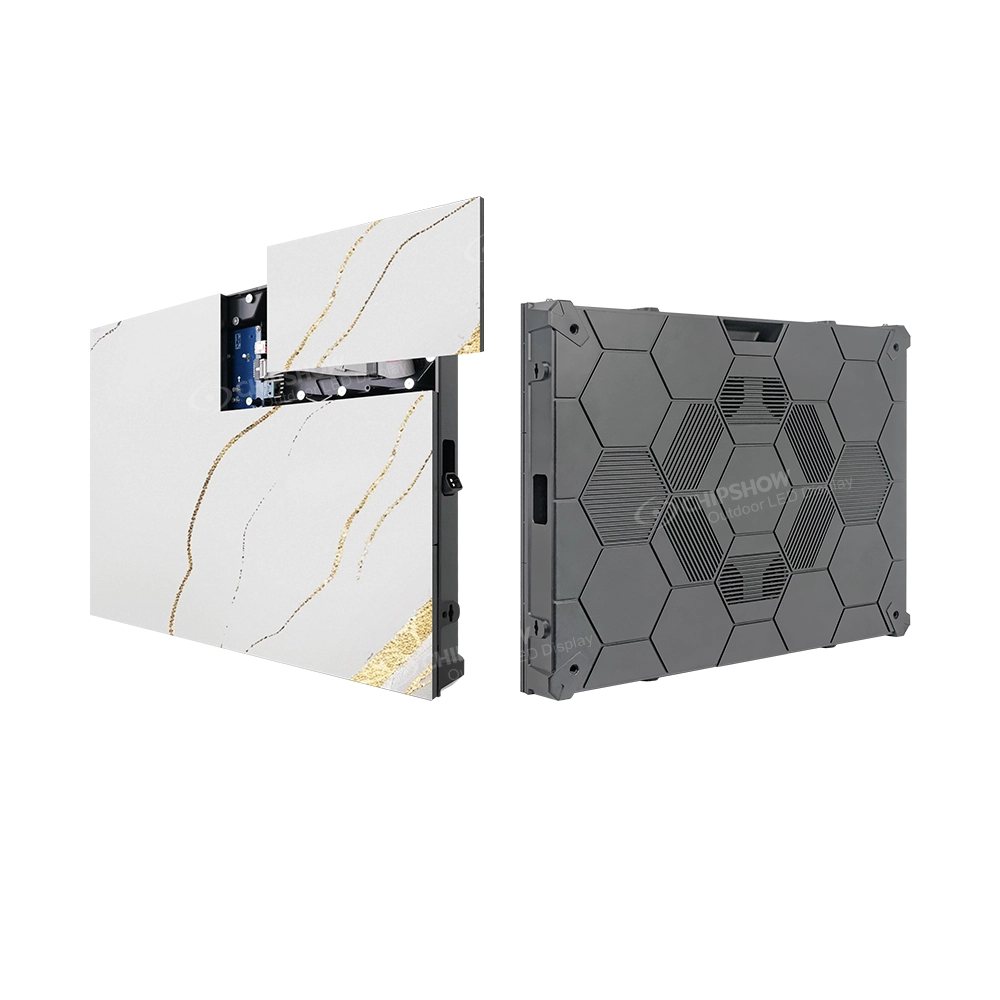
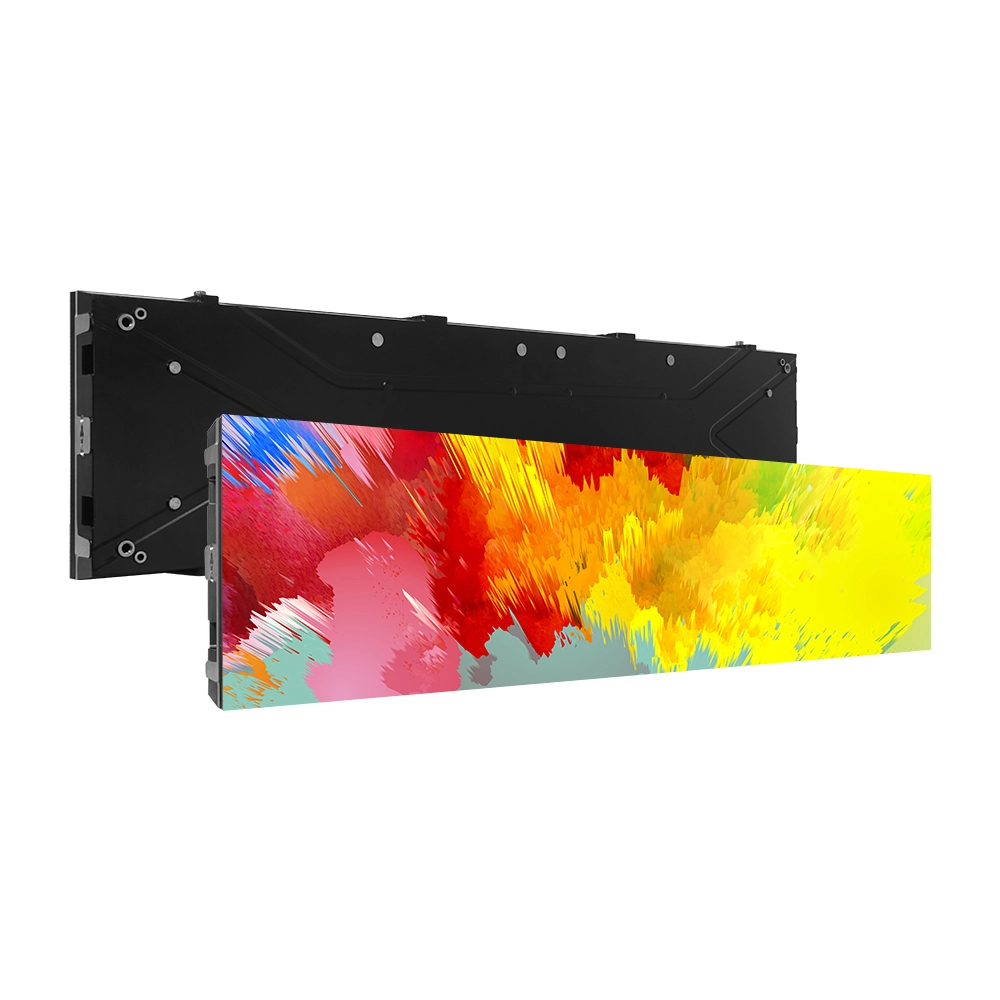
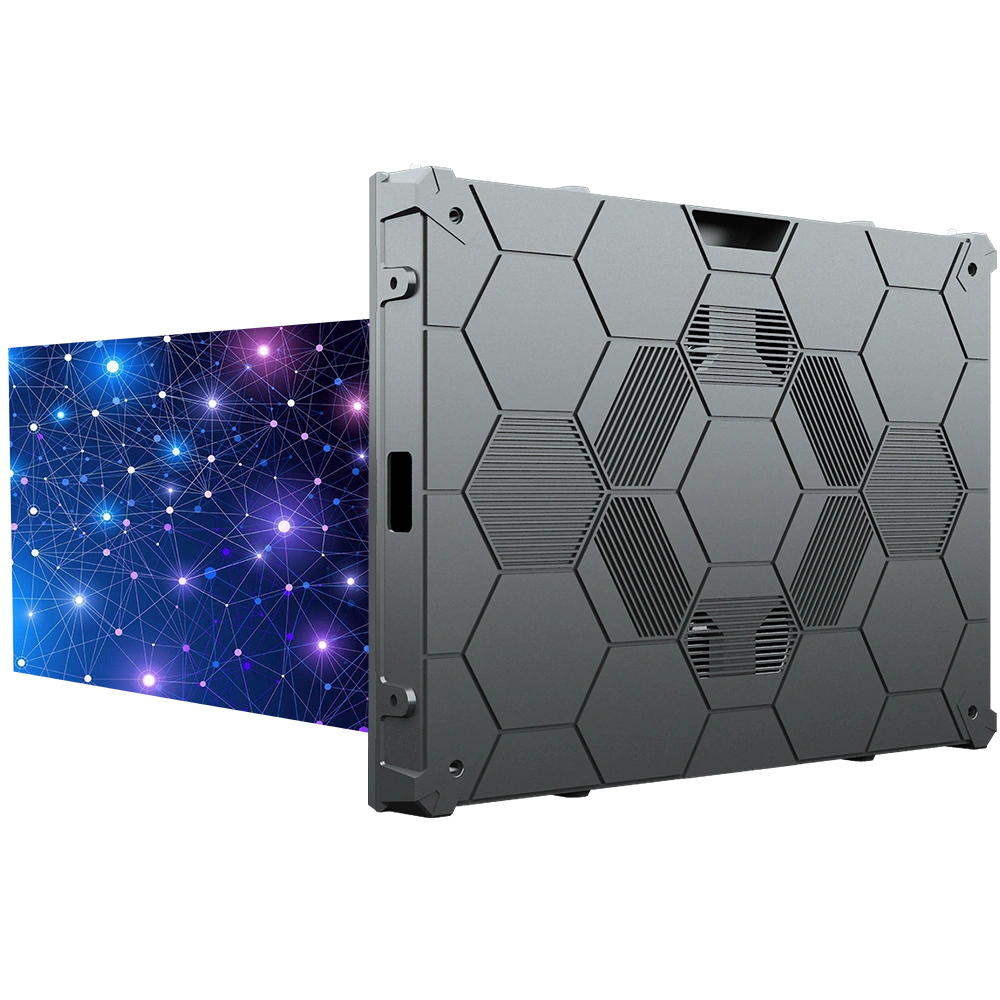
Chipshow’s C-Max Fine-Pitch COB family lists P1.53 and P1.86 configurations. Its published product description includes a 640 by 480 by 70 millimeter cabinet, COB surface construction, and magnetic front-service access. These characteristics make it a relevant platform to examine for certain close-viewing indoor installations.
C-Max Commercial SMD
The C-Max Commercial SMD line offers a broader published pitch selection from P1.25 to P4.0. The 640 by 480 millimeter die-cast aluminum cabinet format and front-serviceable construction support a range of commercial fixed-installation discussions.
This flexibility is useful because different lobby locations may have different typical viewing distances and screen dimensions. The product family should nevertheless be specified by exact pitch and configuration. A technical feature associated with one variant must not be implied to apply to every model in the range.
C-Max-Eco for Defined Commercial Installations
C-Max-Eco is another published indoor commercial option, with P1.86 and P2.5 configurations and a 640 by 480 by 70 millimeter cabinet format. Front-service features are included in the family description.
Its potential relevance depends on the application’s actual image and installation requirements. A product’s commercial positioning does not justify an unsupported promise that it will always be the cheapest option or produce a particular financial return. A suitable comparison focuses on the technical scope and the specific proposed hardware.
| Chipshow indoor family | Published configuration information | What to examine for an arena lobby |
|---|---|---|
| C-Max Fine-Pitch COB | P1.53 and P1.86, COB surface, 640 x 480 x 70 mm cabinet, front service | Close viewing, surface construction, maintenance method |
| C-Max Commercial SMD | P1.25 to P4.0, 640 x 480 mm cabinet, front service | Pitch options, modular layout, architectural fit |
| C-Max-Eco | P1.86 and P2.5, 640 x 480 x 70 mm cabinet, front service | Fit to defined indoor requirements and service arrangement |
The table is a product-family reference, not a substitute for current model-specific data sheets. Final availability, equipment compatibility, performance characteristics, and required documentation should be confirmed before a hardware proposal is approved.
What to Request From an Indoor Jumbotron Manufacturer
Manufacturer Information Versus Installation Services
Searching for indoor jumbotron for arena lobby manufacturers should lead to practical questions about what a manufacturer can document and deliver. A hardware manufacturer defines available cabinet families, module options, service arrangements, and technical product characteristics. Those functions differ from the site-specific responsibilities of an AV integrator or installation contractor.
An integrator may coordinate display processing, signal interfaces, integration with other venue equipment, and the local delivery scope. Architects and qualified engineers address relevant building and structural matters. The contractual division varies from project to project, but the roles should be identified rather than assumed.
At Chipshow, we work as an LED display hardware manufacturer and an integrator-friendly supply partner. We can discuss the applicable product platform and available documentation without implying that every cabinet sale includes construction management or complete on-site installation.
This distinction helps venue owners understand what they are purchasing and helps their integrators keep responsibility for the project work they have been engaged to perform.
Technical Submittals Before Hardware Selection
A brochure is useful for shortlisting products, but it rarely contains everything needed for a permanent installation review. The design team needs information for the actual selected configuration, not a collection of attractive figures drawn from different model variants.
Cabinet dimensions and weight help with physical coordination. Power information and electrical connections matter to the electrical team. Module arrangements and service procedures help the venue understand its future access needs. Control equipment and supported interfaces matter to the AV integrator.
The proposed bill of materials should correspond to the same model, pitch, and cabinet configuration as the drawings and data sheets. If a quotation changes, associated technical documents may need to change too. An accurate submittal set avoids misunderstandings between the manufacturer’s quotation and the installation team’s assumptions.
Where project approvals or certifications are relevant, the buyer should ask for documentation applicable to the exact hardware. Product documentation is not the same thing as approval of the proposed installation at a particular building.
Configuration and Compatibility Questions
An LED wall is not only the cabinet surface visible to visitors. The proposed hardware also needs to work with the selected video sources, processing equipment, power arrangement, and intended image format. The integrator should confirm those dependencies before the system is finalized.
Different pitch and cabinet configurations can affect display resolution, module requirements, and processing arrangements. A change in the planned dimensions may therefore require a new review of both the physical equipment and the content presentation approach.
A useful manufacturer discussion identifies the exact model, cabinet format, service method, expected image content, and relevant equipment interfaces. It also separates confirmed capabilities from assumptions that still need engineering or compatibility checks.
Comparing Supplier Information on Equal Terms
A buyer researching an indoor jumbotron for arena lobby supplier may receive proposals that look similar on the first page but describe different equipment scopes. One may cover LED cabinets alone. Another may include control equipment, accessories, or spare parts. Structural work and installation may be separate in either case.
A fair comparison starts by identifying the same hardware scope, proposed pitch, cabinet arrangement, service method, and included components. Differences in those details can make a price comparison misleading even when the overall wall dimensions appear similar.
Do not assume a specific delivery date from general stock statements. Availability should be confirmed for the precise model and quantity being proposed. Likewise, a supplier’s marketing claim about compatibility should be matched to the relevant technical documentation before the project relies on it.
Preparing an Arena Lobby LED Installation for Technical Review
Confirm the Architectural Constraints
A productive hardware review begins with a clear description of the location. The team should identify the usable wall dimensions, anticipated screen position, nearby openings, and any restrictions created by circulation, decorative finishes, or existing services. Where possible, a current architectural drawing is more valuable than a rough verbal estimate.
Supporting conditions need professional assessment. A manufacturer can identify the hardware’s stated requirements, but a qualified project team must decide whether the existing building can accommodate the proposed assembly. This boundary protects both the venue and the integrator from treating a product specification as site engineering approval.
Define the Display Operating Conditions
The manufacturer also needs to know how the wall is expected to be used. Typical viewing positions, ambient light, operating hours, and intended content all help establish a reasonable configuration. A screen near an entrance with strong daylight may require a different assessment from one inside a shaded interior passage.
Content descriptions should remain practical. Explain whether the display will show large-format video, detailed graphics, or information that visitors need to read at relatively close range. There is no need to turn the hardware inquiry into a sponsorship or fan-engagement strategy document.
Align Product Documentation With the Installation Team
Once a configuration is shortlisted, the same technical information should reach the architect, AV integrator, electrical contractor, and facility team. The mounting approach, power needs, signal paths, cabinet arrangement, and service method must describe one coherent proposal.
A mismatch between the drawing and quotation can cause trouble even when the LED hardware itself is suitable. Early coordination allows the project team to resolve such discrepancies before the enclosure is finished and the equipment is scheduled for installation.
Arena Lobby LED Hardware Review Checklist
- Confirm the usable wall dimensions and proposed display position.
- Record representative viewing positions and surrounding light conditions.
- Identify content formats and the expected operating schedule.
- Review mounting depth, structural considerations, and maintenance access.
- Request cabinet, electrical, connection, and service documents for the selected configuration.
- Assign integration, installation, and site-approval responsibilities to the relevant professionals.
The checklist is a handoff aid, not a substitute for detailed site design or professional approval. It helps turn an initial enquiry into information that a manufacturer and integration team can actually use.
Working With an Indoor Jumbotron Supplier for an Arena Lobby
What an LED Hardware Supplier Should Clarify
A useful supplier conversation should explain what the proposed equipment includes and which questions remain open. For permanent indoor video walls, that means clarifying cabinet configuration, pitch, module and service arrangements, power documentation, accessories, and any required supporting hardware.
Suppliers should also distinguish the confirmed specifications of the selected model from options that may not apply to the proposed order. This matters when a product family contains several pitches or cabinet revisions. Buyers should be able to identify the exact equipment against which they are evaluating the architectural plans.
How Chipshow Supports AV Integrators
Chipshow provides indoor LED hardware that AV dealers and integrators can assess for commercial installations. The C-Max family offers different documented COB, SMD, and commercial configurations; each needs to be matched to the intended wall and viewing conditions.
We focus on manufacturer-backed product information and practical hardware discussions. The local integrator remains responsible for its agreed relationship with the venue and its contracted system and installation scope. This division allows the venue to assess equipment capabilities without confusing a manufacturer quotation with a commitment to complete every aspect of the building work.
Moving From Equipment Interest to a Technical Request
A strong inquiry explains the location, available wall space, viewing conditions, planned content, and the main installation constraints. If architectural drawings or an integrator’s preliminary equipment schedule exist, those documents can make the discussion considerably more useful.
Frequently Asked Questions About Indoor Jumbotrons for Arena Lobbies
Can a Lobby LED Wall Operate During Long Event Days
It may, provided the selected hardware and supporting system are evaluated for the intended operating schedule. Ask for the model’s applicable operating information and a maintenance plan. The length of a venue’s event day alone cannot establish which equipment or redundancy arrangement is appropriate.
Do All Arena Lobby LED Walls Need the Same Brightness
No. A screen facing a bright entrance and one in a shaded internal corridor can experience very different lighting. The appropriate setting and product configuration should follow the actual viewing environment, not a universal indoor brightness claim.
Can a Lobby Display Use a Nonstandard Aspect Ratio
Often, but the available cabinet arrangement and video-processing approach must support the intended image shape. The architect and integrator should review the physical format and planned content together before finalizing the wall dimensions.
Is an LED Manufacturer Also Responsible for Building Approval
Not automatically. A manufacturer supplies product information and hardware within its agreed scope. The venue’s appointed architects, engineers, installers, and other responsible professionals must address the permits and site-specific approvals that apply to the project.
What Makes a Supplier Proposal Ready for Technical Review
It should identify the proposed model and pitch, cabinet arrangement, major included components, and available product documents. It should also state which installation and integration responsibilities are outside the equipment quotation so the project team can review the proposal on a consistent basis.
Request Indoor LED Hardware Specifications for Your Arena Lobby
An indoor jumbotron for arena lobby installation should reflect the real room, the people using it, and the way it will be maintained. Choosing among indoor LED hardware platforms becomes easier when the architectural conditions, image requirements, and service strategy have been defined first.
Chipshow offers C-Max COB, Commercial SMD, and C-Max-Eco product families for evaluation in suitable commercial indoor applications. Explore our indoor hardware options and share your intended display location, viewing conditions, available space, and installation constraints to discuss an appropriate configuration with our team.
For broader visitor-experience ideas, see our existing arena lobby article. For general indoor display procurement concepts, consult the indoor Jumbotron buying article; this page focuses on the hardware and installation information needed to move a particular lobby project forward.